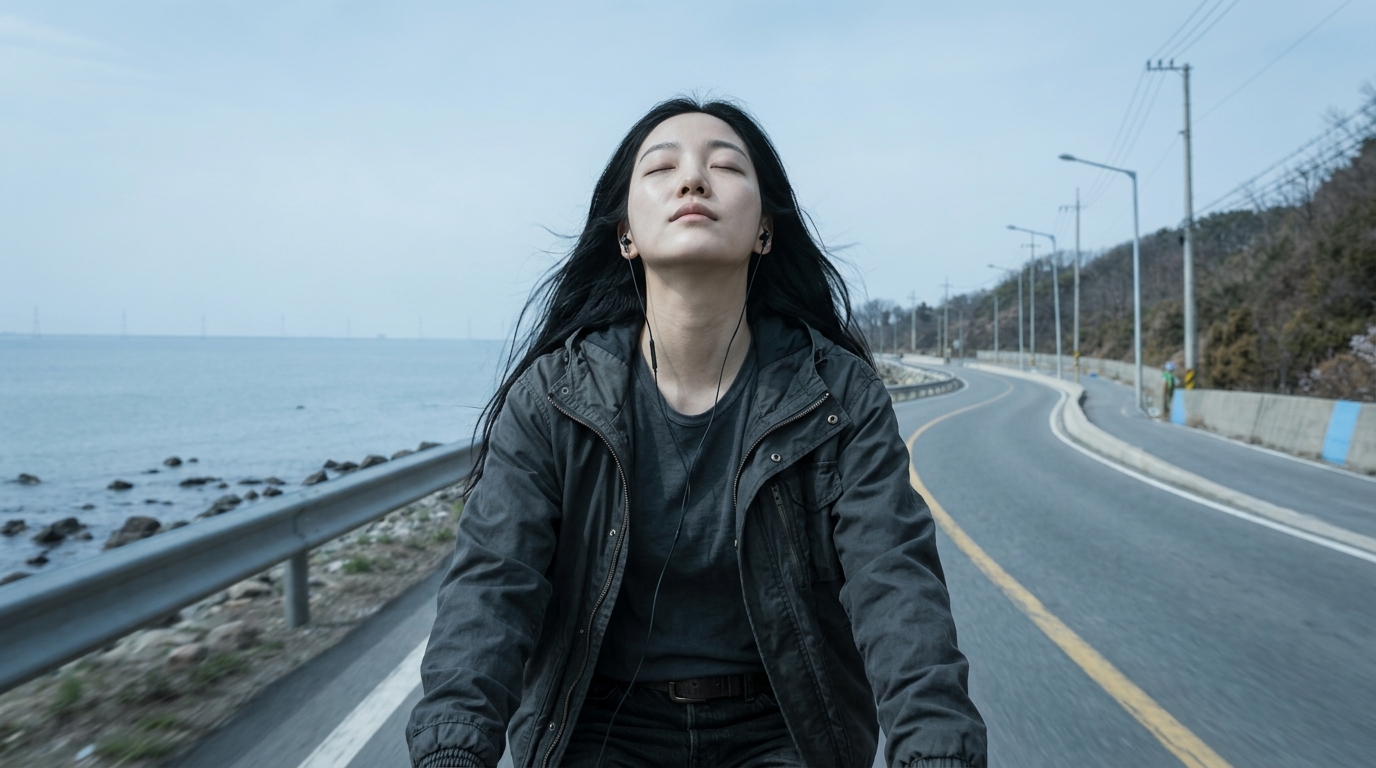
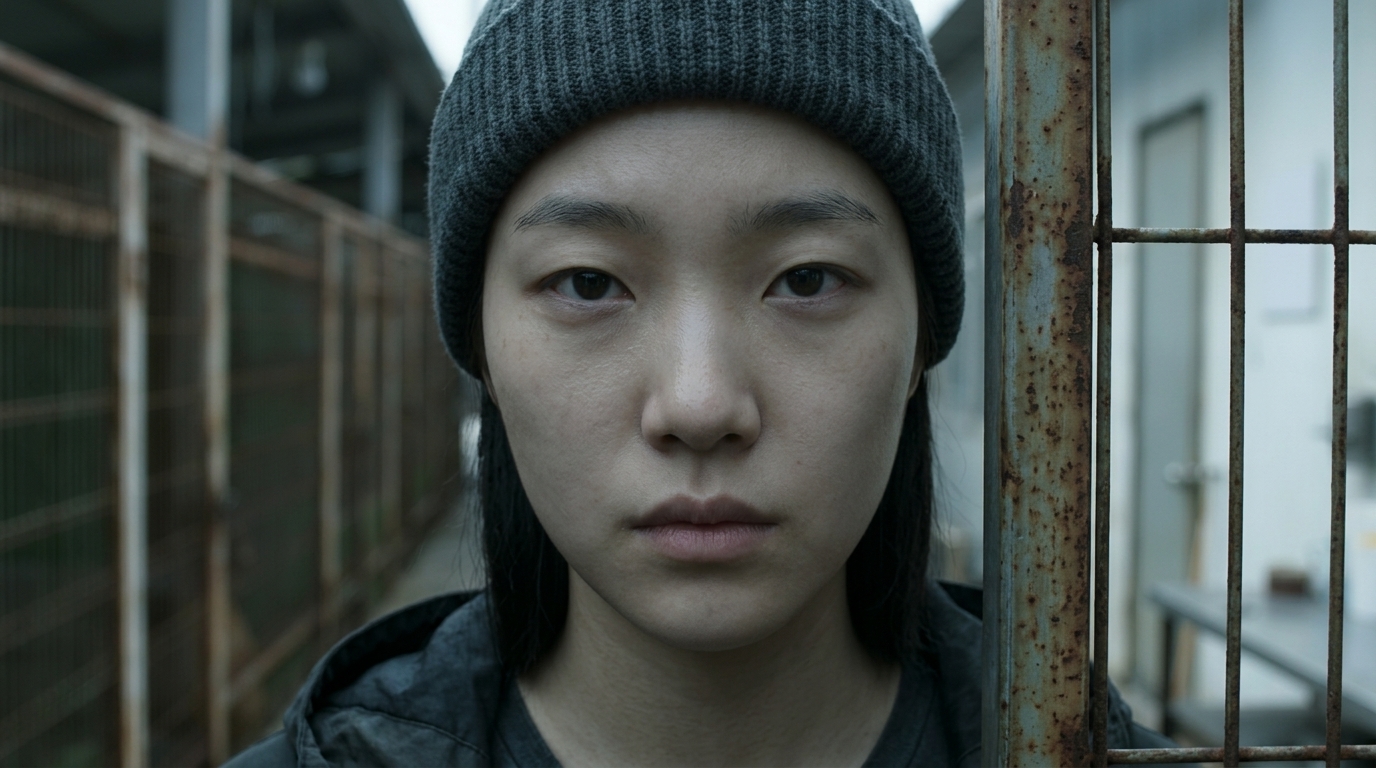
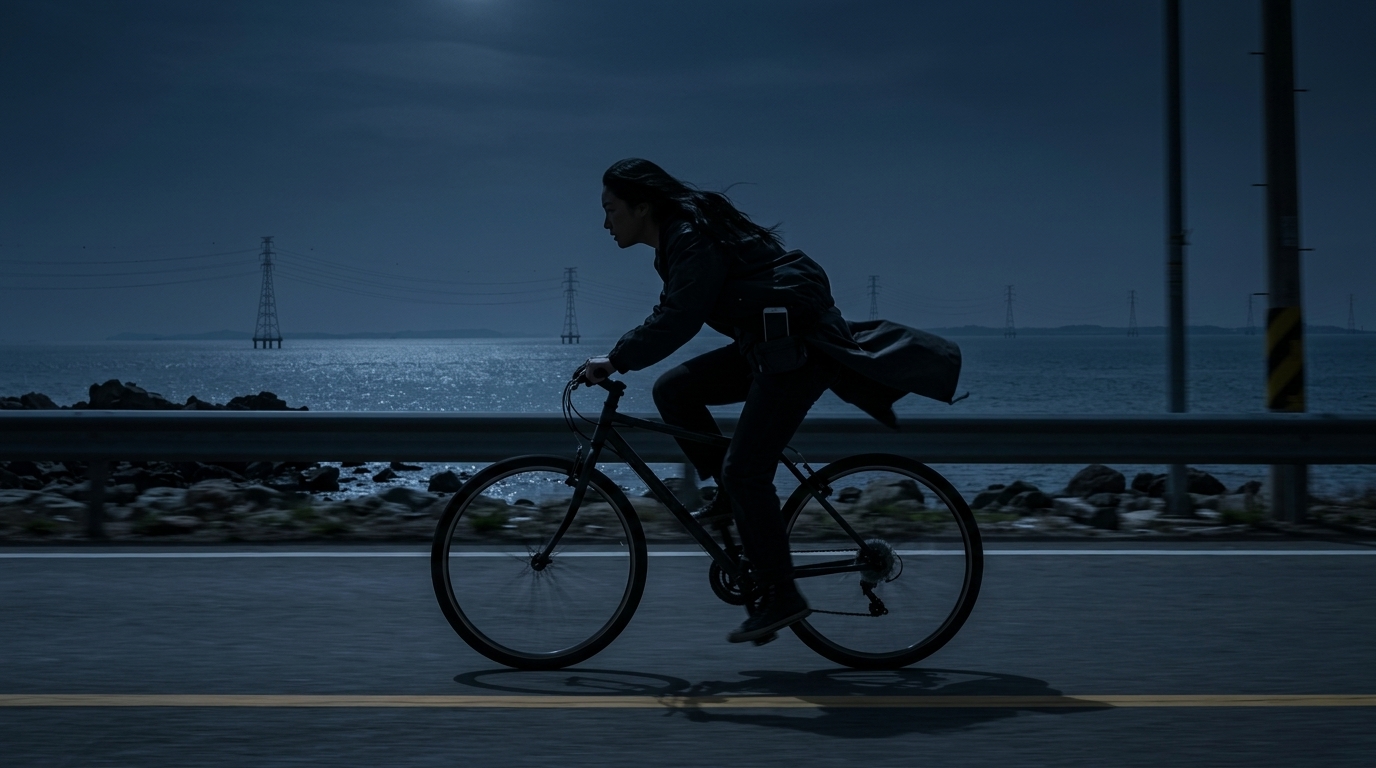
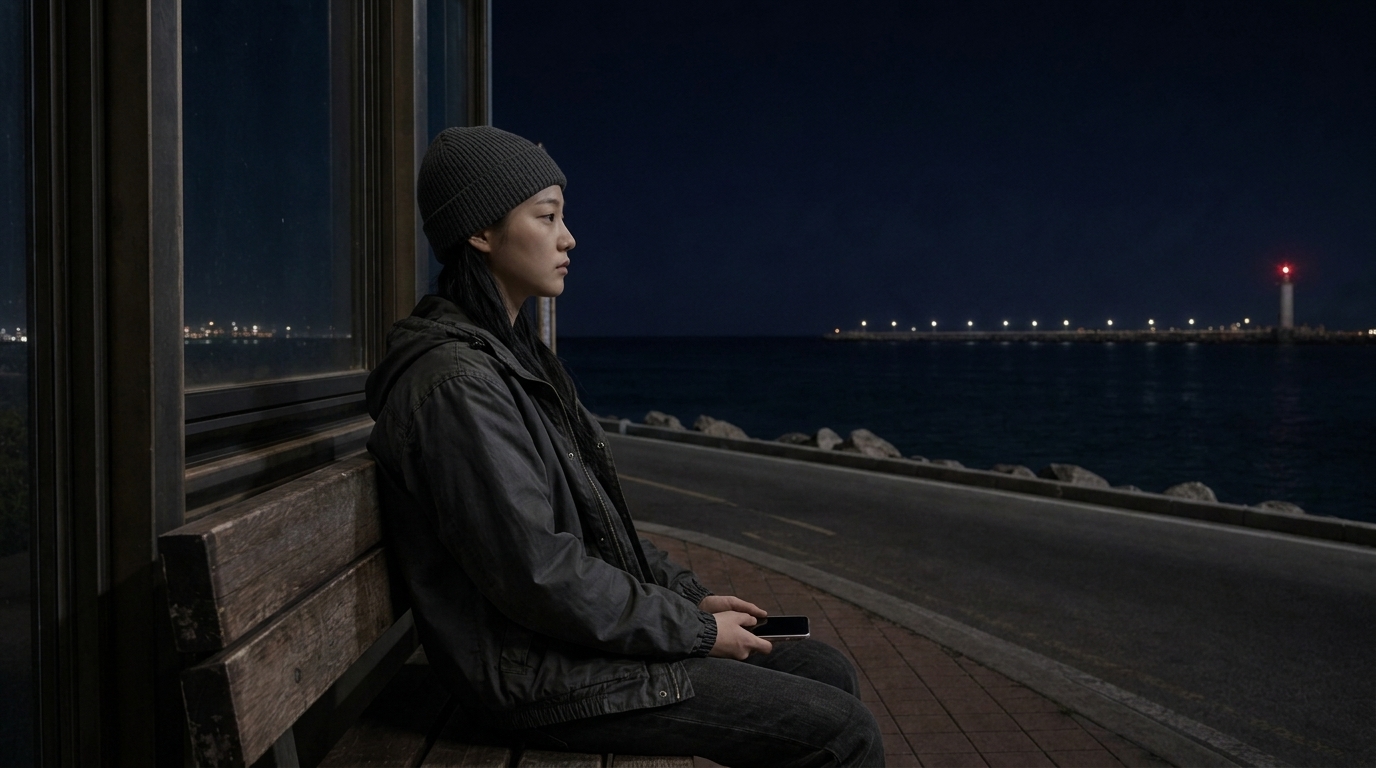
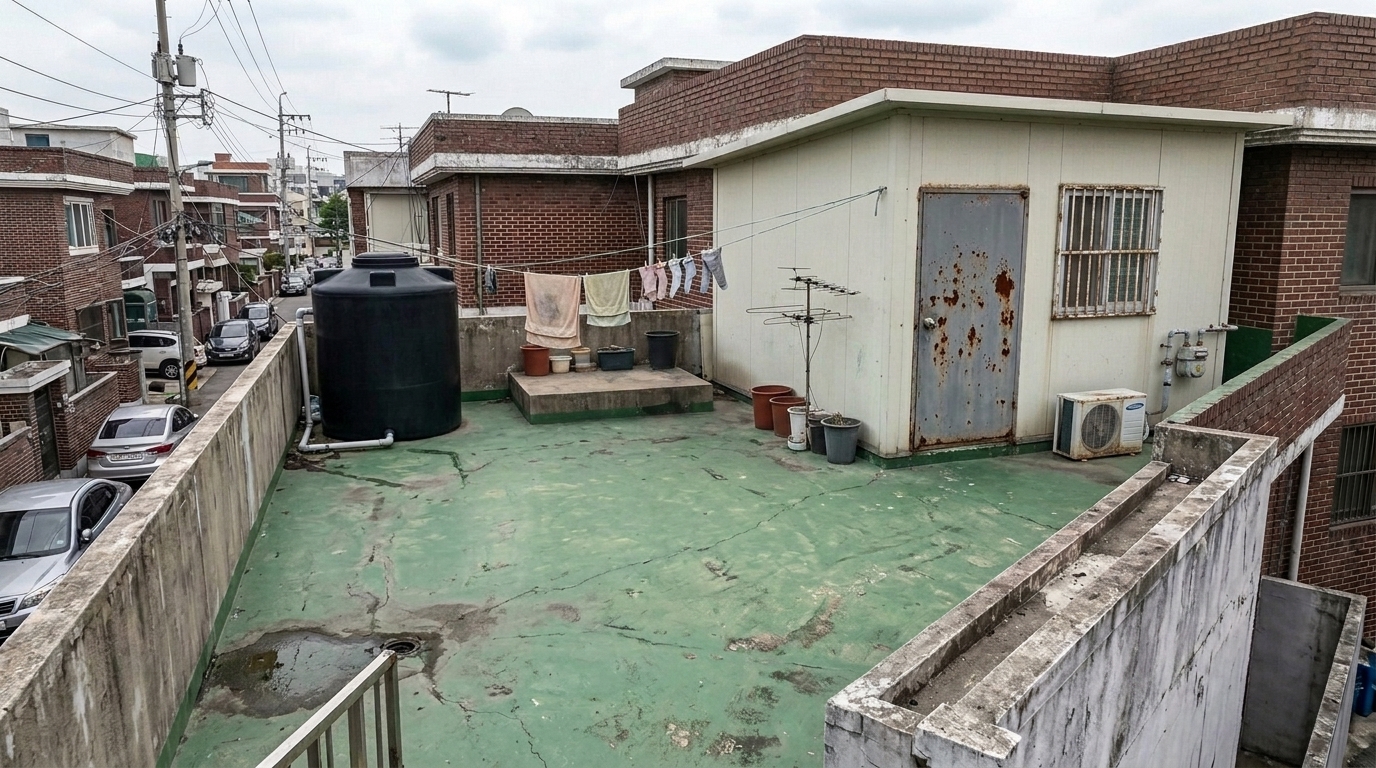
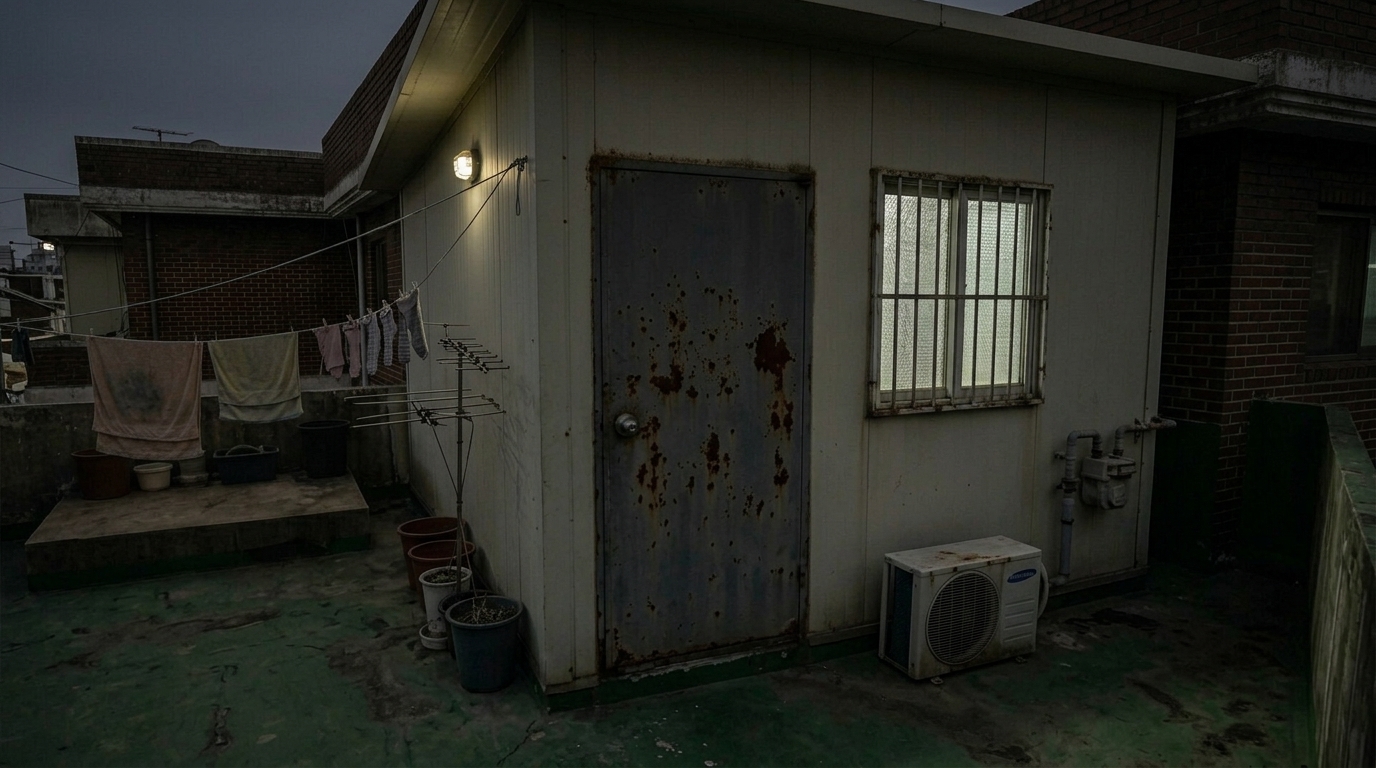
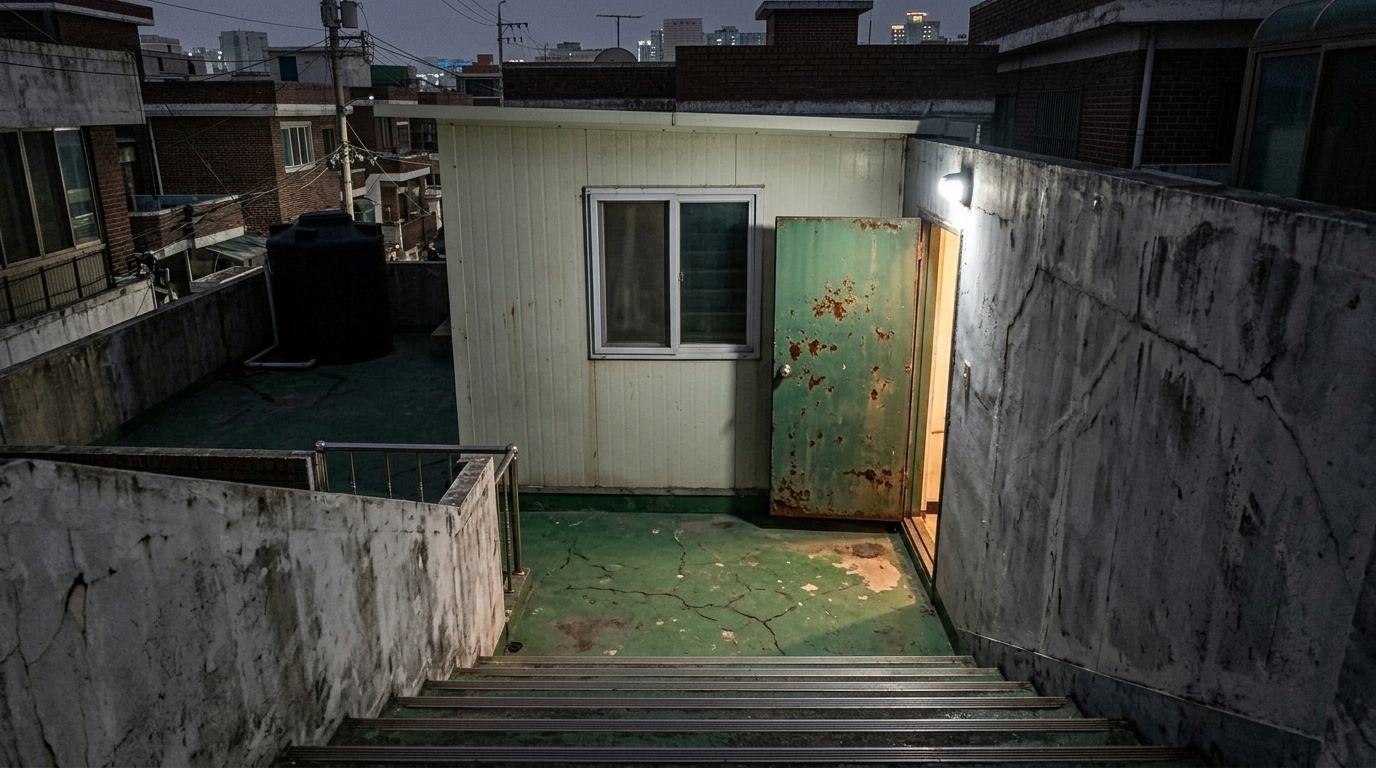
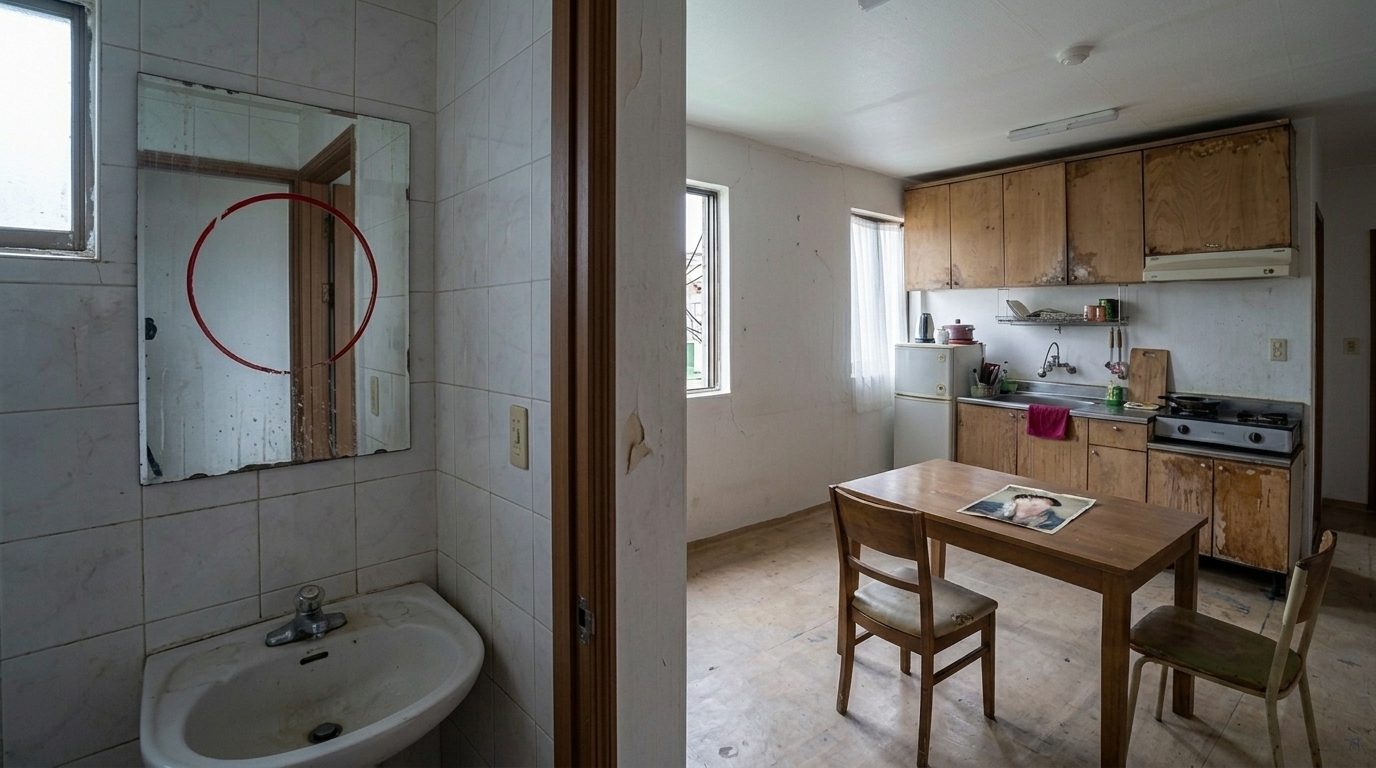
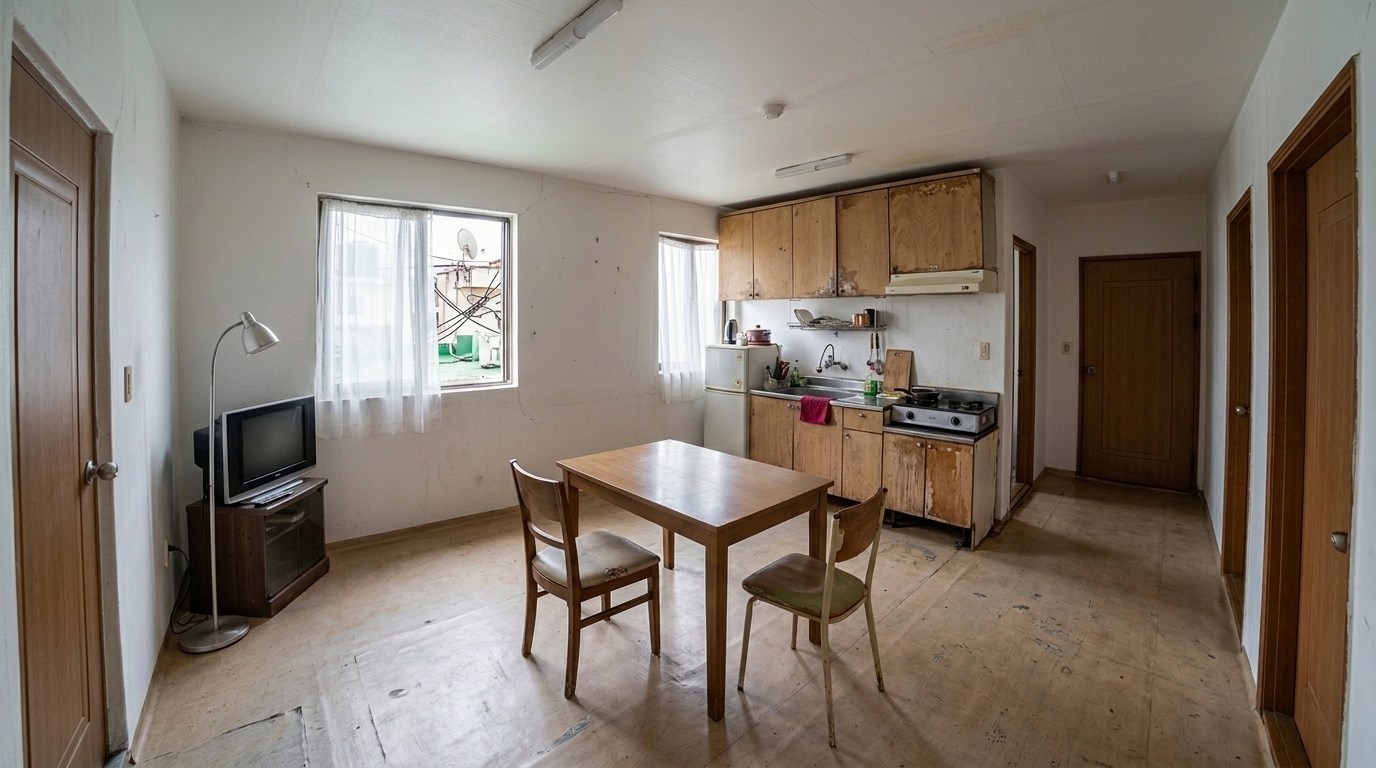
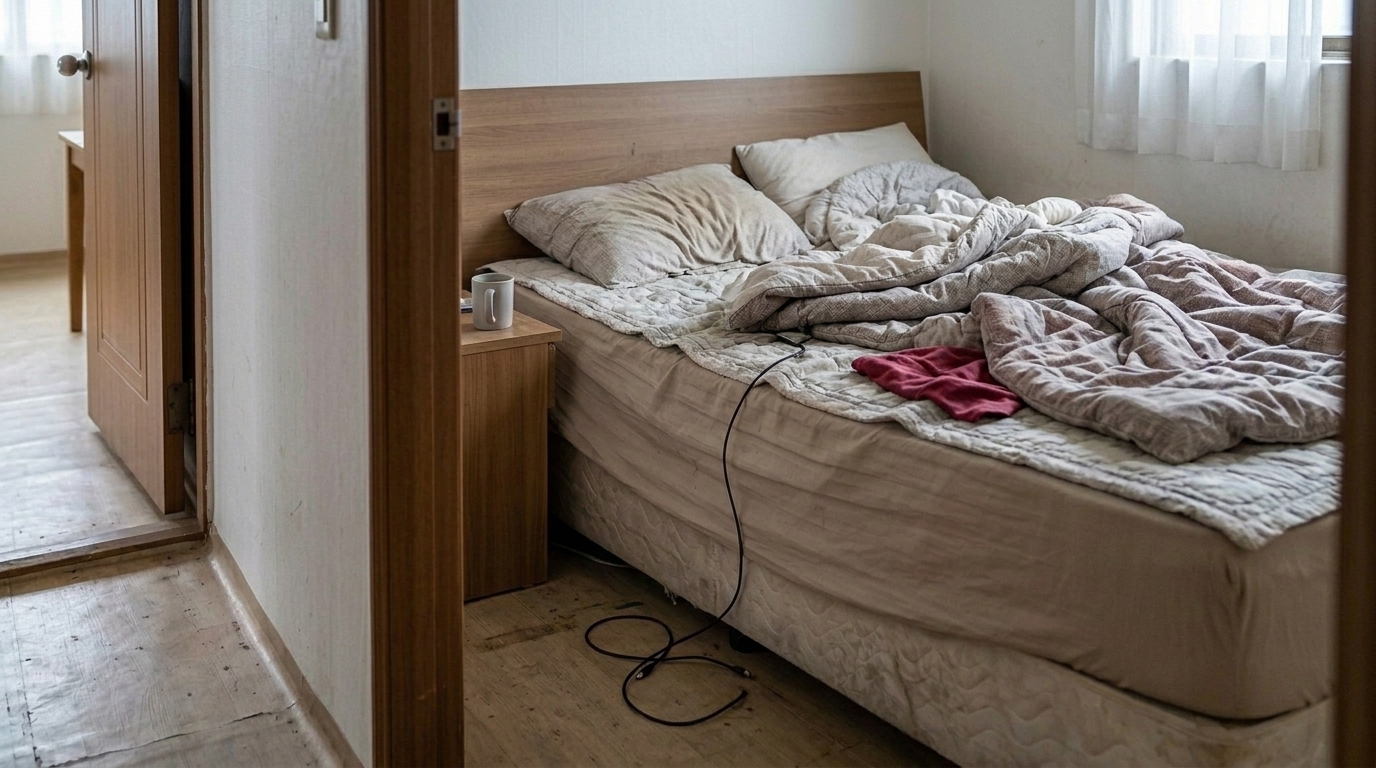
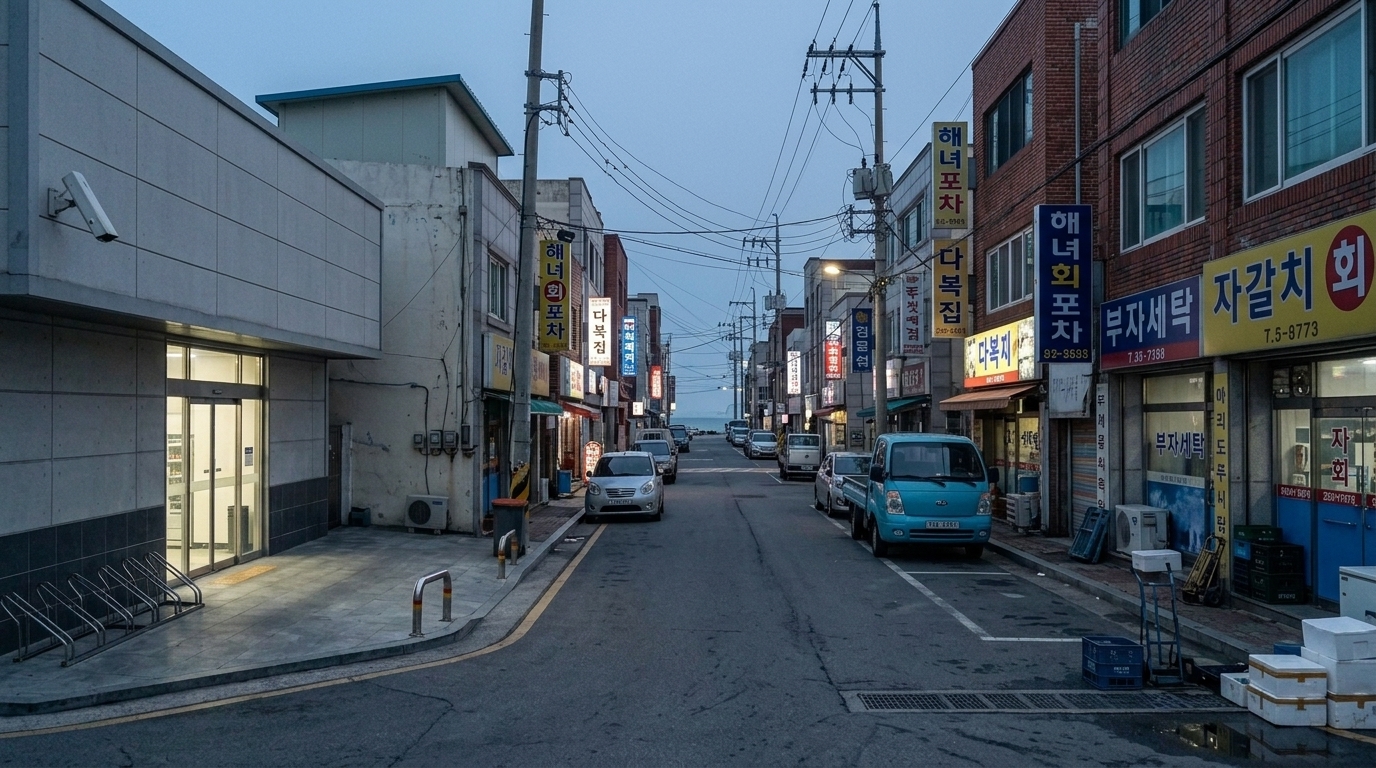
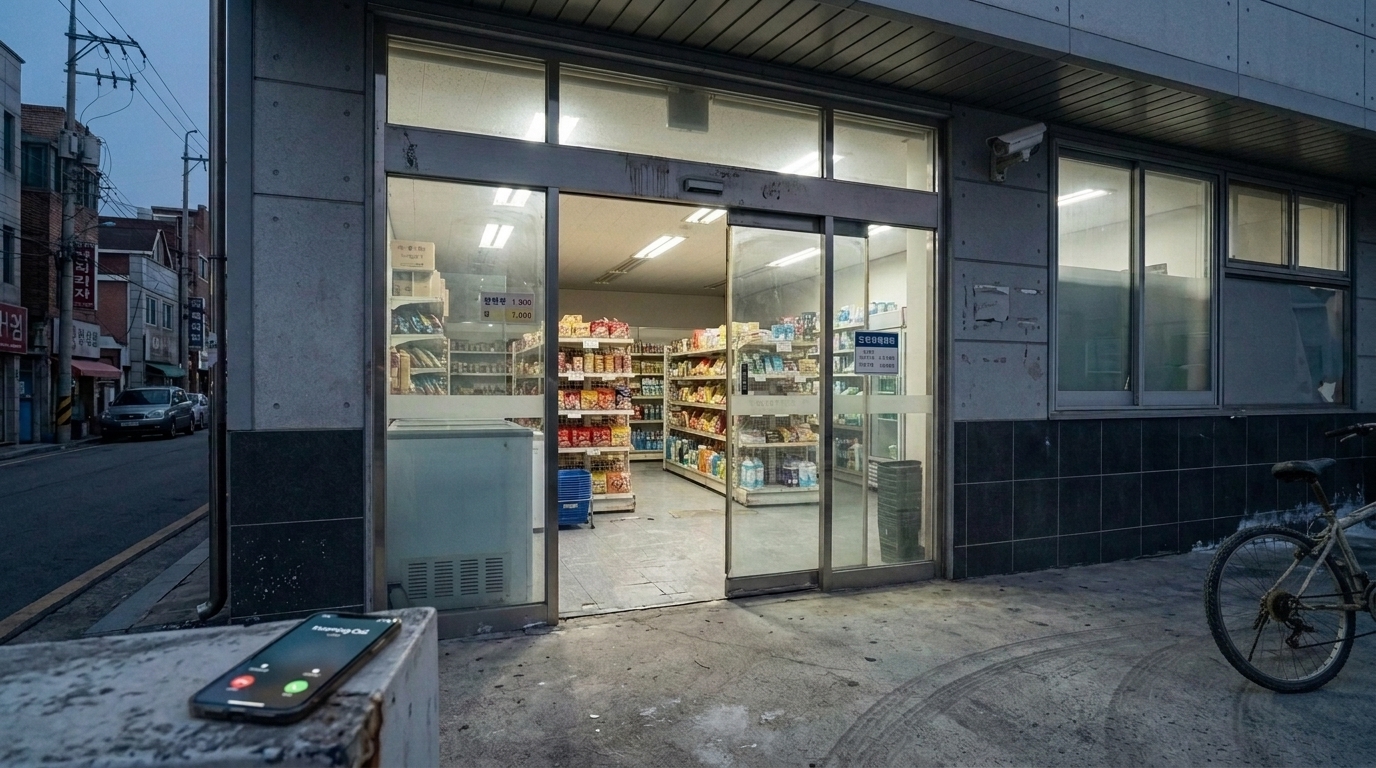
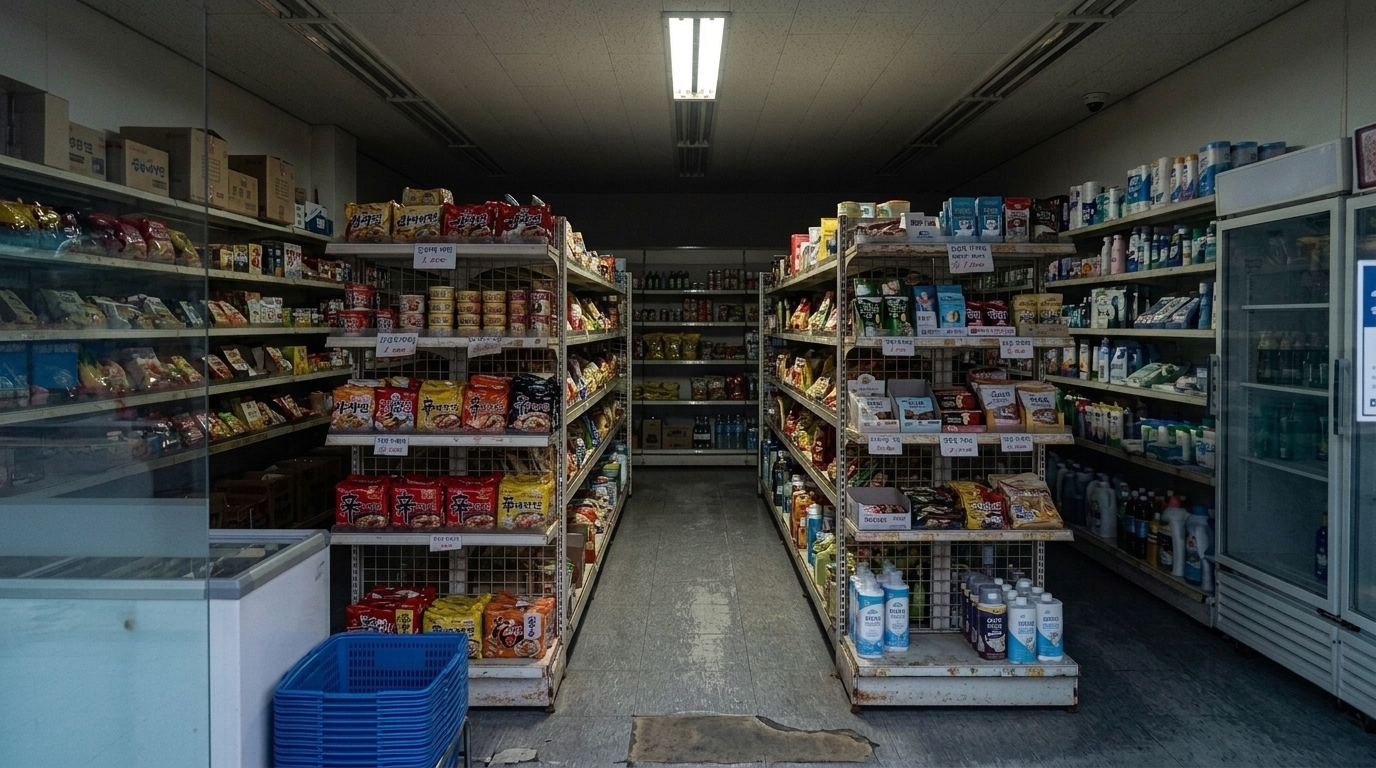
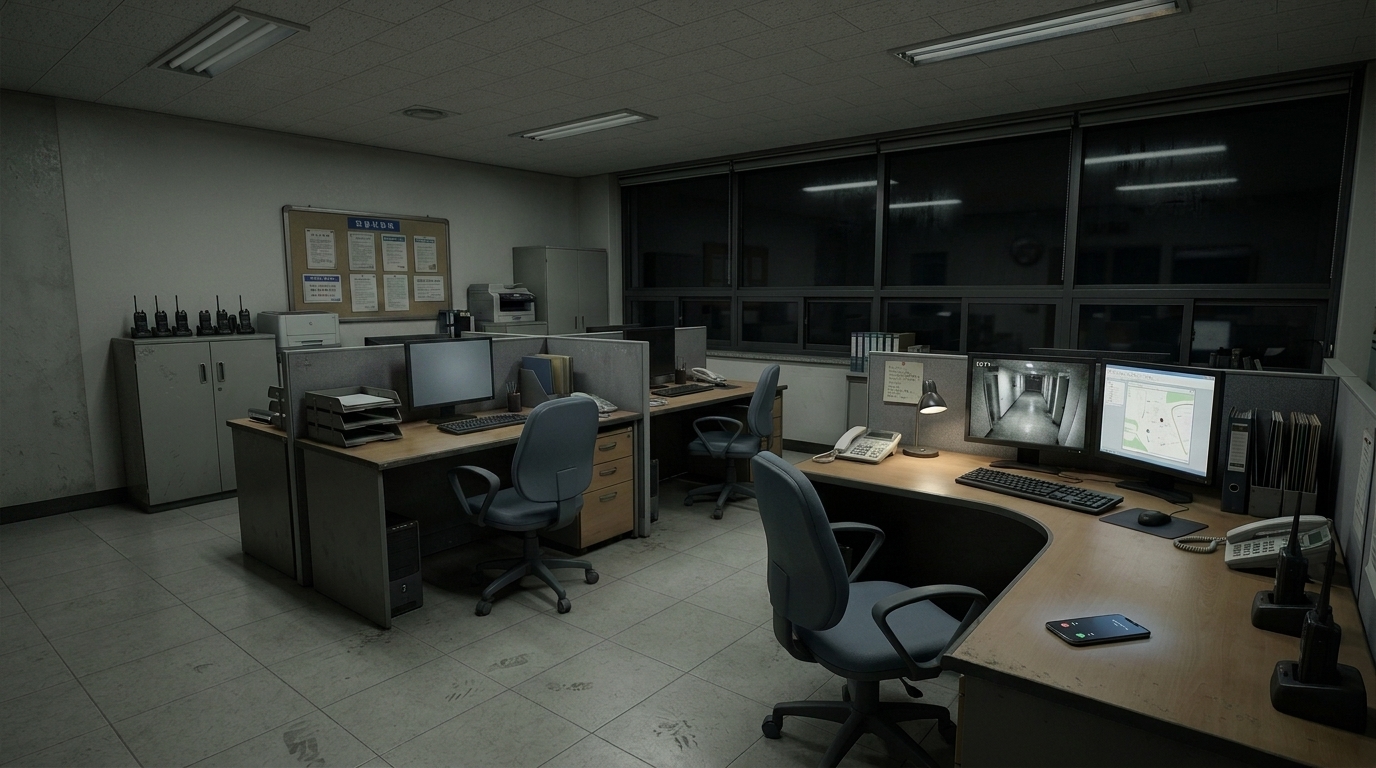
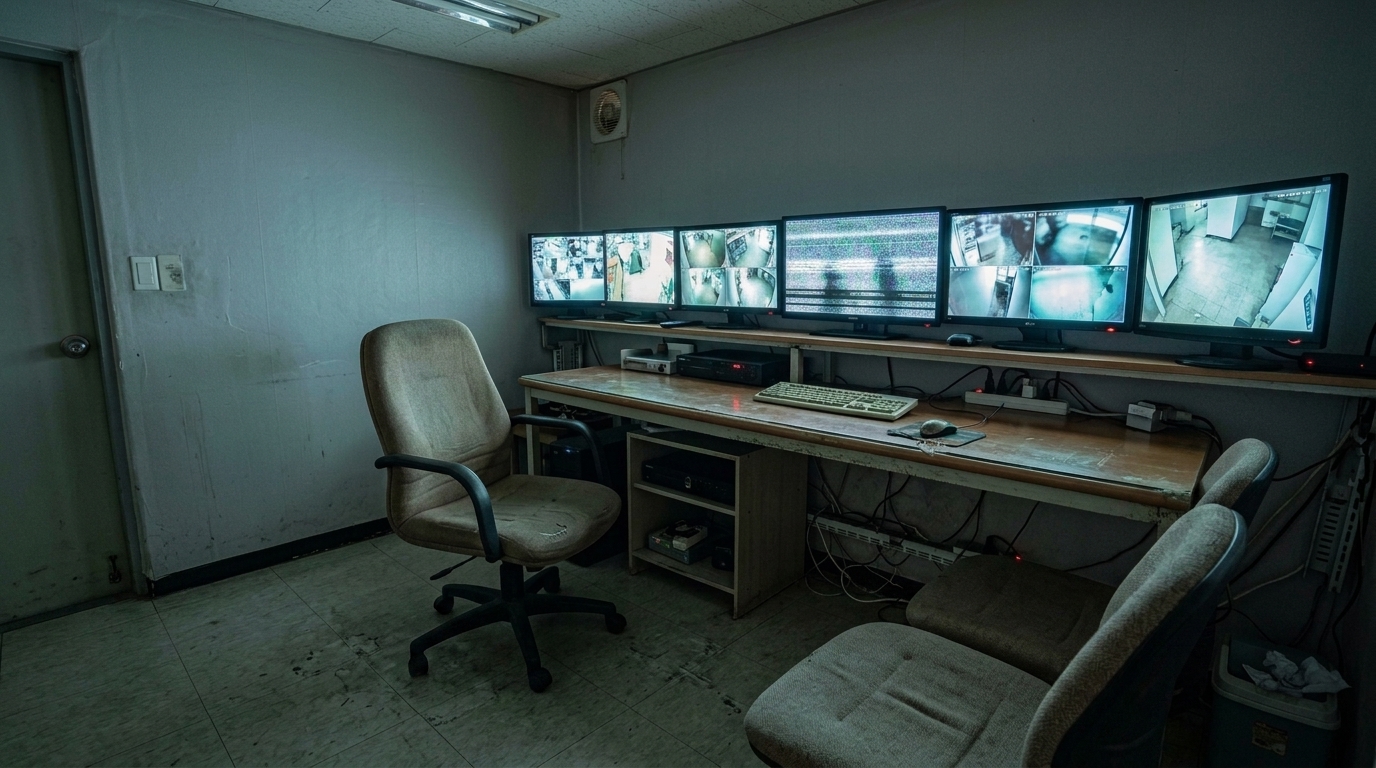
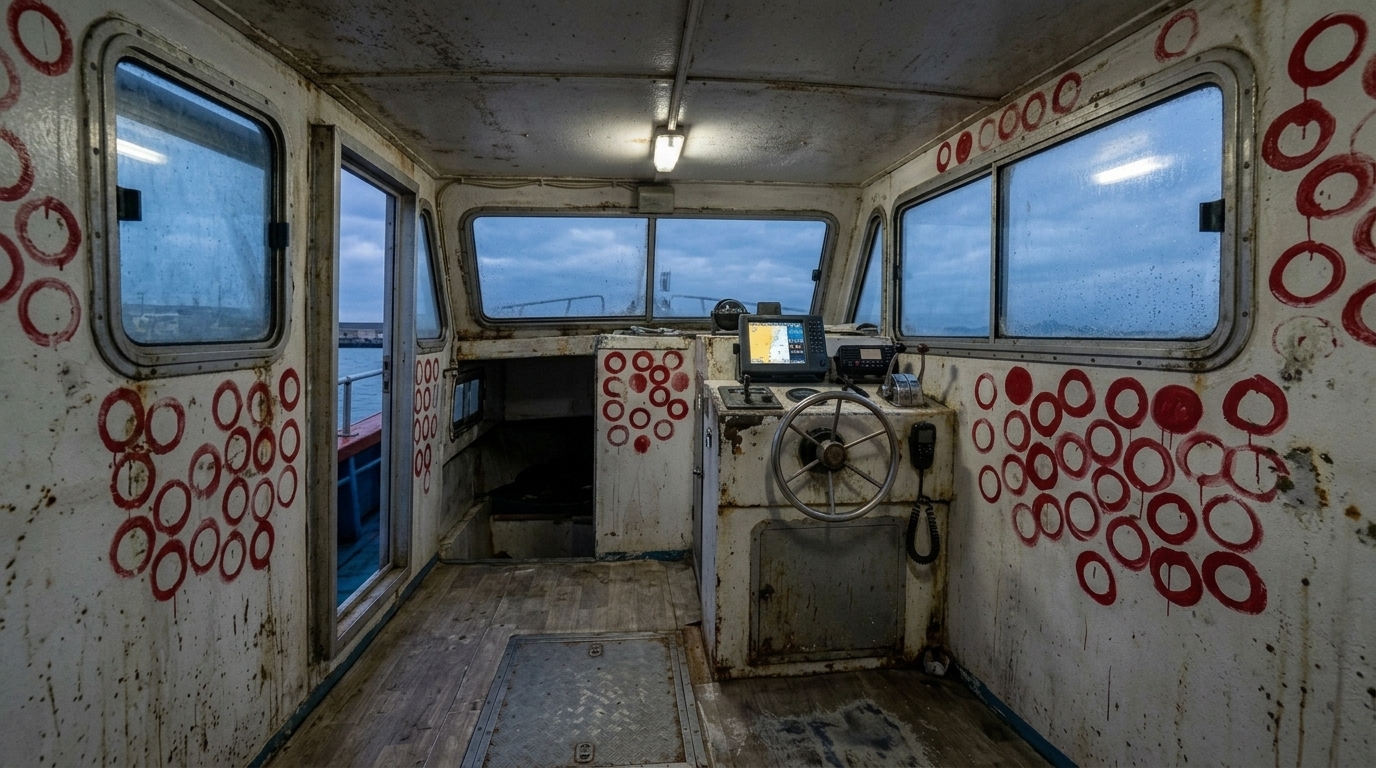
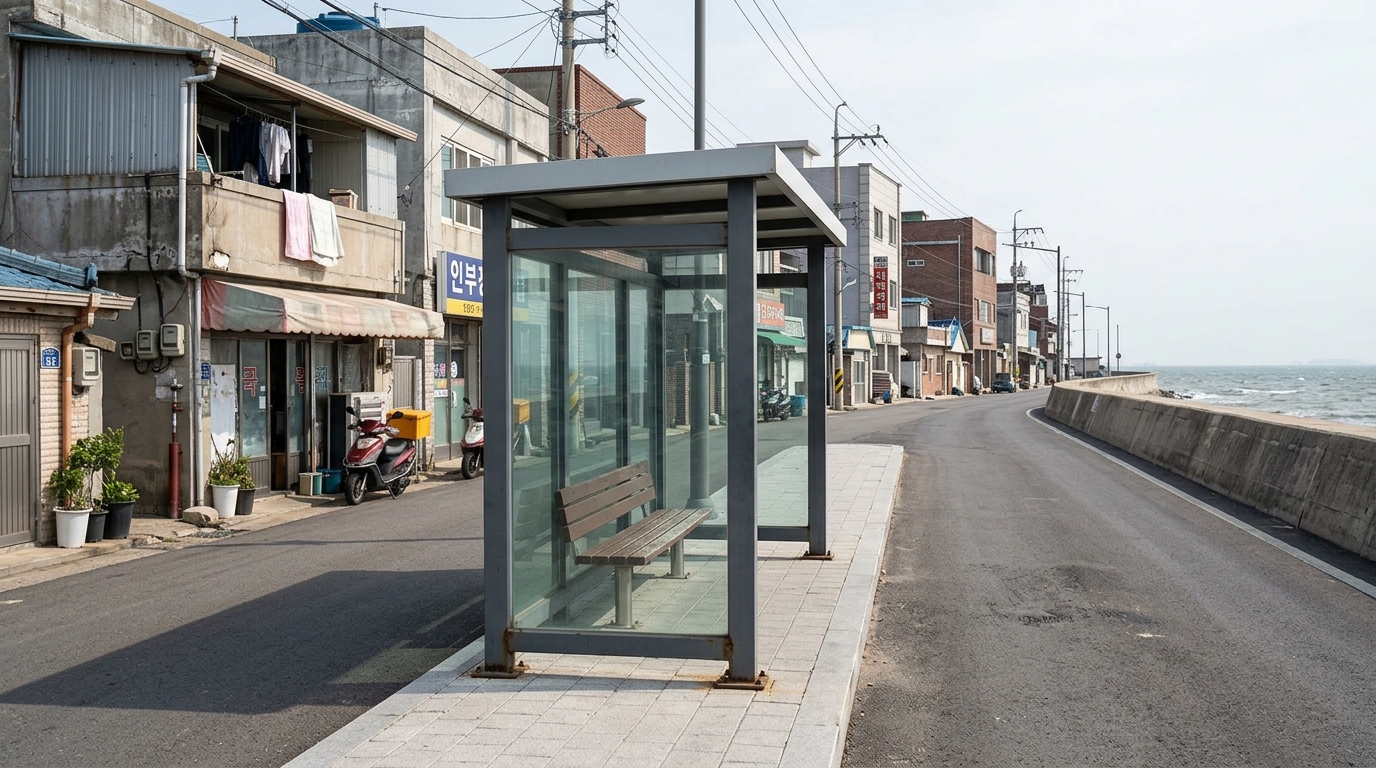
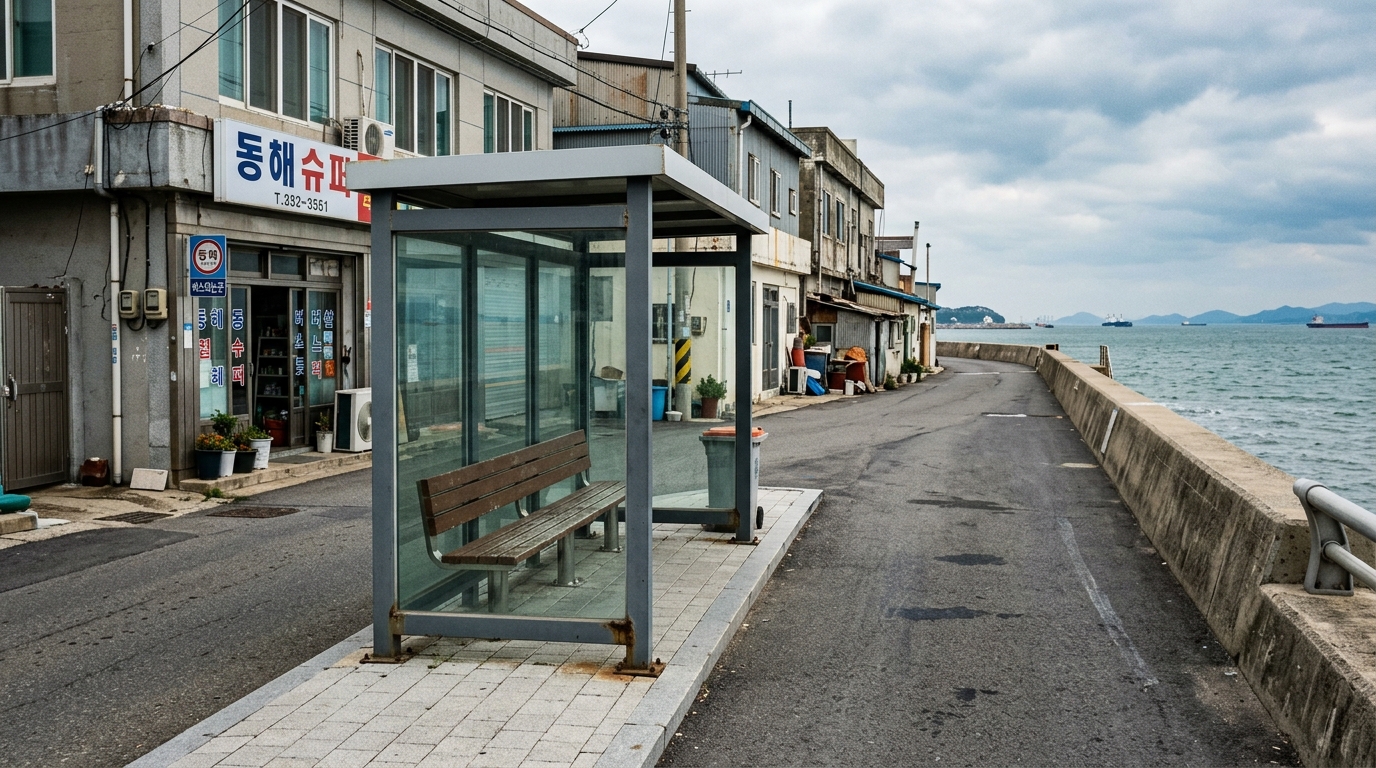
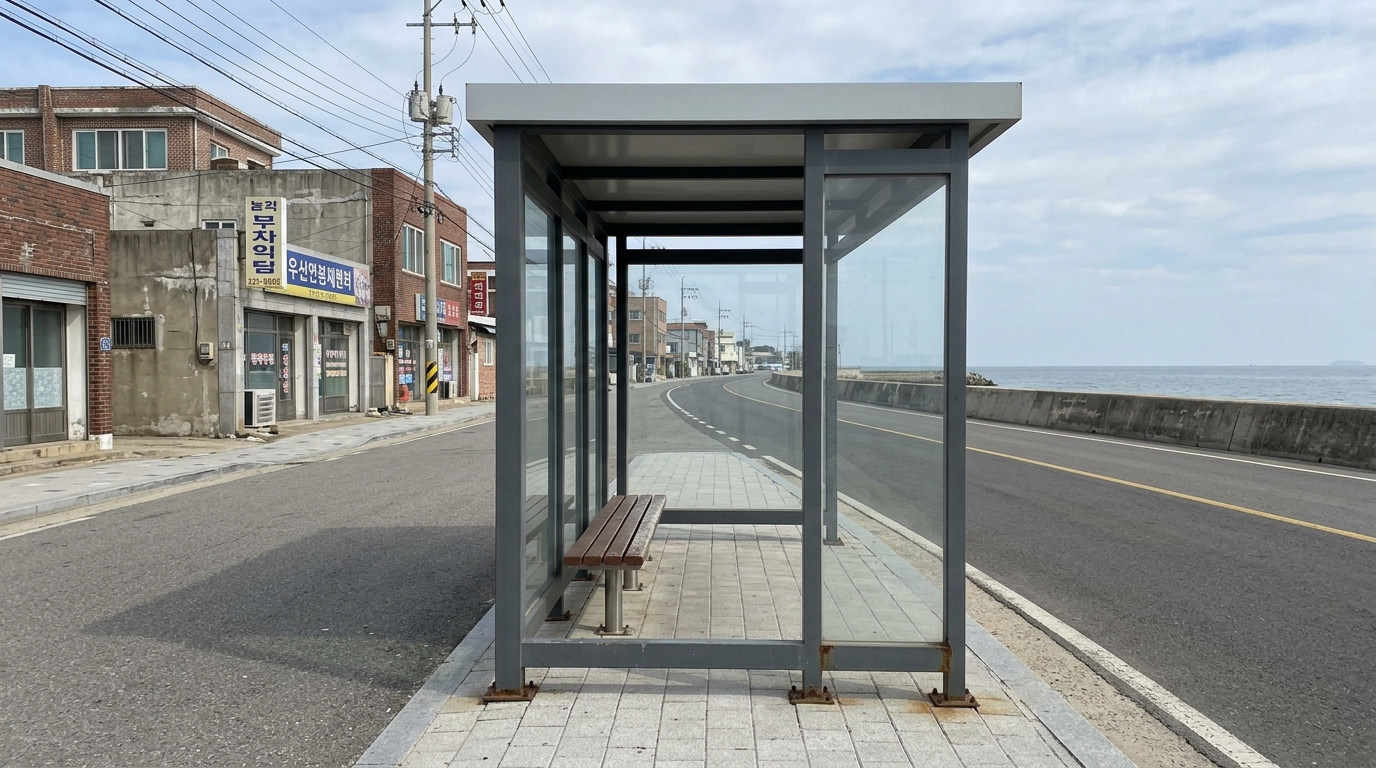
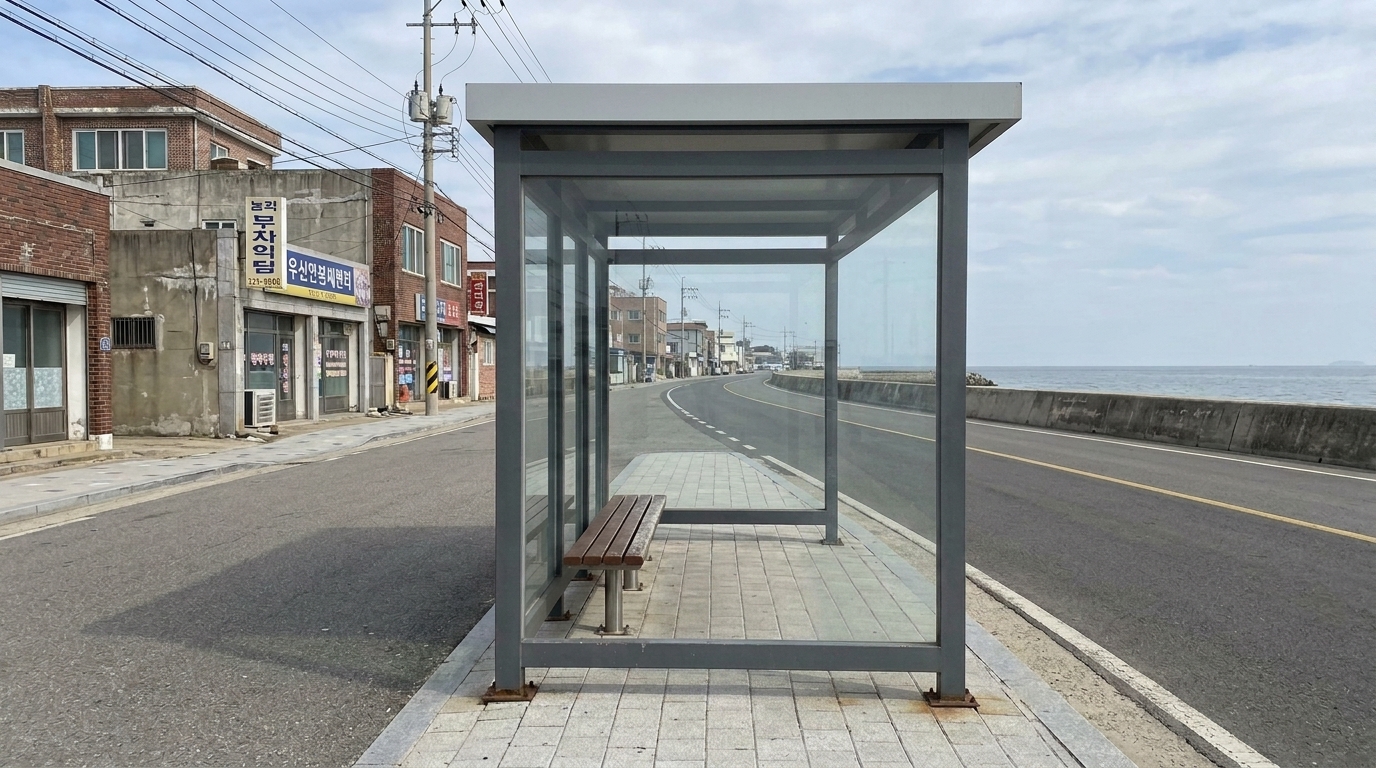
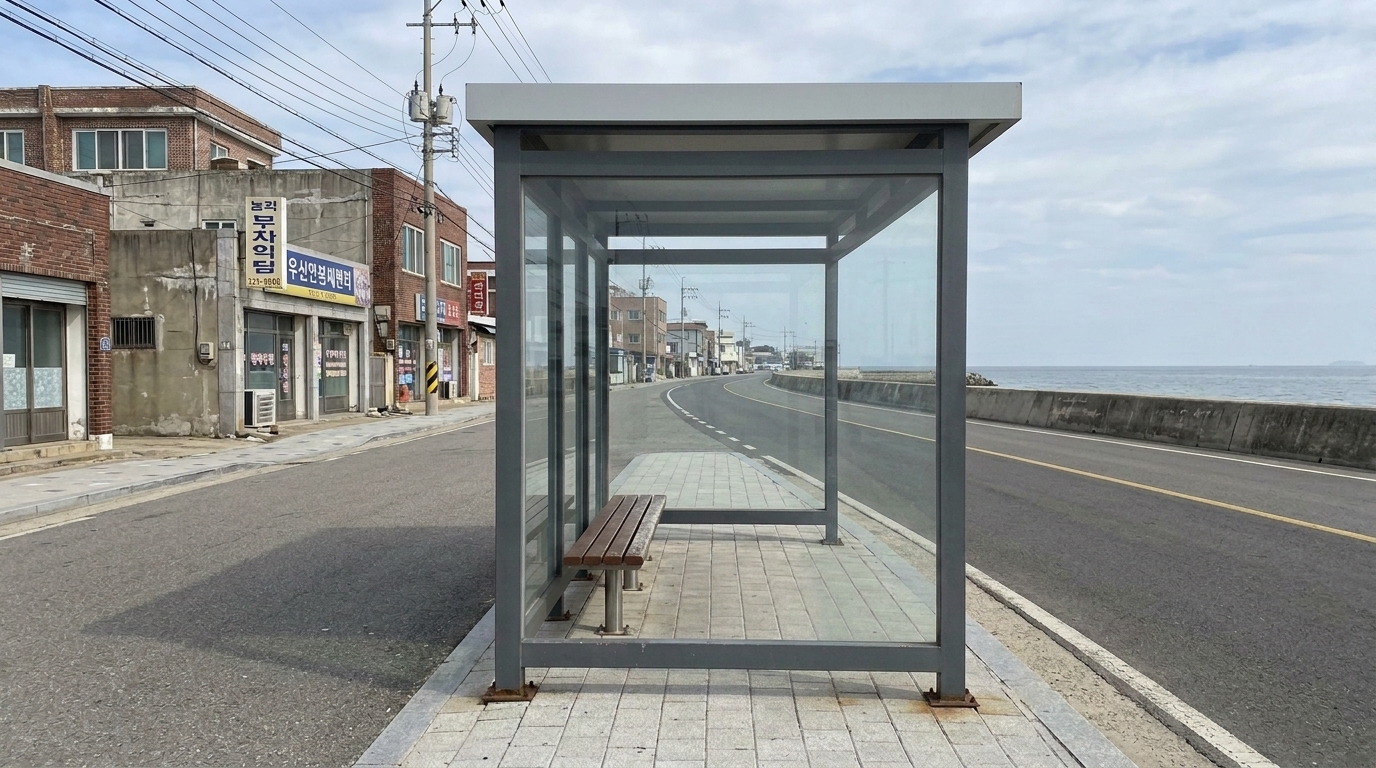
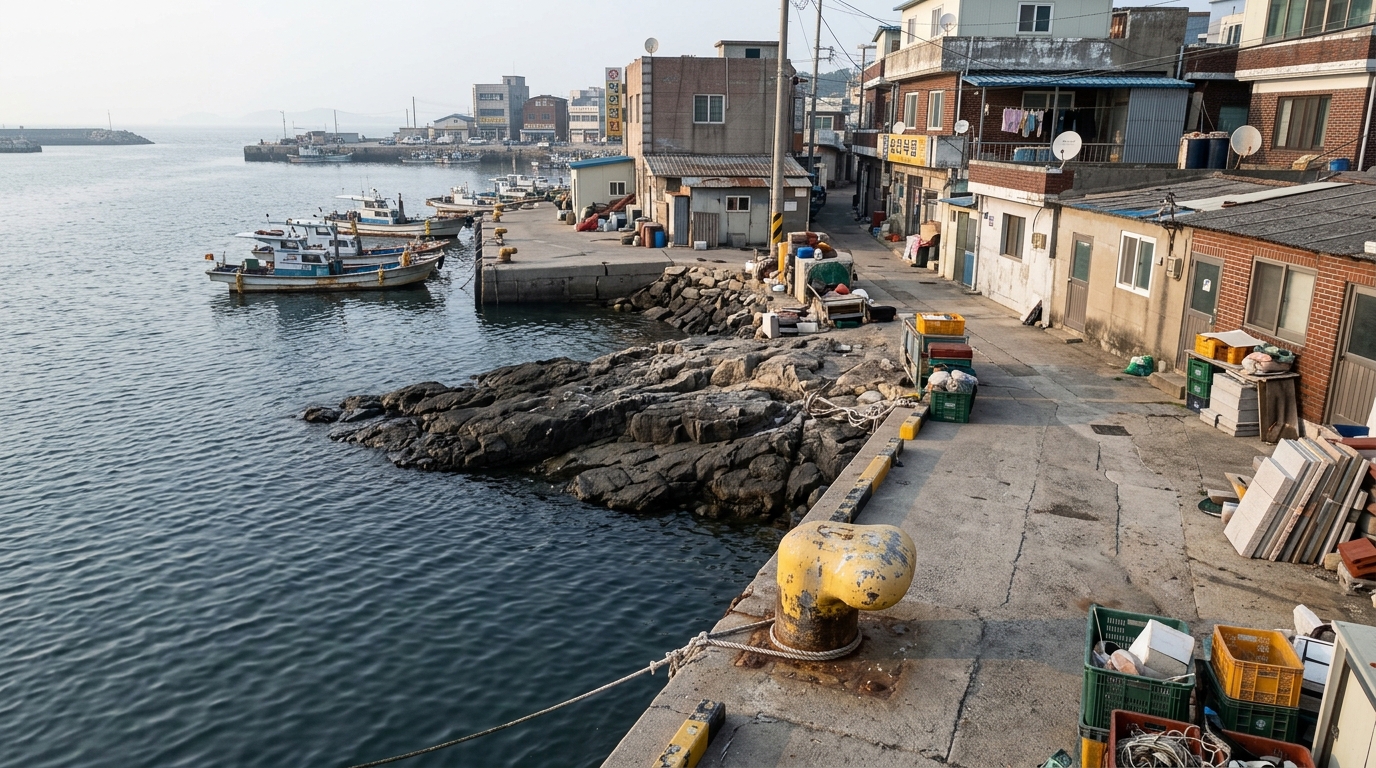
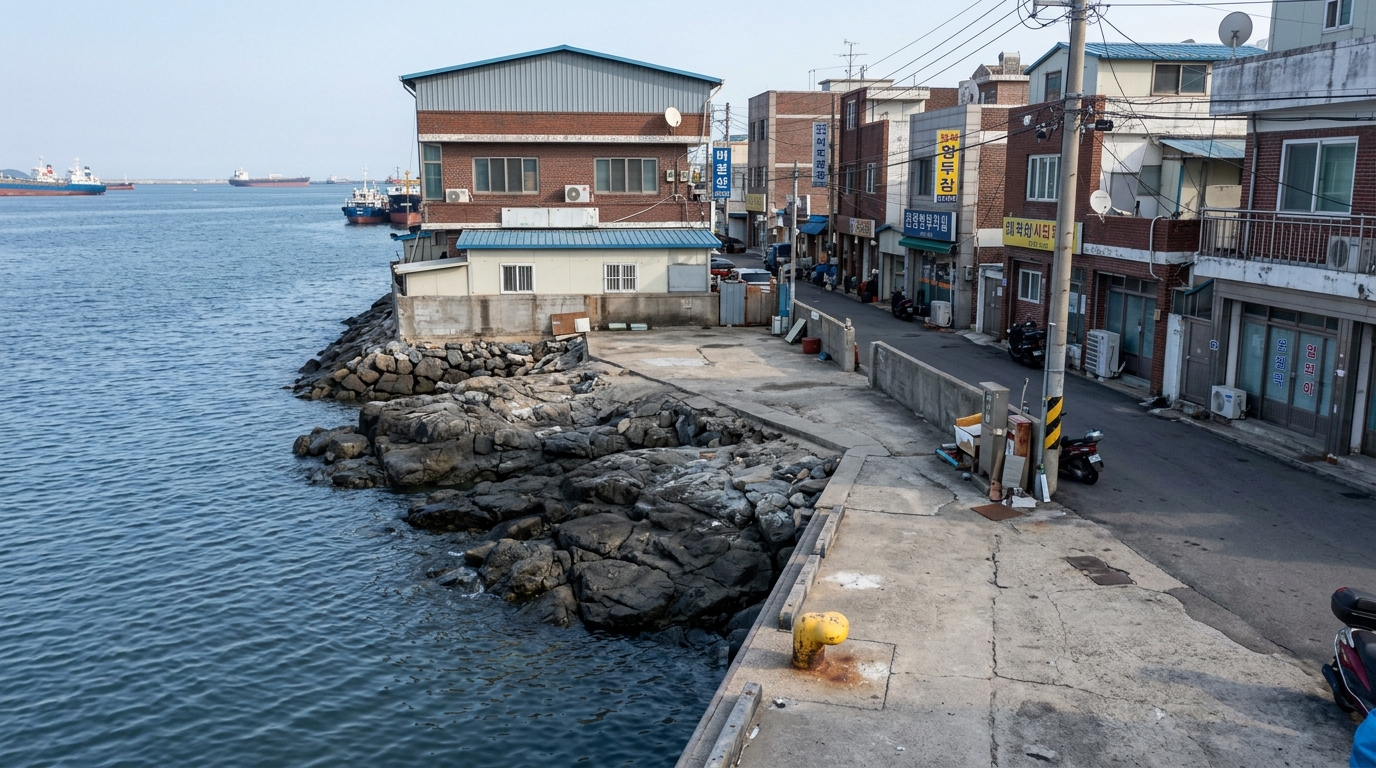
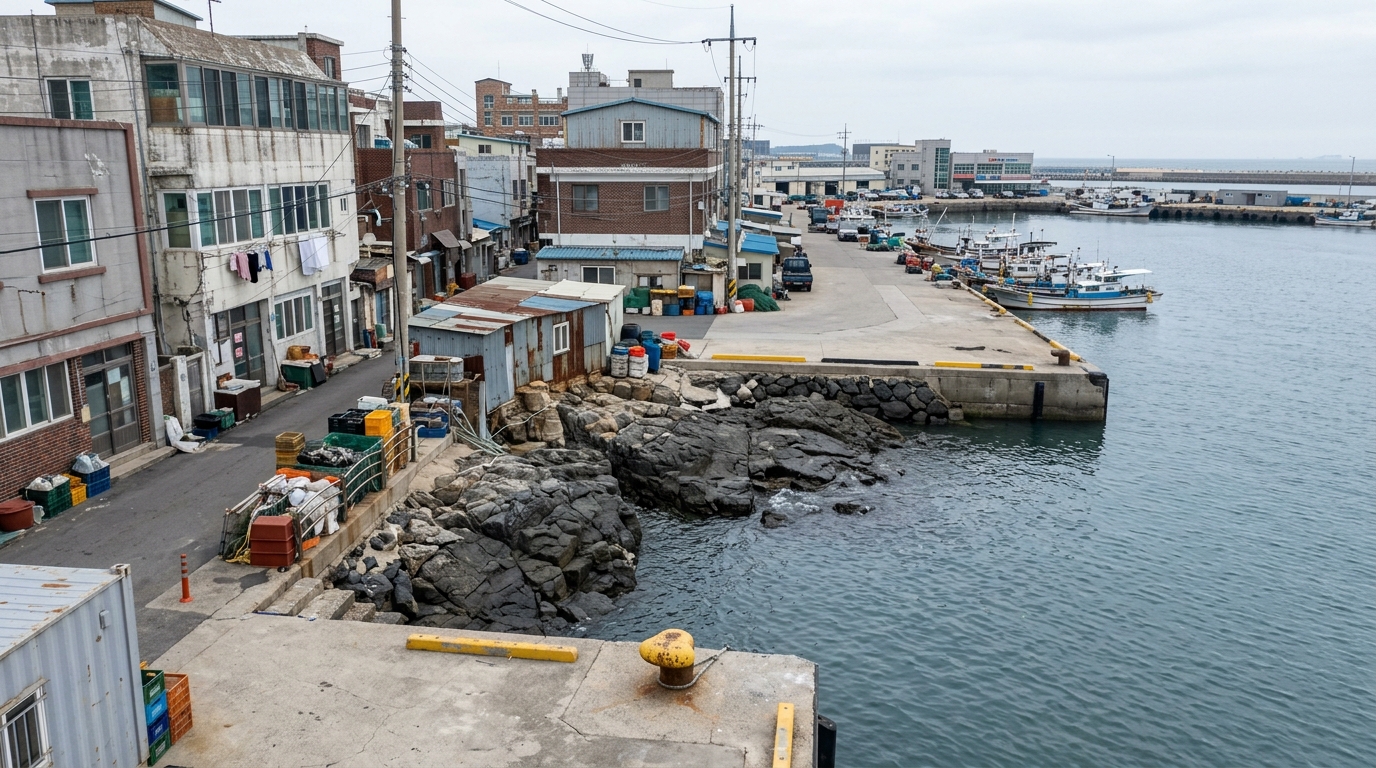
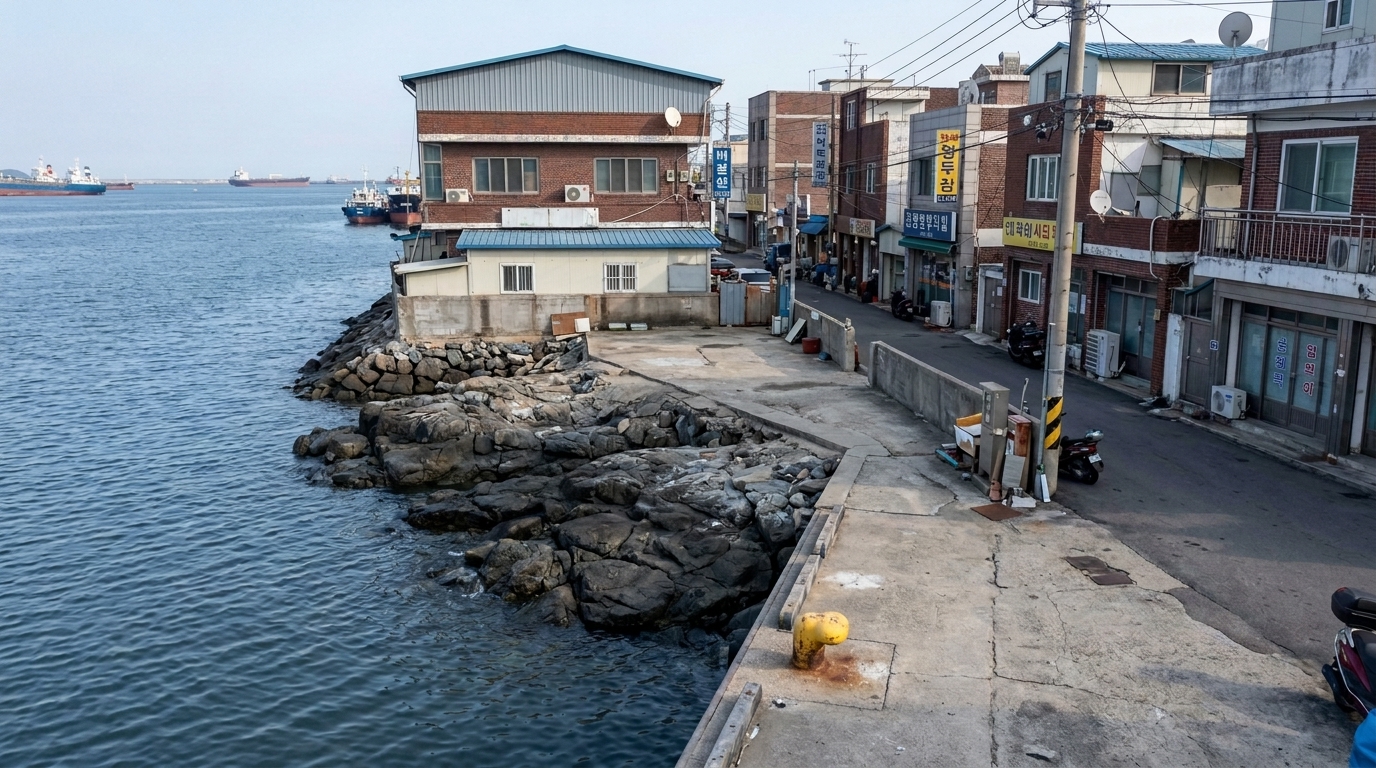
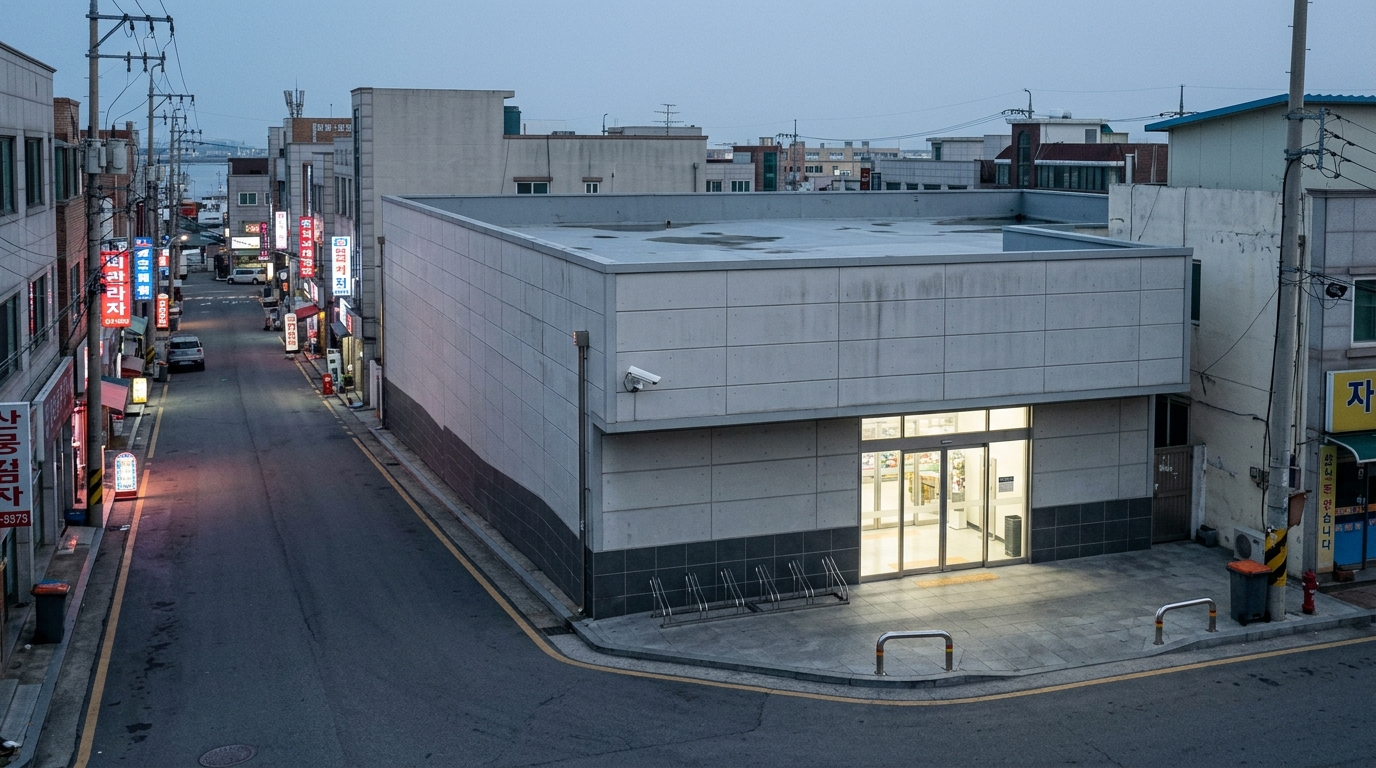
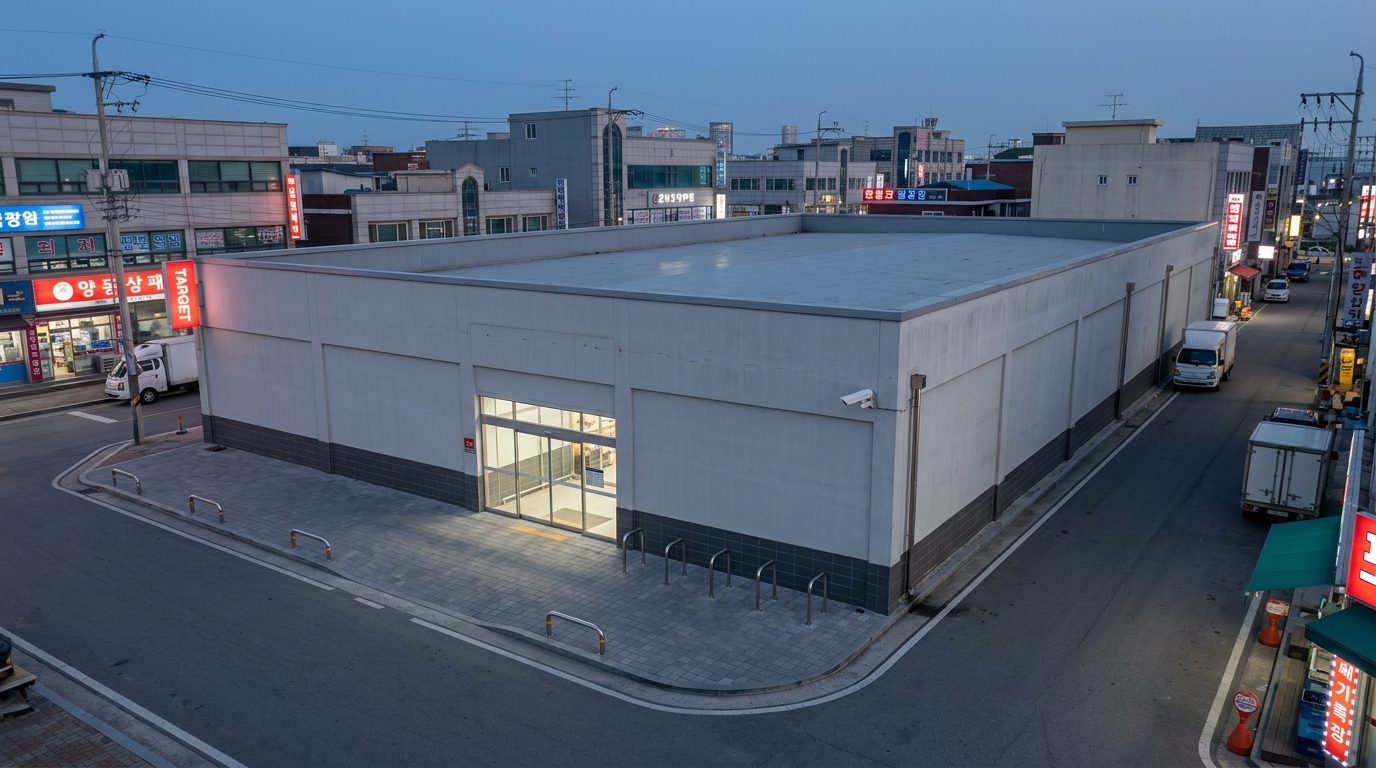
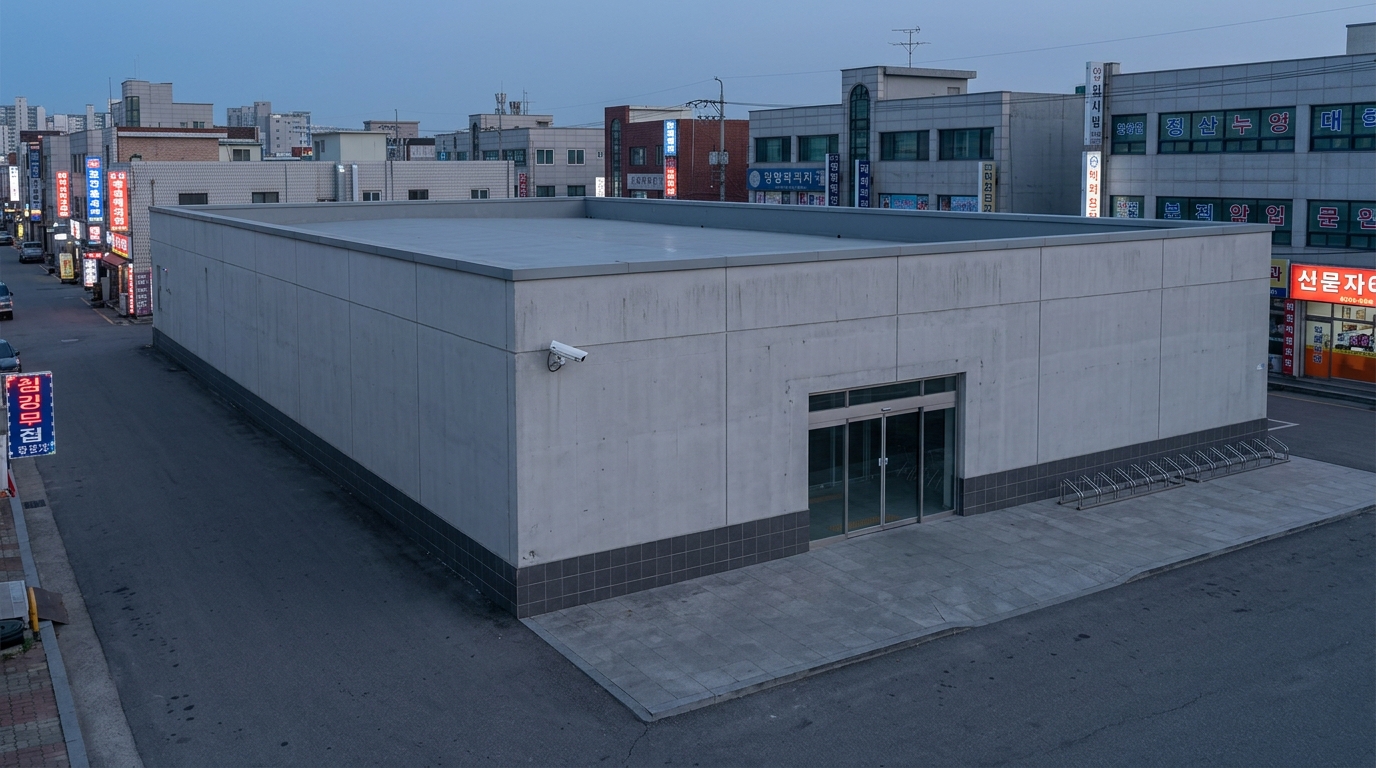
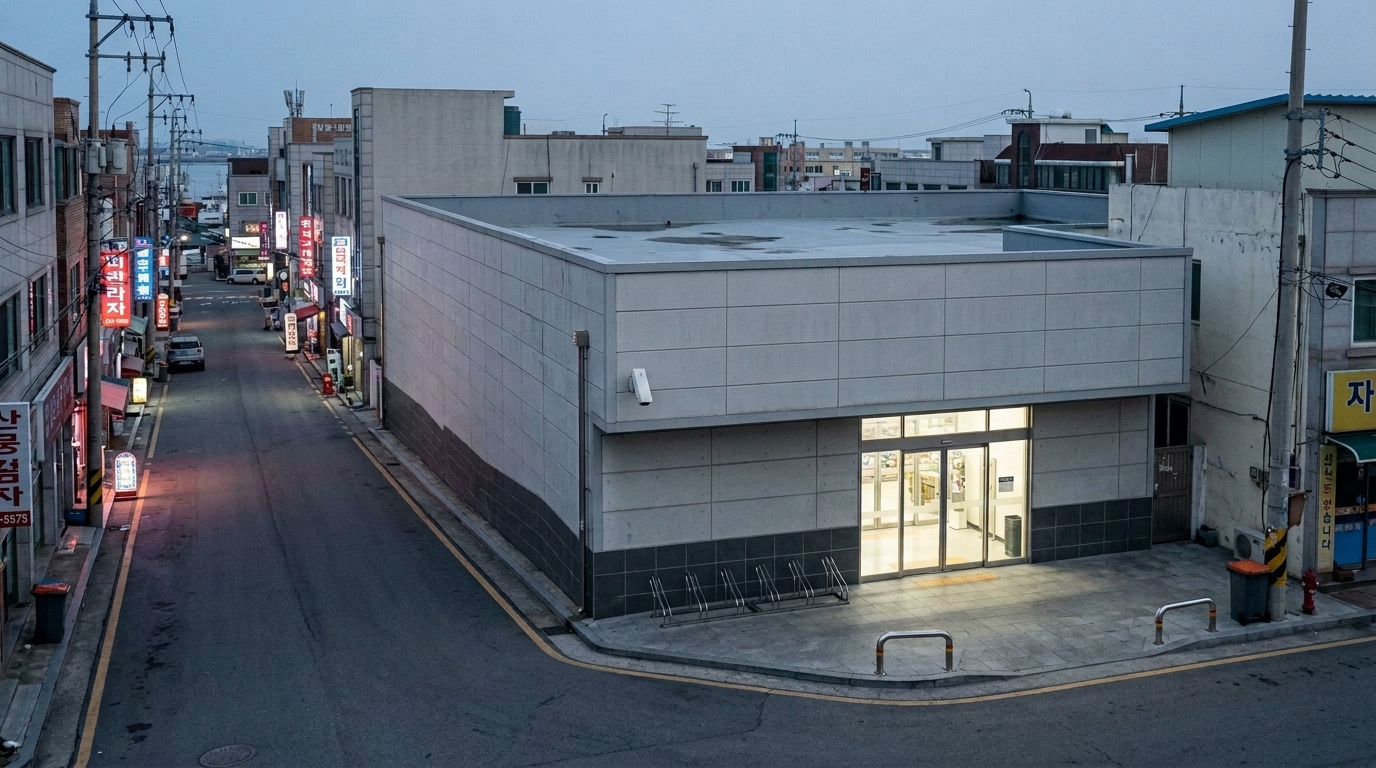
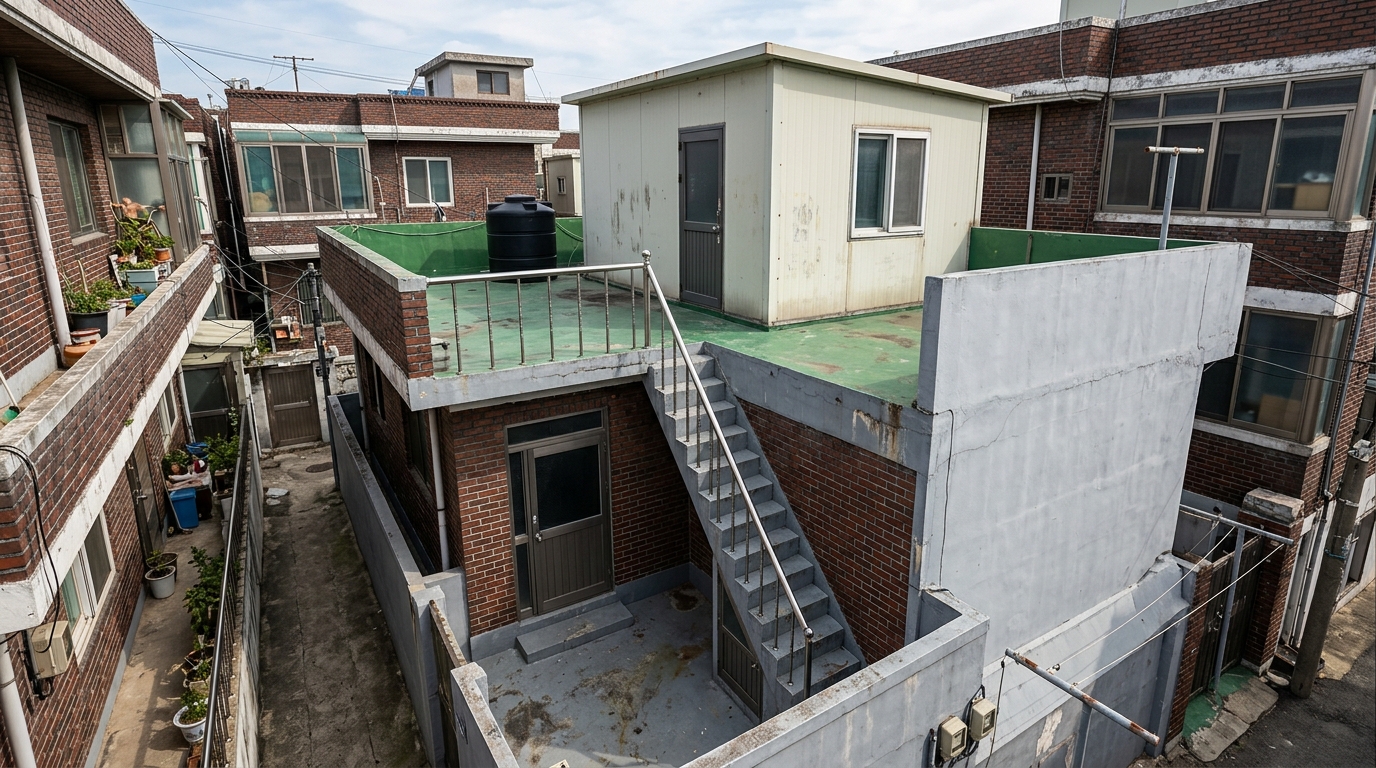
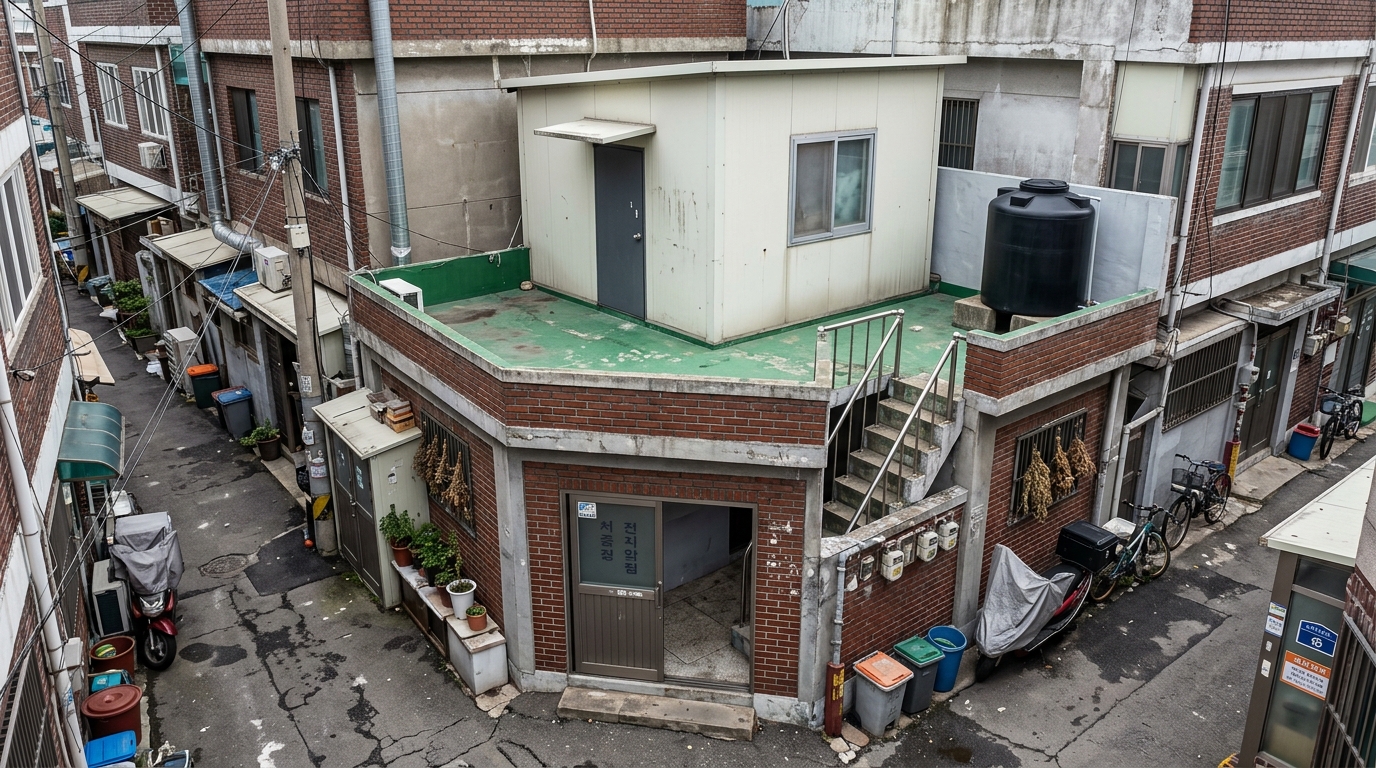
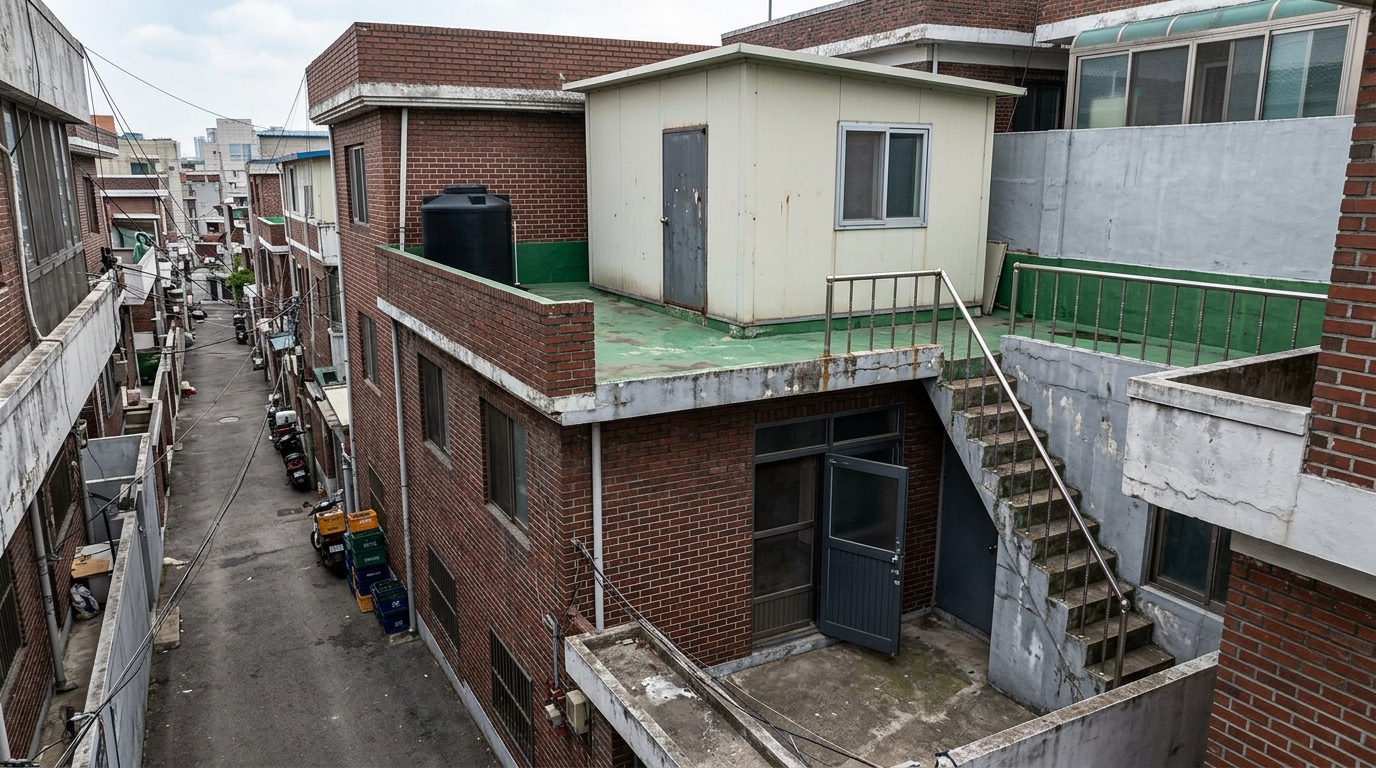
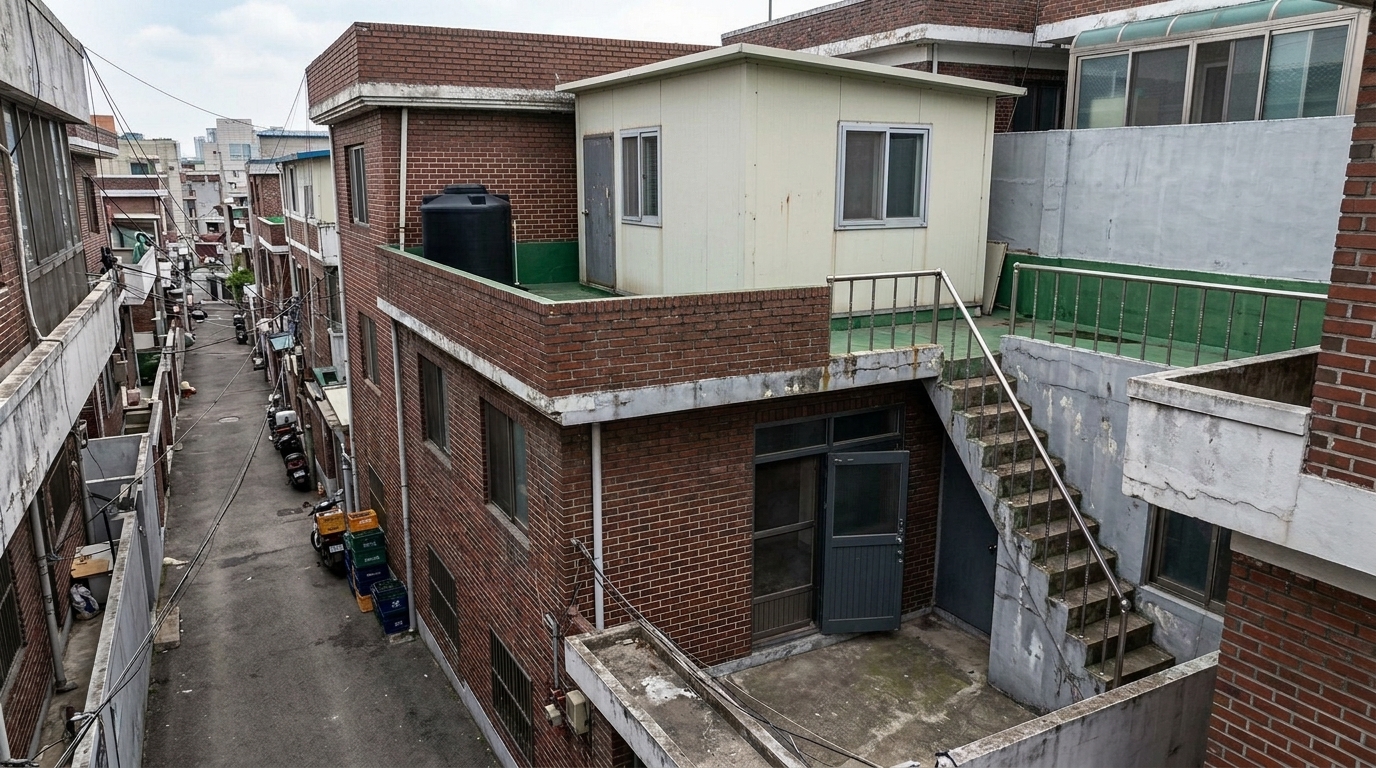
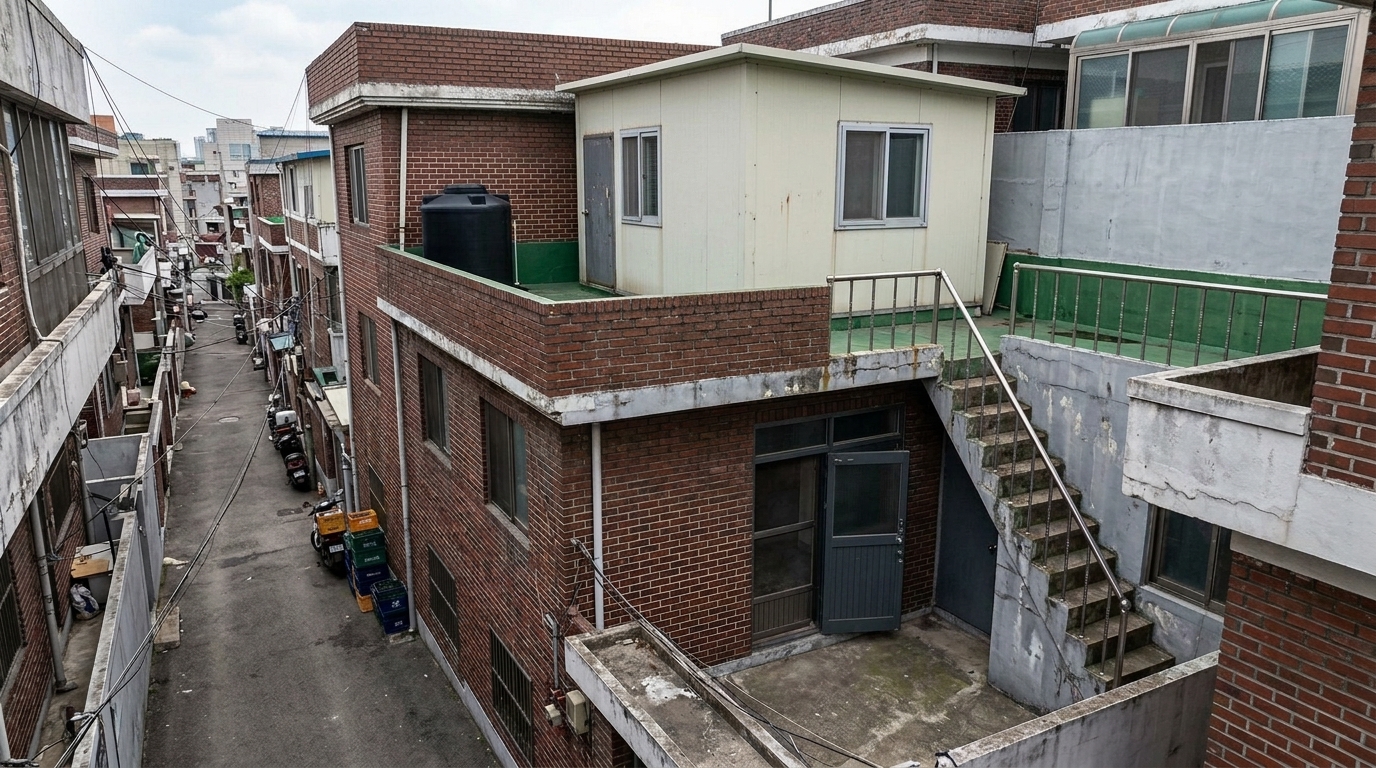
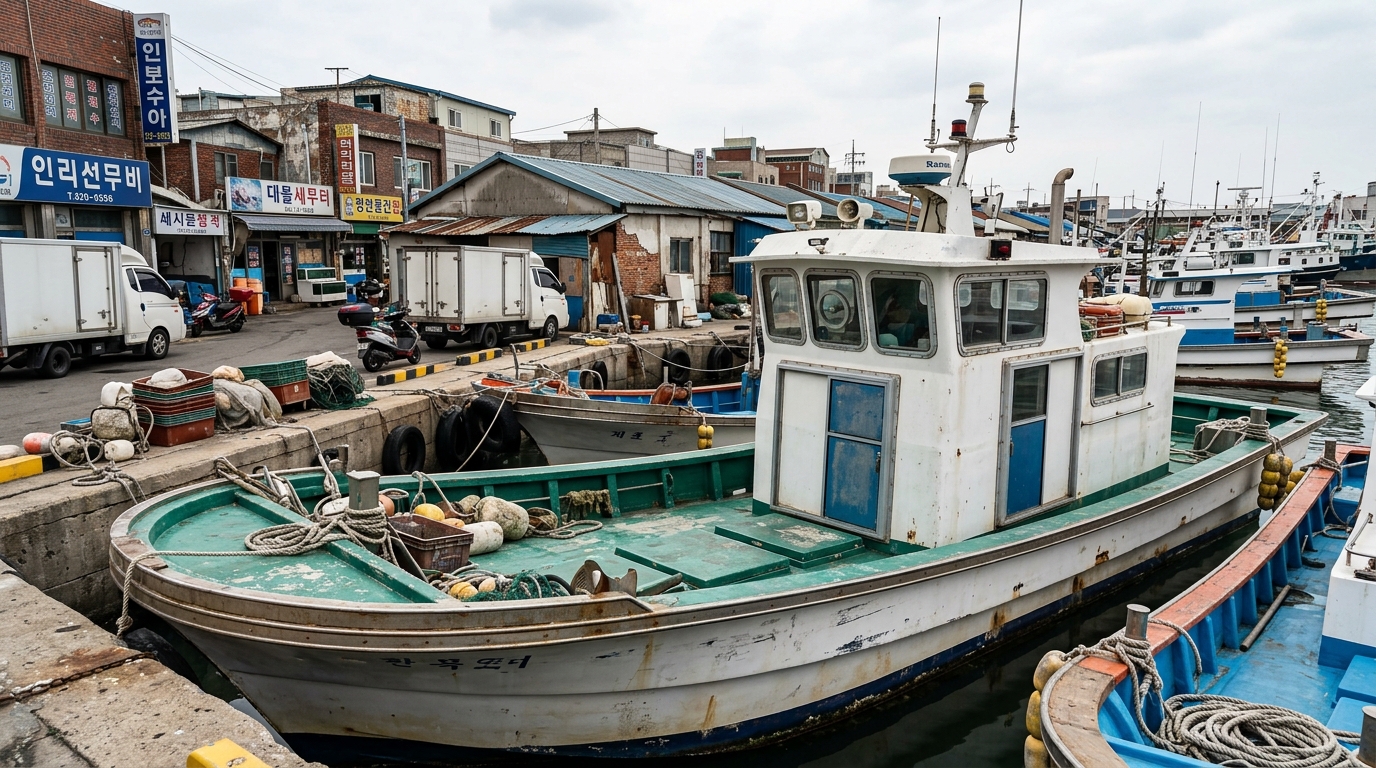
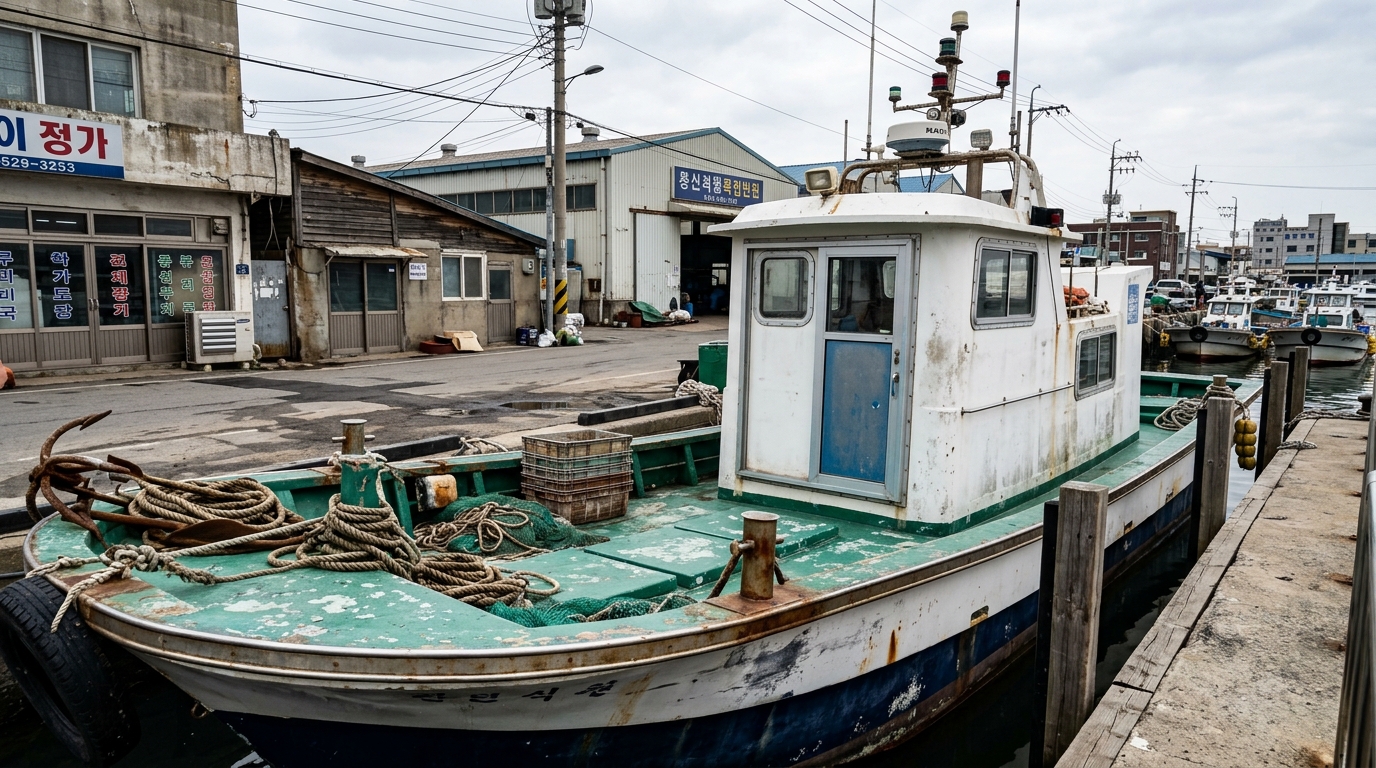
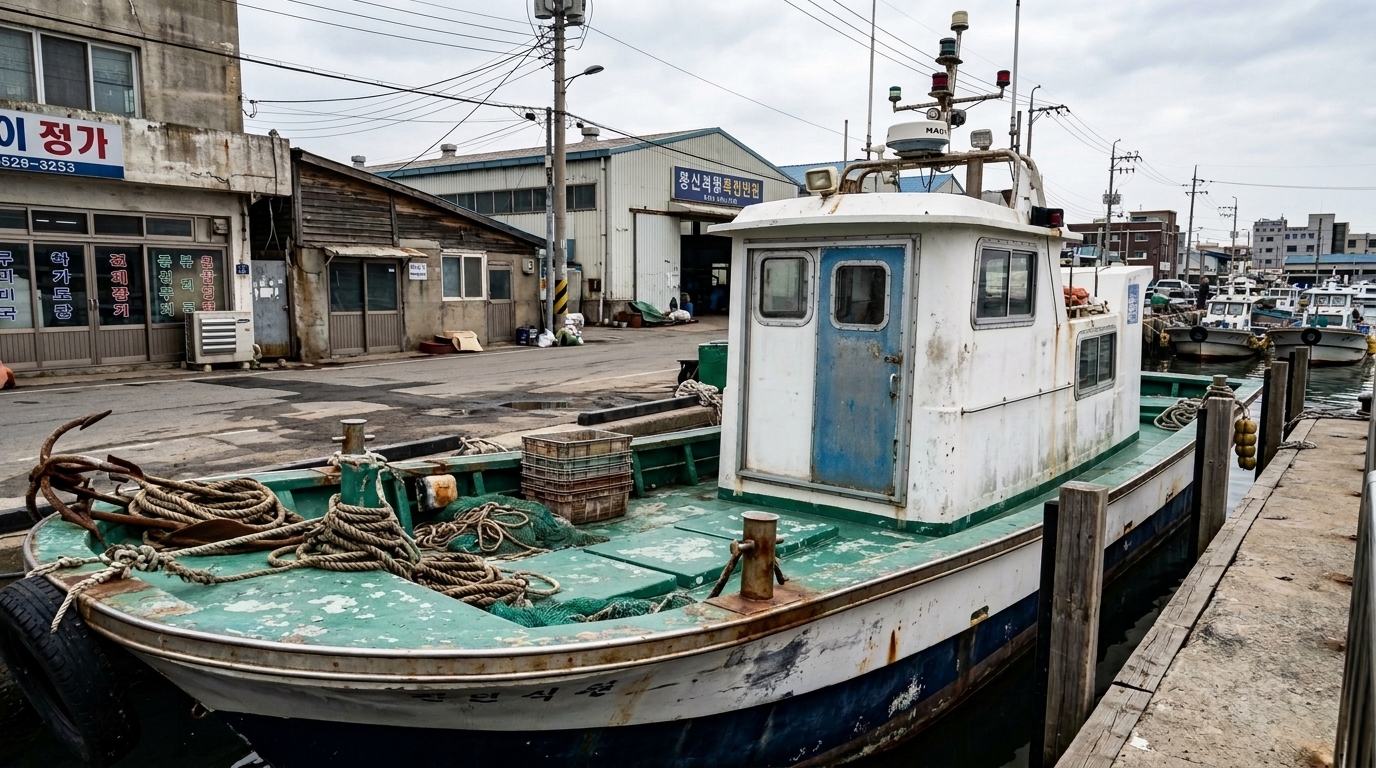
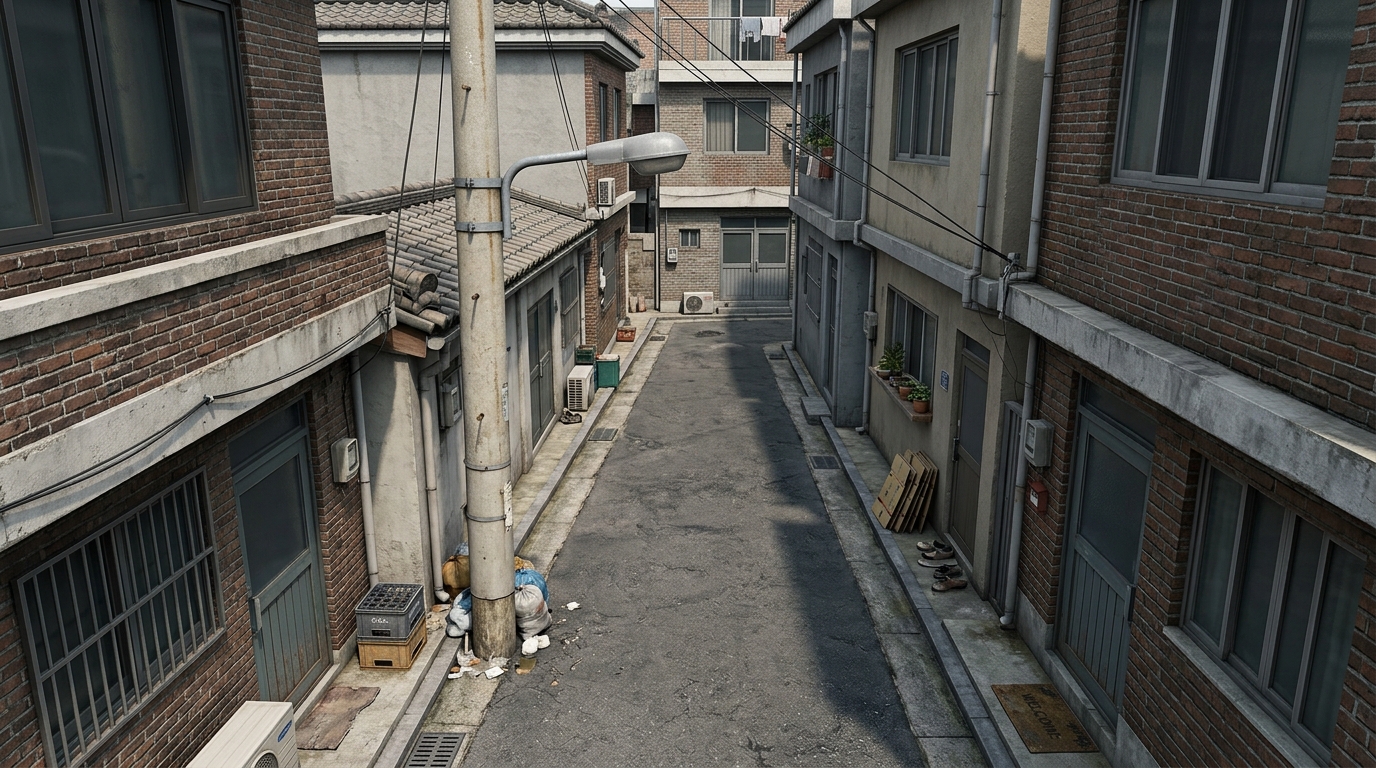
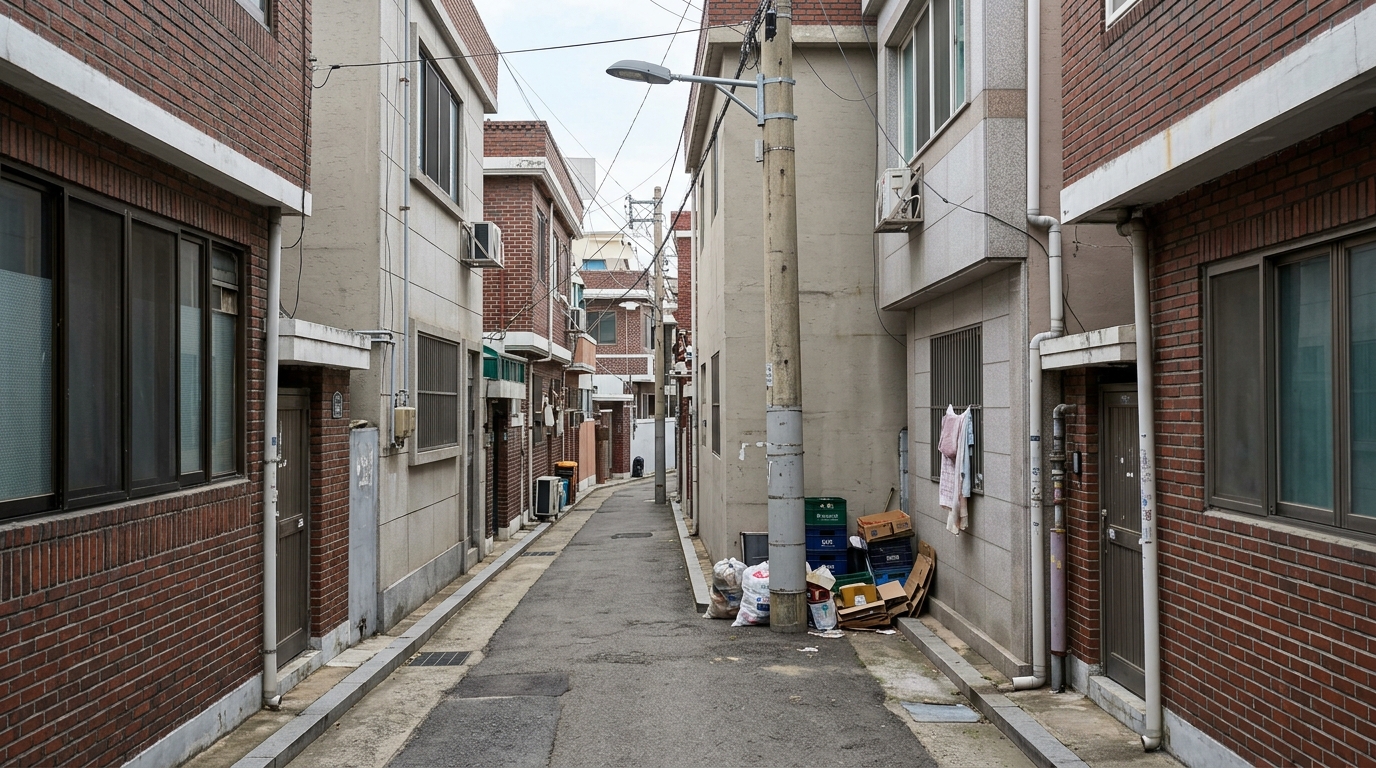
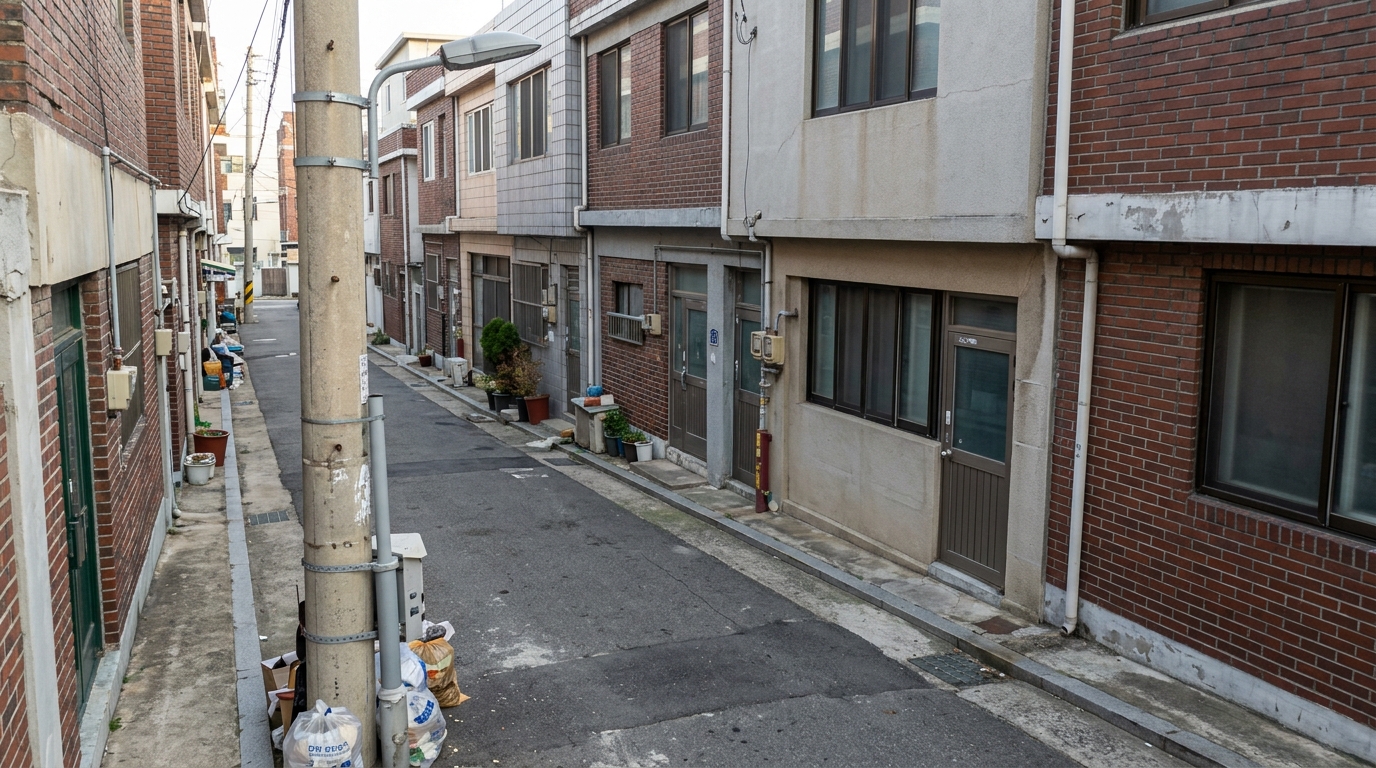
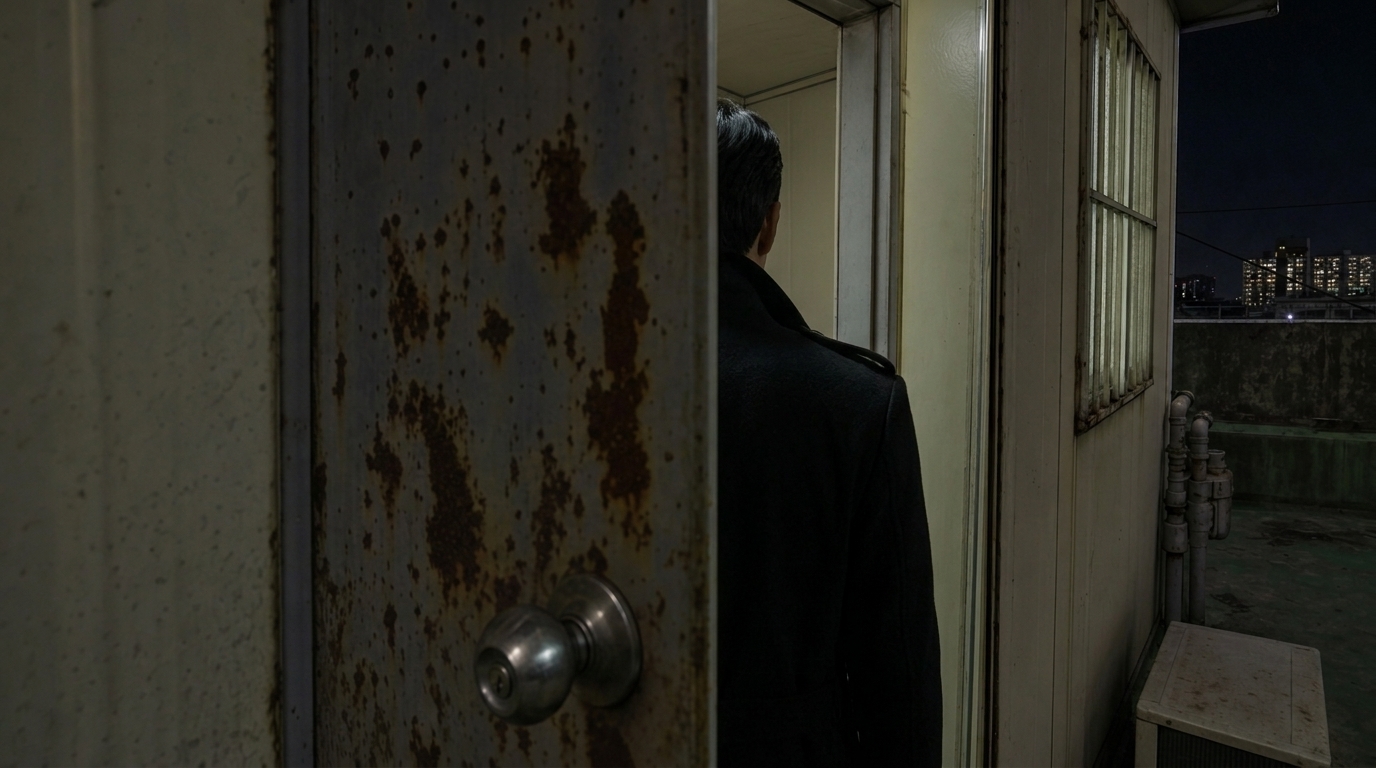
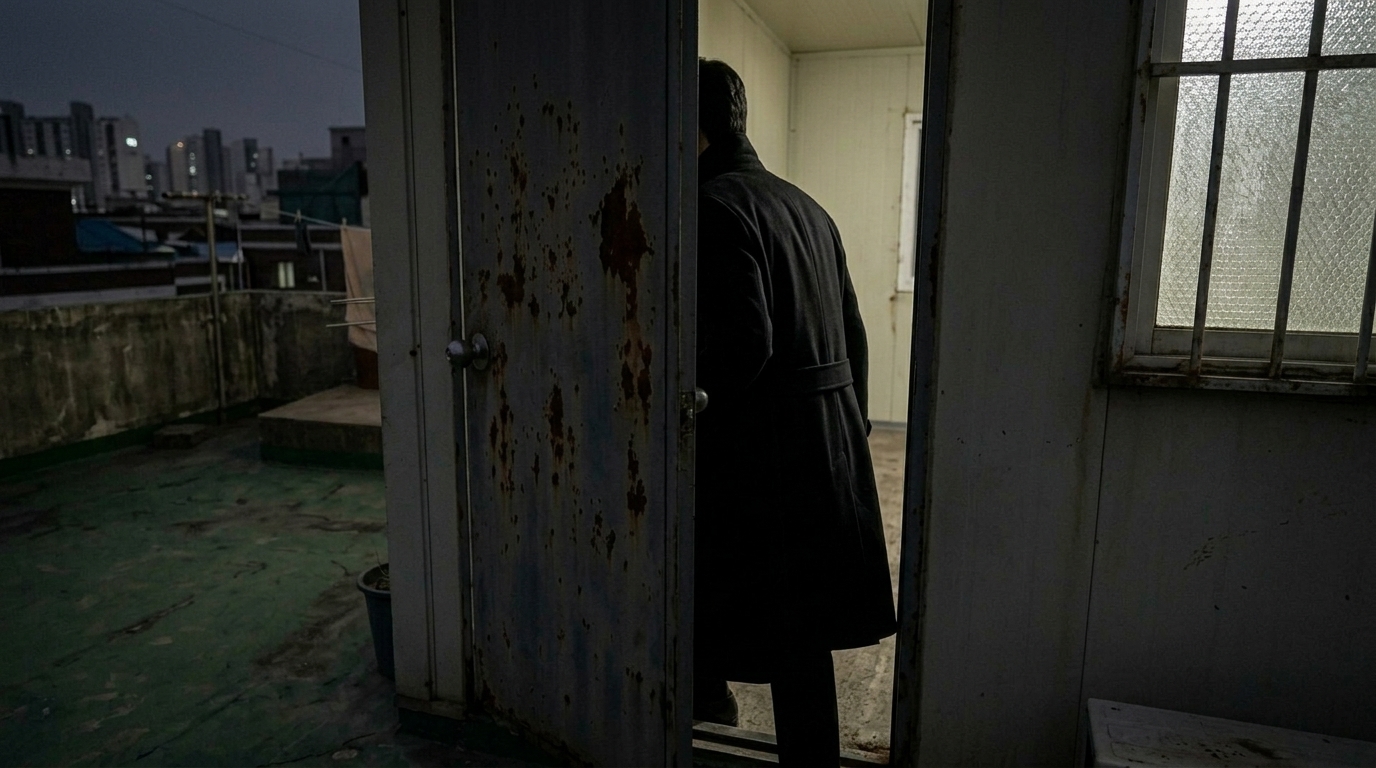
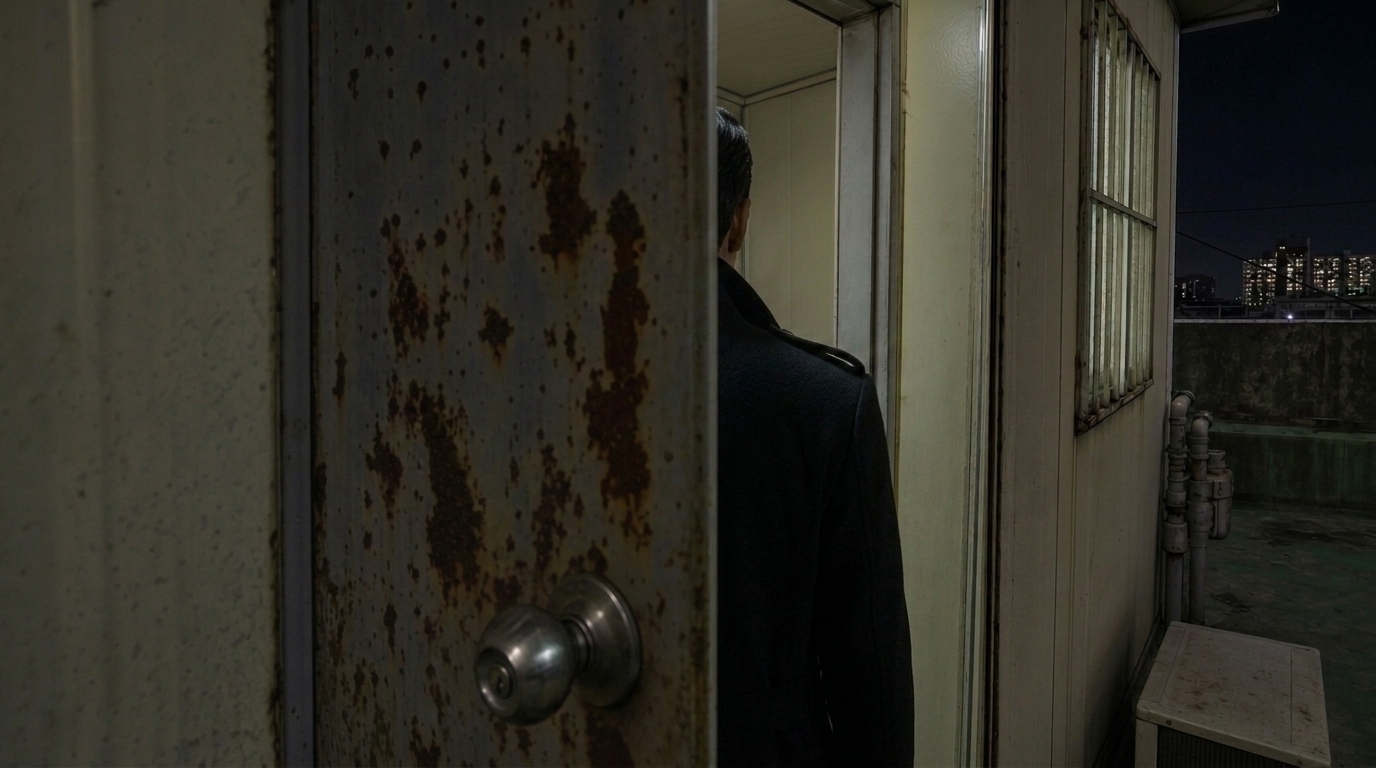
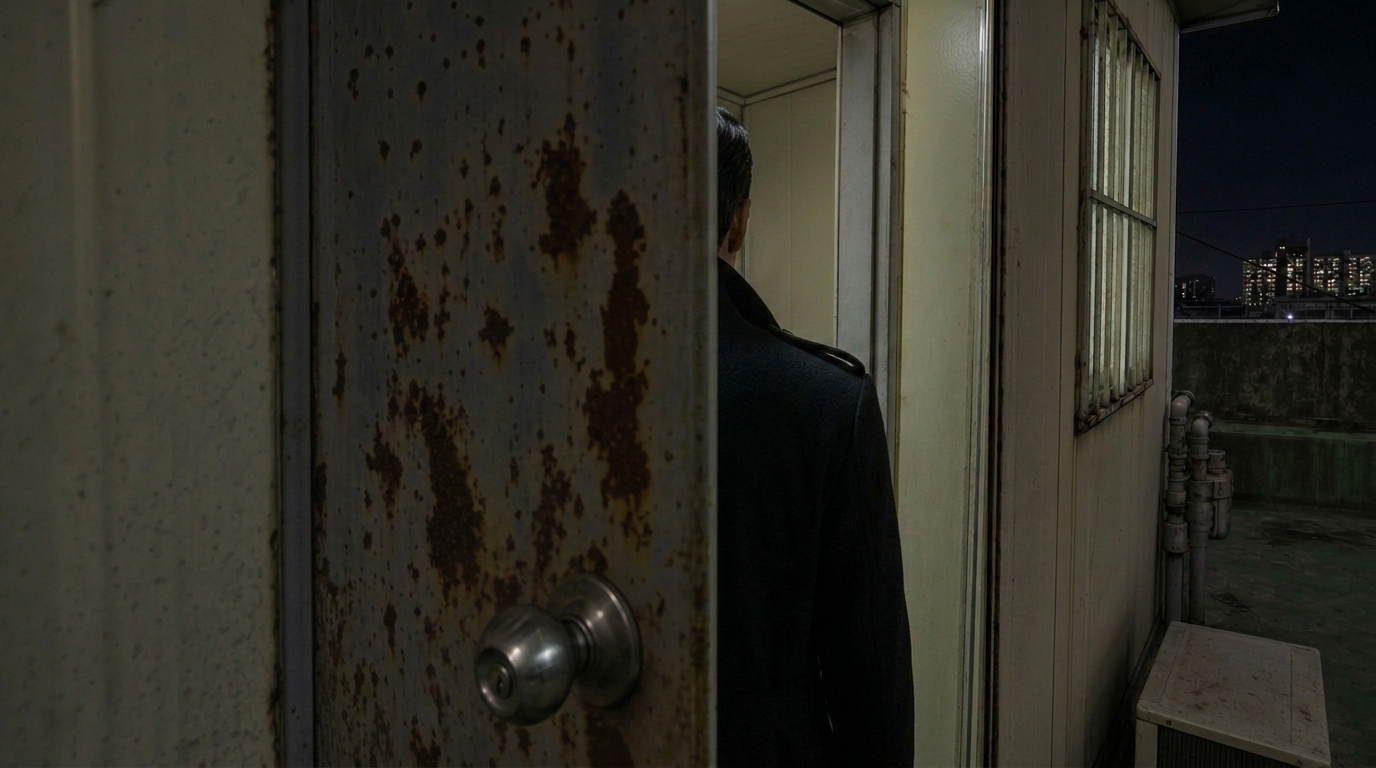
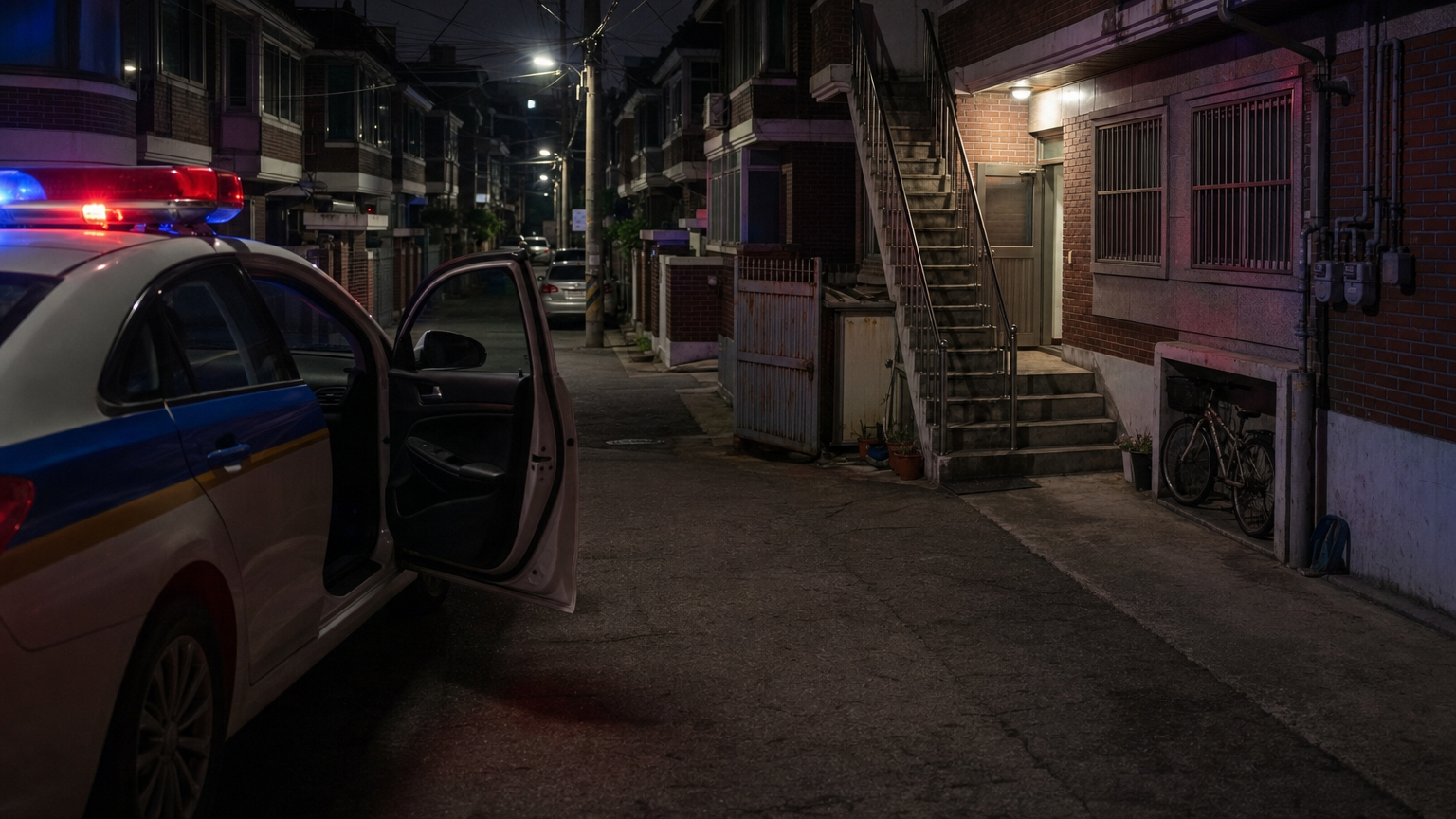
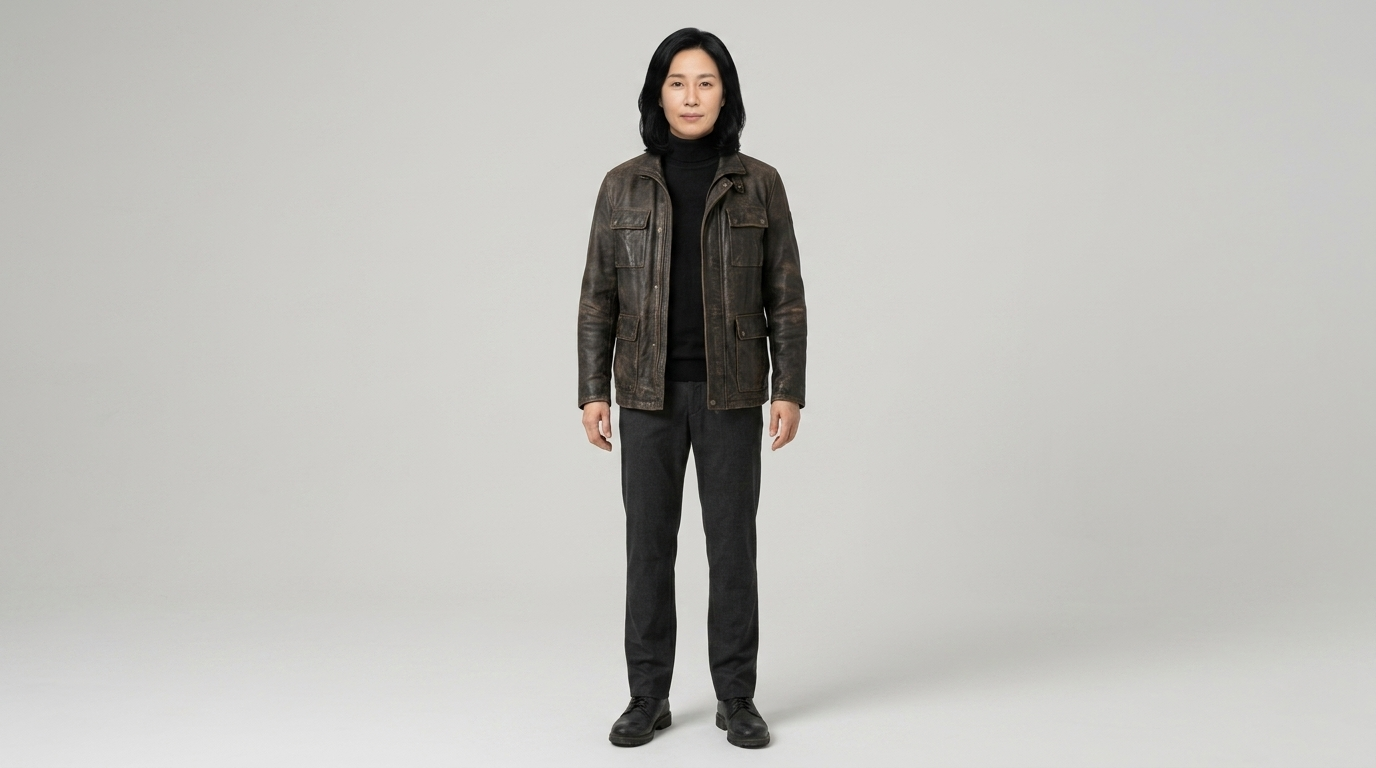
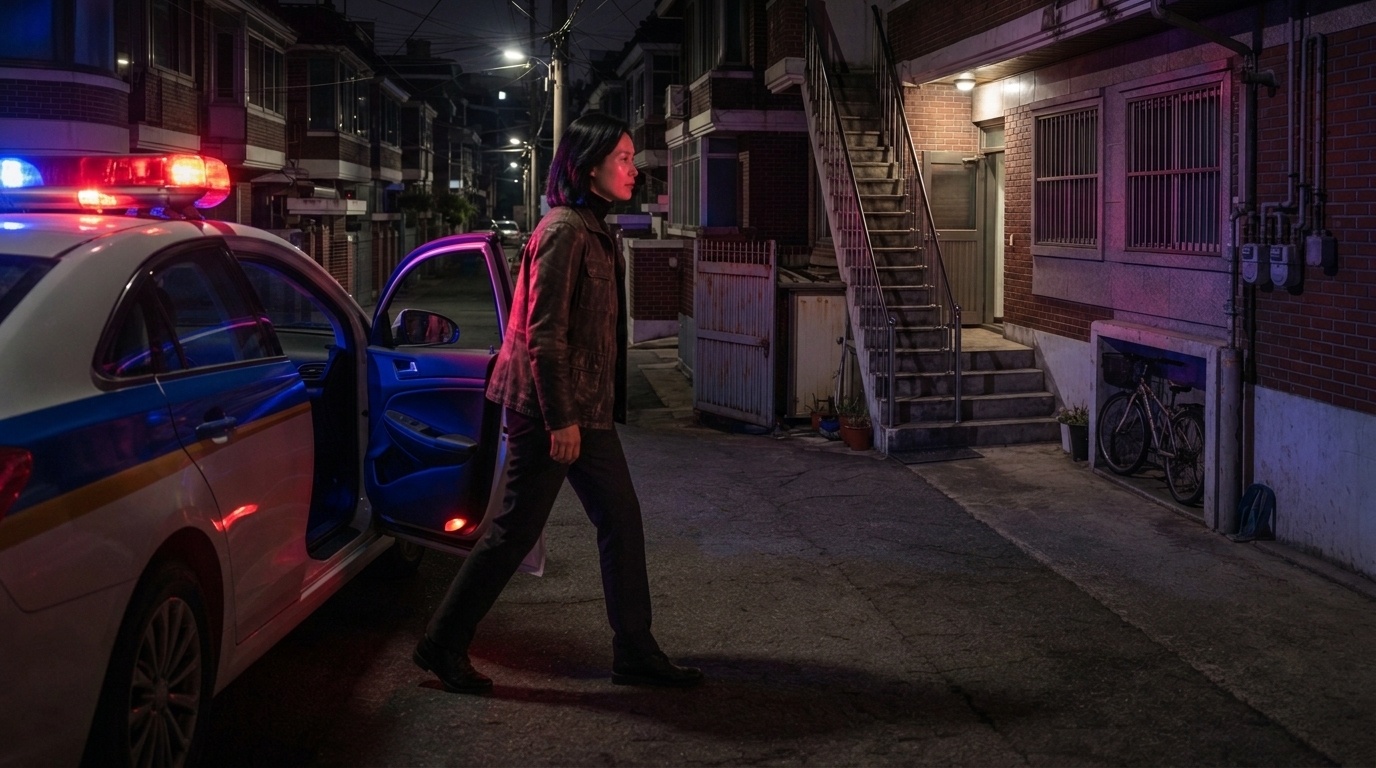
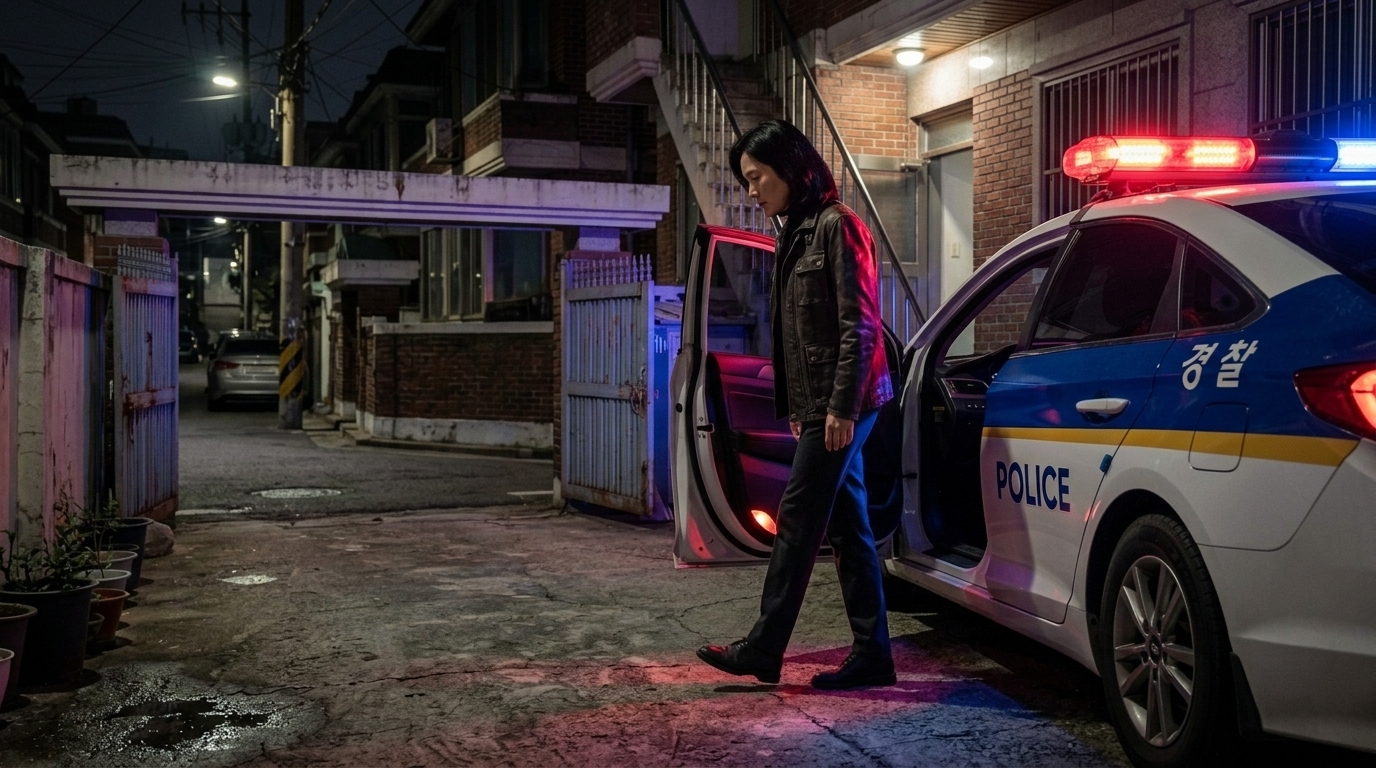
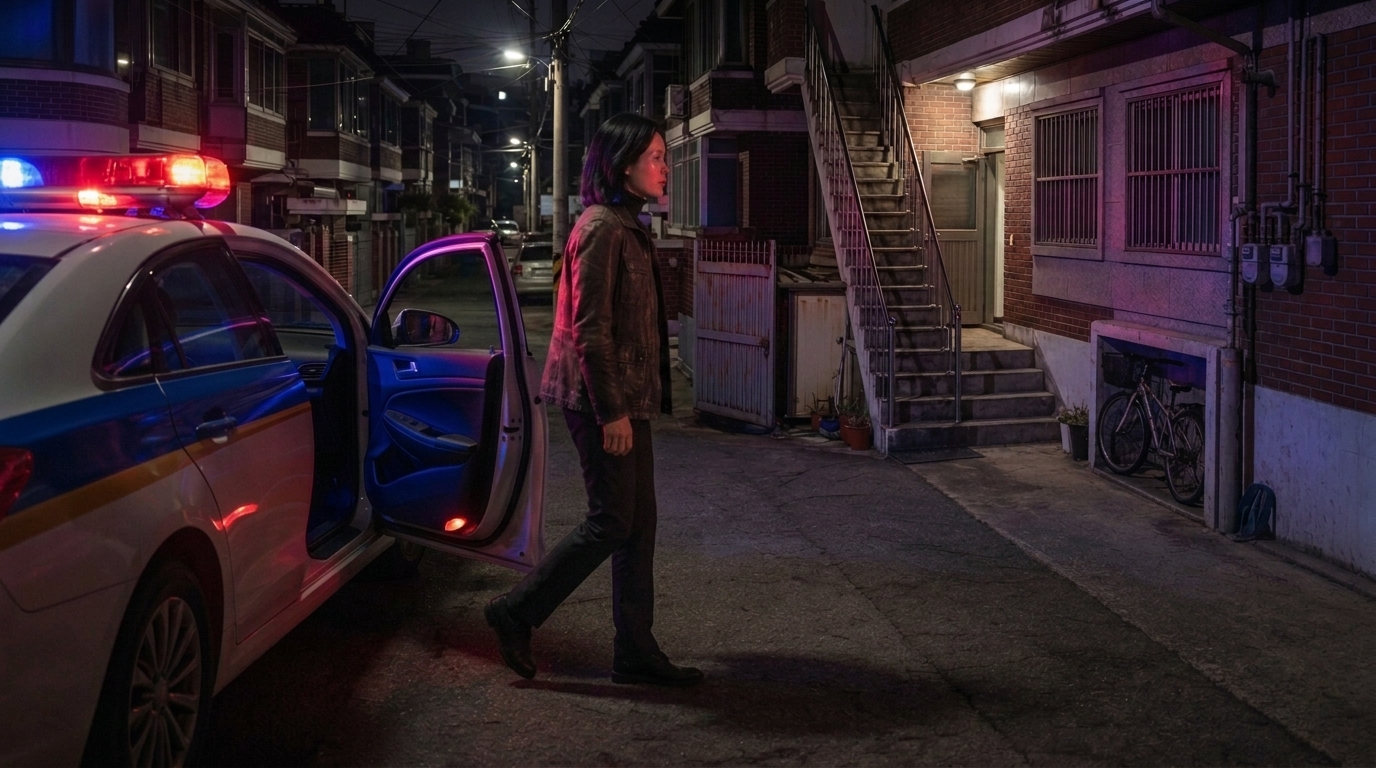
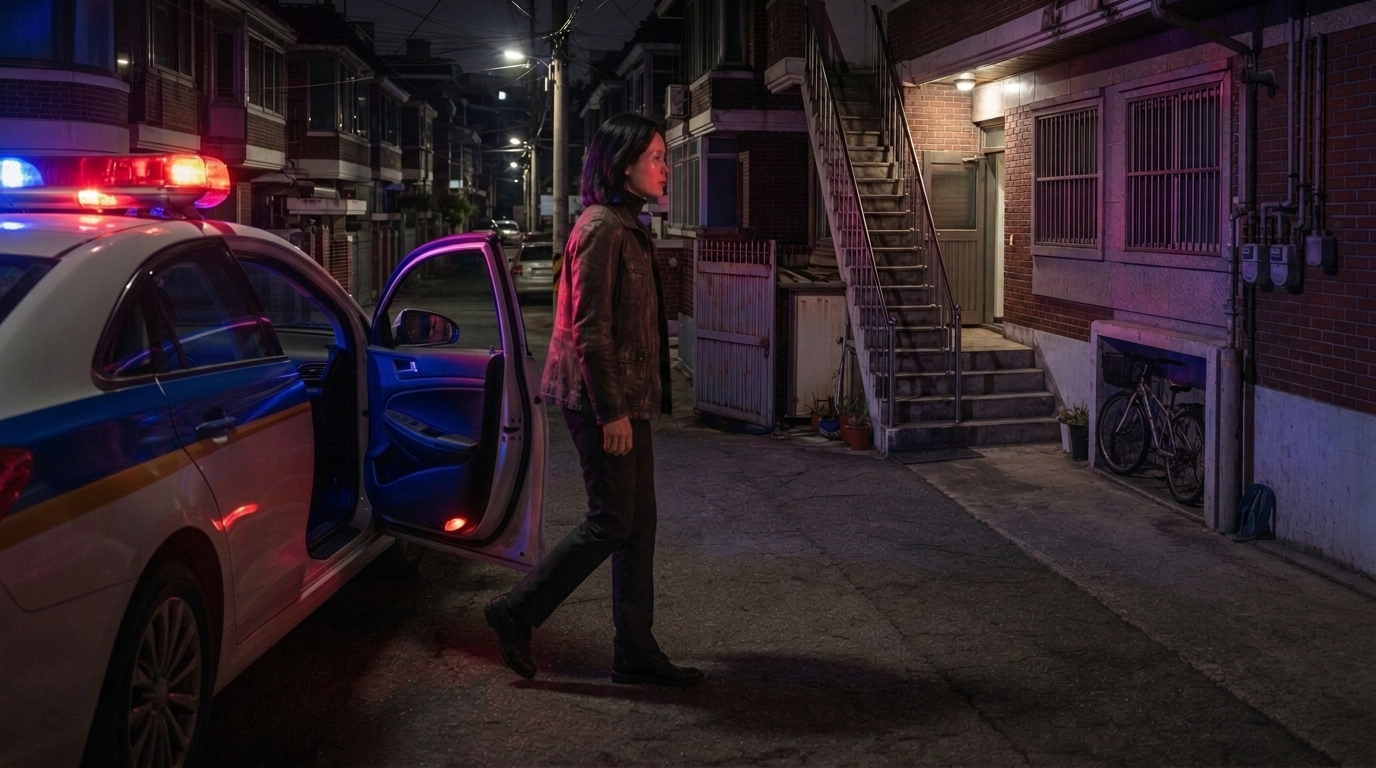
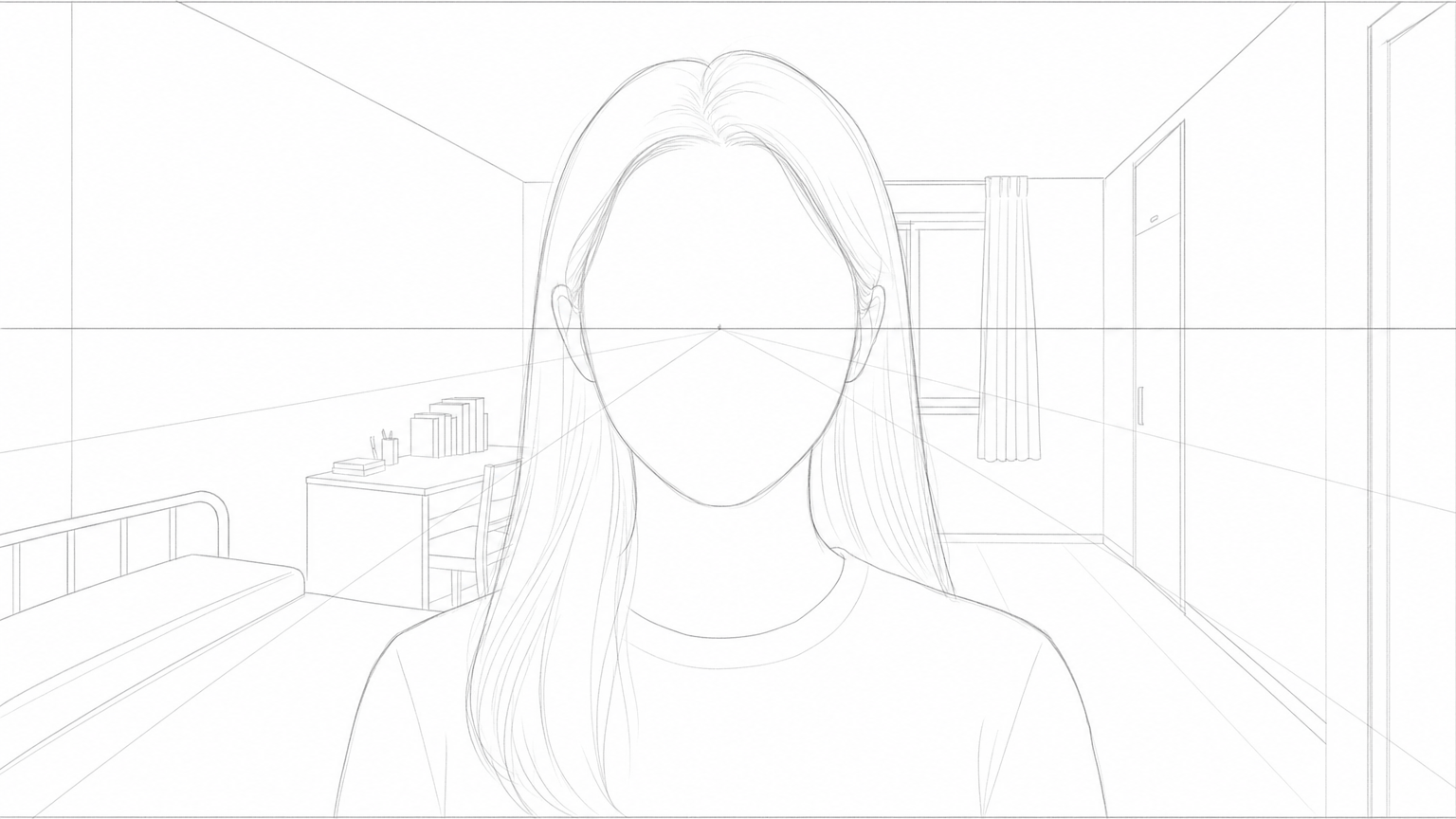
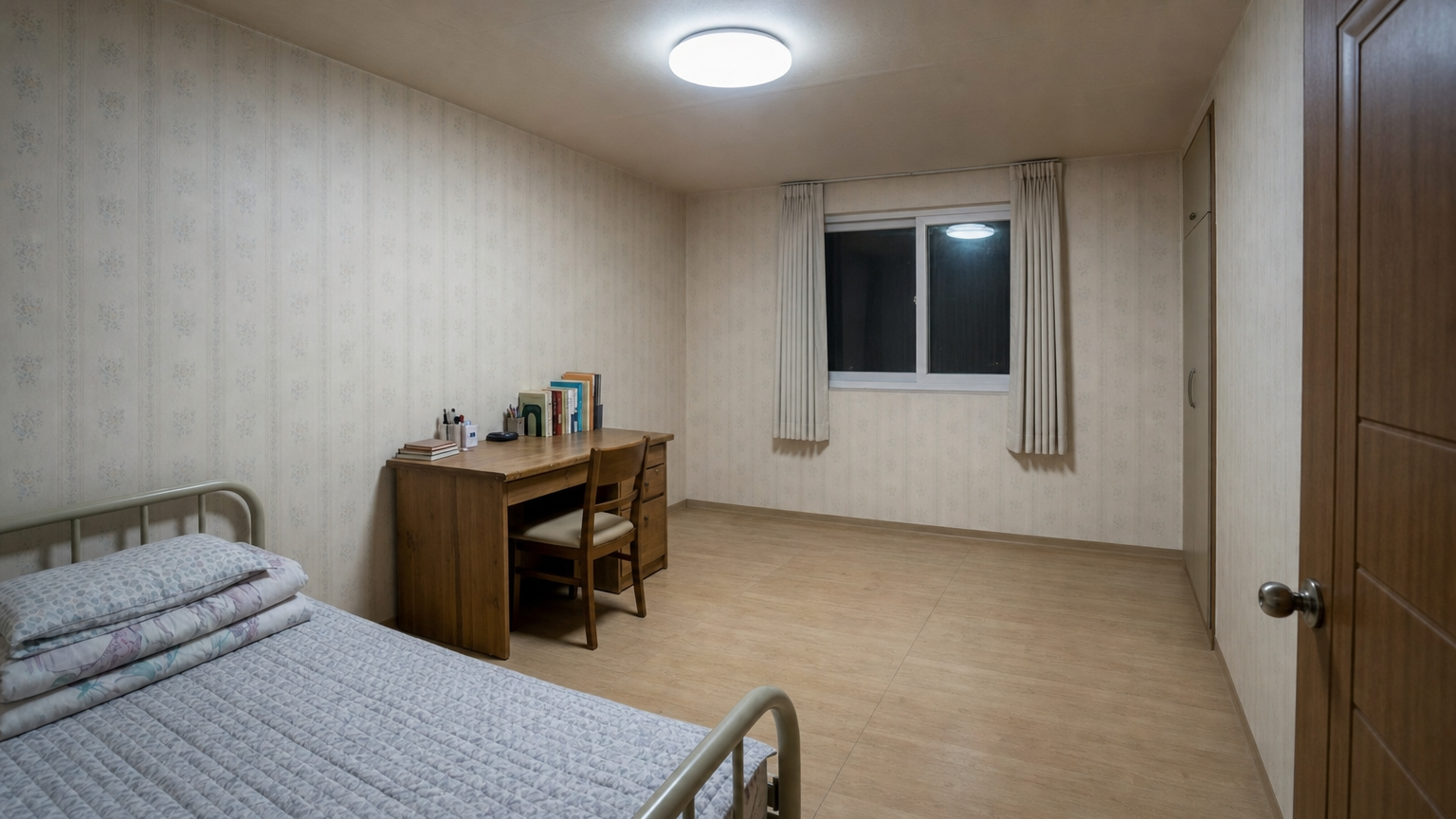
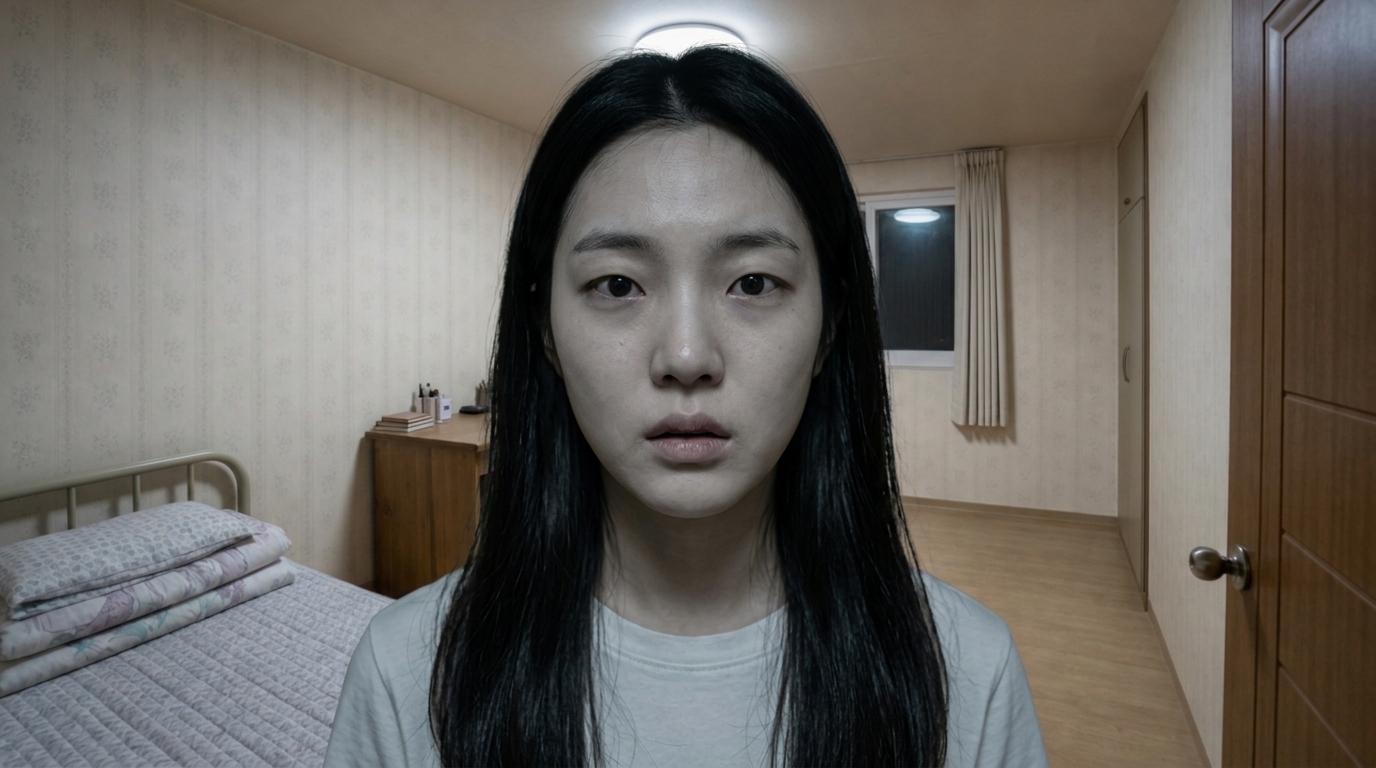
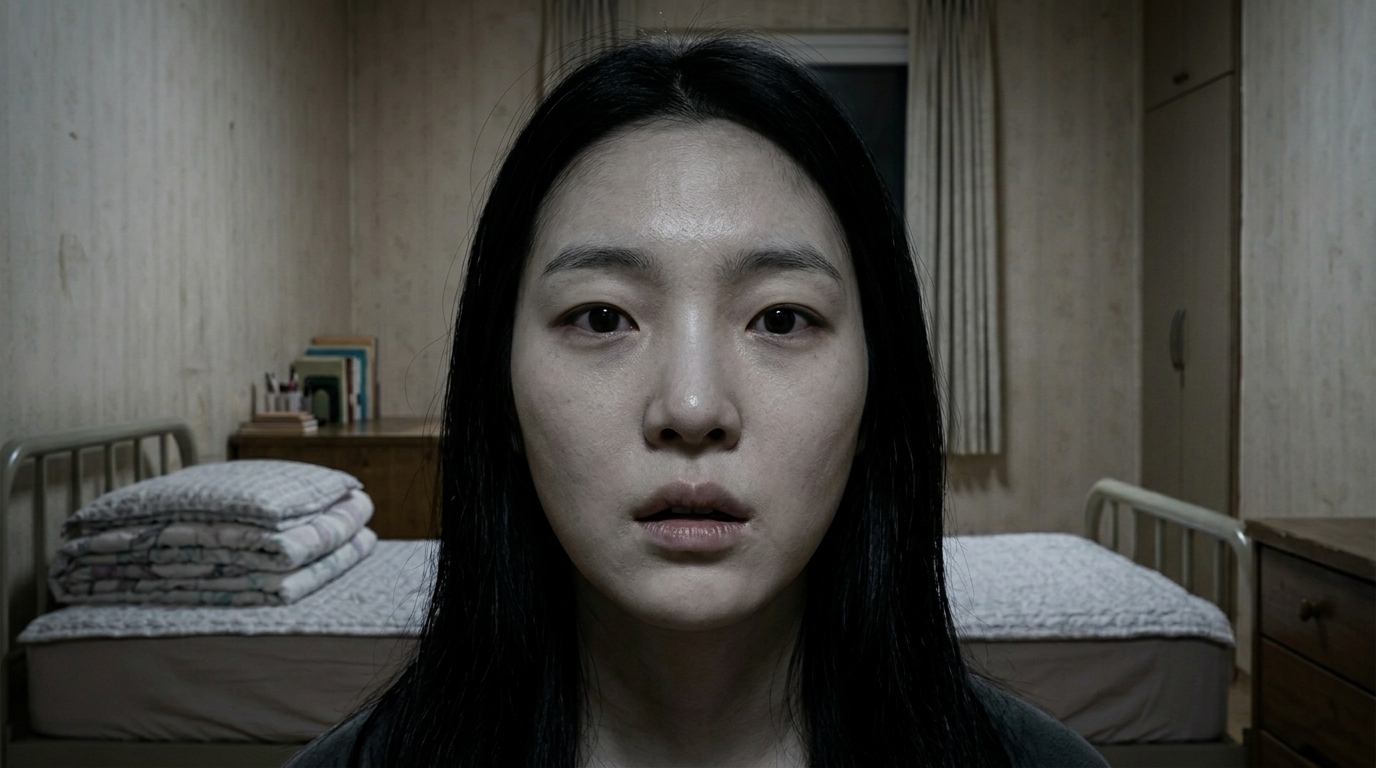
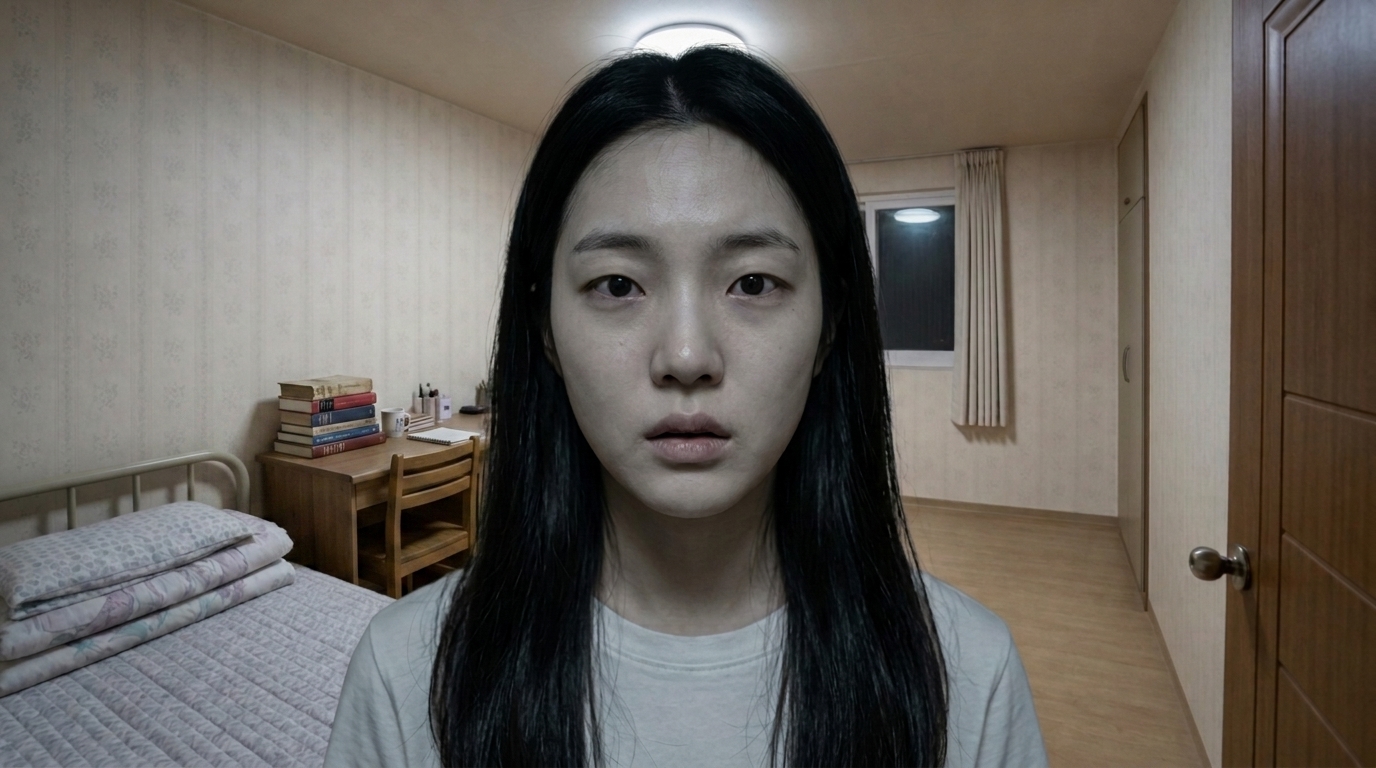
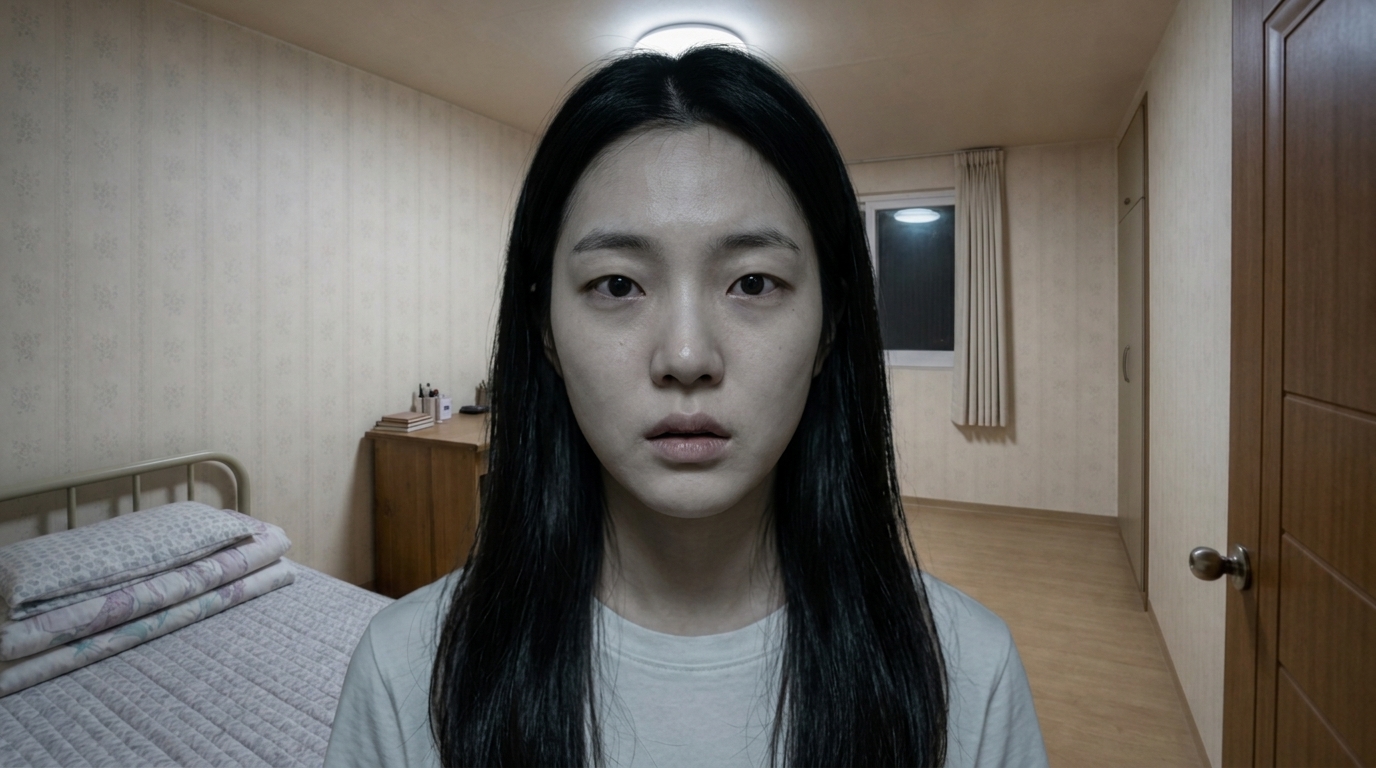
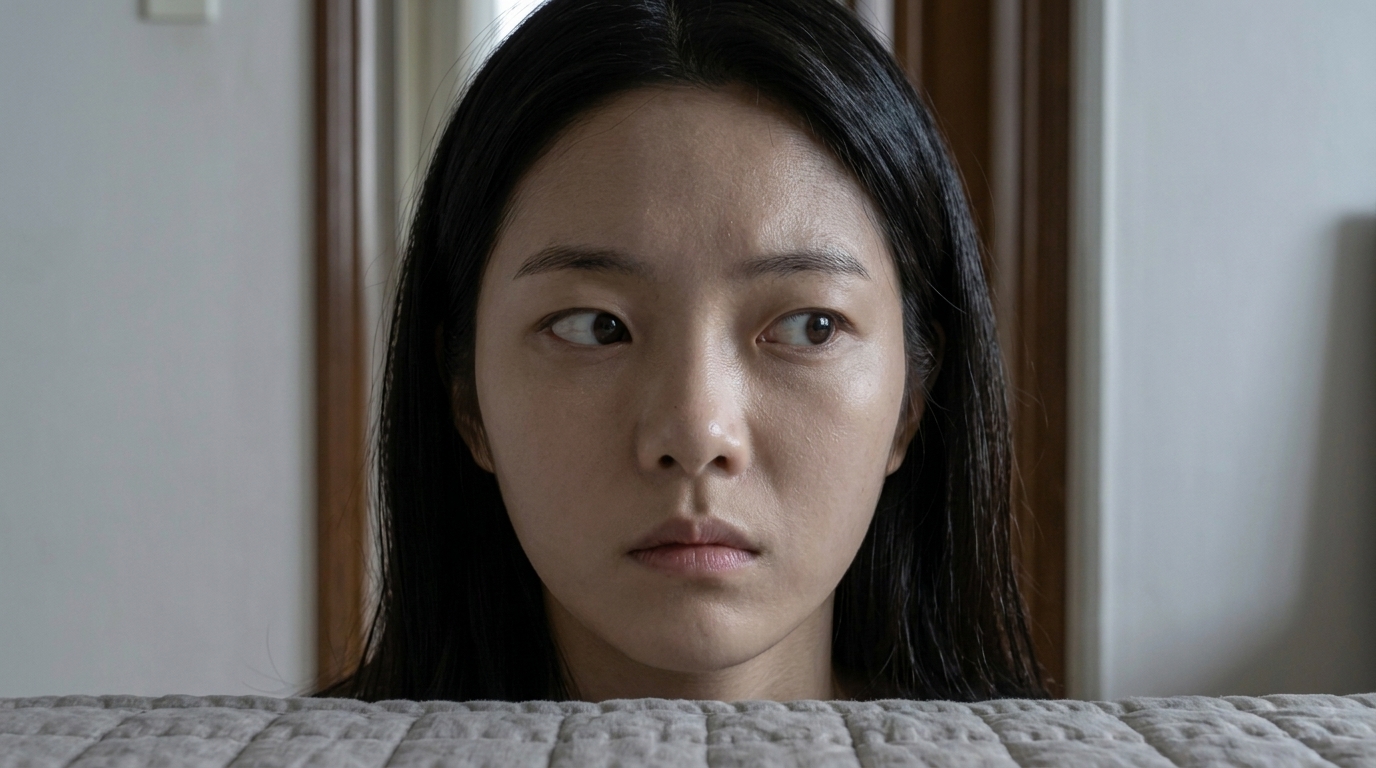
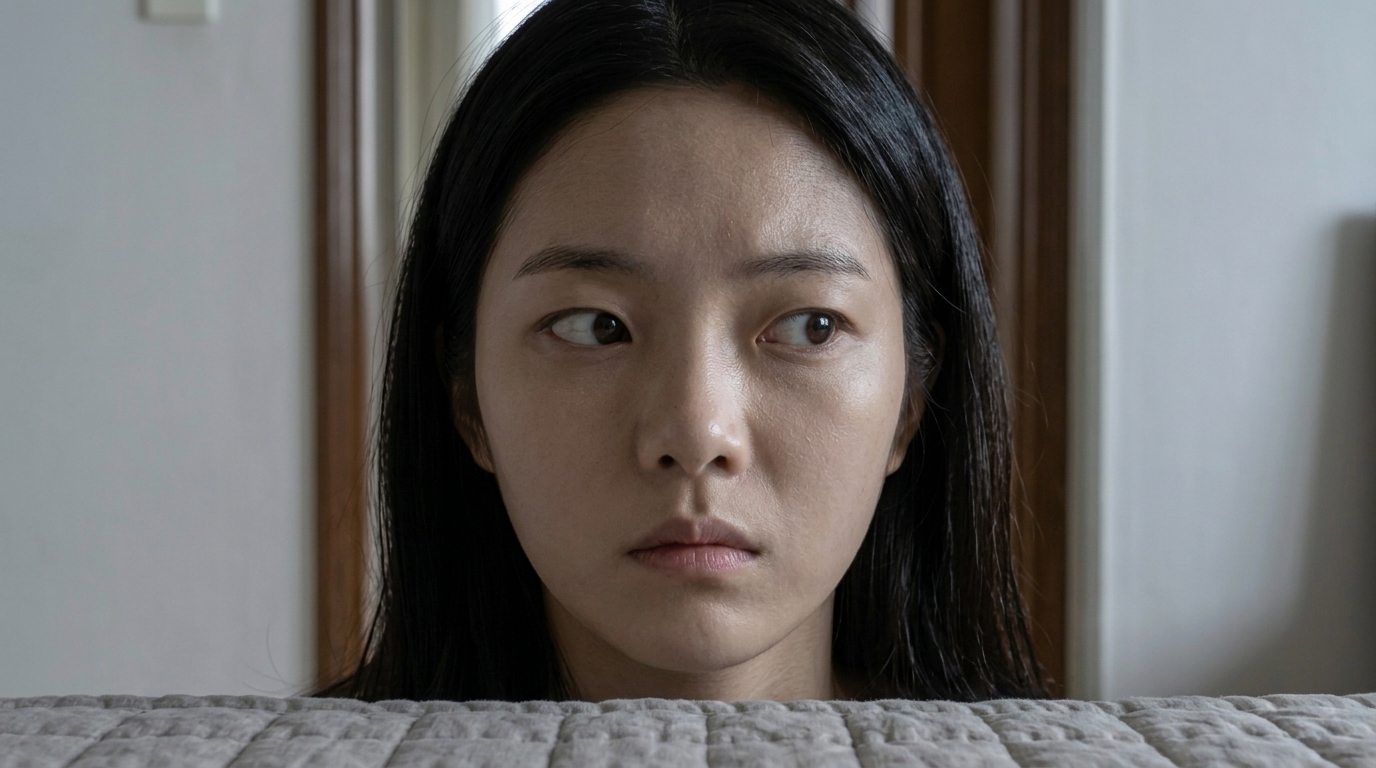
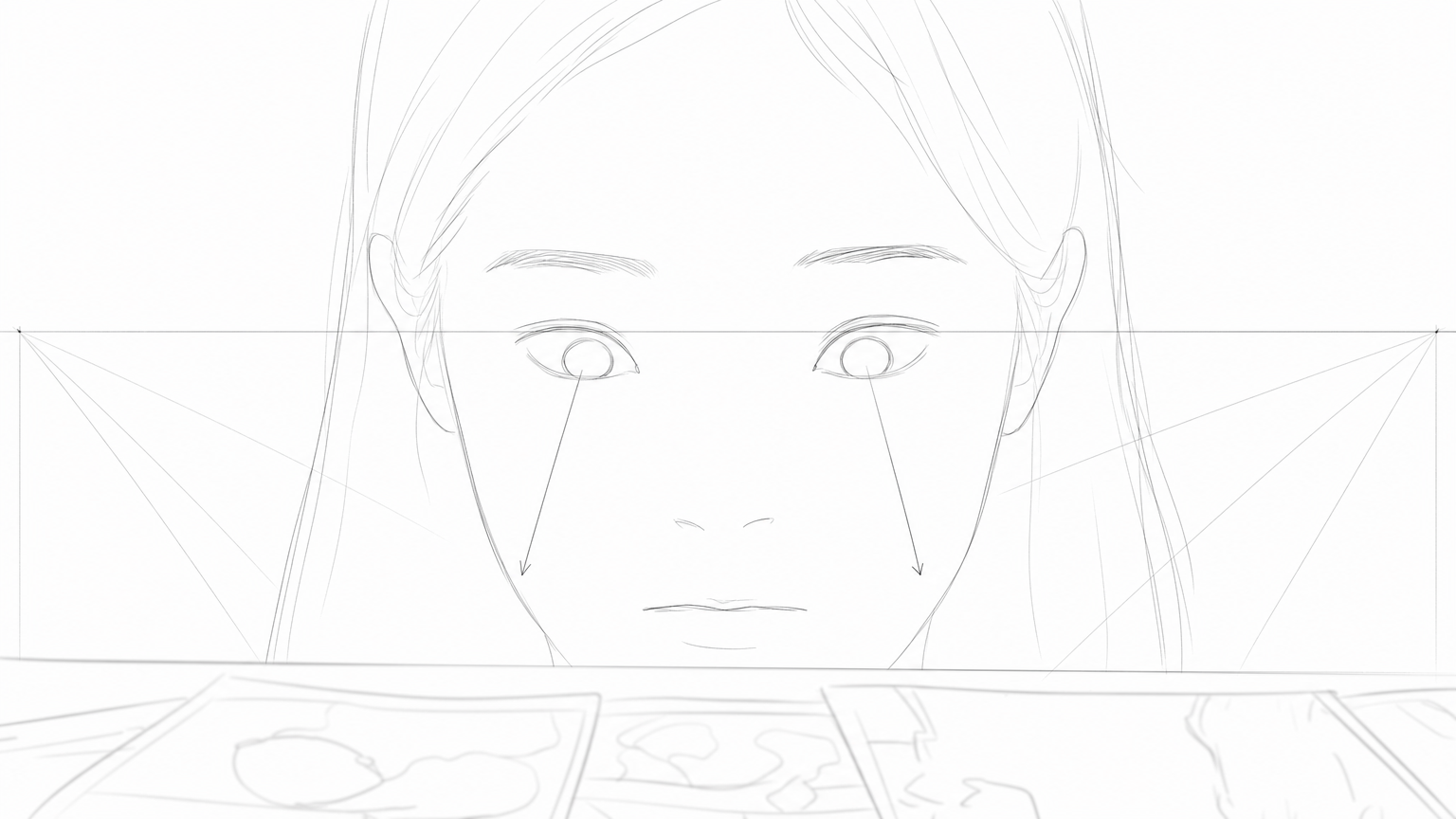
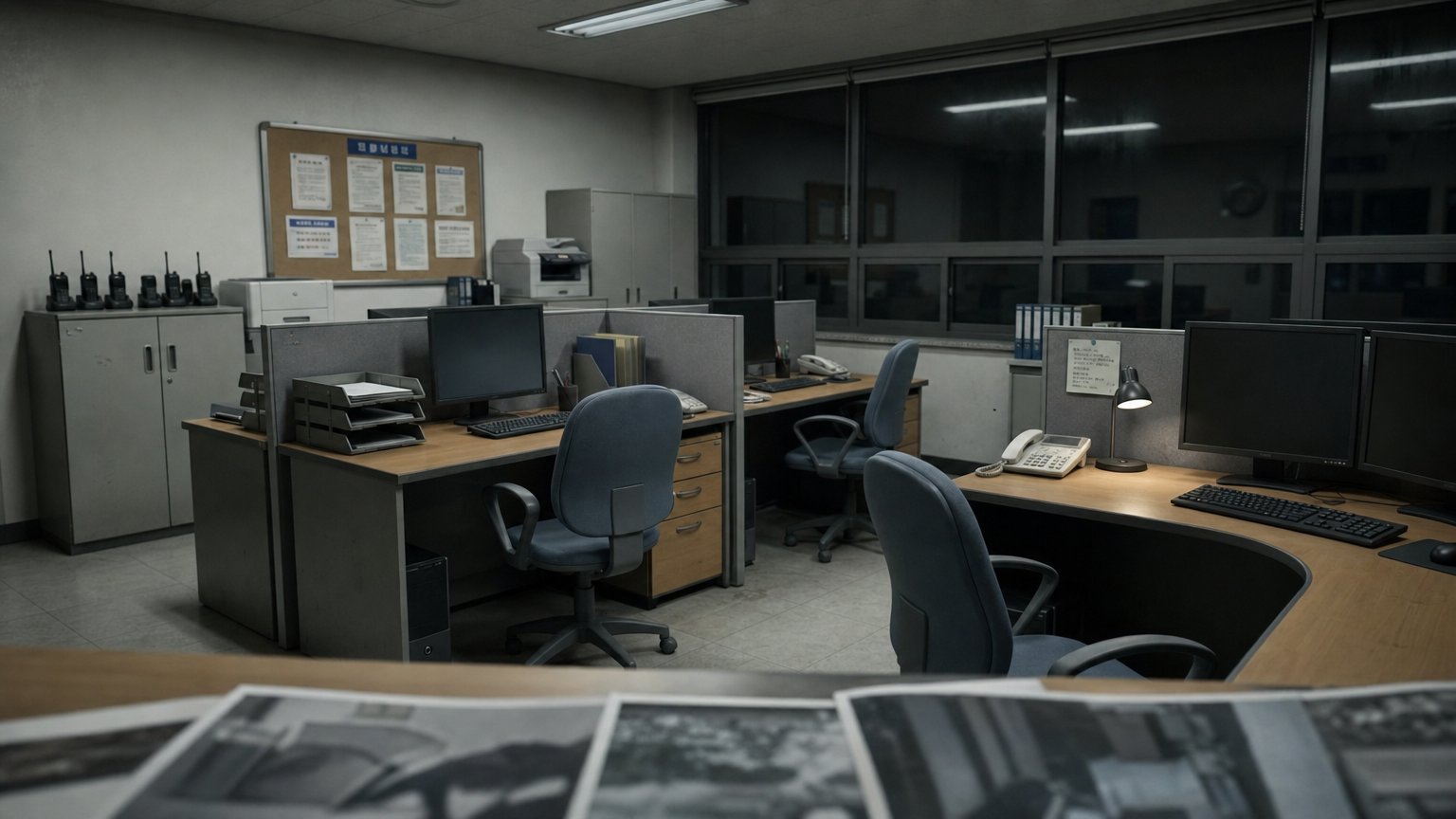
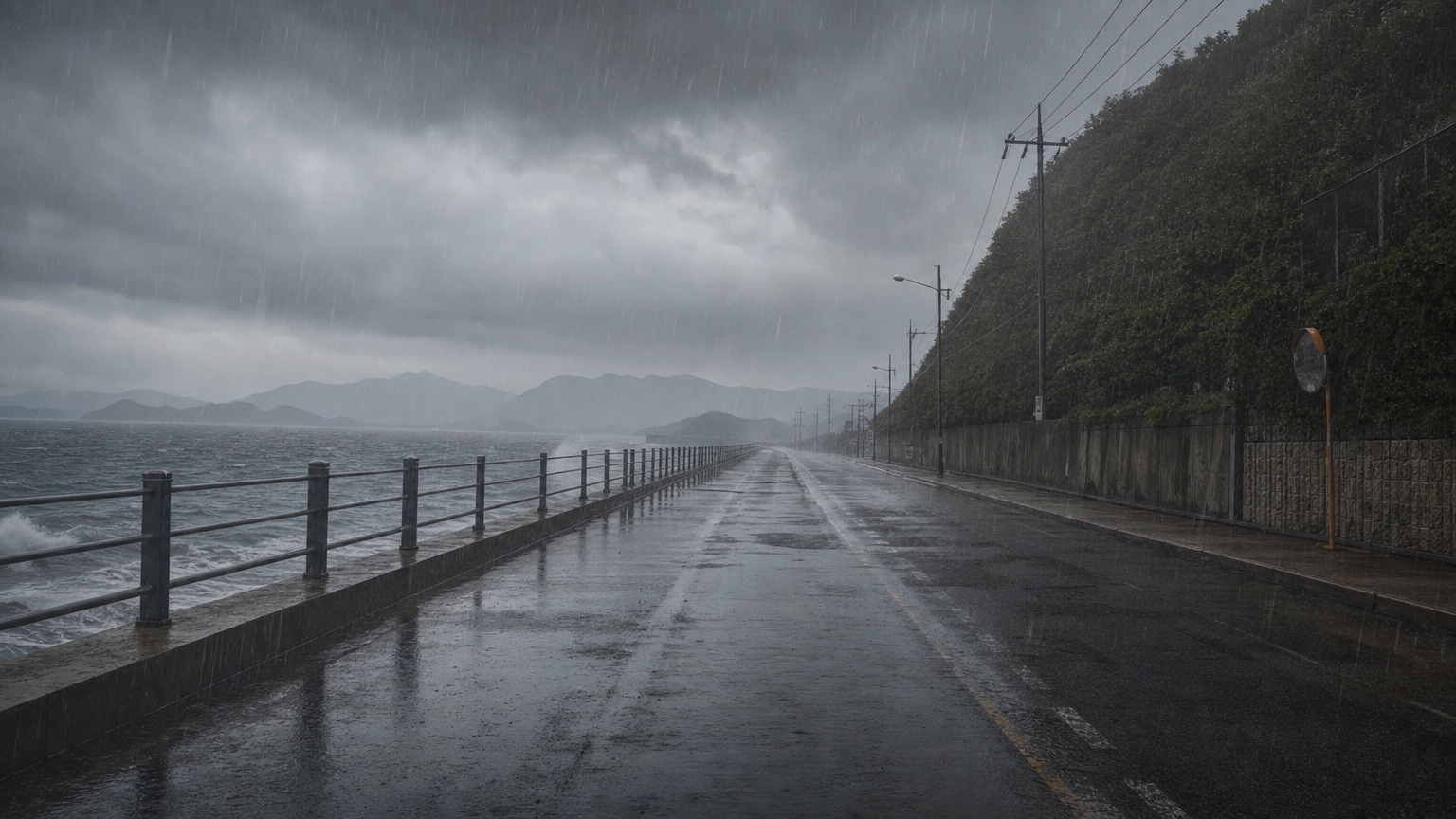
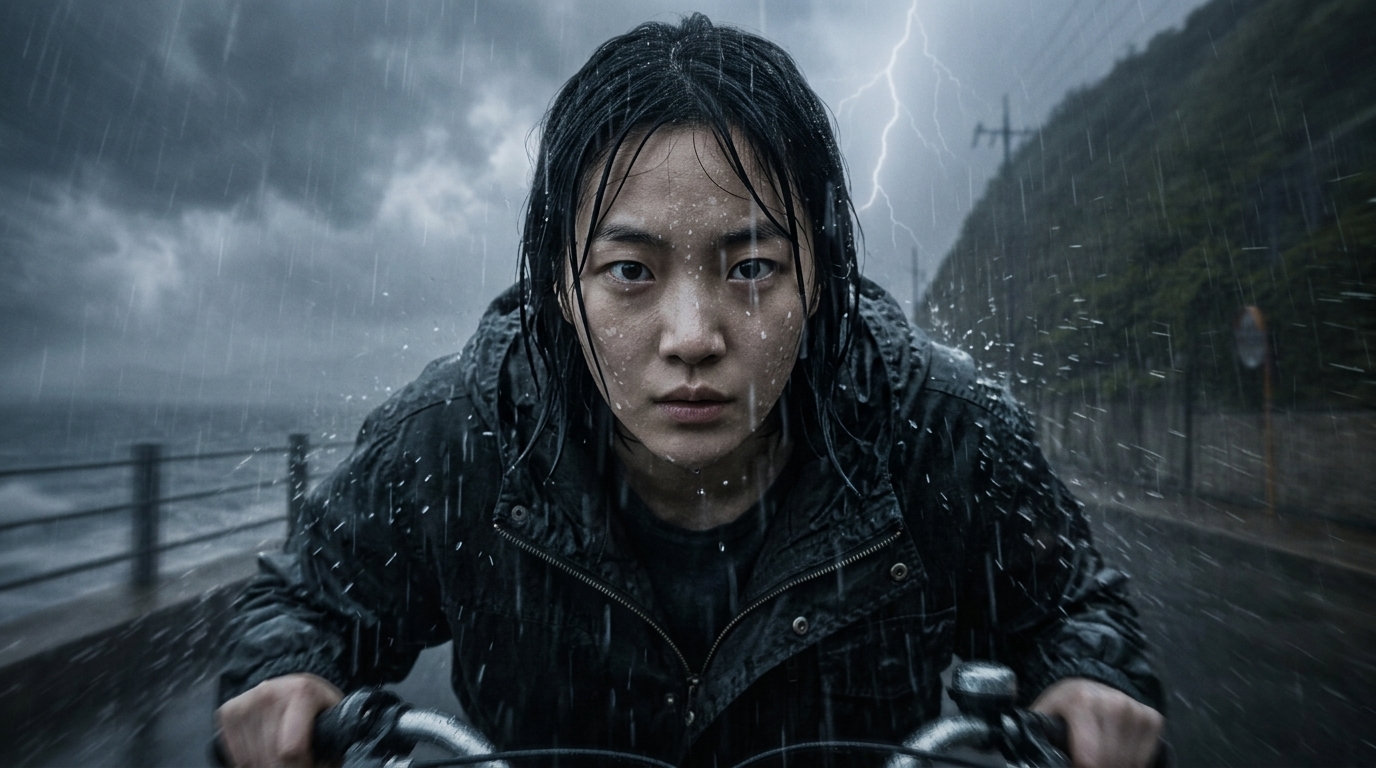
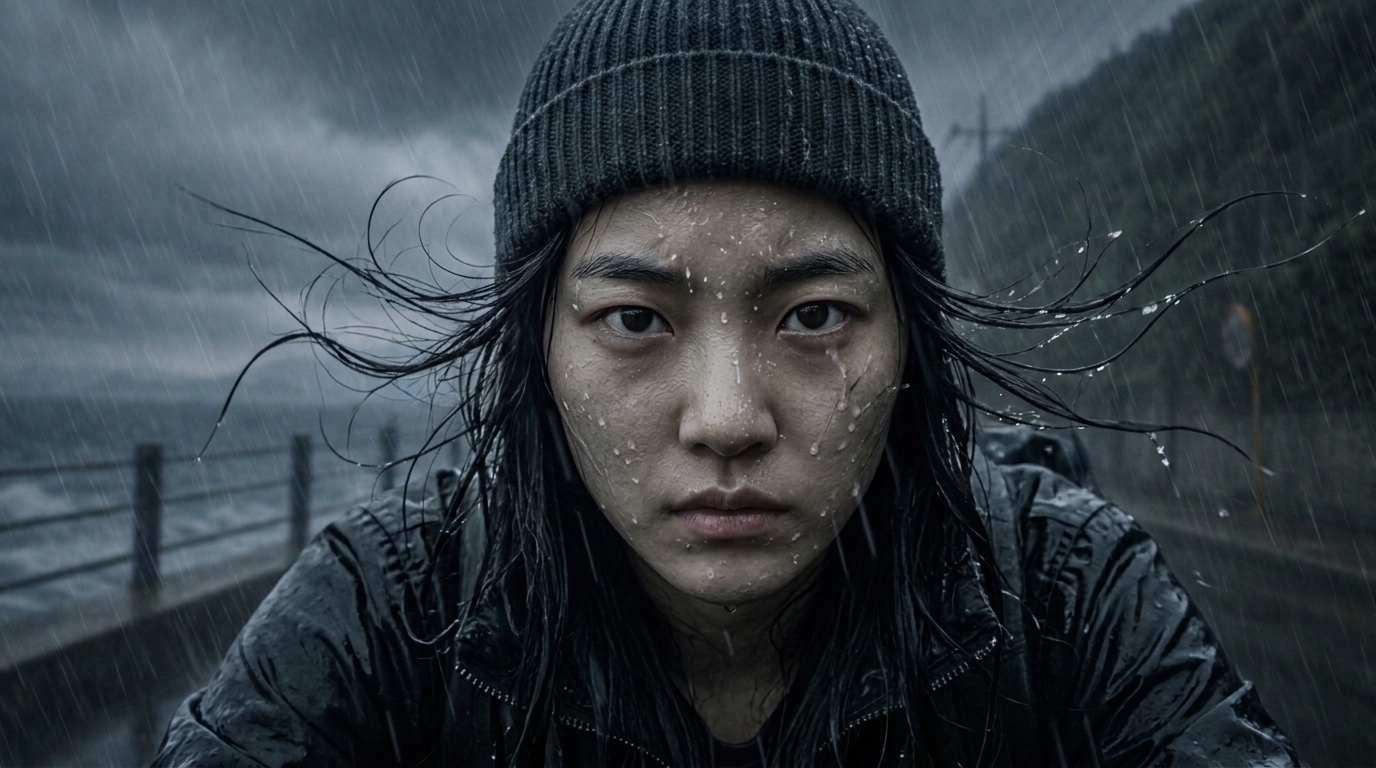
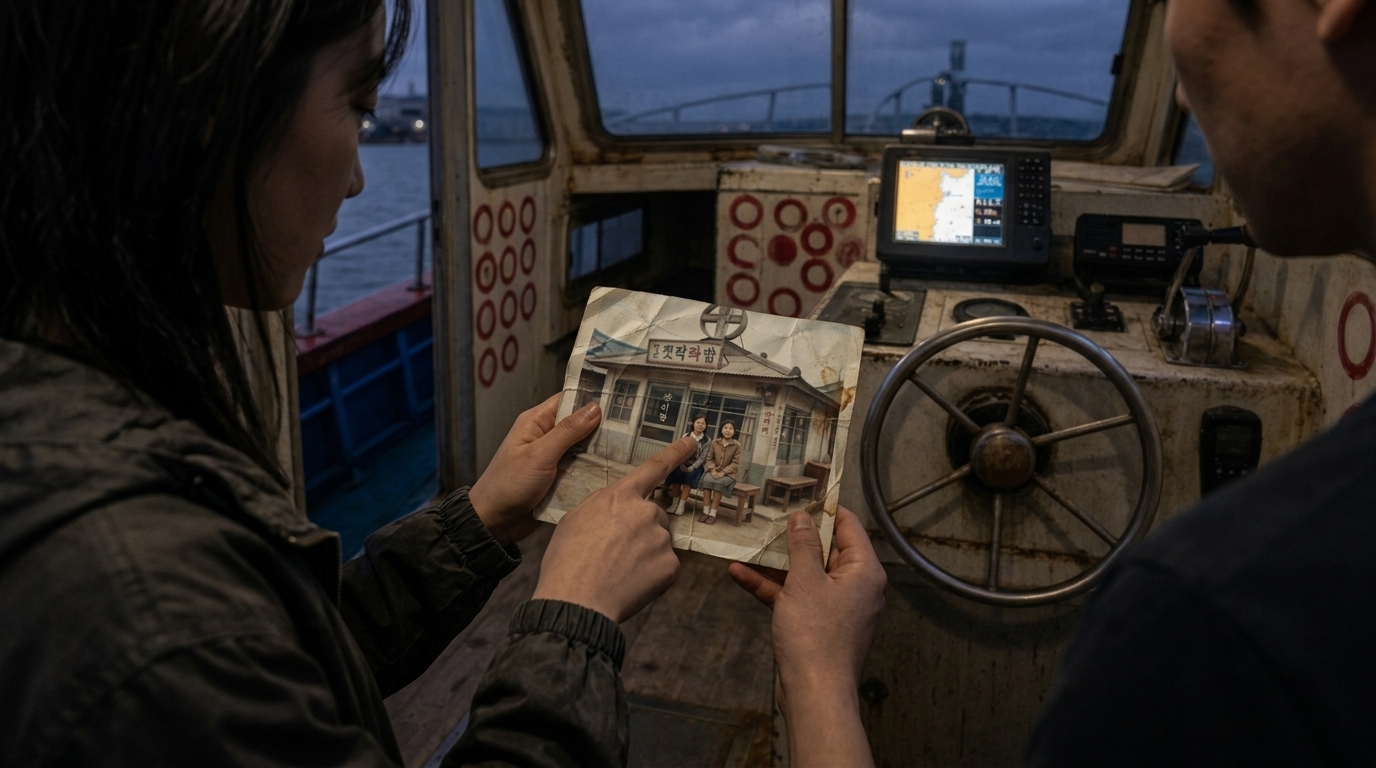
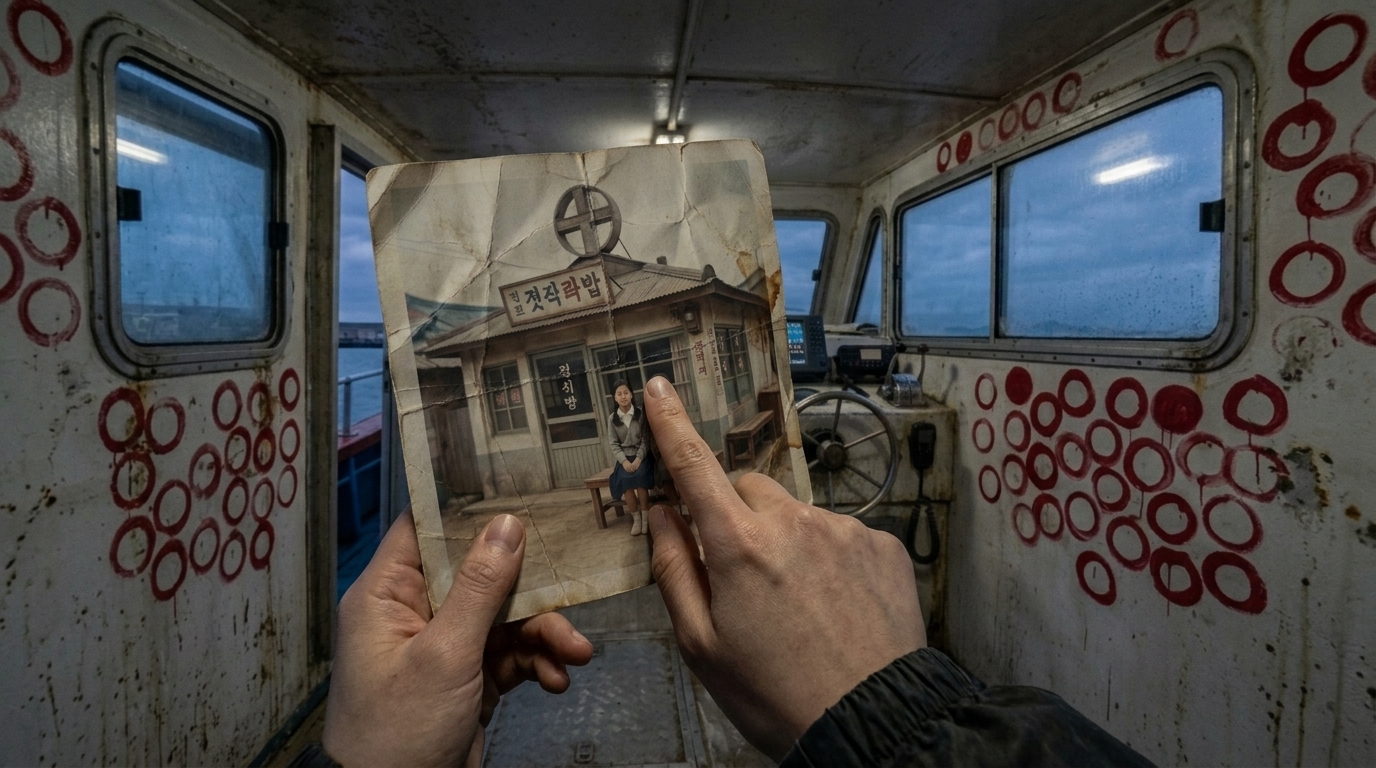
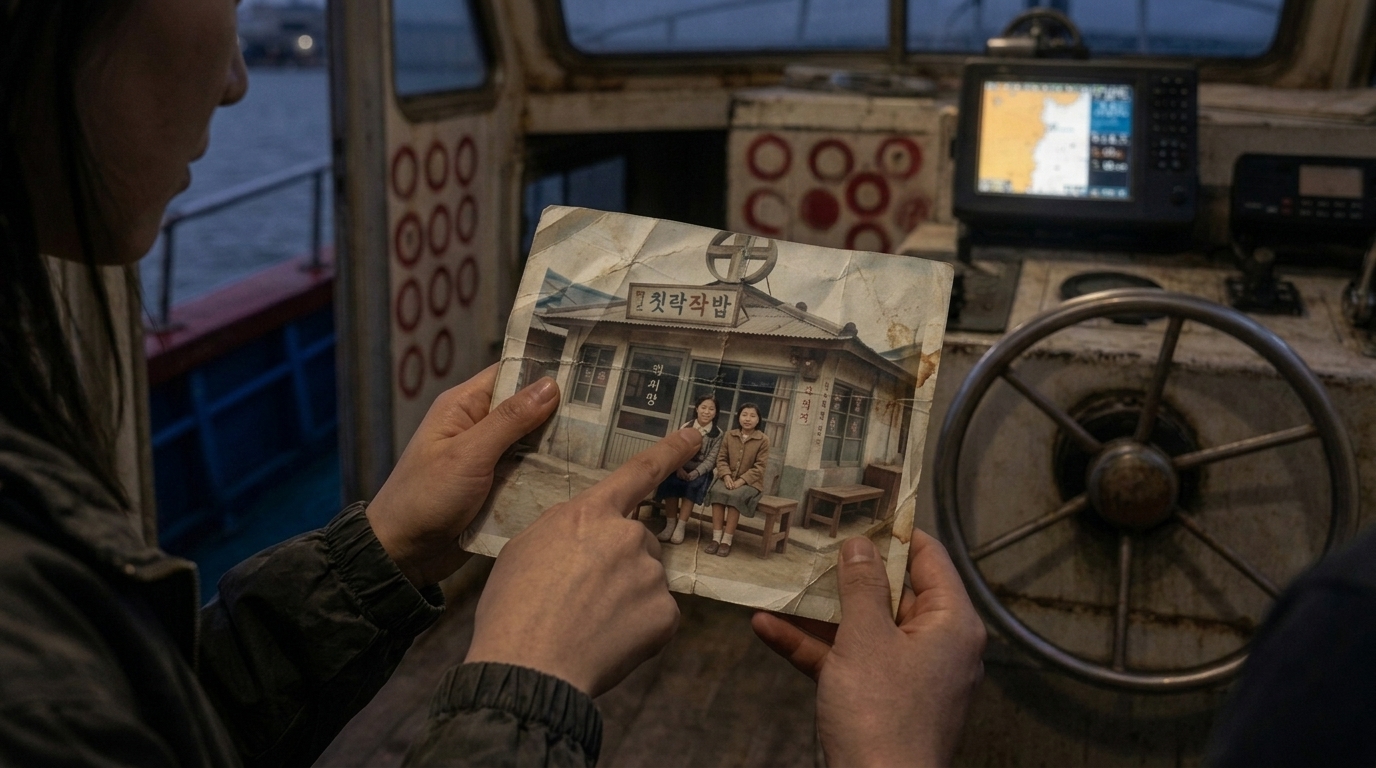
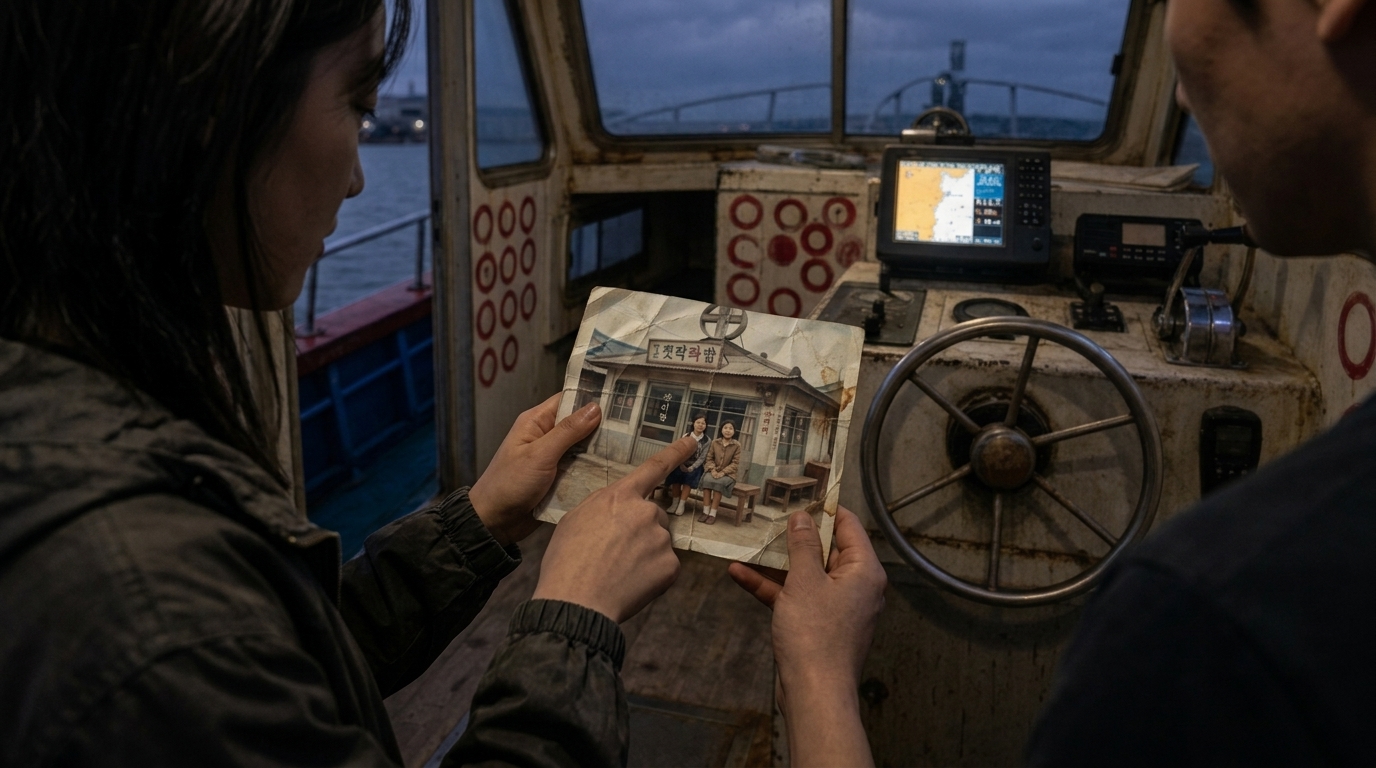
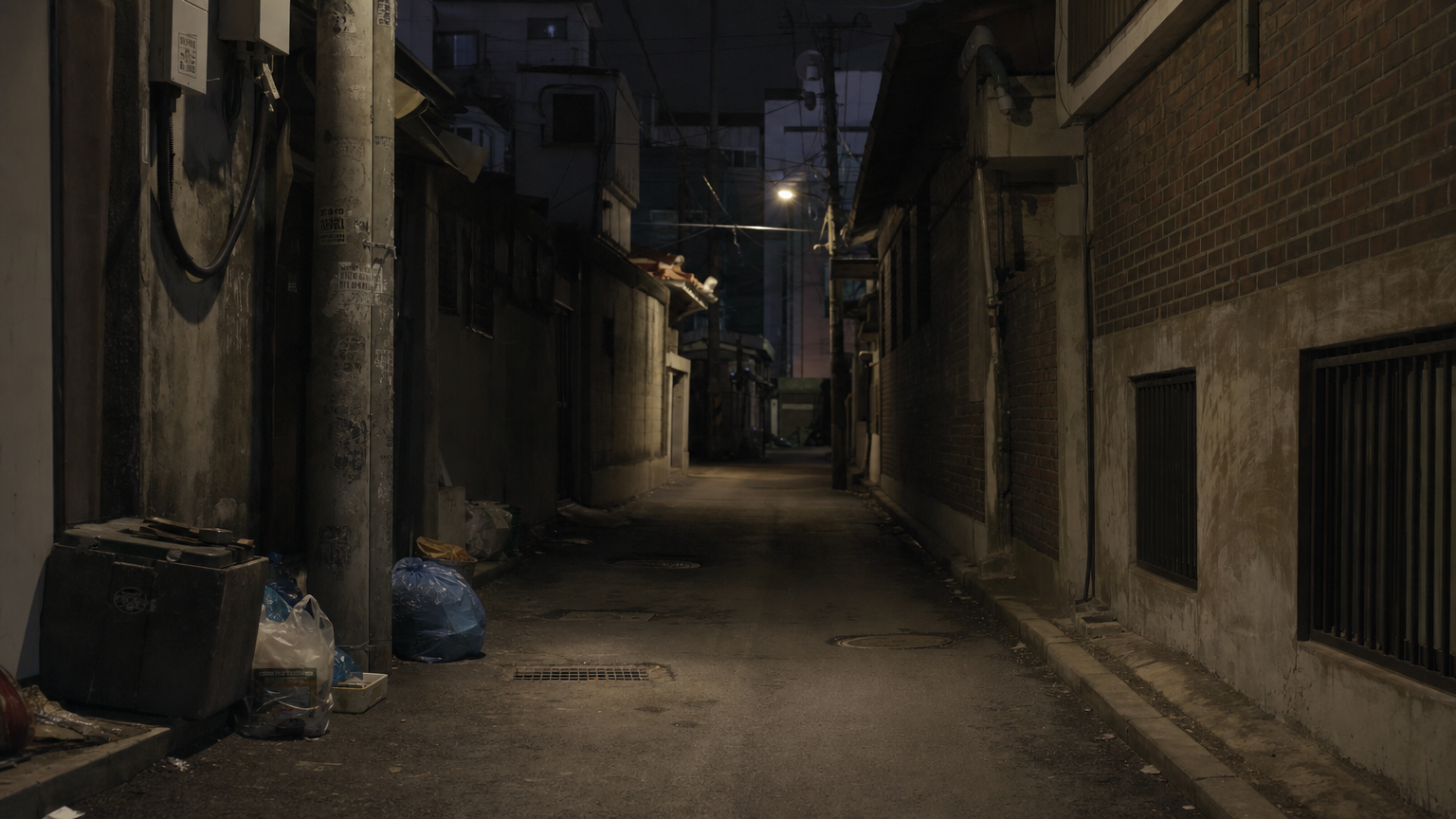
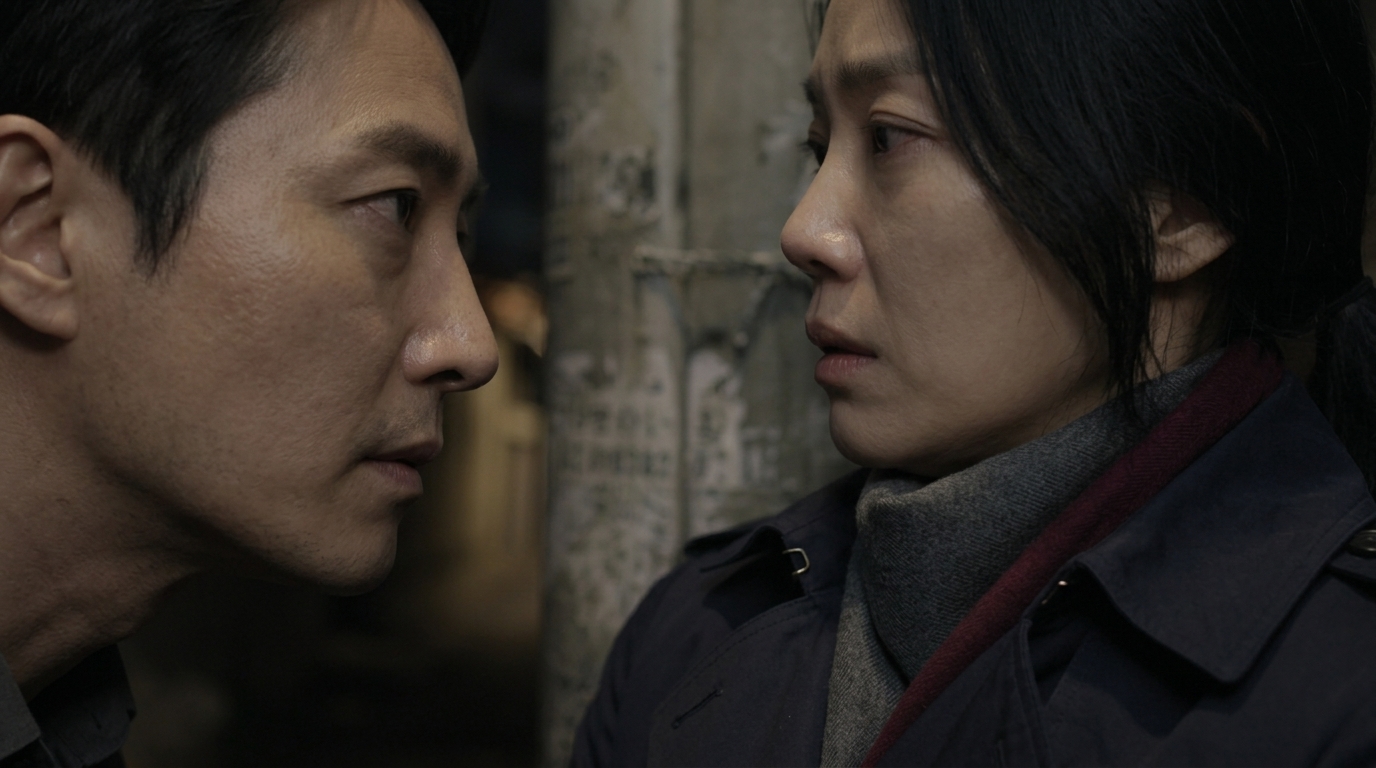
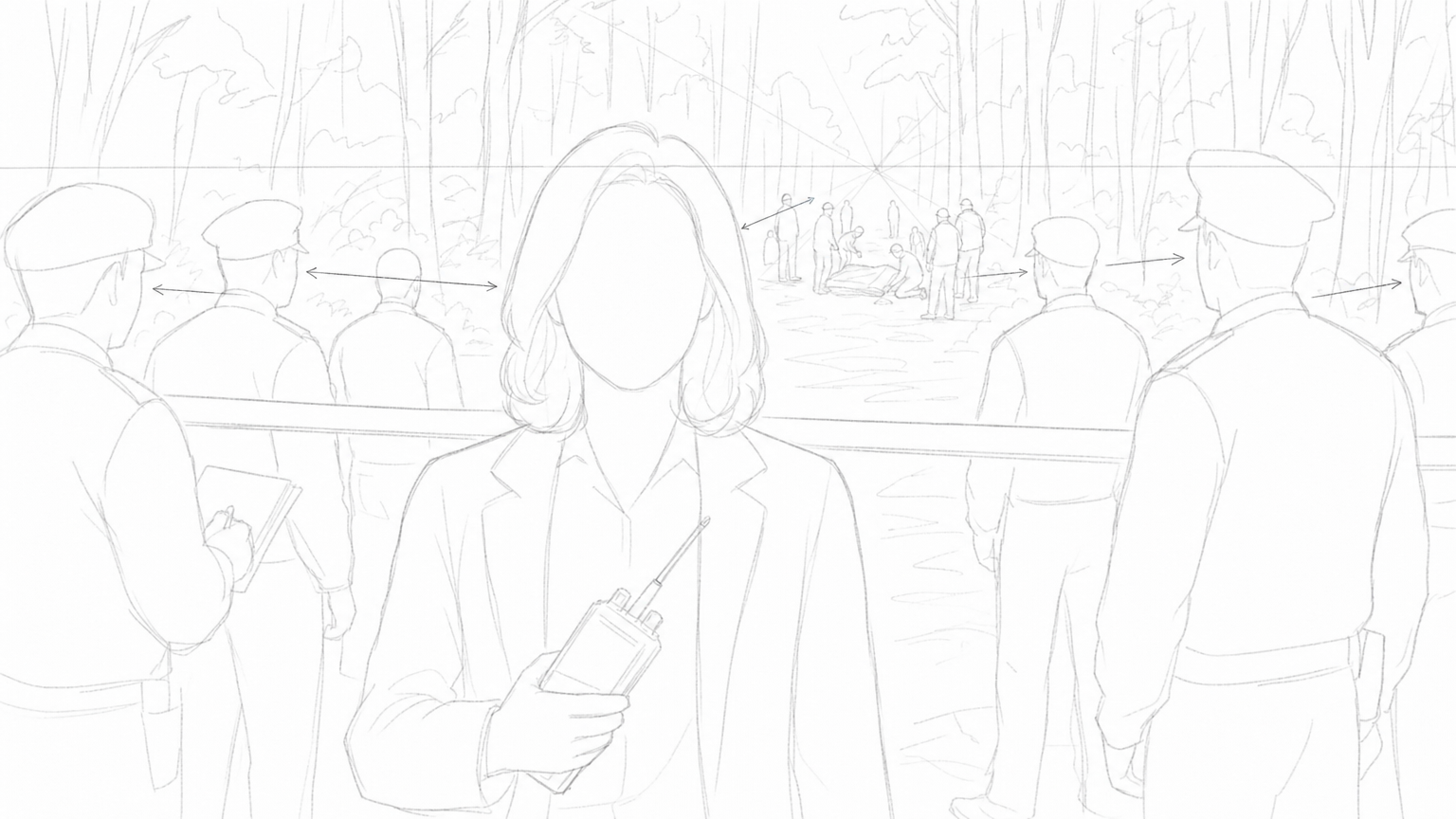
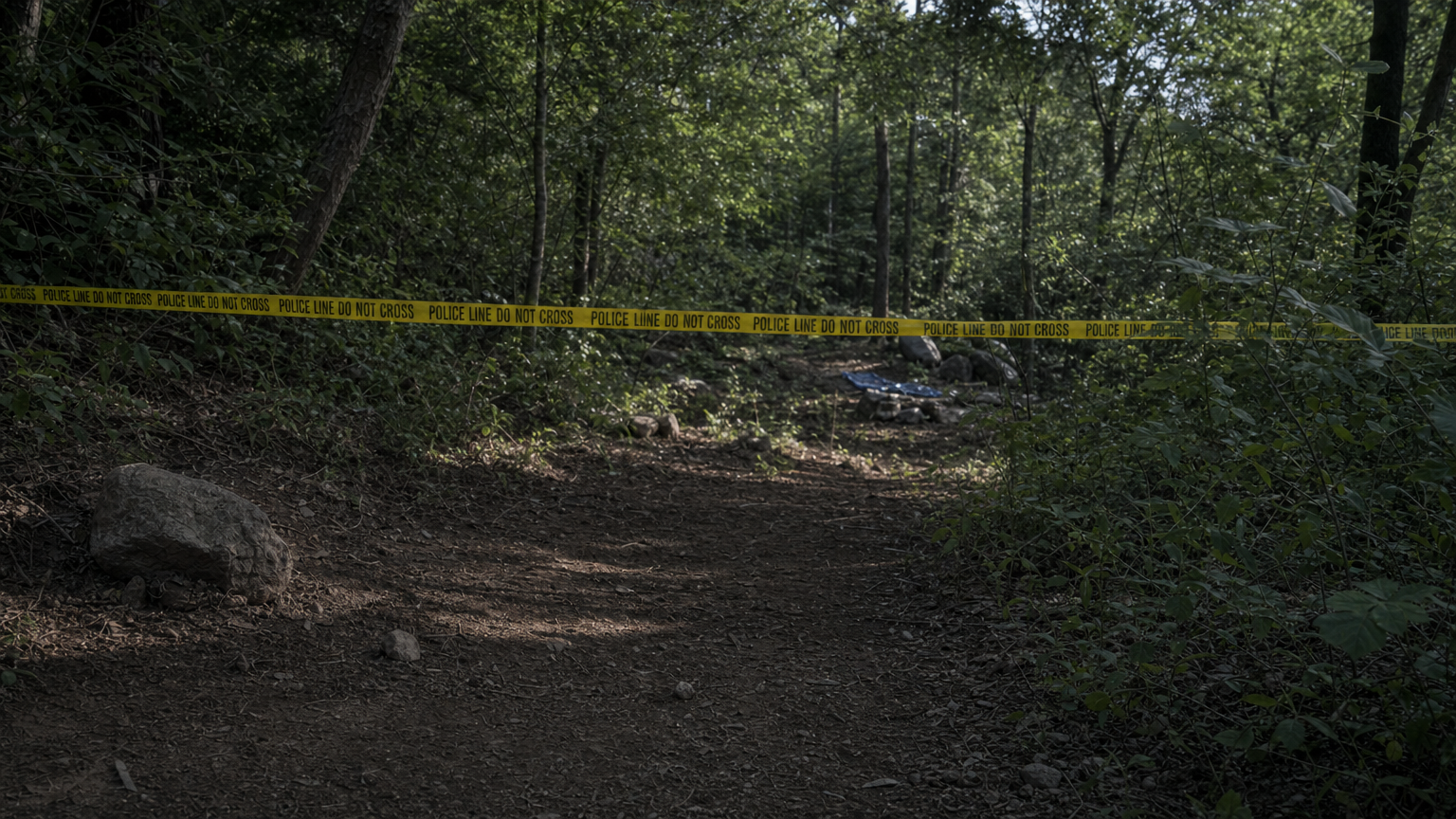
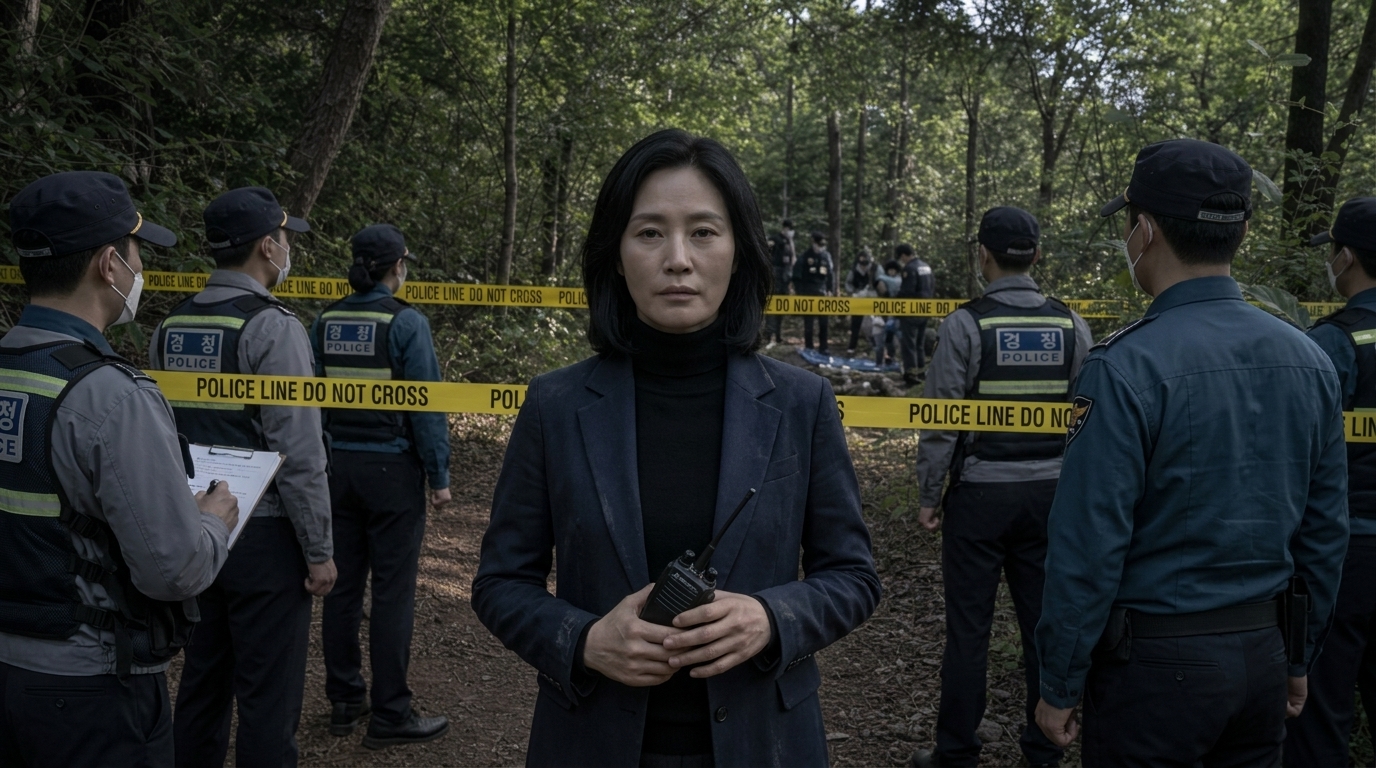
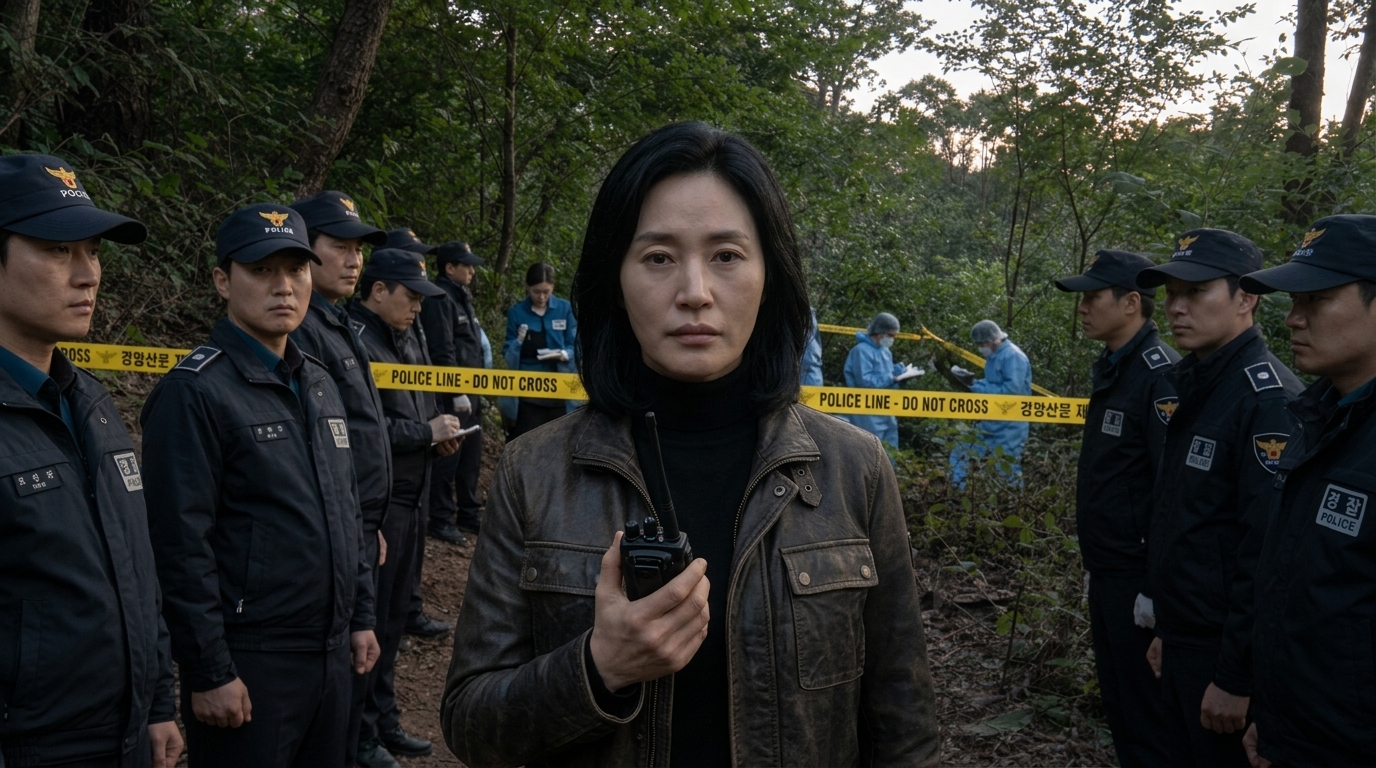
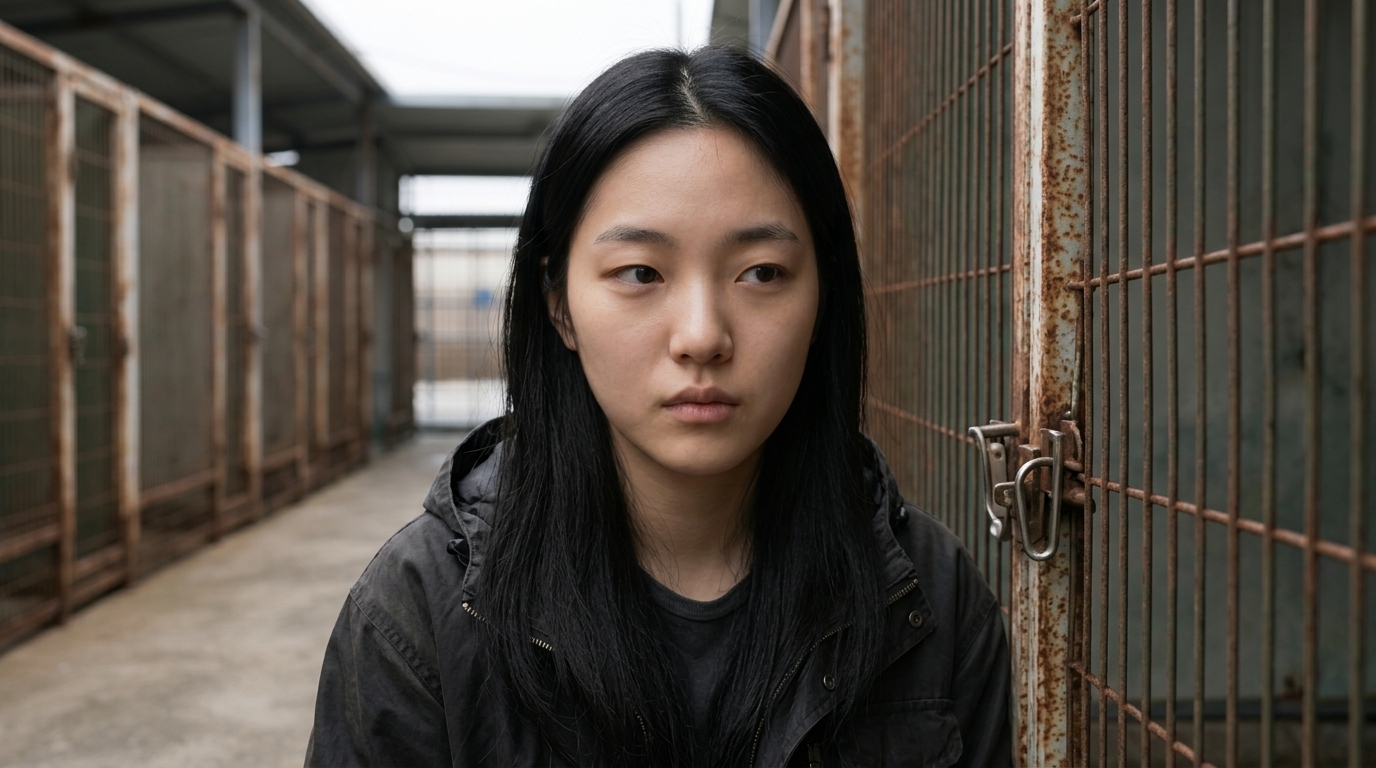
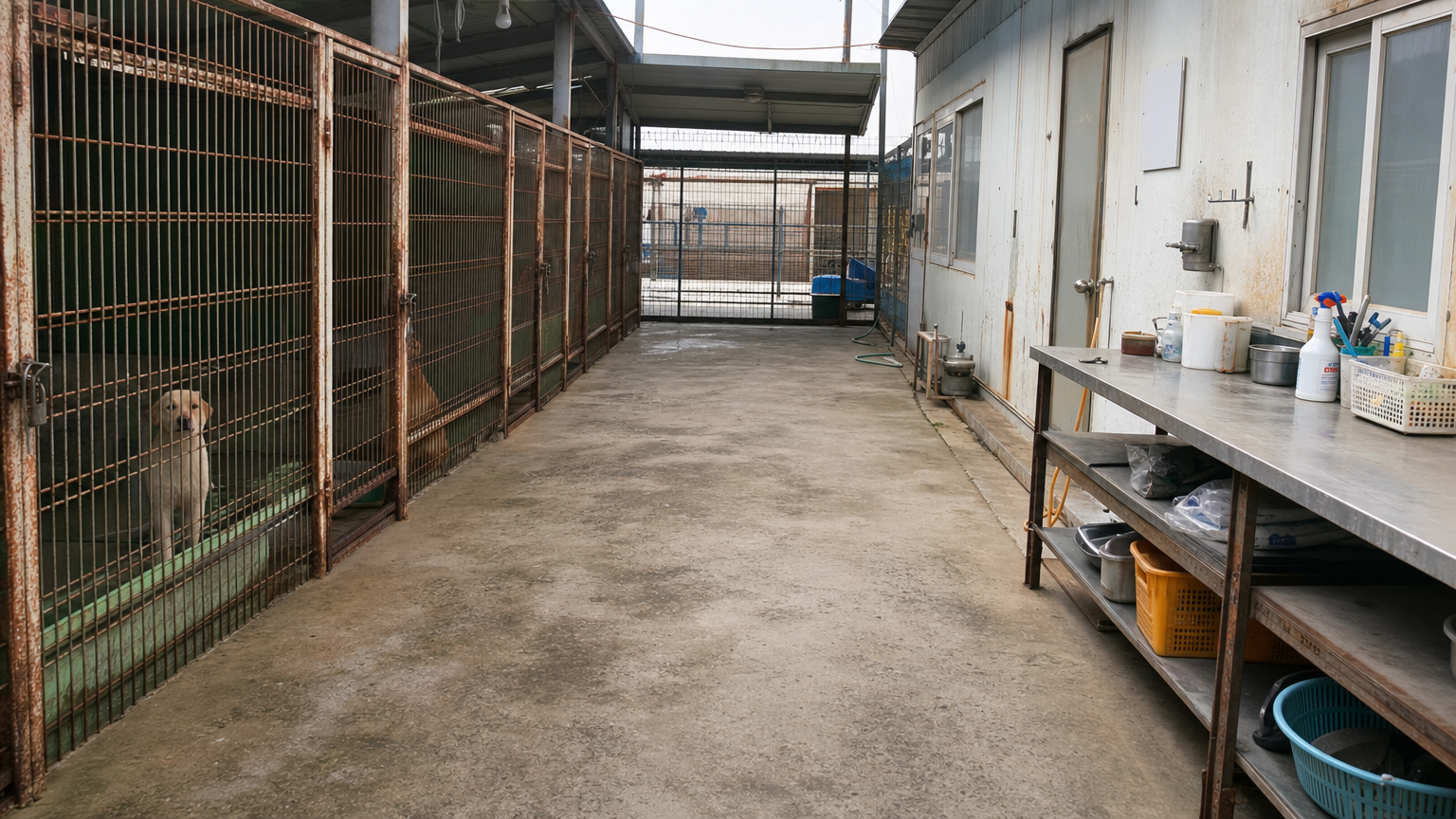
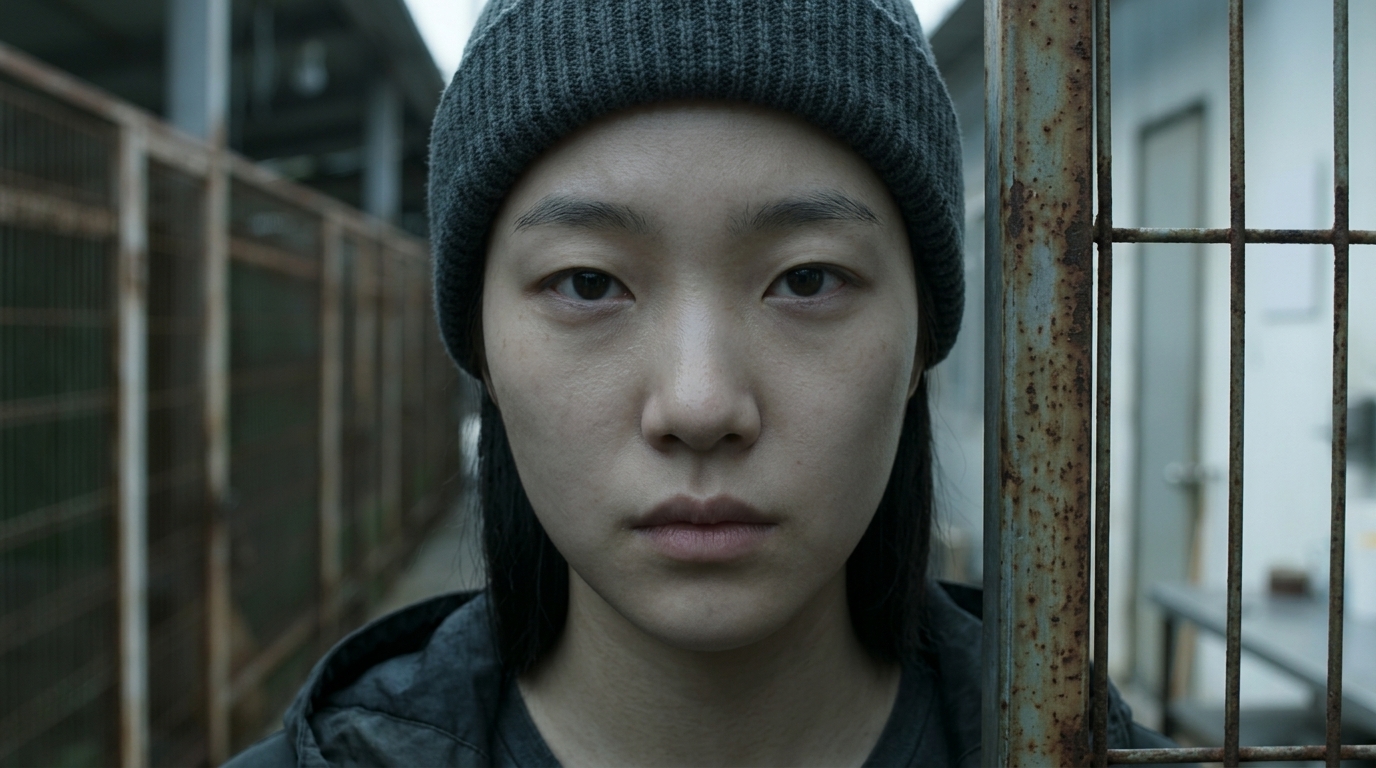
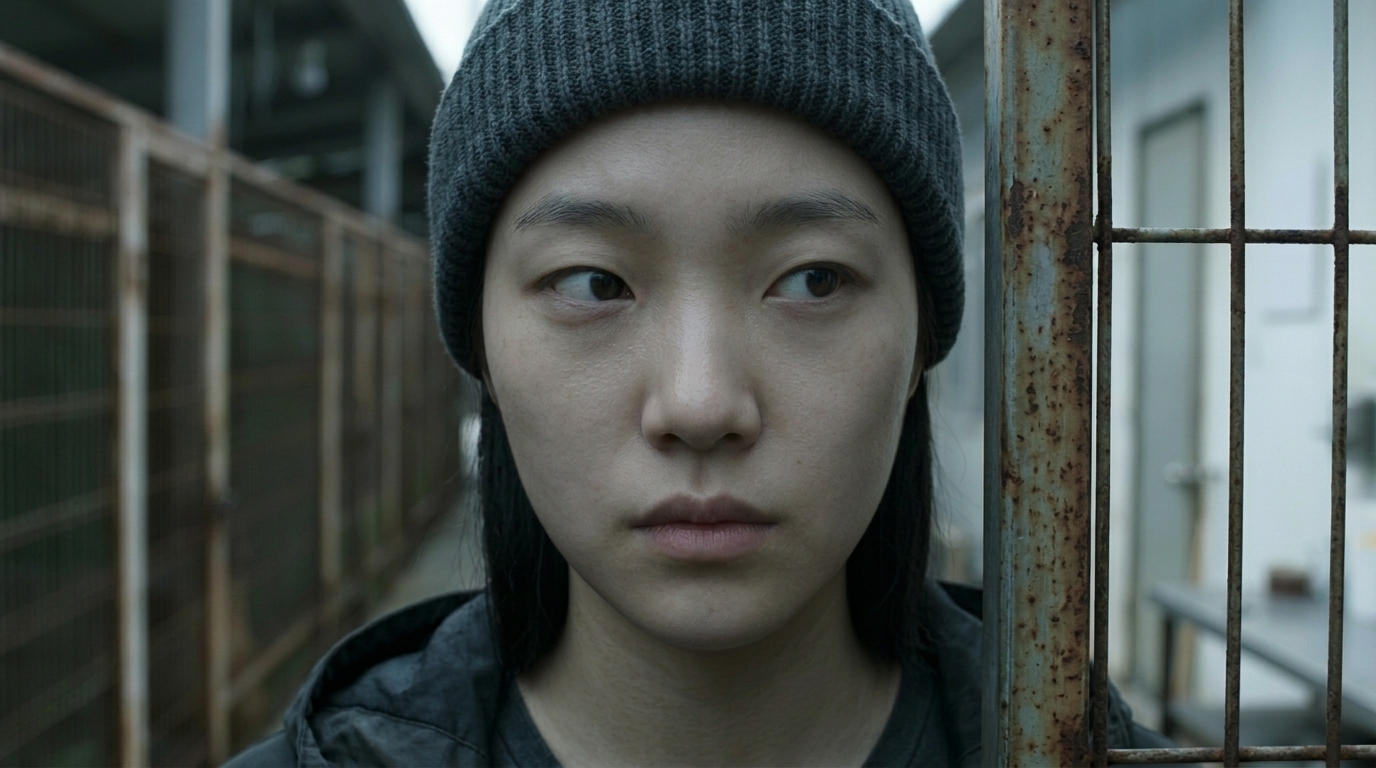
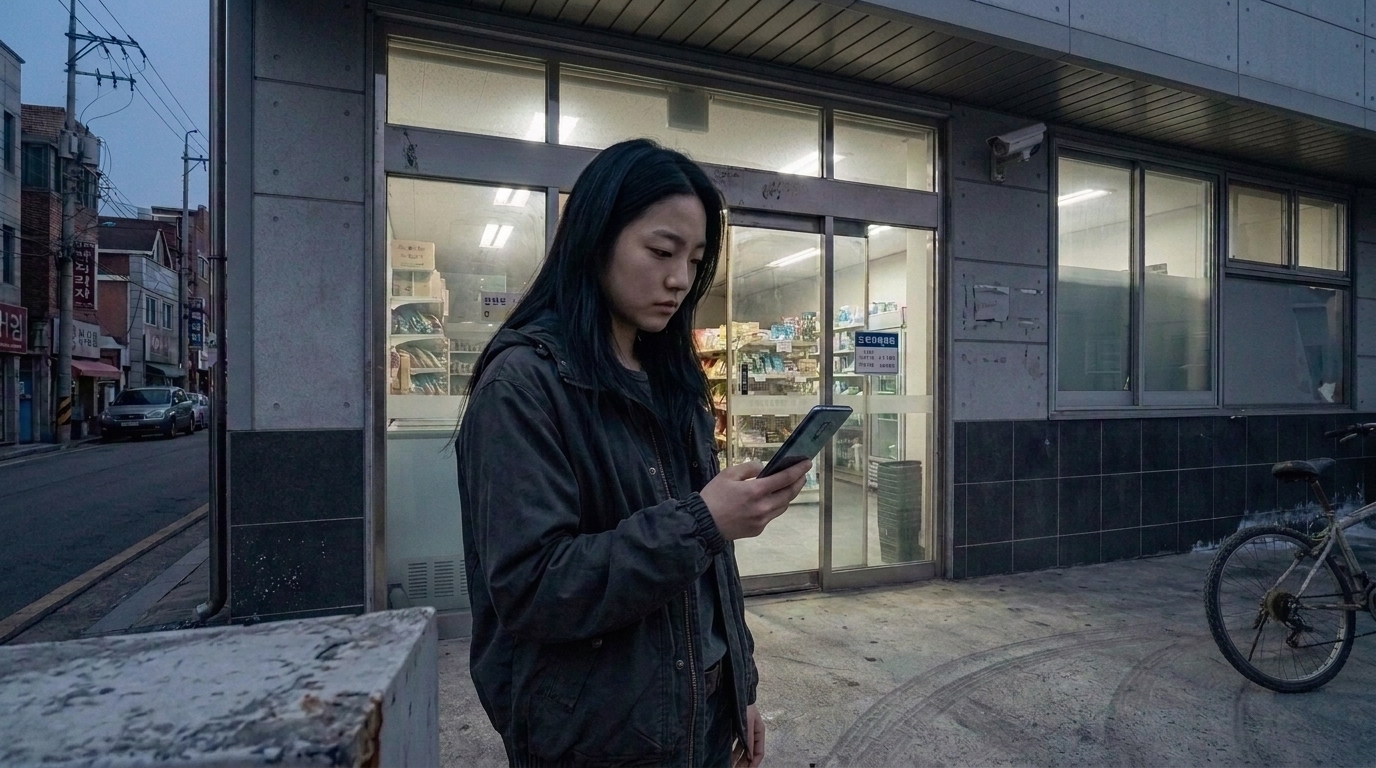
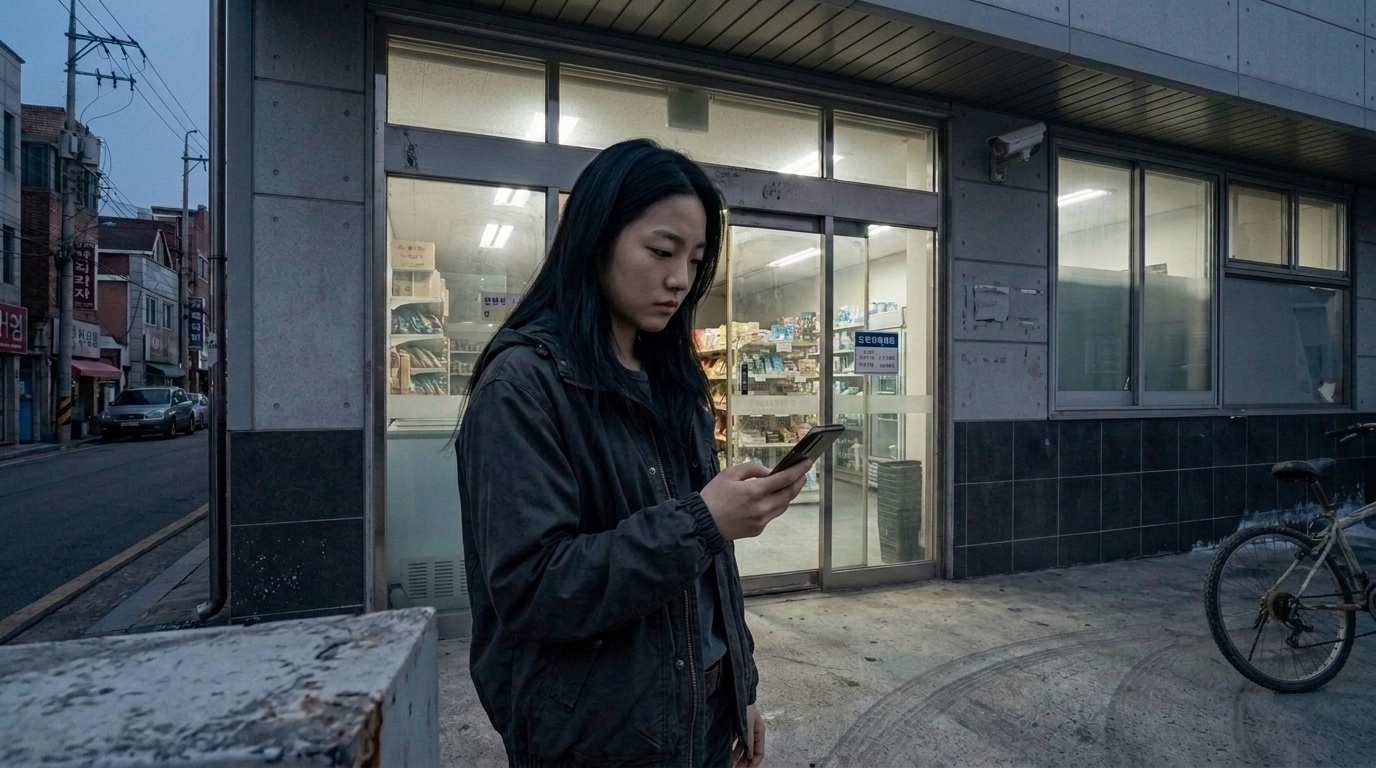
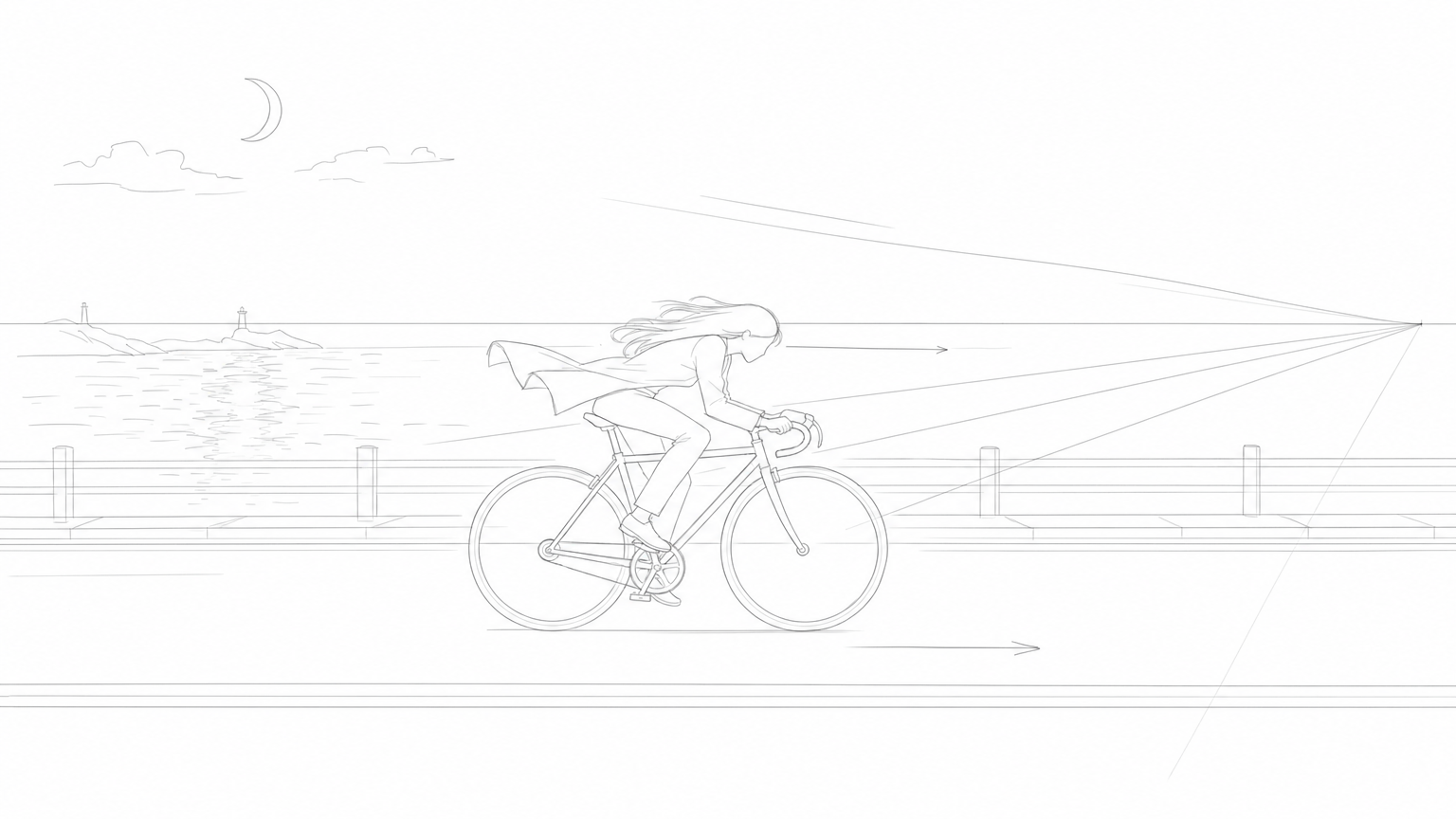
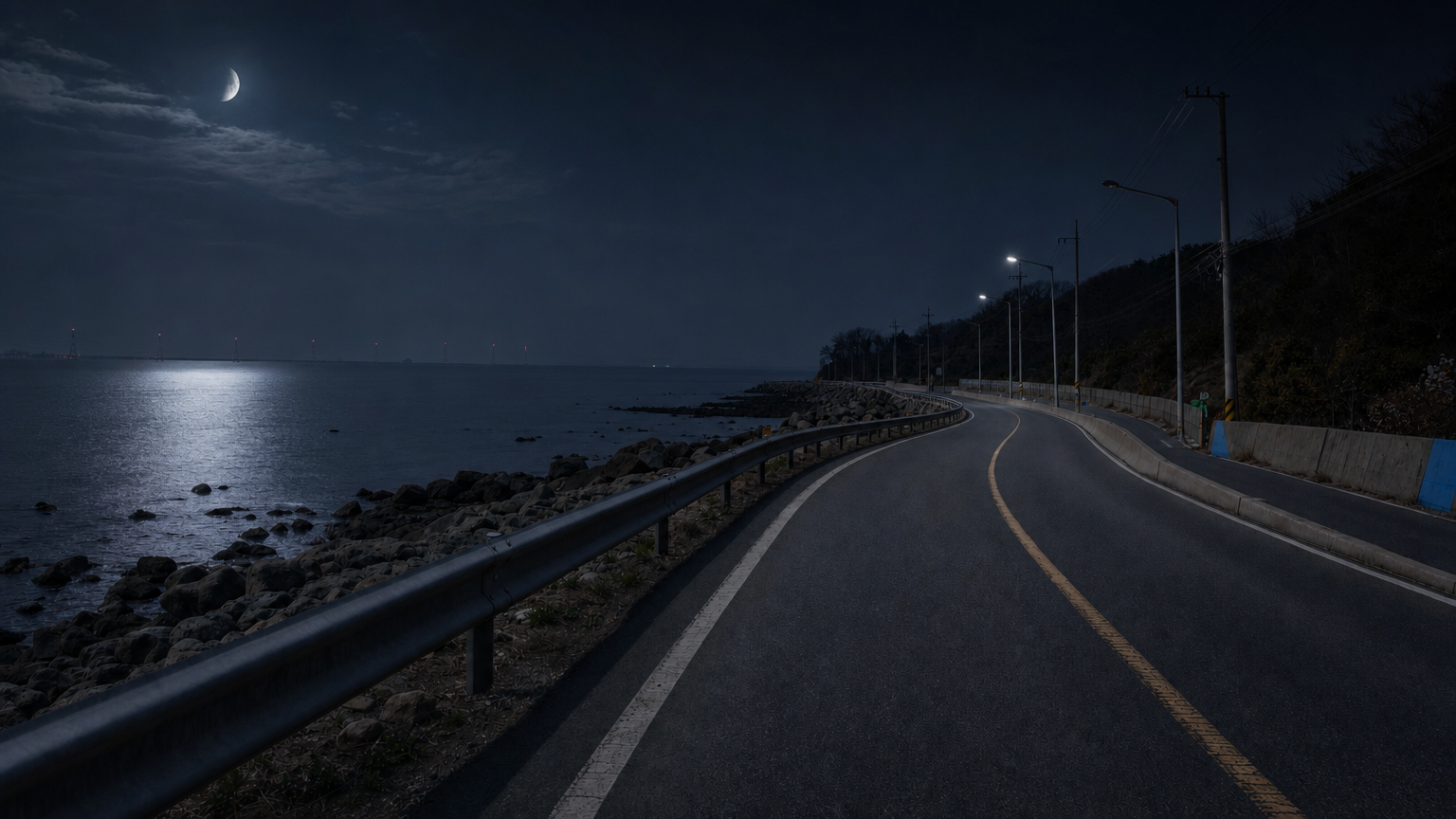
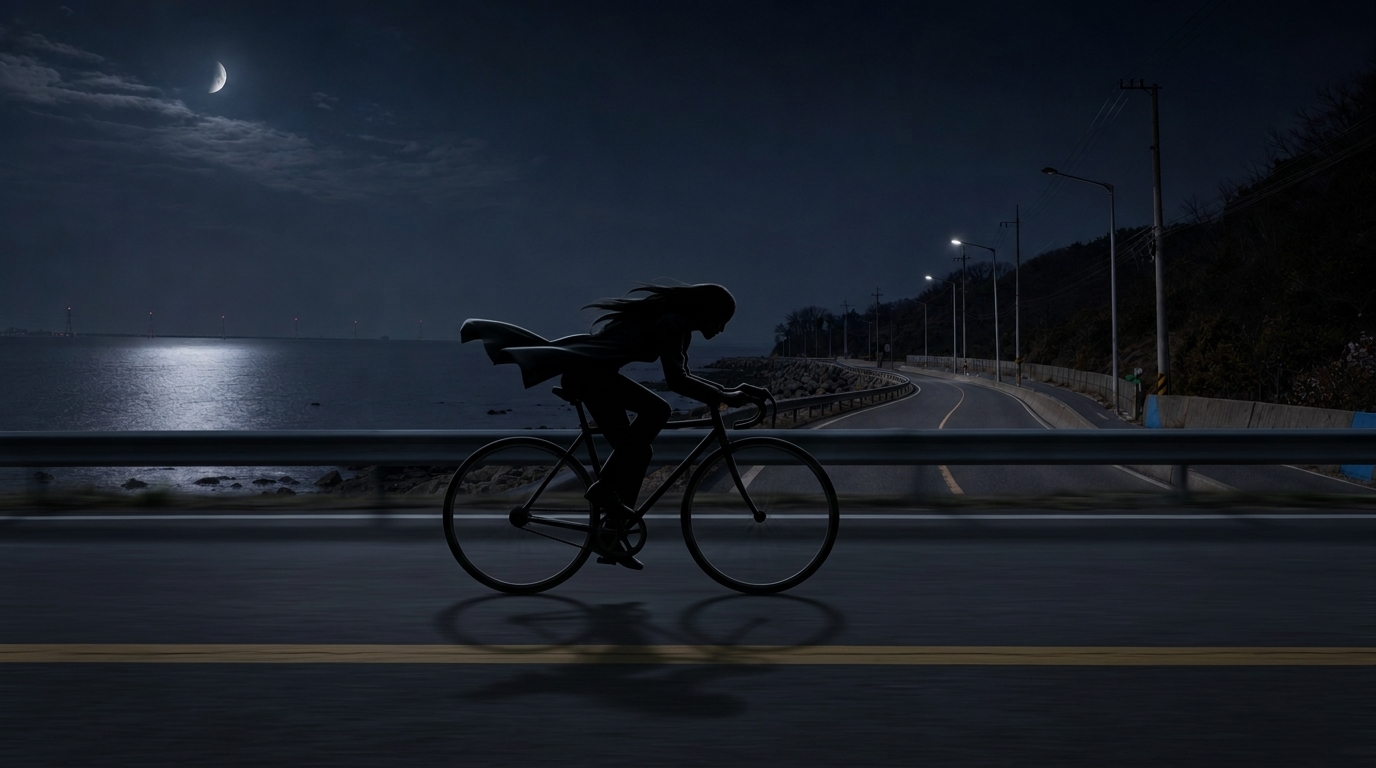
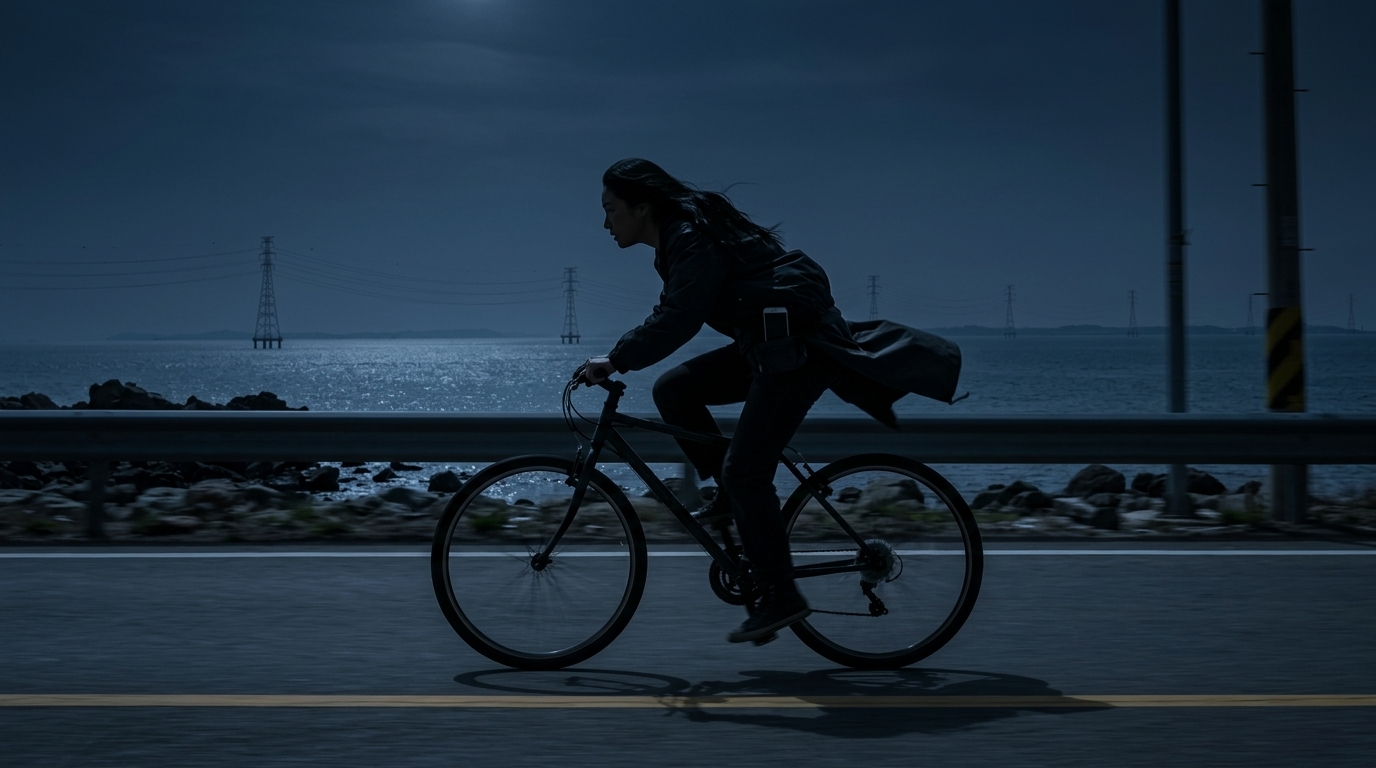
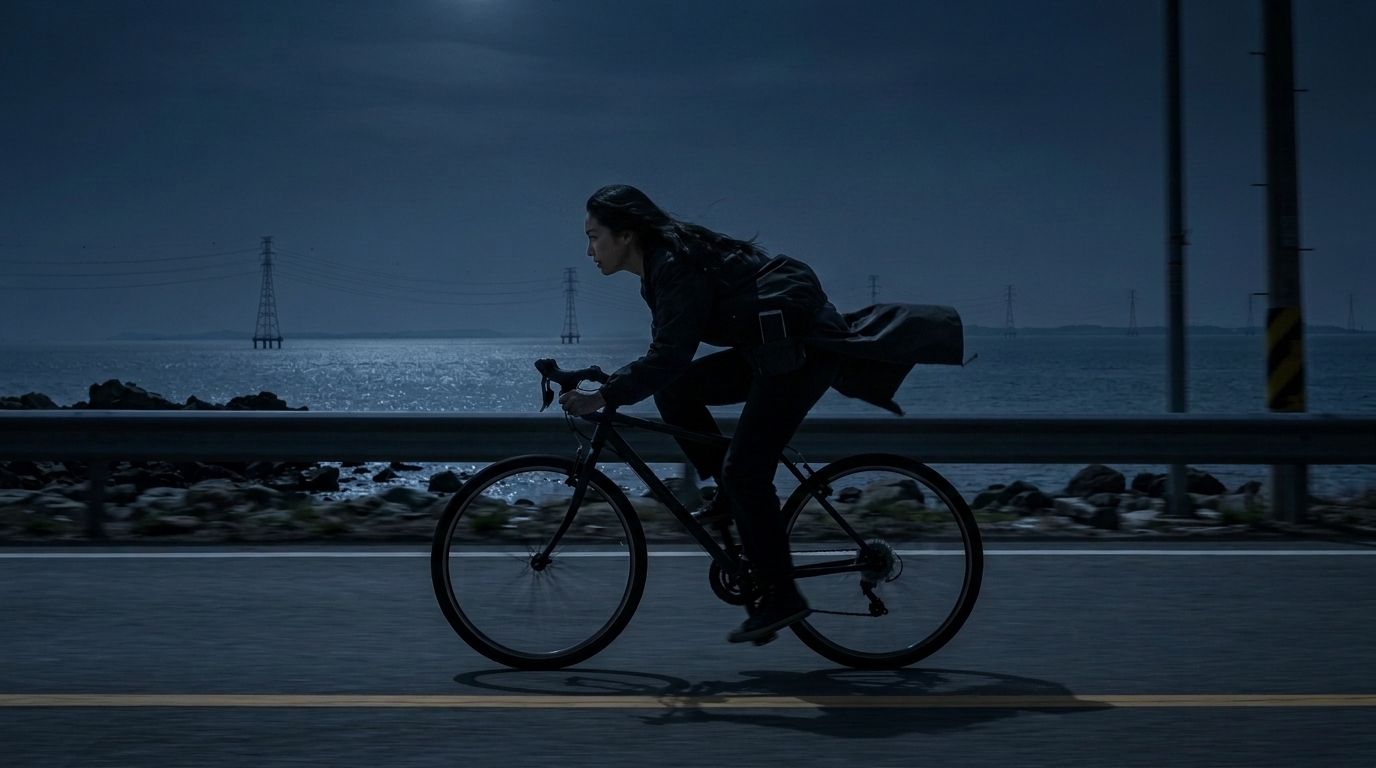
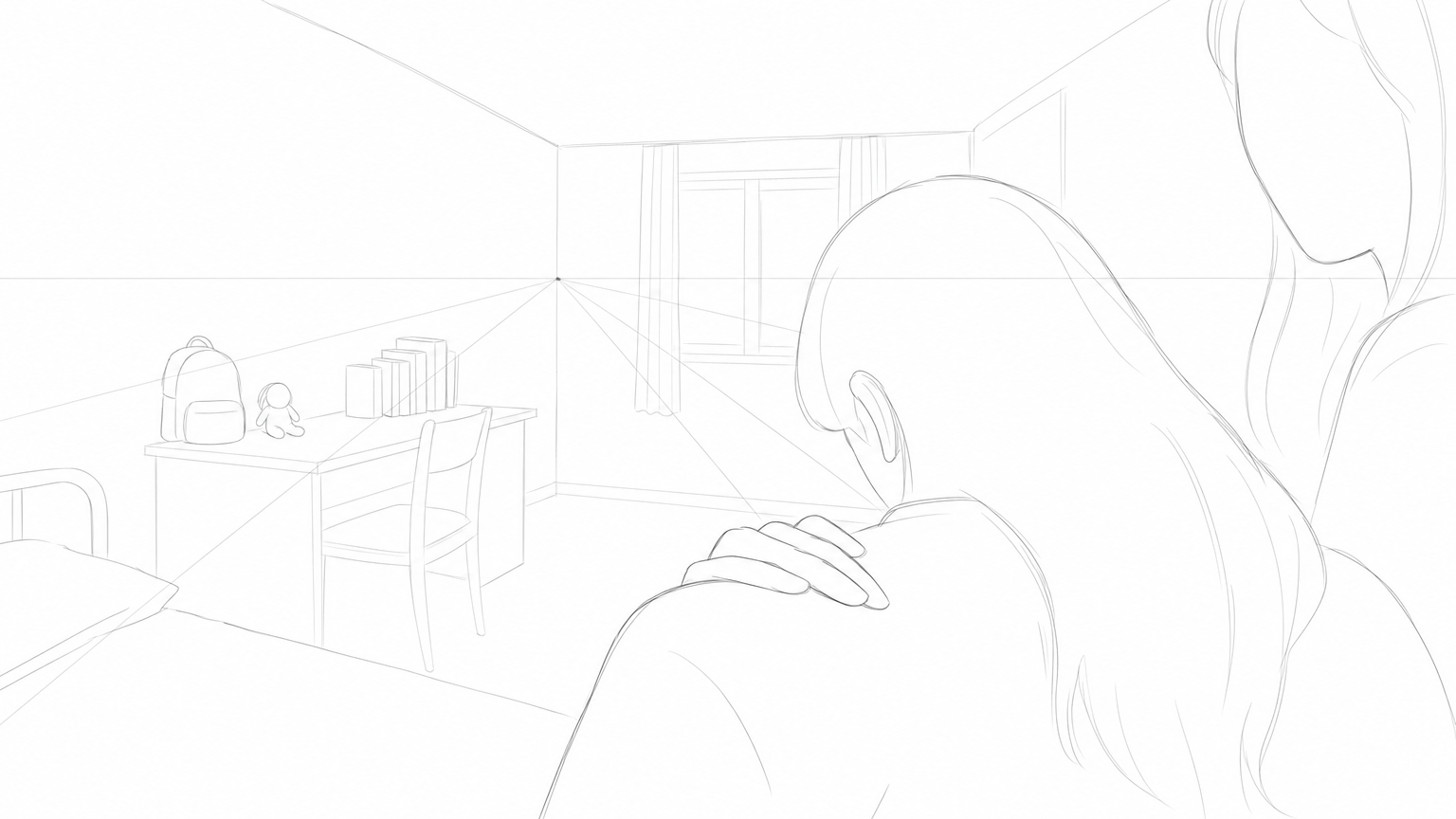
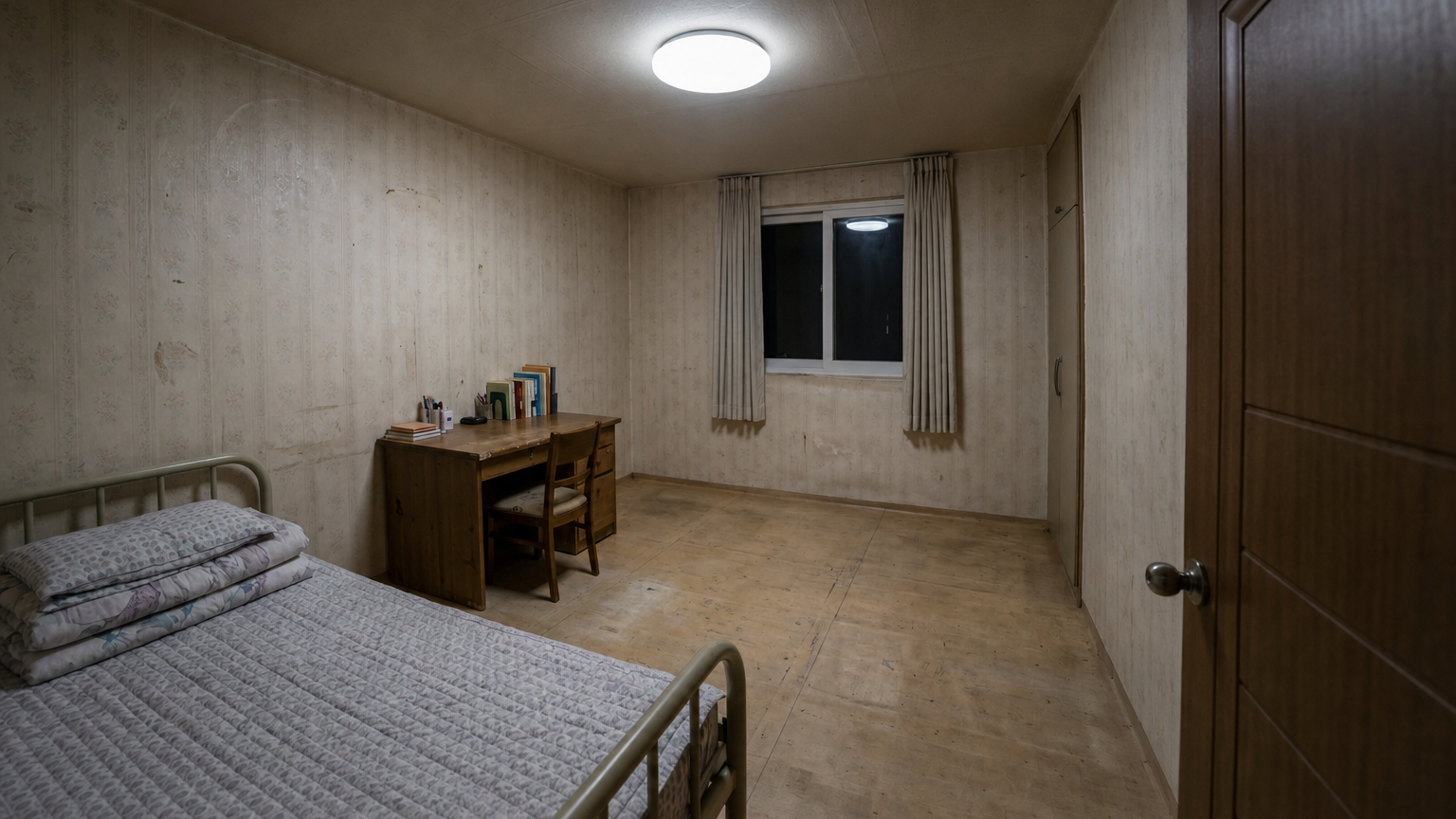
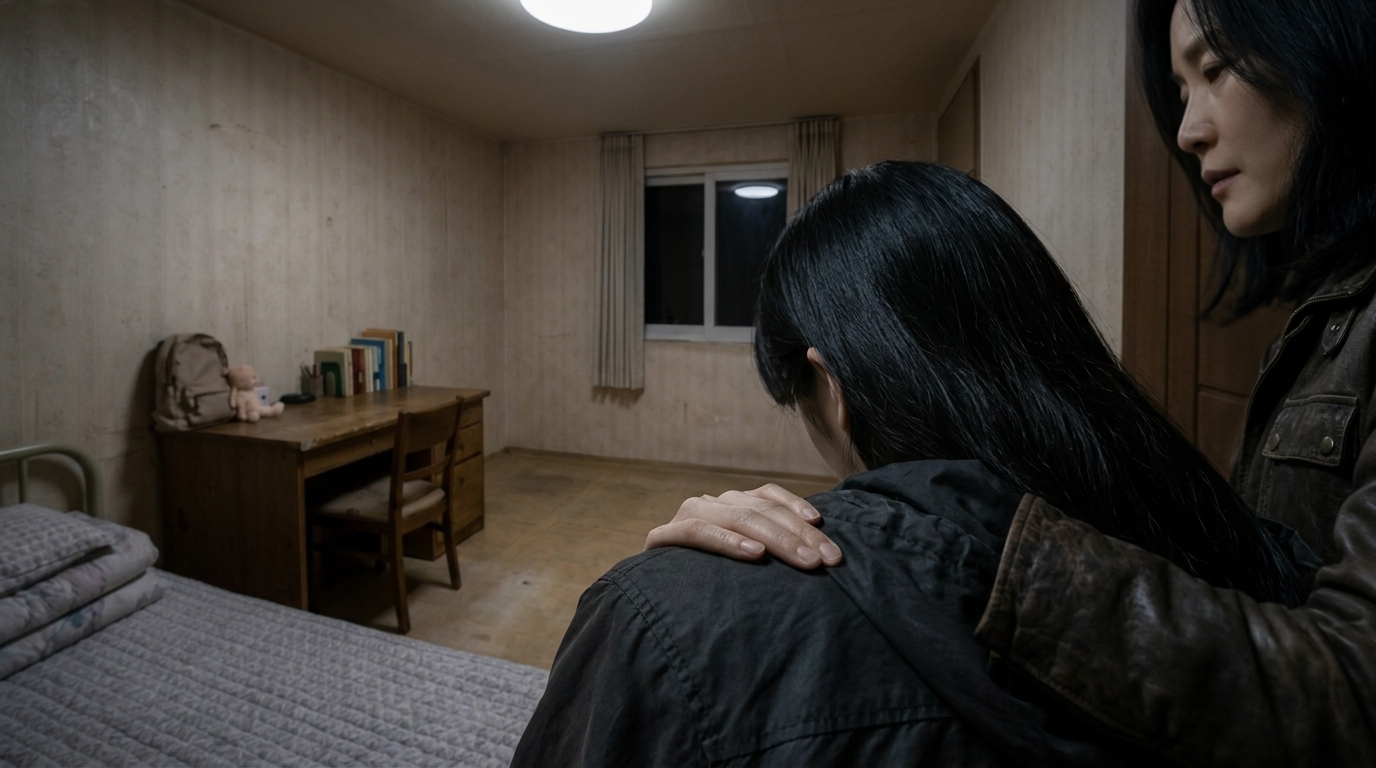
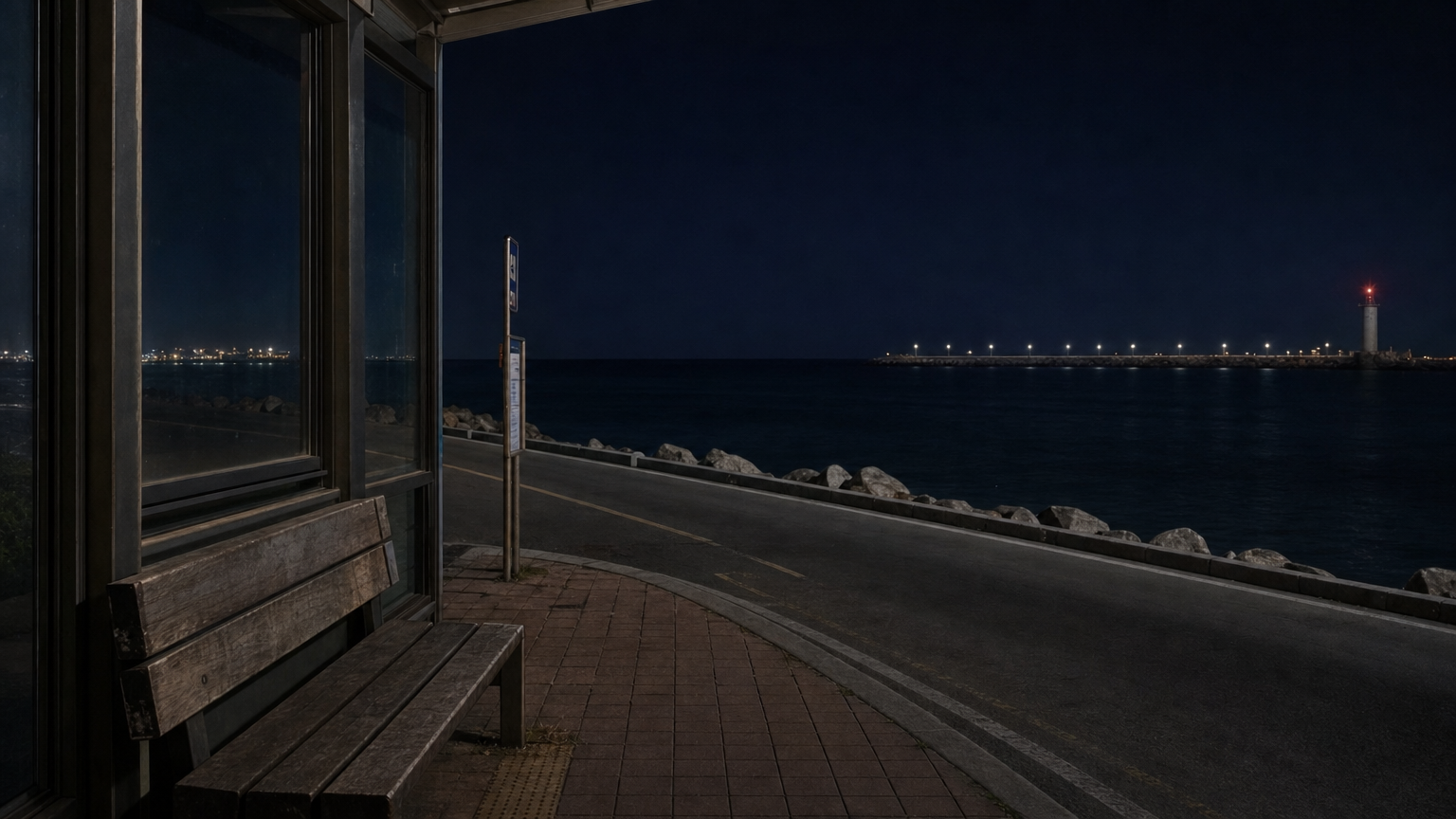
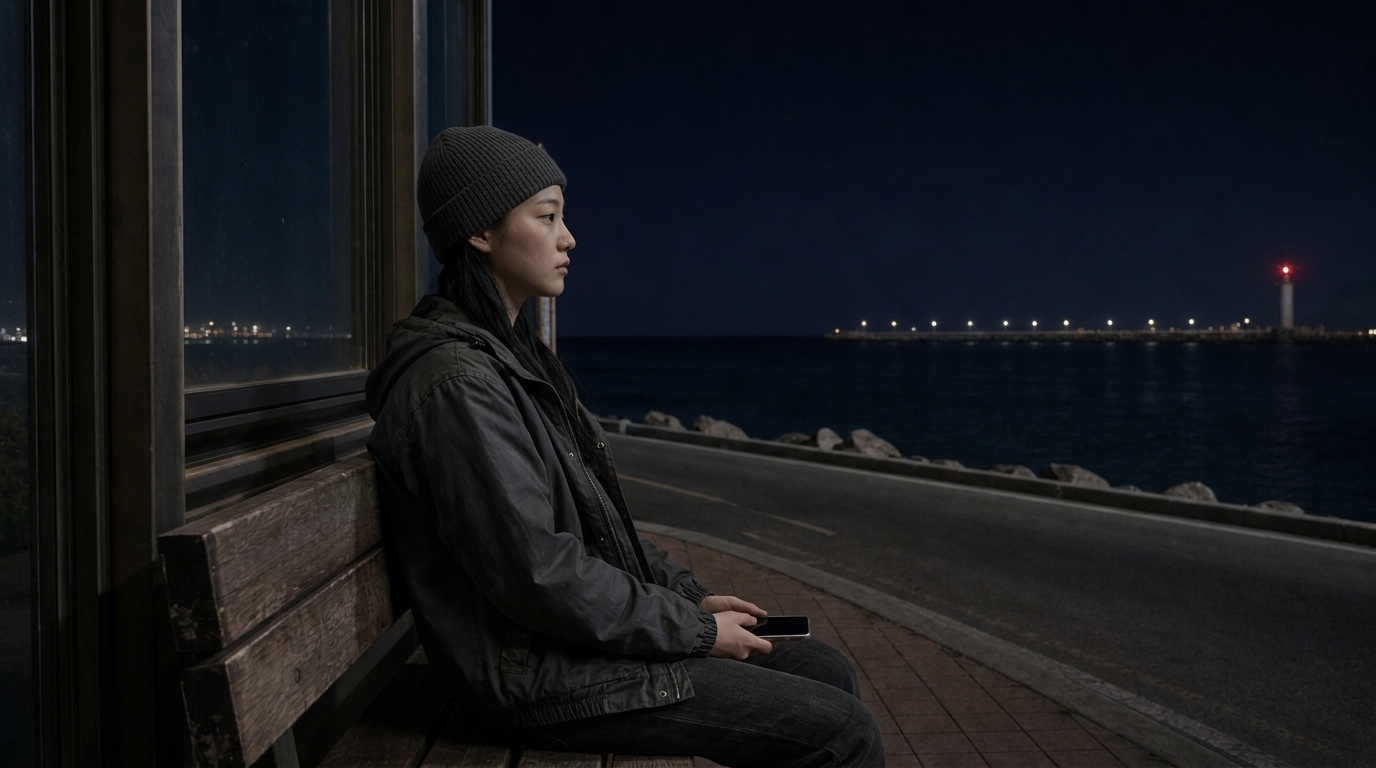
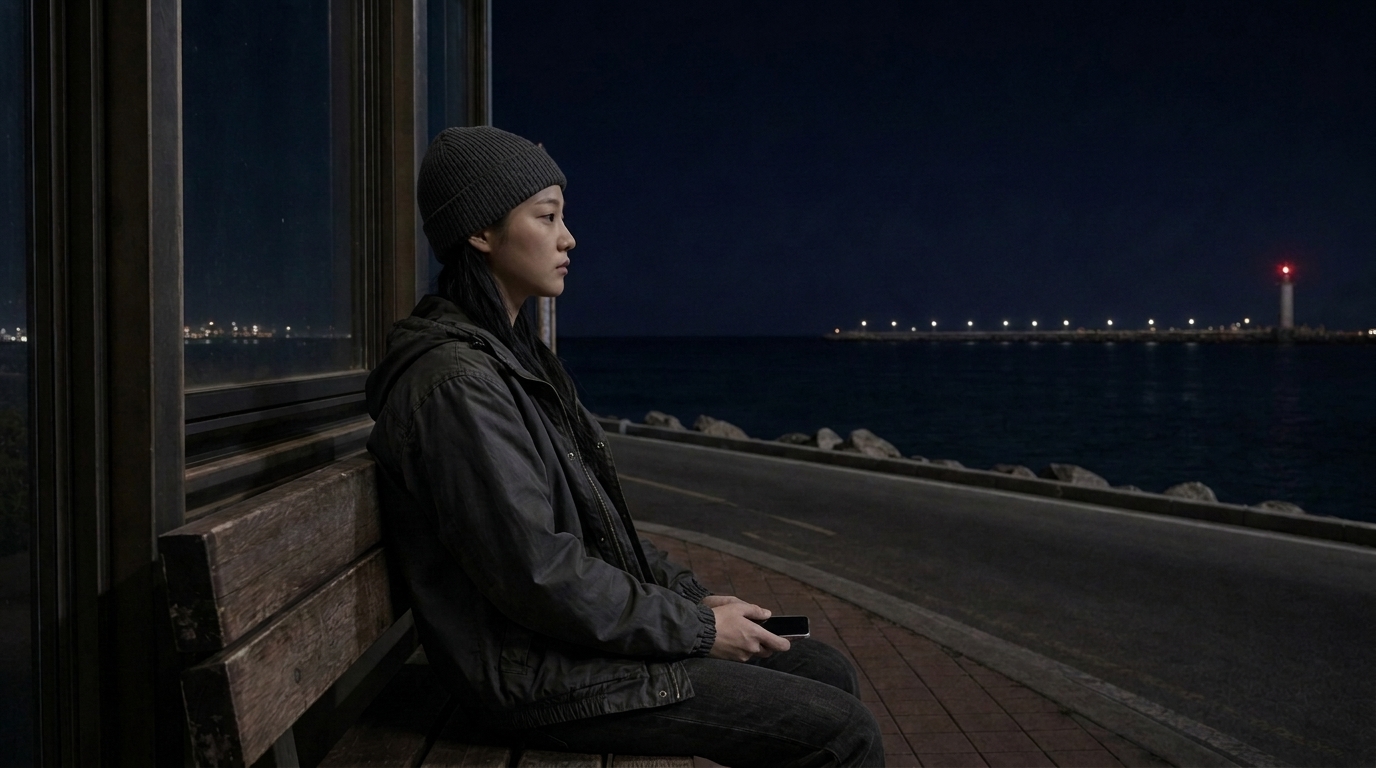
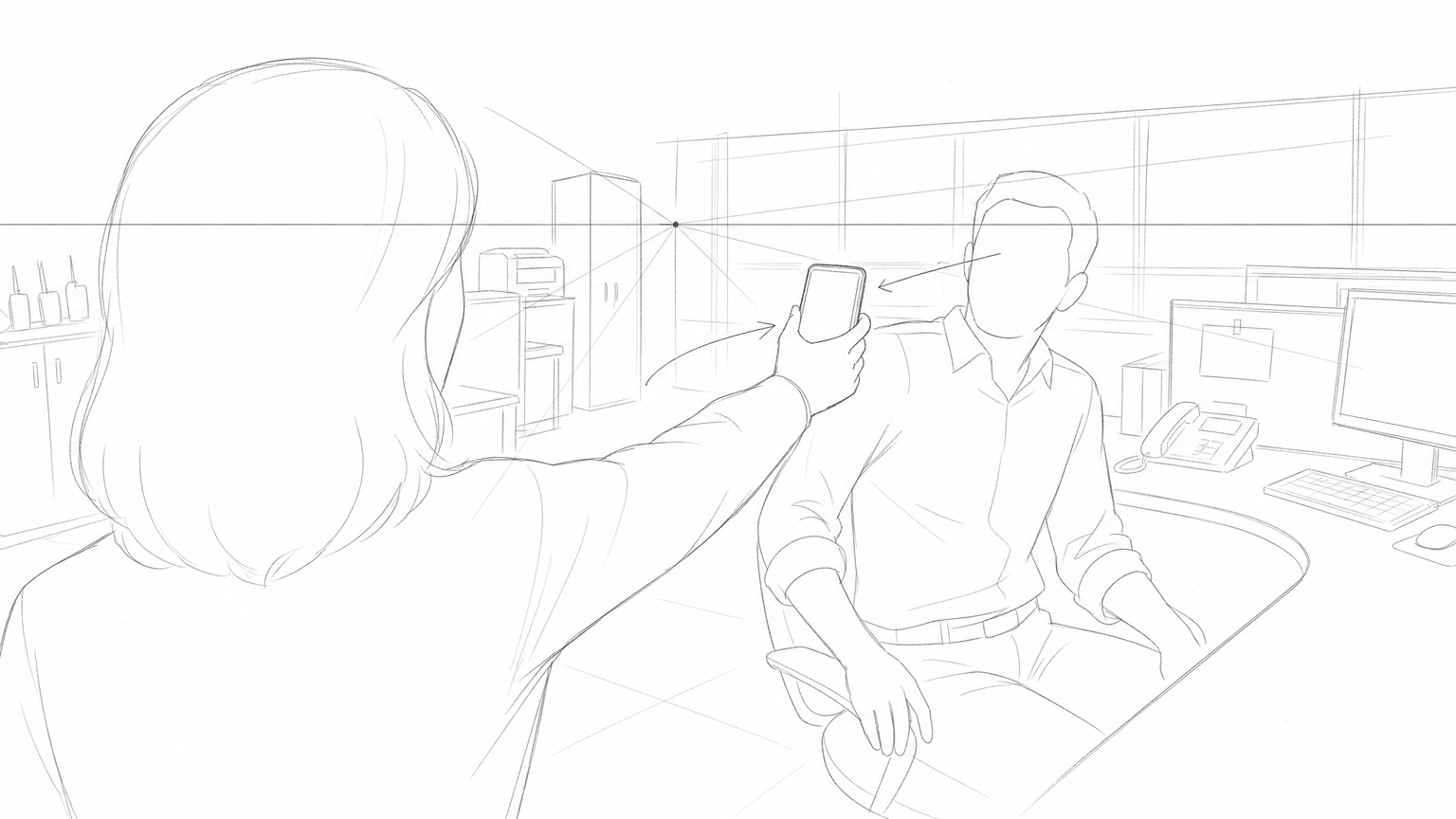
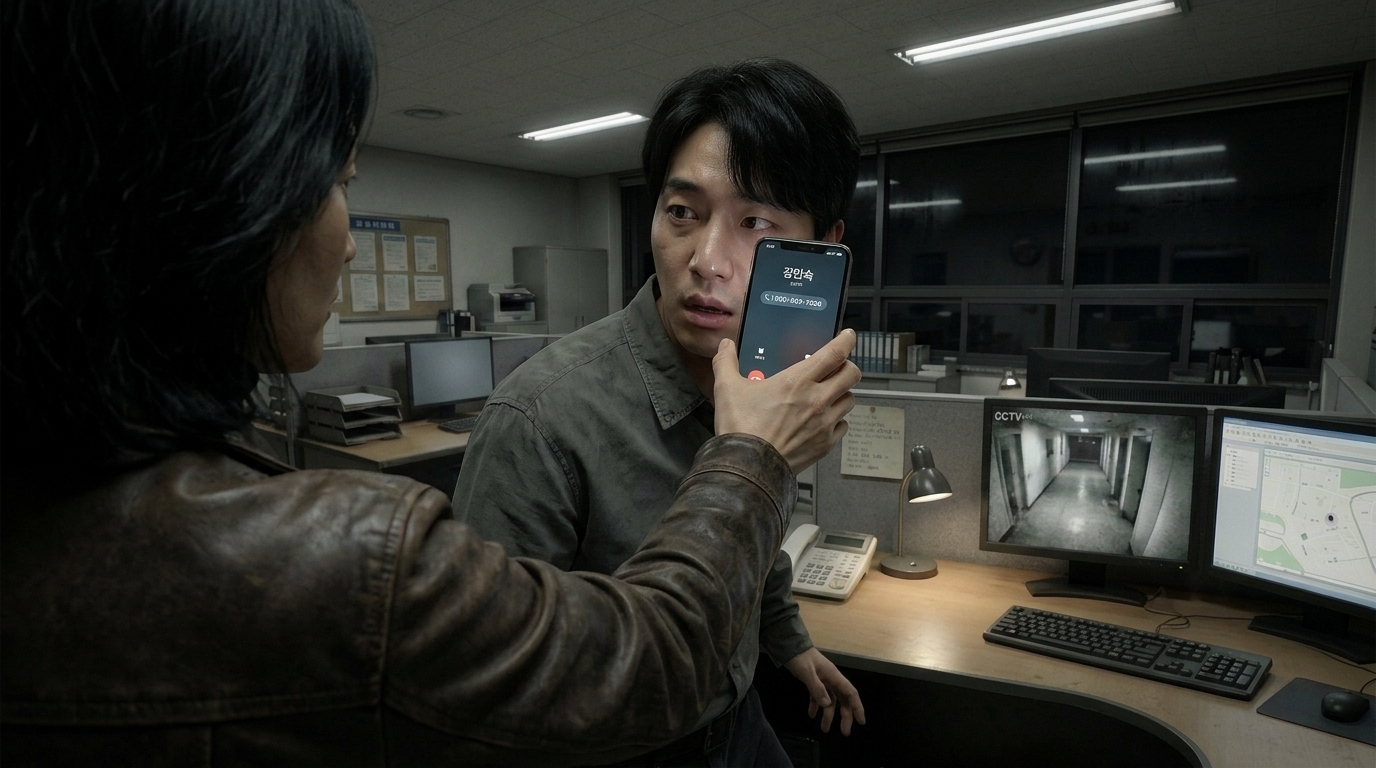
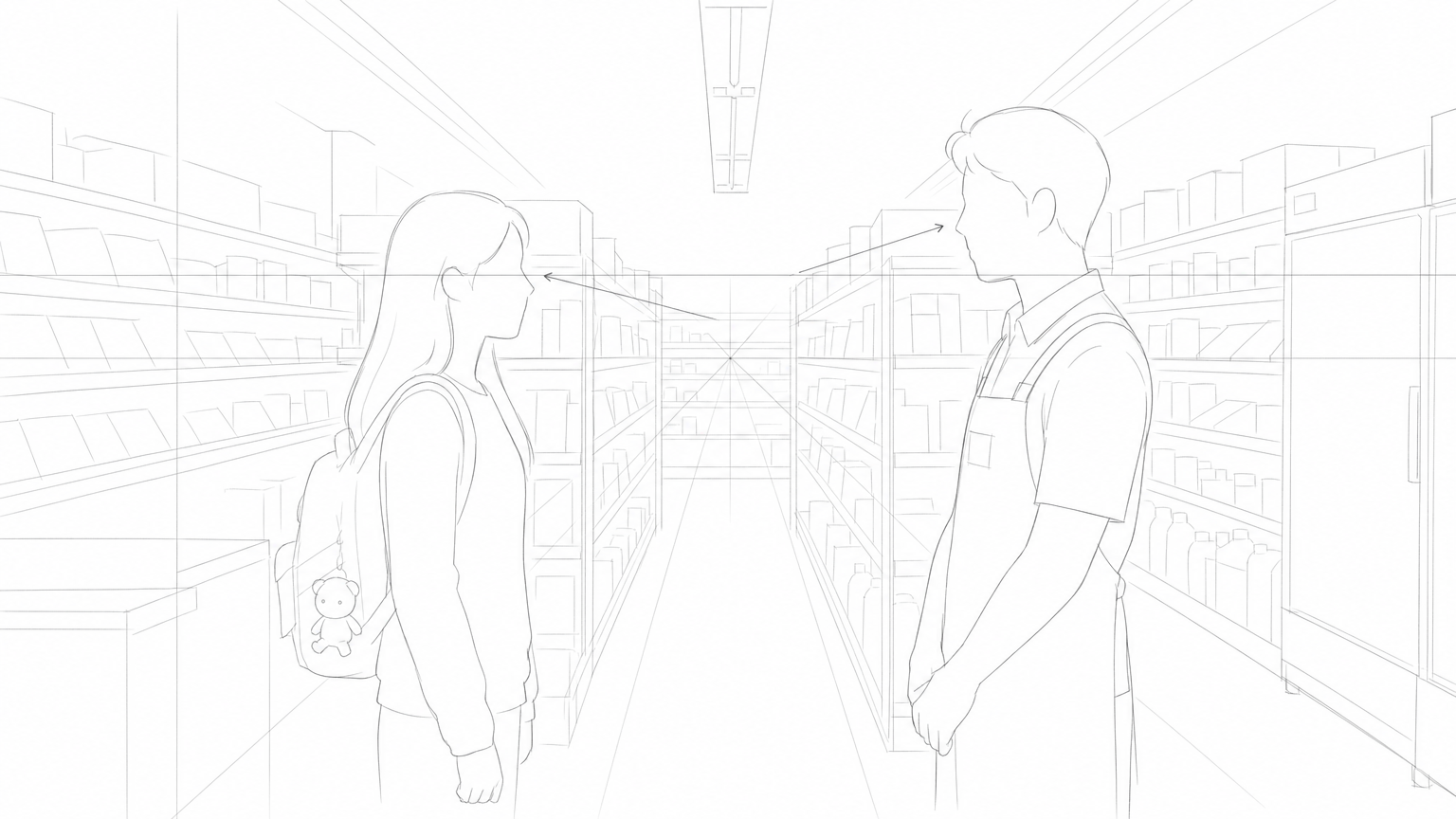
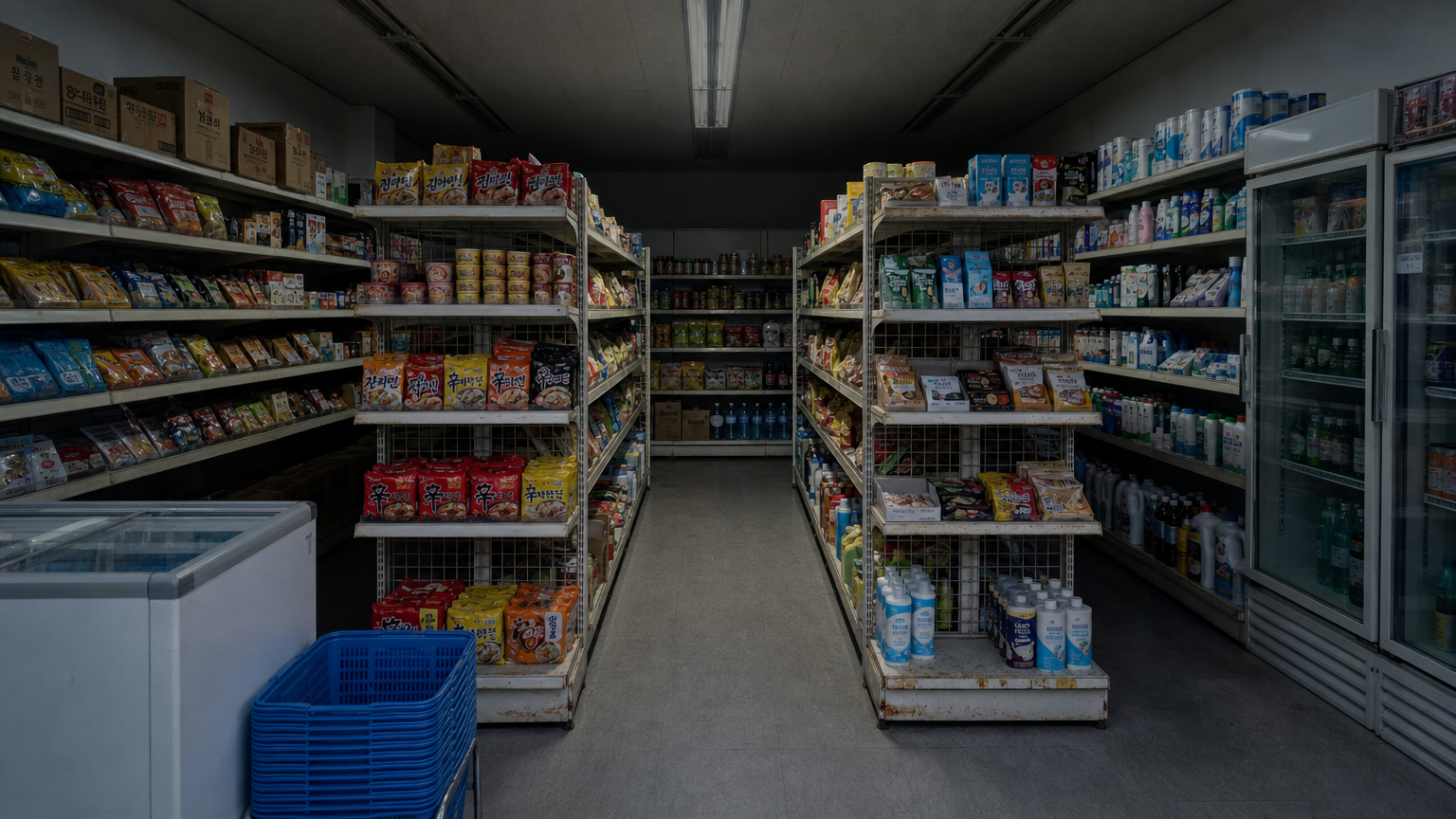
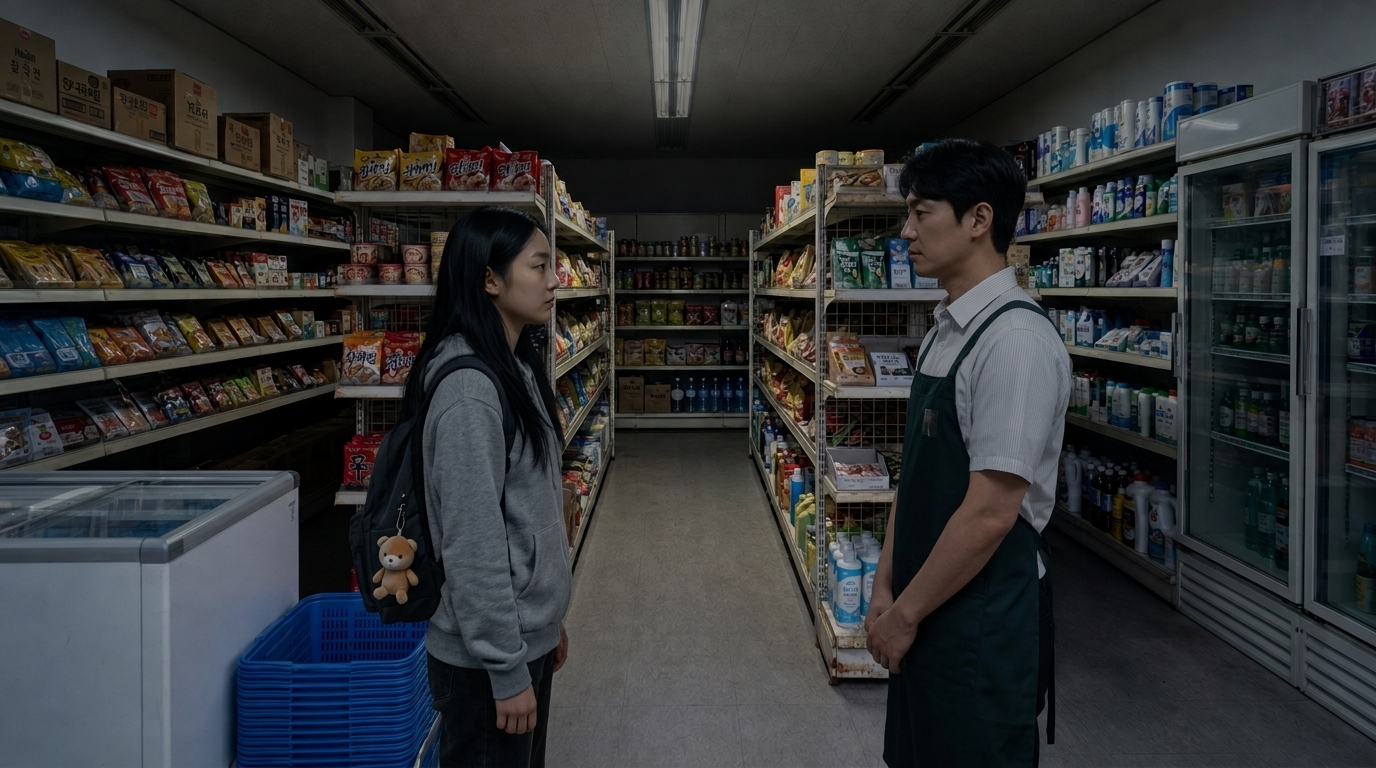
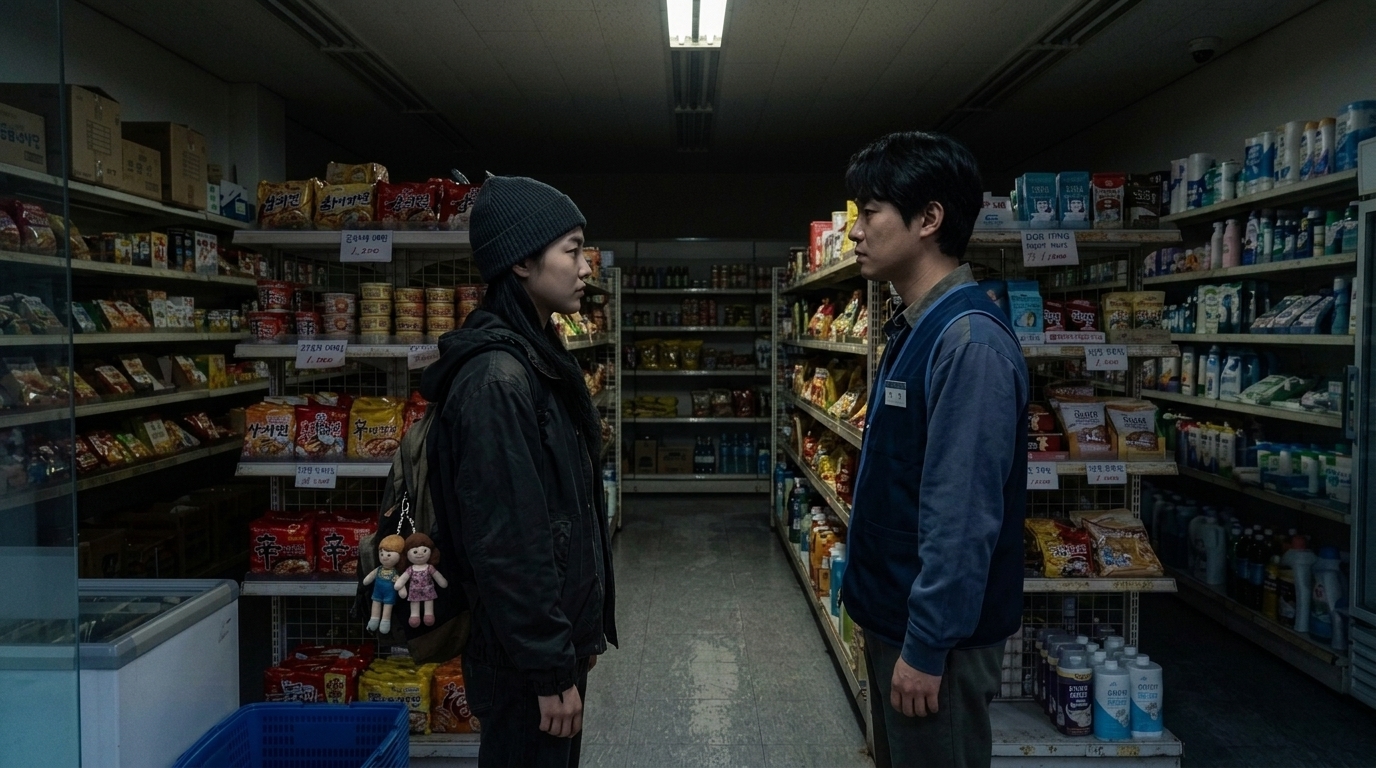
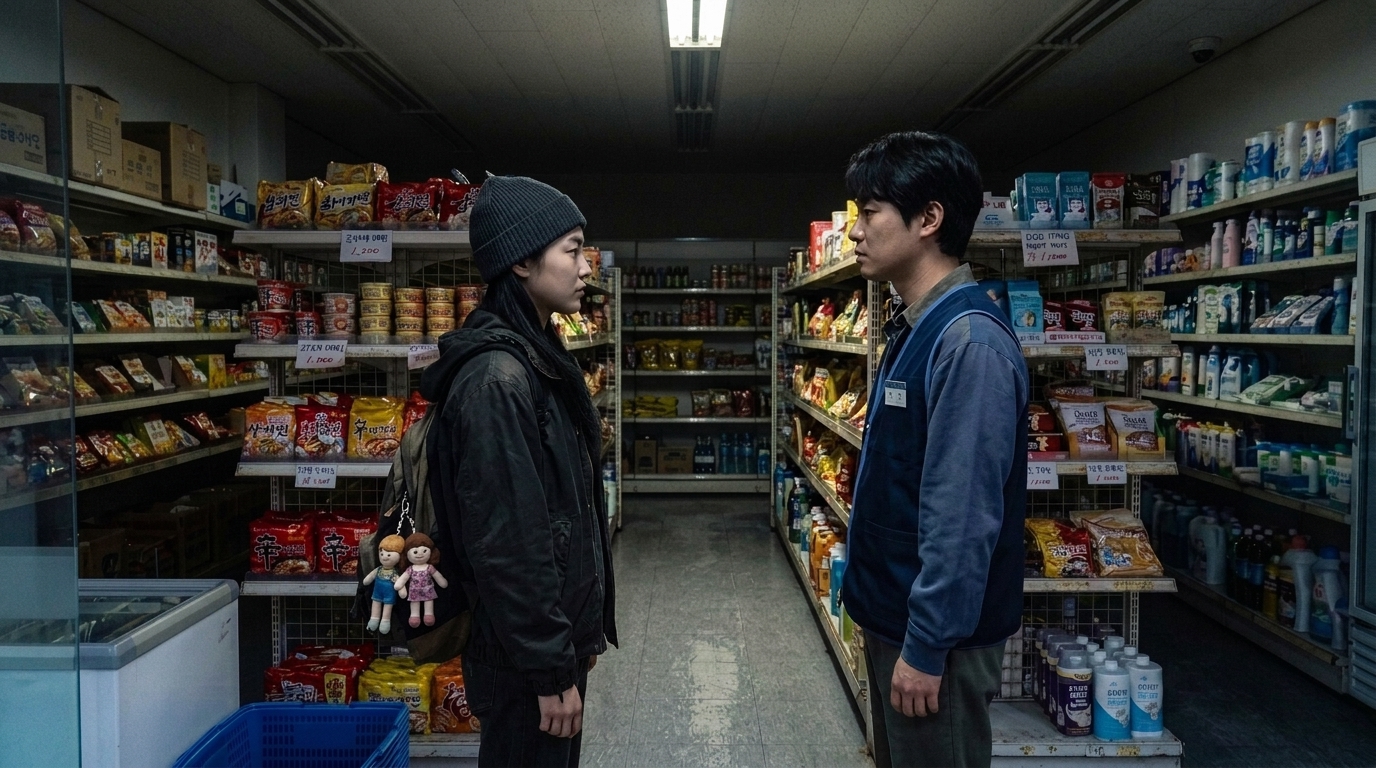
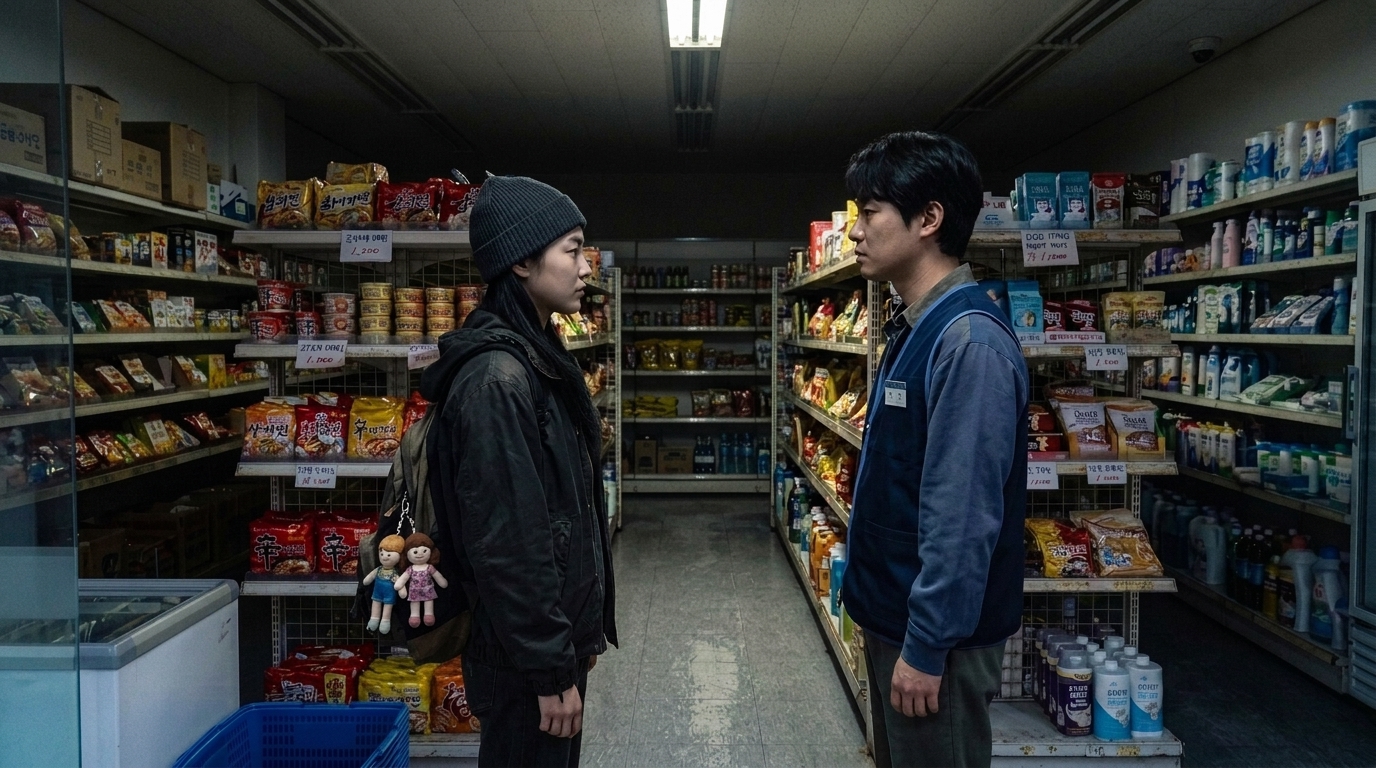
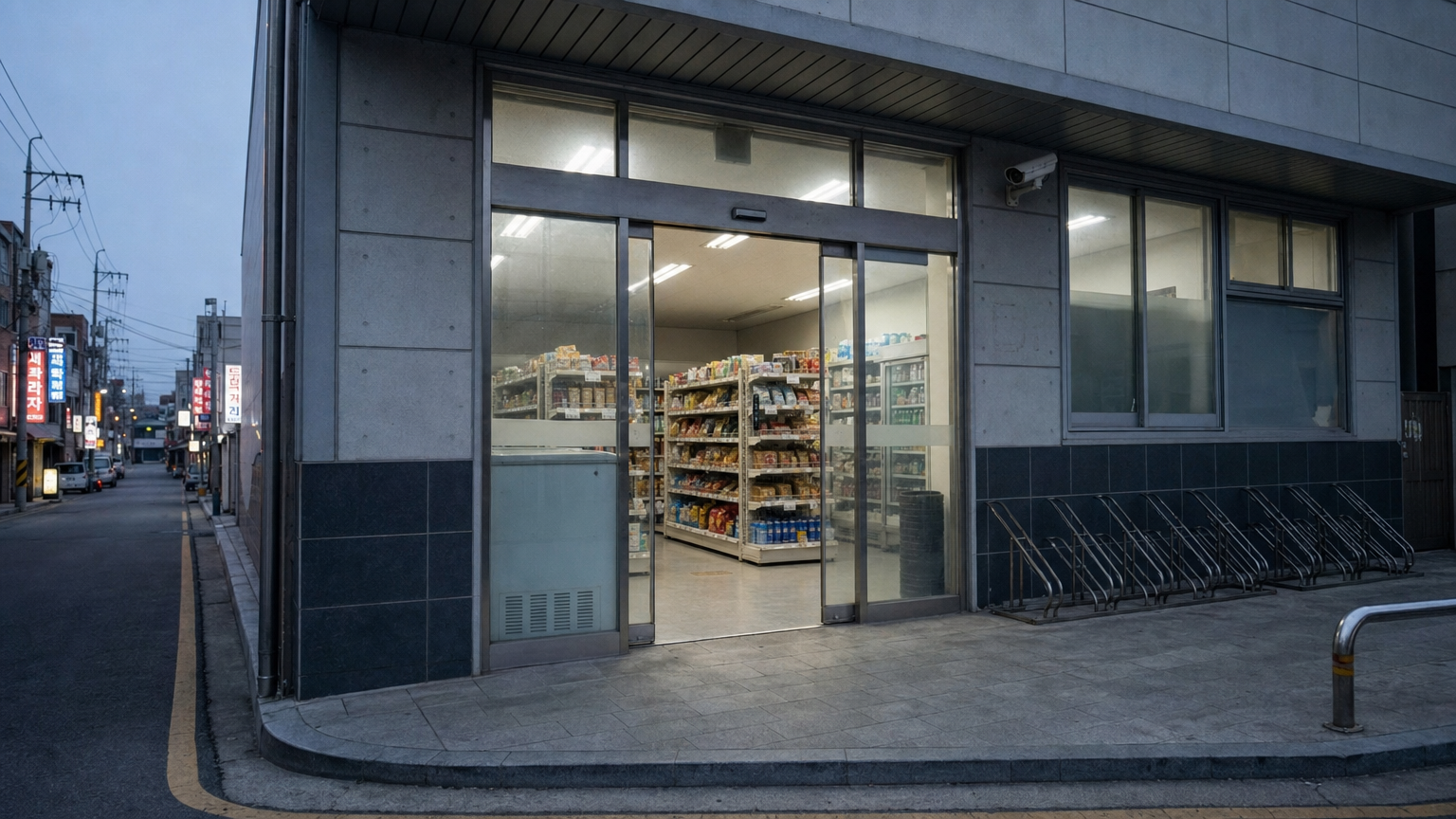
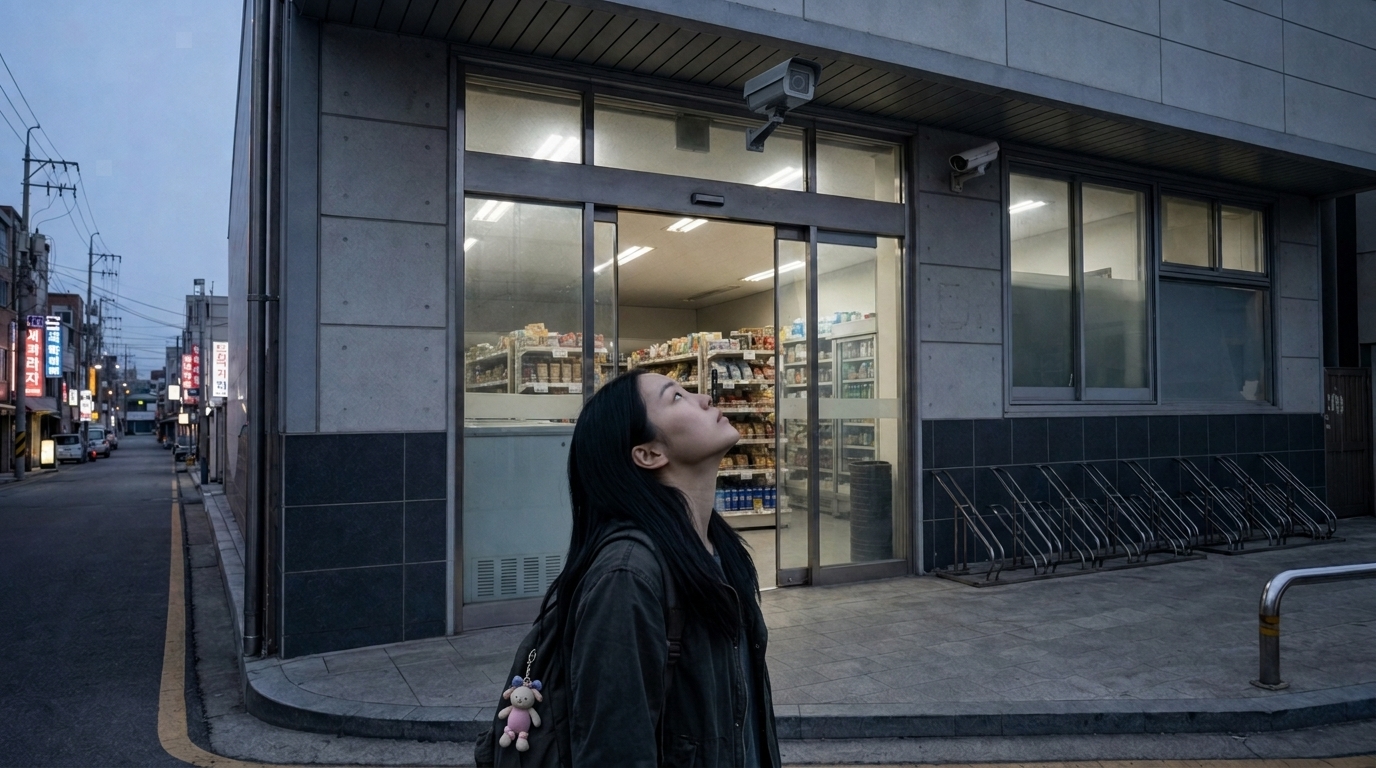
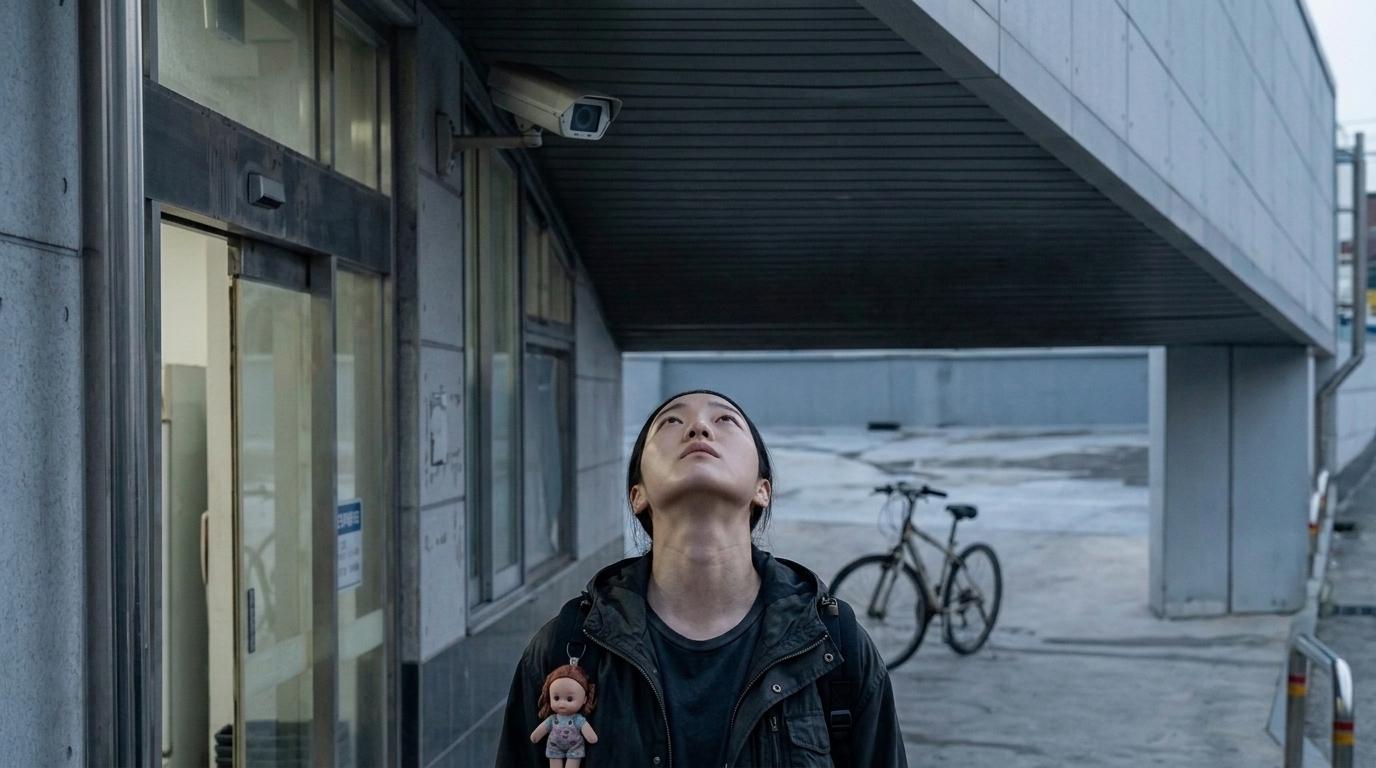
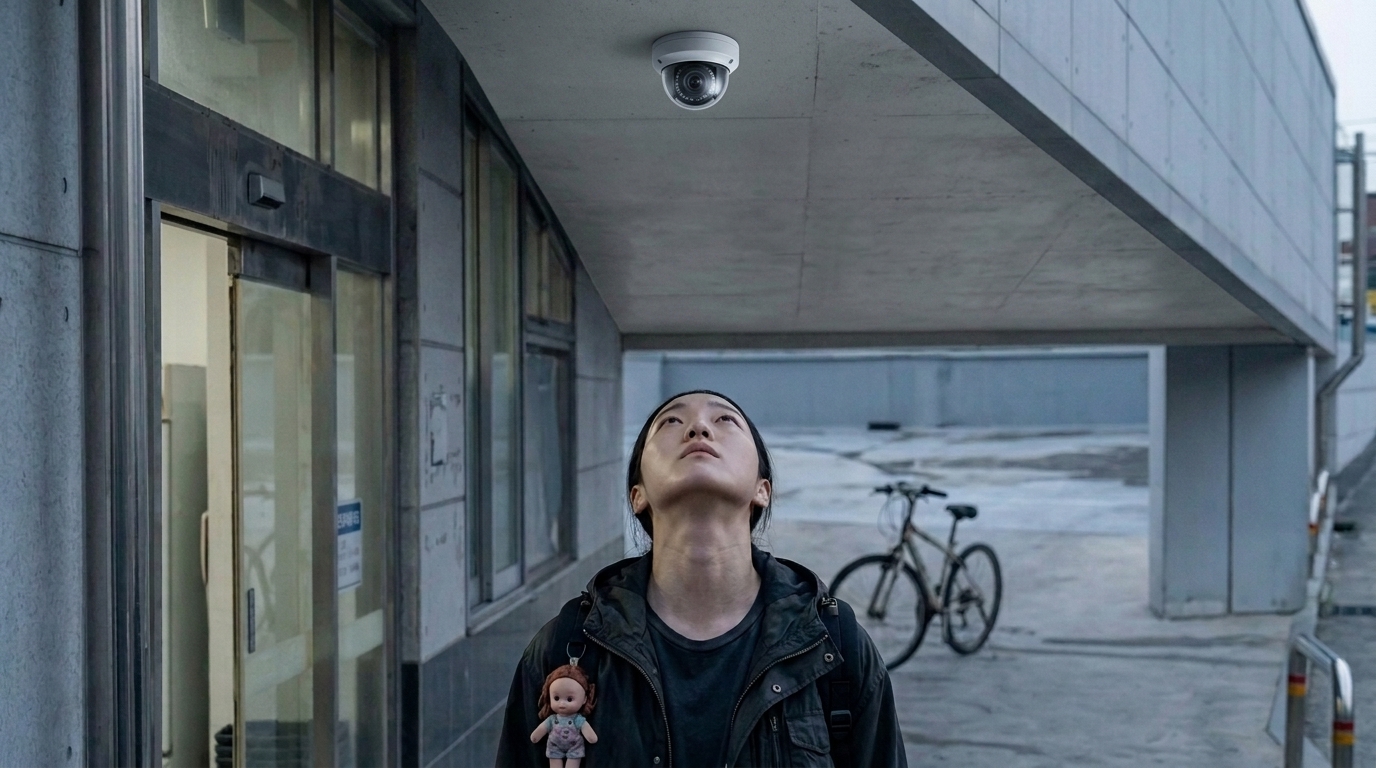
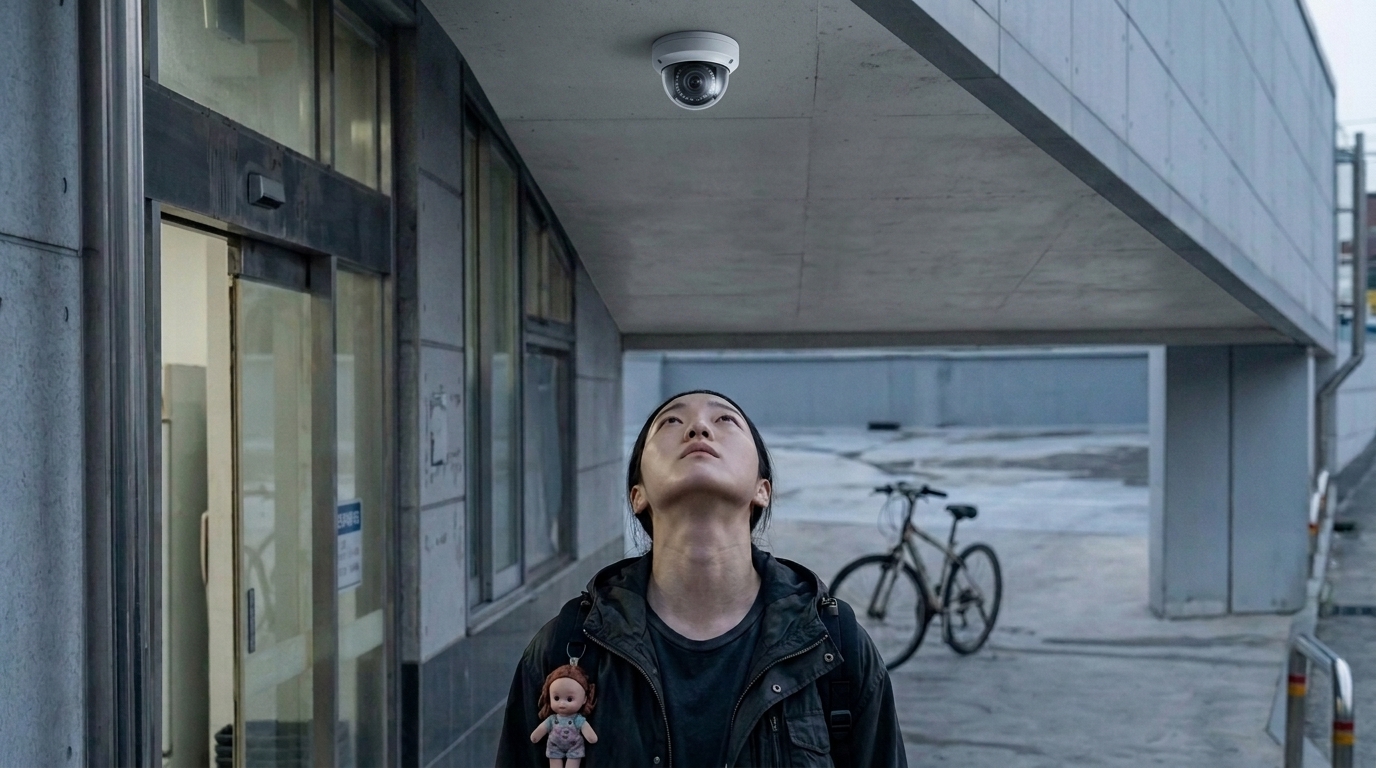
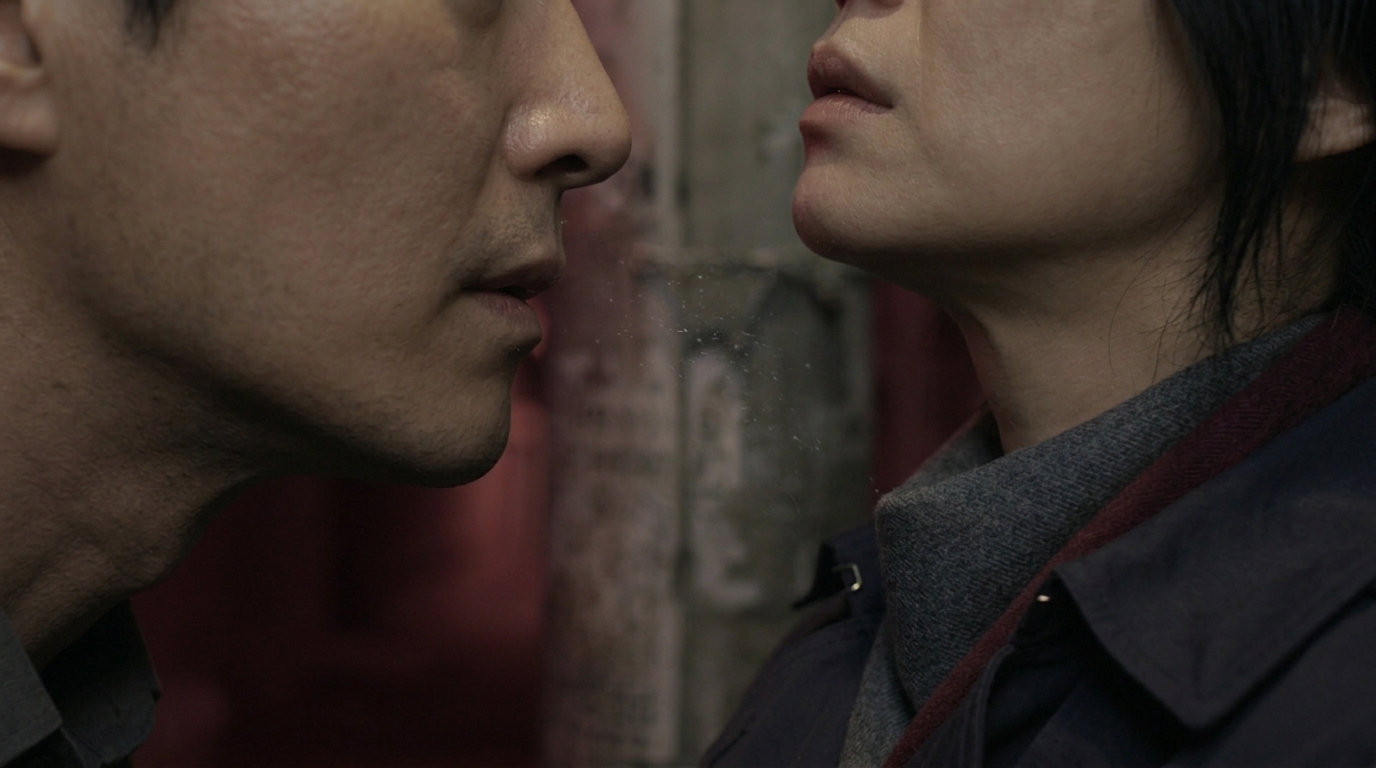
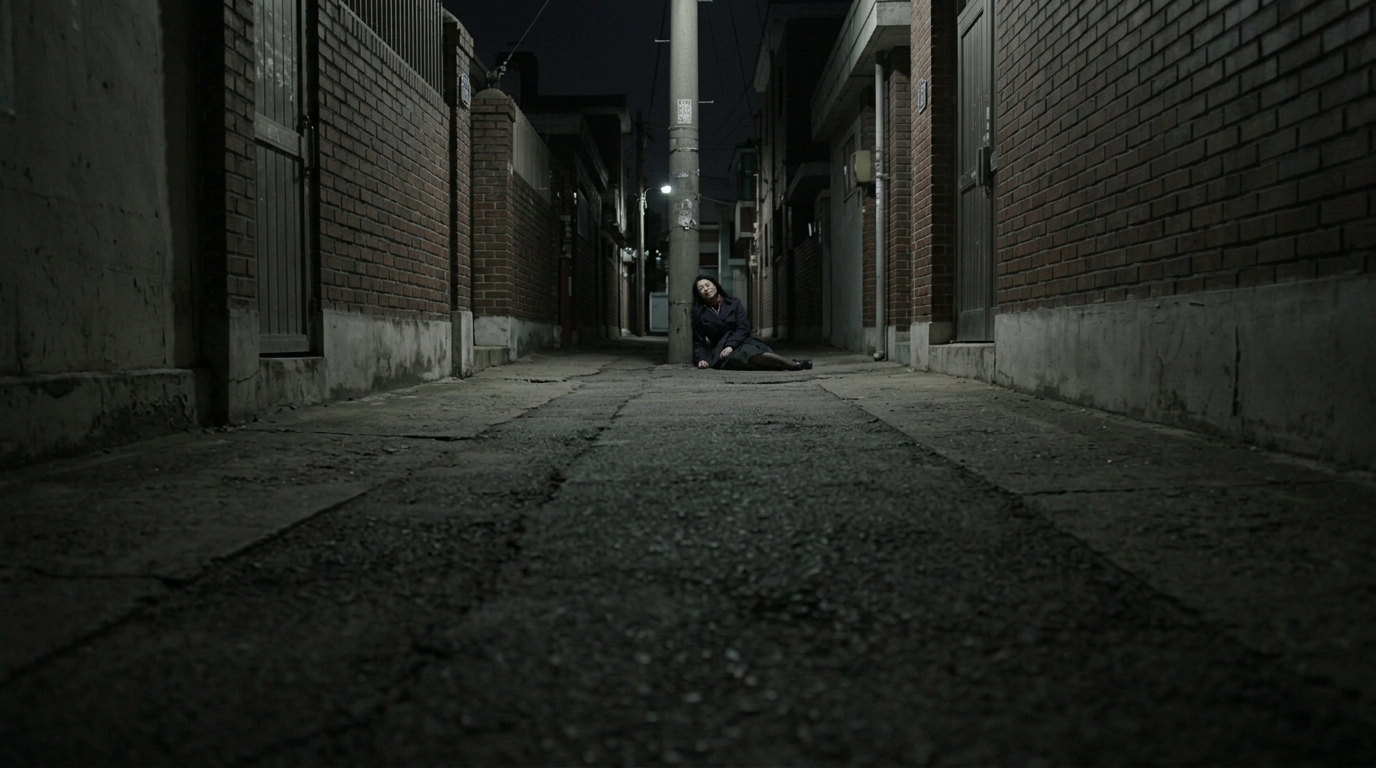
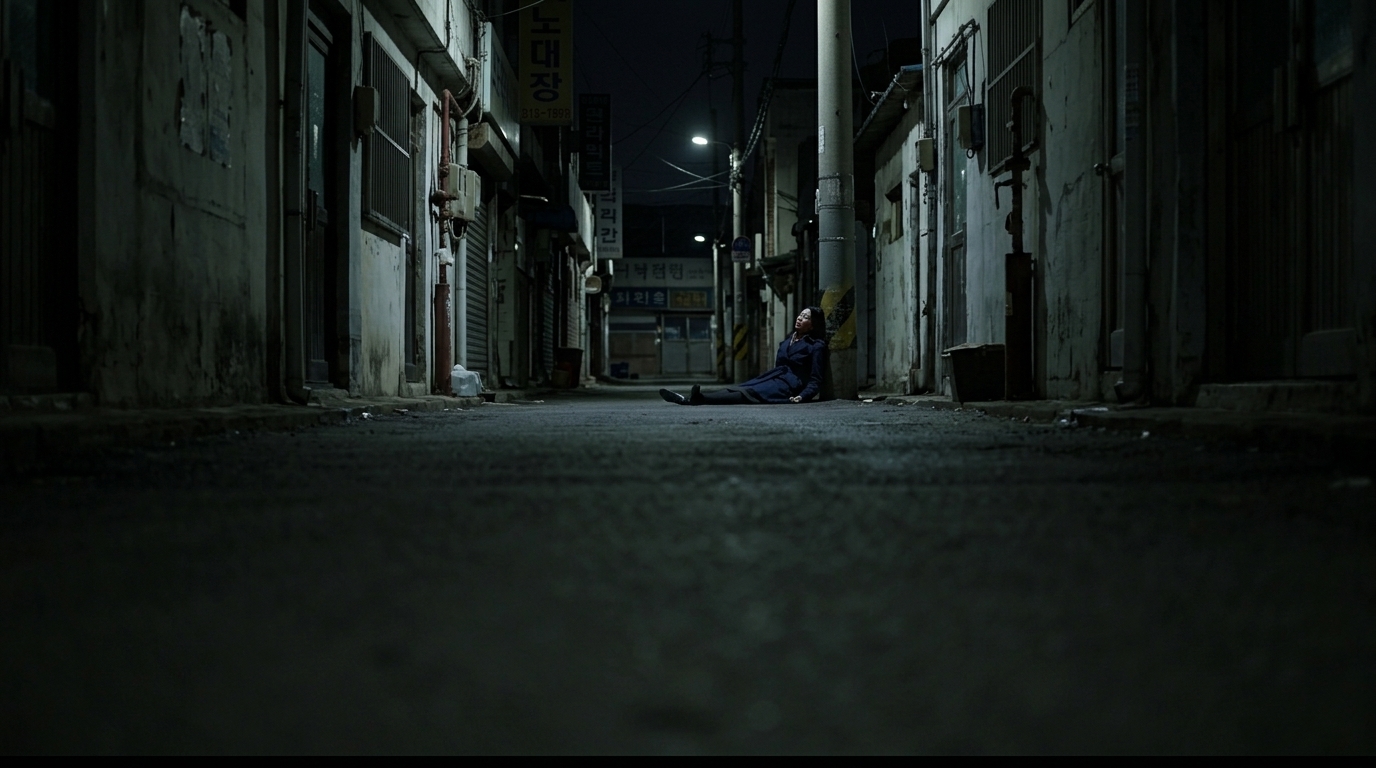
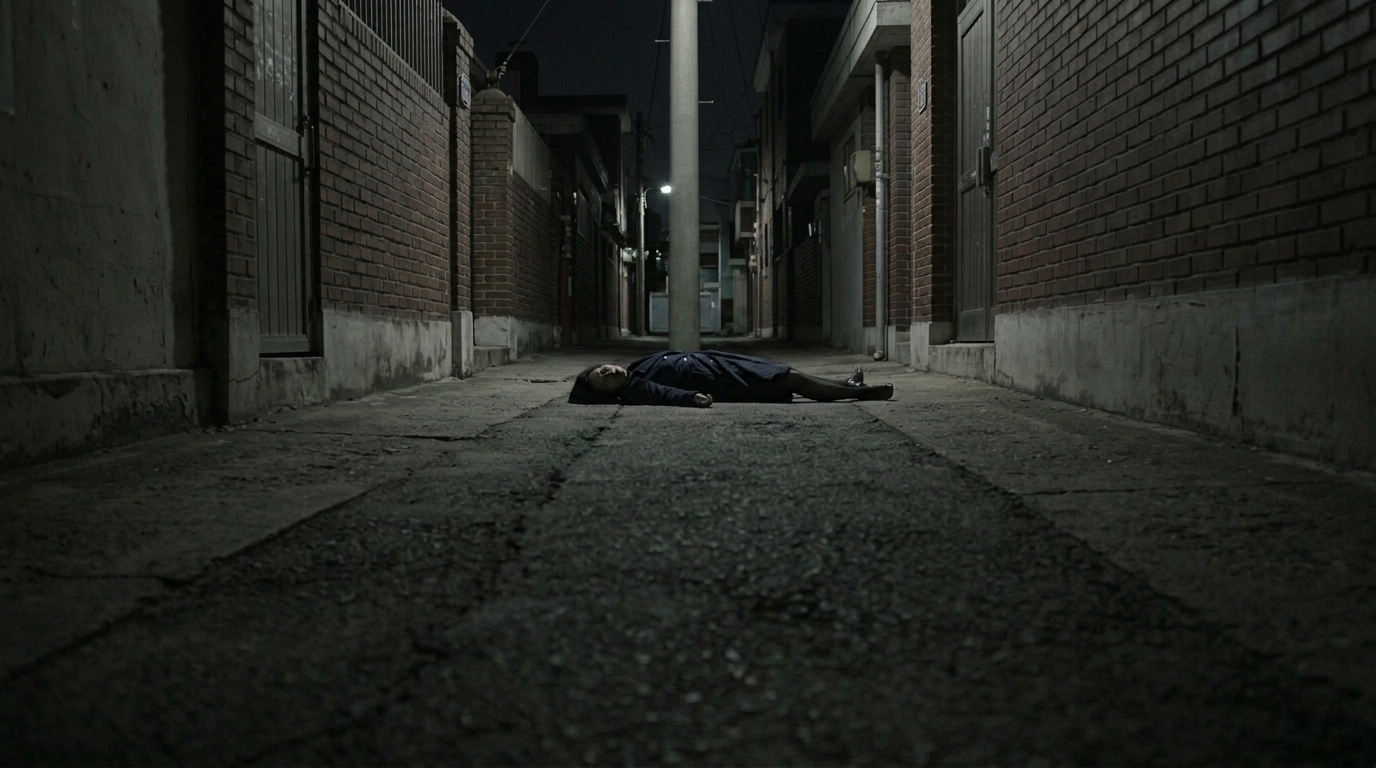
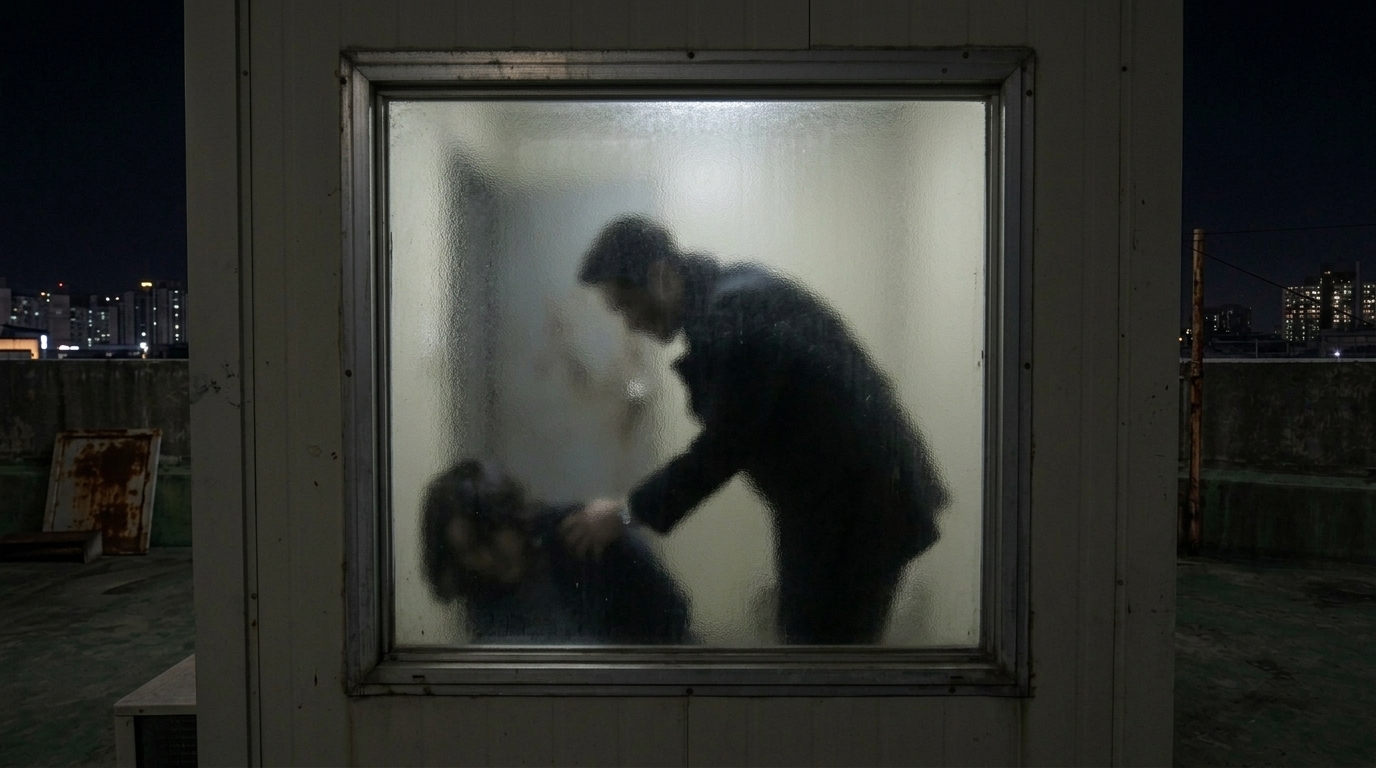
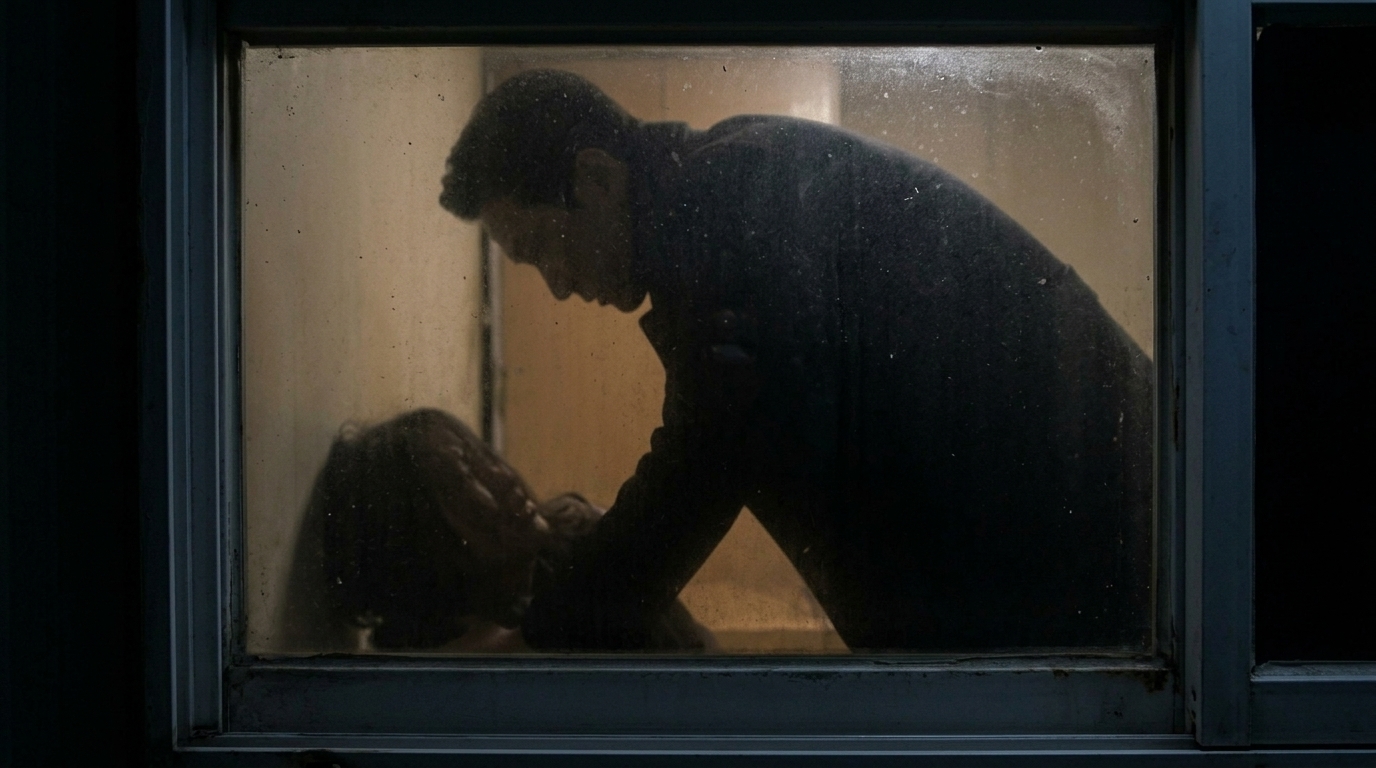
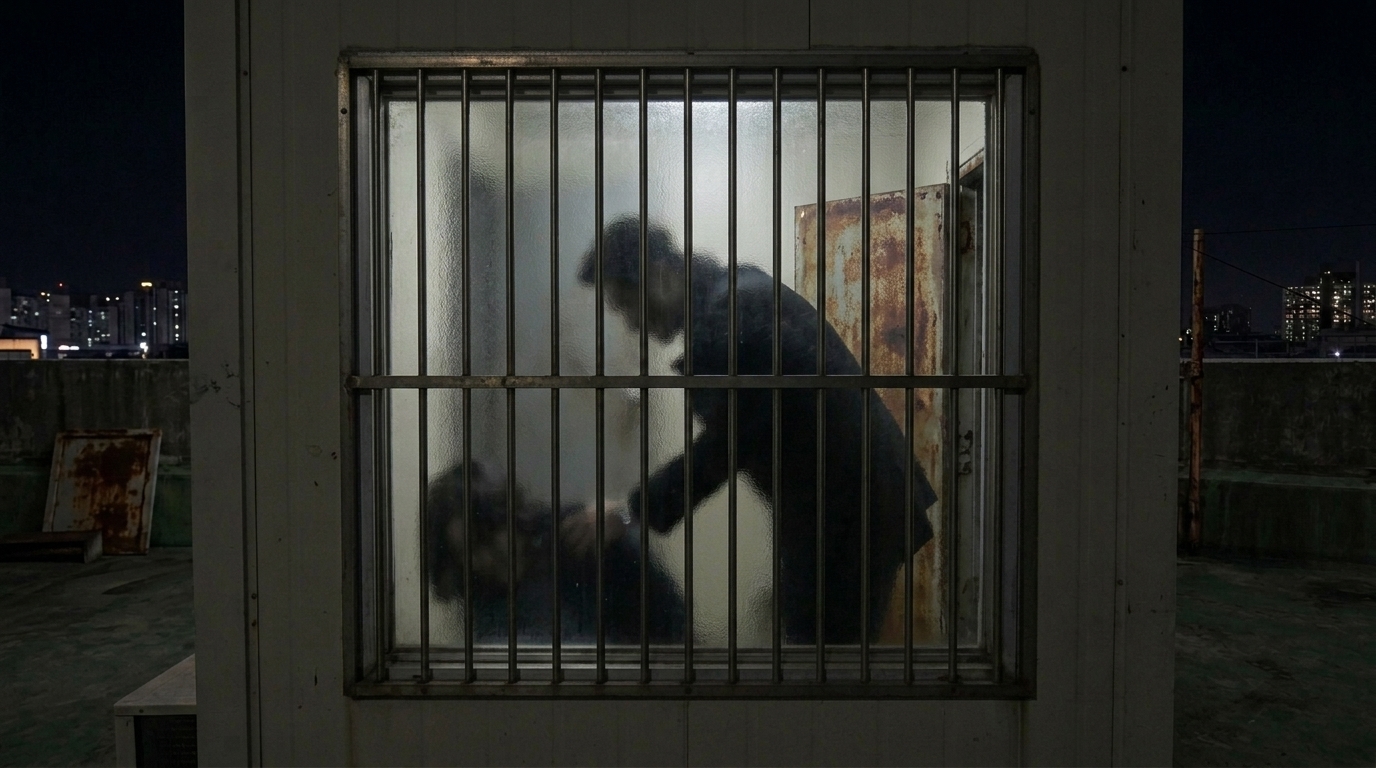
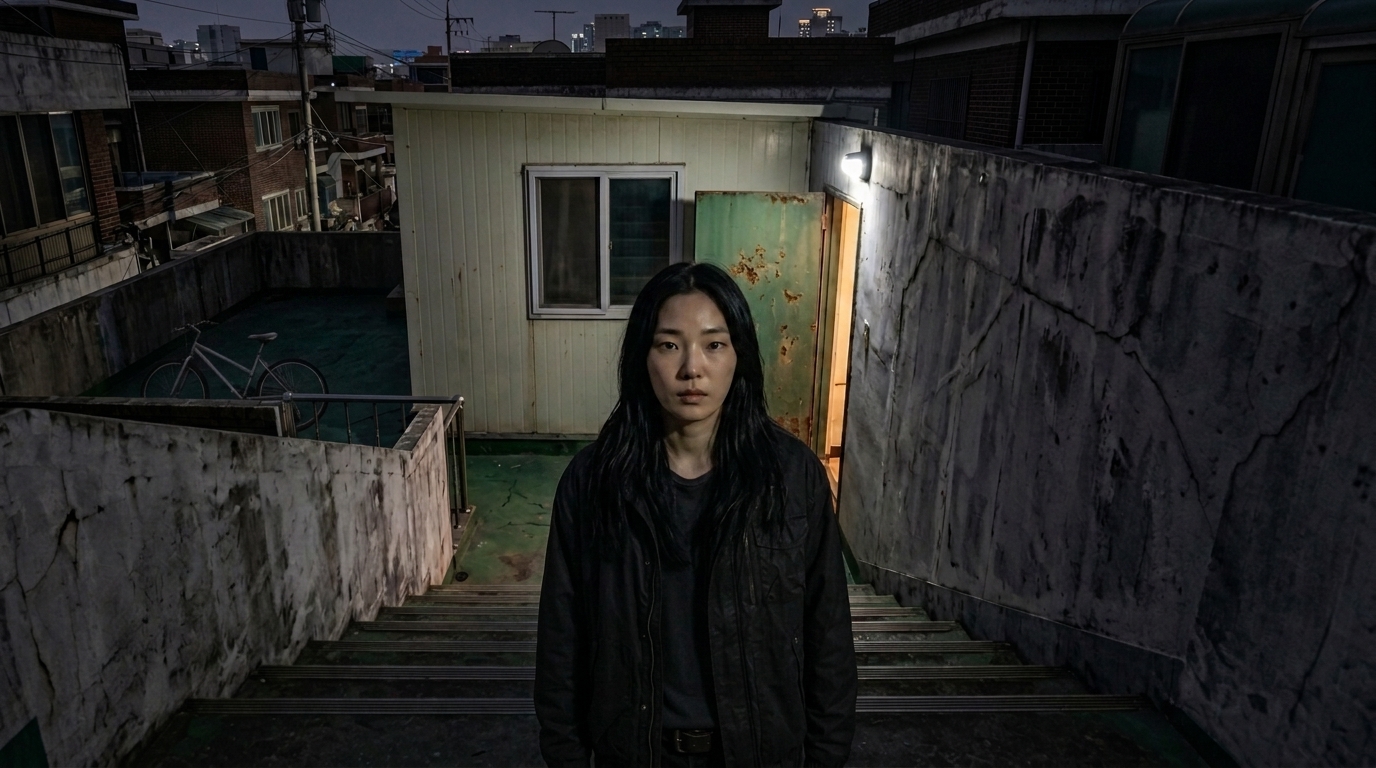
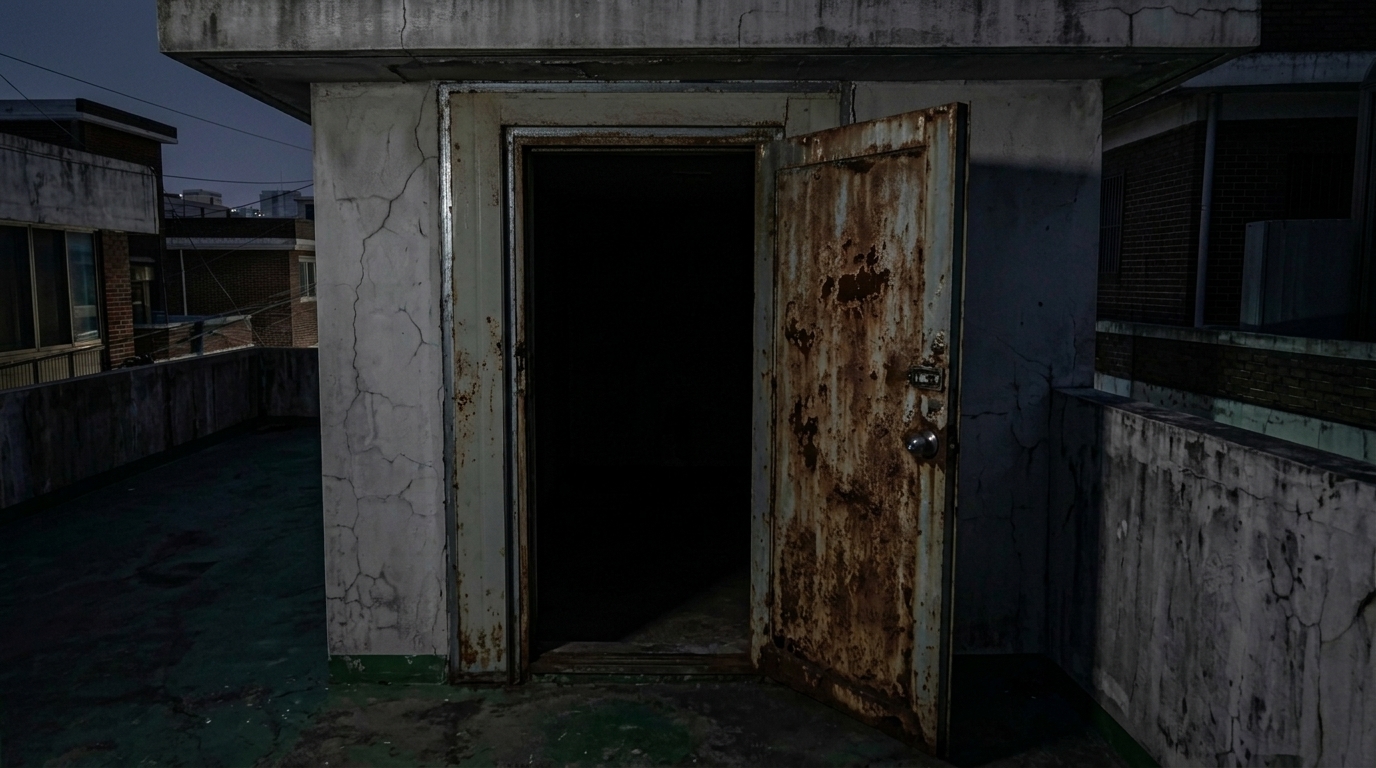
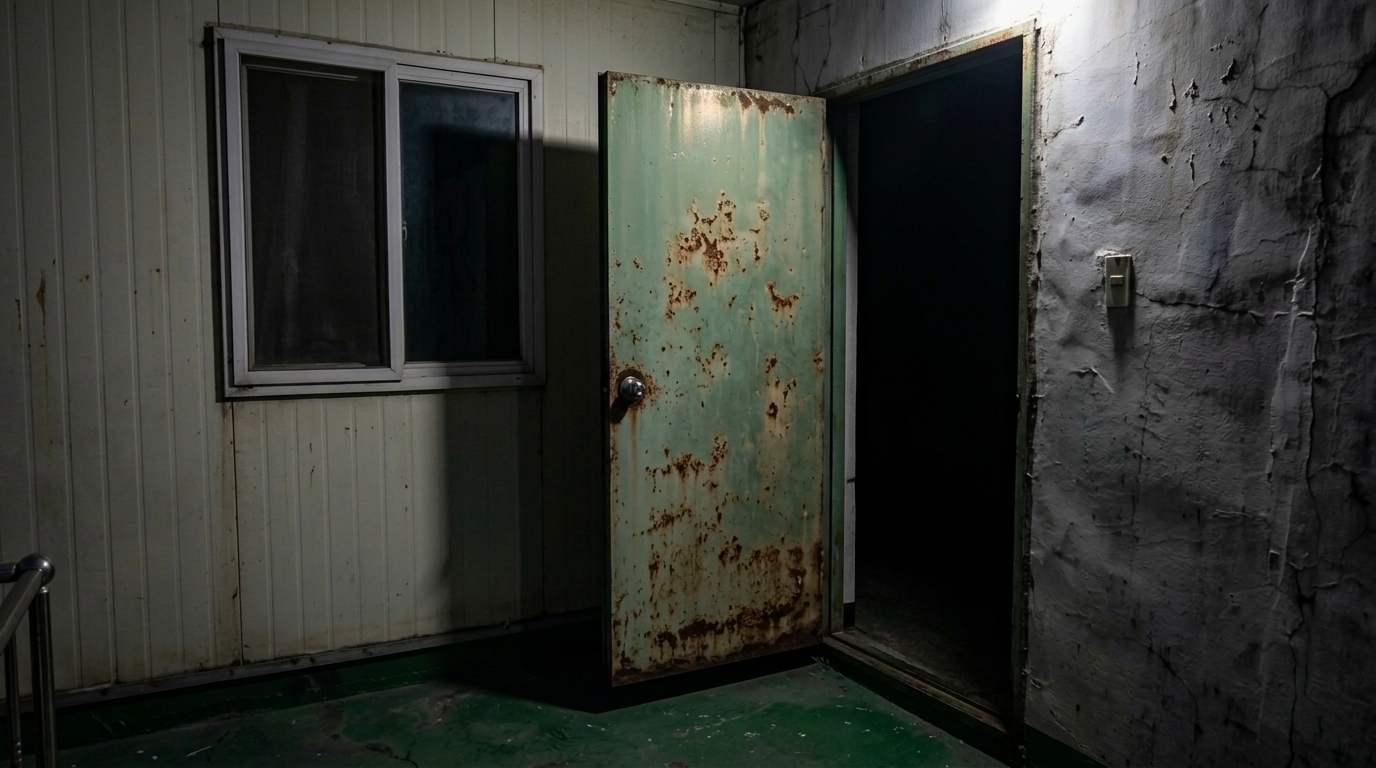
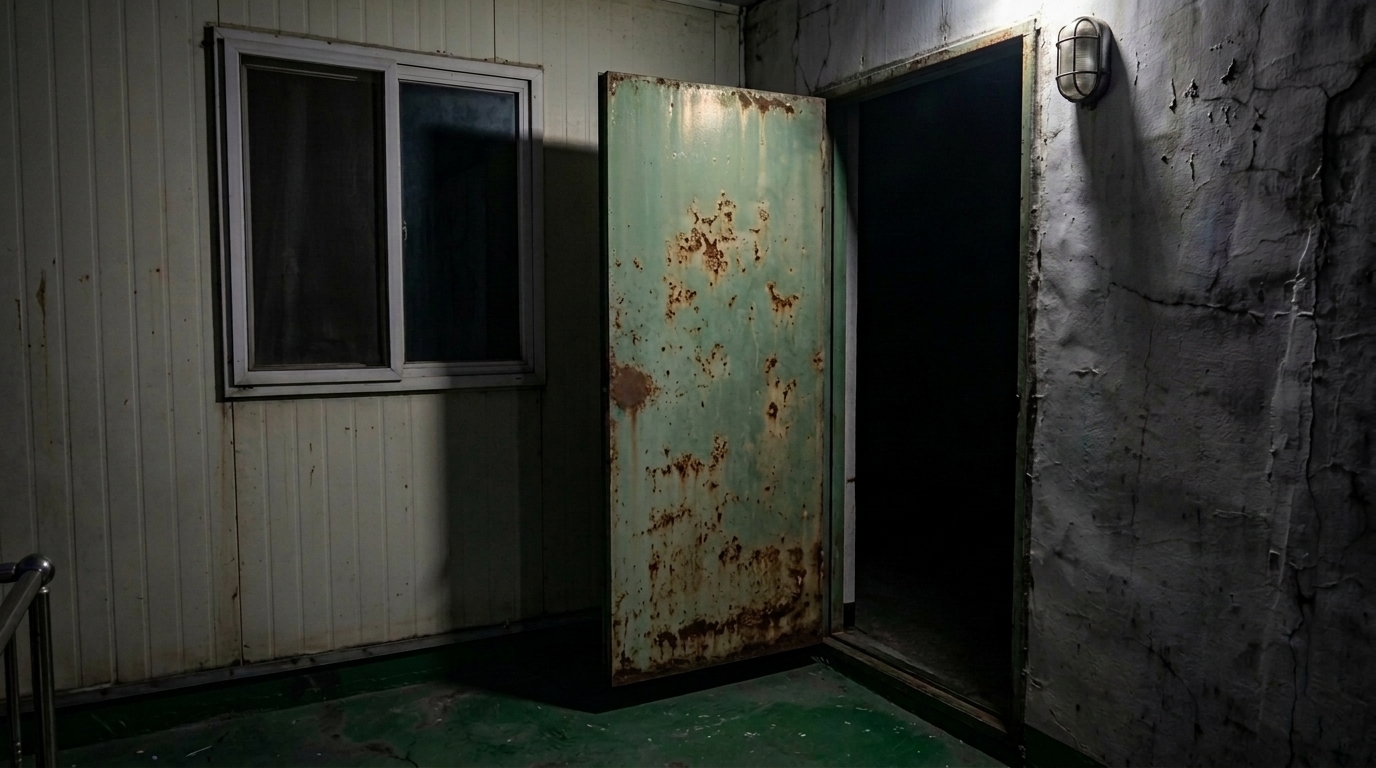
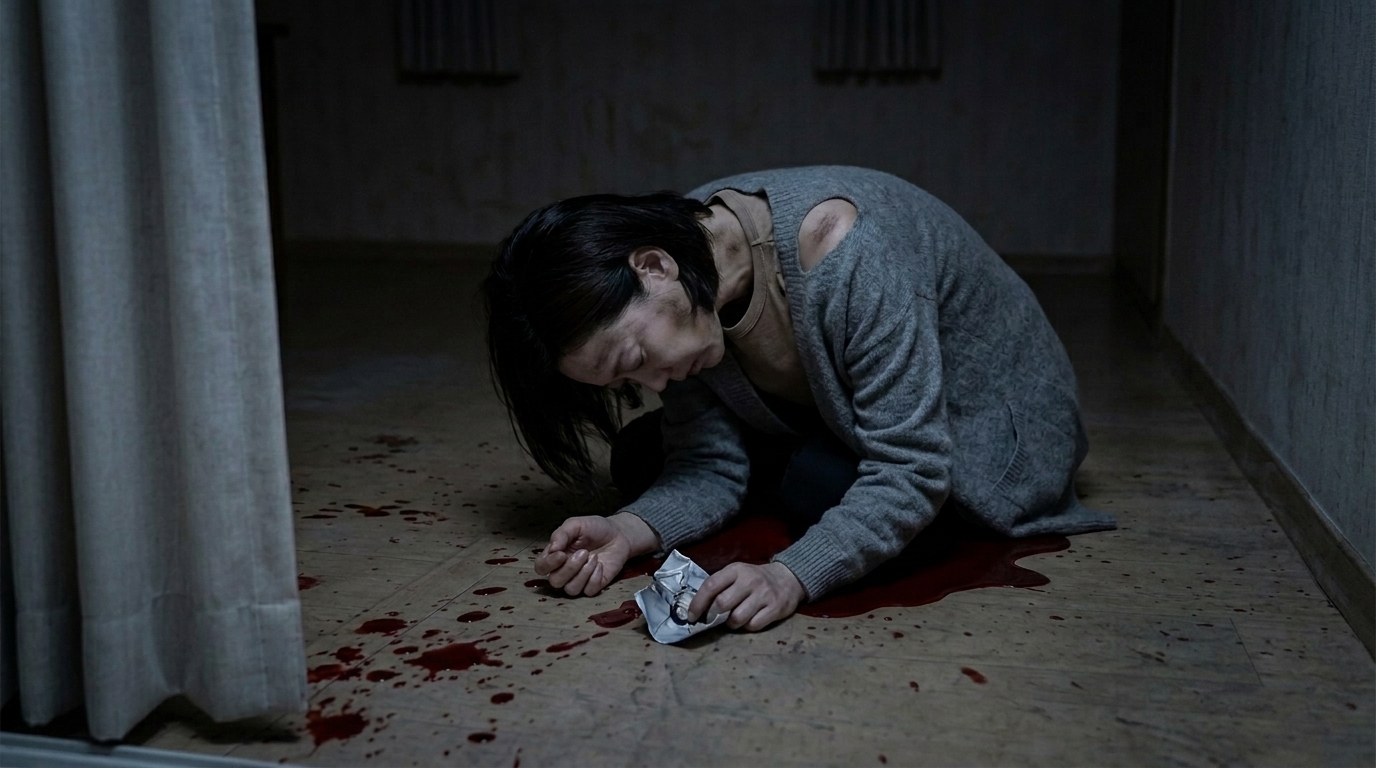
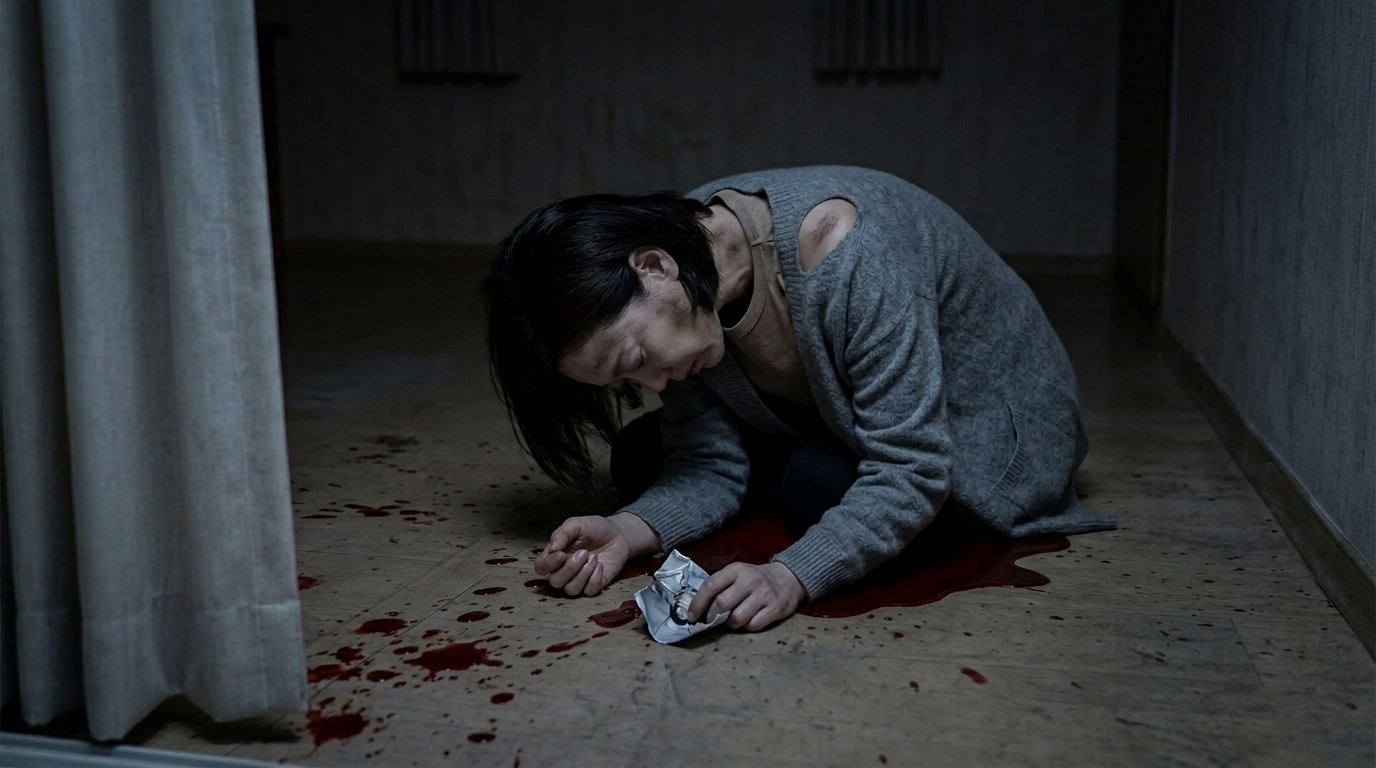
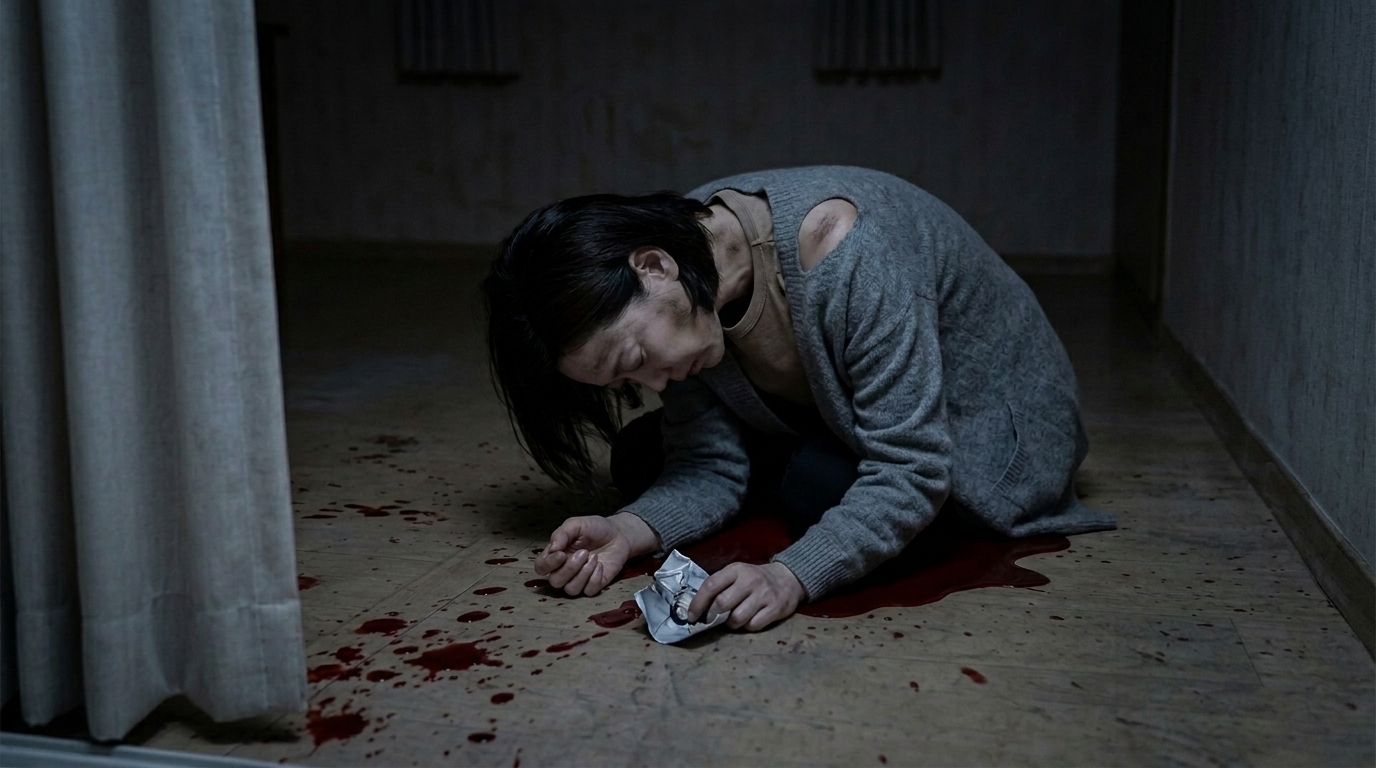
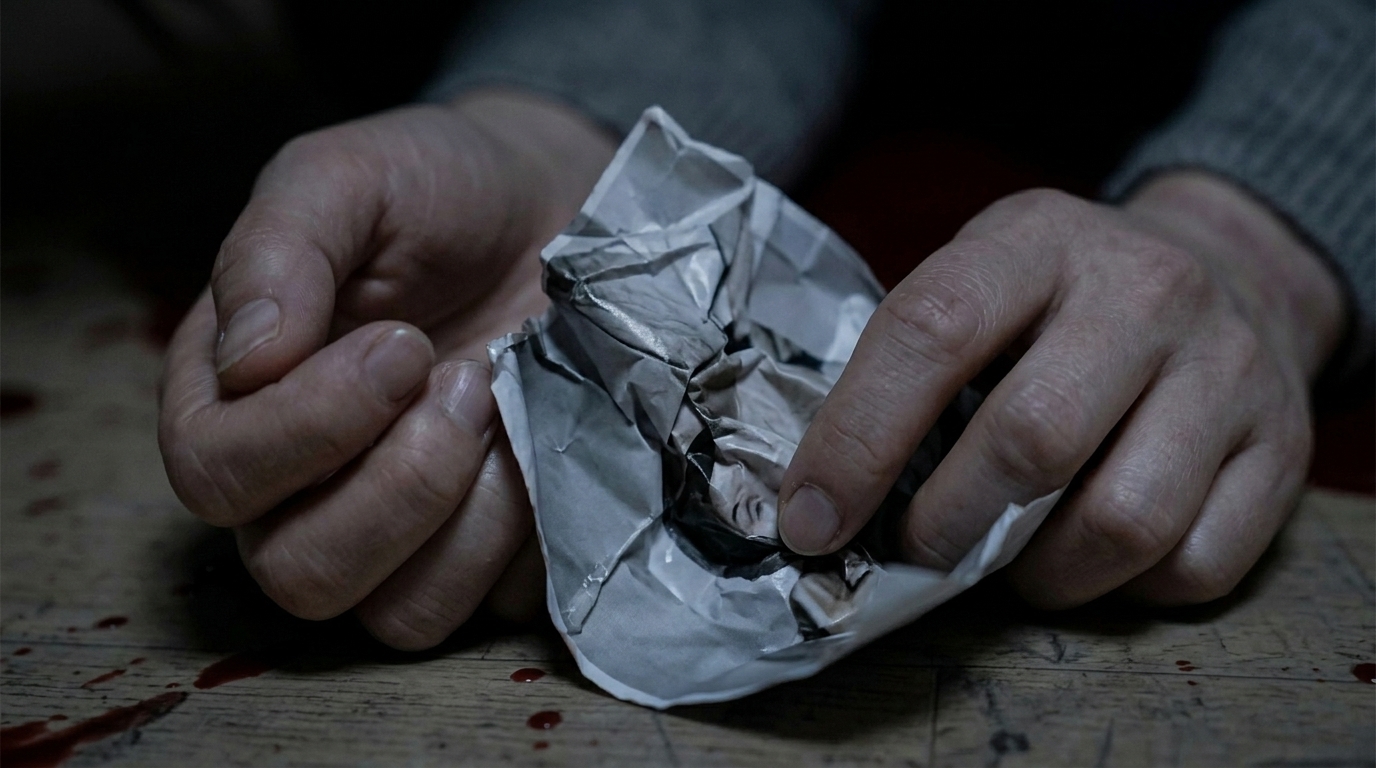
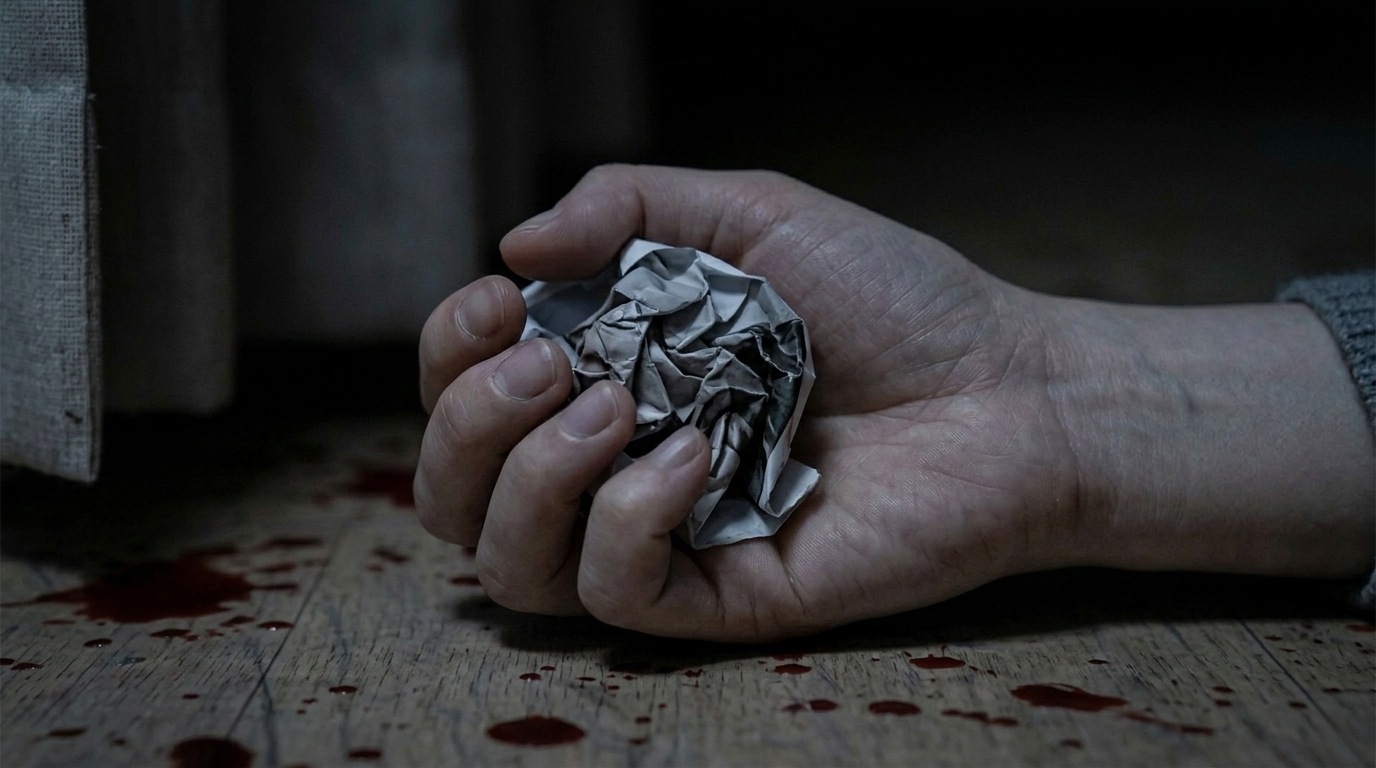
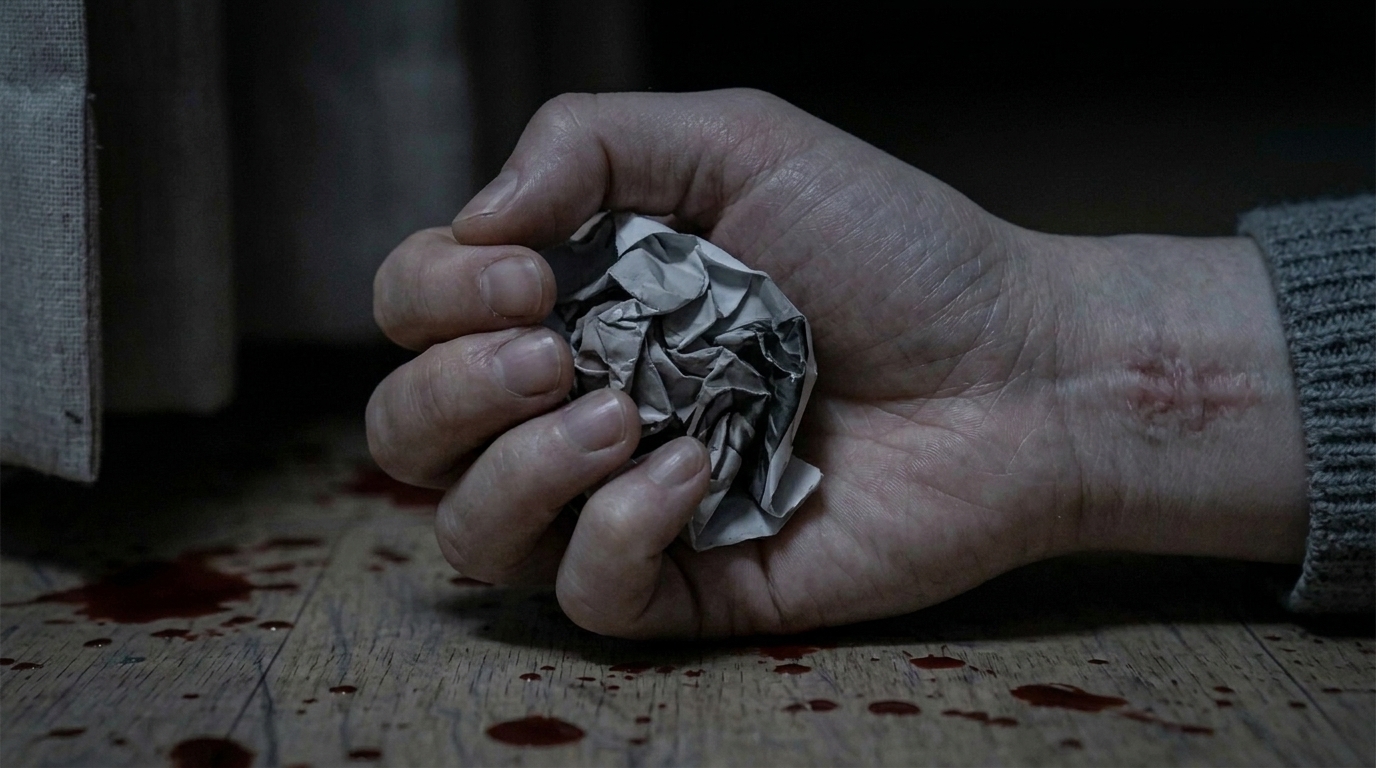
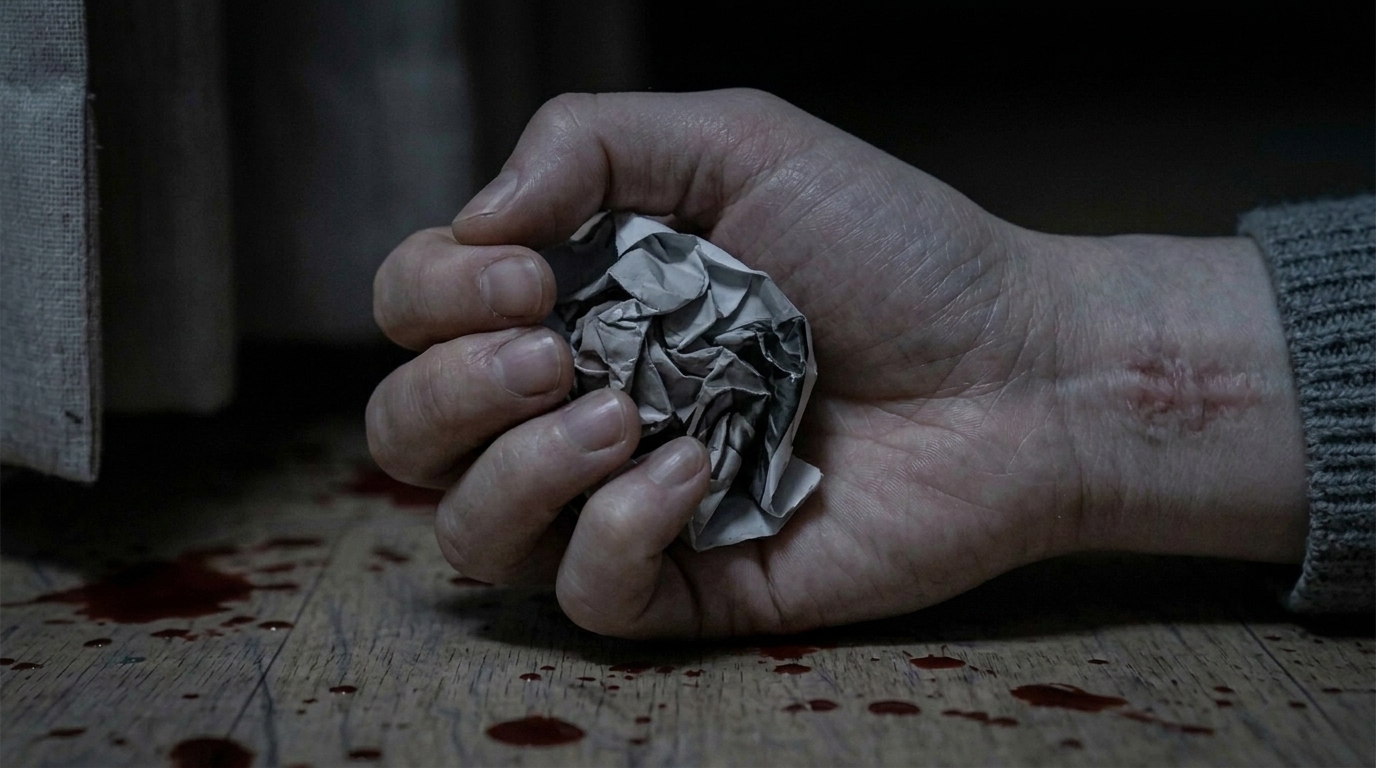
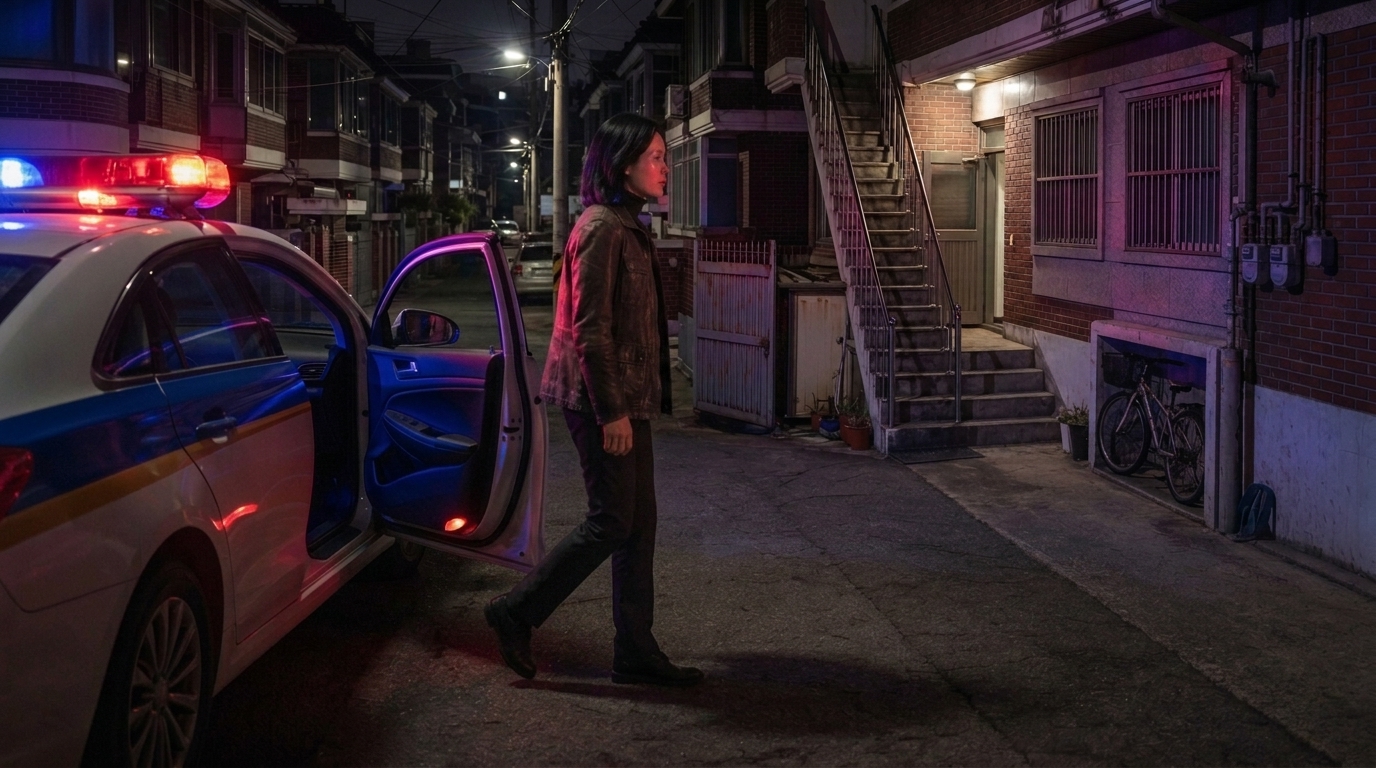
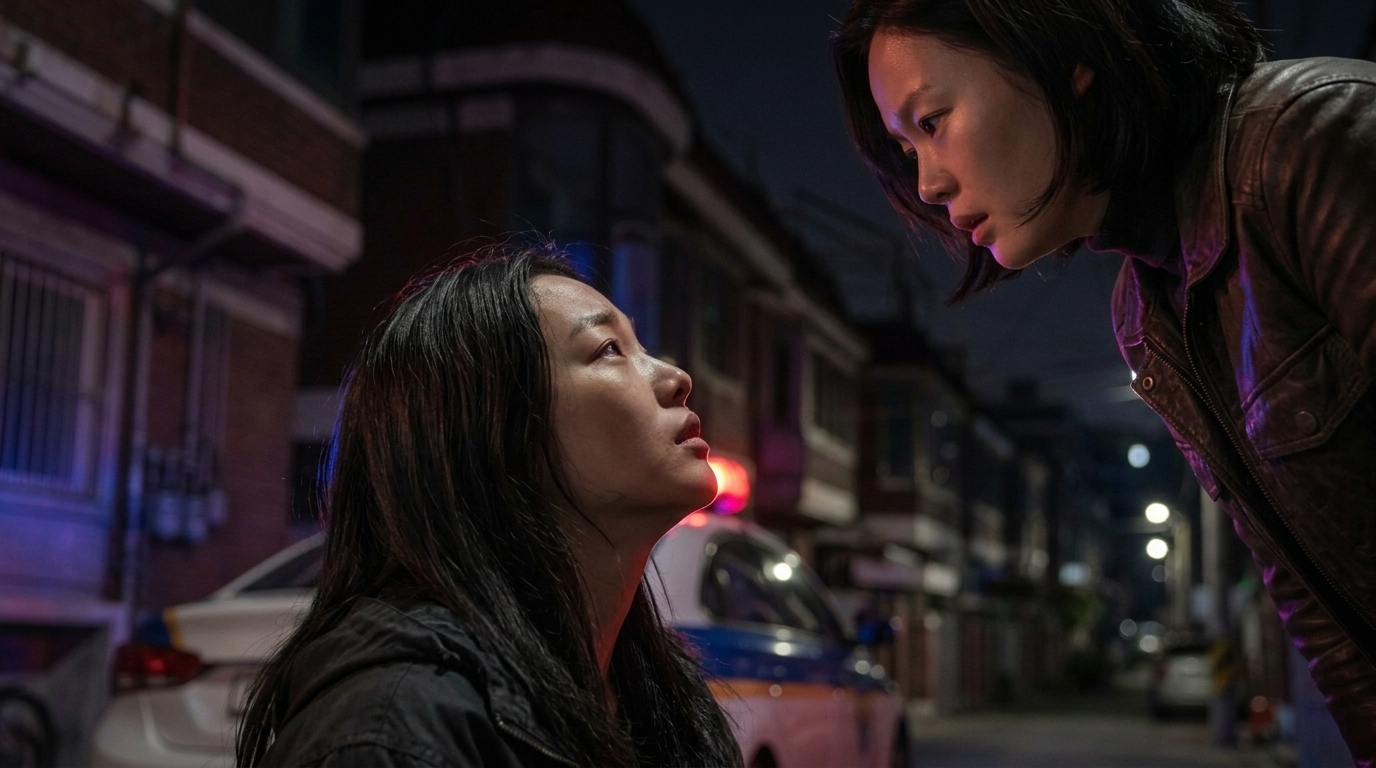
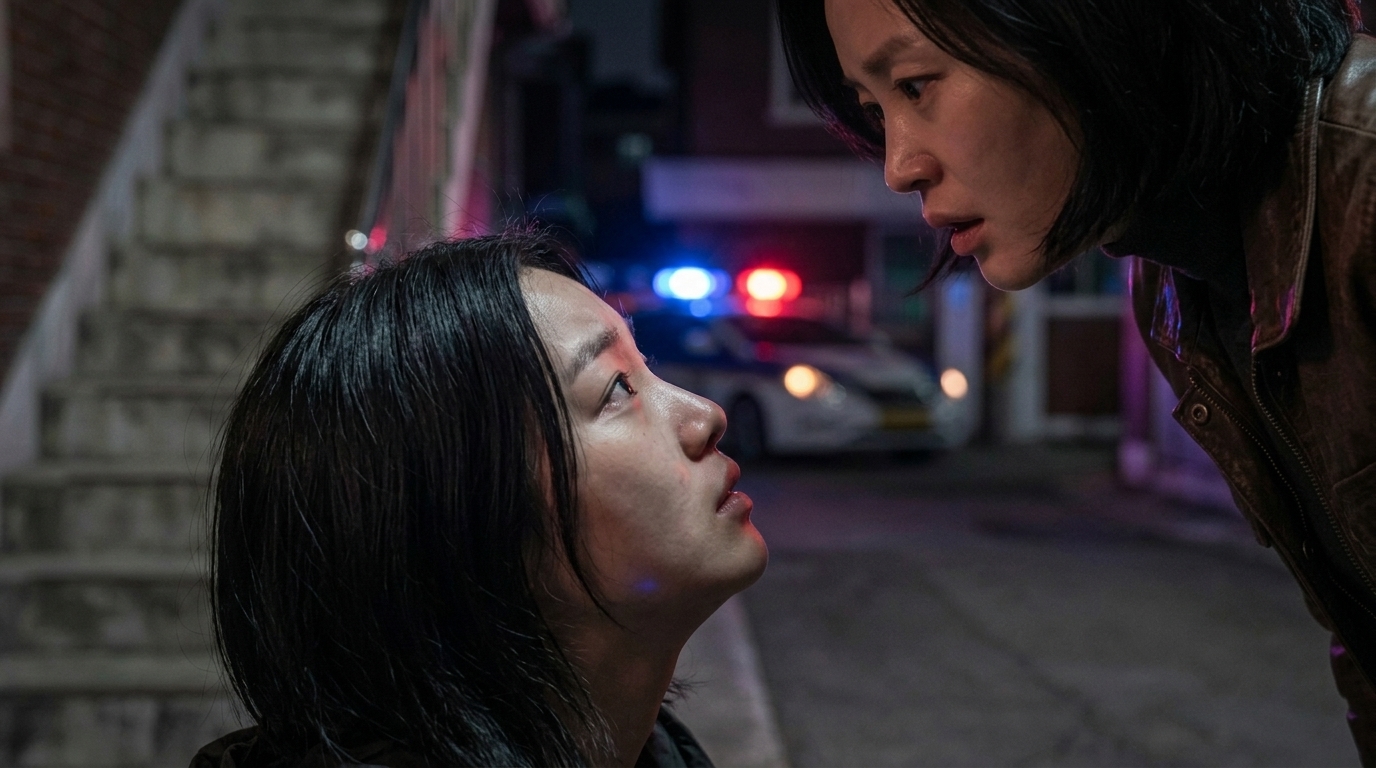
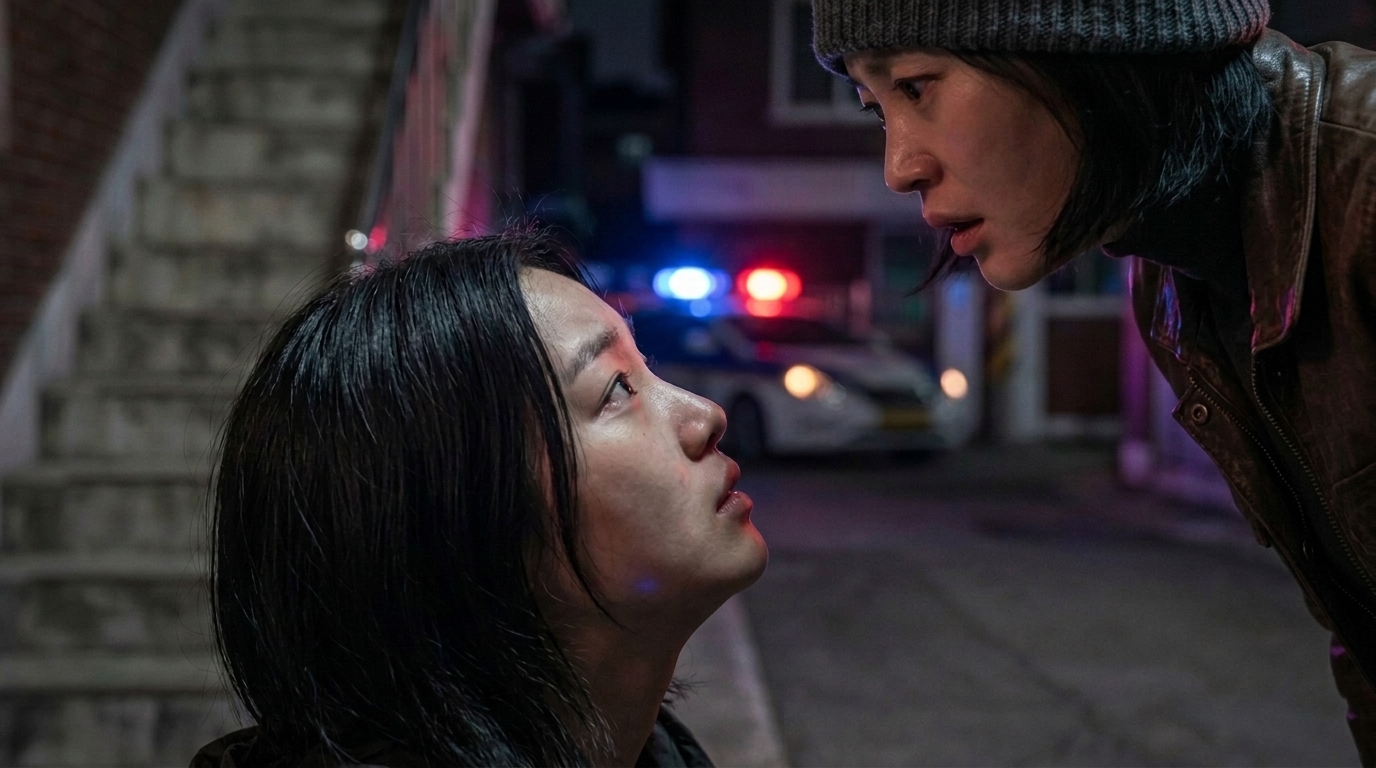
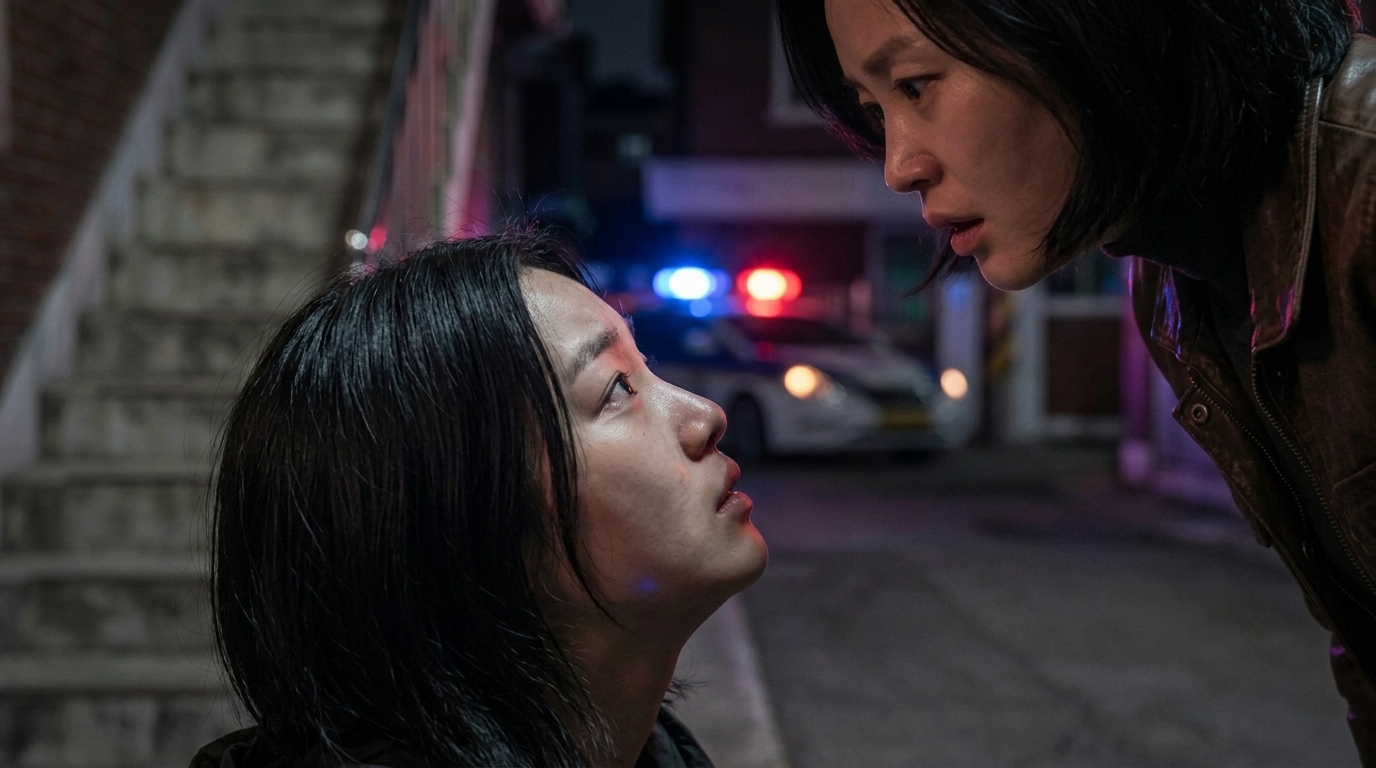
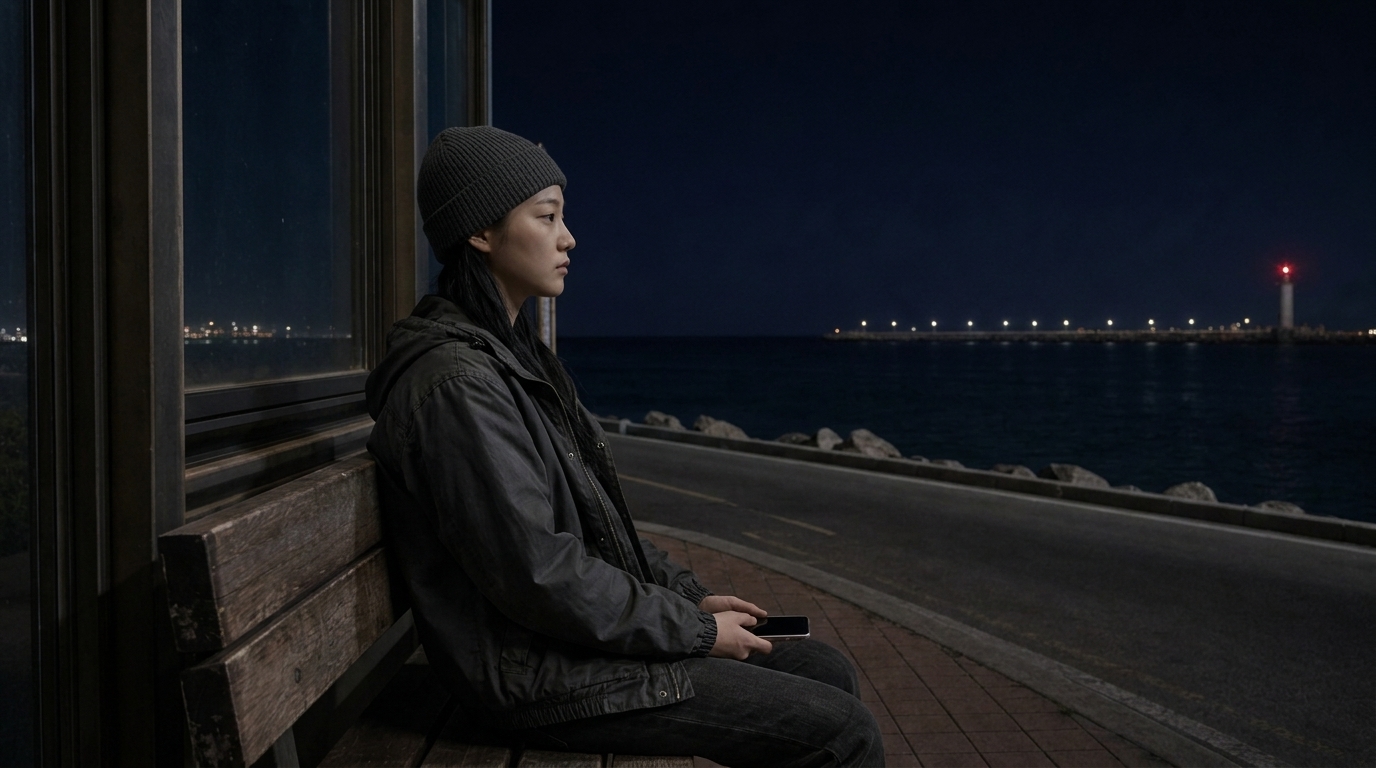
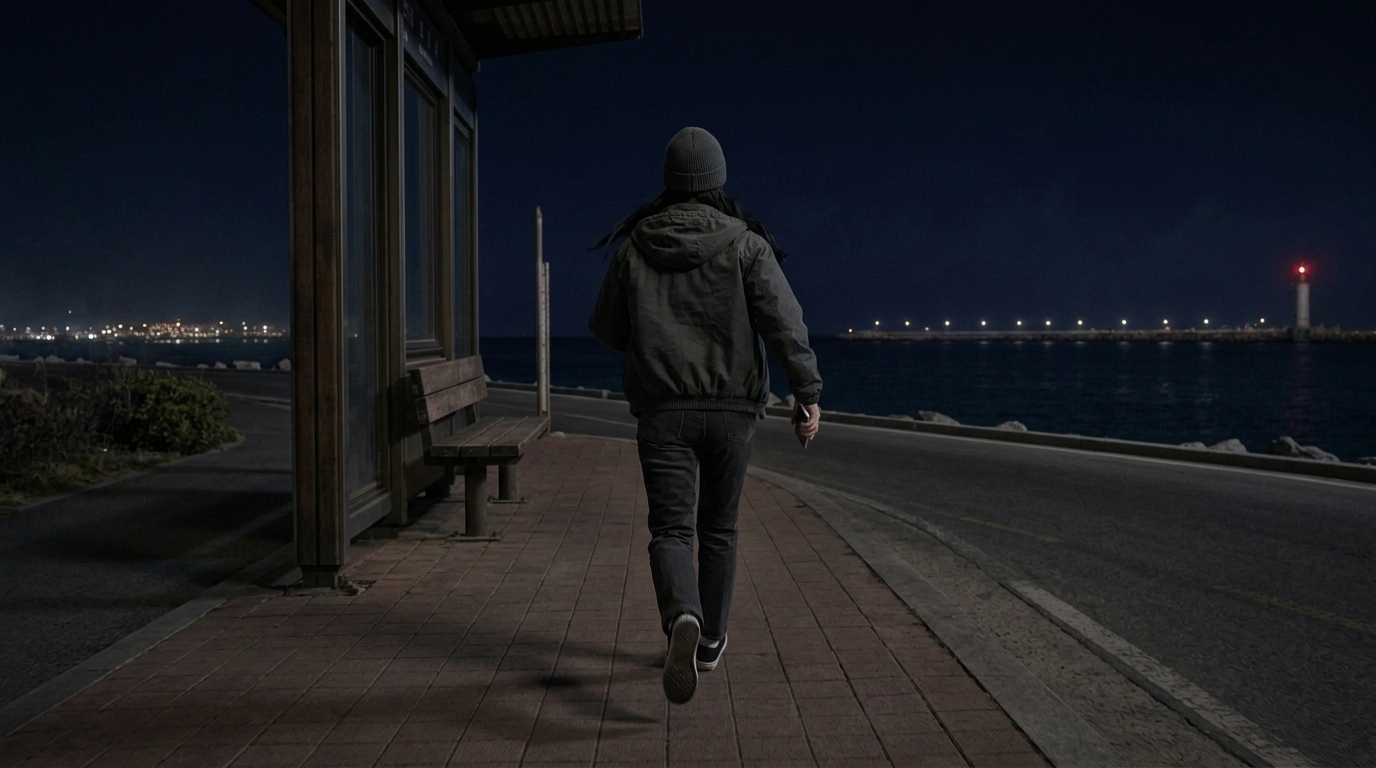
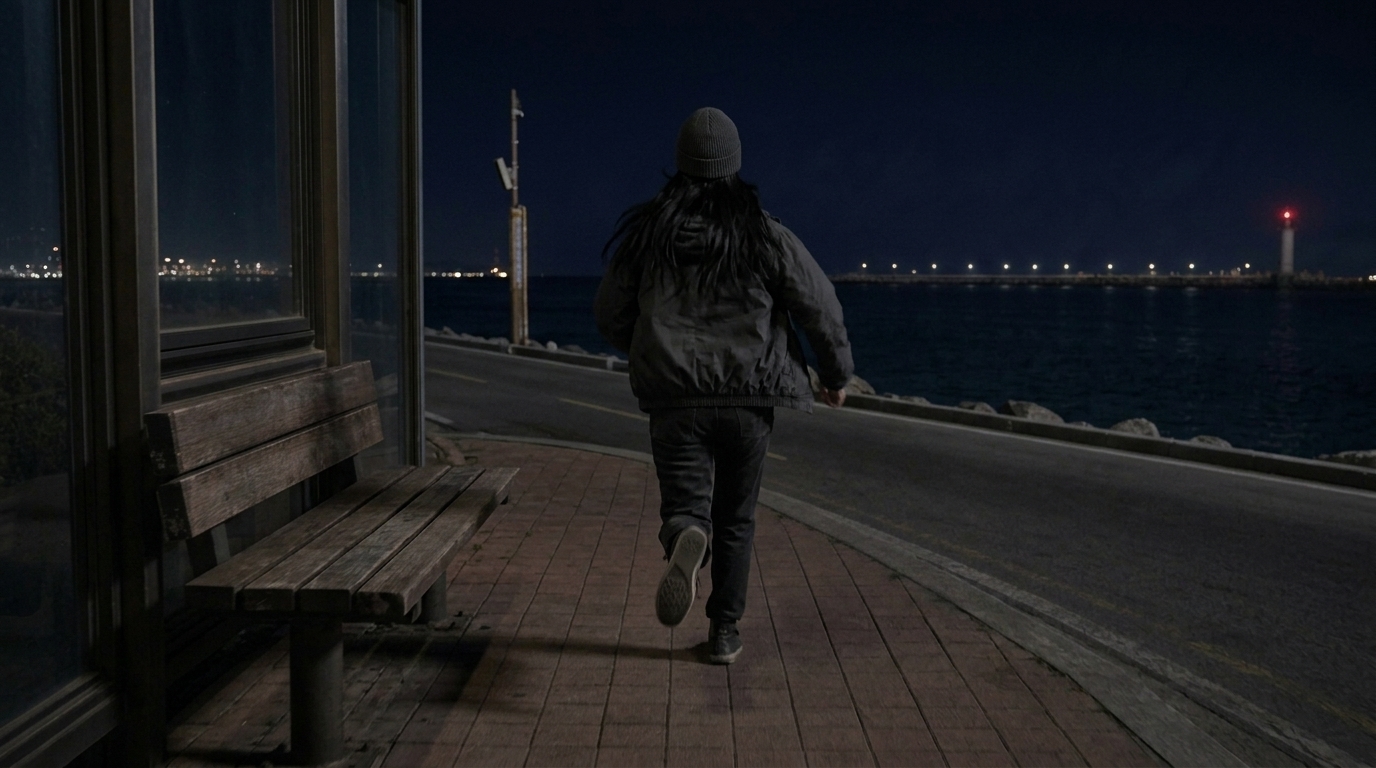
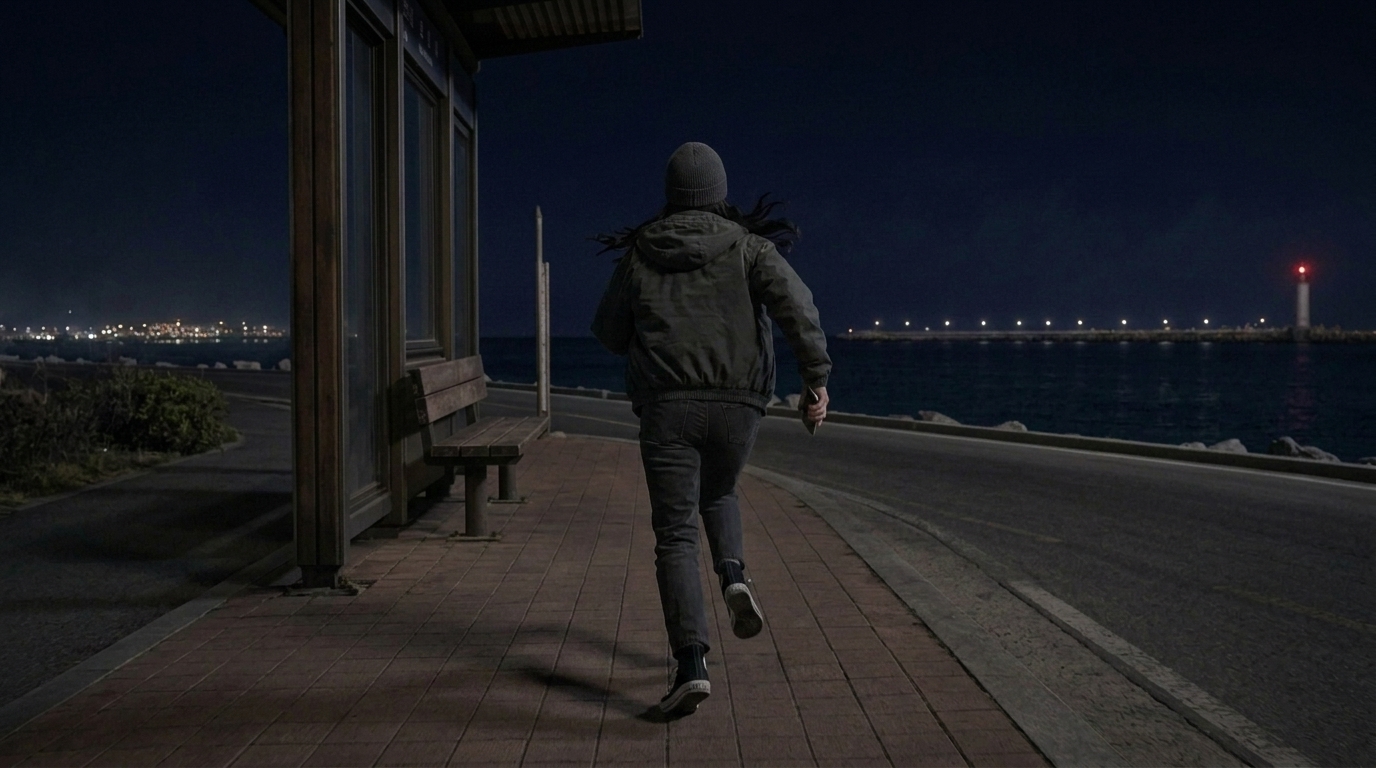
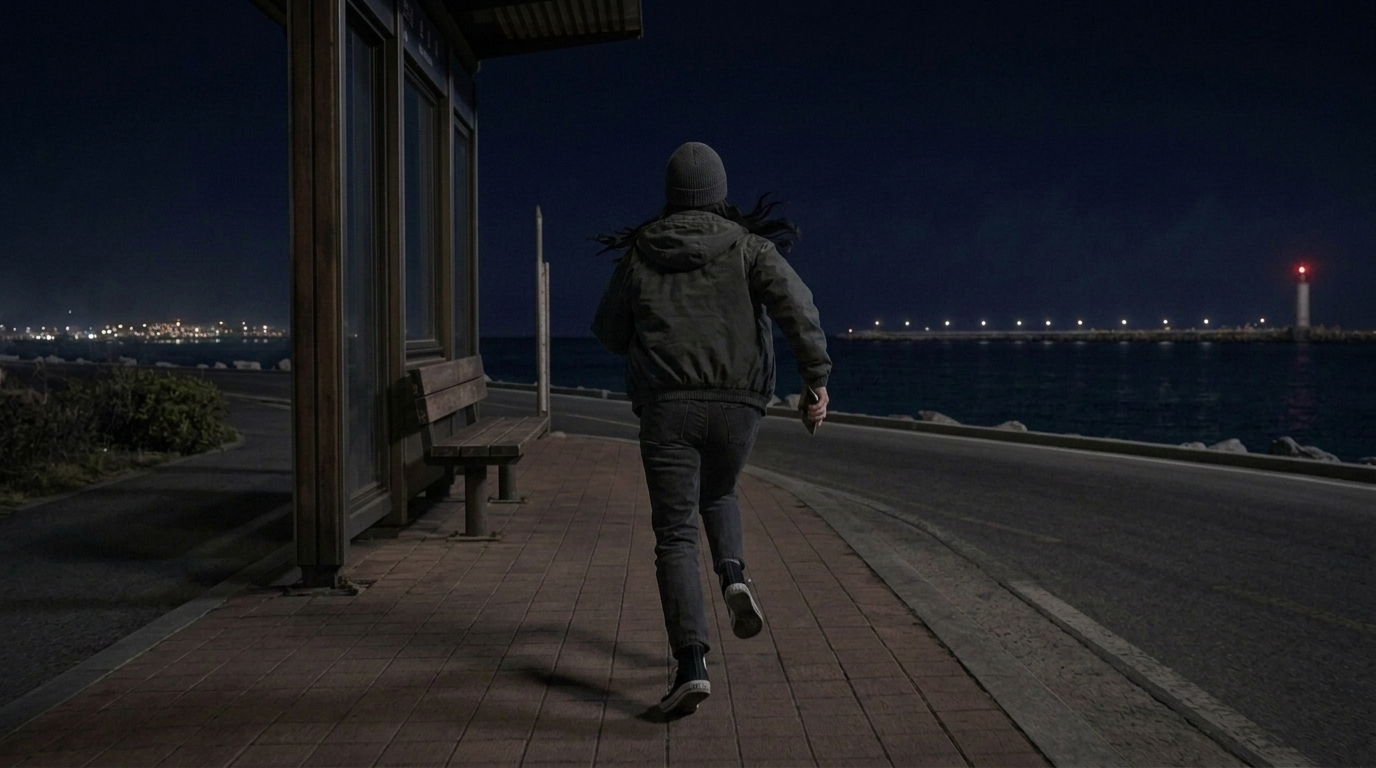
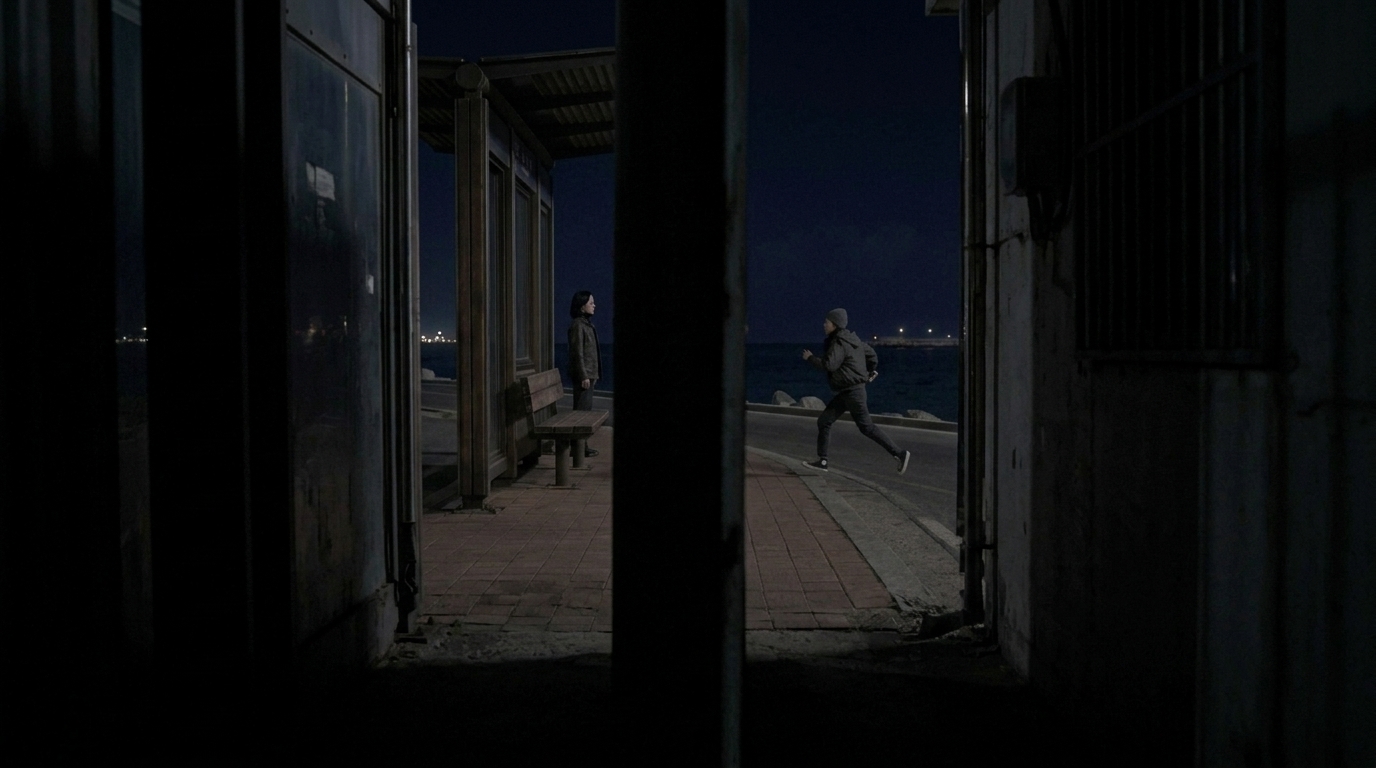
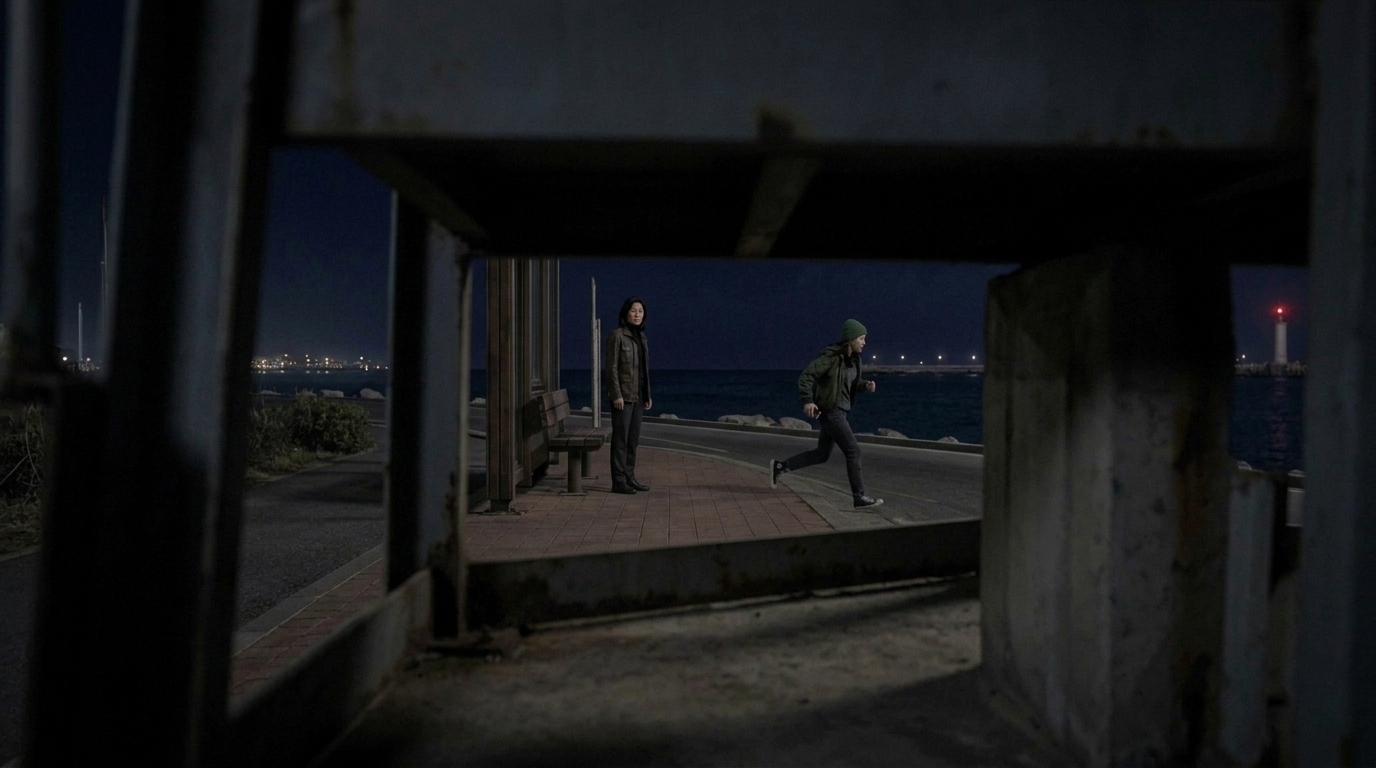
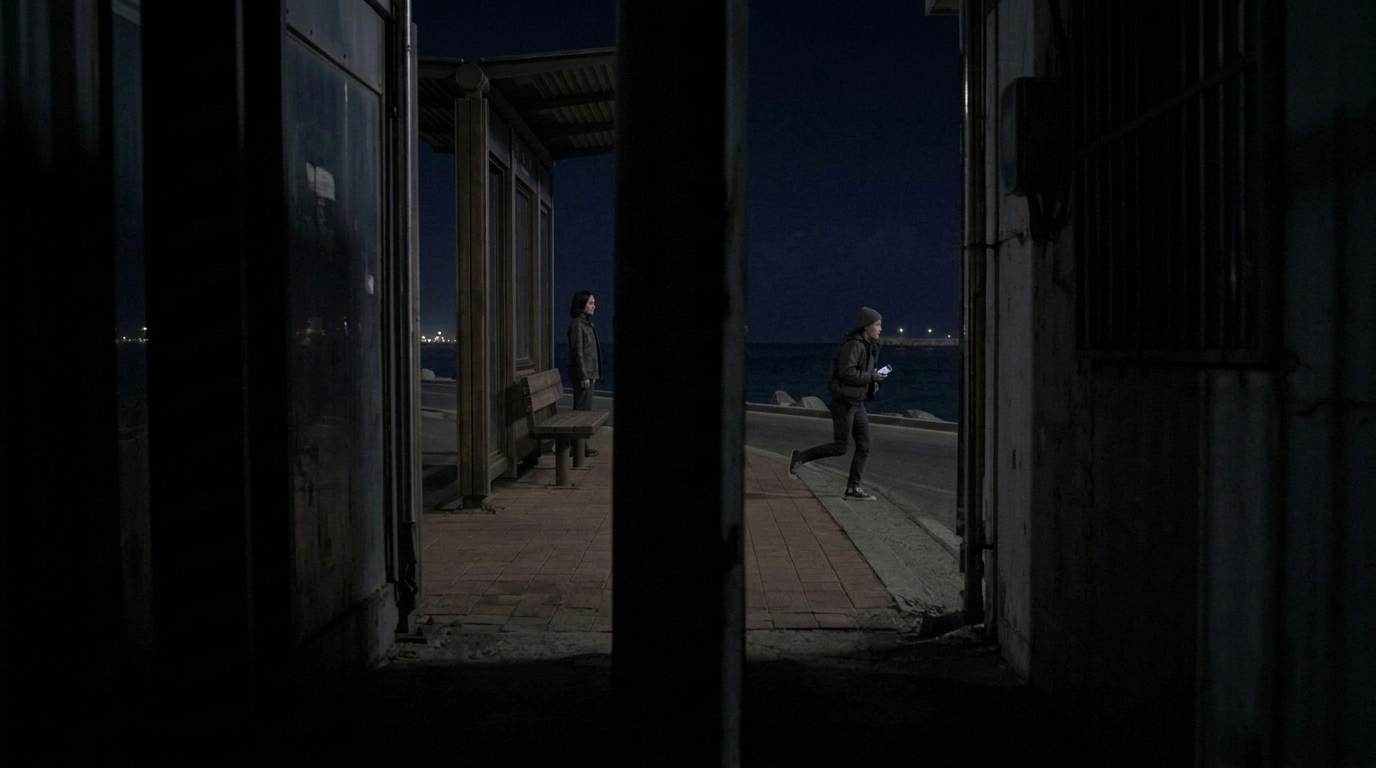
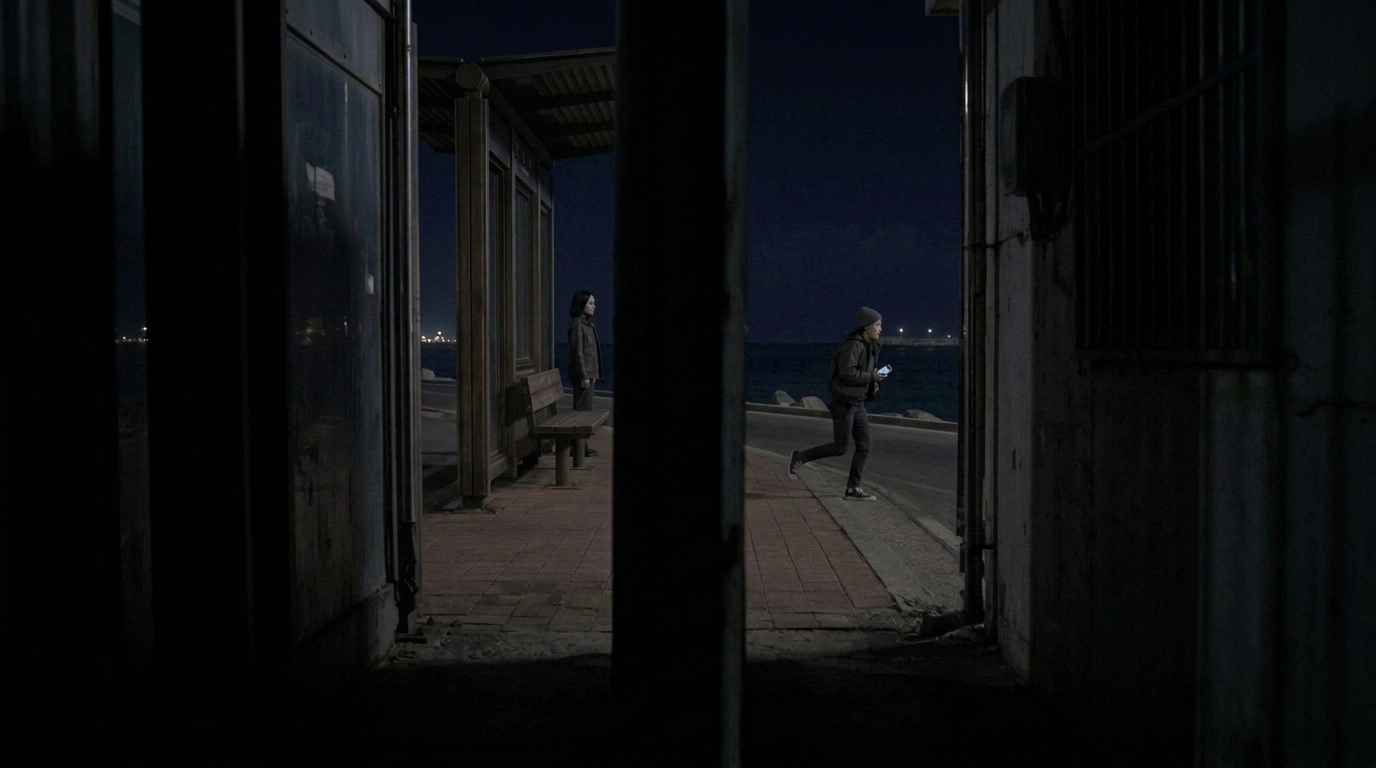
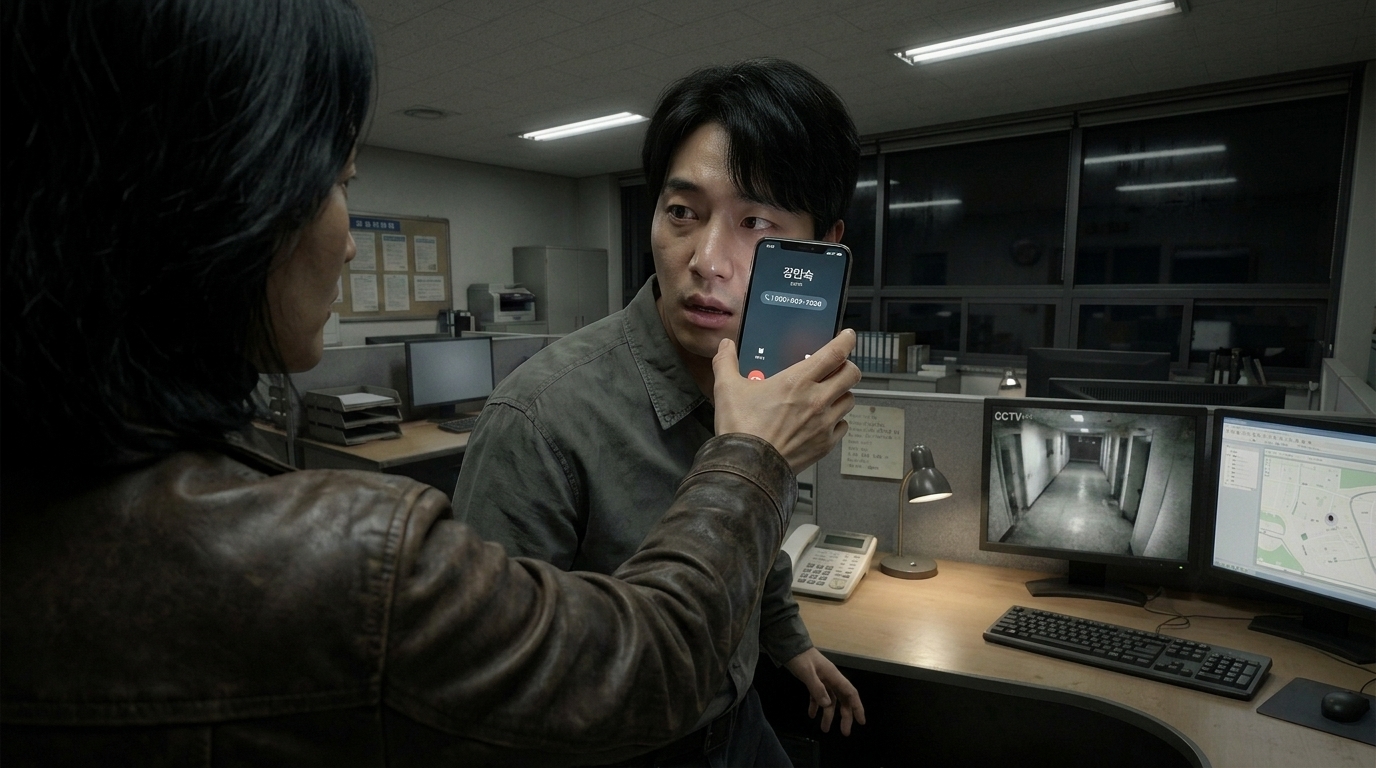
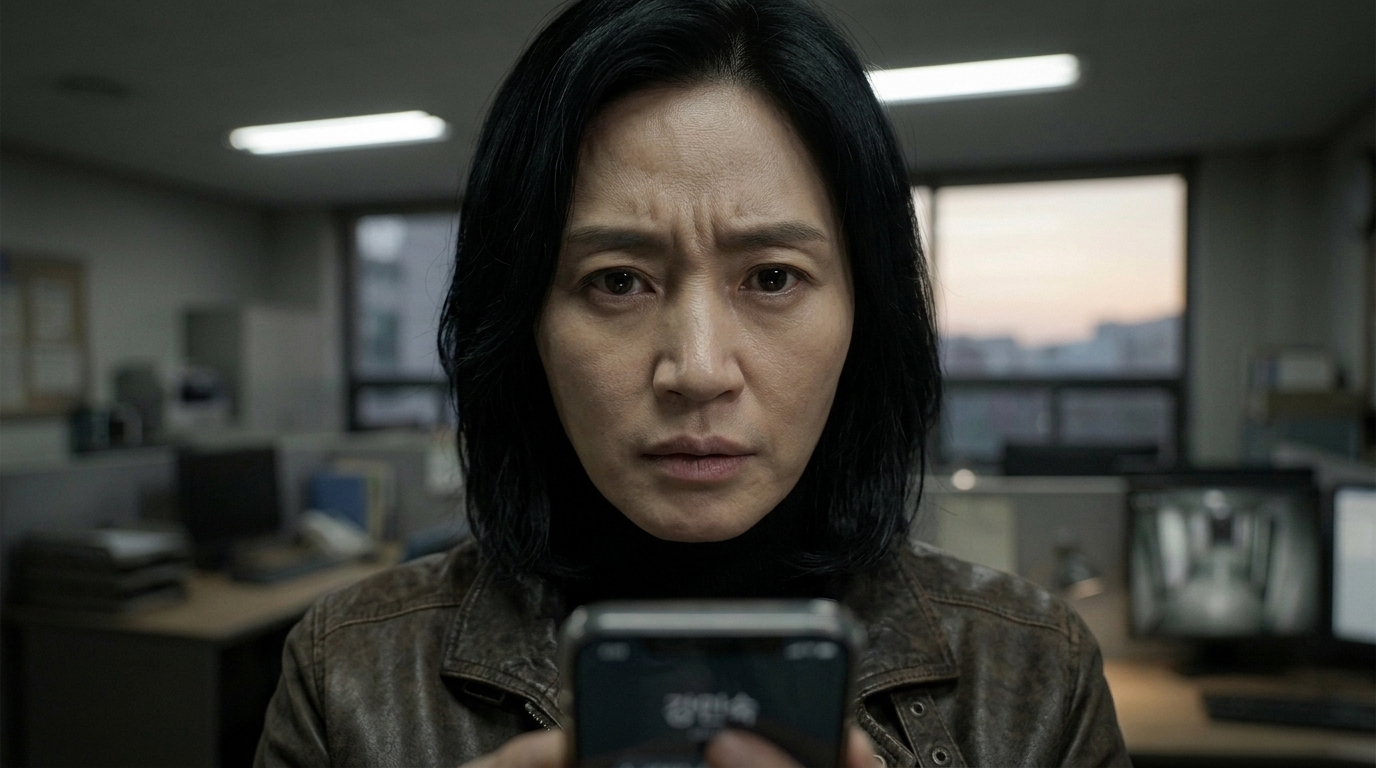
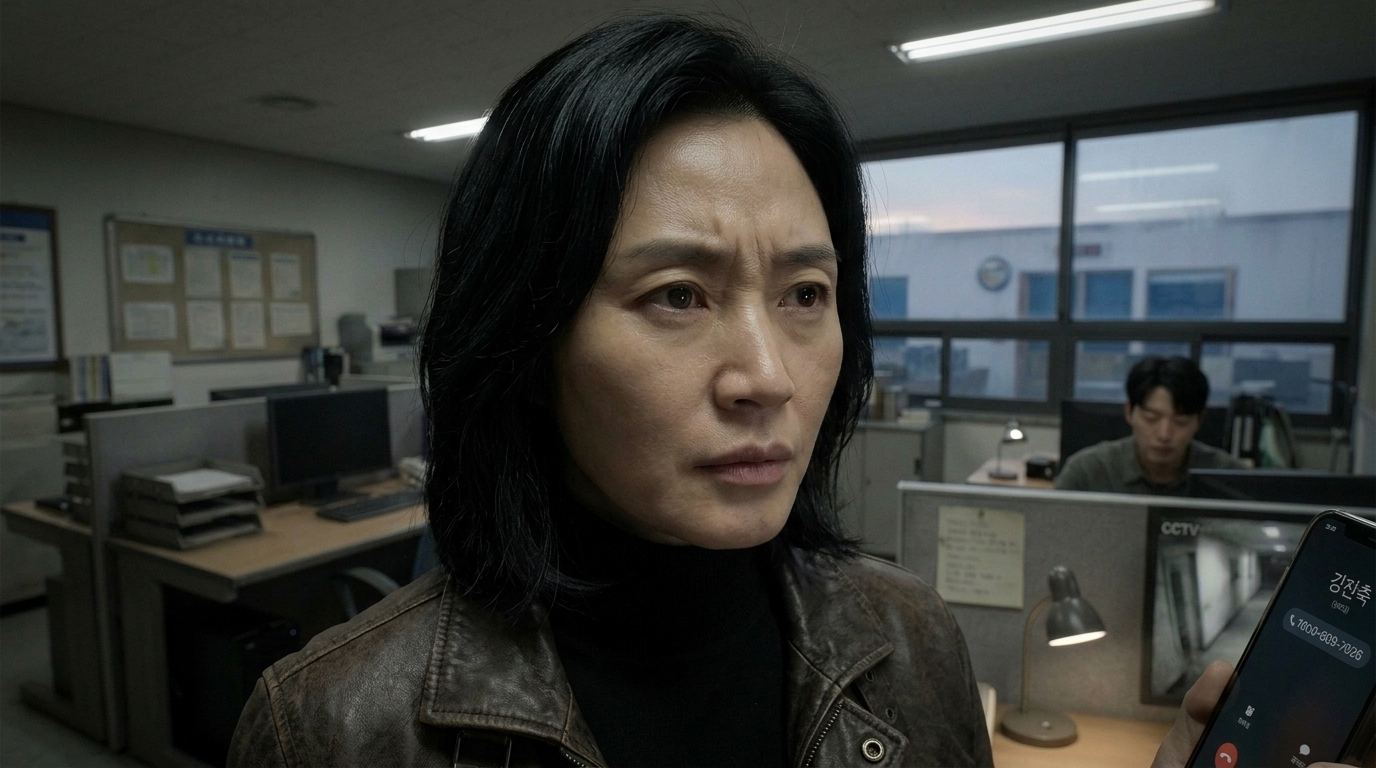
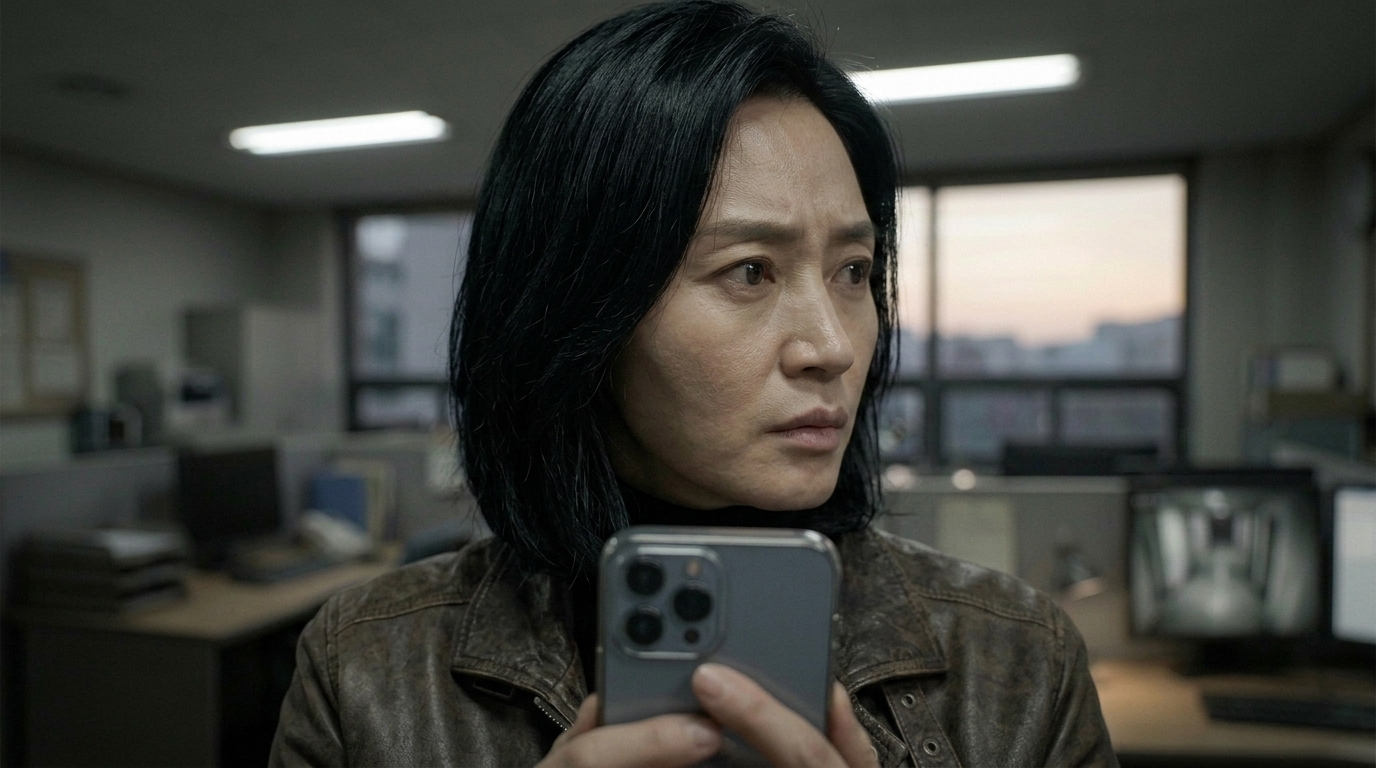
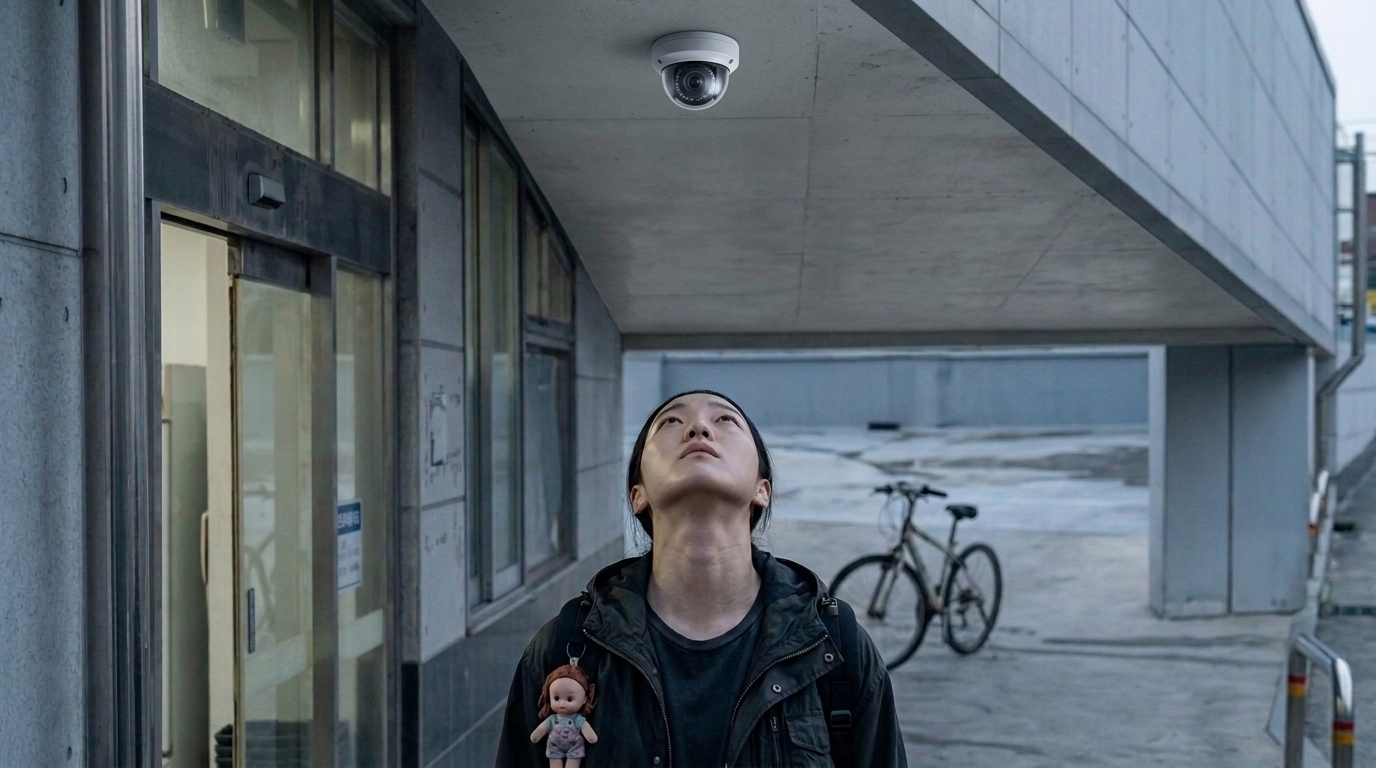
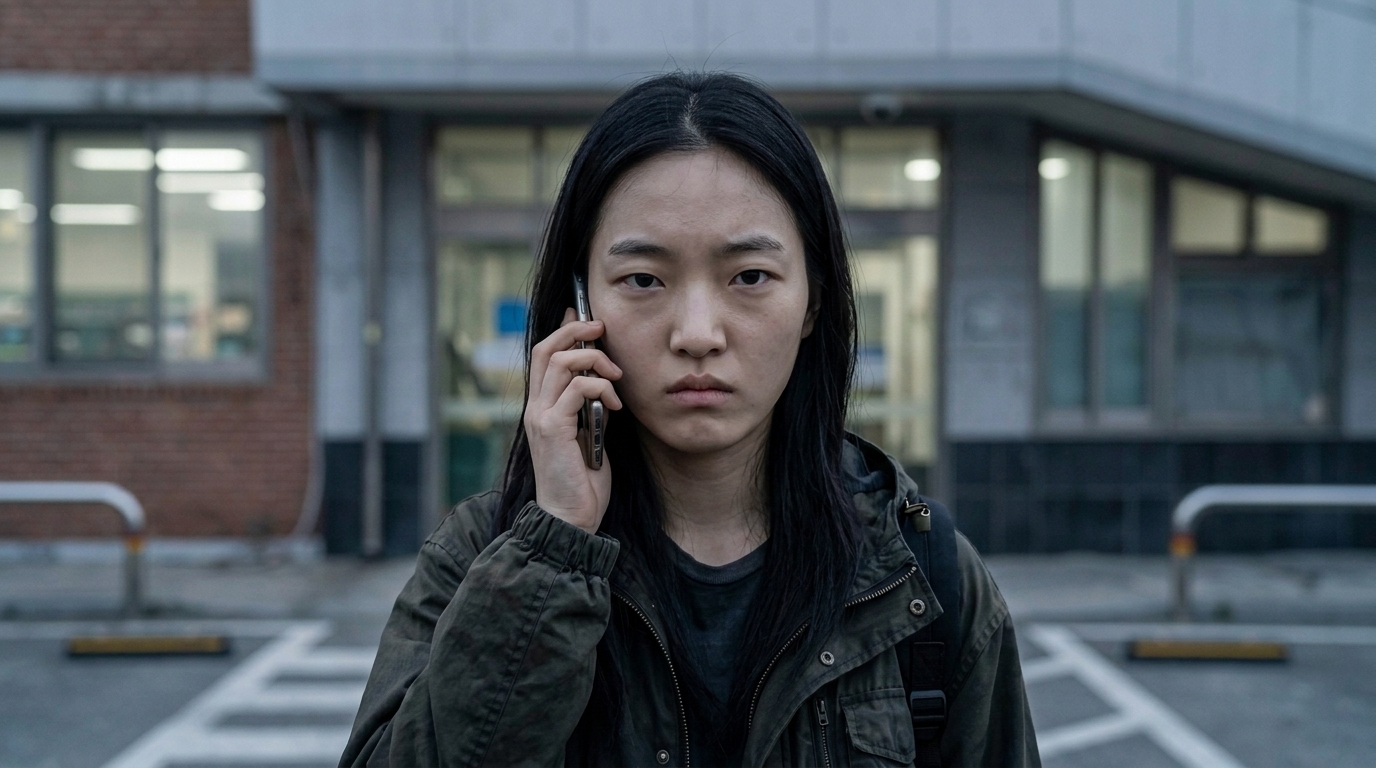
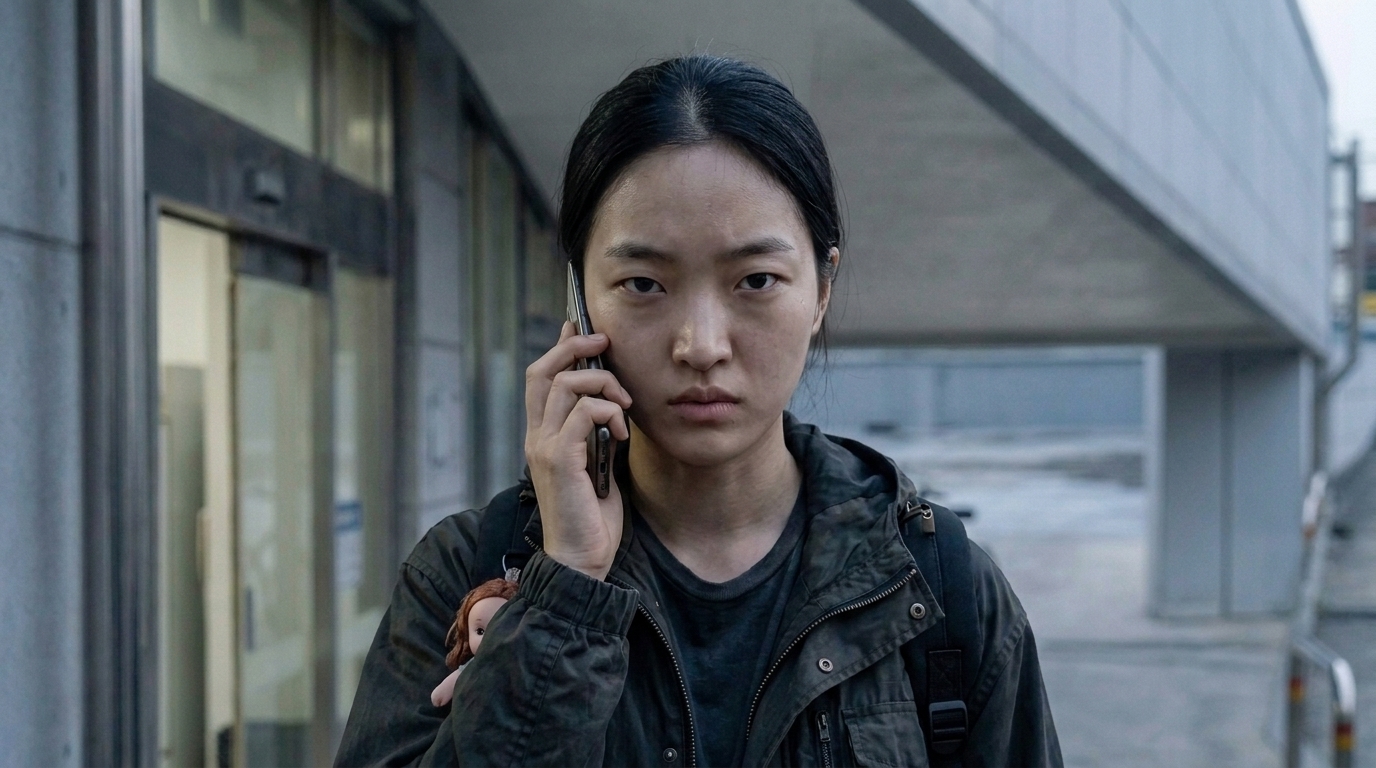
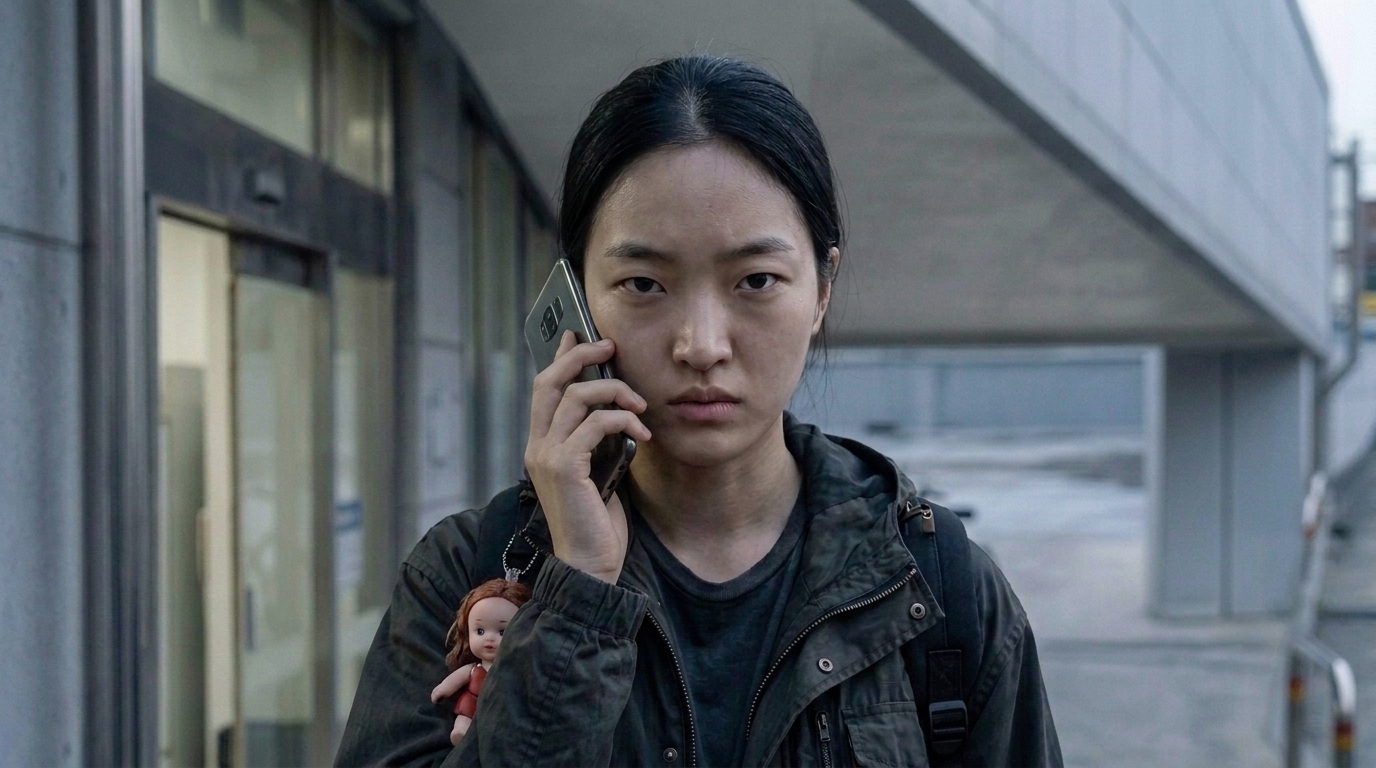
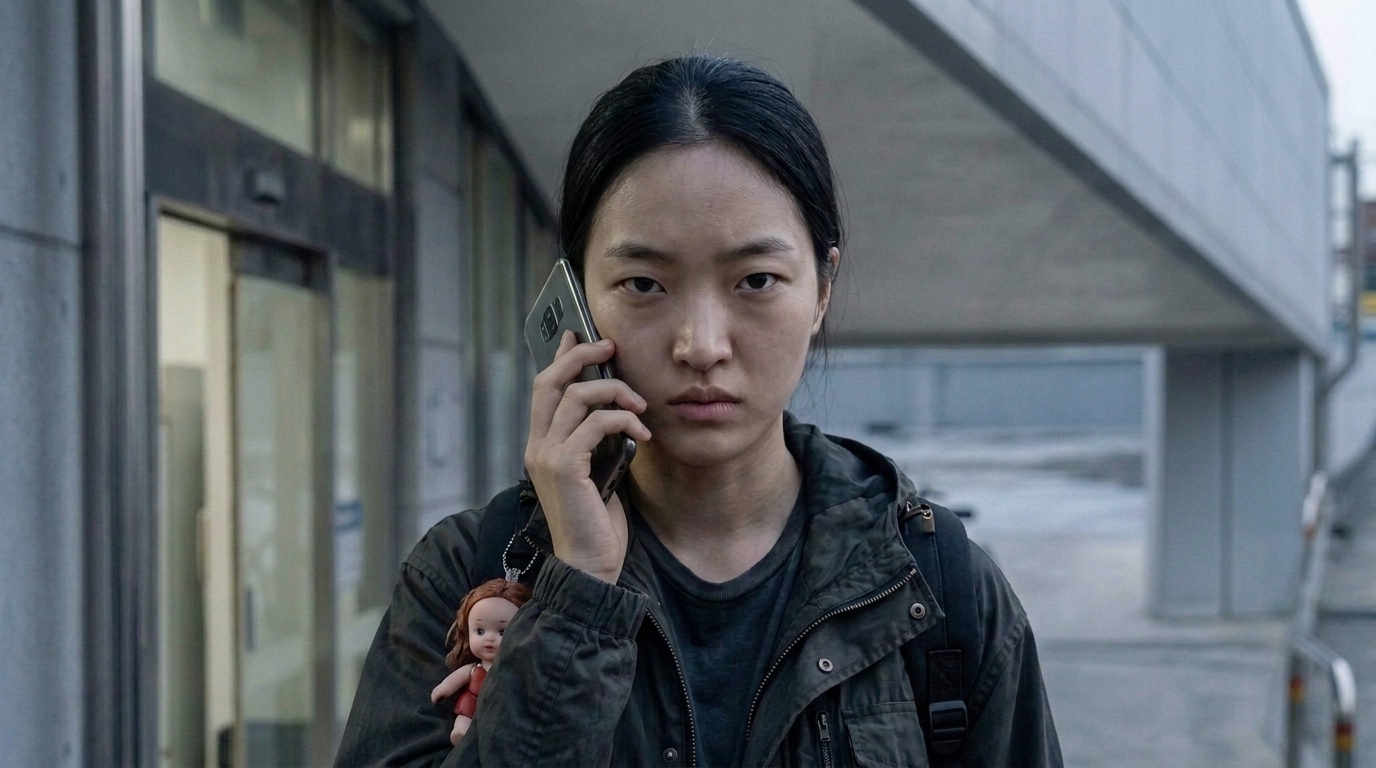
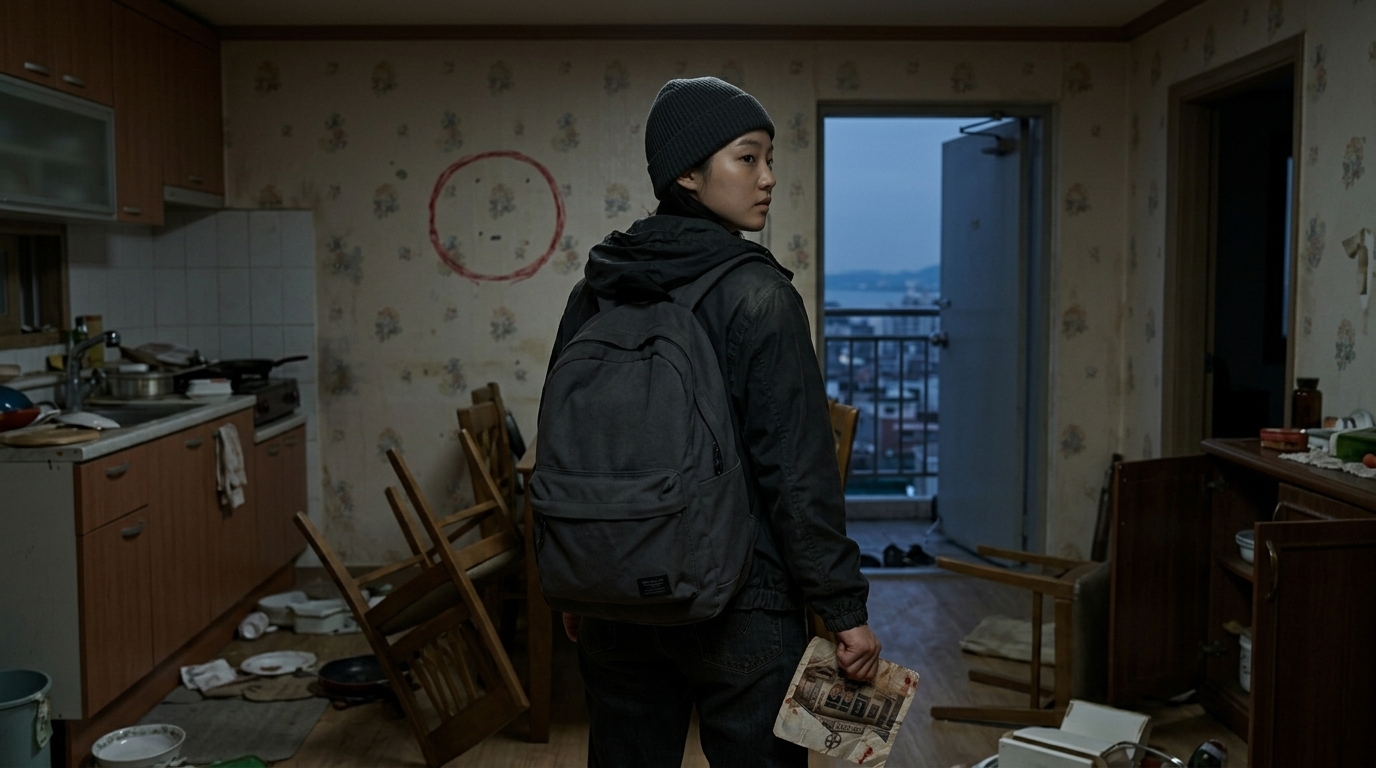
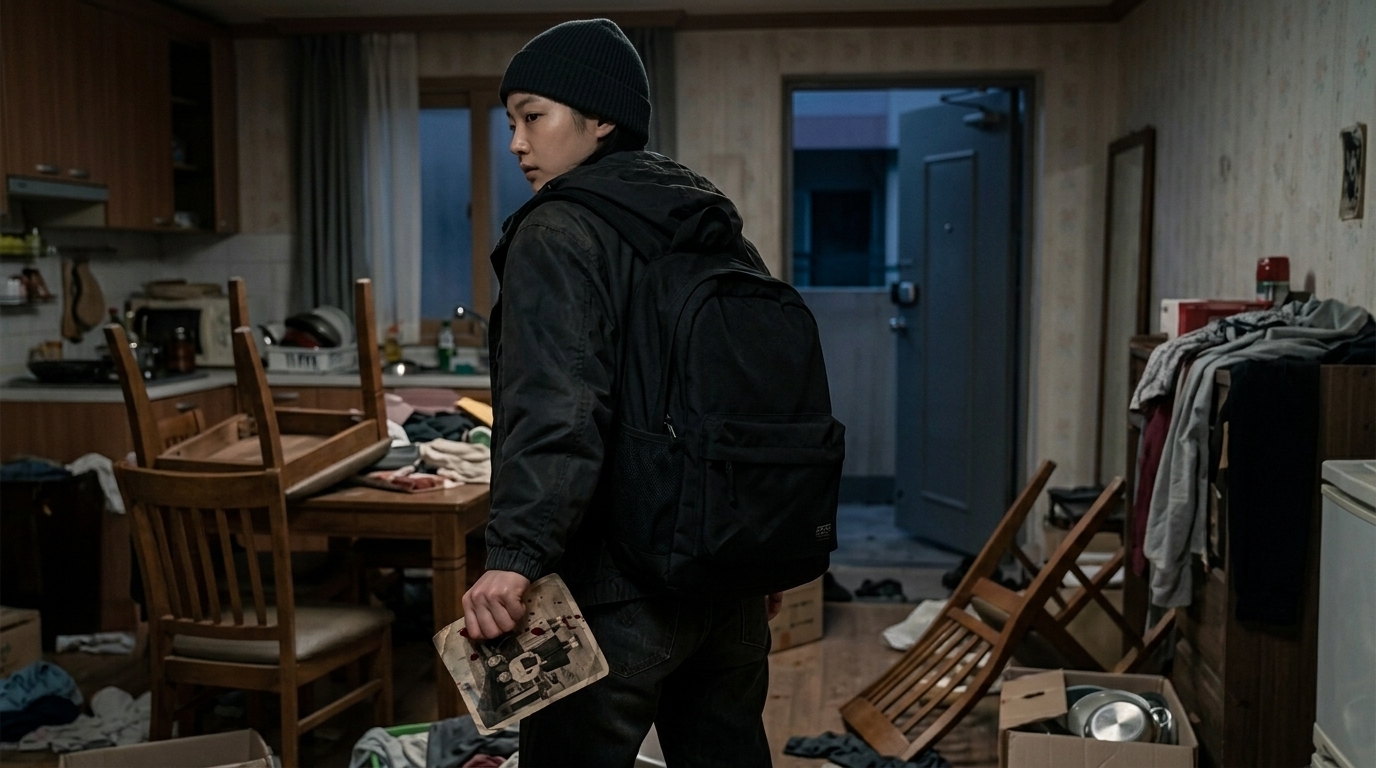
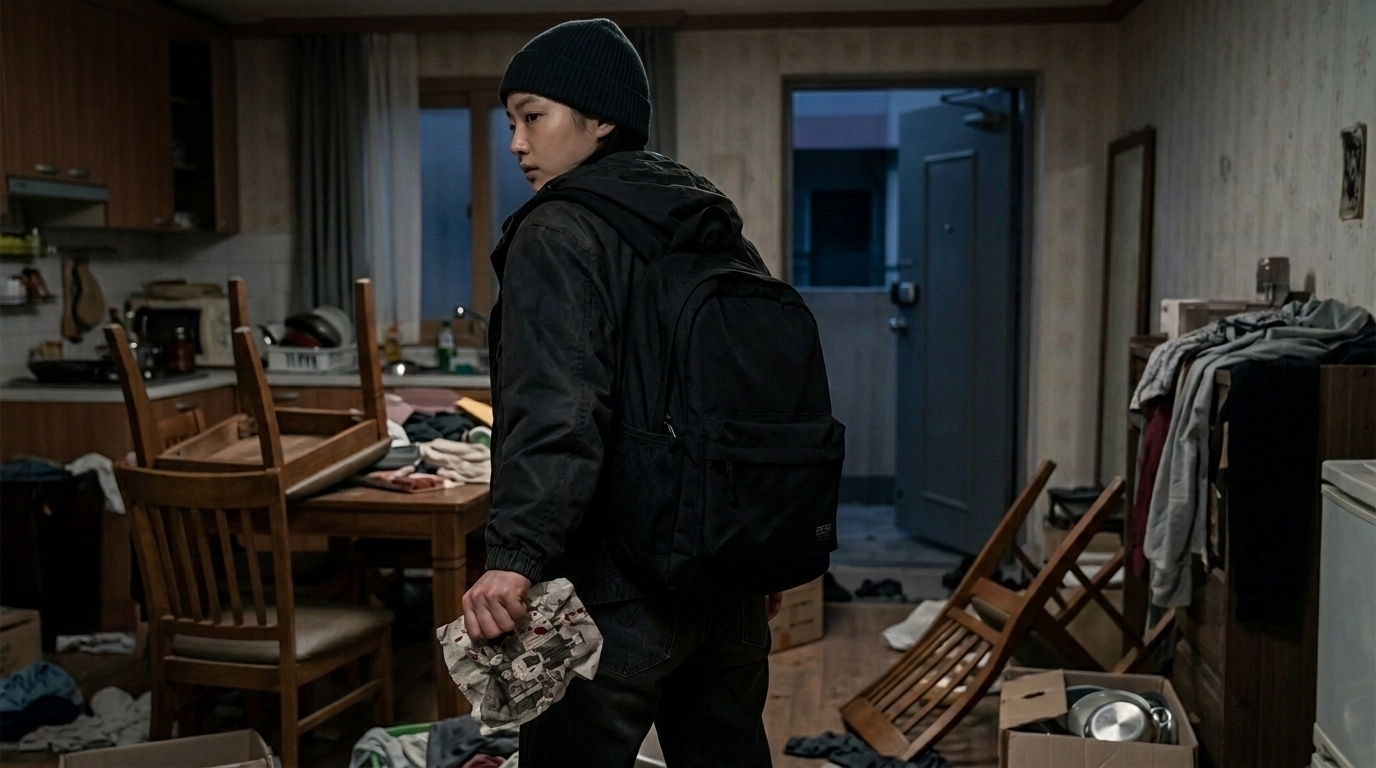
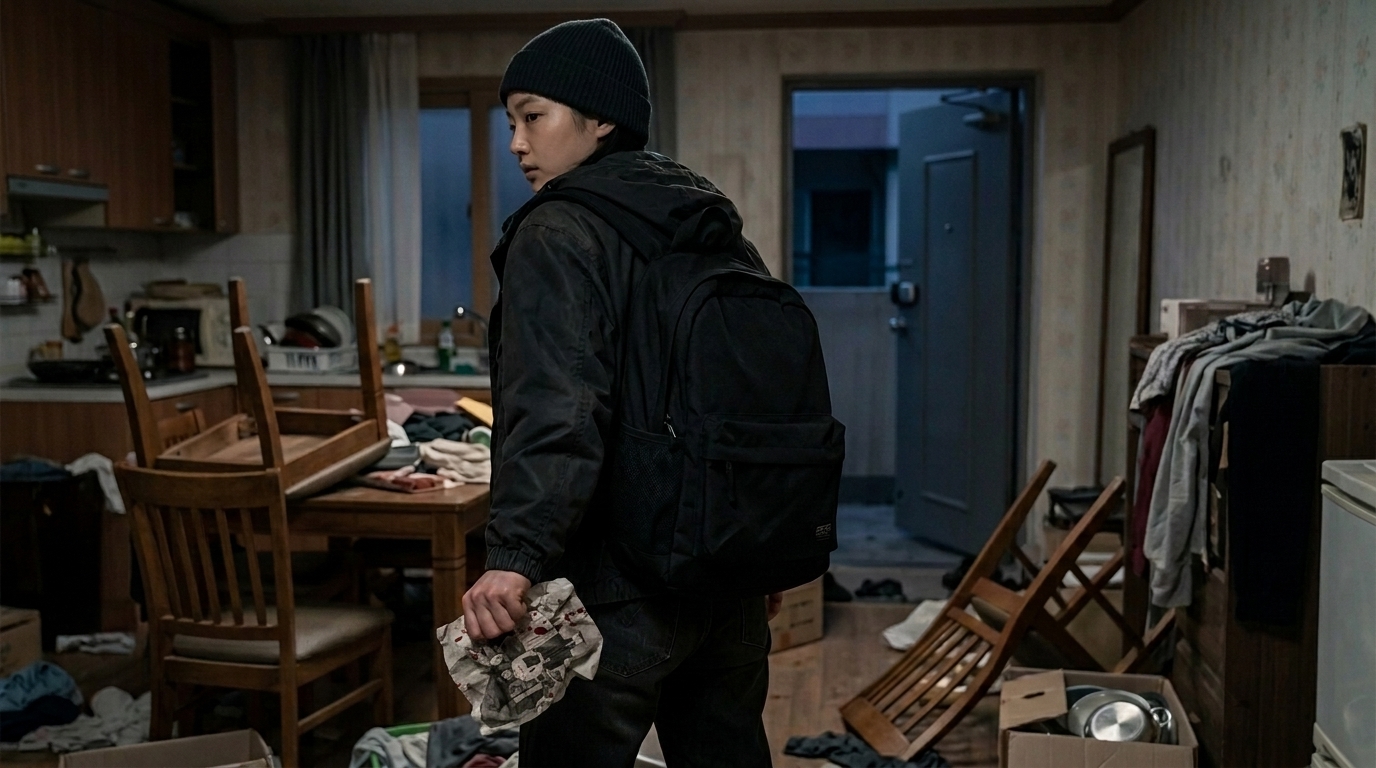
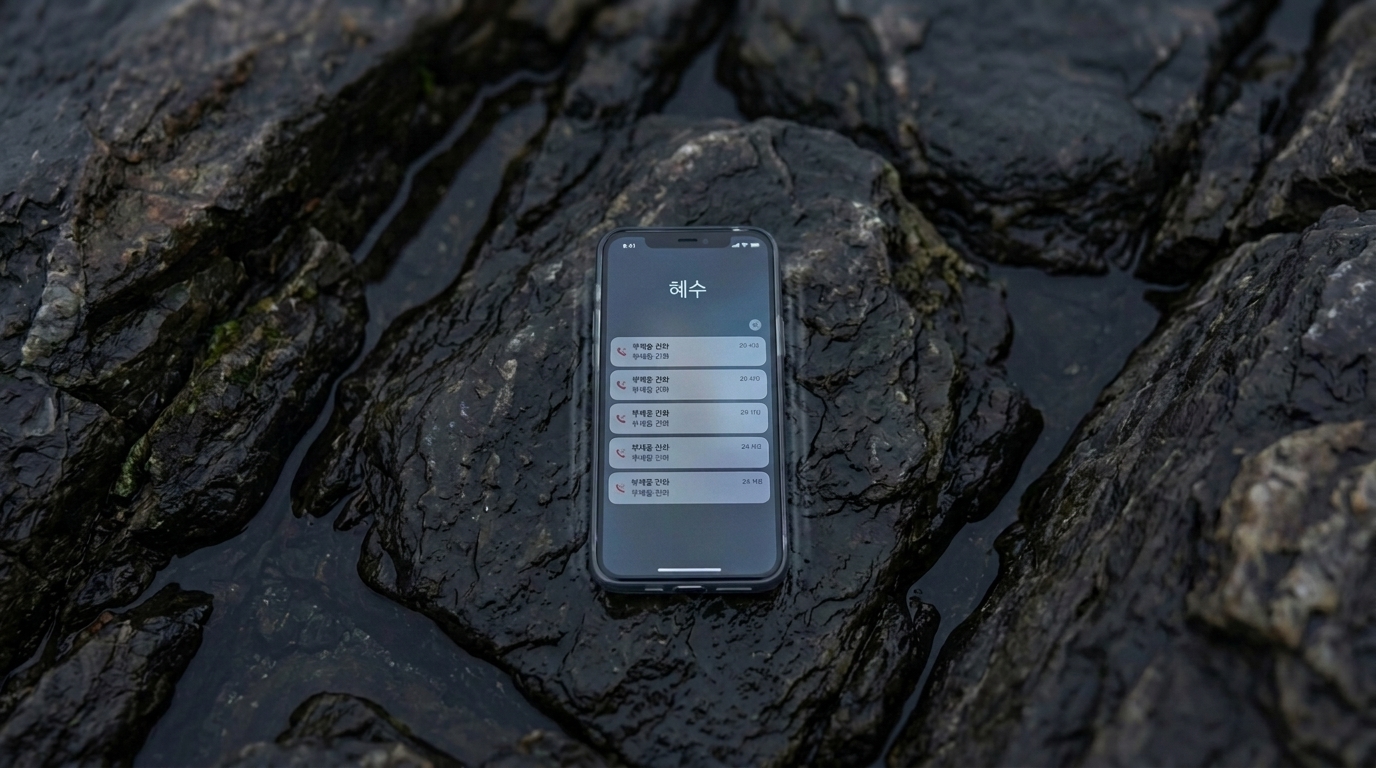
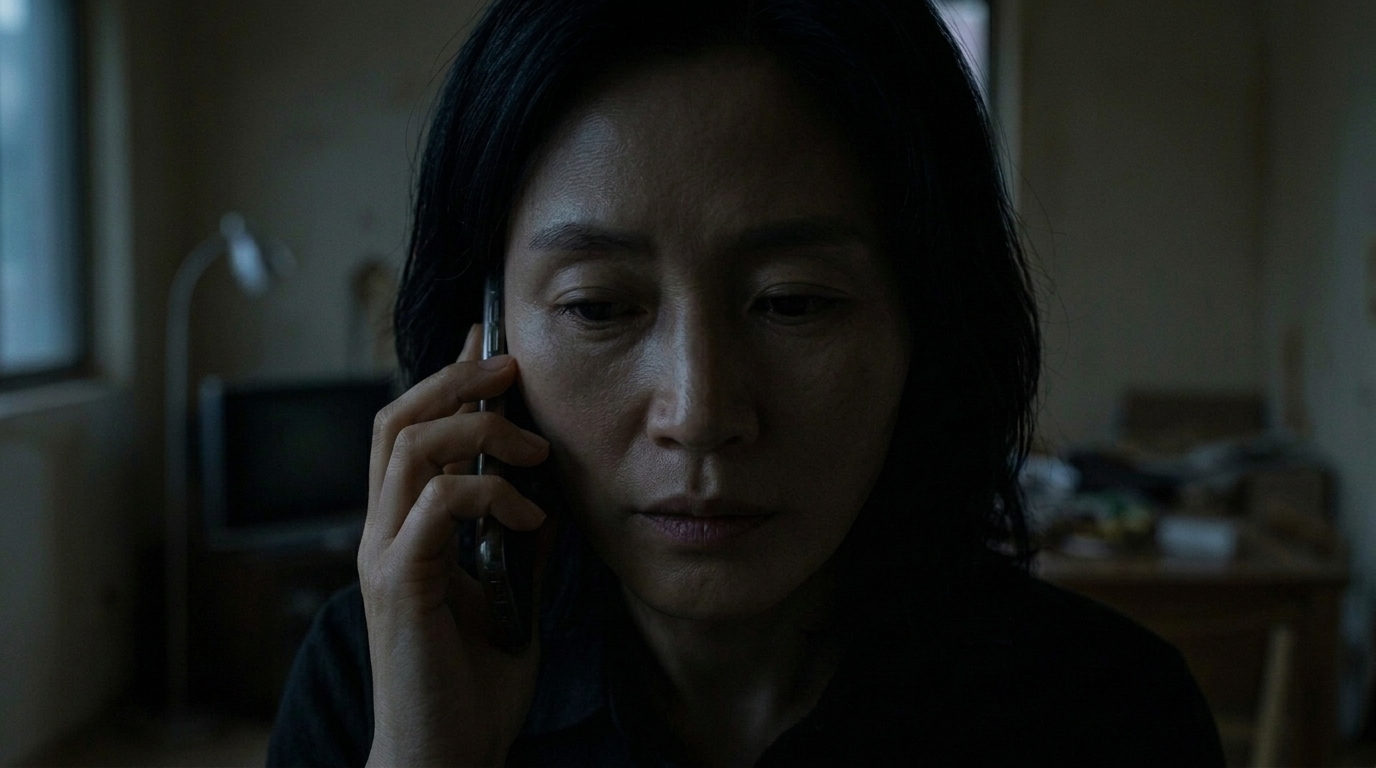
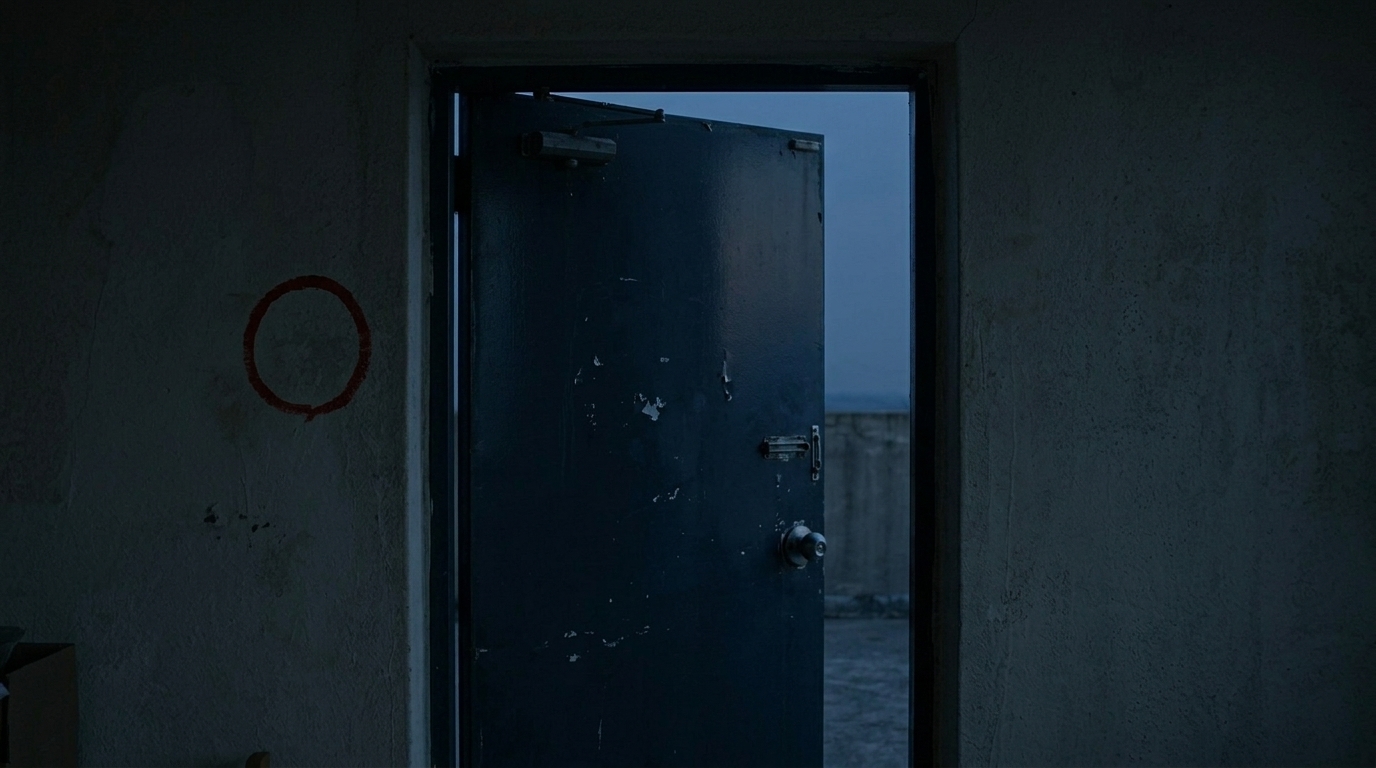
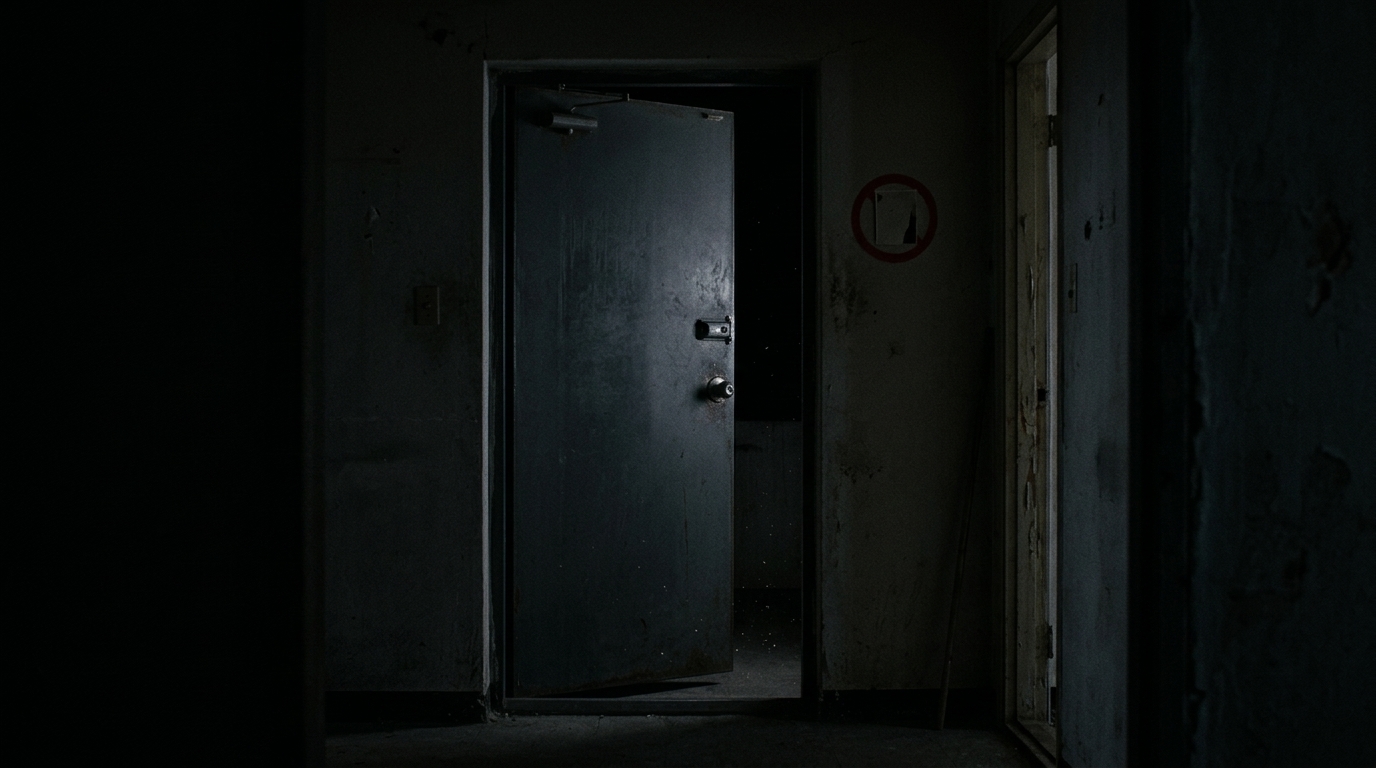
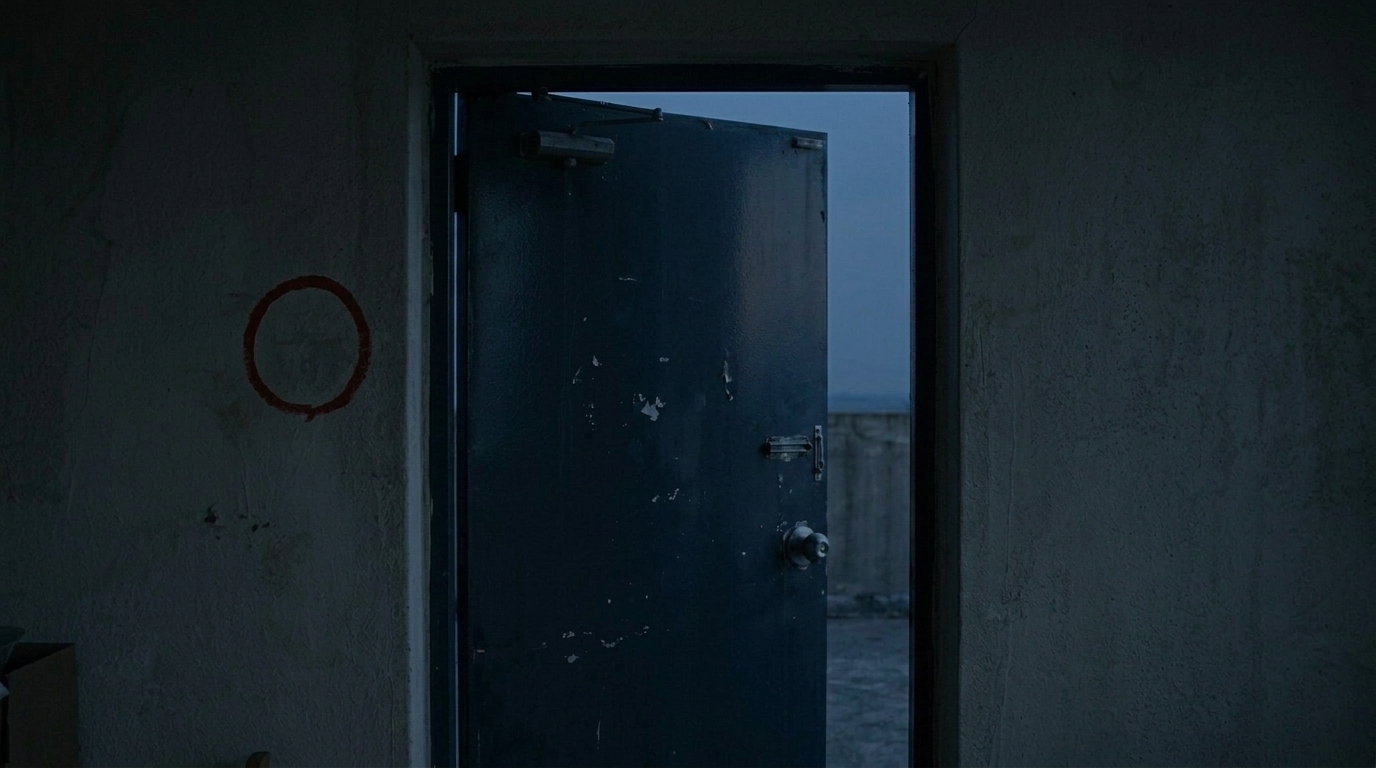
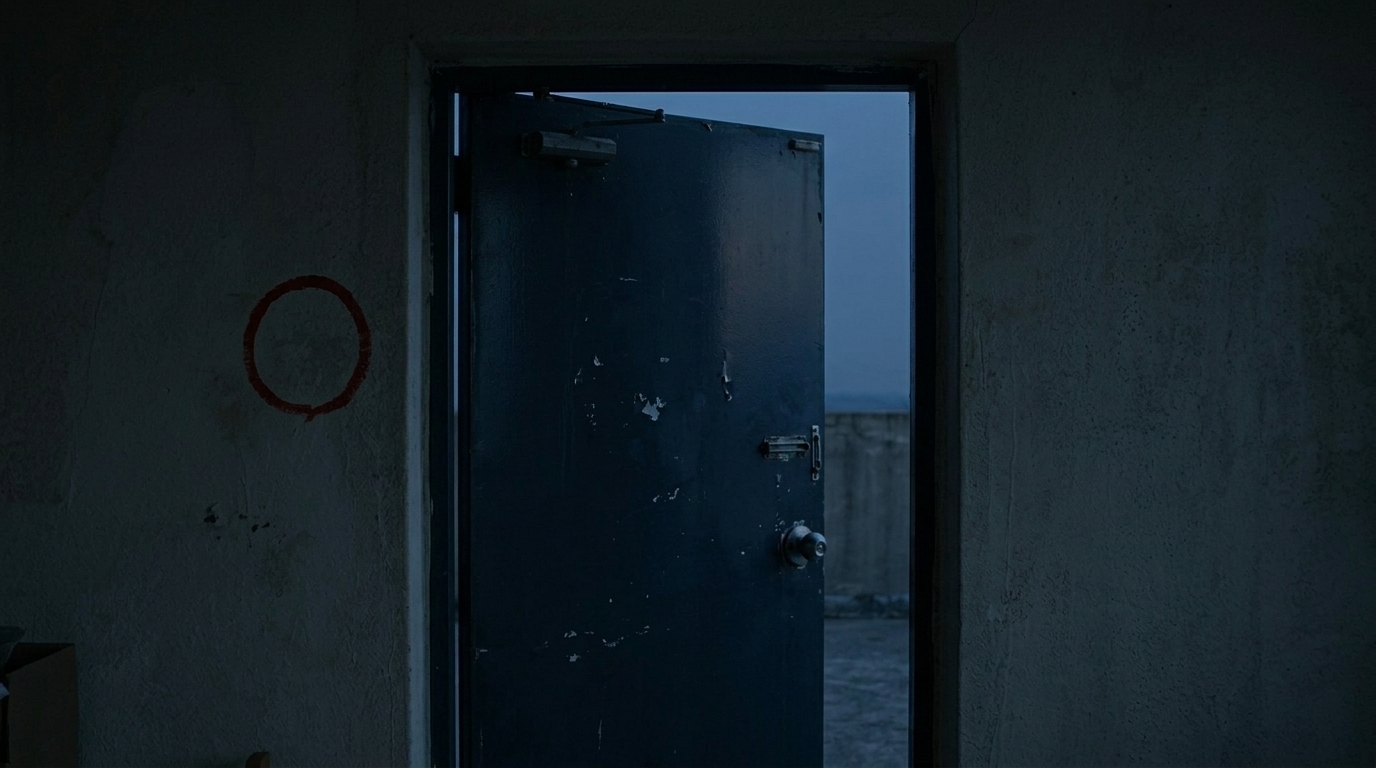
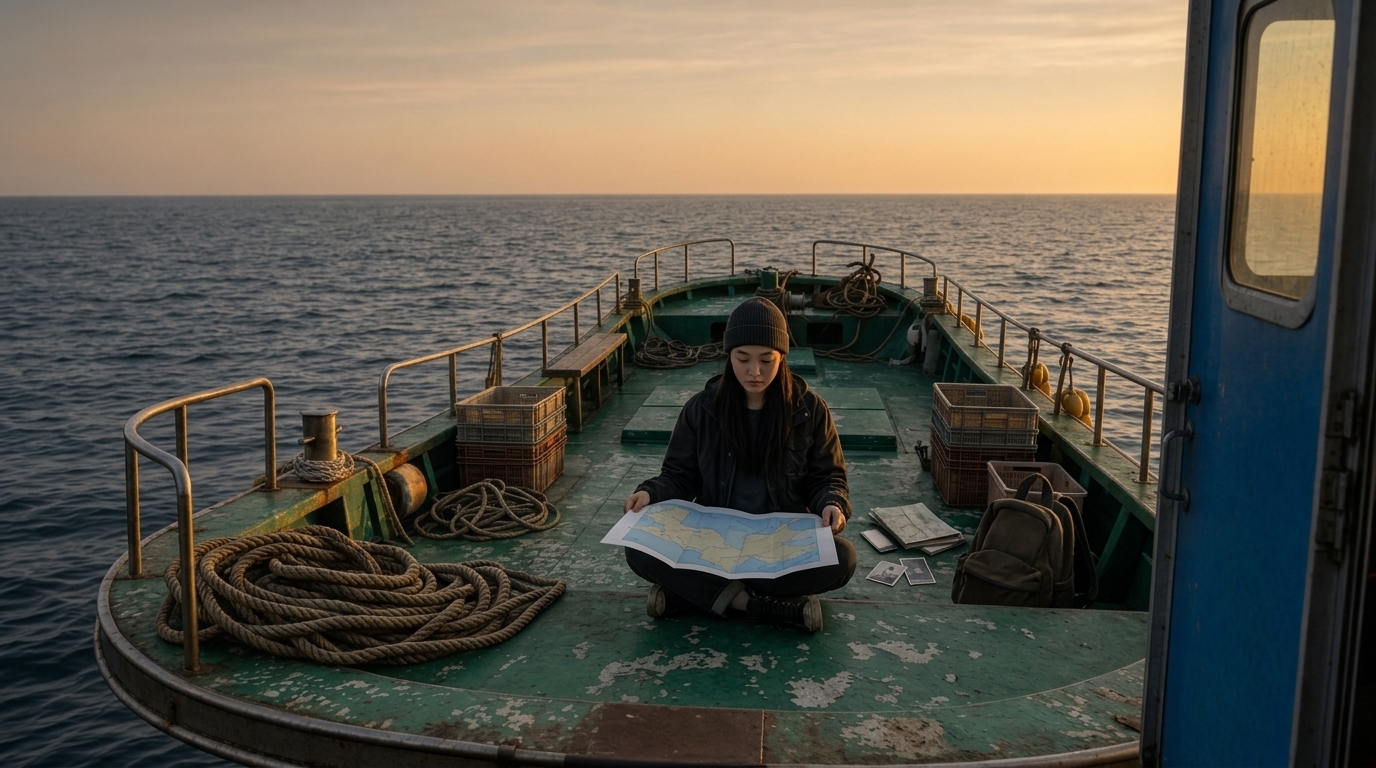
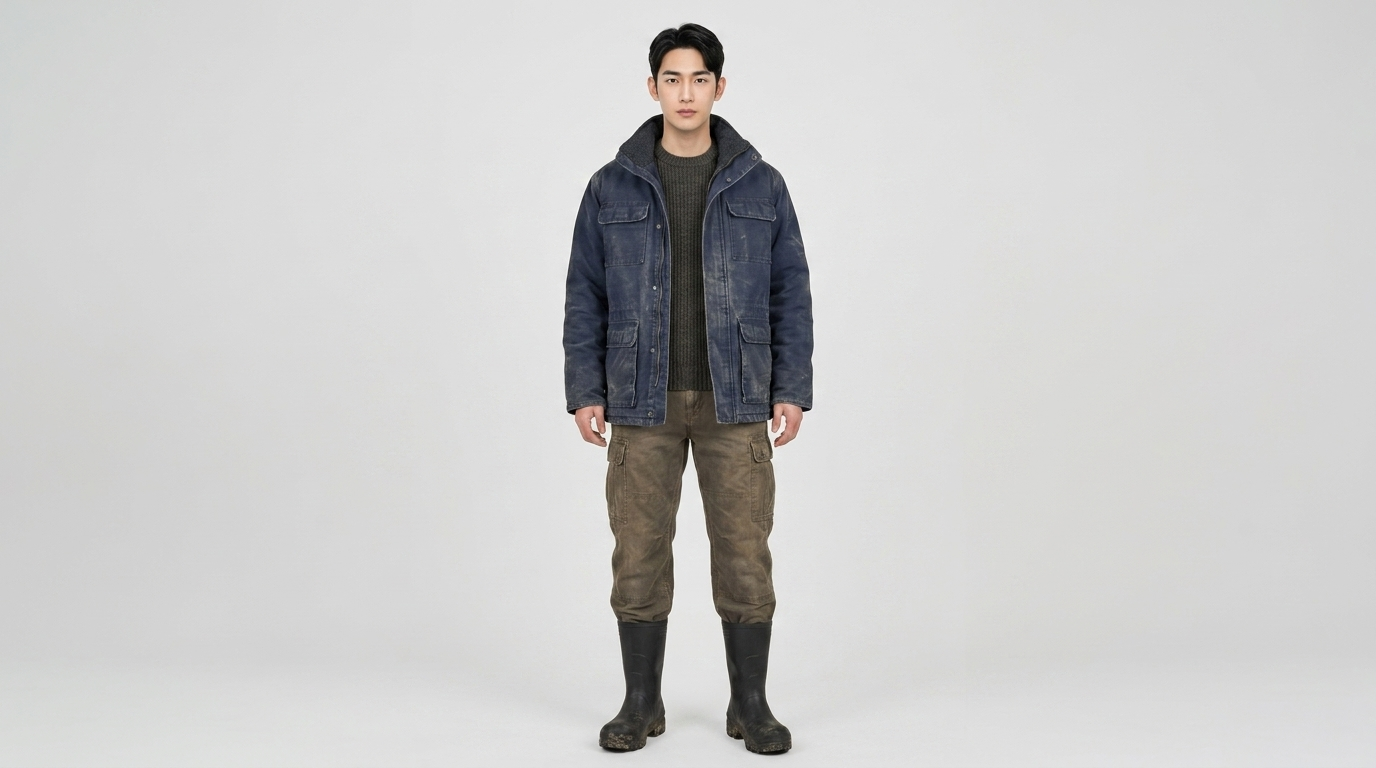
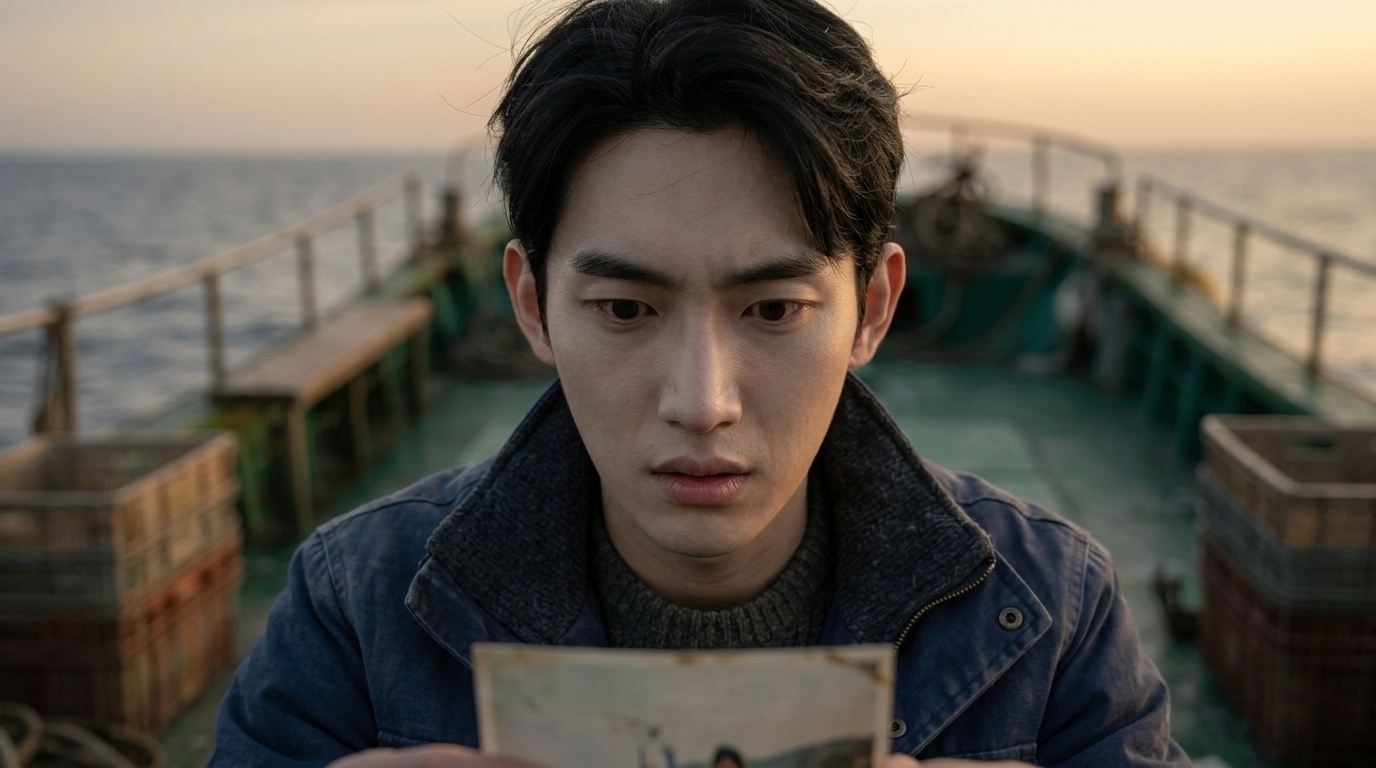
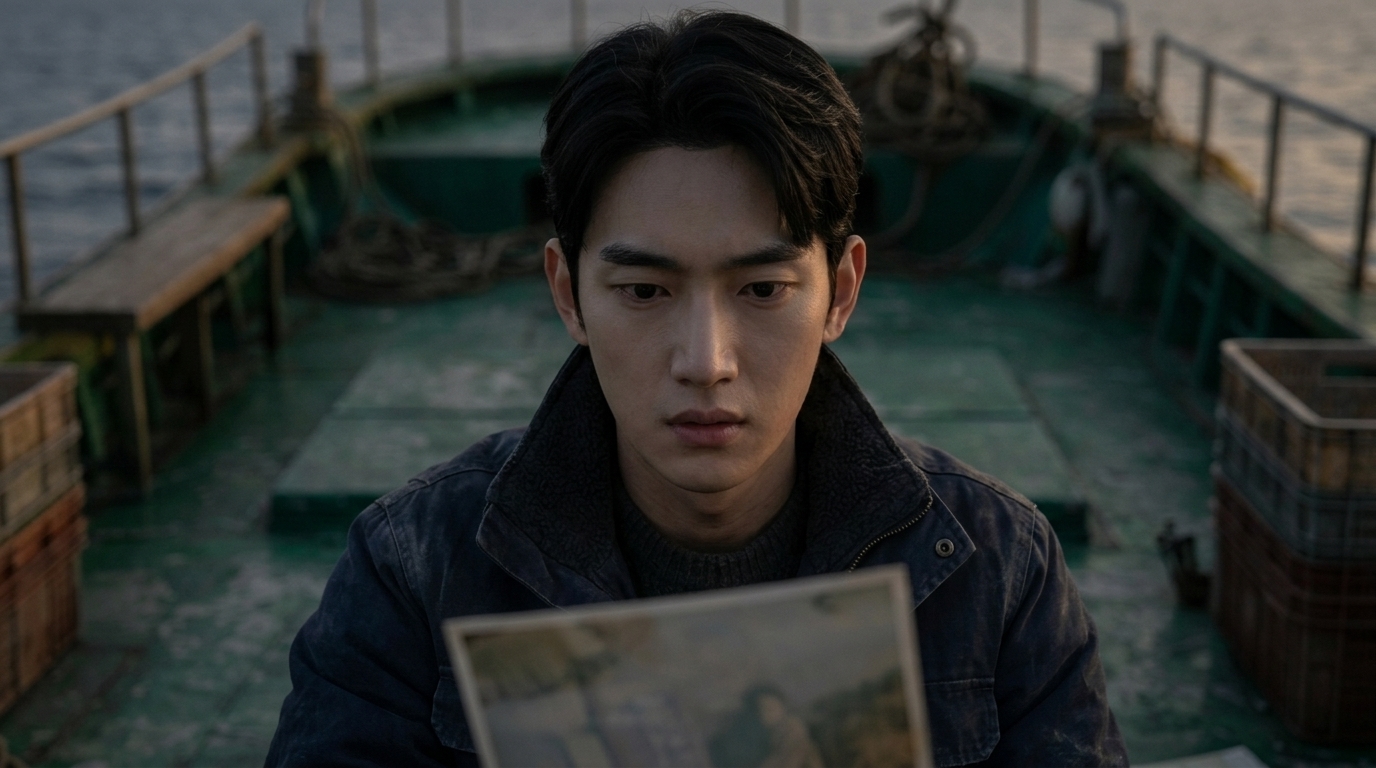
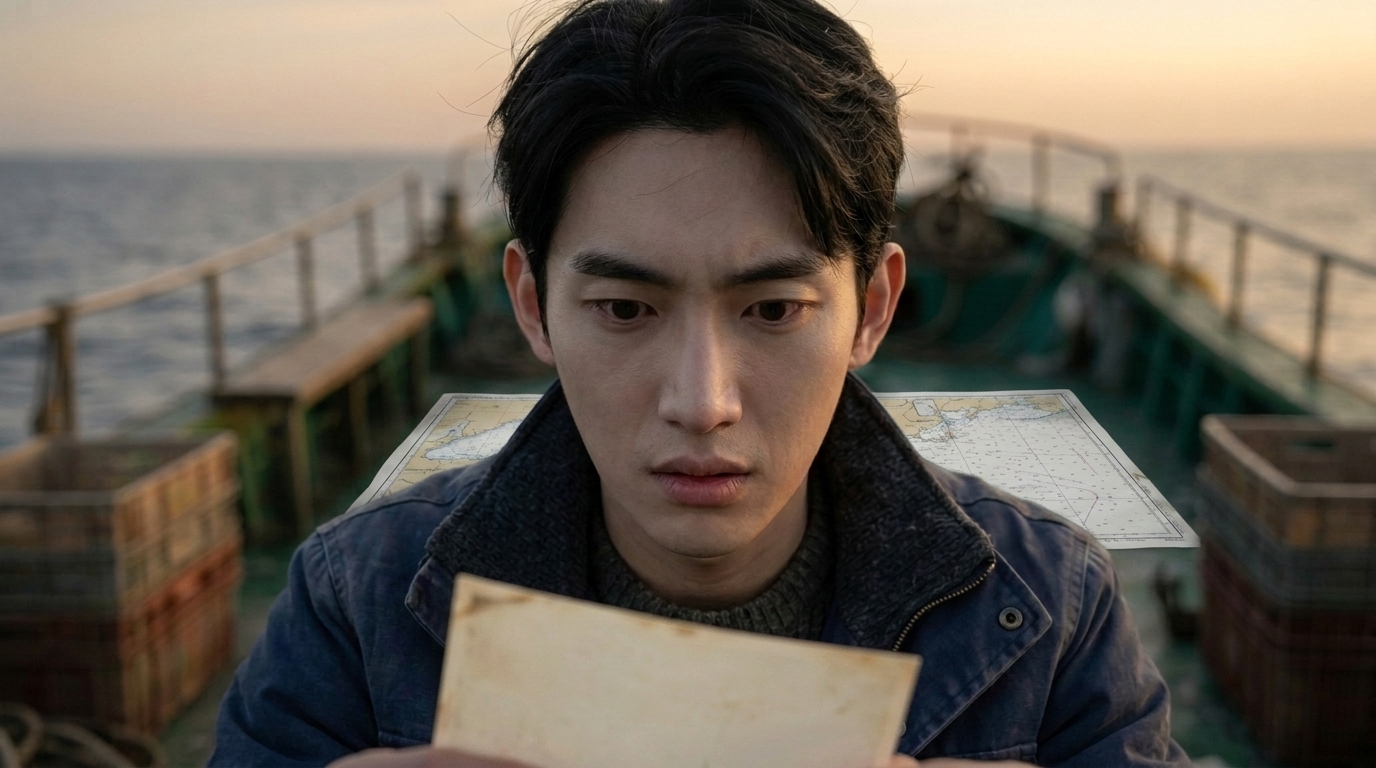
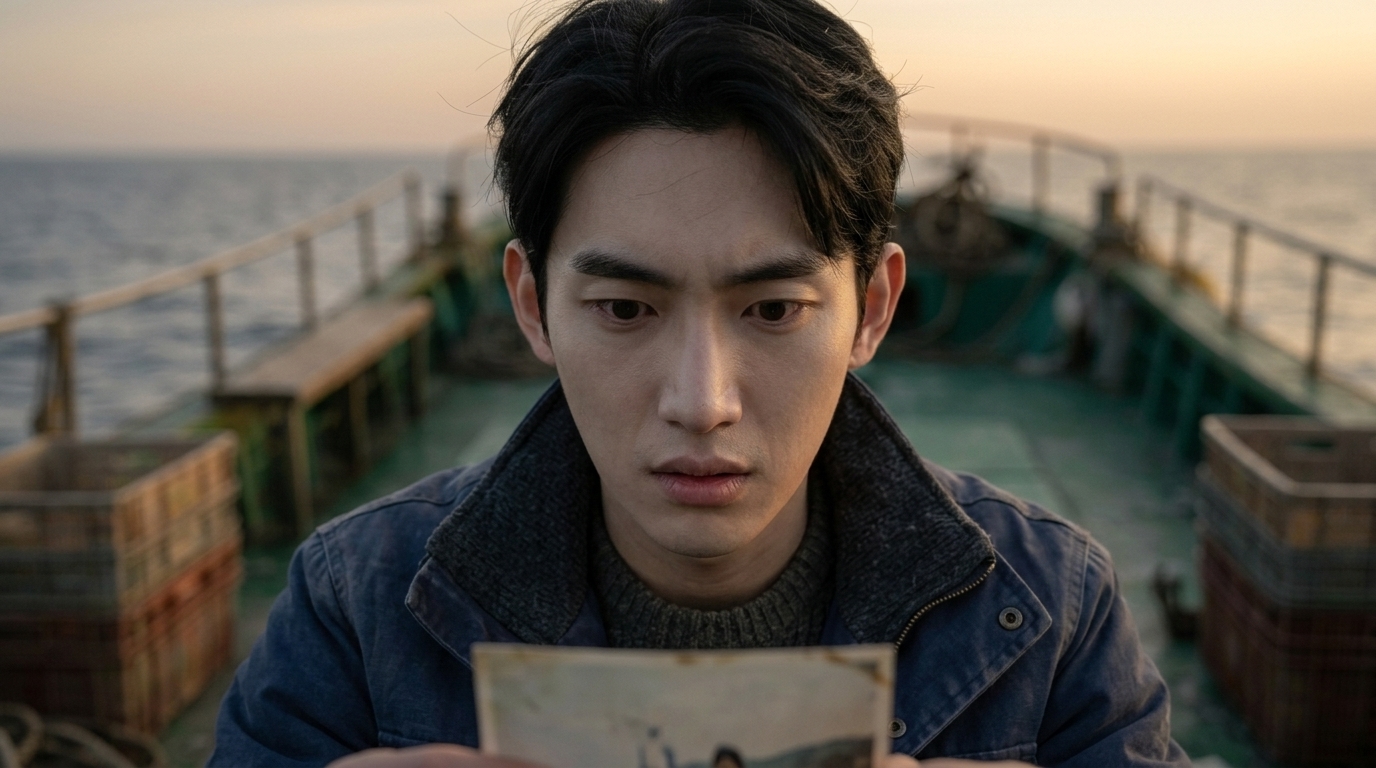
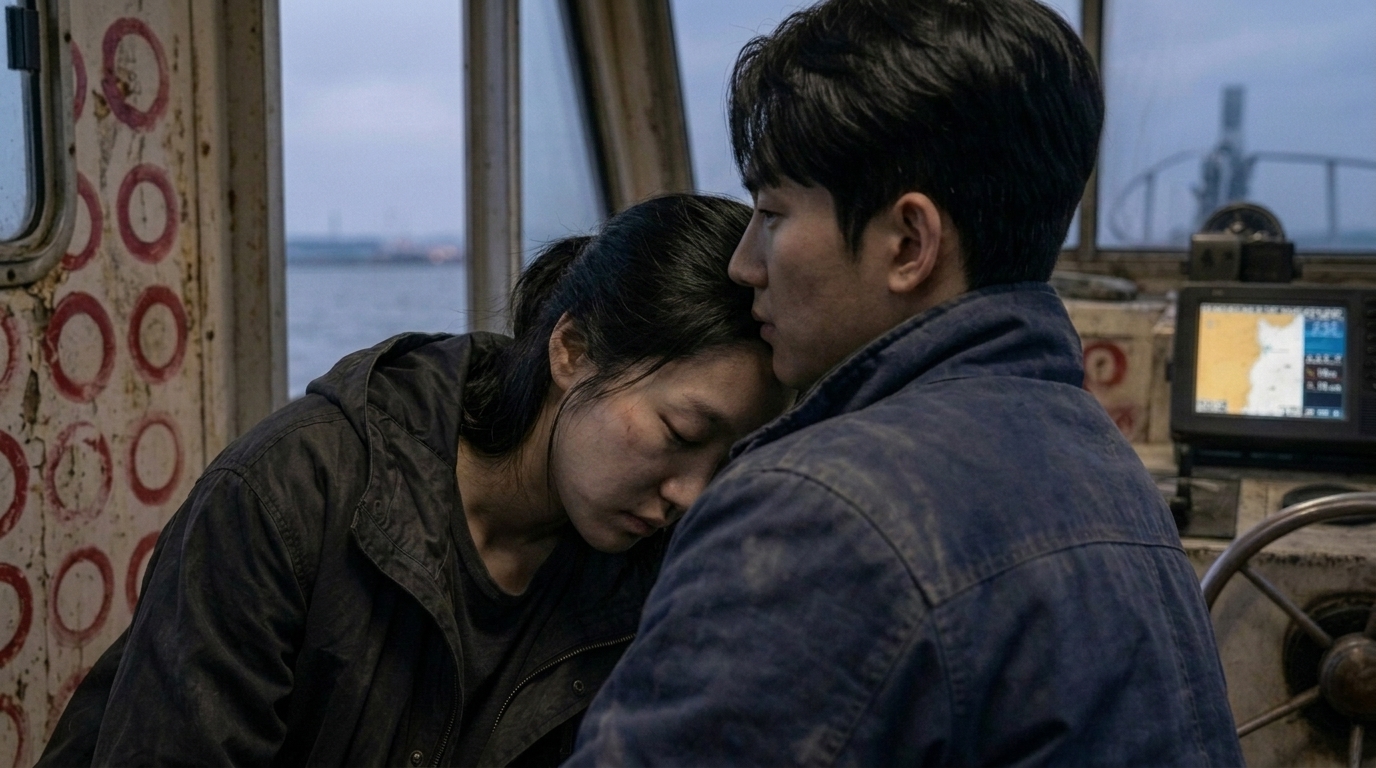
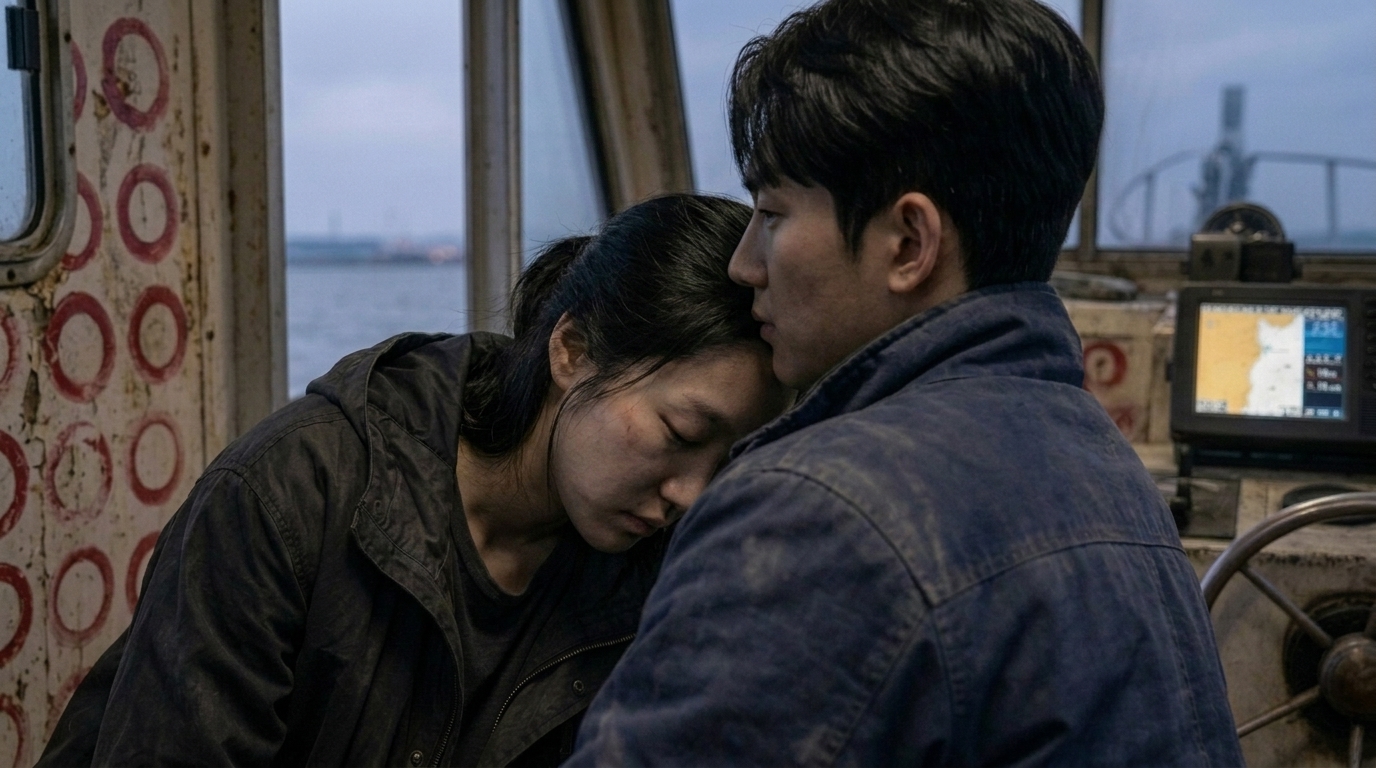
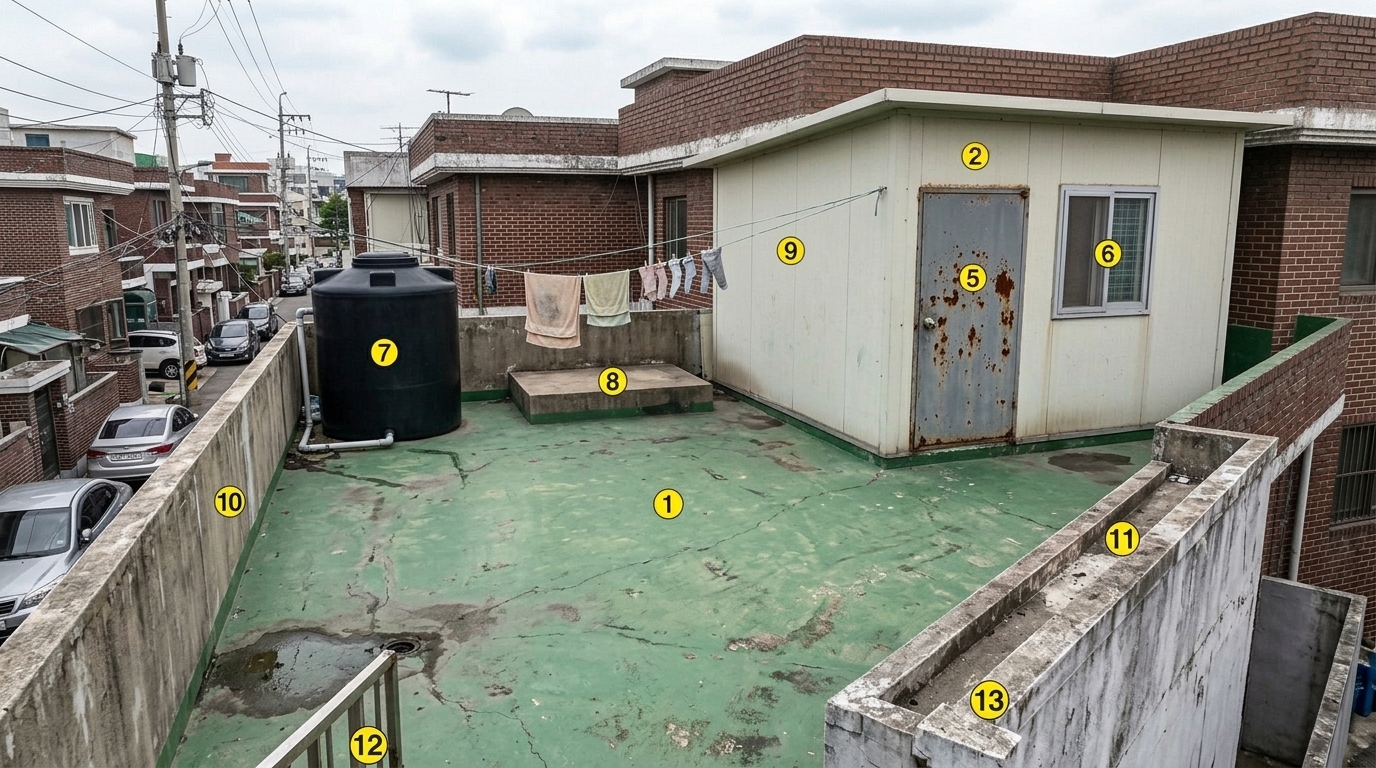
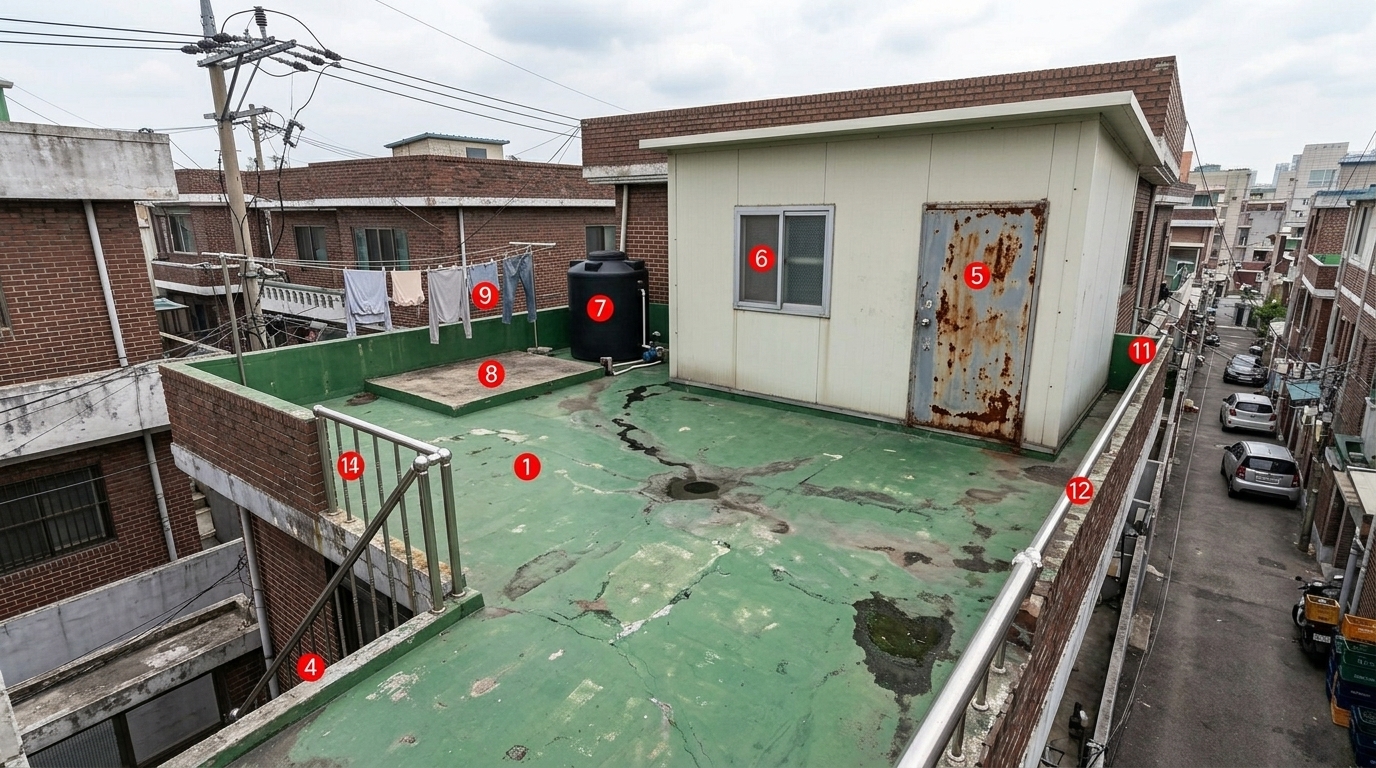
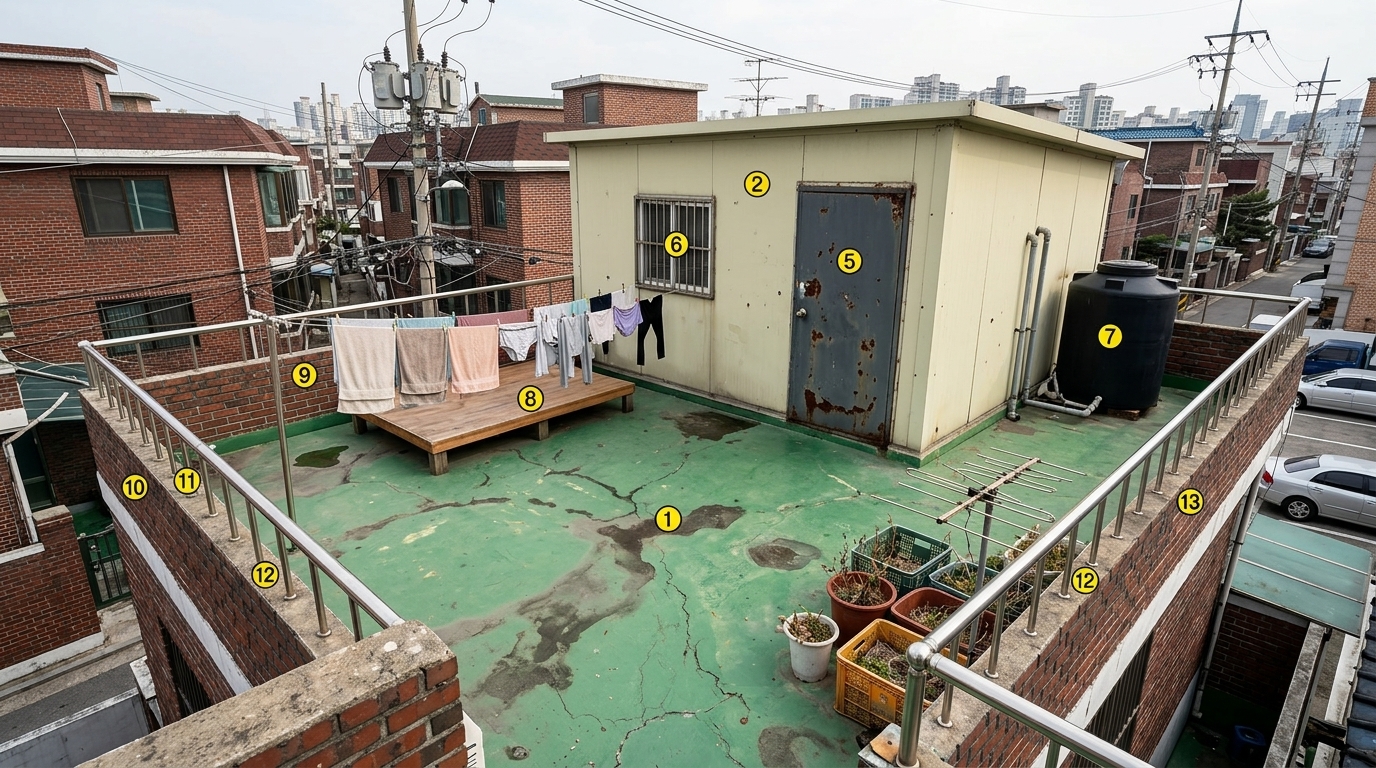
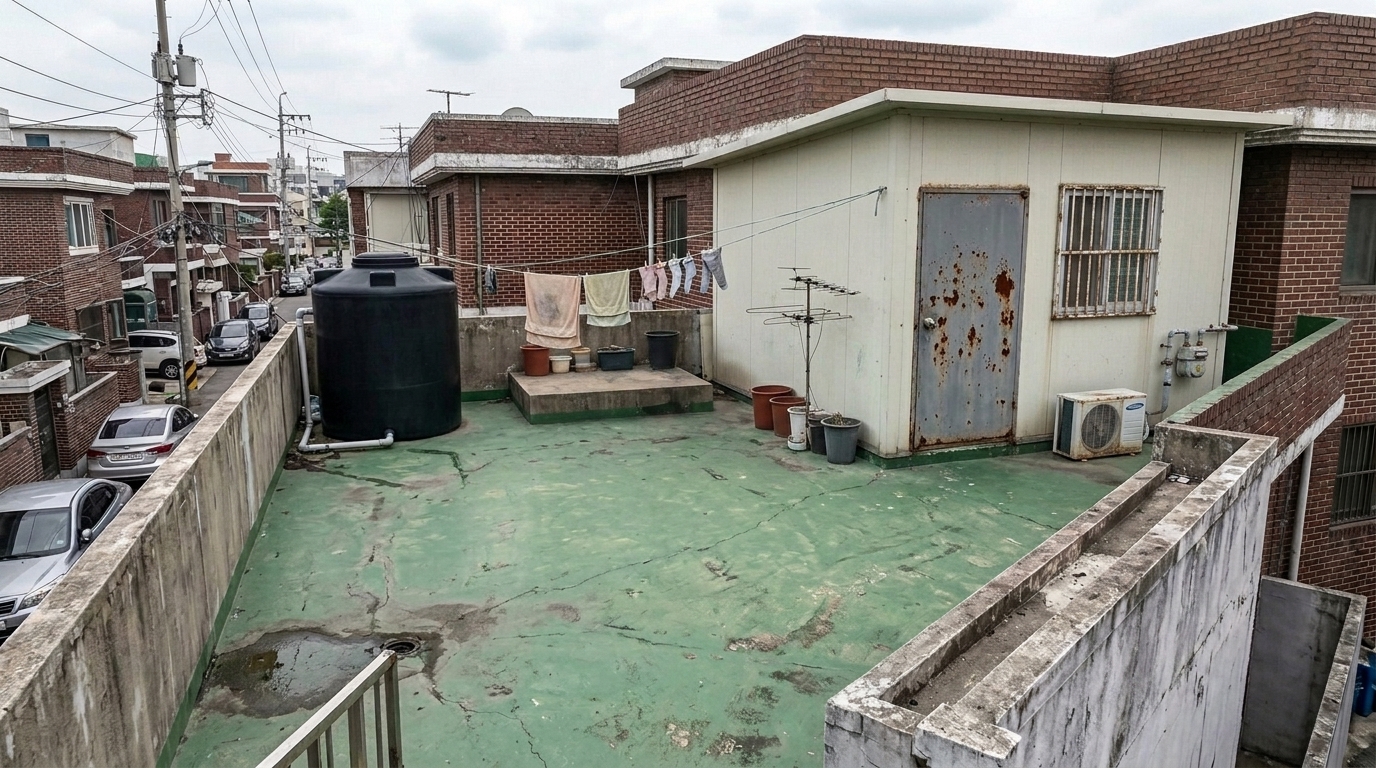
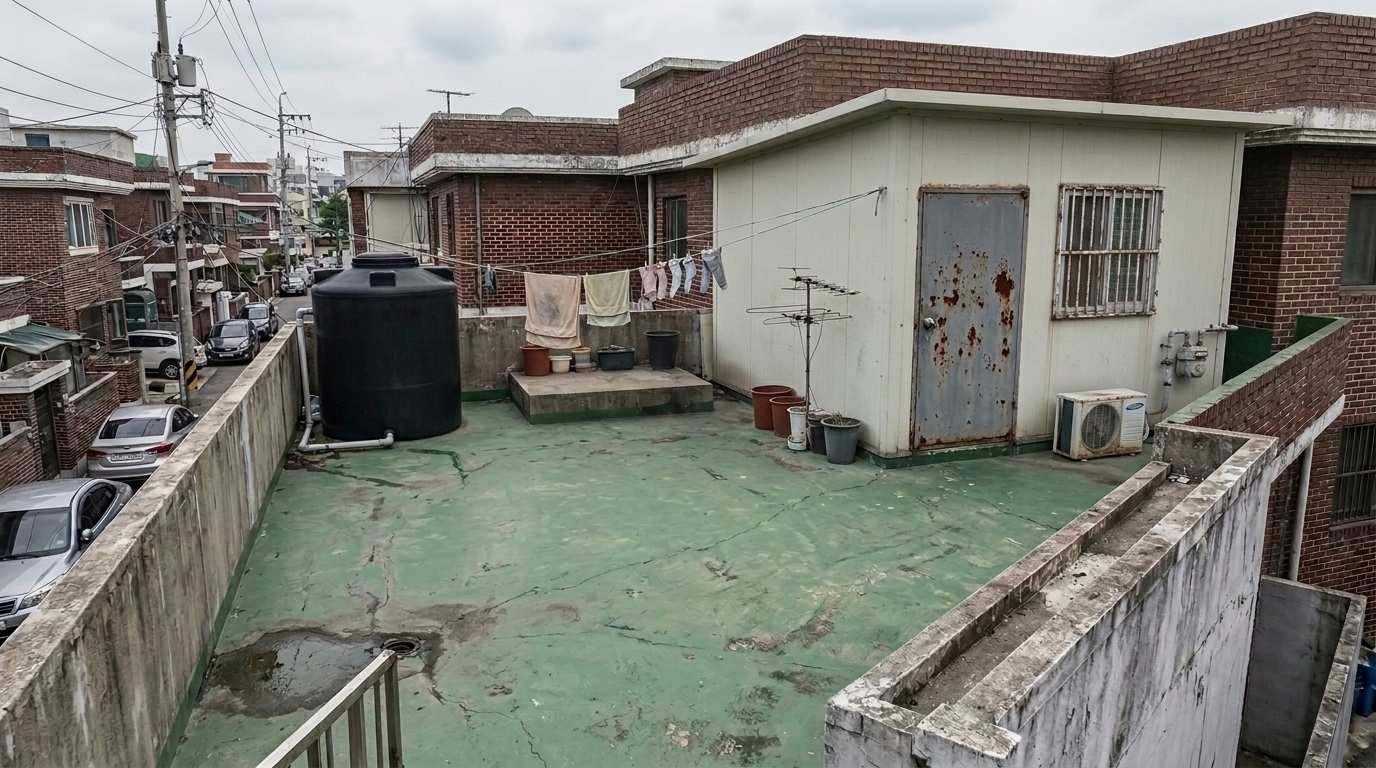
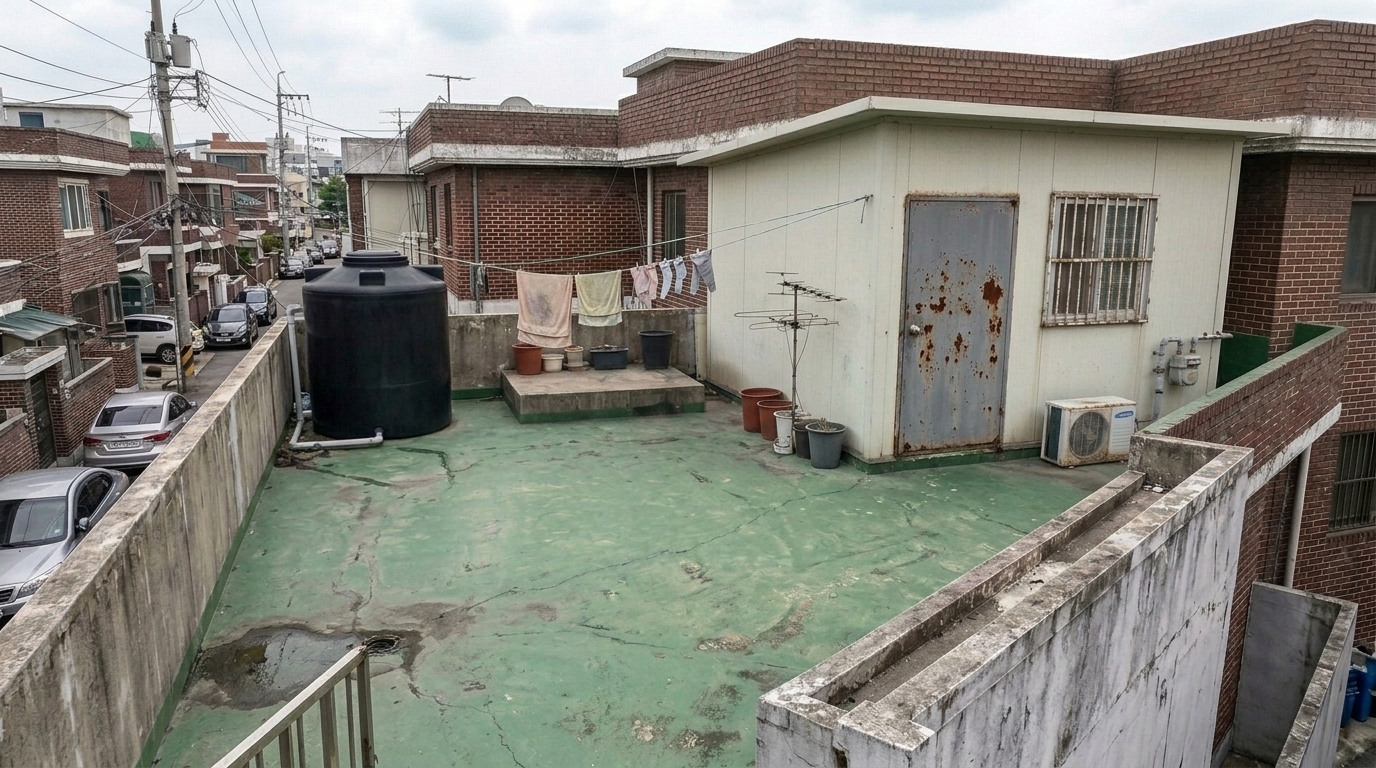
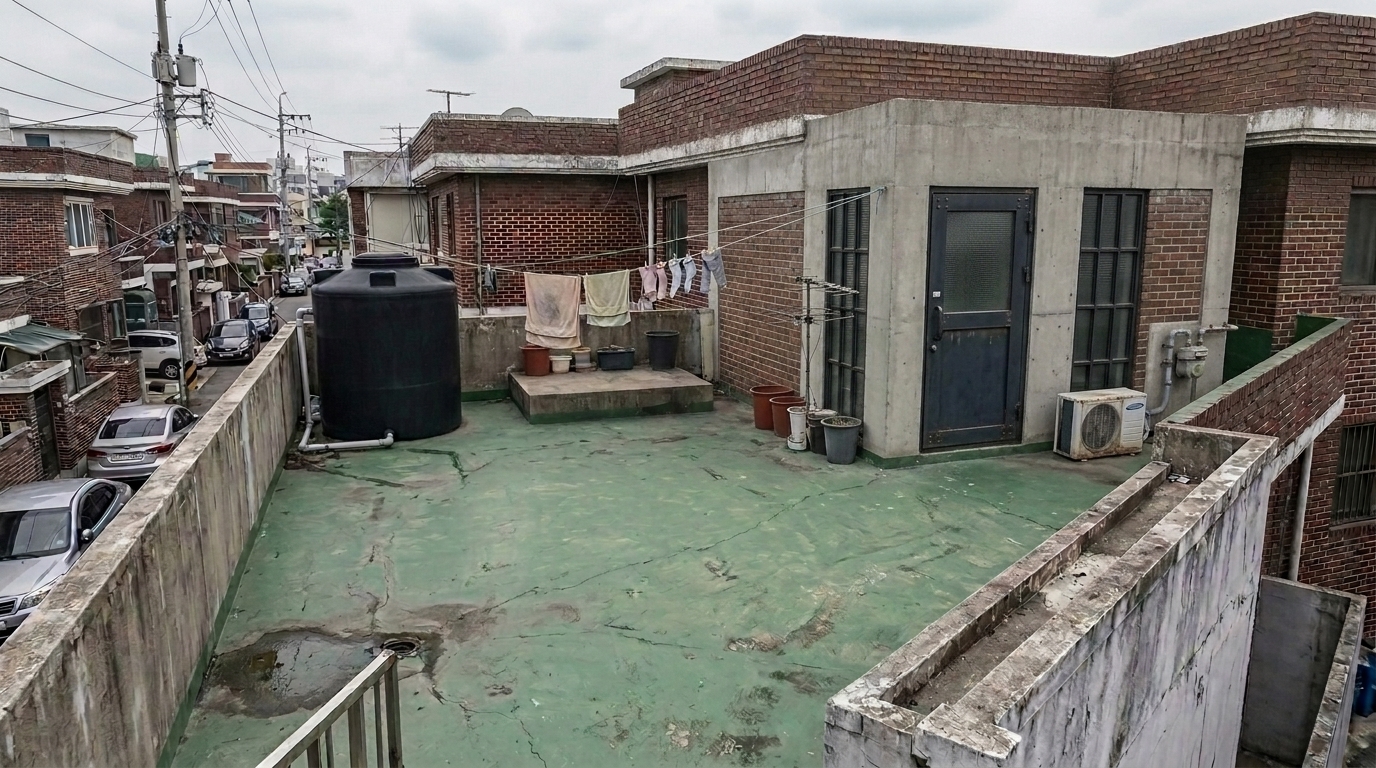
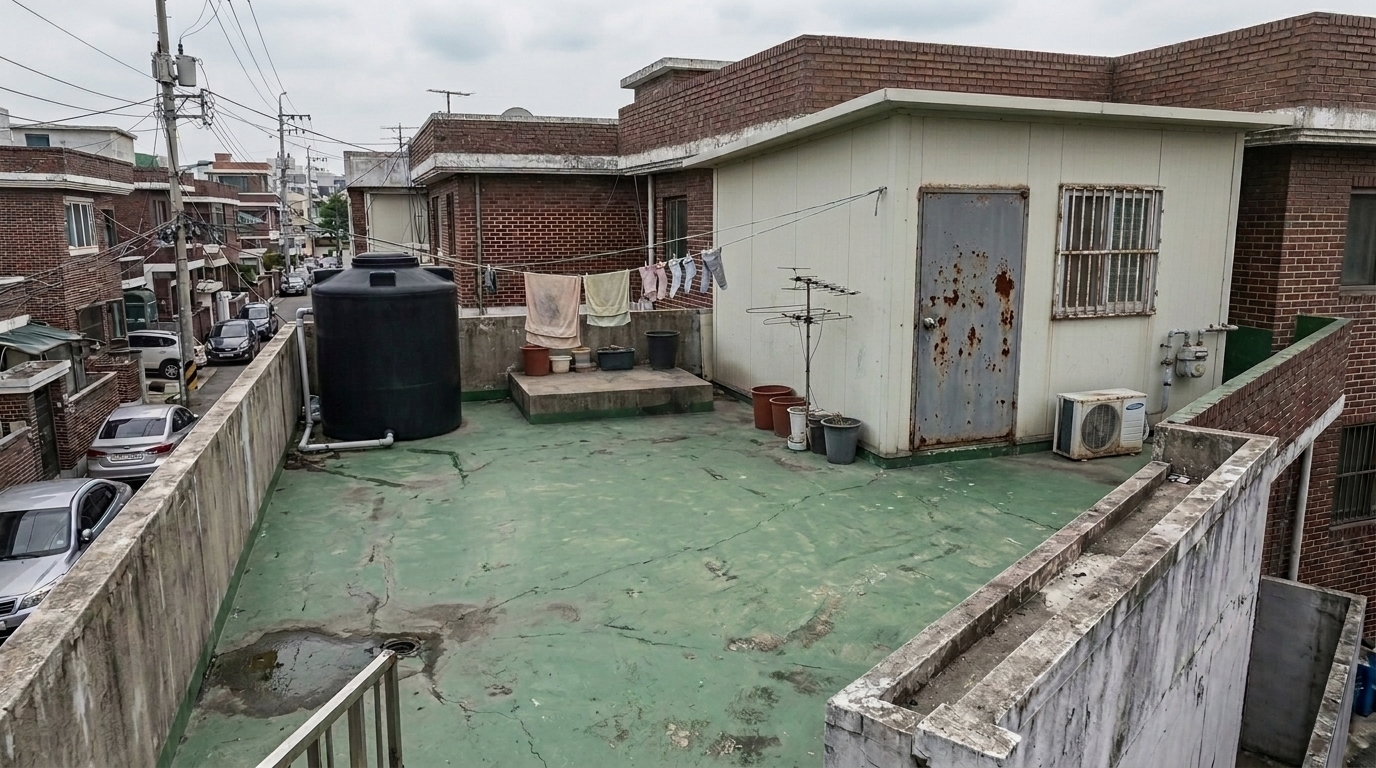
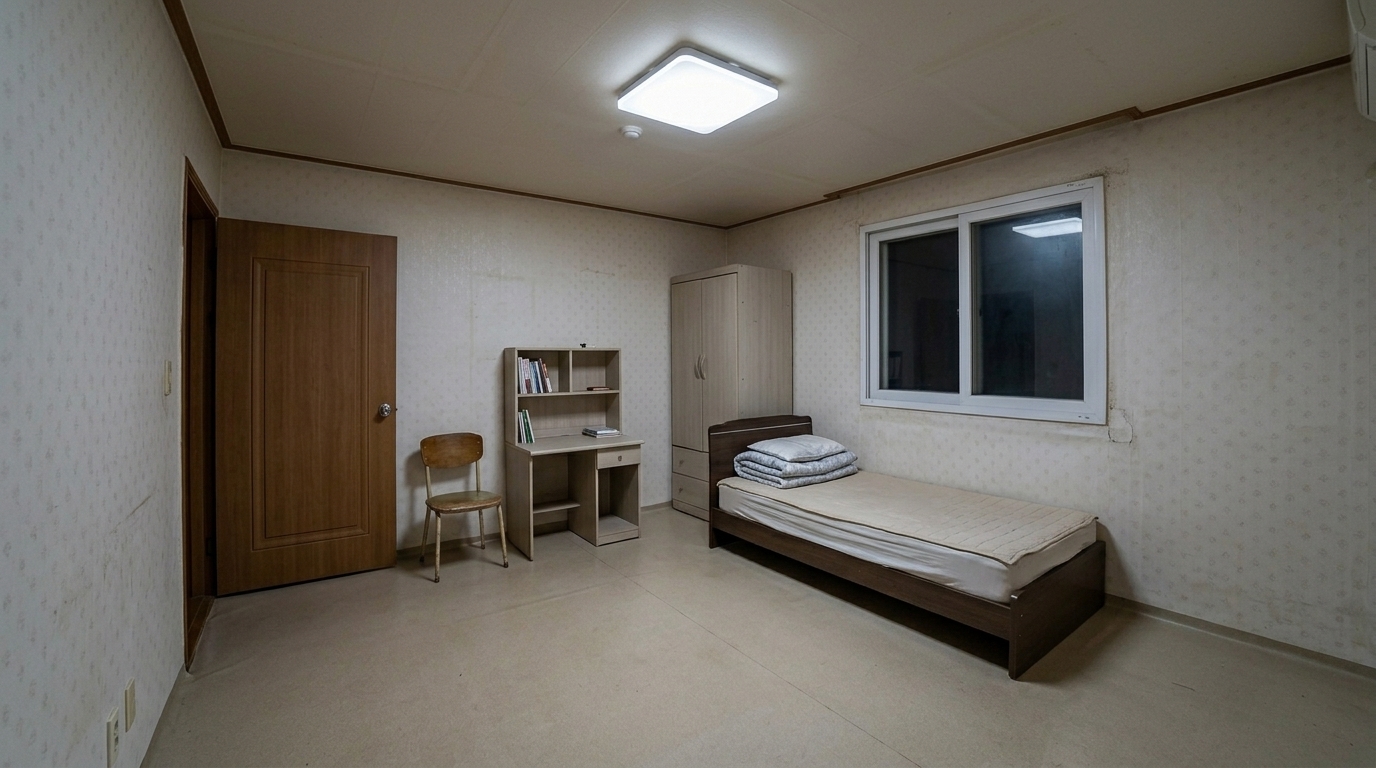
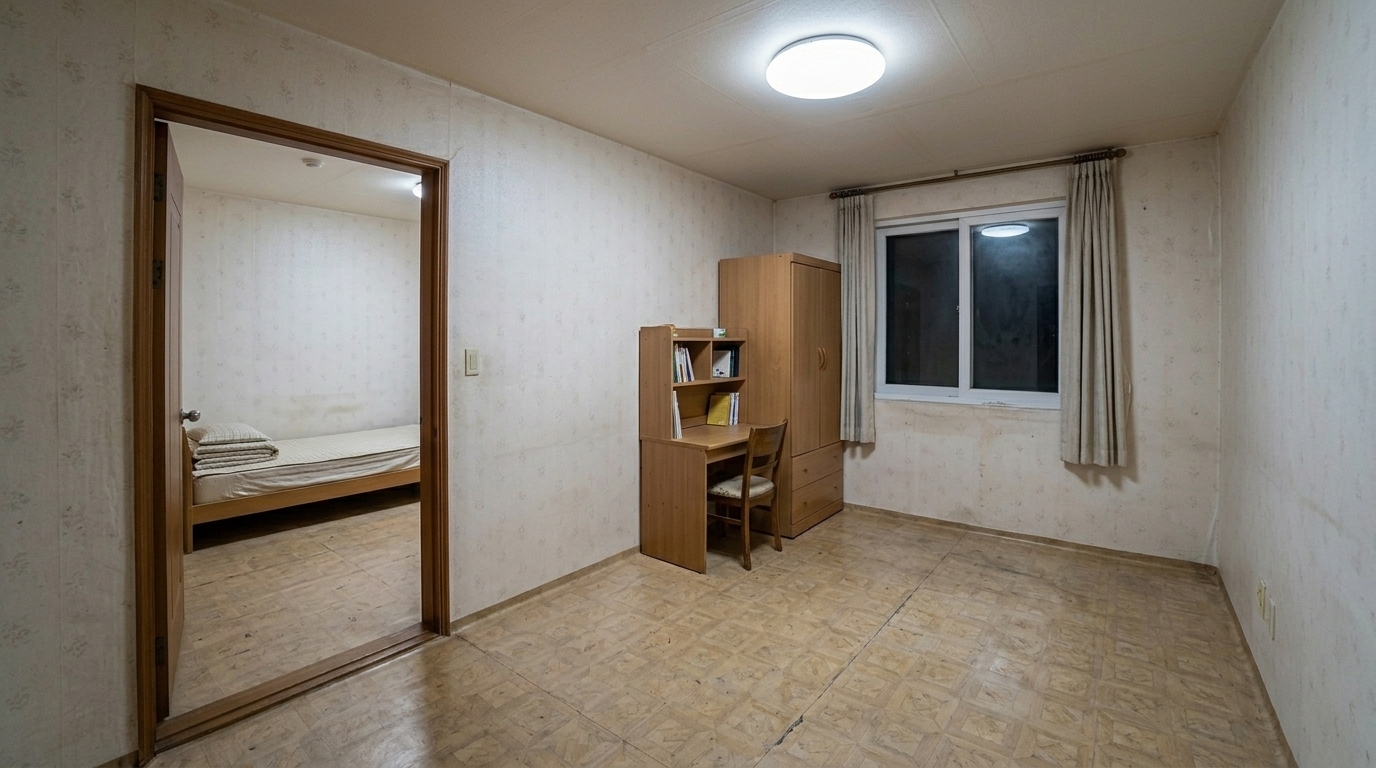
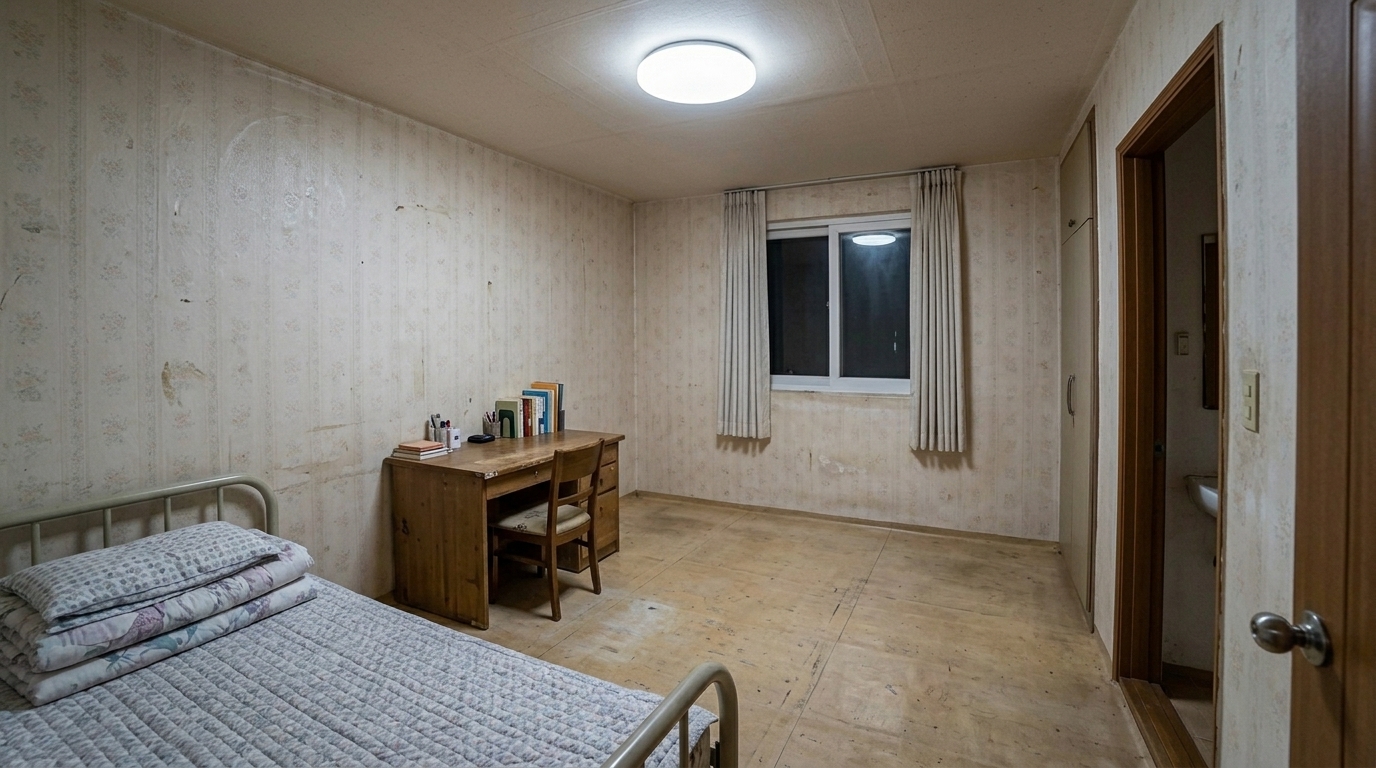
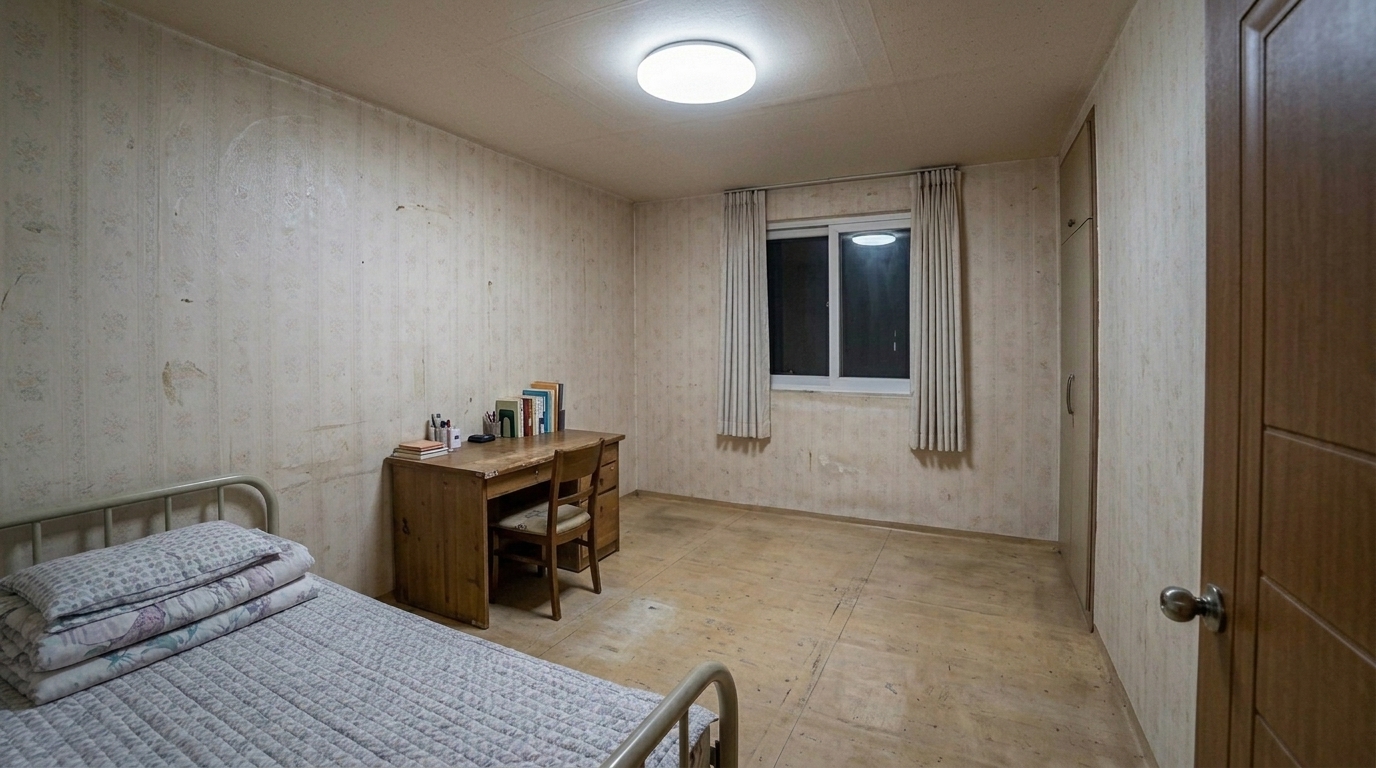
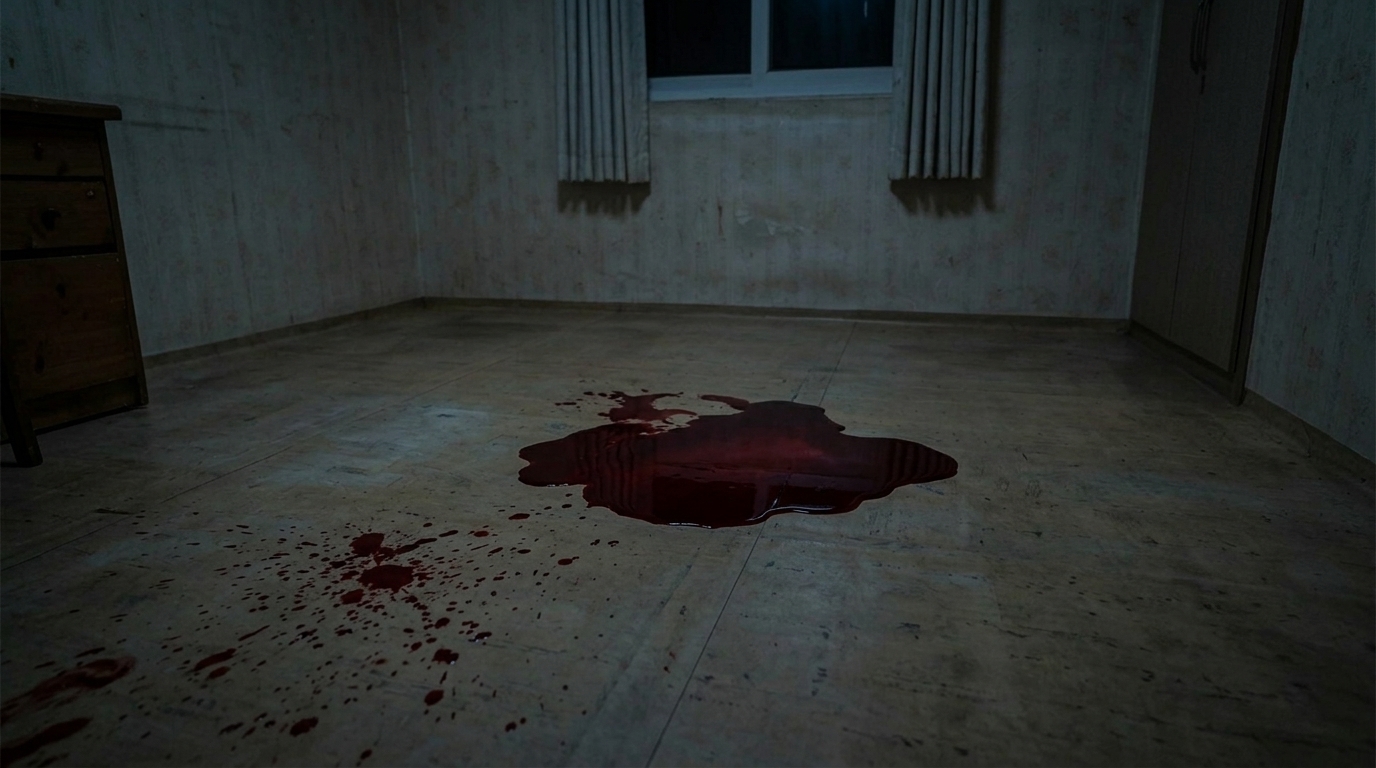
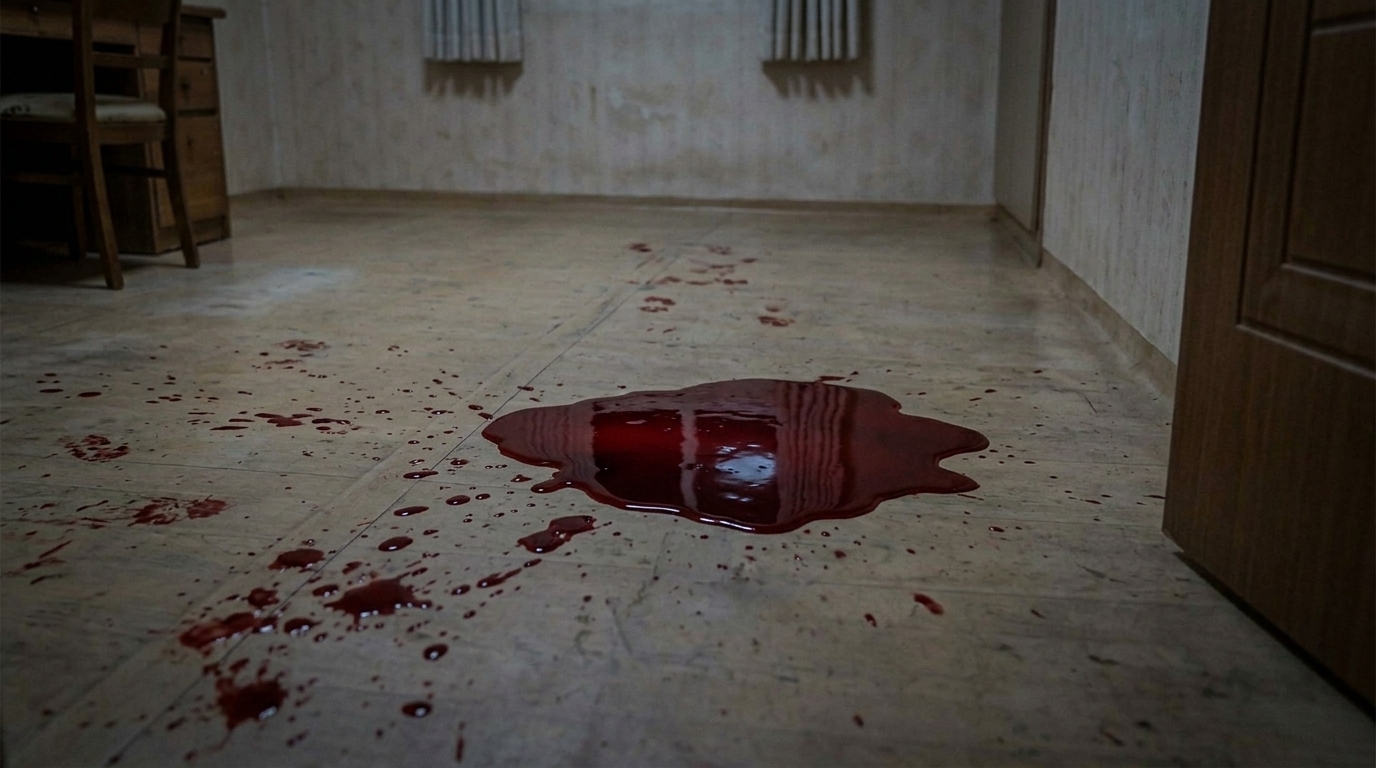
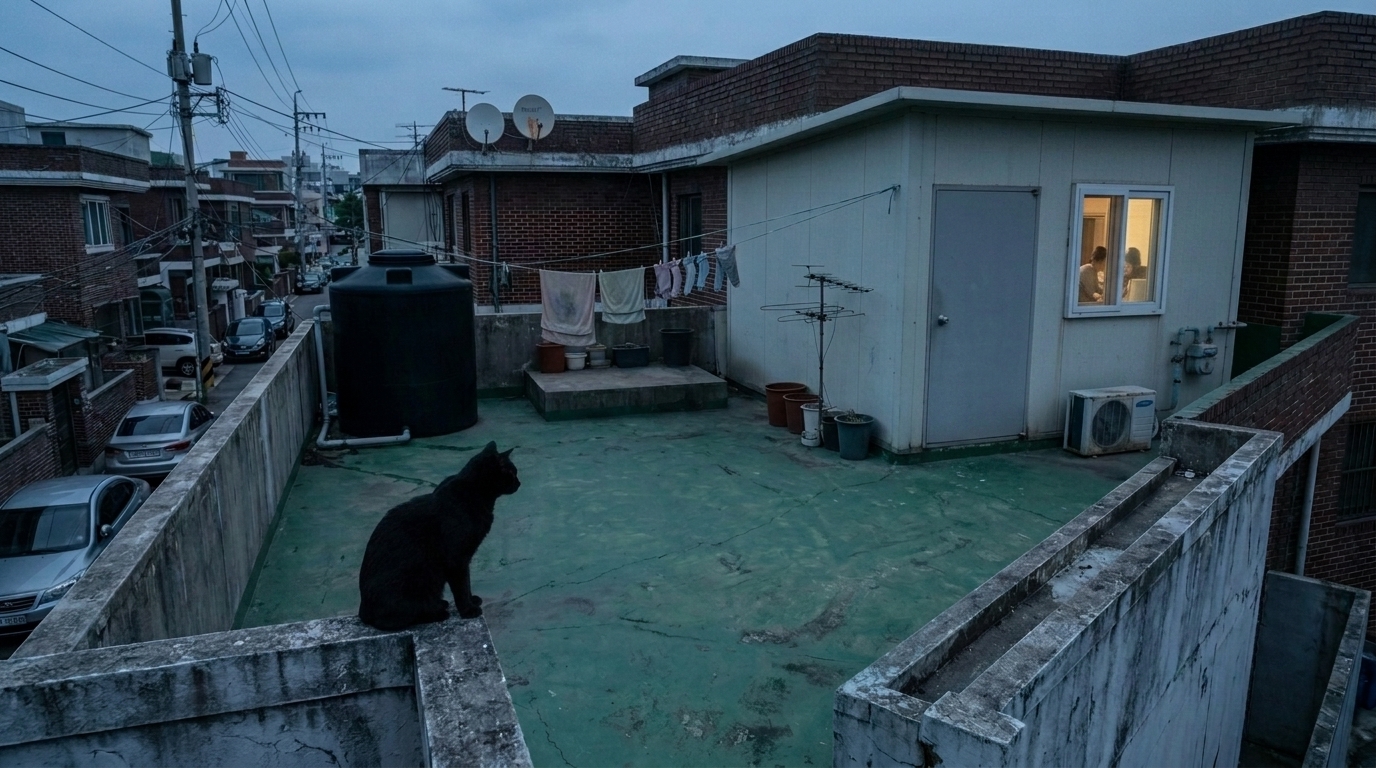
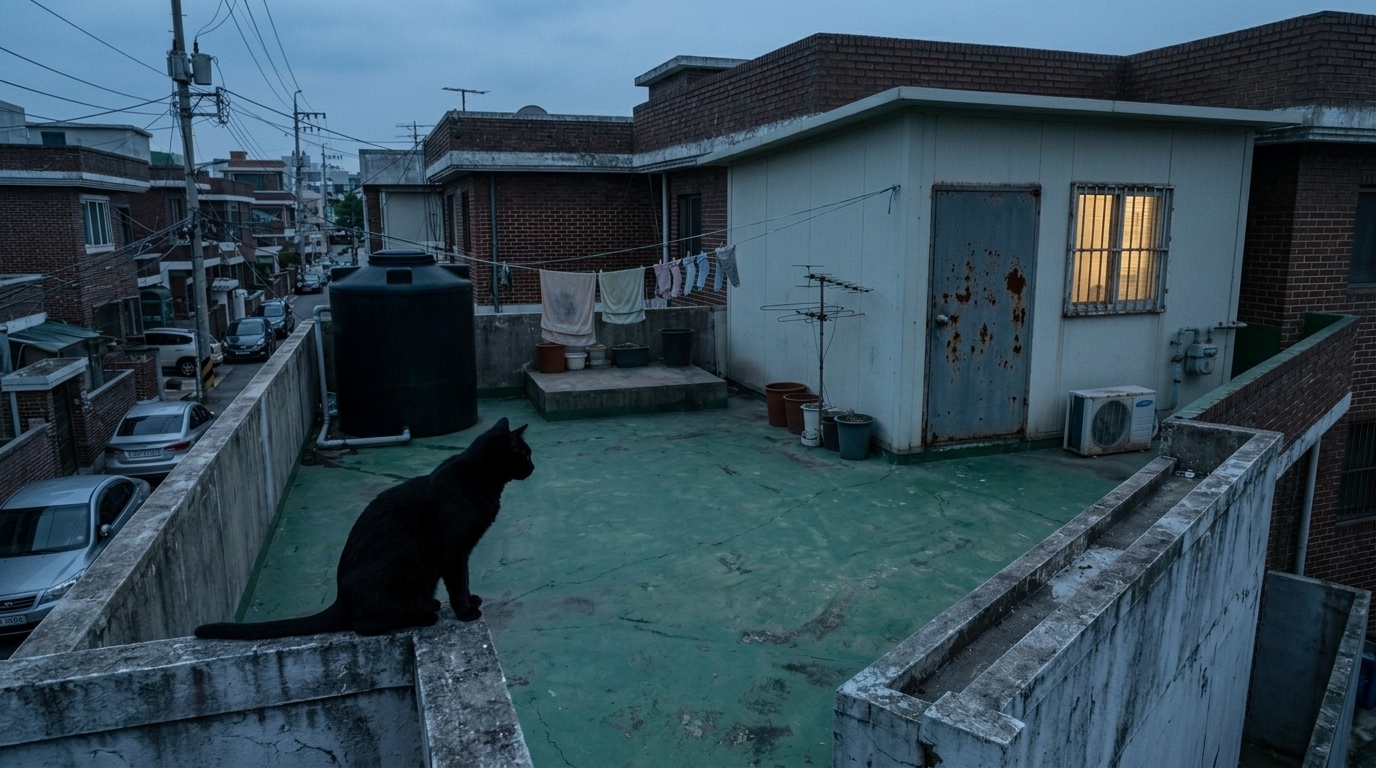
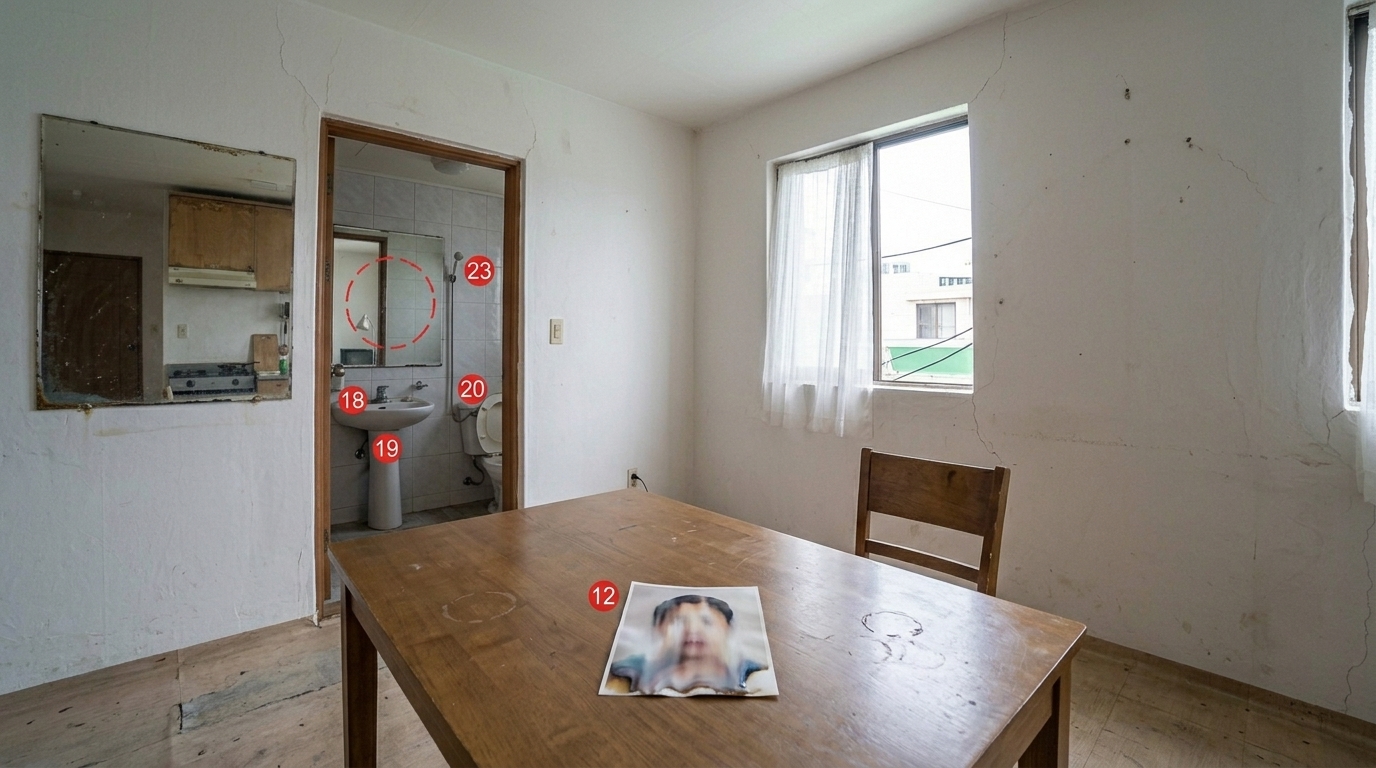
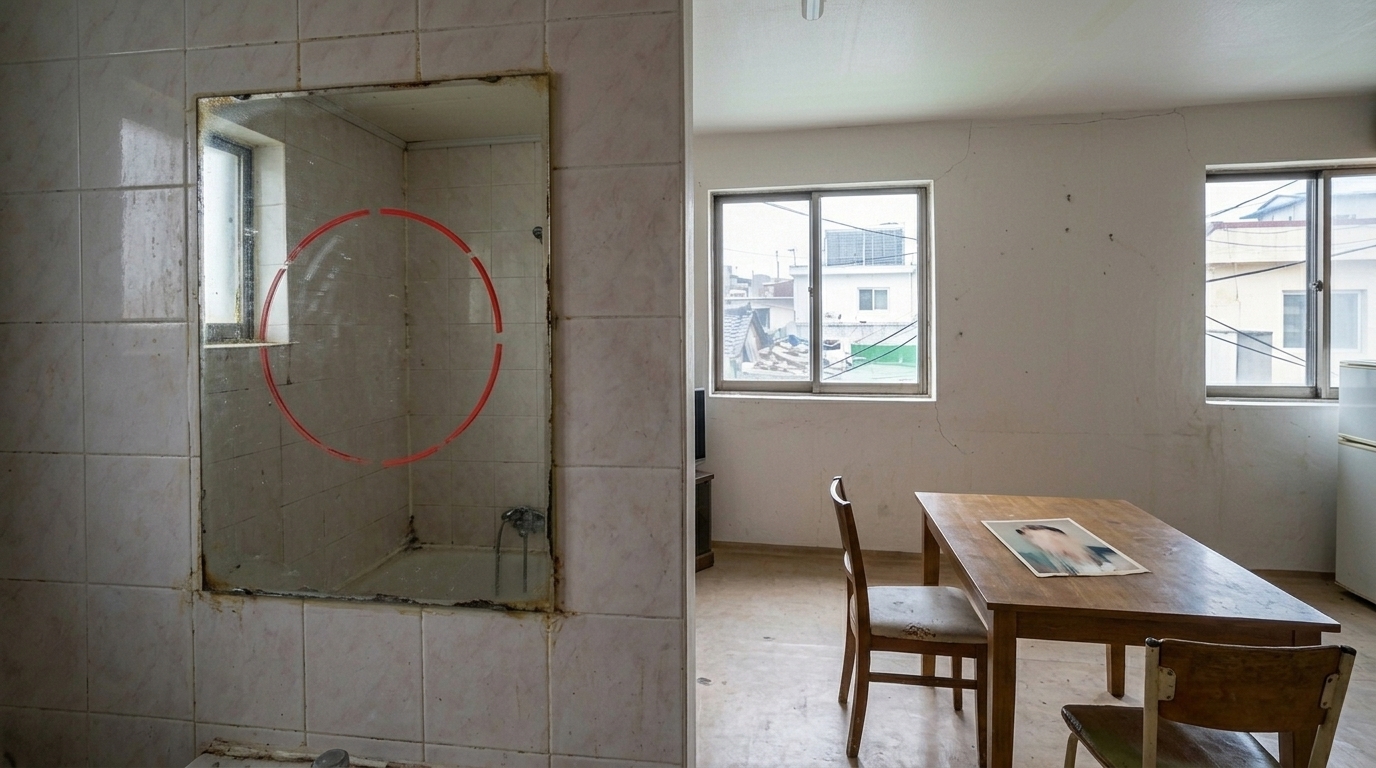
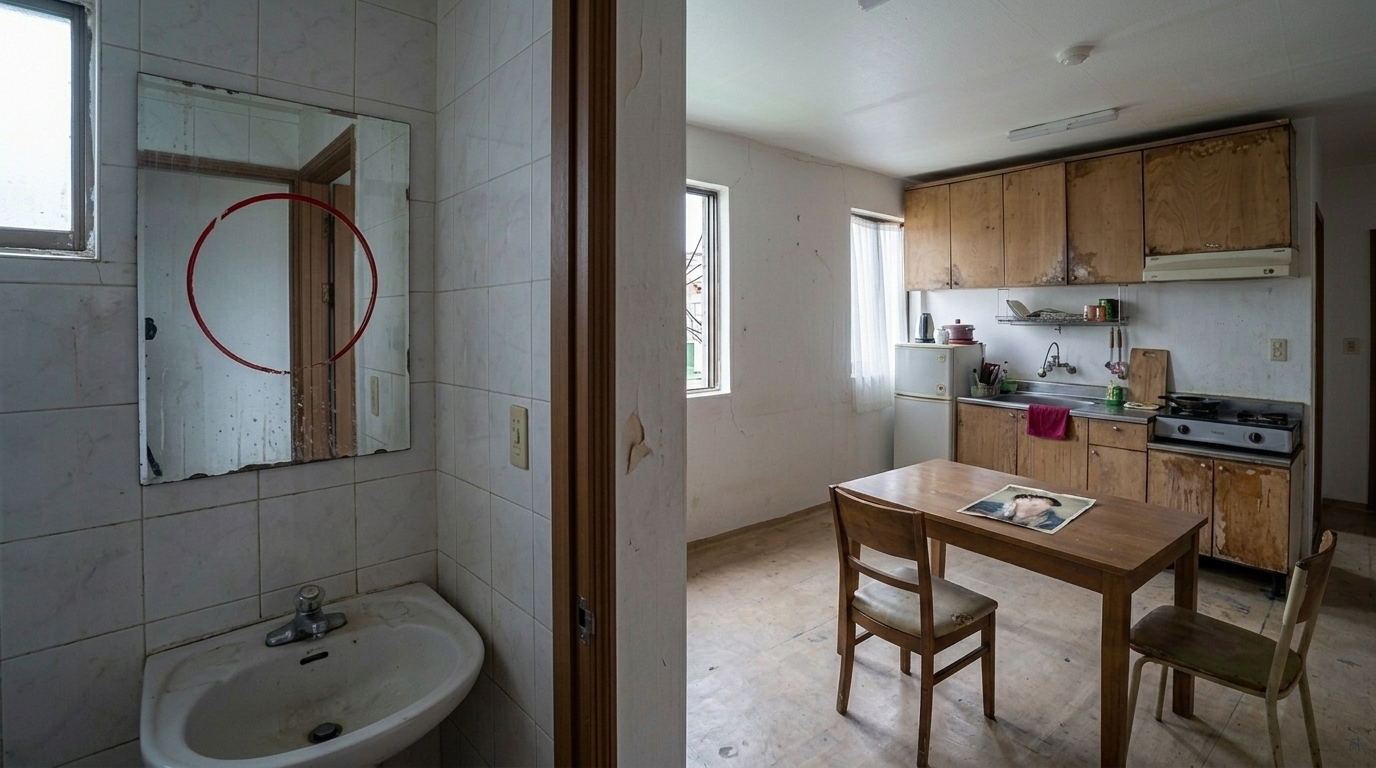
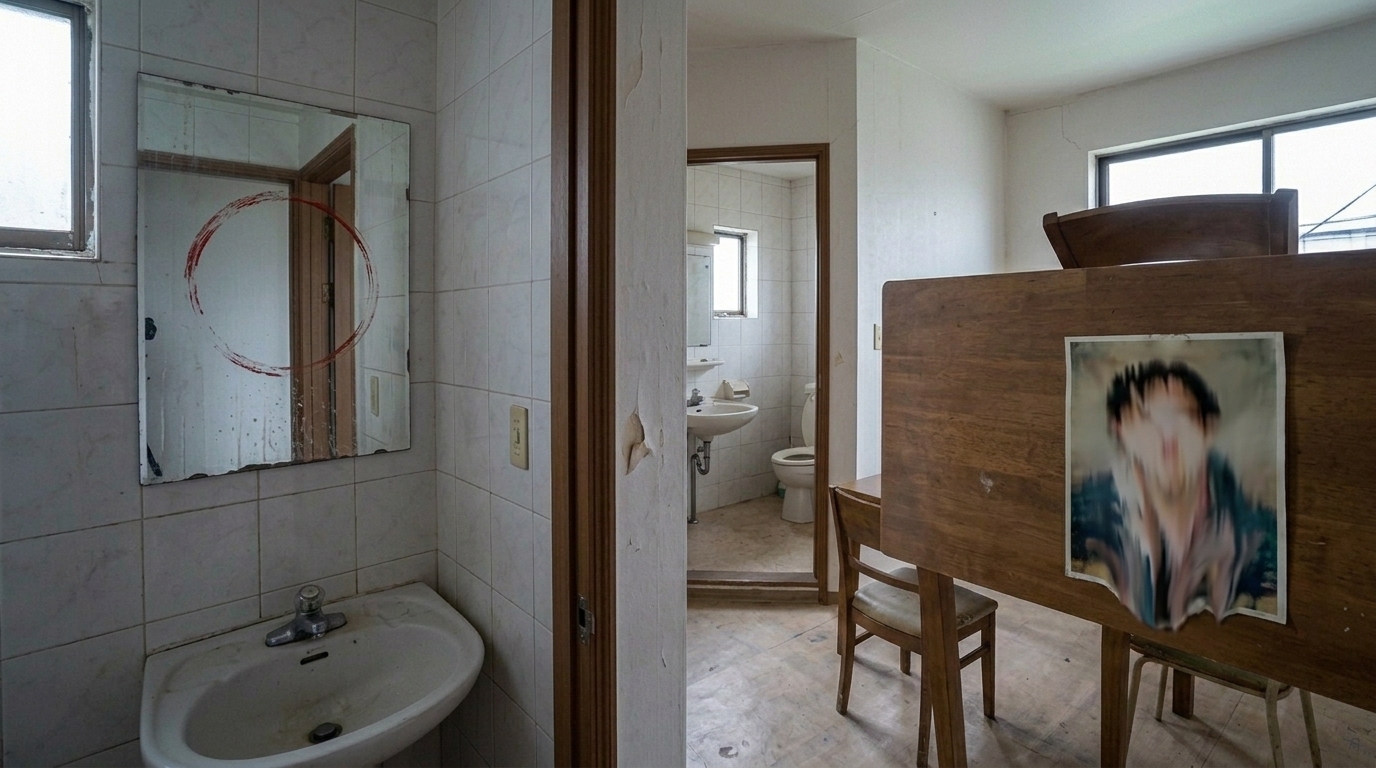
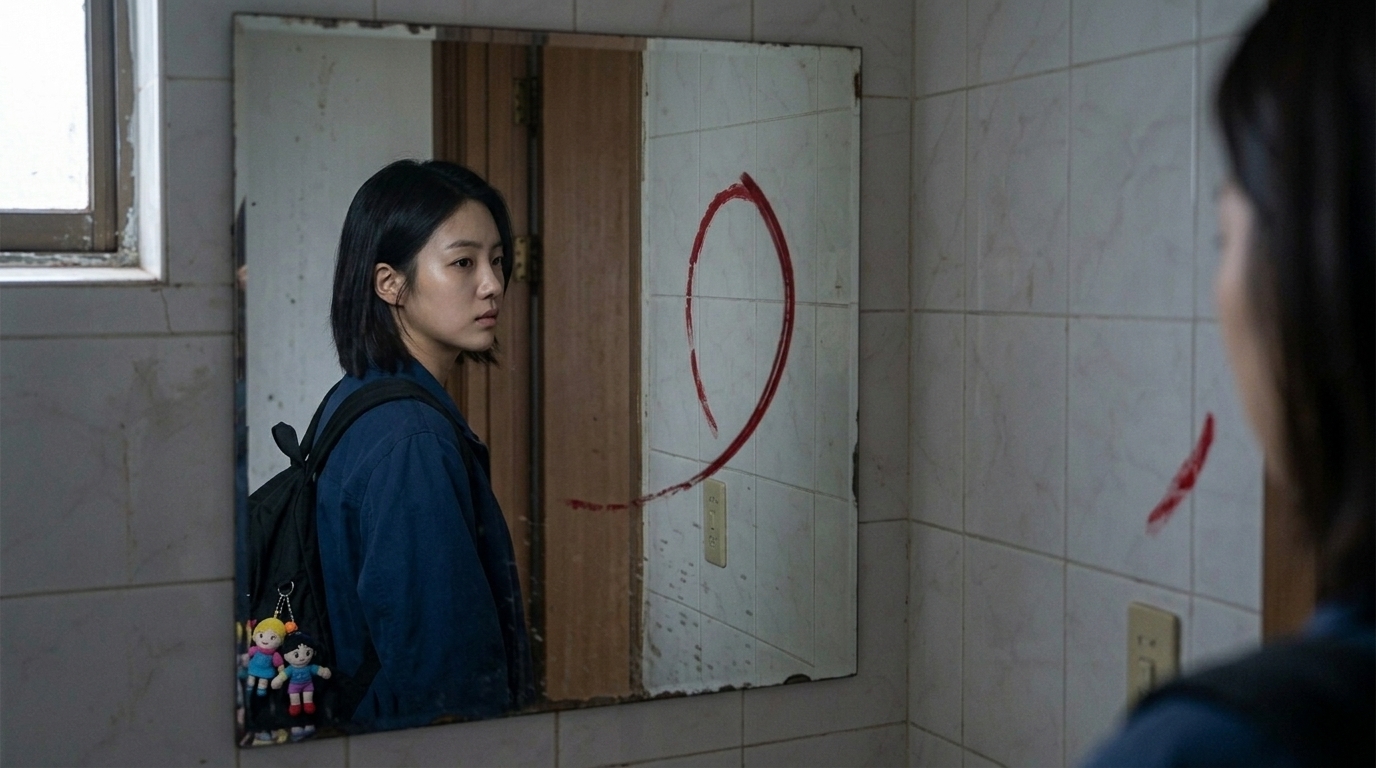
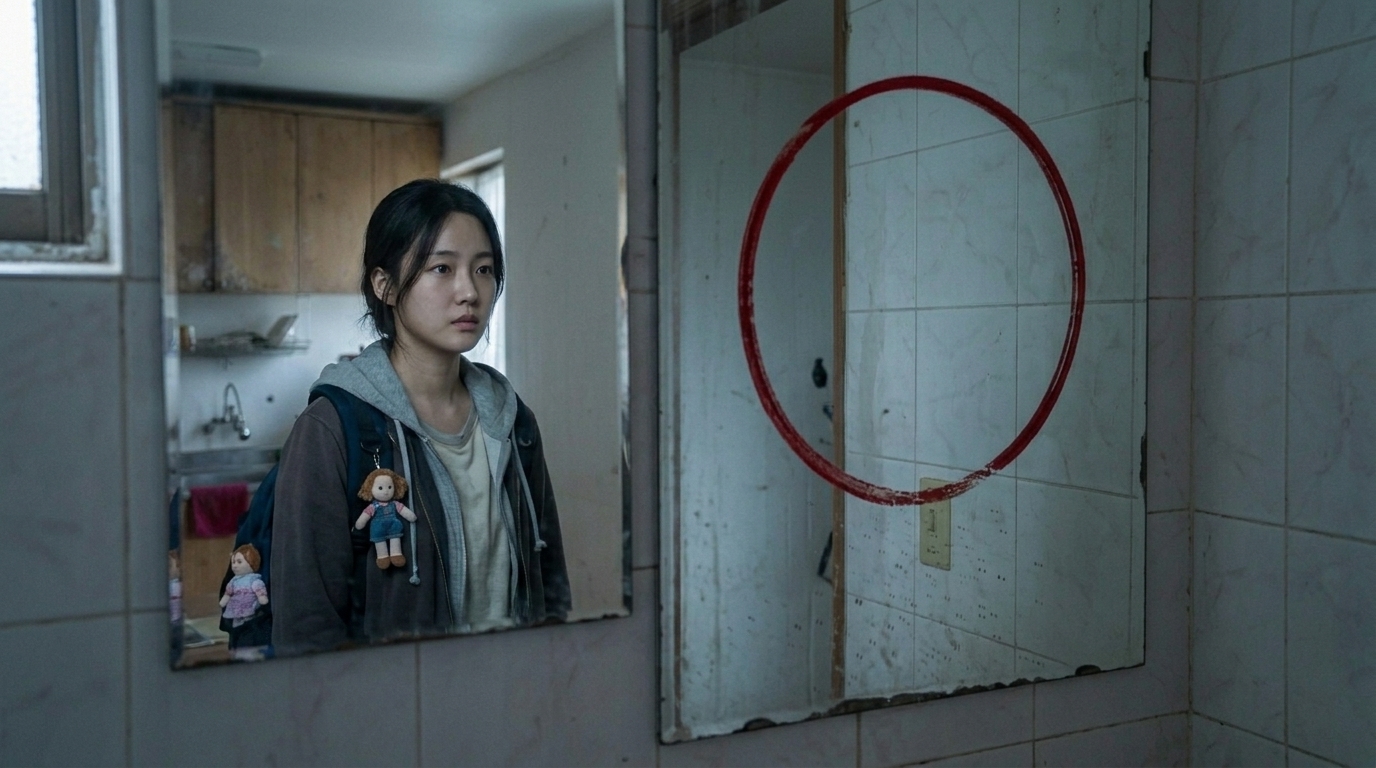
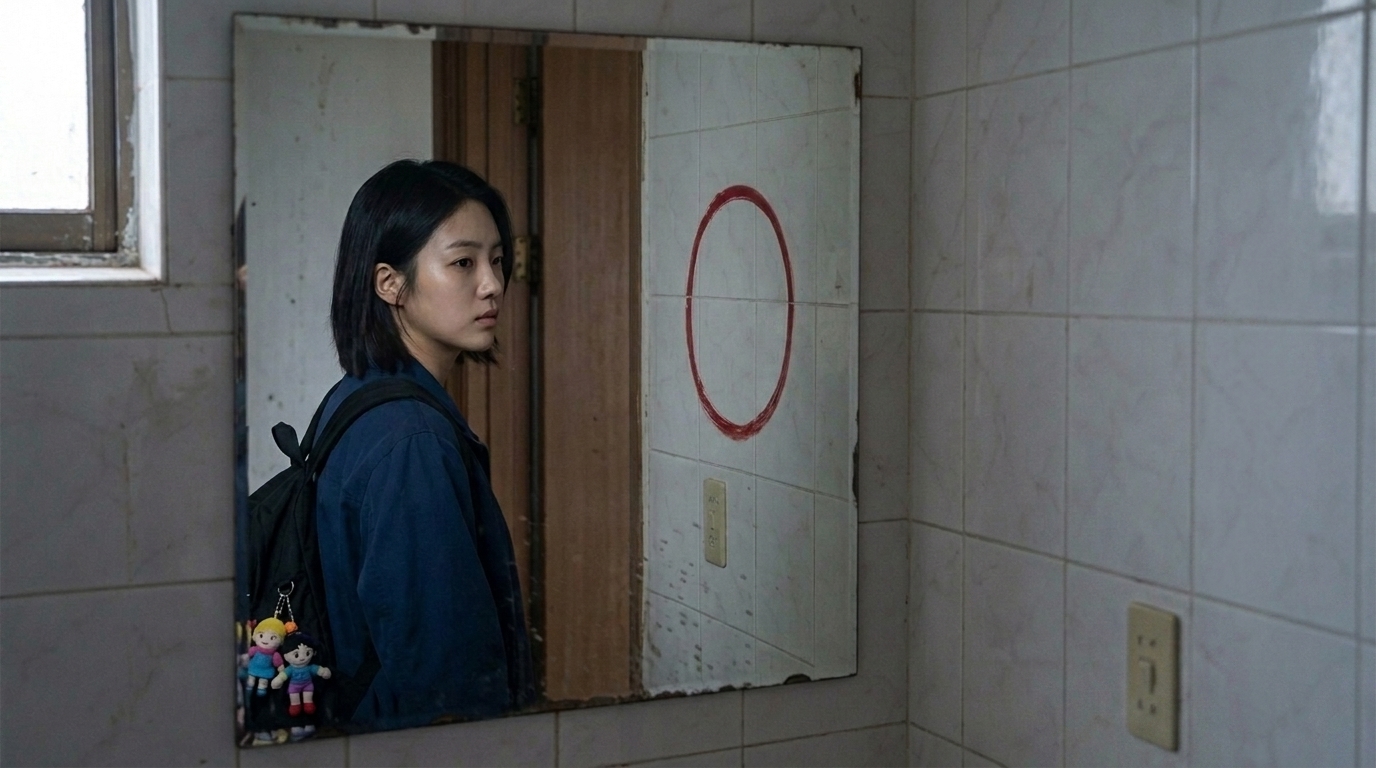
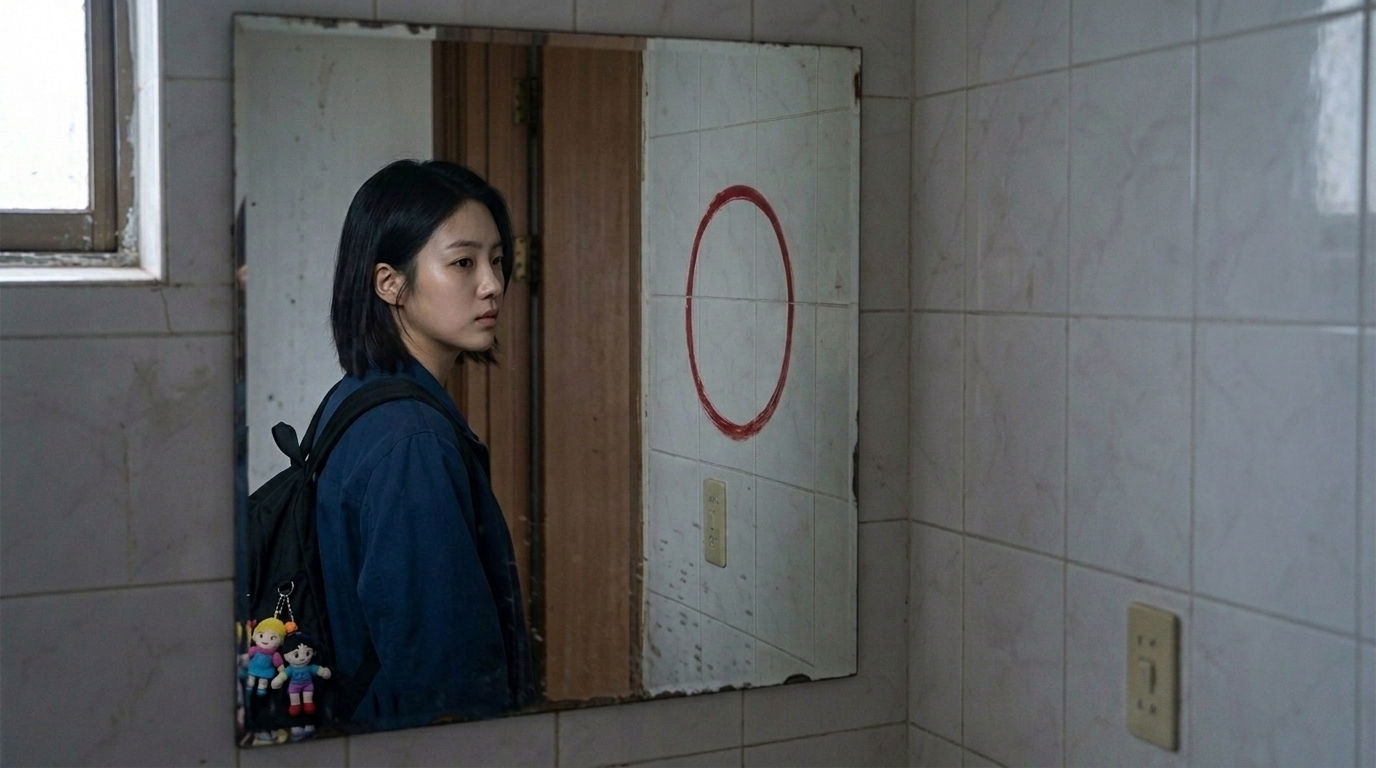
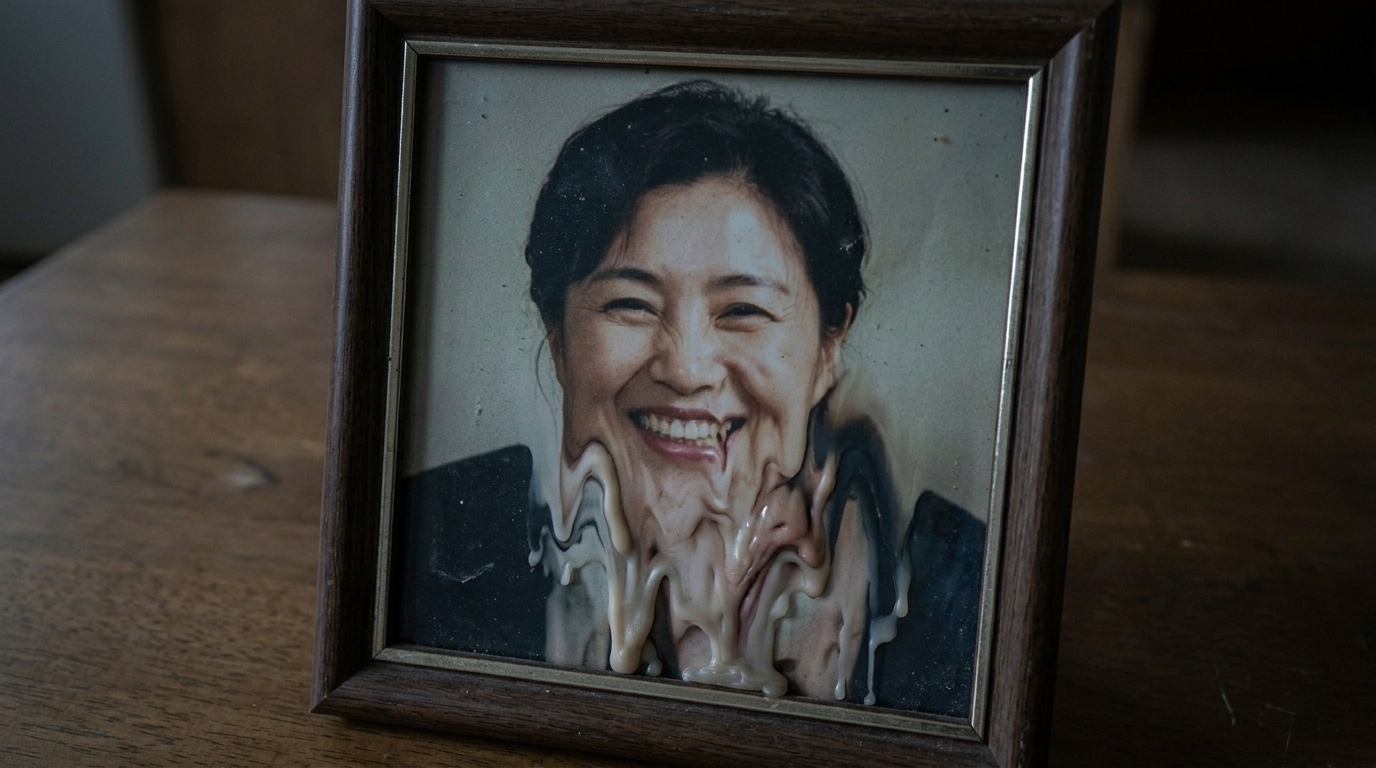
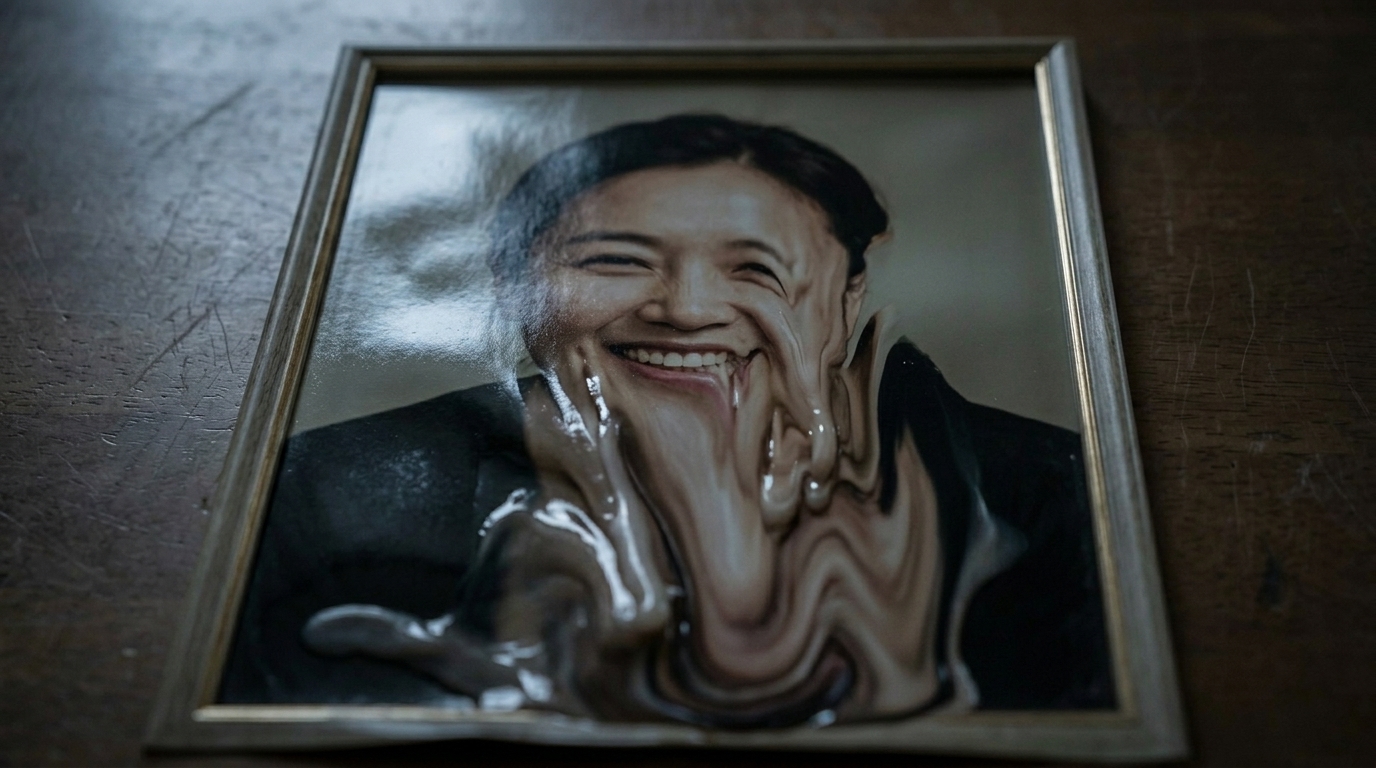
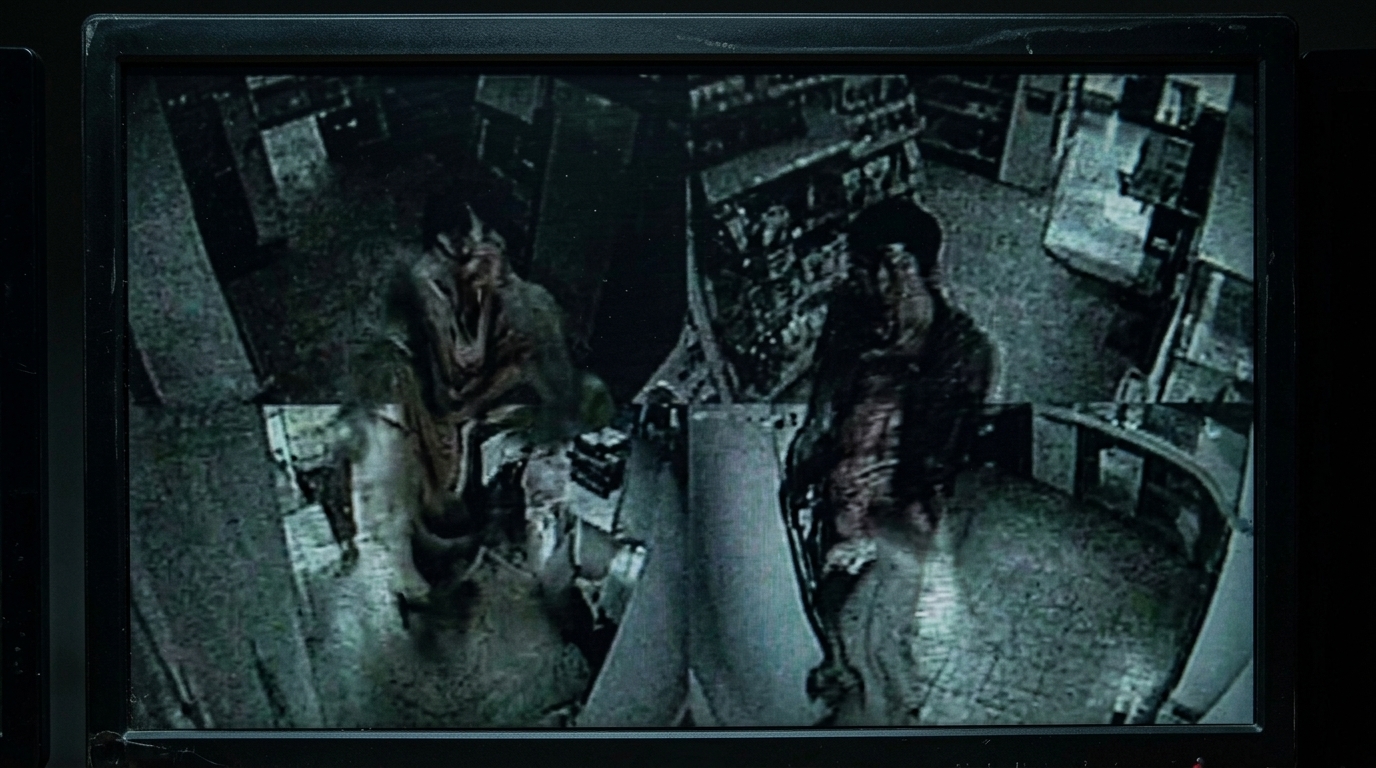
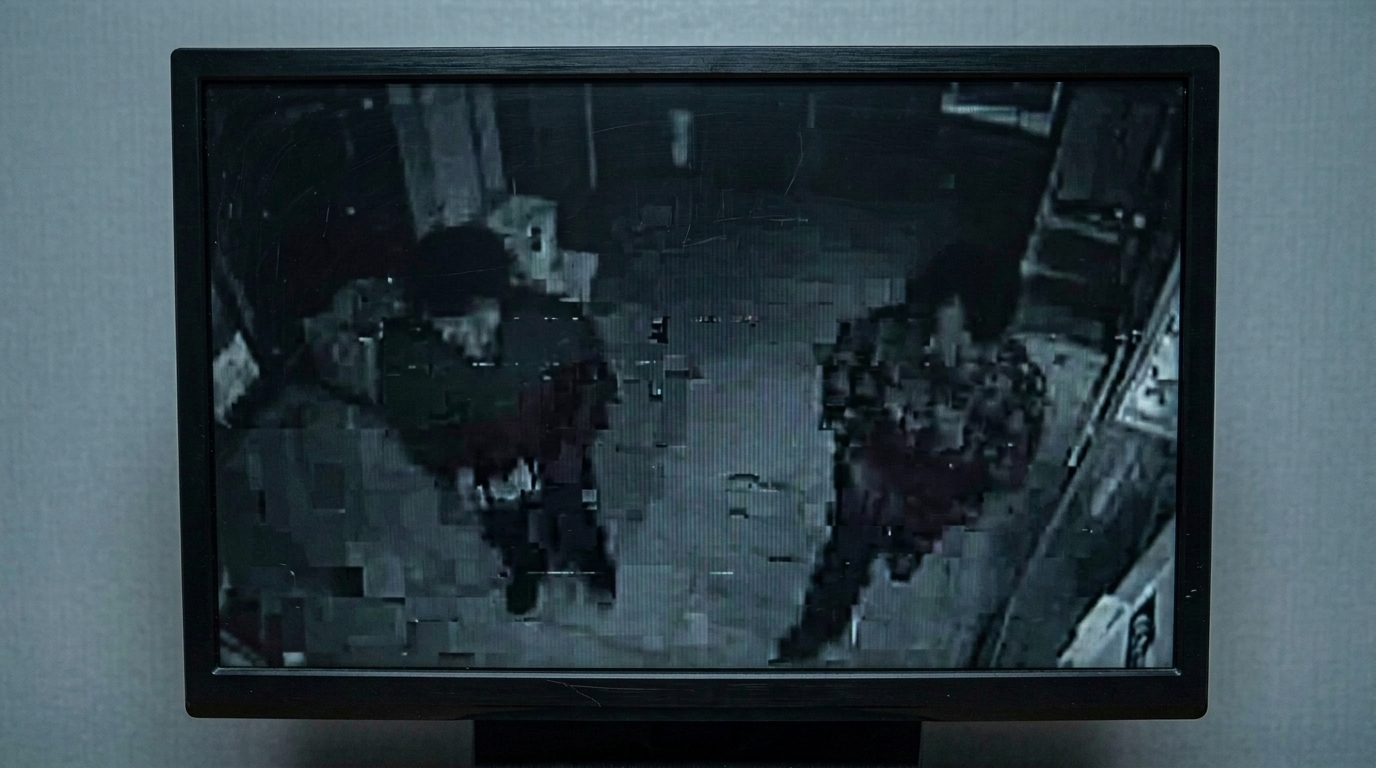
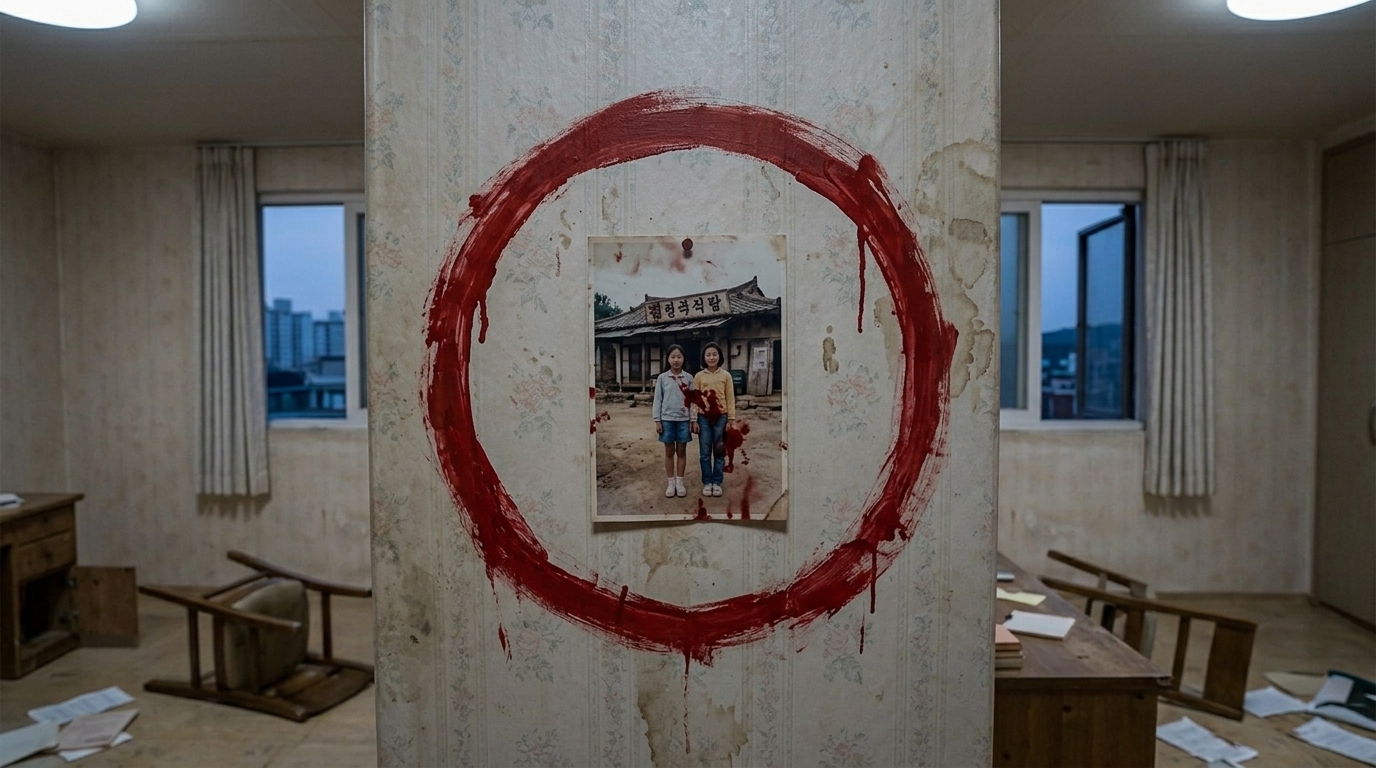
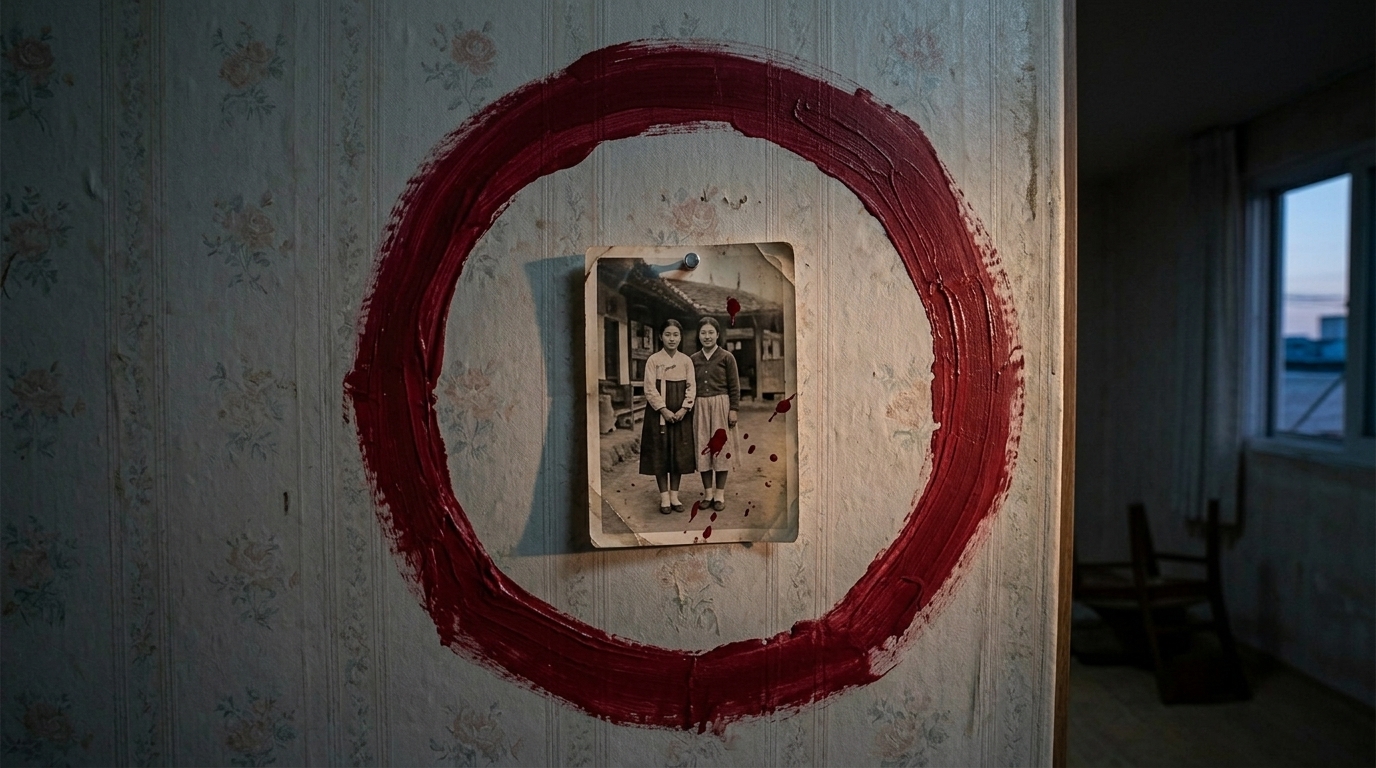
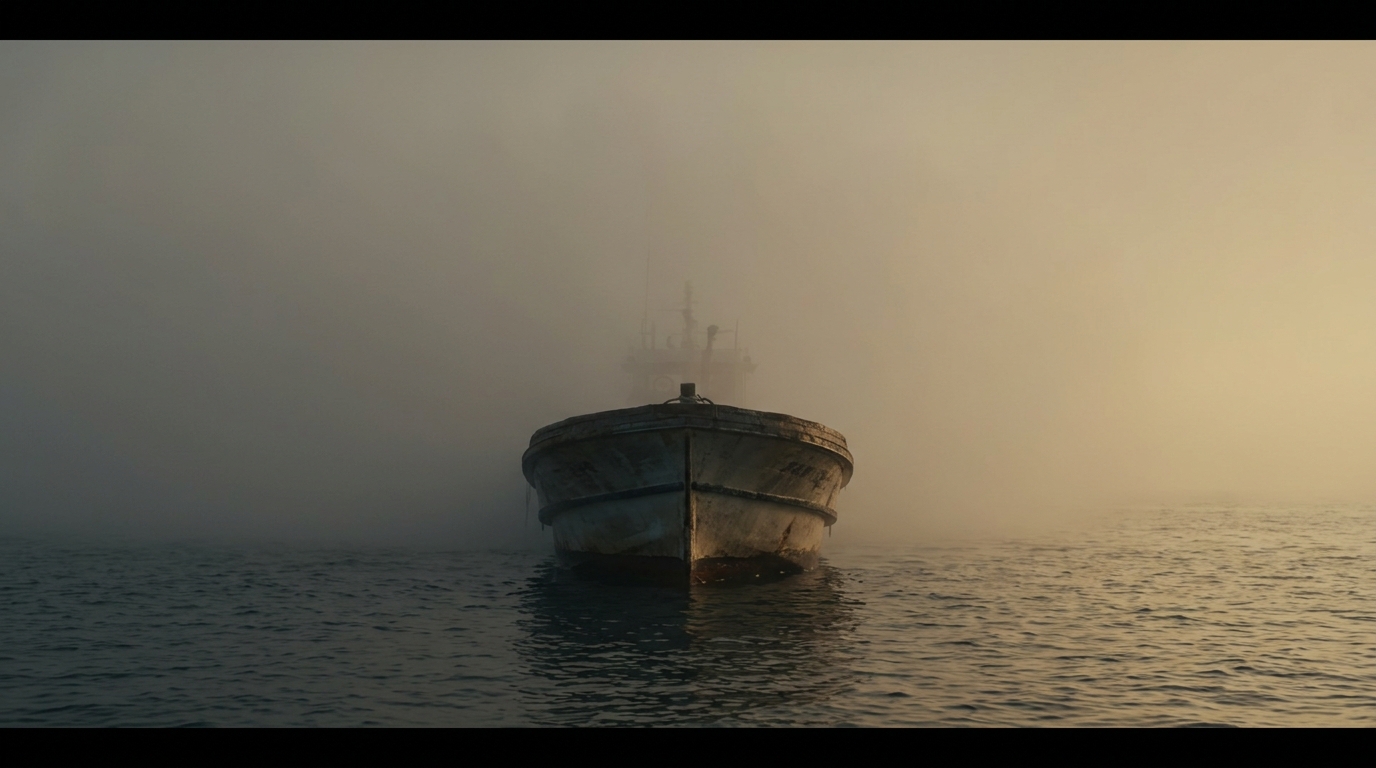
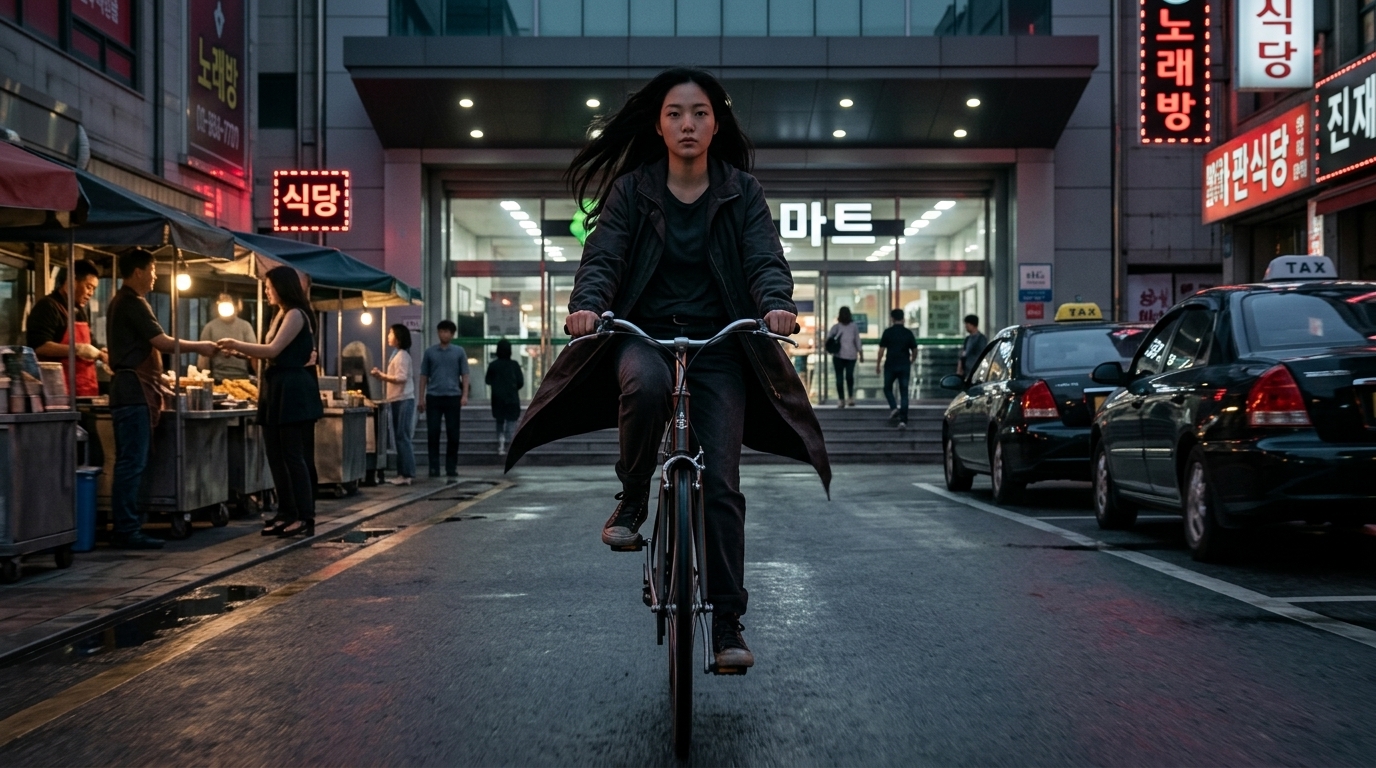
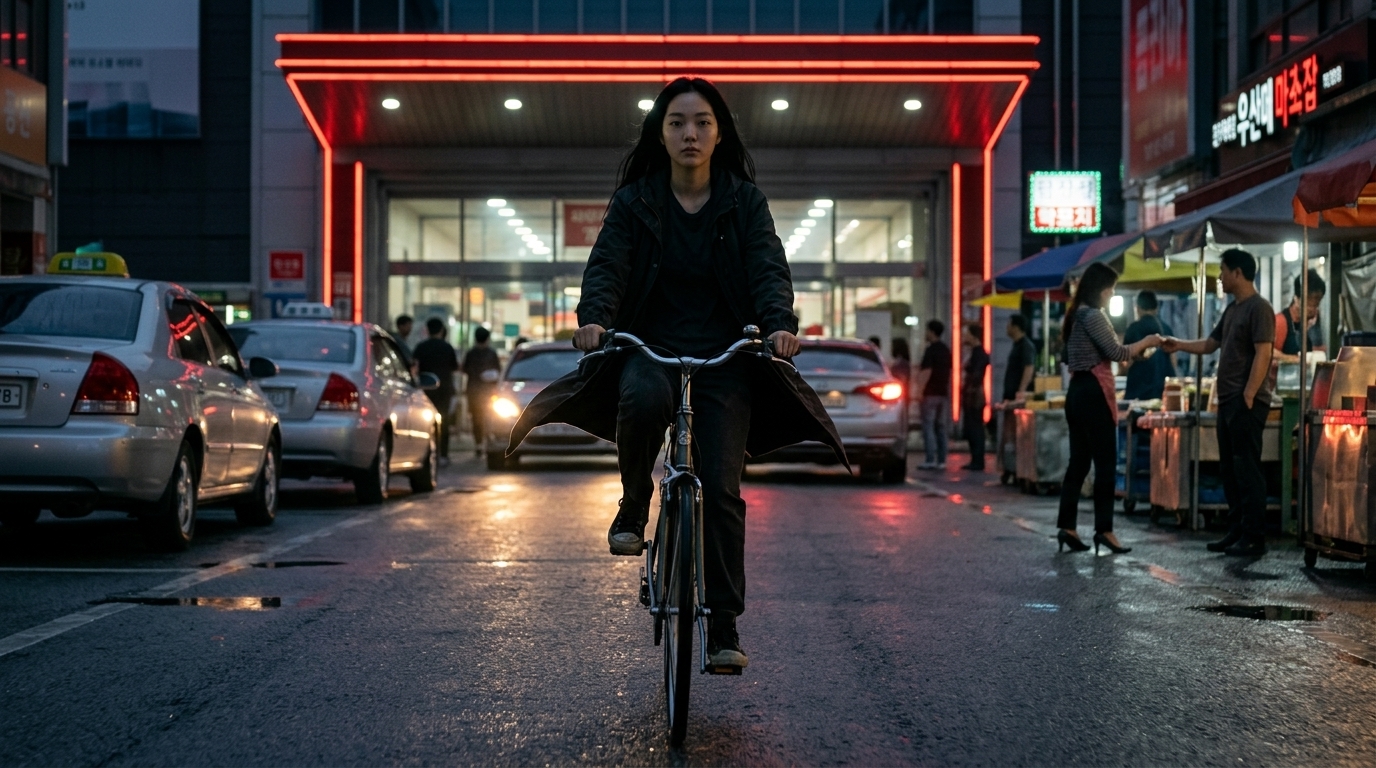
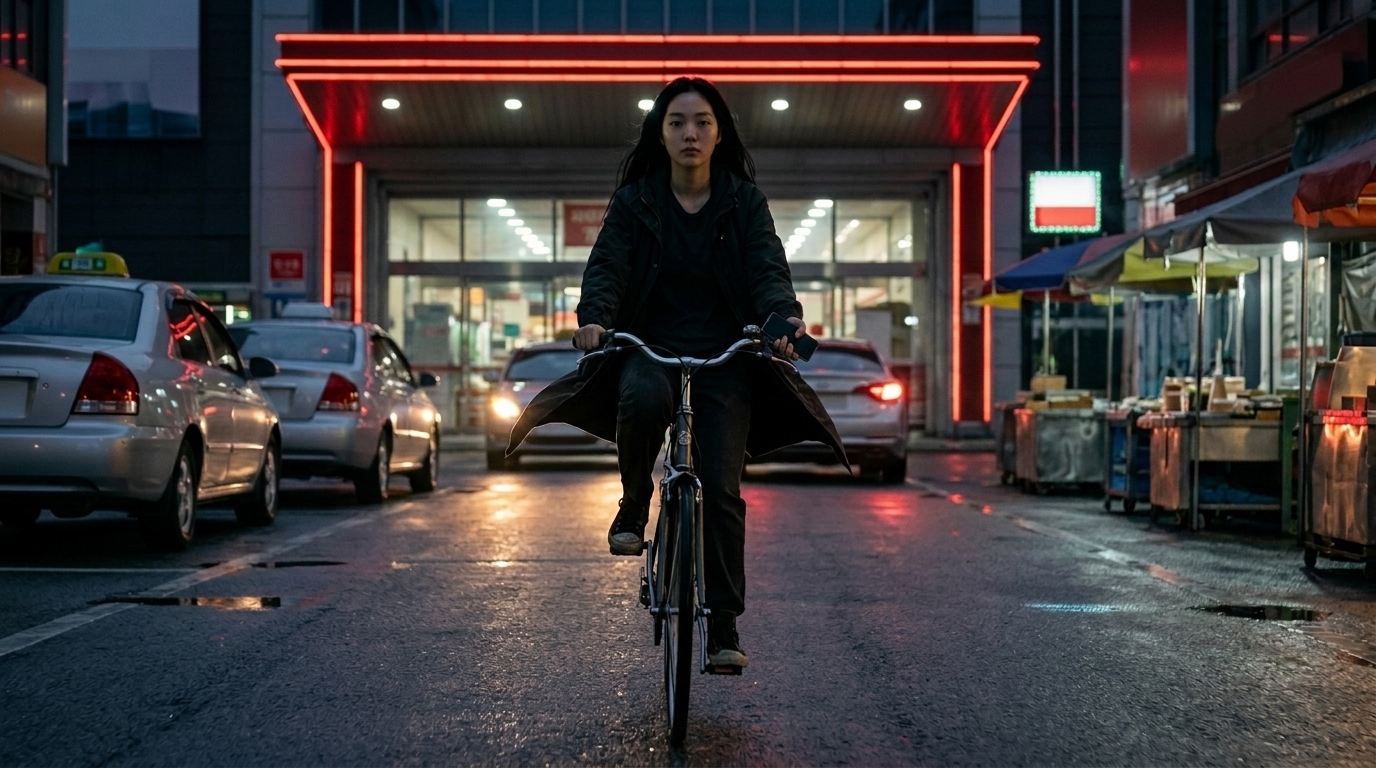
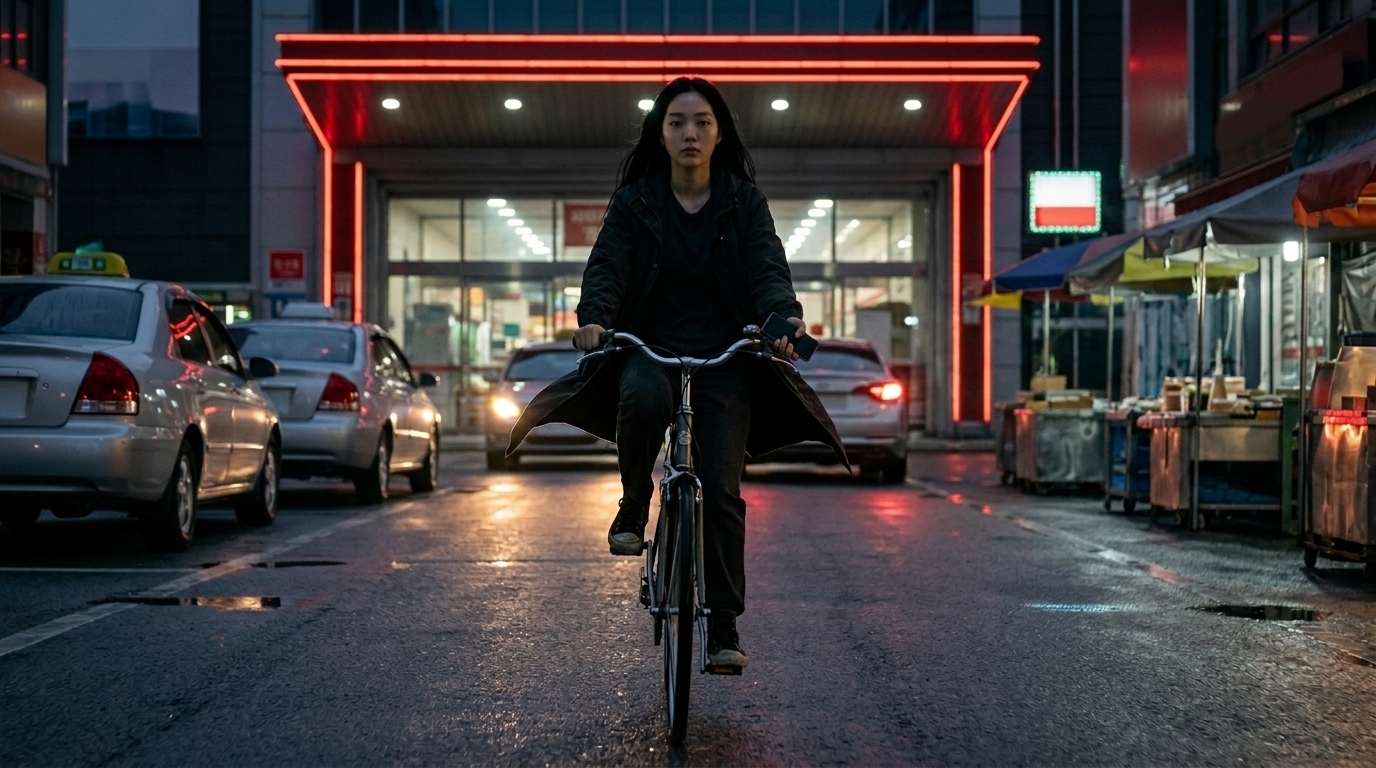
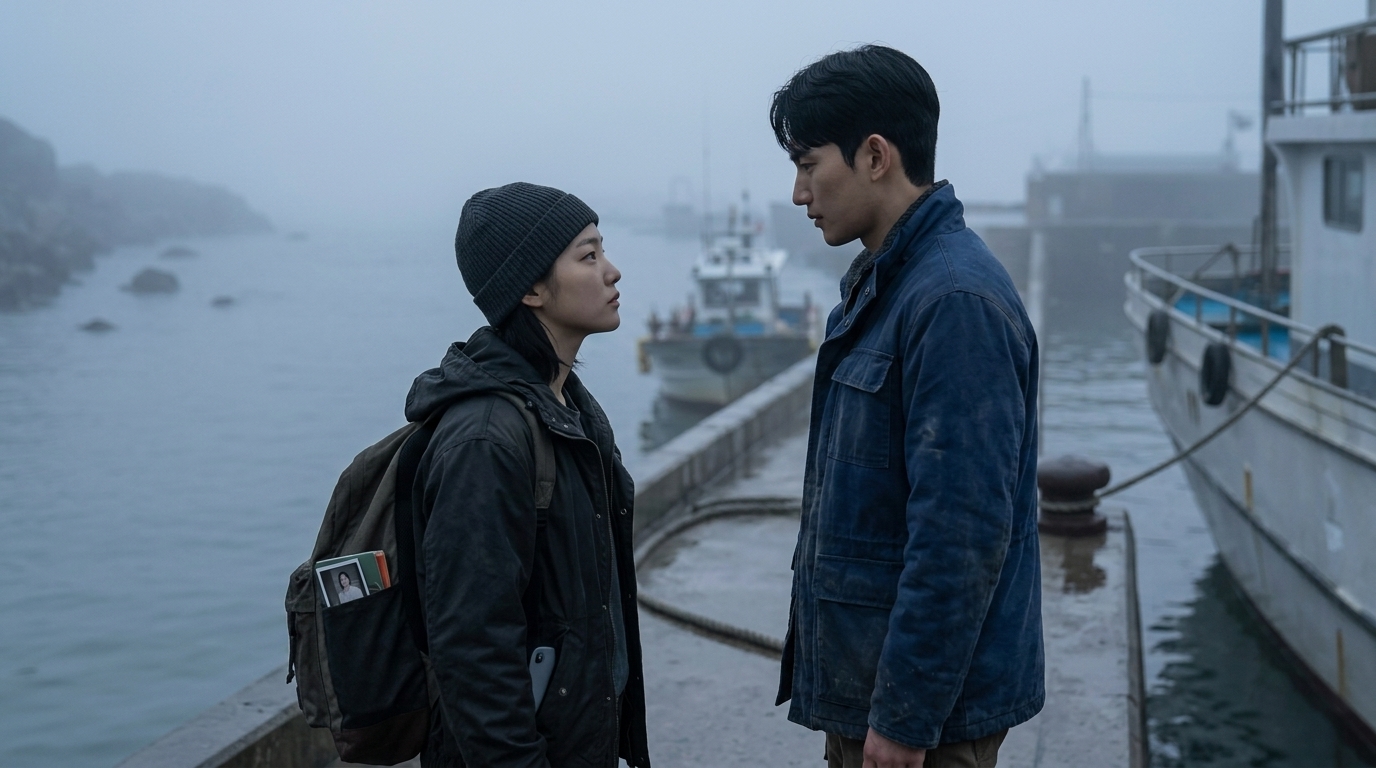
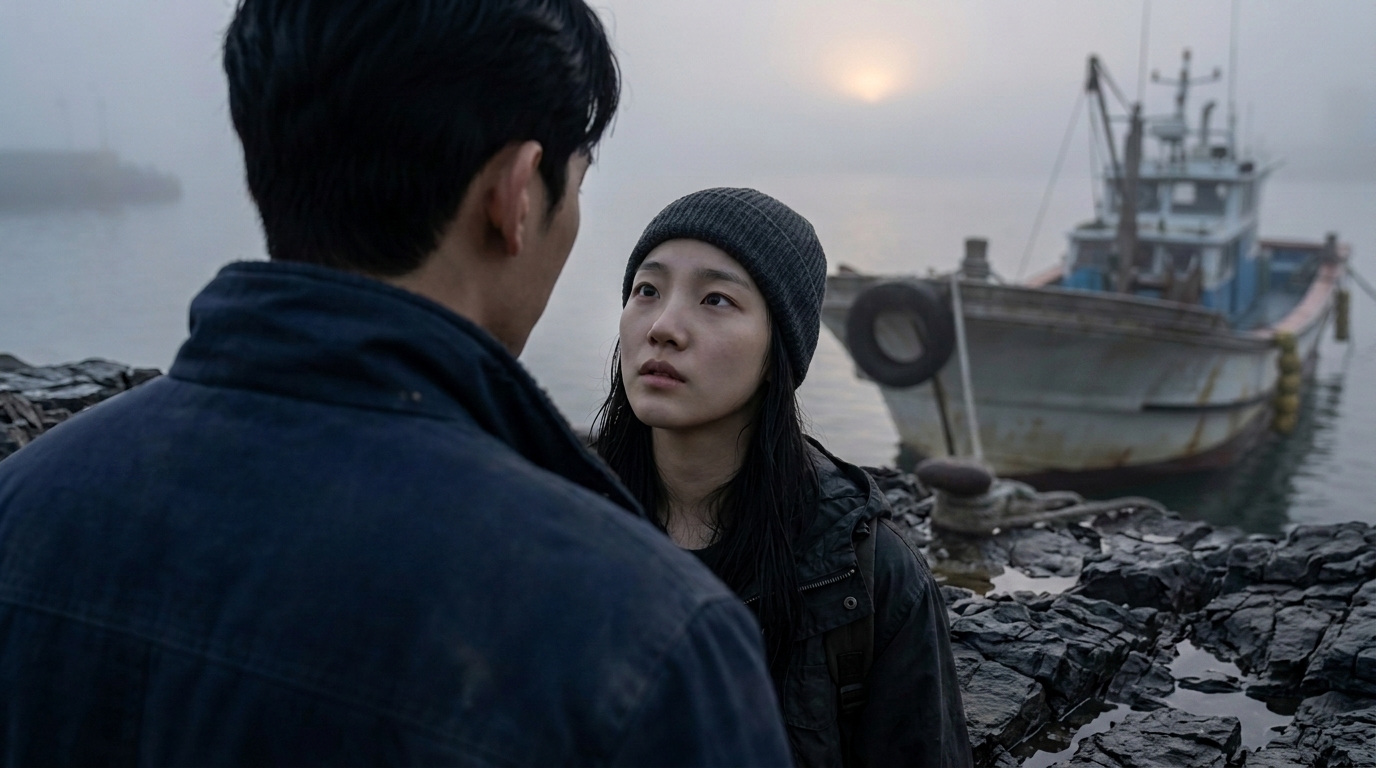
프로젝트 "금월도 E2E 10회차 bgfirst 20260720" · 스틸 55샷 (재실행 후
실패 0) · 결함 시연 ·
무인 플레이트 · 구조물 씨드
BGFIRST 2택1 25샷(체인 승 12 / 무콘티 승
13) · no_plate legacy 0 · PREV
23 · 배경 전용 15 · 레인 2 ·
기타 0
◆ 결함 1호 시연 — 무엇이 문제였나
증상: 1차 실행에서 스틸 55샷 중 15샷이 fail-closed
("BGFIRST2 대상 샷 콘티 결손 — legacy 하강 금지").
원인: 플레이트가 구조적으로 없는 샷(야외 prev_shot_ref 그룹·lane
none — 콘티 스텝이 skipped_reason=no_plate 로 스스로 비대상 선언)을
bgfirst 정책 대상으로 오분류. 콘티 모듈의 기존 계약 "콘티 부재가 스틸을
막지 않는다"를 이식 코드(bgfirst_eligible 의 conti_present=True 하드코딩)가
깬 것. 여기에 앵커 실패가 prev 연쇄 4샷·complex 연쇄 1샷으로 전파.
fix (커밋 2680d7b6, Codex APPROVED): bgfirst_structural_skip —
콘티 스텝이 비대상 선언한 3종(no_plate/prev/bgonly)은 bgfirst 제외 →
기존 legacy 경로 유지. 진짜 생성 실패·파일 결손은 여전히 fail-closed.
contract v2 bump + error 우선 검사. 재실행 결과 55/55 실패 0.
샷
유형
1차 실행 실패 사유
fix 후 산출
S1sh3
no_plate
콘티 미생성(skipped=no_plate)
파일 없음 fix 후 최종 (legacy 경로)
S2sh2
no_plate
콘티 미생성(skipped=no_plate)
파일 없음 fix 후 최종 (legacy 경로)
S3sh2
no_plate
콘티 미생성(skipped=no_plate)
파일 없음 fix 후 최종 (legacy 경로)
S6sh1
no_plate
콘티 미생성(skipped=no_plate)
fix 후 최종 (legacy 경로)
S7sh2
no_plate
콘티 미생성(skipped=no_plate)
fix 후 최종 (legacy 경로)
S9sh1
no_plate
콘티 미생성(skipped=no_plate)
fix 후 최종 (legacy 경로)
S15sh1
no_plate
콘티 미생성(skipped=no_plate)
fix 후 최종 (legacy 경로)
S23sh1
no_plate
콘티 미생성(skipped=no_plate)
파일 없음 fix 후 최종 (legacy 경로)
S24sh3
no_plate
콘티 미생성(skipped=no_plate)
파일 없음 fix 후 최종 (legacy 경로)
S26sh2
no_plate
콘티 미생성(skipped=no_plate)
파일 없음 fix 후 최종 (legacy 경로)
S1sh5
prev 연쇄
prev 앵커(S1sh3) 실패 → skipped=prev 오판정
fix 후 최종 (legacy 경로)
S23sh4
prev 연쇄
prev 앵커(S23sh1) 실패 → skipped=prev 오판정
파일 없음 fix 후 최종 (legacy 경로)
S26sh7
prev 연쇄
prev 앵커(S26sh2) 실패 → skipped=prev 오판정
파일 없음 fix 후 최종 (legacy 경로)
S26sh10
prev 연쇄
prev 앵커(S26sh7) 실패 → skipped=prev 오판정
파일 없음 fix 후 최종 (legacy 경로)
S7sh4
complex 연쇄
complex prev bypass 인데 prev 선정본 결손
파일 없음 fix 후 최종 (legacy 경로)
◆ 무인 플레이트 전수 (18그룹) — 육안: 인물 구워짐 0 확인
무인 계약 절(UNMANNED BACKGROUND CONTRACT)이 렌더 프롬프트 45건에 부착됨(실측). VLM 게이트 위반 재렌더 0건.
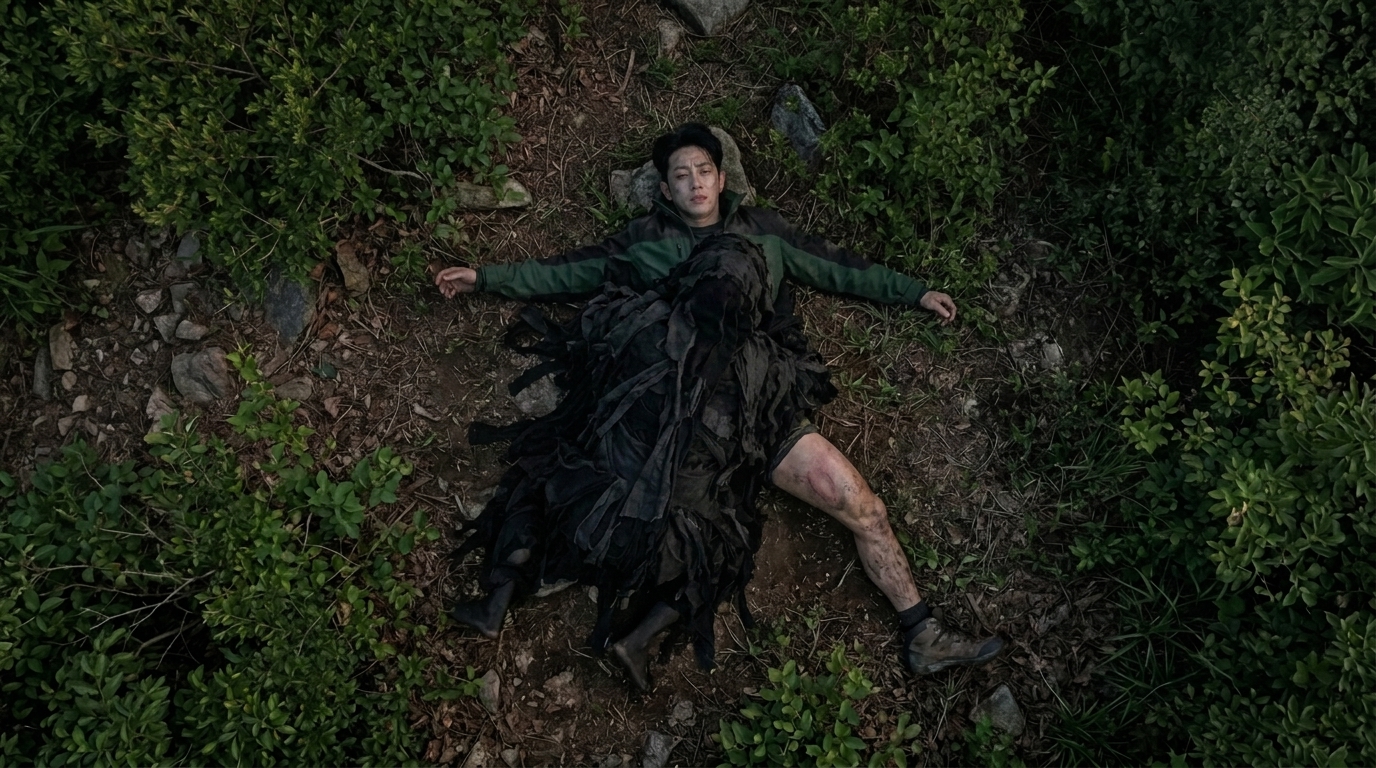
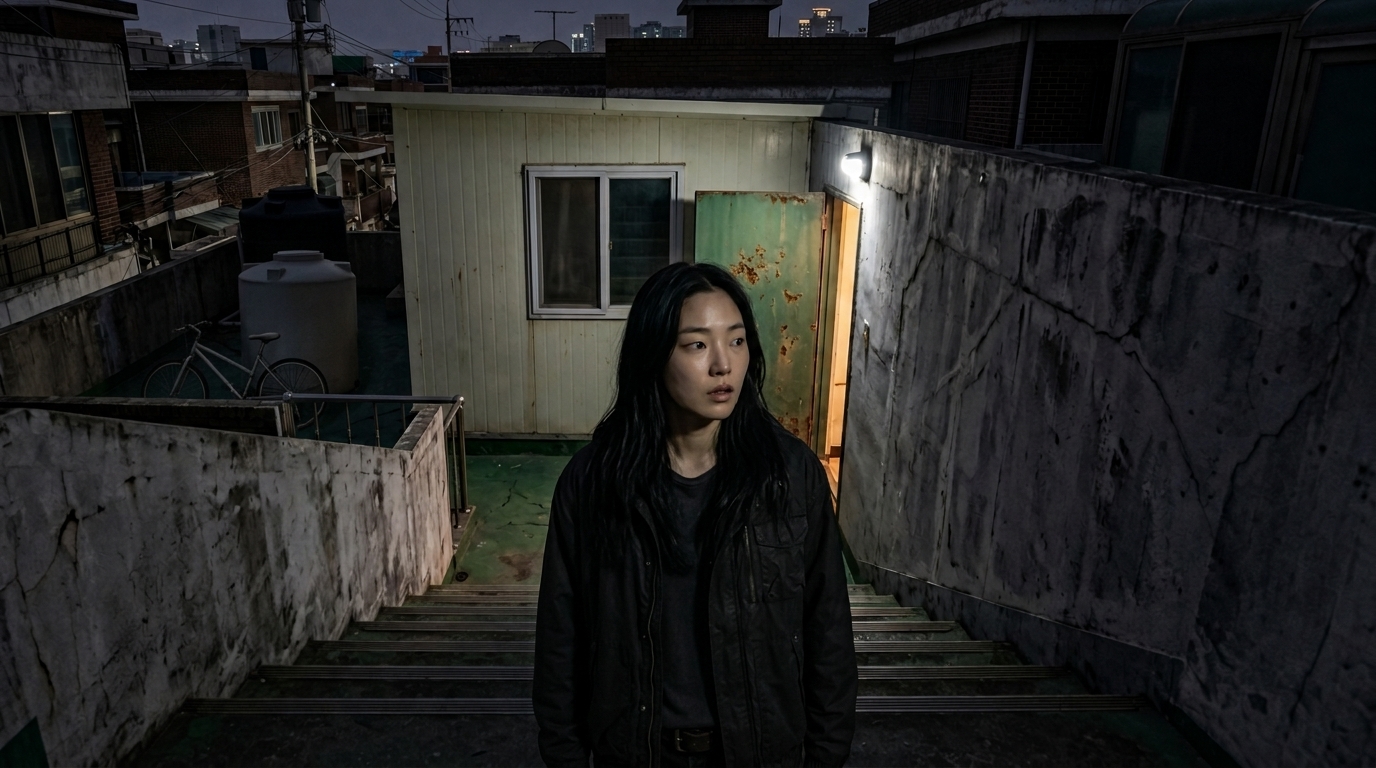
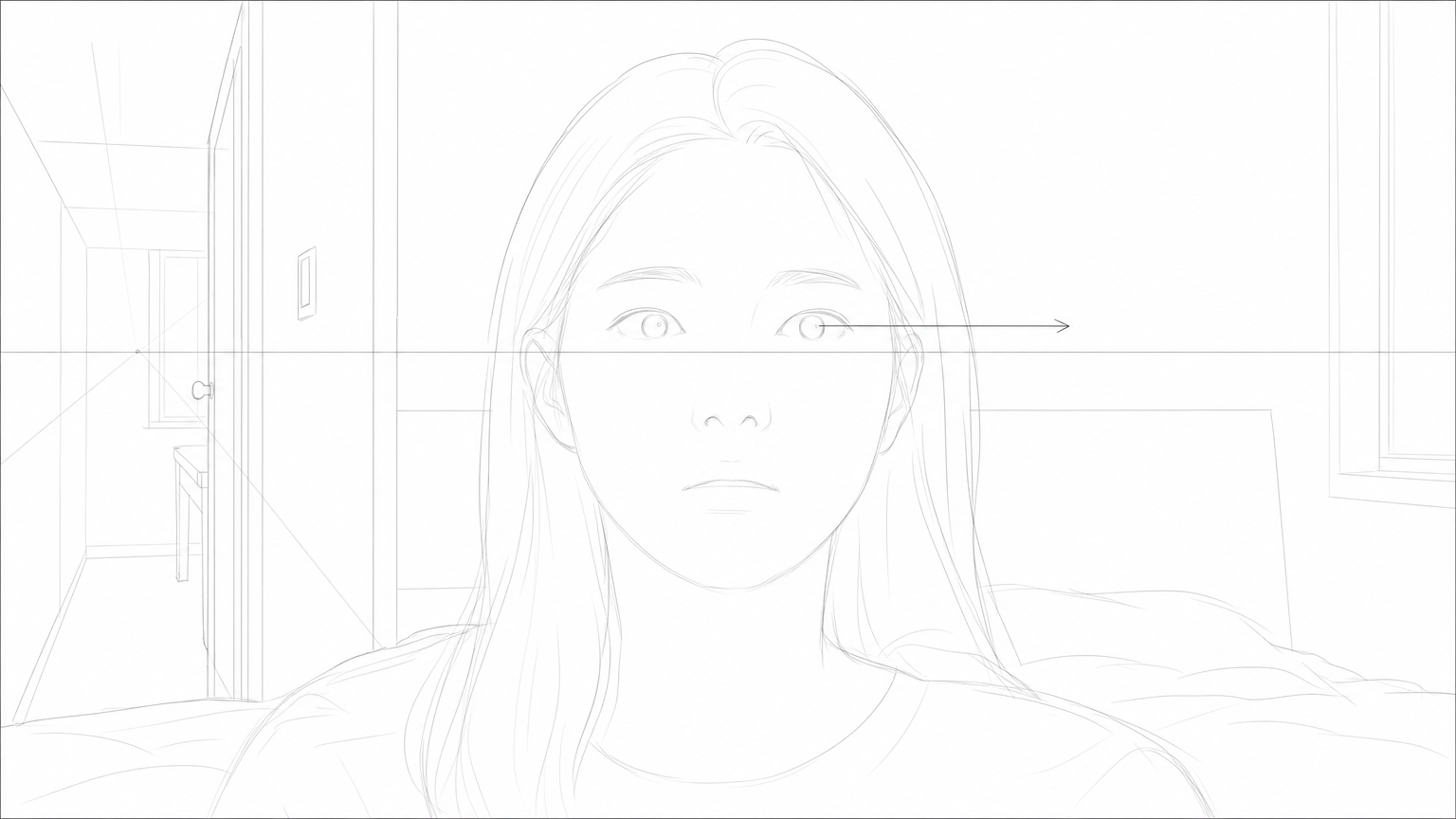
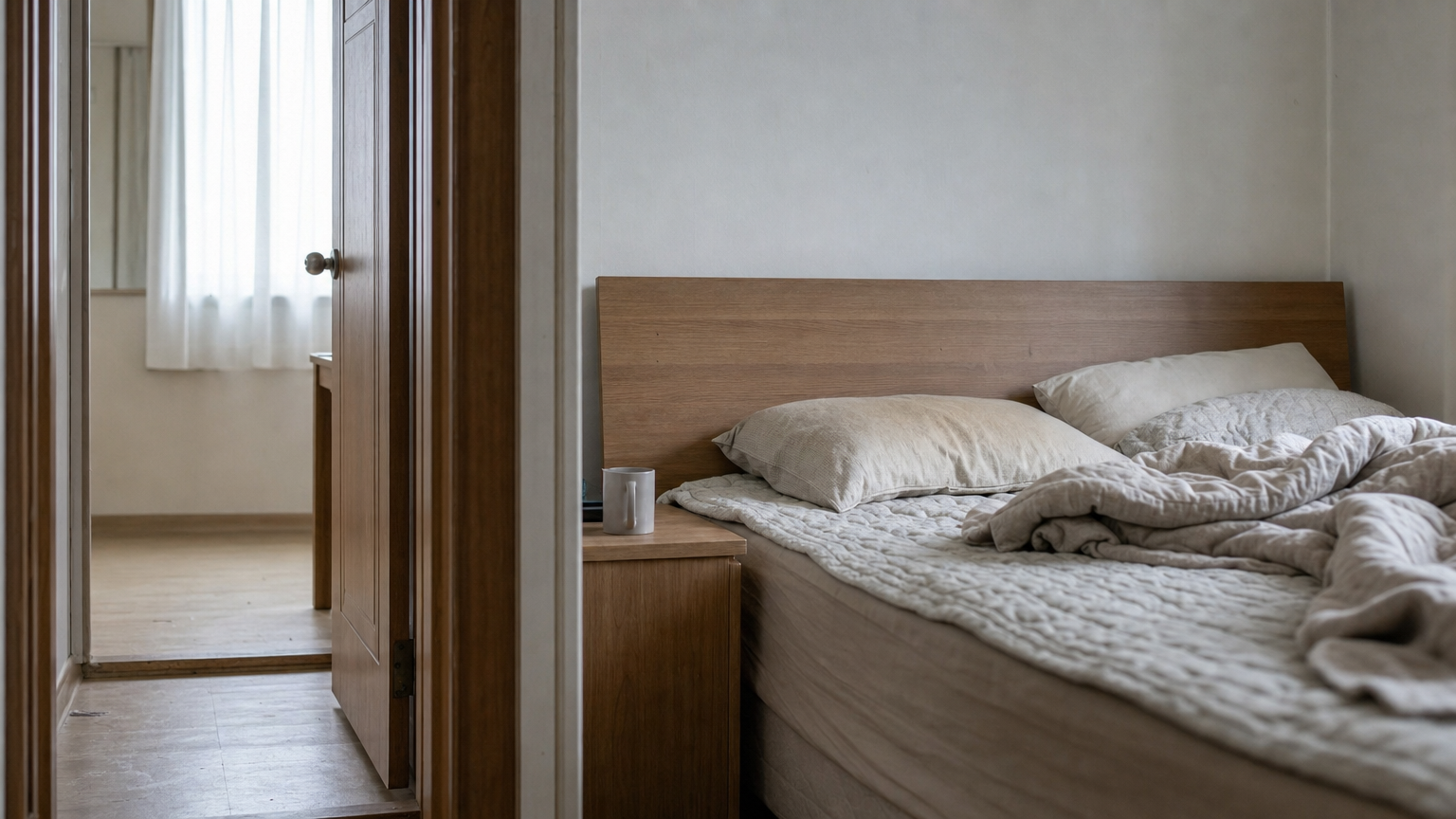
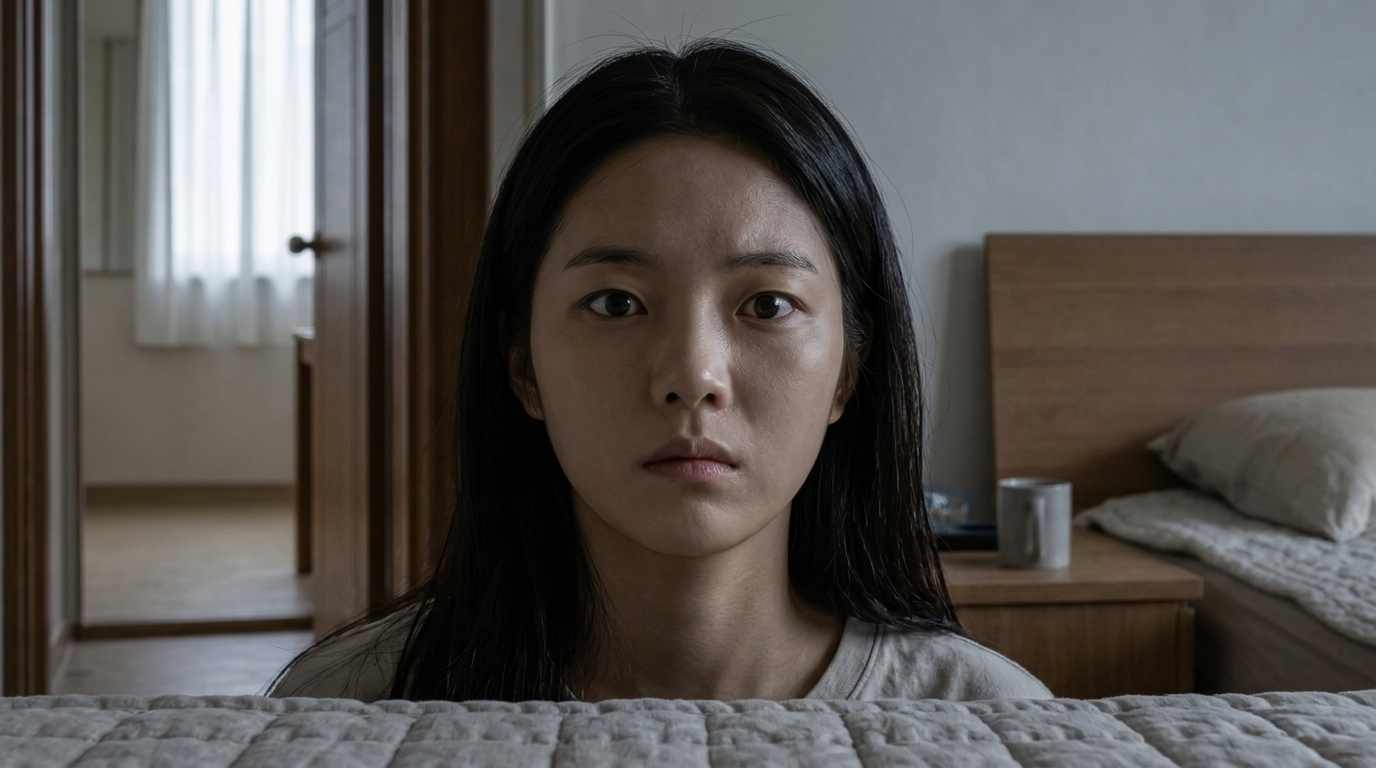
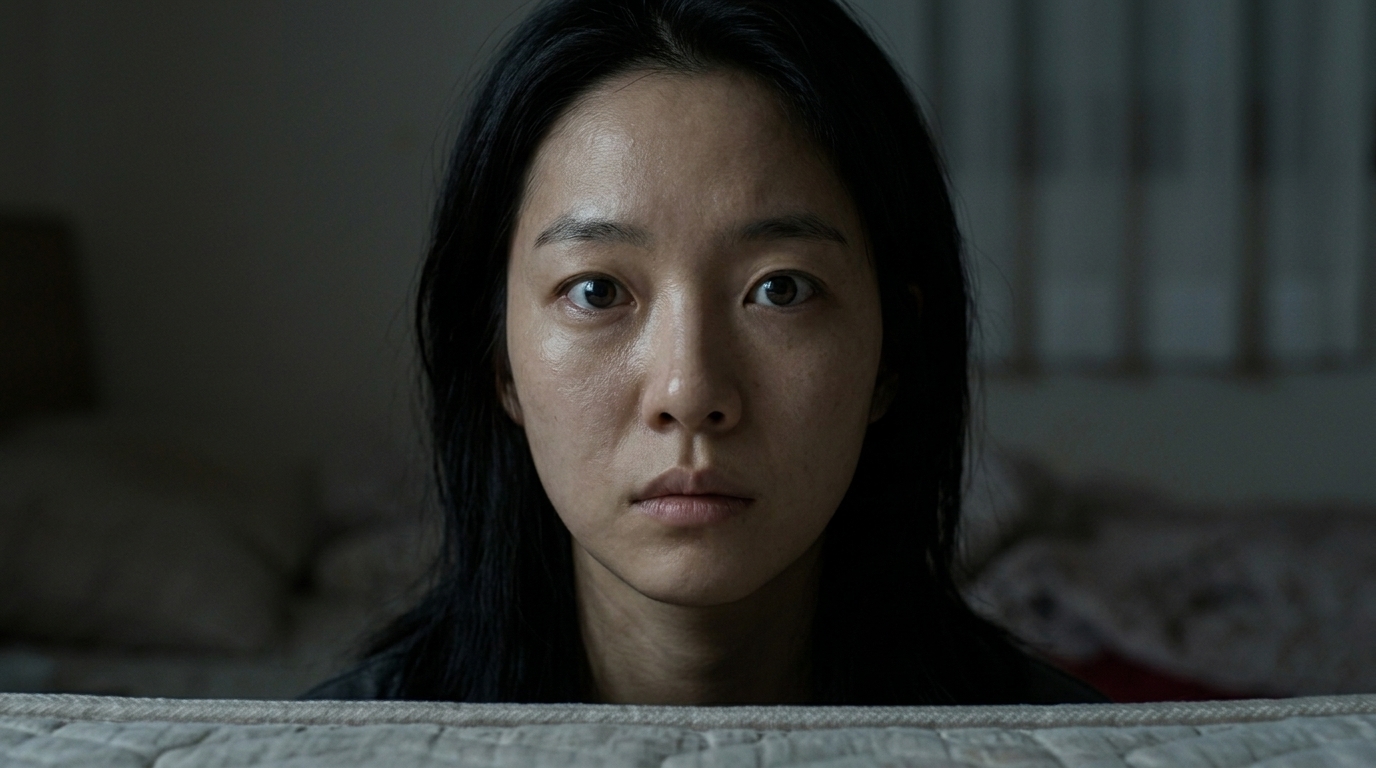
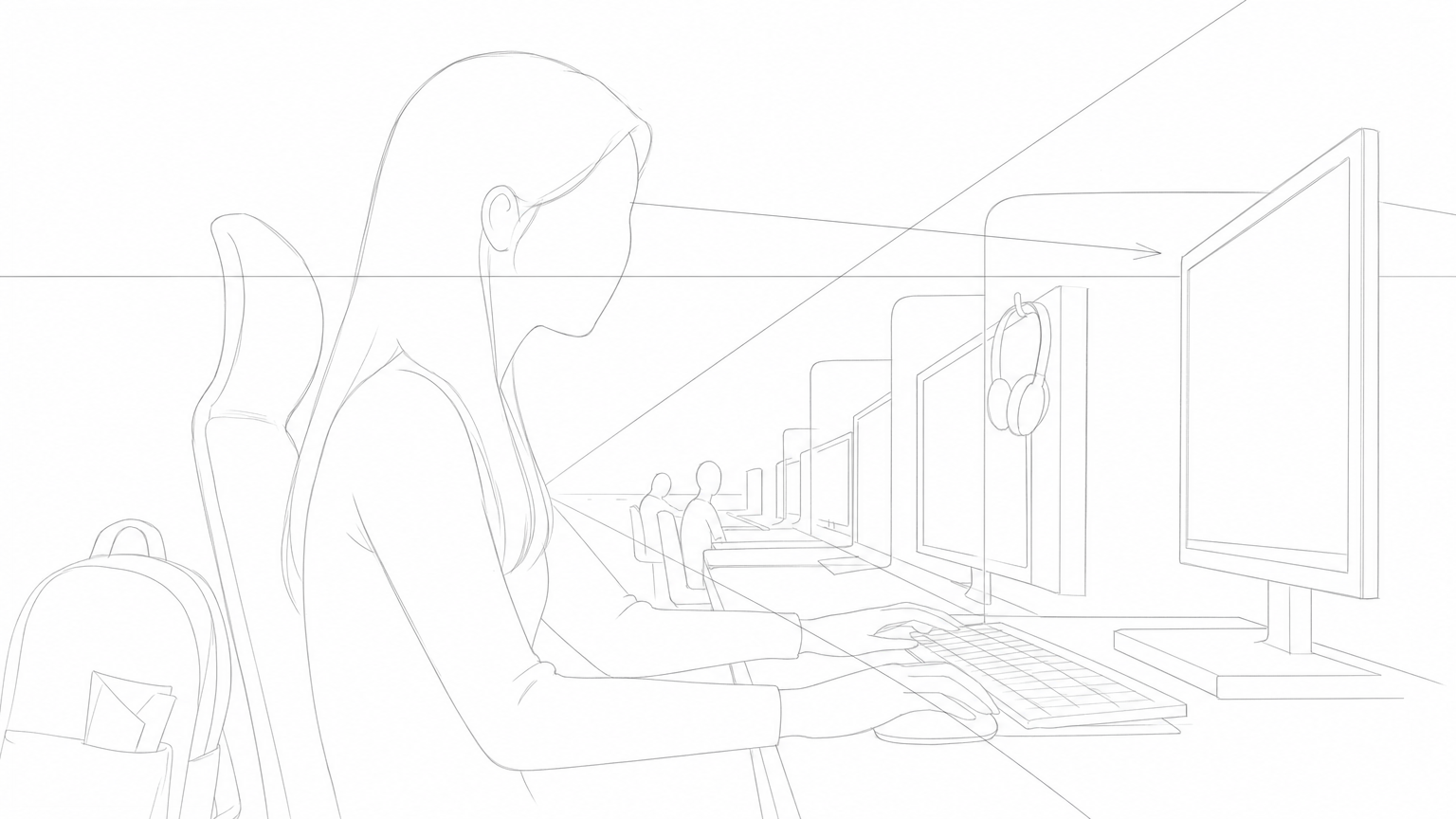
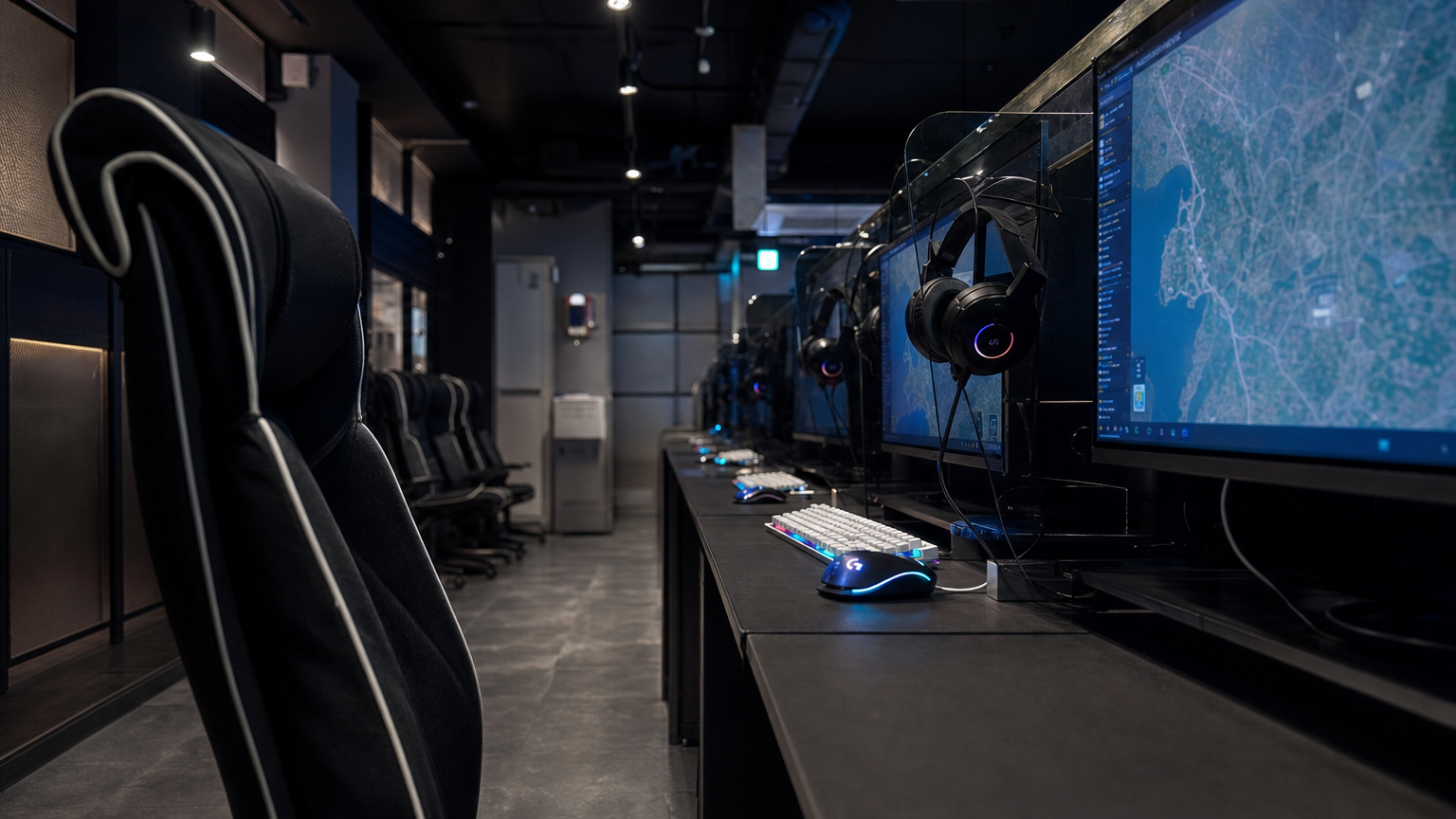
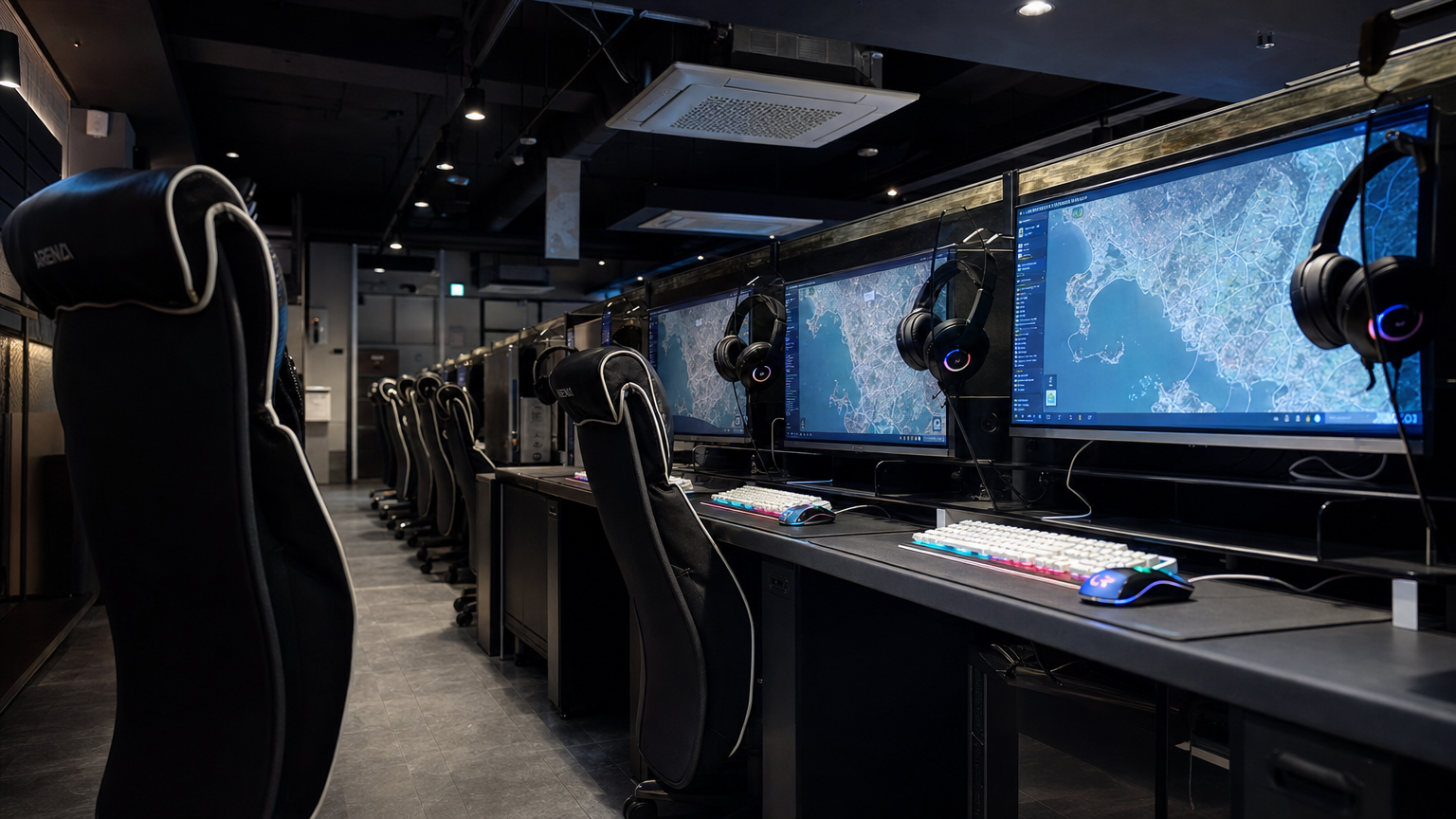
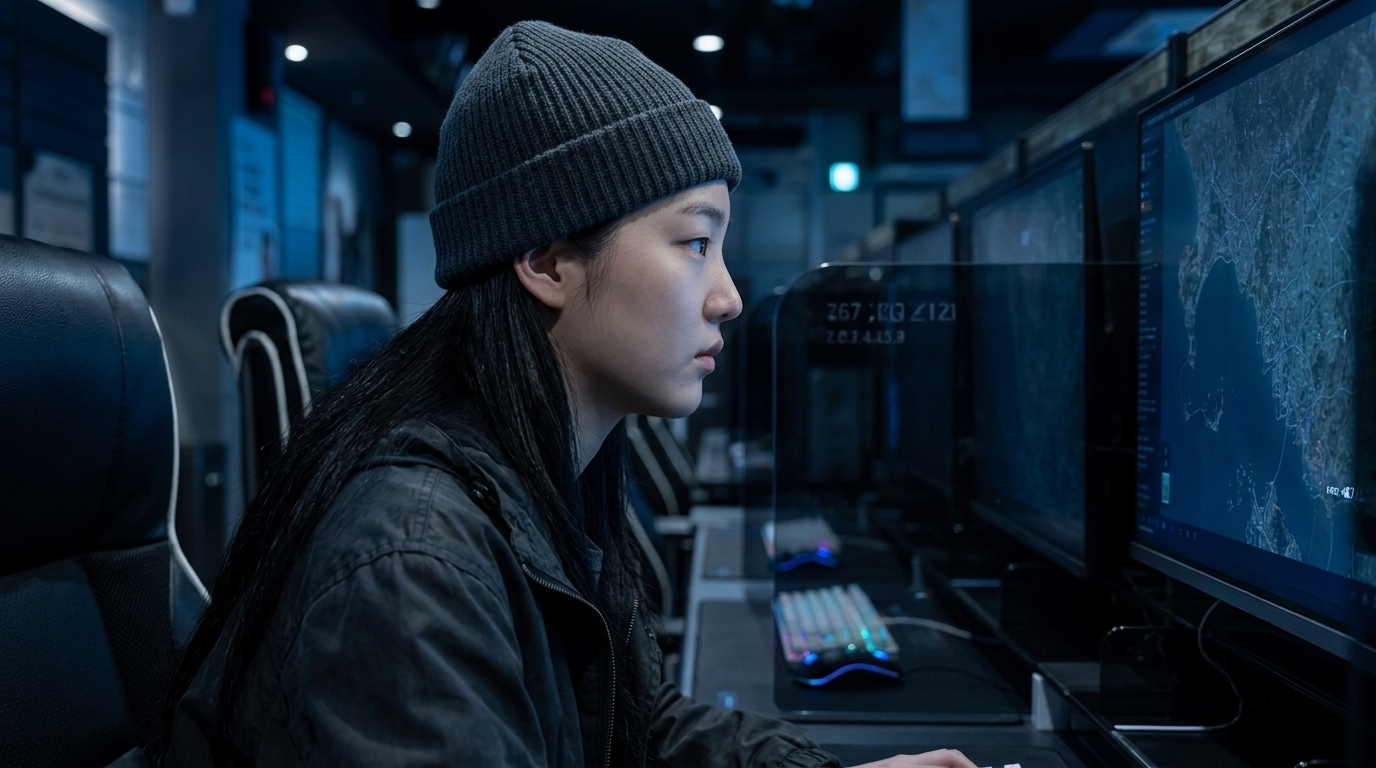
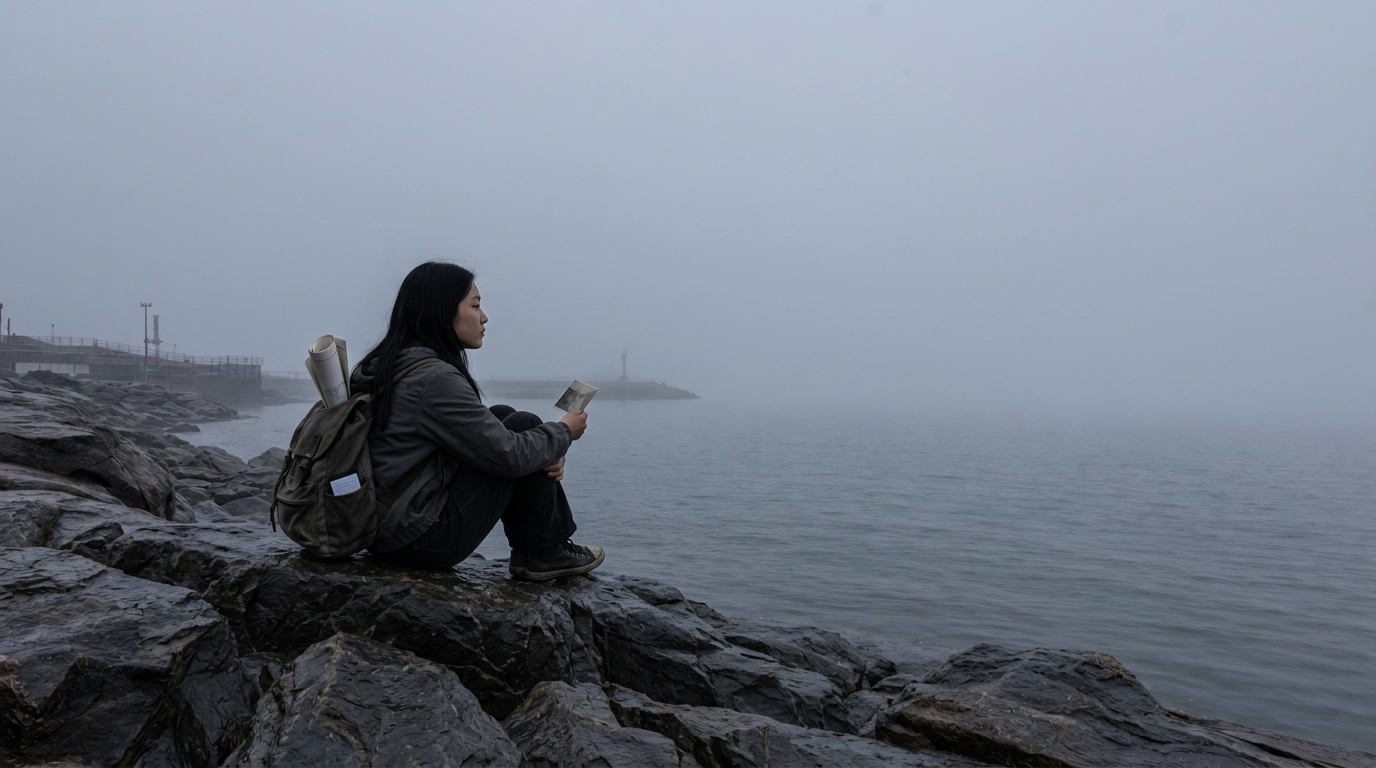
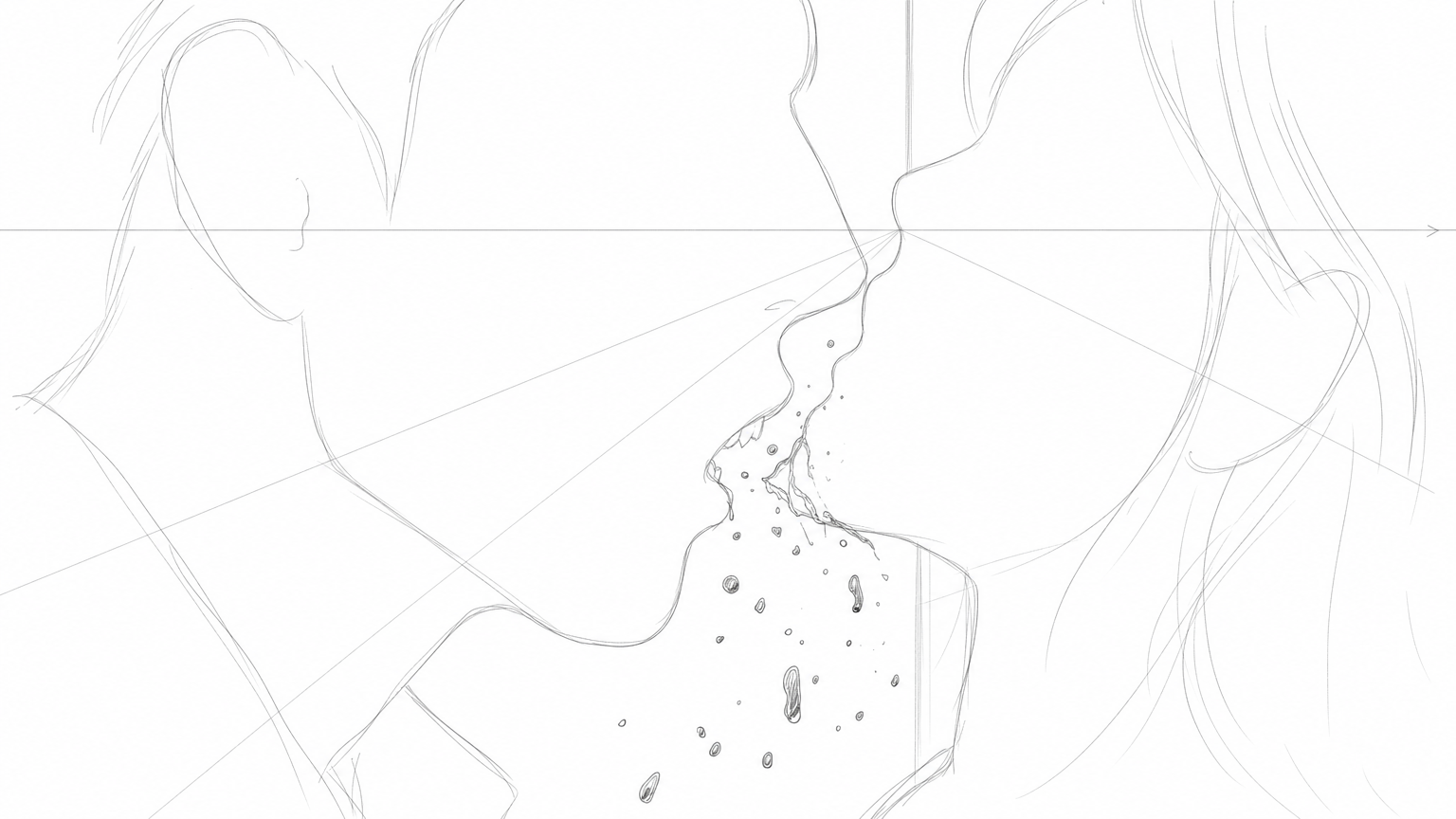
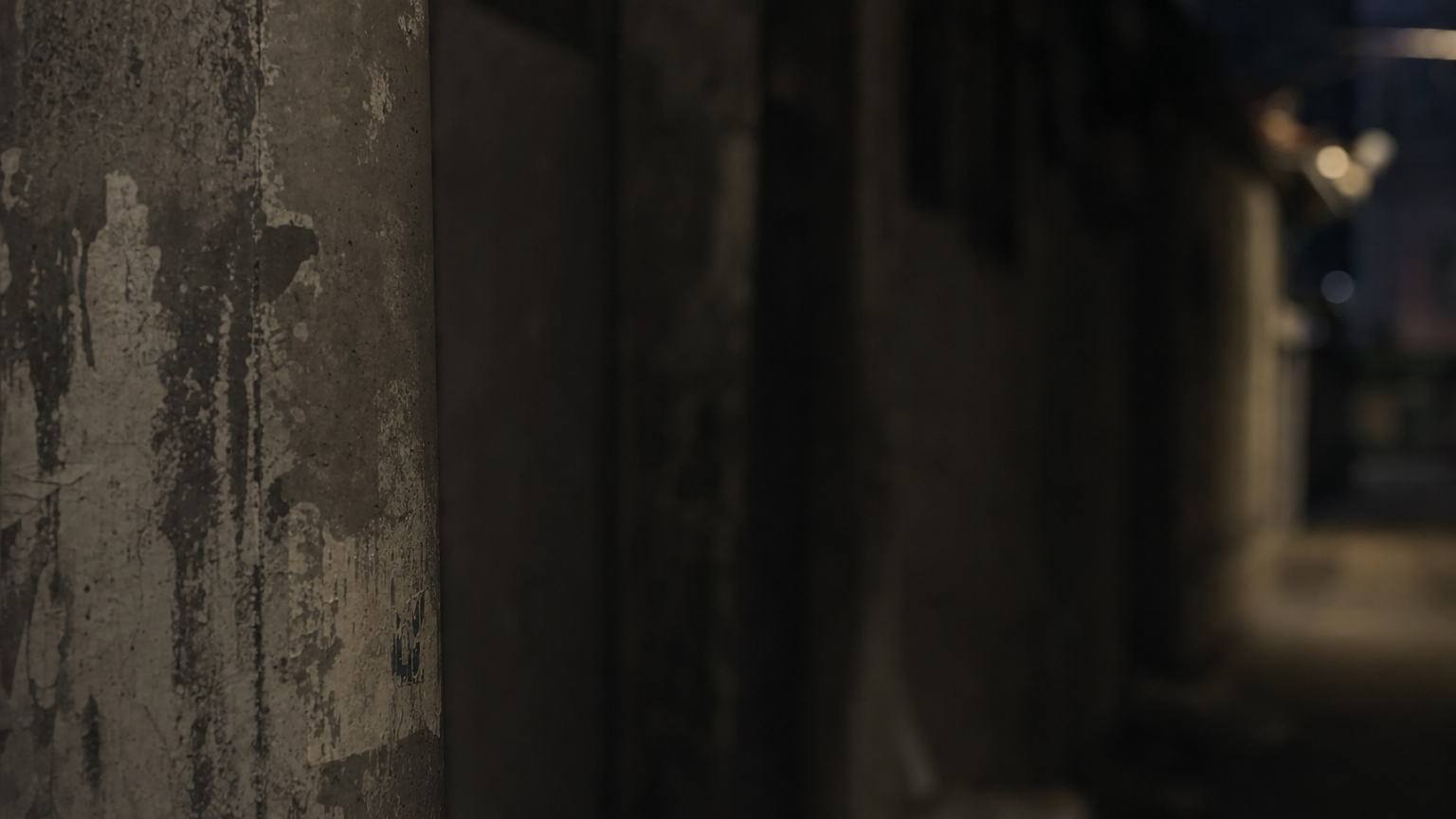
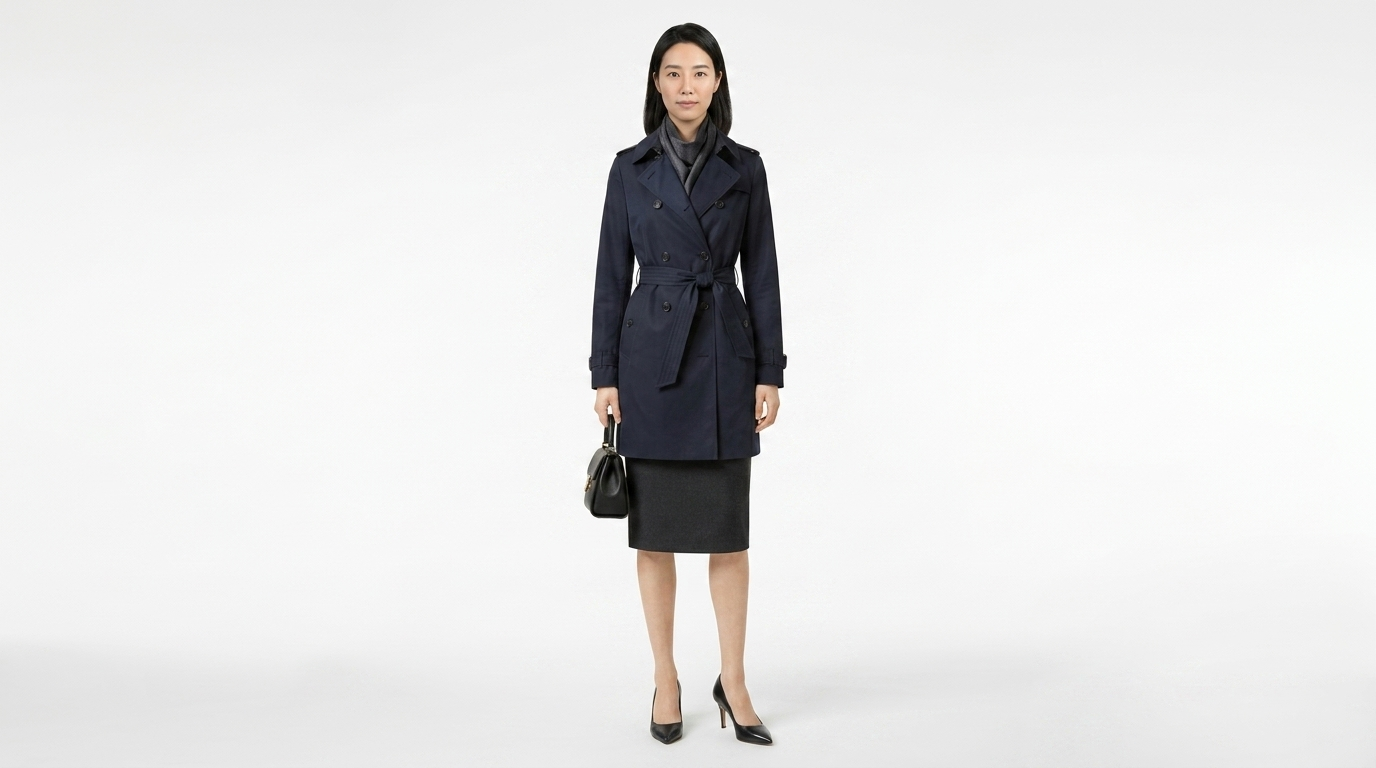
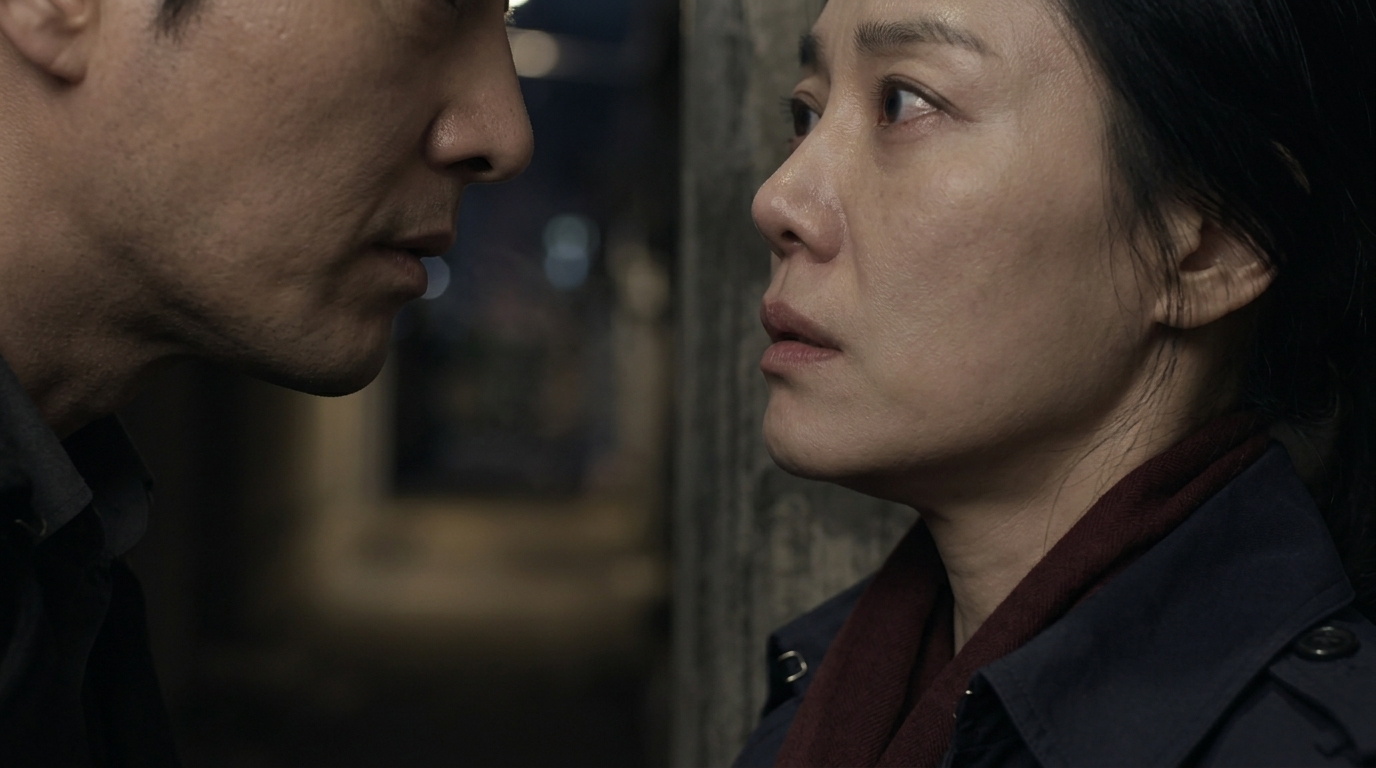
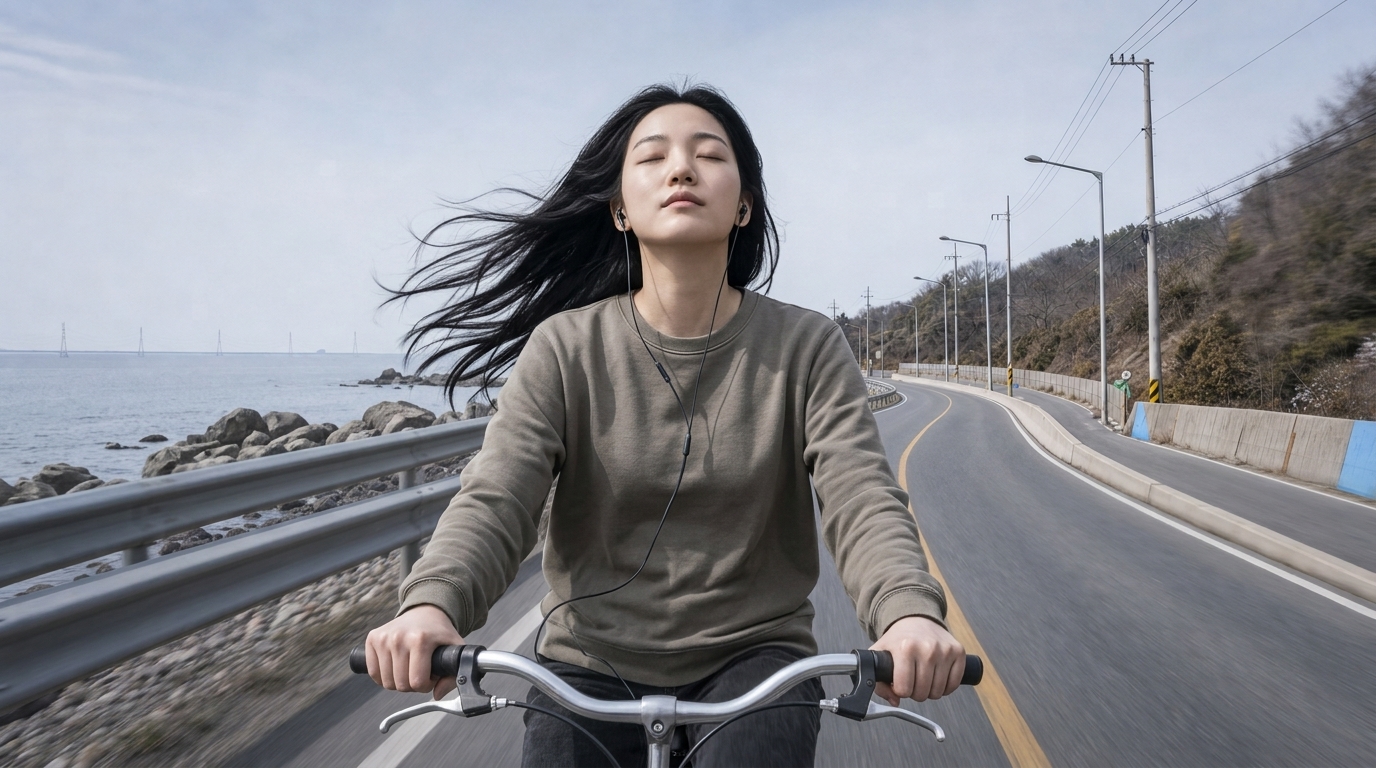
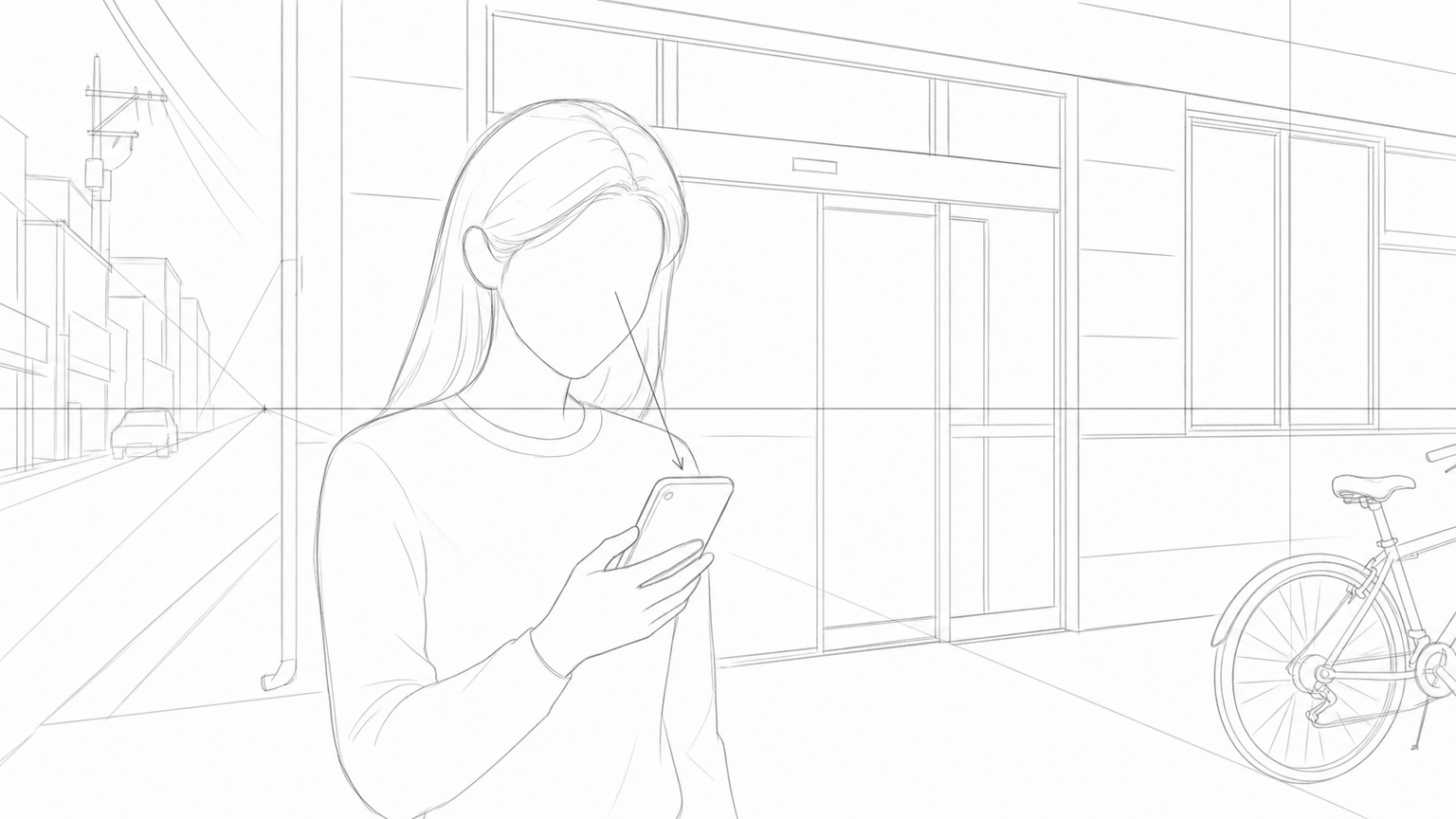
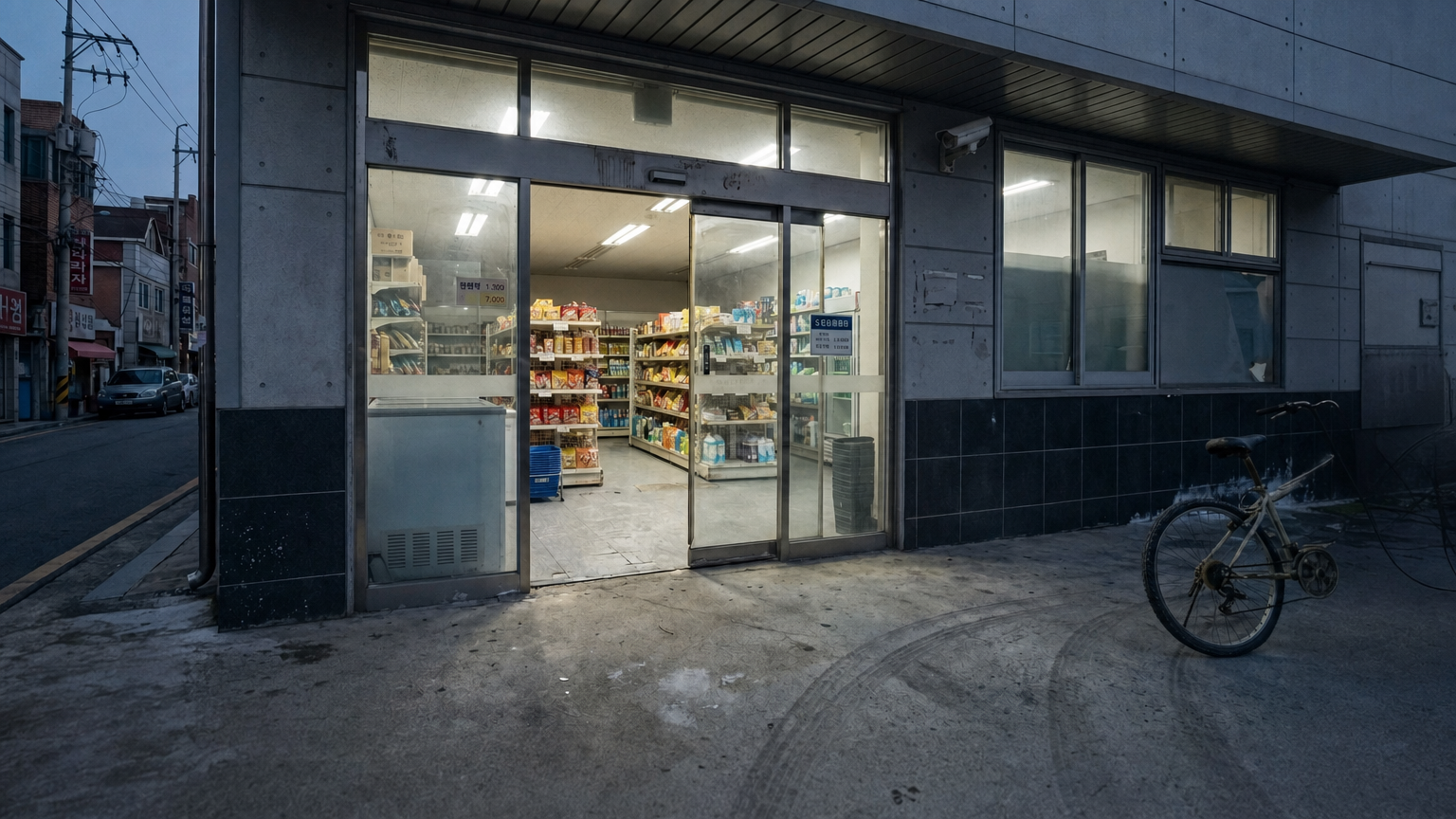
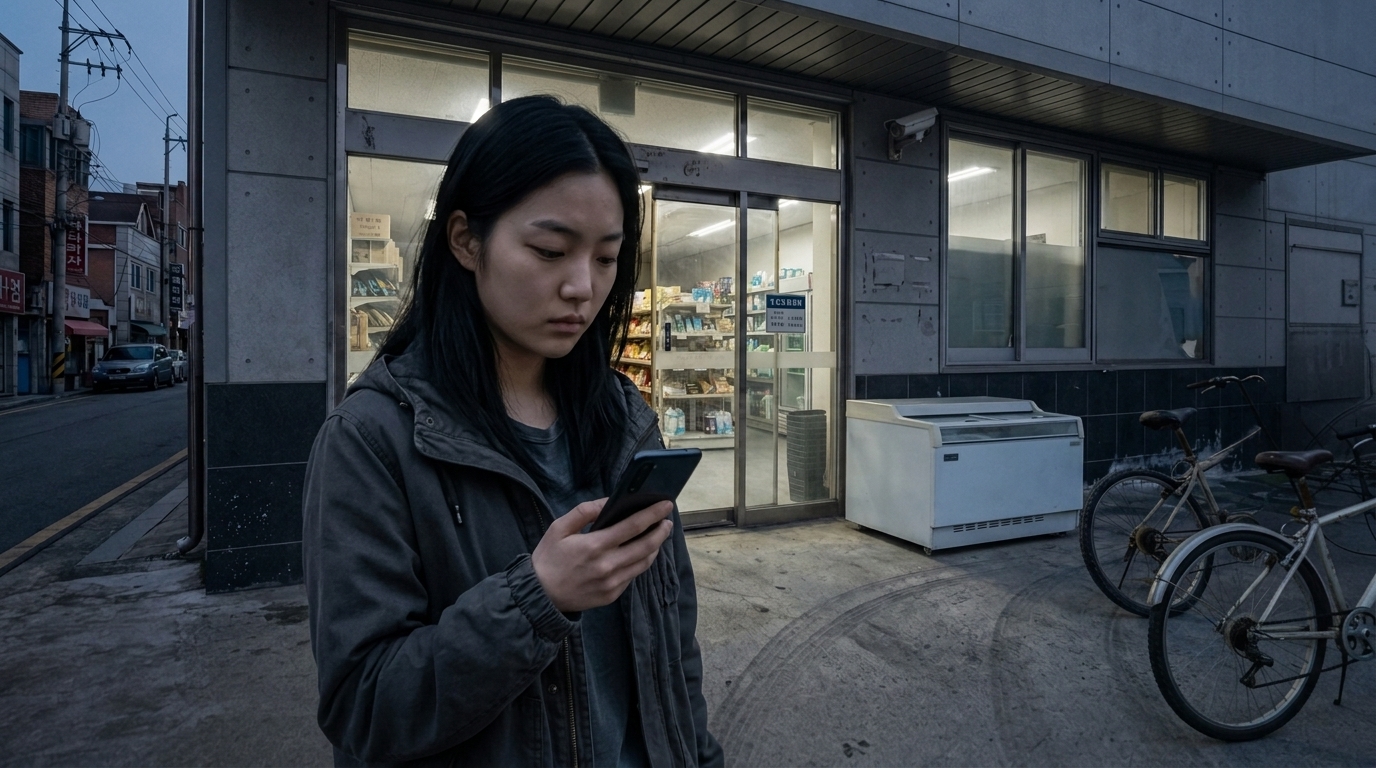
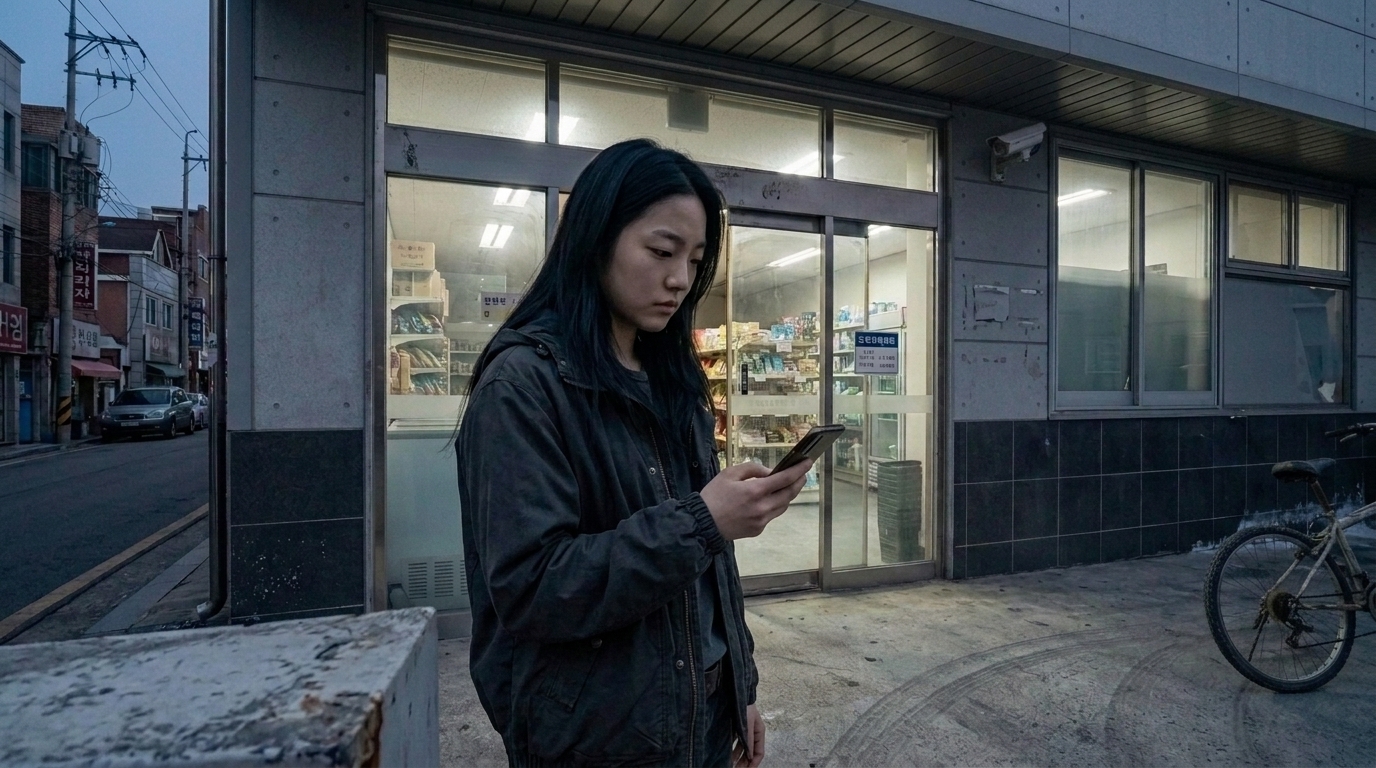
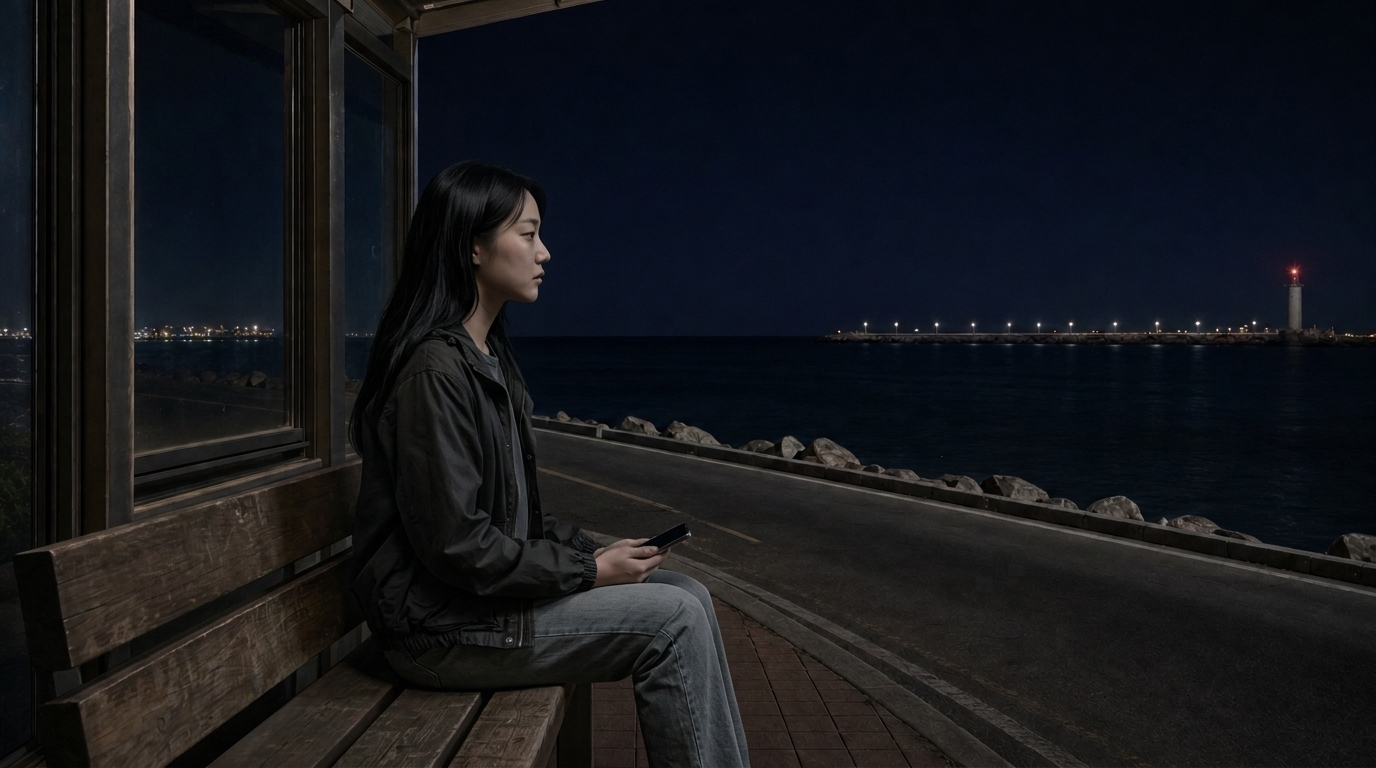
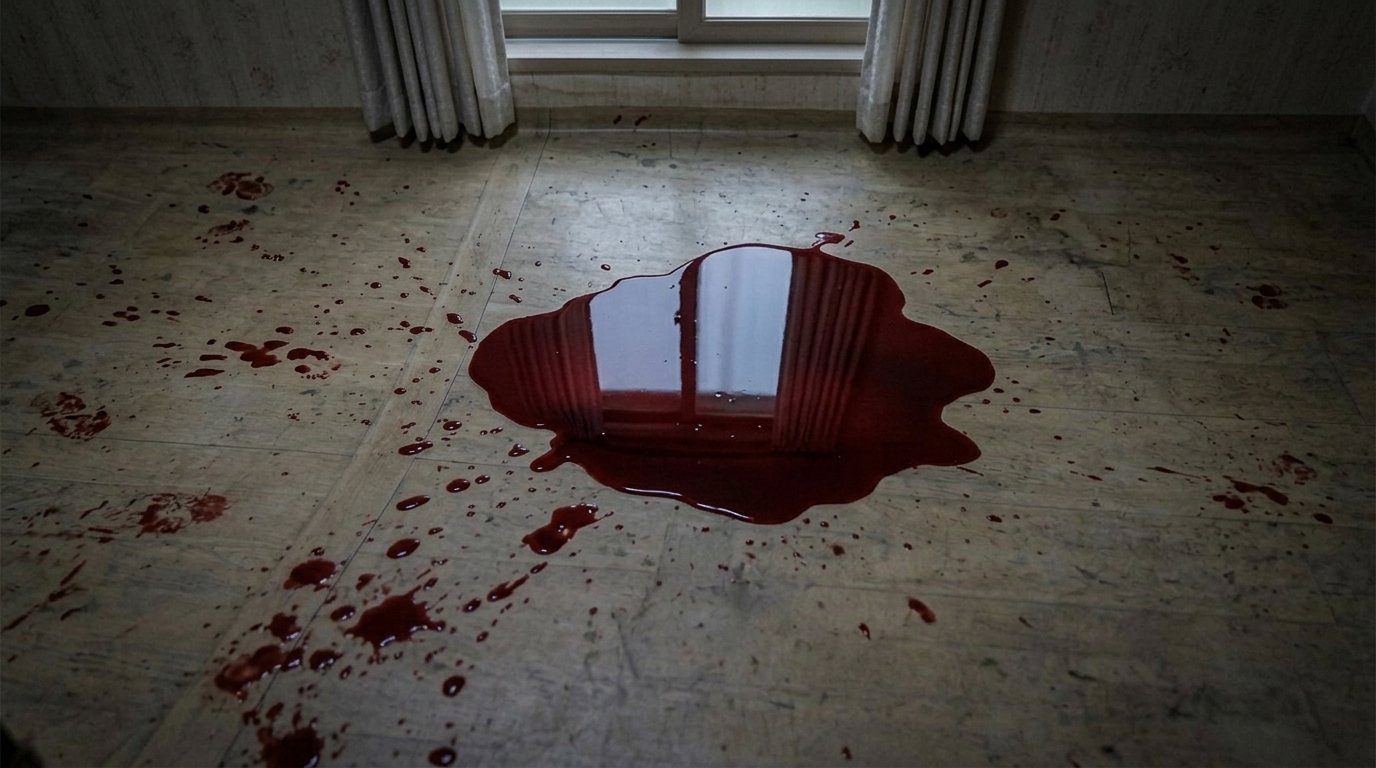
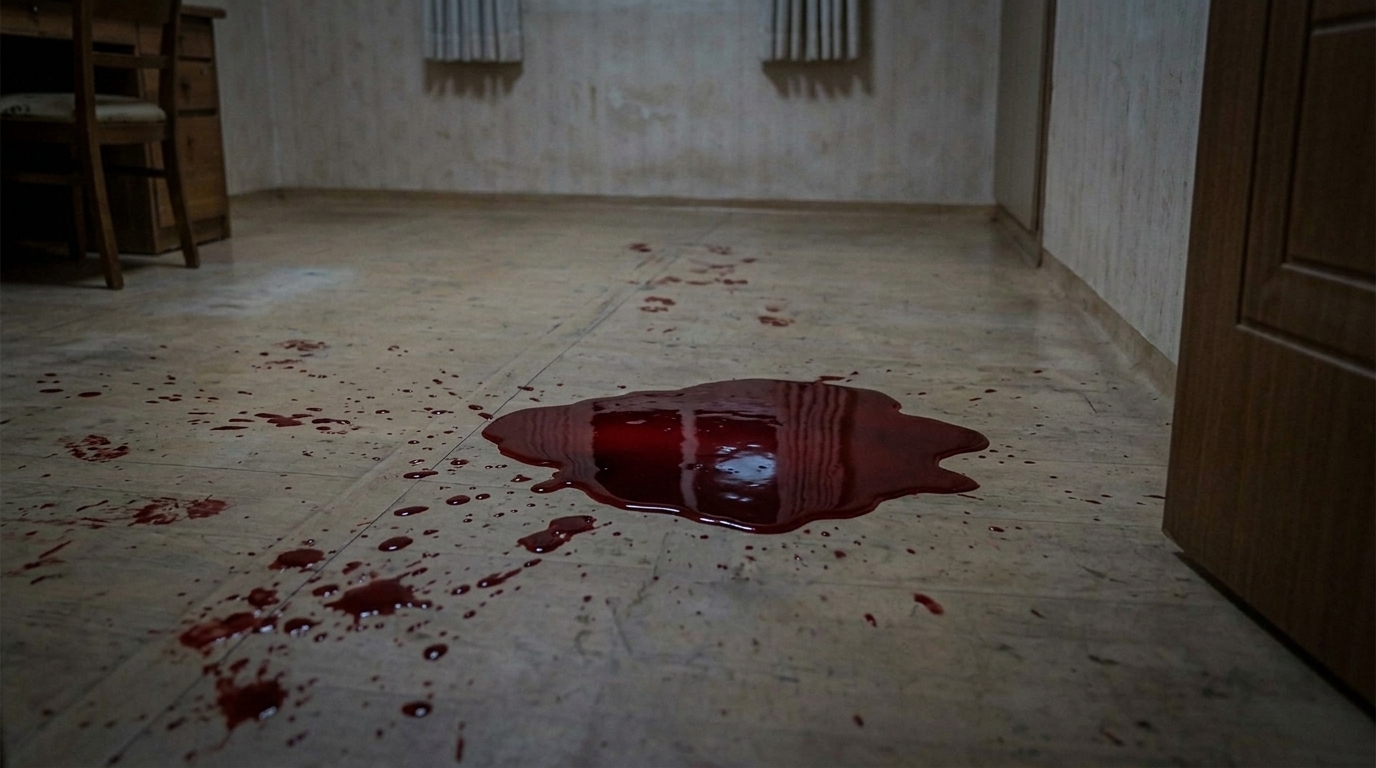
① BGFIRST 2택1 — 체인 승 (12샷): 플레이트 ➜ 원근 콘티 ➜ GPT 재투영 빈 배경 ➜ nb2 인물 삽입
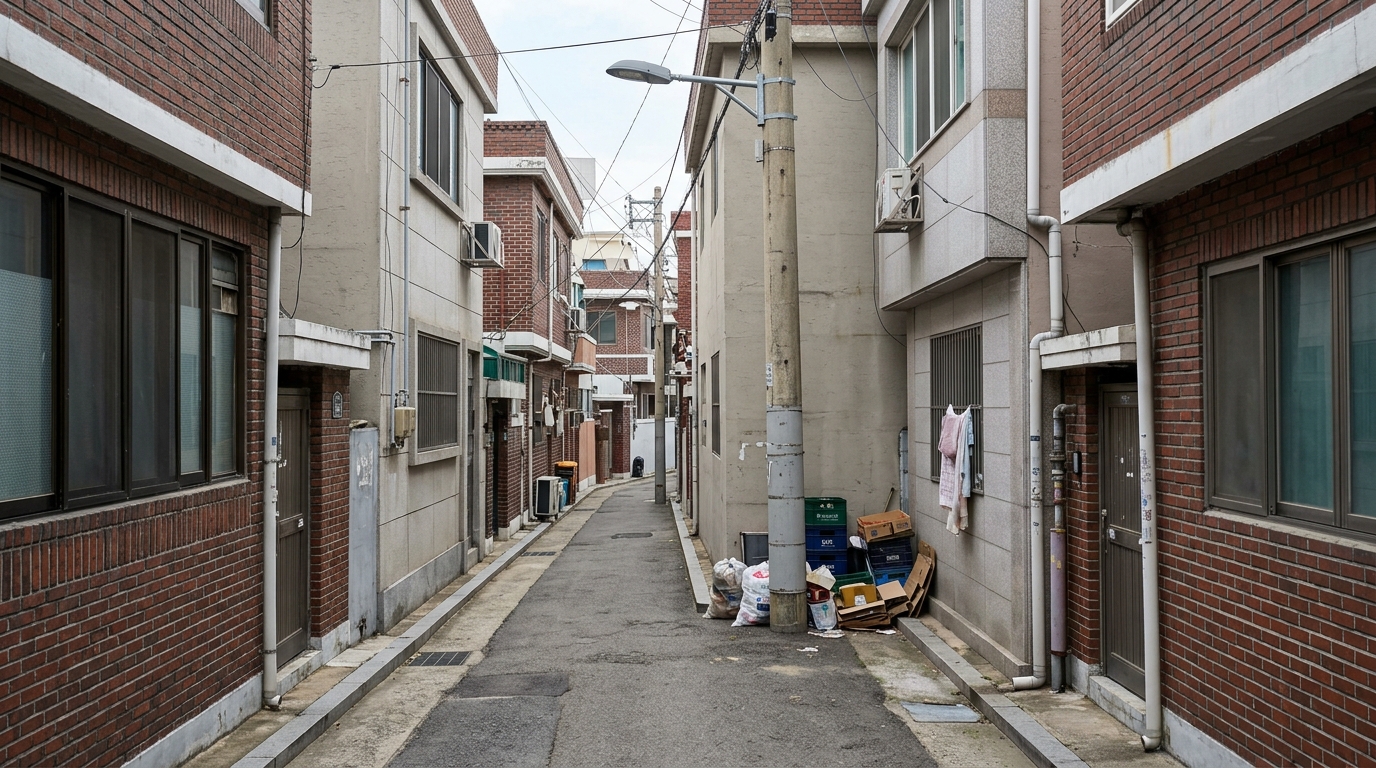
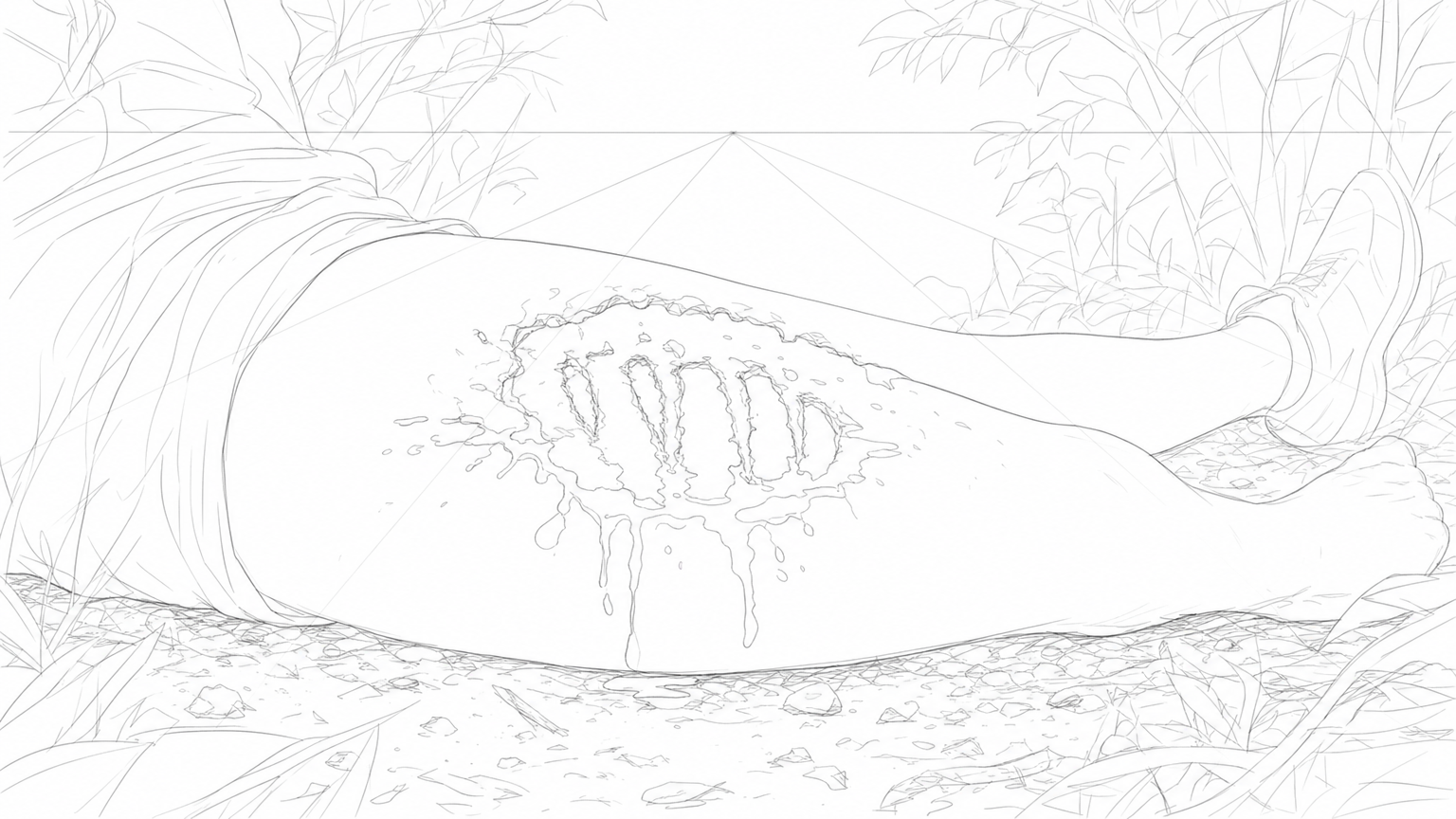
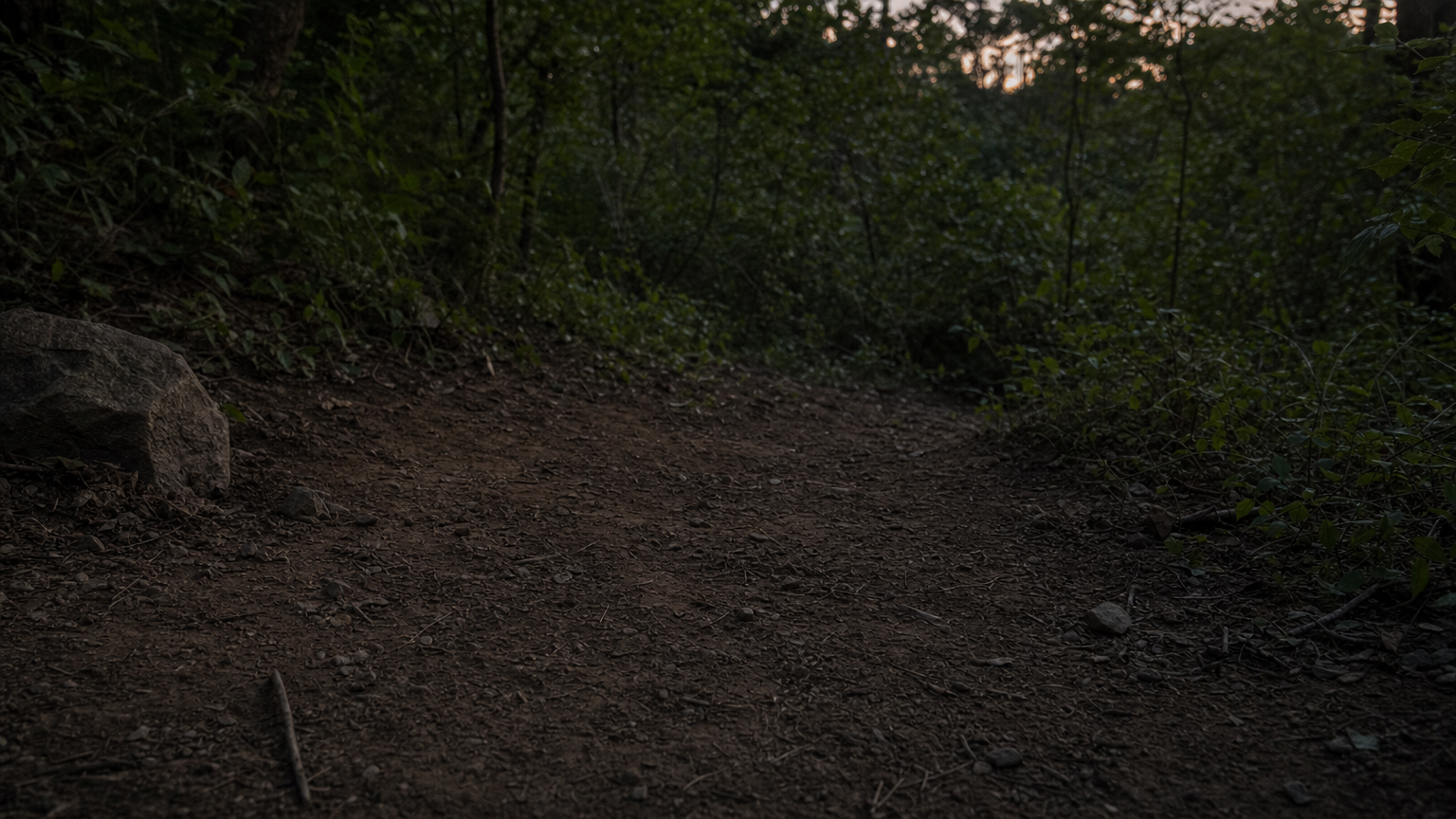
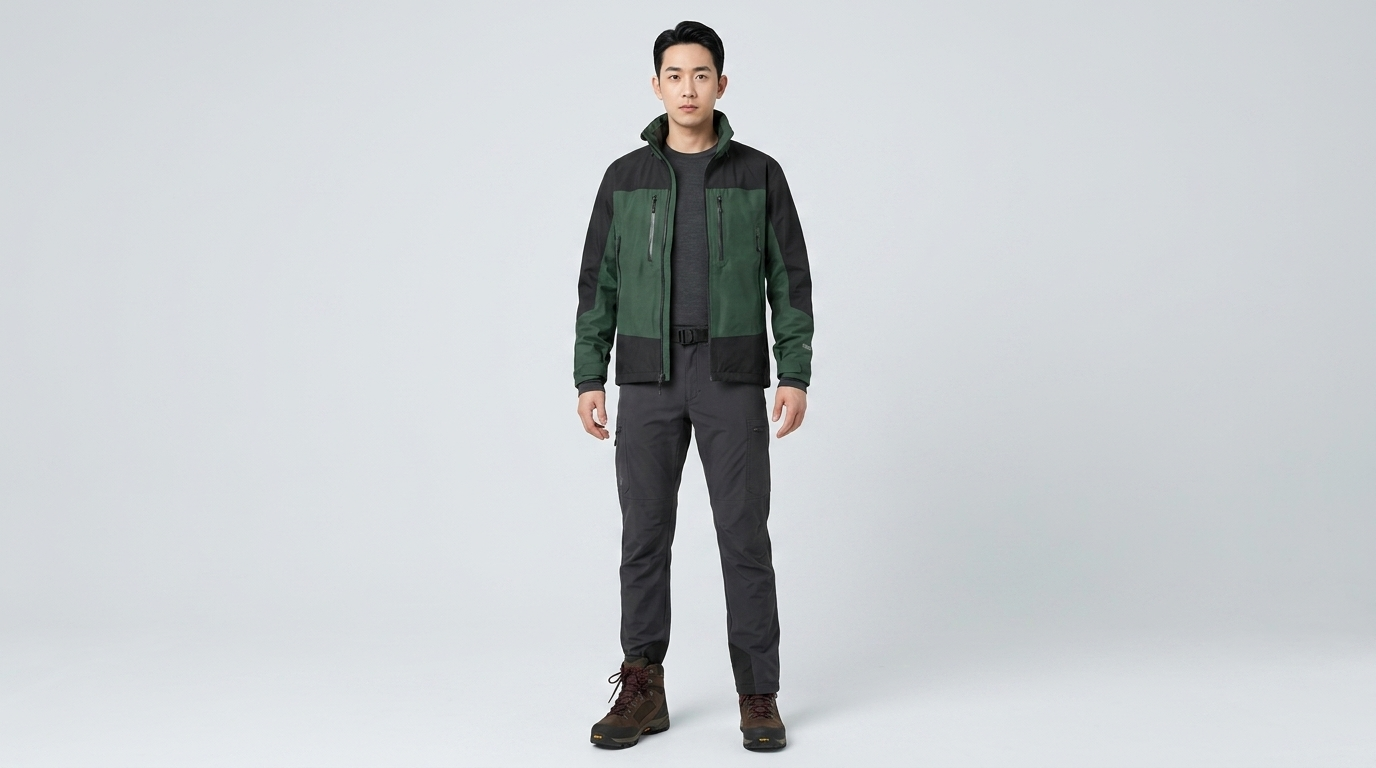
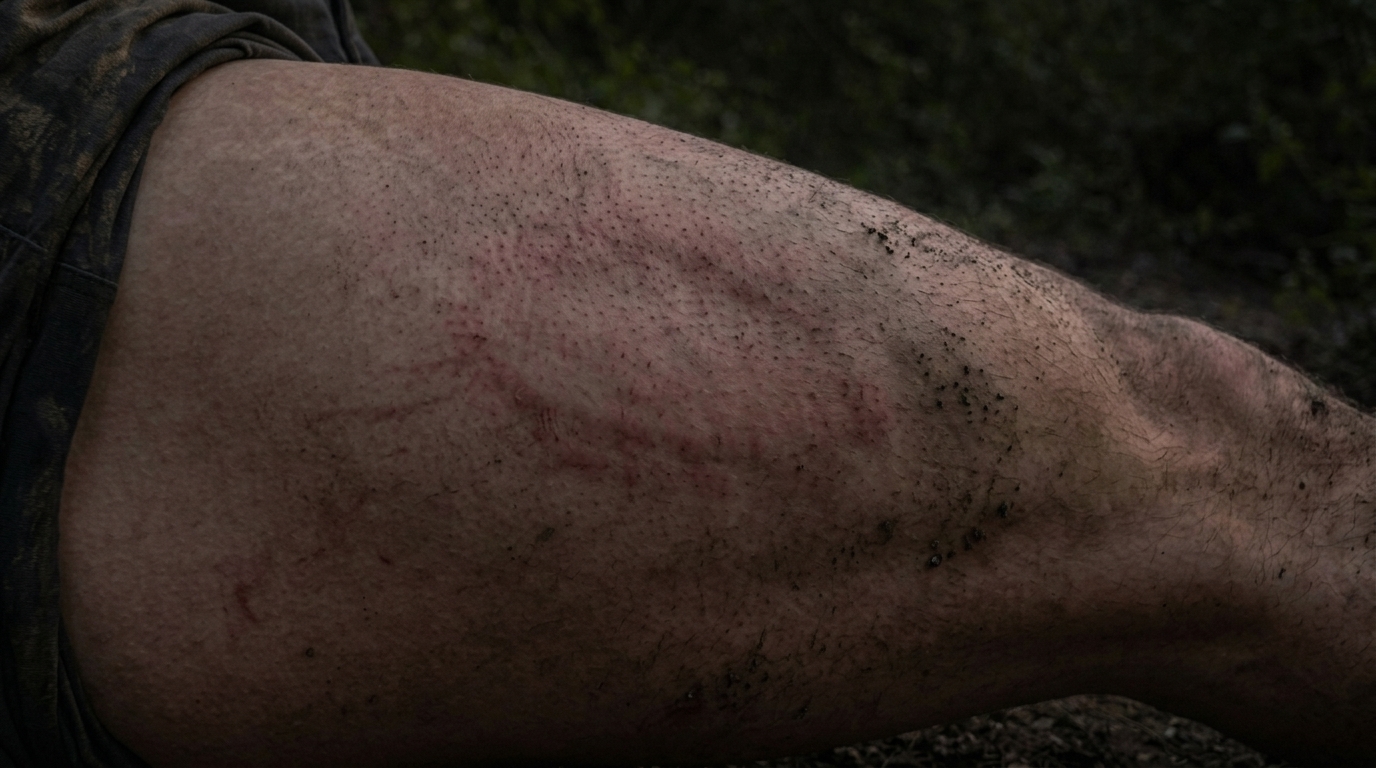
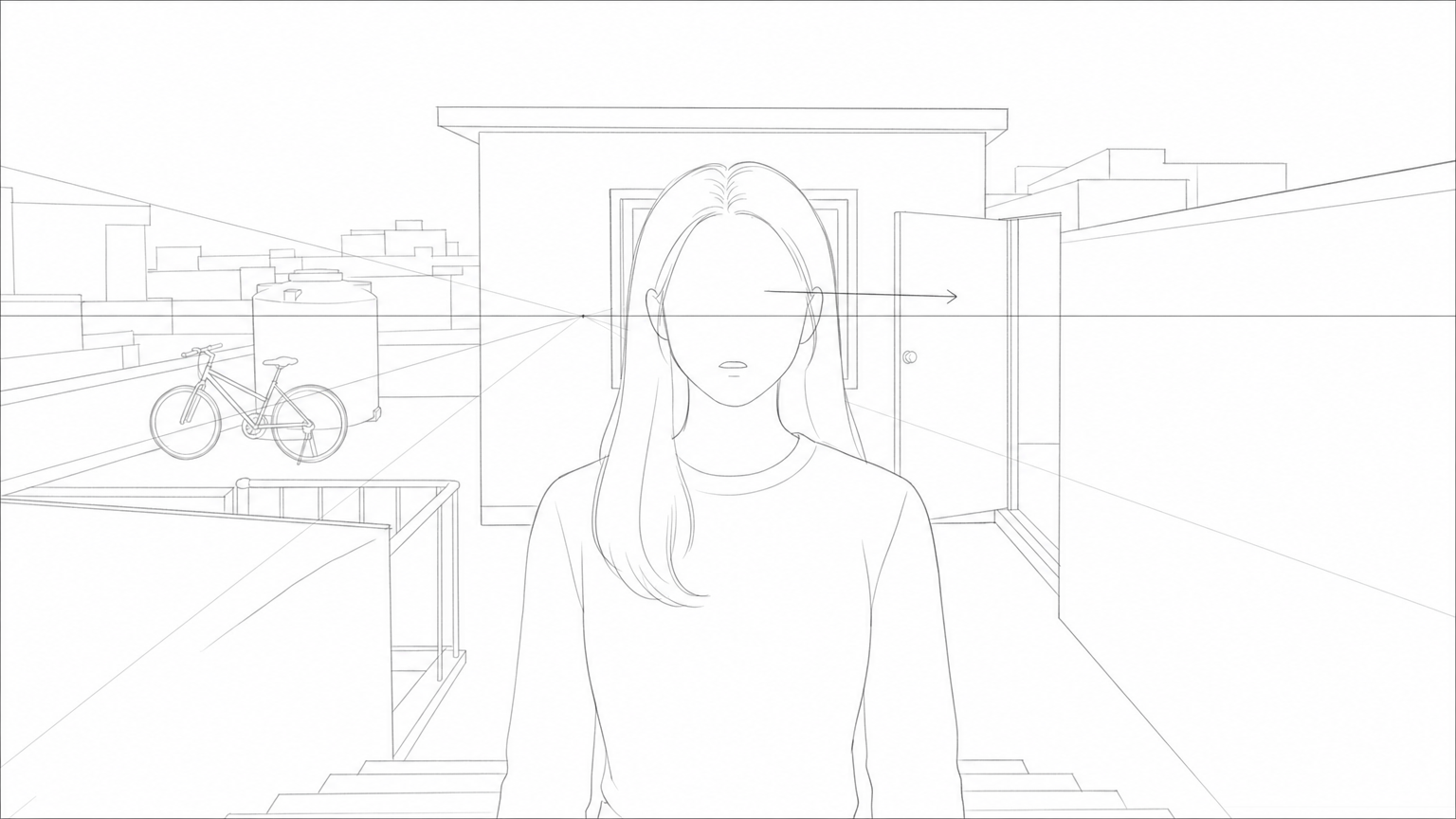
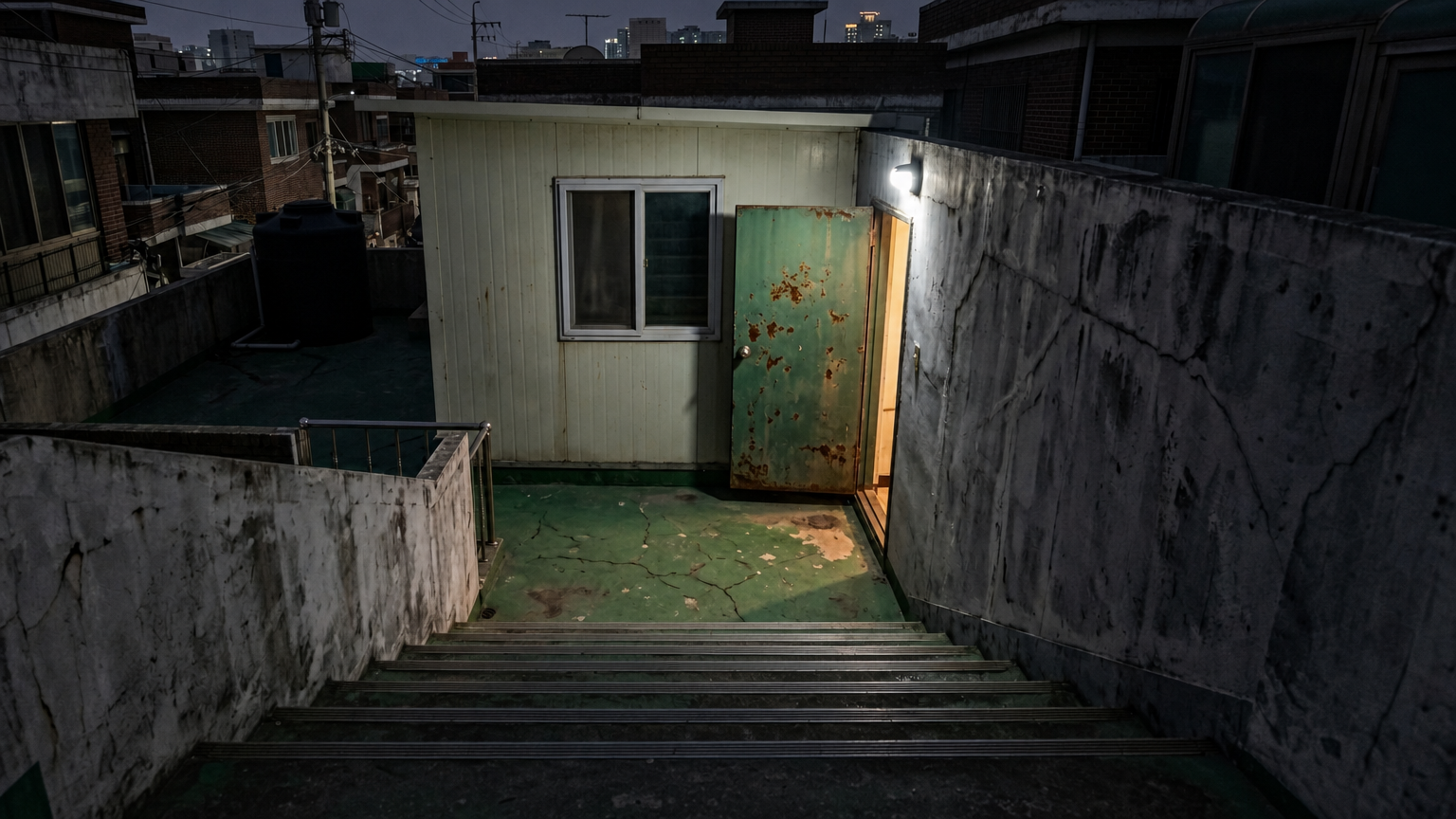
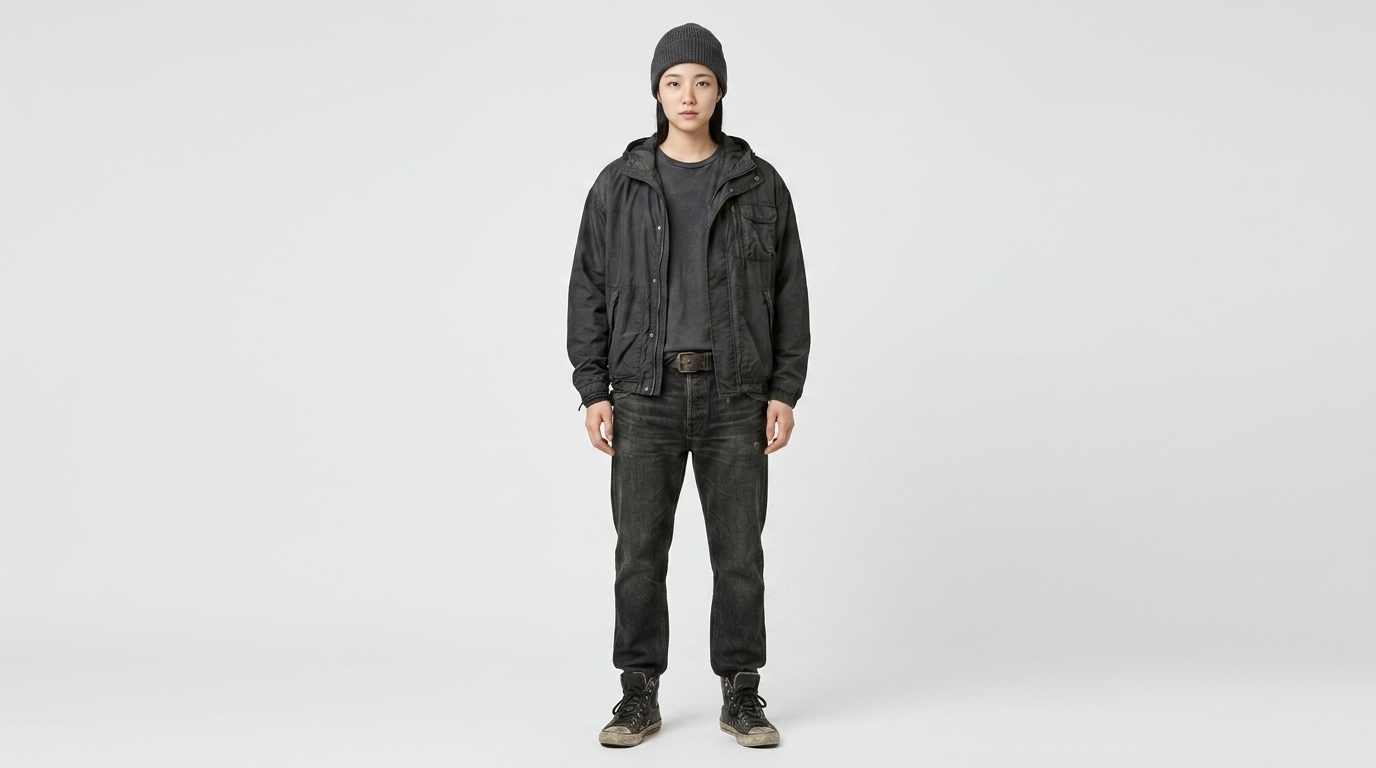
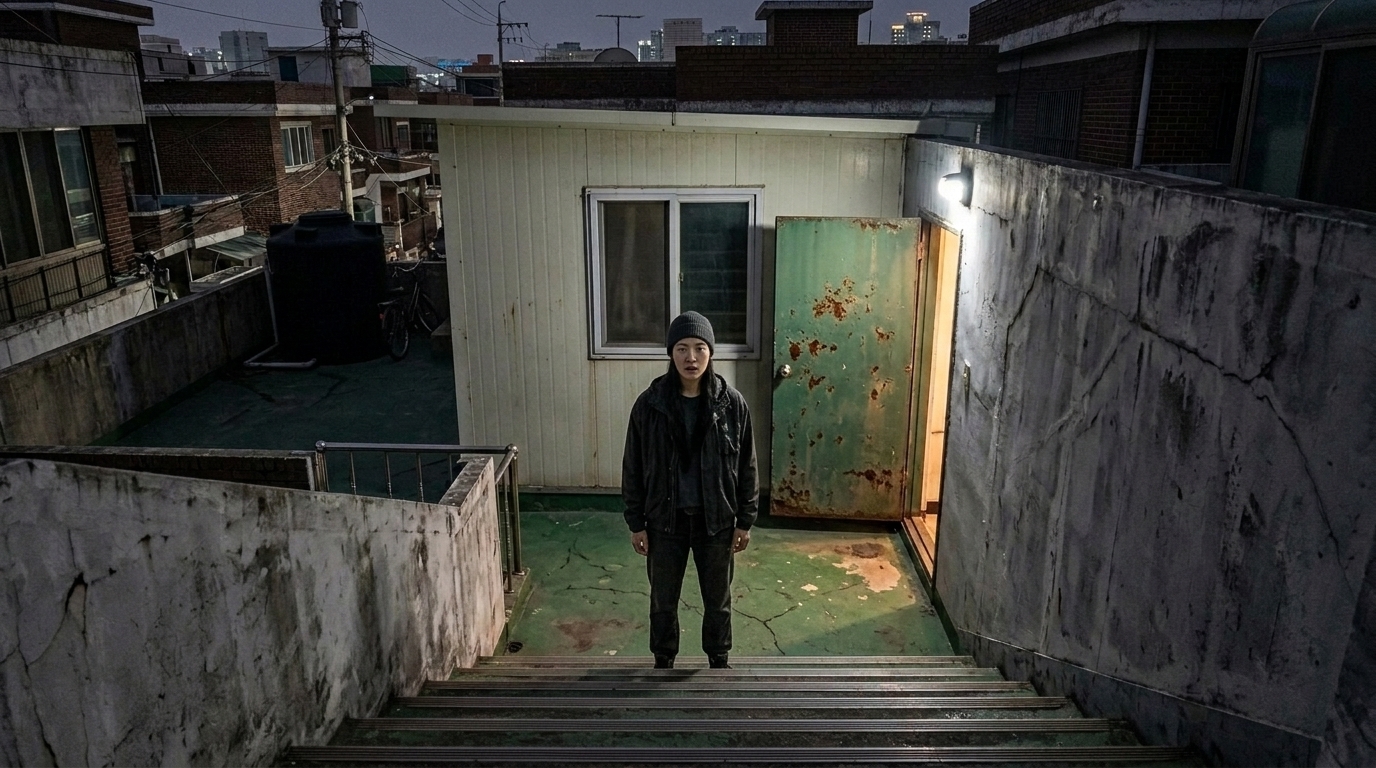
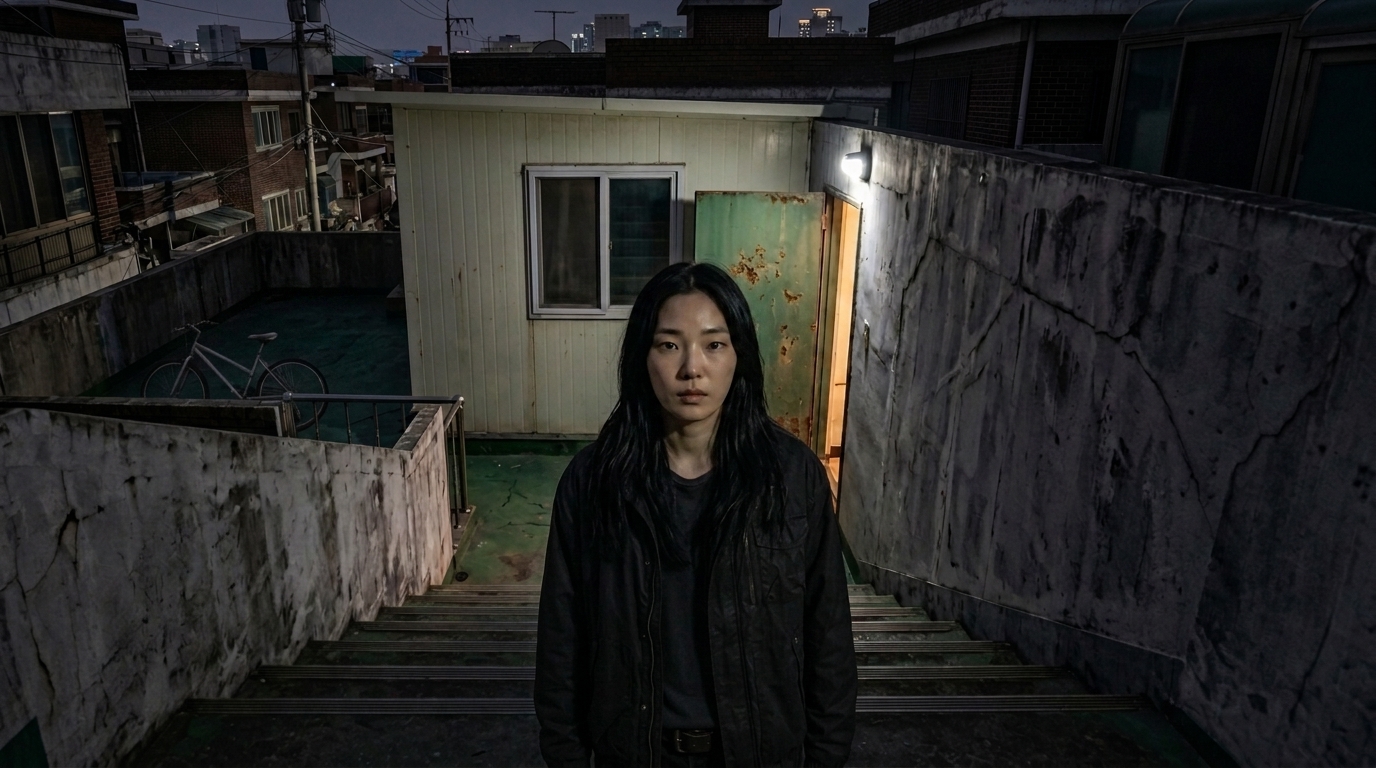
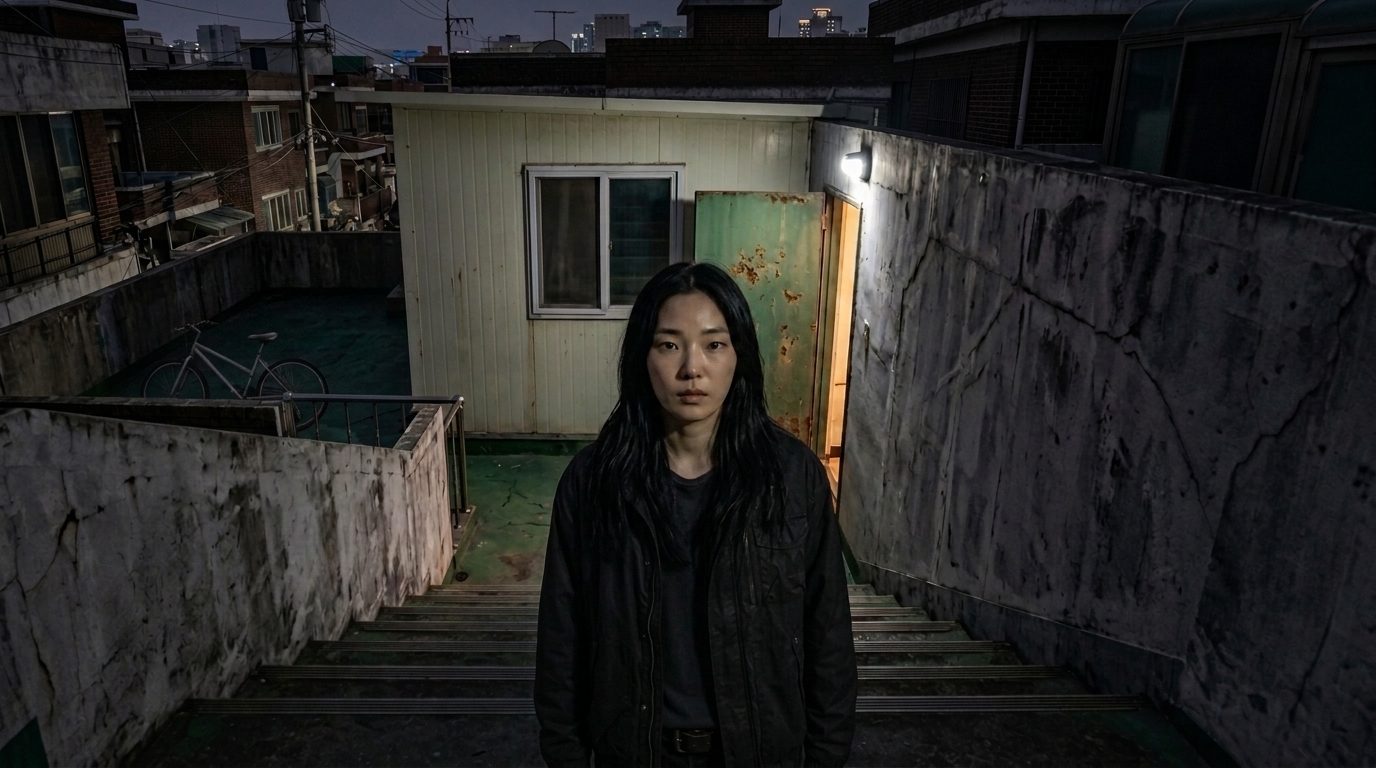
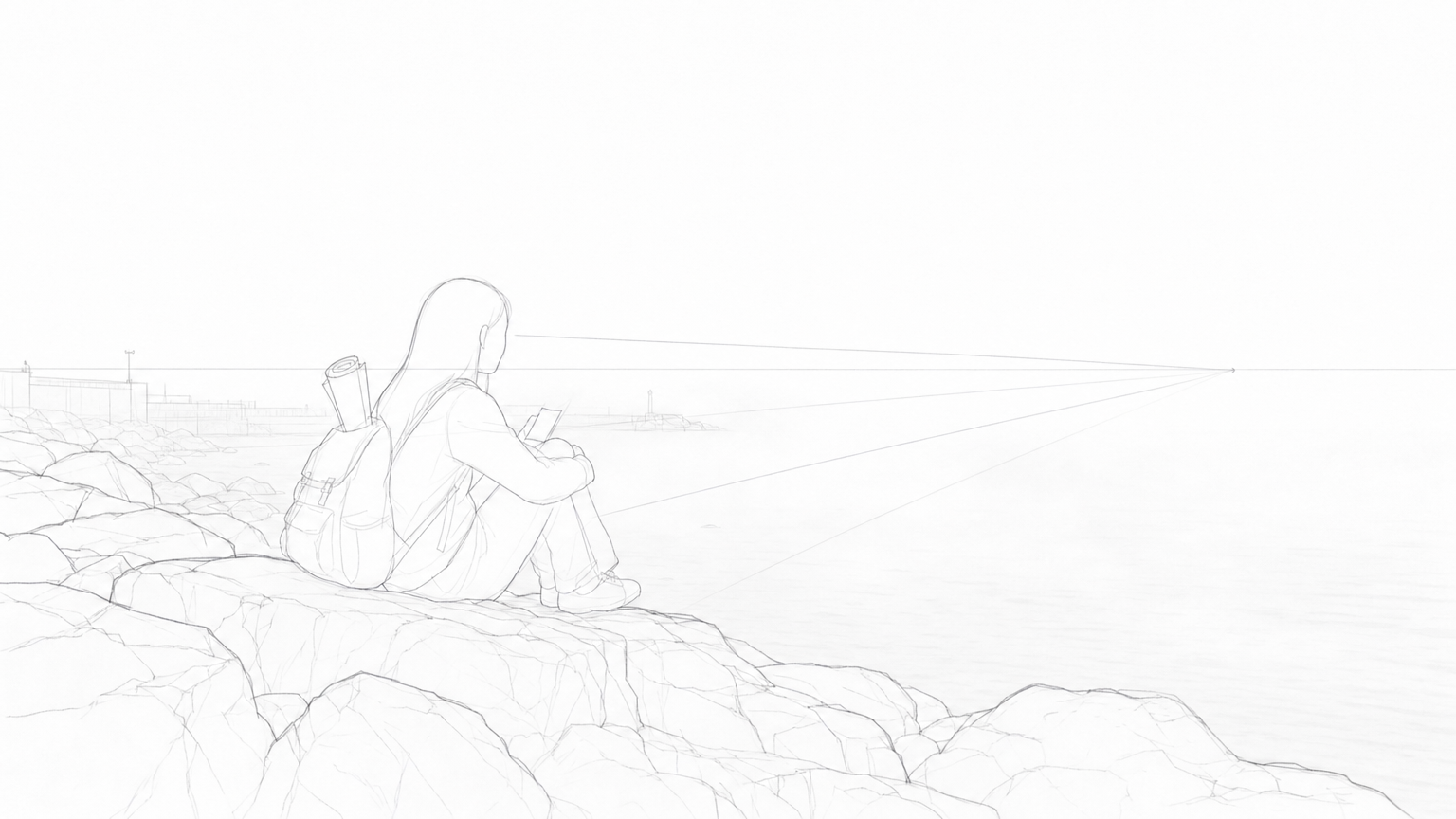
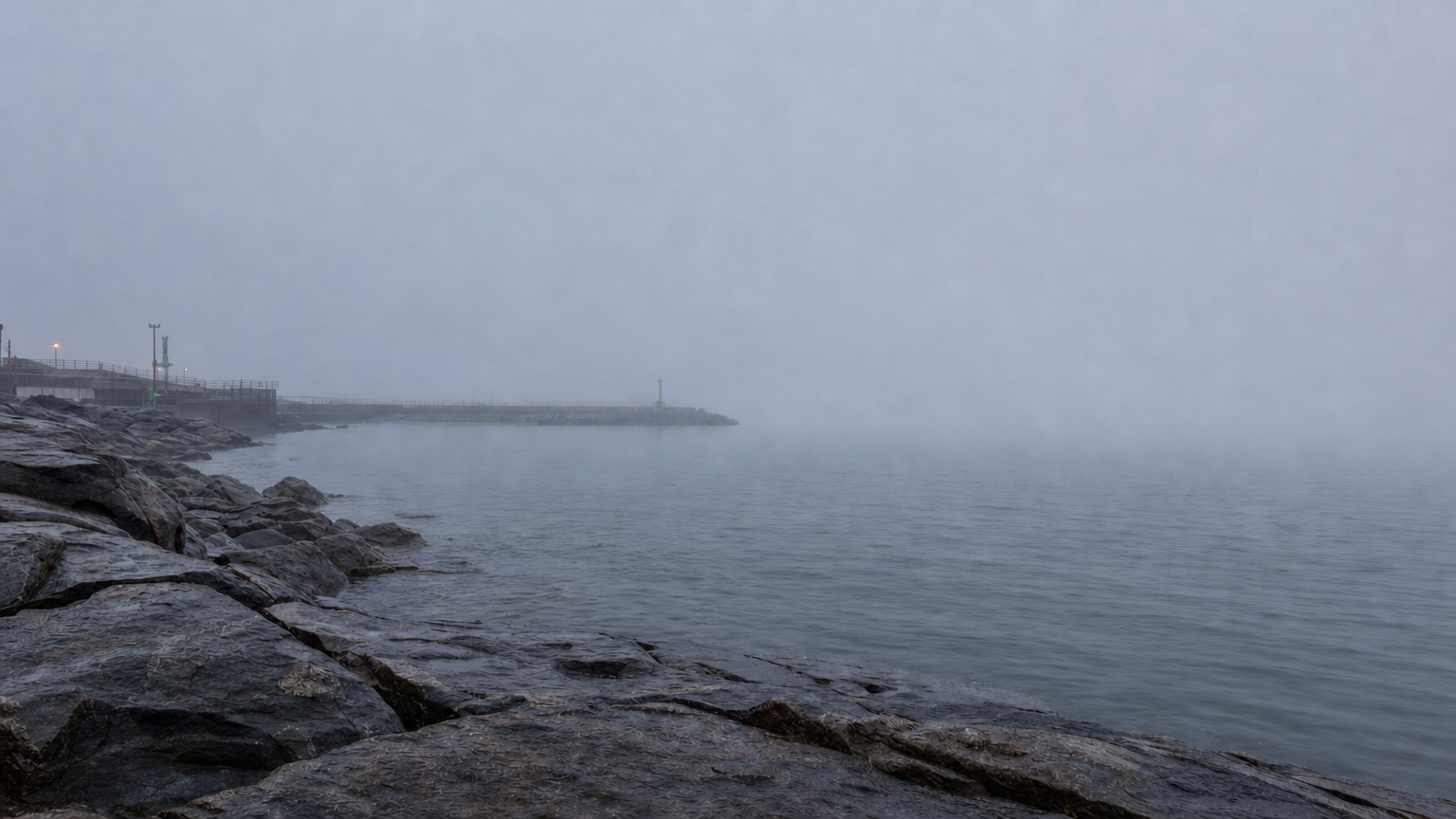
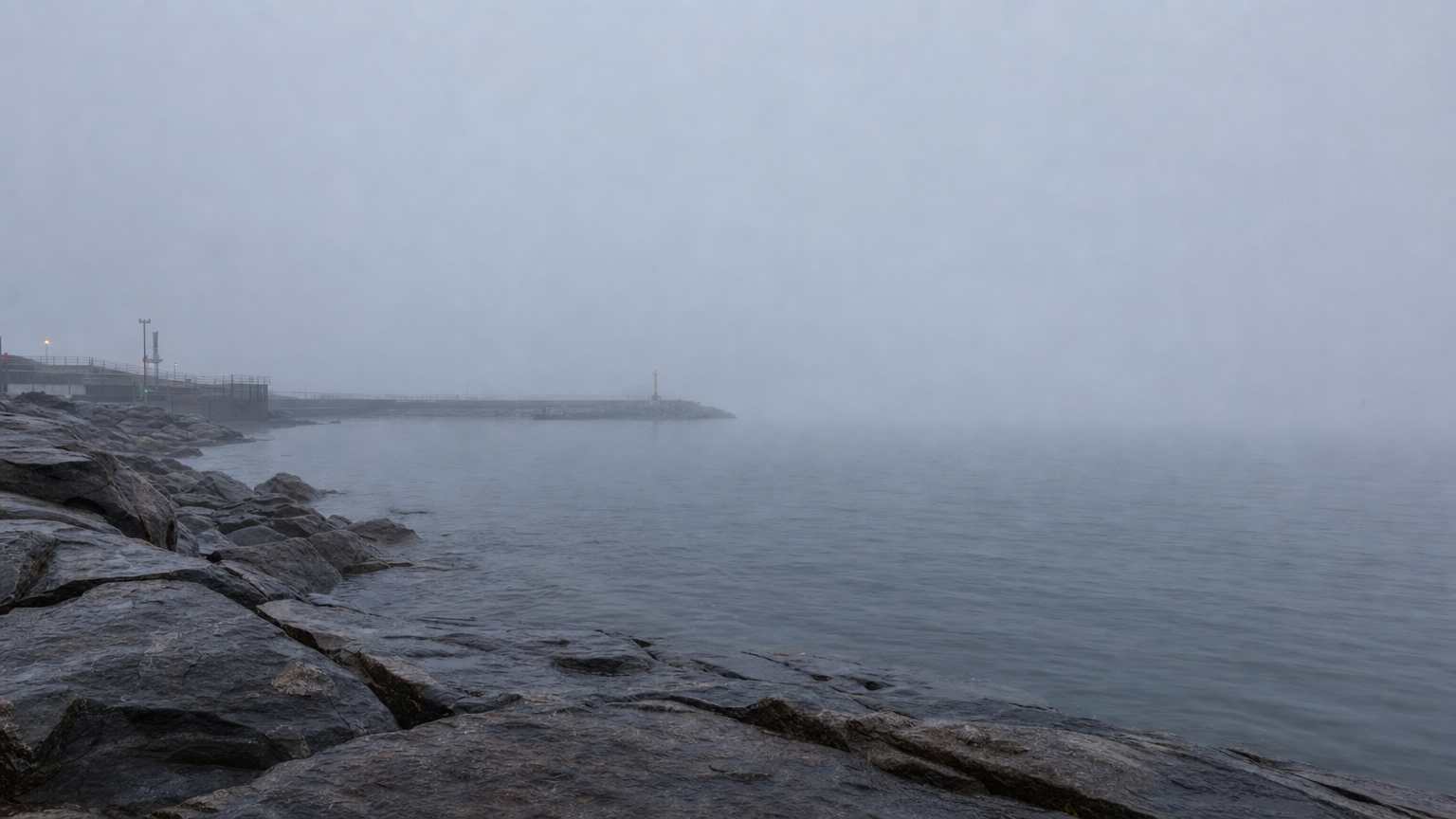
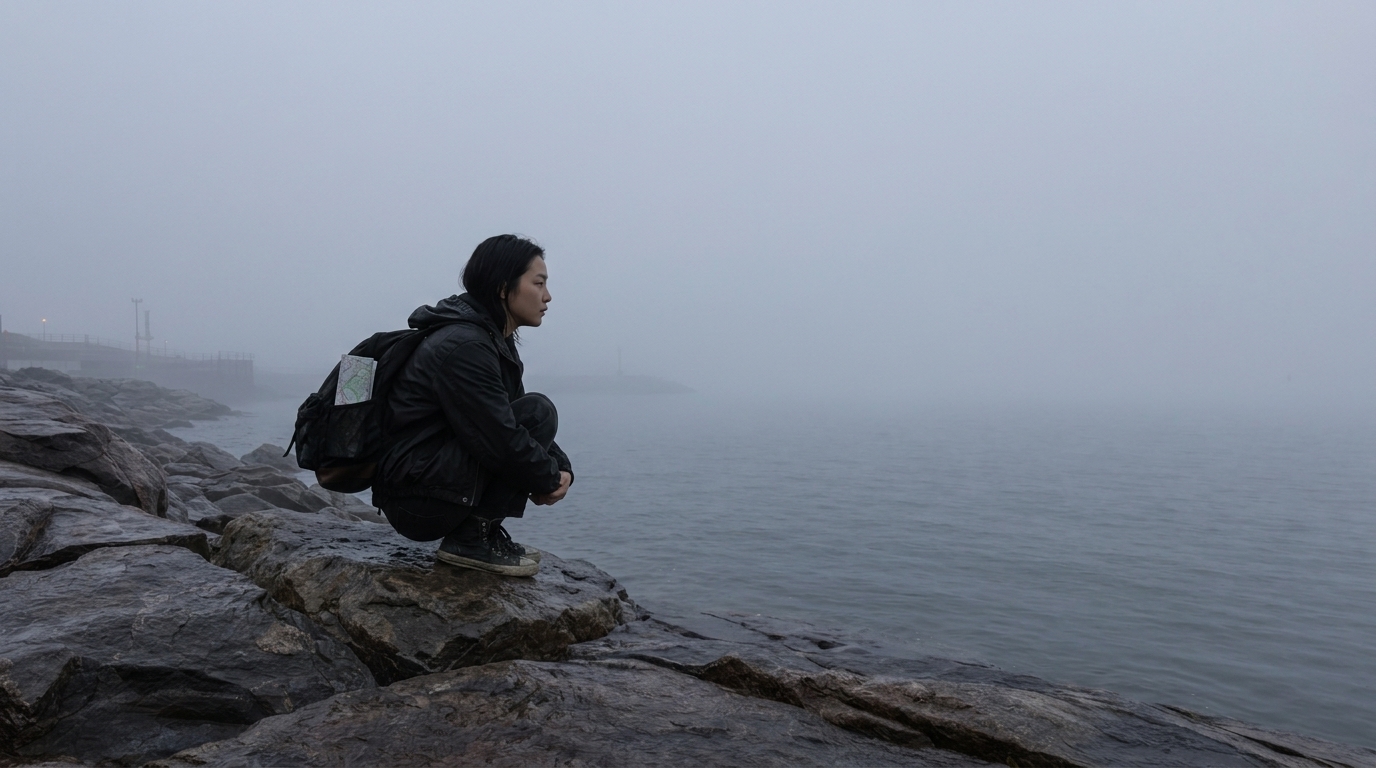
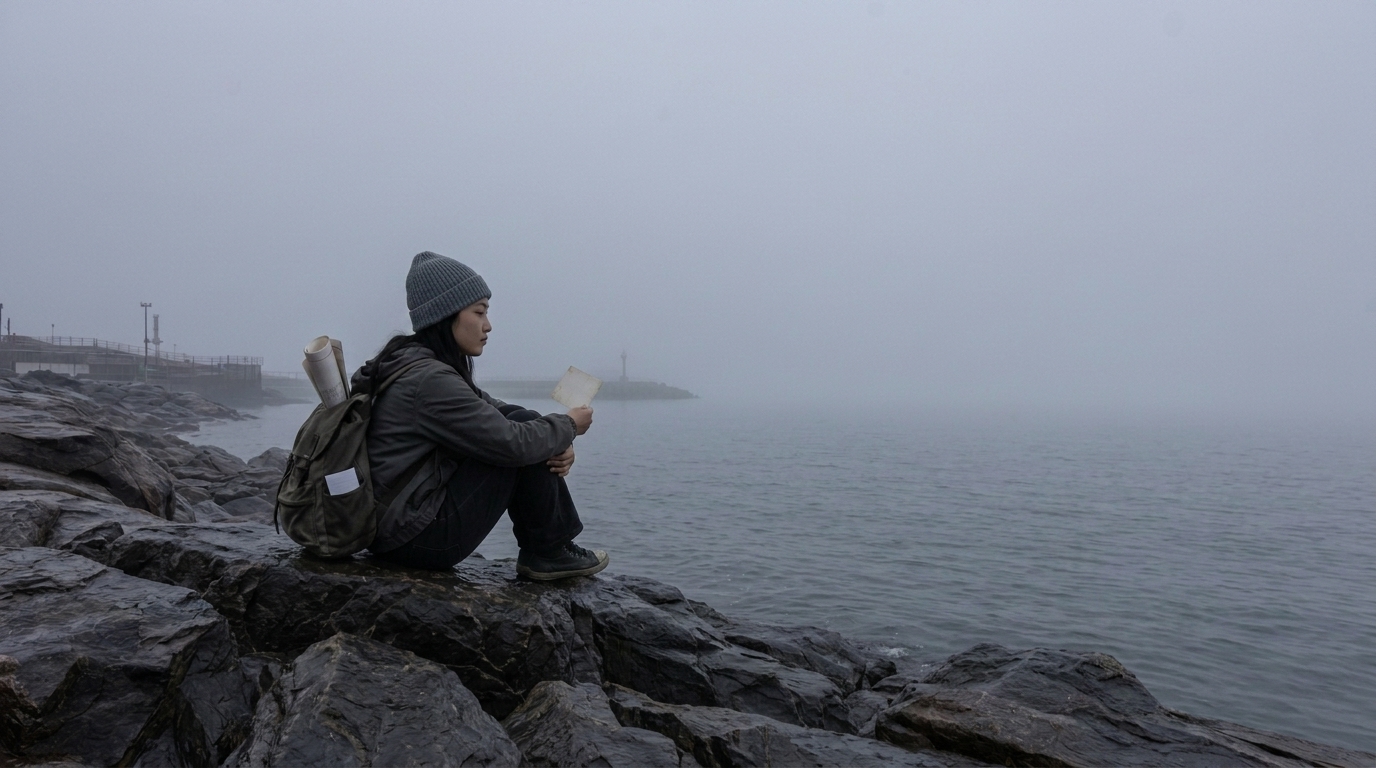
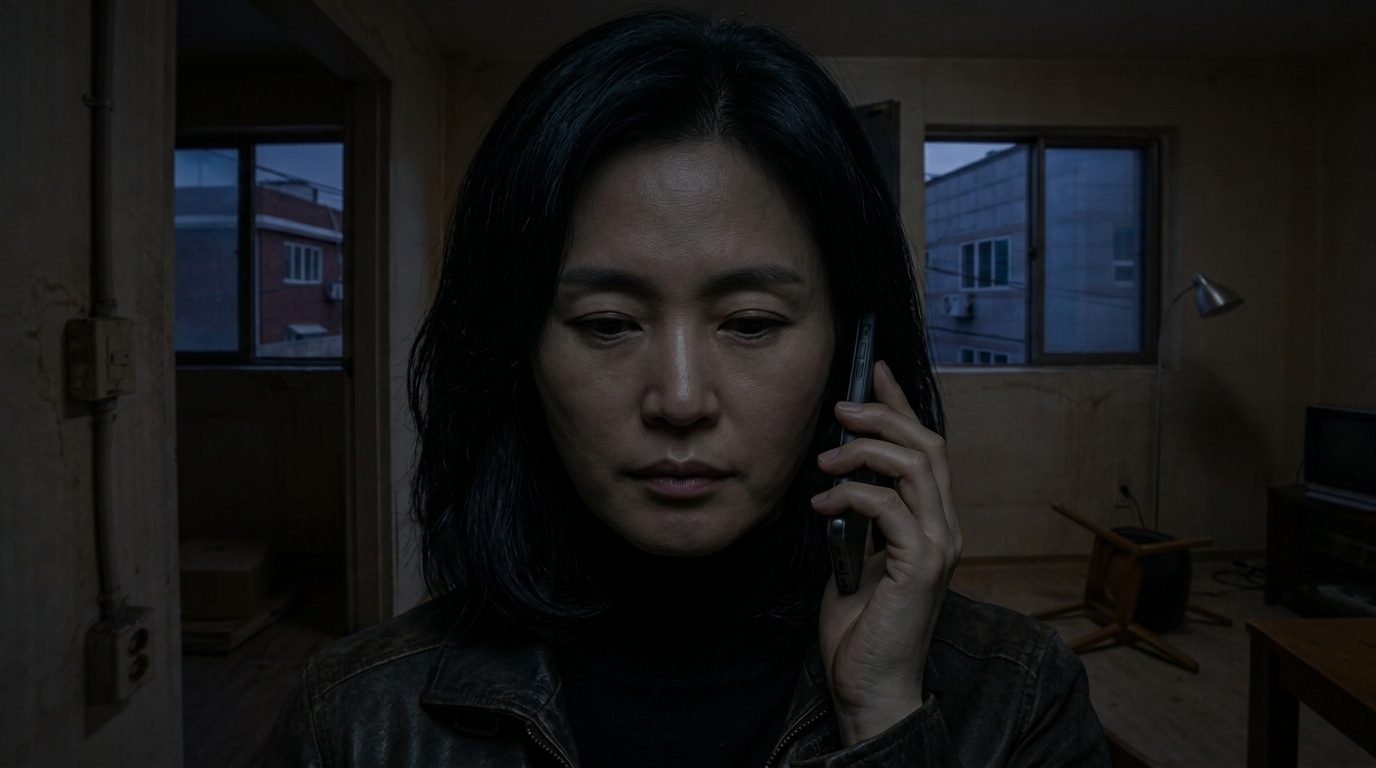
S1sh1 재투영 배경+콘티+엔티티 (2택1: 체인 승)
① 배경·밑그림 재료 — 어떻게 만들어졌나
➜
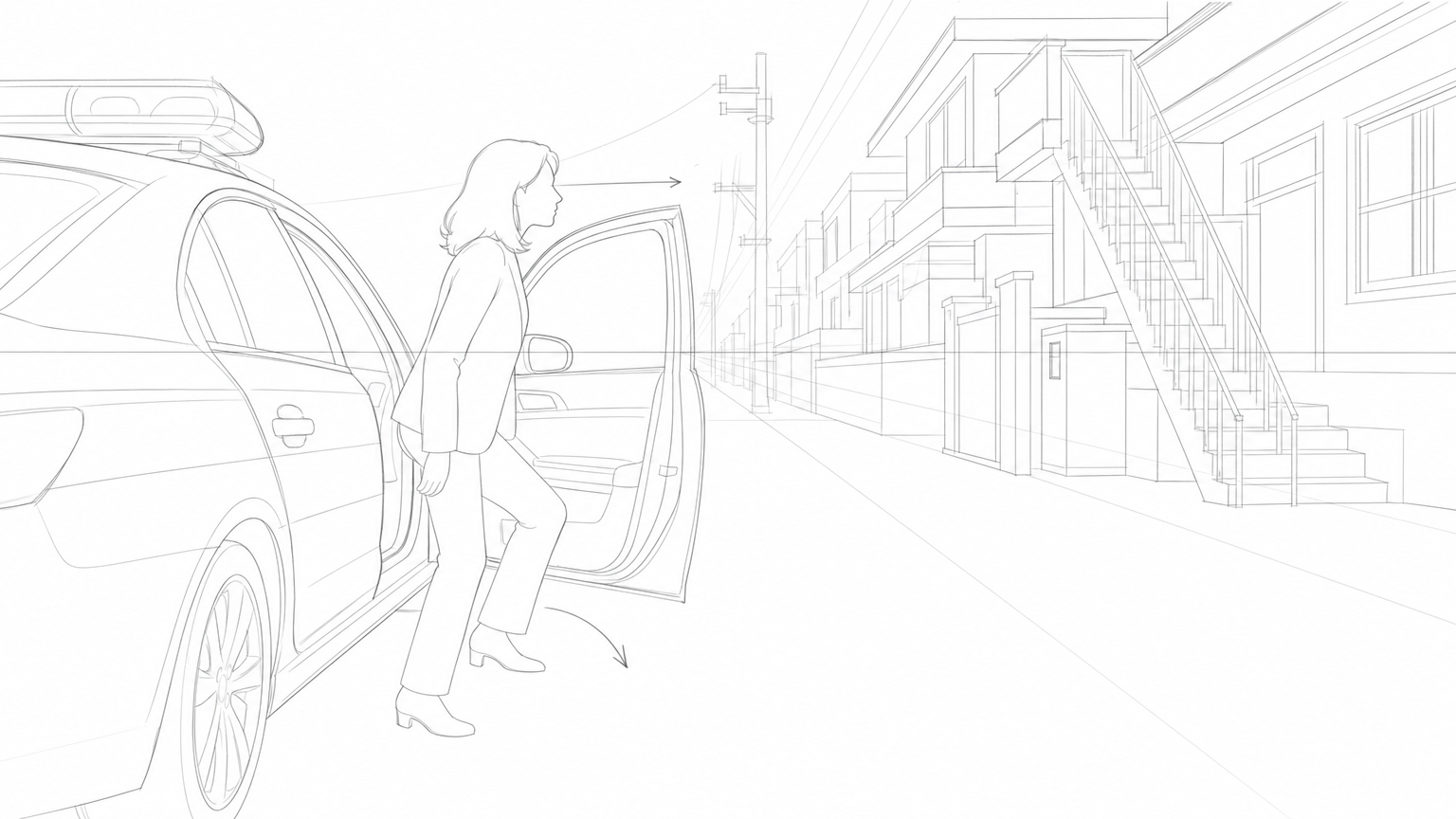
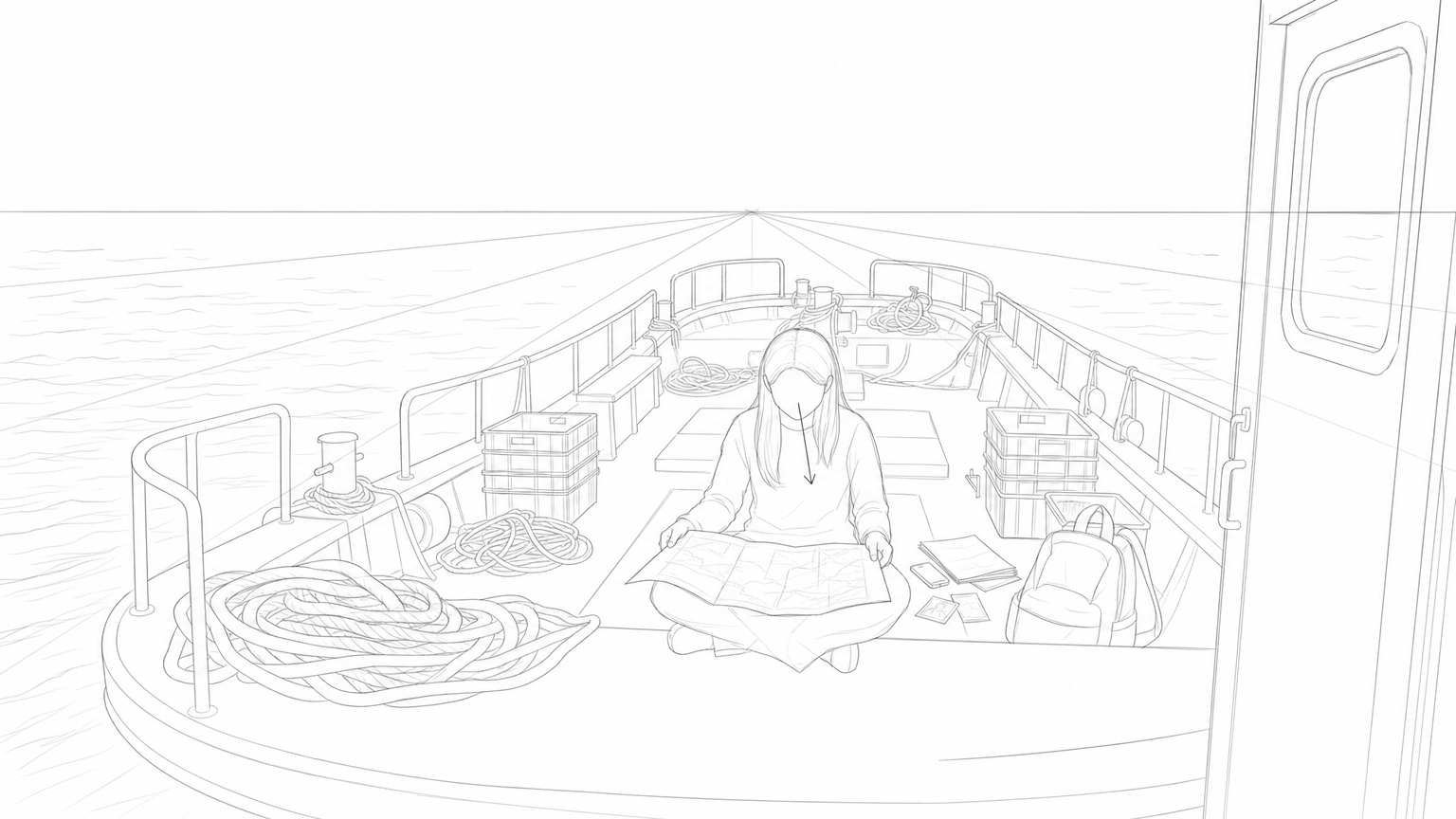
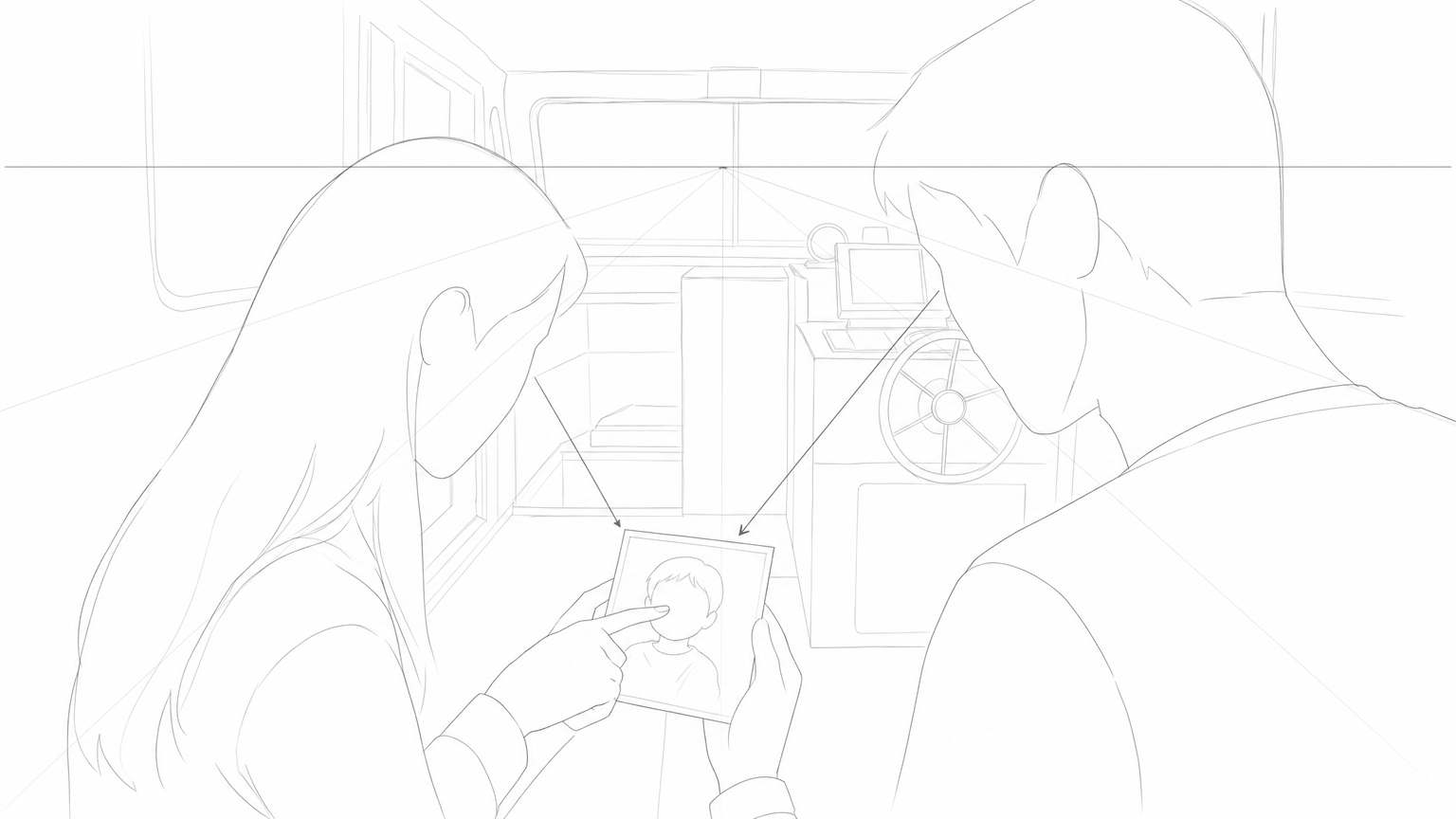
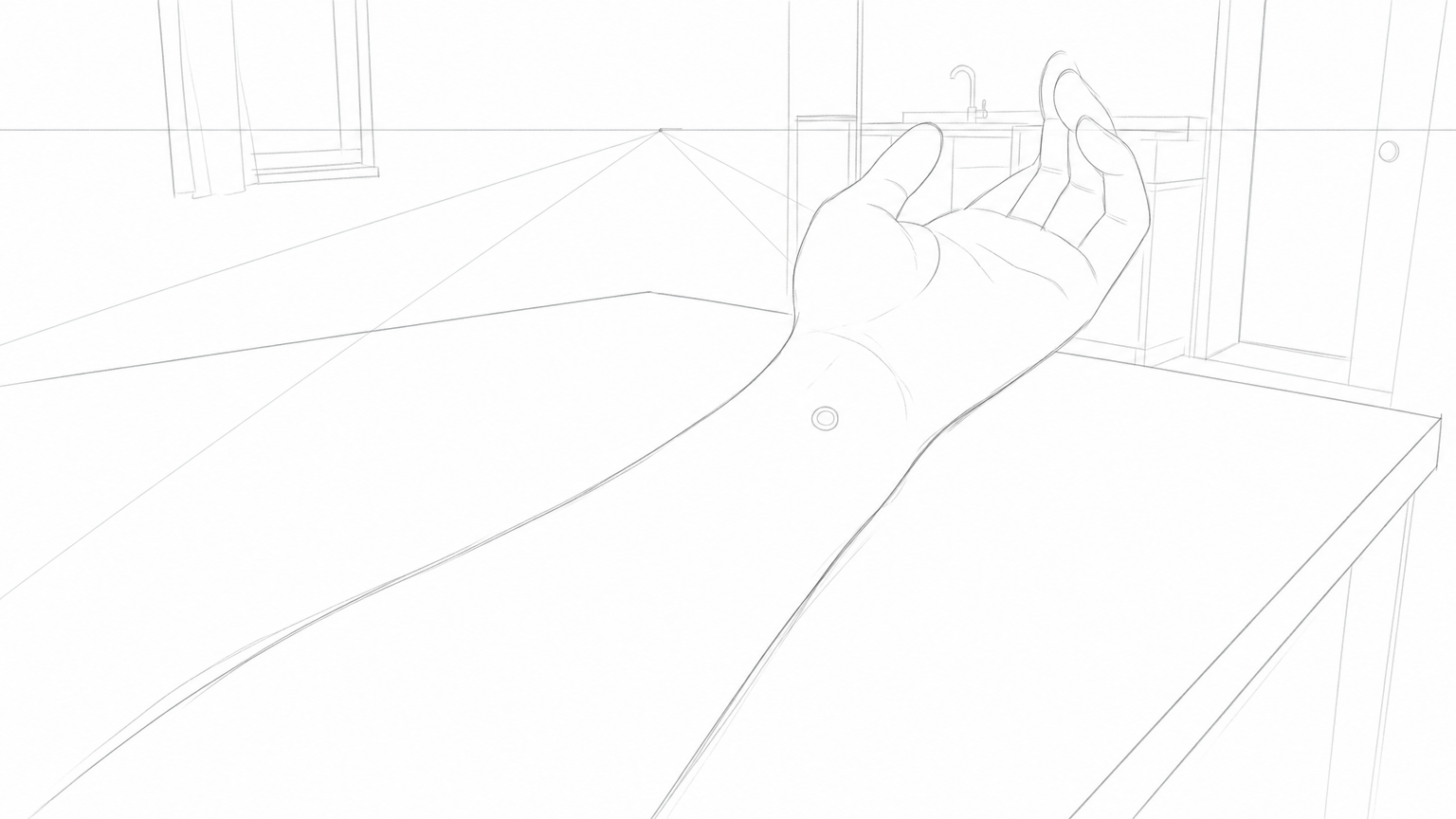
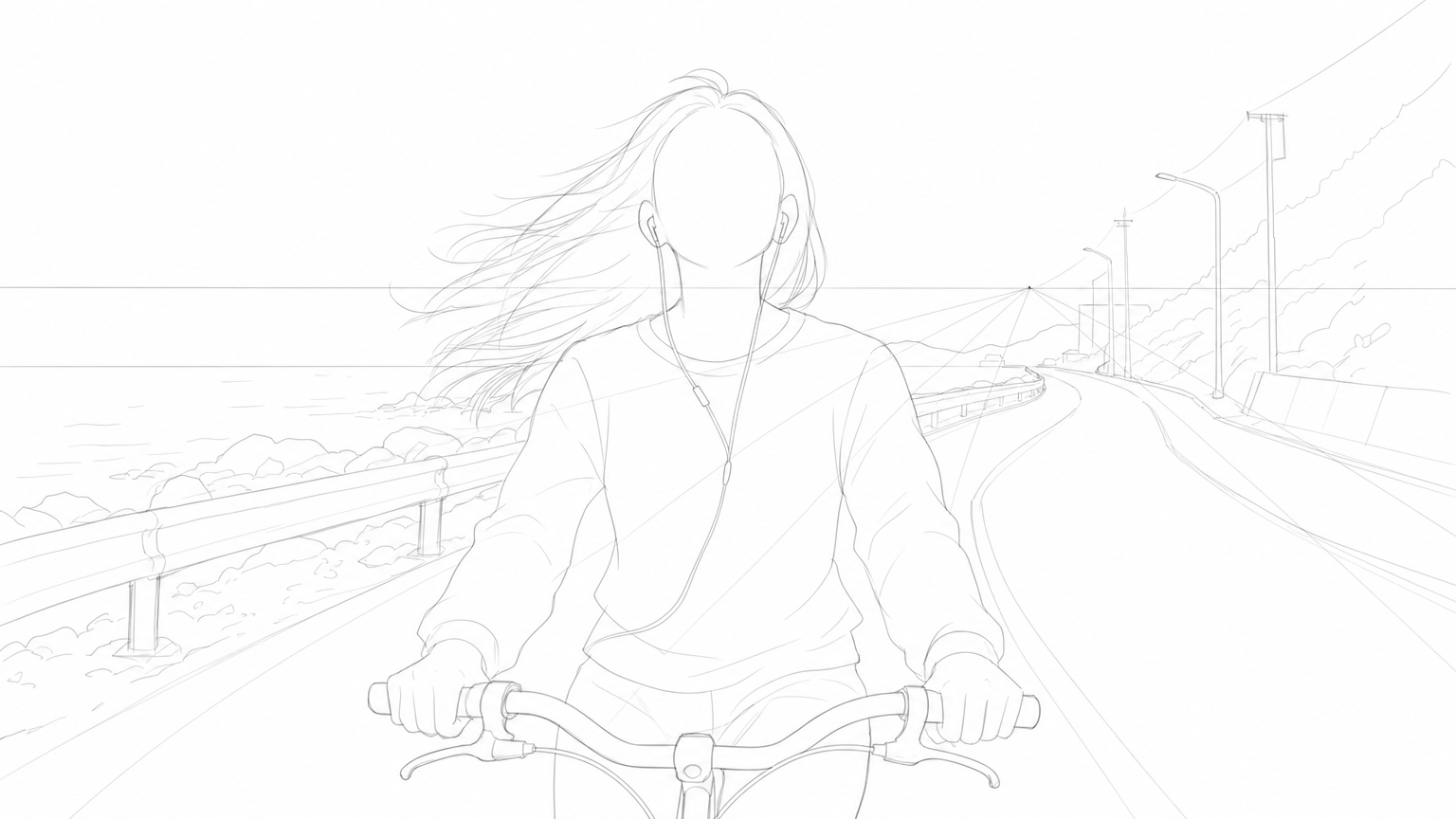
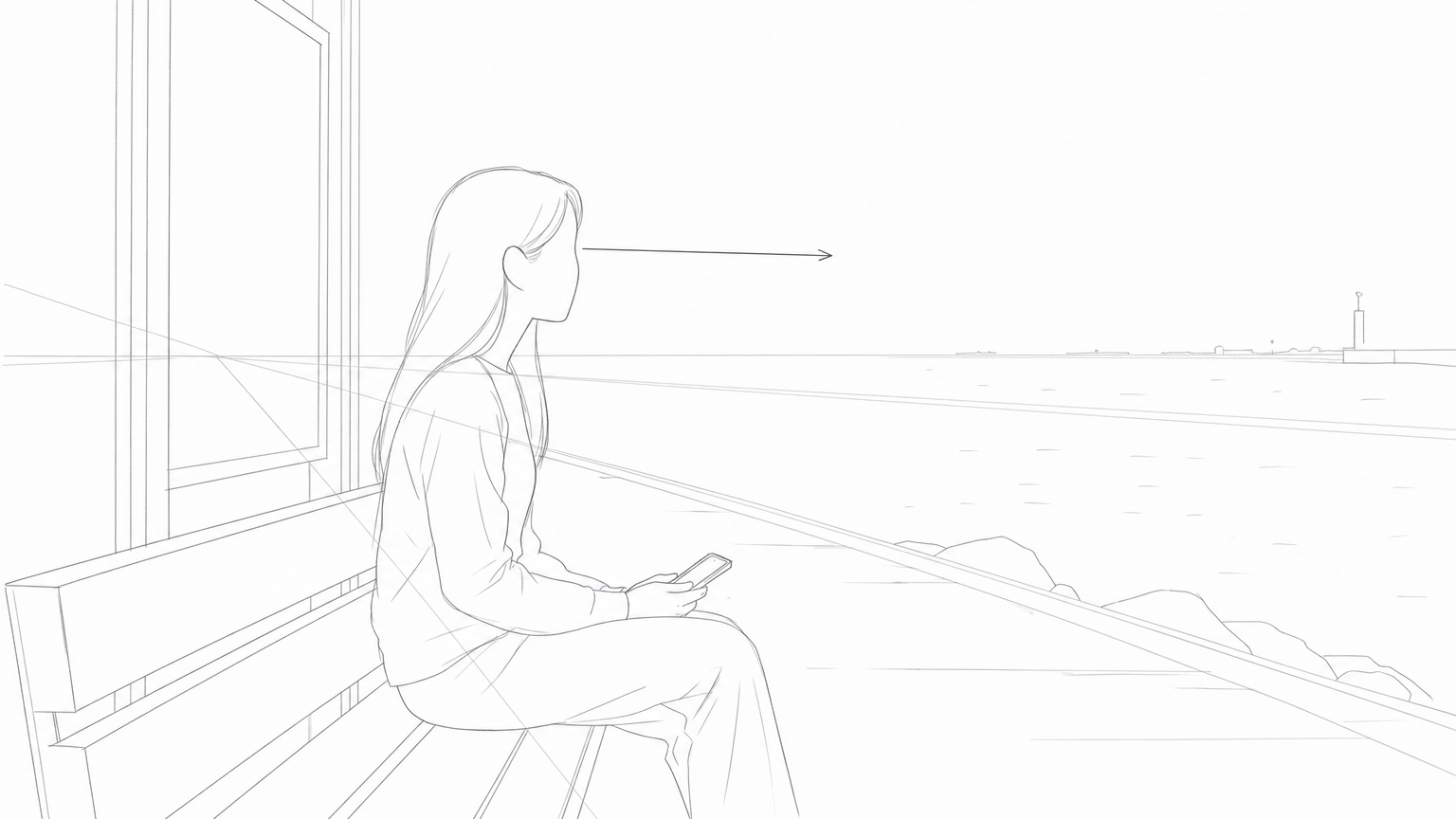
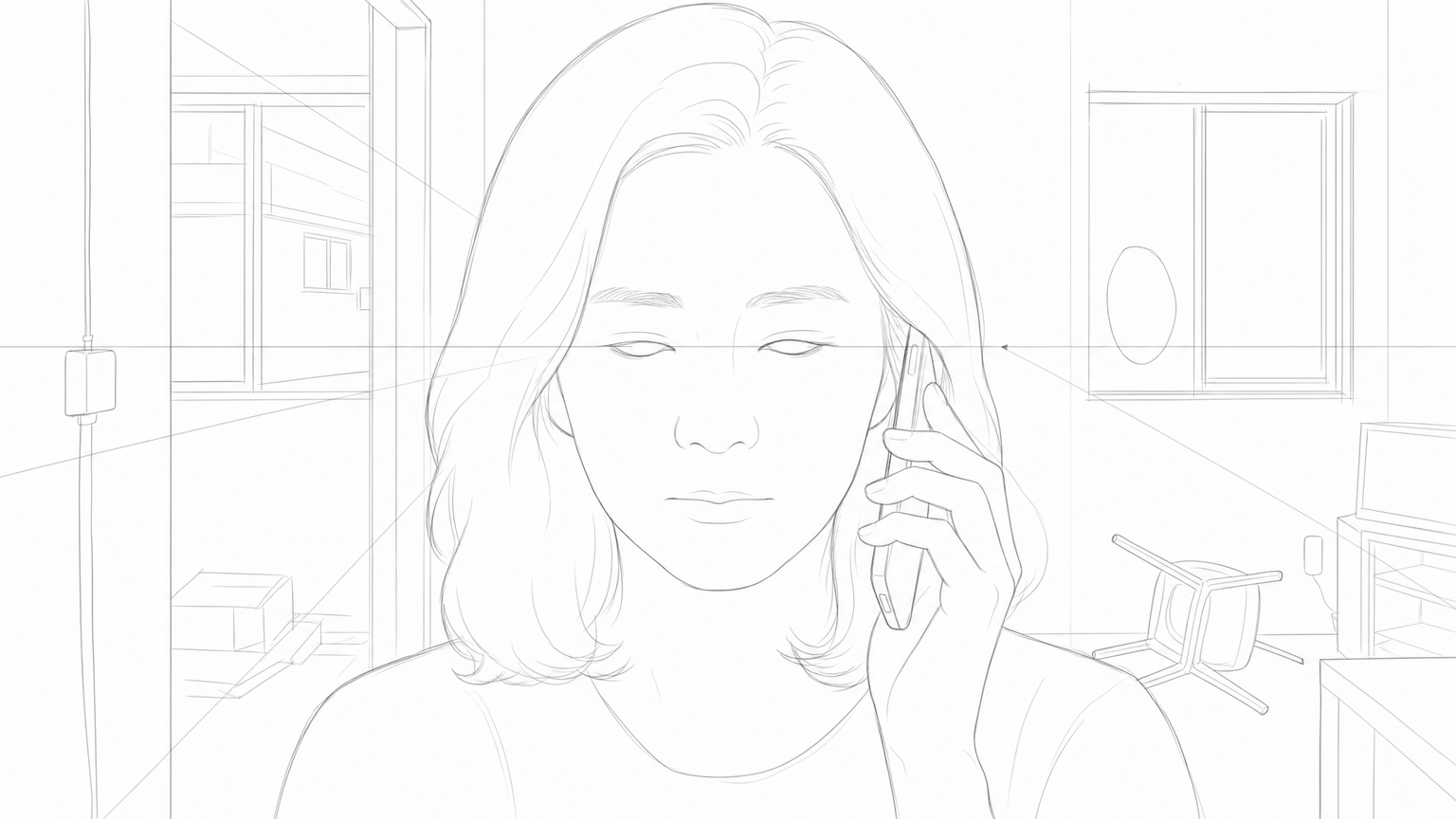
GPT 원근 콘티 (v2: 소실선·실크기·화살표)
➜
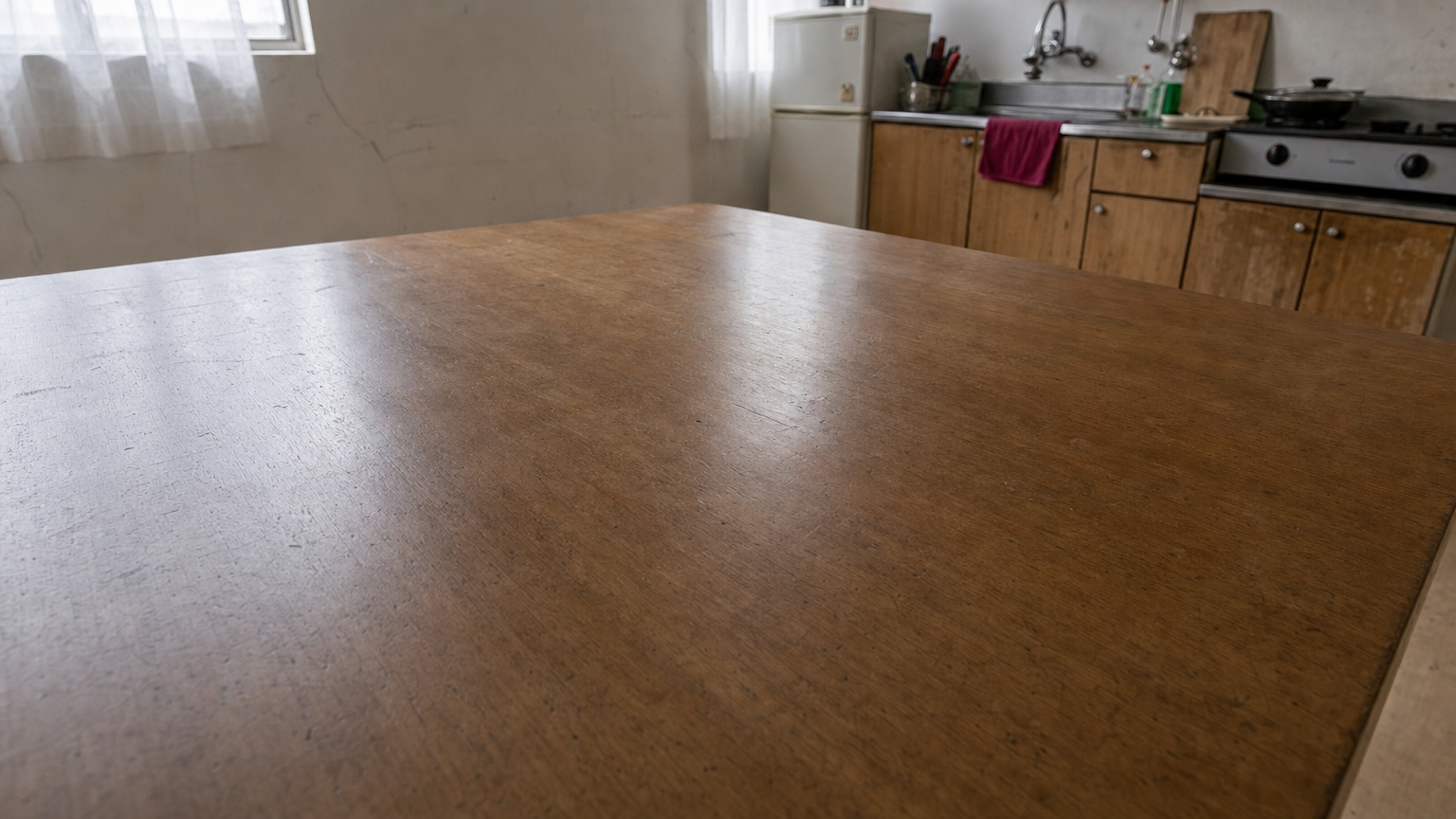
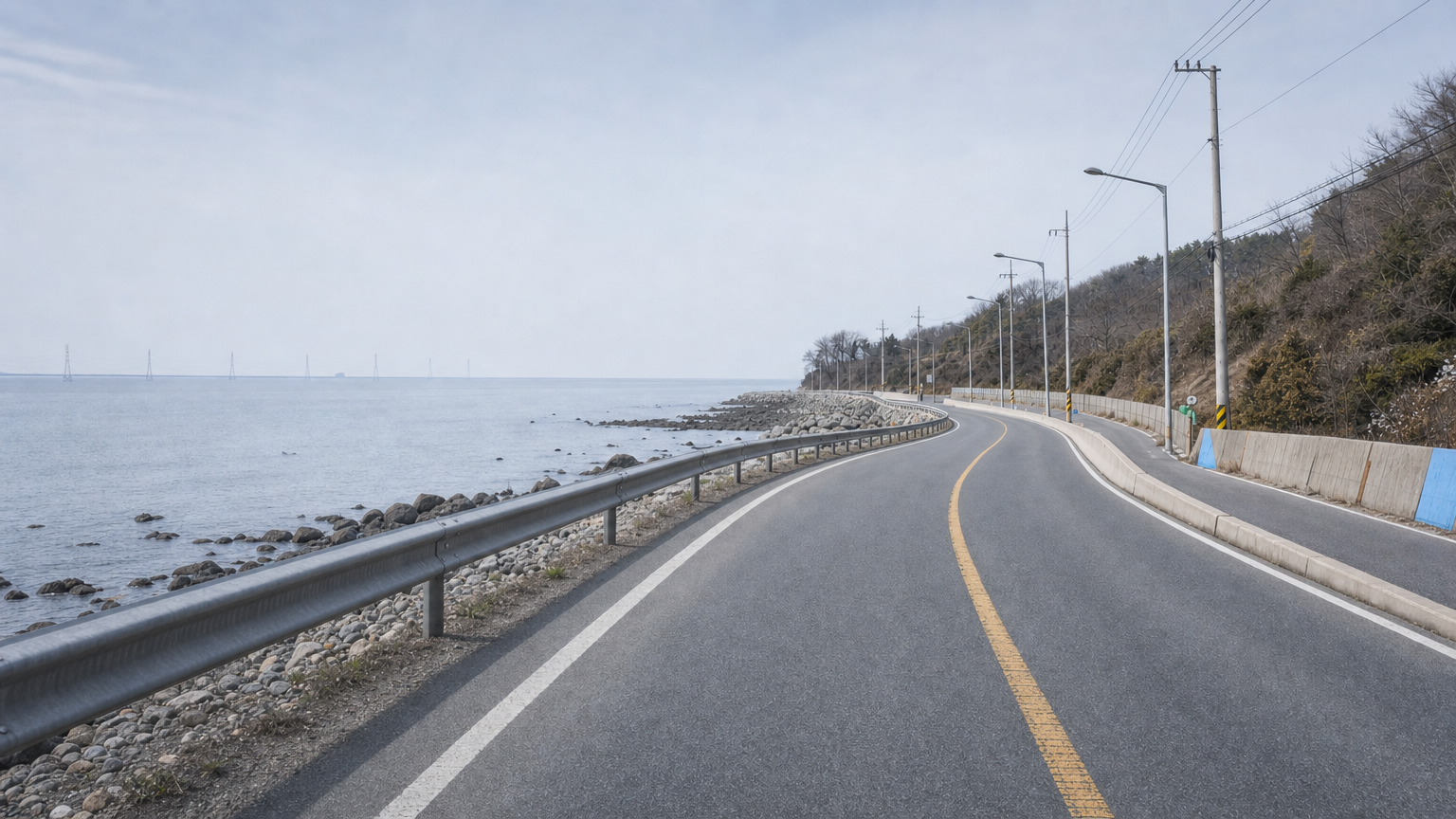
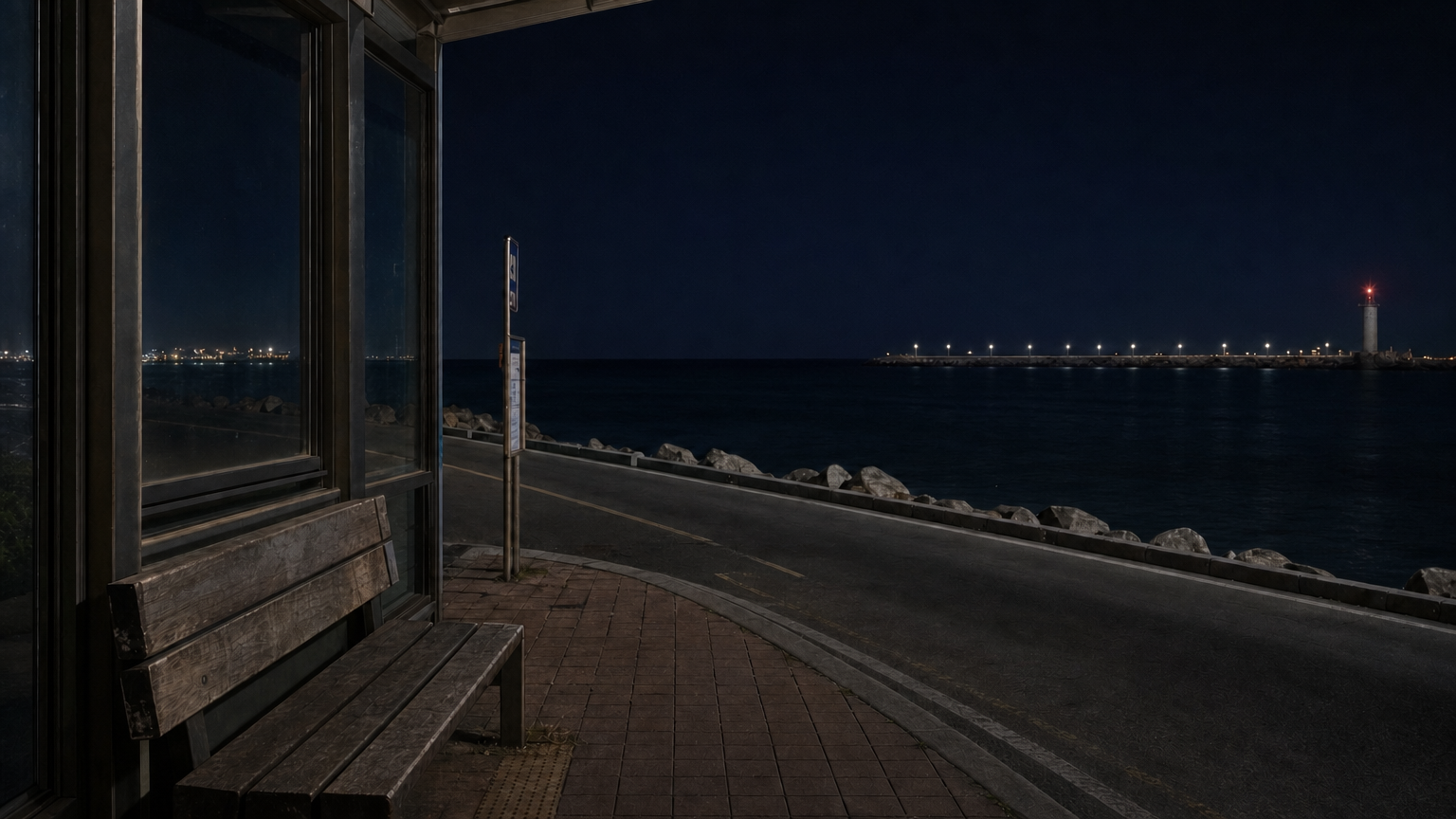
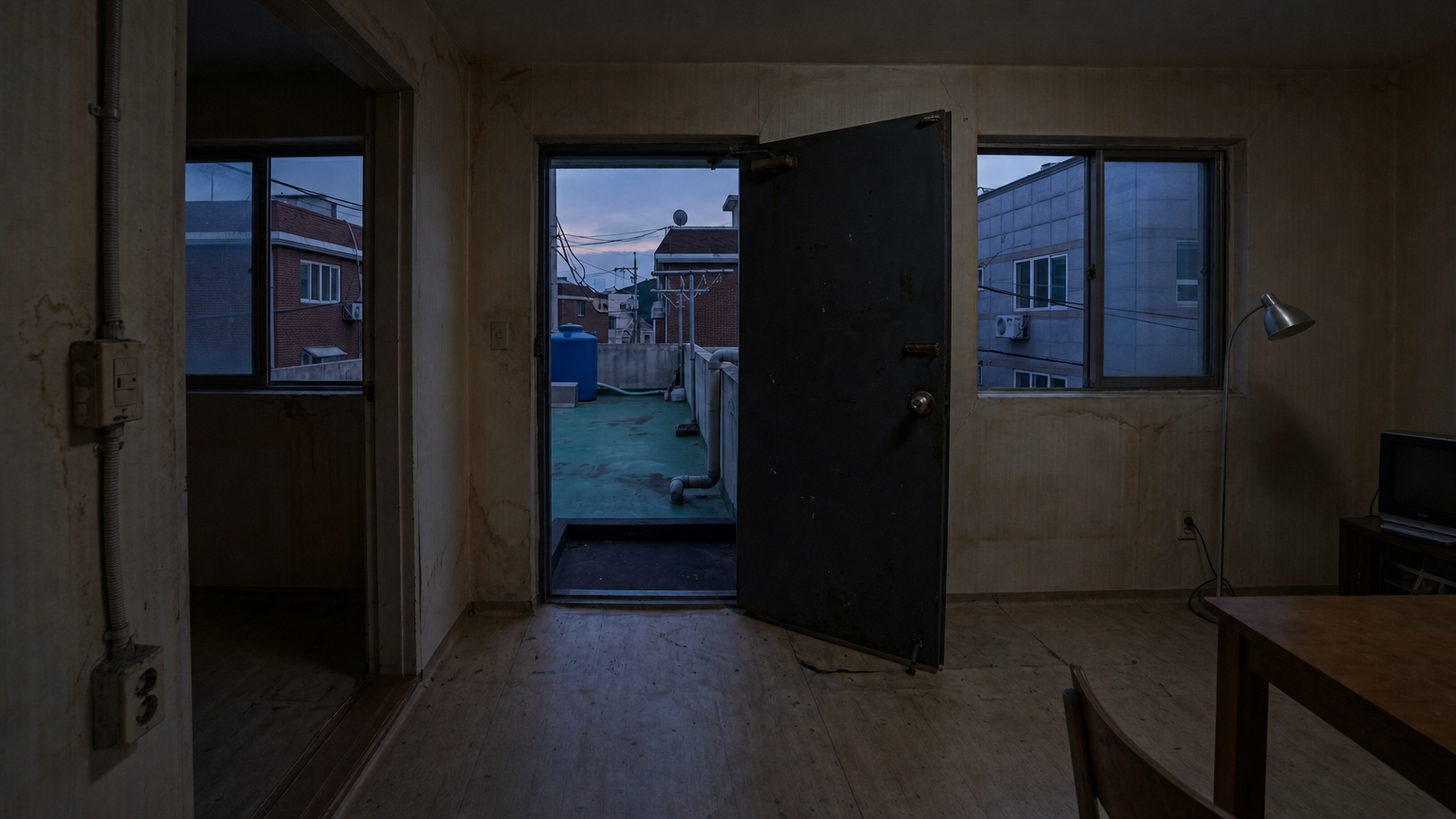
Step1 — GPT 재투영 빈 배경 (인물 0)
콘티 생성 프롬프트 (v2 PERSPECTIVE & SCALE GUIDES)
Every attached image is a CHARACTER REFERENCE for proportion only. There is no location photograph — stage the location purely from THE LOCATION and SHOT TEXT below.

Draw ONE storyboard layout frame, 16:9, filling the entire image edge-to-edge.

STYLE — LAYOUT-ONLY THUMBNAIL SKETCH: the lightest possible
director's layout drawing. THIN, CLEAN, UNIFORM PENCIL CONTOUR
LINES ONLY on pure white paper. Absolutely NO shading, NO tone, NO
hatching, NO texture, NO grayscale fill, NO light-and-shadow, NO
facial features beyond a bare head outline, NO clothing detail, NO
material rendering. The frame contains ONLY: the camera framing,
each figure as a simple correct-proportion human contour in its
exact pose and screen position/size, and the few major set masses
as plain outline shapes. It must read as a quick layout guide,
never as a finished drawing.

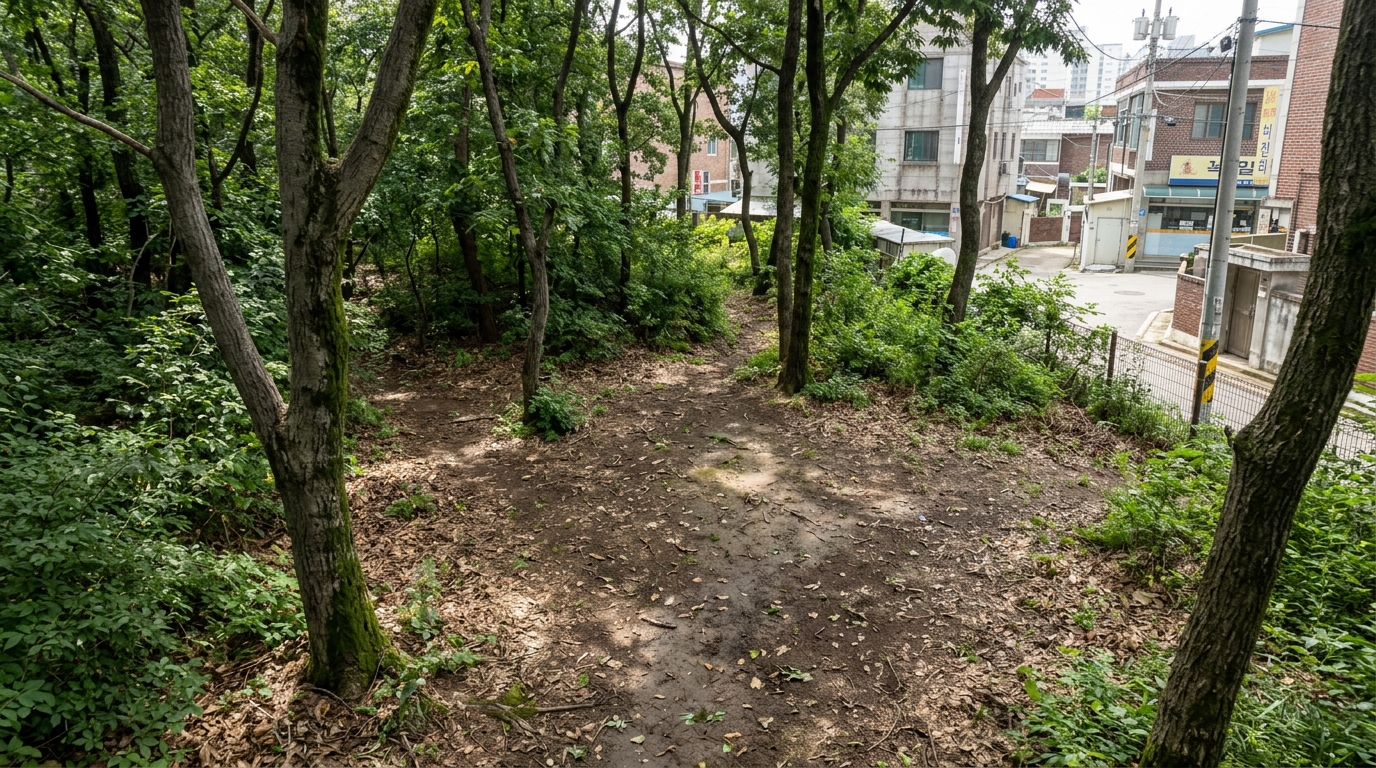
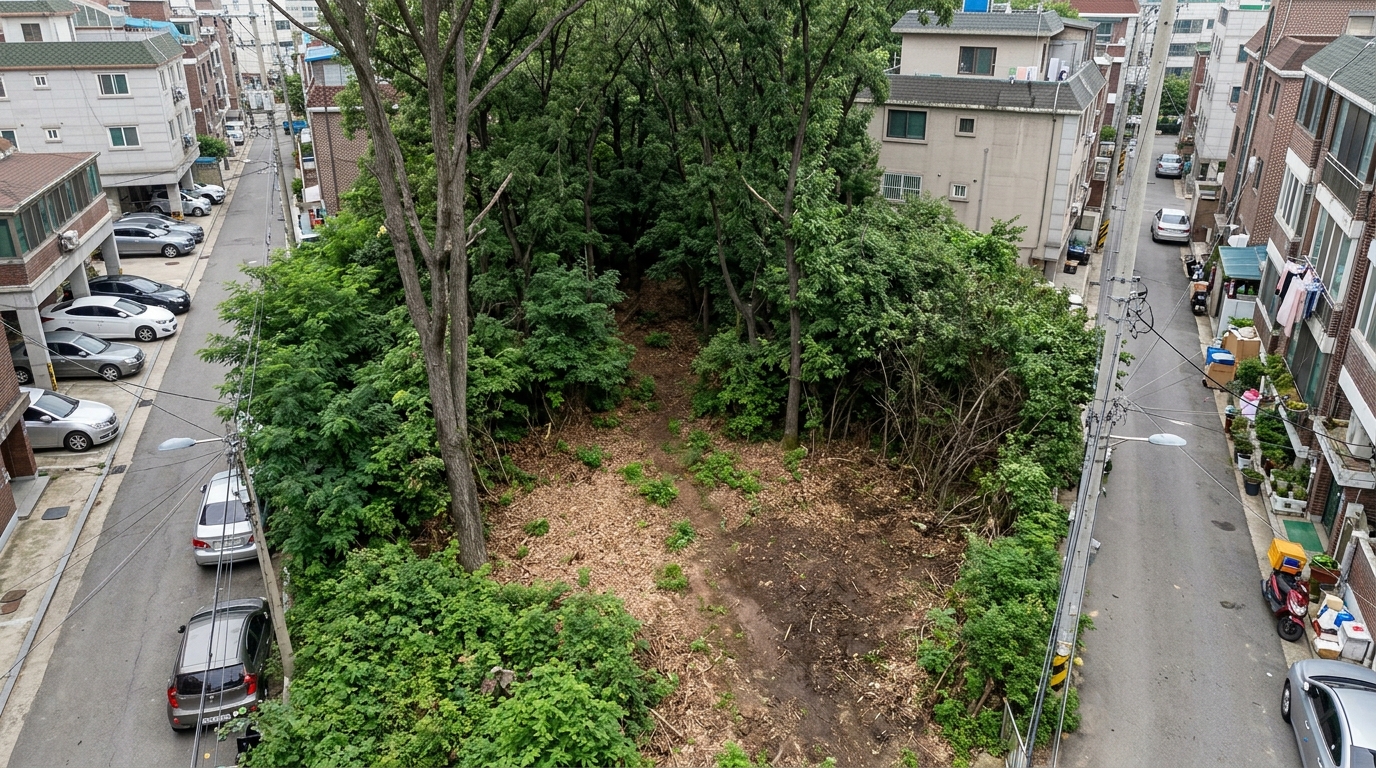
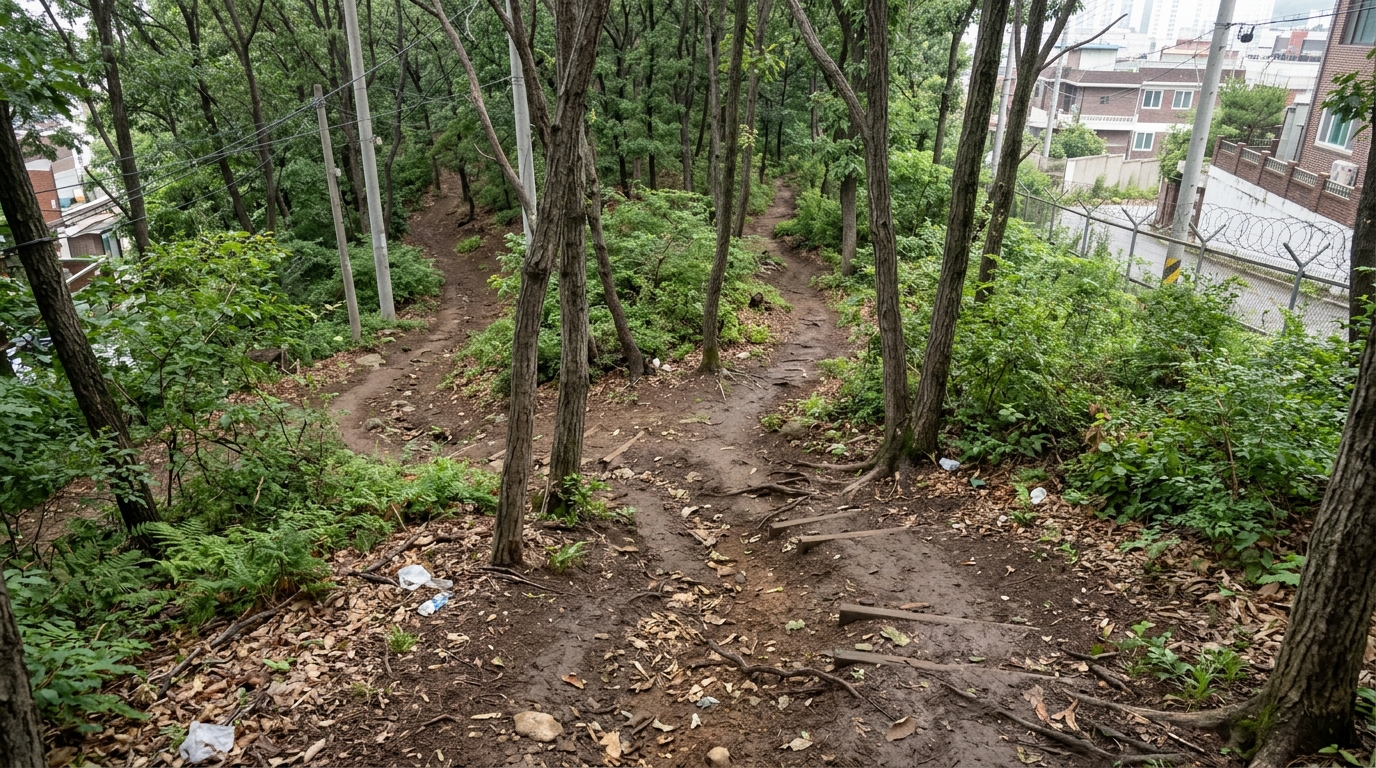
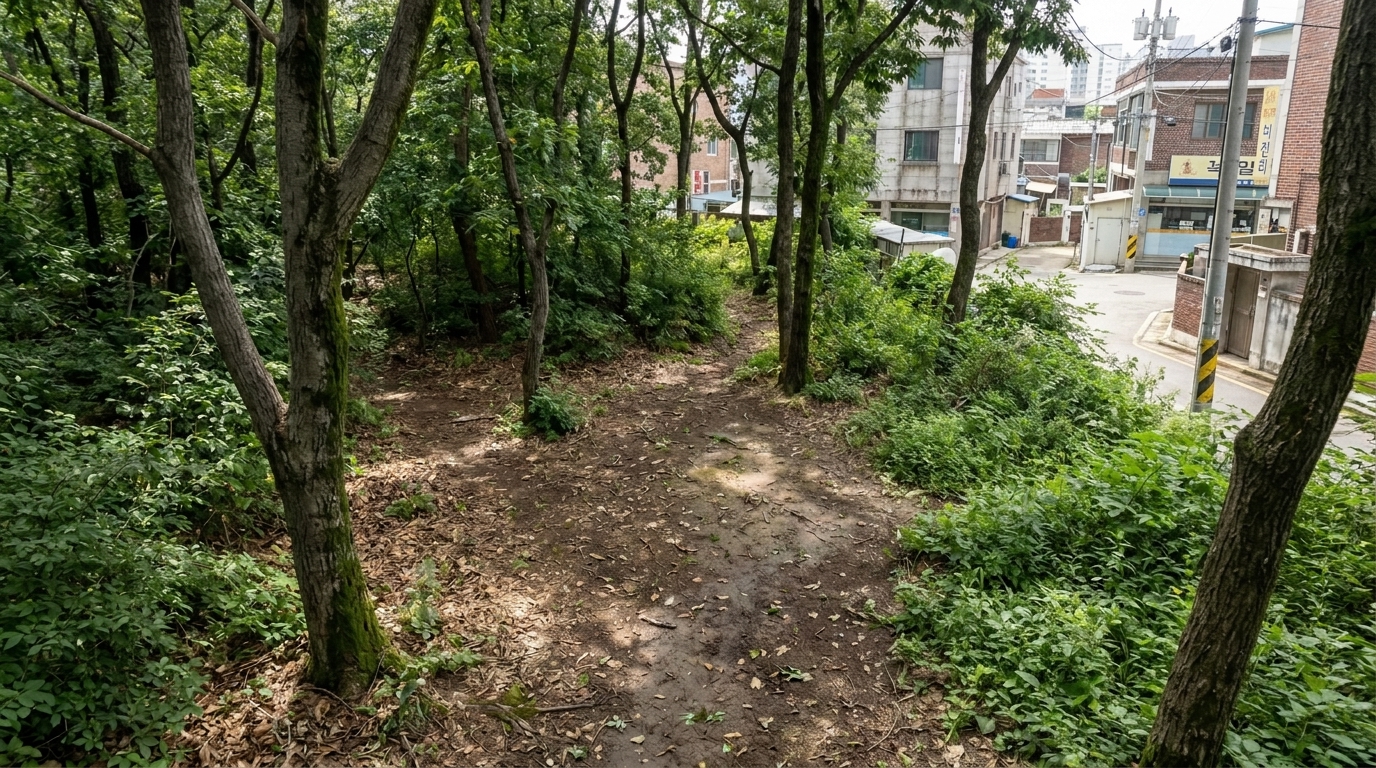
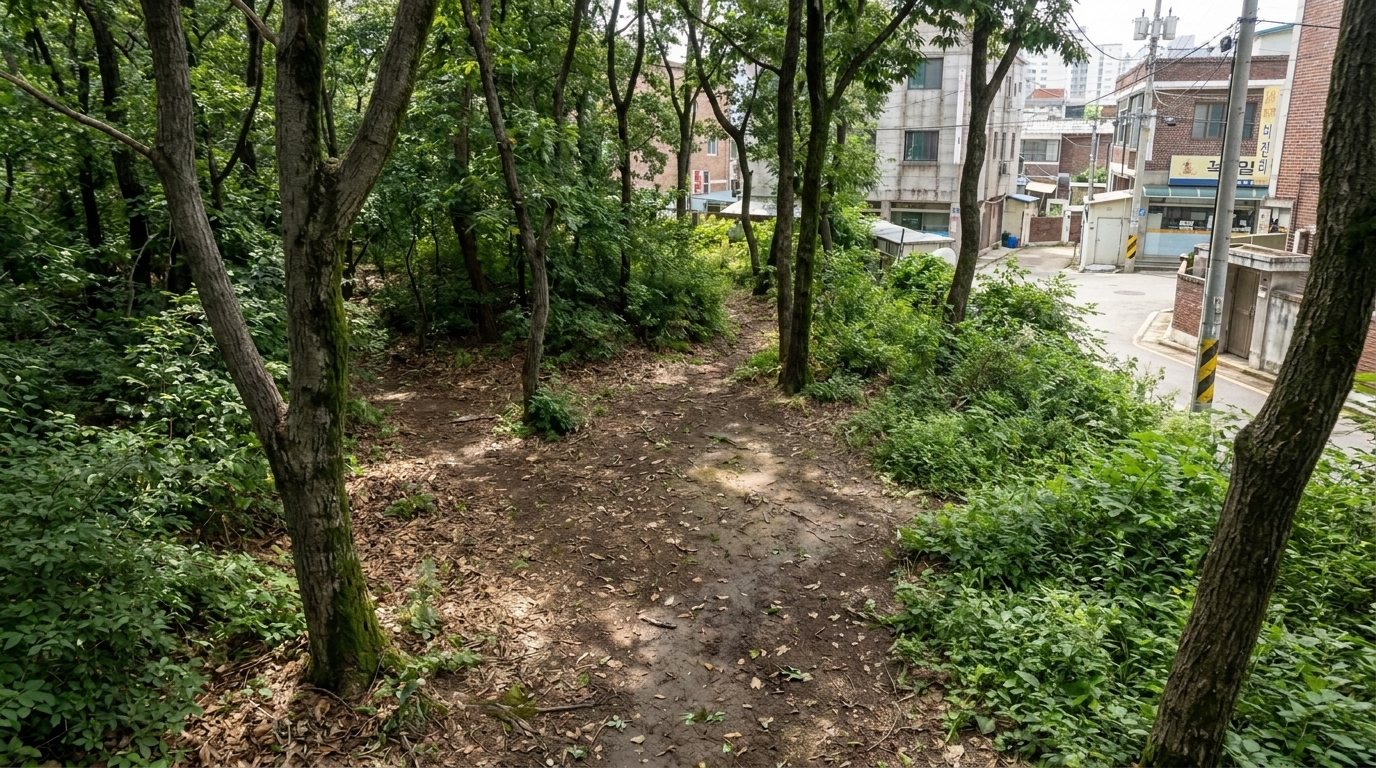
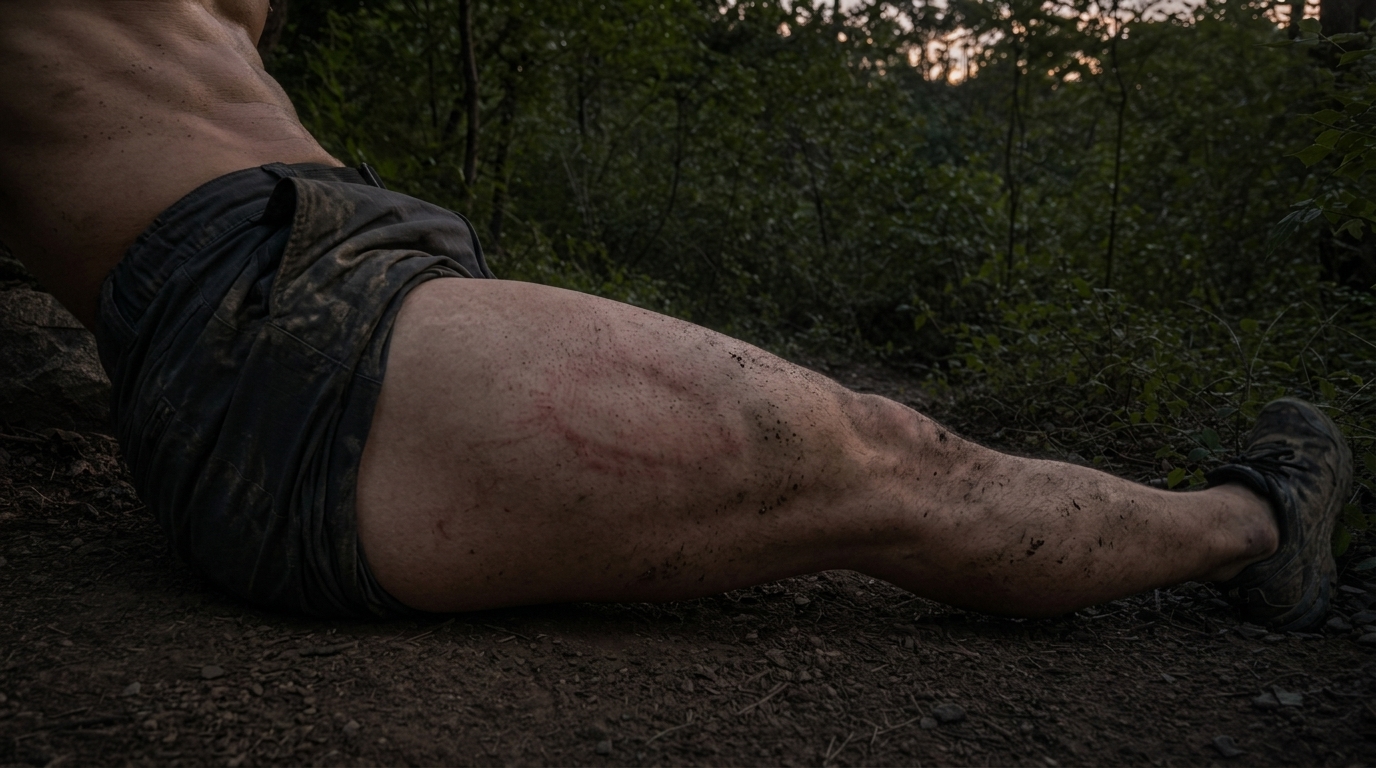
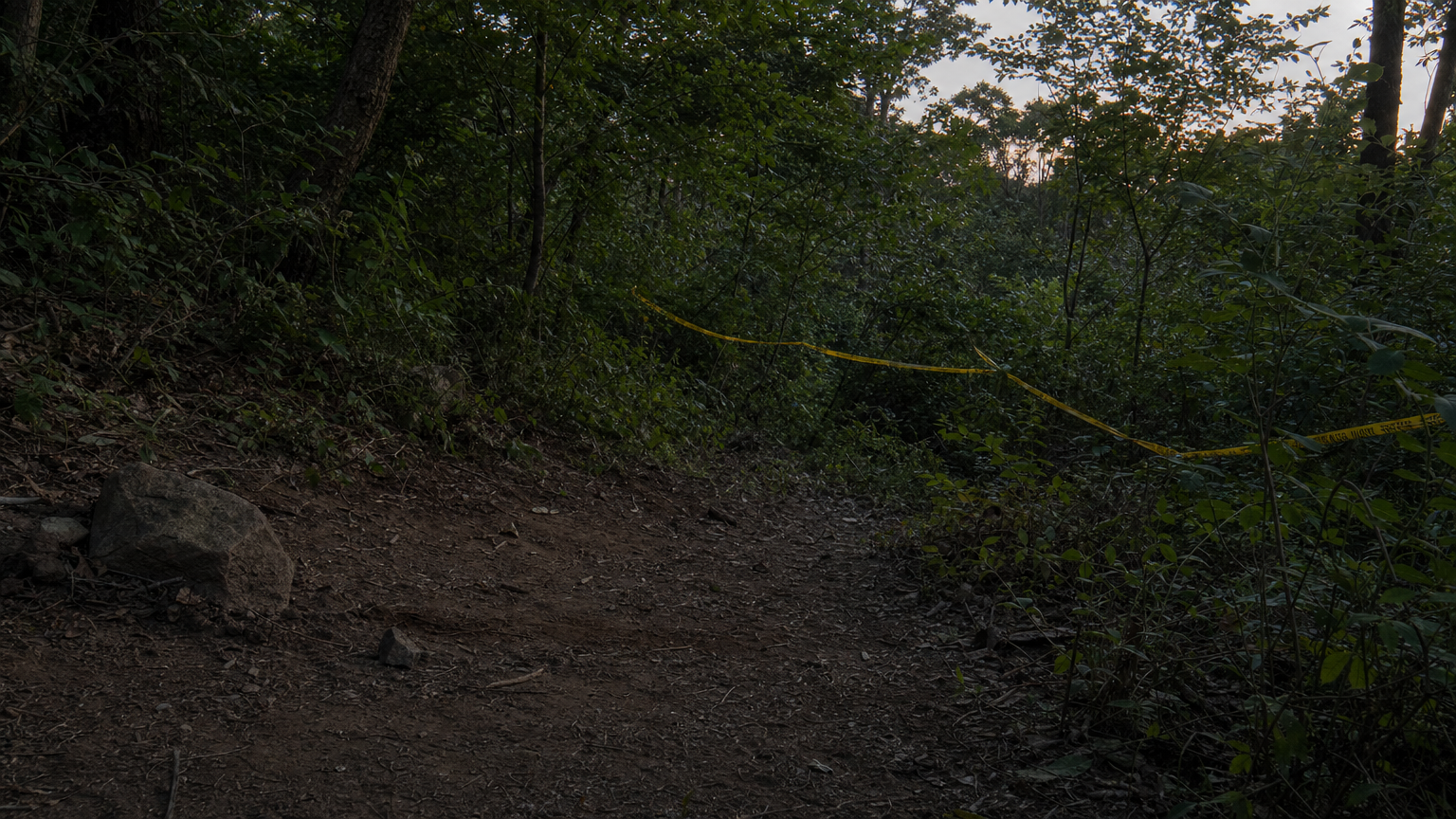
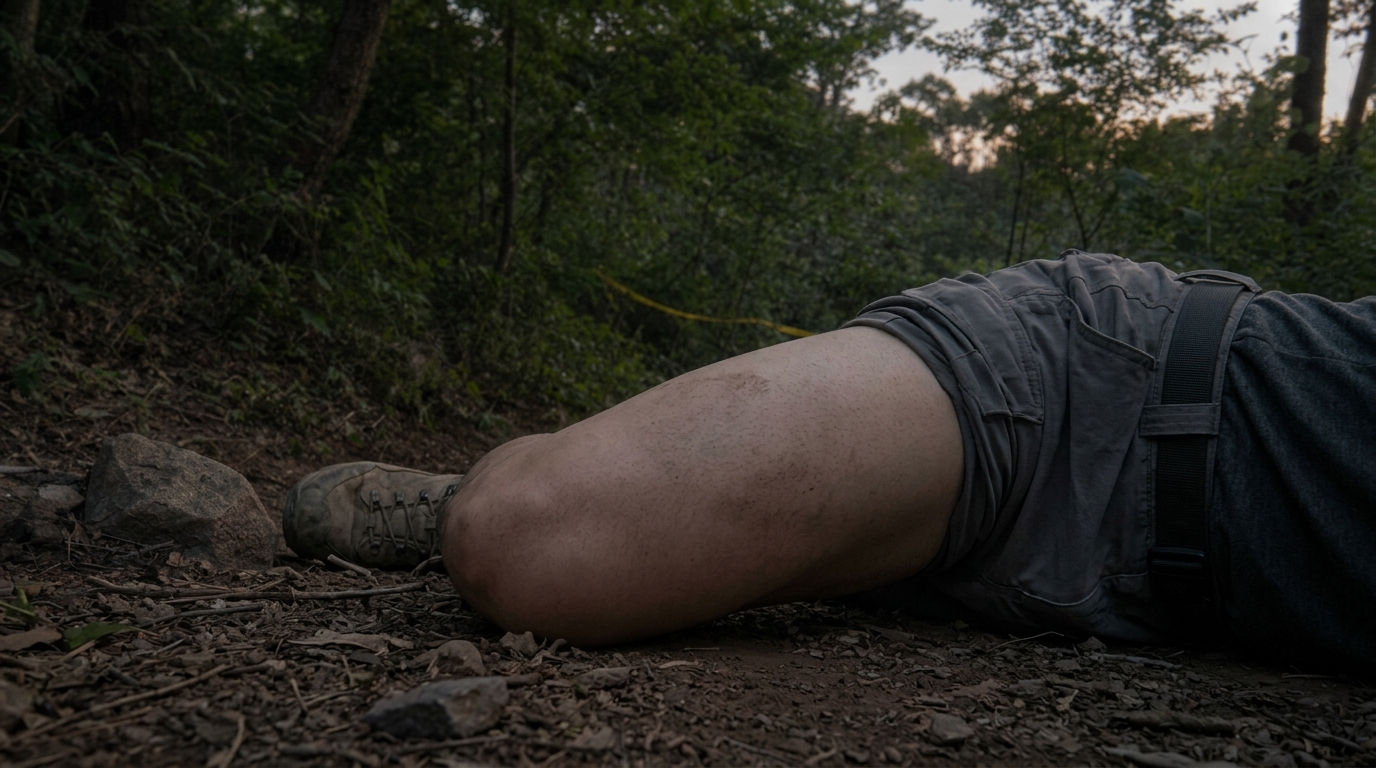
THE LOCATION: On the dirt floor beneath dense undergrowth in a mountain forest, at the spot where the fleeing victim fell.

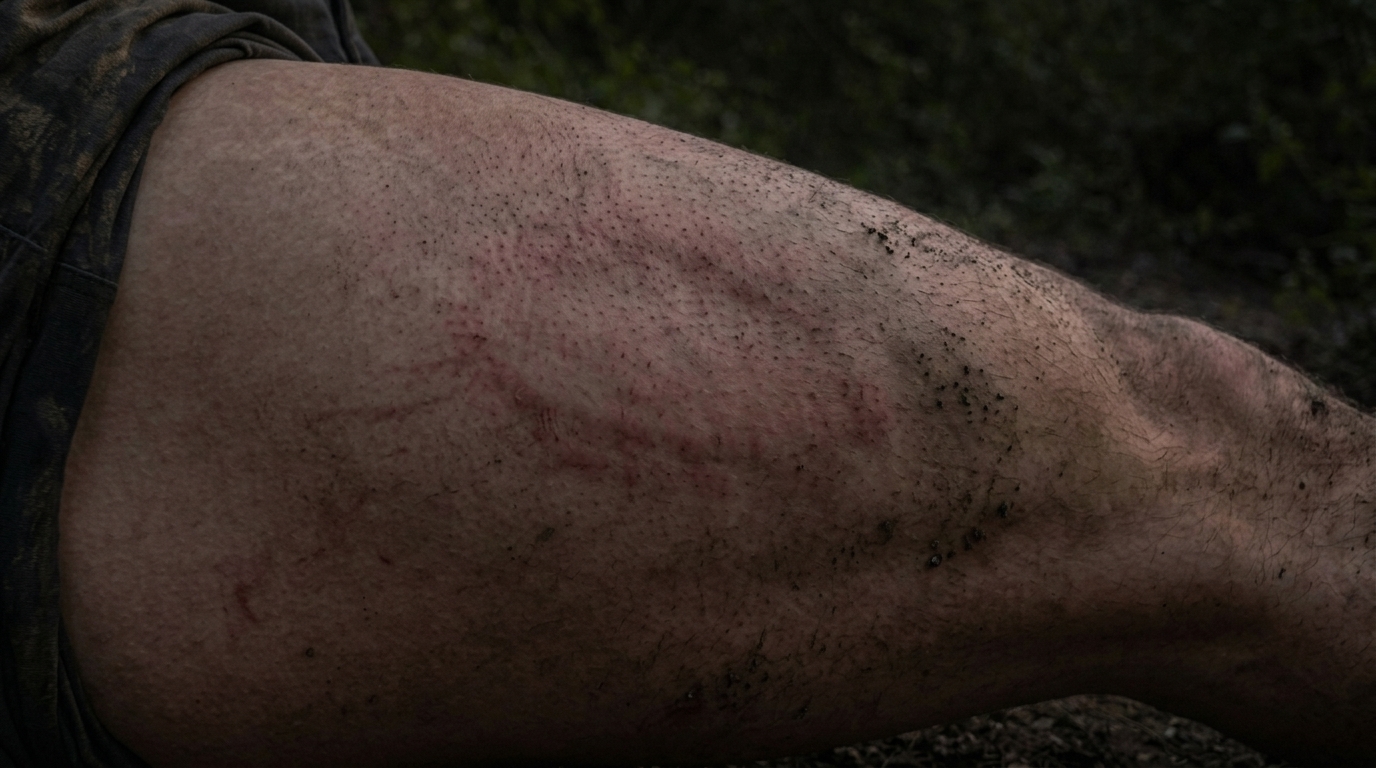
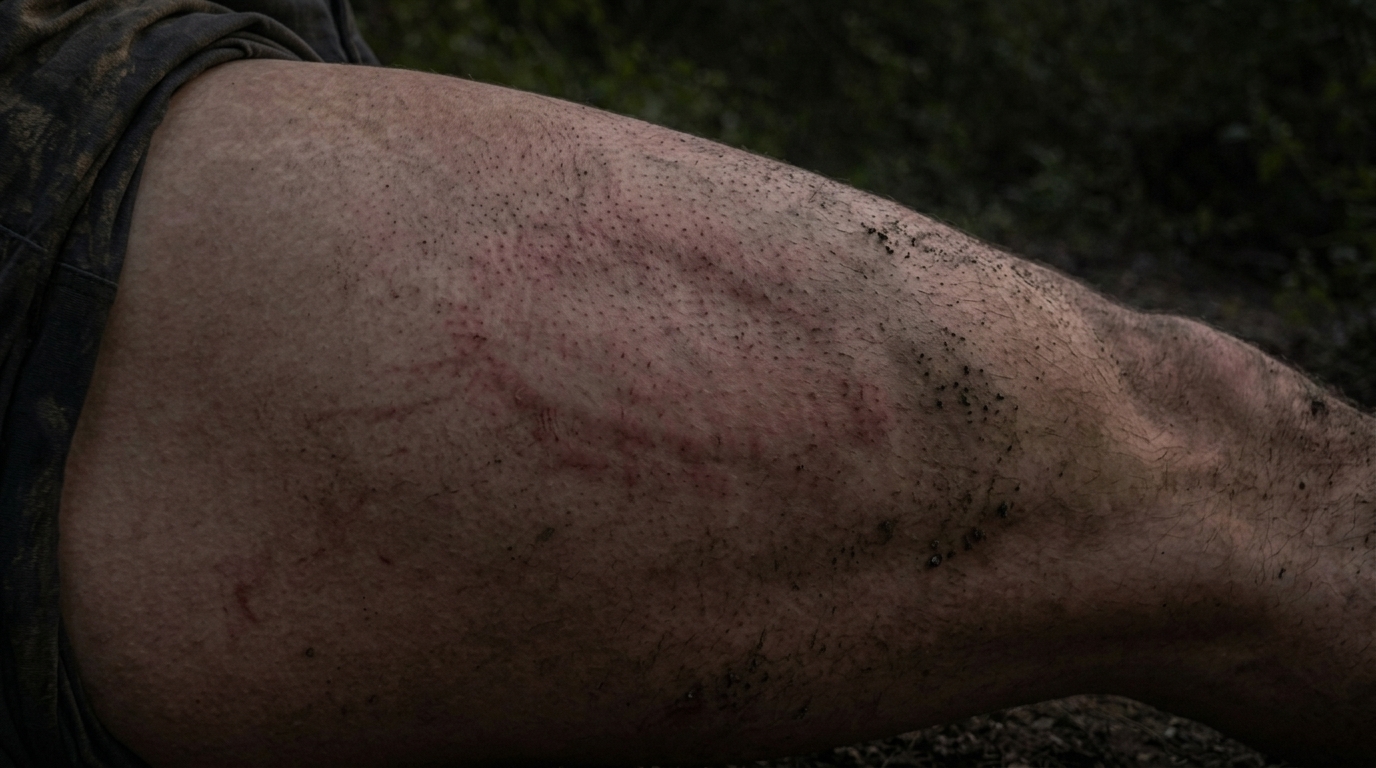
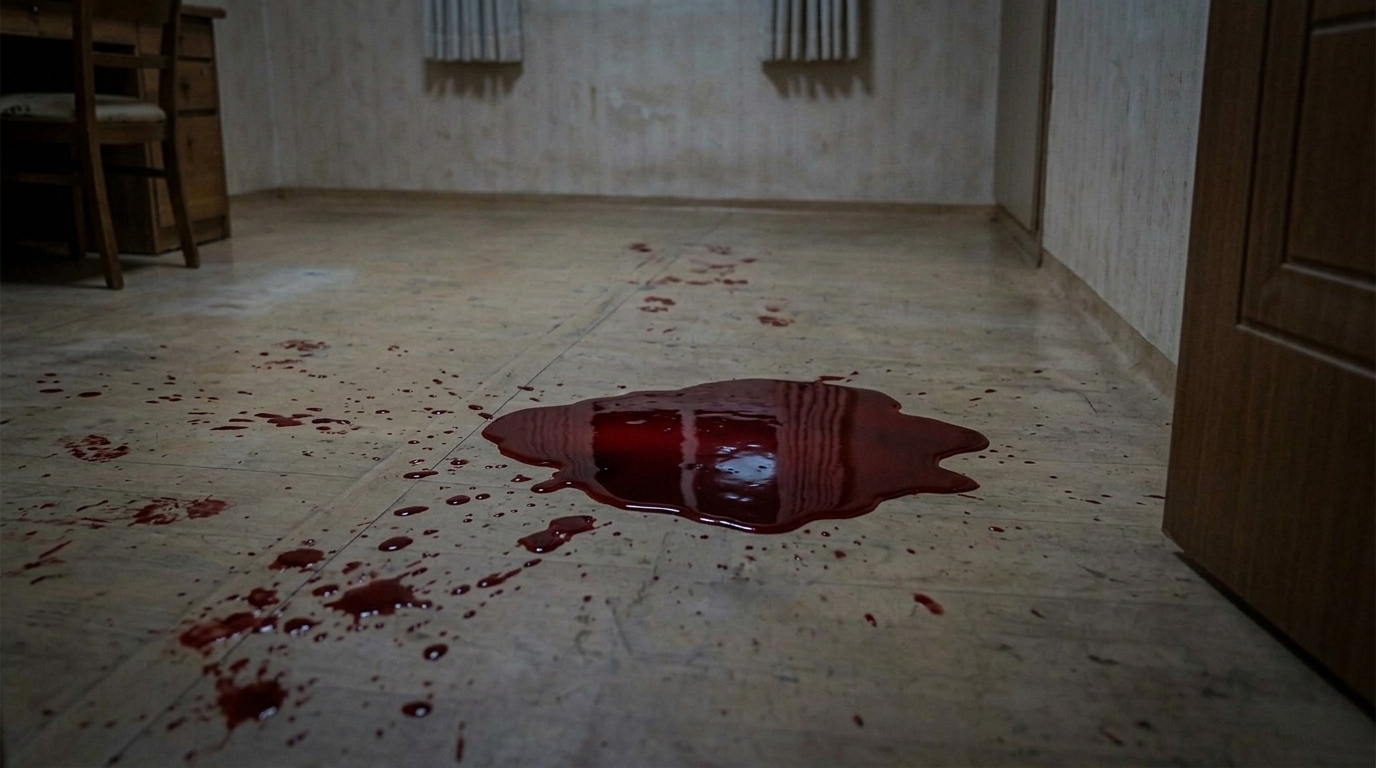
SHOT TEXT (authoritative, Korean): 흙바닥에 짓눌린 금월산 피해 남성의 맨살 허벅지 위로, 핏물이 고인 커다란 이빨 자국이 선명하게 파인 클로즈업.

CARRIED STATE (persist exactly): The mountain victim has one shoe missing and a large, actively bleeding bite mark on his bare thigh; both conditions must remain unchanged throughout his flight and attack.

PROPS FACE THE RIGHT WAY (also in this sketch): every handheld or used
object must be oriented as its real-world use requires. A person
reading, watching or operating something (a phone, a photograph, a
paper, any device) has its functional side — screen, front, page —
facing THEIR OWN eyes; the camera then sees whatever side the staging
geometry implies (often its back). Show the functional side to the
camera ONLY when the shot text itself stages it toward the viewer.
Never flip, mirror or reverse an object's front and back.

NATURAL PERFORMANCE (default only — every explicit direction above
wins): when no pose contract or shot-text direction says otherwise,
sketched figures read as alive in mid-moment — believable weight
shift, hands engaged, gaze on the target the SHOT TEXT implies; avoid
a stiff attention stance (feet together, arms hanging straight down)
and a blank stare into the lens. If the SHOT TEXT or any POSE contract
above stages stillness, death, sleep, unconsciousness, restraint,
drill or an explicit direct-to-camera look, draw THAT exactly — this
clause never overrides it.

ABSOLUTELY NO TEXT anywhere: no captions, no numbers, no labels of any kind.

CAMERA & FRAME (follow exactly — this is the composition authority for this still; the reference images supply identity and place, never the framing):
- CAMERA: From ground level within close-up distance, aim slightly downward across the injured thigh as the bite wound sits near frame center and the man's hip and the soil provide scale at the edges. Hold the stage-entry composition nearly static before the beginning of the prescribed pullback, using shallow focus to isolate the pooled blood and tooth impressions.
- FRAMING SCALE: close-up
- KEY BACKGROUND ELEMENTS: 흙바닥 (The man's injured thigh is pressed against it); used as Visible beneath and around the thigh as the immediate ground plane and scale reference; 우거진 수풀 (Dense around the ground-level view); used as Soft peripheral framing that preserves the forest location without competing with the wound.
Compose the frame exactly as specified above — camera angle, subject scale and screen placement. Keep true physical scale between people and background elements: fixtures and distant objects occupy only the small screen area their real size and distance dictate; never enlarge a background object into a foreground presence.

PERSPECTIVE & SCALE GUIDES (draw these as part of the sketch — they are the whole point of this layout):
- Draw the HORIZON LINE at the camera's eye height, and 2-3 thin PERSPECTIVE GUIDE LINES converging toward the vanishing point, so the depth of the space is explicit.
- TRUE RELATIVE SIZE: draw every person and every set mass at the exact screen size that its real-world size and its distance from the camera dictate. A high wall-mounted device or any distant object stays SMALL against the architecture; people scale with their depth along the guide lines. NEVER enlarge a background object beyond its true perspective size.
- For EVERY person draw one thin EYELINE ARROW from the eyes to the exact thing they look at; if something moves, one thin MOTION ARROW along its path.
- All guides are simple thin pencil lines — layout language only, never objects in the scene, and still NO text, numbers or letters anywhere.
Step1 재투영 프롬프트 (무인+콘티 카메라 권위)
Create the EMPTY BACKGROUND PLATE for one film shot — NO PEOPLE, no figures, no body parts, no sketch lines, no arrows anywhere.
"Empty" means no people only: KEEP the location's inherent occupants and stock that define the place — animals in an animal shelter, pen or farm, goods in a market, moored boats in a harbour — unless the shot text explicitly removes them.
The FIRST attached image is a thin-line storyboard sketch: use ONLY its camera angle, horizon, perspective and the placement/size of buildings and set masses — ignore the sketched people and arrows entirely. The SECOND attached image (LOCATION PHOTOGRAPH) is the real place: take its architecture, materials, signage and fixed features, and RE-PROJECT them into the sketch's camera. If the photograph's camera differs from the sketch's, the sketch's camera wins.
HUMAN-SCALE CALIBRATION: derive every structure's true size from human-scale elements — a door ≈ 2m, a window ≈ 1–1.5m wide, one storey ≈ 2.5–3m; never inflate a small structure or shrink a large one.

SHOT TEXT this background must serve (Korean): 흙바닥에 짓눌린 금월산 피해 남성의 맨살 허벅지 위로, 핏물이 고인 커다란 이빨 자국이 선명하게 파인 클로즈업.

LOCATION (lock): On the dirt floor beneath dense undergrowth in a mountain forest, at the spot where the fleeing victim fell.

TIME OF DAY (lock): dusk.

CAMERA & FRAME (follow exactly — this is the composition authority for this still; the reference images supply identity and place, never the framing):
- CAMERA: From ground level within close-up distance, aim slightly downward across the injured thigh as the bite wound sits near frame center and the man's hip and the soil provide scale at the edges. Hold the stage-entry composition nearly static before the beginning of the prescribed pullback, using shallow focus to isolate the pooled blood and tooth impressions.
- FRAMING SCALE: close-up
- KEY BACKGROUND ELEMENTS: 흙바닥 (The man's injured thigh is pressed against it); used as Visible beneath and around the thigh as the immediate ground plane and scale reference; 우거진 수풀 (Dense around the ground-level view); used as Soft peripheral framing that preserves the forest location without competing with the wound.
Compose the frame exactly as specified above — camera angle, subject scale and screen placement. Keep true physical scale between people and background elements: fixtures and distant objects occupy only the small screen area their real size and distance dictate; never enlarge a background object into a foreground presence.

LIGHTING & MOOD (these govern light, color and surface rendering):
- LIGHTING & MOOD: Diminishing sunset ambient light holds a dark, desaturated forest palette while the blood supplies the restrained crimson accent.
- MATERIAL REALISM: every object and surface must read as a real,
  physical material — correct texture, weight, wear and light response
  (metal reflects, fabric drapes and creases, liquid is glossy and
  pools, painted or drawn marks sit ON a surface and follow its
  curvature and lighting). Nothing may look like a flat sticker, a
  doodle or a graphic overlay pasted onto the frame.

Render ONE photorealistic empty location photograph, 16:9, that this shot can be staged inside later. No text or watermarks.
critique 결함: [{"issue_ko": "레이아웃 스케치의 허벅지 클로즈업 구도를 무시하고 피사체가 너무 작게 배치되어 지시되지 않은 맨 가슴과 다리 전체가 보입니다.", "fix_en": "Scale up and reposition the subject to exactly match the extreme close-up framing of the thigh from the layout sketch."}, {"issue_ko": "프롬프트와
스틸 base 프롬프트(공통 계약 — CAMERA/FRAME 절 포함)
Create ONE FINAL photorealistic live-action film still of the moment below — coastal Incheon, South Korea, 2026; all people are Korean and Korean-speaking unless stated. TIME OF DAY (lock): dusk.

SHOT TEXT (authoritative, Korean): 흙바닥에 짓눌린 금월산 피해 남성의 맨살 허벅지 위로, 핏물이 고인 커다란 이빨 자국이 선명하게 파인 클로즈업.

LOCATION (lock): On the dirt floor beneath dense undergrowth in a mountain forest, at the spot where the fleeing victim fell. The shot takes place here — the attached LOCATION PHOTOGRAPH shows the exact spot.

CAMERA & FRAME (follow exactly — this is the composition authority for this still; the reference images supply identity and place, never the framing):
- CAMERA: From ground level within close-up distance, aim slightly downward across the injured thigh as the bite wound sits near frame center and the man's hip and the soil provide scale at the edges. Hold the stage-entry composition nearly static before the beginning of the prescribed pullback, using shallow focus to isolate the pooled blood and tooth impressions.
- FRAMING SCALE: close-up
- KEY BACKGROUND ELEMENTS: 흙바닥 (The man's injured thigh is pressed against it); used as Visible beneath and around the thigh as the immediate ground plane and scale reference; 우거진 수풀 (Dense around the ground-level view); used as Soft peripheral framing that preserves the forest location without competing with the wound.
Compose the frame exactly as specified above — camera angle, subject scale and screen placement. Keep true physical scale between people and background elements: fixtures and distant objects occupy only the small screen area their real size and distance dictate; never enlarge a background object into a foreground presence.

LIGHTING & MOOD (these govern light, color and surface rendering):
- LIGHTING & MOOD: Diminishing sunset ambient light holds a dark, desaturated forest palette while the blood supplies the restrained crimson accent.
- MATERIAL REALISM: every object and surface must read as a real,
  physical material — correct texture, weight, wear and light response
  (metal reflects, fabric drapes and creases, liquid is glossy and
  pools, painted or drawn marks sit ON a surface and follow its
  curvature and lighting). Nothing may look like a flat sticker, a
  doodle or a graphic overlay pasted onto the frame.

REALIZE FIGURATIVE LANGUAGE AS A LIVE-ACTION SHOT: the Korean shot
text may describe characters metaphorically, figuratively or with
exaggeration. Photograph what a real movie camera would actually
record on a physical set — exaggerated or figurative impressions
become realistic staging choices (lighting, distance, angle,
wardrobe), not literal fantasy imagery.
EVERY CHARACTER IS A HUMAN BEING: unless the story explicitly
features non-human or virtual beings (as in science fiction or
fantasy), every character — however indirectly, vaguely or
figuratively the text describes them — IS a real human. When the
text gives no direct visual description of a person, IMAGINE one
and still show them as a concrete, fully-formed human being:
always render the human form to the maximum extent — build,
posture, face, hands, clothing — never reduce a person to a shape,
blob, solid silhouette or abstract mass.

EXPRESSIONS ARE ACTED, NEVER ANATOMICAL: when the text describes a
person's eyes, face or presence emotionally or figuratively (vacant,
hollow, dazed, burning, lifeless gaze and the like), it describes an
ACTOR'S PERFORMANCE captured by a real camera — realize it ONLY
through gaze direction, focus, eyelids, facial muscles, stillness
and posture. Every living person's eyes remain anatomically normal
human eyes with a natural iris and pupil, natural sclera and normal
proportions; NEVER whiten, blank out, cloud over, glow, enlarge or
otherwise alter eyeballs, skin or anatomy — unless the story
explicitly declares that being non-human or supernatural in form.

PROPS FACE THE RIGHT WAY: every handheld or used object must be
oriented exactly as its real-world use requires. A person reading,
watching or operating something (a phone, a photograph, a paper,
any device) has its functional side — screen, front, page — facing
THEIR OWN eyes; the camera then sees whatever side the staging
geometry implies (often its back). Show the functional side to the
camera ONLY when the shot text itself stages it toward the viewer.
Never flip, mirror or reverse an object's front and back.

NATURAL PERFORMANCE (default only — every explicit direction above
wins): when no pose contract, immobility contract or shot-text
direction says otherwise, people read as alive in mid-moment —
believable weight shift, hands engaged with something real, gaze on
the target the SHOT TEXT implies; avoid a stiff attention stance (feet
together, arms hanging straight down) and a blank stare into the lens.
If the SHOT TEXT or any POSE/IMMOBILE contract above stages stillness,
death, sleep, unconsciousness, restraint, drill or an explicit
direct-to-camera look, follow THAT exactly — this clause never
overrides it.

DRAWN MARKS KEEP THEIR SHAPE: any mark the text describes as drawn,
painted or traced (a circle, a line, a symbol) is a STROKE sitting on
the surface — an outline whose interior still shows the underlying
surface (wall, skin, paper). Render its stated shape faithfully: a
drawn circle stays an open ring of brush-width, never filled into a
solid disc, unless the text explicitly says it is filled.

CARRIED STATE (persist exactly — must match the neighbouring shots of this scene): The mountain victim has one shoe missing and a large, actively bleeding bite mark on his bare thigh; both conditions must remain unchanged throughout his flight and attack.

PEOPLE: the SHOT TEXT alone decides whether any person is visible in this shot. IF a person appears, they must be one of: 금월산 피해 남성 (한국인 성인 남성 얼굴, 자연스러운 피부색, 구체적 머리 형태 미상) — never anyone else, and never add a person the shot text does not show. IF only part of a person is in frame (a hand, arm, foot, back, silhouette), that body part belongs to the specific person the shot text names — its sex, age, build, skin and grooming must unmistakably match that person's profile above.

No text, captions, watermarks or annotations anywhere.
롤 A 생성 프롬프트
Stage the shot. The FIRST attached image (SHOT BACKGROUND) is the finished empty background of this shot — keep it EXACTLY: its camera, perspective, architecture, lighting and every fixed feature stay untouched. The SECOND attached image (LAYOUT SKETCH) tells you ONLY where the people go: each sketched person's position, screen size, pose and the gaze/motion arrows. Ignore the sketch's background lines. The CHARACTER REFERENCE photographs show the real people.
Place the real people into the background at exactly the sketched positions, sizes and poses, following the arrow directions. No sketch lines or arrows may remain.

Create ONE FINAL photorealistic live-action film still of the moment below — coastal Incheon, South Korea, 2026; all people are Korean and Korean-speaking unless stated. TIME OF DAY (lock): dusk.

SHOT TEXT (authoritative, Korean): 흙바닥에 짓눌린 금월산 피해 남성의 맨살 허벅지 위로, 핏물이 고인 커다란 이빨 자국이 선명하게 파인 클로즈업.

LOCATION (lock): On the dirt floor beneath dense undergrowth in a mountain forest, at the spot where the fleeing victim fell. The shot takes place here — the attached LOCATION PHOTOGRAPH shows the exact spot.

CAMERA & FRAME (follow exactly — this is the composition authority for this still; the reference images supply identity and place, never the framing):
- CAMERA: From ground level within close-up distance, aim slightly downward across the injured thigh as the bite wound sits near frame center and the man's hip and the soil provide scale at the edges. Hold the stage-entry composition nearly static before the beginning of the prescribed pullback, using shallow focus to isolate the pooled blood and tooth impressions.
- FRAMING SCALE: close-up
- KEY BACKGROUND ELEMENTS: 흙바닥 (The man's injured thigh is pressed against it); used as Visible beneath and around the thigh as the immediate ground plane and scale reference; 우거진 수풀 (Dense around the ground-level view); used as Soft peripheral framing that preserves the forest location without competing with the wound.
Compose the frame exactly as specified above — camera angle, subject scale and screen placement. Keep true physical scale between people and background elements: fixtures and distant objects occupy only the small screen area their real size and distance dictate; never enlarge a background object into a foreground presence.

LIGHTING & MOOD (these govern light, color and surface rendering):
- LIGHTING & MOOD: Diminishing sunset ambient light holds a dark, desaturated forest palette while the blood supplies the restrained crimson accent.
- MATERIAL REALISM: every object and surface must read as a real,
  physical material — correct texture, weight, wear and light response
  (metal reflects, fabric drapes and creases, liquid is glossy and
  pools, painted or drawn marks sit ON a surface and follow its
  curvature and lighting). Nothing may look like a flat sticker, a
  doodle or a graphic overlay pasted onto the frame.

REALIZE FIGURATIVE LANGUAGE AS A LIVE-ACTION SHOT: the Korean shot
text may describe characters metaphorically, figuratively or with
exaggeration. Photograph what a real movie camera would actually
record on a physical set — exaggerated or figurative impressions
become realistic staging choices (lighting, distance, angle,
wardrobe), not literal fantasy imagery.
EVERY CHARACTER IS A HUMAN BEING: unless the story explicitly
features non-human or virtual beings (as in science fiction or
fantasy), every character — however indirectly, vaguely or
figuratively the text describes them — IS a real human. When the
text gives no direct visual description of a person, IMAGINE one
and still show them as a concrete, fully-formed human being:
always render the human form to the maximum extent — build,
posture, face, hands, clothing — never reduce a person to a shape,
blob, solid silhouette or abstract mass.

EXPRESSIONS ARE ACTED, NEVER ANATOMICAL: when the text describes a
person's eyes, face or presence emotionally or figuratively (vacant,
hollow, dazed, burning, lifeless gaze and the like), it describes an
ACTOR'S PERFORMANCE captured by a real camera — realize it ONLY
through gaze direction, focus, eyelids, facial muscles, stillness
and posture. Every living person's eyes remain anatomically normal
human eyes with a natural iris and pupil, natural sclera and normal
proportions; NEVER whiten, blank out, cloud over, glow, enlarge or
otherwise alter eyeballs, skin or anatomy — unless the story
explicitly declares that being non-human or supernatural in form.

PROPS FACE THE RIGHT WAY: every handheld or used object must be
oriented exactly as its real-world use requires. A person reading,
watching or operating something (a phone, a photograph, a paper,
any device) has its functional side — screen, front, page — facing
THEIR OWN eyes; the camera then sees whatever side the staging
geometry implies (often its back). Show the functional side to the
camera ONLY when the shot text itself stages it toward the viewer.
Never flip, mirror or reverse an object's front and back.

NATURAL PERFORMANCE (default only — every explicit direction above
wins): when no pose contract, immobility contract or shot-text
direction says otherwise, people read as alive in mid-moment —
believable weight shift, hands engaged with something real, gaze on
the target the SHOT TEXT implies; avoid a stiff attention stance (feet
together, arms hanging straight down) and a blank stare into the lens.
If the SHOT TEXT or any POSE/IMMOBILE contract above stages stillness,
death, sleep, unconsciousness, restraint, drill or an explicit
direct-to-camera look, follow THAT exactly — this clause never
overrides it.

DRAWN MARKS KEEP THEIR SHAPE: any mark the text describes as drawn,
painted or traced (a circle, a line, a symbol) is a STROKE sitting on
the surface — an outline whose interior still shows the underlying
surface (wall, skin, paper). Render its stated shape faithfully: a
drawn circle stays an open ring of brush-width, never filled into a
solid disc, unless the text explicitly says it is filled.

CARRIED STATE (persist exactly — must match the neighbouring shots of this scene): The mountain victim has one shoe missing and a large, actively bleeding bite mark on his bare thigh; both conditions must remain unchanged throughout his flight and attack.

PEOPLE: the SHOT TEXT alone decides whether any person is visible in this shot. IF a person appears, they must be one of: 금월산 피해 남성 (한국인 성인 남성 얼굴, 자연스러운 피부색, 구체적 머리 형태 미상) — never anyone else, and never add a person the shot text does not show. IF only part of a person is in frame (a hand, arm, foot, back, silhouette), that body part belongs to the specific person the shot text names — its sex, age, build, skin and grooming must unmistakably match that person's profile above.

No text, captions, watermarks or annotations anywhere.
롤 B 생성 프롬프트
Create ONE FINAL photorealistic live-action film still of the moment below — coastal Incheon, South Korea, 2026; all people are Korean and Korean-speaking unless stated. TIME OF DAY (lock): dusk.

SHOT TEXT (authoritative, Korean): 흙바닥에 짓눌린 금월산 피해 남성의 맨살 허벅지 위로, 핏물이 고인 커다란 이빨 자국이 선명하게 파인 클로즈업.

LOCATION (lock): On the dirt floor beneath dense undergrowth in a mountain forest, at the spot where the fleeing victim fell. The shot takes place here — the attached LOCATION PHOTOGRAPH shows the exact spot.

CAMERA & FRAME (follow exactly — this is the composition authority for this still; the reference images supply identity and place, never the framing):
- CAMERA: From ground level within close-up distance, aim slightly downward across the injured thigh as the bite wound sits near frame center and the man's hip and the soil provide scale at the edges. Hold the stage-entry composition nearly static before the beginning of the prescribed pullback, using shallow focus to isolate the pooled blood and tooth impressions.
- FRAMING SCALE: close-up
- KEY BACKGROUND ELEMENTS: 흙바닥 (The man's injured thigh is pressed against it); used as Visible beneath and around the thigh as the immediate ground plane and scale reference; 우거진 수풀 (Dense around the ground-level view); used as Soft peripheral framing that preserves the forest location without competing with the wound.
Compose the frame exactly as specified above — camera angle, subject scale and screen placement. Keep true physical scale between people and background elements: fixtures and distant objects occupy only the small screen area their real size and distance dictate; never enlarge a background object into a foreground presence.

LIGHTING & MOOD (these govern light, color and surface rendering):
- LIGHTING & MOOD: Diminishing sunset ambient light holds a dark, desaturated forest palette while the blood supplies the restrained crimson accent.
- MATERIAL REALISM: every object and surface must read as a real,
  physical material — correct texture, weight, wear and light response
  (metal reflects, fabric drapes and creases, liquid is glossy and
  pools, painted or drawn marks sit ON a surface and follow its
  curvature and lighting). Nothing may look like a flat sticker, a
  doodle or a graphic overlay pasted onto the frame.

REALIZE FIGURATIVE LANGUAGE AS A LIVE-ACTION SHOT: the Korean shot
text may describe characters metaphorically, figuratively or with
exaggeration. Photograph what a real movie camera would actually
record on a physical set — exaggerated or figurative impressions
become realistic staging choices (lighting, distance, angle,
wardrobe), not literal fantasy imagery.
EVERY CHARACTER IS A HUMAN BEING: unless the story explicitly
features non-human or virtual beings (as in science fiction or
fantasy), every character — however indirectly, vaguely or
figuratively the text describes them — IS a real human. When the
text gives no direct visual description of a person, IMAGINE one
and still show them as a concrete, fully-formed human being:
always render the human form to the maximum extent — build,
posture, face, hands, clothing — never reduce a person to a shape,
blob, solid silhouette or abstract mass.

EXPRESSIONS ARE ACTED, NEVER ANATOMICAL: when the text describes a
person's eyes, face or presence emotionally or figuratively (vacant,
hollow, dazed, burning, lifeless gaze and the like), it describes an
ACTOR'S PERFORMANCE captured by a real camera — realize it ONLY
through gaze direction, focus, eyelids, facial muscles, stillness
and posture. Every living person's eyes remain anatomically normal
human eyes with a natural iris and pupil, natural sclera and normal
proportions; NEVER whiten, blank out, cloud over, glow, enlarge or
otherwise alter eyeballs, skin or anatomy — unless the story
explicitly declares that being non-human or supernatural in form.

PROPS FACE THE RIGHT WAY: every handheld or used object must be
oriented exactly as its real-world use requires. A person reading,
watching or operating something (a phone, a photograph, a paper,
any device) has its functional side — screen, front, page — facing
THEIR OWN eyes; the camera then sees whatever side the staging
geometry implies (often its back). Show the functional side to the
camera ONLY when the shot text itself stages it toward the viewer.
Never flip, mirror or reverse an object's front and back.

NATURAL PERFORMANCE (default only — every explicit direction above
wins): when no pose contract, immobility contract or shot-text
direction says otherwise, people read as alive in mid-moment —
believable weight shift, hands engaged with something real, gaze on
the target the SHOT TEXT implies; avoid a stiff attention stance (feet
together, arms hanging straight down) and a blank stare into the lens.
If the SHOT TEXT or any POSE/IMMOBILE contract above stages stillness,
death, sleep, unconsciousness, restraint, drill or an explicit
direct-to-camera look, follow THAT exactly — this clause never
overrides it.

DRAWN MARKS KEEP THEIR SHAPE: any mark the text describes as drawn,
painted or traced (a circle, a line, a symbol) is a STROKE sitting on
the surface — an outline whose interior still shows the underlying
surface (wall, skin, paper). Render its stated shape faithfully: a
drawn circle stays an open ring of brush-width, never filled into a
solid disc, unless the text explicitly says it is filled.

CARRIED STATE (persist exactly — must match the neighbouring shots of this scene): The mountain victim has one shoe missing and a large, actively bleeding bite mark on his bare thigh; both conditions must remain unchanged throughout his flight and attack.

PEOPLE: the SHOT TEXT alone decides whether any person is visible in this shot. IF a person appears, they must be one of: 금월산 피해 남성 (한국인 성인 남성 얼굴, 자연스러운 피부색, 구체적 머리 형태 미상) — never anyone else, and never add a person the shot text does not show. IF only part of a person is in frame (a hand, arm, foot, back, silhouette), that body part belongs to the specific person the shot text names — its sex, age, build, skin and grooming must unmistakably match that person's profile above.

No text, captions, watermarks or annotations anywhere.
i2i 수정 프롬프트
Edit this photograph. Apply ONLY the corrections listed below,
each in place, changing nothing else:

CORRECTIONS:
- Scale up and reposition the subject to exactly match the extreme close-up framing of the thigh from the layout sketch.
- Render the large, deep, actively bleeding tooth marks with pooled blood into the center of the thigh exactly as sketched.

PRESERVE EVERYTHING ELSE EXACTLY as in the original photograph —
every person, pose, face, garment, object, set feature, lighting,
camera and framing stay identical. No text, captions or
watermarks anywhere.
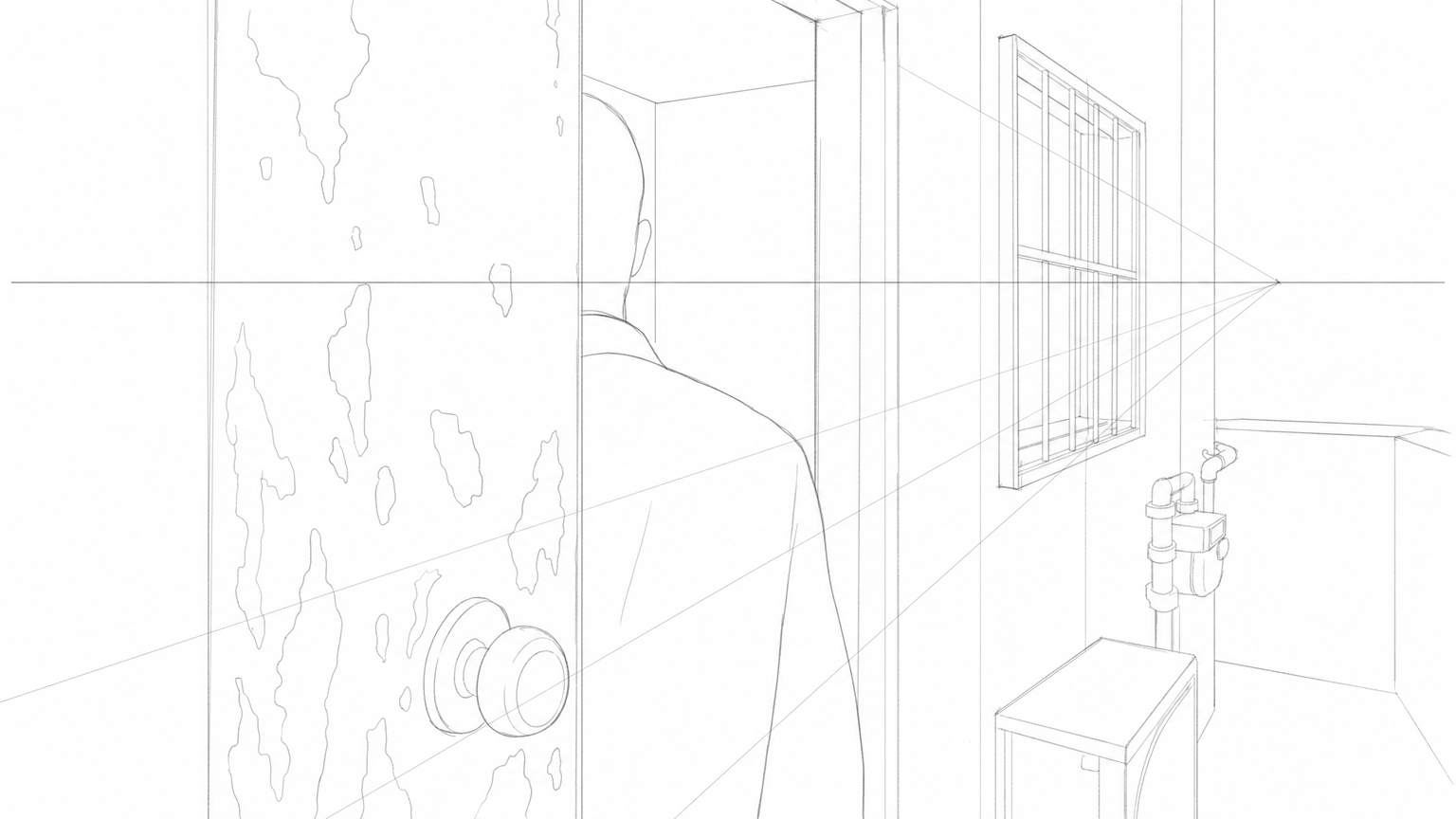
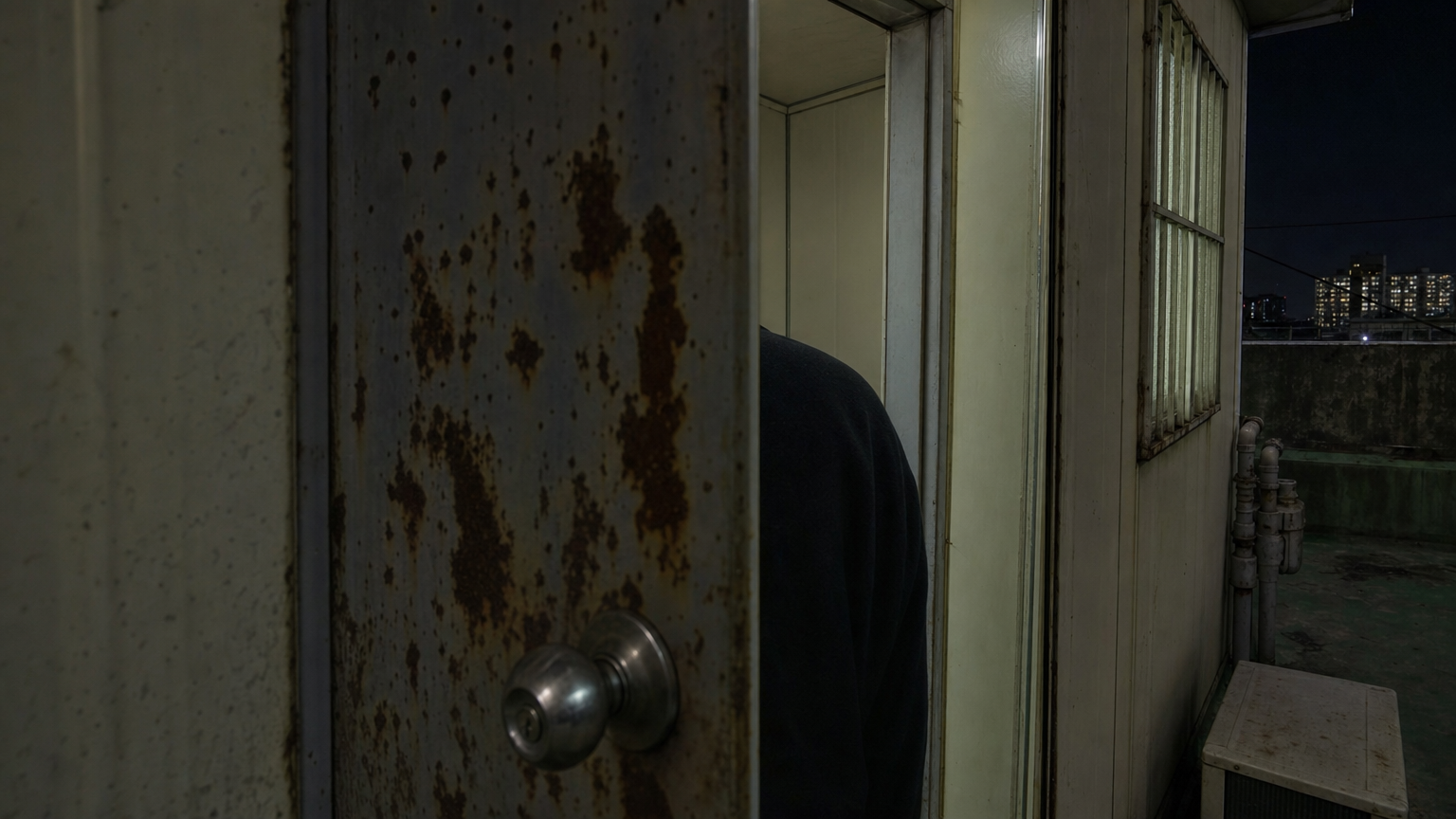
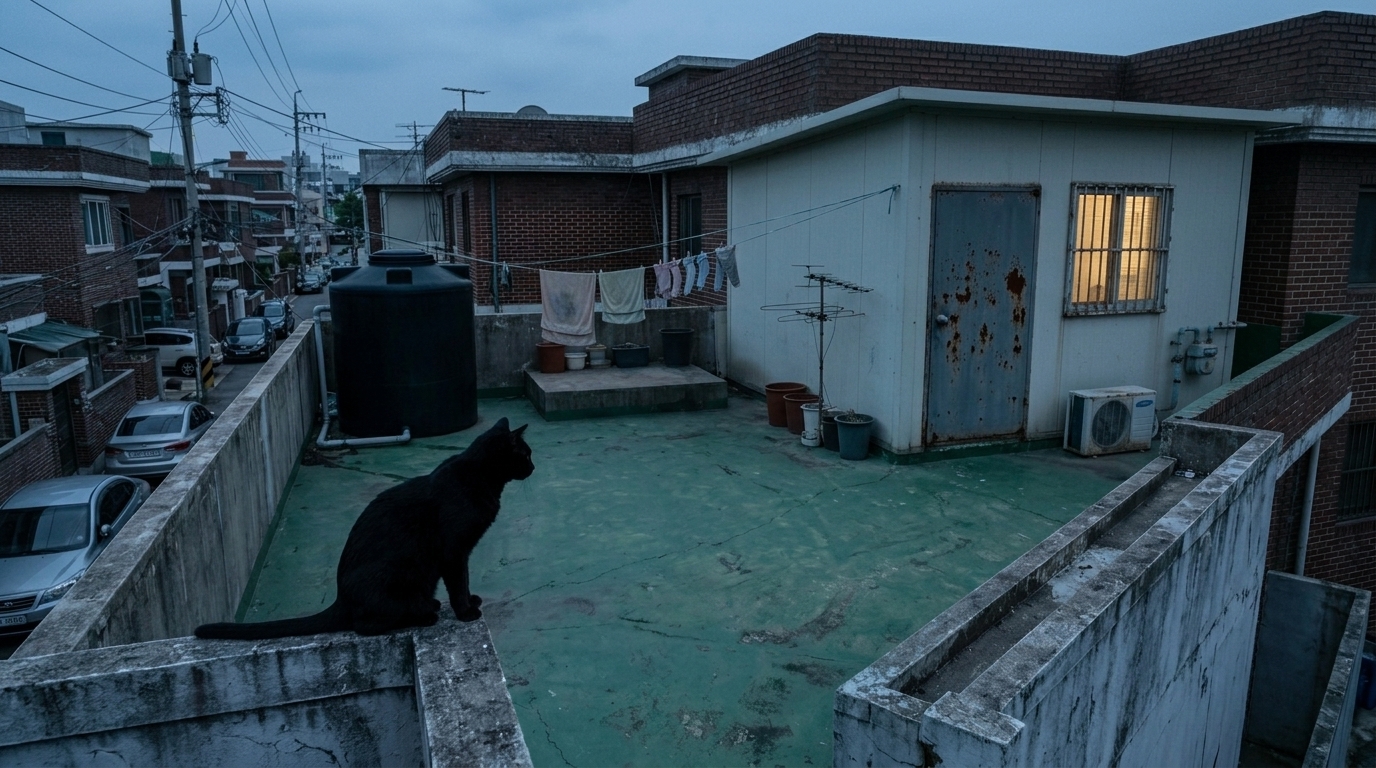
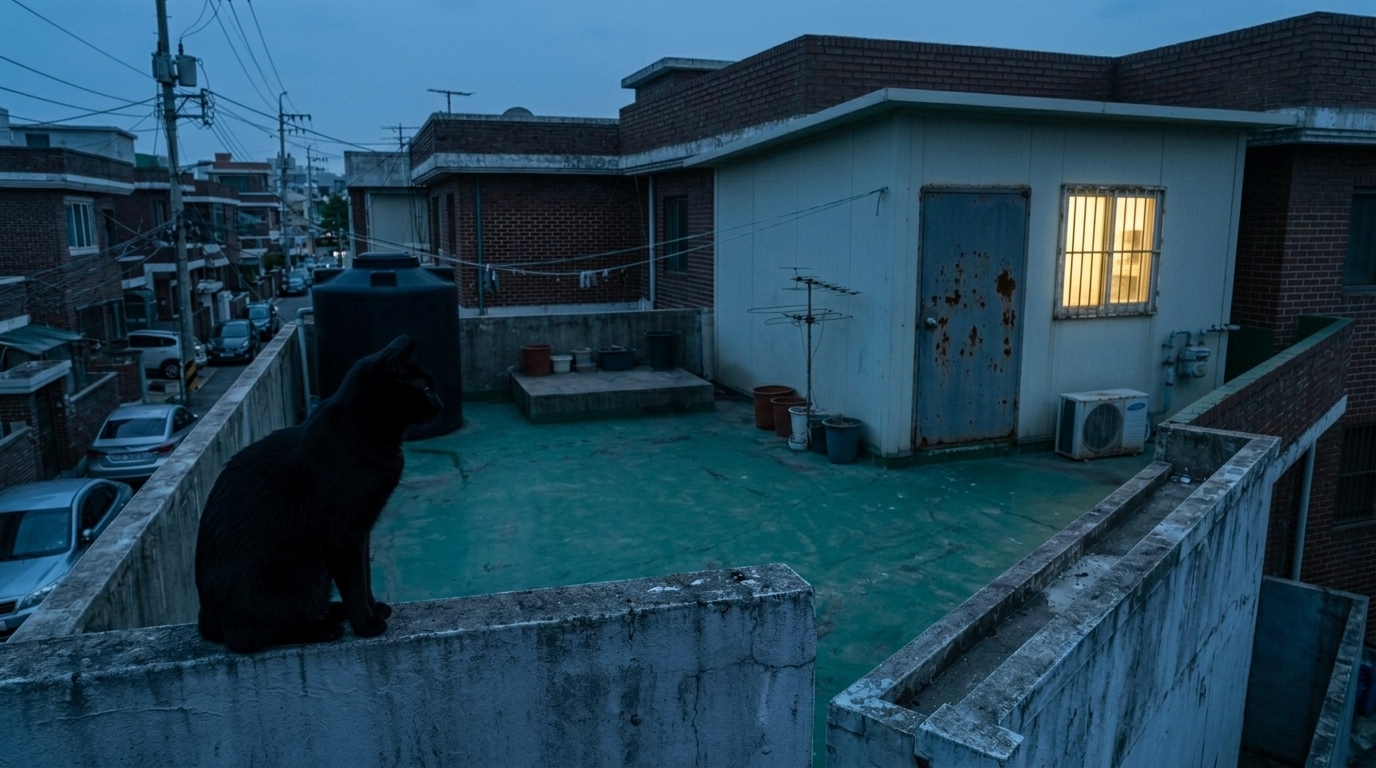
S10sh5 재투영 배경+콘티+엔티티 (2택1: 체인 승)
① 배경·밑그림 재료 — 어떻게 만들어졌나
확정 플레이트 (재질·간판 소스)
➜
GPT 원근 콘티 (v2: 소실선·실크기·화살표)
➜
Step1 — GPT 재투영 빈 배경 (인물 0)
콘티 생성 프롬프트 (v2 PERSPECTIVE & SCALE GUIDES)
The FIRST attached image is the LOCATION PHOTOGRAPH (loose spatial reference only). Every following attached image is a CHARACTER REFERENCE for proportion.

Draw ONE storyboard layout frame, 16:9, filling the entire image edge-to-edge.

STYLE — LAYOUT-ONLY THUMBNAIL SKETCH: the lightest possible
director's layout drawing. THIN, CLEAN, UNIFORM PENCIL CONTOUR
LINES ONLY on pure white paper. Absolutely NO shading, NO tone, NO
hatching, NO texture, NO grayscale fill, NO light-and-shadow, NO
facial features beyond a bare head outline, NO clothing detail, NO
material rendering. The frame contains ONLY: the camera framing,
each figure as a simple correct-proportion human contour in its
exact pose and screen position/size, and the few major set masses
as plain outline shapes. It must read as a quick layout guide,
never as a finished drawing.

The attached photograph is the LOCATION where this shot happens.
Use it ONLY as a LOOSE spatial reference — the rough set masses
and where things sit relative to each other. You do NOT need to
follow it exactly: do not copy its camera, its lighting or its
details. Choose the camera and framing the SHOT TEXT needs, and
draw only the few set masses that matter as plain outline shapes.

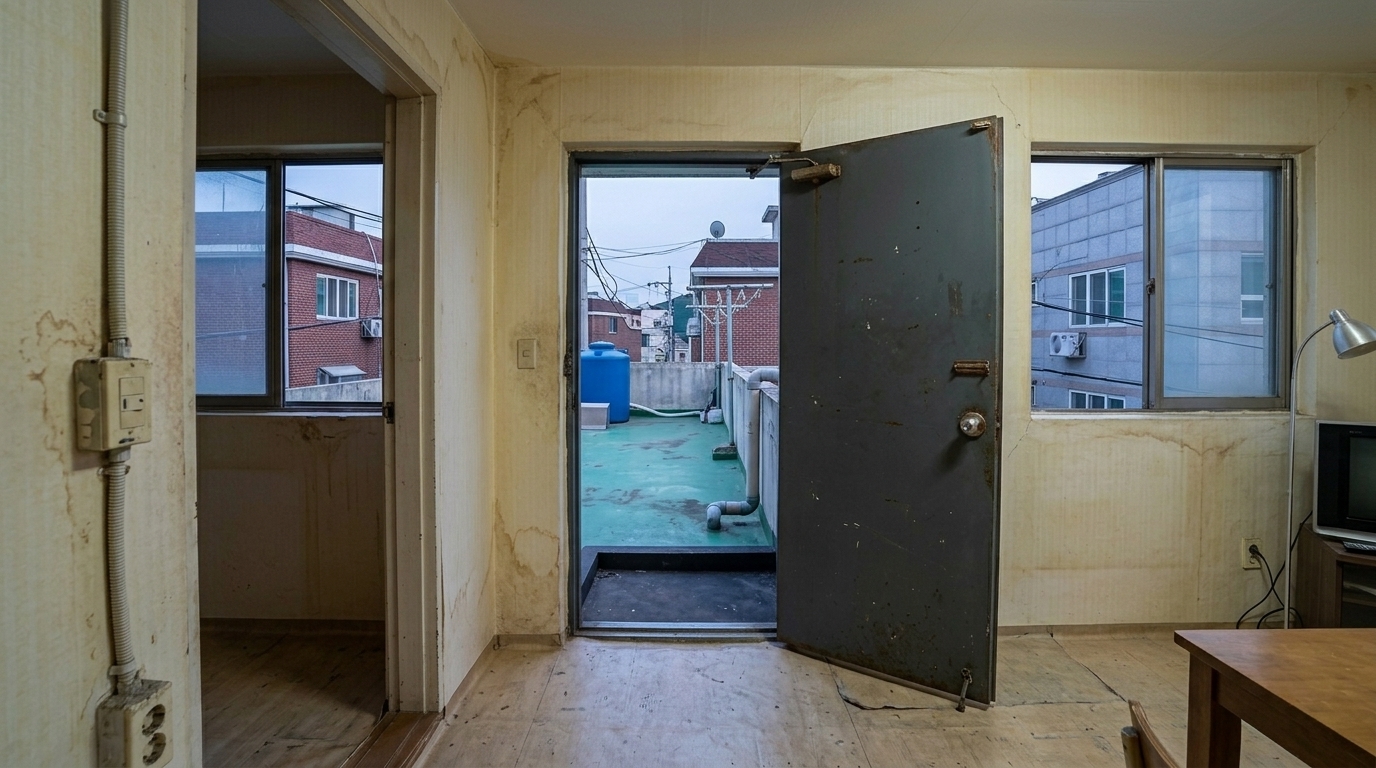
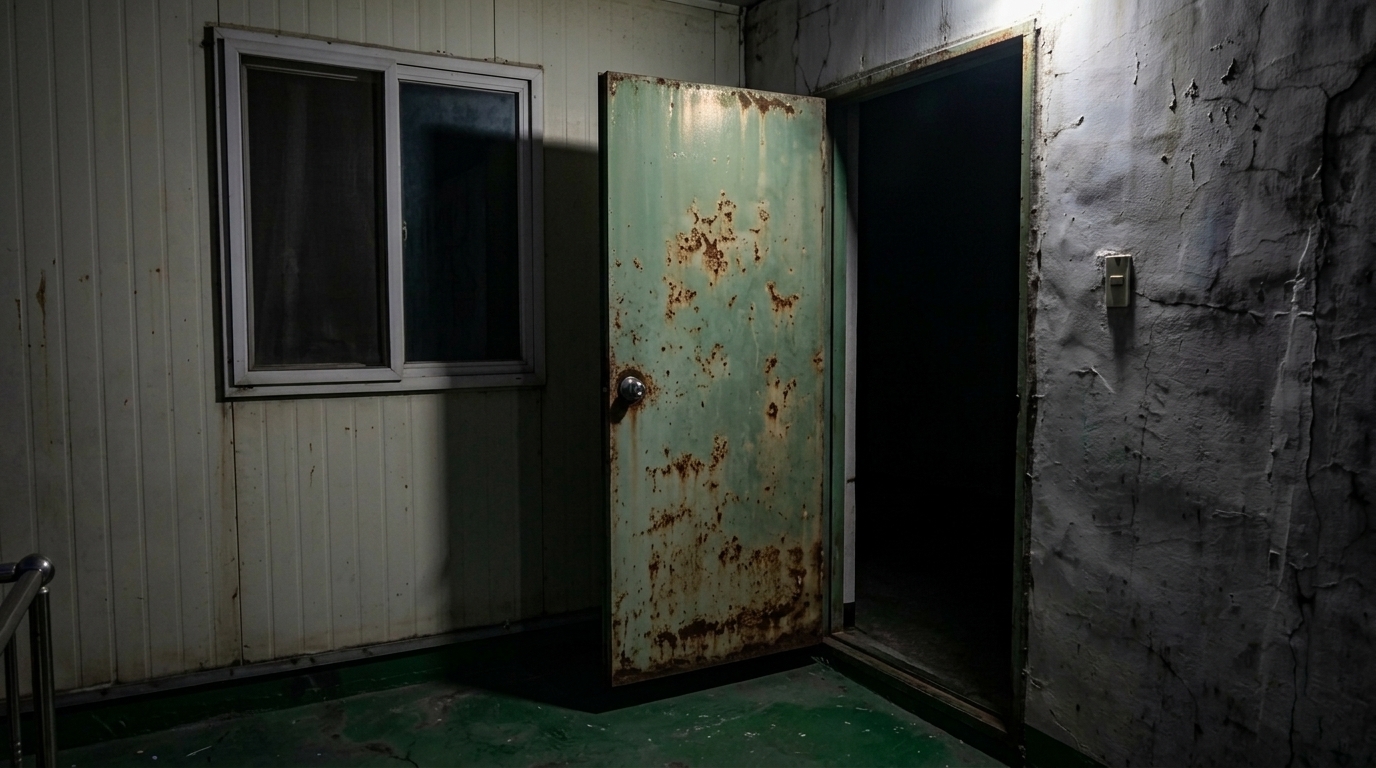
THE LOCATION: At the exterior threshold of the rooftop room, where its rusted metal entrance door has opened only a narrow crack.

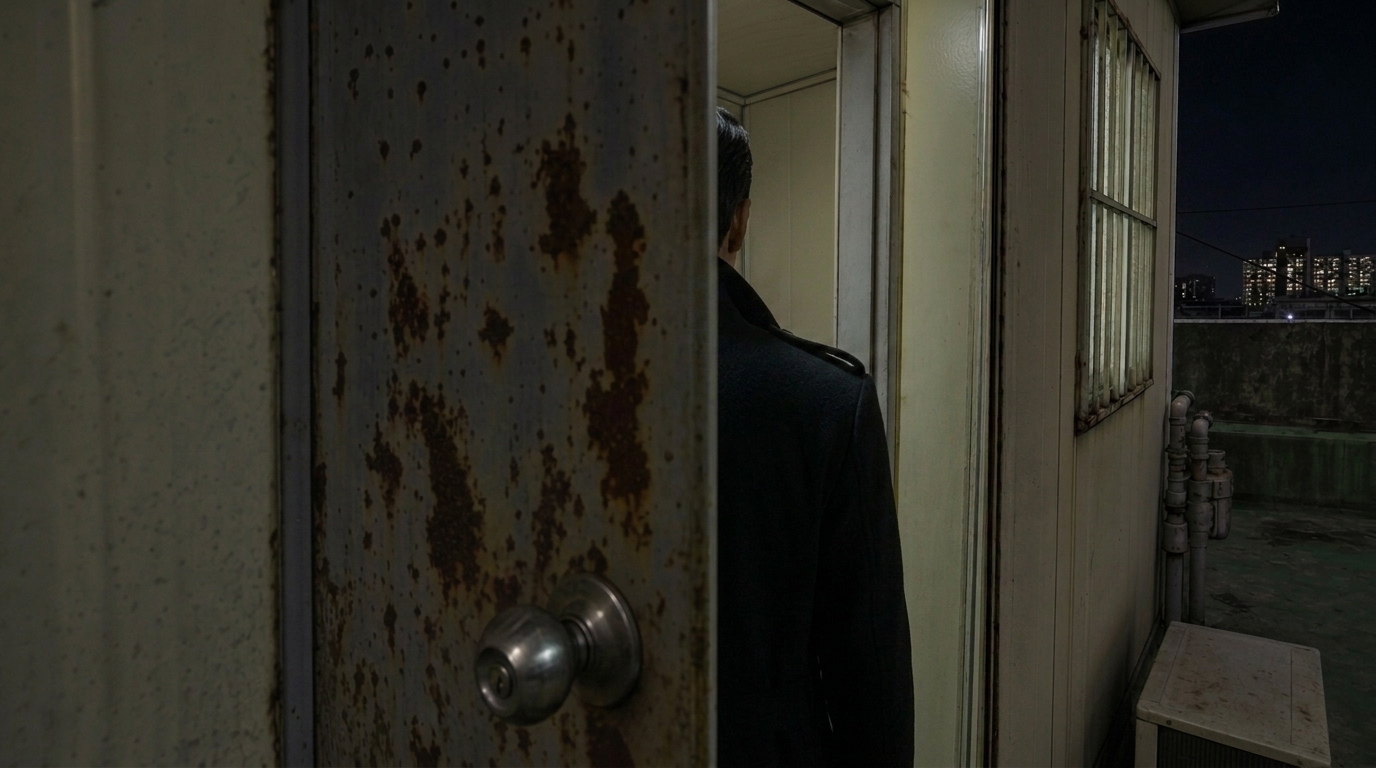
SHOT TEXT (authoritative, Korean): 미세하게 벌어진 철문 틈새로, 얼굴이 보이지 않는 한국인 신원미상 남성의 검은 어깨선이 안으로 반쯤 들어간 정지 순간.

CARRIED STATE (persist exactly): The intruder has left the rooftop room’s iron entrance door slightly open as he passes inside.

PROPS FACE THE RIGHT WAY (also in this sketch): every handheld or used
object must be oriented as its real-world use requires. A person
reading, watching or operating something (a phone, a photograph, a
paper, any device) has its functional side — screen, front, page —
facing THEIR OWN eyes; the camera then sees whatever side the staging
geometry implies (often its back). Show the functional side to the
camera ONLY when the shot text itself stages it toward the viewer.
Never flip, mirror or reverse an object's front and back.

NATURAL PERFORMANCE (default only — every explicit direction above
wins): when no pose contract or shot-text direction says otherwise,
sketched figures read as alive in mid-moment — believable weight
shift, hands engaged, gaze on the target the SHOT TEXT implies; avoid
a stiff attention stance (feet together, arms hanging straight down)
and a blank stare into the lens. If the SHOT TEXT or any POSE contract
above stages stillness, death, sleep, unconsciousness, restraint,
drill or an explicit direct-to-camera look, draw THAT exactly — this
clause never overrides it.

ABSOLUTELY NO TEXT anywhere: no captions, no numbers, no labels of any kind.

CAMERA & FRAME (follow exactly — this is the composition authority for this still; the reference images supply identity and place, never the framing):
- CAMERA: Immediately outside the doorway at shoulder height, the camera peers through the narrow opening from an oblique side angle and holds the exact instant when only half of 한국인 신원미상 남성's shoulder line has crossed the threshold. The door edge divides the close frame vertically, concealing his face and leaving his shoulder and upper back compressed within the opening.
- FRAMING SCALE: close-up
- FRAME LAYOUT: 한국인 신원미상 남성 in the middle-center of the frame, midground, moves toward interior of the rooftop room; partially opened iron door in the middle-left of the frame, foreground.
- KEY BACKGROUND ELEMENTS: iron entrance door (Slightly open) — Its edge and part of the exterior-facing plane angle across the foreground while the opening reveals the interior threshold; used as Creates a narrow through-object frame that hides the intruder's face and bisects his shoulder; doorway opening (Narrow due to the slightly opened door); used as Defines the compressed passage through which the upper body is entering.
Compose the frame exactly as specified above — camera angle, subject scale and screen placement. Keep true physical scale between people and background elements: fixtures and distant objects occupy only the small screen area their real size and distance dictate; never enlarge a background object into a foreground presence.

PERSPECTIVE & SCALE GUIDES (draw these as part of the sketch — they are the whole point of this layout):
- Draw the HORIZON LINE at the camera's eye height, and 2-3 thin PERSPECTIVE GUIDE LINES converging toward the vanishing point, so the depth of the space is explicit.
- TRUE RELATIVE SIZE: draw every person and every set mass at the exact screen size that its real-world size and its distance from the camera dictate. A high wall-mounted device or any distant object stays SMALL against the architecture; people scale with their depth along the guide lines. NEVER enlarge a background object beyond its true perspective size.
- For EVERY person draw one thin EYELINE ARROW from the eyes to the exact thing they look at; if something moves, one thin MOTION ARROW along its path.
- All guides are simple thin pencil lines — layout language only, never objects in the scene, and still NO text, numbers or letters anywhere.
Step1 재투영 프롬프트 (무인+콘티 카메라 권위)
Create the EMPTY BACKGROUND PLATE for one film shot — NO PEOPLE, no figures, no body parts, no sketch lines, no arrows anywhere.
"Empty" means no people only: KEEP the location's inherent occupants and stock that define the place — animals in an animal shelter, pen or farm, goods in a market, moored boats in a harbour — unless the shot text explicitly removes them.
The FIRST attached image is a thin-line storyboard sketch: use ONLY its camera angle, horizon, perspective and the placement/size of buildings and set masses — ignore the sketched people and arrows entirely. The SECOND attached image (LOCATION PHOTOGRAPH) is the real place: take its architecture, materials, signage and fixed features, and RE-PROJECT them into the sketch's camera. If the photograph's camera differs from the sketch's, the sketch's camera wins.
HUMAN-SCALE CALIBRATION: derive every structure's true size from human-scale elements — a door ≈ 2m, a window ≈ 1–1.5m wide, one storey ≈ 2.5–3m; never inflate a small structure or shrink a large one.

SHOT TEXT this background must serve (Korean): 미세하게 벌어진 철문 틈새로, 얼굴이 보이지 않는 한국인 신원미상 남성의 검은 어깨선이 안으로 반쯤 들어간 정지 순간.

LOCATION (lock): At the exterior threshold of the rooftop room, where its rusted metal entrance door has opened only a narrow crack.

TIME OF DAY (lock): night.

CAMERA & FRAME (follow exactly — this is the composition authority for this still; the reference images supply identity and place, never the framing):
- CAMERA: Immediately outside the doorway at shoulder height, the camera peers through the narrow opening from an oblique side angle and holds the exact instant when only half of 한국인 신원미상 남성's shoulder line has crossed the threshold. The door edge divides the close frame vertically, concealing his face and leaving his shoulder and upper back compressed within the opening.
- FRAMING SCALE: close-up
- FRAME LAYOUT: 한국인 신원미상 남성 in the middle-center of the frame, midground, moves toward interior of the rooftop room; partially opened iron door in the middle-left of the frame, foreground.
- KEY BACKGROUND ELEMENTS: iron entrance door (Slightly open) — Its edge and part of the exterior-facing plane angle across the foreground while the opening reveals the interior threshold; used as Creates a narrow through-object frame that hides the intruder's face and bisects his shoulder; doorway opening (Narrow due to the slightly opened door); used as Defines the compressed passage through which the upper body is entering.
Compose the frame exactly as specified above — camera angle, subject scale and screen placement. Keep true physical scale between people and background elements: fixtures and distant objects occupy only the small screen area their real size and distance dictate; never enlarge a background object into a foreground presence.

LIGHTING & MOOD (these govern light, color and surface rendering):
- LIGHTING & MOOD: Low-key night contrast reduces the intruder to a dark shoulder contour while preserving the hard geometry of the threshold.
- MATERIAL REALISM: every object and surface must read as a real,
  physical material — correct texture, weight, wear and light response
  (metal reflects, fabric drapes and creases, liquid is glossy and
  pools, painted or drawn marks sit ON a surface and follow its
  curvature and lighting). Nothing may look like a flat sticker, a
  doodle or a graphic overlay pasted onto the frame.

Render ONE photorealistic empty location photograph, 16:9, that this shot can be staged inside later. No text or watermarks.

The THIRD attached image (STRUCTURE LOOK) is the identity source of the fixed structure at this location: its faces, openings, levels, materials and signage are truth. Where it conflicts with the LOCATION PHOTOGRAPH about the structure itself, the STRUCTURE LOOK wins; the photograph still governs the surroundings, time of day and lighting.
critique 결함: [{"issue_ko": "문 가장자리에 완전히 가려져야 할 남성의 뒤통수와 귀가 열린 문틈 사이로 보임.", "fix_en": "Hide the head and ear completely behind the left door edge so only the shoulder and upper back are visible in the narrow opening."}]
스틸 base 프롬프트(공통 계약 — CAMERA/FRAME 절 포함)
Create ONE FINAL photorealistic live-action film still of the moment below — coastal Incheon, South Korea, 2026; all people are Korean and Korean-speaking unless stated. TIME OF DAY (lock): night.

SHOT TEXT (authoritative, Korean): 미세하게 벌어진 철문 틈새로, 얼굴이 보이지 않는 한국인 신원미상 남성의 검은 어깨선이 안으로 반쯤 들어간 정지 순간.

LOCATION (lock): At the exterior threshold of the rooftop room, where its rusted metal entrance door has opened only a narrow crack. The shot takes place here — the attached LOCATION PHOTOGRAPH shows the exact spot.

STRUCTURE LOOK AUTHORITY: the attached STRUCTURE LOOK photograph is the identity of the fixed structure at this location — wherever that structure appears in the frame, its shape, proportions, openings, materials and colors are LOCKED to it. The LOCATION PHOTOGRAPH remains the authority for this shot's sub-space, surroundings, time of day and lighting. If the two conflict on the structure itself, the STRUCTURE LOOK photo wins; for everything else, the LOCATION PHOTOGRAPH wins.

CAMERA & FRAME (follow exactly — this is the composition authority for this still; the reference images supply identity and place, never the framing):
- CAMERA: Immediately outside the doorway at shoulder height, the camera peers through the narrow opening from an oblique side angle and holds the exact instant when only half of 한국인 신원미상 남성's shoulder line has crossed the threshold. The door edge divides the close frame vertically, concealing his face and leaving his shoulder and upper back compressed within the opening.
- FRAMING SCALE: close-up
- FRAME LAYOUT: 한국인 신원미상 남성 in the middle-center of the frame, midground, moves toward interior of the rooftop room; partially opened iron door in the middle-left of the frame, foreground.
- KEY BACKGROUND ELEMENTS: iron entrance door (Slightly open) — Its edge and part of the exterior-facing plane angle across the foreground while the opening reveals the interior threshold; used as Creates a narrow through-object frame that hides the intruder's face and bisects his shoulder; doorway opening (Narrow due to the slightly opened door); used as Defines the compressed passage through which the upper body is entering.
Compose the frame exactly as specified above — camera angle, subject scale and screen placement. Keep true physical scale between people and background elements: fixtures and distant objects occupy only the small screen area their real size and distance dictate; never enlarge a background object into a foreground presence.

LIGHTING & MOOD (these govern light, color and surface rendering):
- LIGHTING & MOOD: Low-key night contrast reduces the intruder to a dark shoulder contour while preserving the hard geometry of the threshold.
- MATERIAL REALISM: every object and surface must read as a real,
  physical material — correct texture, weight, wear and light response
  (metal reflects, fabric drapes and creases, liquid is glossy and
  pools, painted or drawn marks sit ON a surface and follow its
  curvature and lighting). Nothing may look like a flat sticker, a
  doodle or a graphic overlay pasted onto the frame.

REALIZE FIGURATIVE LANGUAGE AS A LIVE-ACTION SHOT: the Korean shot
text may describe characters metaphorically, figuratively or with
exaggeration. Photograph what a real movie camera would actually
record on a physical set — exaggerated or figurative impressions
become realistic staging choices (lighting, distance, angle,
wardrobe), not literal fantasy imagery.
EVERY CHARACTER IS A HUMAN BEING: unless the story explicitly
features non-human or virtual beings (as in science fiction or
fantasy), every character — however indirectly, vaguely or
figuratively the text describes them — IS a real human. When the
text gives no direct visual description of a person, IMAGINE one
and still show them as a concrete, fully-formed human being:
always render the human form to the maximum extent — build,
posture, face, hands, clothing — never reduce a person to a shape,
blob, solid silhouette or abstract mass.

EXPRESSIONS ARE ACTED, NEVER ANATOMICAL: when the text describes a
person's eyes, face or presence emotionally or figuratively (vacant,
hollow, dazed, burning, lifeless gaze and the like), it describes an
ACTOR'S PERFORMANCE captured by a real camera — realize it ONLY
through gaze direction, focus, eyelids, facial muscles, stillness
and posture. Every living person's eyes remain anatomically normal
human eyes with a natural iris and pupil, natural sclera and normal
proportions; NEVER whiten, blank out, cloud over, glow, enlarge or
otherwise alter eyeballs, skin or anatomy — unless the story
explicitly declares that being non-human or supernatural in form.

PROPS FACE THE RIGHT WAY: every handheld or used object must be
oriented exactly as its real-world use requires. A person reading,
watching or operating something (a phone, a photograph, a paper,
any device) has its functional side — screen, front, page — facing
THEIR OWN eyes; the camera then sees whatever side the staging
geometry implies (often its back). Show the functional side to the
camera ONLY when the shot text itself stages it toward the viewer.
Never flip, mirror or reverse an object's front and back.

NATURAL PERFORMANCE (default only — every explicit direction above
wins): when no pose contract, immobility contract or shot-text
direction says otherwise, people read as alive in mid-moment —
believable weight shift, hands engaged with something real, gaze on
the target the SHOT TEXT implies; avoid a stiff attention stance (feet
together, arms hanging straight down) and a blank stare into the lens.
If the SHOT TEXT or any POSE/IMMOBILE contract above stages stillness,
death, sleep, unconsciousness, restraint, drill or an explicit
direct-to-camera look, follow THAT exactly — this clause never
overrides it.

DRAWN MARKS KEEP THEIR SHAPE: any mark the text describes as drawn,
painted or traced (a circle, a line, a symbol) is a STROKE sitting on
the surface — an outline whose interior still shows the underlying
surface (wall, skin, paper). Render its stated shape faithfully: a
drawn circle stays an open ring of brush-width, never filled into a
solid disc, unless the text explicitly says it is filled.

CARRIED STATE (persist exactly — must match the neighbouring shots of this scene): The intruder has left the rooftop room’s iron entrance door slightly open as he passes inside.

PEOPLE: the SHOT TEXT alone decides whether any person is visible in this shot. IF a person appears, they must be one of: 한국인 신원미상 남성 (한국인 성인 남성 얼굴, 자연스러운 피부색, 자연스러운 짙은색 머리카락) — never anyone else, and never add a person the shot text does not show. IF only part of a person is in frame (a hand, arm, foot, back, silhouette), that body part belongs to the specific person the shot text names — its sex, age, build, skin and grooming must unmistakably match that person's profile above.

No text, captions, watermarks or annotations anywhere.
롤 A 생성 프롬프트
Stage the shot. The FIRST attached image (SHOT BACKGROUND) is the finished empty background of this shot — keep it EXACTLY: its camera, perspective, architecture, lighting and every fixed feature stay untouched. The SECOND attached image (LAYOUT SKETCH) tells you ONLY where the people go: each sketched person's position, screen size, pose and the gaze/motion arrows. Ignore the sketch's background lines. The CHARACTER REFERENCE photographs show the real people.
Place the real people into the background at exactly the sketched positions, sizes and poses, following the arrow directions. No sketch lines or arrows may remain.

Create ONE FINAL photorealistic live-action film still of the moment below — coastal Incheon, South Korea, 2026; all people are Korean and Korean-speaking unless stated. TIME OF DAY (lock): night.

SHOT TEXT (authoritative, Korean): 미세하게 벌어진 철문 틈새로, 얼굴이 보이지 않는 한국인 신원미상 남성의 검은 어깨선이 안으로 반쯤 들어간 정지 순간.

LOCATION (lock): At the exterior threshold of the rooftop room, where its rusted metal entrance door has opened only a narrow crack. The shot takes place here — the attached LOCATION PHOTOGRAPH shows the exact spot.

STRUCTURE LOOK AUTHORITY: the attached STRUCTURE LOOK photograph is the identity of the fixed structure at this location — wherever that structure appears in the frame, its shape, proportions, openings, materials and colors are LOCKED to it. The LOCATION PHOTOGRAPH remains the authority for this shot's sub-space, surroundings, time of day and lighting. If the two conflict on the structure itself, the STRUCTURE LOOK photo wins; for everything else, the LOCATION PHOTOGRAPH wins.

CAMERA & FRAME (follow exactly — this is the composition authority for this still; the reference images supply identity and place, never the framing):
- CAMERA: Immediately outside the doorway at shoulder height, the camera peers through the narrow opening from an oblique side angle and holds the exact instant when only half of 한국인 신원미상 남성's shoulder line has crossed the threshold. The door edge divides the close frame vertically, concealing his face and leaving his shoulder and upper back compressed within the opening.
- FRAMING SCALE: close-up
- FRAME LAYOUT: 한국인 신원미상 남성 in the middle-center of the frame, midground, moves toward interior of the rooftop room; partially opened iron door in the middle-left of the frame, foreground.
- KEY BACKGROUND ELEMENTS: iron entrance door (Slightly open) — Its edge and part of the exterior-facing plane angle across the foreground while the opening reveals the interior threshold; used as Creates a narrow through-object frame that hides the intruder's face and bisects his shoulder; doorway opening (Narrow due to the slightly opened door); used as Defines the compressed passage through which the upper body is entering.
Compose the frame exactly as specified above — camera angle, subject scale and screen placement. Keep true physical scale between people and background elements: fixtures and distant objects occupy only the small screen area their real size and distance dictate; never enlarge a background object into a foreground presence.

LIGHTING & MOOD (these govern light, color and surface rendering):
- LIGHTING & MOOD: Low-key night contrast reduces the intruder to a dark shoulder contour while preserving the hard geometry of the threshold.
- MATERIAL REALISM: every object and surface must read as a real,
  physical material — correct texture, weight, wear and light response
  (metal reflects, fabric drapes and creases, liquid is glossy and
  pools, painted or drawn marks sit ON a surface and follow its
  curvature and lighting). Nothing may look like a flat sticker, a
  doodle or a graphic overlay pasted onto the frame.

REALIZE FIGURATIVE LANGUAGE AS A LIVE-ACTION SHOT: the Korean shot
text may describe characters metaphorically, figuratively or with
exaggeration. Photograph what a real movie camera would actually
record on a physical set — exaggerated or figurative impressions
become realistic staging choices (lighting, distance, angle,
wardrobe), not literal fantasy imagery.
EVERY CHARACTER IS A HUMAN BEING: unless the story explicitly
features non-human or virtual beings (as in science fiction or
fantasy), every character — however indirectly, vaguely or
figuratively the text describes them — IS a real human. When the
text gives no direct visual description of a person, IMAGINE one
and still show them as a concrete, fully-formed human being:
always render the human form to the maximum extent — build,
posture, face, hands, clothing — never reduce a person to a shape,
blob, solid silhouette or abstract mass.

EXPRESSIONS ARE ACTED, NEVER ANATOMICAL: when the text describes a
person's eyes, face or presence emotionally or figuratively (vacant,
hollow, dazed, burning, lifeless gaze and the like), it describes an
ACTOR'S PERFORMANCE captured by a real camera — realize it ONLY
through gaze direction, focus, eyelids, facial muscles, stillness
and posture. Every living person's eyes remain anatomically normal
human eyes with a natural iris and pupil, natural sclera and normal
proportions; NEVER whiten, blank out, cloud over, glow, enlarge or
otherwise alter eyeballs, skin or anatomy — unless the story
explicitly declares that being non-human or supernatural in form.

PROPS FACE THE RIGHT WAY: every handheld or used object must be
oriented exactly as its real-world use requires. A person reading,
watching or operating something (a phone, a photograph, a paper,
any device) has its functional side — screen, front, page — facing
THEIR OWN eyes; the camera then sees whatever side the staging
geometry implies (often its back). Show the functional side to the
camera ONLY when the shot text itself stages it toward the viewer.
Never flip, mirror or reverse an object's front and back.

NATURAL PERFORMANCE (default only — every explicit direction above
wins): when no pose contract, immobility contract or shot-text
direction says otherwise, people read as alive in mid-moment —
believable weight shift, hands engaged with something real, gaze on
the target the SHOT TEXT implies; avoid a stiff attention stance (feet
together, arms hanging straight down) and a blank stare into the lens.
If the SHOT TEXT or any POSE/IMMOBILE contract above stages stillness,
death, sleep, unconsciousness, restraint, drill or an explicit
direct-to-camera look, follow THAT exactly — this clause never
overrides it.

DRAWN MARKS KEEP THEIR SHAPE: any mark the text describes as drawn,
painted or traced (a circle, a line, a symbol) is a STROKE sitting on
the surface — an outline whose interior still shows the underlying
surface (wall, skin, paper). Render its stated shape faithfully: a
drawn circle stays an open ring of brush-width, never filled into a
solid disc, unless the text explicitly says it is filled.

CARRIED STATE (persist exactly — must match the neighbouring shots of this scene): The intruder has left the rooftop room’s iron entrance door slightly open as he passes inside.

PEOPLE: the SHOT TEXT alone decides whether any person is visible in this shot. IF a person appears, they must be one of: 한국인 신원미상 남성 (한국인 성인 남성 얼굴, 자연스러운 피부색, 자연스러운 짙은색 머리카락) — never anyone else, and never add a person the shot text does not show. IF only part of a person is in frame (a hand, arm, foot, back, silhouette), that body part belongs to the specific person the shot text names — its sex, age, build, skin and grooming must unmistakably match that person's profile above.

No text, captions, watermarks or annotations anywhere.
롤 B 생성 프롬프트
Create ONE FINAL photorealistic live-action film still of the moment below — coastal Incheon, South Korea, 2026; all people are Korean and Korean-speaking unless stated. TIME OF DAY (lock): night.

SHOT TEXT (authoritative, Korean): 미세하게 벌어진 철문 틈새로, 얼굴이 보이지 않는 한국인 신원미상 남성의 검은 어깨선이 안으로 반쯤 들어간 정지 순간.

LOCATION (lock): At the exterior threshold of the rooftop room, where its rusted metal entrance door has opened only a narrow crack. The shot takes place here — the attached LOCATION PHOTOGRAPH shows the exact spot.

STRUCTURE LOOK AUTHORITY: the attached STRUCTURE LOOK photograph is the identity of the fixed structure at this location — wherever that structure appears in the frame, its shape, proportions, openings, materials and colors are LOCKED to it. The LOCATION PHOTOGRAPH remains the authority for this shot's sub-space, surroundings, time of day and lighting. If the two conflict on the structure itself, the STRUCTURE LOOK photo wins; for everything else, the LOCATION PHOTOGRAPH wins.

CAMERA & FRAME (follow exactly — this is the composition authority for this still; the reference images supply identity and place, never the framing):
- CAMERA: Immediately outside the doorway at shoulder height, the camera peers through the narrow opening from an oblique side angle and holds the exact instant when only half of 한국인 신원미상 남성's shoulder line has crossed the threshold. The door edge divides the close frame vertically, concealing his face and leaving his shoulder and upper back compressed within the opening.
- FRAMING SCALE: close-up
- FRAME LAYOUT: 한국인 신원미상 남성 in the middle-center of the frame, midground, moves toward interior of the rooftop room; partially opened iron door in the middle-left of the frame, foreground.
- KEY BACKGROUND ELEMENTS: iron entrance door (Slightly open) — Its edge and part of the exterior-facing plane angle across the foreground while the opening reveals the interior threshold; used as Creates a narrow through-object frame that hides the intruder's face and bisects his shoulder; doorway opening (Narrow due to the slightly opened door); used as Defines the compressed passage through which the upper body is entering.
Compose the frame exactly as specified above — camera angle, subject scale and screen placement. Keep true physical scale between people and background elements: fixtures and distant objects occupy only the small screen area their real size and distance dictate; never enlarge a background object into a foreground presence.

LIGHTING & MOOD (these govern light, color and surface rendering):
- LIGHTING & MOOD: Low-key night contrast reduces the intruder to a dark shoulder contour while preserving the hard geometry of the threshold.
- MATERIAL REALISM: every object and surface must read as a real,
  physical material — correct texture, weight, wear and light response
  (metal reflects, fabric drapes and creases, liquid is glossy and
  pools, painted or drawn marks sit ON a surface and follow its
  curvature and lighting). Nothing may look like a flat sticker, a
  doodle or a graphic overlay pasted onto the frame.

REALIZE FIGURATIVE LANGUAGE AS A LIVE-ACTION SHOT: the Korean shot
text may describe characters metaphorically, figuratively or with
exaggeration. Photograph what a real movie camera would actually
record on a physical set — exaggerated or figurative impressions
become realistic staging choices (lighting, distance, angle,
wardrobe), not literal fantasy imagery.
EVERY CHARACTER IS A HUMAN BEING: unless the story explicitly
features non-human or virtual beings (as in science fiction or
fantasy), every character — however indirectly, vaguely or
figuratively the text describes them — IS a real human. When the
text gives no direct visual description of a person, IMAGINE one
and still show them as a concrete, fully-formed human being:
always render the human form to the maximum extent — build,
posture, face, hands, clothing — never reduce a person to a shape,
blob, solid silhouette or abstract mass.

EXPRESSIONS ARE ACTED, NEVER ANATOMICAL: when the text describes a
person's eyes, face or presence emotionally or figuratively (vacant,
hollow, dazed, burning, lifeless gaze and the like), it describes an
ACTOR'S PERFORMANCE captured by a real camera — realize it ONLY
through gaze direction, focus, eyelids, facial muscles, stillness
and posture. Every living person's eyes remain anatomically normal
human eyes with a natural iris and pupil, natural sclera and normal
proportions; NEVER whiten, blank out, cloud over, glow, enlarge or
otherwise alter eyeballs, skin or anatomy — unless the story
explicitly declares that being non-human or supernatural in form.

PROPS FACE THE RIGHT WAY: every handheld or used object must be
oriented exactly as its real-world use requires. A person reading,
watching or operating something (a phone, a photograph, a paper,
any device) has its functional side — screen, front, page — facing
THEIR OWN eyes; the camera then sees whatever side the staging
geometry implies (often its back). Show the functional side to the
camera ONLY when the shot text itself stages it toward the viewer.
Never flip, mirror or reverse an object's front and back.

NATURAL PERFORMANCE (default only — every explicit direction above
wins): when no pose contract, immobility contract or shot-text
direction says otherwise, people read as alive in mid-moment —
believable weight shift, hands engaged with something real, gaze on
the target the SHOT TEXT implies; avoid a stiff attention stance (feet
together, arms hanging straight down) and a blank stare into the lens.
If the SHOT TEXT or any POSE/IMMOBILE contract above stages stillness,
death, sleep, unconsciousness, restraint, drill or an explicit
direct-to-camera look, follow THAT exactly — this clause never
overrides it.

DRAWN MARKS KEEP THEIR SHAPE: any mark the text describes as drawn,
painted or traced (a circle, a line, a symbol) is a STROKE sitting on
the surface — an outline whose interior still shows the underlying
surface (wall, skin, paper). Render its stated shape faithfully: a
drawn circle stays an open ring of brush-width, never filled into a
solid disc, unless the text explicitly says it is filled.

CARRIED STATE (persist exactly — must match the neighbouring shots of this scene): The intruder has left the rooftop room’s iron entrance door slightly open as he passes inside.

PEOPLE: the SHOT TEXT alone decides whether any person is visible in this shot. IF a person appears, they must be one of: 한국인 신원미상 남성 (한국인 성인 남성 얼굴, 자연스러운 피부색, 자연스러운 짙은색 머리카락) — never anyone else, and never add a person the shot text does not show. IF only part of a person is in frame (a hand, arm, foot, back, silhouette), that body part belongs to the specific person the shot text names — its sex, age, build, skin and grooming must unmistakably match that person's profile above.

No text, captions, watermarks or annotations anywhere.
i2i 수정 프롬프트
Edit this photograph. Apply ONLY the corrections listed below,
each in place, changing nothing else:

CORRECTIONS:
- Hide the head and ear completely behind the left door edge so only the shoulder and upper back are visible in the narrow opening.
- Close the iron door to the narrow-crack position shown in the shot background, restoring its foreground edge to the original screen position and compressing the visible doorway opening.
- Reposition the man farther behind the door edge so that only half of his shoulder line and a compressed portion of his upper back are visible within the narrow opening, with his head fully concealed.

PRESERVE EVERYTHING ELSE EXACTLY as in the original photograph —
every person, pose, face, garment, object, set feature, lighting,
camera and framing stay identical. No text, captions or
watermarks anywhere.
S11sh4 재투영 배경+콘티+엔티티 (2택1: 체인 승)
① 배경·밑그림 재료 — 어떻게 만들어졌나
확정 플레이트 (재질·간판 소스)
➜
GPT 원근 콘티 (v2: 소실선·실크기·화살표)
➜
Step1 — GPT 재투영 빈 배경 (인물 0)
콘티 생성 프롬프트 (v2 PERSPECTIVE & SCALE GUIDES)
The FIRST attached image is the LOCATION PHOTOGRAPH (loose spatial reference only). Every following attached image is a CHARACTER REFERENCE for proportion.

Draw ONE storyboard layout frame, 16:9, filling the entire image edge-to-edge.

STYLE — LAYOUT-ONLY THUMBNAIL SKETCH: the lightest possible
director's layout drawing. THIN, CLEAN, UNIFORM PENCIL CONTOUR
LINES ONLY on pure white paper. Absolutely NO shading, NO tone, NO
hatching, NO texture, NO grayscale fill, NO light-and-shadow, NO
facial features beyond a bare head outline, NO clothing detail, NO
material rendering. The frame contains ONLY: the camera framing,
each figure as a simple correct-proportion human contour in its
exact pose and screen position/size, and the few major set masses
as plain outline shapes. It must read as a quick layout guide,
never as a finished drawing.

The attached photograph is the LOCATION where this shot happens.
Use it ONLY as a LOOSE spatial reference — the rough set masses
and where things sit relative to each other. You do NOT need to
follow it exactly: do not copy its camera, its lighting or its
details. Choose the camera and framing the SHOT TEXT needs, and
draw only the few set masses that matter as plain outline shapes.

THE LOCATION: On the villa rooftop at the top of the exterior concrete stairs, facing the rooftop room’s entrance.

SHOT TEXT (authoritative, Korean): 옥상 바닥에 두 발을 딛고 선 수리영의 어깨가 경직된 채, 입을 살짝 벌리고 정면을 응시하는 상반신.

CARRIED STATE (persist exactly): Su-riyeong’s bicycle remains hastily parked in the rear of the yard, while the rooftop entrance door is still half open.

PROPS FACE THE RIGHT WAY (also in this sketch): every handheld or used
object must be oriented as its real-world use requires. A person
reading, watching or operating something (a phone, a photograph, a
paper, any device) has its functional side — screen, front, page —
facing THEIR OWN eyes; the camera then sees whatever side the staging
geometry implies (often its back). Show the functional side to the
camera ONLY when the shot text itself stages it toward the viewer.
Never flip, mirror or reverse an object's front and back.

NATURAL PERFORMANCE (default only — every explicit direction above
wins): when no pose contract or shot-text direction says otherwise,
sketched figures read as alive in mid-moment — believable weight
shift, hands engaged, gaze on the target the SHOT TEXT implies; avoid
a stiff attention stance (feet together, arms hanging straight down)
and a blank stare into the lens. If the SHOT TEXT or any POSE contract
above stages stillness, death, sleep, unconsciousness, restraint,
drill or an explicit direct-to-camera look, draw THAT exactly — this
clause never overrides it.

ABSOLUTELY NO TEXT anywhere: no captions, no numbers, no labels of any kind.

CAMERA & FRAME (follow exactly — this is the composition authority for this still; the reference images supply identity and place, never the framing):
- CAMERA: At upper-torso height on the rooftop, the static camera faces 수리영 along her fixed eyeline and holds her in a centered medium frame. Her planted stance is implied by locked shoulders and an arrested torso, while her slightly open mouth and gaze just past the lens carry the cut toward the entrance rather than inviting direct address.
- FRAMING SCALE: medium shot
- FRAME LAYOUT: 수리영 in the middle-center of the frame, midground, looks toward rooftop-room entrance beyond the camera axis.
- KEY BACKGROUND ELEMENTS: rooftop area (No additional state specified); used as Provides sparse rooftop context while keeping all compositional pressure on 수리영's arrested reaction.
Compose the frame exactly as specified above — camera angle, subject scale and screen placement. Keep true physical scale between people and background elements: fixtures and distant objects occupy only the small screen area their real size and distance dictate; never enlarge a background object into a foreground presence.

PERSPECTIVE & SCALE GUIDES (draw these as part of the sketch — they are the whole point of this layout):
- Draw the HORIZON LINE at the camera's eye height, and 2-3 thin PERSPECTIVE GUIDE LINES converging toward the vanishing point, so the depth of the space is explicit.
- TRUE RELATIVE SIZE: draw every person and every set mass at the exact screen size that its real-world size and its distance from the camera dictate. A high wall-mounted device or any distant object stays SMALL against the architecture; people scale with their depth along the guide lines. NEVER enlarge a background object beyond its true perspective size.
- For EVERY person draw one thin EYELINE ARROW from the eyes to the exact thing they look at; if something moves, one thin MOTION ARROW along its path.
- All guides are simple thin pencil lines — layout language only, never objects in the scene, and still NO text, numbers or letters anywhere.
Step1 재투영 프롬프트 (무인+콘티 카메라 권위)
Create the EMPTY BACKGROUND PLATE for one film shot — NO PEOPLE, no figures, no body parts, no sketch lines, no arrows anywhere.
"Empty" means no people only: KEEP the location's inherent occupants and stock that define the place — animals in an animal shelter, pen or farm, goods in a market, moored boats in a harbour — unless the shot text explicitly removes them.
The FIRST attached image is a thin-line storyboard sketch: use ONLY its camera angle, horizon, perspective and the placement/size of buildings and set masses — ignore the sketched people and arrows entirely. The SECOND attached image (LOCATION PHOTOGRAPH) is the real place: take its architecture, materials, signage and fixed features, and RE-PROJECT them into the sketch's camera. If the photograph's camera differs from the sketch's, the sketch's camera wins.
HUMAN-SCALE CALIBRATION: derive every structure's true size from human-scale elements — a door ≈ 2m, a window ≈ 1–1.5m wide, one storey ≈ 2.5–3m; never inflate a small structure or shrink a large one.

SHOT TEXT this background must serve (Korean): 옥상 바닥에 두 발을 딛고 선 수리영의 어깨가 경직된 채, 입을 살짝 벌리고 정면을 응시하는 상반신.

LOCATION (lock): On the villa rooftop at the top of the exterior concrete stairs, facing the rooftop room’s entrance.

TIME OF DAY (lock): night.

CAMERA & FRAME (follow exactly — this is the composition authority for this still; the reference images supply identity and place, never the framing):
- CAMERA: At upper-torso height on the rooftop, the static camera faces 수리영 along her fixed eyeline and holds her in a centered medium frame. Her planted stance is implied by locked shoulders and an arrested torso, while her slightly open mouth and gaze just past the lens carry the cut toward the entrance rather than inviting direct address.
- FRAMING SCALE: medium shot
- FRAME LAYOUT: 수리영 in the middle-center of the frame, midground, looks toward rooftop-room entrance beyond the camera axis.
- KEY BACKGROUND ELEMENTS: rooftop area (No additional state specified); used as Provides sparse rooftop context while keeping all compositional pressure on 수리영's arrested reaction.
Compose the frame exactly as specified above — camera angle, subject scale and screen placement. Keep true physical scale between people and background elements: fixtures and distant objects occupy only the small screen area their real size and distance dictate; never enlarge a background object into a foreground presence.

LIGHTING & MOOD (these govern light, color and surface rendering):
- LIGHTING & MOOD: Natural night ambience is kept dark and desaturated, with restrained contrast shaping her rigid expression.
- MATERIAL REALISM: every object and surface must read as a real,
  physical material — correct texture, weight, wear and light response
  (metal reflects, fabric drapes and creases, liquid is glossy and
  pools, painted or drawn marks sit ON a surface and follow its
  curvature and lighting). Nothing may look like a flat sticker, a
  doodle or a graphic overlay pasted onto the frame.

Render ONE photorealistic empty location photograph, 16:9, that this shot can be staged inside later. No text or watermarks.
critique 결함: [{"issue_ko": "스케치의 배경 선을 무시해야 한다는 규칙을 어기고, 원본 배경에 없는 흰색 물탱크가 임의로 추가되었습니다.", "fix_en": "Remove the white water tank from the left side to strictly preserve the original background."}, {"issue_ko": "인물의 고개가 오른쪽으로 돌아가 있어, '정면을 응시하는'이라는 지문 및 머
스틸 base 프롬프트(공통 계약 — CAMERA/FRAME 절 포함)
Create ONE FINAL photorealistic live-action film still of the moment below — coastal Incheon, South Korea, 2026; all people are Korean and Korean-speaking unless stated. TIME OF DAY (lock): night.

SHOT TEXT (authoritative, Korean): 옥상 바닥에 두 발을 딛고 선 수리영의 어깨가 경직된 채, 입을 살짝 벌리고 정면을 응시하는 상반신.

LOCATION (lock): On the villa rooftop at the top of the exterior concrete stairs, facing the rooftop room’s entrance. The shot takes place here — the attached LOCATION PHOTOGRAPH shows the exact spot.

CAMERA & FRAME (follow exactly — this is the composition authority for this still; the reference images supply identity and place, never the framing):
- CAMERA: At upper-torso height on the rooftop, the static camera faces 수리영 along her fixed eyeline and holds her in a centered medium frame. Her planted stance is implied by locked shoulders and an arrested torso, while her slightly open mouth and gaze just past the lens carry the cut toward the entrance rather than inviting direct address.
- FRAMING SCALE: medium shot
- FRAME LAYOUT: 수리영 in the middle-center of the frame, midground, looks toward rooftop-room entrance beyond the camera axis.
- KEY BACKGROUND ELEMENTS: rooftop area (No additional state specified); used as Provides sparse rooftop context while keeping all compositional pressure on 수리영's arrested reaction.
Compose the frame exactly as specified above — camera angle, subject scale and screen placement. Keep true physical scale between people and background elements: fixtures and distant objects occupy only the small screen area their real size and distance dictate; never enlarge a background object into a foreground presence.

LIGHTING & MOOD (these govern light, color and surface rendering):
- LIGHTING & MOOD: Natural night ambience is kept dark and desaturated, with restrained contrast shaping her rigid expression.
- MATERIAL REALISM: every object and surface must read as a real,
  physical material — correct texture, weight, wear and light response
  (metal reflects, fabric drapes and creases, liquid is glossy and
  pools, painted or drawn marks sit ON a surface and follow its
  curvature and lighting). Nothing may look like a flat sticker, a
  doodle or a graphic overlay pasted onto the frame.

REALIZE FIGURATIVE LANGUAGE AS A LIVE-ACTION SHOT: the Korean shot
text may describe characters metaphorically, figuratively or with
exaggeration. Photograph what a real movie camera would actually
record on a physical set — exaggerated or figurative impressions
become realistic staging choices (lighting, distance, angle,
wardrobe), not literal fantasy imagery.
EVERY CHARACTER IS A HUMAN BEING: unless the story explicitly
features non-human or virtual beings (as in science fiction or
fantasy), every character — however indirectly, vaguely or
figuratively the text describes them — IS a real human. When the
text gives no direct visual description of a person, IMAGINE one
and still show them as a concrete, fully-formed human being:
always render the human form to the maximum extent — build,
posture, face, hands, clothing — never reduce a person to a shape,
blob, solid silhouette or abstract mass.

EXPRESSIONS ARE ACTED, NEVER ANATOMICAL: when the text describes a
person's eyes, face or presence emotionally or figuratively (vacant,
hollow, dazed, burning, lifeless gaze and the like), it describes an
ACTOR'S PERFORMANCE captured by a real camera — realize it ONLY
through gaze direction, focus, eyelids, facial muscles, stillness
and posture. Every living person's eyes remain anatomically normal
human eyes with a natural iris and pupil, natural sclera and normal
proportions; NEVER whiten, blank out, cloud over, glow, enlarge or
otherwise alter eyeballs, skin or anatomy — unless the story
explicitly declares that being non-human or supernatural in form.

PROPS FACE THE RIGHT WAY: every handheld or used object must be
oriented exactly as its real-world use requires. A person reading,
watching or operating something (a phone, a photograph, a paper,
any device) has its functional side — screen, front, page — facing
THEIR OWN eyes; the camera then sees whatever side the staging
geometry implies (often its back). Show the functional side to the
camera ONLY when the shot text itself stages it toward the viewer.
Never flip, mirror or reverse an object's front and back.

NATURAL PERFORMANCE (default only — every explicit direction above
wins): when no pose contract, immobility contract or shot-text
direction says otherwise, people read as alive in mid-moment —
believable weight shift, hands engaged with something real, gaze on
the target the SHOT TEXT implies; avoid a stiff attention stance (feet
together, arms hanging straight down) and a blank stare into the lens.
If the SHOT TEXT or any POSE/IMMOBILE contract above stages stillness,
death, sleep, unconsciousness, restraint, drill or an explicit
direct-to-camera look, follow THAT exactly — this clause never
overrides it.

DRAWN MARKS KEEP THEIR SHAPE: any mark the text describes as drawn,
painted or traced (a circle, a line, a symbol) is a STROKE sitting on
the surface — an outline whose interior still shows the underlying
surface (wall, skin, paper). Render its stated shape faithfully: a
drawn circle stays an open ring of brush-width, never filled into a
solid disc, unless the text explicitly says it is filled.

CARRIED STATE (persist exactly — must match the neighbouring shots of this scene): Su-riyeong’s bicycle remains hastily parked in the rear of the yard, while the rooftop entrance door is still half open.

PEOPLE: the SHOT TEXT alone decides whether any person is visible in this shot. IF a person appears, they must be one of: 수리영 (한국인 20대 초반 여성 얼굴, 타원형의 젊은 얼굴, 긴 검은 머리카락) — never anyone else, and never add a person the shot text does not show. IF only part of a person is in frame (a hand, arm, foot, back, silhouette), that body part belongs to the specific person the shot text names — its sex, age, build, skin and grooming must unmistakably match that person's profile above.

No text, captions, watermarks or annotations anywhere.
롤 A 생성 프롬프트
Stage the shot. The FIRST attached image (SHOT BACKGROUND) is the finished empty background of this shot — keep it EXACTLY: its camera, perspective, architecture, lighting and every fixed feature stay untouched. The SECOND attached image (LAYOUT SKETCH) tells you ONLY where the people go: each sketched person's position, screen size, pose and the gaze/motion arrows. Ignore the sketch's background lines. The CHARACTER REFERENCE photographs show the real people.
Place the real people into the background at exactly the sketched positions, sizes and poses, following the arrow directions. No sketch lines or arrows may remain.

Create ONE FINAL photorealistic live-action film still of the moment below — coastal Incheon, South Korea, 2026; all people are Korean and Korean-speaking unless stated. TIME OF DAY (lock): night.

SHOT TEXT (authoritative, Korean): 옥상 바닥에 두 발을 딛고 선 수리영의 어깨가 경직된 채, 입을 살짝 벌리고 정면을 응시하는 상반신.

LOCATION (lock): On the villa rooftop at the top of the exterior concrete stairs, facing the rooftop room’s entrance. The shot takes place here — the attached LOCATION PHOTOGRAPH shows the exact spot.

CAMERA & FRAME (follow exactly — this is the composition authority for this still; the reference images supply identity and place, never the framing):
- CAMERA: At upper-torso height on the rooftop, the static camera faces 수리영 along her fixed eyeline and holds her in a centered medium frame. Her planted stance is implied by locked shoulders and an arrested torso, while her slightly open mouth and gaze just past the lens carry the cut toward the entrance rather than inviting direct address.
- FRAMING SCALE: medium shot
- FRAME LAYOUT: 수리영 in the middle-center of the frame, midground, looks toward rooftop-room entrance beyond the camera axis.
- KEY BACKGROUND ELEMENTS: rooftop area (No additional state specified); used as Provides sparse rooftop context while keeping all compositional pressure on 수리영's arrested reaction.
Compose the frame exactly as specified above — camera angle, subject scale and screen placement. Keep true physical scale between people and background elements: fixtures and distant objects occupy only the small screen area their real size and distance dictate; never enlarge a background object into a foreground presence.

LIGHTING & MOOD (these govern light, color and surface rendering):
- LIGHTING & MOOD: Natural night ambience is kept dark and desaturated, with restrained contrast shaping her rigid expression.
- MATERIAL REALISM: every object and surface must read as a real,
  physical material — correct texture, weight, wear and light response
  (metal reflects, fabric drapes and creases, liquid is glossy and
  pools, painted or drawn marks sit ON a surface and follow its
  curvature and lighting). Nothing may look like a flat sticker, a
  doodle or a graphic overlay pasted onto the frame.

REALIZE FIGURATIVE LANGUAGE AS A LIVE-ACTION SHOT: the Korean shot
text may describe characters metaphorically, figuratively or with
exaggeration. Photograph what a real movie camera would actually
record on a physical set — exaggerated or figurative impressions
become realistic staging choices (lighting, distance, angle,
wardrobe), not literal fantasy imagery.
EVERY CHARACTER IS A HUMAN BEING: unless the story explicitly
features non-human or virtual beings (as in science fiction or
fantasy), every character — however indirectly, vaguely or
figuratively the text describes them — IS a real human. When the
text gives no direct visual description of a person, IMAGINE one
and still show them as a concrete, fully-formed human being:
always render the human form to the maximum extent — build,
posture, face, hands, clothing — never reduce a person to a shape,
blob, solid silhouette or abstract mass.

EXPRESSIONS ARE ACTED, NEVER ANATOMICAL: when the text describes a
person's eyes, face or presence emotionally or figuratively (vacant,
hollow, dazed, burning, lifeless gaze and the like), it describes an
ACTOR'S PERFORMANCE captured by a real camera — realize it ONLY
through gaze direction, focus, eyelids, facial muscles, stillness
and posture. Every living person's eyes remain anatomically normal
human eyes with a natural iris and pupil, natural sclera and normal
proportions; NEVER whiten, blank out, cloud over, glow, enlarge or
otherwise alter eyeballs, skin or anatomy — unless the story
explicitly declares that being non-human or supernatural in form.

PROPS FACE THE RIGHT WAY: every handheld or used object must be
oriented exactly as its real-world use requires. A person reading,
watching or operating something (a phone, a photograph, a paper,
any device) has its functional side — screen, front, page — facing
THEIR OWN eyes; the camera then sees whatever side the staging
geometry implies (often its back). Show the functional side to the
camera ONLY when the shot text itself stages it toward the viewer.
Never flip, mirror or reverse an object's front and back.

NATURAL PERFORMANCE (default only — every explicit direction above
wins): when no pose contract, immobility contract or shot-text
direction says otherwise, people read as alive in mid-moment —
believable weight shift, hands engaged with something real, gaze on
the target the SHOT TEXT implies; avoid a stiff attention stance (feet
together, arms hanging straight down) and a blank stare into the lens.
If the SHOT TEXT or any POSE/IMMOBILE contract above stages stillness,
death, sleep, unconsciousness, restraint, drill or an explicit
direct-to-camera look, follow THAT exactly — this clause never
overrides it.

DRAWN MARKS KEEP THEIR SHAPE: any mark the text describes as drawn,
painted or traced (a circle, a line, a symbol) is a STROKE sitting on
the surface — an outline whose interior still shows the underlying
surface (wall, skin, paper). Render its stated shape faithfully: a
drawn circle stays an open ring of brush-width, never filled into a
solid disc, unless the text explicitly says it is filled.

CARRIED STATE (persist exactly — must match the neighbouring shots of this scene): Su-riyeong’s bicycle remains hastily parked in the rear of the yard, while the rooftop entrance door is still half open.

PEOPLE: the SHOT TEXT alone decides whether any person is visible in this shot. IF a person appears, they must be one of: 수리영 (한국인 20대 초반 여성 얼굴, 타원형의 젊은 얼굴, 긴 검은 머리카락) — never anyone else, and never add a person the shot text does not show. IF only part of a person is in frame (a hand, arm, foot, back, silhouette), that body part belongs to the specific person the shot text names — its sex, age, build, skin and grooming must unmistakably match that person's profile above.

No text, captions, watermarks or annotations anywhere.
롤 B 생성 프롬프트
Create ONE FINAL photorealistic live-action film still of the moment below — coastal Incheon, South Korea, 2026; all people are Korean and Korean-speaking unless stated. TIME OF DAY (lock): night.

SHOT TEXT (authoritative, Korean): 옥상 바닥에 두 발을 딛고 선 수리영의 어깨가 경직된 채, 입을 살짝 벌리고 정면을 응시하는 상반신.

LOCATION (lock): On the villa rooftop at the top of the exterior concrete stairs, facing the rooftop room’s entrance. The shot takes place here — the attached LOCATION PHOTOGRAPH shows the exact spot.

CAMERA & FRAME (follow exactly — this is the composition authority for this still; the reference images supply identity and place, never the framing):
- CAMERA: At upper-torso height on the rooftop, the static camera faces 수리영 along her fixed eyeline and holds her in a centered medium frame. Her planted stance is implied by locked shoulders and an arrested torso, while her slightly open mouth and gaze just past the lens carry the cut toward the entrance rather than inviting direct address.
- FRAMING SCALE: medium shot
- FRAME LAYOUT: 수리영 in the middle-center of the frame, midground, looks toward rooftop-room entrance beyond the camera axis.
- KEY BACKGROUND ELEMENTS: rooftop area (No additional state specified); used as Provides sparse rooftop context while keeping all compositional pressure on 수리영's arrested reaction.
Compose the frame exactly as specified above — camera angle, subject scale and screen placement. Keep true physical scale between people and background elements: fixtures and distant objects occupy only the small screen area their real size and distance dictate; never enlarge a background object into a foreground presence.

LIGHTING & MOOD (these govern light, color and surface rendering):
- LIGHTING & MOOD: Natural night ambience is kept dark and desaturated, with restrained contrast shaping her rigid expression.
- MATERIAL REALISM: every object and surface must read as a real,
  physical material — correct texture, weight, wear and light response
  (metal reflects, fabric drapes and creases, liquid is glossy and
  pools, painted or drawn marks sit ON a surface and follow its
  curvature and lighting). Nothing may look like a flat sticker, a
  doodle or a graphic overlay pasted onto the frame.

REALIZE FIGURATIVE LANGUAGE AS A LIVE-ACTION SHOT: the Korean shot
text may describe characters metaphorically, figuratively or with
exaggeration. Photograph what a real movie camera would actually
record on a physical set — exaggerated or figurative impressions
become realistic staging choices (lighting, distance, angle,
wardrobe), not literal fantasy imagery.
EVERY CHARACTER IS A HUMAN BEING: unless the story explicitly
features non-human or virtual beings (as in science fiction or
fantasy), every character — however indirectly, vaguely or
figuratively the text describes them — IS a real human. When the
text gives no direct visual description of a person, IMAGINE one
and still show them as a concrete, fully-formed human being:
always render the human form to the maximum extent — build,
posture, face, hands, clothing — never reduce a person to a shape,
blob, solid silhouette or abstract mass.

EXPRESSIONS ARE ACTED, NEVER ANATOMICAL: when the text describes a
person's eyes, face or presence emotionally or figuratively (vacant,
hollow, dazed, burning, lifeless gaze and the like), it describes an
ACTOR'S PERFORMANCE captured by a real camera — realize it ONLY
through gaze direction, focus, eyelids, facial muscles, stillness
and posture. Every living person's eyes remain anatomically normal
human eyes with a natural iris and pupil, natural sclera and normal
proportions; NEVER whiten, blank out, cloud over, glow, enlarge or
otherwise alter eyeballs, skin or anatomy — unless the story
explicitly declares that being non-human or supernatural in form.

PROPS FACE THE RIGHT WAY: every handheld or used object must be
oriented exactly as its real-world use requires. A person reading,
watching or operating something (a phone, a photograph, a paper,
any device) has its functional side — screen, front, page — facing
THEIR OWN eyes; the camera then sees whatever side the staging
geometry implies (often its back). Show the functional side to the
camera ONLY when the shot text itself stages it toward the viewer.
Never flip, mirror or reverse an object's front and back.

NATURAL PERFORMANCE (default only — every explicit direction above
wins): when no pose contract, immobility contract or shot-text
direction says otherwise, people read as alive in mid-moment —
believable weight shift, hands engaged with something real, gaze on
the target the SHOT TEXT implies; avoid a stiff attention stance (feet
together, arms hanging straight down) and a blank stare into the lens.
If the SHOT TEXT or any POSE/IMMOBILE contract above stages stillness,
death, sleep, unconsciousness, restraint, drill or an explicit
direct-to-camera look, follow THAT exactly — this clause never
overrides it.

DRAWN MARKS KEEP THEIR SHAPE: any mark the text describes as drawn,
painted or traced (a circle, a line, a symbol) is a STROKE sitting on
the surface — an outline whose interior still shows the underlying
surface (wall, skin, paper). Render its stated shape faithfully: a
drawn circle stays an open ring of brush-width, never filled into a
solid disc, unless the text explicitly says it is filled.

CARRIED STATE (persist exactly — must match the neighbouring shots of this scene): Su-riyeong’s bicycle remains hastily parked in the rear of the yard, while the rooftop entrance door is still half open.

PEOPLE: the SHOT TEXT alone decides whether any person is visible in this shot. IF a person appears, they must be one of: 수리영 (한국인 20대 초반 여성 얼굴, 타원형의 젊은 얼굴, 긴 검은 머리카락) — never anyone else, and never add a person the shot text does not show. IF only part of a person is in frame (a hand, arm, foot, back, silhouette), that body part belongs to the specific person the shot text names — its sex, age, build, skin and grooming must unmistakably match that person's profile above.

No text, captions, watermarks or annotations anywhere.
i2i 수정 프롬프트
Edit this photograph. Apply ONLY the corrections listed below,
each in place, changing nothing else:

CORRECTIONS:
- Remove the white water tank from the left side to strictly preserve the original background.
- Turn the character's head to face perfectly straight forward toward the camera.
- Restore the exact camera position, axis, framing, and perspective of the shot-background reference without changing any scene content.
- Scale Su-riyeong up and shift her slightly right and upward so she matches the sketch's centered medium-shot placement and screen size.

PRESERVE EVERYTHING ELSE EXACTLY as in the original photograph —
every person, pose, face, garment, object, set feature, lighting,
camera and framing stay identical. No text, captions or
watermarks anywhere.
S13sh2 재투영 배경+콘티+엔티티 (2택1: 체인 승)
① 배경·밑그림 재료 — 어떻게 만들어졌나
확정 플레이트 (재질·간판 소스)
➜
GPT 원근 콘티 (v2: 소실선·실크기·화살표)
➜
Step1 — GPT 재투영 빈 배경 (인물 0)
콘티 생성 프롬프트 (v2 PERSPECTIVE & SCALE GUIDES)
The FIRST attached image is the LOCATION PHOTOGRAPH (loose spatial reference only). Every following attached image is a CHARACTER REFERENCE for proportion.

Draw ONE storyboard layout frame, 16:9, filling the entire image edge-to-edge.

STYLE — LAYOUT-ONLY THUMBNAIL SKETCH: the lightest possible
director's layout drawing. THIN, CLEAN, UNIFORM PENCIL CONTOUR
LINES ONLY on pure white paper. Absolutely NO shading, NO tone, NO
hatching, NO texture, NO grayscale fill, NO light-and-shadow, NO
facial features beyond a bare head outline, NO clothing detail, NO
material rendering. The frame contains ONLY: the camera framing,
each figure as a simple correct-proportion human contour in its
exact pose and screen position/size, and the few major set masses
as plain outline shapes. It must read as a quick layout guide,
never as a finished drawing.

The attached photograph is the LOCATION where this shot happens.
Use it ONLY as a LOOSE spatial reference — the rough set masses
and where things sit relative to each other. You do NOT need to
follow it exactly: do not copy its camera, its lighting or its
details. Choose the camera and framing the SHOT TEXT needs, and
draw only the few set masses that matter as plain outline shapes.

THE LOCATION: On the street outside the multi-unit villa, beside a police car flashing red and blue lights.

SHOT TEXT (authoritative, Korean): 붉고 푸른 사이렌 불빛이 번지는 경찰차 문을 연 채 한쪽 발을 아스팔트에 내딛고 있는 혜수의 측면.

PROPS FACE THE RIGHT WAY (also in this sketch): every handheld or used
object must be oriented as its real-world use requires. A person
reading, watching or operating something (a phone, a photograph, a
paper, any device) has its functional side — screen, front, page —
facing THEIR OWN eyes; the camera then sees whatever side the staging
geometry implies (often its back). Show the functional side to the
camera ONLY when the shot text itself stages it toward the viewer.
Never flip, mirror or reverse an object's front and back.

NATURAL PERFORMANCE (default only — every explicit direction above
wins): when no pose contract or shot-text direction says otherwise,
sketched figures read as alive in mid-moment — believable weight
shift, hands engaged, gaze on the target the SHOT TEXT implies; avoid
a stiff attention stance (feet together, arms hanging straight down)
and a blank stare into the lens. If the SHOT TEXT or any POSE contract
above stages stillness, death, sleep, unconsciousness, restraint,
drill or an explicit direct-to-camera look, draw THAT exactly — this
clause never overrides it.

ABSOLUTELY NO TEXT anywhere: no captions, no numbers, no labels of any kind.

CAMERA & FRAME (follow exactly — this is the composition authority for this still; the reference images supply identity and place, never the framing):
- CAMERA: From hip height beside the police vehicle, the static camera holds perpendicular to 혜수's exit path as she plants one foot on the asphalt. Her profile occupies one side of the medium frame while the open door remains beside her, with the active roof lights spreading red and blue across both figure and vehicle.
- FRAMING SCALE: medium shot
- KEY BACKGROUND ELEMENTS: police vehicle (Door open, siren and roof lights active) — The vehicle's door side faces the camera, with the open door revealing 혜수's exit path; used as Retained beside 혜수 as a spatial frame and the grounded source of the colored pulses; asphalt (Visible beneath the open vehicle door); used as Ground plane beneath 혜수's newly planted foot.
Compose the frame exactly as specified above — camera angle, subject scale and screen placement. Keep true physical scale between people and background elements: fixtures and distant objects occupy only the small screen area their real size and distance dictate; never enlarge a background object into a foreground presence.

PERSPECTIVE & SCALE GUIDES (draw these as part of the sketch — they are the whole point of this layout):
- Draw the HORIZON LINE at the camera's eye height, and 2-3 thin PERSPECTIVE GUIDE LINES converging toward the vanishing point, so the depth of the space is explicit.
- TRUE RELATIVE SIZE: draw every person and every set mass at the exact screen size that its real-world size and its distance from the camera dictate. A high wall-mounted device or any distant object stays SMALL against the architecture; people scale with their depth along the guide lines. NEVER enlarge a background object beyond its true perspective size.
- For EVERY person draw one thin EYELINE ARROW from the eyes to the exact thing they look at; if something moves, one thin MOTION ARROW along its path.
- All guides are simple thin pencil lines — layout language only, never objects in the scene, and still NO text, numbers or letters anywhere.
Step1 재투영 프롬프트 (무인+콘티 카메라 권위)
Create the EMPTY BACKGROUND PLATE for one film shot — NO PEOPLE, no figures, no body parts, no sketch lines, no arrows anywhere.
"Empty" means no people only: KEEP the location's inherent occupants and stock that define the place — animals in an animal shelter, pen or farm, goods in a market, moored boats in a harbour — unless the shot text explicitly removes them.
The FIRST attached image is a thin-line storyboard sketch: use ONLY its camera angle, horizon, perspective and the placement/size of buildings and set masses — ignore the sketched people and arrows entirely. The SECOND attached image (LOCATION PHOTOGRAPH) is the real place: take its architecture, materials, signage and fixed features, and RE-PROJECT them into the sketch's camera. If the photograph's camera differs from the sketch's, the sketch's camera wins.
HUMAN-SCALE CALIBRATION: derive every structure's true size from human-scale elements — a door ≈ 2m, a window ≈ 1–1.5m wide, one storey ≈ 2.5–3m; never inflate a small structure or shrink a large one.

SHOT TEXT this background must serve (Korean): 붉고 푸른 사이렌 불빛이 번지는 경찰차 문을 연 채 한쪽 발을 아스팔트에 내딛고 있는 혜수의 측면.

LOCATION (lock): On the street outside the multi-unit villa, beside a police car flashing red and blue lights.

TIME OF DAY (lock): night.

CAMERA & FRAME (follow exactly — this is the composition authority for this still; the reference images supply identity and place, never the framing):
- CAMERA: From hip height beside the police vehicle, the static camera holds perpendicular to 혜수's exit path as she plants one foot on the asphalt. Her profile occupies one side of the medium frame while the open door remains beside her, with the active roof lights spreading red and blue across both figure and vehicle.
- FRAMING SCALE: medium shot
- KEY BACKGROUND ELEMENTS: police vehicle (Door open, siren and roof lights active) — The vehicle's door side faces the camera, with the open door revealing 혜수's exit path; used as Retained beside 혜수 as a spatial frame and the grounded source of the colored pulses; asphalt (Visible beneath the open vehicle door); used as Ground plane beneath 혜수's newly planted foot.
Compose the frame exactly as specified above — camera angle, subject scale and screen placement. Keep true physical scale between people and background elements: fixtures and distant objects occupy only the small screen area their real size and distance dictate; never enlarge a background object into a foreground presence.

LIGHTING & MOOD (these govern light, color and surface rendering):
- LIGHTING & MOOD: Active police lights cast alternating red and blue pulses through an otherwise dark, desaturated nighttime exterior.
- MATERIAL REALISM: every object and surface must read as a real,
  physical material — correct texture, weight, wear and light response
  (metal reflects, fabric drapes and creases, liquid is glossy and
  pools, painted or drawn marks sit ON a surface and follow its
  curvature and lighting). Nothing may look like a flat sticker, a
  doodle or a graphic overlay pasted onto the frame.

Render ONE photorealistic empty location photograph, 16:9, that this shot can be staged inside later. No text or watermarks.
critique 결함: [{"issue_ko": "인물이 레이아웃 스케치처럼 차체와 열린 문 사이에서 내리고 있지 않고, 차에서 완전히 벗어나 앞을 향해 걷고 있습니다.", "fix_en": "Move the character back into the space between the car chassis and the open door, posing her mid-exit with one foot planting on the asphalt as sk
스틸 base 프롬프트(공통 계약 — CAMERA/FRAME 절 포함)
Create ONE FINAL photorealistic live-action film still of the moment below — coastal Incheon, South Korea, 2026; all people are Korean and Korean-speaking unless stated. TIME OF DAY (lock): night.

SHOT TEXT (authoritative, Korean): 붉고 푸른 사이렌 불빛이 번지는 경찰차 문을 연 채 한쪽 발을 아스팔트에 내딛고 있는 혜수의 측면.

LOCATION (lock): On the street outside the multi-unit villa, beside a police car flashing red and blue lights. The shot takes place here — the attached LOCATION PHOTOGRAPH shows the exact spot.

CAMERA & FRAME (follow exactly — this is the composition authority for this still; the reference images supply identity and place, never the framing):
- CAMERA: From hip height beside the police vehicle, the static camera holds perpendicular to 혜수's exit path as she plants one foot on the asphalt. Her profile occupies one side of the medium frame while the open door remains beside her, with the active roof lights spreading red and blue across both figure and vehicle.
- FRAMING SCALE: medium shot
- KEY BACKGROUND ELEMENTS: police vehicle (Door open, siren and roof lights active) — The vehicle's door side faces the camera, with the open door revealing 혜수's exit path; used as Retained beside 혜수 as a spatial frame and the grounded source of the colored pulses; asphalt (Visible beneath the open vehicle door); used as Ground plane beneath 혜수's newly planted foot.
Compose the frame exactly as specified above — camera angle, subject scale and screen placement. Keep true physical scale between people and background elements: fixtures and distant objects occupy only the small screen area their real size and distance dictate; never enlarge a background object into a foreground presence.

LIGHTING & MOOD (these govern light, color and surface rendering):
- LIGHTING & MOOD: Active police lights cast alternating red and blue pulses through an otherwise dark, desaturated nighttime exterior.
- MATERIAL REALISM: every object and surface must read as a real,
  physical material — correct texture, weight, wear and light response
  (metal reflects, fabric drapes and creases, liquid is glossy and
  pools, painted or drawn marks sit ON a surface and follow its
  curvature and lighting). Nothing may look like a flat sticker, a
  doodle or a graphic overlay pasted onto the frame.

REALIZE FIGURATIVE LANGUAGE AS A LIVE-ACTION SHOT: the Korean shot
text may describe characters metaphorically, figuratively or with
exaggeration. Photograph what a real movie camera would actually
record on a physical set — exaggerated or figurative impressions
become realistic staging choices (lighting, distance, angle,
wardrobe), not literal fantasy imagery.
EVERY CHARACTER IS A HUMAN BEING: unless the story explicitly
features non-human or virtual beings (as in science fiction or
fantasy), every character — however indirectly, vaguely or
figuratively the text describes them — IS a real human. When the
text gives no direct visual description of a person, IMAGINE one
and still show them as a concrete, fully-formed human being:
always render the human form to the maximum extent — build,
posture, face, hands, clothing — never reduce a person to a shape,
blob, solid silhouette or abstract mass.

EXPRESSIONS ARE ACTED, NEVER ANATOMICAL: when the text describes a
person's eyes, face or presence emotionally or figuratively (vacant,
hollow, dazed, burning, lifeless gaze and the like), it describes an
ACTOR'S PERFORMANCE captured by a real camera — realize it ONLY
through gaze direction, focus, eyelids, facial muscles, stillness
and posture. Every living person's eyes remain anatomically normal
human eyes with a natural iris and pupil, natural sclera and normal
proportions; NEVER whiten, blank out, cloud over, glow, enlarge or
otherwise alter eyeballs, skin or anatomy — unless the story
explicitly declares that being non-human or supernatural in form.

PROPS FACE THE RIGHT WAY: every handheld or used object must be
oriented exactly as its real-world use requires. A person reading,
watching or operating something (a phone, a photograph, a paper,
any device) has its functional side — screen, front, page — facing
THEIR OWN eyes; the camera then sees whatever side the staging
geometry implies (often its back). Show the functional side to the
camera ONLY when the shot text itself stages it toward the viewer.
Never flip, mirror or reverse an object's front and back.

NATURAL PERFORMANCE (default only — every explicit direction above
wins): when no pose contract, immobility contract or shot-text
direction says otherwise, people read as alive in mid-moment —
believable weight shift, hands engaged with something real, gaze on
the target the SHOT TEXT implies; avoid a stiff attention stance (feet
together, arms hanging straight down) and a blank stare into the lens.
If the SHOT TEXT or any POSE/IMMOBILE contract above stages stillness,
death, sleep, unconsciousness, restraint, drill or an explicit
direct-to-camera look, follow THAT exactly — this clause never
overrides it.

DRAWN MARKS KEEP THEIR SHAPE: any mark the text describes as drawn,
painted or traced (a circle, a line, a symbol) is a STROKE sitting on
the surface — an outline whose interior still shows the underlying
surface (wall, skin, paper). Render its stated shape faithfully: a
drawn circle stays an open ring of brush-width, never filled into a
solid disc, unless the text explicitly says it is filled.

PEOPLE: the SHOT TEXT alone decides whether any person is visible in this shot. IF a person appears, they must be one of: 혜수 (한국인 40대 초반 여성 얼굴, 성숙한 얼굴선, 자연스러운 짙은색 머리카락) — never anyone else, and never add a person the shot text does not show. IF only part of a person is in frame (a hand, arm, foot, back, silhouette), that body part belongs to the specific person the shot text names — its sex, age, build, skin and grooming must unmistakably match that person's profile above.

No text, captions, watermarks or annotations anywhere.
롤 A 생성 프롬프트
Stage the shot. The FIRST attached image (SHOT BACKGROUND) is the finished empty background of this shot — keep it EXACTLY: its camera, perspective, architecture, lighting and every fixed feature stay untouched. The SECOND attached image (LAYOUT SKETCH) tells you ONLY where the people go: each sketched person's position, screen size, pose and the gaze/motion arrows. Ignore the sketch's background lines. The CHARACTER REFERENCE photographs show the real people.
Place the real people into the background at exactly the sketched positions, sizes and poses, following the arrow directions. No sketch lines or arrows may remain.

Create ONE FINAL photorealistic live-action film still of the moment below — coastal Incheon, South Korea, 2026; all people are Korean and Korean-speaking unless stated. TIME OF DAY (lock): night.

SHOT TEXT (authoritative, Korean): 붉고 푸른 사이렌 불빛이 번지는 경찰차 문을 연 채 한쪽 발을 아스팔트에 내딛고 있는 혜수의 측면.

LOCATION (lock): On the street outside the multi-unit villa, beside a police car flashing red and blue lights. The shot takes place here — the attached LOCATION PHOTOGRAPH shows the exact spot.

CAMERA & FRAME (follow exactly — this is the composition authority for this still; the reference images supply identity and place, never the framing):
- CAMERA: From hip height beside the police vehicle, the static camera holds perpendicular to 혜수's exit path as she plants one foot on the asphalt. Her profile occupies one side of the medium frame while the open door remains beside her, with the active roof lights spreading red and blue across both figure and vehicle.
- FRAMING SCALE: medium shot
- KEY BACKGROUND ELEMENTS: police vehicle (Door open, siren and roof lights active) — The vehicle's door side faces the camera, with the open door revealing 혜수's exit path; used as Retained beside 혜수 as a spatial frame and the grounded source of the colored pulses; asphalt (Visible beneath the open vehicle door); used as Ground plane beneath 혜수's newly planted foot.
Compose the frame exactly as specified above — camera angle, subject scale and screen placement. Keep true physical scale between people and background elements: fixtures and distant objects occupy only the small screen area their real size and distance dictate; never enlarge a background object into a foreground presence.

LIGHTING & MOOD (these govern light, color and surface rendering):
- LIGHTING & MOOD: Active police lights cast alternating red and blue pulses through an otherwise dark, desaturated nighttime exterior.
- MATERIAL REALISM: every object and surface must read as a real,
  physical material — correct texture, weight, wear and light response
  (metal reflects, fabric drapes and creases, liquid is glossy and
  pools, painted or drawn marks sit ON a surface and follow its
  curvature and lighting). Nothing may look like a flat sticker, a
  doodle or a graphic overlay pasted onto the frame.

REALIZE FIGURATIVE LANGUAGE AS A LIVE-ACTION SHOT: the Korean shot
text may describe characters metaphorically, figuratively or with
exaggeration. Photograph what a real movie camera would actually
record on a physical set — exaggerated or figurative impressions
become realistic staging choices (lighting, distance, angle,
wardrobe), not literal fantasy imagery.
EVERY CHARACTER IS A HUMAN BEING: unless the story explicitly
features non-human or virtual beings (as in science fiction or
fantasy), every character — however indirectly, vaguely or
figuratively the text describes them — IS a real human. When the
text gives no direct visual description of a person, IMAGINE one
and still show them as a concrete, fully-formed human being:
always render the human form to the maximum extent — build,
posture, face, hands, clothing — never reduce a person to a shape,
blob, solid silhouette or abstract mass.

EXPRESSIONS ARE ACTED, NEVER ANATOMICAL: when the text describes a
person's eyes, face or presence emotionally or figuratively (vacant,
hollow, dazed, burning, lifeless gaze and the like), it describes an
ACTOR'S PERFORMANCE captured by a real camera — realize it ONLY
through gaze direction, focus, eyelids, facial muscles, stillness
and posture. Every living person's eyes remain anatomically normal
human eyes with a natural iris and pupil, natural sclera and normal
proportions; NEVER whiten, blank out, cloud over, glow, enlarge or
otherwise alter eyeballs, skin or anatomy — unless the story
explicitly declares that being non-human or supernatural in form.

PROPS FACE THE RIGHT WAY: every handheld or used object must be
oriented exactly as its real-world use requires. A person reading,
watching or operating something (a phone, a photograph, a paper,
any device) has its functional side — screen, front, page — facing
THEIR OWN eyes; the camera then sees whatever side the staging
geometry implies (often its back). Show the functional side to the
camera ONLY when the shot text itself stages it toward the viewer.
Never flip, mirror or reverse an object's front and back.

NATURAL PERFORMANCE (default only — every explicit direction above
wins): when no pose contract, immobility contract or shot-text
direction says otherwise, people read as alive in mid-moment —
believable weight shift, hands engaged with something real, gaze on
the target the SHOT TEXT implies; avoid a stiff attention stance (feet
together, arms hanging straight down) and a blank stare into the lens.
If the SHOT TEXT or any POSE/IMMOBILE contract above stages stillness,
death, sleep, unconsciousness, restraint, drill or an explicit
direct-to-camera look, follow THAT exactly — this clause never
overrides it.

DRAWN MARKS KEEP THEIR SHAPE: any mark the text describes as drawn,
painted or traced (a circle, a line, a symbol) is a STROKE sitting on
the surface — an outline whose interior still shows the underlying
surface (wall, skin, paper). Render its stated shape faithfully: a
drawn circle stays an open ring of brush-width, never filled into a
solid disc, unless the text explicitly says it is filled.

PEOPLE: the SHOT TEXT alone decides whether any person is visible in this shot. IF a person appears, they must be one of: 혜수 (한국인 40대 초반 여성 얼굴, 성숙한 얼굴선, 자연스러운 짙은색 머리카락) — never anyone else, and never add a person the shot text does not show. IF only part of a person is in frame (a hand, arm, foot, back, silhouette), that body part belongs to the specific person the shot text names — its sex, age, build, skin and grooming must unmistakably match that person's profile above.

No text, captions, watermarks or annotations anywhere.
롤 B 생성 프롬프트
Create ONE FINAL photorealistic live-action film still of the moment below — coastal Incheon, South Korea, 2026; all people are Korean and Korean-speaking unless stated. TIME OF DAY (lock): night.

SHOT TEXT (authoritative, Korean): 붉고 푸른 사이렌 불빛이 번지는 경찰차 문을 연 채 한쪽 발을 아스팔트에 내딛고 있는 혜수의 측면.

LOCATION (lock): On the street outside the multi-unit villa, beside a police car flashing red and blue lights. The shot takes place here — the attached LOCATION PHOTOGRAPH shows the exact spot.

CAMERA & FRAME (follow exactly — this is the composition authority for this still; the reference images supply identity and place, never the framing):
- CAMERA: From hip height beside the police vehicle, the static camera holds perpendicular to 혜수's exit path as she plants one foot on the asphalt. Her profile occupies one side of the medium frame while the open door remains beside her, with the active roof lights spreading red and blue across both figure and vehicle.
- FRAMING SCALE: medium shot
- KEY BACKGROUND ELEMENTS: police vehicle (Door open, siren and roof lights active) — The vehicle's door side faces the camera, with the open door revealing 혜수's exit path; used as Retained beside 혜수 as a spatial frame and the grounded source of the colored pulses; asphalt (Visible beneath the open vehicle door); used as Ground plane beneath 혜수's newly planted foot.
Compose the frame exactly as specified above — camera angle, subject scale and screen placement. Keep true physical scale between people and background elements: fixtures and distant objects occupy only the small screen area their real size and distance dictate; never enlarge a background object into a foreground presence.

LIGHTING & MOOD (these govern light, color and surface rendering):
- LIGHTING & MOOD: Active police lights cast alternating red and blue pulses through an otherwise dark, desaturated nighttime exterior.
- MATERIAL REALISM: every object and surface must read as a real,
  physical material — correct texture, weight, wear and light response
  (metal reflects, fabric drapes and creases, liquid is glossy and
  pools, painted or drawn marks sit ON a surface and follow its
  curvature and lighting). Nothing may look like a flat sticker, a
  doodle or a graphic overlay pasted onto the frame.

REALIZE FIGURATIVE LANGUAGE AS A LIVE-ACTION SHOT: the Korean shot
text may describe characters metaphorically, figuratively or with
exaggeration. Photograph what a real movie camera would actually
record on a physical set — exaggerated or figurative impressions
become realistic staging choices (lighting, distance, angle,
wardrobe), not literal fantasy imagery.
EVERY CHARACTER IS A HUMAN BEING: unless the story explicitly
features non-human or virtual beings (as in science fiction or
fantasy), every character — however indirectly, vaguely or
figuratively the text describes them — IS a real human. When the
text gives no direct visual description of a person, IMAGINE one
and still show them as a concrete, fully-formed human being:
always render the human form to the maximum extent — build,
posture, face, hands, clothing — never reduce a person to a shape,
blob, solid silhouette or abstract mass.

EXPRESSIONS ARE ACTED, NEVER ANATOMICAL: when the text describes a
person's eyes, face or presence emotionally or figuratively (vacant,
hollow, dazed, burning, lifeless gaze and the like), it describes an
ACTOR'S PERFORMANCE captured by a real camera — realize it ONLY
through gaze direction, focus, eyelids, facial muscles, stillness
and posture. Every living person's eyes remain anatomically normal
human eyes with a natural iris and pupil, natural sclera and normal
proportions; NEVER whiten, blank out, cloud over, glow, enlarge or
otherwise alter eyeballs, skin or anatomy — unless the story
explicitly declares that being non-human or supernatural in form.

PROPS FACE THE RIGHT WAY: every handheld or used object must be
oriented exactly as its real-world use requires. A person reading,
watching or operating something (a phone, a photograph, a paper,
any device) has its functional side — screen, front, page — facing
THEIR OWN eyes; the camera then sees whatever side the staging
geometry implies (often its back). Show the functional side to the
camera ONLY when the shot text itself stages it toward the viewer.
Never flip, mirror or reverse an object's front and back.

NATURAL PERFORMANCE (default only — every explicit direction above
wins): when no pose contract, immobility contract or shot-text
direction says otherwise, people read as alive in mid-moment —
believable weight shift, hands engaged with something real, gaze on
the target the SHOT TEXT implies; avoid a stiff attention stance (feet
together, arms hanging straight down) and a blank stare into the lens.
If the SHOT TEXT or any POSE/IMMOBILE contract above stages stillness,
death, sleep, unconsciousness, restraint, drill or an explicit
direct-to-camera look, follow THAT exactly — this clause never
overrides it.

DRAWN MARKS KEEP THEIR SHAPE: any mark the text describes as drawn,
painted or traced (a circle, a line, a symbol) is a STROKE sitting on
the surface — an outline whose interior still shows the underlying
surface (wall, skin, paper). Render its stated shape faithfully: a
drawn circle stays an open ring of brush-width, never filled into a
solid disc, unless the text explicitly says it is filled.

PEOPLE: the SHOT TEXT alone decides whether any person is visible in this shot. IF a person appears, they must be one of: 혜수 (한국인 40대 초반 여성 얼굴, 성숙한 얼굴선, 자연스러운 짙은색 머리카락) — never anyone else, and never add a person the shot text does not show. IF only part of a person is in frame (a hand, arm, foot, back, silhouette), that body part belongs to the specific person the shot text names — its sex, age, build, skin and grooming must unmistakably match that person's profile above.

No text, captions, watermarks or annotations anywhere.
i2i 수정 프롬프트
Edit this photograph. Apply ONLY the corrections listed below,
each in place, changing nothing else:

CORRECTIONS:
- Move the character back into the space between the car chassis and the open door, posing her mid-exit with one foot planting on the asphalt as sketched.
- Re-stage Hyesu at the open doorway with only her rear foot planted on the asphalt and her forward foot still lifted mid-exit, preserving her right-facing profile and everything else.
- Restore the exact original background framing and aspect ratio without the top-and-bottom crop, preserving all subject staging relative to that frame.

PRESERVE EVERYTHING ELSE EXACTLY as in the original photograph —
every person, pose, face, garment, object, set feature, lighting,
camera and framing stay identical. No text, captions or
watermarks anywhere.
S14sh5 재투영 배경+콘티+엔티티 (2택1: 체인 승)
① 배경·밑그림 재료 — 어떻게 만들어졌나
확정 플레이트 (재질·간판 소스)
➜
GPT 원근 콘티 (v2: 소실선·실크기·화살표)
➜
Step1 — GPT 재투영 빈 배경 (인물 0)
콘티 생성 프롬프트 (v2 PERSPECTIVE & SCALE GUIDES)
The FIRST attached image is the LOCATION PHOTOGRAPH (loose spatial reference only). Every following attached image is a CHARACTER REFERENCE for proportion.

Draw ONE storyboard layout frame, 16:9, filling the entire image edge-to-edge.

STYLE — LAYOUT-ONLY THUMBNAIL SKETCH: the lightest possible
director's layout drawing. THIN, CLEAN, UNIFORM PENCIL CONTOUR
LINES ONLY on pure white paper. Absolutely NO shading, NO tone, NO
hatching, NO texture, NO grayscale fill, NO light-and-shadow, NO
facial features beyond a bare head outline, NO clothing detail, NO
material rendering. The frame contains ONLY: the camera framing,
each figure as a simple correct-proportion human contour in its
exact pose and screen position/size, and the few major set masses
as plain outline shapes. It must read as a quick layout guide,
never as a finished drawing.

The attached photograph is the LOCATION where this shot happens.
Use it ONLY as a LOOSE spatial reference — the rough set masses
and where things sit relative to each other. You do NOT need to
follow it exactly: do not copy its camera, its lighting or its
details. Choose the camera and framing the SHOT TEXT needs, and
draw only the few set masses that matter as plain outline shapes.

THE LOCATION: In the center of the unnaturally clean daughter’s bedroom inside the rooftop apartment, with all blood and the body gone.

SHOT TEXT (authoritative, Korean): 깨끗한 방 한가운데 선 수리영의 얼굴이 파리하게 질린 채 입술이 살짝 벌어진 정면.

CARRIED STATE (persist exactly): Su-riyeong’s room is now unnaturally clean: the blood, bloody footprints, red wall mark, and Minsuk’s body have all vanished.

PROPS FACE THE RIGHT WAY (also in this sketch): every handheld or used
object must be oriented as its real-world use requires. A person
reading, watching or operating something (a phone, a photograph, a
paper, any device) has its functional side — screen, front, page —
facing THEIR OWN eyes; the camera then sees whatever side the staging
geometry implies (often its back). Show the functional side to the
camera ONLY when the shot text itself stages it toward the viewer.
Never flip, mirror or reverse an object's front and back.

NATURAL PERFORMANCE (default only — every explicit direction above
wins): when no pose contract or shot-text direction says otherwise,
sketched figures read as alive in mid-moment — believable weight
shift, hands engaged, gaze on the target the SHOT TEXT implies; avoid
a stiff attention stance (feet together, arms hanging straight down)
and a blank stare into the lens. If the SHOT TEXT or any POSE contract
above stages stillness, death, sleep, unconsciousness, restraint,
drill or an explicit direct-to-camera look, draw THAT exactly — this
clause never overrides it.

ABSOLUTELY NO TEXT anywhere: no captions, no numbers, no labels of any kind.

CAMERA & FRAME (follow exactly — this is the composition authority for this still; the reference images supply identity and place, never the framing):
- CAMERA: At 수리영's eye level, the forward move settles into a centered, straight-on close-up as she freezes in the cleared room. Her pale face occupies most of the frame, while the orderly room remains narrowly visible around her as negative evidence rather than competing detail.
- FRAMING SCALE: close-up
- FRAME LAYOUT: 수리영 in the middle-center of the frame, foreground.
- KEY BACKGROUND ELEMENTS: bedroom floor (Clean, with no bloodstains visible); used as Visible around 수리영 as cleared negative space where the blood evidence had been; bed (Orderly, with no red mark visible on the wall above it) — Its side and upper area are visible behind 수리영; used as Narrowly retained behind 수리영 to show the missing supernatural mark; area behind the curtain (Empty; 강민숙's body is gone); used as Background area confirming that the body is absent.
Compose the frame exactly as specified above — camera angle, subject scale and screen placement. Keep true physical scale between people and background elements: fixtures and distant objects occupy only the small screen area their real size and distance dictate; never enlarge a background object into a foreground presence.

PERSPECTIVE & SCALE GUIDES (draw these as part of the sketch — they are the whole point of this layout):
- Draw the HORIZON LINE at the camera's eye height, and 2-3 thin PERSPECTIVE GUIDE LINES converging toward the vanishing point, so the depth of the space is explicit.
- TRUE RELATIVE SIZE: draw every person and every set mass at the exact screen size that its real-world size and its distance from the camera dictate. A high wall-mounted device or any distant object stays SMALL against the architecture; people scale with their depth along the guide lines. NEVER enlarge a background object beyond its true perspective size.
- For EVERY person draw one thin EYELINE ARROW from the eyes to the exact thing they look at; if something moves, one thin MOTION ARROW along its path.
- All guides are simple thin pencil lines — layout language only, never objects in the scene, and still NO text, numbers or letters anywhere.
Step1 재투영 프롬프트 (무인+콘티 카메라 권위)
Create the EMPTY BACKGROUND PLATE for one film shot — NO PEOPLE, no figures, no body parts, no sketch lines, no arrows anywhere.
"Empty" means no people only: KEEP the location's inherent occupants and stock that define the place — animals in an animal shelter, pen or farm, goods in a market, moored boats in a harbour — unless the shot text explicitly removes them.
The FIRST attached image is a thin-line storyboard sketch: use ONLY its camera angle, horizon, perspective and the placement/size of buildings and set masses — ignore the sketched people and arrows entirely. The SECOND attached image (LOCATION PHOTOGRAPH) is the real place: take its architecture, materials, signage and fixed features, and RE-PROJECT them into the sketch's camera. If the photograph's camera differs from the sketch's, the sketch's camera wins.
HUMAN-SCALE CALIBRATION: derive every structure's true size from human-scale elements — a door ≈ 2m, a window ≈ 1–1.5m wide, one storey ≈ 2.5–3m; never inflate a small structure or shrink a large one.

SHOT TEXT this background must serve (Korean): 깨끗한 방 한가운데 선 수리영의 얼굴이 파리하게 질린 채 입술이 살짝 벌어진 정면.

LOCATION (lock): In the center of the unnaturally clean daughter’s bedroom inside the rooftop apartment, with all blood and the body gone.

TIME OF DAY (lock): night.

CAMERA & FRAME (follow exactly — this is the composition authority for this still; the reference images supply identity and place, never the framing):
- CAMERA: At 수리영's eye level, the forward move settles into a centered, straight-on close-up as she freezes in the cleared room. Her pale face occupies most of the frame, while the orderly room remains narrowly visible around her as negative evidence rather than competing detail.
- FRAMING SCALE: close-up
- FRAME LAYOUT: 수리영 in the middle-center of the frame, foreground.
- KEY BACKGROUND ELEMENTS: bedroom floor (Clean, with no bloodstains visible); used as Visible around 수리영 as cleared negative space where the blood evidence had been; bed (Orderly, with no red mark visible on the wall above it) — Its side and upper area are visible behind 수리영; used as Narrowly retained behind 수리영 to show the missing supernatural mark; area behind the curtain (Empty; 강민숙's body is gone); used as Background area confirming that the body is absent.
Compose the frame exactly as specified above — camera angle, subject scale and screen placement. Keep true physical scale between people and background elements: fixtures and distant objects occupy only the small screen area their real size and distance dictate; never enlarge a background object into a foreground presence.

LIGHTING & MOOD (these govern light, color and surface rendering):
- LIGHTING & MOOD: Low-key, desaturated illumination renders 수리영's face pallid against the unnaturally clean room without specifying an unestablished source.
- MATERIAL REALISM: every object and surface must read as a real,
  physical material — correct texture, weight, wear and light response
  (metal reflects, fabric drapes and creases, liquid is glossy and
  pools, painted or drawn marks sit ON a surface and follow its
  curvature and lighting). Nothing may look like a flat sticker, a
  doodle or a graphic overlay pasted onto the frame.

Render ONE photorealistic empty location photograph, 16:9, that this shot can be staged inside later. No text or watermarks.
critique 결함: [{"issue_ko": "배경 원본에 있던 책상 앞 나무 의자가 사라졌으며, 책상 위의 책과 물건들이 원본과 다르게 변형되었습니다.", "fix_en": "Restore the wooden chair at the desk and the exact arrangement of books and items on the desk to match the background reference perfectly."}]
스틸 base 프롬프트(공통 계약 — CAMERA/FRAME 절 포함)
Create ONE FINAL photorealistic live-action film still of the moment below — coastal Incheon, South Korea, 2026; all people are Korean and Korean-speaking unless stated. TIME OF DAY (lock): night.

SHOT TEXT (authoritative, Korean): 깨끗한 방 한가운데 선 수리영의 얼굴이 파리하게 질린 채 입술이 살짝 벌어진 정면.

LOCATION (lock): In the center of the unnaturally clean daughter’s bedroom inside the rooftop apartment, with all blood and the body gone. The shot takes place here — the attached LOCATION PHOTOGRAPH shows the exact spot.

CAMERA & FRAME (follow exactly — this is the composition authority for this still; the reference images supply identity and place, never the framing):
- CAMERA: At 수리영's eye level, the forward move settles into a centered, straight-on close-up as she freezes in the cleared room. Her pale face occupies most of the frame, while the orderly room remains narrowly visible around her as negative evidence rather than competing detail.
- FRAMING SCALE: close-up
- FRAME LAYOUT: 수리영 in the middle-center of the frame, foreground.
- KEY BACKGROUND ELEMENTS: bedroom floor (Clean, with no bloodstains visible); used as Visible around 수리영 as cleared negative space where the blood evidence had been; bed (Orderly, with no red mark visible on the wall above it) — Its side and upper area are visible behind 수리영; used as Narrowly retained behind 수리영 to show the missing supernatural mark; area behind the curtain (Empty; 강민숙's body is gone); used as Background area confirming that the body is absent.
Compose the frame exactly as specified above — camera angle, subject scale and screen placement. Keep true physical scale between people and background elements: fixtures and distant objects occupy only the small screen area their real size and distance dictate; never enlarge a background object into a foreground presence.

LIGHTING & MOOD (these govern light, color and surface rendering):
- LIGHTING & MOOD: Low-key, desaturated illumination renders 수리영's face pallid against the unnaturally clean room without specifying an unestablished source.
- MATERIAL REALISM: every object and surface must read as a real,
  physical material — correct texture, weight, wear and light response
  (metal reflects, fabric drapes and creases, liquid is glossy and
  pools, painted or drawn marks sit ON a surface and follow its
  curvature and lighting). Nothing may look like a flat sticker, a
  doodle or a graphic overlay pasted onto the frame.

REALIZE FIGURATIVE LANGUAGE AS A LIVE-ACTION SHOT: the Korean shot
text may describe characters metaphorically, figuratively or with
exaggeration. Photograph what a real movie camera would actually
record on a physical set — exaggerated or figurative impressions
become realistic staging choices (lighting, distance, angle,
wardrobe), not literal fantasy imagery.
EVERY CHARACTER IS A HUMAN BEING: unless the story explicitly
features non-human or virtual beings (as in science fiction or
fantasy), every character — however indirectly, vaguely or
figuratively the text describes them — IS a real human. When the
text gives no direct visual description of a person, IMAGINE one
and still show them as a concrete, fully-formed human being:
always render the human form to the maximum extent — build,
posture, face, hands, clothing — never reduce a person to a shape,
blob, solid silhouette or abstract mass.

EXPRESSIONS ARE ACTED, NEVER ANATOMICAL: when the text describes a
person's eyes, face or presence emotionally or figuratively (vacant,
hollow, dazed, burning, lifeless gaze and the like), it describes an
ACTOR'S PERFORMANCE captured by a real camera — realize it ONLY
through gaze direction, focus, eyelids, facial muscles, stillness
and posture. Every living person's eyes remain anatomically normal
human eyes with a natural iris and pupil, natural sclera and normal
proportions; NEVER whiten, blank out, cloud over, glow, enlarge or
otherwise alter eyeballs, skin or anatomy — unless the story
explicitly declares that being non-human or supernatural in form.

PROPS FACE THE RIGHT WAY: every handheld or used object must be
oriented exactly as its real-world use requires. A person reading,
watching or operating something (a phone, a photograph, a paper,
any device) has its functional side — screen, front, page — facing
THEIR OWN eyes; the camera then sees whatever side the staging
geometry implies (often its back). Show the functional side to the
camera ONLY when the shot text itself stages it toward the viewer.
Never flip, mirror or reverse an object's front and back.

NATURAL PERFORMANCE (default only — every explicit direction above
wins): when no pose contract, immobility contract or shot-text
direction says otherwise, people read as alive in mid-moment —
believable weight shift, hands engaged with something real, gaze on
the target the SHOT TEXT implies; avoid a stiff attention stance (feet
together, arms hanging straight down) and a blank stare into the lens.
If the SHOT TEXT or any POSE/IMMOBILE contract above stages stillness,
death, sleep, unconsciousness, restraint, drill or an explicit
direct-to-camera look, follow THAT exactly — this clause never
overrides it.

DRAWN MARKS KEEP THEIR SHAPE: any mark the text describes as drawn,
painted or traced (a circle, a line, a symbol) is a STROKE sitting on
the surface — an outline whose interior still shows the underlying
surface (wall, skin, paper). Render its stated shape faithfully: a
drawn circle stays an open ring of brush-width, never filled into a
solid disc, unless the text explicitly says it is filled.

CARRIED STATE (persist exactly — must match the neighbouring shots of this scene): Su-riyeong’s room is now unnaturally clean: the blood, bloody footprints, red wall mark, and Minsuk’s body have all vanished.

PEOPLE: the SHOT TEXT alone decides whether any person is visible in this shot. IF a person appears, they must be one of: 수리영 (한국인 20대 초반 여성 얼굴, 타원형의 젊은 얼굴, 긴 검은 머리카락) — never anyone else, and never add a person the shot text does not show. IF only part of a person is in frame (a hand, arm, foot, back, silhouette), that body part belongs to the specific person the shot text names — its sex, age, build, skin and grooming must unmistakably match that person's profile above.

No text, captions, watermarks or annotations anywhere.
롤 A 생성 프롬프트
Stage the shot. The FIRST attached image (SHOT BACKGROUND) is the finished empty background of this shot — keep it EXACTLY: its camera, perspective, architecture, lighting and every fixed feature stay untouched. The SECOND attached image (LAYOUT SKETCH) tells you ONLY where the people go: each sketched person's position, screen size, pose and the gaze/motion arrows. Ignore the sketch's background lines. The CHARACTER REFERENCE photographs show the real people.
Place the real people into the background at exactly the sketched positions, sizes and poses, following the arrow directions. No sketch lines or arrows may remain.

Create ONE FINAL photorealistic live-action film still of the moment below — coastal Incheon, South Korea, 2026; all people are Korean and Korean-speaking unless stated. TIME OF DAY (lock): night.

SHOT TEXT (authoritative, Korean): 깨끗한 방 한가운데 선 수리영의 얼굴이 파리하게 질린 채 입술이 살짝 벌어진 정면.

LOCATION (lock): In the center of the unnaturally clean daughter’s bedroom inside the rooftop apartment, with all blood and the body gone. The shot takes place here — the attached LOCATION PHOTOGRAPH shows the exact spot.

CAMERA & FRAME (follow exactly — this is the composition authority for this still; the reference images supply identity and place, never the framing):
- CAMERA: At 수리영's eye level, the forward move settles into a centered, straight-on close-up as she freezes in the cleared room. Her pale face occupies most of the frame, while the orderly room remains narrowly visible around her as negative evidence rather than competing detail.
- FRAMING SCALE: close-up
- FRAME LAYOUT: 수리영 in the middle-center of the frame, foreground.
- KEY BACKGROUND ELEMENTS: bedroom floor (Clean, with no bloodstains visible); used as Visible around 수리영 as cleared negative space where the blood evidence had been; bed (Orderly, with no red mark visible on the wall above it) — Its side and upper area are visible behind 수리영; used as Narrowly retained behind 수리영 to show the missing supernatural mark; area behind the curtain (Empty; 강민숙's body is gone); used as Background area confirming that the body is absent.
Compose the frame exactly as specified above — camera angle, subject scale and screen placement. Keep true physical scale between people and background elements: fixtures and distant objects occupy only the small screen area their real size and distance dictate; never enlarge a background object into a foreground presence.

LIGHTING & MOOD (these govern light, color and surface rendering):
- LIGHTING & MOOD: Low-key, desaturated illumination renders 수리영's face pallid against the unnaturally clean room without specifying an unestablished source.
- MATERIAL REALISM: every object and surface must read as a real,
  physical material — correct texture, weight, wear and light response
  (metal reflects, fabric drapes and creases, liquid is glossy and
  pools, painted or drawn marks sit ON a surface and follow its
  curvature and lighting). Nothing may look like a flat sticker, a
  doodle or a graphic overlay pasted onto the frame.

REALIZE FIGURATIVE LANGUAGE AS A LIVE-ACTION SHOT: the Korean shot
text may describe characters metaphorically, figuratively or with
exaggeration. Photograph what a real movie camera would actually
record on a physical set — exaggerated or figurative impressions
become realistic staging choices (lighting, distance, angle,
wardrobe), not literal fantasy imagery.
EVERY CHARACTER IS A HUMAN BEING: unless the story explicitly
features non-human or virtual beings (as in science fiction or
fantasy), every character — however indirectly, vaguely or
figuratively the text describes them — IS a real human. When the
text gives no direct visual description of a person, IMAGINE one
and still show them as a concrete, fully-formed human being:
always render the human form to the maximum extent — build,
posture, face, hands, clothing — never reduce a person to a shape,
blob, solid silhouette or abstract mass.

EXPRESSIONS ARE ACTED, NEVER ANATOMICAL: when the text describes a
person's eyes, face or presence emotionally or figuratively (vacant,
hollow, dazed, burning, lifeless gaze and the like), it describes an
ACTOR'S PERFORMANCE captured by a real camera — realize it ONLY
through gaze direction, focus, eyelids, facial muscles, stillness
and posture. Every living person's eyes remain anatomically normal
human eyes with a natural iris and pupil, natural sclera and normal
proportions; NEVER whiten, blank out, cloud over, glow, enlarge or
otherwise alter eyeballs, skin or anatomy — unless the story
explicitly declares that being non-human or supernatural in form.

PROPS FACE THE RIGHT WAY: every handheld or used object must be
oriented exactly as its real-world use requires. A person reading,
watching or operating something (a phone, a photograph, a paper,
any device) has its functional side — screen, front, page — facing
THEIR OWN eyes; the camera then sees whatever side the staging
geometry implies (often its back). Show the functional side to the
camera ONLY when the shot text itself stages it toward the viewer.
Never flip, mirror or reverse an object's front and back.

NATURAL PERFORMANCE (default only — every explicit direction above
wins): when no pose contract, immobility contract or shot-text
direction says otherwise, people read as alive in mid-moment —
believable weight shift, hands engaged with something real, gaze on
the target the SHOT TEXT implies; avoid a stiff attention stance (feet
together, arms hanging straight down) and a blank stare into the lens.
If the SHOT TEXT or any POSE/IMMOBILE contract above stages stillness,
death, sleep, unconsciousness, restraint, drill or an explicit
direct-to-camera look, follow THAT exactly — this clause never
overrides it.

DRAWN MARKS KEEP THEIR SHAPE: any mark the text describes as drawn,
painted or traced (a circle, a line, a symbol) is a STROKE sitting on
the surface — an outline whose interior still shows the underlying
surface (wall, skin, paper). Render its stated shape faithfully: a
drawn circle stays an open ring of brush-width, never filled into a
solid disc, unless the text explicitly says it is filled.

CARRIED STATE (persist exactly — must match the neighbouring shots of this scene): Su-riyeong’s room is now unnaturally clean: the blood, bloody footprints, red wall mark, and Minsuk’s body have all vanished.

PEOPLE: the SHOT TEXT alone decides whether any person is visible in this shot. IF a person appears, they must be one of: 수리영 (한국인 20대 초반 여성 얼굴, 타원형의 젊은 얼굴, 긴 검은 머리카락) — never anyone else, and never add a person the shot text does not show. IF only part of a person is in frame (a hand, arm, foot, back, silhouette), that body part belongs to the specific person the shot text names — its sex, age, build, skin and grooming must unmistakably match that person's profile above.

No text, captions, watermarks or annotations anywhere.
롤 B 생성 프롬프트
Create ONE FINAL photorealistic live-action film still of the moment below — coastal Incheon, South Korea, 2026; all people are Korean and Korean-speaking unless stated. TIME OF DAY (lock): night.

SHOT TEXT (authoritative, Korean): 깨끗한 방 한가운데 선 수리영의 얼굴이 파리하게 질린 채 입술이 살짝 벌어진 정면.

LOCATION (lock): In the center of the unnaturally clean daughter’s bedroom inside the rooftop apartment, with all blood and the body gone. The shot takes place here — the attached LOCATION PHOTOGRAPH shows the exact spot.

CAMERA & FRAME (follow exactly — this is the composition authority for this still; the reference images supply identity and place, never the framing):
- CAMERA: At 수리영's eye level, the forward move settles into a centered, straight-on close-up as she freezes in the cleared room. Her pale face occupies most of the frame, while the orderly room remains narrowly visible around her as negative evidence rather than competing detail.
- FRAMING SCALE: close-up
- FRAME LAYOUT: 수리영 in the middle-center of the frame, foreground.
- KEY BACKGROUND ELEMENTS: bedroom floor (Clean, with no bloodstains visible); used as Visible around 수리영 as cleared negative space where the blood evidence had been; bed (Orderly, with no red mark visible on the wall above it) — Its side and upper area are visible behind 수리영; used as Narrowly retained behind 수리영 to show the missing supernatural mark; area behind the curtain (Empty; 강민숙's body is gone); used as Background area confirming that the body is absent.
Compose the frame exactly as specified above — camera angle, subject scale and screen placement. Keep true physical scale between people and background elements: fixtures and distant objects occupy only the small screen area their real size and distance dictate; never enlarge a background object into a foreground presence.

LIGHTING & MOOD (these govern light, color and surface rendering):
- LIGHTING & MOOD: Low-key, desaturated illumination renders 수리영's face pallid against the unnaturally clean room without specifying an unestablished source.
- MATERIAL REALISM: every object and surface must read as a real,
  physical material — correct texture, weight, wear and light response
  (metal reflects, fabric drapes and creases, liquid is glossy and
  pools, painted or drawn marks sit ON a surface and follow its
  curvature and lighting). Nothing may look like a flat sticker, a
  doodle or a graphic overlay pasted onto the frame.

REALIZE FIGURATIVE LANGUAGE AS A LIVE-ACTION SHOT: the Korean shot
text may describe characters metaphorically, figuratively or with
exaggeration. Photograph what a real movie camera would actually
record on a physical set — exaggerated or figurative impressions
become realistic staging choices (lighting, distance, angle,
wardrobe), not literal fantasy imagery.
EVERY CHARACTER IS A HUMAN BEING: unless the story explicitly
features non-human or virtual beings (as in science fiction or
fantasy), every character — however indirectly, vaguely or
figuratively the text describes them — IS a real human. When the
text gives no direct visual description of a person, IMAGINE one
and still show them as a concrete, fully-formed human being:
always render the human form to the maximum extent — build,
posture, face, hands, clothing — never reduce a person to a shape,
blob, solid silhouette or abstract mass.

EXPRESSIONS ARE ACTED, NEVER ANATOMICAL: when the text describes a
person's eyes, face or presence emotionally or figuratively (vacant,
hollow, dazed, burning, lifeless gaze and the like), it describes an
ACTOR'S PERFORMANCE captured by a real camera — realize it ONLY
through gaze direction, focus, eyelids, facial muscles, stillness
and posture. Every living person's eyes remain anatomically normal
human eyes with a natural iris and pupil, natural sclera and normal
proportions; NEVER whiten, blank out, cloud over, glow, enlarge or
otherwise alter eyeballs, skin or anatomy — unless the story
explicitly declares that being non-human or supernatural in form.

PROPS FACE THE RIGHT WAY: every handheld or used object must be
oriented exactly as its real-world use requires. A person reading,
watching or operating something (a phone, a photograph, a paper,
any device) has its functional side — screen, front, page — facing
THEIR OWN eyes; the camera then sees whatever side the staging
geometry implies (often its back). Show the functional side to the
camera ONLY when the shot text itself stages it toward the viewer.
Never flip, mirror or reverse an object's front and back.

NATURAL PERFORMANCE (default only — every explicit direction above
wins): when no pose contract, immobility contract or shot-text
direction says otherwise, people read as alive in mid-moment —
believable weight shift, hands engaged with something real, gaze on
the target the SHOT TEXT implies; avoid a stiff attention stance (feet
together, arms hanging straight down) and a blank stare into the lens.
If the SHOT TEXT or any POSE/IMMOBILE contract above stages stillness,
death, sleep, unconsciousness, restraint, drill or an explicit
direct-to-camera look, follow THAT exactly — this clause never
overrides it.

DRAWN MARKS KEEP THEIR SHAPE: any mark the text describes as drawn,
painted or traced (a circle, a line, a symbol) is a STROKE sitting on
the surface — an outline whose interior still shows the underlying
surface (wall, skin, paper). Render its stated shape faithfully: a
drawn circle stays an open ring of brush-width, never filled into a
solid disc, unless the text explicitly says it is filled.

CARRIED STATE (persist exactly — must match the neighbouring shots of this scene): Su-riyeong’s room is now unnaturally clean: the blood, bloody footprints, red wall mark, and Minsuk’s body have all vanished.

PEOPLE: the SHOT TEXT alone decides whether any person is visible in this shot. IF a person appears, they must be one of: 수리영 (한국인 20대 초반 여성 얼굴, 타원형의 젊은 얼굴, 긴 검은 머리카락) — never anyone else, and never add a person the shot text does not show. IF only part of a person is in frame (a hand, arm, foot, back, silhouette), that body part belongs to the specific person the shot text names — its sex, age, build, skin and grooming must unmistakably match that person's profile above.

No text, captions, watermarks or annotations anywhere.
i2i 수정 프롬프트
Edit this photograph. Apply ONLY the corrections listed below,
each in place, changing nothing else:

CORRECTIONS:
- Restore the wooden chair at the desk and the exact arrangement of books and items on the desk to match the background reference perfectly.

PRESERVE EVERYTHING ELSE EXACTLY as in the original photograph —
every person, pose, face, garment, object, set feature, lighting,
camera and framing stay identical. No text, captions or
watermarks anywhere.
S18sh2 재투영 배경+콘티+엔티티 (2택1: 체인 승)
① 배경·밑그림 재료 — 어떻게 만들어졌나
확정 플레이트 (재질·간판 소스)
➜
GPT 원근 콘티 (v2: 소실선·실크기·화살표)
➜
Step1 — GPT 재투영 빈 배경 (인물 0)
콘티 생성 프롬프트 (v2 PERSPECTIVE & SCALE GUIDES)
The FIRST attached image is the LOCATION PHOTOGRAPH (loose spatial reference only). Every following attached image is a CHARACTER REFERENCE for proportion.

Draw ONE storyboard layout frame, 16:9, filling the entire image edge-to-edge.

STYLE — LAYOUT-ONLY THUMBNAIL SKETCH: the lightest possible
director's layout drawing. THIN, CLEAN, UNIFORM PENCIL CONTOUR
LINES ONLY on pure white paper. Absolutely NO shading, NO tone, NO
hatching, NO texture, NO grayscale fill, NO light-and-shadow, NO
facial features beyond a bare head outline, NO clothing detail, NO
material rendering. The frame contains ONLY: the camera framing,
each figure as a simple correct-proportion human contour in its
exact pose and screen position/size, and the few major set masses
as plain outline shapes. It must read as a quick layout guide,
never as a finished drawing.

The attached photograph is the LOCATION where this shot happens.
Use it ONLY as a LOOSE spatial reference — the rough set masses
and where things sit relative to each other. You do NOT need to
follow it exactly: do not copy its camera, its lighting or its
details. Choose the camera and framing the SHOT TEXT needs, and
draw only the few set masses that matter as plain outline shapes.

THE LOCATION: Beside the bed in the rooftop apartment’s main bedroom, in the early daylight after a night spent waiting.

SHOT TEXT (authoritative, Korean): 두 눈을 번쩍 뜬 채 고개를 빳빳하게 세운 수리영의 경직된 안면 클로즈업.

CARRIED STATE (persist exactly): The apartment remains empty of Minsuk, and Su-riyeong’s room remains excessively clean with no corpse or blood behind the curtain.

PROPS FACE THE RIGHT WAY (also in this sketch): every handheld or used
object must be oriented as its real-world use requires. A person
reading, watching or operating something (a phone, a photograph, a
paper, any device) has its functional side — screen, front, page —
facing THEIR OWN eyes; the camera then sees whatever side the staging
geometry implies (often its back). Show the functional side to the
camera ONLY when the shot text itself stages it toward the viewer.
Never flip, mirror or reverse an object's front and back.

NATURAL PERFORMANCE (default only — every explicit direction above
wins): when no pose contract or shot-text direction says otherwise,
sketched figures read as alive in mid-moment — believable weight
shift, hands engaged, gaze on the target the SHOT TEXT implies; avoid
a stiff attention stance (feet together, arms hanging straight down)
and a blank stare into the lens. If the SHOT TEXT or any POSE contract
above stages stillness, death, sleep, unconsciousness, restraint,
drill or an explicit direct-to-camera look, draw THAT exactly — this
clause never overrides it.

ABSOLUTELY NO TEXT anywhere: no captions, no numbers, no labels of any kind.

CAMERA & FRAME (follow exactly — this is the composition authority for this still; the reference images supply identity and place, never the framing):
- CAMERA: At mattress height, complete the forward move into a locked close-up as 수리영 snaps awake, her rigid face occupying most of the frame in a near-frontal angle. Keep only a narrow strip of mattress and room behind her, emphasizing the change in her gaze as it searches beyond the lens rather than altering the established axis further.
- FRAMING SCALE: close-up
- KEY BACKGROUND ELEMENTS: 침대 매트리스 가장자리 (수리영 is seated with her head lifted from it); used as A narrow lower-frame reference establishing that she has awakened where she dozed.
Compose the frame exactly as specified above — camera angle, subject scale and screen placement. Keep true physical scale between people and background elements: fixtures and distant objects occupy only the small screen area their real size and distance dictate; never enlarge a background object into a foreground presence.

PERSPECTIVE & SCALE GUIDES (draw these as part of the sketch — they are the whole point of this layout):
- Draw the HORIZON LINE at the camera's eye height, and 2-3 thin PERSPECTIVE GUIDE LINES converging toward the vanishing point, so the depth of the space is explicit.
- TRUE RELATIVE SIZE: draw every person and every set mass at the exact screen size that its real-world size and its distance from the camera dictate. A high wall-mounted device or any distant object stays SMALL against the architecture; people scale with their depth along the guide lines. NEVER enlarge a background object beyond its true perspective size.
- For EVERY person draw one thin EYELINE ARROW from the eyes to the exact thing they look at; if something moves, one thin MOTION ARROW along its path.
- All guides are simple thin pencil lines — layout language only, never objects in the scene, and still NO text, numbers or letters anywhere.
Step1 재투영 프롬프트 (무인+콘티 카메라 권위)
Create the EMPTY BACKGROUND PLATE for one film shot — NO PEOPLE, no figures, no body parts, no sketch lines, no arrows anywhere.
"Empty" means no people only: KEEP the location's inherent occupants and stock that define the place — animals in an animal shelter, pen or farm, goods in a market, moored boats in a harbour — unless the shot text explicitly removes them.
The FIRST attached image is a thin-line storyboard sketch: use ONLY its camera angle, horizon, perspective and the placement/size of buildings and set masses — ignore the sketched people and arrows entirely. The SECOND attached image (LOCATION PHOTOGRAPH) is the real place: take its architecture, materials, signage and fixed features, and RE-PROJECT them into the sketch's camera. If the photograph's camera differs from the sketch's, the sketch's camera wins.
HUMAN-SCALE CALIBRATION: derive every structure's true size from human-scale elements — a door ≈ 2m, a window ≈ 1–1.5m wide, one storey ≈ 2.5–3m; never inflate a small structure or shrink a large one.

SHOT TEXT this background must serve (Korean): 두 눈을 번쩍 뜬 채 고개를 빳빳하게 세운 수리영의 경직된 안면 클로즈업.

LOCATION (lock): Beside the bed in the rooftop apartment’s main bedroom, in the early daylight after a night spent waiting.

TIME OF DAY (lock): early morning.

CAMERA & FRAME (follow exactly — this is the composition authority for this still; the reference images supply identity and place, never the framing):
- CAMERA: At mattress height, complete the forward move into a locked close-up as 수리영 snaps awake, her rigid face occupying most of the frame in a near-frontal angle. Keep only a narrow strip of mattress and room behind her, emphasizing the change in her gaze as it searches beyond the lens rather than altering the established axis further.
- FRAMING SCALE: close-up
- KEY BACKGROUND ELEMENTS: 침대 매트리스 가장자리 (수리영 is seated with her head lifted from it); used as A narrow lower-frame reference establishing that she has awakened where she dozed.
Compose the frame exactly as specified above — camera angle, subject scale and screen placement. Keep true physical scale between people and background elements: fixtures and distant objects occupy only the small screen area their real size and distance dictate; never enlarge a background object into a foreground presence.

LIGHTING & MOOD (these govern light, color and surface rendering):
- LIGHTING & MOOD: Low-key, desaturated illumination keeps her widened eyes and rigid facial tension readable without specifying an ungrounded source.
- MATERIAL REALISM: every object and surface must read as a real,
  physical material — correct texture, weight, wear and light response
  (metal reflects, fabric drapes and creases, liquid is glossy and
  pools, painted or drawn marks sit ON a surface and follow its
  curvature and lighting). Nothing may look like a flat sticker, a
  doodle or a graphic overlay pasted onto the frame.

Render ONE photorealistic empty location photograph, 16:9, that this shot can be staged inside later. No text or watermarks.
critique 결함: [{"issue_ko": "시선이 렌즈 정면을 향하고 있습니다. 레이아웃 스케치의 화살표 방향대로 화면 오른쪽을 향해야 합니다.", "fix_en": "Redirect her gaze to look toward the right side of the frame, strictly following the arrow direction in the layout sketch."}]
스틸 base 프롬프트(공통 계약 — CAMERA/FRAME 절 포함)
Create ONE FINAL photorealistic live-action film still of the moment below — coastal Incheon, South Korea, 2026; all people are Korean and Korean-speaking unless stated. TIME OF DAY (lock): early morning.

SHOT TEXT (authoritative, Korean): 두 눈을 번쩍 뜬 채 고개를 빳빳하게 세운 수리영의 경직된 안면 클로즈업.

LOCATION (lock): Beside the bed in the rooftop apartment’s main bedroom, in the early daylight after a night spent waiting. The shot takes place here — the attached LOCATION PHOTOGRAPH shows the exact spot.

CAMERA & FRAME (follow exactly — this is the composition authority for this still; the reference images supply identity and place, never the framing):
- CAMERA: At mattress height, complete the forward move into a locked close-up as 수리영 snaps awake, her rigid face occupying most of the frame in a near-frontal angle. Keep only a narrow strip of mattress and room behind her, emphasizing the change in her gaze as it searches beyond the lens rather than altering the established axis further.
- FRAMING SCALE: close-up
- KEY BACKGROUND ELEMENTS: 침대 매트리스 가장자리 (수리영 is seated with her head lifted from it); used as A narrow lower-frame reference establishing that she has awakened where she dozed.
Compose the frame exactly as specified above — camera angle, subject scale and screen placement. Keep true physical scale between people and background elements: fixtures and distant objects occupy only the small screen area their real size and distance dictate; never enlarge a background object into a foreground presence.

LIGHTING & MOOD (these govern light, color and surface rendering):
- LIGHTING & MOOD: Low-key, desaturated illumination keeps her widened eyes and rigid facial tension readable without specifying an ungrounded source.
- MATERIAL REALISM: every object and surface must read as a real,
  physical material — correct texture, weight, wear and light response
  (metal reflects, fabric drapes and creases, liquid is glossy and
  pools, painted or drawn marks sit ON a surface and follow its
  curvature and lighting). Nothing may look like a flat sticker, a
  doodle or a graphic overlay pasted onto the frame.

REALIZE FIGURATIVE LANGUAGE AS A LIVE-ACTION SHOT: the Korean shot
text may describe characters metaphorically, figuratively or with
exaggeration. Photograph what a real movie camera would actually
record on a physical set — exaggerated or figurative impressions
become realistic staging choices (lighting, distance, angle,
wardrobe), not literal fantasy imagery.
EVERY CHARACTER IS A HUMAN BEING: unless the story explicitly
features non-human or virtual beings (as in science fiction or
fantasy), every character — however indirectly, vaguely or
figuratively the text describes them — IS a real human. When the
text gives no direct visual description of a person, IMAGINE one
and still show them as a concrete, fully-formed human being:
always render the human form to the maximum extent — build,
posture, face, hands, clothing — never reduce a person to a shape,
blob, solid silhouette or abstract mass.

EXPRESSIONS ARE ACTED, NEVER ANATOMICAL: when the text describes a
person's eyes, face or presence emotionally or figuratively (vacant,
hollow, dazed, burning, lifeless gaze and the like), it describes an
ACTOR'S PERFORMANCE captured by a real camera — realize it ONLY
through gaze direction, focus, eyelids, facial muscles, stillness
and posture. Every living person's eyes remain anatomically normal
human eyes with a natural iris and pupil, natural sclera and normal
proportions; NEVER whiten, blank out, cloud over, glow, enlarge or
otherwise alter eyeballs, skin or anatomy — unless the story
explicitly declares that being non-human or supernatural in form.

PROPS FACE THE RIGHT WAY: every handheld or used object must be
oriented exactly as its real-world use requires. A person reading,
watching or operating something (a phone, a photograph, a paper,
any device) has its functional side — screen, front, page — facing
THEIR OWN eyes; the camera then sees whatever side the staging
geometry implies (often its back). Show the functional side to the
camera ONLY when the shot text itself stages it toward the viewer.
Never flip, mirror or reverse an object's front and back.

NATURAL PERFORMANCE (default only — every explicit direction above
wins): when no pose contract, immobility contract or shot-text
direction says otherwise, people read as alive in mid-moment —
believable weight shift, hands engaged with something real, gaze on
the target the SHOT TEXT implies; avoid a stiff attention stance (feet
together, arms hanging straight down) and a blank stare into the lens.
If the SHOT TEXT or any POSE/IMMOBILE contract above stages stillness,
death, sleep, unconsciousness, restraint, drill or an explicit
direct-to-camera look, follow THAT exactly — this clause never
overrides it.

DRAWN MARKS KEEP THEIR SHAPE: any mark the text describes as drawn,
painted or traced (a circle, a line, a symbol) is a STROKE sitting on
the surface — an outline whose interior still shows the underlying
surface (wall, skin, paper). Render its stated shape faithfully: a
drawn circle stays an open ring of brush-width, never filled into a
solid disc, unless the text explicitly says it is filled.

CARRIED STATE (persist exactly — must match the neighbouring shots of this scene): The apartment remains empty of Minsuk, and Su-riyeong’s room remains excessively clean with no corpse or blood behind the curtain.

PEOPLE: the SHOT TEXT alone decides whether any person is visible in this shot. IF a person appears, they must be one of: 수리영 (한국인 20대 초반 여성 얼굴, 타원형의 젊은 얼굴, 긴 검은 머리카락) — never anyone else, and never add a person the shot text does not show. IF only part of a person is in frame (a hand, arm, foot, back, silhouette), that body part belongs to the specific person the shot text names — its sex, age, build, skin and grooming must unmistakably match that person's profile above.

No text, captions, watermarks or annotations anywhere.
롤 A 생성 프롬프트
Stage the shot. The FIRST attached image (SHOT BACKGROUND) is the finished empty background of this shot — keep it EXACTLY: its camera, perspective, architecture, lighting and every fixed feature stay untouched. The SECOND attached image (LAYOUT SKETCH) tells you ONLY where the people go: each sketched person's position, screen size, pose and the gaze/motion arrows. Ignore the sketch's background lines. The CHARACTER REFERENCE photographs show the real people.
Place the real people into the background at exactly the sketched positions, sizes and poses, following the arrow directions. No sketch lines or arrows may remain.

Create ONE FINAL photorealistic live-action film still of the moment below — coastal Incheon, South Korea, 2026; all people are Korean and Korean-speaking unless stated. TIME OF DAY (lock): early morning.

SHOT TEXT (authoritative, Korean): 두 눈을 번쩍 뜬 채 고개를 빳빳하게 세운 수리영의 경직된 안면 클로즈업.

LOCATION (lock): Beside the bed in the rooftop apartment’s main bedroom, in the early daylight after a night spent waiting. The shot takes place here — the attached LOCATION PHOTOGRAPH shows the exact spot.

CAMERA & FRAME (follow exactly — this is the composition authority for this still; the reference images supply identity and place, never the framing):
- CAMERA: At mattress height, complete the forward move into a locked close-up as 수리영 snaps awake, her rigid face occupying most of the frame in a near-frontal angle. Keep only a narrow strip of mattress and room behind her, emphasizing the change in her gaze as it searches beyond the lens rather than altering the established axis further.
- FRAMING SCALE: close-up
- KEY BACKGROUND ELEMENTS: 침대 매트리스 가장자리 (수리영 is seated with her head lifted from it); used as A narrow lower-frame reference establishing that she has awakened where she dozed.
Compose the frame exactly as specified above — camera angle, subject scale and screen placement. Keep true physical scale between people and background elements: fixtures and distant objects occupy only the small screen area their real size and distance dictate; never enlarge a background object into a foreground presence.

LIGHTING & MOOD (these govern light, color and surface rendering):
- LIGHTING & MOOD: Low-key, desaturated illumination keeps her widened eyes and rigid facial tension readable without specifying an ungrounded source.
- MATERIAL REALISM: every object and surface must read as a real,
  physical material — correct texture, weight, wear and light response
  (metal reflects, fabric drapes and creases, liquid is glossy and
  pools, painted or drawn marks sit ON a surface and follow its
  curvature and lighting). Nothing may look like a flat sticker, a
  doodle or a graphic overlay pasted onto the frame.

REALIZE FIGURATIVE LANGUAGE AS A LIVE-ACTION SHOT: the Korean shot
text may describe characters metaphorically, figuratively or with
exaggeration. Photograph what a real movie camera would actually
record on a physical set — exaggerated or figurative impressions
become realistic staging choices (lighting, distance, angle,
wardrobe), not literal fantasy imagery.
EVERY CHARACTER IS A HUMAN BEING: unless the story explicitly
features non-human or virtual beings (as in science fiction or
fantasy), every character — however indirectly, vaguely or
figuratively the text describes them — IS a real human. When the
text gives no direct visual description of a person, IMAGINE one
and still show them as a concrete, fully-formed human being:
always render the human form to the maximum extent — build,
posture, face, hands, clothing — never reduce a person to a shape,
blob, solid silhouette or abstract mass.

EXPRESSIONS ARE ACTED, NEVER ANATOMICAL: when the text describes a
person's eyes, face or presence emotionally or figuratively (vacant,
hollow, dazed, burning, lifeless gaze and the like), it describes an
ACTOR'S PERFORMANCE captured by a real camera — realize it ONLY
through gaze direction, focus, eyelids, facial muscles, stillness
and posture. Every living person's eyes remain anatomically normal
human eyes with a natural iris and pupil, natural sclera and normal
proportions; NEVER whiten, blank out, cloud over, glow, enlarge or
otherwise alter eyeballs, skin or anatomy — unless the story
explicitly declares that being non-human or supernatural in form.

PROPS FACE THE RIGHT WAY: every handheld or used object must be
oriented exactly as its real-world use requires. A person reading,
watching or operating something (a phone, a photograph, a paper,
any device) has its functional side — screen, front, page — facing
THEIR OWN eyes; the camera then sees whatever side the staging
geometry implies (often its back). Show the functional side to the
camera ONLY when the shot text itself stages it toward the viewer.
Never flip, mirror or reverse an object's front and back.

NATURAL PERFORMANCE (default only — every explicit direction above
wins): when no pose contract, immobility contract or shot-text
direction says otherwise, people read as alive in mid-moment —
believable weight shift, hands engaged with something real, gaze on
the target the SHOT TEXT implies; avoid a stiff attention stance (feet
together, arms hanging straight down) and a blank stare into the lens.
If the SHOT TEXT or any POSE/IMMOBILE contract above stages stillness,
death, sleep, unconsciousness, restraint, drill or an explicit
direct-to-camera look, follow THAT exactly — this clause never
overrides it.

DRAWN MARKS KEEP THEIR SHAPE: any mark the text describes as drawn,
painted or traced (a circle, a line, a symbol) is a STROKE sitting on
the surface — an outline whose interior still shows the underlying
surface (wall, skin, paper). Render its stated shape faithfully: a
drawn circle stays an open ring of brush-width, never filled into a
solid disc, unless the text explicitly says it is filled.

CARRIED STATE (persist exactly — must match the neighbouring shots of this scene): The apartment remains empty of Minsuk, and Su-riyeong’s room remains excessively clean with no corpse or blood behind the curtain.

PEOPLE: the SHOT TEXT alone decides whether any person is visible in this shot. IF a person appears, they must be one of: 수리영 (한국인 20대 초반 여성 얼굴, 타원형의 젊은 얼굴, 긴 검은 머리카락) — never anyone else, and never add a person the shot text does not show. IF only part of a person is in frame (a hand, arm, foot, back, silhouette), that body part belongs to the specific person the shot text names — its sex, age, build, skin and grooming must unmistakably match that person's profile above.

No text, captions, watermarks or annotations anywhere.
롤 B 생성 프롬프트
Create ONE FINAL photorealistic live-action film still of the moment below — coastal Incheon, South Korea, 2026; all people are Korean and Korean-speaking unless stated. TIME OF DAY (lock): early morning.

SHOT TEXT (authoritative, Korean): 두 눈을 번쩍 뜬 채 고개를 빳빳하게 세운 수리영의 경직된 안면 클로즈업.

LOCATION (lock): Beside the bed in the rooftop apartment’s main bedroom, in the early daylight after a night spent waiting. The shot takes place here — the attached LOCATION PHOTOGRAPH shows the exact spot.

CAMERA & FRAME (follow exactly — this is the composition authority for this still; the reference images supply identity and place, never the framing):
- CAMERA: At mattress height, complete the forward move into a locked close-up as 수리영 snaps awake, her rigid face occupying most of the frame in a near-frontal angle. Keep only a narrow strip of mattress and room behind her, emphasizing the change in her gaze as it searches beyond the lens rather than altering the established axis further.
- FRAMING SCALE: close-up
- KEY BACKGROUND ELEMENTS: 침대 매트리스 가장자리 (수리영 is seated with her head lifted from it); used as A narrow lower-frame reference establishing that she has awakened where she dozed.
Compose the frame exactly as specified above — camera angle, subject scale and screen placement. Keep true physical scale between people and background elements: fixtures and distant objects occupy only the small screen area their real size and distance dictate; never enlarge a background object into a foreground presence.

LIGHTING & MOOD (these govern light, color and surface rendering):
- LIGHTING & MOOD: Low-key, desaturated illumination keeps her widened eyes and rigid facial tension readable without specifying an ungrounded source.
- MATERIAL REALISM: every object and surface must read as a real,
  physical material — correct texture, weight, wear and light response
  (metal reflects, fabric drapes and creases, liquid is glossy and
  pools, painted or drawn marks sit ON a surface and follow its
  curvature and lighting). Nothing may look like a flat sticker, a
  doodle or a graphic overlay pasted onto the frame.

REALIZE FIGURATIVE LANGUAGE AS A LIVE-ACTION SHOT: the Korean shot
text may describe characters metaphorically, figuratively or with
exaggeration. Photograph what a real movie camera would actually
record on a physical set — exaggerated or figurative impressions
become realistic staging choices (lighting, distance, angle,
wardrobe), not literal fantasy imagery.
EVERY CHARACTER IS A HUMAN BEING: unless the story explicitly
features non-human or virtual beings (as in science fiction or
fantasy), every character — however indirectly, vaguely or
figuratively the text describes them — IS a real human. When the
text gives no direct visual description of a person, IMAGINE one
and still show them as a concrete, fully-formed human being:
always render the human form to the maximum extent — build,
posture, face, hands, clothing — never reduce a person to a shape,
blob, solid silhouette or abstract mass.

EXPRESSIONS ARE ACTED, NEVER ANATOMICAL: when the text describes a
person's eyes, face or presence emotionally or figuratively (vacant,
hollow, dazed, burning, lifeless gaze and the like), it describes an
ACTOR'S PERFORMANCE captured by a real camera — realize it ONLY
through gaze direction, focus, eyelids, facial muscles, stillness
and posture. Every living person's eyes remain anatomically normal
human eyes with a natural iris and pupil, natural sclera and normal
proportions; NEVER whiten, blank out, cloud over, glow, enlarge or
otherwise alter eyeballs, skin or anatomy — unless the story
explicitly declares that being non-human or supernatural in form.

PROPS FACE THE RIGHT WAY: every handheld or used object must be
oriented exactly as its real-world use requires. A person reading,
watching or operating something (a phone, a photograph, a paper,
any device) has its functional side — screen, front, page — facing
THEIR OWN eyes; the camera then sees whatever side the staging
geometry implies (often its back). Show the functional side to the
camera ONLY when the shot text itself stages it toward the viewer.
Never flip, mirror or reverse an object's front and back.

NATURAL PERFORMANCE (default only — every explicit direction above
wins): when no pose contract, immobility contract or shot-text
direction says otherwise, people read as alive in mid-moment —
believable weight shift, hands engaged with something real, gaze on
the target the SHOT TEXT implies; avoid a stiff attention stance (feet
together, arms hanging straight down) and a blank stare into the lens.
If the SHOT TEXT or any POSE/IMMOBILE contract above stages stillness,
death, sleep, unconsciousness, restraint, drill or an explicit
direct-to-camera look, follow THAT exactly — this clause never
overrides it.

DRAWN MARKS KEEP THEIR SHAPE: any mark the text describes as drawn,
painted or traced (a circle, a line, a symbol) is a STROKE sitting on
the surface — an outline whose interior still shows the underlying
surface (wall, skin, paper). Render its stated shape faithfully: a
drawn circle stays an open ring of brush-width, never filled into a
solid disc, unless the text explicitly says it is filled.

CARRIED STATE (persist exactly — must match the neighbouring shots of this scene): The apartment remains empty of Minsuk, and Su-riyeong’s room remains excessively clean with no corpse or blood behind the curtain.

PEOPLE: the SHOT TEXT alone decides whether any person is visible in this shot. IF a person appears, they must be one of: 수리영 (한국인 20대 초반 여성 얼굴, 타원형의 젊은 얼굴, 긴 검은 머리카락) — never anyone else, and never add a person the shot text does not show. IF only part of a person is in frame (a hand, arm, foot, back, silhouette), that body part belongs to the specific person the shot text names — its sex, age, build, skin and grooming must unmistakably match that person's profile above.

No text, captions, watermarks or annotations anywhere.
i2i 수정 프롬프트
Edit this photograph. Apply ONLY the corrections listed below,
each in place, changing nothing else:

CORRECTIONS:
- Redirect her gaze to look toward the right side of the frame, strictly following the arrow direction in the layout sketch.
- Tighten the close-up so her rigid near-frontal face occupies most of the frame, leaving only a narrow strip of mattress along the bottom and minimal room visible behind her.
- Redirect her gaze toward screen right beyond the lens while keeping her head rigid and near-frontal.

PRESERVE EVERYTHING ELSE EXACTLY as in the original photograph —
every person, pose, face, garment, object, set feature, lighting,
camera and framing stay identical. No text, captions or
watermarks anywhere.
S21sh6 재투영 배경+콘티+엔티티 (2택1: 체인 승)
① 배경·밑그림 재료 — 어떻게 만들어졌나
확정 플레이트 (재질·간판 소스)
➜
GPT 원근 콘티 (v2: 소실선·실크기·화살표)
➜
Step1 — GPT 재투영 빈 배경 (인물 0)
콘티 생성 프롬프트 (v2 PERSPECTIVE & SCALE GUIDES)
The FIRST attached image is the LOCATION PHOTOGRAPH (loose spatial reference only). Every following attached image is a CHARACTER REFERENCE for proportion.

Draw ONE storyboard layout frame, 16:9, filling the entire image edge-to-edge.

STYLE — LAYOUT-ONLY THUMBNAIL SKETCH: the lightest possible
director's layout drawing. THIN, CLEAN, UNIFORM PENCIL CONTOUR
LINES ONLY on pure white paper. Absolutely NO shading, NO tone, NO
hatching, NO texture, NO grayscale fill, NO light-and-shadow, NO
facial features beyond a bare head outline, NO clothing detail, NO
material rendering. The frame contains ONLY: the camera framing,
each figure as a simple correct-proportion human contour in its
exact pose and screen position/size, and the few major set masses
as plain outline shapes. It must read as a quick layout guide,
never as a finished drawing.

The attached photograph is the LOCATION where this shot happens.
Use it ONLY as a LOOSE spatial reference — the rough set masses
and where things sit relative to each other. You do NOT need to
follow it exactly: do not copy its camera, its lighting or its
details. Choose the camera and framing the SHOT TEXT needs, and
draw only the few set masses that matter as plain outline shapes.

THE LOCATION: At the officer’s desk inside the police station office, where enlarged crime-scene photographs are spread across the desktop.

SHOT TEXT (authoritative, Korean): 사진을 내려다보는 수리영의 극도로 커진 눈동자와 백지장처럼 질린 안색을 담은 고정된 안면 클로즈업.

CARRIED STATE (persist exactly): The gruesome enlarged crime-scene photographs remain spread across Hye-su’s desk, while Su-riyeong retains her doll-adorned backpack.

PROPS FACE THE RIGHT WAY (also in this sketch): every handheld or used
object must be oriented as its real-world use requires. A person
reading, watching or operating something (a phone, a photograph, a
paper, any device) has its functional side — screen, front, page —
facing THEIR OWN eyes; the camera then sees whatever side the staging
geometry implies (often its back). Show the functional side to the
camera ONLY when the shot text itself stages it toward the viewer.
Never flip, mirror or reverse an object's front and back.

NATURAL PERFORMANCE (default only — every explicit direction above
wins): when no pose contract or shot-text direction says otherwise,
sketched figures read as alive in mid-moment — believable weight
shift, hands engaged, gaze on the target the SHOT TEXT implies; avoid
a stiff attention stance (feet together, arms hanging straight down)
and a blank stare into the lens. If the SHOT TEXT or any POSE contract
above stages stillness, death, sleep, unconsciousness, restraint,
drill or an explicit direct-to-camera look, draw THAT exactly — this
clause never overrides it.

ABSOLUTELY NO TEXT anywhere: no captions, no numbers, no labels of any kind.

CAMERA & FRAME (follow exactly — this is the composition authority for this still; the reference images supply identity and place, never the framing):
- CAMERA: Across the near edge of 혜수's desk at seated eye level, finish the dolly-in as a locked extreme facial close-up of 수리영, with her enlarged eyes and drained expression occupying nearly the entire frame. Her gaze remains angled down toward the photographs below frame, while only a blurred lower edge of desk material anchors the source of her shock.
- FRAMING SCALE: close-up
- FRAME LAYOUT: 수리영 in the middle-center of the frame, foreground.
- KEY BACKGROUND ELEMENTS: 혜수의 책상 가장자리 (The crime-scene photographs are spread across the desk beyond the visible edge) — Its near edge crosses the bottom of frame between camera and 수리영; used as Blurred lower-frame anchor indicating the photographs she is examining without diluting the facial close-up; 살인사건 확대 사진들 (Spread untidily across the desk) — Their image-bearing faces lie upward on the desk toward 수리영, with only indistinct portions entering the lower edge of the close-up; used as Out-of-focus content below her eyeline that motivates the reaction.
Compose the frame exactly as specified above — camera angle, subject scale and screen placement. Keep true physical scale between people and background elements: fixtures and distant objects occupy only the small screen area their real size and distance dictate; never enlarge a background object into a foreground presence.

PERSPECTIVE & SCALE GUIDES (draw these as part of the sketch — they are the whole point of this layout):
- Draw the HORIZON LINE at the camera's eye height, and 2-3 thin PERSPECTIVE GUIDE LINES converging toward the vanishing point, so the depth of the space is explicit.
- TRUE RELATIVE SIZE: draw every person and every set mass at the exact screen size that its real-world size and its distance from the camera dictate. A high wall-mounted device or any distant object stays SMALL against the architecture; people scale with their depth along the guide lines. NEVER enlarge a background object beyond its true perspective size.
- For EVERY person draw one thin EYELINE ARROW from the eyes to the exact thing they look at; if something moves, one thin MOTION ARROW along its path.
- All guides are simple thin pencil lines — layout language only, never objects in the scene, and still NO text, numbers or letters anywhere.
Step1 재투영 프롬프트 (무인+콘티 카메라 권위)
Create the EMPTY BACKGROUND PLATE for one film shot — NO PEOPLE, no figures, no body parts, no sketch lines, no arrows anywhere.
"Empty" means no people only: KEEP the location's inherent occupants and stock that define the place — animals in an animal shelter, pen or farm, goods in a market, moored boats in a harbour — unless the shot text explicitly removes them.
The FIRST attached image is a thin-line storyboard sketch: use ONLY its camera angle, horizon, perspective and the placement/size of buildings and set masses — ignore the sketched people and arrows entirely. The SECOND attached image (LOCATION PHOTOGRAPH) is the real place: take its architecture, materials, signage and fixed features, and RE-PROJECT them into the sketch's camera. If the photograph's camera differs from the sketch's, the sketch's camera wins.
HUMAN-SCALE CALIBRATION: derive every structure's true size from human-scale elements — a door ≈ 2m, a window ≈ 1–1.5m wide, one storey ≈ 2.5–3m; never inflate a small structure or shrink a large one.

SHOT TEXT this background must serve (Korean): 사진을 내려다보는 수리영의 극도로 커진 눈동자와 백지장처럼 질린 안색을 담은 고정된 안면 클로즈업.

LOCATION (lock): At the officer’s desk inside the police station office, where enlarged crime-scene photographs are spread across the desktop.

TIME OF DAY (lock): day.

CAMERA & FRAME (follow exactly — this is the composition authority for this still; the reference images supply identity and place, never the framing):
- CAMERA: Across the near edge of 혜수's desk at seated eye level, finish the dolly-in as a locked extreme facial close-up of 수리영, with her enlarged eyes and drained expression occupying nearly the entire frame. Her gaze remains angled down toward the photographs below frame, while only a blurred lower edge of desk material anchors the source of her shock.
- FRAMING SCALE: close-up
- FRAME LAYOUT: 수리영 in the middle-center of the frame, foreground.
- KEY BACKGROUND ELEMENTS: 혜수의 책상 가장자리 (The crime-scene photographs are spread across the desk beyond the visible edge) — Its near edge crosses the bottom of frame between camera and 수리영; used as Blurred lower-frame anchor indicating the photographs she is examining without diluting the facial close-up; 살인사건 확대 사진들 (Spread untidily across the desk) — Their image-bearing faces lie upward on the desk toward 수리영, with only indistinct portions entering the lower edge of the close-up; used as Out-of-focus content below her eyeline that motivates the reaction.
Compose the frame exactly as specified above — camera angle, subject scale and screen placement. Keep true physical scale between people and background elements: fixtures and distant objects occupy only the small screen area their real size and distance dictate; never enlarge a background object into a foreground presence.

LIGHTING & MOOD (these govern light, color and surface rendering):
- LIGHTING & MOOD: Natural ambient illumination appropriate to the daytime police office is treated in a low-key, desaturated manner that emphasizes her pallor and widened eyes.
- MATERIAL REALISM: every object and surface must read as a real,
  physical material — correct texture, weight, wear and light response
  (metal reflects, fabric drapes and creases, liquid is glossy and
  pools, painted or drawn marks sit ON a surface and follow its
  curvature and lighting). Nothing may look like a flat sticker, a
  doodle or a graphic overlay pasted onto the frame.

Render ONE photorealistic empty location photograph, 16:9, that this shot can be staged inside later. No text or watermarks.
critique 결함: [{"issue_ko": "수리영의 양쪽 눈동자(홍채와 동공) 형태가 일그러져 있어 해부학적으로 정상적인 사람의 눈이 아닙니다.", "fix_en": "Restore anatomically normal, perfectly round irises and solid pupils to both of Su-riyeong's eyes."}]
스틸 base 프롬프트(공통 계약 — CAMERA/FRAME 절 포함)
Create ONE FINAL photorealistic live-action film still of the moment below — coastal Incheon, South Korea, 2026; all people are Korean and Korean-speaking unless stated. TIME OF DAY (lock): day.

SHOT TEXT (authoritative, Korean): 사진을 내려다보는 수리영의 극도로 커진 눈동자와 백지장처럼 질린 안색을 담은 고정된 안면 클로즈업.

LOCATION (lock): At the officer’s desk inside the police station office, where enlarged crime-scene photographs are spread across the desktop. The shot takes place here — the attached LOCATION PHOTOGRAPH shows the exact spot.

CAMERA & FRAME (follow exactly — this is the composition authority for this still; the reference images supply identity and place, never the framing):
- CAMERA: Across the near edge of 혜수's desk at seated eye level, finish the dolly-in as a locked extreme facial close-up of 수리영, with her enlarged eyes and drained expression occupying nearly the entire frame. Her gaze remains angled down toward the photographs below frame, while only a blurred lower edge of desk material anchors the source of her shock.
- FRAMING SCALE: close-up
- FRAME LAYOUT: 수리영 in the middle-center of the frame, foreground.
- KEY BACKGROUND ELEMENTS: 혜수의 책상 가장자리 (The crime-scene photographs are spread across the desk beyond the visible edge) — Its near edge crosses the bottom of frame between camera and 수리영; used as Blurred lower-frame anchor indicating the photographs she is examining without diluting the facial close-up; 살인사건 확대 사진들 (Spread untidily across the desk) — Their image-bearing faces lie upward on the desk toward 수리영, with only indistinct portions entering the lower edge of the close-up; used as Out-of-focus content below her eyeline that motivates the reaction.
Compose the frame exactly as specified above — camera angle, subject scale and screen placement. Keep true physical scale between people and background elements: fixtures and distant objects occupy only the small screen area their real size and distance dictate; never enlarge a background object into a foreground presence.

LIGHTING & MOOD (these govern light, color and surface rendering):
- LIGHTING & MOOD: Natural ambient illumination appropriate to the daytime police office is treated in a low-key, desaturated manner that emphasizes her pallor and widened eyes.
- MATERIAL REALISM: every object and surface must read as a real,
  physical material — correct texture, weight, wear and light response
  (metal reflects, fabric drapes and creases, liquid is glossy and
  pools, painted or drawn marks sit ON a surface and follow its
  curvature and lighting). Nothing may look like a flat sticker, a
  doodle or a graphic overlay pasted onto the frame.

REALIZE FIGURATIVE LANGUAGE AS A LIVE-ACTION SHOT: the Korean shot
text may describe characters metaphorically, figuratively or with
exaggeration. Photograph what a real movie camera would actually
record on a physical set — exaggerated or figurative impressions
become realistic staging choices (lighting, distance, angle,
wardrobe), not literal fantasy imagery.
EVERY CHARACTER IS A HUMAN BEING: unless the story explicitly
features non-human or virtual beings (as in science fiction or
fantasy), every character — however indirectly, vaguely or
figuratively the text describes them — IS a real human. When the
text gives no direct visual description of a person, IMAGINE one
and still show them as a concrete, fully-formed human being:
always render the human form to the maximum extent — build,
posture, face, hands, clothing — never reduce a person to a shape,
blob, solid silhouette or abstract mass.

EXPRESSIONS ARE ACTED, NEVER ANATOMICAL: when the text describes a
person's eyes, face or presence emotionally or figuratively (vacant,
hollow, dazed, burning, lifeless gaze and the like), it describes an
ACTOR'S PERFORMANCE captured by a real camera — realize it ONLY
through gaze direction, focus, eyelids, facial muscles, stillness
and posture. Every living person's eyes remain anatomically normal
human eyes with a natural iris and pupil, natural sclera and normal
proportions; NEVER whiten, blank out, cloud over, glow, enlarge or
otherwise alter eyeballs, skin or anatomy — unless the story
explicitly declares that being non-human or supernatural in form.

PROPS FACE THE RIGHT WAY: every handheld or used object must be
oriented exactly as its real-world use requires. A person reading,
watching or operating something (a phone, a photograph, a paper,
any device) has its functional side — screen, front, page — facing
THEIR OWN eyes; the camera then sees whatever side the staging
geometry implies (often its back). Show the functional side to the
camera ONLY when the shot text itself stages it toward the viewer.
Never flip, mirror or reverse an object's front and back.

NATURAL PERFORMANCE (default only — every explicit direction above
wins): when no pose contract, immobility contract or shot-text
direction says otherwise, people read as alive in mid-moment —
believable weight shift, hands engaged with something real, gaze on
the target the SHOT TEXT implies; avoid a stiff attention stance (feet
together, arms hanging straight down) and a blank stare into the lens.
If the SHOT TEXT or any POSE/IMMOBILE contract above stages stillness,
death, sleep, unconsciousness, restraint, drill or an explicit
direct-to-camera look, follow THAT exactly — this clause never
overrides it.

DRAWN MARKS KEEP THEIR SHAPE: any mark the text describes as drawn,
painted or traced (a circle, a line, a symbol) is a STROKE sitting on
the surface — an outline whose interior still shows the underlying
surface (wall, skin, paper). Render its stated shape faithfully: a
drawn circle stays an open ring of brush-width, never filled into a
solid disc, unless the text explicitly says it is filled.

CARRIED STATE (persist exactly — must match the neighbouring shots of this scene): The gruesome enlarged crime-scene photographs remain spread across Hye-su’s desk, while Su-riyeong retains her doll-adorned backpack.

PEOPLE: the SHOT TEXT alone decides whether any person is visible in this shot. IF a person appears, they must be one of: 수리영 (한국인 20대 초반 여성 얼굴, 타원형의 젊은 얼굴, 긴 검은 머리카락) — never anyone else, and never add a person the shot text does not show. IF only part of a person is in frame (a hand, arm, foot, back, silhouette), that body part belongs to the specific person the shot text names — its sex, age, build, skin and grooming must unmistakably match that person's profile above.

No text, captions, watermarks or annotations anywhere.
롤 A 생성 프롬프트
Stage the shot. The FIRST attached image (SHOT BACKGROUND) is the finished empty background of this shot — keep it EXACTLY: its camera, perspective, architecture, lighting and every fixed feature stay untouched. The SECOND attached image (LAYOUT SKETCH) tells you ONLY where the people go: each sketched person's position, screen size, pose and the gaze/motion arrows. Ignore the sketch's background lines. The CHARACTER REFERENCE photographs show the real people.
Place the real people into the background at exactly the sketched positions, sizes and poses, following the arrow directions. No sketch lines or arrows may remain.

Create ONE FINAL photorealistic live-action film still of the moment below — coastal Incheon, South Korea, 2026; all people are Korean and Korean-speaking unless stated. TIME OF DAY (lock): day.

SHOT TEXT (authoritative, Korean): 사진을 내려다보는 수리영의 극도로 커진 눈동자와 백지장처럼 질린 안색을 담은 고정된 안면 클로즈업.

LOCATION (lock): At the officer’s desk inside the police station office, where enlarged crime-scene photographs are spread across the desktop. The shot takes place here — the attached LOCATION PHOTOGRAPH shows the exact spot.

CAMERA & FRAME (follow exactly — this is the composition authority for this still; the reference images supply identity and place, never the framing):
- CAMERA: Across the near edge of 혜수's desk at seated eye level, finish the dolly-in as a locked extreme facial close-up of 수리영, with her enlarged eyes and drained expression occupying nearly the entire frame. Her gaze remains angled down toward the photographs below frame, while only a blurred lower edge of desk material anchors the source of her shock.
- FRAMING SCALE: close-up
- FRAME LAYOUT: 수리영 in the middle-center of the frame, foreground.
- KEY BACKGROUND ELEMENTS: 혜수의 책상 가장자리 (The crime-scene photographs are spread across the desk beyond the visible edge) — Its near edge crosses the bottom of frame between camera and 수리영; used as Blurred lower-frame anchor indicating the photographs she is examining without diluting the facial close-up; 살인사건 확대 사진들 (Spread untidily across the desk) — Their image-bearing faces lie upward on the desk toward 수리영, with only indistinct portions entering the lower edge of the close-up; used as Out-of-focus content below her eyeline that motivates the reaction.
Compose the frame exactly as specified above — camera angle, subject scale and screen placement. Keep true physical scale between people and background elements: fixtures and distant objects occupy only the small screen area their real size and distance dictate; never enlarge a background object into a foreground presence.

LIGHTING & MOOD (these govern light, color and surface rendering):
- LIGHTING & MOOD: Natural ambient illumination appropriate to the daytime police office is treated in a low-key, desaturated manner that emphasizes her pallor and widened eyes.
- MATERIAL REALISM: every object and surface must read as a real,
  physical material — correct texture, weight, wear and light response
  (metal reflects, fabric drapes and creases, liquid is glossy and
  pools, painted or drawn marks sit ON a surface and follow its
  curvature and lighting). Nothing may look like a flat sticker, a
  doodle or a graphic overlay pasted onto the frame.

REALIZE FIGURATIVE LANGUAGE AS A LIVE-ACTION SHOT: the Korean shot
text may describe characters metaphorically, figuratively or with
exaggeration. Photograph what a real movie camera would actually
record on a physical set — exaggerated or figurative impressions
become realistic staging choices (lighting, distance, angle,
wardrobe), not literal fantasy imagery.
EVERY CHARACTER IS A HUMAN BEING: unless the story explicitly
features non-human or virtual beings (as in science fiction or
fantasy), every character — however indirectly, vaguely or
figuratively the text describes them — IS a real human. When the
text gives no direct visual description of a person, IMAGINE one
and still show them as a concrete, fully-formed human being:
always render the human form to the maximum extent — build,
posture, face, hands, clothing — never reduce a person to a shape,
blob, solid silhouette or abstract mass.

EXPRESSIONS ARE ACTED, NEVER ANATOMICAL: when the text describes a
person's eyes, face or presence emotionally or figuratively (vacant,
hollow, dazed, burning, lifeless gaze and the like), it describes an
ACTOR'S PERFORMANCE captured by a real camera — realize it ONLY
through gaze direction, focus, eyelids, facial muscles, stillness
and posture. Every living person's eyes remain anatomically normal
human eyes with a natural iris and pupil, natural sclera and normal
proportions; NEVER whiten, blank out, cloud over, glow, enlarge or
otherwise alter eyeballs, skin or anatomy — unless the story
explicitly declares that being non-human or supernatural in form.

PROPS FACE THE RIGHT WAY: every handheld or used object must be
oriented exactly as its real-world use requires. A person reading,
watching or operating something (a phone, a photograph, a paper,
any device) has its functional side — screen, front, page — facing
THEIR OWN eyes; the camera then sees whatever side the staging
geometry implies (often its back). Show the functional side to the
camera ONLY when the shot text itself stages it toward the viewer.
Never flip, mirror or reverse an object's front and back.

NATURAL PERFORMANCE (default only — every explicit direction above
wins): when no pose contract, immobility contract or shot-text
direction says otherwise, people read as alive in mid-moment —
believable weight shift, hands engaged with something real, gaze on
the target the SHOT TEXT implies; avoid a stiff attention stance (feet
together, arms hanging straight down) and a blank stare into the lens.
If the SHOT TEXT or any POSE/IMMOBILE contract above stages stillness,
death, sleep, unconsciousness, restraint, drill or an explicit
direct-to-camera look, follow THAT exactly — this clause never
overrides it.

DRAWN MARKS KEEP THEIR SHAPE: any mark the text describes as drawn,
painted or traced (a circle, a line, a symbol) is a STROKE sitting on
the surface — an outline whose interior still shows the underlying
surface (wall, skin, paper). Render its stated shape faithfully: a
drawn circle stays an open ring of brush-width, never filled into a
solid disc, unless the text explicitly says it is filled.

CARRIED STATE (persist exactly — must match the neighbouring shots of this scene): The gruesome enlarged crime-scene photographs remain spread across Hye-su’s desk, while Su-riyeong retains her doll-adorned backpack.

PEOPLE: the SHOT TEXT alone decides whether any person is visible in this shot. IF a person appears, they must be one of: 수리영 (한국인 20대 초반 여성 얼굴, 타원형의 젊은 얼굴, 긴 검은 머리카락) — never anyone else, and never add a person the shot text does not show. IF only part of a person is in frame (a hand, arm, foot, back, silhouette), that body part belongs to the specific person the shot text names — its sex, age, build, skin and grooming must unmistakably match that person's profile above.

No text, captions, watermarks or annotations anywhere.
롤 B 생성 프롬프트
Create ONE FINAL photorealistic live-action film still of the moment below — coastal Incheon, South Korea, 2026; all people are Korean and Korean-speaking unless stated. TIME OF DAY (lock): day.

SHOT TEXT (authoritative, Korean): 사진을 내려다보는 수리영의 극도로 커진 눈동자와 백지장처럼 질린 안색을 담은 고정된 안면 클로즈업.

LOCATION (lock): At the officer’s desk inside the police station office, where enlarged crime-scene photographs are spread across the desktop. The shot takes place here — the attached LOCATION PHOTOGRAPH shows the exact spot.

CAMERA & FRAME (follow exactly — this is the composition authority for this still; the reference images supply identity and place, never the framing):
- CAMERA: Across the near edge of 혜수's desk at seated eye level, finish the dolly-in as a locked extreme facial close-up of 수리영, with her enlarged eyes and drained expression occupying nearly the entire frame. Her gaze remains angled down toward the photographs below frame, while only a blurred lower edge of desk material anchors the source of her shock.
- FRAMING SCALE: close-up
- FRAME LAYOUT: 수리영 in the middle-center of the frame, foreground.
- KEY BACKGROUND ELEMENTS: 혜수의 책상 가장자리 (The crime-scene photographs are spread across the desk beyond the visible edge) — Its near edge crosses the bottom of frame between camera and 수리영; used as Blurred lower-frame anchor indicating the photographs she is examining without diluting the facial close-up; 살인사건 확대 사진들 (Spread untidily across the desk) — Their image-bearing faces lie upward on the desk toward 수리영, with only indistinct portions entering the lower edge of the close-up; used as Out-of-focus content below her eyeline that motivates the reaction.
Compose the frame exactly as specified above — camera angle, subject scale and screen placement. Keep true physical scale between people and background elements: fixtures and distant objects occupy only the small screen area their real size and distance dictate; never enlarge a background object into a foreground presence.

LIGHTING & MOOD (these govern light, color and surface rendering):
- LIGHTING & MOOD: Natural ambient illumination appropriate to the daytime police office is treated in a low-key, desaturated manner that emphasizes her pallor and widened eyes.
- MATERIAL REALISM: every object and surface must read as a real,
  physical material — correct texture, weight, wear and light response
  (metal reflects, fabric drapes and creases, liquid is glossy and
  pools, painted or drawn marks sit ON a surface and follow its
  curvature and lighting). Nothing may look like a flat sticker, a
  doodle or a graphic overlay pasted onto the frame.

REALIZE FIGURATIVE LANGUAGE AS A LIVE-ACTION SHOT: the Korean shot
text may describe characters metaphorically, figuratively or with
exaggeration. Photograph what a real movie camera would actually
record on a physical set — exaggerated or figurative impressions
become realistic staging choices (lighting, distance, angle,
wardrobe), not literal fantasy imagery.
EVERY CHARACTER IS A HUMAN BEING: unless the story explicitly
features non-human or virtual beings (as in science fiction or
fantasy), every character — however indirectly, vaguely or
figuratively the text describes them — IS a real human. When the
text gives no direct visual description of a person, IMAGINE one
and still show them as a concrete, fully-formed human being:
always render the human form to the maximum extent — build,
posture, face, hands, clothing — never reduce a person to a shape,
blob, solid silhouette or abstract mass.

EXPRESSIONS ARE ACTED, NEVER ANATOMICAL: when the text describes a
person's eyes, face or presence emotionally or figuratively (vacant,
hollow, dazed, burning, lifeless gaze and the like), it describes an
ACTOR'S PERFORMANCE captured by a real camera — realize it ONLY
through gaze direction, focus, eyelids, facial muscles, stillness
and posture. Every living person's eyes remain anatomically normal
human eyes with a natural iris and pupil, natural sclera and normal
proportions; NEVER whiten, blank out, cloud over, glow, enlarge or
otherwise alter eyeballs, skin or anatomy — unless the story
explicitly declares that being non-human or supernatural in form.

PROPS FACE THE RIGHT WAY: every handheld or used object must be
oriented exactly as its real-world use requires. A person reading,
watching or operating something (a phone, a photograph, a paper,
any device) has its functional side — screen, front, page — facing
THEIR OWN eyes; the camera then sees whatever side the staging
geometry implies (often its back). Show the functional side to the
camera ONLY when the shot text itself stages it toward the viewer.
Never flip, mirror or reverse an object's front and back.

NATURAL PERFORMANCE (default only — every explicit direction above
wins): when no pose contract, immobility contract or shot-text
direction says otherwise, people read as alive in mid-moment —
believable weight shift, hands engaged with something real, gaze on
the target the SHOT TEXT implies; avoid a stiff attention stance (feet
together, arms hanging straight down) and a blank stare into the lens.
If the SHOT TEXT or any POSE/IMMOBILE contract above stages stillness,
death, sleep, unconsciousness, restraint, drill or an explicit
direct-to-camera look, follow THAT exactly — this clause never
overrides it.

DRAWN MARKS KEEP THEIR SHAPE: any mark the text describes as drawn,
painted or traced (a circle, a line, a symbol) is a STROKE sitting on
the surface — an outline whose interior still shows the underlying
surface (wall, skin, paper). Render its stated shape faithfully: a
drawn circle stays an open ring of brush-width, never filled into a
solid disc, unless the text explicitly says it is filled.

CARRIED STATE (persist exactly — must match the neighbouring shots of this scene): The gruesome enlarged crime-scene photographs remain spread across Hye-su’s desk, while Su-riyeong retains her doll-adorned backpack.

PEOPLE: the SHOT TEXT alone decides whether any person is visible in this shot. IF a person appears, they must be one of: 수리영 (한국인 20대 초반 여성 얼굴, 타원형의 젊은 얼굴, 긴 검은 머리카락) — never anyone else, and never add a person the shot text does not show. IF only part of a person is in frame (a hand, arm, foot, back, silhouette), that body part belongs to the specific person the shot text names — its sex, age, build, skin and grooming must unmistakably match that person's profile above.

No text, captions, watermarks or annotations anywhere.
i2i 수정 프롬프트
Edit this photograph. Apply ONLY the corrections listed below,
each in place, changing nothing else:

CORRECTIONS:
- Restore anatomically normal, perfectly round irises and solid pupils to both of Su-riyeong's eyes.
- Dolly in tighter so Su-riyeong’s face occupies nearly the entire frame, leaving only a thin, blurred sliver of the desk edge and photographs along the bottom.

PRESERVE EVERYTHING ELSE EXACTLY as in the original photograph —
every person, pose, face, garment, object, set feature, lighting,
camera and framing stay identical. No text, captions or
watermarks anywhere.
S22sh2 재투영 배경+콘티+엔티티 (2택1: 체인 승)
① 배경·밑그림 재료 — 어떻게 만들어졌나
➜
GPT 원근 콘티 (v2: 소실선·실크기·화살표)
➜
Step1 — GPT 재투영 빈 배경 (인물 0)
콘티 생성 프롬프트 (v2 PERSPECTIVE & SCALE GUIDES)
Every attached image is a CHARACTER REFERENCE for proportion only. There is no location photograph — stage the location purely from THE LOCATION and SHOT TEXT below.

Draw ONE storyboard layout frame, 16:9, filling the entire image edge-to-edge.

STYLE — LAYOUT-ONLY THUMBNAIL SKETCH: the lightest possible
director's layout drawing. THIN, CLEAN, UNIFORM PENCIL CONTOUR
LINES ONLY on pure white paper. Absolutely NO shading, NO tone, NO
hatching, NO texture, NO grayscale fill, NO light-and-shadow, NO
facial features beyond a bare head outline, NO clothing detail, NO
material rendering. The frame contains ONLY: the camera framing,
each figure as a simple correct-proportion human contour in its
exact pose and screen position/size, and the few major set masses
as plain outline shapes. It must read as a quick layout guide,
never as a finished drawing.

THE LOCATION: At a computer booth inside a dim PC café, illuminated by cool blue ambient light and the monitor glow.

SHOT TEXT (authoritative, Korean): 어둡고 푸르스름한 조명이 깔린 PC방 내부, 빛나는 모니터 앞에 앉은 수리영의 측면 상반신.

CARRIED STATE (persist exactly): Su-riyeong still carries the folded coordinate note in her pocket and keeps her backpack ready beside her for the printed maps.

PROPS FACE THE RIGHT WAY (also in this sketch): every handheld or used
object must be oriented as its real-world use requires. A person
reading, watching or operating something (a phone, a photograph, a
paper, any device) has its functional side — screen, front, page —
facing THEIR OWN eyes; the camera then sees whatever side the staging
geometry implies (often its back). Show the functional side to the
camera ONLY when the shot text itself stages it toward the viewer.
Never flip, mirror or reverse an object's front and back.

NATURAL PERFORMANCE (default only — every explicit direction above
wins): when no pose contract or shot-text direction says otherwise,
sketched figures read as alive in mid-moment — believable weight
shift, hands engaged, gaze on the target the SHOT TEXT implies; avoid
a stiff attention stance (feet together, arms hanging straight down)
and a blank stare into the lens. If the SHOT TEXT or any POSE contract
above stages stillness, death, sleep, unconsciousness, restraint,
drill or an explicit direct-to-camera look, draw THAT exactly — this
clause never overrides it.

ABSOLUTELY NO TEXT anywhere: no captions, no numbers, no labels of any kind.

CAMERA & FRAME (follow exactly — this is the composition authority for this still; the reference images supply identity and place, never the framing):
- CAMERA: Begin at seated shoulder height beside 수리영 at medium distance, perpendicular to the monitor, and dolly inward on her profile as she leans toward the workstation. Place her upper body in the left half and the glowing monitor near the right edge, allowing the screen axis to pull the camera forward toward the following reveal.
- FRAMING SCALE: medium shot
- KEY BACKGROUND ELEMENTS: PC monitor (On, displaying the entered location coordinates) — The active screen face is seen obliquely from the side, with the map interface only partly readable; used as Bright visual destination at the right edge and motivation for the dolly-in; workstation (In use) — Its side plane recedes from 수리영 toward the monitor; used as Supports 수리영 and establishes the PC workstation.
Compose the frame exactly as specified above — camera angle, subject scale and screen placement. Keep true physical scale between people and background elements: fixtures and distant objects occupy only the small screen area their real size and distance dictate; never enlarge a background object into a foreground presence.

PERSPECTIVE & SCALE GUIDES (draw these as part of the sketch — they are the whole point of this layout):
- Draw the HORIZON LINE at the camera's eye height, and 2-3 thin PERSPECTIVE GUIDE LINES converging toward the vanishing point, so the depth of the space is explicit.
- TRUE RELATIVE SIZE: draw every person and every set mass at the exact screen size that its real-world size and its distance from the camera dictate. A high wall-mounted device or any distant object stays SMALL against the architecture; people scale with their depth along the guide lines. NEVER enlarge a background object beyond its true perspective size.
- For EVERY person draw one thin EYELINE ARROW from the eyes to the exact thing they look at; if something moves, one thin MOTION ARROW along its path.
- All guides are simple thin pencil lines — layout language only, never objects in the scene, and still NO text, numbers or letters anywhere.
Step1 재투영 프롬프트 (무인+콘티 카메라 권위)
Create the EMPTY BACKGROUND PLATE for one film shot — NO PEOPLE, no figures, no body parts, no sketch lines, no arrows anywhere.
"Empty" means no people only: KEEP the location's inherent occupants and stock that define the place — animals in an animal shelter, pen or farm, goods in a market, moored boats in a harbour — unless the shot text explicitly removes them.
The FIRST attached image is a thin-line storyboard sketch: use ONLY its camera angle, horizon, perspective and the placement/size of buildings and set masses — ignore the sketched people and arrows entirely. The SECOND attached image (LOCATION PHOTOGRAPH) is the real place: take its architecture, materials, signage and fixed features, and RE-PROJECT them into the sketch's camera. If the photograph's camera differs from the sketch's, the sketch's camera wins.
HUMAN-SCALE CALIBRATION: derive every structure's true size from human-scale elements — a door ≈ 2m, a window ≈ 1–1.5m wide, one storey ≈ 2.5–3m; never inflate a small structure or shrink a large one.

SHOT TEXT this background must serve (Korean): 어둡고 푸르스름한 조명이 깔린 PC방 내부, 빛나는 모니터 앞에 앉은 수리영의 측면 상반신.

LOCATION (lock): At a computer booth inside a dim PC café, illuminated by cool blue ambient light and the monitor glow.

TIME OF DAY (lock): day.

CAMERA & FRAME (follow exactly — this is the composition authority for this still; the reference images supply identity and place, never the framing):
- CAMERA: Begin at seated shoulder height beside 수리영 at medium distance, perpendicular to the monitor, and dolly inward on her profile as she leans toward the workstation. Place her upper body in the left half and the glowing monitor near the right edge, allowing the screen axis to pull the camera forward toward the following reveal.
- FRAMING SCALE: medium shot
- KEY BACKGROUND ELEMENTS: PC monitor (On, displaying the entered location coordinates) — The active screen face is seen obliquely from the side, with the map interface only partly readable; used as Bright visual destination at the right edge and motivation for the dolly-in; workstation (In use) — Its side plane recedes from 수리영 toward the monitor; used as Supports 수리영 and establishes the PC workstation.
Compose the frame exactly as specified above — camera angle, subject scale and screen placement. Keep true physical scale between people and background elements: fixtures and distant objects occupy only the small screen area their real size and distance dictate; never enlarge a background object into a foreground presence.

LIGHTING & MOOD (these govern light, color and surface rendering):
- LIGHTING & MOOD: Dark bluish PC-room illumination and the glowing monitor model 수리영 in a desaturated, low-key profile.
- MATERIAL REALISM: every object and surface must read as a real,
  physical material — correct texture, weight, wear and light response
  (metal reflects, fabric drapes and creases, liquid is glossy and
  pools, painted or drawn marks sit ON a surface and follow its
  curvature and lighting). Nothing may look like a flat sticker, a
  doodle or a graphic overlay pasted onto the frame.

Render ONE photorealistic empty location photograph, 16:9, that this shot can be staged inside later. No text or watermarks.
critique 결함: [{"issue_ko": "샷 텍스트에 언급되지 않은 인물이 배경에 앉아 있습니다.", "fix_en": "Remove the blurred person sitting in the background aisle."}, {"issue_ko": "오른쪽 원본 모니터 앞에 평면적인 하얀 화면이 임의로 추가되었습니다.", "fix_en": "Remove the flat white screen added in front of the r
스틸 base 프롬프트(공통 계약 — CAMERA/FRAME 절 포함)
Create ONE FINAL photorealistic live-action film still of the moment below — coastal Incheon, South Korea, 2026; all people are Korean and Korean-speaking unless stated. TIME OF DAY (lock): day.

SHOT TEXT (authoritative, Korean): 어둡고 푸르스름한 조명이 깔린 PC방 내부, 빛나는 모니터 앞에 앉은 수리영의 측면 상반신.

LOCATION (lock): At a computer booth inside a dim PC café, illuminated by cool blue ambient light and the monitor glow. The shot takes place here — the attached LOCATION PHOTOGRAPH shows the exact spot.

CAMERA & FRAME (follow exactly — this is the composition authority for this still; the reference images supply identity and place, never the framing):
- CAMERA: Begin at seated shoulder height beside 수리영 at medium distance, perpendicular to the monitor, and dolly inward on her profile as she leans toward the workstation. Place her upper body in the left half and the glowing monitor near the right edge, allowing the screen axis to pull the camera forward toward the following reveal.
- FRAMING SCALE: medium shot
- KEY BACKGROUND ELEMENTS: PC monitor (On, displaying the entered location coordinates) — The active screen face is seen obliquely from the side, with the map interface only partly readable; used as Bright visual destination at the right edge and motivation for the dolly-in; workstation (In use) — Its side plane recedes from 수리영 toward the monitor; used as Supports 수리영 and establishes the PC workstation.
Compose the frame exactly as specified above — camera angle, subject scale and screen placement. Keep true physical scale between people and background elements: fixtures and distant objects occupy only the small screen area their real size and distance dictate; never enlarge a background object into a foreground presence.

LIGHTING & MOOD (these govern light, color and surface rendering):
- LIGHTING & MOOD: Dark bluish PC-room illumination and the glowing monitor model 수리영 in a desaturated, low-key profile.
- MATERIAL REALISM: every object and surface must read as a real,
  physical material — correct texture, weight, wear and light response
  (metal reflects, fabric drapes and creases, liquid is glossy and
  pools, painted or drawn marks sit ON a surface and follow its
  curvature and lighting). Nothing may look like a flat sticker, a
  doodle or a graphic overlay pasted onto the frame.

REALIZE FIGURATIVE LANGUAGE AS A LIVE-ACTION SHOT: the Korean shot
text may describe characters metaphorically, figuratively or with
exaggeration. Photograph what a real movie camera would actually
record on a physical set — exaggerated or figurative impressions
become realistic staging choices (lighting, distance, angle,
wardrobe), not literal fantasy imagery.
EVERY CHARACTER IS A HUMAN BEING: unless the story explicitly
features non-human or virtual beings (as in science fiction or
fantasy), every character — however indirectly, vaguely or
figuratively the text describes them — IS a real human. When the
text gives no direct visual description of a person, IMAGINE one
and still show them as a concrete, fully-formed human being:
always render the human form to the maximum extent — build,
posture, face, hands, clothing — never reduce a person to a shape,
blob, solid silhouette or abstract mass.

EXPRESSIONS ARE ACTED, NEVER ANATOMICAL: when the text describes a
person's eyes, face or presence emotionally or figuratively (vacant,
hollow, dazed, burning, lifeless gaze and the like), it describes an
ACTOR'S PERFORMANCE captured by a real camera — realize it ONLY
through gaze direction, focus, eyelids, facial muscles, stillness
and posture. Every living person's eyes remain anatomically normal
human eyes with a natural iris and pupil, natural sclera and normal
proportions; NEVER whiten, blank out, cloud over, glow, enlarge or
otherwise alter eyeballs, skin or anatomy — unless the story
explicitly declares that being non-human or supernatural in form.

PROPS FACE THE RIGHT WAY: every handheld or used object must be
oriented exactly as its real-world use requires. A person reading,
watching or operating something (a phone, a photograph, a paper,
any device) has its functional side — screen, front, page — facing
THEIR OWN eyes; the camera then sees whatever side the staging
geometry implies (often its back). Show the functional side to the
camera ONLY when the shot text itself stages it toward the viewer.
Never flip, mirror or reverse an object's front and back.

NATURAL PERFORMANCE (default only — every explicit direction above
wins): when no pose contract, immobility contract or shot-text
direction says otherwise, people read as alive in mid-moment —
believable weight shift, hands engaged with something real, gaze on
the target the SHOT TEXT implies; avoid a stiff attention stance (feet
together, arms hanging straight down) and a blank stare into the lens.
If the SHOT TEXT or any POSE/IMMOBILE contract above stages stillness,
death, sleep, unconsciousness, restraint, drill or an explicit
direct-to-camera look, follow THAT exactly — this clause never
overrides it.

DRAWN MARKS KEEP THEIR SHAPE: any mark the text describes as drawn,
painted or traced (a circle, a line, a symbol) is a STROKE sitting on
the surface — an outline whose interior still shows the underlying
surface (wall, skin, paper). Render its stated shape faithfully: a
drawn circle stays an open ring of brush-width, never filled into a
solid disc, unless the text explicitly says it is filled.

CARRIED STATE (persist exactly — must match the neighbouring shots of this scene): Su-riyeong still carries the folded coordinate note in her pocket and keeps her backpack ready beside her for the printed maps.

PEOPLE: the SHOT TEXT alone decides whether any person is visible in this shot. IF a person appears, they must be one of: 수리영 (한국인 20대 초반 여성 얼굴, 타원형의 젊은 얼굴, 긴 검은 머리카락) — never anyone else, and never add a person the shot text does not show. IF only part of a person is in frame (a hand, arm, foot, back, silhouette), that body part belongs to the specific person the shot text names — its sex, age, build, skin and grooming must unmistakably match that person's profile above.

No text, captions, watermarks or annotations anywhere.
롤 A 생성 프롬프트
Stage the shot. The FIRST attached image (SHOT BACKGROUND) is the finished empty background of this shot — keep it EXACTLY: its camera, perspective, architecture, lighting and every fixed feature stay untouched. The SECOND attached image (LAYOUT SKETCH) tells you ONLY where the people go: each sketched person's position, screen size, pose and the gaze/motion arrows. Ignore the sketch's background lines. The CHARACTER REFERENCE photographs show the real people.
Place the real people into the background at exactly the sketched positions, sizes and poses, following the arrow directions. No sketch lines or arrows may remain.

Create ONE FINAL photorealistic live-action film still of the moment below — coastal Incheon, South Korea, 2026; all people are Korean and Korean-speaking unless stated. TIME OF DAY (lock): day.

SHOT TEXT (authoritative, Korean): 어둡고 푸르스름한 조명이 깔린 PC방 내부, 빛나는 모니터 앞에 앉은 수리영의 측면 상반신.

LOCATION (lock): At a computer booth inside a dim PC café, illuminated by cool blue ambient light and the monitor glow. The shot takes place here — the attached LOCATION PHOTOGRAPH shows the exact spot.

CAMERA & FRAME (follow exactly — this is the composition authority for this still; the reference images supply identity and place, never the framing):
- CAMERA: Begin at seated shoulder height beside 수리영 at medium distance, perpendicular to the monitor, and dolly inward on her profile as she leans toward the workstation. Place her upper body in the left half and the glowing monitor near the right edge, allowing the screen axis to pull the camera forward toward the following reveal.
- FRAMING SCALE: medium shot
- KEY BACKGROUND ELEMENTS: PC monitor (On, displaying the entered location coordinates) — The active screen face is seen obliquely from the side, with the map interface only partly readable; used as Bright visual destination at the right edge and motivation for the dolly-in; workstation (In use) — Its side plane recedes from 수리영 toward the monitor; used as Supports 수리영 and establishes the PC workstation.
Compose the frame exactly as specified above — camera angle, subject scale and screen placement. Keep true physical scale between people and background elements: fixtures and distant objects occupy only the small screen area their real size and distance dictate; never enlarge a background object into a foreground presence.

LIGHTING & MOOD (these govern light, color and surface rendering):
- LIGHTING & MOOD: Dark bluish PC-room illumination and the glowing monitor model 수리영 in a desaturated, low-key profile.
- MATERIAL REALISM: every object and surface must read as a real,
  physical material — correct texture, weight, wear and light response
  (metal reflects, fabric drapes and creases, liquid is glossy and
  pools, painted or drawn marks sit ON a surface and follow its
  curvature and lighting). Nothing may look like a flat sticker, a
  doodle or a graphic overlay pasted onto the frame.

REALIZE FIGURATIVE LANGUAGE AS A LIVE-ACTION SHOT: the Korean shot
text may describe characters metaphorically, figuratively or with
exaggeration. Photograph what a real movie camera would actually
record on a physical set — exaggerated or figurative impressions
become realistic staging choices (lighting, distance, angle,
wardrobe), not literal fantasy imagery.
EVERY CHARACTER IS A HUMAN BEING: unless the story explicitly
features non-human or virtual beings (as in science fiction or
fantasy), every character — however indirectly, vaguely or
figuratively the text describes them — IS a real human. When the
text gives no direct visual description of a person, IMAGINE one
and still show them as a concrete, fully-formed human being:
always render the human form to the maximum extent — build,
posture, face, hands, clothing — never reduce a person to a shape,
blob, solid silhouette or abstract mass.

EXPRESSIONS ARE ACTED, NEVER ANATOMICAL: when the text describes a
person's eyes, face or presence emotionally or figuratively (vacant,
hollow, dazed, burning, lifeless gaze and the like), it describes an
ACTOR'S PERFORMANCE captured by a real camera — realize it ONLY
through gaze direction, focus, eyelids, facial muscles, stillness
and posture. Every living person's eyes remain anatomically normal
human eyes with a natural iris and pupil, natural sclera and normal
proportions; NEVER whiten, blank out, cloud over, glow, enlarge or
otherwise alter eyeballs, skin or anatomy — unless the story
explicitly declares that being non-human or supernatural in form.

PROPS FACE THE RIGHT WAY: every handheld or used object must be
oriented exactly as its real-world use requires. A person reading,
watching or operating something (a phone, a photograph, a paper,
any device) has its functional side — screen, front, page — facing
THEIR OWN eyes; the camera then sees whatever side the staging
geometry implies (often its back). Show the functional side to the
camera ONLY when the shot text itself stages it toward the viewer.
Never flip, mirror or reverse an object's front and back.

NATURAL PERFORMANCE (default only — every explicit direction above
wins): when no pose contract, immobility contract or shot-text
direction says otherwise, people read as alive in mid-moment —
believable weight shift, hands engaged with something real, gaze on
the target the SHOT TEXT implies; avoid a stiff attention stance (feet
together, arms hanging straight down) and a blank stare into the lens.
If the SHOT TEXT or any POSE/IMMOBILE contract above stages stillness,
death, sleep, unconsciousness, restraint, drill or an explicit
direct-to-camera look, follow THAT exactly — this clause never
overrides it.

DRAWN MARKS KEEP THEIR SHAPE: any mark the text describes as drawn,
painted or traced (a circle, a line, a symbol) is a STROKE sitting on
the surface — an outline whose interior still shows the underlying
surface (wall, skin, paper). Render its stated shape faithfully: a
drawn circle stays an open ring of brush-width, never filled into a
solid disc, unless the text explicitly says it is filled.

CARRIED STATE (persist exactly — must match the neighbouring shots of this scene): Su-riyeong still carries the folded coordinate note in her pocket and keeps her backpack ready beside her for the printed maps.

PEOPLE: the SHOT TEXT alone decides whether any person is visible in this shot. IF a person appears, they must be one of: 수리영 (한국인 20대 초반 여성 얼굴, 타원형의 젊은 얼굴, 긴 검은 머리카락) — never anyone else, and never add a person the shot text does not show. IF only part of a person is in frame (a hand, arm, foot, back, silhouette), that body part belongs to the specific person the shot text names — its sex, age, build, skin and grooming must unmistakably match that person's profile above.

No text, captions, watermarks or annotations anywhere.
롤 B 생성 프롬프트
Create ONE FINAL photorealistic live-action film still of the moment below — coastal Incheon, South Korea, 2026; all people are Korean and Korean-speaking unless stated. TIME OF DAY (lock): day.

SHOT TEXT (authoritative, Korean): 어둡고 푸르스름한 조명이 깔린 PC방 내부, 빛나는 모니터 앞에 앉은 수리영의 측면 상반신.

LOCATION (lock): At a computer booth inside a dim PC café, illuminated by cool blue ambient light and the monitor glow. The shot takes place here — the attached LOCATION PHOTOGRAPH shows the exact spot.

CAMERA & FRAME (follow exactly — this is the composition authority for this still; the reference images supply identity and place, never the framing):
- CAMERA: Begin at seated shoulder height beside 수리영 at medium distance, perpendicular to the monitor, and dolly inward on her profile as she leans toward the workstation. Place her upper body in the left half and the glowing monitor near the right edge, allowing the screen axis to pull the camera forward toward the following reveal.
- FRAMING SCALE: medium shot
- KEY BACKGROUND ELEMENTS: PC monitor (On, displaying the entered location coordinates) — The active screen face is seen obliquely from the side, with the map interface only partly readable; used as Bright visual destination at the right edge and motivation for the dolly-in; workstation (In use) — Its side plane recedes from 수리영 toward the monitor; used as Supports 수리영 and establishes the PC workstation.
Compose the frame exactly as specified above — camera angle, subject scale and screen placement. Keep true physical scale between people and background elements: fixtures and distant objects occupy only the small screen area their real size and distance dictate; never enlarge a background object into a foreground presence.

LIGHTING & MOOD (these govern light, color and surface rendering):
- LIGHTING & MOOD: Dark bluish PC-room illumination and the glowing monitor model 수리영 in a desaturated, low-key profile.
- MATERIAL REALISM: every object and surface must read as a real,
  physical material — correct texture, weight, wear and light response
  (metal reflects, fabric drapes and creases, liquid is glossy and
  pools, painted or drawn marks sit ON a surface and follow its
  curvature and lighting). Nothing may look like a flat sticker, a
  doodle or a graphic overlay pasted onto the frame.

REALIZE FIGURATIVE LANGUAGE AS A LIVE-ACTION SHOT: the Korean shot
text may describe characters metaphorically, figuratively or with
exaggeration. Photograph what a real movie camera would actually
record on a physical set — exaggerated or figurative impressions
become realistic staging choices (lighting, distance, angle,
wardrobe), not literal fantasy imagery.
EVERY CHARACTER IS A HUMAN BEING: unless the story explicitly
features non-human or virtual beings (as in science fiction or
fantasy), every character — however indirectly, vaguely or
figuratively the text describes them — IS a real human. When the
text gives no direct visual description of a person, IMAGINE one
and still show them as a concrete, fully-formed human being:
always render the human form to the maximum extent — build,
posture, face, hands, clothing — never reduce a person to a shape,
blob, solid silhouette or abstract mass.

EXPRESSIONS ARE ACTED, NEVER ANATOMICAL: when the text describes a
person's eyes, face or presence emotionally or figuratively (vacant,
hollow, dazed, burning, lifeless gaze and the like), it describes an
ACTOR'S PERFORMANCE captured by a real camera — realize it ONLY
through gaze direction, focus, eyelids, facial muscles, stillness
and posture. Every living person's eyes remain anatomically normal
human eyes with a natural iris and pupil, natural sclera and normal
proportions; NEVER whiten, blank out, cloud over, glow, enlarge or
otherwise alter eyeballs, skin or anatomy — unless the story
explicitly declares that being non-human or supernatural in form.

PROPS FACE THE RIGHT WAY: every handheld or used object must be
oriented exactly as its real-world use requires. A person reading,
watching or operating something (a phone, a photograph, a paper,
any device) has its functional side — screen, front, page — facing
THEIR OWN eyes; the camera then sees whatever side the staging
geometry implies (often its back). Show the functional side to the
camera ONLY when the shot text itself stages it toward the viewer.
Never flip, mirror or reverse an object's front and back.

NATURAL PERFORMANCE (default only — every explicit direction above
wins): when no pose contract, immobility contract or shot-text
direction says otherwise, people read as alive in mid-moment —
believable weight shift, hands engaged with something real, gaze on
the target the SHOT TEXT implies; avoid a stiff attention stance (feet
together, arms hanging straight down) and a blank stare into the lens.
If the SHOT TEXT or any POSE/IMMOBILE contract above stages stillness,
death, sleep, unconsciousness, restraint, drill or an explicit
direct-to-camera look, follow THAT exactly — this clause never
overrides it.

DRAWN MARKS KEEP THEIR SHAPE: any mark the text describes as drawn,
painted or traced (a circle, a line, a symbol) is a STROKE sitting on
the surface — an outline whose interior still shows the underlying
surface (wall, skin, paper). Render its stated shape faithfully: a
drawn circle stays an open ring of brush-width, never filled into a
solid disc, unless the text explicitly says it is filled.

CARRIED STATE (persist exactly — must match the neighbouring shots of this scene): Su-riyeong still carries the folded coordinate note in her pocket and keeps her backpack ready beside her for the printed maps.

PEOPLE: the SHOT TEXT alone decides whether any person is visible in this shot. IF a person appears, they must be one of: 수리영 (한국인 20대 초반 여성 얼굴, 타원형의 젊은 얼굴, 긴 검은 머리카락) — never anyone else, and never add a person the shot text does not show. IF only part of a person is in frame (a hand, arm, foot, back, silhouette), that body part belongs to the specific person the shot text names — its sex, age, build, skin and grooming must unmistakably match that person's profile above.

No text, captions, watermarks or annotations anywhere.
i2i 수정 프롬프트
Edit this photograph. Apply ONLY the corrections listed below,
each in place, changing nothing else:

CORRECTIONS:
- Remove the blurred person sitting in the background aisle.
- Remove the flat white screen added in front of the right-hand monitor to restore the original background.
- Add the dark grey beanie to the character's head to match the reference.
- Remove all text from the folded paper inside the backpack pocket.
- Remove the distant seated person in the background while preserving Su-riyeong and the entire frame composition unchanged.

PRESERVE EVERYTHING ELSE EXACTLY as in the original photograph —
every person, pose, face, garment, object, set feature, lighting,
camera and framing stay identical. No text, captions or
watermarks anywhere.
S23sh3 재투영 배경+콘티+엔티티 (2택1: 체인 승)
① 배경·밑그림 재료 — 어떻게 만들어졌나
➜
GPT 원근 콘티 (v2: 소실선·실크기·화살표)
➜
Step1 — GPT 재투영 빈 배경 (인물 0)
콘티 생성 프롬프트 (v2 PERSPECTIVE & SCALE GUIDES)
Every attached image is a CHARACTER REFERENCE for proportion only. There is no location photograph — stage the location purely from THE LOCATION and SHOT TEXT below.

Draw ONE storyboard layout frame, 16:9, filling the entire image edge-to-edge.

STYLE — LAYOUT-ONLY THUMBNAIL SKETCH: the lightest possible
director's layout drawing. THIN, CLEAN, UNIFORM PENCIL CONTOUR
LINES ONLY on pure white paper. Absolutely NO shading, NO tone, NO
hatching, NO texture, NO grayscale fill, NO light-and-shadow, NO
facial features beyond a bare head outline, NO clothing detail, NO
material rendering. The frame contains ONLY: the camera framing,
each figure as a simple correct-proportion human contour in its
exact pose and screen position/size, and the few major set masses
as plain outline shapes. It must read as a quick layout guide,
never as a finished drawing.

THE LOCATION: On an exposed coastal road during a violent rainstorm, with wind-driven rain striking the cyclist’s face.

SHOT TEXT (authoritative, Korean): 얼굴에 부딪혀 흩어지는 빗방울 사이로 두 눈을 부릅뜬 수리영의 비장한 안면 정면 클로즈업.

CARRIED STATE (persist exactly): Su-riyeong rides her bicycle through the rain with the coordinate note still in her pocket and several printed maps stored in her backpack.

PROPS FACE THE RIGHT WAY (also in this sketch): every handheld or used
object must be oriented as its real-world use requires. A person
reading, watching or operating something (a phone, a photograph, a
paper, any device) has its functional side — screen, front, page —
facing THEIR OWN eyes; the camera then sees whatever side the staging
geometry implies (often its back). Show the functional side to the
camera ONLY when the shot text itself stages it toward the viewer.
Never flip, mirror or reverse an object's front and back.

NATURAL PERFORMANCE (default only — every explicit direction above
wins): when no pose contract or shot-text direction says otherwise,
sketched figures read as alive in mid-moment — believable weight
shift, hands engaged, gaze on the target the SHOT TEXT implies; avoid
a stiff attention stance (feet together, arms hanging straight down)
and a blank stare into the lens. If the SHOT TEXT or any POSE contract
above stages stillness, death, sleep, unconsciousness, restraint,
drill or an explicit direct-to-camera look, draw THAT exactly — this
clause never overrides it.

ABSOLUTELY NO TEXT anywhere: no captions, no numbers, no labels of any kind.

CAMERA & FRAME (follow exactly — this is the composition authority for this still; the reference images supply identity and place, never the framing):
- CAMERA: Travel backward directly ahead of the bicycle at eye level while closing into the tightest frontal facial view at the end of the move. 수리영's rain-struck face occupies most of the frame, with her widened eyes held near the upper center and the bicycle path reduced to unstable peripheral traces behind her.
- FRAMING SCALE: close-up
- FRAME LAYOUT: 수리영 in the middle-center of the frame, foreground, moves toward camera position along the bicycle path.
- KEY BACKGROUND ELEMENTS: bicycle path (Obscured by heavy rain) — The route recedes directly behind 수리영 along the camera's backward travel axis; used as Soft, unstable background reference behind the moving face; heavy rain (Falling forcefully as droplets strike and scatter); used as Visible impact and motion texture across her face and frame edges; storm clouds (Densely covering the coastal sky); used as Background weather mass that suppresses distant detail.
Compose the frame exactly as specified above — camera angle, subject scale and screen placement. Keep true physical scale between people and background elements: fixtures and distant objects occupy only the small screen area their real size and distance dictate; never enlarge a background object into a foreground presence.

PERSPECTIVE & SCALE GUIDES (draw these as part of the sketch — they are the whole point of this layout):
- Draw the HORIZON LINE at the camera's eye height, and 2-3 thin PERSPECTIVE GUIDE LINES converging toward the vanishing point, so the depth of the space is explicit.
- TRUE RELATIVE SIZE: draw every person and every set mass at the exact screen size that its real-world size and its distance from the camera dictate. A high wall-mounted device or any distant object stays SMALL against the architecture; people scale with their depth along the guide lines. NEVER enlarge a background object beyond its true perspective size.
- For EVERY person draw one thin EYELINE ARROW from the eyes to the exact thing they look at; if something moves, one thin MOTION ARROW along its path.
- All guides are simple thin pencil lines — layout language only, never objects in the scene, and still NO text, numbers or letters anywhere.
Step1 재투영 프롬프트 (무인+콘티 카메라 권위)
Create the EMPTY BACKGROUND PLATE for one film shot — NO PEOPLE, no figures, no body parts, no sketch lines, no arrows anywhere.
"Empty" means no people only: KEEP the location's inherent occupants and stock that define the place — animals in an animal shelter, pen or farm, goods in a market, moored boats in a harbour — unless the shot text explicitly removes them.
The FIRST attached image is a thin-line storyboard sketch: use ONLY its camera angle, horizon, perspective and the placement/size of buildings and set masses — ignore the sketched people and arrows entirely. The SECOND attached image (LOCATION PHOTOGRAPH) is the real place: take its architecture, materials, signage and fixed features, and RE-PROJECT them into the sketch's camera. If the photograph's camera differs from the sketch's, the sketch's camera wins.
HUMAN-SCALE CALIBRATION: derive every structure's true size from human-scale elements — a door ≈ 2m, a window ≈ 1–1.5m wide, one storey ≈ 2.5–3m; never inflate a small structure or shrink a large one.

SHOT TEXT this background must serve (Korean): 얼굴에 부딪혀 흩어지는 빗방울 사이로 두 눈을 부릅뜬 수리영의 비장한 안면 정면 클로즈업.

LOCATION (lock): On an exposed coastal road during a violent rainstorm, with wind-driven rain striking the cyclist’s face.

TIME OF DAY (lock): day, stormy.

CAMERA & FRAME (follow exactly — this is the composition authority for this still; the reference images supply identity and place, never the framing):
- CAMERA: Travel backward directly ahead of the bicycle at eye level while closing into the tightest frontal facial view at the end of the move. 수리영's rain-struck face occupies most of the frame, with her widened eyes held near the upper center and the bicycle path reduced to unstable peripheral traces behind her.
- FRAMING SCALE: close-up
- FRAME LAYOUT: 수리영 in the middle-center of the frame, foreground, moves toward camera position along the bicycle path.
- KEY BACKGROUND ELEMENTS: bicycle path (Obscured by heavy rain) — The route recedes directly behind 수리영 along the camera's backward travel axis; used as Soft, unstable background reference behind the moving face; heavy rain (Falling forcefully as droplets strike and scatter); used as Visible impact and motion texture across her face and frame edges; storm clouds (Densely covering the coastal sky); used as Background weather mass that suppresses distant detail.
Compose the frame exactly as specified above — camera angle, subject scale and screen placement. Keep true physical scale between people and background elements: fixtures and distant objects occupy only the small screen area their real size and distance dictate; never enlarge a background object into a foreground presence.

LIGHTING & MOOD (these govern light, color and surface rendering):
- LIGHTING & MOOD: Storm-darkened daylight is punctuated by the scene's lightning, with desaturated skin tones and hard rain highlights.
- MATERIAL REALISM: every object and surface must read as a real,
  physical material — correct texture, weight, wear and light response
  (metal reflects, fabric drapes and creases, liquid is glossy and
  pools, painted or drawn marks sit ON a surface and follow its
  curvature and lighting). Nothing may look like a flat sticker, a
  doodle or a graphic overlay pasted onto the frame.

Render ONE photorealistic empty location photograph, 16:9, that this shot can be staged inside later. No text or watermarks.
critique 결함: [{"issue_ko": "인물이 레이아웃 스케치와 캐릭터 레퍼런스에는 없는 후드를 머리에 뒤집어쓰고 있습니다.", "fix_en": "Remove the jacket hood covering the character's head, leaving only her beanie and freely blowing hair visible to match the layout sketch."}]
스틸 base 프롬프트(공통 계약 — CAMERA/FRAME 절 포함)
Create ONE FINAL photorealistic live-action film still of the moment below — coastal Incheon, South Korea, 2026; all people are Korean and Korean-speaking unless stated. TIME OF DAY (lock): day, stormy.

SHOT TEXT (authoritative, Korean): 얼굴에 부딪혀 흩어지는 빗방울 사이로 두 눈을 부릅뜬 수리영의 비장한 안면 정면 클로즈업.

LOCATION (lock): On an exposed coastal road during a violent rainstorm, with wind-driven rain striking the cyclist’s face. The shot takes place here — the attached LOCATION PHOTOGRAPH shows the exact spot.

CAMERA & FRAME (follow exactly — this is the composition authority for this still; the reference images supply identity and place, never the framing):
- CAMERA: Travel backward directly ahead of the bicycle at eye level while closing into the tightest frontal facial view at the end of the move. 수리영's rain-struck face occupies most of the frame, with her widened eyes held near the upper center and the bicycle path reduced to unstable peripheral traces behind her.
- FRAMING SCALE: close-up
- FRAME LAYOUT: 수리영 in the middle-center of the frame, foreground, moves toward camera position along the bicycle path.
- KEY BACKGROUND ELEMENTS: bicycle path (Obscured by heavy rain) — The route recedes directly behind 수리영 along the camera's backward travel axis; used as Soft, unstable background reference behind the moving face; heavy rain (Falling forcefully as droplets strike and scatter); used as Visible impact and motion texture across her face and frame edges; storm clouds (Densely covering the coastal sky); used as Background weather mass that suppresses distant detail.
Compose the frame exactly as specified above — camera angle, subject scale and screen placement. Keep true physical scale between people and background elements: fixtures and distant objects occupy only the small screen area their real size and distance dictate; never enlarge a background object into a foreground presence.

LIGHTING & MOOD (these govern light, color and surface rendering):
- LIGHTING & MOOD: Storm-darkened daylight is punctuated by the scene's lightning, with desaturated skin tones and hard rain highlights.
- MATERIAL REALISM: every object and surface must read as a real,
  physical material — correct texture, weight, wear and light response
  (metal reflects, fabric drapes and creases, liquid is glossy and
  pools, painted or drawn marks sit ON a surface and follow its
  curvature and lighting). Nothing may look like a flat sticker, a
  doodle or a graphic overlay pasted onto the frame.

REALIZE FIGURATIVE LANGUAGE AS A LIVE-ACTION SHOT: the Korean shot
text may describe characters metaphorically, figuratively or with
exaggeration. Photograph what a real movie camera would actually
record on a physical set — exaggerated or figurative impressions
become realistic staging choices (lighting, distance, angle,
wardrobe), not literal fantasy imagery.
EVERY CHARACTER IS A HUMAN BEING: unless the story explicitly
features non-human or virtual beings (as in science fiction or
fantasy), every character — however indirectly, vaguely or
figuratively the text describes them — IS a real human. When the
text gives no direct visual description of a person, IMAGINE one
and still show them as a concrete, fully-formed human being:
always render the human form to the maximum extent — build,
posture, face, hands, clothing — never reduce a person to a shape,
blob, solid silhouette or abstract mass.

EXPRESSIONS ARE ACTED, NEVER ANATOMICAL: when the text describes a
person's eyes, face or presence emotionally or figuratively (vacant,
hollow, dazed, burning, lifeless gaze and the like), it describes an
ACTOR'S PERFORMANCE captured by a real camera — realize it ONLY
through gaze direction, focus, eyelids, facial muscles, stillness
and posture. Every living person's eyes remain anatomically normal
human eyes with a natural iris and pupil, natural sclera and normal
proportions; NEVER whiten, blank out, cloud over, glow, enlarge or
otherwise alter eyeballs, skin or anatomy — unless the story
explicitly declares that being non-human or supernatural in form.

PROPS FACE THE RIGHT WAY: every handheld or used object must be
oriented exactly as its real-world use requires. A person reading,
watching or operating something (a phone, a photograph, a paper,
any device) has its functional side — screen, front, page — facing
THEIR OWN eyes; the camera then sees whatever side the staging
geometry implies (often its back). Show the functional side to the
camera ONLY when the shot text itself stages it toward the viewer.
Never flip, mirror or reverse an object's front and back.

NATURAL PERFORMANCE (default only — every explicit direction above
wins): when no pose contract, immobility contract or shot-text
direction says otherwise, people read as alive in mid-moment —
believable weight shift, hands engaged with something real, gaze on
the target the SHOT TEXT implies; avoid a stiff attention stance (feet
together, arms hanging straight down) and a blank stare into the lens.
If the SHOT TEXT or any POSE/IMMOBILE contract above stages stillness,
death, sleep, unconsciousness, restraint, drill or an explicit
direct-to-camera look, follow THAT exactly — this clause never
overrides it.

DRAWN MARKS KEEP THEIR SHAPE: any mark the text describes as drawn,
painted or traced (a circle, a line, a symbol) is a STROKE sitting on
the surface — an outline whose interior still shows the underlying
surface (wall, skin, paper). Render its stated shape faithfully: a
drawn circle stays an open ring of brush-width, never filled into a
solid disc, unless the text explicitly says it is filled.

CARRIED STATE (persist exactly — must match the neighbouring shots of this scene): Su-riyeong rides her bicycle through the rain with the coordinate note still in her pocket and several printed maps stored in her backpack.

PEOPLE: the SHOT TEXT alone decides whether any person is visible in this shot. IF a person appears, they must be one of: 수리영 (한국인 20대 초반 여성 얼굴, 타원형의 젊은 얼굴, 긴 검은 머리카락) — never anyone else, and never add a person the shot text does not show. IF only part of a person is in frame (a hand, arm, foot, back, silhouette), that body part belongs to the specific person the shot text names — its sex, age, build, skin and grooming must unmistakably match that person's profile above.

No text, captions, watermarks or annotations anywhere.
롤 A 생성 프롬프트
Stage the shot. The FIRST attached image (SHOT BACKGROUND) is the finished empty background of this shot — keep it EXACTLY: its camera, perspective, architecture, lighting and every fixed feature stay untouched. The SECOND attached image (LAYOUT SKETCH) tells you ONLY where the people go: each sketched person's position, screen size, pose and the gaze/motion arrows. Ignore the sketch's background lines. The CHARACTER REFERENCE photographs show the real people.
Place the real people into the background at exactly the sketched positions, sizes and poses, following the arrow directions. No sketch lines or arrows may remain.

Create ONE FINAL photorealistic live-action film still of the moment below — coastal Incheon, South Korea, 2026; all people are Korean and Korean-speaking unless stated. TIME OF DAY (lock): day, stormy.

SHOT TEXT (authoritative, Korean): 얼굴에 부딪혀 흩어지는 빗방울 사이로 두 눈을 부릅뜬 수리영의 비장한 안면 정면 클로즈업.

LOCATION (lock): On an exposed coastal road during a violent rainstorm, with wind-driven rain striking the cyclist’s face. The shot takes place here — the attached LOCATION PHOTOGRAPH shows the exact spot.

CAMERA & FRAME (follow exactly — this is the composition authority for this still; the reference images supply identity and place, never the framing):
- CAMERA: Travel backward directly ahead of the bicycle at eye level while closing into the tightest frontal facial view at the end of the move. 수리영's rain-struck face occupies most of the frame, with her widened eyes held near the upper center and the bicycle path reduced to unstable peripheral traces behind her.
- FRAMING SCALE: close-up
- FRAME LAYOUT: 수리영 in the middle-center of the frame, foreground, moves toward camera position along the bicycle path.
- KEY BACKGROUND ELEMENTS: bicycle path (Obscured by heavy rain) — The route recedes directly behind 수리영 along the camera's backward travel axis; used as Soft, unstable background reference behind the moving face; heavy rain (Falling forcefully as droplets strike and scatter); used as Visible impact and motion texture across her face and frame edges; storm clouds (Densely covering the coastal sky); used as Background weather mass that suppresses distant detail.
Compose the frame exactly as specified above — camera angle, subject scale and screen placement. Keep true physical scale between people and background elements: fixtures and distant objects occupy only the small screen area their real size and distance dictate; never enlarge a background object into a foreground presence.

LIGHTING & MOOD (these govern light, color and surface rendering):
- LIGHTING & MOOD: Storm-darkened daylight is punctuated by the scene's lightning, with desaturated skin tones and hard rain highlights.
- MATERIAL REALISM: every object and surface must read as a real,
  physical material — correct texture, weight, wear and light response
  (metal reflects, fabric drapes and creases, liquid is glossy and
  pools, painted or drawn marks sit ON a surface and follow its
  curvature and lighting). Nothing may look like a flat sticker, a
  doodle or a graphic overlay pasted onto the frame.

REALIZE FIGURATIVE LANGUAGE AS A LIVE-ACTION SHOT: the Korean shot
text may describe characters metaphorically, figuratively or with
exaggeration. Photograph what a real movie camera would actually
record on a physical set — exaggerated or figurative impressions
become realistic staging choices (lighting, distance, angle,
wardrobe), not literal fantasy imagery.
EVERY CHARACTER IS A HUMAN BEING: unless the story explicitly
features non-human or virtual beings (as in science fiction or
fantasy), every character — however indirectly, vaguely or
figuratively the text describes them — IS a real human. When the
text gives no direct visual description of a person, IMAGINE one
and still show them as a concrete, fully-formed human being:
always render the human form to the maximum extent — build,
posture, face, hands, clothing — never reduce a person to a shape,
blob, solid silhouette or abstract mass.

EXPRESSIONS ARE ACTED, NEVER ANATOMICAL: when the text describes a
person's eyes, face or presence emotionally or figuratively (vacant,
hollow, dazed, burning, lifeless gaze and the like), it describes an
ACTOR'S PERFORMANCE captured by a real camera — realize it ONLY
through gaze direction, focus, eyelids, facial muscles, stillness
and posture. Every living person's eyes remain anatomically normal
human eyes with a natural iris and pupil, natural sclera and normal
proportions; NEVER whiten, blank out, cloud over, glow, enlarge or
otherwise alter eyeballs, skin or anatomy — unless the story
explicitly declares that being non-human or supernatural in form.

PROPS FACE THE RIGHT WAY: every handheld or used object must be
oriented exactly as its real-world use requires. A person reading,
watching or operating something (a phone, a photograph, a paper,
any device) has its functional side — screen, front, page — facing
THEIR OWN eyes; the camera then sees whatever side the staging
geometry implies (often its back). Show the functional side to the
camera ONLY when the shot text itself stages it toward the viewer.
Never flip, mirror or reverse an object's front and back.

NATURAL PERFORMANCE (default only — every explicit direction above
wins): when no pose contract, immobility contract or shot-text
direction says otherwise, people read as alive in mid-moment —
believable weight shift, hands engaged with something real, gaze on
the target the SHOT TEXT implies; avoid a stiff attention stance (feet
together, arms hanging straight down) and a blank stare into the lens.
If the SHOT TEXT or any POSE/IMMOBILE contract above stages stillness,
death, sleep, unconsciousness, restraint, drill or an explicit
direct-to-camera look, follow THAT exactly — this clause never
overrides it.

DRAWN MARKS KEEP THEIR SHAPE: any mark the text describes as drawn,
painted or traced (a circle, a line, a symbol) is a STROKE sitting on
the surface — an outline whose interior still shows the underlying
surface (wall, skin, paper). Render its stated shape faithfully: a
drawn circle stays an open ring of brush-width, never filled into a
solid disc, unless the text explicitly says it is filled.

CARRIED STATE (persist exactly — must match the neighbouring shots of this scene): Su-riyeong rides her bicycle through the rain with the coordinate note still in her pocket and several printed maps stored in her backpack.

PEOPLE: the SHOT TEXT alone decides whether any person is visible in this shot. IF a person appears, they must be one of: 수리영 (한국인 20대 초반 여성 얼굴, 타원형의 젊은 얼굴, 긴 검은 머리카락) — never anyone else, and never add a person the shot text does not show. IF only part of a person is in frame (a hand, arm, foot, back, silhouette), that body part belongs to the specific person the shot text names — its sex, age, build, skin and grooming must unmistakably match that person's profile above.

No text, captions, watermarks or annotations anywhere.
롤 B 생성 프롬프트
Create ONE FINAL photorealistic live-action film still of the moment below — coastal Incheon, South Korea, 2026; all people are Korean and Korean-speaking unless stated. TIME OF DAY (lock): day, stormy.

SHOT TEXT (authoritative, Korean): 얼굴에 부딪혀 흩어지는 빗방울 사이로 두 눈을 부릅뜬 수리영의 비장한 안면 정면 클로즈업.

LOCATION (lock): On an exposed coastal road during a violent rainstorm, with wind-driven rain striking the cyclist’s face. The shot takes place here — the attached LOCATION PHOTOGRAPH shows the exact spot.

CAMERA & FRAME (follow exactly — this is the composition authority for this still; the reference images supply identity and place, never the framing):
- CAMERA: Travel backward directly ahead of the bicycle at eye level while closing into the tightest frontal facial view at the end of the move. 수리영's rain-struck face occupies most of the frame, with her widened eyes held near the upper center and the bicycle path reduced to unstable peripheral traces behind her.
- FRAMING SCALE: close-up
- FRAME LAYOUT: 수리영 in the middle-center of the frame, foreground, moves toward camera position along the bicycle path.
- KEY BACKGROUND ELEMENTS: bicycle path (Obscured by heavy rain) — The route recedes directly behind 수리영 along the camera's backward travel axis; used as Soft, unstable background reference behind the moving face; heavy rain (Falling forcefully as droplets strike and scatter); used as Visible impact and motion texture across her face and frame edges; storm clouds (Densely covering the coastal sky); used as Background weather mass that suppresses distant detail.
Compose the frame exactly as specified above — camera angle, subject scale and screen placement. Keep true physical scale between people and background elements: fixtures and distant objects occupy only the small screen area their real size and distance dictate; never enlarge a background object into a foreground presence.

LIGHTING & MOOD (these govern light, color and surface rendering):
- LIGHTING & MOOD: Storm-darkened daylight is punctuated by the scene's lightning, with desaturated skin tones and hard rain highlights.
- MATERIAL REALISM: every object and surface must read as a real,
  physical material — correct texture, weight, wear and light response
  (metal reflects, fabric drapes and creases, liquid is glossy and
  pools, painted or drawn marks sit ON a surface and follow its
  curvature and lighting). Nothing may look like a flat sticker, a
  doodle or a graphic overlay pasted onto the frame.

REALIZE FIGURATIVE LANGUAGE AS A LIVE-ACTION SHOT: the Korean shot
text may describe characters metaphorically, figuratively or with
exaggeration. Photograph what a real movie camera would actually
record on a physical set — exaggerated or figurative impressions
become realistic staging choices (lighting, distance, angle,
wardrobe), not literal fantasy imagery.
EVERY CHARACTER IS A HUMAN BEING: unless the story explicitly
features non-human or virtual beings (as in science fiction or
fantasy), every character — however indirectly, vaguely or
figuratively the text describes them — IS a real human. When the
text gives no direct visual description of a person, IMAGINE one
and still show them as a concrete, fully-formed human being:
always render the human form to the maximum extent — build,
posture, face, hands, clothing — never reduce a person to a shape,
blob, solid silhouette or abstract mass.

EXPRESSIONS ARE ACTED, NEVER ANATOMICAL: when the text describes a
person's eyes, face or presence emotionally or figuratively (vacant,
hollow, dazed, burning, lifeless gaze and the like), it describes an
ACTOR'S PERFORMANCE captured by a real camera — realize it ONLY
through gaze direction, focus, eyelids, facial muscles, stillness
and posture. Every living person's eyes remain anatomically normal
human eyes with a natural iris and pupil, natural sclera and normal
proportions; NEVER whiten, blank out, cloud over, glow, enlarge or
otherwise alter eyeballs, skin or anatomy — unless the story
explicitly declares that being non-human or supernatural in form.

PROPS FACE THE RIGHT WAY: every handheld or used object must be
oriented exactly as its real-world use requires. A person reading,
watching or operating something (a phone, a photograph, a paper,
any device) has its functional side — screen, front, page — facing
THEIR OWN eyes; the camera then sees whatever side the staging
geometry implies (often its back). Show the functional side to the
camera ONLY when the shot text itself stages it toward the viewer.
Never flip, mirror or reverse an object's front and back.

NATURAL PERFORMANCE (default only — every explicit direction above
wins): when no pose contract, immobility contract or shot-text
direction says otherwise, people read as alive in mid-moment —
believable weight shift, hands engaged with something real, gaze on
the target the SHOT TEXT implies; avoid a stiff attention stance (feet
together, arms hanging straight down) and a blank stare into the lens.
If the SHOT TEXT or any POSE/IMMOBILE contract above stages stillness,
death, sleep, unconsciousness, restraint, drill or an explicit
direct-to-camera look, follow THAT exactly — this clause never
overrides it.

DRAWN MARKS KEEP THEIR SHAPE: any mark the text describes as drawn,
painted or traced (a circle, a line, a symbol) is a STROKE sitting on
the surface — an outline whose interior still shows the underlying
surface (wall, skin, paper). Render its stated shape faithfully: a
drawn circle stays an open ring of brush-width, never filled into a
solid disc, unless the text explicitly says it is filled.

CARRIED STATE (persist exactly — must match the neighbouring shots of this scene): Su-riyeong rides her bicycle through the rain with the coordinate note still in her pocket and several printed maps stored in her backpack.

PEOPLE: the SHOT TEXT alone decides whether any person is visible in this shot. IF a person appears, they must be one of: 수리영 (한국인 20대 초반 여성 얼굴, 타원형의 젊은 얼굴, 긴 검은 머리카락) — never anyone else, and never add a person the shot text does not show. IF only part of a person is in frame (a hand, arm, foot, back, silhouette), that body part belongs to the specific person the shot text names — its sex, age, build, skin and grooming must unmistakably match that person's profile above.

No text, captions, watermarks or annotations anywhere.
i2i 수정 프롬프트
Edit this photograph. Apply ONLY the corrections listed below,
each in place, changing nothing else:

CORRECTIONS:
- Remove the jacket hood covering the character's head, leaving only her beanie and freely blowing hair visible to match the layout sketch.

PRESERVE EVERYTHING ELSE EXACTLY as in the original photograph —
every person, pose, face, garment, object, set feature, lighting,
camera and framing stay identical. No text, captions or
watermarks anywhere.
S25sh2 재투영 배경+콘티+엔티티 (2택1: 체인 승)
① 배경·밑그림 재료 — 어떻게 만들어졌나
➜
GPT 원근 콘티 (v2: 소실선·실크기·화살표)
➜
Step1 — GPT 재투영 빈 배경 (인물 0)
콘티 생성 프롬프트 (v2 PERSPECTIVE & SCALE GUIDES)
Every attached image is a CHARACTER REFERENCE for proportion only. There is no location photograph — stage the location purely from THE LOCATION and SHOT TEXT below.

Draw ONE storyboard layout frame, 16:9, filling the entire image edge-to-edge.

STYLE — LAYOUT-ONLY THUMBNAIL SKETCH: the lightest possible
director's layout drawing. THIN, CLEAN, UNIFORM PENCIL CONTOUR
LINES ONLY on pure white paper. Absolutely NO shading, NO tone, NO
hatching, NO texture, NO grayscale fill, NO light-and-shadow, NO
facial features beyond a bare head outline, NO clothing detail, NO
material rendering. The frame contains ONLY: the camera framing,
each figure as a simple correct-proportion human contour in its
exact pose and screen position/size, and the few major set masses
as plain outline shapes. It must read as a quick layout guide,
never as a finished drawing.

THE LOCATION: On rough shoreline rocks at the edge of an empty harbor, facing a gray sea concealed by dense evening fog.

SHOT TEXT (authoritative, Korean): 거친 갯바위 위에 무릎을 모으고 웅크려 앉아 회색빛 바다를 멍하니 응시하는 수리영의 측면.

CARRIED STATE (persist exactly): Su-riyeong retains the old photograph, the map-filled backpack, and the coordinate note during her search of the harbor; her phone remains with her and has accumulated missed calls from Hye-su.

PROPS FACE THE RIGHT WAY (also in this sketch): every handheld or used
object must be oriented as its real-world use requires. A person
reading, watching or operating something (a phone, a photograph, a
paper, any device) has its functional side — screen, front, page —
facing THEIR OWN eyes; the camera then sees whatever side the staging
geometry implies (often its back). Show the functional side to the
camera ONLY when the shot text itself stages it toward the viewer.
Never flip, mirror or reverse an object's front and back.

NATURAL PERFORMANCE (default only — every explicit direction above
wins): when no pose contract or shot-text direction says otherwise,
sketched figures read as alive in mid-moment — believable weight
shift, hands engaged, gaze on the target the SHOT TEXT implies; avoid
a stiff attention stance (feet together, arms hanging straight down)
and a blank stare into the lens. If the SHOT TEXT or any POSE contract
above stages stillness, death, sleep, unconsciousness, restraint,
drill or an explicit direct-to-camera look, draw THAT exactly — this
clause never overrides it.

ABSOLUTELY NO TEXT anywhere: no captions, no numbers, no labels of any kind.

CAMERA & FRAME (follow exactly — this is the composition authority for this still; the reference images supply identity and place, never the framing):
- CAMERA: Hold at seated shoulder height from the side of the rocks, framing 수리영 in profile with her knees drawn in while leaving a broad field of sea and fog before her gaze. Her compact figure rests to one side of the wide frame, making the empty harbor and obscured water carry most of the spatial weight.
- FRAMING SCALE: wide shot
- FRAME LAYOUT: 수리영 in the middle-left of the frame, midground, looks toward fog-covered sea; fog-covered sea in the middle-right of the frame, background.
- KEY BACKGROUND ELEMENTS: rough coastal rocks (Exposed along the harbor edge); used as Uneven support beneath 수리영 and textured foreground boundary; sea (Gray and partly obscured); used as Primary negative space in the direction of her stare; fog (Dense across the empty harbor); used as Suppresses visibility and conceals boats offshore; harbor (Empty); used as Environmental frame around the isolated figure.
Compose the frame exactly as specified above — camera angle, subject scale and screen placement. Keep true physical scale between people and background elements: fixtures and distant objects occupy only the small screen area their real size and distance dictate; never enlarge a background object into a foreground presence.

PERSPECTIVE & SCALE GUIDES (draw these as part of the sketch — they are the whole point of this layout):
- Draw the HORIZON LINE at the camera's eye height, and 2-3 thin PERSPECTIVE GUIDE LINES converging toward the vanishing point, so the depth of the space is explicit.
- TRUE RELATIVE SIZE: draw every person and every set mass at the exact screen size that its real-world size and its distance from the camera dictate. A high wall-mounted device or any distant object stays SMALL against the architecture; people scale with their depth along the guide lines. NEVER enlarge a background object beyond its true perspective size.
- For EVERY person draw one thin EYELINE ARROW from the eyes to the exact thing they look at; if something moves, one thin MOTION ARROW along its path.
- All guides are simple thin pencil lines — layout language only, never objects in the scene, and still NO text, numbers or letters anywhere.
Step1 재투영 프롬프트 (무인+콘티 카메라 권위)
Create the EMPTY BACKGROUND PLATE for one film shot — NO PEOPLE, no figures, no body parts, no sketch lines, no arrows anywhere.
"Empty" means no people only: KEEP the location's inherent occupants and stock that define the place — animals in an animal shelter, pen or farm, goods in a market, moored boats in a harbour — unless the shot text explicitly removes them.
The FIRST attached image is a thin-line storyboard sketch: use ONLY its camera angle, horizon, perspective and the placement/size of buildings and set masses — ignore the sketched people and arrows entirely. The SECOND attached image (LOCATION PHOTOGRAPH) is the real place: take its architecture, materials, signage and fixed features, and RE-PROJECT them into the sketch's camera. If the photograph's camera differs from the sketch's, the sketch's camera wins.
HUMAN-SCALE CALIBRATION: derive every structure's true size from human-scale elements — a door ≈ 2m, a window ≈ 1–1.5m wide, one storey ≈ 2.5–3m; never inflate a small structure or shrink a large one.

SHOT TEXT this background must serve (Korean): 거친 갯바위 위에 무릎을 모으고 웅크려 앉아 회색빛 바다를 멍하니 응시하는 수리영의 측면.

LOCATION (lock): On rough shoreline rocks at the edge of an empty harbor, facing a gray sea concealed by dense evening fog.

TIME OF DAY (lock): dusk, foggy after rain.

CAMERA & FRAME (follow exactly — this is the composition authority for this still; the reference images supply identity and place, never the framing):
- CAMERA: Hold at seated shoulder height from the side of the rocks, framing 수리영 in profile with her knees drawn in while leaving a broad field of sea and fog before her gaze. Her compact figure rests to one side of the wide frame, making the empty harbor and obscured water carry most of the spatial weight.
- FRAMING SCALE: wide shot
- FRAME LAYOUT: 수리영 in the middle-left of the frame, midground, looks toward fog-covered sea; fog-covered sea in the middle-right of the frame, background.
- KEY BACKGROUND ELEMENTS: rough coastal rocks (Exposed along the harbor edge); used as Uneven support beneath 수리영 and textured foreground boundary; sea (Gray and partly obscured); used as Primary negative space in the direction of her stare; fog (Dense across the empty harbor); used as Suppresses visibility and conceals boats offshore; harbor (Empty); used as Environmental frame around the isolated figure.
Compose the frame exactly as specified above — camera angle, subject scale and screen placement. Keep true physical scale between people and background elements: fixtures and distant objects occupy only the small screen area their real size and distance dictate; never enlarge a background object into a foreground presence.

LIGHTING & MOOD (these govern light, color and surface rendering):
- LIGHTING & MOOD: Dusk ambient light is muted into gray, desaturated tones, with fog flattening the distant contrast.
- MATERIAL REALISM: every object and surface must read as a real,
  physical material — correct texture, weight, wear and light response
  (metal reflects, fabric drapes and creases, liquid is glossy and
  pools, painted or drawn marks sit ON a surface and follow its
  curvature and lighting). Nothing may look like a flat sticker, a
  doodle or a graphic overlay pasted onto the frame.

Render ONE photorealistic empty location photograph, 16:9, that this shot can be staged inside later. No text or watermarks.
critique 결함: [{"issue_ko": "수리영이 들고 있는 사진의 앞면(이미지)이 그녀의 시선 방향이 아닌 카메라를 향하고 있습니다.", "fix_en": "Rotate the photograph so the picture side faces Su-riyeong's eyes, showing only the blank back of the photo to the camera."}, {"issue_ko": "배낭 주머니에 꽂힌 흰색 메모지에
스틸 base 프롬프트(공통 계약 — CAMERA/FRAME 절 포함)
Create ONE FINAL photorealistic live-action film still of the moment below — coastal Incheon, South Korea, 2026; all people are Korean and Korean-speaking unless stated. TIME OF DAY (lock): dusk, foggy after rain.

SHOT TEXT (authoritative, Korean): 거친 갯바위 위에 무릎을 모으고 웅크려 앉아 회색빛 바다를 멍하니 응시하는 수리영의 측면.

LOCATION (lock): On rough shoreline rocks at the edge of an empty harbor, facing a gray sea concealed by dense evening fog. The shot takes place here — the attached LOCATION PHOTOGRAPH shows the exact spot.

CAMERA & FRAME (follow exactly — this is the composition authority for this still; the reference images supply identity and place, never the framing):
- CAMERA: Hold at seated shoulder height from the side of the rocks, framing 수리영 in profile with her knees drawn in while leaving a broad field of sea and fog before her gaze. Her compact figure rests to one side of the wide frame, making the empty harbor and obscured water carry most of the spatial weight.
- FRAMING SCALE: wide shot
- FRAME LAYOUT: 수리영 in the middle-left of the frame, midground, looks toward fog-covered sea; fog-covered sea in the middle-right of the frame, background.
- KEY BACKGROUND ELEMENTS: rough coastal rocks (Exposed along the harbor edge); used as Uneven support beneath 수리영 and textured foreground boundary; sea (Gray and partly obscured); used as Primary negative space in the direction of her stare; fog (Dense across the empty harbor); used as Suppresses visibility and conceals boats offshore; harbor (Empty); used as Environmental frame around the isolated figure.
Compose the frame exactly as specified above — camera angle, subject scale and screen placement. Keep true physical scale between people and background elements: fixtures and distant objects occupy only the small screen area their real size and distance dictate; never enlarge a background object into a foreground presence.

LIGHTING & MOOD (these govern light, color and surface rendering):
- LIGHTING & MOOD: Dusk ambient light is muted into gray, desaturated tones, with fog flattening the distant contrast.
- MATERIAL REALISM: every object and surface must read as a real,
  physical material — correct texture, weight, wear and light response
  (metal reflects, fabric drapes and creases, liquid is glossy and
  pools, painted or drawn marks sit ON a surface and follow its
  curvature and lighting). Nothing may look like a flat sticker, a
  doodle or a graphic overlay pasted onto the frame.

REALIZE FIGURATIVE LANGUAGE AS A LIVE-ACTION SHOT: the Korean shot
text may describe characters metaphorically, figuratively or with
exaggeration. Photograph what a real movie camera would actually
record on a physical set — exaggerated or figurative impressions
become realistic staging choices (lighting, distance, angle,
wardrobe), not literal fantasy imagery.
EVERY CHARACTER IS A HUMAN BEING: unless the story explicitly
features non-human or virtual beings (as in science fiction or
fantasy), every character — however indirectly, vaguely or
figuratively the text describes them — IS a real human. When the
text gives no direct visual description of a person, IMAGINE one
and still show them as a concrete, fully-formed human being:
always render the human form to the maximum extent — build,
posture, face, hands, clothing — never reduce a person to a shape,
blob, solid silhouette or abstract mass.

EXPRESSIONS ARE ACTED, NEVER ANATOMICAL: when the text describes a
person's eyes, face or presence emotionally or figuratively (vacant,
hollow, dazed, burning, lifeless gaze and the like), it describes an
ACTOR'S PERFORMANCE captured by a real camera — realize it ONLY
through gaze direction, focus, eyelids, facial muscles, stillness
and posture. Every living person's eyes remain anatomically normal
human eyes with a natural iris and pupil, natural sclera and normal
proportions; NEVER whiten, blank out, cloud over, glow, enlarge or
otherwise alter eyeballs, skin or anatomy — unless the story
explicitly declares that being non-human or supernatural in form.

PROPS FACE THE RIGHT WAY: every handheld or used object must be
oriented exactly as its real-world use requires. A person reading,
watching or operating something (a phone, a photograph, a paper,
any device) has its functional side — screen, front, page — facing
THEIR OWN eyes; the camera then sees whatever side the staging
geometry implies (often its back). Show the functional side to the
camera ONLY when the shot text itself stages it toward the viewer.
Never flip, mirror or reverse an object's front and back.

NATURAL PERFORMANCE (default only — every explicit direction above
wins): when no pose contract, immobility contract or shot-text
direction says otherwise, people read as alive in mid-moment —
believable weight shift, hands engaged with something real, gaze on
the target the SHOT TEXT implies; avoid a stiff attention stance (feet
together, arms hanging straight down) and a blank stare into the lens.
If the SHOT TEXT or any POSE/IMMOBILE contract above stages stillness,
death, sleep, unconsciousness, restraint, drill or an explicit
direct-to-camera look, follow THAT exactly — this clause never
overrides it.

DRAWN MARKS KEEP THEIR SHAPE: any mark the text describes as drawn,
painted or traced (a circle, a line, a symbol) is a STROKE sitting on
the surface — an outline whose interior still shows the underlying
surface (wall, skin, paper). Render its stated shape faithfully: a
drawn circle stays an open ring of brush-width, never filled into a
solid disc, unless the text explicitly says it is filled.

CARRIED STATE (persist exactly — must match the neighbouring shots of this scene): Su-riyeong retains the old photograph, the map-filled backpack, and the coordinate note during her search of the harbor; her phone remains with her and has accumulated missed calls from Hye-su.

PEOPLE: the SHOT TEXT alone decides whether any person is visible in this shot. IF a person appears, they must be one of: 수리영 (한국인 20대 초반 여성 얼굴, 타원형의 젊은 얼굴, 긴 검은 머리카락) — never anyone else, and never add a person the shot text does not show. IF only part of a person is in frame (a hand, arm, foot, back, silhouette), that body part belongs to the specific person the shot text names — its sex, age, build, skin and grooming must unmistakably match that person's profile above.

No text, captions, watermarks or annotations anywhere.
롤 A 생성 프롬프트
Stage the shot. The FIRST attached image (SHOT BACKGROUND) is the finished empty background of this shot — keep it EXACTLY: its camera, perspective, architecture, lighting and every fixed feature stay untouched. The SECOND attached image (LAYOUT SKETCH) tells you ONLY where the people go: each sketched person's position, screen size, pose and the gaze/motion arrows. Ignore the sketch's background lines. The CHARACTER REFERENCE photographs show the real people.
Place the real people into the background at exactly the sketched positions, sizes and poses, following the arrow directions. No sketch lines or arrows may remain.

Create ONE FINAL photorealistic live-action film still of the moment below — coastal Incheon, South Korea, 2026; all people are Korean and Korean-speaking unless stated. TIME OF DAY (lock): dusk, foggy after rain.

SHOT TEXT (authoritative, Korean): 거친 갯바위 위에 무릎을 모으고 웅크려 앉아 회색빛 바다를 멍하니 응시하는 수리영의 측면.

LOCATION (lock): On rough shoreline rocks at the edge of an empty harbor, facing a gray sea concealed by dense evening fog. The shot takes place here — the attached LOCATION PHOTOGRAPH shows the exact spot.

CAMERA & FRAME (follow exactly — this is the composition authority for this still; the reference images supply identity and place, never the framing):
- CAMERA: Hold at seated shoulder height from the side of the rocks, framing 수리영 in profile with her knees drawn in while leaving a broad field of sea and fog before her gaze. Her compact figure rests to one side of the wide frame, making the empty harbor and obscured water carry most of the spatial weight.
- FRAMING SCALE: wide shot
- FRAME LAYOUT: 수리영 in the middle-left of the frame, midground, looks toward fog-covered sea; fog-covered sea in the middle-right of the frame, background.
- KEY BACKGROUND ELEMENTS: rough coastal rocks (Exposed along the harbor edge); used as Uneven support beneath 수리영 and textured foreground boundary; sea (Gray and partly obscured); used as Primary negative space in the direction of her stare; fog (Dense across the empty harbor); used as Suppresses visibility and conceals boats offshore; harbor (Empty); used as Environmental frame around the isolated figure.
Compose the frame exactly as specified above — camera angle, subject scale and screen placement. Keep true physical scale between people and background elements: fixtures and distant objects occupy only the small screen area their real size and distance dictate; never enlarge a background object into a foreground presence.

LIGHTING & MOOD (these govern light, color and surface rendering):
- LIGHTING & MOOD: Dusk ambient light is muted into gray, desaturated tones, with fog flattening the distant contrast.
- MATERIAL REALISM: every object and surface must read as a real,
  physical material — correct texture, weight, wear and light response
  (metal reflects, fabric drapes and creases, liquid is glossy and
  pools, painted or drawn marks sit ON a surface and follow its
  curvature and lighting). Nothing may look like a flat sticker, a
  doodle or a graphic overlay pasted onto the frame.

REALIZE FIGURATIVE LANGUAGE AS A LIVE-ACTION SHOT: the Korean shot
text may describe characters metaphorically, figuratively or with
exaggeration. Photograph what a real movie camera would actually
record on a physical set — exaggerated or figurative impressions
become realistic staging choices (lighting, distance, angle,
wardrobe), not literal fantasy imagery.
EVERY CHARACTER IS A HUMAN BEING: unless the story explicitly
features non-human or virtual beings (as in science fiction or
fantasy), every character — however indirectly, vaguely or
figuratively the text describes them — IS a real human. When the
text gives no direct visual description of a person, IMAGINE one
and still show them as a concrete, fully-formed human being:
always render the human form to the maximum extent — build,
posture, face, hands, clothing — never reduce a person to a shape,
blob, solid silhouette or abstract mass.

EXPRESSIONS ARE ACTED, NEVER ANATOMICAL: when the text describes a
person's eyes, face or presence emotionally or figuratively (vacant,
hollow, dazed, burning, lifeless gaze and the like), it describes an
ACTOR'S PERFORMANCE captured by a real camera — realize it ONLY
through gaze direction, focus, eyelids, facial muscles, stillness
and posture. Every living person's eyes remain anatomically normal
human eyes with a natural iris and pupil, natural sclera and normal
proportions; NEVER whiten, blank out, cloud over, glow, enlarge or
otherwise alter eyeballs, skin or anatomy — unless the story
explicitly declares that being non-human or supernatural in form.

PROPS FACE THE RIGHT WAY: every handheld or used object must be
oriented exactly as its real-world use requires. A person reading,
watching or operating something (a phone, a photograph, a paper,
any device) has its functional side — screen, front, page — facing
THEIR OWN eyes; the camera then sees whatever side the staging
geometry implies (often its back). Show the functional side to the
camera ONLY when the shot text itself stages it toward the viewer.
Never flip, mirror or reverse an object's front and back.

NATURAL PERFORMANCE (default only — every explicit direction above
wins): when no pose contract, immobility contract or shot-text
direction says otherwise, people read as alive in mid-moment —
believable weight shift, hands engaged with something real, gaze on
the target the SHOT TEXT implies; avoid a stiff attention stance (feet
together, arms hanging straight down) and a blank stare into the lens.
If the SHOT TEXT or any POSE/IMMOBILE contract above stages stillness,
death, sleep, unconsciousness, restraint, drill or an explicit
direct-to-camera look, follow THAT exactly — this clause never
overrides it.

DRAWN MARKS KEEP THEIR SHAPE: any mark the text describes as drawn,
painted or traced (a circle, a line, a symbol) is a STROKE sitting on
the surface — an outline whose interior still shows the underlying
surface (wall, skin, paper). Render its stated shape faithfully: a
drawn circle stays an open ring of brush-width, never filled into a
solid disc, unless the text explicitly says it is filled.

CARRIED STATE (persist exactly — must match the neighbouring shots of this scene): Su-riyeong retains the old photograph, the map-filled backpack, and the coordinate note during her search of the harbor; her phone remains with her and has accumulated missed calls from Hye-su.

PEOPLE: the SHOT TEXT alone decides whether any person is visible in this shot. IF a person appears, they must be one of: 수리영 (한국인 20대 초반 여성 얼굴, 타원형의 젊은 얼굴, 긴 검은 머리카락) — never anyone else, and never add a person the shot text does not show. IF only part of a person is in frame (a hand, arm, foot, back, silhouette), that body part belongs to the specific person the shot text names — its sex, age, build, skin and grooming must unmistakably match that person's profile above.

No text, captions, watermarks or annotations anywhere.
롤 B 생성 프롬프트
Create ONE FINAL photorealistic live-action film still of the moment below — coastal Incheon, South Korea, 2026; all people are Korean and Korean-speaking unless stated. TIME OF DAY (lock): dusk, foggy after rain.

SHOT TEXT (authoritative, Korean): 거친 갯바위 위에 무릎을 모으고 웅크려 앉아 회색빛 바다를 멍하니 응시하는 수리영의 측면.

LOCATION (lock): On rough shoreline rocks at the edge of an empty harbor, facing a gray sea concealed by dense evening fog. The shot takes place here — the attached LOCATION PHOTOGRAPH shows the exact spot.

CAMERA & FRAME (follow exactly — this is the composition authority for this still; the reference images supply identity and place, never the framing):
- CAMERA: Hold at seated shoulder height from the side of the rocks, framing 수리영 in profile with her knees drawn in while leaving a broad field of sea and fog before her gaze. Her compact figure rests to one side of the wide frame, making the empty harbor and obscured water carry most of the spatial weight.
- FRAMING SCALE: wide shot
- FRAME LAYOUT: 수리영 in the middle-left of the frame, midground, looks toward fog-covered sea; fog-covered sea in the middle-right of the frame, background.
- KEY BACKGROUND ELEMENTS: rough coastal rocks (Exposed along the harbor edge); used as Uneven support beneath 수리영 and textured foreground boundary; sea (Gray and partly obscured); used as Primary negative space in the direction of her stare; fog (Dense across the empty harbor); used as Suppresses visibility and conceals boats offshore; harbor (Empty); used as Environmental frame around the isolated figure.
Compose the frame exactly as specified above — camera angle, subject scale and screen placement. Keep true physical scale between people and background elements: fixtures and distant objects occupy only the small screen area their real size and distance dictate; never enlarge a background object into a foreground presence.

LIGHTING & MOOD (these govern light, color and surface rendering):
- LIGHTING & MOOD: Dusk ambient light is muted into gray, desaturated tones, with fog flattening the distant contrast.
- MATERIAL REALISM: every object and surface must read as a real,
  physical material — correct texture, weight, wear and light response
  (metal reflects, fabric drapes and creases, liquid is glossy and
  pools, painted or drawn marks sit ON a surface and follow its
  curvature and lighting). Nothing may look like a flat sticker, a
  doodle or a graphic overlay pasted onto the frame.

REALIZE FIGURATIVE LANGUAGE AS A LIVE-ACTION SHOT: the Korean shot
text may describe characters metaphorically, figuratively or with
exaggeration. Photograph what a real movie camera would actually
record on a physical set — exaggerated or figurative impressions
become realistic staging choices (lighting, distance, angle,
wardrobe), not literal fantasy imagery.
EVERY CHARACTER IS A HUMAN BEING: unless the story explicitly
features non-human or virtual beings (as in science fiction or
fantasy), every character — however indirectly, vaguely or
figuratively the text describes them — IS a real human. When the
text gives no direct visual description of a person, IMAGINE one
and still show them as a concrete, fully-formed human being:
always render the human form to the maximum extent — build,
posture, face, hands, clothing — never reduce a person to a shape,
blob, solid silhouette or abstract mass.

EXPRESSIONS ARE ACTED, NEVER ANATOMICAL: when the text describes a
person's eyes, face or presence emotionally or figuratively (vacant,
hollow, dazed, burning, lifeless gaze and the like), it describes an
ACTOR'S PERFORMANCE captured by a real camera — realize it ONLY
through gaze direction, focus, eyelids, facial muscles, stillness
and posture. Every living person's eyes remain anatomically normal
human eyes with a natural iris and pupil, natural sclera and normal
proportions; NEVER whiten, blank out, cloud over, glow, enlarge or
otherwise alter eyeballs, skin or anatomy — unless the story
explicitly declares that being non-human or supernatural in form.

PROPS FACE THE RIGHT WAY: every handheld or used object must be
oriented exactly as its real-world use requires. A person reading,
watching or operating something (a phone, a photograph, a paper,
any device) has its functional side — screen, front, page — facing
THEIR OWN eyes; the camera then sees whatever side the staging
geometry implies (often its back). Show the functional side to the
camera ONLY when the shot text itself stages it toward the viewer.
Never flip, mirror or reverse an object's front and back.

NATURAL PERFORMANCE (default only — every explicit direction above
wins): when no pose contract, immobility contract or shot-text
direction says otherwise, people read as alive in mid-moment —
believable weight shift, hands engaged with something real, gaze on
the target the SHOT TEXT implies; avoid a stiff attention stance (feet
together, arms hanging straight down) and a blank stare into the lens.
If the SHOT TEXT or any POSE/IMMOBILE contract above stages stillness,
death, sleep, unconsciousness, restraint, drill or an explicit
direct-to-camera look, follow THAT exactly — this clause never
overrides it.

DRAWN MARKS KEEP THEIR SHAPE: any mark the text describes as drawn,
painted or traced (a circle, a line, a symbol) is a STROKE sitting on
the surface — an outline whose interior still shows the underlying
surface (wall, skin, paper). Render its stated shape faithfully: a
drawn circle stays an open ring of brush-width, never filled into a
solid disc, unless the text explicitly says it is filled.

CARRIED STATE (persist exactly — must match the neighbouring shots of this scene): Su-riyeong retains the old photograph, the map-filled backpack, and the coordinate note during her search of the harbor; her phone remains with her and has accumulated missed calls from Hye-su.

PEOPLE: the SHOT TEXT alone decides whether any person is visible in this shot. IF a person appears, they must be one of: 수리영 (한국인 20대 초반 여성 얼굴, 타원형의 젊은 얼굴, 긴 검은 머리카락) — never anyone else, and never add a person the shot text does not show. IF only part of a person is in frame (a hand, arm, foot, back, silhouette), that body part belongs to the specific person the shot text names — its sex, age, build, skin and grooming must unmistakably match that person's profile above.

No text, captions, watermarks or annotations anywhere.
i2i 수정 프롬프트
Edit this photograph. Apply ONLY the corrections listed below,
each in place, changing nothing else:

CORRECTIONS:
- Rotate the photograph so the picture side faces Su-riyeong's eyes, showing only the blank back of the photo to the camera.
- Remove the text lines from the white note on the backpack, leaving it as a blank piece of paper.
- Add the grey beanie to Su-riyeong's head to match her wardrobe in the character reference exactly.
- Match the layout-sketch pose by resting both forearms compactly around/on the drawn-in knees and holding the photograph close to the knees instead of extending one arm toward the sea.

PRESERVE EVERYTHING ELSE EXACTLY as in the original photograph —
every person, pose, face, garment, object, set feature, lighting,
camera and framing stay identical. No text, captions or
watermarks anywhere.
S27sh1 재투영 배경+콘티+엔티티 (2택1: 체인 승)
① 배경·밑그림 재료 — 어떻게 만들어졌나
확정 플레이트 (재질·간판 소스)
➜
GPT 원근 콘티 (v2: 소실선·실크기·화살표)
➜
Step1 — GPT 재투영 빈 배경 (인물 0)
콘티 생성 프롬프트 (v2 PERSPECTIVE & SCALE GUIDES)
The FIRST attached image is the LOCATION PHOTOGRAPH (loose spatial reference only). Every following attached image is a CHARACTER REFERENCE for proportion.

Draw ONE storyboard layout frame, 16:9, filling the entire image edge-to-edge.

STYLE — LAYOUT-ONLY THUMBNAIL SKETCH: the lightest possible
director's layout drawing. THIN, CLEAN, UNIFORM PENCIL CONTOUR
LINES ONLY on pure white paper. Absolutely NO shading, NO tone, NO
hatching, NO texture, NO grayscale fill, NO light-and-shadow, NO
facial features beyond a bare head outline, NO clothing detail, NO
material rendering. The frame contains ONLY: the camera framing,
each figure as a simple correct-proportion human contour in its
exact pose and screen position/size, and the few major set masses
as plain outline shapes. It must read as a quick layout guide,
never as a finished drawing.

The attached photograph is the LOCATION where this shot happens.
Use it ONLY as a LOOSE spatial reference — the rough set masses
and where things sit relative to each other. You do NOT need to
follow it exactly: do not copy its camera, its lighting or its
details. Choose the camera and framing the SHOT TEXT needs, and
draw only the few set masses that matter as plain outline shapes.

THE LOCATION: On the open deck of a small fishing boat at sea, sitting away from the wheelhouse in the fading golden light.

SHOT TEXT (authoritative, Korean): 해질 무렵 황금빛이 스며드는 어선 갑판 위에 홀로 앉아 무릎 위에 펼쳐진 지도를 내려다보는 수리영의 정지 구도.

CARRIED STATE (persist exactly): A printed map from Su-riyeong’s backpack is spread on her lap, while she retains the old photograph, the remaining folded maps, the coordinate note, and her phone aboard the boat.

PROPS FACE THE RIGHT WAY (also in this sketch): every handheld or used
object must be oriented as its real-world use requires. A person
reading, watching or operating something (a phone, a photograph, a
paper, any device) has its functional side — screen, front, page —
facing THEIR OWN eyes; the camera then sees whatever side the staging
geometry implies (often its back). Show the functional side to the
camera ONLY when the shot text itself stages it toward the viewer.
Never flip, mirror or reverse an object's front and back.

NATURAL PERFORMANCE (default only — every explicit direction above
wins): when no pose contract or shot-text direction says otherwise,
sketched figures read as alive in mid-moment — believable weight
shift, hands engaged, gaze on the target the SHOT TEXT implies; avoid
a stiff attention stance (feet together, arms hanging straight down)
and a blank stare into the lens. If the SHOT TEXT or any POSE contract
above stages stillness, death, sleep, unconsciousness, restraint,
drill or an explicit direct-to-camera look, draw THAT exactly — this
clause never overrides it.

ABSOLUTELY NO TEXT anywhere: no captions, no numbers, no labels of any kind.

CAMERA & FRAME (follow exactly — this is the composition authority for this still; the reference images supply identity and place, never the framing):
- CAMERA: At seated eye level and a moderate distance in front of 수리영, hold a static wide composition with her centered on the deck and the unfolded map clearly readable as a shape across her knees. Her seated figure remains the anchor while the surrounding deck and sea establish her isolation aboard the small fishing boat.
- FRAMING SCALE: wide shot
- KEY BACKGROUND ELEMENTS: 소형어선 갑판 (수리영 is seated alone on it); used as Supports 수리영 and establishes the open working space around her; 바다 (The small fishing boat is afloat far from its departure point); used as Surrounding background that emphasizes the boat's distance from land; 펼쳐진 지도 (Unfolded across her knees) — Its marked face is angled upward toward 수리영 and remains obliquely visible to the camera; used as Visible across 수리영's knees as the immediate visual focus beneath her face.
Compose the frame exactly as specified above — camera angle, subject scale and screen placement. Keep true physical scale between people and background elements: fixtures and distant objects occupy only the small screen area their real size and distance dictate; never enlarge a background object into a foreground presence.

PERSPECTIVE & SCALE GUIDES (draw these as part of the sketch — they are the whole point of this layout):
- Draw the HORIZON LINE at the camera's eye height, and 2-3 thin PERSPECTIVE GUIDE LINES converging toward the vanishing point, so the depth of the space is explicit.
- TRUE RELATIVE SIZE: draw every person and every set mass at the exact screen size that its real-world size and its distance from the camera dictate. A high wall-mounted device or any distant object stays SMALL against the architecture; people scale with their depth along the guide lines. NEVER enlarge a background object beyond its true perspective size.
- For EVERY person draw one thin EYELINE ARROW from the eyes to the exact thing they look at; if something moves, one thin MOTION ARROW along its path.
- All guides are simple thin pencil lines — layout language only, never objects in the scene, and still NO text, numbers or letters anywhere.
Step1 재투영 프롬프트 (무인+콘티 카메라 권위)
Create the EMPTY BACKGROUND PLATE for one film shot — NO PEOPLE, no figures, no body parts, no sketch lines, no arrows anywhere.
"Empty" means no people only: KEEP the location's inherent occupants and stock that define the place — animals in an animal shelter, pen or farm, goods in a market, moored boats in a harbour — unless the shot text explicitly removes them.
The FIRST attached image is a thin-line storyboard sketch: use ONLY its camera angle, horizon, perspective and the placement/size of buildings and set masses — ignore the sketched people and arrows entirely. The SECOND attached image (LOCATION PHOTOGRAPH) is the real place: take its architecture, materials, signage and fixed features, and RE-PROJECT them into the sketch's camera. If the photograph's camera differs from the sketch's, the sketch's camera wins.
HUMAN-SCALE CALIBRATION: derive every structure's true size from human-scale elements — a door ≈ 2m, a window ≈ 1–1.5m wide, one storey ≈ 2.5–3m; never inflate a small structure or shrink a large one.

SHOT TEXT this background must serve (Korean): 해질 무렵 황금빛이 스며드는 어선 갑판 위에 홀로 앉아 무릎 위에 펼쳐진 지도를 내려다보는 수리영의 정지 구도.

LOCATION (lock): On the open deck of a small fishing boat at sea, sitting away from the wheelhouse in the fading golden light.

TIME OF DAY (lock): dusk.

CAMERA & FRAME (follow exactly — this is the composition authority for this still; the reference images supply identity and place, never the framing):
- CAMERA: At seated eye level and a moderate distance in front of 수리영, hold a static wide composition with her centered on the deck and the unfolded map clearly readable as a shape across her knees. Her seated figure remains the anchor while the surrounding deck and sea establish her isolation aboard the small fishing boat.
- FRAMING SCALE: wide shot
- KEY BACKGROUND ELEMENTS: 소형어선 갑판 (수리영 is seated alone on it); used as Supports 수리영 and establishes the open working space around her; 바다 (The small fishing boat is afloat far from its departure point); used as Surrounding background that emphasizes the boat's distance from land; 펼쳐진 지도 (Unfolded across her knees) — Its marked face is angled upward toward 수리영 and remains obliquely visible to the camera; used as Visible across 수리영's knees as the immediate visual focus beneath her face.
Compose the frame exactly as specified above — camera angle, subject scale and screen placement. Keep true physical scale between people and background elements: fixtures and distant objects occupy only the small screen area their real size and distance dictate; never enlarge a background object into a foreground presence.

LIGHTING & MOOD (these govern light, color and surface rendering):
- LIGHTING & MOOD: Golden dusk light reaches the deck and sea through a muted, desaturated grade with restrained contrast.
- MATERIAL REALISM: every object and surface must read as a real,
  physical material — correct texture, weight, wear and light response
  (metal reflects, fabric drapes and creases, liquid is glossy and
  pools, painted or drawn marks sit ON a surface and follow its
  curvature and lighting). Nothing may look like a flat sticker, a
  doodle or a graphic overlay pasted onto the frame.

Render ONE photorealistic empty location photograph, 16:9, that this shot can be staged inside later. No text or watermarks.
critique 결함: [{"issue_ko": "수리영의 시선이 무릎 위의 지도를 향하지 않고 정면을 바라보고 있습니다.", "fix_en": "Tilt Su-riyeong's head and lower her gaze so she is looking directly at the map on her lap."}, {"issue_ko": "무릎 위에 펼쳐진 지도의 디자인이 레퍼런스의 해안 지도(그리드 선, 지형 모양)와 전혀 일치하지 않습니다.",
스틸 base 프롬프트(공통 계약 — CAMERA/FRAME 절 포함)
Create ONE FINAL photorealistic live-action film still of the moment below — coastal Incheon, South Korea, 2026; all people are Korean and Korean-speaking unless stated. TIME OF DAY (lock): dusk.

SHOT TEXT (authoritative, Korean): 해질 무렵 황금빛이 스며드는 어선 갑판 위에 홀로 앉아 무릎 위에 펼쳐진 지도를 내려다보는 수리영의 정지 구도.

LOCATION (lock): On the open deck of a small fishing boat at sea, sitting away from the wheelhouse in the fading golden light. The shot takes place here — the attached LOCATION PHOTOGRAPH shows the exact spot.

CAMERA & FRAME (follow exactly — this is the composition authority for this still; the reference images supply identity and place, never the framing):
- CAMERA: At seated eye level and a moderate distance in front of 수리영, hold a static wide composition with her centered on the deck and the unfolded map clearly readable as a shape across her knees. Her seated figure remains the anchor while the surrounding deck and sea establish her isolation aboard the small fishing boat.
- FRAMING SCALE: wide shot
- KEY BACKGROUND ELEMENTS: 소형어선 갑판 (수리영 is seated alone on it); used as Supports 수리영 and establishes the open working space around her; 바다 (The small fishing boat is afloat far from its departure point); used as Surrounding background that emphasizes the boat's distance from land; 펼쳐진 지도 (Unfolded across her knees) — Its marked face is angled upward toward 수리영 and remains obliquely visible to the camera; used as Visible across 수리영's knees as the immediate visual focus beneath her face.
Compose the frame exactly as specified above — camera angle, subject scale and screen placement. Keep true physical scale between people and background elements: fixtures and distant objects occupy only the small screen area their real size and distance dictate; never enlarge a background object into a foreground presence.

LIGHTING & MOOD (these govern light, color and surface rendering):
- LIGHTING & MOOD: Golden dusk light reaches the deck and sea through a muted, desaturated grade with restrained contrast.
- MATERIAL REALISM: every object and surface must read as a real,
  physical material — correct texture, weight, wear and light response
  (metal reflects, fabric drapes and creases, liquid is glossy and
  pools, painted or drawn marks sit ON a surface and follow its
  curvature and lighting). Nothing may look like a flat sticker, a
  doodle or a graphic overlay pasted onto the frame.

REALIZE FIGURATIVE LANGUAGE AS A LIVE-ACTION SHOT: the Korean shot
text may describe characters metaphorically, figuratively or with
exaggeration. Photograph what a real movie camera would actually
record on a physical set — exaggerated or figurative impressions
become realistic staging choices (lighting, distance, angle,
wardrobe), not literal fantasy imagery.
EVERY CHARACTER IS A HUMAN BEING: unless the story explicitly
features non-human or virtual beings (as in science fiction or
fantasy), every character — however indirectly, vaguely or
figuratively the text describes them — IS a real human. When the
text gives no direct visual description of a person, IMAGINE one
and still show them as a concrete, fully-formed human being:
always render the human form to the maximum extent — build,
posture, face, hands, clothing — never reduce a person to a shape,
blob, solid silhouette or abstract mass.

EXPRESSIONS ARE ACTED, NEVER ANATOMICAL: when the text describes a
person's eyes, face or presence emotionally or figuratively (vacant,
hollow, dazed, burning, lifeless gaze and the like), it describes an
ACTOR'S PERFORMANCE captured by a real camera — realize it ONLY
through gaze direction, focus, eyelids, facial muscles, stillness
and posture. Every living person's eyes remain anatomically normal
human eyes with a natural iris and pupil, natural sclera and normal
proportions; NEVER whiten, blank out, cloud over, glow, enlarge or
otherwise alter eyeballs, skin or anatomy — unless the story
explicitly declares that being non-human or supernatural in form.

PROPS FACE THE RIGHT WAY: every handheld or used object must be
oriented exactly as its real-world use requires. A person reading,
watching or operating something (a phone, a photograph, a paper,
any device) has its functional side — screen, front, page — facing
THEIR OWN eyes; the camera then sees whatever side the staging
geometry implies (often its back). Show the functional side to the
camera ONLY when the shot text itself stages it toward the viewer.
Never flip, mirror or reverse an object's front and back.

NATURAL PERFORMANCE (default only — every explicit direction above
wins): when no pose contract, immobility contract or shot-text
direction says otherwise, people read as alive in mid-moment —
believable weight shift, hands engaged with something real, gaze on
the target the SHOT TEXT implies; avoid a stiff attention stance (feet
together, arms hanging straight down) and a blank stare into the lens.
If the SHOT TEXT or any POSE/IMMOBILE contract above stages stillness,
death, sleep, unconsciousness, restraint, drill or an explicit
direct-to-camera look, follow THAT exactly — this clause never
overrides it.

DRAWN MARKS KEEP THEIR SHAPE: any mark the text describes as drawn,
painted or traced (a circle, a line, a symbol) is a STROKE sitting on
the surface — an outline whose interior still shows the underlying
surface (wall, skin, paper). Render its stated shape faithfully: a
drawn circle stays an open ring of brush-width, never filled into a
solid disc, unless the text explicitly says it is filled.

CARRIED STATE (persist exactly — must match the neighbouring shots of this scene): A printed map from Su-riyeong’s backpack is spread on her lap, while she retains the old photograph, the remaining folded maps, the coordinate note, and her phone aboard the boat.

PEOPLE: the SHOT TEXT alone decides whether any person is visible in this shot. IF a person appears, they must be one of: 수리영 (한국인 20대 초반 여성 얼굴, 타원형의 젊은 얼굴, 긴 검은 머리카락) — never anyone else, and never add a person the shot text does not show. IF only part of a person is in frame (a hand, arm, foot, back, silhouette), that body part belongs to the specific person the shot text names — its sex, age, build, skin and grooming must unmistakably match that person's profile above.

No text, captions, watermarks or annotations anywhere.
롤 A 생성 프롬프트
Stage the shot. The FIRST attached image (SHOT BACKGROUND) is the finished empty background of this shot — keep it EXACTLY: its camera, perspective, architecture, lighting and every fixed feature stay untouched. The SECOND attached image (LAYOUT SKETCH) tells you ONLY where the people go: each sketched person's position, screen size, pose and the gaze/motion arrows. Ignore the sketch's background lines. The CHARACTER REFERENCE photographs show the real people.
Place the real people into the background at exactly the sketched positions, sizes and poses, following the arrow directions. No sketch lines or arrows may remain.

Create ONE FINAL photorealistic live-action film still of the moment below — coastal Incheon, South Korea, 2026; all people are Korean and Korean-speaking unless stated. TIME OF DAY (lock): dusk.

SHOT TEXT (authoritative, Korean): 해질 무렵 황금빛이 스며드는 어선 갑판 위에 홀로 앉아 무릎 위에 펼쳐진 지도를 내려다보는 수리영의 정지 구도.

LOCATION (lock): On the open deck of a small fishing boat at sea, sitting away from the wheelhouse in the fading golden light. The shot takes place here — the attached LOCATION PHOTOGRAPH shows the exact spot.

CAMERA & FRAME (follow exactly — this is the composition authority for this still; the reference images supply identity and place, never the framing):
- CAMERA: At seated eye level and a moderate distance in front of 수리영, hold a static wide composition with her centered on the deck and the unfolded map clearly readable as a shape across her knees. Her seated figure remains the anchor while the surrounding deck and sea establish her isolation aboard the small fishing boat.
- FRAMING SCALE: wide shot
- KEY BACKGROUND ELEMENTS: 소형어선 갑판 (수리영 is seated alone on it); used as Supports 수리영 and establishes the open working space around her; 바다 (The small fishing boat is afloat far from its departure point); used as Surrounding background that emphasizes the boat's distance from land; 펼쳐진 지도 (Unfolded across her knees) — Its marked face is angled upward toward 수리영 and remains obliquely visible to the camera; used as Visible across 수리영's knees as the immediate visual focus beneath her face.
Compose the frame exactly as specified above — camera angle, subject scale and screen placement. Keep true physical scale between people and background elements: fixtures and distant objects occupy only the small screen area their real size and distance dictate; never enlarge a background object into a foreground presence.

LIGHTING & MOOD (these govern light, color and surface rendering):
- LIGHTING & MOOD: Golden dusk light reaches the deck and sea through a muted, desaturated grade with restrained contrast.
- MATERIAL REALISM: every object and surface must read as a real,
  physical material — correct texture, weight, wear and light response
  (metal reflects, fabric drapes and creases, liquid is glossy and
  pools, painted or drawn marks sit ON a surface and follow its
  curvature and lighting). Nothing may look like a flat sticker, a
  doodle or a graphic overlay pasted onto the frame.

REALIZE FIGURATIVE LANGUAGE AS A LIVE-ACTION SHOT: the Korean shot
text may describe characters metaphorically, figuratively or with
exaggeration. Photograph what a real movie camera would actually
record on a physical set — exaggerated or figurative impressions
become realistic staging choices (lighting, distance, angle,
wardrobe), not literal fantasy imagery.
EVERY CHARACTER IS A HUMAN BEING: unless the story explicitly
features non-human or virtual beings (as in science fiction or
fantasy), every character — however indirectly, vaguely or
figuratively the text describes them — IS a real human. When the
text gives no direct visual description of a person, IMAGINE one
and still show them as a concrete, fully-formed human being:
always render the human form to the maximum extent — build,
posture, face, hands, clothing — never reduce a person to a shape,
blob, solid silhouette or abstract mass.

EXPRESSIONS ARE ACTED, NEVER ANATOMICAL: when the text describes a
person's eyes, face or presence emotionally or figuratively (vacant,
hollow, dazed, burning, lifeless gaze and the like), it describes an
ACTOR'S PERFORMANCE captured by a real camera — realize it ONLY
through gaze direction, focus, eyelids, facial muscles, stillness
and posture. Every living person's eyes remain anatomically normal
human eyes with a natural iris and pupil, natural sclera and normal
proportions; NEVER whiten, blank out, cloud over, glow, enlarge or
otherwise alter eyeballs, skin or anatomy — unless the story
explicitly declares that being non-human or supernatural in form.

PROPS FACE THE RIGHT WAY: every handheld or used object must be
oriented exactly as its real-world use requires. A person reading,
watching or operating something (a phone, a photograph, a paper,
any device) has its functional side — screen, front, page — facing
THEIR OWN eyes; the camera then sees whatever side the staging
geometry implies (often its back). Show the functional side to the
camera ONLY when the shot text itself stages it toward the viewer.
Never flip, mirror or reverse an object's front and back.

NATURAL PERFORMANCE (default only — every explicit direction above
wins): when no pose contract, immobility contract or shot-text
direction says otherwise, people read as alive in mid-moment —
believable weight shift, hands engaged with something real, gaze on
the target the SHOT TEXT implies; avoid a stiff attention stance (feet
together, arms hanging straight down) and a blank stare into the lens.
If the SHOT TEXT or any POSE/IMMOBILE contract above stages stillness,
death, sleep, unconsciousness, restraint, drill or an explicit
direct-to-camera look, follow THAT exactly — this clause never
overrides it.

DRAWN MARKS KEEP THEIR SHAPE: any mark the text describes as drawn,
painted or traced (a circle, a line, a symbol) is a STROKE sitting on
the surface — an outline whose interior still shows the underlying
surface (wall, skin, paper). Render its stated shape faithfully: a
drawn circle stays an open ring of brush-width, never filled into a
solid disc, unless the text explicitly says it is filled.

CARRIED STATE (persist exactly — must match the neighbouring shots of this scene): A printed map from Su-riyeong’s backpack is spread on her lap, while she retains the old photograph, the remaining folded maps, the coordinate note, and her phone aboard the boat.

PEOPLE: the SHOT TEXT alone decides whether any person is visible in this shot. IF a person appears, they must be one of: 수리영 (한국인 20대 초반 여성 얼굴, 타원형의 젊은 얼굴, 긴 검은 머리카락) — never anyone else, and never add a person the shot text does not show. IF only part of a person is in frame (a hand, arm, foot, back, silhouette), that body part belongs to the specific person the shot text names — its sex, age, build, skin and grooming must unmistakably match that person's profile above.

No text, captions, watermarks or annotations anywhere.
롤 B 생성 프롬프트
Create ONE FINAL photorealistic live-action film still of the moment below — coastal Incheon, South Korea, 2026; all people are Korean and Korean-speaking unless stated. TIME OF DAY (lock): dusk.

SHOT TEXT (authoritative, Korean): 해질 무렵 황금빛이 스며드는 어선 갑판 위에 홀로 앉아 무릎 위에 펼쳐진 지도를 내려다보는 수리영의 정지 구도.

LOCATION (lock): On the open deck of a small fishing boat at sea, sitting away from the wheelhouse in the fading golden light. The shot takes place here — the attached LOCATION PHOTOGRAPH shows the exact spot.

CAMERA & FRAME (follow exactly — this is the composition authority for this still; the reference images supply identity and place, never the framing):
- CAMERA: At seated eye level and a moderate distance in front of 수리영, hold a static wide composition with her centered on the deck and the unfolded map clearly readable as a shape across her knees. Her seated figure remains the anchor while the surrounding deck and sea establish her isolation aboard the small fishing boat.
- FRAMING SCALE: wide shot
- KEY BACKGROUND ELEMENTS: 소형어선 갑판 (수리영 is seated alone on it); used as Supports 수리영 and establishes the open working space around her; 바다 (The small fishing boat is afloat far from its departure point); used as Surrounding background that emphasizes the boat's distance from land; 펼쳐진 지도 (Unfolded across her knees) — Its marked face is angled upward toward 수리영 and remains obliquely visible to the camera; used as Visible across 수리영's knees as the immediate visual focus beneath her face.
Compose the frame exactly as specified above — camera angle, subject scale and screen placement. Keep true physical scale between people and background elements: fixtures and distant objects occupy only the small screen area their real size and distance dictate; never enlarge a background object into a foreground presence.

LIGHTING & MOOD (these govern light, color and surface rendering):
- LIGHTING & MOOD: Golden dusk light reaches the deck and sea through a muted, desaturated grade with restrained contrast.
- MATERIAL REALISM: every object and surface must read as a real,
  physical material — correct texture, weight, wear and light response
  (metal reflects, fabric drapes and creases, liquid is glossy and
  pools, painted or drawn marks sit ON a surface and follow its
  curvature and lighting). Nothing may look like a flat sticker, a
  doodle or a graphic overlay pasted onto the frame.

REALIZE FIGURATIVE LANGUAGE AS A LIVE-ACTION SHOT: the Korean shot
text may describe characters metaphorically, figuratively or with
exaggeration. Photograph what a real movie camera would actually
record on a physical set — exaggerated or figurative impressions
become realistic staging choices (lighting, distance, angle,
wardrobe), not literal fantasy imagery.
EVERY CHARACTER IS A HUMAN BEING: unless the story explicitly
features non-human or virtual beings (as in science fiction or
fantasy), every character — however indirectly, vaguely or
figuratively the text describes them — IS a real human. When the
text gives no direct visual description of a person, IMAGINE one
and still show them as a concrete, fully-formed human being:
always render the human form to the maximum extent — build,
posture, face, hands, clothing — never reduce a person to a shape,
blob, solid silhouette or abstract mass.

EXPRESSIONS ARE ACTED, NEVER ANATOMICAL: when the text describes a
person's eyes, face or presence emotionally or figuratively (vacant,
hollow, dazed, burning, lifeless gaze and the like), it describes an
ACTOR'S PERFORMANCE captured by a real camera — realize it ONLY
through gaze direction, focus, eyelids, facial muscles, stillness
and posture. Every living person's eyes remain anatomically normal
human eyes with a natural iris and pupil, natural sclera and normal
proportions; NEVER whiten, blank out, cloud over, glow, enlarge or
otherwise alter eyeballs, skin or anatomy — unless the story
explicitly declares that being non-human or supernatural in form.

PROPS FACE THE RIGHT WAY: every handheld or used object must be
oriented exactly as its real-world use requires. A person reading,
watching or operating something (a phone, a photograph, a paper,
any device) has its functional side — screen, front, page — facing
THEIR OWN eyes; the camera then sees whatever side the staging
geometry implies (often its back). Show the functional side to the
camera ONLY when the shot text itself stages it toward the viewer.
Never flip, mirror or reverse an object's front and back.

NATURAL PERFORMANCE (default only — every explicit direction above
wins): when no pose contract, immobility contract or shot-text
direction says otherwise, people read as alive in mid-moment —
believable weight shift, hands engaged with something real, gaze on
the target the SHOT TEXT implies; avoid a stiff attention stance (feet
together, arms hanging straight down) and a blank stare into the lens.
If the SHOT TEXT or any POSE/IMMOBILE contract above stages stillness,
death, sleep, unconsciousness, restraint, drill or an explicit
direct-to-camera look, follow THAT exactly — this clause never
overrides it.

DRAWN MARKS KEEP THEIR SHAPE: any mark the text describes as drawn,
painted or traced (a circle, a line, a symbol) is a STROKE sitting on
the surface — an outline whose interior still shows the underlying
surface (wall, skin, paper). Render its stated shape faithfully: a
drawn circle stays an open ring of brush-width, never filled into a
solid disc, unless the text explicitly says it is filled.

CARRIED STATE (persist exactly — must match the neighbouring shots of this scene): A printed map from Su-riyeong’s backpack is spread on her lap, while she retains the old photograph, the remaining folded maps, the coordinate note, and her phone aboard the boat.

PEOPLE: the SHOT TEXT alone decides whether any person is visible in this shot. IF a person appears, they must be one of: 수리영 (한국인 20대 초반 여성 얼굴, 타원형의 젊은 얼굴, 긴 검은 머리카락) — never anyone else, and never add a person the shot text does not show. IF only part of a person is in frame (a hand, arm, foot, back, silhouette), that body part belongs to the specific person the shot text names — its sex, age, build, skin and grooming must unmistakably match that person's profile above.

No text, captions, watermarks or annotations anywhere.
i2i 수정 프롬프트
Edit this photograph. Apply ONLY the corrections listed below,
each in place, changing nothing else:

CORRECTIONS:
- Tilt Su-riyeong's head and lower her gaze so she is looking directly at the map on her lap.
- Replace the map's surface image to match the precise grid layout and coastal landmass shapes of the provided prop reference.
- Move Su-riyeong lower and slightly closer to the camera, enlarging her seated figure and the map across her knees to match the layout sketch while keeping her centered and preserving the background framing.

PRESERVE EVERYTHING ELSE EXACTLY as in the original photograph —
every person, pose, face, garment, object, set feature, lighting,
camera and framing stay identical. No text, captions or
watermarks anywhere.
S28sh4 재투영 배경+콘티+엔티티 (2택1: 체인 승)
① 배경·밑그림 재료 — 어떻게 만들어졌나
확정 플레이트 (재질·간판 소스)
➜
GPT 원근 콘티 (v2: 소실선·실크기·화살표)
➜
Step1 — GPT 재투영 빈 배경 (인물 0)
콘티 생성 프롬프트 (v2 PERSPECTIVE & SCALE GUIDES)
The FIRST attached image is the LOCATION PHOTOGRAPH (loose spatial reference only). Every following attached image is a CHARACTER REFERENCE for proportion.

Draw ONE storyboard layout frame, 16:9, filling the entire image edge-to-edge.

STYLE — LAYOUT-ONLY THUMBNAIL SKETCH: the lightest possible
director's layout drawing. THIN, CLEAN, UNIFORM PENCIL CONTOUR
LINES ONLY on pure white paper. Absolutely NO shading, NO tone, NO
hatching, NO texture, NO grayscale fill, NO light-and-shadow, NO
facial features beyond a bare head outline, NO clothing detail, NO
material rendering. The frame contains ONLY: the camera framing,
each figure as a simple correct-proportion human contour in its
exact pose and screen position/size, and the few major set masses
as plain outline shapes. It must read as a quick layout guide,
never as a finished drawing.

The attached photograph is the LOCATION where this shot happens.
Use it ONLY as a LOOSE spatial reference — the rough set masses
and where things sit relative to each other. You do NOT need to
follow it exactly: do not copy its camera, its lighting or its
details. Choose the camera and framing the SHOT TEXT needs, and
draw only the few set masses that matter as plain outline shapes.

THE LOCATION: Inside the small fishing boat’s wheelhouse, over the old photograph being held between the two passengers.

SHOT TEXT (authoritative, Korean): 수리영의 검지손가락 끝이 낡은 사진 속 한 아이의 얼굴을 꾹 짚고 있는 클로즈업.

CARRIED STATE (persist exactly): Su-riyeong still holds the old photograph and points directly to the child she identifies as Minsuk; her maps and other belongings remain aboard.

PROPS FACE THE RIGHT WAY (also in this sketch): every handheld or used
object must be oriented as its real-world use requires. A person
reading, watching or operating something (a phone, a photograph, a
paper, any device) has its functional side — screen, front, page —
facing THEIR OWN eyes; the camera then sees whatever side the staging
geometry implies (often its back). Show the functional side to the
camera ONLY when the shot text itself stages it toward the viewer.
Never flip, mirror or reverse an object's front and back.

NATURAL PERFORMANCE (default only — every explicit direction above
wins): when no pose contract or shot-text direction says otherwise,
sketched figures read as alive in mid-moment — believable weight
shift, hands engaged, gaze on the target the SHOT TEXT implies; avoid
a stiff attention stance (feet together, arms hanging straight down)
and a blank stare into the lens. If the SHOT TEXT or any POSE contract
above stages stillness, death, sleep, unconsciousness, restraint,
drill or an explicit direct-to-camera look, draw THAT exactly — this
clause never overrides it.

ABSOLUTELY NO TEXT anywhere: no captions, no numbers, no labels of any kind.

CAMERA & FRAME (follow exactly — this is the composition authority for this still; the reference images supply identity and place, never the framing):
- CAMERA: At hand height, look down at a shallow angle as the camera completes its inward move toward 수리영's index fingertip pressing the child's pictured face. Keep the fingertip and face together near center, with the photograph occupying less than two-fifths of the frame and its edges plus part of 수리영's hand preserving physical scale.
- FRAMING SCALE: close-up
- KEY BACKGROUND ELEMENTS: 사진 (Held between 수리영 and 인우 while 수리영 identifies the child) — The image-bearing front face is aimed up toward the lens, clearly showing the child's face under the fingertip; used as Primary evidence surface beneath 수리영's fingertip.
Compose the frame exactly as specified above — camera angle, subject scale and screen placement. Keep true physical scale between people and background elements: fixtures and distant objects occupy only the small screen area their real size and distance dictate; never enlarge a background object into a foreground presence.

PERSPECTIVE & SCALE GUIDES (draw these as part of the sketch — they are the whole point of this layout):
- Draw the HORIZON LINE at the camera's eye height, and 2-3 thin PERSPECTIVE GUIDE LINES converging toward the vanishing point, so the depth of the space is explicit.
- TRUE RELATIVE SIZE: draw every person and every set mass at the exact screen size that its real-world size and its distance from the camera dictate. A high wall-mounted device or any distant object stays SMALL against the architecture; people scale with their depth along the guide lines. NEVER enlarge a background object beyond its true perspective size.
- For EVERY person draw one thin EYELINE ARROW from the eyes to the exact thing they look at; if something moves, one thin MOTION ARROW along its path.
- All guides are simple thin pencil lines — layout language only, never objects in the scene, and still NO text, numbers or letters anywhere.
Step1 재투영 프롬프트 (무인+콘티 카메라 권위)
Create the EMPTY BACKGROUND PLATE for one film shot — NO PEOPLE, no figures, no body parts, no sketch lines, no arrows anywhere.
"Empty" means no people only: KEEP the location's inherent occupants and stock that define the place — animals in an animal shelter, pen or farm, goods in a market, moored boats in a harbour — unless the shot text explicitly removes them.
The FIRST attached image is a thin-line storyboard sketch: use ONLY its camera angle, horizon, perspective and the placement/size of buildings and set masses — ignore the sketched people and arrows entirely. The SECOND attached image (LOCATION PHOTOGRAPH) is the real place: take its architecture, materials, signage and fixed features, and RE-PROJECT them into the sketch's camera. If the photograph's camera differs from the sketch's, the sketch's camera wins.
HUMAN-SCALE CALIBRATION: derive every structure's true size from human-scale elements — a door ≈ 2m, a window ≈ 1–1.5m wide, one storey ≈ 2.5–3m; never inflate a small structure or shrink a large one.

SHOT TEXT this background must serve (Korean): 수리영의 검지손가락 끝이 낡은 사진 속 한 아이의 얼굴을 꾹 짚고 있는 클로즈업.

LOCATION (lock): Inside the small fishing boat’s wheelhouse, over the old photograph being held between the two passengers.

TIME OF DAY (lock): dusk.

CAMERA & FRAME (follow exactly — this is the composition authority for this still; the reference images supply identity and place, never the framing):
- CAMERA: At hand height, look down at a shallow angle as the camera completes its inward move toward 수리영's index fingertip pressing the child's pictured face. Keep the fingertip and face together near center, with the photograph occupying less than two-fifths of the frame and its edges plus part of 수리영's hand preserving physical scale.
- FRAMING SCALE: close-up
- KEY BACKGROUND ELEMENTS: 사진 (Held between 수리영 and 인우 while 수리영 identifies the child) — The image-bearing front face is aimed up toward the lens, clearly showing the child's face under the fingertip; used as Primary evidence surface beneath 수리영's fingertip.
Compose the frame exactly as specified above — camera angle, subject scale and screen placement. Keep true physical scale between people and background elements: fixtures and distant objects occupy only the small screen area their real size and distance dictate; never enlarge a background object into a foreground presence.

LIGHTING & MOOD (these govern light, color and surface rendering):
- LIGHTING & MOOD: Low dusk ambient in the wheelhouse is treated with desaturated low-key contrast, keeping the photographed face and fingertip legible.
- MATERIAL REALISM: every object and surface must read as a real,
  physical material — correct texture, weight, wear and light response
  (metal reflects, fabric drapes and creases, liquid is glossy and
  pools, painted or drawn marks sit ON a surface and follow its
  curvature and lighting). Nothing may look like a flat sticker, a
  doodle or a graphic overlay pasted onto the frame.

Render ONE photorealistic empty location photograph, 16:9, that this shot can be staged inside later. No text or watermarks.
② 인물·소품 재료 (entity reference)
캐릭터: 수리영소품: 두 한국인 어린 소녀가 찍힌 낡은 사진
③ 스틸 생성 — 첨부 ➜ 롤 ➜ 판정 ➜ 수정 ⇒ 최종
A — 체인 후보: 재투영 빈 배경+콘티(인물 배치)+엔티티로 nb2 인물 삽입
SHOT BACKGROUND경량 콘티캐릭터: 수리영소품: 두 한국인 어린 소녀가 찍힌 낡은 사진
critique 결함: [{"issue_ko": "검지손가락 끝이 사진 속 아이의 얼굴을 꾹 짚지 않고 허공에 뜬 채 가리키고만 있습니다.", "fix_en": "Make the index fingertip physically touch and press firmly against the child's face on the photograph's surface."}, {"issue_ko": "낡은 사진 속 아이들과 건물의 크기가 소품 레퍼런스와 다르
스틸 base 프롬프트(공통 계약 — CAMERA/FRAME 절 포함)
Create ONE FINAL photorealistic live-action film still of the moment below — coastal Incheon, South Korea, 2026; all people are Korean and Korean-speaking unless stated. TIME OF DAY (lock): dusk.

SHOT TEXT (authoritative, Korean): 수리영의 검지손가락 끝이 낡은 사진 속 한 아이의 얼굴을 꾹 짚고 있는 클로즈업.

LOCATION (lock): Inside the small fishing boat’s wheelhouse, over the old photograph being held between the two passengers. The shot takes place here — the attached LOCATION PHOTOGRAPH shows the exact spot.

CAMERA & FRAME (follow exactly — this is the composition authority for this still; the reference images supply identity and place, never the framing):
- CAMERA: At hand height, look down at a shallow angle as the camera completes its inward move toward 수리영's index fingertip pressing the child's pictured face. Keep the fingertip and face together near center, with the photograph occupying less than two-fifths of the frame and its edges plus part of 수리영's hand preserving physical scale.
- FRAMING SCALE: close-up
- KEY BACKGROUND ELEMENTS: 사진 (Held between 수리영 and 인우 while 수리영 identifies the child) — The image-bearing front face is aimed up toward the lens, clearly showing the child's face under the fingertip; used as Primary evidence surface beneath 수리영's fingertip.
Compose the frame exactly as specified above — camera angle, subject scale and screen placement. Keep true physical scale between people and background elements: fixtures and distant objects occupy only the small screen area their real size and distance dictate; never enlarge a background object into a foreground presence.

LIGHTING & MOOD (these govern light, color and surface rendering):
- LIGHTING & MOOD: Low dusk ambient in the wheelhouse is treated with desaturated low-key contrast, keeping the photographed face and fingertip legible.
- MATERIAL REALISM: every object and surface must read as a real,
  physical material — correct texture, weight, wear and light response
  (metal reflects, fabric drapes and creases, liquid is glossy and
  pools, painted or drawn marks sit ON a surface and follow its
  curvature and lighting). Nothing may look like a flat sticker, a
  doodle or a graphic overlay pasted onto the frame.

REALIZE FIGURATIVE LANGUAGE AS A LIVE-ACTION SHOT: the Korean shot
text may describe characters metaphorically, figuratively or with
exaggeration. Photograph what a real movie camera would actually
record on a physical set — exaggerated or figurative impressions
become realistic staging choices (lighting, distance, angle,
wardrobe), not literal fantasy imagery.
EVERY CHARACTER IS A HUMAN BEING: unless the story explicitly
features non-human or virtual beings (as in science fiction or
fantasy), every character — however indirectly, vaguely or
figuratively the text describes them — IS a real human. When the
text gives no direct visual description of a person, IMAGINE one
and still show them as a concrete, fully-formed human being:
always render the human form to the maximum extent — build,
posture, face, hands, clothing — never reduce a person to a shape,
blob, solid silhouette or abstract mass.

EXPRESSIONS ARE ACTED, NEVER ANATOMICAL: when the text describes a
person's eyes, face or presence emotionally or figuratively (vacant,
hollow, dazed, burning, lifeless gaze and the like), it describes an
ACTOR'S PERFORMANCE captured by a real camera — realize it ONLY
through gaze direction, focus, eyelids, facial muscles, stillness
and posture. Every living person's eyes remain anatomically normal
human eyes with a natural iris and pupil, natural sclera and normal
proportions; NEVER whiten, blank out, cloud over, glow, enlarge or
otherwise alter eyeballs, skin or anatomy — unless the story
explicitly declares that being non-human or supernatural in form.

PROPS FACE THE RIGHT WAY: every handheld or used object must be
oriented exactly as its real-world use requires. A person reading,
watching or operating something (a phone, a photograph, a paper,
any device) has its functional side — screen, front, page — facing
THEIR OWN eyes; the camera then sees whatever side the staging
geometry implies (often its back). Show the functional side to the
camera ONLY when the shot text itself stages it toward the viewer.
Never flip, mirror or reverse an object's front and back.

NATURAL PERFORMANCE (default only — every explicit direction above
wins): when no pose contract, immobility contract or shot-text
direction says otherwise, people read as alive in mid-moment —
believable weight shift, hands engaged with something real, gaze on
the target the SHOT TEXT implies; avoid a stiff attention stance (feet
together, arms hanging straight down) and a blank stare into the lens.
If the SHOT TEXT or any POSE/IMMOBILE contract above stages stillness,
death, sleep, unconsciousness, restraint, drill or an explicit
direct-to-camera look, follow THAT exactly — this clause never
overrides it.

DRAWN MARKS KEEP THEIR SHAPE: any mark the text describes as drawn,
painted or traced (a circle, a line, a symbol) is a STROKE sitting on
the surface — an outline whose interior still shows the underlying
surface (wall, skin, paper). Render its stated shape faithfully: a
drawn circle stays an open ring of brush-width, never filled into a
solid disc, unless the text explicitly says it is filled.

CARRIED STATE (persist exactly — must match the neighbouring shots of this scene): Su-riyeong still holds the old photograph and points directly to the child she identifies as Minsuk; her maps and other belongings remain aboard.

PEOPLE: the SHOT TEXT alone decides whether any person is visible in this shot. IF a person appears, they must be one of: 수리영 (한국인 20대 초반 여성 얼굴, 타원형의 젊은 얼굴, 긴 검은 머리카락) — never anyone else, and never add a person the shot text does not show. IF only part of a person is in frame (a hand, arm, foot, back, silhouette), that body part belongs to the specific person the shot text names — its sex, age, build, skin and grooming must unmistakably match that person's profile above.

No text, captions, watermarks or annotations anywhere.
롤 A 생성 프롬프트
Stage the shot. The FIRST attached image (SHOT BACKGROUND) is the finished empty background of this shot — keep it EXACTLY: its camera, perspective, architecture, lighting and every fixed feature stay untouched. The SECOND attached image (LAYOUT SKETCH) tells you ONLY where the people go: each sketched person's position, screen size, pose and the gaze/motion arrows. Ignore the sketch's background lines. The CHARACTER REFERENCE photographs show the real people.
Place the real people into the background at exactly the sketched positions, sizes and poses, following the arrow directions. No sketch lines or arrows may remain.

Create ONE FINAL photorealistic live-action film still of the moment below — coastal Incheon, South Korea, 2026; all people are Korean and Korean-speaking unless stated. TIME OF DAY (lock): dusk.

SHOT TEXT (authoritative, Korean): 수리영의 검지손가락 끝이 낡은 사진 속 한 아이의 얼굴을 꾹 짚고 있는 클로즈업.

LOCATION (lock): Inside the small fishing boat’s wheelhouse, over the old photograph being held between the two passengers. The shot takes place here — the attached LOCATION PHOTOGRAPH shows the exact spot.

CAMERA & FRAME (follow exactly — this is the composition authority for this still; the reference images supply identity and place, never the framing):
- CAMERA: At hand height, look down at a shallow angle as the camera completes its inward move toward 수리영's index fingertip pressing the child's pictured face. Keep the fingertip and face together near center, with the photograph occupying less than two-fifths of the frame and its edges plus part of 수리영's hand preserving physical scale.
- FRAMING SCALE: close-up
- KEY BACKGROUND ELEMENTS: 사진 (Held between 수리영 and 인우 while 수리영 identifies the child) — The image-bearing front face is aimed up toward the lens, clearly showing the child's face under the fingertip; used as Primary evidence surface beneath 수리영's fingertip.
Compose the frame exactly as specified above — camera angle, subject scale and screen placement. Keep true physical scale between people and background elements: fixtures and distant objects occupy only the small screen area their real size and distance dictate; never enlarge a background object into a foreground presence.

LIGHTING & MOOD (these govern light, color and surface rendering):
- LIGHTING & MOOD: Low dusk ambient in the wheelhouse is treated with desaturated low-key contrast, keeping the photographed face and fingertip legible.
- MATERIAL REALISM: every object and surface must read as a real,
  physical material — correct texture, weight, wear and light response
  (metal reflects, fabric drapes and creases, liquid is glossy and
  pools, painted or drawn marks sit ON a surface and follow its
  curvature and lighting). Nothing may look like a flat sticker, a
  doodle or a graphic overlay pasted onto the frame.

REALIZE FIGURATIVE LANGUAGE AS A LIVE-ACTION SHOT: the Korean shot
text may describe characters metaphorically, figuratively or with
exaggeration. Photograph what a real movie camera would actually
record on a physical set — exaggerated or figurative impressions
become realistic staging choices (lighting, distance, angle,
wardrobe), not literal fantasy imagery.
EVERY CHARACTER IS A HUMAN BEING: unless the story explicitly
features non-human or virtual beings (as in science fiction or
fantasy), every character — however indirectly, vaguely or
figuratively the text describes them — IS a real human. When the
text gives no direct visual description of a person, IMAGINE one
and still show them as a concrete, fully-formed human being:
always render the human form to the maximum extent — build,
posture, face, hands, clothing — never reduce a person to a shape,
blob, solid silhouette or abstract mass.

EXPRESSIONS ARE ACTED, NEVER ANATOMICAL: when the text describes a
person's eyes, face or presence emotionally or figuratively (vacant,
hollow, dazed, burning, lifeless gaze and the like), it describes an
ACTOR'S PERFORMANCE captured by a real camera — realize it ONLY
through gaze direction, focus, eyelids, facial muscles, stillness
and posture. Every living person's eyes remain anatomically normal
human eyes with a natural iris and pupil, natural sclera and normal
proportions; NEVER whiten, blank out, cloud over, glow, enlarge or
otherwise alter eyeballs, skin or anatomy — unless the story
explicitly declares that being non-human or supernatural in form.

PROPS FACE THE RIGHT WAY: every handheld or used object must be
oriented exactly as its real-world use requires. A person reading,
watching or operating something (a phone, a photograph, a paper,
any device) has its functional side — screen, front, page — facing
THEIR OWN eyes; the camera then sees whatever side the staging
geometry implies (often its back). Show the functional side to the
camera ONLY when the shot text itself stages it toward the viewer.
Never flip, mirror or reverse an object's front and back.

NATURAL PERFORMANCE (default only — every explicit direction above
wins): when no pose contract, immobility contract or shot-text
direction says otherwise, people read as alive in mid-moment —
believable weight shift, hands engaged with something real, gaze on
the target the SHOT TEXT implies; avoid a stiff attention stance (feet
together, arms hanging straight down) and a blank stare into the lens.
If the SHOT TEXT or any POSE/IMMOBILE contract above stages stillness,
death, sleep, unconsciousness, restraint, drill or an explicit
direct-to-camera look, follow THAT exactly — this clause never
overrides it.

DRAWN MARKS KEEP THEIR SHAPE: any mark the text describes as drawn,
painted or traced (a circle, a line, a symbol) is a STROKE sitting on
the surface — an outline whose interior still shows the underlying
surface (wall, skin, paper). Render its stated shape faithfully: a
drawn circle stays an open ring of brush-width, never filled into a
solid disc, unless the text explicitly says it is filled.

CARRIED STATE (persist exactly — must match the neighbouring shots of this scene): Su-riyeong still holds the old photograph and points directly to the child she identifies as Minsuk; her maps and other belongings remain aboard.

PEOPLE: the SHOT TEXT alone decides whether any person is visible in this shot. IF a person appears, they must be one of: 수리영 (한국인 20대 초반 여성 얼굴, 타원형의 젊은 얼굴, 긴 검은 머리카락) — never anyone else, and never add a person the shot text does not show. IF only part of a person is in frame (a hand, arm, foot, back, silhouette), that body part belongs to the specific person the shot text names — its sex, age, build, skin and grooming must unmistakably match that person's profile above.

No text, captions, watermarks or annotations anywhere.
롤 B 생성 프롬프트
Create ONE FINAL photorealistic live-action film still of the moment below — coastal Incheon, South Korea, 2026; all people are Korean and Korean-speaking unless stated. TIME OF DAY (lock): dusk.

SHOT TEXT (authoritative, Korean): 수리영의 검지손가락 끝이 낡은 사진 속 한 아이의 얼굴을 꾹 짚고 있는 클로즈업.

LOCATION (lock): Inside the small fishing boat’s wheelhouse, over the old photograph being held between the two passengers. The shot takes place here — the attached LOCATION PHOTOGRAPH shows the exact spot.

CAMERA & FRAME (follow exactly — this is the composition authority for this still; the reference images supply identity and place, never the framing):
- CAMERA: At hand height, look down at a shallow angle as the camera completes its inward move toward 수리영's index fingertip pressing the child's pictured face. Keep the fingertip and face together near center, with the photograph occupying less than two-fifths of the frame and its edges plus part of 수리영's hand preserving physical scale.
- FRAMING SCALE: close-up
- KEY BACKGROUND ELEMENTS: 사진 (Held between 수리영 and 인우 while 수리영 identifies the child) — The image-bearing front face is aimed up toward the lens, clearly showing the child's face under the fingertip; used as Primary evidence surface beneath 수리영's fingertip.
Compose the frame exactly as specified above — camera angle, subject scale and screen placement. Keep true physical scale between people and background elements: fixtures and distant objects occupy only the small screen area their real size and distance dictate; never enlarge a background object into a foreground presence.

LIGHTING & MOOD (these govern light, color and surface rendering):
- LIGHTING & MOOD: Low dusk ambient in the wheelhouse is treated with desaturated low-key contrast, keeping the photographed face and fingertip legible.
- MATERIAL REALISM: every object and surface must read as a real,
  physical material — correct texture, weight, wear and light response
  (metal reflects, fabric drapes and creases, liquid is glossy and
  pools, painted or drawn marks sit ON a surface and follow its
  curvature and lighting). Nothing may look like a flat sticker, a
  doodle or a graphic overlay pasted onto the frame.

REALIZE FIGURATIVE LANGUAGE AS A LIVE-ACTION SHOT: the Korean shot
text may describe characters metaphorically, figuratively or with
exaggeration. Photograph what a real movie camera would actually
record on a physical set — exaggerated or figurative impressions
become realistic staging choices (lighting, distance, angle,
wardrobe), not literal fantasy imagery.
EVERY CHARACTER IS A HUMAN BEING: unless the story explicitly
features non-human or virtual beings (as in science fiction or
fantasy), every character — however indirectly, vaguely or
figuratively the text describes them — IS a real human. When the
text gives no direct visual description of a person, IMAGINE one
and still show them as a concrete, fully-formed human being:
always render the human form to the maximum extent — build,
posture, face, hands, clothing — never reduce a person to a shape,
blob, solid silhouette or abstract mass.

EXPRESSIONS ARE ACTED, NEVER ANATOMICAL: when the text describes a
person's eyes, face or presence emotionally or figuratively (vacant,
hollow, dazed, burning, lifeless gaze and the like), it describes an
ACTOR'S PERFORMANCE captured by a real camera — realize it ONLY
through gaze direction, focus, eyelids, facial muscles, stillness
and posture. Every living person's eyes remain anatomically normal
human eyes with a natural iris and pupil, natural sclera and normal
proportions; NEVER whiten, blank out, cloud over, glow, enlarge or
otherwise alter eyeballs, skin or anatomy — unless the story
explicitly declares that being non-human or supernatural in form.

PROPS FACE THE RIGHT WAY: every handheld or used object must be
oriented exactly as its real-world use requires. A person reading,
watching or operating something (a phone, a photograph, a paper,
any device) has its functional side — screen, front, page — facing
THEIR OWN eyes; the camera then sees whatever side the staging
geometry implies (often its back). Show the functional side to the
camera ONLY when the shot text itself stages it toward the viewer.
Never flip, mirror or reverse an object's front and back.

NATURAL PERFORMANCE (default only — every explicit direction above
wins): when no pose contract, immobility contract or shot-text
direction says otherwise, people read as alive in mid-moment —
believable weight shift, hands engaged with something real, gaze on
the target the SHOT TEXT implies; avoid a stiff attention stance (feet
together, arms hanging straight down) and a blank stare into the lens.
If the SHOT TEXT or any POSE/IMMOBILE contract above stages stillness,
death, sleep, unconsciousness, restraint, drill or an explicit
direct-to-camera look, follow THAT exactly — this clause never
overrides it.

DRAWN MARKS KEEP THEIR SHAPE: any mark the text describes as drawn,
painted or traced (a circle, a line, a symbol) is a STROKE sitting on
the surface — an outline whose interior still shows the underlying
surface (wall, skin, paper). Render its stated shape faithfully: a
drawn circle stays an open ring of brush-width, never filled into a
solid disc, unless the text explicitly says it is filled.

CARRIED STATE (persist exactly — must match the neighbouring shots of this scene): Su-riyeong still holds the old photograph and points directly to the child she identifies as Minsuk; her maps and other belongings remain aboard.

PEOPLE: the SHOT TEXT alone decides whether any person is visible in this shot. IF a person appears, they must be one of: 수리영 (한국인 20대 초반 여성 얼굴, 타원형의 젊은 얼굴, 긴 검은 머리카락) — never anyone else, and never add a person the shot text does not show. IF only part of a person is in frame (a hand, arm, foot, back, silhouette), that body part belongs to the specific person the shot text names — its sex, age, build, skin and grooming must unmistakably match that person's profile above.

No text, captions, watermarks or annotations anywhere.
i2i 수정 프롬프트
Edit this photograph. Apply ONLY the corrections listed below,
each in place, changing nothing else:

CORRECTIONS:
- Make the index fingertip physically touch and press firmly against the child's face on the photograph's surface.
- Restore the exact scale and layout of the girls and the building inside the old photograph to match the provided prop reference perfectly.
- Move the camera inward to a true close-up at hand height, enlarging the photograph to just under two-fifths of the frame while keeping the fingertip and the child's face together near center and cropping out the passengers' faces and most of their bodies.

PRESERVE EVERYTHING ELSE EXACTLY as in the original photograph —
every person, pose, face, garment, object, set feature, lighting,
camera and framing stay identical. No text, captions or
watermarks anywhere.
② BGFIRST 2택1 — 무콘티 승 (13샷)
S2sh3 그룹 배경+엔티티 (2택1: 무콘티 승)
① 배경·밑그림 재료 — 어떻게 만들어졌나
➜
GPT 원근 콘티 (v2: 소실선·실크기·화살표)
➜
Step1 — GPT 재투영 빈 배경 (인물 0)
콘티 생성 프롬프트 (v2 PERSPECTIVE & SCALE GUIDES)
Every attached image is a CHARACTER REFERENCE for proportion only. There is no location photograph — stage the location purely from THE LOCATION and SHOT TEXT below.

Draw ONE storyboard layout frame, 16:9, filling the entire image edge-to-edge.

STYLE — LAYOUT-ONLY THUMBNAIL SKETCH: the lightest possible
director's layout drawing. THIN, CLEAN, UNIFORM PENCIL CONTOUR
LINES ONLY on pure white paper. Absolutely NO shading, NO tone, NO
hatching, NO texture, NO grayscale fill, NO light-and-shadow, NO
facial features beyond a bare head outline, NO clothing detail, NO
material rendering. The frame contains ONLY: the camera framing,
each figure as a simple correct-proportion human contour in its
exact pose and screen position/size, and the few major set masses
as plain outline shapes. It must read as a quick layout guide,
never as a finished drawing.

THE LOCATION: Beside a utility pole in a dim urban back alley at night, under faint streetlight.

SHOT TEXT (authoritative, Korean): 한국인 신원미상 남성의 입술이 효장동 피해 여성의 목덜미를 깊게 문 채, 검붉은 핏방울이 공중에 튄 정지 순간.

CARRIED STATE (persist exactly): The unidentified man’s teeth remain embedded in the woman’s neck, leaving the neck torn and bloodied before she collapses.

PROPS FACE THE RIGHT WAY (also in this sketch): every handheld or used
object must be oriented as its real-world use requires. A person
reading, watching or operating something (a phone, a photograph, a
paper, any device) has its functional side — screen, front, page —
facing THEIR OWN eyes; the camera then sees whatever side the staging
geometry implies (often its back). Show the functional side to the
camera ONLY when the shot text itself stages it toward the viewer.
Never flip, mirror or reverse an object's front and back.

NATURAL PERFORMANCE (default only — every explicit direction above
wins): when no pose contract or shot-text direction says otherwise,
sketched figures read as alive in mid-moment — believable weight
shift, hands engaged, gaze on the target the SHOT TEXT implies; avoid
a stiff attention stance (feet together, arms hanging straight down)
and a blank stare into the lens. If the SHOT TEXT or any POSE contract
above stages stillness, death, sleep, unconsciousness, restraint,
drill or an explicit direct-to-camera look, draw THAT exactly — this
clause never overrides it.

ABSOLUTELY NO TEXT anywhere: no captions, no numbers, no labels of any kind.

CAMERA & FRAME (follow exactly — this is the composition authority for this still; the reference images supply identity and place, never the framing):
- CAMERA: At neck height beside the pair, finish the dolly-in on an extremely tight opposing-profile composition: the man's lips and teeth enter from one side, the woman's neck from the other, and suspended blood droplets remain in the narrow gap between them. The frame freezes the instant before the planned downward tilt, excluding almost all alley context while preserving the physical bite.
- FRAMING SCALE: close-up
- KEY BACKGROUND ELEMENTS: 전봇대 (The two people are pressed near it) — Only a shallow section of the side facing the pair remains visible behind them; used as A narrow blurred vertical trace behind the tightly framed profiles anchors them to the alley location.
Compose the frame exactly as specified above — camera angle, subject scale and screen placement. Keep true physical scale between people and background elements: fixtures and distant objects occupy only the small screen area their real size and distance dictate; never enlarge a background object into a foreground presence.

PERSPECTIVE & SCALE GUIDES (draw these as part of the sketch — they are the whole point of this layout):
- Draw the HORIZON LINE at the camera's eye height, and 2-3 thin PERSPECTIVE GUIDE LINES converging toward the vanishing point, so the depth of the space is explicit.
- TRUE RELATIVE SIZE: draw every person and every set mass at the exact screen size that its real-world size and its distance from the camera dictate. A high wall-mounted device or any distant object stays SMALL against the architecture; people scale with their depth along the guide lines. NEVER enlarge a background object beyond its true perspective size.
- For EVERY person draw one thin EYELINE ARROW from the eyes to the exact thing they look at; if something moves, one thin MOTION ARROW along its path.
- All guides are simple thin pencil lines — layout language only, never objects in the scene, and still NO text, numbers or letters anywhere.
Step1 재투영 프롬프트 (무인+콘티 카메라 권위)
Create the EMPTY BACKGROUND PLATE for one film shot — NO PEOPLE, no figures, no body parts, no sketch lines, no arrows anywhere.
"Empty" means no people only: KEEP the location's inherent occupants and stock that define the place — animals in an animal shelter, pen or farm, goods in a market, moored boats in a harbour — unless the shot text explicitly removes them.
The FIRST attached image is a thin-line storyboard sketch: use ONLY its camera angle, horizon, perspective and the placement/size of buildings and set masses — ignore the sketched people and arrows entirely. The SECOND attached image (LOCATION PHOTOGRAPH) is the real place: take its architecture, materials, signage and fixed features, and RE-PROJECT them into the sketch's camera. If the photograph's camera differs from the sketch's, the sketch's camera wins.
HUMAN-SCALE CALIBRATION: derive every structure's true size from human-scale elements — a door ≈ 2m, a window ≈ 1–1.5m wide, one storey ≈ 2.5–3m; never inflate a small structure or shrink a large one.

SHOT TEXT this background must serve (Korean): 한국인 신원미상 남성의 입술이 효장동 피해 여성의 목덜미를 깊게 문 채, 검붉은 핏방울이 공중에 튄 정지 순간.

LOCATION (lock): Beside a utility pole in a dim urban back alley at night, under faint streetlight.

TIME OF DAY (lock): night.

CAMERA & FRAME (follow exactly — this is the composition authority for this still; the reference images supply identity and place, never the framing):
- CAMERA: At neck height beside the pair, finish the dolly-in on an extremely tight opposing-profile composition: the man's lips and teeth enter from one side, the woman's neck from the other, and suspended blood droplets remain in the narrow gap between them. The frame freezes the instant before the planned downward tilt, excluding almost all alley context while preserving the physical bite.
- FRAMING SCALE: close-up
- KEY BACKGROUND ELEMENTS: 전봇대 (The two people are pressed near it) — Only a shallow section of the side facing the pair remains visible behind them; used as A narrow blurred vertical trace behind the tightly framed profiles anchors them to the alley location.
Compose the frame exactly as specified above — camera angle, subject scale and screen placement. Keep true physical scale between people and background elements: fixtures and distant objects occupy only the small screen area their real size and distance dictate; never enlarge a background object into a foreground presence.

LIGHTING & MOOD (these govern light, color and surface rendering):
- LIGHTING & MOOD: Faint streetlight illumination leaves the profiles in low-key desaturated contrast, with the airborne blood as the only restrained dark-crimson accent.
- MATERIAL REALISM: every object and surface must read as a real,
  physical material — correct texture, weight, wear and light response
  (metal reflects, fabric drapes and creases, liquid is glossy and
  pools, painted or drawn marks sit ON a surface and follow its
  curvature and lighting). Nothing may look like a flat sticker, a
  doodle or a graphic overlay pasted onto the frame.

Render ONE photorealistic empty location photograph, 16:9, that this shot can be staged inside later. No text or watermarks.
② 인물·소품 재료 (entity reference)
캐릭터: 한국인 신원미상 남성캐릭터: 효장동 피해 여성
③ 스틸 생성 — 첨부 ➜ 롤 ➜ 판정 ➜ 수정 ⇒ 최종
A — 체인 후보: 재투영 빈 배경+콘티(인물 배치)+엔티티로 nb2 인물 삽입
SHOT BACKGROUND경량 콘티캐릭터: 한국인 신원미상 남성캐릭터: 효장동 피해 여성
critique 결함: [{"issue_ko": "남성의 입술이 여성의 목덜미를 물고 있지 않고 두 사람이 떨어져서 서로 바라보고만 있습니다.", "fix_en": "Close the gap completely so the man's lips and teeth are deeply embedded into the woman's neck."}, {"issue_ko": "공중에 튀어 정지해 있는 검붉은 핏방울이 화면에 전혀 없습니다.", "fix_en":
스틸 base 프롬프트(공통 계약 — CAMERA/FRAME 절 포함)
Create ONE FINAL photorealistic live-action film still of the moment below — coastal Incheon, South Korea, 2026; all people are Korean and Korean-speaking unless stated. TIME OF DAY (lock): night.

SHOT TEXT (authoritative, Korean): 한국인 신원미상 남성의 입술이 효장동 피해 여성의 목덜미를 깊게 문 채, 검붉은 핏방울이 공중에 튄 정지 순간.

LOCATION (lock): Beside a utility pole in a dim urban back alley at night, under faint streetlight. The shot takes place here — the attached LOCATION PHOTOGRAPH shows the exact spot.

CAMERA & FRAME (follow exactly — this is the composition authority for this still; the reference images supply identity and place, never the framing):
- CAMERA: At neck height beside the pair, finish the dolly-in on an extremely tight opposing-profile composition: the man's lips and teeth enter from one side, the woman's neck from the other, and suspended blood droplets remain in the narrow gap between them. The frame freezes the instant before the planned downward tilt, excluding almost all alley context while preserving the physical bite.
- FRAMING SCALE: close-up
- KEY BACKGROUND ELEMENTS: 전봇대 (The two people are pressed near it) — Only a shallow section of the side facing the pair remains visible behind them; used as A narrow blurred vertical trace behind the tightly framed profiles anchors them to the alley location.
Compose the frame exactly as specified above — camera angle, subject scale and screen placement. Keep true physical scale between people and background elements: fixtures and distant objects occupy only the small screen area their real size and distance dictate; never enlarge a background object into a foreground presence.

LIGHTING & MOOD (these govern light, color and surface rendering):
- LIGHTING & MOOD: Faint streetlight illumination leaves the profiles in low-key desaturated contrast, with the airborne blood as the only restrained dark-crimson accent.
- MATERIAL REALISM: every object and surface must read as a real,
  physical material — correct texture, weight, wear and light response
  (metal reflects, fabric drapes and creases, liquid is glossy and
  pools, painted or drawn marks sit ON a surface and follow its
  curvature and lighting). Nothing may look like a flat sticker, a
  doodle or a graphic overlay pasted onto the frame.

REALIZE FIGURATIVE LANGUAGE AS A LIVE-ACTION SHOT: the Korean shot
text may describe characters metaphorically, figuratively or with
exaggeration. Photograph what a real movie camera would actually
record on a physical set — exaggerated or figurative impressions
become realistic staging choices (lighting, distance, angle,
wardrobe), not literal fantasy imagery.
EVERY CHARACTER IS A HUMAN BEING: unless the story explicitly
features non-human or virtual beings (as in science fiction or
fantasy), every character — however indirectly, vaguely or
figuratively the text describes them — IS a real human. When the
text gives no direct visual description of a person, IMAGINE one
and still show them as a concrete, fully-formed human being:
always render the human form to the maximum extent — build,
posture, face, hands, clothing — never reduce a person to a shape,
blob, solid silhouette or abstract mass.

EXPRESSIONS ARE ACTED, NEVER ANATOMICAL: when the text describes a
person's eyes, face or presence emotionally or figuratively (vacant,
hollow, dazed, burning, lifeless gaze and the like), it describes an
ACTOR'S PERFORMANCE captured by a real camera — realize it ONLY
through gaze direction, focus, eyelids, facial muscles, stillness
and posture. Every living person's eyes remain anatomically normal
human eyes with a natural iris and pupil, natural sclera and normal
proportions; NEVER whiten, blank out, cloud over, glow, enlarge or
otherwise alter eyeballs, skin or anatomy — unless the story
explicitly declares that being non-human or supernatural in form.

PROPS FACE THE RIGHT WAY: every handheld or used object must be
oriented exactly as its real-world use requires. A person reading,
watching or operating something (a phone, a photograph, a paper,
any device) has its functional side — screen, front, page — facing
THEIR OWN eyes; the camera then sees whatever side the staging
geometry implies (often its back). Show the functional side to the
camera ONLY when the shot text itself stages it toward the viewer.
Never flip, mirror or reverse an object's front and back.

NATURAL PERFORMANCE (default only — every explicit direction above
wins): when no pose contract, immobility contract or shot-text
direction says otherwise, people read as alive in mid-moment —
believable weight shift, hands engaged with something real, gaze on
the target the SHOT TEXT implies; avoid a stiff attention stance (feet
together, arms hanging straight down) and a blank stare into the lens.
If the SHOT TEXT or any POSE/IMMOBILE contract above stages stillness,
death, sleep, unconsciousness, restraint, drill or an explicit
direct-to-camera look, follow THAT exactly — this clause never
overrides it.

DRAWN MARKS KEEP THEIR SHAPE: any mark the text describes as drawn,
painted or traced (a circle, a line, a symbol) is a STROKE sitting on
the surface — an outline whose interior still shows the underlying
surface (wall, skin, paper). Render its stated shape faithfully: a
drawn circle stays an open ring of brush-width, never filled into a
solid disc, unless the text explicitly says it is filled.

CARRIED STATE (persist exactly — must match the neighbouring shots of this scene): The unidentified man’s teeth remain embedded in the woman’s neck, leaving the neck torn and bloodied before she collapses.

PEOPLE: the SHOT TEXT alone decides whether any person is visible in this shot. IF a person appears, they must be one of: 한국인 신원미상 남성 (한국인 성인 남성 얼굴, 자연스러운 피부색, 자연스러운 짙은색 머리카락); 효장동 피해 여성 (한국인 성인 여성 얼굴, 자연스러운 피부색, 구체적 머리 형태 미상) — never anyone else, and never add a person the shot text does not show. IF only part of a person is in frame (a hand, arm, foot, back, silhouette), that body part belongs to the specific person the shot text names — its sex, age, build, skin and grooming must unmistakably match that person's profile above.

No text, captions, watermarks or annotations anywhere.
롤 A 생성 프롬프트
Stage the shot. The FIRST attached image (SHOT BACKGROUND) is the finished empty background of this shot — keep it EXACTLY: its camera, perspective, architecture, lighting and every fixed feature stay untouched. The SECOND attached image (LAYOUT SKETCH) tells you ONLY where the people go: each sketched person's position, screen size, pose and the gaze/motion arrows. Ignore the sketch's background lines. The CHARACTER REFERENCE photographs show the real people.
Place the real people into the background at exactly the sketched positions, sizes and poses, following the arrow directions. No sketch lines or arrows may remain.

Create ONE FINAL photorealistic live-action film still of the moment below — coastal Incheon, South Korea, 2026; all people are Korean and Korean-speaking unless stated. TIME OF DAY (lock): night.

SHOT TEXT (authoritative, Korean): 한국인 신원미상 남성의 입술이 효장동 피해 여성의 목덜미를 깊게 문 채, 검붉은 핏방울이 공중에 튄 정지 순간.

LOCATION (lock): Beside a utility pole in a dim urban back alley at night, under faint streetlight. The shot takes place here — the attached LOCATION PHOTOGRAPH shows the exact spot.

CAMERA & FRAME (follow exactly — this is the composition authority for this still; the reference images supply identity and place, never the framing):
- CAMERA: At neck height beside the pair, finish the dolly-in on an extremely tight opposing-profile composition: the man's lips and teeth enter from one side, the woman's neck from the other, and suspended blood droplets remain in the narrow gap between them. The frame freezes the instant before the planned downward tilt, excluding almost all alley context while preserving the physical bite.
- FRAMING SCALE: close-up
- KEY BACKGROUND ELEMENTS: 전봇대 (The two people are pressed near it) — Only a shallow section of the side facing the pair remains visible behind them; used as A narrow blurred vertical trace behind the tightly framed profiles anchors them to the alley location.
Compose the frame exactly as specified above — camera angle, subject scale and screen placement. Keep true physical scale between people and background elements: fixtures and distant objects occupy only the small screen area their real size and distance dictate; never enlarge a background object into a foreground presence.

LIGHTING & MOOD (these govern light, color and surface rendering):
- LIGHTING & MOOD: Faint streetlight illumination leaves the profiles in low-key desaturated contrast, with the airborne blood as the only restrained dark-crimson accent.
- MATERIAL REALISM: every object and surface must read as a real,
  physical material — correct texture, weight, wear and light response
  (metal reflects, fabric drapes and creases, liquid is glossy and
  pools, painted or drawn marks sit ON a surface and follow its
  curvature and lighting). Nothing may look like a flat sticker, a
  doodle or a graphic overlay pasted onto the frame.

REALIZE FIGURATIVE LANGUAGE AS A LIVE-ACTION SHOT: the Korean shot
text may describe characters metaphorically, figuratively or with
exaggeration. Photograph what a real movie camera would actually
record on a physical set — exaggerated or figurative impressions
become realistic staging choices (lighting, distance, angle,
wardrobe), not literal fantasy imagery.
EVERY CHARACTER IS A HUMAN BEING: unless the story explicitly
features non-human or virtual beings (as in science fiction or
fantasy), every character — however indirectly, vaguely or
figuratively the text describes them — IS a real human. When the
text gives no direct visual description of a person, IMAGINE one
and still show them as a concrete, fully-formed human being:
always render the human form to the maximum extent — build,
posture, face, hands, clothing — never reduce a person to a shape,
blob, solid silhouette or abstract mass.

EXPRESSIONS ARE ACTED, NEVER ANATOMICAL: when the text describes a
person's eyes, face or presence emotionally or figuratively (vacant,
hollow, dazed, burning, lifeless gaze and the like), it describes an
ACTOR'S PERFORMANCE captured by a real camera — realize it ONLY
through gaze direction, focus, eyelids, facial muscles, stillness
and posture. Every living person's eyes remain anatomically normal
human eyes with a natural iris and pupil, natural sclera and normal
proportions; NEVER whiten, blank out, cloud over, glow, enlarge or
otherwise alter eyeballs, skin or anatomy — unless the story
explicitly declares that being non-human or supernatural in form.

PROPS FACE THE RIGHT WAY: every handheld or used object must be
oriented exactly as its real-world use requires. A person reading,
watching or operating something (a phone, a photograph, a paper,
any device) has its functional side — screen, front, page — facing
THEIR OWN eyes; the camera then sees whatever side the staging
geometry implies (often its back). Show the functional side to the
camera ONLY when the shot text itself stages it toward the viewer.
Never flip, mirror or reverse an object's front and back.

NATURAL PERFORMANCE (default only — every explicit direction above
wins): when no pose contract, immobility contract or shot-text
direction says otherwise, people read as alive in mid-moment —
believable weight shift, hands engaged with something real, gaze on
the target the SHOT TEXT implies; avoid a stiff attention stance (feet
together, arms hanging straight down) and a blank stare into the lens.
If the SHOT TEXT or any POSE/IMMOBILE contract above stages stillness,
death, sleep, unconsciousness, restraint, drill or an explicit
direct-to-camera look, follow THAT exactly — this clause never
overrides it.

DRAWN MARKS KEEP THEIR SHAPE: any mark the text describes as drawn,
painted or traced (a circle, a line, a symbol) is a STROKE sitting on
the surface — an outline whose interior still shows the underlying
surface (wall, skin, paper). Render its stated shape faithfully: a
drawn circle stays an open ring of brush-width, never filled into a
solid disc, unless the text explicitly says it is filled.

CARRIED STATE (persist exactly — must match the neighbouring shots of this scene): The unidentified man’s teeth remain embedded in the woman’s neck, leaving the neck torn and bloodied before she collapses.

PEOPLE: the SHOT TEXT alone decides whether any person is visible in this shot. IF a person appears, they must be one of: 한국인 신원미상 남성 (한국인 성인 남성 얼굴, 자연스러운 피부색, 자연스러운 짙은색 머리카락); 효장동 피해 여성 (한국인 성인 여성 얼굴, 자연스러운 피부색, 구체적 머리 형태 미상) — never anyone else, and never add a person the shot text does not show. IF only part of a person is in frame (a hand, arm, foot, back, silhouette), that body part belongs to the specific person the shot text names — its sex, age, build, skin and grooming must unmistakably match that person's profile above.

No text, captions, watermarks or annotations anywhere.
롤 B 생성 프롬프트
Create ONE FINAL photorealistic live-action film still of the moment below — coastal Incheon, South Korea, 2026; all people are Korean and Korean-speaking unless stated. TIME OF DAY (lock): night.

SHOT TEXT (authoritative, Korean): 한국인 신원미상 남성의 입술이 효장동 피해 여성의 목덜미를 깊게 문 채, 검붉은 핏방울이 공중에 튄 정지 순간.

LOCATION (lock): Beside a utility pole in a dim urban back alley at night, under faint streetlight. The shot takes place here — the attached LOCATION PHOTOGRAPH shows the exact spot.

CAMERA & FRAME (follow exactly — this is the composition authority for this still; the reference images supply identity and place, never the framing):
- CAMERA: At neck height beside the pair, finish the dolly-in on an extremely tight opposing-profile composition: the man's lips and teeth enter from one side, the woman's neck from the other, and suspended blood droplets remain in the narrow gap between them. The frame freezes the instant before the planned downward tilt, excluding almost all alley context while preserving the physical bite.
- FRAMING SCALE: close-up
- KEY BACKGROUND ELEMENTS: 전봇대 (The two people are pressed near it) — Only a shallow section of the side facing the pair remains visible behind them; used as A narrow blurred vertical trace behind the tightly framed profiles anchors them to the alley location.
Compose the frame exactly as specified above — camera angle, subject scale and screen placement. Keep true physical scale between people and background elements: fixtures and distant objects occupy only the small screen area their real size and distance dictate; never enlarge a background object into a foreground presence.

LIGHTING & MOOD (these govern light, color and surface rendering):
- LIGHTING & MOOD: Faint streetlight illumination leaves the profiles in low-key desaturated contrast, with the airborne blood as the only restrained dark-crimson accent.
- MATERIAL REALISM: every object and surface must read as a real,
  physical material — correct texture, weight, wear and light response
  (metal reflects, fabric drapes and creases, liquid is glossy and
  pools, painted or drawn marks sit ON a surface and follow its
  curvature and lighting). Nothing may look like a flat sticker, a
  doodle or a graphic overlay pasted onto the frame.

REALIZE FIGURATIVE LANGUAGE AS A LIVE-ACTION SHOT: the Korean shot
text may describe characters metaphorically, figuratively or with
exaggeration. Photograph what a real movie camera would actually
record on a physical set — exaggerated or figurative impressions
become realistic staging choices (lighting, distance, angle,
wardrobe), not literal fantasy imagery.
EVERY CHARACTER IS A HUMAN BEING: unless the story explicitly
features non-human or virtual beings (as in science fiction or
fantasy), every character — however indirectly, vaguely or
figuratively the text describes them — IS a real human. When the
text gives no direct visual description of a person, IMAGINE one
and still show them as a concrete, fully-formed human being:
always render the human form to the maximum extent — build,
posture, face, hands, clothing — never reduce a person to a shape,
blob, solid silhouette or abstract mass.

EXPRESSIONS ARE ACTED, NEVER ANATOMICAL: when the text describes a
person's eyes, face or presence emotionally or figuratively (vacant,
hollow, dazed, burning, lifeless gaze and the like), it describes an
ACTOR'S PERFORMANCE captured by a real camera — realize it ONLY
through gaze direction, focus, eyelids, facial muscles, stillness
and posture. Every living person's eyes remain anatomically normal
human eyes with a natural iris and pupil, natural sclera and normal
proportions; NEVER whiten, blank out, cloud over, glow, enlarge or
otherwise alter eyeballs, skin or anatomy — unless the story
explicitly declares that being non-human or supernatural in form.

PROPS FACE THE RIGHT WAY: every handheld or used object must be
oriented exactly as its real-world use requires. A person reading,
watching or operating something (a phone, a photograph, a paper,
any device) has its functional side — screen, front, page — facing
THEIR OWN eyes; the camera then sees whatever side the staging
geometry implies (often its back). Show the functional side to the
camera ONLY when the shot text itself stages it toward the viewer.
Never flip, mirror or reverse an object's front and back.

NATURAL PERFORMANCE (default only — every explicit direction above
wins): when no pose contract, immobility contract or shot-text
direction says otherwise, people read as alive in mid-moment —
believable weight shift, hands engaged with something real, gaze on
the target the SHOT TEXT implies; avoid a stiff attention stance (feet
together, arms hanging straight down) and a blank stare into the lens.
If the SHOT TEXT or any POSE/IMMOBILE contract above stages stillness,
death, sleep, unconsciousness, restraint, drill or an explicit
direct-to-camera look, follow THAT exactly — this clause never
overrides it.

DRAWN MARKS KEEP THEIR SHAPE: any mark the text describes as drawn,
painted or traced (a circle, a line, a symbol) is a STROKE sitting on
the surface — an outline whose interior still shows the underlying
surface (wall, skin, paper). Render its stated shape faithfully: a
drawn circle stays an open ring of brush-width, never filled into a
solid disc, unless the text explicitly says it is filled.

CARRIED STATE (persist exactly — must match the neighbouring shots of this scene): The unidentified man’s teeth remain embedded in the woman’s neck, leaving the neck torn and bloodied before she collapses.

PEOPLE: the SHOT TEXT alone decides whether any person is visible in this shot. IF a person appears, they must be one of: 한국인 신원미상 남성 (한국인 성인 남성 얼굴, 자연스러운 피부색, 자연스러운 짙은색 머리카락); 효장동 피해 여성 (한국인 성인 여성 얼굴, 자연스러운 피부색, 구체적 머리 형태 미상) — never anyone else, and never add a person the shot text does not show. IF only part of a person is in frame (a hand, arm, foot, back, silhouette), that body part belongs to the specific person the shot text names — its sex, age, build, skin and grooming must unmistakably match that person's profile above.

No text, captions, watermarks or annotations anywhere.
i2i 수정 프롬프트
Edit this photograph. Apply ONLY the corrections listed below,
each in place, changing nothing else:

CORRECTIONS:
- Close the gap completely so the man's lips and teeth are deeply embedded into the woman's neck.
- Add suspended dark crimson blood droplets splattering in the air around the bite area.
- Zoom in significantly so that only the man's mouth enters from the left edge and the woman's neck enters from the right edge.
- Lower the camera from eye level to neck height beside the pair while preserving all other visual attributes.
- Reposition the man so his profile enters from one side with his mouth physically pressed into the woman's exposed neck, rather than facing her face.
- Dolly in to an extreme close-up that excludes most shoulders and faces and concentrates on the man's mouth, the woman's neck, and the narrow gap between them.
- Shift and defocus the utility pole so only a narrow blurred vertical trace remains behind the tightly framed profiles.

PRESERVE EVERYTHING ELSE EXACTLY as in the original photograph —
every person, pose, face, garment, object, set feature, lighting,
camera and framing stay identical. No text, captions or
watermarks anywhere.
S3sh3 그룹 배경+엔티티 (2택1: 무콘티 승)
① 배경·밑그림 재료 — 어떻게 만들어졌나
➜
GPT 원근 콘티 (v2: 소실선·실크기·화살표)
➜
Step1 — GPT 재투영 빈 배경 (인물 0)
콘티 생성 프롬프트 (v2 PERSPECTIVE & SCALE GUIDES)
Every attached image is a CHARACTER REFERENCE for proportion only. There is no location photograph — stage the location purely from THE LOCATION and SHOT TEXT below.

Draw ONE storyboard layout frame, 16:9, filling the entire image edge-to-edge.

STYLE — LAYOUT-ONLY THUMBNAIL SKETCH: the lightest possible
director's layout drawing. THIN, CLEAN, UNIFORM PENCIL CONTOUR
LINES ONLY on pure white paper. Absolutely NO shading, NO tone, NO
hatching, NO texture, NO grayscale fill, NO light-and-shadow, NO
facial features beyond a bare head outline, NO clothing detail, NO
material rendering. The frame contains ONLY: the camera framing,
each figure as a simple correct-proportion human contour in its
exact pose and screen position/size, and the few major set masses
as plain outline shapes. It must read as a quick layout guide,
never as a finished drawing.

THE LOCATION: In a cordoned forest clearing at the mountain crime scene, directly behind the police line among investigating officers.

SHOT TEXT (authoritative, Korean): 무거운 안색을 띤 혜수가 폴리스 라인 앞 경찰 무리 한가운데서 무전기를 쥔 채 꼿꼿이 서 있는 상반신 정면.

PROPS FACE THE RIGHT WAY (also in this sketch): every handheld or used
object must be oriented as its real-world use requires. A person
reading, watching or operating something (a phone, a photograph, a
paper, any device) has its functional side — screen, front, page —
facing THEIR OWN eyes; the camera then sees whatever side the staging
geometry implies (often its back). Show the functional side to the
camera ONLY when the shot text itself stages it toward the viewer.
Never flip, mirror or reverse an object's front and back.

NATURAL PERFORMANCE (default only — every explicit direction above
wins): when no pose contract or shot-text direction says otherwise,
sketched figures read as alive in mid-moment — believable weight
shift, hands engaged, gaze on the target the SHOT TEXT implies; avoid
a stiff attention stance (feet together, arms hanging straight down)
and a blank stare into the lens. If the SHOT TEXT or any POSE contract
above stages stillness, death, sleep, unconsciousness, restraint,
drill or an explicit direct-to-camera look, draw THAT exactly — this
clause never overrides it.

ABSOLUTELY NO TEXT anywhere: no captions, no numbers, no labels of any kind.

CAMERA & FRAME (follow exactly — this is the composition authority for this still; the reference images supply identity and place, never the framing):
- CAMERA: Presented as regional-news footage, the camera finishes its chest-height frontal dolly-in at medium distance with 혜수 centered from the waist up, her radio held clearly within the lower portion of frame. Police remain compressed along both lateral edges and the police line crosses the rear field, turning the otherwise direct command portrait into a crowded operational image.
- FRAMING SCALE: medium shot
- KEY BACKGROUND ELEMENTS: 폴리스 라인 (Set around the investigation area) — The printed warning side faces the news camera and runs laterally behind 혜수; used as A visible boundary behind 혜수 that separates command personnel from the recovery activity; 시신 수거 현장 (Police are examining the scene and recovering bodies); used as Layered background activity establishing the active crime-scene investigation.
Compose the frame exactly as specified above — camera angle, subject scale and screen placement. Keep true physical scale between people and background elements: fixtures and distant objects occupy only the small screen area their real size and distance dictate; never enlarge a background object into a foreground presence.

PERSPECTIVE & SCALE GUIDES (draw these as part of the sketch — they are the whole point of this layout):
- Draw the HORIZON LINE at the camera's eye height, and 2-3 thin PERSPECTIVE GUIDE LINES converging toward the vanishing point, so the depth of the space is explicit.
- TRUE RELATIVE SIZE: draw every person and every set mass at the exact screen size that its real-world size and its distance from the camera dictate. A high wall-mounted device or any distant object stays SMALL against the architecture; people scale with their depth along the guide lines. NEVER enlarge a background object beyond its true perspective size.
- For EVERY person draw one thin EYELINE ARROW from the eyes to the exact thing they look at; if something moves, one thin MOTION ARROW along its path.
- All guides are simple thin pencil lines — layout language only, never objects in the scene, and still NO text, numbers or letters anywhere.
Step1 재투영 프롬프트 (무인+콘티 카메라 권위)
Create the EMPTY BACKGROUND PLATE for one film shot — NO PEOPLE, no figures, no body parts, no sketch lines, no arrows anywhere.
"Empty" means no people only: KEEP the location's inherent occupants and stock that define the place — animals in an animal shelter, pen or farm, goods in a market, moored boats in a harbour — unless the shot text explicitly removes them.
The FIRST attached image is a thin-line storyboard sketch: use ONLY its camera angle, horizon, perspective and the placement/size of buildings and set masses — ignore the sketched people and arrows entirely. The SECOND attached image (LOCATION PHOTOGRAPH) is the real place: take its architecture, materials, signage and fixed features, and RE-PROJECT them into the sketch's camera. If the photograph's camera differs from the sketch's, the sketch's camera wins.
HUMAN-SCALE CALIBRATION: derive every structure's true size from human-scale elements — a door ≈ 2m, a window ≈ 1–1.5m wide, one storey ≈ 2.5–3m; never inflate a small structure or shrink a large one.

SHOT TEXT this background must serve (Korean): 무거운 안색을 띤 혜수가 폴리스 라인 앞 경찰 무리 한가운데서 무전기를 쥔 채 꼿꼿이 서 있는 상반신 정면.

LOCATION (lock): In a cordoned forest clearing at the mountain crime scene, directly behind the police line among investigating officers.

TIME OF DAY (lock): day.

CAMERA & FRAME (follow exactly — this is the composition authority for this still; the reference images supply identity and place, never the framing):
- CAMERA: Presented as regional-news footage, the camera finishes its chest-height frontal dolly-in at medium distance with 혜수 centered from the waist up, her radio held clearly within the lower portion of frame. Police remain compressed along both lateral edges and the police line crosses the rear field, turning the otherwise direct command portrait into a crowded operational image.
- FRAMING SCALE: medium shot
- KEY BACKGROUND ELEMENTS: 폴리스 라인 (Set around the investigation area) — The printed warning side faces the news camera and runs laterally behind 혜수; used as A visible boundary behind 혜수 that separates command personnel from the recovery activity; 시신 수거 현장 (Police are examining the scene and recovering bodies); used as Layered background activity establishing the active crime-scene investigation.
Compose the frame exactly as specified above — camera angle, subject scale and screen placement. Keep true physical scale between people and background elements: fixtures and distant objects occupy only the small screen area their real size and distance dictate; never enlarge a background object into a foreground presence.

LIGHTING & MOOD (these govern light, color and surface rendering):
- LIGHTING & MOOD: Daytime ambient illumination is rendered with subdued, desaturated contrast and the slightly flattened tonal response of news footage.
- MATERIAL REALISM: every object and surface must read as a real,
  physical material — correct texture, weight, wear and light response
  (metal reflects, fabric drapes and creases, liquid is glossy and
  pools, painted or drawn marks sit ON a surface and follow its
  curvature and lighting). Nothing may look like a flat sticker, a
  doodle or a graphic overlay pasted onto the frame.

Render ONE photorealistic empty location photograph, 16:9, that this shot can be staged inside later. No text or watermarks.
critique 결함: [{"issue_ko": "가죽 재킷의 양팔이 모두 아래로 늘어져 있는데, 가슴 중앙에서 정체불명의 세 번째 손이 나와 무전기를 쥐고 있습니다.", "fix_en": "Remove the extra hand from the center of the chest and pose her actual right arm to hold the walkie-talkie."}]
스틸 base 프롬프트(공통 계약 — CAMERA/FRAME 절 포함)
Create ONE FINAL photorealistic live-action film still of the moment below — coastal Incheon, South Korea, 2026; all people are Korean and Korean-speaking unless stated. TIME OF DAY (lock): day.

SHOT TEXT (authoritative, Korean): 무거운 안색을 띤 혜수가 폴리스 라인 앞 경찰 무리 한가운데서 무전기를 쥔 채 꼿꼿이 서 있는 상반신 정면.

LOCATION (lock): In a cordoned forest clearing at the mountain crime scene, directly behind the police line among investigating officers. The shot takes place here — the attached LOCATION PHOTOGRAPH shows the exact spot.

CAMERA & FRAME (follow exactly — this is the composition authority for this still; the reference images supply identity and place, never the framing):
- CAMERA: Presented as regional-news footage, the camera finishes its chest-height frontal dolly-in at medium distance with 혜수 centered from the waist up, her radio held clearly within the lower portion of frame. Police remain compressed along both lateral edges and the police line crosses the rear field, turning the otherwise direct command portrait into a crowded operational image.
- FRAMING SCALE: medium shot
- KEY BACKGROUND ELEMENTS: 폴리스 라인 (Set around the investigation area) — The printed warning side faces the news camera and runs laterally behind 혜수; used as A visible boundary behind 혜수 that separates command personnel from the recovery activity; 시신 수거 현장 (Police are examining the scene and recovering bodies); used as Layered background activity establishing the active crime-scene investigation.
Compose the frame exactly as specified above — camera angle, subject scale and screen placement. Keep true physical scale between people and background elements: fixtures and distant objects occupy only the small screen area their real size and distance dictate; never enlarge a background object into a foreground presence.

LIGHTING & MOOD (these govern light, color and surface rendering):
- LIGHTING & MOOD: Daytime ambient illumination is rendered with subdued, desaturated contrast and the slightly flattened tonal response of news footage.
- MATERIAL REALISM: every object and surface must read as a real,
  physical material — correct texture, weight, wear and light response
  (metal reflects, fabric drapes and creases, liquid is glossy and
  pools, painted or drawn marks sit ON a surface and follow its
  curvature and lighting). Nothing may look like a flat sticker, a
  doodle or a graphic overlay pasted onto the frame.

REALIZE FIGURATIVE LANGUAGE AS A LIVE-ACTION SHOT: the Korean shot
text may describe characters metaphorically, figuratively or with
exaggeration. Photograph what a real movie camera would actually
record on a physical set — exaggerated or figurative impressions
become realistic staging choices (lighting, distance, angle,
wardrobe), not literal fantasy imagery.
EVERY CHARACTER IS A HUMAN BEING: unless the story explicitly
features non-human or virtual beings (as in science fiction or
fantasy), every character — however indirectly, vaguely or
figuratively the text describes them — IS a real human. When the
text gives no direct visual description of a person, IMAGINE one
and still show them as a concrete, fully-formed human being:
always render the human form to the maximum extent — build,
posture, face, hands, clothing — never reduce a person to a shape,
blob, solid silhouette or abstract mass.

EXPRESSIONS ARE ACTED, NEVER ANATOMICAL: when the text describes a
person's eyes, face or presence emotionally or figuratively (vacant,
hollow, dazed, burning, lifeless gaze and the like), it describes an
ACTOR'S PERFORMANCE captured by a real camera — realize it ONLY
through gaze direction, focus, eyelids, facial muscles, stillness
and posture. Every living person's eyes remain anatomically normal
human eyes with a natural iris and pupil, natural sclera and normal
proportions; NEVER whiten, blank out, cloud over, glow, enlarge or
otherwise alter eyeballs, skin or anatomy — unless the story
explicitly declares that being non-human or supernatural in form.

PROPS FACE THE RIGHT WAY: every handheld or used object must be
oriented exactly as its real-world use requires. A person reading,
watching or operating something (a phone, a photograph, a paper,
any device) has its functional side — screen, front, page — facing
THEIR OWN eyes; the camera then sees whatever side the staging
geometry implies (often its back). Show the functional side to the
camera ONLY when the shot text itself stages it toward the viewer.
Never flip, mirror or reverse an object's front and back.

NATURAL PERFORMANCE (default only — every explicit direction above
wins): when no pose contract, immobility contract or shot-text
direction says otherwise, people read as alive in mid-moment —
believable weight shift, hands engaged with something real, gaze on
the target the SHOT TEXT implies; avoid a stiff attention stance (feet
together, arms hanging straight down) and a blank stare into the lens.
If the SHOT TEXT or any POSE/IMMOBILE contract above stages stillness,
death, sleep, unconsciousness, restraint, drill or an explicit
direct-to-camera look, follow THAT exactly — this clause never
overrides it.

DRAWN MARKS KEEP THEIR SHAPE: any mark the text describes as drawn,
painted or traced (a circle, a line, a symbol) is a STROKE sitting on
the surface — an outline whose interior still shows the underlying
surface (wall, skin, paper). Render its stated shape faithfully: a
drawn circle stays an open ring of brush-width, never filled into a
solid disc, unless the text explicitly says it is filled.

PEOPLE: the SHOT TEXT alone decides whether any person is visible in this shot. IF a person appears, they must be one of: 혜수 (한국인 40대 초반 여성 얼굴, 성숙한 얼굴선, 자연스러운 짙은색 머리카락) — never anyone else, and never add a person the shot text does not show. IF only part of a person is in frame (a hand, arm, foot, back, silhouette), that body part belongs to the specific person the shot text names — its sex, age, build, skin and grooming must unmistakably match that person's profile above.

No text, captions, watermarks or annotations anywhere.
롤 A 생성 프롬프트
Stage the shot. The FIRST attached image (SHOT BACKGROUND) is the finished empty background of this shot — keep it EXACTLY: its camera, perspective, architecture, lighting and every fixed feature stay untouched. The SECOND attached image (LAYOUT SKETCH) tells you ONLY where the people go: each sketched person's position, screen size, pose and the gaze/motion arrows. Ignore the sketch's background lines. The CHARACTER REFERENCE photographs show the real people.
Place the real people into the background at exactly the sketched positions, sizes and poses, following the arrow directions. No sketch lines or arrows may remain.

Create ONE FINAL photorealistic live-action film still of the moment below — coastal Incheon, South Korea, 2026; all people are Korean and Korean-speaking unless stated. TIME OF DAY (lock): day.

SHOT TEXT (authoritative, Korean): 무거운 안색을 띤 혜수가 폴리스 라인 앞 경찰 무리 한가운데서 무전기를 쥔 채 꼿꼿이 서 있는 상반신 정면.

LOCATION (lock): In a cordoned forest clearing at the mountain crime scene, directly behind the police line among investigating officers. The shot takes place here — the attached LOCATION PHOTOGRAPH shows the exact spot.

CAMERA & FRAME (follow exactly — this is the composition authority for this still; the reference images supply identity and place, never the framing):
- CAMERA: Presented as regional-news footage, the camera finishes its chest-height frontal dolly-in at medium distance with 혜수 centered from the waist up, her radio held clearly within the lower portion of frame. Police remain compressed along both lateral edges and the police line crosses the rear field, turning the otherwise direct command portrait into a crowded operational image.
- FRAMING SCALE: medium shot
- KEY BACKGROUND ELEMENTS: 폴리스 라인 (Set around the investigation area) — The printed warning side faces the news camera and runs laterally behind 혜수; used as A visible boundary behind 혜수 that separates command personnel from the recovery activity; 시신 수거 현장 (Police are examining the scene and recovering bodies); used as Layered background activity establishing the active crime-scene investigation.
Compose the frame exactly as specified above — camera angle, subject scale and screen placement. Keep true physical scale between people and background elements: fixtures and distant objects occupy only the small screen area their real size and distance dictate; never enlarge a background object into a foreground presence.

LIGHTING & MOOD (these govern light, color and surface rendering):
- LIGHTING & MOOD: Daytime ambient illumination is rendered with subdued, desaturated contrast and the slightly flattened tonal response of news footage.
- MATERIAL REALISM: every object and surface must read as a real,
  physical material — correct texture, weight, wear and light response
  (metal reflects, fabric drapes and creases, liquid is glossy and
  pools, painted or drawn marks sit ON a surface and follow its
  curvature and lighting). Nothing may look like a flat sticker, a
  doodle or a graphic overlay pasted onto the frame.

REALIZE FIGURATIVE LANGUAGE AS A LIVE-ACTION SHOT: the Korean shot
text may describe characters metaphorically, figuratively or with
exaggeration. Photograph what a real movie camera would actually
record on a physical set — exaggerated or figurative impressions
become realistic staging choices (lighting, distance, angle,
wardrobe), not literal fantasy imagery.
EVERY CHARACTER IS A HUMAN BEING: unless the story explicitly
features non-human or virtual beings (as in science fiction or
fantasy), every character — however indirectly, vaguely or
figuratively the text describes them — IS a real human. When the
text gives no direct visual description of a person, IMAGINE one
and still show them as a concrete, fully-formed human being:
always render the human form to the maximum extent — build,
posture, face, hands, clothing — never reduce a person to a shape,
blob, solid silhouette or abstract mass.

EXPRESSIONS ARE ACTED, NEVER ANATOMICAL: when the text describes a
person's eyes, face or presence emotionally or figuratively (vacant,
hollow, dazed, burning, lifeless gaze and the like), it describes an
ACTOR'S PERFORMANCE captured by a real camera — realize it ONLY
through gaze direction, focus, eyelids, facial muscles, stillness
and posture. Every living person's eyes remain anatomically normal
human eyes with a natural iris and pupil, natural sclera and normal
proportions; NEVER whiten, blank out, cloud over, glow, enlarge or
otherwise alter eyeballs, skin or anatomy — unless the story
explicitly declares that being non-human or supernatural in form.

PROPS FACE THE RIGHT WAY: every handheld or used object must be
oriented exactly as its real-world use requires. A person reading,
watching or operating something (a phone, a photograph, a paper,
any device) has its functional side — screen, front, page — facing
THEIR OWN eyes; the camera then sees whatever side the staging
geometry implies (often its back). Show the functional side to the
camera ONLY when the shot text itself stages it toward the viewer.
Never flip, mirror or reverse an object's front and back.

NATURAL PERFORMANCE (default only — every explicit direction above
wins): when no pose contract, immobility contract or shot-text
direction says otherwise, people read as alive in mid-moment —
believable weight shift, hands engaged with something real, gaze on
the target the SHOT TEXT implies; avoid a stiff attention stance (feet
together, arms hanging straight down) and a blank stare into the lens.
If the SHOT TEXT or any POSE/IMMOBILE contract above stages stillness,
death, sleep, unconsciousness, restraint, drill or an explicit
direct-to-camera look, follow THAT exactly — this clause never
overrides it.

DRAWN MARKS KEEP THEIR SHAPE: any mark the text describes as drawn,
painted or traced (a circle, a line, a symbol) is a STROKE sitting on
the surface — an outline whose interior still shows the underlying
surface (wall, skin, paper). Render its stated shape faithfully: a
drawn circle stays an open ring of brush-width, never filled into a
solid disc, unless the text explicitly says it is filled.

PEOPLE: the SHOT TEXT alone decides whether any person is visible in this shot. IF a person appears, they must be one of: 혜수 (한국인 40대 초반 여성 얼굴, 성숙한 얼굴선, 자연스러운 짙은색 머리카락) — never anyone else, and never add a person the shot text does not show. IF only part of a person is in frame (a hand, arm, foot, back, silhouette), that body part belongs to the specific person the shot text names — its sex, age, build, skin and grooming must unmistakably match that person's profile above.

No text, captions, watermarks or annotations anywhere.
롤 B 생성 프롬프트
Create ONE FINAL photorealistic live-action film still of the moment below — coastal Incheon, South Korea, 2026; all people are Korean and Korean-speaking unless stated. TIME OF DAY (lock): day.

SHOT TEXT (authoritative, Korean): 무거운 안색을 띤 혜수가 폴리스 라인 앞 경찰 무리 한가운데서 무전기를 쥔 채 꼿꼿이 서 있는 상반신 정면.

LOCATION (lock): In a cordoned forest clearing at the mountain crime scene, directly behind the police line among investigating officers. The shot takes place here — the attached LOCATION PHOTOGRAPH shows the exact spot.

CAMERA & FRAME (follow exactly — this is the composition authority for this still; the reference images supply identity and place, never the framing):
- CAMERA: Presented as regional-news footage, the camera finishes its chest-height frontal dolly-in at medium distance with 혜수 centered from the waist up, her radio held clearly within the lower portion of frame. Police remain compressed along both lateral edges and the police line crosses the rear field, turning the otherwise direct command portrait into a crowded operational image.
- FRAMING SCALE: medium shot
- KEY BACKGROUND ELEMENTS: 폴리스 라인 (Set around the investigation area) — The printed warning side faces the news camera and runs laterally behind 혜수; used as A visible boundary behind 혜수 that separates command personnel from the recovery activity; 시신 수거 현장 (Police are examining the scene and recovering bodies); used as Layered background activity establishing the active crime-scene investigation.
Compose the frame exactly as specified above — camera angle, subject scale and screen placement. Keep true physical scale between people and background elements: fixtures and distant objects occupy only the small screen area their real size and distance dictate; never enlarge a background object into a foreground presence.

LIGHTING & MOOD (these govern light, color and surface rendering):
- LIGHTING & MOOD: Daytime ambient illumination is rendered with subdued, desaturated contrast and the slightly flattened tonal response of news footage.
- MATERIAL REALISM: every object and surface must read as a real,
  physical material — correct texture, weight, wear and light response
  (metal reflects, fabric drapes and creases, liquid is glossy and
  pools, painted or drawn marks sit ON a surface and follow its
  curvature and lighting). Nothing may look like a flat sticker, a
  doodle or a graphic overlay pasted onto the frame.

REALIZE FIGURATIVE LANGUAGE AS A LIVE-ACTION SHOT: the Korean shot
text may describe characters metaphorically, figuratively or with
exaggeration. Photograph what a real movie camera would actually
record on a physical set — exaggerated or figurative impressions
become realistic staging choices (lighting, distance, angle,
wardrobe), not literal fantasy imagery.
EVERY CHARACTER IS A HUMAN BEING: unless the story explicitly
features non-human or virtual beings (as in science fiction or
fantasy), every character — however indirectly, vaguely or
figuratively the text describes them — IS a real human. When the
text gives no direct visual description of a person, IMAGINE one
and still show them as a concrete, fully-formed human being:
always render the human form to the maximum extent — build,
posture, face, hands, clothing — never reduce a person to a shape,
blob, solid silhouette or abstract mass.

EXPRESSIONS ARE ACTED, NEVER ANATOMICAL: when the text describes a
person's eyes, face or presence emotionally or figuratively (vacant,
hollow, dazed, burning, lifeless gaze and the like), it describes an
ACTOR'S PERFORMANCE captured by a real camera — realize it ONLY
through gaze direction, focus, eyelids, facial muscles, stillness
and posture. Every living person's eyes remain anatomically normal
human eyes with a natural iris and pupil, natural sclera and normal
proportions; NEVER whiten, blank out, cloud over, glow, enlarge or
otherwise alter eyeballs, skin or anatomy — unless the story
explicitly declares that being non-human or supernatural in form.

PROPS FACE THE RIGHT WAY: every handheld or used object must be
oriented exactly as its real-world use requires. A person reading,
watching or operating something (a phone, a photograph, a paper,
any device) has its functional side — screen, front, page — facing
THEIR OWN eyes; the camera then sees whatever side the staging
geometry implies (often its back). Show the functional side to the
camera ONLY when the shot text itself stages it toward the viewer.
Never flip, mirror or reverse an object's front and back.

NATURAL PERFORMANCE (default only — every explicit direction above
wins): when no pose contract, immobility contract or shot-text
direction says otherwise, people read as alive in mid-moment —
believable weight shift, hands engaged with something real, gaze on
the target the SHOT TEXT implies; avoid a stiff attention stance (feet
together, arms hanging straight down) and a blank stare into the lens.
If the SHOT TEXT or any POSE/IMMOBILE contract above stages stillness,
death, sleep, unconsciousness, restraint, drill or an explicit
direct-to-camera look, follow THAT exactly — this clause never
overrides it.

DRAWN MARKS KEEP THEIR SHAPE: any mark the text describes as drawn,
painted or traced (a circle, a line, a symbol) is a STROKE sitting on
the surface — an outline whose interior still shows the underlying
surface (wall, skin, paper). Render its stated shape faithfully: a
drawn circle stays an open ring of brush-width, never filled into a
solid disc, unless the text explicitly says it is filled.

PEOPLE: the SHOT TEXT alone decides whether any person is visible in this shot. IF a person appears, they must be one of: 혜수 (한국인 40대 초반 여성 얼굴, 성숙한 얼굴선, 자연스러운 짙은색 머리카락) — never anyone else, and never add a person the shot text does not show. IF only part of a person is in frame (a hand, arm, foot, back, silhouette), that body part belongs to the specific person the shot text names — its sex, age, build, skin and grooming must unmistakably match that person's profile above.

No text, captions, watermarks or annotations anywhere.
i2i 수정 프롬프트
Edit this photograph. Apply ONLY the corrections listed below,
each in place, changing nothing else:

CORRECTIONS:
- Remove the extra hand from the center of the chest and pose her actual right arm to hold the walkie-talkie.

PRESERVE EVERYTHING ELSE EXACTLY as in the original photograph —
every person, pose, face, garment, object, set feature, lighting,
camera and framing stay identical. No text, captions or
watermarks anywhere.
S5sh6 플레이트+엔티티 (2택1: 무콘티 승)
① 배경·밑그림 재료 — 어떻게 만들어졌나
확정 플레이트 (재질·간판 소스)
➜
GPT 원근 콘티 (v2: 소실선·실크기·화살표)
➜
Step1 — GPT 재투영 빈 배경 (인물 0)
콘티 생성 프롬프트 (v2 PERSPECTIVE & SCALE GUIDES)
The FIRST attached image is the LOCATION PHOTOGRAPH (loose spatial reference only). Every following attached image is a CHARACTER REFERENCE for proportion.

Draw ONE storyboard layout frame, 16:9, filling the entire image edge-to-edge.

STYLE — LAYOUT-ONLY THUMBNAIL SKETCH: the lightest possible
director's layout drawing. THIN, CLEAN, UNIFORM PENCIL CONTOUR
LINES ONLY on pure white paper. Absolutely NO shading, NO tone, NO
hatching, NO texture, NO grayscale fill, NO light-and-shadow, NO
facial features beyond a bare head outline, NO clothing detail, NO
material rendering. The frame contains ONLY: the camera framing,
each figure as a simple correct-proportion human contour in its
exact pose and screen position/size, and the few major set masses
as plain outline shapes. It must read as a quick layout guide,
never as a finished drawing.

The attached photograph is the LOCATION where this shot happens.
Use it ONLY as a LOOSE spatial reference — the rough set masses
and where things sit relative to each other. You do NOT need to
follow it exactly: do not copy its camera, its lighting or its
details. Choose the camera and framing the SHOT TEXT needs, and
draw only the few set masses that matter as plain outline shapes.

THE LOCATION: At the dining table inside the rooftop apartment’s compact living area, lit by daylight filtering through a small window.

SHOT TEXT (authoritative, Korean): 식탁 위에 놓인 강민숙의 맨 손목 안쪽에 새겨진 작고 기하학적인 원형 표식이 선명하게 드러난 클로즈업.

CARRIED STATE (persist exactly): A small circular mark is permanently visible on the inside of Minsuk’s bare wrist.

PROPS FACE THE RIGHT WAY (also in this sketch): every handheld or used
object must be oriented as its real-world use requires. A person
reading, watching or operating something (a phone, a photograph, a
paper, any device) has its functional side — screen, front, page —
facing THEIR OWN eyes; the camera then sees whatever side the staging
geometry implies (often its back). Show the functional side to the
camera ONLY when the shot text itself stages it toward the viewer.
Never flip, mirror or reverse an object's front and back.

NATURAL PERFORMANCE (default only — every explicit direction above
wins): when no pose contract or shot-text direction says otherwise,
sketched figures read as alive in mid-moment — believable weight
shift, hands engaged, gaze on the target the SHOT TEXT implies; avoid
a stiff attention stance (feet together, arms hanging straight down)
and a blank stare into the lens. If the SHOT TEXT or any POSE contract
above stages stillness, death, sleep, unconsciousness, restraint,
drill or an explicit direct-to-camera look, draw THAT exactly — this
clause never overrides it.

ABSOLUTELY NO TEXT anywhere: no captions, no numbers, no labels of any kind.

CAMERA & FRAME (follow exactly — this is the composition authority for this still; the reference images supply identity and place, never the framing):
- CAMERA: Beside the table at seated chest height, lower slightly at the end of the dolly-in and look down onto 강민숙's inner wrist resting across the tabletop. The wrist occupies most of the central frame without exceeding a natural human scale, while the small geometric circle remains sharp and the surrounding hand and table edge provide context.
- FRAMING SCALE: insert close-up on a detail
- KEY BACKGROUND ELEMENTS: 식탁 상판 (The bare wrist rests on it); used as Simple surrounding plane that isolates the wrist and supplies a clear scale reference.
Compose the frame exactly as specified above — camera angle, subject scale and screen placement. Keep true physical scale between people and background elements: fixtures and distant objects occupy only the small screen area their real size and distance dictate; never enlarge a background object into a foreground presence.

PERSPECTIVE & SCALE GUIDES (draw these as part of the sketch — they are the whole point of this layout):
- Draw the HORIZON LINE at the camera's eye height, and 2-3 thin PERSPECTIVE GUIDE LINES converging toward the vanishing point, so the depth of the space is explicit.
- TRUE RELATIVE SIZE: draw every person and every set mass at the exact screen size that its real-world size and its distance from the camera dictate. A high wall-mounted device or any distant object stays SMALL against the architecture; people scale with their depth along the guide lines. NEVER enlarge a background object beyond its true perspective size.
- For EVERY person draw one thin EYELINE ARROW from the eyes to the exact thing they look at; if something moves, one thin MOTION ARROW along its path.
- All guides are simple thin pencil lines — layout language only, never objects in the scene, and still NO text, numbers or letters anywhere.
Step1 재투영 프롬프트 (무인+콘티 카메라 권위)
Create the EMPTY BACKGROUND PLATE for one film shot — NO PEOPLE, no figures, no body parts, no sketch lines, no arrows anywhere.
"Empty" means no people only: KEEP the location's inherent occupants and stock that define the place — animals in an animal shelter, pen or farm, goods in a market, moored boats in a harbour — unless the shot text explicitly removes them.
The FIRST attached image is a thin-line storyboard sketch: use ONLY its camera angle, horizon, perspective and the placement/size of buildings and set masses — ignore the sketched people and arrows entirely. The SECOND attached image (LOCATION PHOTOGRAPH) is the real place: take its architecture, materials, signage and fixed features, and RE-PROJECT them into the sketch's camera. If the photograph's camera differs from the sketch's, the sketch's camera wins.
HUMAN-SCALE CALIBRATION: derive every structure's true size from human-scale elements — a door ≈ 2m, a window ≈ 1–1.5m wide, one storey ≈ 2.5–3m; never inflate a small structure or shrink a large one.

SHOT TEXT this background must serve (Korean): 식탁 위에 놓인 강민숙의 맨 손목 안쪽에 새겨진 작고 기하학적인 원형 표식이 선명하게 드러난 클로즈업.

LOCATION (lock): At the dining table inside the rooftop apartment’s compact living area, lit by daylight filtering through a small window.

TIME OF DAY (lock): day.

CAMERA & FRAME (follow exactly — this is the composition authority for this still; the reference images supply identity and place, never the framing):
- CAMERA: Beside the table at seated chest height, lower slightly at the end of the dolly-in and look down onto 강민숙's inner wrist resting across the tabletop. The wrist occupies most of the central frame without exceeding a natural human scale, while the small geometric circle remains sharp and the surrounding hand and table edge provide context.
- FRAMING SCALE: insert close-up on a detail
- KEY BACKGROUND ELEMENTS: 식탁 상판 (The bare wrist rests on it); used as Simple surrounding plane that isolates the wrist and supplies a clear scale reference.
Compose the frame exactly as specified above — camera angle, subject scale and screen placement. Keep true physical scale between people and background elements: fixtures and distant objects occupy only the small screen area their real size and distance dictate; never enlarge a background object into a foreground presence.

LIGHTING & MOOD (these govern light, color and surface rendering):
- LIGHTING & MOOD: The sunlight admitted through the small living-room window gives the wrist natural but restrained illumination within the otherwise desaturated interior.
- MATERIAL REALISM: every object and surface must read as a real,
  physical material — correct texture, weight, wear and light response
  (metal reflects, fabric drapes and creases, liquid is glossy and
  pools, painted or drawn marks sit ON a surface and follow its
  curvature and lighting). Nothing may look like a flat sticker, a
  doodle or a graphic overlay pasted onto the frame.

Render ONE photorealistic empty location photograph, 16:9, that this shot can be staged inside later. No text or watermarks.
critique 결함: [{"issue_ko": "프롬프트에 언급되지 않은 밥그릇과 젓가락이 배경의 식탁 위에 임의로 추가되었습니다.", "fix_en": "Remove the bowl and chopsticks from the background so the table surface is empty except for the arm."}]
스틸 base 프롬프트(공통 계약 — CAMERA/FRAME 절 포함)
Create ONE FINAL photorealistic live-action film still of the moment below — coastal Incheon, South Korea, 2026; all people are Korean and Korean-speaking unless stated. TIME OF DAY (lock): day.

SHOT TEXT (authoritative, Korean): 식탁 위에 놓인 강민숙의 맨 손목 안쪽에 새겨진 작고 기하학적인 원형 표식이 선명하게 드러난 클로즈업.

LOCATION (lock): At the dining table inside the rooftop apartment’s compact living area, lit by daylight filtering through a small window. The shot takes place here — the attached LOCATION PHOTOGRAPH shows the exact spot.

CAMERA & FRAME (follow exactly — this is the composition authority for this still; the reference images supply identity and place, never the framing):
- CAMERA: Beside the table at seated chest height, lower slightly at the end of the dolly-in and look down onto 강민숙's inner wrist resting across the tabletop. The wrist occupies most of the central frame without exceeding a natural human scale, while the small geometric circle remains sharp and the surrounding hand and table edge provide context.
- FRAMING SCALE: insert close-up on a detail
- KEY BACKGROUND ELEMENTS: 식탁 상판 (The bare wrist rests on it); used as Simple surrounding plane that isolates the wrist and supplies a clear scale reference.
Compose the frame exactly as specified above — camera angle, subject scale and screen placement. Keep true physical scale between people and background elements: fixtures and distant objects occupy only the small screen area their real size and distance dictate; never enlarge a background object into a foreground presence.

LIGHTING & MOOD (these govern light, color and surface rendering):
- LIGHTING & MOOD: The sunlight admitted through the small living-room window gives the wrist natural but restrained illumination within the otherwise desaturated interior.
- MATERIAL REALISM: every object and surface must read as a real,
  physical material — correct texture, weight, wear and light response
  (metal reflects, fabric drapes and creases, liquid is glossy and
  pools, painted or drawn marks sit ON a surface and follow its
  curvature and lighting). Nothing may look like a flat sticker, a
  doodle or a graphic overlay pasted onto the frame.

REALIZE FIGURATIVE LANGUAGE AS A LIVE-ACTION SHOT: the Korean shot
text may describe characters metaphorically, figuratively or with
exaggeration. Photograph what a real movie camera would actually
record on a physical set — exaggerated or figurative impressions
become realistic staging choices (lighting, distance, angle,
wardrobe), not literal fantasy imagery.
EVERY CHARACTER IS A HUMAN BEING: unless the story explicitly
features non-human or virtual beings (as in science fiction or
fantasy), every character — however indirectly, vaguely or
figuratively the text describes them — IS a real human. When the
text gives no direct visual description of a person, IMAGINE one
and still show them as a concrete, fully-formed human being:
always render the human form to the maximum extent — build,
posture, face, hands, clothing — never reduce a person to a shape,
blob, solid silhouette or abstract mass.

EXPRESSIONS ARE ACTED, NEVER ANATOMICAL: when the text describes a
person's eyes, face or presence emotionally or figuratively (vacant,
hollow, dazed, burning, lifeless gaze and the like), it describes an
ACTOR'S PERFORMANCE captured by a real camera — realize it ONLY
through gaze direction, focus, eyelids, facial muscles, stillness
and posture. Every living person's eyes remain anatomically normal
human eyes with a natural iris and pupil, natural sclera and normal
proportions; NEVER whiten, blank out, cloud over, glow, enlarge or
otherwise alter eyeballs, skin or anatomy — unless the story
explicitly declares that being non-human or supernatural in form.

PROPS FACE THE RIGHT WAY: every handheld or used object must be
oriented exactly as its real-world use requires. A person reading,
watching or operating something (a phone, a photograph, a paper,
any device) has its functional side — screen, front, page — facing
THEIR OWN eyes; the camera then sees whatever side the staging
geometry implies (often its back). Show the functional side to the
camera ONLY when the shot text itself stages it toward the viewer.
Never flip, mirror or reverse an object's front and back.

NATURAL PERFORMANCE (default only — every explicit direction above
wins): when no pose contract, immobility contract or shot-text
direction says otherwise, people read as alive in mid-moment —
believable weight shift, hands engaged with something real, gaze on
the target the SHOT TEXT implies; avoid a stiff attention stance (feet
together, arms hanging straight down) and a blank stare into the lens.
If the SHOT TEXT or any POSE/IMMOBILE contract above stages stillness,
death, sleep, unconsciousness, restraint, drill or an explicit
direct-to-camera look, follow THAT exactly — this clause never
overrides it.

DRAWN MARKS KEEP THEIR SHAPE: any mark the text describes as drawn,
painted or traced (a circle, a line, a symbol) is a STROKE sitting on
the surface — an outline whose interior still shows the underlying
surface (wall, skin, paper). Render its stated shape faithfully: a
drawn circle stays an open ring of brush-width, never filled into a
solid disc, unless the text explicitly says it is filled.

CARRIED STATE (persist exactly — must match the neighbouring shots of this scene): A small circular mark is permanently visible on the inside of Minsuk’s bare wrist.

PEOPLE: the SHOT TEXT alone decides whether any person is visible in this shot. IF a person appears, they must be one of: 강민숙 (한국인 40대 초반 여성 얼굴, 부드러운 중년 얼굴선, 자연스러운 짙은색 머리카락) — never anyone else, and never add a person the shot text does not show. IF only part of a person is in frame (a hand, arm, foot, back, silhouette), that body part belongs to the specific person the shot text names — its sex, age, build, skin and grooming must unmistakably match that person's profile above.

No text, captions, watermarks or annotations anywhere.
롤 A 생성 프롬프트
Stage the shot. The FIRST attached image (SHOT BACKGROUND) is the finished empty background of this shot — keep it EXACTLY: its camera, perspective, architecture, lighting and every fixed feature stay untouched. The SECOND attached image (LAYOUT SKETCH) tells you ONLY where the people go: each sketched person's position, screen size, pose and the gaze/motion arrows. Ignore the sketch's background lines. The CHARACTER REFERENCE photographs show the real people.
Place the real people into the background at exactly the sketched positions, sizes and poses, following the arrow directions. No sketch lines or arrows may remain.

Create ONE FINAL photorealistic live-action film still of the moment below — coastal Incheon, South Korea, 2026; all people are Korean and Korean-speaking unless stated. TIME OF DAY (lock): day.

SHOT TEXT (authoritative, Korean): 식탁 위에 놓인 강민숙의 맨 손목 안쪽에 새겨진 작고 기하학적인 원형 표식이 선명하게 드러난 클로즈업.

LOCATION (lock): At the dining table inside the rooftop apartment’s compact living area, lit by daylight filtering through a small window. The shot takes place here — the attached LOCATION PHOTOGRAPH shows the exact spot.

CAMERA & FRAME (follow exactly — this is the composition authority for this still; the reference images supply identity and place, never the framing):
- CAMERA: Beside the table at seated chest height, lower slightly at the end of the dolly-in and look down onto 강민숙's inner wrist resting across the tabletop. The wrist occupies most of the central frame without exceeding a natural human scale, while the small geometric circle remains sharp and the surrounding hand and table edge provide context.
- FRAMING SCALE: insert close-up on a detail
- KEY BACKGROUND ELEMENTS: 식탁 상판 (The bare wrist rests on it); used as Simple surrounding plane that isolates the wrist and supplies a clear scale reference.
Compose the frame exactly as specified above — camera angle, subject scale and screen placement. Keep true physical scale between people and background elements: fixtures and distant objects occupy only the small screen area their real size and distance dictate; never enlarge a background object into a foreground presence.

LIGHTING & MOOD (these govern light, color and surface rendering):
- LIGHTING & MOOD: The sunlight admitted through the small living-room window gives the wrist natural but restrained illumination within the otherwise desaturated interior.
- MATERIAL REALISM: every object and surface must read as a real,
  physical material — correct texture, weight, wear and light response
  (metal reflects, fabric drapes and creases, liquid is glossy and
  pools, painted or drawn marks sit ON a surface and follow its
  curvature and lighting). Nothing may look like a flat sticker, a
  doodle or a graphic overlay pasted onto the frame.

REALIZE FIGURATIVE LANGUAGE AS A LIVE-ACTION SHOT: the Korean shot
text may describe characters metaphorically, figuratively or with
exaggeration. Photograph what a real movie camera would actually
record on a physical set — exaggerated or figurative impressions
become realistic staging choices (lighting, distance, angle,
wardrobe), not literal fantasy imagery.
EVERY CHARACTER IS A HUMAN BEING: unless the story explicitly
features non-human or virtual beings (as in science fiction or
fantasy), every character — however indirectly, vaguely or
figuratively the text describes them — IS a real human. When the
text gives no direct visual description of a person, IMAGINE one
and still show them as a concrete, fully-formed human being:
always render the human form to the maximum extent — build,
posture, face, hands, clothing — never reduce a person to a shape,
blob, solid silhouette or abstract mass.

EXPRESSIONS ARE ACTED, NEVER ANATOMICAL: when the text describes a
person's eyes, face or presence emotionally or figuratively (vacant,
hollow, dazed, burning, lifeless gaze and the like), it describes an
ACTOR'S PERFORMANCE captured by a real camera — realize it ONLY
through gaze direction, focus, eyelids, facial muscles, stillness
and posture. Every living person's eyes remain anatomically normal
human eyes with a natural iris and pupil, natural sclera and normal
proportions; NEVER whiten, blank out, cloud over, glow, enlarge or
otherwise alter eyeballs, skin or anatomy — unless the story
explicitly declares that being non-human or supernatural in form.

PROPS FACE THE RIGHT WAY: every handheld or used object must be
oriented exactly as its real-world use requires. A person reading,
watching or operating something (a phone, a photograph, a paper,
any device) has its functional side — screen, front, page — facing
THEIR OWN eyes; the camera then sees whatever side the staging
geometry implies (often its back). Show the functional side to the
camera ONLY when the shot text itself stages it toward the viewer.
Never flip, mirror or reverse an object's front and back.

NATURAL PERFORMANCE (default only — every explicit direction above
wins): when no pose contract, immobility contract or shot-text
direction says otherwise, people read as alive in mid-moment —
believable weight shift, hands engaged with something real, gaze on
the target the SHOT TEXT implies; avoid a stiff attention stance (feet
together, arms hanging straight down) and a blank stare into the lens.
If the SHOT TEXT or any POSE/IMMOBILE contract above stages stillness,
death, sleep, unconsciousness, restraint, drill or an explicit
direct-to-camera look, follow THAT exactly — this clause never
overrides it.

DRAWN MARKS KEEP THEIR SHAPE: any mark the text describes as drawn,
painted or traced (a circle, a line, a symbol) is a STROKE sitting on
the surface — an outline whose interior still shows the underlying
surface (wall, skin, paper). Render its stated shape faithfully: a
drawn circle stays an open ring of brush-width, never filled into a
solid disc, unless the text explicitly says it is filled.

CARRIED STATE (persist exactly — must match the neighbouring shots of this scene): A small circular mark is permanently visible on the inside of Minsuk’s bare wrist.

PEOPLE: the SHOT TEXT alone decides whether any person is visible in this shot. IF a person appears, they must be one of: 강민숙 (한국인 40대 초반 여성 얼굴, 부드러운 중년 얼굴선, 자연스러운 짙은색 머리카락) — never anyone else, and never add a person the shot text does not show. IF only part of a person is in frame (a hand, arm, foot, back, silhouette), that body part belongs to the specific person the shot text names — its sex, age, build, skin and grooming must unmistakably match that person's profile above.

No text, captions, watermarks or annotations anywhere.
롤 B 생성 프롬프트
Create ONE FINAL photorealistic live-action film still of the moment below — coastal Incheon, South Korea, 2026; all people are Korean and Korean-speaking unless stated. TIME OF DAY (lock): day.

SHOT TEXT (authoritative, Korean): 식탁 위에 놓인 강민숙의 맨 손목 안쪽에 새겨진 작고 기하학적인 원형 표식이 선명하게 드러난 클로즈업.

LOCATION (lock): At the dining table inside the rooftop apartment’s compact living area, lit by daylight filtering through a small window. The shot takes place here — the attached LOCATION PHOTOGRAPH shows the exact spot.

CAMERA & FRAME (follow exactly — this is the composition authority for this still; the reference images supply identity and place, never the framing):
- CAMERA: Beside the table at seated chest height, lower slightly at the end of the dolly-in and look down onto 강민숙's inner wrist resting across the tabletop. The wrist occupies most of the central frame without exceeding a natural human scale, while the small geometric circle remains sharp and the surrounding hand and table edge provide context.
- FRAMING SCALE: insert close-up on a detail
- KEY BACKGROUND ELEMENTS: 식탁 상판 (The bare wrist rests on it); used as Simple surrounding plane that isolates the wrist and supplies a clear scale reference.
Compose the frame exactly as specified above — camera angle, subject scale and screen placement. Keep true physical scale between people and background elements: fixtures and distant objects occupy only the small screen area their real size and distance dictate; never enlarge a background object into a foreground presence.

LIGHTING & MOOD (these govern light, color and surface rendering):
- LIGHTING & MOOD: The sunlight admitted through the small living-room window gives the wrist natural but restrained illumination within the otherwise desaturated interior.
- MATERIAL REALISM: every object and surface must read as a real,
  physical material — correct texture, weight, wear and light response
  (metal reflects, fabric drapes and creases, liquid is glossy and
  pools, painted or drawn marks sit ON a surface and follow its
  curvature and lighting). Nothing may look like a flat sticker, a
  doodle or a graphic overlay pasted onto the frame.

REALIZE FIGURATIVE LANGUAGE AS A LIVE-ACTION SHOT: the Korean shot
text may describe characters metaphorically, figuratively or with
exaggeration. Photograph what a real movie camera would actually
record on a physical set — exaggerated or figurative impressions
become realistic staging choices (lighting, distance, angle,
wardrobe), not literal fantasy imagery.
EVERY CHARACTER IS A HUMAN BEING: unless the story explicitly
features non-human or virtual beings (as in science fiction or
fantasy), every character — however indirectly, vaguely or
figuratively the text describes them — IS a real human. When the
text gives no direct visual description of a person, IMAGINE one
and still show them as a concrete, fully-formed human being:
always render the human form to the maximum extent — build,
posture, face, hands, clothing — never reduce a person to a shape,
blob, solid silhouette or abstract mass.

EXPRESSIONS ARE ACTED, NEVER ANATOMICAL: when the text describes a
person's eyes, face or presence emotionally or figuratively (vacant,
hollow, dazed, burning, lifeless gaze and the like), it describes an
ACTOR'S PERFORMANCE captured by a real camera — realize it ONLY
through gaze direction, focus, eyelids, facial muscles, stillness
and posture. Every living person's eyes remain anatomically normal
human eyes with a natural iris and pupil, natural sclera and normal
proportions; NEVER whiten, blank out, cloud over, glow, enlarge or
otherwise alter eyeballs, skin or anatomy — unless the story
explicitly declares that being non-human or supernatural in form.

PROPS FACE THE RIGHT WAY: every handheld or used object must be
oriented exactly as its real-world use requires. A person reading,
watching or operating something (a phone, a photograph, a paper,
any device) has its functional side — screen, front, page — facing
THEIR OWN eyes; the camera then sees whatever side the staging
geometry implies (often its back). Show the functional side to the
camera ONLY when the shot text itself stages it toward the viewer.
Never flip, mirror or reverse an object's front and back.

NATURAL PERFORMANCE (default only — every explicit direction above
wins): when no pose contract, immobility contract or shot-text
direction says otherwise, people read as alive in mid-moment —
believable weight shift, hands engaged with something real, gaze on
the target the SHOT TEXT implies; avoid a stiff attention stance (feet
together, arms hanging straight down) and a blank stare into the lens.
If the SHOT TEXT or any POSE/IMMOBILE contract above stages stillness,
death, sleep, unconsciousness, restraint, drill or an explicit
direct-to-camera look, follow THAT exactly — this clause never
overrides it.

DRAWN MARKS KEEP THEIR SHAPE: any mark the text describes as drawn,
painted or traced (a circle, a line, a symbol) is a STROKE sitting on
the surface — an outline whose interior still shows the underlying
surface (wall, skin, paper). Render its stated shape faithfully: a
drawn circle stays an open ring of brush-width, never filled into a
solid disc, unless the text explicitly says it is filled.

CARRIED STATE (persist exactly — must match the neighbouring shots of this scene): A small circular mark is permanently visible on the inside of Minsuk’s bare wrist.

PEOPLE: the SHOT TEXT alone decides whether any person is visible in this shot. IF a person appears, they must be one of: 강민숙 (한국인 40대 초반 여성 얼굴, 부드러운 중년 얼굴선, 자연스러운 짙은색 머리카락) — never anyone else, and never add a person the shot text does not show. IF only part of a person is in frame (a hand, arm, foot, back, silhouette), that body part belongs to the specific person the shot text names — its sex, age, build, skin and grooming must unmistakably match that person's profile above.

No text, captions, watermarks or annotations anywhere.
i2i 수정 프롬프트
Edit this photograph. Apply ONLY the corrections listed below,
each in place, changing nothing else:

CORRECTIONS:
- Remove the bowl and chopsticks from the background so the table surface is empty except for the arm.

PRESERVE EVERYTHING ELSE EXACTLY as in the original photograph —
every person, pose, face, garment, object, set feature, lighting,
camera and framing stay identical. No text, captions or
watermarks anywhere.
S6sh1 그룹 배경+엔티티 (2택1: 무콘티 승) ◆결함1호 대상
① 배경·밑그림 재료 — 어떻게 만들어졌나
➜
GPT 원근 콘티 (v2: 소실선·실크기·화살표)
➜
Step1 — GPT 재투영 빈 배경 (인물 0)
콘티 생성 프롬프트 (v2 PERSPECTIVE & SCALE GUIDES)
Every attached image is a CHARACTER REFERENCE for proportion only. There is no location photograph — stage the location purely from THE LOCATION and SHOT TEXT below.

Draw ONE storyboard layout frame, 16:9, filling the entire image edge-to-edge.

STYLE — LAYOUT-ONLY THUMBNAIL SKETCH: the lightest possible
director's layout drawing. THIN, CLEAN, UNIFORM PENCIL CONTOUR
LINES ONLY on pure white paper. Absolutely NO shading, NO tone, NO
hatching, NO texture, NO grayscale fill, NO light-and-shadow, NO
facial features beyond a bare head outline, NO clothing detail, NO
material rendering. The frame contains ONLY: the camera framing,
each figure as a simple correct-proportion human contour in its
exact pose and screen position/size, and the few major set masses
as plain outline shapes. It must read as a quick layout guide,
never as a finished drawing.

THE LOCATION: On the open coastal roadway beside the sea, in daylight as the bicycle moves along the shore.

SHOT TEXT (authoritative, Korean): 서늘한 톤의 해안가 도로 위, 이어폰을 낀 수리영이 자전거 안장에 앉아 고개를 위로 들고 눈을 감은 정면 상반신, 달리는 추진력에 의해 머리카락이 진행 반대 방향으로 흩날리는 모습.

CARRIED STATE (persist exactly): Su-riyeong is traveling with her bicycle and wears her earphones on the coastal road.

PROPS FACE THE RIGHT WAY (also in this sketch): every handheld or used
object must be oriented as its real-world use requires. A person
reading, watching or operating something (a phone, a photograph, a
paper, any device) has its functional side — screen, front, page —
facing THEIR OWN eyes; the camera then sees whatever side the staging
geometry implies (often its back). Show the functional side to the
camera ONLY when the shot text itself stages it toward the viewer.
Never flip, mirror or reverse an object's front and back.

NATURAL PERFORMANCE (default only — every explicit direction above
wins): when no pose contract or shot-text direction says otherwise,
sketched figures read as alive in mid-moment — believable weight
shift, hands engaged, gaze on the target the SHOT TEXT implies; avoid
a stiff attention stance (feet together, arms hanging straight down)
and a blank stare into the lens. If the SHOT TEXT or any POSE contract
above stages stillness, death, sleep, unconsciousness, restraint,
drill or an explicit direct-to-camera look, draw THAT exactly — this
clause never overrides it.

ABSOLUTELY NO TEXT anywhere: no captions, no numbers, no labels of any kind.

CAMERA & FRAME (follow exactly — this is the composition authority for this still; the reference images supply identity and place, never the framing):
- CAMERA: Centered at upper-torso height ahead of the bicycle, travel backward at 수리영's pace while the dolly-in narrows to her frontal upper body. Keep her face in the upper center, eyes closed and chin raised, with the earphones visible and her hair streaming backward relative to her forward movement while the road remains a stable scale reference beneath her.
- FRAMING SCALE: medium shot
- FRAME LAYOUT: 수리영 riding toward camera in the middle-center of the frame, midground, moves toward forward camera axis; coastal road behind 수리영 in the lower-center of the frame, background.
- KEY BACKGROUND ELEMENTS: 해안가 도로 (수리영 is riding along it during daytime); used as Moving background and lower-frame scale reference that communicates bicycle speed.
Compose the frame exactly as specified above — camera angle, subject scale and screen placement. Keep true physical scale between people and background elements: fixtures and distant objects occupy only the small screen area their real size and distance dictate; never enlarge a background object into a foreground presence.

PERSPECTIVE & SCALE GUIDES (draw these as part of the sketch — they are the whole point of this layout):
- Draw the HORIZON LINE at the camera's eye height, and 2-3 thin PERSPECTIVE GUIDE LINES converging toward the vanishing point, so the depth of the space is explicit.
- TRUE RELATIVE SIZE: draw every person and every set mass at the exact screen size that its real-world size and its distance from the camera dictate. A high wall-mounted device or any distant object stays SMALL against the architecture; people scale with their depth along the guide lines. NEVER enlarge a background object beyond its true perspective size.
- For EVERY person draw one thin EYELINE ARROW from the eyes to the exact thing they look at; if something moves, one thin MOTION ARROW along its path.
- All guides are simple thin pencil lines — layout language only, never objects in the scene, and still NO text, numbers or letters anywhere.
Step1 재투영 프롬프트 (무인+콘티 카메라 권위)
Create the EMPTY BACKGROUND PLATE for one film shot — NO PEOPLE, no figures, no body parts, no sketch lines, no arrows anywhere.
"Empty" means no people only: KEEP the location's inherent occupants and stock that define the place — animals in an animal shelter, pen or farm, goods in a market, moored boats in a harbour — unless the shot text explicitly removes them.
The FIRST attached image is a thin-line storyboard sketch: use ONLY its camera angle, horizon, perspective and the placement/size of buildings and set masses — ignore the sketched people and arrows entirely. The SECOND attached image (LOCATION PHOTOGRAPH) is the real place: take its architecture, materials, signage and fixed features, and RE-PROJECT them into the sketch's camera. If the photograph's camera differs from the sketch's, the sketch's camera wins.
HUMAN-SCALE CALIBRATION: derive every structure's true size from human-scale elements — a door ≈ 2m, a window ≈ 1–1.5m wide, one storey ≈ 2.5–3m; never inflate a small structure or shrink a large one.

SHOT TEXT this background must serve (Korean): 서늘한 톤의 해안가 도로 위, 이어폰을 낀 수리영이 자전거 안장에 앉아 고개를 위로 들고 눈을 감은 정면 상반신, 달리는 추진력에 의해 머리카락이 진행 반대 방향으로 흩날리는 모습.

LOCATION (lock): On the open coastal roadway beside the sea, in daylight as the bicycle moves along the shore.

TIME OF DAY (lock): day.

CAMERA & FRAME (follow exactly — this is the composition authority for this still; the reference images supply identity and place, never the framing):
- CAMERA: Centered at upper-torso height ahead of the bicycle, travel backward at 수리영's pace while the dolly-in narrows to her frontal upper body. Keep her face in the upper center, eyes closed and chin raised, with the earphones visible and her hair streaming backward relative to her forward movement while the road remains a stable scale reference beneath her.
- FRAMING SCALE: medium shot
- FRAME LAYOUT: 수리영 riding toward camera in the middle-center of the frame, midground, moves toward forward camera axis; coastal road behind 수리영 in the lower-center of the frame, background.
- KEY BACKGROUND ELEMENTS: 해안가 도로 (수리영 is riding along it during daytime); used as Moving background and lower-frame scale reference that communicates bicycle speed.
Compose the frame exactly as specified above — camera angle, subject scale and screen placement. Keep true physical scale between people and background elements: fixtures and distant objects occupy only the small screen area their real size and distance dictate; never enlarge a background object into a foreground presence.

LIGHTING & MOOD (these govern light, color and surface rendering):
- LIGHTING & MOOD: Cool, desaturated daytime tonality preserves clear and lively visibility while retaining restrained contrast.
- MATERIAL REALISM: every object and surface must read as a real,
  physical material — correct texture, weight, wear and light response
  (metal reflects, fabric drapes and creases, liquid is glossy and
  pools, painted or drawn marks sit ON a surface and follow its
  curvature and lighting). Nothing may look like a flat sticker, a
  doodle or a graphic overlay pasted onto the frame.

Render ONE photorealistic empty location photograph, 16:9, that this shot can be staged inside later. No text or watermarks.
Create ONE FINAL photorealistic live-action film still of the moment below — coastal Incheon, South Korea, 2026; all people are Korean and Korean-speaking unless stated. TIME OF DAY (lock): day.

SHOT TEXT (authoritative, Korean): 서늘한 톤의 해안가 도로 위, 이어폰을 낀 수리영이 자전거 안장에 앉아 고개를 위로 들고 눈을 감은 정면 상반신, 달리는 추진력에 의해 머리카락이 진행 반대 방향으로 흩날리는 모습.

LOCATION (lock): On the open coastal roadway beside the sea, in daylight as the bicycle moves along the shore. The shot takes place here — the attached LOCATION PHOTOGRAPH shows the exact spot.

CAMERA & FRAME (follow exactly — this is the composition authority for this still; the reference images supply identity and place, never the framing):
- CAMERA: Centered at upper-torso height ahead of the bicycle, travel backward at 수리영's pace while the dolly-in narrows to her frontal upper body. Keep her face in the upper center, eyes closed and chin raised, with the earphones visible and her hair streaming backward relative to her forward movement while the road remains a stable scale reference beneath her.
- FRAMING SCALE: medium shot
- FRAME LAYOUT: 수리영 riding toward camera in the middle-center of the frame, midground, moves toward forward camera axis; coastal road behind 수리영 in the lower-center of the frame, background.
- KEY BACKGROUND ELEMENTS: 해안가 도로 (수리영 is riding along it during daytime); used as Moving background and lower-frame scale reference that communicates bicycle speed.
Compose the frame exactly as specified above — camera angle, subject scale and screen placement. Keep true physical scale between people and background elements: fixtures and distant objects occupy only the small screen area their real size and distance dictate; never enlarge a background object into a foreground presence.

LIGHTING & MOOD (these govern light, color and surface rendering):
- LIGHTING & MOOD: Cool, desaturated daytime tonality preserves clear and lively visibility while retaining restrained contrast.
- MATERIAL REALISM: every object and surface must read as a real,
  physical material — correct texture, weight, wear and light response
  (metal reflects, fabric drapes and creases, liquid is glossy and
  pools, painted or drawn marks sit ON a surface and follow its
  curvature and lighting). Nothing may look like a flat sticker, a
  doodle or a graphic overlay pasted onto the frame.

REALIZE FIGURATIVE LANGUAGE AS A LIVE-ACTION SHOT: the Korean shot
text may describe characters metaphorically, figuratively or with
exaggeration. Photograph what a real movie camera would actually
record on a physical set — exaggerated or figurative impressions
become realistic staging choices (lighting, distance, angle,
wardrobe), not literal fantasy imagery.
EVERY CHARACTER IS A HUMAN BEING: unless the story explicitly
features non-human or virtual beings (as in science fiction or
fantasy), every character — however indirectly, vaguely or
figuratively the text describes them — IS a real human. When the
text gives no direct visual description of a person, IMAGINE one
and still show them as a concrete, fully-formed human being:
always render the human form to the maximum extent — build,
posture, face, hands, clothing — never reduce a person to a shape,
blob, solid silhouette or abstract mass.

EXPRESSIONS ARE ACTED, NEVER ANATOMICAL: when the text describes a
person's eyes, face or presence emotionally or figuratively (vacant,
hollow, dazed, burning, lifeless gaze and the like), it describes an
ACTOR'S PERFORMANCE captured by a real camera — realize it ONLY
through gaze direction, focus, eyelids, facial muscles, stillness
and posture. Every living person's eyes remain anatomically normal
human eyes with a natural iris and pupil, natural sclera and normal
proportions; NEVER whiten, blank out, cloud over, glow, enlarge or
otherwise alter eyeballs, skin or anatomy — unless the story
explicitly declares that being non-human or supernatural in form.

PROPS FACE THE RIGHT WAY: every handheld or used object must be
oriented exactly as its real-world use requires. A person reading,
watching or operating something (a phone, a photograph, a paper,
any device) has its functional side — screen, front, page — facing
THEIR OWN eyes; the camera then sees whatever side the staging
geometry implies (often its back). Show the functional side to the
camera ONLY when the shot text itself stages it toward the viewer.
Never flip, mirror or reverse an object's front and back.

NATURAL PERFORMANCE (default only — every explicit direction above
wins): when no pose contract, immobility contract or shot-text
direction says otherwise, people read as alive in mid-moment —
believable weight shift, hands engaged with something real, gaze on
the target the SHOT TEXT implies; avoid a stiff attention stance (feet
together, arms hanging straight down) and a blank stare into the lens.
If the SHOT TEXT or any POSE/IMMOBILE contract above stages stillness,
death, sleep, unconsciousness, restraint, drill or an explicit
direct-to-camera look, follow THAT exactly — this clause never
overrides it.

DRAWN MARKS KEEP THEIR SHAPE: any mark the text describes as drawn,
painted or traced (a circle, a line, a symbol) is a STROKE sitting on
the surface — an outline whose interior still shows the underlying
surface (wall, skin, paper). Render its stated shape faithfully: a
drawn circle stays an open ring of brush-width, never filled into a
solid disc, unless the text explicitly says it is filled.

CARRIED STATE (persist exactly — must match the neighbouring shots of this scene): Su-riyeong is traveling with her bicycle and wears her earphones on the coastal road.

PEOPLE: the SHOT TEXT alone decides whether any person is visible in this shot. IF a person appears, they must be one of: 수리영 (한국인 20대 초반 여성 얼굴, 타원형의 젊은 얼굴, 긴 검은 머리카락) — never anyone else, and never add a person the shot text does not show. IF only part of a person is in frame (a hand, arm, foot, back, silhouette), that body part belongs to the specific person the shot text names — its sex, age, build, skin and grooming must unmistakably match that person's profile above.

No text, captions, watermarks or annotations anywhere.
롤 A 생성 프롬프트
Stage the shot. The FIRST attached image (SHOT BACKGROUND) is the finished empty background of this shot — keep it EXACTLY: its camera, perspective, architecture, lighting and every fixed feature stay untouched. The SECOND attached image (LAYOUT SKETCH) tells you ONLY where the people go: each sketched person's position, screen size, pose and the gaze/motion arrows. Ignore the sketch's background lines. The CHARACTER REFERENCE photographs show the real people.
Place the real people into the background at exactly the sketched positions, sizes and poses, following the arrow directions. No sketch lines or arrows may remain.

Create ONE FINAL photorealistic live-action film still of the moment below — coastal Incheon, South Korea, 2026; all people are Korean and Korean-speaking unless stated. TIME OF DAY (lock): day.

SHOT TEXT (authoritative, Korean): 서늘한 톤의 해안가 도로 위, 이어폰을 낀 수리영이 자전거 안장에 앉아 고개를 위로 들고 눈을 감은 정면 상반신, 달리는 추진력에 의해 머리카락이 진행 반대 방향으로 흩날리는 모습.

LOCATION (lock): On the open coastal roadway beside the sea, in daylight as the bicycle moves along the shore. The shot takes place here — the attached LOCATION PHOTOGRAPH shows the exact spot.

CAMERA & FRAME (follow exactly — this is the composition authority for this still; the reference images supply identity and place, never the framing):
- CAMERA: Centered at upper-torso height ahead of the bicycle, travel backward at 수리영's pace while the dolly-in narrows to her frontal upper body. Keep her face in the upper center, eyes closed and chin raised, with the earphones visible and her hair streaming backward relative to her forward movement while the road remains a stable scale reference beneath her.
- FRAMING SCALE: medium shot
- FRAME LAYOUT: 수리영 riding toward camera in the middle-center of the frame, midground, moves toward forward camera axis; coastal road behind 수리영 in the lower-center of the frame, background.
- KEY BACKGROUND ELEMENTS: 해안가 도로 (수리영 is riding along it during daytime); used as Moving background and lower-frame scale reference that communicates bicycle speed.
Compose the frame exactly as specified above — camera angle, subject scale and screen placement. Keep true physical scale between people and background elements: fixtures and distant objects occupy only the small screen area their real size and distance dictate; never enlarge a background object into a foreground presence.

LIGHTING & MOOD (these govern light, color and surface rendering):
- LIGHTING & MOOD: Cool, desaturated daytime tonality preserves clear and lively visibility while retaining restrained contrast.
- MATERIAL REALISM: every object and surface must read as a real,
  physical material — correct texture, weight, wear and light response
  (metal reflects, fabric drapes and creases, liquid is glossy and
  pools, painted or drawn marks sit ON a surface and follow its
  curvature and lighting). Nothing may look like a flat sticker, a
  doodle or a graphic overlay pasted onto the frame.

REALIZE FIGURATIVE LANGUAGE AS A LIVE-ACTION SHOT: the Korean shot
text may describe characters metaphorically, figuratively or with
exaggeration. Photograph what a real movie camera would actually
record on a physical set — exaggerated or figurative impressions
become realistic staging choices (lighting, distance, angle,
wardrobe), not literal fantasy imagery.
EVERY CHARACTER IS A HUMAN BEING: unless the story explicitly
features non-human or virtual beings (as in science fiction or
fantasy), every character — however indirectly, vaguely or
figuratively the text describes them — IS a real human. When the
text gives no direct visual description of a person, IMAGINE one
and still show them as a concrete, fully-formed human being:
always render the human form to the maximum extent — build,
posture, face, hands, clothing — never reduce a person to a shape,
blob, solid silhouette or abstract mass.

EXPRESSIONS ARE ACTED, NEVER ANATOMICAL: when the text describes a
person's eyes, face or presence emotionally or figuratively (vacant,
hollow, dazed, burning, lifeless gaze and the like), it describes an
ACTOR'S PERFORMANCE captured by a real camera — realize it ONLY
through gaze direction, focus, eyelids, facial muscles, stillness
and posture. Every living person's eyes remain anatomically normal
human eyes with a natural iris and pupil, natural sclera and normal
proportions; NEVER whiten, blank out, cloud over, glow, enlarge or
otherwise alter eyeballs, skin or anatomy — unless the story
explicitly declares that being non-human or supernatural in form.

PROPS FACE THE RIGHT WAY: every handheld or used object must be
oriented exactly as its real-world use requires. A person reading,
watching or operating something (a phone, a photograph, a paper,
any device) has its functional side — screen, front, page — facing
THEIR OWN eyes; the camera then sees whatever side the staging
geometry implies (often its back). Show the functional side to the
camera ONLY when the shot text itself stages it toward the viewer.
Never flip, mirror or reverse an object's front and back.

NATURAL PERFORMANCE (default only — every explicit direction above
wins): when no pose contract, immobility contract or shot-text
direction says otherwise, people read as alive in mid-moment —
believable weight shift, hands engaged with something real, gaze on
the target the SHOT TEXT implies; avoid a stiff attention stance (feet
together, arms hanging straight down) and a blank stare into the lens.
If the SHOT TEXT or any POSE/IMMOBILE contract above stages stillness,
death, sleep, unconsciousness, restraint, drill or an explicit
direct-to-camera look, follow THAT exactly — this clause never
overrides it.

DRAWN MARKS KEEP THEIR SHAPE: any mark the text describes as drawn,
painted or traced (a circle, a line, a symbol) is a STROKE sitting on
the surface — an outline whose interior still shows the underlying
surface (wall, skin, paper). Render its stated shape faithfully: a
drawn circle stays an open ring of brush-width, never filled into a
solid disc, unless the text explicitly says it is filled.

CARRIED STATE (persist exactly — must match the neighbouring shots of this scene): Su-riyeong is traveling with her bicycle and wears her earphones on the coastal road.

PEOPLE: the SHOT TEXT alone decides whether any person is visible in this shot. IF a person appears, they must be one of: 수리영 (한국인 20대 초반 여성 얼굴, 타원형의 젊은 얼굴, 긴 검은 머리카락) — never anyone else, and never add a person the shot text does not show. IF only part of a person is in frame (a hand, arm, foot, back, silhouette), that body part belongs to the specific person the shot text names — its sex, age, build, skin and grooming must unmistakably match that person's profile above.

No text, captions, watermarks or annotations anywhere.
롤 B 생성 프롬프트
Create ONE FINAL photorealistic live-action film still of the moment below — coastal Incheon, South Korea, 2026; all people are Korean and Korean-speaking unless stated. TIME OF DAY (lock): day.

SHOT TEXT (authoritative, Korean): 서늘한 톤의 해안가 도로 위, 이어폰을 낀 수리영이 자전거 안장에 앉아 고개를 위로 들고 눈을 감은 정면 상반신, 달리는 추진력에 의해 머리카락이 진행 반대 방향으로 흩날리는 모습.

LOCATION (lock): On the open coastal roadway beside the sea, in daylight as the bicycle moves along the shore. The shot takes place here — the attached LOCATION PHOTOGRAPH shows the exact spot.

CAMERA & FRAME (follow exactly — this is the composition authority for this still; the reference images supply identity and place, never the framing):
- CAMERA: Centered at upper-torso height ahead of the bicycle, travel backward at 수리영's pace while the dolly-in narrows to her frontal upper body. Keep her face in the upper center, eyes closed and chin raised, with the earphones visible and her hair streaming backward relative to her forward movement while the road remains a stable scale reference beneath her.
- FRAMING SCALE: medium shot
- FRAME LAYOUT: 수리영 riding toward camera in the middle-center of the frame, midground, moves toward forward camera axis; coastal road behind 수리영 in the lower-center of the frame, background.
- KEY BACKGROUND ELEMENTS: 해안가 도로 (수리영 is riding along it during daytime); used as Moving background and lower-frame scale reference that communicates bicycle speed.
Compose the frame exactly as specified above — camera angle, subject scale and screen placement. Keep true physical scale between people and background elements: fixtures and distant objects occupy only the small screen area their real size and distance dictate; never enlarge a background object into a foreground presence.

LIGHTING & MOOD (these govern light, color and surface rendering):
- LIGHTING & MOOD: Cool, desaturated daytime tonality preserves clear and lively visibility while retaining restrained contrast.
- MATERIAL REALISM: every object and surface must read as a real,
  physical material — correct texture, weight, wear and light response
  (metal reflects, fabric drapes and creases, liquid is glossy and
  pools, painted or drawn marks sit ON a surface and follow its
  curvature and lighting). Nothing may look like a flat sticker, a
  doodle or a graphic overlay pasted onto the frame.

REALIZE FIGURATIVE LANGUAGE AS A LIVE-ACTION SHOT: the Korean shot
text may describe characters metaphorically, figuratively or with
exaggeration. Photograph what a real movie camera would actually
record on a physical set — exaggerated or figurative impressions
become realistic staging choices (lighting, distance, angle,
wardrobe), not literal fantasy imagery.
EVERY CHARACTER IS A HUMAN BEING: unless the story explicitly
features non-human or virtual beings (as in science fiction or
fantasy), every character — however indirectly, vaguely or
figuratively the text describes them — IS a real human. When the
text gives no direct visual description of a person, IMAGINE one
and still show them as a concrete, fully-formed human being:
always render the human form to the maximum extent — build,
posture, face, hands, clothing — never reduce a person to a shape,
blob, solid silhouette or abstract mass.

EXPRESSIONS ARE ACTED, NEVER ANATOMICAL: when the text describes a
person's eyes, face or presence emotionally or figuratively (vacant,
hollow, dazed, burning, lifeless gaze and the like), it describes an
ACTOR'S PERFORMANCE captured by a real camera — realize it ONLY
through gaze direction, focus, eyelids, facial muscles, stillness
and posture. Every living person's eyes remain anatomically normal
human eyes with a natural iris and pupil, natural sclera and normal
proportions; NEVER whiten, blank out, cloud over, glow, enlarge or
otherwise alter eyeballs, skin or anatomy — unless the story
explicitly declares that being non-human or supernatural in form.

PROPS FACE THE RIGHT WAY: every handheld or used object must be
oriented exactly as its real-world use requires. A person reading,
watching or operating something (a phone, a photograph, a paper,
any device) has its functional side — screen, front, page — facing
THEIR OWN eyes; the camera then sees whatever side the staging
geometry implies (often its back). Show the functional side to the
camera ONLY when the shot text itself stages it toward the viewer.
Never flip, mirror or reverse an object's front and back.

NATURAL PERFORMANCE (default only — every explicit direction above
wins): when no pose contract, immobility contract or shot-text
direction says otherwise, people read as alive in mid-moment —
believable weight shift, hands engaged with something real, gaze on
the target the SHOT TEXT implies; avoid a stiff attention stance (feet
together, arms hanging straight down) and a blank stare into the lens.
If the SHOT TEXT or any POSE/IMMOBILE contract above stages stillness,
death, sleep, unconsciousness, restraint, drill or an explicit
direct-to-camera look, follow THAT exactly — this clause never
overrides it.

DRAWN MARKS KEEP THEIR SHAPE: any mark the text describes as drawn,
painted or traced (a circle, a line, a symbol) is a STROKE sitting on
the surface — an outline whose interior still shows the underlying
surface (wall, skin, paper). Render its stated shape faithfully: a
drawn circle stays an open ring of brush-width, never filled into a
solid disc, unless the text explicitly says it is filled.

CARRIED STATE (persist exactly — must match the neighbouring shots of this scene): Su-riyeong is traveling with her bicycle and wears her earphones on the coastal road.

PEOPLE: the SHOT TEXT alone decides whether any person is visible in this shot. IF a person appears, they must be one of: 수리영 (한국인 20대 초반 여성 얼굴, 타원형의 젊은 얼굴, 긴 검은 머리카락) — never anyone else, and never add a person the shot text does not show. IF only part of a person is in frame (a hand, arm, foot, back, silhouette), that body part belongs to the specific person the shot text names — its sex, age, build, skin and grooming must unmistakably match that person's profile above.

No text, captions, watermarks or annotations anywhere.
S7sh2 그룹 배경+엔티티 (2택1: 무콘티 승) ◆결함1호 대상
① 배경·밑그림 재료 — 어떻게 만들어졌나
➜
GPT 원근 콘티 (v2: 소실선·실크기·화살표)
➜
Step1 — GPT 재투영 빈 배경 (인물 0)
콘티 생성 프롬프트 (v2 PERSPECTIVE & SCALE GUIDES)
Every attached image is a CHARACTER REFERENCE for proportion only. There is no location photograph — stage the location purely from THE LOCATION and SHOT TEXT below.

Draw ONE storyboard layout frame, 16:9, filling the entire image edge-to-edge.

STYLE — LAYOUT-ONLY THUMBNAIL SKETCH: the lightest possible
director's layout drawing. THIN, CLEAN, UNIFORM PENCIL CONTOUR
LINES ONLY on pure white paper. Absolutely NO shading, NO tone, NO
hatching, NO texture, NO grayscale fill, NO light-and-shadow, NO
facial features beyond a bare head outline, NO clothing detail, NO
material rendering. The frame contains ONLY: the camera framing,
each figure as a simple correct-proportion human contour in its
exact pose and screen position/size, and the few major set masses
as plain outline shapes. It must read as a quick layout guide,
never as a finished drawing.

THE LOCATION: Directly in front of a dog enclosure at an animal shelter, face-to-face with the confined guard dog.

SHOT TEXT (authoritative, Korean): 철장 바로 앞에서 수리영이 무표정하고 서늘한 눈빛으로 맹견의 눈을 똑바로 응시하는 안면 클로즈업.

PROPS FACE THE RIGHT WAY (also in this sketch): every handheld or used
object must be oriented as its real-world use requires. A person
reading, watching or operating something (a phone, a photograph, a
paper, any device) has its functional side — screen, front, page —
facing THEIR OWN eyes; the camera then sees whatever side the staging
geometry implies (often its back). Show the functional side to the
camera ONLY when the shot text itself stages it toward the viewer.
Never flip, mirror or reverse an object's front and back.

NATURAL PERFORMANCE (default only — every explicit direction above
wins): when no pose contract or shot-text direction says otherwise,
sketched figures read as alive in mid-moment — believable weight
shift, hands engaged, gaze on the target the SHOT TEXT implies; avoid
a stiff attention stance (feet together, arms hanging straight down)
and a blank stare into the lens. If the SHOT TEXT or any POSE contract
above stages stillness, death, sleep, unconsciousness, restraint,
drill or an explicit direct-to-camera look, draw THAT exactly — this
clause never overrides it.

ABSOLUTELY NO TEXT anywhere: no captions, no numbers, no labels of any kind.

CAMERA & FRAME (follow exactly — this is the composition authority for this still; the reference images supply identity and place, never the framing):
- CAMERA: At eye level directly in front of 수리영, complete the dolly-in and lock into a facial close-up with the cage front immediately beside the camera axis. Her unsmiling face occupies most of the frame and her eyeline passes just beyond the lens toward the excluded 로트와일러, while a narrow strip of cage structure prevents the shot from becoming a detached portrait.
- FRAMING SCALE: close-up
- FRAME LAYOUT: 수리영 alone in close-up in the middle-center of the frame, midground, looks toward 로트와일러 beyond the lens axis.
- KEY BACKGROUND ELEMENTS: 철장 전면 (The 로트와일러 is confined behind it but excluded from this frame) — The cage front runs beside the camera axis, with only a slim portion visible around 수리영's face; used as A narrow edge adjacent to the lens axis that carries 수리영's eyeline toward the off-frame dog.
Compose the frame exactly as specified above — camera angle, subject scale and screen placement. Keep true physical scale between people and background elements: fixtures and distant objects occupy only the small screen area their real size and distance dictate; never enlarge a background object into a foreground presence.

PERSPECTIVE & SCALE GUIDES (draw these as part of the sketch — they are the whole point of this layout):
- Draw the HORIZON LINE at the camera's eye height, and 2-3 thin PERSPECTIVE GUIDE LINES converging toward the vanishing point, so the depth of the space is explicit.
- TRUE RELATIVE SIZE: draw every person and every set mass at the exact screen size that its real-world size and its distance from the camera dictate. A high wall-mounted device or any distant object stays SMALL against the architecture; people scale with their depth along the guide lines. NEVER enlarge a background object beyond its true perspective size.
- For EVERY person draw one thin EYELINE ARROW from the eyes to the exact thing they look at; if something moves, one thin MOTION ARROW along its path.
- All guides are simple thin pencil lines — layout language only, never objects in the scene, and still NO text, numbers or letters anywhere.
Step1 재투영 프롬프트 (무인+콘티 카메라 권위)
Create the EMPTY BACKGROUND PLATE for one film shot — NO PEOPLE, no figures, no body parts, no sketch lines, no arrows anywhere.
"Empty" means no people only: KEEP the location's inherent occupants and stock that define the place — animals in an animal shelter, pen or farm, goods in a market, moored boats in a harbour — unless the shot text explicitly removes them.
The FIRST attached image is a thin-line storyboard sketch: use ONLY its camera angle, horizon, perspective and the placement/size of buildings and set masses — ignore the sketched people and arrows entirely. The SECOND attached image (LOCATION PHOTOGRAPH) is the real place: take its architecture, materials, signage and fixed features, and RE-PROJECT them into the sketch's camera. If the photograph's camera differs from the sketch's, the sketch's camera wins.
HUMAN-SCALE CALIBRATION: derive every structure's true size from human-scale elements — a door ≈ 2m, a window ≈ 1–1.5m wide, one storey ≈ 2.5–3m; never inflate a small structure or shrink a large one.

SHOT TEXT this background must serve (Korean): 철장 바로 앞에서 수리영이 무표정하고 서늘한 눈빛으로 맹견의 눈을 똑바로 응시하는 안면 클로즈업.

LOCATION (lock): Directly in front of a dog enclosure at an animal shelter, face-to-face with the confined guard dog.

TIME OF DAY (lock): day.

CAMERA & FRAME (follow exactly — this is the composition authority for this still; the reference images supply identity and place, never the framing):
- CAMERA: At eye level directly in front of 수리영, complete the dolly-in and lock into a facial close-up with the cage front immediately beside the camera axis. Her unsmiling face occupies most of the frame and her eyeline passes just beyond the lens toward the excluded 로트와일러, while a narrow strip of cage structure prevents the shot from becoming a detached portrait.
- FRAMING SCALE: close-up
- FRAME LAYOUT: 수리영 alone in close-up in the middle-center of the frame, midground, looks toward 로트와일러 beyond the lens axis.
- KEY BACKGROUND ELEMENTS: 철장 전면 (The 로트와일러 is confined behind it but excluded from this frame) — The cage front runs beside the camera axis, with only a slim portion visible around 수리영's face; used as A narrow edge adjacent to the lens axis that carries 수리영's eyeline toward the off-frame dog.
Compose the frame exactly as specified above — camera angle, subject scale and screen placement. Keep true physical scale between people and background elements: fixtures and distant objects occupy only the small screen area their real size and distance dictate; never enlarge a background object into a foreground presence.

LIGHTING & MOOD (these govern light, color and surface rendering):
- LIGHTING & MOOD: Natural daytime ambient light at the shelter is rendered with cool, desaturated low-key restraint across 수리영's fixed expression.
- MATERIAL REALISM: every object and surface must read as a real,
  physical material — correct texture, weight, wear and light response
  (metal reflects, fabric drapes and creases, liquid is glossy and
  pools, painted or drawn marks sit ON a surface and follow its
  curvature and lighting). Nothing may look like a flat sticker, a
  doodle or a graphic overlay pasted onto the frame.

Render ONE photorealistic empty location photograph, 16:9, that this shot can be staged inside later. No text or watermarks.
critique 결함: [{"issue_ko": "수리영의 시선이 렌즈 너머의 대상을 향하지 않고 카메라 렌즈를 정면으로 똑바로 쳐다보고 있습니다.", "fix_en": "Redirect her eyes slightly so she is looking just past the camera lens instead of staring directly into it."}]
스틸 base 프롬프트(공통 계약 — CAMERA/FRAME 절 포함)
Create ONE FINAL photorealistic live-action film still of the moment below — coastal Incheon, South Korea, 2026; all people are Korean and Korean-speaking unless stated. TIME OF DAY (lock): day.

SHOT TEXT (authoritative, Korean): 철장 바로 앞에서 수리영이 무표정하고 서늘한 눈빛으로 맹견의 눈을 똑바로 응시하는 안면 클로즈업.

LOCATION (lock): Directly in front of a dog enclosure at an animal shelter, face-to-face with the confined guard dog. The shot takes place here — the attached LOCATION PHOTOGRAPH shows the exact spot.

CAMERA & FRAME (follow exactly — this is the composition authority for this still; the reference images supply identity and place, never the framing):
- CAMERA: At eye level directly in front of 수리영, complete the dolly-in and lock into a facial close-up with the cage front immediately beside the camera axis. Her unsmiling face occupies most of the frame and her eyeline passes just beyond the lens toward the excluded 로트와일러, while a narrow strip of cage structure prevents the shot from becoming a detached portrait.
- FRAMING SCALE: close-up
- FRAME LAYOUT: 수리영 alone in close-up in the middle-center of the frame, midground, looks toward 로트와일러 beyond the lens axis.
- KEY BACKGROUND ELEMENTS: 철장 전면 (The 로트와일러 is confined behind it but excluded from this frame) — The cage front runs beside the camera axis, with only a slim portion visible around 수리영's face; used as A narrow edge adjacent to the lens axis that carries 수리영's eyeline toward the off-frame dog.
Compose the frame exactly as specified above — camera angle, subject scale and screen placement. Keep true physical scale between people and background elements: fixtures and distant objects occupy only the small screen area their real size and distance dictate; never enlarge a background object into a foreground presence.

LIGHTING & MOOD (these govern light, color and surface rendering):
- LIGHTING & MOOD: Natural daytime ambient light at the shelter is rendered with cool, desaturated low-key restraint across 수리영's fixed expression.
- MATERIAL REALISM: every object and surface must read as a real,
  physical material — correct texture, weight, wear and light response
  (metal reflects, fabric drapes and creases, liquid is glossy and
  pools, painted or drawn marks sit ON a surface and follow its
  curvature and lighting). Nothing may look like a flat sticker, a
  doodle or a graphic overlay pasted onto the frame.

REALIZE FIGURATIVE LANGUAGE AS A LIVE-ACTION SHOT: the Korean shot
text may describe characters metaphorically, figuratively or with
exaggeration. Photograph what a real movie camera would actually
record on a physical set — exaggerated or figurative impressions
become realistic staging choices (lighting, distance, angle,
wardrobe), not literal fantasy imagery.
EVERY CHARACTER IS A HUMAN BEING: unless the story explicitly
features non-human or virtual beings (as in science fiction or
fantasy), every character — however indirectly, vaguely or
figuratively the text describes them — IS a real human. When the
text gives no direct visual description of a person, IMAGINE one
and still show them as a concrete, fully-formed human being:
always render the human form to the maximum extent — build,
posture, face, hands, clothing — never reduce a person to a shape,
blob, solid silhouette or abstract mass.

EXPRESSIONS ARE ACTED, NEVER ANATOMICAL: when the text describes a
person's eyes, face or presence emotionally or figuratively (vacant,
hollow, dazed, burning, lifeless gaze and the like), it describes an
ACTOR'S PERFORMANCE captured by a real camera — realize it ONLY
through gaze direction, focus, eyelids, facial muscles, stillness
and posture. Every living person's eyes remain anatomically normal
human eyes with a natural iris and pupil, natural sclera and normal
proportions; NEVER whiten, blank out, cloud over, glow, enlarge or
otherwise alter eyeballs, skin or anatomy — unless the story
explicitly declares that being non-human or supernatural in form.

PROPS FACE THE RIGHT WAY: every handheld or used object must be
oriented exactly as its real-world use requires. A person reading,
watching or operating something (a phone, a photograph, a paper,
any device) has its functional side — screen, front, page — facing
THEIR OWN eyes; the camera then sees whatever side the staging
geometry implies (often its back). Show the functional side to the
camera ONLY when the shot text itself stages it toward the viewer.
Never flip, mirror or reverse an object's front and back.

NATURAL PERFORMANCE (default only — every explicit direction above
wins): when no pose contract, immobility contract or shot-text
direction says otherwise, people read as alive in mid-moment —
believable weight shift, hands engaged with something real, gaze on
the target the SHOT TEXT implies; avoid a stiff attention stance (feet
together, arms hanging straight down) and a blank stare into the lens.
If the SHOT TEXT or any POSE/IMMOBILE contract above stages stillness,
death, sleep, unconsciousness, restraint, drill or an explicit
direct-to-camera look, follow THAT exactly — this clause never
overrides it.

DRAWN MARKS KEEP THEIR SHAPE: any mark the text describes as drawn,
painted or traced (a circle, a line, a symbol) is a STROKE sitting on
the surface — an outline whose interior still shows the underlying
surface (wall, skin, paper). Render its stated shape faithfully: a
drawn circle stays an open ring of brush-width, never filled into a
solid disc, unless the text explicitly says it is filled.

PEOPLE: the SHOT TEXT alone decides whether any person is visible in this shot. IF a person appears, they must be one of: 수리영 (한국인 20대 초반 여성 얼굴, 타원형의 젊은 얼굴, 긴 검은 머리카락) — never anyone else, and never add a person the shot text does not show. IF only part of a person is in frame (a hand, arm, foot, back, silhouette), that body part belongs to the specific person the shot text names — its sex, age, build, skin and grooming must unmistakably match that person's profile above.

No text, captions, watermarks or annotations anywhere.
롤 A 생성 프롬프트
Stage the shot. The FIRST attached image (SHOT BACKGROUND) is the finished empty background of this shot — keep it EXACTLY: its camera, perspective, architecture, lighting and every fixed feature stay untouched. The SECOND attached image (LAYOUT SKETCH) tells you ONLY where the people go: each sketched person's position, screen size, pose and the gaze/motion arrows. Ignore the sketch's background lines. The CHARACTER REFERENCE photographs show the real people.
Place the real people into the background at exactly the sketched positions, sizes and poses, following the arrow directions. No sketch lines or arrows may remain.

Create ONE FINAL photorealistic live-action film still of the moment below — coastal Incheon, South Korea, 2026; all people are Korean and Korean-speaking unless stated. TIME OF DAY (lock): day.

SHOT TEXT (authoritative, Korean): 철장 바로 앞에서 수리영이 무표정하고 서늘한 눈빛으로 맹견의 눈을 똑바로 응시하는 안면 클로즈업.

LOCATION (lock): Directly in front of a dog enclosure at an animal shelter, face-to-face with the confined guard dog. The shot takes place here — the attached LOCATION PHOTOGRAPH shows the exact spot.

CAMERA & FRAME (follow exactly — this is the composition authority for this still; the reference images supply identity and place, never the framing):
- CAMERA: At eye level directly in front of 수리영, complete the dolly-in and lock into a facial close-up with the cage front immediately beside the camera axis. Her unsmiling face occupies most of the frame and her eyeline passes just beyond the lens toward the excluded 로트와일러, while a narrow strip of cage structure prevents the shot from becoming a detached portrait.
- FRAMING SCALE: close-up
- FRAME LAYOUT: 수리영 alone in close-up in the middle-center of the frame, midground, looks toward 로트와일러 beyond the lens axis.
- KEY BACKGROUND ELEMENTS: 철장 전면 (The 로트와일러 is confined behind it but excluded from this frame) — The cage front runs beside the camera axis, with only a slim portion visible around 수리영's face; used as A narrow edge adjacent to the lens axis that carries 수리영's eyeline toward the off-frame dog.
Compose the frame exactly as specified above — camera angle, subject scale and screen placement. Keep true physical scale between people and background elements: fixtures and distant objects occupy only the small screen area their real size and distance dictate; never enlarge a background object into a foreground presence.

LIGHTING & MOOD (these govern light, color and surface rendering):
- LIGHTING & MOOD: Natural daytime ambient light at the shelter is rendered with cool, desaturated low-key restraint across 수리영's fixed expression.
- MATERIAL REALISM: every object and surface must read as a real,
  physical material — correct texture, weight, wear and light response
  (metal reflects, fabric drapes and creases, liquid is glossy and
  pools, painted or drawn marks sit ON a surface and follow its
  curvature and lighting). Nothing may look like a flat sticker, a
  doodle or a graphic overlay pasted onto the frame.

REALIZE FIGURATIVE LANGUAGE AS A LIVE-ACTION SHOT: the Korean shot
text may describe characters metaphorically, figuratively or with
exaggeration. Photograph what a real movie camera would actually
record on a physical set — exaggerated or figurative impressions
become realistic staging choices (lighting, distance, angle,
wardrobe), not literal fantasy imagery.
EVERY CHARACTER IS A HUMAN BEING: unless the story explicitly
features non-human or virtual beings (as in science fiction or
fantasy), every character — however indirectly, vaguely or
figuratively the text describes them — IS a real human. When the
text gives no direct visual description of a person, IMAGINE one
and still show them as a concrete, fully-formed human being:
always render the human form to the maximum extent — build,
posture, face, hands, clothing — never reduce a person to a shape,
blob, solid silhouette or abstract mass.

EXPRESSIONS ARE ACTED, NEVER ANATOMICAL: when the text describes a
person's eyes, face or presence emotionally or figuratively (vacant,
hollow, dazed, burning, lifeless gaze and the like), it describes an
ACTOR'S PERFORMANCE captured by a real camera — realize it ONLY
through gaze direction, focus, eyelids, facial muscles, stillness
and posture. Every living person's eyes remain anatomically normal
human eyes with a natural iris and pupil, natural sclera and normal
proportions; NEVER whiten, blank out, cloud over, glow, enlarge or
otherwise alter eyeballs, skin or anatomy — unless the story
explicitly declares that being non-human or supernatural in form.

PROPS FACE THE RIGHT WAY: every handheld or used object must be
oriented exactly as its real-world use requires. A person reading,
watching or operating something (a phone, a photograph, a paper,
any device) has its functional side — screen, front, page — facing
THEIR OWN eyes; the camera then sees whatever side the staging
geometry implies (often its back). Show the functional side to the
camera ONLY when the shot text itself stages it toward the viewer.
Never flip, mirror or reverse an object's front and back.

NATURAL PERFORMANCE (default only — every explicit direction above
wins): when no pose contract, immobility contract or shot-text
direction says otherwise, people read as alive in mid-moment —
believable weight shift, hands engaged with something real, gaze on
the target the SHOT TEXT implies; avoid a stiff attention stance (feet
together, arms hanging straight down) and a blank stare into the lens.
If the SHOT TEXT or any POSE/IMMOBILE contract above stages stillness,
death, sleep, unconsciousness, restraint, drill or an explicit
direct-to-camera look, follow THAT exactly — this clause never
overrides it.

DRAWN MARKS KEEP THEIR SHAPE: any mark the text describes as drawn,
painted or traced (a circle, a line, a symbol) is a STROKE sitting on
the surface — an outline whose interior still shows the underlying
surface (wall, skin, paper). Render its stated shape faithfully: a
drawn circle stays an open ring of brush-width, never filled into a
solid disc, unless the text explicitly says it is filled.

PEOPLE: the SHOT TEXT alone decides whether any person is visible in this shot. IF a person appears, they must be one of: 수리영 (한국인 20대 초반 여성 얼굴, 타원형의 젊은 얼굴, 긴 검은 머리카락) — never anyone else, and never add a person the shot text does not show. IF only part of a person is in frame (a hand, arm, foot, back, silhouette), that body part belongs to the specific person the shot text names — its sex, age, build, skin and grooming must unmistakably match that person's profile above.

No text, captions, watermarks or annotations anywhere.
롤 B 생성 프롬프트
Create ONE FINAL photorealistic live-action film still of the moment below — coastal Incheon, South Korea, 2026; all people are Korean and Korean-speaking unless stated. TIME OF DAY (lock): day.

SHOT TEXT (authoritative, Korean): 철장 바로 앞에서 수리영이 무표정하고 서늘한 눈빛으로 맹견의 눈을 똑바로 응시하는 안면 클로즈업.

LOCATION (lock): Directly in front of a dog enclosure at an animal shelter, face-to-face with the confined guard dog. The shot takes place here — the attached LOCATION PHOTOGRAPH shows the exact spot.

CAMERA & FRAME (follow exactly — this is the composition authority for this still; the reference images supply identity and place, never the framing):
- CAMERA: At eye level directly in front of 수리영, complete the dolly-in and lock into a facial close-up with the cage front immediately beside the camera axis. Her unsmiling face occupies most of the frame and her eyeline passes just beyond the lens toward the excluded 로트와일러, while a narrow strip of cage structure prevents the shot from becoming a detached portrait.
- FRAMING SCALE: close-up
- FRAME LAYOUT: 수리영 alone in close-up in the middle-center of the frame, midground, looks toward 로트와일러 beyond the lens axis.
- KEY BACKGROUND ELEMENTS: 철장 전면 (The 로트와일러 is confined behind it but excluded from this frame) — The cage front runs beside the camera axis, with only a slim portion visible around 수리영's face; used as A narrow edge adjacent to the lens axis that carries 수리영's eyeline toward the off-frame dog.
Compose the frame exactly as specified above — camera angle, subject scale and screen placement. Keep true physical scale between people and background elements: fixtures and distant objects occupy only the small screen area their real size and distance dictate; never enlarge a background object into a foreground presence.

LIGHTING & MOOD (these govern light, color and surface rendering):
- LIGHTING & MOOD: Natural daytime ambient light at the shelter is rendered with cool, desaturated low-key restraint across 수리영's fixed expression.
- MATERIAL REALISM: every object and surface must read as a real,
  physical material — correct texture, weight, wear and light response
  (metal reflects, fabric drapes and creases, liquid is glossy and
  pools, painted or drawn marks sit ON a surface and follow its
  curvature and lighting). Nothing may look like a flat sticker, a
  doodle or a graphic overlay pasted onto the frame.

REALIZE FIGURATIVE LANGUAGE AS A LIVE-ACTION SHOT: the Korean shot
text may describe characters metaphorically, figuratively or with
exaggeration. Photograph what a real movie camera would actually
record on a physical set — exaggerated or figurative impressions
become realistic staging choices (lighting, distance, angle,
wardrobe), not literal fantasy imagery.
EVERY CHARACTER IS A HUMAN BEING: unless the story explicitly
features non-human or virtual beings (as in science fiction or
fantasy), every character — however indirectly, vaguely or
figuratively the text describes them — IS a real human. When the
text gives no direct visual description of a person, IMAGINE one
and still show them as a concrete, fully-formed human being:
always render the human form to the maximum extent — build,
posture, face, hands, clothing — never reduce a person to a shape,
blob, solid silhouette or abstract mass.

EXPRESSIONS ARE ACTED, NEVER ANATOMICAL: when the text describes a
person's eyes, face or presence emotionally or figuratively (vacant,
hollow, dazed, burning, lifeless gaze and the like), it describes an
ACTOR'S PERFORMANCE captured by a real camera — realize it ONLY
through gaze direction, focus, eyelids, facial muscles, stillness
and posture. Every living person's eyes remain anatomically normal
human eyes with a natural iris and pupil, natural sclera and normal
proportions; NEVER whiten, blank out, cloud over, glow, enlarge or
otherwise alter eyeballs, skin or anatomy — unless the story
explicitly declares that being non-human or supernatural in form.

PROPS FACE THE RIGHT WAY: every handheld or used object must be
oriented exactly as its real-world use requires. A person reading,
watching or operating something (a phone, a photograph, a paper,
any device) has its functional side — screen, front, page — facing
THEIR OWN eyes; the camera then sees whatever side the staging
geometry implies (often its back). Show the functional side to the
camera ONLY when the shot text itself stages it toward the viewer.
Never flip, mirror or reverse an object's front and back.

NATURAL PERFORMANCE (default only — every explicit direction above
wins): when no pose contract, immobility contract or shot-text
direction says otherwise, people read as alive in mid-moment —
believable weight shift, hands engaged with something real, gaze on
the target the SHOT TEXT implies; avoid a stiff attention stance (feet
together, arms hanging straight down) and a blank stare into the lens.
If the SHOT TEXT or any POSE/IMMOBILE contract above stages stillness,
death, sleep, unconsciousness, restraint, drill or an explicit
direct-to-camera look, follow THAT exactly — this clause never
overrides it.

DRAWN MARKS KEEP THEIR SHAPE: any mark the text describes as drawn,
painted or traced (a circle, a line, a symbol) is a STROKE sitting on
the surface — an outline whose interior still shows the underlying
surface (wall, skin, paper). Render its stated shape faithfully: a
drawn circle stays an open ring of brush-width, never filled into a
solid disc, unless the text explicitly says it is filled.

PEOPLE: the SHOT TEXT alone decides whether any person is visible in this shot. IF a person appears, they must be one of: 수리영 (한국인 20대 초반 여성 얼굴, 타원형의 젊은 얼굴, 긴 검은 머리카락) — never anyone else, and never add a person the shot text does not show. IF only part of a person is in frame (a hand, arm, foot, back, silhouette), that body part belongs to the specific person the shot text names — its sex, age, build, skin and grooming must unmistakably match that person's profile above.

No text, captions, watermarks or annotations anywhere.
i2i 수정 프롬프트
Edit this photograph. Apply ONLY the corrections listed below,
each in place, changing nothing else:

CORRECTIONS:
- Redirect her eyes slightly so she is looking just past the camera lens instead of staring directly into it.

PRESERVE EVERYTHING ELSE EXACTLY as in the original photograph —
every person, pose, face, garment, object, set feature, lighting,
camera and framing stay identical. No text, captions or
watermarks anywhere.
S8sh4 플레이트+엔티티 (2택1: 무콘티 승)
① 배경·밑그림 재료 — 어떻게 만들어졌나
확정 플레이트 (재질·간판 소스)
➜
GPT 원근 콘티 (v2: 소실선·실크기·화살표)
➜
Step1 — GPT 재투영 빈 배경 (인물 0)
콘티 생성 프롬프트 (v2 PERSPECTIVE & SCALE GUIDES)
The FIRST attached image is the LOCATION PHOTOGRAPH (loose spatial reference only). Every following attached image is a CHARACTER REFERENCE for proportion.

Draw ONE storyboard layout frame, 16:9, filling the entire image edge-to-edge.

STYLE — LAYOUT-ONLY THUMBNAIL SKETCH: the lightest possible
director's layout drawing. THIN, CLEAN, UNIFORM PENCIL CONTOUR
LINES ONLY on pure white paper. Absolutely NO shading, NO tone, NO
hatching, NO texture, NO grayscale fill, NO light-and-shadow, NO
facial features beyond a bare head outline, NO clothing detail, NO
material rendering. The frame contains ONLY: the camera framing,
each figure as a simple correct-proportion human contour in its
exact pose and screen position/size, and the few major set masses
as plain outline shapes. It must read as a quick layout guide,
never as a finished drawing.

The attached photograph is the LOCATION where this shot happens.
Use it ONLY as a LOOSE spatial reference — the rough set masses
and where things sit relative to each other. You do NOT need to
follow it exactly: do not copy its camera, its lighting or its
details. Choose the camera and framing the SHOT TEXT needs, and
draw only the few set masses that matter as plain outline shapes.

THE LOCATION: Immediately outside the supermarket entrance at dusk, beside the parked bicycle.

SHOT TEXT (authoritative, Korean): 어둑해진 마트 입구 밖, 수리영이 자전거 옆에 선 채 어두운 핸드폰 화면을 굳은 표정으로 들여다보는 상반신.

CARRIED STATE (persist exactly): Her bicycle remains parked at the mart while she again carries and checks the phone used to call Minsuk.

PROPS FACE THE RIGHT WAY (also in this sketch): every handheld or used
object must be oriented as its real-world use requires. A person
reading, watching or operating something (a phone, a photograph, a
paper, any device) has its functional side — screen, front, page —
facing THEIR OWN eyes; the camera then sees whatever side the staging
geometry implies (often its back). Show the functional side to the
camera ONLY when the shot text itself stages it toward the viewer.
Never flip, mirror or reverse an object's front and back.

NATURAL PERFORMANCE (default only — every explicit direction above
wins): when no pose contract or shot-text direction says otherwise,
sketched figures read as alive in mid-moment — believable weight
shift, hands engaged, gaze on the target the SHOT TEXT implies; avoid
a stiff attention stance (feet together, arms hanging straight down)
and a blank stare into the lens. If the SHOT TEXT or any POSE contract
above stages stillness, death, sleep, unconsciousness, restraint,
drill or an explicit direct-to-camera look, draw THAT exactly — this
clause never overrides it.

ABSOLUTELY NO TEXT anywhere: no captions, no numbers, no labels of any kind.

CAMERA & FRAME (follow exactly — this is the composition authority for this still; the reference images supply identity and place, never the framing):
- CAMERA: Outside the entrance at chest height, the camera holds at a medium-close distance in front of 수리영, offset just enough for a three-quarter view rather than a direct portrait. Her upper body occupies the left-center, the dark phone screen sits below her fixed expression, and part of the bicycle remains visible at the right edge as a grounded scale reference.
- FRAMING SCALE: medium shot
- KEY BACKGROUND ELEMENTS: supermarket entrance (No open or closed state specified) — The exterior-facing side of the entrance is seen behind and slightly beside her; used as Frames the exterior location behind 수리영 and marks that she has just exited the store; bicycle (Stationary beside 수리영) — One side of the bicycle faces camera near the right edge; used as Remains partially visible beside her, anchoring her intended departure home; mobile phone screen (Screen appears dark) — The front screen is angled upward toward 수리영 and remains sufficiently visible to camera as a dark display; used as Shares focus with her face in the lower central portion of the composition.
Compose the frame exactly as specified above — camera angle, subject scale and screen placement. Keep true physical scale between people and background elements: fixtures and distant objects occupy only the small screen area their real size and distance dictate; never enlarge a background object into a foreground presence.

PERSPECTIVE & SCALE GUIDES (draw these as part of the sketch — they are the whole point of this layout):
- Draw the HORIZON LINE at the camera's eye height, and 2-3 thin PERSPECTIVE GUIDE LINES converging toward the vanishing point, so the depth of the space is explicit.
- TRUE RELATIVE SIZE: draw every person and every set mass at the exact screen size that its real-world size and its distance from the camera dictate. A high wall-mounted device or any distant object stays SMALL against the architecture; people scale with their depth along the guide lines. NEVER enlarge a background object beyond its true perspective size.
- For EVERY person draw one thin EYELINE ARROW from the eyes to the exact thing they look at; if something moves, one thin MOTION ARROW along its path.
- All guides are simple thin pencil lines — layout language only, never objects in the scene, and still NO text, numbers or letters anywhere.
Step1 재투영 프롬프트 (무인+콘티 카메라 권위)
Create the EMPTY BACKGROUND PLATE for one film shot — NO PEOPLE, no figures, no body parts, no sketch lines, no arrows anywhere.
"Empty" means no people only: KEEP the location's inherent occupants and stock that define the place — animals in an animal shelter, pen or farm, goods in a market, moored boats in a harbour — unless the shot text explicitly removes them.
The FIRST attached image is a thin-line storyboard sketch: use ONLY its camera angle, horizon, perspective and the placement/size of buildings and set masses — ignore the sketched people and arrows entirely. The SECOND attached image (LOCATION PHOTOGRAPH) is the real place: take its architecture, materials, signage and fixed features, and RE-PROJECT them into the sketch's camera. If the photograph's camera differs from the sketch's, the sketch's camera wins.
HUMAN-SCALE CALIBRATION: derive every structure's true size from human-scale elements — a door ≈ 2m, a window ≈ 1–1.5m wide, one storey ≈ 2.5–3m; never inflate a small structure or shrink a large one.

SHOT TEXT this background must serve (Korean): 어둑해진 마트 입구 밖, 수리영이 자전거 옆에 선 채 어두운 핸드폰 화면을 굳은 표정으로 들여다보는 상반신.

LOCATION (lock): Immediately outside the supermarket entrance at dusk, beside the parked bicycle.

TIME OF DAY (lock): dusk.

CAMERA & FRAME (follow exactly — this is the composition authority for this still; the reference images supply identity and place, never the framing):
- CAMERA: Outside the entrance at chest height, the camera holds at a medium-close distance in front of 수리영, offset just enough for a three-quarter view rather than a direct portrait. Her upper body occupies the left-center, the dark phone screen sits below her fixed expression, and part of the bicycle remains visible at the right edge as a grounded scale reference.
- FRAMING SCALE: medium shot
- KEY BACKGROUND ELEMENTS: supermarket entrance (No open or closed state specified) — The exterior-facing side of the entrance is seen behind and slightly beside her; used as Frames the exterior location behind 수리영 and marks that she has just exited the store; bicycle (Stationary beside 수리영) — One side of the bicycle faces camera near the right edge; used as Remains partially visible beside her, anchoring her intended departure home; mobile phone screen (Screen appears dark) — The front screen is angled upward toward 수리영 and remains sufficiently visible to camera as a dark display; used as Shares focus with her face in the lower central portion of the composition.
Compose the frame exactly as specified above — camera angle, subject scale and screen placement. Keep true physical scale between people and background elements: fixtures and distant objects occupy only the small screen area their real size and distance dictate; never enlarge a background object into a foreground presence.

LIGHTING & MOOD (these govern light, color and surface rendering):
- LIGHTING & MOOD: Darkening dusk and available exterior illumination are rendered in restrained, desaturated low-key contrast without embellishing an additional source.
- MATERIAL REALISM: every object and surface must read as a real,
  physical material — correct texture, weight, wear and light response
  (metal reflects, fabric drapes and creases, liquid is glossy and
  pools, painted or drawn marks sit ON a surface and follow its
  curvature and lighting). Nothing may look like a flat sticker, a
  doodle or a graphic overlay pasted onto the frame.

Render ONE photorealistic empty location photograph, 16:9, that this shot can be staged inside later. No text or watermarks.
critique 결함: [{"issue_ko": "카메라에 어두운 핸드폰 화면이 보여야 한다는 지시와 달리, 핸드폰을 세워 들고 있어 뒷면과 측면만 보입니다.", "fix_en": "Tilt the phone to a flatter, more horizontal angle in her hand so the dark screen surface becomes visible to the camera."}]
스틸 base 프롬프트(공통 계약 — CAMERA/FRAME 절 포함)
Create ONE FINAL photorealistic live-action film still of the moment below — coastal Incheon, South Korea, 2026; all people are Korean and Korean-speaking unless stated. TIME OF DAY (lock): dusk.

SHOT TEXT (authoritative, Korean): 어둑해진 마트 입구 밖, 수리영이 자전거 옆에 선 채 어두운 핸드폰 화면을 굳은 표정으로 들여다보는 상반신.

LOCATION (lock): Immediately outside the supermarket entrance at dusk, beside the parked bicycle. The shot takes place here — the attached LOCATION PHOTOGRAPH shows the exact spot.

CAMERA & FRAME (follow exactly — this is the composition authority for this still; the reference images supply identity and place, never the framing):
- CAMERA: Outside the entrance at chest height, the camera holds at a medium-close distance in front of 수리영, offset just enough for a three-quarter view rather than a direct portrait. Her upper body occupies the left-center, the dark phone screen sits below her fixed expression, and part of the bicycle remains visible at the right edge as a grounded scale reference.
- FRAMING SCALE: medium shot
- KEY BACKGROUND ELEMENTS: supermarket entrance (No open or closed state specified) — The exterior-facing side of the entrance is seen behind and slightly beside her; used as Frames the exterior location behind 수리영 and marks that she has just exited the store; bicycle (Stationary beside 수리영) — One side of the bicycle faces camera near the right edge; used as Remains partially visible beside her, anchoring her intended departure home; mobile phone screen (Screen appears dark) — The front screen is angled upward toward 수리영 and remains sufficiently visible to camera as a dark display; used as Shares focus with her face in the lower central portion of the composition.
Compose the frame exactly as specified above — camera angle, subject scale and screen placement. Keep true physical scale between people and background elements: fixtures and distant objects occupy only the small screen area their real size and distance dictate; never enlarge a background object into a foreground presence.

LIGHTING & MOOD (these govern light, color and surface rendering):
- LIGHTING & MOOD: Darkening dusk and available exterior illumination are rendered in restrained, desaturated low-key contrast without embellishing an additional source.
- MATERIAL REALISM: every object and surface must read as a real,
  physical material — correct texture, weight, wear and light response
  (metal reflects, fabric drapes and creases, liquid is glossy and
  pools, painted or drawn marks sit ON a surface and follow its
  curvature and lighting). Nothing may look like a flat sticker, a
  doodle or a graphic overlay pasted onto the frame.

REALIZE FIGURATIVE LANGUAGE AS A LIVE-ACTION SHOT: the Korean shot
text may describe characters metaphorically, figuratively or with
exaggeration. Photograph what a real movie camera would actually
record on a physical set — exaggerated or figurative impressions
become realistic staging choices (lighting, distance, angle,
wardrobe), not literal fantasy imagery.
EVERY CHARACTER IS A HUMAN BEING: unless the story explicitly
features non-human or virtual beings (as in science fiction or
fantasy), every character — however indirectly, vaguely or
figuratively the text describes them — IS a real human. When the
text gives no direct visual description of a person, IMAGINE one
and still show them as a concrete, fully-formed human being:
always render the human form to the maximum extent — build,
posture, face, hands, clothing — never reduce a person to a shape,
blob, solid silhouette or abstract mass.

EXPRESSIONS ARE ACTED, NEVER ANATOMICAL: when the text describes a
person's eyes, face or presence emotionally or figuratively (vacant,
hollow, dazed, burning, lifeless gaze and the like), it describes an
ACTOR'S PERFORMANCE captured by a real camera — realize it ONLY
through gaze direction, focus, eyelids, facial muscles, stillness
and posture. Every living person's eyes remain anatomically normal
human eyes with a natural iris and pupil, natural sclera and normal
proportions; NEVER whiten, blank out, cloud over, glow, enlarge or
otherwise alter eyeballs, skin or anatomy — unless the story
explicitly declares that being non-human or supernatural in form.

PROPS FACE THE RIGHT WAY: every handheld or used object must be
oriented exactly as its real-world use requires. A person reading,
watching or operating something (a phone, a photograph, a paper,
any device) has its functional side — screen, front, page — facing
THEIR OWN eyes; the camera then sees whatever side the staging
geometry implies (often its back). Show the functional side to the
camera ONLY when the shot text itself stages it toward the viewer.
Never flip, mirror or reverse an object's front and back.

NATURAL PERFORMANCE (default only — every explicit direction above
wins): when no pose contract, immobility contract or shot-text
direction says otherwise, people read as alive in mid-moment —
believable weight shift, hands engaged with something real, gaze on
the target the SHOT TEXT implies; avoid a stiff attention stance (feet
together, arms hanging straight down) and a blank stare into the lens.
If the SHOT TEXT or any POSE/IMMOBILE contract above stages stillness,
death, sleep, unconsciousness, restraint, drill or an explicit
direct-to-camera look, follow THAT exactly — this clause never
overrides it.

DRAWN MARKS KEEP THEIR SHAPE: any mark the text describes as drawn,
painted or traced (a circle, a line, a symbol) is a STROKE sitting on
the surface — an outline whose interior still shows the underlying
surface (wall, skin, paper). Render its stated shape faithfully: a
drawn circle stays an open ring of brush-width, never filled into a
solid disc, unless the text explicitly says it is filled.

CARRIED STATE (persist exactly — must match the neighbouring shots of this scene): Her bicycle remains parked at the mart while she again carries and checks the phone used to call Minsuk.

PEOPLE: the SHOT TEXT alone decides whether any person is visible in this shot. IF a person appears, they must be one of: 수리영 (한국인 20대 초반 여성 얼굴, 타원형의 젊은 얼굴, 긴 검은 머리카락) — never anyone else, and never add a person the shot text does not show. IF only part of a person is in frame (a hand, arm, foot, back, silhouette), that body part belongs to the specific person the shot text names — its sex, age, build, skin and grooming must unmistakably match that person's profile above.

No text, captions, watermarks or annotations anywhere.
롤 A 생성 프롬프트
Stage the shot. The FIRST attached image (SHOT BACKGROUND) is the finished empty background of this shot — keep it EXACTLY: its camera, perspective, architecture, lighting and every fixed feature stay untouched. The SECOND attached image (LAYOUT SKETCH) tells you ONLY where the people go: each sketched person's position, screen size, pose and the gaze/motion arrows. Ignore the sketch's background lines. The CHARACTER REFERENCE photographs show the real people.
Place the real people into the background at exactly the sketched positions, sizes and poses, following the arrow directions. No sketch lines or arrows may remain.

Create ONE FINAL photorealistic live-action film still of the moment below — coastal Incheon, South Korea, 2026; all people are Korean and Korean-speaking unless stated. TIME OF DAY (lock): dusk.

SHOT TEXT (authoritative, Korean): 어둑해진 마트 입구 밖, 수리영이 자전거 옆에 선 채 어두운 핸드폰 화면을 굳은 표정으로 들여다보는 상반신.

LOCATION (lock): Immediately outside the supermarket entrance at dusk, beside the parked bicycle. The shot takes place here — the attached LOCATION PHOTOGRAPH shows the exact spot.

CAMERA & FRAME (follow exactly — this is the composition authority for this still; the reference images supply identity and place, never the framing):
- CAMERA: Outside the entrance at chest height, the camera holds at a medium-close distance in front of 수리영, offset just enough for a three-quarter view rather than a direct portrait. Her upper body occupies the left-center, the dark phone screen sits below her fixed expression, and part of the bicycle remains visible at the right edge as a grounded scale reference.
- FRAMING SCALE: medium shot
- KEY BACKGROUND ELEMENTS: supermarket entrance (No open or closed state specified) — The exterior-facing side of the entrance is seen behind and slightly beside her; used as Frames the exterior location behind 수리영 and marks that she has just exited the store; bicycle (Stationary beside 수리영) — One side of the bicycle faces camera near the right edge; used as Remains partially visible beside her, anchoring her intended departure home; mobile phone screen (Screen appears dark) — The front screen is angled upward toward 수리영 and remains sufficiently visible to camera as a dark display; used as Shares focus with her face in the lower central portion of the composition.
Compose the frame exactly as specified above — camera angle, subject scale and screen placement. Keep true physical scale between people and background elements: fixtures and distant objects occupy only the small screen area their real size and distance dictate; never enlarge a background object into a foreground presence.

LIGHTING & MOOD (these govern light, color and surface rendering):
- LIGHTING & MOOD: Darkening dusk and available exterior illumination are rendered in restrained, desaturated low-key contrast without embellishing an additional source.
- MATERIAL REALISM: every object and surface must read as a real,
  physical material — correct texture, weight, wear and light response
  (metal reflects, fabric drapes and creases, liquid is glossy and
  pools, painted or drawn marks sit ON a surface and follow its
  curvature and lighting). Nothing may look like a flat sticker, a
  doodle or a graphic overlay pasted onto the frame.

REALIZE FIGURATIVE LANGUAGE AS A LIVE-ACTION SHOT: the Korean shot
text may describe characters metaphorically, figuratively or with
exaggeration. Photograph what a real movie camera would actually
record on a physical set — exaggerated or figurative impressions
become realistic staging choices (lighting, distance, angle,
wardrobe), not literal fantasy imagery.
EVERY CHARACTER IS A HUMAN BEING: unless the story explicitly
features non-human or virtual beings (as in science fiction or
fantasy), every character — however indirectly, vaguely or
figuratively the text describes them — IS a real human. When the
text gives no direct visual description of a person, IMAGINE one
and still show them as a concrete, fully-formed human being:
always render the human form to the maximum extent — build,
posture, face, hands, clothing — never reduce a person to a shape,
blob, solid silhouette or abstract mass.

EXPRESSIONS ARE ACTED, NEVER ANATOMICAL: when the text describes a
person's eyes, face or presence emotionally or figuratively (vacant,
hollow, dazed, burning, lifeless gaze and the like), it describes an
ACTOR'S PERFORMANCE captured by a real camera — realize it ONLY
through gaze direction, focus, eyelids, facial muscles, stillness
and posture. Every living person's eyes remain anatomically normal
human eyes with a natural iris and pupil, natural sclera and normal
proportions; NEVER whiten, blank out, cloud over, glow, enlarge or
otherwise alter eyeballs, skin or anatomy — unless the story
explicitly declares that being non-human or supernatural in form.

PROPS FACE THE RIGHT WAY: every handheld or used object must be
oriented exactly as its real-world use requires. A person reading,
watching or operating something (a phone, a photograph, a paper,
any device) has its functional side — screen, front, page — facing
THEIR OWN eyes; the camera then sees whatever side the staging
geometry implies (often its back). Show the functional side to the
camera ONLY when the shot text itself stages it toward the viewer.
Never flip, mirror or reverse an object's front and back.

NATURAL PERFORMANCE (default only — every explicit direction above
wins): when no pose contract, immobility contract or shot-text
direction says otherwise, people read as alive in mid-moment —
believable weight shift, hands engaged with something real, gaze on
the target the SHOT TEXT implies; avoid a stiff attention stance (feet
together, arms hanging straight down) and a blank stare into the lens.
If the SHOT TEXT or any POSE/IMMOBILE contract above stages stillness,
death, sleep, unconsciousness, restraint, drill or an explicit
direct-to-camera look, follow THAT exactly — this clause never
overrides it.

DRAWN MARKS KEEP THEIR SHAPE: any mark the text describes as drawn,
painted or traced (a circle, a line, a symbol) is a STROKE sitting on
the surface — an outline whose interior still shows the underlying
surface (wall, skin, paper). Render its stated shape faithfully: a
drawn circle stays an open ring of brush-width, never filled into a
solid disc, unless the text explicitly says it is filled.

CARRIED STATE (persist exactly — must match the neighbouring shots of this scene): Her bicycle remains parked at the mart while she again carries and checks the phone used to call Minsuk.

PEOPLE: the SHOT TEXT alone decides whether any person is visible in this shot. IF a person appears, they must be one of: 수리영 (한국인 20대 초반 여성 얼굴, 타원형의 젊은 얼굴, 긴 검은 머리카락) — never anyone else, and never add a person the shot text does not show. IF only part of a person is in frame (a hand, arm, foot, back, silhouette), that body part belongs to the specific person the shot text names — its sex, age, build, skin and grooming must unmistakably match that person's profile above.

No text, captions, watermarks or annotations anywhere.
롤 B 생성 프롬프트
Create ONE FINAL photorealistic live-action film still of the moment below — coastal Incheon, South Korea, 2026; all people are Korean and Korean-speaking unless stated. TIME OF DAY (lock): dusk.

SHOT TEXT (authoritative, Korean): 어둑해진 마트 입구 밖, 수리영이 자전거 옆에 선 채 어두운 핸드폰 화면을 굳은 표정으로 들여다보는 상반신.

LOCATION (lock): Immediately outside the supermarket entrance at dusk, beside the parked bicycle. The shot takes place here — the attached LOCATION PHOTOGRAPH shows the exact spot.

CAMERA & FRAME (follow exactly — this is the composition authority for this still; the reference images supply identity and place, never the framing):
- CAMERA: Outside the entrance at chest height, the camera holds at a medium-close distance in front of 수리영, offset just enough for a three-quarter view rather than a direct portrait. Her upper body occupies the left-center, the dark phone screen sits below her fixed expression, and part of the bicycle remains visible at the right edge as a grounded scale reference.
- FRAMING SCALE: medium shot
- KEY BACKGROUND ELEMENTS: supermarket entrance (No open or closed state specified) — The exterior-facing side of the entrance is seen behind and slightly beside her; used as Frames the exterior location behind 수리영 and marks that she has just exited the store; bicycle (Stationary beside 수리영) — One side of the bicycle faces camera near the right edge; used as Remains partially visible beside her, anchoring her intended departure home; mobile phone screen (Screen appears dark) — The front screen is angled upward toward 수리영 and remains sufficiently visible to camera as a dark display; used as Shares focus with her face in the lower central portion of the composition.
Compose the frame exactly as specified above — camera angle, subject scale and screen placement. Keep true physical scale between people and background elements: fixtures and distant objects occupy only the small screen area their real size and distance dictate; never enlarge a background object into a foreground presence.

LIGHTING & MOOD (these govern light, color and surface rendering):
- LIGHTING & MOOD: Darkening dusk and available exterior illumination are rendered in restrained, desaturated low-key contrast without embellishing an additional source.
- MATERIAL REALISM: every object and surface must read as a real,
  physical material — correct texture, weight, wear and light response
  (metal reflects, fabric drapes and creases, liquid is glossy and
  pools, painted or drawn marks sit ON a surface and follow its
  curvature and lighting). Nothing may look like a flat sticker, a
  doodle or a graphic overlay pasted onto the frame.

REALIZE FIGURATIVE LANGUAGE AS A LIVE-ACTION SHOT: the Korean shot
text may describe characters metaphorically, figuratively or with
exaggeration. Photograph what a real movie camera would actually
record on a physical set — exaggerated or figurative impressions
become realistic staging choices (lighting, distance, angle,
wardrobe), not literal fantasy imagery.
EVERY CHARACTER IS A HUMAN BEING: unless the story explicitly
features non-human or virtual beings (as in science fiction or
fantasy), every character — however indirectly, vaguely or
figuratively the text describes them — IS a real human. When the
text gives no direct visual description of a person, IMAGINE one
and still show them as a concrete, fully-formed human being:
always render the human form to the maximum extent — build,
posture, face, hands, clothing — never reduce a person to a shape,
blob, solid silhouette or abstract mass.

EXPRESSIONS ARE ACTED, NEVER ANATOMICAL: when the text describes a
person's eyes, face or presence emotionally or figuratively (vacant,
hollow, dazed, burning, lifeless gaze and the like), it describes an
ACTOR'S PERFORMANCE captured by a real camera — realize it ONLY
through gaze direction, focus, eyelids, facial muscles, stillness
and posture. Every living person's eyes remain anatomically normal
human eyes with a natural iris and pupil, natural sclera and normal
proportions; NEVER whiten, blank out, cloud over, glow, enlarge or
otherwise alter eyeballs, skin or anatomy — unless the story
explicitly declares that being non-human or supernatural in form.

PROPS FACE THE RIGHT WAY: every handheld or used object must be
oriented exactly as its real-world use requires. A person reading,
watching or operating something (a phone, a photograph, a paper,
any device) has its functional side — screen, front, page — facing
THEIR OWN eyes; the camera then sees whatever side the staging
geometry implies (often its back). Show the functional side to the
camera ONLY when the shot text itself stages it toward the viewer.
Never flip, mirror or reverse an object's front and back.

NATURAL PERFORMANCE (default only — every explicit direction above
wins): when no pose contract, immobility contract or shot-text
direction says otherwise, people read as alive in mid-moment —
believable weight shift, hands engaged with something real, gaze on
the target the SHOT TEXT implies; avoid a stiff attention stance (feet
together, arms hanging straight down) and a blank stare into the lens.
If the SHOT TEXT or any POSE/IMMOBILE contract above stages stillness,
death, sleep, unconsciousness, restraint, drill or an explicit
direct-to-camera look, follow THAT exactly — this clause never
overrides it.

DRAWN MARKS KEEP THEIR SHAPE: any mark the text describes as drawn,
painted or traced (a circle, a line, a symbol) is a STROKE sitting on
the surface — an outline whose interior still shows the underlying
surface (wall, skin, paper). Render its stated shape faithfully: a
drawn circle stays an open ring of brush-width, never filled into a
solid disc, unless the text explicitly says it is filled.

CARRIED STATE (persist exactly — must match the neighbouring shots of this scene): Her bicycle remains parked at the mart while she again carries and checks the phone used to call Minsuk.

PEOPLE: the SHOT TEXT alone decides whether any person is visible in this shot. IF a person appears, they must be one of: 수리영 (한국인 20대 초반 여성 얼굴, 타원형의 젊은 얼굴, 긴 검은 머리카락) — never anyone else, and never add a person the shot text does not show. IF only part of a person is in frame (a hand, arm, foot, back, silhouette), that body part belongs to the specific person the shot text names — its sex, age, build, skin and grooming must unmistakably match that person's profile above.

No text, captions, watermarks or annotations anywhere.
i2i 수정 프롬프트
Edit this photograph. Apply ONLY the corrections listed below,
each in place, changing nothing else:

CORRECTIONS:
- Tilt the phone to a flatter, more horizontal angle in her hand so the dark screen surface becomes visible to the camera.

PRESERVE EVERYTHING ELSE EXACTLY as in the original photograph —
every person, pose, face, garment, object, set feature, lighting,
camera and framing stay identical. No text, captions or
watermarks anywhere.
S9sh1 그룹 배경+엔티티 (2택1: 무콘티 승) ◆결함1호 대상
① 배경·밑그림 재료 — 어떻게 만들어졌나
➜
GPT 원근 콘티 (v2: 소실선·실크기·화살표)
➜
Step1 — GPT 재투영 빈 배경 (인물 0)
콘티 생성 프롬프트 (v2 PERSPECTIVE & SCALE GUIDES)
Every attached image is a CHARACTER REFERENCE for proportion only. There is no location photograph — stage the location purely from THE LOCATION and SHOT TEXT below.

Draw ONE storyboard layout frame, 16:9, filling the entire image edge-to-edge.

STYLE — LAYOUT-ONLY THUMBNAIL SKETCH: the lightest possible
director's layout drawing. THIN, CLEAN, UNIFORM PENCIL CONTOUR
LINES ONLY on pure white paper. Absolutely NO shading, NO tone, NO
hatching, NO texture, NO grayscale fill, NO light-and-shadow, NO
facial features beyond a bare head outline, NO clothing detail, NO
material rendering. The frame contains ONLY: the camera framing,
each figure as a simple correct-proportion human contour in its
exact pose and screen position/size, and the few major set masses
as plain outline shapes. It must read as a quick layout guide,
never as a finished drawing.

THE LOCATION: On a dark coastal roadway beside the night sea, heading urgently toward home.

SHOT TEXT (authoritative, Korean): 달빛이 내리는 칠흑 같은 해안도로 위, 한쪽 무릎을 굽혀 페달을 밟아 내리는 중간 자세로 안장에 앉아 상체를 깊숙이 숙이고 옷자락이 뒤로 강하게 펄럭이는 수리영의 자전거 측면 실루엣.

CARRIED STATE (persist exactly): Su-riyeong continues home on the same bicycle, with her phone still in her possession.

PROPS FACE THE RIGHT WAY (also in this sketch): every handheld or used
object must be oriented as its real-world use requires. A person
reading, watching or operating something (a phone, a photograph, a
paper, any device) has its functional side — screen, front, page —
facing THEIR OWN eyes; the camera then sees whatever side the staging
geometry implies (often its back). Show the functional side to the
camera ONLY when the shot text itself stages it toward the viewer.
Never flip, mirror or reverse an object's front and back.

NATURAL PERFORMANCE (default only — every explicit direction above
wins): when no pose contract or shot-text direction says otherwise,
sketched figures read as alive in mid-moment — believable weight
shift, hands engaged, gaze on the target the SHOT TEXT implies; avoid
a stiff attention stance (feet together, arms hanging straight down)
and a blank stare into the lens. If the SHOT TEXT or any POSE contract
above stages stillness, death, sleep, unconsciousness, restraint,
drill or an explicit direct-to-camera look, draw THAT exactly — this
clause never overrides it.

ABSOLUTELY NO TEXT anywhere: no captions, no numbers, no labels of any kind.

CAMERA & FRAME (follow exactly — this is the composition authority for this still; the reference images supply identity and place, never the framing):
- CAMERA: At bicycle-axle height on 수리영's left, the camera tracks parallel in a perpendicular profile, holding her full bicycle silhouette across the middle of frame. Her torso pitches low over the handlebars, one knee drives downward, and the coastal road streams horizontally behind her while her clothing trails opposite the direction of travel.
- FRAMING SCALE: wide shot
- FRAME LAYOUT: 수리영 in the middle-center of the frame, midground, moves toward screen right along the coastal road.
- KEY BACKGROUND ELEMENTS: coastal road (No additional surface state specified); used as Supplies the horizontal movement axis beneath and behind the bicycle; bicycle (Moving rapidly along the road) — Its left side is presented squarely to camera in full profile; used as Defines the complete profile silhouette and active pedaling rhythm.
Compose the frame exactly as specified above — camera angle, subject scale and screen placement. Keep true physical scale between people and background elements: fixtures and distant objects occupy only the small screen area their real size and distance dictate; never enlarge a background object into a foreground presence.

PERSPECTIVE & SCALE GUIDES (draw these as part of the sketch — they are the whole point of this layout):
- Draw the HORIZON LINE at the camera's eye height, and 2-3 thin PERSPECTIVE GUIDE LINES converging toward the vanishing point, so the depth of the space is explicit.
- TRUE RELATIVE SIZE: draw every person and every set mass at the exact screen size that its real-world size and its distance from the camera dictate. A high wall-mounted device or any distant object stays SMALL against the architecture; people scale with their depth along the guide lines. NEVER enlarge a background object beyond its true perspective size.
- For EVERY person draw one thin EYELINE ARROW from the eyes to the exact thing they look at; if something moves, one thin MOTION ARROW along its path.
- All guides are simple thin pencil lines — layout language only, never objects in the scene, and still NO text, numbers or letters anywhere.
Step1 재투영 프롬프트 (무인+콘티 카메라 권위)
Create the EMPTY BACKGROUND PLATE for one film shot — NO PEOPLE, no figures, no body parts, no sketch lines, no arrows anywhere.
"Empty" means no people only: KEEP the location's inherent occupants and stock that define the place — animals in an animal shelter, pen or farm, goods in a market, moored boats in a harbour — unless the shot text explicitly removes them.
The FIRST attached image is a thin-line storyboard sketch: use ONLY its camera angle, horizon, perspective and the placement/size of buildings and set masses — ignore the sketched people and arrows entirely. The SECOND attached image (LOCATION PHOTOGRAPH) is the real place: take its architecture, materials, signage and fixed features, and RE-PROJECT them into the sketch's camera. If the photograph's camera differs from the sketch's, the sketch's camera wins.
HUMAN-SCALE CALIBRATION: derive every structure's true size from human-scale elements — a door ≈ 2m, a window ≈ 1–1.5m wide, one storey ≈ 2.5–3m; never inflate a small structure or shrink a large one.

SHOT TEXT this background must serve (Korean): 달빛이 내리는 칠흑 같은 해안도로 위, 한쪽 무릎을 굽혀 페달을 밟아 내리는 중간 자세로 안장에 앉아 상체를 깊숙이 숙이고 옷자락이 뒤로 강하게 펄럭이는 수리영의 자전거 측면 실루엣.

LOCATION (lock): On a dark coastal roadway beside the night sea, heading urgently toward home.

TIME OF DAY (lock): night.

CAMERA & FRAME (follow exactly — this is the composition authority for this still; the reference images supply identity and place, never the framing):
- CAMERA: At bicycle-axle height on 수리영's left, the camera tracks parallel in a perpendicular profile, holding her full bicycle silhouette across the middle of frame. Her torso pitches low over the handlebars, one knee drives downward, and the coastal road streams horizontally behind her while her clothing trails opposite the direction of travel.
- FRAMING SCALE: wide shot
- FRAME LAYOUT: 수리영 in the middle-center of the frame, midground, moves toward screen right along the coastal road.
- KEY BACKGROUND ELEMENTS: coastal road (No additional surface state specified); used as Supplies the horizontal movement axis beneath and behind the bicycle; bicycle (Moving rapidly along the road) — Its left side is presented squarely to camera in full profile; used as Defines the complete profile silhouette and active pedaling rhythm.
Compose the frame exactly as specified above — camera angle, subject scale and screen placement. Keep true physical scale between people and background elements: fixtures and distant objects occupy only the small screen area their real size and distance dictate; never enlarge a background object into a foreground presence.

LIGHTING & MOOD (these govern light, color and surface rendering):
- LIGHTING & MOOD: Moonlight shapes a stark side silhouette within a near-black, desaturated night palette.
- MATERIAL REALISM: every object and surface must read as a real,
  physical material — correct texture, weight, wear and light response
  (metal reflects, fabric drapes and creases, liquid is glossy and
  pools, painted or drawn marks sit ON a surface and follow its
  curvature and lighting). Nothing may look like a flat sticker, a
  doodle or a graphic overlay pasted onto the frame.

Render ONE photorealistic empty location photograph, 16:9, that this shot can be staged inside later. No text or watermarks.
critique 결함: [{"issue_ko": "피사체가 화면 오른쪽이 아닌 왼쪽을 향해 이동하고 있습니다.", "fix_en": "Orient the subject and bicycle to face and move toward screen right."}, {"issue_ko": "캐릭터의 상체가 깊숙이 숙여지지 않고 다소 세워져 있습니다.", "fix_en": "Pitch the character's torso deeply forward ov
스틸 base 프롬프트(공통 계약 — CAMERA/FRAME 절 포함)
Create ONE FINAL photorealistic live-action film still of the moment below — coastal Incheon, South Korea, 2026; all people are Korean and Korean-speaking unless stated. TIME OF DAY (lock): night.

SHOT TEXT (authoritative, Korean): 달빛이 내리는 칠흑 같은 해안도로 위, 한쪽 무릎을 굽혀 페달을 밟아 내리는 중간 자세로 안장에 앉아 상체를 깊숙이 숙이고 옷자락이 뒤로 강하게 펄럭이는 수리영의 자전거 측면 실루엣.

LOCATION (lock): On a dark coastal roadway beside the night sea, heading urgently toward home. The shot takes place here — the attached LOCATION PHOTOGRAPH shows the exact spot.

CAMERA & FRAME (follow exactly — this is the composition authority for this still; the reference images supply identity and place, never the framing):
- CAMERA: At bicycle-axle height on 수리영's left, the camera tracks parallel in a perpendicular profile, holding her full bicycle silhouette across the middle of frame. Her torso pitches low over the handlebars, one knee drives downward, and the coastal road streams horizontally behind her while her clothing trails opposite the direction of travel.
- FRAMING SCALE: wide shot
- FRAME LAYOUT: 수리영 in the middle-center of the frame, midground, moves toward screen right along the coastal road.
- KEY BACKGROUND ELEMENTS: coastal road (No additional surface state specified); used as Supplies the horizontal movement axis beneath and behind the bicycle; bicycle (Moving rapidly along the road) — Its left side is presented squarely to camera in full profile; used as Defines the complete profile silhouette and active pedaling rhythm.
Compose the frame exactly as specified above — camera angle, subject scale and screen placement. Keep true physical scale between people and background elements: fixtures and distant objects occupy only the small screen area their real size and distance dictate; never enlarge a background object into a foreground presence.

LIGHTING & MOOD (these govern light, color and surface rendering):
- LIGHTING & MOOD: Moonlight shapes a stark side silhouette within a near-black, desaturated night palette.
- MATERIAL REALISM: every object and surface must read as a real,
  physical material — correct texture, weight, wear and light response
  (metal reflects, fabric drapes and creases, liquid is glossy and
  pools, painted or drawn marks sit ON a surface and follow its
  curvature and lighting). Nothing may look like a flat sticker, a
  doodle or a graphic overlay pasted onto the frame.

REALIZE FIGURATIVE LANGUAGE AS A LIVE-ACTION SHOT: the Korean shot
text may describe characters metaphorically, figuratively or with
exaggeration. Photograph what a real movie camera would actually
record on a physical set — exaggerated or figurative impressions
become realistic staging choices (lighting, distance, angle,
wardrobe), not literal fantasy imagery.
EVERY CHARACTER IS A HUMAN BEING: unless the story explicitly
features non-human or virtual beings (as in science fiction or
fantasy), every character — however indirectly, vaguely or
figuratively the text describes them — IS a real human. When the
text gives no direct visual description of a person, IMAGINE one
and still show them as a concrete, fully-formed human being:
always render the human form to the maximum extent — build,
posture, face, hands, clothing — never reduce a person to a shape,
blob, solid silhouette or abstract mass.

EXPRESSIONS ARE ACTED, NEVER ANATOMICAL: when the text describes a
person's eyes, face or presence emotionally or figuratively (vacant,
hollow, dazed, burning, lifeless gaze and the like), it describes an
ACTOR'S PERFORMANCE captured by a real camera — realize it ONLY
through gaze direction, focus, eyelids, facial muscles, stillness
and posture. Every living person's eyes remain anatomically normal
human eyes with a natural iris and pupil, natural sclera and normal
proportions; NEVER whiten, blank out, cloud over, glow, enlarge or
otherwise alter eyeballs, skin or anatomy — unless the story
explicitly declares that being non-human or supernatural in form.

PROPS FACE THE RIGHT WAY: every handheld or used object must be
oriented exactly as its real-world use requires. A person reading,
watching or operating something (a phone, a photograph, a paper,
any device) has its functional side — screen, front, page — facing
THEIR OWN eyes; the camera then sees whatever side the staging
geometry implies (often its back). Show the functional side to the
camera ONLY when the shot text itself stages it toward the viewer.
Never flip, mirror or reverse an object's front and back.

NATURAL PERFORMANCE (default only — every explicit direction above
wins): when no pose contract, immobility contract or shot-text
direction says otherwise, people read as alive in mid-moment —
believable weight shift, hands engaged with something real, gaze on
the target the SHOT TEXT implies; avoid a stiff attention stance (feet
together, arms hanging straight down) and a blank stare into the lens.
If the SHOT TEXT or any POSE/IMMOBILE contract above stages stillness,
death, sleep, unconsciousness, restraint, drill or an explicit
direct-to-camera look, follow THAT exactly — this clause never
overrides it.

DRAWN MARKS KEEP THEIR SHAPE: any mark the text describes as drawn,
painted or traced (a circle, a line, a symbol) is a STROKE sitting on
the surface — an outline whose interior still shows the underlying
surface (wall, skin, paper). Render its stated shape faithfully: a
drawn circle stays an open ring of brush-width, never filled into a
solid disc, unless the text explicitly says it is filled.

CARRIED STATE (persist exactly — must match the neighbouring shots of this scene): Su-riyeong continues home on the same bicycle, with her phone still in her possession.

PEOPLE: the SHOT TEXT alone decides whether any person is visible in this shot. IF a person appears, they must be one of: 수리영 (한국인 20대 초반 여성 얼굴, 타원형의 젊은 얼굴, 긴 검은 머리카락) — never anyone else, and never add a person the shot text does not show. IF only part of a person is in frame (a hand, arm, foot, back, silhouette), that body part belongs to the specific person the shot text names — its sex, age, build, skin and grooming must unmistakably match that person's profile above.

No text, captions, watermarks or annotations anywhere.
롤 A 생성 프롬프트
Stage the shot. The FIRST attached image (SHOT BACKGROUND) is the finished empty background of this shot — keep it EXACTLY: its camera, perspective, architecture, lighting and every fixed feature stay untouched. The SECOND attached image (LAYOUT SKETCH) tells you ONLY where the people go: each sketched person's position, screen size, pose and the gaze/motion arrows. Ignore the sketch's background lines. The CHARACTER REFERENCE photographs show the real people.
Place the real people into the background at exactly the sketched positions, sizes and poses, following the arrow directions. No sketch lines or arrows may remain.

Create ONE FINAL photorealistic live-action film still of the moment below — coastal Incheon, South Korea, 2026; all people are Korean and Korean-speaking unless stated. TIME OF DAY (lock): night.

SHOT TEXT (authoritative, Korean): 달빛이 내리는 칠흑 같은 해안도로 위, 한쪽 무릎을 굽혀 페달을 밟아 내리는 중간 자세로 안장에 앉아 상체를 깊숙이 숙이고 옷자락이 뒤로 강하게 펄럭이는 수리영의 자전거 측면 실루엣.

LOCATION (lock): On a dark coastal roadway beside the night sea, heading urgently toward home. The shot takes place here — the attached LOCATION PHOTOGRAPH shows the exact spot.

CAMERA & FRAME (follow exactly — this is the composition authority for this still; the reference images supply identity and place, never the framing):
- CAMERA: At bicycle-axle height on 수리영's left, the camera tracks parallel in a perpendicular profile, holding her full bicycle silhouette across the middle of frame. Her torso pitches low over the handlebars, one knee drives downward, and the coastal road streams horizontally behind her while her clothing trails opposite the direction of travel.
- FRAMING SCALE: wide shot
- FRAME LAYOUT: 수리영 in the middle-center of the frame, midground, moves toward screen right along the coastal road.
- KEY BACKGROUND ELEMENTS: coastal road (No additional surface state specified); used as Supplies the horizontal movement axis beneath and behind the bicycle; bicycle (Moving rapidly along the road) — Its left side is presented squarely to camera in full profile; used as Defines the complete profile silhouette and active pedaling rhythm.
Compose the frame exactly as specified above — camera angle, subject scale and screen placement. Keep true physical scale between people and background elements: fixtures and distant objects occupy only the small screen area their real size and distance dictate; never enlarge a background object into a foreground presence.

LIGHTING & MOOD (these govern light, color and surface rendering):
- LIGHTING & MOOD: Moonlight shapes a stark side silhouette within a near-black, desaturated night palette.
- MATERIAL REALISM: every object and surface must read as a real,
  physical material — correct texture, weight, wear and light response
  (metal reflects, fabric drapes and creases, liquid is glossy and
  pools, painted or drawn marks sit ON a surface and follow its
  curvature and lighting). Nothing may look like a flat sticker, a
  doodle or a graphic overlay pasted onto the frame.

REALIZE FIGURATIVE LANGUAGE AS A LIVE-ACTION SHOT: the Korean shot
text may describe characters metaphorically, figuratively or with
exaggeration. Photograph what a real movie camera would actually
record on a physical set — exaggerated or figurative impressions
become realistic staging choices (lighting, distance, angle,
wardrobe), not literal fantasy imagery.
EVERY CHARACTER IS A HUMAN BEING: unless the story explicitly
features non-human or virtual beings (as in science fiction or
fantasy), every character — however indirectly, vaguely or
figuratively the text describes them — IS a real human. When the
text gives no direct visual description of a person, IMAGINE one
and still show them as a concrete, fully-formed human being:
always render the human form to the maximum extent — build,
posture, face, hands, clothing — never reduce a person to a shape,
blob, solid silhouette or abstract mass.

EXPRESSIONS ARE ACTED, NEVER ANATOMICAL: when the text describes a
person's eyes, face or presence emotionally or figuratively (vacant,
hollow, dazed, burning, lifeless gaze and the like), it describes an
ACTOR'S PERFORMANCE captured by a real camera — realize it ONLY
through gaze direction, focus, eyelids, facial muscles, stillness
and posture. Every living person's eyes remain anatomically normal
human eyes with a natural iris and pupil, natural sclera and normal
proportions; NEVER whiten, blank out, cloud over, glow, enlarge or
otherwise alter eyeballs, skin or anatomy — unless the story
explicitly declares that being non-human or supernatural in form.

PROPS FACE THE RIGHT WAY: every handheld or used object must be
oriented exactly as its real-world use requires. A person reading,
watching or operating something (a phone, a photograph, a paper,
any device) has its functional side — screen, front, page — facing
THEIR OWN eyes; the camera then sees whatever side the staging
geometry implies (often its back). Show the functional side to the
camera ONLY when the shot text itself stages it toward the viewer.
Never flip, mirror or reverse an object's front and back.

NATURAL PERFORMANCE (default only — every explicit direction above
wins): when no pose contract, immobility contract or shot-text
direction says otherwise, people read as alive in mid-moment —
believable weight shift, hands engaged with something real, gaze on
the target the SHOT TEXT implies; avoid a stiff attention stance (feet
together, arms hanging straight down) and a blank stare into the lens.
If the SHOT TEXT or any POSE/IMMOBILE contract above stages stillness,
death, sleep, unconsciousness, restraint, drill or an explicit
direct-to-camera look, follow THAT exactly — this clause never
overrides it.

DRAWN MARKS KEEP THEIR SHAPE: any mark the text describes as drawn,
painted or traced (a circle, a line, a symbol) is a STROKE sitting on
the surface — an outline whose interior still shows the underlying
surface (wall, skin, paper). Render its stated shape faithfully: a
drawn circle stays an open ring of brush-width, never filled into a
solid disc, unless the text explicitly says it is filled.

CARRIED STATE (persist exactly — must match the neighbouring shots of this scene): Su-riyeong continues home on the same bicycle, with her phone still in her possession.

PEOPLE: the SHOT TEXT alone decides whether any person is visible in this shot. IF a person appears, they must be one of: 수리영 (한국인 20대 초반 여성 얼굴, 타원형의 젊은 얼굴, 긴 검은 머리카락) — never anyone else, and never add a person the shot text does not show. IF only part of a person is in frame (a hand, arm, foot, back, silhouette), that body part belongs to the specific person the shot text names — its sex, age, build, skin and grooming must unmistakably match that person's profile above.

No text, captions, watermarks or annotations anywhere.
롤 B 생성 프롬프트
Create ONE FINAL photorealistic live-action film still of the moment below — coastal Incheon, South Korea, 2026; all people are Korean and Korean-speaking unless stated. TIME OF DAY (lock): night.

SHOT TEXT (authoritative, Korean): 달빛이 내리는 칠흑 같은 해안도로 위, 한쪽 무릎을 굽혀 페달을 밟아 내리는 중간 자세로 안장에 앉아 상체를 깊숙이 숙이고 옷자락이 뒤로 강하게 펄럭이는 수리영의 자전거 측면 실루엣.

LOCATION (lock): On a dark coastal roadway beside the night sea, heading urgently toward home. The shot takes place here — the attached LOCATION PHOTOGRAPH shows the exact spot.

CAMERA & FRAME (follow exactly — this is the composition authority for this still; the reference images supply identity and place, never the framing):
- CAMERA: At bicycle-axle height on 수리영's left, the camera tracks parallel in a perpendicular profile, holding her full bicycle silhouette across the middle of frame. Her torso pitches low over the handlebars, one knee drives downward, and the coastal road streams horizontally behind her while her clothing trails opposite the direction of travel.
- FRAMING SCALE: wide shot
- FRAME LAYOUT: 수리영 in the middle-center of the frame, midground, moves toward screen right along the coastal road.
- KEY BACKGROUND ELEMENTS: coastal road (No additional surface state specified); used as Supplies the horizontal movement axis beneath and behind the bicycle; bicycle (Moving rapidly along the road) — Its left side is presented squarely to camera in full profile; used as Defines the complete profile silhouette and active pedaling rhythm.
Compose the frame exactly as specified above — camera angle, subject scale and screen placement. Keep true physical scale between people and background elements: fixtures and distant objects occupy only the small screen area their real size and distance dictate; never enlarge a background object into a foreground presence.

LIGHTING & MOOD (these govern light, color and surface rendering):
- LIGHTING & MOOD: Moonlight shapes a stark side silhouette within a near-black, desaturated night palette.
- MATERIAL REALISM: every object and surface must read as a real,
  physical material — correct texture, weight, wear and light response
  (metal reflects, fabric drapes and creases, liquid is glossy and
  pools, painted or drawn marks sit ON a surface and follow its
  curvature and lighting). Nothing may look like a flat sticker, a
  doodle or a graphic overlay pasted onto the frame.

REALIZE FIGURATIVE LANGUAGE AS A LIVE-ACTION SHOT: the Korean shot
text may describe characters metaphorically, figuratively or with
exaggeration. Photograph what a real movie camera would actually
record on a physical set — exaggerated or figurative impressions
become realistic staging choices (lighting, distance, angle,
wardrobe), not literal fantasy imagery.
EVERY CHARACTER IS A HUMAN BEING: unless the story explicitly
features non-human or virtual beings (as in science fiction or
fantasy), every character — however indirectly, vaguely or
figuratively the text describes them — IS a real human. When the
text gives no direct visual description of a person, IMAGINE one
and still show them as a concrete, fully-formed human being:
always render the human form to the maximum extent — build,
posture, face, hands, clothing — never reduce a person to a shape,
blob, solid silhouette or abstract mass.

EXPRESSIONS ARE ACTED, NEVER ANATOMICAL: when the text describes a
person's eyes, face or presence emotionally or figuratively (vacant,
hollow, dazed, burning, lifeless gaze and the like), it describes an
ACTOR'S PERFORMANCE captured by a real camera — realize it ONLY
through gaze direction, focus, eyelids, facial muscles, stillness
and posture. Every living person's eyes remain anatomically normal
human eyes with a natural iris and pupil, natural sclera and normal
proportions; NEVER whiten, blank out, cloud over, glow, enlarge or
otherwise alter eyeballs, skin or anatomy — unless the story
explicitly declares that being non-human or supernatural in form.

PROPS FACE THE RIGHT WAY: every handheld or used object must be
oriented exactly as its real-world use requires. A person reading,
watching or operating something (a phone, a photograph, a paper,
any device) has its functional side — screen, front, page — facing
THEIR OWN eyes; the camera then sees whatever side the staging
geometry implies (often its back). Show the functional side to the
camera ONLY when the shot text itself stages it toward the viewer.
Never flip, mirror or reverse an object's front and back.

NATURAL PERFORMANCE (default only — every explicit direction above
wins): when no pose contract, immobility contract or shot-text
direction says otherwise, people read as alive in mid-moment —
believable weight shift, hands engaged with something real, gaze on
the target the SHOT TEXT implies; avoid a stiff attention stance (feet
together, arms hanging straight down) and a blank stare into the lens.
If the SHOT TEXT or any POSE/IMMOBILE contract above stages stillness,
death, sleep, unconsciousness, restraint, drill or an explicit
direct-to-camera look, follow THAT exactly — this clause never
overrides it.

DRAWN MARKS KEEP THEIR SHAPE: any mark the text describes as drawn,
painted or traced (a circle, a line, a symbol) is a STROKE sitting on
the surface — an outline whose interior still shows the underlying
surface (wall, skin, paper). Render its stated shape faithfully: a
drawn circle stays an open ring of brush-width, never filled into a
solid disc, unless the text explicitly says it is filled.

CARRIED STATE (persist exactly — must match the neighbouring shots of this scene): Su-riyeong continues home on the same bicycle, with her phone still in her possession.

PEOPLE: the SHOT TEXT alone decides whether any person is visible in this shot. IF a person appears, they must be one of: 수리영 (한국인 20대 초반 여성 얼굴, 타원형의 젊은 얼굴, 긴 검은 머리카락) — never anyone else, and never add a person the shot text does not show. IF only part of a person is in frame (a hand, arm, foot, back, silhouette), that body part belongs to the specific person the shot text names — its sex, age, build, skin and grooming must unmistakably match that person's profile above.

No text, captions, watermarks or annotations anywhere.
i2i 수정 프롬프트
Edit this photograph. Apply ONLY the corrections listed below,
each in place, changing nothing else:

CORRECTIONS:
- Orient the subject and bicycle to face and move toward screen right.
- Pitch the character's torso deeply forward over the handlebars.
- Lower the character's hands so they firmly grip the actual bicycle handlebars.
- Reorient the bicycle and rider into a square left-side profile moving toward screen right, with her gaze and handlebars aimed right and her trailing clothing streaming toward screen left.

PRESERVE EVERYTHING ELSE EXACTLY as in the original photograph —
every person, pose, face, garment, object, set feature, lighting,
camera and framing stay identical. No text, captions or
watermarks anywhere.
S14sh9 플레이트+엔티티 (2택1: 무콘티 승)
① 배경·밑그림 재료 — 어떻게 만들어졌나
확정 플레이트 (재질·간판 소스)
➜
GPT 원근 콘티 (v2: 소실선·실크기·화살표)
➜
Step1 — GPT 재투영 빈 배경 (인물 0)
콘티 생성 프롬프트 (v2 PERSPECTIVE & SCALE GUIDES)
The FIRST attached image is the LOCATION PHOTOGRAPH (loose spatial reference only). Every following attached image is a CHARACTER REFERENCE for proportion.

Draw ONE storyboard layout frame, 16:9, filling the entire image edge-to-edge.

STYLE — LAYOUT-ONLY THUMBNAIL SKETCH: the lightest possible
director's layout drawing. THIN, CLEAN, UNIFORM PENCIL CONTOUR
LINES ONLY on pure white paper. Absolutely NO shading, NO tone, NO
hatching, NO texture, NO grayscale fill, NO light-and-shadow, NO
facial features beyond a bare head outline, NO clothing detail, NO
material rendering. The frame contains ONLY: the camera framing,
each figure as a simple correct-proportion human contour in its
exact pose and screen position/size, and the few major set masses
as plain outline shapes. It must read as a quick layout guide,
never as a finished drawing.

The attached photograph is the LOCATION where this shot happens.
Use it ONLY as a LOOSE spatial reference — the rough set masses
and where things sit relative to each other. You do NOT need to
follow it exactly: do not copy its camera, its lighting or its
details. Choose the camera and framing the SHOT TEXT needs, and
draw only the few set masses that matter as plain outline shapes.

THE LOCATION: Inside the rooftop apartment near the daughter’s bedroom and dining area, where the officer comforts her after the search.

SHOT TEXT (authoritative, Korean): 고개 숙인 수리영의 어깨 위로 혜수의 손이 따뜻하게 얹혀진 클로즈업.

CARRIED STATE (persist exactly): The apartment remains unnaturally clean, with the two teacups gone; the backpack and doll in Su-riyeong’s room are subtly displaced from their earlier positions.

PROPS FACE THE RIGHT WAY (also in this sketch): every handheld or used
object must be oriented as its real-world use requires. A person
reading, watching or operating something (a phone, a photograph, a
paper, any device) has its functional side — screen, front, page —
facing THEIR OWN eyes; the camera then sees whatever side the staging
geometry implies (often its back). Show the functional side to the
camera ONLY when the shot text itself stages it toward the viewer.
Never flip, mirror or reverse an object's front and back.

NATURAL PERFORMANCE (default only — every explicit direction above
wins): when no pose contract or shot-text direction says otherwise,
sketched figures read as alive in mid-moment — believable weight
shift, hands engaged, gaze on the target the SHOT TEXT implies; avoid
a stiff attention stance (feet together, arms hanging straight down)
and a blank stare into the lens. If the SHOT TEXT or any POSE contract
above stages stillness, death, sleep, unconsciousness, restraint,
drill or an explicit direct-to-camera look, draw THAT exactly — this
clause never overrides it.

ABSOLUTELY NO TEXT anywhere: no captions, no numbers, no labels of any kind.

CAMERA & FRAME (follow exactly — this is the composition authority for this still; the reference images supply identity and place, never the framing):
- CAMERA: From shoulder height just behind and to the side of 수리영, the completed dolly-in crops tightly across her bowed shoulder toward 혜수's resting hand. The sloping shoulder fills the lower half while 혜수's hand sits near center, with both faces largely excluded so the reassuring contact becomes the sole emotional action.
- FRAMING SCALE: close-up
Compose the frame exactly as specified above — camera angle, subject scale and screen placement. Keep true physical scale between people and background elements: fixtures and distant objects occupy only the small screen area their real size and distance dictate; never enlarge a background object into a foreground presence.

PERSPECTIVE & SCALE GUIDES (draw these as part of the sketch — they are the whole point of this layout):
- Draw the HORIZON LINE at the camera's eye height, and 2-3 thin PERSPECTIVE GUIDE LINES converging toward the vanishing point, so the depth of the space is explicit.
- TRUE RELATIVE SIZE: draw every person and every set mass at the exact screen size that its real-world size and its distance from the camera dictate. A high wall-mounted device or any distant object stays SMALL against the architecture; people scale with their depth along the guide lines. NEVER enlarge a background object beyond its true perspective size.
- For EVERY person draw one thin EYELINE ARROW from the eyes to the exact thing they look at; if something moves, one thin MOTION ARROW along its path.
- All guides are simple thin pencil lines — layout language only, never objects in the scene, and still NO text, numbers or letters anywhere.
Step1 재투영 프롬프트 (무인+콘티 카메라 권위)
Create the EMPTY BACKGROUND PLATE for one film shot — NO PEOPLE, no figures, no body parts, no sketch lines, no arrows anywhere.
"Empty" means no people only: KEEP the location's inherent occupants and stock that define the place — animals in an animal shelter, pen or farm, goods in a market, moored boats in a harbour — unless the shot text explicitly removes them.
The FIRST attached image is a thin-line storyboard sketch: use ONLY its camera angle, horizon, perspective and the placement/size of buildings and set masses — ignore the sketched people and arrows entirely. The SECOND attached image (LOCATION PHOTOGRAPH) is the real place: take its architecture, materials, signage and fixed features, and RE-PROJECT them into the sketch's camera. If the photograph's camera differs from the sketch's, the sketch's camera wins.
HUMAN-SCALE CALIBRATION: derive every structure's true size from human-scale elements — a door ≈ 2m, a window ≈ 1–1.5m wide, one storey ≈ 2.5–3m; never inflate a small structure or shrink a large one.

SHOT TEXT this background must serve (Korean): 고개 숙인 수리영의 어깨 위로 혜수의 손이 따뜻하게 얹혀진 클로즈업.

LOCATION (lock): Inside the rooftop apartment near the daughter’s bedroom and dining area, where the officer comforts her after the search.

TIME OF DAY (lock): night.

CAMERA & FRAME (follow exactly — this is the composition authority for this still; the reference images supply identity and place, never the framing):
- CAMERA: From shoulder height just behind and to the side of 수리영, the completed dolly-in crops tightly across her bowed shoulder toward 혜수's resting hand. The sloping shoulder fills the lower half while 혜수's hand sits near center, with both faces largely excluded so the reassuring contact becomes the sole emotional action.
- FRAMING SCALE: close-up
Compose the frame exactly as specified above — camera angle, subject scale and screen placement. Keep true physical scale between people and background elements: fixtures and distant objects occupy only the small screen area their real size and distance dictate; never enlarge a background object into a foreground presence.

LIGHTING & MOOD (these govern light, color and surface rendering):
- LIGHTING & MOOD: Restrained, desaturated low-key illumination keeps the hand and bowed shoulder gently separated while preserving the scene's oppressive unease.
- MATERIAL REALISM: every object and surface must read as a real,
  physical material — correct texture, weight, wear and light response
  (metal reflects, fabric drapes and creases, liquid is glossy and
  pools, painted or drawn marks sit ON a surface and follow its
  curvature and lighting). Nothing may look like a flat sticker, a
  doodle or a graphic overlay pasted onto the frame.

Render ONE photorealistic empty location photograph, 16:9, that this shot can be staged inside later. No text or watermarks.
critique 결함: [{"issue_ko": "어깨에 얹힌 혜수의 손에 엄지를 제외하고도 5개의 손가락이 그려져 있어 해부학적으로 잘못되었습니다.", "fix_en": "Remove the lowest extra finger resting on the shoulder so the hand displays a normal four fingers."}]
스틸 base 프롬프트(공통 계약 — CAMERA/FRAME 절 포함)
Create ONE FINAL photorealistic live-action film still of the moment below — coastal Incheon, South Korea, 2026; all people are Korean and Korean-speaking unless stated. TIME OF DAY (lock): night.

SHOT TEXT (authoritative, Korean): 고개 숙인 수리영의 어깨 위로 혜수의 손이 따뜻하게 얹혀진 클로즈업.

LOCATION (lock): Inside the rooftop apartment near the daughter’s bedroom and dining area, where the officer comforts her after the search. The shot takes place here — the attached LOCATION PHOTOGRAPH shows the exact spot.

CAMERA & FRAME (follow exactly — this is the composition authority for this still; the reference images supply identity and place, never the framing):
- CAMERA: From shoulder height just behind and to the side of 수리영, the completed dolly-in crops tightly across her bowed shoulder toward 혜수's resting hand. The sloping shoulder fills the lower half while 혜수's hand sits near center, with both faces largely excluded so the reassuring contact becomes the sole emotional action.
- FRAMING SCALE: close-up
Compose the frame exactly as specified above — camera angle, subject scale and screen placement. Keep true physical scale between people and background elements: fixtures and distant objects occupy only the small screen area their real size and distance dictate; never enlarge a background object into a foreground presence.

LIGHTING & MOOD (these govern light, color and surface rendering):
- LIGHTING & MOOD: Restrained, desaturated low-key illumination keeps the hand and bowed shoulder gently separated while preserving the scene's oppressive unease.
- MATERIAL REALISM: every object and surface must read as a real,
  physical material — correct texture, weight, wear and light response
  (metal reflects, fabric drapes and creases, liquid is glossy and
  pools, painted or drawn marks sit ON a surface and follow its
  curvature and lighting). Nothing may look like a flat sticker, a
  doodle or a graphic overlay pasted onto the frame.

REALIZE FIGURATIVE LANGUAGE AS A LIVE-ACTION SHOT: the Korean shot
text may describe characters metaphorically, figuratively or with
exaggeration. Photograph what a real movie camera would actually
record on a physical set — exaggerated or figurative impressions
become realistic staging choices (lighting, distance, angle,
wardrobe), not literal fantasy imagery.
EVERY CHARACTER IS A HUMAN BEING: unless the story explicitly
features non-human or virtual beings (as in science fiction or
fantasy), every character — however indirectly, vaguely or
figuratively the text describes them — IS a real human. When the
text gives no direct visual description of a person, IMAGINE one
and still show them as a concrete, fully-formed human being:
always render the human form to the maximum extent — build,
posture, face, hands, clothing — never reduce a person to a shape,
blob, solid silhouette or abstract mass.

EXPRESSIONS ARE ACTED, NEVER ANATOMICAL: when the text describes a
person's eyes, face or presence emotionally or figuratively (vacant,
hollow, dazed, burning, lifeless gaze and the like), it describes an
ACTOR'S PERFORMANCE captured by a real camera — realize it ONLY
through gaze direction, focus, eyelids, facial muscles, stillness
and posture. Every living person's eyes remain anatomically normal
human eyes with a natural iris and pupil, natural sclera and normal
proportions; NEVER whiten, blank out, cloud over, glow, enlarge or
otherwise alter eyeballs, skin or anatomy — unless the story
explicitly declares that being non-human or supernatural in form.

PROPS FACE THE RIGHT WAY: every handheld or used object must be
oriented exactly as its real-world use requires. A person reading,
watching or operating something (a phone, a photograph, a paper,
any device) has its functional side — screen, front, page — facing
THEIR OWN eyes; the camera then sees whatever side the staging
geometry implies (often its back). Show the functional side to the
camera ONLY when the shot text itself stages it toward the viewer.
Never flip, mirror or reverse an object's front and back.

NATURAL PERFORMANCE (default only — every explicit direction above
wins): when no pose contract, immobility contract or shot-text
direction says otherwise, people read as alive in mid-moment —
believable weight shift, hands engaged with something real, gaze on
the target the SHOT TEXT implies; avoid a stiff attention stance (feet
together, arms hanging straight down) and a blank stare into the lens.
If the SHOT TEXT or any POSE/IMMOBILE contract above stages stillness,
death, sleep, unconsciousness, restraint, drill or an explicit
direct-to-camera look, follow THAT exactly — this clause never
overrides it.

DRAWN MARKS KEEP THEIR SHAPE: any mark the text describes as drawn,
painted or traced (a circle, a line, a symbol) is a STROKE sitting on
the surface — an outline whose interior still shows the underlying
surface (wall, skin, paper). Render its stated shape faithfully: a
drawn circle stays an open ring of brush-width, never filled into a
solid disc, unless the text explicitly says it is filled.

CARRIED STATE (persist exactly — must match the neighbouring shots of this scene): The apartment remains unnaturally clean, with the two teacups gone; the backpack and doll in Su-riyeong’s room are subtly displaced from their earlier positions.

PEOPLE: the SHOT TEXT alone decides whether any person is visible in this shot. IF a person appears, they must be one of: 수리영 (한국인 20대 초반 여성 얼굴, 타원형의 젊은 얼굴, 긴 검은 머리카락); 혜수 (한국인 40대 초반 여성 얼굴, 성숙한 얼굴선, 자연스러운 짙은색 머리카락) — never anyone else, and never add a person the shot text does not show. IF only part of a person is in frame (a hand, arm, foot, back, silhouette), that body part belongs to the specific person the shot text names — its sex, age, build, skin and grooming must unmistakably match that person's profile above.

No text, captions, watermarks or annotations anywhere.
롤 A 생성 프롬프트
Stage the shot. The FIRST attached image (SHOT BACKGROUND) is the finished empty background of this shot — keep it EXACTLY: its camera, perspective, architecture, lighting and every fixed feature stay untouched. The SECOND attached image (LAYOUT SKETCH) tells you ONLY where the people go: each sketched person's position, screen size, pose and the gaze/motion arrows. Ignore the sketch's background lines. The CHARACTER REFERENCE photographs show the real people.
Place the real people into the background at exactly the sketched positions, sizes and poses, following the arrow directions. No sketch lines or arrows may remain.

Create ONE FINAL photorealistic live-action film still of the moment below — coastal Incheon, South Korea, 2026; all people are Korean and Korean-speaking unless stated. TIME OF DAY (lock): night.

SHOT TEXT (authoritative, Korean): 고개 숙인 수리영의 어깨 위로 혜수의 손이 따뜻하게 얹혀진 클로즈업.

LOCATION (lock): Inside the rooftop apartment near the daughter’s bedroom and dining area, where the officer comforts her after the search. The shot takes place here — the attached LOCATION PHOTOGRAPH shows the exact spot.

CAMERA & FRAME (follow exactly — this is the composition authority for this still; the reference images supply identity and place, never the framing):
- CAMERA: From shoulder height just behind and to the side of 수리영, the completed dolly-in crops tightly across her bowed shoulder toward 혜수's resting hand. The sloping shoulder fills the lower half while 혜수's hand sits near center, with both faces largely excluded so the reassuring contact becomes the sole emotional action.
- FRAMING SCALE: close-up
Compose the frame exactly as specified above — camera angle, subject scale and screen placement. Keep true physical scale between people and background elements: fixtures and distant objects occupy only the small screen area their real size and distance dictate; never enlarge a background object into a foreground presence.

LIGHTING & MOOD (these govern light, color and surface rendering):
- LIGHTING & MOOD: Restrained, desaturated low-key illumination keeps the hand and bowed shoulder gently separated while preserving the scene's oppressive unease.
- MATERIAL REALISM: every object and surface must read as a real,
  physical material — correct texture, weight, wear and light response
  (metal reflects, fabric drapes and creases, liquid is glossy and
  pools, painted or drawn marks sit ON a surface and follow its
  curvature and lighting). Nothing may look like a flat sticker, a
  doodle or a graphic overlay pasted onto the frame.

REALIZE FIGURATIVE LANGUAGE AS A LIVE-ACTION SHOT: the Korean shot
text may describe characters metaphorically, figuratively or with
exaggeration. Photograph what a real movie camera would actually
record on a physical set — exaggerated or figurative impressions
become realistic staging choices (lighting, distance, angle,
wardrobe), not literal fantasy imagery.
EVERY CHARACTER IS A HUMAN BEING: unless the story explicitly
features non-human or virtual beings (as in science fiction or
fantasy), every character — however indirectly, vaguely or
figuratively the text describes them — IS a real human. When the
text gives no direct visual description of a person, IMAGINE one
and still show them as a concrete, fully-formed human being:
always render the human form to the maximum extent — build,
posture, face, hands, clothing — never reduce a person to a shape,
blob, solid silhouette or abstract mass.

EXPRESSIONS ARE ACTED, NEVER ANATOMICAL: when the text describes a
person's eyes, face or presence emotionally or figuratively (vacant,
hollow, dazed, burning, lifeless gaze and the like), it describes an
ACTOR'S PERFORMANCE captured by a real camera — realize it ONLY
through gaze direction, focus, eyelids, facial muscles, stillness
and posture. Every living person's eyes remain anatomically normal
human eyes with a natural iris and pupil, natural sclera and normal
proportions; NEVER whiten, blank out, cloud over, glow, enlarge or
otherwise alter eyeballs, skin or anatomy — unless the story
explicitly declares that being non-human or supernatural in form.

PROPS FACE THE RIGHT WAY: every handheld or used object must be
oriented exactly as its real-world use requires. A person reading,
watching or operating something (a phone, a photograph, a paper,
any device) has its functional side — screen, front, page — facing
THEIR OWN eyes; the camera then sees whatever side the staging
geometry implies (often its back). Show the functional side to the
camera ONLY when the shot text itself stages it toward the viewer.
Never flip, mirror or reverse an object's front and back.

NATURAL PERFORMANCE (default only — every explicit direction above
wins): when no pose contract, immobility contract or shot-text
direction says otherwise, people read as alive in mid-moment —
believable weight shift, hands engaged with something real, gaze on
the target the SHOT TEXT implies; avoid a stiff attention stance (feet
together, arms hanging straight down) and a blank stare into the lens.
If the SHOT TEXT or any POSE/IMMOBILE contract above stages stillness,
death, sleep, unconsciousness, restraint, drill or an explicit
direct-to-camera look, follow THAT exactly — this clause never
overrides it.

DRAWN MARKS KEEP THEIR SHAPE: any mark the text describes as drawn,
painted or traced (a circle, a line, a symbol) is a STROKE sitting on
the surface — an outline whose interior still shows the underlying
surface (wall, skin, paper). Render its stated shape faithfully: a
drawn circle stays an open ring of brush-width, never filled into a
solid disc, unless the text explicitly says it is filled.

CARRIED STATE (persist exactly — must match the neighbouring shots of this scene): The apartment remains unnaturally clean, with the two teacups gone; the backpack and doll in Su-riyeong’s room are subtly displaced from their earlier positions.

PEOPLE: the SHOT TEXT alone decides whether any person is visible in this shot. IF a person appears, they must be one of: 수리영 (한국인 20대 초반 여성 얼굴, 타원형의 젊은 얼굴, 긴 검은 머리카락); 혜수 (한국인 40대 초반 여성 얼굴, 성숙한 얼굴선, 자연스러운 짙은색 머리카락) — never anyone else, and never add a person the shot text does not show. IF only part of a person is in frame (a hand, arm, foot, back, silhouette), that body part belongs to the specific person the shot text names — its sex, age, build, skin and grooming must unmistakably match that person's profile above.

No text, captions, watermarks or annotations anywhere.
롤 B 생성 프롬프트
Create ONE FINAL photorealistic live-action film still of the moment below — coastal Incheon, South Korea, 2026; all people are Korean and Korean-speaking unless stated. TIME OF DAY (lock): night.

SHOT TEXT (authoritative, Korean): 고개 숙인 수리영의 어깨 위로 혜수의 손이 따뜻하게 얹혀진 클로즈업.

LOCATION (lock): Inside the rooftop apartment near the daughter’s bedroom and dining area, where the officer comforts her after the search. The shot takes place here — the attached LOCATION PHOTOGRAPH shows the exact spot.

CAMERA & FRAME (follow exactly — this is the composition authority for this still; the reference images supply identity and place, never the framing):
- CAMERA: From shoulder height just behind and to the side of 수리영, the completed dolly-in crops tightly across her bowed shoulder toward 혜수's resting hand. The sloping shoulder fills the lower half while 혜수's hand sits near center, with both faces largely excluded so the reassuring contact becomes the sole emotional action.
- FRAMING SCALE: close-up
Compose the frame exactly as specified above — camera angle, subject scale and screen placement. Keep true physical scale between people and background elements: fixtures and distant objects occupy only the small screen area their real size and distance dictate; never enlarge a background object into a foreground presence.

LIGHTING & MOOD (these govern light, color and surface rendering):
- LIGHTING & MOOD: Restrained, desaturated low-key illumination keeps the hand and bowed shoulder gently separated while preserving the scene's oppressive unease.
- MATERIAL REALISM: every object and surface must read as a real,
  physical material — correct texture, weight, wear and light response
  (metal reflects, fabric drapes and creases, liquid is glossy and
  pools, painted or drawn marks sit ON a surface and follow its
  curvature and lighting). Nothing may look like a flat sticker, a
  doodle or a graphic overlay pasted onto the frame.

REALIZE FIGURATIVE LANGUAGE AS A LIVE-ACTION SHOT: the Korean shot
text may describe characters metaphorically, figuratively or with
exaggeration. Photograph what a real movie camera would actually
record on a physical set — exaggerated or figurative impressions
become realistic staging choices (lighting, distance, angle,
wardrobe), not literal fantasy imagery.
EVERY CHARACTER IS A HUMAN BEING: unless the story explicitly
features non-human or virtual beings (as in science fiction or
fantasy), every character — however indirectly, vaguely or
figuratively the text describes them — IS a real human. When the
text gives no direct visual description of a person, IMAGINE one
and still show them as a concrete, fully-formed human being:
always render the human form to the maximum extent — build,
posture, face, hands, clothing — never reduce a person to a shape,
blob, solid silhouette or abstract mass.

EXPRESSIONS ARE ACTED, NEVER ANATOMICAL: when the text describes a
person's eyes, face or presence emotionally or figuratively (vacant,
hollow, dazed, burning, lifeless gaze and the like), it describes an
ACTOR'S PERFORMANCE captured by a real camera — realize it ONLY
through gaze direction, focus, eyelids, facial muscles, stillness
and posture. Every living person's eyes remain anatomically normal
human eyes with a natural iris and pupil, natural sclera and normal
proportions; NEVER whiten, blank out, cloud over, glow, enlarge or
otherwise alter eyeballs, skin or anatomy — unless the story
explicitly declares that being non-human or supernatural in form.

PROPS FACE THE RIGHT WAY: every handheld or used object must be
oriented exactly as its real-world use requires. A person reading,
watching or operating something (a phone, a photograph, a paper,
any device) has its functional side — screen, front, page — facing
THEIR OWN eyes; the camera then sees whatever side the staging
geometry implies (often its back). Show the functional side to the
camera ONLY when the shot text itself stages it toward the viewer.
Never flip, mirror or reverse an object's front and back.

NATURAL PERFORMANCE (default only — every explicit direction above
wins): when no pose contract, immobility contract or shot-text
direction says otherwise, people read as alive in mid-moment —
believable weight shift, hands engaged with something real, gaze on
the target the SHOT TEXT implies; avoid a stiff attention stance (feet
together, arms hanging straight down) and a blank stare into the lens.
If the SHOT TEXT or any POSE/IMMOBILE contract above stages stillness,
death, sleep, unconsciousness, restraint, drill or an explicit
direct-to-camera look, follow THAT exactly — this clause never
overrides it.

DRAWN MARKS KEEP THEIR SHAPE: any mark the text describes as drawn,
painted or traced (a circle, a line, a symbol) is a STROKE sitting on
the surface — an outline whose interior still shows the underlying
surface (wall, skin, paper). Render its stated shape faithfully: a
drawn circle stays an open ring of brush-width, never filled into a
solid disc, unless the text explicitly says it is filled.

CARRIED STATE (persist exactly — must match the neighbouring shots of this scene): The apartment remains unnaturally clean, with the two teacups gone; the backpack and doll in Su-riyeong’s room are subtly displaced from their earlier positions.

PEOPLE: the SHOT TEXT alone decides whether any person is visible in this shot. IF a person appears, they must be one of: 수리영 (한국인 20대 초반 여성 얼굴, 타원형의 젊은 얼굴, 긴 검은 머리카락); 혜수 (한국인 40대 초반 여성 얼굴, 성숙한 얼굴선, 자연스러운 짙은색 머리카락) — never anyone else, and never add a person the shot text does not show. IF only part of a person is in frame (a hand, arm, foot, back, silhouette), that body part belongs to the specific person the shot text names — its sex, age, build, skin and grooming must unmistakably match that person's profile above.

No text, captions, watermarks or annotations anywhere.
i2i 수정 프롬프트
Edit this photograph. Apply ONLY the corrections listed below,
each in place, changing nothing else:

CORRECTIONS:
- Remove the lowest extra finger resting on the shoulder so the hand displays a normal four fingers.

PRESERVE EVERYTHING ELSE EXACTLY as in the original photograph —
every person, pose, face, garment, object, set feature, lighting,
camera and framing stay identical. No text, captions or
watermarks anywhere.
S15sh1 그룹 배경+엔티티 (2택1: 무콘티 승) ◆결함1호 대상
① 배경·밑그림 재료 — 어떻게 만들어졌나
➜
GPT 원근 콘티 (v2: 소실선·실크기·화살표)
➜
Step1 — GPT 재투영 빈 배경 (인물 0)
콘티 생성 프롬프트 (v2 PERSPECTIVE & SCALE GUIDES)
Every attached image is a CHARACTER REFERENCE for proportion only. There is no location photograph — stage the location purely from THE LOCATION and SHOT TEXT below.

Draw ONE storyboard layout frame, 16:9, filling the entire image edge-to-edge.

STYLE — LAYOUT-ONLY THUMBNAIL SKETCH: the lightest possible
director's layout drawing. THIN, CLEAN, UNIFORM PENCIL CONTOUR
LINES ONLY on pure white paper. Absolutely NO shading, NO tone, NO
hatching, NO texture, NO grayscale fill, NO light-and-shadow, NO
facial features beyond a bare head outline, NO clothing detail, NO
material rendering. The frame contains ONLY: the camera framing,
each figure as a simple correct-proportion human contour in its
exact pose and screen position/size, and the few major set masses
as plain outline shapes. It must read as a quick layout guide,
never as a finished drawing.

THE LOCATION: On a bench at an outdoor coastal bus stop, facing the dark night sea.

SHOT TEXT (authoritative, Korean): 어두운 밤바다를 배경으로 버스정류장 벤치에 앉아 멍하니 앞을 보는 수리영의 측면.

CARRIED STATE (persist exactly): Su-riyeong retains her phone and continues receiving no answer from Minsuk.

PROPS FACE THE RIGHT WAY (also in this sketch): every handheld or used
object must be oriented as its real-world use requires. A person
reading, watching or operating something (a phone, a photograph, a
paper, any device) has its functional side — screen, front, page —
facing THEIR OWN eyes; the camera then sees whatever side the staging
geometry implies (often its back). Show the functional side to the
camera ONLY when the shot text itself stages it toward the viewer.
Never flip, mirror or reverse an object's front and back.

NATURAL PERFORMANCE (default only — every explicit direction above
wins): when no pose contract or shot-text direction says otherwise,
sketched figures read as alive in mid-moment — believable weight
shift, hands engaged, gaze on the target the SHOT TEXT implies; avoid
a stiff attention stance (feet together, arms hanging straight down)
and a blank stare into the lens. If the SHOT TEXT or any POSE contract
above stages stillness, death, sleep, unconsciousness, restraint,
drill or an explicit direct-to-camera look, draw THAT exactly — this
clause never overrides it.

ABSOLUTELY NO TEXT anywhere: no captions, no numbers, no labels of any kind.

CAMERA & FRAME (follow exactly — this is the composition authority for this still; the reference images supply identity and place, never the framing):
- CAMERA: At seated eye level beside the bus-stop bench, the static medium composition looks across 수리영's profile toward the night sea. She sits off-center with her folded posture contained by the bench, while the sea occupies the open background in the direction of her unfocused gaze.
- FRAMING SCALE: medium shot
- FRAME LAYOUT: 수리영 in the middle-left of the frame, midground, looks toward night sea; night sea in the middle-right of the frame, background.
- KEY BACKGROUND ELEMENTS: bus-stop bench (Occupied by 수리영) — The bench is seen from the side, aligned beneath 수리영's seated profile; used as Supports 수리영's seated profile and establishes the bus-stop location; sea (Visible at night beyond the bench); used as Open background beyond 수리영 and the destination of her distant stare.
Compose the frame exactly as specified above — camera angle, subject scale and screen placement. Keep true physical scale between people and background elements: fixtures and distant objects occupy only the small screen area their real size and distance dictate; never enlarge a background object into a foreground presence.

PERSPECTIVE & SCALE GUIDES (draw these as part of the sketch — they are the whole point of this layout):
- Draw the HORIZON LINE at the camera's eye height, and 2-3 thin PERSPECTIVE GUIDE LINES converging toward the vanishing point, so the depth of the space is explicit.
- TRUE RELATIVE SIZE: draw every person and every set mass at the exact screen size that its real-world size and its distance from the camera dictate. A high wall-mounted device or any distant object stays SMALL against the architecture; people scale with their depth along the guide lines. NEVER enlarge a background object beyond its true perspective size.
- For EVERY person draw one thin EYELINE ARROW from the eyes to the exact thing they look at; if something moves, one thin MOTION ARROW along its path.
- All guides are simple thin pencil lines — layout language only, never objects in the scene, and still NO text, numbers or letters anywhere.
Step1 재투영 프롬프트 (무인+콘티 카메라 권위)
Create the EMPTY BACKGROUND PLATE for one film shot — NO PEOPLE, no figures, no body parts, no sketch lines, no arrows anywhere.
"Empty" means no people only: KEEP the location's inherent occupants and stock that define the place — animals in an animal shelter, pen or farm, goods in a market, moored boats in a harbour — unless the shot text explicitly removes them.
The FIRST attached image is a thin-line storyboard sketch: use ONLY its camera angle, horizon, perspective and the placement/size of buildings and set masses — ignore the sketched people and arrows entirely. The SECOND attached image (LOCATION PHOTOGRAPH) is the real place: take its architecture, materials, signage and fixed features, and RE-PROJECT them into the sketch's camera. If the photograph's camera differs from the sketch's, the sketch's camera wins.
HUMAN-SCALE CALIBRATION: derive every structure's true size from human-scale elements — a door ≈ 2m, a window ≈ 1–1.5m wide, one storey ≈ 2.5–3m; never inflate a small structure or shrink a large one.

SHOT TEXT this background must serve (Korean): 어두운 밤바다를 배경으로 버스정류장 벤치에 앉아 멍하니 앞을 보는 수리영의 측면.

LOCATION (lock): On a bench at an outdoor coastal bus stop, facing the dark night sea.

TIME OF DAY (lock): night.

CAMERA & FRAME (follow exactly — this is the composition authority for this still; the reference images supply identity and place, never the framing):
- CAMERA: At seated eye level beside the bus-stop bench, the static medium composition looks across 수리영's profile toward the night sea. She sits off-center with her folded posture contained by the bench, while the sea occupies the open background in the direction of her unfocused gaze.
- FRAMING SCALE: medium shot
- FRAME LAYOUT: 수리영 in the middle-left of the frame, midground, looks toward night sea; night sea in the middle-right of the frame, background.
- KEY BACKGROUND ELEMENTS: bus-stop bench (Occupied by 수리영) — The bench is seen from the side, aligned beneath 수리영's seated profile; used as Supports 수리영's seated profile and establishes the bus-stop location; sea (Visible at night beyond the bench); used as Open background beyond 수리영 and the destination of her distant stare.
Compose the frame exactly as specified above — camera angle, subject scale and screen placement. Keep true physical scale between people and background elements: fixtures and distant objects occupy only the small screen area their real size and distance dictate; never enlarge a background object into a foreground presence.

LIGHTING & MOOD (these govern light, color and surface rendering):
- LIGHTING & MOOD: Low-key nighttime ambience and a dark, desaturated palette hold 수리영 against the sea without assigning an unestablished artificial source.
- MATERIAL REALISM: every object and surface must read as a real,
  physical material — correct texture, weight, wear and light response
  (metal reflects, fabric drapes and creases, liquid is glossy and
  pools, painted or drawn marks sit ON a surface and follow its
  curvature and lighting). Nothing may look like a flat sticker, a
  doodle or a graphic overlay pasted onto the frame.

Render ONE photorealistic empty location photograph, 16:9, that this shot can be staged inside later. No text or watermarks.
critique 결함: [{"issue_ko": "휴대폰을 들고 있는 인물의 왼손 해부학 구조가 잘못되었습니다 (엄지손가락이 바깥쪽을 향하고 있어 오른손처럼 보임).", "fix_en": "Redraw the left hand with correct anatomy so the thumb is on the inside, towards the character's body."}]
스틸 base 프롬프트(공통 계약 — CAMERA/FRAME 절 포함)
Create ONE FINAL photorealistic live-action film still of the moment below — coastal Incheon, South Korea, 2026; all people are Korean and Korean-speaking unless stated. TIME OF DAY (lock): night.

SHOT TEXT (authoritative, Korean): 어두운 밤바다를 배경으로 버스정류장 벤치에 앉아 멍하니 앞을 보는 수리영의 측면.

LOCATION (lock): On a bench at an outdoor coastal bus stop, facing the dark night sea. The shot takes place here — the attached LOCATION PHOTOGRAPH shows the exact spot.

CAMERA & FRAME (follow exactly — this is the composition authority for this still; the reference images supply identity and place, never the framing):
- CAMERA: At seated eye level beside the bus-stop bench, the static medium composition looks across 수리영's profile toward the night sea. She sits off-center with her folded posture contained by the bench, while the sea occupies the open background in the direction of her unfocused gaze.
- FRAMING SCALE: medium shot
- FRAME LAYOUT: 수리영 in the middle-left of the frame, midground, looks toward night sea; night sea in the middle-right of the frame, background.
- KEY BACKGROUND ELEMENTS: bus-stop bench (Occupied by 수리영) — The bench is seen from the side, aligned beneath 수리영's seated profile; used as Supports 수리영's seated profile and establishes the bus-stop location; sea (Visible at night beyond the bench); used as Open background beyond 수리영 and the destination of her distant stare.
Compose the frame exactly as specified above — camera angle, subject scale and screen placement. Keep true physical scale between people and background elements: fixtures and distant objects occupy only the small screen area their real size and distance dictate; never enlarge a background object into a foreground presence.

LIGHTING & MOOD (these govern light, color and surface rendering):
- LIGHTING & MOOD: Low-key nighttime ambience and a dark, desaturated palette hold 수리영 against the sea without assigning an unestablished artificial source.
- MATERIAL REALISM: every object and surface must read as a real,
  physical material — correct texture, weight, wear and light response
  (metal reflects, fabric drapes and creases, liquid is glossy and
  pools, painted or drawn marks sit ON a surface and follow its
  curvature and lighting). Nothing may look like a flat sticker, a
  doodle or a graphic overlay pasted onto the frame.

REALIZE FIGURATIVE LANGUAGE AS A LIVE-ACTION SHOT: the Korean shot
text may describe characters metaphorically, figuratively or with
exaggeration. Photograph what a real movie camera would actually
record on a physical set — exaggerated or figurative impressions
become realistic staging choices (lighting, distance, angle,
wardrobe), not literal fantasy imagery.
EVERY CHARACTER IS A HUMAN BEING: unless the story explicitly
features non-human or virtual beings (as in science fiction or
fantasy), every character — however indirectly, vaguely or
figuratively the text describes them — IS a real human. When the
text gives no direct visual description of a person, IMAGINE one
and still show them as a concrete, fully-formed human being:
always render the human form to the maximum extent — build,
posture, face, hands, clothing — never reduce a person to a shape,
blob, solid silhouette or abstract mass.

EXPRESSIONS ARE ACTED, NEVER ANATOMICAL: when the text describes a
person's eyes, face or presence emotionally or figuratively (vacant,
hollow, dazed, burning, lifeless gaze and the like), it describes an
ACTOR'S PERFORMANCE captured by a real camera — realize it ONLY
through gaze direction, focus, eyelids, facial muscles, stillness
and posture. Every living person's eyes remain anatomically normal
human eyes with a natural iris and pupil, natural sclera and normal
proportions; NEVER whiten, blank out, cloud over, glow, enlarge or
otherwise alter eyeballs, skin or anatomy — unless the story
explicitly declares that being non-human or supernatural in form.

PROPS FACE THE RIGHT WAY: every handheld or used object must be
oriented exactly as its real-world use requires. A person reading,
watching or operating something (a phone, a photograph, a paper,
any device) has its functional side — screen, front, page — facing
THEIR OWN eyes; the camera then sees whatever side the staging
geometry implies (often its back). Show the functional side to the
camera ONLY when the shot text itself stages it toward the viewer.
Never flip, mirror or reverse an object's front and back.

NATURAL PERFORMANCE (default only — every explicit direction above
wins): when no pose contract, immobility contract or shot-text
direction says otherwise, people read as alive in mid-moment —
believable weight shift, hands engaged with something real, gaze on
the target the SHOT TEXT implies; avoid a stiff attention stance (feet
together, arms hanging straight down) and a blank stare into the lens.
If the SHOT TEXT or any POSE/IMMOBILE contract above stages stillness,
death, sleep, unconsciousness, restraint, drill or an explicit
direct-to-camera look, follow THAT exactly — this clause never
overrides it.

DRAWN MARKS KEEP THEIR SHAPE: any mark the text describes as drawn,
painted or traced (a circle, a line, a symbol) is a STROKE sitting on
the surface — an outline whose interior still shows the underlying
surface (wall, skin, paper). Render its stated shape faithfully: a
drawn circle stays an open ring of brush-width, never filled into a
solid disc, unless the text explicitly says it is filled.

CARRIED STATE (persist exactly — must match the neighbouring shots of this scene): Su-riyeong retains her phone and continues receiving no answer from Minsuk.

PEOPLE: the SHOT TEXT alone decides whether any person is visible in this shot. IF a person appears, they must be one of: 수리영 (한국인 20대 초반 여성 얼굴, 타원형의 젊은 얼굴, 긴 검은 머리카락) — never anyone else, and never add a person the shot text does not show. IF only part of a person is in frame (a hand, arm, foot, back, silhouette), that body part belongs to the specific person the shot text names — its sex, age, build, skin and grooming must unmistakably match that person's profile above.

No text, captions, watermarks or annotations anywhere.
롤 A 생성 프롬프트
Stage the shot. The FIRST attached image (SHOT BACKGROUND) is the finished empty background of this shot — keep it EXACTLY: its camera, perspective, architecture, lighting and every fixed feature stay untouched. The SECOND attached image (LAYOUT SKETCH) tells you ONLY where the people go: each sketched person's position, screen size, pose and the gaze/motion arrows. Ignore the sketch's background lines. The CHARACTER REFERENCE photographs show the real people.
Place the real people into the background at exactly the sketched positions, sizes and poses, following the arrow directions. No sketch lines or arrows may remain.

Create ONE FINAL photorealistic live-action film still of the moment below — coastal Incheon, South Korea, 2026; all people are Korean and Korean-speaking unless stated. TIME OF DAY (lock): night.

SHOT TEXT (authoritative, Korean): 어두운 밤바다를 배경으로 버스정류장 벤치에 앉아 멍하니 앞을 보는 수리영의 측면.

LOCATION (lock): On a bench at an outdoor coastal bus stop, facing the dark night sea. The shot takes place here — the attached LOCATION PHOTOGRAPH shows the exact spot.

CAMERA & FRAME (follow exactly — this is the composition authority for this still; the reference images supply identity and place, never the framing):
- CAMERA: At seated eye level beside the bus-stop bench, the static medium composition looks across 수리영's profile toward the night sea. She sits off-center with her folded posture contained by the bench, while the sea occupies the open background in the direction of her unfocused gaze.
- FRAMING SCALE: medium shot
- FRAME LAYOUT: 수리영 in the middle-left of the frame, midground, looks toward night sea; night sea in the middle-right of the frame, background.
- KEY BACKGROUND ELEMENTS: bus-stop bench (Occupied by 수리영) — The bench is seen from the side, aligned beneath 수리영's seated profile; used as Supports 수리영's seated profile and establishes the bus-stop location; sea (Visible at night beyond the bench); used as Open background beyond 수리영 and the destination of her distant stare.
Compose the frame exactly as specified above — camera angle, subject scale and screen placement. Keep true physical scale between people and background elements: fixtures and distant objects occupy only the small screen area their real size and distance dictate; never enlarge a background object into a foreground presence.

LIGHTING & MOOD (these govern light, color and surface rendering):
- LIGHTING & MOOD: Low-key nighttime ambience and a dark, desaturated palette hold 수리영 against the sea without assigning an unestablished artificial source.
- MATERIAL REALISM: every object and surface must read as a real,
  physical material — correct texture, weight, wear and light response
  (metal reflects, fabric drapes and creases, liquid is glossy and
  pools, painted or drawn marks sit ON a surface and follow its
  curvature and lighting). Nothing may look like a flat sticker, a
  doodle or a graphic overlay pasted onto the frame.

REALIZE FIGURATIVE LANGUAGE AS A LIVE-ACTION SHOT: the Korean shot
text may describe characters metaphorically, figuratively or with
exaggeration. Photograph what a real movie camera would actually
record on a physical set — exaggerated or figurative impressions
become realistic staging choices (lighting, distance, angle,
wardrobe), not literal fantasy imagery.
EVERY CHARACTER IS A HUMAN BEING: unless the story explicitly
features non-human or virtual beings (as in science fiction or
fantasy), every character — however indirectly, vaguely or
figuratively the text describes them — IS a real human. When the
text gives no direct visual description of a person, IMAGINE one
and still show them as a concrete, fully-formed human being:
always render the human form to the maximum extent — build,
posture, face, hands, clothing — never reduce a person to a shape,
blob, solid silhouette or abstract mass.

EXPRESSIONS ARE ACTED, NEVER ANATOMICAL: when the text describes a
person's eyes, face or presence emotionally or figuratively (vacant,
hollow, dazed, burning, lifeless gaze and the like), it describes an
ACTOR'S PERFORMANCE captured by a real camera — realize it ONLY
through gaze direction, focus, eyelids, facial muscles, stillness
and posture. Every living person's eyes remain anatomically normal
human eyes with a natural iris and pupil, natural sclera and normal
proportions; NEVER whiten, blank out, cloud over, glow, enlarge or
otherwise alter eyeballs, skin or anatomy — unless the story
explicitly declares that being non-human or supernatural in form.

PROPS FACE THE RIGHT WAY: every handheld or used object must be
oriented exactly as its real-world use requires. A person reading,
watching or operating something (a phone, a photograph, a paper,
any device) has its functional side — screen, front, page — facing
THEIR OWN eyes; the camera then sees whatever side the staging
geometry implies (often its back). Show the functional side to the
camera ONLY when the shot text itself stages it toward the viewer.
Never flip, mirror or reverse an object's front and back.

NATURAL PERFORMANCE (default only — every explicit direction above
wins): when no pose contract, immobility contract or shot-text
direction says otherwise, people read as alive in mid-moment —
believable weight shift, hands engaged with something real, gaze on
the target the SHOT TEXT implies; avoid a stiff attention stance (feet
together, arms hanging straight down) and a blank stare into the lens.
If the SHOT TEXT or any POSE/IMMOBILE contract above stages stillness,
death, sleep, unconsciousness, restraint, drill or an explicit
direct-to-camera look, follow THAT exactly — this clause never
overrides it.

DRAWN MARKS KEEP THEIR SHAPE: any mark the text describes as drawn,
painted or traced (a circle, a line, a symbol) is a STROKE sitting on
the surface — an outline whose interior still shows the underlying
surface (wall, skin, paper). Render its stated shape faithfully: a
drawn circle stays an open ring of brush-width, never filled into a
solid disc, unless the text explicitly says it is filled.

CARRIED STATE (persist exactly — must match the neighbouring shots of this scene): Su-riyeong retains her phone and continues receiving no answer from Minsuk.

PEOPLE: the SHOT TEXT alone decides whether any person is visible in this shot. IF a person appears, they must be one of: 수리영 (한국인 20대 초반 여성 얼굴, 타원형의 젊은 얼굴, 긴 검은 머리카락) — never anyone else, and never add a person the shot text does not show. IF only part of a person is in frame (a hand, arm, foot, back, silhouette), that body part belongs to the specific person the shot text names — its sex, age, build, skin and grooming must unmistakably match that person's profile above.

No text, captions, watermarks or annotations anywhere.
롤 B 생성 프롬프트
Create ONE FINAL photorealistic live-action film still of the moment below — coastal Incheon, South Korea, 2026; all people are Korean and Korean-speaking unless stated. TIME OF DAY (lock): night.

SHOT TEXT (authoritative, Korean): 어두운 밤바다를 배경으로 버스정류장 벤치에 앉아 멍하니 앞을 보는 수리영의 측면.

LOCATION (lock): On a bench at an outdoor coastal bus stop, facing the dark night sea. The shot takes place here — the attached LOCATION PHOTOGRAPH shows the exact spot.

CAMERA & FRAME (follow exactly — this is the composition authority for this still; the reference images supply identity and place, never the framing):
- CAMERA: At seated eye level beside the bus-stop bench, the static medium composition looks across 수리영's profile toward the night sea. She sits off-center with her folded posture contained by the bench, while the sea occupies the open background in the direction of her unfocused gaze.
- FRAMING SCALE: medium shot
- FRAME LAYOUT: 수리영 in the middle-left of the frame, midground, looks toward night sea; night sea in the middle-right of the frame, background.
- KEY BACKGROUND ELEMENTS: bus-stop bench (Occupied by 수리영) — The bench is seen from the side, aligned beneath 수리영's seated profile; used as Supports 수리영's seated profile and establishes the bus-stop location; sea (Visible at night beyond the bench); used as Open background beyond 수리영 and the destination of her distant stare.
Compose the frame exactly as specified above — camera angle, subject scale and screen placement. Keep true physical scale between people and background elements: fixtures and distant objects occupy only the small screen area their real size and distance dictate; never enlarge a background object into a foreground presence.

LIGHTING & MOOD (these govern light, color and surface rendering):
- LIGHTING & MOOD: Low-key nighttime ambience and a dark, desaturated palette hold 수리영 against the sea without assigning an unestablished artificial source.
- MATERIAL REALISM: every object and surface must read as a real,
  physical material — correct texture, weight, wear and light response
  (metal reflects, fabric drapes and creases, liquid is glossy and
  pools, painted or drawn marks sit ON a surface and follow its
  curvature and lighting). Nothing may look like a flat sticker, a
  doodle or a graphic overlay pasted onto the frame.

REALIZE FIGURATIVE LANGUAGE AS A LIVE-ACTION SHOT: the Korean shot
text may describe characters metaphorically, figuratively or with
exaggeration. Photograph what a real movie camera would actually
record on a physical set — exaggerated or figurative impressions
become realistic staging choices (lighting, distance, angle,
wardrobe), not literal fantasy imagery.
EVERY CHARACTER IS A HUMAN BEING: unless the story explicitly
features non-human or virtual beings (as in science fiction or
fantasy), every character — however indirectly, vaguely or
figuratively the text describes them — IS a real human. When the
text gives no direct visual description of a person, IMAGINE one
and still show them as a concrete, fully-formed human being:
always render the human form to the maximum extent — build,
posture, face, hands, clothing — never reduce a person to a shape,
blob, solid silhouette or abstract mass.

EXPRESSIONS ARE ACTED, NEVER ANATOMICAL: when the text describes a
person's eyes, face or presence emotionally or figuratively (vacant,
hollow, dazed, burning, lifeless gaze and the like), it describes an
ACTOR'S PERFORMANCE captured by a real camera — realize it ONLY
through gaze direction, focus, eyelids, facial muscles, stillness
and posture. Every living person's eyes remain anatomically normal
human eyes with a natural iris and pupil, natural sclera and normal
proportions; NEVER whiten, blank out, cloud over, glow, enlarge or
otherwise alter eyeballs, skin or anatomy — unless the story
explicitly declares that being non-human or supernatural in form.

PROPS FACE THE RIGHT WAY: every handheld or used object must be
oriented exactly as its real-world use requires. A person reading,
watching or operating something (a phone, a photograph, a paper,
any device) has its functional side — screen, front, page — facing
THEIR OWN eyes; the camera then sees whatever side the staging
geometry implies (often its back). Show the functional side to the
camera ONLY when the shot text itself stages it toward the viewer.
Never flip, mirror or reverse an object's front and back.

NATURAL PERFORMANCE (default only — every explicit direction above
wins): when no pose contract, immobility contract or shot-text
direction says otherwise, people read as alive in mid-moment —
believable weight shift, hands engaged with something real, gaze on
the target the SHOT TEXT implies; avoid a stiff attention stance (feet
together, arms hanging straight down) and a blank stare into the lens.
If the SHOT TEXT or any POSE/IMMOBILE contract above stages stillness,
death, sleep, unconsciousness, restraint, drill or an explicit
direct-to-camera look, follow THAT exactly — this clause never
overrides it.

DRAWN MARKS KEEP THEIR SHAPE: any mark the text describes as drawn,
painted or traced (a circle, a line, a symbol) is a STROKE sitting on
the surface — an outline whose interior still shows the underlying
surface (wall, skin, paper). Render its stated shape faithfully: a
drawn circle stays an open ring of brush-width, never filled into a
solid disc, unless the text explicitly says it is filled.

CARRIED STATE (persist exactly — must match the neighbouring shots of this scene): Su-riyeong retains her phone and continues receiving no answer from Minsuk.

PEOPLE: the SHOT TEXT alone decides whether any person is visible in this shot. IF a person appears, they must be one of: 수리영 (한국인 20대 초반 여성 얼굴, 타원형의 젊은 얼굴, 긴 검은 머리카락) — never anyone else, and never add a person the shot text does not show. IF only part of a person is in frame (a hand, arm, foot, back, silhouette), that body part belongs to the specific person the shot text names — its sex, age, build, skin and grooming must unmistakably match that person's profile above.

No text, captions, watermarks or annotations anywhere.
i2i 수정 프롬프트
Edit this photograph. Apply ONLY the corrections listed below,
each in place, changing nothing else:

CORRECTIONS:
- Redraw the left hand with correct anatomy so the thumb is on the inside, towards the character's body.

PRESERVE EVERYTHING ELSE EXACTLY as in the original photograph —
every person, pose, face, garment, object, set feature, lighting,
camera and framing stay identical. No text, captions or
watermarks anywhere.
S16sh3 플레이트+엔티티 (2택1: 무콘티 승)
① 배경·밑그림 재료 — 어떻게 만들어졌나
확정 플레이트 (재질·간판 소스)
➜
GPT 원근 콘티 (v2: 소실선·실크기·화살표)
➜
Step1 — GPT 재투영 빈 배경 (인물 0)
콘티 생성 프롬프트 (v2 PERSPECTIVE & SCALE GUIDES)
The FIRST attached image is the LOCATION PHOTOGRAPH (loose spatial reference only). Every following attached image is a CHARACTER REFERENCE for proportion.

Draw ONE storyboard layout frame, 16:9, filling the entire image edge-to-edge.

STYLE — LAYOUT-ONLY THUMBNAIL SKETCH: the lightest possible
director's layout drawing. THIN, CLEAN, UNIFORM PENCIL CONTOUR
LINES ONLY on pure white paper. Absolutely NO shading, NO tone, NO
hatching, NO texture, NO grayscale fill, NO light-and-shadow, NO
facial features beyond a bare head outline, NO clothing detail, NO
material rendering. The frame contains ONLY: the camera framing,
each figure as a simple correct-proportion human contour in its
exact pose and screen position/size, and the few major set masses
as plain outline shapes. It must read as a quick layout guide,
never as a finished drawing.

The attached photograph is the LOCATION where this shot happens.
Use it ONLY as a LOOSE spatial reference — the rough set masses
and where things sit relative to each other. You do NOT need to
follow it exactly: do not copy its camera, its lighting or its
details. Choose the camera and framing the SHOT TEXT needs, and
draw only the few set masses that matter as plain outline shapes.

THE LOCATION: Inside the police station’s night-duty office, beside the detective’s workstation under the room’s working lights.

SHOT TEXT (authoritative, Korean): 혜수의 손이 특정 번호가 띄워진 핸드폰 액정을 김형사의 얼굴 앞까지 불쑥 내민 찰나.

CARRIED STATE (persist exactly): Hye-su holds the phone displaying Minsuk’s saved number after repeated calls have gone unanswered.

PROPS FACE THE RIGHT WAY (also in this sketch): every handheld or used
object must be oriented as its real-world use requires. A person
reading, watching or operating something (a phone, a photograph, a
paper, any device) has its functional side — screen, front, page —
facing THEIR OWN eyes; the camera then sees whatever side the staging
geometry implies (often its back). Show the functional side to the
camera ONLY when the shot text itself stages it toward the viewer.
Never flip, mirror or reverse an object's front and back.

NATURAL PERFORMANCE (default only — every explicit direction above
wins): when no pose contract or shot-text direction says otherwise,
sketched figures read as alive in mid-moment — believable weight
shift, hands engaged, gaze on the target the SHOT TEXT implies; avoid
a stiff attention stance (feet together, arms hanging straight down)
and a blank stare into the lens. If the SHOT TEXT or any POSE contract
above stages stillness, death, sleep, unconsciousness, restraint,
drill or an explicit direct-to-camera look, draw THAT exactly — this
clause never overrides it.

ABSOLUTELY NO TEXT anywhere: no captions, no numbers, no labels of any kind.

CAMERA & FRAME (follow exactly — this is the composition authority for this still; the reference images supply identity and place, never the framing):
- CAMERA: At shoulder height just behind 혜수, the dolly-in follows her extended arm until the phone's front surface sits directly before 김형사's face. The screen occupies less than a third of the close frame, with 혜수's shoulder and forearm forming the near edge and 김형사's recoiling features providing scale behind it.
- FRAMING SCALE: close-up
- KEY BACKGROUND ELEMENTS: mobile phone screen (On and displaying the selected contact number) — The illuminated front face is turned toward 김형사 and the camera, displaying 강민숙's saved number; used as Near-plane focal point positioned between 혜수 and 김형사.
Compose the frame exactly as specified above — camera angle, subject scale and screen placement. Keep true physical scale between people and background elements: fixtures and distant objects occupy only the small screen area their real size and distance dictate; never enlarge a background object into a foreground presence.

PERSPECTIVE & SCALE GUIDES (draw these as part of the sketch — they are the whole point of this layout):
- Draw the HORIZON LINE at the camera's eye height, and 2-3 thin PERSPECTIVE GUIDE LINES converging toward the vanishing point, so the depth of the space is explicit.
- TRUE RELATIVE SIZE: draw every person and every set mass at the exact screen size that its real-world size and its distance from the camera dictate. A high wall-mounted device or any distant object stays SMALL against the architecture; people scale with their depth along the guide lines. NEVER enlarge a background object beyond its true perspective size.
- For EVERY person draw one thin EYELINE ARROW from the eyes to the exact thing they look at; if something moves, one thin MOTION ARROW along its path.
- All guides are simple thin pencil lines — layout language only, never objects in the scene, and still NO text, numbers or letters anywhere.
Step1 재투영 프롬프트 (무인+콘티 카메라 권위)
Create the EMPTY BACKGROUND PLATE for one film shot — NO PEOPLE, no figures, no body parts, no sketch lines, no arrows anywhere.
"Empty" means no people only: KEEP the location's inherent occupants and stock that define the place — animals in an animal shelter, pen or farm, goods in a market, moored boats in a harbour — unless the shot text explicitly removes them.
The FIRST attached image is a thin-line storyboard sketch: use ONLY its camera angle, horizon, perspective and the placement/size of buildings and set masses — ignore the sketched people and arrows entirely. The SECOND attached image (LOCATION PHOTOGRAPH) is the real place: take its architecture, materials, signage and fixed features, and RE-PROJECT them into the sketch's camera. If the photograph's camera differs from the sketch's, the sketch's camera wins.
HUMAN-SCALE CALIBRATION: derive every structure's true size from human-scale elements — a door ≈ 2m, a window ≈ 1–1.5m wide, one storey ≈ 2.5–3m; never inflate a small structure or shrink a large one.

SHOT TEXT this background must serve (Korean): 혜수의 손이 특정 번호가 띄워진 핸드폰 액정을 김형사의 얼굴 앞까지 불쑥 내민 찰나.

LOCATION (lock): Inside the police station’s night-duty office, beside the detective’s workstation under the room’s working lights.

TIME OF DAY (lock): dawn.

CAMERA & FRAME (follow exactly — this is the composition authority for this still; the reference images supply identity and place, never the framing):
- CAMERA: At shoulder height just behind 혜수, the dolly-in follows her extended arm until the phone's front surface sits directly before 김형사's face. The screen occupies less than a third of the close frame, with 혜수's shoulder and forearm forming the near edge and 김형사's recoiling features providing scale behind it.
- FRAMING SCALE: close-up
- KEY BACKGROUND ELEMENTS: mobile phone screen (On and displaying the selected contact number) — The illuminated front face is turned toward 김형사 and the camera, displaying 강민숙's saved number; used as Near-plane focal point positioned between 혜수 and 김형사.
Compose the frame exactly as specified above — camera angle, subject scale and screen placement. Keep true physical scale between people and background elements: fixtures and distant objects occupy only the small screen area their real size and distance dictate; never enlarge a background object into a foreground presence.

LIGHTING & MOOD (these govern light, color and surface rendering):
- LIGHTING & MOOD: Desaturated office ambience is held low-key while the active phone screen provides a restrained local emphasis justified by the visible display.
- MATERIAL REALISM: every object and surface must read as a real,
  physical material — correct texture, weight, wear and light response
  (metal reflects, fabric drapes and creases, liquid is glossy and
  pools, painted or drawn marks sit ON a surface and follow its
  curvature and lighting). Nothing may look like a flat sticker, a
  doodle or a graphic overlay pasted onto the frame.

Render ONE photorealistic empty location photograph, 16:9, that this shot can be staged inside later. No text or watermarks.
critique 결함: [{"issue_ko": "핸드폰을 쥐고 있는 혜수의 오른손 손가락 구조와 관절이 인체 해부학적으로 심하게 왜곡되어 있습니다.", "fix_en": "Redraw Hye-su's right hand holding the phone to feature anatomically correct fingers and a natural grip."}, {"issue_ko": "핸드폰 화면에 프롬프트가 지시한 '강민숙' 대신 '강만숙'이라
스틸 base 프롬프트(공통 계약 — CAMERA/FRAME 절 포함)
Create ONE FINAL photorealistic live-action film still of the moment below — coastal Incheon, South Korea, 2026; all people are Korean and Korean-speaking unless stated. TIME OF DAY (lock): dawn.

SHOT TEXT (authoritative, Korean): 혜수의 손이 특정 번호가 띄워진 핸드폰 액정을 김형사의 얼굴 앞까지 불쑥 내민 찰나.

LOCATION (lock): Inside the police station’s night-duty office, beside the detective’s workstation under the room’s working lights. The shot takes place here — the attached LOCATION PHOTOGRAPH shows the exact spot.

CAMERA & FRAME (follow exactly — this is the composition authority for this still; the reference images supply identity and place, never the framing):
- CAMERA: At shoulder height just behind 혜수, the dolly-in follows her extended arm until the phone's front surface sits directly before 김형사's face. The screen occupies less than a third of the close frame, with 혜수's shoulder and forearm forming the near edge and 김형사's recoiling features providing scale behind it.
- FRAMING SCALE: close-up
- KEY BACKGROUND ELEMENTS: mobile phone screen (On and displaying the selected contact number) — The illuminated front face is turned toward 김형사 and the camera, displaying 강민숙's saved number; used as Near-plane focal point positioned between 혜수 and 김형사.
Compose the frame exactly as specified above — camera angle, subject scale and screen placement. Keep true physical scale between people and background elements: fixtures and distant objects occupy only the small screen area their real size and distance dictate; never enlarge a background object into a foreground presence.

LIGHTING & MOOD (these govern light, color and surface rendering):
- LIGHTING & MOOD: Desaturated office ambience is held low-key while the active phone screen provides a restrained local emphasis justified by the visible display.
- MATERIAL REALISM: every object and surface must read as a real,
  physical material — correct texture, weight, wear and light response
  (metal reflects, fabric drapes and creases, liquid is glossy and
  pools, painted or drawn marks sit ON a surface and follow its
  curvature and lighting). Nothing may look like a flat sticker, a
  doodle or a graphic overlay pasted onto the frame.

REALIZE FIGURATIVE LANGUAGE AS A LIVE-ACTION SHOT: the Korean shot
text may describe characters metaphorically, figuratively or with
exaggeration. Photograph what a real movie camera would actually
record on a physical set — exaggerated or figurative impressions
become realistic staging choices (lighting, distance, angle,
wardrobe), not literal fantasy imagery.
EVERY CHARACTER IS A HUMAN BEING: unless the story explicitly
features non-human or virtual beings (as in science fiction or
fantasy), every character — however indirectly, vaguely or
figuratively the text describes them — IS a real human. When the
text gives no direct visual description of a person, IMAGINE one
and still show them as a concrete, fully-formed human being:
always render the human form to the maximum extent — build,
posture, face, hands, clothing — never reduce a person to a shape,
blob, solid silhouette or abstract mass.

EXPRESSIONS ARE ACTED, NEVER ANATOMICAL: when the text describes a
person's eyes, face or presence emotionally or figuratively (vacant,
hollow, dazed, burning, lifeless gaze and the like), it describes an
ACTOR'S PERFORMANCE captured by a real camera — realize it ONLY
through gaze direction, focus, eyelids, facial muscles, stillness
and posture. Every living person's eyes remain anatomically normal
human eyes with a natural iris and pupil, natural sclera and normal
proportions; NEVER whiten, blank out, cloud over, glow, enlarge or
otherwise alter eyeballs, skin or anatomy — unless the story
explicitly declares that being non-human or supernatural in form.

PROPS FACE THE RIGHT WAY: every handheld or used object must be
oriented exactly as its real-world use requires. A person reading,
watching or operating something (a phone, a photograph, a paper,
any device) has its functional side — screen, front, page — facing
THEIR OWN eyes; the camera then sees whatever side the staging
geometry implies (often its back). Show the functional side to the
camera ONLY when the shot text itself stages it toward the viewer.
Never flip, mirror or reverse an object's front and back.

NATURAL PERFORMANCE (default only — every explicit direction above
wins): when no pose contract, immobility contract or shot-text
direction says otherwise, people read as alive in mid-moment —
believable weight shift, hands engaged with something real, gaze on
the target the SHOT TEXT implies; avoid a stiff attention stance (feet
together, arms hanging straight down) and a blank stare into the lens.
If the SHOT TEXT or any POSE/IMMOBILE contract above stages stillness,
death, sleep, unconsciousness, restraint, drill or an explicit
direct-to-camera look, follow THAT exactly — this clause never
overrides it.

DRAWN MARKS KEEP THEIR SHAPE: any mark the text describes as drawn,
painted or traced (a circle, a line, a symbol) is a STROKE sitting on
the surface — an outline whose interior still shows the underlying
surface (wall, skin, paper). Render its stated shape faithfully: a
drawn circle stays an open ring of brush-width, never filled into a
solid disc, unless the text explicitly says it is filled.

CARRIED STATE (persist exactly — must match the neighbouring shots of this scene): Hye-su holds the phone displaying Minsuk’s saved number after repeated calls have gone unanswered.

PEOPLE: the SHOT TEXT alone decides whether any person is visible in this shot. IF a person appears, they must be one of: 혜수 (한국인 40대 초반 여성 얼굴, 성숙한 얼굴선, 자연스러운 짙은색 머리카락); 김형사 (한국인 30대 남성 얼굴, 성인 남성의 얼굴선, 자연스러운 짙은색 머리카락) — never anyone else, and never add a person the shot text does not show. IF only part of a person is in frame (a hand, arm, foot, back, silhouette), that body part belongs to the specific person the shot text names — its sex, age, build, skin and grooming must unmistakably match that person's profile above.

No text, captions, watermarks or annotations anywhere.
롤 A 생성 프롬프트
Stage the shot. The FIRST attached image (SHOT BACKGROUND) is the finished empty background of this shot — keep it EXACTLY: its camera, perspective, architecture, lighting and every fixed feature stay untouched. The SECOND attached image (LAYOUT SKETCH) tells you ONLY where the people go: each sketched person's position, screen size, pose and the gaze/motion arrows. Ignore the sketch's background lines. The CHARACTER REFERENCE photographs show the real people.
Place the real people into the background at exactly the sketched positions, sizes and poses, following the arrow directions. No sketch lines or arrows may remain.

Create ONE FINAL photorealistic live-action film still of the moment below — coastal Incheon, South Korea, 2026; all people are Korean and Korean-speaking unless stated. TIME OF DAY (lock): dawn.

SHOT TEXT (authoritative, Korean): 혜수의 손이 특정 번호가 띄워진 핸드폰 액정을 김형사의 얼굴 앞까지 불쑥 내민 찰나.

LOCATION (lock): Inside the police station’s night-duty office, beside the detective’s workstation under the room’s working lights. The shot takes place here — the attached LOCATION PHOTOGRAPH shows the exact spot.

CAMERA & FRAME (follow exactly — this is the composition authority for this still; the reference images supply identity and place, never the framing):
- CAMERA: At shoulder height just behind 혜수, the dolly-in follows her extended arm until the phone's front surface sits directly before 김형사's face. The screen occupies less than a third of the close frame, with 혜수's shoulder and forearm forming the near edge and 김형사's recoiling features providing scale behind it.
- FRAMING SCALE: close-up
- KEY BACKGROUND ELEMENTS: mobile phone screen (On and displaying the selected contact number) — The illuminated front face is turned toward 김형사 and the camera, displaying 강민숙's saved number; used as Near-plane focal point positioned between 혜수 and 김형사.
Compose the frame exactly as specified above — camera angle, subject scale and screen placement. Keep true physical scale between people and background elements: fixtures and distant objects occupy only the small screen area their real size and distance dictate; never enlarge a background object into a foreground presence.

LIGHTING & MOOD (these govern light, color and surface rendering):
- LIGHTING & MOOD: Desaturated office ambience is held low-key while the active phone screen provides a restrained local emphasis justified by the visible display.
- MATERIAL REALISM: every object and surface must read as a real,
  physical material — correct texture, weight, wear and light response
  (metal reflects, fabric drapes and creases, liquid is glossy and
  pools, painted or drawn marks sit ON a surface and follow its
  curvature and lighting). Nothing may look like a flat sticker, a
  doodle or a graphic overlay pasted onto the frame.

REALIZE FIGURATIVE LANGUAGE AS A LIVE-ACTION SHOT: the Korean shot
text may describe characters metaphorically, figuratively or with
exaggeration. Photograph what a real movie camera would actually
record on a physical set — exaggerated or figurative impressions
become realistic staging choices (lighting, distance, angle,
wardrobe), not literal fantasy imagery.
EVERY CHARACTER IS A HUMAN BEING: unless the story explicitly
features non-human or virtual beings (as in science fiction or
fantasy), every character — however indirectly, vaguely or
figuratively the text describes them — IS a real human. When the
text gives no direct visual description of a person, IMAGINE one
and still show them as a concrete, fully-formed human being:
always render the human form to the maximum extent — build,
posture, face, hands, clothing — never reduce a person to a shape,
blob, solid silhouette or abstract mass.

EXPRESSIONS ARE ACTED, NEVER ANATOMICAL: when the text describes a
person's eyes, face or presence emotionally or figuratively (vacant,
hollow, dazed, burning, lifeless gaze and the like), it describes an
ACTOR'S PERFORMANCE captured by a real camera — realize it ONLY
through gaze direction, focus, eyelids, facial muscles, stillness
and posture. Every living person's eyes remain anatomically normal
human eyes with a natural iris and pupil, natural sclera and normal
proportions; NEVER whiten, blank out, cloud over, glow, enlarge or
otherwise alter eyeballs, skin or anatomy — unless the story
explicitly declares that being non-human or supernatural in form.

PROPS FACE THE RIGHT WAY: every handheld or used object must be
oriented exactly as its real-world use requires. A person reading,
watching or operating something (a phone, a photograph, a paper,
any device) has its functional side — screen, front, page — facing
THEIR OWN eyes; the camera then sees whatever side the staging
geometry implies (often its back). Show the functional side to the
camera ONLY when the shot text itself stages it toward the viewer.
Never flip, mirror or reverse an object's front and back.

NATURAL PERFORMANCE (default only — every explicit direction above
wins): when no pose contract, immobility contract or shot-text
direction says otherwise, people read as alive in mid-moment —
believable weight shift, hands engaged with something real, gaze on
the target the SHOT TEXT implies; avoid a stiff attention stance (feet
together, arms hanging straight down) and a blank stare into the lens.
If the SHOT TEXT or any POSE/IMMOBILE contract above stages stillness,
death, sleep, unconsciousness, restraint, drill or an explicit
direct-to-camera look, follow THAT exactly — this clause never
overrides it.

DRAWN MARKS KEEP THEIR SHAPE: any mark the text describes as drawn,
painted or traced (a circle, a line, a symbol) is a STROKE sitting on
the surface — an outline whose interior still shows the underlying
surface (wall, skin, paper). Render its stated shape faithfully: a
drawn circle stays an open ring of brush-width, never filled into a
solid disc, unless the text explicitly says it is filled.

CARRIED STATE (persist exactly — must match the neighbouring shots of this scene): Hye-su holds the phone displaying Minsuk’s saved number after repeated calls have gone unanswered.

PEOPLE: the SHOT TEXT alone decides whether any person is visible in this shot. IF a person appears, they must be one of: 혜수 (한국인 40대 초반 여성 얼굴, 성숙한 얼굴선, 자연스러운 짙은색 머리카락); 김형사 (한국인 30대 남성 얼굴, 성인 남성의 얼굴선, 자연스러운 짙은색 머리카락) — never anyone else, and never add a person the shot text does not show. IF only part of a person is in frame (a hand, arm, foot, back, silhouette), that body part belongs to the specific person the shot text names — its sex, age, build, skin and grooming must unmistakably match that person's profile above.

No text, captions, watermarks or annotations anywhere.
롤 B 생성 프롬프트
Create ONE FINAL photorealistic live-action film still of the moment below — coastal Incheon, South Korea, 2026; all people are Korean and Korean-speaking unless stated. TIME OF DAY (lock): dawn.

SHOT TEXT (authoritative, Korean): 혜수의 손이 특정 번호가 띄워진 핸드폰 액정을 김형사의 얼굴 앞까지 불쑥 내민 찰나.

LOCATION (lock): Inside the police station’s night-duty office, beside the detective’s workstation under the room’s working lights. The shot takes place here — the attached LOCATION PHOTOGRAPH shows the exact spot.

CAMERA & FRAME (follow exactly — this is the composition authority for this still; the reference images supply identity and place, never the framing):
- CAMERA: At shoulder height just behind 혜수, the dolly-in follows her extended arm until the phone's front surface sits directly before 김형사's face. The screen occupies less than a third of the close frame, with 혜수's shoulder and forearm forming the near edge and 김형사's recoiling features providing scale behind it.
- FRAMING SCALE: close-up
- KEY BACKGROUND ELEMENTS: mobile phone screen (On and displaying the selected contact number) — The illuminated front face is turned toward 김형사 and the camera, displaying 강민숙's saved number; used as Near-plane focal point positioned between 혜수 and 김형사.
Compose the frame exactly as specified above — camera angle, subject scale and screen placement. Keep true physical scale between people and background elements: fixtures and distant objects occupy only the small screen area their real size and distance dictate; never enlarge a background object into a foreground presence.

LIGHTING & MOOD (these govern light, color and surface rendering):
- LIGHTING & MOOD: Desaturated office ambience is held low-key while the active phone screen provides a restrained local emphasis justified by the visible display.
- MATERIAL REALISM: every object and surface must read as a real,
  physical material — correct texture, weight, wear and light response
  (metal reflects, fabric drapes and creases, liquid is glossy and
  pools, painted or drawn marks sit ON a surface and follow its
  curvature and lighting). Nothing may look like a flat sticker, a
  doodle or a graphic overlay pasted onto the frame.

REALIZE FIGURATIVE LANGUAGE AS A LIVE-ACTION SHOT: the Korean shot
text may describe characters metaphorically, figuratively or with
exaggeration. Photograph what a real movie camera would actually
record on a physical set — exaggerated or figurative impressions
become realistic staging choices (lighting, distance, angle,
wardrobe), not literal fantasy imagery.
EVERY CHARACTER IS A HUMAN BEING: unless the story explicitly
features non-human or virtual beings (as in science fiction or
fantasy), every character — however indirectly, vaguely or
figuratively the text describes them — IS a real human. When the
text gives no direct visual description of a person, IMAGINE one
and still show them as a concrete, fully-formed human being:
always render the human form to the maximum extent — build,
posture, face, hands, clothing — never reduce a person to a shape,
blob, solid silhouette or abstract mass.

EXPRESSIONS ARE ACTED, NEVER ANATOMICAL: when the text describes a
person's eyes, face or presence emotionally or figuratively (vacant,
hollow, dazed, burning, lifeless gaze and the like), it describes an
ACTOR'S PERFORMANCE captured by a real camera — realize it ONLY
through gaze direction, focus, eyelids, facial muscles, stillness
and posture. Every living person's eyes remain anatomically normal
human eyes with a natural iris and pupil, natural sclera and normal
proportions; NEVER whiten, blank out, cloud over, glow, enlarge or
otherwise alter eyeballs, skin or anatomy — unless the story
explicitly declares that being non-human or supernatural in form.

PROPS FACE THE RIGHT WAY: every handheld or used object must be
oriented exactly as its real-world use requires. A person reading,
watching or operating something (a phone, a photograph, a paper,
any device) has its functional side — screen, front, page — facing
THEIR OWN eyes; the camera then sees whatever side the staging
geometry implies (often its back). Show the functional side to the
camera ONLY when the shot text itself stages it toward the viewer.
Never flip, mirror or reverse an object's front and back.

NATURAL PERFORMANCE (default only — every explicit direction above
wins): when no pose contract, immobility contract or shot-text
direction says otherwise, people read as alive in mid-moment —
believable weight shift, hands engaged with something real, gaze on
the target the SHOT TEXT implies; avoid a stiff attention stance (feet
together, arms hanging straight down) and a blank stare into the lens.
If the SHOT TEXT or any POSE/IMMOBILE contract above stages stillness,
death, sleep, unconsciousness, restraint, drill or an explicit
direct-to-camera look, follow THAT exactly — this clause never
overrides it.

DRAWN MARKS KEEP THEIR SHAPE: any mark the text describes as drawn,
painted or traced (a circle, a line, a symbol) is a STROKE sitting on
the surface — an outline whose interior still shows the underlying
surface (wall, skin, paper). Render its stated shape faithfully: a
drawn circle stays an open ring of brush-width, never filled into a
solid disc, unless the text explicitly says it is filled.

CARRIED STATE (persist exactly — must match the neighbouring shots of this scene): Hye-su holds the phone displaying Minsuk’s saved number after repeated calls have gone unanswered.

PEOPLE: the SHOT TEXT alone decides whether any person is visible in this shot. IF a person appears, they must be one of: 혜수 (한국인 40대 초반 여성 얼굴, 성숙한 얼굴선, 자연스러운 짙은색 머리카락); 김형사 (한국인 30대 남성 얼굴, 성인 남성의 얼굴선, 자연스러운 짙은색 머리카락) — never anyone else, and never add a person the shot text does not show. IF only part of a person is in frame (a hand, arm, foot, back, silhouette), that body part belongs to the specific person the shot text names — its sex, age, build, skin and grooming must unmistakably match that person's profile above.

No text, captions, watermarks or annotations anywhere.
i2i 수정 프롬프트
Edit this photograph. Apply ONLY the corrections listed below,
each in place, changing nothing else:

CORRECTIONS:
- Redraw Hye-su's right hand holding the phone to feature anatomically correct fingers and a natural grip.
- Correct the name displayed on the mobile phone screen to read exactly "강민숙".
- Remove the prominent "CCTV" text overlay from the top left corner of the computer monitor.
- Tighten to a close-up around Hye-su’s near shoulder and forearm, the phone, and Kim’s recoiling face, excluding most of his torso and the workstation.
- Reposition the phone directly along the camera-to-Kim axis so it overlaps the central area of his face while remaining under one-third of the frame.
- Redirect Kim’s gaze to the phone display while preserving his recoiling posture.

PRESERVE EVERYTHING ELSE EXACTLY as in the original photograph —
every person, pose, face, garment, object, set feature, lighting,
camera and framing stay identical. No text, captions or
watermarks anywhere.
S19sh3 플레이트+엔티티 (2택1: 무콘티 승)
① 배경·밑그림 재료 — 어떻게 만들어졌나
확정 플레이트 (재질·간판 소스)
➜
GPT 원근 콘티 (v2: 소실선·실크기·화살표)
➜
Step1 — GPT 재투영 빈 배경 (인물 0)
콘티 생성 프롬프트 (v2 PERSPECTIVE & SCALE GUIDES)
The FIRST attached image is the LOCATION PHOTOGRAPH (loose spatial reference only). Every following attached image is a CHARACTER REFERENCE for proportion.

Draw ONE storyboard layout frame, 16:9, filling the entire image edge-to-edge.

STYLE — LAYOUT-ONLY THUMBNAIL SKETCH: the lightest possible
director's layout drawing. THIN, CLEAN, UNIFORM PENCIL CONTOUR
LINES ONLY on pure white paper. Absolutely NO shading, NO tone, NO
hatching, NO texture, NO grayscale fill, NO light-and-shadow, NO
facial features beyond a bare head outline, NO clothing detail, NO
material rendering. The frame contains ONLY: the camera framing,
each figure as a simple correct-proportion human contour in its
exact pose and screen position/size, and the few major set masses
as plain outline shapes. It must read as a quick layout guide,
never as a finished drawing.

The attached photograph is the LOCATION where this shot happens.
Use it ONLY as a LOOSE spatial reference — the rough set masses
and where things sit relative to each other. You do NOT need to
follow it exactly: do not copy its camera, its lighting or its
details. Choose the camera and framing the SHOT TEXT needs, and
draw only the few set masses that matter as plain outline shapes.

THE LOCATION: Inside a quiet supermarket aisle in the early morning, directly in front of the merchandise shelves under fluorescent lighting.

SHOT TEXT (authoritative, Korean): 어두운 형광등 아래 마트 진열대 앞, 수리영과 유니폼을 입은 마트 남자 직원이 마주 선 채 정지된 측면 구도.

CARRIED STATE (persist exactly): Su-riyeong’s bicycle remains parked outside the mart, and she continues to carry her doll-adorned backpack.

PROPS FACE THE RIGHT WAY (also in this sketch): every handheld or used
object must be oriented as its real-world use requires. A person
reading, watching or operating something (a phone, a photograph, a
paper, any device) has its functional side — screen, front, page —
facing THEIR OWN eyes; the camera then sees whatever side the staging
geometry implies (often its back). Show the functional side to the
camera ONLY when the shot text itself stages it toward the viewer.
Never flip, mirror or reverse an object's front and back.

NATURAL PERFORMANCE (default only — every explicit direction above
wins): when no pose contract or shot-text direction says otherwise,
sketched figures read as alive in mid-moment — believable weight
shift, hands engaged, gaze on the target the SHOT TEXT implies; avoid
a stiff attention stance (feet together, arms hanging straight down)
and a blank stare into the lens. If the SHOT TEXT or any POSE contract
above stages stillness, death, sleep, unconsciousness, restraint,
drill or an explicit direct-to-camera look, draw THAT exactly — this
clause never overrides it.

ABSOLUTELY NO TEXT anywhere: no captions, no numbers, no labels of any kind.

CAMERA & FRAME (follow exactly — this is the composition authority for this still; the reference images supply identity and place, never the framing):
- CAMERA: From chest height beside the aisle, hold a static profile two-shot with 수리영 on the left and 마트 남자 직원 on the right, separated by a narrow conversational gap. Keep both upper bodies and part of the adjacent shelving visible, using the aisle lines to contain their exchange without shifting the established profile axis.
- FRAMING SCALE: medium shot
- KEY BACKGROUND ELEMENTS: 마트 진열대 (Present in the quiet market interior) — The shelf fronts angle away from the camera along the aisle beside the two figures; used as Frames the conversation laterally and establishes the market aisle; 형광등 (On but dim) — The light fixtures are positioned above the aisle, with their underside facing the floor; used as Provides the grounded overhead illumination described for the shot.
Compose the frame exactly as specified above — camera angle, subject scale and screen placement. Keep true physical scale between people and background elements: fixtures and distant objects occupy only the small screen area their real size and distance dictate; never enlarge a background object into a foreground presence.

PERSPECTIVE & SCALE GUIDES (draw these as part of the sketch — they are the whole point of this layout):
- Draw the HORIZON LINE at the camera's eye height, and 2-3 thin PERSPECTIVE GUIDE LINES converging toward the vanishing point, so the depth of the space is explicit.
- TRUE RELATIVE SIZE: draw every person and every set mass at the exact screen size that its real-world size and its distance from the camera dictate. A high wall-mounted device or any distant object stays SMALL against the architecture; people scale with their depth along the guide lines. NEVER enlarge a background object beyond its true perspective size.
- For EVERY person draw one thin EYELINE ARROW from the eyes to the exact thing they look at; if something moves, one thin MOTION ARROW along its path.
- All guides are simple thin pencil lines — layout language only, never objects in the scene, and still NO text, numbers or letters anywhere.
Step1 재투영 프롬프트 (무인+콘티 카메라 권위)
Create the EMPTY BACKGROUND PLATE for one film shot — NO PEOPLE, no figures, no body parts, no sketch lines, no arrows anywhere.
"Empty" means no people only: KEEP the location's inherent occupants and stock that define the place — animals in an animal shelter, pen or farm, goods in a market, moored boats in a harbour — unless the shot text explicitly removes them.
The FIRST attached image is a thin-line storyboard sketch: use ONLY its camera angle, horizon, perspective and the placement/size of buildings and set masses — ignore the sketched people and arrows entirely. The SECOND attached image (LOCATION PHOTOGRAPH) is the real place: take its architecture, materials, signage and fixed features, and RE-PROJECT them into the sketch's camera. If the photograph's camera differs from the sketch's, the sketch's camera wins.
HUMAN-SCALE CALIBRATION: derive every structure's true size from human-scale elements — a door ≈ 2m, a window ≈ 1–1.5m wide, one storey ≈ 2.5–3m; never inflate a small structure or shrink a large one.

SHOT TEXT this background must serve (Korean): 어두운 형광등 아래 마트 진열대 앞, 수리영과 유니폼을 입은 마트 남자 직원이 마주 선 채 정지된 측면 구도.

LOCATION (lock): Inside a quiet supermarket aisle in the early morning, directly in front of the merchandise shelves under fluorescent lighting.

TIME OF DAY (lock): early morning.

CAMERA & FRAME (follow exactly — this is the composition authority for this still; the reference images supply identity and place, never the framing):
- CAMERA: From chest height beside the aisle, hold a static profile two-shot with 수리영 on the left and 마트 남자 직원 on the right, separated by a narrow conversational gap. Keep both upper bodies and part of the adjacent shelving visible, using the aisle lines to contain their exchange without shifting the established profile axis.
- FRAMING SCALE: medium shot
- KEY BACKGROUND ELEMENTS: 마트 진열대 (Present in the quiet market interior) — The shelf fronts angle away from the camera along the aisle beside the two figures; used as Frames the conversation laterally and establishes the market aisle; 형광등 (On but dim) — The light fixtures are positioned above the aisle, with their underside facing the floor; used as Provides the grounded overhead illumination described for the shot.
Compose the frame exactly as specified above — camera angle, subject scale and screen placement. Keep true physical scale between people and background elements: fixtures and distant objects occupy only the small screen area their real size and distance dictate; never enlarge a background object into a foreground presence.

LIGHTING & MOOD (these govern light, color and surface rendering):
- LIGHTING & MOOD: Dim fluorescent illumination holds the aisle in a dark, desaturated register with subdued facial contrast.
- MATERIAL REALISM: every object and surface must read as a real,
  physical material — correct texture, weight, wear and light response
  (metal reflects, fabric drapes and creases, liquid is glossy and
  pools, painted or drawn marks sit ON a surface and follow its
  curvature and lighting). Nothing may look like a flat sticker, a
  doodle or a graphic overlay pasted onto the frame.

Render ONE photorealistic empty location photograph, 16:9, that this shot can be staged inside later. No text or watermarks.
Create ONE FINAL photorealistic live-action film still of the moment below — coastal Incheon, South Korea, 2026; all people are Korean and Korean-speaking unless stated. TIME OF DAY (lock): early morning.

SHOT TEXT (authoritative, Korean): 어두운 형광등 아래 마트 진열대 앞, 수리영과 유니폼을 입은 마트 남자 직원이 마주 선 채 정지된 측면 구도.

LOCATION (lock): Inside a quiet supermarket aisle in the early morning, directly in front of the merchandise shelves under fluorescent lighting. The shot takes place here — the attached LOCATION PHOTOGRAPH shows the exact spot.

CAMERA & FRAME (follow exactly — this is the composition authority for this still; the reference images supply identity and place, never the framing):
- CAMERA: From chest height beside the aisle, hold a static profile two-shot with 수리영 on the left and 마트 남자 직원 on the right, separated by a narrow conversational gap. Keep both upper bodies and part of the adjacent shelving visible, using the aisle lines to contain their exchange without shifting the established profile axis.
- FRAMING SCALE: medium shot
- KEY BACKGROUND ELEMENTS: 마트 진열대 (Present in the quiet market interior) — The shelf fronts angle away from the camera along the aisle beside the two figures; used as Frames the conversation laterally and establishes the market aisle; 형광등 (On but dim) — The light fixtures are positioned above the aisle, with their underside facing the floor; used as Provides the grounded overhead illumination described for the shot.
Compose the frame exactly as specified above — camera angle, subject scale and screen placement. Keep true physical scale between people and background elements: fixtures and distant objects occupy only the small screen area their real size and distance dictate; never enlarge a background object into a foreground presence.

LIGHTING & MOOD (these govern light, color and surface rendering):
- LIGHTING & MOOD: Dim fluorescent illumination holds the aisle in a dark, desaturated register with subdued facial contrast.
- MATERIAL REALISM: every object and surface must read as a real,
  physical material — correct texture, weight, wear and light response
  (metal reflects, fabric drapes and creases, liquid is glossy and
  pools, painted or drawn marks sit ON a surface and follow its
  curvature and lighting). Nothing may look like a flat sticker, a
  doodle or a graphic overlay pasted onto the frame.

REALIZE FIGURATIVE LANGUAGE AS A LIVE-ACTION SHOT: the Korean shot
text may describe characters metaphorically, figuratively or with
exaggeration. Photograph what a real movie camera would actually
record on a physical set — exaggerated or figurative impressions
become realistic staging choices (lighting, distance, angle,
wardrobe), not literal fantasy imagery.
EVERY CHARACTER IS A HUMAN BEING: unless the story explicitly
features non-human or virtual beings (as in science fiction or
fantasy), every character — however indirectly, vaguely or
figuratively the text describes them — IS a real human. When the
text gives no direct visual description of a person, IMAGINE one
and still show them as a concrete, fully-formed human being:
always render the human form to the maximum extent — build,
posture, face, hands, clothing — never reduce a person to a shape,
blob, solid silhouette or abstract mass.

EXPRESSIONS ARE ACTED, NEVER ANATOMICAL: when the text describes a
person's eyes, face or presence emotionally or figuratively (vacant,
hollow, dazed, burning, lifeless gaze and the like), it describes an
ACTOR'S PERFORMANCE captured by a real camera — realize it ONLY
through gaze direction, focus, eyelids, facial muscles, stillness
and posture. Every living person's eyes remain anatomically normal
human eyes with a natural iris and pupil, natural sclera and normal
proportions; NEVER whiten, blank out, cloud over, glow, enlarge or
otherwise alter eyeballs, skin or anatomy — unless the story
explicitly declares that being non-human or supernatural in form.

PROPS FACE THE RIGHT WAY: every handheld or used object must be
oriented exactly as its real-world use requires. A person reading,
watching or operating something (a phone, a photograph, a paper,
any device) has its functional side — screen, front, page — facing
THEIR OWN eyes; the camera then sees whatever side the staging
geometry implies (often its back). Show the functional side to the
camera ONLY when the shot text itself stages it toward the viewer.
Never flip, mirror or reverse an object's front and back.

NATURAL PERFORMANCE (default only — every explicit direction above
wins): when no pose contract, immobility contract or shot-text
direction says otherwise, people read as alive in mid-moment —
believable weight shift, hands engaged with something real, gaze on
the target the SHOT TEXT implies; avoid a stiff attention stance (feet
together, arms hanging straight down) and a blank stare into the lens.
If the SHOT TEXT or any POSE/IMMOBILE contract above stages stillness,
death, sleep, unconsciousness, restraint, drill or an explicit
direct-to-camera look, follow THAT exactly — this clause never
overrides it.

DRAWN MARKS KEEP THEIR SHAPE: any mark the text describes as drawn,
painted or traced (a circle, a line, a symbol) is a STROKE sitting on
the surface — an outline whose interior still shows the underlying
surface (wall, skin, paper). Render its stated shape faithfully: a
drawn circle stays an open ring of brush-width, never filled into a
solid disc, unless the text explicitly says it is filled.

CARRIED STATE (persist exactly — must match the neighbouring shots of this scene): Su-riyeong’s bicycle remains parked outside the mart, and she continues to carry her doll-adorned backpack.

PEOPLE: the SHOT TEXT alone decides whether any person is visible in this shot. IF a person appears, they must be one of: 수리영 (한국인 20대 초반 여성 얼굴, 타원형의 젊은 얼굴, 긴 검은 머리카락); 마트 남자 직원 (한국인 성인 남성 얼굴, 일반적인 얼굴선, 자연스러운 짙은색 머리카락) — never anyone else, and never add a person the shot text does not show. IF only part of a person is in frame (a hand, arm, foot, back, silhouette), that body part belongs to the specific person the shot text names — its sex, age, build, skin and grooming must unmistakably match that person's profile above.

No text, captions, watermarks or annotations anywhere.
롤 A 생성 프롬프트
Stage the shot. The FIRST attached image (SHOT BACKGROUND) is the finished empty background of this shot — keep it EXACTLY: its camera, perspective, architecture, lighting and every fixed feature stay untouched. The SECOND attached image (LAYOUT SKETCH) tells you ONLY where the people go: each sketched person's position, screen size, pose and the gaze/motion arrows. Ignore the sketch's background lines. The CHARACTER REFERENCE photographs show the real people.
Place the real people into the background at exactly the sketched positions, sizes and poses, following the arrow directions. No sketch lines or arrows may remain.

Create ONE FINAL photorealistic live-action film still of the moment below — coastal Incheon, South Korea, 2026; all people are Korean and Korean-speaking unless stated. TIME OF DAY (lock): early morning.

SHOT TEXT (authoritative, Korean): 어두운 형광등 아래 마트 진열대 앞, 수리영과 유니폼을 입은 마트 남자 직원이 마주 선 채 정지된 측면 구도.

LOCATION (lock): Inside a quiet supermarket aisle in the early morning, directly in front of the merchandise shelves under fluorescent lighting. The shot takes place here — the attached LOCATION PHOTOGRAPH shows the exact spot.

CAMERA & FRAME (follow exactly — this is the composition authority for this still; the reference images supply identity and place, never the framing):
- CAMERA: From chest height beside the aisle, hold a static profile two-shot with 수리영 on the left and 마트 남자 직원 on the right, separated by a narrow conversational gap. Keep both upper bodies and part of the adjacent shelving visible, using the aisle lines to contain their exchange without shifting the established profile axis.
- FRAMING SCALE: medium shot
- KEY BACKGROUND ELEMENTS: 마트 진열대 (Present in the quiet market interior) — The shelf fronts angle away from the camera along the aisle beside the two figures; used as Frames the conversation laterally and establishes the market aisle; 형광등 (On but dim) — The light fixtures are positioned above the aisle, with their underside facing the floor; used as Provides the grounded overhead illumination described for the shot.
Compose the frame exactly as specified above — camera angle, subject scale and screen placement. Keep true physical scale between people and background elements: fixtures and distant objects occupy only the small screen area their real size and distance dictate; never enlarge a background object into a foreground presence.

LIGHTING & MOOD (these govern light, color and surface rendering):
- LIGHTING & MOOD: Dim fluorescent illumination holds the aisle in a dark, desaturated register with subdued facial contrast.
- MATERIAL REALISM: every object and surface must read as a real,
  physical material — correct texture, weight, wear and light response
  (metal reflects, fabric drapes and creases, liquid is glossy and
  pools, painted or drawn marks sit ON a surface and follow its
  curvature and lighting). Nothing may look like a flat sticker, a
  doodle or a graphic overlay pasted onto the frame.

REALIZE FIGURATIVE LANGUAGE AS A LIVE-ACTION SHOT: the Korean shot
text may describe characters metaphorically, figuratively or with
exaggeration. Photograph what a real movie camera would actually
record on a physical set — exaggerated or figurative impressions
become realistic staging choices (lighting, distance, angle,
wardrobe), not literal fantasy imagery.
EVERY CHARACTER IS A HUMAN BEING: unless the story explicitly
features non-human or virtual beings (as in science fiction or
fantasy), every character — however indirectly, vaguely or
figuratively the text describes them — IS a real human. When the
text gives no direct visual description of a person, IMAGINE one
and still show them as a concrete, fully-formed human being:
always render the human form to the maximum extent — build,
posture, face, hands, clothing — never reduce a person to a shape,
blob, solid silhouette or abstract mass.

EXPRESSIONS ARE ACTED, NEVER ANATOMICAL: when the text describes a
person's eyes, face or presence emotionally or figuratively (vacant,
hollow, dazed, burning, lifeless gaze and the like), it describes an
ACTOR'S PERFORMANCE captured by a real camera — realize it ONLY
through gaze direction, focus, eyelids, facial muscles, stillness
and posture. Every living person's eyes remain anatomically normal
human eyes with a natural iris and pupil, natural sclera and normal
proportions; NEVER whiten, blank out, cloud over, glow, enlarge or
otherwise alter eyeballs, skin or anatomy — unless the story
explicitly declares that being non-human or supernatural in form.

PROPS FACE THE RIGHT WAY: every handheld or used object must be
oriented exactly as its real-world use requires. A person reading,
watching or operating something (a phone, a photograph, a paper,
any device) has its functional side — screen, front, page — facing
THEIR OWN eyes; the camera then sees whatever side the staging
geometry implies (often its back). Show the functional side to the
camera ONLY when the shot text itself stages it toward the viewer.
Never flip, mirror or reverse an object's front and back.

NATURAL PERFORMANCE (default only — every explicit direction above
wins): when no pose contract, immobility contract or shot-text
direction says otherwise, people read as alive in mid-moment —
believable weight shift, hands engaged with something real, gaze on
the target the SHOT TEXT implies; avoid a stiff attention stance (feet
together, arms hanging straight down) and a blank stare into the lens.
If the SHOT TEXT or any POSE/IMMOBILE contract above stages stillness,
death, sleep, unconsciousness, restraint, drill or an explicit
direct-to-camera look, follow THAT exactly — this clause never
overrides it.

DRAWN MARKS KEEP THEIR SHAPE: any mark the text describes as drawn,
painted or traced (a circle, a line, a symbol) is a STROKE sitting on
the surface — an outline whose interior still shows the underlying
surface (wall, skin, paper). Render its stated shape faithfully: a
drawn circle stays an open ring of brush-width, never filled into a
solid disc, unless the text explicitly says it is filled.

CARRIED STATE (persist exactly — must match the neighbouring shots of this scene): Su-riyeong’s bicycle remains parked outside the mart, and she continues to carry her doll-adorned backpack.

PEOPLE: the SHOT TEXT alone decides whether any person is visible in this shot. IF a person appears, they must be one of: 수리영 (한국인 20대 초반 여성 얼굴, 타원형의 젊은 얼굴, 긴 검은 머리카락); 마트 남자 직원 (한국인 성인 남성 얼굴, 일반적인 얼굴선, 자연스러운 짙은색 머리카락) — never anyone else, and never add a person the shot text does not show. IF only part of a person is in frame (a hand, arm, foot, back, silhouette), that body part belongs to the specific person the shot text names — its sex, age, build, skin and grooming must unmistakably match that person's profile above.

No text, captions, watermarks or annotations anywhere.
롤 B 생성 프롬프트
Create ONE FINAL photorealistic live-action film still of the moment below — coastal Incheon, South Korea, 2026; all people are Korean and Korean-speaking unless stated. TIME OF DAY (lock): early morning.

SHOT TEXT (authoritative, Korean): 어두운 형광등 아래 마트 진열대 앞, 수리영과 유니폼을 입은 마트 남자 직원이 마주 선 채 정지된 측면 구도.

LOCATION (lock): Inside a quiet supermarket aisle in the early morning, directly in front of the merchandise shelves under fluorescent lighting. The shot takes place here — the attached LOCATION PHOTOGRAPH shows the exact spot.

CAMERA & FRAME (follow exactly — this is the composition authority for this still; the reference images supply identity and place, never the framing):
- CAMERA: From chest height beside the aisle, hold a static profile two-shot with 수리영 on the left and 마트 남자 직원 on the right, separated by a narrow conversational gap. Keep both upper bodies and part of the adjacent shelving visible, using the aisle lines to contain their exchange without shifting the established profile axis.
- FRAMING SCALE: medium shot
- KEY BACKGROUND ELEMENTS: 마트 진열대 (Present in the quiet market interior) — The shelf fronts angle away from the camera along the aisle beside the two figures; used as Frames the conversation laterally and establishes the market aisle; 형광등 (On but dim) — The light fixtures are positioned above the aisle, with their underside facing the floor; used as Provides the grounded overhead illumination described for the shot.
Compose the frame exactly as specified above — camera angle, subject scale and screen placement. Keep true physical scale between people and background elements: fixtures and distant objects occupy only the small screen area their real size and distance dictate; never enlarge a background object into a foreground presence.

LIGHTING & MOOD (these govern light, color and surface rendering):
- LIGHTING & MOOD: Dim fluorescent illumination holds the aisle in a dark, desaturated register with subdued facial contrast.
- MATERIAL REALISM: every object and surface must read as a real,
  physical material — correct texture, weight, wear and light response
  (metal reflects, fabric drapes and creases, liquid is glossy and
  pools, painted or drawn marks sit ON a surface and follow its
  curvature and lighting). Nothing may look like a flat sticker, a
  doodle or a graphic overlay pasted onto the frame.

REALIZE FIGURATIVE LANGUAGE AS A LIVE-ACTION SHOT: the Korean shot
text may describe characters metaphorically, figuratively or with
exaggeration. Photograph what a real movie camera would actually
record on a physical set — exaggerated or figurative impressions
become realistic staging choices (lighting, distance, angle,
wardrobe), not literal fantasy imagery.
EVERY CHARACTER IS A HUMAN BEING: unless the story explicitly
features non-human or virtual beings (as in science fiction or
fantasy), every character — however indirectly, vaguely or
figuratively the text describes them — IS a real human. When the
text gives no direct visual description of a person, IMAGINE one
and still show them as a concrete, fully-formed human being:
always render the human form to the maximum extent — build,
posture, face, hands, clothing — never reduce a person to a shape,
blob, solid silhouette or abstract mass.

EXPRESSIONS ARE ACTED, NEVER ANATOMICAL: when the text describes a
person's eyes, face or presence emotionally or figuratively (vacant,
hollow, dazed, burning, lifeless gaze and the like), it describes an
ACTOR'S PERFORMANCE captured by a real camera — realize it ONLY
through gaze direction, focus, eyelids, facial muscles, stillness
and posture. Every living person's eyes remain anatomically normal
human eyes with a natural iris and pupil, natural sclera and normal
proportions; NEVER whiten, blank out, cloud over, glow, enlarge or
otherwise alter eyeballs, skin or anatomy — unless the story
explicitly declares that being non-human or supernatural in form.

PROPS FACE THE RIGHT WAY: every handheld or used object must be
oriented exactly as its real-world use requires. A person reading,
watching or operating something (a phone, a photograph, a paper,
any device) has its functional side — screen, front, page — facing
THEIR OWN eyes; the camera then sees whatever side the staging
geometry implies (often its back). Show the functional side to the
camera ONLY when the shot text itself stages it toward the viewer.
Never flip, mirror or reverse an object's front and back.

NATURAL PERFORMANCE (default only — every explicit direction above
wins): when no pose contract, immobility contract or shot-text
direction says otherwise, people read as alive in mid-moment —
believable weight shift, hands engaged with something real, gaze on
the target the SHOT TEXT implies; avoid a stiff attention stance (feet
together, arms hanging straight down) and a blank stare into the lens.
If the SHOT TEXT or any POSE/IMMOBILE contract above stages stillness,
death, sleep, unconsciousness, restraint, drill or an explicit
direct-to-camera look, follow THAT exactly — this clause never
overrides it.

DRAWN MARKS KEEP THEIR SHAPE: any mark the text describes as drawn,
painted or traced (a circle, a line, a symbol) is a STROKE sitting on
the surface — an outline whose interior still shows the underlying
surface (wall, skin, paper). Render its stated shape faithfully: a
drawn circle stays an open ring of brush-width, never filled into a
solid disc, unless the text explicitly says it is filled.

CARRIED STATE (persist exactly — must match the neighbouring shots of this scene): Su-riyeong’s bicycle remains parked outside the mart, and she continues to carry her doll-adorned backpack.

PEOPLE: the SHOT TEXT alone decides whether any person is visible in this shot. IF a person appears, they must be one of: 수리영 (한국인 20대 초반 여성 얼굴, 타원형의 젊은 얼굴, 긴 검은 머리카락); 마트 남자 직원 (한국인 성인 남성 얼굴, 일반적인 얼굴선, 자연스러운 짙은색 머리카락) — never anyone else, and never add a person the shot text does not show. IF only part of a person is in frame (a hand, arm, foot, back, silhouette), that body part belongs to the specific person the shot text names — its sex, age, build, skin and grooming must unmistakably match that person's profile above.

No text, captions, watermarks or annotations anywhere.
i2i 수정 프롬프트
Edit this photograph. Apply ONLY the corrections listed below,
each in place, changing nothing else:

CORRECTIONS:
- Tighten the framing to a medium two-shot showing both figures primarily from the waist up while preserving Su-riyeong on the left, the employee on the right, their profile axis, and the narrow gap.

PRESERVE EVERYTHING ELSE EXACTLY as in the original photograph —
every person, pose, face, garment, object, set feature, lighting,
camera and framing stay identical. No text, captions or
watermarks anywhere.
S19sh7 플레이트+엔티티 (2택1: 무콘티 승)
① 배경·밑그림 재료 — 어떻게 만들어졌나
확정 플레이트 (재질·간판 소스)
➜
GPT 원근 콘티 (v2: 소실선·실크기·화살표)
➜
Step1 — GPT 재투영 빈 배경 (인물 0)
콘티 생성 프롬프트 (v2 PERSPECTIVE & SCALE GUIDES)
The FIRST attached image is the LOCATION PHOTOGRAPH (loose spatial reference only). Every following attached image is a CHARACTER REFERENCE for proportion.

Draw ONE storyboard layout frame, 16:9, filling the entire image edge-to-edge.

STYLE — LAYOUT-ONLY THUMBNAIL SKETCH: the lightest possible
director's layout drawing. THIN, CLEAN, UNIFORM PENCIL CONTOUR
LINES ONLY on pure white paper. Absolutely NO shading, NO tone, NO
hatching, NO texture, NO grayscale fill, NO light-and-shadow, NO
facial features beyond a bare head outline, NO clothing detail, NO
material rendering. The frame contains ONLY: the camera framing,
each figure as a simple correct-proportion human contour in its
exact pose and screen position/size, and the few major set masses
as plain outline shapes. It must read as a quick layout guide,
never as a finished drawing.

The attached photograph is the LOCATION where this shot happens.
Use it ONLY as a LOOSE spatial reference — the rough set masses
and where things sit relative to each other. You do NOT need to
follow it exactly: do not copy its camera, its lighting or its
details. Choose the camera and framing the SHOT TEXT needs, and
draw only the few set masses that matter as plain outline shapes.

THE LOCATION: Under the covered exterior entrance of the supermarket, looking up toward a surveillance camera mounted above the doorway.

SHOT TEXT (authoritative, Korean): 고개를 뒤로 젖혀 마트 외부 천장의 CCTV를 뚫어지게 올려다보는 수리영의 상반신.

CARRIED STATE (persist exactly): Her bicycle remains parked at the mart and the doll-adorned backpack remains with her as she checks the exterior CCTV position.

PROPS FACE THE RIGHT WAY (also in this sketch): every handheld or used
object must be oriented as its real-world use requires. A person
reading, watching or operating something (a phone, a photograph, a
paper, any device) has its functional side — screen, front, page —
facing THEIR OWN eyes; the camera then sees whatever side the staging
geometry implies (often its back). Show the functional side to the
camera ONLY when the shot text itself stages it toward the viewer.
Never flip, mirror or reverse an object's front and back.

NATURAL PERFORMANCE (default only — every explicit direction above
wins): when no pose contract or shot-text direction says otherwise,
sketched figures read as alive in mid-moment — believable weight
shift, hands engaged, gaze on the target the SHOT TEXT implies; avoid
a stiff attention stance (feet together, arms hanging straight down)
and a blank stare into the lens. If the SHOT TEXT or any POSE contract
above stages stillness, death, sleep, unconsciousness, restraint,
drill or an explicit direct-to-camera look, draw THAT exactly — this
clause never overrides it.

ABSOLUTELY NO TEXT anywhere: no captions, no numbers, no labels of any kind.

CAMERA & FRAME (follow exactly — this is the composition authority for this still; the reference images supply identity and place, never the framing):
- CAMERA: Outside the store, tighten at upper-torso height in front of 수리영 and preserve the upward tilt along her raised eyeline, placing her chest and craned neck low in frame while leaving the exterior CCTV above her. The key change is her gaze lifting decisively toward the camera unit as the tilt reaches its endpoint.
- FRAMING SCALE: medium shot
- FRAME LAYOUT: 수리영 in the lower-center of the frame, foreground, looks toward exterior CCTV camera; exterior CCTV camera in the upper-center of the frame, background.
- KEY BACKGROUND ELEMENTS: 마트 외부 CCTV (Fixed beneath the exterior ceiling) — Its lens-bearing front is angled toward the area outside the store and remains visible above 수리영; used as The elevated object anchoring 수리영's upward sightline; 마트 외부 천장 (The CCTV is mounted beneath it) — Its underside faces the camera above 수리영; used as Provides the overhead boundary that holds the CCTV above her.
Compose the frame exactly as specified above — camera angle, subject scale and screen placement. Keep true physical scale between people and background elements: fixtures and distant objects occupy only the small screen area their real size and distance dictate; never enlarge a background object into a foreground presence.

PERSPECTIVE & SCALE GUIDES (draw these as part of the sketch — they are the whole point of this layout):
- Draw the HORIZON LINE at the camera's eye height, and 2-3 thin PERSPECTIVE GUIDE LINES converging toward the vanishing point, so the depth of the space is explicit.
- TRUE RELATIVE SIZE: draw every person and every set mass at the exact screen size that its real-world size and its distance from the camera dictate. A high wall-mounted device or any distant object stays SMALL against the architecture; people scale with their depth along the guide lines. NEVER enlarge a background object beyond its true perspective size.
- For EVERY person draw one thin EYELINE ARROW from the eyes to the exact thing they look at; if something moves, one thin MOTION ARROW along its path.
- All guides are simple thin pencil lines — layout language only, never objects in the scene, and still NO text, numbers or letters anywhere.
Step1 재투영 프롬프트 (무인+콘티 카메라 권위)
Create the EMPTY BACKGROUND PLATE for one film shot — NO PEOPLE, no figures, no body parts, no sketch lines, no arrows anywhere.
"Empty" means no people only: KEEP the location's inherent occupants and stock that define the place — animals in an animal shelter, pen or farm, goods in a market, moored boats in a harbour — unless the shot text explicitly removes them.
The FIRST attached image is a thin-line storyboard sketch: use ONLY its camera angle, horizon, perspective and the placement/size of buildings and set masses — ignore the sketched people and arrows entirely. The SECOND attached image (LOCATION PHOTOGRAPH) is the real place: take its architecture, materials, signage and fixed features, and RE-PROJECT them into the sketch's camera. If the photograph's camera differs from the sketch's, the sketch's camera wins.
HUMAN-SCALE CALIBRATION: derive every structure's true size from human-scale elements — a door ≈ 2m, a window ≈ 1–1.5m wide, one storey ≈ 2.5–3m; never inflate a small structure or shrink a large one.

SHOT TEXT this background must serve (Korean): 고개를 뒤로 젖혀 마트 외부 천장의 CCTV를 뚫어지게 올려다보는 수리영의 상반신.

LOCATION (lock): Under the covered exterior entrance of the supermarket, looking up toward a surveillance camera mounted above the doorway.

TIME OF DAY (lock): early morning.

CAMERA & FRAME (follow exactly — this is the composition authority for this still; the reference images supply identity and place, never the framing):
- CAMERA: Outside the store, tighten at upper-torso height in front of 수리영 and preserve the upward tilt along her raised eyeline, placing her chest and craned neck low in frame while leaving the exterior CCTV above her. The key change is her gaze lifting decisively toward the camera unit as the tilt reaches its endpoint.
- FRAMING SCALE: medium shot
- FRAME LAYOUT: 수리영 in the lower-center of the frame, foreground, looks toward exterior CCTV camera; exterior CCTV camera in the upper-center of the frame, background.
- KEY BACKGROUND ELEMENTS: 마트 외부 CCTV (Fixed beneath the exterior ceiling) — Its lens-bearing front is angled toward the area outside the store and remains visible above 수리영; used as The elevated object anchoring 수리영's upward sightline; 마트 외부 천장 (The CCTV is mounted beneath it) — Its underside faces the camera above 수리영; used as Provides the overhead boundary that holds the CCTV above her.
Compose the frame exactly as specified above — camera angle, subject scale and screen placement. Keep true physical scale between people and background elements: fixtures and distant objects occupy only the small screen area their real size and distance dictate; never enlarge a background object into a foreground presence.

LIGHTING & MOOD (these govern light, color and surface rendering):
- LIGHTING & MOOD: Natural early-morning exterior ambient light is rendered with restrained contrast and a dark, desaturated palette.
- MATERIAL REALISM: every object and surface must read as a real,
  physical material — correct texture, weight, wear and light response
  (metal reflects, fabric drapes and creases, liquid is glossy and
  pools, painted or drawn marks sit ON a surface and follow its
  curvature and lighting). Nothing may look like a flat sticker, a
  doodle or a graphic overlay pasted onto the frame.

Render ONE photorealistic empty location photograph, 16:9, that this shot can be staged inside later. No text or watermarks.

The THIRD attached image (STRUCTURE LOOK) is the identity source of the fixed structure at this location: its faces, openings, levels, materials and signage are truth. Where it conflicts with the LOCATION PHOTOGRAPH about the structure itself, the STRUCTURE LOOK wins; the photograph still governs the surroundings, time of day and lighting.
critique 결함: [{"issue_ko": "CCTV가 상단 중앙의 천장이 아닌 좌측 상단의 벽면에 위치해 있어 프레이밍 지시를 위반했으며, 인물의 시선과도 일치하지 않습니다.", "fix_en": "Move the CCTV to the upper-center of the frame, mounting it on the ceiling directly above her so it aligns with her upward gaze."}, {"issu
스틸 base 프롬프트(공통 계약 — CAMERA/FRAME 절 포함)
Create ONE FINAL photorealistic live-action film still of the moment below — coastal Incheon, South Korea, 2026; all people are Korean and Korean-speaking unless stated. TIME OF DAY (lock): early morning.

SHOT TEXT (authoritative, Korean): 고개를 뒤로 젖혀 마트 외부 천장의 CCTV를 뚫어지게 올려다보는 수리영의 상반신.

LOCATION (lock): Under the covered exterior entrance of the supermarket, looking up toward a surveillance camera mounted above the doorway. The shot takes place here — the attached LOCATION PHOTOGRAPH shows the exact spot.

STRUCTURE LOOK AUTHORITY: the attached STRUCTURE LOOK photograph is the identity of the fixed structure at this location — wherever that structure appears in the frame, its shape, proportions, openings, materials and colors are LOCKED to it. The LOCATION PHOTOGRAPH remains the authority for this shot's sub-space, surroundings, time of day and lighting. If the two conflict on the structure itself, the STRUCTURE LOOK photo wins; for everything else, the LOCATION PHOTOGRAPH wins.

CAMERA & FRAME (follow exactly — this is the composition authority for this still; the reference images supply identity and place, never the framing):
- CAMERA: Outside the store, tighten at upper-torso height in front of 수리영 and preserve the upward tilt along her raised eyeline, placing her chest and craned neck low in frame while leaving the exterior CCTV above her. The key change is her gaze lifting decisively toward the camera unit as the tilt reaches its endpoint.
- FRAMING SCALE: medium shot
- FRAME LAYOUT: 수리영 in the lower-center of the frame, foreground, looks toward exterior CCTV camera; exterior CCTV camera in the upper-center of the frame, background.
- KEY BACKGROUND ELEMENTS: 마트 외부 CCTV (Fixed beneath the exterior ceiling) — Its lens-bearing front is angled toward the area outside the store and remains visible above 수리영; used as The elevated object anchoring 수리영's upward sightline; 마트 외부 천장 (The CCTV is mounted beneath it) — Its underside faces the camera above 수리영; used as Provides the overhead boundary that holds the CCTV above her.
Compose the frame exactly as specified above — camera angle, subject scale and screen placement. Keep true physical scale between people and background elements: fixtures and distant objects occupy only the small screen area their real size and distance dictate; never enlarge a background object into a foreground presence.

LIGHTING & MOOD (these govern light, color and surface rendering):
- LIGHTING & MOOD: Natural early-morning exterior ambient light is rendered with restrained contrast and a dark, desaturated palette.
- MATERIAL REALISM: every object and surface must read as a real,
  physical material — correct texture, weight, wear and light response
  (metal reflects, fabric drapes and creases, liquid is glossy and
  pools, painted or drawn marks sit ON a surface and follow its
  curvature and lighting). Nothing may look like a flat sticker, a
  doodle or a graphic overlay pasted onto the frame.

REALIZE FIGURATIVE LANGUAGE AS A LIVE-ACTION SHOT: the Korean shot
text may describe characters metaphorically, figuratively or with
exaggeration. Photograph what a real movie camera would actually
record on a physical set — exaggerated or figurative impressions
become realistic staging choices (lighting, distance, angle,
wardrobe), not literal fantasy imagery.
EVERY CHARACTER IS A HUMAN BEING: unless the story explicitly
features non-human or virtual beings (as in science fiction or
fantasy), every character — however indirectly, vaguely or
figuratively the text describes them — IS a real human. When the
text gives no direct visual description of a person, IMAGINE one
and still show them as a concrete, fully-formed human being:
always render the human form to the maximum extent — build,
posture, face, hands, clothing — never reduce a person to a shape,
blob, solid silhouette or abstract mass.

EXPRESSIONS ARE ACTED, NEVER ANATOMICAL: when the text describes a
person's eyes, face or presence emotionally or figuratively (vacant,
hollow, dazed, burning, lifeless gaze and the like), it describes an
ACTOR'S PERFORMANCE captured by a real camera — realize it ONLY
through gaze direction, focus, eyelids, facial muscles, stillness
and posture. Every living person's eyes remain anatomically normal
human eyes with a natural iris and pupil, natural sclera and normal
proportions; NEVER whiten, blank out, cloud over, glow, enlarge or
otherwise alter eyeballs, skin or anatomy — unless the story
explicitly declares that being non-human or supernatural in form.

PROPS FACE THE RIGHT WAY: every handheld or used object must be
oriented exactly as its real-world use requires. A person reading,
watching or operating something (a phone, a photograph, a paper,
any device) has its functional side — screen, front, page — facing
THEIR OWN eyes; the camera then sees whatever side the staging
geometry implies (often its back). Show the functional side to the
camera ONLY when the shot text itself stages it toward the viewer.
Never flip, mirror or reverse an object's front and back.

NATURAL PERFORMANCE (default only — every explicit direction above
wins): when no pose contract, immobility contract or shot-text
direction says otherwise, people read as alive in mid-moment —
believable weight shift, hands engaged with something real, gaze on
the target the SHOT TEXT implies; avoid a stiff attention stance (feet
together, arms hanging straight down) and a blank stare into the lens.
If the SHOT TEXT or any POSE/IMMOBILE contract above stages stillness,
death, sleep, unconsciousness, restraint, drill or an explicit
direct-to-camera look, follow THAT exactly — this clause never
overrides it.

DRAWN MARKS KEEP THEIR SHAPE: any mark the text describes as drawn,
painted or traced (a circle, a line, a symbol) is a STROKE sitting on
the surface — an outline whose interior still shows the underlying
surface (wall, skin, paper). Render its stated shape faithfully: a
drawn circle stays an open ring of brush-width, never filled into a
solid disc, unless the text explicitly says it is filled.

CARRIED STATE (persist exactly — must match the neighbouring shots of this scene): Her bicycle remains parked at the mart and the doll-adorned backpack remains with her as she checks the exterior CCTV position.

PEOPLE: the SHOT TEXT alone decides whether any person is visible in this shot. IF a person appears, they must be one of: 수리영 (한국인 20대 초반 여성 얼굴, 타원형의 젊은 얼굴, 긴 검은 머리카락) — never anyone else, and never add a person the shot text does not show. IF only part of a person is in frame (a hand, arm, foot, back, silhouette), that body part belongs to the specific person the shot text names — its sex, age, build, skin and grooming must unmistakably match that person's profile above.

No text, captions, watermarks or annotations anywhere.
롤 A 생성 프롬프트
Stage the shot. The FIRST attached image (SHOT BACKGROUND) is the finished empty background of this shot — keep it EXACTLY: its camera, perspective, architecture, lighting and every fixed feature stay untouched. The SECOND attached image (LAYOUT SKETCH) tells you ONLY where the people go: each sketched person's position, screen size, pose and the gaze/motion arrows. Ignore the sketch's background lines. The CHARACTER REFERENCE photographs show the real people.
Place the real people into the background at exactly the sketched positions, sizes and poses, following the arrow directions. No sketch lines or arrows may remain.

Create ONE FINAL photorealistic live-action film still of the moment below — coastal Incheon, South Korea, 2026; all people are Korean and Korean-speaking unless stated. TIME OF DAY (lock): early morning.

SHOT TEXT (authoritative, Korean): 고개를 뒤로 젖혀 마트 외부 천장의 CCTV를 뚫어지게 올려다보는 수리영의 상반신.

LOCATION (lock): Under the covered exterior entrance of the supermarket, looking up toward a surveillance camera mounted above the doorway. The shot takes place here — the attached LOCATION PHOTOGRAPH shows the exact spot.

STRUCTURE LOOK AUTHORITY: the attached STRUCTURE LOOK photograph is the identity of the fixed structure at this location — wherever that structure appears in the frame, its shape, proportions, openings, materials and colors are LOCKED to it. The LOCATION PHOTOGRAPH remains the authority for this shot's sub-space, surroundings, time of day and lighting. If the two conflict on the structure itself, the STRUCTURE LOOK photo wins; for everything else, the LOCATION PHOTOGRAPH wins.

CAMERA & FRAME (follow exactly — this is the composition authority for this still; the reference images supply identity and place, never the framing):
- CAMERA: Outside the store, tighten at upper-torso height in front of 수리영 and preserve the upward tilt along her raised eyeline, placing her chest and craned neck low in frame while leaving the exterior CCTV above her. The key change is her gaze lifting decisively toward the camera unit as the tilt reaches its endpoint.
- FRAMING SCALE: medium shot
- FRAME LAYOUT: 수리영 in the lower-center of the frame, foreground, looks toward exterior CCTV camera; exterior CCTV camera in the upper-center of the frame, background.
- KEY BACKGROUND ELEMENTS: 마트 외부 CCTV (Fixed beneath the exterior ceiling) — Its lens-bearing front is angled toward the area outside the store and remains visible above 수리영; used as The elevated object anchoring 수리영's upward sightline; 마트 외부 천장 (The CCTV is mounted beneath it) — Its underside faces the camera above 수리영; used as Provides the overhead boundary that holds the CCTV above her.
Compose the frame exactly as specified above — camera angle, subject scale and screen placement. Keep true physical scale between people and background elements: fixtures and distant objects occupy only the small screen area their real size and distance dictate; never enlarge a background object into a foreground presence.

LIGHTING & MOOD (these govern light, color and surface rendering):
- LIGHTING & MOOD: Natural early-morning exterior ambient light is rendered with restrained contrast and a dark, desaturated palette.
- MATERIAL REALISM: every object and surface must read as a real,
  physical material — correct texture, weight, wear and light response
  (metal reflects, fabric drapes and creases, liquid is glossy and
  pools, painted or drawn marks sit ON a surface and follow its
  curvature and lighting). Nothing may look like a flat sticker, a
  doodle or a graphic overlay pasted onto the frame.

REALIZE FIGURATIVE LANGUAGE AS A LIVE-ACTION SHOT: the Korean shot
text may describe characters metaphorically, figuratively or with
exaggeration. Photograph what a real movie camera would actually
record on a physical set — exaggerated or figurative impressions
become realistic staging choices (lighting, distance, angle,
wardrobe), not literal fantasy imagery.
EVERY CHARACTER IS A HUMAN BEING: unless the story explicitly
features non-human or virtual beings (as in science fiction or
fantasy), every character — however indirectly, vaguely or
figuratively the text describes them — IS a real human. When the
text gives no direct visual description of a person, IMAGINE one
and still show them as a concrete, fully-formed human being:
always render the human form to the maximum extent — build,
posture, face, hands, clothing — never reduce a person to a shape,
blob, solid silhouette or abstract mass.

EXPRESSIONS ARE ACTED, NEVER ANATOMICAL: when the text describes a
person's eyes, face or presence emotionally or figuratively (vacant,
hollow, dazed, burning, lifeless gaze and the like), it describes an
ACTOR'S PERFORMANCE captured by a real camera — realize it ONLY
through gaze direction, focus, eyelids, facial muscles, stillness
and posture. Every living person's eyes remain anatomically normal
human eyes with a natural iris and pupil, natural sclera and normal
proportions; NEVER whiten, blank out, cloud over, glow, enlarge or
otherwise alter eyeballs, skin or anatomy — unless the story
explicitly declares that being non-human or supernatural in form.

PROPS FACE THE RIGHT WAY: every handheld or used object must be
oriented exactly as its real-world use requires. A person reading,
watching or operating something (a phone, a photograph, a paper,
any device) has its functional side — screen, front, page — facing
THEIR OWN eyes; the camera then sees whatever side the staging
geometry implies (often its back). Show the functional side to the
camera ONLY when the shot text itself stages it toward the viewer.
Never flip, mirror or reverse an object's front and back.

NATURAL PERFORMANCE (default only — every explicit direction above
wins): when no pose contract, immobility contract or shot-text
direction says otherwise, people read as alive in mid-moment —
believable weight shift, hands engaged with something real, gaze on
the target the SHOT TEXT implies; avoid a stiff attention stance (feet
together, arms hanging straight down) and a blank stare into the lens.
If the SHOT TEXT or any POSE/IMMOBILE contract above stages stillness,
death, sleep, unconsciousness, restraint, drill or an explicit
direct-to-camera look, follow THAT exactly — this clause never
overrides it.

DRAWN MARKS KEEP THEIR SHAPE: any mark the text describes as drawn,
painted or traced (a circle, a line, a symbol) is a STROKE sitting on
the surface — an outline whose interior still shows the underlying
surface (wall, skin, paper). Render its stated shape faithfully: a
drawn circle stays an open ring of brush-width, never filled into a
solid disc, unless the text explicitly says it is filled.

CARRIED STATE (persist exactly — must match the neighbouring shots of this scene): Her bicycle remains parked at the mart and the doll-adorned backpack remains with her as she checks the exterior CCTV position.

PEOPLE: the SHOT TEXT alone decides whether any person is visible in this shot. IF a person appears, they must be one of: 수리영 (한국인 20대 초반 여성 얼굴, 타원형의 젊은 얼굴, 긴 검은 머리카락) — never anyone else, and never add a person the shot text does not show. IF only part of a person is in frame (a hand, arm, foot, back, silhouette), that body part belongs to the specific person the shot text names — its sex, age, build, skin and grooming must unmistakably match that person's profile above.

No text, captions, watermarks or annotations anywhere.
롤 B 생성 프롬프트
Create ONE FINAL photorealistic live-action film still of the moment below — coastal Incheon, South Korea, 2026; all people are Korean and Korean-speaking unless stated. TIME OF DAY (lock): early morning.

SHOT TEXT (authoritative, Korean): 고개를 뒤로 젖혀 마트 외부 천장의 CCTV를 뚫어지게 올려다보는 수리영의 상반신.

LOCATION (lock): Under the covered exterior entrance of the supermarket, looking up toward a surveillance camera mounted above the doorway. The shot takes place here — the attached LOCATION PHOTOGRAPH shows the exact spot.

STRUCTURE LOOK AUTHORITY: the attached STRUCTURE LOOK photograph is the identity of the fixed structure at this location — wherever that structure appears in the frame, its shape, proportions, openings, materials and colors are LOCKED to it. The LOCATION PHOTOGRAPH remains the authority for this shot's sub-space, surroundings, time of day and lighting. If the two conflict on the structure itself, the STRUCTURE LOOK photo wins; for everything else, the LOCATION PHOTOGRAPH wins.

CAMERA & FRAME (follow exactly — this is the composition authority for this still; the reference images supply identity and place, never the framing):
- CAMERA: Outside the store, tighten at upper-torso height in front of 수리영 and preserve the upward tilt along her raised eyeline, placing her chest and craned neck low in frame while leaving the exterior CCTV above her. The key change is her gaze lifting decisively toward the camera unit as the tilt reaches its endpoint.
- FRAMING SCALE: medium shot
- FRAME LAYOUT: 수리영 in the lower-center of the frame, foreground, looks toward exterior CCTV camera; exterior CCTV camera in the upper-center of the frame, background.
- KEY BACKGROUND ELEMENTS: 마트 외부 CCTV (Fixed beneath the exterior ceiling) — Its lens-bearing front is angled toward the area outside the store and remains visible above 수리영; used as The elevated object anchoring 수리영's upward sightline; 마트 외부 천장 (The CCTV is mounted beneath it) — Its underside faces the camera above 수리영; used as Provides the overhead boundary that holds the CCTV above her.
Compose the frame exactly as specified above — camera angle, subject scale and screen placement. Keep true physical scale between people and background elements: fixtures and distant objects occupy only the small screen area their real size and distance dictate; never enlarge a background object into a foreground presence.

LIGHTING & MOOD (these govern light, color and surface rendering):
- LIGHTING & MOOD: Natural early-morning exterior ambient light is rendered with restrained contrast and a dark, desaturated palette.
- MATERIAL REALISM: every object and surface must read as a real,
  physical material — correct texture, weight, wear and light response
  (metal reflects, fabric drapes and creases, liquid is glossy and
  pools, painted or drawn marks sit ON a surface and follow its
  curvature and lighting). Nothing may look like a flat sticker, a
  doodle or a graphic overlay pasted onto the frame.

REALIZE FIGURATIVE LANGUAGE AS A LIVE-ACTION SHOT: the Korean shot
text may describe characters metaphorically, figuratively or with
exaggeration. Photograph what a real movie camera would actually
record on a physical set — exaggerated or figurative impressions
become realistic staging choices (lighting, distance, angle,
wardrobe), not literal fantasy imagery.
EVERY CHARACTER IS A HUMAN BEING: unless the story explicitly
features non-human or virtual beings (as in science fiction or
fantasy), every character — however indirectly, vaguely or
figuratively the text describes them — IS a real human. When the
text gives no direct visual description of a person, IMAGINE one
and still show them as a concrete, fully-formed human being:
always render the human form to the maximum extent — build,
posture, face, hands, clothing — never reduce a person to a shape,
blob, solid silhouette or abstract mass.

EXPRESSIONS ARE ACTED, NEVER ANATOMICAL: when the text describes a
person's eyes, face or presence emotionally or figuratively (vacant,
hollow, dazed, burning, lifeless gaze and the like), it describes an
ACTOR'S PERFORMANCE captured by a real camera — realize it ONLY
through gaze direction, focus, eyelids, facial muscles, stillness
and posture. Every living person's eyes remain anatomically normal
human eyes with a natural iris and pupil, natural sclera and normal
proportions; NEVER whiten, blank out, cloud over, glow, enlarge or
otherwise alter eyeballs, skin or anatomy — unless the story
explicitly declares that being non-human or supernatural in form.

PROPS FACE THE RIGHT WAY: every handheld or used object must be
oriented exactly as its real-world use requires. A person reading,
watching or operating something (a phone, a photograph, a paper,
any device) has its functional side — screen, front, page — facing
THEIR OWN eyes; the camera then sees whatever side the staging
geometry implies (often its back). Show the functional side to the
camera ONLY when the shot text itself stages it toward the viewer.
Never flip, mirror or reverse an object's front and back.

NATURAL PERFORMANCE (default only — every explicit direction above
wins): when no pose contract, immobility contract or shot-text
direction says otherwise, people read as alive in mid-moment —
believable weight shift, hands engaged with something real, gaze on
the target the SHOT TEXT implies; avoid a stiff attention stance (feet
together, arms hanging straight down) and a blank stare into the lens.
If the SHOT TEXT or any POSE/IMMOBILE contract above stages stillness,
death, sleep, unconsciousness, restraint, drill or an explicit
direct-to-camera look, follow THAT exactly — this clause never
overrides it.

DRAWN MARKS KEEP THEIR SHAPE: any mark the text describes as drawn,
painted or traced (a circle, a line, a symbol) is a STROKE sitting on
the surface — an outline whose interior still shows the underlying
surface (wall, skin, paper). Render its stated shape faithfully: a
drawn circle stays an open ring of brush-width, never filled into a
solid disc, unless the text explicitly says it is filled.

CARRIED STATE (persist exactly — must match the neighbouring shots of this scene): Her bicycle remains parked at the mart and the doll-adorned backpack remains with her as she checks the exterior CCTV position.

PEOPLE: the SHOT TEXT alone decides whether any person is visible in this shot. IF a person appears, they must be one of: 수리영 (한국인 20대 초반 여성 얼굴, 타원형의 젊은 얼굴, 긴 검은 머리카락) — never anyone else, and never add a person the shot text does not show. IF only part of a person is in frame (a hand, arm, foot, back, silhouette), that body part belongs to the specific person the shot text names — its sex, age, build, skin and grooming must unmistakably match that person's profile above.

No text, captions, watermarks or annotations anywhere.
i2i 수정 프롬프트
Edit this photograph. Apply ONLY the corrections listed below,
each in place, changing nothing else:

CORRECTIONS:
- Move the CCTV to the upper-center of the frame, mounting it on the ceiling directly above her so it aligns with her upward gaze.
- Replace the invented sloped tunnel ceiling with the flat, horizontal overhanging roof shown in the structure reference.
- Reframe so the exterior CCTV occupies the upper-center of the frame while keeping Suriyoung lower-center.
- Turn Suriyoung's raised eyeline toward the CCTV so her gaze axis terminates directly on the camera unit.

PRESERVE EVERYTHING ELSE EXACTLY as in the original photograph —
every person, pose, face, garment, object, set feature, lighting,
camera and framing stay identical. No text, captions or
watermarks anywhere.
S26sh1 플레이트+엔티티 (2택1: 무콘티 승)
① 배경·밑그림 재료 — 어떻게 만들어졌나
확정 플레이트 (재질·간판 소스)
➜
GPT 원근 콘티 (v2: 소실선·실크기·화살표)
➜
Step1 — GPT 재투영 빈 배경 (인물 0)
콘티 생성 프롬프트 (v2 PERSPECTIVE & SCALE GUIDES)
The FIRST attached image is the LOCATION PHOTOGRAPH (loose spatial reference only). Every following attached image is a CHARACTER REFERENCE for proportion.

Draw ONE storyboard layout frame, 16:9, filling the entire image edge-to-edge.

STYLE — LAYOUT-ONLY THUMBNAIL SKETCH: the lightest possible
director's layout drawing. THIN, CLEAN, UNIFORM PENCIL CONTOUR
LINES ONLY on pure white paper. Absolutely NO shading, NO tone, NO
hatching, NO texture, NO grayscale fill, NO light-and-shadow, NO
facial features beyond a bare head outline, NO clothing detail, NO
material rendering. The frame contains ONLY: the camera framing,
each figure as a simple correct-proportion human contour in its
exact pose and screen position/size, and the few major set masses
as plain outline shapes. It must read as a quick layout guide,
never as a finished drawing.

The attached photograph is the LOCATION where this shot happens.
Use it ONLY as a LOOSE spatial reference — the rough set masses
and where things sit relative to each other. You do NOT need to
follow it exactly: do not copy its camera, its lighting or its
details. Choose the camera and framing the SHOT TEXT needs, and
draw only the few set masses that matter as plain outline shapes.

THE LOCATION: In the darkened living room of the rooftop apartment at dusk, with little remaining light entering the desolate interior.

SHOT TEXT (authoritative, Korean): 빛이 사라진 옥탑방 거실 한가운데서 핸드폰을 귀에 댄 혜수의 얼굴에 짙은 그림자가 드리운 안면 클로즈업.

CARRIED STATE (persist exactly): The apartment remains ransacked and desolate, with its open window, overturned chairs, and the red circle left bare after the photograph was removed. Hye-su holds the phone playing Su-riyeong’s recorded message.

PROPS FACE THE RIGHT WAY (also in this sketch): every handheld or used
object must be oriented as its real-world use requires. A person
reading, watching or operating something (a phone, a photograph, a
paper, any device) has its functional side — screen, front, page —
facing THEIR OWN eyes; the camera then sees whatever side the staging
geometry implies (often its back). Show the functional side to the
camera ONLY when the shot text itself stages it toward the viewer.
Never flip, mirror or reverse an object's front and back.

NATURAL PERFORMANCE (default only — every explicit direction above
wins): when no pose contract or shot-text direction says otherwise,
sketched figures read as alive in mid-moment — believable weight
shift, hands engaged, gaze on the target the SHOT TEXT implies; avoid
a stiff attention stance (feet together, arms hanging straight down)
and a blank stare into the lens. If the SHOT TEXT or any POSE contract
above stages stillness, death, sleep, unconsciousness, restraint,
drill or an explicit direct-to-camera look, draw THAT exactly — this
clause never overrides it.

ABSOLUTELY NO TEXT anywhere: no captions, no numbers, no labels of any kind.

CAMERA & FRAME (follow exactly — this is the composition authority for this still; the reference images supply identity and place, never the framing):
- CAMERA: At Hyesu's eye level and directly before her, hold a static close frame in which her shadowed face occupies most of the center and the phone remains visible against one side of her head. Keep the room reduced to indistinct edge space, isolating her lowered eyeline and listening stillness without introducing a reverse angle.
- FRAMING SCALE: close-up
Compose the frame exactly as specified above — camera angle, subject scale and screen placement. Keep true physical scale between people and background elements: fixtures and distant objects occupy only the small screen area their real size and distance dictate; never enlarge a background object into a foreground presence.

PERSPECTIVE & SCALE GUIDES (draw these as part of the sketch — they are the whole point of this layout):
- Draw the HORIZON LINE at the camera's eye height, and 2-3 thin PERSPECTIVE GUIDE LINES converging toward the vanishing point, so the depth of the space is explicit.
- TRUE RELATIVE SIZE: draw every person and every set mass at the exact screen size that its real-world size and its distance from the camera dictate. A high wall-mounted device or any distant object stays SMALL against the architecture; people scale with their depth along the guide lines. NEVER enlarge a background object beyond its true perspective size.
- For EVERY person draw one thin EYELINE ARROW from the eyes to the exact thing they look at; if something moves, one thin MOTION ARROW along its path.
- All guides are simple thin pencil lines — layout language only, never objects in the scene, and still NO text, numbers or letters anywhere.
Step1 재투영 프롬프트 (무인+콘티 카메라 권위)
Create the EMPTY BACKGROUND PLATE for one film shot — NO PEOPLE, no figures, no body parts, no sketch lines, no arrows anywhere.
"Empty" means no people only: KEEP the location's inherent occupants and stock that define the place — animals in an animal shelter, pen or farm, goods in a market, moored boats in a harbour — unless the shot text explicitly removes them.
The FIRST attached image is a thin-line storyboard sketch: use ONLY its camera angle, horizon, perspective and the placement/size of buildings and set masses — ignore the sketched people and arrows entirely. The SECOND attached image (LOCATION PHOTOGRAPH) is the real place: take its architecture, materials, signage and fixed features, and RE-PROJECT them into the sketch's camera. If the photograph's camera differs from the sketch's, the sketch's camera wins.
HUMAN-SCALE CALIBRATION: derive every structure's true size from human-scale elements — a door ≈ 2m, a window ≈ 1–1.5m wide, one storey ≈ 2.5–3m; never inflate a small structure or shrink a large one.

SHOT TEXT this background must serve (Korean): 빛이 사라진 옥탑방 거실 한가운데서 핸드폰을 귀에 댄 혜수의 얼굴에 짙은 그림자가 드리운 안면 클로즈업.

LOCATION (lock): In the darkened living room of the rooftop apartment at dusk, with little remaining light entering the desolate interior.

TIME OF DAY (lock): dusk.

CAMERA & FRAME (follow exactly — this is the composition authority for this still; the reference images supply identity and place, never the framing):
- CAMERA: At Hyesu's eye level and directly before her, hold a static close frame in which her shadowed face occupies most of the center and the phone remains visible against one side of her head. Keep the room reduced to indistinct edge space, isolating her lowered eyeline and listening stillness without introducing a reverse angle.
- FRAMING SCALE: close-up
Compose the frame exactly as specified above — camera angle, subject scale and screen placement. Keep true physical scale between people and background elements: fixtures and distant objects occupy only the small screen area their real size and distance dictate; never enlarge a background object into a foreground presence.

LIGHTING & MOOD (these govern light, color and surface rendering):
- LIGHTING & MOOD: Fading dusk ambient leaves Hyesu in deep, low-key shadow with a dark desaturated palette.
- MATERIAL REALISM: every object and surface must read as a real,
  physical material — correct texture, weight, wear and light response
  (metal reflects, fabric drapes and creases, liquid is glossy and
  pools, painted or drawn marks sit ON a surface and follow its
  curvature and lighting). Nothing may look like a flat sticker, a
  doodle or a graphic overlay pasted onto the frame.

Render ONE photorealistic empty location photograph, 16:9, that this shot can be staged inside later. No text or watermarks.
critique 결함: [{"issue_ko": "핸드폰이 뒤집혀 있어 화면이 귀가 아닌 바깥쪽(카메라 쪽)을 향하고 있습니다.", "fix_en": "Flip the phone so its screen faces inward against her ear and the back of the phone faces outward."}]
스틸 base 프롬프트(공통 계약 — CAMERA/FRAME 절 포함)
Create ONE FINAL photorealistic live-action film still of the moment below — coastal Incheon, South Korea, 2026; all people are Korean and Korean-speaking unless stated. TIME OF DAY (lock): dusk.

SHOT TEXT (authoritative, Korean): 빛이 사라진 옥탑방 거실 한가운데서 핸드폰을 귀에 댄 혜수의 얼굴에 짙은 그림자가 드리운 안면 클로즈업.

LOCATION (lock): In the darkened living room of the rooftop apartment at dusk, with little remaining light entering the desolate interior. The shot takes place here — the attached LOCATION PHOTOGRAPH shows the exact spot.

CAMERA & FRAME (follow exactly — this is the composition authority for this still; the reference images supply identity and place, never the framing):
- CAMERA: At Hyesu's eye level and directly before her, hold a static close frame in which her shadowed face occupies most of the center and the phone remains visible against one side of her head. Keep the room reduced to indistinct edge space, isolating her lowered eyeline and listening stillness without introducing a reverse angle.
- FRAMING SCALE: close-up
Compose the frame exactly as specified above — camera angle, subject scale and screen placement. Keep true physical scale between people and background elements: fixtures and distant objects occupy only the small screen area their real size and distance dictate; never enlarge a background object into a foreground presence.

LIGHTING & MOOD (these govern light, color and surface rendering):
- LIGHTING & MOOD: Fading dusk ambient leaves Hyesu in deep, low-key shadow with a dark desaturated palette.
- MATERIAL REALISM: every object and surface must read as a real,
  physical material — correct texture, weight, wear and light response
  (metal reflects, fabric drapes and creases, liquid is glossy and
  pools, painted or drawn marks sit ON a surface and follow its
  curvature and lighting). Nothing may look like a flat sticker, a
  doodle or a graphic overlay pasted onto the frame.

REALIZE FIGURATIVE LANGUAGE AS A LIVE-ACTION SHOT: the Korean shot
text may describe characters metaphorically, figuratively or with
exaggeration. Photograph what a real movie camera would actually
record on a physical set — exaggerated or figurative impressions
become realistic staging choices (lighting, distance, angle,
wardrobe), not literal fantasy imagery.
EVERY CHARACTER IS A HUMAN BEING: unless the story explicitly
features non-human or virtual beings (as in science fiction or
fantasy), every character — however indirectly, vaguely or
figuratively the text describes them — IS a real human. When the
text gives no direct visual description of a person, IMAGINE one
and still show them as a concrete, fully-formed human being:
always render the human form to the maximum extent — build,
posture, face, hands, clothing — never reduce a person to a shape,
blob, solid silhouette or abstract mass.

EXPRESSIONS ARE ACTED, NEVER ANATOMICAL: when the text describes a
person's eyes, face or presence emotionally or figuratively (vacant,
hollow, dazed, burning, lifeless gaze and the like), it describes an
ACTOR'S PERFORMANCE captured by a real camera — realize it ONLY
through gaze direction, focus, eyelids, facial muscles, stillness
and posture. Every living person's eyes remain anatomically normal
human eyes with a natural iris and pupil, natural sclera and normal
proportions; NEVER whiten, blank out, cloud over, glow, enlarge or
otherwise alter eyeballs, skin or anatomy — unless the story
explicitly declares that being non-human or supernatural in form.

PROPS FACE THE RIGHT WAY: every handheld or used object must be
oriented exactly as its real-world use requires. A person reading,
watching or operating something (a phone, a photograph, a paper,
any device) has its functional side — screen, front, page — facing
THEIR OWN eyes; the camera then sees whatever side the staging
geometry implies (often its back). Show the functional side to the
camera ONLY when the shot text itself stages it toward the viewer.
Never flip, mirror or reverse an object's front and back.

NATURAL PERFORMANCE (default only — every explicit direction above
wins): when no pose contract, immobility contract or shot-text
direction says otherwise, people read as alive in mid-moment —
believable weight shift, hands engaged with something real, gaze on
the target the SHOT TEXT implies; avoid a stiff attention stance (feet
together, arms hanging straight down) and a blank stare into the lens.
If the SHOT TEXT or any POSE/IMMOBILE contract above stages stillness,
death, sleep, unconsciousness, restraint, drill or an explicit
direct-to-camera look, follow THAT exactly — this clause never
overrides it.

DRAWN MARKS KEEP THEIR SHAPE: any mark the text describes as drawn,
painted or traced (a circle, a line, a symbol) is a STROKE sitting on
the surface — an outline whose interior still shows the underlying
surface (wall, skin, paper). Render its stated shape faithfully: a
drawn circle stays an open ring of brush-width, never filled into a
solid disc, unless the text explicitly says it is filled.

CARRIED STATE (persist exactly — must match the neighbouring shots of this scene): The apartment remains ransacked and desolate, with its open window, overturned chairs, and the red circle left bare after the photograph was removed. Hye-su holds the phone playing Su-riyeong’s recorded message.

PEOPLE: the SHOT TEXT alone decides whether any person is visible in this shot. IF a person appears, they must be one of: 혜수 (한국인 40대 초반 여성 얼굴, 성숙한 얼굴선, 자연스러운 짙은색 머리카락) — never anyone else, and never add a person the shot text does not show. IF only part of a person is in frame (a hand, arm, foot, back, silhouette), that body part belongs to the specific person the shot text names — its sex, age, build, skin and grooming must unmistakably match that person's profile above.

No text, captions, watermarks or annotations anywhere.
롤 A 생성 프롬프트
Stage the shot. The FIRST attached image (SHOT BACKGROUND) is the finished empty background of this shot — keep it EXACTLY: its camera, perspective, architecture, lighting and every fixed feature stay untouched. The SECOND attached image (LAYOUT SKETCH) tells you ONLY where the people go: each sketched person's position, screen size, pose and the gaze/motion arrows. Ignore the sketch's background lines. The CHARACTER REFERENCE photographs show the real people.
Place the real people into the background at exactly the sketched positions, sizes and poses, following the arrow directions. No sketch lines or arrows may remain.

Create ONE FINAL photorealistic live-action film still of the moment below — coastal Incheon, South Korea, 2026; all people are Korean and Korean-speaking unless stated. TIME OF DAY (lock): dusk.

SHOT TEXT (authoritative, Korean): 빛이 사라진 옥탑방 거실 한가운데서 핸드폰을 귀에 댄 혜수의 얼굴에 짙은 그림자가 드리운 안면 클로즈업.

LOCATION (lock): In the darkened living room of the rooftop apartment at dusk, with little remaining light entering the desolate interior. The shot takes place here — the attached LOCATION PHOTOGRAPH shows the exact spot.

CAMERA & FRAME (follow exactly — this is the composition authority for this still; the reference images supply identity and place, never the framing):
- CAMERA: At Hyesu's eye level and directly before her, hold a static close frame in which her shadowed face occupies most of the center and the phone remains visible against one side of her head. Keep the room reduced to indistinct edge space, isolating her lowered eyeline and listening stillness without introducing a reverse angle.
- FRAMING SCALE: close-up
Compose the frame exactly as specified above — camera angle, subject scale and screen placement. Keep true physical scale between people and background elements: fixtures and distant objects occupy only the small screen area their real size and distance dictate; never enlarge a background object into a foreground presence.

LIGHTING & MOOD (these govern light, color and surface rendering):
- LIGHTING & MOOD: Fading dusk ambient leaves Hyesu in deep, low-key shadow with a dark desaturated palette.
- MATERIAL REALISM: every object and surface must read as a real,
  physical material — correct texture, weight, wear and light response
  (metal reflects, fabric drapes and creases, liquid is glossy and
  pools, painted or drawn marks sit ON a surface and follow its
  curvature and lighting). Nothing may look like a flat sticker, a
  doodle or a graphic overlay pasted onto the frame.

REALIZE FIGURATIVE LANGUAGE AS A LIVE-ACTION SHOT: the Korean shot
text may describe characters metaphorically, figuratively or with
exaggeration. Photograph what a real movie camera would actually
record on a physical set — exaggerated or figurative impressions
become realistic staging choices (lighting, distance, angle,
wardrobe), not literal fantasy imagery.
EVERY CHARACTER IS A HUMAN BEING: unless the story explicitly
features non-human or virtual beings (as in science fiction or
fantasy), every character — however indirectly, vaguely or
figuratively the text describes them — IS a real human. When the
text gives no direct visual description of a person, IMAGINE one
and still show them as a concrete, fully-formed human being:
always render the human form to the maximum extent — build,
posture, face, hands, clothing — never reduce a person to a shape,
blob, solid silhouette or abstract mass.

EXPRESSIONS ARE ACTED, NEVER ANATOMICAL: when the text describes a
person's eyes, face or presence emotionally or figuratively (vacant,
hollow, dazed, burning, lifeless gaze and the like), it describes an
ACTOR'S PERFORMANCE captured by a real camera — realize it ONLY
through gaze direction, focus, eyelids, facial muscles, stillness
and posture. Every living person's eyes remain anatomically normal
human eyes with a natural iris and pupil, natural sclera and normal
proportions; NEVER whiten, blank out, cloud over, glow, enlarge or
otherwise alter eyeballs, skin or anatomy — unless the story
explicitly declares that being non-human or supernatural in form.

PROPS FACE THE RIGHT WAY: every handheld or used object must be
oriented exactly as its real-world use requires. A person reading,
watching or operating something (a phone, a photograph, a paper,
any device) has its functional side — screen, front, page — facing
THEIR OWN eyes; the camera then sees whatever side the staging
geometry implies (often its back). Show the functional side to the
camera ONLY when the shot text itself stages it toward the viewer.
Never flip, mirror or reverse an object's front and back.

NATURAL PERFORMANCE (default only — every explicit direction above
wins): when no pose contract, immobility contract or shot-text
direction says otherwise, people read as alive in mid-moment —
believable weight shift, hands engaged with something real, gaze on
the target the SHOT TEXT implies; avoid a stiff attention stance (feet
together, arms hanging straight down) and a blank stare into the lens.
If the SHOT TEXT or any POSE/IMMOBILE contract above stages stillness,
death, sleep, unconsciousness, restraint, drill or an explicit
direct-to-camera look, follow THAT exactly — this clause never
overrides it.

DRAWN MARKS KEEP THEIR SHAPE: any mark the text describes as drawn,
painted or traced (a circle, a line, a symbol) is a STROKE sitting on
the surface — an outline whose interior still shows the underlying
surface (wall, skin, paper). Render its stated shape faithfully: a
drawn circle stays an open ring of brush-width, never filled into a
solid disc, unless the text explicitly says it is filled.

CARRIED STATE (persist exactly — must match the neighbouring shots of this scene): The apartment remains ransacked and desolate, with its open window, overturned chairs, and the red circle left bare after the photograph was removed. Hye-su holds the phone playing Su-riyeong’s recorded message.

PEOPLE: the SHOT TEXT alone decides whether any person is visible in this shot. IF a person appears, they must be one of: 혜수 (한국인 40대 초반 여성 얼굴, 성숙한 얼굴선, 자연스러운 짙은색 머리카락) — never anyone else, and never add a person the shot text does not show. IF only part of a person is in frame (a hand, arm, foot, back, silhouette), that body part belongs to the specific person the shot text names — its sex, age, build, skin and grooming must unmistakably match that person's profile above.

No text, captions, watermarks or annotations anywhere.
롤 B 생성 프롬프트
Create ONE FINAL photorealistic live-action film still of the moment below — coastal Incheon, South Korea, 2026; all people are Korean and Korean-speaking unless stated. TIME OF DAY (lock): dusk.

SHOT TEXT (authoritative, Korean): 빛이 사라진 옥탑방 거실 한가운데서 핸드폰을 귀에 댄 혜수의 얼굴에 짙은 그림자가 드리운 안면 클로즈업.

LOCATION (lock): In the darkened living room of the rooftop apartment at dusk, with little remaining light entering the desolate interior. The shot takes place here — the attached LOCATION PHOTOGRAPH shows the exact spot.

CAMERA & FRAME (follow exactly — this is the composition authority for this still; the reference images supply identity and place, never the framing):
- CAMERA: At Hyesu's eye level and directly before her, hold a static close frame in which her shadowed face occupies most of the center and the phone remains visible against one side of her head. Keep the room reduced to indistinct edge space, isolating her lowered eyeline and listening stillness without introducing a reverse angle.
- FRAMING SCALE: close-up
Compose the frame exactly as specified above — camera angle, subject scale and screen placement. Keep true physical scale between people and background elements: fixtures and distant objects occupy only the small screen area their real size and distance dictate; never enlarge a background object into a foreground presence.

LIGHTING & MOOD (these govern light, color and surface rendering):
- LIGHTING & MOOD: Fading dusk ambient leaves Hyesu in deep, low-key shadow with a dark desaturated palette.
- MATERIAL REALISM: every object and surface must read as a real,
  physical material — correct texture, weight, wear and light response
  (metal reflects, fabric drapes and creases, liquid is glossy and
  pools, painted or drawn marks sit ON a surface and follow its
  curvature and lighting). Nothing may look like a flat sticker, a
  doodle or a graphic overlay pasted onto the frame.

REALIZE FIGURATIVE LANGUAGE AS A LIVE-ACTION SHOT: the Korean shot
text may describe characters metaphorically, figuratively or with
exaggeration. Photograph what a real movie camera would actually
record on a physical set — exaggerated or figurative impressions
become realistic staging choices (lighting, distance, angle,
wardrobe), not literal fantasy imagery.
EVERY CHARACTER IS A HUMAN BEING: unless the story explicitly
features non-human or virtual beings (as in science fiction or
fantasy), every character — however indirectly, vaguely or
figuratively the text describes them — IS a real human. When the
text gives no direct visual description of a person, IMAGINE one
and still show them as a concrete, fully-formed human being:
always render the human form to the maximum extent — build,
posture, face, hands, clothing — never reduce a person to a shape,
blob, solid silhouette or abstract mass.

EXPRESSIONS ARE ACTED, NEVER ANATOMICAL: when the text describes a
person's eyes, face or presence emotionally or figuratively (vacant,
hollow, dazed, burning, lifeless gaze and the like), it describes an
ACTOR'S PERFORMANCE captured by a real camera — realize it ONLY
through gaze direction, focus, eyelids, facial muscles, stillness
and posture. Every living person's eyes remain anatomically normal
human eyes with a natural iris and pupil, natural sclera and normal
proportions; NEVER whiten, blank out, cloud over, glow, enlarge or
otherwise alter eyeballs, skin or anatomy — unless the story
explicitly declares that being non-human or supernatural in form.

PROPS FACE THE RIGHT WAY: every handheld or used object must be
oriented exactly as its real-world use requires. A person reading,
watching or operating something (a phone, a photograph, a paper,
any device) has its functional side — screen, front, page — facing
THEIR OWN eyes; the camera then sees whatever side the staging
geometry implies (often its back). Show the functional side to the
camera ONLY when the shot text itself stages it toward the viewer.
Never flip, mirror or reverse an object's front and back.

NATURAL PERFORMANCE (default only — every explicit direction above
wins): when no pose contract, immobility contract or shot-text
direction says otherwise, people read as alive in mid-moment —
believable weight shift, hands engaged with something real, gaze on
the target the SHOT TEXT implies; avoid a stiff attention stance (feet
together, arms hanging straight down) and a blank stare into the lens.
If the SHOT TEXT or any POSE/IMMOBILE contract above stages stillness,
death, sleep, unconsciousness, restraint, drill or an explicit
direct-to-camera look, follow THAT exactly — this clause never
overrides it.

DRAWN MARKS KEEP THEIR SHAPE: any mark the text describes as drawn,
painted or traced (a circle, a line, a symbol) is a STROKE sitting on
the surface — an outline whose interior still shows the underlying
surface (wall, skin, paper). Render its stated shape faithfully: a
drawn circle stays an open ring of brush-width, never filled into a
solid disc, unless the text explicitly says it is filled.

CARRIED STATE (persist exactly — must match the neighbouring shots of this scene): The apartment remains ransacked and desolate, with its open window, overturned chairs, and the red circle left bare after the photograph was removed. Hye-su holds the phone playing Su-riyeong’s recorded message.

PEOPLE: the SHOT TEXT alone decides whether any person is visible in this shot. IF a person appears, they must be one of: 혜수 (한국인 40대 초반 여성 얼굴, 성숙한 얼굴선, 자연스러운 짙은색 머리카락) — never anyone else, and never add a person the shot text does not show. IF only part of a person is in frame (a hand, arm, foot, back, silhouette), that body part belongs to the specific person the shot text names — its sex, age, build, skin and grooming must unmistakably match that person's profile above.

No text, captions, watermarks or annotations anywhere.
i2i 수정 프롬프트
Edit this photograph. Apply ONLY the corrections listed below,
each in place, changing nothing else:

CORRECTIONS:
- Flip the phone so its screen faces inward against her ear and the back of the phone faces outward.

PRESERVE EVERYTHING ELSE EXACTLY as in the original photograph —
every person, pose, face, garment, object, set feature, lighting,
camera and framing stay identical. No text, captions or
watermarks anywhere.
③ no_plate 구조적 비대상 — fix 후 legacy 2롤 (0샷)
④ PREV 참조 (23샷)
S1sh5 prev+엔티티 ◆결함1호 대상
① 배경·밑그림 재료 — 어떻게 만들어졌나
앞 샷 확정본
⇒
배경이 같은 샷 — 앞 샷 최종본이 곧 배경 기준. 플레이트·콘티 미사용.
② 인물·소품 재료 (entity reference)
캐릭터: 금월산 피해 남성캐릭터: 정체불명 검은 존재
③ 스틸 생성 — 첨부 ➜ 롤 ➜ 판정 ➜ 수정 ⇒ 최종
PREV — 앞 샷 확정본캐릭터: 금월산 피해 남성캐릭터: 정체불명 검은 존재
➜
A 변형1 수직 원근과 깊은 초점으로 숲 바닥의 3점B 변형2 잔광의 비스듬한 명암과 압축된 원근으 8점 ★승자
VLM 판정 ★ B 선정
➜
i2i 수정본
⇒
최종 확정
critique 결함: [{"issue_ko": "검은 존재가 남성의 하반신에 위치해 있으며, 지문과 같이 남성의 몸통(가슴과 배)을 완전히 짓누르고 있지 않습니다.", "fix_en": "Move the dark figure upwards so it is laid directly across and completely pins the center of the man's torso (the green jacket)."}]
스틸 base 프롬프트(공통 계약 — CAMERA/FRAME 절 포함)
Create ONE FINAL photorealistic live-action film still of the moment below — coastal Incheon, South Korea, 2026; all people are Korean and Korean-speaking unless stated. TIME OF DAY (lock): dusk.

SHOT TEXT (authoritative, Korean): 바닥에 쓰러진 금월산 피해 남성의 몸통 위를 짙은 그림자 같은 존재가 완전히 짓누른 채 정지된 하이앵글 구도.

LOCATION (lock): On the ground amid dense brush in a mountain forest, where the victim is pinned beneath his attacker. The shot takes place here — the attached PREVIOUS SHOT STILL shows this exact place.

CAMERA & FRAME (follow exactly — this is the composition authority for this still; the reference images supply identity and place, never the framing):
- CAMERA: The crane settles directly above the bodies into a static, straight-down high-angle hold, with the dark figure laid across the center of the man's torso and the man's limbs extending into the surrounding frame. Keep both bodies fully legible against the forest floor, emphasizing the completed vertical rise rather than adding lateral movement.
- FRAMING SCALE: wide shot
- FRAME LAYOUT: 정체불명 검은 존재 in the middle-center of the frame, midground; 금월산 피해 남성 in the middle-center of the frame, midground.
- KEY BACKGROUND ELEMENTS: 숲 바닥 (Both figures lie against it); used as The overhead ground plane separates the overlapping silhouettes of attacker and victim; 우거진 수풀 (Dense around the attack site); used as Irregular perimeter framing around the bodies in the vertical composition.
Compose the frame exactly as specified above — camera angle, subject scale and screen placement. Keep true physical scale between people and background elements: fixtures and distant objects occupy only the small screen area their real size and distance dictate; never enlarge a background object into a foreground presence.

LIGHTING & MOOD (these govern light, color and surface rendering):
- LIGHTING & MOOD: Fading sunset ambience creates low-key, desaturated separation, with the dark figure reading as a dense mass over the victim.
- MATERIAL REALISM: every object and surface must read as a real,
  physical material — correct texture, weight, wear and light response
  (metal reflects, fabric drapes and creases, liquid is glossy and
  pools, painted or drawn marks sit ON a surface and follow its
  curvature and lighting). Nothing may look like a flat sticker, a
  doodle or a graphic overlay pasted onto the frame.

THIS SHOT CONTINUES THE PREVIOUS SHOT: everything the attached still established — the place, its fixed features and wear, each person's clothing and state — persists. Any person in it who cannot move stays PRECISELY as photographed (body, pose, contact points, held objects); only the camera changes.

IMMOBILE CHARACTER POSE — CANONICAL (identical wherever this character appears in ANY panel; on any conflict THIS POSE WINS): His body is collapsed on the ground with his torso completely pinned beneath the dark figure, leaving him unable to rise; the source does not establish the exact positions of his head or limbs.

IMMOBILE BODIES OBEY GRAVITY: a person who is dead or unconscious
exerts NO muscular effort. Every part of their body — head, torso,
arms, hands, fingers, legs — rests fully on whatever supports it
(floor, wall, furniture, their own lap) and hangs or slumps with
gravity. NEVER show any part of an immobile person's body lifted,
raised, held up in the air, or posed as if presenting something:
an object in their grip stays clenched in a hand that itself lies
fallen on a support — the hand does not hold the object up. If the
canonical pose leaves a body part unspecified, resolve it as the
most gravity-compliant, fully-supported position.

REALIZE FIGURATIVE LANGUAGE AS A LIVE-ACTION SHOT: the Korean shot
text may describe characters metaphorically, figuratively or with
exaggeration. Photograph what a real movie camera would actually
record on a physical set — exaggerated or figurative impressions
become realistic staging choices (lighting, distance, angle,
wardrobe), not literal fantasy imagery.
EVERY CHARACTER IS A HUMAN BEING: unless the story explicitly
features non-human or virtual beings (as in science fiction or
fantasy), every character — however indirectly, vaguely or
figuratively the text describes them — IS a real human. When the
text gives no direct visual description of a person, IMAGINE one
and still show them as a concrete, fully-formed human being:
always render the human form to the maximum extent — build,
posture, face, hands, clothing — never reduce a person to a shape,
blob, solid silhouette or abstract mass.

EXPRESSIONS ARE ACTED, NEVER ANATOMICAL: when the text describes a
person's eyes, face or presence emotionally or figuratively (vacant,
hollow, dazed, burning, lifeless gaze and the like), it describes an
ACTOR'S PERFORMANCE captured by a real camera — realize it ONLY
through gaze direction, focus, eyelids, facial muscles, stillness
and posture. Every living person's eyes remain anatomically normal
human eyes with a natural iris and pupil, natural sclera and normal
proportions; NEVER whiten, blank out, cloud over, glow, enlarge or
otherwise alter eyeballs, skin or anatomy — unless the story
explicitly declares that being non-human or supernatural in form.

PROPS FACE THE RIGHT WAY: every handheld or used object must be
oriented exactly as its real-world use requires. A person reading,
watching or operating something (a phone, a photograph, a paper,
any device) has its functional side — screen, front, page — facing
THEIR OWN eyes; the camera then sees whatever side the staging
geometry implies (often its back). Show the functional side to the
camera ONLY when the shot text itself stages it toward the viewer.
Never flip, mirror or reverse an object's front and back.

NATURAL PERFORMANCE (default only — every explicit direction above
wins): when no pose contract, immobility contract or shot-text
direction says otherwise, people read as alive in mid-moment —
believable weight shift, hands engaged with something real, gaze on
the target the SHOT TEXT implies; avoid a stiff attention stance (feet
together, arms hanging straight down) and a blank stare into the lens.
If the SHOT TEXT or any POSE/IMMOBILE contract above stages stillness,
death, sleep, unconsciousness, restraint, drill or an explicit
direct-to-camera look, follow THAT exactly — this clause never
overrides it.

DRAWN MARKS KEEP THEIR SHAPE: any mark the text describes as drawn,
painted or traced (a circle, a line, a symbol) is a STROKE sitting on
the surface — an outline whose interior still shows the underlying
surface (wall, skin, paper). Render its stated shape faithfully: a
drawn circle stays an open ring of brush-width, never filled into a
solid disc, unless the text explicitly says it is filled.

CARRIED STATE (persist exactly — must match the neighbouring shots of this scene): His body is collapsed on the ground with his torso completely pinned beneath the dark figure, leaving him unable to rise; the man still has one shoe missing and the same large bleeding bite mark on his thigh.

PEOPLE: the SHOT TEXT alone decides whether any person is visible in this shot. IF a person appears, they must be one of: 금월산 피해 남성 (한국인 성인 남성 얼굴, 자연스러운 피부색, 구체적 머리 형태 미상); 정체불명 검은 존재 (식별되지 않는 얼굴, 불분명한 머리 윤곽, 인간형 머리 실루엣) — never anyone else, and never add a person the shot text does not show. IF only part of a person is in frame (a hand, arm, foot, back, silhouette), that body part belongs to the specific person the shot text names — its sex, age, build, skin and grooming must unmistakably match that person's profile above.

No text, captions, watermarks or annotations anywhere.
롤 A 생성 프롬프트
Create ONE FINAL photorealistic live-action film still of the moment below — coastal Incheon, South Korea, 2026; all people are Korean and Korean-speaking unless stated. TIME OF DAY (lock): dusk.

SHOT TEXT (authoritative, Korean): 바닥에 쓰러진 금월산 피해 남성의 몸통 위를 짙은 그림자 같은 존재가 완전히 짓누른 채 정지된 하이앵글 구도.

LOCATION (lock): On the ground amid dense brush in a mountain forest, where the victim is pinned beneath his attacker. The shot takes place here — the attached PREVIOUS SHOT STILL shows this exact place.

CAMERA & FRAME (follow exactly — this is the composition authority for this still; the reference images supply identity and place, never the framing):
- CAMERA: The crane settles directly above the bodies into a static, straight-down high-angle hold, with the dark figure laid across the center of the man's torso and the man's limbs extending into the surrounding frame. Keep both bodies fully legible against the forest floor, emphasizing the completed vertical rise rather than adding lateral movement.
- FRAMING SCALE: wide shot
- FRAME LAYOUT: 정체불명 검은 존재 in the middle-center of the frame, midground; 금월산 피해 남성 in the middle-center of the frame, midground.
- KEY BACKGROUND ELEMENTS: 숲 바닥 (Both figures lie against it); used as The overhead ground plane separates the overlapping silhouettes of attacker and victim; 우거진 수풀 (Dense around the attack site); used as Irregular perimeter framing around the bodies in the vertical composition.
Compose the frame exactly as specified above — camera angle, subject scale and screen placement. Keep true physical scale between people and background elements: fixtures and distant objects occupy only the small screen area their real size and distance dictate; never enlarge a background object into a foreground presence.

LIGHTING & MOOD (these govern light, color and surface rendering):
- LIGHTING & MOOD: Fading sunset ambience creates low-key, desaturated separation, with the dark figure reading as a dense mass over the victim.
- MATERIAL REALISM: every object and surface must read as a real,
  physical material — correct texture, weight, wear and light response
  (metal reflects, fabric drapes and creases, liquid is glossy and
  pools, painted or drawn marks sit ON a surface and follow its
  curvature and lighting). Nothing may look like a flat sticker, a
  doodle or a graphic overlay pasted onto the frame.

THIS SHOT CONTINUES THE PREVIOUS SHOT: everything the attached still established — the place, its fixed features and wear, each person's clothing and state — persists. Any person in it who cannot move stays PRECISELY as photographed (body, pose, contact points, held objects); only the camera changes.

IMMOBILE CHARACTER POSE — CANONICAL (identical wherever this character appears in ANY panel; on any conflict THIS POSE WINS): His body is collapsed on the ground with his torso completely pinned beneath the dark figure, leaving him unable to rise; the source does not establish the exact positions of his head or limbs.

IMMOBILE BODIES OBEY GRAVITY: a person who is dead or unconscious
exerts NO muscular effort. Every part of their body — head, torso,
arms, hands, fingers, legs — rests fully on whatever supports it
(floor, wall, furniture, their own lap) and hangs or slumps with
gravity. NEVER show any part of an immobile person's body lifted,
raised, held up in the air, or posed as if presenting something:
an object in their grip stays clenched in a hand that itself lies
fallen on a support — the hand does not hold the object up. If the
canonical pose leaves a body part unspecified, resolve it as the
most gravity-compliant, fully-supported position.

REALIZE FIGURATIVE LANGUAGE AS A LIVE-ACTION SHOT: the Korean shot
text may describe characters metaphorically, figuratively or with
exaggeration. Photograph what a real movie camera would actually
record on a physical set — exaggerated or figurative impressions
become realistic staging choices (lighting, distance, angle,
wardrobe), not literal fantasy imagery.
EVERY CHARACTER IS A HUMAN BEING: unless the story explicitly
features non-human or virtual beings (as in science fiction or
fantasy), every character — however indirectly, vaguely or
figuratively the text describes them — IS a real human. When the
text gives no direct visual description of a person, IMAGINE one
and still show them as a concrete, fully-formed human being:
always render the human form to the maximum extent — build,
posture, face, hands, clothing — never reduce a person to a shape,
blob, solid silhouette or abstract mass.

EXPRESSIONS ARE ACTED, NEVER ANATOMICAL: when the text describes a
person's eyes, face or presence emotionally or figuratively (vacant,
hollow, dazed, burning, lifeless gaze and the like), it describes an
ACTOR'S PERFORMANCE captured by a real camera — realize it ONLY
through gaze direction, focus, eyelids, facial muscles, stillness
and posture. Every living person's eyes remain anatomically normal
human eyes with a natural iris and pupil, natural sclera and normal
proportions; NEVER whiten, blank out, cloud over, glow, enlarge or
otherwise alter eyeballs, skin or anatomy — unless the story
explicitly declares that being non-human or supernatural in form.

PROPS FACE THE RIGHT WAY: every handheld or used object must be
oriented exactly as its real-world use requires. A person reading,
watching or operating something (a phone, a photograph, a paper,
any device) has its functional side — screen, front, page — facing
THEIR OWN eyes; the camera then sees whatever side the staging
geometry implies (often its back). Show the functional side to the
camera ONLY when the shot text itself stages it toward the viewer.
Never flip, mirror or reverse an object's front and back.

NATURAL PERFORMANCE (default only — every explicit direction above
wins): when no pose contract, immobility contract or shot-text
direction says otherwise, people read as alive in mid-moment —
believable weight shift, hands engaged with something real, gaze on
the target the SHOT TEXT implies; avoid a stiff attention stance (feet
together, arms hanging straight down) and a blank stare into the lens.
If the SHOT TEXT or any POSE/IMMOBILE contract above stages stillness,
death, sleep, unconsciousness, restraint, drill or an explicit
direct-to-camera look, follow THAT exactly — this clause never
overrides it.

DRAWN MARKS KEEP THEIR SHAPE: any mark the text describes as drawn,
painted or traced (a circle, a line, a symbol) is a STROKE sitting on
the surface — an outline whose interior still shows the underlying
surface (wall, skin, paper). Render its stated shape faithfully: a
drawn circle stays an open ring of brush-width, never filled into a
solid disc, unless the text explicitly says it is filled.

CARRIED STATE (persist exactly — must match the neighbouring shots of this scene): His body is collapsed on the ground with his torso completely pinned beneath the dark figure, leaving him unable to rise; the man still has one shoe missing and the same large bleeding bite mark on his thigh.

PEOPLE: the SHOT TEXT alone decides whether any person is visible in this shot. IF a person appears, they must be one of: 금월산 피해 남성 (한국인 성인 남성 얼굴, 자연스러운 피부색, 구체적 머리 형태 미상); 정체불명 검은 존재 (식별되지 않는 얼굴, 불분명한 머리 윤곽, 인간형 머리 실루엣) — never anyone else, and never add a person the shot text does not show. IF only part of a person is in frame (a hand, arm, foot, back, silhouette), that body part belongs to the specific person the shot text names — its sex, age, build, skin and grooming must unmistakably match that person's profile above.

No text, captions, watermarks or annotations anywhere.

VISUAL APPROACH — this take (camera, framing, composition):
Use a rectilinear overhead perspective with restrained depth and edge-to-edge clarity, making the forest floor read as a flat evidentiary plane around the overlapping bodies. Keep the composition austere and nearly symmetrical, with fine texture in leaves, soil, clothing folds, and supported limbs; soft dusk ambience provides muted tonal separation while the attacker remains visibly human beneath the dense darkness.

PRIORITY OF INSTRUCTIONS: the VISUAL APPROACH above governs camera,
framing and composition ONLY. Every other instruction in this prompt —
location, time of day, people and their identity, poses, props,
carried state, physical rules, and the no-text rule — is binding
exactly as written earlier. If the VISUAL APPROACH appears to conflict
with any of them, the earlier instruction wins.
롤 B 생성 프롬프트
Create ONE FINAL photorealistic live-action film still of the moment below — coastal Incheon, South Korea, 2026; all people are Korean and Korean-speaking unless stated. TIME OF DAY (lock): dusk.

SHOT TEXT (authoritative, Korean): 바닥에 쓰러진 금월산 피해 남성의 몸통 위를 짙은 그림자 같은 존재가 완전히 짓누른 채 정지된 하이앵글 구도.

LOCATION (lock): On the ground amid dense brush in a mountain forest, where the victim is pinned beneath his attacker. The shot takes place here — the attached PREVIOUS SHOT STILL shows this exact place.

CAMERA & FRAME (follow exactly — this is the composition authority for this still; the reference images supply identity and place, never the framing):
- CAMERA: The crane settles directly above the bodies into a static, straight-down high-angle hold, with the dark figure laid across the center of the man's torso and the man's limbs extending into the surrounding frame. Keep both bodies fully legible against the forest floor, emphasizing the completed vertical rise rather than adding lateral movement.
- FRAMING SCALE: wide shot
- FRAME LAYOUT: 정체불명 검은 존재 in the middle-center of the frame, midground; 금월산 피해 남성 in the middle-center of the frame, midground.
- KEY BACKGROUND ELEMENTS: 숲 바닥 (Both figures lie against it); used as The overhead ground plane separates the overlapping silhouettes of attacker and victim; 우거진 수풀 (Dense around the attack site); used as Irregular perimeter framing around the bodies in the vertical composition.
Compose the frame exactly as specified above — camera angle, subject scale and screen placement. Keep true physical scale between people and background elements: fixtures and distant objects occupy only the small screen area their real size and distance dictate; never enlarge a background object into a foreground presence.

LIGHTING & MOOD (these govern light, color and surface rendering):
- LIGHTING & MOOD: Fading sunset ambience creates low-key, desaturated separation, with the dark figure reading as a dense mass over the victim.
- MATERIAL REALISM: every object and surface must read as a real,
  physical material — correct texture, weight, wear and light response
  (metal reflects, fabric drapes and creases, liquid is glossy and
  pools, painted or drawn marks sit ON a surface and follow its
  curvature and lighting). Nothing may look like a flat sticker, a
  doodle or a graphic overlay pasted onto the frame.

THIS SHOT CONTINUES THE PREVIOUS SHOT: everything the attached still established — the place, its fixed features and wear, each person's clothing and state — persists. Any person in it who cannot move stays PRECISELY as photographed (body, pose, contact points, held objects); only the camera changes.

IMMOBILE CHARACTER POSE — CANONICAL (identical wherever this character appears in ANY panel; on any conflict THIS POSE WINS): His body is collapsed on the ground with his torso completely pinned beneath the dark figure, leaving him unable to rise; the source does not establish the exact positions of his head or limbs.

IMMOBILE BODIES OBEY GRAVITY: a person who is dead or unconscious
exerts NO muscular effort. Every part of their body — head, torso,
arms, hands, fingers, legs — rests fully on whatever supports it
(floor, wall, furniture, their own lap) and hangs or slumps with
gravity. NEVER show any part of an immobile person's body lifted,
raised, held up in the air, or posed as if presenting something:
an object in their grip stays clenched in a hand that itself lies
fallen on a support — the hand does not hold the object up. If the
canonical pose leaves a body part unspecified, resolve it as the
most gravity-compliant, fully-supported position.

REALIZE FIGURATIVE LANGUAGE AS A LIVE-ACTION SHOT: the Korean shot
text may describe characters metaphorically, figuratively or with
exaggeration. Photograph what a real movie camera would actually
record on a physical set — exaggerated or figurative impressions
become realistic staging choices (lighting, distance, angle,
wardrobe), not literal fantasy imagery.
EVERY CHARACTER IS A HUMAN BEING: unless the story explicitly
features non-human or virtual beings (as in science fiction or
fantasy), every character — however indirectly, vaguely or
figuratively the text describes them — IS a real human. When the
text gives no direct visual description of a person, IMAGINE one
and still show them as a concrete, fully-formed human being:
always render the human form to the maximum extent — build,
posture, face, hands, clothing — never reduce a person to a shape,
blob, solid silhouette or abstract mass.

EXPRESSIONS ARE ACTED, NEVER ANATOMICAL: when the text describes a
person's eyes, face or presence emotionally or figuratively (vacant,
hollow, dazed, burning, lifeless gaze and the like), it describes an
ACTOR'S PERFORMANCE captured by a real camera — realize it ONLY
through gaze direction, focus, eyelids, facial muscles, stillness
and posture. Every living person's eyes remain anatomically normal
human eyes with a natural iris and pupil, natural sclera and normal
proportions; NEVER whiten, blank out, cloud over, glow, enlarge or
otherwise alter eyeballs, skin or anatomy — unless the story
explicitly declares that being non-human or supernatural in form.

PROPS FACE THE RIGHT WAY: every handheld or used object must be
oriented exactly as its real-world use requires. A person reading,
watching or operating something (a phone, a photograph, a paper,
any device) has its functional side — screen, front, page — facing
THEIR OWN eyes; the camera then sees whatever side the staging
geometry implies (often its back). Show the functional side to the
camera ONLY when the shot text itself stages it toward the viewer.
Never flip, mirror or reverse an object's front and back.

NATURAL PERFORMANCE (default only — every explicit direction above
wins): when no pose contract, immobility contract or shot-text
direction says otherwise, people read as alive in mid-moment —
believable weight shift, hands engaged with something real, gaze on
the target the SHOT TEXT implies; avoid a stiff attention stance (feet
together, arms hanging straight down) and a blank stare into the lens.
If the SHOT TEXT or any POSE/IMMOBILE contract above stages stillness,
death, sleep, unconsciousness, restraint, drill or an explicit
direct-to-camera look, follow THAT exactly — this clause never
overrides it.

DRAWN MARKS KEEP THEIR SHAPE: any mark the text describes as drawn,
painted or traced (a circle, a line, a symbol) is a STROKE sitting on
the surface — an outline whose interior still shows the underlying
surface (wall, skin, paper). Render its stated shape faithfully: a
drawn circle stays an open ring of brush-width, never filled into a
solid disc, unless the text explicitly says it is filled.

CARRIED STATE (persist exactly — must match the neighbouring shots of this scene): His body is collapsed on the ground with his torso completely pinned beneath the dark figure, leaving him unable to rise; the man still has one shoe missing and the same large bleeding bite mark on his thigh.

PEOPLE: the SHOT TEXT alone decides whether any person is visible in this shot. IF a person appears, they must be one of: 금월산 피해 남성 (한국인 성인 남성 얼굴, 자연스러운 피부색, 구체적 머리 형태 미상); 정체불명 검은 존재 (식별되지 않는 얼굴, 불분명한 머리 윤곽, 인간형 머리 실루엣) — never anyone else, and never add a person the shot text does not show. IF only part of a person is in frame (a hand, arm, foot, back, silhouette), that body part belongs to the specific person the shot text names — its sex, age, build, skin and grooming must unmistakably match that person's profile above.

No text, captions, watermarks or annotations anywhere.

VISUAL APPROACH — this take (camera, framing, composition):
Use a compressed overhead lens feel that visually tightens the brush around the fully legible bodies and concentrates attention on the crushing contact across the torso. Let the last directional dusk light skim unevenly across the ground and the victim while the attacker falls into heavier, dimensional shadow, preserving human anatomy and physical fabric detail; hold the surrounding edges darker and softer for a suffocating, motionless tension.

PRIORITY OF INSTRUCTIONS: the VISUAL APPROACH above governs camera,
framing and composition ONLY. Every other instruction in this prompt —
location, time of day, people and their identity, poses, props,
carried state, physical rules, and the no-text rule — is binding
exactly as written earlier. If the VISUAL APPROACH appears to conflict
with any of them, the earlier instruction wins.
i2i 수정 프롬프트
Edit this photograph. Apply ONLY the corrections listed below,
each in place, changing nothing else:

CORRECTIONS:
- Move the dark figure upwards so it is laid directly across and completely pins the center of the man's torso (the green jacket).

PRESERVE EVERYTHING ELSE EXACTLY as in the original photograph —
every person, pose, face, garment, object, set feature, lighting,
camera and framing stay identical. No text, captions or
watermarks anywhere.
S2sh5 prev+엔티티
① 배경·밑그림 재료 — 어떻게 만들어졌나
앞 샷 확정본
⇒
배경이 같은 샷 — 앞 샷 최종본이 곧 배경 기준. 플레이트·콘티 미사용.
② 인물·소품 재료 (entity reference)
캐릭터: 효장동 피해 여성
③ 스틸 생성 — 첨부 ➜ 롤 ➜ 판정 ➜ 수정 ⇒ 최종
PREV — 앞 샷 확정본캐릭터: 효장동 피해 여성
➜
A 변형1 골목의 축을 정면으로 잡고 깊은 초점 7점 ★승자B 변형2 전경을 부드럽게 흘리고 전봇대와 쓰러 5점
VLM 판정 ★ A 선정
➜
i2i 수정본
⇒
최종 확정
critique 결함: [{"issue_ko": "여성의 상체가 전봇대에 기대어 앉은 자세를 취하고 있어, 바닥에 완전히 쓰러져 있어야 한다는 지시를 위반했습니다.", "fix_en": "Drop the woman's upper body so she lies completely flat on the alley ground, removing any seated or propped-up posture."}, {"issue_ko": "화면 중앙 전봇대 표
스틸 base 프롬프트(공통 계약 — CAMERA/FRAME 절 포함)
Create ONE FINAL photorealistic live-action film still of the moment below — coastal Incheon, South Korea, 2026; all people are Korean and Korean-speaking unless stated. TIME OF DAY (lock): night.

SHOT TEXT (authoritative, Korean): 텅 빈 어두운 골목길 바닥에 효장동 피해 여성이 미동 없이 쓰러져 있는 적막하고 넓은 앵글.

LOCATION (lock): On the deserted pavement of a dark urban back alley, beneath sparse street lighting. The shot takes place here — the attached PREVIOUS SHOT STILL shows this exact place.

CAMERA & FRAME (follow exactly — this is the composition authority for this still; the reference images supply identity and place, never the framing):
- CAMERA: From a low position over the alley ground, complete the dolly-out into a broad, static-feeling view aimed back toward the utility pole. Place the motionless woman as a small figure near the pole while the empty alley occupies most of the frame, allowing the withdrawal itself to create the final silence.
- FRAMING SCALE: wide shot
- KEY BACKGROUND ELEMENTS: 어두운 골목길 (Empty except for the motionless woman); used as Primary negative space extending from the low foreground toward the distant body; 전봇대 (Fixed at the far end of the composition) — Its side faces the withdrawing camera, with the woman positioned near its base; used as Distant spatial anchor locating where the woman fell.
Compose the frame exactly as specified above — camera angle, subject scale and screen placement. Keep true physical scale between people and background elements: fixtures and distant objects occupy only the small screen area their real size and distance dictate; never enlarge a background object into a foreground presence.

LIGHTING & MOOD (these govern light, color and surface rendering):
- LIGHTING & MOOD: The faint streetlights provide sparse low-key visibility across a dark, desaturated night alley.
- MATERIAL REALISM: every object and surface must read as a real,
  physical material — correct texture, weight, wear and light response
  (metal reflects, fabric drapes and creases, liquid is glossy and
  pools, painted or drawn marks sit ON a surface and follow its
  curvature and lighting). Nothing may look like a flat sticker, a
  doodle or a graphic overlay pasted onto the frame.

THIS SHOT CONTINUES THE PREVIOUS SHOT: everything the attached still established — the place, its fixed features and wear, each person's clothing and state — persists. Any person in it who cannot move stays PRECISELY as photographed (body, pose, contact points, held objects); only the camera changes.

IMMOBILE CHARACTER POSE — CANONICAL (identical wherever this character appears in ANY panel; on any conflict THIS POSE WINS): Her entire body is collapsed slack and motionless on the alley floor, with no part of her body supporting a standing or seated posture; the source does not specify whether she faces upward or downward or the exact placement of her limbs.

IMMOBILE BODIES OBEY GRAVITY: a person who is dead or unconscious
exerts NO muscular effort. Every part of their body — head, torso,
arms, hands, fingers, legs — rests fully on whatever supports it
(floor, wall, furniture, their own lap) and hangs or slumps with
gravity. NEVER show any part of an immobile person's body lifted,
raised, held up in the air, or posed as if presenting something:
an object in their grip stays clenched in a hand that itself lies
fallen on a support — the hand does not hold the object up. If the
canonical pose leaves a body part unspecified, resolve it as the
most gravity-compliant, fully-supported position.

REALIZE FIGURATIVE LANGUAGE AS A LIVE-ACTION SHOT: the Korean shot
text may describe characters metaphorically, figuratively or with
exaggeration. Photograph what a real movie camera would actually
record on a physical set — exaggerated or figurative impressions
become realistic staging choices (lighting, distance, angle,
wardrobe), not literal fantasy imagery.
EVERY CHARACTER IS A HUMAN BEING: unless the story explicitly
features non-human or virtual beings (as in science fiction or
fantasy), every character — however indirectly, vaguely or
figuratively the text describes them — IS a real human. When the
text gives no direct visual description of a person, IMAGINE one
and still show them as a concrete, fully-formed human being:
always render the human form to the maximum extent — build,
posture, face, hands, clothing — never reduce a person to a shape,
blob, solid silhouette or abstract mass.

EXPRESSIONS ARE ACTED, NEVER ANATOMICAL: when the text describes a
person's eyes, face or presence emotionally or figuratively (vacant,
hollow, dazed, burning, lifeless gaze and the like), it describes an
ACTOR'S PERFORMANCE captured by a real camera — realize it ONLY
through gaze direction, focus, eyelids, facial muscles, stillness
and posture. Every living person's eyes remain anatomically normal
human eyes with a natural iris and pupil, natural sclera and normal
proportions; NEVER whiten, blank out, cloud over, glow, enlarge or
otherwise alter eyeballs, skin or anatomy — unless the story
explicitly declares that being non-human or supernatural in form.

PROPS FACE THE RIGHT WAY: every handheld or used object must be
oriented exactly as its real-world use requires. A person reading,
watching or operating something (a phone, a photograph, a paper,
any device) has its functional side — screen, front, page — facing
THEIR OWN eyes; the camera then sees whatever side the staging
geometry implies (often its back). Show the functional side to the
camera ONLY when the shot text itself stages it toward the viewer.
Never flip, mirror or reverse an object's front and back.

NATURAL PERFORMANCE (default only — every explicit direction above
wins): when no pose contract, immobility contract or shot-text
direction says otherwise, people read as alive in mid-moment —
believable weight shift, hands engaged with something real, gaze on
the target the SHOT TEXT implies; avoid a stiff attention stance (feet
together, arms hanging straight down) and a blank stare into the lens.
If the SHOT TEXT or any POSE/IMMOBILE contract above stages stillness,
death, sleep, unconsciousness, restraint, drill or an explicit
direct-to-camera look, follow THAT exactly — this clause never
overrides it.

DRAWN MARKS KEEP THEIR SHAPE: any mark the text describes as drawn,
painted or traced (a circle, a line, a symbol) is a STROKE sitting on
the surface — an outline whose interior still shows the underlying
surface (wall, skin, paper). Render its stated shape faithfully: a
drawn circle stays an open ring of brush-width, never filled into a
solid disc, unless the text explicitly says it is filled.

CARRIED STATE (persist exactly — must match the neighbouring shots of this scene): The woman's entire body is collapsed slack and motionless on the alley floor, with no part of her body supporting a standing or seated posture, retaining the torn, bloodied wound on her neck.

PEOPLE: the SHOT TEXT alone decides whether any person is visible in this shot. IF a person appears, they must be one of: 효장동 피해 여성 (한국인 성인 여성 얼굴, 자연스러운 피부색, 구체적 머리 형태 미상) — never anyone else, and never add a person the shot text does not show. IF only part of a person is in frame (a hand, arm, foot, back, silhouette), that body part belongs to the specific person the shot text names — its sex, age, build, skin and grooming must unmistakably match that person's profile above.

No text, captions, watermarks or annotations anywhere.
롤 A 생성 프롬프트
Create ONE FINAL photorealistic live-action film still of the moment below — coastal Incheon, South Korea, 2026; all people are Korean and Korean-speaking unless stated. TIME OF DAY (lock): night.

SHOT TEXT (authoritative, Korean): 텅 빈 어두운 골목길 바닥에 효장동 피해 여성이 미동 없이 쓰러져 있는 적막하고 넓은 앵글.

LOCATION (lock): On the deserted pavement of a dark urban back alley, beneath sparse street lighting. The shot takes place here — the attached PREVIOUS SHOT STILL shows this exact place.

CAMERA & FRAME (follow exactly — this is the composition authority for this still; the reference images supply identity and place, never the framing):
- CAMERA: From a low position over the alley ground, complete the dolly-out into a broad, static-feeling view aimed back toward the utility pole. Place the motionless woman as a small figure near the pole while the empty alley occupies most of the frame, allowing the withdrawal itself to create the final silence.
- FRAMING SCALE: wide shot
- KEY BACKGROUND ELEMENTS: 어두운 골목길 (Empty except for the motionless woman); used as Primary negative space extending from the low foreground toward the distant body; 전봇대 (Fixed at the far end of the composition) — Its side faces the withdrawing camera, with the woman positioned near its base; used as Distant spatial anchor locating where the woman fell.
Compose the frame exactly as specified above — camera angle, subject scale and screen placement. Keep true physical scale between people and background elements: fixtures and distant objects occupy only the small screen area their real size and distance dictate; never enlarge a background object into a foreground presence.

LIGHTING & MOOD (these govern light, color and surface rendering):
- LIGHTING & MOOD: The faint streetlights provide sparse low-key visibility across a dark, desaturated night alley.
- MATERIAL REALISM: every object and surface must read as a real,
  physical material — correct texture, weight, wear and light response
  (metal reflects, fabric drapes and creases, liquid is glossy and
  pools, painted or drawn marks sit ON a surface and follow its
  curvature and lighting). Nothing may look like a flat sticker, a
  doodle or a graphic overlay pasted onto the frame.

THIS SHOT CONTINUES THE PREVIOUS SHOT: everything the attached still established — the place, its fixed features and wear, each person's clothing and state — persists. Any person in it who cannot move stays PRECISELY as photographed (body, pose, contact points, held objects); only the camera changes.

IMMOBILE CHARACTER POSE — CANONICAL (identical wherever this character appears in ANY panel; on any conflict THIS POSE WINS): Her entire body is collapsed slack and motionless on the alley floor, with no part of her body supporting a standing or seated posture; the source does not specify whether she faces upward or downward or the exact placement of her limbs.

IMMOBILE BODIES OBEY GRAVITY: a person who is dead or unconscious
exerts NO muscular effort. Every part of their body — head, torso,
arms, hands, fingers, legs — rests fully on whatever supports it
(floor, wall, furniture, their own lap) and hangs or slumps with
gravity. NEVER show any part of an immobile person's body lifted,
raised, held up in the air, or posed as if presenting something:
an object in their grip stays clenched in a hand that itself lies
fallen on a support — the hand does not hold the object up. If the
canonical pose leaves a body part unspecified, resolve it as the
most gravity-compliant, fully-supported position.

REALIZE FIGURATIVE LANGUAGE AS A LIVE-ACTION SHOT: the Korean shot
text may describe characters metaphorically, figuratively or with
exaggeration. Photograph what a real movie camera would actually
record on a physical set — exaggerated or figurative impressions
become realistic staging choices (lighting, distance, angle,
wardrobe), not literal fantasy imagery.
EVERY CHARACTER IS A HUMAN BEING: unless the story explicitly
features non-human or virtual beings (as in science fiction or
fantasy), every character — however indirectly, vaguely or
figuratively the text describes them — IS a real human. When the
text gives no direct visual description of a person, IMAGINE one
and still show them as a concrete, fully-formed human being:
always render the human form to the maximum extent — build,
posture, face, hands, clothing — never reduce a person to a shape,
blob, solid silhouette or abstract mass.

EXPRESSIONS ARE ACTED, NEVER ANATOMICAL: when the text describes a
person's eyes, face or presence emotionally or figuratively (vacant,
hollow, dazed, burning, lifeless gaze and the like), it describes an
ACTOR'S PERFORMANCE captured by a real camera — realize it ONLY
through gaze direction, focus, eyelids, facial muscles, stillness
and posture. Every living person's eyes remain anatomically normal
human eyes with a natural iris and pupil, natural sclera and normal
proportions; NEVER whiten, blank out, cloud over, glow, enlarge or
otherwise alter eyeballs, skin or anatomy — unless the story
explicitly declares that being non-human or supernatural in form.

PROPS FACE THE RIGHT WAY: every handheld or used object must be
oriented exactly as its real-world use requires. A person reading,
watching or operating something (a phone, a photograph, a paper,
any device) has its functional side — screen, front, page — facing
THEIR OWN eyes; the camera then sees whatever side the staging
geometry implies (often its back). Show the functional side to the
camera ONLY when the shot text itself stages it toward the viewer.
Never flip, mirror or reverse an object's front and back.

NATURAL PERFORMANCE (default only — every explicit direction above
wins): when no pose contract, immobility contract or shot-text
direction says otherwise, people read as alive in mid-moment —
believable weight shift, hands engaged with something real, gaze on
the target the SHOT TEXT implies; avoid a stiff attention stance (feet
together, arms hanging straight down) and a blank stare into the lens.
If the SHOT TEXT or any POSE/IMMOBILE contract above stages stillness,
death, sleep, unconsciousness, restraint, drill or an explicit
direct-to-camera look, follow THAT exactly — this clause never
overrides it.

DRAWN MARKS KEEP THEIR SHAPE: any mark the text describes as drawn,
painted or traced (a circle, a line, a symbol) is a STROKE sitting on
the surface — an outline whose interior still shows the underlying
surface (wall, skin, paper). Render its stated shape faithfully: a
drawn circle stays an open ring of brush-width, never filled into a
solid disc, unless the text explicitly says it is filled.

CARRIED STATE (persist exactly — must match the neighbouring shots of this scene): The woman's entire body is collapsed slack and motionless on the alley floor, with no part of her body supporting a standing or seated posture, retaining the torn, bloodied wound on her neck.

PEOPLE: the SHOT TEXT alone decides whether any person is visible in this shot. IF a person appears, they must be one of: 효장동 피해 여성 (한국인 성인 여성 얼굴, 자연스러운 피부색, 구체적 머리 형태 미상) — never anyone else, and never add a person the shot text does not show. IF only part of a person is in frame (a hand, arm, foot, back, silhouette), that body part belongs to the specific person the shot text names — its sex, age, build, skin and grooming must unmistakably match that person's profile above.

No text, captions, watermarks or annotations anywhere.

VISUAL APPROACH — this take (camera, framing, composition):
Photograph from an austere, nearly axial low viewpoint, using a rectilinear wide-lens feel and strong one-point perspective. Hold deep focus from the textured foreground pavement to the distant utility pole, letting the converging alley lines and overwhelming negative space reduce the woman to a small but clearly human presence. Keep the sparse streetlight exposure restrained, with desaturated shadow detail and no visual embellishment, creating a severe, observational finality.

PRIORITY OF INSTRUCTIONS: the VISUAL APPROACH above governs camera,
framing and composition ONLY. Every other instruction in this prompt —
location, time of day, people and their identity, poses, props,
carried state, physical rules, and the no-text rule — is binding
exactly as written earlier. If the VISUAL APPROACH appears to conflict
with any of them, the earlier instruction wins.
롤 B 생성 프롬프트
Create ONE FINAL photorealistic live-action film still of the moment below — coastal Incheon, South Korea, 2026; all people are Korean and Korean-speaking unless stated. TIME OF DAY (lock): night.

SHOT TEXT (authoritative, Korean): 텅 빈 어두운 골목길 바닥에 효장동 피해 여성이 미동 없이 쓰러져 있는 적막하고 넓은 앵글.

LOCATION (lock): On the deserted pavement of a dark urban back alley, beneath sparse street lighting. The shot takes place here — the attached PREVIOUS SHOT STILL shows this exact place.

CAMERA & FRAME (follow exactly — this is the composition authority for this still; the reference images supply identity and place, never the framing):
- CAMERA: From a low position over the alley ground, complete the dolly-out into a broad, static-feeling view aimed back toward the utility pole. Place the motionless woman as a small figure near the pole while the empty alley occupies most of the frame, allowing the withdrawal itself to create the final silence.
- FRAMING SCALE: wide shot
- KEY BACKGROUND ELEMENTS: 어두운 골목길 (Empty except for the motionless woman); used as Primary negative space extending from the low foreground toward the distant body; 전봇대 (Fixed at the far end of the composition) — Its side faces the withdrawing camera, with the woman positioned near its base; used as Distant spatial anchor locating where the woman fell.
Compose the frame exactly as specified above — camera angle, subject scale and screen placement. Keep true physical scale between people and background elements: fixtures and distant objects occupy only the small screen area their real size and distance dictate; never enlarge a background object into a foreground presence.

LIGHTING & MOOD (these govern light, color and surface rendering):
- LIGHTING & MOOD: The faint streetlights provide sparse low-key visibility across a dark, desaturated night alley.
- MATERIAL REALISM: every object and surface must read as a real,
  physical material — correct texture, weight, wear and light response
  (metal reflects, fabric drapes and creases, liquid is glossy and
  pools, painted or drawn marks sit ON a surface and follow its
  curvature and lighting). Nothing may look like a flat sticker, a
  doodle or a graphic overlay pasted onto the frame.

THIS SHOT CONTINUES THE PREVIOUS SHOT: everything the attached still established — the place, its fixed features and wear, each person's clothing and state — persists. Any person in it who cannot move stays PRECISELY as photographed (body, pose, contact points, held objects); only the camera changes.

IMMOBILE CHARACTER POSE — CANONICAL (identical wherever this character appears in ANY panel; on any conflict THIS POSE WINS): Her entire body is collapsed slack and motionless on the alley floor, with no part of her body supporting a standing or seated posture; the source does not specify whether she faces upward or downward or the exact placement of her limbs.

IMMOBILE BODIES OBEY GRAVITY: a person who is dead or unconscious
exerts NO muscular effort. Every part of their body — head, torso,
arms, hands, fingers, legs — rests fully on whatever supports it
(floor, wall, furniture, their own lap) and hangs or slumps with
gravity. NEVER show any part of an immobile person's body lifted,
raised, held up in the air, or posed as if presenting something:
an object in their grip stays clenched in a hand that itself lies
fallen on a support — the hand does not hold the object up. If the
canonical pose leaves a body part unspecified, resolve it as the
most gravity-compliant, fully-supported position.

REALIZE FIGURATIVE LANGUAGE AS A LIVE-ACTION SHOT: the Korean shot
text may describe characters metaphorically, figuratively or with
exaggeration. Photograph what a real movie camera would actually
record on a physical set — exaggerated or figurative impressions
become realistic staging choices (lighting, distance, angle,
wardrobe), not literal fantasy imagery.
EVERY CHARACTER IS A HUMAN BEING: unless the story explicitly
features non-human or virtual beings (as in science fiction or
fantasy), every character — however indirectly, vaguely or
figuratively the text describes them — IS a real human. When the
text gives no direct visual description of a person, IMAGINE one
and still show them as a concrete, fully-formed human being:
always render the human form to the maximum extent — build,
posture, face, hands, clothing — never reduce a person to a shape,
blob, solid silhouette or abstract mass.

EXPRESSIONS ARE ACTED, NEVER ANATOMICAL: when the text describes a
person's eyes, face or presence emotionally or figuratively (vacant,
hollow, dazed, burning, lifeless gaze and the like), it describes an
ACTOR'S PERFORMANCE captured by a real camera — realize it ONLY
through gaze direction, focus, eyelids, facial muscles, stillness
and posture. Every living person's eyes remain anatomically normal
human eyes with a natural iris and pupil, natural sclera and normal
proportions; NEVER whiten, blank out, cloud over, glow, enlarge or
otherwise alter eyeballs, skin or anatomy — unless the story
explicitly declares that being non-human or supernatural in form.

PROPS FACE THE RIGHT WAY: every handheld or used object must be
oriented exactly as its real-world use requires. A person reading,
watching or operating something (a phone, a photograph, a paper,
any device) has its functional side — screen, front, page — facing
THEIR OWN eyes; the camera then sees whatever side the staging
geometry implies (often its back). Show the functional side to the
camera ONLY when the shot text itself stages it toward the viewer.
Never flip, mirror or reverse an object's front and back.

NATURAL PERFORMANCE (default only — every explicit direction above
wins): when no pose contract, immobility contract or shot-text
direction says otherwise, people read as alive in mid-moment —
believable weight shift, hands engaged with something real, gaze on
the target the SHOT TEXT implies; avoid a stiff attention stance (feet
together, arms hanging straight down) and a blank stare into the lens.
If the SHOT TEXT or any POSE/IMMOBILE contract above stages stillness,
death, sleep, unconsciousness, restraint, drill or an explicit
direct-to-camera look, follow THAT exactly — this clause never
overrides it.

DRAWN MARKS KEEP THEIR SHAPE: any mark the text describes as drawn,
painted or traced (a circle, a line, a symbol) is a STROKE sitting on
the surface — an outline whose interior still shows the underlying
surface (wall, skin, paper). Render its stated shape faithfully: a
drawn circle stays an open ring of brush-width, never filled into a
solid disc, unless the text explicitly says it is filled.

CARRIED STATE (persist exactly — must match the neighbouring shots of this scene): The woman's entire body is collapsed slack and motionless on the alley floor, with no part of her body supporting a standing or seated posture, retaining the torn, bloodied wound on her neck.

PEOPLE: the SHOT TEXT alone decides whether any person is visible in this shot. IF a person appears, they must be one of: 효장동 피해 여성 (한국인 성인 여성 얼굴, 자연스러운 피부색, 구체적 머리 형태 미상) — never anyone else, and never add a person the shot text does not show. IF only part of a person is in frame (a hand, arm, foot, back, silhouette), that body part belongs to the specific person the shot text names — its sex, age, build, skin and grooming must unmistakably match that person's profile above.

No text, captions, watermarks or annotations anywhere.

VISUAL APPROACH — this take (camera, framing, composition):
Use an off-axis low composition with the alley receding diagonally, placing the distant pole and woman away from the visual center while the empty foreground dominates. Let the nearest pavement fall gently out of focus, drawing attention through layered darkness toward a narrow plane of clarity around the far spatial anchor and collapsed figure. Shape the faint streetlight into restrained islands of visibility amid broad, soft black areas, making the withdrawal feel hushed and emotionally remote.

PRIORITY OF INSTRUCTIONS: the VISUAL APPROACH above governs camera,
framing and composition ONLY. Every other instruction in this prompt —
location, time of day, people and their identity, poses, props,
carried state, physical rules, and the no-text rule — is binding
exactly as written earlier. If the VISUAL APPROACH appears to conflict
with any of them, the earlier instruction wins.
i2i 수정 프롬프트
Edit this photograph. Apply ONLY the corrections listed below,
each in place, changing nothing else:

CORRECTIONS:
- Drop the woman's upper body so she lies completely flat on the alley ground, removing any seated or propped-up posture.
- Remove the text from the surface of the utility pole.
- Reposition the woman into a fully slack, gravity-supported collapse with her entire body, including torso, head, and limbs, resting on the alley floor near the pole; preserve the camera and all other framing.

PRESERVE EVERYTHING ELSE EXACTLY as in the original photograph —
every person, pose, face, garment, object, set feature, lighting,
camera and framing stay identical. No text, captions or
watermarks anywhere.
S5sh8 prev+엔티티
① 배경·밑그림 재료 — 어떻게 만들어졌나
앞 샷 확정본
⇒
배경이 같은 샷 — 앞 샷 최종본이 곧 배경 기준. 플레이트·콘티 미사용.
② 인물·소품 재료 (entity reference)
캐릭터: 강민숙캐릭터: 수리영
③ 스틸 생성 — 첨부 ➜ 롤 ➜ 판정 ➜ 수정 ⇒ 최종
PREV — 앞 샷 확정본캐릭터: 강민숙캐릭터: 수리영
➜
A 변형1 얕은 초점과 부드러운 측면광으로 어깨 7점 ★승자B 변형2 보다 가까운 관찰자적 시선과 넓은 초 3점
VLM 판정 ★ A 선정
➜
i2i 수정본
⇒
최종 확정
critique 결함: [{"issue_ko": "수리영의 눈이 반쯤 감겨 있어야 하는데 크게 떠 있습니다.", "fix_en": "Lower Su-riyeong's eyelids so her eyes are half-closed."}, {"issue_ko": "수리영이 캐릭터 레퍼런스의 비니를 착용하지 않아 머리카락이 노출되어 있습니다.", "fix_en": "Add the dark grey beanie to Su-riyeong's head, co
스틸 base 프롬프트(공통 계약 — CAMERA/FRAME 절 포함)
Create ONE FINAL photorealistic live-action film still of the moment below — coastal Incheon, South Korea, 2026; all people are Korean and Korean-speaking unless stated. TIME OF DAY (lock): day.

SHOT TEXT (authoritative, Korean): 외출 복장의 수리영이 강민숙의 어깨에 코를 박고 눈을 반쯤 감은 채 옅게 미소 짓는 구도.

LOCATION (lock): Just inside the rooftop apartment’s entry area, where the daughter finishes putting on her shoes before leaving. The shot takes place here — the attached PREVIOUS SHOT STILL shows this exact place.

CAMERA & FRAME (follow exactly — this is the composition authority for this still; the reference images supply identity and place, never the framing):
- CAMERA: At shoulder height beside 강민숙, finish the track in a close conversational frame facing 수리영 in three-quarter profile as she presses her nose into her mother's shoulder. Keep 수리영's softly smiling face in the center-right and 강민숙's shoulder and partial profile in the left foreground, preserving their contact rather than opening the composition.
- FRAMING SCALE: close-up
- FRAME LAYOUT: 수리영 in the middle-right of the frame, midground; 강민숙 in the middle-left of the frame, foreground.
- KEY BACKGROUND ELEMENTS: 현관 근처 실내 공간 (수리영 is prepared to leave from this area); used as Soft, minimally visible spatial context behind the close mother-daughter contact.
Compose the frame exactly as specified above — camera angle, subject scale and screen placement. Keep true physical scale between people and background elements: fixtures and distant objects occupy only the small screen area their real size and distance dictate; never enlarge a background object into a foreground presence.

LIGHTING & MOOD (these govern light, color and surface rendering):
- LIGHTING & MOOD: Daylight entering through the small living-room window is kept soft and desaturated, briefly easing the oppressive interior mood without introducing another light source.
- MATERIAL REALISM: every object and surface must read as a real,
  physical material — correct texture, weight, wear and light response
  (metal reflects, fabric drapes and creases, liquid is glossy and
  pools, painted or drawn marks sit ON a surface and follow its
  curvature and lighting). Nothing may look like a flat sticker, a
  doodle or a graphic overlay pasted onto the frame.

THIS SHOT CONTINUES THE PREVIOUS SHOT: everything the attached still established — the place, its fixed features and wear, each person's clothing and state — persists. Any person in it who cannot move stays PRECISELY as photographed (body, pose, contact points, held objects); only the camera changes.

REALIZE FIGURATIVE LANGUAGE AS A LIVE-ACTION SHOT: the Korean shot
text may describe characters metaphorically, figuratively or with
exaggeration. Photograph what a real movie camera would actually
record on a physical set — exaggerated or figurative impressions
become realistic staging choices (lighting, distance, angle,
wardrobe), not literal fantasy imagery.
EVERY CHARACTER IS A HUMAN BEING: unless the story explicitly
features non-human or virtual beings (as in science fiction or
fantasy), every character — however indirectly, vaguely or
figuratively the text describes them — IS a real human. When the
text gives no direct visual description of a person, IMAGINE one
and still show them as a concrete, fully-formed human being:
always render the human form to the maximum extent — build,
posture, face, hands, clothing — never reduce a person to a shape,
blob, solid silhouette or abstract mass.

EXPRESSIONS ARE ACTED, NEVER ANATOMICAL: when the text describes a
person's eyes, face or presence emotionally or figuratively (vacant,
hollow, dazed, burning, lifeless gaze and the like), it describes an
ACTOR'S PERFORMANCE captured by a real camera — realize it ONLY
through gaze direction, focus, eyelids, facial muscles, stillness
and posture. Every living person's eyes remain anatomically normal
human eyes with a natural iris and pupil, natural sclera and normal
proportions; NEVER whiten, blank out, cloud over, glow, enlarge or
otherwise alter eyeballs, skin or anatomy — unless the story
explicitly declares that being non-human or supernatural in form.

PROPS FACE THE RIGHT WAY: every handheld or used object must be
oriented exactly as its real-world use requires. A person reading,
watching or operating something (a phone, a photograph, a paper,
any device) has its functional side — screen, front, page — facing
THEIR OWN eyes; the camera then sees whatever side the staging
geometry implies (often its back). Show the functional side to the
camera ONLY when the shot text itself stages it toward the viewer.
Never flip, mirror or reverse an object's front and back.

NATURAL PERFORMANCE (default only — every explicit direction above
wins): when no pose contract, immobility contract or shot-text
direction says otherwise, people read as alive in mid-moment —
believable weight shift, hands engaged with something real, gaze on
the target the SHOT TEXT implies; avoid a stiff attention stance (feet
together, arms hanging straight down) and a blank stare into the lens.
If the SHOT TEXT or any POSE/IMMOBILE contract above stages stillness,
death, sleep, unconsciousness, restraint, drill or an explicit
direct-to-camera look, follow THAT exactly — this clause never
overrides it.

DRAWN MARKS KEEP THEIR SHAPE: any mark the text describes as drawn,
painted or traced (a circle, a line, a symbol) is a STROKE sitting on
the surface — an outline whose interior still shows the underlying
surface (wall, skin, paper). Render its stated shape faithfully: a
drawn circle stays an open ring of brush-width, never filled into a
solid disc, unless the text explicitly says it is filled.

CARRIED STATE (persist exactly — must match the neighbouring shots of this scene): Minsuk retains the small circular wrist mark that Su-riyeong has seen since childhood.

PEOPLE: the SHOT TEXT alone decides whether any person is visible in this shot. IF a person appears, they must be one of: 강민숙 (한국인 40대 초반 여성 얼굴, 부드러운 중년 얼굴선, 자연스러운 짙은색 머리카락); 수리영 (한국인 20대 초반 여성 얼굴, 타원형의 젊은 얼굴, 긴 검은 머리카락) — never anyone else, and never add a person the shot text does not show. IF only part of a person is in frame (a hand, arm, foot, back, silhouette), that body part belongs to the specific person the shot text names — its sex, age, build, skin and grooming must unmistakably match that person's profile above.

No text, captions, watermarks or annotations anywhere.
롤 A 생성 프롬프트
Create ONE FINAL photorealistic live-action film still of the moment below — coastal Incheon, South Korea, 2026; all people are Korean and Korean-speaking unless stated. TIME OF DAY (lock): day.

SHOT TEXT (authoritative, Korean): 외출 복장의 수리영이 강민숙의 어깨에 코를 박고 눈을 반쯤 감은 채 옅게 미소 짓는 구도.

LOCATION (lock): Just inside the rooftop apartment’s entry area, where the daughter finishes putting on her shoes before leaving. The shot takes place here — the attached PREVIOUS SHOT STILL shows this exact place.

CAMERA & FRAME (follow exactly — this is the composition authority for this still; the reference images supply identity and place, never the framing):
- CAMERA: At shoulder height beside 강민숙, finish the track in a close conversational frame facing 수리영 in three-quarter profile as she presses her nose into her mother's shoulder. Keep 수리영's softly smiling face in the center-right and 강민숙's shoulder and partial profile in the left foreground, preserving their contact rather than opening the composition.
- FRAMING SCALE: close-up
- FRAME LAYOUT: 수리영 in the middle-right of the frame, midground; 강민숙 in the middle-left of the frame, foreground.
- KEY BACKGROUND ELEMENTS: 현관 근처 실내 공간 (수리영 is prepared to leave from this area); used as Soft, minimally visible spatial context behind the close mother-daughter contact.
Compose the frame exactly as specified above — camera angle, subject scale and screen placement. Keep true physical scale between people and background elements: fixtures and distant objects occupy only the small screen area their real size and distance dictate; never enlarge a background object into a foreground presence.

LIGHTING & MOOD (these govern light, color and surface rendering):
- LIGHTING & MOOD: Daylight entering through the small living-room window is kept soft and desaturated, briefly easing the oppressive interior mood without introducing another light source.
- MATERIAL REALISM: every object and surface must read as a real,
  physical material — correct texture, weight, wear and light response
  (metal reflects, fabric drapes and creases, liquid is glossy and
  pools, painted or drawn marks sit ON a surface and follow its
  curvature and lighting). Nothing may look like a flat sticker, a
  doodle or a graphic overlay pasted onto the frame.

THIS SHOT CONTINUES THE PREVIOUS SHOT: everything the attached still established — the place, its fixed features and wear, each person's clothing and state — persists. Any person in it who cannot move stays PRECISELY as photographed (body, pose, contact points, held objects); only the camera changes.

REALIZE FIGURATIVE LANGUAGE AS A LIVE-ACTION SHOT: the Korean shot
text may describe characters metaphorically, figuratively or with
exaggeration. Photograph what a real movie camera would actually
record on a physical set — exaggerated or figurative impressions
become realistic staging choices (lighting, distance, angle,
wardrobe), not literal fantasy imagery.
EVERY CHARACTER IS A HUMAN BEING: unless the story explicitly
features non-human or virtual beings (as in science fiction or
fantasy), every character — however indirectly, vaguely or
figuratively the text describes them — IS a real human. When the
text gives no direct visual description of a person, IMAGINE one
and still show them as a concrete, fully-formed human being:
always render the human form to the maximum extent — build,
posture, face, hands, clothing — never reduce a person to a shape,
blob, solid silhouette or abstract mass.

EXPRESSIONS ARE ACTED, NEVER ANATOMICAL: when the text describes a
person's eyes, face or presence emotionally or figuratively (vacant,
hollow, dazed, burning, lifeless gaze and the like), it describes an
ACTOR'S PERFORMANCE captured by a real camera — realize it ONLY
through gaze direction, focus, eyelids, facial muscles, stillness
and posture. Every living person's eyes remain anatomically normal
human eyes with a natural iris and pupil, natural sclera and normal
proportions; NEVER whiten, blank out, cloud over, glow, enlarge or
otherwise alter eyeballs, skin or anatomy — unless the story
explicitly declares that being non-human or supernatural in form.

PROPS FACE THE RIGHT WAY: every handheld or used object must be
oriented exactly as its real-world use requires. A person reading,
watching or operating something (a phone, a photograph, a paper,
any device) has its functional side — screen, front, page — facing
THEIR OWN eyes; the camera then sees whatever side the staging
geometry implies (often its back). Show the functional side to the
camera ONLY when the shot text itself stages it toward the viewer.
Never flip, mirror or reverse an object's front and back.

NATURAL PERFORMANCE (default only — every explicit direction above
wins): when no pose contract, immobility contract or shot-text
direction says otherwise, people read as alive in mid-moment —
believable weight shift, hands engaged with something real, gaze on
the target the SHOT TEXT implies; avoid a stiff attention stance (feet
together, arms hanging straight down) and a blank stare into the lens.
If the SHOT TEXT or any POSE/IMMOBILE contract above stages stillness,
death, sleep, unconsciousness, restraint, drill or an explicit
direct-to-camera look, follow THAT exactly — this clause never
overrides it.

DRAWN MARKS KEEP THEIR SHAPE: any mark the text describes as drawn,
painted or traced (a circle, a line, a symbol) is a STROKE sitting on
the surface — an outline whose interior still shows the underlying
surface (wall, skin, paper). Render its stated shape faithfully: a
drawn circle stays an open ring of brush-width, never filled into a
solid disc, unless the text explicitly says it is filled.

CARRIED STATE (persist exactly — must match the neighbouring shots of this scene): Minsuk retains the small circular wrist mark that Su-riyeong has seen since childhood.

PEOPLE: the SHOT TEXT alone decides whether any person is visible in this shot. IF a person appears, they must be one of: 강민숙 (한국인 40대 초반 여성 얼굴, 부드러운 중년 얼굴선, 자연스러운 짙은색 머리카락); 수리영 (한국인 20대 초반 여성 얼굴, 타원형의 젊은 얼굴, 긴 검은 머리카락) — never anyone else, and never add a person the shot text does not show. IF only part of a person is in frame (a hand, arm, foot, back, silhouette), that body part belongs to the specific person the shot text names — its sex, age, build, skin and grooming must unmistakably match that person's profile above.

No text, captions, watermarks or annotations anywhere.

VISUAL APPROACH — this take (camera, framing, composition):
Use an intimate portrait-lens feel with very shallow focus, holding Su-riyeong’s half-closed eyes, faint smile, and the point where her nose presses into Minsuk’s shoulder in delicate clarity. Let Minsuk’s foreground profile and shoulder fall gently softer, creating layered closeness while the entry interior dissolves into restrained, desaturated context. Shape the existing window daylight softly across Su-riyeong’s face, preserving natural skin and fabric texture without polish or sentimentality.

PRIORITY OF INSTRUCTIONS: the VISUAL APPROACH above governs camera,
framing and composition ONLY. Every other instruction in this prompt —
location, time of day, people and their identity, poses, props,
carried state, physical rules, and the no-text rule — is binding
exactly as written earlier. If the VISUAL APPROACH appears to conflict
with any of them, the earlier instruction wins.
롤 B 생성 프롬프트
Create ONE FINAL photorealistic live-action film still of the moment below — coastal Incheon, South Korea, 2026; all people are Korean and Korean-speaking unless stated. TIME OF DAY (lock): day.

SHOT TEXT (authoritative, Korean): 외출 복장의 수리영이 강민숙의 어깨에 코를 박고 눈을 반쯤 감은 채 옅게 미소 짓는 구도.

LOCATION (lock): Just inside the rooftop apartment’s entry area, where the daughter finishes putting on her shoes before leaving. The shot takes place here — the attached PREVIOUS SHOT STILL shows this exact place.

CAMERA & FRAME (follow exactly — this is the composition authority for this still; the reference images supply identity and place, never the framing):
- CAMERA: At shoulder height beside 강민숙, finish the track in a close conversational frame facing 수리영 in three-quarter profile as she presses her nose into her mother's shoulder. Keep 수리영's softly smiling face in the center-right and 강민숙's shoulder and partial profile in the left foreground, preserving their contact rather than opening the composition.
- FRAMING SCALE: close-up
- FRAME LAYOUT: 수리영 in the middle-right of the frame, midground; 강민숙 in the middle-left of the frame, foreground.
- KEY BACKGROUND ELEMENTS: 현관 근처 실내 공간 (수리영 is prepared to leave from this area); used as Soft, minimally visible spatial context behind the close mother-daughter contact.
Compose the frame exactly as specified above — camera angle, subject scale and screen placement. Keep true physical scale between people and background elements: fixtures and distant objects occupy only the small screen area their real size and distance dictate; never enlarge a background object into a foreground presence.

LIGHTING & MOOD (these govern light, color and surface rendering):
- LIGHTING & MOOD: Daylight entering through the small living-room window is kept soft and desaturated, briefly easing the oppressive interior mood without introducing another light source.
- MATERIAL REALISM: every object and surface must read as a real,
  physical material — correct texture, weight, wear and light response
  (metal reflects, fabric drapes and creases, liquid is glossy and
  pools, painted or drawn marks sit ON a surface and follow its
  curvature and lighting). Nothing may look like a flat sticker, a
  doodle or a graphic overlay pasted onto the frame.

THIS SHOT CONTINUES THE PREVIOUS SHOT: everything the attached still established — the place, its fixed features and wear, each person's clothing and state — persists. Any person in it who cannot move stays PRECISELY as photographed (body, pose, contact points, held objects); only the camera changes.

REALIZE FIGURATIVE LANGUAGE AS A LIVE-ACTION SHOT: the Korean shot
text may describe characters metaphorically, figuratively or with
exaggeration. Photograph what a real movie camera would actually
record on a physical set — exaggerated or figurative impressions
become realistic staging choices (lighting, distance, angle,
wardrobe), not literal fantasy imagery.
EVERY CHARACTER IS A HUMAN BEING: unless the story explicitly
features non-human or virtual beings (as in science fiction or
fantasy), every character — however indirectly, vaguely or
figuratively the text describes them — IS a real human. When the
text gives no direct visual description of a person, IMAGINE one
and still show them as a concrete, fully-formed human being:
always render the human form to the maximum extent — build,
posture, face, hands, clothing — never reduce a person to a shape,
blob, solid silhouette or abstract mass.

EXPRESSIONS ARE ACTED, NEVER ANATOMICAL: when the text describes a
person's eyes, face or presence emotionally or figuratively (vacant,
hollow, dazed, burning, lifeless gaze and the like), it describes an
ACTOR'S PERFORMANCE captured by a real camera — realize it ONLY
through gaze direction, focus, eyelids, facial muscles, stillness
and posture. Every living person's eyes remain anatomically normal
human eyes with a natural iris and pupil, natural sclera and normal
proportions; NEVER whiten, blank out, cloud over, glow, enlarge or
otherwise alter eyeballs, skin or anatomy — unless the story
explicitly declares that being non-human or supernatural in form.

PROPS FACE THE RIGHT WAY: every handheld or used object must be
oriented exactly as its real-world use requires. A person reading,
watching or operating something (a phone, a photograph, a paper,
any device) has its functional side — screen, front, page — facing
THEIR OWN eyes; the camera then sees whatever side the staging
geometry implies (often its back). Show the functional side to the
camera ONLY when the shot text itself stages it toward the viewer.
Never flip, mirror or reverse an object's front and back.

NATURAL PERFORMANCE (default only — every explicit direction above
wins): when no pose contract, immobility contract or shot-text
direction says otherwise, people read as alive in mid-moment —
believable weight shift, hands engaged with something real, gaze on
the target the SHOT TEXT implies; avoid a stiff attention stance (feet
together, arms hanging straight down) and a blank stare into the lens.
If the SHOT TEXT or any POSE/IMMOBILE contract above stages stillness,
death, sleep, unconsciousness, restraint, drill or an explicit
direct-to-camera look, follow THAT exactly — this clause never
overrides it.

DRAWN MARKS KEEP THEIR SHAPE: any mark the text describes as drawn,
painted or traced (a circle, a line, a symbol) is a STROKE sitting on
the surface — an outline whose interior still shows the underlying
surface (wall, skin, paper). Render its stated shape faithfully: a
drawn circle stays an open ring of brush-width, never filled into a
solid disc, unless the text explicitly says it is filled.

CARRIED STATE (persist exactly — must match the neighbouring shots of this scene): Minsuk retains the small circular wrist mark that Su-riyeong has seen since childhood.

PEOPLE: the SHOT TEXT alone decides whether any person is visible in this shot. IF a person appears, they must be one of: 강민숙 (한국인 40대 초반 여성 얼굴, 부드러운 중년 얼굴선, 자연스러운 짙은색 머리카락); 수리영 (한국인 20대 초반 여성 얼굴, 타원형의 젊은 얼굴, 긴 검은 머리카락) — never anyone else, and never add a person the shot text does not show. IF only part of a person is in frame (a hand, arm, foot, back, silhouette), that body part belongs to the specific person the shot text names — its sex, age, build, skin and grooming must unmistakably match that person's profile above.

No text, captions, watermarks or annotations anywhere.

VISUAL APPROACH — this take (camera, framing, composition):
Photograph the close-up with a natural, slightly wider observational lens feel, keeping the spatial relationship between Minsuk’s foreground partial profile and Su-riyeong’s center-right face immediate and physically grounded. Maintain enough depth for both their contact and a faint trace of the entry area to remain legible, while still allowing the background to stay minimal. Use the soft desaturated daylight as broad ambient illumination, favoring quiet tonal restraint, realistic facial detail, and the unembellished tenderness of the held moment.

PRIORITY OF INSTRUCTIONS: the VISUAL APPROACH above governs camera,
framing and composition ONLY. Every other instruction in this prompt —
location, time of day, people and their identity, poses, props,
carried state, physical rules, and the no-text rule — is binding
exactly as written earlier. If the VISUAL APPROACH appears to conflict
with any of them, the earlier instruction wins.
i2i 수정 프롬프트
Edit this photograph. Apply ONLY the corrections listed below,
each in place, changing nothing else:

CORRECTIONS:
- Lower Su-riyeong's eyelids so her eyes are half-closed.
- Add the dark grey beanie to Su-riyeong's head, covering her upper hair and forehead.
- Change the simple circle mark on the wrist to match the precise geometric dotted-line tattoo shown in the previous shot still.

PRESERVE EVERYTHING ELSE EXACTLY as in the original photograph —
every person, pose, face, garment, object, set feature, lighting,
camera and framing stay identical. No text, captions or
watermarks anywhere.
S7sh5 prev+엔티티
① 배경·밑그림 재료 — 어떻게 만들어졌나
앞 샷 확정본
⇒
배경이 같은 샷 — 앞 샷 최종본이 곧 배경 기준. 플레이트·콘티 미사용.
② 인물·소품 재료 (entity reference)
캐릭터: 수리영
③ 스틸 생성 — 첨부 ➜ 롤 ➜ 판정 ➜ 수정 ⇒ 최종
PREV — 앞 샷 확정본캐릭터: 수리영
➜
A 변형1 얕은 심도와 압축된 망원 계열의 시선 6점B 변형2 보통 화각과 비교적 깊은 심도로 수리 7점 ★승자
VLM 판정 ★ B 선정
➜
i2i 수정본
⇒
최종 확정
critique 결함: [{"issue_ko": "휴대폰의 화면과 수화기 스피커 부분이 귀가 아닌 바깥쪽(카메라 방향)을 향하고 있어 거꾸로 들고 있습니다.", "fix_en": "Flip the mobile phone so its screen and earpiece speaker are pressed against her ear, exposing the back of the phone to the camera."}]
스틸 base 프롬프트(공통 계약 — CAMERA/FRAME 절 포함)
Create ONE FINAL photorealistic live-action film still of the moment below — coastal Incheon, South Korea, 2026; all people are Korean and Korean-speaking unless stated. TIME OF DAY (lock): day.

SHOT TEXT (authoritative, Korean): 한구석에서 수리영이 핸드폰을 귀에 댄 채 미간에 주름을 잡고 바닥을 내려다보는 상반신.

LOCATION (lock): In a quiet corner of the animal shelter, set apart from the occupied dog enclosures. The shot takes place here — the attached PREVIOUS SHOT STILL shows this exact place.

CAMERA & FRAME (follow exactly — this is the composition authority for this still; the reference images supply identity and place, never the framing):
- CAMERA: From chest height in the shelter corner, the tracking move settles into a medium upper-body hold on 수리영 at a slight downward angle, inheriting the line of her lowered gaze. She occupies the right-center of frame with the phone pressed to her ear, while restrained headroom and a subtle downward tilt concentrate attention on her furrowed brow before the camera pans away toward the helper's call.
- FRAMING SCALE: medium shot
- KEY BACKGROUND ELEMENTS: shelter corner (Present; no further state specified); used as Provides a compressed background boundary behind 수리영, isolating the private call from the shelter activity; mobile phone (Held to her ear during an unanswered call attempt) — Its side and partial back face the camera while the speaker side is pressed to her ear; used as Held beside her face as the action-defining prop, with its narrow side visible to camera.
Compose the frame exactly as specified above — camera angle, subject scale and screen placement. Keep true physical scale between people and background elements: fixtures and distant objects occupy only the small screen area their real size and distance dictate; never enlarge a background object into a foreground presence.

LIGHTING & MOOD (these govern light, color and surface rendering):
- LIGHTING & MOOD: Muted daytime ambient light with low-key, desaturated contrast keeps the moment naturalistic and subdued.
- MATERIAL REALISM: every object and surface must read as a real,
  physical material — correct texture, weight, wear and light response
  (metal reflects, fabric drapes and creases, liquid is glossy and
  pools, painted or drawn marks sit ON a surface and follow its
  curvature and lighting). Nothing may look like a flat sticker, a
  doodle or a graphic overlay pasted onto the frame.

THIS SHOT CONTINUES THE PREVIOUS SHOT: everything the attached still established — the place, its fixed features and wear, each person's clothing and state — persists. Any person in it who cannot move stays PRECISELY as photographed (body, pose, contact points, held objects); only the camera changes.

REALIZE FIGURATIVE LANGUAGE AS A LIVE-ACTION SHOT: the Korean shot
text may describe characters metaphorically, figuratively or with
exaggeration. Photograph what a real movie camera would actually
record on a physical set — exaggerated or figurative impressions
become realistic staging choices (lighting, distance, angle,
wardrobe), not literal fantasy imagery.
EVERY CHARACTER IS A HUMAN BEING: unless the story explicitly
features non-human or virtual beings (as in science fiction or
fantasy), every character — however indirectly, vaguely or
figuratively the text describes them — IS a real human. When the
text gives no direct visual description of a person, IMAGINE one
and still show them as a concrete, fully-formed human being:
always render the human form to the maximum extent — build,
posture, face, hands, clothing — never reduce a person to a shape,
blob, solid silhouette or abstract mass.

EXPRESSIONS ARE ACTED, NEVER ANATOMICAL: when the text describes a
person's eyes, face or presence emotionally or figuratively (vacant,
hollow, dazed, burning, lifeless gaze and the like), it describes an
ACTOR'S PERFORMANCE captured by a real camera — realize it ONLY
through gaze direction, focus, eyelids, facial muscles, stillness
and posture. Every living person's eyes remain anatomically normal
human eyes with a natural iris and pupil, natural sclera and normal
proportions; NEVER whiten, blank out, cloud over, glow, enlarge or
otherwise alter eyeballs, skin or anatomy — unless the story
explicitly declares that being non-human or supernatural in form.

PROPS FACE THE RIGHT WAY: every handheld or used object must be
oriented exactly as its real-world use requires. A person reading,
watching or operating something (a phone, a photograph, a paper,
any device) has its functional side — screen, front, page — facing
THEIR OWN eyes; the camera then sees whatever side the staging
geometry implies (often its back). Show the functional side to the
camera ONLY when the shot text itself stages it toward the viewer.
Never flip, mirror or reverse an object's front and back.

NATURAL PERFORMANCE (default only — every explicit direction above
wins): when no pose contract, immobility contract or shot-text
direction says otherwise, people read as alive in mid-moment —
believable weight shift, hands engaged with something real, gaze on
the target the SHOT TEXT implies; avoid a stiff attention stance (feet
together, arms hanging straight down) and a blank stare into the lens.
If the SHOT TEXT or any POSE/IMMOBILE contract above stages stillness,
death, sleep, unconsciousness, restraint, drill or an explicit
direct-to-camera look, follow THAT exactly — this clause never
overrides it.

DRAWN MARKS KEEP THEIR SHAPE: any mark the text describes as drawn,
painted or traced (a circle, a line, a symbol) is a STROKE sitting on
the surface — an outline whose interior still shows the underlying
surface (wall, skin, paper). Render its stated shape faithfully: a
drawn circle stays an open ring of brush-width, never filled into a
solid disc, unless the text explicitly says it is filled.

CARRIED STATE (persist exactly — must match the neighbouring shots of this scene): Su-riyeong has her phone in hand while attempting to reach Minsuk, who does not answer.

PEOPLE: the SHOT TEXT alone decides whether any person is visible in this shot. IF a person appears, they must be one of: 수리영 (한국인 20대 초반 여성 얼굴, 타원형의 젊은 얼굴, 긴 검은 머리카락) — never anyone else, and never add a person the shot text does not show. IF only part of a person is in frame (a hand, arm, foot, back, silhouette), that body part belongs to the specific person the shot text names — its sex, age, build, skin and grooming must unmistakably match that person's profile above.

No text, captions, watermarks or annotations anywhere.
롤 A 생성 프롬프트
Create ONE FINAL photorealistic live-action film still of the moment below — coastal Incheon, South Korea, 2026; all people are Korean and Korean-speaking unless stated. TIME OF DAY (lock): day.

SHOT TEXT (authoritative, Korean): 한구석에서 수리영이 핸드폰을 귀에 댄 채 미간에 주름을 잡고 바닥을 내려다보는 상반신.

LOCATION (lock): In a quiet corner of the animal shelter, set apart from the occupied dog enclosures. The shot takes place here — the attached PREVIOUS SHOT STILL shows this exact place.

CAMERA & FRAME (follow exactly — this is the composition authority for this still; the reference images supply identity and place, never the framing):
- CAMERA: From chest height in the shelter corner, the tracking move settles into a medium upper-body hold on 수리영 at a slight downward angle, inheriting the line of her lowered gaze. She occupies the right-center of frame with the phone pressed to her ear, while restrained headroom and a subtle downward tilt concentrate attention on her furrowed brow before the camera pans away toward the helper's call.
- FRAMING SCALE: medium shot
- KEY BACKGROUND ELEMENTS: shelter corner (Present; no further state specified); used as Provides a compressed background boundary behind 수리영, isolating the private call from the shelter activity; mobile phone (Held to her ear during an unanswered call attempt) — Its side and partial back face the camera while the speaker side is pressed to her ear; used as Held beside her face as the action-defining prop, with its narrow side visible to camera.
Compose the frame exactly as specified above — camera angle, subject scale and screen placement. Keep true physical scale between people and background elements: fixtures and distant objects occupy only the small screen area their real size and distance dictate; never enlarge a background object into a foreground presence.

LIGHTING & MOOD (these govern light, color and surface rendering):
- LIGHTING & MOOD: Muted daytime ambient light with low-key, desaturated contrast keeps the moment naturalistic and subdued.
- MATERIAL REALISM: every object and surface must read as a real,
  physical material — correct texture, weight, wear and light response
  (metal reflects, fabric drapes and creases, liquid is glossy and
  pools, painted or drawn marks sit ON a surface and follow its
  curvature and lighting). Nothing may look like a flat sticker, a
  doodle or a graphic overlay pasted onto the frame.

THIS SHOT CONTINUES THE PREVIOUS SHOT: everything the attached still established — the place, its fixed features and wear, each person's clothing and state — persists. Any person in it who cannot move stays PRECISELY as photographed (body, pose, contact points, held objects); only the camera changes.

REALIZE FIGURATIVE LANGUAGE AS A LIVE-ACTION SHOT: the Korean shot
text may describe characters metaphorically, figuratively or with
exaggeration. Photograph what a real movie camera would actually
record on a physical set — exaggerated or figurative impressions
become realistic staging choices (lighting, distance, angle,
wardrobe), not literal fantasy imagery.
EVERY CHARACTER IS A HUMAN BEING: unless the story explicitly
features non-human or virtual beings (as in science fiction or
fantasy), every character — however indirectly, vaguely or
figuratively the text describes them — IS a real human. When the
text gives no direct visual description of a person, IMAGINE one
and still show them as a concrete, fully-formed human being:
always render the human form to the maximum extent — build,
posture, face, hands, clothing — never reduce a person to a shape,
blob, solid silhouette or abstract mass.

EXPRESSIONS ARE ACTED, NEVER ANATOMICAL: when the text describes a
person's eyes, face or presence emotionally or figuratively (vacant,
hollow, dazed, burning, lifeless gaze and the like), it describes an
ACTOR'S PERFORMANCE captured by a real camera — realize it ONLY
through gaze direction, focus, eyelids, facial muscles, stillness
and posture. Every living person's eyes remain anatomically normal
human eyes with a natural iris and pupil, natural sclera and normal
proportions; NEVER whiten, blank out, cloud over, glow, enlarge or
otherwise alter eyeballs, skin or anatomy — unless the story
explicitly declares that being non-human or supernatural in form.

PROPS FACE THE RIGHT WAY: every handheld or used object must be
oriented exactly as its real-world use requires. A person reading,
watching or operating something (a phone, a photograph, a paper,
any device) has its functional side — screen, front, page — facing
THEIR OWN eyes; the camera then sees whatever side the staging
geometry implies (often its back). Show the functional side to the
camera ONLY when the shot text itself stages it toward the viewer.
Never flip, mirror or reverse an object's front and back.

NATURAL PERFORMANCE (default only — every explicit direction above
wins): when no pose contract, immobility contract or shot-text
direction says otherwise, people read as alive in mid-moment —
believable weight shift, hands engaged with something real, gaze on
the target the SHOT TEXT implies; avoid a stiff attention stance (feet
together, arms hanging straight down) and a blank stare into the lens.
If the SHOT TEXT or any POSE/IMMOBILE contract above stages stillness,
death, sleep, unconsciousness, restraint, drill or an explicit
direct-to-camera look, follow THAT exactly — this clause never
overrides it.

DRAWN MARKS KEEP THEIR SHAPE: any mark the text describes as drawn,
painted or traced (a circle, a line, a symbol) is a STROKE sitting on
the surface — an outline whose interior still shows the underlying
surface (wall, skin, paper). Render its stated shape faithfully: a
drawn circle stays an open ring of brush-width, never filled into a
solid disc, unless the text explicitly says it is filled.

CARRIED STATE (persist exactly — must match the neighbouring shots of this scene): Su-riyeong has her phone in hand while attempting to reach Minsuk, who does not answer.

PEOPLE: the SHOT TEXT alone decides whether any person is visible in this shot. IF a person appears, they must be one of: 수리영 (한국인 20대 초반 여성 얼굴, 타원형의 젊은 얼굴, 긴 검은 머리카락) — never anyone else, and never add a person the shot text does not show. IF only part of a person is in frame (a hand, arm, foot, back, silhouette), that body part belongs to the specific person the shot text names — its sex, age, build, skin and grooming must unmistakably match that person's profile above.

No text, captions, watermarks or annotations anywhere.

VISUAL APPROACH — this take (camera, framing, composition):
Use a gently compressed, intimate lens feel with shallow depth of field, holding precise focus on her furrowed brow and lowered eyes while the shelter corner falls softly out of focus behind her. Let muted daytime ambience model the face with delicate side-to-side falloff, preserving subdued skin tones and a quiet, private tension.

PRIORITY OF INSTRUCTIONS: the VISUAL APPROACH above governs camera,
framing and composition ONLY. Every other instruction in this prompt —
location, time of day, people and their identity, poses, props,
carried state, physical rules, and the no-text rule — is binding
exactly as written earlier. If the VISUAL APPROACH appears to conflict
with any of them, the earlier instruction wins.
롤 B 생성 프롬프트
Create ONE FINAL photorealistic live-action film still of the moment below — coastal Incheon, South Korea, 2026; all people are Korean and Korean-speaking unless stated. TIME OF DAY (lock): day.

SHOT TEXT (authoritative, Korean): 한구석에서 수리영이 핸드폰을 귀에 댄 채 미간에 주름을 잡고 바닥을 내려다보는 상반신.

LOCATION (lock): In a quiet corner of the animal shelter, set apart from the occupied dog enclosures. The shot takes place here — the attached PREVIOUS SHOT STILL shows this exact place.

CAMERA & FRAME (follow exactly — this is the composition authority for this still; the reference images supply identity and place, never the framing):
- CAMERA: From chest height in the shelter corner, the tracking move settles into a medium upper-body hold on 수리영 at a slight downward angle, inheriting the line of her lowered gaze. She occupies the right-center of frame with the phone pressed to her ear, while restrained headroom and a subtle downward tilt concentrate attention on her furrowed brow before the camera pans away toward the helper's call.
- FRAMING SCALE: medium shot
- KEY BACKGROUND ELEMENTS: shelter corner (Present; no further state specified); used as Provides a compressed background boundary behind 수리영, isolating the private call from the shelter activity; mobile phone (Held to her ear during an unanswered call attempt) — Its side and partial back face the camera while the speaker side is pressed to her ear; used as Held beside her face as the action-defining prop, with its narrow side visible to camera.
Compose the frame exactly as specified above — camera angle, subject scale and screen placement. Keep true physical scale between people and background elements: fixtures and distant objects occupy only the small screen area their real size and distance dictate; never enlarge a background object into a foreground presence.

LIGHTING & MOOD (these govern light, color and surface rendering):
- LIGHTING & MOOD: Muted daytime ambient light with low-key, desaturated contrast keeps the moment naturalistic and subdued.
- MATERIAL REALISM: every object and surface must read as a real,
  physical material — correct texture, weight, wear and light response
  (metal reflects, fabric drapes and creases, liquid is glossy and
  pools, painted or drawn marks sit ON a surface and follow its
  curvature and lighting). Nothing may look like a flat sticker, a
  doodle or a graphic overlay pasted onto the frame.

THIS SHOT CONTINUES THE PREVIOUS SHOT: everything the attached still established — the place, its fixed features and wear, each person's clothing and state — persists. Any person in it who cannot move stays PRECISELY as photographed (body, pose, contact points, held objects); only the camera changes.

REALIZE FIGURATIVE LANGUAGE AS A LIVE-ACTION SHOT: the Korean shot
text may describe characters metaphorically, figuratively or with
exaggeration. Photograph what a real movie camera would actually
record on a physical set — exaggerated or figurative impressions
become realistic staging choices (lighting, distance, angle,
wardrobe), not literal fantasy imagery.
EVERY CHARACTER IS A HUMAN BEING: unless the story explicitly
features non-human or virtual beings (as in science fiction or
fantasy), every character — however indirectly, vaguely or
figuratively the text describes them — IS a real human. When the
text gives no direct visual description of a person, IMAGINE one
and still show them as a concrete, fully-formed human being:
always render the human form to the maximum extent — build,
posture, face, hands, clothing — never reduce a person to a shape,
blob, solid silhouette or abstract mass.

EXPRESSIONS ARE ACTED, NEVER ANATOMICAL: when the text describes a
person's eyes, face or presence emotionally or figuratively (vacant,
hollow, dazed, burning, lifeless gaze and the like), it describes an
ACTOR'S PERFORMANCE captured by a real camera — realize it ONLY
through gaze direction, focus, eyelids, facial muscles, stillness
and posture. Every living person's eyes remain anatomically normal
human eyes with a natural iris and pupil, natural sclera and normal
proportions; NEVER whiten, blank out, cloud over, glow, enlarge or
otherwise alter eyeballs, skin or anatomy — unless the story
explicitly declares that being non-human or supernatural in form.

PROPS FACE THE RIGHT WAY: every handheld or used object must be
oriented exactly as its real-world use requires. A person reading,
watching or operating something (a phone, a photograph, a paper,
any device) has its functional side — screen, front, page — facing
THEIR OWN eyes; the camera then sees whatever side the staging
geometry implies (often its back). Show the functional side to the
camera ONLY when the shot text itself stages it toward the viewer.
Never flip, mirror or reverse an object's front and back.

NATURAL PERFORMANCE (default only — every explicit direction above
wins): when no pose contract, immobility contract or shot-text
direction says otherwise, people read as alive in mid-moment —
believable weight shift, hands engaged with something real, gaze on
the target the SHOT TEXT implies; avoid a stiff attention stance (feet
together, arms hanging straight down) and a blank stare into the lens.
If the SHOT TEXT or any POSE/IMMOBILE contract above stages stillness,
death, sleep, unconsciousness, restraint, drill or an explicit
direct-to-camera look, follow THAT exactly — this clause never
overrides it.

DRAWN MARKS KEEP THEIR SHAPE: any mark the text describes as drawn,
painted or traced (a circle, a line, a symbol) is a STROKE sitting on
the surface — an outline whose interior still shows the underlying
surface (wall, skin, paper). Render its stated shape faithfully: a
drawn circle stays an open ring of brush-width, never filled into a
solid disc, unless the text explicitly says it is filled.

CARRIED STATE (persist exactly — must match the neighbouring shots of this scene): Su-riyeong has her phone in hand while attempting to reach Minsuk, who does not answer.

PEOPLE: the SHOT TEXT alone decides whether any person is visible in this shot. IF a person appears, they must be one of: 수리영 (한국인 20대 초반 여성 얼굴, 타원형의 젊은 얼굴, 긴 검은 머리카락) — never anyone else, and never add a person the shot text does not show. IF only part of a person is in frame (a hand, arm, foot, back, silhouette), that body part belongs to the specific person the shot text names — its sex, age, build, skin and grooming must unmistakably match that person's profile above.

No text, captions, watermarks or annotations anywhere.

VISUAL APPROACH — this take (camera, framing, composition):
Use a natural, moderately broad perspective with comparatively deep focus, keeping the shelter corner legible as a close spatial boundary rather than dissolving it. Preserve open visual pressure on the left side of the composition while the subdued ambient daylight renders the frame in restrained, desaturated layers, emphasizing her isolation within the real shelter space.

PRIORITY OF INSTRUCTIONS: the VISUAL APPROACH above governs camera,
framing and composition ONLY. Every other instruction in this prompt —
location, time of day, people and their identity, poses, props,
carried state, physical rules, and the no-text rule — is binding
exactly as written earlier. If the VISUAL APPROACH appears to conflict
with any of them, the earlier instruction wins.
i2i 수정 프롬프트
Edit this photograph. Apply ONLY the corrections listed below,
each in place, changing nothing else:

CORRECTIONS:
- Flip the mobile phone so its screen and earpiece speaker are pressed against her ear, exposing the back of the phone to the camera.

PRESERVE EVERYTHING ELSE EXACTLY as in the original photograph —
every person, pose, face, garment, object, set feature, lighting,
camera and framing stay identical. No text, captions or
watermarks anywhere.
critique 결함: [{"issue_ko": "레퍼런스 이미지에 명확히 보이는 창문의 수직 쇠창살(방범창)이 이 샷에서는 누락되었습니다.", "fix_en": "Add the vertical metal security bars over the exterior of the window frame exactly as they appear in the reference image."}, {"issue_ko": "침입자 뒤로 열려 있어야 할 철제 출입문
스틸 base 프롬프트(공통 계약 — CAMERA/FRAME 절 포함)
Create ONE FINAL photorealistic live-action film still of the moment below — coastal Incheon, South Korea, 2026; all people are Korean and Korean-speaking unless stated. TIME OF DAY (lock): night.

SHOT TEXT (authoritative, Korean): 옥탑방의 작은 불투명 유리창 너머로, 거대한 검은 그림자가 쓰러진 강민숙의 어깨 쪽으로 몸을 굽힌 기괴한 실루엣 구도.

LOCATION (lock): Outside the rooftop room’s small window on the villa roof, looking through the opaque glass at silhouettes inside. The shot takes place here — the attached PREVIOUS SHOT STILL shows this exact place.

CAMERA & FRAME (follow exactly — this is the composition authority for this still; the reference images supply identity and place, never the framing):
- CAMERA: The camera cuts to a fixed position close and perpendicular to the small window, widening only within its plane so both figures remain enclosed by the window boundaries. 거대한 검은 그림자 rises across the upper-right and bends toward 강민숙's shoulder in the lower-left, their forms visible only as distorted silhouettes through the obscuring glass.
- FRAMING SCALE: wide shot
- FRAME LAYOUT: 거대한 검은 그림자 in the upper-right of the frame, background, looks toward 강민숙's shoulder; 강민숙 in the lower-left of the frame, background; small obscuring window in the middle-center of the frame, foreground.
- KEY BACKGROUND ELEMENTS: small obscuring glass window (Intact; transparency is limited) — The camera faces the pane squarely; the figures beyond are visible only as indistinct silhouettes with interior detail obscured; used as Acts as the entire observational barrier and confines the attack to a flattened silhouette tableau; window frame (No further state specified) — Its front plane faces camera nearly squarely and bounds the figures on all sides; used as Provides the enclosing border around both silhouettes.
Compose the frame exactly as specified above — camera angle, subject scale and screen placement. Keep true physical scale between people and background elements: fixtures and distant objects occupy only the small screen area their real size and distance dictate; never enlarge a background object into a foreground presence.

LIGHTING & MOOD (these govern light, color and surface rendering):
- LIGHTING & MOOD: Severe night contrast behind the obscuring pane creates a grim, desaturated silhouette image without identifying a specific interior source.
- MATERIAL REALISM: every object and surface must read as a real,
  physical material — correct texture, weight, wear and light response
  (metal reflects, fabric drapes and creases, liquid is glossy and
  pools, painted or drawn marks sit ON a surface and follow its
  curvature and lighting). Nothing may look like a flat sticker, a
  doodle or a graphic overlay pasted onto the frame.

THIS SHOT CONTINUES THE PREVIOUS SHOT: everything the attached still established — the place, its fixed features and wear, each person's clothing and state — persists. Any person in it who cannot move stays PRECISELY as photographed (body, pose, contact points, held objects); only the camera changes.

REALIZE FIGURATIVE LANGUAGE AS A LIVE-ACTION SHOT: the Korean shot
text may describe characters metaphorically, figuratively or with
exaggeration. Photograph what a real movie camera would actually
record on a physical set — exaggerated or figurative impressions
become realistic staging choices (lighting, distance, angle,
wardrobe), not literal fantasy imagery.
EVERY CHARACTER IS A HUMAN BEING: unless the story explicitly
features non-human or virtual beings (as in science fiction or
fantasy), every character — however indirectly, vaguely or
figuratively the text describes them — IS a real human. When the
text gives no direct visual description of a person, IMAGINE one
and still show them as a concrete, fully-formed human being:
always render the human form to the maximum extent — build,
posture, face, hands, clothing — never reduce a person to a shape,
blob, solid silhouette or abstract mass.

EXPRESSIONS ARE ACTED, NEVER ANATOMICAL: when the text describes a
person's eyes, face or presence emotionally or figuratively (vacant,
hollow, dazed, burning, lifeless gaze and the like), it describes an
ACTOR'S PERFORMANCE captured by a real camera — realize it ONLY
through gaze direction, focus, eyelids, facial muscles, stillness
and posture. Every living person's eyes remain anatomically normal
human eyes with a natural iris and pupil, natural sclera and normal
proportions; NEVER whiten, blank out, cloud over, glow, enlarge or
otherwise alter eyeballs, skin or anatomy — unless the story
explicitly declares that being non-human or supernatural in form.

PROPS FACE THE RIGHT WAY: every handheld or used object must be
oriented exactly as its real-world use requires. A person reading,
watching or operating something (a phone, a photograph, a paper,
any device) has its functional side — screen, front, page — facing
THEIR OWN eyes; the camera then sees whatever side the staging
geometry implies (often its back). Show the functional side to the
camera ONLY when the shot text itself stages it toward the viewer.
Never flip, mirror or reverse an object's front and back.

DRAWN MARKS KEEP THEIR SHAPE: any mark the text describes as drawn,
painted or traced (a circle, a line, a symbol) is a STROKE sitting on
the surface — an outline whose interior still shows the underlying
surface (wall, skin, paper). Render its stated shape faithfully: a
drawn circle stays an open ring of brush-width, never filled into a
solid disc, unless the text explicitly says it is filled.

CARRIED STATE (persist exactly — must match the neighbouring shots of this scene): The iron entrance remains ajar behind the intruder. Minsuk still bears her small wrist mark as he bends over her and tears into her shoulder.

NO PEOPLE IN THIS SHOT: the shot text shows only the place and its state — no living person or any body part appears in frame, unless the shot text itself explicitly says so.

No text, captions, watermarks or annotations anywhere.
롤 A 생성 프롬프트
Create ONE FINAL photorealistic live-action film still of the moment below — coastal Incheon, South Korea, 2026; all people are Korean and Korean-speaking unless stated. TIME OF DAY (lock): night.

SHOT TEXT (authoritative, Korean): 옥탑방의 작은 불투명 유리창 너머로, 거대한 검은 그림자가 쓰러진 강민숙의 어깨 쪽으로 몸을 굽힌 기괴한 실루엣 구도.

LOCATION (lock): Outside the rooftop room’s small window on the villa roof, looking through the opaque glass at silhouettes inside. The shot takes place here — the attached PREVIOUS SHOT STILL shows this exact place.

CAMERA & FRAME (follow exactly — this is the composition authority for this still; the reference images supply identity and place, never the framing):
- CAMERA: The camera cuts to a fixed position close and perpendicular to the small window, widening only within its plane so both figures remain enclosed by the window boundaries. 거대한 검은 그림자 rises across the upper-right and bends toward 강민숙's shoulder in the lower-left, their forms visible only as distorted silhouettes through the obscuring glass.
- FRAMING SCALE: wide shot
- FRAME LAYOUT: 거대한 검은 그림자 in the upper-right of the frame, background, looks toward 강민숙's shoulder; 강민숙 in the lower-left of the frame, background; small obscuring window in the middle-center of the frame, foreground.
- KEY BACKGROUND ELEMENTS: small obscuring glass window (Intact; transparency is limited) — The camera faces the pane squarely; the figures beyond are visible only as indistinct silhouettes with interior detail obscured; used as Acts as the entire observational barrier and confines the attack to a flattened silhouette tableau; window frame (No further state specified) — Its front plane faces camera nearly squarely and bounds the figures on all sides; used as Provides the enclosing border around both silhouettes.
Compose the frame exactly as specified above — camera angle, subject scale and screen placement. Keep true physical scale between people and background elements: fixtures and distant objects occupy only the small screen area their real size and distance dictate; never enlarge a background object into a foreground presence.

LIGHTING & MOOD (these govern light, color and surface rendering):
- LIGHTING & MOOD: Severe night contrast behind the obscuring pane creates a grim, desaturated silhouette image without identifying a specific interior source.
- MATERIAL REALISM: every object and surface must read as a real,
  physical material — correct texture, weight, wear and light response
  (metal reflects, fabric drapes and creases, liquid is glossy and
  pools, painted or drawn marks sit ON a surface and follow its
  curvature and lighting). Nothing may look like a flat sticker, a
  doodle or a graphic overlay pasted onto the frame.

THIS SHOT CONTINUES THE PREVIOUS SHOT: everything the attached still established — the place, its fixed features and wear, each person's clothing and state — persists. Any person in it who cannot move stays PRECISELY as photographed (body, pose, contact points, held objects); only the camera changes.

REALIZE FIGURATIVE LANGUAGE AS A LIVE-ACTION SHOT: the Korean shot
text may describe characters metaphorically, figuratively or with
exaggeration. Photograph what a real movie camera would actually
record on a physical set — exaggerated or figurative impressions
become realistic staging choices (lighting, distance, angle,
wardrobe), not literal fantasy imagery.
EVERY CHARACTER IS A HUMAN BEING: unless the story explicitly
features non-human or virtual beings (as in science fiction or
fantasy), every character — however indirectly, vaguely or
figuratively the text describes them — IS a real human. When the
text gives no direct visual description of a person, IMAGINE one
and still show them as a concrete, fully-formed human being:
always render the human form to the maximum extent — build,
posture, face, hands, clothing — never reduce a person to a shape,
blob, solid silhouette or abstract mass.

EXPRESSIONS ARE ACTED, NEVER ANATOMICAL: when the text describes a
person's eyes, face or presence emotionally or figuratively (vacant,
hollow, dazed, burning, lifeless gaze and the like), it describes an
ACTOR'S PERFORMANCE captured by a real camera — realize it ONLY
through gaze direction, focus, eyelids, facial muscles, stillness
and posture. Every living person's eyes remain anatomically normal
human eyes with a natural iris and pupil, natural sclera and normal
proportions; NEVER whiten, blank out, cloud over, glow, enlarge or
otherwise alter eyeballs, skin or anatomy — unless the story
explicitly declares that being non-human or supernatural in form.

PROPS FACE THE RIGHT WAY: every handheld or used object must be
oriented exactly as its real-world use requires. A person reading,
watching or operating something (a phone, a photograph, a paper,
any device) has its functional side — screen, front, page — facing
THEIR OWN eyes; the camera then sees whatever side the staging
geometry implies (often its back). Show the functional side to the
camera ONLY when the shot text itself stages it toward the viewer.
Never flip, mirror or reverse an object's front and back.

DRAWN MARKS KEEP THEIR SHAPE: any mark the text describes as drawn,
painted or traced (a circle, a line, a symbol) is a STROKE sitting on
the surface — an outline whose interior still shows the underlying
surface (wall, skin, paper). Render its stated shape faithfully: a
drawn circle stays an open ring of brush-width, never filled into a
solid disc, unless the text explicitly says it is filled.

CARRIED STATE (persist exactly — must match the neighbouring shots of this scene): The iron entrance remains ajar behind the intruder. Minsuk still bears her small wrist mark as he bends over her and tears into her shoulder.

NO PEOPLE IN THIS SHOT: the shot text shows only the place and its state — no living person or any body part appears in frame, unless the shot text itself explicitly says so.

No text, captions, watermarks or annotations anywhere.

VISUAL APPROACH — this take (camera, framing, composition):
Treat the window as a severe geometric proscenium, with the exterior frame and opaque pane rendered in crisp, even focus. Keep the image rigidly frontal and visually flattened, using dense blacks against restrained steel-gray highlights so the distorted human contours read as a stark, clinical tableau. Preserve subtle physical texture in the glass and worn frame without softening their enclosing geometry.

PRIORITY OF INSTRUCTIONS: the VISUAL APPROACH above governs camera,
framing and composition ONLY. Every other instruction in this prompt —
location, time of day, people and their identity, poses, props,
carried state, physical rules, and the no-text rule — is binding
exactly as written earlier. If the VISUAL APPROACH appears to conflict
with any of them, the earlier instruction wins.
롤 B 생성 프롬프트
Create ONE FINAL photorealistic live-action film still of the moment below — coastal Incheon, South Korea, 2026; all people are Korean and Korean-speaking unless stated. TIME OF DAY (lock): night.

SHOT TEXT (authoritative, Korean): 옥탑방의 작은 불투명 유리창 너머로, 거대한 검은 그림자가 쓰러진 강민숙의 어깨 쪽으로 몸을 굽힌 기괴한 실루엣 구도.

LOCATION (lock): Outside the rooftop room’s small window on the villa roof, looking through the opaque glass at silhouettes inside. The shot takes place here — the attached PREVIOUS SHOT STILL shows this exact place.

CAMERA & FRAME (follow exactly — this is the composition authority for this still; the reference images supply identity and place, never the framing):
- CAMERA: The camera cuts to a fixed position close and perpendicular to the small window, widening only within its plane so both figures remain enclosed by the window boundaries. 거대한 검은 그림자 rises across the upper-right and bends toward 강민숙's shoulder in the lower-left, their forms visible only as distorted silhouettes through the obscuring glass.
- FRAMING SCALE: wide shot
- FRAME LAYOUT: 거대한 검은 그림자 in the upper-right of the frame, background, looks toward 강민숙's shoulder; 강민숙 in the lower-left of the frame, background; small obscuring window in the middle-center of the frame, foreground.
- KEY BACKGROUND ELEMENTS: small obscuring glass window (Intact; transparency is limited) — The camera faces the pane squarely; the figures beyond are visible only as indistinct silhouettes with interior detail obscured; used as Acts as the entire observational barrier and confines the attack to a flattened silhouette tableau; window frame (No further state specified) — Its front plane faces camera nearly squarely and bounds the figures on all sides; used as Provides the enclosing border around both silhouettes.
Compose the frame exactly as specified above — camera angle, subject scale and screen placement. Keep true physical scale between people and background elements: fixtures and distant objects occupy only the small screen area their real size and distance dictate; never enlarge a background object into a foreground presence.

LIGHTING & MOOD (these govern light, color and surface rendering):
- LIGHTING & MOOD: Severe night contrast behind the obscuring pane creates a grim, desaturated silhouette image without identifying a specific interior source.
- MATERIAL REALISM: every object and surface must read as a real,
  physical material — correct texture, weight, wear and light response
  (metal reflects, fabric drapes and creases, liquid is glossy and
  pools, painted or drawn marks sit ON a surface and follow its
  curvature and lighting). Nothing may look like a flat sticker, a
  doodle or a graphic overlay pasted onto the frame.

THIS SHOT CONTINUES THE PREVIOUS SHOT: everything the attached still established — the place, its fixed features and wear, each person's clothing and state — persists. Any person in it who cannot move stays PRECISELY as photographed (body, pose, contact points, held objects); only the camera changes.

REALIZE FIGURATIVE LANGUAGE AS A LIVE-ACTION SHOT: the Korean shot
text may describe characters metaphorically, figuratively or with
exaggeration. Photograph what a real movie camera would actually
record on a physical set — exaggerated or figurative impressions
become realistic staging choices (lighting, distance, angle,
wardrobe), not literal fantasy imagery.
EVERY CHARACTER IS A HUMAN BEING: unless the story explicitly
features non-human or virtual beings (as in science fiction or
fantasy), every character — however indirectly, vaguely or
figuratively the text describes them — IS a real human. When the
text gives no direct visual description of a person, IMAGINE one
and still show them as a concrete, fully-formed human being:
always render the human form to the maximum extent — build,
posture, face, hands, clothing — never reduce a person to a shape,
blob, solid silhouette or abstract mass.

EXPRESSIONS ARE ACTED, NEVER ANATOMICAL: when the text describes a
person's eyes, face or presence emotionally or figuratively (vacant,
hollow, dazed, burning, lifeless gaze and the like), it describes an
ACTOR'S PERFORMANCE captured by a real camera — realize it ONLY
through gaze direction, focus, eyelids, facial muscles, stillness
and posture. Every living person's eyes remain anatomically normal
human eyes with a natural iris and pupil, natural sclera and normal
proportions; NEVER whiten, blank out, cloud over, glow, enlarge or
otherwise alter eyeballs, skin or anatomy — unless the story
explicitly declares that being non-human or supernatural in form.

PROPS FACE THE RIGHT WAY: every handheld or used object must be
oriented exactly as its real-world use requires. A person reading,
watching or operating something (a phone, a photograph, a paper,
any device) has its functional side — screen, front, page — facing
THEIR OWN eyes; the camera then sees whatever side the staging
geometry implies (often its back). Show the functional side to the
camera ONLY when the shot text itself stages it toward the viewer.
Never flip, mirror or reverse an object's front and back.

DRAWN MARKS KEEP THEIR SHAPE: any mark the text describes as drawn,
painted or traced (a circle, a line, a symbol) is a STROKE sitting on
the surface — an outline whose interior still shows the underlying
surface (wall, skin, paper). Render its stated shape faithfully: a
drawn circle stays an open ring of brush-width, never filled into a
solid disc, unless the text explicitly says it is filled.

CARRIED STATE (persist exactly — must match the neighbouring shots of this scene): The iron entrance remains ajar behind the intruder. Minsuk still bears her small wrist mark as he bends over her and tears into her shoulder.

NO PEOPLE IN THIS SHOT: the shot text shows only the place and its state — no living person or any body part appears in frame, unless the shot text itself explicitly says so.

No text, captions, watermarks or annotations anywhere.

VISUAL APPROACH — this take (camera, framing, composition):
Favor the tactile obstruction of the opaque glass: hold its surface texture sharply while the figures beyond dissolve into broad, wavering tonal masses with faint edge bloom from the severe light behind them. Let the window frame fall slightly darker and less prominent toward its edges, drawing attention into the murky collision of forms within the pane. Use muted charcoal tones and restrained halation to create an oppressive, voyeuristic sense of distance without losing the figures’ human proportions.

PRIORITY OF INSTRUCTIONS: the VISUAL APPROACH above governs camera,
framing and composition ONLY. Every other instruction in this prompt —
location, time of day, people and their identity, poses, props,
carried state, physical rules, and the no-text rule — is binding
exactly as written earlier. If the VISUAL APPROACH appears to conflict
with any of them, the earlier instruction wins.
i2i 수정 프롬프트
Edit this photograph. Apply ONLY the corrections listed below,
each in place, changing nothing else:

CORRECTIONS:
- Add the vertical metal security bars over the exterior of the window frame exactly as they appear in the reference image.
- Show the rusty iron entrance door remaining ajar in the background behind the intruder.

PRESERVE EVERYTHING ELSE EXACTLY as in the original photograph —
every person, pose, face, garment, object, set feature, lighting,
camera and framing stay identical. No text, captions or
watermarks anywhere.
S11sh5 prev만 (배경 전용·공유 계획)
① 배경·밑그림 재료 — 어떻게 만들어졌나
앞 샷 확정본
⇒
배경이 같은 샷 — 앞 샷 최종본이 곧 배경 기준. 플레이트·콘티 미사용.
③ 스틸 생성 — 첨부 ➜ 롤 ➜ 판정 ➜ 수정 ⇒ 최종
PREV — 앞 샷 확정본
➜
A 변형1 정면에 가까운 절제된 원근과 깊은 초 3점B 변형2 압축된 원근과 얕은 초점 이행으로 반 8점 ★승자
VLM 판정 ★ B 선정
➜
i2i 수정본
⇒
최종 확정
critique 결함: [{"issue_ko": "문이 왼쪽 벽에 연결되어 열려 있는 상태인데, 손잡이가 경첩이 있어야 할 왼쪽 가장자리에 달려 있어 물리적인 구조가 어긋납니다.", "fix_en": "Move the doorknob from the left edge of the door to its right edge."}, {"issue_ko": "레퍼런스 이미지에서 출입구 우측 상단 벽면에 부착되어 있던 조명 기구가 누락되었습니다.", "fix
스틸 base 프롬프트(공통 계약 — CAMERA/FRAME 절 포함)
Create ONE FINAL photorealistic live-action film still of the moment below — coastal Incheon, South Korea, 2026; all people are Korean and Korean-speaking unless stated. TIME OF DAY (lock): night.

SHOT TEXT (authoritative, Korean): 수리영의 시야에 맺힌, 녹슨 옥탑방 철문이 반쯤 휑하게 열려 안쪽의 짙은 암흑만을 담아내는 스산한 시점 쇼트.

LOCATION (lock): Directly before the rooftop room’s half-open metal entrance door, looking from the exposed roof into the dark interior. The shot takes place here — the attached PREVIOUS SHOT STILL shows this exact place.

CAMERA & FRAME (follow exactly — this is the composition authority for this still; the reference images supply identity and place, never the framing):
- CAMERA: From 수리영's eye height and approximate position, the static camera looks directly toward the rooftop-room entrance from several meters away; 수리영 is completely excluded as this is her optical viewpoint. The half-open iron door sits near center with its angled slab on one side and the dark interior occupying the revealed gap, leaving surrounding rooftop space only as a narrow margin.
- FRAMING SCALE: wide shot
- FRAME LAYOUT: half-open iron door in the middle-center of the frame, midground; dark room interior in the middle-right of the frame, background.
- KEY BACKGROUND ELEMENTS: rusty iron entrance door (Half open and rusty) — The exterior plane is seen obliquely, while the door edge points into the visible entrance gap; used as Primary focal anchor of the subjective reveal, with its opening forming an asymmetrical dark void; room interior beyond the entrance (Dark; no interior detail is visible); used as Appears through the door gap as the endpoint of 수리영's stare.
Compose the frame exactly as specified above — camera angle, subject scale and screen placement. Keep true physical scale between people and background elements: fixtures and distant objects occupy only the small screen area their real size and distance dictate; never enlarge a background object into a foreground presence.

LIGHTING & MOOD (these govern light, color and surface rendering):
- LIGHTING & MOOD: Night ambience leaves the entrance in low-key, desaturated contrast and the interior in deep darkness.
- MATERIAL REALISM: every object and surface must read as a real,
  physical material — correct texture, weight, wear and light response
  (metal reflects, fabric drapes and creases, liquid is glossy and
  pools, painted or drawn marks sit ON a surface and follow its
  curvature and lighting). Nothing may look like a flat sticker, a
  doodle or a graphic overlay pasted onto the frame.

THIS SHOT CONTINUES THE PREVIOUS SHOT: everything the attached still established — the place, its fixed features and wear, each person's clothing and state — persists. Any person in it who cannot move stays PRECISELY as photographed (body, pose, contact points, held objects); only the camera changes.

REALIZE FIGURATIVE LANGUAGE AS A LIVE-ACTION SHOT: the Korean shot
text may describe characters metaphorically, figuratively or with
exaggeration. Photograph what a real movie camera would actually
record on a physical set — exaggerated or figurative impressions
become realistic staging choices (lighting, distance, angle,
wardrobe), not literal fantasy imagery.
EVERY CHARACTER IS A HUMAN BEING: unless the story explicitly
features non-human or virtual beings (as in science fiction or
fantasy), every character — however indirectly, vaguely or
figuratively the text describes them — IS a real human. When the
text gives no direct visual description of a person, IMAGINE one
and still show them as a concrete, fully-formed human being:
always render the human form to the maximum extent — build,
posture, face, hands, clothing — never reduce a person to a shape,
blob, solid silhouette or abstract mass.

EXPRESSIONS ARE ACTED, NEVER ANATOMICAL: when the text describes a
person's eyes, face or presence emotionally or figuratively (vacant,
hollow, dazed, burning, lifeless gaze and the like), it describes an
ACTOR'S PERFORMANCE captured by a real camera — realize it ONLY
through gaze direction, focus, eyelids, facial muscles, stillness
and posture. Every living person's eyes remain anatomically normal
human eyes with a natural iris and pupil, natural sclera and normal
proportions; NEVER whiten, blank out, cloud over, glow, enlarge or
otherwise alter eyeballs, skin or anatomy — unless the story
explicitly declares that being non-human or supernatural in form.

PROPS FACE THE RIGHT WAY: every handheld or used object must be
oriented exactly as its real-world use requires. A person reading,
watching or operating something (a phone, a photograph, a paper,
any device) has its functional side — screen, front, page — facing
THEIR OWN eyes; the camera then sees whatever side the staging
geometry implies (often its back). Show the functional side to the
camera ONLY when the shot text itself stages it toward the viewer.
Never flip, mirror or reverse an object's front and back.

DRAWN MARKS KEEP THEIR SHAPE: any mark the text describes as drawn,
painted or traced (a circle, a line, a symbol) is a STROKE sitting on
the surface — an outline whose interior still shows the underlying
surface (wall, skin, paper). Render its stated shape faithfully: a
drawn circle stays an open ring of brush-width, never filled into a
solid disc, unless the text explicitly says it is filled.

CARRIED STATE (persist exactly — must match the neighbouring shots of this scene): The rusty iron entrance door remains half open, exposing the dark interior.

NO PEOPLE IN THIS SHOT: the shot text shows only the place and its state — no living person or any body part appears in frame, unless the shot text itself explicitly says so.

No text, captions, watermarks or annotations anywhere.
롤 A 생성 프롬프트
Create ONE FINAL photorealistic live-action film still of the moment below — coastal Incheon, South Korea, 2026; all people are Korean and Korean-speaking unless stated. TIME OF DAY (lock): night.

SHOT TEXT (authoritative, Korean): 수리영의 시야에 맺힌, 녹슨 옥탑방 철문이 반쯤 휑하게 열려 안쪽의 짙은 암흑만을 담아내는 스산한 시점 쇼트.

LOCATION (lock): Directly before the rooftop room’s half-open metal entrance door, looking from the exposed roof into the dark interior. The shot takes place here — the attached PREVIOUS SHOT STILL shows this exact place.

CAMERA & FRAME (follow exactly — this is the composition authority for this still; the reference images supply identity and place, never the framing):
- CAMERA: From 수리영's eye height and approximate position, the static camera looks directly toward the rooftop-room entrance from several meters away; 수리영 is completely excluded as this is her optical viewpoint. The half-open iron door sits near center with its angled slab on one side and the dark interior occupying the revealed gap, leaving surrounding rooftop space only as a narrow margin.
- FRAMING SCALE: wide shot
- FRAME LAYOUT: half-open iron door in the middle-center of the frame, midground; dark room interior in the middle-right of the frame, background.
- KEY BACKGROUND ELEMENTS: rusty iron entrance door (Half open and rusty) — The exterior plane is seen obliquely, while the door edge points into the visible entrance gap; used as Primary focal anchor of the subjective reveal, with its opening forming an asymmetrical dark void; room interior beyond the entrance (Dark; no interior detail is visible); used as Appears through the door gap as the endpoint of 수리영's stare.
Compose the frame exactly as specified above — camera angle, subject scale and screen placement. Keep true physical scale between people and background elements: fixtures and distant objects occupy only the small screen area their real size and distance dictate; never enlarge a background object into a foreground presence.

LIGHTING & MOOD (these govern light, color and surface rendering):
- LIGHTING & MOOD: Night ambience leaves the entrance in low-key, desaturated contrast and the interior in deep darkness.
- MATERIAL REALISM: every object and surface must read as a real,
  physical material — correct texture, weight, wear and light response
  (metal reflects, fabric drapes and creases, liquid is glossy and
  pools, painted or drawn marks sit ON a surface and follow its
  curvature and lighting). Nothing may look like a flat sticker, a
  doodle or a graphic overlay pasted onto the frame.

THIS SHOT CONTINUES THE PREVIOUS SHOT: everything the attached still established — the place, its fixed features and wear, each person's clothing and state — persists. Any person in it who cannot move stays PRECISELY as photographed (body, pose, contact points, held objects); only the camera changes.

REALIZE FIGURATIVE LANGUAGE AS A LIVE-ACTION SHOT: the Korean shot
text may describe characters metaphorically, figuratively or with
exaggeration. Photograph what a real movie camera would actually
record on a physical set — exaggerated or figurative impressions
become realistic staging choices (lighting, distance, angle,
wardrobe), not literal fantasy imagery.
EVERY CHARACTER IS A HUMAN BEING: unless the story explicitly
features non-human or virtual beings (as in science fiction or
fantasy), every character — however indirectly, vaguely or
figuratively the text describes them — IS a real human. When the
text gives no direct visual description of a person, IMAGINE one
and still show them as a concrete, fully-formed human being:
always render the human form to the maximum extent — build,
posture, face, hands, clothing — never reduce a person to a shape,
blob, solid silhouette or abstract mass.

EXPRESSIONS ARE ACTED, NEVER ANATOMICAL: when the text describes a
person's eyes, face or presence emotionally or figuratively (vacant,
hollow, dazed, burning, lifeless gaze and the like), it describes an
ACTOR'S PERFORMANCE captured by a real camera — realize it ONLY
through gaze direction, focus, eyelids, facial muscles, stillness
and posture. Every living person's eyes remain anatomically normal
human eyes with a natural iris and pupil, natural sclera and normal
proportions; NEVER whiten, blank out, cloud over, glow, enlarge or
otherwise alter eyeballs, skin or anatomy — unless the story
explicitly declares that being non-human or supernatural in form.

PROPS FACE THE RIGHT WAY: every handheld or used object must be
oriented exactly as its real-world use requires. A person reading,
watching or operating something (a phone, a photograph, a paper,
any device) has its functional side — screen, front, page — facing
THEIR OWN eyes; the camera then sees whatever side the staging
geometry implies (often its back). Show the functional side to the
camera ONLY when the shot text itself stages it toward the viewer.
Never flip, mirror or reverse an object's front and back.

DRAWN MARKS KEEP THEIR SHAPE: any mark the text describes as drawn,
painted or traced (a circle, a line, a symbol) is a STROKE sitting on
the surface — an outline whose interior still shows the underlying
surface (wall, skin, paper). Render its stated shape faithfully: a
drawn circle stays an open ring of brush-width, never filled into a
solid disc, unless the text explicitly says it is filled.

CARRIED STATE (persist exactly — must match the neighbouring shots of this scene): The rusty iron entrance door remains half open, exposing the dark interior.

NO PEOPLE IN THIS SHOT: the shot text shows only the place and its state — no living person or any body part appears in frame, unless the shot text itself explicitly says so.

No text, captions, watermarks or annotations anywhere.

VISUAL APPROACH — this take (camera, framing, composition):
Use a restrained, rectilinear lens feel with deep focus and an unwavering eye-level viewpoint. Keep the doorway geometry crisp and nearly frontal while allowing the oblique door slab and its edge to articulate the asymmetrical opening. Let faint night ambience graze the rust and worn metal with muted cool highlights, falling off abruptly into an interior that remains completely unreadable.

PRIORITY OF INSTRUCTIONS: the VISUAL APPROACH above governs camera,
framing and composition ONLY. Every other instruction in this prompt —
location, time of day, people and their identity, poses, props,
carried state, physical rules, and the no-text rule — is binding
exactly as written earlier. If the VISUAL APPROACH appears to conflict
with any of them, the earlier instruction wins.
롤 B 생성 프롬프트
Create ONE FINAL photorealistic live-action film still of the moment below — coastal Incheon, South Korea, 2026; all people are Korean and Korean-speaking unless stated. TIME OF DAY (lock): night.

SHOT TEXT (authoritative, Korean): 수리영의 시야에 맺힌, 녹슨 옥탑방 철문이 반쯤 휑하게 열려 안쪽의 짙은 암흑만을 담아내는 스산한 시점 쇼트.

LOCATION (lock): Directly before the rooftop room’s half-open metal entrance door, looking from the exposed roof into the dark interior. The shot takes place here — the attached PREVIOUS SHOT STILL shows this exact place.

CAMERA & FRAME (follow exactly — this is the composition authority for this still; the reference images supply identity and place, never the framing):
- CAMERA: From 수리영's eye height and approximate position, the static camera looks directly toward the rooftop-room entrance from several meters away; 수리영 is completely excluded as this is her optical viewpoint. The half-open iron door sits near center with its angled slab on one side and the dark interior occupying the revealed gap, leaving surrounding rooftop space only as a narrow margin.
- FRAMING SCALE: wide shot
- FRAME LAYOUT: half-open iron door in the middle-center of the frame, midground; dark room interior in the middle-right of the frame, background.
- KEY BACKGROUND ELEMENTS: rusty iron entrance door (Half open and rusty) — The exterior plane is seen obliquely, while the door edge points into the visible entrance gap; used as Primary focal anchor of the subjective reveal, with its opening forming an asymmetrical dark void; room interior beyond the entrance (Dark; no interior detail is visible); used as Appears through the door gap as the endpoint of 수리영's stare.
Compose the frame exactly as specified above — camera angle, subject scale and screen placement. Keep true physical scale between people and background elements: fixtures and distant objects occupy only the small screen area their real size and distance dictate; never enlarge a background object into a foreground presence.

LIGHTING & MOOD (these govern light, color and surface rendering):
- LIGHTING & MOOD: Night ambience leaves the entrance in low-key, desaturated contrast and the interior in deep darkness.
- MATERIAL REALISM: every object and surface must read as a real,
  physical material — correct texture, weight, wear and light response
  (metal reflects, fabric drapes and creases, liquid is glossy and
  pools, painted or drawn marks sit ON a surface and follow its
  curvature and lighting). Nothing may look like a flat sticker, a
  doodle or a graphic overlay pasted onto the frame.

THIS SHOT CONTINUES THE PREVIOUS SHOT: everything the attached still established — the place, its fixed features and wear, each person's clothing and state — persists. Any person in it who cannot move stays PRECISELY as photographed (body, pose, contact points, held objects); only the camera changes.

REALIZE FIGURATIVE LANGUAGE AS A LIVE-ACTION SHOT: the Korean shot
text may describe characters metaphorically, figuratively or with
exaggeration. Photograph what a real movie camera would actually
record on a physical set — exaggerated or figurative impressions
become realistic staging choices (lighting, distance, angle,
wardrobe), not literal fantasy imagery.
EVERY CHARACTER IS A HUMAN BEING: unless the story explicitly
features non-human or virtual beings (as in science fiction or
fantasy), every character — however indirectly, vaguely or
figuratively the text describes them — IS a real human. When the
text gives no direct visual description of a person, IMAGINE one
and still show them as a concrete, fully-formed human being:
always render the human form to the maximum extent — build,
posture, face, hands, clothing — never reduce a person to a shape,
blob, solid silhouette or abstract mass.

EXPRESSIONS ARE ACTED, NEVER ANATOMICAL: when the text describes a
person's eyes, face or presence emotionally or figuratively (vacant,
hollow, dazed, burning, lifeless gaze and the like), it describes an
ACTOR'S PERFORMANCE captured by a real camera — realize it ONLY
through gaze direction, focus, eyelids, facial muscles, stillness
and posture. Every living person's eyes remain anatomically normal
human eyes with a natural iris and pupil, natural sclera and normal
proportions; NEVER whiten, blank out, cloud over, glow, enlarge or
otherwise alter eyeballs, skin or anatomy — unless the story
explicitly declares that being non-human or supernatural in form.

PROPS FACE THE RIGHT WAY: every handheld or used object must be
oriented exactly as its real-world use requires. A person reading,
watching or operating something (a phone, a photograph, a paper,
any device) has its functional side — screen, front, page — facing
THEIR OWN eyes; the camera then sees whatever side the staging
geometry implies (often its back). Show the functional side to the
camera ONLY when the shot text itself stages it toward the viewer.
Never flip, mirror or reverse an object's front and back.

DRAWN MARKS KEEP THEIR SHAPE: any mark the text describes as drawn,
painted or traced (a circle, a line, a symbol) is a STROKE sitting on
the surface — an outline whose interior still shows the underlying
surface (wall, skin, paper). Render its stated shape faithfully: a
drawn circle stays an open ring of brush-width, never filled into a
solid disc, unless the text explicitly says it is filled.

CARRIED STATE (persist exactly — must match the neighbouring shots of this scene): The rusty iron entrance door remains half open, exposing the dark interior.

NO PEOPLE IN THIS SHOT: the shot text shows only the place and its state — no living person or any body part appears in frame, unless the shot text itself explicitly says so.

No text, captions, watermarks or annotations anywhere.

VISUAL APPROACH — this take (camera, framing, composition):
Use a subtly compressed lens feel, holding the prescribed wide framing while visually crowding the narrow rooftop margins around the entrance. Place critical focus on the half-open door edge and the mouth of the gap, with the nearest margins falling gently soft so the eye is pulled straight into the black interior. Underexpose the surrounding structure into heavy desaturated shadow, preserving only sparse directional sheen across the corroded metal.

PRIORITY OF INSTRUCTIONS: the VISUAL APPROACH above governs camera,
framing and composition ONLY. Every other instruction in this prompt —
location, time of day, people and their identity, poses, props,
carried state, physical rules, and the no-text rule — is binding
exactly as written earlier. If the VISUAL APPROACH appears to conflict
with any of them, the earlier instruction wins.
i2i 수정 프롬프트
Edit this photograph. Apply ONLY the corrections listed below,
each in place, changing nothing else:

CORRECTIONS:
- Move the doorknob from the left edge of the door to its right edge.
- Add the wall-mounted light fixture above the right side of the doorway, matching the reference.
- Remove the light switch from the right concrete wall.
- Reframe tighter around the half-open door and dark entrance gap so they dominate the middle-center and middle-right, leaving only narrow rooftop margins while preserving the same eye-level frontal axis.

PRESERVE EVERYTHING ELSE EXACTLY as in the original photograph —
every person, pose, face, garment, object, set feature, lighting,
camera and framing stay identical. No text, captions or
watermarks anywhere.
S12sh13 prev+엔티티
① 배경·밑그림 재료 — 어떻게 만들어졌나
앞 샷 확정본
⇒
배경이 같은 샷 — 앞 샷 최종본이 곧 배경 기준. 플레이트·콘티 미사용.
② 인물·소품 재료 (entity reference)
캐릭터: 강민숙
③ 스틸 생성 — 첨부 ➜ 롤 ➜ 판정 ➜ 수정 ⇒ 최종
PREV — 앞 샷 확정본캐릭터: 강민숙
➜
A 변형1 깊은 초점과 절제된 정면성으로 시신과 3점B 변형2 커튼 가장자리를 가까운 전경층으로 삼 7점 ★승자
VLM 판정 ★ B 선정
➜
i2i 수정본
⇒
최종 확정
critique 결함: [{"issue_ko": "화면 양쪽에 커튼이 배치되어 있으나, 프롬프트는 커튼이 한쪽 가장자리에만 밀려 있어야 한다고 명시했습니다.", "fix_en": "Remove the curtain from the right edge of the frame so it only appears on one side."}, {"issue_ko": "어깨와 쇄골 부위가 찢겨 열려 있어야(torn open) 하지만, 스웨터에 구멍만 나 있을
스틸 base 프롬프트(공통 계약 — CAMERA/FRAME 절 포함)
Create ONE FINAL photorealistic live-action film still of the moment below — coastal Incheon, South Korea, 2026; all people are Korean and Korean-speaking unless stated. TIME OF DAY (lock): night.

SHOT TEXT (authoritative, Korean): 바닥에 주저앉은 강민숙이 고개를 푹 숙인 채 미동 없이 축 늘어진 서늘한 구도.

LOCATION (lock): Behind the curtain in the daughter’s bedroom, where the mother’s body is slumped on the floor. The shot takes place here — the attached PREVIOUS SHOT STILL shows this exact place.

CAMERA & FRAME (follow exactly — this is the composition authority for this still; the reference images supply identity and place, never the framing):
- CAMERA: At knee height near the curtain, the completed pan pauses several feet from 강민숙 and angles slightly downward to preserve her entire seated figure. She occupies the lower-center in a three-quarter view, head and torso folded forward without movement, while the displaced curtain remains at one edge as the boundary that had concealed her.
- FRAMING SCALE: wide shot
- FRAME LAYOUT: 강민숙 in the middle-center of the frame, midground.
- KEY BACKGROUND ELEMENTS: curtain (Pulled aside) — The curtain has been displaced to one side, opening the camera's view toward 강민숙; used as Frames one side of the revealed body and records the barrier that was just pulled aside; bedroom floor (Bloodstained); used as Grounds her seated collapse and carries visible evidence from the preceding discovery.
Compose the frame exactly as specified above — camera angle, subject scale and screen placement. Keep true physical scale between people and background elements: fixtures and distant objects occupy only the small screen area their real size and distance dictate; never enlarge a background object into a foreground presence.

LIGHTING & MOOD (these govern light, color and surface rendering):
- LIGHTING & MOOD: Low-key room ambience renders the body in cold, desaturated tones with restrained crimson confined to the visible blood.
- MATERIAL REALISM: every object and surface must read as a real,
  physical material — correct texture, weight, wear and light response
  (metal reflects, fabric drapes and creases, liquid is glossy and
  pools, painted or drawn marks sit ON a surface and follow its
  curvature and lighting). Nothing may look like a flat sticker, a
  doodle or a graphic overlay pasted onto the frame.

THIS SHOT CONTINUES THE PREVIOUS SHOT: everything the attached still established — the place, its fixed features and wear, each person's clothing and state — persists. Any person in it who cannot move stays PRECISELY as photographed (body, pose, contact points, held objects); only the camera changes.

PREVIOUS STILL USAGE (follow exactly — what to take from the attached still and what to exclude): Take the bedroom floor, nighttime interior lighting, scattered blood, and pooled stain from the reference. Add the seated dead woman in the exact bloodied floor area, while excluding any unrelated furniture or figures outside this bedroom frame.

IMMOBILE CHARACTER POSE — CANONICAL (identical wherever this character appears in ANY panel; on any conflict THIS POSE WINS): She is seated collapsed on the floor behind the curtain with her upper body hanging slack and her head bowed deeply forward. One pale hand remains closed around a badly crumpled photograph, while the source does not specify the exact placement of her legs or other arm.

IMMOBILE BODIES OBEY GRAVITY: a person who is dead or unconscious
exerts NO muscular effort. Every part of their body — head, torso,
arms, hands, fingers, legs — rests fully on whatever supports it
(floor, wall, furniture, their own lap) and hangs or slumps with
gravity. NEVER show any part of an immobile person's body lifted,
raised, held up in the air, or posed as if presenting something:
an object in their grip stays clenched in a hand that itself lies
fallen on a support — the hand does not hold the object up. If the
canonical pose leaves a body part unspecified, resolve it as the
most gravity-compliant, fully-supported position.

REALIZE FIGURATIVE LANGUAGE AS A LIVE-ACTION SHOT: the Korean shot
text may describe characters metaphorically, figuratively or with
exaggeration. Photograph what a real movie camera would actually
record on a physical set — exaggerated or figurative impressions
become realistic staging choices (lighting, distance, angle,
wardrobe), not literal fantasy imagery.
EVERY CHARACTER IS A HUMAN BEING: unless the story explicitly
features non-human or virtual beings (as in science fiction or
fantasy), every character — however indirectly, vaguely or
figuratively the text describes them — IS a real human. When the
text gives no direct visual description of a person, IMAGINE one
and still show them as a concrete, fully-formed human being:
always render the human form to the maximum extent — build,
posture, face, hands, clothing — never reduce a person to a shape,
blob, solid silhouette or abstract mass.

EXPRESSIONS ARE ACTED, NEVER ANATOMICAL: when the text describes a
person's eyes, face or presence emotionally or figuratively (vacant,
hollow, dazed, burning, lifeless gaze and the like), it describes an
ACTOR'S PERFORMANCE captured by a real camera — realize it ONLY
through gaze direction, focus, eyelids, facial muscles, stillness
and posture. Every living person's eyes remain anatomically normal
human eyes with a natural iris and pupil, natural sclera and normal
proportions; NEVER whiten, blank out, cloud over, glow, enlarge or
otherwise alter eyeballs, skin or anatomy — unless the story
explicitly declares that being non-human or supernatural in form.

PROPS FACE THE RIGHT WAY: every handheld or used object must be
oriented exactly as its real-world use requires. A person reading,
watching or operating something (a phone, a photograph, a paper,
any device) has its functional side — screen, front, page — facing
THEIR OWN eyes; the camera then sees whatever side the staging
geometry implies (often its back). Show the functional side to the
camera ONLY when the shot text itself stages it toward the viewer.
Never flip, mirror or reverse an object's front and back.

NATURAL PERFORMANCE (default only — every explicit direction above
wins): when no pose contract, immobility contract or shot-text
direction says otherwise, people read as alive in mid-moment —
believable weight shift, hands engaged with something real, gaze on
the target the SHOT TEXT implies; avoid a stiff attention stance (feet
together, arms hanging straight down) and a blank stare into the lens.
If the SHOT TEXT or any POSE/IMMOBILE contract above stages stillness,
death, sleep, unconsciousness, restraint, drill or an explicit
direct-to-camera look, follow THAT exactly — this clause never
overrides it.

DRAWN MARKS KEEP THEIR SHAPE: any mark the text describes as drawn,
painted or traced (a circle, a line, a symbol) is a STROKE sitting on
the surface — an outline whose interior still shows the underlying
surface (wall, skin, paper). Render its stated shape faithfully: a
drawn circle stays an open ring of brush-width, never filled into a
solid disc, unless the text explicitly says it is filled.

CARRIED STATE (persist exactly — must match the neighbouring shots of this scene): Minsuk remains dead, seated collapsed on the floor behind the curtain with her upper body hanging slack and her head bowed deeply forward, with her shoulder and collarbone torn open. Her marked wrist remains visible, and one pale hand remains closed around a badly crumpled photograph.

PEOPLE: the SHOT TEXT alone decides whether any person is visible in this shot. IF a person appears, they must be one of: 강민숙 (한국인 40대 초반 여성 얼굴, 부드러운 중년 얼굴선, 자연스러운 짙은색 머리카락) — never anyone else, and never add a person the shot text does not show. IF only part of a person is in frame (a hand, arm, foot, back, silhouette), that body part belongs to the specific person the shot text names — its sex, age, build, skin and grooming must unmistakably match that person's profile above.

No text, captions, watermarks or annotations anywhere.
롤 A 생성 프롬프트
Create ONE FINAL photorealistic live-action film still of the moment below — coastal Incheon, South Korea, 2026; all people are Korean and Korean-speaking unless stated. TIME OF DAY (lock): night.

SHOT TEXT (authoritative, Korean): 바닥에 주저앉은 강민숙이 고개를 푹 숙인 채 미동 없이 축 늘어진 서늘한 구도.

LOCATION (lock): Behind the curtain in the daughter’s bedroom, where the mother’s body is slumped on the floor. The shot takes place here — the attached PREVIOUS SHOT STILL shows this exact place.

CAMERA & FRAME (follow exactly — this is the composition authority for this still; the reference images supply identity and place, never the framing):
- CAMERA: At knee height near the curtain, the completed pan pauses several feet from 강민숙 and angles slightly downward to preserve her entire seated figure. She occupies the lower-center in a three-quarter view, head and torso folded forward without movement, while the displaced curtain remains at one edge as the boundary that had concealed her.
- FRAMING SCALE: wide shot
- FRAME LAYOUT: 강민숙 in the middle-center of the frame, midground.
- KEY BACKGROUND ELEMENTS: curtain (Pulled aside) — The curtain has been displaced to one side, opening the camera's view toward 강민숙; used as Frames one side of the revealed body and records the barrier that was just pulled aside; bedroom floor (Bloodstained); used as Grounds her seated collapse and carries visible evidence from the preceding discovery.
Compose the frame exactly as specified above — camera angle, subject scale and screen placement. Keep true physical scale between people and background elements: fixtures and distant objects occupy only the small screen area their real size and distance dictate; never enlarge a background object into a foreground presence.

LIGHTING & MOOD (these govern light, color and surface rendering):
- LIGHTING & MOOD: Low-key room ambience renders the body in cold, desaturated tones with restrained crimson confined to the visible blood.
- MATERIAL REALISM: every object and surface must read as a real,
  physical material — correct texture, weight, wear and light response
  (metal reflects, fabric drapes and creases, liquid is glossy and
  pools, painted or drawn marks sit ON a surface and follow its
  curvature and lighting). Nothing may look like a flat sticker, a
  doodle or a graphic overlay pasted onto the frame.

THIS SHOT CONTINUES THE PREVIOUS SHOT: everything the attached still established — the place, its fixed features and wear, each person's clothing and state — persists. Any person in it who cannot move stays PRECISELY as photographed (body, pose, contact points, held objects); only the camera changes.

PREVIOUS STILL USAGE (follow exactly — what to take from the attached still and what to exclude): Take the bedroom floor, nighttime interior lighting, scattered blood, and pooled stain from the reference. Add the seated dead woman in the exact bloodied floor area, while excluding any unrelated furniture or figures outside this bedroom frame.

IMMOBILE CHARACTER POSE — CANONICAL (identical wherever this character appears in ANY panel; on any conflict THIS POSE WINS): She is seated collapsed on the floor behind the curtain with her upper body hanging slack and her head bowed deeply forward. One pale hand remains closed around a badly crumpled photograph, while the source does not specify the exact placement of her legs or other arm.

IMMOBILE BODIES OBEY GRAVITY: a person who is dead or unconscious
exerts NO muscular effort. Every part of their body — head, torso,
arms, hands, fingers, legs — rests fully on whatever supports it
(floor, wall, furniture, their own lap) and hangs or slumps with
gravity. NEVER show any part of an immobile person's body lifted,
raised, held up in the air, or posed as if presenting something:
an object in their grip stays clenched in a hand that itself lies
fallen on a support — the hand does not hold the object up. If the
canonical pose leaves a body part unspecified, resolve it as the
most gravity-compliant, fully-supported position.

REALIZE FIGURATIVE LANGUAGE AS A LIVE-ACTION SHOT: the Korean shot
text may describe characters metaphorically, figuratively or with
exaggeration. Photograph what a real movie camera would actually
record on a physical set — exaggerated or figurative impressions
become realistic staging choices (lighting, distance, angle,
wardrobe), not literal fantasy imagery.
EVERY CHARACTER IS A HUMAN BEING: unless the story explicitly
features non-human or virtual beings (as in science fiction or
fantasy), every character — however indirectly, vaguely or
figuratively the text describes them — IS a real human. When the
text gives no direct visual description of a person, IMAGINE one
and still show them as a concrete, fully-formed human being:
always render the human form to the maximum extent — build,
posture, face, hands, clothing — never reduce a person to a shape,
blob, solid silhouette or abstract mass.

EXPRESSIONS ARE ACTED, NEVER ANATOMICAL: when the text describes a
person's eyes, face or presence emotionally or figuratively (vacant,
hollow, dazed, burning, lifeless gaze and the like), it describes an
ACTOR'S PERFORMANCE captured by a real camera — realize it ONLY
through gaze direction, focus, eyelids, facial muscles, stillness
and posture. Every living person's eyes remain anatomically normal
human eyes with a natural iris and pupil, natural sclera and normal
proportions; NEVER whiten, blank out, cloud over, glow, enlarge or
otherwise alter eyeballs, skin or anatomy — unless the story
explicitly declares that being non-human or supernatural in form.

PROPS FACE THE RIGHT WAY: every handheld or used object must be
oriented exactly as its real-world use requires. A person reading,
watching or operating something (a phone, a photograph, a paper,
any device) has its functional side — screen, front, page — facing
THEIR OWN eyes; the camera then sees whatever side the staging
geometry implies (often its back). Show the functional side to the
camera ONLY when the shot text itself stages it toward the viewer.
Never flip, mirror or reverse an object's front and back.

NATURAL PERFORMANCE (default only — every explicit direction above
wins): when no pose contract, immobility contract or shot-text
direction says otherwise, people read as alive in mid-moment —
believable weight shift, hands engaged with something real, gaze on
the target the SHOT TEXT implies; avoid a stiff attention stance (feet
together, arms hanging straight down) and a blank stare into the lens.
If the SHOT TEXT or any POSE/IMMOBILE contract above stages stillness,
death, sleep, unconsciousness, restraint, drill or an explicit
direct-to-camera look, follow THAT exactly — this clause never
overrides it.

DRAWN MARKS KEEP THEIR SHAPE: any mark the text describes as drawn,
painted or traced (a circle, a line, a symbol) is a STROKE sitting on
the surface — an outline whose interior still shows the underlying
surface (wall, skin, paper). Render its stated shape faithfully: a
drawn circle stays an open ring of brush-width, never filled into a
solid disc, unless the text explicitly says it is filled.

CARRIED STATE (persist exactly — must match the neighbouring shots of this scene): Minsuk remains dead, seated collapsed on the floor behind the curtain with her upper body hanging slack and her head bowed deeply forward, with her shoulder and collarbone torn open. Her marked wrist remains visible, and one pale hand remains closed around a badly crumpled photograph.

PEOPLE: the SHOT TEXT alone decides whether any person is visible in this shot. IF a person appears, they must be one of: 강민숙 (한국인 40대 초반 여성 얼굴, 부드러운 중년 얼굴선, 자연스러운 짙은색 머리카락) — never anyone else, and never add a person the shot text does not show. IF only part of a person is in frame (a hand, arm, foot, back, silhouette), that body part belongs to the specific person the shot text names — its sex, age, build, skin and grooming must unmistakably match that person's profile above.

No text, captions, watermarks or annotations anywhere.

VISUAL APPROACH — this take (camera, framing, composition):
Use a restrained, observational wide-angle feel with deep focus, holding the entire collapsed figure, displaced curtain edge, and bloodstained floor in crisp spatial relation. Keep the geometry still and clinically legible, with generous dark floor and room space surrounding her to intensify the cold finality. Let the low-key ambience fall evenly into desaturated shadow, preserving only subdued glossy crimson in the blood.

PRIORITY OF INSTRUCTIONS: the VISUAL APPROACH above governs camera,
framing and composition ONLY. Every other instruction in this prompt —
location, time of day, people and their identity, poses, props,
carried state, physical rules, and the no-text rule — is binding
exactly as written earlier. If the VISUAL APPROACH appears to conflict
with any of them, the earlier instruction wins.
롤 B 생성 프롬프트
Create ONE FINAL photorealistic live-action film still of the moment below — coastal Incheon, South Korea, 2026; all people are Korean and Korean-speaking unless stated. TIME OF DAY (lock): night.

SHOT TEXT (authoritative, Korean): 바닥에 주저앉은 강민숙이 고개를 푹 숙인 채 미동 없이 축 늘어진 서늘한 구도.

LOCATION (lock): Behind the curtain in the daughter’s bedroom, where the mother’s body is slumped on the floor. The shot takes place here — the attached PREVIOUS SHOT STILL shows this exact place.

CAMERA & FRAME (follow exactly — this is the composition authority for this still; the reference images supply identity and place, never the framing):
- CAMERA: At knee height near the curtain, the completed pan pauses several feet from 강민숙 and angles slightly downward to preserve her entire seated figure. She occupies the lower-center in a three-quarter view, head and torso folded forward without movement, while the displaced curtain remains at one edge as the boundary that had concealed her.
- FRAMING SCALE: wide shot
- FRAME LAYOUT: 강민숙 in the middle-center of the frame, midground.
- KEY BACKGROUND ELEMENTS: curtain (Pulled aside) — The curtain has been displaced to one side, opening the camera's view toward 강민숙; used as Frames one side of the revealed body and records the barrier that was just pulled aside; bedroom floor (Bloodstained); used as Grounds her seated collapse and carries visible evidence from the preceding discovery.
Compose the frame exactly as specified above — camera angle, subject scale and screen placement. Keep true physical scale between people and background elements: fixtures and distant objects occupy only the small screen area their real size and distance dictate; never enlarge a background object into a foreground presence.

LIGHTING & MOOD (these govern light, color and surface rendering):
- LIGHTING & MOOD: Low-key room ambience renders the body in cold, desaturated tones with restrained crimson confined to the visible blood.
- MATERIAL REALISM: every object and surface must read as a real,
  physical material — correct texture, weight, wear and light response
  (metal reflects, fabric drapes and creases, liquid is glossy and
  pools, painted or drawn marks sit ON a surface and follow its
  curvature and lighting). Nothing may look like a flat sticker, a
  doodle or a graphic overlay pasted onto the frame.

THIS SHOT CONTINUES THE PREVIOUS SHOT: everything the attached still established — the place, its fixed features and wear, each person's clothing and state — persists. Any person in it who cannot move stays PRECISELY as photographed (body, pose, contact points, held objects); only the camera changes.

PREVIOUS STILL USAGE (follow exactly — what to take from the attached still and what to exclude): Take the bedroom floor, nighttime interior lighting, scattered blood, and pooled stain from the reference. Add the seated dead woman in the exact bloodied floor area, while excluding any unrelated furniture or figures outside this bedroom frame.

IMMOBILE CHARACTER POSE — CANONICAL (identical wherever this character appears in ANY panel; on any conflict THIS POSE WINS): She is seated collapsed on the floor behind the curtain with her upper body hanging slack and her head bowed deeply forward. One pale hand remains closed around a badly crumpled photograph, while the source does not specify the exact placement of her legs or other arm.

IMMOBILE BODIES OBEY GRAVITY: a person who is dead or unconscious
exerts NO muscular effort. Every part of their body — head, torso,
arms, hands, fingers, legs — rests fully on whatever supports it
(floor, wall, furniture, their own lap) and hangs or slumps with
gravity. NEVER show any part of an immobile person's body lifted,
raised, held up in the air, or posed as if presenting something:
an object in their grip stays clenched in a hand that itself lies
fallen on a support — the hand does not hold the object up. If the
canonical pose leaves a body part unspecified, resolve it as the
most gravity-compliant, fully-supported position.

REALIZE FIGURATIVE LANGUAGE AS A LIVE-ACTION SHOT: the Korean shot
text may describe characters metaphorically, figuratively or with
exaggeration. Photograph what a real movie camera would actually
record on a physical set — exaggerated or figurative impressions
become realistic staging choices (lighting, distance, angle,
wardrobe), not literal fantasy imagery.
EVERY CHARACTER IS A HUMAN BEING: unless the story explicitly
features non-human or virtual beings (as in science fiction or
fantasy), every character — however indirectly, vaguely or
figuratively the text describes them — IS a real human. When the
text gives no direct visual description of a person, IMAGINE one
and still show them as a concrete, fully-formed human being:
always render the human form to the maximum extent — build,
posture, face, hands, clothing — never reduce a person to a shape,
blob, solid silhouette or abstract mass.

EXPRESSIONS ARE ACTED, NEVER ANATOMICAL: when the text describes a
person's eyes, face or presence emotionally or figuratively (vacant,
hollow, dazed, burning, lifeless gaze and the like), it describes an
ACTOR'S PERFORMANCE captured by a real camera — realize it ONLY
through gaze direction, focus, eyelids, facial muscles, stillness
and posture. Every living person's eyes remain anatomically normal
human eyes with a natural iris and pupil, natural sclera and normal
proportions; NEVER whiten, blank out, cloud over, glow, enlarge or
otherwise alter eyeballs, skin or anatomy — unless the story
explicitly declares that being non-human or supernatural in form.

PROPS FACE THE RIGHT WAY: every handheld or used object must be
oriented exactly as its real-world use requires. A person reading,
watching or operating something (a phone, a photograph, a paper,
any device) has its functional side — screen, front, page — facing
THEIR OWN eyes; the camera then sees whatever side the staging
geometry implies (often its back). Show the functional side to the
camera ONLY when the shot text itself stages it toward the viewer.
Never flip, mirror or reverse an object's front and back.

NATURAL PERFORMANCE (default only — every explicit direction above
wins): when no pose contract, immobility contract or shot-text
direction says otherwise, people read as alive in mid-moment —
believable weight shift, hands engaged with something real, gaze on
the target the SHOT TEXT implies; avoid a stiff attention stance (feet
together, arms hanging straight down) and a blank stare into the lens.
If the SHOT TEXT or any POSE/IMMOBILE contract above stages stillness,
death, sleep, unconsciousness, restraint, drill or an explicit
direct-to-camera look, follow THAT exactly — this clause never
overrides it.

DRAWN MARKS KEEP THEIR SHAPE: any mark the text describes as drawn,
painted or traced (a circle, a line, a symbol) is a STROKE sitting on
the surface — an outline whose interior still shows the underlying
surface (wall, skin, paper). Render its stated shape faithfully: a
drawn circle stays an open ring of brush-width, never filled into a
solid disc, unless the text explicitly says it is filled.

CARRIED STATE (persist exactly — must match the neighbouring shots of this scene): Minsuk remains dead, seated collapsed on the floor behind the curtain with her upper body hanging slack and her head bowed deeply forward, with her shoulder and collarbone torn open. Her marked wrist remains visible, and one pale hand remains closed around a badly crumpled photograph.

PEOPLE: the SHOT TEXT alone decides whether any person is visible in this shot. IF a person appears, they must be one of: 강민숙 (한국인 40대 초반 여성 얼굴, 부드러운 중년 얼굴선, 자연스러운 짙은색 머리카락) — never anyone else, and never add a person the shot text does not show. IF only part of a person is in frame (a hand, arm, foot, back, silhouette), that body part belongs to the specific person the shot text names — its sex, age, build, skin and grooming must unmistakably match that person's profile above.

No text, captions, watermarks or annotations anywhere.

VISUAL APPROACH — this take (camera, framing, composition):
Build a layered reveal with the pulled-aside curtain close to the camera as a soft, dark foreground boundary, while Minsuk remains fully visible and sharply resolved in the midground. Use a subtly compressed lens feel so her slack folded posture carries more visual weight against the dim bedroom depth without changing the wide framing. Allow the ambient light to skim the fabric folds, bowed head, torn shoulder area, marked wrist, crumpled photograph, and wet blood selectively, with the surrounding room receding into soft cold shadow.

PRIORITY OF INSTRUCTIONS: the VISUAL APPROACH above governs camera,
framing and composition ONLY. Every other instruction in this prompt —
location, time of day, people and their identity, poses, props,
carried state, physical rules, and the no-text rule — is binding
exactly as written earlier. If the VISUAL APPROACH appears to conflict
with any of them, the earlier instruction wins.
i2i 수정 프롬프트
Edit this photograph. Apply ONLY the corrections listed below,
each in place, changing nothing else:

CORRECTIONS:
- Remove the curtain from the right edge of the frame so it only appears on one side.
- Add a severe, bloody flesh wound to the exposed skin on her shoulder and collarbone.
- Move the pulled-aside curtain entirely to one edge of the frame so it forms a single foreground boundary, leaving the opposite edge unobstructed.

PRESERVE EVERYTHING ELSE EXACTLY as in the original photograph —
every person, pose, face, garment, object, set feature, lighting,
camera and framing stay identical. No text, captions or
watermarks anywhere.
S12sh19 prev만 (배경 전용·공유 계획)
① 배경·밑그림 재료 — 어떻게 만들어졌나
앞 샷 확정본
⇒
배경이 같은 샷 — 앞 샷 최종본이 곧 배경 기준. 플레이트·콘티 미사용.
③ 스틸 생성 — 첨부 ➜ 롤 ➜ 판정 ➜ 수정 ⇒ 최종
PREV — 앞 샷 확정본
➜
A 변형1 손과 사진의 표면을 스치는 얕은 초점 3점B 변형2 손아귀와 사진의 구조를 또렷하게 드러 8점 ★승자
VLM 판정 ★ B 선정
➜
i2i 수정본
⇒
최종 확정
critique 결함: [{"issue_ko": "이전 샷의 고정된 자세를 유지해야 하나, 레퍼런스 이미지에서 손등이 위를 향한 채 엎어져 있던 손의 자세와 달리 손바닥이 위를 향하고 있어 지시를 위반했습니다.", "fix_en": "Rotate the hand so it rests palm-down on the floor with the back of the hand facing upward, exactly matching the dead woma
스틸 base 프롬프트(공통 계약 — CAMERA/FRAME 절 포함)
Create ONE FINAL photorealistic live-action film still of the moment below — coastal Incheon, South Korea, 2026; all people are Korean and Korean-speaking unless stated. TIME OF DAY (lock): night.

SHOT TEXT (authoritative, Korean): 숨진 강민숙의 창백한 손아귀 안에 심하게 구겨진 사진 한 장이 쥐어져 있는 클로즈업.

LOCATION (lock): Beside the body behind the curtain in the daughter’s bedroom, focused on the dead woman’s clenched hand. The shot takes place here — the attached PREVIOUS SHOT STILL shows this exact place.

CAMERA & FRAME (follow exactly — this is the composition authority for this still; the reference images supply identity and place, never the framing):
- CAMERA: At hand height beside 강민숙, the completed dolly-in settles on her closed fingers and the photograph they enclose, excluding nearly all of her body. Her pale fingers occupy the frame edges while the severely crumpled photograph covers roughly the central third, preserving enough of the hand to establish its human scale.
- FRAMING SCALE: close-up
- KEY BACKGROUND ELEMENTS: crumpled photograph (Severely crumpled and held inside the closed hand) — The camera-facing image side is crushed into overlapping folds, leaving its pictured content largely unreadable; used as Central focal clue enclosed by the dead woman's fingers.
Compose the frame exactly as specified above — camera angle, subject scale and screen placement. Keep true physical scale between people and background elements: fixtures and distant objects occupy only the small screen area their real size and distance dictate; never enlarge a background object into a foreground presence.

LIGHTING & MOOD (these govern light, color and surface rendering):
- LIGHTING & MOOD: Low-key, desaturated illumination isolates the pale hand and compressed photograph without introducing an unestablished light source.
- MATERIAL REALISM: every object and surface must read as a real,
  physical material — correct texture, weight, wear and light response
  (metal reflects, fabric drapes and creases, liquid is glossy and
  pools, painted or drawn marks sit ON a surface and follow its
  curvature and lighting). Nothing may look like a flat sticker, a
  doodle or a graphic overlay pasted onto the frame.

THIS SHOT CONTINUES THE PREVIOUS SHOT: everything the attached still established — the place, its fixed features and wear, each person's clothing and state — persists. Any person in it who cannot move stays PRECISELY as photographed (body, pose, contact points, held objects); only the camera changes.

REALIZE FIGURATIVE LANGUAGE AS A LIVE-ACTION SHOT: the Korean shot
text may describe characters metaphorically, figuratively or with
exaggeration. Photograph what a real movie camera would actually
record on a physical set — exaggerated or figurative impressions
become realistic staging choices (lighting, distance, angle,
wardrobe), not literal fantasy imagery.
EVERY CHARACTER IS A HUMAN BEING: unless the story explicitly
features non-human or virtual beings (as in science fiction or
fantasy), every character — however indirectly, vaguely or
figuratively the text describes them — IS a real human. When the
text gives no direct visual description of a person, IMAGINE one
and still show them as a concrete, fully-formed human being:
always render the human form to the maximum extent — build,
posture, face, hands, clothing — never reduce a person to a shape,
blob, solid silhouette or abstract mass.

EXPRESSIONS ARE ACTED, NEVER ANATOMICAL: when the text describes a
person's eyes, face or presence emotionally or figuratively (vacant,
hollow, dazed, burning, lifeless gaze and the like), it describes an
ACTOR'S PERFORMANCE captured by a real camera — realize it ONLY
through gaze direction, focus, eyelids, facial muscles, stillness
and posture. Every living person's eyes remain anatomically normal
human eyes with a natural iris and pupil, natural sclera and normal
proportions; NEVER whiten, blank out, cloud over, glow, enlarge or
otherwise alter eyeballs, skin or anatomy — unless the story
explicitly declares that being non-human or supernatural in form.

PROPS FACE THE RIGHT WAY: every handheld or used object must be
oriented exactly as its real-world use requires. A person reading,
watching or operating something (a phone, a photograph, a paper,
any device) has its functional side — screen, front, page — facing
THEIR OWN eyes; the camera then sees whatever side the staging
geometry implies (often its back). Show the functional side to the
camera ONLY when the shot text itself stages it toward the viewer.
Never flip, mirror or reverse an object's front and back.

DRAWN MARKS KEEP THEIR SHAPE: any mark the text describes as drawn,
painted or traced (a circle, a line, a symbol) is a STROKE sitting on
the surface — an outline whose interior still shows the underlying
surface (wall, skin, paper). Render its stated shape faithfully: a
drawn circle stays an open ring of brush-width, never filled into a
solid disc, unless the text explicitly says it is filled.

CARRIED STATE (persist exactly — must match the neighbouring shots of this scene): The dead Minsuk remains seated collapsed on the floor behind the curtain with her upper body hanging slack and her head bowed deeply forward, with the crumpled photograph locked in her pale hand and the torn shoulder wound unchanged. Her longstanding wrist mark remains present and turns red when Su-riyeong removes the photograph.

NO PEOPLE IN THIS SHOT: the shot text shows only the place and its state — no living person or any body part appears in frame, unless the shot text itself explicitly says so.

No text, captions, watermarks or annotations anywhere.
롤 A 생성 프롬프트
Create ONE FINAL photorealistic live-action film still of the moment below — coastal Incheon, South Korea, 2026; all people are Korean and Korean-speaking unless stated. TIME OF DAY (lock): night.

SHOT TEXT (authoritative, Korean): 숨진 강민숙의 창백한 손아귀 안에 심하게 구겨진 사진 한 장이 쥐어져 있는 클로즈업.

LOCATION (lock): Beside the body behind the curtain in the daughter’s bedroom, focused on the dead woman’s clenched hand. The shot takes place here — the attached PREVIOUS SHOT STILL shows this exact place.

CAMERA & FRAME (follow exactly — this is the composition authority for this still; the reference images supply identity and place, never the framing):
- CAMERA: At hand height beside 강민숙, the completed dolly-in settles on her closed fingers and the photograph they enclose, excluding nearly all of her body. Her pale fingers occupy the frame edges while the severely crumpled photograph covers roughly the central third, preserving enough of the hand to establish its human scale.
- FRAMING SCALE: close-up
- KEY BACKGROUND ELEMENTS: crumpled photograph (Severely crumpled and held inside the closed hand) — The camera-facing image side is crushed into overlapping folds, leaving its pictured content largely unreadable; used as Central focal clue enclosed by the dead woman's fingers.
Compose the frame exactly as specified above — camera angle, subject scale and screen placement. Keep true physical scale between people and background elements: fixtures and distant objects occupy only the small screen area their real size and distance dictate; never enlarge a background object into a foreground presence.

LIGHTING & MOOD (these govern light, color and surface rendering):
- LIGHTING & MOOD: Low-key, desaturated illumination isolates the pale hand and compressed photograph without introducing an unestablished light source.
- MATERIAL REALISM: every object and surface must read as a real,
  physical material — correct texture, weight, wear and light response
  (metal reflects, fabric drapes and creases, liquid is glossy and
  pools, painted or drawn marks sit ON a surface and follow its
  curvature and lighting). Nothing may look like a flat sticker, a
  doodle or a graphic overlay pasted onto the frame.

THIS SHOT CONTINUES THE PREVIOUS SHOT: everything the attached still established — the place, its fixed features and wear, each person's clothing and state — persists. Any person in it who cannot move stays PRECISELY as photographed (body, pose, contact points, held objects); only the camera changes.

REALIZE FIGURATIVE LANGUAGE AS A LIVE-ACTION SHOT: the Korean shot
text may describe characters metaphorically, figuratively or with
exaggeration. Photograph what a real movie camera would actually
record on a physical set — exaggerated or figurative impressions
become realistic staging choices (lighting, distance, angle,
wardrobe), not literal fantasy imagery.
EVERY CHARACTER IS A HUMAN BEING: unless the story explicitly
features non-human or virtual beings (as in science fiction or
fantasy), every character — however indirectly, vaguely or
figuratively the text describes them — IS a real human. When the
text gives no direct visual description of a person, IMAGINE one
and still show them as a concrete, fully-formed human being:
always render the human form to the maximum extent — build,
posture, face, hands, clothing — never reduce a person to a shape,
blob, solid silhouette or abstract mass.

EXPRESSIONS ARE ACTED, NEVER ANATOMICAL: when the text describes a
person's eyes, face or presence emotionally or figuratively (vacant,
hollow, dazed, burning, lifeless gaze and the like), it describes an
ACTOR'S PERFORMANCE captured by a real camera — realize it ONLY
through gaze direction, focus, eyelids, facial muscles, stillness
and posture. Every living person's eyes remain anatomically normal
human eyes with a natural iris and pupil, natural sclera and normal
proportions; NEVER whiten, blank out, cloud over, glow, enlarge or
otherwise alter eyeballs, skin or anatomy — unless the story
explicitly declares that being non-human or supernatural in form.

PROPS FACE THE RIGHT WAY: every handheld or used object must be
oriented exactly as its real-world use requires. A person reading,
watching or operating something (a phone, a photograph, a paper,
any device) has its functional side — screen, front, page — facing
THEIR OWN eyes; the camera then sees whatever side the staging
geometry implies (often its back). Show the functional side to the
camera ONLY when the shot text itself stages it toward the viewer.
Never flip, mirror or reverse an object's front and back.

DRAWN MARKS KEEP THEIR SHAPE: any mark the text describes as drawn,
painted or traced (a circle, a line, a symbol) is a STROKE sitting on
the surface — an outline whose interior still shows the underlying
surface (wall, skin, paper). Render its stated shape faithfully: a
drawn circle stays an open ring of brush-width, never filled into a
solid disc, unless the text explicitly says it is filled.

CARRIED STATE (persist exactly — must match the neighbouring shots of this scene): The dead Minsuk remains seated collapsed on the floor behind the curtain with her upper body hanging slack and her head bowed deeply forward, with the crumpled photograph locked in her pale hand and the torn shoulder wound unchanged. Her longstanding wrist mark remains present and turns red when Su-riyeong removes the photograph.

NO PEOPLE IN THIS SHOT: the shot text shows only the place and its state — no living person or any body part appears in frame, unless the shot text itself explicitly says so.

No text, captions, watermarks or annotations anywhere.

VISUAL APPROACH — this take (camera, framing, composition):
Use an intimate, slightly raking close-up with very shallow depth of field, letting the nearest finger edges soften while the sharpest plane catches the photograph’s crushed central folds and the pressure of the closed grip. Shape the established low-key illumination to graze across skin and paper, emphasizing tactile ridges, creases, and compressed depth with restrained desaturated contrast.

PRIORITY OF INSTRUCTIONS: the VISUAL APPROACH above governs camera,
framing and composition ONLY. Every other instruction in this prompt —
location, time of day, people and their identity, poses, props,
carried state, physical rules, and the no-text rule — is binding
exactly as written earlier. If the VISUAL APPROACH appears to conflict
with any of them, the earlier instruction wins.
롤 B 생성 프롬프트
Create ONE FINAL photorealistic live-action film still of the moment below — coastal Incheon, South Korea, 2026; all people are Korean and Korean-speaking unless stated. TIME OF DAY (lock): night.

SHOT TEXT (authoritative, Korean): 숨진 강민숙의 창백한 손아귀 안에 심하게 구겨진 사진 한 장이 쥐어져 있는 클로즈업.

LOCATION (lock): Beside the body behind the curtain in the daughter’s bedroom, focused on the dead woman’s clenched hand. The shot takes place here — the attached PREVIOUS SHOT STILL shows this exact place.

CAMERA & FRAME (follow exactly — this is the composition authority for this still; the reference images supply identity and place, never the framing):
- CAMERA: At hand height beside 강민숙, the completed dolly-in settles on her closed fingers and the photograph they enclose, excluding nearly all of her body. Her pale fingers occupy the frame edges while the severely crumpled photograph covers roughly the central third, preserving enough of the hand to establish its human scale.
- FRAMING SCALE: close-up
- KEY BACKGROUND ELEMENTS: crumpled photograph (Severely crumpled and held inside the closed hand) — The camera-facing image side is crushed into overlapping folds, leaving its pictured content largely unreadable; used as Central focal clue enclosed by the dead woman's fingers.
Compose the frame exactly as specified above — camera angle, subject scale and screen placement. Keep true physical scale between people and background elements: fixtures and distant objects occupy only the small screen area their real size and distance dictate; never enlarge a background object into a foreground presence.

LIGHTING & MOOD (these govern light, color and surface rendering):
- LIGHTING & MOOD: Low-key, desaturated illumination isolates the pale hand and compressed photograph without introducing an unestablished light source.
- MATERIAL REALISM: every object and surface must read as a real,
  physical material — correct texture, weight, wear and light response
  (metal reflects, fabric drapes and creases, liquid is glossy and
  pools, painted or drawn marks sit ON a surface and follow its
  curvature and lighting). Nothing may look like a flat sticker, a
  doodle or a graphic overlay pasted onto the frame.

THIS SHOT CONTINUES THE PREVIOUS SHOT: everything the attached still established — the place, its fixed features and wear, each person's clothing and state — persists. Any person in it who cannot move stays PRECISELY as photographed (body, pose, contact points, held objects); only the camera changes.

REALIZE FIGURATIVE LANGUAGE AS A LIVE-ACTION SHOT: the Korean shot
text may describe characters metaphorically, figuratively or with
exaggeration. Photograph what a real movie camera would actually
record on a physical set — exaggerated or figurative impressions
become realistic staging choices (lighting, distance, angle,
wardrobe), not literal fantasy imagery.
EVERY CHARACTER IS A HUMAN BEING: unless the story explicitly
features non-human or virtual beings (as in science fiction or
fantasy), every character — however indirectly, vaguely or
figuratively the text describes them — IS a real human. When the
text gives no direct visual description of a person, IMAGINE one
and still show them as a concrete, fully-formed human being:
always render the human form to the maximum extent — build,
posture, face, hands, clothing — never reduce a person to a shape,
blob, solid silhouette or abstract mass.

EXPRESSIONS ARE ACTED, NEVER ANATOMICAL: when the text describes a
person's eyes, face or presence emotionally or figuratively (vacant,
hollow, dazed, burning, lifeless gaze and the like), it describes an
ACTOR'S PERFORMANCE captured by a real camera — realize it ONLY
through gaze direction, focus, eyelids, facial muscles, stillness
and posture. Every living person's eyes remain anatomically normal
human eyes with a natural iris and pupil, natural sclera and normal
proportions; NEVER whiten, blank out, cloud over, glow, enlarge or
otherwise alter eyeballs, skin or anatomy — unless the story
explicitly declares that being non-human or supernatural in form.

PROPS FACE THE RIGHT WAY: every handheld or used object must be
oriented exactly as its real-world use requires. A person reading,
watching or operating something (a phone, a photograph, a paper,
any device) has its functional side — screen, front, page — facing
THEIR OWN eyes; the camera then sees whatever side the staging
geometry implies (often its back). Show the functional side to the
camera ONLY when the shot text itself stages it toward the viewer.
Never flip, mirror or reverse an object's front and back.

DRAWN MARKS KEEP THEIR SHAPE: any mark the text describes as drawn,
painted or traced (a circle, a line, a symbol) is a STROKE sitting on
the surface — an outline whose interior still shows the underlying
surface (wall, skin, paper). Render its stated shape faithfully: a
drawn circle stays an open ring of brush-width, never filled into a
solid disc, unless the text explicitly says it is filled.

CARRIED STATE (persist exactly — must match the neighbouring shots of this scene): The dead Minsuk remains seated collapsed on the floor behind the curtain with her upper body hanging slack and her head bowed deeply forward, with the crumpled photograph locked in her pale hand and the torn shoulder wound unchanged. Her longstanding wrist mark remains present and turns red when Su-riyeong removes the photograph.

NO PEOPLE IN THIS SHOT: the shot text shows only the place and its state — no living person or any body part appears in frame, unless the shot text itself explicitly says so.

No text, captions, watermarks or annotations anywhere.

VISUAL APPROACH — this take (camera, framing, composition):
Photograph the composition with a restrained, near-planar perspective and broader depth of field, holding the enclosing fingers and overlapping paper folds in firm simultaneous clarity. Keep the image still and clinically observational, with soft, even falloff from the established desaturated illumination and controlled shadows that reveal the geometry of the grip without making the pictured content legible.

PRIORITY OF INSTRUCTIONS: the VISUAL APPROACH above governs camera,
framing and composition ONLY. Every other instruction in this prompt —
location, time of day, people and their identity, poses, props,
carried state, physical rules, and the no-text rule — is binding
exactly as written earlier. If the VISUAL APPROACH appears to conflict
with any of them, the earlier instruction wins.
i2i 수정 프롬프트
Edit this photograph. Apply ONLY the corrections listed below,
each in place, changing nothing else:

CORRECTIONS:
- Rotate the hand so it rests palm-down on the floor with the back of the hand facing upward, exactly matching the dead woman's locked pose in the reference.
- Add a clearly visible, longstanding mark or scar on the exposed skin of the wrist.
- Rotate and reposition the hand to preserve the exact palm-down/side-on orientation and floor contact established in the previous shot, while keeping the photograph clenched in place.
- Push the camera closer and reframe so the enclosing fingers reach the frame edges while the crumpled photograph remains in the central third.

PRESERVE EVERYTHING ELSE EXACTLY as in the original photograph —
every person, pose, face, garment, object, set feature, lighting,
camera and framing stay identical. No text, captions or
watermarks anywhere.
S13sh5 prev+엔티티
① 배경·밑그림 재료 — 어떻게 만들어졌나
앞 샷 확정본
⇒
배경이 같은 샷 — 앞 샷 최종본이 곧 배경 기준. 플레이트·콘티 미사용.
② 인물·소품 재료 (entity reference)
캐릭터: 수리영
③ 스틸 생성 — 첨부 ➜ 롤 ➜ 판정 ➜ 수정 ⇒ 최종
PREV — 앞 샷 확정본캐릭터: 수리영
➜
A 변형1 극도로 얕은 심도로 수리영의 절망적인 7점B 변형2 두 인물의 옆얼굴과 상하 시선축을 함 9점 ★승자
VLM 판정 ★ B 선정
➜
i2i 수정본
⇒
최종 확정
critique 결함: [{"issue_ko": "왼쪽의 수리영이 캐릭터 레퍼런스 이미지에서 착용하고 있는 어두운 회색 비니를 쓰고 있지 않습니다.", "fix_en": "Add the dark grey beanie from the character reference to Suri-young's head."}]
스틸 base 프롬프트(공통 계약 — CAMERA/FRAME 절 포함)
Create ONE FINAL photorealistic live-action film still of the moment below — coastal Incheon, South Korea, 2026; all people are Korean and Korean-speaking unless stated. TIME OF DAY (lock): night.

SHOT TEXT (authoritative, Korean): 고개를 든 채 혜수의 얼굴을 올려다보고 있는 수리영의 절망적인 얼굴 측면.

LOCATION (lock): In the villa’s exterior approach near the courtyard and rooftop stairway, where the shaken daughter faces the arriving officer. The shot takes place here — the attached PREVIOUS SHOT STILL shows this exact place.

CAMERA & FRAME (follow exactly — this is the composition authority for this still; the reference images supply identity and place, never the framing):
- CAMERA: The dolly-in ends at 수리영's head height in a tight side-profile close-up, angled upward so her raised face holds the foreground while 혜수 remains above her eyeline at the opposite edge. 수리영's face takes most of the frame, with only enough of 혜수 retained to make the desperate upward exchange physically legible.
- FRAMING SCALE: close-up
- FRAME LAYOUT: 수리영 in the middle-left of the frame, foreground, looks toward 혜수 above her eyeline; 혜수 in the upper-right of the frame, midground, looks toward 수리영 below her eyeline.
- KEY BACKGROUND ELEMENTS: police siren illumination (Active in the exterior); used as Soft, intermittent background color separating the two profiles without displacing their eyeline exchange.
Compose the frame exactly as specified above — camera angle, subject scale and screen placement. Keep true physical scale between people and background elements: fixtures and distant objects occupy only the small screen area their real size and distance dictate; never enlarge a background object into a foreground presence.

LIGHTING & MOOD (these govern light, color and surface rendering):
- LIGHTING & MOOD: Red and blue siren pulses intermittently cross the otherwise desaturated close-up, sharpening 수리영's pallor and 혜수's shock.
- MATERIAL REALISM: every object and surface must read as a real,
  physical material — correct texture, weight, wear and light response
  (metal reflects, fabric drapes and creases, liquid is glossy and
  pools, painted or drawn marks sit ON a surface and follow its
  curvature and lighting). Nothing may look like a flat sticker, a
  doodle or a graphic overlay pasted onto the frame.

THIS SHOT CONTINUES THE PREVIOUS SHOT: everything the attached still established — the place, its fixed features and wear, each person's clothing and state — persists. Any person in it who cannot move stays PRECISELY as photographed (body, pose, contact points, held objects); only the camera changes.

PREVIOUS STILL USAGE (follow exactly — what to take from the attached still and what to exclude): Take the police-car-side pavement, flashing red-and-blue light, and nighttime exterior look from the reference. Exclude the prior open-car-door action and the officer stepping out; frame the distressed young woman looking upward toward the officer.

REALIZE FIGURATIVE LANGUAGE AS A LIVE-ACTION SHOT: the Korean shot
text may describe characters metaphorically, figuratively or with
exaggeration. Photograph what a real movie camera would actually
record on a physical set — exaggerated or figurative impressions
become realistic staging choices (lighting, distance, angle,
wardrobe), not literal fantasy imagery.
EVERY CHARACTER IS A HUMAN BEING: unless the story explicitly
features non-human or virtual beings (as in science fiction or
fantasy), every character — however indirectly, vaguely or
figuratively the text describes them — IS a real human. When the
text gives no direct visual description of a person, IMAGINE one
and still show them as a concrete, fully-formed human being:
always render the human form to the maximum extent — build,
posture, face, hands, clothing — never reduce a person to a shape,
blob, solid silhouette or abstract mass.

EXPRESSIONS ARE ACTED, NEVER ANATOMICAL: when the text describes a
person's eyes, face or presence emotionally or figuratively (vacant,
hollow, dazed, burning, lifeless gaze and the like), it describes an
ACTOR'S PERFORMANCE captured by a real camera — realize it ONLY
through gaze direction, focus, eyelids, facial muscles, stillness
and posture. Every living person's eyes remain anatomically normal
human eyes with a natural iris and pupil, natural sclera and normal
proportions; NEVER whiten, blank out, cloud over, glow, enlarge or
otherwise alter eyeballs, skin or anatomy — unless the story
explicitly declares that being non-human or supernatural in form.

PROPS FACE THE RIGHT WAY: every handheld or used object must be
oriented exactly as its real-world use requires. A person reading,
watching or operating something (a phone, a photograph, a paper,
any device) has its functional side — screen, front, page — facing
THEIR OWN eyes; the camera then sees whatever side the staging
geometry implies (often its back). Show the functional side to the
camera ONLY when the shot text itself stages it toward the viewer.
Never flip, mirror or reverse an object's front and back.

NATURAL PERFORMANCE (default only — every explicit direction above
wins): when no pose contract, immobility contract or shot-text
direction says otherwise, people read as alive in mid-moment —
believable weight shift, hands engaged with something real, gaze on
the target the SHOT TEXT implies; avoid a stiff attention stance (feet
together, arms hanging straight down) and a blank stare into the lens.
If the SHOT TEXT or any POSE/IMMOBILE contract above stages stillness,
death, sleep, unconsciousness, restraint, drill or an explicit
direct-to-camera look, follow THAT exactly — this clause never
overrides it.

DRAWN MARKS KEEP THEIR SHAPE: any mark the text describes as drawn,
painted or traced (a circle, a line, a symbol) is a STROKE sitting on
the surface — an outline whose interior still shows the underlying
surface (wall, skin, paper). Render its stated shape faithfully: a
drawn circle stays an open ring of brush-width, never filled into a
solid disc, unless the text explicitly says it is filled.

PEOPLE: the SHOT TEXT alone decides whether any person is visible in this shot. IF a person appears, they must be one of: 수리영 (한국인 20대 초반 여성 얼굴, 타원형의 젊은 얼굴, 긴 검은 머리카락) — never anyone else, and never add a person the shot text does not show. IF only part of a person is in frame (a hand, arm, foot, back, silhouette), that body part belongs to the specific person the shot text names — its sex, age, build, skin and grooming must unmistakably match that person's profile above.

No text, captions, watermarks or annotations anywhere.
롤 A 생성 프롬프트
Create ONE FINAL photorealistic live-action film still of the moment below — coastal Incheon, South Korea, 2026; all people are Korean and Korean-speaking unless stated. TIME OF DAY (lock): night.

SHOT TEXT (authoritative, Korean): 고개를 든 채 혜수의 얼굴을 올려다보고 있는 수리영의 절망적인 얼굴 측면.

LOCATION (lock): In the villa’s exterior approach near the courtyard and rooftop stairway, where the shaken daughter faces the arriving officer. The shot takes place here — the attached PREVIOUS SHOT STILL shows this exact place.

CAMERA & FRAME (follow exactly — this is the composition authority for this still; the reference images supply identity and place, never the framing):
- CAMERA: The dolly-in ends at 수리영's head height in a tight side-profile close-up, angled upward so her raised face holds the foreground while 혜수 remains above her eyeline at the opposite edge. 수리영's face takes most of the frame, with only enough of 혜수 retained to make the desperate upward exchange physically legible.
- FRAMING SCALE: close-up
- FRAME LAYOUT: 수리영 in the middle-left of the frame, foreground, looks toward 혜수 above her eyeline; 혜수 in the upper-right of the frame, midground, looks toward 수리영 below her eyeline.
- KEY BACKGROUND ELEMENTS: police siren illumination (Active in the exterior); used as Soft, intermittent background color separating the two profiles without displacing their eyeline exchange.
Compose the frame exactly as specified above — camera angle, subject scale and screen placement. Keep true physical scale between people and background elements: fixtures and distant objects occupy only the small screen area their real size and distance dictate; never enlarge a background object into a foreground presence.

LIGHTING & MOOD (these govern light, color and surface rendering):
- LIGHTING & MOOD: Red and blue siren pulses intermittently cross the otherwise desaturated close-up, sharpening 수리영's pallor and 혜수's shock.
- MATERIAL REALISM: every object and surface must read as a real,
  physical material — correct texture, weight, wear and light response
  (metal reflects, fabric drapes and creases, liquid is glossy and
  pools, painted or drawn marks sit ON a surface and follow its
  curvature and lighting). Nothing may look like a flat sticker, a
  doodle or a graphic overlay pasted onto the frame.

THIS SHOT CONTINUES THE PREVIOUS SHOT: everything the attached still established — the place, its fixed features and wear, each person's clothing and state — persists. Any person in it who cannot move stays PRECISELY as photographed (body, pose, contact points, held objects); only the camera changes.

PREVIOUS STILL USAGE (follow exactly — what to take from the attached still and what to exclude): Take the police-car-side pavement, flashing red-and-blue light, and nighttime exterior look from the reference. Exclude the prior open-car-door action and the officer stepping out; frame the distressed young woman looking upward toward the officer.

REALIZE FIGURATIVE LANGUAGE AS A LIVE-ACTION SHOT: the Korean shot
text may describe characters metaphorically, figuratively or with
exaggeration. Photograph what a real movie camera would actually
record on a physical set — exaggerated or figurative impressions
become realistic staging choices (lighting, distance, angle,
wardrobe), not literal fantasy imagery.
EVERY CHARACTER IS A HUMAN BEING: unless the story explicitly
features non-human or virtual beings (as in science fiction or
fantasy), every character — however indirectly, vaguely or
figuratively the text describes them — IS a real human. When the
text gives no direct visual description of a person, IMAGINE one
and still show them as a concrete, fully-formed human being:
always render the human form to the maximum extent — build,
posture, face, hands, clothing — never reduce a person to a shape,
blob, solid silhouette or abstract mass.

EXPRESSIONS ARE ACTED, NEVER ANATOMICAL: when the text describes a
person's eyes, face or presence emotionally or figuratively (vacant,
hollow, dazed, burning, lifeless gaze and the like), it describes an
ACTOR'S PERFORMANCE captured by a real camera — realize it ONLY
through gaze direction, focus, eyelids, facial muscles, stillness
and posture. Every living person's eyes remain anatomically normal
human eyes with a natural iris and pupil, natural sclera and normal
proportions; NEVER whiten, blank out, cloud over, glow, enlarge or
otherwise alter eyeballs, skin or anatomy — unless the story
explicitly declares that being non-human or supernatural in form.

PROPS FACE THE RIGHT WAY: every handheld or used object must be
oriented exactly as its real-world use requires. A person reading,
watching or operating something (a phone, a photograph, a paper,
any device) has its functional side — screen, front, page — facing
THEIR OWN eyes; the camera then sees whatever side the staging
geometry implies (often its back). Show the functional side to the
camera ONLY when the shot text itself stages it toward the viewer.
Never flip, mirror or reverse an object's front and back.

NATURAL PERFORMANCE (default only — every explicit direction above
wins): when no pose contract, immobility contract or shot-text
direction says otherwise, people read as alive in mid-moment —
believable weight shift, hands engaged with something real, gaze on
the target the SHOT TEXT implies; avoid a stiff attention stance (feet
together, arms hanging straight down) and a blank stare into the lens.
If the SHOT TEXT or any POSE/IMMOBILE contract above stages stillness,
death, sleep, unconsciousness, restraint, drill or an explicit
direct-to-camera look, follow THAT exactly — this clause never
overrides it.

DRAWN MARKS KEEP THEIR SHAPE: any mark the text describes as drawn,
painted or traced (a circle, a line, a symbol) is a STROKE sitting on
the surface — an outline whose interior still shows the underlying
surface (wall, skin, paper). Render its stated shape faithfully: a
drawn circle stays an open ring of brush-width, never filled into a
solid disc, unless the text explicitly says it is filled.

PEOPLE: the SHOT TEXT alone decides whether any person is visible in this shot. IF a person appears, they must be one of: 수리영 (한국인 20대 초반 여성 얼굴, 타원형의 젊은 얼굴, 긴 검은 머리카락) — never anyone else, and never add a person the shot text does not show. IF only part of a person is in frame (a hand, arm, foot, back, silhouette), that body part belongs to the specific person the shot text names — its sex, age, build, skin and grooming must unmistakably match that person's profile above.

No text, captions, watermarks or annotations anywhere.

VISUAL APPROACH — this take (camera, framing, composition):
Use an intimate, compressed close-up with extremely shallow depth of field, holding critical focus on Suriyoung’s raised side profile while Hyesu remains softly recognizable at the opposite edge. Let the intermittent siren color skim across Suriyoung’s pallor in restrained, shifting bands, with the exterior falling into subdued nighttime softness so her desperate performance dominates.

PRIORITY OF INSTRUCTIONS: the VISUAL APPROACH above governs camera,
framing and composition ONLY. Every other instruction in this prompt —
location, time of day, people and their identity, poses, props,
carried state, physical rules, and the no-text rule — is binding
exactly as written earlier. If the VISUAL APPROACH appears to conflict
with any of them, the earlier instruction wins.
롤 B 생성 프롬프트
Create ONE FINAL photorealistic live-action film still of the moment below — coastal Incheon, South Korea, 2026; all people are Korean and Korean-speaking unless stated. TIME OF DAY (lock): night.

SHOT TEXT (authoritative, Korean): 고개를 든 채 혜수의 얼굴을 올려다보고 있는 수리영의 절망적인 얼굴 측면.

LOCATION (lock): In the villa’s exterior approach near the courtyard and rooftop stairway, where the shaken daughter faces the arriving officer. The shot takes place here — the attached PREVIOUS SHOT STILL shows this exact place.

CAMERA & FRAME (follow exactly — this is the composition authority for this still; the reference images supply identity and place, never the framing):
- CAMERA: The dolly-in ends at 수리영's head height in a tight side-profile close-up, angled upward so her raised face holds the foreground while 혜수 remains above her eyeline at the opposite edge. 수리영's face takes most of the frame, with only enough of 혜수 retained to make the desperate upward exchange physically legible.
- FRAMING SCALE: close-up
- FRAME LAYOUT: 수리영 in the middle-left of the frame, foreground, looks toward 혜수 above her eyeline; 혜수 in the upper-right of the frame, midground, looks toward 수리영 below her eyeline.
- KEY BACKGROUND ELEMENTS: police siren illumination (Active in the exterior); used as Soft, intermittent background color separating the two profiles without displacing their eyeline exchange.
Compose the frame exactly as specified above — camera angle, subject scale and screen placement. Keep true physical scale between people and background elements: fixtures and distant objects occupy only the small screen area their real size and distance dictate; never enlarge a background object into a foreground presence.

LIGHTING & MOOD (these govern light, color and surface rendering):
- LIGHTING & MOOD: Red and blue siren pulses intermittently cross the otherwise desaturated close-up, sharpening 수리영's pallor and 혜수's shock.
- MATERIAL REALISM: every object and surface must read as a real,
  physical material — correct texture, weight, wear and light response
  (metal reflects, fabric drapes and creases, liquid is glossy and
  pools, painted or drawn marks sit ON a surface and follow its
  curvature and lighting). Nothing may look like a flat sticker, a
  doodle or a graphic overlay pasted onto the frame.

THIS SHOT CONTINUES THE PREVIOUS SHOT: everything the attached still established — the place, its fixed features and wear, each person's clothing and state — persists. Any person in it who cannot move stays PRECISELY as photographed (body, pose, contact points, held objects); only the camera changes.

PREVIOUS STILL USAGE (follow exactly — what to take from the attached still and what to exclude): Take the police-car-side pavement, flashing red-and-blue light, and nighttime exterior look from the reference. Exclude the prior open-car-door action and the officer stepping out; frame the distressed young woman looking upward toward the officer.

REALIZE FIGURATIVE LANGUAGE AS A LIVE-ACTION SHOT: the Korean shot
text may describe characters metaphorically, figuratively or with
exaggeration. Photograph what a real movie camera would actually
record on a physical set — exaggerated or figurative impressions
become realistic staging choices (lighting, distance, angle,
wardrobe), not literal fantasy imagery.
EVERY CHARACTER IS A HUMAN BEING: unless the story explicitly
features non-human or virtual beings (as in science fiction or
fantasy), every character — however indirectly, vaguely or
figuratively the text describes them — IS a real human. When the
text gives no direct visual description of a person, IMAGINE one
and still show them as a concrete, fully-formed human being:
always render the human form to the maximum extent — build,
posture, face, hands, clothing — never reduce a person to a shape,
blob, solid silhouette or abstract mass.

EXPRESSIONS ARE ACTED, NEVER ANATOMICAL: when the text describes a
person's eyes, face or presence emotionally or figuratively (vacant,
hollow, dazed, burning, lifeless gaze and the like), it describes an
ACTOR'S PERFORMANCE captured by a real camera — realize it ONLY
through gaze direction, focus, eyelids, facial muscles, stillness
and posture. Every living person's eyes remain anatomically normal
human eyes with a natural iris and pupil, natural sclera and normal
proportions; NEVER whiten, blank out, cloud over, glow, enlarge or
otherwise alter eyeballs, skin or anatomy — unless the story
explicitly declares that being non-human or supernatural in form.

PROPS FACE THE RIGHT WAY: every handheld or used object must be
oriented exactly as its real-world use requires. A person reading,
watching or operating something (a phone, a photograph, a paper,
any device) has its functional side — screen, front, page — facing
THEIR OWN eyes; the camera then sees whatever side the staging
geometry implies (often its back). Show the functional side to the
camera ONLY when the shot text itself stages it toward the viewer.
Never flip, mirror or reverse an object's front and back.

NATURAL PERFORMANCE (default only — every explicit direction above
wins): when no pose contract, immobility contract or shot-text
direction says otherwise, people read as alive in mid-moment —
believable weight shift, hands engaged with something real, gaze on
the target the SHOT TEXT implies; avoid a stiff attention stance (feet
together, arms hanging straight down) and a blank stare into the lens.
If the SHOT TEXT or any POSE/IMMOBILE contract above stages stillness,
death, sleep, unconsciousness, restraint, drill or an explicit
direct-to-camera look, follow THAT exactly — this clause never
overrides it.

DRAWN MARKS KEEP THEIR SHAPE: any mark the text describes as drawn,
painted or traced (a circle, a line, a symbol) is a STROKE sitting on
the surface — an outline whose interior still shows the underlying
surface (wall, skin, paper). Render its stated shape faithfully: a
drawn circle stays an open ring of brush-width, never filled into a
solid disc, unless the text explicitly says it is filled.

PEOPLE: the SHOT TEXT alone decides whether any person is visible in this shot. IF a person appears, they must be one of: 수리영 (한국인 20대 초반 여성 얼굴, 타원형의 젊은 얼굴, 긴 검은 머리카락) — never anyone else, and never add a person the shot text does not show. IF only part of a person is in frame (a hand, arm, foot, back, silhouette), that body part belongs to the specific person the shot text names — its sex, age, build, skin and grooming must unmistakably match that person's profile above.

No text, captions, watermarks or annotations anywhere.

VISUAL APPROACH — this take (camera, framing, composition):
Favor a more dimensional close-up with enough depth to keep both opposing profiles legible, emphasizing the steep upward-downward eyeline and the narrow spatial tension between them. Shape the intermittent red and blue illumination as soft separation along their facial contours, retaining restrained exterior detail and desaturated textures for a stark, observational sense of shock.

PRIORITY OF INSTRUCTIONS: the VISUAL APPROACH above governs camera,
framing and composition ONLY. Every other instruction in this prompt —
location, time of day, people and their identity, poses, props,
carried state, physical rules, and the no-text rule — is binding
exactly as written earlier. If the VISUAL APPROACH appears to conflict
with any of them, the earlier instruction wins.
i2i 수정 프롬프트
Edit this photograph. Apply ONLY the corrections listed below,
each in place, changing nothing else:

CORRECTIONS:
- Add the dark grey beanie from the character reference to Suri-young's head.

PRESERVE EVERYTHING ELSE EXACTLY as in the original photograph —
every person, pose, face, garment, object, set feature, lighting,
camera and framing stay identical. No text, captions or
watermarks anywhere.
S15sh4 prev+엔티티
① 배경·밑그림 재료 — 어떻게 만들어졌나
앞 샷 확정본
⇒
배경이 같은 샷 — 앞 샷 최종본이 곧 배경 기준. 플레이트·콘티 미사용.
② 인물·소품 재료 (entity reference)
캐릭터: 수리영
③ 스틸 생성 — 첨부 ➜ 롤 ➜ 판정 ➜ 수정 ⇒ 최종
PREV — 앞 샷 확정본캐릭터: 수리영
➜
A 변형1 깊은 초점과 강한 소실점으로 수리영의 7점 ★승자B 변형2 추적 촬영의 미세한 흔들림과 주변부 4점
VLM 판정 ★ A 선정
➜
i2i 수정본
⇒
최종 확정
critique 결함: [{"issue_ko": "캐릭터의 자세가 꼿꼿하게 선 채로 허공에 떠 있는 듯하며, 프롬프트에서 요구한 무릎을 굽히고 팔을 젓는 '역동적인 달리기 자세'가 아닙니다.", "fix_en": "Change the character's posture to a dynamic running stride with a forward-leaning torso, bent knees, and active arm swinging."}, {"is
스틸 base 프롬프트(공통 계약 — CAMERA/FRAME 절 포함)
Create ONE FINAL photorealistic live-action film still of the moment below — coastal Incheon, South Korea, 2026; all people are Korean and Korean-speaking unless stated. TIME OF DAY (lock): night.

SHOT TEXT (authoritative, Korean): 어두운 해안가 인도를 따라 달려가는 수리영의 뒷모습, 한 발이 지면에서 막 떨어져 허공에 떠 있는 역동적인 달리기 자세.

LOCATION (lock): Along the dark seaside sidewalk beside the bus stop, running away toward home. The shot takes place here — the attached PREVIOUS SHOT STILL shows this exact place.

CAMERA & FRAME (follow exactly — this is the composition authority for this still; the reference images supply identity and place, never the framing):
- CAMERA: Several steps behind 수리영 at waist height, the tracking camera lowers just enough to retain her complete running stride as she moves away from the bench. Her back remains centered with one foot suspended above the ground, while the path opens ahead and the bench recedes without breaking the forward axis.
- FRAMING SCALE: wide shot
- FRAME LAYOUT: 수리영 in the middle-center of the frame, midground, moves toward path ahead; path ahead in the upper-center of the frame, background.
- KEY BACKGROUND ELEMENTS: coastal path (Extending away from the bus-stop area); used as Defines the centered departure axis beneath 수리영's full stride; bus-stop bench (Left behind as 수리영 runs away) — Its long side falls behind the camera-following axis; used as Receding spatial reference marking the point 수리영 has left.
Compose the frame exactly as specified above — camera angle, subject scale and screen placement. Keep true physical scale between people and background elements: fixtures and distant objects occupy only the small screen area their real size and distance dictate; never enlarge a background object into a foreground presence.

LIGHTING & MOOD (these govern light, color and surface rendering):
- LIGHTING & MOOD: Dark, desaturated nighttime ambience keeps the moving figure legible against the coastal path without adding an unsupported light source.
- MATERIAL REALISM: every object and surface must read as a real,
  physical material — correct texture, weight, wear and light response
  (metal reflects, fabric drapes and creases, liquid is glossy and
  pools, painted or drawn marks sit ON a surface and follow its
  curvature and lighting). Nothing may look like a flat sticker, a
  doodle or a graphic overlay pasted onto the frame.

THIS SHOT CONTINUES THE PREVIOUS SHOT: everything the attached still established — the place, its fixed features and wear, each person's clothing and state — persists. Any person in it who cannot move stays PRECISELY as photographed (body, pose, contact points, held objects); only the camera changes.

REALIZE FIGURATIVE LANGUAGE AS A LIVE-ACTION SHOT: the Korean shot
text may describe characters metaphorically, figuratively or with
exaggeration. Photograph what a real movie camera would actually
record on a physical set — exaggerated or figurative impressions
become realistic staging choices (lighting, distance, angle,
wardrobe), not literal fantasy imagery.
EVERY CHARACTER IS A HUMAN BEING: unless the story explicitly
features non-human or virtual beings (as in science fiction or
fantasy), every character — however indirectly, vaguely or
figuratively the text describes them — IS a real human. When the
text gives no direct visual description of a person, IMAGINE one
and still show them as a concrete, fully-formed human being:
always render the human form to the maximum extent — build,
posture, face, hands, clothing — never reduce a person to a shape,
blob, solid silhouette or abstract mass.

EXPRESSIONS ARE ACTED, NEVER ANATOMICAL: when the text describes a
person's eyes, face or presence emotionally or figuratively (vacant,
hollow, dazed, burning, lifeless gaze and the like), it describes an
ACTOR'S PERFORMANCE captured by a real camera — realize it ONLY
through gaze direction, focus, eyelids, facial muscles, stillness
and posture. Every living person's eyes remain anatomically normal
human eyes with a natural iris and pupil, natural sclera and normal
proportions; NEVER whiten, blank out, cloud over, glow, enlarge or
otherwise alter eyeballs, skin or anatomy — unless the story
explicitly declares that being non-human or supernatural in form.

PROPS FACE THE RIGHT WAY: every handheld or used object must be
oriented exactly as its real-world use requires. A person reading,
watching or operating something (a phone, a photograph, a paper,
any device) has its functional side — screen, front, page — facing
THEIR OWN eyes; the camera then sees whatever side the staging
geometry implies (often its back). Show the functional side to the
camera ONLY when the shot text itself stages it toward the viewer.
Never flip, mirror or reverse an object's front and back.

NATURAL PERFORMANCE (default only — every explicit direction above
wins): when no pose contract, immobility contract or shot-text
direction says otherwise, people read as alive in mid-moment —
believable weight shift, hands engaged with something real, gaze on
the target the SHOT TEXT implies; avoid a stiff attention stance (feet
together, arms hanging straight down) and a blank stare into the lens.
If the SHOT TEXT or any POSE/IMMOBILE contract above stages stillness,
death, sleep, unconsciousness, restraint, drill or an explicit
direct-to-camera look, follow THAT exactly — this clause never
overrides it.

DRAWN MARKS KEEP THEIR SHAPE: any mark the text describes as drawn,
painted or traced (a circle, a line, a symbol) is a STROKE sitting on
the surface — an outline whose interior still shows the underlying
surface (wall, skin, paper). Render its stated shape faithfully: a
drawn circle stays an open ring of brush-width, never filled into a
solid disc, unless the text explicitly says it is filled.

CARRIED STATE (persist exactly — must match the neighbouring shots of this scene): Su-riyeong keeps her phone with her as she leaves the bus stop and runs home.

PEOPLE: the SHOT TEXT alone decides whether any person is visible in this shot. IF a person appears, they must be one of: 수리영 (한국인 20대 초반 여성 얼굴, 타원형의 젊은 얼굴, 긴 검은 머리카락) — never anyone else, and never add a person the shot text does not show. IF only part of a person is in frame (a hand, arm, foot, back, silhouette), that body part belongs to the specific person the shot text names — its sex, age, build, skin and grooming must unmistakably match that person's profile above.

No text, captions, watermarks or annotations anywhere.
롤 A 생성 프롬프트
Create ONE FINAL photorealistic live-action film still of the moment below — coastal Incheon, South Korea, 2026; all people are Korean and Korean-speaking unless stated. TIME OF DAY (lock): night.

SHOT TEXT (authoritative, Korean): 어두운 해안가 인도를 따라 달려가는 수리영의 뒷모습, 한 발이 지면에서 막 떨어져 허공에 떠 있는 역동적인 달리기 자세.

LOCATION (lock): Along the dark seaside sidewalk beside the bus stop, running away toward home. The shot takes place here — the attached PREVIOUS SHOT STILL shows this exact place.

CAMERA & FRAME (follow exactly — this is the composition authority for this still; the reference images supply identity and place, never the framing):
- CAMERA: Several steps behind 수리영 at waist height, the tracking camera lowers just enough to retain her complete running stride as she moves away from the bench. Her back remains centered with one foot suspended above the ground, while the path opens ahead and the bench recedes without breaking the forward axis.
- FRAMING SCALE: wide shot
- FRAME LAYOUT: 수리영 in the middle-center of the frame, midground, moves toward path ahead; path ahead in the upper-center of the frame, background.
- KEY BACKGROUND ELEMENTS: coastal path (Extending away from the bus-stop area); used as Defines the centered departure axis beneath 수리영's full stride; bus-stop bench (Left behind as 수리영 runs away) — Its long side falls behind the camera-following axis; used as Receding spatial reference marking the point 수리영 has left.
Compose the frame exactly as specified above — camera angle, subject scale and screen placement. Keep true physical scale between people and background elements: fixtures and distant objects occupy only the small screen area their real size and distance dictate; never enlarge a background object into a foreground presence.

LIGHTING & MOOD (these govern light, color and surface rendering):
- LIGHTING & MOOD: Dark, desaturated nighttime ambience keeps the moving figure legible against the coastal path without adding an unsupported light source.
- MATERIAL REALISM: every object and surface must read as a real,
  physical material — correct texture, weight, wear and light response
  (metal reflects, fabric drapes and creases, liquid is glossy and
  pools, painted or drawn marks sit ON a surface and follow its
  curvature and lighting). Nothing may look like a flat sticker, a
  doodle or a graphic overlay pasted onto the frame.

THIS SHOT CONTINUES THE PREVIOUS SHOT: everything the attached still established — the place, its fixed features and wear, each person's clothing and state — persists. Any person in it who cannot move stays PRECISELY as photographed (body, pose, contact points, held objects); only the camera changes.

REALIZE FIGURATIVE LANGUAGE AS A LIVE-ACTION SHOT: the Korean shot
text may describe characters metaphorically, figuratively or with
exaggeration. Photograph what a real movie camera would actually
record on a physical set — exaggerated or figurative impressions
become realistic staging choices (lighting, distance, angle,
wardrobe), not literal fantasy imagery.
EVERY CHARACTER IS A HUMAN BEING: unless the story explicitly
features non-human or virtual beings (as in science fiction or
fantasy), every character — however indirectly, vaguely or
figuratively the text describes them — IS a real human. When the
text gives no direct visual description of a person, IMAGINE one
and still show them as a concrete, fully-formed human being:
always render the human form to the maximum extent — build,
posture, face, hands, clothing — never reduce a person to a shape,
blob, solid silhouette or abstract mass.

EXPRESSIONS ARE ACTED, NEVER ANATOMICAL: when the text describes a
person's eyes, face or presence emotionally or figuratively (vacant,
hollow, dazed, burning, lifeless gaze and the like), it describes an
ACTOR'S PERFORMANCE captured by a real camera — realize it ONLY
through gaze direction, focus, eyelids, facial muscles, stillness
and posture. Every living person's eyes remain anatomically normal
human eyes with a natural iris and pupil, natural sclera and normal
proportions; NEVER whiten, blank out, cloud over, glow, enlarge or
otherwise alter eyeballs, skin or anatomy — unless the story
explicitly declares that being non-human or supernatural in form.

PROPS FACE THE RIGHT WAY: every handheld or used object must be
oriented exactly as its real-world use requires. A person reading,
watching or operating something (a phone, a photograph, a paper,
any device) has its functional side — screen, front, page — facing
THEIR OWN eyes; the camera then sees whatever side the staging
geometry implies (often its back). Show the functional side to the
camera ONLY when the shot text itself stages it toward the viewer.
Never flip, mirror or reverse an object's front and back.

NATURAL PERFORMANCE (default only — every explicit direction above
wins): when no pose contract, immobility contract or shot-text
direction says otherwise, people read as alive in mid-moment —
believable weight shift, hands engaged with something real, gaze on
the target the SHOT TEXT implies; avoid a stiff attention stance (feet
together, arms hanging straight down) and a blank stare into the lens.
If the SHOT TEXT or any POSE/IMMOBILE contract above stages stillness,
death, sleep, unconsciousness, restraint, drill or an explicit
direct-to-camera look, follow THAT exactly — this clause never
overrides it.

DRAWN MARKS KEEP THEIR SHAPE: any mark the text describes as drawn,
painted or traced (a circle, a line, a symbol) is a STROKE sitting on
the surface — an outline whose interior still shows the underlying
surface (wall, skin, paper). Render its stated shape faithfully: a
drawn circle stays an open ring of brush-width, never filled into a
solid disc, unless the text explicitly says it is filled.

CARRIED STATE (persist exactly — must match the neighbouring shots of this scene): Su-riyeong keeps her phone with her as she leaves the bus stop and runs home.

PEOPLE: the SHOT TEXT alone decides whether any person is visible in this shot. IF a person appears, they must be one of: 수리영 (한국인 20대 초반 여성 얼굴, 타원형의 젊은 얼굴, 긴 검은 머리카락) — never anyone else, and never add a person the shot text does not show. IF only part of a person is in frame (a hand, arm, foot, back, silhouette), that body part belongs to the specific person the shot text names — its sex, age, build, skin and grooming must unmistakably match that person's profile above.

No text, captions, watermarks or annotations anywhere.

VISUAL APPROACH — this take (camera, framing, composition):
Use a restrained wide-angle perspective with deep focus, holding the centered departure axis in clean, severe symmetry. Keep Su-riyeong’s complete airborne stride sharply resolved while the receding bench and converging coastal path create a strong sense of distance behind and ahead of her. Let the sparse nighttime ambience fall off naturally into desaturated shadow, with subtle tonal separation around her clothing and hair rather than added illumination.

PRIORITY OF INSTRUCTIONS: the VISUAL APPROACH above governs camera,
framing and composition ONLY. Every other instruction in this prompt —
location, time of day, people and their identity, poses, props,
carried state, physical rules, and the no-text rule — is binding
exactly as written earlier. If the VISUAL APPROACH appears to conflict
with any of them, the earlier instruction wins.
롤 B 생성 프롬프트
Create ONE FINAL photorealistic live-action film still of the moment below — coastal Incheon, South Korea, 2026; all people are Korean and Korean-speaking unless stated. TIME OF DAY (lock): night.

SHOT TEXT (authoritative, Korean): 어두운 해안가 인도를 따라 달려가는 수리영의 뒷모습, 한 발이 지면에서 막 떨어져 허공에 떠 있는 역동적인 달리기 자세.

LOCATION (lock): Along the dark seaside sidewalk beside the bus stop, running away toward home. The shot takes place here — the attached PREVIOUS SHOT STILL shows this exact place.

CAMERA & FRAME (follow exactly — this is the composition authority for this still; the reference images supply identity and place, never the framing):
- CAMERA: Several steps behind 수리영 at waist height, the tracking camera lowers just enough to retain her complete running stride as she moves away from the bench. Her back remains centered with one foot suspended above the ground, while the path opens ahead and the bench recedes without breaking the forward axis.
- FRAMING SCALE: wide shot
- FRAME LAYOUT: 수리영 in the middle-center of the frame, midground, moves toward path ahead; path ahead in the upper-center of the frame, background.
- KEY BACKGROUND ELEMENTS: coastal path (Extending away from the bus-stop area); used as Defines the centered departure axis beneath 수리영's full stride; bus-stop bench (Left behind as 수리영 runs away) — Its long side falls behind the camera-following axis; used as Receding spatial reference marking the point 수리영 has left.
Compose the frame exactly as specified above — camera angle, subject scale and screen placement. Keep true physical scale between people and background elements: fixtures and distant objects occupy only the small screen area their real size and distance dictate; never enlarge a background object into a foreground presence.

LIGHTING & MOOD (these govern light, color and surface rendering):
- LIGHTING & MOOD: Dark, desaturated nighttime ambience keeps the moving figure legible against the coastal path without adding an unsupported light source.
- MATERIAL REALISM: every object and surface must read as a real,
  physical material — correct texture, weight, wear and light response
  (metal reflects, fabric drapes and creases, liquid is glossy and
  pools, painted or drawn marks sit ON a surface and follow its
  curvature and lighting). Nothing may look like a flat sticker, a
  doodle or a graphic overlay pasted onto the frame.

THIS SHOT CONTINUES THE PREVIOUS SHOT: everything the attached still established — the place, its fixed features and wear, each person's clothing and state — persists. Any person in it who cannot move stays PRECISELY as photographed (body, pose, contact points, held objects); only the camera changes.

REALIZE FIGURATIVE LANGUAGE AS A LIVE-ACTION SHOT: the Korean shot
text may describe characters metaphorically, figuratively or with
exaggeration. Photograph what a real movie camera would actually
record on a physical set — exaggerated or figurative impressions
become realistic staging choices (lighting, distance, angle,
wardrobe), not literal fantasy imagery.
EVERY CHARACTER IS A HUMAN BEING: unless the story explicitly
features non-human or virtual beings (as in science fiction or
fantasy), every character — however indirectly, vaguely or
figuratively the text describes them — IS a real human. When the
text gives no direct visual description of a person, IMAGINE one
and still show them as a concrete, fully-formed human being:
always render the human form to the maximum extent — build,
posture, face, hands, clothing — never reduce a person to a shape,
blob, solid silhouette or abstract mass.

EXPRESSIONS ARE ACTED, NEVER ANATOMICAL: when the text describes a
person's eyes, face or presence emotionally or figuratively (vacant,
hollow, dazed, burning, lifeless gaze and the like), it describes an
ACTOR'S PERFORMANCE captured by a real camera — realize it ONLY
through gaze direction, focus, eyelids, facial muscles, stillness
and posture. Every living person's eyes remain anatomically normal
human eyes with a natural iris and pupil, natural sclera and normal
proportions; NEVER whiten, blank out, cloud over, glow, enlarge or
otherwise alter eyeballs, skin or anatomy — unless the story
explicitly declares that being non-human or supernatural in form.

PROPS FACE THE RIGHT WAY: every handheld or used object must be
oriented exactly as its real-world use requires. A person reading,
watching or operating something (a phone, a photograph, a paper,
any device) has its functional side — screen, front, page — facing
THEIR OWN eyes; the camera then sees whatever side the staging
geometry implies (often its back). Show the functional side to the
camera ONLY when the shot text itself stages it toward the viewer.
Never flip, mirror or reverse an object's front and back.

NATURAL PERFORMANCE (default only — every explicit direction above
wins): when no pose contract, immobility contract or shot-text
direction says otherwise, people read as alive in mid-moment —
believable weight shift, hands engaged with something real, gaze on
the target the SHOT TEXT implies; avoid a stiff attention stance (feet
together, arms hanging straight down) and a blank stare into the lens.
If the SHOT TEXT or any POSE/IMMOBILE contract above stages stillness,
death, sleep, unconsciousness, restraint, drill or an explicit
direct-to-camera look, follow THAT exactly — this clause never
overrides it.

DRAWN MARKS KEEP THEIR SHAPE: any mark the text describes as drawn,
painted or traced (a circle, a line, a symbol) is a STROKE sitting on
the surface — an outline whose interior still shows the underlying
surface (wall, skin, paper). Render its stated shape faithfully: a
drawn circle stays an open ring of brush-width, never filled into a
solid disc, unless the text explicitly says it is filled.

CARRIED STATE (persist exactly — must match the neighbouring shots of this scene): Su-riyeong keeps her phone with her as she leaves the bus stop and runs home.

PEOPLE: the SHOT TEXT alone decides whether any person is visible in this shot. IF a person appears, they must be one of: 수리영 (한국인 20대 초반 여성 얼굴, 타원형의 젊은 얼굴, 긴 검은 머리카락) — never anyone else, and never add a person the shot text does not show. IF only part of a person is in frame (a hand, arm, foot, back, silhouette), that body part belongs to the specific person the shot text names — its sex, age, build, skin and grooming must unmistakably match that person's profile above.

No text, captions, watermarks or annotations anywhere.

VISUAL APPROACH — this take (camera, framing, composition):
Photograph the run with urgent tracking energy: Su-riyeong’s centered back and suspended foot remain legible, while slight directional motion softness gathers along the path and the receding bench. Favor a more compressed, layered depth feeling within the wide frame, making her movement seem forceful against the dark route opening ahead. Preserve natural low-light texture, restrained contrast, and a faintly imperfect live-action immediacy.

PRIORITY OF INSTRUCTIONS: the VISUAL APPROACH above governs camera,
framing and composition ONLY. Every other instruction in this prompt —
location, time of day, people and their identity, poses, props,
carried state, physical rules, and the no-text rule — is binding
exactly as written earlier. If the VISUAL APPROACH appears to conflict
with any of them, the earlier instruction wins.
i2i 수정 프롬프트
Edit this photograph. Apply ONLY the corrections listed below,
each in place, changing nothing else:

CORRECTIONS:
- Change the character's posture to a dynamic running stride with a forward-leaning torso, bent knees, and active arm swinging.
- Change the character's shoes to the laced black high-top sneakers shown in the character reference.
- Stage Su-riyeong in a clearly dynamic running stride, with a stronger forward lean, active arm drive, and one foot visibly airborne, while preserving her centered midground placement and the existing camera framing.

PRESERVE EVERYTHING ELSE EXACTLY as in the original photograph —
every person, pose, face, garment, object, set feature, lighting,
camera and framing stay identical. No text, captions or
watermarks anywhere.
S15sh6 prev+엔티티
① 배경·밑그림 재료 — 어떻게 만들어졌나
앞 샷 확정본
⇒
배경이 같은 샷 — 앞 샷 최종본이 곧 배경 기준. 플레이트·콘티 미사용.
② 인물·소품 재료 (entity reference)
캐릭터: 수리영캐릭터: 혜수
③ 스틸 생성 — 첨부 ➜ 롤 ➜ 판정 ➜ 수정 ⇒ 최종
PREV — 앞 샷 확정본캐릭터: 수리영캐릭터: 혜수
➜
A 변형1 긴 렌즈의 압축감과 날카로운 차폐물 7점 ★승자B 변형2 넓은 렌즈와 거대한 암부 전경을 강조 4점
VLM 판정 ★ A 선정
➜
i2i 수정본
⇒
최종 확정
critique 결함: [{"issue_ko": "수리영이 휴대전화를 들고 있지 않습니다.", "fix_en": "Place a smartphone in Su-riyeong's hand."}]
스틸 base 프롬프트(공통 계약 — CAMERA/FRAME 절 포함)
Create ONE FINAL photorealistic live-action film still of the moment below — coastal Incheon, South Korea, 2026; all people are Korean and Korean-speaking unless stated. TIME OF DAY (lock): night.

SHOT TEXT (authoritative, Korean): 어두운 구조물 사이로 멀리서 달리기 자세로 도약 중인 수리영과 벤치 앞에 서 있는 혜수의 모습이 은밀하게 담긴 누군가의 시점 쇼트.

LOCATION (lock): From concealment among the dark exterior structures near the coastal bus stop, watching the bench and adjacent sidewalk from a distance. The shot takes place here — the attached PREVIOUS SHOT STILL shows this exact place.

CAMERA & FRAME (follow exactly — this is the composition authority for this still; the reference images supply identity and place, never the framing):
- CAMERA: A hard cut relocates the camera far from the bench and path at standing eye level, peering through narrow gaps between dark structures. 수리영 appears small in the distant right side during the next running bound, while 혜수 remains by the bench on the left within the same concealed wide frame.
- FRAMING SCALE: wide shot
- FRAME LAYOUT: 수리영 in the middle-right of the frame, background, moves toward path away from the bench; 혜수 in the middle-left of the frame, background, looks toward 수리영 running away; bus-stop bench in the lower-left of the frame, background.
- KEY BACKGROUND ELEMENTS: structures (Partially occluding the view) — Their near sides face the camera while narrow gaps reveal the distant path and bench; used as Large foreground occluders whose gaps create the hidden observer's restricted view; bus-stop bench (Unoccupied, with 혜수 positioned in front of it) — Its side is visible beside 혜수 in the distant left portion of the frame; used as Distant anchor fixing 혜수's position relative to the departing 수리영.
Compose the frame exactly as specified above — camera angle, subject scale and screen placement. Keep true physical scale between people and background elements: fixtures and distant objects occupy only the small screen area their real size and distance dictate; never enlarge a background object into a foreground presence.

LIGHTING & MOOD (these govern light, color and surface rendering):
- LIGHTING & MOOD: The desaturated nighttime view remains low-key, with foreground structures held dark enough to make the concealed observation feel predatory.
- MATERIAL REALISM: every object and surface must read as a real,
  physical material — correct texture, weight, wear and light response
  (metal reflects, fabric drapes and creases, liquid is glossy and
  pools, painted or drawn marks sit ON a surface and follow its
  curvature and lighting). Nothing may look like a flat sticker, a
  doodle or a graphic overlay pasted onto the frame.

THIS SHOT CONTINUES THE PREVIOUS SHOT: everything the attached still established — the place, its fixed features and wear, each person's clothing and state — persists. Any person in it who cannot move stays PRECISELY as photographed (body, pose, contact points, held objects); only the camera changes.

PREVIOUS STILL USAGE (follow exactly — what to take from the attached still and what to exclude): Take the dark seaside, bus-stop bench, pavement, and nighttime lighting from the reference. Exclude the prior seated version of the young woman; place the officer by the bench and the young woman farther away in a running stride, viewed through dark foreground structures.

REALIZE FIGURATIVE LANGUAGE AS A LIVE-ACTION SHOT: the Korean shot
text may describe characters metaphorically, figuratively or with
exaggeration. Photograph what a real movie camera would actually
record on a physical set — exaggerated or figurative impressions
become realistic staging choices (lighting, distance, angle,
wardrobe), not literal fantasy imagery.
EVERY CHARACTER IS A HUMAN BEING: unless the story explicitly
features non-human or virtual beings (as in science fiction or
fantasy), every character — however indirectly, vaguely or
figuratively the text describes them — IS a real human. When the
text gives no direct visual description of a person, IMAGINE one
and still show them as a concrete, fully-formed human being:
always render the human form to the maximum extent — build,
posture, face, hands, clothing — never reduce a person to a shape,
blob, solid silhouette or abstract mass.

EXPRESSIONS ARE ACTED, NEVER ANATOMICAL: when the text describes a
person's eyes, face or presence emotionally or figuratively (vacant,
hollow, dazed, burning, lifeless gaze and the like), it describes an
ACTOR'S PERFORMANCE captured by a real camera — realize it ONLY
through gaze direction, focus, eyelids, facial muscles, stillness
and posture. Every living person's eyes remain anatomically normal
human eyes with a natural iris and pupil, natural sclera and normal
proportions; NEVER whiten, blank out, cloud over, glow, enlarge or
otherwise alter eyeballs, skin or anatomy — unless the story
explicitly declares that being non-human or supernatural in form.

PROPS FACE THE RIGHT WAY: every handheld or used object must be
oriented exactly as its real-world use requires. A person reading,
watching or operating something (a phone, a photograph, a paper,
any device) has its functional side — screen, front, page — facing
THEIR OWN eyes; the camera then sees whatever side the staging
geometry implies (often its back). Show the functional side to the
camera ONLY when the shot text itself stages it toward the viewer.
Never flip, mirror or reverse an object's front and back.

NATURAL PERFORMANCE (default only — every explicit direction above
wins): when no pose contract, immobility contract or shot-text
direction says otherwise, people read as alive in mid-moment —
believable weight shift, hands engaged with something real, gaze on
the target the SHOT TEXT implies; avoid a stiff attention stance (feet
together, arms hanging straight down) and a blank stare into the lens.
If the SHOT TEXT or any POSE/IMMOBILE contract above stages stillness,
death, sleep, unconsciousness, restraint, drill or an explicit
direct-to-camera look, follow THAT exactly — this clause never
overrides it.

DRAWN MARKS KEEP THEIR SHAPE: any mark the text describes as drawn,
painted or traced (a circle, a line, a symbol) is a STROKE sitting on
the surface — an outline whose interior still shows the underlying
surface (wall, skin, paper). Render its stated shape faithfully: a
drawn circle stays an open ring of brush-width, never filled into a
solid disc, unless the text explicitly says it is filled.

CARRIED STATE (persist exactly — must match the neighbouring shots of this scene): Su-riyeong is still running away with her phone, while Hye-su remains by the bench watching her go.

PEOPLE: the SHOT TEXT alone decides whether any person is visible in this shot. IF a person appears, they must be one of: 수리영 (한국인 20대 초반 여성 얼굴, 타원형의 젊은 얼굴, 긴 검은 머리카락); 혜수 (한국인 40대 초반 여성 얼굴, 성숙한 얼굴선, 자연스러운 짙은색 머리카락) — never anyone else, and never add a person the shot text does not show. IF only part of a person is in frame (a hand, arm, foot, back, silhouette), that body part belongs to the specific person the shot text names — its sex, age, build, skin and grooming must unmistakably match that person's profile above.

No text, captions, watermarks or annotations anywhere.
롤 A 생성 프롬프트
Create ONE FINAL photorealistic live-action film still of the moment below — coastal Incheon, South Korea, 2026; all people are Korean and Korean-speaking unless stated. TIME OF DAY (lock): night.

SHOT TEXT (authoritative, Korean): 어두운 구조물 사이로 멀리서 달리기 자세로 도약 중인 수리영과 벤치 앞에 서 있는 혜수의 모습이 은밀하게 담긴 누군가의 시점 쇼트.

LOCATION (lock): From concealment among the dark exterior structures near the coastal bus stop, watching the bench and adjacent sidewalk from a distance. The shot takes place here — the attached PREVIOUS SHOT STILL shows this exact place.

CAMERA & FRAME (follow exactly — this is the composition authority for this still; the reference images supply identity and place, never the framing):
- CAMERA: A hard cut relocates the camera far from the bench and path at standing eye level, peering through narrow gaps between dark structures. 수리영 appears small in the distant right side during the next running bound, while 혜수 remains by the bench on the left within the same concealed wide frame.
- FRAMING SCALE: wide shot
- FRAME LAYOUT: 수리영 in the middle-right of the frame, background, moves toward path away from the bench; 혜수 in the middle-left of the frame, background, looks toward 수리영 running away; bus-stop bench in the lower-left of the frame, background.
- KEY BACKGROUND ELEMENTS: structures (Partially occluding the view) — Their near sides face the camera while narrow gaps reveal the distant path and bench; used as Large foreground occluders whose gaps create the hidden observer's restricted view; bus-stop bench (Unoccupied, with 혜수 positioned in front of it) — Its side is visible beside 혜수 in the distant left portion of the frame; used as Distant anchor fixing 혜수's position relative to the departing 수리영.
Compose the frame exactly as specified above — camera angle, subject scale and screen placement. Keep true physical scale between people and background elements: fixtures and distant objects occupy only the small screen area their real size and distance dictate; never enlarge a background object into a foreground presence.

LIGHTING & MOOD (these govern light, color and surface rendering):
- LIGHTING & MOOD: The desaturated nighttime view remains low-key, with foreground structures held dark enough to make the concealed observation feel predatory.
- MATERIAL REALISM: every object and surface must read as a real,
  physical material — correct texture, weight, wear and light response
  (metal reflects, fabric drapes and creases, liquid is glossy and
  pools, painted or drawn marks sit ON a surface and follow its
  curvature and lighting). Nothing may look like a flat sticker, a
  doodle or a graphic overlay pasted onto the frame.

THIS SHOT CONTINUES THE PREVIOUS SHOT: everything the attached still established — the place, its fixed features and wear, each person's clothing and state — persists. Any person in it who cannot move stays PRECISELY as photographed (body, pose, contact points, held objects); only the camera changes.

PREVIOUS STILL USAGE (follow exactly — what to take from the attached still and what to exclude): Take the dark seaside, bus-stop bench, pavement, and nighttime lighting from the reference. Exclude the prior seated version of the young woman; place the officer by the bench and the young woman farther away in a running stride, viewed through dark foreground structures.

REALIZE FIGURATIVE LANGUAGE AS A LIVE-ACTION SHOT: the Korean shot
text may describe characters metaphorically, figuratively or with
exaggeration. Photograph what a real movie camera would actually
record on a physical set — exaggerated or figurative impressions
become realistic staging choices (lighting, distance, angle,
wardrobe), not literal fantasy imagery.
EVERY CHARACTER IS A HUMAN BEING: unless the story explicitly
features non-human or virtual beings (as in science fiction or
fantasy), every character — however indirectly, vaguely or
figuratively the text describes them — IS a real human. When the
text gives no direct visual description of a person, IMAGINE one
and still show them as a concrete, fully-formed human being:
always render the human form to the maximum extent — build,
posture, face, hands, clothing — never reduce a person to a shape,
blob, solid silhouette or abstract mass.

EXPRESSIONS ARE ACTED, NEVER ANATOMICAL: when the text describes a
person's eyes, face or presence emotionally or figuratively (vacant,
hollow, dazed, burning, lifeless gaze and the like), it describes an
ACTOR'S PERFORMANCE captured by a real camera — realize it ONLY
through gaze direction, focus, eyelids, facial muscles, stillness
and posture. Every living person's eyes remain anatomically normal
human eyes with a natural iris and pupil, natural sclera and normal
proportions; NEVER whiten, blank out, cloud over, glow, enlarge or
otherwise alter eyeballs, skin or anatomy — unless the story
explicitly declares that being non-human or supernatural in form.

PROPS FACE THE RIGHT WAY: every handheld or used object must be
oriented exactly as its real-world use requires. A person reading,
watching or operating something (a phone, a photograph, a paper,
any device) has its functional side — screen, front, page — facing
THEIR OWN eyes; the camera then sees whatever side the staging
geometry implies (often its back). Show the functional side to the
camera ONLY when the shot text itself stages it toward the viewer.
Never flip, mirror or reverse an object's front and back.

NATURAL PERFORMANCE (default only — every explicit direction above
wins): when no pose contract, immobility contract or shot-text
direction says otherwise, people read as alive in mid-moment —
believable weight shift, hands engaged with something real, gaze on
the target the SHOT TEXT implies; avoid a stiff attention stance (feet
together, arms hanging straight down) and a blank stare into the lens.
If the SHOT TEXT or any POSE/IMMOBILE contract above stages stillness,
death, sleep, unconsciousness, restraint, drill or an explicit
direct-to-camera look, follow THAT exactly — this clause never
overrides it.

DRAWN MARKS KEEP THEIR SHAPE: any mark the text describes as drawn,
painted or traced (a circle, a line, a symbol) is a STROKE sitting on
the surface — an outline whose interior still shows the underlying
surface (wall, skin, paper). Render its stated shape faithfully: a
drawn circle stays an open ring of brush-width, never filled into a
solid disc, unless the text explicitly says it is filled.

CARRIED STATE (persist exactly — must match the neighbouring shots of this scene): Su-riyeong is still running away with her phone, while Hye-su remains by the bench watching her go.

PEOPLE: the SHOT TEXT alone decides whether any person is visible in this shot. IF a person appears, they must be one of: 수리영 (한국인 20대 초반 여성 얼굴, 타원형의 젊은 얼굴, 긴 검은 머리카락); 혜수 (한국인 40대 초반 여성 얼굴, 성숙한 얼굴선, 자연스러운 짙은색 머리카락) — never anyone else, and never add a person the shot text does not show. IF only part of a person is in frame (a hand, arm, foot, back, silhouette), that body part belongs to the specific person the shot text names — its sex, age, build, skin and grooming must unmistakably match that person's profile above.

No text, captions, watermarks or annotations anywhere.

VISUAL APPROACH — this take (camera, framing, composition):
Use a restrained long-lens feel to compress the distant action into the narrow openings, with the dark structural edges sharply defined as rigid masks around the view. Keep the distant figures legible but small, arranging the open gaps so the eye travels laterally from the bench-side watcher to the suspended running bound. Sparse, low-key illumination and subdued contrast create the cold precision of covert surveillance rather than an expressive action image.

PRIORITY OF INSTRUCTIONS: the VISUAL APPROACH above governs camera,
framing and composition ONLY. Every other instruction in this prompt —
location, time of day, people and their identity, poses, props,
carried state, physical rules, and the no-text rule — is binding
exactly as written earlier. If the VISUAL APPROACH appears to conflict
with any of them, the earlier instruction wins.
롤 B 생성 프롬프트
Create ONE FINAL photorealistic live-action film still of the moment below — coastal Incheon, South Korea, 2026; all people are Korean and Korean-speaking unless stated. TIME OF DAY (lock): night.

SHOT TEXT (authoritative, Korean): 어두운 구조물 사이로 멀리서 달리기 자세로 도약 중인 수리영과 벤치 앞에 서 있는 혜수의 모습이 은밀하게 담긴 누군가의 시점 쇼트.

LOCATION (lock): From concealment among the dark exterior structures near the coastal bus stop, watching the bench and adjacent sidewalk from a distance. The shot takes place here — the attached PREVIOUS SHOT STILL shows this exact place.

CAMERA & FRAME (follow exactly — this is the composition authority for this still; the reference images supply identity and place, never the framing):
- CAMERA: A hard cut relocates the camera far from the bench and path at standing eye level, peering through narrow gaps between dark structures. 수리영 appears small in the distant right side during the next running bound, while 혜수 remains by the bench on the left within the same concealed wide frame.
- FRAMING SCALE: wide shot
- FRAME LAYOUT: 수리영 in the middle-right of the frame, background, moves toward path away from the bench; 혜수 in the middle-left of the frame, background, looks toward 수리영 running away; bus-stop bench in the lower-left of the frame, background.
- KEY BACKGROUND ELEMENTS: structures (Partially occluding the view) — Their near sides face the camera while narrow gaps reveal the distant path and bench; used as Large foreground occluders whose gaps create the hidden observer's restricted view; bus-stop bench (Unoccupied, with 혜수 positioned in front of it) — Its side is visible beside 혜수 in the distant left portion of the frame; used as Distant anchor fixing 혜수's position relative to the departing 수리영.
Compose the frame exactly as specified above — camera angle, subject scale and screen placement. Keep true physical scale between people and background elements: fixtures and distant objects occupy only the small screen area their real size and distance dictate; never enlarge a background object into a foreground presence.

LIGHTING & MOOD (these govern light, color and surface rendering):
- LIGHTING & MOOD: The desaturated nighttime view remains low-key, with foreground structures held dark enough to make the concealed observation feel predatory.
- MATERIAL REALISM: every object and surface must read as a real,
  physical material — correct texture, weight, wear and light response
  (metal reflects, fabric drapes and creases, liquid is glossy and
  pools, painted or drawn marks sit ON a surface and follow its
  curvature and lighting). Nothing may look like a flat sticker, a
  doodle or a graphic overlay pasted onto the frame.

THIS SHOT CONTINUES THE PREVIOUS SHOT: everything the attached still established — the place, its fixed features and wear, each person's clothing and state — persists. Any person in it who cannot move stays PRECISELY as photographed (body, pose, contact points, held objects); only the camera changes.

PREVIOUS STILL USAGE (follow exactly — what to take from the attached still and what to exclude): Take the dark seaside, bus-stop bench, pavement, and nighttime lighting from the reference. Exclude the prior seated version of the young woman; place the officer by the bench and the young woman farther away in a running stride, viewed through dark foreground structures.

REALIZE FIGURATIVE LANGUAGE AS A LIVE-ACTION SHOT: the Korean shot
text may describe characters metaphorically, figuratively or with
exaggeration. Photograph what a real movie camera would actually
record on a physical set — exaggerated or figurative impressions
become realistic staging choices (lighting, distance, angle,
wardrobe), not literal fantasy imagery.
EVERY CHARACTER IS A HUMAN BEING: unless the story explicitly
features non-human or virtual beings (as in science fiction or
fantasy), every character — however indirectly, vaguely or
figuratively the text describes them — IS a real human. When the
text gives no direct visual description of a person, IMAGINE one
and still show them as a concrete, fully-formed human being:
always render the human form to the maximum extent — build,
posture, face, hands, clothing — never reduce a person to a shape,
blob, solid silhouette or abstract mass.

EXPRESSIONS ARE ACTED, NEVER ANATOMICAL: when the text describes a
person's eyes, face or presence emotionally or figuratively (vacant,
hollow, dazed, burning, lifeless gaze and the like), it describes an
ACTOR'S PERFORMANCE captured by a real camera — realize it ONLY
through gaze direction, focus, eyelids, facial muscles, stillness
and posture. Every living person's eyes remain anatomically normal
human eyes with a natural iris and pupil, natural sclera and normal
proportions; NEVER whiten, blank out, cloud over, glow, enlarge or
otherwise alter eyeballs, skin or anatomy — unless the story
explicitly declares that being non-human or supernatural in form.

PROPS FACE THE RIGHT WAY: every handheld or used object must be
oriented exactly as its real-world use requires. A person reading,
watching or operating something (a phone, a photograph, a paper,
any device) has its functional side — screen, front, page — facing
THEIR OWN eyes; the camera then sees whatever side the staging
geometry implies (often its back). Show the functional side to the
camera ONLY when the shot text itself stages it toward the viewer.
Never flip, mirror or reverse an object's front and back.

NATURAL PERFORMANCE (default only — every explicit direction above
wins): when no pose contract, immobility contract or shot-text
direction says otherwise, people read as alive in mid-moment —
believable weight shift, hands engaged with something real, gaze on
the target the SHOT TEXT implies; avoid a stiff attention stance (feet
together, arms hanging straight down) and a blank stare into the lens.
If the SHOT TEXT or any POSE/IMMOBILE contract above stages stillness,
death, sleep, unconsciousness, restraint, drill or an explicit
direct-to-camera look, follow THAT exactly — this clause never
overrides it.

DRAWN MARKS KEEP THEIR SHAPE: any mark the text describes as drawn,
painted or traced (a circle, a line, a symbol) is a STROKE sitting on
the surface — an outline whose interior still shows the underlying
surface (wall, skin, paper). Render its stated shape faithfully: a
drawn circle stays an open ring of brush-width, never filled into a
solid disc, unless the text explicitly says it is filled.

CARRIED STATE (persist exactly — must match the neighbouring shots of this scene): Su-riyeong is still running away with her phone, while Hye-su remains by the bench watching her go.

PEOPLE: the SHOT TEXT alone decides whether any person is visible in this shot. IF a person appears, they must be one of: 수리영 (한국인 20대 초반 여성 얼굴, 타원형의 젊은 얼굴, 긴 검은 머리카락); 혜수 (한국인 40대 초반 여성 얼굴, 성숙한 얼굴선, 자연스러운 짙은색 머리카락) — never anyone else, and never add a person the shot text does not show. IF only part of a person is in frame (a hand, arm, foot, back, silhouette), that body part belongs to the specific person the shot text names — its sex, age, build, skin and grooming must unmistakably match that person's profile above.

No text, captions, watermarks or annotations anywhere.

VISUAL APPROACH — this take (camera, framing, composition):
Use a wider lens feel that makes the nearby structures loom as heavy, irregular fields of darkness while the revealed sidewalk and bench recede deeply beyond them. Let the foreground occluders fall slightly soft at their closest edges, directing attention through one restricted corridor toward the two small, separated figures; preserve clear spatial depth between concealment, bench, and departing runner. Shape the available night light into faint pools and edge glints, leaving most of the frame in textured shadow for a tense, predatory sense of hidden presence.

PRIORITY OF INSTRUCTIONS: the VISUAL APPROACH above governs camera,
framing and composition ONLY. Every other instruction in this prompt —
location, time of day, people and their identity, poses, props,
carried state, physical rules, and the no-text rule — is binding
exactly as written earlier. If the VISUAL APPROACH appears to conflict
with any of them, the earlier instruction wins.
i2i 수정 프롬프트
Edit this photograph. Apply ONLY the corrections listed below,
each in place, changing nothing else:

CORRECTIONS:
- Place a smartphone in Su-riyeong's hand.
- Reverse Su-riyeong’s running direction so she moves screen-right along the path, away from Hye-su and the bench, while preserving all other framing.

PRESERVE EVERYTHING ELSE EXACTLY as in the original photograph —
every person, pose, face, garment, object, set feature, lighting,
camera and framing stay identical. No text, captions or
watermarks anywhere.
S16sh5 prev+엔티티
① 배경·밑그림 재료 — 어떻게 만들어졌나
앞 샷 확정본
⇒
배경이 같은 샷 — 앞 샷 최종본이 곧 배경 기준. 플레이트·콘티 미사용.
② 인물·소품 재료 (entity reference)
캐릭터: 혜수
③ 스틸 생성 — 첨부 ➜ 롤 ➜ 판정 ➜ 수정 ⇒ 최종
PREV — 앞 샷 확정본캐릭터: 혜수
➜
A 변형1 얕은 심도와 압축된 원근으로 굳은 표 7점 ★승자B 변형2 가까운 광각감과 조금 더 살아 있는 3점
VLM 판정 ★ A 선정
➜
i2i 수정본
⇒
최종 확정
critique 결함: [{"issue_ko": "카메라 앵글이 3/4 측면(three-quarter)이 아닌 정면을 향하고 있으며, 허공을 응시해야 할 시선이 렌즈를 똑바로 바라보고 있습니다.", "fix_en": "Change the camera angle and subject's face to a three-quarter profile, and direct her gaze off-camera into space."}, {"issue_ko": "
스틸 base 프롬프트(공통 계약 — CAMERA/FRAME 절 포함)
Create ONE FINAL photorealistic live-action film still of the moment below — coastal Incheon, South Korea, 2026; all people are Korean and Korean-speaking unless stated. TIME OF DAY (lock): dawn.

SHOT TEXT (authoritative, Korean): 미간을 깊게 구긴 채 허공을 응시하는 혜수의 불안하고 굳은 안면 클로즈업.

LOCATION (lock): Inside the police station’s night-duty office, near the desks where only one detective is on shift. The shot takes place here — the attached PREVIOUS SHOT STILL shows this exact place.

CAMERA & FRAME (follow exactly — this is the composition authority for this still; the reference images supply identity and place, never the framing):
- CAMERA: On the reverse angle at 혜수's eye level, the static camera holds a tight three-quarter facial close-up rather than following her drifting gaze. Her furrowed brow and fixed eyes occupy most of the centered frame, with the office context reduced to indistinct edge shapes.
- FRAMING SCALE: close-up
- FRAME LAYOUT: 혜수 in the middle-center of the frame, foreground.
Compose the frame exactly as specified above — camera angle, subject scale and screen placement. Keep true physical scale between people and background elements: fixtures and distant objects occupy only the small screen area their real size and distance dictate; never enlarge a background object into a foreground presence.

LIGHTING & MOOD (these govern light, color and surface rendering):
- LIGHTING & MOOD: Low-key, desaturated office ambience concentrates tonal contrast around 혜수's furrowed brow and rigid gaze without specifying an unestablished source.
- MATERIAL REALISM: every object and surface must read as a real,
  physical material — correct texture, weight, wear and light response
  (metal reflects, fabric drapes and creases, liquid is glossy and
  pools, painted or drawn marks sit ON a surface and follow its
  curvature and lighting). Nothing may look like a flat sticker, a
  doodle or a graphic overlay pasted onto the frame.

THIS SHOT CONTINUES THE PREVIOUS SHOT: everything the attached still established — the place, its fixed features and wear, each person's clothing and state — persists. Any person in it who cannot move stays PRECISELY as photographed (body, pose, contact points, held objects); only the camera changes.

REALIZE FIGURATIVE LANGUAGE AS A LIVE-ACTION SHOT: the Korean shot
text may describe characters metaphorically, figuratively or with
exaggeration. Photograph what a real movie camera would actually
record on a physical set — exaggerated or figurative impressions
become realistic staging choices (lighting, distance, angle,
wardrobe), not literal fantasy imagery.
EVERY CHARACTER IS A HUMAN BEING: unless the story explicitly
features non-human or virtual beings (as in science fiction or
fantasy), every character — however indirectly, vaguely or
figuratively the text describes them — IS a real human. When the
text gives no direct visual description of a person, IMAGINE one
and still show them as a concrete, fully-formed human being:
always render the human form to the maximum extent — build,
posture, face, hands, clothing — never reduce a person to a shape,
blob, solid silhouette or abstract mass.

EXPRESSIONS ARE ACTED, NEVER ANATOMICAL: when the text describes a
person's eyes, face or presence emotionally or figuratively (vacant,
hollow, dazed, burning, lifeless gaze and the like), it describes an
ACTOR'S PERFORMANCE captured by a real camera — realize it ONLY
through gaze direction, focus, eyelids, facial muscles, stillness
and posture. Every living person's eyes remain anatomically normal
human eyes with a natural iris and pupil, natural sclera and normal
proportions; NEVER whiten, blank out, cloud over, glow, enlarge or
otherwise alter eyeballs, skin or anatomy — unless the story
explicitly declares that being non-human or supernatural in form.

PROPS FACE THE RIGHT WAY: every handheld or used object must be
oriented exactly as its real-world use requires. A person reading,
watching or operating something (a phone, a photograph, a paper,
any device) has its functional side — screen, front, page — facing
THEIR OWN eyes; the camera then sees whatever side the staging
geometry implies (often its back). Show the functional side to the
camera ONLY when the shot text itself stages it toward the viewer.
Never flip, mirror or reverse an object's front and back.

NATURAL PERFORMANCE (default only — every explicit direction above
wins): when no pose contract, immobility contract or shot-text
direction says otherwise, people read as alive in mid-moment —
believable weight shift, hands engaged with something real, gaze on
the target the SHOT TEXT implies; avoid a stiff attention stance (feet
together, arms hanging straight down) and a blank stare into the lens.
If the SHOT TEXT or any POSE/IMMOBILE contract above stages stillness,
death, sleep, unconsciousness, restraint, drill or an explicit
direct-to-camera look, follow THAT exactly — this clause never
overrides it.

DRAWN MARKS KEEP THEIR SHAPE: any mark the text describes as drawn,
painted or traced (a circle, a line, a symbol) is a STROKE sitting on
the surface — an outline whose interior still shows the underlying
surface (wall, skin, paper). Render its stated shape faithfully: a
drawn circle stays an open ring of brush-width, never filled into a
solid disc, unless the text explicitly says it is filled.

CARRIED STATE (persist exactly — must match the neighbouring shots of this scene): Hye-su retains the phone with Minsuk’s number as the continued lack of response leaves her visibly uneasy.

PEOPLE: the SHOT TEXT alone decides whether any person is visible in this shot. IF a person appears, they must be one of: 혜수 (한국인 40대 초반 여성 얼굴, 성숙한 얼굴선, 자연스러운 짙은색 머리카락) — never anyone else, and never add a person the shot text does not show. IF only part of a person is in frame (a hand, arm, foot, back, silhouette), that body part belongs to the specific person the shot text names — its sex, age, build, skin and grooming must unmistakably match that person's profile above.

No text, captions, watermarks or annotations anywhere.
롤 A 생성 프롬프트
Create ONE FINAL photorealistic live-action film still of the moment below — coastal Incheon, South Korea, 2026; all people are Korean and Korean-speaking unless stated. TIME OF DAY (lock): dawn.

SHOT TEXT (authoritative, Korean): 미간을 깊게 구긴 채 허공을 응시하는 혜수의 불안하고 굳은 안면 클로즈업.

LOCATION (lock): Inside the police station’s night-duty office, near the desks where only one detective is on shift. The shot takes place here — the attached PREVIOUS SHOT STILL shows this exact place.

CAMERA & FRAME (follow exactly — this is the composition authority for this still; the reference images supply identity and place, never the framing):
- CAMERA: On the reverse angle at 혜수's eye level, the static camera holds a tight three-quarter facial close-up rather than following her drifting gaze. Her furrowed brow and fixed eyes occupy most of the centered frame, with the office context reduced to indistinct edge shapes.
- FRAMING SCALE: close-up
- FRAME LAYOUT: 혜수 in the middle-center of the frame, foreground.
Compose the frame exactly as specified above — camera angle, subject scale and screen placement. Keep true physical scale between people and background elements: fixtures and distant objects occupy only the small screen area their real size and distance dictate; never enlarge a background object into a foreground presence.

LIGHTING & MOOD (these govern light, color and surface rendering):
- LIGHTING & MOOD: Low-key, desaturated office ambience concentrates tonal contrast around 혜수's furrowed brow and rigid gaze without specifying an unestablished source.
- MATERIAL REALISM: every object and surface must read as a real,
  physical material — correct texture, weight, wear and light response
  (metal reflects, fabric drapes and creases, liquid is glossy and
  pools, painted or drawn marks sit ON a surface and follow its
  curvature and lighting). Nothing may look like a flat sticker, a
  doodle or a graphic overlay pasted onto the frame.

THIS SHOT CONTINUES THE PREVIOUS SHOT: everything the attached still established — the place, its fixed features and wear, each person's clothing and state — persists. Any person in it who cannot move stays PRECISELY as photographed (body, pose, contact points, held objects); only the camera changes.

REALIZE FIGURATIVE LANGUAGE AS A LIVE-ACTION SHOT: the Korean shot
text may describe characters metaphorically, figuratively or with
exaggeration. Photograph what a real movie camera would actually
record on a physical set — exaggerated or figurative impressions
become realistic staging choices (lighting, distance, angle,
wardrobe), not literal fantasy imagery.
EVERY CHARACTER IS A HUMAN BEING: unless the story explicitly
features non-human or virtual beings (as in science fiction or
fantasy), every character — however indirectly, vaguely or
figuratively the text describes them — IS a real human. When the
text gives no direct visual description of a person, IMAGINE one
and still show them as a concrete, fully-formed human being:
always render the human form to the maximum extent — build,
posture, face, hands, clothing — never reduce a person to a shape,
blob, solid silhouette or abstract mass.

EXPRESSIONS ARE ACTED, NEVER ANATOMICAL: when the text describes a
person's eyes, face or presence emotionally or figuratively (vacant,
hollow, dazed, burning, lifeless gaze and the like), it describes an
ACTOR'S PERFORMANCE captured by a real camera — realize it ONLY
through gaze direction, focus, eyelids, facial muscles, stillness
and posture. Every living person's eyes remain anatomically normal
human eyes with a natural iris and pupil, natural sclera and normal
proportions; NEVER whiten, blank out, cloud over, glow, enlarge or
otherwise alter eyeballs, skin or anatomy — unless the story
explicitly declares that being non-human or supernatural in form.

PROPS FACE THE RIGHT WAY: every handheld or used object must be
oriented exactly as its real-world use requires. A person reading,
watching or operating something (a phone, a photograph, a paper,
any device) has its functional side — screen, front, page — facing
THEIR OWN eyes; the camera then sees whatever side the staging
geometry implies (often its back). Show the functional side to the
camera ONLY when the shot text itself stages it toward the viewer.
Never flip, mirror or reverse an object's front and back.

NATURAL PERFORMANCE (default only — every explicit direction above
wins): when no pose contract, immobility contract or shot-text
direction says otherwise, people read as alive in mid-moment —
believable weight shift, hands engaged with something real, gaze on
the target the SHOT TEXT implies; avoid a stiff attention stance (feet
together, arms hanging straight down) and a blank stare into the lens.
If the SHOT TEXT or any POSE/IMMOBILE contract above stages stillness,
death, sleep, unconsciousness, restraint, drill or an explicit
direct-to-camera look, follow THAT exactly — this clause never
overrides it.

DRAWN MARKS KEEP THEIR SHAPE: any mark the text describes as drawn,
painted or traced (a circle, a line, a symbol) is a STROKE sitting on
the surface — an outline whose interior still shows the underlying
surface (wall, skin, paper). Render its stated shape faithfully: a
drawn circle stays an open ring of brush-width, never filled into a
solid disc, unless the text explicitly says it is filled.

CARRIED STATE (persist exactly — must match the neighbouring shots of this scene): Hye-su retains the phone with Minsuk’s number as the continued lack of response leaves her visibly uneasy.

PEOPLE: the SHOT TEXT alone decides whether any person is visible in this shot. IF a person appears, they must be one of: 혜수 (한국인 40대 초반 여성 얼굴, 성숙한 얼굴선, 자연스러운 짙은색 머리카락) — never anyone else, and never add a person the shot text does not show. IF only part of a person is in frame (a hand, arm, foot, back, silhouette), that body part belongs to the specific person the shot text names — its sex, age, build, skin and grooming must unmistakably match that person's profile above.

No text, captions, watermarks or annotations anywhere.

VISUAL APPROACH — this take (camera, framing, composition):
Use a compressed, intimate lens feel with extremely shallow depth of field, isolating the facial planes while the office dissolves into soft, abstract edge shapes. Keep the eyes critically sharp and let focus fall away across the nearer cheek and hair, with restrained low-key modeling that carves the tension between the brows and leaves the frame claustrophobic and still.

PRIORITY OF INSTRUCTIONS: the VISUAL APPROACH above governs camera,
framing and composition ONLY. Every other instruction in this prompt —
location, time of day, people and their identity, poses, props,
carried state, physical rules, and the no-text rule — is binding
exactly as written earlier. If the VISUAL APPROACH appears to conflict
with any of them, the earlier instruction wins.
롤 B 생성 프롬프트
Create ONE FINAL photorealistic live-action film still of the moment below — coastal Incheon, South Korea, 2026; all people are Korean and Korean-speaking unless stated. TIME OF DAY (lock): dawn.

SHOT TEXT (authoritative, Korean): 미간을 깊게 구긴 채 허공을 응시하는 혜수의 불안하고 굳은 안면 클로즈업.

LOCATION (lock): Inside the police station’s night-duty office, near the desks where only one detective is on shift. The shot takes place here — the attached PREVIOUS SHOT STILL shows this exact place.

CAMERA & FRAME (follow exactly — this is the composition authority for this still; the reference images supply identity and place, never the framing):
- CAMERA: On the reverse angle at 혜수's eye level, the static camera holds a tight three-quarter facial close-up rather than following her drifting gaze. Her furrowed brow and fixed eyes occupy most of the centered frame, with the office context reduced to indistinct edge shapes.
- FRAMING SCALE: close-up
- FRAME LAYOUT: 혜수 in the middle-center of the frame, foreground.
Compose the frame exactly as specified above — camera angle, subject scale and screen placement. Keep true physical scale between people and background elements: fixtures and distant objects occupy only the small screen area their real size and distance dictate; never enlarge a background object into a foreground presence.

LIGHTING & MOOD (these govern light, color and surface rendering):
- LIGHTING & MOOD: Low-key, desaturated office ambience concentrates tonal contrast around 혜수's furrowed brow and rigid gaze without specifying an unestablished source.
- MATERIAL REALISM: every object and surface must read as a real,
  physical material — correct texture, weight, wear and light response
  (metal reflects, fabric drapes and creases, liquid is glossy and
  pools, painted or drawn marks sit ON a surface and follow its
  curvature and lighting). Nothing may look like a flat sticker, a
  doodle or a graphic overlay pasted onto the frame.

THIS SHOT CONTINUES THE PREVIOUS SHOT: everything the attached still established — the place, its fixed features and wear, each person's clothing and state — persists. Any person in it who cannot move stays PRECISELY as photographed (body, pose, contact points, held objects); only the camera changes.

REALIZE FIGURATIVE LANGUAGE AS A LIVE-ACTION SHOT: the Korean shot
text may describe characters metaphorically, figuratively or with
exaggeration. Photograph what a real movie camera would actually
record on a physical set — exaggerated or figurative impressions
become realistic staging choices (lighting, distance, angle,
wardrobe), not literal fantasy imagery.
EVERY CHARACTER IS A HUMAN BEING: unless the story explicitly
features non-human or virtual beings (as in science fiction or
fantasy), every character — however indirectly, vaguely or
figuratively the text describes them — IS a real human. When the
text gives no direct visual description of a person, IMAGINE one
and still show them as a concrete, fully-formed human being:
always render the human form to the maximum extent — build,
posture, face, hands, clothing — never reduce a person to a shape,
blob, solid silhouette or abstract mass.

EXPRESSIONS ARE ACTED, NEVER ANATOMICAL: when the text describes a
person's eyes, face or presence emotionally or figuratively (vacant,
hollow, dazed, burning, lifeless gaze and the like), it describes an
ACTOR'S PERFORMANCE captured by a real camera — realize it ONLY
through gaze direction, focus, eyelids, facial muscles, stillness
and posture. Every living person's eyes remain anatomically normal
human eyes with a natural iris and pupil, natural sclera and normal
proportions; NEVER whiten, blank out, cloud over, glow, enlarge or
otherwise alter eyeballs, skin or anatomy — unless the story
explicitly declares that being non-human or supernatural in form.

PROPS FACE THE RIGHT WAY: every handheld or used object must be
oriented exactly as its real-world use requires. A person reading,
watching or operating something (a phone, a photograph, a paper,
any device) has its functional side — screen, front, page — facing
THEIR OWN eyes; the camera then sees whatever side the staging
geometry implies (often its back). Show the functional side to the
camera ONLY when the shot text itself stages it toward the viewer.
Never flip, mirror or reverse an object's front and back.

NATURAL PERFORMANCE (default only — every explicit direction above
wins): when no pose contract, immobility contract or shot-text
direction says otherwise, people read as alive in mid-moment —
believable weight shift, hands engaged with something real, gaze on
the target the SHOT TEXT implies; avoid a stiff attention stance (feet
together, arms hanging straight down) and a blank stare into the lens.
If the SHOT TEXT or any POSE/IMMOBILE contract above stages stillness,
death, sleep, unconsciousness, restraint, drill or an explicit
direct-to-camera look, follow THAT exactly — this clause never
overrides it.

DRAWN MARKS KEEP THEIR SHAPE: any mark the text describes as drawn,
painted or traced (a circle, a line, a symbol) is a STROKE sitting on
the surface — an outline whose interior still shows the underlying
surface (wall, skin, paper). Render its stated shape faithfully: a
drawn circle stays an open ring of brush-width, never filled into a
solid disc, unless the text explicitly says it is filled.

CARRIED STATE (persist exactly — must match the neighbouring shots of this scene): Hye-su retains the phone with Minsuk’s number as the continued lack of response leaves her visibly uneasy.

PEOPLE: the SHOT TEXT alone decides whether any person is visible in this shot. IF a person appears, they must be one of: 혜수 (한국인 40대 초반 여성 얼굴, 성숙한 얼굴선, 자연스러운 짙은색 머리카락) — never anyone else, and never add a person the shot text does not show. IF only part of a person is in frame (a hand, arm, foot, back, silhouette), that body part belongs to the specific person the shot text names — its sex, age, build, skin and grooming must unmistakably match that person's profile above.

No text, captions, watermarks or annotations anywhere.

VISUAL APPROACH — this take (camera, framing, composition):
Use a close, subtly wider-perspective lens feel so the face has immediate physical presence and the surrounding office edges retain faint spatial depth without becoming legible. Hold a firmer depth of field across both eyes, brow, and mouth; shape the desaturated low-key ambience with gentle tonal falloff across the face, emphasizing rigid stillness and unresolved unease rather than pictorial softness.

PRIORITY OF INSTRUCTIONS: the VISUAL APPROACH above governs camera,
framing and composition ONLY. Every other instruction in this prompt —
location, time of day, people and their identity, poses, props,
carried state, physical rules, and the no-text rule — is binding
exactly as written earlier. If the VISUAL APPROACH appears to conflict
with any of them, the earlier instruction wins.
i2i 수정 프롬프트
Edit this photograph. Apply ONLY the corrections listed below,
each in place, changing nothing else:

CORRECTIONS:
- Change the camera angle and subject's face to a three-quarter profile, and direct her gaze off-camera into space.
- Rotate the phone so its screen faces the character's eyes and its back faces the camera, removing the mirrored text.
- Shift the camera to Hye-su’s eye-level three-quarter reverse angle while preserving the same tight centered close-up scale.
- Redirect Hye-su’s fixed gaze slightly off the camera axis into empty space without changing her head position or framing.

PRESERVE EVERYTHING ELSE EXACTLY as in the original photograph —
every person, pose, face, garment, object, set feature, lighting,
camera and framing stay identical. No text, captions or
watermarks anywhere.
S19sh8 prev+엔티티
① 배경·밑그림 재료 — 어떻게 만들어졌나
앞 샷 확정본
⇒
배경이 같은 샷 — 앞 샷 최종본이 곧 배경 기준. 플레이트·콘티 미사용.
② 인물·소품 재료 (entity reference)
캐릭터: 수리영
③ 스틸 생성 — 첨부 ➜ 롤 ➜ 판정 ➜ 수정 ⇒ 최종
PREV — 앞 샷 확정본캐릭터: 수리영
➜
A 변형1 압축된 망원 시선과 얕은 심도로 얼굴 3점B 변형2 조금 더 자연스러운 원근과 출입구의 8점 ★승자
VLM 판정 ★ B 선정
➜
i2i 수정본
⇒
최종 확정
critique 결함: [{"issue_ko": "핸드폰을 귀에 대고 있으나 화면이 바깥쪽을 향하고 있어 방향이 잘못되었습니다.", "fix_en": "Flip the phone so the screen faces her ear and the back of the phone faces the camera."}, {"issue_ko": "오른쪽 가방 끈에 달린 인형 열쇠고리의 형태가 뭉개져 재킷과 융합되어 있습니다.", "fix_en": "Render
스틸 base 프롬프트(공통 계약 — CAMERA/FRAME 절 포함)
Create ONE FINAL photorealistic live-action film still of the moment below — coastal Incheon, South Korea, 2026; all people are Korean and Korean-speaking unless stated. TIME OF DAY (lock): early morning.

SHOT TEXT (authoritative, Korean): 수리영이 핸드폰을 귀에 바짝 댄 채 입술을 굳게 다물고 정면을 응시하는 정지 순간.

LOCATION (lock): Outside the supermarket entrance beneath the exterior CCTV coverage, where the daughter calls the police officer. The shot takes place here — the attached PREVIOUS SHOT STILL shows this exact place.

CAMERA & FRAME (follow exactly — this is the composition authority for this still; the reference images supply identity and place, never the framing):
- CAMERA: Hold close at eye level directly in front of 수리영, her phone pressed to one ear and her upper body centered with minimal exterior context at the edges. The emphasized change from the upward-looking shot is her gaze settling straight ahead as her lips clamp shut, creating a deliberate confrontational portrait.
- FRAMING SCALE: close-up
- KEY BACKGROUND ELEMENTS: 마트 외부 출입부 (Present behind her) — The store-facing side remains behind 수리영 and outside primary focus; used as Soft, limited context behind the fixed frontal portrait.
Compose the frame exactly as specified above — camera angle, subject scale and screen placement. Keep true physical scale between people and background elements: fixtures and distant objects occupy only the small screen area their real size and distance dictate; never enlarge a background object into a foreground presence.

LIGHTING & MOOD (these govern light, color and surface rendering):
- LIGHTING & MOOD: Natural early-morning ambient light keeps her fixed expression stark within a muted, desaturated exterior palette.
- MATERIAL REALISM: every object and surface must read as a real,
  physical material — correct texture, weight, wear and light response
  (metal reflects, fabric drapes and creases, liquid is glossy and
  pools, painted or drawn marks sit ON a surface and follow its
  curvature and lighting). Nothing may look like a flat sticker, a
  doodle or a graphic overlay pasted onto the frame.

THIS SHOT CONTINUES THE PREVIOUS SHOT: everything the attached still established — the place, its fixed features and wear, each person's clothing and state — persists. Any person in it who cannot move stays PRECISELY as photographed (body, pose, contact points, held objects); only the camera changes.

PREVIOUS STILL USAGE (follow exactly — what to take from the attached still and what to exclude): Take the market exterior canopy, fluorescent lighting, daytime look, and the young woman's clothing from the reference. Exclude the overhead CCTV emphasis and her upward-looking pose; show her holding the phone to her ear and facing forward.

REALIZE FIGURATIVE LANGUAGE AS A LIVE-ACTION SHOT: the Korean shot
text may describe characters metaphorically, figuratively or with
exaggeration. Photograph what a real movie camera would actually
record on a physical set — exaggerated or figurative impressions
become realistic staging choices (lighting, distance, angle,
wardrobe), not literal fantasy imagery.
EVERY CHARACTER IS A HUMAN BEING: unless the story explicitly
features non-human or virtual beings (as in science fiction or
fantasy), every character — however indirectly, vaguely or
figuratively the text describes them — IS a real human. When the
text gives no direct visual description of a person, IMAGINE one
and still show them as a concrete, fully-formed human being:
always render the human form to the maximum extent — build,
posture, face, hands, clothing — never reduce a person to a shape,
blob, solid silhouette or abstract mass.

EXPRESSIONS ARE ACTED, NEVER ANATOMICAL: when the text describes a
person's eyes, face or presence emotionally or figuratively (vacant,
hollow, dazed, burning, lifeless gaze and the like), it describes an
ACTOR'S PERFORMANCE captured by a real camera — realize it ONLY
through gaze direction, focus, eyelids, facial muscles, stillness
and posture. Every living person's eyes remain anatomically normal
human eyes with a natural iris and pupil, natural sclera and normal
proportions; NEVER whiten, blank out, cloud over, glow, enlarge or
otherwise alter eyeballs, skin or anatomy — unless the story
explicitly declares that being non-human or supernatural in form.

PROPS FACE THE RIGHT WAY: every handheld or used object must be
oriented exactly as its real-world use requires. A person reading,
watching or operating something (a phone, a photograph, a paper,
any device) has its functional side — screen, front, page — facing
THEIR OWN eyes; the camera then sees whatever side the staging
geometry implies (often its back). Show the functional side to the
camera ONLY when the shot text itself stages it toward the viewer.
Never flip, mirror or reverse an object's front and back.

NATURAL PERFORMANCE (default only — every explicit direction above
wins): when no pose contract, immobility contract or shot-text
direction says otherwise, people read as alive in mid-moment —
believable weight shift, hands engaged with something real, gaze on
the target the SHOT TEXT implies; avoid a stiff attention stance (feet
together, arms hanging straight down) and a blank stare into the lens.
If the SHOT TEXT or any POSE/IMMOBILE contract above stages stillness,
death, sleep, unconsciousness, restraint, drill or an explicit
direct-to-camera look, follow THAT exactly — this clause never
overrides it.

DRAWN MARKS KEEP THEIR SHAPE: any mark the text describes as drawn,
painted or traced (a circle, a line, a symbol) is a STROKE sitting on
the surface — an outline whose interior still shows the underlying
surface (wall, skin, paper). Render its stated shape faithfully: a
drawn circle stays an open ring of brush-width, never filled into a
solid disc, unless the text explicitly says it is filled.

CARRIED STATE (persist exactly — must match the neighbouring shots of this scene): Su-riyeong retains her backpack and holds her phone to call Hye-su about the CCTV.

PEOPLE: the SHOT TEXT alone decides whether any person is visible in this shot. IF a person appears, they must be one of: 수리영 (한국인 20대 초반 여성 얼굴, 타원형의 젊은 얼굴, 긴 검은 머리카락) — never anyone else, and never add a person the shot text does not show. IF only part of a person is in frame (a hand, arm, foot, back, silhouette), that body part belongs to the specific person the shot text names — its sex, age, build, skin and grooming must unmistakably match that person's profile above.

No text, captions, watermarks or annotations anywhere.
롤 A 생성 프롬프트
Create ONE FINAL photorealistic live-action film still of the moment below — coastal Incheon, South Korea, 2026; all people are Korean and Korean-speaking unless stated. TIME OF DAY (lock): early morning.

SHOT TEXT (authoritative, Korean): 수리영이 핸드폰을 귀에 바짝 댄 채 입술을 굳게 다물고 정면을 응시하는 정지 순간.

LOCATION (lock): Outside the supermarket entrance beneath the exterior CCTV coverage, where the daughter calls the police officer. The shot takes place here — the attached PREVIOUS SHOT STILL shows this exact place.

CAMERA & FRAME (follow exactly — this is the composition authority for this still; the reference images supply identity and place, never the framing):
- CAMERA: Hold close at eye level directly in front of 수리영, her phone pressed to one ear and her upper body centered with minimal exterior context at the edges. The emphasized change from the upward-looking shot is her gaze settling straight ahead as her lips clamp shut, creating a deliberate confrontational portrait.
- FRAMING SCALE: close-up
- KEY BACKGROUND ELEMENTS: 마트 외부 출입부 (Present behind her) — The store-facing side remains behind 수리영 and outside primary focus; used as Soft, limited context behind the fixed frontal portrait.
Compose the frame exactly as specified above — camera angle, subject scale and screen placement. Keep true physical scale between people and background elements: fixtures and distant objects occupy only the small screen area their real size and distance dictate; never enlarge a background object into a foreground presence.

LIGHTING & MOOD (these govern light, color and surface rendering):
- LIGHTING & MOOD: Natural early-morning ambient light keeps her fixed expression stark within a muted, desaturated exterior palette.
- MATERIAL REALISM: every object and surface must read as a real,
  physical material — correct texture, weight, wear and light response
  (metal reflects, fabric drapes and creases, liquid is glossy and
  pools, painted or drawn marks sit ON a surface and follow its
  curvature and lighting). Nothing may look like a flat sticker, a
  doodle or a graphic overlay pasted onto the frame.

THIS SHOT CONTINUES THE PREVIOUS SHOT: everything the attached still established — the place, its fixed features and wear, each person's clothing and state — persists. Any person in it who cannot move stays PRECISELY as photographed (body, pose, contact points, held objects); only the camera changes.

PREVIOUS STILL USAGE (follow exactly — what to take from the attached still and what to exclude): Take the market exterior canopy, fluorescent lighting, daytime look, and the young woman's clothing from the reference. Exclude the overhead CCTV emphasis and her upward-looking pose; show her holding the phone to her ear and facing forward.

REALIZE FIGURATIVE LANGUAGE AS A LIVE-ACTION SHOT: the Korean shot
text may describe characters metaphorically, figuratively or with
exaggeration. Photograph what a real movie camera would actually
record on a physical set — exaggerated or figurative impressions
become realistic staging choices (lighting, distance, angle,
wardrobe), not literal fantasy imagery.
EVERY CHARACTER IS A HUMAN BEING: unless the story explicitly
features non-human or virtual beings (as in science fiction or
fantasy), every character — however indirectly, vaguely or
figuratively the text describes them — IS a real human. When the
text gives no direct visual description of a person, IMAGINE one
and still show them as a concrete, fully-formed human being:
always render the human form to the maximum extent — build,
posture, face, hands, clothing — never reduce a person to a shape,
blob, solid silhouette or abstract mass.

EXPRESSIONS ARE ACTED, NEVER ANATOMICAL: when the text describes a
person's eyes, face or presence emotionally or figuratively (vacant,
hollow, dazed, burning, lifeless gaze and the like), it describes an
ACTOR'S PERFORMANCE captured by a real camera — realize it ONLY
through gaze direction, focus, eyelids, facial muscles, stillness
and posture. Every living person's eyes remain anatomically normal
human eyes with a natural iris and pupil, natural sclera and normal
proportions; NEVER whiten, blank out, cloud over, glow, enlarge or
otherwise alter eyeballs, skin or anatomy — unless the story
explicitly declares that being non-human or supernatural in form.

PROPS FACE THE RIGHT WAY: every handheld or used object must be
oriented exactly as its real-world use requires. A person reading,
watching or operating something (a phone, a photograph, a paper,
any device) has its functional side — screen, front, page — facing
THEIR OWN eyes; the camera then sees whatever side the staging
geometry implies (often its back). Show the functional side to the
camera ONLY when the shot text itself stages it toward the viewer.
Never flip, mirror or reverse an object's front and back.

NATURAL PERFORMANCE (default only — every explicit direction above
wins): when no pose contract, immobility contract or shot-text
direction says otherwise, people read as alive in mid-moment —
believable weight shift, hands engaged with something real, gaze on
the target the SHOT TEXT implies; avoid a stiff attention stance (feet
together, arms hanging straight down) and a blank stare into the lens.
If the SHOT TEXT or any POSE/IMMOBILE contract above stages stillness,
death, sleep, unconsciousness, restraint, drill or an explicit
direct-to-camera look, follow THAT exactly — this clause never
overrides it.

DRAWN MARKS KEEP THEIR SHAPE: any mark the text describes as drawn,
painted or traced (a circle, a line, a symbol) is a STROKE sitting on
the surface — an outline whose interior still shows the underlying
surface (wall, skin, paper). Render its stated shape faithfully: a
drawn circle stays an open ring of brush-width, never filled into a
solid disc, unless the text explicitly says it is filled.

CARRIED STATE (persist exactly — must match the neighbouring shots of this scene): Su-riyeong retains her backpack and holds her phone to call Hye-su about the CCTV.

PEOPLE: the SHOT TEXT alone decides whether any person is visible in this shot. IF a person appears, they must be one of: 수리영 (한국인 20대 초반 여성 얼굴, 타원형의 젊은 얼굴, 긴 검은 머리카락) — never anyone else, and never add a person the shot text does not show. IF only part of a person is in frame (a hand, arm, foot, back, silhouette), that body part belongs to the specific person the shot text names — its sex, age, build, skin and grooming must unmistakably match that person's profile above.

No text, captions, watermarks or annotations anywhere.

VISUAL APPROACH — this take (camera, framing, composition):
Use a compressed long-lens feel and very shallow depth of field, holding the facial plane, phone, and supporting hand in precise focus while the entrance dissolves into muted shapes. Keep the composition nearly symmetrical and visually sealed around her expression, with soft, cool early-morning ambience and restrained contrast emphasizing stillness rather than movement.

PRIORITY OF INSTRUCTIONS: the VISUAL APPROACH above governs camera,
framing and composition ONLY. Every other instruction in this prompt —
location, time of day, people and their identity, poses, props,
carried state, physical rules, and the no-text rule — is binding
exactly as written earlier. If the VISUAL APPROACH appears to conflict
with any of them, the earlier instruction wins.
롤 B 생성 프롬프트
Create ONE FINAL photorealistic live-action film still of the moment below — coastal Incheon, South Korea, 2026; all people are Korean and Korean-speaking unless stated. TIME OF DAY (lock): early morning.

SHOT TEXT (authoritative, Korean): 수리영이 핸드폰을 귀에 바짝 댄 채 입술을 굳게 다물고 정면을 응시하는 정지 순간.

LOCATION (lock): Outside the supermarket entrance beneath the exterior CCTV coverage, where the daughter calls the police officer. The shot takes place here — the attached PREVIOUS SHOT STILL shows this exact place.

CAMERA & FRAME (follow exactly — this is the composition authority for this still; the reference images supply identity and place, never the framing):
- CAMERA: Hold close at eye level directly in front of 수리영, her phone pressed to one ear and her upper body centered with minimal exterior context at the edges. The emphasized change from the upward-looking shot is her gaze settling straight ahead as her lips clamp shut, creating a deliberate confrontational portrait.
- FRAMING SCALE: close-up
- KEY BACKGROUND ELEMENTS: 마트 외부 출입부 (Present behind her) — The store-facing side remains behind 수리영 and outside primary focus; used as Soft, limited context behind the fixed frontal portrait.
Compose the frame exactly as specified above — camera angle, subject scale and screen placement. Keep true physical scale between people and background elements: fixtures and distant objects occupy only the small screen area their real size and distance dictate; never enlarge a background object into a foreground presence.

LIGHTING & MOOD (these govern light, color and surface rendering):
- LIGHTING & MOOD: Natural early-morning ambient light keeps her fixed expression stark within a muted, desaturated exterior palette.
- MATERIAL REALISM: every object and surface must read as a real,
  physical material — correct texture, weight, wear and light response
  (metal reflects, fabric drapes and creases, liquid is glossy and
  pools, painted or drawn marks sit ON a surface and follow its
  curvature and lighting). Nothing may look like a flat sticker, a
  doodle or a graphic overlay pasted onto the frame.

THIS SHOT CONTINUES THE PREVIOUS SHOT: everything the attached still established — the place, its fixed features and wear, each person's clothing and state — persists. Any person in it who cannot move stays PRECISELY as photographed (body, pose, contact points, held objects); only the camera changes.

PREVIOUS STILL USAGE (follow exactly — what to take from the attached still and what to exclude): Take the market exterior canopy, fluorescent lighting, daytime look, and the young woman's clothing from the reference. Exclude the overhead CCTV emphasis and her upward-looking pose; show her holding the phone to her ear and facing forward.

REALIZE FIGURATIVE LANGUAGE AS A LIVE-ACTION SHOT: the Korean shot
text may describe characters metaphorically, figuratively or with
exaggeration. Photograph what a real movie camera would actually
record on a physical set — exaggerated or figurative impressions
become realistic staging choices (lighting, distance, angle,
wardrobe), not literal fantasy imagery.
EVERY CHARACTER IS A HUMAN BEING: unless the story explicitly
features non-human or virtual beings (as in science fiction or
fantasy), every character — however indirectly, vaguely or
figuratively the text describes them — IS a real human. When the
text gives no direct visual description of a person, IMAGINE one
and still show them as a concrete, fully-formed human being:
always render the human form to the maximum extent — build,
posture, face, hands, clothing — never reduce a person to a shape,
blob, solid silhouette or abstract mass.

EXPRESSIONS ARE ACTED, NEVER ANATOMICAL: when the text describes a
person's eyes, face or presence emotionally or figuratively (vacant,
hollow, dazed, burning, lifeless gaze and the like), it describes an
ACTOR'S PERFORMANCE captured by a real camera — realize it ONLY
through gaze direction, focus, eyelids, facial muscles, stillness
and posture. Every living person's eyes remain anatomically normal
human eyes with a natural iris and pupil, natural sclera and normal
proportions; NEVER whiten, blank out, cloud over, glow, enlarge or
otherwise alter eyeballs, skin or anatomy — unless the story
explicitly declares that being non-human or supernatural in form.

PROPS FACE THE RIGHT WAY: every handheld or used object must be
oriented exactly as its real-world use requires. A person reading,
watching or operating something (a phone, a photograph, a paper,
any device) has its functional side — screen, front, page — facing
THEIR OWN eyes; the camera then sees whatever side the staging
geometry implies (often its back). Show the functional side to the
camera ONLY when the shot text itself stages it toward the viewer.
Never flip, mirror or reverse an object's front and back.

NATURAL PERFORMANCE (default only — every explicit direction above
wins): when no pose contract, immobility contract or shot-text
direction says otherwise, people read as alive in mid-moment —
believable weight shift, hands engaged with something real, gaze on
the target the SHOT TEXT implies; avoid a stiff attention stance (feet
together, arms hanging straight down) and a blank stare into the lens.
If the SHOT TEXT or any POSE/IMMOBILE contract above stages stillness,
death, sleep, unconsciousness, restraint, drill or an explicit
direct-to-camera look, follow THAT exactly — this clause never
overrides it.

DRAWN MARKS KEEP THEIR SHAPE: any mark the text describes as drawn,
painted or traced (a circle, a line, a symbol) is a STROKE sitting on
the surface — an outline whose interior still shows the underlying
surface (wall, skin, paper). Render its stated shape faithfully: a
drawn circle stays an open ring of brush-width, never filled into a
solid disc, unless the text explicitly says it is filled.

CARRIED STATE (persist exactly — must match the neighbouring shots of this scene): Su-riyeong retains her backpack and holds her phone to call Hye-su about the CCTV.

PEOPLE: the SHOT TEXT alone decides whether any person is visible in this shot. IF a person appears, they must be one of: 수리영 (한국인 20대 초반 여성 얼굴, 타원형의 젊은 얼굴, 긴 검은 머리카락) — never anyone else, and never add a person the shot text does not show. IF only part of a person is in frame (a hand, arm, foot, back, silhouette), that body part belongs to the specific person the shot text names — its sex, age, build, skin and grooming must unmistakably match that person's profile above.

No text, captions, watermarks or annotations anywhere.

VISUAL APPROACH — this take (camera, framing, composition):
Use a natural perspective with moderately retained depth, allowing the softly rendered entrance geometry and canopy lines to remain legible as a rigid frame around the centered portrait. Let the early-morning ambient light model one side of her face slightly more than the other, preserving realistic skin and fabric texture while the subdued exterior recedes behind her.

PRIORITY OF INSTRUCTIONS: the VISUAL APPROACH above governs camera,
framing and composition ONLY. Every other instruction in this prompt —
location, time of day, people and their identity, poses, props,
carried state, physical rules, and the no-text rule — is binding
exactly as written earlier. If the VISUAL APPROACH appears to conflict
with any of them, the earlier instruction wins.
i2i 수정 프롬프트
Edit this photograph. Apply ONLY the corrections listed below,
each in place, changing nothing else:
CORRECTIONS:
- Flip the phone so the screen faces her ear and the back of the phone faces the camera.
- Render the doll keychain on the right shoulder strap as a clearly defined, separate physical object.
PRESERVE EVERYTHING ELSE EXACTLY as in the original photograph —
every person, pose, face, garment, object, set feature, lighting,
camera and framing stay identical. No text, captions or
watermarks anywhere.
S20sh3 prev+엔티티
① 배경·밑그림 재료 — 어떻게 만들어졌나
앞 샷 확정본
⇒
배경이 같은 샷 — 앞 샷 최종본이 곧 배경 기준. 플레이트·콘티 미사용.
② 인물·소품 재료 (entity reference)
캐릭터: 수리영
③ 스틸 생성 — 첨부 ➜ 롤 ➜ 판정 ➜ 수정 ⇒ 최종
PREV — 앞 샷 확정본캐릭터: 수리영
➜
A 변형1 눈높이의 압축된 얕은 심도로 얼굴과 3점B 변형2 책상 높이의 비스듬한 시점과 층진 깊 9점 ★승자
VLM 판정 ★ B 선정
➜
i2i 수정본
⇒
최종 확정
critique 결함: [{"issue_ko": "모니터 화면이 프레임 가장자리에 일부만 보이고 영상이 읽히지 않을 정도로 돌아가 있어야 한다는 프롬프트 지시와 달리, 모니터가 화면 좌측을 크게 차지하며 안의 CCTV 영상 형태가 명확하게 보입니다.", "fix_en": "Angle the monitor away from the camera and shift it further to the left edge so that only a narrow,
스틸 base 프롬프트(공통 계약 — CAMERA/FRAME 절 포함)
Create ONE FINAL photorealistic live-action film still of the moment below — coastal Incheon, South Korea, 2026; all people are Korean and Korean-speaking unless stated. TIME OF DAY (lock): day.
SHOT TEXT (authoritative, Korean): 모니터 불빛에 반사된 수리영의 미간이 깊게 패고 양손을 꽉 쥔 불안한 상반신.
LOCATION (lock): Behind the monitoring desk inside the supermarket security office, facing the glowing CCTV screens in the dim room. The shot takes place here — the attached PREVIOUS SHOT STILL shows this exact place.
CAMERA & FRAME (follow exactly — this is the composition authority for this still; the reference images supply identity and place, never the framing):
- CAMERA: Complete the lateral track away from the monitor axis into a close three-quarter upper-body view of 수리영, placing her furrowed face in the upper portion and her clenched hands within the lower portion of the same frame. A soft edge of the monitor remains in the near foreground, but the focus transfer isolates her tightening anxiety rather than changing her established position behind the seated viewers.
- FRAMING SCALE: medium shot
- KEY BACKGROUND ELEMENTS: CCTV 모니터 (On and displaying the CCTV footage) — Only part of the display face is visible near the frame edge, turned away enough that its footage is no longer readable; used as Soft foreground edge linking her reaction to the footage she is watching; 마트 총무과 작업 공간 (Occupied during the CCTV review) — The room extends behind 수리영 from the monitor area; used as Provides the administrative-office context behind her without competing for focus.
Compose the frame exactly as specified above — camera angle, subject scale and screen placement. Keep true physical scale between people and background elements: fixtures and distant objects occupy only the small screen area their real size and distance dictate; never enlarge a background object into a foreground presence.
LIGHTING & MOOD (these govern light, color and surface rendering):
- LIGHTING & MOOD: Monitor light catches 수리영's brow and clenched hands against a dark, desaturated office treatment with restrained contrast.
- MATERIAL REALISM: every object and surface must read as a real,
physical material — correct texture, weight, wear and light response
(metal reflects, fabric drapes and creases, liquid is glossy and
pools, painted or drawn marks sit ON a surface and follow its
curvature and lighting). Nothing may look like a flat sticker, a
doodle or a graphic overlay pasted onto the frame.
THIS SHOT CONTINUES THE PREVIOUS SHOT: everything the attached still established — the place, its fixed features and wear, each person's clothing and state — persists. Any person in it who cannot move stays PRECISELY as photographed (body, pose, contact points, held objects); only the camera changes.
REALIZE FIGURATIVE LANGUAGE AS A LIVE-ACTION SHOT: the Korean shot
text may describe characters metaphorically, figuratively or with
exaggeration. Photograph what a real movie camera would actually
record on a physical set — exaggerated or figurative impressions
become realistic staging choices (lighting, distance, angle,
wardrobe), not literal fantasy imagery.
EVERY CHARACTER IS A HUMAN BEING: unless the story explicitly
features non-human or virtual beings (as in science fiction or
fantasy), every character — however indirectly, vaguely or
figuratively the text describes them — IS a real human. When the
text gives no direct visual description of a person, IMAGINE one
and still show them as a concrete, fully-formed human being:
always render the human form to the maximum extent — build,
posture, face, hands, clothing — never reduce a person to a shape,
blob, solid silhouette or abstract mass.
EXPRESSIONS ARE ACTED, NEVER ANATOMICAL: when the text describes a
person's eyes, face or presence emotionally or figuratively (vacant,
hollow, dazed, burning, lifeless gaze and the like), it describes an
ACTOR'S PERFORMANCE captured by a real camera — realize it ONLY
through gaze direction, focus, eyelids, facial muscles, stillness
and posture. Every living person's eyes remain anatomically normal
human eyes with a natural iris and pupil, natural sclera and normal
proportions; NEVER whiten, blank out, cloud over, glow, enlarge or
otherwise alter eyeballs, skin or anatomy — unless the story
explicitly declares that being non-human or supernatural in form.
PROPS FACE THE RIGHT WAY: every handheld or used object must be
oriented exactly as its real-world use requires. A person reading,
watching or operating something (a phone, a photograph, a paper,
any device) has its functional side — screen, front, page — facing
THEIR OWN eyes; the camera then sees whatever side the staging
geometry implies (often its back). Show the functional side to the
camera ONLY when the shot text itself stages it toward the viewer.
Never flip, mirror or reverse an object's front and back.
NATURAL PERFORMANCE (default only — every explicit direction above
wins): when no pose contract, immobility contract or shot-text
direction says otherwise, people read as alive in mid-moment —
believable weight shift, hands engaged with something real, gaze on
the target the SHOT TEXT implies; avoid a stiff attention stance (feet
together, arms hanging straight down) and a blank stare into the lens.
If the SHOT TEXT or any POSE/IMMOBILE contract above stages stillness,
death, sleep, unconsciousness, restraint, drill or an explicit
direct-to-camera look, follow THAT exactly — this clause never
overrides it.
DRAWN MARKS KEEP THEIR SHAPE: any mark the text describes as drawn,
painted or traced (a circle, a line, a symbol) is a STROKE sitting on
the surface — an outline whose interior still shows the underlying
surface (wall, skin, paper). Render its stated shape faithfully: a
drawn circle stays an open ring of brush-width, never filled into a
solid disc, unless the text explicitly says it is filled.
CARRIED STATE (persist exactly — must match the neighbouring shots of this scene): The same abnormally dark, unreadable CCTV segment remains on the monitor through repeated playback; Su-riyeong still has her backpack with her.
PEOPLE: the SHOT TEXT alone decides whether any person is visible in this shot. IF a person appears, they must be one of: 수리영 (한국인 20대 초반 여성 얼굴, 타원형의 젊은 얼굴, 긴 검은 머리카락) — never anyone else, and never add a person the shot text does not show. IF only part of a person is in frame (a hand, arm, foot, back, silhouette), that body part belongs to the specific person the shot text names — its sex, age, build, skin and grooming must unmistakably match that person's profile above.
No text, captions, watermarks or annotations anywhere.
롤 A 생성 프롬프트
Create ONE FINAL photorealistic live-action film still of the moment below — coastal Incheon, South Korea, 2026; all people are Korean and Korean-speaking unless stated. TIME OF DAY (lock): day.
SHOT TEXT (authoritative, Korean): 모니터 불빛에 반사된 수리영의 미간이 깊게 패고 양손을 꽉 쥔 불안한 상반신.
LOCATION (lock): Behind the monitoring desk inside the supermarket security office, facing the glowing CCTV screens in the dim room. The shot takes place here — the attached PREVIOUS SHOT STILL shows this exact place.
CAMERA & FRAME (follow exactly — this is the composition authority for this still; the reference images supply identity and place, never the framing):
- CAMERA: Complete the lateral track away from the monitor axis into a close three-quarter upper-body view of 수리영, placing her furrowed face in the upper portion and her clenched hands within the lower portion of the same frame. A soft edge of the monitor remains in the near foreground, but the focus transfer isolates her tightening anxiety rather than changing her established position behind the seated viewers.
- FRAMING SCALE: medium shot
- KEY BACKGROUND ELEMENTS: CCTV 모니터 (On and displaying the CCTV footage) — Only part of the display face is visible near the frame edge, turned away enough that its footage is no longer readable; used as Soft foreground edge linking her reaction to the footage she is watching; 마트 총무과 작업 공간 (Occupied during the CCTV review) — The room extends behind 수리영 from the monitor area; used as Provides the administrative-office context behind her without competing for focus.
Compose the frame exactly as specified above — camera angle, subject scale and screen placement. Keep true physical scale between people and background elements: fixtures and distant objects occupy only the small screen area their real size and distance dictate; never enlarge a background object into a foreground presence.
LIGHTING & MOOD (these govern light, color and surface rendering):
- LIGHTING & MOOD: Monitor light catches 수리영's brow and clenched hands against a dark, desaturated office treatment with restrained contrast.
- MATERIAL REALISM: every object and surface must read as a real,
physical material — correct texture, weight, wear and light response
(metal reflects, fabric drapes and creases, liquid is glossy and
pools, painted or drawn marks sit ON a surface and follow its
curvature and lighting). Nothing may look like a flat sticker, a
doodle or a graphic overlay pasted onto the frame.
THIS SHOT CONTINUES THE PREVIOUS SHOT: everything the attached still established — the place, its fixed features and wear, each person's clothing and state — persists. Any person in it who cannot move stays PRECISELY as photographed (body, pose, contact points, held objects); only the camera changes.
REALIZE FIGURATIVE LANGUAGE AS A LIVE-ACTION SHOT: the Korean shot
text may describe characters metaphorically, figuratively or with
exaggeration. Photograph what a real movie camera would actually
record on a physical set — exaggerated or figurative impressions
become realistic staging choices (lighting, distance, angle,
wardrobe), not literal fantasy imagery.
EVERY CHARACTER IS A HUMAN BEING: unless the story explicitly
features non-human or virtual beings (as in science fiction or
fantasy), every character — however indirectly, vaguely or
figuratively the text describes them — IS a real human. When the
text gives no direct visual description of a person, IMAGINE one
and still show them as a concrete, fully-formed human being:
always render the human form to the maximum extent — build,
posture, face, hands, clothing — never reduce a person to a shape,
blob, solid silhouette or abstract mass.
EXPRESSIONS ARE ACTED, NEVER ANATOMICAL: when the text describes a
person's eyes, face or presence emotionally or figuratively (vacant,
hollow, dazed, burning, lifeless gaze and the like), it describes an
ACTOR'S PERFORMANCE captured by a real camera — realize it ONLY
through gaze direction, focus, eyelids, facial muscles, stillness
and posture. Every living person's eyes remain anatomically normal
human eyes with a natural iris and pupil, natural sclera and normal
proportions; NEVER whiten, blank out, cloud over, glow, enlarge or
otherwise alter eyeballs, skin or anatomy — unless the story
explicitly declares that being non-human or supernatural in form.
PROPS FACE THE RIGHT WAY: every handheld or used object must be
oriented exactly as its real-world use requires. A person reading,
watching or operating something (a phone, a photograph, a paper,
any device) has its functional side — screen, front, page — facing
THEIR OWN eyes; the camera then sees whatever side the staging
geometry implies (often its back). Show the functional side to the
camera ONLY when the shot text itself stages it toward the viewer.
Never flip, mirror or reverse an object's front and back.
NATURAL PERFORMANCE (default only — every explicit direction above
wins): when no pose contract, immobility contract or shot-text
direction says otherwise, people read as alive in mid-moment —
believable weight shift, hands engaged with something real, gaze on
the target the SHOT TEXT implies; avoid a stiff attention stance (feet
together, arms hanging straight down) and a blank stare into the lens.
If the SHOT TEXT or any POSE/IMMOBILE contract above stages stillness,
death, sleep, unconsciousness, restraint, drill or an explicit
direct-to-camera look, follow THAT exactly — this clause never
overrides it.
DRAWN MARKS KEEP THEIR SHAPE: any mark the text describes as drawn,
painted or traced (a circle, a line, a symbol) is a STROKE sitting on
the surface — an outline whose interior still shows the underlying
surface (wall, skin, paper). Render its stated shape faithfully: a
drawn circle stays an open ring of brush-width, never filled into a
solid disc, unless the text explicitly says it is filled.
CARRIED STATE (persist exactly — must match the neighbouring shots of this scene): The same abnormally dark, unreadable CCTV segment remains on the monitor through repeated playback; Su-riyeong still has her backpack with her.
PEOPLE: the SHOT TEXT alone decides whether any person is visible in this shot. IF a person appears, they must be one of: 수리영 (한국인 20대 초반 여성 얼굴, 타원형의 젊은 얼굴, 긴 검은 머리카락) — never anyone else, and never add a person the shot text does not show. IF only part of a person is in frame (a hand, arm, foot, back, silhouette), that body part belongs to the specific person the shot text names — its sex, age, build, skin and grooming must unmistakably match that person's profile above.
No text, captions, watermarks or annotations anywhere.
VISUAL APPROACH — this take (camera, framing, composition):
Use an intimate eye-level three-quarter medium framing with a gently compressed perspective. Let the soft monitor edge form a narrow, defocused foreground veil, while very shallow focus binds the deeply furrowed brow and clenched hands into the same tense visual plane; allow the office behind her to fall into subdued, desaturated softness. Shape the monitor glow delicately across her brow, cheek contours, knuckles, and fabric folds, preserving restrained shadow detail and natural skin texture.
PRIORITY OF INSTRUCTIONS: the VISUAL APPROACH above governs camera,
framing and composition ONLY. Every other instruction in this prompt —
location, time of day, people and their identity, poses, props,
carried state, physical rules, and the no-text rule — is binding
exactly as written earlier. If the VISUAL APPROACH appears to conflict
with any of them, the earlier instruction wins.
롤 B 생성 프롬프트
Create ONE FINAL photorealistic live-action film still of the moment below — coastal Incheon, South Korea, 2026; all people are Korean and Korean-speaking unless stated. TIME OF DAY (lock): day.
SHOT TEXT (authoritative, Korean): 모니터 불빛에 반사된 수리영의 미간이 깊게 패고 양손을 꽉 쥔 불안한 상반신.
LOCATION (lock): Behind the monitoring desk inside the supermarket security office, facing the glowing CCTV screens in the dim room. The shot takes place here — the attached PREVIOUS SHOT STILL shows this exact place.
CAMERA & FRAME (follow exactly — this is the composition authority for this still; the reference images supply identity and place, never the framing):
- CAMERA: Complete the lateral track away from the monitor axis into a close three-quarter upper-body view of 수리영, placing her furrowed face in the upper portion and her clenched hands within the lower portion of the same frame. A soft edge of the monitor remains in the near foreground, but the focus transfer isolates her tightening anxiety rather than changing her established position behind the seated viewers.
- FRAMING SCALE: medium shot
- KEY BACKGROUND ELEMENTS: CCTV 모니터 (On and displaying the CCTV footage) — Only part of the display face is visible near the frame edge, turned away enough that its footage is no longer readable; used as Soft foreground edge linking her reaction to the footage she is watching; 마트 총무과 작업 공간 (Occupied during the CCTV review) — The room extends behind 수리영 from the monitor area; used as Provides the administrative-office context behind her without competing for focus.
Compose the frame exactly as specified above — camera angle, subject scale and screen placement. Keep true physical scale between people and background elements: fixtures and distant objects occupy only the small screen area their real size and distance dictate; never enlarge a background object into a foreground presence.
LIGHTING & MOOD (these govern light, color and surface rendering):
- LIGHTING & MOOD: Monitor light catches 수리영's brow and clenched hands against a dark, desaturated office treatment with restrained contrast.
- MATERIAL REALISM: every object and surface must read as a real,
physical material — correct texture, weight, wear and light response
(metal reflects, fabric drapes and creases, liquid is glossy and
pools, painted or drawn marks sit ON a surface and follow its
curvature and lighting). Nothing may look like a flat sticker, a
doodle or a graphic overlay pasted onto the frame.
THIS SHOT CONTINUES THE PREVIOUS SHOT: everything the attached still established — the place, its fixed features and wear, each person's clothing and state — persists. Any person in it who cannot move stays PRECISELY as photographed (body, pose, contact points, held objects); only the camera changes.
REALIZE FIGURATIVE LANGUAGE AS A LIVE-ACTION SHOT: the Korean shot
text may describe characters metaphorically, figuratively or with
exaggeration. Photograph what a real movie camera would actually
record on a physical set — exaggerated or figurative impressions
become realistic staging choices (lighting, distance, angle,
wardrobe), not literal fantasy imagery.
EVERY CHARACTER IS A HUMAN BEING: unless the story explicitly
features non-human or virtual beings (as in science fiction or
fantasy), every character — however indirectly, vaguely or
figuratively the text describes them — IS a real human. When the
text gives no direct visual description of a person, IMAGINE one
and still show them as a concrete, fully-formed human being:
always render the human form to the maximum extent — build,
posture, face, hands, clothing — never reduce a person to a shape,
blob, solid silhouette or abstract mass.
EXPRESSIONS ARE ACTED, NEVER ANATOMICAL: when the text describes a
person's eyes, face or presence emotionally or figuratively (vacant,
hollow, dazed, burning, lifeless gaze and the like), it describes an
ACTOR'S PERFORMANCE captured by a real camera — realize it ONLY
through gaze direction, focus, eyelids, facial muscles, stillness
and posture. Every living person's eyes remain anatomically normal
human eyes with a natural iris and pupil, natural sclera and normal
proportions; NEVER whiten, blank out, cloud over, glow, enlarge or
otherwise alter eyeballs, skin or anatomy — unless the story
explicitly declares that being non-human or supernatural in form.
PROPS FACE THE RIGHT WAY: every handheld or used object must be
oriented exactly as its real-world use requires. A person reading,
watching or operating something (a phone, a photograph, a paper,
any device) has its functional side — screen, front, page — facing
THEIR OWN eyes; the camera then sees whatever side the staging
geometry implies (often its back). Show the functional side to the
camera ONLY when the shot text itself stages it toward the viewer.
Never flip, mirror or reverse an object's front and back.
NATURAL PERFORMANCE (default only — every explicit direction above
wins): when no pose contract, immobility contract or shot-text
direction says otherwise, people read as alive in mid-moment —
believable weight shift, hands engaged with something real, gaze on
the target the SHOT TEXT implies; avoid a stiff attention stance (feet
together, arms hanging straight down) and a blank stare into the lens.
If the SHOT TEXT or any POSE/IMMOBILE contract above stages stillness,
death, sleep, unconsciousness, restraint, drill or an explicit
direct-to-camera look, follow THAT exactly — this clause never
overrides it.
DRAWN MARKS KEEP THEIR SHAPE: any mark the text describes as drawn,
painted or traced (a circle, a line, a symbol) is a STROKE sitting on
the surface — an outline whose interior still shows the underlying
surface (wall, skin, paper). Render its stated shape faithfully: a
drawn circle stays an open ring of brush-width, never filled into a
solid disc, unless the text explicitly says it is filled.
CARRIED STATE (persist exactly — must match the neighbouring shots of this scene): The same abnormally dark, unreadable CCTV segment remains on the monitor through repeated playback; Su-riyeong still has her backpack with her.
PEOPLE: the SHOT TEXT alone decides whether any person is visible in this shot. IF a person appears, they must be one of: 수리영 (한국인 20대 초반 여성 얼굴, 타원형의 젊은 얼굴, 긴 검은 머리카락) — never anyone else, and never add a person the shot text does not show. IF only part of a person is in frame (a hand, arm, foot, back, silhouette), that body part belongs to the specific person the shot text names — its sex, age, build, skin and grooming must unmistakably match that person's profile above.
No text, captions, watermarks or annotations anywhere.
VISUAL APPROACH — this take (camera, framing, composition):
Photograph from a slightly lower, desk-height oblique angle, using layered depth to lead upward from the clenched hands in the lower frame to the furrowed face above. Keep the monitor edge as a soft diagonal foreground anchor and render the office with modestly greater spatial definition, yet hold primary sharpness on her upper body so the surroundings remain secondary. Use the cool screen light as a low directional wash that emphasizes the tension in her fingers and brow against the dim, restrained office tones.
PRIORITY OF INSTRUCTIONS: the VISUAL APPROACH above governs camera,
framing and composition ONLY. Every other instruction in this prompt —
location, time of day, people and their identity, poses, props,
carried state, physical rules, and the no-text rule — is binding
exactly as written earlier. If the VISUAL APPROACH appears to conflict
with any of them, the earlier instruction wins.
i2i 수정 프롬프트
Edit this photograph. Apply ONLY the corrections listed below,
each in place, changing nothing else:
CORRECTIONS:
- Angle the monitor away from the camera and shift it further to the left edge so that only a narrow, soft sliver of the bezel is visible and the screen content is completely hidden.
- Reframe laterally so the monitor becomes only a narrow, defocused diagonal edge at the near frame boundary, with its display face turned farther away and Su-riyeong remaining dominant.
PRESERVE EVERYTHING ELSE EXACTLY as in the original photograph —
every person, pose, face, garment, object, set feature, lighting,
camera and framing stay identical. No text, captions or
watermarks anywhere.
S21sh10 prev만 (배경 전용·공유 계획)
① 배경·밑그림 재료 — 어떻게 만들어졌나
앞 샷 확정본
⇒
배경이 같은 샷 — 앞 샷 최종본이 곧 배경 기준. 플레이트·콘티 미사용.
③ 스틸 생성 — 첨부 ➜ 롤 ➜ 판정 ➜ 수정 ⇒ 최종
PREV — 앞 샷 확정본
➜
A 변형1 왜곡 없는 정면 관찰과 균일한 초점으 7점 ★승자B 변형2 주변부를 어둠에 가라앉히고 화면의 절 4점
VLM 판정 ★ A 선정
➜
i2i 수정본
⇒
최종 확정
critique 결함: [{"issue_ko": "화면 패널에 프롬프트가 명시적으로 요구한 '출처 정보(source information)' 텍스트가 누락되어 있습니다.", "fix_en": "Add the missing source information text to the side panel, grouping it with the coordinates and timestamp."}, {"issue_ko": "프롬프트는 '붉은색 GPS 좌표 점(p
스틸 base 프롬프트(공통 계약 — CAMERA/FRAME 절 포함)
Create ONE FINAL photorealistic live-action film still of the moment below — coastal Incheon, South Korea, 2026; all people are Korean and Korean-speaking unless stated. TIME OF DAY (lock): day.
SHOT TEXT (authoritative, Korean): 거친 해상 지도 이미지 위로 붉은색 GPS 좌표 점이 찍혀 있는 모니터 화면 클로즈업.
LOCATION (lock): At the detective’s computer workstation inside the police station office, focused on the location-tracking result displayed on the monitor. The shot takes place here — the attached PREVIOUS SHOT STILL shows this exact place.
CAMERA & FRAME (follow exactly — this is the composition authority for this still; the reference images supply identity and place, never the framing):
- CAMERA: Hold directly perpendicular to the monitor at close range, with the maritime map centered and the GPS point, coordinates, timestamp, and offline status all legible inside the screen. Keep a narrow strip of bezel and workstation edge around the display so the result remains physically grounded while the map occupies most of the visible screen area.
- FRAMING SCALE: close-up
- KEY BACKGROUND ELEMENTS: Kim Detective's monitor (On, displaying Kang Min-sook's last phone location) — The active front face is square to camera, showing the maritime map, red GPS point, coordinates, timestamp, source information, and offline status; used as Primary focal surface carrying the location-tracking result; workstation edge (Visible only at the frame margin) — Its front edge runs beneath the screen, nearly parallel to the lower frame; used as Thin peripheral context beneath the monitor.
Compose the frame exactly as specified above — camera angle, subject scale and screen placement. Keep true physical scale between people and background elements: fixtures and distant objects occupy only the small screen area their real size and distance dictate; never enlarge a background object into a foreground presence.
LIGHTING & MOOD (these govern light, color and surface rendering):
- LIGHTING & MOOD: The active display provides restrained crimson emphasis within a dark, desaturated office palette and low-key tonal contrast.
- MATERIAL REALISM: every object and surface must read as a real,
physical material — correct texture, weight, wear and light response
(metal reflects, fabric drapes and creases, liquid is glossy and
pools, painted or drawn marks sit ON a surface and follow its
curvature and lighting). Nothing may look like a flat sticker, a
doodle or a graphic overlay pasted onto the frame.
THIS SHOT CONTINUES THE PREVIOUS SHOT: everything the attached still established — the place, its fixed features and wear, each person's clothing and state — persists. Any person in it who cannot move stays PRECISELY as photographed (body, pose, contact points, held objects); only the camera changes.
REALIZE FIGURATIVE LANGUAGE AS A LIVE-ACTION SHOT: the Korean shot
text may describe characters metaphorically, figuratively or with
exaggeration. Photograph what a real movie camera would actually
record on a physical set — exaggerated or figurative impressions
become realistic staging choices (lighting, distance, angle,
wardrobe), not literal fantasy imagery.
EVERY CHARACTER IS A HUMAN BEING: unless the story explicitly
features non-human or virtual beings (as in science fiction or
fantasy), every character — however indirectly, vaguely or
figuratively the text describes them — IS a real human. When the
text gives no direct visual description of a person, IMAGINE one
and still show them as a concrete, fully-formed human being:
always render the human form to the maximum extent — build,
posture, face, hands, clothing — never reduce a person to a shape,
blob, solid silhouette or abstract mass.
EXPRESSIONS ARE ACTED, NEVER ANATOMICAL: when the text describes a
person's eyes, face or presence emotionally or figuratively (vacant,
hollow, dazed, burning, lifeless gaze and the like), it describes an
ACTOR'S PERFORMANCE captured by a real camera — realize it ONLY
through gaze direction, focus, eyelids, facial muscles, stillness
and posture. Every living person's eyes remain anatomically normal
human eyes with a natural iris and pupil, natural sclera and normal
proportions; NEVER whiten, blank out, cloud over, glow, enlarge or
otherwise alter eyeballs, skin or anatomy — unless the story
explicitly declares that being non-human or supernatural in form.
PROPS FACE THE RIGHT WAY: every handheld or used object must be
oriented exactly as its real-world use requires. A person reading,
watching or operating something (a phone, a photograph, a paper,
any device) has its functional side — screen, front, page — facing
THEIR OWN eyes; the camera then sees whatever side the staging
geometry implies (often its back). Show the functional side to the
camera ONLY when the shot text itself stages it toward the viewer.
Never flip, mirror or reverse an object's front and back.
DRAWN MARKS KEEP THEIR SHAPE: any mark the text describes as drawn,
painted or traced (a circle, a line, a symbol) is a STROKE sitting on
the surface — an outline whose interior still shows the underlying
surface (wall, skin, paper). Render its stated shape faithfully: a
drawn circle stays an open ring of brush-width, never filled into a
solid disc, unless the text explicitly says it is filled.
CARRIED STATE (persist exactly — must match the neighbouring shots of this scene): The computer displays Minsuk’s last phone location as an offshore GPS coordinate; Su-riyeong still has her backpack nearby.
NO PEOPLE IN THIS SHOT: the shot text shows only the place and its state — no living person or any body part appears in frame, unless the shot text itself explicitly says so.
No text, captions, watermarks or annotations anywhere.
롤 A 생성 프롬프트
Create ONE FINAL photorealistic live-action film still of the moment below — coastal Incheon, South Korea, 2026; all people are Korean and Korean-speaking unless stated. TIME OF DAY (lock): day.
SHOT TEXT (authoritative, Korean): 거친 해상 지도 이미지 위로 붉은색 GPS 좌표 점이 찍혀 있는 모니터 화면 클로즈업.
LOCATION (lock): At the detective’s computer workstation inside the police station office, focused on the location-tracking result displayed on the monitor. The shot takes place here — the attached PREVIOUS SHOT STILL shows this exact place.
CAMERA & FRAME (follow exactly — this is the composition authority for this still; the reference images supply identity and place, never the framing):
- CAMERA: Hold directly perpendicular to the monitor at close range, with the maritime map centered and the GPS point, coordinates, timestamp, and offline status all legible inside the screen. Keep a narrow strip of bezel and workstation edge around the display so the result remains physically grounded while the map occupies most of the visible screen area.
- FRAMING SCALE: close-up
- KEY BACKGROUND ELEMENTS: Kim Detective's monitor (On, displaying Kang Min-sook's last phone location) — The active front face is square to camera, showing the maritime map, red GPS point, coordinates, timestamp, source information, and offline status; used as Primary focal surface carrying the location-tracking result; workstation edge (Visible only at the frame margin) — Its front edge runs beneath the screen, nearly parallel to the lower frame; used as Thin peripheral context beneath the monitor.
Compose the frame exactly as specified above — camera angle, subject scale and screen placement. Keep true physical scale between people and background elements: fixtures and distant objects occupy only the small screen area their real size and distance dictate; never enlarge a background object into a foreground presence.
LIGHTING & MOOD (these govern light, color and surface rendering):
- LIGHTING & MOOD: The active display provides restrained crimson emphasis within a dark, desaturated office palette and low-key tonal contrast.
- MATERIAL REALISM: every object and surface must read as a real,
physical material — correct texture, weight, wear and light response
(metal reflects, fabric drapes and creases, liquid is glossy and
pools, painted or drawn marks sit ON a surface and follow its
curvature and lighting). Nothing may look like a flat sticker, a
doodle or a graphic overlay pasted onto the frame.
THIS SHOT CONTINUES THE PREVIOUS SHOT: everything the attached still established — the place, its fixed features and wear, each person's clothing and state — persists. Any person in it who cannot move stays PRECISELY as photographed (body, pose, contact points, held objects); only the camera changes.
REALIZE FIGURATIVE LANGUAGE AS A LIVE-ACTION SHOT: the Korean shot
text may describe characters metaphorically, figuratively or with
exaggeration. Photograph what a real movie camera would actually
record on a physical set — exaggerated or figurative impressions
become realistic staging choices (lighting, distance, angle,
wardrobe), not literal fantasy imagery.
EVERY CHARACTER IS A HUMAN BEING: unless the story explicitly
features non-human or virtual beings (as in science fiction or
fantasy), every character — however indirectly, vaguely or
figuratively the text describes them — IS a real human. When the
text gives no direct visual description of a person, IMAGINE one
and still show them as a concrete, fully-formed human being:
always render the human form to the maximum extent — build,
posture, face, hands, clothing — never reduce a person to a shape,
blob, solid silhouette or abstract mass.
EXPRESSIONS ARE ACTED, NEVER ANATOMICAL: when the text describes a
person's eyes, face or presence emotionally or figuratively (vacant,
hollow, dazed, burning, lifeless gaze and the like), it describes an
ACTOR'S PERFORMANCE captured by a real camera — realize it ONLY
through gaze direction, focus, eyelids, facial muscles, stillness
and posture. Every living person's eyes remain anatomically normal
human eyes with a natural iris and pupil, natural sclera and normal
proportions; NEVER whiten, blank out, cloud over, glow, enlarge or
otherwise alter eyeballs, skin or anatomy — unless the story
explicitly declares that being non-human or supernatural in form.
PROPS FACE THE RIGHT WAY: every handheld or used object must be
oriented exactly as its real-world use requires. A person reading,
watching or operating something (a phone, a photograph, a paper,
any device) has its functional side — screen, front, page — facing
THEIR OWN eyes; the camera then sees whatever side the staging
geometry implies (often its back). Show the functional side to the
camera ONLY when the shot text itself stages it toward the viewer.
Never flip, mirror or reverse an object's front and back.
DRAWN MARKS KEEP THEIR SHAPE: any mark the text describes as drawn,
painted or traced (a circle, a line, a symbol) is a STROKE sitting on
the surface — an outline whose interior still shows the underlying
surface (wall, skin, paper). Render its stated shape faithfully: a
drawn circle stays an open ring of brush-width, never filled into a
solid disc, unless the text explicitly says it is filled.
CARRIED STATE (persist exactly — must match the neighbouring shots of this scene): The computer displays Minsuk’s last phone location as an offshore GPS coordinate; Su-riyeong still has her backpack nearby.
NO PEOPLE IN THIS SHOT: the shot text shows only the place and its state — no living person or any body part appears in frame, unless the shot text itself explicitly says so.
No text, captions, watermarks or annotations anywhere.
VISUAL APPROACH — this take (camera, framing, composition):
Use a neutral, rectilinear lens feel with edge-to-edge focus and disciplined, forensic clarity. Expose the display so the maritime detail and tracking information remain cleanly readable without blooming, while the narrow physical margins retain subdued texture and cool office shadow. Keep the composition rigid, centered, and clinically still.
PRIORITY OF INSTRUCTIONS: the VISUAL APPROACH above governs camera,
framing and composition ONLY. Every other instruction in this prompt —
location, time of day, people and their identity, poses, props,
carried state, physical rules, and the no-text rule — is binding
exactly as written earlier. If the VISUAL APPROACH appears to conflict
with any of them, the earlier instruction wins.
롤 B 생성 프롬프트
Create ONE FINAL photorealistic live-action film still of the moment below — coastal Incheon, South Korea, 2026; all people are Korean and Korean-speaking unless stated. TIME OF DAY (lock): day.
SHOT TEXT (authoritative, Korean): 거친 해상 지도 이미지 위로 붉은색 GPS 좌표 점이 찍혀 있는 모니터 화면 클로즈업.
LOCATION (lock): At the detective’s computer workstation inside the police station office, focused on the location-tracking result displayed on the monitor. The shot takes place here — the attached PREVIOUS SHOT STILL shows this exact place.
CAMERA & FRAME (follow exactly — this is the composition authority for this still; the reference images supply identity and place, never the framing):
- CAMERA: Hold directly perpendicular to the monitor at close range, with the maritime map centered and the GPS point, coordinates, timestamp, and offline status all legible inside the screen. Keep a narrow strip of bezel and workstation edge around the display so the result remains physically grounded while the map occupies most of the visible screen area.
- FRAMING SCALE: close-up
- KEY BACKGROUND ELEMENTS: Kim Detective's monitor (On, displaying Kang Min-sook's last phone location) — The active front face is square to camera, showing the maritime map, red GPS point, coordinates, timestamp, source information, and offline status; used as Primary focal surface carrying the location-tracking result; workstation edge (Visible only at the frame margin) — Its front edge runs beneath the screen, nearly parallel to the lower frame; used as Thin peripheral context beneath the monitor.
Compose the frame exactly as specified above — camera angle, subject scale and screen placement. Keep true physical scale between people and background elements: fixtures and distant objects occupy only the small screen area their real size and distance dictate; never enlarge a background object into a foreground presence.
LIGHTING & MOOD (these govern light, color and surface rendering):
- LIGHTING & MOOD: The active display provides restrained crimson emphasis within a dark, desaturated office palette and low-key tonal contrast.
- MATERIAL REALISM: every object and surface must read as a real,
physical material — correct texture, weight, wear and light response
(metal reflects, fabric drapes and creases, liquid is glossy and
pools, painted or drawn marks sit ON a surface and follow its
curvature and lighting). Nothing may look like a flat sticker, a
doodle or a graphic overlay pasted onto the frame.
THIS SHOT CONTINUES THE PREVIOUS SHOT: everything the attached still established — the place, its fixed features and wear, each person's clothing and state — persists. Any person in it who cannot move stays PRECISELY as photographed (body, pose, contact points, held objects); only the camera changes.
REALIZE FIGURATIVE LANGUAGE AS A LIVE-ACTION SHOT: the Korean shot
text may describe characters metaphorically, figuratively or with
exaggeration. Photograph what a real movie camera would actually
record on a physical set — exaggerated or figurative impressions
become realistic staging choices (lighting, distance, angle,
wardrobe), not literal fantasy imagery.
EVERY CHARACTER IS A HUMAN BEING: unless the story explicitly
features non-human or virtual beings (as in science fiction or
fantasy), every character — however indirectly, vaguely or
figuratively the text describes them — IS a real human. When the
text gives no direct visual description of a person, IMAGINE one
and still show them as a concrete, fully-formed human being:
always render the human form to the maximum extent — build,
posture, face, hands, clothing — never reduce a person to a shape,
blob, solid silhouette or abstract mass.
EXPRESSIONS ARE ACTED, NEVER ANATOMICAL: when the text describes a
person's eyes, face or presence emotionally or figuratively (vacant,
hollow, dazed, burning, lifeless gaze and the like), it describes an
ACTOR'S PERFORMANCE captured by a real camera — realize it ONLY
through gaze direction, focus, eyelids, facial muscles, stillness
and posture. Every living person's eyes remain anatomically normal
human eyes with a natural iris and pupil, natural sclera and normal
proportions; NEVER whiten, blank out, cloud over, glow, enlarge or
otherwise alter eyeballs, skin or anatomy — unless the story
explicitly declares that being non-human or supernatural in form.
PROPS FACE THE RIGHT WAY: every handheld or used object must be
oriented exactly as its real-world use requires. A person reading,
watching or operating something (a phone, a photograph, a paper,
any device) has its functional side — screen, front, page — facing
THEIR OWN eyes; the camera then sees whatever side the staging
geometry implies (often its back). Show the functional side to the
camera ONLY when the shot text itself stages it toward the viewer.
Never flip, mirror or reverse an object's front and back.
DRAWN MARKS KEEP THEIR SHAPE: any mark the text describes as drawn,
painted or traced (a circle, a line, a symbol) is a STROKE sitting on
the surface — an outline whose interior still shows the underlying
surface (wall, skin, paper). Render its stated shape faithfully: a
drawn circle stays an open ring of brush-width, never filled into a
solid disc, unless the text explicitly says it is filled.
CARRIED STATE (persist exactly — must match the neighbouring shots of this scene): The computer displays Minsuk’s last phone location as an offshore GPS coordinate; Su-riyeong still has her backpack nearby.
NO PEOPLE IN THIS SHOT: the shot text shows only the place and its state — no living person or any body part appears in frame, unless the shot text itself explicitly says so.
No text, captions, watermarks or annotations anywhere.
VISUAL APPROACH — this take (camera, framing, composition):
Photograph the screen as an ominous pool of controlled light within the low-key office, allowing the bezel and workstation margin to fall toward deep desaturated shadow. Preserve full readability across the display, but emphasize the restrained crimson point through local contrast and subtle screen luminance rather than saturation or glow. Hold the image tense and motionless, with the physical edges gently receding from the luminous map.
PRIORITY OF INSTRUCTIONS: the VISUAL APPROACH above governs camera,
framing and composition ONLY. Every other instruction in this prompt —
location, time of day, people and their identity, poses, props,
carried state, physical rules, and the no-text rule — is binding
exactly as written earlier. If the VISUAL APPROACH appears to conflict
with any of them, the earlier instruction wins.
i2i 수정 프롬프트
Edit this photograph. Apply ONLY the corrections listed below,
each in place, changing nothing else:
CORRECTIONS:
- Add the missing source information text to the side panel, grouping it with the coordinates and timestamp.
- Replace the 3D red map pin icon with a simple, flat red dot to strictly match the 'point' instruction.
- Change the visible desk edge beneath the monitor to a light brown wood material to match the reference image exactly.
PRESERVE EVERYTHING ELSE EXACTLY as in the original photograph —
every person, pose, face, garment, object, set feature, lighting,
camera and framing stay identical. No text, captions or
watermarks anywhere.
S21sh12 prev+엔티티
① 배경·밑그림 재료 — 어떻게 만들어졌나
앞 샷 확정본
⇒
배경이 같은 샷 — 앞 샷 최종본이 곧 배경 기준. 플레이트·콘티 미사용.
② 인물·소품 재료 (entity reference)
캐릭터: 수리영
③ 스틸 생성 — 첨부 ➜ 롤 ➜ 판정 ➜ 수정 ⇒ 최종
PREV — 앞 샷 확정본캐릭터: 수리영
➜
A 변형1 깊은 초점과 열린 동선의 기하학으로 5점B 변형2 얕은 심도와 압축된 공간감으로 떠나려 6점 ★승자
VLM 판정 ★ B 선정
➜
i2i 수정본
⇒
최종 확정
critique 결함: [{"issue_ko": "수리영이 종이 쪽지를 왼손에 쥐고 있으며, 프롬프트의 지시대로 주머니에 넣은 상태가 아닙니다.", "fix_en": "Remove the paper slip from her left hand so it is empty."}, {"issue_ko": "배경 벽면에 부착된 포스터와 서류들에 텍스트가 포함되어 있어 텍스트 금지 규칙을 위반했습니다.", "fix_en": "Remove all text fro
스틸 base 프롬프트(공통 계약 — CAMERA/FRAME 절 포함)
Create ONE FINAL photorealistic live-action film still of the moment below — coastal Incheon, South Korea, 2026; all people are Korean and Korean-speaking unless stated. TIME OF DAY (lock): day.
SHOT TEXT (authoritative, Korean): 종이 쪽지를 주머니에 넣은 채, 등 뒤 사무실 문을 향해 발을 내딛고 상체를 반쯤 돌린 수리영의 mid-action 정지 구도.
LOCATION (lock): Between the detective’s workstation and the office exit inside the police station, as the daughter turns toward the door. The shot takes place here — the attached PREVIOUS SHOT STILL shows this exact place.
CAMERA & FRAME (follow exactly — this is the composition authority for this still; the reference images supply identity and place, never the framing):
- CAMERA: From waist-to-chest height beside the workstation, hold a static medium view as 수리영 pauses mid-stride in the center-right, one hand just leaving her pocket and her upper body half-turned toward the office door behind her. Keep the workstation along the near edge and the exit route open across the opposite side of frame, emphasizing only her changed position toward departure.
- FRAMING SCALE: medium shot
- FRAME LAYOUT: 수리영 in the middle-right of the frame, midground, moves toward office door; office door in the middle-left of the frame, background.
- KEY BACKGROUND ELEMENTS: office door (Visible on her exit path) — The doorway is seen beyond and to the side of her half-turned body; used as Exit anchor behind 수리영 and destination of her arrested turn; workstation (The location-result monitor remains on) — Its side faces camera while the monitor is angled away from the lens; used as Foreground spatial anchor beside the camera; enlarged murder photographs (Scattered across Hye-su's desk) — Their image-bearing faces lie exposed across the desk, partially overlapping one another; used as Uneasy context around the workstation.
Compose the frame exactly as specified above — camera angle, subject scale and screen placement. Keep true physical scale between people and background elements: fixtures and distant objects occupy only the small screen area their real size and distance dictate; never enlarge a background object into a foreground presence.
LIGHTING & MOOD (these govern light, color and surface rendering):
- LIGHTING & MOOD: Daytime ambient office light is rendered in a dark, desaturated grade with restrained contrast and no added color source.
- MATERIAL REALISM: every object and surface must read as a real,
physical material — correct texture, weight, wear and light response
(metal reflects, fabric drapes and creases, liquid is glossy and
pools, painted or drawn marks sit ON a surface and follow its
curvature and lighting). Nothing may look like a flat sticker, a
doodle or a graphic overlay pasted onto the frame.
THIS SHOT CONTINUES THE PREVIOUS SHOT: everything the attached still established — the place, its fixed features and wear, each person's clothing and state — persists. Any person in it who cannot move stays PRECISELY as photographed (body, pose, contact points, held objects); only the camera changes.
REALIZE FIGURATIVE LANGUAGE AS A LIVE-ACTION SHOT: the Korean shot
text may describe characters metaphorically, figuratively or with
exaggeration. Photograph what a real movie camera would actually
record on a physical set — exaggerated or figurative impressions
become realistic staging choices (lighting, distance, angle,
wardrobe), not literal fantasy imagery.
EVERY CHARACTER IS A HUMAN BEING: unless the story explicitly
features non-human or virtual beings (as in science fiction or
fantasy), every character — however indirectly, vaguely or
figuratively the text describes them — IS a real human. When the
text gives no direct visual description of a person, IMAGINE one
and still show them as a concrete, fully-formed human being:
always render the human form to the maximum extent — build,
posture, face, hands, clothing — never reduce a person to a shape,
blob, solid silhouette or abstract mass.
EXPRESSIONS ARE ACTED, NEVER ANATOMICAL: when the text describes a
person's eyes, face or presence emotionally or figuratively (vacant,
hollow, dazed, burning, lifeless gaze and the like), it describes an
ACTOR'S PERFORMANCE captured by a real camera — realize it ONLY
through gaze direction, focus, eyelids, facial muscles, stillness
and posture. Every living person's eyes remain anatomically normal
human eyes with a natural iris and pupil, natural sclera and normal
proportions; NEVER whiten, blank out, cloud over, glow, enlarge or
otherwise alter eyeballs, skin or anatomy — unless the story
explicitly declares that being non-human or supernatural in form.
PROPS FACE THE RIGHT WAY: every handheld or used object must be
oriented exactly as its real-world use requires. A person reading,
watching or operating something (a phone, a photograph, a paper,
any device) has its functional side — screen, front, page — facing
THEIR OWN eyes; the camera then sees whatever side the staging
geometry implies (often its back). Show the functional side to the
camera ONLY when the shot text itself stages it toward the viewer.
Never flip, mirror or reverse an object's front and back.
NATURAL PERFORMANCE (default only — every explicit direction above
wins): when no pose contract, immobility contract or shot-text
direction says otherwise, people read as alive in mid-moment —
believable weight shift, hands engaged with something real, gaze on
the target the SHOT TEXT implies; avoid a stiff attention stance (feet
together, arms hanging straight down) and a blank stare into the lens.
If the SHOT TEXT or any POSE/IMMOBILE contract above stages stillness,
death, sleep, unconsciousness, restraint, drill or an explicit
direct-to-camera look, follow THAT exactly — this clause never
overrides it.
DRAWN MARKS KEEP THEIR SHAPE: any mark the text describes as drawn,
painted or traced (a circle, a line, a symbol) is a STROKE sitting on
the surface — an outline whose interior still shows the underlying
surface (wall, skin, paper). Render its stated shape faithfully: a
drawn circle stays an open ring of brush-width, never filled into a
solid disc, unless the text explicitly says it is filled.
CARRIED STATE (persist exactly — must match the neighbouring shots of this scene): The handwritten coordinates remain folded in Su-riyeong’s pocket, and her doll-adorned backpack remains with her as she leaves the office.
PEOPLE: the SHOT TEXT alone decides whether any person is visible in this shot. IF a person appears, they must be one of: 수리영 (한국인 20대 초반 여성 얼굴, 타원형의 젊은 얼굴, 긴 검은 머리카락) — never anyone else, and never add a person the shot text does not show. IF only part of a person is in frame (a hand, arm, foot, back, silhouette), that body part belongs to the specific person the shot text names — its sex, age, build, skin and grooming must unmistakably match that person's profile above.
No text, captions, watermarks or annotations anywhere.
롤 A 생성 프롬프트
Create ONE FINAL photorealistic live-action film still of the moment below — coastal Incheon, South Korea, 2026; all people are Korean and Korean-speaking unless stated. TIME OF DAY (lock): day.
SHOT TEXT (authoritative, Korean): 종이 쪽지를 주머니에 넣은 채, 등 뒤 사무실 문을 향해 발을 내딛고 상체를 반쯤 돌린 수리영의 mid-action 정지 구도.
LOCATION (lock): Between the detective’s workstation and the office exit inside the police station, as the daughter turns toward the door. The shot takes place here — the attached PREVIOUS SHOT STILL shows this exact place.
CAMERA & FRAME (follow exactly — this is the composition authority for this still; the reference images supply identity and place, never the framing):
- CAMERA: From waist-to-chest height beside the workstation, hold a static medium view as 수리영 pauses mid-stride in the center-right, one hand just leaving her pocket and her upper body half-turned toward the office door behind her. Keep the workstation along the near edge and the exit route open across the opposite side of frame, emphasizing only her changed position toward departure.
- FRAMING SCALE: medium shot
- FRAME LAYOUT: 수리영 in the middle-right of the frame, midground, moves toward office door; office door in the middle-left of the frame, background.
- KEY BACKGROUND ELEMENTS: office door (Visible on her exit path) — The doorway is seen beyond and to the side of her half-turned body; used as Exit anchor behind 수리영 and destination of her arrested turn; workstation (The location-result monitor remains on) — Its side faces camera while the monitor is angled away from the lens; used as Foreground spatial anchor beside the camera; enlarged murder photographs (Scattered across Hye-su's desk) — Their image-bearing faces lie exposed across the desk, partially overlapping one another; used as Uneasy context around the workstation.
Compose the frame exactly as specified above — camera angle, subject scale and screen placement. Keep true physical scale between people and background elements: fixtures and distant objects occupy only the small screen area their real size and distance dictate; never enlarge a background object into a foreground presence.
LIGHTING & MOOD (these govern light, color and surface rendering):
- LIGHTING & MOOD: Daytime ambient office light is rendered in a dark, desaturated grade with restrained contrast and no added color source.
- MATERIAL REALISM: every object and surface must read as a real,
physical material — correct texture, weight, wear and light response
(metal reflects, fabric drapes and creases, liquid is glossy and
pools, painted or drawn marks sit ON a surface and follow its
curvature and lighting). Nothing may look like a flat sticker, a
doodle or a graphic overlay pasted onto the frame.
THIS SHOT CONTINUES THE PREVIOUS SHOT: everything the attached still established — the place, its fixed features and wear, each person's clothing and state — persists. Any person in it who cannot move stays PRECISELY as photographed (body, pose, contact points, held objects); only the camera changes.
REALIZE FIGURATIVE LANGUAGE AS A LIVE-ACTION SHOT: the Korean shot
text may describe characters metaphorically, figuratively or with
exaggeration. Photograph what a real movie camera would actually
record on a physical set — exaggerated or figurative impressions
become realistic staging choices (lighting, distance, angle,
wardrobe), not literal fantasy imagery.
EVERY CHARACTER IS A HUMAN BEING: unless the story explicitly
features non-human or virtual beings (as in science fiction or
fantasy), every character — however indirectly, vaguely or
figuratively the text describes them — IS a real human. When the
text gives no direct visual description of a person, IMAGINE one
and still show them as a concrete, fully-formed human being:
always render the human form to the maximum extent — build,
posture, face, hands, clothing — never reduce a person to a shape,
blob, solid silhouette or abstract mass.
EXPRESSIONS ARE ACTED, NEVER ANATOMICAL: when the text describes a
person's eyes, face or presence emotionally or figuratively (vacant,
hollow, dazed, burning, lifeless gaze and the like), it describes an
ACTOR'S PERFORMANCE captured by a real camera — realize it ONLY
through gaze direction, focus, eyelids, facial muscles, stillness
and posture. Every living person's eyes remain anatomically normal
human eyes with a natural iris and pupil, natural sclera and normal
proportions; NEVER whiten, blank out, cloud over, glow, enlarge or
otherwise alter eyeballs, skin or anatomy — unless the story
explicitly declares that being non-human or supernatural in form.
PROPS FACE THE RIGHT WAY: every handheld or used object must be
oriented exactly as its real-world use requires. A person reading,
watching or operating something (a phone, a photograph, a paper,
any device) has its functional side — screen, front, page — facing
THEIR OWN eyes; the camera then sees whatever side the staging
geometry implies (often its back). Show the functional side to the
camera ONLY when the shot text itself stages it toward the viewer.
Never flip, mirror or reverse an object's front and back.
NATURAL PERFORMANCE (default only — every explicit direction above
wins): when no pose contract, immobility contract or shot-text
direction says otherwise, people read as alive in mid-moment —
believable weight shift, hands engaged with something real, gaze on
the target the SHOT TEXT implies; avoid a stiff attention stance (feet
together, arms hanging straight down) and a blank stare into the lens.
If the SHOT TEXT or any POSE/IMMOBILE contract above stages stillness,
death, sleep, unconsciousness, restraint, drill or an explicit
direct-to-camera look, follow THAT exactly — this clause never
overrides it.
DRAWN MARKS KEEP THEIR SHAPE: any mark the text describes as drawn,
painted or traced (a circle, a line, a symbol) is a STROKE sitting on
the surface — an outline whose interior still shows the underlying
surface (wall, skin, paper). Render its stated shape faithfully: a
drawn circle stays an open ring of brush-width, never filled into a
solid disc, unless the text explicitly says it is filled.
CARRIED STATE (persist exactly — must match the neighbouring shots of this scene): The handwritten coordinates remain folded in Su-riyeong’s pocket, and her doll-adorned backpack remains with her as she leaves the office.
PEOPLE: the SHOT TEXT alone decides whether any person is visible in this shot. IF a person appears, they must be one of: 수리영 (한국인 20대 초반 여성 얼굴, 타원형의 젊은 얼굴, 긴 검은 머리카락) — never anyone else, and never add a person the shot text does not show. IF only part of a person is in frame (a hand, arm, foot, back, silhouette), that body part belongs to the specific person the shot text names — its sex, age, build, skin and grooming must unmistakably match that person's profile above.
No text, captions, watermarks or annotations anywhere.
VISUAL APPROACH — this take (camera, framing, composition):
Use a restrained, observational medium-shot lens feel with deep, legible spatial focus. Build a strong diagonal from the near-edge workstation through Su-riyeong to the office door, preserving the open exit route as deliberate negative space; keep the exposed photographs readable as physical desk clutter without letting them dominate. Render the daytime office ambience as broad, subdued illumination with gentle falloff, cool desaturated surfaces, and crisp detail in her weight shift, turning torso, and hand just clearing the pocket.
PRIORITY OF INSTRUCTIONS: the VISUAL APPROACH above governs camera,
framing and composition ONLY. Every other instruction in this prompt —
location, time of day, people and their identity, poses, props,
carried state, physical rules, and the no-text rule — is binding
exactly as written earlier. If the VISUAL APPROACH appears to conflict
with any of them, the earlier instruction wins.
롤 B 생성 프롬프트
Create ONE FINAL photorealistic live-action film still of the moment below — coastal Incheon, South Korea, 2026; all people are Korean and Korean-speaking unless stated. TIME OF DAY (lock): day.
SHOT TEXT (authoritative, Korean): 종이 쪽지를 주머니에 넣은 채, 등 뒤 사무실 문을 향해 발을 내딛고 상체를 반쯤 돌린 수리영의 mid-action 정지 구도.
LOCATION (lock): Between the detective’s workstation and the office exit inside the police station, as the daughter turns toward the door. The shot takes place here — the attached PREVIOUS SHOT STILL shows this exact place.
CAMERA & FRAME (follow exactly — this is the composition authority for this still; the reference images supply identity and place, never the framing):
- CAMERA: From waist-to-chest height beside the workstation, hold a static medium view as 수리영 pauses mid-stride in the center-right, one hand just leaving her pocket and her upper body half-turned toward the office door behind her. Keep the workstation along the near edge and the exit route open across the opposite side of frame, emphasizing only her changed position toward departure.
- FRAMING SCALE: medium shot
- FRAME LAYOUT: 수리영 in the middle-right of the frame, midground, moves toward office door; office door in the middle-left of the frame, background.
- KEY BACKGROUND ELEMENTS: office door (Visible on her exit path) — The doorway is seen beyond and to the side of her half-turned body; used as Exit anchor behind 수리영 and destination of her arrested turn; workstation (The location-result monitor remains on) — Its side faces camera while the monitor is angled away from the lens; used as Foreground spatial anchor beside the camera; enlarged murder photographs (Scattered across Hye-su's desk) — Their image-bearing faces lie exposed across the desk, partially overlapping one another; used as Uneasy context around the workstation.
Compose the frame exactly as specified above — camera angle, subject scale and screen placement. Keep true physical scale between people and background elements: fixtures and distant objects occupy only the small screen area their real size and distance dictate; never enlarge a background object into a foreground presence.
LIGHTING & MOOD (these govern light, color and surface rendering):
- LIGHTING & MOOD: Daytime ambient office light is rendered in a dark, desaturated grade with restrained contrast and no added color source.
- MATERIAL REALISM: every object and surface must read as a real,
physical material — correct texture, weight, wear and light response
(metal reflects, fabric drapes and creases, liquid is glossy and
pools, painted or drawn marks sit ON a surface and follow its
curvature and lighting). Nothing may look like a flat sticker, a
doodle or a graphic overlay pasted onto the frame.
THIS SHOT CONTINUES THE PREVIOUS SHOT: everything the attached still established — the place, its fixed features and wear, each person's clothing and state — persists. Any person in it who cannot move stays PRECISELY as photographed (body, pose, contact points, held objects); only the camera changes.
REALIZE FIGURATIVE LANGUAGE AS A LIVE-ACTION SHOT: the Korean shot
text may describe characters metaphorically, figuratively or with
exaggeration. Photograph what a real movie camera would actually
record on a physical set — exaggerated or figurative impressions
become realistic staging choices (lighting, distance, angle,
wardrobe), not literal fantasy imagery.
EVERY CHARACTER IS A HUMAN BEING: unless the story explicitly
features non-human or virtual beings (as in science fiction or
fantasy), every character — however indirectly, vaguely or
figuratively the text describes them — IS a real human. When the
text gives no direct visual description of a person, IMAGINE one
and still show them as a concrete, fully-formed human being:
always render the human form to the maximum extent — build,
posture, face, hands, clothing — never reduce a person to a shape,
blob, solid silhouette or abstract mass.
EXPRESSIONS ARE ACTED, NEVER ANATOMICAL: when the text describes a
person's eyes, face or presence emotionally or figuratively (vacant,
hollow, dazed, burning, lifeless gaze and the like), it describes an
ACTOR'S PERFORMANCE captured by a real camera — realize it ONLY
through gaze direction, focus, eyelids, facial muscles, stillness
and posture. Every living person's eyes remain anatomically normal
human eyes with a natural iris and pupil, natural sclera and normal
proportions; NEVER whiten, blank out, cloud over, glow, enlarge or
otherwise alter eyeballs, skin or anatomy — unless the story
explicitly declares that being non-human or supernatural in form.
PROPS FACE THE RIGHT WAY: every handheld or used object must be
oriented exactly as its real-world use requires. A person reading,
watching or operating something (a phone, a photograph, a paper,
any device) has its functional side — screen, front, page — facing
THEIR OWN eyes; the camera then sees whatever side the staging
geometry implies (often its back). Show the functional side to the
camera ONLY when the shot text itself stages it toward the viewer.
Never flip, mirror or reverse an object's front and back.
NATURAL PERFORMANCE (default only — every explicit direction above
wins): when no pose contract, immobility contract or shot-text
direction says otherwise, people read as alive in mid-moment —
believable weight shift, hands engaged with something real, gaze on
the target the SHOT TEXT implies; avoid a stiff attention stance (feet
together, arms hanging straight down) and a blank stare into the lens.
If the SHOT TEXT or any POSE/IMMOBILE contract above stages stillness,
death, sleep, unconsciousness, restraint, drill or an explicit
direct-to-camera look, follow THAT exactly — this clause never
overrides it.
DRAWN MARKS KEEP THEIR SHAPE: any mark the text describes as drawn,
painted or traced (a circle, a line, a symbol) is a STROKE sitting on
the surface — an outline whose interior still shows the underlying
surface (wall, skin, paper). Render its stated shape faithfully: a
drawn circle stays an open ring of brush-width, never filled into a
solid disc, unless the text explicitly says it is filled.
CARRIED STATE (persist exactly — must match the neighbouring shots of this scene): The handwritten coordinates remain folded in Su-riyeong’s pocket, and her doll-adorned backpack remains with her as she leaves the office.
PEOPLE: the SHOT TEXT alone decides whether any person is visible in this shot. IF a person appears, they must be one of: 수리영 (한국인 20대 초반 여성 얼굴, 타원형의 젊은 얼굴, 긴 검은 머리카락) — never anyone else, and never add a person the shot text does not show. IF only part of a person is in frame (a hand, arm, foot, back, silhouette), that body part belongs to the specific person the shot text names — its sex, age, build, skin and grooming must unmistakably match that person's profile above.
No text, captions, watermarks or annotations anywhere.
VISUAL APPROACH — this take (camera, framing, composition):
Give the static medium view a subtly compressed, intimate lens feel and isolate Su-riyeong with selective focus. Let the workstation edge and scattered photographs form a soft, uneasy foreground layer while her mid-stride body, backpack, and departing hand remain sharply resolved; hold the office door as a recognizable but gently softened destination behind her half-turn. Keep the ambient office light low-key and desaturated, shaping restrained highlights along her hair and clothing while the surrounding room recedes into muted tonal density.
PRIORITY OF INSTRUCTIONS: the VISUAL APPROACH above governs camera,
framing and composition ONLY. Every other instruction in this prompt —
location, time of day, people and their identity, poses, props,
carried state, physical rules, and the no-text rule — is binding
exactly as written earlier. If the VISUAL APPROACH appears to conflict
with any of them, the earlier instruction wins.
i2i 수정 프롬프트
Edit this photograph. Apply ONLY the corrections listed below,
each in place, changing nothing else:
CORRECTIONS:
- Remove the paper slip from her left hand so it is empty.
- Remove all text from the posters and documents on the background wall.
- Reverse Su-riyeong’s stepping direction so her lower body moves screen-left toward the office door while preserving her half-turned torso and screen position.
- Place her pocket-side hand just outside the pocket in a clear withdrawing motion, preserving the rest of her pose.
- Rotate the foreground monitor farther away from the camera so its side is emphasized and the screen is only obliquely visible.
PRESERVE EVERYTHING ELSE EXACTLY as in the original photograph —
every person, pose, face, garment, object, set feature, lighting,
camera and framing stay identical. No text, captions or
watermarks anywhere.
S22sh3 prev만 (배경 전용·공유 계획)
① 배경·밑그림 재료 — 어떻게 만들어졌나
앞 샷 확정본
⇒
배경이 같은 샷 — 앞 샷 최종본이 곧 배경 기준. 플레이트·콘티 미사용.
③ 스틸 생성 — 첨부 ➜ 롤 ➜ 판정 ➜ 수정 ⇒ 최종
PREV — 앞 샷 확정본
➜
A 변형1 정면 대칭과 또렷한 화면 정보로 좌표 8점 ★승자B 변형2 화면의 발광감과 물리적 모니터 질감을 6점
VLM 판정 ★ A 선정
⇒
최종 확정
스틸 base 프롬프트(공통 계약 — CAMERA/FRAME 절 포함)
Create ONE FINAL photorealistic live-action film still of the moment below — coastal Incheon, South Korea, 2026; all people are Korean and Korean-speaking unless stated. TIME OF DAY (lock): day.
SHOT TEXT (authoritative, Korean): 모니터 화면에 바다 위 특정 좌표가 붉게 표시된 해안가 지도가 띄워진 클로즈업.
LOCATION (lock): At the same PC café workstation, focused tightly on the monitor displaying the searched maritime coordinates. The shot takes place here — the attached PREVIOUS SHOT STILL shows this exact place.
CAMERA & FRAME (follow exactly — this is the composition authority for this still; the reference images supply identity and place, never the framing):
- CAMERA: Complete the dolly-in directly in front of the monitor at screen-center height, ending square to the display with the coastal map and the coordinate marker held at the center. Retain a narrow border of bezel around the map so the image reads as displayed information rather than an omniscient map view.
- FRAMING SCALE: close-up
- KEY BACKGROUND ELEMENTS: PC monitor (On, displaying the plotted coordinates) — The front screen face is perpendicular to camera and displays a coastal map with a red coordinate marker positioned over the sea; used as Primary focal surface revealing the plotted destination.
Compose the frame exactly as specified above — camera angle, subject scale and screen placement. Keep true physical scale between people and background elements: fixtures and distant objects occupy only the small screen area their real size and distance dictate; never enlarge a background object into a foreground presence.
LIGHTING & MOOD (these govern light, color and surface rendering):
- LIGHTING & MOOD: The monitor glow carries a muted crimson coordinate accent against the PC room's dark bluish, desaturated ambience.
- MATERIAL REALISM: every object and surface must read as a real,
physical material — correct texture, weight, wear and light response
(metal reflects, fabric drapes and creases, liquid is glossy and
pools, painted or drawn marks sit ON a surface and follow its
curvature and lighting). Nothing may look like a flat sticker, a
doodle or a graphic overlay pasted onto the frame.
THIS SHOT CONTINUES THE PREVIOUS SHOT: everything the attached still established — the place, its fixed features and wear, each person's clothing and state — persists. Any person in it who cannot move stays PRECISELY as photographed (body, pose, contact points, held objects); only the camera changes.
REALIZE FIGURATIVE LANGUAGE AS A LIVE-ACTION SHOT: the Korean shot
text may describe characters metaphorically, figuratively or with
exaggeration. Photograph what a real movie camera would actually
record on a physical set — exaggerated or figurative impressions
become realistic staging choices (lighting, distance, angle,
wardrobe), not literal fantasy imagery.
EVERY CHARACTER IS A HUMAN BEING: unless the story explicitly
features non-human or virtual beings (as in science fiction or
fantasy), every character — however indirectly, vaguely or
figuratively the text describes them — IS a real human. When the
text gives no direct visual description of a person, IMAGINE one
and still show them as a concrete, fully-formed human being:
always render the human form to the maximum extent — build,
posture, face, hands, clothing — never reduce a person to a shape,
blob, solid silhouette or abstract mass.
EXPRESSIONS ARE ACTED, NEVER ANATOMICAL: when the text describes a
person's eyes, face or presence emotionally or figuratively (vacant,
hollow, dazed, burning, lifeless gaze and the like), it describes an
ACTOR'S PERFORMANCE captured by a real camera — realize it ONLY
through gaze direction, focus, eyelids, facial muscles, stillness
and posture. Every living person's eyes remain anatomically normal
human eyes with a natural iris and pupil, natural sclera and normal
proportions; NEVER whiten, blank out, cloud over, glow, enlarge or
otherwise alter eyeballs, skin or anatomy — unless the story
explicitly declares that being non-human or supernatural in form.
PROPS FACE THE RIGHT WAY: every handheld or used object must be
oriented exactly as its real-world use requires. A person reading,
watching or operating something (a phone, a photograph, a paper,
any device) has its functional side — screen, front, page — facing
THEIR OWN eyes; the camera then sees whatever side the staging
geometry implies (often its back). Show the functional side to the
camera ONLY when the shot text itself stages it toward the viewer.
Never flip, mirror or reverse an object's front and back.
DRAWN MARKS KEEP THEIR SHAPE: any mark the text describes as drawn,
painted or traced (a circle, a line, a symbol) is a STROKE sitting on
the surface — an outline whose interior still shows the underlying
surface (wall, skin, paper). Render its stated shape faithfully: a
drawn circle stays an open ring of brush-width, never filled into a
solid disc, unless the text explicitly says it is filled.
CARRIED STATE (persist exactly — must match the neighbouring shots of this scene): The offshore coordinate remains marked on the digital map; the handwritten coordinates stay in her pocket, and the resulting printed maps are folded into her backpack.
NO PEOPLE IN THIS SHOT: the shot text shows only the place and its state — no living person or any body part appears in frame, unless the shot text itself explicitly says so.
No text, captions, watermarks or annotations anywhere.
롤 A 생성 프롬프트
Create ONE FINAL photorealistic live-action film still of the moment below — coastal Incheon, South Korea, 2026; all people are Korean and Korean-speaking unless stated. TIME OF DAY (lock): day.
SHOT TEXT (authoritative, Korean): 모니터 화면에 바다 위 특정 좌표가 붉게 표시된 해안가 지도가 띄워진 클로즈업.
LOCATION (lock): At the same PC café workstation, focused tightly on the monitor displaying the searched maritime coordinates. The shot takes place here — the attached PREVIOUS SHOT STILL shows this exact place.
CAMERA & FRAME (follow exactly — this is the composition authority for this still; the reference images supply identity and place, never the framing):
- CAMERA: Complete the dolly-in directly in front of the monitor at screen-center height, ending square to the display with the coastal map and the coordinate marker held at the center. Retain a narrow border of bezel around the map so the image reads as displayed information rather than an omniscient map view.
- FRAMING SCALE: close-up
- KEY BACKGROUND ELEMENTS: PC monitor (On, displaying the plotted coordinates) — The front screen face is perpendicular to camera and displays a coastal map with a red coordinate marker positioned over the sea; used as Primary focal surface revealing the plotted destination.
Compose the frame exactly as specified above — camera angle, subject scale and screen placement. Keep true physical scale between people and background elements: fixtures and distant objects occupy only the small screen area their real size and distance dictate; never enlarge a background object into a foreground presence.
LIGHTING & MOOD (these govern light, color and surface rendering):
- LIGHTING & MOOD: The monitor glow carries a muted crimson coordinate accent against the PC room's dark bluish, desaturated ambience.
- MATERIAL REALISM: every object and surface must read as a real,
physical material — correct texture, weight, wear and light response
(metal reflects, fabric drapes and creases, liquid is glossy and
pools, painted or drawn marks sit ON a surface and follow its
curvature and lighting). Nothing may look like a flat sticker, a
doodle or a graphic overlay pasted onto the frame.
THIS SHOT CONTINUES THE PREVIOUS SHOT: everything the attached still established — the place, its fixed features and wear, each person's clothing and state — persists. Any person in it who cannot move stays PRECISELY as photographed (body, pose, contact points, held objects); only the camera changes.
REALIZE FIGURATIVE LANGUAGE AS A LIVE-ACTION SHOT: the Korean shot
text may describe characters metaphorically, figuratively or with
exaggeration. Photograph what a real movie camera would actually
record on a physical set — exaggerated or figurative impressions
become realistic staging choices (lighting, distance, angle,
wardrobe), not literal fantasy imagery.
EVERY CHARACTER IS A HUMAN BEING: unless the story explicitly
features non-human or virtual beings (as in science fiction or
fantasy), every character — however indirectly, vaguely or
figuratively the text describes them — IS a real human. When the
text gives no direct visual description of a person, IMAGINE one
and still show them as a concrete, fully-formed human being:
always render the human form to the maximum extent — build,
posture, face, hands, clothing — never reduce a person to a shape,
blob, solid silhouette or abstract mass.
EXPRESSIONS ARE ACTED, NEVER ANATOMICAL: when the text describes a
person's eyes, face or presence emotionally or figuratively (vacant,
hollow, dazed, burning, lifeless gaze and the like), it describes an
ACTOR'S PERFORMANCE captured by a real camera — realize it ONLY
through gaze direction, focus, eyelids, facial muscles, stillness
and posture. Every living person's eyes remain anatomically normal
human eyes with a natural iris and pupil, natural sclera and normal
proportions; NEVER whiten, blank out, cloud over, glow, enlarge or
otherwise alter eyeballs, skin or anatomy — unless the story
explicitly declares that being non-human or supernatural in form.
PROPS FACE THE RIGHT WAY: every handheld or used object must be
oriented exactly as its real-world use requires. A person reading,
watching or operating something (a phone, a photograph, a paper,
any device) has its functional side — screen, front, page — facing
THEIR OWN eyes; the camera then sees whatever side the staging
geometry implies (often its back). Show the functional side to the
camera ONLY when the shot text itself stages it toward the viewer.
Never flip, mirror or reverse an object's front and back.
DRAWN MARKS KEEP THEIR SHAPE: any mark the text describes as drawn,
painted or traced (a circle, a line, a symbol) is a STROKE sitting on
the surface — an outline whose interior still shows the underlying
surface (wall, skin, paper). Render its stated shape faithfully: a
drawn circle stays an open ring of brush-width, never filled into a
solid disc, unless the text explicitly says it is filled.
CARRIED STATE (persist exactly — must match the neighbouring shots of this scene): The offshore coordinate remains marked on the digital map; the handwritten coordinates stay in her pocket, and the resulting printed maps are folded into her backpack.
NO PEOPLE IN THIS SHOT: the shot text shows only the place and its state — no living person or any body part appears in frame, unless the shot text itself explicitly says so.
No text, captions, watermarks or annotations anywhere.
VISUAL APPROACH — this take (camera, framing, composition):
Use rigid frontal symmetry and clean, controlled focus, with the coastline geometry, offshore position, and muted red coordinate marker rendered crisply across the display. Keep the narrow bezel evenly visible on all sides, letting the cool desaturated room ambience recede while the monitor becomes a precise, restrained reveal.
PRIORITY OF INSTRUCTIONS: the VISUAL APPROACH above governs camera,
framing and composition ONLY. Every other instruction in this prompt —
location, time of day, people and their identity, poses, props,
carried state, physical rules, and the no-text rule — is binding
exactly as written earlier. If the VISUAL APPROACH appears to conflict
with any of them, the earlier instruction wins.
롤 B 생성 프롬프트
Create ONE FINAL photorealistic live-action film still of the moment below — coastal Incheon, South Korea, 2026; all people are Korean and Korean-speaking unless stated. TIME OF DAY (lock): day.
SHOT TEXT (authoritative, Korean): 모니터 화면에 바다 위 특정 좌표가 붉게 표시된 해안가 지도가 띄워진 클로즈업.
LOCATION (lock): At the same PC café workstation, focused tightly on the monitor displaying the searched maritime coordinates. The shot takes place here — the attached PREVIOUS SHOT STILL shows this exact place.
CAMERA & FRAME (follow exactly — this is the composition authority for this still; the reference images supply identity and place, never the framing):
- CAMERA: Complete the dolly-in directly in front of the monitor at screen-center height, ending square to the display with the coastal map and the coordinate marker held at the center. Retain a narrow border of bezel around the map so the image reads as displayed information rather than an omniscient map view.
- FRAMING SCALE: close-up
- KEY BACKGROUND ELEMENTS: PC monitor (On, displaying the plotted coordinates) — The front screen face is perpendicular to camera and displays a coastal map with a red coordinate marker positioned over the sea; used as Primary focal surface revealing the plotted destination.
Compose the frame exactly as specified above — camera angle, subject scale and screen placement. Keep true physical scale between people and background elements: fixtures and distant objects occupy only the small screen area their real size and distance dictate; never enlarge a background object into a foreground presence.
LIGHTING & MOOD (these govern light, color and surface rendering):
- LIGHTING & MOOD: The monitor glow carries a muted crimson coordinate accent against the PC room's dark bluish, desaturated ambience.
- MATERIAL REALISM: every object and surface must read as a real,
physical material — correct texture, weight, wear and light response
(metal reflects, fabric drapes and creases, liquid is glossy and
pools, painted or drawn marks sit ON a surface and follow its
curvature and lighting). Nothing may look like a flat sticker, a
doodle or a graphic overlay pasted onto the frame.
THIS SHOT CONTINUES THE PREVIOUS SHOT: everything the attached still established — the place, its fixed features and wear, each person's clothing and state — persists. Any person in it who cannot move stays PRECISELY as photographed (body, pose, contact points, held objects); only the camera changes.
REALIZE FIGURATIVE LANGUAGE AS A LIVE-ACTION SHOT: the Korean shot
text may describe characters metaphorically, figuratively or with
exaggeration. Photograph what a real movie camera would actually
record on a physical set — exaggerated or figurative impressions
become realistic staging choices (lighting, distance, angle,
wardrobe), not literal fantasy imagery.
EVERY CHARACTER IS A HUMAN BEING: unless the story explicitly
features non-human or virtual beings (as in science fiction or
fantasy), every character — however indirectly, vaguely or
figuratively the text describes them — IS a real human. When the
text gives no direct visual description of a person, IMAGINE one
and still show them as a concrete, fully-formed human being:
always render the human form to the maximum extent — build,
posture, face, hands, clothing — never reduce a person to a shape,
blob, solid silhouette or abstract mass.
EXPRESSIONS ARE ACTED, NEVER ANATOMICAL: when the text describes a
person's eyes, face or presence emotionally or figuratively (vacant,
hollow, dazed, burning, lifeless gaze and the like), it describes an
ACTOR'S PERFORMANCE captured by a real camera — realize it ONLY
through gaze direction, focus, eyelids, facial muscles, stillness
and posture. Every living person's eyes remain anatomically normal
human eyes with a natural iris and pupil, natural sclera and normal
proportions; NEVER whiten, blank out, cloud over, glow, enlarge or
otherwise alter eyeballs, skin or anatomy — unless the story
explicitly declares that being non-human or supernatural in form.
PROPS FACE THE RIGHT WAY: every handheld or used object must be
oriented exactly as its real-world use requires. A person reading,
watching or operating something (a phone, a photograph, a paper,
any device) has its functional side — screen, front, page — facing
THEIR OWN eyes; the camera then sees whatever side the staging
geometry implies (often its back). Show the functional side to the
camera ONLY when the shot text itself stages it toward the viewer.
Never flip, mirror or reverse an object's front and back.
DRAWN MARKS KEEP THEIR SHAPE: any mark the text describes as drawn,
painted or traced (a circle, a line, a symbol) is a STROKE sitting on
the surface — an outline whose interior still shows the underlying
surface (wall, skin, paper). Render its stated shape faithfully: a
drawn circle stays an open ring of brush-width, never filled into a
solid disc, unless the text explicitly says it is filled.
CARRIED STATE (persist exactly — must match the neighbouring shots of this scene): The offshore coordinate remains marked on the digital map; the handwritten coordinates stay in her pocket, and the resulting printed maps are folded into her backpack.
NO PEOPLE IN THIS SHOT: the shot text shows only the place and its state — no living person or any body part appears in frame, unless the shot text itself explicitly says so.
No text, captions, watermarks or annotations anywhere.
VISUAL APPROACH — this take (camera, framing, composition):
Treat the monitor as a tactile luminous object in the dark bluish PC-room ambience: preserve subtle pixel texture, restrained screen glare, and gentle edge falloff across the physical display without obscuring the map. Hold the offshore red marker as the sharpest and most saturated point at frame center, with the bezel slipping into cooler shadow to create a quiet, ominous pull.
PRIORITY OF INSTRUCTIONS: the VISUAL APPROACH above governs camera,
framing and composition ONLY. Every other instruction in this prompt —
location, time of day, people and their identity, poses, props,
carried state, physical rules, and the no-text rule — is binding
exactly as written earlier. If the VISUAL APPROACH appears to conflict
with any of them, the earlier instruction wins.
S24sh8 prev+엔티티
① 배경·밑그림 재료 — 어떻게 만들어졌나
앞 샷 확정본
⇒
배경이 같은 샷 — 앞 샷 최종본이 곧 배경 기준. 플레이트·콘티 미사용.
② 인물·소품 재료 (entity reference)
캐릭터: 수리영소품: 두 한국인 어린 소녀가 찍힌 낡은 사진
③ 스틸 생성 — 첨부 ➜ 롤 ➜ 판정 ➜ 수정 ⇒ 최종
PREV — 앞 샷 확정본캐릭터: 수리영소품: 두 한국인 어린 소녀가 찍힌 낡은 사진
➜
A 변형1 깊은 초점과 사선형 공간 구도로 어질 4점B 변형2 압축된 얕은 초점으로 백팩과 사진을 7점 ★승자
VLM 판정 ★ B 선정
➜
i2i 수정본
⇒
최종 확정
critique 결함: [{"issue_ko": "수리영이 오른쪽 배경에 있는 열린 현관문을 향해 시선을 두지 않고, 화면 왼쪽을 바라보고 있습니다.", "fix_en": "Turn Su-riyeong's head and gaze to the right so she is looking directly at the open front door in the background."}, {"issue_ko": "지시된 '구겨진 사진'과 '꽉 쥔 손'이 반영
스틸 base 프롬프트(공통 계약 — CAMERA/FRAME 절 포함)
Create ONE FINAL photorealistic live-action film still of the moment below — coastal Incheon, South Korea, 2026; all people are Korean and Korean-speaking unless stated. TIME OF DAY (lock): dusk.
SHOT TEXT (authoritative, Korean): 검은 백팩을 멘 수리영이 손에 구겨진 사진을 꽉 쥔 채 열린 현관문을 향해 몸을 튼 정지 찰나.
LOCATION (lock): In the ransacked rooftop apartment’s living area, turning toward the open entrance door with the photograph in hand. The shot takes place here — the attached PREVIOUS SHOT STILL shows this exact place.
CAMERA & FRAME (follow exactly — this is the composition authority for this still; the reference images supply identity and place, never the framing):
- CAMERA: Track at shoulder height behind and slightly beside 수리영, then pause in a medium over-shoulder composition as she turns mid-step toward the open front door. Her backpack occupies the central midground, while her clenched hand and crumpled photograph sit clearly in the lower side of frame and the doorway remains ahead of her.
- FRAMING SCALE: medium shot
- FRAME LAYOUT: 수리영 in the middle-center of the frame, midground, looks toward open front door; open front door in the middle-right of the frame, background.
- KEY BACKGROUND ELEMENTS: front door (Open) — The open doorway is seen obliquely ahead of her turned body; used as Departure anchor directly ahead of 수리영; dining chairs (Overturned) — Their seat and back planes lie at broken angles to the camera; used as Disordered spatial obstacle along the route through the living area; rummaged household items (Pulled apart and left in disorder) — The displaced objects appear irregularly across the room behind and beside her path; used as Peripheral evidence of the intrusion and disturbed home.
Compose the frame exactly as specified above — camera angle, subject scale and screen placement. Keep true physical scale between people and background elements: fixtures and distant objects occupy only the small screen area their real size and distance dictate; never enlarge a background object into a foreground presence.
LIGHTING & MOOD (these govern light, color and surface rendering):
- LIGHTING & MOOD: Natural ambient light appropriate to dusk is kept low-key and desaturated, with the bloodied photograph providing the only restrained red emphasis.
- MATERIAL REALISM: every object and surface must read as a real,
physical material — correct texture, weight, wear and light response
(metal reflects, fabric drapes and creases, liquid is glossy and
pools, painted or drawn marks sit ON a surface and follow its
curvature and lighting). Nothing may look like a flat sticker, a
doodle or a graphic overlay pasted onto the frame.
THIS SHOT CONTINUES THE PREVIOUS SHOT: everything the attached still established — the place, its fixed features and wear, each person's clothing and state — persists. Any person in it who cannot move stays PRECISELY as photographed (body, pose, contact points, held objects); only the camera changes.
REALIZE FIGURATIVE LANGUAGE AS A LIVE-ACTION SHOT: the Korean shot
text may describe characters metaphorically, figuratively or with
exaggeration. Photograph what a real movie camera would actually
record on a physical set — exaggerated or figurative impressions
become realistic staging choices (lighting, distance, angle,
wardrobe), not literal fantasy imagery.
EVERY CHARACTER IS A HUMAN BEING: unless the story explicitly
features non-human or virtual beings (as in science fiction or
fantasy), every character — however indirectly, vaguely or
figuratively the text describes them — IS a real human. When the
text gives no direct visual description of a person, IMAGINE one
and still show them as a concrete, fully-formed human being:
always render the human form to the maximum extent — build,
posture, face, hands, clothing — never reduce a person to a shape,
blob, solid silhouette or abstract mass.
EXPRESSIONS ARE ACTED, NEVER ANATOMICAL: when the text describes a
person's eyes, face or presence emotionally or figuratively (vacant,
hollow, dazed, burning, lifeless gaze and the like), it describes an
ACTOR'S PERFORMANCE captured by a real camera — realize it ONLY
through gaze direction, focus, eyelids, facial muscles, stillness
and posture. Every living person's eyes remain anatomically normal
human eyes with a natural iris and pupil, natural sclera and normal
proportions; NEVER whiten, blank out, cloud over, glow, enlarge or
otherwise alter eyeballs, skin or anatomy — unless the story
explicitly declares that being non-human or supernatural in form.
PROPS FACE THE RIGHT WAY: every handheld or used object must be
oriented exactly as its real-world use requires. A person reading,
watching or operating something (a phone, a photograph, a paper,
any device) has its functional side — screen, front, page — facing
THEIR OWN eyes; the camera then sees whatever side the staging
geometry implies (often its back). Show the functional side to the
camera ONLY when the shot text itself stages it toward the viewer.
Never flip, mirror or reverse an object's front and back.
NATURAL PERFORMANCE (default only — every explicit direction above
wins): when no pose contract, immobility contract or shot-text
direction says otherwise, people read as alive in mid-moment —
believable weight shift, hands engaged with something real, gaze on
the target the SHOT TEXT implies; avoid a stiff attention stance (feet
together, arms hanging straight down) and a blank stare into the lens.
If the SHOT TEXT or any POSE/IMMOBILE contract above stages stillness,
death, sleep, unconsciousness, restraint, drill or an explicit
direct-to-camera look, follow THAT exactly — this clause never
overrides it.
DRAWN MARKS KEEP THEIR SHAPE: any mark the text describes as drawn,
painted or traced (a circle, a line, a symbol) is a STROKE sitting on
the surface — an outline whose interior still shows the underlying
surface (wall, skin, paper). Render its stated shape faithfully: a
drawn circle stays an open ring of brush-width, never filled into a
solid disc, unless the text explicitly says it is filled.
CARRIED STATE (persist exactly — must match the neighbouring shots of this scene): The ransacked apartment, open window, overturned chairs, and red wall circle remain behind, now with the photograph removed from its center. Su-riyeong leaves wearing the backpack containing her maps, the coordinate note still in her pocket, and the old photograph clenched in her hand.
PEOPLE: the SHOT TEXT alone decides whether any person is visible in this shot. IF a person appears, they must be one of: 수리영 (한국인 20대 초반 여성 얼굴, 타원형의 젊은 얼굴, 긴 검은 머리카락) — never anyone else, and never add a person the shot text does not show. IF only part of a person is in frame (a hand, arm, foot, back, silhouette), that body part belongs to the specific person the shot text names — its sex, age, build, skin and grooming must unmistakably match that person's profile above.
No text, captions, watermarks or annotations anywhere.
롤 A 생성 프롬프트
Create ONE FINAL photorealistic live-action film still of the moment below — coastal Incheon, South Korea, 2026; all people are Korean and Korean-speaking unless stated. TIME OF DAY (lock): dusk.
SHOT TEXT (authoritative, Korean): 검은 백팩을 멘 수리영이 손에 구겨진 사진을 꽉 쥔 채 열린 현관문을 향해 몸을 튼 정지 찰나.
LOCATION (lock): In the ransacked rooftop apartment’s living area, turning toward the open entrance door with the photograph in hand. The shot takes place here — the attached PREVIOUS SHOT STILL shows this exact place.
CAMERA & FRAME (follow exactly — this is the composition authority for this still; the reference images supply identity and place, never the framing):
- CAMERA: Track at shoulder height behind and slightly beside 수리영, then pause in a medium over-shoulder composition as she turns mid-step toward the open front door. Her backpack occupies the central midground, while her clenched hand and crumpled photograph sit clearly in the lower side of frame and the doorway remains ahead of her.
- FRAMING SCALE: medium shot
- FRAME LAYOUT: 수리영 in the middle-center of the frame, midground, looks toward open front door; open front door in the middle-right of the frame, background.
- KEY BACKGROUND ELEMENTS: front door (Open) — The open doorway is seen obliquely ahead of her turned body; used as Departure anchor directly ahead of 수리영; dining chairs (Overturned) — Their seat and back planes lie at broken angles to the camera; used as Disordered spatial obstacle along the route through the living area; rummaged household items (Pulled apart and left in disorder) — The displaced objects appear irregularly across the room behind and beside her path; used as Peripheral evidence of the intrusion and disturbed home.
Compose the frame exactly as specified above — camera angle, subject scale and screen placement. Keep true physical scale between people and background elements: fixtures and distant objects occupy only the small screen area their real size and distance dictate; never enlarge a background object into a foreground presence.
LIGHTING & MOOD (these govern light, color and surface rendering):
- LIGHTING & MOOD: Natural ambient light appropriate to dusk is kept low-key and desaturated, with the bloodied photograph providing the only restrained red emphasis.
- MATERIAL REALISM: every object and surface must read as a real,
physical material — correct texture, weight, wear and light response
(metal reflects, fabric drapes and creases, liquid is glossy and
pools, painted or drawn marks sit ON a surface and follow its
curvature and lighting). Nothing may look like a flat sticker, a
doodle or a graphic overlay pasted onto the frame.
THIS SHOT CONTINUES THE PREVIOUS SHOT: everything the attached still established — the place, its fixed features and wear, each person's clothing and state — persists. Any person in it who cannot move stays PRECISELY as photographed (body, pose, contact points, held objects); only the camera changes.
REALIZE FIGURATIVE LANGUAGE AS A LIVE-ACTION SHOT: the Korean shot
text may describe characters metaphorically, figuratively or with
exaggeration. Photograph what a real movie camera would actually
record on a physical set — exaggerated or figurative impressions
become realistic staging choices (lighting, distance, angle,
wardrobe), not literal fantasy imagery.
EVERY CHARACTER IS A HUMAN BEING: unless the story explicitly
features non-human or virtual beings (as in science fiction or
fantasy), every character — however indirectly, vaguely or
figuratively the text describes them — IS a real human. When the
text gives no direct visual description of a person, IMAGINE one
and still show them as a concrete, fully-formed human being:
always render the human form to the maximum extent — build,
posture, face, hands, clothing — never reduce a person to a shape,
blob, solid silhouette or abstract mass.
EXPRESSIONS ARE ACTED, NEVER ANATOMICAL: when the text describes a
person's eyes, face or presence emotionally or figuratively (vacant,
hollow, dazed, burning, lifeless gaze and the like), it describes an
ACTOR'S PERFORMANCE captured by a real camera — realize it ONLY
through gaze direction, focus, eyelids, facial muscles, stillness
and posture. Every living person's eyes remain anatomically normal
human eyes with a natural iris and pupil, natural sclera and normal
proportions; NEVER whiten, blank out, cloud over, glow, enlarge or
otherwise alter eyeballs, skin or anatomy — unless the story
explicitly declares that being non-human or supernatural in form.
PROPS FACE THE RIGHT WAY: every handheld or used object must be
oriented exactly as its real-world use requires. A person reading,
watching or operating something (a phone, a photograph, a paper,
any device) has its functional side — screen, front, page — facing
THEIR OWN eyes; the camera then sees whatever side the staging
geometry implies (often its back). Show the functional side to the
camera ONLY when the shot text itself stages it toward the viewer.
Never flip, mirror or reverse an object's front and back.
NATURAL PERFORMANCE (default only — every explicit direction above
wins): when no pose contract, immobility contract or shot-text
direction says otherwise, people read as alive in mid-moment —
believable weight shift, hands engaged with something real, gaze on
the target the SHOT TEXT implies; avoid a stiff attention stance (feet
together, arms hanging straight down) and a blank stare into the lens.
If the SHOT TEXT or any POSE/IMMOBILE contract above stages stillness,
death, sleep, unconsciousness, restraint, drill or an explicit
direct-to-camera look, follow THAT exactly — this clause never
overrides it.
DRAWN MARKS KEEP THEIR SHAPE: any mark the text describes as drawn,
painted or traced (a circle, a line, a symbol) is a STROKE sitting on
the surface — an outline whose interior still shows the underlying
surface (wall, skin, paper). Render its stated shape faithfully: a
drawn circle stays an open ring of brush-width, never filled into a
solid disc, unless the text explicitly says it is filled.
CARRIED STATE (persist exactly — must match the neighbouring shots of this scene): The ransacked apartment, open window, overturned chairs, and red wall circle remain behind, now with the photograph removed from its center. Su-riyeong leaves wearing the backpack containing her maps, the coordinate note still in her pocket, and the old photograph clenched in her hand.
PEOPLE: the SHOT TEXT alone decides whether any person is visible in this shot. IF a person appears, they must be one of: 수리영 (한국인 20대 초반 여성 얼굴, 타원형의 젊은 얼굴, 긴 검은 머리카락) — never anyone else, and never add a person the shot text does not show. IF only part of a person is in frame (a hand, arm, foot, back, silhouette), that body part belongs to the specific person the shot text names — its sex, age, build, skin and grooming must unmistakably match that person's profile above.
No text, captions, watermarks or annotations anywhere.
VISUAL APPROACH — this take (camera, framing, composition):
Use a restrained, moderately wide lens feel with deep, legible focus, preserving the shoulder-height medium over-shoulder framing. Build strong diagonal depth from the clenched photograph at the lower edge, through the centrally weighted backpack and broken angles of the overturned chairs, toward the open doorway at middle-right. Let the cool dusk ambience fall gently across the room so the doorway reads as the clearest spatial destination, while the photograph’s blood remains the sole muted red accent.
PRIORITY OF INSTRUCTIONS: the VISUAL APPROACH above governs camera,
framing and composition ONLY. Every other instruction in this prompt —
location, time of day, people and their identity, poses, props,
carried state, physical rules, and the no-text rule — is binding
exactly as written earlier. If the VISUAL APPROACH appears to conflict
with any of them, the earlier instruction wins.
롤 B 생성 프롬프트
Create ONE FINAL photorealistic live-action film still of the moment below — coastal Incheon, South Korea, 2026; all people are Korean and Korean-speaking unless stated. TIME OF DAY (lock): dusk.
SHOT TEXT (authoritative, Korean): 검은 백팩을 멘 수리영이 손에 구겨진 사진을 꽉 쥔 채 열린 현관문을 향해 몸을 튼 정지 찰나.
LOCATION (lock): In the ransacked rooftop apartment’s living area, turning toward the open entrance door with the photograph in hand. The shot takes place here — the attached PREVIOUS SHOT STILL shows this exact place.
CAMERA & FRAME (follow exactly — this is the composition authority for this still; the reference images supply identity and place, never the framing):
- CAMERA: Track at shoulder height behind and slightly beside 수리영, then pause in a medium over-shoulder composition as she turns mid-step toward the open front door. Her backpack occupies the central midground, while her clenched hand and crumpled photograph sit clearly in the lower side of frame and the doorway remains ahead of her.
- FRAMING SCALE: medium shot
- FRAME LAYOUT: 수리영 in the middle-center of the frame, midground, looks toward open front door; open front door in the middle-right of the frame, background.
- KEY BACKGROUND ELEMENTS: front door (Open) — The open doorway is seen obliquely ahead of her turned body; used as Departure anchor directly ahead of 수리영; dining chairs (Overturned) — Their seat and back planes lie at broken angles to the camera; used as Disordered spatial obstacle along the route through the living area; rummaged household items (Pulled apart and left in disorder) — The displaced objects appear irregularly across the room behind and beside her path; used as Peripheral evidence of the intrusion and disturbed home.
Compose the frame exactly as specified above — camera angle, subject scale and screen placement. Keep true physical scale between people and background elements: fixtures and distant objects occupy only the small screen area their real size and distance dictate; never enlarge a background object into a foreground presence.
LIGHTING & MOOD (these govern light, color and surface rendering):
- LIGHTING & MOOD: Natural ambient light appropriate to dusk is kept low-key and desaturated, with the bloodied photograph providing the only restrained red emphasis.
- MATERIAL REALISM: every object and surface must read as a real,
physical material — correct texture, weight, wear and light response
(metal reflects, fabric drapes and creases, liquid is glossy and
pools, painted or drawn marks sit ON a surface and follow its
curvature and lighting). Nothing may look like a flat sticker, a
doodle or a graphic overlay pasted onto the frame.
THIS SHOT CONTINUES THE PREVIOUS SHOT: everything the attached still established — the place, its fixed features and wear, each person's clothing and state — persists. Any person in it who cannot move stays PRECISELY as photographed (body, pose, contact points, held objects); only the camera changes.
REALIZE FIGURATIVE LANGUAGE AS A LIVE-ACTION SHOT: the Korean shot
text may describe characters metaphorically, figuratively or with
exaggeration. Photograph what a real movie camera would actually
record on a physical set — exaggerated or figurative impressions
become realistic staging choices (lighting, distance, angle,
wardrobe), not literal fantasy imagery.
EVERY CHARACTER IS A HUMAN BEING: unless the story explicitly
features non-human or virtual beings (as in science fiction or
fantasy), every character — however indirectly, vaguely or
figuratively the text describes them — IS a real human. When the
text gives no direct visual description of a person, IMAGINE one
and still show them as a concrete, fully-formed human being:
always render the human form to the maximum extent — build,
posture, face, hands, clothing — never reduce a person to a shape,
blob, solid silhouette or abstract mass.
EXPRESSIONS ARE ACTED, NEVER ANATOMICAL: when the text describes a
person's eyes, face or presence emotionally or figuratively (vacant,
hollow, dazed, burning, lifeless gaze and the like), it describes an
ACTOR'S PERFORMANCE captured by a real camera — realize it ONLY
through gaze direction, focus, eyelids, facial muscles, stillness
and posture. Every living person's eyes remain anatomically normal
human eyes with a natural iris and pupil, natural sclera and normal
proportions; NEVER whiten, blank out, cloud over, glow, enlarge or
otherwise alter eyeballs, skin or anatomy — unless the story
explicitly declares that being non-human or supernatural in form.
PROPS FACE THE RIGHT WAY: every handheld or used object must be
oriented exactly as its real-world use requires. A person reading,
watching or operating something (a phone, a photograph, a paper,
any device) has its functional side — screen, front, page — facing
THEIR OWN eyes; the camera then sees whatever side the staging
geometry implies (often its back). Show the functional side to the
camera ONLY when the shot text itself stages it toward the viewer.
Never flip, mirror or reverse an object's front and back.
NATURAL PERFORMANCE (default only — every explicit direction above
wins): when no pose contract, immobility contract or shot-text
direction says otherwise, people read as alive in mid-moment —
believable weight shift, hands engaged with something real, gaze on
the target the SHOT TEXT implies; avoid a stiff attention stance (feet
together, arms hanging straight down) and a blank stare into the lens.
If the SHOT TEXT or any POSE/IMMOBILE contract above stages stillness,
death, sleep, unconsciousness, restraint, drill or an explicit
direct-to-camera look, follow THAT exactly — this clause never
overrides it.
DRAWN MARKS KEEP THEIR SHAPE: any mark the text describes as drawn,
painted or traced (a circle, a line, a symbol) is a STROKE sitting on
the surface — an outline whose interior still shows the underlying
surface (wall, skin, paper). Render its stated shape faithfully: a
drawn circle stays an open ring of brush-width, never filled into a
solid disc, unless the text explicitly says it is filled.
CARRIED STATE (persist exactly — must match the neighbouring shots of this scene): The ransacked apartment, open window, overturned chairs, and red wall circle remain behind, now with the photograph removed from its center. Su-riyeong leaves wearing the backpack containing her maps, the coordinate note still in her pocket, and the old photograph clenched in her hand.
PEOPLE: the SHOT TEXT alone decides whether any person is visible in this shot. IF a person appears, they must be one of: 수리영 (한국인 20대 초반 여성 얼굴, 타원형의 젊은 얼굴, 긴 검은 머리카락) — never anyone else, and never add a person the shot text does not show. IF only part of a person is in frame (a hand, arm, foot, back, silhouette), that body part belongs to the specific person the shot text names — its sex, age, build, skin and grooming must unmistakably match that person's profile above.
No text, captions, watermarks or annotations anywhere.
VISUAL APPROACH — this take (camera, framing, composition):
Use a tighter, gently compressed lens feel within the locked shoulder-height medium over-shoulder composition. Hold crisp tactile focus on the backpack’s fabric, her turning shoulder, and the tension in the hand crushing the photograph; allow the disordered room to fall into a shallow, layered softness while keeping the open doorway at middle-right unmistakably readable. Shape the low dusk light with soft side falloff across her back and hand, creating an intimate suspended instant rather than broad spatial coverage.
PRIORITY OF INSTRUCTIONS: the VISUAL APPROACH above governs camera,
framing and composition ONLY. Every other instruction in this prompt —
location, time of day, people and their identity, poses, props,
carried state, physical rules, and the no-text rule — is binding
exactly as written earlier. If the VISUAL APPROACH appears to conflict
with any of them, the earlier instruction wins.
i2i 수정 프롬프트
Edit this photograph. Apply ONLY the corrections listed below,
each in place, changing nothing else:
CORRECTIONS:
- Turn Su-riyeong's head and gaze to the right so she is looking directly at the open front door in the background.
- Crumple the photograph heavily and change the hand pose to tightly clench it into a fist.
- Desaturate the bright red object on the right side so the only red elements in the image are the blood spots on the photograph.
- Turn Su-riyeong’s head and gaze toward the open doorway at middle-right while preserving her body position, backpack, hand, and all other framing.
PRESERVE EVERYTHING ELSE EXACTLY as in the original photograph —
every person, pose, face, garment, object, set feature, lighting,
camera and framing stay identical. No text, captions or
watermarks anywhere.
S25sh3 prev만 (배경 전용·공유 계획)
① 배경·밑그림 재료 — 어떻게 만들어졌나
앞 샷 확정본
⇒
배경이 같은 샷 — 앞 샷 최종본이 곧 배경 기준. 플레이트·콘티 미사용.
③ 스틸 생성 — 첨부 ➜ 롤 ➜ 판정 ➜ 수정 ⇒ 최종
PREV — 앞 샷 확정본
➜
A 변형1 절제된 증거물 인서트처럼 화면과 젖은 6점B 변형2 얕은 초점과 젖은 표면의 은은한 반사 8점 ★승자
VLM 판정 ★ B 선정
➜
i2i 수정본
⇒
최종 확정
critique 결함: [{"issue_ko": "부재중 전화 알림 배너 안의 텍스트가 깨진/의미 없는 한글(예: '부테믕 간와')로 렌더링되었습니다.", "fix_en": "Change the gibberish text in the notification banners to correctly spell '부재중 전화' (missed call) in legible Korean."}]
스틸 base 프롬프트(공통 계약 — CAMERA/FRAME 절 포함)
Create ONE FINAL photorealistic live-action film still of the moment below — coastal Incheon, South Korea, 2026; all people are Korean and Korean-speaking unless stated. TIME OF DAY (lock): dusk, foggy after rain.
SHOT TEXT (authoritative, Korean): 갯바위 바닥에 놓인 수리영의 핸드폰 화면에 혜수의 이름과 부재중 전화 알림이 떠 있는 클로즈업.
LOCATION (lock): On the wet rock surface at the fogbound harbor’s edge, beside the daughter’s resting place overlooking the sea. The shot takes place here — the attached PREVIOUS SHOT STILL shows this exact place.
CAMERA & FRAME (follow exactly — this is the composition authority for this still; the reference images supply identity and place, never the framing):
- CAMERA: Look straight down from close above the rocks, centering the phone while leaving a narrow, irregular border of stone around it for scale. The screen is aligned for immediate readability, presenting 혜수's name and the stack of missed-call notifications without showing either person physically.
- FRAMING SCALE: insert close-up on a detail
- FRAME LAYOUT: phone showing missed calls in the middle-center of the frame, foreground.
- KEY BACKGROUND ELEMENTS: 수리영's phone (Screen active as the vibration alert arrives) — The active front screen faces directly upward toward camera, showing 혜수's name and multiple missed-call notifications; used as Isolated information detail and primary focal object; coastal rocks (Visible beneath and around the device); used as Thin environmental border around the phone.
Compose the frame exactly as specified above — camera angle, subject scale and screen placement. Keep true physical scale between people and background elements: fixtures and distant objects occupy only the small screen area their real size and distance dictate; never enlarge a background object into a foreground presence.
LIGHTING & MOOD (these govern light, color and surface rendering):
- LIGHTING & MOOD: Muted dusk ambience and the active phone display create restrained contrast within the gray, desaturated harbor palette.
- MATERIAL REALISM: every object and surface must read as a real,
physical material — correct texture, weight, wear and light response
(metal reflects, fabric drapes and creases, liquid is glossy and
pools, painted or drawn marks sit ON a surface and follow its
curvature and lighting). Nothing may look like a flat sticker, a
doodle or a graphic overlay pasted onto the frame.
THIS SHOT CONTINUES THE PREVIOUS SHOT: everything the attached still established — the place, its fixed features and wear, each person's clothing and state — persists. Any person in it who cannot move stays PRECISELY as photographed (body, pose, contact points, held objects); only the camera changes.
REALIZE FIGURATIVE LANGUAGE AS A LIVE-ACTION SHOT: the Korean shot
text may describe characters metaphorically, figuratively or with
exaggeration. Photograph what a real movie camera would actually
record on a physical set — exaggerated or figurative impressions
become realistic staging choices (lighting, distance, angle,
wardrobe), not literal fantasy imagery.
EVERY CHARACTER IS A HUMAN BEING: unless the story explicitly
features non-human or virtual beings (as in science fiction or
fantasy), every character — however indirectly, vaguely or
figuratively the text describes them — IS a real human. When the
text gives no direct visual description of a person, IMAGINE one
and still show them as a concrete, fully-formed human being:
always render the human form to the maximum extent — build,
posture, face, hands, clothing — never reduce a person to a shape,
blob, solid silhouette or abstract mass.
EXPRESSIONS ARE ACTED, NEVER ANATOMICAL: when the text describes a
person's eyes, face or presence emotionally or figuratively (vacant,
hollow, dazed, burning, lifeless gaze and the like), it describes an
ACTOR'S PERFORMANCE captured by a real camera — realize it ONLY
through gaze direction, focus, eyelids, facial muscles, stillness
and posture. Every living person's eyes remain anatomically normal
human eyes with a natural iris and pupil, natural sclera and normal
proportions; NEVER whiten, blank out, cloud over, glow, enlarge or
otherwise alter eyeballs, skin or anatomy — unless the story
explicitly declares that being non-human or supernatural in form.
PROPS FACE THE RIGHT WAY: every handheld or used object must be
oriented exactly as its real-world use requires. A person reading,
watching or operating something (a phone, a photograph, a paper,
any device) has its functional side — screen, front, page — facing
THEIR OWN eyes; the camera then sees whatever side the staging
geometry implies (often its back). Show the functional side to the
camera ONLY when the shot text itself stages it toward the viewer.
Never flip, mirror or reverse an object's front and back.
DRAWN MARKS KEEP THEIR SHAPE: any mark the text describes as drawn,
painted or traced (a circle, a line, a symbol) is a STROKE sitting on
the surface — an outline whose interior still shows the underlying
surface (wall, skin, paper). Render its stated shape faithfully: a
drawn circle stays an open ring of brush-width, never filled into a
solid disc, unless the text explicitly says it is filled.
CARRIED STATE (persist exactly — must match the neighbouring shots of this scene): Her phone displays multiple missed calls from Hye-su, while the old photograph, folded maps in her backpack, and coordinate note remain in her possession.
NO PEOPLE IN THIS SHOT: the shot text shows only the place and its state — no living person or any body part appears in frame, unless the shot text itself explicitly says so.
No text, captions, watermarks or annotations anywhere.
롤 A 생성 프롬프트
Create ONE FINAL photorealistic live-action film still of the moment below — coastal Incheon, South Korea, 2026; all people are Korean and Korean-speaking unless stated. TIME OF DAY (lock): dusk, foggy after rain.
SHOT TEXT (authoritative, Korean): 갯바위 바닥에 놓인 수리영의 핸드폰 화면에 혜수의 이름과 부재중 전화 알림이 떠 있는 클로즈업.
LOCATION (lock): On the wet rock surface at the fogbound harbor’s edge, beside the daughter’s resting place overlooking the sea. The shot takes place here — the attached PREVIOUS SHOT STILL shows this exact place.
CAMERA & FRAME (follow exactly — this is the composition authority for this still; the reference images supply identity and place, never the framing):
- CAMERA: Look straight down from close above the rocks, centering the phone while leaving a narrow, irregular border of stone around it for scale. The screen is aligned for immediate readability, presenting 혜수's name and the stack of missed-call notifications without showing either person physically.
- FRAMING SCALE: insert close-up on a detail
- FRAME LAYOUT: phone showing missed calls in the middle-center of the frame, foreground.
- KEY BACKGROUND ELEMENTS: 수리영's phone (Screen active as the vibration alert arrives) — The active front screen faces directly upward toward camera, showing 혜수's name and multiple missed-call notifications; used as Isolated information detail and primary focal object; coastal rocks (Visible beneath and around the device); used as Thin environmental border around the phone.
Compose the frame exactly as specified above — camera angle, subject scale and screen placement. Keep true physical scale between people and background elements: fixtures and distant objects occupy only the small screen area their real size and distance dictate; never enlarge a background object into a foreground presence.
LIGHTING & MOOD (these govern light, color and surface rendering):
- LIGHTING & MOOD: Muted dusk ambience and the active phone display create restrained contrast within the gray, desaturated harbor palette.
- MATERIAL REALISM: every object and surface must read as a real,
physical material — correct texture, weight, wear and light response
(metal reflects, fabric drapes and creases, liquid is glossy and
pools, painted or drawn marks sit ON a surface and follow its
curvature and lighting). Nothing may look like a flat sticker, a
doodle or a graphic overlay pasted onto the frame.
THIS SHOT CONTINUES THE PREVIOUS SHOT: everything the attached still established — the place, its fixed features and wear, each person's clothing and state — persists. Any person in it who cannot move stays PRECISELY as photographed (body, pose, contact points, held objects); only the camera changes.
REALIZE FIGURATIVE LANGUAGE AS A LIVE-ACTION SHOT: the Korean shot
text may describe characters metaphorically, figuratively or with
exaggeration. Photograph what a real movie camera would actually
record on a physical set — exaggerated or figurative impressions
become realistic staging choices (lighting, distance, angle,
wardrobe), not literal fantasy imagery.
EVERY CHARACTER IS A HUMAN BEING: unless the story explicitly
features non-human or virtual beings (as in science fiction or
fantasy), every character — however indirectly, vaguely or
figuratively the text describes them — IS a real human. When the
text gives no direct visual description of a person, IMAGINE one
and still show them as a concrete, fully-formed human being:
always render the human form to the maximum extent — build,
posture, face, hands, clothing — never reduce a person to a shape,
blob, solid silhouette or abstract mass.
EXPRESSIONS ARE ACTED, NEVER ANATOMICAL: when the text describes a
person's eyes, face or presence emotionally or figuratively (vacant,
hollow, dazed, burning, lifeless gaze and the like), it describes an
ACTOR'S PERFORMANCE captured by a real camera — realize it ONLY
through gaze direction, focus, eyelids, facial muscles, stillness
and posture. Every living person's eyes remain anatomically normal
human eyes with a natural iris and pupil, natural sclera and normal
proportions; NEVER whiten, blank out, cloud over, glow, enlarge or
otherwise alter eyeballs, skin or anatomy — unless the story
explicitly declares that being non-human or supernatural in form.
PROPS FACE THE RIGHT WAY: every handheld or used object must be
oriented exactly as its real-world use requires. A person reading,
watching or operating something (a phone, a photograph, a paper,
any device) has its functional side — screen, front, page — facing
THEIR OWN eyes; the camera then sees whatever side the staging
geometry implies (often its back). Show the functional side to the
camera ONLY when the shot text itself stages it toward the viewer.
Never flip, mirror or reverse an object's front and back.
DRAWN MARKS KEEP THEIR SHAPE: any mark the text describes as drawn,
painted or traced (a circle, a line, a symbol) is a STROKE sitting on
the surface — an outline whose interior still shows the underlying
surface (wall, skin, paper). Render its stated shape faithfully: a
drawn circle stays an open ring of brush-width, never filled into a
solid disc, unless the text explicitly says it is filled.
CARRIED STATE (persist exactly — must match the neighbouring shots of this scene): Her phone displays multiple missed calls from Hye-su, while the old photograph, folded maps in her backpack, and coordinate note remain in her possession.
NO PEOPLE IN THIS SHOT: the shot text shows only the place and its state — no living person or any body part appears in frame, unless the shot text itself explicitly says so.
No text, captions, watermarks or annotations anywhere.
VISUAL APPROACH — this take (camera, framing, composition):
Photograph it as a restrained, objective evidence insert: a perfectly square overhead viewpoint with the phone held geometrically stable at the center and the irregular rock border acting as a quiet natural frame. Use a neutral close-focus lens feel with broad, disciplined sharpness across the display, device edges, and wet stone texture; suppress distracting glare so the active screen remains immediately legible. Let the cool dusk ambience reveal fine moisture and wear while the display provides clean, contained illumination without exaggerated bloom.
PRIORITY OF INSTRUCTIONS: the VISUAL APPROACH above governs camera,
framing and composition ONLY. Every other instruction in this prompt —
location, time of day, people and their identity, poses, props,
carried state, physical rules, and the no-text rule — is binding
exactly as written earlier. If the VISUAL APPROACH appears to conflict
with any of them, the earlier instruction wins.
롤 B 생성 프롬프트
Create ONE FINAL photorealistic live-action film still of the moment below — coastal Incheon, South Korea, 2026; all people are Korean and Korean-speaking unless stated. TIME OF DAY (lock): dusk, foggy after rain.
SHOT TEXT (authoritative, Korean): 갯바위 바닥에 놓인 수리영의 핸드폰 화면에 혜수의 이름과 부재중 전화 알림이 떠 있는 클로즈업.
LOCATION (lock): On the wet rock surface at the fogbound harbor’s edge, beside the daughter’s resting place overlooking the sea. The shot takes place here — the attached PREVIOUS SHOT STILL shows this exact place.
CAMERA & FRAME (follow exactly — this is the composition authority for this still; the reference images supply identity and place, never the framing):
- CAMERA: Look straight down from close above the rocks, centering the phone while leaving a narrow, irregular border of stone around it for scale. The screen is aligned for immediate readability, presenting 혜수's name and the stack of missed-call notifications without showing either person physically.
- FRAMING SCALE: insert close-up on a detail
- FRAME LAYOUT: phone showing missed calls in the middle-center of the frame, foreground.
- KEY BACKGROUND ELEMENTS: 수리영's phone (Screen active as the vibration alert arrives) — The active front screen faces directly upward toward camera, showing 혜수's name and multiple missed-call notifications; used as Isolated information detail and primary focal object; coastal rocks (Visible beneath and around the device); used as Thin environmental border around the phone.
Compose the frame exactly as specified above — camera angle, subject scale and screen placement. Keep true physical scale between people and background elements: fixtures and distant objects occupy only the small screen area their real size and distance dictate; never enlarge a background object into a foreground presence.
LIGHTING & MOOD (these govern light, color and surface rendering):
- LIGHTING & MOOD: Muted dusk ambience and the active phone display create restrained contrast within the gray, desaturated harbor palette.
- MATERIAL REALISM: every object and surface must read as a real,
physical material — correct texture, weight, wear and light response
(metal reflects, fabric drapes and creases, liquid is glossy and
pools, painted or drawn marks sit ON a surface and follow its
curvature and lighting). Nothing may look like a flat sticker, a
doodle or a graphic overlay pasted onto the frame.
THIS SHOT CONTINUES THE PREVIOUS SHOT: everything the attached still established — the place, its fixed features and wear, each person's clothing and state — persists. Any person in it who cannot move stays PRECISELY as photographed (body, pose, contact points, held objects); only the camera changes.
REALIZE FIGURATIVE LANGUAGE AS A LIVE-ACTION SHOT: the Korean shot
text may describe characters metaphorically, figuratively or with
exaggeration. Photograph what a real movie camera would actually
record on a physical set — exaggerated or figurative impressions
become realistic staging choices (lighting, distance, angle,
wardrobe), not literal fantasy imagery.
EVERY CHARACTER IS A HUMAN BEING: unless the story explicitly
features non-human or virtual beings (as in science fiction or
fantasy), every character — however indirectly, vaguely or
figuratively the text describes them — IS a real human. When the
text gives no direct visual description of a person, IMAGINE one
and still show them as a concrete, fully-formed human being:
always render the human form to the maximum extent — build,
posture, face, hands, clothing — never reduce a person to a shape,
blob, solid silhouette or abstract mass.
EXPRESSIONS ARE ACTED, NEVER ANATOMICAL: when the text describes a
person's eyes, face or presence emotionally or figuratively (vacant,
hollow, dazed, burning, lifeless gaze and the like), it describes an
ACTOR'S PERFORMANCE captured by a real camera — realize it ONLY
through gaze direction, focus, eyelids, facial muscles, stillness
and posture. Every living person's eyes remain anatomically normal
human eyes with a natural iris and pupil, natural sclera and normal
proportions; NEVER whiten, blank out, cloud over, glow, enlarge or
otherwise alter eyeballs, skin or anatomy — unless the story
explicitly declares that being non-human or supernatural in form.
PROPS FACE THE RIGHT WAY: every handheld or used object must be
oriented exactly as its real-world use requires. A person reading,
watching or operating something (a phone, a photograph, a paper,
any device) has its functional side — screen, front, page — facing
THEIR OWN eyes; the camera then sees whatever side the staging
geometry implies (often its back). Show the functional side to the
camera ONLY when the shot text itself stages it toward the viewer.
Never flip, mirror or reverse an object's front and back.
DRAWN MARKS KEEP THEIR SHAPE: any mark the text describes as drawn,
painted or traced (a circle, a line, a symbol) is a STROKE sitting on
the surface — an outline whose interior still shows the underlying
surface (wall, skin, paper). Render its stated shape faithfully: a
drawn circle stays an open ring of brush-width, never filled into a
solid disc, unless the text explicitly says it is filled.
CARRIED STATE (persist exactly — must match the neighbouring shots of this scene): Her phone displays multiple missed calls from Hye-su, while the old photograph, folded maps in her backpack, and coordinate note remain in her possession.
NO PEOPLE IN THIS SHOT: the shot text shows only the place and its state — no living person or any body part appears in frame, unless the shot text itself explicitly says so.
No text, captions, watermarks or annotations anywhere.
VISUAL APPROACH — this take (camera, framing, composition):
Treat the insert as an intimate, tactile macro moment, still looking straight down and keeping the phone centered, but with a very shallow focus plane locked precisely onto the active display. Allow the narrow surrounding rocks and the far edges of the device to soften rapidly, while muted screen light feathers gently across the nearest wet texture. Preserve crisp readability at the focal plane and suggest the arriving vibration through only the faintest natural edge tremor, retaining the heavy, fog-muted dusk atmosphere.
PRIORITY OF INSTRUCTIONS: the VISUAL APPROACH above governs camera,
framing and composition ONLY. Every other instruction in this prompt —
location, time of day, people and their identity, poses, props,
carried state, physical rules, and the no-text rule — is binding
exactly as written earlier. If the VISUAL APPROACH appears to conflict
with any of them, the earlier instruction wins.
i2i 수정 프롬프트
Edit this photograph. Apply ONLY the corrections listed below,
each in place, changing nothing else:
CORRECTIONS:
- Change the gibberish text in the notification banners to correctly spell '부재중 전화' (missed call) in legible Korean.
- Move the camera closer while maintaining the straight-down axis so the centered phone fills most of the frame, leaving only a narrow irregular border of rock around it.
PRESERVE EVERYTHING ELSE EXACTLY as in the original photograph —
every person, pose, face, garment, object, set feature, lighting,
camera and framing stay identical. No text, captions or
watermarks anywhere.
S26sh4 prev만 (배경 전용·공유 계획)
① 배경·밑그림 재료 — 어떻게 만들어졌나
앞 샷 확정본
⇒
배경이 같은 샷 — 앞 샷 최종본이 곧 배경 기준. 플레이트·콘티 미사용.
③ 스틸 생성 — 첨부 ➜ 롤 ➜ 판정 ➜ 수정 ⇒ 최종
PREV — 앞 샷 확정본
➜
A 변형1 정면 대칭과 깊은 초점으로 빈 현관 8점 ★승자B 변형2 문 가장자리와 가느다란 틈에 선택적으 4점
VLM 판정 ★ A 선정
➜
i2i 수정본
⇒
최종 확정
critique 결함: [{"issue_ko": "문이 '미세하게 틈새를 벌린' 상태가 아니라 너무 넓게 열려 있으며, 틈새가 화면 중앙에 위치하지 않습니다.", "fix_en": "Close the door so it is only slightly open, leaving just a narrow vertical gap exactly in the center of the frame."}]
스틸 base 프롬프트(공통 계약 — CAMERA/FRAME 절 포함)
Create ONE FINAL photorealistic live-action film still of the moment below — coastal Incheon, South Korea, 2026; all people are Korean and Korean-speaking unless stated. TIME OF DAY (lock): dusk.
SHOT TEXT (authoritative, Korean): 어두운 현관문이 바람에 밀려 미세하게 틈새를 벌린 채 멈춘 스산한 정물 구도.
LOCATION (lock): At the interior side of the rooftop apartment’s entrance, where the dark metal door shifts in the wind. The shot takes place here — the attached PREVIOUS SHOT STILL shows this exact place.
CAMERA & FRAME (follow exactly — this is the composition authority for this still; the reference images supply identity and place, never the framing):
- CAMERA: From chest height inside the room, face the entrance squarely and hold a static medium view, placing the narrow opening on the central vertical axis while retaining enough adjacent doorway and wall for scale. The door occupies less than two-fifths of the frame, and no person intrudes into the final composition.
- FRAMING SCALE: medium shot
- FRAME LAYOUT: slightly open entrance door in the middle-center of the frame, midground.
- KEY BACKGROUND ELEMENTS: 현관문 (Held slightly open after moving in the wind) — The room-facing side is presented nearly front-on, with its edge defining the narrow opening; used as Central static focal point and spatial endpoint of the scene.
Compose the frame exactly as specified above — camera angle, subject scale and screen placement. Keep true physical scale between people and background elements: fixtures and distant objects occupy only the small screen area their real size and distance dictate; never enlarge a background object into a foreground presence.
LIGHTING & MOOD (these govern light, color and surface rendering):
- LIGHTING & MOOD: The lightless room is rendered with minimal dusk ambient, restrained contrast, and a dark desaturated finish.
- MATERIAL REALISM: every object and surface must read as a real,
physical material — correct texture, weight, wear and light response
(metal reflects, fabric drapes and creases, liquid is glossy and
pools, painted or drawn marks sit ON a surface and follow its
curvature and lighting). Nothing may look like a flat sticker, a
doodle or a graphic overlay pasted onto the frame.
THIS SHOT CONTINUES THE PREVIOUS SHOT: everything the attached still established — the place, its fixed features and wear, each person's clothing and state — persists. Any person in it who cannot move stays PRECISELY as photographed (body, pose, contact points, held objects); only the camera changes.
REALIZE FIGURATIVE LANGUAGE AS A LIVE-ACTION SHOT: the Korean shot
text may describe characters metaphorically, figuratively or with
exaggeration. Photograph what a real movie camera would actually
record on a physical set — exaggerated or figurative impressions
become realistic staging choices (lighting, distance, angle,
wardrobe), not literal fantasy imagery.
EVERY CHARACTER IS A HUMAN BEING: unless the story explicitly
features non-human or virtual beings (as in science fiction or
fantasy), every character — however indirectly, vaguely or
figuratively the text describes them — IS a real human. When the
text gives no direct visual description of a person, IMAGINE one
and still show them as a concrete, fully-formed human being:
always render the human form to the maximum extent — build,
posture, face, hands, clothing — never reduce a person to a shape,
blob, solid silhouette or abstract mass.
EXPRESSIONS ARE ACTED, NEVER ANATOMICAL: when the text describes a
person's eyes, face or presence emotionally or figuratively (vacant,
hollow, dazed, burning, lifeless gaze and the like), it describes an
ACTOR'S PERFORMANCE captured by a real camera — realize it ONLY
through gaze direction, focus, eyelids, facial muscles, stillness
and posture. Every living person's eyes remain anatomically normal
human eyes with a natural iris and pupil, natural sclera and normal
proportions; NEVER whiten, blank out, cloud over, glow, enlarge or
otherwise alter eyeballs, skin or anatomy — unless the story
explicitly declares that being non-human or supernatural in form.
PROPS FACE THE RIGHT WAY: every handheld or used object must be
oriented exactly as its real-world use requires. A person reading,
watching or operating something (a phone, a photograph, a paper,
any device) has its functional side — screen, front, page — facing
THEIR OWN eyes; the camera then sees whatever side the staging
geometry implies (often its back). Show the functional side to the
camera ONLY when the shot text itself stages it toward the viewer.
Never flip, mirror or reverse an object's front and back.
DRAWN MARKS KEEP THEIR SHAPE: any mark the text describes as drawn,
painted or traced (a circle, a line, a symbol) is a STROKE sitting on
the surface — an outline whose interior still shows the underlying
surface (wall, skin, paper). Render its stated shape faithfully: a
drawn circle stays an open ring of brush-width, never filled into a
solid disc, unless the text explicitly says it is filled.
CARRIED STATE (persist exactly — must match the neighbouring shots of this scene): The ransacked apartment remains desolate, and the red wall circle remains without its photograph as the unsecured entrance door rattles in the wind.
NO PEOPLE IN THIS SHOT: the shot text shows only the place and its state — no living person or any body part appears in frame, unless the shot text itself explicitly says so.
No text, captions, watermarks or annotations anywhere.
롤 A 생성 프롬프트
Create ONE FINAL photorealistic live-action film still of the moment below — coastal Incheon, South Korea, 2026; all people are Korean and Korean-speaking unless stated. TIME OF DAY (lock): dusk.
SHOT TEXT (authoritative, Korean): 어두운 현관문이 바람에 밀려 미세하게 틈새를 벌린 채 멈춘 스산한 정물 구도.
LOCATION (lock): At the interior side of the rooftop apartment’s entrance, where the dark metal door shifts in the wind. The shot takes place here — the attached PREVIOUS SHOT STILL shows this exact place.
CAMERA & FRAME (follow exactly — this is the composition authority for this still; the reference images supply identity and place, never the framing):
- CAMERA: From chest height inside the room, face the entrance squarely and hold a static medium view, placing the narrow opening on the central vertical axis while retaining enough adjacent doorway and wall for scale. The door occupies less than two-fifths of the frame, and no person intrudes into the final composition.
- FRAMING SCALE: medium shot
- FRAME LAYOUT: slightly open entrance door in the middle-center of the frame, midground.
- KEY BACKGROUND ELEMENTS: 현관문 (Held slightly open after moving in the wind) — The room-facing side is presented nearly front-on, with its edge defining the narrow opening; used as Central static focal point and spatial endpoint of the scene.
Compose the frame exactly as specified above — camera angle, subject scale and screen placement. Keep true physical scale between people and background elements: fixtures and distant objects occupy only the small screen area their real size and distance dictate; never enlarge a background object into a foreground presence.
LIGHTING & MOOD (these govern light, color and surface rendering):
- LIGHTING & MOOD: The lightless room is rendered with minimal dusk ambient, restrained contrast, and a dark desaturated finish.
- MATERIAL REALISM: every object and surface must read as a real,
physical material — correct texture, weight, wear and light response
(metal reflects, fabric drapes and creases, liquid is glossy and
pools, painted or drawn marks sit ON a surface and follow its
curvature and lighting). Nothing may look like a flat sticker, a
doodle or a graphic overlay pasted onto the frame.
THIS SHOT CONTINUES THE PREVIOUS SHOT: everything the attached still established — the place, its fixed features and wear, each person's clothing and state — persists. Any person in it who cannot move stays PRECISELY as photographed (body, pose, contact points, held objects); only the camera changes.
REALIZE FIGURATIVE LANGUAGE AS A LIVE-ACTION SHOT: the Korean shot
text may describe characters metaphorically, figuratively or with
exaggeration. Photograph what a real movie camera would actually
record on a physical set — exaggerated or figurative impressions
become realistic staging choices (lighting, distance, angle,
wardrobe), not literal fantasy imagery.
EVERY CHARACTER IS A HUMAN BEING: unless the story explicitly
features non-human or virtual beings (as in science fiction or
fantasy), every character — however indirectly, vaguely or
figuratively the text describes them — IS a real human. When the
text gives no direct visual description of a person, IMAGINE one
and still show them as a concrete, fully-formed human being:
always render the human form to the maximum extent — build,
posture, face, hands, clothing — never reduce a person to a shape,
blob, solid silhouette or abstract mass.
EXPRESSIONS ARE ACTED, NEVER ANATOMICAL: when the text describes a
person's eyes, face or presence emotionally or figuratively (vacant,
hollow, dazed, burning, lifeless gaze and the like), it describes an
ACTOR'S PERFORMANCE captured by a real camera — realize it ONLY
through gaze direction, focus, eyelids, facial muscles, stillness
and posture. Every living person's eyes remain anatomically normal
human eyes with a natural iris and pupil, natural sclera and normal
proportions; NEVER whiten, blank out, cloud over, glow, enlarge or
otherwise alter eyeballs, skin or anatomy — unless the story
explicitly declares that being non-human or supernatural in form.
PROPS FACE THE RIGHT WAY: every handheld or used object must be
oriented exactly as its real-world use requires. A person reading,
watching or operating something (a phone, a photograph, a paper,
any device) has its functional side — screen, front, page — facing
THEIR OWN eyes; the camera then sees whatever side the staging
geometry implies (often its back). Show the functional side to the
camera ONLY when the shot text itself stages it toward the viewer.
Never flip, mirror or reverse an object's front and back.
DRAWN MARKS KEEP THEIR SHAPE: any mark the text describes as drawn,
painted or traced (a circle, a line, a symbol) is a STROKE sitting on
the surface — an outline whose interior still shows the underlying
surface (wall, skin, paper). Render its stated shape faithfully: a
drawn circle stays an open ring of brush-width, never filled into a
solid disc, unless the text explicitly says it is filled.
CARRIED STATE (persist exactly — must match the neighbouring shots of this scene): The ransacked apartment remains desolate, and the red wall circle remains without its photograph as the unsecured entrance door rattles in the wind.
NO PEOPLE IN THIS SHOT: the shot text shows only the place and its state — no living person or any body part appears in frame, unless the shot text itself explicitly says so.
No text, captions, watermarks or annotations anywhere.
VISUAL APPROACH — this take (camera, framing, composition):
Use rigid, nearly symmetrical architectural framing with the doorway planes held square and the narrow opening precisely centered. Keep the door, frame, and adjacent wall in clear deep focus, letting the empty geometry and surrounding negative space dominate. Render the minimal dusk ambience as soft, directionless illumination with compressed shadows and a cold, desaturated stillness.
PRIORITY OF INSTRUCTIONS: the VISUAL APPROACH above governs camera,
framing and composition ONLY. Every other instruction in this prompt —
location, time of day, people and their identity, poses, props,
carried state, physical rules, and the no-text rule — is binding
exactly as written earlier. If the VISUAL APPROACH appears to conflict
with any of them, the earlier instruction wins.
롤 B 생성 프롬프트
Create ONE FINAL photorealistic live-action film still of the moment below — coastal Incheon, South Korea, 2026; all people are Korean and Korean-speaking unless stated. TIME OF DAY (lock): dusk.
SHOT TEXT (authoritative, Korean): 어두운 현관문이 바람에 밀려 미세하게 틈새를 벌린 채 멈춘 스산한 정물 구도.
LOCATION (lock): At the interior side of the rooftop apartment’s entrance, where the dark metal door shifts in the wind. The shot takes place here — the attached PREVIOUS SHOT STILL shows this exact place.
CAMERA & FRAME (follow exactly — this is the composition authority for this still; the reference images supply identity and place, never the framing):
- CAMERA: From chest height inside the room, face the entrance squarely and hold a static medium view, placing the narrow opening on the central vertical axis while retaining enough adjacent doorway and wall for scale. The door occupies less than two-fifths of the frame, and no person intrudes into the final composition.
- FRAMING SCALE: medium shot
- FRAME LAYOUT: slightly open entrance door in the middle-center of the frame, midground.
- KEY BACKGROUND ELEMENTS: 현관문 (Held slightly open after moving in the wind) — The room-facing side is presented nearly front-on, with its edge defining the narrow opening; used as Central static focal point and spatial endpoint of the scene.
Compose the frame exactly as specified above — camera angle, subject scale and screen placement. Keep true physical scale between people and background elements: fixtures and distant objects occupy only the small screen area their real size and distance dictate; never enlarge a background object into a foreground presence.
LIGHTING & MOOD (these govern light, color and surface rendering):
- LIGHTING & MOOD: The lightless room is rendered with minimal dusk ambient, restrained contrast, and a dark desaturated finish.
- MATERIAL REALISM: every object and surface must read as a real,
physical material — correct texture, weight, wear and light response
(metal reflects, fabric drapes and creases, liquid is glossy and
pools, painted or drawn marks sit ON a surface and follow its
curvature and lighting). Nothing may look like a flat sticker, a
doodle or a graphic overlay pasted onto the frame.
THIS SHOT CONTINUES THE PREVIOUS SHOT: everything the attached still established — the place, its fixed features and wear, each person's clothing and state — persists. Any person in it who cannot move stays PRECISELY as photographed (body, pose, contact points, held objects); only the camera changes.
REALIZE FIGURATIVE LANGUAGE AS A LIVE-ACTION SHOT: the Korean shot
text may describe characters metaphorically, figuratively or with
exaggeration. Photograph what a real movie camera would actually
record on a physical set — exaggerated or figurative impressions
become realistic staging choices (lighting, distance, angle,
wardrobe), not literal fantasy imagery.
EVERY CHARACTER IS A HUMAN BEING: unless the story explicitly
features non-human or virtual beings (as in science fiction or
fantasy), every character — however indirectly, vaguely or
figuratively the text describes them — IS a real human. When the
text gives no direct visual description of a person, IMAGINE one
and still show them as a concrete, fully-formed human being:
always render the human form to the maximum extent — build,
posture, face, hands, clothing — never reduce a person to a shape,
blob, solid silhouette or abstract mass.
EXPRESSIONS ARE ACTED, NEVER ANATOMICAL: when the text describes a
person's eyes, face or presence emotionally or figuratively (vacant,
hollow, dazed, burning, lifeless gaze and the like), it describes an
ACTOR'S PERFORMANCE captured by a real camera — realize it ONLY
through gaze direction, focus, eyelids, facial muscles, stillness
and posture. Every living person's eyes remain anatomically normal
human eyes with a natural iris and pupil, natural sclera and normal
proportions; NEVER whiten, blank out, cloud over, glow, enlarge or
otherwise alter eyeballs, skin or anatomy — unless the story
explicitly declares that being non-human or supernatural in form.
PROPS FACE THE RIGHT WAY: every handheld or used object must be
oriented exactly as its real-world use requires. A person reading,
watching or operating something (a phone, a photograph, a paper,
any device) has its functional side — screen, front, page — facing
THEIR OWN eyes; the camera then sees whatever side the staging
geometry implies (often its back). Show the functional side to the
camera ONLY when the shot text itself stages it toward the viewer.
Never flip, mirror or reverse an object's front and back.
DRAWN MARKS KEEP THEIR SHAPE: any mark the text describes as drawn,
painted or traced (a circle, a line, a symbol) is a STROKE sitting on
the surface — an outline whose interior still shows the underlying
surface (wall, skin, paper). Render its stated shape faithfully: a
drawn circle stays an open ring of brush-width, never filled into a
solid disc, unless the text explicitly says it is filled.
CARRIED STATE (persist exactly — must match the neighbouring shots of this scene): The ransacked apartment remains desolate, and the red wall circle remains without its photograph as the unsecured entrance door rattles in the wind.
NO PEOPLE IN THIS SHOT: the shot text shows only the place and its state — no living person or any body part appears in frame, unless the shot text itself explicitly says so.
No text, captions, watermarks or annotations anywhere.
VISUAL APPROACH — this take (camera, framing, composition):
Concentrate attention on the thin door edge and the sliver of separation, with selective focus allowing the surrounding doorway and wall to recede gently while preserving their physical scale. Let the faint dusk ambient graze the worn metal edge and barely distinguish the opening from the lightless interior. Favor dense blacks, subtle surface texture, and restrained tonal separation for a tense, suspended still-life image.
PRIORITY OF INSTRUCTIONS: the VISUAL APPROACH above governs camera,
framing and composition ONLY. Every other instruction in this prompt —
location, time of day, people and their identity, poses, props,
carried state, physical rules, and the no-text rule — is binding
exactly as written earlier. If the VISUAL APPROACH appears to conflict
with any of them, the earlier instruction wins.
i2i 수정 프롬프트
Edit this photograph. Apply ONLY the corrections listed below,
each in place, changing nothing else:
CORRECTIONS:
- Close the door so it is only slightly open, leaving just a narrow vertical gap exactly in the center of the frame.
- Close the door to a very narrow crack and position that crack precisely on the frame’s central vertical axis, keeping the door face nearly front-on and everything else unchanged.
PRESERVE EVERYTHING ELSE EXACTLY as in the original photograph —
every person, pose, face, garment, object, set feature, lighting,
camera and framing stay identical. No text, captions or
watermarks anywhere.
S27sh5 prev+엔티티
① 배경·밑그림 재료 — 어떻게 만들어졌나
앞 샷 확정본
⇒
배경이 같은 샷 — 앞 샷 최종본이 곧 배경 기준. 플레이트·콘티 미사용.
② 인물·소품 재료 (entity reference)
캐릭터: 인우
③ 스틸 생성 — 첨부 ➜ 롤 ➜ 판정 ➜ 수정 ⇒ 최종
PREV — 앞 샷 확정본캐릭터: 인우
➜
A 변형1 정면에 가까운 고정 클로즈업으로 인우 10점 ★승자B 변형2 비스듬한 대각 구도와 전경의 사진 가 8점
VLM 판정 ★ A 선정
➜
i2i 수정본
⇒
최종 확정
critique 결함: [{"issue_ko": "사진의 앞면(이미지)이 인우의 시선이 아닌 카메라를 향하고 있어 사물 방향 지시를 위반했습니다.", "fix_en": "Tilt the photograph so its image-bearing side faces In-woo's downward gaze, exposing mostly its back or top edge to the camera."}, {"issue_ko": "프롬프트에서 유지하라고
스틸 base 프롬프트(공통 계약 — CAMERA/FRAME 절 포함)
Create ONE FINAL photorealistic live-action film still of the moment below — coastal Incheon, South Korea, 2026; all people are Korean and Korean-speaking unless stated. TIME OF DAY (lock): dusk.
SHOT TEXT (authoritative, Korean): 사진에 시선을 고정한 채 안색이 백지장처럼 굳어진 인우의 당황한 안면.
LOCATION (lock): On the open deck of the small fishing boat, where the boatman examines the old photograph in the evening light. The shot takes place here — the attached PREVIOUS SHOT STILL shows this exact place.
CAMERA & FRAME (follow exactly — this is the composition authority for this still; the reference images supply identity and place, never the framing):
- CAMERA: Cut to 인우 at eye level from a slight frontal offset, tightening until his blanched face occupies most of the frame while the photograph remains only as a small lower-edge cue. Use shallow focus to hold his fixed downward eyeline and rigid expression, leaving the deck context subdued behind him.
- FRAMING SCALE: close-up
- KEY BACKGROUND ELEMENTS: 사진 (Held in front of 인우 for inspection) — The image-bearing front face tilts up toward 인우, with only part of it visible to the camera; used as A small lower-frame eyeline cue beneath 인우's face; 소형어선 갑판 (Visible only outside the shallow focal plane); used as Soft contextual background behind the close reaction.
Compose the frame exactly as specified above — camera angle, subject scale and screen placement. Keep true physical scale between people and background elements: fixtures and distant objects occupy only the small screen area their real size and distance dictate; never enlarge a background object into a foreground presence.
LIGHTING & MOOD (these govern light, color and surface rendering):
- LIGHTING & MOOD: Fading golden dusk is kept subdued and desaturated, allowing 인우's pale reaction to register without brightening the surrounding deck.
- MATERIAL REALISM: every object and surface must read as a real,
physical material — correct texture, weight, wear and light response
(metal reflects, fabric drapes and creases, liquid is glossy and
pools, painted or drawn marks sit ON a surface and follow its
curvature and lighting). Nothing may look like a flat sticker, a
doodle or a graphic overlay pasted onto the frame.
THIS SHOT CONTINUES THE PREVIOUS SHOT: everything the attached still established — the place, its fixed features and wear, each person's clothing and state — persists. Any person in it who cannot move stays PRECISELY as photographed (body, pose, contact points, held objects); only the camera changes.
PREVIOUS STILL USAGE (follow exactly — what to take from the attached still and what to exclude): Take the weathered deck, golden dusk light, sea atmosphere, and ongoing presence of the unfolded map from the reference. Exclude the seated young woman from the frame; isolate the young man's stunned face as he stares at the photograph.
REALIZE FIGURATIVE LANGUAGE AS A LIVE-ACTION SHOT: the Korean shot
text may describe characters metaphorically, figuratively or with
exaggeration. Photograph what a real movie camera would actually
record on a physical set — exaggerated or figurative impressions
become realistic staging choices (lighting, distance, angle,
wardrobe), not literal fantasy imagery.
EVERY CHARACTER IS A HUMAN BEING: unless the story explicitly
features non-human or virtual beings (as in science fiction or
fantasy), every character — however indirectly, vaguely or
figuratively the text describes them — IS a real human. When the
text gives no direct visual description of a person, IMAGINE one
and still show them as a concrete, fully-formed human being:
always render the human form to the maximum extent — build,
posture, face, hands, clothing — never reduce a person to a shape,
blob, solid silhouette or abstract mass.
EXPRESSIONS ARE ACTED, NEVER ANATOMICAL: when the text describes a
person's eyes, face or presence emotionally or figuratively (vacant,
hollow, dazed, burning, lifeless gaze and the like), it describes an
ACTOR'S PERFORMANCE captured by a real camera — realize it ONLY
through gaze direction, focus, eyelids, facial muscles, stillness
and posture. Every living person's eyes remain anatomically normal
human eyes with a natural iris and pupil, natural sclera and normal
proportions; NEVER whiten, blank out, cloud over, glow, enlarge or
otherwise alter eyeballs, skin or anatomy — unless the story
explicitly declares that being non-human or supernatural in form.
PROPS FACE THE RIGHT WAY: every handheld or used object must be
oriented exactly as its real-world use requires. A person reading,
watching or operating something (a phone, a photograph, a paper,
any device) has its functional side — screen, front, page — facing
THEIR OWN eyes; the camera then sees whatever side the staging
geometry implies (often its back). Show the functional side to the
camera ONLY when the shot text itself stages it toward the viewer.
Never flip, mirror or reverse an object's front and back.
NATURAL PERFORMANCE (default only — every explicit direction above
wins): when no pose contract, immobility contract or shot-text
direction says otherwise, people read as alive in mid-moment —
believable weight shift, hands engaged with something real, gaze on
the target the SHOT TEXT implies; avoid a stiff attention stance (feet
together, arms hanging straight down) and a blank stare into the lens.
If the SHOT TEXT or any POSE/IMMOBILE contract above stages stillness,
death, sleep, unconsciousness, restraint, drill or an explicit
direct-to-camera look, follow THAT exactly — this clause never
overrides it.
DRAWN MARKS KEEP THEIR SHAPE: any mark the text describes as drawn,
painted or traced (a circle, a line, a symbol) is a STROKE sitting on
the surface — an outline whose interior still shows the underlying
surface (wall, skin, paper). Render its stated shape faithfully: a
drawn circle stays an open ring of brush-width, never filled into a
solid disc, unless the text explicitly says it is filled.
CARRIED STATE (persist exactly — must match the neighbouring shots of this scene): Su-riyeong is showing In-woo the same old photograph taken from the red circle; her map-filled backpack, coordinate note, and phone remain aboard with her.
PEOPLE: the SHOT TEXT alone decides whether any person is visible in this shot. IF a person appears, they must be one of: 인우 (한국인 20대 중반 남성 얼굴, 수려한 이목구비, 자연스러운 짙은색 머리카락) — never anyone else, and never add a person the shot text does not show. IF only part of a person is in frame (a hand, arm, foot, back, silhouette), that body part belongs to the specific person the shot text names — its sex, age, build, skin and grooming must unmistakably match that person's profile above.
No text, captions, watermarks or annotations anywhere.
롤 A 생성 프롬프트
Create ONE FINAL photorealistic live-action film still of the moment below — coastal Incheon, South Korea, 2026; all people are Korean and Korean-speaking unless stated. TIME OF DAY (lock): dusk.
SHOT TEXT (authoritative, Korean): 사진에 시선을 고정한 채 안색이 백지장처럼 굳어진 인우의 당황한 안면.
LOCATION (lock): On the open deck of the small fishing boat, where the boatman examines the old photograph in the evening light. The shot takes place here — the attached PREVIOUS SHOT STILL shows this exact place.
CAMERA & FRAME (follow exactly — this is the composition authority for this still; the reference images supply identity and place, never the framing):
- CAMERA: Cut to 인우 at eye level from a slight frontal offset, tightening until his blanched face occupies most of the frame while the photograph remains only as a small lower-edge cue. Use shallow focus to hold his fixed downward eyeline and rigid expression, leaving the deck context subdued behind him.
- FRAMING SCALE: close-up
- KEY BACKGROUND ELEMENTS: 사진 (Held in front of 인우 for inspection) — The image-bearing front face tilts up toward 인우, with only part of it visible to the camera; used as A small lower-frame eyeline cue beneath 인우's face; 소형어선 갑판 (Visible only outside the shallow focal plane); used as Soft contextual background behind the close reaction.
Compose the frame exactly as specified above — camera angle, subject scale and screen placement. Keep true physical scale between people and background elements: fixtures and distant objects occupy only the small screen area their real size and distance dictate; never enlarge a background object into a foreground presence.
LIGHTING & MOOD (these govern light, color and surface rendering):
- LIGHTING & MOOD: Fading golden dusk is kept subdued and desaturated, allowing 인우's pale reaction to register without brightening the surrounding deck.
- MATERIAL REALISM: every object and surface must read as a real,
physical material — correct texture, weight, wear and light response
(metal reflects, fabric drapes and creases, liquid is glossy and
pools, painted or drawn marks sit ON a surface and follow its
curvature and lighting). Nothing may look like a flat sticker, a
doodle or a graphic overlay pasted onto the frame.
THIS SHOT CONTINUES THE PREVIOUS SHOT: everything the attached still established — the place, its fixed features and wear, each person's clothing and state — persists. Any person in it who cannot move stays PRECISELY as photographed (body, pose, contact points, held objects); only the camera changes.
PREVIOUS STILL USAGE (follow exactly — what to take from the attached still and what to exclude): Take the weathered deck, golden dusk light, sea atmosphere, and ongoing presence of the unfolded map from the reference. Exclude the seated young woman from the frame; isolate the young man's stunned face as he stares at the photograph.
REALIZE FIGURATIVE LANGUAGE AS A LIVE-ACTION SHOT: the Korean shot
text may describe characters metaphorically, figuratively or with
exaggeration. Photograph what a real movie camera would actually
record on a physical set — exaggerated or figurative impressions
become realistic staging choices (lighting, distance, angle,
wardrobe), not literal fantasy imagery.
EVERY CHARACTER IS A HUMAN BEING: unless the story explicitly
features non-human or virtual beings (as in science fiction or
fantasy), every character — however indirectly, vaguely or
figuratively the text describes them — IS a real human. When the
text gives no direct visual description of a person, IMAGINE one
and still show them as a concrete, fully-formed human being:
always render the human form to the maximum extent — build,
posture, face, hands, clothing — never reduce a person to a shape,
blob, solid silhouette or abstract mass.
EXPRESSIONS ARE ACTED, NEVER ANATOMICAL: when the text describes a
person's eyes, face or presence emotionally or figuratively (vacant,
hollow, dazed, burning, lifeless gaze and the like), it describes an
ACTOR'S PERFORMANCE captured by a real camera — realize it ONLY
through gaze direction, focus, eyelids, facial muscles, stillness
and posture. Every living person's eyes remain anatomically normal
human eyes with a natural iris and pupil, natural sclera and normal
proportions; NEVER whiten, blank out, cloud over, glow, enlarge or
otherwise alter eyeballs, skin or anatomy — unless the story
explicitly declares that being non-human or supernatural in form.
PROPS FACE THE RIGHT WAY: every handheld or used object must be
oriented exactly as its real-world use requires. A person reading,
watching or operating something (a phone, a photograph, a paper,
any device) has its functional side — screen, front, page — facing
THEIR OWN eyes; the camera then sees whatever side the staging
geometry implies (often its back). Show the functional side to the
camera ONLY when the shot text itself stages it toward the viewer.
Never flip, mirror or reverse an object's front and back.
NATURAL PERFORMANCE (default only — every explicit direction above
wins): when no pose contract, immobility contract or shot-text
direction says otherwise, people read as alive in mid-moment —
believable weight shift, hands engaged with something real, gaze on
the target the SHOT TEXT implies; avoid a stiff attention stance (feet
together, arms hanging straight down) and a blank stare into the lens.
If the SHOT TEXT or any POSE/IMMOBILE contract above stages stillness,
death, sleep, unconsciousness, restraint, drill or an explicit
direct-to-camera look, follow THAT exactly — this clause never
overrides it.
DRAWN MARKS KEEP THEIR SHAPE: any mark the text describes as drawn,
painted or traced (a circle, a line, a symbol) is a STROKE sitting on
the surface — an outline whose interior still shows the underlying
surface (wall, skin, paper). Render its stated shape faithfully: a
drawn circle stays an open ring of brush-width, never filled into a
solid disc, unless the text explicitly says it is filled.
CARRIED STATE (persist exactly — must match the neighbouring shots of this scene): Su-riyeong is showing In-woo the same old photograph taken from the red circle; her map-filled backpack, coordinate note, and phone remain aboard with her.
PEOPLE: the SHOT TEXT alone decides whether any person is visible in this shot. IF a person appears, they must be one of: 인우 (한국인 20대 중반 남성 얼굴, 수려한 이목구비, 자연스러운 짙은색 머리카락) — never anyone else, and never add a person the shot text does not show. IF only part of a person is in frame (a hand, arm, foot, back, silhouette), that body part belongs to the specific person the shot text names — its sex, age, build, skin and grooming must unmistakably match that person's profile above.
No text, captions, watermarks or annotations anywhere.
VISUAL APPROACH — this take (camera, framing, composition):
Hold a nearly frontal, eye-level close-up with In-woo’s face dominating the center and the photograph reduced to a soft, partial cue along the lower edge. Keep the focal plane firmly on his fixed downward eyes and rigid facial muscles, with the deck dissolving into subdued blur. Let the fading golden dusk fall softly across one side of his face, rendering his shock through drained color, restrained contrast, and complete physical stillness.
PRIORITY OF INSTRUCTIONS: the VISUAL APPROACH above governs camera,
framing and composition ONLY. Every other instruction in this prompt —
location, time of day, people and their identity, poses, props,
carried state, physical rules, and the no-text rule — is binding
exactly as written earlier. If the VISUAL APPROACH appears to conflict
with any of them, the earlier instruction wins.
롤 B 생성 프롬프트
Create ONE FINAL photorealistic live-action film still of the moment below — coastal Incheon, South Korea, 2026; all people are Korean and Korean-speaking unless stated. TIME OF DAY (lock): dusk.
SHOT TEXT (authoritative, Korean): 사진에 시선을 고정한 채 안색이 백지장처럼 굳어진 인우의 당황한 안면.
LOCATION (lock): On the open deck of the small fishing boat, where the boatman examines the old photograph in the evening light. The shot takes place here — the attached PREVIOUS SHOT STILL shows this exact place.
CAMERA & FRAME (follow exactly — this is the composition authority for this still; the reference images supply identity and place, never the framing):
- CAMERA: Cut to 인우 at eye level from a slight frontal offset, tightening until his blanched face occupies most of the frame while the photograph remains only as a small lower-edge cue. Use shallow focus to hold his fixed downward eyeline and rigid expression, leaving the deck context subdued behind him.
- FRAMING SCALE: close-up
- KEY BACKGROUND ELEMENTS: 사진 (Held in front of 인우 for inspection) — The image-bearing front face tilts up toward 인우, with only part of it visible to the camera; used as A small lower-frame eyeline cue beneath 인우's face; 소형어선 갑판 (Visible only outside the shallow focal plane); used as Soft contextual background behind the close reaction.
Compose the frame exactly as specified above — camera angle, subject scale and screen placement. Keep true physical scale between people and background elements: fixtures and distant objects occupy only the small screen area their real size and distance dictate; never enlarge a background object into a foreground presence.
LIGHTING & MOOD (these govern light, color and surface rendering):
- LIGHTING & MOOD: Fading golden dusk is kept subdued and desaturated, allowing 인우's pale reaction to register without brightening the surrounding deck.
- MATERIAL REALISM: every object and surface must read as a real,
physical material — correct texture, weight, wear and light response
(metal reflects, fabric drapes and creases, liquid is glossy and
pools, painted or drawn marks sit ON a surface and follow its
curvature and lighting). Nothing may look like a flat sticker, a
doodle or a graphic overlay pasted onto the frame.
THIS SHOT CONTINUES THE PREVIOUS SHOT: everything the attached still established — the place, its fixed features and wear, each person's clothing and state — persists. Any person in it who cannot move stays PRECISELY as photographed (body, pose, contact points, held objects); only the camera changes.
PREVIOUS STILL USAGE (follow exactly — what to take from the attached still and what to exclude): Take the weathered deck, golden dusk light, sea atmosphere, and ongoing presence of the unfolded map from the reference. Exclude the seated young woman from the frame; isolate the young man's stunned face as he stares at the photograph.
REALIZE FIGURATIVE LANGUAGE AS A LIVE-ACTION SHOT: the Korean shot
text may describe characters metaphorically, figuratively or with
exaggeration. Photograph what a real movie camera would actually
record on a physical set — exaggerated or figurative impressions
become realistic staging choices (lighting, distance, angle,
wardrobe), not literal fantasy imagery.
EVERY CHARACTER IS A HUMAN BEING: unless the story explicitly
features non-human or virtual beings (as in science fiction or
fantasy), every character — however indirectly, vaguely or
figuratively the text describes them — IS a real human. When the
text gives no direct visual description of a person, IMAGINE one
and still show them as a concrete, fully-formed human being:
always render the human form to the maximum extent — build,
posture, face, hands, clothing — never reduce a person to a shape,
blob, solid silhouette or abstract mass.
EXPRESSIONS ARE ACTED, NEVER ANATOMICAL: when the text describes a
person's eyes, face or presence emotionally or figuratively (vacant,
hollow, dazed, burning, lifeless gaze and the like), it describes an
ACTOR'S PERFORMANCE captured by a real camera — realize it ONLY
through gaze direction, focus, eyelids, facial muscles, stillness
and posture. Every living person's eyes remain anatomically normal
human eyes with a natural iris and pupil, natural sclera and normal
proportions; NEVER whiten, blank out, cloud over, glow, enlarge or
otherwise alter eyeballs, skin or anatomy — unless the story
explicitly declares that being non-human or supernatural in form.
PROPS FACE THE RIGHT WAY: every handheld or used object must be
oriented exactly as its real-world use requires. A person reading,
watching or operating something (a phone, a photograph, a paper,
any device) has its functional side — screen, front, page — facing
THEIR OWN eyes; the camera then sees whatever side the staging
geometry implies (often its back). Show the functional side to the
camera ONLY when the shot text itself stages it toward the viewer.
Never flip, mirror or reverse an object's front and back.
NATURAL PERFORMANCE (default only — every explicit direction above
wins): when no pose contract, immobility contract or shot-text
direction says otherwise, people read as alive in mid-moment —
believable weight shift, hands engaged with something real, gaze on
the target the SHOT TEXT implies; avoid a stiff attention stance (feet
together, arms hanging straight down) and a blank stare into the lens.
If the SHOT TEXT or any POSE/IMMOBILE contract above stages stillness,
death, sleep, unconsciousness, restraint, drill or an explicit
direct-to-camera look, follow THAT exactly — this clause never
overrides it.
DRAWN MARKS KEEP THEIR SHAPE: any mark the text describes as drawn,
painted or traced (a circle, a line, a symbol) is a STROKE sitting on
the surface — an outline whose interior still shows the underlying
surface (wall, skin, paper). Render its stated shape faithfully: a
drawn circle stays an open ring of brush-width, never filled into a
solid disc, unless the text explicitly says it is filled.
CARRIED STATE (persist exactly — must match the neighbouring shots of this scene): Su-riyeong is showing In-woo the same old photograph taken from the red circle; her map-filled backpack, coordinate note, and phone remain aboard with her.
PEOPLE: the SHOT TEXT alone decides whether any person is visible in this shot. IF a person appears, they must be one of: 인우 (한국인 20대 중반 남성 얼굴, 수려한 이목구비, 자연스러운 짙은색 머리카락) — never anyone else, and never add a person the shot text does not show. IF only part of a person is in frame (a hand, arm, foot, back, silhouette), that body part belongs to the specific person the shot text names — its sex, age, build, skin and grooming must unmistakably match that person's profile above.
No text, captions, watermarks or annotations anywhere.
VISUAL APPROACH — this take (camera, framing, composition):
Use the slight frontal offset to build an asymmetric diagonal close-up, placing In-woo’s blanched face heavily in the frame while the small, out-of-focus edge of the photograph rises beneath his eyeline. Crop tightly enough that his locked gaze, tense mouth, and frozen jaw carry the entire beat, while the shallow-focus deck recedes as a narrow contextual layer. Shape the subdued dusk as gentle grazing light across his features, with muted warmth around the edges and cooler, desaturated facial tones intensifying the stunned reaction.
PRIORITY OF INSTRUCTIONS: the VISUAL APPROACH above governs camera,
framing and composition ONLY. Every other instruction in this prompt —
location, time of day, people and their identity, poses, props,
carried state, physical rules, and the no-text rule — is binding
exactly as written earlier. If the VISUAL APPROACH appears to conflict
with any of them, the earlier instruction wins.
i2i 수정 프롬프트
Edit this photograph. Apply ONLY the corrections listed below,
each in place, changing nothing else:
CORRECTIONS:
- Tilt the photograph so its image-bearing side faces In-woo's downward gaze, exposing mostly its back or top edge to the camera.
- Add the unfolded map on the green deck in the background, matching its position from the previous shot still.
PRESERVE EVERYTHING ELSE EXACTLY as in the original photograph —
every person, pose, face, garment, object, set feature, lighting,
camera and framing stay identical. No text, captions or
watermarks anywhere.
S28sh6 prev+엔티티
① 배경·밑그림 재료 — 어떻게 만들어졌나
앞 샷 확정본
⇒
배경이 같은 샷 — 앞 샷 최종본이 곧 배경 기준. 플레이트·콘티 미사용.
② 인물·소품 재료 (entity reference)
캐릭터: 인우
③ 스틸 생성 — 첨부 ➜ 롤 ➜ 판정 ➜ 수정 ⇒ 최종
PREV — 앞 샷 확정본캐릭터: 인우
➜
A 변형1 수평과 깊은 초점으로 공간 전체를 냉 4점B 변형2 압축된 원근과 벽면 초점으로 인우의 8점 ★승자
VLM 판정 ★ B 선정
➜
i2i 수정본
⇒
최종 확정
critique 결함: [{"issue_ko": "중앙 조타석 측면 하단에 속이 붉게 채워진 원이 그려져 있습니다. (지시사항: 그려진 원은 속이 빈 고리 형태를 유지해야 하며, 꽉 찬 원반 형태가 되어서는 안 됨)", "fix_en": "Convert the solid red painted circle on the side of the white central cabinet into an open red ring."}]
스틸 base 프롬프트(공통 계약 — CAMERA/FRAME 절 포함)
Create ONE FINAL photorealistic live-action film still of the moment below — coastal Incheon, South Korea, 2026; all people are Korean and Korean-speaking unless stated. TIME OF DAY (lock): dusk.
SHOT TEXT (authoritative, Korean): 굳어버린 인우의 어깨 너머 조타실 낡은 벽면 위로, 피처럼 붉은 도료로 칠해진 수많은 원들이 빼곡하게 채워진 스산한 시점 쇼트.
LOCATION (lock): Inside the aging wheelhouse, looking past the boatman’s shoulder toward a wall crowded with painted red circles. The shot takes place here — the attached PREVIOUS SHOT STILL shows this exact place.
CAMERA & FRAME (follow exactly — this is the composition authority for this still; the reference images supply identity and place, never the framing):
- CAMERA: At standing eye level immediately behind 인우's shoulder, settle the track into a firm over-the-shoulder wide composition aimed across the wheelhouse. His rigid head and shoulder form a narrow foreground block along one side, while the wall face bearing the numerous red circles remains fully legible across the midground and background.
- FRAMING SCALE: wide shot
- KEY BACKGROUND ELEMENTS: 조타실 벽면의 수많은 원 (Numerous red circles cover the visible wall face) — The interior wall face visible to camera is densely covered with numerous circles painted in blood-like red pigment; used as Principal reveal beyond 인우's foreground shoulder; 인우의 어깨 윤곽 (Rigid and motionless at the endpoint of the track) — The back and shoulder face the camera while his front is directed away toward the wheelhouse interior; used as Foreground occlusion that creates the over-the-shoulder reveal.
Compose the frame exactly as specified above — camera angle, subject scale and screen placement. Keep true physical scale between people and background elements: fixtures and distant objects occupy only the small screen area their real size and distance dictate; never enlarge a background object into a foreground presence.
LIGHTING & MOOD (these govern light, color and surface rendering):
- LIGHTING & MOOD: Low dusk ambient leaves the wheelhouse desaturated and oppressive, with the painted red circles providing the only restrained crimson emphasis.
- MATERIAL REALISM: every object and surface must read as a real,
physical material — correct texture, weight, wear and light response
(metal reflects, fabric drapes and creases, liquid is glossy and
pools, painted or drawn marks sit ON a surface and follow its
curvature and lighting). Nothing may look like a flat sticker, a
doodle or a graphic overlay pasted onto the frame.
THIS SHOT CONTINUES THE PREVIOUS SHOT: everything the attached still established — the place, its fixed features and wear, each person's clothing and state — persists. Any person in it who cannot move stays PRECISELY as photographed (body, pose, contact points, held objects); only the camera changes.
REALIZE FIGURATIVE LANGUAGE AS A LIVE-ACTION SHOT: the Korean shot
text may describe characters metaphorically, figuratively or with
exaggeration. Photograph what a real movie camera would actually
record on a physical set — exaggerated or figurative impressions
become realistic staging choices (lighting, distance, angle,
wardrobe), not literal fantasy imagery.
EVERY CHARACTER IS A HUMAN BEING: unless the story explicitly
features non-human or virtual beings (as in science fiction or
fantasy), every character — however indirectly, vaguely or
figuratively the text describes them — IS a real human. When the
text gives no direct visual description of a person, IMAGINE one
and still show them as a concrete, fully-formed human being:
always render the human form to the maximum extent — build,
posture, face, hands, clothing — never reduce a person to a shape,
blob, solid silhouette or abstract mass.
EXPRESSIONS ARE ACTED, NEVER ANATOMICAL: when the text describes a
person's eyes, face or presence emotionally or figuratively (vacant,
hollow, dazed, burning, lifeless gaze and the like), it describes an
ACTOR'S PERFORMANCE captured by a real camera — realize it ONLY
through gaze direction, focus, eyelids, facial muscles, stillness
and posture. Every living person's eyes remain anatomically normal
human eyes with a natural iris and pupil, natural sclera and normal
proportions; NEVER whiten, blank out, cloud over, glow, enlarge or
otherwise alter eyeballs, skin or anatomy — unless the story
explicitly declares that being non-human or supernatural in form.
PROPS FACE THE RIGHT WAY: every handheld or used object must be
oriented exactly as its real-world use requires. A person reading,
watching or operating something (a phone, a photograph, a paper,
any device) has its functional side — screen, front, page — facing
THEIR OWN eyes; the camera then sees whatever side the staging
geometry implies (often its back). Show the functional side to the
camera ONLY when the shot text itself stages it toward the viewer.
Never flip, mirror or reverse an object's front and back.
NATURAL PERFORMANCE (default only — every explicit direction above
wins): when no pose contract, immobility contract or shot-text
direction says otherwise, people read as alive in mid-moment —
believable weight shift, hands engaged with something real, gaze on
the target the SHOT TEXT implies; avoid a stiff attention stance (feet
together, arms hanging straight down) and a blank stare into the lens.
If the SHOT TEXT or any POSE/IMMOBILE contract above stages stillness,
death, sleep, unconsciousness, restraint, drill or an explicit
direct-to-camera look, follow THAT exactly — this clause never
overrides it.
DRAWN MARKS KEEP THEIR SHAPE: any mark the text describes as drawn,
painted or traced (a circle, a line, a symbol) is a STROKE sitting on
the surface — an outline whose interior still shows the underlying
surface (wall, skin, paper). Render its stated shape faithfully: a
drawn circle stays an open ring of brush-width, never filled into a
solid disc, unless the text explicitly says it is filled.
CARRIED STATE (persist exactly — must match the neighbouring shots of this scene): The wheelhouse walls remain densely covered with numerous circles, including a conspicuous red one. Su-riyeong still has the old photograph and her travel belongings with her in the wheelhouse.
PEOPLE: the SHOT TEXT alone decides whether any person is visible in this shot. IF a person appears, they must be one of: 인우 (한국인 20대 중반 남성 얼굴, 수려한 이목구비, 자연스러운 짙은색 머리카락) — never anyone else, and never add a person the shot text does not show. IF only part of a person is in frame (a hand, arm, foot, back, silhouette), that body part belongs to the specific person the shot text names — its sex, age, build, skin and grooming must unmistakably match that person's profile above.
No text, captions, watermarks or annotations anywhere.
롤 A 생성 프롬프트
Create ONE FINAL photorealistic live-action film still of the moment below — coastal Incheon, South Korea, 2026; all people are Korean and Korean-speaking unless stated. TIME OF DAY (lock): dusk.
SHOT TEXT (authoritative, Korean): 굳어버린 인우의 어깨 너머 조타실 낡은 벽면 위로, 피처럼 붉은 도료로 칠해진 수많은 원들이 빼곡하게 채워진 스산한 시점 쇼트.
LOCATION (lock): Inside the aging wheelhouse, looking past the boatman’s shoulder toward a wall crowded with painted red circles. The shot takes place here — the attached PREVIOUS SHOT STILL shows this exact place.
CAMERA & FRAME (follow exactly — this is the composition authority for this still; the reference images supply identity and place, never the framing):
- CAMERA: At standing eye level immediately behind 인우's shoulder, settle the track into a firm over-the-shoulder wide composition aimed across the wheelhouse. His rigid head and shoulder form a narrow foreground block along one side, while the wall face bearing the numerous red circles remains fully legible across the midground and background.
- FRAMING SCALE: wide shot
- KEY BACKGROUND ELEMENTS: 조타실 벽면의 수많은 원 (Numerous red circles cover the visible wall face) — The interior wall face visible to camera is densely covered with numerous circles painted in blood-like red pigment; used as Principal reveal beyond 인우's foreground shoulder; 인우의 어깨 윤곽 (Rigid and motionless at the endpoint of the track) — The back and shoulder face the camera while his front is directed away toward the wheelhouse interior; used as Foreground occlusion that creates the over-the-shoulder reveal.
Compose the frame exactly as specified above — camera angle, subject scale and screen placement. Keep true physical scale between people and background elements: fixtures and distant objects occupy only the small screen area their real size and distance dictate; never enlarge a background object into a foreground presence.
LIGHTING & MOOD (these govern light, color and surface rendering):
- LIGHTING & MOOD: Low dusk ambient leaves the wheelhouse desaturated and oppressive, with the painted red circles providing the only restrained crimson emphasis.
- MATERIAL REALISM: every object and surface must read as a real,
physical material — correct texture, weight, wear and light response
(metal reflects, fabric drapes and creases, liquid is glossy and
pools, painted or drawn marks sit ON a surface and follow its
curvature and lighting). Nothing may look like a flat sticker, a
doodle or a graphic overlay pasted onto the frame.
THIS SHOT CONTINUES THE PREVIOUS SHOT: everything the attached still established — the place, its fixed features and wear, each person's clothing and state — persists. Any person in it who cannot move stays PRECISELY as photographed (body, pose, contact points, held objects); only the camera changes.
REALIZE FIGURATIVE LANGUAGE AS A LIVE-ACTION SHOT: the Korean shot
text may describe characters metaphorically, figuratively or with
exaggeration. Photograph what a real movie camera would actually
record on a physical set — exaggerated or figurative impressions
become realistic staging choices (lighting, distance, angle,
wardrobe), not literal fantasy imagery.
EVERY CHARACTER IS A HUMAN BEING: unless the story explicitly
features non-human or virtual beings (as in science fiction or
fantasy), every character — however indirectly, vaguely or
figuratively the text describes them — IS a real human. When the
text gives no direct visual description of a person, IMAGINE one
and still show them as a concrete, fully-formed human being:
always render the human form to the maximum extent — build,
posture, face, hands, clothing — never reduce a person to a shape,
blob, solid silhouette or abstract mass.
EXPRESSIONS ARE ACTED, NEVER ANATOMICAL: when the text describes a
person's eyes, face or presence emotionally or figuratively (vacant,
hollow, dazed, burning, lifeless gaze and the like), it describes an
ACTOR'S PERFORMANCE captured by a real camera — realize it ONLY
through gaze direction, focus, eyelids, facial muscles, stillness
and posture. Every living person's eyes remain anatomically normal
human eyes with a natural iris and pupil, natural sclera and normal
proportions; NEVER whiten, blank out, cloud over, glow, enlarge or
otherwise alter eyeballs, skin or anatomy — unless the story
explicitly declares that being non-human or supernatural in form.
PROPS FACE THE RIGHT WAY: every handheld or used object must be
oriented exactly as its real-world use requires. A person reading,
watching or operating something (a phone, a photograph, a paper,
any device) has its functional side — screen, front, page — facing
THEIR OWN eyes; the camera then sees whatever side the staging
geometry implies (often its back). Show the functional side to the
camera ONLY when the shot text itself stages it toward the viewer.
Never flip, mirror or reverse an object's front and back.
NATURAL PERFORMANCE (default only — every explicit direction above
wins): when no pose contract, immobility contract or shot-text
direction says otherwise, people read as alive in mid-moment —
believable weight shift, hands engaged with something real, gaze on
the target the SHOT TEXT implies; avoid a stiff attention stance (feet
together, arms hanging straight down) and a blank stare into the lens.
If the SHOT TEXT or any POSE/IMMOBILE contract above stages stillness,
death, sleep, unconsciousness, restraint, drill or an explicit
direct-to-camera look, follow THAT exactly — this clause never
overrides it.
DRAWN MARKS KEEP THEIR SHAPE: any mark the text describes as drawn,
painted or traced (a circle, a line, a symbol) is a STROKE sitting on
the surface — an outline whose interior still shows the underlying
surface (wall, skin, paper). Render its stated shape faithfully: a
drawn circle stays an open ring of brush-width, never filled into a
solid disc, unless the text explicitly says it is filled.
CARRIED STATE (persist exactly — must match the neighbouring shots of this scene): The wheelhouse walls remain densely covered with numerous circles, including a conspicuous red one. Su-riyeong still has the old photograph and her travel belongings with her in the wheelhouse.
PEOPLE: the SHOT TEXT alone decides whether any person is visible in this shot. IF a person appears, they must be one of: 인우 (한국인 20대 중반 남성 얼굴, 수려한 이목구비, 자연스러운 짙은색 머리카락) — never anyone else, and never add a person the shot text does not show. IF only part of a person is in frame (a hand, arm, foot, back, silhouette), that body part belongs to the specific person the shot text names — its sex, age, build, skin and grooming must unmistakably match that person's profile above.
No text, captions, watermarks or annotations anywhere.
VISUAL APPROACH — this take (camera, framing, composition):
Use a restrained wide-angle feel with level, rectilinear geometry and deep focus, turning the wheelhouse into a stark, observational tableau. Keep the foreground profile narrow but clearly defined while the layered wear, brush texture, and dense ring pattern remain sharply readable across the wall. Let the dim dusk exposure fall softly and evenly, preserving subdued shadow detail and isolating the crimson through color contrast rather than heightened brightness.
PRIORITY OF INSTRUCTIONS: the VISUAL APPROACH above governs camera,
framing and composition ONLY. Every other instruction in this prompt —
location, time of day, people and their identity, poses, props,
carried state, physical rules, and the no-text rule — is binding
exactly as written earlier. If the VISUAL APPROACH appears to conflict
with any of them, the earlier instruction wins.
롤 B 생성 프롬프트
Create ONE FINAL photorealistic live-action film still of the moment below — coastal Incheon, South Korea, 2026; all people are Korean and Korean-speaking unless stated. TIME OF DAY (lock): dusk.
SHOT TEXT (authoritative, Korean): 굳어버린 인우의 어깨 너머 조타실 낡은 벽면 위로, 피처럼 붉은 도료로 칠해진 수많은 원들이 빼곡하게 채워진 스산한 시점 쇼트.
LOCATION (lock): Inside the aging wheelhouse, looking past the boatman’s shoulder toward a wall crowded with painted red circles. The shot takes place here — the attached PREVIOUS SHOT STILL shows this exact place.
CAMERA & FRAME (follow exactly — this is the composition authority for this still; the reference images supply identity and place, never the framing):
- CAMERA: At standing eye level immediately behind 인우's shoulder, settle the track into a firm over-the-shoulder wide composition aimed across the wheelhouse. His rigid head and shoulder form a narrow foreground block along one side, while the wall face bearing the numerous red circles remains fully legible across the midground and background.
- FRAMING SCALE: wide shot
- KEY BACKGROUND ELEMENTS: 조타실 벽면의 수많은 원 (Numerous red circles cover the visible wall face) — The interior wall face visible to camera is densely covered with numerous circles painted in blood-like red pigment; used as Principal reveal beyond 인우's foreground shoulder; 인우의 어깨 윤곽 (Rigid and motionless at the endpoint of the track) — The back and shoulder face the camera while his front is directed away toward the wheelhouse interior; used as Foreground occlusion that creates the over-the-shoulder reveal.
Compose the frame exactly as specified above — camera angle, subject scale and screen placement. Keep true physical scale between people and background elements: fixtures and distant objects occupy only the small screen area their real size and distance dictate; never enlarge a background object into a foreground presence.
LIGHTING & MOOD (these govern light, color and surface rendering):
- LIGHTING & MOOD: Low dusk ambient leaves the wheelhouse desaturated and oppressive, with the painted red circles providing the only restrained crimson emphasis.
- MATERIAL REALISM: every object and surface must read as a real,
physical material — correct texture, weight, wear and light response
(metal reflects, fabric drapes and creases, liquid is glossy and
pools, painted or drawn marks sit ON a surface and follow its
curvature and lighting). Nothing may look like a flat sticker, a
doodle or a graphic overlay pasted onto the frame.
THIS SHOT CONTINUES THE PREVIOUS SHOT: everything the attached still established — the place, its fixed features and wear, each person's clothing and state — persists. Any person in it who cannot move stays PRECISELY as photographed (body, pose, contact points, held objects); only the camera changes.
REALIZE FIGURATIVE LANGUAGE AS A LIVE-ACTION SHOT: the Korean shot
text may describe characters metaphorically, figuratively or with
exaggeration. Photograph what a real movie camera would actually
record on a physical set — exaggerated or figurative impressions
become realistic staging choices (lighting, distance, angle,
wardrobe), not literal fantasy imagery.
EVERY CHARACTER IS A HUMAN BEING: unless the story explicitly
features non-human or virtual beings (as in science fiction or
fantasy), every character — however indirectly, vaguely or
figuratively the text describes them — IS a real human. When the
text gives no direct visual description of a person, IMAGINE one
and still show them as a concrete, fully-formed human being:
always render the human form to the maximum extent — build,
posture, face, hands, clothing — never reduce a person to a shape,
blob, solid silhouette or abstract mass.
EXPRESSIONS ARE ACTED, NEVER ANATOMICAL: when the text describes a
person's eyes, face or presence emotionally or figuratively (vacant,
hollow, dazed, burning, lifeless gaze and the like), it describes an
ACTOR'S PERFORMANCE captured by a real camera — realize it ONLY
through gaze direction, focus, eyelids, facial muscles, stillness
and posture. Every living person's eyes remain anatomically normal
human eyes with a natural iris and pupil, natural sclera and normal
proportions; NEVER whiten, blank out, cloud over, glow, enlarge or
otherwise alter eyeballs, skin or anatomy — unless the story
explicitly declares that being non-human or supernatural in form.
PROPS FACE THE RIGHT WAY: every handheld or used object must be
oriented exactly as its real-world use requires. A person reading,
watching or operating something (a phone, a photograph, a paper,
any device) has its functional side — screen, front, page — facing
THEIR OWN eyes; the camera then sees whatever side the staging
geometry implies (often its back). Show the functional side to the
camera ONLY when the shot text itself stages it toward the viewer.
Never flip, mirror or reverse an object's front and back.
NATURAL PERFORMANCE (default only — every explicit direction above
wins): when no pose contract, immobility contract or shot-text
direction says otherwise, people read as alive in mid-moment —
believable weight shift, hands engaged with something real, gaze on
the target the SHOT TEXT implies; avoid a stiff attention stance (feet
together, arms hanging straight down) and a blank stare into the lens.
If the SHOT TEXT or any POSE/IMMOBILE contract above stages stillness,
death, sleep, unconsciousness, restraint, drill or an explicit
direct-to-camera look, follow THAT exactly — this clause never
overrides it.
DRAWN MARKS KEEP THEIR SHAPE: any mark the text describes as drawn,
painted or traced (a circle, a line, a symbol) is a STROKE sitting on
the surface — an outline whose interior still shows the underlying
surface (wall, skin, paper). Render its stated shape faithfully: a
drawn circle stays an open ring of brush-width, never filled into a
solid disc, unless the text explicitly says it is filled.
CARRIED STATE (persist exactly — must match the neighbouring shots of this scene): The wheelhouse walls remain densely covered with numerous circles, including a conspicuous red one. Su-riyeong still has the old photograph and her travel belongings with her in the wheelhouse.
PEOPLE: the SHOT TEXT alone decides whether any person is visible in this shot. IF a person appears, they must be one of: 인우 (한국인 20대 중반 남성 얼굴, 수려한 이목구비, 자연스러운 짙은색 머리카락) — never anyone else, and never add a person the shot text does not show. IF only part of a person is in frame (a hand, arm, foot, back, silhouette), that body part belongs to the specific person the shot text names — its sex, age, build, skin and grooming must unmistakably match that person's profile above.
No text, captions, watermarks or annotations anywhere.
VISUAL APPROACH — this take (camera, framing, composition):
Use a subtly compressed perspective that visually presses the foreground figure against the wall and makes the interior feel airless. Hold critical focus on the painted surface while allowing the near head and shoulder to fall gently soft, their rigid contour acting as a dark, narrow frame for the reveal. Shape the low dusk ambience with restrained lateral falloff so the wall’s age and raised brushstrokes emerge unevenly from the gloom without making the red unnaturally vivid.
PRIORITY OF INSTRUCTIONS: the VISUAL APPROACH above governs camera,
framing and composition ONLY. Every other instruction in this prompt —
location, time of day, people and their identity, poses, props,
carried state, physical rules, and the no-text rule — is binding
exactly as written earlier. If the VISUAL APPROACH appears to conflict
with any of them, the earlier instruction wins.
i2i 수정 프롬프트
Edit this photograph. Apply ONLY the corrections listed below,
each in place, changing nothing else:
CORRECTIONS:
- Convert the solid red painted circle on the side of the white central cabinet into an open red ring.
- Reframe In-woo as a narrow foreground edge along the left side, reducing his head-and-shoulder screen area while preserving the over-the-shoulder viewpoint.
- Redirect the camera axis slightly toward the circle-covered wall so that the wall reads as the dominant, fully legible midground-background reveal rather than the windows and helm.
PRESERVE EVERYTHING ELSE EXACTLY as in the original photograph —
every person, pose, face, garment, object, set feature, lighting,
camera and framing stay identical. No text, captions or
watermarks anywhere.
S28sh9 prev+엔티티
① 배경·밑그림 재료 — 어떻게 만들어졌나
앞 샷 확정본
⇒
배경이 같은 샷 — 앞 샷 최종본이 곧 배경 기준. 플레이트·콘티 미사용.
② 인물·소품 재료 (entity reference)
캐릭터: 수리영캐릭터: 인우
③ 스틸 생성 — 첨부 ➜ 롤 ➜ 판정 ➜ 수정 ⇒ 최종
PREV — 앞 샷 확정본캐릭터: 수리영캐릭터: 인우
➜
A 변형1 얕은 심도로 이마와 어깨의 접촉점, 7점 ★승자B 변형2 조금 더 깊은 초점과 근거리 원근감으 5점
VLM 판정 ★ A 선정
➜
i2i 수정본
⇒
최종 확정
critique 결함: [{"issue_ko": "수리영의 이마가 인우의 어깨가 아닌 얼굴(뺨/관자놀이)에 닿아 있습니다.", "fix_en": "Lower Suri-young's head so her forehead rests firmly on In-woo's shoulder, removing all contact with his face."}]
스틸 base 프롬프트(공통 계약 — CAMERA/FRAME 절 포함)
Create ONE FINAL photorealistic live-action film still of the moment below — coastal Incheon, South Korea, 2026; all people are Korean and Korean-speaking unless stated. TIME OF DAY (lock): dusk.
SHOT TEXT (authoritative, Korean): 눈을 감고 의식을 잃은 수리영의 이마가 인우의 어깨 위에 툭 떨어진 채 멈춘 정지 구도.
LOCATION (lock): Inside the cramped wheelhouse beside the controls, where the unconscious woman collapses against the boatman. The shot takes place here — the attached PREVIOUS SHOT STILL shows this exact place.
CAMERA & FRAME (follow exactly — this is the composition authority for this still; the reference images supply identity and place, never the framing):
- CAMERA: At shoulder height beside both figures, hold a static close composition with the point where 수리영's forehead meets 인우's shoulder centered in the frame. 수리영 folds in from the left with her closed face visible in three-quarter view, while 인우 braces on the right and remains partially turned toward her.
- FRAMING SCALE: close-up
- FRAME LAYOUT: 수리영 in the middle-left of the frame, midground; 인우 in the middle-right of the frame, midground.
- KEY BACKGROUND ELEMENTS: 조타실 내부 (Visible only at the margins of the tightened frame); used as Minimal edge context that keeps the contact grounded inside the wheelhouse.
Compose the frame exactly as specified above — camera angle, subject scale and screen placement. Keep true physical scale between people and background elements: fixtures and distant objects occupy only the small screen area their real size and distance dictate; never enlarge a background object into a foreground presence.
LIGHTING & MOOD (these govern light, color and surface rendering):
- LIGHTING & MOOD: Muted dusk ambient holds both figures in desaturated low-key contrast, emphasizing the stillness of 수리영's unconscious face.
- MATERIAL REALISM: every object and surface must read as a real,
physical material — correct texture, weight, wear and light response
(metal reflects, fabric drapes and creases, liquid is glossy and
pools, painted or drawn marks sit ON a surface and follow its
curvature and lighting). Nothing may look like a flat sticker, a
doodle or a graphic overlay pasted onto the frame.
THIS SHOT CONTINUES THE PREVIOUS SHOT: everything the attached still established — the place, its fixed features and wear, each person's clothing and state — persists. Any person in it who cannot move stays PRECISELY as photographed (body, pose, contact points, held objects); only the camera changes.
PREVIOUS STILL USAGE (follow exactly — what to take from the attached still and what to exclude): Take the cramped weathered wheelhouse, dim dusk lighting, and numerous red circles covering the wall from the reference. Keep the young man's clothing consistent, but exclude the prior over-the-shoulder viewpoint and the photograph close-up; show the unconscious young woman collapsed onto his shoulder.
IMMOBILE CHARACTER POSE — CANONICAL (identical wherever this character appears in ANY panel; on any conflict THIS POSE WINS): Her unconscious body slumps against Inwoo with her eyes closed and her forehead resting on his shoulder, which supports her upper body. The source does not specify the exact positions of her arms or legs.
IMMOBILE BODIES OBEY GRAVITY: a person who is dead or unconscious
exerts NO muscular effort. Every part of their body — head, torso,
arms, hands, fingers, legs — rests fully on whatever supports it
(floor, wall, furniture, their own lap) and hangs or slumps with
gravity. NEVER show any part of an immobile person's body lifted,
raised, held up in the air, or posed as if presenting something:
an object in their grip stays clenched in a hand that itself lies
fallen on a support — the hand does not hold the object up. If the
canonical pose leaves a body part unspecified, resolve it as the
most gravity-compliant, fully-supported position.
REALIZE FIGURATIVE LANGUAGE AS A LIVE-ACTION SHOT: the Korean shot
text may describe characters metaphorically, figuratively or with
exaggeration. Photograph what a real movie camera would actually
record on a physical set — exaggerated or figurative impressions
become realistic staging choices (lighting, distance, angle,
wardrobe), not literal fantasy imagery.
EVERY CHARACTER IS A HUMAN BEING: unless the story explicitly
features non-human or virtual beings (as in science fiction or
fantasy), every character — however indirectly, vaguely or
figuratively the text describes them — IS a real human. When the
text gives no direct visual description of a person, IMAGINE one
and still show them as a concrete, fully-formed human being:
always render the human form to the maximum extent — build,
posture, face, hands, clothing — never reduce a person to a shape,
blob, solid silhouette or abstract mass.
EXPRESSIONS ARE ACTED, NEVER ANATOMICAL: when the text describes a
person's eyes, face or presence emotionally or figuratively (vacant,
hollow, dazed, burning, lifeless gaze and the like), it describes an
ACTOR'S PERFORMANCE captured by a real camera — realize it ONLY
through gaze direction, focus, eyelids, facial muscles, stillness
and posture. Every living person's eyes remain anatomically normal
human eyes with a natural iris and pupil, natural sclera and normal
proportions; NEVER whiten, blank out, cloud over, glow, enlarge or
otherwise alter eyeballs, skin or anatomy — unless the story
explicitly declares that being non-human or supernatural in form.
PROPS FACE THE RIGHT WAY: every handheld or used object must be
oriented exactly as its real-world use requires. A person reading,
watching or operating something (a phone, a photograph, a paper,
any device) has its functional side — screen, front, page — facing
THEIR OWN eyes; the camera then sees whatever side the staging
geometry implies (often its back). Show the functional side to the
camera ONLY when the shot text itself stages it toward the viewer.
Never flip, mirror or reverse an object's front and back.
NATURAL PERFORMANCE (default only — every explicit direction above
wins): when no pose contract, immobility contract or shot-text
direction says otherwise, people read as alive in mid-moment —
believable weight shift, hands engaged with something real, gaze on
the target the SHOT TEXT implies; avoid a stiff attention stance (feet
together, arms hanging straight down) and a blank stare into the lens.
If the SHOT TEXT or any POSE/IMMOBILE contract above stages stillness,
death, sleep, unconsciousness, restraint, drill or an explicit
direct-to-camera look, follow THAT exactly — this clause never
overrides it.
DRAWN MARKS KEEP THEIR SHAPE: any mark the text describes as drawn,
painted or traced (a circle, a line, a symbol) is a STROKE sitting on
the surface — an outline whose interior still shows the underlying
surface (wall, skin, paper). Render its stated shape faithfully: a
drawn circle stays an open ring of brush-width, never filled into a
solid disc, unless the text explicitly says it is filled.
CARRIED STATE (persist exactly — must match the neighbouring shots of this scene): Her unconscious body slumps against Inwoo with her eyes closed and her forehead resting on his shoulder, which supports her upper body. The old photograph, printed maps, backpack, coordinate note, and phone remain aboard the boat, and the wheelhouse circles remain unchanged.
PEOPLE: the SHOT TEXT alone decides whether any person is visible in this shot. IF a person appears, they must be one of: 수리영 (한국인 20대 초반 여성 얼굴, 타원형의 젊은 얼굴, 긴 검은 머리카락); 인우 (한국인 20대 중반 남성 얼굴, 수려한 이목구비, 자연스러운 짙은색 머리카락) — never anyone else, and never add a person the shot text does not show. IF only part of a person is in frame (a hand, arm, foot, back, silhouette), that body part belongs to the specific person the shot text names — its sex, age, build, skin and grooming must unmistakably match that person's profile above.
No text, captions, watermarks or annotations anywhere.
롤 A 생성 프롬프트
Create ONE FINAL photorealistic live-action film still of the moment below — coastal Incheon, South Korea, 2026; all people are Korean and Korean-speaking unless stated. TIME OF DAY (lock): dusk.
SHOT TEXT (authoritative, Korean): 눈을 감고 의식을 잃은 수리영의 이마가 인우의 어깨 위에 툭 떨어진 채 멈춘 정지 구도.
LOCATION (lock): Inside the cramped wheelhouse beside the controls, where the unconscious woman collapses against the boatman. The shot takes place here — the attached PREVIOUS SHOT STILL shows this exact place.
CAMERA & FRAME (follow exactly — this is the composition authority for this still; the reference images supply identity and place, never the framing):
- CAMERA: At shoulder height beside both figures, hold a static close composition with the point where 수리영's forehead meets 인우's shoulder centered in the frame. 수리영 folds in from the left with her closed face visible in three-quarter view, while 인우 braces on the right and remains partially turned toward her.
- FRAMING SCALE: close-up
- FRAME LAYOUT: 수리영 in the middle-left of the frame, midground; 인우 in the middle-right of the frame, midground.
- KEY BACKGROUND ELEMENTS: 조타실 내부 (Visible only at the margins of the tightened frame); used as Minimal edge context that keeps the contact grounded inside the wheelhouse.
Compose the frame exactly as specified above — camera angle, subject scale and screen placement. Keep true physical scale between people and background elements: fixtures and distant objects occupy only the small screen area their real size and distance dictate; never enlarge a background object into a foreground presence.
LIGHTING & MOOD (these govern light, color and surface rendering):
- LIGHTING & MOOD: Muted dusk ambient holds both figures in desaturated low-key contrast, emphasizing the stillness of 수리영's unconscious face.
- MATERIAL REALISM: every object and surface must read as a real,
physical material — correct texture, weight, wear and light response
(metal reflects, fabric drapes and creases, liquid is glossy and
pools, painted or drawn marks sit ON a surface and follow its
curvature and lighting). Nothing may look like a flat sticker, a
doodle or a graphic overlay pasted onto the frame.
THIS SHOT CONTINUES THE PREVIOUS SHOT: everything the attached still established — the place, its fixed features and wear, each person's clothing and state — persists. Any person in it who cannot move stays PRECISELY as photographed (body, pose, contact points, held objects); only the camera changes.
PREVIOUS STILL USAGE (follow exactly — what to take from the attached still and what to exclude): Take the cramped weathered wheelhouse, dim dusk lighting, and numerous red circles covering the wall from the reference. Keep the young man's clothing consistent, but exclude the prior over-the-shoulder viewpoint and the photograph close-up; show the unconscious young woman collapsed onto his shoulder.
IMMOBILE CHARACTER POSE — CANONICAL (identical wherever this character appears in ANY panel; on any conflict THIS POSE WINS): Her unconscious body slumps against Inwoo with her eyes closed and her forehead resting on his shoulder, which supports her upper body. The source does not specify the exact positions of her arms or legs.
IMMOBILE BODIES OBEY GRAVITY: a person who is dead or unconscious
exerts NO muscular effort. Every part of their body — head, torso,
arms, hands, fingers, legs — rests fully on whatever supports it
(floor, wall, furniture, their own lap) and hangs or slumps with
gravity. NEVER show any part of an immobile person's body lifted,
raised, held up in the air, or posed as if presenting something:
an object in their grip stays clenched in a hand that itself lies
fallen on a support — the hand does not hold the object up. If the
canonical pose leaves a body part unspecified, resolve it as the
most gravity-compliant, fully-supported position.
REALIZE FIGURATIVE LANGUAGE AS A LIVE-ACTION SHOT: the Korean shot
text may describe characters metaphorically, figuratively or with
exaggeration. Photograph what a real movie camera would actually
record on a physical set — exaggerated or figurative impressions
become realistic staging choices (lighting, distance, angle,
wardrobe), not literal fantasy imagery.
EVERY CHARACTER IS A HUMAN BEING: unless the story explicitly
features non-human or virtual beings (as in science fiction or
fantasy), every character — however indirectly, vaguely or
figuratively the text describes them — IS a real human. When the
text gives no direct visual description of a person, IMAGINE one
and still show them as a concrete, fully-formed human being:
always render the human form to the maximum extent — build,
posture, face, hands, clothing — never reduce a person to a shape,
blob, solid silhouette or abstract mass.
EXPRESSIONS ARE ACTED, NEVER ANATOMICAL: when the text describes a
person's eyes, face or presence emotionally or figuratively (vacant,
hollow, dazed, burning, lifeless gaze and the like), it describes an
ACTOR'S PERFORMANCE captured by a real camera — realize it ONLY
through gaze direction, focus, eyelids, facial muscles, stillness
and posture. Every living person's eyes remain anatomically normal
human eyes with a natural iris and pupil, natural sclera and normal
proportions; NEVER whiten, blank out, cloud over, glow, enlarge or
otherwise alter eyeballs, skin or anatomy — unless the story
explicitly declares that being non-human or supernatural in form.
PROPS FACE THE RIGHT WAY: every handheld or used object must be
oriented exactly as its real-world use requires. A person reading,
watching or operating something (a phone, a photograph, a paper,
any device) has its functional side — screen, front, page — facing
THEIR OWN eyes; the camera then sees whatever side the staging
geometry implies (often its back). Show the functional side to the
camera ONLY when the shot text itself stages it toward the viewer.
Never flip, mirror or reverse an object's front and back.
NATURAL PERFORMANCE (default only — every explicit direction above
wins): when no pose contract, immobility contract or shot-text
direction says otherwise, people read as alive in mid-moment —
believable weight shift, hands engaged with something real, gaze on
the target the SHOT TEXT implies; avoid a stiff attention stance (feet
together, arms hanging straight down) and a blank stare into the lens.
If the SHOT TEXT or any POSE/IMMOBILE contract above stages stillness,
death, sleep, unconsciousness, restraint, drill or an explicit
direct-to-camera look, follow THAT exactly — this clause never
overrides it.
DRAWN MARKS KEEP THEIR SHAPE: any mark the text describes as drawn,
painted or traced (a circle, a line, a symbol) is a STROKE sitting on
the surface — an outline whose interior still shows the underlying
surface (wall, skin, paper). Render its stated shape faithfully: a
drawn circle stays an open ring of brush-width, never filled into a
solid disc, unless the text explicitly says it is filled.
CARRIED STATE (persist exactly — must match the neighbouring shots of this scene): Her unconscious body slumps against Inwoo with her eyes closed and her forehead resting on his shoulder, which supports her upper body. The old photograph, printed maps, backpack, coordinate note, and phone remain aboard the boat, and the wheelhouse circles remain unchanged.
PEOPLE: the SHOT TEXT alone decides whether any person is visible in this shot. IF a person appears, they must be one of: 수리영 (한국인 20대 초반 여성 얼굴, 타원형의 젊은 얼굴, 긴 검은 머리카락); 인우 (한국인 20대 중반 남성 얼굴, 수려한 이목구비, 자연스러운 짙은색 머리카락) — never anyone else, and never add a person the shot text does not show. IF only part of a person is in frame (a hand, arm, foot, back, silhouette), that body part belongs to the specific person the shot text names — its sex, age, build, skin and grooming must unmistakably match that person's profile above.
No text, captions, watermarks or annotations anywhere.
VISUAL APPROACH — this take (camera, framing, composition):
Use a gently compressed, intimate lens feel with very shallow depth of field, holding the forehead-to-shoulder contact and her closed three-quarter face in the same delicate plane while his farther features fall softly away. Let broad, muted dusk ambience skim the contours of skin, dark hair, and creased clothing, with the wheelhouse reduced to subdued, weathered traces at the frame edges. Favor quiet tonal transitions and palpable bodily weight, making the frozen contact feel fragile and final.
PRIORITY OF INSTRUCTIONS: the VISUAL APPROACH above governs camera,
framing and composition ONLY. Every other instruction in this prompt —
location, time of day, people and their identity, poses, props,
carried state, physical rules, and the no-text rule — is binding
exactly as written earlier. If the VISUAL APPROACH appears to conflict
with any of them, the earlier instruction wins.
롤 B 생성 프롬프트
Create ONE FINAL photorealistic live-action film still of the moment below — coastal Incheon, South Korea, 2026; all people are Korean and Korean-speaking unless stated. TIME OF DAY (lock): dusk.
SHOT TEXT (authoritative, Korean): 눈을 감고 의식을 잃은 수리영의 이마가 인우의 어깨 위에 툭 떨어진 채 멈춘 정지 구도.
LOCATION (lock): Inside the cramped wheelhouse beside the controls, where the unconscious woman collapses against the boatman. The shot takes place here — the attached PREVIOUS SHOT STILL shows this exact place.
CAMERA & FRAME (follow exactly — this is the composition authority for this still; the reference images supply identity and place, never the framing):
- CAMERA: At shoulder height beside both figures, hold a static close composition with the point where 수리영's forehead meets 인우's shoulder centered in the frame. 수리영 folds in from the left with her closed face visible in three-quarter view, while 인우 braces on the right and remains partially turned toward her.
- FRAMING SCALE: close-up
- FRAME LAYOUT: 수리영 in the middle-left of the frame, midground; 인우 in the middle-right of the frame, midground.
- KEY BACKGROUND ELEMENTS: 조타실 내부 (Visible only at the margins of the tightened frame); used as Minimal edge context that keeps the contact grounded inside the wheelhouse.
Compose the frame exactly as specified above — camera angle, subject scale and screen placement. Keep true physical scale between people and background elements: fixtures and distant objects occupy only the small screen area their real size and distance dictate; never enlarge a background object into a foreground presence.
LIGHTING & MOOD (these govern light, color and surface rendering):
- LIGHTING & MOOD: Muted dusk ambient holds both figures in desaturated low-key contrast, emphasizing the stillness of 수리영's unconscious face.
- MATERIAL REALISM: every object and surface must read as a real,
physical material — correct texture, weight, wear and light response
(metal reflects, fabric drapes and creases, liquid is glossy and
pools, painted or drawn marks sit ON a surface and follow its
curvature and lighting). Nothing may look like a flat sticker, a
doodle or a graphic overlay pasted onto the frame.
THIS SHOT CONTINUES THE PREVIOUS SHOT: everything the attached still established — the place, its fixed features and wear, each person's clothing and state — persists. Any person in it who cannot move stays PRECISELY as photographed (body, pose, contact points, held objects); only the camera changes.
PREVIOUS STILL USAGE (follow exactly — what to take from the attached still and what to exclude): Take the cramped weathered wheelhouse, dim dusk lighting, and numerous red circles covering the wall from the reference. Keep the young man's clothing consistent, but exclude the prior over-the-shoulder viewpoint and the photograph close-up; show the unconscious young woman collapsed onto his shoulder.
IMMOBILE CHARACTER POSE — CANONICAL (identical wherever this character appears in ANY panel; on any conflict THIS POSE WINS): Her unconscious body slumps against Inwoo with her eyes closed and her forehead resting on his shoulder, which supports her upper body. The source does not specify the exact positions of her arms or legs.
IMMOBILE BODIES OBEY GRAVITY: a person who is dead or unconscious
exerts NO muscular effort. Every part of their body — head, torso,
arms, hands, fingers, legs — rests fully on whatever supports it
(floor, wall, furniture, their own lap) and hangs or slumps with
gravity. NEVER show any part of an immobile person's body lifted,
raised, held up in the air, or posed as if presenting something:
an object in their grip stays clenched in a hand that itself lies
fallen on a support — the hand does not hold the object up. If the
canonical pose leaves a body part unspecified, resolve it as the
most gravity-compliant, fully-supported position.
REALIZE FIGURATIVE LANGUAGE AS A LIVE-ACTION SHOT: the Korean shot
text may describe characters metaphorically, figuratively or with
exaggeration. Photograph what a real movie camera would actually
record on a physical set — exaggerated or figurative impressions
become realistic staging choices (lighting, distance, angle,
wardrobe), not literal fantasy imagery.
EVERY CHARACTER IS A HUMAN BEING: unless the story explicitly
features non-human or virtual beings (as in science fiction or
fantasy), every character — however indirectly, vaguely or
figuratively the text describes them — IS a real human. When the
text gives no direct visual description of a person, IMAGINE one
and still show them as a concrete, fully-formed human being:
always render the human form to the maximum extent — build,
posture, face, hands, clothing — never reduce a person to a shape,
blob, solid silhouette or abstract mass.
EXPRESSIONS ARE ACTED, NEVER ANATOMICAL: when the text describes a
person's eyes, face or presence emotionally or figuratively (vacant,
hollow, dazed, burning, lifeless gaze and the like), it describes an
ACTOR'S PERFORMANCE captured by a real camera — realize it ONLY
through gaze direction, focus, eyelids, facial muscles, stillness
and posture. Every living person's eyes remain anatomically normal
human eyes with a natural iris and pupil, natural sclera and normal
proportions; NEVER whiten, blank out, cloud over, glow, enlarge or
otherwise alter eyeballs, skin or anatomy — unless the story
explicitly declares that being non-human or supernatural in form.
PROPS FACE THE RIGHT WAY: every handheld or used object must be
oriented exactly as its real-world use requires. A person reading,
watching or operating something (a phone, a photograph, a paper,
any device) has its functional side — screen, front, page — facing
THEIR OWN eyes; the camera then sees whatever side the staging
geometry implies (often its back). Show the functional side to the
camera ONLY when the shot text itself stages it toward the viewer.
Never flip, mirror or reverse an object's front and back.
NATURAL PERFORMANCE (default only — every explicit direction above
wins): when no pose contract, immobility contract or shot-text
direction says otherwise, people read as alive in mid-moment —
believable weight shift, hands engaged with something real, gaze on
the target the SHOT TEXT implies; avoid a stiff attention stance (feet
together, arms hanging straight down) and a blank stare into the lens.
If the SHOT TEXT or any POSE/IMMOBILE contract above stages stillness,
death, sleep, unconsciousness, restraint, drill or an explicit
direct-to-camera look, follow THAT exactly — this clause never
overrides it.
DRAWN MARKS KEEP THEIR SHAPE: any mark the text describes as drawn,
painted or traced (a circle, a line, a symbol) is a STROKE sitting on
the surface — an outline whose interior still shows the underlying
surface (wall, skin, paper). Render its stated shape faithfully: a
drawn circle stays an open ring of brush-width, never filled into a
solid disc, unless the text explicitly says it is filled.
CARRIED STATE (persist exactly — must match the neighbouring shots of this scene): Her unconscious body slumps against Inwoo with her eyes closed and her forehead resting on his shoulder, which supports her upper body. The old photograph, printed maps, backpack, coordinate note, and phone remain aboard the boat, and the wheelhouse circles remain unchanged.
PEOPLE: the SHOT TEXT alone decides whether any person is visible in this shot. IF a person appears, they must be one of: 수리영 (한국인 20대 초반 여성 얼굴, 타원형의 젊은 얼굴, 긴 검은 머리카락); 인우 (한국인 20대 중반 남성 얼굴, 수려한 이목구비, 자연스러운 짙은색 머리카락) — never anyone else, and never add a person the shot text does not show. IF only part of a person is in frame (a hand, arm, foot, back, silhouette), that body part belongs to the specific person the shot text names — its sex, age, build, skin and grooming must unmistakably match that person's profile above.
No text, captions, watermarks or annotations anywhere.
VISUAL APPROACH — this take (camera, framing, composition):
Use a restrained close-focus, slightly wider lens feel with deeper focus, preserving natural facial proportions while making the cramped wheelhouse margins press closely around both figures. Keep the centered contact point geometrically firm, and emphasize the diagonal flow of her collapse from left into his braced shoulder on the right. Render the low dusk light with firmer texture across hair, fabric, worn interior surfaces, and the unchanged red ring marks at the margins, creating a stark observational stillness rather than a softened portrait.
PRIORITY OF INSTRUCTIONS: the VISUAL APPROACH above governs camera,
framing and composition ONLY. Every other instruction in this prompt —
location, time of day, people and their identity, poses, props,
carried state, physical rules, and the no-text rule — is binding
exactly as written earlier. If the VISUAL APPROACH appears to conflict
with any of them, the earlier instruction wins.
i2i 수정 프롬프트
Edit this photograph. Apply ONLY the corrections listed below,
each in place, changing nothing else:
CORRECTIONS:
- Lower Suri-young's head so her forehead rests firmly on In-woo's shoulder, removing all contact with his face.
- Reposition Inwoo and Suriyoung so her forehead rests directly on the top of his shoulder rather than against his neck or upper chest, preserving everything else.
- Shift the camera laterally and reframe both figures at the same midground depth so Inwoo’s back does not dominate as a foreground over-the-shoulder mass.
- Recenter the frame precisely on the forehead-to-shoulder contact point while keeping Suriyoung middle-left and Inwoo middle-right.
PRESERVE EVERYTHING ELSE EXACTLY as in the original photograph —
every person, pose, face, garment, object, set feature, lighting,
camera and framing stay identical. No text, captions or
watermarks anywhere.
⑤ 배경 전용 (15샷)
S4sh2 플레이트+seed만 (배경 전용)
① 배경·밑그림 재료 — 어떻게 만들어졌나
플레이트(무인 계약 절 부착 렌더)
공간 참조
➜
롤 A ★선정롤 B롤 C
➜
i2i 수정
⇒
확정 플레이트 L04B02
플레이트 L04B02 생성 프롬프트
STYLE CONTRACT — ordinary, modest, lived-in residential interior. Treat the result as an actual reference photograph of a real home: everyday materials, believable wear, modest furniture in plain shapes, natural daylight or simple ceiling lighting. Strictly avoid luxury, showroom, hotel-suite, boutique-design, high-end-retail, or magazine-staging styling. No marble surfaces, no chandeliers, no designer furniture, no polished decor displays, no curated styling props, no glossy magazine finish.
Use the supplied base floor plan as the only visual reference. Render a fresh photoreal interior under the modest style contract; treat the base markers as spatial guidance, not as overlay material.
REFERENCE PLAN: mode='fp_seeded_anchor'
- reference: base floor plan (anchor)
CAMERA DECISION (exact, from validated plan):
- camera_unit: 12
- camera_cell: [9, 5]
- look_at_unit: 2
- look_at_cell: [2, 4]
- lens_enum: 'wide'
- fov_deg: 90
- framing_notes: 'Use the listed camera cell in unit 12 and a wide view toward unit 2, prioritizing a broad elevated read of markers 1-13 and the oblique legibility of opening marker 5.'
RENDER GUIDANCE (from validated plan):
- visible_space_directive: From camera unit 12, show a broad view toward unit 2, with portions of candidate-visible units 1, 3, 10, 11, and 13 where supported by the 90-degree cone. Prioritize base markers 1-13, including fixed markers 7, 8, and 9 and openings 4, 5, and 6 only where the selected view actually exposes them.
- camera_framing_directive: Frame from camera unit 12 at cell [9,5] toward unit 2 through look-at cell [2,4], using the wide 90-degree lens for broad, slightly elevated coverage. Keep marker 2 prominent while retaining sufficient surrounding coverage for markers 1, 3, 10, 11, and 13 and an oblique presentation of opening marker 5.
- subject_position_directive: No subject is committed for S4_Shot2. Keep the background free of invented subjects and let the fixed architecture and numbered base elements carry the composition.
- state_cue_directive: No committed state cue beyond clean residential space applies because clean_background_expected is true and no transient markers are listed. Refrain from inventing additional cues or overlays.
- negative_continuity_directive: Exclude overlay markers 14, 15, 16, 17, 18, and 19. Do not introduce scenario-specific objects or subjects, and do not assert visibility beyond the geometry candidate superset. Preserve the floor-plan positions of base markers 1-13.
STRUCTURE FACTS (floor-plan truth for this location): every element listed below whose stated position falls inside the committed view MUST appear, with its position, connections and vertical (up/down) direction exactly as stated — never mirror, reverse or omit it. Elements the RENDER GUIDANCE excludes from this view may be left out.
- 1. [area] open rooftop deck — central and western portion of the roof inside the parapets
- 2. [area] compact rooftop room — northeast portion of the roof
- 3. [area] entrance threshold — immediately south of the rooftop-room entrance
- 4. [opening] roof stair access opening — southwest corner of the rooftop deck
- 5. [opening] iron entrance door — south wall of the rooftop room, near its southeast end
- 6. [opening] small living-room window — west wall of the rooftop room, facing the open deck
- 7. [prop] cylindrical water tank — northwest side of the rooftop room
- 8. [furniture] raised drying platform — west-central rooftop deck beneath the clothesline
- 9. [prop] fixed clothesline — single east-west run across the central rooftop deck
- 10. [area] north parapet run — continuous north edge of the roof
- 11. [area] east parapet run — continuous east edge of the roof
- 12. [area] south parapet run — continuous south edge of the roof
- 13. [area] west parapet run — continuous west edge of the roof
VIEW AUTHORITY: the CAMERA DECISION and RENDER GUIDANCE above are the sole authority for camera position, camera height and view direction. If any prose below implies a different vantage point or an opposite view direction, keep this committed view and restage that prose's content inside it — never blend the two views into one impossible geometry.
2020년대 중반 대한민국 서해안권의 오래된 저층 빌라 옥상과 낡은 옥탑방 외부를 낮에 촬영한 실제 장소 참고 사진. 남서쪽 옥상 난간 가까이의 높아진 계단참에 선 촬영자의 눈높이 약 1.6미터에 실제 35밀리미터 풀프레임 미러리스 카메라를 두어, 렌즈 중심은 옥상 바닥보다 약 3미터 높은 위치가 되게 한다. 28밀리미터 광각 렌즈로 옥상 바닥을 비스듬히 가로질러 옥탑방, 녹슨 철제 출입문과 작은 창문을 바라보는 완만한 사선 구도이며, 수직으로 내려다보는 시점은 아니다. 작고 단순한 방 하나 크기의 옥탑방을 화면 중심에 두고, 높이 약 2미터의 철제 출입문과 폭 약 1~1.2미터의 작은 알루미늄 새시 창문, 창문 바깥의 낡은 방범창을 선명하게 보여 준다. 철제 문 표면에는 해풍과 빗물로 생긴 갈색과 탁한 적갈색 녹, 벗겨진 페인트, 손잡이 주변의 생활 마모가 남아 있다.
오래된 빌라 외벽은 대한민국 저층 주거지에서 흔한 붉은 벽돌과 일부 보수된 회색 시멘트 미장으로 이루어지고, 옥탑방 외벽에는 미세한 균열, 빗물 자국, 염분 얼룩과 서로 다른 시기의 덧칠 흔적이 있다. 옥상 바닥은 녹색 우레탄 방수 도장이 햇빛과 바닷바람에 바래 회녹색으로 변했으며, 균열을 메운 패치, 검은 물때, 배수구 주변의 축축한 얼룩이 현실적으로 보인다. 외곽 난간은 높이 약 1.1미터이고, 건물 한 층 높이는 약 2.5~3미터라는 실제 주거 규모에 맞춘다. 옥탑방을 여러 층짜리 건물처럼 부풀리지 말고 문, 창문, 난간, 물탱크와 서로 일관된 사람 크기의 비례를 유지한다.
옥상 한쪽에는 현실적인 크기의 검은색 원통형 물탱크와 연결 배관, 계단 출입구, 낡은 실외기와 벽을 따라 노출된 배관, 가스관과 계량기, 배수구가 있다. 느슨한 빨랫줄에 소량의 바랜 생활 빨래가 걸려 있고, 플라스틱 화분 몇 개와 오래된 텔레비전 안테나가 놓여 있어 실제 거주 흔적이 드러나지만 지나치게 정돈되거나 장식적이지 않다. 열린 옥상 바닥과 네 방향의 난간도 충분히 보여 장소의 구조가 읽히게 한다. 배경 너머에는 붉은 벽돌과 석재 타일 외벽, 알루미늄 새시 창문, 방범창, 실외기와 외부 배관이 층층이 붙은 비슷한 높이의 낡은 빌라들이 좁은 골목을 사이에 두고 밀집해 있다. 전신주와 느슨하게 늘어진 전선, 골목에 주차된 평범한 현대식 생활 차량 일부가 보여 고립된 콘크리트 요새가 아니라 사람이 실제 거주하는 해안 도시 주택가로 느껴져야 한다.
흐린 낮의 자연광이 공간 전체를 고르게 비추고, 해안의 습한 공기로 먼 배경만 약간 흐려진다. 자연광 자체가 만드는 어둡고 채도 낮은 회색, 바랜 녹색, 낡은 벽돌색과 철문의 절제된 적갈색 녹을 사용한다. 실제 콘크리트의 거친 입자, 금속 부식, 직물 짜임, 벽돌과 시멘트의 얼룩을 사실적으로 기록하고 자연스러운 원근과 심도를 유지한다. 사람이 없는 빈 배경이며 얼굴, 시신, 피, 유령, 비물리적 형상, 붉은 원형 상징은 없다. 실제 카메라로 촬영한 다큐멘터리 풍 사진, 과도하게 깨끗한 광고 사진이 아닌 있는 그대로의 현장 기록, 인위적 후처리 없음, 컴퓨터 그래픽이나 삽화가 아닌 완전한 실사. 16:9 가로 비율, 실제 카메라 촬영본
SITE LOOK REFERENCE: the attached photograph shows this exact place — the confirmed look of its structure and surroundings. Keep the structure's massing, storey count, materials, wear and the character of the surroundings consistent with that photograph while composing the viewpoint this plate needs. Do not copy its camera angle or framing.
UNMANNED BACKGROUND CONTRACT — this image is an EMPTY BACKGROUND
PLATE: absolutely NO people anywhere. No figures, no faces, no body
parts, no hands, no silhouettes, no human shadows, no reflections of
people, no mannequins or statues that read as people, no crowds in
the distance. If any person or their action is mentioned above,
render the place AS IF that person is not there — keep only the
environment they would occupy. On any conflict, THIS CONTRACT WINS.
플레이트 L04B02 수정 프롬프트
Edit this photograph. Apply ONLY the corrections listed below,
each in place, changing nothing else:
CORRECTIONS:
- Remove all yellow circular number markers and text from the image.
- Move the iron entrance door to the narrow south-facing wall of the rooftop room, keeping the small window on the broad west-facing wall.
- Add old, worn metal security bars to the outside of the small aluminum sash window.
- Integrate a few plastic pots, an old TV antenna, a weathered AC outdoor unit, and a gas meter with exposed pipes onto the rooftop deck and walls.
- Move the small window from the south facade to the rooftop room’s west wall, keeping the entrance door on the south wall near its southeast end.
- Reframe from the same camera position so the rooftop room is centered while preserving the wide coverage of the surrounding deck and parapets.
PRESERVE EVERYTHING ELSE EXACTLY as in the original photograph —
every person, pose, face, garment, object, set feature, lighting,
camera and framing stay identical. No text, captions or
watermarks anywhere.
구조물 seed (외형 권위)
③ 스틸 생성 — 첨부 ➜ 롤 ➜ 판정 ➜ 수정 ⇒ 최종
플레이트(배경)구조물 seed
➜
A 변형1 깊은 초점과 절제된 원근으로 옥탑방의 6점 ★승자B 변형2 압축된 원근과 층층이 겹치는 옥상 면 4점
VLM 판정 ★ A 선정
➜
i2i 수정본
⇒
최종 확정
critique 결함: [{"issue_ko": "옥탑방 건물의 형태, 창문, 문 위치 및 재질이 'STRUCTURE LOOK' 참고 이미지를 무시하고 'LOCATION' 참고 이미지의 구조를 그대로 복사했습니다.", "fix_en": "Replace the rooftop room's shape, window placement, door position, and materials to exactly match the structure shown in
스틸 base 프롬프트(공통 계약 — CAMERA/FRAME 절 포함)
Create ONE FINAL photorealistic live-action film still of the moment below — coastal Incheon, South Korea, 2026; all people are Korean and Korean-speaking unless stated. TIME OF DAY (lock): day.
SHOT TEXT (authoritative, Korean): 오래된 다세대 빌라 옥상 위, 녹슨 철문이 달린 낡은 옥탑방 외부가 삭막하게 담긴 넓은 정지 구도.
LOCATION (lock): On the exposed rooftop of an aging multi-unit villa, facing the weathered rooftop room and its rusted metal door. The shot takes place here — the attached LOCATION PHOTOGRAPH shows the exact spot.
STRUCTURE LOOK AUTHORITY: the attached STRUCTURE LOOK photograph is the identity of the fixed structure at this location — wherever that structure appears in the frame, its shape, proportions, openings, materials and colors are LOCKED to it. The LOCATION PHOTOGRAPH remains the authority for this shot's sub-space, surroundings, time of day and lighting. If the two conflict on the structure itself, the STRUCTURE LOOK photo wins; for everything else, the LOCATION PHOTOGRAPH wins.
CAMERA & FRAME (follow exactly — this is the composition authority for this still; the reference images supply identity and place, never the framing):
- CAMERA: From above and outside the rooftop edge, hold a wide, slightly elevated static view that reveals the old rooftop room as the central mass and keeps enough surrounding rooftop visible to establish its isolation. Angle the structure so the rusted iron door is legible on one face without allowing it to overwhelm the broader rooftop layout.
- FRAMING SCALE: wide shot
- KEY BACKGROUND ELEMENTS: 낡은 옥탑방 외부 (Old and worn) — The door-bearing exterior face and one adjoining side are visible from the elevated oblique viewpoint; used as Central architectural subject within the wide rooftop reveal; 녹슨 철문 (Rusted; its open or closed position is not specified) — Its broad exterior face is turned toward the camera at a slight angle; used as Secondary focal point on the camera-facing wall of the rooftop room; 옥상 가장자리 (Part of the old multi-unit villa rooftop) — Seen obliquely beneath the camera, leading toward the rooftop room; used as Foreground boundary that frames the elevated approach and locates the room on the villa roof.
Compose the frame exactly as specified above — camera angle, subject scale and screen placement. Keep true physical scale between people and background elements: fixtures and distant objects occupy only the small screen area their real size and distance dictate; never enlarge a background object into a foreground presence.
LIGHTING & MOOD (these govern light, color and surface rendering):
- LIGHTING & MOOD: Natural daytime ambient light is treated in a restrained, desaturated register with low-key tonal weight.
- MATERIAL REALISM: every object and surface must read as a real,
physical material — correct texture, weight, wear and light response
(metal reflects, fabric drapes and creases, liquid is glossy and
pools, painted or drawn marks sit ON a surface and follow its
curvature and lighting). Nothing may look like a flat sticker, a
doodle or a graphic overlay pasted onto the frame.
REALIZE FIGURATIVE LANGUAGE AS A LIVE-ACTION SHOT: the Korean shot
text may describe characters metaphorically, figuratively or with
exaggeration. Photograph what a real movie camera would actually
record on a physical set — exaggerated or figurative impressions
become realistic staging choices (lighting, distance, angle,
wardrobe), not literal fantasy imagery.
EVERY CHARACTER IS A HUMAN BEING: unless the story explicitly
features non-human or virtual beings (as in science fiction or
fantasy), every character — however indirectly, vaguely or
figuratively the text describes them — IS a real human. When the
text gives no direct visual description of a person, IMAGINE one
and still show them as a concrete, fully-formed human being:
always render the human form to the maximum extent — build,
posture, face, hands, clothing — never reduce a person to a shape,
blob, solid silhouette or abstract mass.
EXPRESSIONS ARE ACTED, NEVER ANATOMICAL: when the text describes a
person's eyes, face or presence emotionally or figuratively (vacant,
hollow, dazed, burning, lifeless gaze and the like), it describes an
ACTOR'S PERFORMANCE captured by a real camera — realize it ONLY
through gaze direction, focus, eyelids, facial muscles, stillness
and posture. Every living person's eyes remain anatomically normal
human eyes with a natural iris and pupil, natural sclera and normal
proportions; NEVER whiten, blank out, cloud over, glow, enlarge or
otherwise alter eyeballs, skin or anatomy — unless the story
explicitly declares that being non-human or supernatural in form.
PROPS FACE THE RIGHT WAY: every handheld or used object must be
oriented exactly as its real-world use requires. A person reading,
watching or operating something (a phone, a photograph, a paper,
any device) has its functional side — screen, front, page — facing
THEIR OWN eyes; the camera then sees whatever side the staging
geometry implies (often its back). Show the functional side to the
camera ONLY when the shot text itself stages it toward the viewer.
Never flip, mirror or reverse an object's front and back.
DRAWN MARKS KEEP THEIR SHAPE: any mark the text describes as drawn,
painted or traced (a circle, a line, a symbol) is a STROKE sitting on
the surface — an outline whose interior still shows the underlying
surface (wall, skin, paper). Render its stated shape faithfully: a
drawn circle stays an open ring of brush-width, never filled into a
solid disc, unless the text explicitly says it is filled.
NO PEOPLE IN THIS SHOT: the shot text shows only the place and its state — no living person or any body part appears in frame, unless the shot text itself explicitly says so.
No text, captions, watermarks or annotations anywhere.
롤 A 생성 프롬프트
Create ONE FINAL photorealistic live-action film still of the moment below — coastal Incheon, South Korea, 2026; all people are Korean and Korean-speaking unless stated. TIME OF DAY (lock): day.
SHOT TEXT (authoritative, Korean): 오래된 다세대 빌라 옥상 위, 녹슨 철문이 달린 낡은 옥탑방 외부가 삭막하게 담긴 넓은 정지 구도.
LOCATION (lock): On the exposed rooftop of an aging multi-unit villa, facing the weathered rooftop room and its rusted metal door. The shot takes place here — the attached LOCATION PHOTOGRAPH shows the exact spot.
STRUCTURE LOOK AUTHORITY: the attached STRUCTURE LOOK photograph is the identity of the fixed structure at this location — wherever that structure appears in the frame, its shape, proportions, openings, materials and colors are LOCKED to it. The LOCATION PHOTOGRAPH remains the authority for this shot's sub-space, surroundings, time of day and lighting. If the two conflict on the structure itself, the STRUCTURE LOOK photo wins; for everything else, the LOCATION PHOTOGRAPH wins.
CAMERA & FRAME (follow exactly — this is the composition authority for this still; the reference images supply identity and place, never the framing):
- CAMERA: From above and outside the rooftop edge, hold a wide, slightly elevated static view that reveals the old rooftop room as the central mass and keeps enough surrounding rooftop visible to establish its isolation. Angle the structure so the rusted iron door is legible on one face without allowing it to overwhelm the broader rooftop layout.
- FRAMING SCALE: wide shot
- KEY BACKGROUND ELEMENTS: 낡은 옥탑방 외부 (Old and worn) — The door-bearing exterior face and one adjoining side are visible from the elevated oblique viewpoint; used as Central architectural subject within the wide rooftop reveal; 녹슨 철문 (Rusted; its open or closed position is not specified) — Its broad exterior face is turned toward the camera at a slight angle; used as Secondary focal point on the camera-facing wall of the rooftop room; 옥상 가장자리 (Part of the old multi-unit villa rooftop) — Seen obliquely beneath the camera, leading toward the rooftop room; used as Foreground boundary that frames the elevated approach and locates the room on the villa roof.
Compose the frame exactly as specified above — camera angle, subject scale and screen placement. Keep true physical scale between people and background elements: fixtures and distant objects occupy only the small screen area their real size and distance dictate; never enlarge a background object into a foreground presence.
LIGHTING & MOOD (these govern light, color and surface rendering):
- LIGHTING & MOOD: Natural daytime ambient light is treated in a restrained, desaturated register with low-key tonal weight.
- MATERIAL REALISM: every object and surface must read as a real,
physical material — correct texture, weight, wear and light response
(metal reflects, fabric drapes and creases, liquid is glossy and
pools, painted or drawn marks sit ON a surface and follow its
curvature and lighting). Nothing may look like a flat sticker, a
doodle or a graphic overlay pasted onto the frame.
REALIZE FIGURATIVE LANGUAGE AS A LIVE-ACTION SHOT: the Korean shot
text may describe characters metaphorically, figuratively or with
exaggeration. Photograph what a real movie camera would actually
record on a physical set — exaggerated or figurative impressions
become realistic staging choices (lighting, distance, angle,
wardrobe), not literal fantasy imagery.
EVERY CHARACTER IS A HUMAN BEING: unless the story explicitly
features non-human or virtual beings (as in science fiction or
fantasy), every character — however indirectly, vaguely or
figuratively the text describes them — IS a real human. When the
text gives no direct visual description of a person, IMAGINE one
and still show them as a concrete, fully-formed human being:
always render the human form to the maximum extent — build,
posture, face, hands, clothing — never reduce a person to a shape,
blob, solid silhouette or abstract mass.
EXPRESSIONS ARE ACTED, NEVER ANATOMICAL: when the text describes a
person's eyes, face or presence emotionally or figuratively (vacant,
hollow, dazed, burning, lifeless gaze and the like), it describes an
ACTOR'S PERFORMANCE captured by a real camera — realize it ONLY
through gaze direction, focus, eyelids, facial muscles, stillness
and posture. Every living person's eyes remain anatomically normal
human eyes with a natural iris and pupil, natural sclera and normal
proportions; NEVER whiten, blank out, cloud over, glow, enlarge or
otherwise alter eyeballs, skin or anatomy — unless the story
explicitly declares that being non-human or supernatural in form.
PROPS FACE THE RIGHT WAY: every handheld or used object must be
oriented exactly as its real-world use requires. A person reading,
watching or operating something (a phone, a photograph, a paper,
any device) has its functional side — screen, front, page — facing
THEIR OWN eyes; the camera then sees whatever side the staging
geometry implies (often its back). Show the functional side to the
camera ONLY when the shot text itself stages it toward the viewer.
Never flip, mirror or reverse an object's front and back.
DRAWN MARKS KEEP THEIR SHAPE: any mark the text describes as drawn,
painted or traced (a circle, a line, a symbol) is a STROKE sitting on
the surface — an outline whose interior still shows the underlying
surface (wall, skin, paper). Render its stated shape faithfully: a
drawn circle stays an open ring of brush-width, never filled into a
solid disc, unless the text explicitly says it is filled.
NO PEOPLE IN THIS SHOT: the shot text shows only the place and its state — no living person or any body part appears in frame, unless the shot text itself explicitly says so.
No text, captions, watermarks or annotations anywhere.
VISUAL APPROACH — this take (camera, framing, composition):
Use restrained wide-angle perspective and deep focus for an austere architectural tableau. Hold the rooftop room as a solid central mass, with the oblique rooftop edge forming a firm foreground boundary and the rusted door remaining a clear but subordinate point of attention. Preserve subdued contrast, desaturated color, and tactile detail in every weathered surface, creating a stark, observational stillness.
PRIORITY OF INSTRUCTIONS: the VISUAL APPROACH above governs camera,
framing and composition ONLY. Every other instruction in this prompt —
location, time of day, people and their identity, poses, props,
carried state, physical rules, and the no-text rule — is binding
exactly as written earlier. If the VISUAL APPROACH appears to conflict
with any of them, the earlier instruction wins.
롤 B 생성 프롬프트
Create ONE FINAL photorealistic live-action film still of the moment below — coastal Incheon, South Korea, 2026; all people are Korean and Korean-speaking unless stated. TIME OF DAY (lock): day.
SHOT TEXT (authoritative, Korean): 오래된 다세대 빌라 옥상 위, 녹슨 철문이 달린 낡은 옥탑방 외부가 삭막하게 담긴 넓은 정지 구도.
LOCATION (lock): On the exposed rooftop of an aging multi-unit villa, facing the weathered rooftop room and its rusted metal door. The shot takes place here — the attached LOCATION PHOTOGRAPH shows the exact spot.
STRUCTURE LOOK AUTHORITY: the attached STRUCTURE LOOK photograph is the identity of the fixed structure at this location — wherever that structure appears in the frame, its shape, proportions, openings, materials and colors are LOCKED to it. The LOCATION PHOTOGRAPH remains the authority for this shot's sub-space, surroundings, time of day and lighting. If the two conflict on the structure itself, the STRUCTURE LOOK photo wins; for everything else, the LOCATION PHOTOGRAPH wins.
CAMERA & FRAME (follow exactly — this is the composition authority for this still; the reference images supply identity and place, never the framing):
- CAMERA: From above and outside the rooftop edge, hold a wide, slightly elevated static view that reveals the old rooftop room as the central mass and keeps enough surrounding rooftop visible to establish its isolation. Angle the structure so the rusted iron door is legible on one face without allowing it to overwhelm the broader rooftop layout.
- FRAMING SCALE: wide shot
- KEY BACKGROUND ELEMENTS: 낡은 옥탑방 외부 (Old and worn) — The door-bearing exterior face and one adjoining side are visible from the elevated oblique viewpoint; used as Central architectural subject within the wide rooftop reveal; 녹슨 철문 (Rusted; its open or closed position is not specified) — Its broad exterior face is turned toward the camera at a slight angle; used as Secondary focal point on the camera-facing wall of the rooftop room; 옥상 가장자리 (Part of the old multi-unit villa rooftop) — Seen obliquely beneath the camera, leading toward the rooftop room; used as Foreground boundary that frames the elevated approach and locates the room on the villa roof.
Compose the frame exactly as specified above — camera angle, subject scale and screen placement. Keep true physical scale between people and background elements: fixtures and distant objects occupy only the small screen area their real size and distance dictate; never enlarge a background object into a foreground presence.
LIGHTING & MOOD (these govern light, color and surface rendering):
- LIGHTING & MOOD: Natural daytime ambient light is treated in a restrained, desaturated register with low-key tonal weight.
- MATERIAL REALISM: every object and surface must read as a real,
physical material — correct texture, weight, wear and light response
(metal reflects, fabric drapes and creases, liquid is glossy and
pools, painted or drawn marks sit ON a surface and follow its
curvature and lighting). Nothing may look like a flat sticker, a
doodle or a graphic overlay pasted onto the frame.
REALIZE FIGURATIVE LANGUAGE AS A LIVE-ACTION SHOT: the Korean shot
text may describe characters metaphorically, figuratively or with
exaggeration. Photograph what a real movie camera would actually
record on a physical set — exaggerated or figurative impressions
become realistic staging choices (lighting, distance, angle,
wardrobe), not literal fantasy imagery.
EVERY CHARACTER IS A HUMAN BEING: unless the story explicitly
features non-human or virtual beings (as in science fiction or
fantasy), every character — however indirectly, vaguely or
figuratively the text describes them — IS a real human. When the
text gives no direct visual description of a person, IMAGINE one
and still show them as a concrete, fully-formed human being:
always render the human form to the maximum extent — build,
posture, face, hands, clothing — never reduce a person to a shape,
blob, solid silhouette or abstract mass.
EXPRESSIONS ARE ACTED, NEVER ANATOMICAL: when the text describes a
person's eyes, face or presence emotionally or figuratively (vacant,
hollow, dazed, burning, lifeless gaze and the like), it describes an
ACTOR'S PERFORMANCE captured by a real camera — realize it ONLY
through gaze direction, focus, eyelids, facial muscles, stillness
and posture. Every living person's eyes remain anatomically normal
human eyes with a natural iris and pupil, natural sclera and normal
proportions; NEVER whiten, blank out, cloud over, glow, enlarge or
otherwise alter eyeballs, skin or anatomy — unless the story
explicitly declares that being non-human or supernatural in form.
PROPS FACE THE RIGHT WAY: every handheld or used object must be
oriented exactly as its real-world use requires. A person reading,
watching or operating something (a phone, a photograph, a paper,
any device) has its functional side — screen, front, page — facing
THEIR OWN eyes; the camera then sees whatever side the staging
geometry implies (often its back). Show the functional side to the
camera ONLY when the shot text itself stages it toward the viewer.
Never flip, mirror or reverse an object's front and back.
DRAWN MARKS KEEP THEIR SHAPE: any mark the text describes as drawn,
painted or traced (a circle, a line, a symbol) is a STROKE sitting on
the surface — an outline whose interior still shows the underlying
surface (wall, skin, paper). Render its stated shape faithfully: a
drawn circle stays an open ring of brush-width, never filled into a
solid disc, unless the text explicitly says it is filled.
NO PEOPLE IN THIS SHOT: the shot text shows only the place and its state — no living person or any body part appears in frame, unless the shot text itself explicitly says so.
No text, captions, watermarks or annotations anywhere.
VISUAL APPROACH — this take (camera, framing, composition):
Use a mildly compressed lens feel to stack the foreground rooftop boundary, the surrounding roof plane, and the rooftop room into distinct visual layers while retaining the required wide reveal. Let broad areas of unoccupied rooftop create severe negative space around the central structure, with the angled door-bearing face drawing the eye quietly toward the rusted metal door. Render the daytime ambient light with low-key tonal density, restrained highlights, and a heavy, desolate calm.
PRIORITY OF INSTRUCTIONS: the VISUAL APPROACH above governs camera,
framing and composition ONLY. Every other instruction in this prompt —
location, time of day, people and their identity, poses, props,
carried state, physical rules, and the no-text rule — is binding
exactly as written earlier. If the VISUAL APPROACH appears to conflict
with any of them, the earlier instruction wins.
i2i 수정 프롬프트
Edit this photograph. Apply ONLY the corrections listed below,
each in place, changing nothing else:
CORRECTIONS:
- Replace the rooftop room's shape, window placement, door position, and materials to exactly match the structure shown in the STRUCTURE LOOK reference.
- Reframe so the rooftop room forms the central architectural mass while preserving the wide rooftop reveal and all existing scene content.
- Shift the camera to a more oblique elevated axis so the door-bearing face and one adjoining side of the rooftop room are both clearly visible, preserving the wide scale.
PRESERVE EVERYTHING ELSE EXACTLY as in the original photograph —
every person, pose, face, garment, object, set feature, lighting,
camera and framing stay identical. No text, captions or
watermarks anywhere.
critique 결함: [{"issue_ko": "레퍼런스 이미지에 명확히 보이는 창문의 수직 쇠창살(방범창)이 이 샷에서는 누락되었습니다.", "fix_en": "Add the vertical metal security bars over the exterior of the window frame exactly as they appear in the reference image."}, {"issue_ko": "침입자 뒤로 열려 있어야 할 철제 출입문
스틸 base 프롬프트(공통 계약 — CAMERA/FRAME 절 포함)
Create ONE FINAL photorealistic live-action film still of the moment below — coastal Incheon, South Korea, 2026; all people are Korean and Korean-speaking unless stated. TIME OF DAY (lock): night.
SHOT TEXT (authoritative, Korean): 옥탑방의 작은 불투명 유리창 너머로, 거대한 검은 그림자가 쓰러진 강민숙의 어깨 쪽으로 몸을 굽힌 기괴한 실루엣 구도.
LOCATION (lock): Outside the rooftop room’s small window on the villa roof, looking through the opaque glass at silhouettes inside. The shot takes place here — the attached PREVIOUS SHOT STILL shows this exact place.
CAMERA & FRAME (follow exactly — this is the composition authority for this still; the reference images supply identity and place, never the framing):
- CAMERA: The camera cuts to a fixed position close and perpendicular to the small window, widening only within its plane so both figures remain enclosed by the window boundaries. 거대한 검은 그림자 rises across the upper-right and bends toward 강민숙's shoulder in the lower-left, their forms visible only as distorted silhouettes through the obscuring glass.
- FRAMING SCALE: wide shot
- FRAME LAYOUT: 거대한 검은 그림자 in the upper-right of the frame, background, looks toward 강민숙's shoulder; 강민숙 in the lower-left of the frame, background; small obscuring window in the middle-center of the frame, foreground.
- KEY BACKGROUND ELEMENTS: small obscuring glass window (Intact; transparency is limited) — The camera faces the pane squarely; the figures beyond are visible only as indistinct silhouettes with interior detail obscured; used as Acts as the entire observational barrier and confines the attack to a flattened silhouette tableau; window frame (No further state specified) — Its front plane faces camera nearly squarely and bounds the figures on all sides; used as Provides the enclosing border around both silhouettes.
Compose the frame exactly as specified above — camera angle, subject scale and screen placement. Keep true physical scale between people and background elements: fixtures and distant objects occupy only the small screen area their real size and distance dictate; never enlarge a background object into a foreground presence.
LIGHTING & MOOD (these govern light, color and surface rendering):
- LIGHTING & MOOD: Severe night contrast behind the obscuring pane creates a grim, desaturated silhouette image without identifying a specific interior source.
- MATERIAL REALISM: every object and surface must read as a real,
physical material — correct texture, weight, wear and light response
(metal reflects, fabric drapes and creases, liquid is glossy and
pools, painted or drawn marks sit ON a surface and follow its
curvature and lighting). Nothing may look like a flat sticker, a
doodle or a graphic overlay pasted onto the frame.
THIS SHOT CONTINUES THE PREVIOUS SHOT: everything the attached still established — the place, its fixed features and wear, each person's clothing and state — persists. Any person in it who cannot move stays PRECISELY as photographed (body, pose, contact points, held objects); only the camera changes.
REALIZE FIGURATIVE LANGUAGE AS A LIVE-ACTION SHOT: the Korean shot
text may describe characters metaphorically, figuratively or with
exaggeration. Photograph what a real movie camera would actually
record on a physical set — exaggerated or figurative impressions
become realistic staging choices (lighting, distance, angle,
wardrobe), not literal fantasy imagery.
EVERY CHARACTER IS A HUMAN BEING: unless the story explicitly
features non-human or virtual beings (as in science fiction or
fantasy), every character — however indirectly, vaguely or
figuratively the text describes them — IS a real human. When the
text gives no direct visual description of a person, IMAGINE one
and still show them as a concrete, fully-formed human being:
always render the human form to the maximum extent — build,
posture, face, hands, clothing — never reduce a person to a shape,
blob, solid silhouette or abstract mass.
EXPRESSIONS ARE ACTED, NEVER ANATOMICAL: when the text describes a
person's eyes, face or presence emotionally or figuratively (vacant,
hollow, dazed, burning, lifeless gaze and the like), it describes an
ACTOR'S PERFORMANCE captured by a real camera — realize it ONLY
through gaze direction, focus, eyelids, facial muscles, stillness
and posture. Every living person's eyes remain anatomically normal
human eyes with a natural iris and pupil, natural sclera and normal
proportions; NEVER whiten, blank out, cloud over, glow, enlarge or
otherwise alter eyeballs, skin or anatomy — unless the story
explicitly declares that being non-human or supernatural in form.
PROPS FACE THE RIGHT WAY: every handheld or used object must be
oriented exactly as its real-world use requires. A person reading,
watching or operating something (a phone, a photograph, a paper,
any device) has its functional side — screen, front, page — facing
THEIR OWN eyes; the camera then sees whatever side the staging
geometry implies (often its back). Show the functional side to the
camera ONLY when the shot text itself stages it toward the viewer.
Never flip, mirror or reverse an object's front and back.
DRAWN MARKS KEEP THEIR SHAPE: any mark the text describes as drawn,
painted or traced (a circle, a line, a symbol) is a STROKE sitting on
the surface — an outline whose interior still shows the underlying
surface (wall, skin, paper). Render its stated shape faithfully: a
drawn circle stays an open ring of brush-width, never filled into a
solid disc, unless the text explicitly says it is filled.
CARRIED STATE (persist exactly — must match the neighbouring shots of this scene): The iron entrance remains ajar behind the intruder. Minsuk still bears her small wrist mark as he bends over her and tears into her shoulder.
NO PEOPLE IN THIS SHOT: the shot text shows only the place and its state — no living person or any body part appears in frame, unless the shot text itself explicitly says so.
No text, captions, watermarks or annotations anywhere.
롤 A 생성 프롬프트
Create ONE FINAL photorealistic live-action film still of the moment below — coastal Incheon, South Korea, 2026; all people are Korean and Korean-speaking unless stated. TIME OF DAY (lock): night.
SHOT TEXT (authoritative, Korean): 옥탑방의 작은 불투명 유리창 너머로, 거대한 검은 그림자가 쓰러진 강민숙의 어깨 쪽으로 몸을 굽힌 기괴한 실루엣 구도.
LOCATION (lock): Outside the rooftop room’s small window on the villa roof, looking through the opaque glass at silhouettes inside. The shot takes place here — the attached PREVIOUS SHOT STILL shows this exact place.
CAMERA & FRAME (follow exactly — this is the composition authority for this still; the reference images supply identity and place, never the framing):
- CAMERA: The camera cuts to a fixed position close and perpendicular to the small window, widening only within its plane so both figures remain enclosed by the window boundaries. 거대한 검은 그림자 rises across the upper-right and bends toward 강민숙's shoulder in the lower-left, their forms visible only as distorted silhouettes through the obscuring glass.
- FRAMING SCALE: wide shot
- FRAME LAYOUT: 거대한 검은 그림자 in the upper-right of the frame, background, looks toward 강민숙's shoulder; 강민숙 in the lower-left of the frame, background; small obscuring window in the middle-center of the frame, foreground.
- KEY BACKGROUND ELEMENTS: small obscuring glass window (Intact; transparency is limited) — The camera faces the pane squarely; the figures beyond are visible only as indistinct silhouettes with interior detail obscured; used as Acts as the entire observational barrier and confines the attack to a flattened silhouette tableau; window frame (No further state specified) — Its front plane faces camera nearly squarely and bounds the figures on all sides; used as Provides the enclosing border around both silhouettes.
Compose the frame exactly as specified above — camera angle, subject scale and screen placement. Keep true physical scale between people and background elements: fixtures and distant objects occupy only the small screen area their real size and distance dictate; never enlarge a background object into a foreground presence.
LIGHTING & MOOD (these govern light, color and surface rendering):
- LIGHTING & MOOD: Severe night contrast behind the obscuring pane creates a grim, desaturated silhouette image without identifying a specific interior source.
- MATERIAL REALISM: every object and surface must read as a real,
physical material — correct texture, weight, wear and light response
(metal reflects, fabric drapes and creases, liquid is glossy and
pools, painted or drawn marks sit ON a surface and follow its
curvature and lighting). Nothing may look like a flat sticker, a
doodle or a graphic overlay pasted onto the frame.
THIS SHOT CONTINUES THE PREVIOUS SHOT: everything the attached still established — the place, its fixed features and wear, each person's clothing and state — persists. Any person in it who cannot move stays PRECISELY as photographed (body, pose, contact points, held objects); only the camera changes.
REALIZE FIGURATIVE LANGUAGE AS A LIVE-ACTION SHOT: the Korean shot
text may describe characters metaphorically, figuratively or with
exaggeration. Photograph what a real movie camera would actually
record on a physical set — exaggerated or figurative impressions
become realistic staging choices (lighting, distance, angle,
wardrobe), not literal fantasy imagery.
EVERY CHARACTER IS A HUMAN BEING: unless the story explicitly
features non-human or virtual beings (as in science fiction or
fantasy), every character — however indirectly, vaguely or
figuratively the text describes them — IS a real human. When the
text gives no direct visual description of a person, IMAGINE one
and still show them as a concrete, fully-formed human being:
always render the human form to the maximum extent — build,
posture, face, hands, clothing — never reduce a person to a shape,
blob, solid silhouette or abstract mass.
EXPRESSIONS ARE ACTED, NEVER ANATOMICAL: when the text describes a
person's eyes, face or presence emotionally or figuratively (vacant,
hollow, dazed, burning, lifeless gaze and the like), it describes an
ACTOR'S PERFORMANCE captured by a real camera — realize it ONLY
through gaze direction, focus, eyelids, facial muscles, stillness
and posture. Every living person's eyes remain anatomically normal
human eyes with a natural iris and pupil, natural sclera and normal
proportions; NEVER whiten, blank out, cloud over, glow, enlarge or
otherwise alter eyeballs, skin or anatomy — unless the story
explicitly declares that being non-human or supernatural in form.
PROPS FACE THE RIGHT WAY: every handheld or used object must be
oriented exactly as its real-world use requires. A person reading,
watching or operating something (a phone, a photograph, a paper,
any device) has its functional side — screen, front, page — facing
THEIR OWN eyes; the camera then sees whatever side the staging
geometry implies (often its back). Show the functional side to the
camera ONLY when the shot text itself stages it toward the viewer.
Never flip, mirror or reverse an object's front and back.
DRAWN MARKS KEEP THEIR SHAPE: any mark the text describes as drawn,
painted or traced (a circle, a line, a symbol) is a STROKE sitting on
the surface — an outline whose interior still shows the underlying
surface (wall, skin, paper). Render its stated shape faithfully: a
drawn circle stays an open ring of brush-width, never filled into a
solid disc, unless the text explicitly says it is filled.
CARRIED STATE (persist exactly — must match the neighbouring shots of this scene): The iron entrance remains ajar behind the intruder. Minsuk still bears her small wrist mark as he bends over her and tears into her shoulder.
NO PEOPLE IN THIS SHOT: the shot text shows only the place and its state — no living person or any body part appears in frame, unless the shot text itself explicitly says so.
No text, captions, watermarks or annotations anywhere.
VISUAL APPROACH — this take (camera, framing, composition):
Treat the window as a severe geometric proscenium, with the exterior frame and opaque pane rendered in crisp, even focus. Keep the image rigidly frontal and visually flattened, using dense blacks against restrained steel-gray highlights so the distorted human contours read as a stark, clinical tableau. Preserve subtle physical texture in the glass and worn frame without softening their enclosing geometry.
PRIORITY OF INSTRUCTIONS: the VISUAL APPROACH above governs camera,
framing and composition ONLY. Every other instruction in this prompt —
location, time of day, people and their identity, poses, props,
carried state, physical rules, and the no-text rule — is binding
exactly as written earlier. If the VISUAL APPROACH appears to conflict
with any of them, the earlier instruction wins.
롤 B 생성 프롬프트
Create ONE FINAL photorealistic live-action film still of the moment below — coastal Incheon, South Korea, 2026; all people are Korean and Korean-speaking unless stated. TIME OF DAY (lock): night.
SHOT TEXT (authoritative, Korean): 옥탑방의 작은 불투명 유리창 너머로, 거대한 검은 그림자가 쓰러진 강민숙의 어깨 쪽으로 몸을 굽힌 기괴한 실루엣 구도.
LOCATION (lock): Outside the rooftop room’s small window on the villa roof, looking through the opaque glass at silhouettes inside. The shot takes place here — the attached PREVIOUS SHOT STILL shows this exact place.
CAMERA & FRAME (follow exactly — this is the composition authority for this still; the reference images supply identity and place, never the framing):
- CAMERA: The camera cuts to a fixed position close and perpendicular to the small window, widening only within its plane so both figures remain enclosed by the window boundaries. 거대한 검은 그림자 rises across the upper-right and bends toward 강민숙's shoulder in the lower-left, their forms visible only as distorted silhouettes through the obscuring glass.
- FRAMING SCALE: wide shot
- FRAME LAYOUT: 거대한 검은 그림자 in the upper-right of the frame, background, looks toward 강민숙's shoulder; 강민숙 in the lower-left of the frame, background; small obscuring window in the middle-center of the frame, foreground.
- KEY BACKGROUND ELEMENTS: small obscuring glass window (Intact; transparency is limited) — The camera faces the pane squarely; the figures beyond are visible only as indistinct silhouettes with interior detail obscured; used as Acts as the entire observational barrier and confines the attack to a flattened silhouette tableau; window frame (No further state specified) — Its front plane faces camera nearly squarely and bounds the figures on all sides; used as Provides the enclosing border around both silhouettes.
Compose the frame exactly as specified above — camera angle, subject scale and screen placement. Keep true physical scale between people and background elements: fixtures and distant objects occupy only the small screen area their real size and distance dictate; never enlarge a background object into a foreground presence.
LIGHTING & MOOD (these govern light, color and surface rendering):
- LIGHTING & MOOD: Severe night contrast behind the obscuring pane creates a grim, desaturated silhouette image without identifying a specific interior source.
- MATERIAL REALISM: every object and surface must read as a real,
physical material — correct texture, weight, wear and light response
(metal reflects, fabric drapes and creases, liquid is glossy and
pools, painted or drawn marks sit ON a surface and follow its
curvature and lighting). Nothing may look like a flat sticker, a
doodle or a graphic overlay pasted onto the frame.
THIS SHOT CONTINUES THE PREVIOUS SHOT: everything the attached still established — the place, its fixed features and wear, each person's clothing and state — persists. Any person in it who cannot move stays PRECISELY as photographed (body, pose, contact points, held objects); only the camera changes.
REALIZE FIGURATIVE LANGUAGE AS A LIVE-ACTION SHOT: the Korean shot
text may describe characters metaphorically, figuratively or with
exaggeration. Photograph what a real movie camera would actually
record on a physical set — exaggerated or figurative impressions
become realistic staging choices (lighting, distance, angle,
wardrobe), not literal fantasy imagery.
EVERY CHARACTER IS A HUMAN BEING: unless the story explicitly
features non-human or virtual beings (as in science fiction or
fantasy), every character — however indirectly, vaguely or
figuratively the text describes them — IS a real human. When the
text gives no direct visual description of a person, IMAGINE one
and still show them as a concrete, fully-formed human being:
always render the human form to the maximum extent — build,
posture, face, hands, clothing — never reduce a person to a shape,
blob, solid silhouette or abstract mass.
EXPRESSIONS ARE ACTED, NEVER ANATOMICAL: when the text describes a
person's eyes, face or presence emotionally or figuratively (vacant,
hollow, dazed, burning, lifeless gaze and the like), it describes an
ACTOR'S PERFORMANCE captured by a real camera — realize it ONLY
through gaze direction, focus, eyelids, facial muscles, stillness
and posture. Every living person's eyes remain anatomically normal
human eyes with a natural iris and pupil, natural sclera and normal
proportions; NEVER whiten, blank out, cloud over, glow, enlarge or
otherwise alter eyeballs, skin or anatomy — unless the story
explicitly declares that being non-human or supernatural in form.
PROPS FACE THE RIGHT WAY: every handheld or used object must be
oriented exactly as its real-world use requires. A person reading,
watching or operating something (a phone, a photograph, a paper,
any device) has its functional side — screen, front, page — facing
THEIR OWN eyes; the camera then sees whatever side the staging
geometry implies (often its back). Show the functional side to the
camera ONLY when the shot text itself stages it toward the viewer.
Never flip, mirror or reverse an object's front and back.
DRAWN MARKS KEEP THEIR SHAPE: any mark the text describes as drawn,
painted or traced (a circle, a line, a symbol) is a STROKE sitting on
the surface — an outline whose interior still shows the underlying
surface (wall, skin, paper). Render its stated shape faithfully: a
drawn circle stays an open ring of brush-width, never filled into a
solid disc, unless the text explicitly says it is filled.
CARRIED STATE (persist exactly — must match the neighbouring shots of this scene): The iron entrance remains ajar behind the intruder. Minsuk still bears her small wrist mark as he bends over her and tears into her shoulder.
NO PEOPLE IN THIS SHOT: the shot text shows only the place and its state — no living person or any body part appears in frame, unless the shot text itself explicitly says so.
No text, captions, watermarks or annotations anywhere.
VISUAL APPROACH — this take (camera, framing, composition):
Favor the tactile obstruction of the opaque glass: hold its surface texture sharply while the figures beyond dissolve into broad, wavering tonal masses with faint edge bloom from the severe light behind them. Let the window frame fall slightly darker and less prominent toward its edges, drawing attention into the murky collision of forms within the pane. Use muted charcoal tones and restrained halation to create an oppressive, voyeuristic sense of distance without losing the figures’ human proportions.
PRIORITY OF INSTRUCTIONS: the VISUAL APPROACH above governs camera,
framing and composition ONLY. Every other instruction in this prompt —
location, time of day, people and their identity, poses, props,
carried state, physical rules, and the no-text rule — is binding
exactly as written earlier. If the VISUAL APPROACH appears to conflict
with any of them, the earlier instruction wins.
i2i 수정 프롬프트
Edit this photograph. Apply ONLY the corrections listed below,
each in place, changing nothing else:
CORRECTIONS:
- Add the vertical metal security bars over the exterior of the window frame exactly as they appear in the reference image.
- Show the rusty iron entrance door remaining ajar in the background behind the intruder.
PRESERVE EVERYTHING ELSE EXACTLY as in the original photograph —
every person, pose, face, garment, object, set feature, lighting,
camera and framing stay identical. No text, captions or
watermarks anywhere.
S11sh5 prev만 (배경 전용·공유 계획)
① 배경·밑그림 재료 — 어떻게 만들어졌나
앞 샷 확정본
⇒
배경이 같은 샷 — 앞 샷 최종본이 곧 배경 기준. 플레이트·콘티 미사용.
③ 스틸 생성 — 첨부 ➜ 롤 ➜ 판정 ➜ 수정 ⇒ 최종
PREV — 앞 샷 확정본
➜
A 변형1 정면에 가까운 절제된 원근과 깊은 초 3점B 변형2 압축된 원근과 얕은 초점 이행으로 반 8점 ★승자
VLM 판정 ★ B 선정
➜
i2i 수정본
⇒
최종 확정
critique 결함: [{"issue_ko": "문이 왼쪽 벽에 연결되어 열려 있는 상태인데, 손잡이가 경첩이 있어야 할 왼쪽 가장자리에 달려 있어 물리적인 구조가 어긋납니다.", "fix_en": "Move the doorknob from the left edge of the door to its right edge."}, {"issue_ko": "레퍼런스 이미지에서 출입구 우측 상단 벽면에 부착되어 있던 조명 기구가 누락되었습니다.", "fix
스틸 base 프롬프트(공통 계약 — CAMERA/FRAME 절 포함)
Create ONE FINAL photorealistic live-action film still of the moment below — coastal Incheon, South Korea, 2026; all people are Korean and Korean-speaking unless stated. TIME OF DAY (lock): night.
SHOT TEXT (authoritative, Korean): 수리영의 시야에 맺힌, 녹슨 옥탑방 철문이 반쯤 휑하게 열려 안쪽의 짙은 암흑만을 담아내는 스산한 시점 쇼트.
LOCATION (lock): Directly before the rooftop room’s half-open metal entrance door, looking from the exposed roof into the dark interior. The shot takes place here — the attached PREVIOUS SHOT STILL shows this exact place.
CAMERA & FRAME (follow exactly — this is the composition authority for this still; the reference images supply identity and place, never the framing):
- CAMERA: From 수리영's eye height and approximate position, the static camera looks directly toward the rooftop-room entrance from several meters away; 수리영 is completely excluded as this is her optical viewpoint. The half-open iron door sits near center with its angled slab on one side and the dark interior occupying the revealed gap, leaving surrounding rooftop space only as a narrow margin.
- FRAMING SCALE: wide shot
- FRAME LAYOUT: half-open iron door in the middle-center of the frame, midground; dark room interior in the middle-right of the frame, background.
- KEY BACKGROUND ELEMENTS: rusty iron entrance door (Half open and rusty) — The exterior plane is seen obliquely, while the door edge points into the visible entrance gap; used as Primary focal anchor of the subjective reveal, with its opening forming an asymmetrical dark void; room interior beyond the entrance (Dark; no interior detail is visible); used as Appears through the door gap as the endpoint of 수리영's stare.
Compose the frame exactly as specified above — camera angle, subject scale and screen placement. Keep true physical scale between people and background elements: fixtures and distant objects occupy only the small screen area their real size and distance dictate; never enlarge a background object into a foreground presence.
LIGHTING & MOOD (these govern light, color and surface rendering):
- LIGHTING & MOOD: Night ambience leaves the entrance in low-key, desaturated contrast and the interior in deep darkness.
- MATERIAL REALISM: every object and surface must read as a real,
physical material — correct texture, weight, wear and light response
(metal reflects, fabric drapes and creases, liquid is glossy and
pools, painted or drawn marks sit ON a surface and follow its
curvature and lighting). Nothing may look like a flat sticker, a
doodle or a graphic overlay pasted onto the frame.
THIS SHOT CONTINUES THE PREVIOUS SHOT: everything the attached still established — the place, its fixed features and wear, each person's clothing and state — persists. Any person in it who cannot move stays PRECISELY as photographed (body, pose, contact points, held objects); only the camera changes.
REALIZE FIGURATIVE LANGUAGE AS A LIVE-ACTION SHOT: the Korean shot
text may describe characters metaphorically, figuratively or with
exaggeration. Photograph what a real movie camera would actually
record on a physical set — exaggerated or figurative impressions
become realistic staging choices (lighting, distance, angle,
wardrobe), not literal fantasy imagery.
EVERY CHARACTER IS A HUMAN BEING: unless the story explicitly
features non-human or virtual beings (as in science fiction or
fantasy), every character — however indirectly, vaguely or
figuratively the text describes them — IS a real human. When the
text gives no direct visual description of a person, IMAGINE one
and still show them as a concrete, fully-formed human being:
always render the human form to the maximum extent — build,
posture, face, hands, clothing — never reduce a person to a shape,
blob, solid silhouette or abstract mass.
EXPRESSIONS ARE ACTED, NEVER ANATOMICAL: when the text describes a
person's eyes, face or presence emotionally or figuratively (vacant,
hollow, dazed, burning, lifeless gaze and the like), it describes an
ACTOR'S PERFORMANCE captured by a real camera — realize it ONLY
through gaze direction, focus, eyelids, facial muscles, stillness
and posture. Every living person's eyes remain anatomically normal
human eyes with a natural iris and pupil, natural sclera and normal
proportions; NEVER whiten, blank out, cloud over, glow, enlarge or
otherwise alter eyeballs, skin or anatomy — unless the story
explicitly declares that being non-human or supernatural in form.
PROPS FACE THE RIGHT WAY: every handheld or used object must be
oriented exactly as its real-world use requires. A person reading,
watching or operating something (a phone, a photograph, a paper,
any device) has its functional side — screen, front, page — facing
THEIR OWN eyes; the camera then sees whatever side the staging
geometry implies (often its back). Show the functional side to the
camera ONLY when the shot text itself stages it toward the viewer.
Never flip, mirror or reverse an object's front and back.
DRAWN MARKS KEEP THEIR SHAPE: any mark the text describes as drawn,
painted or traced (a circle, a line, a symbol) is a STROKE sitting on
the surface — an outline whose interior still shows the underlying
surface (wall, skin, paper). Render its stated shape faithfully: a
drawn circle stays an open ring of brush-width, never filled into a
solid disc, unless the text explicitly says it is filled.
CARRIED STATE (persist exactly — must match the neighbouring shots of this scene): The rusty iron entrance door remains half open, exposing the dark interior.
NO PEOPLE IN THIS SHOT: the shot text shows only the place and its state — no living person or any body part appears in frame, unless the shot text itself explicitly says so.
No text, captions, watermarks or annotations anywhere.
롤 A 생성 프롬프트
Create ONE FINAL photorealistic live-action film still of the moment below — coastal Incheon, South Korea, 2026; all people are Korean and Korean-speaking unless stated. TIME OF DAY (lock): night.
SHOT TEXT (authoritative, Korean): 수리영의 시야에 맺힌, 녹슨 옥탑방 철문이 반쯤 휑하게 열려 안쪽의 짙은 암흑만을 담아내는 스산한 시점 쇼트.
LOCATION (lock): Directly before the rooftop room’s half-open metal entrance door, looking from the exposed roof into the dark interior. The shot takes place here — the attached PREVIOUS SHOT STILL shows this exact place.
CAMERA & FRAME (follow exactly — this is the composition authority for this still; the reference images supply identity and place, never the framing):
- CAMERA: From 수리영's eye height and approximate position, the static camera looks directly toward the rooftop-room entrance from several meters away; 수리영 is completely excluded as this is her optical viewpoint. The half-open iron door sits near center with its angled slab on one side and the dark interior occupying the revealed gap, leaving surrounding rooftop space only as a narrow margin.
- FRAMING SCALE: wide shot
- FRAME LAYOUT: half-open iron door in the middle-center of the frame, midground; dark room interior in the middle-right of the frame, background.
- KEY BACKGROUND ELEMENTS: rusty iron entrance door (Half open and rusty) — The exterior plane is seen obliquely, while the door edge points into the visible entrance gap; used as Primary focal anchor of the subjective reveal, with its opening forming an asymmetrical dark void; room interior beyond the entrance (Dark; no interior detail is visible); used as Appears through the door gap as the endpoint of 수리영's stare.
Compose the frame exactly as specified above — camera angle, subject scale and screen placement. Keep true physical scale between people and background elements: fixtures and distant objects occupy only the small screen area their real size and distance dictate; never enlarge a background object into a foreground presence.
LIGHTING & MOOD (these govern light, color and surface rendering):
- LIGHTING & MOOD: Night ambience leaves the entrance in low-key, desaturated contrast and the interior in deep darkness.
- MATERIAL REALISM: every object and surface must read as a real,
physical material — correct texture, weight, wear and light response
(metal reflects, fabric drapes and creases, liquid is glossy and
pools, painted or drawn marks sit ON a surface and follow its
curvature and lighting). Nothing may look like a flat sticker, a
doodle or a graphic overlay pasted onto the frame.
THIS SHOT CONTINUES THE PREVIOUS SHOT: everything the attached still established — the place, its fixed features and wear, each person's clothing and state — persists. Any person in it who cannot move stays PRECISELY as photographed (body, pose, contact points, held objects); only the camera changes.
REALIZE FIGURATIVE LANGUAGE AS A LIVE-ACTION SHOT: the Korean shot
text may describe characters metaphorically, figuratively or with
exaggeration. Photograph what a real movie camera would actually
record on a physical set — exaggerated or figurative impressions
become realistic staging choices (lighting, distance, angle,
wardrobe), not literal fantasy imagery.
EVERY CHARACTER IS A HUMAN BEING: unless the story explicitly
features non-human or virtual beings (as in science fiction or
fantasy), every character — however indirectly, vaguely or
figuratively the text describes them — IS a real human. When the
text gives no direct visual description of a person, IMAGINE one
and still show them as a concrete, fully-formed human being:
always render the human form to the maximum extent — build,
posture, face, hands, clothing — never reduce a person to a shape,
blob, solid silhouette or abstract mass.
EXPRESSIONS ARE ACTED, NEVER ANATOMICAL: when the text describes a
person's eyes, face or presence emotionally or figuratively (vacant,
hollow, dazed, burning, lifeless gaze and the like), it describes an
ACTOR'S PERFORMANCE captured by a real camera — realize it ONLY
through gaze direction, focus, eyelids, facial muscles, stillness
and posture. Every living person's eyes remain anatomically normal
human eyes with a natural iris and pupil, natural sclera and normal
proportions; NEVER whiten, blank out, cloud over, glow, enlarge or
otherwise alter eyeballs, skin or anatomy — unless the story
explicitly declares that being non-human or supernatural in form.
PROPS FACE THE RIGHT WAY: every handheld or used object must be
oriented exactly as its real-world use requires. A person reading,
watching or operating something (a phone, a photograph, a paper,
any device) has its functional side — screen, front, page — facing
THEIR OWN eyes; the camera then sees whatever side the staging
geometry implies (often its back). Show the functional side to the
camera ONLY when the shot text itself stages it toward the viewer.
Never flip, mirror or reverse an object's front and back.
DRAWN MARKS KEEP THEIR SHAPE: any mark the text describes as drawn,
painted or traced (a circle, a line, a symbol) is a STROKE sitting on
the surface — an outline whose interior still shows the underlying
surface (wall, skin, paper). Render its stated shape faithfully: a
drawn circle stays an open ring of brush-width, never filled into a
solid disc, unless the text explicitly says it is filled.
CARRIED STATE (persist exactly — must match the neighbouring shots of this scene): The rusty iron entrance door remains half open, exposing the dark interior.
NO PEOPLE IN THIS SHOT: the shot text shows only the place and its state — no living person or any body part appears in frame, unless the shot text itself explicitly says so.
No text, captions, watermarks or annotations anywhere.
VISUAL APPROACH — this take (camera, framing, composition):
Use a restrained, rectilinear lens feel with deep focus and an unwavering eye-level viewpoint. Keep the doorway geometry crisp and nearly frontal while allowing the oblique door slab and its edge to articulate the asymmetrical opening. Let faint night ambience graze the rust and worn metal with muted cool highlights, falling off abruptly into an interior that remains completely unreadable.
PRIORITY OF INSTRUCTIONS: the VISUAL APPROACH above governs camera,
framing and composition ONLY. Every other instruction in this prompt —
location, time of day, people and their identity, poses, props,
carried state, physical rules, and the no-text rule — is binding
exactly as written earlier. If the VISUAL APPROACH appears to conflict
with any of them, the earlier instruction wins.
롤 B 생성 프롬프트
Create ONE FINAL photorealistic live-action film still of the moment below — coastal Incheon, South Korea, 2026; all people are Korean and Korean-speaking unless stated. TIME OF DAY (lock): night.
SHOT TEXT (authoritative, Korean): 수리영의 시야에 맺힌, 녹슨 옥탑방 철문이 반쯤 휑하게 열려 안쪽의 짙은 암흑만을 담아내는 스산한 시점 쇼트.
LOCATION (lock): Directly before the rooftop room’s half-open metal entrance door, looking from the exposed roof into the dark interior. The shot takes place here — the attached PREVIOUS SHOT STILL shows this exact place.
CAMERA & FRAME (follow exactly — this is the composition authority for this still; the reference images supply identity and place, never the framing):
- CAMERA: From 수리영's eye height and approximate position, the static camera looks directly toward the rooftop-room entrance from several meters away; 수리영 is completely excluded as this is her optical viewpoint. The half-open iron door sits near center with its angled slab on one side and the dark interior occupying the revealed gap, leaving surrounding rooftop space only as a narrow margin.
- FRAMING SCALE: wide shot
- FRAME LAYOUT: half-open iron door in the middle-center of the frame, midground; dark room interior in the middle-right of the frame, background.
- KEY BACKGROUND ELEMENTS: rusty iron entrance door (Half open and rusty) — The exterior plane is seen obliquely, while the door edge points into the visible entrance gap; used as Primary focal anchor of the subjective reveal, with its opening forming an asymmetrical dark void; room interior beyond the entrance (Dark; no interior detail is visible); used as Appears through the door gap as the endpoint of 수리영's stare.
Compose the frame exactly as specified above — camera angle, subject scale and screen placement. Keep true physical scale between people and background elements: fixtures and distant objects occupy only the small screen area their real size and distance dictate; never enlarge a background object into a foreground presence.
LIGHTING & MOOD (these govern light, color and surface rendering):
- LIGHTING & MOOD: Night ambience leaves the entrance in low-key, desaturated contrast and the interior in deep darkness.
- MATERIAL REALISM: every object and surface must read as a real,
physical material — correct texture, weight, wear and light response
(metal reflects, fabric drapes and creases, liquid is glossy and
pools, painted or drawn marks sit ON a surface and follow its
curvature and lighting). Nothing may look like a flat sticker, a
doodle or a graphic overlay pasted onto the frame.
THIS SHOT CONTINUES THE PREVIOUS SHOT: everything the attached still established — the place, its fixed features and wear, each person's clothing and state — persists. Any person in it who cannot move stays PRECISELY as photographed (body, pose, contact points, held objects); only the camera changes.
REALIZE FIGURATIVE LANGUAGE AS A LIVE-ACTION SHOT: the Korean shot
text may describe characters metaphorically, figuratively or with
exaggeration. Photograph what a real movie camera would actually
record on a physical set — exaggerated or figurative impressions
become realistic staging choices (lighting, distance, angle,
wardrobe), not literal fantasy imagery.
EVERY CHARACTER IS A HUMAN BEING: unless the story explicitly
features non-human or virtual beings (as in science fiction or
fantasy), every character — however indirectly, vaguely or
figuratively the text describes them — IS a real human. When the
text gives no direct visual description of a person, IMAGINE one
and still show them as a concrete, fully-formed human being:
always render the human form to the maximum extent — build,
posture, face, hands, clothing — never reduce a person to a shape,
blob, solid silhouette or abstract mass.
EXPRESSIONS ARE ACTED, NEVER ANATOMICAL: when the text describes a
person's eyes, face or presence emotionally or figuratively (vacant,
hollow, dazed, burning, lifeless gaze and the like), it describes an
ACTOR'S PERFORMANCE captured by a real camera — realize it ONLY
through gaze direction, focus, eyelids, facial muscles, stillness
and posture. Every living person's eyes remain anatomically normal
human eyes with a natural iris and pupil, natural sclera and normal
proportions; NEVER whiten, blank out, cloud over, glow, enlarge or
otherwise alter eyeballs, skin or anatomy — unless the story
explicitly declares that being non-human or supernatural in form.
PROPS FACE THE RIGHT WAY: every handheld or used object must be
oriented exactly as its real-world use requires. A person reading,
watching or operating something (a phone, a photograph, a paper,
any device) has its functional side — screen, front, page — facing
THEIR OWN eyes; the camera then sees whatever side the staging
geometry implies (often its back). Show the functional side to the
camera ONLY when the shot text itself stages it toward the viewer.
Never flip, mirror or reverse an object's front and back.
DRAWN MARKS KEEP THEIR SHAPE: any mark the text describes as drawn,
painted or traced (a circle, a line, a symbol) is a STROKE sitting on
the surface — an outline whose interior still shows the underlying
surface (wall, skin, paper). Render its stated shape faithfully: a
drawn circle stays an open ring of brush-width, never filled into a
solid disc, unless the text explicitly says it is filled.
CARRIED STATE (persist exactly — must match the neighbouring shots of this scene): The rusty iron entrance door remains half open, exposing the dark interior.
NO PEOPLE IN THIS SHOT: the shot text shows only the place and its state — no living person or any body part appears in frame, unless the shot text itself explicitly says so.
No text, captions, watermarks or annotations anywhere.
VISUAL APPROACH — this take (camera, framing, composition):
Use a subtly compressed lens feel, holding the prescribed wide framing while visually crowding the narrow rooftop margins around the entrance. Place critical focus on the half-open door edge and the mouth of the gap, with the nearest margins falling gently soft so the eye is pulled straight into the black interior. Underexpose the surrounding structure into heavy desaturated shadow, preserving only sparse directional sheen across the corroded metal.
PRIORITY OF INSTRUCTIONS: the VISUAL APPROACH above governs camera,
framing and composition ONLY. Every other instruction in this prompt —
location, time of day, people and their identity, poses, props,
carried state, physical rules, and the no-text rule — is binding
exactly as written earlier. If the VISUAL APPROACH appears to conflict
with any of them, the earlier instruction wins.
i2i 수정 프롬프트
Edit this photograph. Apply ONLY the corrections listed below,
each in place, changing nothing else:
CORRECTIONS:
- Move the doorknob from the left edge of the door to its right edge.
- Add the wall-mounted light fixture above the right side of the doorway, matching the reference.
- Remove the light switch from the right concrete wall.
- Reframe tighter around the half-open door and dark entrance gap so they dominate the middle-center and middle-right, leaving only narrow rooftop margins while preserving the same eye-level frontal axis.
PRESERVE EVERYTHING ELSE EXACTLY as in the original photograph —
every person, pose, face, garment, object, set feature, lighting,
camera and framing stay identical. No text, captions or
watermarks anywhere.
S12sh9 플레이트만 (배경 전용)
① 배경·밑그림 재료 — 어떻게 만들어졌나
플레이트(무인 계약 절 부착 렌더)
공간 참조
➜
롤 A롤 B롤 C ★선정
➜
i2i 수정
⇒
확정 플레이트 L06B08
플레이트 L06B08 생성 프롬프트
STYLE CONTRACT — ordinary, modest, lived-in residential interior. Treat the result as an actual reference photograph of a real home: everyday materials, believable wear, modest furniture in plain shapes, natural daylight or simple ceiling lighting. Strictly avoid luxury, showroom, hotel-suite, boutique-design, high-end-retail, or magazine-staging styling. No marble surfaces, no chandeliers, no designer furniture, no polished decor displays, no curated styling props, no glossy magazine finish.
The supplied reference image shows a related part of the same dwelling, not the current room. Inherit the overall material and lighting identity only; the new space is its own architectural room and must read as the same home.
REFERENCE PLAN: mode='related_style_new_space'
- selected_refs[0]: ref_bg_id='L06B05' physical_space_id='ps_shared_1_2_6'
CAMERA DECISION (exact, from validated plan):
- camera_unit: 1
- camera_cell: [0, 1]
- look_at_unit: 4
- look_at_cell: [4, 1]
- lens_enum: 'normal'
- fov_deg: 50
- framing_notes: 'Neutral coverage from unit 1 toward unit 4, with look-at cell [4,1] aligned to a committed fixed marker in the target space.'
RENDER GUIDANCE (from validated plan):
- visible_space_directive: Show target unit 4 from camera unit 1, preserving base markers 4, 9, 11, and 22. Carry only the shared style and lighting identity from L06B05; compose the fixed layout of unit 4 from its own supplied markers.
- camera_framing_directive: Use neutral 50-degree coverage from camera unit 1 at [0,1] toward unit 4 through look-at cell [4,1]. Keep only narrow environmental context around the close subject framings committed by S14_Shot5 and S14_Shot9.
- subject_position_directive: For S14_Shot5, reserve the centered foreground for one near-frontal subject with only narrow orderly context around the figure. For S14_Shot9, reserve the lower frame and center for a bowed shoulder and a second subject's resting hand; keep faces largely outside the composition and add no other subjects.
- state_cue_directive: No committed state cue beyond clean residential space applies because clean_background_expected is true and no transient markers are listed; refrain from inventing additional cues.
- negative_continuity_directive: Exclude ignored overlay markers 24 through 37. Do not copy the layout of reference L06B05 into unit 4, and do not add units or openings outside the unit 1 toward unit 4 view.
STRUCTURE FACTS (floor-plan truth for this location): every element listed below whose stated position falls inside the committed view MUST appear, with its position, connections and vertical (up/down) direction exactly as stated — never mirror, reverse or omit it. Elements the RENDER GUIDANCE excludes from this view may be left out.
- 4. [area] Daughter bedroom — southeast room adjoining the shared area
- 9. [opening] Curtained bedroom window — east wall of the daughter bedroom
- 11. [furniture] Daughter bed — north wall of the daughter bedroom
- 22. [opening] Daughter bedroom door — west wall of the daughter bedroom
VIEW AUTHORITY: the CAMERA DECISION and RENDER GUIDANCE above are the sole authority for camera position, camera height and view direction. If any prose below implies a different vantage point or an opposite view direction, keep this committed view and restage that prose's content inside it — never blend the two views into one impossible geometry.
2020년대 중반 대한민국 서해안권의 오래된 저층 주택 옥상에 마련된 소형 주거 내부. 침실 출입구 문턱에 카메라를 두고, 서 있는 사람의 눈높이 약 1.6m에서 침실과 이어진 거실 방향을 바라본다. 35mm급 광각 렌즈로 침실의 주요 가구와 거실 일부, 넓게 비워진 바닥이 함께 보이는 자연스러운 수평 구도다. 출입문 높이는 약 2m, 새시 창문 폭은 약 1~1.5m, 실내 천장 높이는 약 2.4m이며 한 층의 전체 높이는 약 2.5~3m인 현실적인 소형 옥상 주거 규모를 유지한다.
공간은 최근까지 실제 사람이 생활해 온 검소한 한국식 주거다. 밝은 무늬의 합지 벽지, 오래 사용한 장판 바닥, 흰색 PVC 새시 창문, 단순한 현대식 LED 천장등, 실용적인 침대와 옷장, 작은 탁자와 의자, 책장이 있다. 침구는 각이 맞도록 반듯하게 접혀 있고 책과 생활 물건은 제자리에 정렬되어 있으며, 탁자 위와 바닥에는 먼지나 잡동사니가 없다. 장판 이음매, 가구 모서리의 미세한 사용감, 벽지의 희미한 눌림, 창틀 금속 부품의 약한 습기 흔적처럼 장기간 거주한 재료의 자연스러운 노후감은 남아 있지만 모든 표면은 방금 원래 상태로 되돌려진 듯 지나치게 깨끗하고 정돈되어 있다.
밤의 실내이며 천장등과 거실 쪽의 약한 생활 조명만 켜져 있다. 창밖은 빛이 거의 없는 짙은 밤이고, 실내 조명은 과도하게 극적이지 않은 현실적인 낮은 조도와 부드러운 그림자를 만든다. 바닥에는 충분한 빈 공간이 드러나며 피, 시신, 얼룩, 파편, 흐트러진 가구, 끌린 자국, 발자국, 청소 도구나 젖은 흔적이 전혀 없다. 사건이 있었음을 보여 주는 일시적 증거가 완전히 사라지고 공간만 비정상적으로 완벽하게 복구된 불편한 정적을 전달한다. 사람, 얼굴, 신체, 유령 같은 형상은 등장하지 않는다.
실제 미러리스 또는 DSLR 카메라로 촬영한 다큐멘터리 풍 사진, 실제 장소 기록 사진처럼 사실적인 콘크리트와 벽지 질감, 장판의 미세한 광택, 금속의 자연스러운 산화, 직물의 짜임, 목재 무늬와 일상적인 사용감을 정확히 표현한다. 자연스러운 심도와 렌즈 원근, 과장 없는 노출, 인위적인 후처리 없는 담담한 실제 사진. 깨끗한 스톡 사진, 컴퓨터 그래픽, 삽화, 건축 시각화, 평면도, 위에서 내려다본 구도가 아니다. 16:9 가로 비율, 실제 카메라 촬영본.
This interior belongs to the same single real building/place as this location group's other spaces. Keep its construction era, age and state of repair, material quality and window/door frame styles consistent with ONE ordinary real building of the kind this prompt describes, and anything visible through its windows, doorways or passages must plausibly belong to that same building and its immediate surroundings.
UNMANNED BACKGROUND CONTRACT — this image is an EMPTY BACKGROUND
PLATE: absolutely NO people anywhere. No figures, no faces, no body
parts, no hands, no silhouettes, no human shadows, no reflections of
people, no mannequins or statues that read as people, no crowds in
the distance. If any person or their action is mentioned above,
render the place AS IF that person is not there — keep only the
environment they would occupy. On any conflict, THIS CONTRACT WINS.
플레이트 L06B08 수정 프롬프트
Edit this photograph. Apply ONLY the corrections listed below,
each in place, changing nothing else:
CORRECTIONS:
- Replace the open doorway and visible bathroom on the right wall with a solid, continuous wall matching the room's wallpaper.
- Narrow the field of view to the specified normal 50-degree coverage while keeping the camera at the west bedroom threshold aimed toward the east window.
- Remove the extra side-wall doorway on the right and preserve only the committed bedroom door on the west wall within this view.
PRESERVE EVERYTHING ELSE EXACTLY as in the original photograph —
every person, pose, face, garment, object, set feature, lighting,
camera and framing stay identical. No text, captions or
watermarks anywhere.
③ 스틸 생성 — 첨부 ➜ 롤 ➜ 판정 ➜ 수정 ⇒ 최종
플레이트(배경)
➜
A 변형1 깊은 초점과 절제된 구도로 바닥 전체 4점B 변형2 얕은 초점과 촉각적인 표면 묘사로 응 7점 ★승자
VLM 판정 ★ B 선정
➜
i2i 수정본
⇒
최종 확정
critique 결함: [{"issue_ko": "바닥에 거의 수직으로 향하는 '인서트 클로즈업(insert close-up)' 앵글이 아니라 방 안쪽 벽과 가구가 모두 보이는 넓은 구도입니다.", "fix_en": "Change the camera to a top-down insert close-up angled nearly perpendicular to the floor, removing the background walls and furnitu
스틸 base 프롬프트(공통 계약 — CAMERA/FRAME 절 포함)
Create ONE FINAL photorealistic live-action film still of the moment below — coastal Incheon, South Korea, 2026; all people are Korean and Korean-speaking unless stated. TIME OF DAY (lock): night.
SHOT TEXT (authoritative, Korean): 수리영 방의 바닥 여기저기에 붉은 핏자국이 흩뿌려져 있고 커다란 혈흔 웅덩이가 고인 바닥 앵글.
LOCATION (lock): On the floor of the daughter’s bedroom inside the rooftop apartment, between the doorway and the curtained window. The shot takes place here — the attached LOCATION PHOTOGRAPH shows the exact spot.
CAMERA & FRAME (follow exactly — this is the composition authority for this still; the reference images supply identity and place, never the framing):
- CAMERA: Just above floor level inside 수리영's bedroom, the camera aims nearly perpendicular to the floor from the doorway and begins a controlled dolly toward the room's center. Scattered stains break across the outer frame while the large pool lies centrally, with enough surrounding floor retained to show scale and the route that will lead toward the curtain.
- FRAMING SCALE: insert close-up on a detail
- FRAME LAYOUT: large pool of blood in the middle-center of the frame, midground; scattered bloodstains in the lower-left of the frame, midground.
- KEY BACKGROUND ELEMENTS: bedroom floor (Marked by scattered bloodstains and pooled blood); used as Forms the near-overhead field across which the dolly will later follow the evidence; large pool of blood (Pooled on the floor); used as Serves as the central discovery point while remaining surrounded by visible floor for spatial context; scattered bloodstains (Distributed across multiple areas of the floor); used as Creates an irregular trail across the composition and foreshadows the footprints toward the curtain.
Compose the frame exactly as specified above — camera angle, subject scale and screen placement. Keep true physical scale between people and background elements: fixtures and distant objects occupy only the small screen area their real size and distance dictate; never enlarge a background object into a foreground presence.
LIGHTING & MOOD (these govern light, color and surface rendering):
- LIGHTING & MOOD: Low-key ambient spill appropriate to the bedroom keeps the blood's restrained crimson distinct against a dark, desaturated field.
- MATERIAL REALISM: every object and surface must read as a real,
physical material — correct texture, weight, wear and light response
(metal reflects, fabric drapes and creases, liquid is glossy and
pools, painted or drawn marks sit ON a surface and follow its
curvature and lighting). Nothing may look like a flat sticker, a
doodle or a graphic overlay pasted onto the frame.
REALIZE FIGURATIVE LANGUAGE AS A LIVE-ACTION SHOT: the Korean shot
text may describe characters metaphorically, figuratively or with
exaggeration. Photograph what a real movie camera would actually
record on a physical set — exaggerated or figurative impressions
become realistic staging choices (lighting, distance, angle,
wardrobe), not literal fantasy imagery.
EVERY CHARACTER IS A HUMAN BEING: unless the story explicitly
features non-human or virtual beings (as in science fiction or
fantasy), every character — however indirectly, vaguely or
figuratively the text describes them — IS a real human. When the
text gives no direct visual description of a person, IMAGINE one
and still show them as a concrete, fully-formed human being:
always render the human form to the maximum extent — build,
posture, face, hands, clothing — never reduce a person to a shape,
blob, solid silhouette or abstract mass.
EXPRESSIONS ARE ACTED, NEVER ANATOMICAL: when the text describes a
person's eyes, face or presence emotionally or figuratively (vacant,
hollow, dazed, burning, lifeless gaze and the like), it describes an
ACTOR'S PERFORMANCE captured by a real camera — realize it ONLY
through gaze direction, focus, eyelids, facial muscles, stillness
and posture. Every living person's eyes remain anatomically normal
human eyes with a natural iris and pupil, natural sclera and normal
proportions; NEVER whiten, blank out, cloud over, glow, enlarge or
otherwise alter eyeballs, skin or anatomy — unless the story
explicitly declares that being non-human or supernatural in form.
PROPS FACE THE RIGHT WAY: every handheld or used object must be
oriented exactly as its real-world use requires. A person reading,
watching or operating something (a phone, a photograph, a paper,
any device) has its functional side — screen, front, page — facing
THEIR OWN eyes; the camera then sees whatever side the staging
geometry implies (often its back). Show the functional side to the
camera ONLY when the shot text itself stages it toward the viewer.
Never flip, mirror or reverse an object's front and back.
DRAWN MARKS KEEP THEIR SHAPE: any mark the text describes as drawn,
painted or traced (a circle, a line, a symbol) is a STROKE sitting on
the surface — an outline whose interior still shows the underlying
surface (wall, skin, paper). Render its stated shape faithfully: a
drawn circle stays an open ring of brush-width, never filled into a
solid disc, unless the text explicitly says it is filled.
CARRIED STATE (persist exactly — must match the neighbouring shots of this scene): Blood spatters, a large pool of blood, and bloody footprints leading to the curtain remain across Su-riyeong’s room. Behind the curtain, the already dead Minsuk must already be seated with her head hanging, her shoulder torn, her wrist mark intact, and the crumpled photograph clenched in her hand.
NO PEOPLE IN THIS SHOT: the shot text shows only the place and its state — no living person or any body part appears in frame, unless the shot text itself explicitly says so.
No text, captions, watermarks or annotations anywhere.
롤 A 생성 프롬프트
Create ONE FINAL photorealistic live-action film still of the moment below — coastal Incheon, South Korea, 2026; all people are Korean and Korean-speaking unless stated. TIME OF DAY (lock): night.
SHOT TEXT (authoritative, Korean): 수리영 방의 바닥 여기저기에 붉은 핏자국이 흩뿌려져 있고 커다란 혈흔 웅덩이가 고인 바닥 앵글.
LOCATION (lock): On the floor of the daughter’s bedroom inside the rooftop apartment, between the doorway and the curtained window. The shot takes place here — the attached LOCATION PHOTOGRAPH shows the exact spot.
CAMERA & FRAME (follow exactly — this is the composition authority for this still; the reference images supply identity and place, never the framing):
- CAMERA: Just above floor level inside 수리영's bedroom, the camera aims nearly perpendicular to the floor from the doorway and begins a controlled dolly toward the room's center. Scattered stains break across the outer frame while the large pool lies centrally, with enough surrounding floor retained to show scale and the route that will lead toward the curtain.
- FRAMING SCALE: insert close-up on a detail
- FRAME LAYOUT: large pool of blood in the middle-center of the frame, midground; scattered bloodstains in the lower-left of the frame, midground.
- KEY BACKGROUND ELEMENTS: bedroom floor (Marked by scattered bloodstains and pooled blood); used as Forms the near-overhead field across which the dolly will later follow the evidence; large pool of blood (Pooled on the floor); used as Serves as the central discovery point while remaining surrounded by visible floor for spatial context; scattered bloodstains (Distributed across multiple areas of the floor); used as Creates an irregular trail across the composition and foreshadows the footprints toward the curtain.
Compose the frame exactly as specified above — camera angle, subject scale and screen placement. Keep true physical scale between people and background elements: fixtures and distant objects occupy only the small screen area their real size and distance dictate; never enlarge a background object into a foreground presence.
LIGHTING & MOOD (these govern light, color and surface rendering):
- LIGHTING & MOOD: Low-key ambient spill appropriate to the bedroom keeps the blood's restrained crimson distinct against a dark, desaturated field.
- MATERIAL REALISM: every object and surface must read as a real,
physical material — correct texture, weight, wear and light response
(metal reflects, fabric drapes and creases, liquid is glossy and
pools, painted or drawn marks sit ON a surface and follow its
curvature and lighting). Nothing may look like a flat sticker, a
doodle or a graphic overlay pasted onto the frame.
REALIZE FIGURATIVE LANGUAGE AS A LIVE-ACTION SHOT: the Korean shot
text may describe characters metaphorically, figuratively or with
exaggeration. Photograph what a real movie camera would actually
record on a physical set — exaggerated or figurative impressions
become realistic staging choices (lighting, distance, angle,
wardrobe), not literal fantasy imagery.
EVERY CHARACTER IS A HUMAN BEING: unless the story explicitly
features non-human or virtual beings (as in science fiction or
fantasy), every character — however indirectly, vaguely or
figuratively the text describes them — IS a real human. When the
text gives no direct visual description of a person, IMAGINE one
and still show them as a concrete, fully-formed human being:
always render the human form to the maximum extent — build,
posture, face, hands, clothing — never reduce a person to a shape,
blob, solid silhouette or abstract mass.
EXPRESSIONS ARE ACTED, NEVER ANATOMICAL: when the text describes a
person's eyes, face or presence emotionally or figuratively (vacant,
hollow, dazed, burning, lifeless gaze and the like), it describes an
ACTOR'S PERFORMANCE captured by a real camera — realize it ONLY
through gaze direction, focus, eyelids, facial muscles, stillness
and posture. Every living person's eyes remain anatomically normal
human eyes with a natural iris and pupil, natural sclera and normal
proportions; NEVER whiten, blank out, cloud over, glow, enlarge or
otherwise alter eyeballs, skin or anatomy — unless the story
explicitly declares that being non-human or supernatural in form.
PROPS FACE THE RIGHT WAY: every handheld or used object must be
oriented exactly as its real-world use requires. A person reading,
watching or operating something (a phone, a photograph, a paper,
any device) has its functional side — screen, front, page — facing
THEIR OWN eyes; the camera then sees whatever side the staging
geometry implies (often its back). Show the functional side to the
camera ONLY when the shot text itself stages it toward the viewer.
Never flip, mirror or reverse an object's front and back.
DRAWN MARKS KEEP THEIR SHAPE: any mark the text describes as drawn,
painted or traced (a circle, a line, a symbol) is a STROKE sitting on
the surface — an outline whose interior still shows the underlying
surface (wall, skin, paper). Render its stated shape faithfully: a
drawn circle stays an open ring of brush-width, never filled into a
solid disc, unless the text explicitly says it is filled.
CARRIED STATE (persist exactly — must match the neighbouring shots of this scene): Blood spatters, a large pool of blood, and bloody footprints leading to the curtain remain across Su-riyeong’s room. Behind the curtain, the already dead Minsuk must already be seated with her head hanging, her shoulder torn, her wrist mark intact, and the crumpled photograph clenched in her hand.
NO PEOPLE IN THIS SHOT: the shot text shows only the place and its state — no living person or any body part appears in frame, unless the shot text itself explicitly says so.
No text, captions, watermarks or annotations anywhere.
VISUAL APPROACH — this take (camera, framing, composition):
Use a restrained, mildly wide lens feel with near edge-to-edge focus, turning the floor into a stark evidentiary field. Preserve the precise central and lower-left placement while letting the irregular spacing of the stains guide the eye deeper into the room; soft, low ambient spill reveals the pool’s realistic gloss without sensational highlights.
PRIORITY OF INSTRUCTIONS: the VISUAL APPROACH above governs camera,
framing and composition ONLY. Every other instruction in this prompt —
location, time of day, people and their identity, poses, props,
carried state, physical rules, and the no-text rule — is binding
exactly as written earlier. If the VISUAL APPROACH appears to conflict
with any of them, the earlier instruction wins.
롤 B 생성 프롬프트
Create ONE FINAL photorealistic live-action film still of the moment below — coastal Incheon, South Korea, 2026; all people are Korean and Korean-speaking unless stated. TIME OF DAY (lock): night.
SHOT TEXT (authoritative, Korean): 수리영 방의 바닥 여기저기에 붉은 핏자국이 흩뿌려져 있고 커다란 혈흔 웅덩이가 고인 바닥 앵글.
LOCATION (lock): On the floor of the daughter’s bedroom inside the rooftop apartment, between the doorway and the curtained window. The shot takes place here — the attached LOCATION PHOTOGRAPH shows the exact spot.
CAMERA & FRAME (follow exactly — this is the composition authority for this still; the reference images supply identity and place, never the framing):
- CAMERA: Just above floor level inside 수리영's bedroom, the camera aims nearly perpendicular to the floor from the doorway and begins a controlled dolly toward the room's center. Scattered stains break across the outer frame while the large pool lies centrally, with enough surrounding floor retained to show scale and the route that will lead toward the curtain.
- FRAMING SCALE: insert close-up on a detail
- FRAME LAYOUT: large pool of blood in the middle-center of the frame, midground; scattered bloodstains in the lower-left of the frame, midground.
- KEY BACKGROUND ELEMENTS: bedroom floor (Marked by scattered bloodstains and pooled blood); used as Forms the near-overhead field across which the dolly will later follow the evidence; large pool of blood (Pooled on the floor); used as Serves as the central discovery point while remaining surrounded by visible floor for spatial context; scattered bloodstains (Distributed across multiple areas of the floor); used as Creates an irregular trail across the composition and foreshadows the footprints toward the curtain.
Compose the frame exactly as specified above — camera angle, subject scale and screen placement. Keep true physical scale between people and background elements: fixtures and distant objects occupy only the small screen area their real size and distance dictate; never enlarge a background object into a foreground presence.
LIGHTING & MOOD (these govern light, color and surface rendering):
- LIGHTING & MOOD: Low-key ambient spill appropriate to the bedroom keeps the blood's restrained crimson distinct against a dark, desaturated field.
- MATERIAL REALISM: every object and surface must read as a real,
physical material — correct texture, weight, wear and light response
(metal reflects, fabric drapes and creases, liquid is glossy and
pools, painted or drawn marks sit ON a surface and follow its
curvature and lighting). Nothing may look like a flat sticker, a
doodle or a graphic overlay pasted onto the frame.
REALIZE FIGURATIVE LANGUAGE AS A LIVE-ACTION SHOT: the Korean shot
text may describe characters metaphorically, figuratively or with
exaggeration. Photograph what a real movie camera would actually
record on a physical set — exaggerated or figurative impressions
become realistic staging choices (lighting, distance, angle,
wardrobe), not literal fantasy imagery.
EVERY CHARACTER IS A HUMAN BEING: unless the story explicitly
features non-human or virtual beings (as in science fiction or
fantasy), every character — however indirectly, vaguely or
figuratively the text describes them — IS a real human. When the
text gives no direct visual description of a person, IMAGINE one
and still show them as a concrete, fully-formed human being:
always render the human form to the maximum extent — build,
posture, face, hands, clothing — never reduce a person to a shape,
blob, solid silhouette or abstract mass.
EXPRESSIONS ARE ACTED, NEVER ANATOMICAL: when the text describes a
person's eyes, face or presence emotionally or figuratively (vacant,
hollow, dazed, burning, lifeless gaze and the like), it describes an
ACTOR'S PERFORMANCE captured by a real camera — realize it ONLY
through gaze direction, focus, eyelids, facial muscles, stillness
and posture. Every living person's eyes remain anatomically normal
human eyes with a natural iris and pupil, natural sclera and normal
proportions; NEVER whiten, blank out, cloud over, glow, enlarge or
otherwise alter eyeballs, skin or anatomy — unless the story
explicitly declares that being non-human or supernatural in form.
PROPS FACE THE RIGHT WAY: every handheld or used object must be
oriented exactly as its real-world use requires. A person reading,
watching or operating something (a phone, a photograph, a paper,
any device) has its functional side — screen, front, page — facing
THEIR OWN eyes; the camera then sees whatever side the staging
geometry implies (often its back). Show the functional side to the
camera ONLY when the shot text itself stages it toward the viewer.
Never flip, mirror or reverse an object's front and back.
DRAWN MARKS KEEP THEIR SHAPE: any mark the text describes as drawn,
painted or traced (a circle, a line, a symbol) is a STROKE sitting on
the surface — an outline whose interior still shows the underlying
surface (wall, skin, paper). Render its stated shape faithfully: a
drawn circle stays an open ring of brush-width, never filled into a
solid disc, unless the text explicitly says it is filled.
CARRIED STATE (persist exactly — must match the neighbouring shots of this scene): Blood spatters, a large pool of blood, and bloody footprints leading to the curtain remain across Su-riyeong’s room. Behind the curtain, the already dead Minsuk must already be seated with her head hanging, her shoulder torn, her wrist mark intact, and the crumpled photograph clenched in her hand.
NO PEOPLE IN THIS SHOT: the shot text shows only the place and its state — no living person or any body part appears in frame, unless the shot text itself explicitly says so.
No text, captions, watermarks or annotations anywhere.
VISUAL APPROACH — this take (camera, framing, composition):
Use a tighter, compressed lens feel with a narrow plane of focus concentrated on the central pool, allowing the peripheral stains and far floor to fall into gentle softness while remaining clearly legible in their prescribed positions. Emphasize the liquid’s thickness, uneven edge, and subdued crimson reflections against the desaturated floor, creating an intimate, ominous sense of the camera creeping toward the evidence.
PRIORITY OF INSTRUCTIONS: the VISUAL APPROACH above governs camera,
framing and composition ONLY. Every other instruction in this prompt —
location, time of day, people and their identity, poses, props,
carried state, physical rules, and the no-text rule — is binding
exactly as written earlier. If the VISUAL APPROACH appears to conflict
with any of them, the earlier instruction wins.
i2i 수정 프롬프트
Edit this photograph. Apply ONLY the corrections listed below,
each in place, changing nothing else:
CORRECTIONS:
- Change the camera to a top-down insert close-up angled nearly perpendicular to the floor, removing the background walls and furniture from the frame.
- Add the window to the far wall between the curtains and extend the curtains down to match the reference location photograph.
- Tilt the camera steeply downward so its optical axis is nearly perpendicular to the floor, creating the specified near-overhead view while keeping it just above floor level.
- Tighten the framing to an insert close-up dominated by the central pool and surrounding floor, minimizing the visible wall, doorway, and furniture.
PRESERVE EVERYTHING ELSE EXACTLY as in the original photograph —
every person, pose, face, garment, object, set feature, lighting,
camera and framing stay identical. No text, captions or
watermarks anywhere.
S12sh19 prev만 (배경 전용·공유 계획)
① 배경·밑그림 재료 — 어떻게 만들어졌나
앞 샷 확정본
⇒
배경이 같은 샷 — 앞 샷 최종본이 곧 배경 기준. 플레이트·콘티 미사용.
③ 스틸 생성 — 첨부 ➜ 롤 ➜ 판정 ➜ 수정 ⇒ 최종
PREV — 앞 샷 확정본
➜
A 변형1 손과 사진의 표면을 스치는 얕은 초점 3점B 변형2 손아귀와 사진의 구조를 또렷하게 드러 8점 ★승자
VLM 판정 ★ B 선정
➜
i2i 수정본
⇒
최종 확정
critique 결함: [{"issue_ko": "이전 샷의 고정된 자세를 유지해야 하나, 레퍼런스 이미지에서 손등이 위를 향한 채 엎어져 있던 손의 자세와 달리 손바닥이 위를 향하고 있어 지시를 위반했습니다.", "fix_en": "Rotate the hand so it rests palm-down on the floor with the back of the hand facing upward, exactly matching the dead woma
스틸 base 프롬프트(공통 계약 — CAMERA/FRAME 절 포함)
Create ONE FINAL photorealistic live-action film still of the moment below — coastal Incheon, South Korea, 2026; all people are Korean and Korean-speaking unless stated. TIME OF DAY (lock): night.
SHOT TEXT (authoritative, Korean): 숨진 강민숙의 창백한 손아귀 안에 심하게 구겨진 사진 한 장이 쥐어져 있는 클로즈업.
LOCATION (lock): Beside the body behind the curtain in the daughter’s bedroom, focused on the dead woman’s clenched hand. The shot takes place here — the attached PREVIOUS SHOT STILL shows this exact place.
CAMERA & FRAME (follow exactly — this is the composition authority for this still; the reference images supply identity and place, never the framing):
- CAMERA: At hand height beside 강민숙, the completed dolly-in settles on her closed fingers and the photograph they enclose, excluding nearly all of her body. Her pale fingers occupy the frame edges while the severely crumpled photograph covers roughly the central third, preserving enough of the hand to establish its human scale.
- FRAMING SCALE: close-up
- KEY BACKGROUND ELEMENTS: crumpled photograph (Severely crumpled and held inside the closed hand) — The camera-facing image side is crushed into overlapping folds, leaving its pictured content largely unreadable; used as Central focal clue enclosed by the dead woman's fingers.
Compose the frame exactly as specified above — camera angle, subject scale and screen placement. Keep true physical scale between people and background elements: fixtures and distant objects occupy only the small screen area their real size and distance dictate; never enlarge a background object into a foreground presence.
LIGHTING & MOOD (these govern light, color and surface rendering):
- LIGHTING & MOOD: Low-key, desaturated illumination isolates the pale hand and compressed photograph without introducing an unestablished light source.
- MATERIAL REALISM: every object and surface must read as a real,
physical material — correct texture, weight, wear and light response
(metal reflects, fabric drapes and creases, liquid is glossy and
pools, painted or drawn marks sit ON a surface and follow its
curvature and lighting). Nothing may look like a flat sticker, a
doodle or a graphic overlay pasted onto the frame.
THIS SHOT CONTINUES THE PREVIOUS SHOT: everything the attached still established — the place, its fixed features and wear, each person's clothing and state — persists. Any person in it who cannot move stays PRECISELY as photographed (body, pose, contact points, held objects); only the camera changes.
REALIZE FIGURATIVE LANGUAGE AS A LIVE-ACTION SHOT: the Korean shot
text may describe characters metaphorically, figuratively or with
exaggeration. Photograph what a real movie camera would actually
record on a physical set — exaggerated or figurative impressions
become realistic staging choices (lighting, distance, angle,
wardrobe), not literal fantasy imagery.
EVERY CHARACTER IS A HUMAN BEING: unless the story explicitly
features non-human or virtual beings (as in science fiction or
fantasy), every character — however indirectly, vaguely or
figuratively the text describes them — IS a real human. When the
text gives no direct visual description of a person, IMAGINE one
and still show them as a concrete, fully-formed human being:
always render the human form to the maximum extent — build,
posture, face, hands, clothing — never reduce a person to a shape,
blob, solid silhouette or abstract mass.
EXPRESSIONS ARE ACTED, NEVER ANATOMICAL: when the text describes a
person's eyes, face or presence emotionally or figuratively (vacant,
hollow, dazed, burning, lifeless gaze and the like), it describes an
ACTOR'S PERFORMANCE captured by a real camera — realize it ONLY
through gaze direction, focus, eyelids, facial muscles, stillness
and posture. Every living person's eyes remain anatomically normal
human eyes with a natural iris and pupil, natural sclera and normal
proportions; NEVER whiten, blank out, cloud over, glow, enlarge or
otherwise alter eyeballs, skin or anatomy — unless the story
explicitly declares that being non-human or supernatural in form.
PROPS FACE THE RIGHT WAY: every handheld or used object must be
oriented exactly as its real-world use requires. A person reading,
watching or operating something (a phone, a photograph, a paper,
any device) has its functional side — screen, front, page — facing
THEIR OWN eyes; the camera then sees whatever side the staging
geometry implies (often its back). Show the functional side to the
camera ONLY when the shot text itself stages it toward the viewer.
Never flip, mirror or reverse an object's front and back.
DRAWN MARKS KEEP THEIR SHAPE: any mark the text describes as drawn,
painted or traced (a circle, a line, a symbol) is a STROKE sitting on
the surface — an outline whose interior still shows the underlying
surface (wall, skin, paper). Render its stated shape faithfully: a
drawn circle stays an open ring of brush-width, never filled into a
solid disc, unless the text explicitly says it is filled.
CARRIED STATE (persist exactly — must match the neighbouring shots of this scene): The dead Minsuk remains seated collapsed on the floor behind the curtain with her upper body hanging slack and her head bowed deeply forward, with the crumpled photograph locked in her pale hand and the torn shoulder wound unchanged. Her longstanding wrist mark remains present and turns red when Su-riyeong removes the photograph.
NO PEOPLE IN THIS SHOT: the shot text shows only the place and its state — no living person or any body part appears in frame, unless the shot text itself explicitly says so.
No text, captions, watermarks or annotations anywhere.
롤 A 생성 프롬프트
Create ONE FINAL photorealistic live-action film still of the moment below — coastal Incheon, South Korea, 2026; all people are Korean and Korean-speaking unless stated. TIME OF DAY (lock): night.
SHOT TEXT (authoritative, Korean): 숨진 강민숙의 창백한 손아귀 안에 심하게 구겨진 사진 한 장이 쥐어져 있는 클로즈업.
LOCATION (lock): Beside the body behind the curtain in the daughter’s bedroom, focused on the dead woman’s clenched hand. The shot takes place here — the attached PREVIOUS SHOT STILL shows this exact place.
CAMERA & FRAME (follow exactly — this is the composition authority for this still; the reference images supply identity and place, never the framing):
- CAMERA: At hand height beside 강민숙, the completed dolly-in settles on her closed fingers and the photograph they enclose, excluding nearly all of her body. Her pale fingers occupy the frame edges while the severely crumpled photograph covers roughly the central third, preserving enough of the hand to establish its human scale.
- FRAMING SCALE: close-up
- KEY BACKGROUND ELEMENTS: crumpled photograph (Severely crumpled and held inside the closed hand) — The camera-facing image side is crushed into overlapping folds, leaving its pictured content largely unreadable; used as Central focal clue enclosed by the dead woman's fingers.
Compose the frame exactly as specified above — camera angle, subject scale and screen placement. Keep true physical scale between people and background elements: fixtures and distant objects occupy only the small screen area their real size and distance dictate; never enlarge a background object into a foreground presence.
LIGHTING & MOOD (these govern light, color and surface rendering):
- LIGHTING & MOOD: Low-key, desaturated illumination isolates the pale hand and compressed photograph without introducing an unestablished light source.
- MATERIAL REALISM: every object and surface must read as a real,
physical material — correct texture, weight, wear and light response
(metal reflects, fabric drapes and creases, liquid is glossy and
pools, painted or drawn marks sit ON a surface and follow its
curvature and lighting). Nothing may look like a flat sticker, a
doodle or a graphic overlay pasted onto the frame.
THIS SHOT CONTINUES THE PREVIOUS SHOT: everything the attached still established — the place, its fixed features and wear, each person's clothing and state — persists. Any person in it who cannot move stays PRECISELY as photographed (body, pose, contact points, held objects); only the camera changes.
REALIZE FIGURATIVE LANGUAGE AS A LIVE-ACTION SHOT: the Korean shot
text may describe characters metaphorically, figuratively or with
exaggeration. Photograph what a real movie camera would actually
record on a physical set — exaggerated or figurative impressions
become realistic staging choices (lighting, distance, angle,
wardrobe), not literal fantasy imagery.
EVERY CHARACTER IS A HUMAN BEING: unless the story explicitly
features non-human or virtual beings (as in science fiction or
fantasy), every character — however indirectly, vaguely or
figuratively the text describes them — IS a real human. When the
text gives no direct visual description of a person, IMAGINE one
and still show them as a concrete, fully-formed human being:
always render the human form to the maximum extent — build,
posture, face, hands, clothing — never reduce a person to a shape,
blob, solid silhouette or abstract mass.
EXPRESSIONS ARE ACTED, NEVER ANATOMICAL: when the text describes a
person's eyes, face or presence emotionally or figuratively (vacant,
hollow, dazed, burning, lifeless gaze and the like), it describes an
ACTOR'S PERFORMANCE captured by a real camera — realize it ONLY
through gaze direction, focus, eyelids, facial muscles, stillness
and posture. Every living person's eyes remain anatomically normal
human eyes with a natural iris and pupil, natural sclera and normal
proportions; NEVER whiten, blank out, cloud over, glow, enlarge or
otherwise alter eyeballs, skin or anatomy — unless the story
explicitly declares that being non-human or supernatural in form.
PROPS FACE THE RIGHT WAY: every handheld or used object must be
oriented exactly as its real-world use requires. A person reading,
watching or operating something (a phone, a photograph, a paper,
any device) has its functional side — screen, front, page — facing
THEIR OWN eyes; the camera then sees whatever side the staging
geometry implies (often its back). Show the functional side to the
camera ONLY when the shot text itself stages it toward the viewer.
Never flip, mirror or reverse an object's front and back.
DRAWN MARKS KEEP THEIR SHAPE: any mark the text describes as drawn,
painted or traced (a circle, a line, a symbol) is a STROKE sitting on
the surface — an outline whose interior still shows the underlying
surface (wall, skin, paper). Render its stated shape faithfully: a
drawn circle stays an open ring of brush-width, never filled into a
solid disc, unless the text explicitly says it is filled.
CARRIED STATE (persist exactly — must match the neighbouring shots of this scene): The dead Minsuk remains seated collapsed on the floor behind the curtain with her upper body hanging slack and her head bowed deeply forward, with the crumpled photograph locked in her pale hand and the torn shoulder wound unchanged. Her longstanding wrist mark remains present and turns red when Su-riyeong removes the photograph.
NO PEOPLE IN THIS SHOT: the shot text shows only the place and its state — no living person or any body part appears in frame, unless the shot text itself explicitly says so.
No text, captions, watermarks or annotations anywhere.
VISUAL APPROACH — this take (camera, framing, composition):
Use an intimate, slightly raking close-up with very shallow depth of field, letting the nearest finger edges soften while the sharpest plane catches the photograph’s crushed central folds and the pressure of the closed grip. Shape the established low-key illumination to graze across skin and paper, emphasizing tactile ridges, creases, and compressed depth with restrained desaturated contrast.
PRIORITY OF INSTRUCTIONS: the VISUAL APPROACH above governs camera,
framing and composition ONLY. Every other instruction in this prompt —
location, time of day, people and their identity, poses, props,
carried state, physical rules, and the no-text rule — is binding
exactly as written earlier. If the VISUAL APPROACH appears to conflict
with any of them, the earlier instruction wins.
롤 B 생성 프롬프트
Create ONE FINAL photorealistic live-action film still of the moment below — coastal Incheon, South Korea, 2026; all people are Korean and Korean-speaking unless stated. TIME OF DAY (lock): night.
SHOT TEXT (authoritative, Korean): 숨진 강민숙의 창백한 손아귀 안에 심하게 구겨진 사진 한 장이 쥐어져 있는 클로즈업.
LOCATION (lock): Beside the body behind the curtain in the daughter’s bedroom, focused on the dead woman’s clenched hand. The shot takes place here — the attached PREVIOUS SHOT STILL shows this exact place.
CAMERA & FRAME (follow exactly — this is the composition authority for this still; the reference images supply identity and place, never the framing):
- CAMERA: At hand height beside 강민숙, the completed dolly-in settles on her closed fingers and the photograph they enclose, excluding nearly all of her body. Her pale fingers occupy the frame edges while the severely crumpled photograph covers roughly the central third, preserving enough of the hand to establish its human scale.
- FRAMING SCALE: close-up
- KEY BACKGROUND ELEMENTS: crumpled photograph (Severely crumpled and held inside the closed hand) — The camera-facing image side is crushed into overlapping folds, leaving its pictured content largely unreadable; used as Central focal clue enclosed by the dead woman's fingers.
Compose the frame exactly as specified above — camera angle, subject scale and screen placement. Keep true physical scale between people and background elements: fixtures and distant objects occupy only the small screen area their real size and distance dictate; never enlarge a background object into a foreground presence.
LIGHTING & MOOD (these govern light, color and surface rendering):
- LIGHTING & MOOD: Low-key, desaturated illumination isolates the pale hand and compressed photograph without introducing an unestablished light source.
- MATERIAL REALISM: every object and surface must read as a real,
physical material — correct texture, weight, wear and light response
(metal reflects, fabric drapes and creases, liquid is glossy and
pools, painted or drawn marks sit ON a surface and follow its
curvature and lighting). Nothing may look like a flat sticker, a
doodle or a graphic overlay pasted onto the frame.
THIS SHOT CONTINUES THE PREVIOUS SHOT: everything the attached still established — the place, its fixed features and wear, each person's clothing and state — persists. Any person in it who cannot move stays PRECISELY as photographed (body, pose, contact points, held objects); only the camera changes.
REALIZE FIGURATIVE LANGUAGE AS A LIVE-ACTION SHOT: the Korean shot
text may describe characters metaphorically, figuratively or with
exaggeration. Photograph what a real movie camera would actually
record on a physical set — exaggerated or figurative impressions
become realistic staging choices (lighting, distance, angle,
wardrobe), not literal fantasy imagery.
EVERY CHARACTER IS A HUMAN BEING: unless the story explicitly
features non-human or virtual beings (as in science fiction or
fantasy), every character — however indirectly, vaguely or
figuratively the text describes them — IS a real human. When the
text gives no direct visual description of a person, IMAGINE one
and still show them as a concrete, fully-formed human being:
always render the human form to the maximum extent — build,
posture, face, hands, clothing — never reduce a person to a shape,
blob, solid silhouette or abstract mass.
EXPRESSIONS ARE ACTED, NEVER ANATOMICAL: when the text describes a
person's eyes, face or presence emotionally or figuratively (vacant,
hollow, dazed, burning, lifeless gaze and the like), it describes an
ACTOR'S PERFORMANCE captured by a real camera — realize it ONLY
through gaze direction, focus, eyelids, facial muscles, stillness
and posture. Every living person's eyes remain anatomically normal
human eyes with a natural iris and pupil, natural sclera and normal
proportions; NEVER whiten, blank out, cloud over, glow, enlarge or
otherwise alter eyeballs, skin or anatomy — unless the story
explicitly declares that being non-human or supernatural in form.
PROPS FACE THE RIGHT WAY: every handheld or used object must be
oriented exactly as its real-world use requires. A person reading,
watching or operating something (a phone, a photograph, a paper,
any device) has its functional side — screen, front, page — facing
THEIR OWN eyes; the camera then sees whatever side the staging
geometry implies (often its back). Show the functional side to the
camera ONLY when the shot text itself stages it toward the viewer.
Never flip, mirror or reverse an object's front and back.
DRAWN MARKS KEEP THEIR SHAPE: any mark the text describes as drawn,
painted or traced (a circle, a line, a symbol) is a STROKE sitting on
the surface — an outline whose interior still shows the underlying
surface (wall, skin, paper). Render its stated shape faithfully: a
drawn circle stays an open ring of brush-width, never filled into a
solid disc, unless the text explicitly says it is filled.
CARRIED STATE (persist exactly — must match the neighbouring shots of this scene): The dead Minsuk remains seated collapsed on the floor behind the curtain with her upper body hanging slack and her head bowed deeply forward, with the crumpled photograph locked in her pale hand and the torn shoulder wound unchanged. Her longstanding wrist mark remains present and turns red when Su-riyeong removes the photograph.
NO PEOPLE IN THIS SHOT: the shot text shows only the place and its state — no living person or any body part appears in frame, unless the shot text itself explicitly says so.
No text, captions, watermarks or annotations anywhere.
VISUAL APPROACH — this take (camera, framing, composition):
Photograph the composition with a restrained, near-planar perspective and broader depth of field, holding the enclosing fingers and overlapping paper folds in firm simultaneous clarity. Keep the image still and clinically observational, with soft, even falloff from the established desaturated illumination and controlled shadows that reveal the geometry of the grip without making the pictured content legible.
PRIORITY OF INSTRUCTIONS: the VISUAL APPROACH above governs camera,
framing and composition ONLY. Every other instruction in this prompt —
location, time of day, people and their identity, poses, props,
carried state, physical rules, and the no-text rule — is binding
exactly as written earlier. If the VISUAL APPROACH appears to conflict
with any of them, the earlier instruction wins.
i2i 수정 프롬프트
Edit this photograph. Apply ONLY the corrections listed below,
each in place, changing nothing else:
CORRECTIONS:
- Rotate the hand so it rests palm-down on the floor with the back of the hand facing upward, exactly matching the dead woman's locked pose in the reference.
- Add a clearly visible, longstanding mark or scar on the exposed skin of the wrist.
- Rotate and reposition the hand to preserve the exact palm-down/side-on orientation and floor contact established in the previous shot, while keeping the photograph clenched in place.
- Push the camera closer and reframe so the enclosing fingers reach the frame edges while the crumpled photograph remains in the central third.
PRESERVE EVERYTHING ELSE EXACTLY as in the original photograph —
every person, pose, face, garment, object, set feature, lighting,
camera and framing stay identical. No text, captions or
watermarks anywhere.
S17sh1 플레이트+seed만 (배경 전용)
① 배경·밑그림 재료 — 어떻게 만들어졌나
플레이트(무인 계약 절 부착 렌더)
공간 참조
➜
롤 A ★선정롤 B롤 C
➜
i2i 수정
⇒
확정 플레이트 L04B02
플레이트 L04B02 생성 프롬프트
STYLE CONTRACT — ordinary, modest, lived-in residential interior. Treat the result as an actual reference photograph of a real home: everyday materials, believable wear, modest furniture in plain shapes, natural daylight or simple ceiling lighting. Strictly avoid luxury, showroom, hotel-suite, boutique-design, high-end-retail, or magazine-staging styling. No marble surfaces, no chandeliers, no designer furniture, no polished decor displays, no curated styling props, no glossy magazine finish.
Use the supplied base floor plan as the only visual reference. Render a fresh photoreal interior under the modest style contract; treat the base markers as spatial guidance, not as overlay material.
REFERENCE PLAN: mode='fp_seeded_anchor'
- reference: base floor plan (anchor)
CAMERA DECISION (exact, from validated plan):
- camera_unit: 12
- camera_cell: [9, 5]
- look_at_unit: 2
- look_at_cell: [2, 4]
- lens_enum: 'wide'
- fov_deg: 90
- framing_notes: 'Use the listed camera cell in unit 12 and a wide view toward unit 2, prioritizing a broad elevated read of markers 1-13 and the oblique legibility of opening marker 5.'
RENDER GUIDANCE (from validated plan):
- visible_space_directive: From camera unit 12, show a broad view toward unit 2, with portions of candidate-visible units 1, 3, 10, 11, and 13 where supported by the 90-degree cone. Prioritize base markers 1-13, including fixed markers 7, 8, and 9 and openings 4, 5, and 6 only where the selected view actually exposes them.
- camera_framing_directive: Frame from camera unit 12 at cell [9,5] toward unit 2 through look-at cell [2,4], using the wide 90-degree lens for broad, slightly elevated coverage. Keep marker 2 prominent while retaining sufficient surrounding coverage for markers 1, 3, 10, 11, and 13 and an oblique presentation of opening marker 5.
- subject_position_directive: No subject is committed for S4_Shot2. Keep the background free of invented subjects and let the fixed architecture and numbered base elements carry the composition.
- state_cue_directive: No committed state cue beyond clean residential space applies because clean_background_expected is true and no transient markers are listed. Refrain from inventing additional cues or overlays.
- negative_continuity_directive: Exclude overlay markers 14, 15, 16, 17, 18, and 19. Do not introduce scenario-specific objects or subjects, and do not assert visibility beyond the geometry candidate superset. Preserve the floor-plan positions of base markers 1-13.
STRUCTURE FACTS (floor-plan truth for this location): every element listed below whose stated position falls inside the committed view MUST appear, with its position, connections and vertical (up/down) direction exactly as stated — never mirror, reverse or omit it. Elements the RENDER GUIDANCE excludes from this view may be left out.
- 1. [area] open rooftop deck — central and western portion of the roof inside the parapets
- 2. [area] compact rooftop room — northeast portion of the roof
- 3. [area] entrance threshold — immediately south of the rooftop-room entrance
- 4. [opening] roof stair access opening — southwest corner of the rooftop deck
- 5. [opening] iron entrance door — south wall of the rooftop room, near its southeast end
- 6. [opening] small living-room window — west wall of the rooftop room, facing the open deck
- 7. [prop] cylindrical water tank — northwest side of the rooftop room
- 8. [furniture] raised drying platform — west-central rooftop deck beneath the clothesline
- 9. [prop] fixed clothesline — single east-west run across the central rooftop deck
- 10. [area] north parapet run — continuous north edge of the roof
- 11. [area] east parapet run — continuous east edge of the roof
- 12. [area] south parapet run — continuous south edge of the roof
- 13. [area] west parapet run — continuous west edge of the roof
VIEW AUTHORITY: the CAMERA DECISION and RENDER GUIDANCE above are the sole authority for camera position, camera height and view direction. If any prose below implies a different vantage point or an opposite view direction, keep this committed view and restage that prose's content inside it — never blend the two views into one impossible geometry.
2020년대 중반 대한민국 서해안권의 오래된 저층 빌라 옥상과 낡은 옥탑방 외부를 낮에 촬영한 실제 장소 참고 사진. 남서쪽 옥상 난간 가까이의 높아진 계단참에 선 촬영자의 눈높이 약 1.6미터에 실제 35밀리미터 풀프레임 미러리스 카메라를 두어, 렌즈 중심은 옥상 바닥보다 약 3미터 높은 위치가 되게 한다. 28밀리미터 광각 렌즈로 옥상 바닥을 비스듬히 가로질러 옥탑방, 녹슨 철제 출입문과 작은 창문을 바라보는 완만한 사선 구도이며, 수직으로 내려다보는 시점은 아니다. 작고 단순한 방 하나 크기의 옥탑방을 화면 중심에 두고, 높이 약 2미터의 철제 출입문과 폭 약 1~1.2미터의 작은 알루미늄 새시 창문, 창문 바깥의 낡은 방범창을 선명하게 보여 준다. 철제 문 표면에는 해풍과 빗물로 생긴 갈색과 탁한 적갈색 녹, 벗겨진 페인트, 손잡이 주변의 생활 마모가 남아 있다.
오래된 빌라 외벽은 대한민국 저층 주거지에서 흔한 붉은 벽돌과 일부 보수된 회색 시멘트 미장으로 이루어지고, 옥탑방 외벽에는 미세한 균열, 빗물 자국, 염분 얼룩과 서로 다른 시기의 덧칠 흔적이 있다. 옥상 바닥은 녹색 우레탄 방수 도장이 햇빛과 바닷바람에 바래 회녹색으로 변했으며, 균열을 메운 패치, 검은 물때, 배수구 주변의 축축한 얼룩이 현실적으로 보인다. 외곽 난간은 높이 약 1.1미터이고, 건물 한 층 높이는 약 2.5~3미터라는 실제 주거 규모에 맞춘다. 옥탑방을 여러 층짜리 건물처럼 부풀리지 말고 문, 창문, 난간, 물탱크와 서로 일관된 사람 크기의 비례를 유지한다.
옥상 한쪽에는 현실적인 크기의 검은색 원통형 물탱크와 연결 배관, 계단 출입구, 낡은 실외기와 벽을 따라 노출된 배관, 가스관과 계량기, 배수구가 있다. 느슨한 빨랫줄에 소량의 바랜 생활 빨래가 걸려 있고, 플라스틱 화분 몇 개와 오래된 텔레비전 안테나가 놓여 있어 실제 거주 흔적이 드러나지만 지나치게 정돈되거나 장식적이지 않다. 열린 옥상 바닥과 네 방향의 난간도 충분히 보여 장소의 구조가 읽히게 한다. 배경 너머에는 붉은 벽돌과 석재 타일 외벽, 알루미늄 새시 창문, 방범창, 실외기와 외부 배관이 층층이 붙은 비슷한 높이의 낡은 빌라들이 좁은 골목을 사이에 두고 밀집해 있다. 전신주와 느슨하게 늘어진 전선, 골목에 주차된 평범한 현대식 생활 차량 일부가 보여 고립된 콘크리트 요새가 아니라 사람이 실제 거주하는 해안 도시 주택가로 느껴져야 한다.
흐린 낮의 자연광이 공간 전체를 고르게 비추고, 해안의 습한 공기로 먼 배경만 약간 흐려진다. 자연광 자체가 만드는 어둡고 채도 낮은 회색, 바랜 녹색, 낡은 벽돌색과 철문의 절제된 적갈색 녹을 사용한다. 실제 콘크리트의 거친 입자, 금속 부식, 직물 짜임, 벽돌과 시멘트의 얼룩을 사실적으로 기록하고 자연스러운 원근과 심도를 유지한다. 사람이 없는 빈 배경이며 얼굴, 시신, 피, 유령, 비물리적 형상, 붉은 원형 상징은 없다. 실제 카메라로 촬영한 다큐멘터리 풍 사진, 과도하게 깨끗한 광고 사진이 아닌 있는 그대로의 현장 기록, 인위적 후처리 없음, 컴퓨터 그래픽이나 삽화가 아닌 완전한 실사. 16:9 가로 비율, 실제 카메라 촬영본
SITE LOOK REFERENCE: the attached photograph shows this exact place — the confirmed look of its structure and surroundings. Keep the structure's massing, storey count, materials, wear and the character of the surroundings consistent with that photograph while composing the viewpoint this plate needs. Do not copy its camera angle or framing.
UNMANNED BACKGROUND CONTRACT — this image is an EMPTY BACKGROUND
PLATE: absolutely NO people anywhere. No figures, no faces, no body
parts, no hands, no silhouettes, no human shadows, no reflections of
people, no mannequins or statues that read as people, no crowds in
the distance. If any person or their action is mentioned above,
render the place AS IF that person is not there — keep only the
environment they would occupy. On any conflict, THIS CONTRACT WINS.
플레이트 L04B02 수정 프롬프트
Edit this photograph. Apply ONLY the corrections listed below,
each in place, changing nothing else:
CORRECTIONS:
- Remove all yellow circular number markers and text from the image.
- Move the iron entrance door to the narrow south-facing wall of the rooftop room, keeping the small window on the broad west-facing wall.
- Add old, worn metal security bars to the outside of the small aluminum sash window.
- Integrate a few plastic pots, an old TV antenna, a weathered AC outdoor unit, and a gas meter with exposed pipes onto the rooftop deck and walls.
- Move the small window from the south facade to the rooftop room’s west wall, keeping the entrance door on the south wall near its southeast end.
- Reframe from the same camera position so the rooftop room is centered while preserving the wide coverage of the surrounding deck and parapets.
PRESERVE EVERYTHING ELSE EXACTLY as in the original photograph —
every person, pose, face, garment, object, set feature, lighting,
camera and framing stay identical. No text, captions or
watermarks anywhere.
구조물 seed (외형 권위)
③ 스틸 생성 — 첨부 ➜ 롤 ➜ 판정 ➜ 수정 ⇒ 최종
플레이트(배경)구조물 seed
➜
A 변형1 깊은 초점과 엄격한 수평 구도로 고양 8점 ★승자B 변형2 압축된 원근과 선택적 초점으로 고양이 5점
VLM 판정 ★ A 선정
➜
i2i 수정본
⇒
최종 확정
critique 결함: [{"issue_ko": "옥탑방의 문과 창문이 STRUCTURE LOOK 레퍼런스(깨끗한 회색 문, 창살 없는 미닫이창)가 아닌 위치 사진(녹슨 문, 방범창)의 형태와 재질을 따르고 있습니다.", "fix_en": "Change the rooftop room's door to a clean, rust-free grey surface and replace the barred window with an unbarred slidi
스틸 base 프롬프트(공통 계약 — CAMERA/FRAME 절 포함)
Create ONE FINAL photorealistic live-action film still of the moment below — coastal Incheon, South Korea, 2026; all people are Korean and Korean-speaking unless stated. TIME OF DAY (lock): dawn.
SHOT TEXT (authoritative, Korean): 푸르스름한 새벽빛 아래, 담벼락 위에 앉은 검은 고양이가 불 켜진 옥탑방 창문을 노려보는 정지 구도.
LOCATION (lock): On the rooftop boundary wall outside the aging villa’s rooftop room, facing its illuminated window in blue dawn light. The shot takes place here — the attached LOCATION PHOTOGRAPH shows the exact spot.
STRUCTURE LOOK AUTHORITY: the attached STRUCTURE LOOK photograph is the identity of the fixed structure at this location — wherever that structure appears in the frame, its shape, proportions, openings, materials and colors are LOCKED to it. The LOCATION PHOTOGRAPH remains the authority for this shot's sub-space, surroundings, time of day and lighting. If the two conflict on the structure itself, the STRUCTURE LOOK photo wins; for everything else, the LOCATION PHOTOGRAPH wins.
CAMERA & FRAME (follow exactly — this is the composition authority for this still; the reference images supply identity and place, never the framing):
- CAMERA: Hold a static wide composition from wall-top height several meters away, placing the black cat in profile on the left third and the lit rooftop-room window deeper in the right background along its eyeline. The wall creates a horizontal visual path between animal and window, with the cat held in tense stillness before the anticipated lateral move.
- FRAMING SCALE: wide shot
- FRAME LAYOUT: 검은 고양이 in the middle-left of the frame, midground, looks toward lit rooftop-room window; lit rooftop-room window in the upper-right of the frame, background.
- KEY BACKGROUND ELEMENTS: 담벼락 (Present with the cat seated on top) — Its top edge runs laterally across the frame, with the cat perched on the visible upper side; used as Supports the cat and forms a horizontal compositional line toward the rooftop room; 옥탑방 창문 (Lit) — The camera sees the illuminated rooftop-room interior side through the window from a distance; used as Distant visual target at the end of the cat's eyeline.
Compose the frame exactly as specified above — camera angle, subject scale and screen placement. Keep true physical scale between people and background elements: fixtures and distant objects occupy only the small screen area their real size and distance dictate; never enlarge a background object into a foreground presence.
LIGHTING & MOOD (these govern light, color and surface rendering):
- LIGHTING & MOOD: Bluish dawn ambient light is held in a dark, desaturated palette against the isolated illumination of the rooftop-room window.
- MATERIAL REALISM: every object and surface must read as a real,
physical material — correct texture, weight, wear and light response
(metal reflects, fabric drapes and creases, liquid is glossy and
pools, painted or drawn marks sit ON a surface and follow its
curvature and lighting). Nothing may look like a flat sticker, a
doodle or a graphic overlay pasted onto the frame.
REALIZE FIGURATIVE LANGUAGE AS A LIVE-ACTION SHOT: the Korean shot
text may describe characters metaphorically, figuratively or with
exaggeration. Photograph what a real movie camera would actually
record on a physical set — exaggerated or figurative impressions
become realistic staging choices (lighting, distance, angle,
wardrobe), not literal fantasy imagery.
EVERY CHARACTER IS A HUMAN BEING: unless the story explicitly
features non-human or virtual beings (as in science fiction or
fantasy), every character — however indirectly, vaguely or
figuratively the text describes them — IS a real human. When the
text gives no direct visual description of a person, IMAGINE one
and still show them as a concrete, fully-formed human being:
always render the human form to the maximum extent — build,
posture, face, hands, clothing — never reduce a person to a shape,
blob, solid silhouette or abstract mass.
EXPRESSIONS ARE ACTED, NEVER ANATOMICAL: when the text describes a
person's eyes, face or presence emotionally or figuratively (vacant,
hollow, dazed, burning, lifeless gaze and the like), it describes an
ACTOR'S PERFORMANCE captured by a real camera — realize it ONLY
through gaze direction, focus, eyelids, facial muscles, stillness
and posture. Every living person's eyes remain anatomically normal
human eyes with a natural iris and pupil, natural sclera and normal
proportions; NEVER whiten, blank out, cloud over, glow, enlarge or
otherwise alter eyeballs, skin or anatomy — unless the story
explicitly declares that being non-human or supernatural in form.
PROPS FACE THE RIGHT WAY: every handheld or used object must be
oriented exactly as its real-world use requires. A person reading,
watching or operating something (a phone, a photograph, a paper,
any device) has its functional side — screen, front, page — facing
THEIR OWN eyes; the camera then sees whatever side the staging
geometry implies (often its back). Show the functional side to the
camera ONLY when the shot text itself stages it toward the viewer.
Never flip, mirror or reverse an object's front and back.
DRAWN MARKS KEEP THEIR SHAPE: any mark the text describes as drawn,
painted or traced (a circle, a line, a symbol) is a STROKE sitting on
the surface — an outline whose interior still shows the underlying
surface (wall, skin, paper). Render its stated shape faithfully: a
drawn circle stays an open ring of brush-width, never filled into a
solid disc, unless the text explicitly says it is filled.
CARRIED STATE (persist exactly — must match the neighbouring shots of this scene): The rooftop room’s light remains on through dawn while the apartment is still without any sign of Minsuk.
NO PEOPLE IN THIS SHOT: the shot text shows only the place and its state — no living person or any body part appears in frame, unless the shot text itself explicitly says so.
No text, captions, watermarks or annotations anywhere.
롤 A 생성 프롬프트
Create ONE FINAL photorealistic live-action film still of the moment below — coastal Incheon, South Korea, 2026; all people are Korean and Korean-speaking unless stated. TIME OF DAY (lock): dawn.
SHOT TEXT (authoritative, Korean): 푸르스름한 새벽빛 아래, 담벼락 위에 앉은 검은 고양이가 불 켜진 옥탑방 창문을 노려보는 정지 구도.
LOCATION (lock): On the rooftop boundary wall outside the aging villa’s rooftop room, facing its illuminated window in blue dawn light. The shot takes place here — the attached LOCATION PHOTOGRAPH shows the exact spot.
STRUCTURE LOOK AUTHORITY: the attached STRUCTURE LOOK photograph is the identity of the fixed structure at this location — wherever that structure appears in the frame, its shape, proportions, openings, materials and colors are LOCKED to it. The LOCATION PHOTOGRAPH remains the authority for this shot's sub-space, surroundings, time of day and lighting. If the two conflict on the structure itself, the STRUCTURE LOOK photo wins; for everything else, the LOCATION PHOTOGRAPH wins.
CAMERA & FRAME (follow exactly — this is the composition authority for this still; the reference images supply identity and place, never the framing):
- CAMERA: Hold a static wide composition from wall-top height several meters away, placing the black cat in profile on the left third and the lit rooftop-room window deeper in the right background along its eyeline. The wall creates a horizontal visual path between animal and window, with the cat held in tense stillness before the anticipated lateral move.
- FRAMING SCALE: wide shot
- FRAME LAYOUT: 검은 고양이 in the middle-left of the frame, midground, looks toward lit rooftop-room window; lit rooftop-room window in the upper-right of the frame, background.
- KEY BACKGROUND ELEMENTS: 담벼락 (Present with the cat seated on top) — Its top edge runs laterally across the frame, with the cat perched on the visible upper side; used as Supports the cat and forms a horizontal compositional line toward the rooftop room; 옥탑방 창문 (Lit) — The camera sees the illuminated rooftop-room interior side through the window from a distance; used as Distant visual target at the end of the cat's eyeline.
Compose the frame exactly as specified above — camera angle, subject scale and screen placement. Keep true physical scale between people and background elements: fixtures and distant objects occupy only the small screen area their real size and distance dictate; never enlarge a background object into a foreground presence.
LIGHTING & MOOD (these govern light, color and surface rendering):
- LIGHTING & MOOD: Bluish dawn ambient light is held in a dark, desaturated palette against the isolated illumination of the rooftop-room window.
- MATERIAL REALISM: every object and surface must read as a real,
physical material — correct texture, weight, wear and light response
(metal reflects, fabric drapes and creases, liquid is glossy and
pools, painted or drawn marks sit ON a surface and follow its
curvature and lighting). Nothing may look like a flat sticker, a
doodle or a graphic overlay pasted onto the frame.
REALIZE FIGURATIVE LANGUAGE AS A LIVE-ACTION SHOT: the Korean shot
text may describe characters metaphorically, figuratively or with
exaggeration. Photograph what a real movie camera would actually
record on a physical set — exaggerated or figurative impressions
become realistic staging choices (lighting, distance, angle,
wardrobe), not literal fantasy imagery.
EVERY CHARACTER IS A HUMAN BEING: unless the story explicitly
features non-human or virtual beings (as in science fiction or
fantasy), every character — however indirectly, vaguely or
figuratively the text describes them — IS a real human. When the
text gives no direct visual description of a person, IMAGINE one
and still show them as a concrete, fully-formed human being:
always render the human form to the maximum extent — build,
posture, face, hands, clothing — never reduce a person to a shape,
blob, solid silhouette or abstract mass.
EXPRESSIONS ARE ACTED, NEVER ANATOMICAL: when the text describes a
person's eyes, face or presence emotionally or figuratively (vacant,
hollow, dazed, burning, lifeless gaze and the like), it describes an
ACTOR'S PERFORMANCE captured by a real camera — realize it ONLY
through gaze direction, focus, eyelids, facial muscles, stillness
and posture. Every living person's eyes remain anatomically normal
human eyes with a natural iris and pupil, natural sclera and normal
proportions; NEVER whiten, blank out, cloud over, glow, enlarge or
otherwise alter eyeballs, skin or anatomy — unless the story
explicitly declares that being non-human or supernatural in form.
PROPS FACE THE RIGHT WAY: every handheld or used object must be
oriented exactly as its real-world use requires. A person reading,
watching or operating something (a phone, a photograph, a paper,
any device) has its functional side — screen, front, page — facing
THEIR OWN eyes; the camera then sees whatever side the staging
geometry implies (often its back). Show the functional side to the
camera ONLY when the shot text itself stages it toward the viewer.
Never flip, mirror or reverse an object's front and back.
DRAWN MARKS KEEP THEIR SHAPE: any mark the text describes as drawn,
painted or traced (a circle, a line, a symbol) is a STROKE sitting on
the surface — an outline whose interior still shows the underlying
surface (wall, skin, paper). Render its stated shape faithfully: a
drawn circle stays an open ring of brush-width, never filled into a
solid disc, unless the text explicitly says it is filled.
CARRIED STATE (persist exactly — must match the neighbouring shots of this scene): The rooftop room’s light remains on through dawn while the apartment is still without any sign of Minsuk.
NO PEOPLE IN THIS SHOT: the shot text shows only the place and its state — no living person or any body part appears in frame, unless the shot text itself explicitly says so.
No text, captions, watermarks or annotations anywhere.
VISUAL APPROACH — this take (camera, framing, composition):
Photograph this as a restrained deep-focus architectural tableau, with the wall’s lateral geometry held rigid and level and both the perched figure and distant window clearly legible. Use a natural, moderately wide lens feel with minimal distortion, generous surrounding space, crisp weathered surface detail, and subdued dawn contrast; allow the isolated interior light to remain controlled rather than blown out. The image should feel watchful, static, and quietly ominous.
PRIORITY OF INSTRUCTIONS: the VISUAL APPROACH above governs camera,
framing and composition ONLY. Every other instruction in this prompt —
location, time of day, people and their identity, poses, props,
carried state, physical rules, and the no-text rule — is binding
exactly as written earlier. If the VISUAL APPROACH appears to conflict
with any of them, the earlier instruction wins.
롤 B 생성 프롬프트
Create ONE FINAL photorealistic live-action film still of the moment below — coastal Incheon, South Korea, 2026; all people are Korean and Korean-speaking unless stated. TIME OF DAY (lock): dawn.
SHOT TEXT (authoritative, Korean): 푸르스름한 새벽빛 아래, 담벼락 위에 앉은 검은 고양이가 불 켜진 옥탑방 창문을 노려보는 정지 구도.
LOCATION (lock): On the rooftop boundary wall outside the aging villa’s rooftop room, facing its illuminated window in blue dawn light. The shot takes place here — the attached LOCATION PHOTOGRAPH shows the exact spot.
STRUCTURE LOOK AUTHORITY: the attached STRUCTURE LOOK photograph is the identity of the fixed structure at this location — wherever that structure appears in the frame, its shape, proportions, openings, materials and colors are LOCKED to it. The LOCATION PHOTOGRAPH remains the authority for this shot's sub-space, surroundings, time of day and lighting. If the two conflict on the structure itself, the STRUCTURE LOOK photo wins; for everything else, the LOCATION PHOTOGRAPH wins.
CAMERA & FRAME (follow exactly — this is the composition authority for this still; the reference images supply identity and place, never the framing):
- CAMERA: Hold a static wide composition from wall-top height several meters away, placing the black cat in profile on the left third and the lit rooftop-room window deeper in the right background along its eyeline. The wall creates a horizontal visual path between animal and window, with the cat held in tense stillness before the anticipated lateral move.
- FRAMING SCALE: wide shot
- FRAME LAYOUT: 검은 고양이 in the middle-left of the frame, midground, looks toward lit rooftop-room window; lit rooftop-room window in the upper-right of the frame, background.
- KEY BACKGROUND ELEMENTS: 담벼락 (Present with the cat seated on top) — Its top edge runs laterally across the frame, with the cat perched on the visible upper side; used as Supports the cat and forms a horizontal compositional line toward the rooftop room; 옥탑방 창문 (Lit) — The camera sees the illuminated rooftop-room interior side through the window from a distance; used as Distant visual target at the end of the cat's eyeline.
Compose the frame exactly as specified above — camera angle, subject scale and screen placement. Keep true physical scale between people and background elements: fixtures and distant objects occupy only the small screen area their real size and distance dictate; never enlarge a background object into a foreground presence.
LIGHTING & MOOD (these govern light, color and surface rendering):
- LIGHTING & MOOD: Bluish dawn ambient light is held in a dark, desaturated palette against the isolated illumination of the rooftop-room window.
- MATERIAL REALISM: every object and surface must read as a real,
physical material — correct texture, weight, wear and light response
(metal reflects, fabric drapes and creases, liquid is glossy and
pools, painted or drawn marks sit ON a surface and follow its
curvature and lighting). Nothing may look like a flat sticker, a
doodle or a graphic overlay pasted onto the frame.
REALIZE FIGURATIVE LANGUAGE AS A LIVE-ACTION SHOT: the Korean shot
text may describe characters metaphorically, figuratively or with
exaggeration. Photograph what a real movie camera would actually
record on a physical set — exaggerated or figurative impressions
become realistic staging choices (lighting, distance, angle,
wardrobe), not literal fantasy imagery.
EVERY CHARACTER IS A HUMAN BEING: unless the story explicitly
features non-human or virtual beings (as in science fiction or
fantasy), every character — however indirectly, vaguely or
figuratively the text describes them — IS a real human. When the
text gives no direct visual description of a person, IMAGINE one
and still show them as a concrete, fully-formed human being:
always render the human form to the maximum extent — build,
posture, face, hands, clothing — never reduce a person to a shape,
blob, solid silhouette or abstract mass.
EXPRESSIONS ARE ACTED, NEVER ANATOMICAL: when the text describes a
person's eyes, face or presence emotionally or figuratively (vacant,
hollow, dazed, burning, lifeless gaze and the like), it describes an
ACTOR'S PERFORMANCE captured by a real camera — realize it ONLY
through gaze direction, focus, eyelids, facial muscles, stillness
and posture. Every living person's eyes remain anatomically normal
human eyes with a natural iris and pupil, natural sclera and normal
proportions; NEVER whiten, blank out, cloud over, glow, enlarge or
otherwise alter eyeballs, skin or anatomy — unless the story
explicitly declares that being non-human or supernatural in form.
PROPS FACE THE RIGHT WAY: every handheld or used object must be
oriented exactly as its real-world use requires. A person reading,
watching or operating something (a phone, a photograph, a paper,
any device) has its functional side — screen, front, page — facing
THEIR OWN eyes; the camera then sees whatever side the staging
geometry implies (often its back). Show the functional side to the
camera ONLY when the shot text itself stages it toward the viewer.
Never flip, mirror or reverse an object's front and back.
DRAWN MARKS KEEP THEIR SHAPE: any mark the text describes as drawn,
painted or traced (a circle, a line, a symbol) is a STROKE sitting on
the surface — an outline whose interior still shows the underlying
surface (wall, skin, paper). Render its stated shape faithfully: a
drawn circle stays an open ring of brush-width, never filled into a
solid disc, unless the text explicitly says it is filled.
CARRIED STATE (persist exactly — must match the neighbouring shots of this scene): The rooftop room’s light remains on through dawn while the apartment is still without any sign of Minsuk.
NO PEOPLE IN THIS SHOT: the shot text shows only the place and its state — no living person or any body part appears in frame, unless the shot text itself explicitly says so.
No text, captions, watermarks or annotations anywhere.
VISUAL APPROACH — this take (camera, framing, composition):
Use a compressed, selective-focus treatment that visually tightens the separation across the wide frame while preserving the assigned scale and placements. Hold the cat in precise profile focus, let the distant window remain recognizable but gently softened with a restrained luminous bloom, and allow the intervening wall texture to fall away gradually through depth. Shape the blue dawn ambience with low-key directional modeling and dense shadows, creating a suspended, predatory stillness before movement.
PRIORITY OF INSTRUCTIONS: the VISUAL APPROACH above governs camera,
framing and composition ONLY. Every other instruction in this prompt —
location, time of day, people and their identity, poses, props,
carried state, physical rules, and the no-text rule — is binding
exactly as written earlier. If the VISUAL APPROACH appears to conflict
with any of them, the earlier instruction wins.
i2i 수정 프롬프트
Edit this photograph. Apply ONLY the corrections listed below,
each in place, changing nothing else:
CORRECTIONS:
- Change the rooftop room's door to a clean, rust-free grey surface and replace the barred window with an unbarred sliding window to match the STRUCTURE LOOK reference.
- Reframe the cat smaller and farther from the camera, placing it in the middle-left midground while preserving its right-facing profile and eyeline to the window.
- Shift the viewpoint so the cat-supporting wall top runs level and laterally across the frame toward the distant window, forming the specified horizontal visual path.
PRESERVE EVERYTHING ELSE EXACTLY as in the original photograph —
every person, pose, face, garment, object, set feature, lighting,
camera and framing stay identical. No text, captions or
watermarks anywhere.
S18sh12 플레이트만 (배경 전용)
① 배경·밑그림 재료 — 어떻게 만들어졌나
플레이트(무인 계약 절 부착 렌더)
공간 참조
➜
롤 A롤 B롤 C ★선정
➜
i2i 수정
⇒
확정 플레이트 L06B04
플레이트 L06B04 생성 프롬프트
STYLE CONTRACT — ordinary, modest, lived-in residential interior. Treat the result as an actual reference photograph of a real home: everyday materials, believable wear, modest furniture in plain shapes, natural daylight or simple ceiling lighting. Strictly avoid luxury, showroom, hotel-suite, boutique-design, high-end-retail, or magazine-staging styling. No marble surfaces, no chandeliers, no designer furniture, no polished decor displays, no curated styling props, no glossy magazine finish.
The supplied reference image shows the SAME physical room as this background, from a different camera angle or framing. Inherit the exact architecture, floor, walls, windows, fixed furniture and lighting of that room — this is literally the same space, only the viewpoint changes.
REFERENCE PLAN: mode='same_physical_space_view'
- selected_refs[0]: ref_bg_id='L06B05' physical_space_id='ps_shared_1_2_6'
CAMERA DECISION (exact, from validated plan):
- camera_unit: 1
- camera_cell: [0, 1]
- look_at_unit: 5
- look_at_cell: [3, 5]
- lens_enum: 'normal'
- fov_deg: 50
- framing_notes: 'Neutral coverage from unit 1 toward unit 5 uses look-at cell [3,5] to include the target fixture region while supporting reflective and insert framings.'
RENDER GUIDANCE (from validated plan):
- visible_space_directive: Show the connection from unit 1 toward target unit 5, retaining view-consistent portions of base markers 1, 5, 12, 19, 20, and 23. Marker 12 must remain in its L06B05 position, while unit-5 fixtures and opening marker 23 follow the floor-plan readback.
- camera_framing_directive: Use neutral 50-degree coverage from camera unit 1 at [0,1] toward unit 5 through look-at cell [3,5]. Allow a medium reflective composition for S18_Shot12 and a tight insert centered on the committed content surface for S18_Shot16.
- subject_position_directive: For S18_Shot12, reserve middle-left for one reflected subject and middle-right for marker 30, retaining an edge of the reflective boundary. For S18_Shot16, isolate marker 31 at center with a slim portion of marker 12 beneath it; add no other subjects beyond the committed image-bound subject cue.
- state_cue_directive: Apply only transient markers 30 and 31 according to their separate surfaced-shot commitments. Do not combine them into an uncommitted shared state or add other overlays.
- negative_continuity_directive: Keep marker 12 consistent with L06B05 and preserve the supplied positions of markers 19, 20, and 23. Exclude ignored markers 24, 25, 26, 27, 28, 29, 32, 33, 34, 35, 36, and 37, and do not add spaces outside the unit-1-to-unit-5 view.
STRUCTURE FACTS (floor-plan truth for this location): every element listed below whose stated position falls inside the committed view MUST appear, with its position, connections and vertical (up/down) direction exactly as stated — never mirror, reverse or omit it. Elements the RENDER GUIDANCE excludes from this view may be left out.
- 1. [area] Shared living and dining area — central and western portion of the rooftop dwelling
- 5. [area] Compact bathroom — east-central service room between the bedrooms
- 12. [furniture] Dining table — center of the shared living and dining area
- 19. [furniture] Bathroom washbasin — north wall of the compact bathroom
- 20. [furniture] Bathroom toilet — east side of the compact bathroom
- 23. [opening] Bathroom door — west wall of the compact bathroom
VIEW AUTHORITY: the CAMERA DECISION and RENDER GUIDANCE above are the sole authority for camera position, camera height and view direction. If any prose below implies a different vantage point or an opposite view direction, keep this committed view and restage that prose's content inside it — never blend the two views into one impossible geometry.
2020년대 중반 대한민국 서해안권의 오래된 저층 주택 옥상에 마련된 작은 주거실 내부. 거실 겸 식사 공간의 가장자리에서 욕실 방향을 바라본 실제 카메라 다큐멘터리 풍 사진이다. 카메라는 서 있는 사람의 눈높이 약 1.6미터, 풀프레임 기준 28밀리미터 광각 렌즈로 촬영하며, 위에서 내려다보는 구도나 평면도 형태가 아니다. 욕실 벽과 거울은 화면 한쪽에, 생활감 있는 작은 식탁과 그 위의 오래된 인화사진은 다른 쪽에 배치하여 두 표면을 한 장의 넓은 구도 안에서 각각 분명히 읽을 수 있게 한다.
작은 옥탑 주거의 현실적인 규모를 유지한다. 일반 방문 높이는 약 2미터, 창문 폭은 약 1~1.5미터, 천장 높이는 약 2.5미터 안팎이며 가구와 출입구가 이 기준에 맞는다. 욕실은 습기로 약간 얼룩진 밝은 타일 벽, 오래 사용해 가장자리가 흐려진 거울, 실리콘 틈의 미세한 변색을 지닌다. 거실 겸 식사 공간에는 작은 식탁과 서로 완전히 맞지 않는 생활용 의자, 닦은 자국과 잔기스가 남은 상판, 실용적인 주방 수납장, 평범한 천장등이 있다. 창문과 문틀은 동시대 한국 소형 주거에서 흔한 새시와 합판 또는 필름 마감이며, 벽지 이음매의 들뜸, 손때, 바닥의 미세한 마모, 실제 목재 무늬와 금속의 생활 녹이 자연스럽게 보인다. 지나치게 정돈된 전시장이나 광고용 주택 사진처럼 보이지 않게 한다.
흐린 아침의 차가운 자연광이 창문에서 들어오고 실내등은 꺼져 있거나 거의 영향을 주지 않는다. 전체 색은 어둡고 채도가 낮지만 실제 아침 실내 노출을 유지하며, 억지로 극적인 조명을 만들지 않는다. 욕실 거울의 반사면 내부에만 붓질처럼 매끈하지 않은 가느다란 붉은 원형 윤곽이 나타나며, 일부가 흐려져 곧 사라질 듯 끊겨 있다. 붉은 원은 고정된 페인트나 장식이 아니라 순간적인 국소 시각 현상으로 보이고, 거울 테두리·벽·바닥에는 이어지지 않는다. 거울에는 사람, 얼굴, 촬영자, 카메라가 비치지 않는다.
식탁 위에는 빛바랜 종이 인화사진 한 장이 놓여 있다. 인화사진 내부에서만 원래 얼굴이 있었을 법한 영역의 사진 유제가 아래쪽으로 젖어 번진 것처럼 녹아내리고 형태가 무너져 있다. 눈, 코, 입, 표정이나 신원을 알아볼 수 있는 얼굴은 전혀 묘사하지 말고, 식별 불가능한 색 번짐과 늘어진 인화층만 보이게 한다. 왜곡은 종이 인화면 경계 안에만 머물며 실제 식탁이나 주변 공간을 녹이거나 변형하지 않는다. 독립된 유령, 인물, 신체, 얼굴은 추가하지 않는다.
실제 디지털 일안 반사식 또는 미러리스 카메라로 촬영한 사실적인 현장 참고 사진, 자연스러운 원근과 심도, 과도하지 않은 초점 분리, 실제 콘크리트·타일·금속·직물·목재의 정확한 질감, 일상적인 먼지와 얼룩, 인위적인 후처리 없음. 삽화, 컴퓨터 그래픽, 건축 시각화, 모형, 깨끗한 상업용 사진이 아니라 실제 장소를 담담하게 기록한 사진. 16:9 가로 비율, 실제 카메라 촬영본.
This interior belongs to the same single real building/place as this location group's other spaces. Keep its construction era, age and state of repair, material quality and window/door frame styles consistent with ONE ordinary real building of the kind this prompt describes, and anything visible through its windows, doorways or passages must plausibly belong to that same building and its immediate surroundings.
UNMANNED BACKGROUND CONTRACT — this image is an EMPTY BACKGROUND
PLATE: absolutely NO people anywhere. No figures, no faces, no body
parts, no hands, no silhouettes, no human shadows, no reflections of
people, no mannequins or statues that read as people, no crowds in
the distance. If any person or their action is mentioned above,
render the place AS IF that person is not there — keep only the
environment they would occupy. On any conflict, THIS CONTRACT WINS.
플레이트 L06B04 수정 프롬프트
Edit this photograph. Apply ONLY the corrections listed below,
each in place, changing nothing else:
CORRECTIONS:
- Transform the portrait in the photograph on the table into an unrecognizable, downward-melting blur of smudged colors with absolutely no distinct facial features.
- Redraw the red circle in the mirror as a thin, rough, brushstroke-like outline that is partially faded and broken.
- Move the camera into the shared living/dining area at unit 1 and aim it toward the bathroom in unit 5, keeping the table nearer the camera and the bathroom fixtures farther ahead.
- Narrow the framing to the specified 50-degree normal-lens field of view while retaining the mirror on one side and the dining table on the other.
- Reframe the bathroom opening so the toilet on the bathroom’s east side is visible together with the north-wall washbasin and west-wall doorway.
PRESERVE EVERYTHING ELSE EXACTLY as in the original photograph —
every person, pose, face, garment, object, set feature, lighting,
camera and framing stay identical. No text, captions or
watermarks anywhere.
③ 스틸 생성 — 첨부 ➜ 롤 ➜ 판정 ➜ 수정 ⇒ 최종
플레이트(배경)
➜
A 변형1 자연스러운 원근감과 섬세한 측광으로 6점 ★승자B 변형2 완만한 압축 원근과 평평한 저조도 조 3점
VLM 판정 ★ A 선정
➜
i2i 수정본
⇒
최종 확정
critique 결함: [{"issue_ko": "붉은 원의 하단부가 거울 프레임을 넘어 거울 밖의 실제 타일 벽면까지 침범하여 그려져 있습니다.", "fix_en": "Confine the entire red circle strictly to the reflected wall inside the mirror, erasing the portion that bleeds onto the physical wall outside the mirror fram
스틸 base 프롬프트(공통 계약 — CAMERA/FRAME 절 포함)
Create ONE FINAL photorealistic live-action film still of the moment below — coastal Incheon, South Korea, 2026; all people are Korean and Korean-speaking unless stated. TIME OF DAY (lock): early morning.
SHOT TEXT (authoritative, Korean): 화장실 거울 반사면 안, 수리영의 등 뒤 타일 벽면에 거칠고 선명한 붉은 원이 그려져 있는 시점 컷.
LOCATION (lock): Inside the rooftop apartment’s bathroom, viewed through the mirror toward the tiled wall behind the sink. The shot takes place here — the attached LOCATION PHOTOGRAPH shows the exact spot.
CAMERA & FRAME (follow exactly — this is the composition authority for this still; the reference images supply identity and place, never the framing):
- CAMERA: Settle the dolly-in at eye level just beside the mirror axis, framing 수리영's left-right-reversed reflection on the left half and the sharply readable red circle on the reflected wall behind her to the right. The mirror frame remains visible at an edge so the image cannot be mistaken for a direct view, while shallow focus still holds both her reflected face and the circle legible.
- FRAMING SCALE: medium shot
- FRAME LAYOUT: 수리영's mirror reflection in the middle-left of the frame, midground; red circle reflected on bathroom wall in the middle-right of the frame, background.
- KEY BACKGROUND ELEMENTS: 욕실 거울 (The red circle is visible only within the reflection at this instant) — Its camera-facing surface reflects a left-right-reversed 수리영 and the bathroom wall behind her, with part of the mirror frame visible; used as Primary reflective plane containing both 수리영 and the supernatural mark; 거울에 비친 욕실 벽면 (A red circle has suddenly appeared in the reflected view) — The reflected camera-facing wall area bears a rough, vivid red circle; used as Carries the sharply readable crimson mark behind her reflected figure.
Compose the frame exactly as specified above — camera angle, subject scale and screen placement. Keep true physical scale between people and background elements: fixtures and distant objects occupy only the small screen area their real size and distance dictate; never enlarge a background object into a foreground presence.
LIGHTING & MOOD (these govern light, color and surface rendering):
- LIGHTING & MOOD: Low-key, desaturated bathroom illumination is punctured only by the sharply restrained crimson of the reflected circle.
- MATERIAL REALISM: every object and surface must read as a real,
physical material — correct texture, weight, wear and light response
(metal reflects, fabric drapes and creases, liquid is glossy and
pools, painted or drawn marks sit ON a surface and follow its
curvature and lighting). Nothing may look like a flat sticker, a
doodle or a graphic overlay pasted onto the frame.
REALIZE FIGURATIVE LANGUAGE AS A LIVE-ACTION SHOT: the Korean shot
text may describe characters metaphorically, figuratively or with
exaggeration. Photograph what a real movie camera would actually
record on a physical set — exaggerated or figurative impressions
become realistic staging choices (lighting, distance, angle,
wardrobe), not literal fantasy imagery.
EVERY CHARACTER IS A HUMAN BEING: unless the story explicitly
features non-human or virtual beings (as in science fiction or
fantasy), every character — however indirectly, vaguely or
figuratively the text describes them — IS a real human. When the
text gives no direct visual description of a person, IMAGINE one
and still show them as a concrete, fully-formed human being:
always render the human form to the maximum extent — build,
posture, face, hands, clothing — never reduce a person to a shape,
blob, solid silhouette or abstract mass.
EXPRESSIONS ARE ACTED, NEVER ANATOMICAL: when the text describes a
person's eyes, face or presence emotionally or figuratively (vacant,
hollow, dazed, burning, lifeless gaze and the like), it describes an
ACTOR'S PERFORMANCE captured by a real camera — realize it ONLY
through gaze direction, focus, eyelids, facial muscles, stillness
and posture. Every living person's eyes remain anatomically normal
human eyes with a natural iris and pupil, natural sclera and normal
proportions; NEVER whiten, blank out, cloud over, glow, enlarge or
otherwise alter eyeballs, skin or anatomy — unless the story
explicitly declares that being non-human or supernatural in form.
PROPS FACE THE RIGHT WAY: every handheld or used object must be
oriented exactly as its real-world use requires. A person reading,
watching or operating something (a phone, a photograph, a paper,
any device) has its functional side — screen, front, page — facing
THEIR OWN eyes; the camera then sees whatever side the staging
geometry implies (often its back). Show the functional side to the
camera ONLY when the shot text itself stages it toward the viewer.
Never flip, mirror or reverse an object's front and back.
DRAWN MARKS KEEP THEIR SHAPE: any mark the text describes as drawn,
painted or traced (a circle, a line, a symbol) is a STROKE sitting on
the surface — an outline whose interior still shows the underlying
surface (wall, skin, paper). Render its stated shape faithfully: a
drawn circle stays an open ring of brush-width, never filled into a
solid disc, unless the text explicitly says it is filled.
CARRIED STATE (persist exactly — must match the neighbouring shots of this scene): Su-riyeong has taken out her doll-adorned backpack for departure. The red circle exists only as a momentary apparition on the bathroom wall and leaves no lasting mark after she turns.
NO PEOPLE IN THIS SHOT: the shot text shows only the place and its state — no living person or any body part appears in frame, unless the shot text itself explicitly says so.
No text, captions, watermarks or annotations anywhere.
롤 A 생성 프롬프트
Create ONE FINAL photorealistic live-action film still of the moment below — coastal Incheon, South Korea, 2026; all people are Korean and Korean-speaking unless stated. TIME OF DAY (lock): early morning.
SHOT TEXT (authoritative, Korean): 화장실 거울 반사면 안, 수리영의 등 뒤 타일 벽면에 거칠고 선명한 붉은 원이 그려져 있는 시점 컷.
LOCATION (lock): Inside the rooftop apartment’s bathroom, viewed through the mirror toward the tiled wall behind the sink. The shot takes place here — the attached LOCATION PHOTOGRAPH shows the exact spot.
CAMERA & FRAME (follow exactly — this is the composition authority for this still; the reference images supply identity and place, never the framing):
- CAMERA: Settle the dolly-in at eye level just beside the mirror axis, framing 수리영's left-right-reversed reflection on the left half and the sharply readable red circle on the reflected wall behind her to the right. The mirror frame remains visible at an edge so the image cannot be mistaken for a direct view, while shallow focus still holds both her reflected face and the circle legible.
- FRAMING SCALE: medium shot
- FRAME LAYOUT: 수리영's mirror reflection in the middle-left of the frame, midground; red circle reflected on bathroom wall in the middle-right of the frame, background.
- KEY BACKGROUND ELEMENTS: 욕실 거울 (The red circle is visible only within the reflection at this instant) — Its camera-facing surface reflects a left-right-reversed 수리영 and the bathroom wall behind her, with part of the mirror frame visible; used as Primary reflective plane containing both 수리영 and the supernatural mark; 거울에 비친 욕실 벽면 (A red circle has suddenly appeared in the reflected view) — The reflected camera-facing wall area bears a rough, vivid red circle; used as Carries the sharply readable crimson mark behind her reflected figure.
Compose the frame exactly as specified above — camera angle, subject scale and screen placement. Keep true physical scale between people and background elements: fixtures and distant objects occupy only the small screen area their real size and distance dictate; never enlarge a background object into a foreground presence.
LIGHTING & MOOD (these govern light, color and surface rendering):
- LIGHTING & MOOD: Low-key, desaturated bathroom illumination is punctured only by the sharply restrained crimson of the reflected circle.
- MATERIAL REALISM: every object and surface must read as a real,
physical material — correct texture, weight, wear and light response
(metal reflects, fabric drapes and creases, liquid is glossy and
pools, painted or drawn marks sit ON a surface and follow its
curvature and lighting). Nothing may look like a flat sticker, a
doodle or a graphic overlay pasted onto the frame.
REALIZE FIGURATIVE LANGUAGE AS A LIVE-ACTION SHOT: the Korean shot
text may describe characters metaphorically, figuratively or with
exaggeration. Photograph what a real movie camera would actually
record on a physical set — exaggerated or figurative impressions
become realistic staging choices (lighting, distance, angle,
wardrobe), not literal fantasy imagery.
EVERY CHARACTER IS A HUMAN BEING: unless the story explicitly
features non-human or virtual beings (as in science fiction or
fantasy), every character — however indirectly, vaguely or
figuratively the text describes them — IS a real human. When the
text gives no direct visual description of a person, IMAGINE one
and still show them as a concrete, fully-formed human being:
always render the human form to the maximum extent — build,
posture, face, hands, clothing — never reduce a person to a shape,
blob, solid silhouette or abstract mass.
EXPRESSIONS ARE ACTED, NEVER ANATOMICAL: when the text describes a
person's eyes, face or presence emotionally or figuratively (vacant,
hollow, dazed, burning, lifeless gaze and the like), it describes an
ACTOR'S PERFORMANCE captured by a real camera — realize it ONLY
through gaze direction, focus, eyelids, facial muscles, stillness
and posture. Every living person's eyes remain anatomically normal
human eyes with a natural iris and pupil, natural sclera and normal
proportions; NEVER whiten, blank out, cloud over, glow, enlarge or
otherwise alter eyeballs, skin or anatomy — unless the story
explicitly declares that being non-human or supernatural in form.
PROPS FACE THE RIGHT WAY: every handheld or used object must be
oriented exactly as its real-world use requires. A person reading,
watching or operating something (a phone, a photograph, a paper,
any device) has its functional side — screen, front, page — facing
THEIR OWN eyes; the camera then sees whatever side the staging
geometry implies (often its back). Show the functional side to the
camera ONLY when the shot text itself stages it toward the viewer.
Never flip, mirror or reverse an object's front and back.
DRAWN MARKS KEEP THEIR SHAPE: any mark the text describes as drawn,
painted or traced (a circle, a line, a symbol) is a STROKE sitting on
the surface — an outline whose interior still shows the underlying
surface (wall, skin, paper). Render its stated shape faithfully: a
drawn circle stays an open ring of brush-width, never filled into a
solid disc, unless the text explicitly says it is filled.
CARRIED STATE (persist exactly — must match the neighbouring shots of this scene): Su-riyeong has taken out her doll-adorned backpack for departure. The red circle exists only as a momentary apparition on the bathroom wall and leaves no lasting mark after she turns.
NO PEOPLE IN THIS SHOT: the shot text shows only the place and its state — no living person or any body part appears in frame, unless the shot text itself explicitly says so.
No text, captions, watermarks or annotations anywhere.
VISUAL APPROACH — this take (camera, framing, composition):
Use a restrained, natural-perspective lens feel, making the reflected face and the crimson ring equal points of tension across the frame. Shape the dim early-morning bathroom light into soft directional modeling on skin and grazing definition across the tiles, with gentle falloff beyond the two focal anchors. Keep the visible mirror edge as a narrow, dark physical boundary, and render the rough stroke seated in the tile texture and broken naturally by grout.
PRIORITY OF INSTRUCTIONS: the VISUAL APPROACH above governs camera,
framing and composition ONLY. Every other instruction in this prompt —
location, time of day, people and their identity, poses, props,
carried state, physical rules, and the no-text rule — is binding
exactly as written earlier. If the VISUAL APPROACH appears to conflict
with any of them, the earlier instruction wins.
롤 B 생성 프롬프트
Create ONE FINAL photorealistic live-action film still of the moment below — coastal Incheon, South Korea, 2026; all people are Korean and Korean-speaking unless stated. TIME OF DAY (lock): early morning.
SHOT TEXT (authoritative, Korean): 화장실 거울 반사면 안, 수리영의 등 뒤 타일 벽면에 거칠고 선명한 붉은 원이 그려져 있는 시점 컷.
LOCATION (lock): Inside the rooftop apartment’s bathroom, viewed through the mirror toward the tiled wall behind the sink. The shot takes place here — the attached LOCATION PHOTOGRAPH shows the exact spot.
CAMERA & FRAME (follow exactly — this is the composition authority for this still; the reference images supply identity and place, never the framing):
- CAMERA: Settle the dolly-in at eye level just beside the mirror axis, framing 수리영's left-right-reversed reflection on the left half and the sharply readable red circle on the reflected wall behind her to the right. The mirror frame remains visible at an edge so the image cannot be mistaken for a direct view, while shallow focus still holds both her reflected face and the circle legible.
- FRAMING SCALE: medium shot
- FRAME LAYOUT: 수리영's mirror reflection in the middle-left of the frame, midground; red circle reflected on bathroom wall in the middle-right of the frame, background.
- KEY BACKGROUND ELEMENTS: 욕실 거울 (The red circle is visible only within the reflection at this instant) — Its camera-facing surface reflects a left-right-reversed 수리영 and the bathroom wall behind her, with part of the mirror frame visible; used as Primary reflective plane containing both 수리영 and the supernatural mark; 거울에 비친 욕실 벽면 (A red circle has suddenly appeared in the reflected view) — The reflected camera-facing wall area bears a rough, vivid red circle; used as Carries the sharply readable crimson mark behind her reflected figure.
Compose the frame exactly as specified above — camera angle, subject scale and screen placement. Keep true physical scale between people and background elements: fixtures and distant objects occupy only the small screen area their real size and distance dictate; never enlarge a background object into a foreground presence.
LIGHTING & MOOD (these govern light, color and surface rendering):
- LIGHTING & MOOD: Low-key, desaturated bathroom illumination is punctured only by the sharply restrained crimson of the reflected circle.
- MATERIAL REALISM: every object and surface must read as a real,
physical material — correct texture, weight, wear and light response
(metal reflects, fabric drapes and creases, liquid is glossy and
pools, painted or drawn marks sit ON a surface and follow its
curvature and lighting). Nothing may look like a flat sticker, a
doodle or a graphic overlay pasted onto the frame.
REALIZE FIGURATIVE LANGUAGE AS A LIVE-ACTION SHOT: the Korean shot
text may describe characters metaphorically, figuratively or with
exaggeration. Photograph what a real movie camera would actually
record on a physical set — exaggerated or figurative impressions
become realistic staging choices (lighting, distance, angle,
wardrobe), not literal fantasy imagery.
EVERY CHARACTER IS A HUMAN BEING: unless the story explicitly
features non-human or virtual beings (as in science fiction or
fantasy), every character — however indirectly, vaguely or
figuratively the text describes them — IS a real human. When the
text gives no direct visual description of a person, IMAGINE one
and still show them as a concrete, fully-formed human being:
always render the human form to the maximum extent — build,
posture, face, hands, clothing — never reduce a person to a shape,
blob, solid silhouette or abstract mass.
EXPRESSIONS ARE ACTED, NEVER ANATOMICAL: when the text describes a
person's eyes, face or presence emotionally or figuratively (vacant,
hollow, dazed, burning, lifeless gaze and the like), it describes an
ACTOR'S PERFORMANCE captured by a real camera — realize it ONLY
through gaze direction, focus, eyelids, facial muscles, stillness
and posture. Every living person's eyes remain anatomically normal
human eyes with a natural iris and pupil, natural sclera and normal
proportions; NEVER whiten, blank out, cloud over, glow, enlarge or
otherwise alter eyeballs, skin or anatomy — unless the story
explicitly declares that being non-human or supernatural in form.
PROPS FACE THE RIGHT WAY: every handheld or used object must be
oriented exactly as its real-world use requires. A person reading,
watching or operating something (a phone, a photograph, a paper,
any device) has its functional side — screen, front, page — facing
THEIR OWN eyes; the camera then sees whatever side the staging
geometry implies (often its back). Show the functional side to the
camera ONLY when the shot text itself stages it toward the viewer.
Never flip, mirror or reverse an object's front and back.
DRAWN MARKS KEEP THEIR SHAPE: any mark the text describes as drawn,
painted or traced (a circle, a line, a symbol) is a STROKE sitting on
the surface — an outline whose interior still shows the underlying
surface (wall, skin, paper). Render its stated shape faithfully: a
drawn circle stays an open ring of brush-width, never filled into a
solid disc, unless the text explicitly says it is filled.
CARRIED STATE (persist exactly — must match the neighbouring shots of this scene): Su-riyeong has taken out her doll-adorned backpack for departure. The red circle exists only as a momentary apparition on the bathroom wall and leaves no lasting mark after she turns.
NO PEOPLE IN THIS SHOT: the shot text shows only the place and its state — no living person or any body part appears in frame, unless the shot text itself explicitly says so.
No text, captions, watermarks or annotations anywhere.
VISUAL APPROACH — this take (camera, framing, composition):
Use a gently compressed lens feel to flatten the reflected depth into an uneasy arrangement of face, mirror plane, tiled grid, and ring. Favor broad, cool, low-key illumination with minimal facial modeling, letting the desaturated geometry dominate while the restrained crimson remains the sole sharp color accent. Preserve shallow focus but tune the focal plane so both the reflected face and the rough circular stroke read cleanly, with the rest of the bathroom receding softly.
PRIORITY OF INSTRUCTIONS: the VISUAL APPROACH above governs camera,
framing and composition ONLY. Every other instruction in this prompt —
location, time of day, people and their identity, poses, props,
carried state, physical rules, and the no-text rule — is binding
exactly as written earlier. If the VISUAL APPROACH appears to conflict
with any of them, the earlier instruction wins.
i2i 수정 프롬프트
Edit this photograph. Apply ONLY the corrections listed below,
each in place, changing nothing else:
CORRECTIONS:
- Confine the entire red circle strictly to the reflected wall inside the mirror, erasing the portion that bleeds onto the physical wall outside the mirror frame.
- Remove the red smear from the physical wall tiles on the far right side of the frame.
- Reframe so only Su-riyeong’s mirror reflection occupies the middle-left, removing her large direct-view head and shoulder from the right foreground while preserving the visible mirror edge.
- Shift the framing so the reflected red circle is centered in the middle-right of the full frame, keeping Su-riyeong’s reflection in the middle-left.
PRESERVE EVERYTHING ELSE EXACTLY as in the original photograph —
every person, pose, face, garment, object, set feature, lighting,
camera and framing stay identical. No text, captions or
watermarks anywhere.
S18sh16 플레이트만 (배경 전용)
① 배경·밑그림 재료 — 어떻게 만들어졌나
플레이트(무인 계약 절 부착 렌더)
공간 참조
➜
롤 A롤 B롤 C ★선정
➜
i2i 수정
⇒
확정 플레이트 L06B04
플레이트 L06B04 생성 프롬프트
STYLE CONTRACT — ordinary, modest, lived-in residential interior. Treat the result as an actual reference photograph of a real home: everyday materials, believable wear, modest furniture in plain shapes, natural daylight or simple ceiling lighting. Strictly avoid luxury, showroom, hotel-suite, boutique-design, high-end-retail, or magazine-staging styling. No marble surfaces, no chandeliers, no designer furniture, no polished decor displays, no curated styling props, no glossy magazine finish.
The supplied reference image shows the SAME physical room as this background, from a different camera angle or framing. Inherit the exact architecture, floor, walls, windows, fixed furniture and lighting of that room — this is literally the same space, only the viewpoint changes.
REFERENCE PLAN: mode='same_physical_space_view'
- selected_refs[0]: ref_bg_id='L06B05' physical_space_id='ps_shared_1_2_6'
CAMERA DECISION (exact, from validated plan):
- camera_unit: 1
- camera_cell: [0, 1]
- look_at_unit: 5
- look_at_cell: [3, 5]
- lens_enum: 'normal'
- fov_deg: 50
- framing_notes: 'Neutral coverage from unit 1 toward unit 5 uses look-at cell [3,5] to include the target fixture region while supporting reflective and insert framings.'
RENDER GUIDANCE (from validated plan):
- visible_space_directive: Show the connection from unit 1 toward target unit 5, retaining view-consistent portions of base markers 1, 5, 12, 19, 20, and 23. Marker 12 must remain in its L06B05 position, while unit-5 fixtures and opening marker 23 follow the floor-plan readback.
- camera_framing_directive: Use neutral 50-degree coverage from camera unit 1 at [0,1] toward unit 5 through look-at cell [3,5]. Allow a medium reflective composition for S18_Shot12 and a tight insert centered on the committed content surface for S18_Shot16.
- subject_position_directive: For S18_Shot12, reserve middle-left for one reflected subject and middle-right for marker 30, retaining an edge of the reflective boundary. For S18_Shot16, isolate marker 31 at center with a slim portion of marker 12 beneath it; add no other subjects beyond the committed image-bound subject cue.
- state_cue_directive: Apply only transient markers 30 and 31 according to their separate surfaced-shot commitments. Do not combine them into an uncommitted shared state or add other overlays.
- negative_continuity_directive: Keep marker 12 consistent with L06B05 and preserve the supplied positions of markers 19, 20, and 23. Exclude ignored markers 24, 25, 26, 27, 28, 29, 32, 33, 34, 35, 36, and 37, and do not add spaces outside the unit-1-to-unit-5 view.
STRUCTURE FACTS (floor-plan truth for this location): every element listed below whose stated position falls inside the committed view MUST appear, with its position, connections and vertical (up/down) direction exactly as stated — never mirror, reverse or omit it. Elements the RENDER GUIDANCE excludes from this view may be left out.
- 1. [area] Shared living and dining area — central and western portion of the rooftop dwelling
- 5. [area] Compact bathroom — east-central service room between the bedrooms
- 12. [furniture] Dining table — center of the shared living and dining area
- 19. [furniture] Bathroom washbasin — north wall of the compact bathroom
- 20. [furniture] Bathroom toilet — east side of the compact bathroom
- 23. [opening] Bathroom door — west wall of the compact bathroom
VIEW AUTHORITY: the CAMERA DECISION and RENDER GUIDANCE above are the sole authority for camera position, camera height and view direction. If any prose below implies a different vantage point or an opposite view direction, keep this committed view and restage that prose's content inside it — never blend the two views into one impossible geometry.
2020년대 중반 대한민국 서해안권의 오래된 저층 주택 옥상에 마련된 작은 주거실 내부. 거실 겸 식사 공간의 가장자리에서 욕실 방향을 바라본 실제 카메라 다큐멘터리 풍 사진이다. 카메라는 서 있는 사람의 눈높이 약 1.6미터, 풀프레임 기준 28밀리미터 광각 렌즈로 촬영하며, 위에서 내려다보는 구도나 평면도 형태가 아니다. 욕실 벽과 거울은 화면 한쪽에, 생활감 있는 작은 식탁과 그 위의 오래된 인화사진은 다른 쪽에 배치하여 두 표면을 한 장의 넓은 구도 안에서 각각 분명히 읽을 수 있게 한다.
작은 옥탑 주거의 현실적인 규모를 유지한다. 일반 방문 높이는 약 2미터, 창문 폭은 약 1~1.5미터, 천장 높이는 약 2.5미터 안팎이며 가구와 출입구가 이 기준에 맞는다. 욕실은 습기로 약간 얼룩진 밝은 타일 벽, 오래 사용해 가장자리가 흐려진 거울, 실리콘 틈의 미세한 변색을 지닌다. 거실 겸 식사 공간에는 작은 식탁과 서로 완전히 맞지 않는 생활용 의자, 닦은 자국과 잔기스가 남은 상판, 실용적인 주방 수납장, 평범한 천장등이 있다. 창문과 문틀은 동시대 한국 소형 주거에서 흔한 새시와 합판 또는 필름 마감이며, 벽지 이음매의 들뜸, 손때, 바닥의 미세한 마모, 실제 목재 무늬와 금속의 생활 녹이 자연스럽게 보인다. 지나치게 정돈된 전시장이나 광고용 주택 사진처럼 보이지 않게 한다.
흐린 아침의 차가운 자연광이 창문에서 들어오고 실내등은 꺼져 있거나 거의 영향을 주지 않는다. 전체 색은 어둡고 채도가 낮지만 실제 아침 실내 노출을 유지하며, 억지로 극적인 조명을 만들지 않는다. 욕실 거울의 반사면 내부에만 붓질처럼 매끈하지 않은 가느다란 붉은 원형 윤곽이 나타나며, 일부가 흐려져 곧 사라질 듯 끊겨 있다. 붉은 원은 고정된 페인트나 장식이 아니라 순간적인 국소 시각 현상으로 보이고, 거울 테두리·벽·바닥에는 이어지지 않는다. 거울에는 사람, 얼굴, 촬영자, 카메라가 비치지 않는다.
식탁 위에는 빛바랜 종이 인화사진 한 장이 놓여 있다. 인화사진 내부에서만 원래 얼굴이 있었을 법한 영역의 사진 유제가 아래쪽으로 젖어 번진 것처럼 녹아내리고 형태가 무너져 있다. 눈, 코, 입, 표정이나 신원을 알아볼 수 있는 얼굴은 전혀 묘사하지 말고, 식별 불가능한 색 번짐과 늘어진 인화층만 보이게 한다. 왜곡은 종이 인화면 경계 안에만 머물며 실제 식탁이나 주변 공간을 녹이거나 변형하지 않는다. 독립된 유령, 인물, 신체, 얼굴은 추가하지 않는다.
실제 디지털 일안 반사식 또는 미러리스 카메라로 촬영한 사실적인 현장 참고 사진, 자연스러운 원근과 심도, 과도하지 않은 초점 분리, 실제 콘크리트·타일·금속·직물·목재의 정확한 질감, 일상적인 먼지와 얼룩, 인위적인 후처리 없음. 삽화, 컴퓨터 그래픽, 건축 시각화, 모형, 깨끗한 상업용 사진이 아니라 실제 장소를 담담하게 기록한 사진. 16:9 가로 비율, 실제 카메라 촬영본.
This interior belongs to the same single real building/place as this location group's other spaces. Keep its construction era, age and state of repair, material quality and window/door frame styles consistent with ONE ordinary real building of the kind this prompt describes, and anything visible through its windows, doorways or passages must plausibly belong to that same building and its immediate surroundings.
UNMANNED BACKGROUND CONTRACT — this image is an EMPTY BACKGROUND
PLATE: absolutely NO people anywhere. No figures, no faces, no body
parts, no hands, no silhouettes, no human shadows, no reflections of
people, no mannequins or statues that read as people, no crowds in
the distance. If any person or their action is mentioned above,
render the place AS IF that person is not there — keep only the
environment they would occupy. On any conflict, THIS CONTRACT WINS.
플레이트 L06B04 수정 프롬프트
Edit this photograph. Apply ONLY the corrections listed below,
each in place, changing nothing else:
CORRECTIONS:
- Transform the portrait in the photograph on the table into an unrecognizable, downward-melting blur of smudged colors with absolutely no distinct facial features.
- Redraw the red circle in the mirror as a thin, rough, brushstroke-like outline that is partially faded and broken.
- Move the camera into the shared living/dining area at unit 1 and aim it toward the bathroom in unit 5, keeping the table nearer the camera and the bathroom fixtures farther ahead.
- Narrow the framing to the specified 50-degree normal-lens field of view while retaining the mirror on one side and the dining table on the other.
- Reframe the bathroom opening so the toilet on the bathroom’s east side is visible together with the north-wall washbasin and west-wall doorway.
PRESERVE EVERYTHING ELSE EXACTLY as in the original photograph —
every person, pose, face, garment, object, set feature, lighting,
camera and framing stay identical. No text, captions or
watermarks anywhere.
③ 스틸 생성 — 첨부 ➜ 롤 ➜ 판정 ➜ 수정 ⇒ 최종
플레이트(배경)
➜
A 변형1 정면의 평면성과 넓은 초점으로 사진 7점 ★승자B 변형2 극도로 얕은 초점을 정상적인 미소와 4점
VLM 판정 ★ A 선정
➜
i2i 수정본
⇒
최종 확정
critique 결함: [{"issue_ko": "카메라 프레이밍이 피사체인 액자를 정면에서 수직으로 바라보지 않고 비스듬한 각도로 촬영되었습니다.", "fix_en": "Adjust the camera angle to face the framed photograph completely dead-on, keeping the image plane perfectly square to the lens."}]
스틸 base 프롬프트(공통 계약 — CAMERA/FRAME 절 포함)
Create ONE FINAL photorealistic live-action film still of the moment below — coastal Incheon, South Korea, 2026; all people are Korean and Korean-speaking unless stated. TIME OF DAY (lock): early morning.
SHOT TEXT (authoritative, Korean): 식탁 위 액자 속, 환하게 웃는 강민숙의 얼굴 형상이 촛농처럼 기괴하게 뭉개져 반쯤 흘러내린 mid-action 찰나의 클로즈업.
LOCATION (lock): At the dining table in the rooftop apartment’s living area, focused on a framed family photograph. The shot takes place here — the attached LOCATION PHOTOGRAPH shows the exact spot.
CAMERA & FRAME (follow exactly — this is the composition authority for this still; the reference images supply identity and place, never the framing):
- CAMERA: At photograph height, hold the midpoint of the direct push-in so the framed image and the partially collapsing smile occupy a tight isolated detail, with a slim portion of the frame and tabletop retained as physical context. The downward flow of 강민숙's facial features is frozen mid-action rather than shown as a completed transformation.
- FRAMING SCALE: insert close-up on a detail
- KEY BACKGROUND ELEMENTS: 식탁 위 액자 사진 (강민숙's photographed face is partially distorted at the captured instant) — The photograph's image-bearing front faces the camera directly, showing 강민숙 smiling as half of her face distorts and flows downward; used as Primary content surface showing the impossible facial distortion; 식탁 (The framed photograph rests on it); used as Provides a narrow environmental boundary beneath the isolated photograph.
Compose the frame exactly as specified above — camera angle, subject scale and screen placement. Keep true physical scale between people and background elements: fixtures and distant objects occupy only the small screen area their real size and distance dictate; never enlarge a background object into a foreground presence.
LIGHTING & MOOD (these govern light, color and surface rendering):
- LIGHTING & MOOD: A dark, desaturated treatment preserves the photograph's tactile detail while the warped facial features carry the uncanny emphasis without an invented light source.
- MATERIAL REALISM: every object and surface must read as a real,
physical material — correct texture, weight, wear and light response
(metal reflects, fabric drapes and creases, liquid is glossy and
pools, painted or drawn marks sit ON a surface and follow its
curvature and lighting). Nothing may look like a flat sticker, a
doodle or a graphic overlay pasted onto the frame.
REALIZE FIGURATIVE LANGUAGE AS A LIVE-ACTION SHOT: the Korean shot
text may describe characters metaphorically, figuratively or with
exaggeration. Photograph what a real movie camera would actually
record on a physical set — exaggerated or figurative impressions
become realistic staging choices (lighting, distance, angle,
wardrobe), not literal fantasy imagery.
EVERY CHARACTER IS A HUMAN BEING: unless the story explicitly
features non-human or virtual beings (as in science fiction or
fantasy), every character — however indirectly, vaguely or
figuratively the text describes them — IS a real human. When the
text gives no direct visual description of a person, IMAGINE one
and still show them as a concrete, fully-formed human being:
always render the human form to the maximum extent — build,
posture, face, hands, clothing — never reduce a person to a shape,
blob, solid silhouette or abstract mass.
EXPRESSIONS ARE ACTED, NEVER ANATOMICAL: when the text describes a
person's eyes, face or presence emotionally or figuratively (vacant,
hollow, dazed, burning, lifeless gaze and the like), it describes an
ACTOR'S PERFORMANCE captured by a real camera — realize it ONLY
through gaze direction, focus, eyelids, facial muscles, stillness
and posture. Every living person's eyes remain anatomically normal
human eyes with a natural iris and pupil, natural sclera and normal
proportions; NEVER whiten, blank out, cloud over, glow, enlarge or
otherwise alter eyeballs, skin or anatomy — unless the story
explicitly declares that being non-human or supernatural in form.
PROPS FACE THE RIGHT WAY: every handheld or used object must be
oriented exactly as its real-world use requires. A person reading,
watching or operating something (a phone, a photograph, a paper,
any device) has its functional side — screen, front, page — facing
THEIR OWN eyes; the camera then sees whatever side the staging
geometry implies (often its back). Show the functional side to the
camera ONLY when the shot text itself stages it toward the viewer.
Never flip, mirror or reverse an object's front and back.
DRAWN MARKS KEEP THEIR SHAPE: any mark the text describes as drawn,
painted or traced (a circle, a line, a symbol) is a STROKE sitting on
the surface — an outline whose interior still shows the underlying
surface (wall, skin, paper). Render its stated shape faithfully: a
drawn circle stays an open ring of brush-width, never filled into a
solid disc, unless the text explicitly says it is filled.
CARRIED STATE (persist exactly — must match the neighbouring shots of this scene): Su-riyeong retains the doll-adorned backpack. The framed family photograph remains physically intact despite the momentary vision of Minsuk’s face melting.
NO PEOPLE IN THIS SHOT: the shot text shows only the place and its state — no living person or any body part appears in frame, unless the shot text itself explicitly says so.
No text, captions, watermarks or annotations anywhere.
롤 A 생성 프롬프트
Create ONE FINAL photorealistic live-action film still of the moment below — coastal Incheon, South Korea, 2026; all people are Korean and Korean-speaking unless stated. TIME OF DAY (lock): early morning.
SHOT TEXT (authoritative, Korean): 식탁 위 액자 속, 환하게 웃는 강민숙의 얼굴 형상이 촛농처럼 기괴하게 뭉개져 반쯤 흘러내린 mid-action 찰나의 클로즈업.
LOCATION (lock): At the dining table in the rooftop apartment’s living area, focused on a framed family photograph. The shot takes place here — the attached LOCATION PHOTOGRAPH shows the exact spot.
CAMERA & FRAME (follow exactly — this is the composition authority for this still; the reference images supply identity and place, never the framing):
- CAMERA: At photograph height, hold the midpoint of the direct push-in so the framed image and the partially collapsing smile occupy a tight isolated detail, with a slim portion of the frame and tabletop retained as physical context. The downward flow of 강민숙's facial features is frozen mid-action rather than shown as a completed transformation.
- FRAMING SCALE: insert close-up on a detail
- KEY BACKGROUND ELEMENTS: 식탁 위 액자 사진 (강민숙's photographed face is partially distorted at the captured instant) — The photograph's image-bearing front faces the camera directly, showing 강민숙 smiling as half of her face distorts and flows downward; used as Primary content surface showing the impossible facial distortion; 식탁 (The framed photograph rests on it); used as Provides a narrow environmental boundary beneath the isolated photograph.
Compose the frame exactly as specified above — camera angle, subject scale and screen placement. Keep true physical scale between people and background elements: fixtures and distant objects occupy only the small screen area their real size and distance dictate; never enlarge a background object into a foreground presence.
LIGHTING & MOOD (these govern light, color and surface rendering):
- LIGHTING & MOOD: A dark, desaturated treatment preserves the photograph's tactile detail while the warped facial features carry the uncanny emphasis without an invented light source.
- MATERIAL REALISM: every object and surface must read as a real,
physical material — correct texture, weight, wear and light response
(metal reflects, fabric drapes and creases, liquid is glossy and
pools, painted or drawn marks sit ON a surface and follow its
curvature and lighting). Nothing may look like a flat sticker, a
doodle or a graphic overlay pasted onto the frame.
REALIZE FIGURATIVE LANGUAGE AS A LIVE-ACTION SHOT: the Korean shot
text may describe characters metaphorically, figuratively or with
exaggeration. Photograph what a real movie camera would actually
record on a physical set — exaggerated or figurative impressions
become realistic staging choices (lighting, distance, angle,
wardrobe), not literal fantasy imagery.
EVERY CHARACTER IS A HUMAN BEING: unless the story explicitly
features non-human or virtual beings (as in science fiction or
fantasy), every character — however indirectly, vaguely or
figuratively the text describes them — IS a real human. When the
text gives no direct visual description of a person, IMAGINE one
and still show them as a concrete, fully-formed human being:
always render the human form to the maximum extent — build,
posture, face, hands, clothing — never reduce a person to a shape,
blob, solid silhouette or abstract mass.
EXPRESSIONS ARE ACTED, NEVER ANATOMICAL: when the text describes a
person's eyes, face or presence emotionally or figuratively (vacant,
hollow, dazed, burning, lifeless gaze and the like), it describes an
ACTOR'S PERFORMANCE captured by a real camera — realize it ONLY
through gaze direction, focus, eyelids, facial muscles, stillness
and posture. Every living person's eyes remain anatomically normal
human eyes with a natural iris and pupil, natural sclera and normal
proportions; NEVER whiten, blank out, cloud over, glow, enlarge or
otherwise alter eyeballs, skin or anatomy — unless the story
explicitly declares that being non-human or supernatural in form.
PROPS FACE THE RIGHT WAY: every handheld or used object must be
oriented exactly as its real-world use requires. A person reading,
watching or operating something (a phone, a photograph, a paper,
any device) has its functional side — screen, front, page — facing
THEIR OWN eyes; the camera then sees whatever side the staging
geometry implies (often its back). Show the functional side to the
camera ONLY when the shot text itself stages it toward the viewer.
Never flip, mirror or reverse an object's front and back.
DRAWN MARKS KEEP THEIR SHAPE: any mark the text describes as drawn,
painted or traced (a circle, a line, a symbol) is a STROKE sitting on
the surface — an outline whose interior still shows the underlying
surface (wall, skin, paper). Render its stated shape faithfully: a
drawn circle stays an open ring of brush-width, never filled into a
solid disc, unless the text explicitly says it is filled.
CARRIED STATE (persist exactly — must match the neighbouring shots of this scene): Su-riyeong retains the doll-adorned backpack. The framed family photograph remains physically intact despite the momentary vision of Minsuk’s face melting.
NO PEOPLE IN THIS SHOT: the shot text shows only the place and its state — no living person or any body part appears in frame, unless the shot text itself explicitly says so.
No text, captions, watermarks or annotations anywhere.
VISUAL APPROACH — this take (camera, framing, composition):
Use a rigid, dead-on macro treatment with the image plane held square and nearly all of the framed detail in crisp focus. Let dim, soft early-morning ambient light reveal the print grain, intact protective surface, frame edge, and tabletop texture with restrained tonal separation; keep the palette cold, dark, and desaturated. The clinical stillness of the composition should make the arrested downward deformation feel precise and deeply unnatural.
PRIORITY OF INSTRUCTIONS: the VISUAL APPROACH above governs camera,
framing and composition ONLY. Every other instruction in this prompt —
location, time of day, people and their identity, poses, props,
carried state, physical rules, and the no-text rule — is binding
exactly as written earlier. If the VISUAL APPROACH appears to conflict
with any of them, the earlier instruction wins.
롤 B 생성 프롬프트
Create ONE FINAL photorealistic live-action film still of the moment below — coastal Incheon, South Korea, 2026; all people are Korean and Korean-speaking unless stated. TIME OF DAY (lock): early morning.
SHOT TEXT (authoritative, Korean): 식탁 위 액자 속, 환하게 웃는 강민숙의 얼굴 형상이 촛농처럼 기괴하게 뭉개져 반쯤 흘러내린 mid-action 찰나의 클로즈업.
LOCATION (lock): At the dining table in the rooftop apartment’s living area, focused on a framed family photograph. The shot takes place here — the attached LOCATION PHOTOGRAPH shows the exact spot.
CAMERA & FRAME (follow exactly — this is the composition authority for this still; the reference images supply identity and place, never the framing):
- CAMERA: At photograph height, hold the midpoint of the direct push-in so the framed image and the partially collapsing smile occupy a tight isolated detail, with a slim portion of the frame and tabletop retained as physical context. The downward flow of 강민숙's facial features is frozen mid-action rather than shown as a completed transformation.
- FRAMING SCALE: insert close-up on a detail
- KEY BACKGROUND ELEMENTS: 식탁 위 액자 사진 (강민숙's photographed face is partially distorted at the captured instant) — The photograph's image-bearing front faces the camera directly, showing 강민숙 smiling as half of her face distorts and flows downward; used as Primary content surface showing the impossible facial distortion; 식탁 (The framed photograph rests on it); used as Provides a narrow environmental boundary beneath the isolated photograph.
Compose the frame exactly as specified above — camera angle, subject scale and screen placement. Keep true physical scale between people and background elements: fixtures and distant objects occupy only the small screen area their real size and distance dictate; never enlarge a background object into a foreground presence.
LIGHTING & MOOD (these govern light, color and surface rendering):
- LIGHTING & MOOD: A dark, desaturated treatment preserves the photograph's tactile detail while the warped facial features carry the uncanny emphasis without an invented light source.
- MATERIAL REALISM: every object and surface must read as a real,
physical material — correct texture, weight, wear and light response
(metal reflects, fabric drapes and creases, liquid is glossy and
pools, painted or drawn marks sit ON a surface and follow its
curvature and lighting). Nothing may look like a flat sticker, a
doodle or a graphic overlay pasted onto the frame.
REALIZE FIGURATIVE LANGUAGE AS A LIVE-ACTION SHOT: the Korean shot
text may describe characters metaphorically, figuratively or with
exaggeration. Photograph what a real movie camera would actually
record on a physical set — exaggerated or figurative impressions
become realistic staging choices (lighting, distance, angle,
wardrobe), not literal fantasy imagery.
EVERY CHARACTER IS A HUMAN BEING: unless the story explicitly
features non-human or virtual beings (as in science fiction or
fantasy), every character — however indirectly, vaguely or
figuratively the text describes them — IS a real human. When the
text gives no direct visual description of a person, IMAGINE one
and still show them as a concrete, fully-formed human being:
always render the human form to the maximum extent — build,
posture, face, hands, clothing — never reduce a person to a shape,
blob, solid silhouette or abstract mass.
EXPRESSIONS ARE ACTED, NEVER ANATOMICAL: when the text describes a
person's eyes, face or presence emotionally or figuratively (vacant,
hollow, dazed, burning, lifeless gaze and the like), it describes an
ACTOR'S PERFORMANCE captured by a real camera — realize it ONLY
through gaze direction, focus, eyelids, facial muscles, stillness
and posture. Every living person's eyes remain anatomically normal
human eyes with a natural iris and pupil, natural sclera and normal
proportions; NEVER whiten, blank out, cloud over, glow, enlarge or
otherwise alter eyeballs, skin or anatomy — unless the story
explicitly declares that being non-human or supernatural in form.
PROPS FACE THE RIGHT WAY: every handheld or used object must be
oriented exactly as its real-world use requires. A person reading,
watching or operating something (a phone, a photograph, a paper,
any device) has its functional side — screen, front, page — facing
THEIR OWN eyes; the camera then sees whatever side the staging
geometry implies (often its back). Show the functional side to the
camera ONLY when the shot text itself stages it toward the viewer.
Never flip, mirror or reverse an object's front and back.
DRAWN MARKS KEEP THEIR SHAPE: any mark the text describes as drawn,
painted or traced (a circle, a line, a symbol) is a STROKE sitting on
the surface — an outline whose interior still shows the underlying
surface (wall, skin, paper). Render its stated shape faithfully: a
drawn circle stays an open ring of brush-width, never filled into a
solid disc, unless the text explicitly says it is filled.
CARRIED STATE (persist exactly — must match the neighbouring shots of this scene): Su-riyeong retains the doll-adorned backpack. The framed family photograph remains physically intact despite the momentary vision of Minsuk’s face melting.
NO PEOPLE IN THIS SHOT: the shot text shows only the place and its state — no living person or any body part appears in frame, unless the shot text itself explicitly says so.
No text, captions, watermarks or annotations anywhere.
VISUAL APPROACH — this take (camera, framing, composition):
Photograph the insert with an extremely shallow, intimate focus plane fixed on the transition between the intact smile and the descending distortion, allowing the retained frame edge and tabletop boundary to fall gently soft. Use low, grazing early-morning ambient light to draw subtle relief across the photographic surface while the surrounding tones sink into muted shadow. Emphasize the downward visual pull of the warped features so the frozen instant feels unstable and subjectively horrifying.
PRIORITY OF INSTRUCTIONS: the VISUAL APPROACH above governs camera,
framing and composition ONLY. Every other instruction in this prompt —
location, time of day, people and their identity, poses, props,
carried state, physical rules, and the no-text rule — is binding
exactly as written earlier. If the VISUAL APPROACH appears to conflict
with any of them, the earlier instruction wins.
i2i 수정 프롬프트
Edit this photograph. Apply ONLY the corrections listed below,
each in place, changing nothing else:
CORRECTIONS:
- Adjust the camera angle to face the framed photograph completely dead-on, keeping the image plane perfectly square to the lens.
- Reposition the camera at the photograph’s height and align it rigidly perpendicular to the image plane for a square, dead-on view.
- Push in tighter so the photographed face dominates the insert, retaining only a slim frame edge and a narrow strip of tabletop.
PRESERVE EVERYTHING ELSE EXACTLY as in the original photograph —
every person, pose, face, garment, object, set feature, lighting,
camera and framing stay identical. No text, captions or
watermarks anywhere.
S20sh2 플레이트만 (배경 전용)
① 배경·밑그림 재료 — 어떻게 만들어졌나
플레이트(무인 계약 절 부착 렌더)
공간 참조
➜
롤 A롤 B ★선정롤 C
➜
i2i 수정
⇒
확정 플레이트 L14B01
플레이트 L14B01 생성 프롬프트
STYLE CONTRACT — ordinary, modest, lived-in residential interior. Treat the result as an actual reference photograph of a real home: everyday materials, believable wear, modest furniture in plain shapes, natural daylight or simple ceiling lighting. Strictly avoid luxury, showroom, hotel-suite, boutique-design, high-end-retail, or magazine-staging styling. No marble surfaces, no chandeliers, no designer furniture, no polished decor displays, no curated styling props, no glossy magazine finish.
Use the supplied base floor plan as the only visual reference. Render a fresh photoreal interior under the modest style contract; treat the base markers as spatial guidance, not as overlay material.
REFERENCE PLAN: mode='fp_seeded_anchor'
- reference: base floor plan (anchor)
CAMERA DECISION (exact, from validated plan):
- camera_unit: 3
- camera_cell: [3, 4]
- look_at_unit: 1
- look_at_cell: [5, 8]
- lens_enum: 'wide'
- fov_deg: 90
- framing_notes: 'Use the exact camera candidate in unit 3 and aim toward unit 1 at the listed look-at cell corresponding to base marker 6. The wide representative framing supports the committed close display emphasis in S20_Shot2 and the contextual subject framing in S20_Shot3.'
RENDER GUIDANCE (from validated plan):
- visible_space_directive: From unit 3, show the view toward unit 1 with unit 2 included in the broad coverage, using target unit markers 1, 2, and 3. Center the view toward base marker 6 at look-at cell [5,8], retain fixed markers 5 through 9 in their committed positions, and include opening marker 4 only where supported by the chosen line of sight.
- camera_framing_directive: Frame from camera unit 3 at cell [3,4] toward look-at unit 1 at cell [5,8] with a wide 90-degree field of view. Maintain broad coverage along this unit-3-to-unit-1 axis so the committed close emphasis on marker 10 and the medium contextual framing can be obtained from the same established view.
- subject_position_directive: For S20_Shot2, keep the committed distorted forms contained within the paused image at marker 10 rather than placing them in the physical space. For S20_Shot3, place the committed subject behind the seated viewing positions, with the face in the upper frame and clenched hands in the lower frame while a soft display edge remains in the near foreground. Do not invent additional subjects.
- state_cue_directive: Carry transient marker 10 as the committed dark, noisy CCTV image with obscured figures. Preserve the listed active-display treatment from the consuming shots without adding any unlisted state cues; this BG is not designated as a clean background.
- negative_continuity_directive: Do not invent elements outside numbered markers 1 through 10, do not move fixed markers 4 through 9 from their floor-plan positions, and do not introduce spaces beyond target units 1, 2, and 3. Treat opening marker 4 as visible only where the chosen view permits, because the geometry lists visibility as a superset.
STRUCTURE FACTS (floor-plan truth for this location): every element listed below whose stated position falls inside the committed view MUST appear, with its position, connections and vertical (up/down) direction exactly as stated — never mirror, reverse or omit it. Elements the RENDER GUIDANCE excludes from this view may be left out.
- 1. [area] service workstation zone — north half of the security room around the CCTV console
- 2. [area] shared viewing zone — central and south-central portion of the security room behind the operator chair
- 3. [area] entrance threshold zone — southwest corner immediately inside the office door
- 4. [opening] office entrance door — west wall near the southwest corner, shown with a single inward swing
- 5. [furniture] built-in CCTV console — centered as one continuous desk run against the north wall
- 6. [prop] contiguous monitor bank — centered along the north edge of number 5 as one connected monitor array
- 7. [furniture] operator chair — directly south of number 5, facing number 6
- 8. [furniture] left visitor chair — southwest side of the shared viewing zone, behind and left of number 7
- 9. [furniture] right visitor chair — southeast side of the shared viewing zone, behind and right of number 7
VIEW AUTHORITY: the CAMERA DECISION and RENDER GUIDANCE above are the sole authority for camera position, camera height and view direction. If any prose below implies a different vantage point or an opposite view direction, keep this committed view and restage that prose's content inside it — never blend the two views into one impossible geometry.
2020년대 중반 대한민국 서해안권 도시의 중소형 마트 후방에 있는 작고 폐쇄적인 보안실. 실제 카메라로 촬영한 다큐멘터리 풍 사진이며, 실제 장소 기록 사진처럼 담담하고 가공되지 않은 모습이다. 카메라는 공용 관람 구역 뒤쪽의 두 좌석 가까이에 놓고 바닥에서 약 1.5미터 높이의 사람 눈높이에서 북쪽 벽을 대각선으로 바라본다. 35밀리미터급 중간 광각 렌즈를 사용하여 뒤쪽 두 관람용 의자, 앞쪽 조작석의 낡은 책상과 사무용 의자, 키보드와 마우스, 그리고 북쪽 벽의 연속된 감시 모니터 묶음이 한 구도 안에 들어오게 한다. 연속 모니터 묶음을 가장 두드러진 요소로 배치하고 그 옆에는 현실적인 녹화 장치와 소형 장비 선반, 전원 멀티탭, 벽면 배선 덕트와 정리되지 않은 케이블을 둔다.
모니터 가운데 일부는 마트 내부의 평범한 저조도 감시 영상을 표시하고, 핵심 화면 하나에는 심한 전자 잡음, 압축 블록, 수평 노이즈, 노출 번짐 때문에 정체와 얼굴을 전혀 판독할 수 없는 사람 같은 어두운 형상 몇 개가 보인다. 이 형상은 반드시 모니터의 픽셀 표시 면과 화면 프레임 내부에만 존재해야 하며 방 안의 실제 공간, 반사면 또는 모니터 바깥으로 이어지지 않는다. 가려진 얼굴이나 신체 정보를 임의로 복원하지 않는다. 보안실 내부에는 실제 사람이나 얼굴이 없고, 피나 시신도 없다.
천장 형광등은 꺼져 있거나 거의 점등되지 않았고 자연광도 거의 닿지 않는다. 여러 모니터에서 나오는 차갑고 불균일한 빛이 책상 가장자리, 의자 등받이, 회색 도장 벽과 바닥의 낡은 비닐 타일에 약하게 반사된다. 녹화 상태를 알리는 작고 현실적인 진홍색 표시등만 절제된 색점으로 남긴다. 낮은 천장, 실용적인 회색 벽면, 긁히고 눌린 책상 표면, 먼지가 낀 환기구, 손때와 얼룩, 케이블 주변의 묵은 먼지, 구겨진 업무용 종이와 구석의 작은 쓰레기통 등 실제로 계속 사용해 온 공간의 생활 흔적을 담는다. 미래형 화면, 홀로그램, 과도하게 첨단적인 장비는 배제한다.
실제 금속의 미세한 산화와 긁힘, 플라스틱 모니터 베젤의 먼지, 케이블 고무의 질감, 직물 의자의 닳은 결, 책상 표면의 현실적인 마모를 정확하게 표현한다. 어두운 공간에서도 검은 영역을 완전히 뭉개지 않고 실제 카메라 센서가 기록한 수준의 자연스러운 명암과 깊이감을 유지한다. 자연스러운 피사계 심도, 사실적인 원근과 크기, 과장 없는 노출. 깨끗한 광고 사진이나 컴퓨터 생성 이미지, 삽화, 건축 시각화가 아니라 실제 미러리스 또는 디지털 일안 반사식 카메라로 현장에서 촬영한 무보정 기록 사진. 위에서 내려다보는 시점, 평면도, 건축 도식은 금지한다. 16:9 가로 비율, 실제 카메라 촬영본
This interior belongs to the same single real building/place as this location group's other spaces. Keep its construction era, age and state of repair, material quality and window/door frame styles consistent with ONE ordinary real building of the kind this prompt describes, and anything visible through its windows, doorways or passages must plausibly belong to that same building and its immediate surroundings.
UNMANNED BACKGROUND CONTRACT — this image is an EMPTY BACKGROUND
PLATE: absolutely NO people anywhere. No figures, no faces, no body
parts, no hands, no silhouettes, no human shadows, no reflections of
people, no mannequins or statues that read as people, no crowds in
the distance. If any person or their action is mentioned above,
render the place AS IF that person is not there — keep only the
environment they would occupy. On any conflict, THIS CONTRACT WINS.
플레이트 L14B01 수정 프롬프트
Edit this photograph. Apply ONLY the corrections listed below,
each in place, changing nothing else:
CORRECTIONS:
- Move the extra overlapping visitor chair from the left foreground to its designated position on the right side of the shared viewing zone, behind and to the right of the operator chair.
- Move the camera to the southwest entrance-threshold position and aim diagonally northeast toward the central monitor bank, keeping the 90-degree wide eye-level framing.
- Include the right visitor chair in the southeast side of the shared viewing zone, behind and to the right of the operator chair.
PRESERVE EVERYTHING ELSE EXACTLY as in the original photograph —
every person, pose, face, garment, object, set feature, lighting,
camera and framing stay identical. No text, captions or
watermarks anywhere.
③ 스틸 생성 — 첨부 ➜ 롤 ➜ 판정 ➜ 수정 ⇒ 최종
플레이트(배경)
➜
A 변형1 정면 대칭의 임상적 증거 화면처럼, 7점 ★승자B 변형2 화면에 바짝 밀착한 압박감 있는 시선 3점
VLM 판정 ★ A 선정
➜
i2i 수정본
⇒
최종 확정
critique 결함: [{"issue_ko": "좌우에 보이는 주변 모니터 화면과 베젤에 날짜, 숫자, 브랜드 로고 등의 텍스트가 포함되어 있습니다 (텍스트 금지 지시 위반).", "fix_en": "Remove all text, numbers, timestamps, and logos from the screens and bezels of all visible monitors."}]
스틸 base 프롬프트(공통 계약 — CAMERA/FRAME 절 포함)
Create ONE FINAL photorealistic live-action film still of the moment below — coastal Incheon, South Korea, 2026; all people are Korean and Korean-speaking unless stated. TIME OF DAY (lock): day.
SHOT TEXT (authoritative, Korean): 어둡고 노이즈가 낀 CCTV 화면 속, 두 사람의 형상이 기괴하게 뭉개진 채 멈춘 모니터 클로즈업.
LOCATION (lock): At the CCTV monitoring desk inside the supermarket’s security office, lit primarily by the surveillance monitors. The shot takes place here — the attached LOCATION PHOTOGRAPH shows the exact spot.
CAMERA & FRAME (follow exactly — this is the composition authority for this still; the reference images supply identity and place, never the framing):
- CAMERA: End the push-in directly on the monitor axis at screen-center height, holding the paused CCTV image close enough that noise and the two distorted human forms occupy most of the composition while a thin display edge remains visible. Keep the forms separated within the screen but equally unreadable, making the display rather than the surrounding office the sole visual focus.
- FRAMING SCALE: close-up
- FRAME LAYOUT: paused CCTV monitor image in the middle-center of the frame, foreground.
- KEY BACKGROUND ELEMENTS: CCTV 모니터 화면 (On and paused at the difficult-to-identify section) — The display face is square to the camera and shows a paused, unusually dark recording with two distorted human forms and visible image noise; used as Primary device surface presenting the obscured evidence; 모니터 외곽 (Present around the active screen) — Only a slim front bezel around the display faces the camera; used as A narrow edge confirming that the image is being viewed on a physical monitor.
Compose the frame exactly as specified above — camera angle, subject scale and screen placement. Keep true physical scale between people and background elements: fixtures and distant objects occupy only the small screen area their real size and distance dictate; never enlarge a background object into a foreground presence.
LIGHTING & MOOD (these govern light, color and surface rendering):
- LIGHTING & MOOD: The dark monitor image supplies a subdued electronic luminance, with heavy tonal compression and visible video noise rather than invented environmental lighting.
- MATERIAL REALISM: every object and surface must read as a real,
physical material — correct texture, weight, wear and light response
(metal reflects, fabric drapes and creases, liquid is glossy and
pools, painted or drawn marks sit ON a surface and follow its
curvature and lighting). Nothing may look like a flat sticker, a
doodle or a graphic overlay pasted onto the frame.
REALIZE FIGURATIVE LANGUAGE AS A LIVE-ACTION SHOT: the Korean shot
text may describe characters metaphorically, figuratively or with
exaggeration. Photograph what a real movie camera would actually
record on a physical set — exaggerated or figurative impressions
become realistic staging choices (lighting, distance, angle,
wardrobe), not literal fantasy imagery.
EVERY CHARACTER IS A HUMAN BEING: unless the story explicitly
features non-human or virtual beings (as in science fiction or
fantasy), every character — however indirectly, vaguely or
figuratively the text describes them — IS a real human. When the
text gives no direct visual description of a person, IMAGINE one
and still show them as a concrete, fully-formed human being:
always render the human form to the maximum extent — build,
posture, face, hands, clothing — never reduce a person to a shape,
blob, solid silhouette or abstract mass.
EXPRESSIONS ARE ACTED, NEVER ANATOMICAL: when the text describes a
person's eyes, face or presence emotionally or figuratively (vacant,
hollow, dazed, burning, lifeless gaze and the like), it describes an
ACTOR'S PERFORMANCE captured by a real camera — realize it ONLY
through gaze direction, focus, eyelids, facial muscles, stillness
and posture. Every living person's eyes remain anatomically normal
human eyes with a natural iris and pupil, natural sclera and normal
proportions; NEVER whiten, blank out, cloud over, glow, enlarge or
otherwise alter eyeballs, skin or anatomy — unless the story
explicitly declares that being non-human or supernatural in form.
PROPS FACE THE RIGHT WAY: every handheld or used object must be
oriented exactly as its real-world use requires. A person reading,
watching or operating something (a phone, a photograph, a paper,
any device) has its functional side — screen, front, page — facing
THEIR OWN eyes; the camera then sees whatever side the staging
geometry implies (often its back). Show the functional side to the
camera ONLY when the shot text itself stages it toward the viewer.
Never flip, mirror or reverse an object's front and back.
DRAWN MARKS KEEP THEIR SHAPE: any mark the text describes as drawn,
painted or traced (a circle, a line, a symbol) is a STROKE sitting on
the surface — an outline whose interior still shows the underlying
surface (wall, skin, paper). Render its stated shape faithfully: a
drawn circle stays an open ring of brush-width, never filled into a
solid disc, unless the text explicitly says it is filled.
CARRIED STATE (persist exactly — must match the neighbouring shots of this scene): The relevant section of the CCTV recording remains uniquely dark and distorted, preventing identification of Minsuk’s male companion.
NO PEOPLE IN THIS SHOT: the shot text shows only the place and its state — no living person or any body part appears in frame, unless the shot text itself explicitly says so.
No text, captions, watermarks or annotations anywhere.
롤 A 생성 프롬프트
Create ONE FINAL photorealistic live-action film still of the moment below — coastal Incheon, South Korea, 2026; all people are Korean and Korean-speaking unless stated. TIME OF DAY (lock): day.
SHOT TEXT (authoritative, Korean): 어둡고 노이즈가 낀 CCTV 화면 속, 두 사람의 형상이 기괴하게 뭉개진 채 멈춘 모니터 클로즈업.
LOCATION (lock): At the CCTV monitoring desk inside the supermarket’s security office, lit primarily by the surveillance monitors. The shot takes place here — the attached LOCATION PHOTOGRAPH shows the exact spot.
CAMERA & FRAME (follow exactly — this is the composition authority for this still; the reference images supply identity and place, never the framing):
- CAMERA: End the push-in directly on the monitor axis at screen-center height, holding the paused CCTV image close enough that noise and the two distorted human forms occupy most of the composition while a thin display edge remains visible. Keep the forms separated within the screen but equally unreadable, making the display rather than the surrounding office the sole visual focus.
- FRAMING SCALE: close-up
- FRAME LAYOUT: paused CCTV monitor image in the middle-center of the frame, foreground.
- KEY BACKGROUND ELEMENTS: CCTV 모니터 화면 (On and paused at the difficult-to-identify section) — The display face is square to the camera and shows a paused, unusually dark recording with two distorted human forms and visible image noise; used as Primary device surface presenting the obscured evidence; 모니터 외곽 (Present around the active screen) — Only a slim front bezel around the display faces the camera; used as A narrow edge confirming that the image is being viewed on a physical monitor.
Compose the frame exactly as specified above — camera angle, subject scale and screen placement. Keep true physical scale between people and background elements: fixtures and distant objects occupy only the small screen area their real size and distance dictate; never enlarge a background object into a foreground presence.
LIGHTING & MOOD (these govern light, color and surface rendering):
- LIGHTING & MOOD: The dark monitor image supplies a subdued electronic luminance, with heavy tonal compression and visible video noise rather than invented environmental lighting.
- MATERIAL REALISM: every object and surface must read as a real,
physical material — correct texture, weight, wear and light response
(metal reflects, fabric drapes and creases, liquid is glossy and
pools, painted or drawn marks sit ON a surface and follow its
curvature and lighting). Nothing may look like a flat sticker, a
doodle or a graphic overlay pasted onto the frame.
REALIZE FIGURATIVE LANGUAGE AS A LIVE-ACTION SHOT: the Korean shot
text may describe characters metaphorically, figuratively or with
exaggeration. Photograph what a real movie camera would actually
record on a physical set — exaggerated or figurative impressions
become realistic staging choices (lighting, distance, angle,
wardrobe), not literal fantasy imagery.
EVERY CHARACTER IS A HUMAN BEING: unless the story explicitly
features non-human or virtual beings (as in science fiction or
fantasy), every character — however indirectly, vaguely or
figuratively the text describes them — IS a real human. When the
text gives no direct visual description of a person, IMAGINE one
and still show them as a concrete, fully-formed human being:
always render the human form to the maximum extent — build,
posture, face, hands, clothing — never reduce a person to a shape,
blob, solid silhouette or abstract mass.
EXPRESSIONS ARE ACTED, NEVER ANATOMICAL: when the text describes a
person's eyes, face or presence emotionally or figuratively (vacant,
hollow, dazed, burning, lifeless gaze and the like), it describes an
ACTOR'S PERFORMANCE captured by a real camera — realize it ONLY
through gaze direction, focus, eyelids, facial muscles, stillness
and posture. Every living person's eyes remain anatomically normal
human eyes with a natural iris and pupil, natural sclera and normal
proportions; NEVER whiten, blank out, cloud over, glow, enlarge or
otherwise alter eyeballs, skin or anatomy — unless the story
explicitly declares that being non-human or supernatural in form.
PROPS FACE THE RIGHT WAY: every handheld or used object must be
oriented exactly as its real-world use requires. A person reading,
watching or operating something (a phone, a photograph, a paper,
any device) has its functional side — screen, front, page — facing
THEIR OWN eyes; the camera then sees whatever side the staging
geometry implies (often its back). Show the functional side to the
camera ONLY when the shot text itself stages it toward the viewer.
Never flip, mirror or reverse an object's front and back.
DRAWN MARKS KEEP THEIR SHAPE: any mark the text describes as drawn,
painted or traced (a circle, a line, a symbol) is a STROKE sitting on
the surface — an outline whose interior still shows the underlying
surface (wall, skin, paper). Render its stated shape faithfully: a
drawn circle stays an open ring of brush-width, never filled into a
solid disc, unless the text explicitly says it is filled.
CARRIED STATE (persist exactly — must match the neighbouring shots of this scene): The relevant section of the CCTV recording remains uniquely dark and distorted, preventing identification of Minsuk’s male companion.
NO PEOPLE IN THIS SHOT: the shot text shows only the place and its state — no living person or any body part appears in frame, unless the shot text itself explicitly says so.
No text, captions, watermarks or annotations anywhere.
VISUAL APPROACH — this take (camera, framing, composition):
Photograph the monitor with rigid, forensic symmetry, using a neutral close-focus lens feel and even edge-to-edge sharpness across the display plane. Hold the crushed blacks, weak electronic luminance, blocky compression, and granular video noise with clinical clarity; the two separated human figures remain physically plausible but equally unreadable through the recording damage. Keep the slim bezel crisp and unobtrusive, making the paused image feel like cold, unyielding evidence.
PRIORITY OF INSTRUCTIONS: the VISUAL APPROACH above governs camera,
framing and composition ONLY. Every other instruction in this prompt —
location, time of day, people and their identity, poses, props,
carried state, physical rules, and the no-text rule — is binding
exactly as written earlier. If the VISUAL APPROACH appears to conflict
with any of them, the earlier instruction wins.
롤 B 생성 프롬프트
Create ONE FINAL photorealistic live-action film still of the moment below — coastal Incheon, South Korea, 2026; all people are Korean and Korean-speaking unless stated. TIME OF DAY (lock): day.
SHOT TEXT (authoritative, Korean): 어둡고 노이즈가 낀 CCTV 화면 속, 두 사람의 형상이 기괴하게 뭉개진 채 멈춘 모니터 클로즈업.
LOCATION (lock): At the CCTV monitoring desk inside the supermarket’s security office, lit primarily by the surveillance monitors. The shot takes place here — the attached LOCATION PHOTOGRAPH shows the exact spot.
CAMERA & FRAME (follow exactly — this is the composition authority for this still; the reference images supply identity and place, never the framing):
- CAMERA: End the push-in directly on the monitor axis at screen-center height, holding the paused CCTV image close enough that noise and the two distorted human forms occupy most of the composition while a thin display edge remains visible. Keep the forms separated within the screen but equally unreadable, making the display rather than the surrounding office the sole visual focus.
- FRAMING SCALE: close-up
- FRAME LAYOUT: paused CCTV monitor image in the middle-center of the frame, foreground.
- KEY BACKGROUND ELEMENTS: CCTV 모니터 화면 (On and paused at the difficult-to-identify section) — The display face is square to the camera and shows a paused, unusually dark recording with two distorted human forms and visible image noise; used as Primary device surface presenting the obscured evidence; 모니터 외곽 (Present around the active screen) — Only a slim front bezel around the display faces the camera; used as A narrow edge confirming that the image is being viewed on a physical monitor.
Compose the frame exactly as specified above — camera angle, subject scale and screen placement. Keep true physical scale between people and background elements: fixtures and distant objects occupy only the small screen area their real size and distance dictate; never enlarge a background object into a foreground presence.
LIGHTING & MOOD (these govern light, color and surface rendering):
- LIGHTING & MOOD: The dark monitor image supplies a subdued electronic luminance, with heavy tonal compression and visible video noise rather than invented environmental lighting.
- MATERIAL REALISM: every object and surface must read as a real,
physical material — correct texture, weight, wear and light response
(metal reflects, fabric drapes and creases, liquid is glossy and
pools, painted or drawn marks sit ON a surface and follow its
curvature and lighting). Nothing may look like a flat sticker, a
doodle or a graphic overlay pasted onto the frame.
REALIZE FIGURATIVE LANGUAGE AS A LIVE-ACTION SHOT: the Korean shot
text may describe characters metaphorically, figuratively or with
exaggeration. Photograph what a real movie camera would actually
record on a physical set — exaggerated or figurative impressions
become realistic staging choices (lighting, distance, angle,
wardrobe), not literal fantasy imagery.
EVERY CHARACTER IS A HUMAN BEING: unless the story explicitly
features non-human or virtual beings (as in science fiction or
fantasy), every character — however indirectly, vaguely or
figuratively the text describes them — IS a real human. When the
text gives no direct visual description of a person, IMAGINE one
and still show them as a concrete, fully-formed human being:
always render the human form to the maximum extent — build,
posture, face, hands, clothing — never reduce a person to a shape,
blob, solid silhouette or abstract mass.
EXPRESSIONS ARE ACTED, NEVER ANATOMICAL: when the text describes a
person's eyes, face or presence emotionally or figuratively (vacant,
hollow, dazed, burning, lifeless gaze and the like), it describes an
ACTOR'S PERFORMANCE captured by a real camera — realize it ONLY
through gaze direction, focus, eyelids, facial muscles, stillness
and posture. Every living person's eyes remain anatomically normal
human eyes with a natural iris and pupil, natural sclera and normal
proportions; NEVER whiten, blank out, cloud over, glow, enlarge or
otherwise alter eyeballs, skin or anatomy — unless the story
explicitly declares that being non-human or supernatural in form.
PROPS FACE THE RIGHT WAY: every handheld or used object must be
oriented exactly as its real-world use requires. A person reading,
watching or operating something (a phone, a photograph, a paper,
any device) has its functional side — screen, front, page — facing
THEIR OWN eyes; the camera then sees whatever side the staging
geometry implies (often its back). Show the functional side to the
camera ONLY when the shot text itself stages it toward the viewer.
Never flip, mirror or reverse an object's front and back.
DRAWN MARKS KEEP THEIR SHAPE: any mark the text describes as drawn,
painted or traced (a circle, a line, a symbol) is a STROKE sitting on
the surface — an outline whose interior still shows the underlying
surface (wall, skin, paper). Render its stated shape faithfully: a
drawn circle stays an open ring of brush-width, never filled into a
solid disc, unless the text explicitly says it is filled.
CARRIED STATE (persist exactly — must match the neighbouring shots of this scene): The relevant section of the CCTV recording remains uniquely dark and distorted, preventing identification of Minsuk’s male companion.
NO PEOPLE IN THIS SHOT: the shot text shows only the place and its state — no living person or any body part appears in frame, unless the shot text itself explicitly says so.
No text, captions, watermarks or annotations anywhere.
VISUAL APPROACH — this take (camera, framing, composition):
Use an intensely intimate optical treatment that feels pressed against the monitor, with the central screen texture and interference sharply resolved while focus falls off subtly toward the thin bezel. Let dense noise, smeared motion residue, and compressed shadow detail dominate the visual rhythm, swallowing identifying features without turning either separated person into an abstract silhouette. Render the faint electronic glow as murky and oppressive, emphasizing the disturbing stillness of the paused frame.
PRIORITY OF INSTRUCTIONS: the VISUAL APPROACH above governs camera,
framing and composition ONLY. Every other instruction in this prompt —
location, time of day, people and their identity, poses, props,
carried state, physical rules, and the no-text rule — is binding
exactly as written earlier. If the VISUAL APPROACH appears to conflict
with any of them, the earlier instruction wins.
i2i 수정 프롬프트
Edit this photograph. Apply ONLY the corrections listed below,
each in place, changing nothing else:
CORRECTIONS:
- Remove all text, numbers, timestamps, and logos from the screens and bezels of all visible monitors.
- Push in and crop symmetrically so the paused central CCTV image fills the frame with only its slim bezel visible, excluding both adjacent monitors and the monitor stand.
PRESERVE EVERYTHING ELSE EXACTLY as in the original photograph —
every person, pose, face, garment, object, set feature, lighting,
camera and framing stay identical. No text, captions or
watermarks anywhere.
S21sh10 prev만 (배경 전용·공유 계획)
① 배경·밑그림 재료 — 어떻게 만들어졌나
앞 샷 확정본
⇒
배경이 같은 샷 — 앞 샷 최종본이 곧 배경 기준. 플레이트·콘티 미사용.
③ 스틸 생성 — 첨부 ➜ 롤 ➜ 판정 ➜ 수정 ⇒ 최종
PREV — 앞 샷 확정본
➜
A 변형1 왜곡 없는 정면 관찰과 균일한 초점으 7점 ★승자B 변형2 주변부를 어둠에 가라앉히고 화면의 절 4점
VLM 판정 ★ A 선정
➜
i2i 수정본
⇒
최종 확정
critique 결함: [{"issue_ko": "화면 패널에 프롬프트가 명시적으로 요구한 '출처 정보(source information)' 텍스트가 누락되어 있습니다.", "fix_en": "Add the missing source information text to the side panel, grouping it with the coordinates and timestamp."}, {"issue_ko": "프롬프트는 '붉은색 GPS 좌표 점(p
스틸 base 프롬프트(공통 계약 — CAMERA/FRAME 절 포함)
Create ONE FINAL photorealistic live-action film still of the moment below — coastal Incheon, South Korea, 2026; all people are Korean and Korean-speaking unless stated. TIME OF DAY (lock): day.
SHOT TEXT (authoritative, Korean): 거친 해상 지도 이미지 위로 붉은색 GPS 좌표 점이 찍혀 있는 모니터 화면 클로즈업.
LOCATION (lock): At the detective’s computer workstation inside the police station office, focused on the location-tracking result displayed on the monitor. The shot takes place here — the attached PREVIOUS SHOT STILL shows this exact place.
CAMERA & FRAME (follow exactly — this is the composition authority for this still; the reference images supply identity and place, never the framing):
- CAMERA: Hold directly perpendicular to the monitor at close range, with the maritime map centered and the GPS point, coordinates, timestamp, and offline status all legible inside the screen. Keep a narrow strip of bezel and workstation edge around the display so the result remains physically grounded while the map occupies most of the visible screen area.
- FRAMING SCALE: close-up
- KEY BACKGROUND ELEMENTS: Kim Detective's monitor (On, displaying Kang Min-sook's last phone location) — The active front face is square to camera, showing the maritime map, red GPS point, coordinates, timestamp, source information, and offline status; used as Primary focal surface carrying the location-tracking result; workstation edge (Visible only at the frame margin) — Its front edge runs beneath the screen, nearly parallel to the lower frame; used as Thin peripheral context beneath the monitor.
Compose the frame exactly as specified above — camera angle, subject scale and screen placement. Keep true physical scale between people and background elements: fixtures and distant objects occupy only the small screen area their real size and distance dictate; never enlarge a background object into a foreground presence.
LIGHTING & MOOD (these govern light, color and surface rendering):
- LIGHTING & MOOD: The active display provides restrained crimson emphasis within a dark, desaturated office palette and low-key tonal contrast.
- MATERIAL REALISM: every object and surface must read as a real,
physical material — correct texture, weight, wear and light response
(metal reflects, fabric drapes and creases, liquid is glossy and
pools, painted or drawn marks sit ON a surface and follow its
curvature and lighting). Nothing may look like a flat sticker, a
doodle or a graphic overlay pasted onto the frame.
THIS SHOT CONTINUES THE PREVIOUS SHOT: everything the attached still established — the place, its fixed features and wear, each person's clothing and state — persists. Any person in it who cannot move stays PRECISELY as photographed (body, pose, contact points, held objects); only the camera changes.
REALIZE FIGURATIVE LANGUAGE AS A LIVE-ACTION SHOT: the Korean shot
text may describe characters metaphorically, figuratively or with
exaggeration. Photograph what a real movie camera would actually
record on a physical set — exaggerated or figurative impressions
become realistic staging choices (lighting, distance, angle,
wardrobe), not literal fantasy imagery.
EVERY CHARACTER IS A HUMAN BEING: unless the story explicitly
features non-human or virtual beings (as in science fiction or
fantasy), every character — however indirectly, vaguely or
figuratively the text describes them — IS a real human. When the
text gives no direct visual description of a person, IMAGINE one
and still show them as a concrete, fully-formed human being:
always render the human form to the maximum extent — build,
posture, face, hands, clothing — never reduce a person to a shape,
blob, solid silhouette or abstract mass.
EXPRESSIONS ARE ACTED, NEVER ANATOMICAL: when the text describes a
person's eyes, face or presence emotionally or figuratively (vacant,
hollow, dazed, burning, lifeless gaze and the like), it describes an
ACTOR'S PERFORMANCE captured by a real camera — realize it ONLY
through gaze direction, focus, eyelids, facial muscles, stillness
and posture. Every living person's eyes remain anatomically normal
human eyes with a natural iris and pupil, natural sclera and normal
proportions; NEVER whiten, blank out, cloud over, glow, enlarge or
otherwise alter eyeballs, skin or anatomy — unless the story
explicitly declares that being non-human or supernatural in form.
PROPS FACE THE RIGHT WAY: every handheld or used object must be
oriented exactly as its real-world use requires. A person reading,
watching or operating something (a phone, a photograph, a paper,
any device) has its functional side — screen, front, page — facing
THEIR OWN eyes; the camera then sees whatever side the staging
geometry implies (often its back). Show the functional side to the
camera ONLY when the shot text itself stages it toward the viewer.
Never flip, mirror or reverse an object's front and back.
DRAWN MARKS KEEP THEIR SHAPE: any mark the text describes as drawn,
painted or traced (a circle, a line, a symbol) is a STROKE sitting on
the surface — an outline whose interior still shows the underlying
surface (wall, skin, paper). Render its stated shape faithfully: a
drawn circle stays an open ring of brush-width, never filled into a
solid disc, unless the text explicitly says it is filled.
CARRIED STATE (persist exactly — must match the neighbouring shots of this scene): The computer displays Minsuk’s last phone location as an offshore GPS coordinate; Su-riyeong still has her backpack nearby.
NO PEOPLE IN THIS SHOT: the shot text shows only the place and its state — no living person or any body part appears in frame, unless the shot text itself explicitly says so.
No text, captions, watermarks or annotations anywhere.
롤 A 생성 프롬프트
Create ONE FINAL photorealistic live-action film still of the moment below — coastal Incheon, South Korea, 2026; all people are Korean and Korean-speaking unless stated. TIME OF DAY (lock): day.
SHOT TEXT (authoritative, Korean): 거친 해상 지도 이미지 위로 붉은색 GPS 좌표 점이 찍혀 있는 모니터 화면 클로즈업.
LOCATION (lock): At the detective’s computer workstation inside the police station office, focused on the location-tracking result displayed on the monitor. The shot takes place here — the attached PREVIOUS SHOT STILL shows this exact place.
CAMERA & FRAME (follow exactly — this is the composition authority for this still; the reference images supply identity and place, never the framing):
- CAMERA: Hold directly perpendicular to the monitor at close range, with the maritime map centered and the GPS point, coordinates, timestamp, and offline status all legible inside the screen. Keep a narrow strip of bezel and workstation edge around the display so the result remains physically grounded while the map occupies most of the visible screen area.
- FRAMING SCALE: close-up
- KEY BACKGROUND ELEMENTS: Kim Detective's monitor (On, displaying Kang Min-sook's last phone location) — The active front face is square to camera, showing the maritime map, red GPS point, coordinates, timestamp, source information, and offline status; used as Primary focal surface carrying the location-tracking result; workstation edge (Visible only at the frame margin) — Its front edge runs beneath the screen, nearly parallel to the lower frame; used as Thin peripheral context beneath the monitor.
Compose the frame exactly as specified above — camera angle, subject scale and screen placement. Keep true physical scale between people and background elements: fixtures and distant objects occupy only the small screen area their real size and distance dictate; never enlarge a background object into a foreground presence.
LIGHTING & MOOD (these govern light, color and surface rendering):
- LIGHTING & MOOD: The active display provides restrained crimson emphasis within a dark, desaturated office palette and low-key tonal contrast.
- MATERIAL REALISM: every object and surface must read as a real,
physical material — correct texture, weight, wear and light response
(metal reflects, fabric drapes and creases, liquid is glossy and
pools, painted or drawn marks sit ON a surface and follow its
curvature and lighting). Nothing may look like a flat sticker, a
doodle or a graphic overlay pasted onto the frame.
THIS SHOT CONTINUES THE PREVIOUS SHOT: everything the attached still established — the place, its fixed features and wear, each person's clothing and state — persists. Any person in it who cannot move stays PRECISELY as photographed (body, pose, contact points, held objects); only the camera changes.
REALIZE FIGURATIVE LANGUAGE AS A LIVE-ACTION SHOT: the Korean shot
text may describe characters metaphorically, figuratively or with
exaggeration. Photograph what a real movie camera would actually
record on a physical set — exaggerated or figurative impressions
become realistic staging choices (lighting, distance, angle,
wardrobe), not literal fantasy imagery.
EVERY CHARACTER IS A HUMAN BEING: unless the story explicitly
features non-human or virtual beings (as in science fiction or
fantasy), every character — however indirectly, vaguely or
figuratively the text describes them — IS a real human. When the
text gives no direct visual description of a person, IMAGINE one
and still show them as a concrete, fully-formed human being:
always render the human form to the maximum extent — build,
posture, face, hands, clothing — never reduce a person to a shape,
blob, solid silhouette or abstract mass.
EXPRESSIONS ARE ACTED, NEVER ANATOMICAL: when the text describes a
person's eyes, face or presence emotionally or figuratively (vacant,
hollow, dazed, burning, lifeless gaze and the like), it describes an
ACTOR'S PERFORMANCE captured by a real camera — realize it ONLY
through gaze direction, focus, eyelids, facial muscles, stillness
and posture. Every living person's eyes remain anatomically normal
human eyes with a natural iris and pupil, natural sclera and normal
proportions; NEVER whiten, blank out, cloud over, glow, enlarge or
otherwise alter eyeballs, skin or anatomy — unless the story
explicitly declares that being non-human or supernatural in form.
PROPS FACE THE RIGHT WAY: every handheld or used object must be
oriented exactly as its real-world use requires. A person reading,
watching or operating something (a phone, a photograph, a paper,
any device) has its functional side — screen, front, page — facing
THEIR OWN eyes; the camera then sees whatever side the staging
geometry implies (often its back). Show the functional side to the
camera ONLY when the shot text itself stages it toward the viewer.
Never flip, mirror or reverse an object's front and back.
DRAWN MARKS KEEP THEIR SHAPE: any mark the text describes as drawn,
painted or traced (a circle, a line, a symbol) is a STROKE sitting on
the surface — an outline whose interior still shows the underlying
surface (wall, skin, paper). Render its stated shape faithfully: a
drawn circle stays an open ring of brush-width, never filled into a
solid disc, unless the text explicitly says it is filled.
CARRIED STATE (persist exactly — must match the neighbouring shots of this scene): The computer displays Minsuk’s last phone location as an offshore GPS coordinate; Su-riyeong still has her backpack nearby.
NO PEOPLE IN THIS SHOT: the shot text shows only the place and its state — no living person or any body part appears in frame, unless the shot text itself explicitly says so.
No text, captions, watermarks or annotations anywhere.
VISUAL APPROACH — this take (camera, framing, composition):
Use a neutral, rectilinear lens feel with edge-to-edge focus and disciplined, forensic clarity. Expose the display so the maritime detail and tracking information remain cleanly readable without blooming, while the narrow physical margins retain subdued texture and cool office shadow. Keep the composition rigid, centered, and clinically still.
PRIORITY OF INSTRUCTIONS: the VISUAL APPROACH above governs camera,
framing and composition ONLY. Every other instruction in this prompt —
location, time of day, people and their identity, poses, props,
carried state, physical rules, and the no-text rule — is binding
exactly as written earlier. If the VISUAL APPROACH appears to conflict
with any of them, the earlier instruction wins.
롤 B 생성 프롬프트
Create ONE FINAL photorealistic live-action film still of the moment below — coastal Incheon, South Korea, 2026; all people are Korean and Korean-speaking unless stated. TIME OF DAY (lock): day.
SHOT TEXT (authoritative, Korean): 거친 해상 지도 이미지 위로 붉은색 GPS 좌표 점이 찍혀 있는 모니터 화면 클로즈업.
LOCATION (lock): At the detective’s computer workstation inside the police station office, focused on the location-tracking result displayed on the monitor. The shot takes place here — the attached PREVIOUS SHOT STILL shows this exact place.
CAMERA & FRAME (follow exactly — this is the composition authority for this still; the reference images supply identity and place, never the framing):
- CAMERA: Hold directly perpendicular to the monitor at close range, with the maritime map centered and the GPS point, coordinates, timestamp, and offline status all legible inside the screen. Keep a narrow strip of bezel and workstation edge around the display so the result remains physically grounded while the map occupies most of the visible screen area.
- FRAMING SCALE: close-up
- KEY BACKGROUND ELEMENTS: Kim Detective's monitor (On, displaying Kang Min-sook's last phone location) — The active front face is square to camera, showing the maritime map, red GPS point, coordinates, timestamp, source information, and offline status; used as Primary focal surface carrying the location-tracking result; workstation edge (Visible only at the frame margin) — Its front edge runs beneath the screen, nearly parallel to the lower frame; used as Thin peripheral context beneath the monitor.
Compose the frame exactly as specified above — camera angle, subject scale and screen placement. Keep true physical scale between people and background elements: fixtures and distant objects occupy only the small screen area their real size and distance dictate; never enlarge a background object into a foreground presence.
LIGHTING & MOOD (these govern light, color and surface rendering):
- LIGHTING & MOOD: The active display provides restrained crimson emphasis within a dark, desaturated office palette and low-key tonal contrast.
- MATERIAL REALISM: every object and surface must read as a real,
physical material — correct texture, weight, wear and light response
(metal reflects, fabric drapes and creases, liquid is glossy and
pools, painted or drawn marks sit ON a surface and follow its
curvature and lighting). Nothing may look like a flat sticker, a
doodle or a graphic overlay pasted onto the frame.
THIS SHOT CONTINUES THE PREVIOUS SHOT: everything the attached still established — the place, its fixed features and wear, each person's clothing and state — persists. Any person in it who cannot move stays PRECISELY as photographed (body, pose, contact points, held objects); only the camera changes.
REALIZE FIGURATIVE LANGUAGE AS A LIVE-ACTION SHOT: the Korean shot
text may describe characters metaphorically, figuratively or with
exaggeration. Photograph what a real movie camera would actually
record on a physical set — exaggerated or figurative impressions
become realistic staging choices (lighting, distance, angle,
wardrobe), not literal fantasy imagery.
EVERY CHARACTER IS A HUMAN BEING: unless the story explicitly
features non-human or virtual beings (as in science fiction or
fantasy), every character — however indirectly, vaguely or
figuratively the text describes them — IS a real human. When the
text gives no direct visual description of a person, IMAGINE one
and still show them as a concrete, fully-formed human being:
always render the human form to the maximum extent — build,
posture, face, hands, clothing — never reduce a person to a shape,
blob, solid silhouette or abstract mass.
EXPRESSIONS ARE ACTED, NEVER ANATOMICAL: when the text describes a
person's eyes, face or presence emotionally or figuratively (vacant,
hollow, dazed, burning, lifeless gaze and the like), it describes an
ACTOR'S PERFORMANCE captured by a real camera — realize it ONLY
through gaze direction, focus, eyelids, facial muscles, stillness
and posture. Every living person's eyes remain anatomically normal
human eyes with a natural iris and pupil, natural sclera and normal
proportions; NEVER whiten, blank out, cloud over, glow, enlarge or
otherwise alter eyeballs, skin or anatomy — unless the story
explicitly declares that being non-human or supernatural in form.
PROPS FACE THE RIGHT WAY: every handheld or used object must be
oriented exactly as its real-world use requires. A person reading,
watching or operating something (a phone, a photograph, a paper,
any device) has its functional side — screen, front, page — facing
THEIR OWN eyes; the camera then sees whatever side the staging
geometry implies (often its back). Show the functional side to the
camera ONLY when the shot text itself stages it toward the viewer.
Never flip, mirror or reverse an object's front and back.
DRAWN MARKS KEEP THEIR SHAPE: any mark the text describes as drawn,
painted or traced (a circle, a line, a symbol) is a STROKE sitting on
the surface — an outline whose interior still shows the underlying
surface (wall, skin, paper). Render its stated shape faithfully: a
drawn circle stays an open ring of brush-width, never filled into a
solid disc, unless the text explicitly says it is filled.
CARRIED STATE (persist exactly — must match the neighbouring shots of this scene): The computer displays Minsuk’s last phone location as an offshore GPS coordinate; Su-riyeong still has her backpack nearby.
NO PEOPLE IN THIS SHOT: the shot text shows only the place and its state — no living person or any body part appears in frame, unless the shot text itself explicitly says so.
No text, captions, watermarks or annotations anywhere.
VISUAL APPROACH — this take (camera, framing, composition):
Photograph the screen as an ominous pool of controlled light within the low-key office, allowing the bezel and workstation margin to fall toward deep desaturated shadow. Preserve full readability across the display, but emphasize the restrained crimson point through local contrast and subtle screen luminance rather than saturation or glow. Hold the image tense and motionless, with the physical edges gently receding from the luminous map.
PRIORITY OF INSTRUCTIONS: the VISUAL APPROACH above governs camera,
framing and composition ONLY. Every other instruction in this prompt —
location, time of day, people and their identity, poses, props,
carried state, physical rules, and the no-text rule — is binding
exactly as written earlier. If the VISUAL APPROACH appears to conflict
with any of them, the earlier instruction wins.
i2i 수정 프롬프트
Edit this photograph. Apply ONLY the corrections listed below,
each in place, changing nothing else:
CORRECTIONS:
- Add the missing source information text to the side panel, grouping it with the coordinates and timestamp.
- Replace the 3D red map pin icon with a simple, flat red dot to strictly match the 'point' instruction.
- Change the visible desk edge beneath the monitor to a light brown wood material to match the reference image exactly.
PRESERVE EVERYTHING ELSE EXACTLY as in the original photograph —
every person, pose, face, garment, object, set feature, lighting,
camera and framing stay identical. No text, captions or
watermarks anywhere.
S22sh3 prev만 (배경 전용·공유 계획)
① 배경·밑그림 재료 — 어떻게 만들어졌나
앞 샷 확정본
⇒
배경이 같은 샷 — 앞 샷 최종본이 곧 배경 기준. 플레이트·콘티 미사용.
③ 스틸 생성 — 첨부 ➜ 롤 ➜ 판정 ➜ 수정 ⇒ 최종
PREV — 앞 샷 확정본
➜
A 변형1 정면 대칭과 또렷한 화면 정보로 좌표 8점 ★승자B 변형2 화면의 발광감과 물리적 모니터 질감을 6점
VLM 판정 ★ A 선정
⇒
최종 확정
스틸 base 프롬프트(공통 계약 — CAMERA/FRAME 절 포함)
Create ONE FINAL photorealistic live-action film still of the moment below — coastal Incheon, South Korea, 2026; all people are Korean and Korean-speaking unless stated. TIME OF DAY (lock): day.
SHOT TEXT (authoritative, Korean): 모니터 화면에 바다 위 특정 좌표가 붉게 표시된 해안가 지도가 띄워진 클로즈업.
LOCATION (lock): At the same PC café workstation, focused tightly on the monitor displaying the searched maritime coordinates. The shot takes place here — the attached PREVIOUS SHOT STILL shows this exact place.
CAMERA & FRAME (follow exactly — this is the composition authority for this still; the reference images supply identity and place, never the framing):
- CAMERA: Complete the dolly-in directly in front of the monitor at screen-center height, ending square to the display with the coastal map and the coordinate marker held at the center. Retain a narrow border of bezel around the map so the image reads as displayed information rather than an omniscient map view.
- FRAMING SCALE: close-up
- KEY BACKGROUND ELEMENTS: PC monitor (On, displaying the plotted coordinates) — The front screen face is perpendicular to camera and displays a coastal map with a red coordinate marker positioned over the sea; used as Primary focal surface revealing the plotted destination.
Compose the frame exactly as specified above — camera angle, subject scale and screen placement. Keep true physical scale between people and background elements: fixtures and distant objects occupy only the small screen area their real size and distance dictate; never enlarge a background object into a foreground presence.
LIGHTING & MOOD (these govern light, color and surface rendering):
- LIGHTING & MOOD: The monitor glow carries a muted crimson coordinate accent against the PC room's dark bluish, desaturated ambience.
- MATERIAL REALISM: every object and surface must read as a real,
physical material — correct texture, weight, wear and light response
(metal reflects, fabric drapes and creases, liquid is glossy and
pools, painted or drawn marks sit ON a surface and follow its
curvature and lighting). Nothing may look like a flat sticker, a
doodle or a graphic overlay pasted onto the frame.
THIS SHOT CONTINUES THE PREVIOUS SHOT: everything the attached still established — the place, its fixed features and wear, each person's clothing and state — persists. Any person in it who cannot move stays PRECISELY as photographed (body, pose, contact points, held objects); only the camera changes.
REALIZE FIGURATIVE LANGUAGE AS A LIVE-ACTION SHOT: the Korean shot
text may describe characters metaphorically, figuratively or with
exaggeration. Photograph what a real movie camera would actually
record on a physical set — exaggerated or figurative impressions
become realistic staging choices (lighting, distance, angle,
wardrobe), not literal fantasy imagery.
EVERY CHARACTER IS A HUMAN BEING: unless the story explicitly
features non-human or virtual beings (as in science fiction or
fantasy), every character — however indirectly, vaguely or
figuratively the text describes them — IS a real human. When the
text gives no direct visual description of a person, IMAGINE one
and still show them as a concrete, fully-formed human being:
always render the human form to the maximum extent — build,
posture, face, hands, clothing — never reduce a person to a shape,
blob, solid silhouette or abstract mass.
EXPRESSIONS ARE ACTED, NEVER ANATOMICAL: when the text describes a
person's eyes, face or presence emotionally or figuratively (vacant,
hollow, dazed, burning, lifeless gaze and the like), it describes an
ACTOR'S PERFORMANCE captured by a real camera — realize it ONLY
through gaze direction, focus, eyelids, facial muscles, stillness
and posture. Every living person's eyes remain anatomically normal
human eyes with a natural iris and pupil, natural sclera and normal
proportions; NEVER whiten, blank out, cloud over, glow, enlarge or
otherwise alter eyeballs, skin or anatomy — unless the story
explicitly declares that being non-human or supernatural in form.
PROPS FACE THE RIGHT WAY: every handheld or used object must be
oriented exactly as its real-world use requires. A person reading,
watching or operating something (a phone, a photograph, a paper,
any device) has its functional side — screen, front, page — facing
THEIR OWN eyes; the camera then sees whatever side the staging
geometry implies (often its back). Show the functional side to the
camera ONLY when the shot text itself stages it toward the viewer.
Never flip, mirror or reverse an object's front and back.
DRAWN MARKS KEEP THEIR SHAPE: any mark the text describes as drawn,
painted or traced (a circle, a line, a symbol) is a STROKE sitting on
the surface — an outline whose interior still shows the underlying
surface (wall, skin, paper). Render its stated shape faithfully: a
drawn circle stays an open ring of brush-width, never filled into a
solid disc, unless the text explicitly says it is filled.
CARRIED STATE (persist exactly — must match the neighbouring shots of this scene): The offshore coordinate remains marked on the digital map; the handwritten coordinates stay in her pocket, and the resulting printed maps are folded into her backpack.
NO PEOPLE IN THIS SHOT: the shot text shows only the place and its state — no living person or any body part appears in frame, unless the shot text itself explicitly says so.
No text, captions, watermarks or annotations anywhere.
롤 A 생성 프롬프트
Create ONE FINAL photorealistic live-action film still of the moment below — coastal Incheon, South Korea, 2026; all people are Korean and Korean-speaking unless stated. TIME OF DAY (lock): day.
SHOT TEXT (authoritative, Korean): 모니터 화면에 바다 위 특정 좌표가 붉게 표시된 해안가 지도가 띄워진 클로즈업.
LOCATION (lock): At the same PC café workstation, focused tightly on the monitor displaying the searched maritime coordinates. The shot takes place here — the attached PREVIOUS SHOT STILL shows this exact place.
CAMERA & FRAME (follow exactly — this is the composition authority for this still; the reference images supply identity and place, never the framing):
- CAMERA: Complete the dolly-in directly in front of the monitor at screen-center height, ending square to the display with the coastal map and the coordinate marker held at the center. Retain a narrow border of bezel around the map so the image reads as displayed information rather than an omniscient map view.
- FRAMING SCALE: close-up
- KEY BACKGROUND ELEMENTS: PC monitor (On, displaying the plotted coordinates) — The front screen face is perpendicular to camera and displays a coastal map with a red coordinate marker positioned over the sea; used as Primary focal surface revealing the plotted destination.
Compose the frame exactly as specified above — camera angle, subject scale and screen placement. Keep true physical scale between people and background elements: fixtures and distant objects occupy only the small screen area their real size and distance dictate; never enlarge a background object into a foreground presence.
LIGHTING & MOOD (these govern light, color and surface rendering):
- LIGHTING & MOOD: The monitor glow carries a muted crimson coordinate accent against the PC room's dark bluish, desaturated ambience.
- MATERIAL REALISM: every object and surface must read as a real,
physical material — correct texture, weight, wear and light response
(metal reflects, fabric drapes and creases, liquid is glossy and
pools, painted or drawn marks sit ON a surface and follow its
curvature and lighting). Nothing may look like a flat sticker, a
doodle or a graphic overlay pasted onto the frame.
THIS SHOT CONTINUES THE PREVIOUS SHOT: everything the attached still established — the place, its fixed features and wear, each person's clothing and state — persists. Any person in it who cannot move stays PRECISELY as photographed (body, pose, contact points, held objects); only the camera changes.
REALIZE FIGURATIVE LANGUAGE AS A LIVE-ACTION SHOT: the Korean shot
text may describe characters metaphorically, figuratively or with
exaggeration. Photograph what a real movie camera would actually
record on a physical set — exaggerated or figurative impressions
become realistic staging choices (lighting, distance, angle,
wardrobe), not literal fantasy imagery.
EVERY CHARACTER IS A HUMAN BEING: unless the story explicitly
features non-human or virtual beings (as in science fiction or
fantasy), every character — however indirectly, vaguely or
figuratively the text describes them — IS a real human. When the
text gives no direct visual description of a person, IMAGINE one
and still show them as a concrete, fully-formed human being:
always render the human form to the maximum extent — build,
posture, face, hands, clothing — never reduce a person to a shape,
blob, solid silhouette or abstract mass.
EXPRESSIONS ARE ACTED, NEVER ANATOMICAL: when the text describes a
person's eyes, face or presence emotionally or figuratively (vacant,
hollow, dazed, burning, lifeless gaze and the like), it describes an
ACTOR'S PERFORMANCE captured by a real camera — realize it ONLY
through gaze direction, focus, eyelids, facial muscles, stillness
and posture. Every living person's eyes remain anatomically normal
human eyes with a natural iris and pupil, natural sclera and normal
proportions; NEVER whiten, blank out, cloud over, glow, enlarge or
otherwise alter eyeballs, skin or anatomy — unless the story
explicitly declares that being non-human or supernatural in form.
PROPS FACE THE RIGHT WAY: every handheld or used object must be
oriented exactly as its real-world use requires. A person reading,
watching or operating something (a phone, a photograph, a paper,
any device) has its functional side — screen, front, page — facing
THEIR OWN eyes; the camera then sees whatever side the staging
geometry implies (often its back). Show the functional side to the
camera ONLY when the shot text itself stages it toward the viewer.
Never flip, mirror or reverse an object's front and back.
DRAWN MARKS KEEP THEIR SHAPE: any mark the text describes as drawn,
painted or traced (a circle, a line, a symbol) is a STROKE sitting on
the surface — an outline whose interior still shows the underlying
surface (wall, skin, paper). Render its stated shape faithfully: a
drawn circle stays an open ring of brush-width, never filled into a
solid disc, unless the text explicitly says it is filled.
CARRIED STATE (persist exactly — must match the neighbouring shots of this scene): The offshore coordinate remains marked on the digital map; the handwritten coordinates stay in her pocket, and the resulting printed maps are folded into her backpack.
NO PEOPLE IN THIS SHOT: the shot text shows only the place and its state — no living person or any body part appears in frame, unless the shot text itself explicitly says so.
No text, captions, watermarks or annotations anywhere.
VISUAL APPROACH — this take (camera, framing, composition):
Use rigid frontal symmetry and clean, controlled focus, with the coastline geometry, offshore position, and muted red coordinate marker rendered crisply across the display. Keep the narrow bezel evenly visible on all sides, letting the cool desaturated room ambience recede while the monitor becomes a precise, restrained reveal.
PRIORITY OF INSTRUCTIONS: the VISUAL APPROACH above governs camera,
framing and composition ONLY. Every other instruction in this prompt —
location, time of day, people and their identity, poses, props,
carried state, physical rules, and the no-text rule — is binding
exactly as written earlier. If the VISUAL APPROACH appears to conflict
with any of them, the earlier instruction wins.
롤 B 생성 프롬프트
Create ONE FINAL photorealistic live-action film still of the moment below — coastal Incheon, South Korea, 2026; all people are Korean and Korean-speaking unless stated. TIME OF DAY (lock): day.
SHOT TEXT (authoritative, Korean): 모니터 화면에 바다 위 특정 좌표가 붉게 표시된 해안가 지도가 띄워진 클로즈업.
LOCATION (lock): At the same PC café workstation, focused tightly on the monitor displaying the searched maritime coordinates. The shot takes place here — the attached PREVIOUS SHOT STILL shows this exact place.
CAMERA & FRAME (follow exactly — this is the composition authority for this still; the reference images supply identity and place, never the framing):
- CAMERA: Complete the dolly-in directly in front of the monitor at screen-center height, ending square to the display with the coastal map and the coordinate marker held at the center. Retain a narrow border of bezel around the map so the image reads as displayed information rather than an omniscient map view.
- FRAMING SCALE: close-up
- KEY BACKGROUND ELEMENTS: PC monitor (On, displaying the plotted coordinates) — The front screen face is perpendicular to camera and displays a coastal map with a red coordinate marker positioned over the sea; used as Primary focal surface revealing the plotted destination.
Compose the frame exactly as specified above — camera angle, subject scale and screen placement. Keep true physical scale between people and background elements: fixtures and distant objects occupy only the small screen area their real size and distance dictate; never enlarge a background object into a foreground presence.
LIGHTING & MOOD (these govern light, color and surface rendering):
- LIGHTING & MOOD: The monitor glow carries a muted crimson coordinate accent against the PC room's dark bluish, desaturated ambience.
- MATERIAL REALISM: every object and surface must read as a real,
physical material — correct texture, weight, wear and light response
(metal reflects, fabric drapes and creases, liquid is glossy and
pools, painted or drawn marks sit ON a surface and follow its
curvature and lighting). Nothing may look like a flat sticker, a
doodle or a graphic overlay pasted onto the frame.
THIS SHOT CONTINUES THE PREVIOUS SHOT: everything the attached still established — the place, its fixed features and wear, each person's clothing and state — persists. Any person in it who cannot move stays PRECISELY as photographed (body, pose, contact points, held objects); only the camera changes.
REALIZE FIGURATIVE LANGUAGE AS A LIVE-ACTION SHOT: the Korean shot
text may describe characters metaphorically, figuratively or with
exaggeration. Photograph what a real movie camera would actually
record on a physical set — exaggerated or figurative impressions
become realistic staging choices (lighting, distance, angle,
wardrobe), not literal fantasy imagery.
EVERY CHARACTER IS A HUMAN BEING: unless the story explicitly
features non-human or virtual beings (as in science fiction or
fantasy), every character — however indirectly, vaguely or
figuratively the text describes them — IS a real human. When the
text gives no direct visual description of a person, IMAGINE one
and still show them as a concrete, fully-formed human being:
always render the human form to the maximum extent — build,
posture, face, hands, clothing — never reduce a person to a shape,
blob, solid silhouette or abstract mass.
EXPRESSIONS ARE ACTED, NEVER ANATOMICAL: when the text describes a
person's eyes, face or presence emotionally or figuratively (vacant,
hollow, dazed, burning, lifeless gaze and the like), it describes an
ACTOR'S PERFORMANCE captured by a real camera — realize it ONLY
through gaze direction, focus, eyelids, facial muscles, stillness
and posture. Every living person's eyes remain anatomically normal
human eyes with a natural iris and pupil, natural sclera and normal
proportions; NEVER whiten, blank out, cloud over, glow, enlarge or
otherwise alter eyeballs, skin or anatomy — unless the story
explicitly declares that being non-human or supernatural in form.
PROPS FACE THE RIGHT WAY: every handheld or used object must be
oriented exactly as its real-world use requires. A person reading,
watching or operating something (a phone, a photograph, a paper,
any device) has its functional side — screen, front, page — facing
THEIR OWN eyes; the camera then sees whatever side the staging
geometry implies (often its back). Show the functional side to the
camera ONLY when the shot text itself stages it toward the viewer.
Never flip, mirror or reverse an object's front and back.
DRAWN MARKS KEEP THEIR SHAPE: any mark the text describes as drawn,
painted or traced (a circle, a line, a symbol) is a STROKE sitting on
the surface — an outline whose interior still shows the underlying
surface (wall, skin, paper). Render its stated shape faithfully: a
drawn circle stays an open ring of brush-width, never filled into a
solid disc, unless the text explicitly says it is filled.
CARRIED STATE (persist exactly — must match the neighbouring shots of this scene): The offshore coordinate remains marked on the digital map; the handwritten coordinates stay in her pocket, and the resulting printed maps are folded into her backpack.
NO PEOPLE IN THIS SHOT: the shot text shows only the place and its state — no living person or any body part appears in frame, unless the shot text itself explicitly says so.
No text, captions, watermarks or annotations anywhere.
VISUAL APPROACH — this take (camera, framing, composition):
Treat the monitor as a tactile luminous object in the dark bluish PC-room ambience: preserve subtle pixel texture, restrained screen glare, and gentle edge falloff across the physical display without obscuring the map. Hold the offshore red marker as the sharpest and most saturated point at frame center, with the bezel slipping into cooler shadow to create a quiet, ominous pull.
PRIORITY OF INSTRUCTIONS: the VISUAL APPROACH above governs camera,
framing and composition ONLY. Every other instruction in this prompt —
location, time of day, people and their identity, poses, props,
carried state, physical rules, and the no-text rule — is binding
exactly as written earlier. If the VISUAL APPROACH appears to conflict
with any of them, the earlier instruction wins.
S24sh4 플레이트만 (배경 전용)
① 배경·밑그림 재료 — 어떻게 만들어졌나
플레이트(무인 계약 절 부착 렌더)
공간 참조
➜
롤 A롤 B롤 C ★선정
➜
i2i 수정
⇒
확정 플레이트 L06B08
플레이트 L06B08 생성 프롬프트
STYLE CONTRACT — ordinary, modest, lived-in residential interior. Treat the result as an actual reference photograph of a real home: everyday materials, believable wear, modest furniture in plain shapes, natural daylight or simple ceiling lighting. Strictly avoid luxury, showroom, hotel-suite, boutique-design, high-end-retail, or magazine-staging styling. No marble surfaces, no chandeliers, no designer furniture, no polished decor displays, no curated styling props, no glossy magazine finish.
The supplied reference image shows a related part of the same dwelling, not the current room. Inherit the overall material and lighting identity only; the new space is its own architectural room and must read as the same home.
REFERENCE PLAN: mode='related_style_new_space'
- selected_refs[0]: ref_bg_id='L06B05' physical_space_id='ps_shared_1_2_6'
CAMERA DECISION (exact, from validated plan):
- camera_unit: 1
- camera_cell: [0, 1]
- look_at_unit: 4
- look_at_cell: [4, 1]
- lens_enum: 'normal'
- fov_deg: 50
- framing_notes: 'Neutral coverage from unit 1 toward unit 4, with look-at cell [4,1] aligned to a committed fixed marker in the target space.'
RENDER GUIDANCE (from validated plan):
- visible_space_directive: Show target unit 4 from camera unit 1, preserving base markers 4, 9, 11, and 22. Carry only the shared style and lighting identity from L06B05; compose the fixed layout of unit 4 from its own supplied markers.
- camera_framing_directive: Use neutral 50-degree coverage from camera unit 1 at [0,1] toward unit 4 through look-at cell [4,1]. Keep only narrow environmental context around the close subject framings committed by S14_Shot5 and S14_Shot9.
- subject_position_directive: For S14_Shot5, reserve the centered foreground for one near-frontal subject with only narrow orderly context around the figure. For S14_Shot9, reserve the lower frame and center for a bowed shoulder and a second subject's resting hand; keep faces largely outside the composition and add no other subjects.
- state_cue_directive: No committed state cue beyond clean residential space applies because clean_background_expected is true and no transient markers are listed; refrain from inventing additional cues.
- negative_continuity_directive: Exclude ignored overlay markers 24 through 37. Do not copy the layout of reference L06B05 into unit 4, and do not add units or openings outside the unit 1 toward unit 4 view.
STRUCTURE FACTS (floor-plan truth for this location): every element listed below whose stated position falls inside the committed view MUST appear, with its position, connections and vertical (up/down) direction exactly as stated — never mirror, reverse or omit it. Elements the RENDER GUIDANCE excludes from this view may be left out.
- 4. [area] Daughter bedroom — southeast room adjoining the shared area
- 9. [opening] Curtained bedroom window — east wall of the daughter bedroom
- 11. [furniture] Daughter bed — north wall of the daughter bedroom
- 22. [opening] Daughter bedroom door — west wall of the daughter bedroom
VIEW AUTHORITY: the CAMERA DECISION and RENDER GUIDANCE above are the sole authority for camera position, camera height and view direction. If any prose below implies a different vantage point or an opposite view direction, keep this committed view and restage that prose's content inside it — never blend the two views into one impossible geometry.
2020년대 중반 대한민국 서해안권의 오래된 저층 주택 옥상에 마련된 소형 주거 내부. 침실 출입구 문턱에 카메라를 두고, 서 있는 사람의 눈높이 약 1.6m에서 침실과 이어진 거실 방향을 바라본다. 35mm급 광각 렌즈로 침실의 주요 가구와 거실 일부, 넓게 비워진 바닥이 함께 보이는 자연스러운 수평 구도다. 출입문 높이는 약 2m, 새시 창문 폭은 약 1~1.5m, 실내 천장 높이는 약 2.4m이며 한 층의 전체 높이는 약 2.5~3m인 현실적인 소형 옥상 주거 규모를 유지한다.
공간은 최근까지 실제 사람이 생활해 온 검소한 한국식 주거다. 밝은 무늬의 합지 벽지, 오래 사용한 장판 바닥, 흰색 PVC 새시 창문, 단순한 현대식 LED 천장등, 실용적인 침대와 옷장, 작은 탁자와 의자, 책장이 있다. 침구는 각이 맞도록 반듯하게 접혀 있고 책과 생활 물건은 제자리에 정렬되어 있으며, 탁자 위와 바닥에는 먼지나 잡동사니가 없다. 장판 이음매, 가구 모서리의 미세한 사용감, 벽지의 희미한 눌림, 창틀 금속 부품의 약한 습기 흔적처럼 장기간 거주한 재료의 자연스러운 노후감은 남아 있지만 모든 표면은 방금 원래 상태로 되돌려진 듯 지나치게 깨끗하고 정돈되어 있다.
밤의 실내이며 천장등과 거실 쪽의 약한 생활 조명만 켜져 있다. 창밖은 빛이 거의 없는 짙은 밤이고, 실내 조명은 과도하게 극적이지 않은 현실적인 낮은 조도와 부드러운 그림자를 만든다. 바닥에는 충분한 빈 공간이 드러나며 피, 시신, 얼룩, 파편, 흐트러진 가구, 끌린 자국, 발자국, 청소 도구나 젖은 흔적이 전혀 없다. 사건이 있었음을 보여 주는 일시적 증거가 완전히 사라지고 공간만 비정상적으로 완벽하게 복구된 불편한 정적을 전달한다. 사람, 얼굴, 신체, 유령 같은 형상은 등장하지 않는다.
실제 미러리스 또는 DSLR 카메라로 촬영한 다큐멘터리 풍 사진, 실제 장소 기록 사진처럼 사실적인 콘크리트와 벽지 질감, 장판의 미세한 광택, 금속의 자연스러운 산화, 직물의 짜임, 목재 무늬와 일상적인 사용감을 정확히 표현한다. 자연스러운 심도와 렌즈 원근, 과장 없는 노출, 인위적인 후처리 없는 담담한 실제 사진. 깨끗한 스톡 사진, 컴퓨터 그래픽, 삽화, 건축 시각화, 평면도, 위에서 내려다본 구도가 아니다. 16:9 가로 비율, 실제 카메라 촬영본.
This interior belongs to the same single real building/place as this location group's other spaces. Keep its construction era, age and state of repair, material quality and window/door frame styles consistent with ONE ordinary real building of the kind this prompt describes, and anything visible through its windows, doorways or passages must plausibly belong to that same building and its immediate surroundings.
UNMANNED BACKGROUND CONTRACT — this image is an EMPTY BACKGROUND
PLATE: absolutely NO people anywhere. No figures, no faces, no body
parts, no hands, no silhouettes, no human shadows, no reflections of
people, no mannequins or statues that read as people, no crowds in
the distance. If any person or their action is mentioned above,
render the place AS IF that person is not there — keep only the
environment they would occupy. On any conflict, THIS CONTRACT WINS.
플레이트 L06B08 수정 프롬프트
Edit this photograph. Apply ONLY the corrections listed below,
each in place, changing nothing else:
CORRECTIONS:
- Replace the open doorway and visible bathroom on the right wall with a solid, continuous wall matching the room's wallpaper.
- Narrow the field of view to the specified normal 50-degree coverage while keeping the camera at the west bedroom threshold aimed toward the east window.
- Remove the extra side-wall doorway on the right and preserve only the committed bedroom door on the west wall within this view.
PRESERVE EVERYTHING ELSE EXACTLY as in the original photograph —
every person, pose, face, garment, object, set feature, lighting,
camera and framing stay identical. No text, captions or
watermarks anywhere.
③ 스틸 생성 — 첨부 ➜ 롤 ➜ 판정 ➜ 수정 ⇒ 최종
플레이트(배경)
➜
A 변형1 정면 대칭과 깊은 초점으로 단서를 냉 3점B 변형2 비스듬히 스미는 황혼빛과 얕은 초점으 7점 ★승자
VLM 판정 ★ B 선정
➜
i2i 수정본
⇒
최종 확정
critique 결함: [{"issue_ko": "프레임 오른쪽에 다른 방이 보이도록 벽이 끊어져 있어, 정면에서 벽면이 화면을 꽉 채워야 하는 기하학적 구도가 깨졌습니다.", "fix_en": "Extend the floral wallpaper seamlessly across the entire right side of the frame so the wall forms a continuous, flat background completely fil
스틸 base 프롬프트(공통 계약 — CAMERA/FRAME 절 포함)
Create ONE FINAL photorealistic live-action film still of the moment below — coastal Incheon, South Korea, 2026; all people are Korean and Korean-speaking unless stated. TIME OF DAY (lock): dusk.
SHOT TEXT (authoritative, Korean): 수리영의 방 벽면에 피처럼 붉은 도료로 거칠게 칠해진 원과 그 중앙에 꽂힌 낡은 사진 정물.
LOCATION (lock): On the wall of the daughter’s bedroom inside the ransacked rooftop apartment, centered on the red circle and pinned photograph. The shot takes place here — the attached LOCATION PHOTOGRAPH shows the exact spot.
CAMERA & FRAME (follow exactly — this is the composition authority for this still; the reference images supply identity and place, never the framing):
- CAMERA: End the doorway-to-wall dolly at eye level in a square, frontal close view, then hold briefly with the rough red circle centered around the photograph. Keep enough of the surrounding wall visible to preserve the ritual-like geometry while the photograph remains clearly smaller than the painted marking.
- FRAMING SCALE: close-up
- KEY BACKGROUND ELEMENTS: red circle on the bedroom wall (Freshly discovered on the wall) — The marked wall face is square to camera, bearing a roughly painted blood-red circle around the photograph; used as Geometric frame surrounding the photograph and primary occult visual anchor; old photograph (Bloodied and fixed at the circle's center) — Its image-bearing front faces camera, showing the old rural restaurant scene and two young girls beneath visible blood marks; used as Central narrative clue fixed inside the red marking.
Compose the frame exactly as specified above — camera angle, subject scale and screen placement. Keep true physical scale between people and background elements: fixtures and distant objects occupy only the small screen area their real size and distance dictate; never enlarge a background object into a foreground presence.
LIGHTING & MOOD (these govern light, color and surface rendering):
- LIGHTING & MOOD: Subdued natural ambient light appropriate to the room at dusk preserves a dark, desaturated field around the restrained red marking.
- MATERIAL REALISM: every object and surface must read as a real,
physical material — correct texture, weight, wear and light response
(metal reflects, fabric drapes and creases, liquid is glossy and
pools, painted or drawn marks sit ON a surface and follow its
curvature and lighting). Nothing may look like a flat sticker, a
doodle or a graphic overlay pasted onto the frame.
REALIZE FIGURATIVE LANGUAGE AS A LIVE-ACTION SHOT: the Korean shot
text may describe characters metaphorically, figuratively or with
exaggeration. Photograph what a real movie camera would actually
record on a physical set — exaggerated or figurative impressions
become realistic staging choices (lighting, distance, angle,
wardrobe), not literal fantasy imagery.
EVERY CHARACTER IS A HUMAN BEING: unless the story explicitly
features non-human or virtual beings (as in science fiction or
fantasy), every character — however indirectly, vaguely or
figuratively the text describes them — IS a real human. When the
text gives no direct visual description of a person, IMAGINE one
and still show them as a concrete, fully-formed human being:
always render the human form to the maximum extent — build,
posture, face, hands, clothing — never reduce a person to a shape,
blob, solid silhouette or abstract mass.
EXPRESSIONS ARE ACTED, NEVER ANATOMICAL: when the text describes a
person's eyes, face or presence emotionally or figuratively (vacant,
hollow, dazed, burning, lifeless gaze and the like), it describes an
ACTOR'S PERFORMANCE captured by a real camera — realize it ONLY
through gaze direction, focus, eyelids, facial muscles, stillness
and posture. Every living person's eyes remain anatomically normal
human eyes with a natural iris and pupil, natural sclera and normal
proportions; NEVER whiten, blank out, cloud over, glow, enlarge or
otherwise alter eyeballs, skin or anatomy — unless the story
explicitly declares that being non-human or supernatural in form.
PROPS FACE THE RIGHT WAY: every handheld or used object must be
oriented exactly as its real-world use requires. A person reading,
watching or operating something (a phone, a photograph, a paper,
any device) has its functional side — screen, front, page — facing
THEIR OWN eyes; the camera then sees whatever side the staging
geometry implies (often its back). Show the functional side to the
camera ONLY when the shot text itself stages it toward the viewer.
Never flip, mirror or reverse an object's front and back.
DRAWN MARKS KEEP THEIR SHAPE: any mark the text describes as drawn,
painted or traced (a circle, a line, a symbol) is a STROKE sitting on
the surface — an outline whose interior still shows the underlying
surface (wall, skin, paper). Render its stated shape faithfully: a
drawn circle stays an open ring of brush-width, never filled into a
solid disc, unless the text explicitly says it is filled.
CARRIED STATE (persist exactly — must match the neighbouring shots of this scene): The apartment remains ransacked, with the living-room window open and chairs overturned. A bloodstained old photograph is pinned at the center of a rough red circle on Su-riyeong’s wall, while her map-filled backpack and coordinate note remain with her.
NO PEOPLE IN THIS SHOT: the shot text shows only the place and its state — no living person or any body part appears in frame, unless the shot text itself explicitly says so.
No text, captions, watermarks or annotations anywhere.
롤 A 생성 프롬프트
Create ONE FINAL photorealistic live-action film still of the moment below — coastal Incheon, South Korea, 2026; all people are Korean and Korean-speaking unless stated. TIME OF DAY (lock): dusk.
SHOT TEXT (authoritative, Korean): 수리영의 방 벽면에 피처럼 붉은 도료로 거칠게 칠해진 원과 그 중앙에 꽂힌 낡은 사진 정물.
LOCATION (lock): On the wall of the daughter’s bedroom inside the ransacked rooftop apartment, centered on the red circle and pinned photograph. The shot takes place here — the attached LOCATION PHOTOGRAPH shows the exact spot.
CAMERA & FRAME (follow exactly — this is the composition authority for this still; the reference images supply identity and place, never the framing):
- CAMERA: End the doorway-to-wall dolly at eye level in a square, frontal close view, then hold briefly with the rough red circle centered around the photograph. Keep enough of the surrounding wall visible to preserve the ritual-like geometry while the photograph remains clearly smaller than the painted marking.
- FRAMING SCALE: close-up
- KEY BACKGROUND ELEMENTS: red circle on the bedroom wall (Freshly discovered on the wall) — The marked wall face is square to camera, bearing a roughly painted blood-red circle around the photograph; used as Geometric frame surrounding the photograph and primary occult visual anchor; old photograph (Bloodied and fixed at the circle's center) — Its image-bearing front faces camera, showing the old rural restaurant scene and two young girls beneath visible blood marks; used as Central narrative clue fixed inside the red marking.
Compose the frame exactly as specified above — camera angle, subject scale and screen placement. Keep true physical scale between people and background elements: fixtures and distant objects occupy only the small screen area their real size and distance dictate; never enlarge a background object into a foreground presence.
LIGHTING & MOOD (these govern light, color and surface rendering):
- LIGHTING & MOOD: Subdued natural ambient light appropriate to the room at dusk preserves a dark, desaturated field around the restrained red marking.
- MATERIAL REALISM: every object and surface must read as a real,
physical material — correct texture, weight, wear and light response
(metal reflects, fabric drapes and creases, liquid is glossy and
pools, painted or drawn marks sit ON a surface and follow its
curvature and lighting). Nothing may look like a flat sticker, a
doodle or a graphic overlay pasted onto the frame.
REALIZE FIGURATIVE LANGUAGE AS A LIVE-ACTION SHOT: the Korean shot
text may describe characters metaphorically, figuratively or with
exaggeration. Photograph what a real movie camera would actually
record on a physical set — exaggerated or figurative impressions
become realistic staging choices (lighting, distance, angle,
wardrobe), not literal fantasy imagery.
EVERY CHARACTER IS A HUMAN BEING: unless the story explicitly
features non-human or virtual beings (as in science fiction or
fantasy), every character — however indirectly, vaguely or
figuratively the text describes them — IS a real human. When the
text gives no direct visual description of a person, IMAGINE one
and still show them as a concrete, fully-formed human being:
always render the human form to the maximum extent — build,
posture, face, hands, clothing — never reduce a person to a shape,
blob, solid silhouette or abstract mass.
EXPRESSIONS ARE ACTED, NEVER ANATOMICAL: when the text describes a
person's eyes, face or presence emotionally or figuratively (vacant,
hollow, dazed, burning, lifeless gaze and the like), it describes an
ACTOR'S PERFORMANCE captured by a real camera — realize it ONLY
through gaze direction, focus, eyelids, facial muscles, stillness
and posture. Every living person's eyes remain anatomically normal
human eyes with a natural iris and pupil, natural sclera and normal
proportions; NEVER whiten, blank out, cloud over, glow, enlarge or
otherwise alter eyeballs, skin or anatomy — unless the story
explicitly declares that being non-human or supernatural in form.
PROPS FACE THE RIGHT WAY: every handheld or used object must be
oriented exactly as its real-world use requires. A person reading,
watching or operating something (a phone, a photograph, a paper,
any device) has its functional side — screen, front, page — facing
THEIR OWN eyes; the camera then sees whatever side the staging
geometry implies (often its back). Show the functional side to the
camera ONLY when the shot text itself stages it toward the viewer.
Never flip, mirror or reverse an object's front and back.
DRAWN MARKS KEEP THEIR SHAPE: any mark the text describes as drawn,
painted or traced (a circle, a line, a symbol) is a STROKE sitting on
the surface — an outline whose interior still shows the underlying
surface (wall, skin, paper). Render its stated shape faithfully: a
drawn circle stays an open ring of brush-width, never filled into a
solid disc, unless the text explicitly says it is filled.
CARRIED STATE (persist exactly — must match the neighbouring shots of this scene): The apartment remains ransacked, with the living-room window open and chairs overturned. A bloodstained old photograph is pinned at the center of a rough red circle on Su-riyeong’s wall, while her map-filled backpack and coordinate note remain with her.
NO PEOPLE IN THIS SHOT: the shot text shows only the place and its state — no living person or any body part appears in frame, unless the shot text itself explicitly says so.
No text, captions, watermarks or annotations anywhere.
VISUAL APPROACH — this take (camera, framing, composition):
Photograph the locked frontal composition with severe symmetry and a neutral, undistorted lens feel. Use deep, even focus across the wall plane, restrained dusk exposure, and broad soft ambient illumination so brush texture, pinning, stains, faded emulsion, and wall wear register with clinical clarity. Let the surrounding darkness fall away gently without obscuring the ritual geometry.
PRIORITY OF INSTRUCTIONS: the VISUAL APPROACH above governs camera,
framing and composition ONLY. Every other instruction in this prompt —
location, time of day, people and their identity, poses, props,
carried state, physical rules, and the no-text rule — is binding
exactly as written earlier. If the VISUAL APPROACH appears to conflict
with any of them, the earlier instruction wins.
롤 B 생성 프롬프트
Create ONE FINAL photorealistic live-action film still of the moment below — coastal Incheon, South Korea, 2026; all people are Korean and Korean-speaking unless stated. TIME OF DAY (lock): dusk.
SHOT TEXT (authoritative, Korean): 수리영의 방 벽면에 피처럼 붉은 도료로 거칠게 칠해진 원과 그 중앙에 꽂힌 낡은 사진 정물.
LOCATION (lock): On the wall of the daughter’s bedroom inside the ransacked rooftop apartment, centered on the red circle and pinned photograph. The shot takes place here — the attached LOCATION PHOTOGRAPH shows the exact spot.
CAMERA & FRAME (follow exactly — this is the composition authority for this still; the reference images supply identity and place, never the framing):
- CAMERA: End the doorway-to-wall dolly at eye level in a square, frontal close view, then hold briefly with the rough red circle centered around the photograph. Keep enough of the surrounding wall visible to preserve the ritual-like geometry while the photograph remains clearly smaller than the painted marking.
- FRAMING SCALE: close-up
- KEY BACKGROUND ELEMENTS: red circle on the bedroom wall (Freshly discovered on the wall) — The marked wall face is square to camera, bearing a roughly painted blood-red circle around the photograph; used as Geometric frame surrounding the photograph and primary occult visual anchor; old photograph (Bloodied and fixed at the circle's center) — Its image-bearing front faces camera, showing the old rural restaurant scene and two young girls beneath visible blood marks; used as Central narrative clue fixed inside the red marking.
Compose the frame exactly as specified above — camera angle, subject scale and screen placement. Keep true physical scale between people and background elements: fixtures and distant objects occupy only the small screen area their real size and distance dictate; never enlarge a background object into a foreground presence.
LIGHTING & MOOD (these govern light, color and surface rendering):
- LIGHTING & MOOD: Subdued natural ambient light appropriate to the room at dusk preserves a dark, desaturated field around the restrained red marking.
- MATERIAL REALISM: every object and surface must read as a real,
physical material — correct texture, weight, wear and light response
(metal reflects, fabric drapes and creases, liquid is glossy and
pools, painted or drawn marks sit ON a surface and follow its
curvature and lighting). Nothing may look like a flat sticker, a
doodle or a graphic overlay pasted onto the frame.
REALIZE FIGURATIVE LANGUAGE AS A LIVE-ACTION SHOT: the Korean shot
text may describe characters metaphorically, figuratively or with
exaggeration. Photograph what a real movie camera would actually
record on a physical set — exaggerated or figurative impressions
become realistic staging choices (lighting, distance, angle,
wardrobe), not literal fantasy imagery.
EVERY CHARACTER IS A HUMAN BEING: unless the story explicitly
features non-human or virtual beings (as in science fiction or
fantasy), every character — however indirectly, vaguely or
figuratively the text describes them — IS a real human. When the
text gives no direct visual description of a person, IMAGINE one
and still show them as a concrete, fully-formed human being:
always render the human form to the maximum extent — build,
posture, face, hands, clothing — never reduce a person to a shape,
blob, solid silhouette or abstract mass.
EXPRESSIONS ARE ACTED, NEVER ANATOMICAL: when the text describes a
person's eyes, face or presence emotionally or figuratively (vacant,
hollow, dazed, burning, lifeless gaze and the like), it describes an
ACTOR'S PERFORMANCE captured by a real camera — realize it ONLY
through gaze direction, focus, eyelids, facial muscles, stillness
and posture. Every living person's eyes remain anatomically normal
human eyes with a natural iris and pupil, natural sclera and normal
proportions; NEVER whiten, blank out, cloud over, glow, enlarge or
otherwise alter eyeballs, skin or anatomy — unless the story
explicitly declares that being non-human or supernatural in form.
PROPS FACE THE RIGHT WAY: every handheld or used object must be
oriented exactly as its real-world use requires. A person reading,
watching or operating something (a phone, a photograph, a paper,
any device) has its functional side — screen, front, page — facing
THEIR OWN eyes; the camera then sees whatever side the staging
geometry implies (often its back). Show the functional side to the
camera ONLY when the shot text itself stages it toward the viewer.
Never flip, mirror or reverse an object's front and back.
DRAWN MARKS KEEP THEIR SHAPE: any mark the text describes as drawn,
painted or traced (a circle, a line, a symbol) is a STROKE sitting on
the surface — an outline whose interior still shows the underlying
surface (wall, skin, paper). Render its stated shape faithfully: a
drawn circle stays an open ring of brush-width, never filled into a
solid disc, unless the text explicitly says it is filled.
CARRIED STATE (persist exactly — must match the neighbouring shots of this scene): The apartment remains ransacked, with the living-room window open and chairs overturned. A bloodstained old photograph is pinned at the center of a rough red circle on Su-riyeong’s wall, while her map-filled backpack and coordinate note remain with her.
NO PEOPLE IN THIS SHOT: the shot text shows only the place and its state — no living person or any body part appears in frame, unless the shot text itself explicitly says so.
No text, captions, watermarks or annotations anywhere.
VISUAL APPROACH — this take (camera, framing, composition):
Keep the required square-on close view, but give it a compressed, intimate lens feel with focus held decisively at the central clue and a subtle softness toward the outer wall. Shape the dusk ambience as a low, raking lateral wash that catches raised brush ridges, dried irregularities, curled photographic edges, and punctured paper while the opposite side recedes into desaturated shadow. Preserve the centered geometry as an oppressive, tactile presence rather than a graphic design.
PRIORITY OF INSTRUCTIONS: the VISUAL APPROACH above governs camera,
framing and composition ONLY. Every other instruction in this prompt —
location, time of day, people and their identity, poses, props,
carried state, physical rules, and the no-text rule — is binding
exactly as written earlier. If the VISUAL APPROACH appears to conflict
with any of them, the earlier instruction wins.
i2i 수정 프롬프트
Edit this photograph. Apply ONLY the corrections listed below,
each in place, changing nothing else:
CORRECTIONS:
- Extend the floral wallpaper seamlessly across the entire right side of the frame so the wall forms a continuous, flat background completely filling the space around the circle.
- Reframe directly toward the wall so the red circle and pinned photograph sit at the exact center of the image, removing the right-side doorway from the composition while preserving the close-up scale and surrounding wall.
PRESERVE EVERYTHING ELSE EXACTLY as in the original photograph —
every person, pose, face, garment, object, set feature, lighting,
camera and framing stay identical. No text, captions or
watermarks anywhere.
S25sh3 prev만 (배경 전용·공유 계획)
① 배경·밑그림 재료 — 어떻게 만들어졌나
앞 샷 확정본
⇒
배경이 같은 샷 — 앞 샷 최종본이 곧 배경 기준. 플레이트·콘티 미사용.
③ 스틸 생성 — 첨부 ➜ 롤 ➜ 판정 ➜ 수정 ⇒ 최종
PREV — 앞 샷 확정본
➜
A 변형1 절제된 증거물 인서트처럼 화면과 젖은 6점B 변형2 얕은 초점과 젖은 표면의 은은한 반사 8점 ★승자
VLM 판정 ★ B 선정
➜
i2i 수정본
⇒
최종 확정
critique 결함: [{"issue_ko": "부재중 전화 알림 배너 안의 텍스트가 깨진/의미 없는 한글(예: '부테믕 간와')로 렌더링되었습니다.", "fix_en": "Change the gibberish text in the notification banners to correctly spell '부재중 전화' (missed call) in legible Korean."}]
스틸 base 프롬프트(공통 계약 — CAMERA/FRAME 절 포함)
Create ONE FINAL photorealistic live-action film still of the moment below — coastal Incheon, South Korea, 2026; all people are Korean and Korean-speaking unless stated. TIME OF DAY (lock): dusk, foggy after rain.
SHOT TEXT (authoritative, Korean): 갯바위 바닥에 놓인 수리영의 핸드폰 화면에 혜수의 이름과 부재중 전화 알림이 떠 있는 클로즈업.
LOCATION (lock): On the wet rock surface at the fogbound harbor’s edge, beside the daughter’s resting place overlooking the sea. The shot takes place here — the attached PREVIOUS SHOT STILL shows this exact place.
CAMERA & FRAME (follow exactly — this is the composition authority for this still; the reference images supply identity and place, never the framing):
- CAMERA: Look straight down from close above the rocks, centering the phone while leaving a narrow, irregular border of stone around it for scale. The screen is aligned for immediate readability, presenting 혜수's name and the stack of missed-call notifications without showing either person physically.
- FRAMING SCALE: insert close-up on a detail
- FRAME LAYOUT: phone showing missed calls in the middle-center of the frame, foreground.
- KEY BACKGROUND ELEMENTS: 수리영's phone (Screen active as the vibration alert arrives) — The active front screen faces directly upward toward camera, showing 혜수's name and multiple missed-call notifications; used as Isolated information detail and primary focal object; coastal rocks (Visible beneath and around the device); used as Thin environmental border around the phone.
Compose the frame exactly as specified above — camera angle, subject scale and screen placement. Keep true physical scale between people and background elements: fixtures and distant objects occupy only the small screen area their real size and distance dictate; never enlarge a background object into a foreground presence.
LIGHTING & MOOD (these govern light, color and surface rendering):
- LIGHTING & MOOD: Muted dusk ambience and the active phone display create restrained contrast within the gray, desaturated harbor palette.
- MATERIAL REALISM: every object and surface must read as a real,
physical material — correct texture, weight, wear and light response
(metal reflects, fabric drapes and creases, liquid is glossy and
pools, painted or drawn marks sit ON a surface and follow its
curvature and lighting). Nothing may look like a flat sticker, a
doodle or a graphic overlay pasted onto the frame.
THIS SHOT CONTINUES THE PREVIOUS SHOT: everything the attached still established — the place, its fixed features and wear, each person's clothing and state — persists. Any person in it who cannot move stays PRECISELY as photographed (body, pose, contact points, held objects); only the camera changes.
REALIZE FIGURATIVE LANGUAGE AS A LIVE-ACTION SHOT: the Korean shot
text may describe characters metaphorically, figuratively or with
exaggeration. Photograph what a real movie camera would actually
record on a physical set — exaggerated or figurative impressions
become realistic staging choices (lighting, distance, angle,
wardrobe), not literal fantasy imagery.
EVERY CHARACTER IS A HUMAN BEING: unless the story explicitly
features non-human or virtual beings (as in science fiction or
fantasy), every character — however indirectly, vaguely or
figuratively the text describes them — IS a real human. When the
text gives no direct visual description of a person, IMAGINE one
and still show them as a concrete, fully-formed human being:
always render the human form to the maximum extent — build,
posture, face, hands, clothing — never reduce a person to a shape,
blob, solid silhouette or abstract mass.
EXPRESSIONS ARE ACTED, NEVER ANATOMICAL: when the text describes a
person's eyes, face or presence emotionally or figuratively (vacant,
hollow, dazed, burning, lifeless gaze and the like), it describes an
ACTOR'S PERFORMANCE captured by a real camera — realize it ONLY
through gaze direction, focus, eyelids, facial muscles, stillness
and posture. Every living person's eyes remain anatomically normal
human eyes with a natural iris and pupil, natural sclera and normal
proportions; NEVER whiten, blank out, cloud over, glow, enlarge or
otherwise alter eyeballs, skin or anatomy — unless the story
explicitly declares that being non-human or supernatural in form.
PROPS FACE THE RIGHT WAY: every handheld or used object must be
oriented exactly as its real-world use requires. A person reading,
watching or operating something (a phone, a photograph, a paper,
any device) has its functional side — screen, front, page — facing
THEIR OWN eyes; the camera then sees whatever side the staging
geometry implies (often its back). Show the functional side to the
camera ONLY when the shot text itself stages it toward the viewer.
Never flip, mirror or reverse an object's front and back.
DRAWN MARKS KEEP THEIR SHAPE: any mark the text describes as drawn,
painted or traced (a circle, a line, a symbol) is a STROKE sitting on
the surface — an outline whose interior still shows the underlying
surface (wall, skin, paper). Render its stated shape faithfully: a
drawn circle stays an open ring of brush-width, never filled into a
solid disc, unless the text explicitly says it is filled.
CARRIED STATE (persist exactly — must match the neighbouring shots of this scene): Her phone displays multiple missed calls from Hye-su, while the old photograph, folded maps in her backpack, and coordinate note remain in her possession.
NO PEOPLE IN THIS SHOT: the shot text shows only the place and its state — no living person or any body part appears in frame, unless the shot text itself explicitly says so.
No text, captions, watermarks or annotations anywhere.
롤 A 생성 프롬프트
Create ONE FINAL photorealistic live-action film still of the moment below — coastal Incheon, South Korea, 2026; all people are Korean and Korean-speaking unless stated. TIME OF DAY (lock): dusk, foggy after rain.
SHOT TEXT (authoritative, Korean): 갯바위 바닥에 놓인 수리영의 핸드폰 화면에 혜수의 이름과 부재중 전화 알림이 떠 있는 클로즈업.
LOCATION (lock): On the wet rock surface at the fogbound harbor’s edge, beside the daughter’s resting place overlooking the sea. The shot takes place here — the attached PREVIOUS SHOT STILL shows this exact place.
CAMERA & FRAME (follow exactly — this is the composition authority for this still; the reference images supply identity and place, never the framing):
- CAMERA: Look straight down from close above the rocks, centering the phone while leaving a narrow, irregular border of stone around it for scale. The screen is aligned for immediate readability, presenting 혜수's name and the stack of missed-call notifications without showing either person physically.
- FRAMING SCALE: insert close-up on a detail
- FRAME LAYOUT: phone showing missed calls in the middle-center of the frame, foreground.
- KEY BACKGROUND ELEMENTS: 수리영's phone (Screen active as the vibration alert arrives) — The active front screen faces directly upward toward camera, showing 혜수's name and multiple missed-call notifications; used as Isolated information detail and primary focal object; coastal rocks (Visible beneath and around the device); used as Thin environmental border around the phone.
Compose the frame exactly as specified above — camera angle, subject scale and screen placement. Keep true physical scale between people and background elements: fixtures and distant objects occupy only the small screen area their real size and distance dictate; never enlarge a background object into a foreground presence.
LIGHTING & MOOD (these govern light, color and surface rendering):
- LIGHTING & MOOD: Muted dusk ambience and the active phone display create restrained contrast within the gray, desaturated harbor palette.
- MATERIAL REALISM: every object and surface must read as a real,
physical material — correct texture, weight, wear and light response
(metal reflects, fabric drapes and creases, liquid is glossy and
pools, painted or drawn marks sit ON a surface and follow its
curvature and lighting). Nothing may look like a flat sticker, a
doodle or a graphic overlay pasted onto the frame.
THIS SHOT CONTINUES THE PREVIOUS SHOT: everything the attached still established — the place, its fixed features and wear, each person's clothing and state — persists. Any person in it who cannot move stays PRECISELY as photographed (body, pose, contact points, held objects); only the camera changes.
REALIZE FIGURATIVE LANGUAGE AS A LIVE-ACTION SHOT: the Korean shot
text may describe characters metaphorically, figuratively or with
exaggeration. Photograph what a real movie camera would actually
record on a physical set — exaggerated or figurative impressions
become realistic staging choices (lighting, distance, angle,
wardrobe), not literal fantasy imagery.
EVERY CHARACTER IS A HUMAN BEING: unless the story explicitly
features non-human or virtual beings (as in science fiction or
fantasy), every character — however indirectly, vaguely or
figuratively the text describes them — IS a real human. When the
text gives no direct visual description of a person, IMAGINE one
and still show them as a concrete, fully-formed human being:
always render the human form to the maximum extent — build,
posture, face, hands, clothing — never reduce a person to a shape,
blob, solid silhouette or abstract mass.
EXPRESSIONS ARE ACTED, NEVER ANATOMICAL: when the text describes a
person's eyes, face or presence emotionally or figuratively (vacant,
hollow, dazed, burning, lifeless gaze and the like), it describes an
ACTOR'S PERFORMANCE captured by a real camera — realize it ONLY
through gaze direction, focus, eyelids, facial muscles, stillness
and posture. Every living person's eyes remain anatomically normal
human eyes with a natural iris and pupil, natural sclera and normal
proportions; NEVER whiten, blank out, cloud over, glow, enlarge or
otherwise alter eyeballs, skin or anatomy — unless the story
explicitly declares that being non-human or supernatural in form.
PROPS FACE THE RIGHT WAY: every handheld or used object must be
oriented exactly as its real-world use requires. A person reading,
watching or operating something (a phone, a photograph, a paper,
any device) has its functional side — screen, front, page — facing
THEIR OWN eyes; the camera then sees whatever side the staging
geometry implies (often its back). Show the functional side to the
camera ONLY when the shot text itself stages it toward the viewer.
Never flip, mirror or reverse an object's front and back.
DRAWN MARKS KEEP THEIR SHAPE: any mark the text describes as drawn,
painted or traced (a circle, a line, a symbol) is a STROKE sitting on
the surface — an outline whose interior still shows the underlying
surface (wall, skin, paper). Render its stated shape faithfully: a
drawn circle stays an open ring of brush-width, never filled into a
solid disc, unless the text explicitly says it is filled.
CARRIED STATE (persist exactly — must match the neighbouring shots of this scene): Her phone displays multiple missed calls from Hye-su, while the old photograph, folded maps in her backpack, and coordinate note remain in her possession.
NO PEOPLE IN THIS SHOT: the shot text shows only the place and its state — no living person or any body part appears in frame, unless the shot text itself explicitly says so.
No text, captions, watermarks or annotations anywhere.
VISUAL APPROACH — this take (camera, framing, composition):
Photograph it as a restrained, objective evidence insert: a perfectly square overhead viewpoint with the phone held geometrically stable at the center and the irregular rock border acting as a quiet natural frame. Use a neutral close-focus lens feel with broad, disciplined sharpness across the display, device edges, and wet stone texture; suppress distracting glare so the active screen remains immediately legible. Let the cool dusk ambience reveal fine moisture and wear while the display provides clean, contained illumination without exaggerated bloom.
PRIORITY OF INSTRUCTIONS: the VISUAL APPROACH above governs camera,
framing and composition ONLY. Every other instruction in this prompt —
location, time of day, people and their identity, poses, props,
carried state, physical rules, and the no-text rule — is binding
exactly as written earlier. If the VISUAL APPROACH appears to conflict
with any of them, the earlier instruction wins.
롤 B 생성 프롬프트
Create ONE FINAL photorealistic live-action film still of the moment below — coastal Incheon, South Korea, 2026; all people are Korean and Korean-speaking unless stated. TIME OF DAY (lock): dusk, foggy after rain.
SHOT TEXT (authoritative, Korean): 갯바위 바닥에 놓인 수리영의 핸드폰 화면에 혜수의 이름과 부재중 전화 알림이 떠 있는 클로즈업.
LOCATION (lock): On the wet rock surface at the fogbound harbor’s edge, beside the daughter’s resting place overlooking the sea. The shot takes place here — the attached PREVIOUS SHOT STILL shows this exact place.
CAMERA & FRAME (follow exactly — this is the composition authority for this still; the reference images supply identity and place, never the framing):
- CAMERA: Look straight down from close above the rocks, centering the phone while leaving a narrow, irregular border of stone around it for scale. The screen is aligned for immediate readability, presenting 혜수's name and the stack of missed-call notifications without showing either person physically.
- FRAMING SCALE: insert close-up on a detail
- FRAME LAYOUT: phone showing missed calls in the middle-center of the frame, foreground.
- KEY BACKGROUND ELEMENTS: 수리영's phone (Screen active as the vibration alert arrives) — The active front screen faces directly upward toward camera, showing 혜수's name and multiple missed-call notifications; used as Isolated information detail and primary focal object; coastal rocks (Visible beneath and around the device); used as Thin environmental border around the phone.
Compose the frame exactly as specified above — camera angle, subject scale and screen placement. Keep true physical scale between people and background elements: fixtures and distant objects occupy only the small screen area their real size and distance dictate; never enlarge a background object into a foreground presence.
LIGHTING & MOOD (these govern light, color and surface rendering):
- LIGHTING & MOOD: Muted dusk ambience and the active phone display create restrained contrast within the gray, desaturated harbor palette.
- MATERIAL REALISM: every object and surface must read as a real,
physical material — correct texture, weight, wear and light response
(metal reflects, fabric drapes and creases, liquid is glossy and
pools, painted or drawn marks sit ON a surface and follow its
curvature and lighting). Nothing may look like a flat sticker, a
doodle or a graphic overlay pasted onto the frame.
THIS SHOT CONTINUES THE PREVIOUS SHOT: everything the attached still established — the place, its fixed features and wear, each person's clothing and state — persists. Any person in it who cannot move stays PRECISELY as photographed (body, pose, contact points, held objects); only the camera changes.
REALIZE FIGURATIVE LANGUAGE AS A LIVE-ACTION SHOT: the Korean shot
text may describe characters metaphorically, figuratively or with
exaggeration. Photograph what a real movie camera would actually
record on a physical set — exaggerated or figurative impressions
become realistic staging choices (lighting, distance, angle,
wardrobe), not literal fantasy imagery.
EVERY CHARACTER IS A HUMAN BEING: unless the story explicitly
features non-human or virtual beings (as in science fiction or
fantasy), every character — however indirectly, vaguely or
figuratively the text describes them — IS a real human. When the
text gives no direct visual description of a person, IMAGINE one
and still show them as a concrete, fully-formed human being:
always render the human form to the maximum extent — build,
posture, face, hands, clothing — never reduce a person to a shape,
blob, solid silhouette or abstract mass.
EXPRESSIONS ARE ACTED, NEVER ANATOMICAL: when the text describes a
person's eyes, face or presence emotionally or figuratively (vacant,
hollow, dazed, burning, lifeless gaze and the like), it describes an
ACTOR'S PERFORMANCE captured by a real camera — realize it ONLY
through gaze direction, focus, eyelids, facial muscles, stillness
and posture. Every living person's eyes remain anatomically normal
human eyes with a natural iris and pupil, natural sclera and normal
proportions; NEVER whiten, blank out, cloud over, glow, enlarge or
otherwise alter eyeballs, skin or anatomy — unless the story
explicitly declares that being non-human or supernatural in form.
PROPS FACE THE RIGHT WAY: every handheld or used object must be
oriented exactly as its real-world use requires. A person reading,
watching or operating something (a phone, a photograph, a paper,
any device) has its functional side — screen, front, page — facing
THEIR OWN eyes; the camera then sees whatever side the staging
geometry implies (often its back). Show the functional side to the
camera ONLY when the shot text itself stages it toward the viewer.
Never flip, mirror or reverse an object's front and back.
DRAWN MARKS KEEP THEIR SHAPE: any mark the text describes as drawn,
painted or traced (a circle, a line, a symbol) is a STROKE sitting on
the surface — an outline whose interior still shows the underlying
surface (wall, skin, paper). Render its stated shape faithfully: a
drawn circle stays an open ring of brush-width, never filled into a
solid disc, unless the text explicitly says it is filled.
CARRIED STATE (persist exactly — must match the neighbouring shots of this scene): Her phone displays multiple missed calls from Hye-su, while the old photograph, folded maps in her backpack, and coordinate note remain in her possession.
NO PEOPLE IN THIS SHOT: the shot text shows only the place and its state — no living person or any body part appears in frame, unless the shot text itself explicitly says so.
No text, captions, watermarks or annotations anywhere.
VISUAL APPROACH — this take (camera, framing, composition):
Treat the insert as an intimate, tactile macro moment, still looking straight down and keeping the phone centered, but with a very shallow focus plane locked precisely onto the active display. Allow the narrow surrounding rocks and the far edges of the device to soften rapidly, while muted screen light feathers gently across the nearest wet texture. Preserve crisp readability at the focal plane and suggest the arriving vibration through only the faintest natural edge tremor, retaining the heavy, fog-muted dusk atmosphere.
PRIORITY OF INSTRUCTIONS: the VISUAL APPROACH above governs camera,
framing and composition ONLY. Every other instruction in this prompt —
location, time of day, people and their identity, poses, props,
carried state, physical rules, and the no-text rule — is binding
exactly as written earlier. If the VISUAL APPROACH appears to conflict
with any of them, the earlier instruction wins.
i2i 수정 프롬프트
Edit this photograph. Apply ONLY the corrections listed below,
each in place, changing nothing else:
CORRECTIONS:
- Change the gibberish text in the notification banners to correctly spell '부재중 전화' (missed call) in legible Korean.
- Move the camera closer while maintaining the straight-down axis so the centered phone fills most of the frame, leaving only a narrow irregular border of rock around it.
PRESERVE EVERYTHING ELSE EXACTLY as in the original photograph —
every person, pose, face, garment, object, set feature, lighting,
camera and framing stay identical. No text, captions or
watermarks anywhere.
S26sh4 prev만 (배경 전용·공유 계획)
① 배경·밑그림 재료 — 어떻게 만들어졌나
앞 샷 확정본
⇒
배경이 같은 샷 — 앞 샷 최종본이 곧 배경 기준. 플레이트·콘티 미사용.
③ 스틸 생성 — 첨부 ➜ 롤 ➜ 판정 ➜ 수정 ⇒ 최종
PREV — 앞 샷 확정본
➜
A 변형1 정면 대칭과 깊은 초점으로 빈 현관 8점 ★승자B 변형2 문 가장자리와 가느다란 틈에 선택적으 4점
VLM 판정 ★ A 선정
➜
i2i 수정본
⇒
최종 확정
critique 결함: [{"issue_ko": "문이 '미세하게 틈새를 벌린' 상태가 아니라 너무 넓게 열려 있으며, 틈새가 화면 중앙에 위치하지 않습니다.", "fix_en": "Close the door so it is only slightly open, leaving just a narrow vertical gap exactly in the center of the frame."}]
스틸 base 프롬프트(공통 계약 — CAMERA/FRAME 절 포함)
Create ONE FINAL photorealistic live-action film still of the moment below — coastal Incheon, South Korea, 2026; all people are Korean and Korean-speaking unless stated. TIME OF DAY (lock): dusk.
SHOT TEXT (authoritative, Korean): 어두운 현관문이 바람에 밀려 미세하게 틈새를 벌린 채 멈춘 스산한 정물 구도.
LOCATION (lock): At the interior side of the rooftop apartment’s entrance, where the dark metal door shifts in the wind. The shot takes place here — the attached PREVIOUS SHOT STILL shows this exact place.
CAMERA & FRAME (follow exactly — this is the composition authority for this still; the reference images supply identity and place, never the framing):
- CAMERA: From chest height inside the room, face the entrance squarely and hold a static medium view, placing the narrow opening on the central vertical axis while retaining enough adjacent doorway and wall for scale. The door occupies less than two-fifths of the frame, and no person intrudes into the final composition.
- FRAMING SCALE: medium shot
- FRAME LAYOUT: slightly open entrance door in the middle-center of the frame, midground.
- KEY BACKGROUND ELEMENTS: 현관문 (Held slightly open after moving in the wind) — The room-facing side is presented nearly front-on, with its edge defining the narrow opening; used as Central static focal point and spatial endpoint of the scene.
Compose the frame exactly as specified above — camera angle, subject scale and screen placement. Keep true physical scale between people and background elements: fixtures and distant objects occupy only the small screen area their real size and distance dictate; never enlarge a background object into a foreground presence.
LIGHTING & MOOD (these govern light, color and surface rendering):
- LIGHTING & MOOD: The lightless room is rendered with minimal dusk ambient, restrained contrast, and a dark desaturated finish.
- MATERIAL REALISM: every object and surface must read as a real,
physical material — correct texture, weight, wear and light response
(metal reflects, fabric drapes and creases, liquid is glossy and
pools, painted or drawn marks sit ON a surface and follow its
curvature and lighting). Nothing may look like a flat sticker, a
doodle or a graphic overlay pasted onto the frame.
THIS SHOT CONTINUES THE PREVIOUS SHOT: everything the attached still established — the place, its fixed features and wear, each person's clothing and state — persists. Any person in it who cannot move stays PRECISELY as photographed (body, pose, contact points, held objects); only the camera changes.
REALIZE FIGURATIVE LANGUAGE AS A LIVE-ACTION SHOT: the Korean shot
text may describe characters metaphorically, figuratively or with
exaggeration. Photograph what a real movie camera would actually
record on a physical set — exaggerated or figurative impressions
become realistic staging choices (lighting, distance, angle,
wardrobe), not literal fantasy imagery.
EVERY CHARACTER IS A HUMAN BEING: unless the story explicitly
features non-human or virtual beings (as in science fiction or
fantasy), every character — however indirectly, vaguely or
figuratively the text describes them — IS a real human. When the
text gives no direct visual description of a person, IMAGINE one
and still show them as a concrete, fully-formed human being:
always render the human form to the maximum extent — build,
posture, face, hands, clothing — never reduce a person to a shape,
blob, solid silhouette or abstract mass.
EXPRESSIONS ARE ACTED, NEVER ANATOMICAL: when the text describes a
person's eyes, face or presence emotionally or figuratively (vacant,
hollow, dazed, burning, lifeless gaze and the like), it describes an
ACTOR'S PERFORMANCE captured by a real camera — realize it ONLY
through gaze direction, focus, eyelids, facial muscles, stillness
and posture. Every living person's eyes remain anatomically normal
human eyes with a natural iris and pupil, natural sclera and normal
proportions; NEVER whiten, blank out, cloud over, glow, enlarge or
otherwise alter eyeballs, skin or anatomy — unless the story
explicitly declares that being non-human or supernatural in form.
PROPS FACE THE RIGHT WAY: every handheld or used object must be
oriented exactly as its real-world use requires. A person reading,
watching or operating something (a phone, a photograph, a paper,
any device) has its functional side — screen, front, page — facing
THEIR OWN eyes; the camera then sees whatever side the staging
geometry implies (often its back). Show the functional side to the
camera ONLY when the shot text itself stages it toward the viewer.
Never flip, mirror or reverse an object's front and back.
DRAWN MARKS KEEP THEIR SHAPE: any mark the text describes as drawn,
painted or traced (a circle, a line, a symbol) is a STROKE sitting on
the surface — an outline whose interior still shows the underlying
surface (wall, skin, paper). Render its stated shape faithfully: a
drawn circle stays an open ring of brush-width, never filled into a
solid disc, unless the text explicitly says it is filled.
CARRIED STATE (persist exactly — must match the neighbouring shots of this scene): The ransacked apartment remains desolate, and the red wall circle remains without its photograph as the unsecured entrance door rattles in the wind.
NO PEOPLE IN THIS SHOT: the shot text shows only the place and its state — no living person or any body part appears in frame, unless the shot text itself explicitly says so.
No text, captions, watermarks or annotations anywhere.
롤 A 생성 프롬프트
Create ONE FINAL photorealistic live-action film still of the moment below — coastal Incheon, South Korea, 2026; all people are Korean and Korean-speaking unless stated. TIME OF DAY (lock): dusk.
SHOT TEXT (authoritative, Korean): 어두운 현관문이 바람에 밀려 미세하게 틈새를 벌린 채 멈춘 스산한 정물 구도.
LOCATION (lock): At the interior side of the rooftop apartment’s entrance, where the dark metal door shifts in the wind. The shot takes place here — the attached PREVIOUS SHOT STILL shows this exact place.
CAMERA & FRAME (follow exactly — this is the composition authority for this still; the reference images supply identity and place, never the framing):
- CAMERA: From chest height inside the room, face the entrance squarely and hold a static medium view, placing the narrow opening on the central vertical axis while retaining enough adjacent doorway and wall for scale. The door occupies less than two-fifths of the frame, and no person intrudes into the final composition.
- FRAMING SCALE: medium shot
- FRAME LAYOUT: slightly open entrance door in the middle-center of the frame, midground.
- KEY BACKGROUND ELEMENTS: 현관문 (Held slightly open after moving in the wind) — The room-facing side is presented nearly front-on, with its edge defining the narrow opening; used as Central static focal point and spatial endpoint of the scene.
Compose the frame exactly as specified above — camera angle, subject scale and screen placement. Keep true physical scale between people and background elements: fixtures and distant objects occupy only the small screen area their real size and distance dictate; never enlarge a background object into a foreground presence.
LIGHTING & MOOD (these govern light, color and surface rendering):
- LIGHTING & MOOD: The lightless room is rendered with minimal dusk ambient, restrained contrast, and a dark desaturated finish.
- MATERIAL REALISM: every object and surface must read as a real,
physical material — correct texture, weight, wear and light response
(metal reflects, fabric drapes and creases, liquid is glossy and
pools, painted or drawn marks sit ON a surface and follow its
curvature and lighting). Nothing may look like a flat sticker, a
doodle or a graphic overlay pasted onto the frame.
THIS SHOT CONTINUES THE PREVIOUS SHOT: everything the attached still established — the place, its fixed features and wear, each person's clothing and state — persists. Any person in it who cannot move stays PRECISELY as photographed (body, pose, contact points, held objects); only the camera changes.
REALIZE FIGURATIVE LANGUAGE AS A LIVE-ACTION SHOT: the Korean shot
text may describe characters metaphorically, figuratively or with
exaggeration. Photograph what a real movie camera would actually
record on a physical set — exaggerated or figurative impressions
become realistic staging choices (lighting, distance, angle,
wardrobe), not literal fantasy imagery.
EVERY CHARACTER IS A HUMAN BEING: unless the story explicitly
features non-human or virtual beings (as in science fiction or
fantasy), every character — however indirectly, vaguely or
figuratively the text describes them — IS a real human. When the
text gives no direct visual description of a person, IMAGINE one
and still show them as a concrete, fully-formed human being:
always render the human form to the maximum extent — build,
posture, face, hands, clothing — never reduce a person to a shape,
blob, solid silhouette or abstract mass.
EXPRESSIONS ARE ACTED, NEVER ANATOMICAL: when the text describes a
person's eyes, face or presence emotionally or figuratively (vacant,
hollow, dazed, burning, lifeless gaze and the like), it describes an
ACTOR'S PERFORMANCE captured by a real camera — realize it ONLY
through gaze direction, focus, eyelids, facial muscles, stillness
and posture. Every living person's eyes remain anatomically normal
human eyes with a natural iris and pupil, natural sclera and normal
proportions; NEVER whiten, blank out, cloud over, glow, enlarge or
otherwise alter eyeballs, skin or anatomy — unless the story
explicitly declares that being non-human or supernatural in form.
PROPS FACE THE RIGHT WAY: every handheld or used object must be
oriented exactly as its real-world use requires. A person reading,
watching or operating something (a phone, a photograph, a paper,
any device) has its functional side — screen, front, page — facing
THEIR OWN eyes; the camera then sees whatever side the staging
geometry implies (often its back). Show the functional side to the
camera ONLY when the shot text itself stages it toward the viewer.
Never flip, mirror or reverse an object's front and back.
DRAWN MARKS KEEP THEIR SHAPE: any mark the text describes as drawn,
painted or traced (a circle, a line, a symbol) is a STROKE sitting on
the surface — an outline whose interior still shows the underlying
surface (wall, skin, paper). Render its stated shape faithfully: a
drawn circle stays an open ring of brush-width, never filled into a
solid disc, unless the text explicitly says it is filled.
CARRIED STATE (persist exactly — must match the neighbouring shots of this scene): The ransacked apartment remains desolate, and the red wall circle remains without its photograph as the unsecured entrance door rattles in the wind.
NO PEOPLE IN THIS SHOT: the shot text shows only the place and its state — no living person or any body part appears in frame, unless the shot text itself explicitly says so.
No text, captions, watermarks or annotations anywhere.
VISUAL APPROACH — this take (camera, framing, composition):
Use rigid, nearly symmetrical architectural framing with the doorway planes held square and the narrow opening precisely centered. Keep the door, frame, and adjacent wall in clear deep focus, letting the empty geometry and surrounding negative space dominate. Render the minimal dusk ambience as soft, directionless illumination with compressed shadows and a cold, desaturated stillness.
PRIORITY OF INSTRUCTIONS: the VISUAL APPROACH above governs camera,
framing and composition ONLY. Every other instruction in this prompt —
location, time of day, people and their identity, poses, props,
carried state, physical rules, and the no-text rule — is binding
exactly as written earlier. If the VISUAL APPROACH appears to conflict
with any of them, the earlier instruction wins.
롤 B 생성 프롬프트
Create ONE FINAL photorealistic live-action film still of the moment below — coastal Incheon, South Korea, 2026; all people are Korean and Korean-speaking unless stated. TIME OF DAY (lock): dusk.
SHOT TEXT (authoritative, Korean): 어두운 현관문이 바람에 밀려 미세하게 틈새를 벌린 채 멈춘 스산한 정물 구도.
LOCATION (lock): At the interior side of the rooftop apartment’s entrance, where the dark metal door shifts in the wind. The shot takes place here — the attached PREVIOUS SHOT STILL shows this exact place.
CAMERA & FRAME (follow exactly — this is the composition authority for this still; the reference images supply identity and place, never the framing):
- CAMERA: From chest height inside the room, face the entrance squarely and hold a static medium view, placing the narrow opening on the central vertical axis while retaining enough adjacent doorway and wall for scale. The door occupies less than two-fifths of the frame, and no person intrudes into the final composition.
- FRAMING SCALE: medium shot
- FRAME LAYOUT: slightly open entrance door in the middle-center of the frame, midground.
- KEY BACKGROUND ELEMENTS: 현관문 (Held slightly open after moving in the wind) — The room-facing side is presented nearly front-on, with its edge defining the narrow opening; used as Central static focal point and spatial endpoint of the scene.
Compose the frame exactly as specified above — camera angle, subject scale and screen placement. Keep true physical scale between people and background elements: fixtures and distant objects occupy only the small screen area their real size and distance dictate; never enlarge a background object into a foreground presence.
LIGHTING & MOOD (these govern light, color and surface rendering):
- LIGHTING & MOOD: The lightless room is rendered with minimal dusk ambient, restrained contrast, and a dark desaturated finish.
- MATERIAL REALISM: every object and surface must read as a real,
physical material — correct texture, weight, wear and light response
(metal reflects, fabric drapes and creases, liquid is glossy and
pools, painted or drawn marks sit ON a surface and follow its
curvature and lighting). Nothing may look like a flat sticker, a
doodle or a graphic overlay pasted onto the frame.
THIS SHOT CONTINUES THE PREVIOUS SHOT: everything the attached still established — the place, its fixed features and wear, each person's clothing and state — persists. Any person in it who cannot move stays PRECISELY as photographed (body, pose, contact points, held objects); only the camera changes.
REALIZE FIGURATIVE LANGUAGE AS A LIVE-ACTION SHOT: the Korean shot
text may describe characters metaphorically, figuratively or with
exaggeration. Photograph what a real movie camera would actually
record on a physical set — exaggerated or figurative impressions
become realistic staging choices (lighting, distance, angle,
wardrobe), not literal fantasy imagery.
EVERY CHARACTER IS A HUMAN BEING: unless the story explicitly
features non-human or virtual beings (as in science fiction or
fantasy), every character — however indirectly, vaguely or
figuratively the text describes them — IS a real human. When the
text gives no direct visual description of a person, IMAGINE one
and still show them as a concrete, fully-formed human being:
always render the human form to the maximum extent — build,
posture, face, hands, clothing — never reduce a person to a shape,
blob, solid silhouette or abstract mass.
EXPRESSIONS ARE ACTED, NEVER ANATOMICAL: when the text describes a
person's eyes, face or presence emotionally or figuratively (vacant,
hollow, dazed, burning, lifeless gaze and the like), it describes an
ACTOR'S PERFORMANCE captured by a real camera — realize it ONLY
through gaze direction, focus, eyelids, facial muscles, stillness
and posture. Every living person's eyes remain anatomically normal
human eyes with a natural iris and pupil, natural sclera and normal
proportions; NEVER whiten, blank out, cloud over, glow, enlarge or
otherwise alter eyeballs, skin or anatomy — unless the story
explicitly declares that being non-human or supernatural in form.
PROPS FACE THE RIGHT WAY: every handheld or used object must be
oriented exactly as its real-world use requires. A person reading,
watching or operating something (a phone, a photograph, a paper,
any device) has its functional side — screen, front, page — facing
THEIR OWN eyes; the camera then sees whatever side the staging
geometry implies (often its back). Show the functional side to the
camera ONLY when the shot text itself stages it toward the viewer.
Never flip, mirror or reverse an object's front and back.
DRAWN MARKS KEEP THEIR SHAPE: any mark the text describes as drawn,
painted or traced (a circle, a line, a symbol) is a STROKE sitting on
the surface — an outline whose interior still shows the underlying
surface (wall, skin, paper). Render its stated shape faithfully: a
drawn circle stays an open ring of brush-width, never filled into a
solid disc, unless the text explicitly says it is filled.
CARRIED STATE (persist exactly — must match the neighbouring shots of this scene): The ransacked apartment remains desolate, and the red wall circle remains without its photograph as the unsecured entrance door rattles in the wind.
NO PEOPLE IN THIS SHOT: the shot text shows only the place and its state — no living person or any body part appears in frame, unless the shot text itself explicitly says so.
No text, captions, watermarks or annotations anywhere.
VISUAL APPROACH — this take (camera, framing, composition):
Concentrate attention on the thin door edge and the sliver of separation, with selective focus allowing the surrounding doorway and wall to recede gently while preserving their physical scale. Let the faint dusk ambient graze the worn metal edge and barely distinguish the opening from the lightless interior. Favor dense blacks, subtle surface texture, and restrained tonal separation for a tense, suspended still-life image.
PRIORITY OF INSTRUCTIONS: the VISUAL APPROACH above governs camera,
framing and composition ONLY. Every other instruction in this prompt —
location, time of day, people and their identity, poses, props,
carried state, physical rules, and the no-text rule — is binding
exactly as written earlier. If the VISUAL APPROACH appears to conflict
with any of them, the earlier instruction wins.
i2i 수정 프롬프트
Edit this photograph. Apply ONLY the corrections listed below,
each in place, changing nothing else:
CORRECTIONS:
- Close the door so it is only slightly open, leaving just a narrow vertical gap exactly in the center of the frame.
- Close the door to a very narrow crack and position that crack precisely on the frame’s central vertical axis, keeping the door face nearly front-on and everything else unchanged.
PRESERVE EVERYTHING ELSE EXACTLY as in the original photograph —
every person, pose, face, garment, object, set feature, lighting,
camera and framing stay identical. No text, captions or
watermarks anywhere.
S29sh3 플레이트만 (배경 전용)
① 배경·밑그림 재료 — 어떻게 만들어졌나
배경 참조 없음 — no_plate 구조적 비대상(야외 prev_shot_ref 그룹): 엔티티+텍스트 legacy 2롤
③ 스틸 생성 — 첨부 ➜ 롤 ➜ 판정 ➜ 수정 ⇒ 최종
➜
A 변형1 망원 압축감과 정면 대칭으로 안개가 3점B 변형2 넓은 원근감과 전경 수면의 깊이로 뱃 7점 ★승자
VLM 판정 ★ B 선정
➜
i2i 수정본
⇒
최종 확정
critique 결함: [{"issue_ko": "뱃머리가 화면 세로 중앙에 위치해 '화면의 2/5 아래에 배치'하라는 지시를 위반함.", "fix_en": "Move the boat downwards so the bow sits entirely below the two-fifths vertical mark of the frame."}, {"issue_ko": "선체 우측에 글자(텍스트)가 새겨져 있음 (텍스트 금지 지시 위반).", "fix_en"
스틸 base 프롬프트(공통 계약 — CAMERA/FRAME 절 포함)
Create ONE FINAL photorealistic live-action film still of the moment below — coastal Incheon, South Korea, 2026; all people are Korean and Korean-speaking unless stated. TIME OF DAY (lock): sunset, dense fog.
SHOT TEXT (authoritative, Korean): 짙고 불투명한 안개 띠 속으로 낡은 소형어선의 뱃머리가 절반쯤 파묻힌 기괴한 정지 찰나.
LOCATION (lock): On the open sea at sunset, at the boundary where the small fishing boat enters a dense, opaque bank of fog. The shot takes place here — the attached LOCATION PHOTOGRAPH shows the exact spot.
CAMERA & FRAME (follow exactly — this is the composition authority for this still; the reference images supply identity and place, never the framing):
- CAMERA: At waterline height a short distance ahead of the boat, hold a static wide view centered precisely on its forward axis as the bow penetrates the fog band. Keep the bow below two-fifths of the image, with its forward half still readable against the sea while the remaining form disappears into the dense boundary.
- FRAMING SCALE: wide shot
- FRAME LAYOUT: boat bow halfway within fog in the middle-center of the frame, midground; dense fog band in the upper-center of the frame, background.
- KEY BACKGROUND ELEMENTS: 소형어선 뱃머리 (Continuing slowly into the fog band) — The forward face points toward the camera on the boat's central axis, with roughly half of the bow embedded in fog; used as Centered scale anchor crossing the visual threshold; 짙은 안개 띠 (Dense and opaque); used as Opaque boundary that erases the boat's farther outline and the separation between sea and distance; 바다 (The boat remains afloat as it enters the fog); used as Lower-frame spatial reference at camera height.
Compose the frame exactly as specified above — camera angle, subject scale and screen placement. Keep true physical scale between people and background elements: fixtures and distant objects occupy only the small screen area their real size and distance dictate; never enlarge a background object into a foreground presence.
LIGHTING & MOOD (these govern light, color and surface rendering):
- LIGHTING & MOOD: The setting sun casts fading golden light across the sea, muted and desaturated as the dense fog obscures the boat.
- MATERIAL REALISM: every object and surface must read as a real,
physical material — correct texture, weight, wear and light response
(metal reflects, fabric drapes and creases, liquid is glossy and
pools, painted or drawn marks sit ON a surface and follow its
curvature and lighting). Nothing may look like a flat sticker, a
doodle or a graphic overlay pasted onto the frame.
REALIZE FIGURATIVE LANGUAGE AS A LIVE-ACTION SHOT: the Korean shot
text may describe characters metaphorically, figuratively or with
exaggeration. Photograph what a real movie camera would actually
record on a physical set — exaggerated or figurative impressions
become realistic staging choices (lighting, distance, angle,
wardrobe), not literal fantasy imagery.
EVERY CHARACTER IS A HUMAN BEING: unless the story explicitly
features non-human or virtual beings (as in science fiction or
fantasy), every character — however indirectly, vaguely or
figuratively the text describes them — IS a real human. When the
text gives no direct visual description of a person, IMAGINE one
and still show them as a concrete, fully-formed human being:
always render the human form to the maximum extent — build,
posture, face, hands, clothing — never reduce a person to a shape,
blob, solid silhouette or abstract mass.
EXPRESSIONS ARE ACTED, NEVER ANATOMICAL: when the text describes a
person's eyes, face or presence emotionally or figuratively (vacant,
hollow, dazed, burning, lifeless gaze and the like), it describes an
ACTOR'S PERFORMANCE captured by a real camera — realize it ONLY
through gaze direction, focus, eyelids, facial muscles, stillness
and posture. Every living person's eyes remain anatomically normal
human eyes with a natural iris and pupil, natural sclera and normal
proportions; NEVER whiten, blank out, cloud over, glow, enlarge or
otherwise alter eyeballs, skin or anatomy — unless the story
explicitly declares that being non-human or supernatural in form.
PROPS FACE THE RIGHT WAY: every handheld or used object must be
oriented exactly as its real-world use requires. A person reading,
watching or operating something (a phone, a photograph, a paper,
any device) has its functional side — screen, front, page — facing
THEIR OWN eyes; the camera then sees whatever side the staging
geometry implies (often its back). Show the functional side to the
camera ONLY when the shot text itself stages it toward the viewer.
Never flip, mirror or reverse an object's front and back.
DRAWN MARKS KEEP THEIR SHAPE: any mark the text describes as drawn,
painted or traced (a circle, a line, a symbol) is a STROKE sitting on
the surface — an outline whose interior still shows the underlying
surface (wall, skin, paper). Render its stated shape faithfully: a
drawn circle stays an open ring of brush-width, never filled into a
solid disc, unless the text explicitly says it is filled.
CARRIED STATE (persist exactly — must match the neighbouring shots of this scene): The same small boat carries the still-unconscious Su-riyeong and her belongings into the dense fog; nothing establishes that she has recovered or left In-woo’s vessel.
NO PEOPLE IN THIS SHOT: the shot text shows only the place and its state — no living person or any body part appears in frame, unless the shot text itself explicitly says so.
No text, captions, watermarks or annotations anywhere.
롤 A 생성 프롬프트
Create ONE FINAL photorealistic live-action film still of the moment below — coastal Incheon, South Korea, 2026; all people are Korean and Korean-speaking unless stated. TIME OF DAY (lock): sunset, dense fog.
SHOT TEXT (authoritative, Korean): 짙고 불투명한 안개 띠 속으로 낡은 소형어선의 뱃머리가 절반쯤 파묻힌 기괴한 정지 찰나.
LOCATION (lock): On the open sea at sunset, at the boundary where the small fishing boat enters a dense, opaque bank of fog. The shot takes place here — the attached LOCATION PHOTOGRAPH shows the exact spot.
CAMERA & FRAME (follow exactly — this is the composition authority for this still; the reference images supply identity and place, never the framing):
- CAMERA: At waterline height a short distance ahead of the boat, hold a static wide view centered precisely on its forward axis as the bow penetrates the fog band. Keep the bow below two-fifths of the image, with its forward half still readable against the sea while the remaining form disappears into the dense boundary.
- FRAMING SCALE: wide shot
- FRAME LAYOUT: boat bow halfway within fog in the middle-center of the frame, midground; dense fog band in the upper-center of the frame, background.
- KEY BACKGROUND ELEMENTS: 소형어선 뱃머리 (Continuing slowly into the fog band) — The forward face points toward the camera on the boat's central axis, with roughly half of the bow embedded in fog; used as Centered scale anchor crossing the visual threshold; 짙은 안개 띠 (Dense and opaque); used as Opaque boundary that erases the boat's farther outline and the separation between sea and distance; 바다 (The boat remains afloat as it enters the fog); used as Lower-frame spatial reference at camera height.
Compose the frame exactly as specified above — camera angle, subject scale and screen placement. Keep true physical scale between people and background elements: fixtures and distant objects occupy only the small screen area their real size and distance dictate; never enlarge a background object into a foreground presence.
LIGHTING & MOOD (these govern light, color and surface rendering):
- LIGHTING & MOOD: The setting sun casts fading golden light across the sea, muted and desaturated as the dense fog obscures the boat.
- MATERIAL REALISM: every object and surface must read as a real,
physical material — correct texture, weight, wear and light response
(metal reflects, fabric drapes and creases, liquid is glossy and
pools, painted or drawn marks sit ON a surface and follow its
curvature and lighting). Nothing may look like a flat sticker, a
doodle or a graphic overlay pasted onto the frame.
REALIZE FIGURATIVE LANGUAGE AS A LIVE-ACTION SHOT: the Korean shot
text may describe characters metaphorically, figuratively or with
exaggeration. Photograph what a real movie camera would actually
record on a physical set — exaggerated or figurative impressions
become realistic staging choices (lighting, distance, angle,
wardrobe), not literal fantasy imagery.
EVERY CHARACTER IS A HUMAN BEING: unless the story explicitly
features non-human or virtual beings (as in science fiction or
fantasy), every character — however indirectly, vaguely or
figuratively the text describes them — IS a real human. When the
text gives no direct visual description of a person, IMAGINE one
and still show them as a concrete, fully-formed human being:
always render the human form to the maximum extent — build,
posture, face, hands, clothing — never reduce a person to a shape,
blob, solid silhouette or abstract mass.
EXPRESSIONS ARE ACTED, NEVER ANATOMICAL: when the text describes a
person's eyes, face or presence emotionally or figuratively (vacant,
hollow, dazed, burning, lifeless gaze and the like), it describes an
ACTOR'S PERFORMANCE captured by a real camera — realize it ONLY
through gaze direction, focus, eyelids, facial muscles, stillness
and posture. Every living person's eyes remain anatomically normal
human eyes with a natural iris and pupil, natural sclera and normal
proportions; NEVER whiten, blank out, cloud over, glow, enlarge or
otherwise alter eyeballs, skin or anatomy — unless the story
explicitly declares that being non-human or supernatural in form.
PROPS FACE THE RIGHT WAY: every handheld or used object must be
oriented exactly as its real-world use requires. A person reading,
watching or operating something (a phone, a photograph, a paper,
any device) has its functional side — screen, front, page — facing
THEIR OWN eyes; the camera then sees whatever side the staging
geometry implies (often its back). Show the functional side to the
camera ONLY when the shot text itself stages it toward the viewer.
Never flip, mirror or reverse an object's front and back.
DRAWN MARKS KEEP THEIR SHAPE: any mark the text describes as drawn,
painted or traced (a circle, a line, a symbol) is a STROKE sitting on
the surface — an outline whose interior still shows the underlying
surface (wall, skin, paper). Render its stated shape faithfully: a
drawn circle stays an open ring of brush-width, never filled into a
solid disc, unless the text explicitly says it is filled.
CARRIED STATE (persist exactly — must match the neighbouring shots of this scene): The same small boat carries the still-unconscious Su-riyeong and her belongings into the dense fog; nothing establishes that she has recovered or left In-woo’s vessel.
NO PEOPLE IN THIS SHOT: the shot text shows only the place and its state — no living person or any body part appears in frame, unless the shot text itself explicitly says so.
No text, captions, watermarks or annotations anywhere.
VISUAL APPROACH — this take (camera, framing, composition):
Use restrained long-lens compression while preserving the locked waterline-wide framing and exact centered scale, flattening the sea, bow, and opaque fog boundary into a severe frontal composition. Let the fog diffuse the sunset into a nearly shadowless, desaturated golden-gray field, with only the weathered forward hull and a narrow band of subdued sea retaining tactile contrast. Hold the geometry rigidly symmetrical and eerily motionless, emphasizing the abrupt erasure of the boat’s farther outline.
PRIORITY OF INSTRUCTIONS: the VISUAL APPROACH above governs camera,
framing and composition ONLY. Every other instruction in this prompt —
location, time of day, people and their identity, poses, props,
carried state, physical rules, and the no-text rule — is binding
exactly as written earlier. If the VISUAL APPROACH appears to conflict
with any of them, the earlier instruction wins.
롤 B 생성 프롬프트
Create ONE FINAL photorealistic live-action film still of the moment below — coastal Incheon, South Korea, 2026; all people are Korean and Korean-speaking unless stated. TIME OF DAY (lock): sunset, dense fog.
SHOT TEXT (authoritative, Korean): 짙고 불투명한 안개 띠 속으로 낡은 소형어선의 뱃머리가 절반쯤 파묻힌 기괴한 정지 찰나.
LOCATION (lock): On the open sea at sunset, at the boundary where the small fishing boat enters a dense, opaque bank of fog. The shot takes place here — the attached LOCATION PHOTOGRAPH shows the exact spot.
CAMERA & FRAME (follow exactly — this is the composition authority for this still; the reference images supply identity and place, never the framing):
- CAMERA: At waterline height a short distance ahead of the boat, hold a static wide view centered precisely on its forward axis as the bow penetrates the fog band. Keep the bow below two-fifths of the image, with its forward half still readable against the sea while the remaining form disappears into the dense boundary.
- FRAMING SCALE: wide shot
- FRAME LAYOUT: boat bow halfway within fog in the middle-center of the frame, midground; dense fog band in the upper-center of the frame, background.
- KEY BACKGROUND ELEMENTS: 소형어선 뱃머리 (Continuing slowly into the fog band) — The forward face points toward the camera on the boat's central axis, with roughly half of the bow embedded in fog; used as Centered scale anchor crossing the visual threshold; 짙은 안개 띠 (Dense and opaque); used as Opaque boundary that erases the boat's farther outline and the separation between sea and distance; 바다 (The boat remains afloat as it enters the fog); used as Lower-frame spatial reference at camera height.
Compose the frame exactly as specified above — camera angle, subject scale and screen placement. Keep true physical scale between people and background elements: fixtures and distant objects occupy only the small screen area their real size and distance dictate; never enlarge a background object into a foreground presence.
LIGHTING & MOOD (these govern light, color and surface rendering):
- LIGHTING & MOOD: The setting sun casts fading golden light across the sea, muted and desaturated as the dense fog obscures the boat.
- MATERIAL REALISM: every object and surface must read as a real,
physical material — correct texture, weight, wear and light response
(metal reflects, fabric drapes and creases, liquid is glossy and
pools, painted or drawn marks sit ON a surface and follow its
curvature and lighting). Nothing may look like a flat sticker, a
doodle or a graphic overlay pasted onto the frame.
REALIZE FIGURATIVE LANGUAGE AS A LIVE-ACTION SHOT: the Korean shot
text may describe characters metaphorically, figuratively or with
exaggeration. Photograph what a real movie camera would actually
record on a physical set — exaggerated or figurative impressions
become realistic staging choices (lighting, distance, angle,
wardrobe), not literal fantasy imagery.
EVERY CHARACTER IS A HUMAN BEING: unless the story explicitly
features non-human or virtual beings (as in science fiction or
fantasy), every character — however indirectly, vaguely or
figuratively the text describes them — IS a real human. When the
text gives no direct visual description of a person, IMAGINE one
and still show them as a concrete, fully-formed human being:
always render the human form to the maximum extent — build,
posture, face, hands, clothing — never reduce a person to a shape,
blob, solid silhouette or abstract mass.
EXPRESSIONS ARE ACTED, NEVER ANATOMICAL: when the text describes a
person's eyes, face or presence emotionally or figuratively (vacant,
hollow, dazed, burning, lifeless gaze and the like), it describes an
ACTOR'S PERFORMANCE captured by a real camera — realize it ONLY
through gaze direction, focus, eyelids, facial muscles, stillness
and posture. Every living person's eyes remain anatomically normal
human eyes with a natural iris and pupil, natural sclera and normal
proportions; NEVER whiten, blank out, cloud over, glow, enlarge or
otherwise alter eyeballs, skin or anatomy — unless the story
explicitly declares that being non-human or supernatural in form.
PROPS FACE THE RIGHT WAY: every handheld or used object must be
oriented exactly as its real-world use requires. A person reading,
watching or operating something (a phone, a photograph, a paper,
any device) has its functional side — screen, front, page — facing
THEIR OWN eyes; the camera then sees whatever side the staging
geometry implies (often its back). Show the functional side to the
camera ONLY when the shot text itself stages it toward the viewer.
Never flip, mirror or reverse an object's front and back.
DRAWN MARKS KEEP THEIR SHAPE: any mark the text describes as drawn,
painted or traced (a circle, a line, a symbol) is a STROKE sitting on
the surface — an outline whose interior still shows the underlying
surface (wall, skin, paper). Render its stated shape faithfully: a
drawn circle stays an open ring of brush-width, never filled into a
solid disc, unless the text explicitly says it is filled.
CARRIED STATE (persist exactly — must match the neighbouring shots of this scene): The same small boat carries the still-unconscious Su-riyeong and her belongings into the dense fog; nothing establishes that she has recovered or left In-woo’s vessel.
NO PEOPLE IN THIS SHOT: the shot text shows only the place and its state — no living person or any body part appears in frame, unless the shot text itself explicitly says so.
No text, captions, watermarks or annotations anywhere.
VISUAL APPROACH — this take (camera, framing, composition):
Use a moderately wide, naturalistic lens feel at the fixed waterline position, preserving the prescribed centered bow placement while giving the lower-frame sea stronger spatial depth toward the midground boat. Render the fog bank as a massive soft-edged volume rather than a flat backdrop, with fading sunset light grazing the visible hull and glinting faintly across the water before being swallowed by the dense haze. Keep foreground texture crisp enough to establish physical distance, then let contrast and detail fall away rapidly at the boat’s embedded half.
PRIORITY OF INSTRUCTIONS: the VISUAL APPROACH above governs camera,
framing and composition ONLY. Every other instruction in this prompt —
location, time of day, people and their identity, poses, props,
carried state, physical rules, and the no-text rule — is binding
exactly as written earlier. If the VISUAL APPROACH appears to conflict
with any of them, the earlier instruction wins.
i2i 수정 프롬프트
Edit this photograph. Apply ONLY the corrections listed below,
each in place, changing nothing else:
CORRECTIONS:
- Move the boat downwards so the bow sits entirely below the two-fifths vertical mark of the frame.
- Remove the lettering from the right side of the boat's hull, leaving only the bare weathered surface.
- Extend the opaque fog boundary across roughly the farther half of the bow so that only its forward half remains readable against the sea, preserving the centered frontal axis, scale, and waterline framing.
PRESERVE EVERYTHING ELSE EXACTLY as in the original photograph —
every person, pose, face, garment, object, set feature, lighting,
camera and framing stay identical. No text, captions or
watermarks anywhere.
⑥ 레인 — 야외 맵 기반 스케치 (2샷)
S8sh1 lane(map_marker): 스케치+엔티티
① 배경·밑그림 재료 — 어떻게 만들어졌나
야외 base 맵 (canon)
➜
레인 스케치
스케치 생성 프롬프트
Draw a single CAMERA-VIEW storyboard frame (16:9) of the scene staged
on the attached TOP-DOWN SITE PLAN, seen from the camera position
given in the STAGING GEOMETRY data below.
Jurisdiction of sources — follow all three, they do not conflict:
- The attached SITE PLAN is the SOT for what exists on the site and
how its zones and landmarks are arranged relative to each other.
- The STAGING GEOMETRY data below is the SOT for XY POSITIONS and
horizontal heading ONLY: where each subject stands on that plan,
where the camera stands, and which way it looks. Distances,
directions and relative depths between subjects come from these
coordinates. Subjects outside the camera's horizontal field of
view are out of frame.
- The CAMERA DIRECTION text below (when present) is the SOT for the
VERTICAL angle, elevation, tilt and framing (eye-level, high angle,
overhead crane, low angle, ...). If it asks for a high or overhead
angle, draw that angle — the site plan being top-down does NOT mean
the frame must be eye-level.
STYLE — LIGHT STORYBOARD FRAME: thin uniform dark outlines on plain
paper. No shading, no hatching, no texture, no facial features beyond
a minimal head shape, no costume detail. Human figures are correctly
proportioned full-body outlines in their canonical poses. Environment
is reduced to a few placement lines (ground line, key landmark
silhouettes) — just enough to read positions and depth.
STAGING GEOMETRY — PLANNING DATA ONLY, NEVER RENDER IT: the lines
below are normalized map coordinates on the attached site plan
(x runs left→right 0..1, y runs top→bottom 0..1). Use them solely to
place the camera and subjects. Do NOT draw any of this data in the
image — no numbers, no coordinates, no labels, no arrows, no cones,
no dots, no diagram symbols of any kind.
- the camera stands at (x=0.34, y=0.66) and looks toward (x=0.34, y=0.52); subjects outside the camera's horizontal field of view are out of frame
- young woman riding a bicycle stands at (x=0.34, y=0.52)
CAMERA DIRECTION (vertical angle / elevation / framing SOT): The camera tracks backward from the center of the road at upper-torso height, holding 수리영 frontally as she rides directly toward it. Her bicycle and body remain centered while taxis, solicitation activity, stalls, and neon signage pass along both outer thirds, preserving her forward travel and the busy street depth.
THE LOCATION: 대형 마트 외부와 출입구
SHOT TEXT (authoritative, Korean): 붉은 네온사인이 번지는 어두운 번화가 도로 한가운데, 수리영이 자전거 안장에 앉아 한쪽 무릎을 굽혀 페달을 밟고 옷자락이 뒤로 휘날리는 정면 구도.
CRITICAL — THE SITE PLAN IS A STAGING REFERENCE, NOT CONTENT: do NOT
draw the plan itself, and do NOT draw any diagram elements in the
frame — no circles, dots, wedges, cones, arrows, callouts, codes or
any other overlay symbols. The output is a clean storyboard drawing
of the scene as seen by the camera only.
No text, no letters, no numbers, no captions anywhere in the image.
② 인물·소품 재료 (entity reference)
캐릭터: 수리영
③ 스틸 생성 — 첨부 ➜ 롤 ➜ 판정 ➜ 수정 ⇒ 최종
레인 스케치캐릭터: 수리영
➜
A 변형1 노면 가까이에서 정면으로 밀착 추적해 6점B 변형2 멀리 떨어진 정면 망원 시점으로 도로 8점 ★승자
VLM 판정 ★ B 선정
➜
i2i 수정본
⇒
최종 확정
critique 결함: [{"issue_ko": "우측 간판과 좌측 자동차 번호판 등에 금지된 텍스트가 포함되어 있습니다.", "fix_en": "Remove all text, letters, and numbers from the neon signs, awnings, and vehicle license plates."}, {"issue_ko": "샷 텍스트에 수리영 외의 인물이 명시되지 않았음에도 배경에 다수의 행인들이 묘사되었습니다.", "fix_
스틸 base 프롬프트(공통 계약 — CAMERA/FRAME 절 포함)
Create ONE FINAL photorealistic live-action film still of the moment below — coastal Incheon, South Korea, 2026; all people are Korean and Korean-speaking unless stated. TIME OF DAY (lock): dusk.
SHOT TEXT (authoritative, Korean): 붉은 네온사인이 번지는 어두운 번화가 도로 한가운데, 수리영이 자전거 안장에 앉아 한쪽 무릎을 굽혀 페달을 밟고 옷자락이 뒤로 휘날리는 정면 구도.
LOCATION (lock): On a neon-lit commercial street near the harbor, approaching the large supermarket through evening traffic and roadside stalls. The shot takes place here — the attached STORYBOARD SKETCH fixes the staging, camera and figure placement of this exact place. No location photograph is attached — build the location itself strictly from the location text above and the shot text, inventing nothing beyond them.
LIGHTING & MOOD (these govern light, color and surface rendering):
- LIGHTING & MOOD: Dusk illumination mixes restrained red neon accents with dark, desaturated street tones and naturalistic low-key contrast.
- MATERIAL REALISM: every object and surface must read as a real,
physical material — correct texture, weight, wear and light response
(metal reflects, fabric drapes and creases, liquid is glossy and
pools, painted or drawn marks sit ON a surface and follow its
curvature and lighting). Nothing may look like a flat sticker, a
doodle or a graphic overlay pasted onto the frame.
REALIZE FIGURATIVE LANGUAGE AS A LIVE-ACTION SHOT: the Korean shot
text may describe characters metaphorically, figuratively or with
exaggeration. Photograph what a real movie camera would actually
record on a physical set — exaggerated or figurative impressions
become realistic staging choices (lighting, distance, angle,
wardrobe), not literal fantasy imagery.
EVERY CHARACTER IS A HUMAN BEING: unless the story explicitly
features non-human or virtual beings (as in science fiction or
fantasy), every character — however indirectly, vaguely or
figuratively the text describes them — IS a real human. When the
text gives no direct visual description of a person, IMAGINE one
and still show them as a concrete, fully-formed human being:
always render the human form to the maximum extent — build,
posture, face, hands, clothing — never reduce a person to a shape,
blob, solid silhouette or abstract mass.
EXPRESSIONS ARE ACTED, NEVER ANATOMICAL: when the text describes a
person's eyes, face or presence emotionally or figuratively (vacant,
hollow, dazed, burning, lifeless gaze and the like), it describes an
ACTOR'S PERFORMANCE captured by a real camera — realize it ONLY
through gaze direction, focus, eyelids, facial muscles, stillness
and posture. Every living person's eyes remain anatomically normal
human eyes with a natural iris and pupil, natural sclera and normal
proportions; NEVER whiten, blank out, cloud over, glow, enlarge or
otherwise alter eyeballs, skin or anatomy — unless the story
explicitly declares that being non-human or supernatural in form.
PROPS FACE THE RIGHT WAY: every handheld or used object must be
oriented exactly as its real-world use requires. A person reading,
watching or operating something (a phone, a photograph, a paper,
any device) has its functional side — screen, front, page — facing
THEIR OWN eyes; the camera then sees whatever side the staging
geometry implies (often its back). Show the functional side to the
camera ONLY when the shot text itself stages it toward the viewer.
Never flip, mirror or reverse an object's front and back.
NATURAL PERFORMANCE (default only — every explicit direction above
wins): when no pose contract, immobility contract or shot-text
direction says otherwise, people read as alive in mid-moment —
believable weight shift, hands engaged with something real, gaze on
the target the SHOT TEXT implies; avoid a stiff attention stance (feet
together, arms hanging straight down) and a blank stare into the lens.
If the SHOT TEXT or any POSE/IMMOBILE contract above stages stillness,
death, sleep, unconsciousness, restraint, drill or an explicit
direct-to-camera look, follow THAT exactly — this clause never
overrides it.
DRAWN MARKS KEEP THEIR SHAPE: any mark the text describes as drawn,
painted or traced (a circle, a line, a symbol) is a STROKE sitting on
the surface — an outline whose interior still shows the underlying
surface (wall, skin, paper). Render its stated shape faithfully: a
drawn circle stays an open ring of brush-width, never filled into a
solid disc, unless the text explicitly says it is filled.
CARRIED STATE (persist exactly — must match the neighbouring shots of this scene): Su-riyeong continues traveling on the same bicycle and retains her phone after the unanswered call.
PEOPLE: the SHOT TEXT alone decides whether any person is visible in this shot. IF a person appears, they must be one of: 수리영 (한국인 20대 초반 여성 얼굴, 타원형의 젊은 얼굴, 긴 검은 머리카락) — never anyone else, and never add a person the shot text does not show. IF only part of a person is in frame (a hand, arm, foot, back, silhouette), that body part belongs to the specific person the shot text names — its sex, age, build, skin and grooming must unmistakably match that person's profile above.
No text, captions, watermarks or annotations anywhere.
롤 A 생성 프롬프트
Create ONE FINAL photorealistic live-action film still of the moment below — coastal Incheon, South Korea, 2026; all people are Korean and Korean-speaking unless stated. TIME OF DAY (lock): dusk.
SHOT TEXT (authoritative, Korean): 붉은 네온사인이 번지는 어두운 번화가 도로 한가운데, 수리영이 자전거 안장에 앉아 한쪽 무릎을 굽혀 페달을 밟고 옷자락이 뒤로 휘날리는 정면 구도.
LOCATION (lock): On a neon-lit commercial street near the harbor, approaching the large supermarket through evening traffic and roadside stalls. The shot takes place here — the attached STORYBOARD SKETCH fixes the staging, camera and figure placement of this exact place. No location photograph is attached — build the location itself strictly from the location text above and the shot text, inventing nothing beyond them.
LIGHTING & MOOD (these govern light, color and surface rendering):
- LIGHTING & MOOD: Dusk illumination mixes restrained red neon accents with dark, desaturated street tones and naturalistic low-key contrast.
- MATERIAL REALISM: every object and surface must read as a real,
physical material — correct texture, weight, wear and light response
(metal reflects, fabric drapes and creases, liquid is glossy and
pools, painted or drawn marks sit ON a surface and follow its
curvature and lighting). Nothing may look like a flat sticker, a
doodle or a graphic overlay pasted onto the frame.
REALIZE FIGURATIVE LANGUAGE AS A LIVE-ACTION SHOT: the Korean shot
text may describe characters metaphorically, figuratively or with
exaggeration. Photograph what a real movie camera would actually
record on a physical set — exaggerated or figurative impressions
become realistic staging choices (lighting, distance, angle,
wardrobe), not literal fantasy imagery.
EVERY CHARACTER IS A HUMAN BEING: unless the story explicitly
features non-human or virtual beings (as in science fiction or
fantasy), every character — however indirectly, vaguely or
figuratively the text describes them — IS a real human. When the
text gives no direct visual description of a person, IMAGINE one
and still show them as a concrete, fully-formed human being:
always render the human form to the maximum extent — build,
posture, face, hands, clothing — never reduce a person to a shape,
blob, solid silhouette or abstract mass.
EXPRESSIONS ARE ACTED, NEVER ANATOMICAL: when the text describes a
person's eyes, face or presence emotionally or figuratively (vacant,
hollow, dazed, burning, lifeless gaze and the like), it describes an
ACTOR'S PERFORMANCE captured by a real camera — realize it ONLY
through gaze direction, focus, eyelids, facial muscles, stillness
and posture. Every living person's eyes remain anatomically normal
human eyes with a natural iris and pupil, natural sclera and normal
proportions; NEVER whiten, blank out, cloud over, glow, enlarge or
otherwise alter eyeballs, skin or anatomy — unless the story
explicitly declares that being non-human or supernatural in form.
PROPS FACE THE RIGHT WAY: every handheld or used object must be
oriented exactly as its real-world use requires. A person reading,
watching or operating something (a phone, a photograph, a paper,
any device) has its functional side — screen, front, page — facing
THEIR OWN eyes; the camera then sees whatever side the staging
geometry implies (often its back). Show the functional side to the
camera ONLY when the shot text itself stages it toward the viewer.
Never flip, mirror or reverse an object's front and back.
NATURAL PERFORMANCE (default only — every explicit direction above
wins): when no pose contract, immobility contract or shot-text
direction says otherwise, people read as alive in mid-moment —
believable weight shift, hands engaged with something real, gaze on
the target the SHOT TEXT implies; avoid a stiff attention stance (feet
together, arms hanging straight down) and a blank stare into the lens.
If the SHOT TEXT or any POSE/IMMOBILE contract above stages stillness,
death, sleep, unconsciousness, restraint, drill or an explicit
direct-to-camera look, follow THAT exactly — this clause never
overrides it.
DRAWN MARKS KEEP THEIR SHAPE: any mark the text describes as drawn,
painted or traced (a circle, a line, a symbol) is a STROKE sitting on
the surface — an outline whose interior still shows the underlying
surface (wall, skin, paper). Render its stated shape faithfully: a
drawn circle stays an open ring of brush-width, never filled into a
solid disc, unless the text explicitly says it is filled.
CARRIED STATE (persist exactly — must match the neighbouring shots of this scene): Su-riyeong continues traveling on the same bicycle and retains her phone after the unanswered call.
PEOPLE: the SHOT TEXT alone decides whether any person is visible in this shot. IF a person appears, they must be one of: 수리영 (한국인 20대 초반 여성 얼굴, 타원형의 젊은 얼굴, 긴 검은 머리카락) — never anyone else, and never add a person the shot text does not show. IF only part of a person is in frame (a hand, arm, foot, back, silhouette), that body part belongs to the specific person the shot text names — its sex, age, build, skin and grooming must unmistakably match that person's profile above.
No text, captions, watermarks or annotations anywhere.
VISUAL APPROACH — this take (camera, framing, composition):
Photograph from a low, close frontal tracking position, with the bicycle and rider dominating the frame and the road dropping away beneath them. Use an expansive lens feel that heightens forward momentum; keep the face readable while the trailing fabric and peripheral neon reflections carry restrained directional motion blur. Let the red glow skim across real fabric, metal, and skin against a deep, desaturated background.
PRIORITY OF INSTRUCTIONS: the VISUAL APPROACH above governs camera,
framing and composition ONLY. Every other instruction in this prompt —
location, time of day, people and their identity, poses, props,
carried state, physical rules, and the no-text rule — is binding
exactly as written earlier. If the VISUAL APPROACH appears to conflict
with any of them, the earlier instruction wins.
롤 B 생성 프롬프트
Create ONE FINAL photorealistic live-action film still of the moment below — coastal Incheon, South Korea, 2026; all people are Korean and Korean-speaking unless stated. TIME OF DAY (lock): dusk.
SHOT TEXT (authoritative, Korean): 붉은 네온사인이 번지는 어두운 번화가 도로 한가운데, 수리영이 자전거 안장에 앉아 한쪽 무릎을 굽혀 페달을 밟고 옷자락이 뒤로 휘날리는 정면 구도.
LOCATION (lock): On a neon-lit commercial street near the harbor, approaching the large supermarket through evening traffic and roadside stalls. The shot takes place here — the attached STORYBOARD SKETCH fixes the staging, camera and figure placement of this exact place. No location photograph is attached — build the location itself strictly from the location text above and the shot text, inventing nothing beyond them.
LIGHTING & MOOD (these govern light, color and surface rendering):
- LIGHTING & MOOD: Dusk illumination mixes restrained red neon accents with dark, desaturated street tones and naturalistic low-key contrast.
- MATERIAL REALISM: every object and surface must read as a real,
physical material — correct texture, weight, wear and light response
(metal reflects, fabric drapes and creases, liquid is glossy and
pools, painted or drawn marks sit ON a surface and follow its
curvature and lighting). Nothing may look like a flat sticker, a
doodle or a graphic overlay pasted onto the frame.
REALIZE FIGURATIVE LANGUAGE AS A LIVE-ACTION SHOT: the Korean shot
text may describe characters metaphorically, figuratively or with
exaggeration. Photograph what a real movie camera would actually
record on a physical set — exaggerated or figurative impressions
become realistic staging choices (lighting, distance, angle,
wardrobe), not literal fantasy imagery.
EVERY CHARACTER IS A HUMAN BEING: unless the story explicitly
features non-human or virtual beings (as in science fiction or
fantasy), every character — however indirectly, vaguely or
figuratively the text describes them — IS a real human. When the
text gives no direct visual description of a person, IMAGINE one
and still show them as a concrete, fully-formed human being:
always render the human form to the maximum extent — build,
posture, face, hands, clothing — never reduce a person to a shape,
blob, solid silhouette or abstract mass.
EXPRESSIONS ARE ACTED, NEVER ANATOMICAL: when the text describes a
person's eyes, face or presence emotionally or figuratively (vacant,
hollow, dazed, burning, lifeless gaze and the like), it describes an
ACTOR'S PERFORMANCE captured by a real camera — realize it ONLY
through gaze direction, focus, eyelids, facial muscles, stillness
and posture. Every living person's eyes remain anatomically normal
human eyes with a natural iris and pupil, natural sclera and normal
proportions; NEVER whiten, blank out, cloud over, glow, enlarge or
otherwise alter eyeballs, skin or anatomy — unless the story
explicitly declares that being non-human or supernatural in form.
PROPS FACE THE RIGHT WAY: every handheld or used object must be
oriented exactly as its real-world use requires. A person reading,
watching or operating something (a phone, a photograph, a paper,
any device) has its functional side — screen, front, page — facing
THEIR OWN eyes; the camera then sees whatever side the staging
geometry implies (often its back). Show the functional side to the
camera ONLY when the shot text itself stages it toward the viewer.
Never flip, mirror or reverse an object's front and back.
NATURAL PERFORMANCE (default only — every explicit direction above
wins): when no pose contract, immobility contract or shot-text
direction says otherwise, people read as alive in mid-moment —
believable weight shift, hands engaged with something real, gaze on
the target the SHOT TEXT implies; avoid a stiff attention stance (feet
together, arms hanging straight down) and a blank stare into the lens.
If the SHOT TEXT or any POSE/IMMOBILE contract above stages stillness,
death, sleep, unconsciousness, restraint, drill or an explicit
direct-to-camera look, follow THAT exactly — this clause never
overrides it.
DRAWN MARKS KEEP THEIR SHAPE: any mark the text describes as drawn,
painted or traced (a circle, a line, a symbol) is a STROKE sitting on
the surface — an outline whose interior still shows the underlying
surface (wall, skin, paper). Render its stated shape faithfully: a
drawn circle stays an open ring of brush-width, never filled into a
solid disc, unless the text explicitly says it is filled.
CARRIED STATE (persist exactly — must match the neighbouring shots of this scene): Su-riyeong continues traveling on the same bicycle and retains her phone after the unanswered call.
PEOPLE: the SHOT TEXT alone decides whether any person is visible in this shot. IF a person appears, they must be one of: 수리영 (한국인 20대 초반 여성 얼굴, 타원형의 젊은 얼굴, 긴 검은 머리카락) — never anyone else, and never add a person the shot text does not show. IF only part of a person is in frame (a hand, arm, foot, back, silhouette), that body part belongs to the specific person the shot text names — its sex, age, build, skin and grooming must unmistakably match that person's profile above.
No text, captions, watermarks or annotations anywhere.
VISUAL APPROACH — this take (camera, framing, composition):
Photograph from a distant, eye-level frontal position with a compressed lens feel, holding the rider centrally within the dark commercial-road corridor. Layer the evening traffic, roadside stalls, and neon-lit depth tightly behind her without allowing them to compete with her face and pedaling posture. Keep the bicycle and figure crisply resolved while restrained red neon blooms softly through the low-key dusk atmosphere.
PRIORITY OF INSTRUCTIONS: the VISUAL APPROACH above governs camera,
framing and composition ONLY. Every other instruction in this prompt —
location, time of day, people and their identity, poses, props,
carried state, physical rules, and the no-text rule — is binding
exactly as written earlier. If the VISUAL APPROACH appears to conflict
with any of them, the earlier instruction wins.
i2i 수정 프롬프트
Edit this photograph. Apply ONLY the corrections listed below,
each in place, changing nothing else:
CORRECTIONS:
- Remove all text, letters, and numbers from the neon signs, awnings, and vehicle license plates.
- Remove all background pedestrians and vendors from the scene, leaving Su-riyeong as the only person in the image.
- Add a mobile phone into one of Su-riyeong's hands as she grips the handlebar.
PRESERVE EVERYTHING ELSE EXACTLY as in the original photograph —
every person, pose, face, garment, object, set feature, lighting,
camera and framing stay identical. No text, captions or
watermarks anywhere.
S25sh6 lane(map_marker): 스케치+prev+엔티티
① 배경·밑그림 재료 — 어떻게 만들어졌나
야외 base 맵 (canon)
➜
레인 스케치
➜
PREV — 앞 샷 확정본
스케치 생성 프롬프트
Draw a single CAMERA-VIEW storyboard frame (16:9) of the scene staged
on the attached TOP-DOWN SITE PLAN, seen from the camera position
given in the STAGING GEOMETRY data below.
Jurisdiction of sources — follow all three, they do not conflict:
- The attached SITE PLAN is the SOT for what exists on the site and
how its zones and landmarks are arranged relative to each other.
- The STAGING GEOMETRY data below is the SOT for XY POSITIONS and
horizontal heading ONLY: where each subject stands on that plan,
where the camera stands, and which way it looks. Distances,
directions and relative depths between subjects come from these
coordinates. Subjects outside the camera's horizontal field of
view are out of frame.
- The CAMERA DIRECTION text below (when present) is the SOT for the
VERTICAL angle, elevation, tilt and framing (eye-level, high angle,
overhead crane, low angle, ...). If it asks for a high or overhead
angle, draw that angle — the site plan being top-down does NOT mean
the frame must be eye-level.
STYLE — LIGHT STORYBOARD FRAME: thin uniform dark outlines on plain
paper. No shading, no hatching, no texture, no facial features beyond
a minimal head shape, no costume detail. Human figures are correctly
proportioned full-body outlines in their canonical poses. Environment
is reduced to a few placement lines (ground line, key landmark
silhouettes) — just enough to read positions and depth.
STAGING GEOMETRY — PLANNING DATA ONLY, NEVER RENDER IT: the lines
below are normalized map coordinates on the attached site plan
(x runs left→right 0..1, y runs top→bottom 0..1). Use them solely to
place the camera and subjects. Do NOT draw any of this data in the
image — no numbers, no coordinates, no labels, no arrows, no cones,
no dots, no diagram symbols of any kind.
- the camera stands at (x=0.48, y=0.82) and looks toward (x=0.44, y=0.79); subjects outside the camera's horizontal field of view are out of frame
- young man beside mooring rope stands at (x=0.42, y=0.78)
- young woman looking up imploringly stands at (x=0.46, y=0.80)
CAMERA DIRECTION (vertical angle / elevation / framing SOT): Settle at 수리영's upper-body height just ahead and slightly beside her, holding a medium two-plane composition with her in the near left and 인우 beyond her beside the rope. Her raised face becomes the focus while 인우 and the moored boat remain legible in the same axis, preserving the endpoint of the tracking approach.
THE LOCATION: 안개 낀 포구
SHOT TEXT (authoritative, Korean): 밧줄 앞 인우에게 다가선 수리영이 고개를 들어 서늘하고 간절한 눈빛으로 그를 올려다보는 구도.
CRITICAL — THE SITE PLAN IS A STAGING REFERENCE, NOT CONTENT: do NOT
draw the plan itself, and do NOT draw any diagram elements in the
frame — no circles, dots, wedges, cones, arrows, callouts, codes or
any other overlay symbols. The output is a clean storyboard drawing
of the scene as seen by the camera only.
No text, no letters, no numbers, no captions anywhere in the image.
② 인물·소품 재료 (entity reference)
캐릭터: 수리영캐릭터: 인우
③ 스틸 생성 — 첨부 ➜ 롤 ➜ 판정 ➜ 수정 ⇒ 최종
레인 스케치PREV — 앞 샷 확정본캐릭터: 수리영캐릭터: 인우
➜
A 변형1 인우의 어깨 너머로 수리영의 서늘하고 8점 ★승자B 변형2 측면의 넓은 투샷으로 두 사람의 거리 5점
VLM 판정 ★ A 선정
➜
i2i 수정본
⇒
최종 확정
critique 결함: [{"issue_ko": "어선 선체 측면에 글자가 적혀 있어 텍스트 포함을 금지한 지시를 위반했습니다.", "fix_en": "Remove all painted text and numbers from the side of the fishing boat."}, {"issue_ko": "바닥 재질이 이전 샷 레퍼런스에 고정된 '어둡고 젖은 바위'가 아니라 스토리보드의 '콘크리트 부두'로 잘못 묘사되었습니다.", "fix_en":
스틸 base 프롬프트(공통 계약 — CAMERA/FRAME 절 포함)
Create ONE FINAL photorealistic live-action film still of the moment below — coastal Incheon, South Korea, 2026; all people are Korean and Korean-speaking unless stated. TIME OF DAY (lock): dusk, foggy after rain.
SHOT TEXT (authoritative, Korean): 밧줄 앞 인우에게 다가선 수리영이 고개를 들어 서늘하고 간절한 눈빛으로 그를 올려다보는 구도.
LOCATION (lock): At the foggy harbor mooring, beside the dock line of the newly arrived small fishing boat. The shot takes place here — the attached PREVIOUS SHOT STILL shows this exact place.
LIGHTING & MOOD (these govern light, color and surface rendering):
- LIGHTING & MOOD: Gray dusk ambience filtered by dense fog keeps the exchange cold, desaturated, and low in contrast.
- MATERIAL REALISM: every object and surface must read as a real,
physical material — correct texture, weight, wear and light response
(metal reflects, fabric drapes and creases, liquid is glossy and
pools, painted or drawn marks sit ON a surface and follow its
curvature and lighting). Nothing may look like a flat sticker, a
doodle or a graphic overlay pasted onto the frame.
THIS SHOT CONTINUES THE PREVIOUS SHOT: everything the attached still established — the place, its fixed features and wear, each person's clothing and state — persists. Any person in it who cannot move stays PRECISELY as photographed (body, pose, contact points, held objects); only the camera changes.
REALIZE FIGURATIVE LANGUAGE AS A LIVE-ACTION SHOT: the Korean shot
text may describe characters metaphorically, figuratively or with
exaggeration. Photograph what a real movie camera would actually
record on a physical set — exaggerated or figurative impressions
become realistic staging choices (lighting, distance, angle,
wardrobe), not literal fantasy imagery.
EVERY CHARACTER IS A HUMAN BEING: unless the story explicitly
features non-human or virtual beings (as in science fiction or
fantasy), every character — however indirectly, vaguely or
figuratively the text describes them — IS a real human. When the
text gives no direct visual description of a person, IMAGINE one
and still show them as a concrete, fully-formed human being:
always render the human form to the maximum extent — build,
posture, face, hands, clothing — never reduce a person to a shape,
blob, solid silhouette or abstract mass.
EXPRESSIONS ARE ACTED, NEVER ANATOMICAL: when the text describes a
person's eyes, face or presence emotionally or figuratively (vacant,
hollow, dazed, burning, lifeless gaze and the like), it describes an
ACTOR'S PERFORMANCE captured by a real camera — realize it ONLY
through gaze direction, focus, eyelids, facial muscles, stillness
and posture. Every living person's eyes remain anatomically normal
human eyes with a natural iris and pupil, natural sclera and normal
proportions; NEVER whiten, blank out, cloud over, glow, enlarge or
otherwise alter eyeballs, skin or anatomy — unless the story
explicitly declares that being non-human or supernatural in form.
PROPS FACE THE RIGHT WAY: every handheld or used object must be
oriented exactly as its real-world use requires. A person reading,
watching or operating something (a phone, a photograph, a paper,
any device) has its functional side — screen, front, page — facing
THEIR OWN eyes; the camera then sees whatever side the staging
geometry implies (often its back). Show the functional side to the
camera ONLY when the shot text itself stages it toward the viewer.
Never flip, mirror or reverse an object's front and back.
NATURAL PERFORMANCE (default only — every explicit direction above
wins): when no pose contract, immobility contract or shot-text
direction says otherwise, people read as alive in mid-moment —
believable weight shift, hands engaged with something real, gaze on
the target the SHOT TEXT implies; avoid a stiff attention stance (feet
together, arms hanging straight down) and a blank stare into the lens.
If the SHOT TEXT or any POSE/IMMOBILE contract above stages stillness,
death, sleep, unconsciousness, restraint, drill or an explicit
direct-to-camera look, follow THAT exactly — this clause never
overrides it.
DRAWN MARKS KEEP THEIR SHAPE: any mark the text describes as drawn,
painted or traced (a circle, a line, a symbol) is a STROKE sitting on
the surface — an outline whose interior still shows the underlying
surface (wall, skin, paper). Render its stated shape faithfully: a
drawn circle stays an open ring of brush-width, never filled into a
solid disc, unless the text explicitly says it is filled.
CARRIED STATE (persist exactly — must match the neighbouring shots of this scene): Su-riyeong approaches In-woo carrying the old photograph, her map-filled backpack, the coordinate note, and the phone used to leave Hye-su a message.
PEOPLE: the SHOT TEXT alone decides whether any person is visible in this shot. IF a person appears, they must be one of: 수리영 (한국인 20대 초반 여성 얼굴, 타원형의 젊은 얼굴, 긴 검은 머리카락); 인우 (한국인 20대 중반 남성 얼굴, 수려한 이목구비, 자연스러운 짙은색 머리카락) — never anyone else, and never add a person the shot text does not show. IF only part of a person is in frame (a hand, arm, foot, back, silhouette), that body part belongs to the specific person the shot text names — its sex, age, build, skin and grooming must unmistakably match that person's profile above.
No text, captions, watermarks or annotations anywhere.
롤 A 생성 프롬프트
Create ONE FINAL photorealistic live-action film still of the moment below — coastal Incheon, South Korea, 2026; all people are Korean and Korean-speaking unless stated. TIME OF DAY (lock): dusk, foggy after rain.
SHOT TEXT (authoritative, Korean): 밧줄 앞 인우에게 다가선 수리영이 고개를 들어 서늘하고 간절한 눈빛으로 그를 올려다보는 구도.
LOCATION (lock): At the foggy harbor mooring, beside the dock line of the newly arrived small fishing boat. The shot takes place here — the attached PREVIOUS SHOT STILL shows this exact place.
LIGHTING & MOOD (these govern light, color and surface rendering):
- LIGHTING & MOOD: Gray dusk ambience filtered by dense fog keeps the exchange cold, desaturated, and low in contrast.
- MATERIAL REALISM: every object and surface must read as a real,
physical material — correct texture, weight, wear and light response
(metal reflects, fabric drapes and creases, liquid is glossy and
pools, painted or drawn marks sit ON a surface and follow its
curvature and lighting). Nothing may look like a flat sticker, a
doodle or a graphic overlay pasted onto the frame.
THIS SHOT CONTINUES THE PREVIOUS SHOT: everything the attached still established — the place, its fixed features and wear, each person's clothing and state — persists. Any person in it who cannot move stays PRECISELY as photographed (body, pose, contact points, held objects); only the camera changes.
REALIZE FIGURATIVE LANGUAGE AS A LIVE-ACTION SHOT: the Korean shot
text may describe characters metaphorically, figuratively or with
exaggeration. Photograph what a real movie camera would actually
record on a physical set — exaggerated or figurative impressions
become realistic staging choices (lighting, distance, angle,
wardrobe), not literal fantasy imagery.
EVERY CHARACTER IS A HUMAN BEING: unless the story explicitly
features non-human or virtual beings (as in science fiction or
fantasy), every character — however indirectly, vaguely or
figuratively the text describes them — IS a real human. When the
text gives no direct visual description of a person, IMAGINE one
and still show them as a concrete, fully-formed human being:
always render the human form to the maximum extent — build,
posture, face, hands, clothing — never reduce a person to a shape,
blob, solid silhouette or abstract mass.
EXPRESSIONS ARE ACTED, NEVER ANATOMICAL: when the text describes a
person's eyes, face or presence emotionally or figuratively (vacant,
hollow, dazed, burning, lifeless gaze and the like), it describes an
ACTOR'S PERFORMANCE captured by a real camera — realize it ONLY
through gaze direction, focus, eyelids, facial muscles, stillness
and posture. Every living person's eyes remain anatomically normal
human eyes with a natural iris and pupil, natural sclera and normal
proportions; NEVER whiten, blank out, cloud over, glow, enlarge or
otherwise alter eyeballs, skin or anatomy — unless the story
explicitly declares that being non-human or supernatural in form.
PROPS FACE THE RIGHT WAY: every handheld or used object must be
oriented exactly as its real-world use requires. A person reading,
watching or operating something (a phone, a photograph, a paper,
any device) has its functional side — screen, front, page — facing
THEIR OWN eyes; the camera then sees whatever side the staging
geometry implies (often its back). Show the functional side to the
camera ONLY when the shot text itself stages it toward the viewer.
Never flip, mirror or reverse an object's front and back.
NATURAL PERFORMANCE (default only — every explicit direction above
wins): when no pose contract, immobility contract or shot-text
direction says otherwise, people read as alive in mid-moment —
believable weight shift, hands engaged with something real, gaze on
the target the SHOT TEXT implies; avoid a stiff attention stance (feet
together, arms hanging straight down) and a blank stare into the lens.
If the SHOT TEXT or any POSE/IMMOBILE contract above stages stillness,
death, sleep, unconsciousness, restraint, drill or an explicit
direct-to-camera look, follow THAT exactly — this clause never
overrides it.
DRAWN MARKS KEEP THEIR SHAPE: any mark the text describes as drawn,
painted or traced (a circle, a line, a symbol) is a STROKE sitting on
the surface — an outline whose interior still shows the underlying
surface (wall, skin, paper). Render its stated shape faithfully: a
drawn circle stays an open ring of brush-width, never filled into a
solid disc, unless the text explicitly says it is filled.
CARRIED STATE (persist exactly — must match the neighbouring shots of this scene): Su-riyeong approaches In-woo carrying the old photograph, her map-filled backpack, the coordinate note, and the phone used to leave Hye-su a message.
PEOPLE: the SHOT TEXT alone decides whether any person is visible in this shot. IF a person appears, they must be one of: 수리영 (한국인 20대 초반 여성 얼굴, 타원형의 젊은 얼굴, 긴 검은 머리카락); 인우 (한국인 20대 중반 남성 얼굴, 수려한 이목구비, 자연스러운 짙은색 머리카락) — never anyone else, and never add a person the shot text does not show. IF only part of a person is in frame (a hand, arm, foot, back, silhouette), that body part belongs to the specific person the shot text names — its sex, age, build, skin and grooming must unmistakably match that person's profile above.
No text, captions, watermarks or annotations anywhere.
VISUAL APPROACH — this take (camera, framing, composition):
Frame an intimate over-In-woo’s-shoulder close shot from Su-riyeong’s eye height, with In-woo held as a near foreground edge and her upturned face in precise focus. Let her cool, desperate gaze carry the frame while the mooring and fishing boat fall into soft fog-muted depth. Use gentle gray dusk light and restrained contrast, preserving damp, tactile surface detail.
PRIORITY OF INSTRUCTIONS: the VISUAL APPROACH above governs camera,
framing and composition ONLY. Every other instruction in this prompt —
location, time of day, people and their identity, poses, props,
carried state, physical rules, and the no-text rule — is binding
exactly as written earlier. If the VISUAL APPROACH appears to conflict
with any of them, the earlier instruction wins.
롤 B 생성 프롬프트
Create ONE FINAL photorealistic live-action film still of the moment below — coastal Incheon, South Korea, 2026; all people are Korean and Korean-speaking unless stated. TIME OF DAY (lock): dusk, foggy after rain.
SHOT TEXT (authoritative, Korean): 밧줄 앞 인우에게 다가선 수리영이 고개를 들어 서늘하고 간절한 눈빛으로 그를 올려다보는 구도.
LOCATION (lock): At the foggy harbor mooring, beside the dock line of the newly arrived small fishing boat. The shot takes place here — the attached PREVIOUS SHOT STILL shows this exact place.
LIGHTING & MOOD (these govern light, color and surface rendering):
- LIGHTING & MOOD: Gray dusk ambience filtered by dense fog keeps the exchange cold, desaturated, and low in contrast.
- MATERIAL REALISM: every object and surface must read as a real,
physical material — correct texture, weight, wear and light response
(metal reflects, fabric drapes and creases, liquid is glossy and
pools, painted or drawn marks sit ON a surface and follow its
curvature and lighting). Nothing may look like a flat sticker, a
doodle or a graphic overlay pasted onto the frame.
THIS SHOT CONTINUES THE PREVIOUS SHOT: everything the attached still established — the place, its fixed features and wear, each person's clothing and state — persists. Any person in it who cannot move stays PRECISELY as photographed (body, pose, contact points, held objects); only the camera changes.
REALIZE FIGURATIVE LANGUAGE AS A LIVE-ACTION SHOT: the Korean shot
text may describe characters metaphorically, figuratively or with
exaggeration. Photograph what a real movie camera would actually
record on a physical set — exaggerated or figurative impressions
become realistic staging choices (lighting, distance, angle,
wardrobe), not literal fantasy imagery.
EVERY CHARACTER IS A HUMAN BEING: unless the story explicitly
features non-human or virtual beings (as in science fiction or
fantasy), every character — however indirectly, vaguely or
figuratively the text describes them — IS a real human. When the
text gives no direct visual description of a person, IMAGINE one
and still show them as a concrete, fully-formed human being:
always render the human form to the maximum extent — build,
posture, face, hands, clothing — never reduce a person to a shape,
blob, solid silhouette or abstract mass.
EXPRESSIONS ARE ACTED, NEVER ANATOMICAL: when the text describes a
person's eyes, face or presence emotionally or figuratively (vacant,
hollow, dazed, burning, lifeless gaze and the like), it describes an
ACTOR'S PERFORMANCE captured by a real camera — realize it ONLY
through gaze direction, focus, eyelids, facial muscles, stillness
and posture. Every living person's eyes remain anatomically normal
human eyes with a natural iris and pupil, natural sclera and normal
proportions; NEVER whiten, blank out, cloud over, glow, enlarge or
otherwise alter eyeballs, skin or anatomy — unless the story
explicitly declares that being non-human or supernatural in form.
PROPS FACE THE RIGHT WAY: every handheld or used object must be
oriented exactly as its real-world use requires. A person reading,
watching or operating something (a phone, a photograph, a paper,
any device) has its functional side — screen, front, page — facing
THEIR OWN eyes; the camera then sees whatever side the staging
geometry implies (often its back). Show the functional side to the
camera ONLY when the shot text itself stages it toward the viewer.
Never flip, mirror or reverse an object's front and back.
NATURAL PERFORMANCE (default only — every explicit direction above
wins): when no pose contract, immobility contract or shot-text
direction says otherwise, people read as alive in mid-moment —
believable weight shift, hands engaged with something real, gaze on
the target the SHOT TEXT implies; avoid a stiff attention stance (feet
together, arms hanging straight down) and a blank stare into the lens.
If the SHOT TEXT or any POSE/IMMOBILE contract above stages stillness,
death, sleep, unconsciousness, restraint, drill or an explicit
direct-to-camera look, follow THAT exactly — this clause never
overrides it.
DRAWN MARKS KEEP THEIR SHAPE: any mark the text describes as drawn,
painted or traced (a circle, a line, a symbol) is a STROKE sitting on
the surface — an outline whose interior still shows the underlying
surface (wall, skin, paper). Render its stated shape faithfully: a
drawn circle stays an open ring of brush-width, never filled into a
solid disc, unless the text explicitly says it is filled.
CARRIED STATE (persist exactly — must match the neighbouring shots of this scene): Su-riyeong approaches In-woo carrying the old photograph, her map-filled backpack, the coordinate note, and the phone used to leave Hye-su a message.
PEOPLE: the SHOT TEXT alone decides whether any person is visible in this shot. IF a person appears, they must be one of: 수리영 (한국인 20대 초반 여성 얼굴, 타원형의 젊은 얼굴, 긴 검은 머리카락); 인우 (한국인 20대 중반 남성 얼굴, 수려한 이목구비, 자연스러운 짙은색 머리카락) — never anyone else, and never add a person the shot text does not show. IF only part of a person is in frame (a hand, arm, foot, back, silhouette), that body part belongs to the specific person the shot text names — its sex, age, build, skin and grooming must unmistakably match that person's profile above.
No text, captions, watermarks or annotations anywhere.
VISUAL APPROACH — this take (camera, framing, composition):
Photograph the encounter as a restrained lateral medium-wide two-shot at dock level, clearly showing Su-riyeong’s approach, lifted chin, and upward gaze toward In-woo within the harbor geometry. Use the dock line as a strong foreground element and layer the newly arrived fishing boat and foggy mooring behind them for spatial tension. Keep both figures legible in the cold, desaturated dusk, with soft fog-filtered light and realistic wet materials.
PRIORITY OF INSTRUCTIONS: the VISUAL APPROACH above governs camera,
framing and composition ONLY. Every other instruction in this prompt —
location, time of day, people and their identity, poses, props,
carried state, physical rules, and the no-text rule — is binding
exactly as written earlier. If the VISUAL APPROACH appears to conflict
with any of them, the earlier instruction wins.
i2i 수정 프롬프트
Edit this photograph. Apply ONLY the corrections listed below,
each in place, changing nothing else:
CORRECTIONS:
- Remove all painted text and numbers from the side of the fishing boat.
- Replace the concrete ground surface with the dark, wet, jagged rocks shown in the previous shot still.
PRESERVE EVERYTHING ELSE EXACTLY as in the original photograph —
every person, pose, face, garment, object, set feature, lighting,
camera and framing stay identical. No text, captions or
watermarks anywhere.