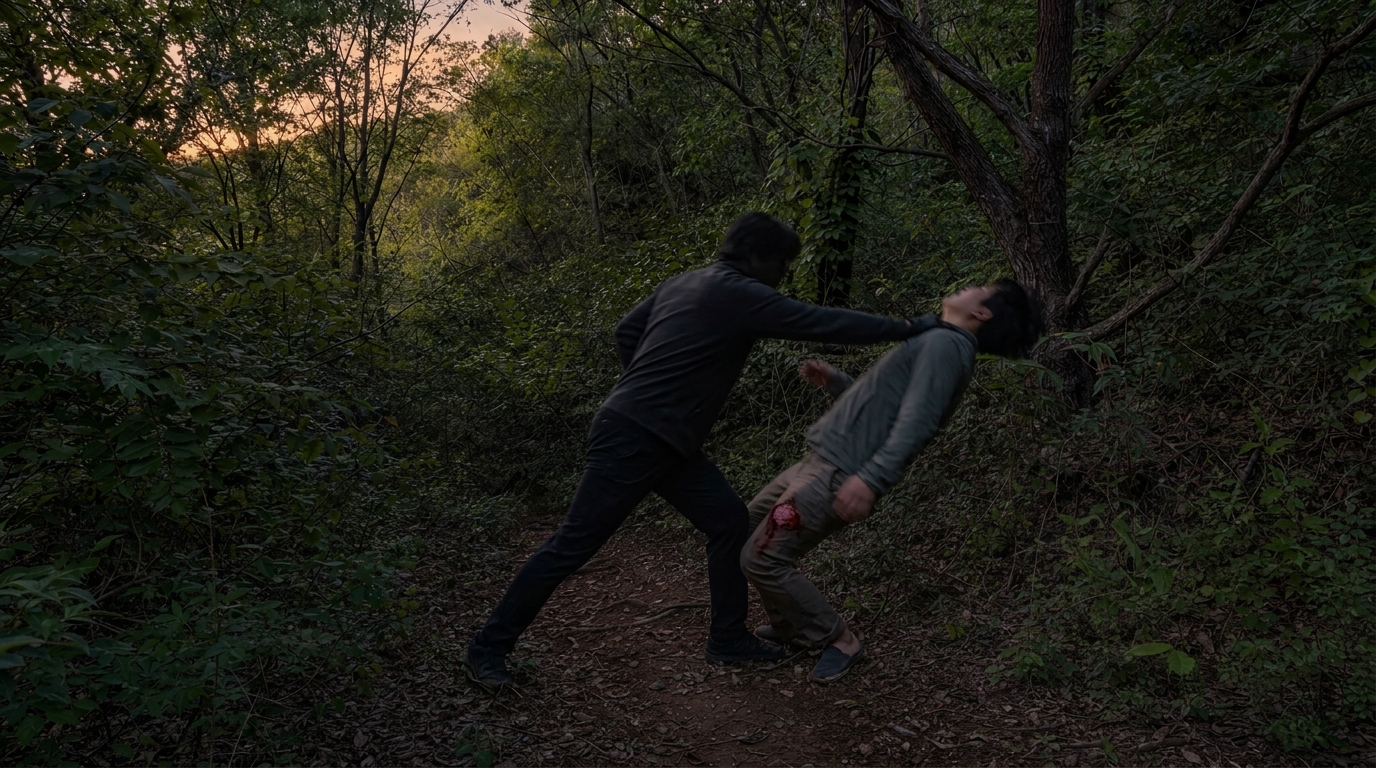
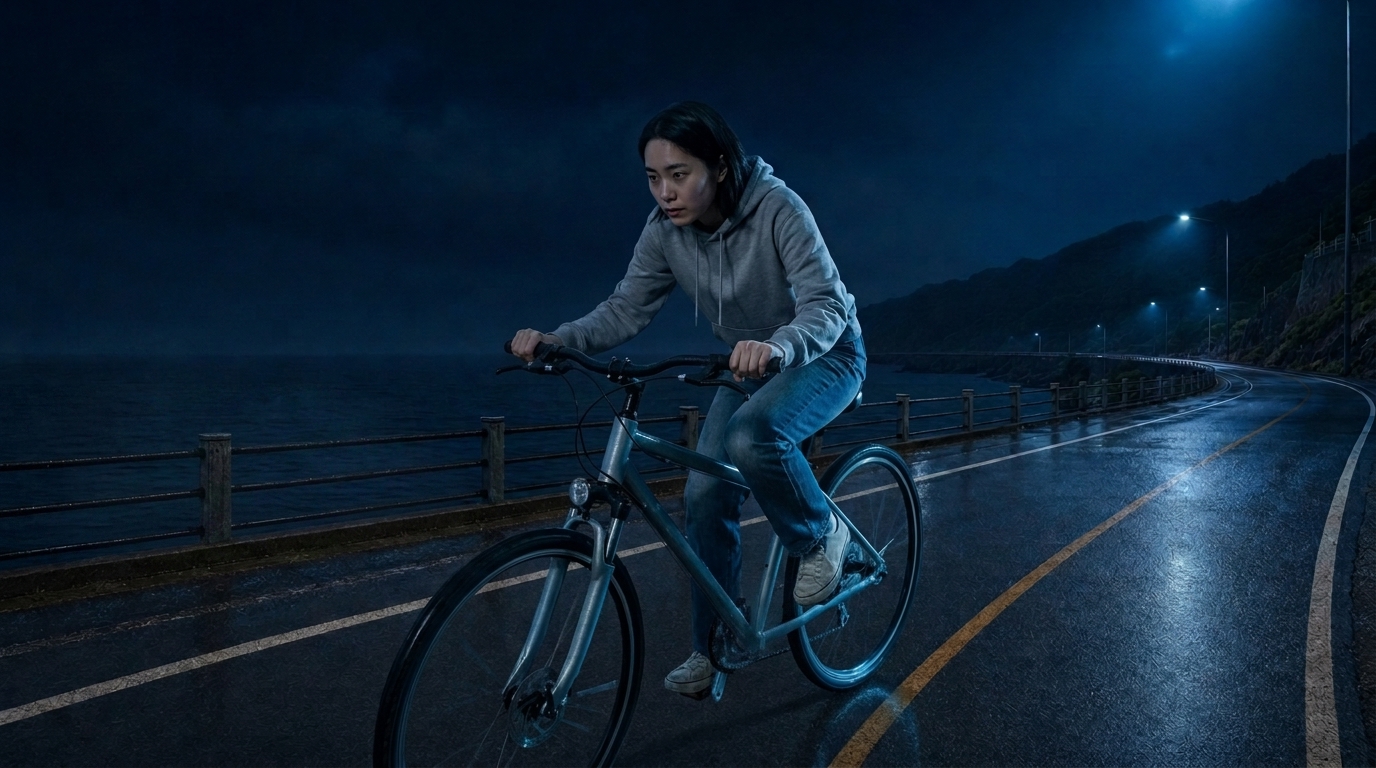
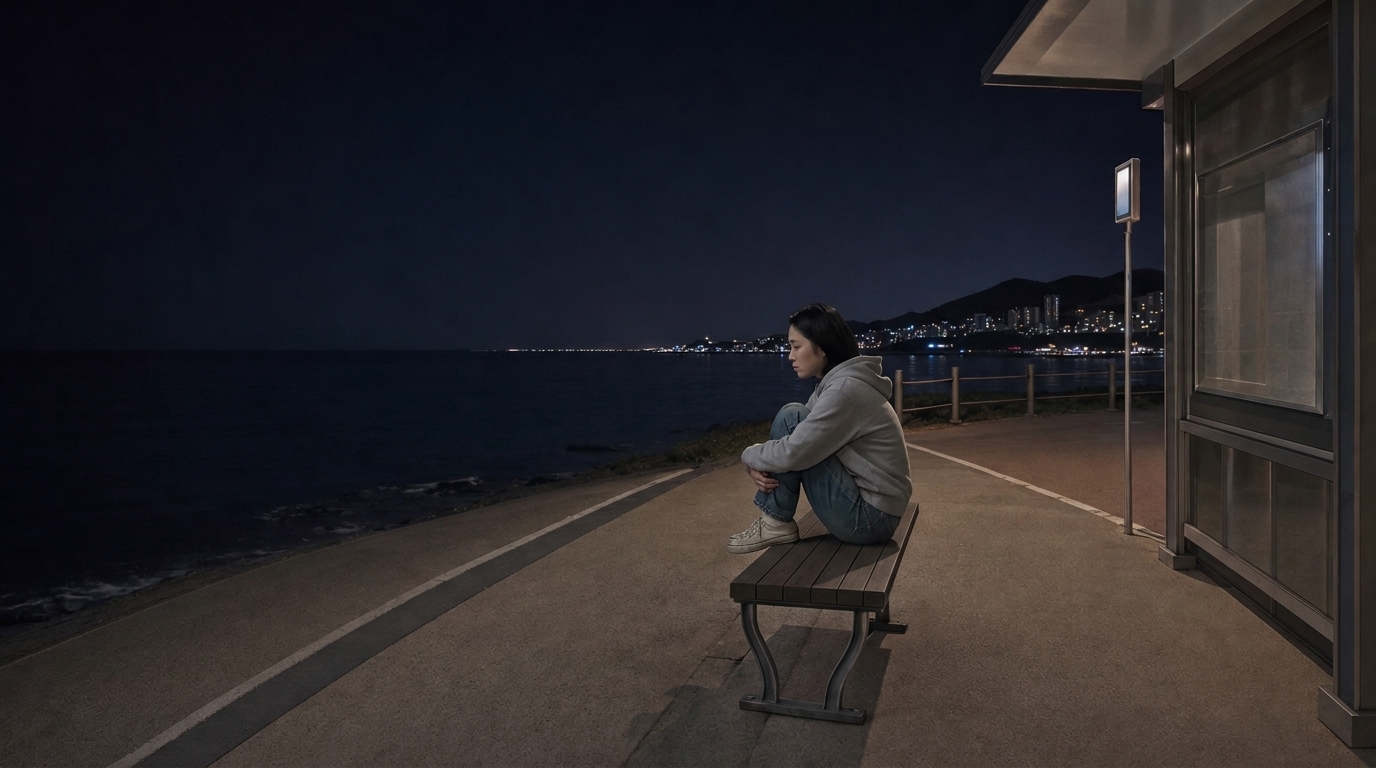
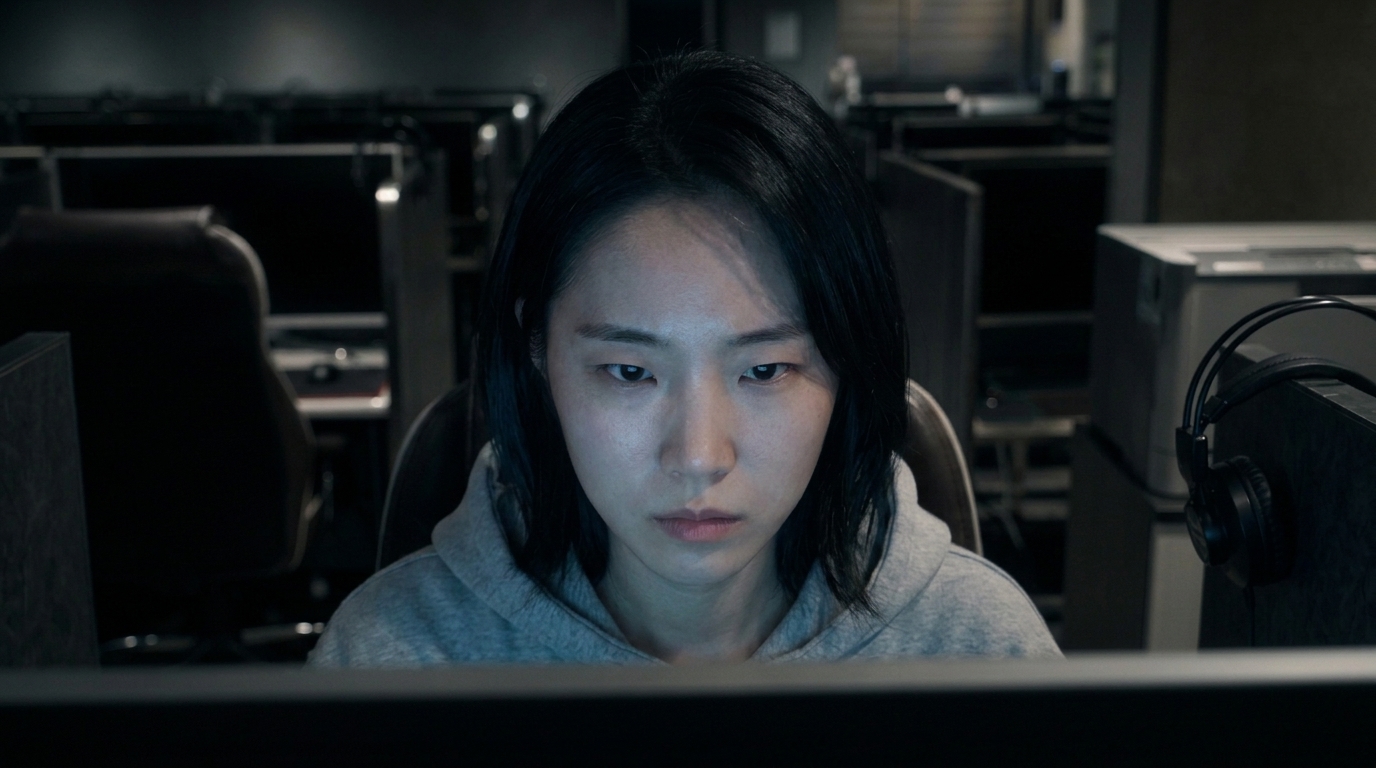
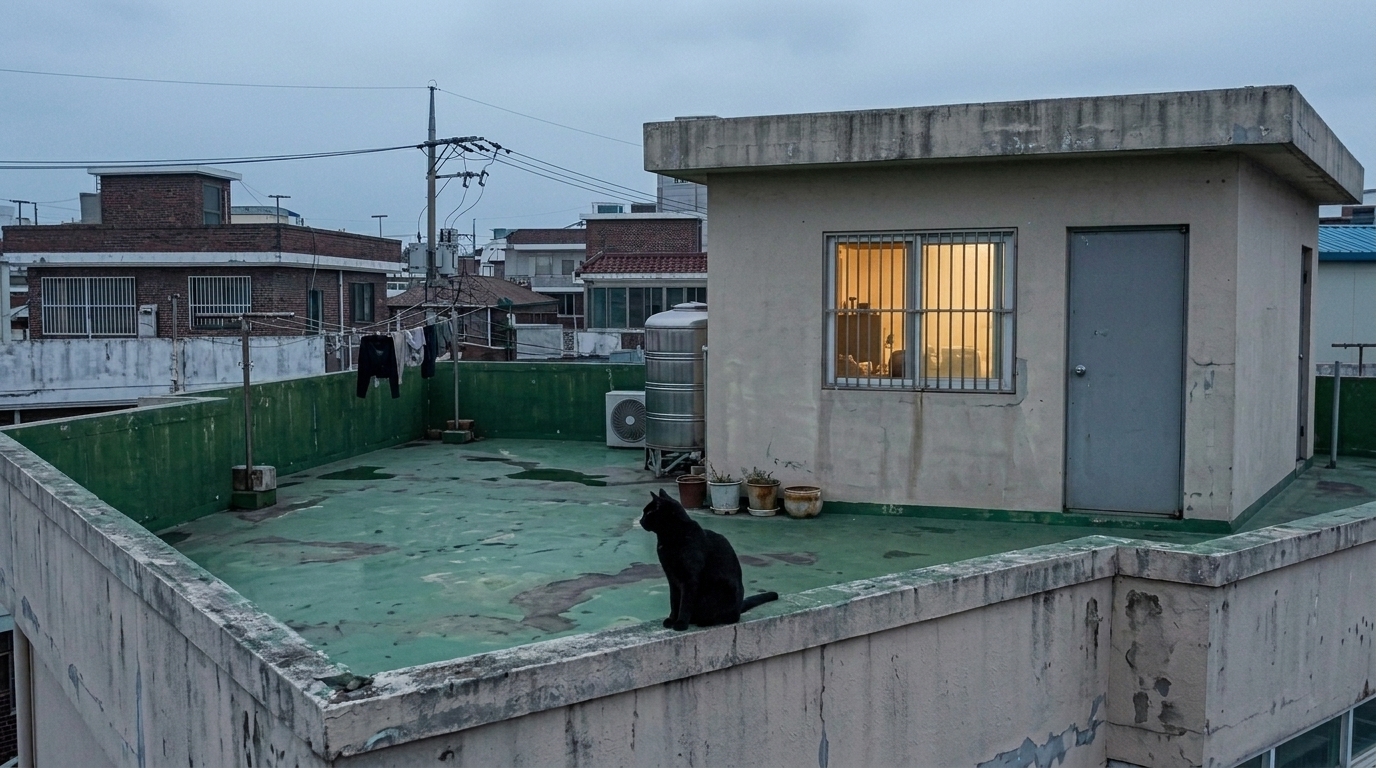
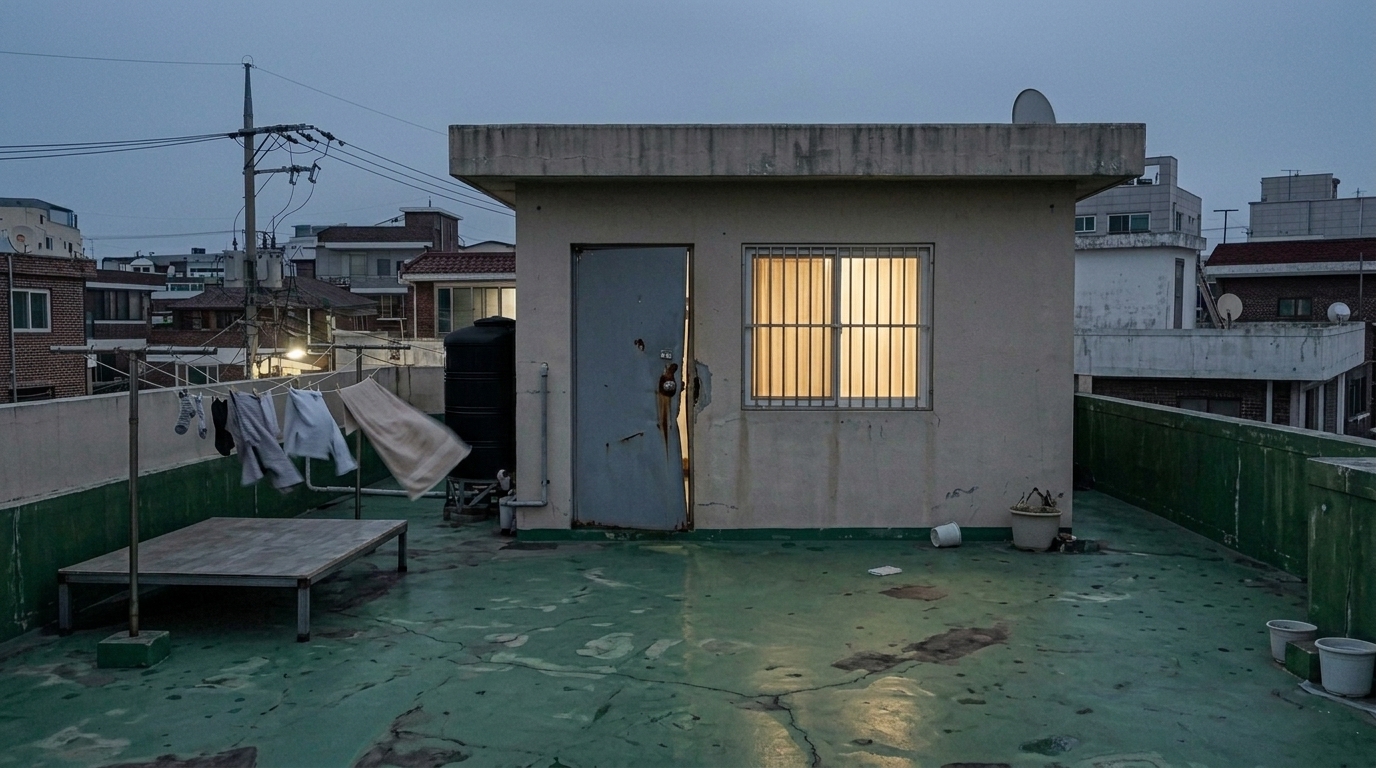
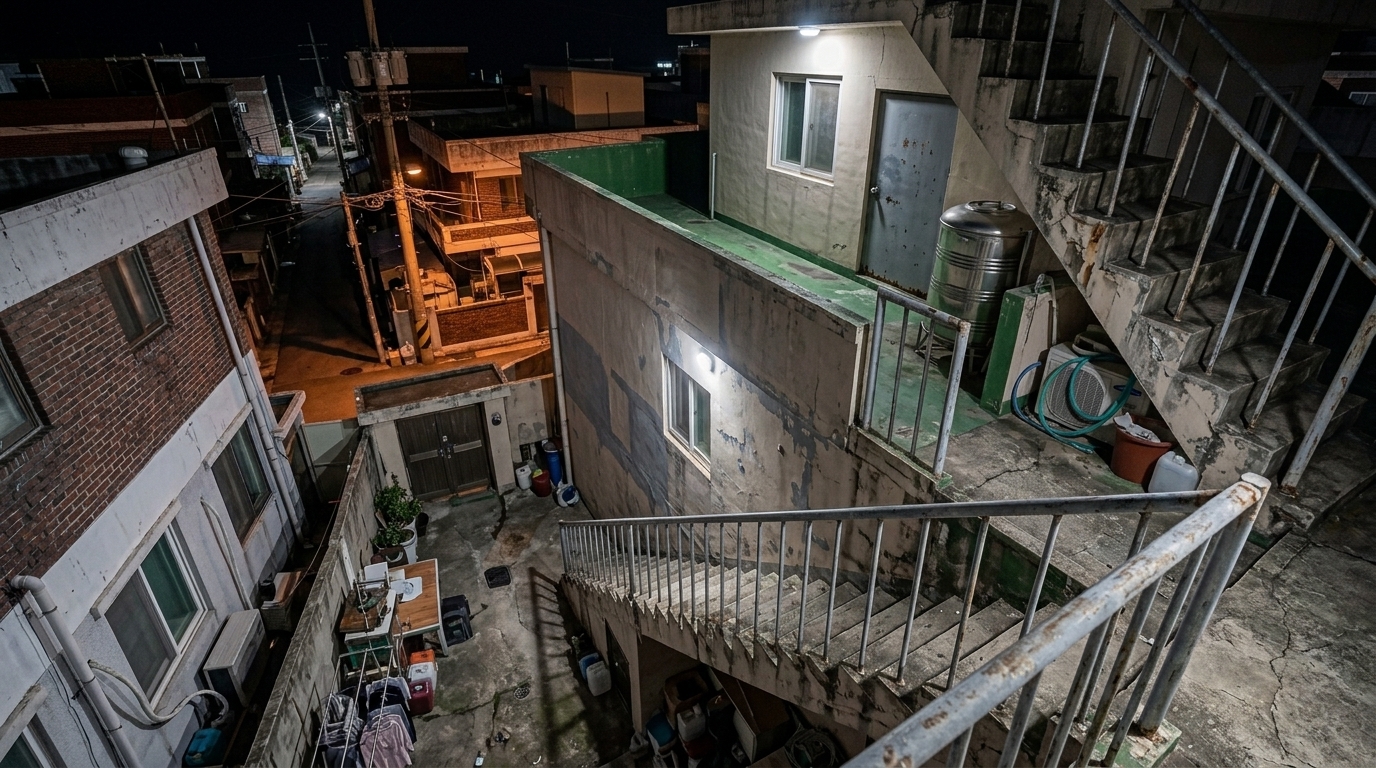
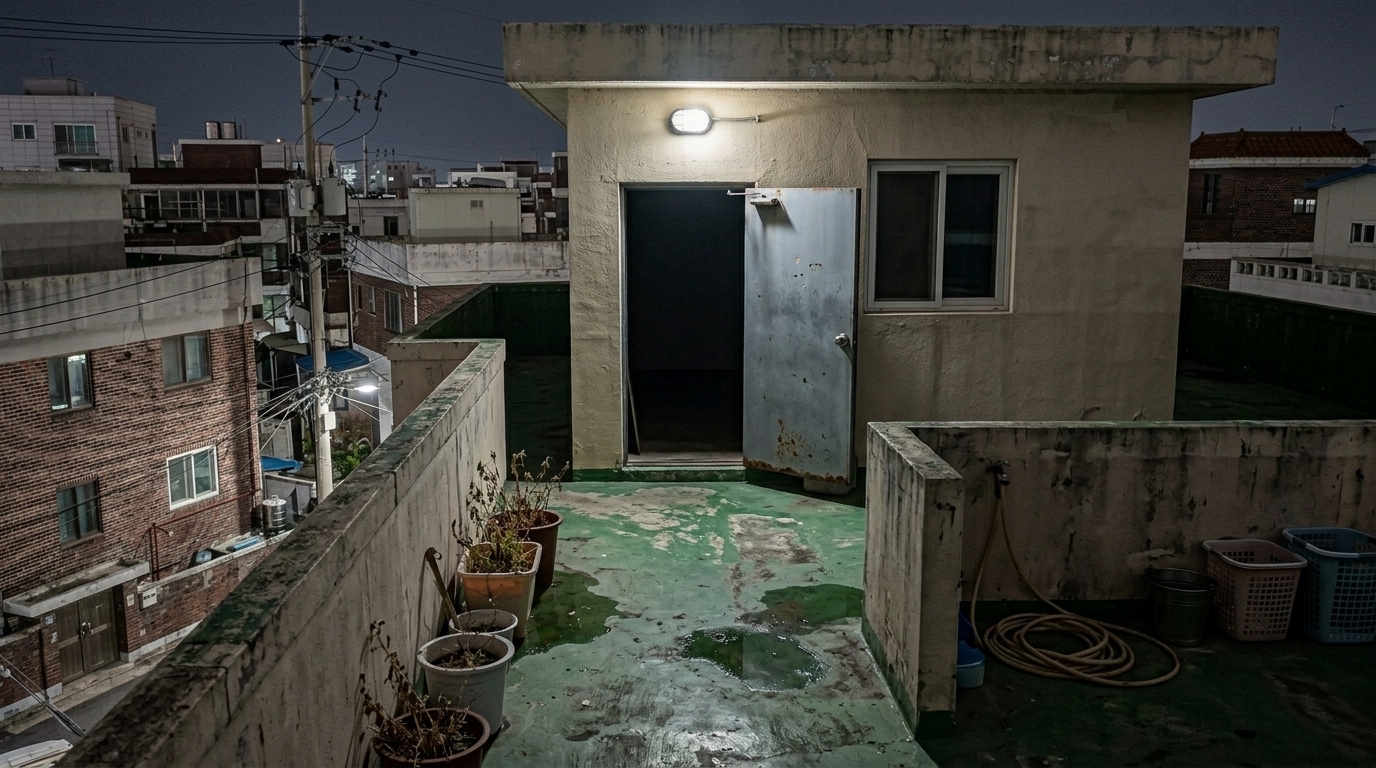
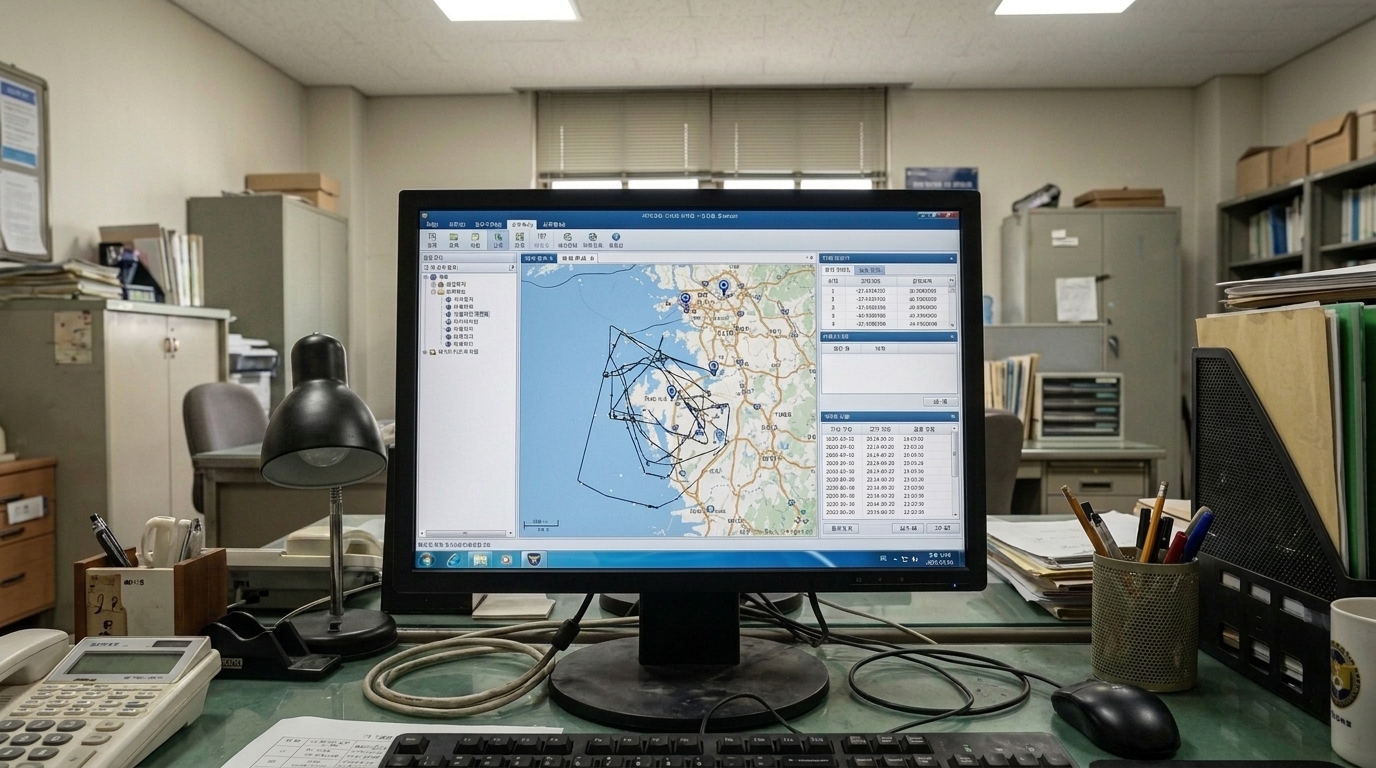
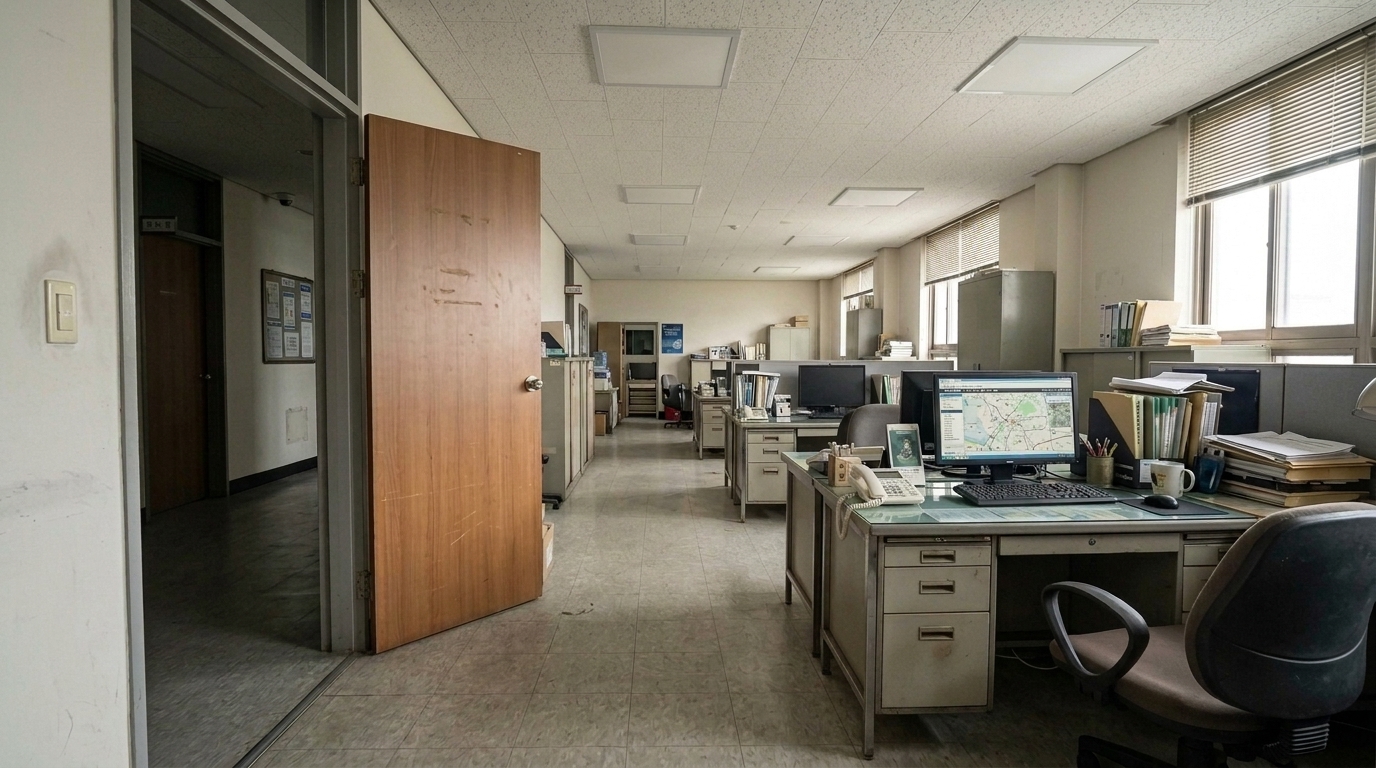
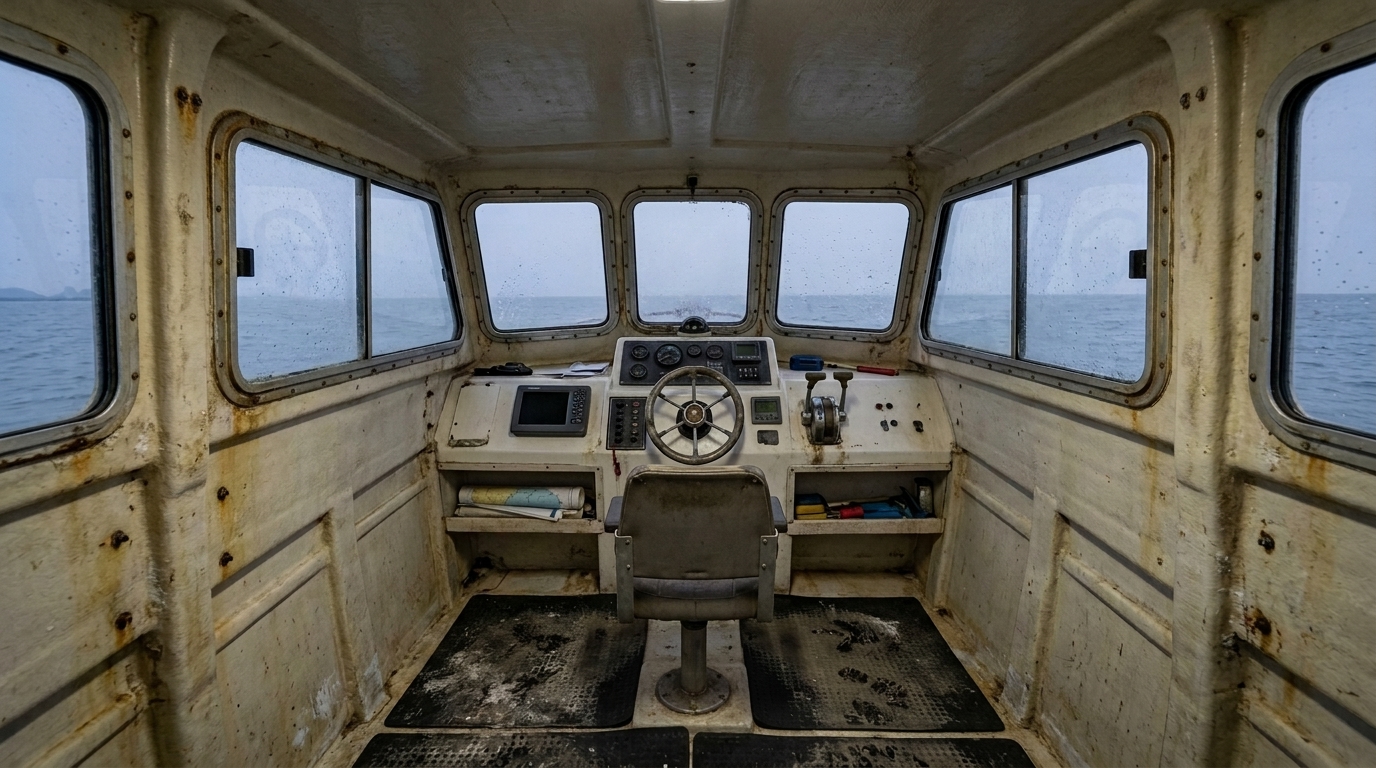
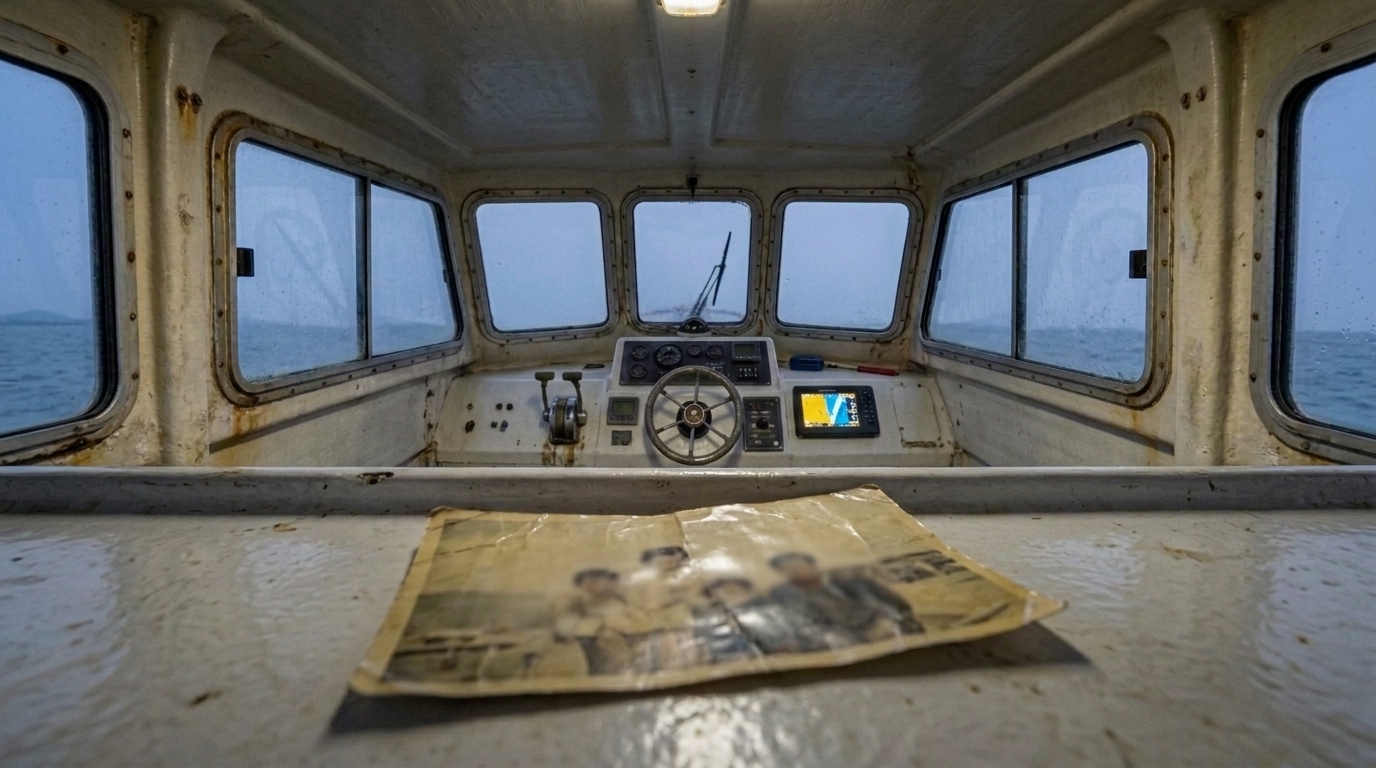
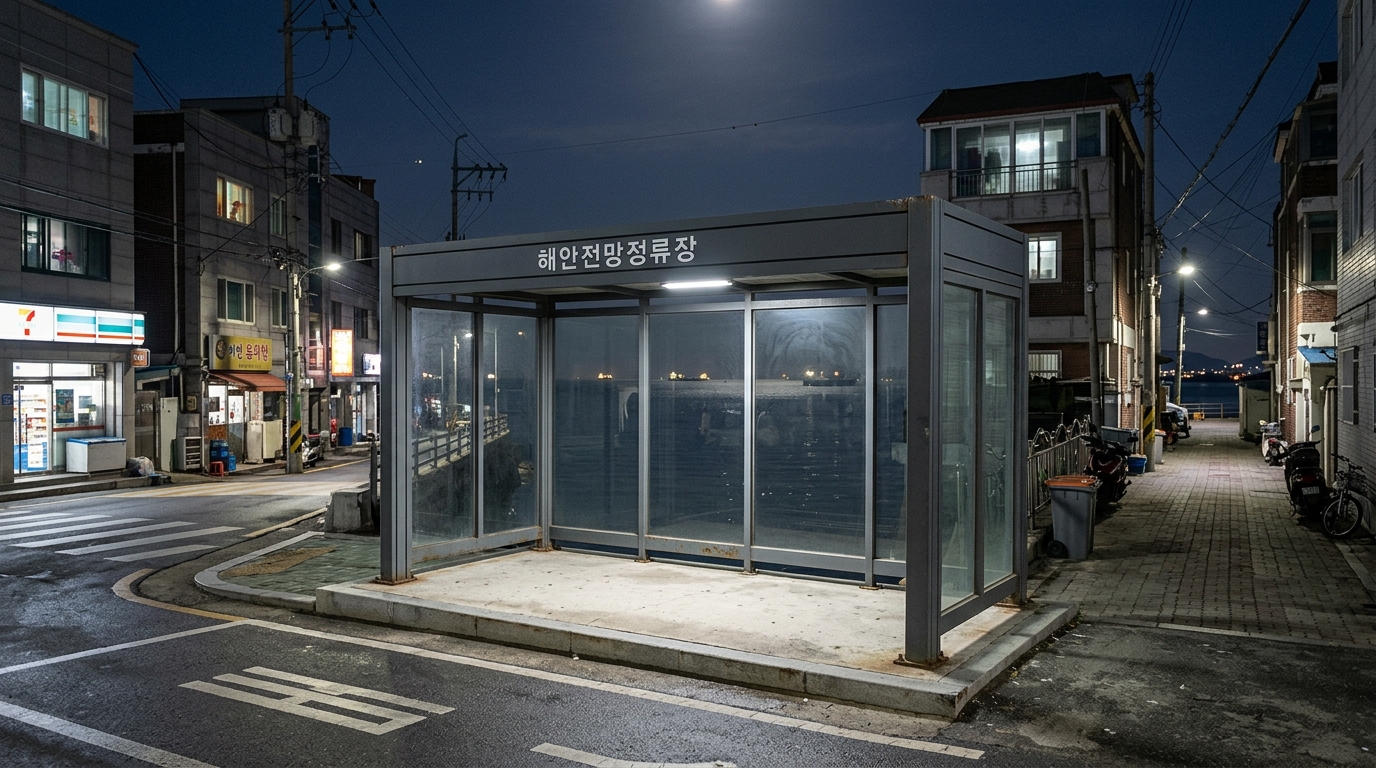
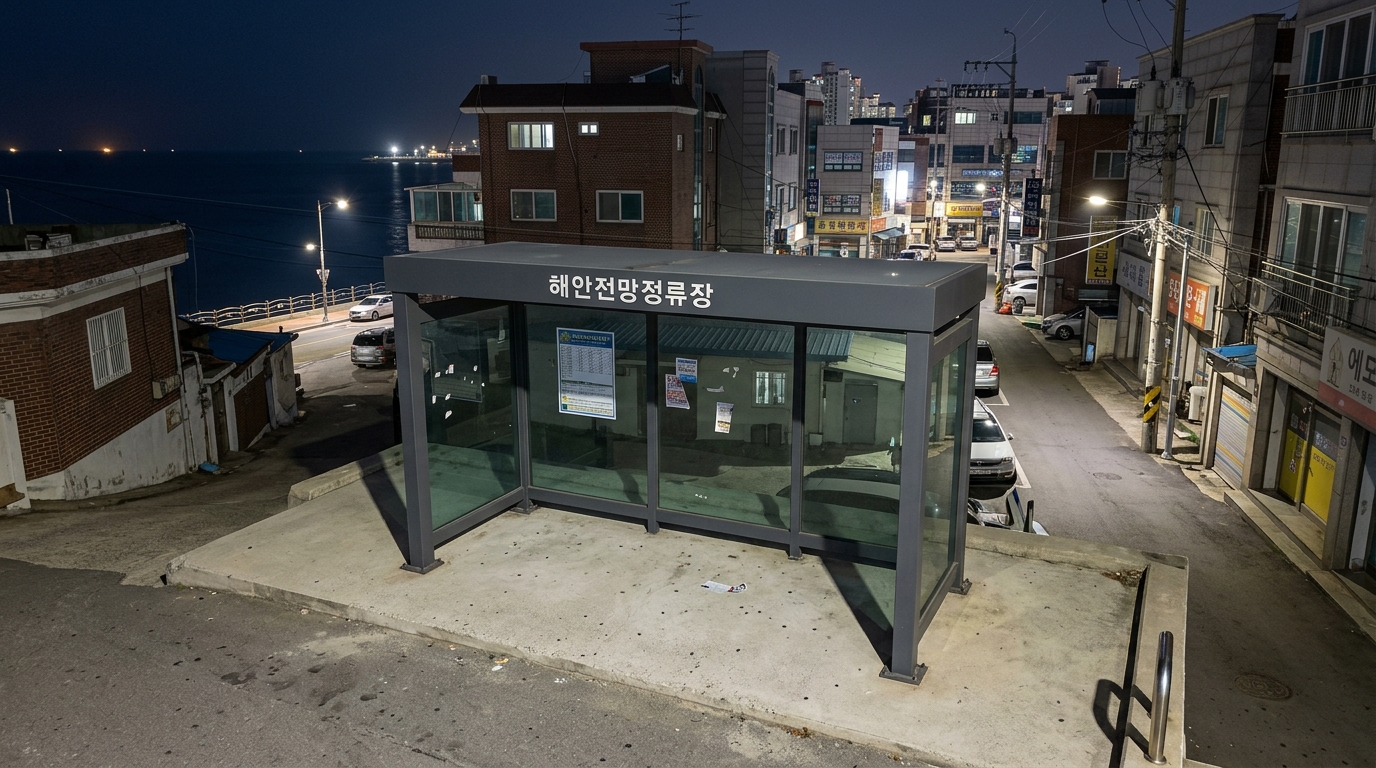
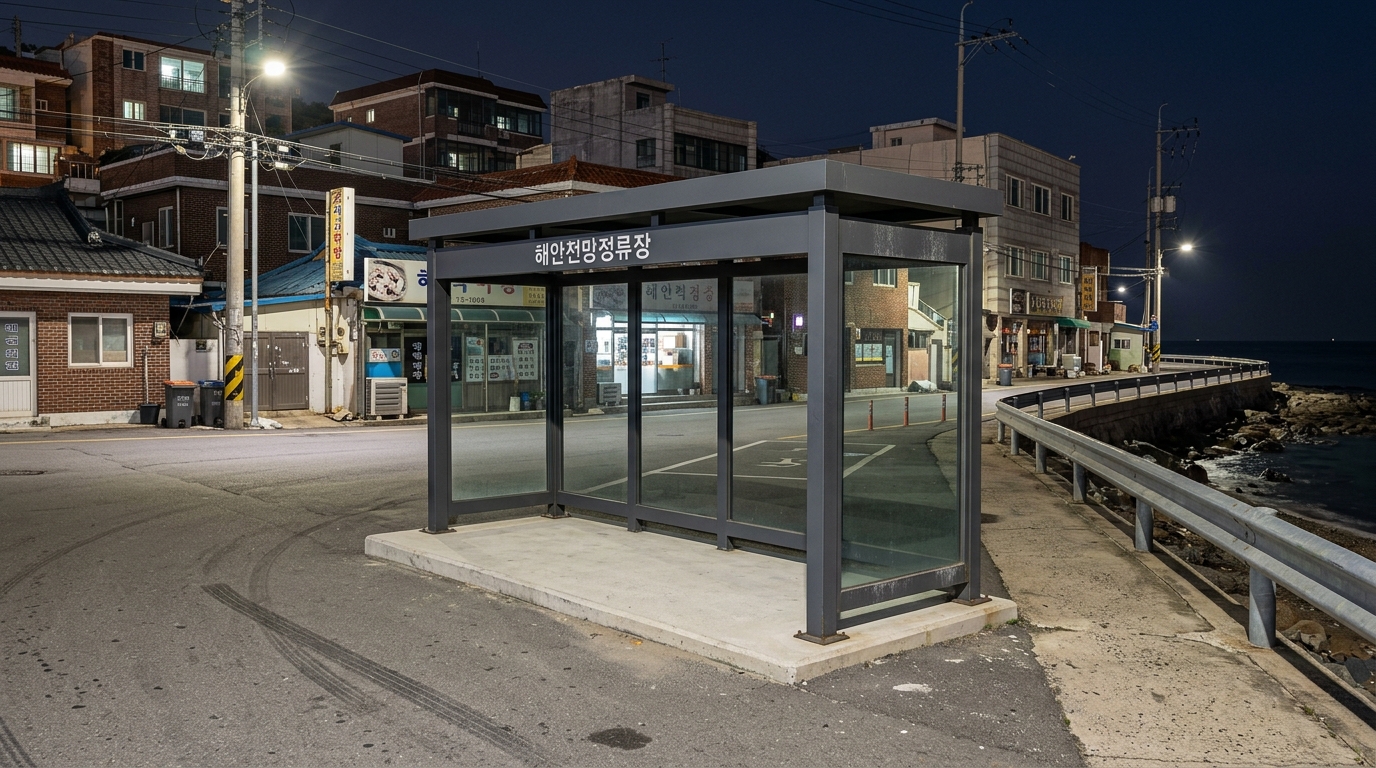
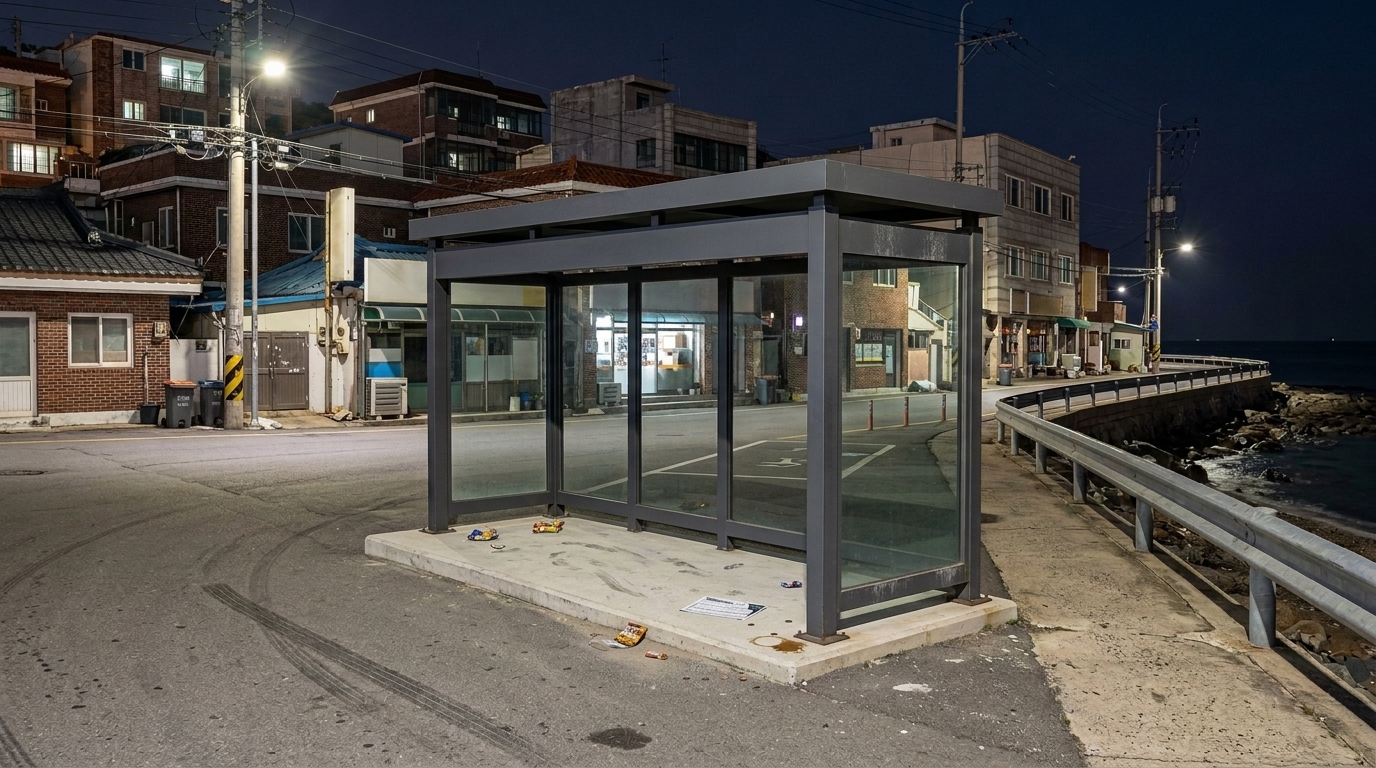
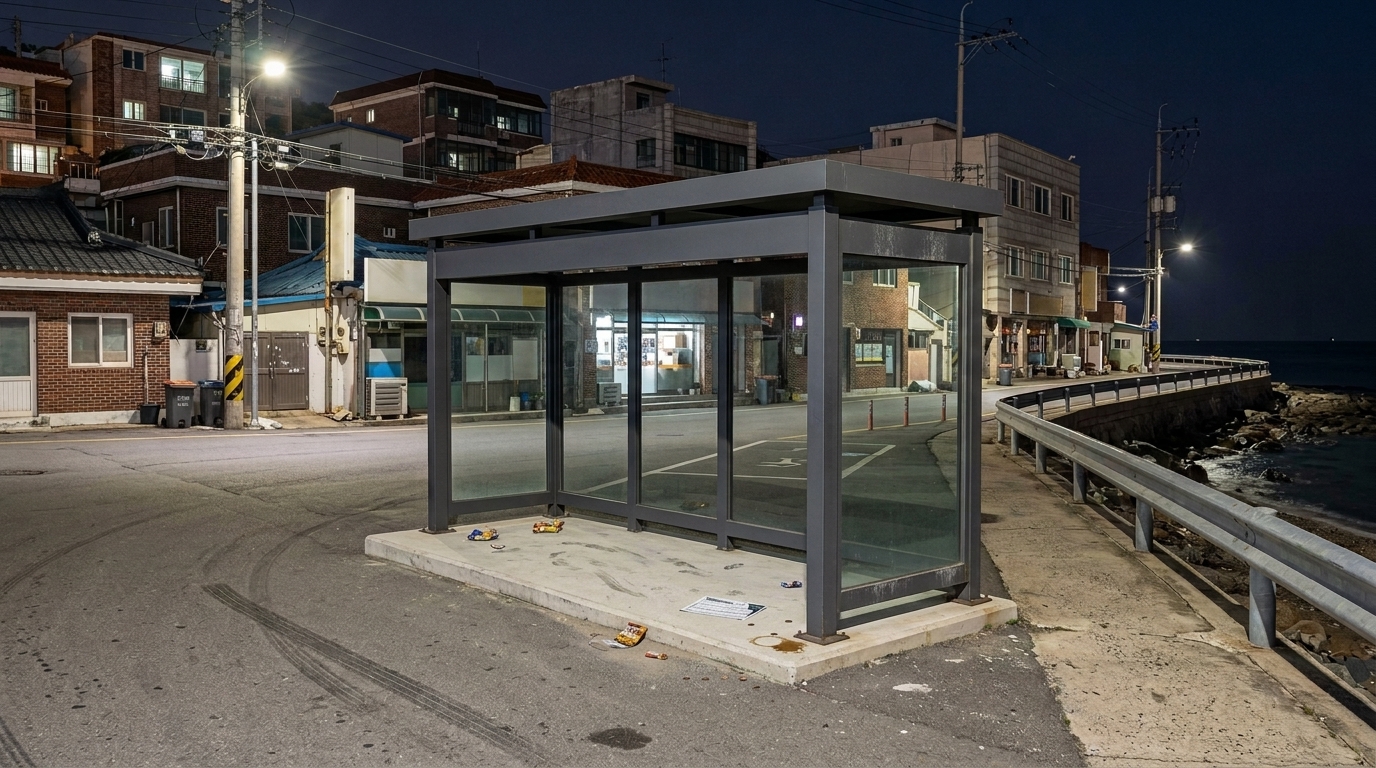
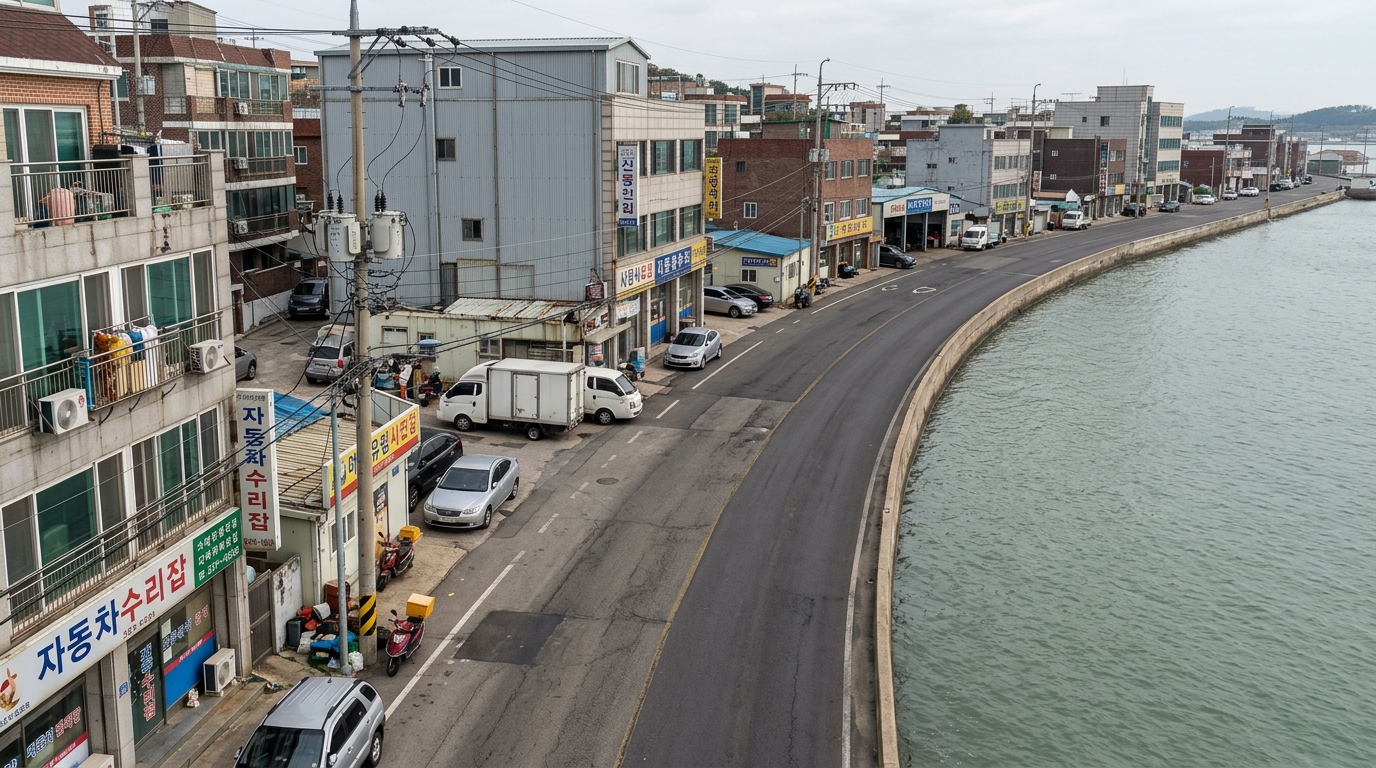
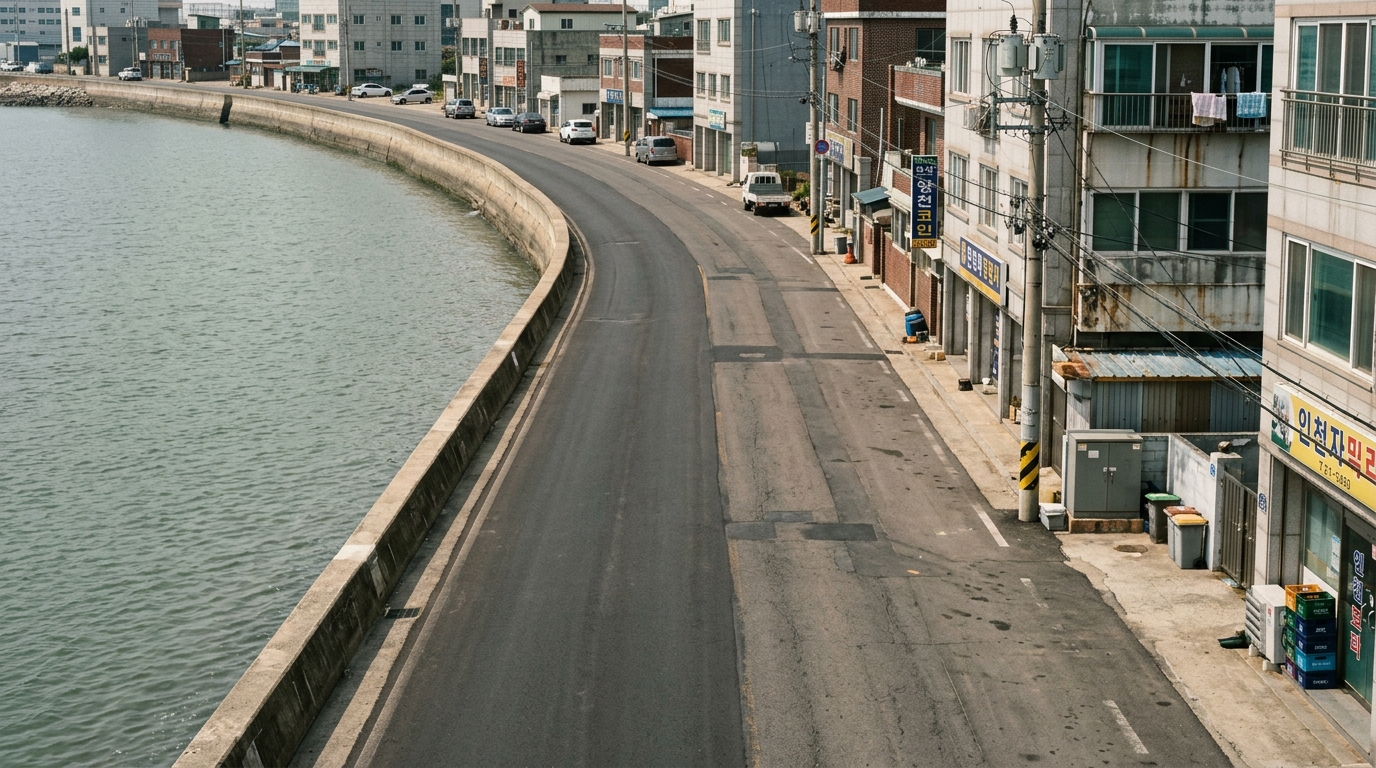
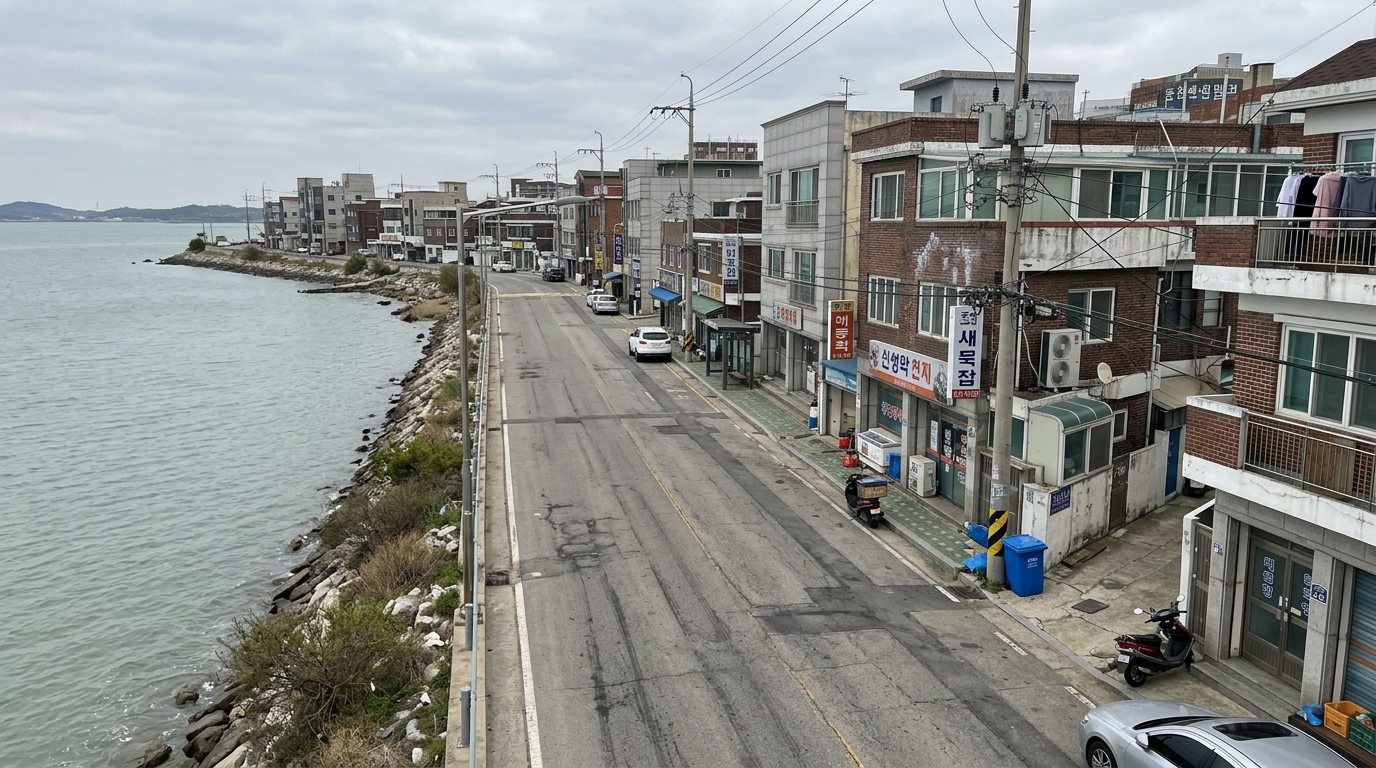
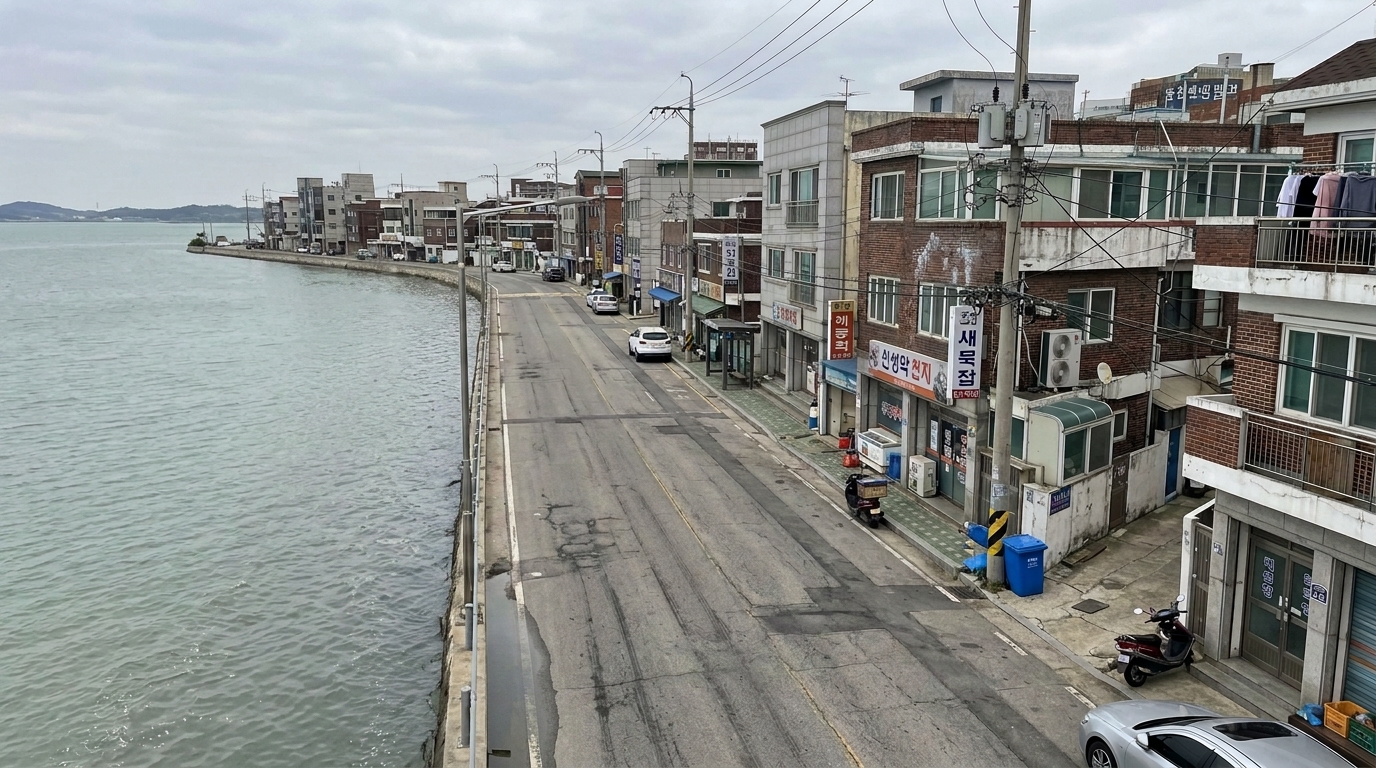
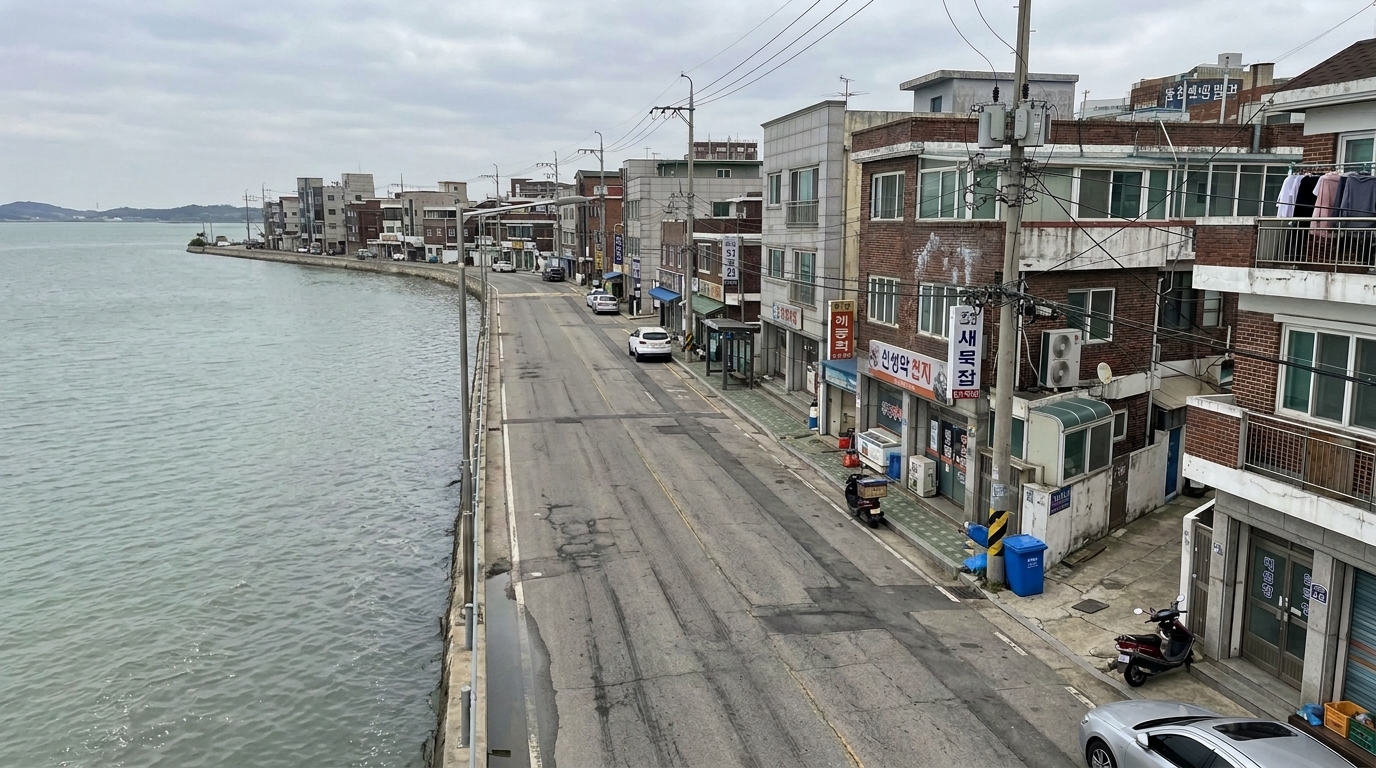
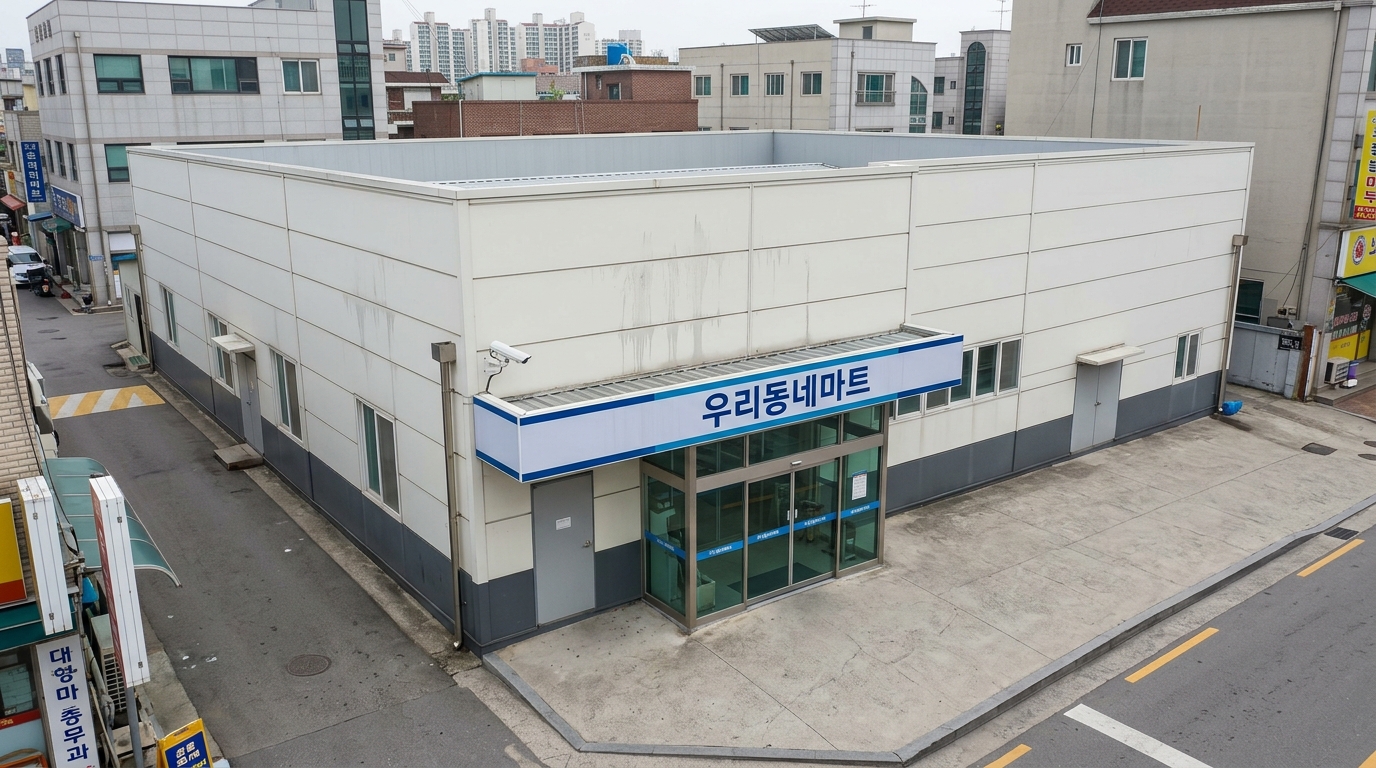
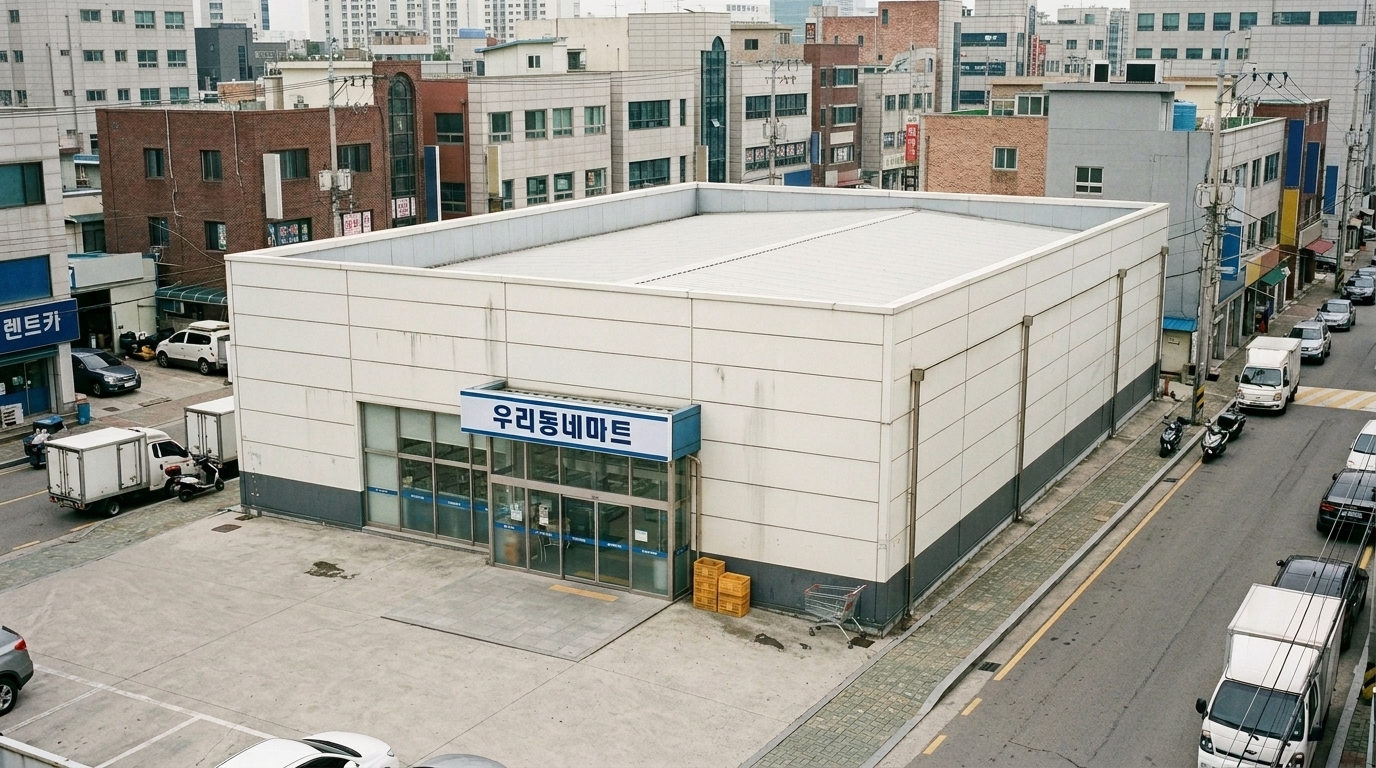
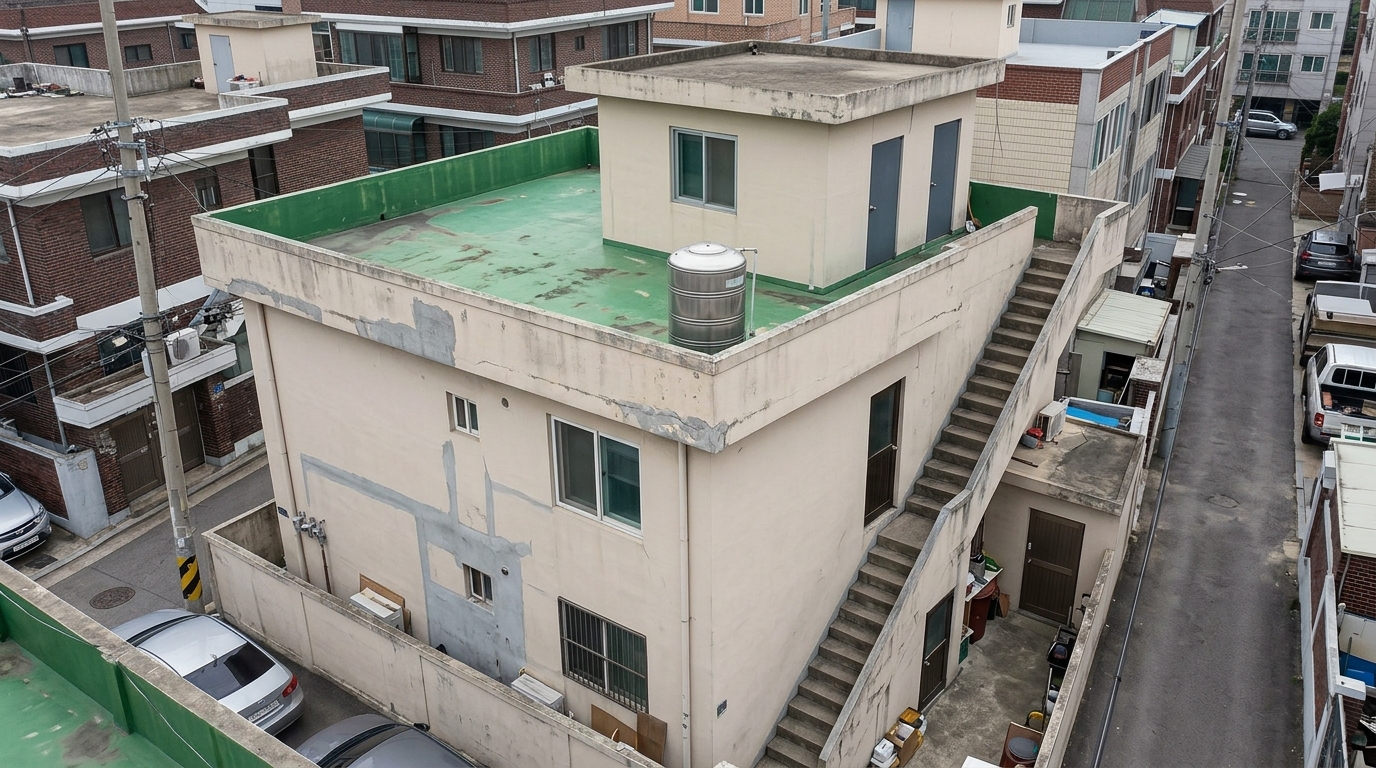
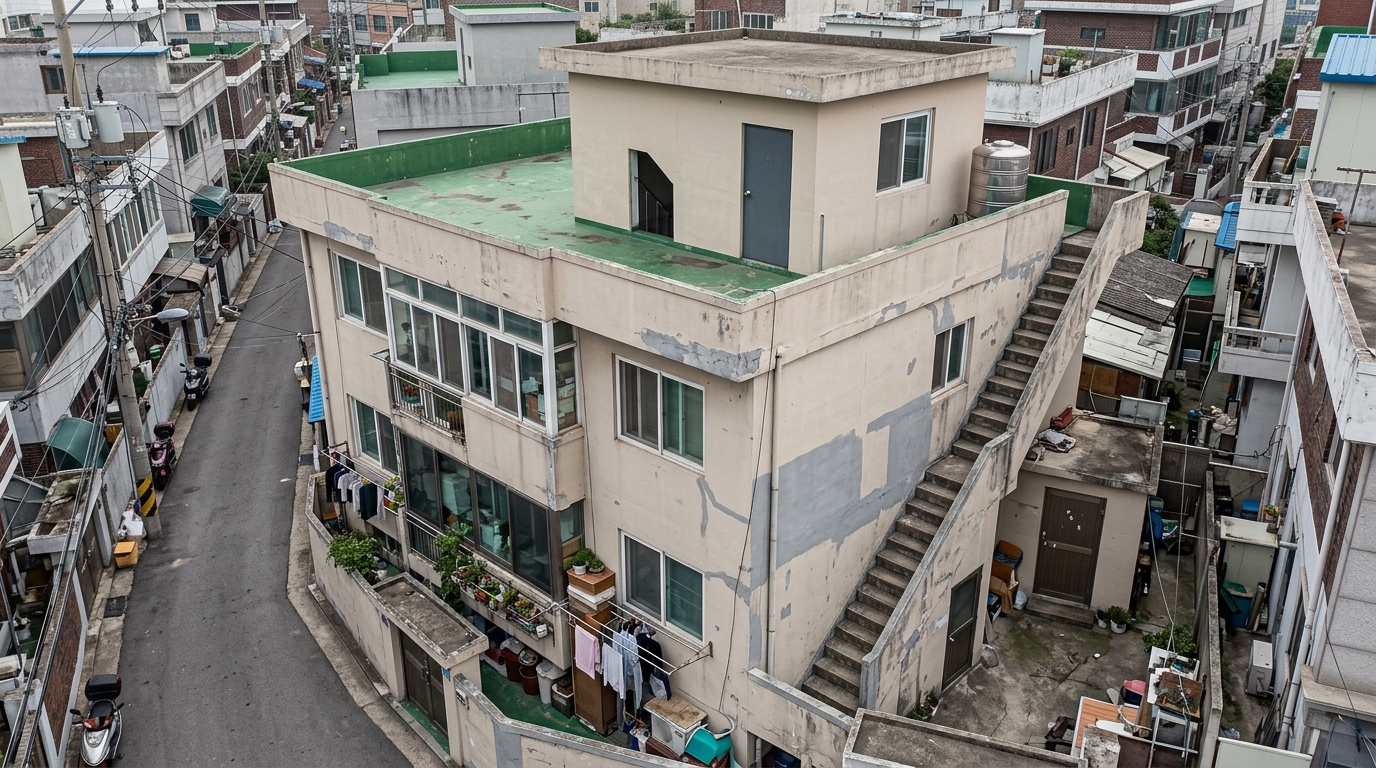
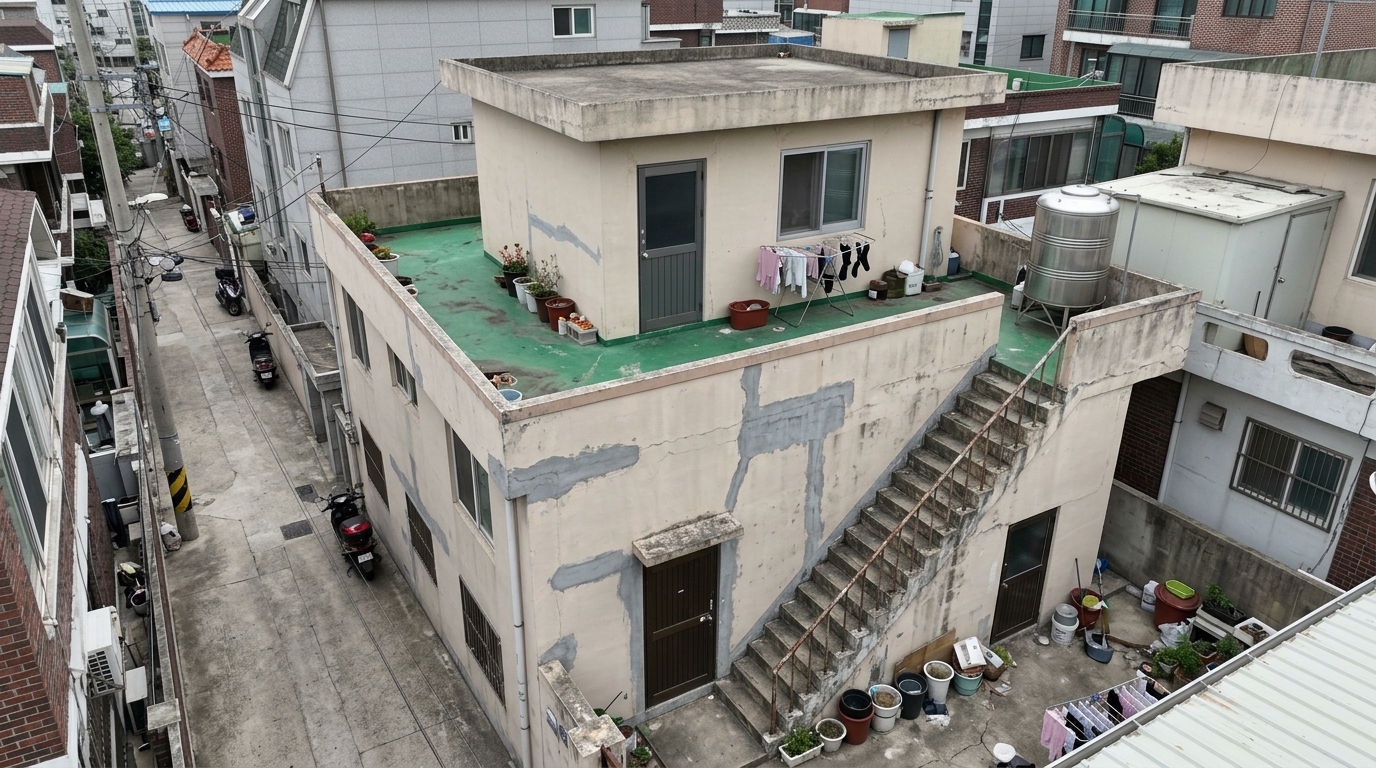
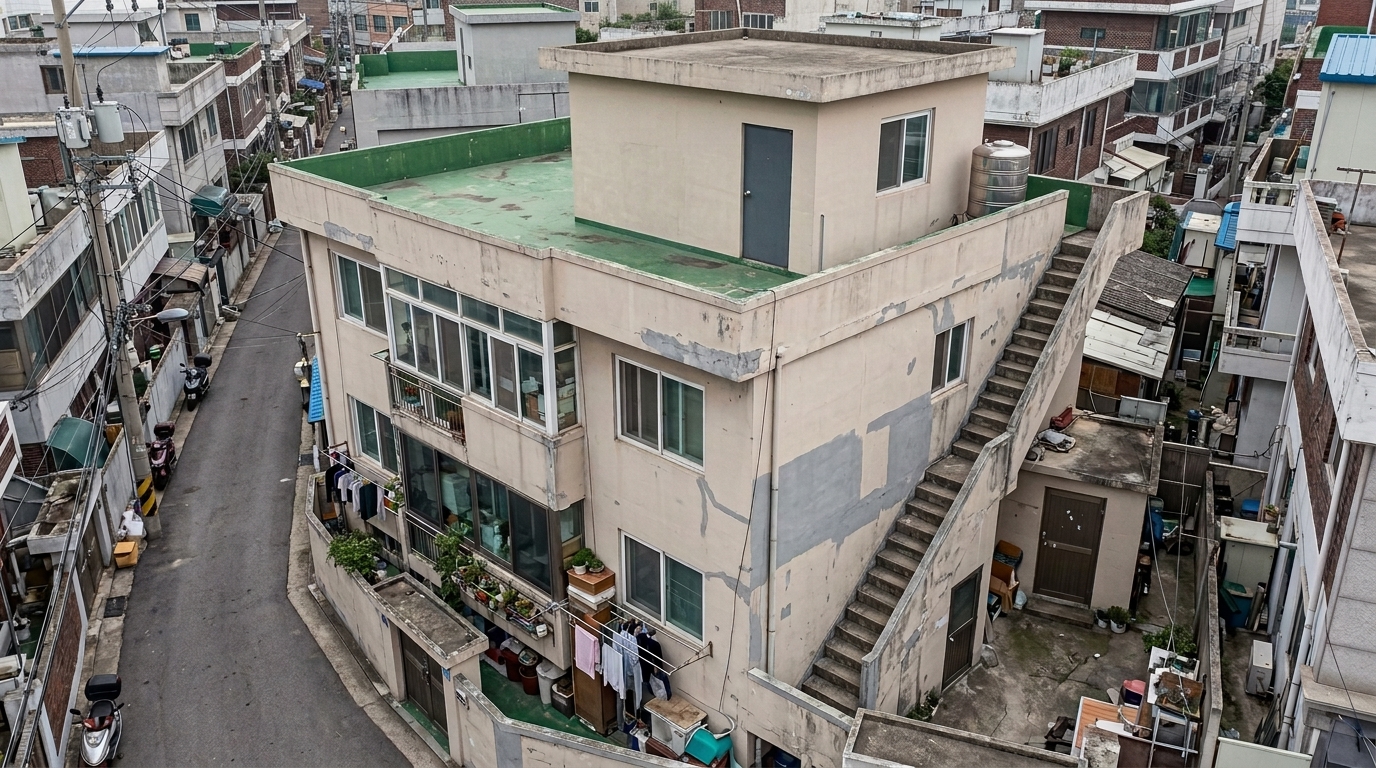
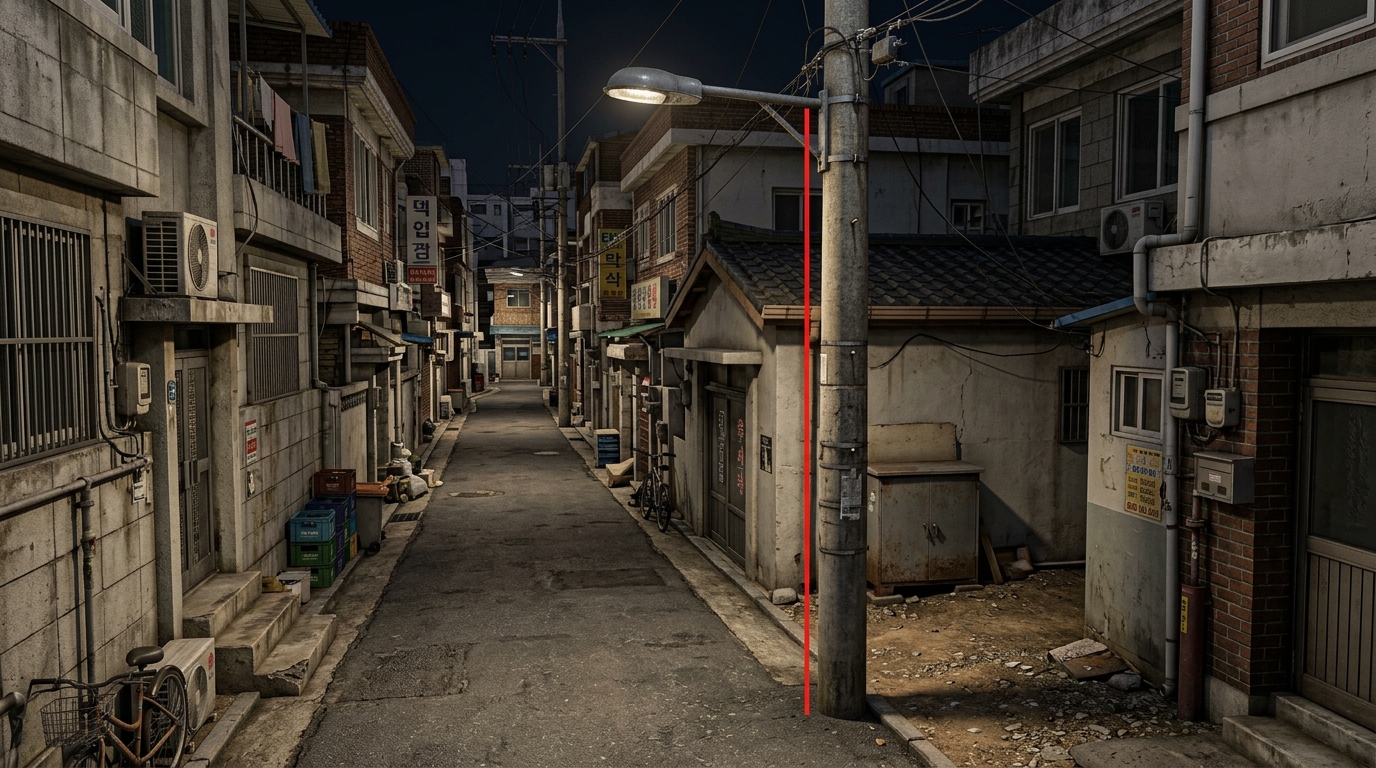
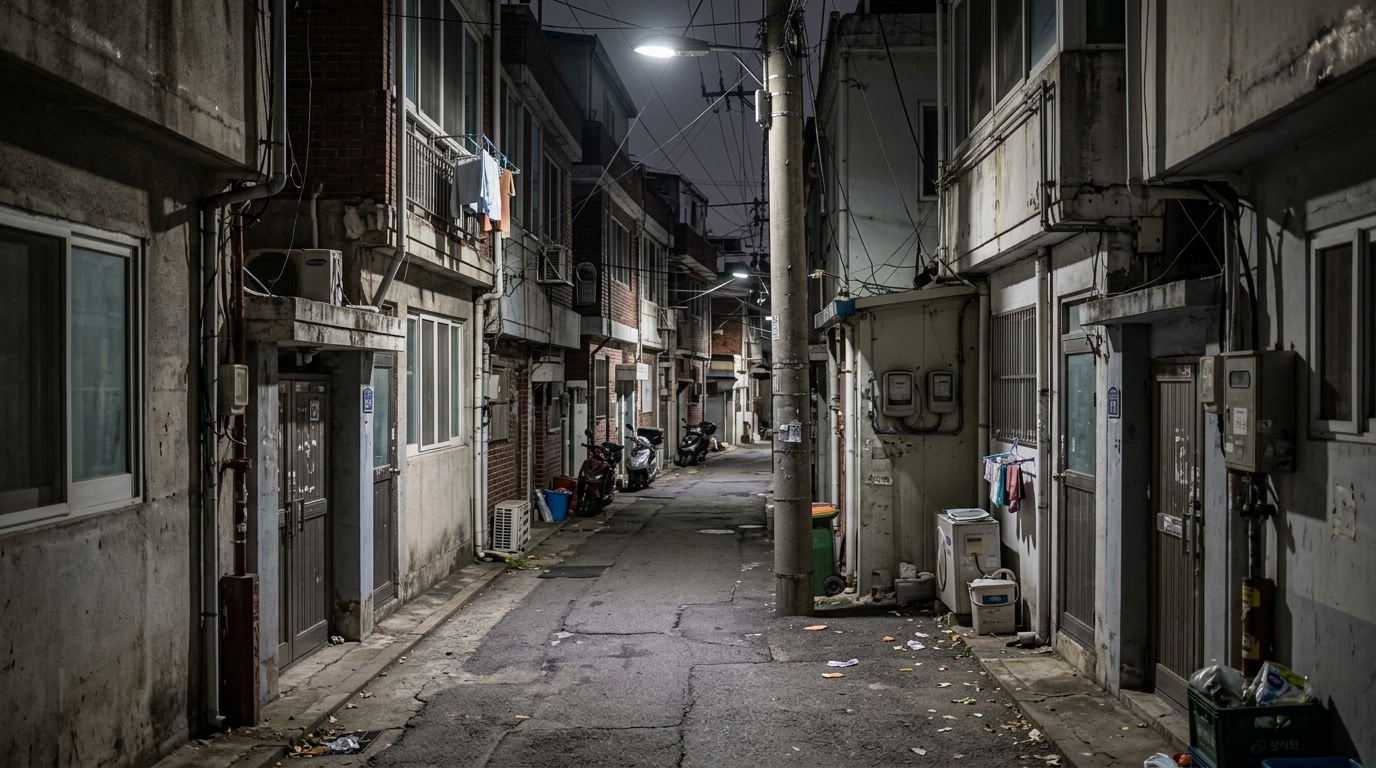
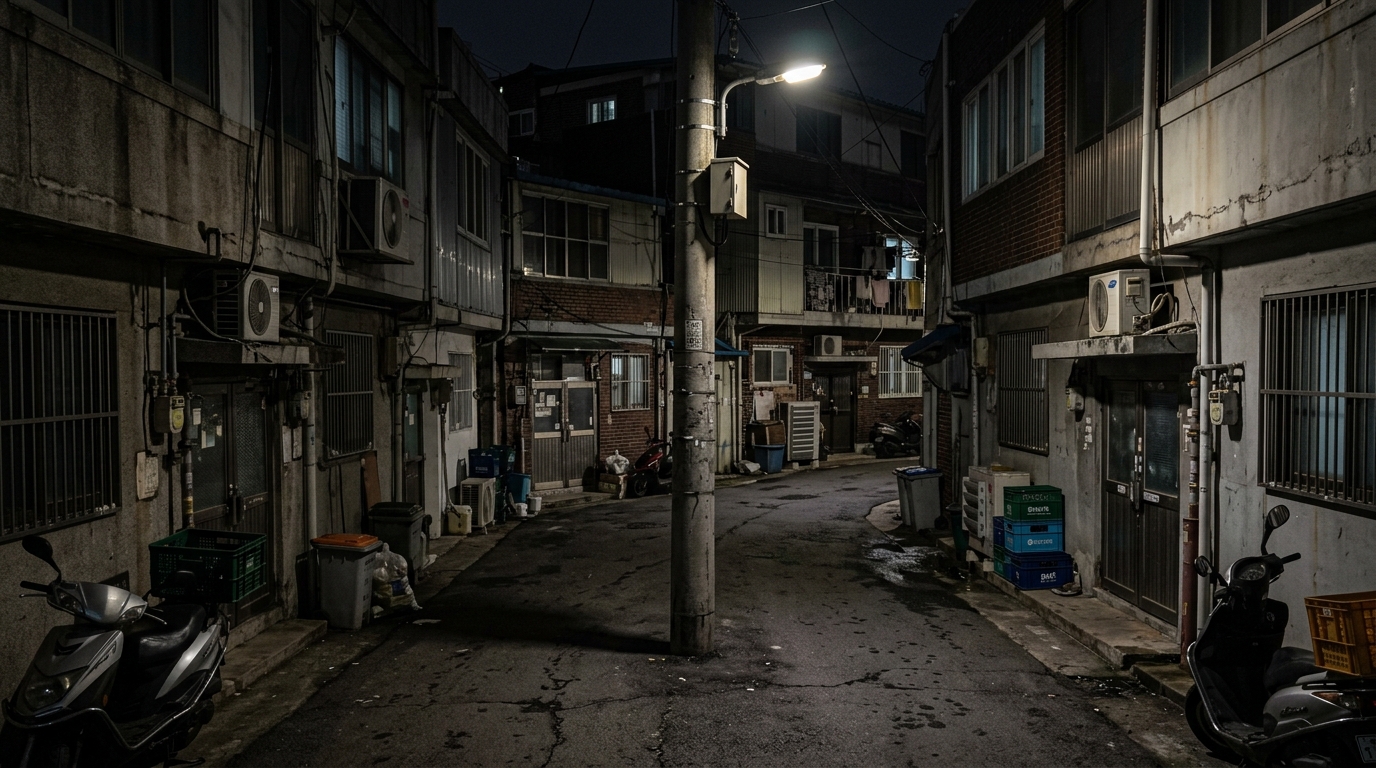
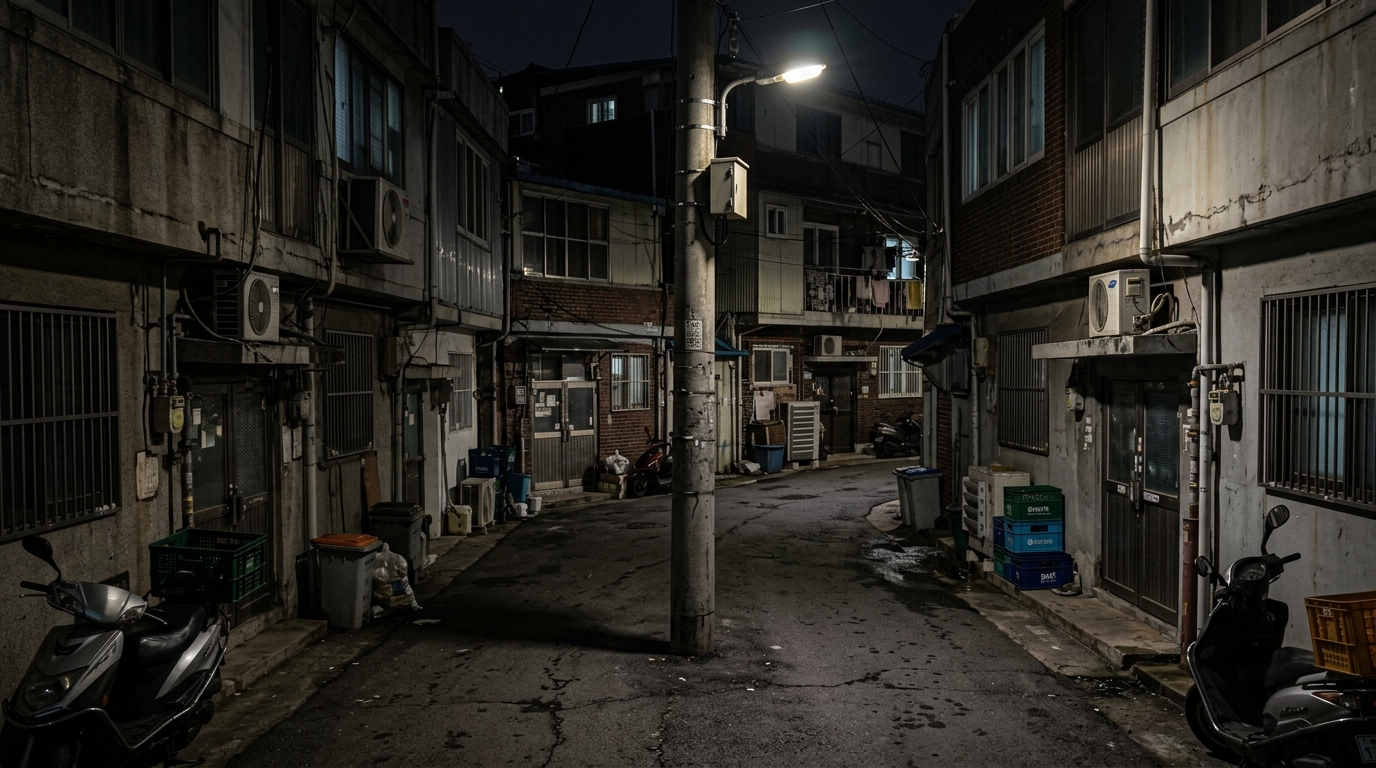
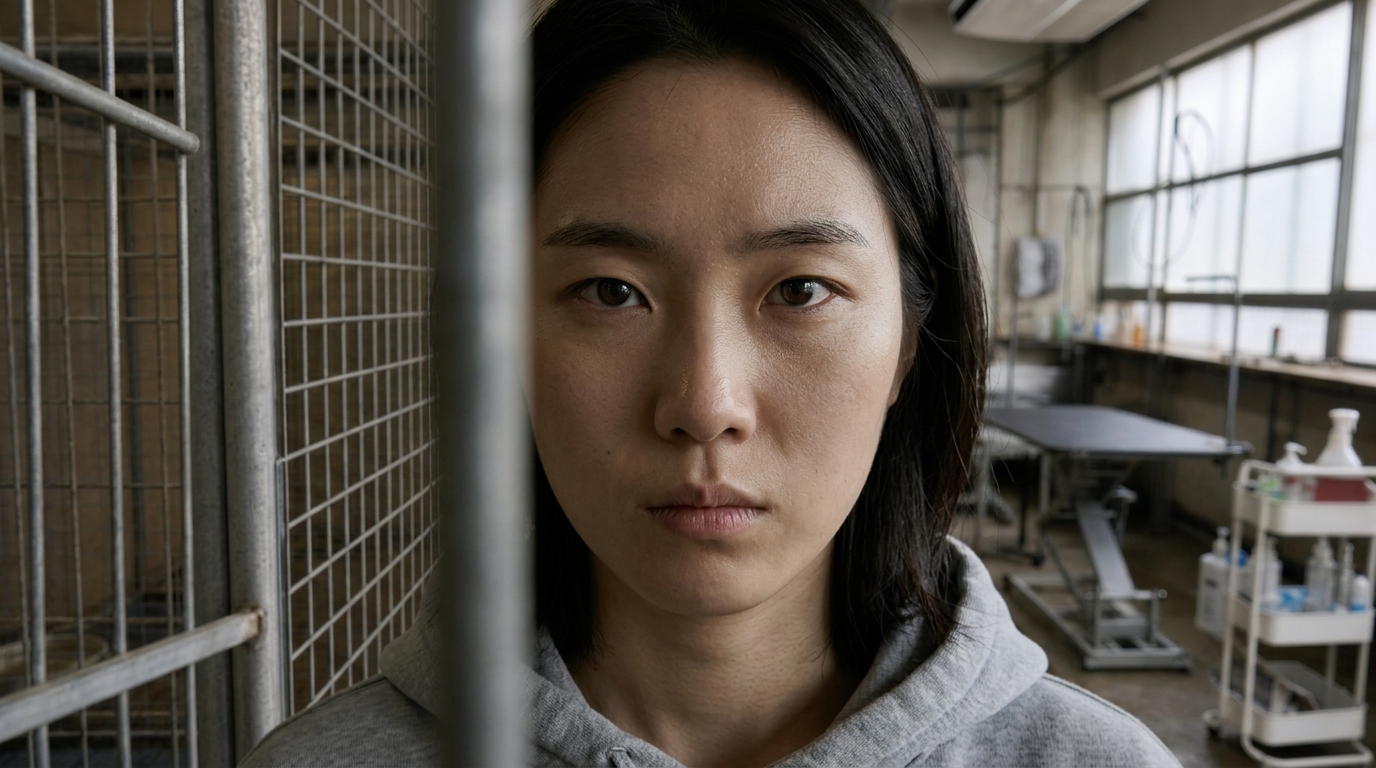
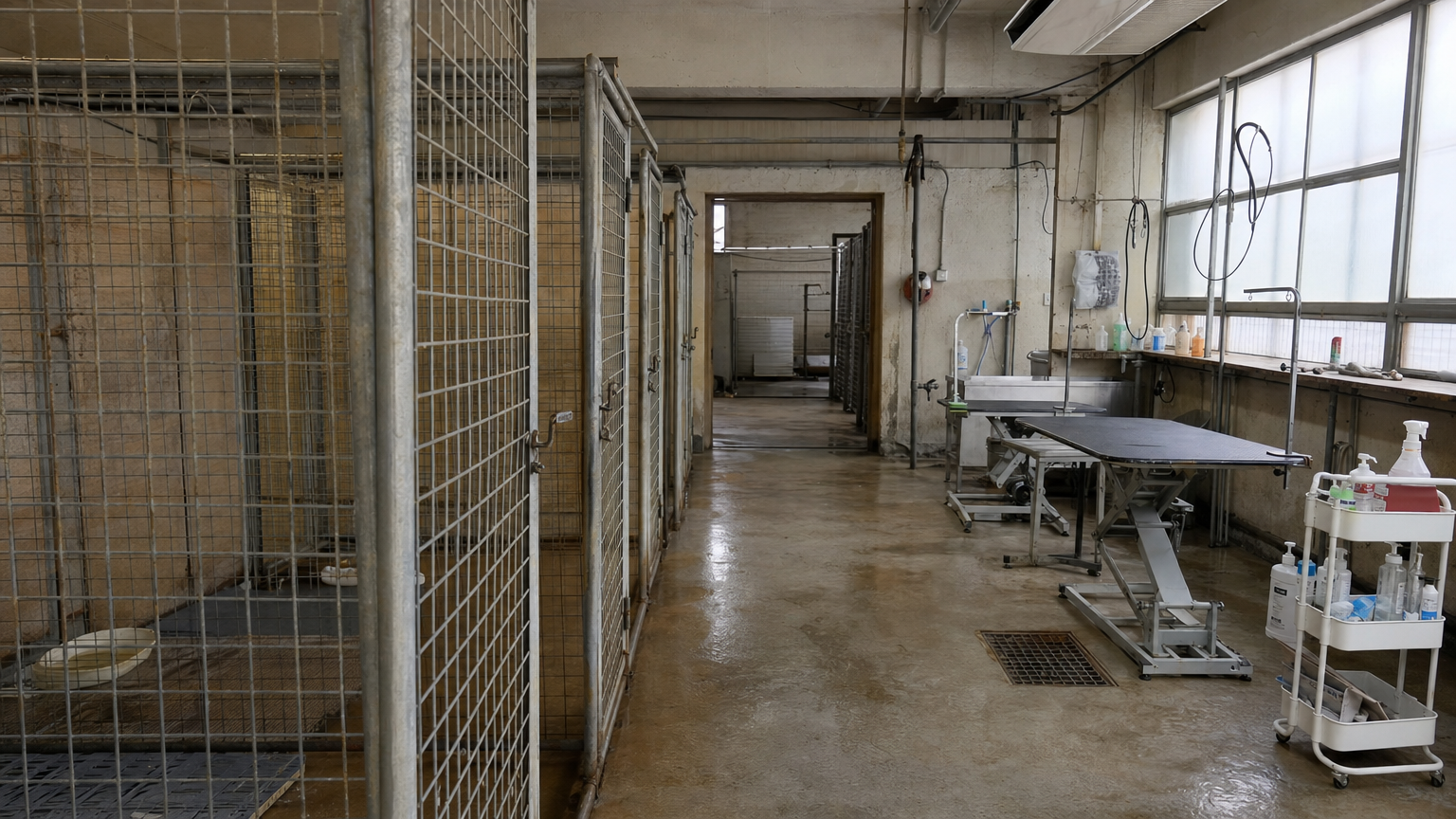
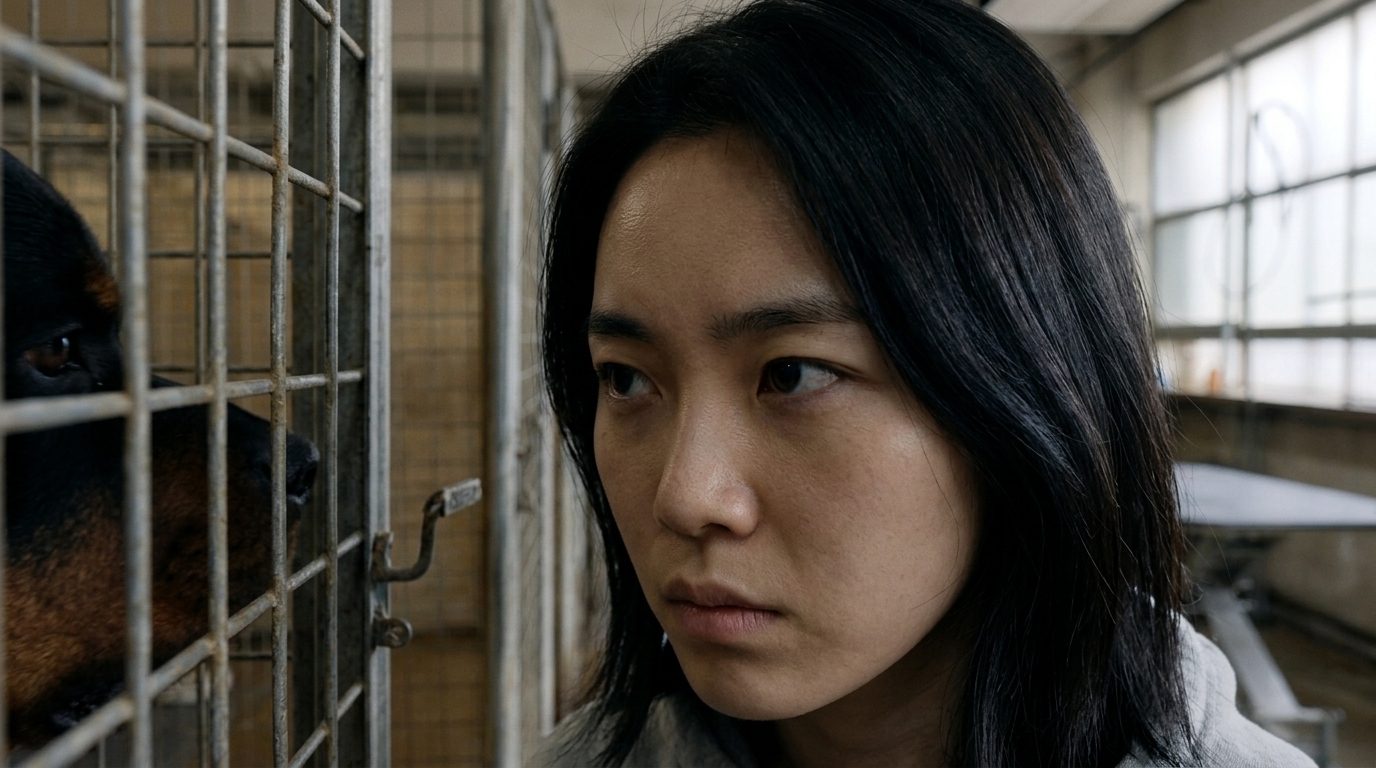
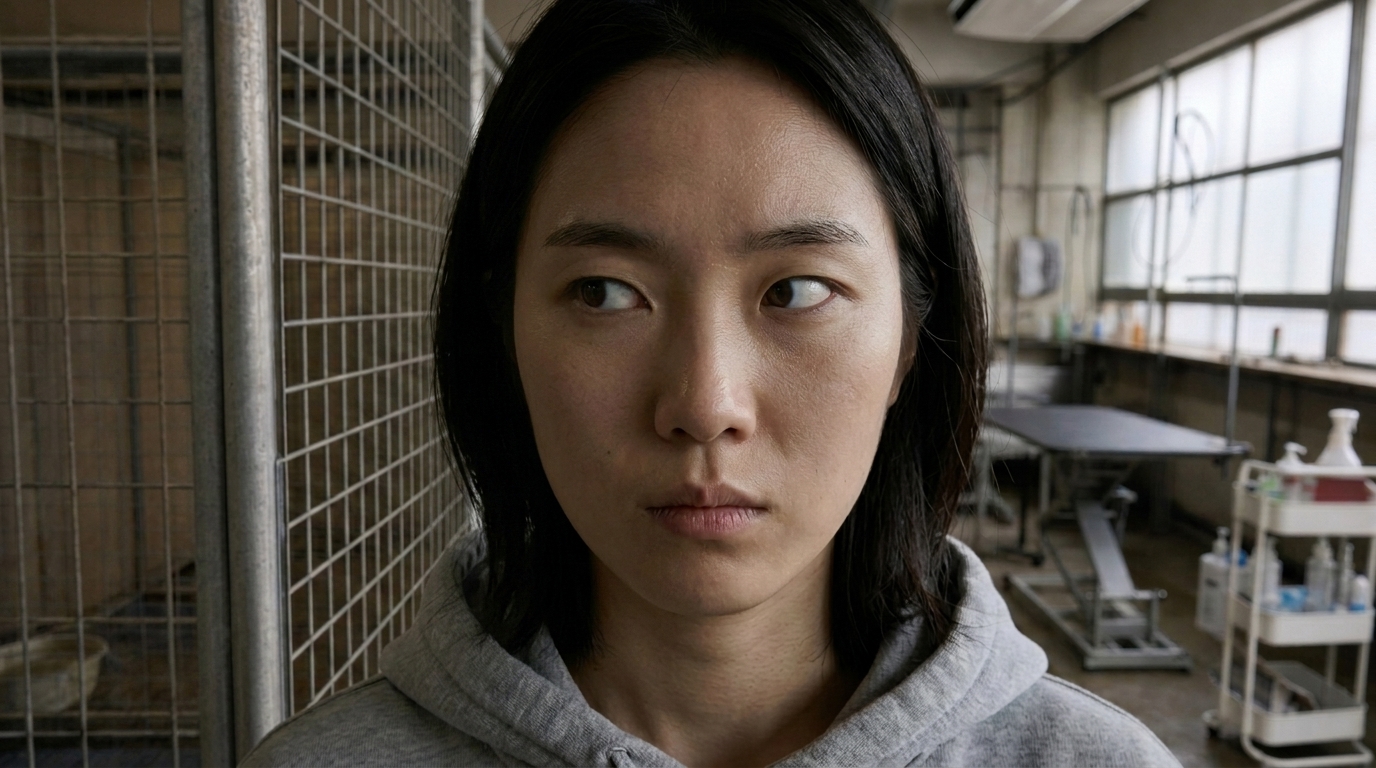
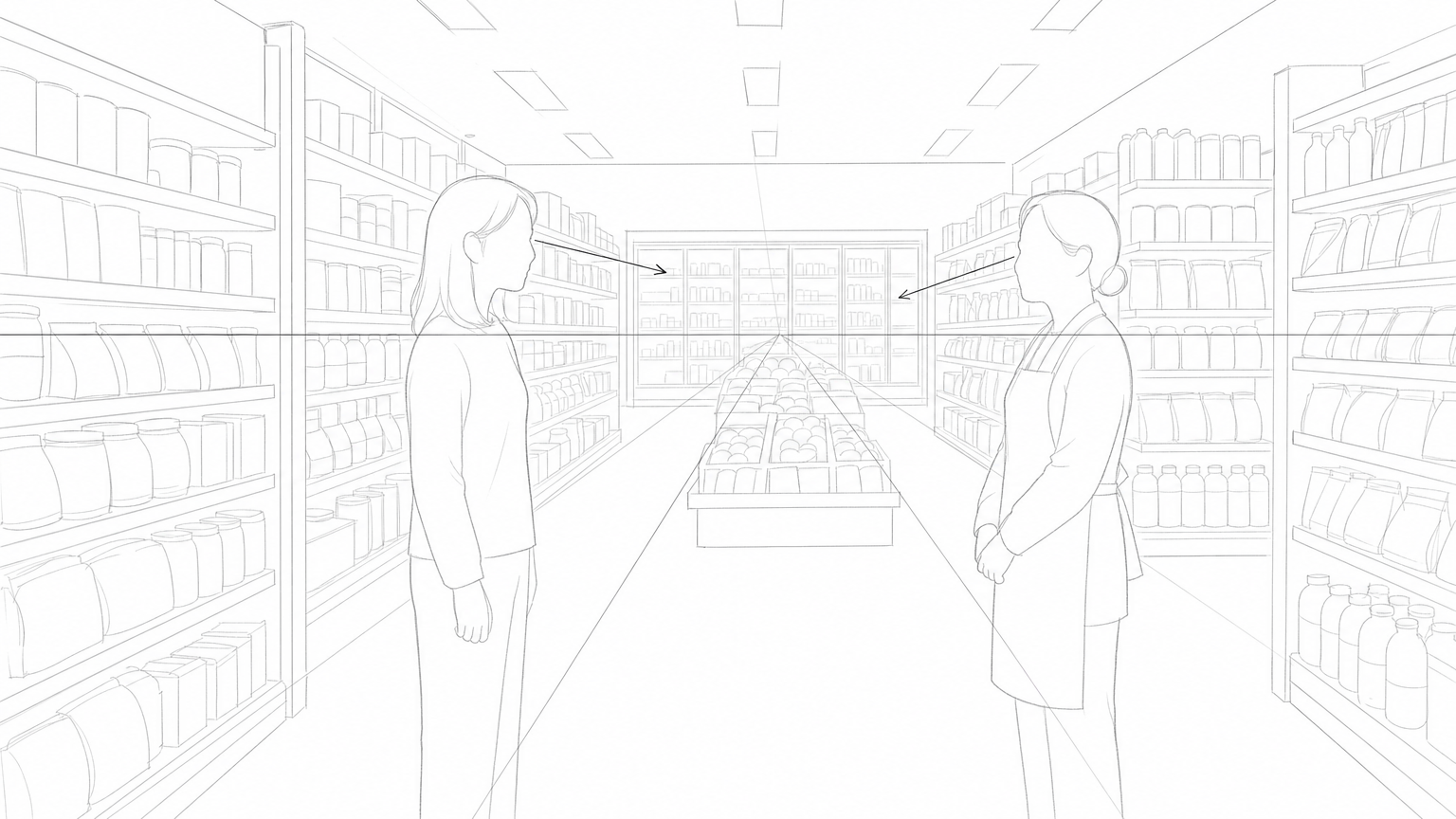
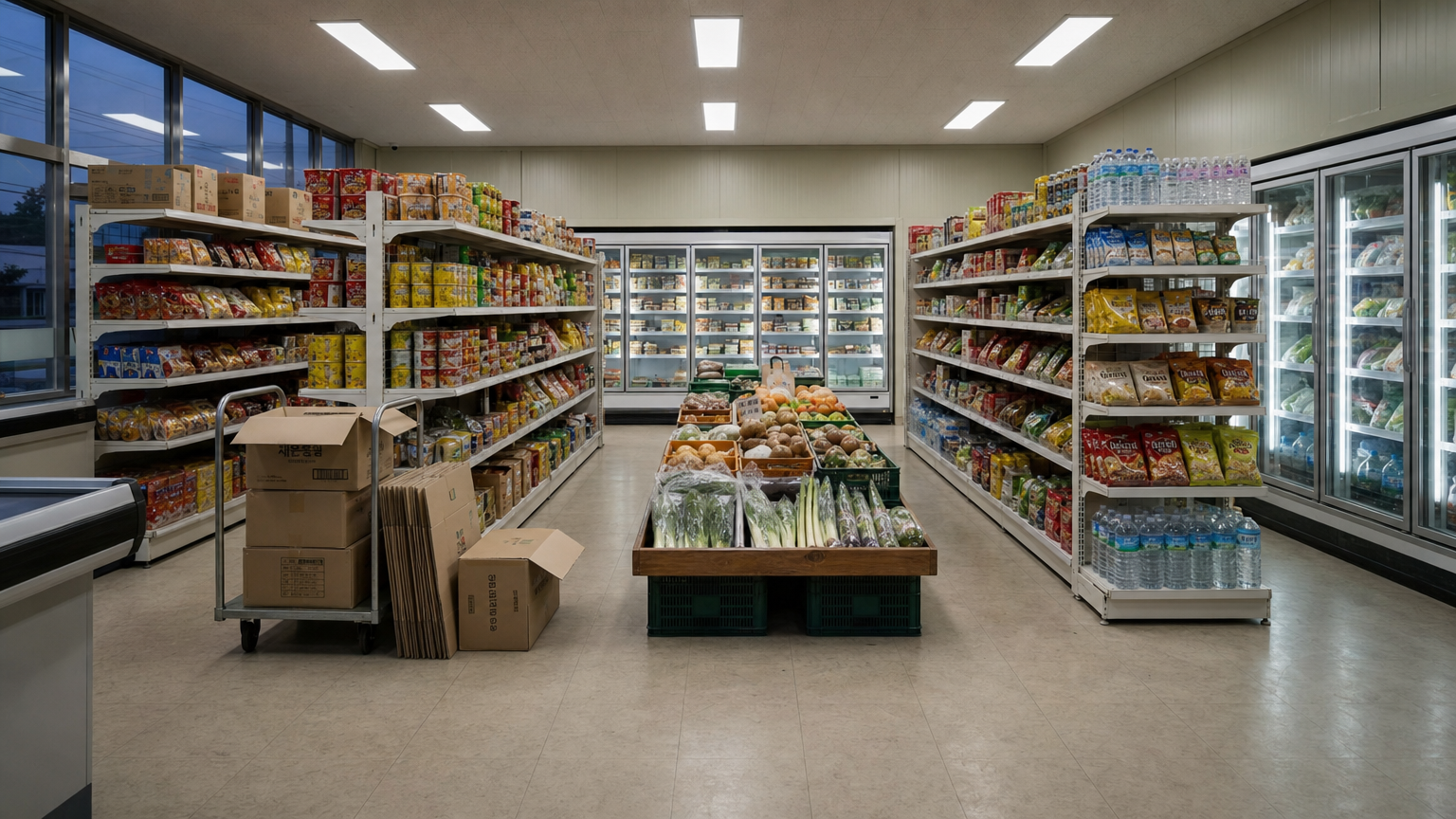
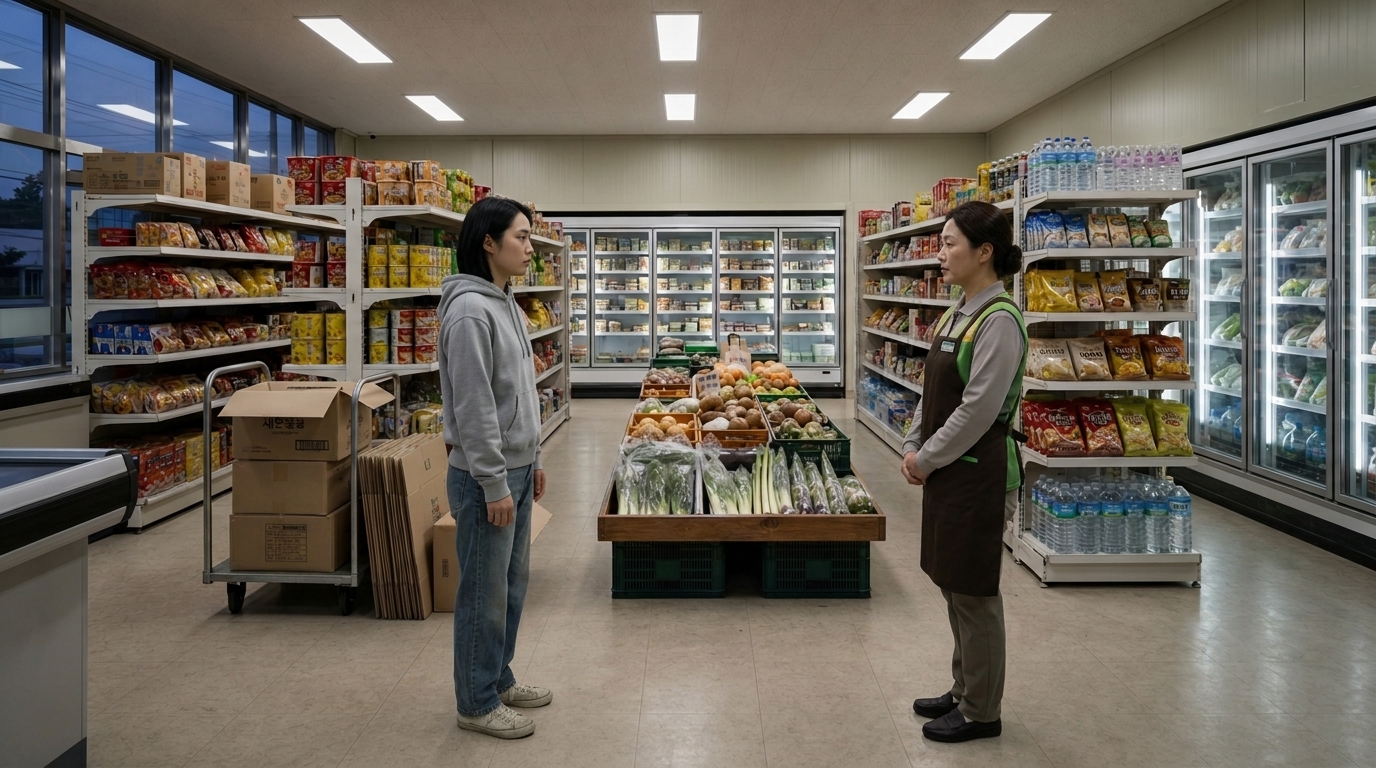
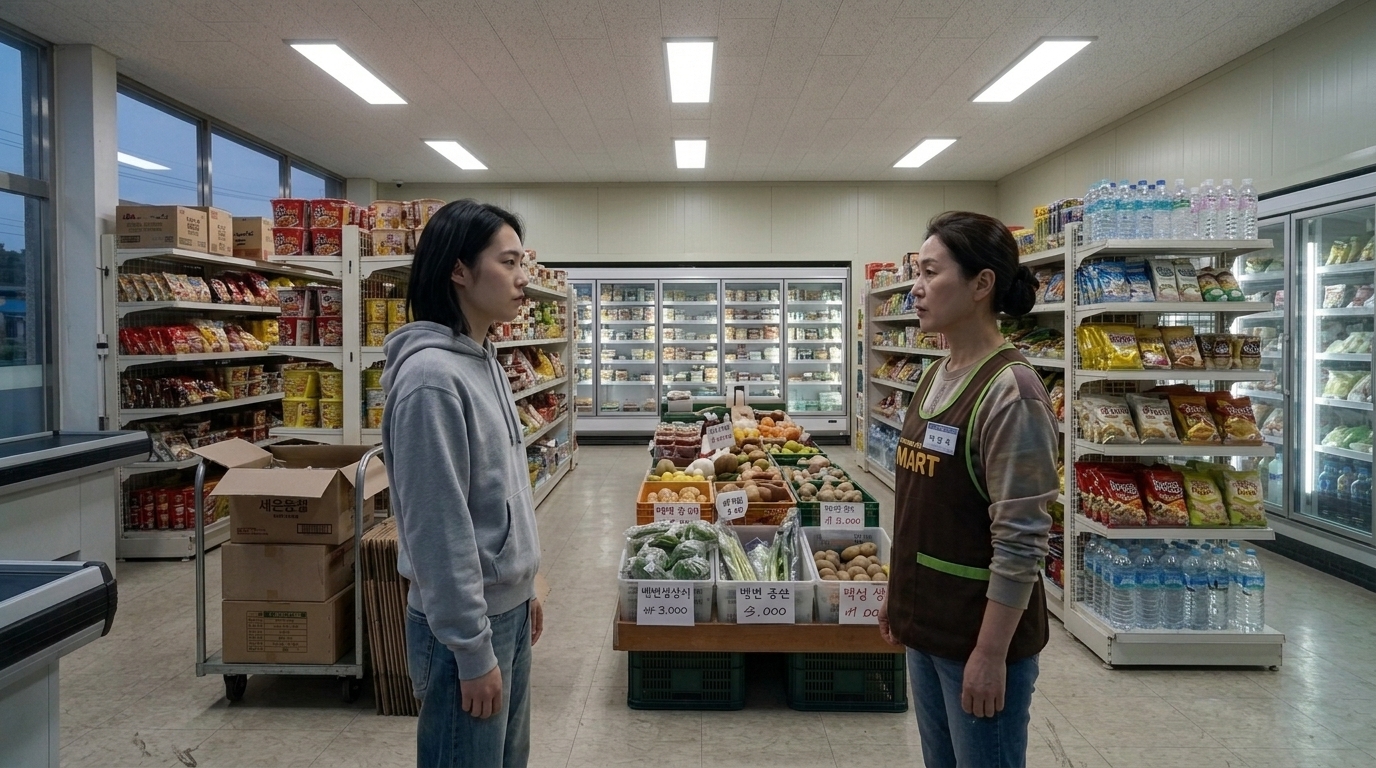
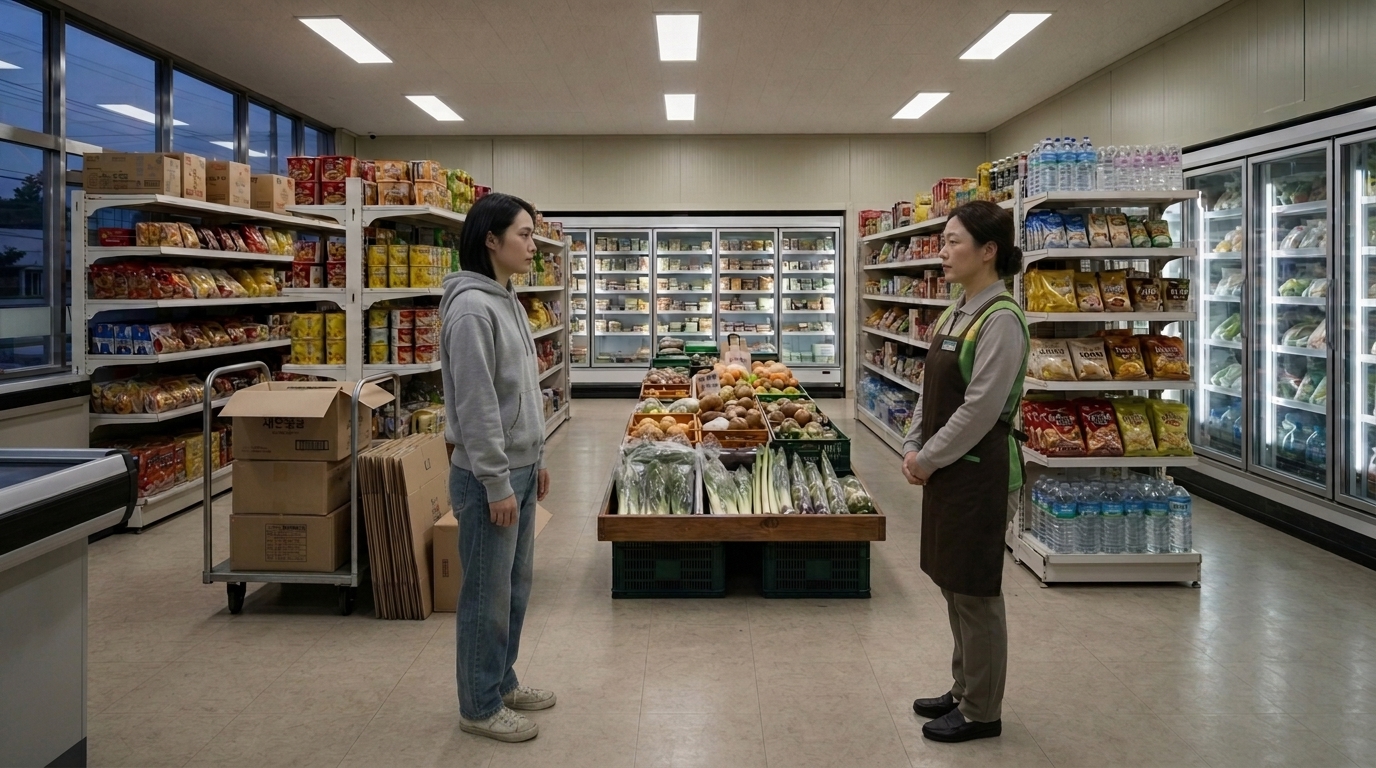
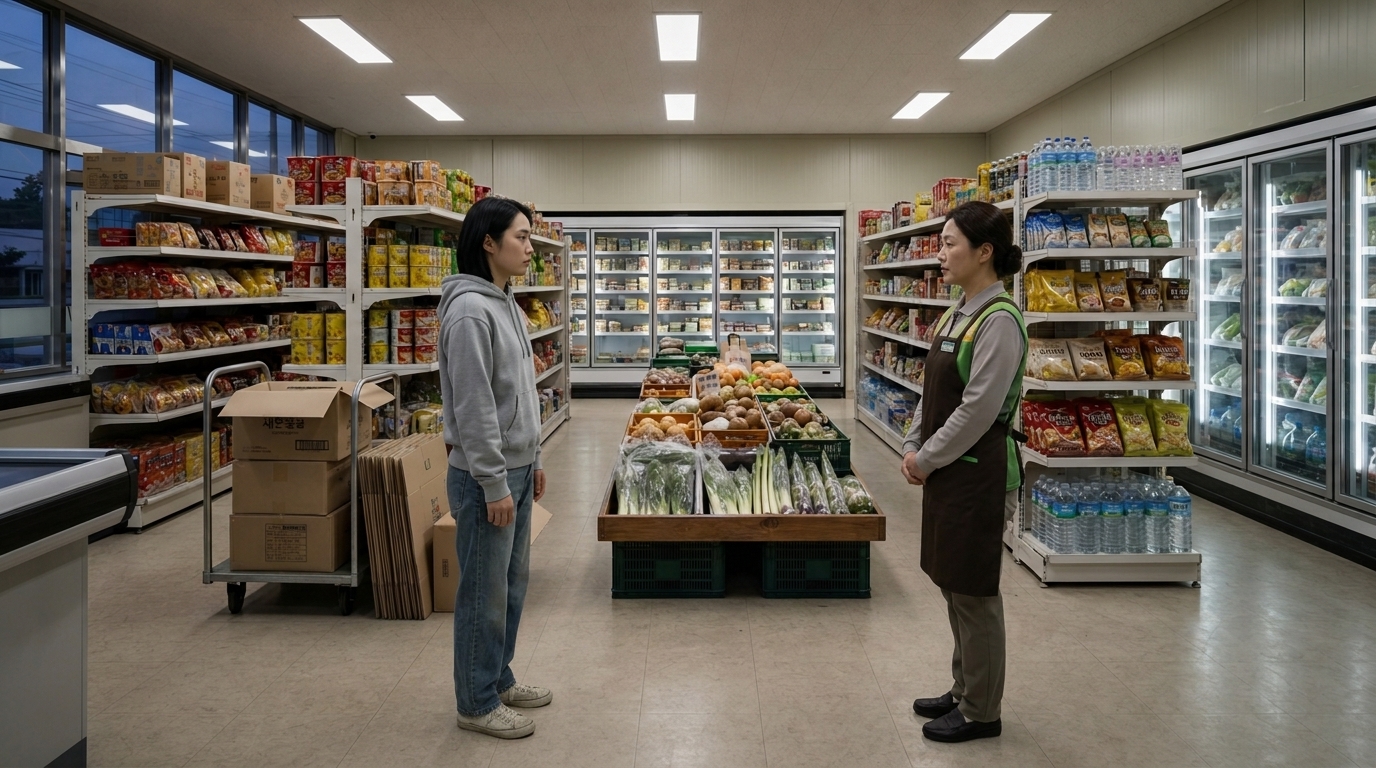
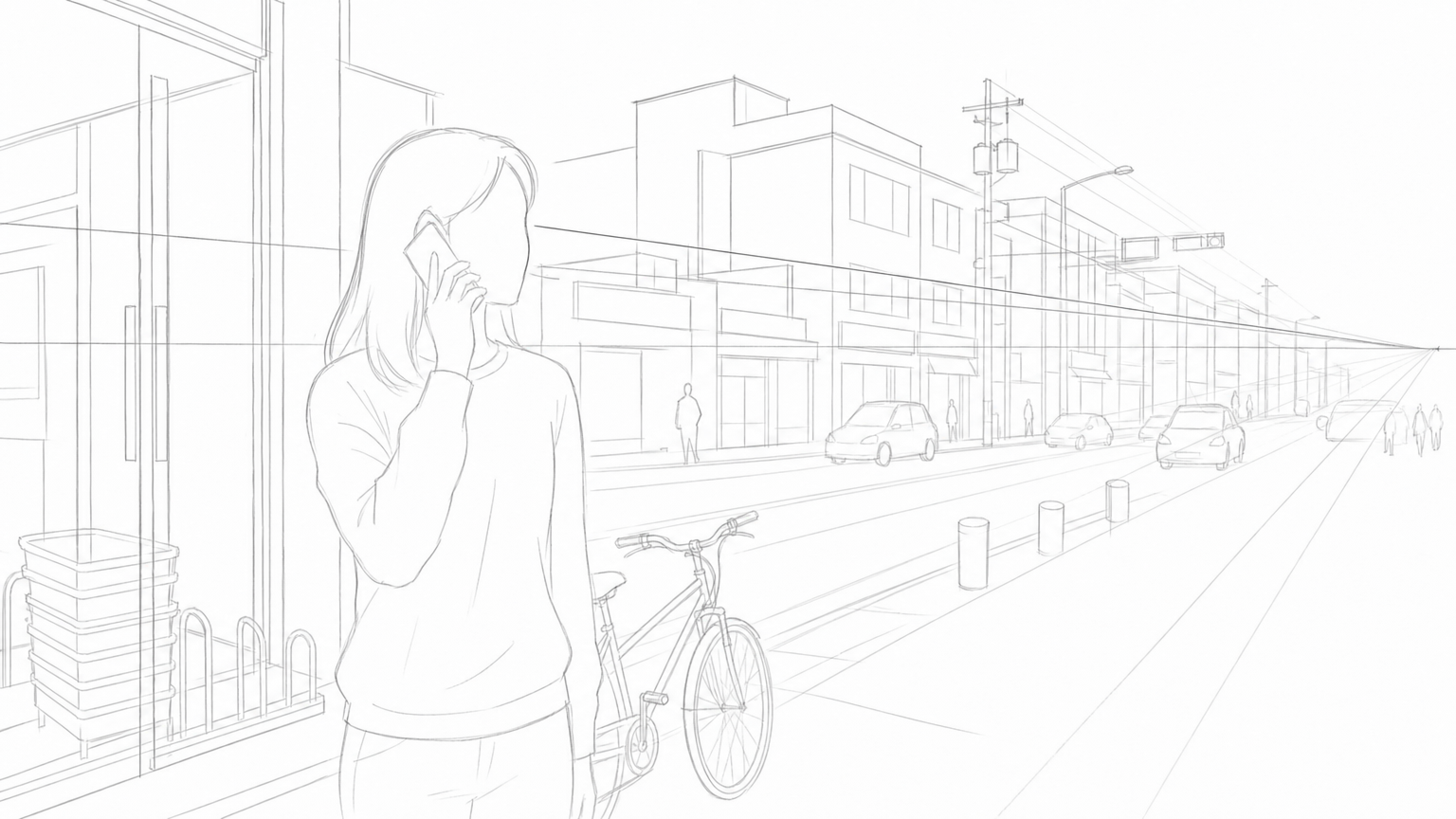
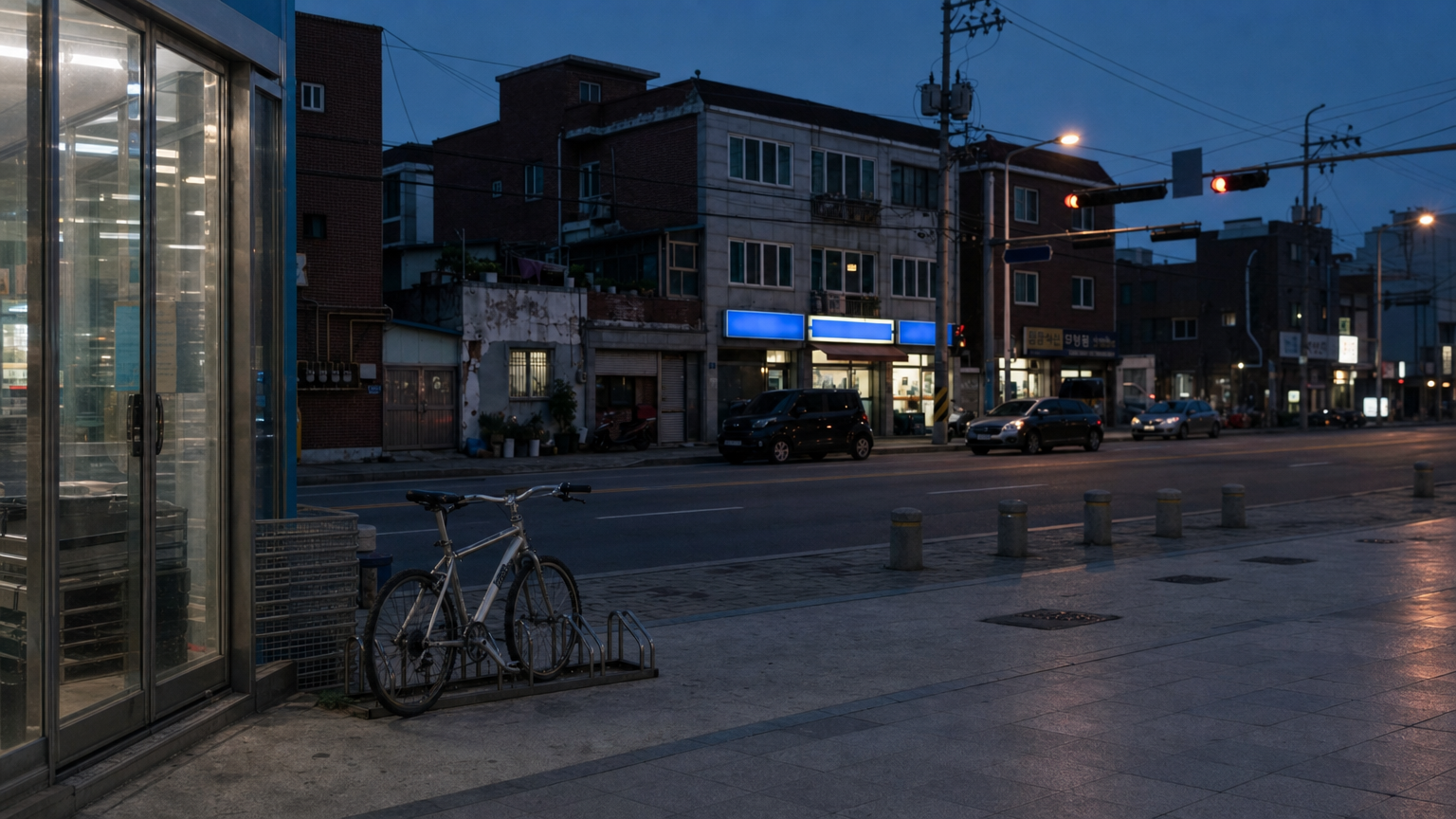
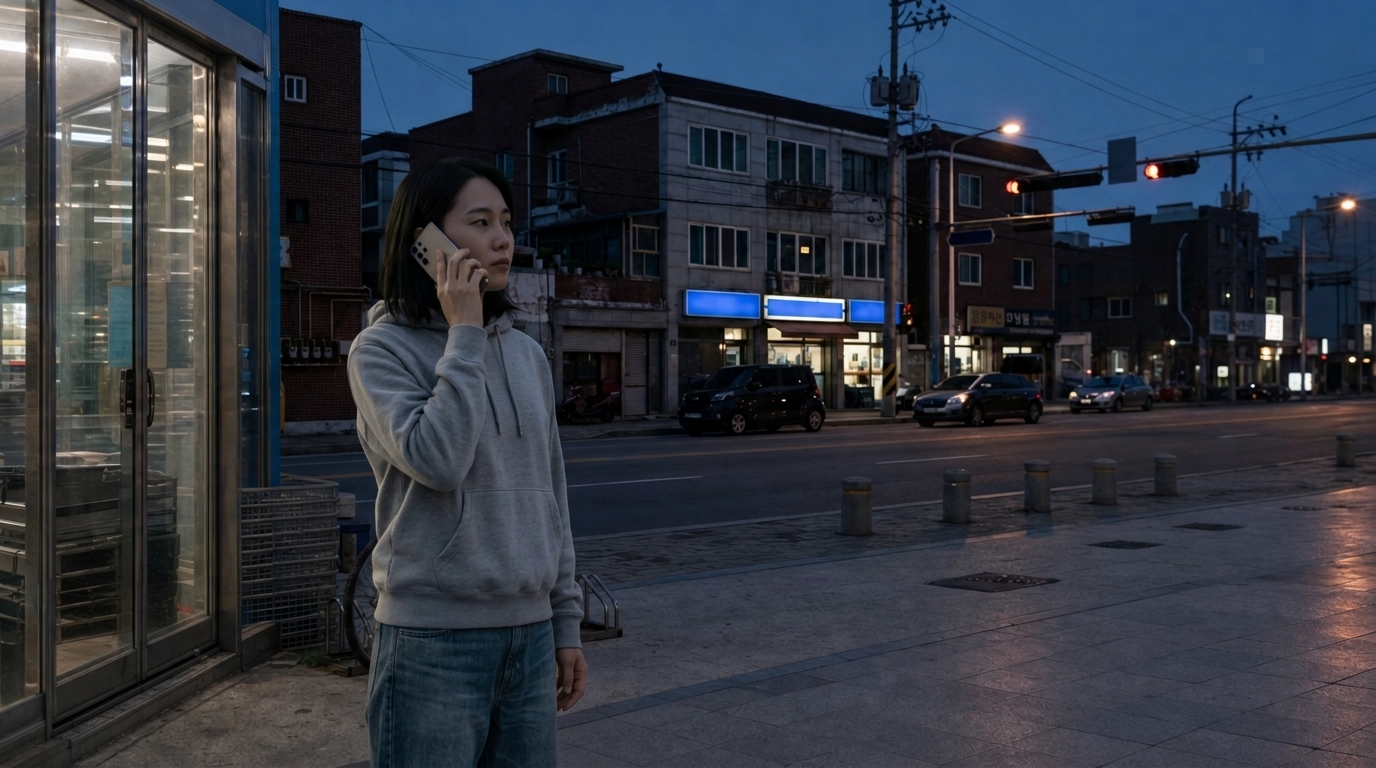
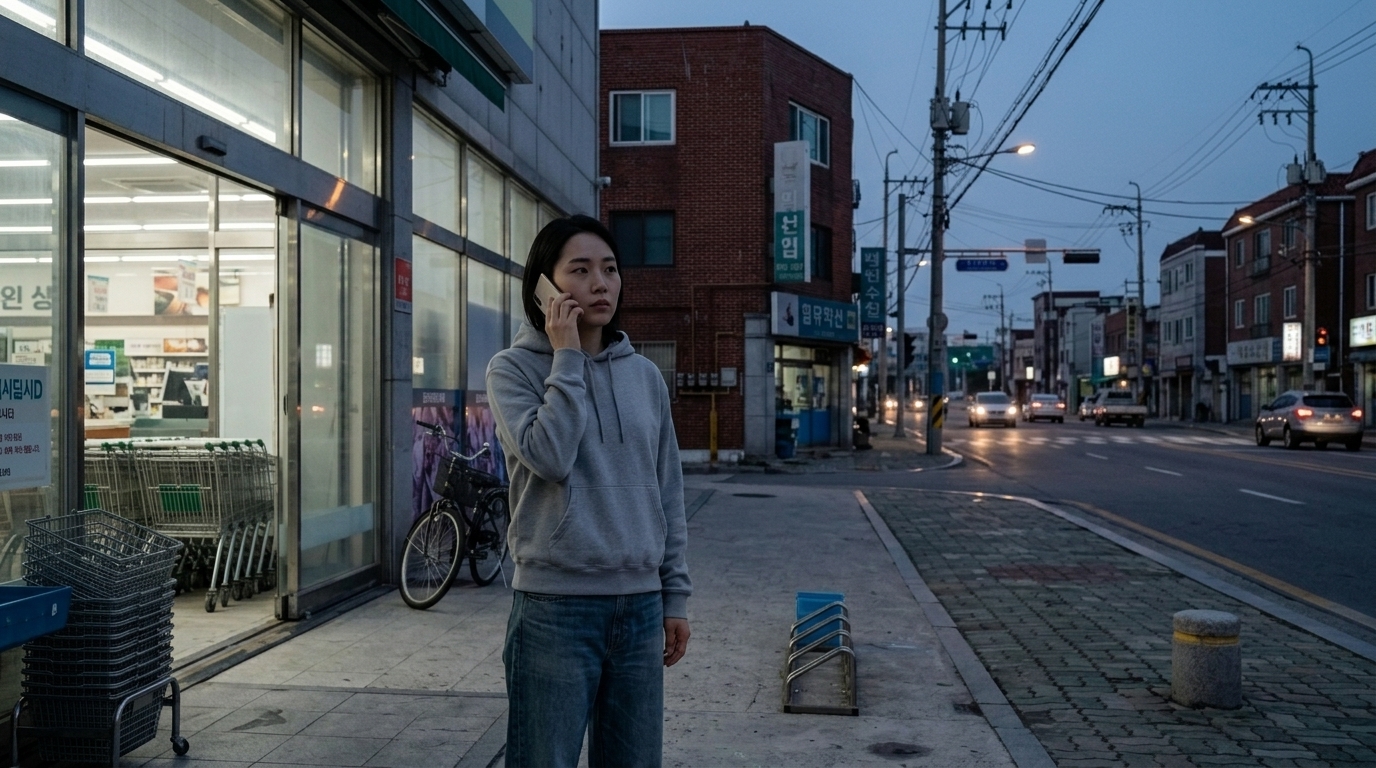
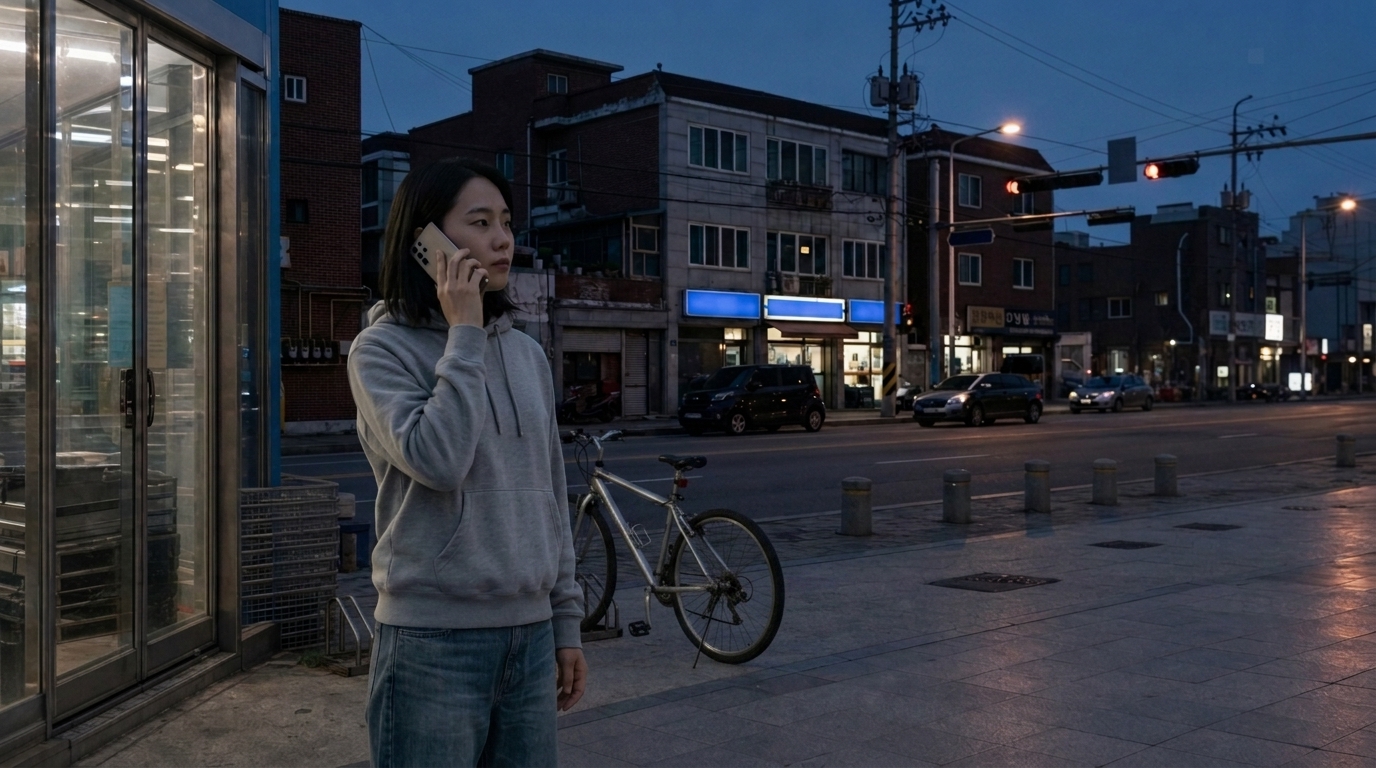
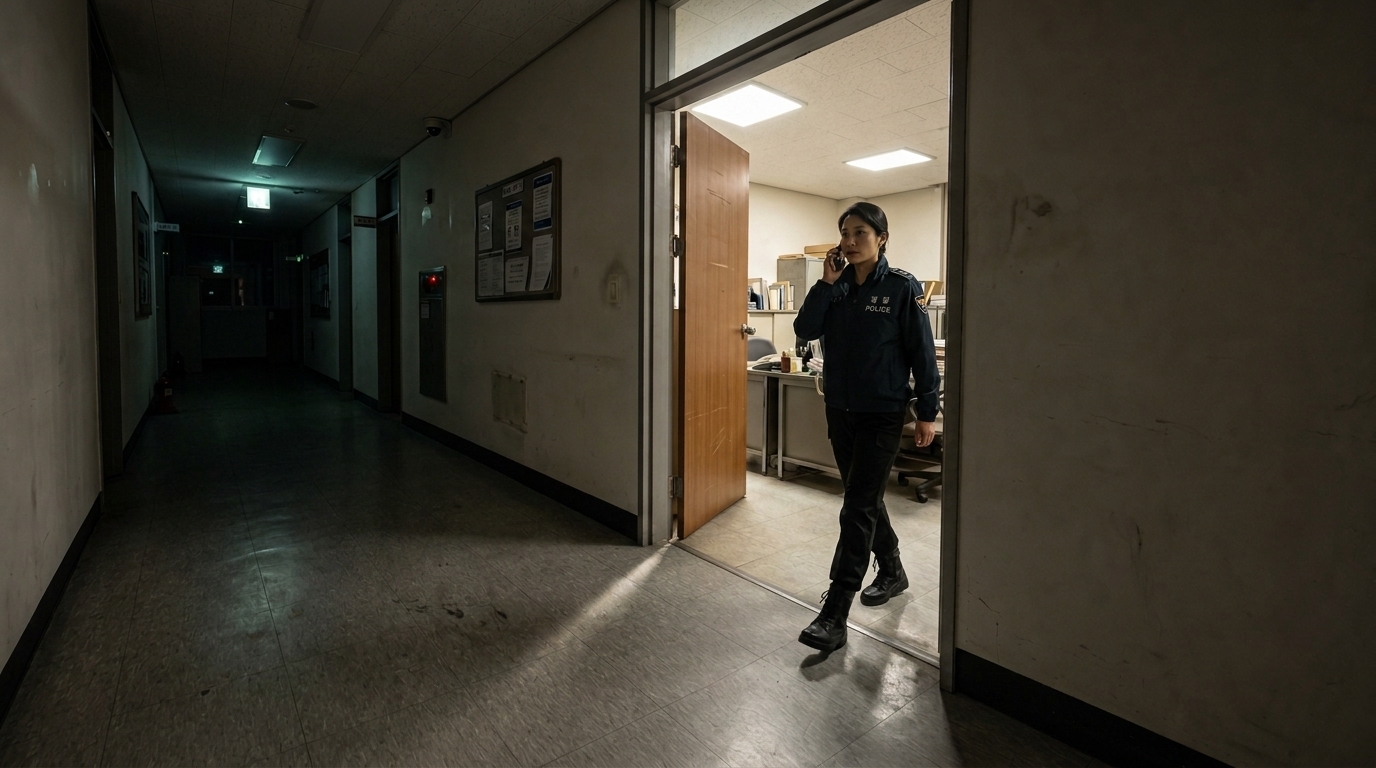
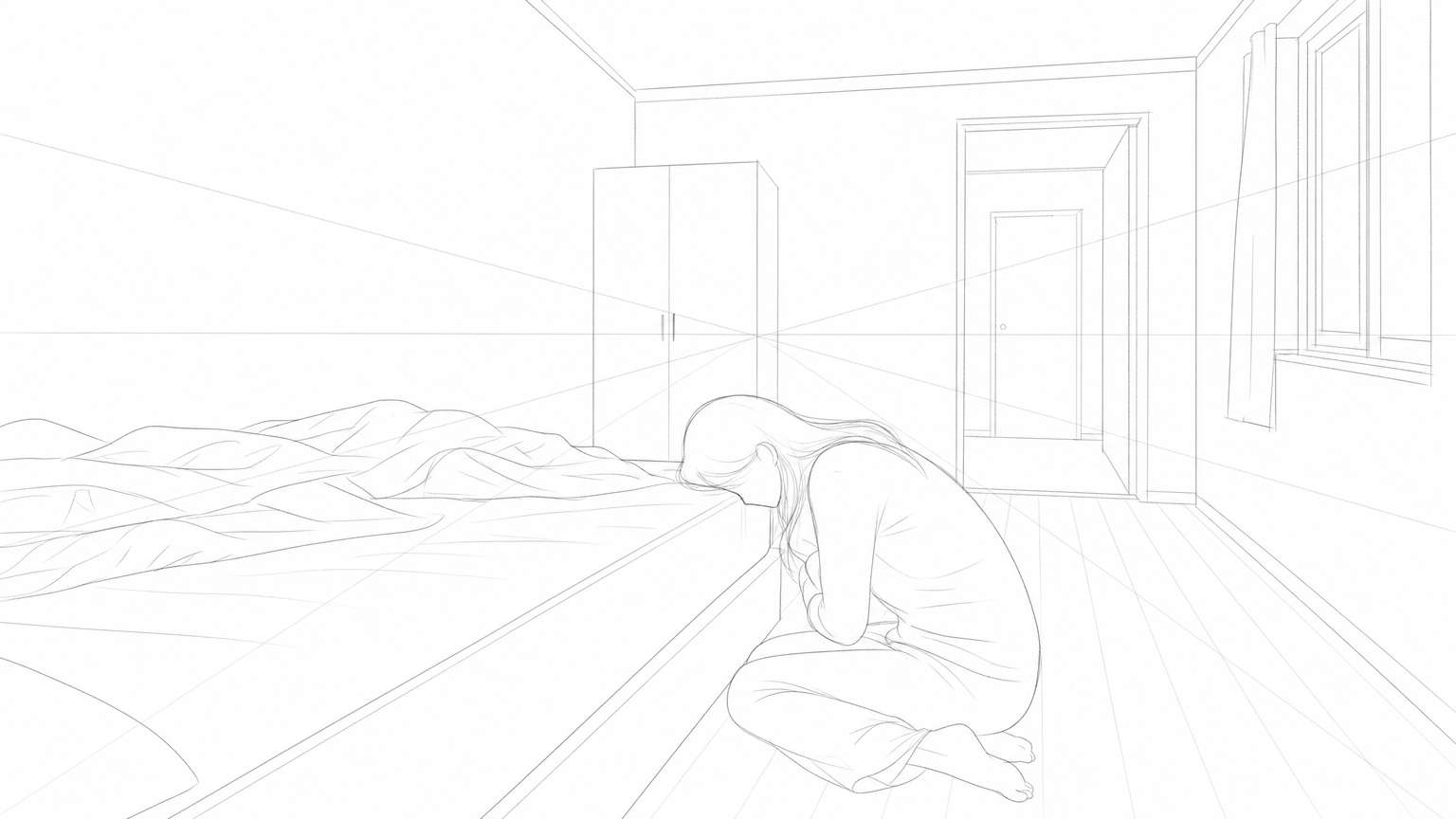
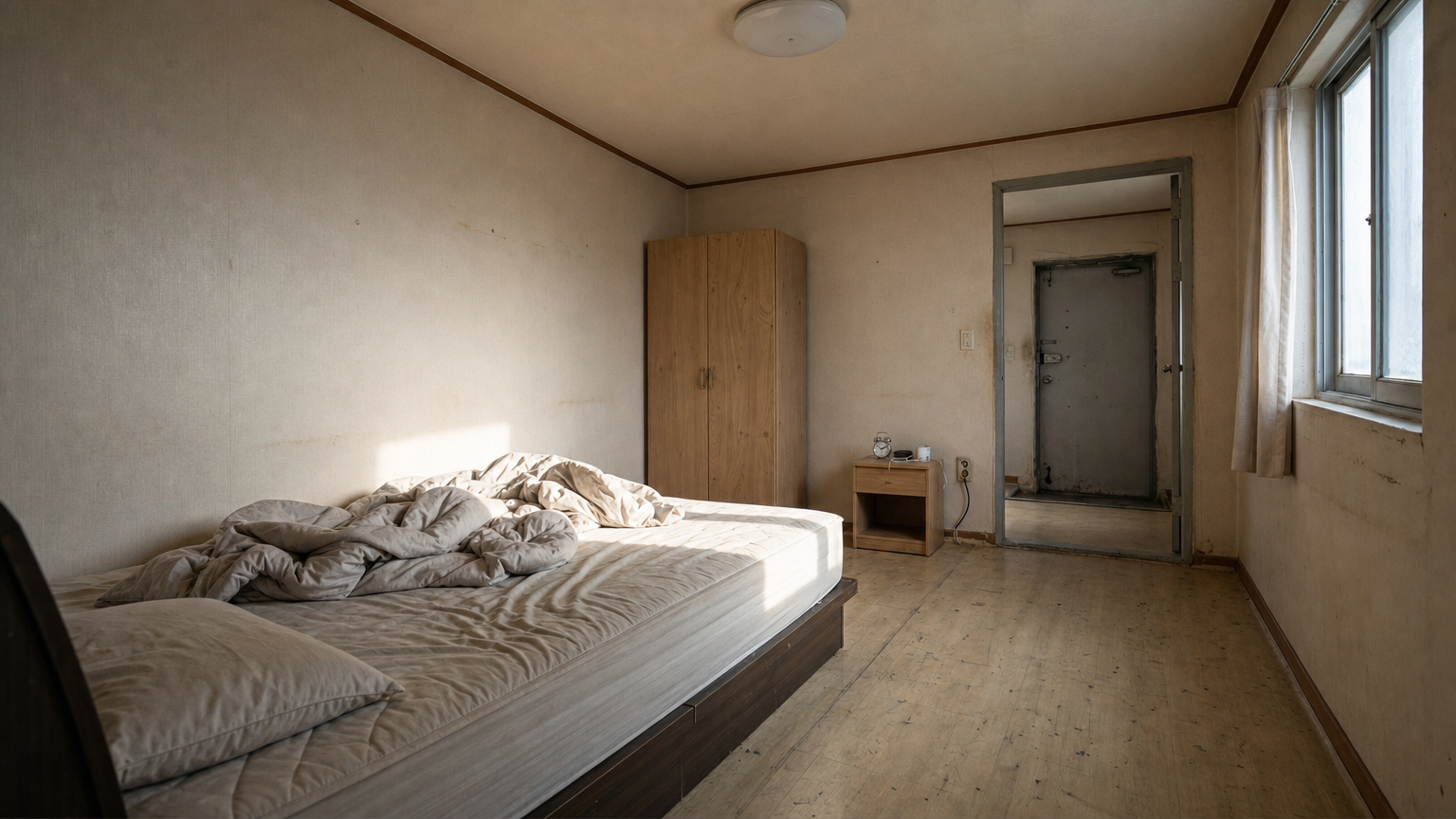
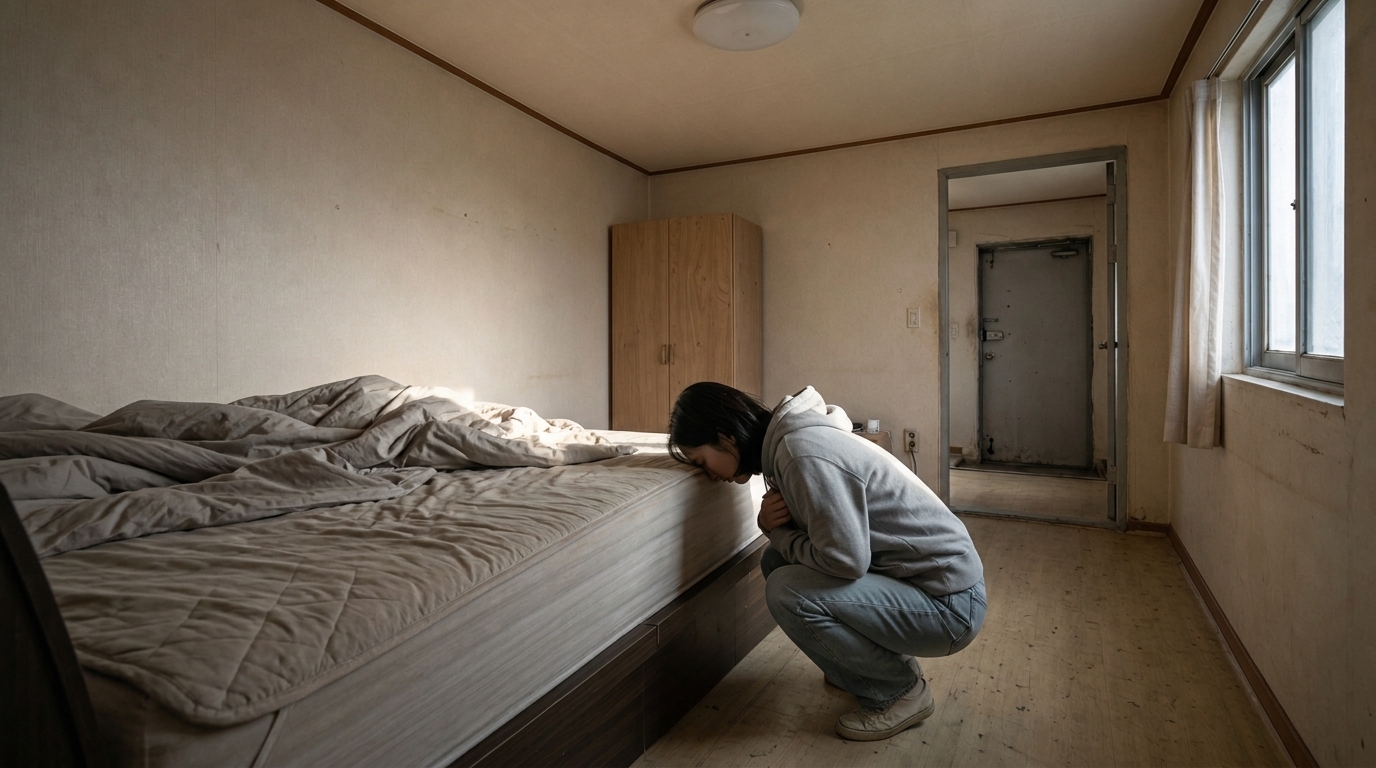
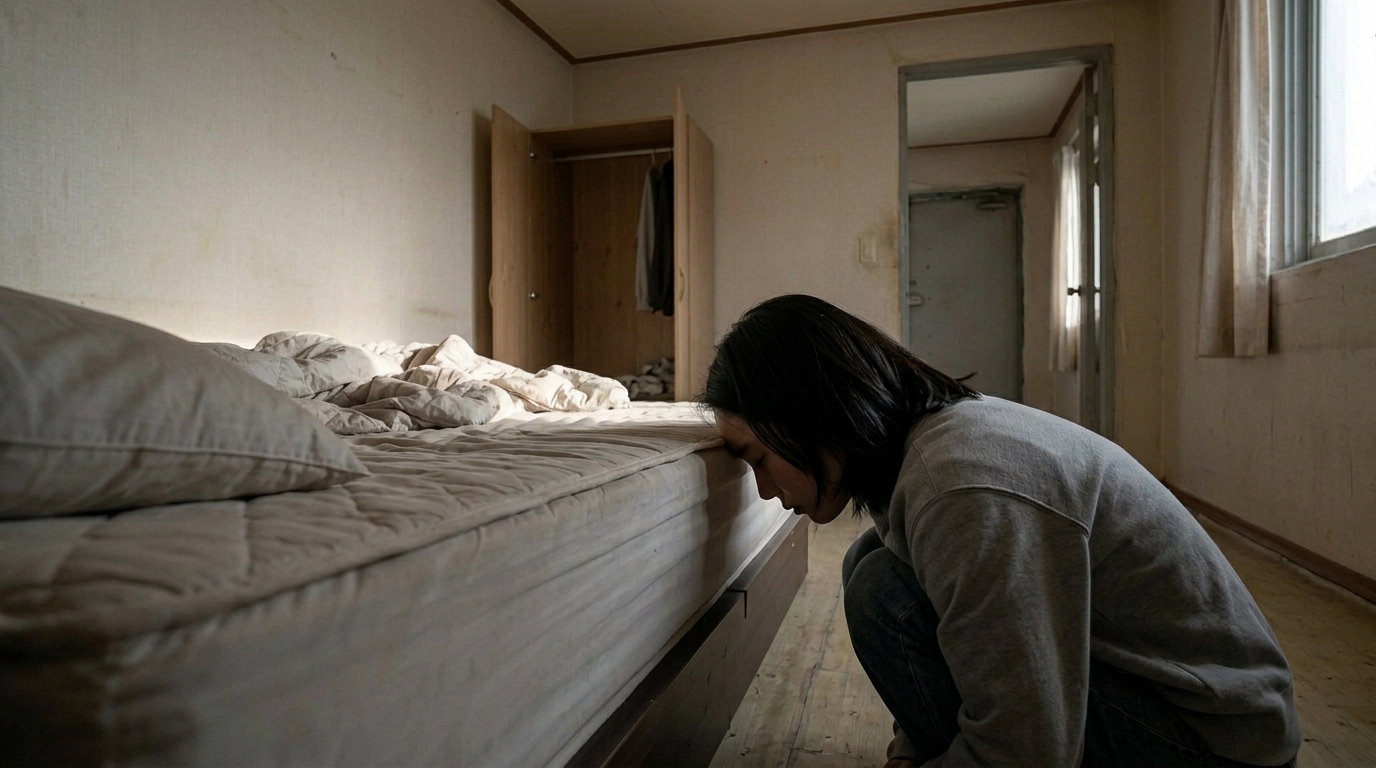
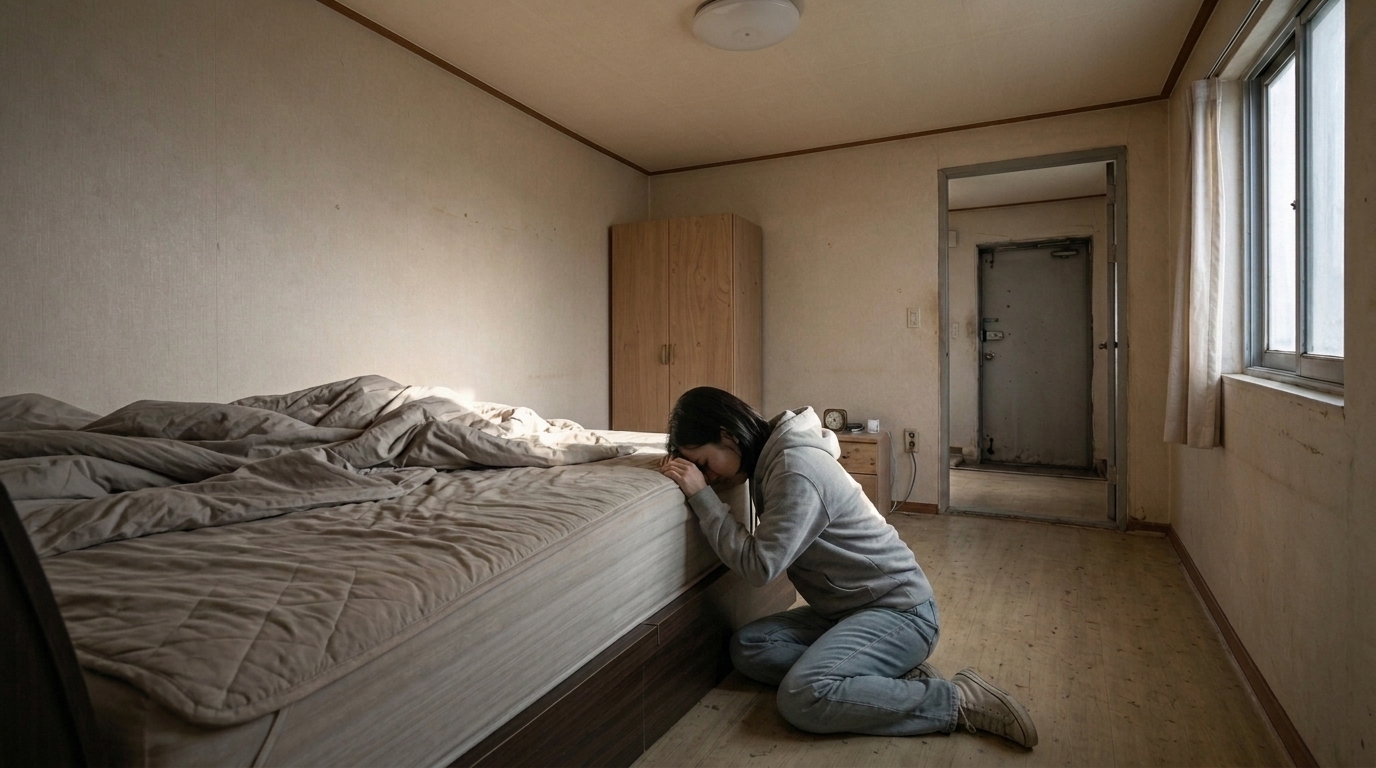
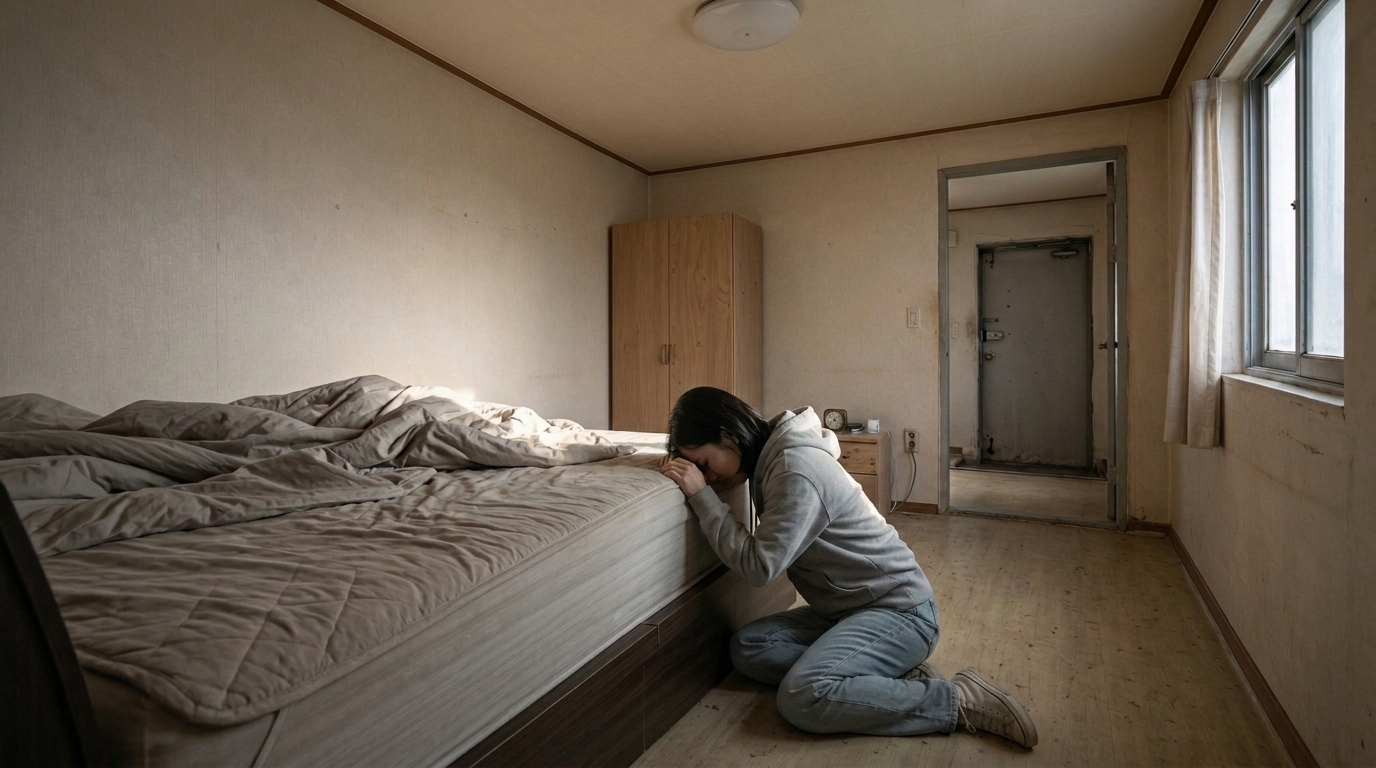
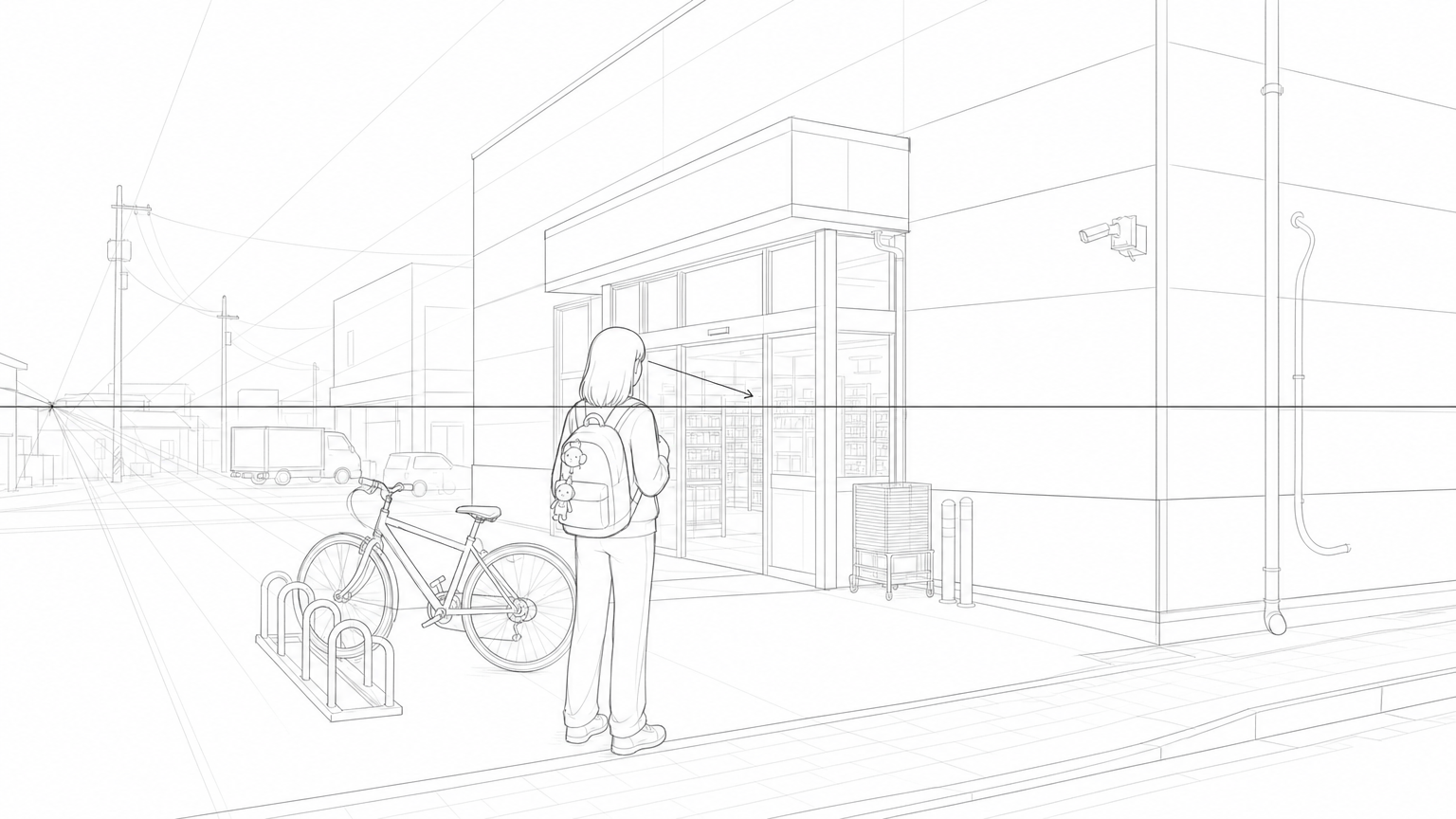
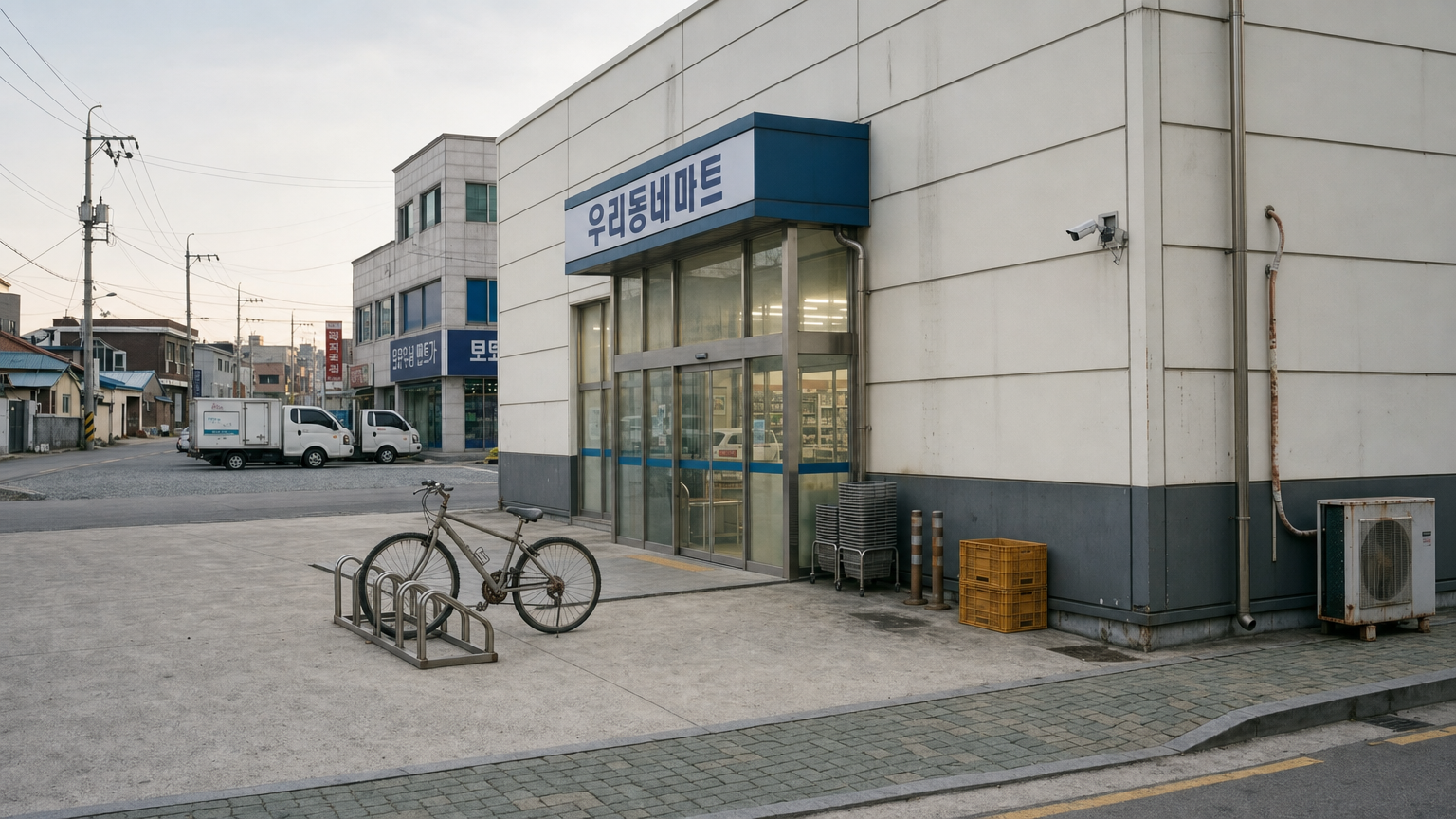
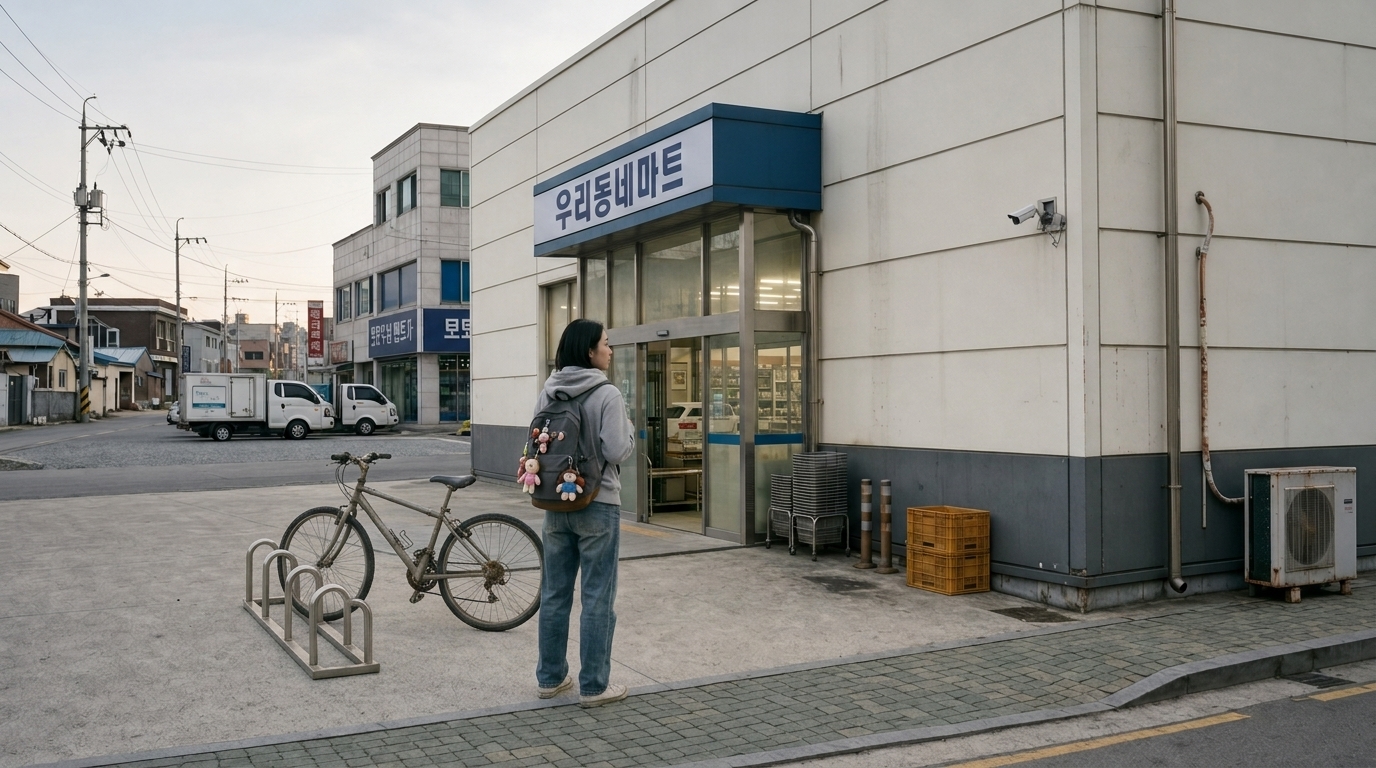
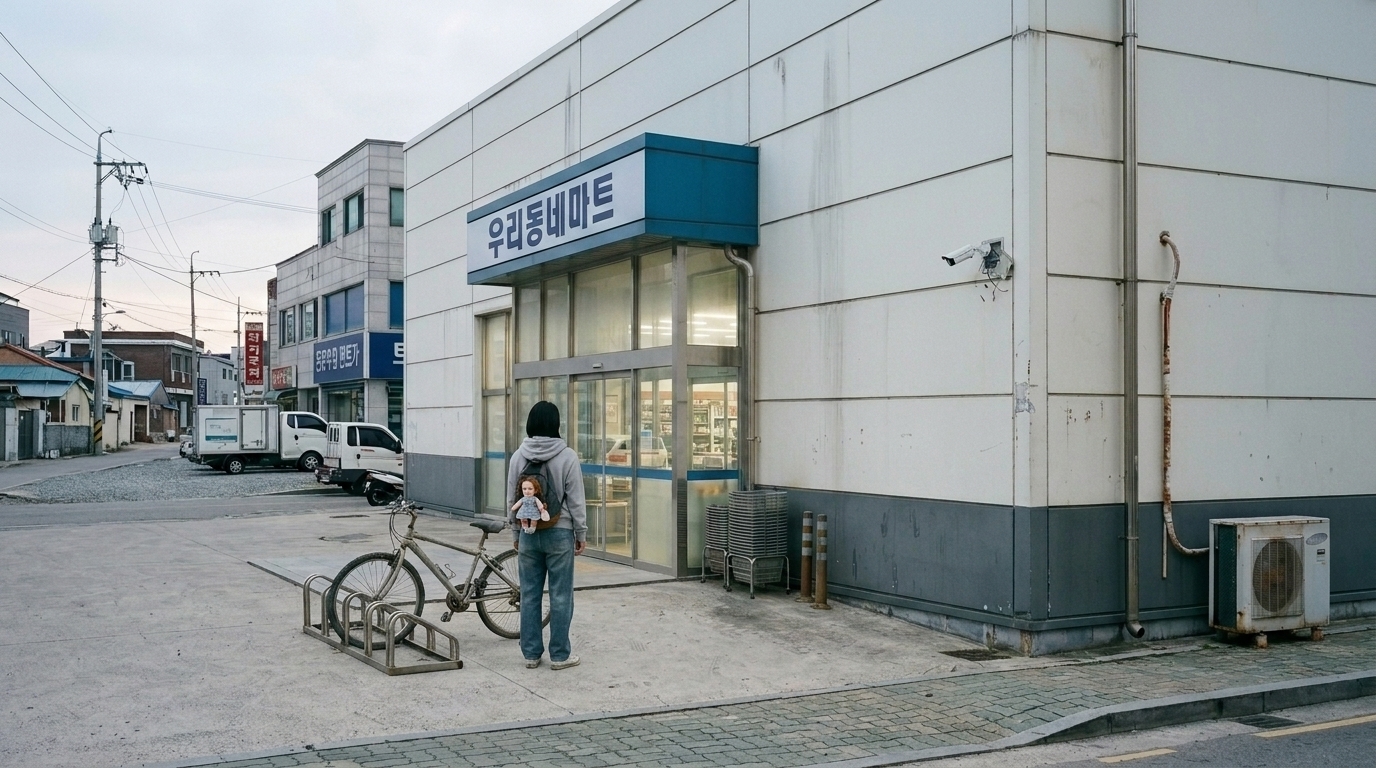
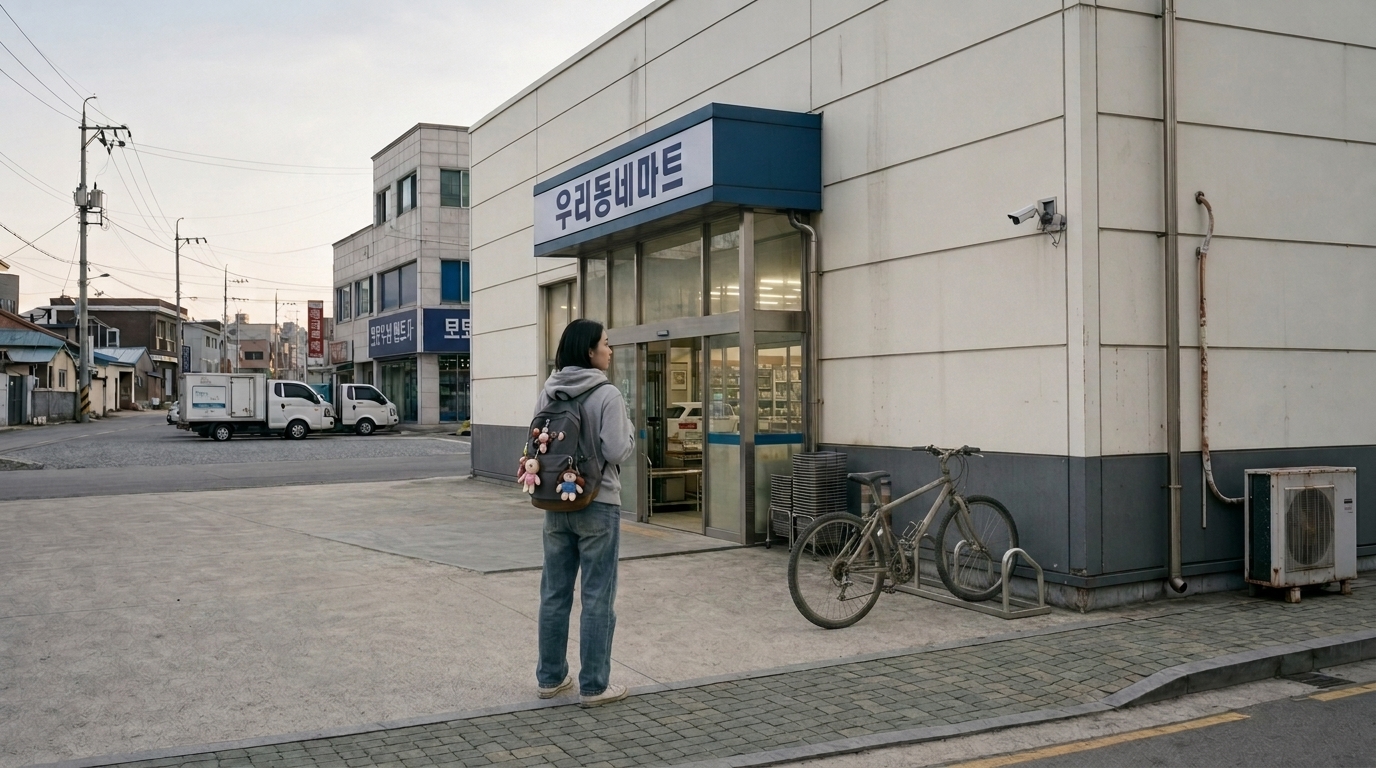
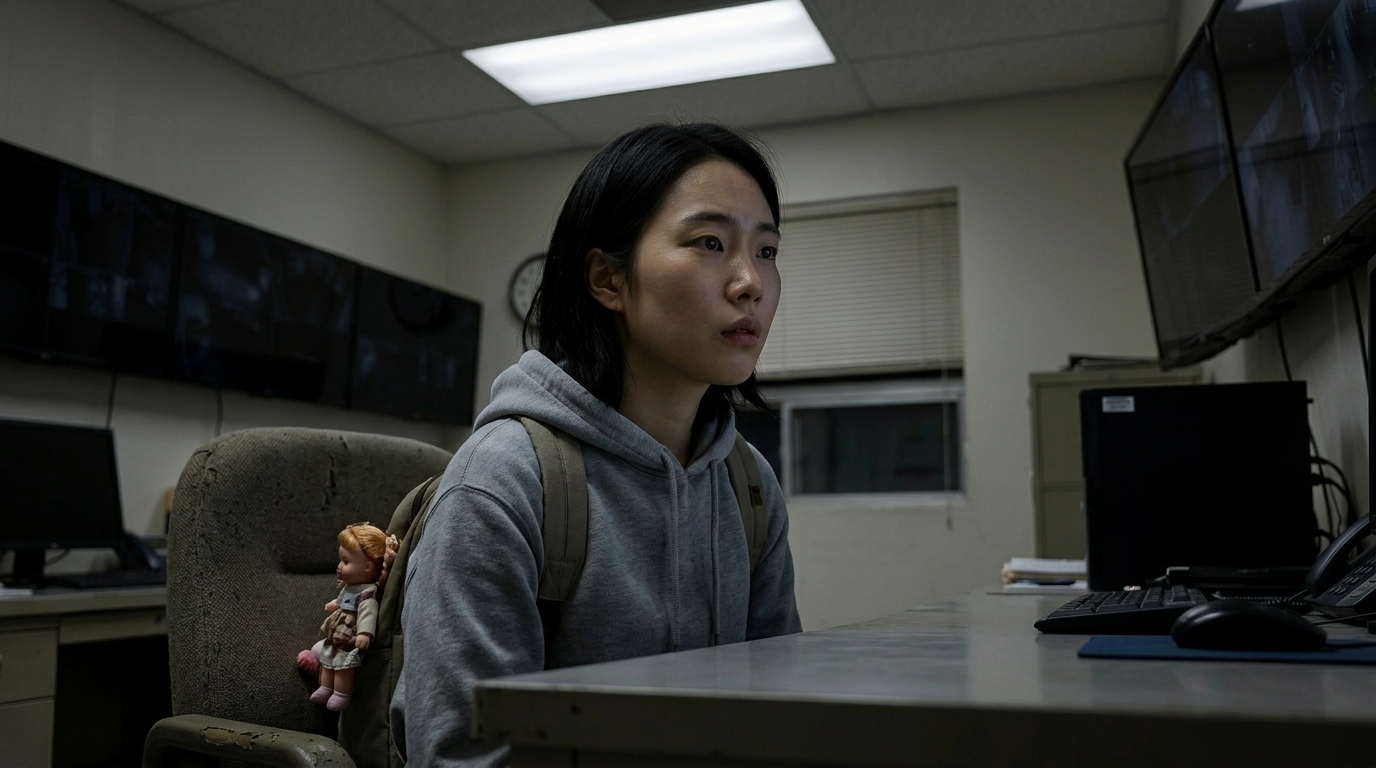
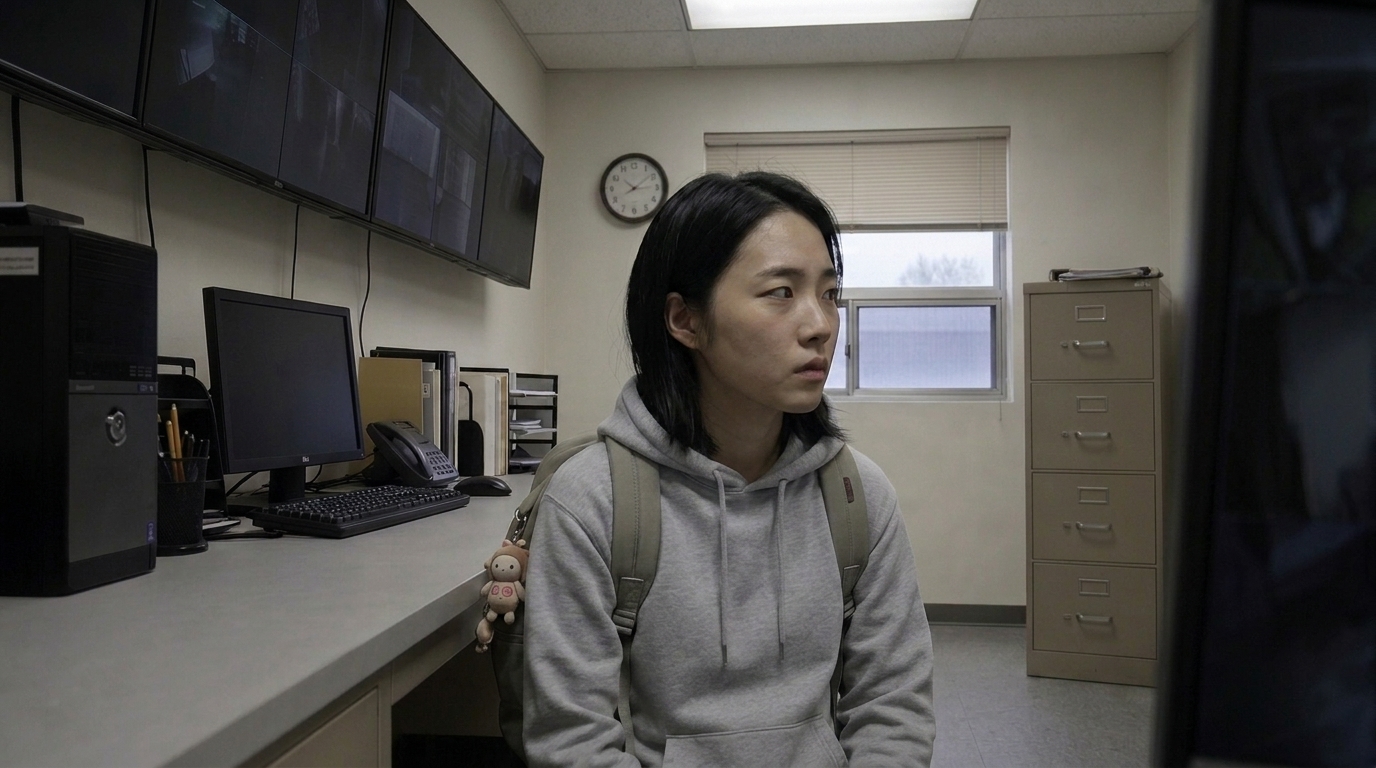
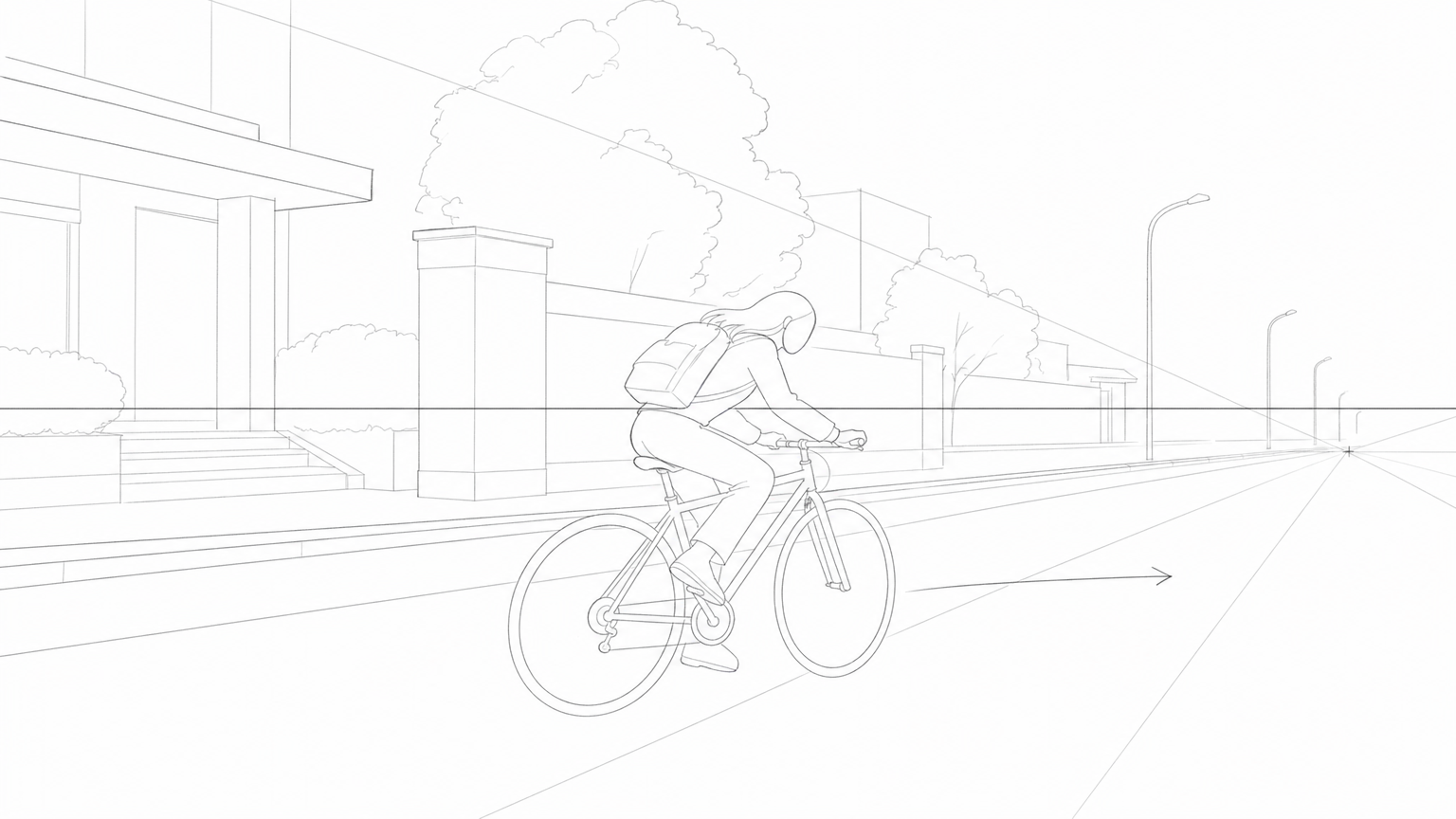
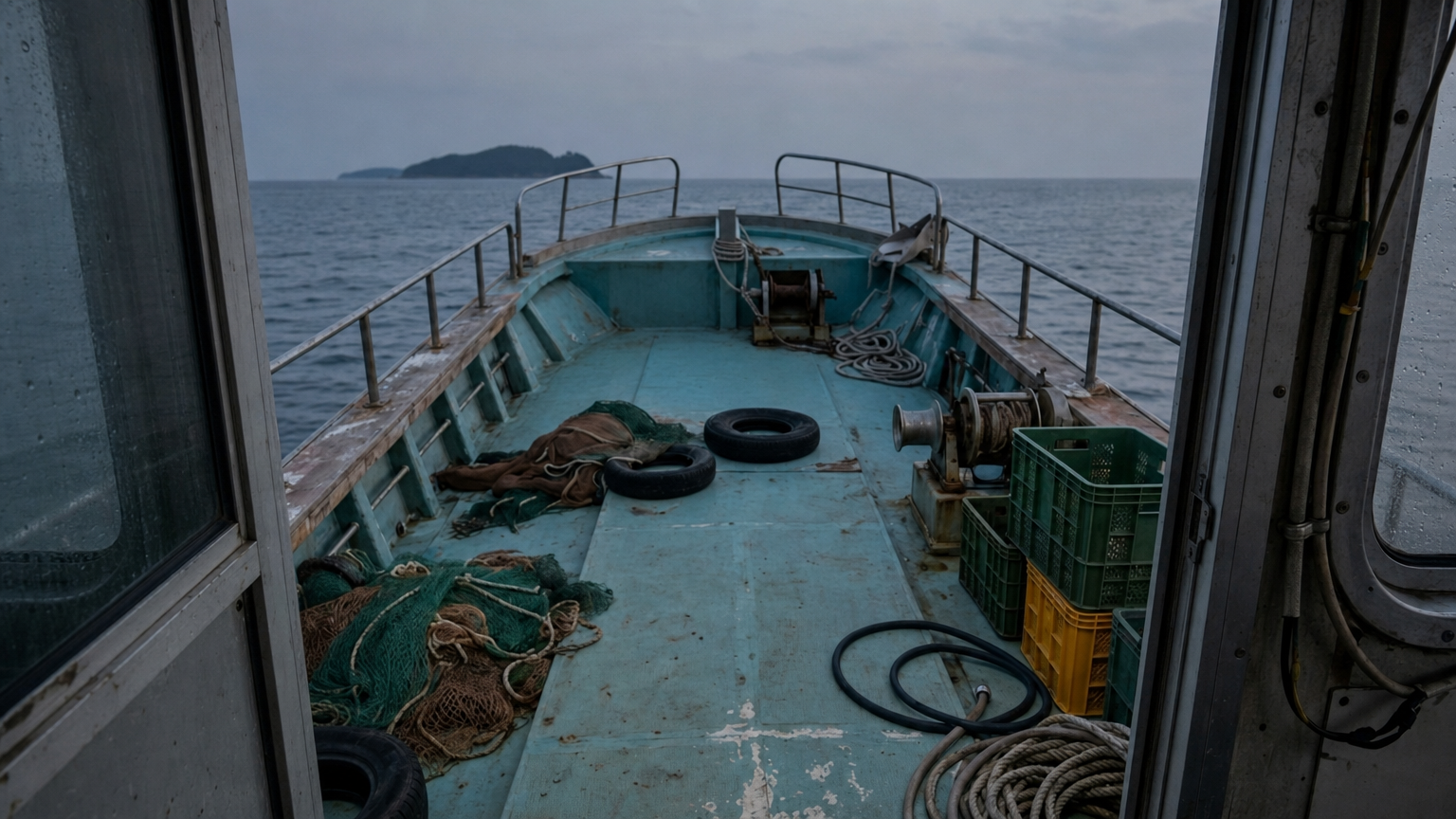
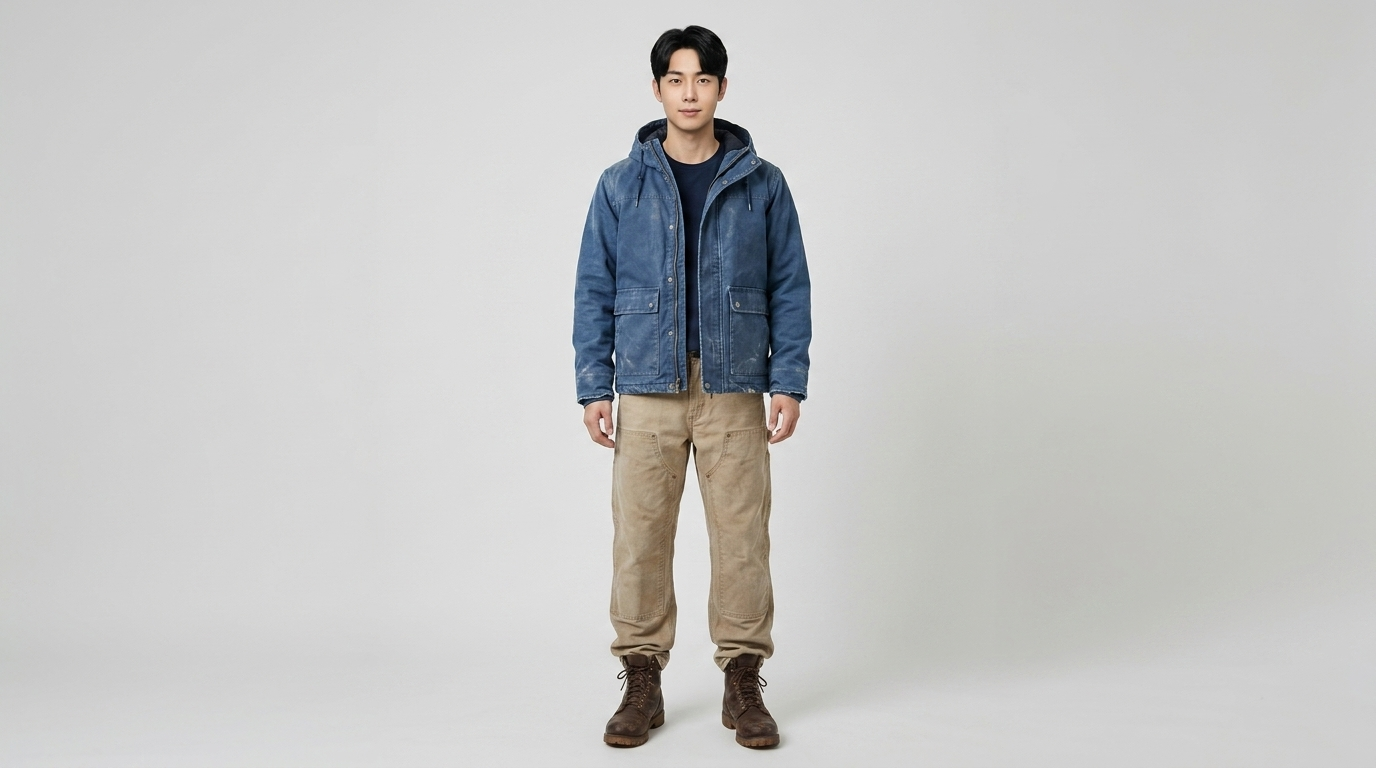
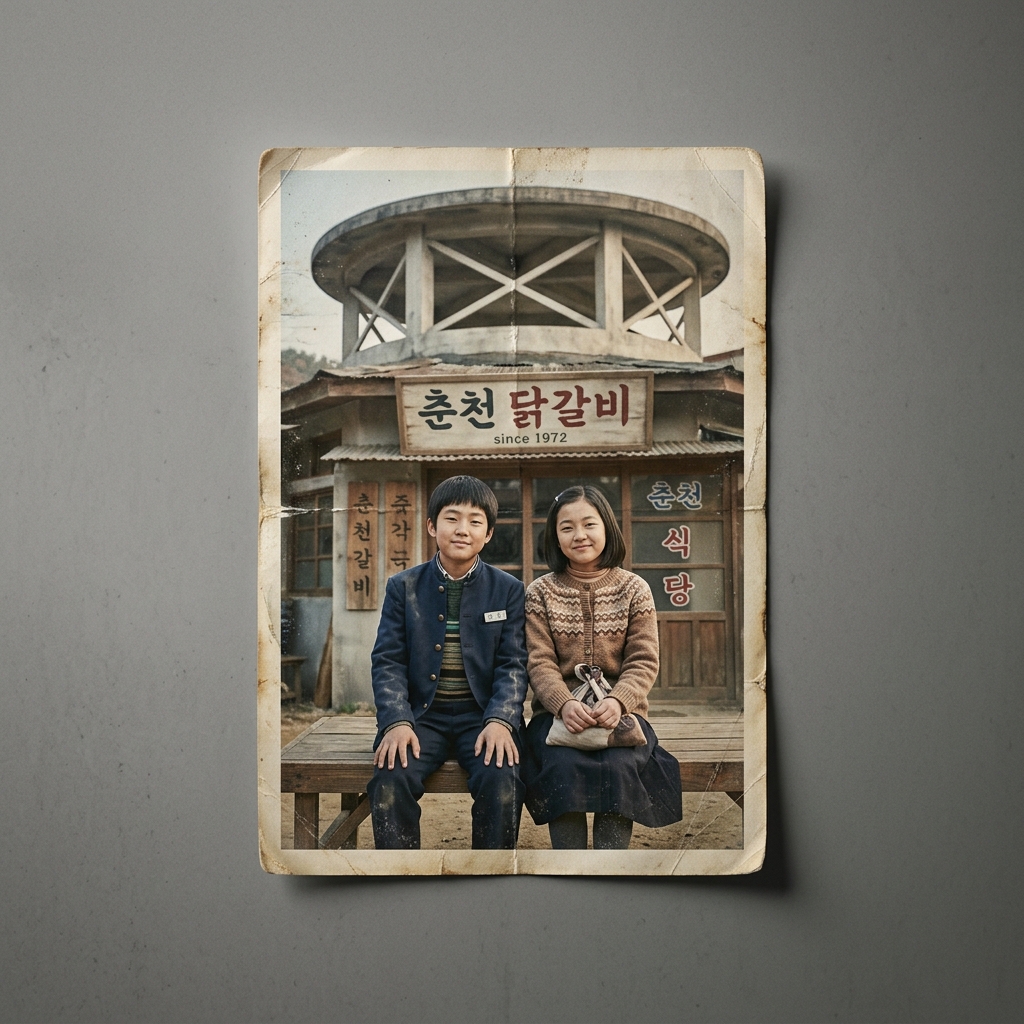
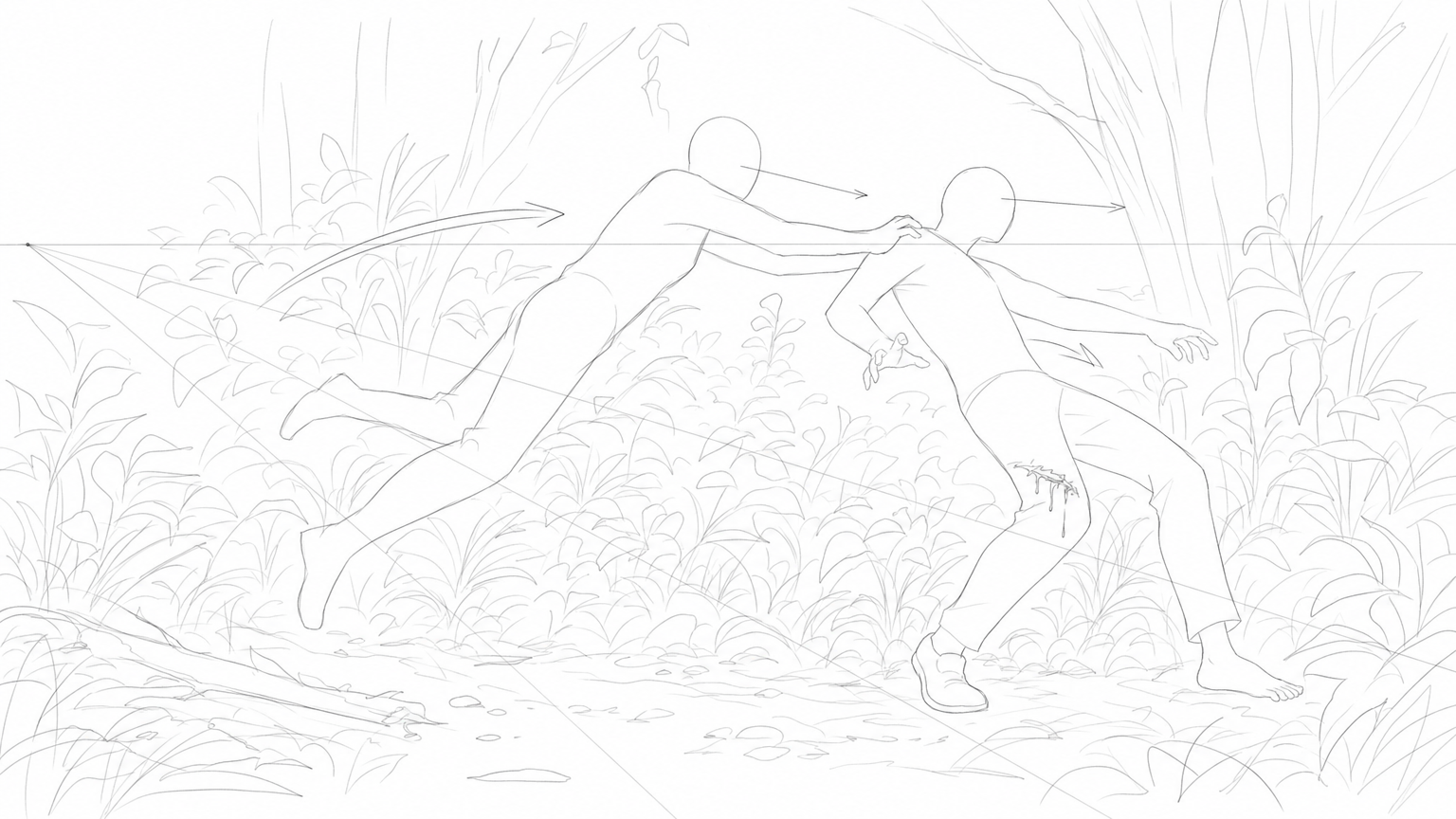
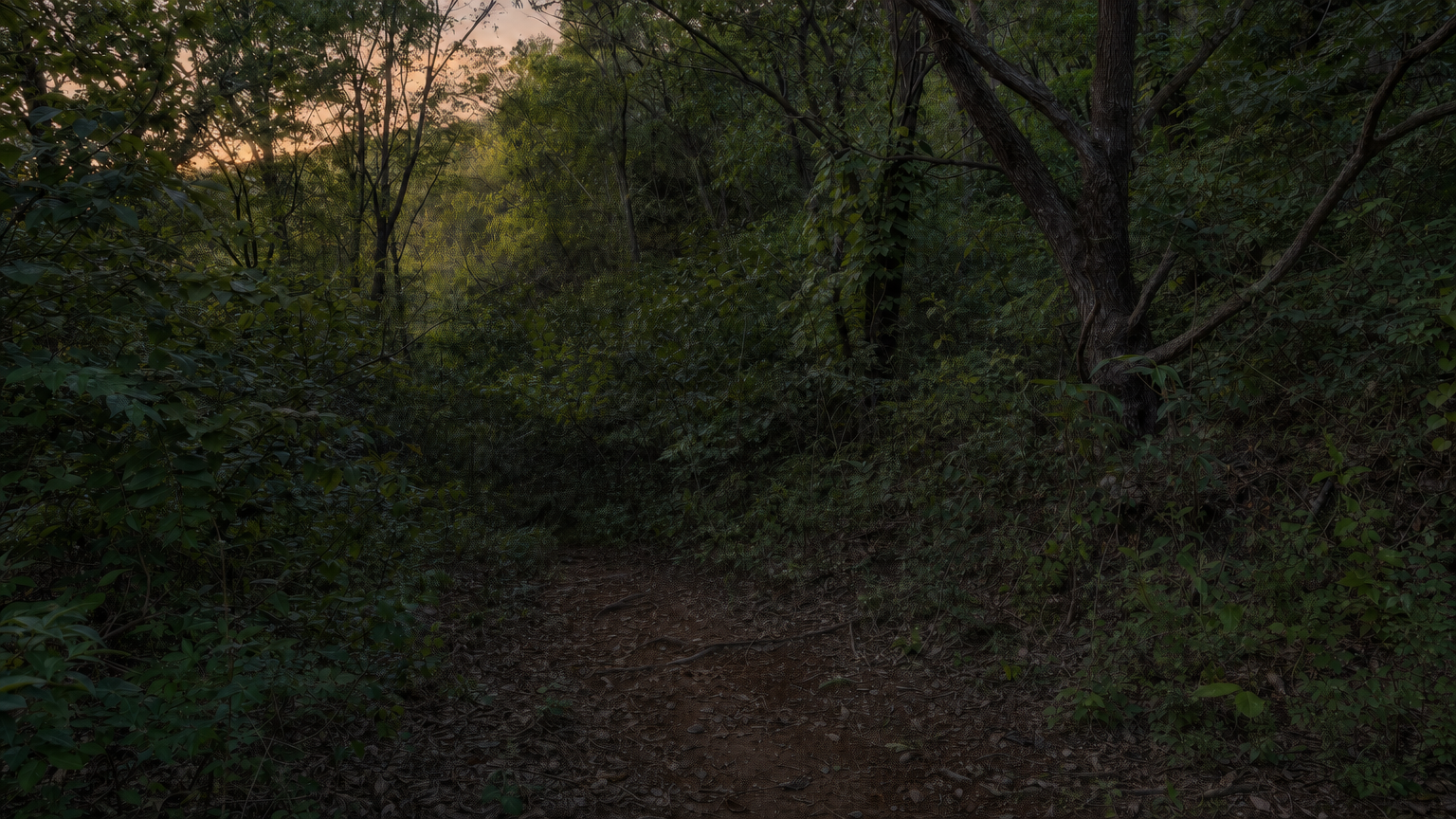
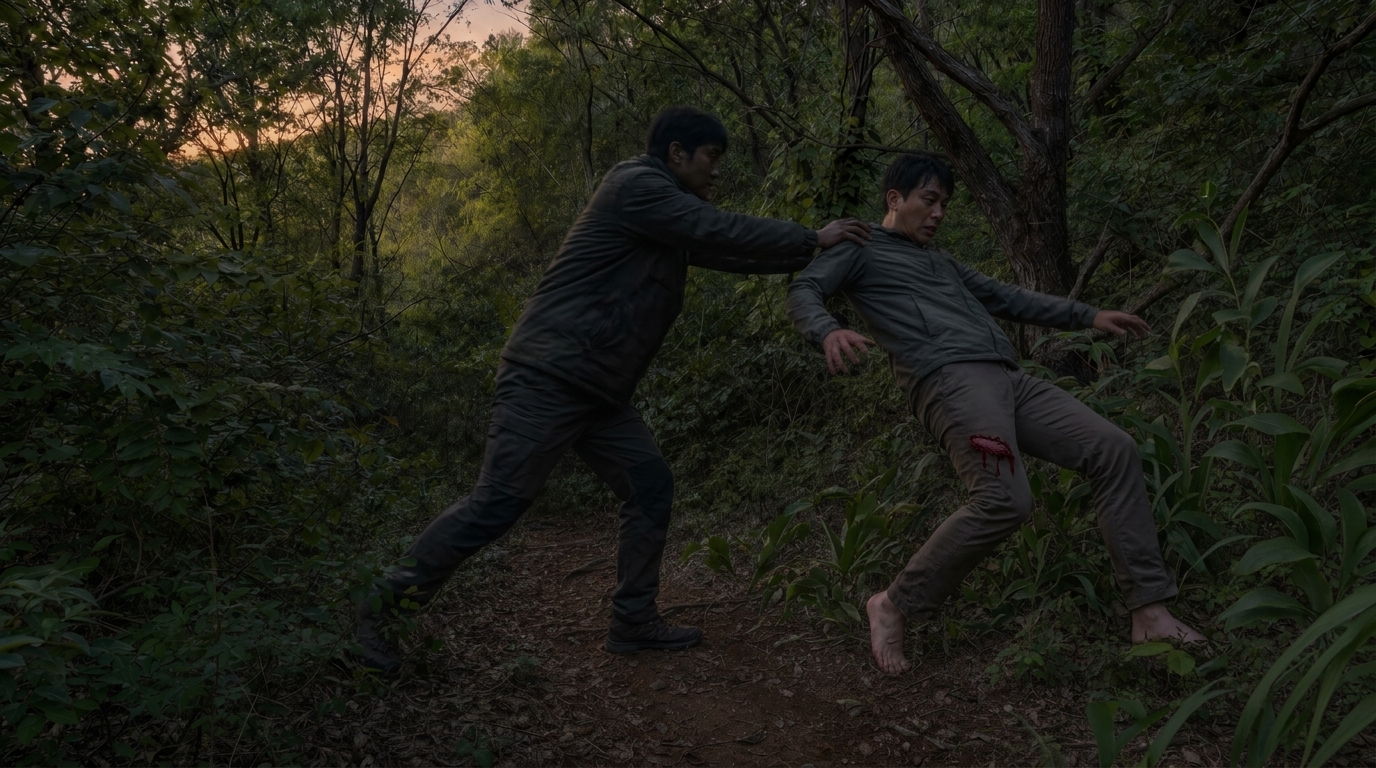
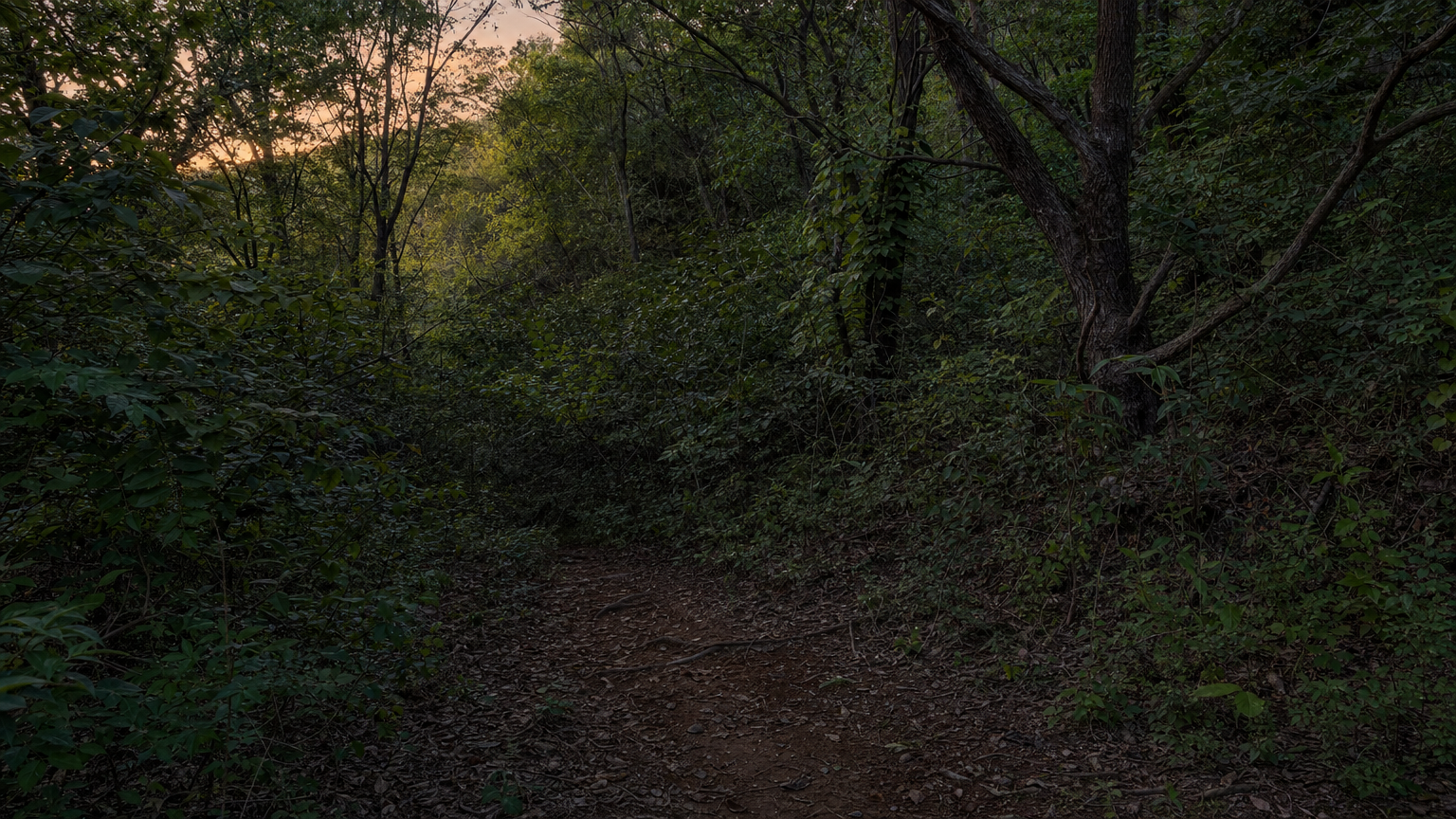
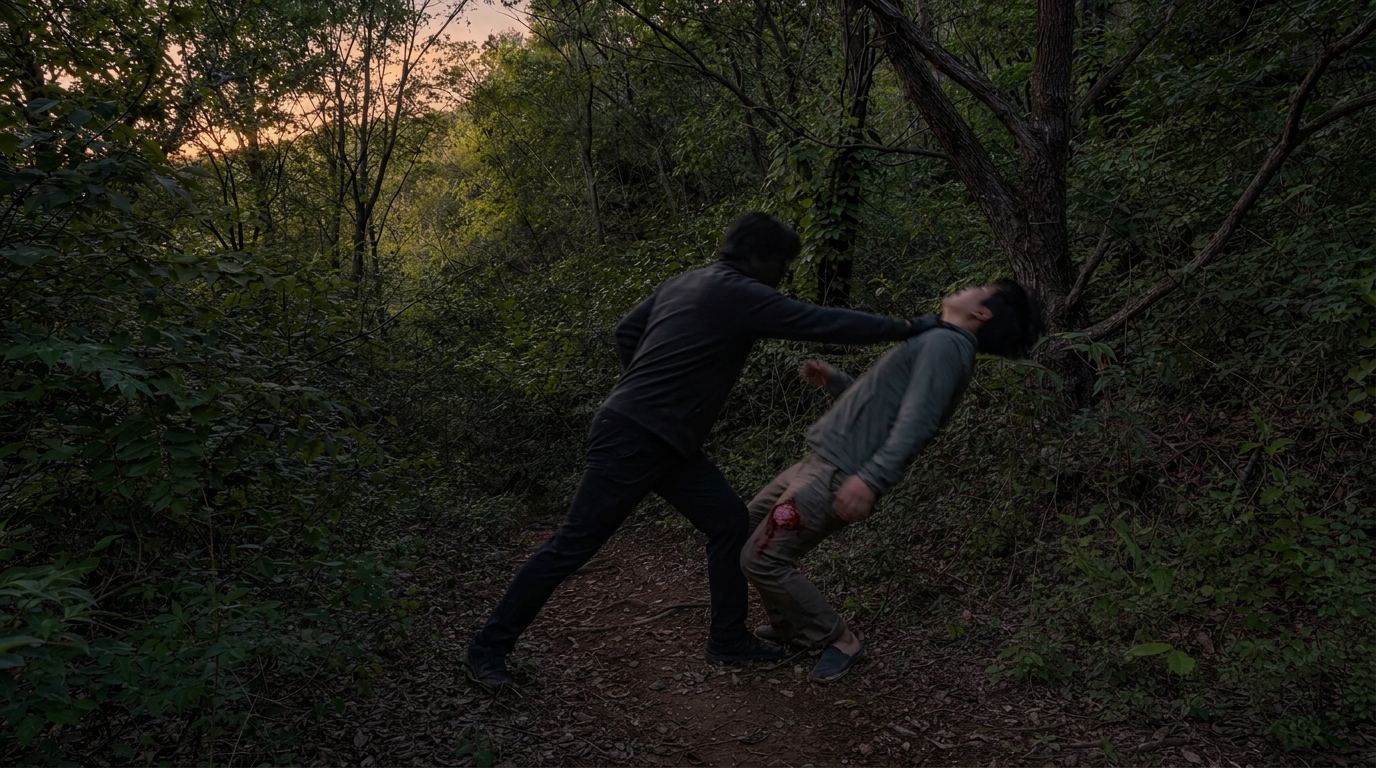
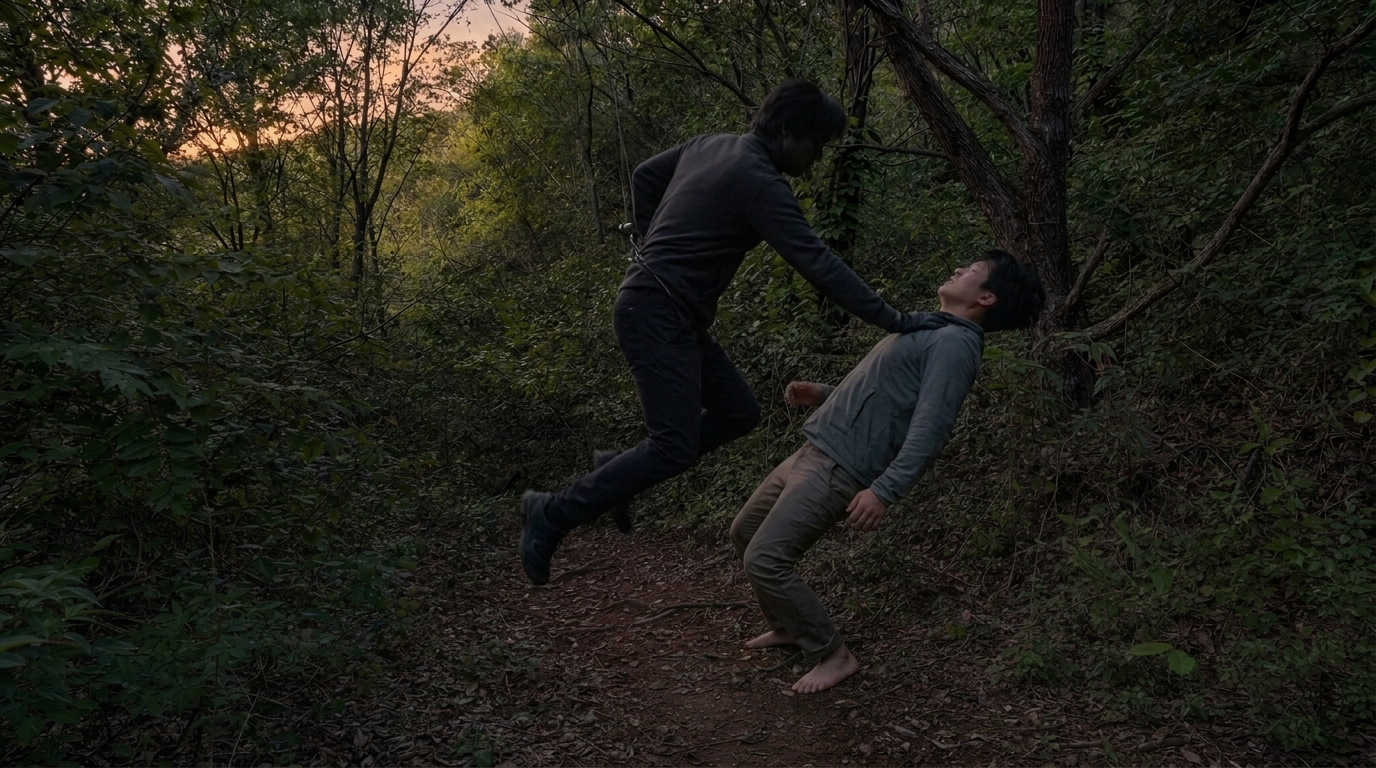
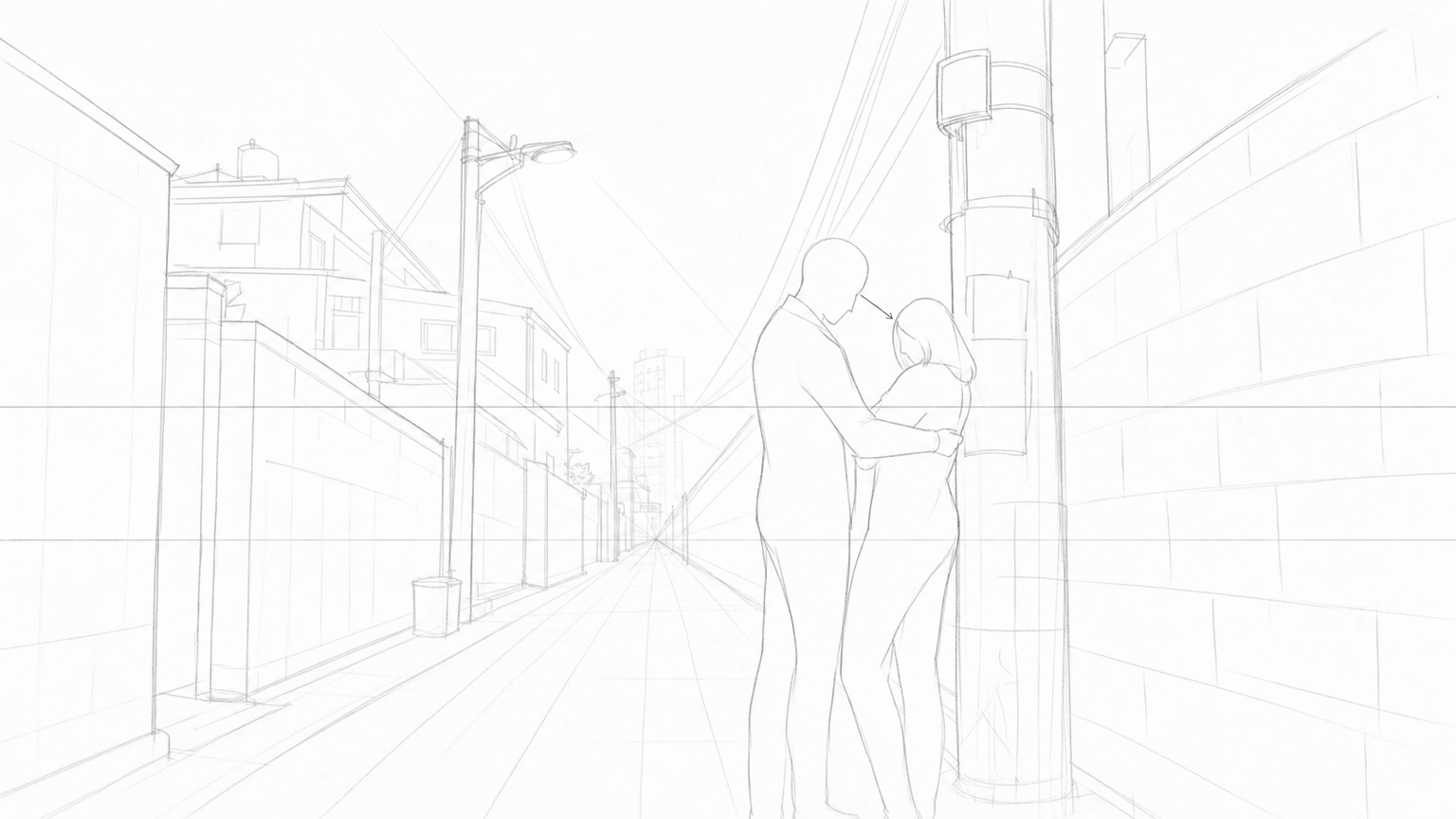
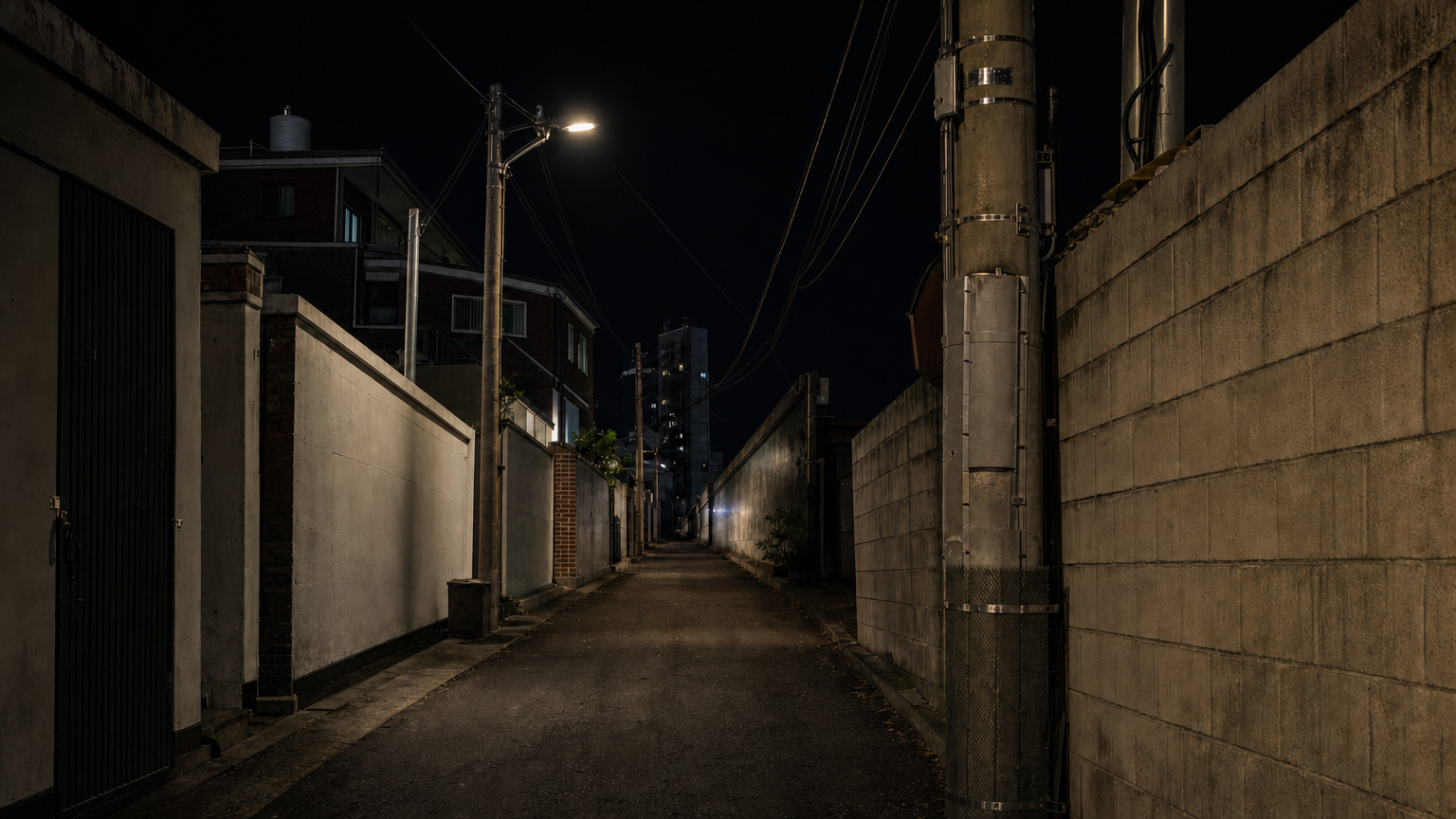
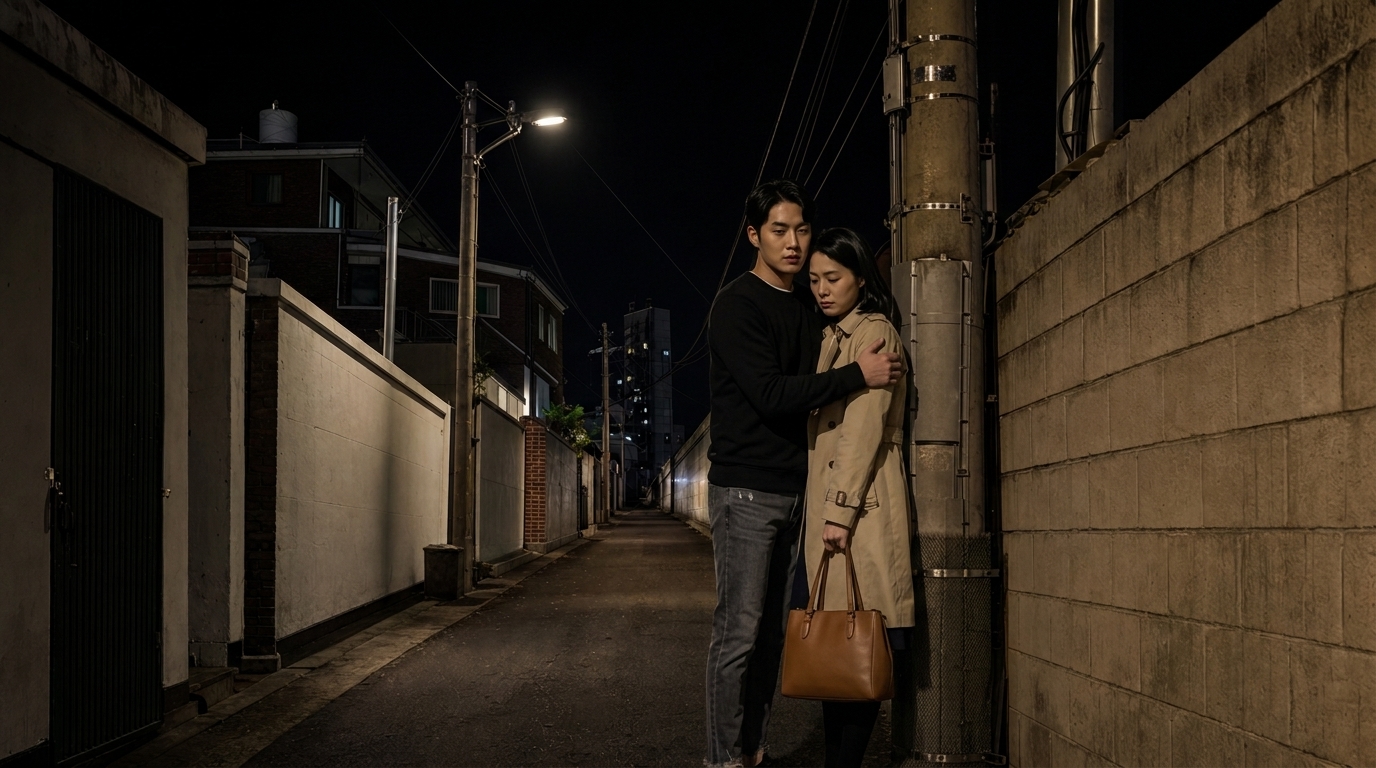
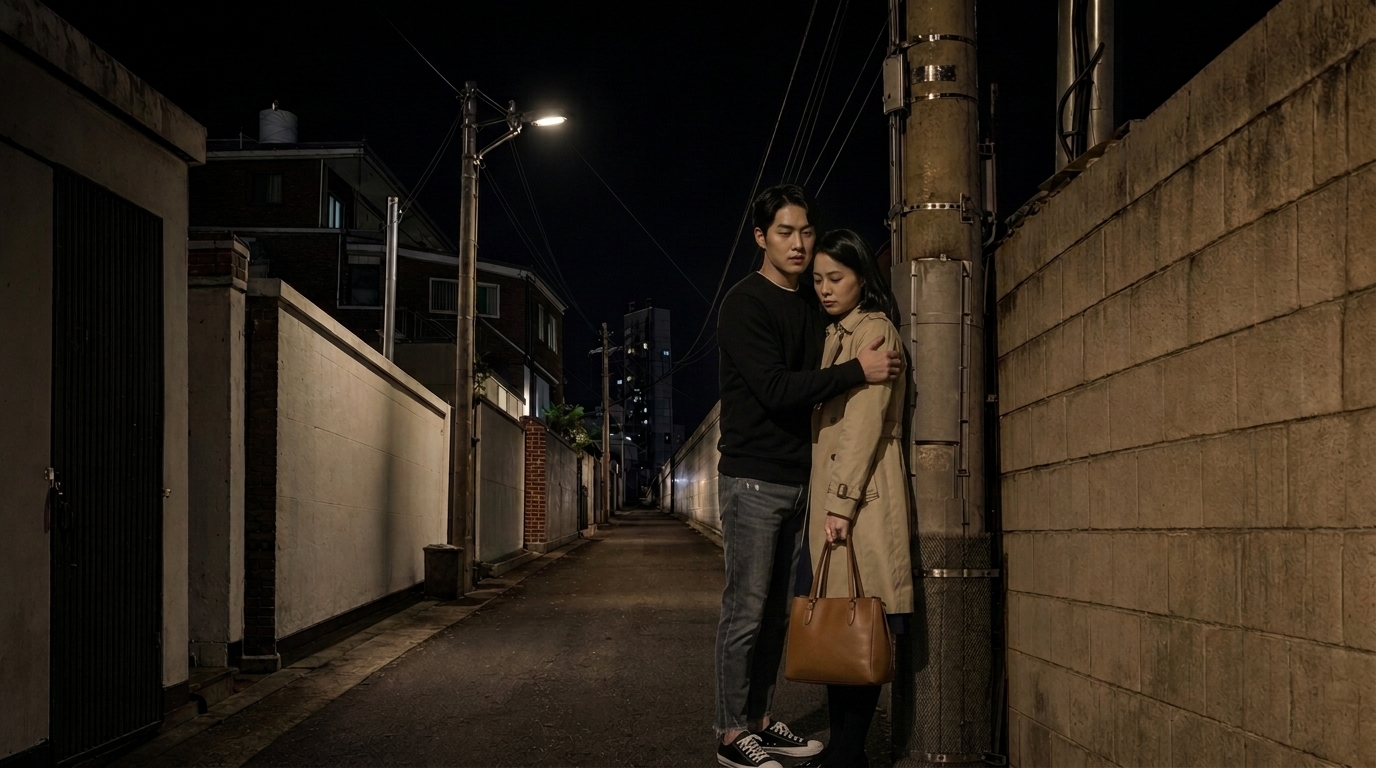
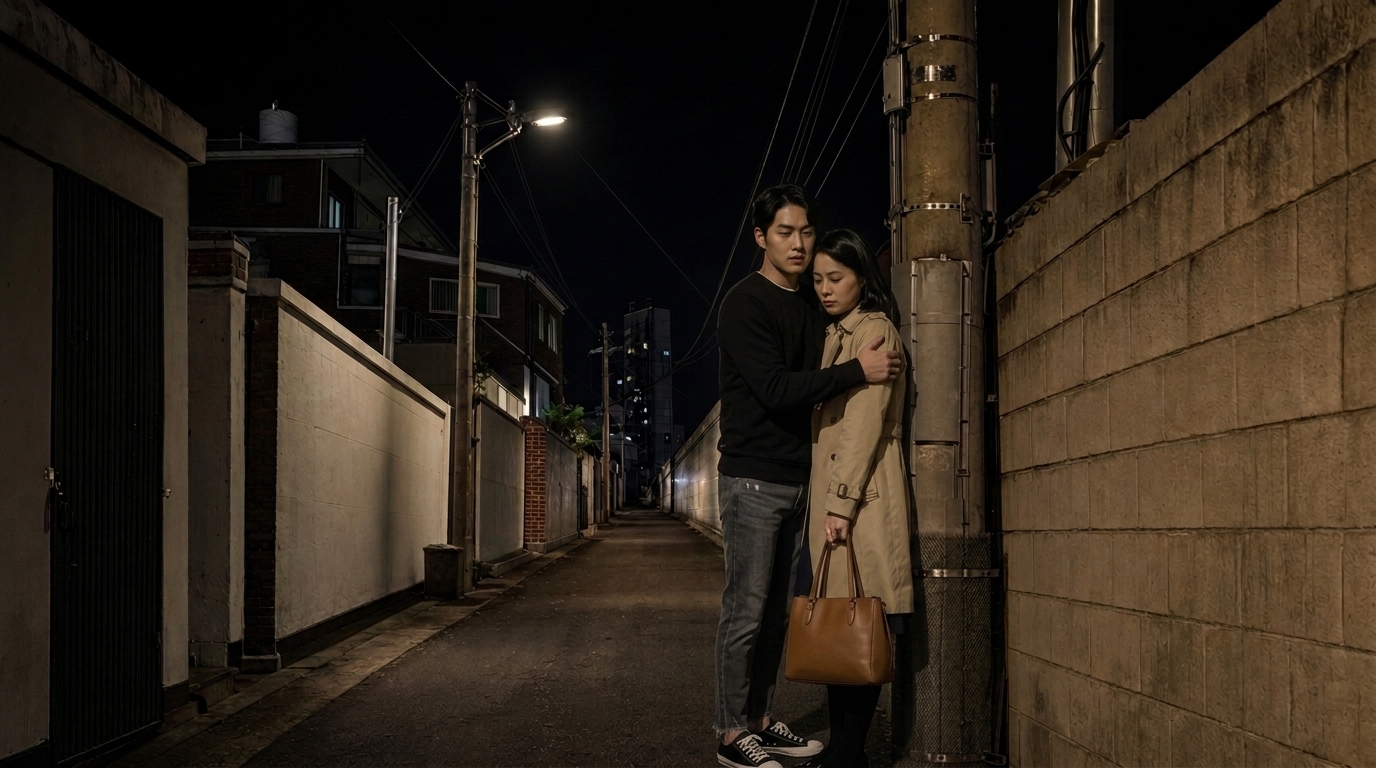
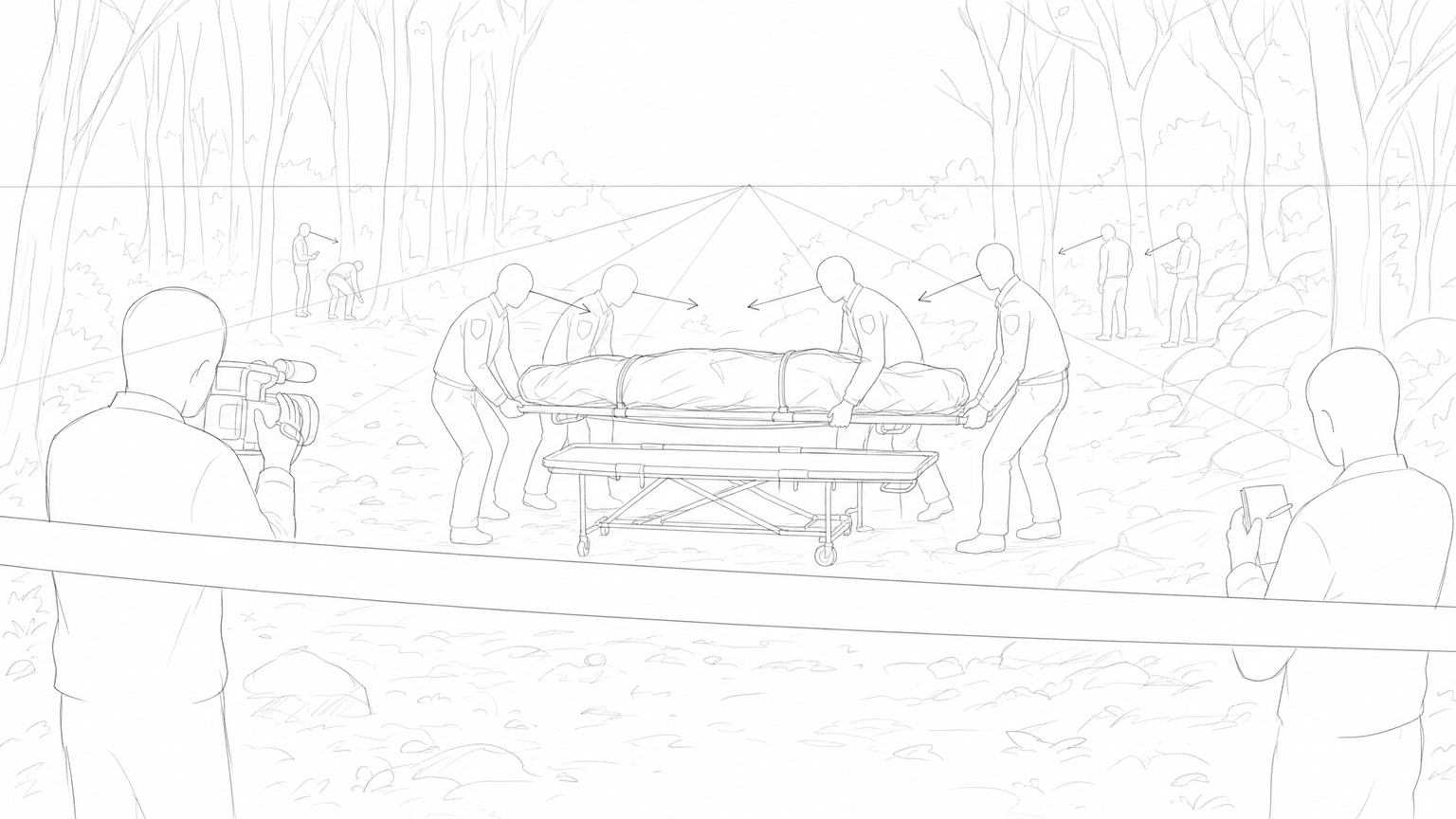
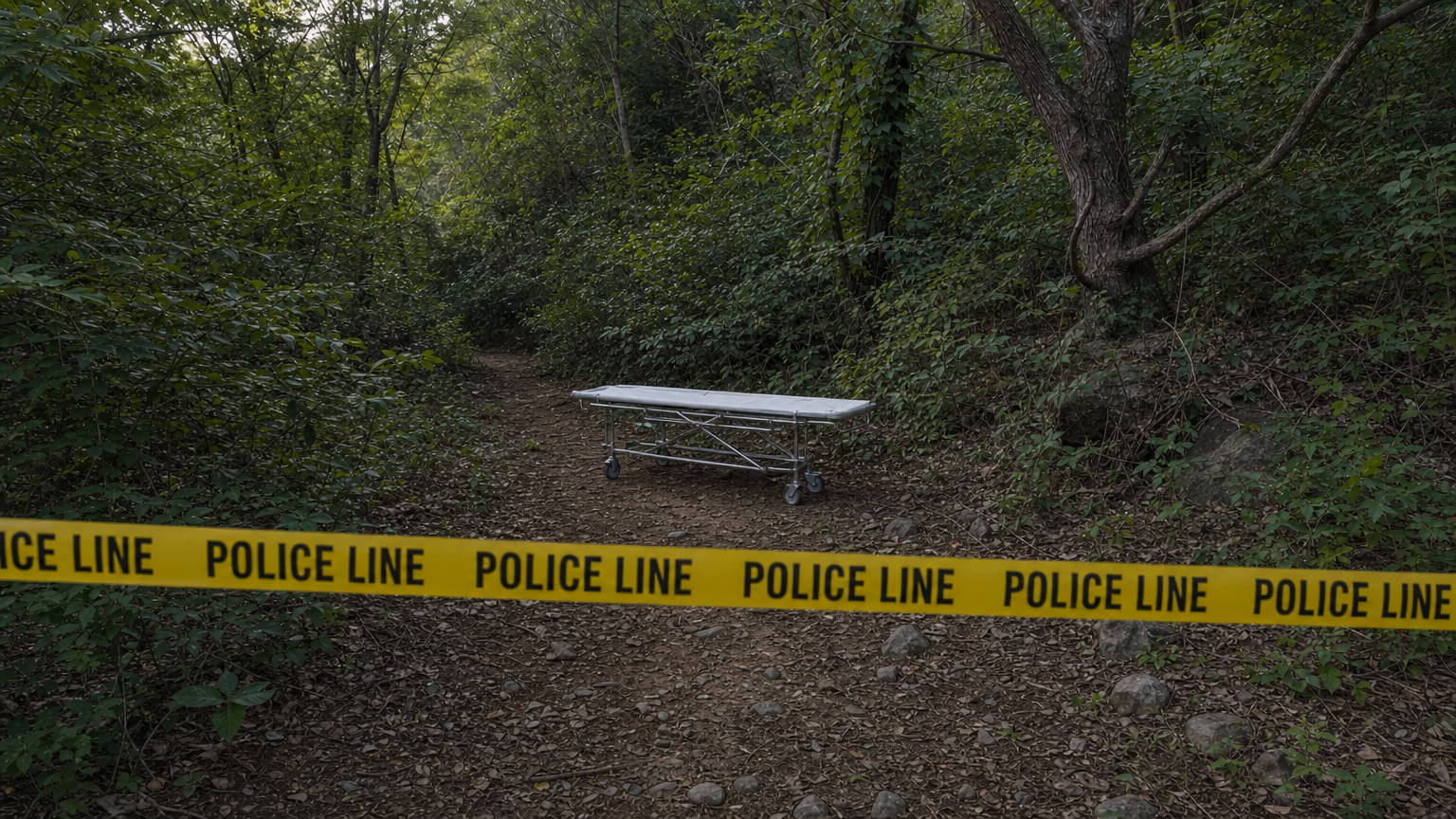
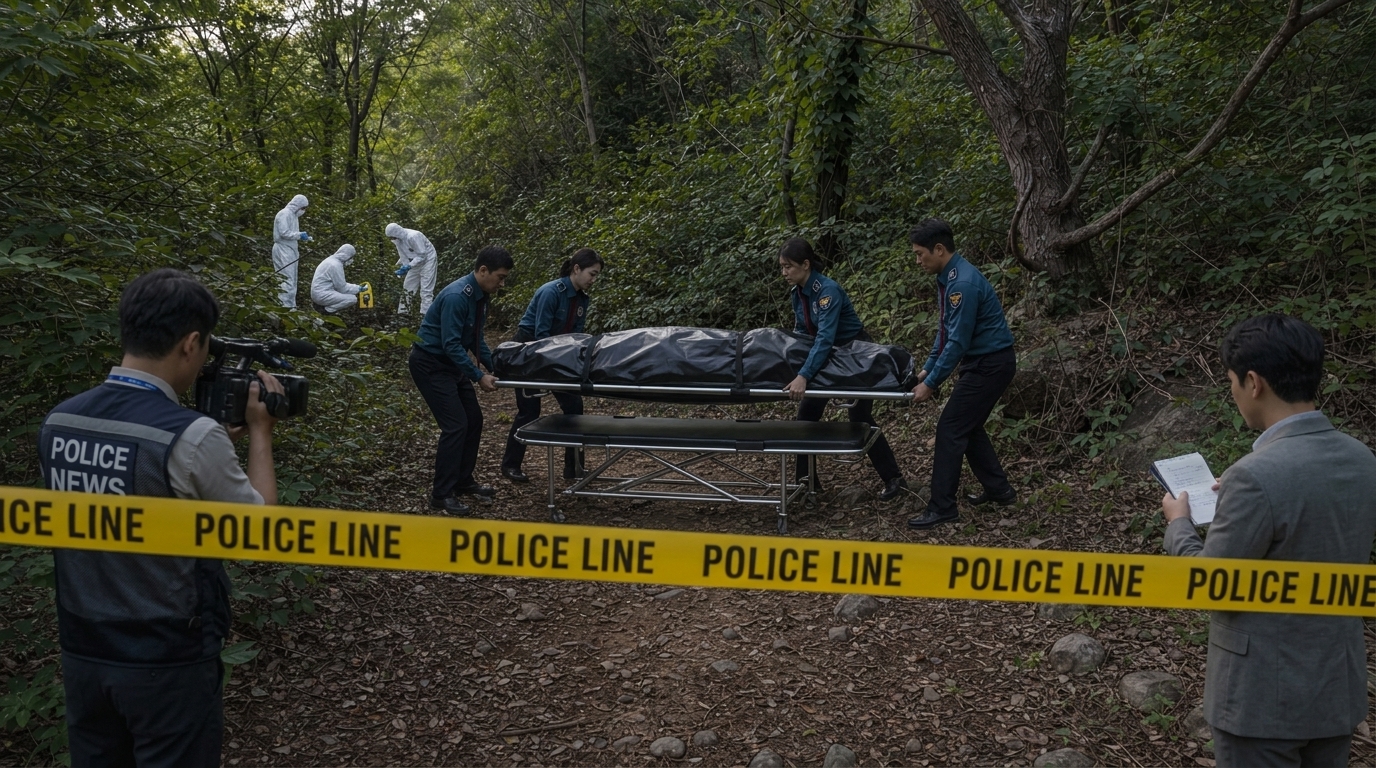
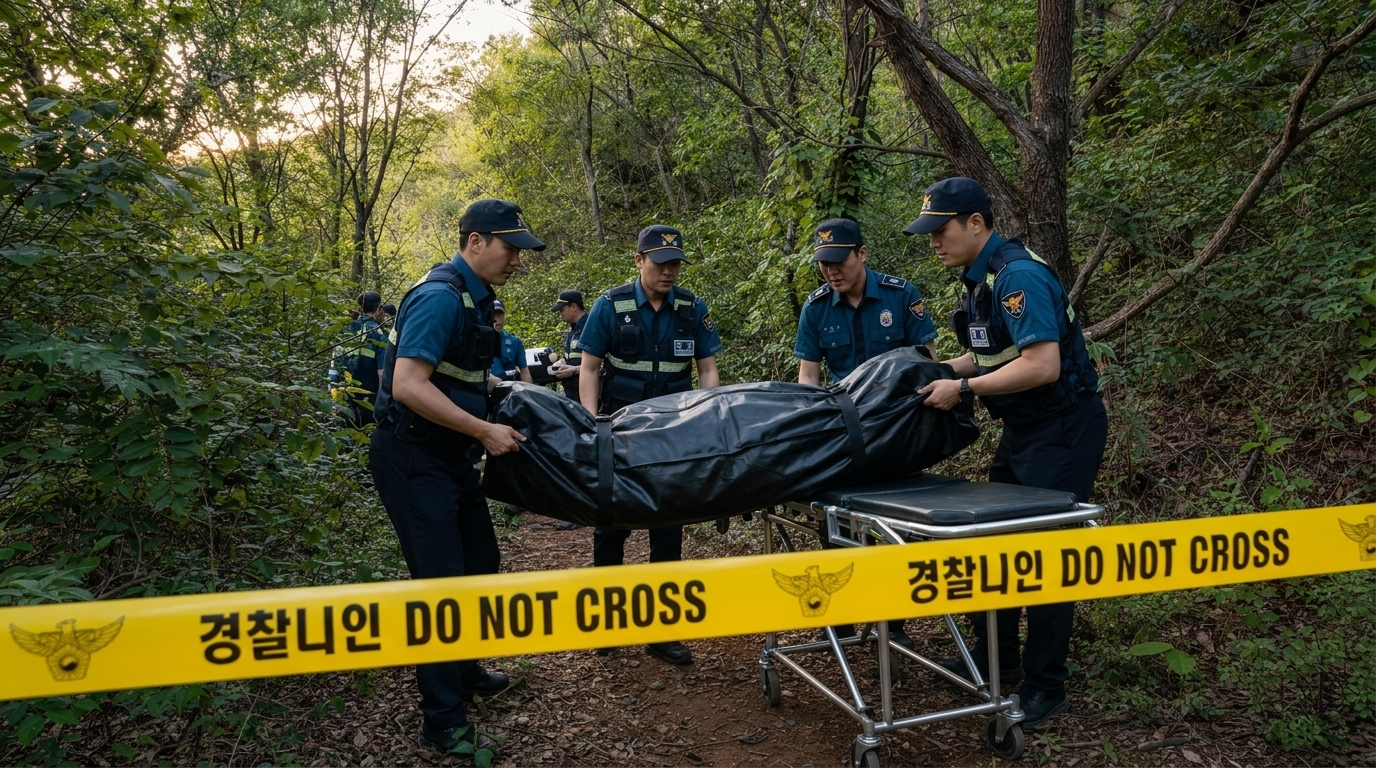
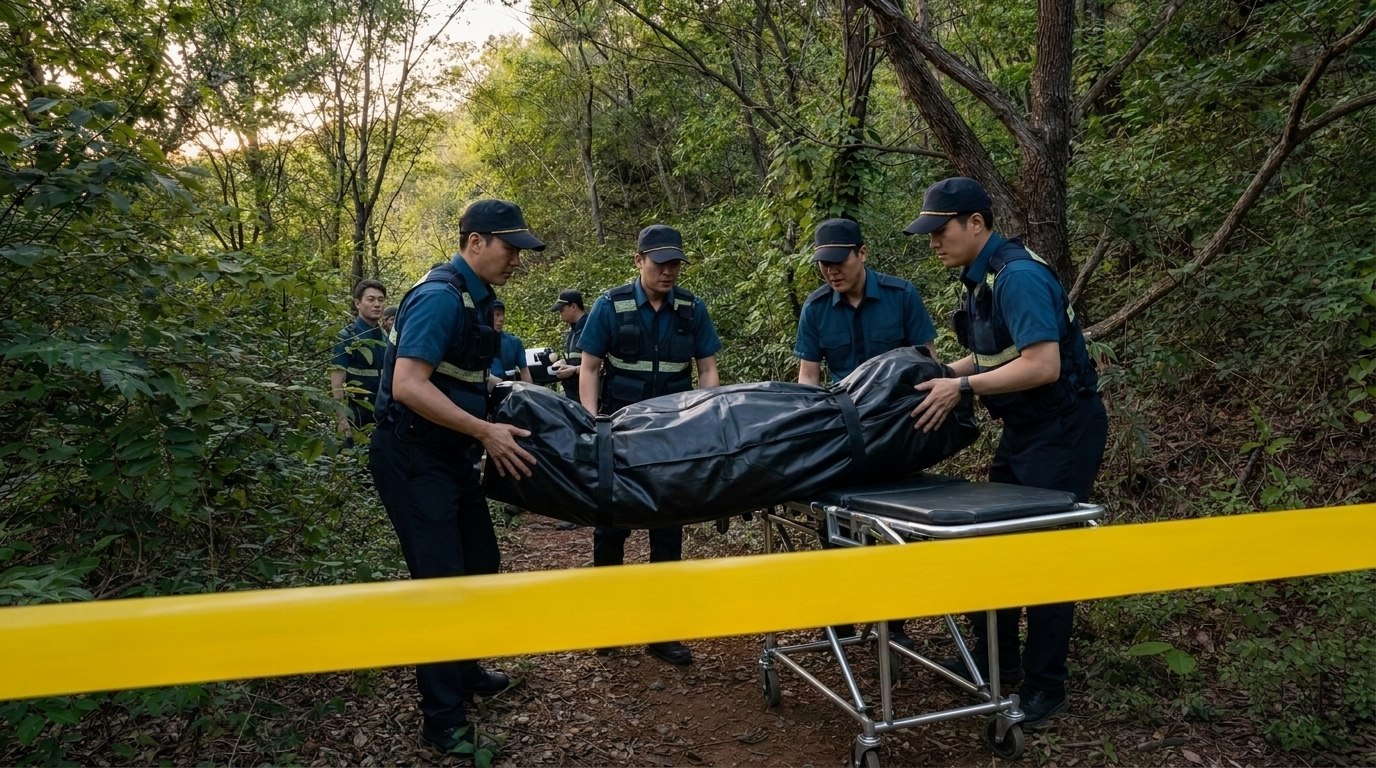
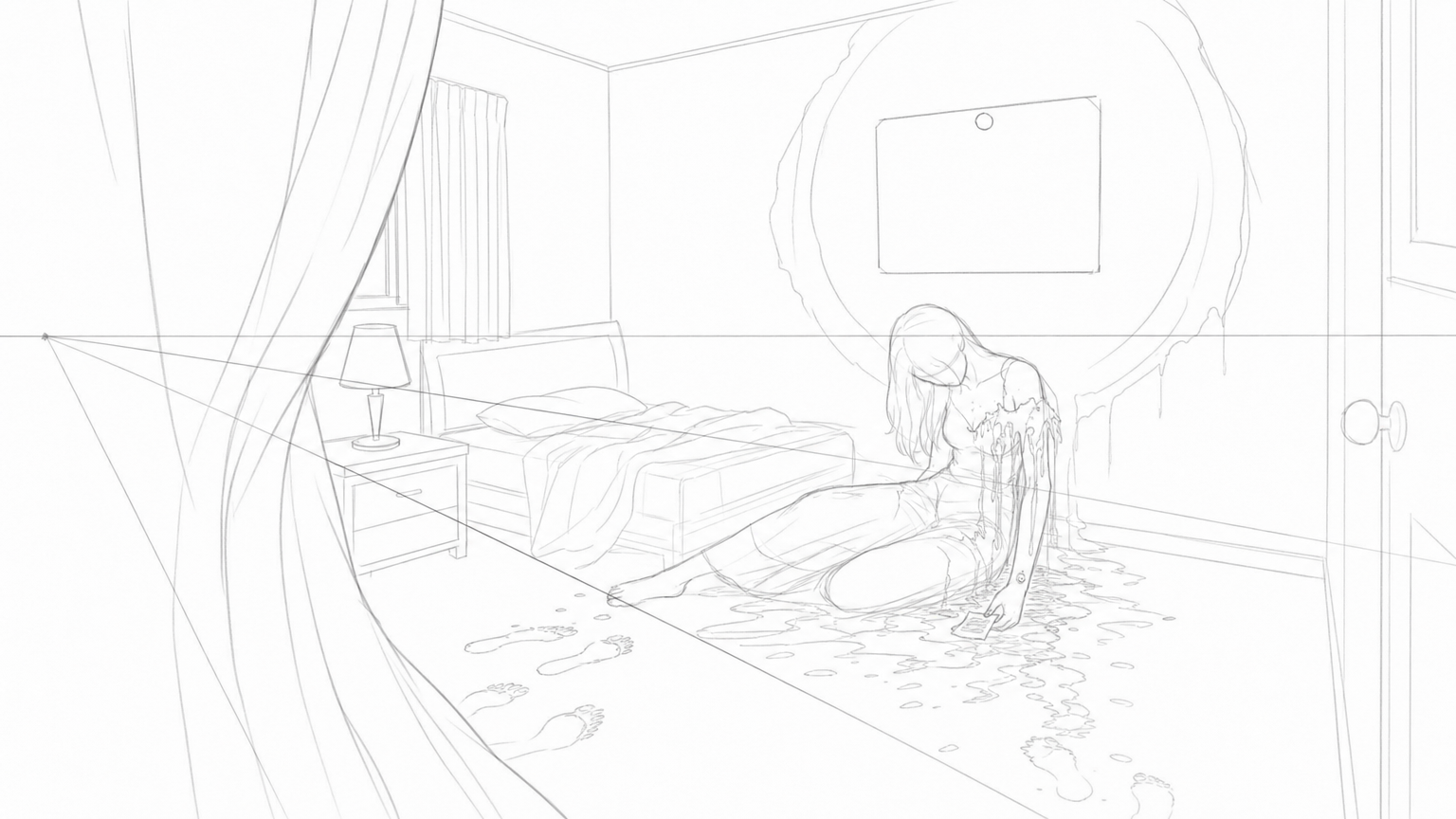
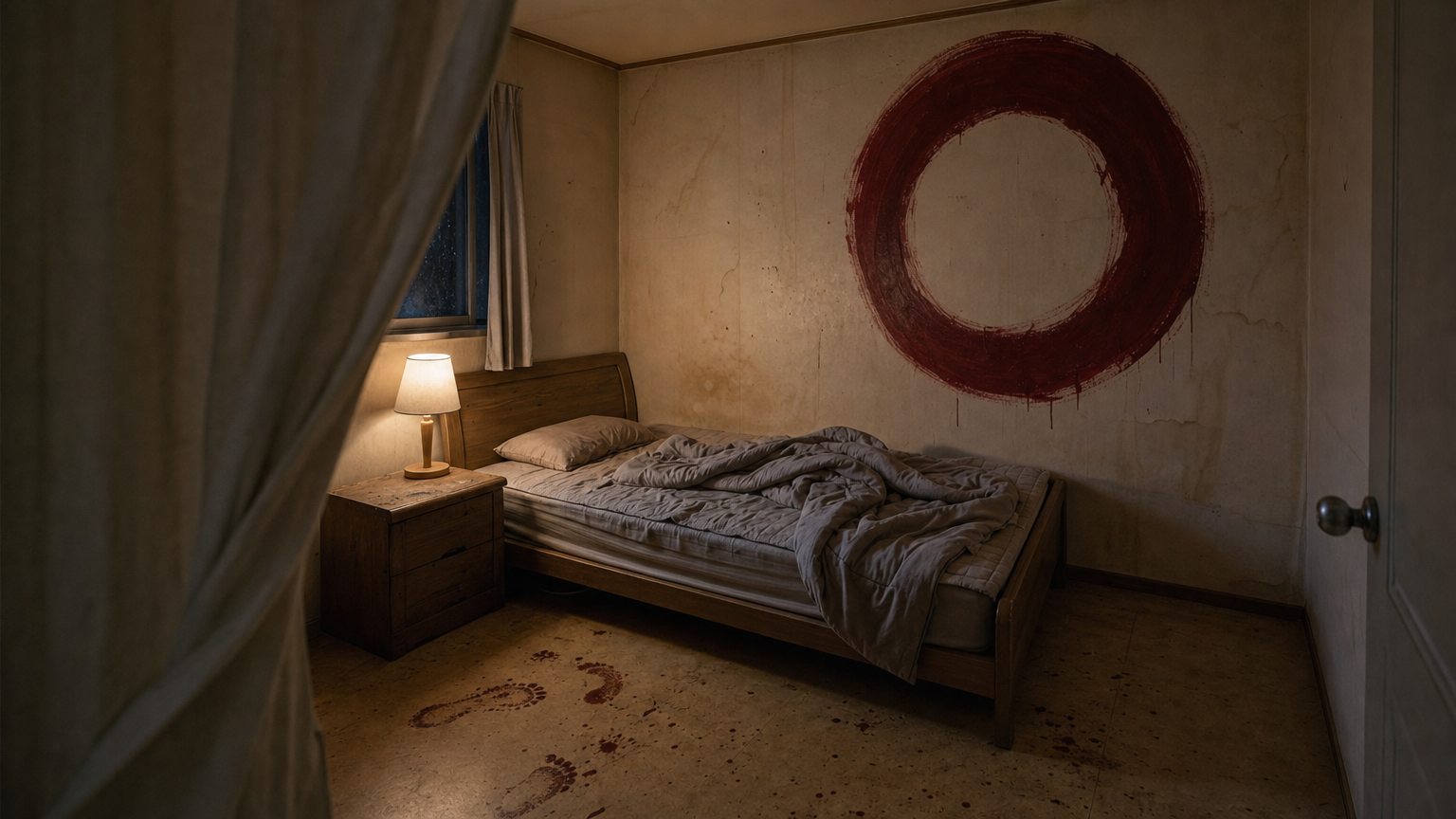
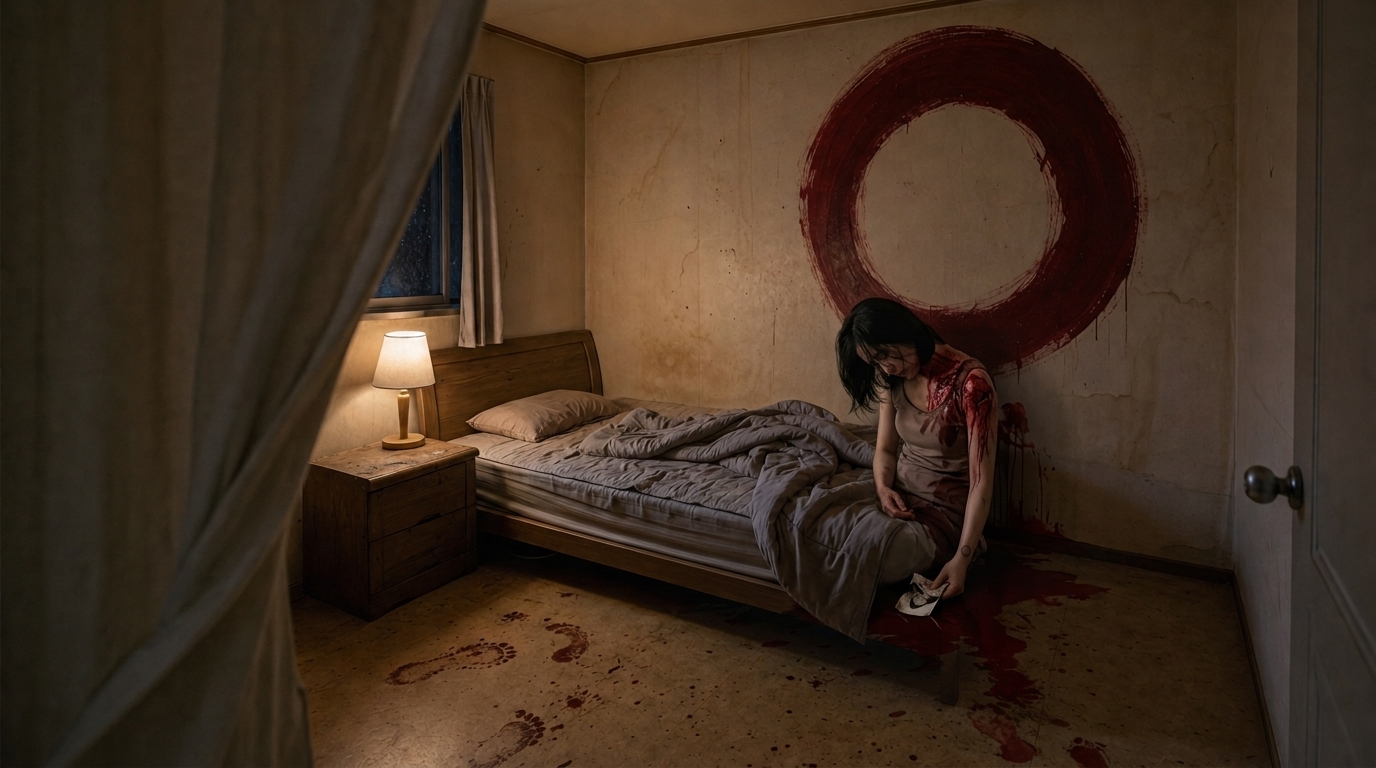
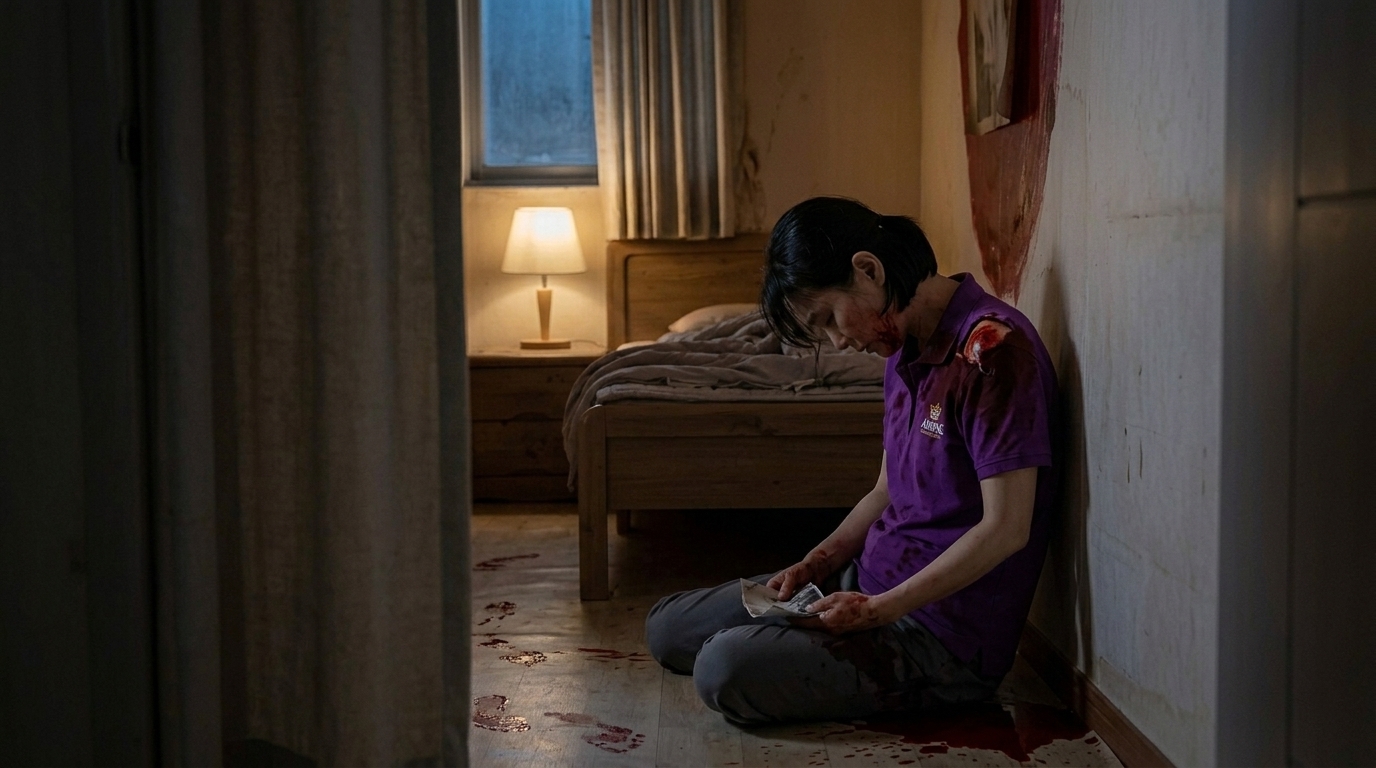
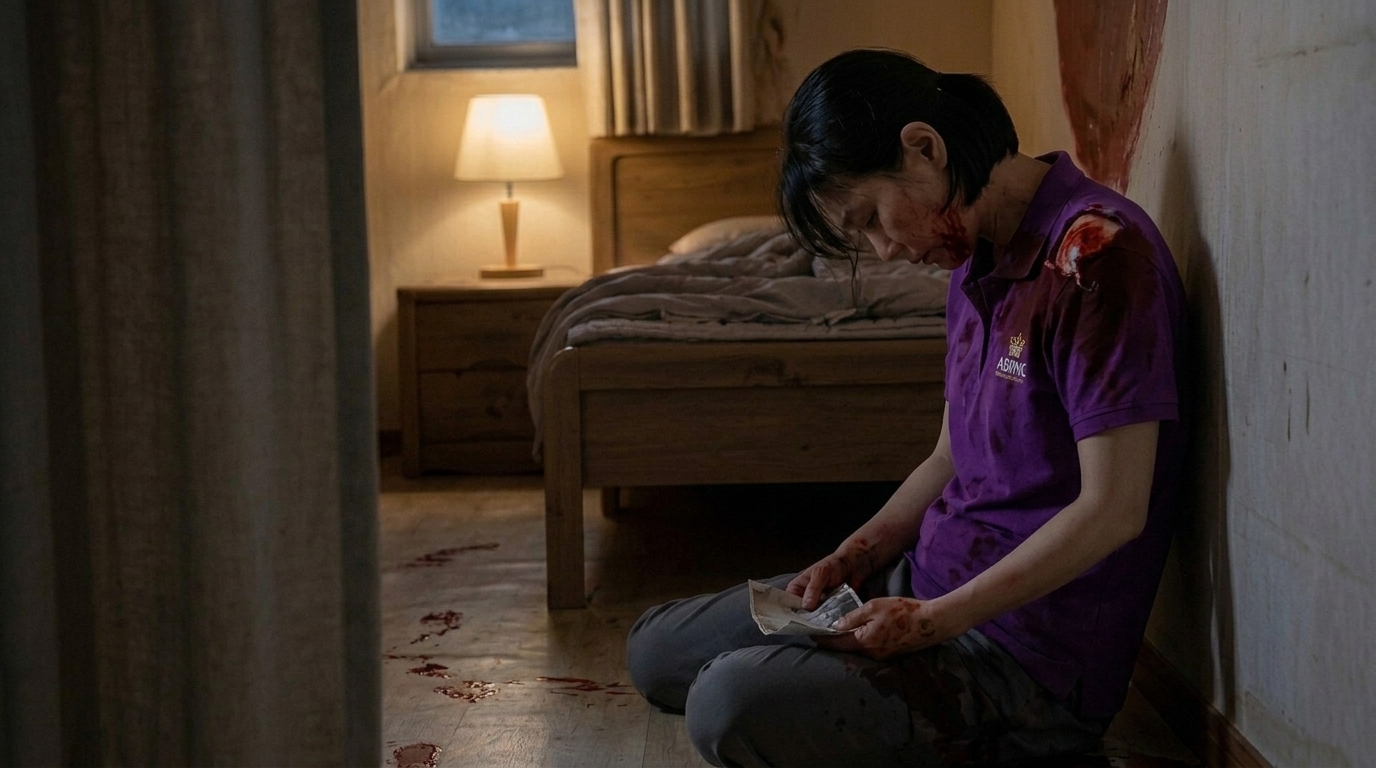
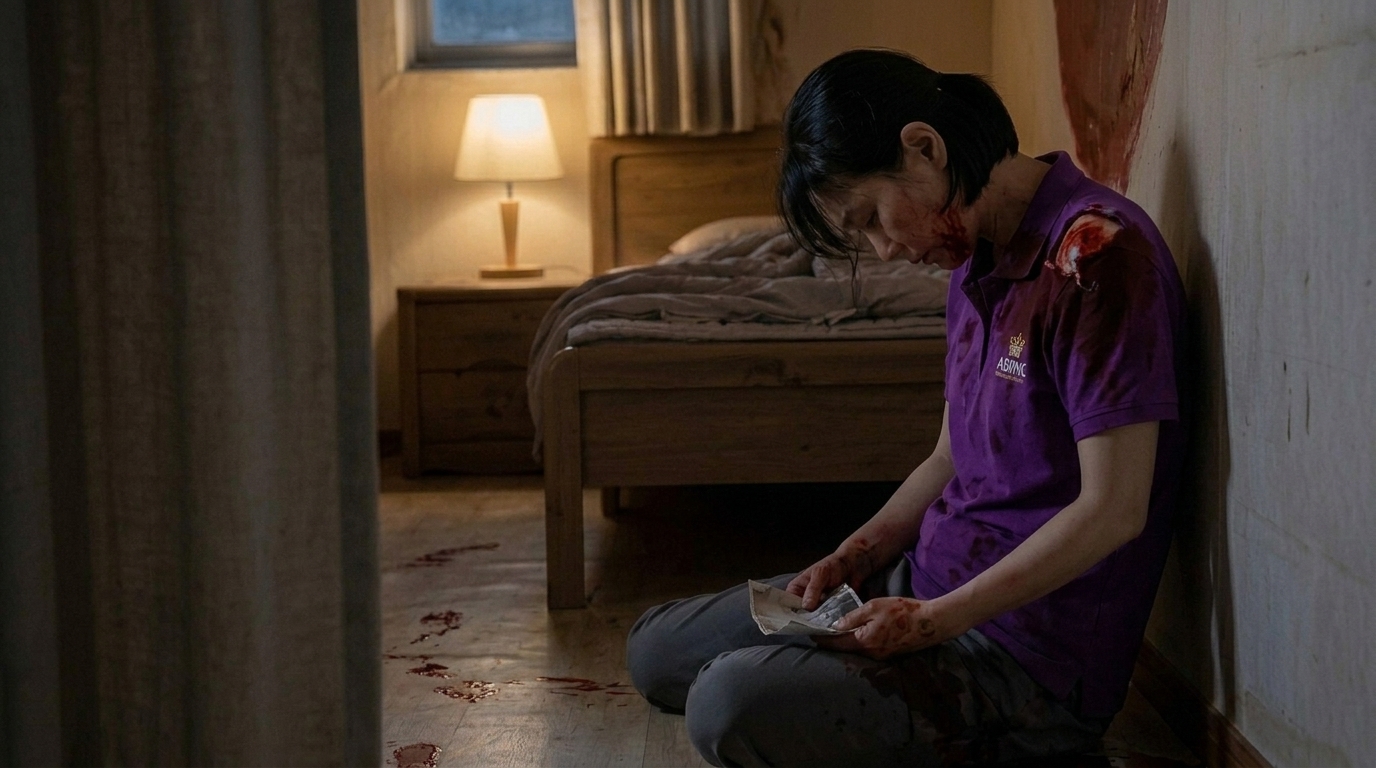
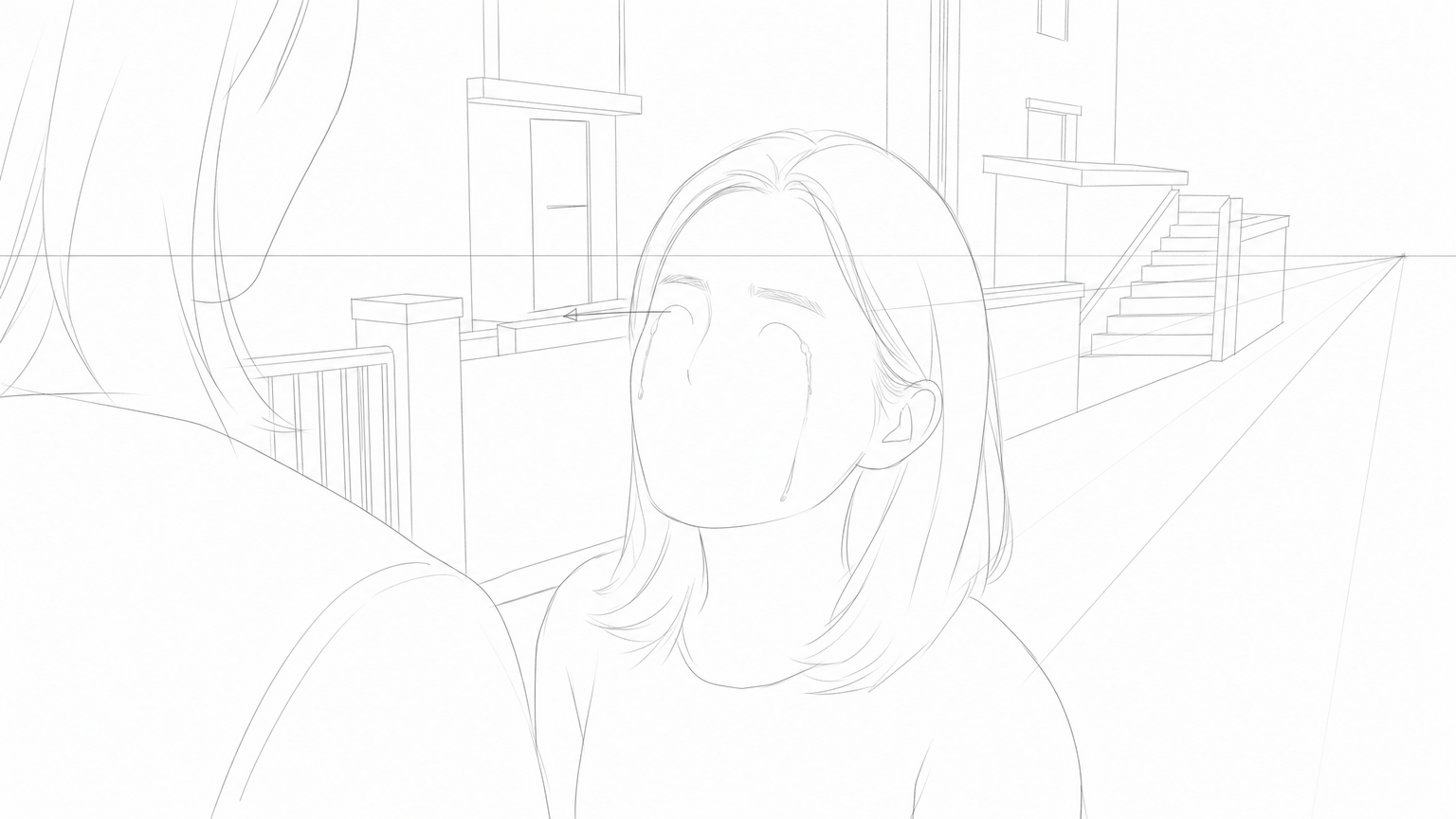
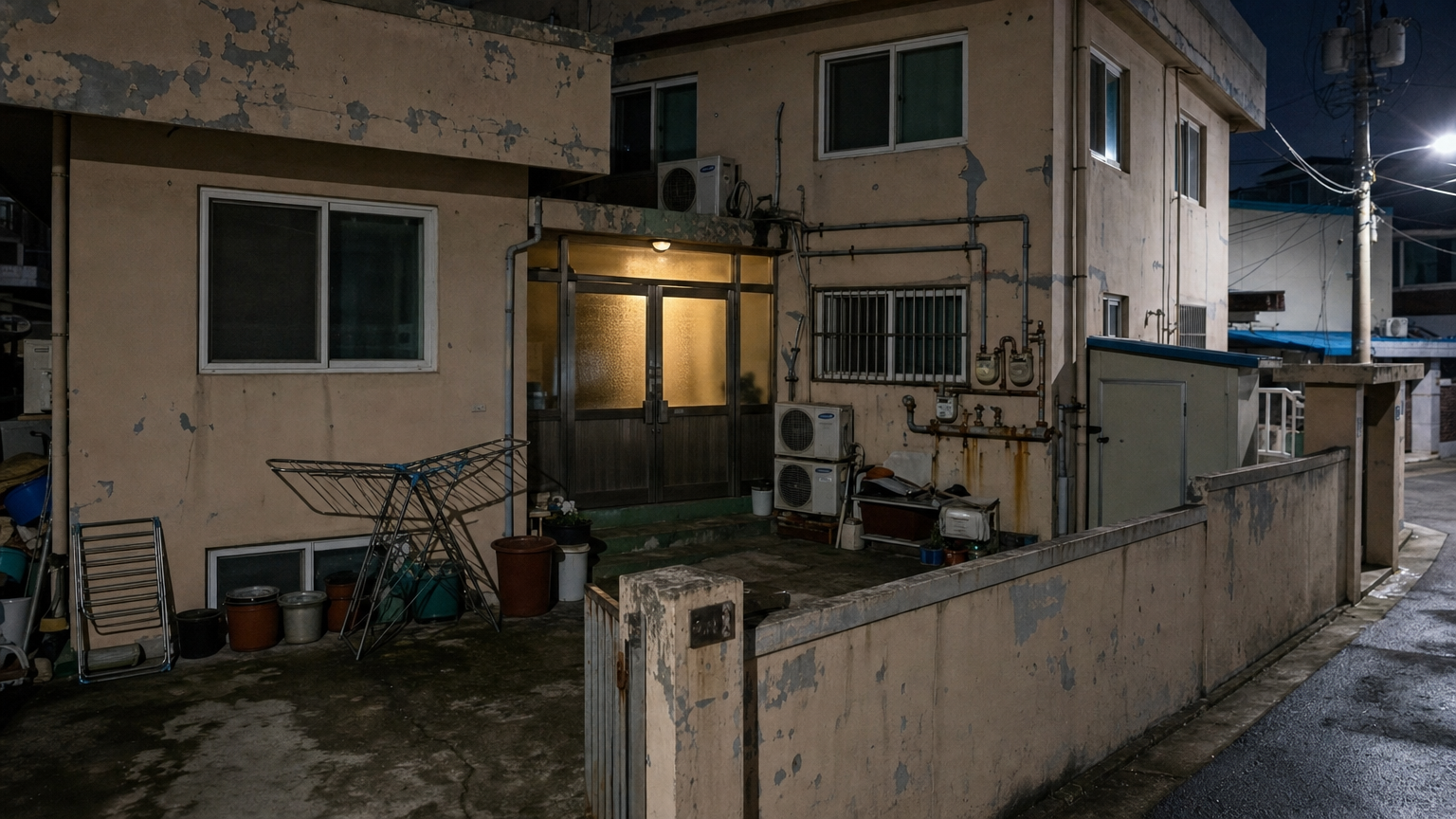
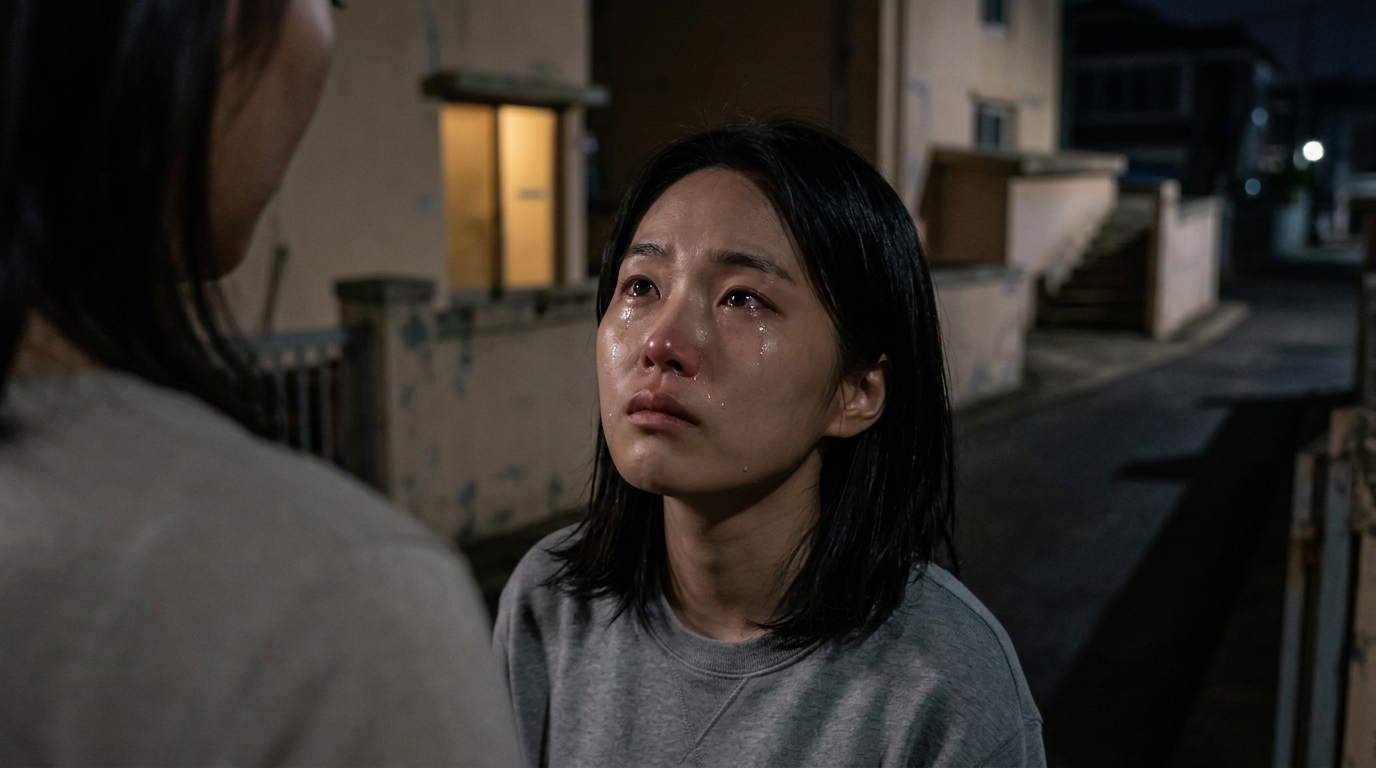
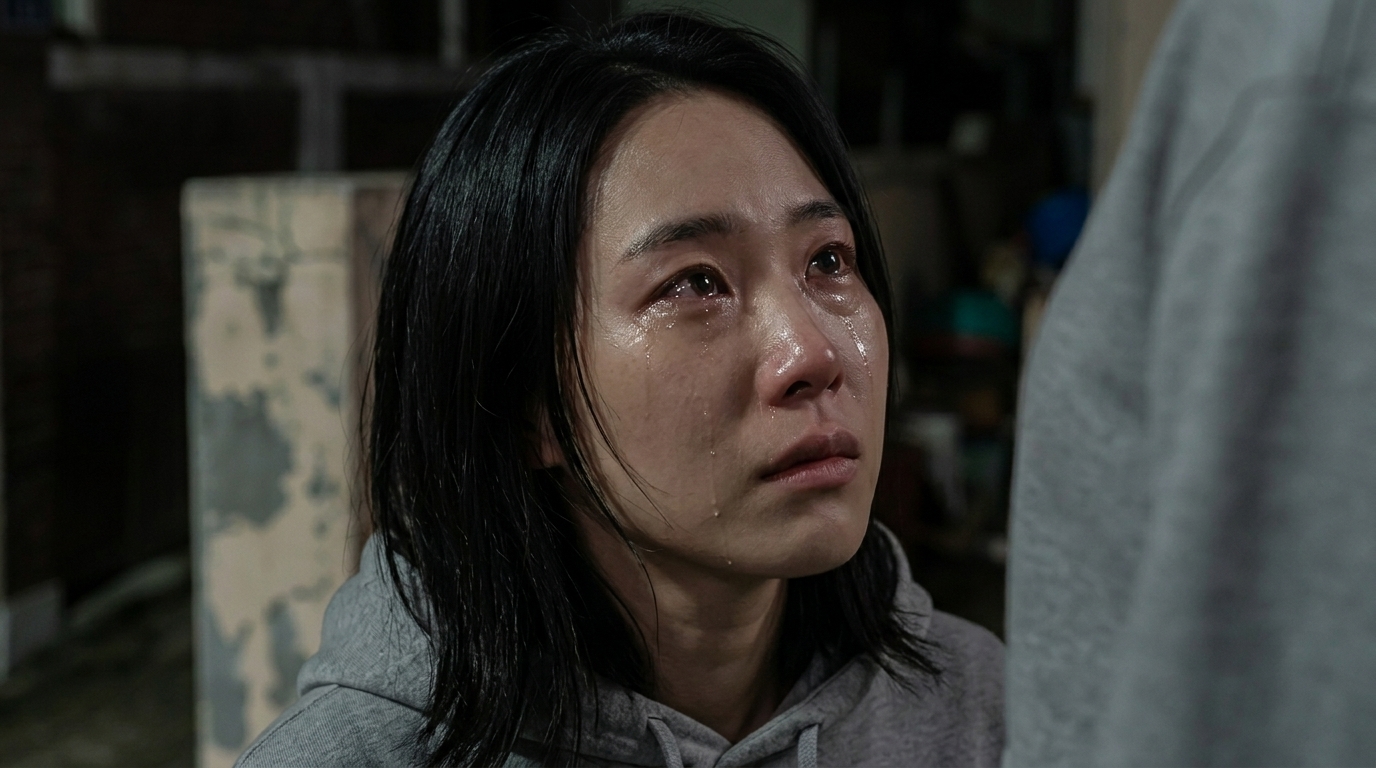
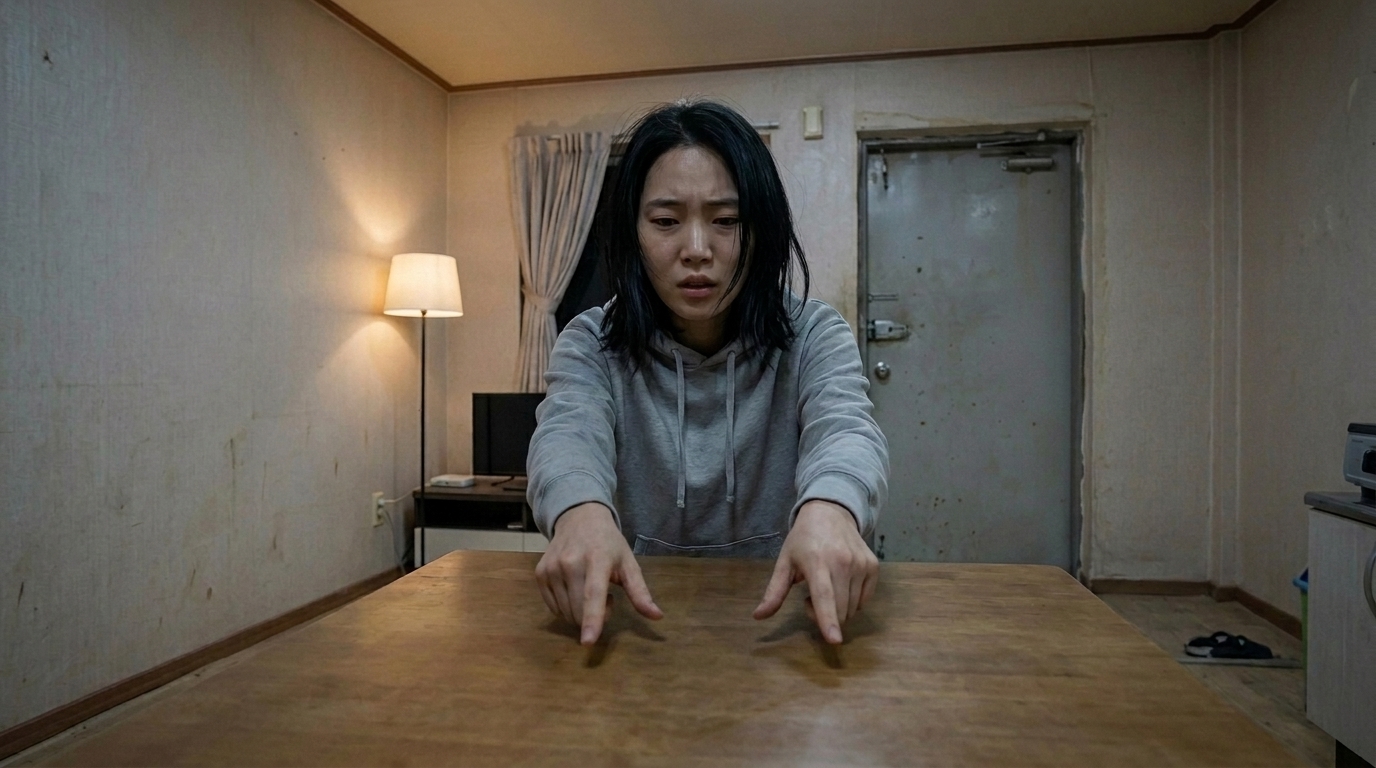
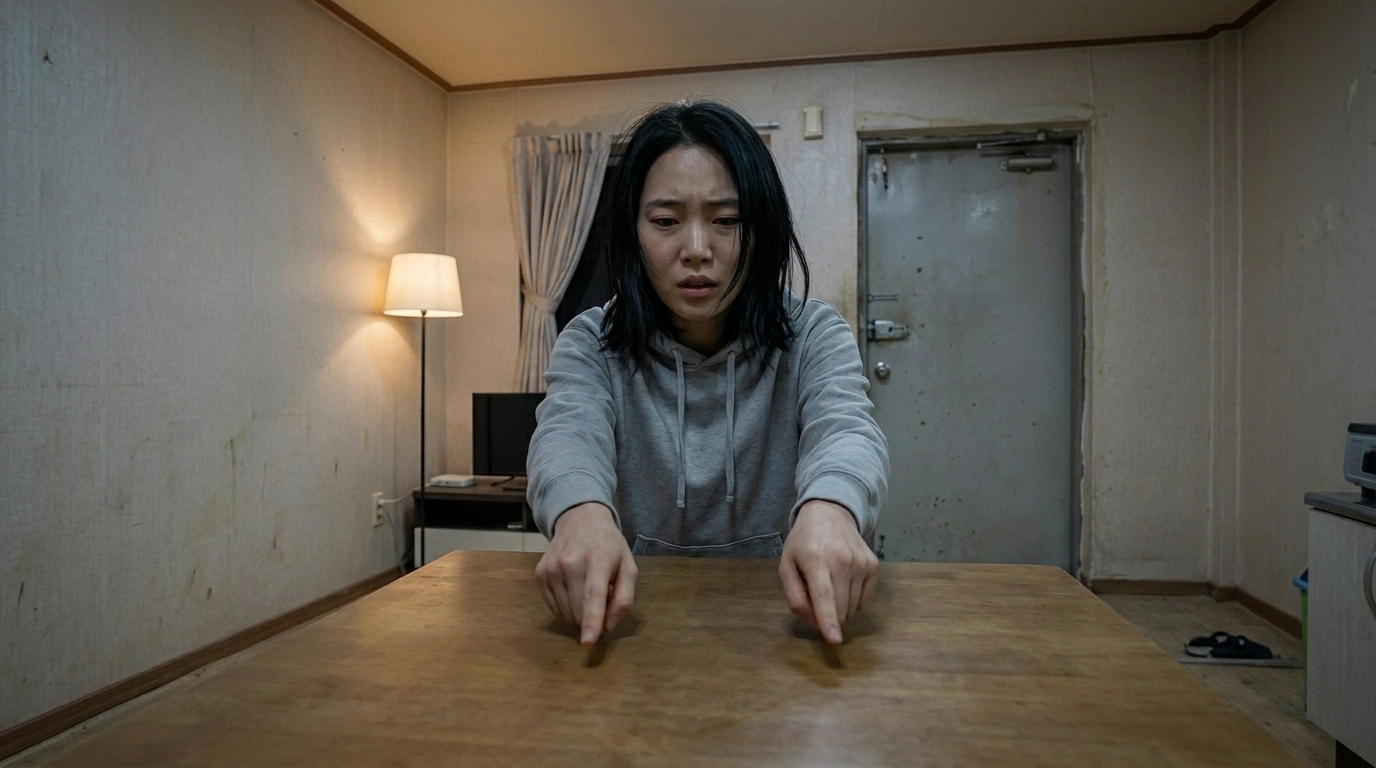
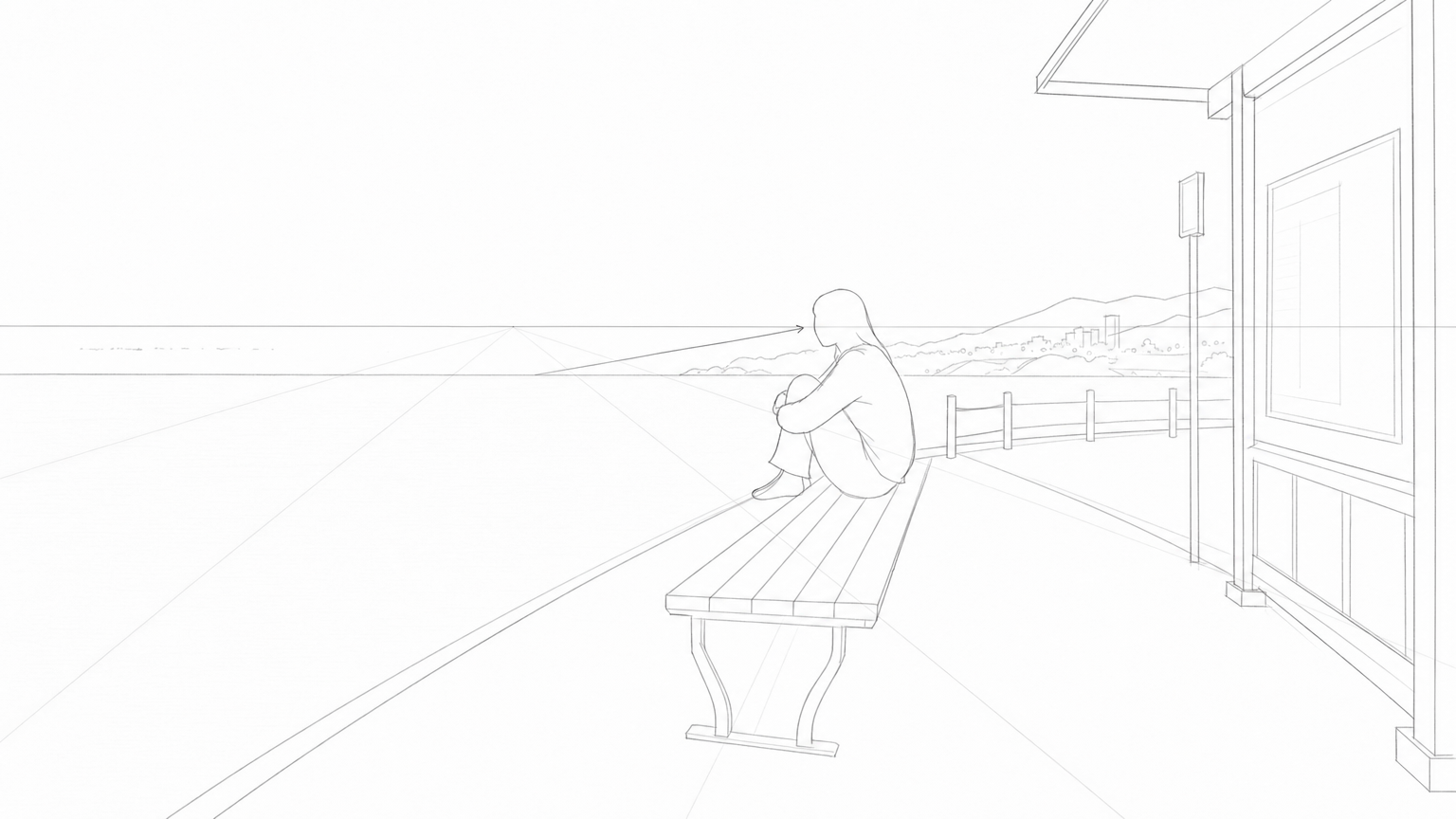
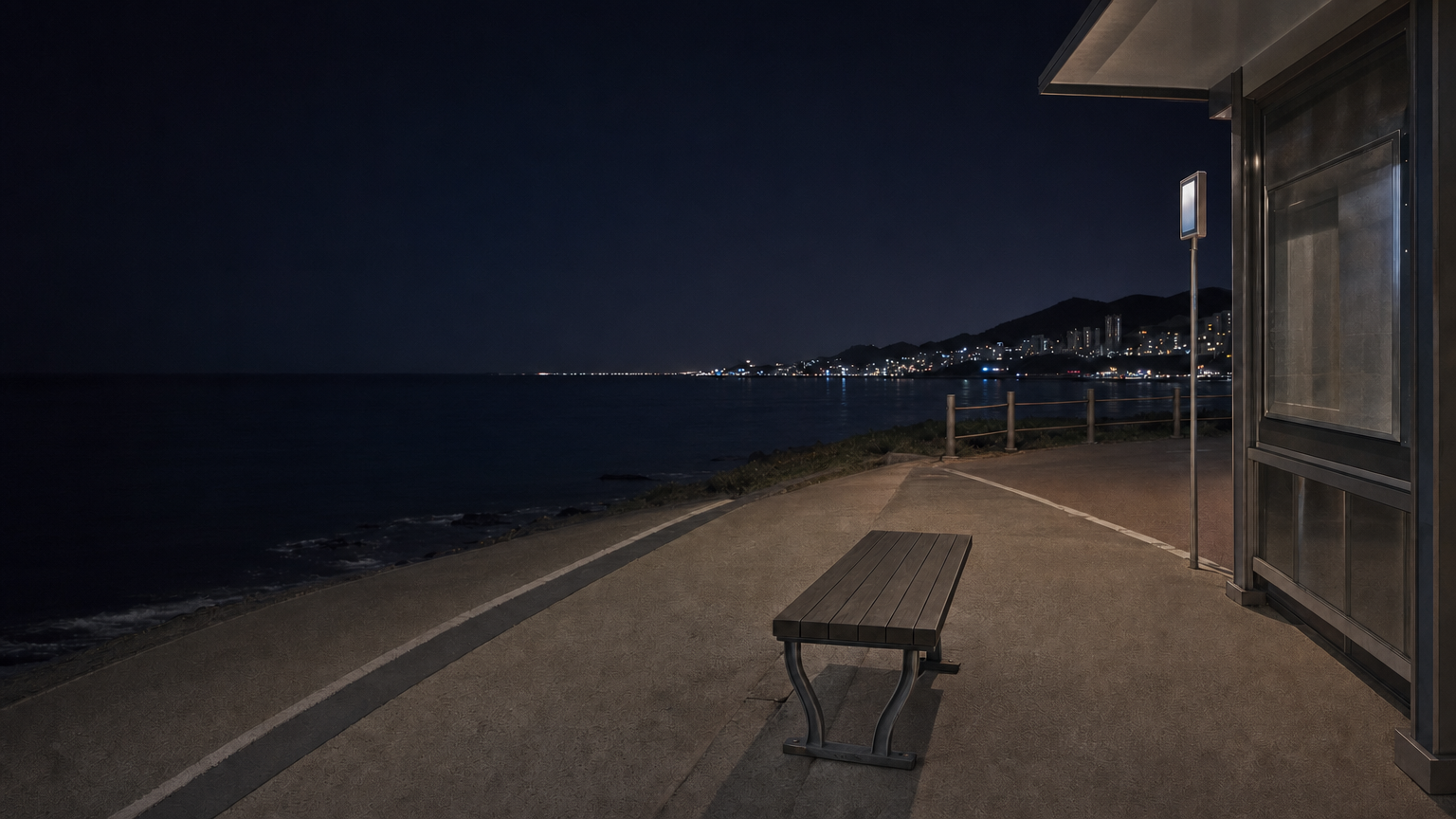
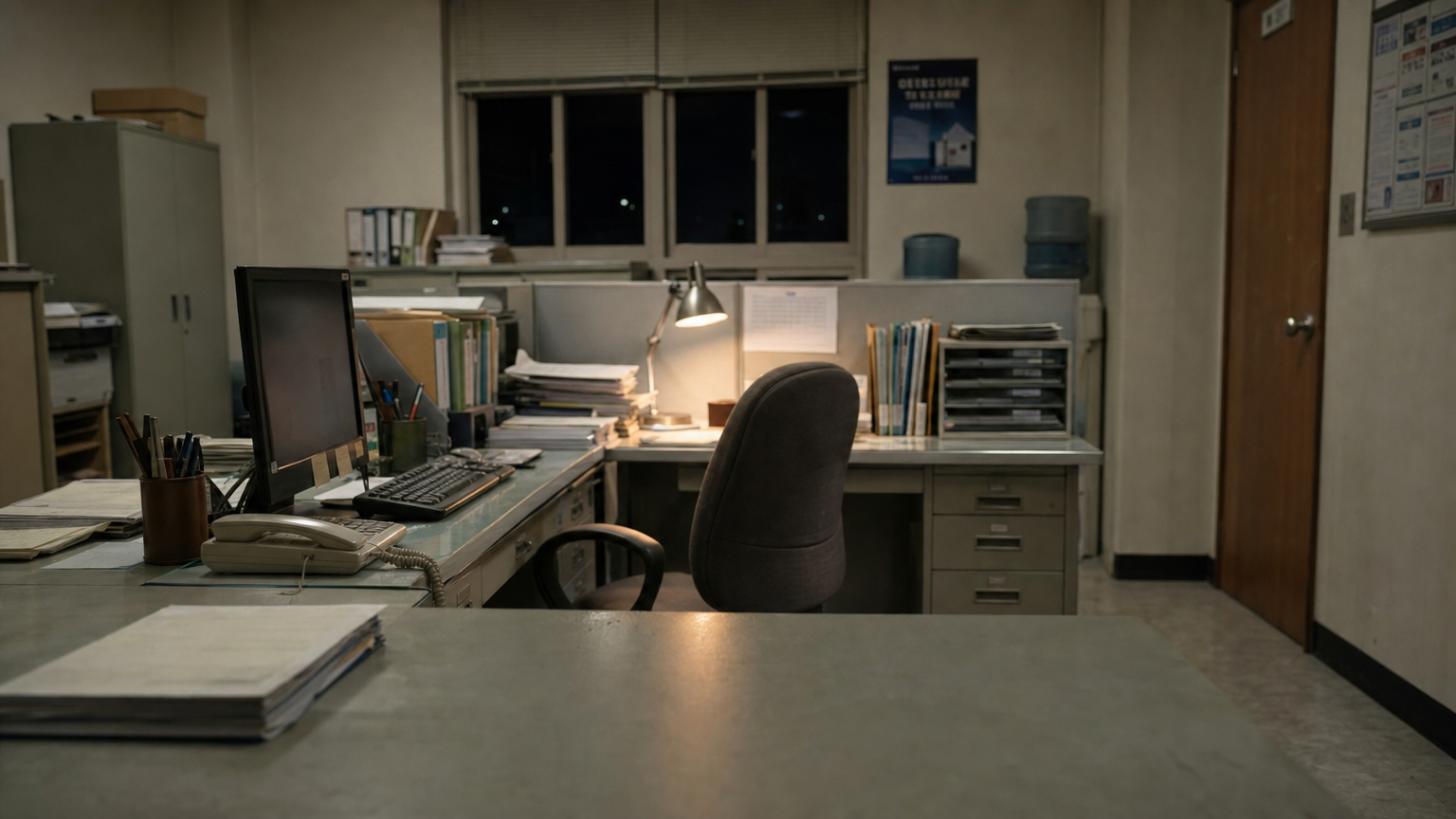
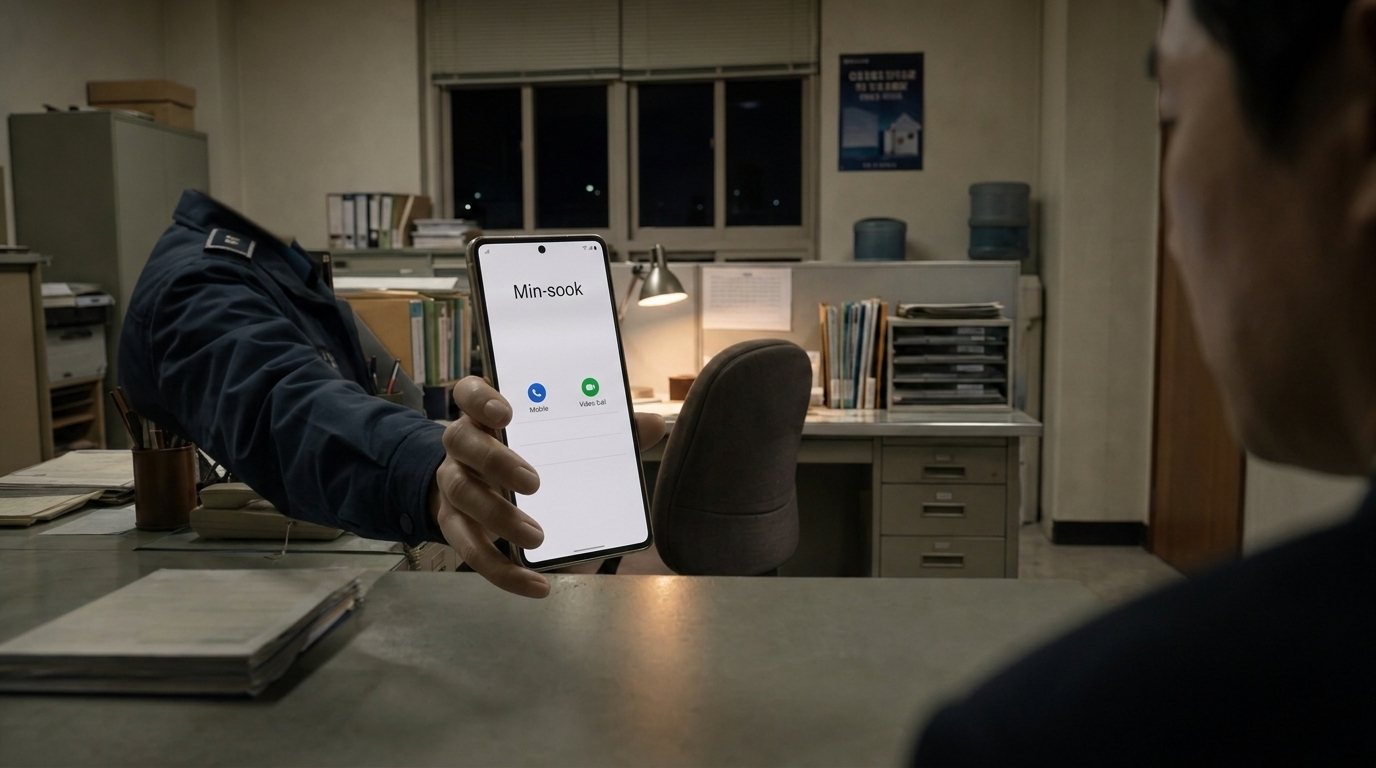
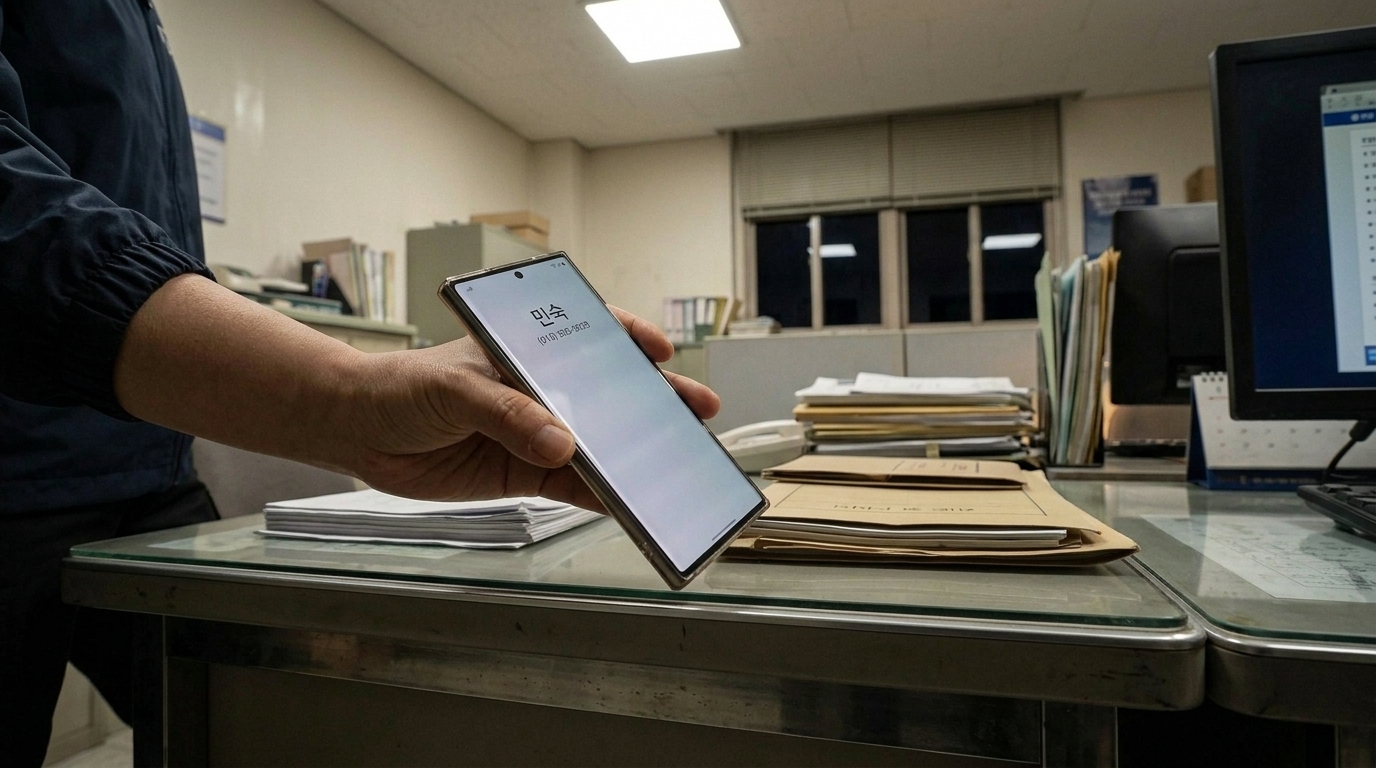
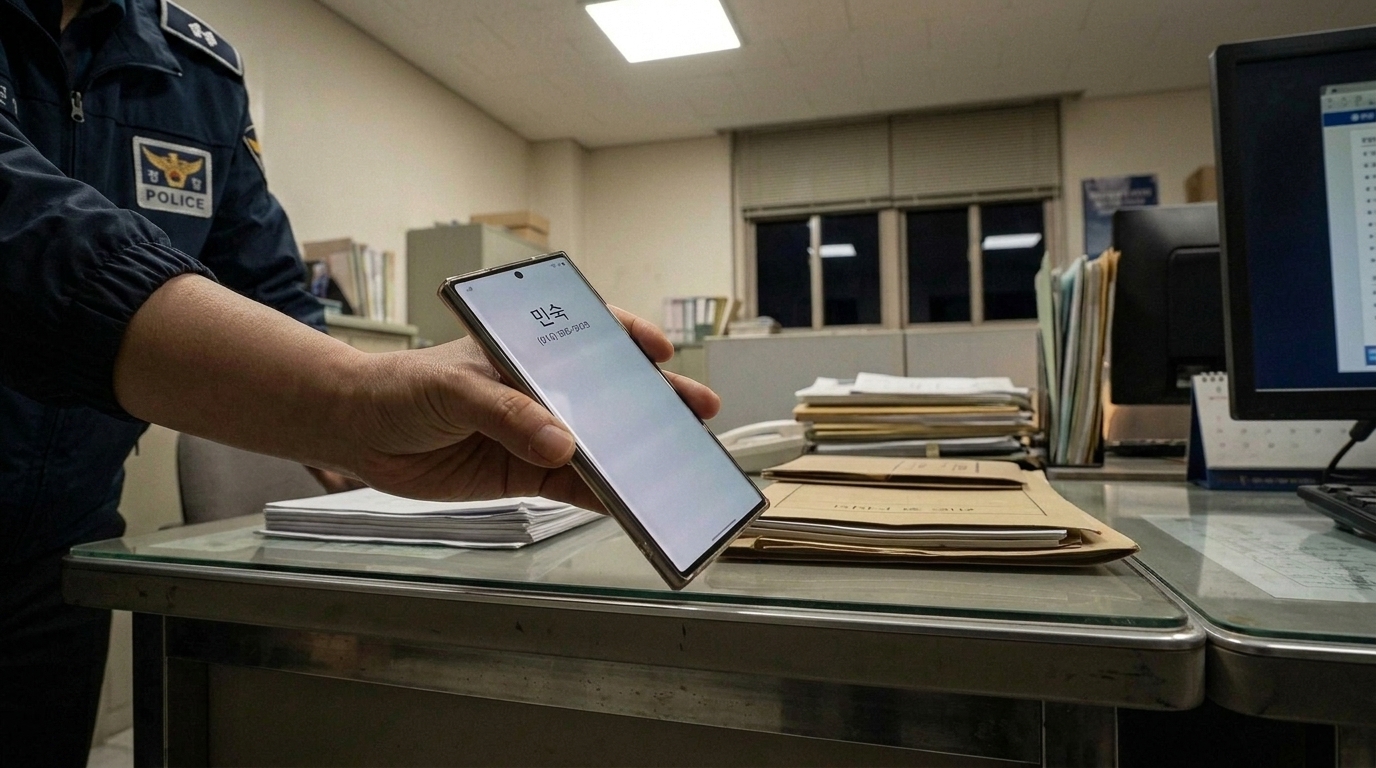
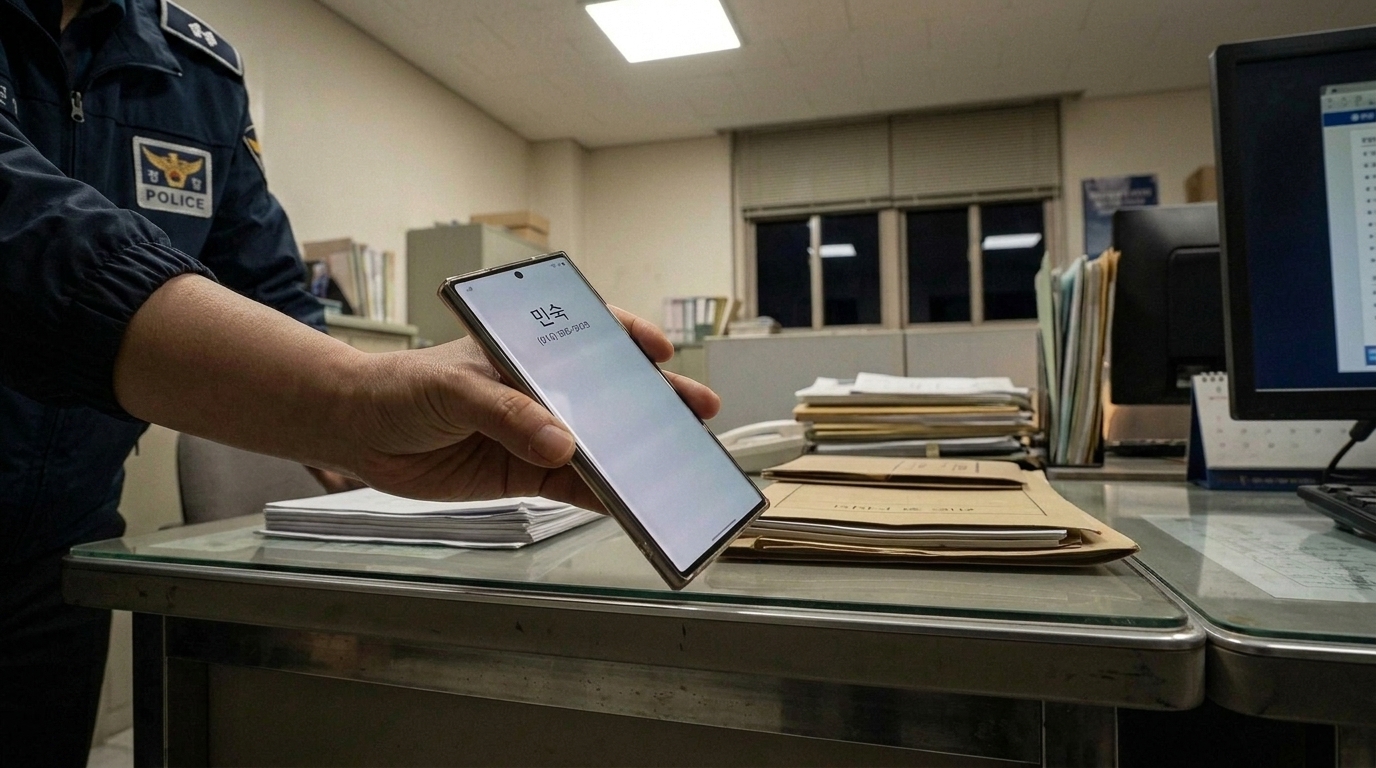
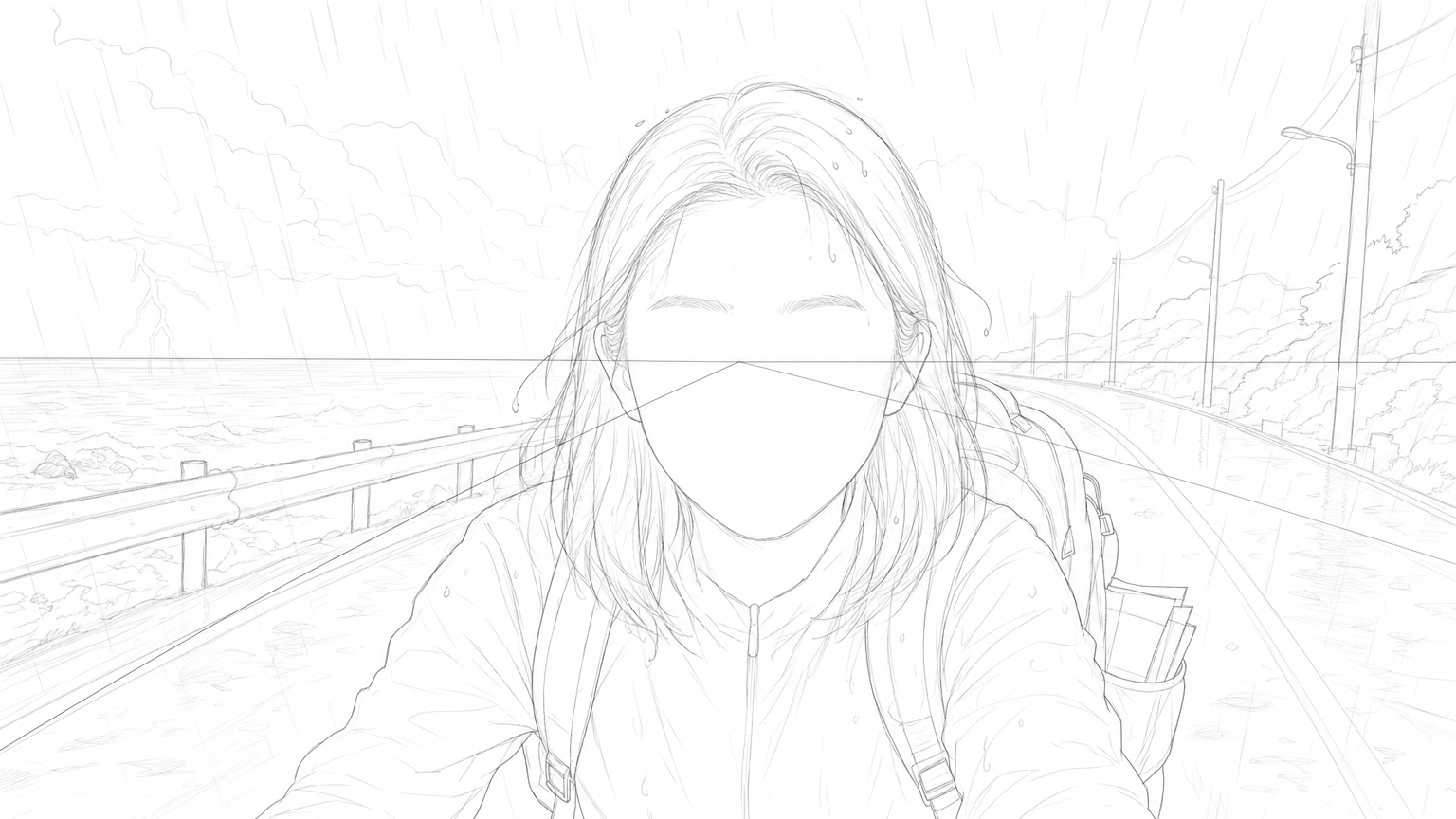
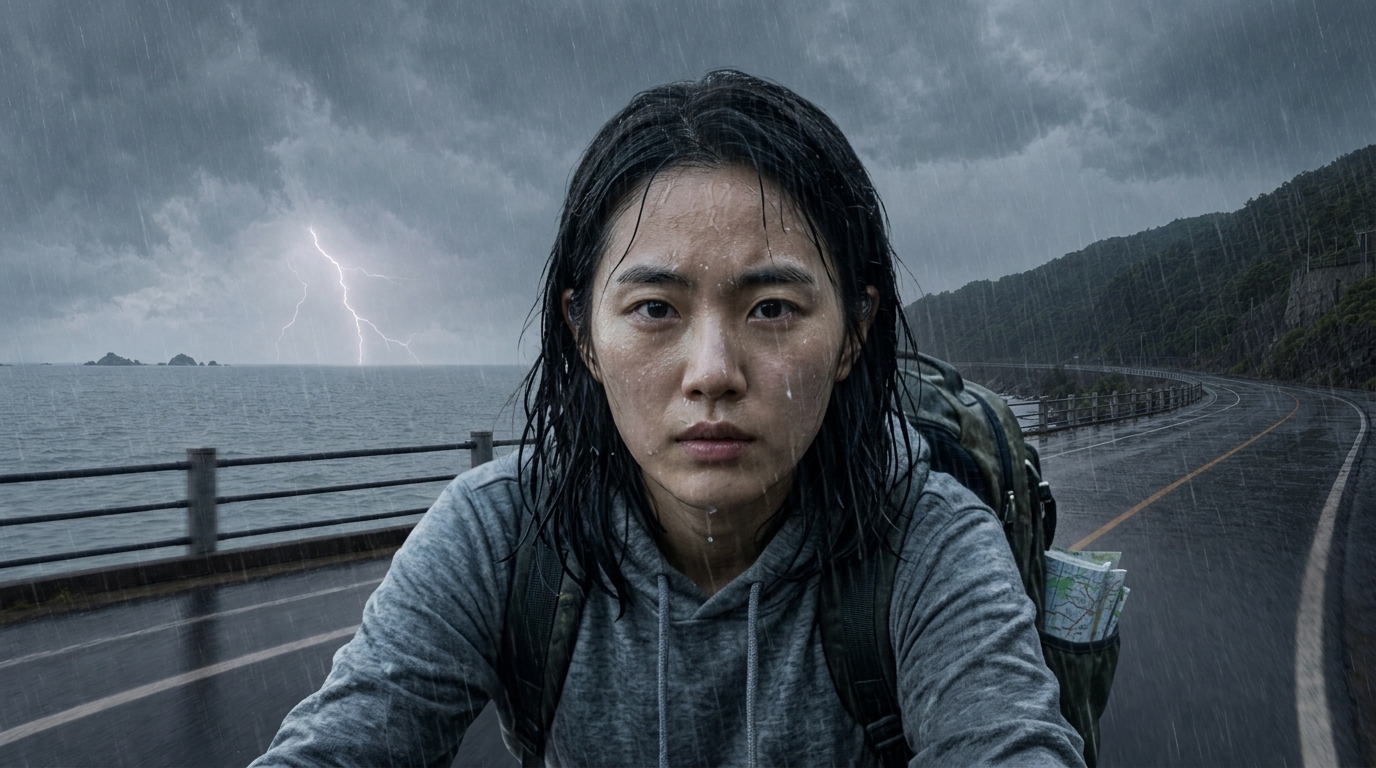
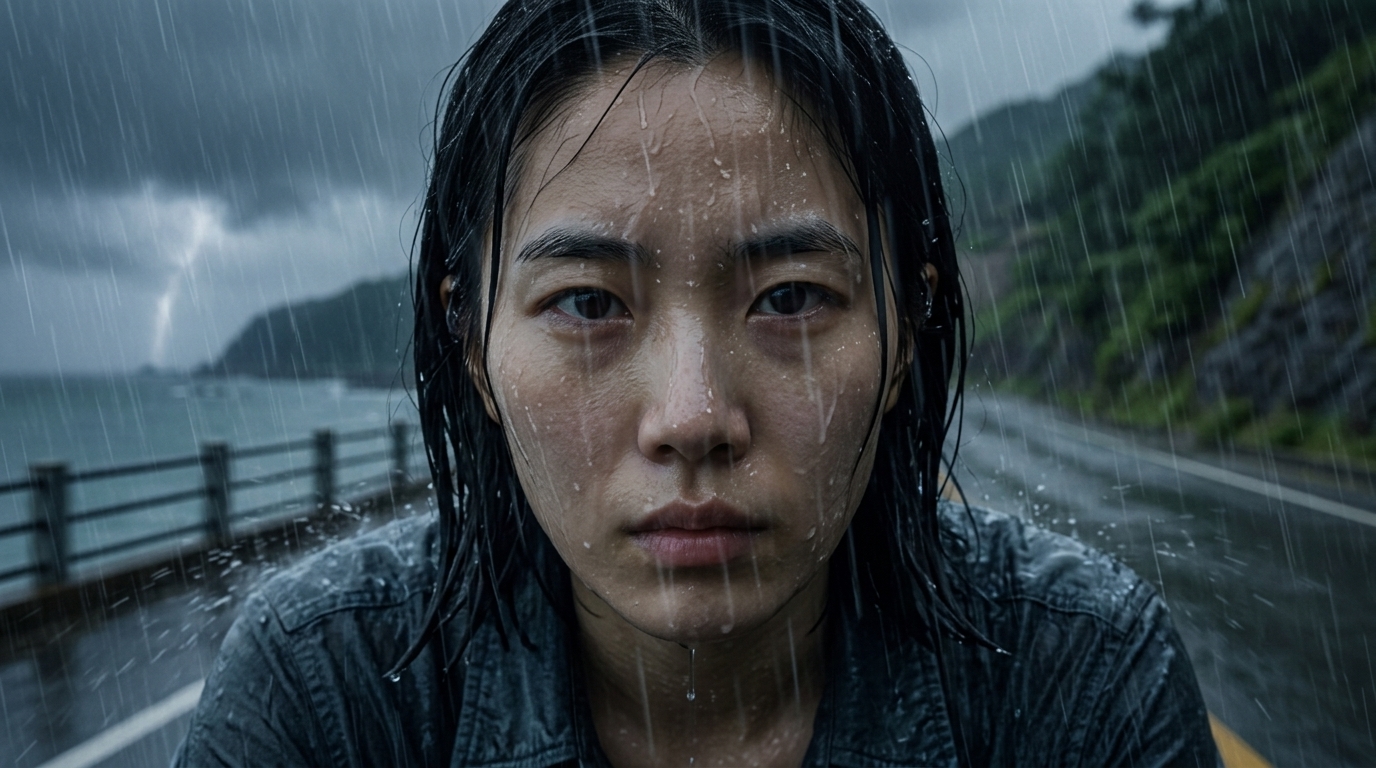
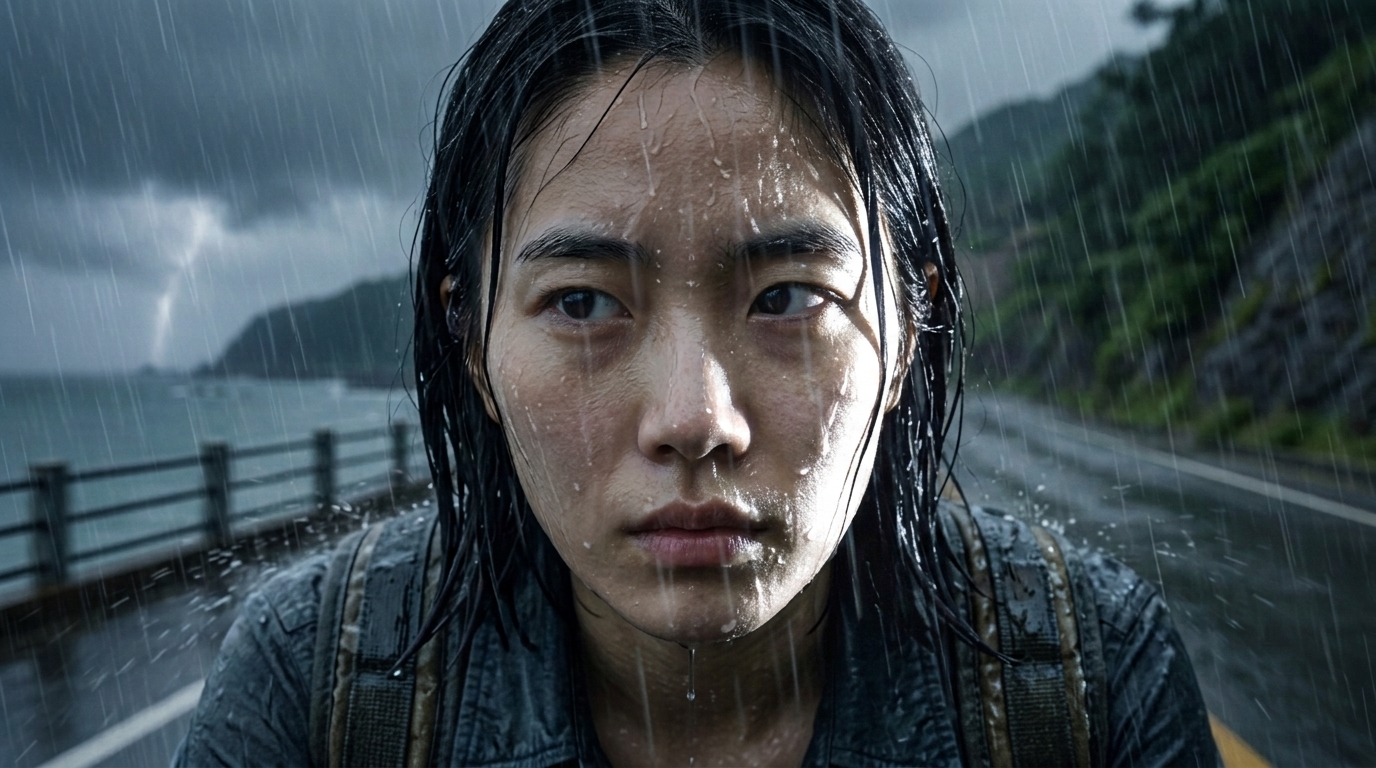
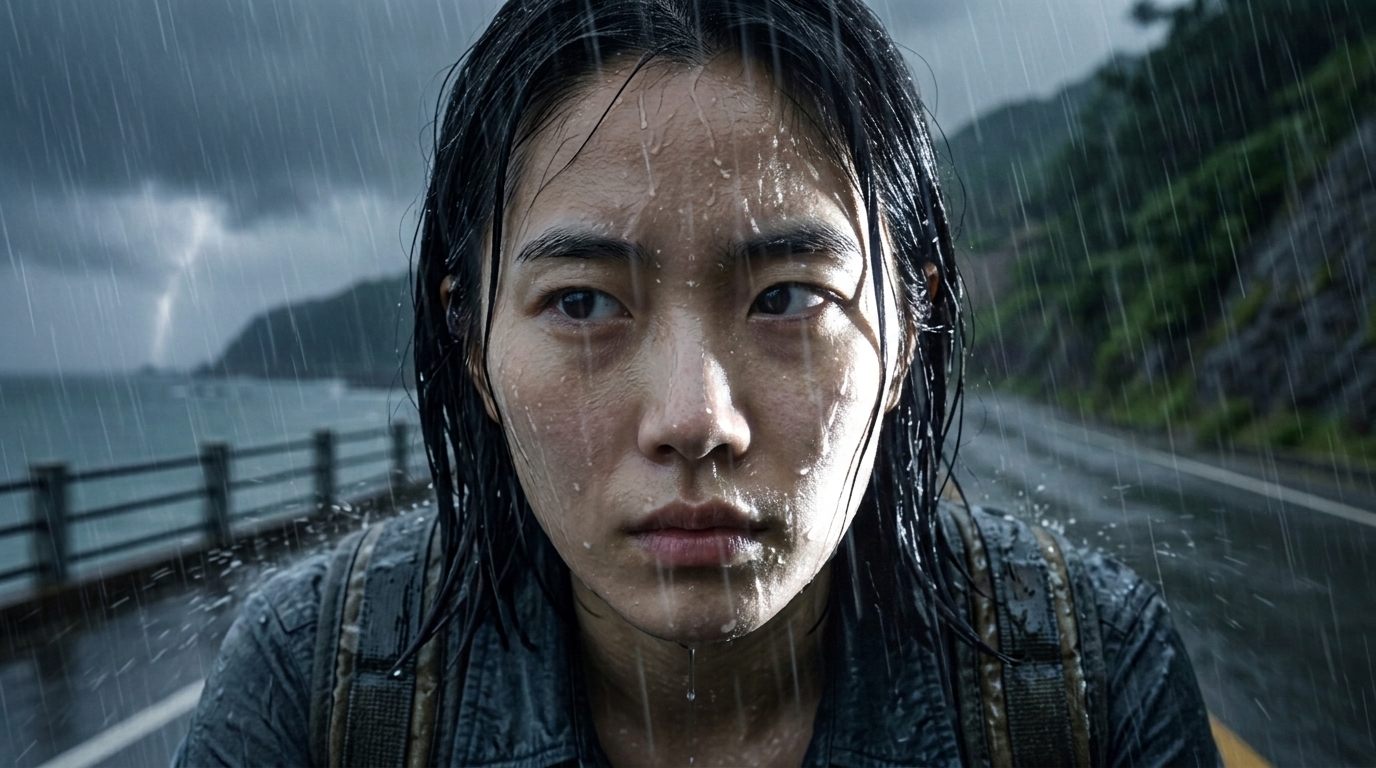
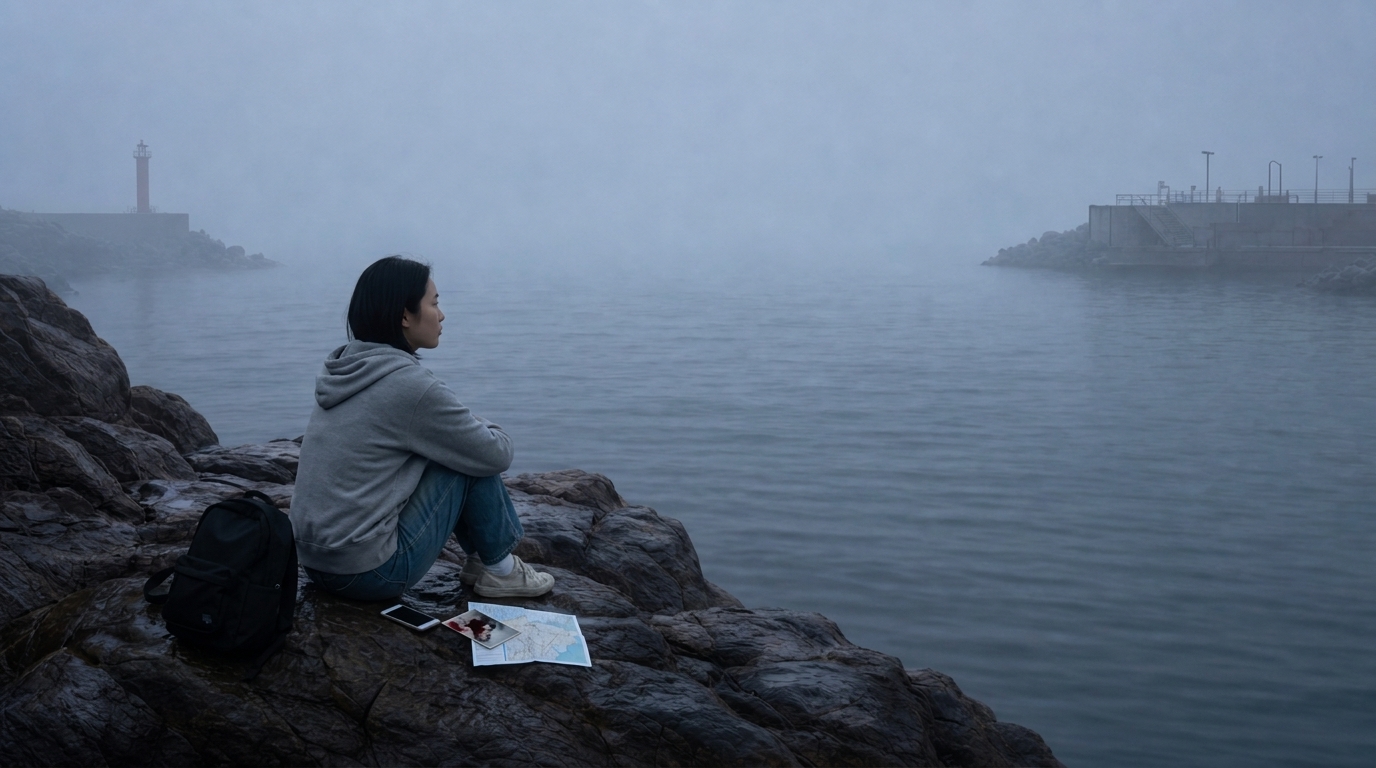
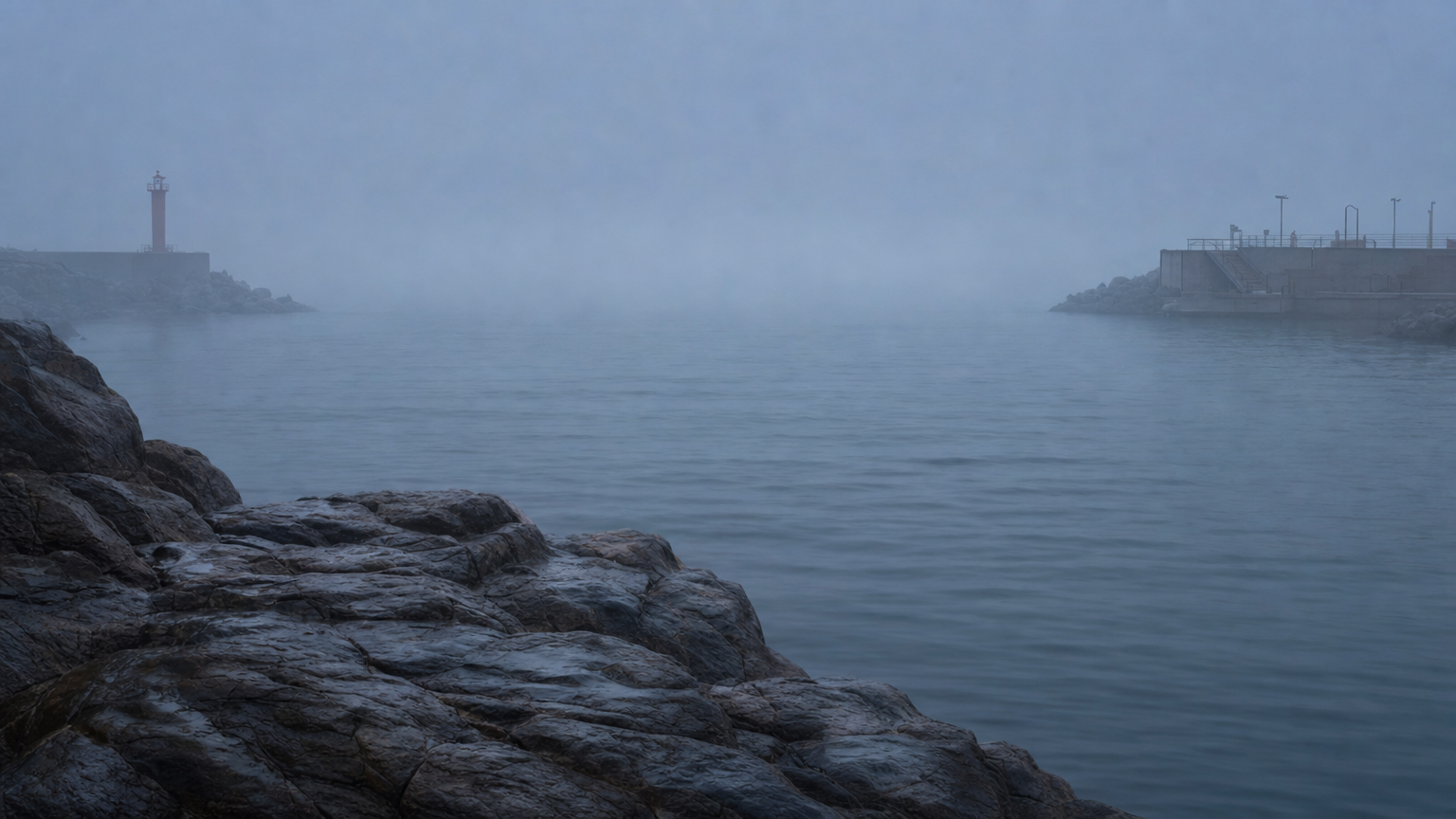
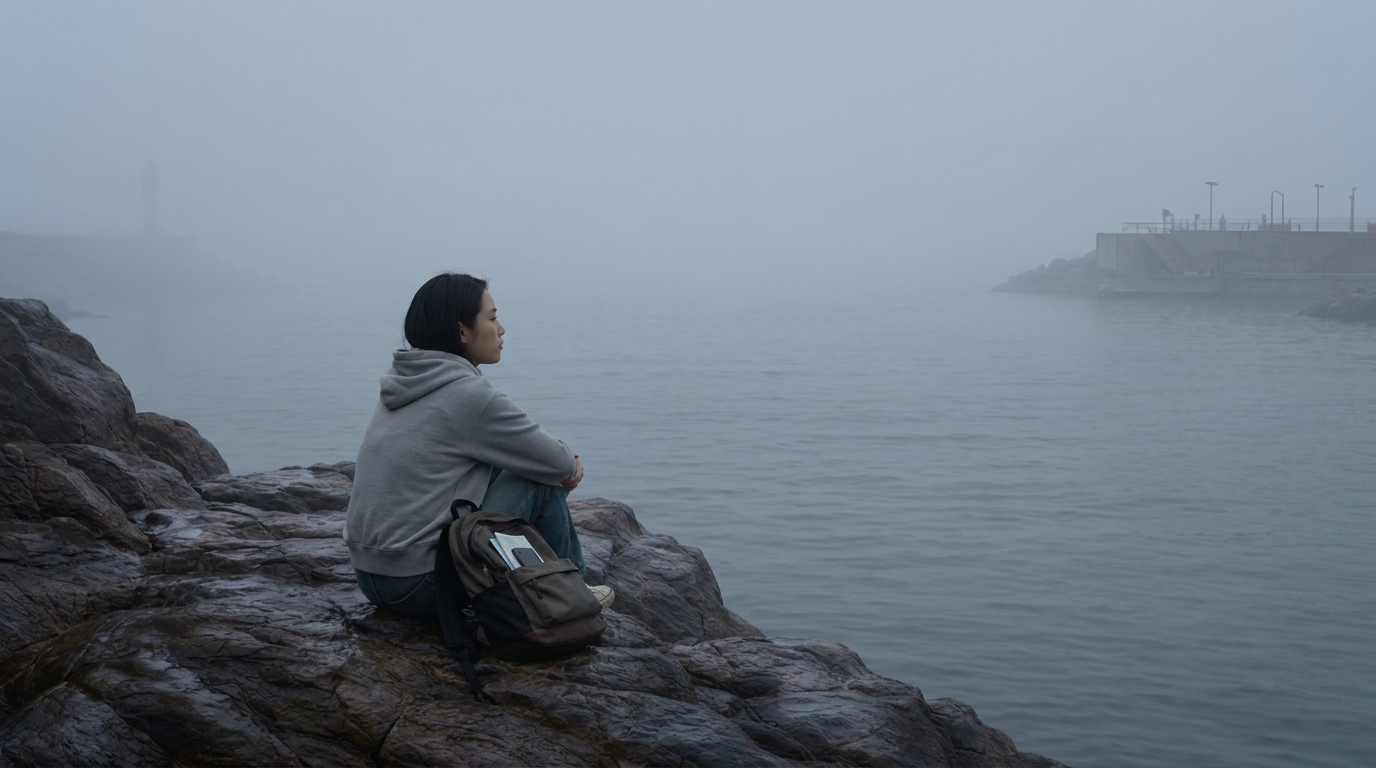
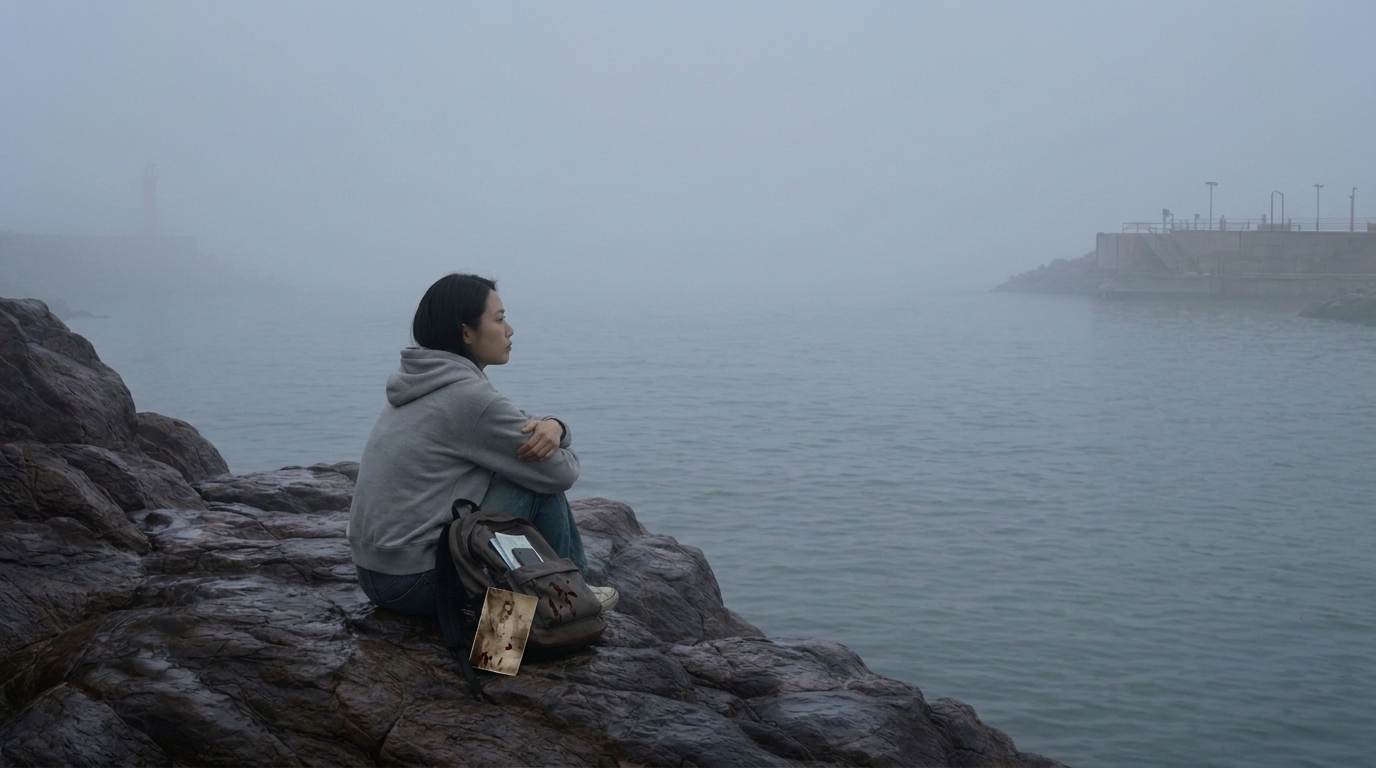
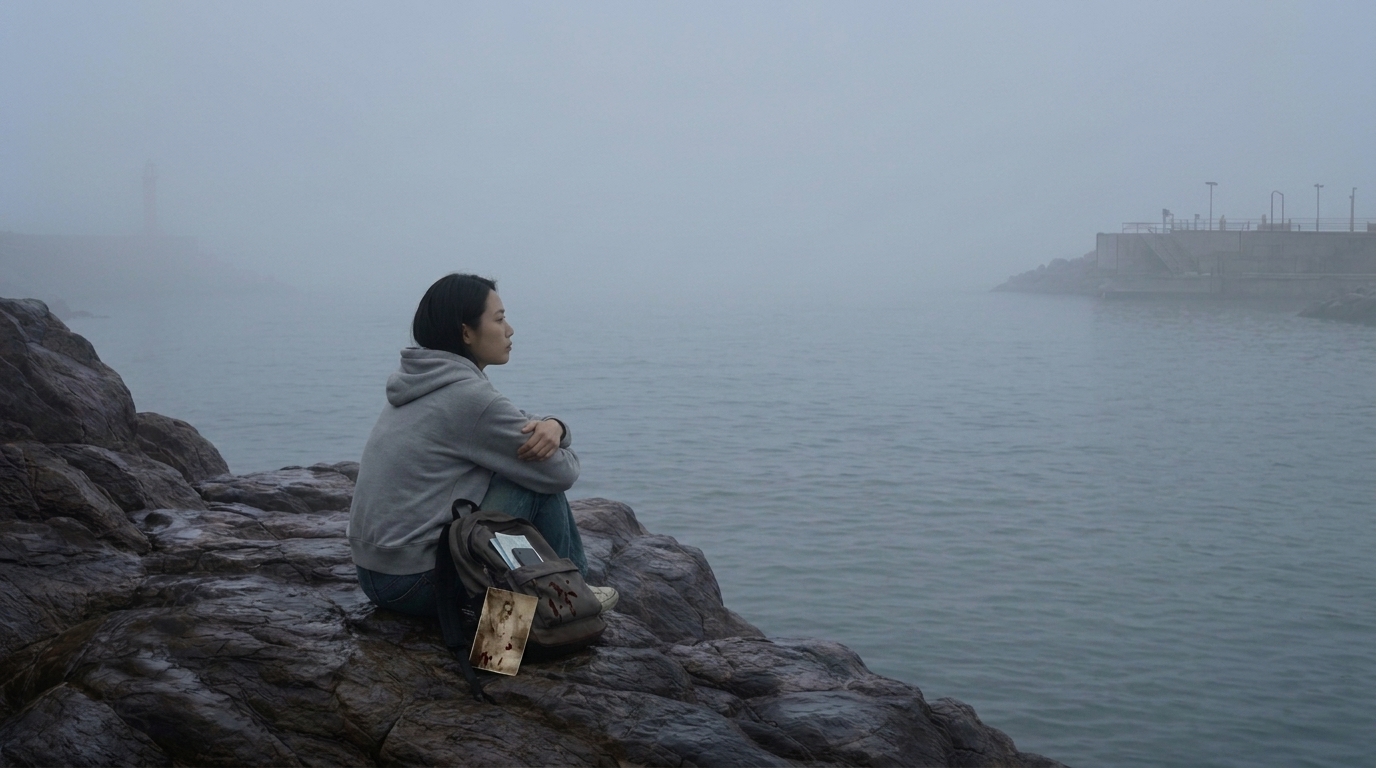
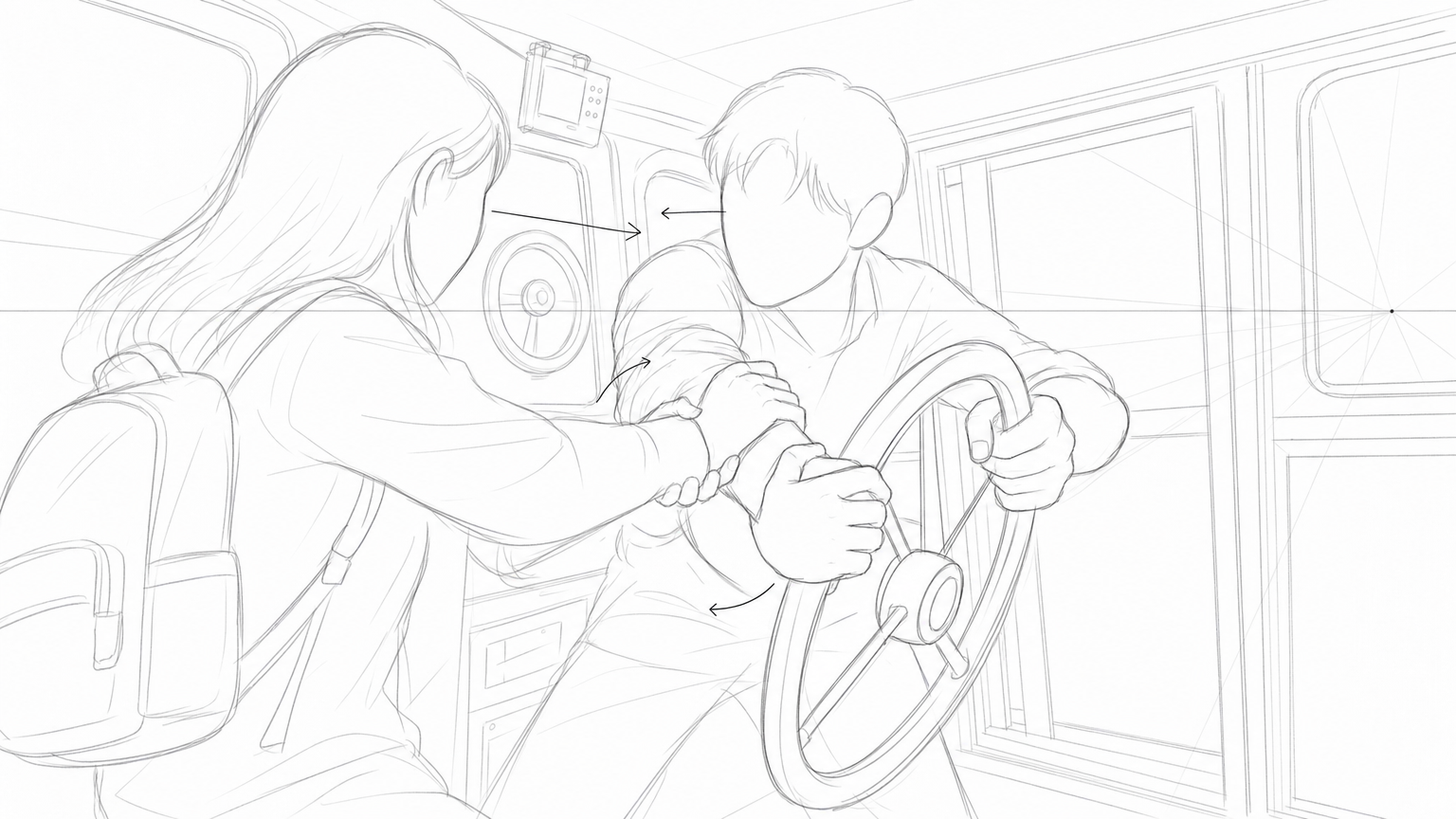
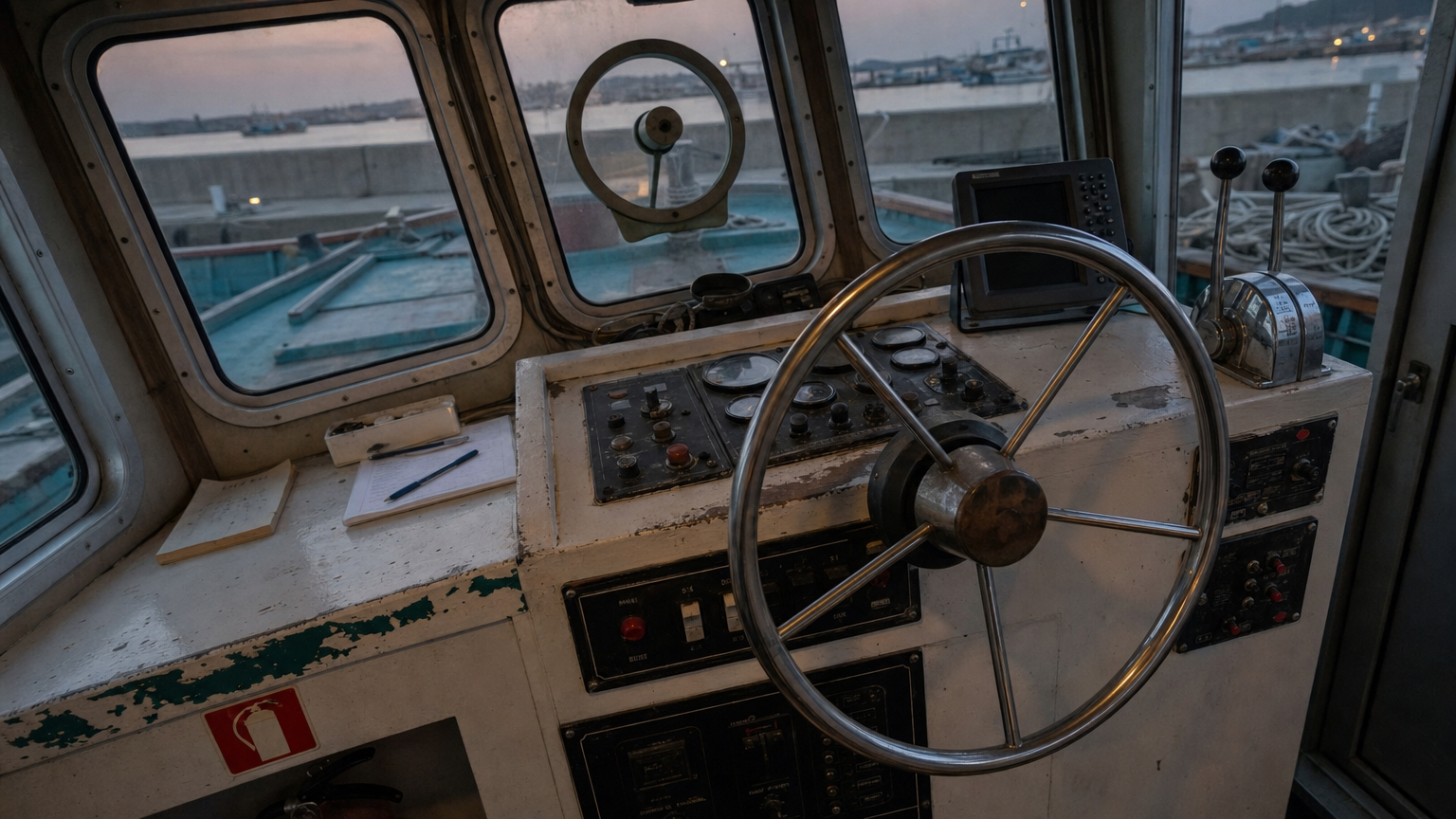
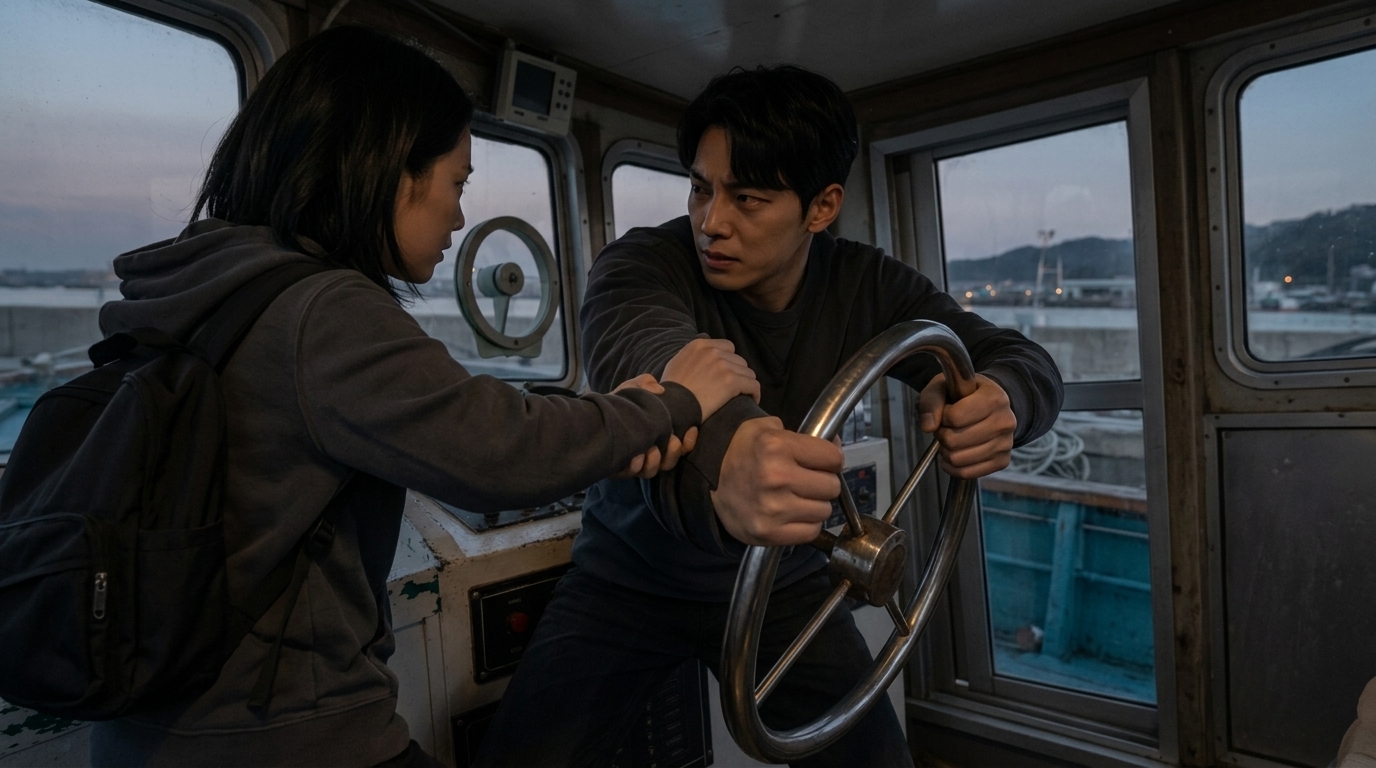
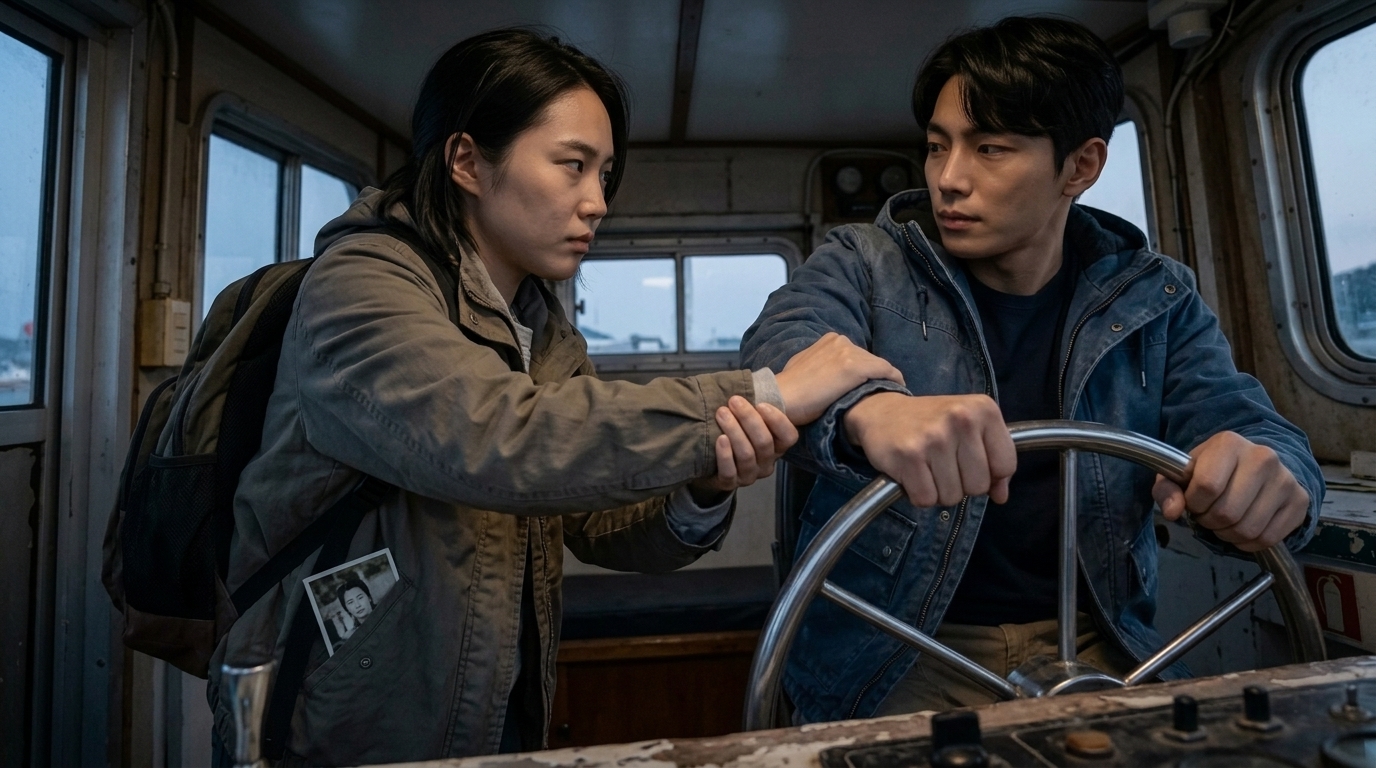
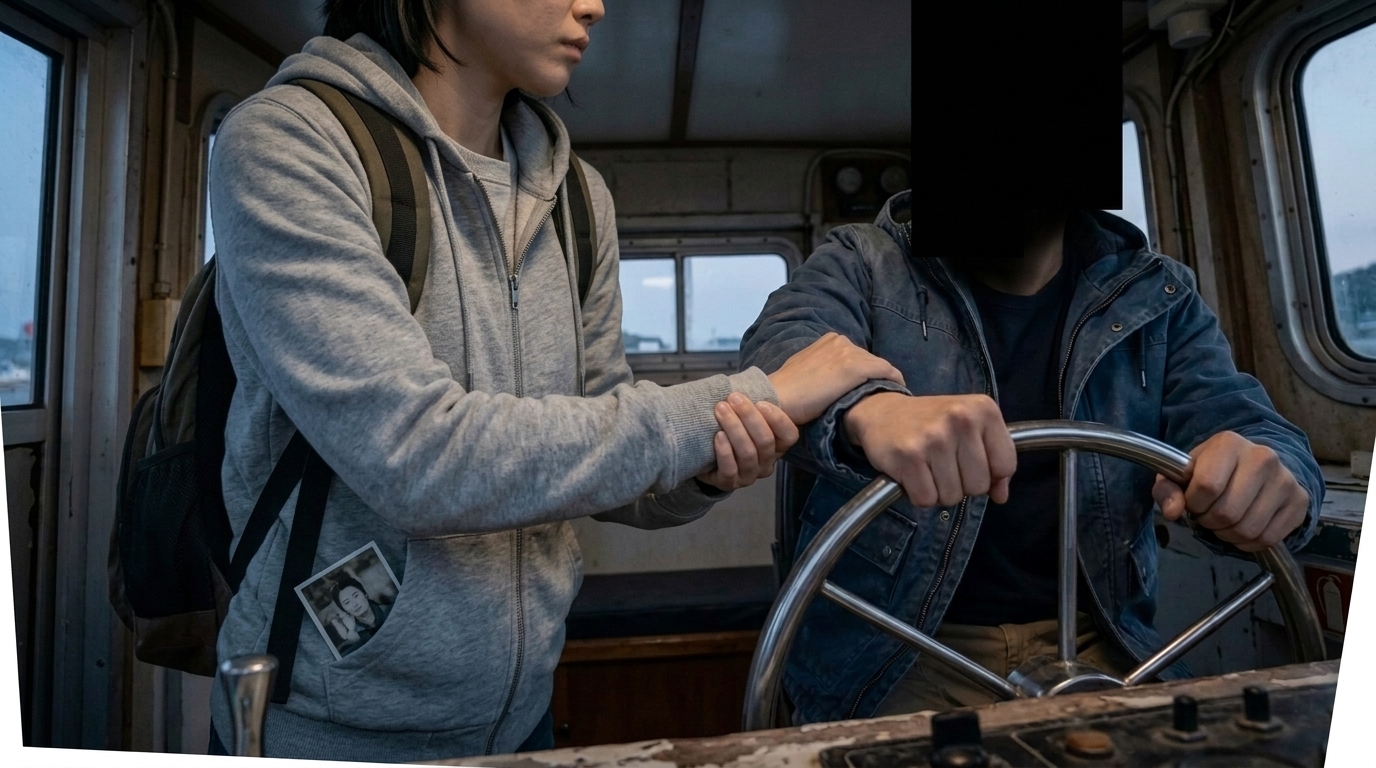
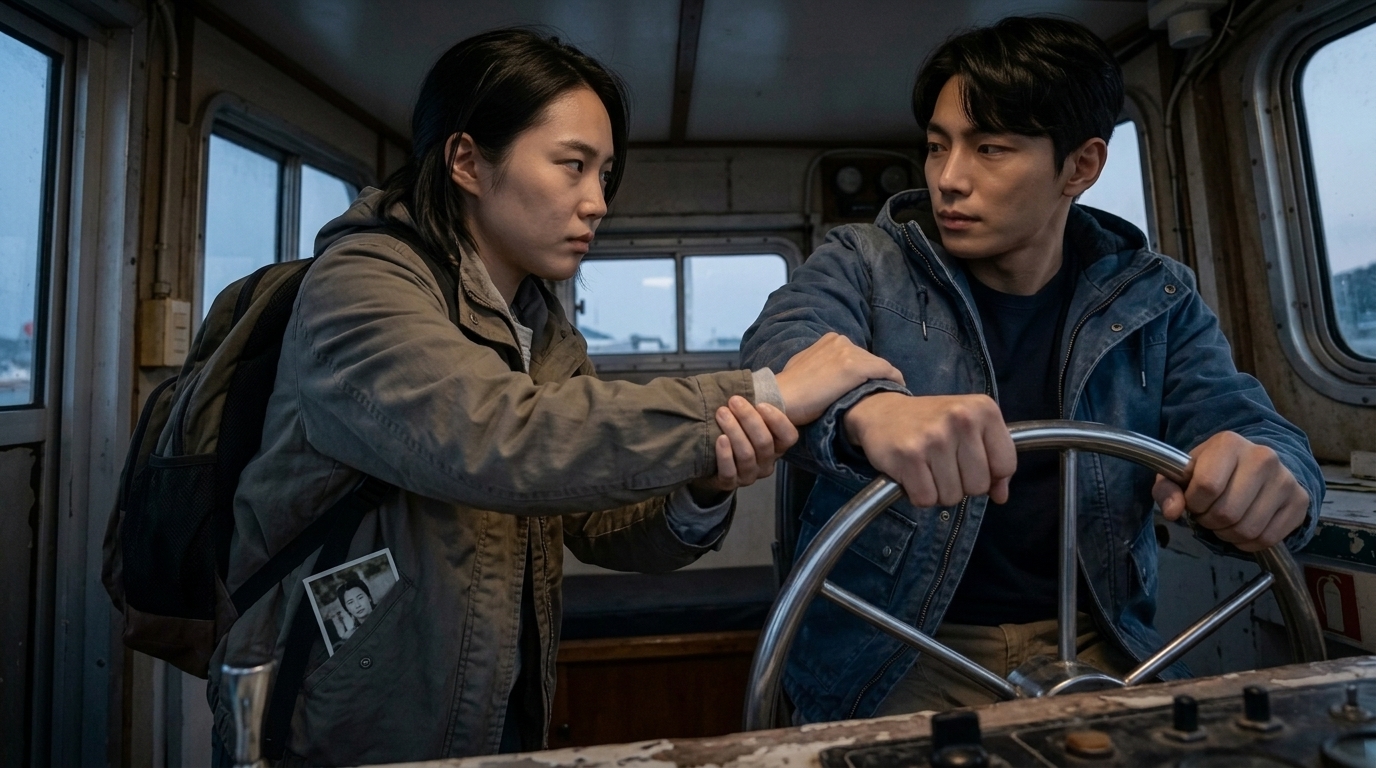
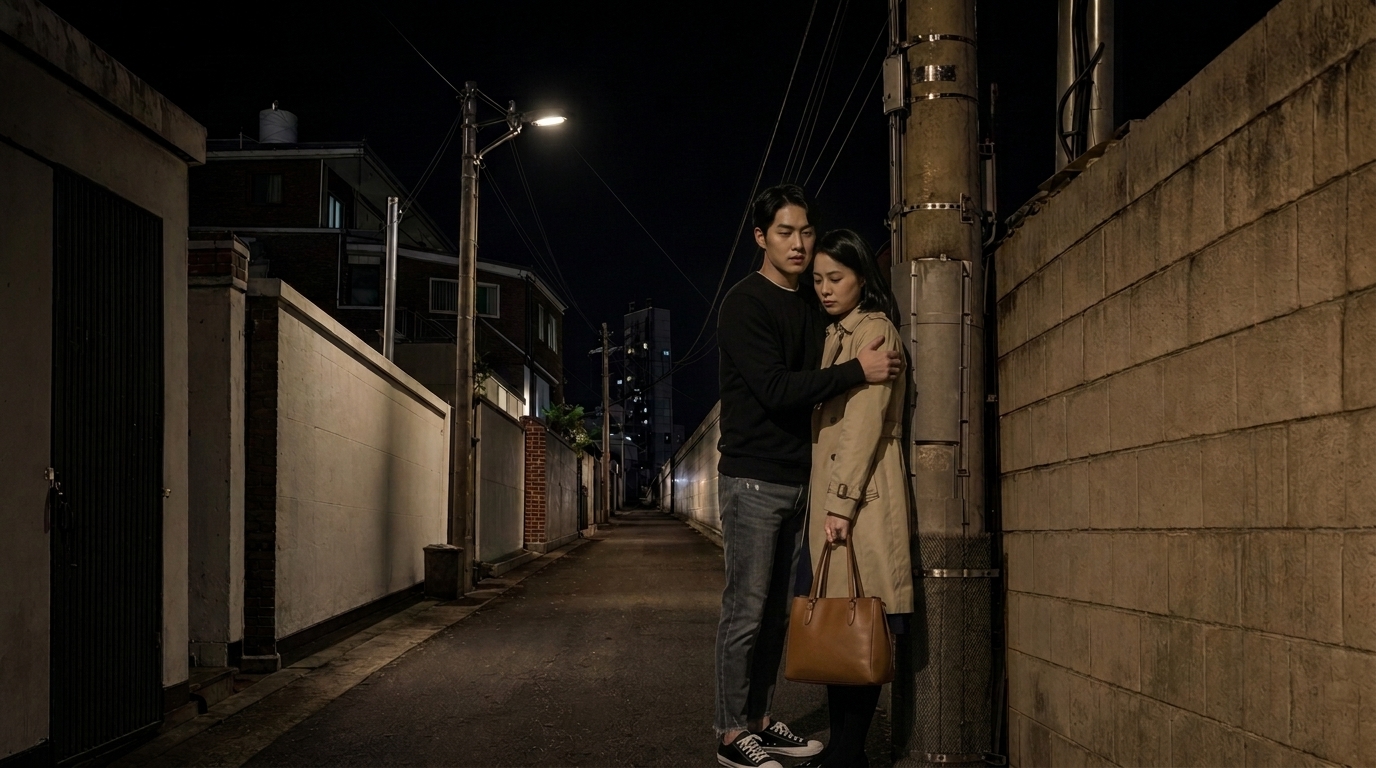
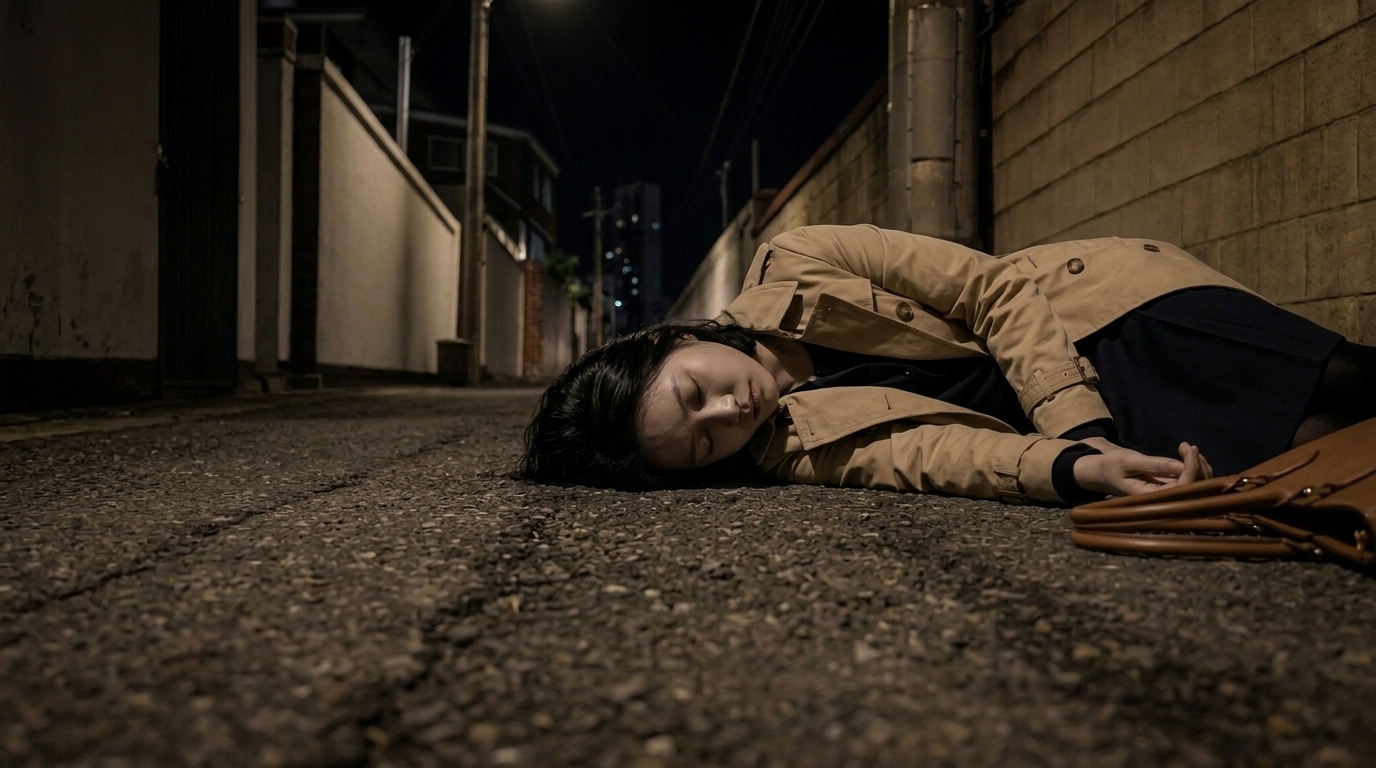
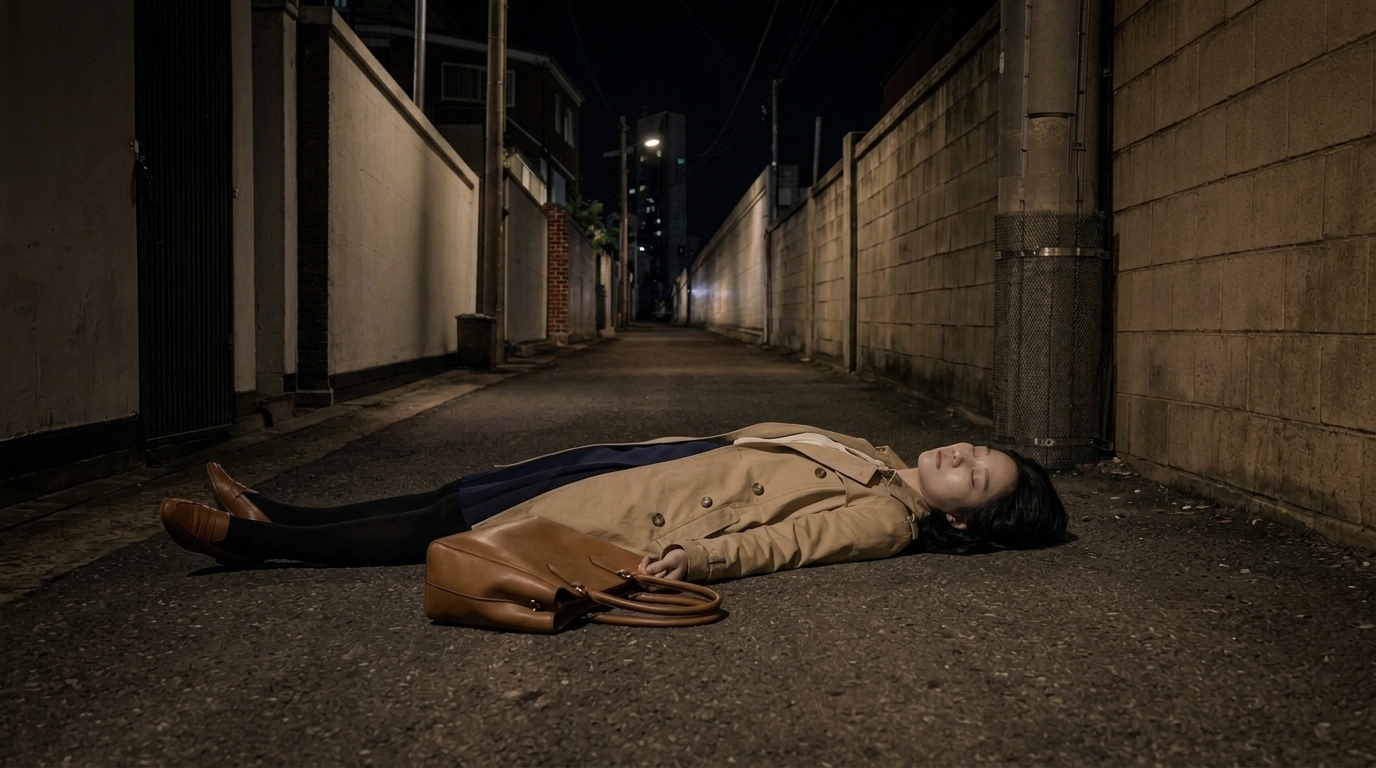
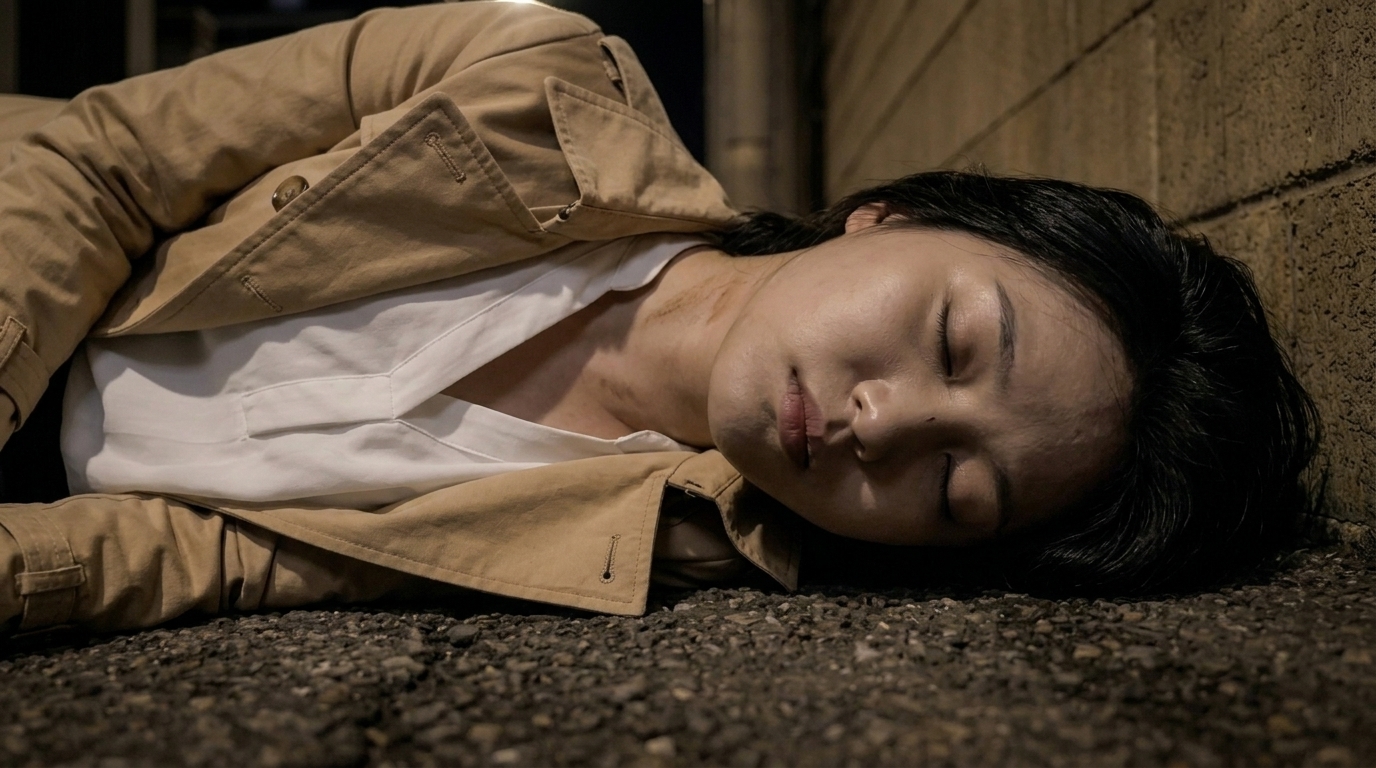
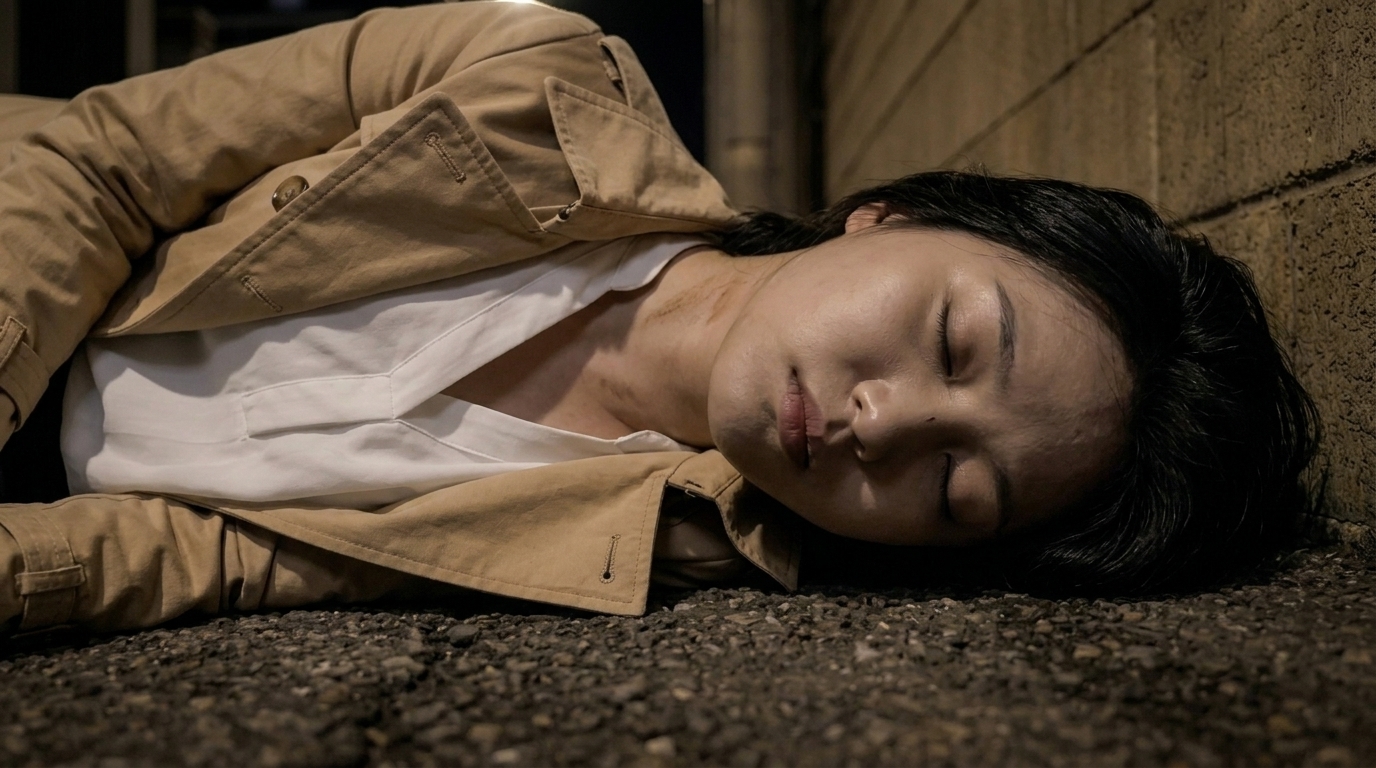
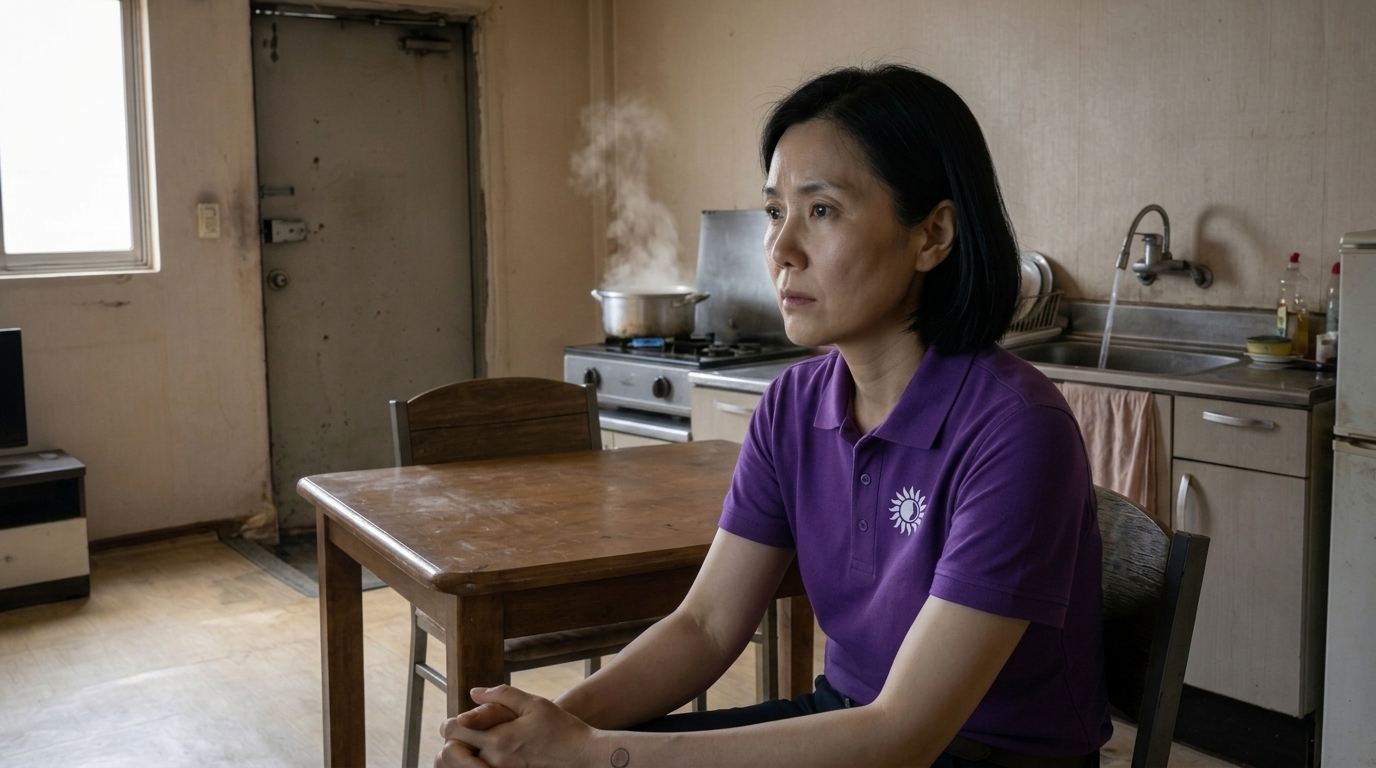
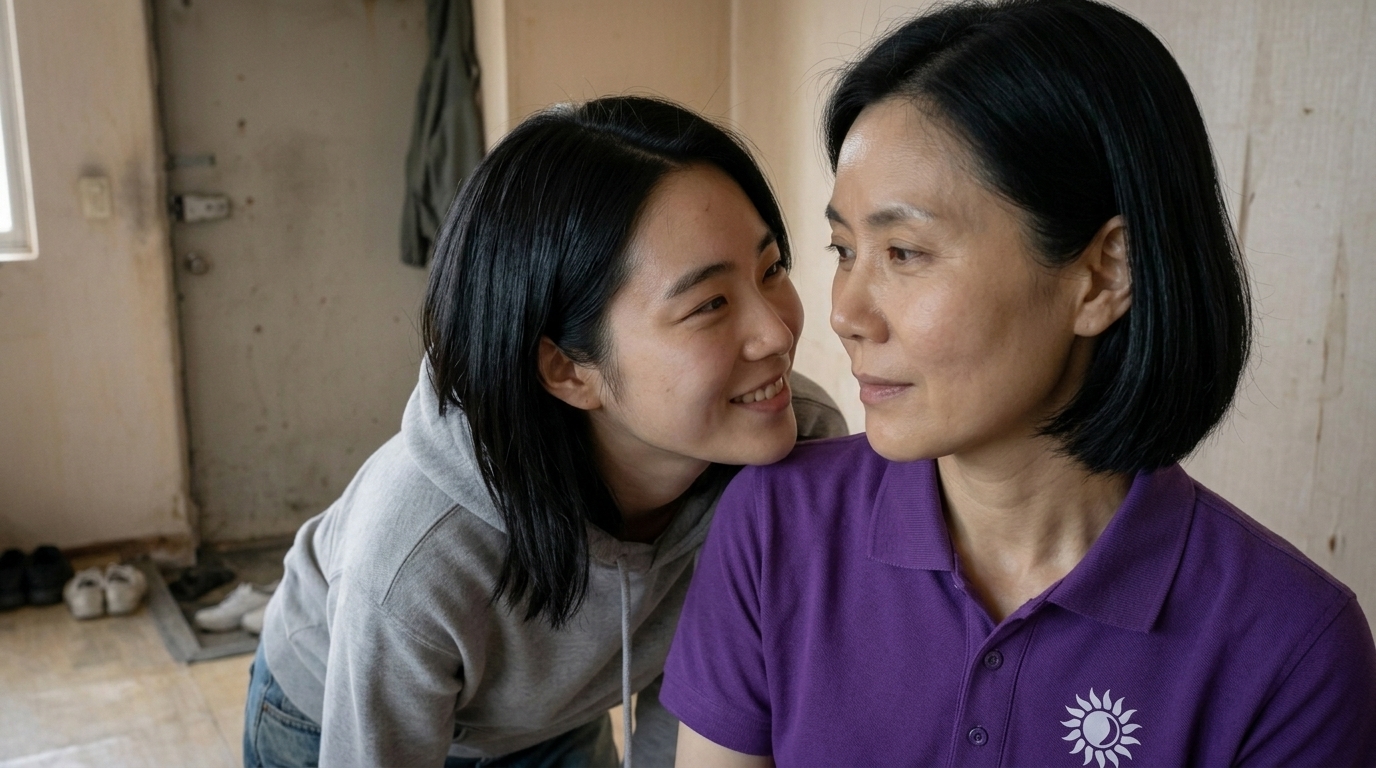
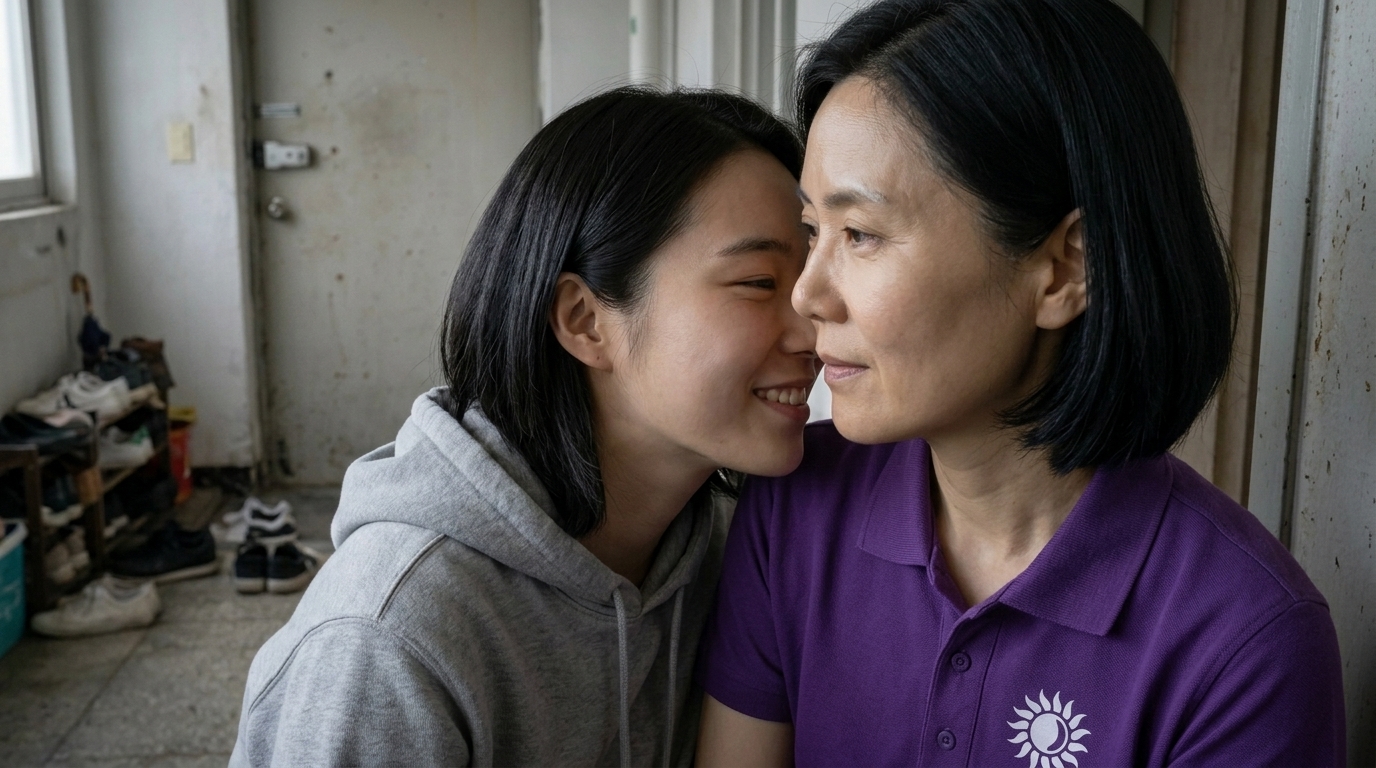
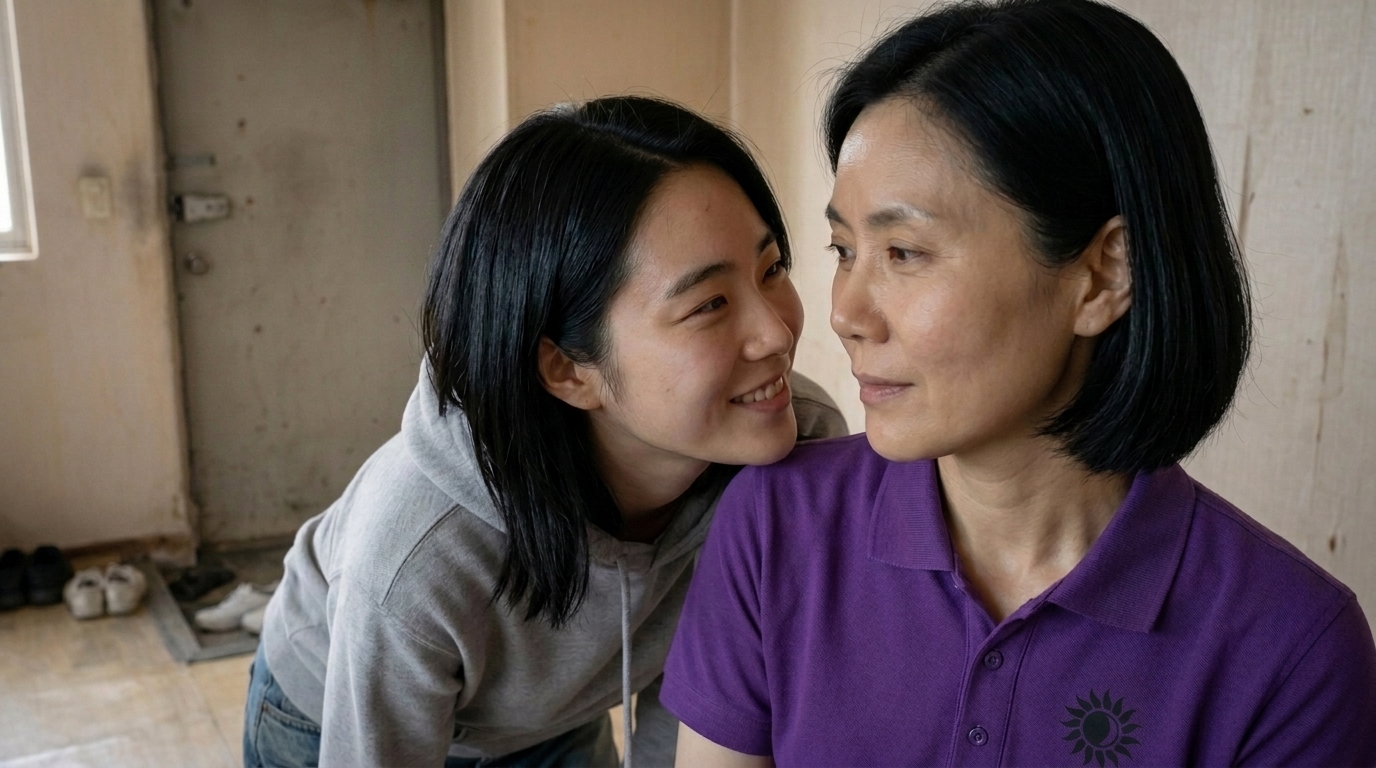
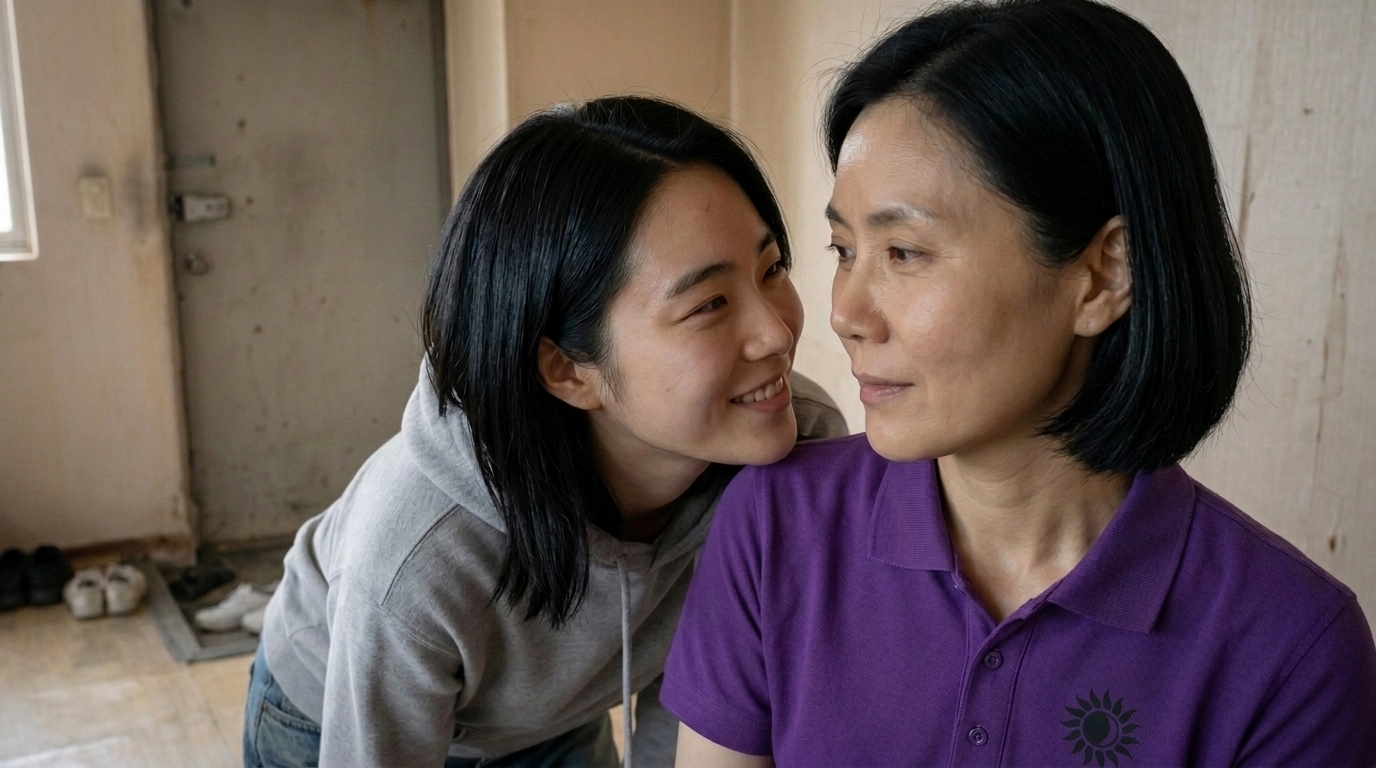
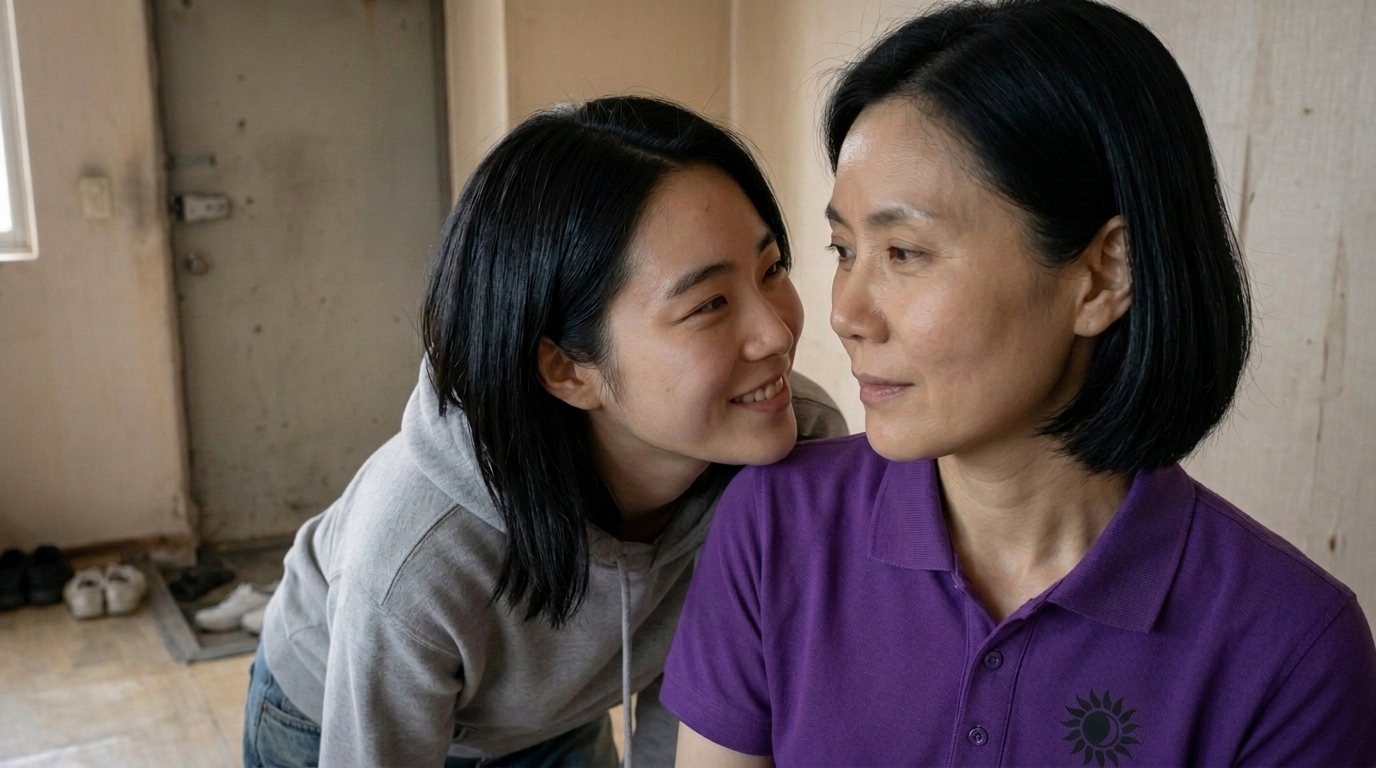
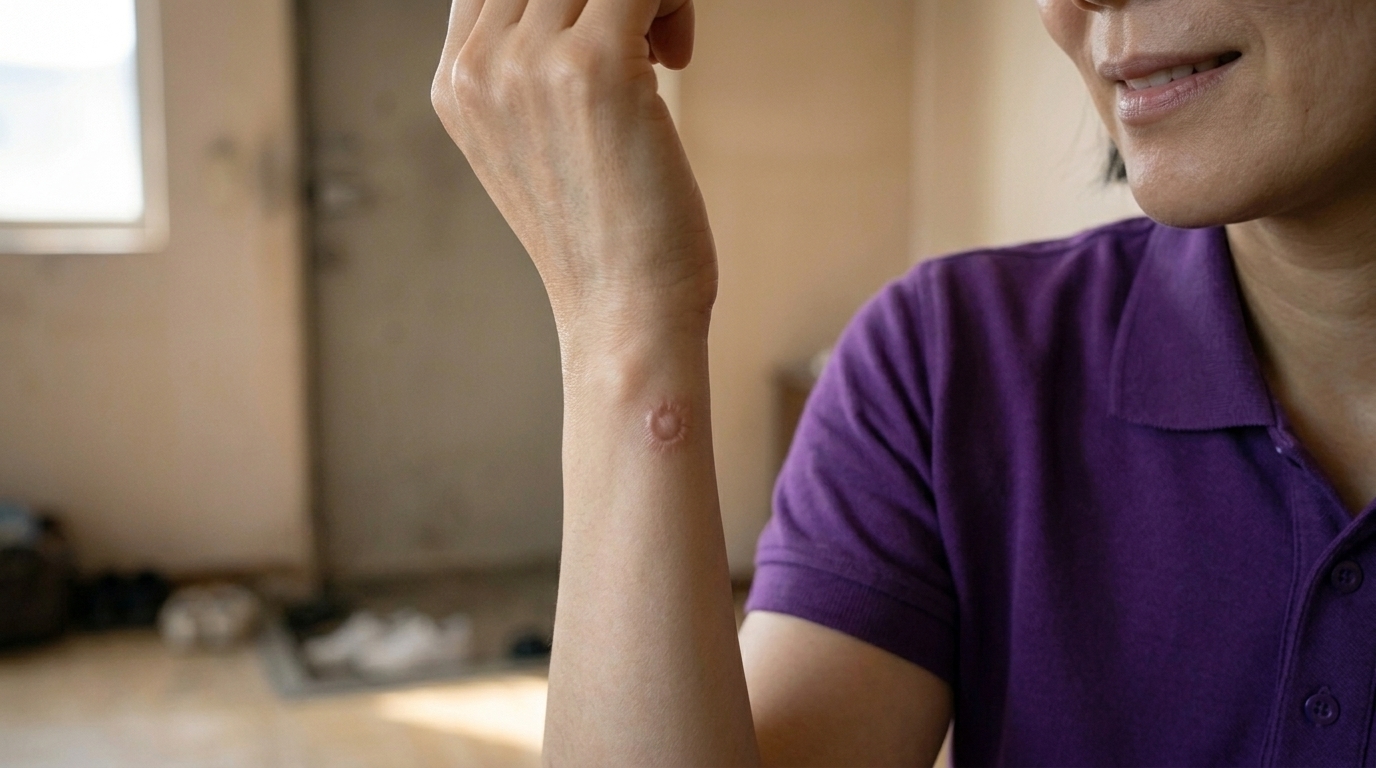
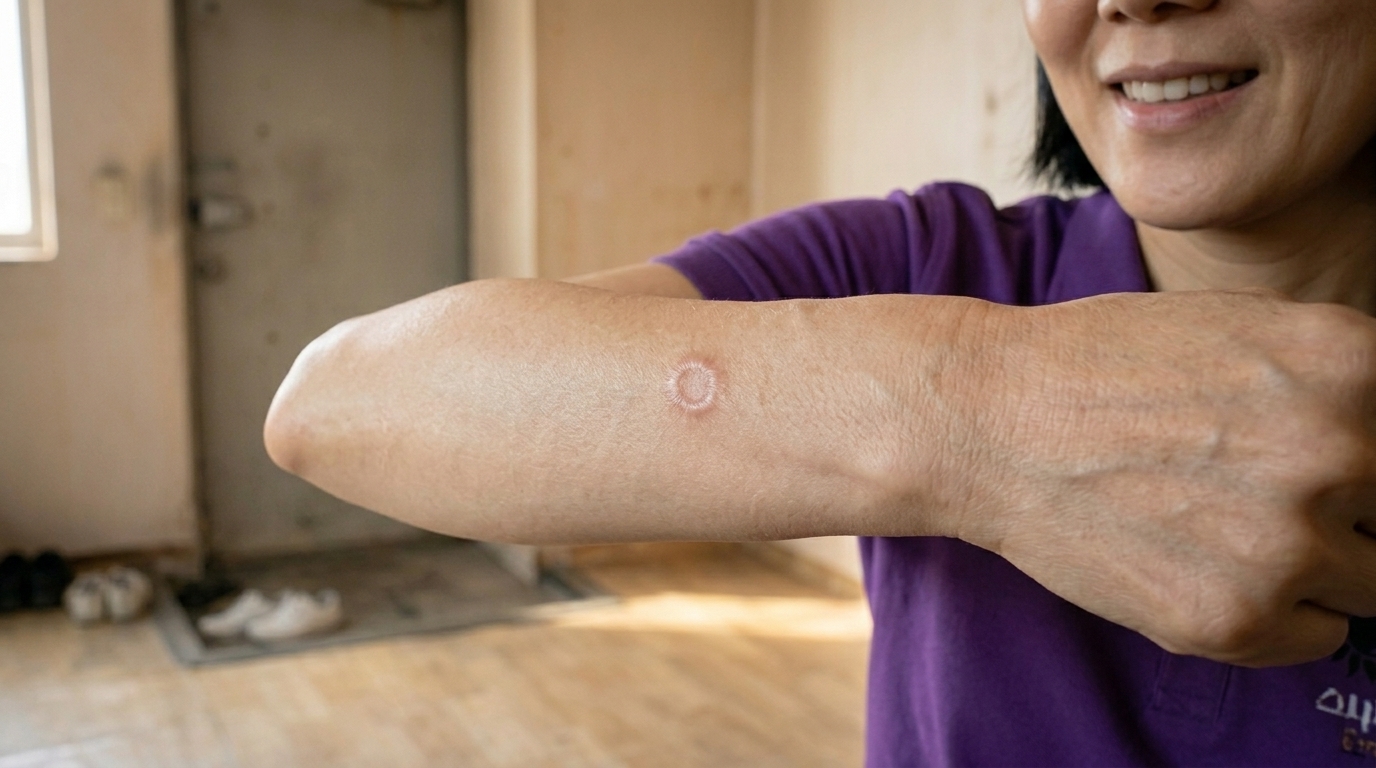
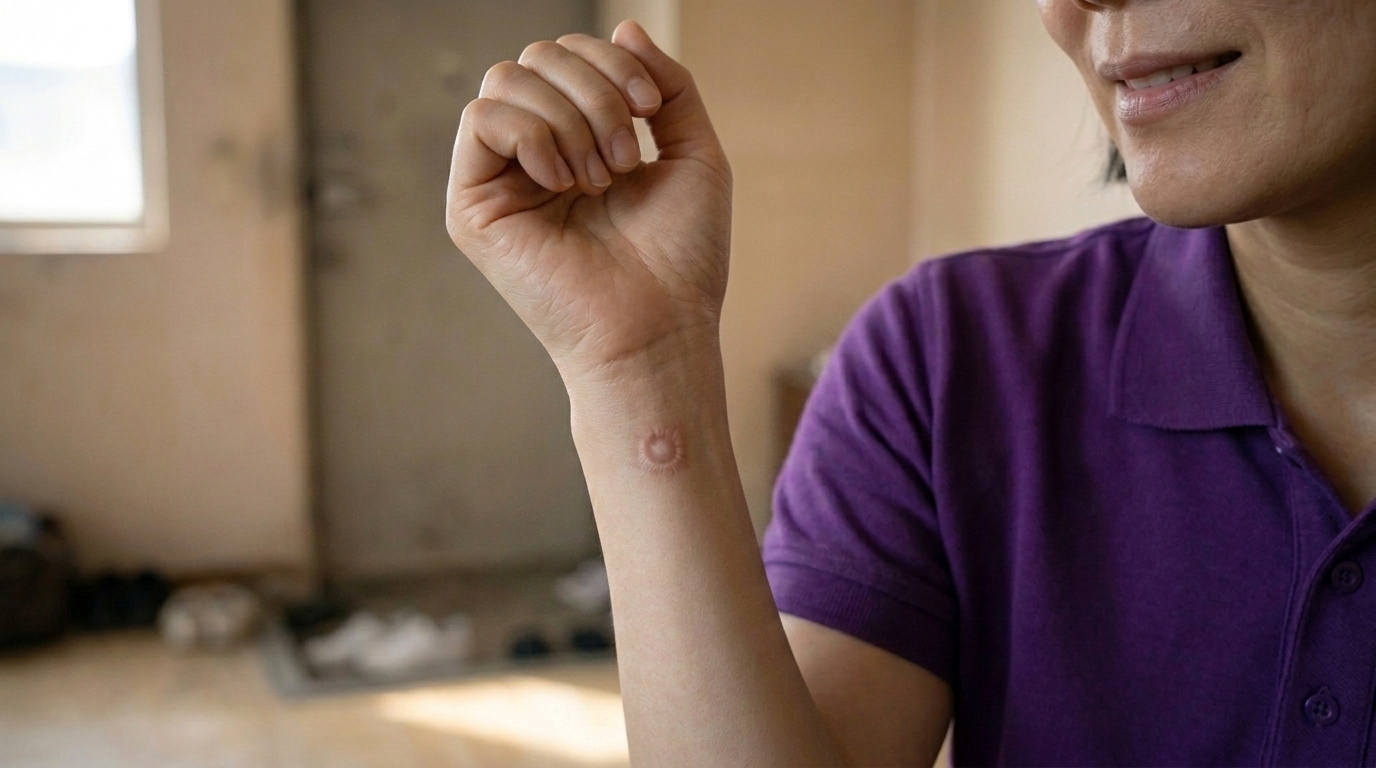
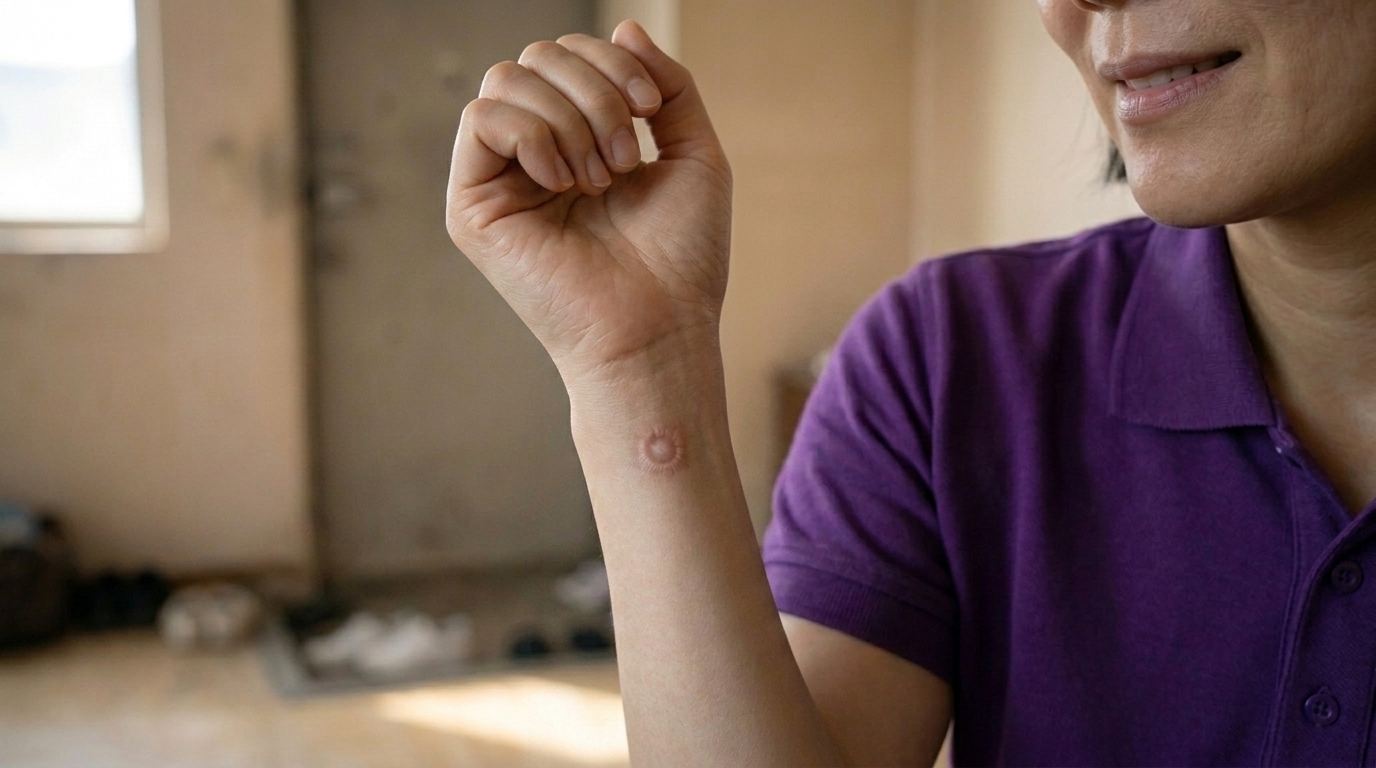
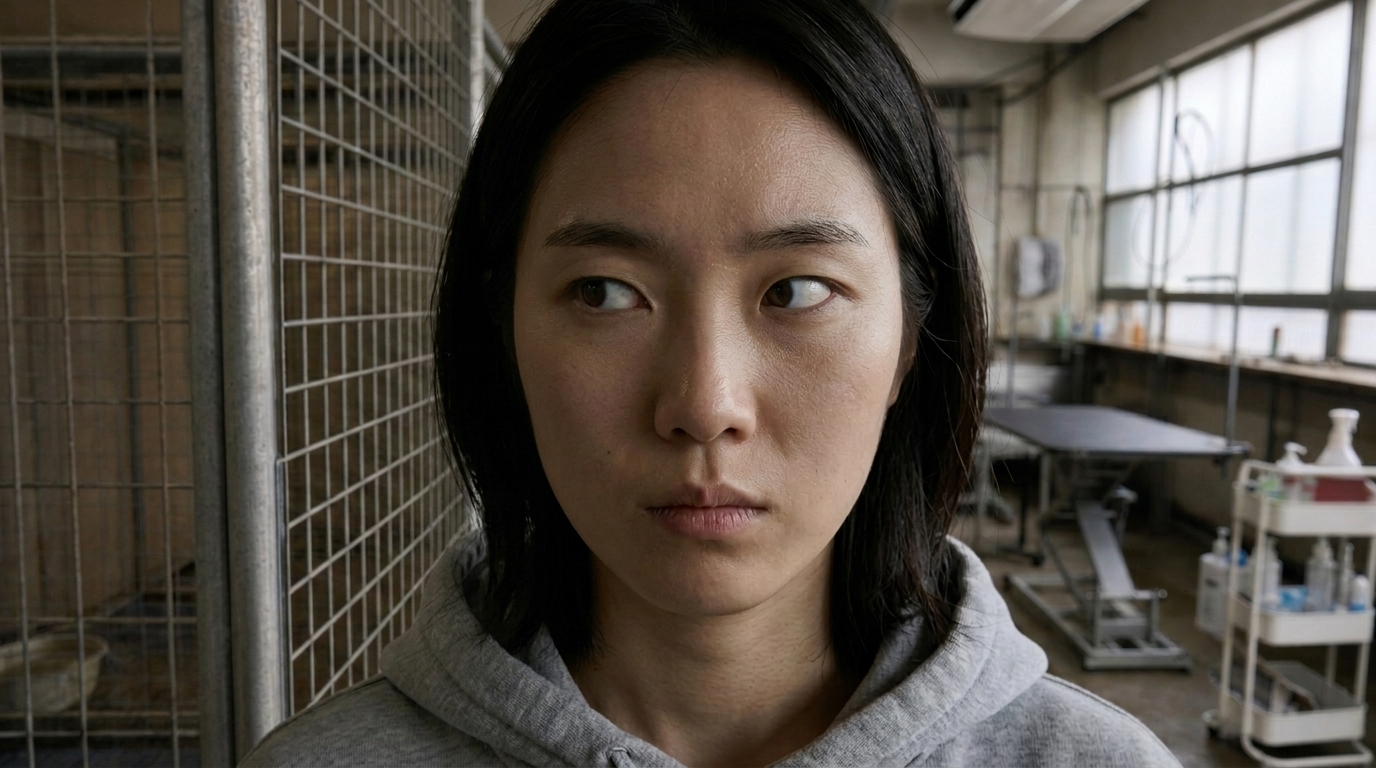
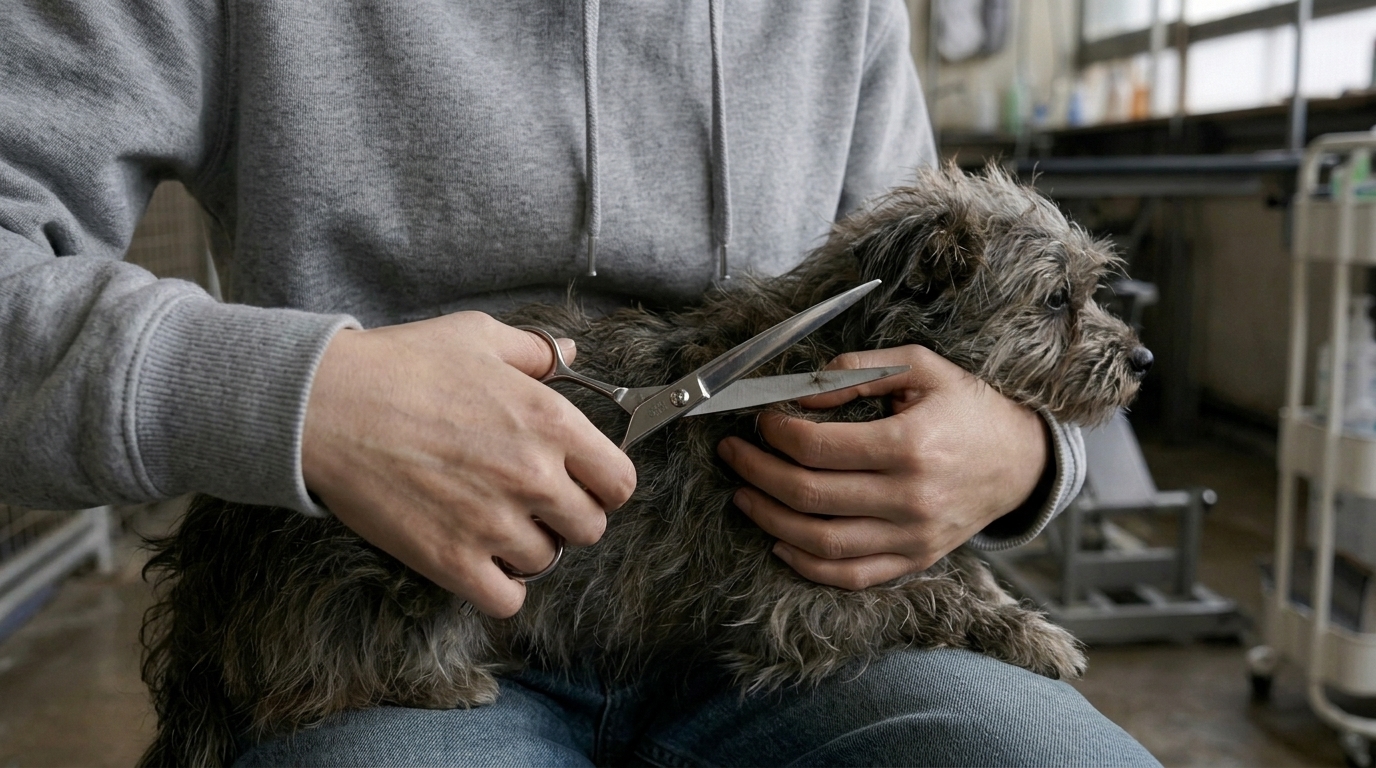
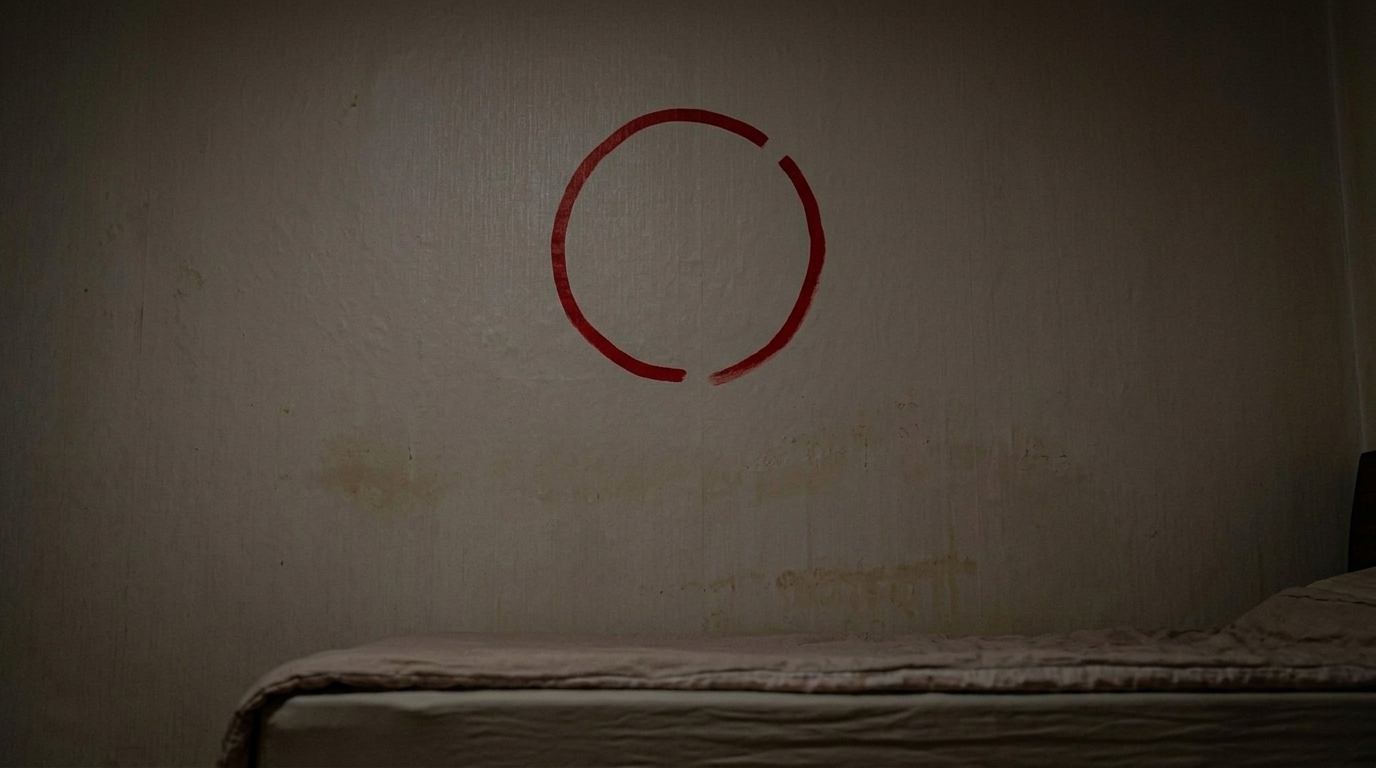
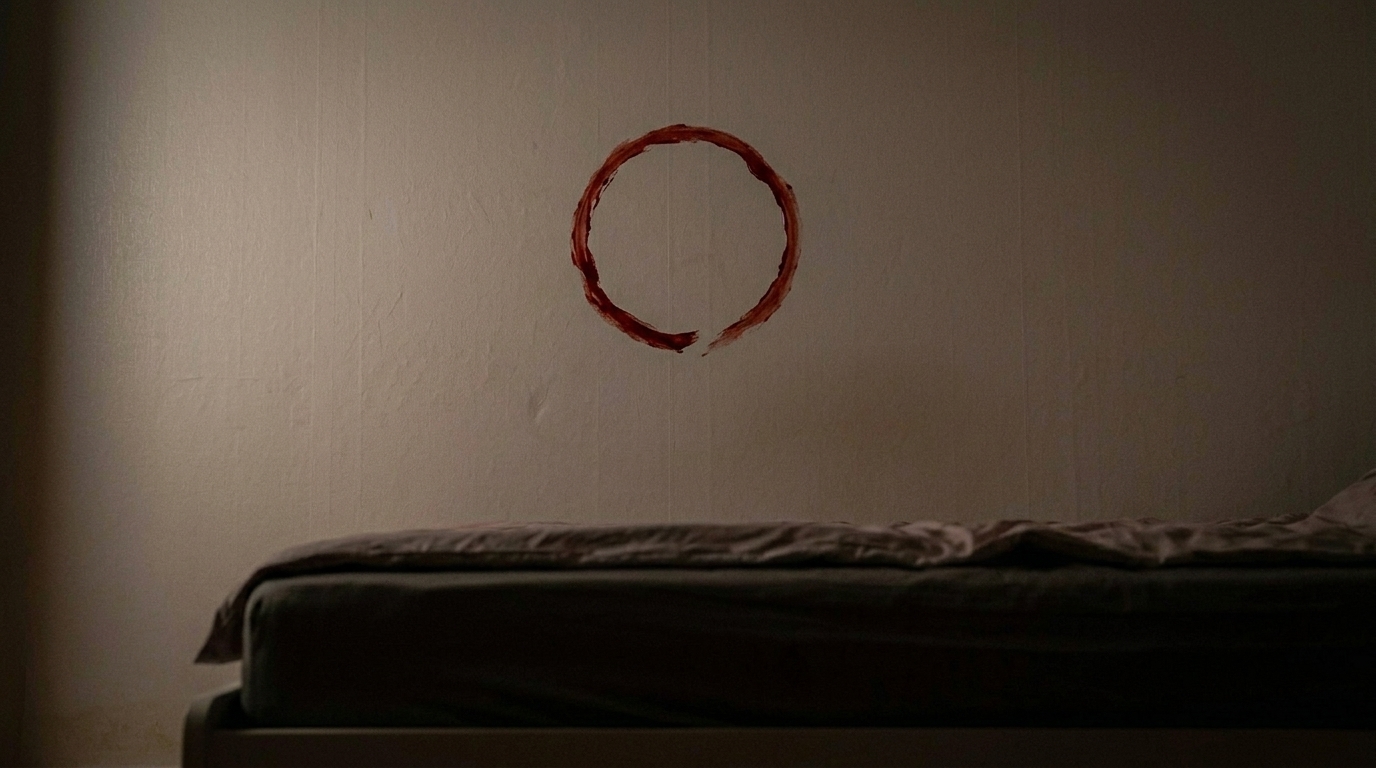
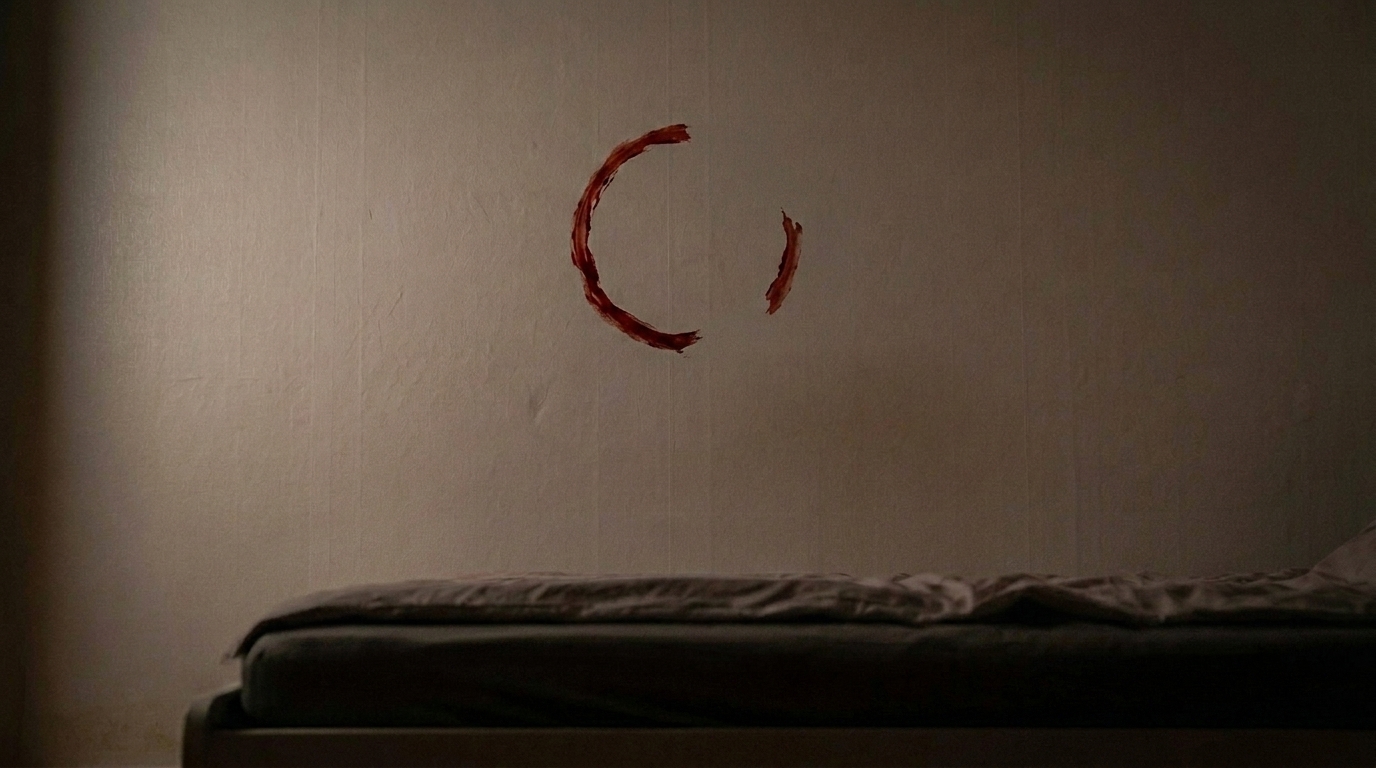
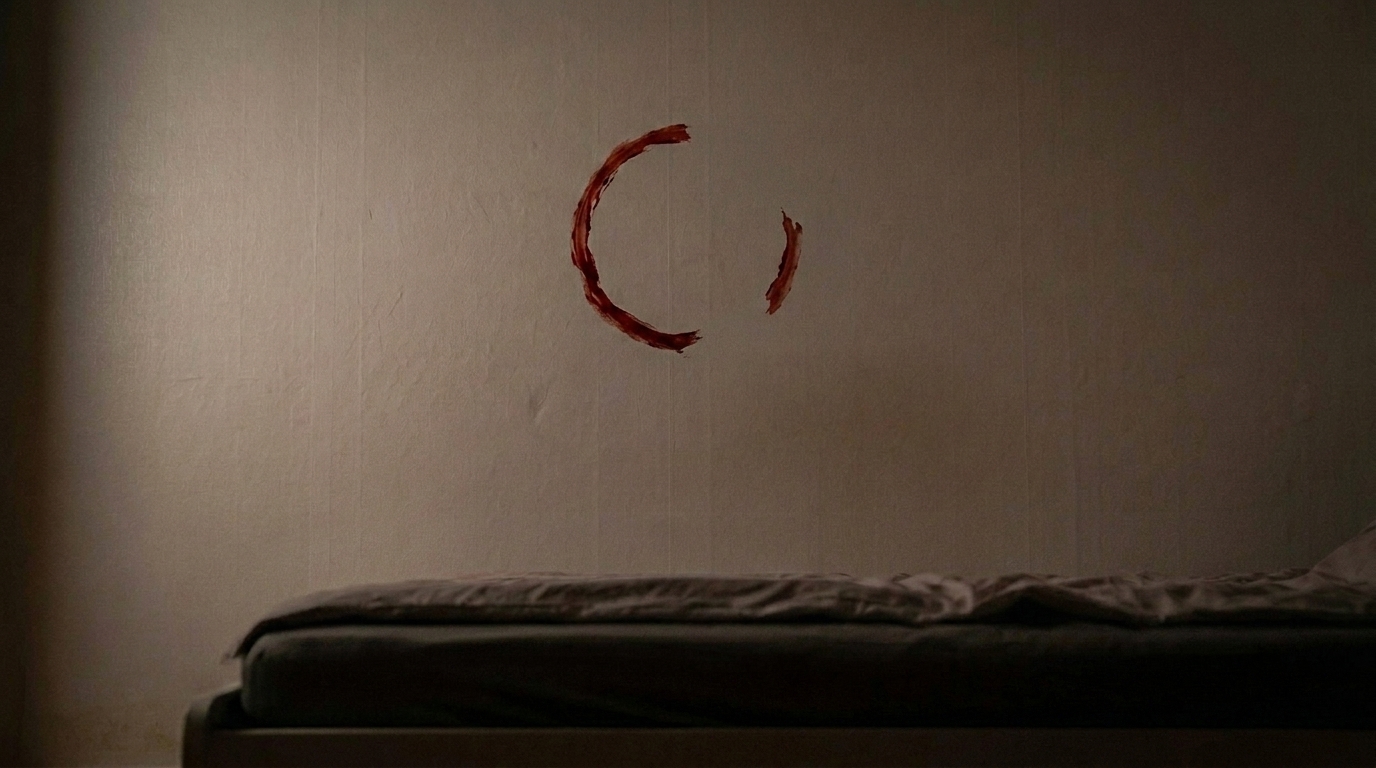
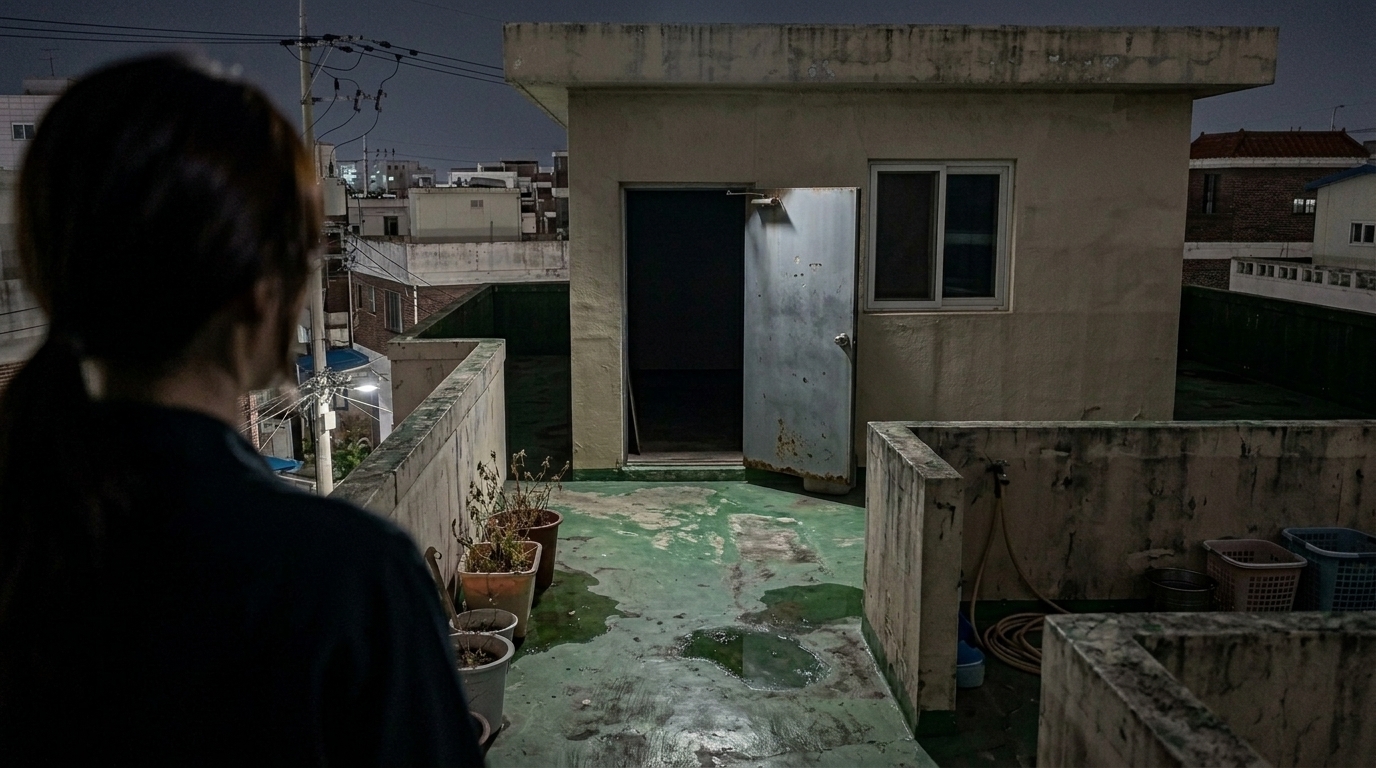
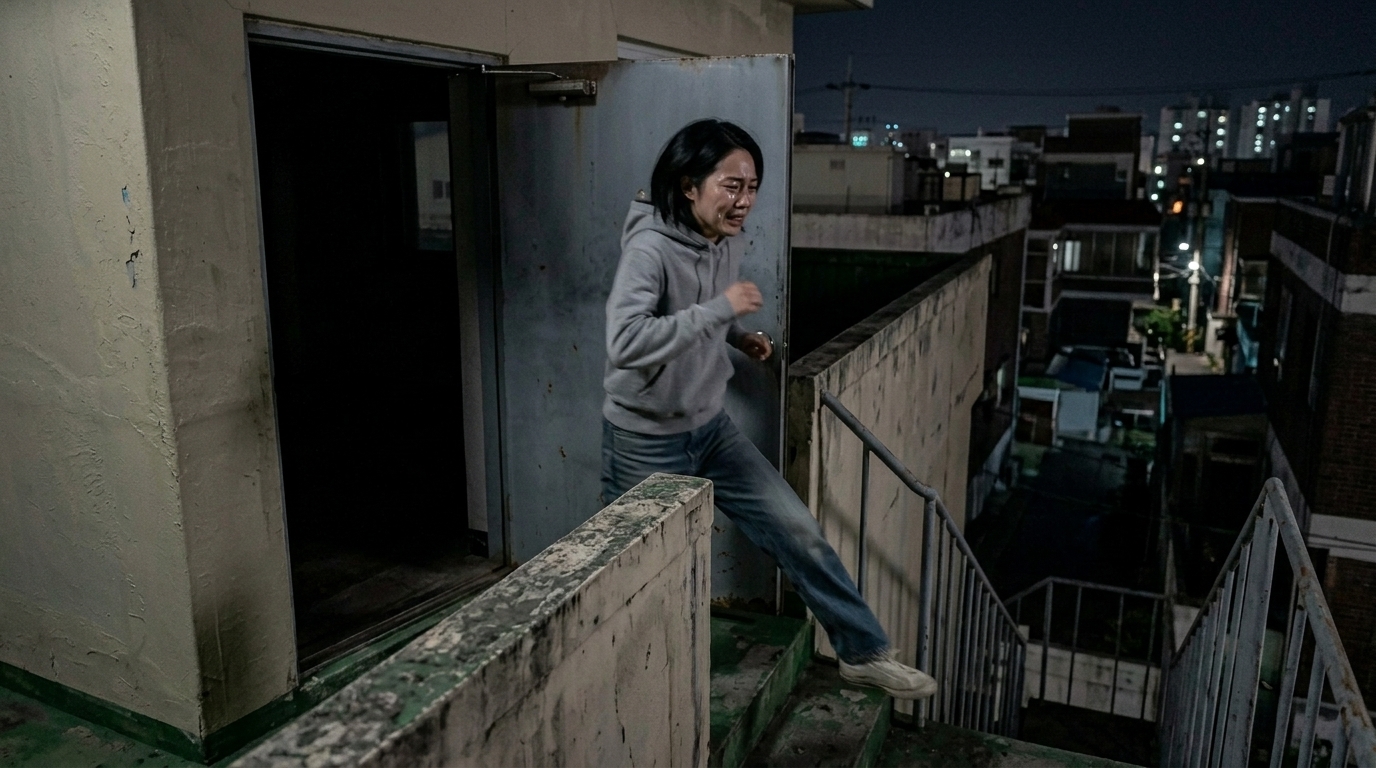
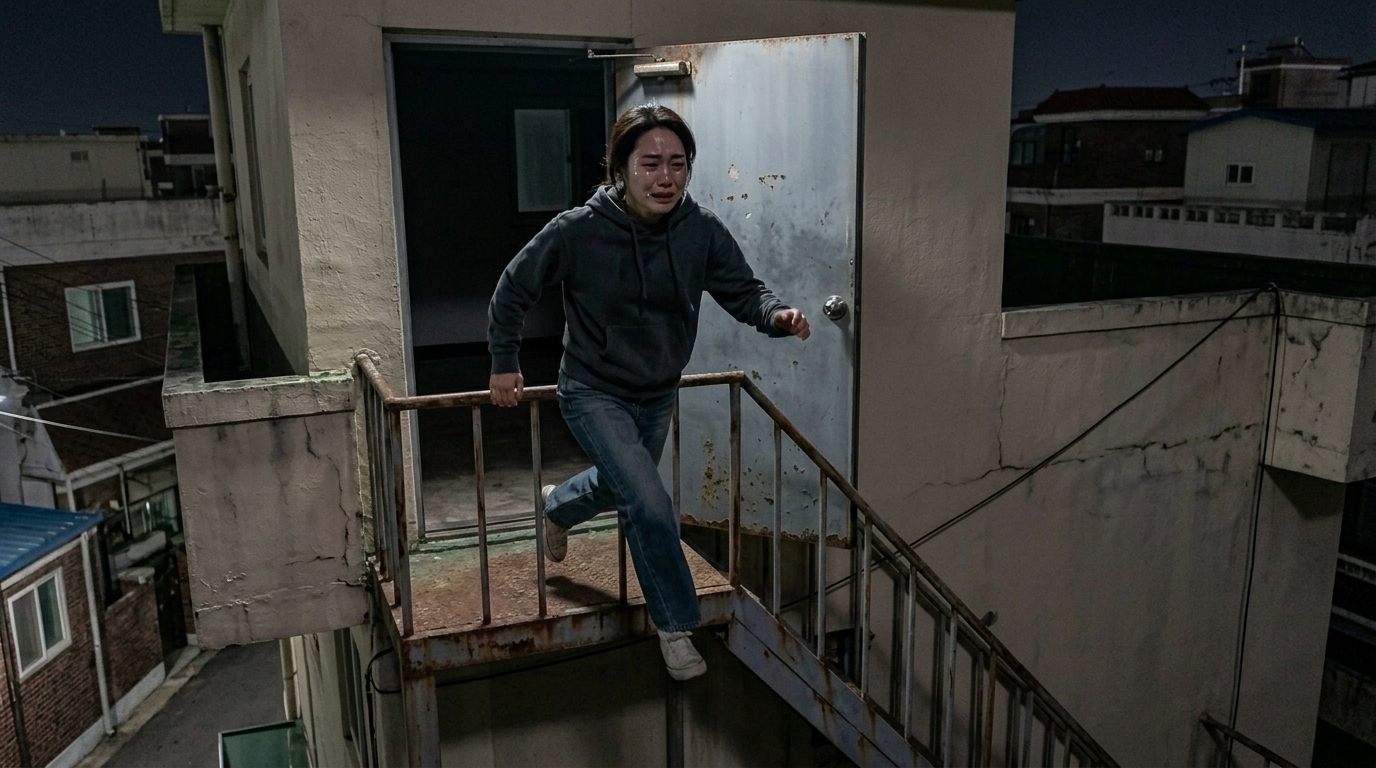
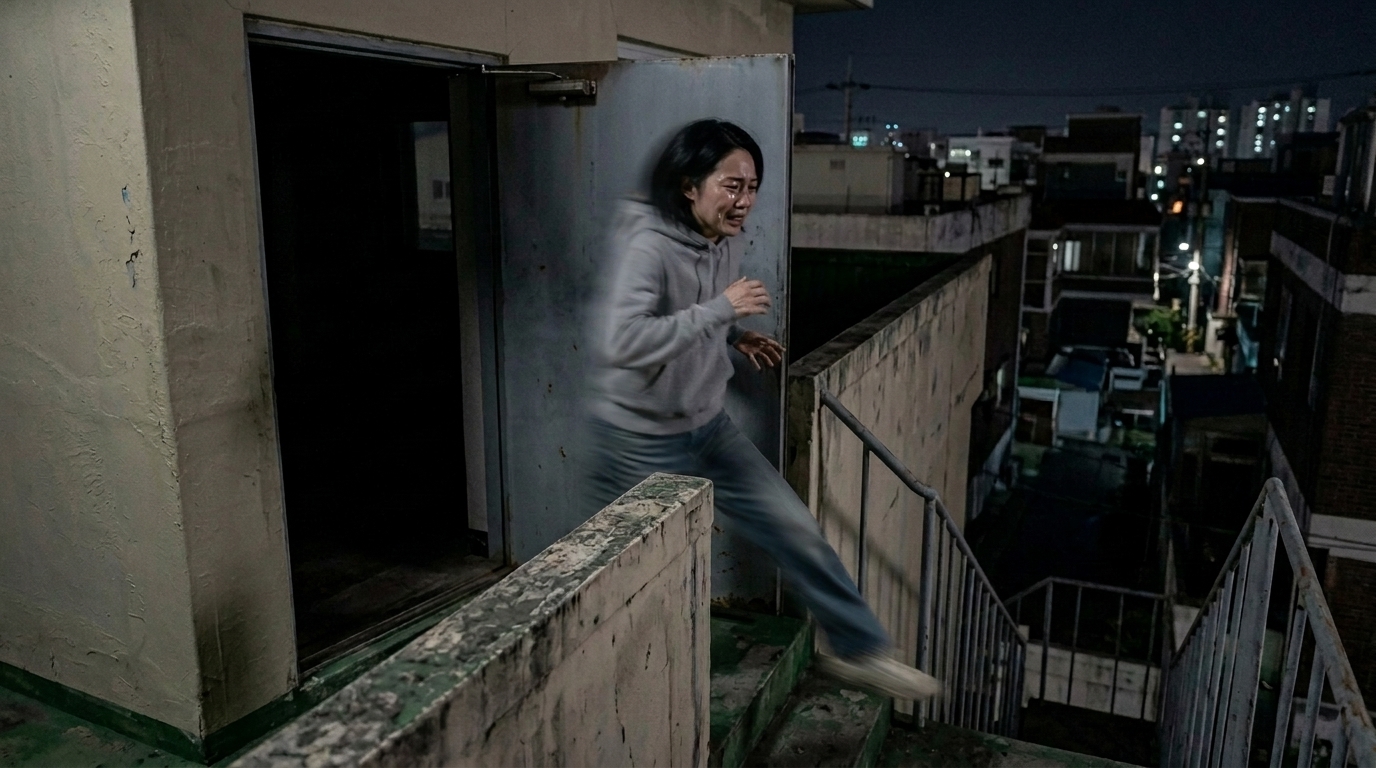
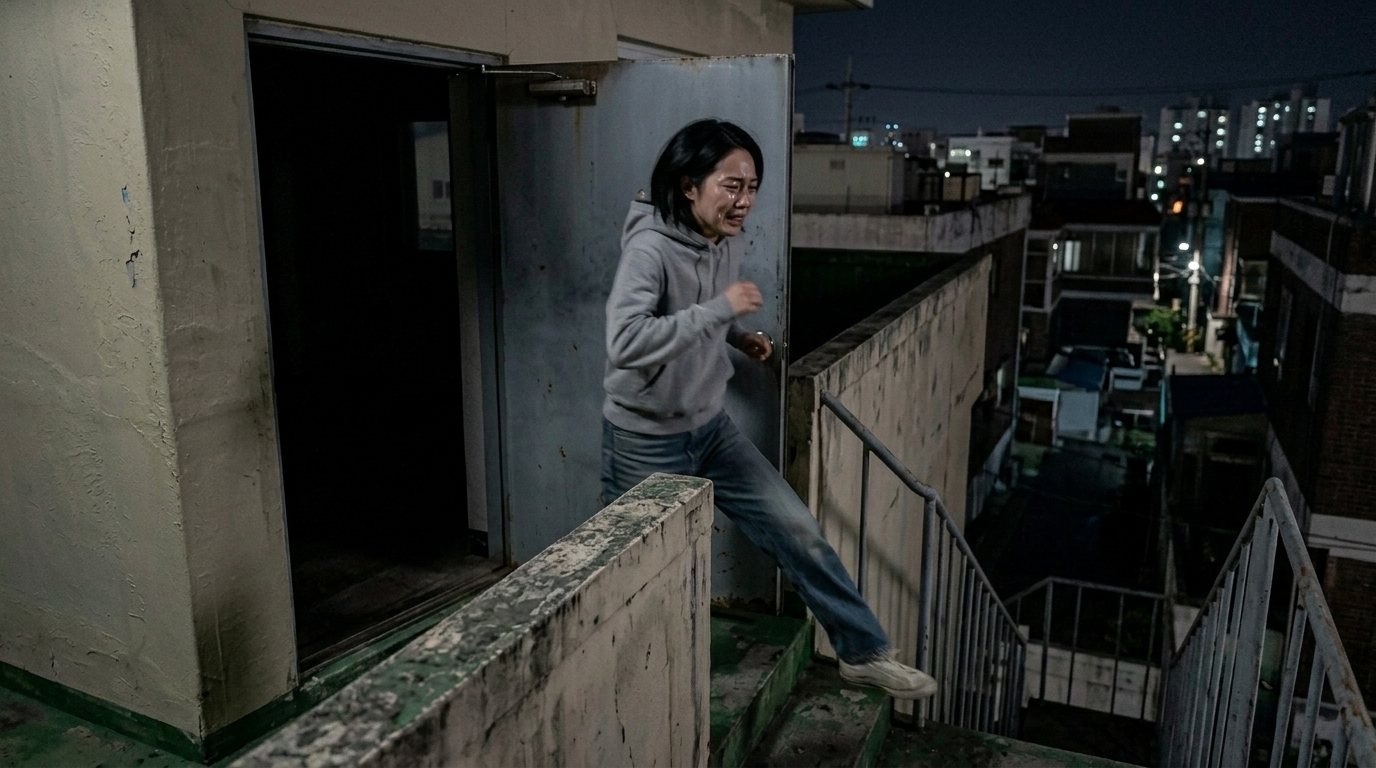
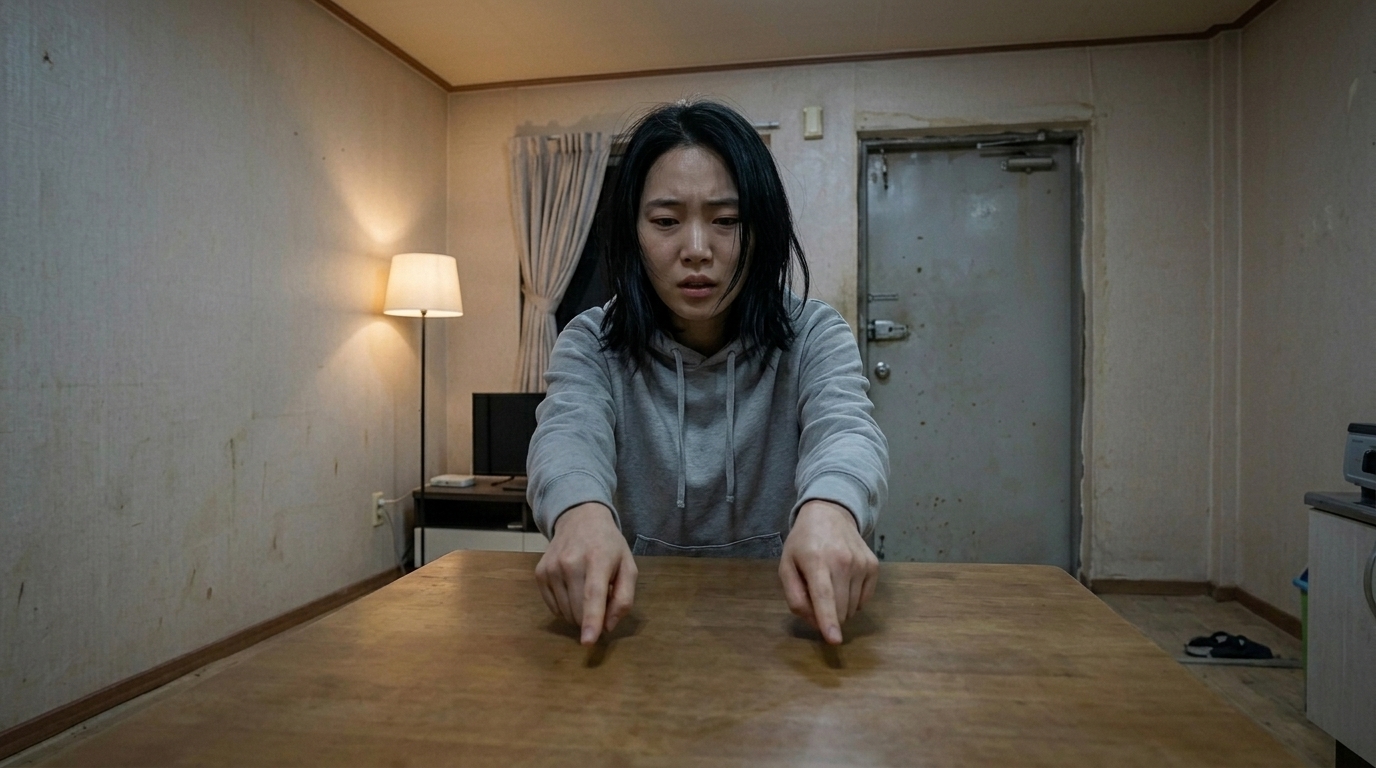
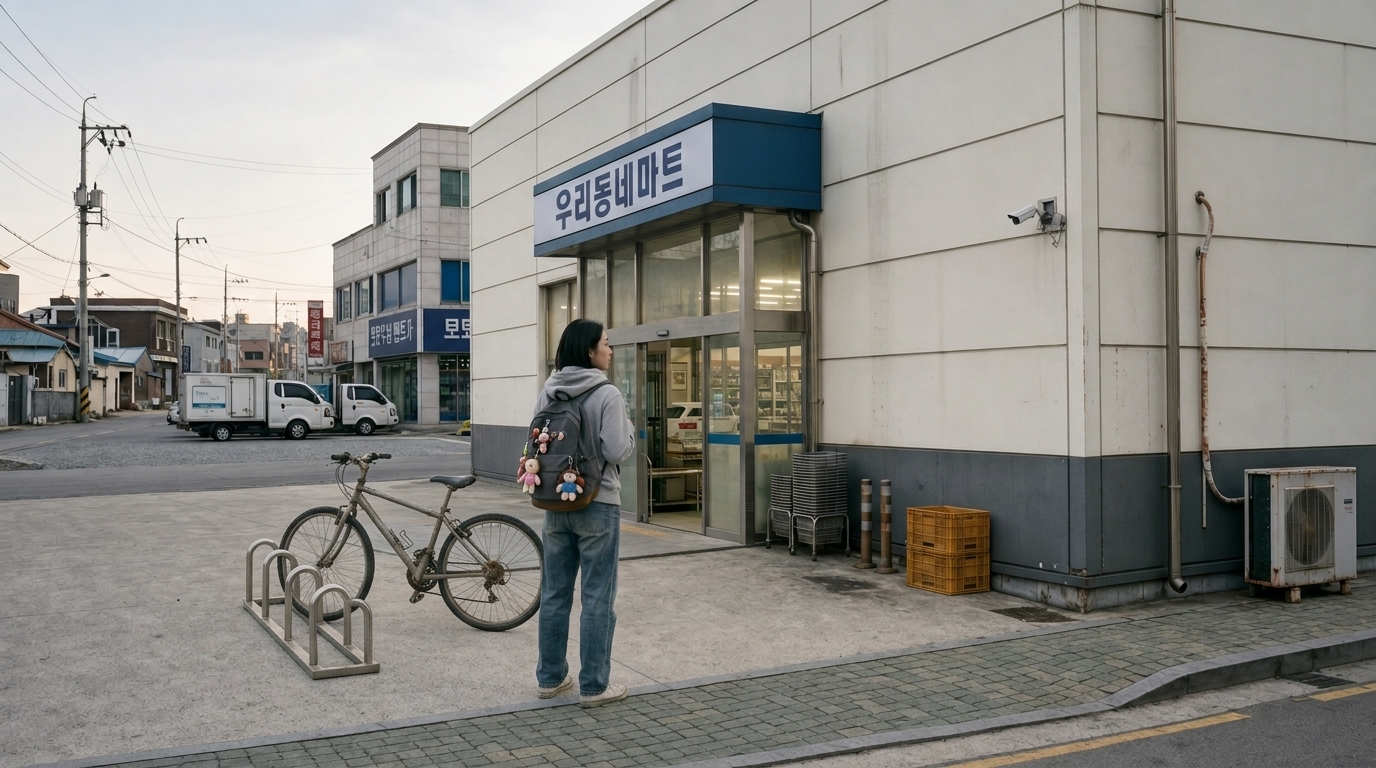
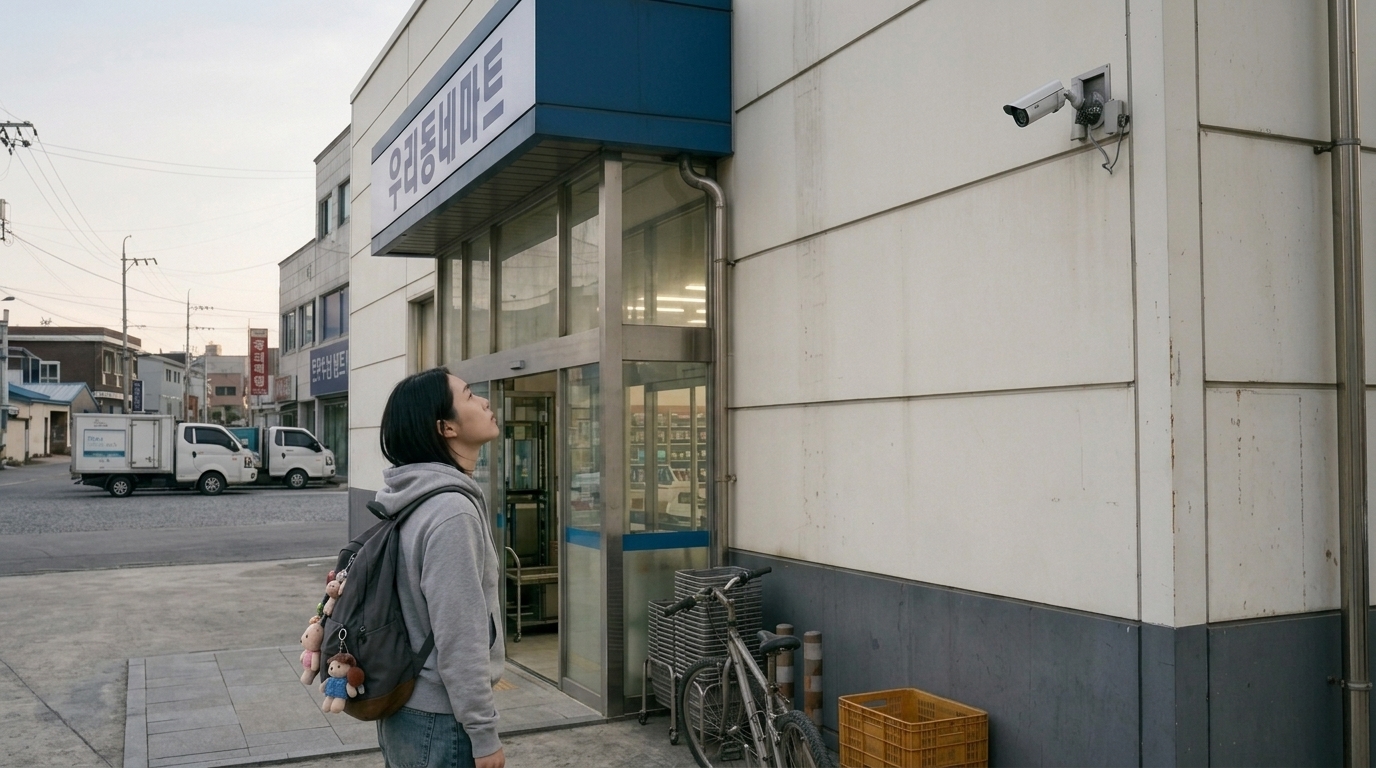
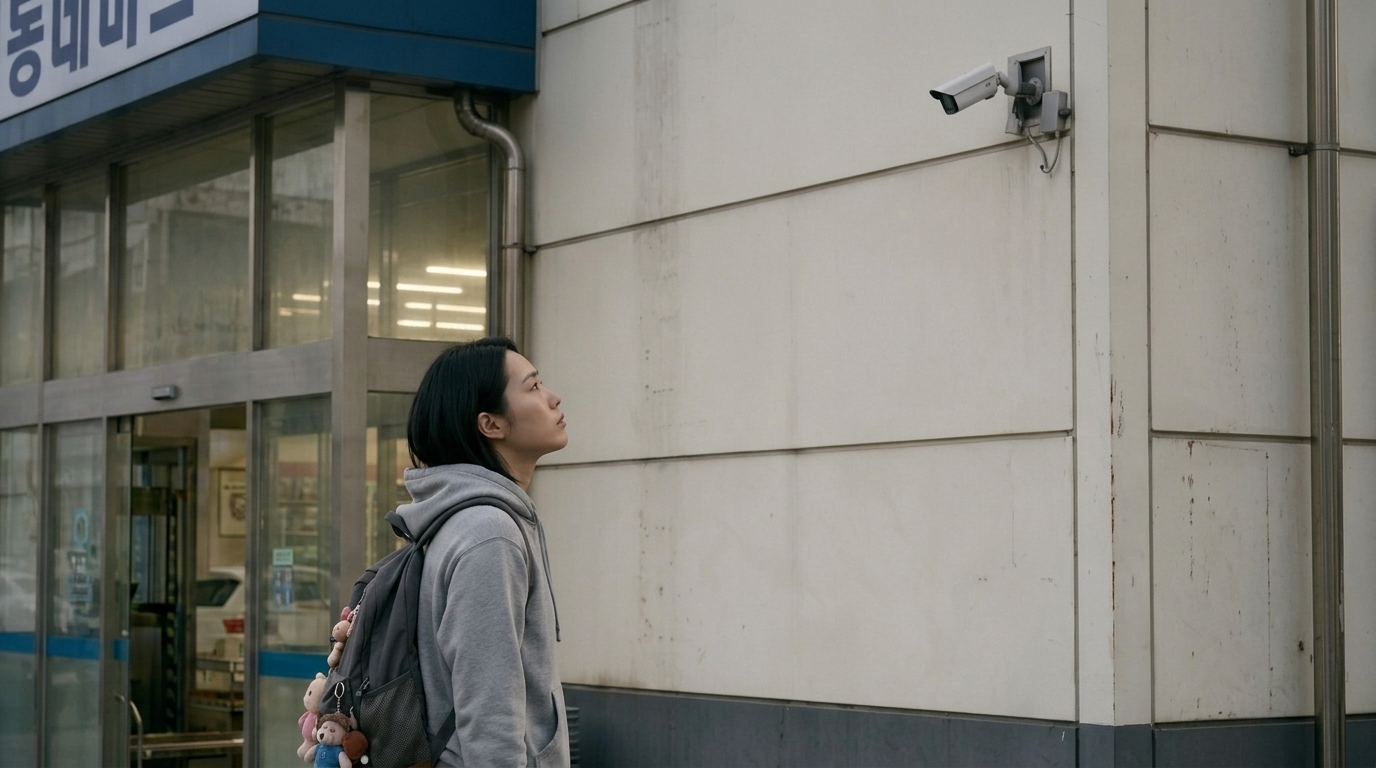
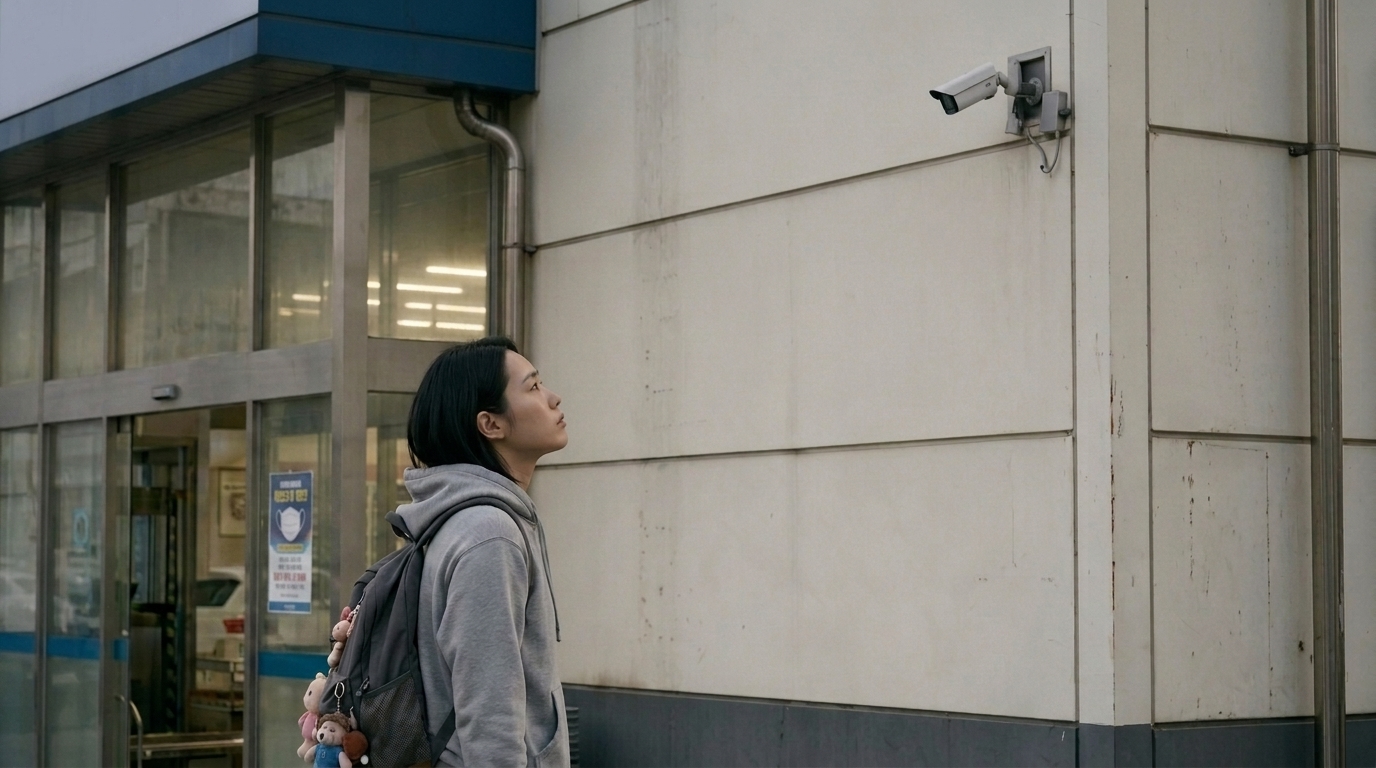
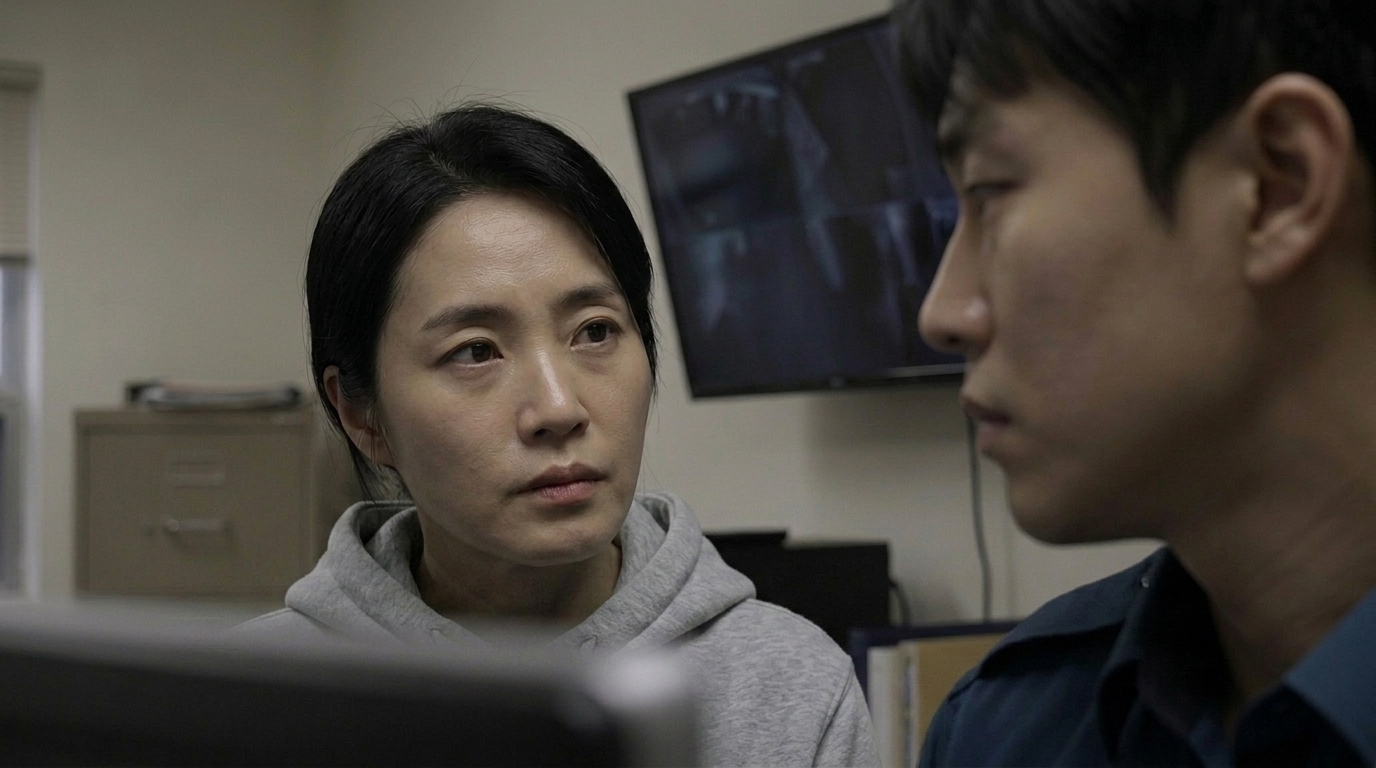
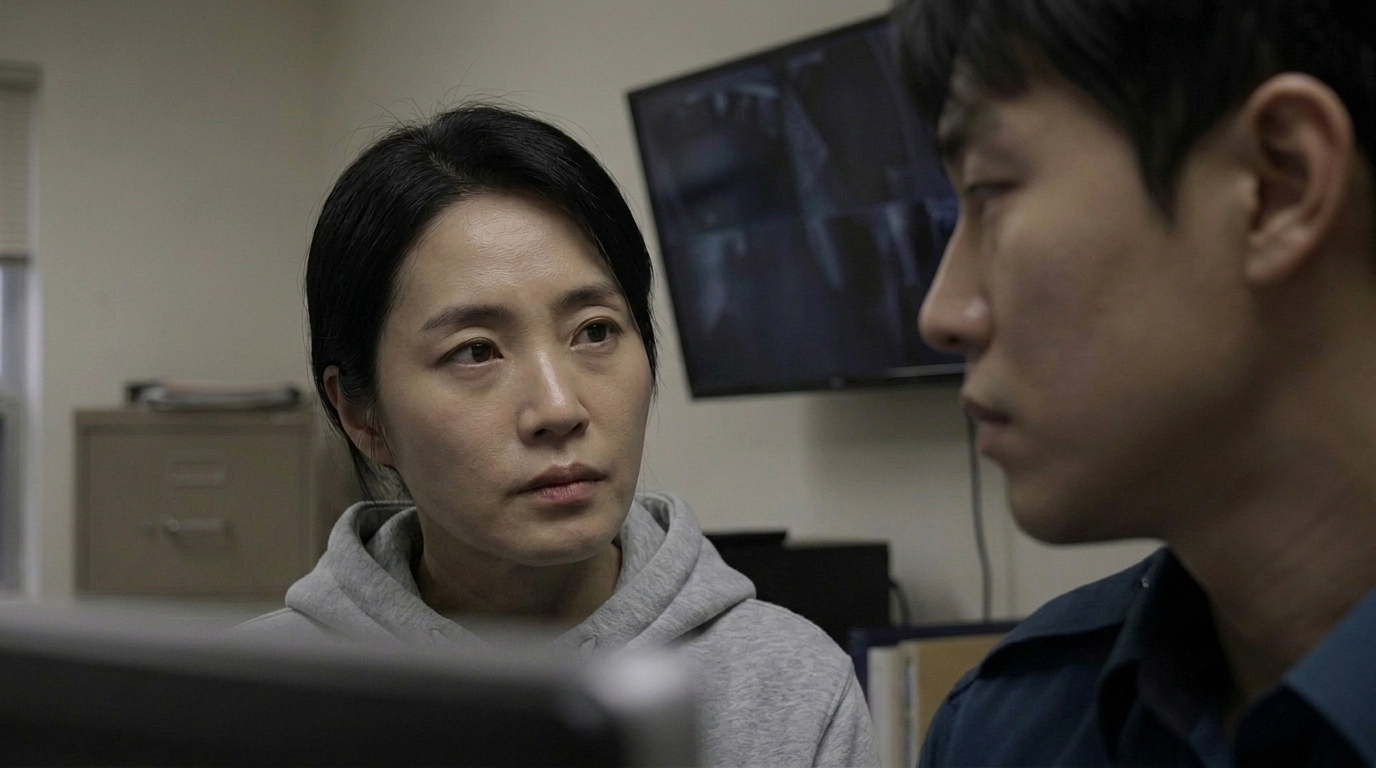
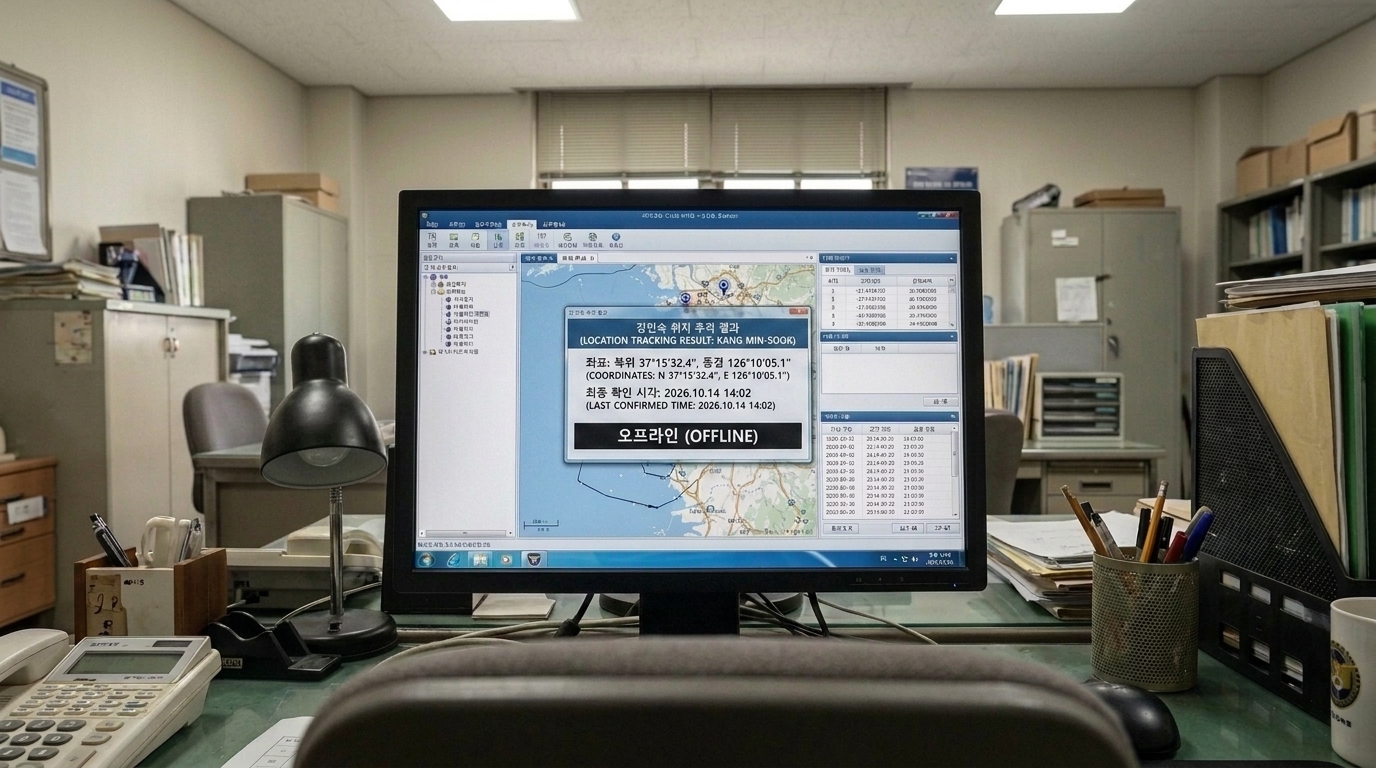
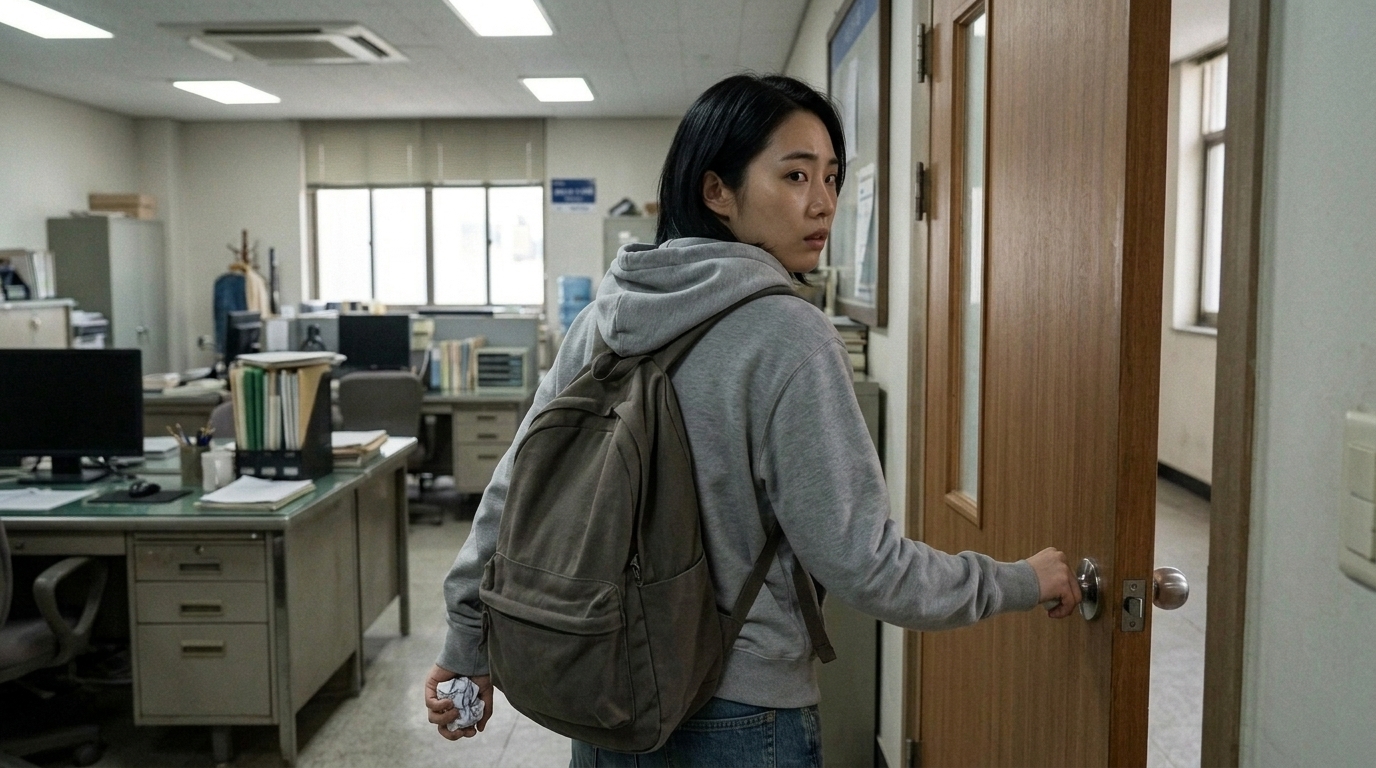
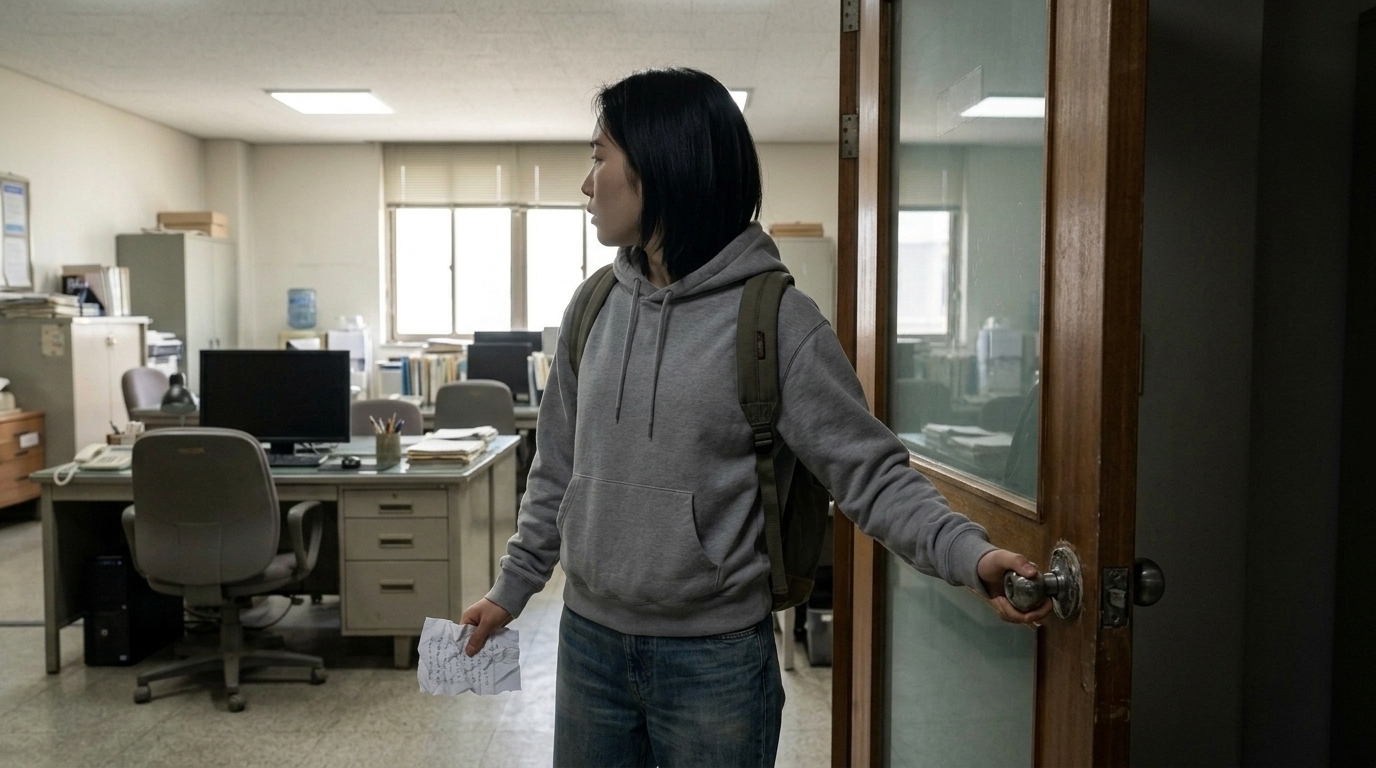
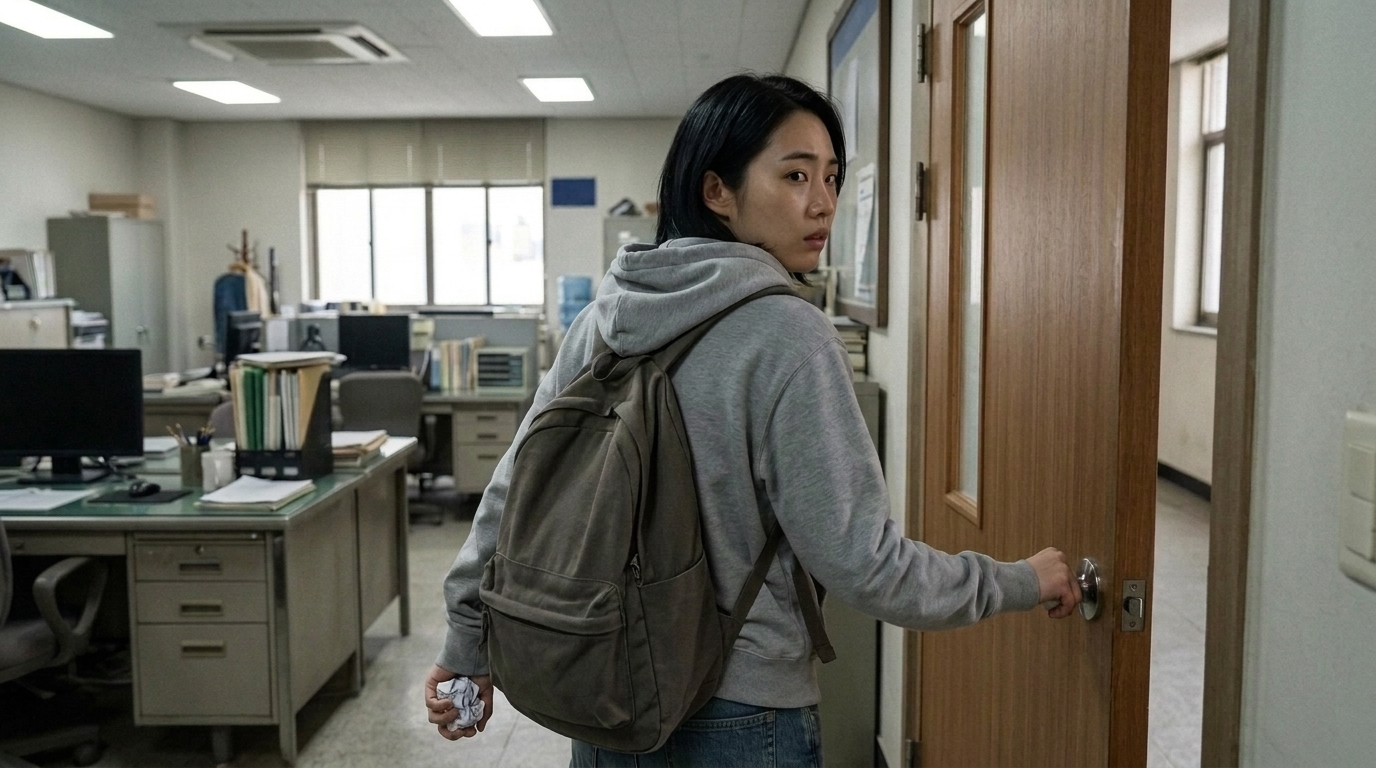
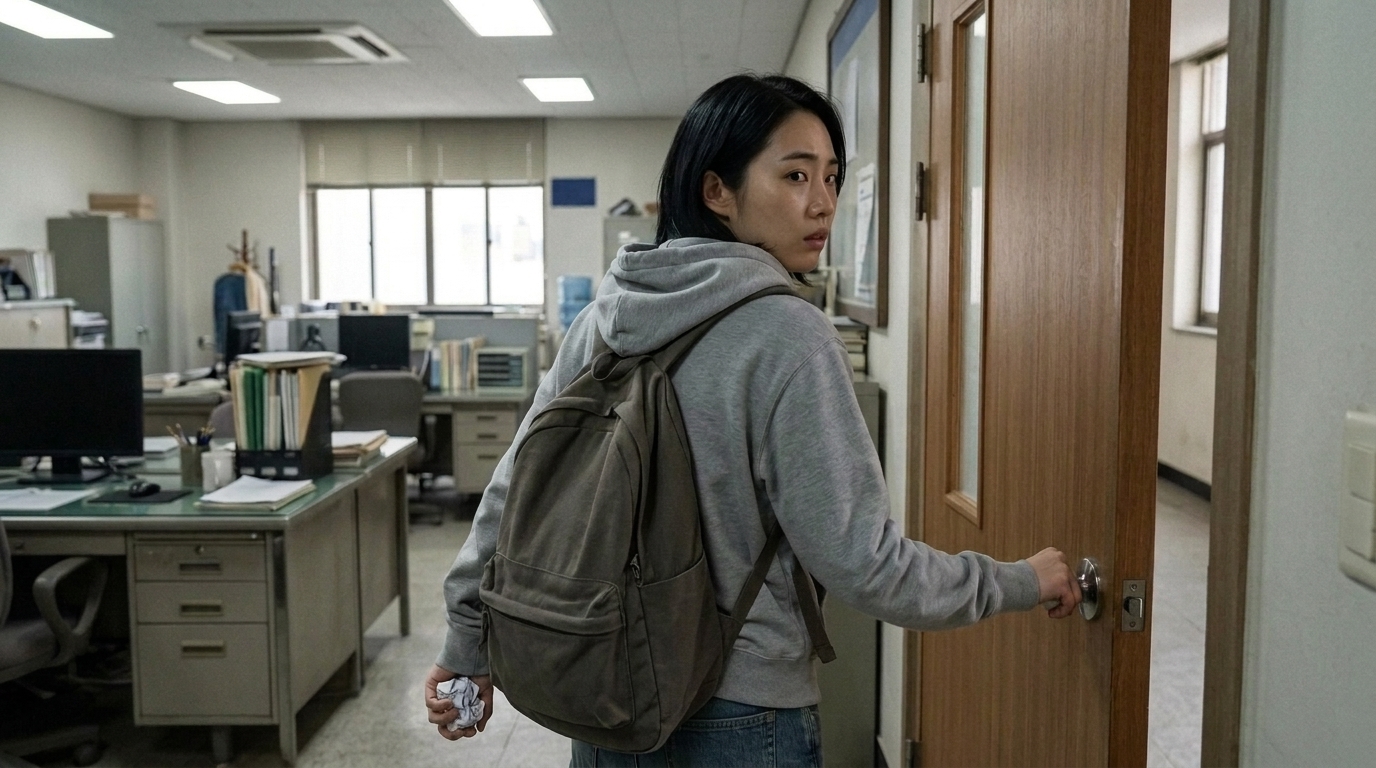
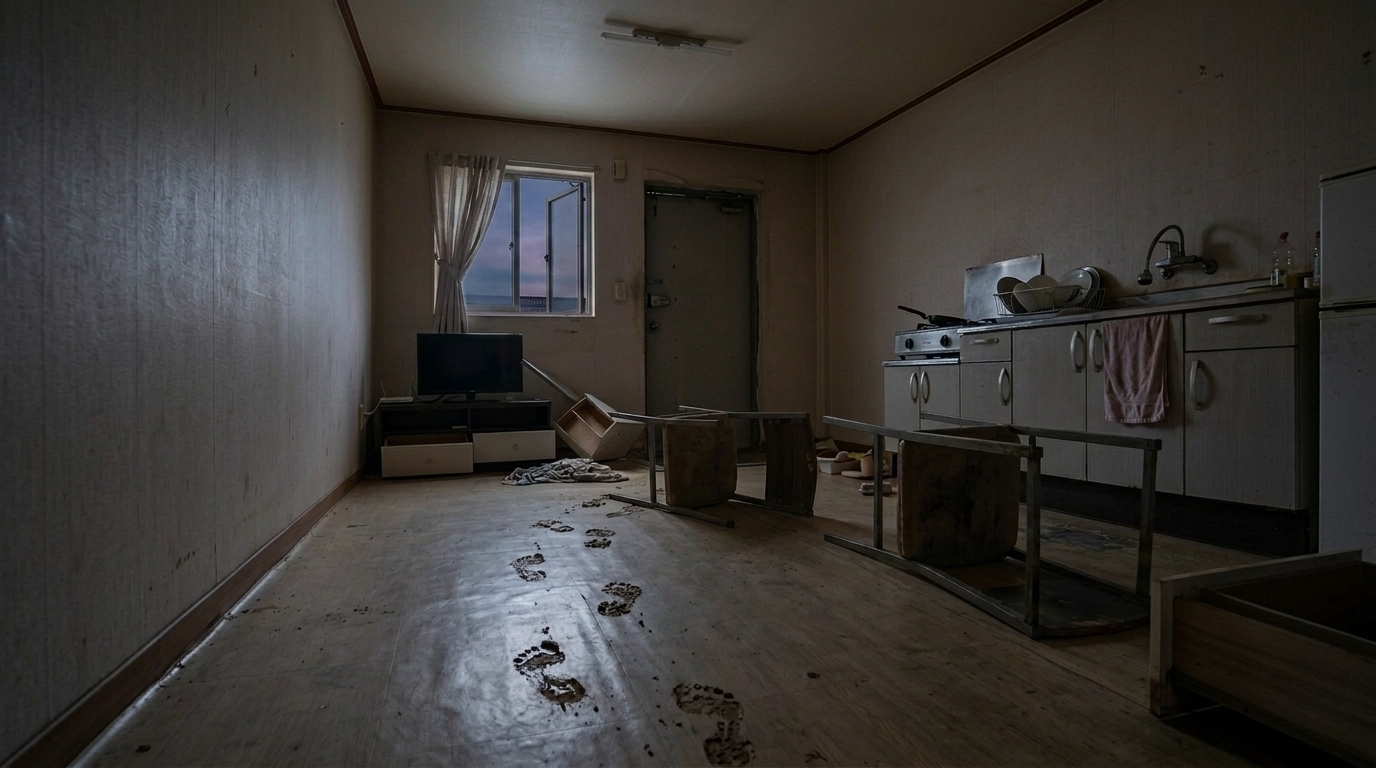
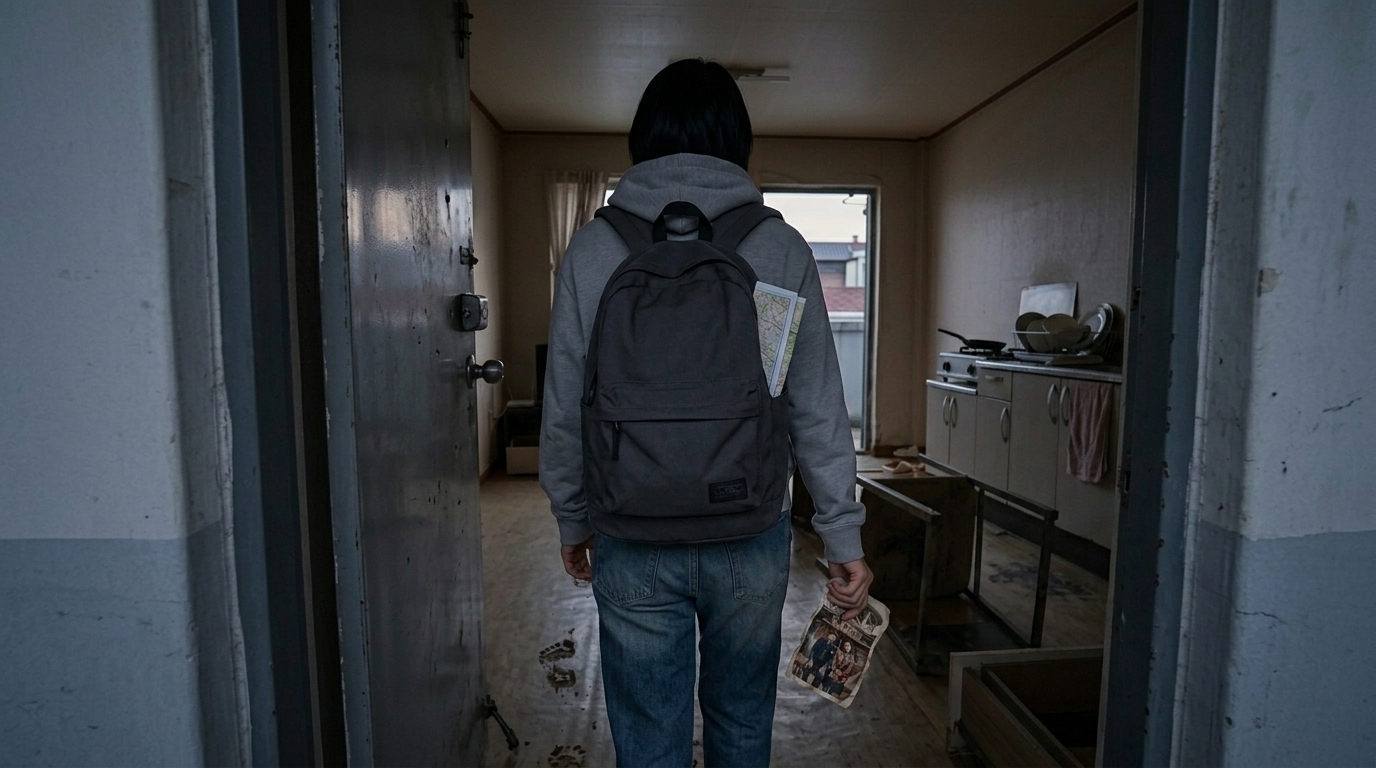
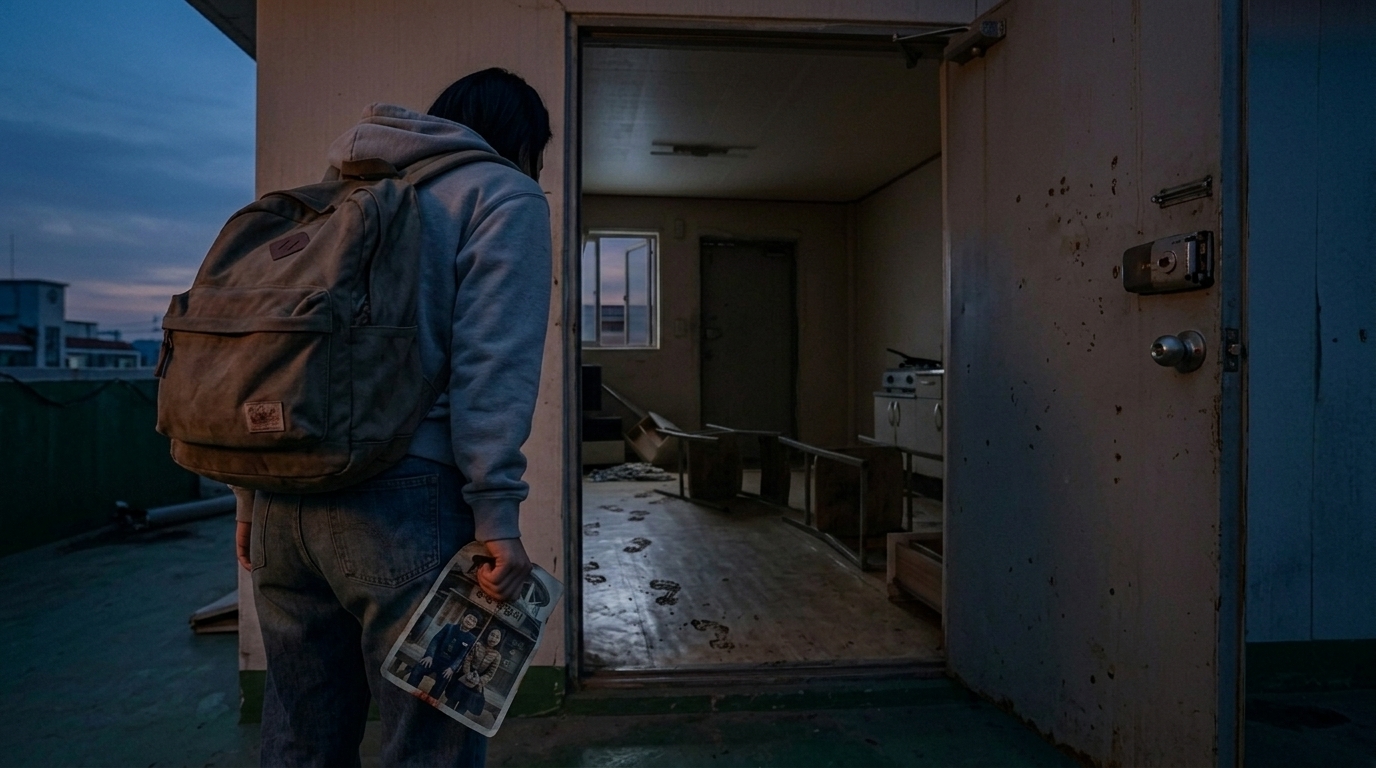
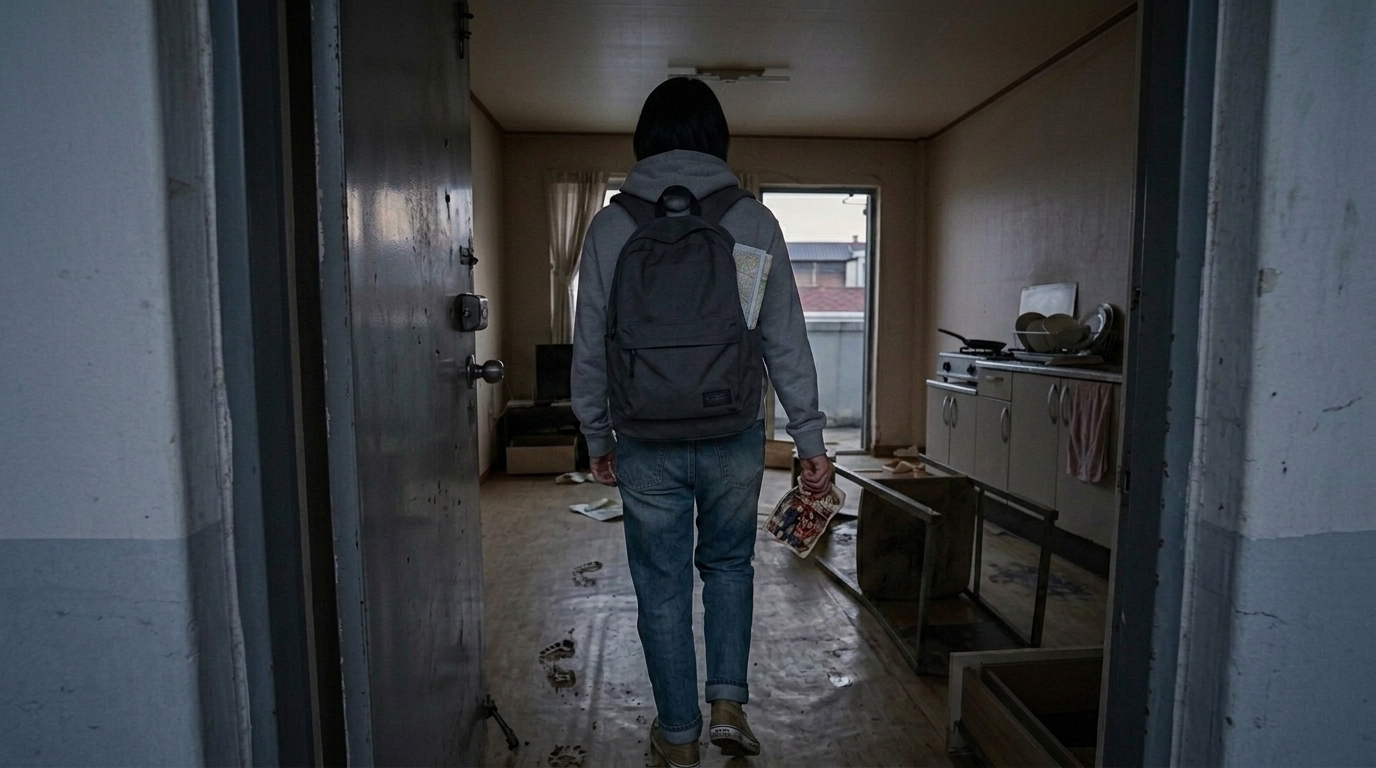
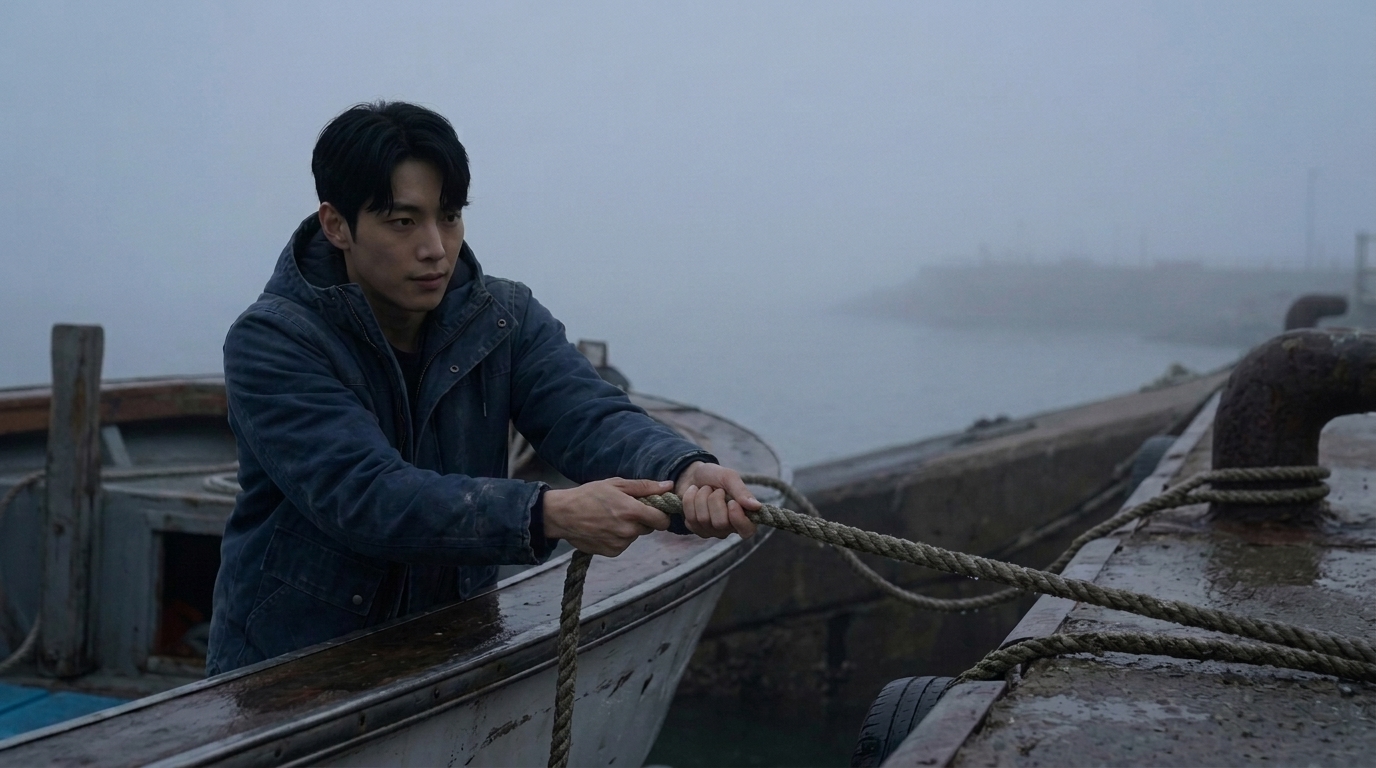
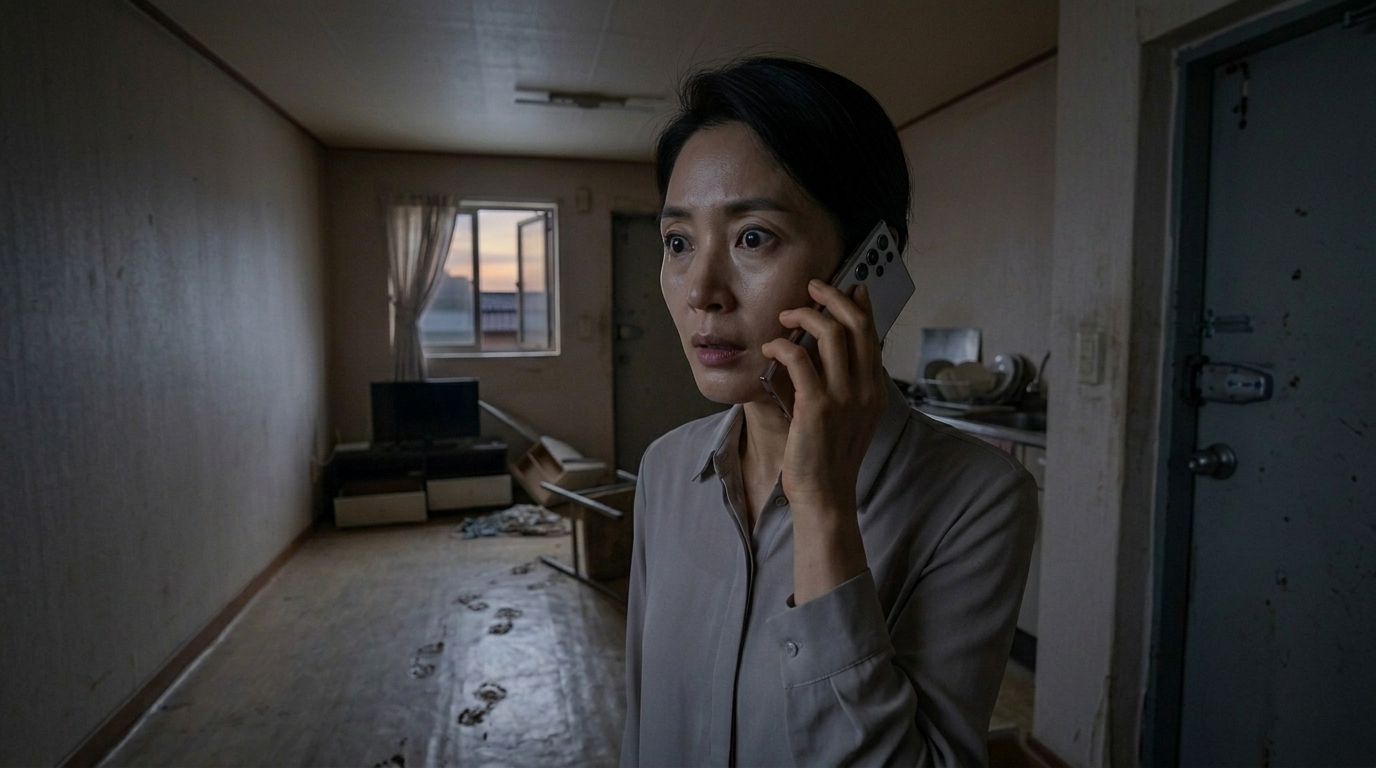
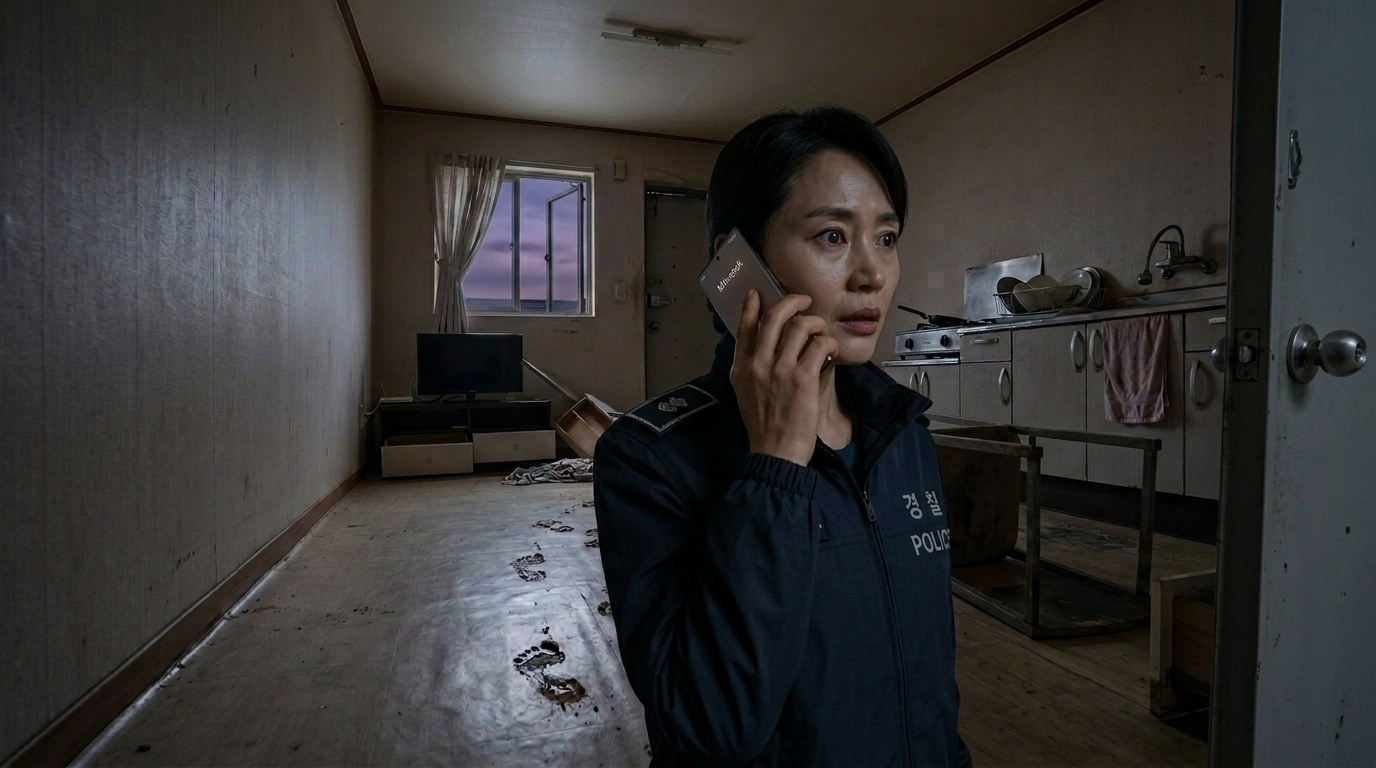
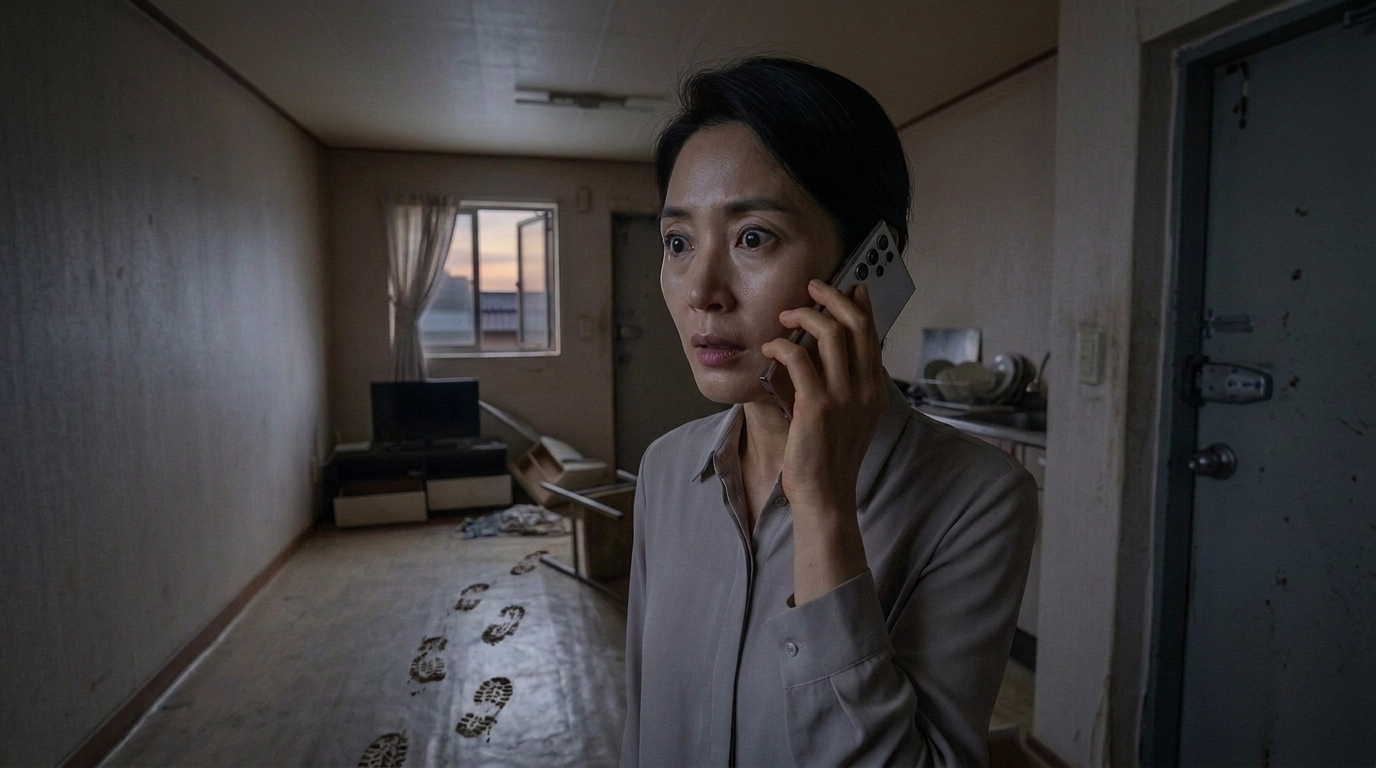
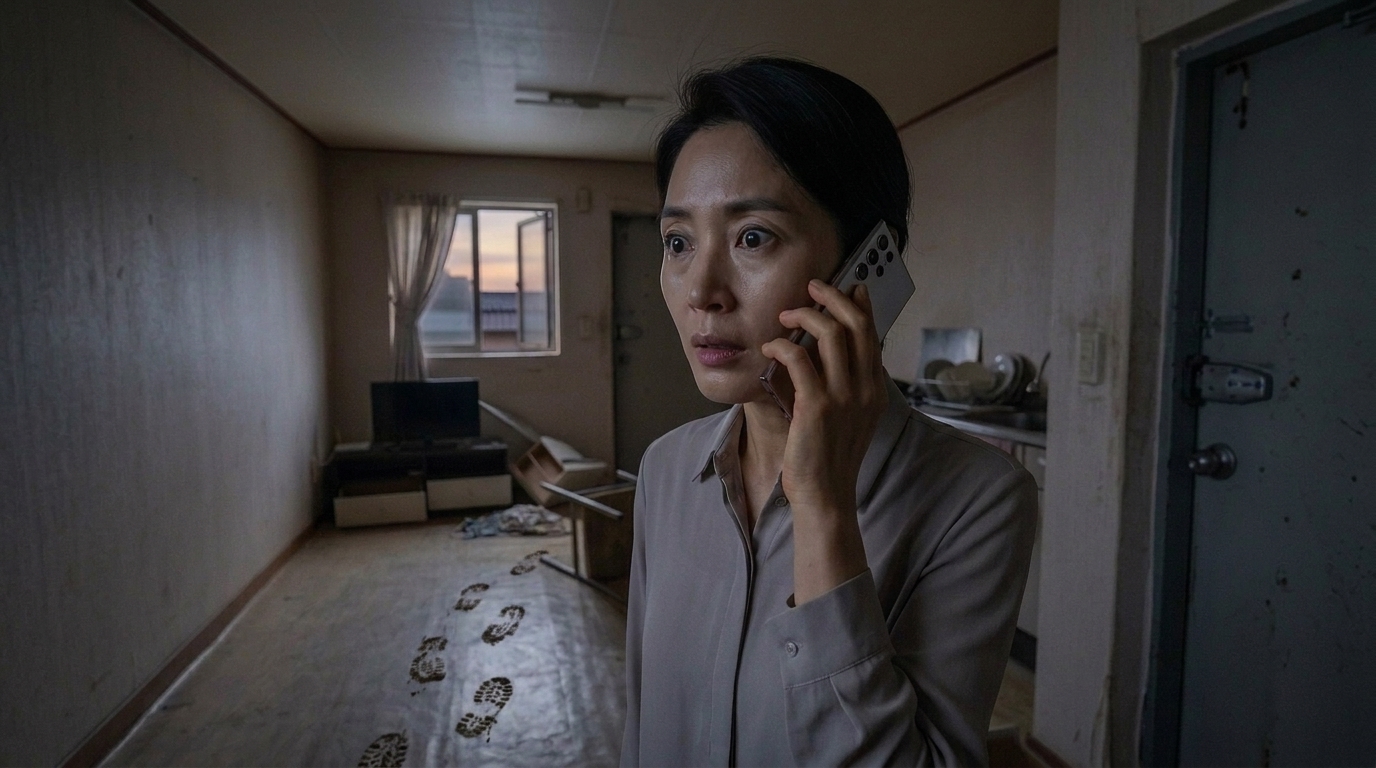
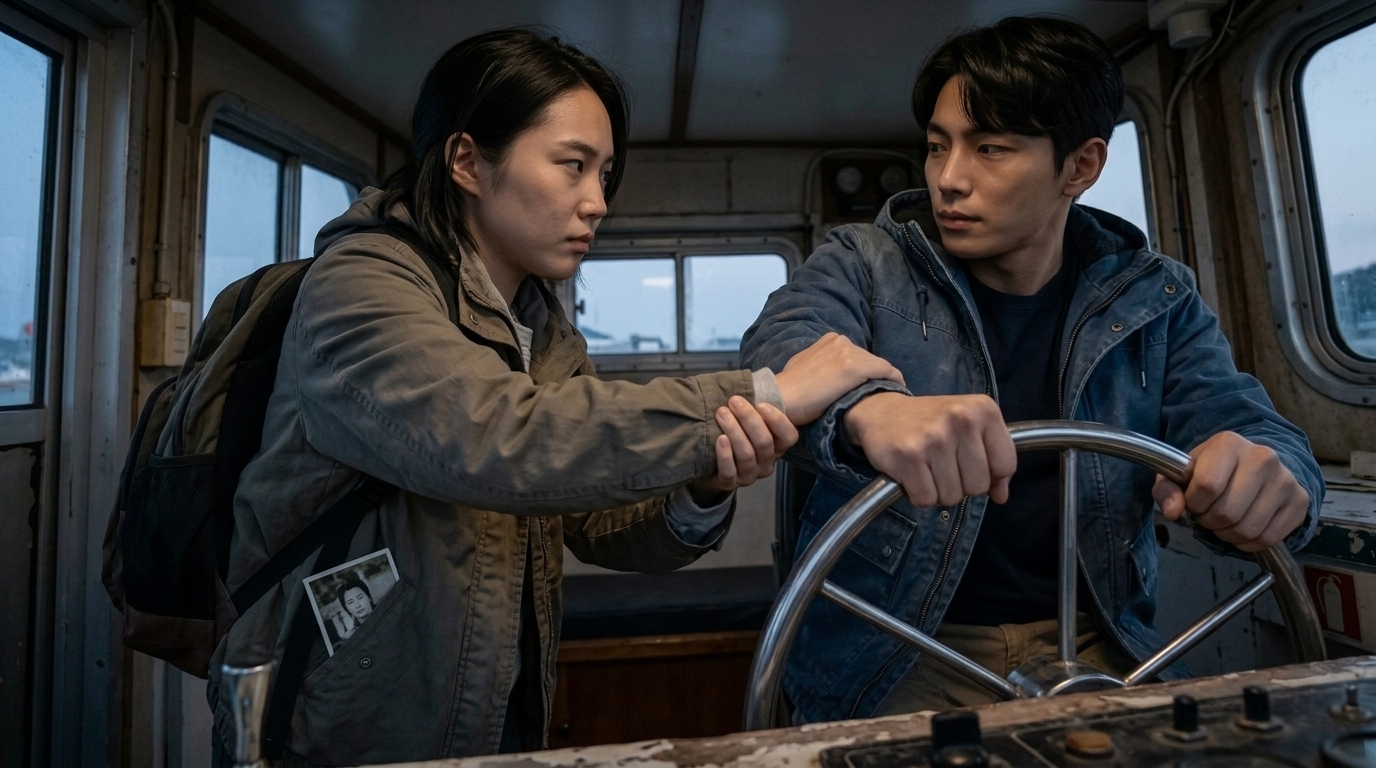
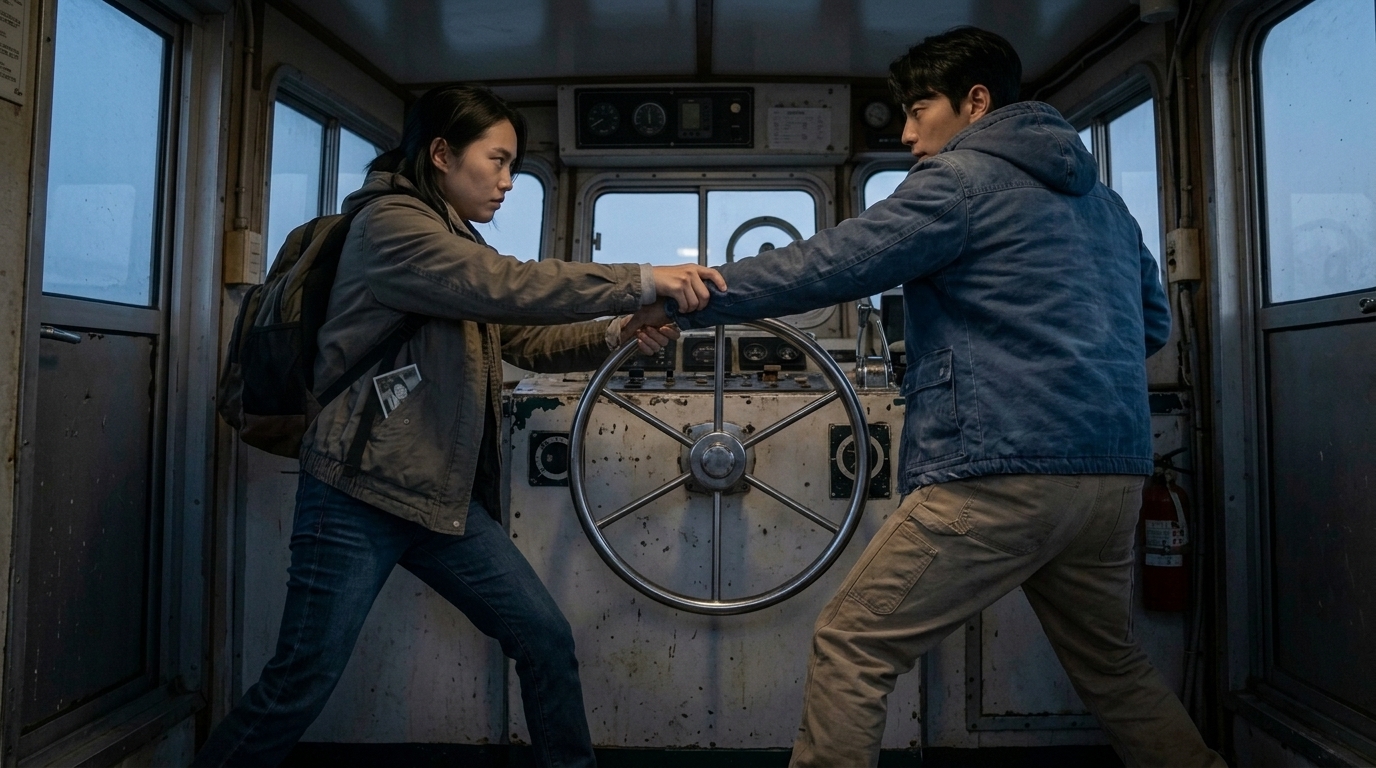
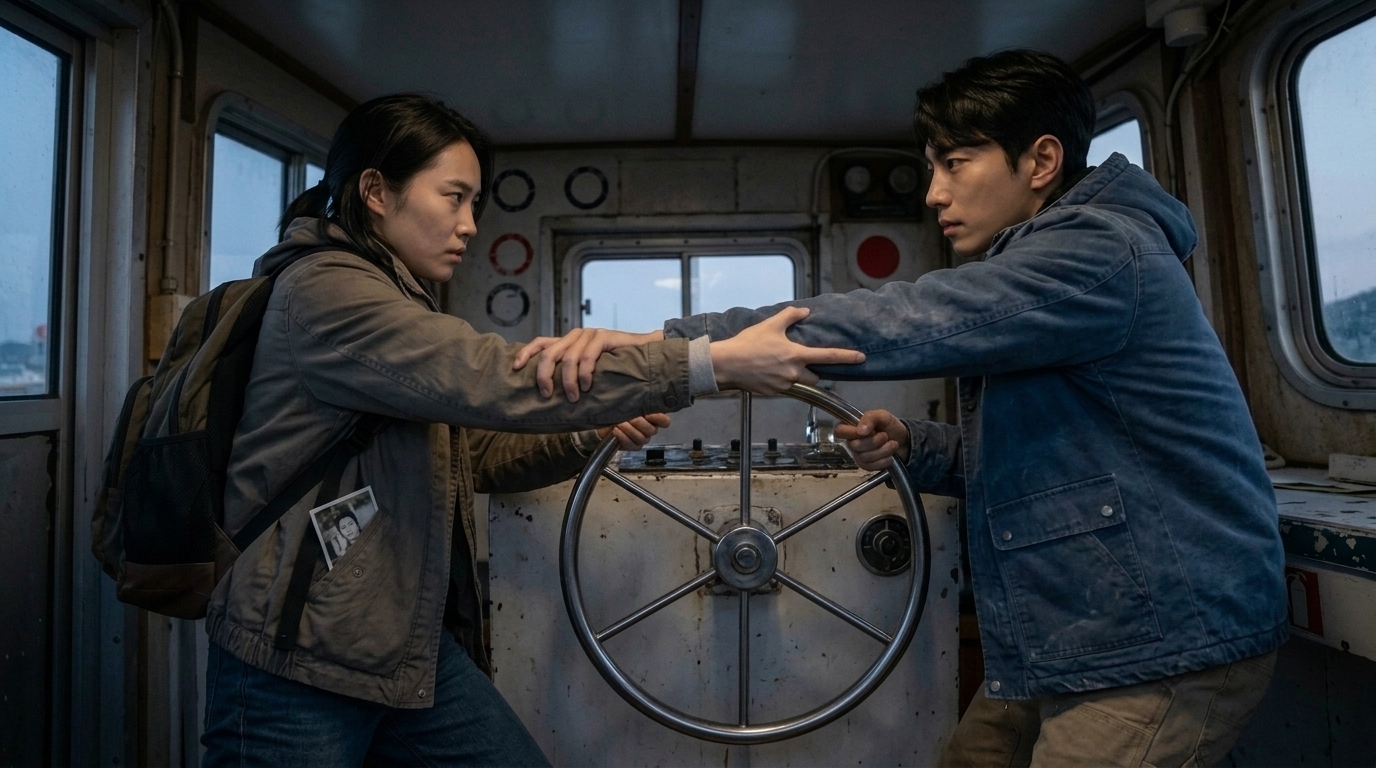
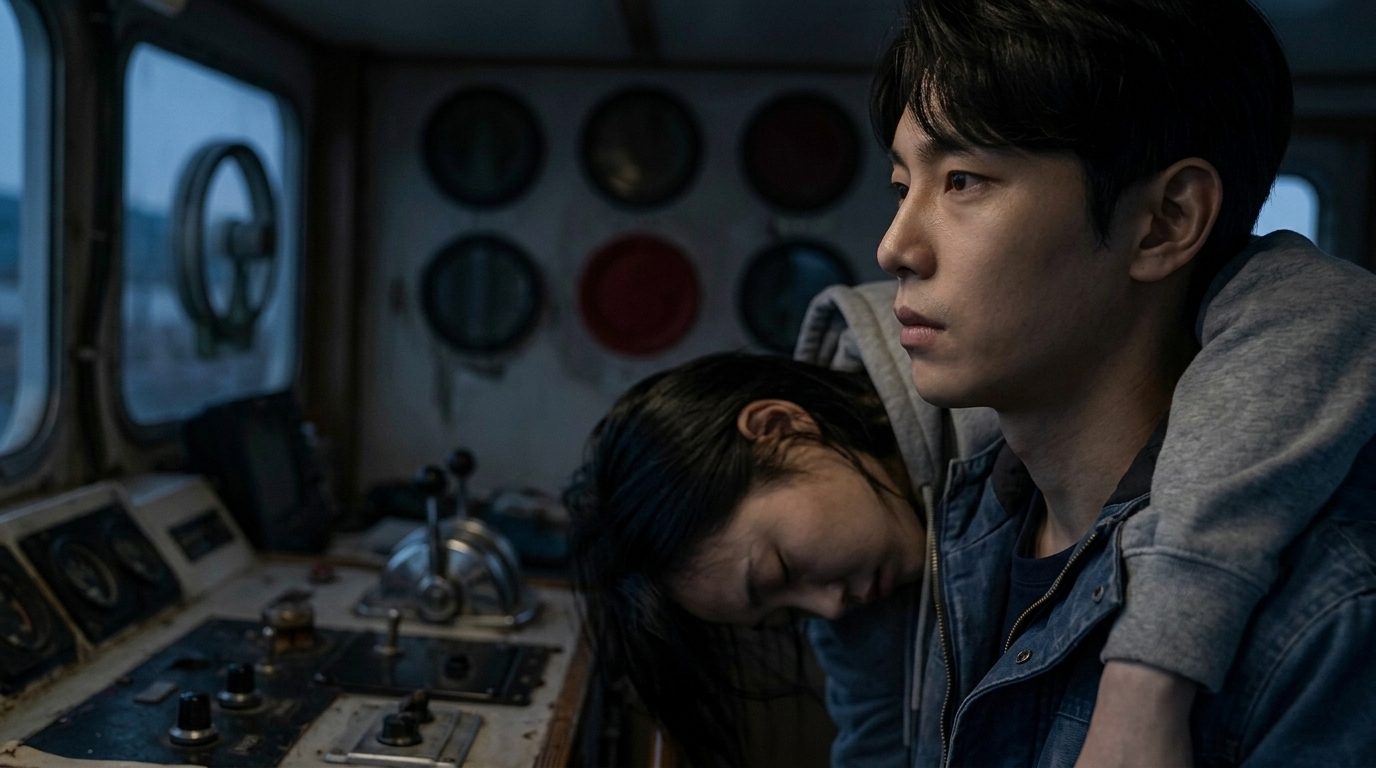
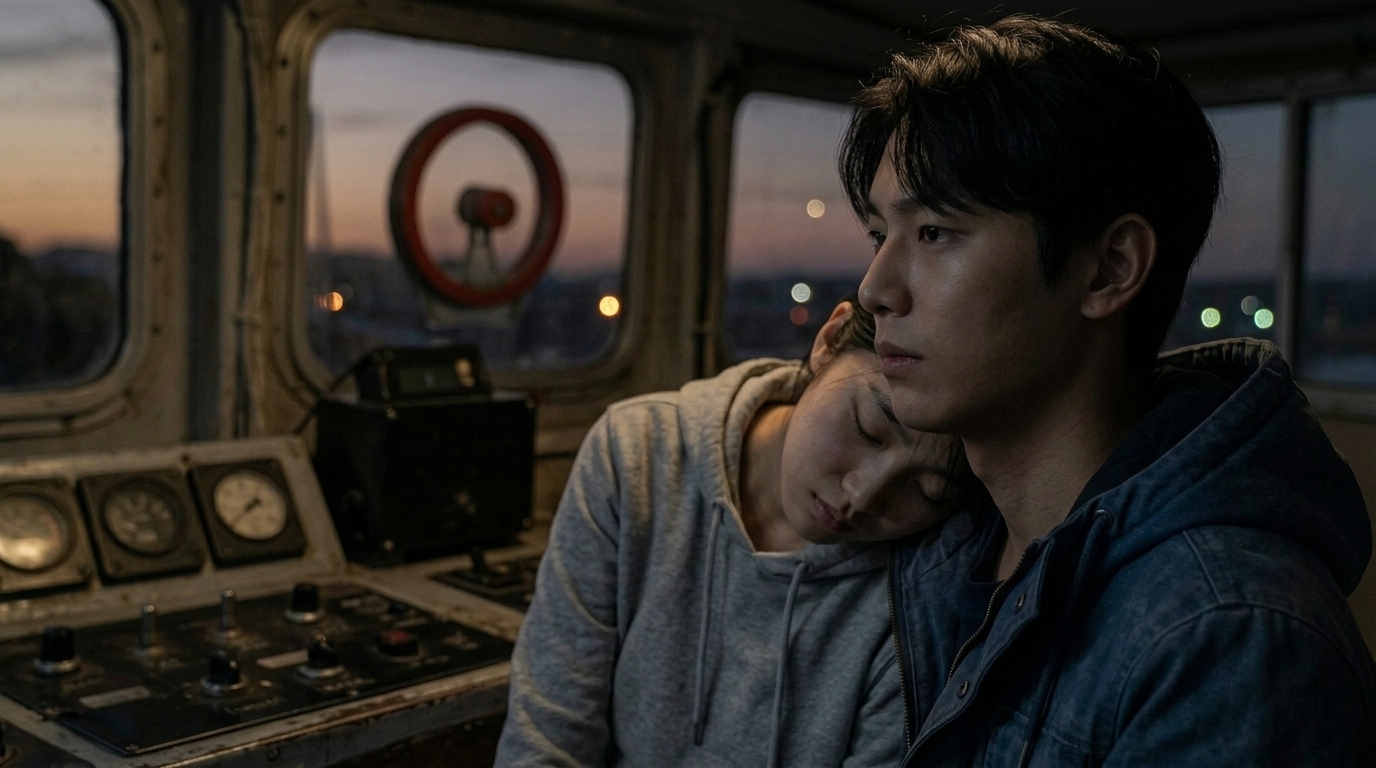
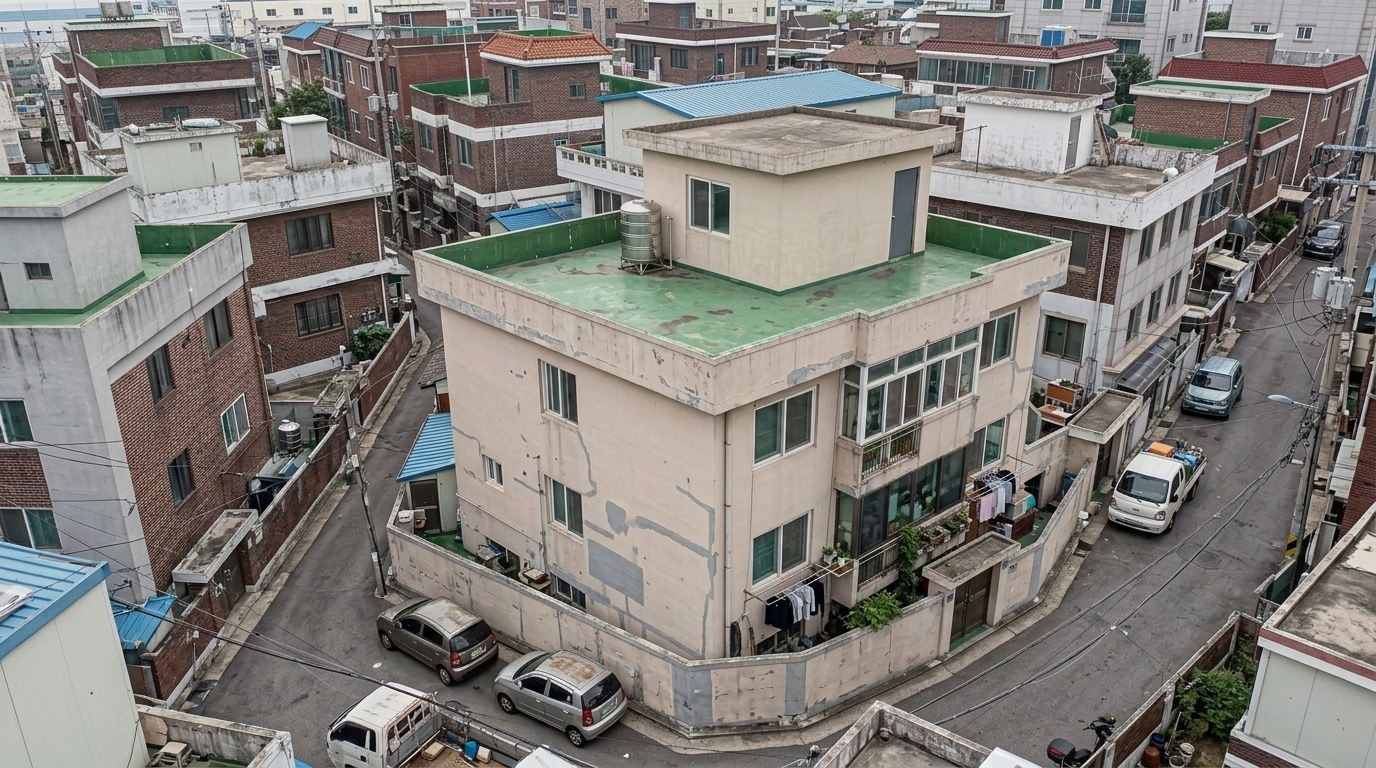
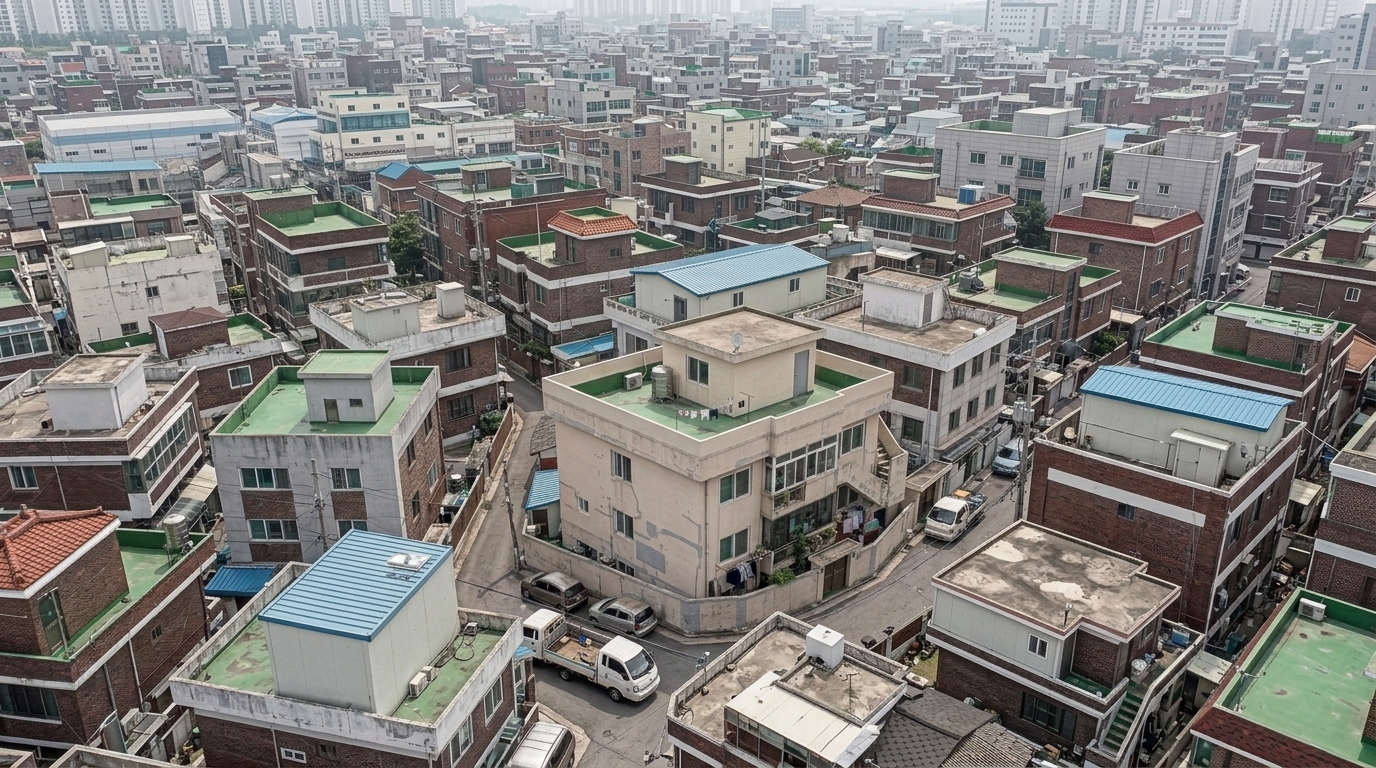
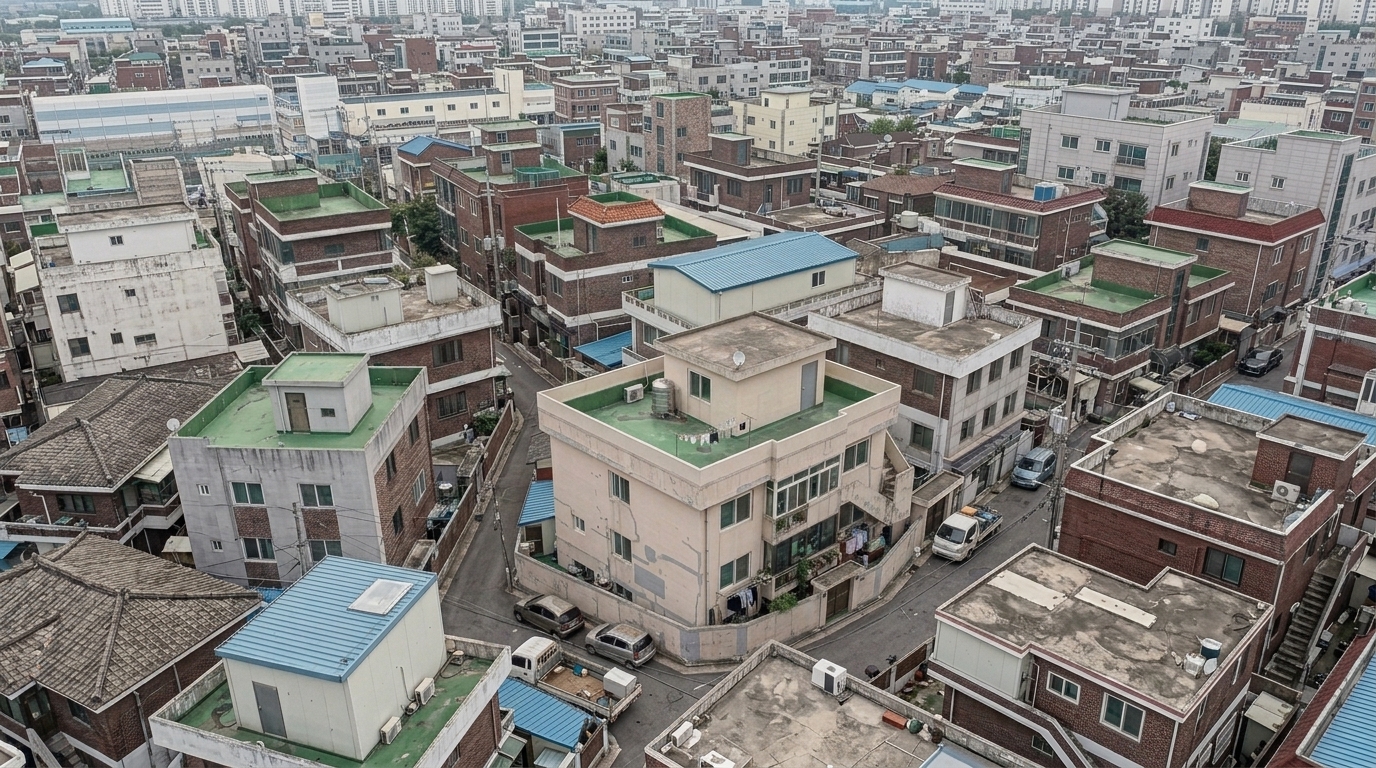
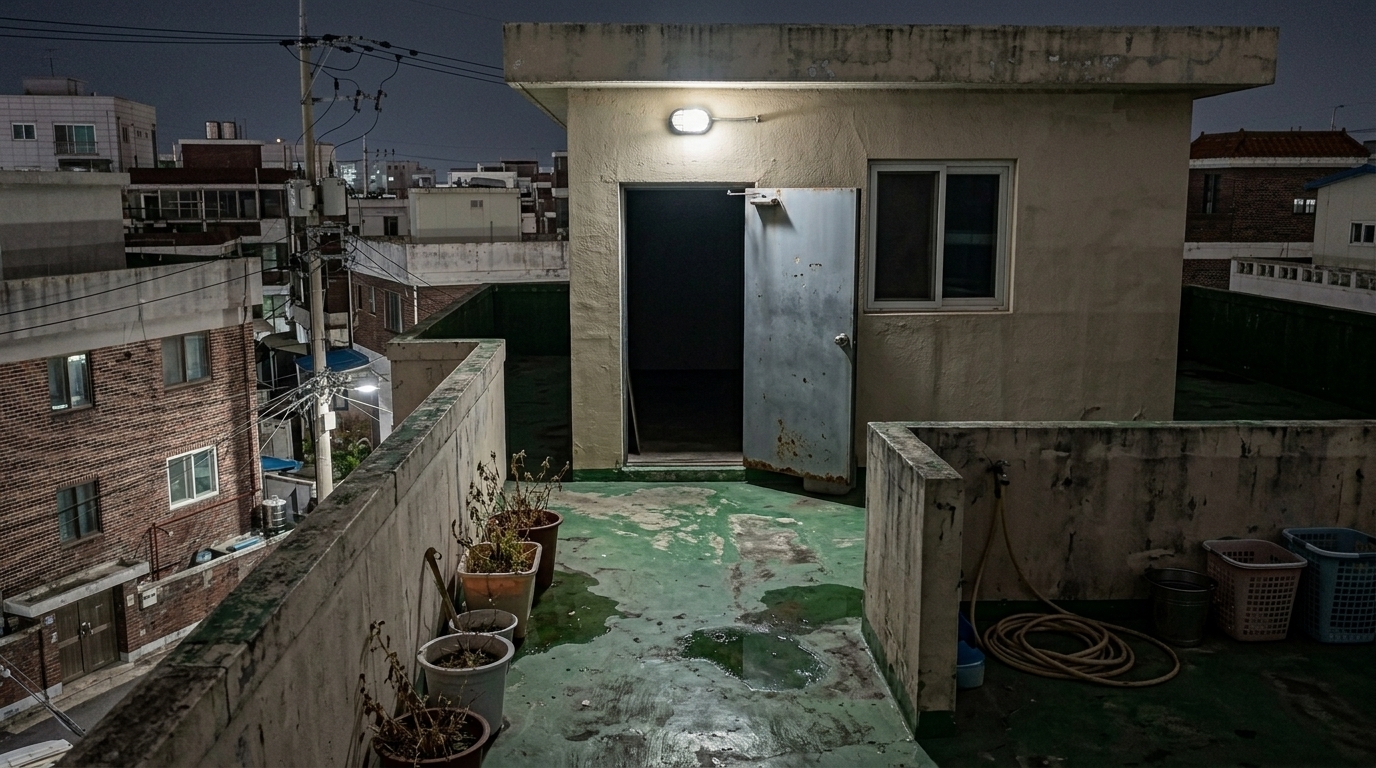
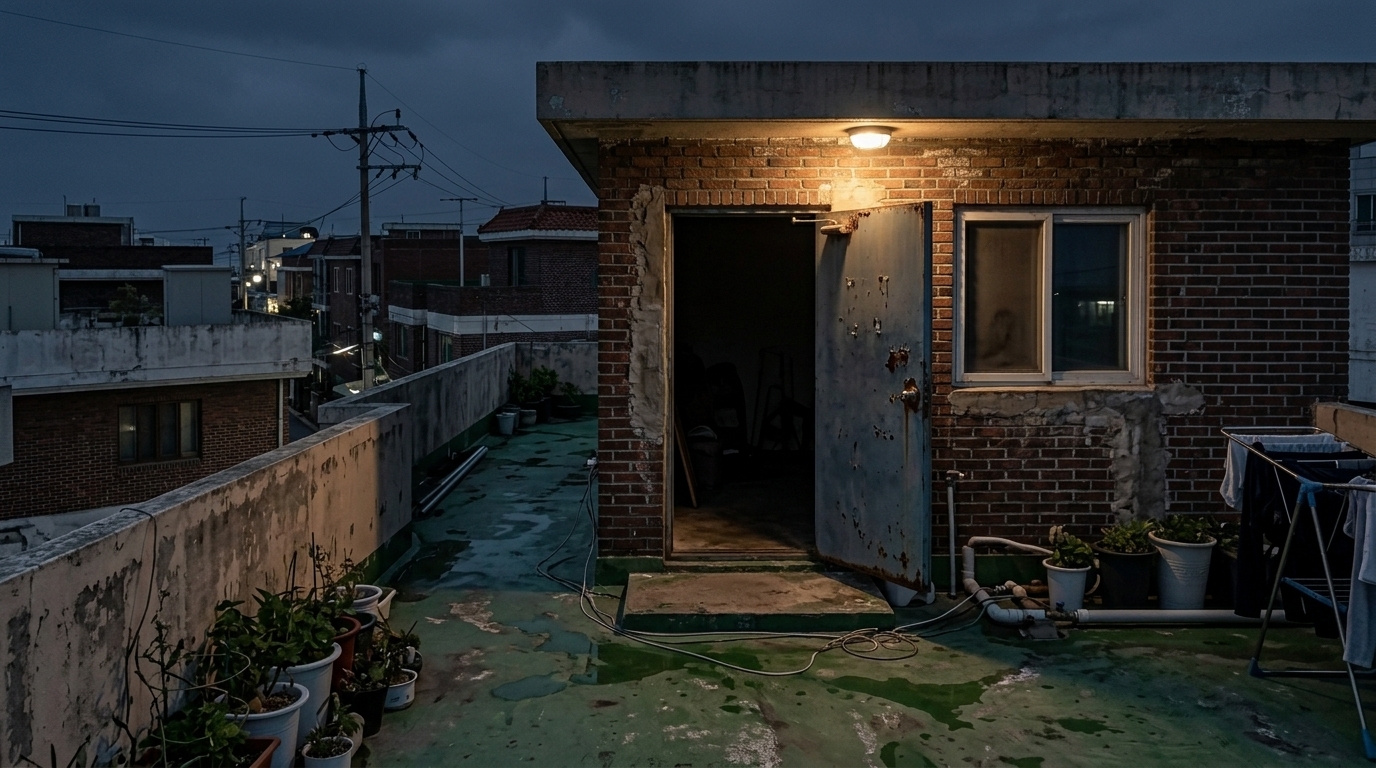
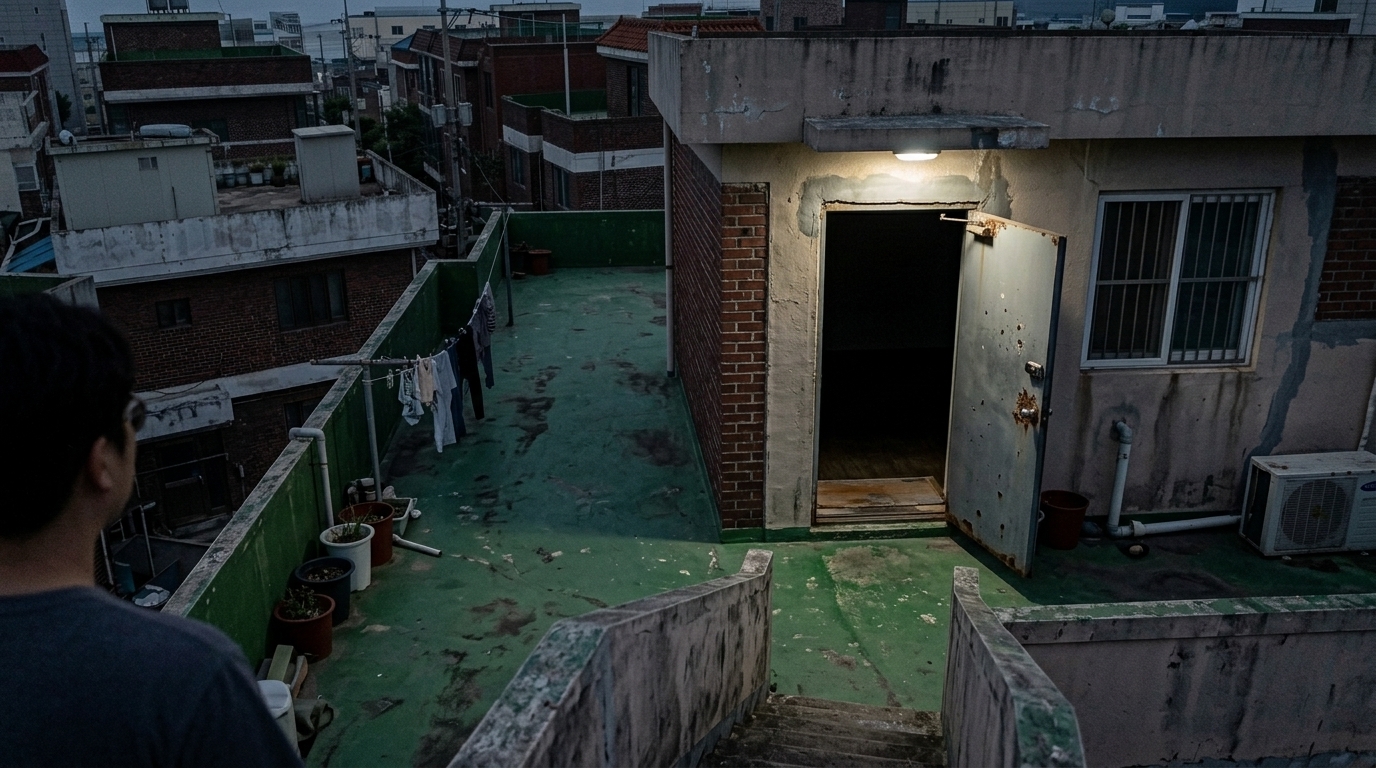
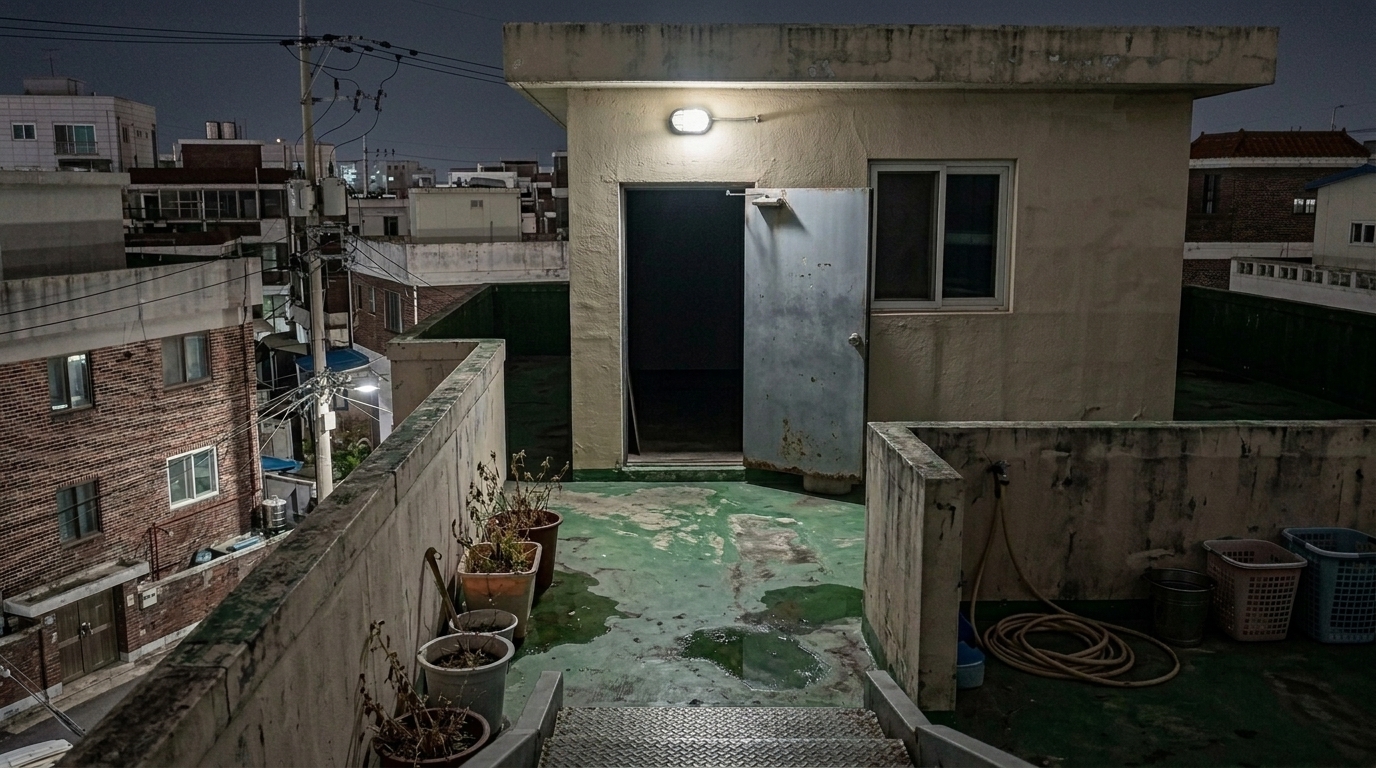
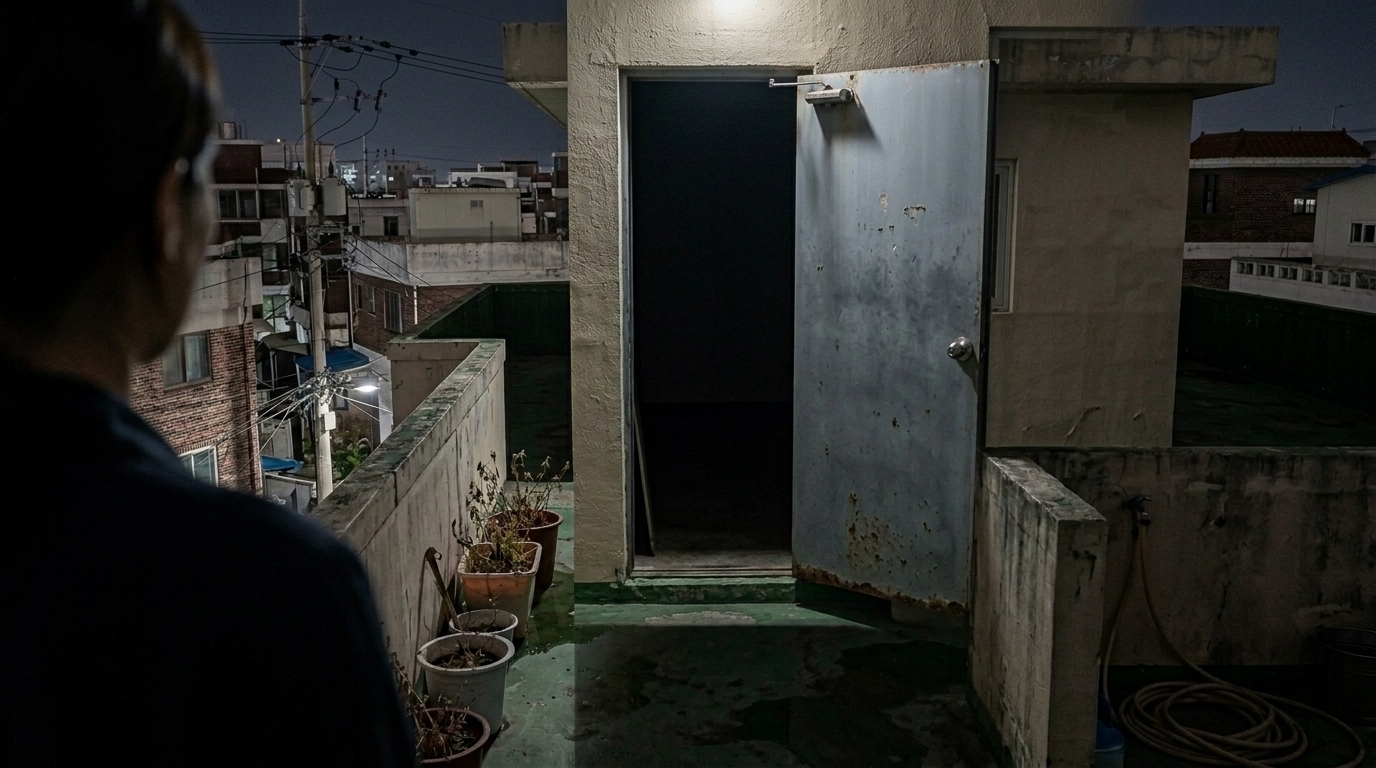
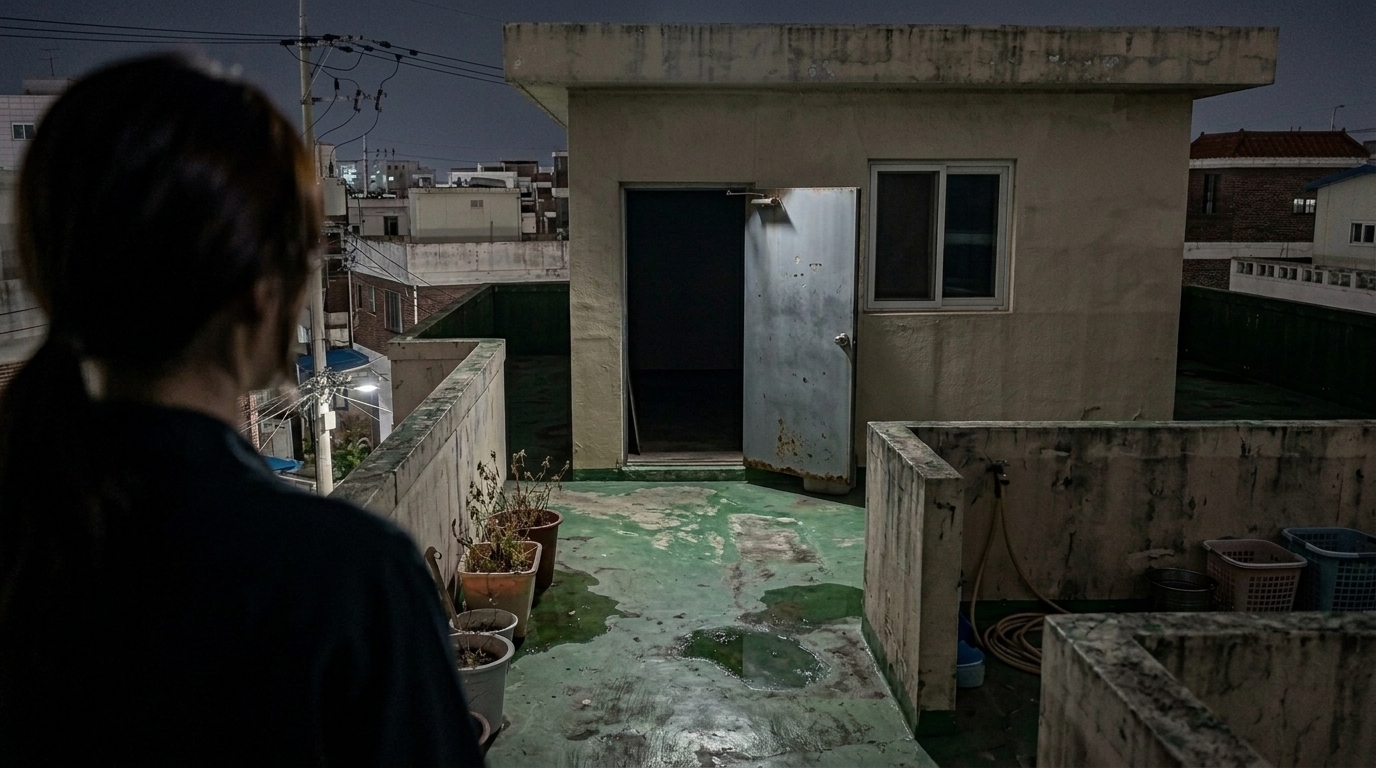
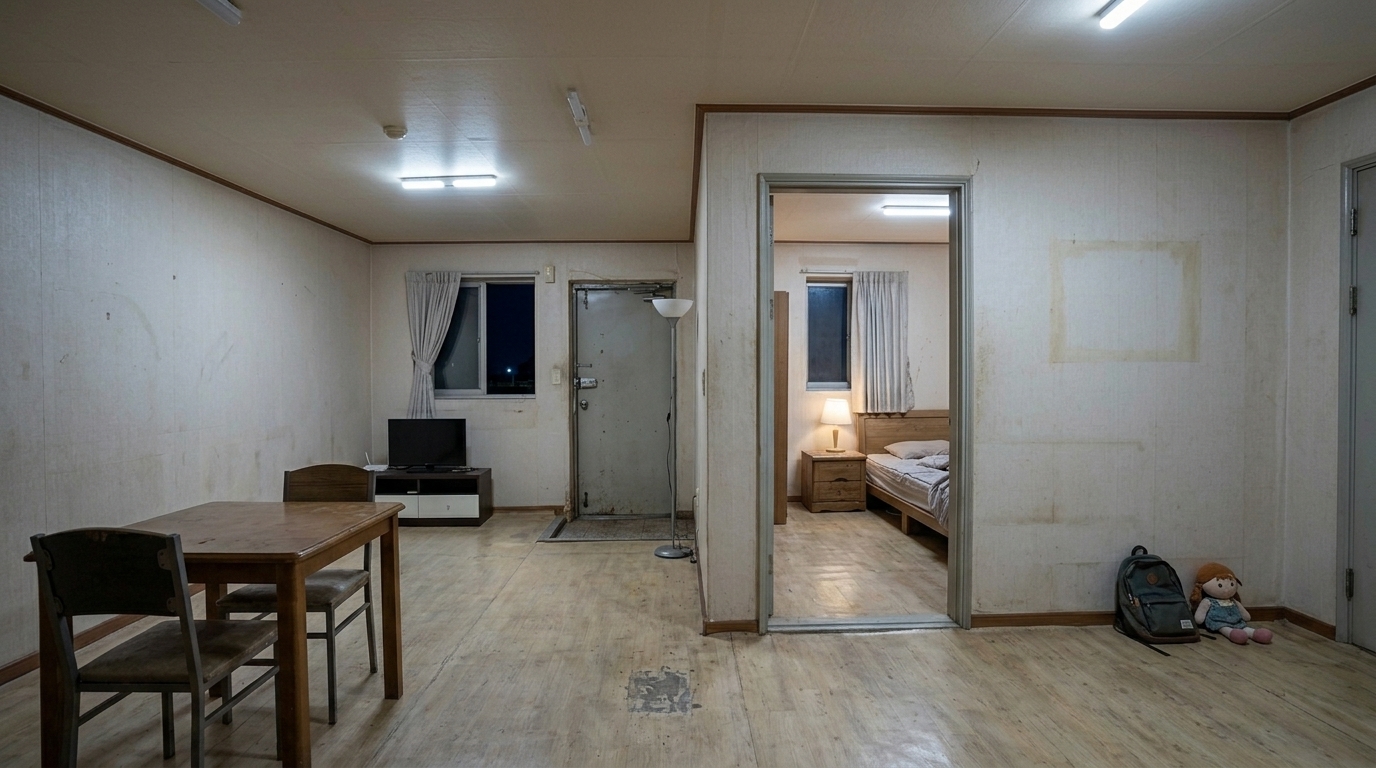
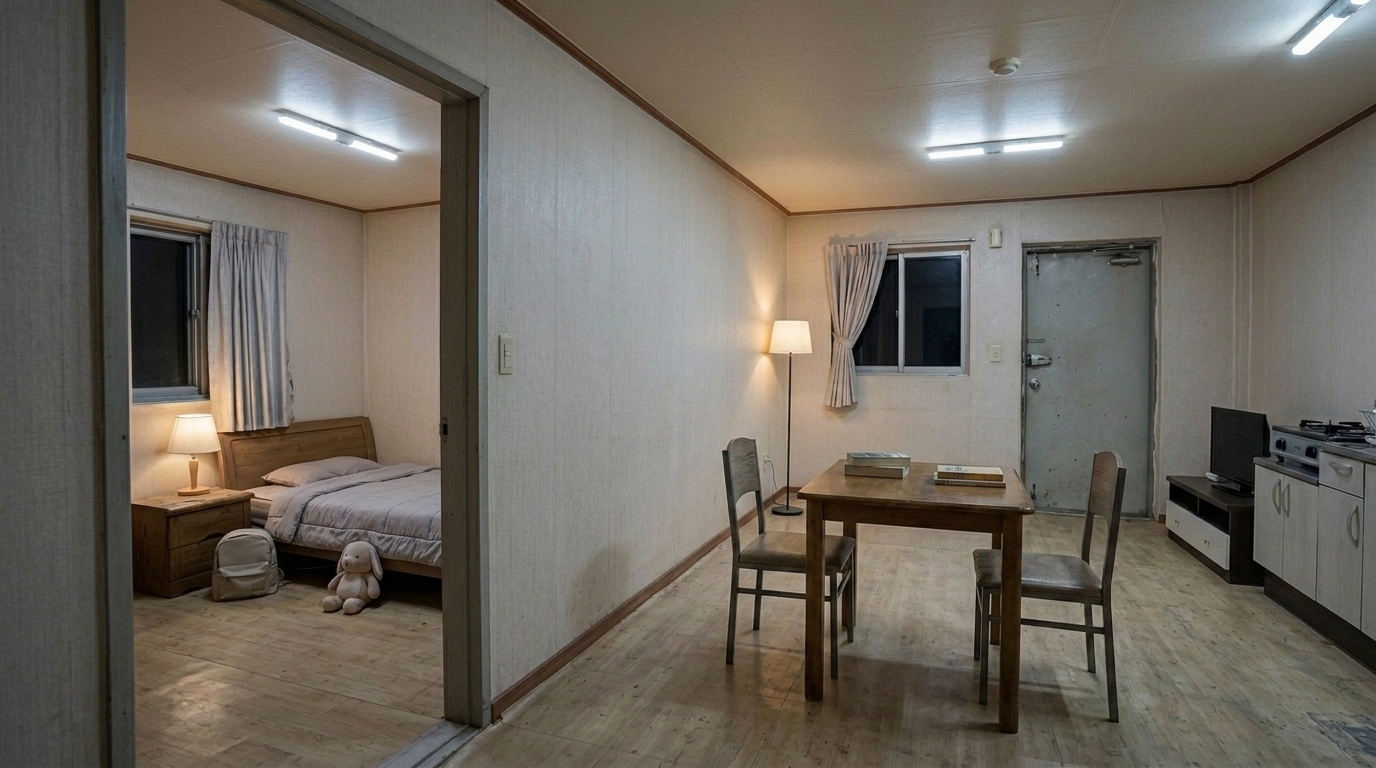
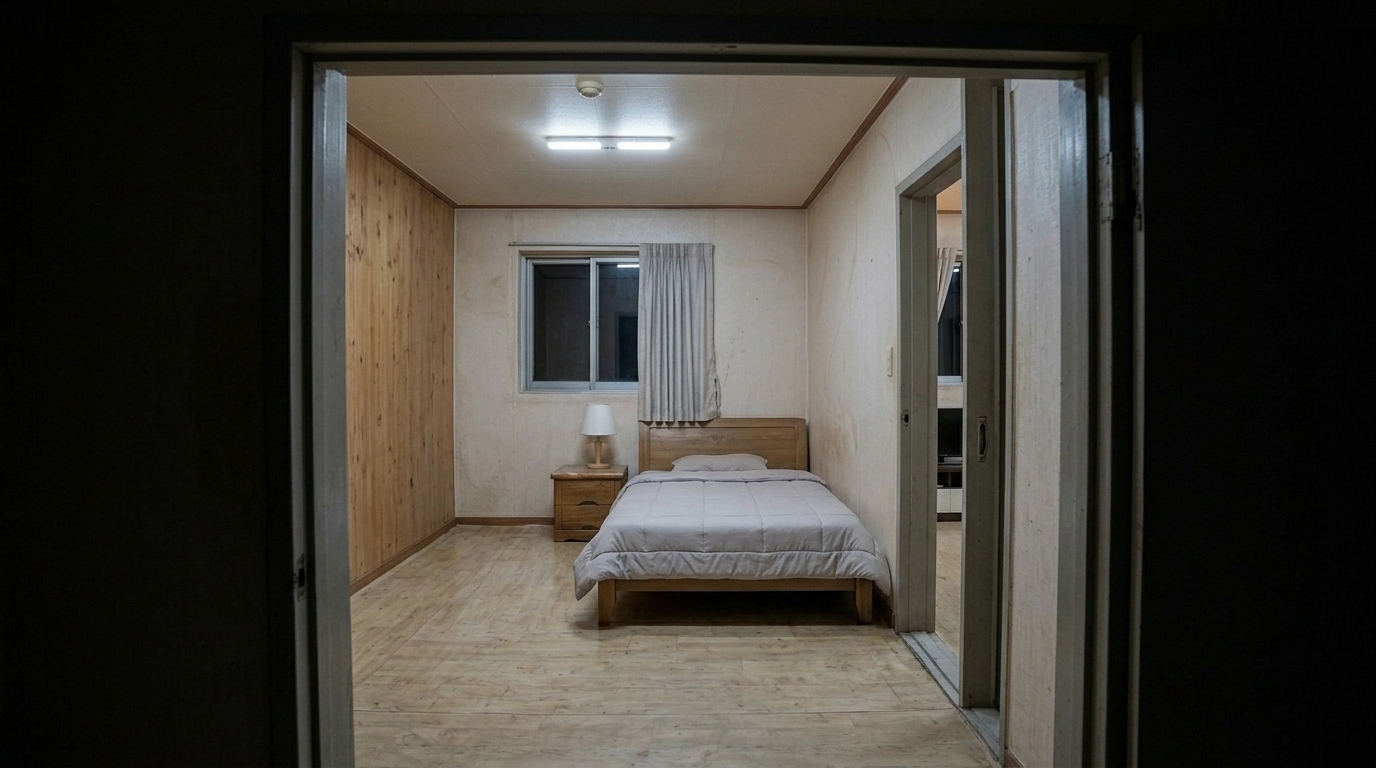
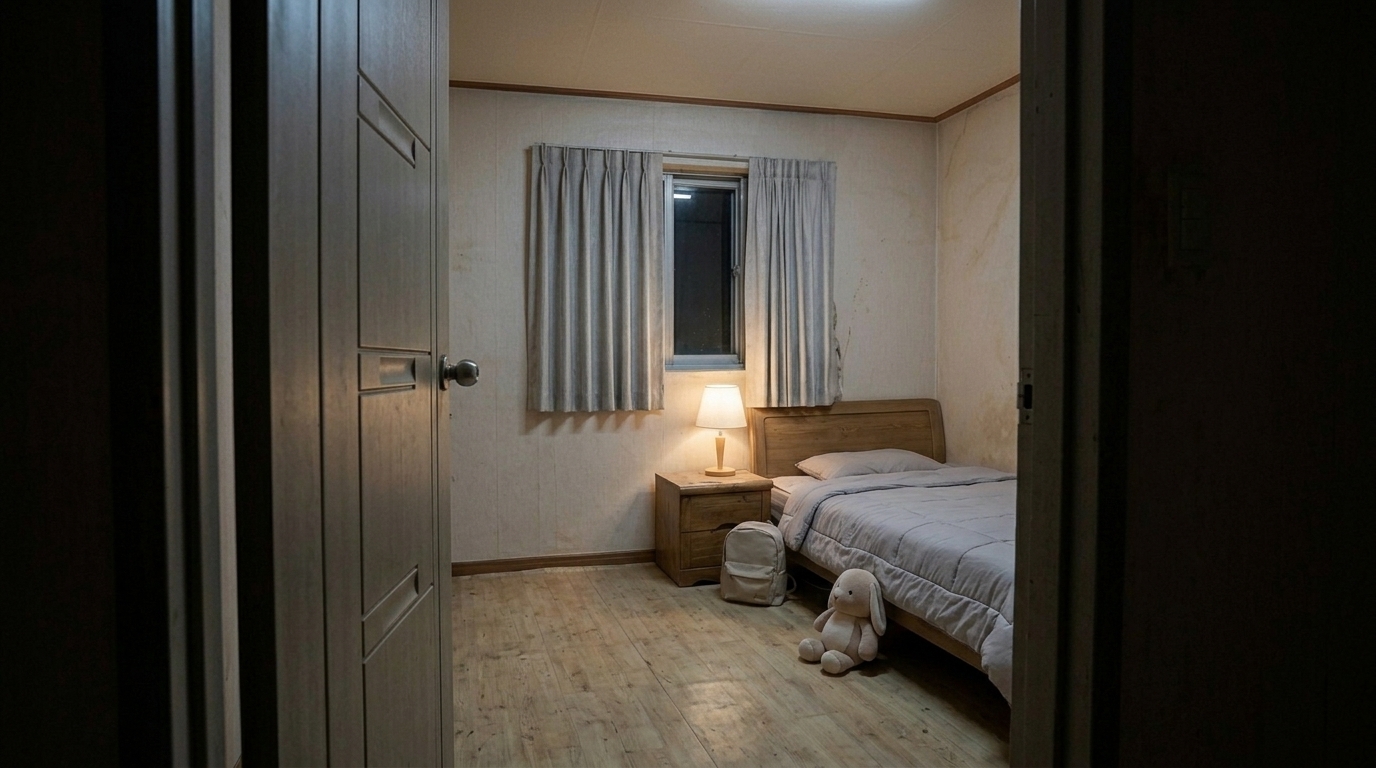
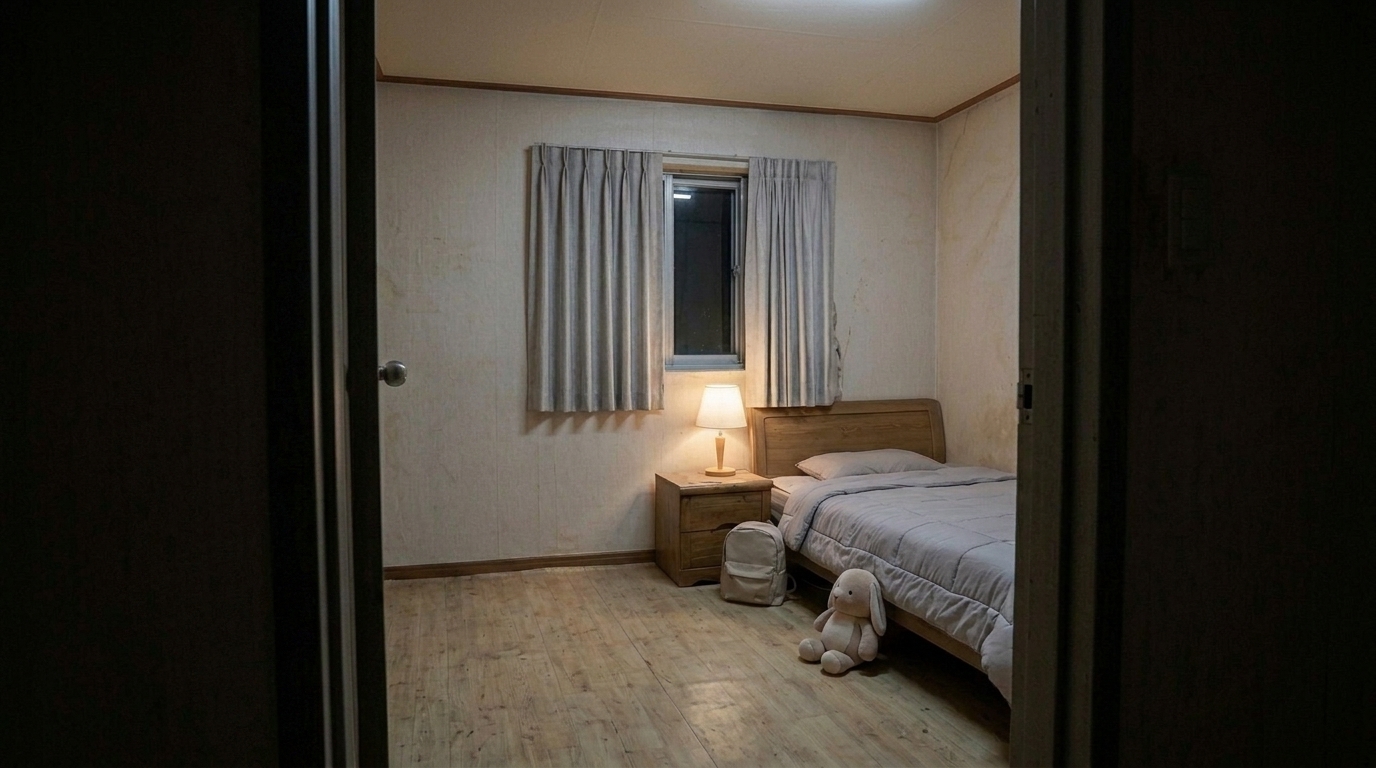
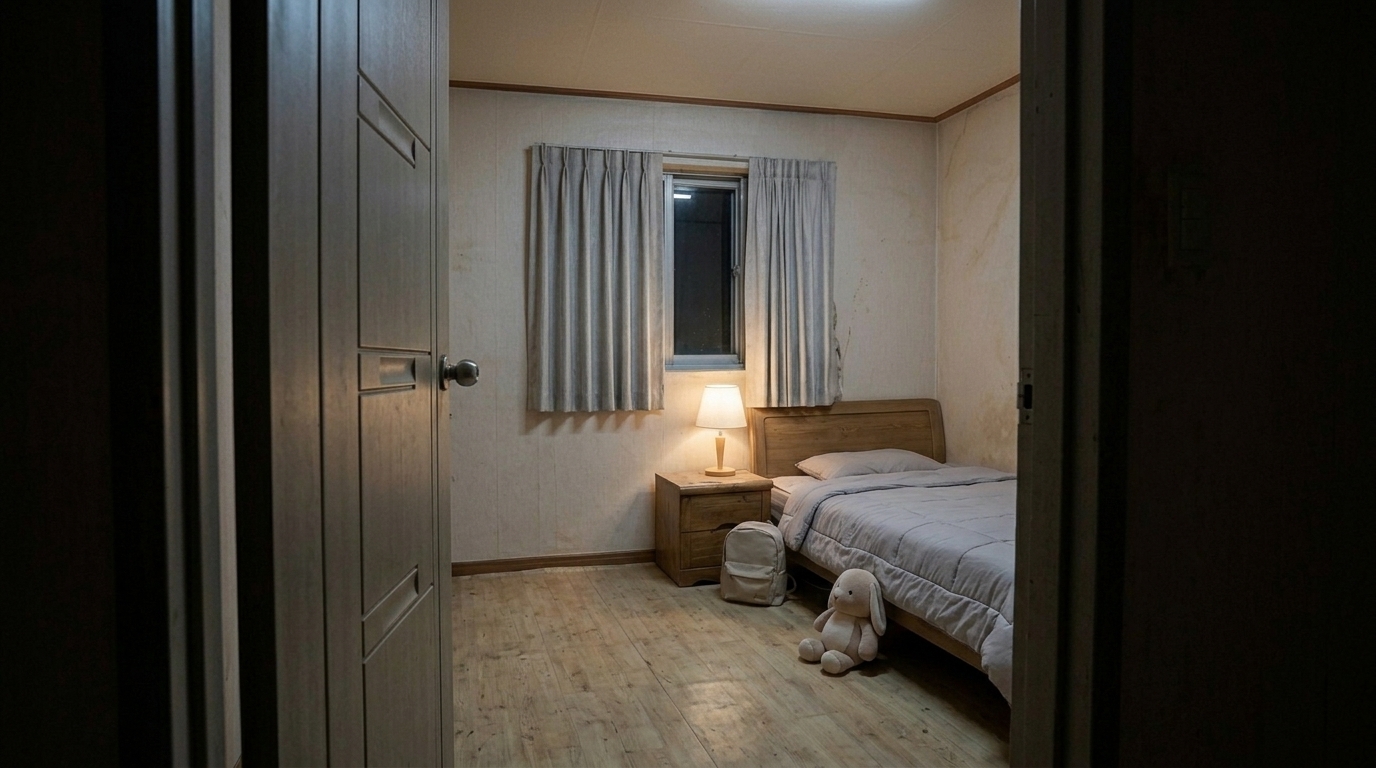
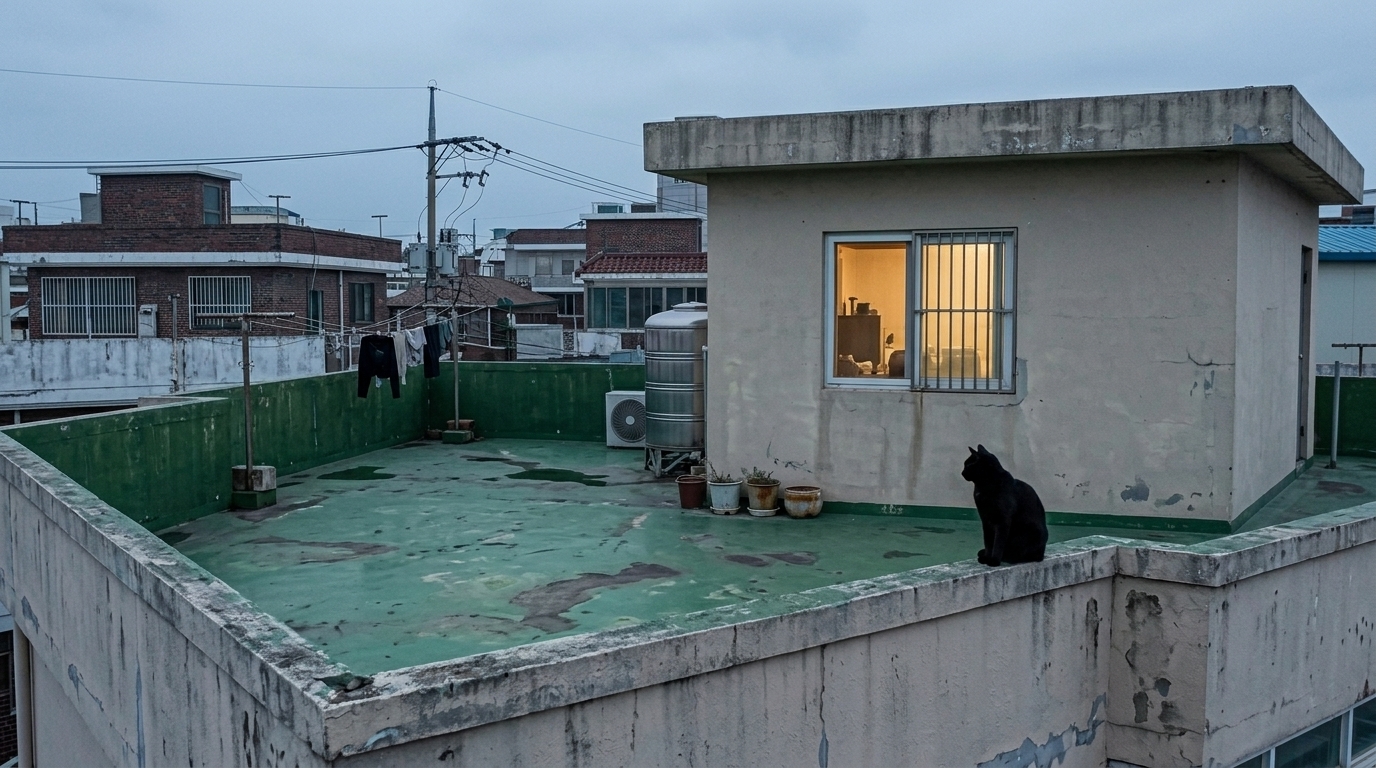
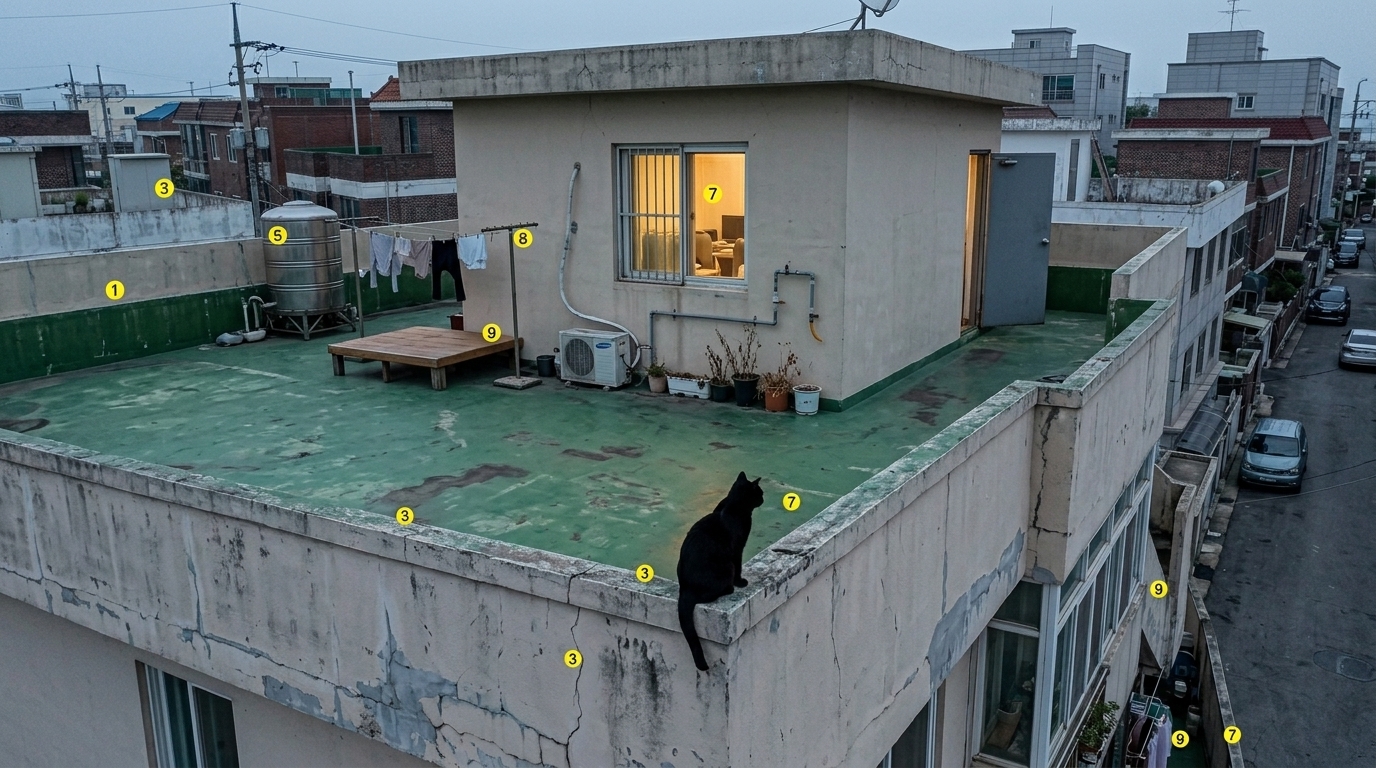
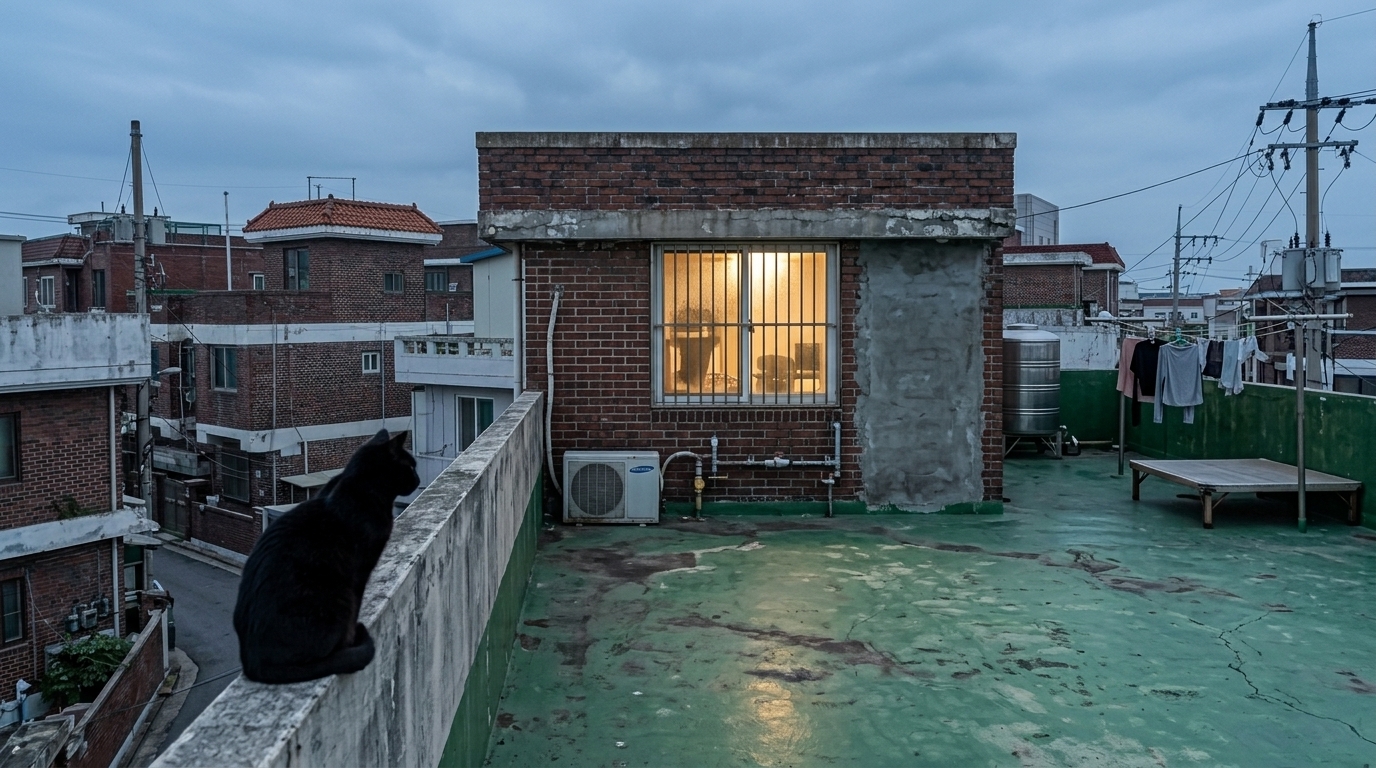
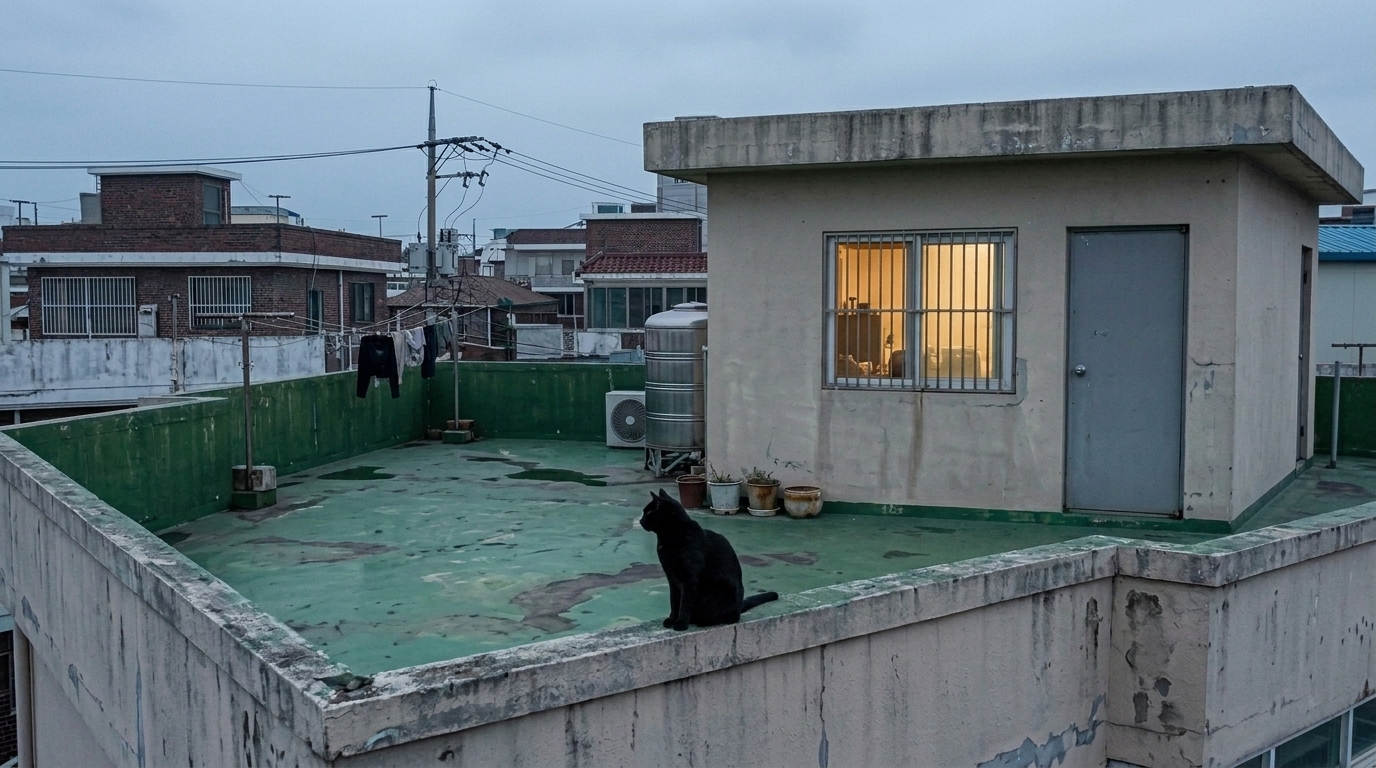
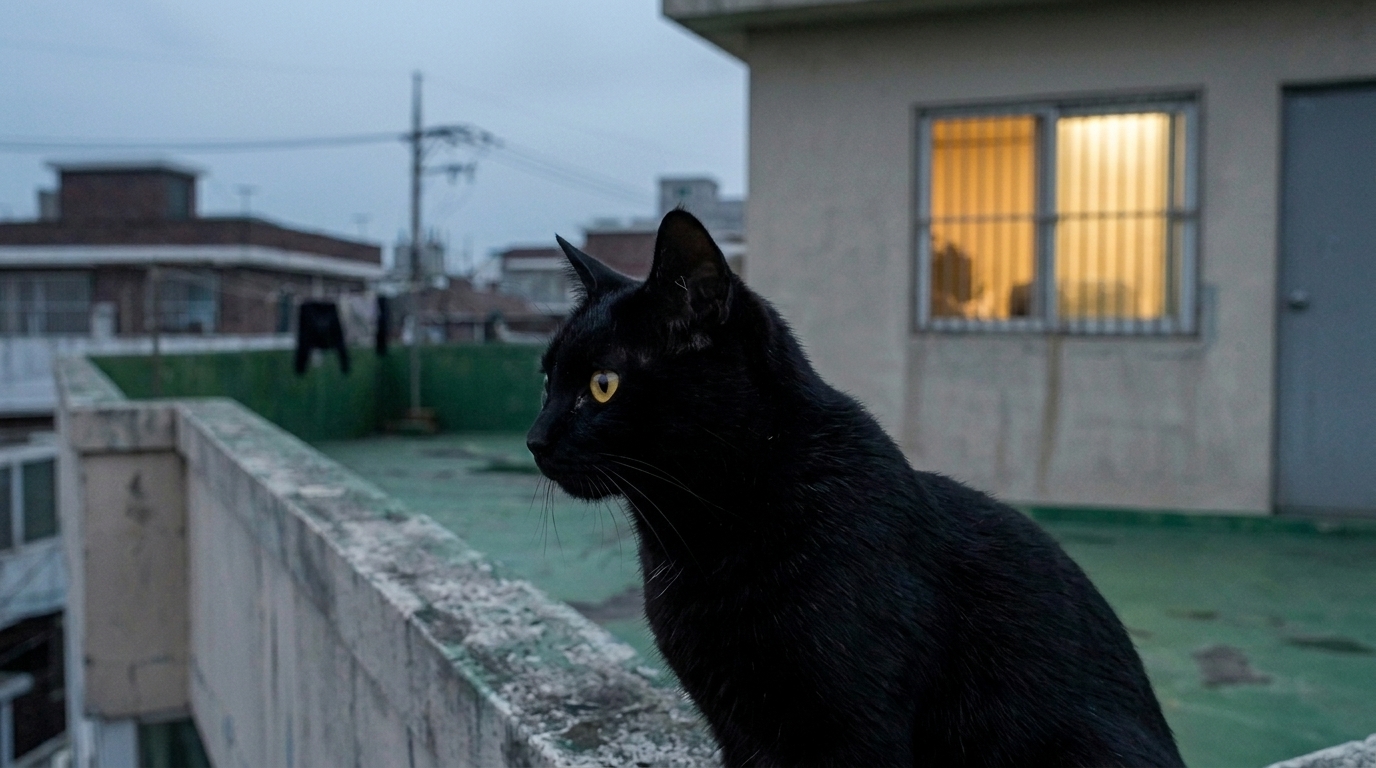
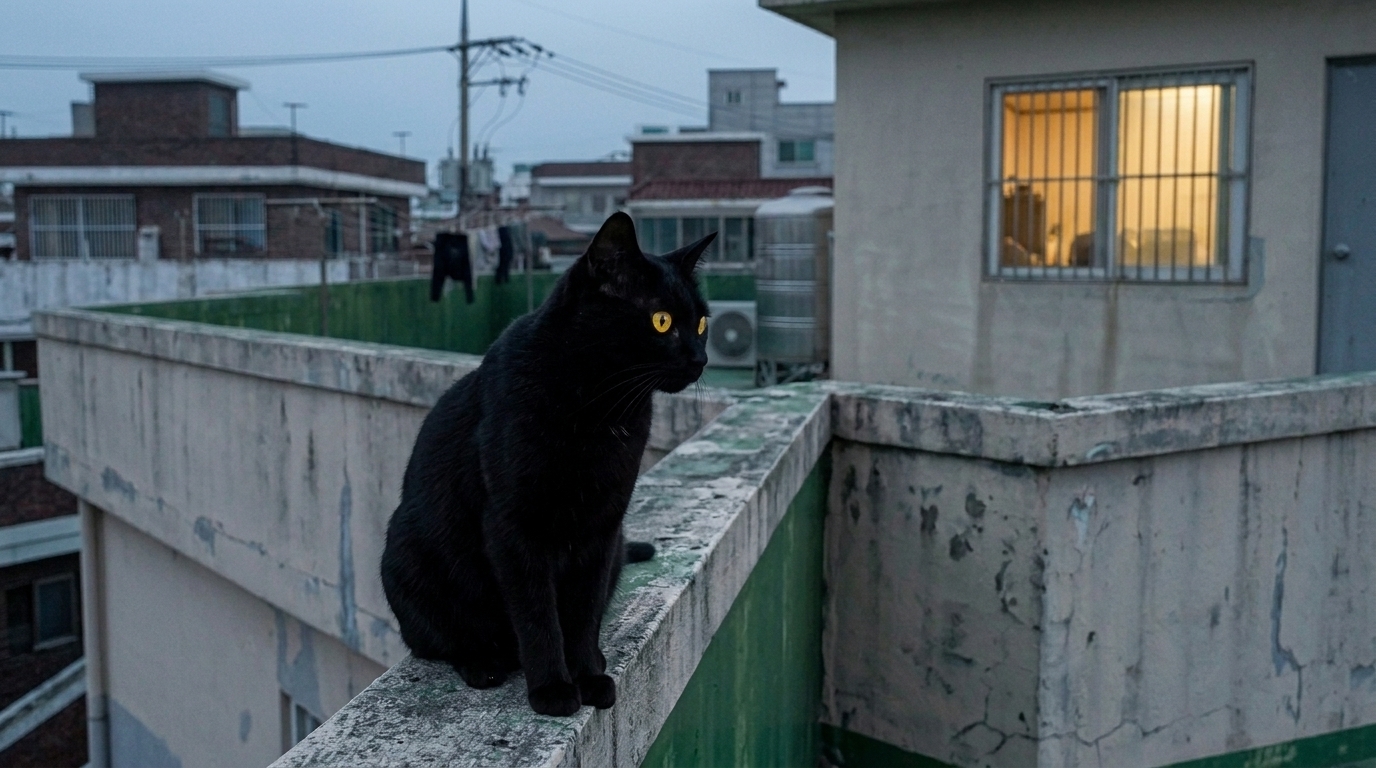
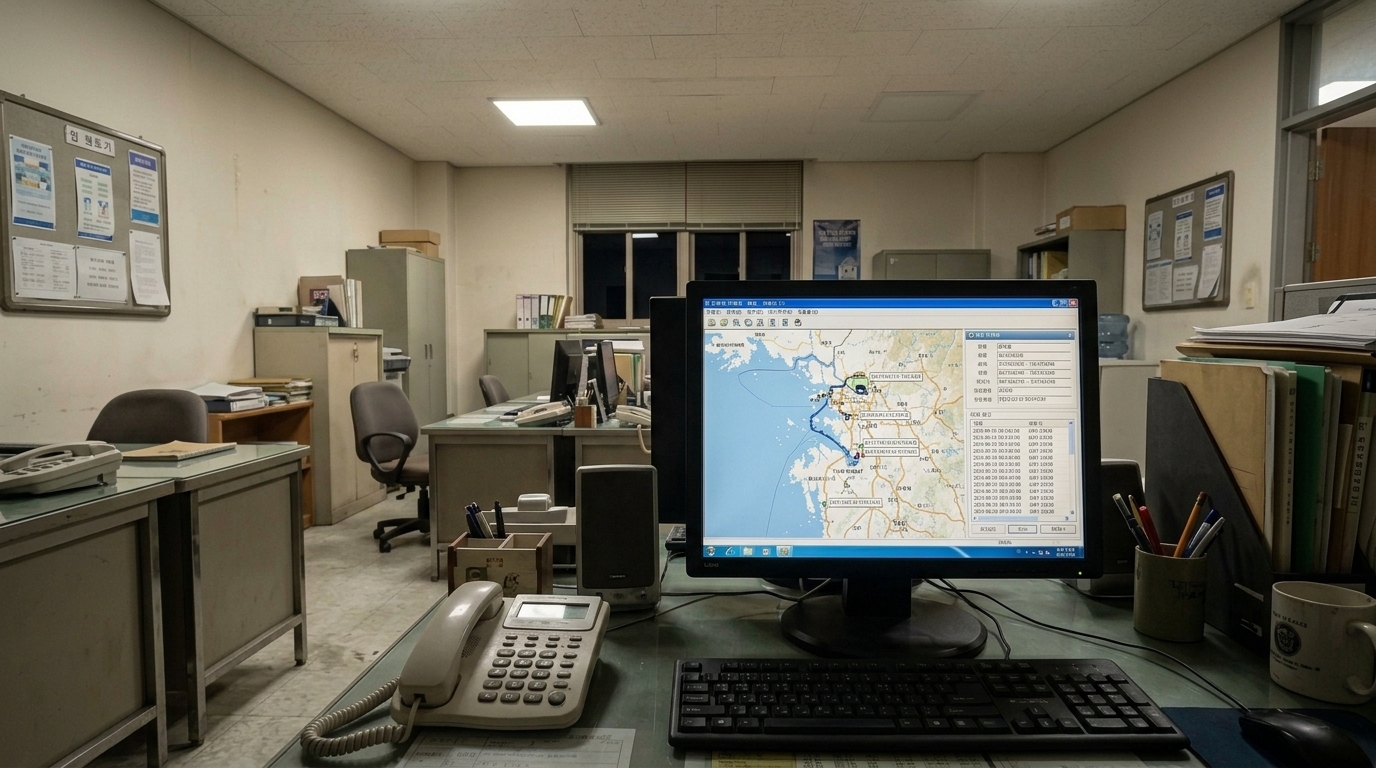
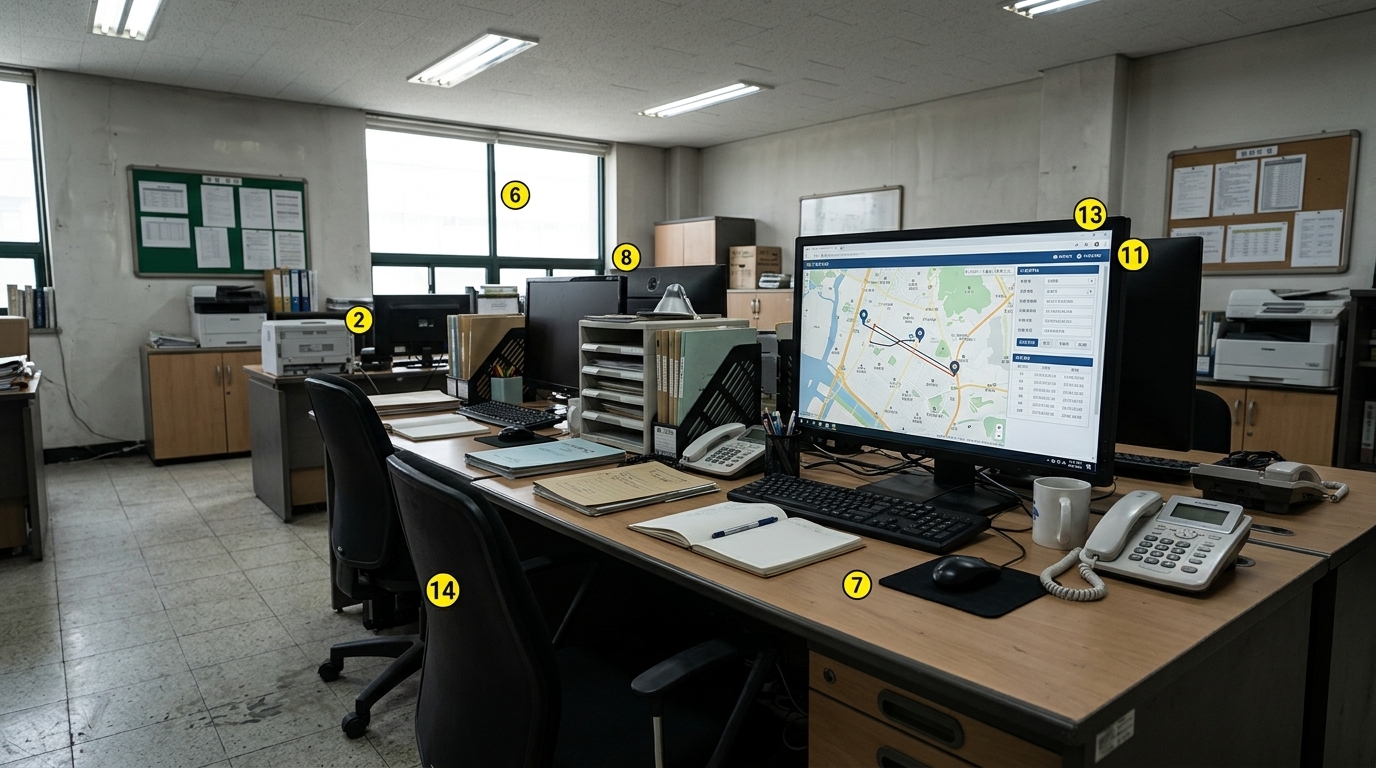
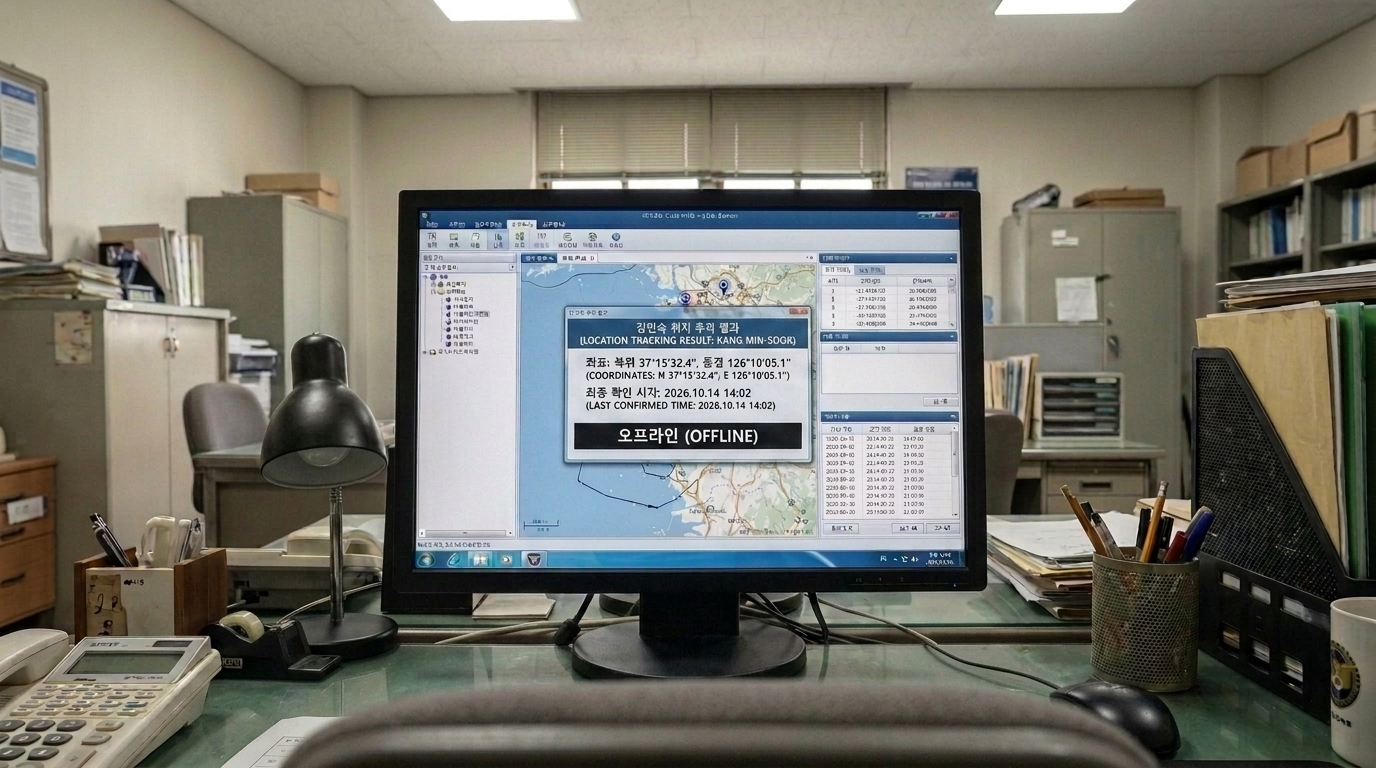
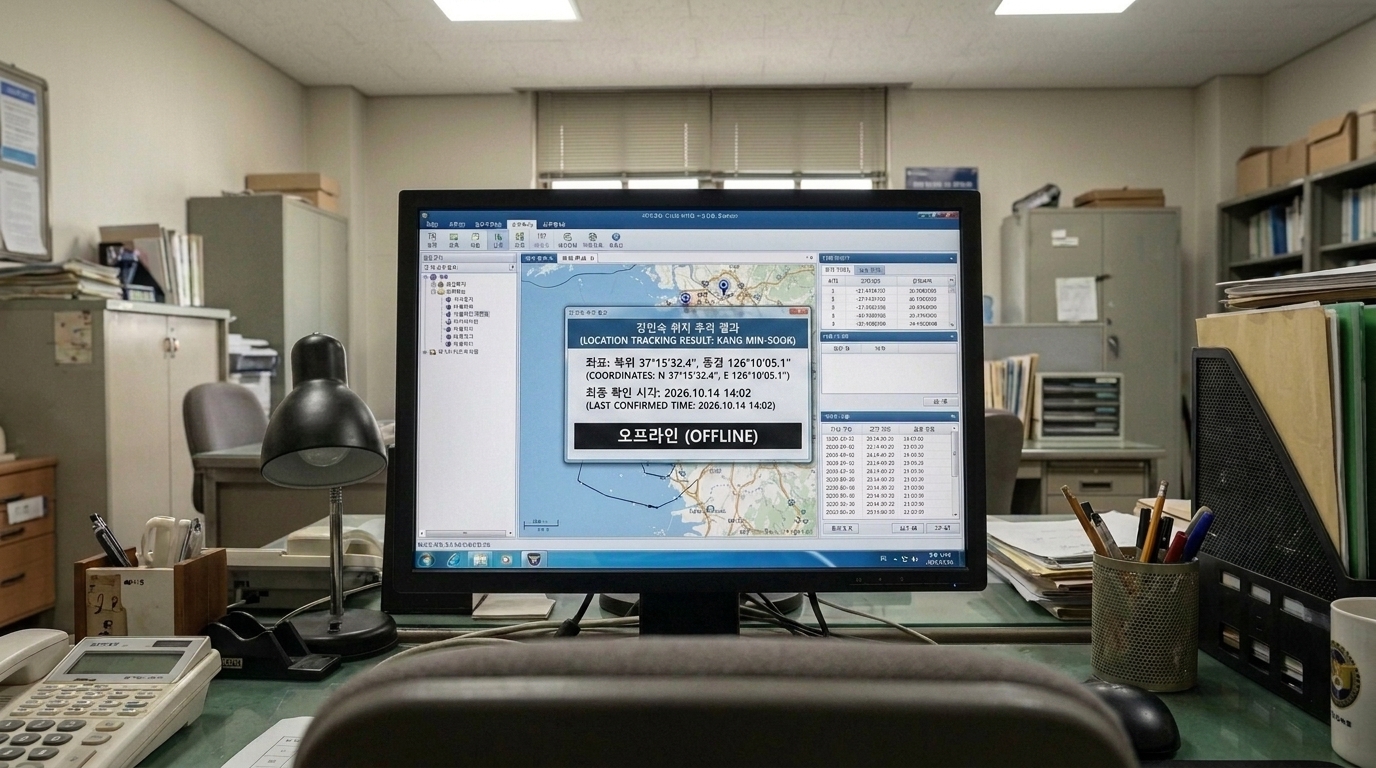
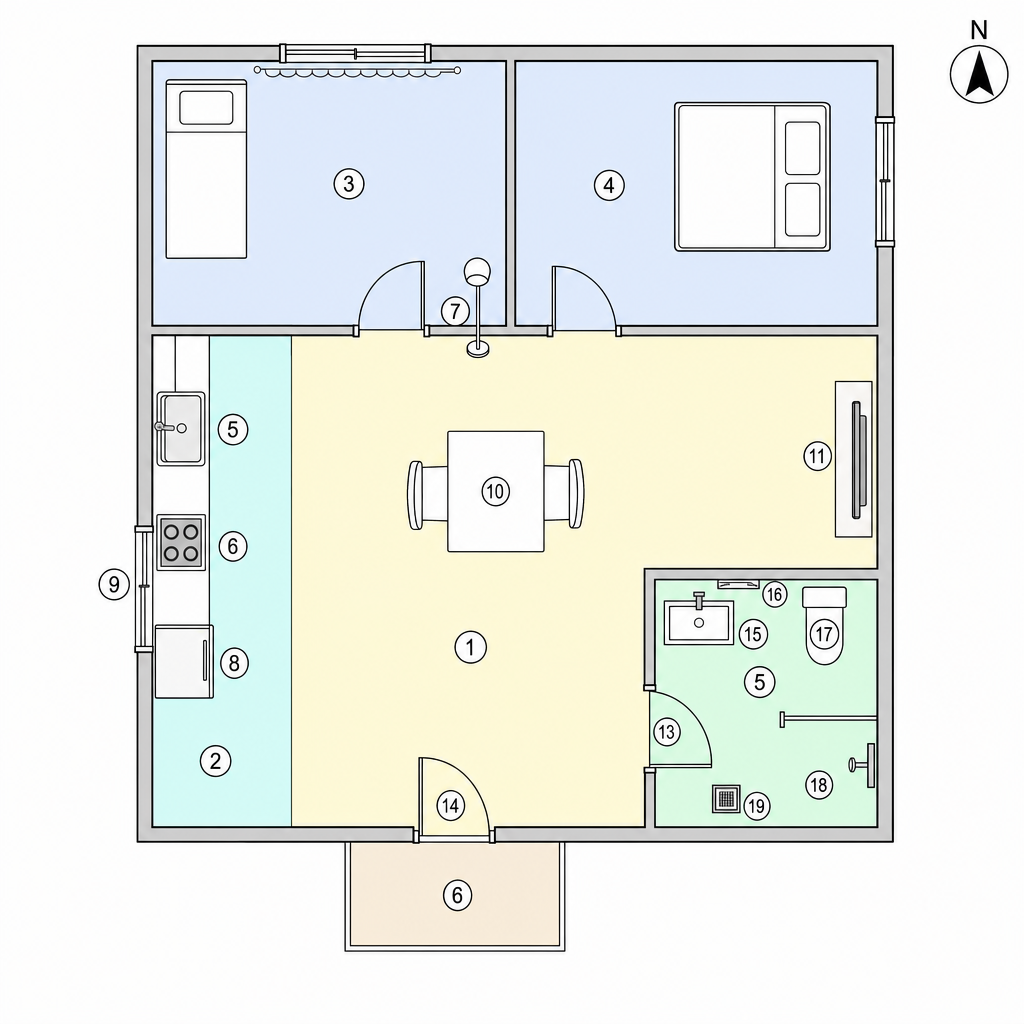
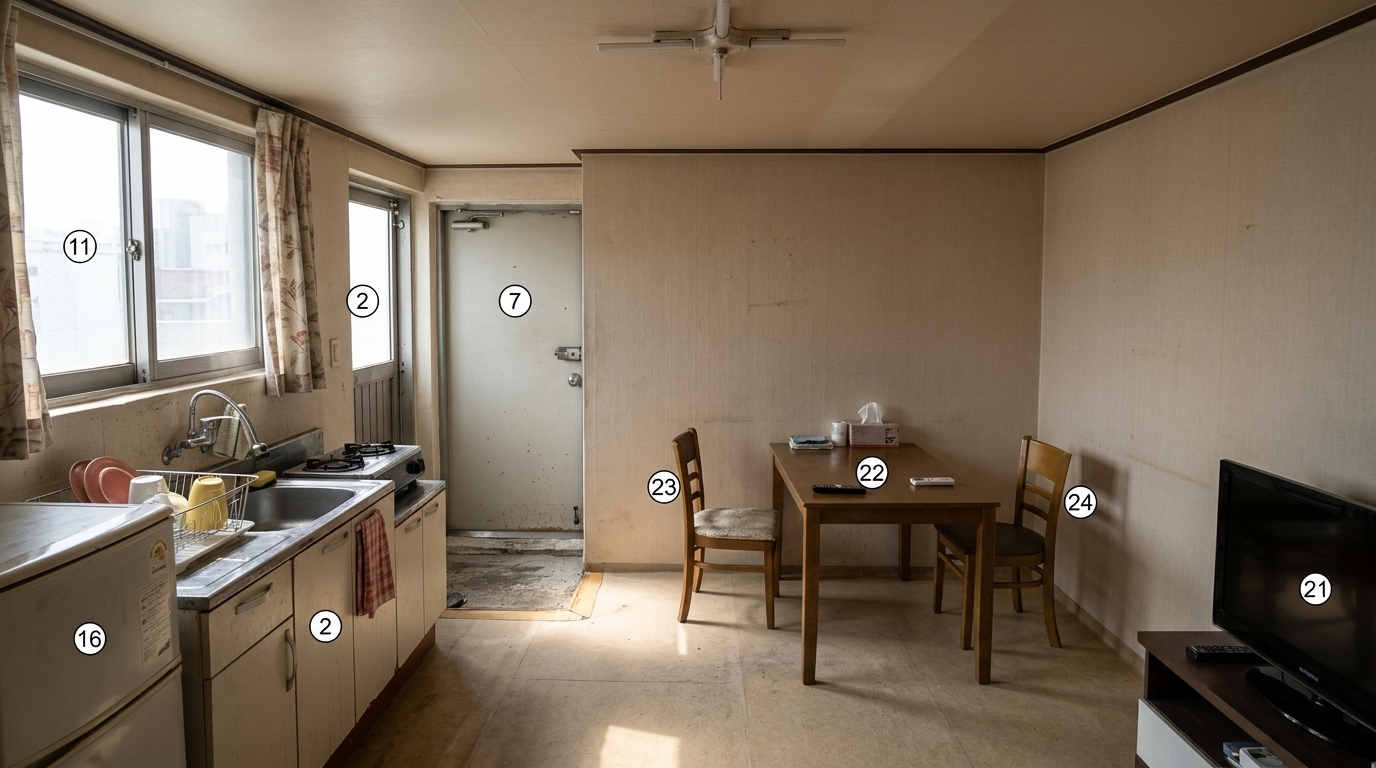
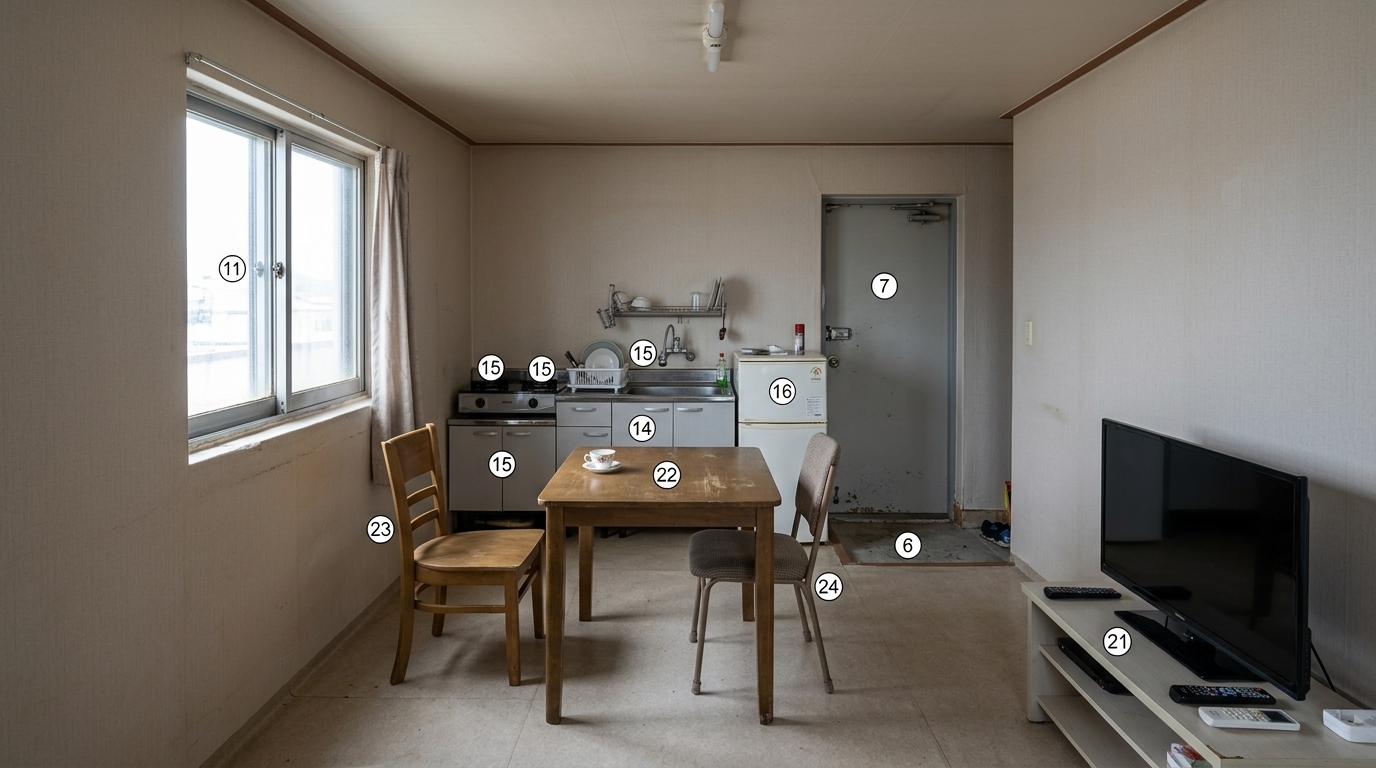
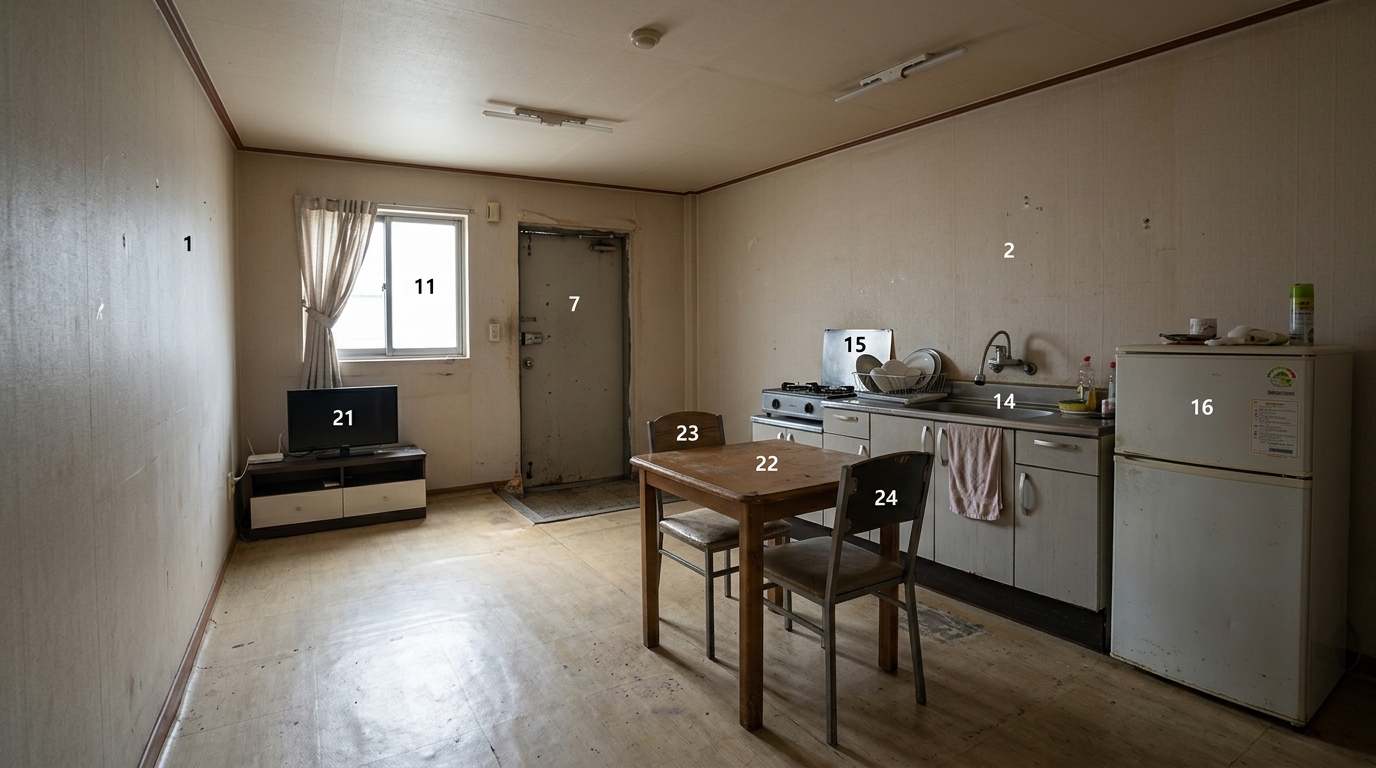
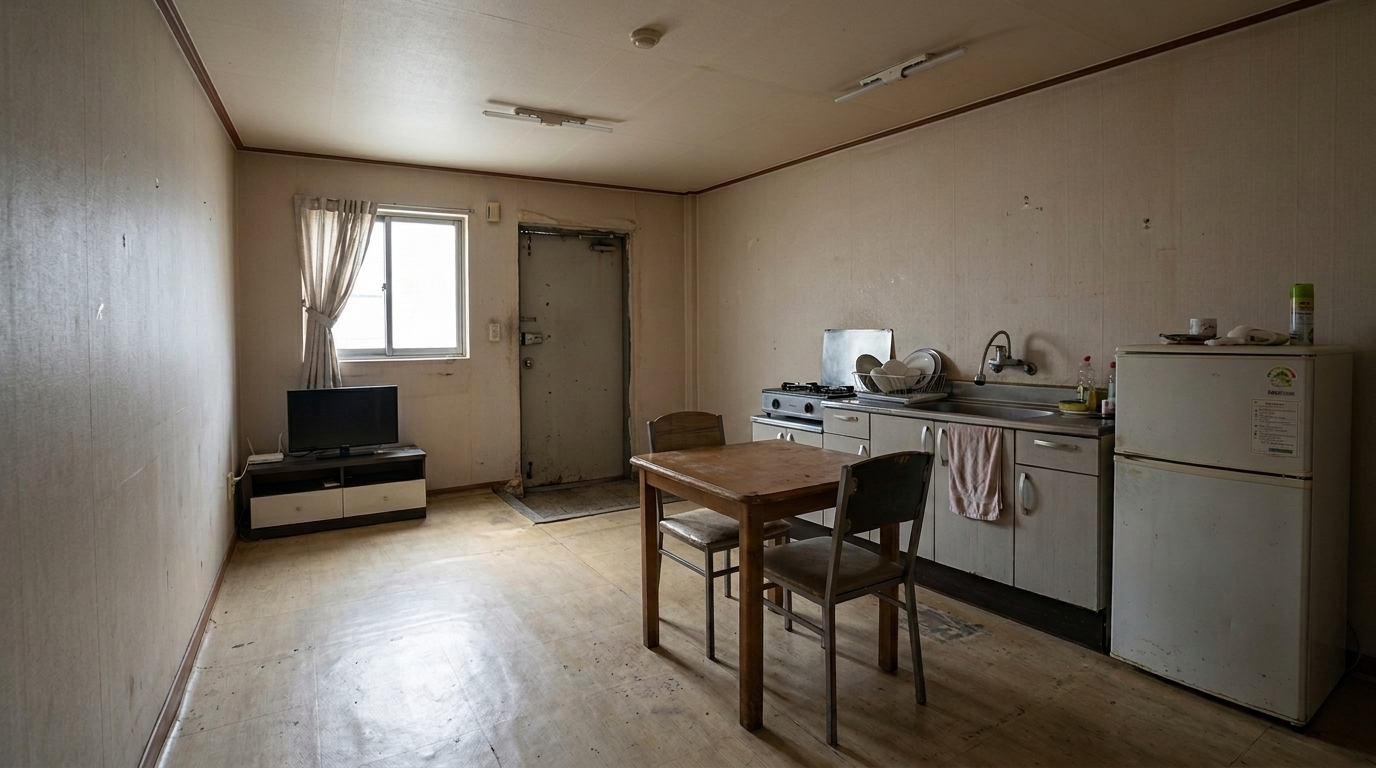
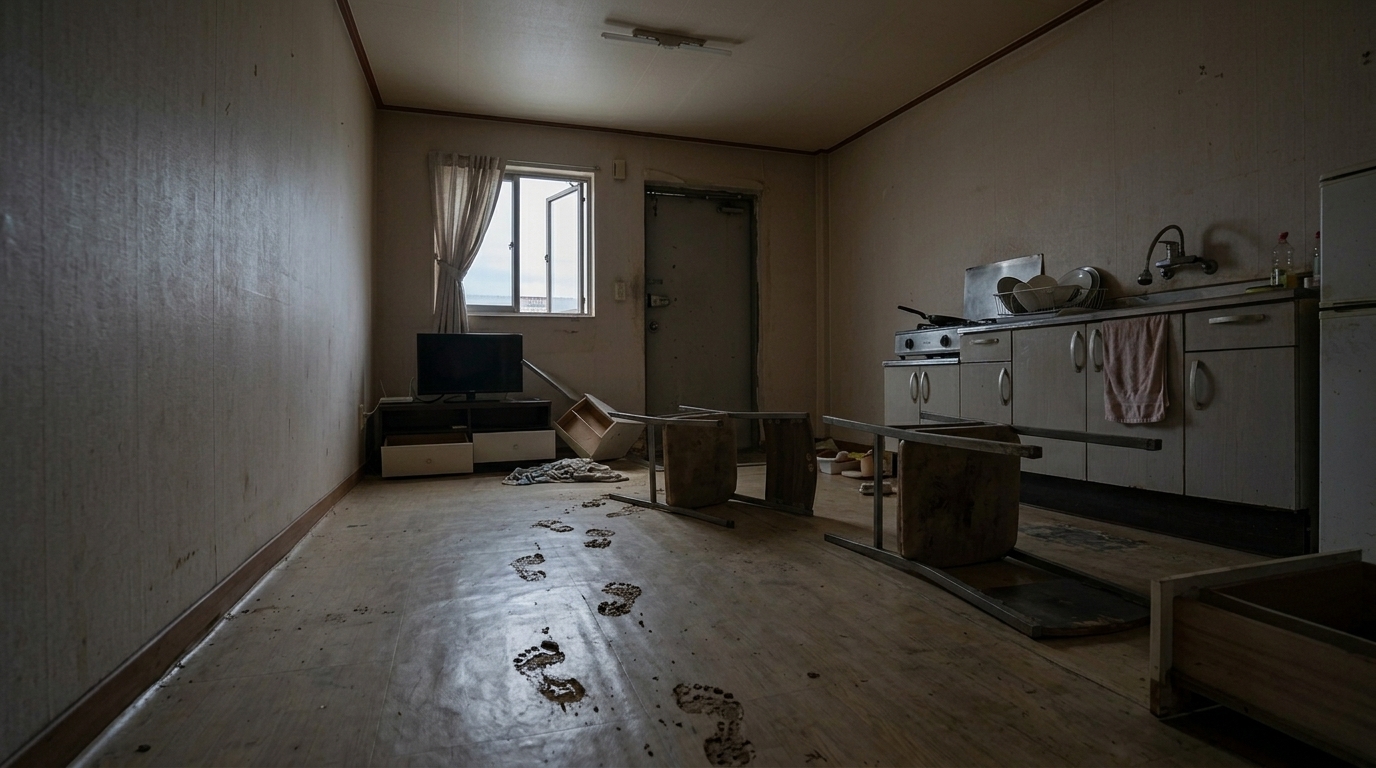
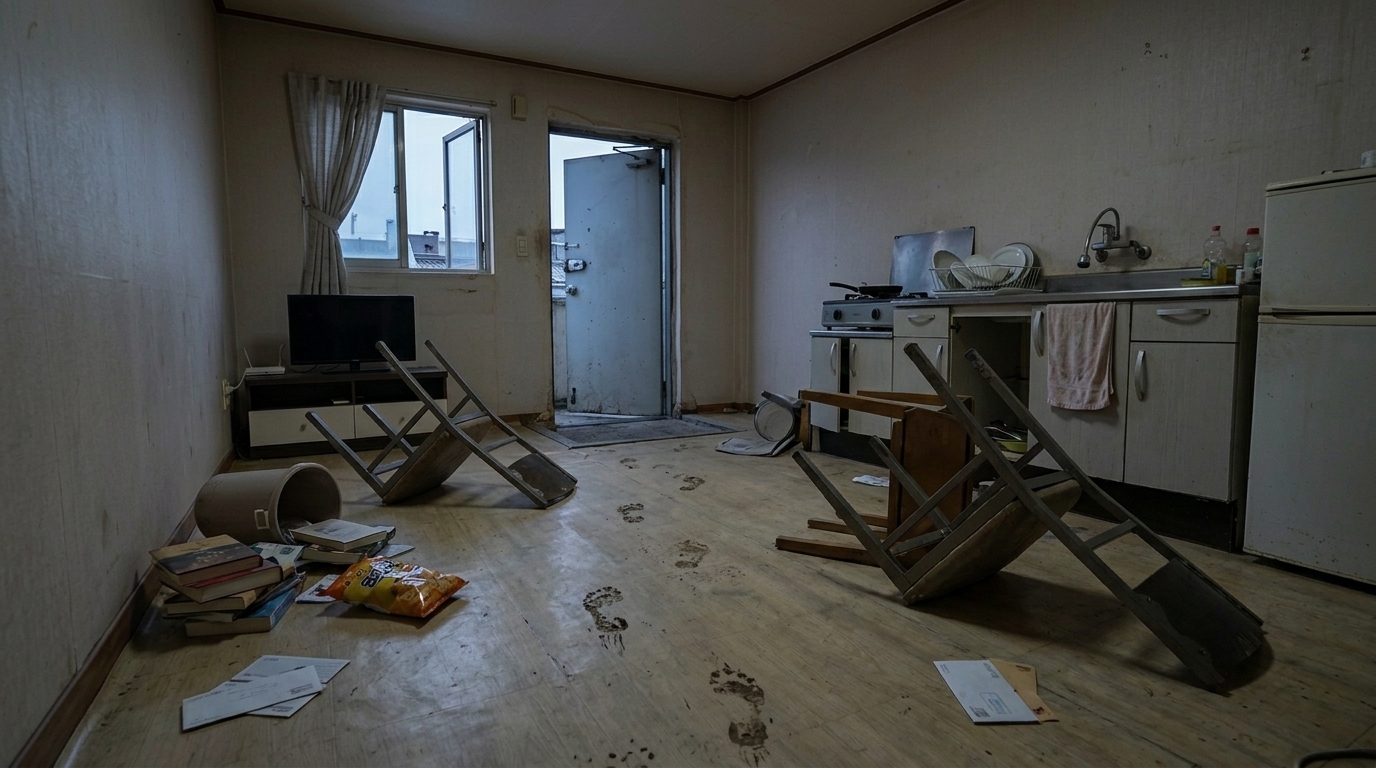
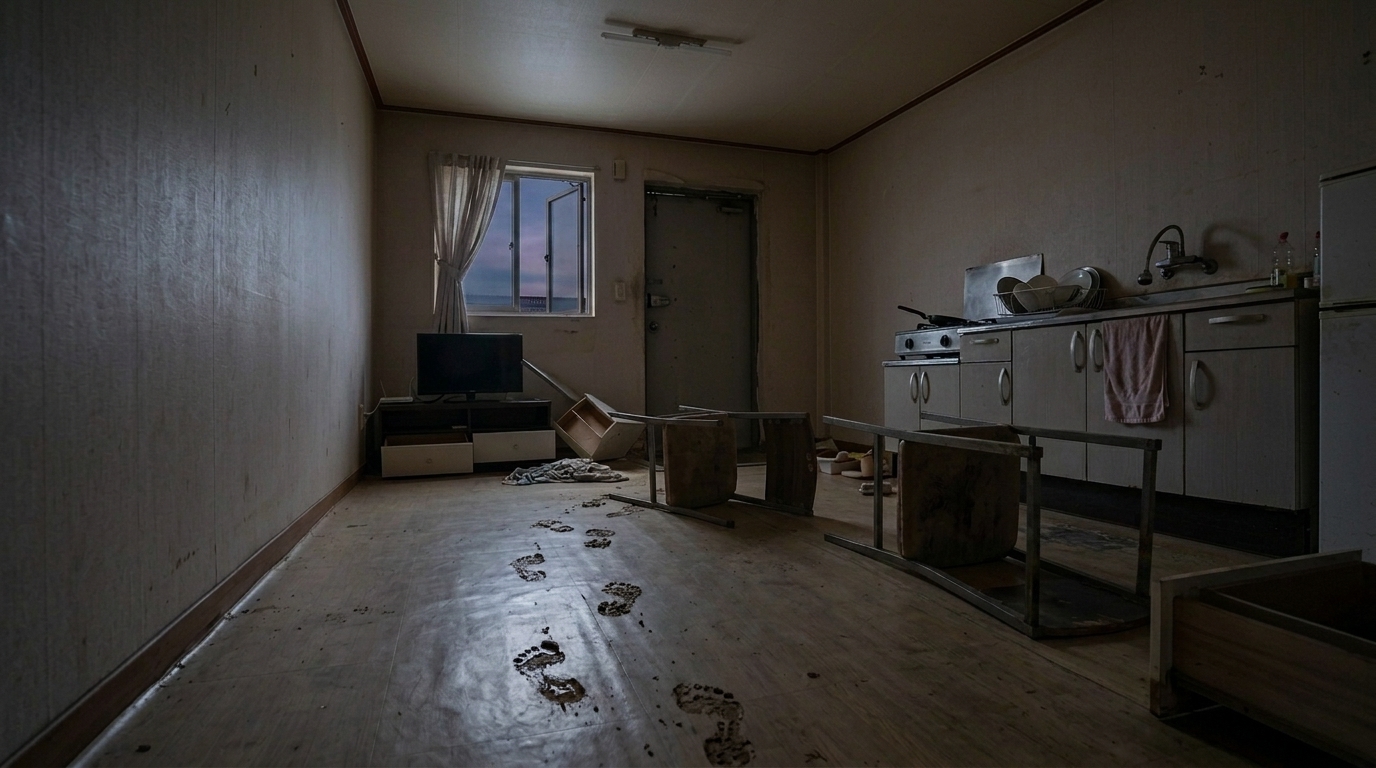
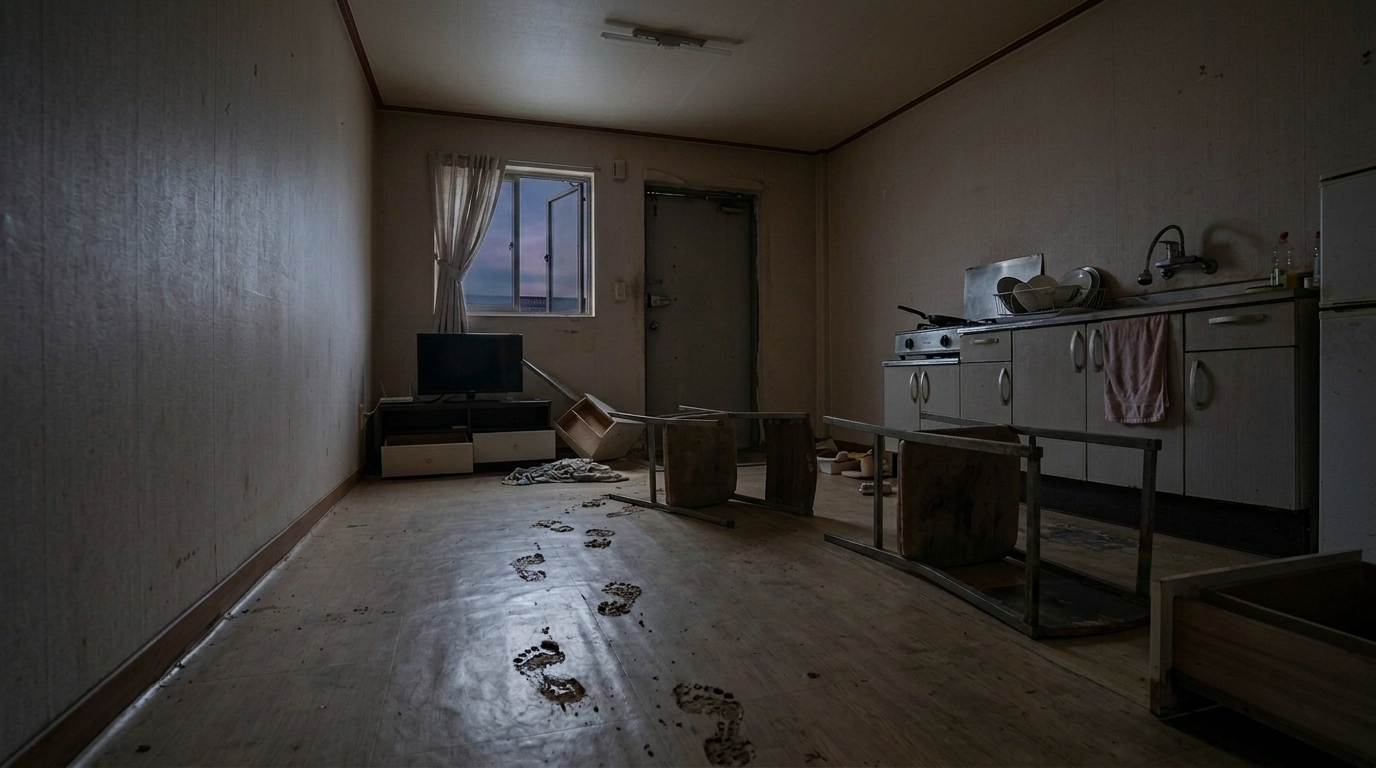
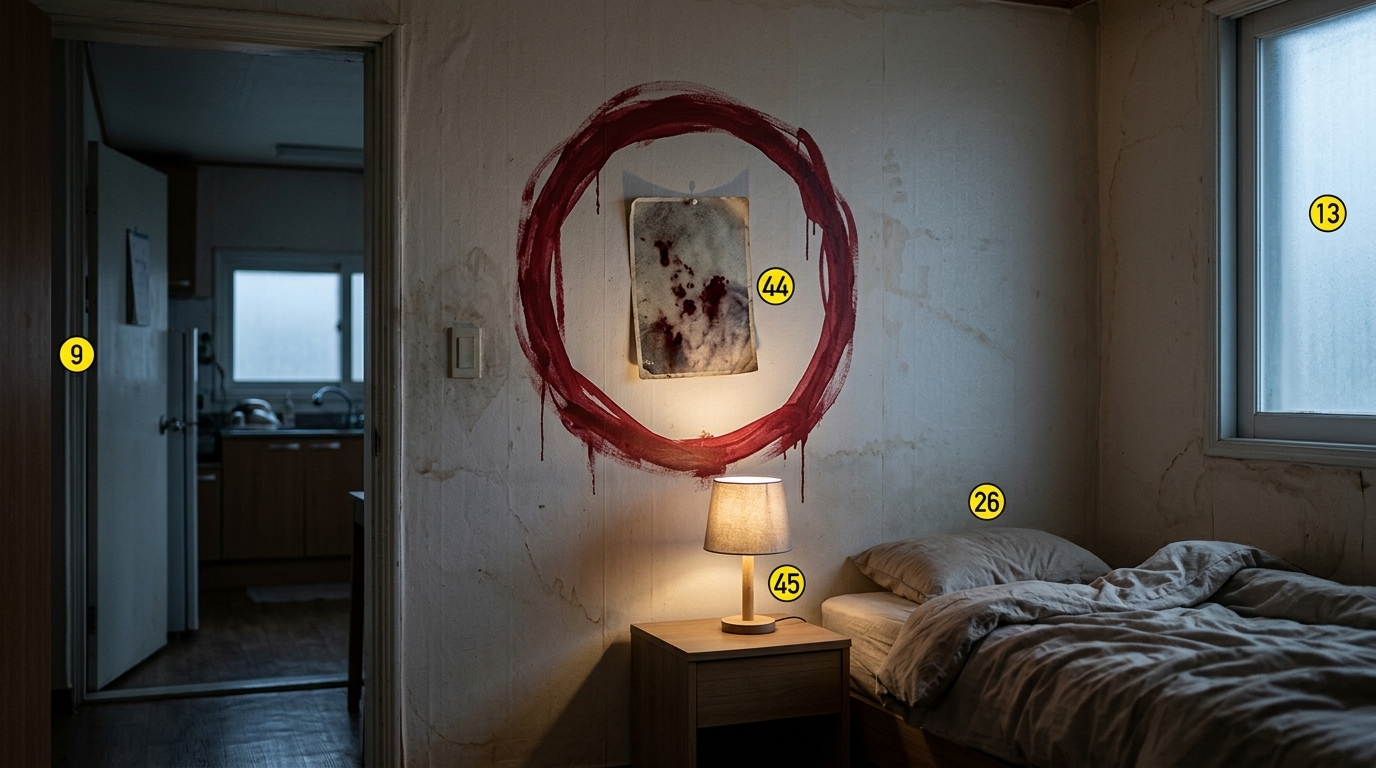
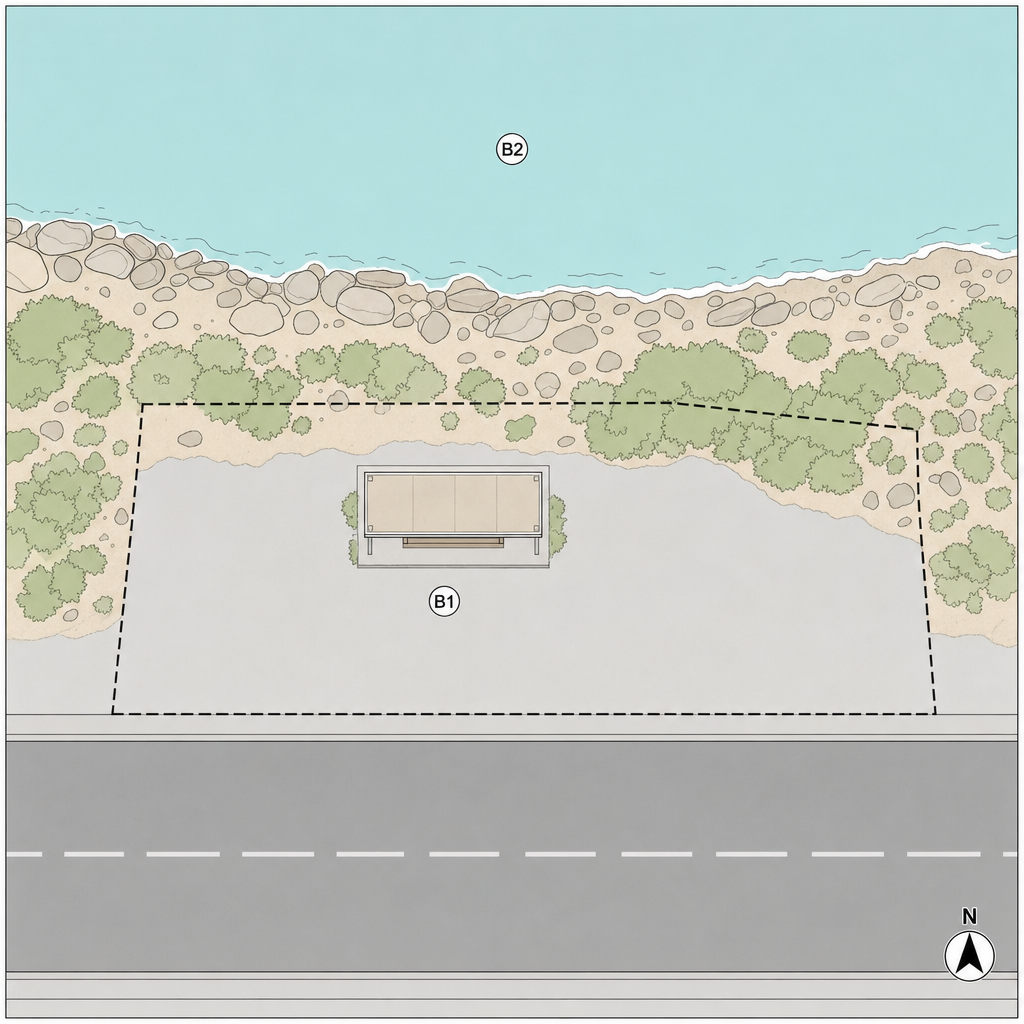
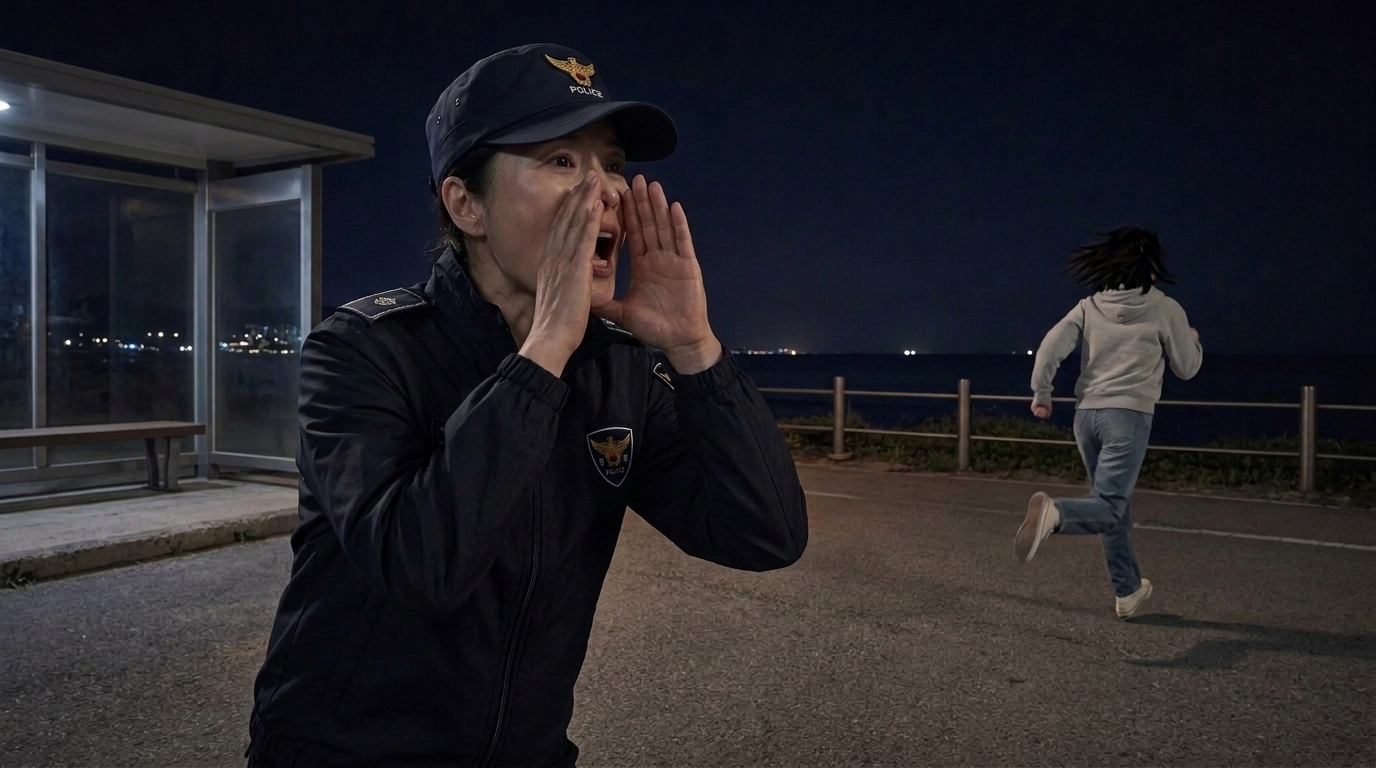
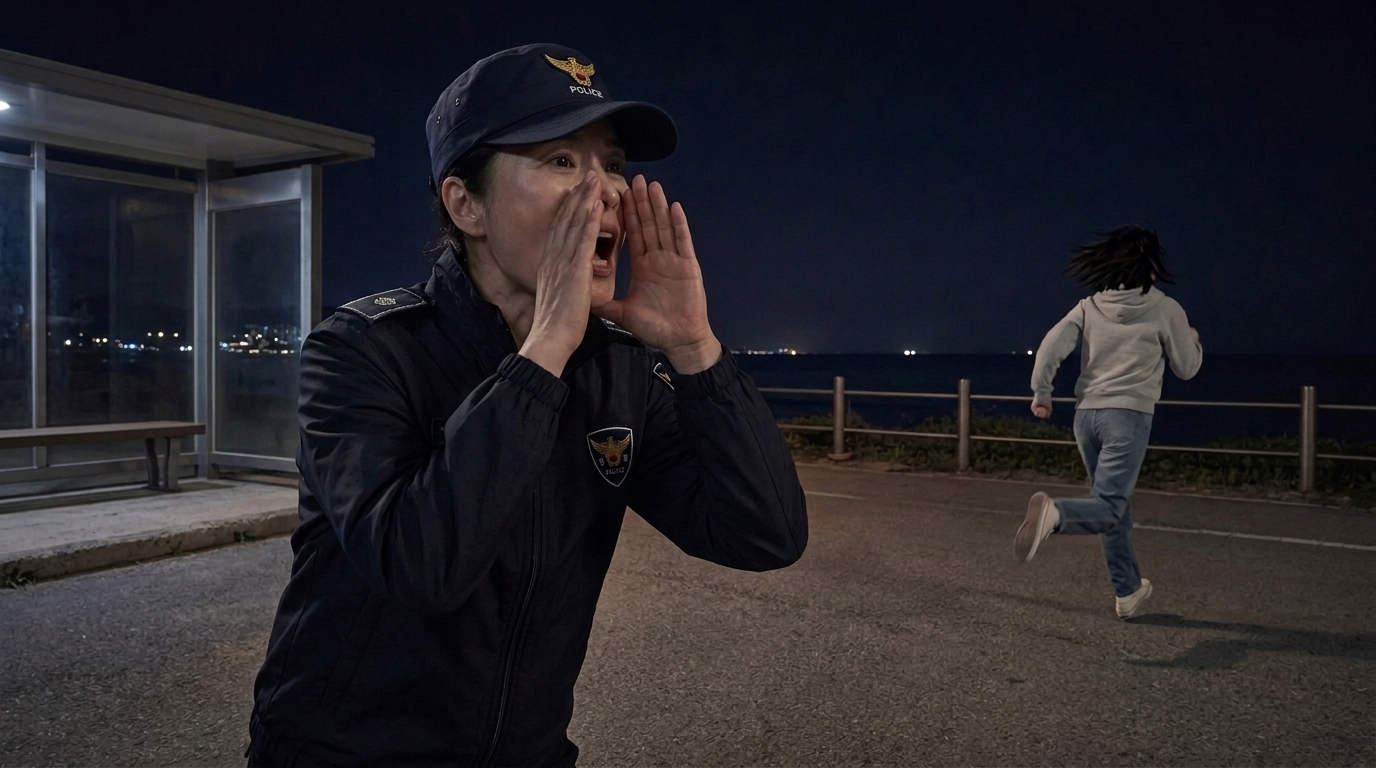
🗺️ lane 마커 맵 단계(i2i) 캔ary
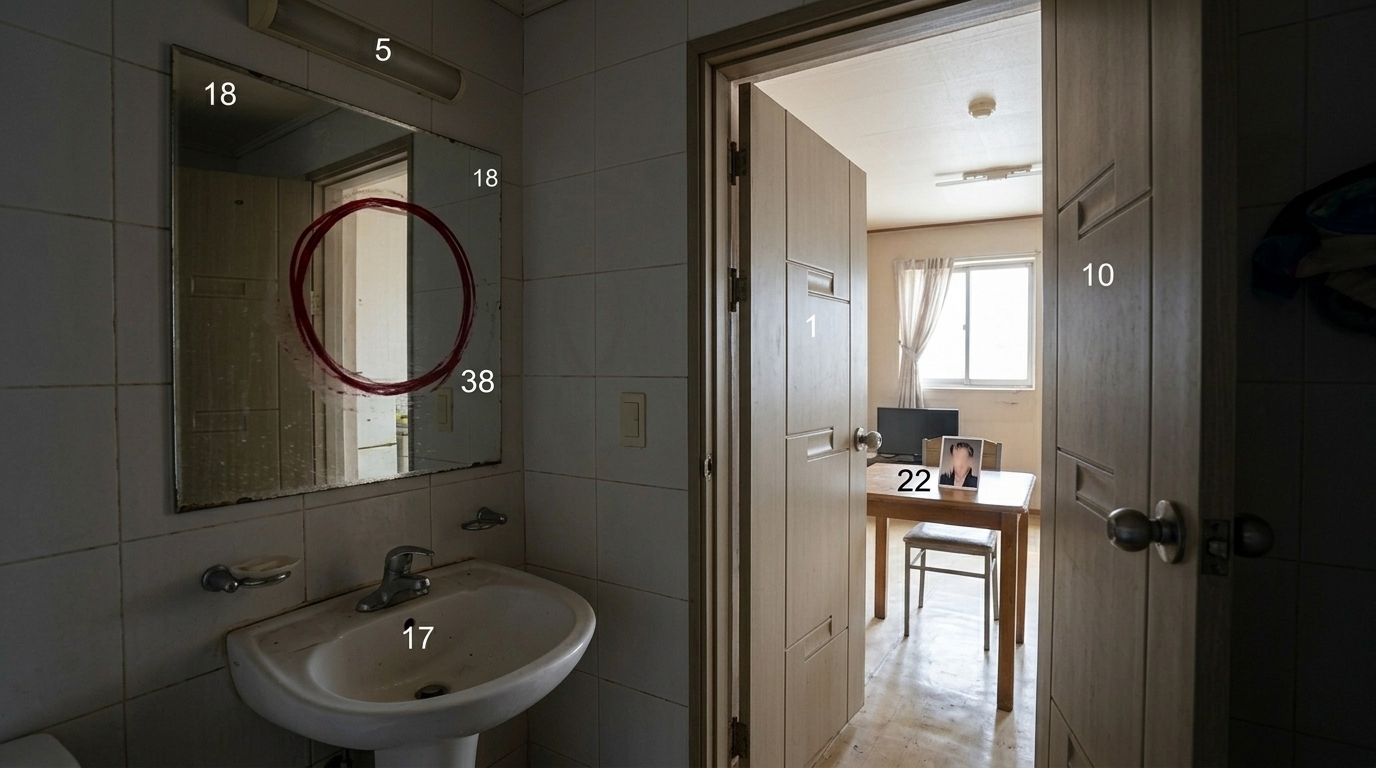
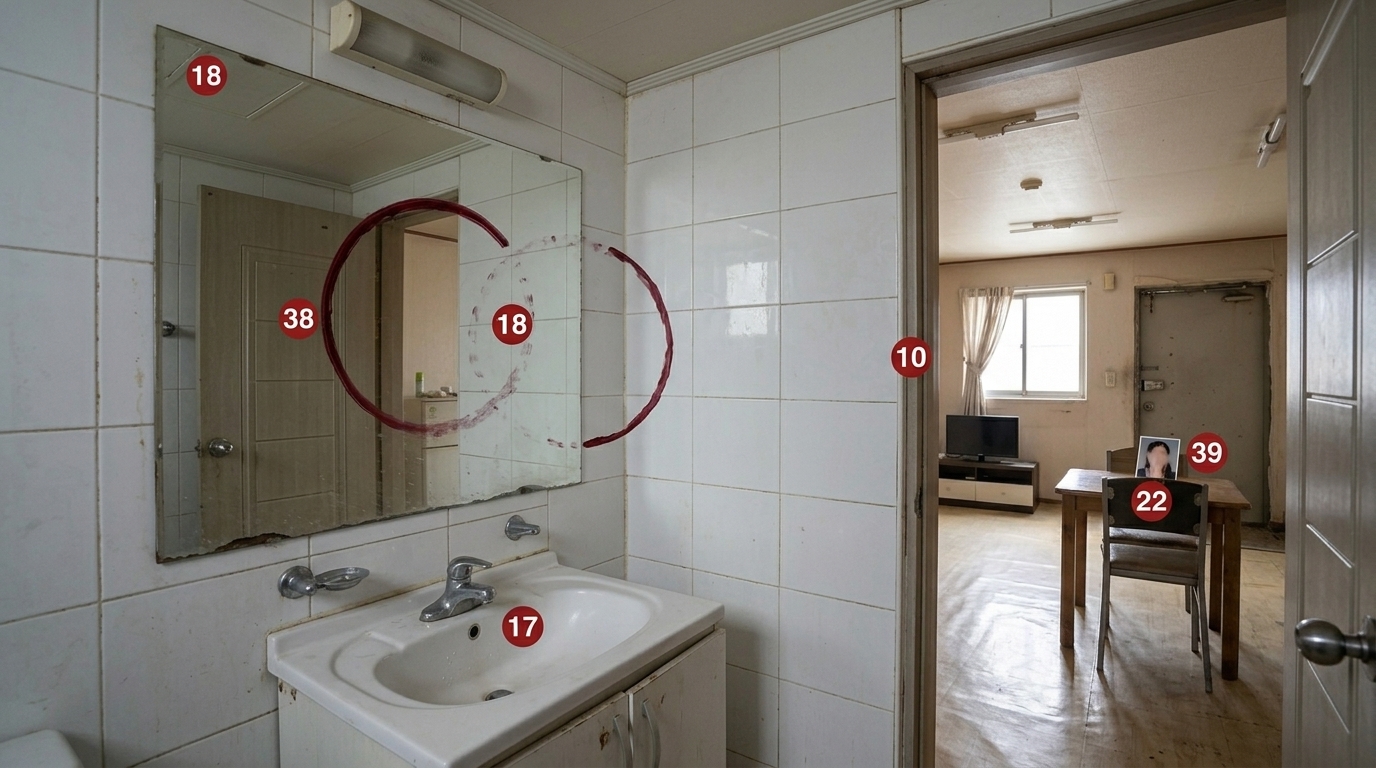
— 이번 회차 이후 구현된 맵+카메라/엔티티 마커 레이어 실측:
lane_canary/
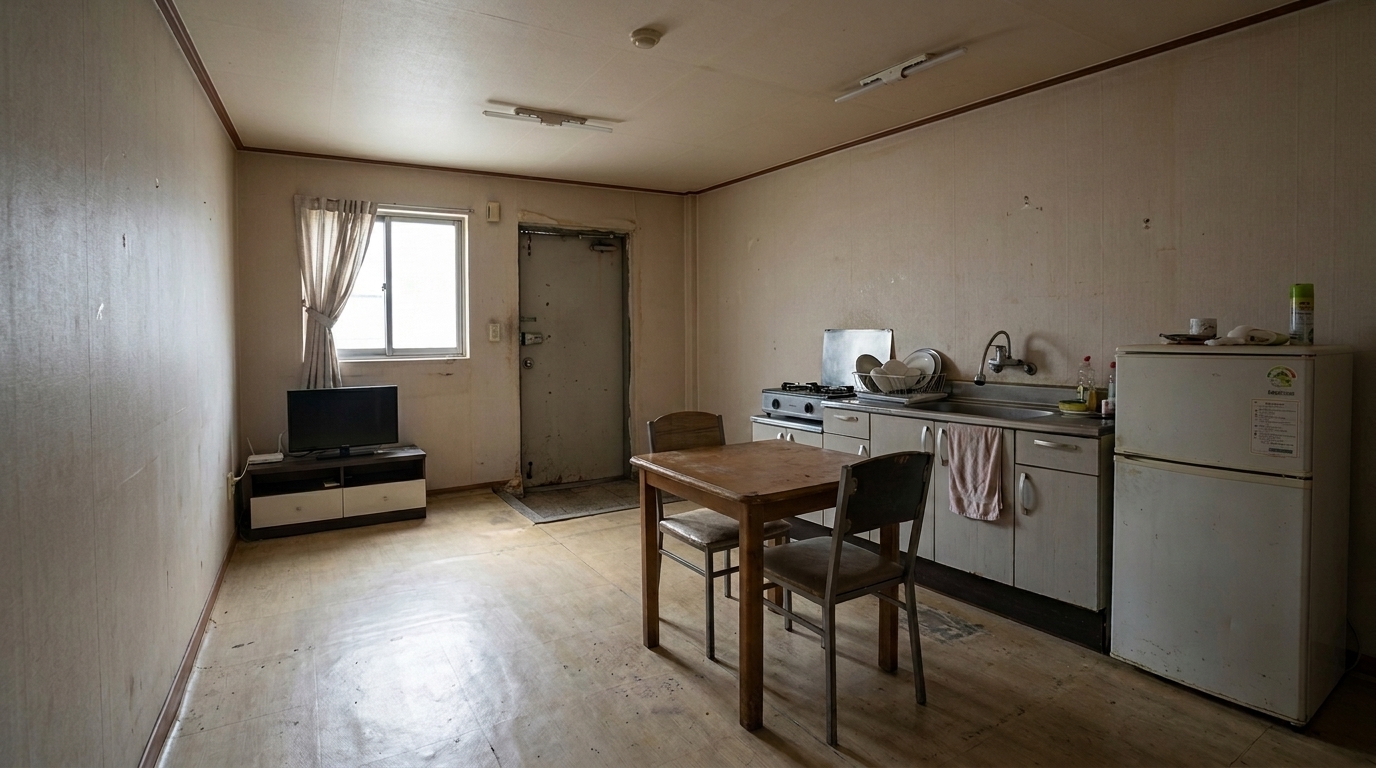
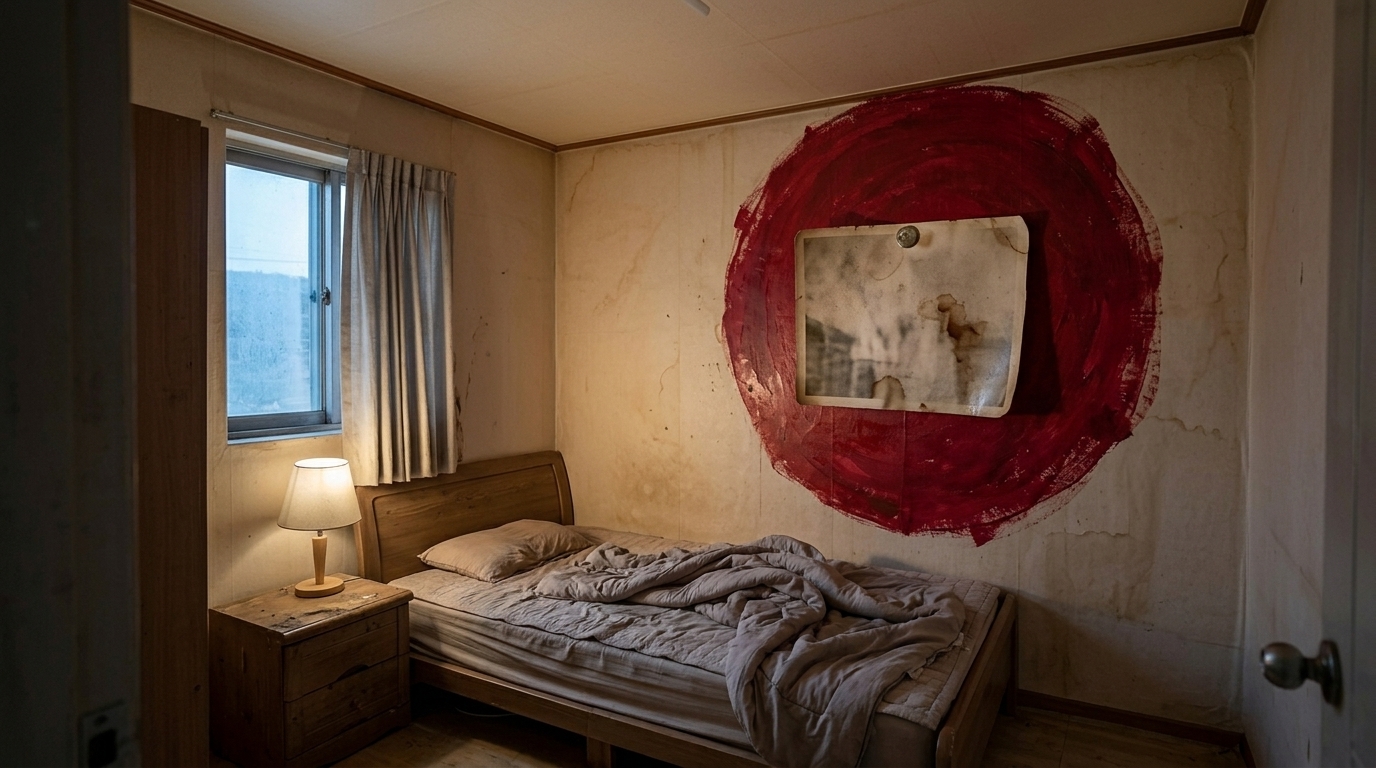
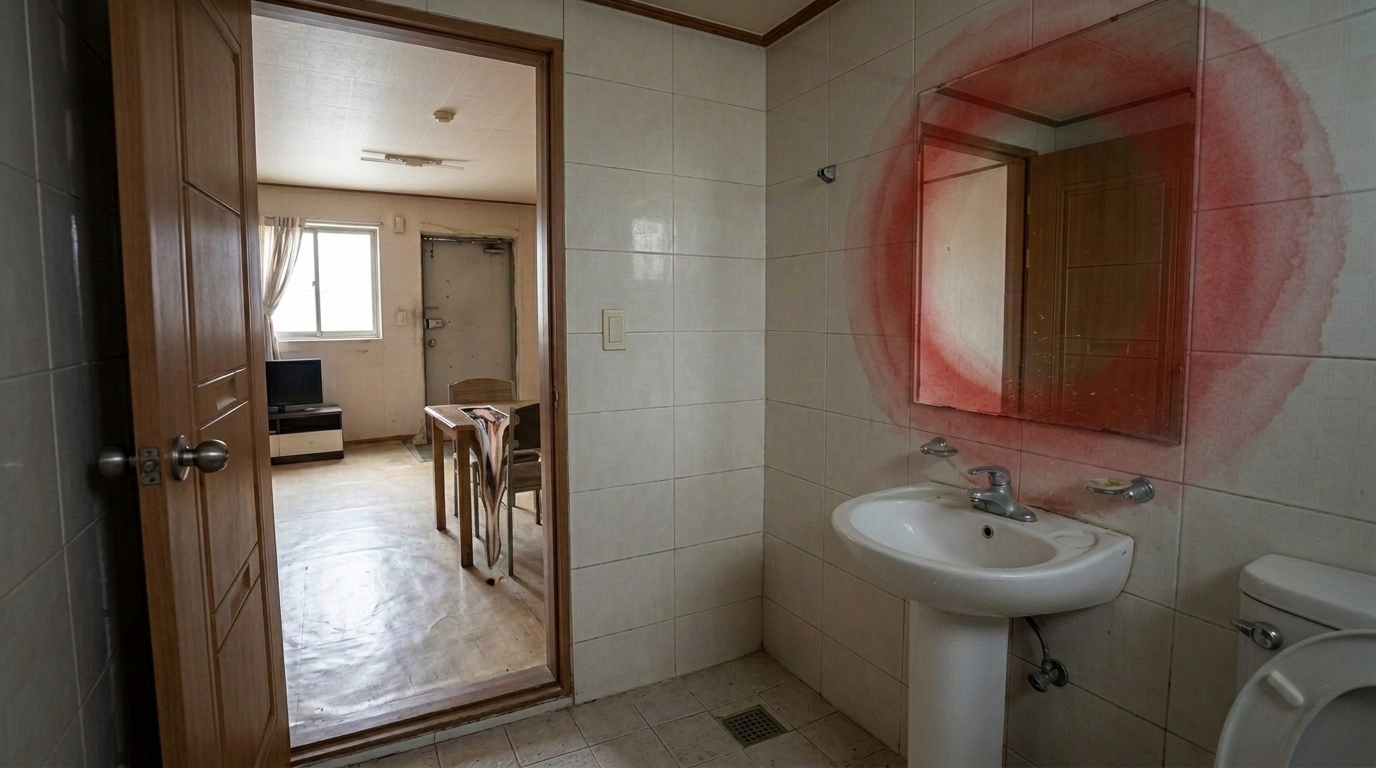
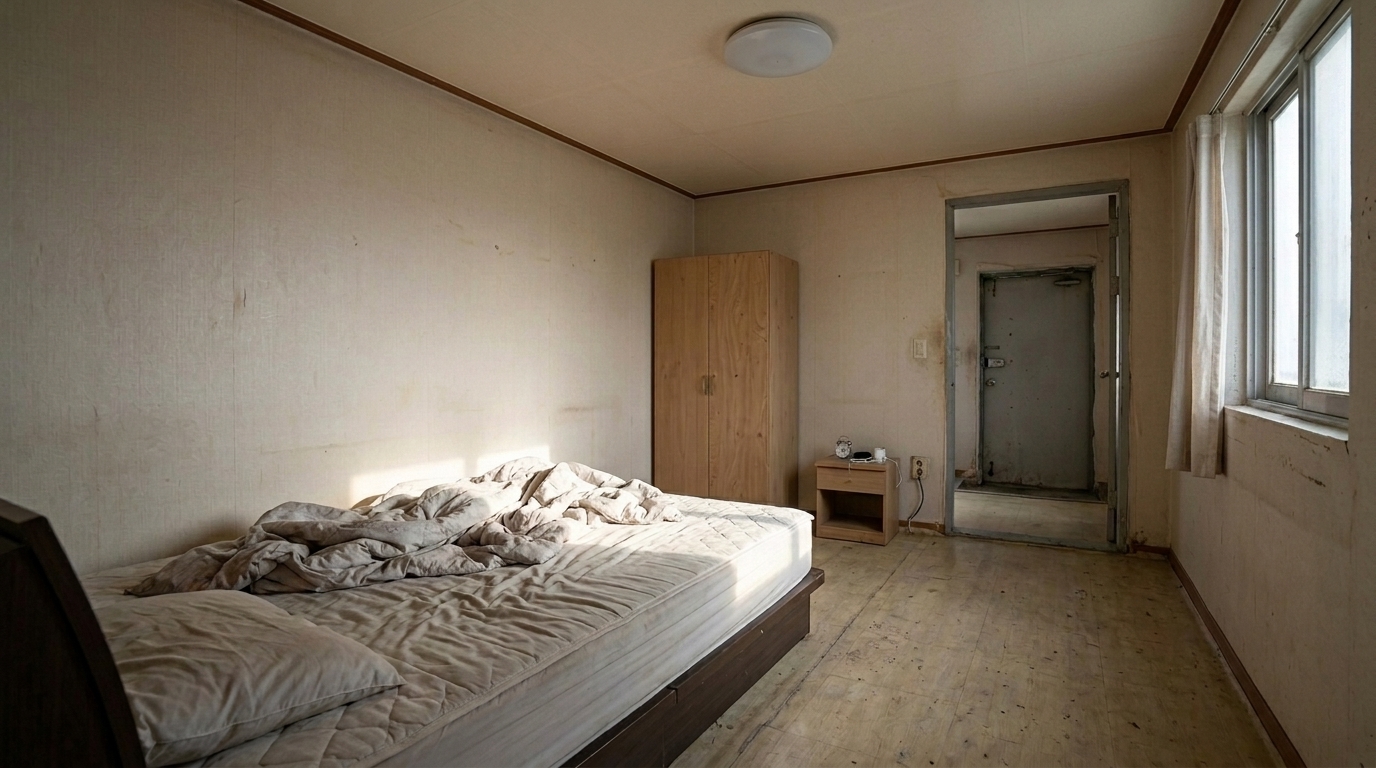
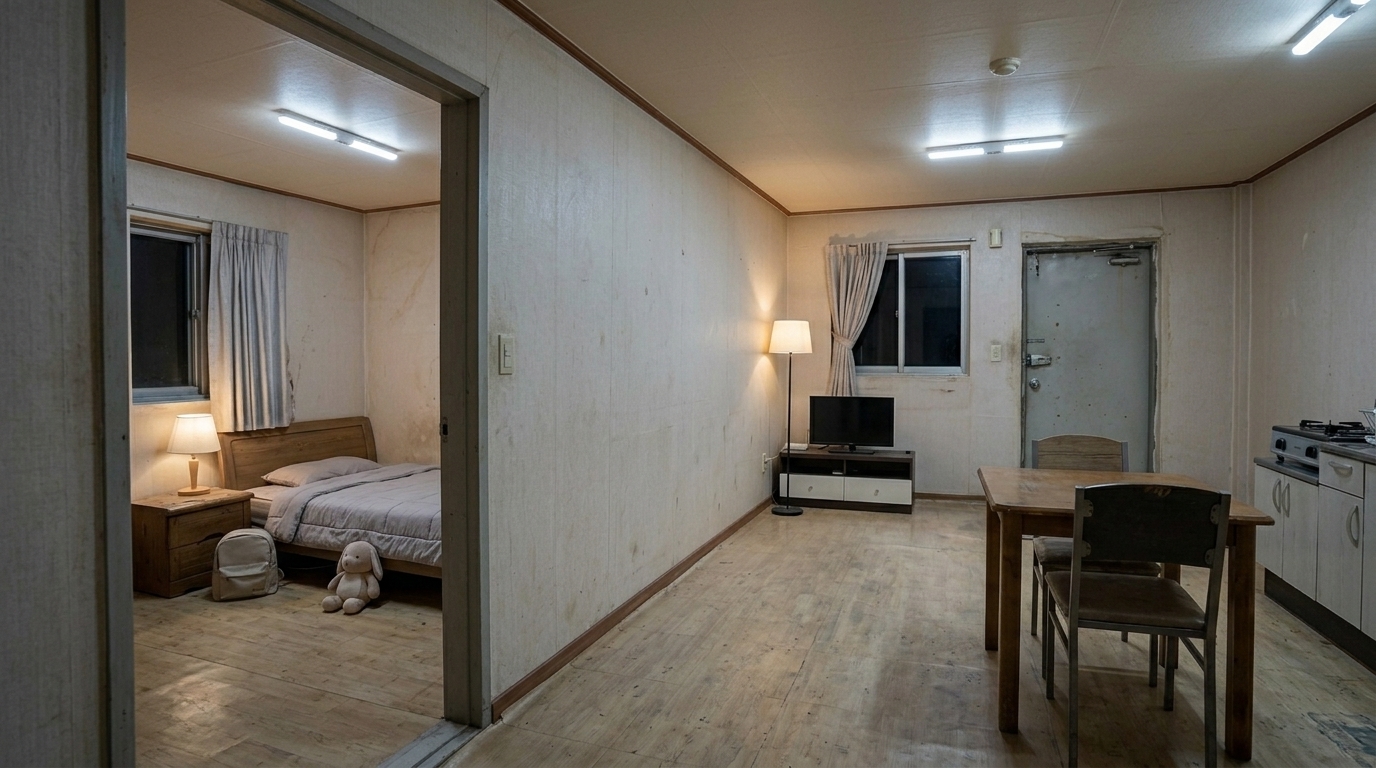
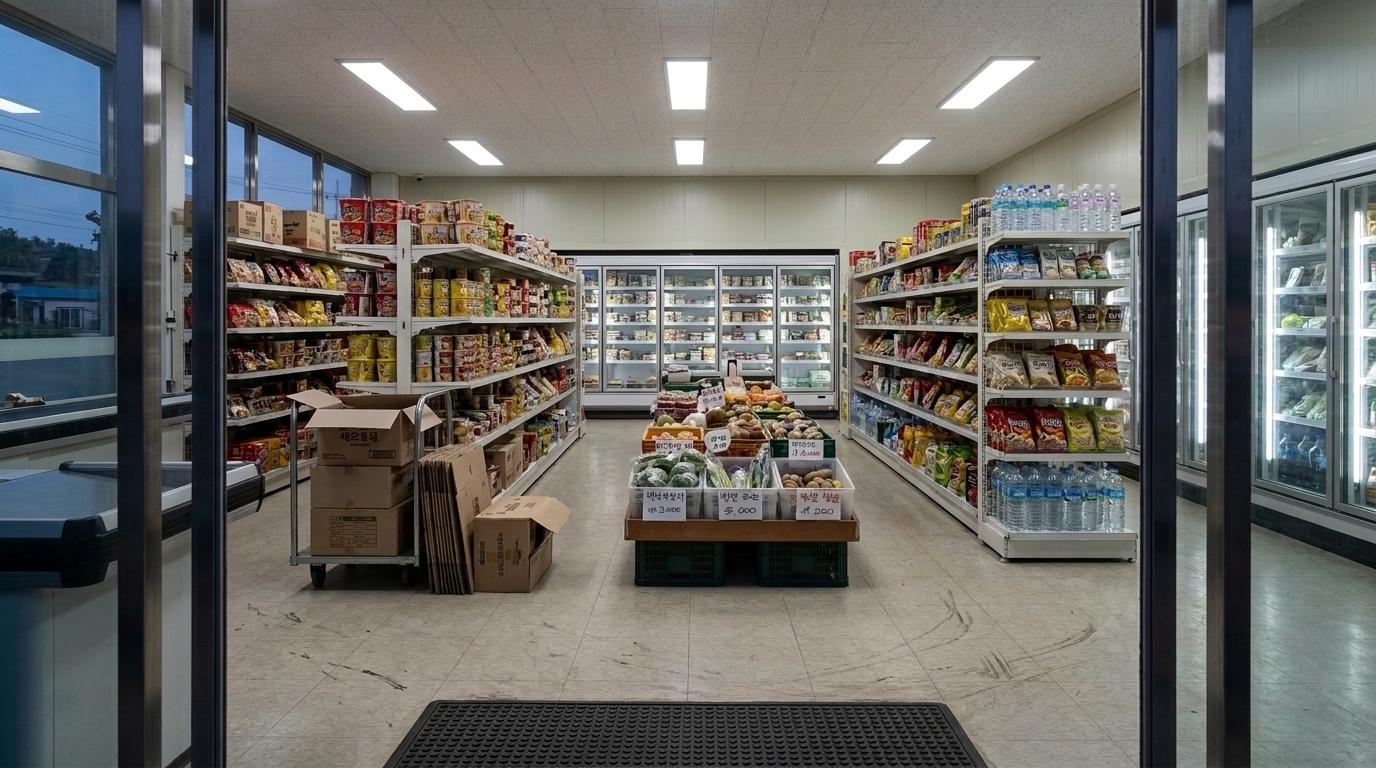
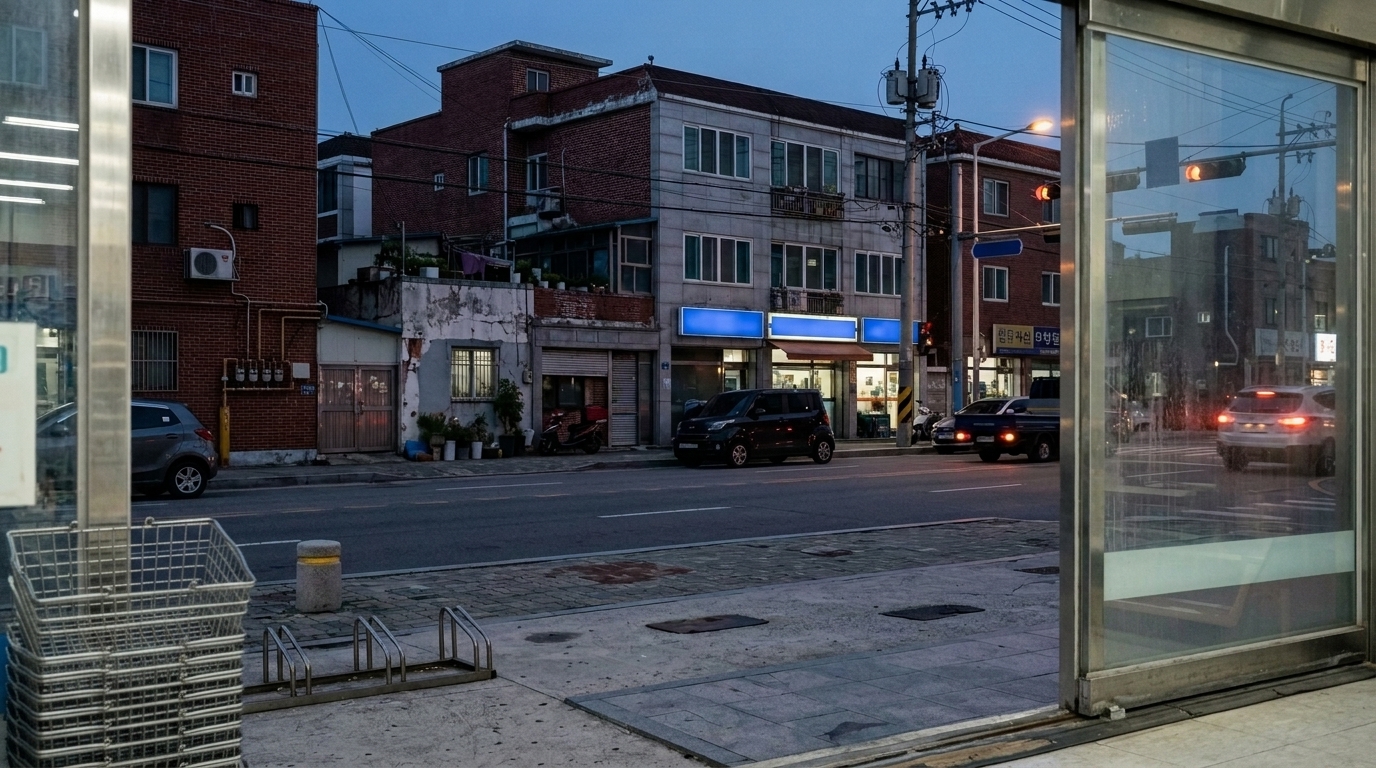
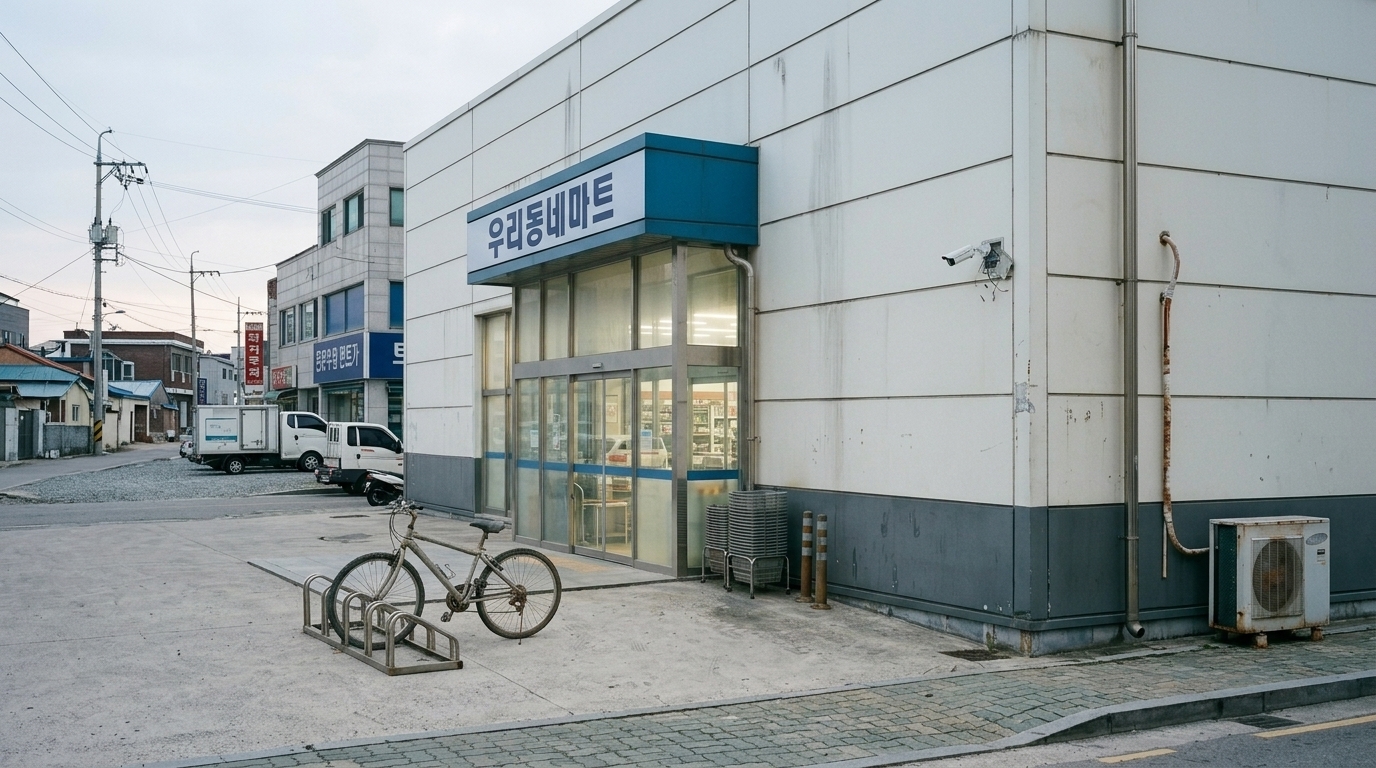
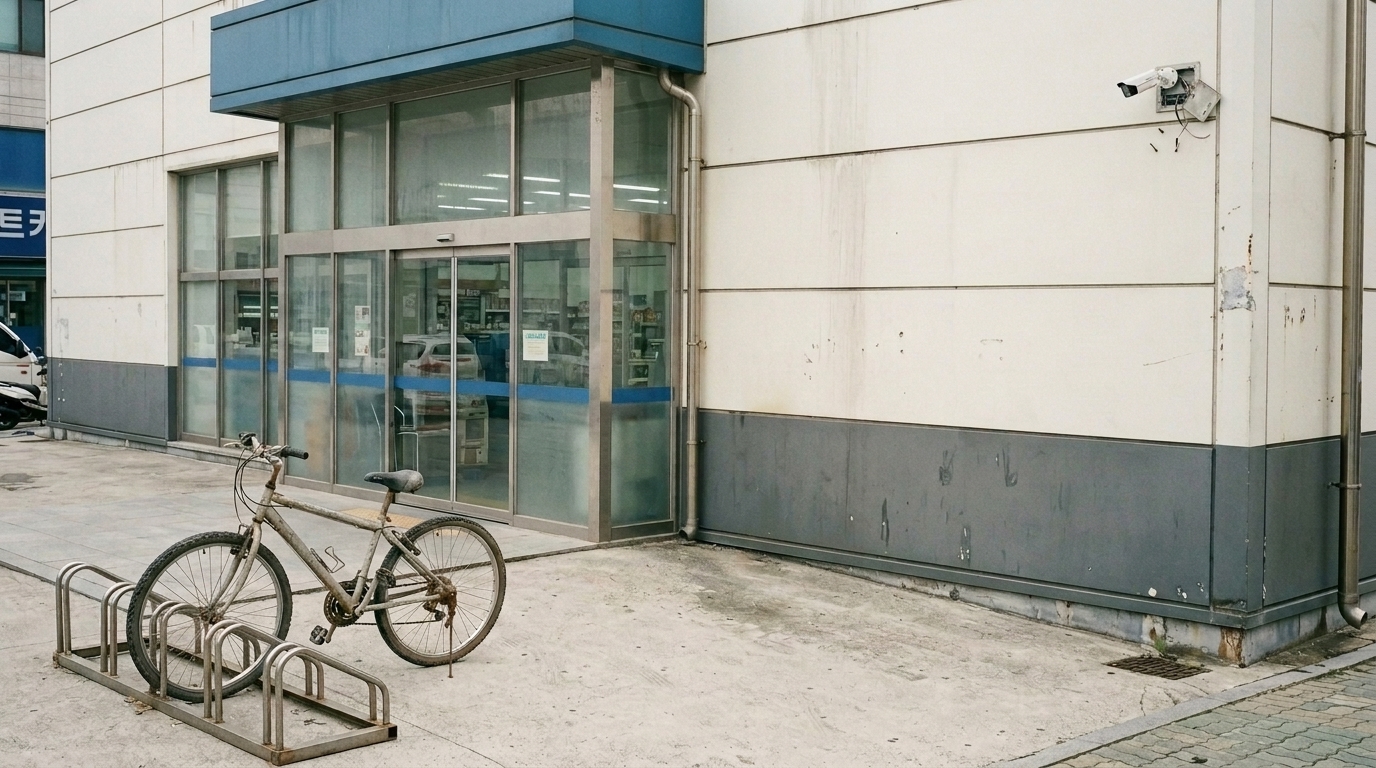
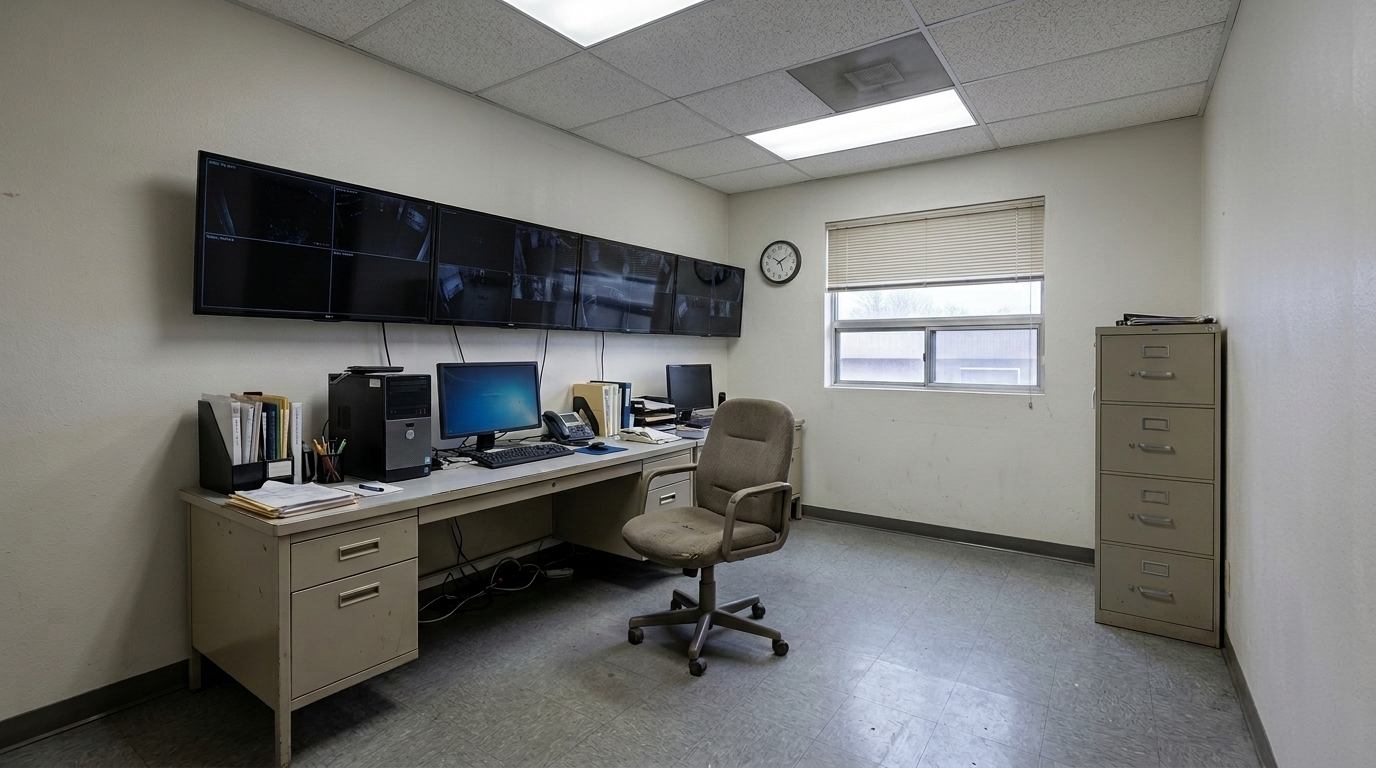
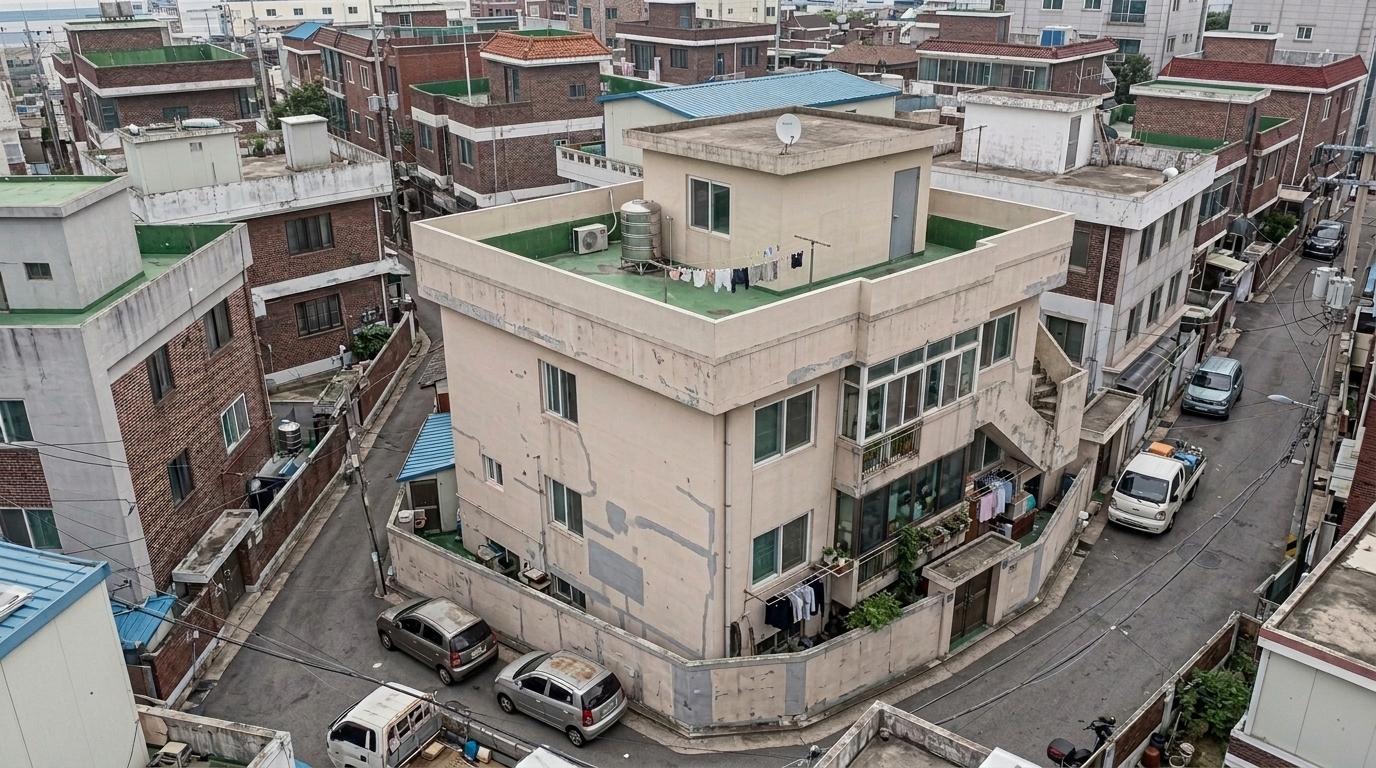
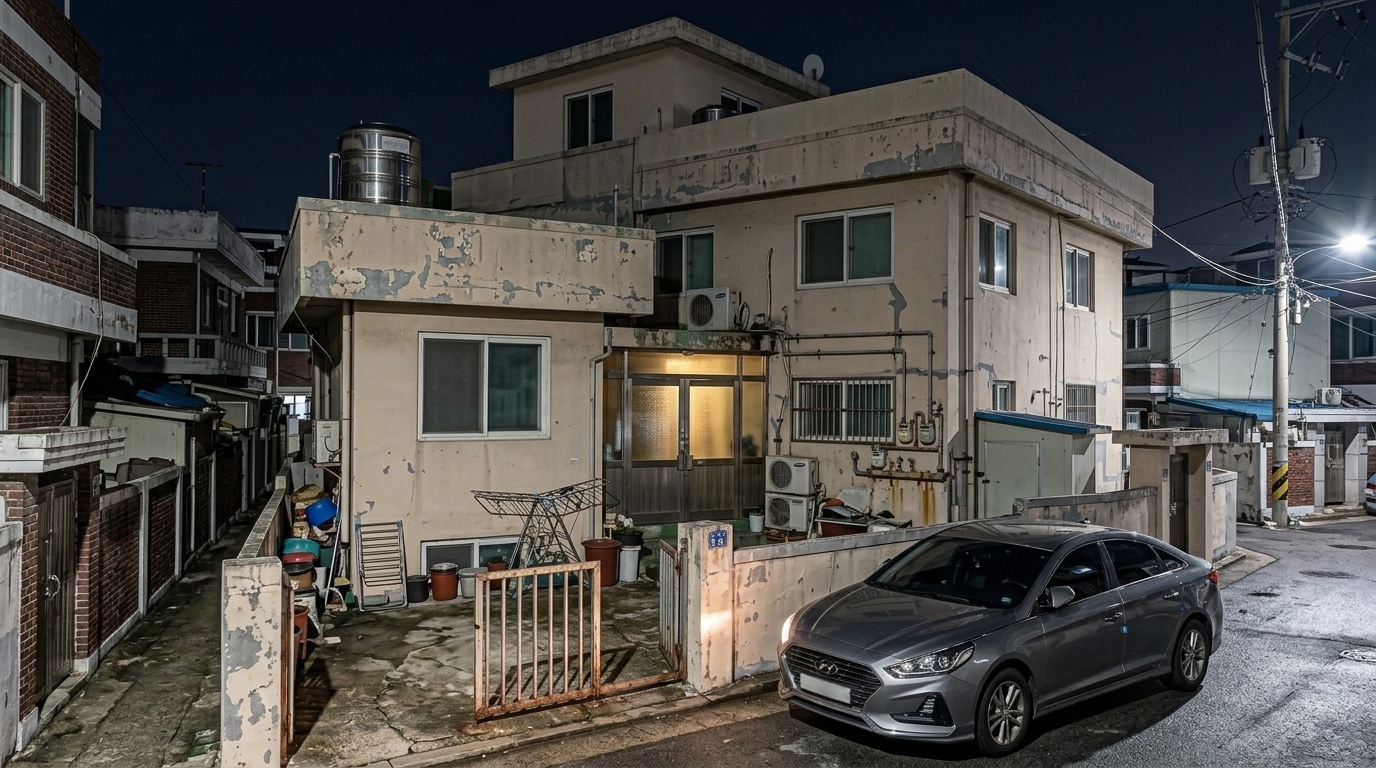
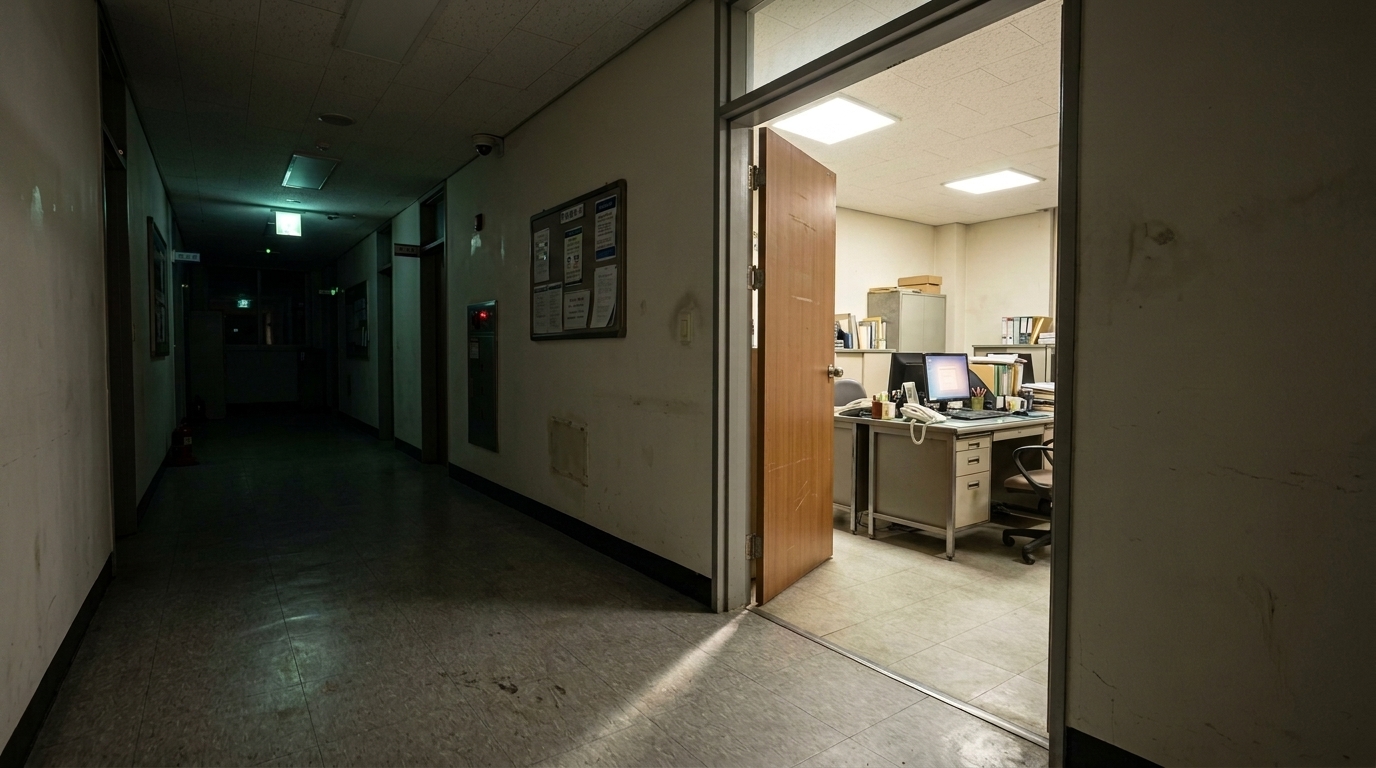
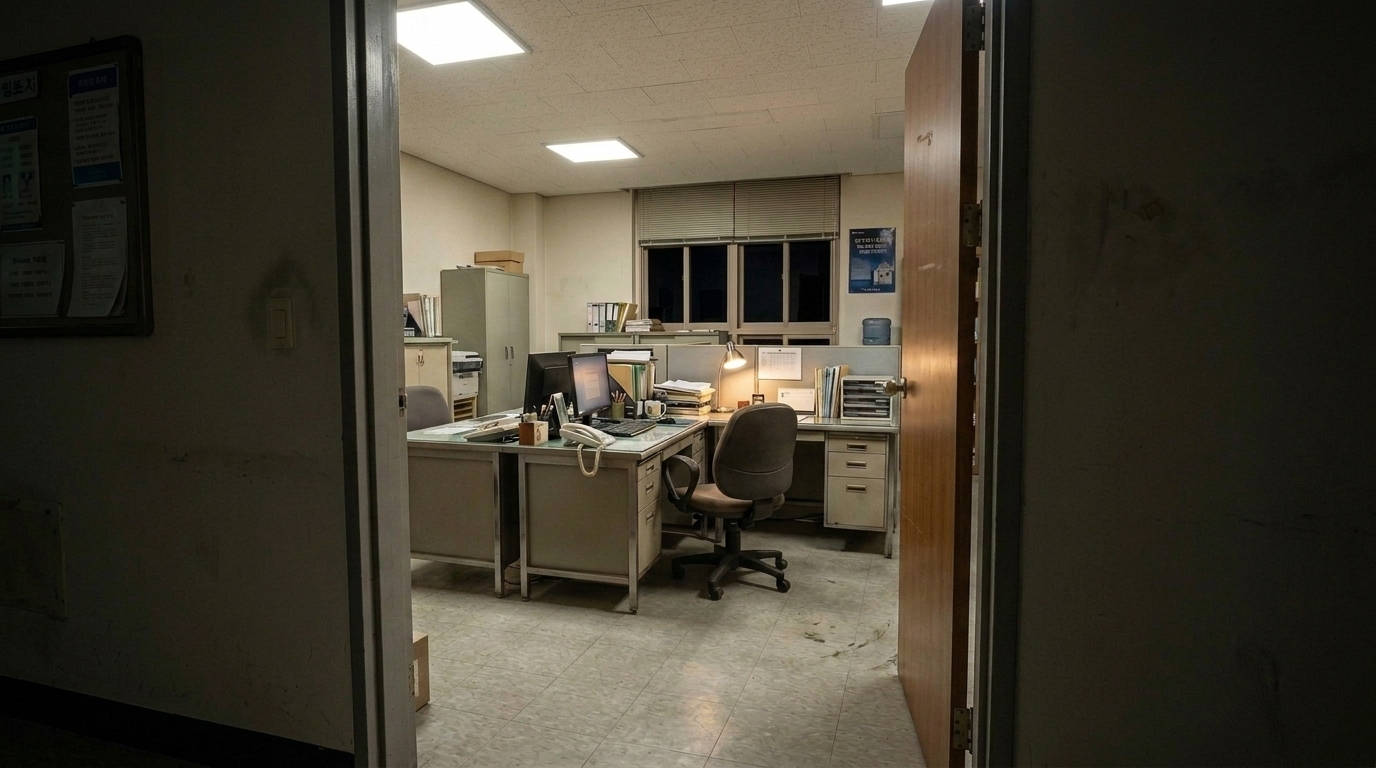
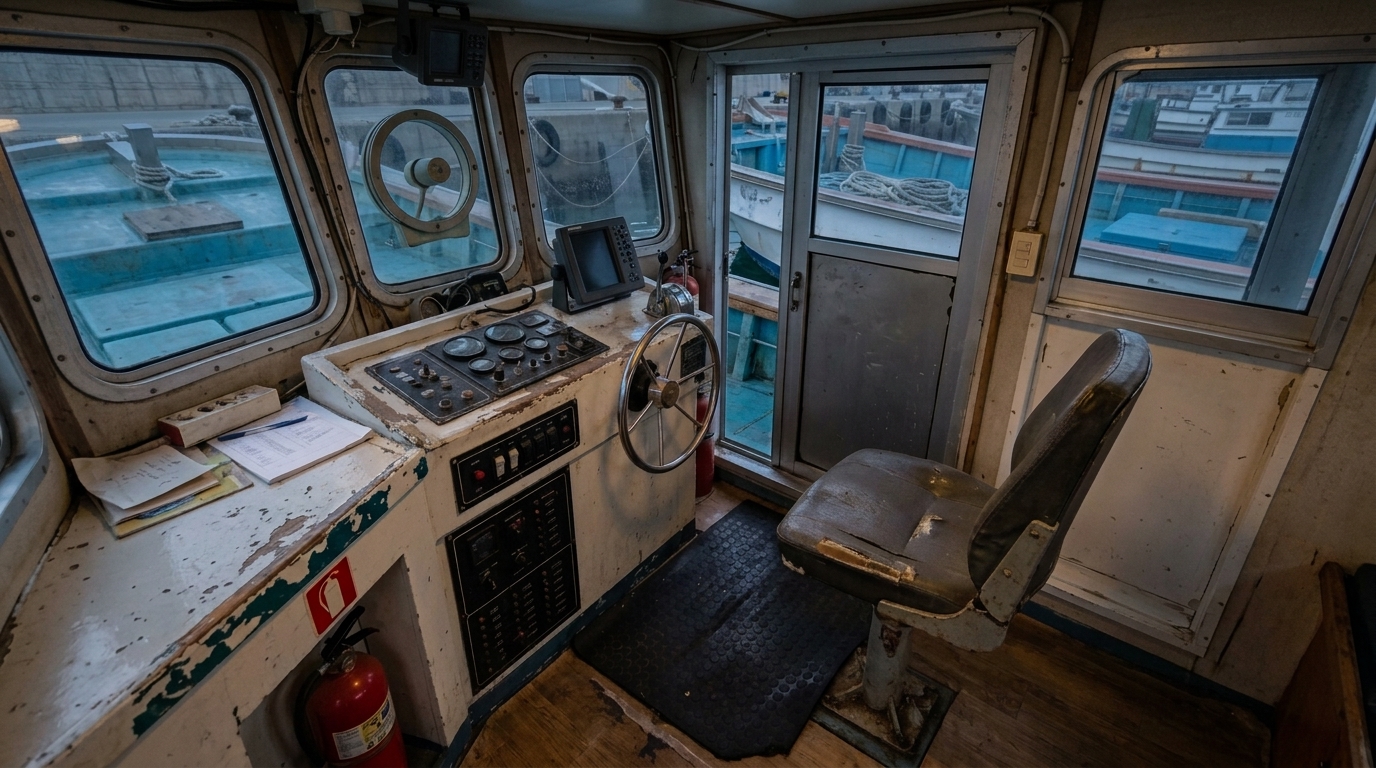
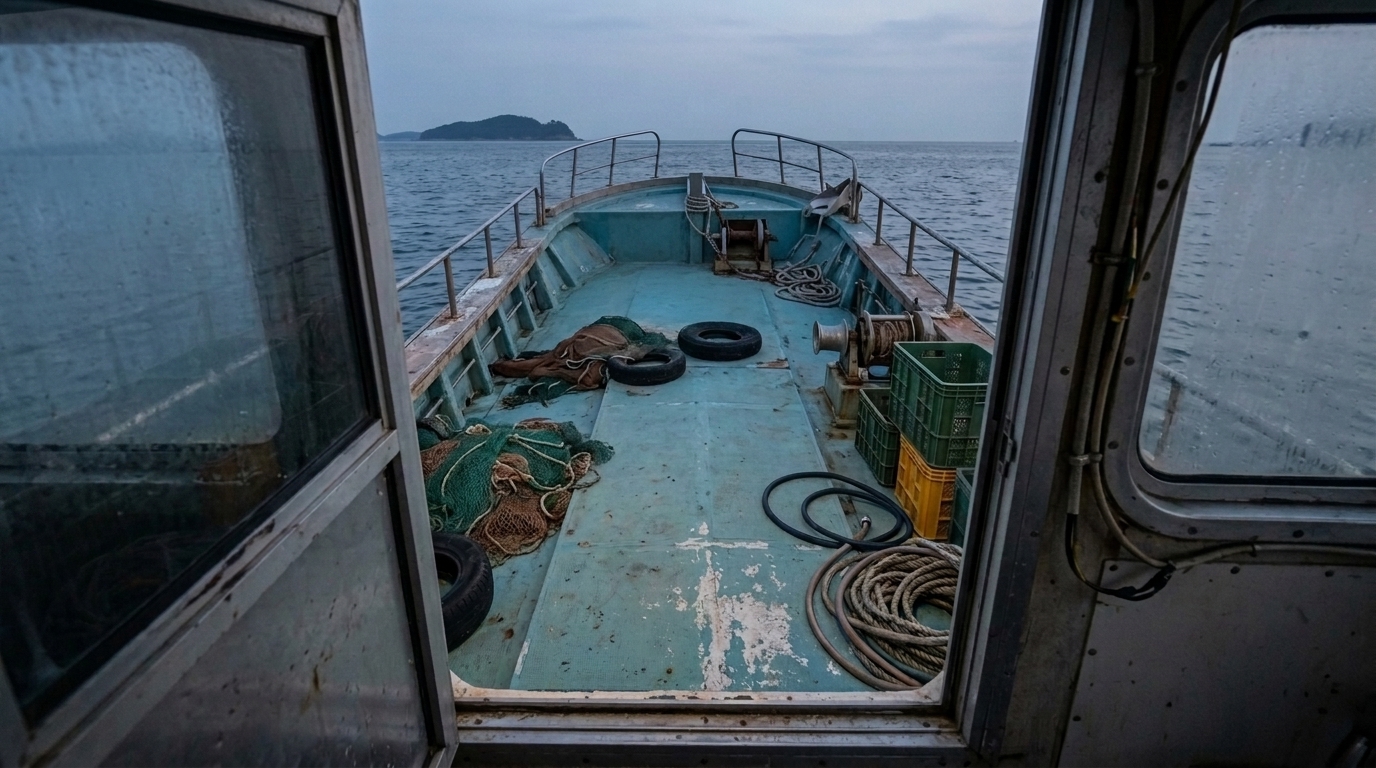
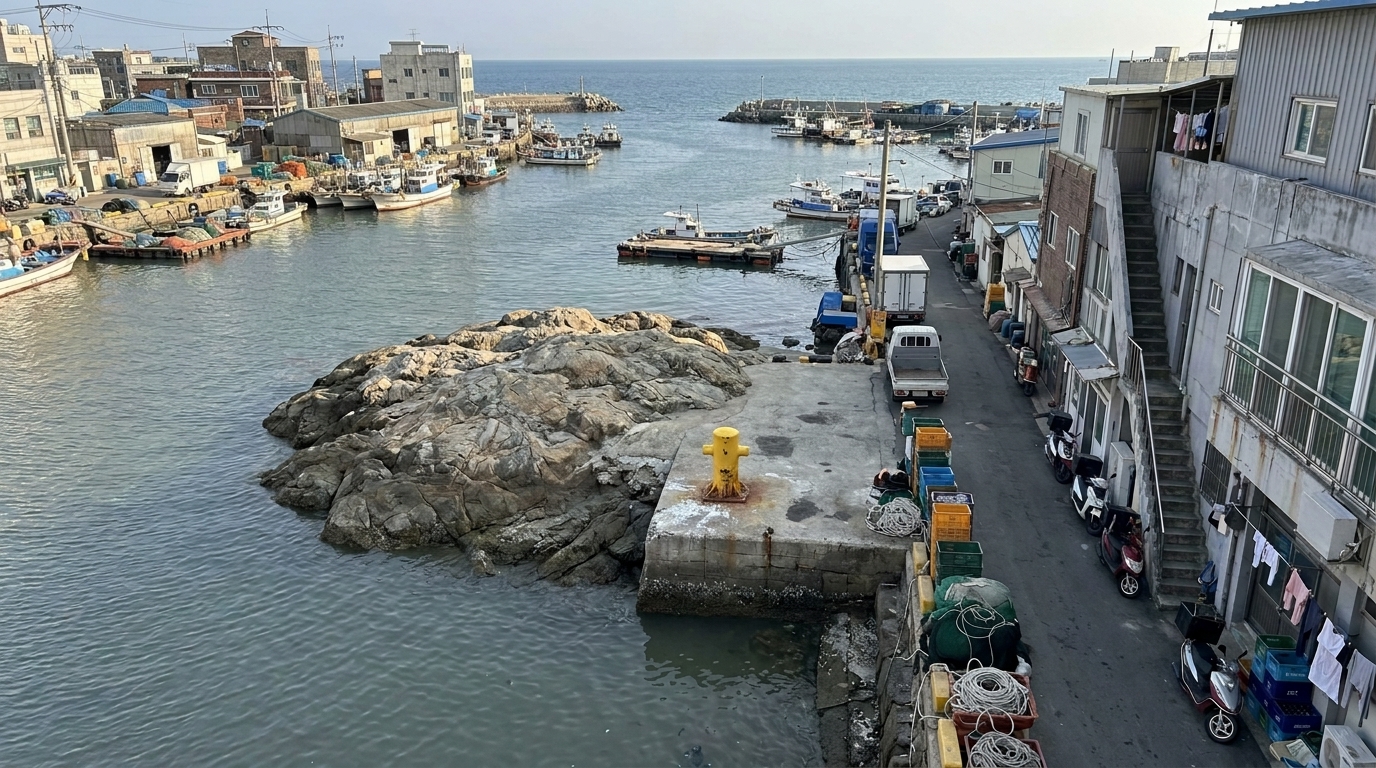
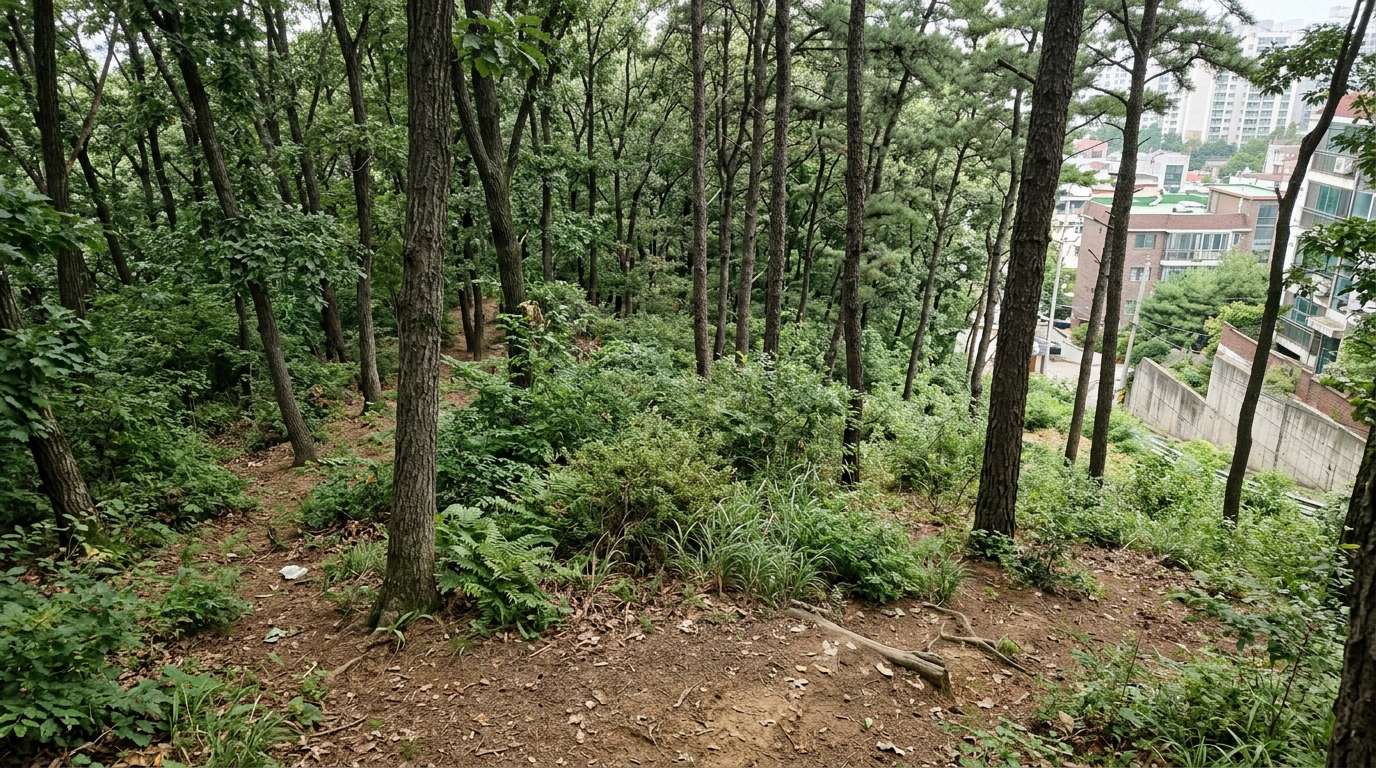
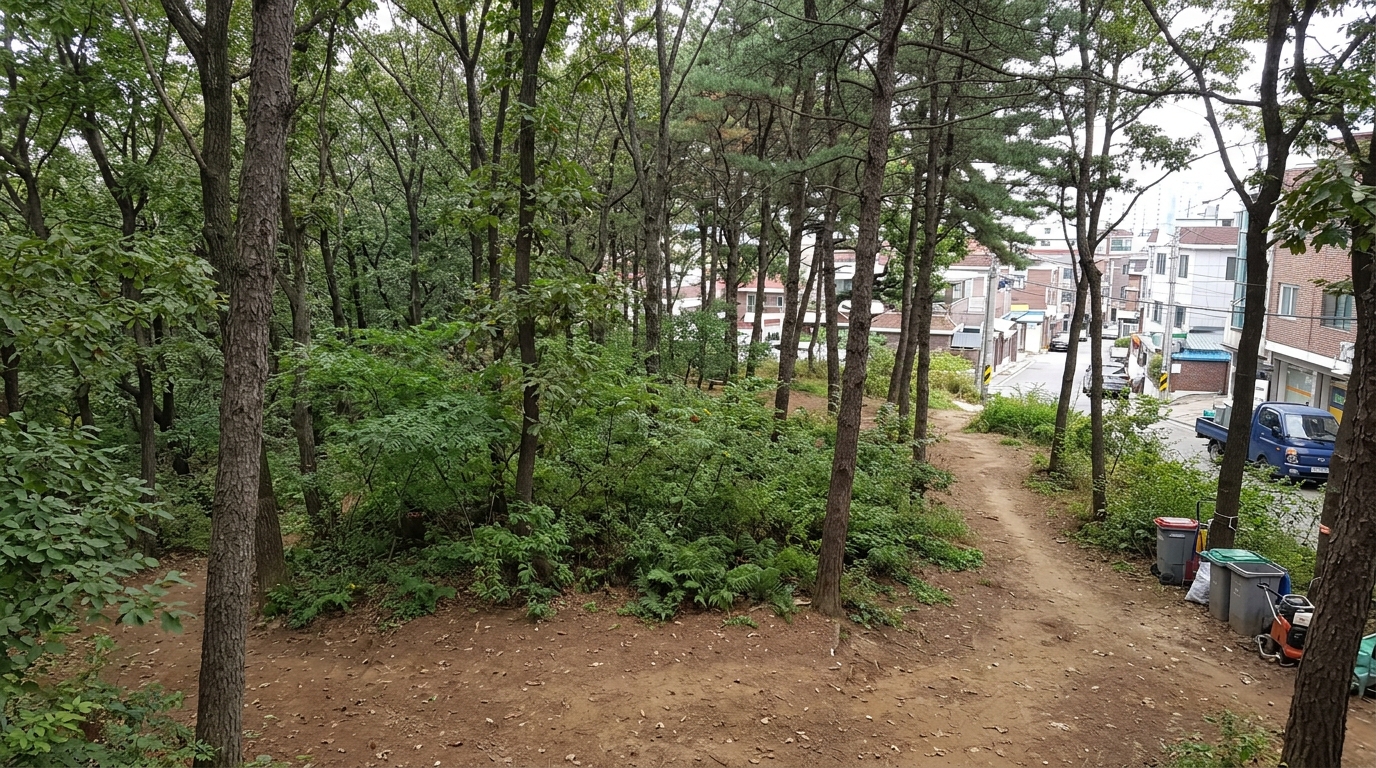
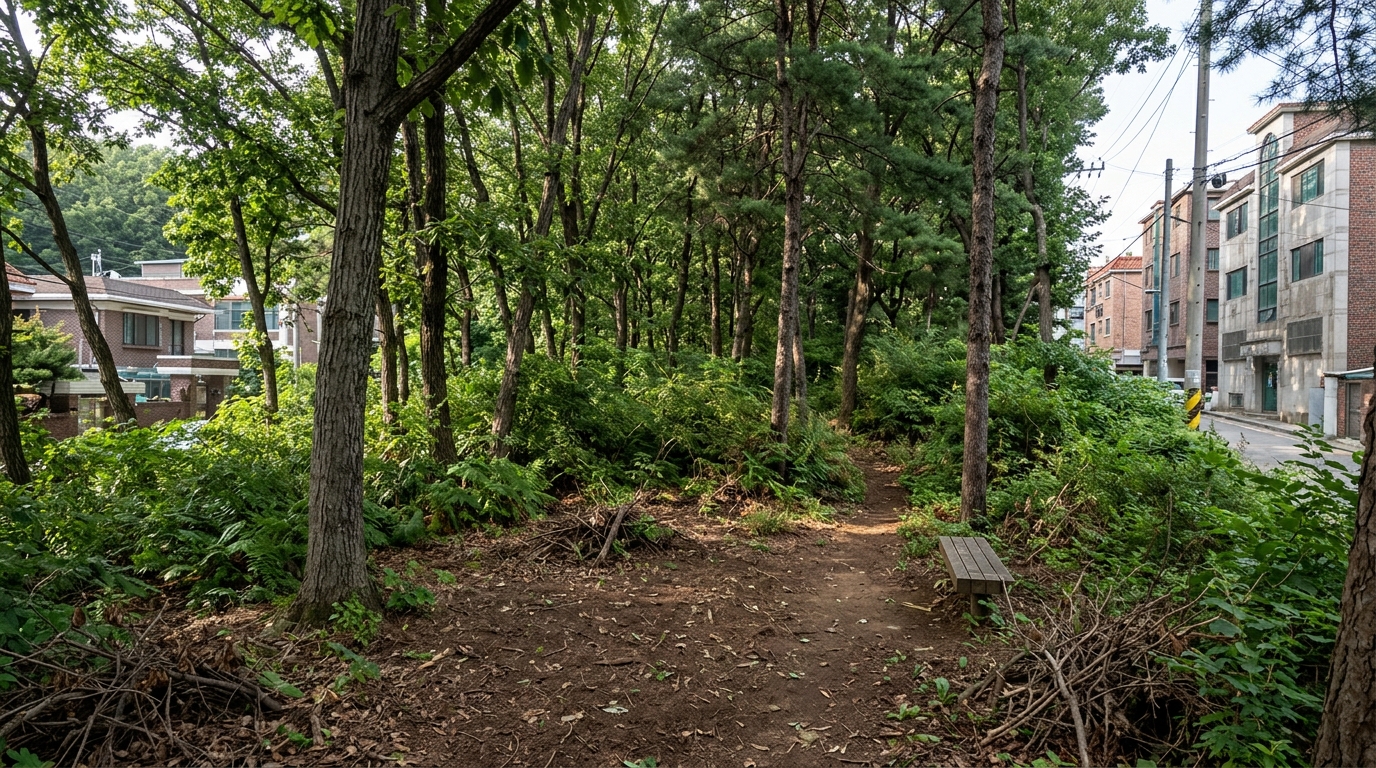
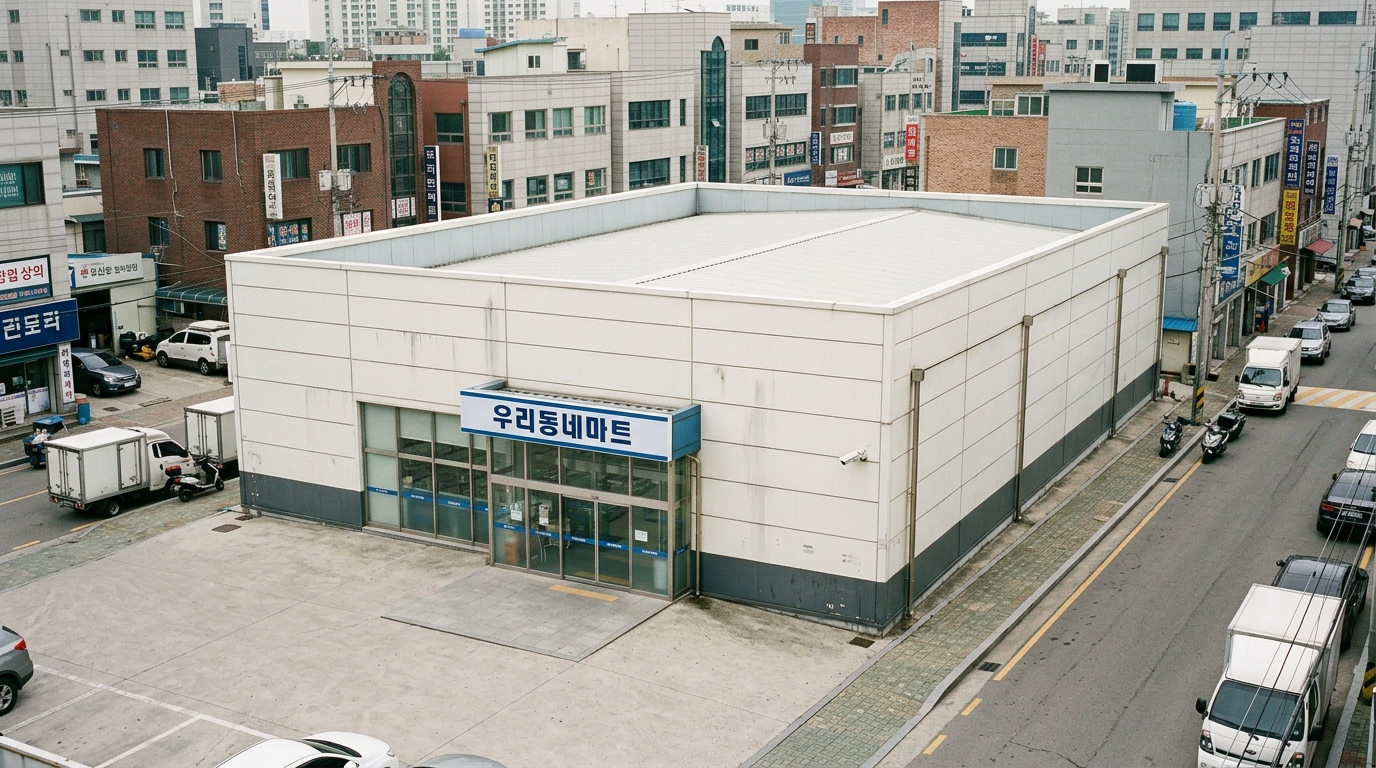
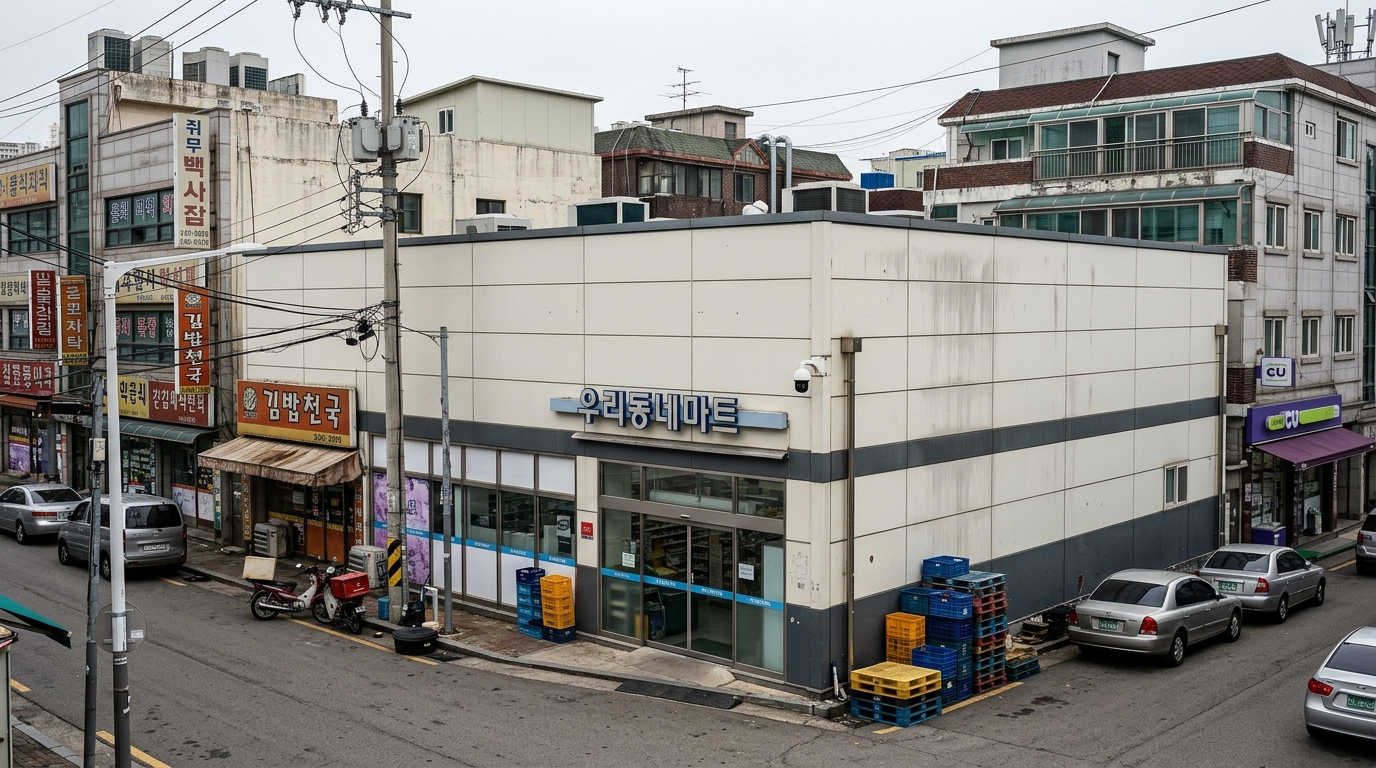
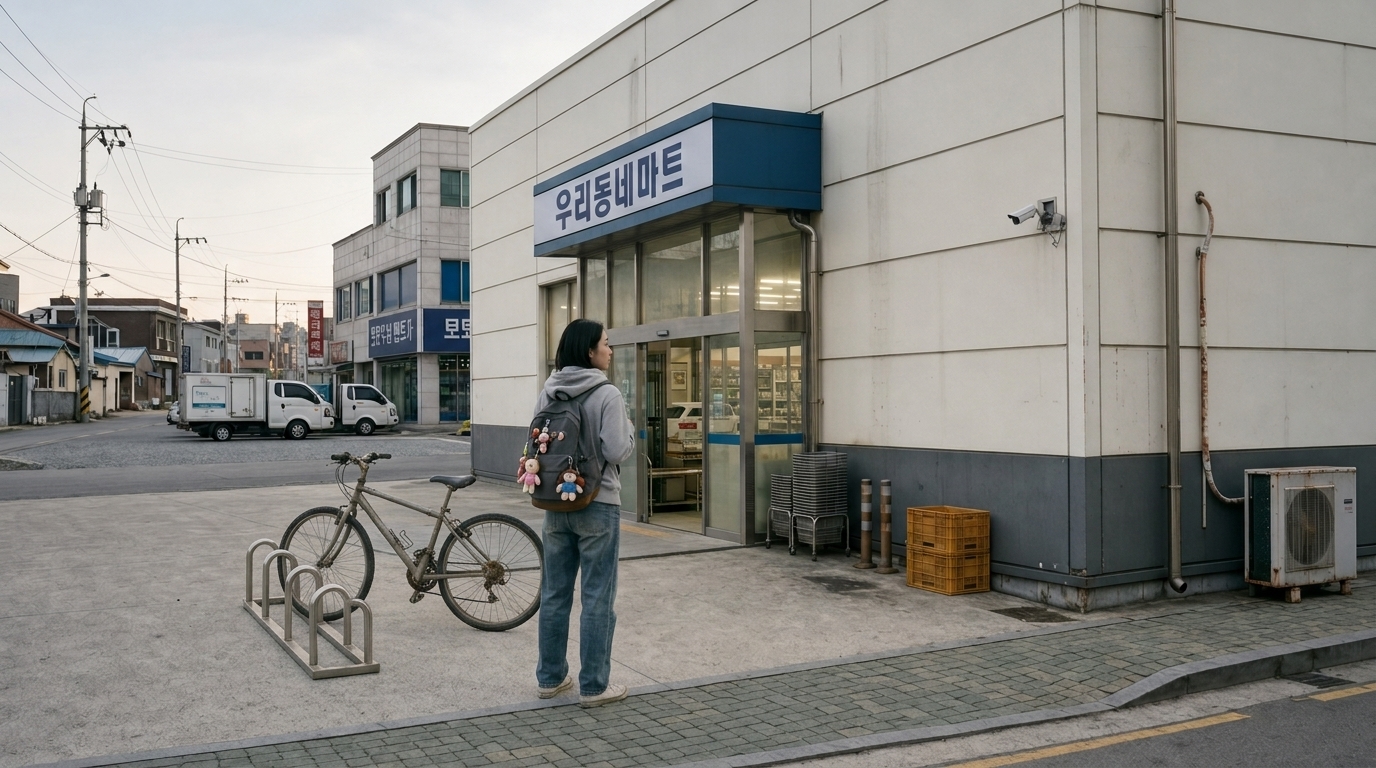
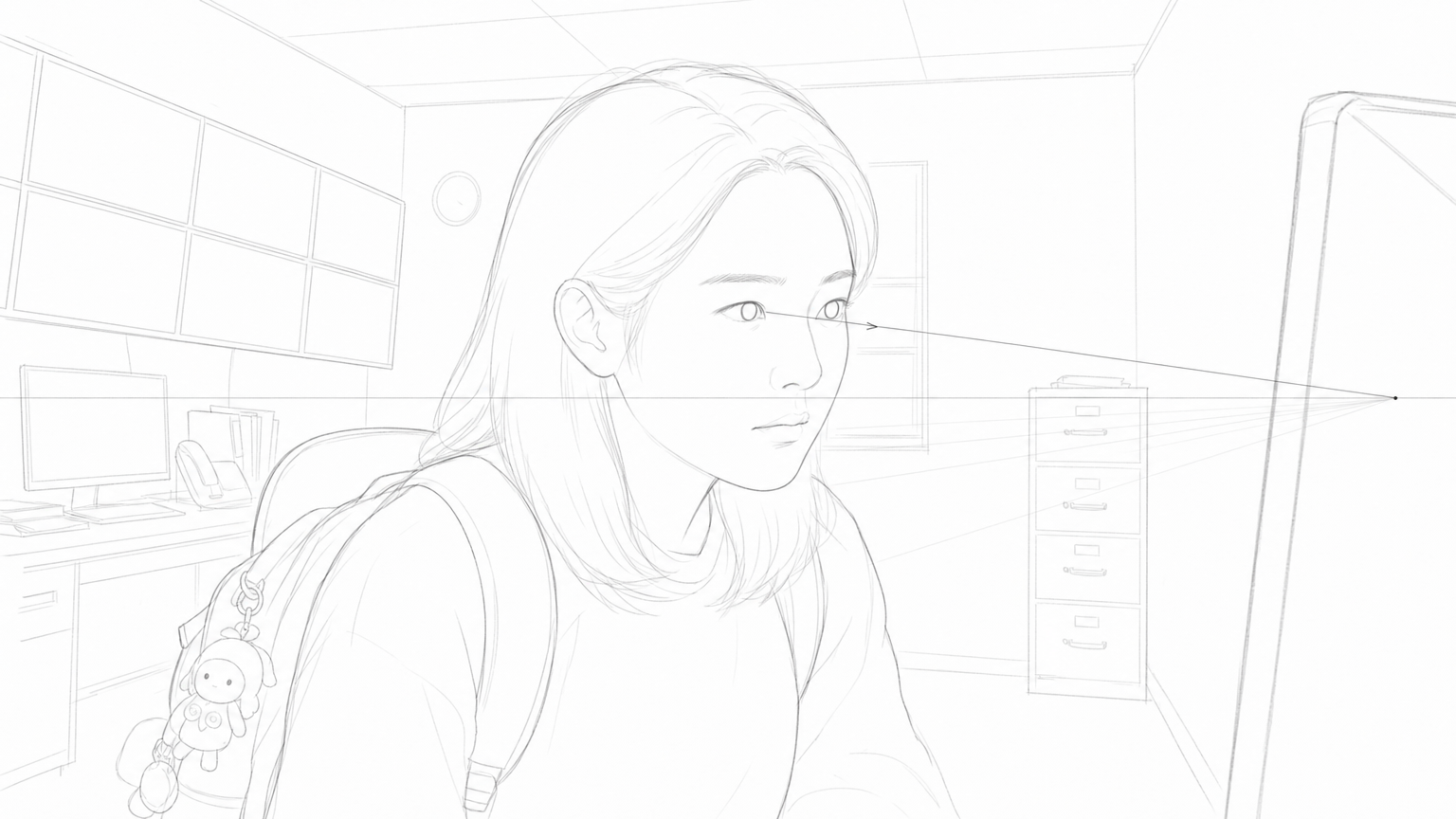
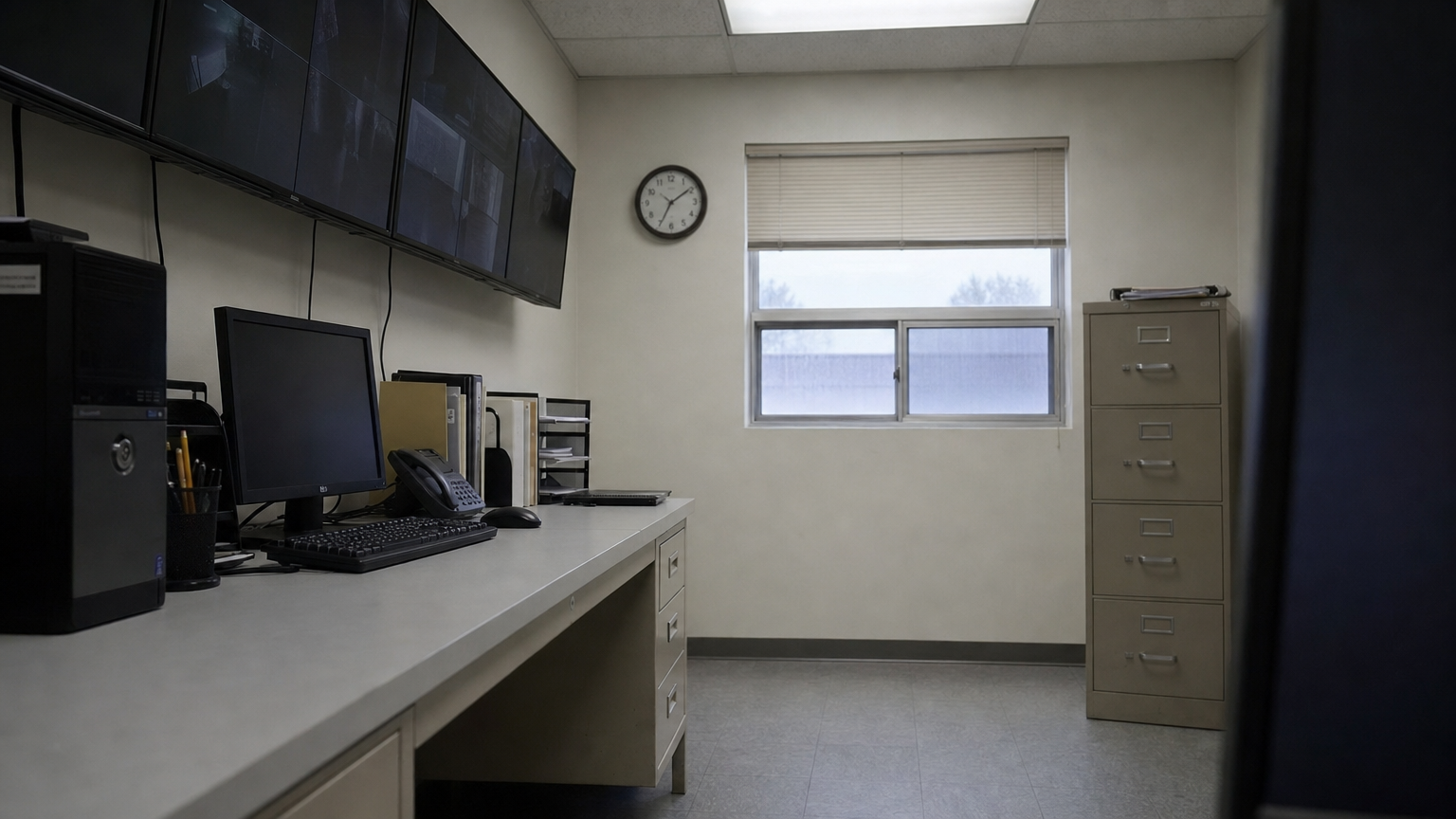
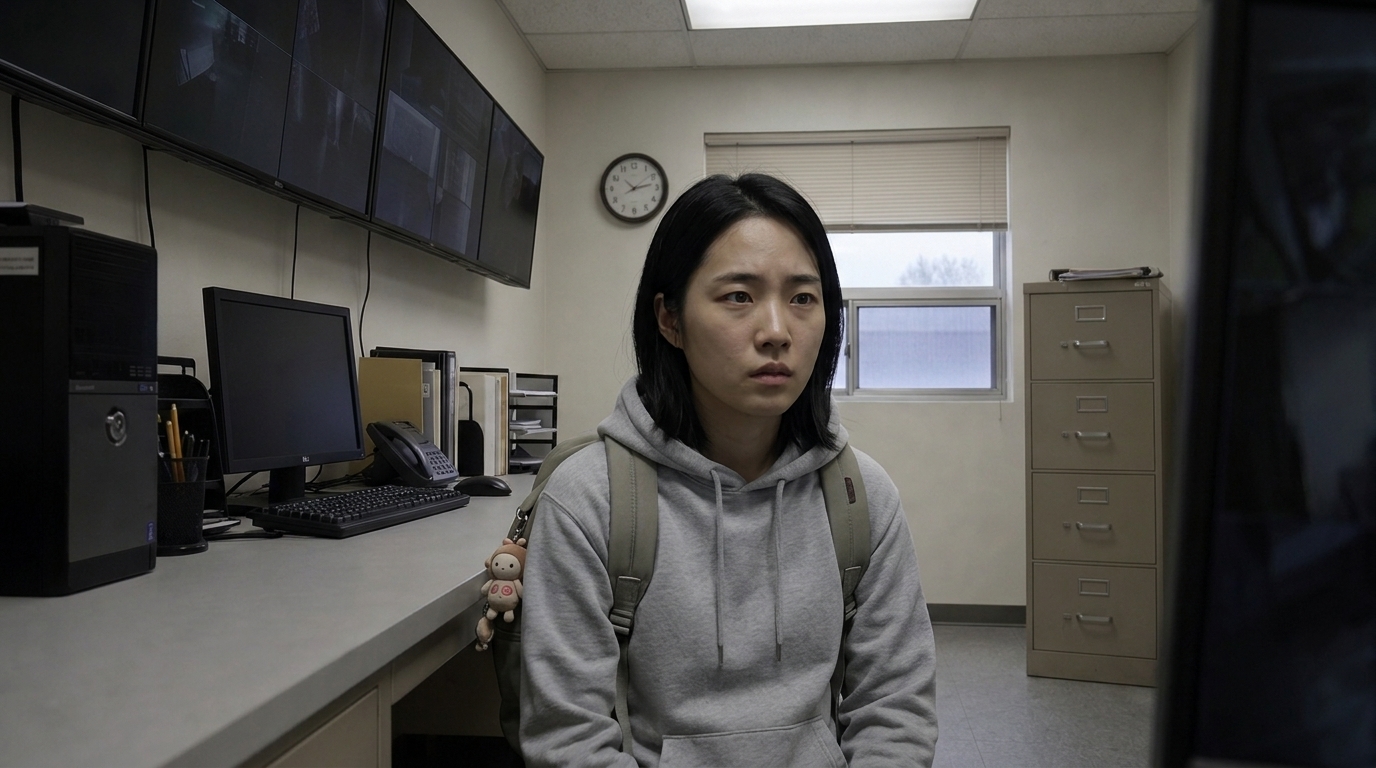
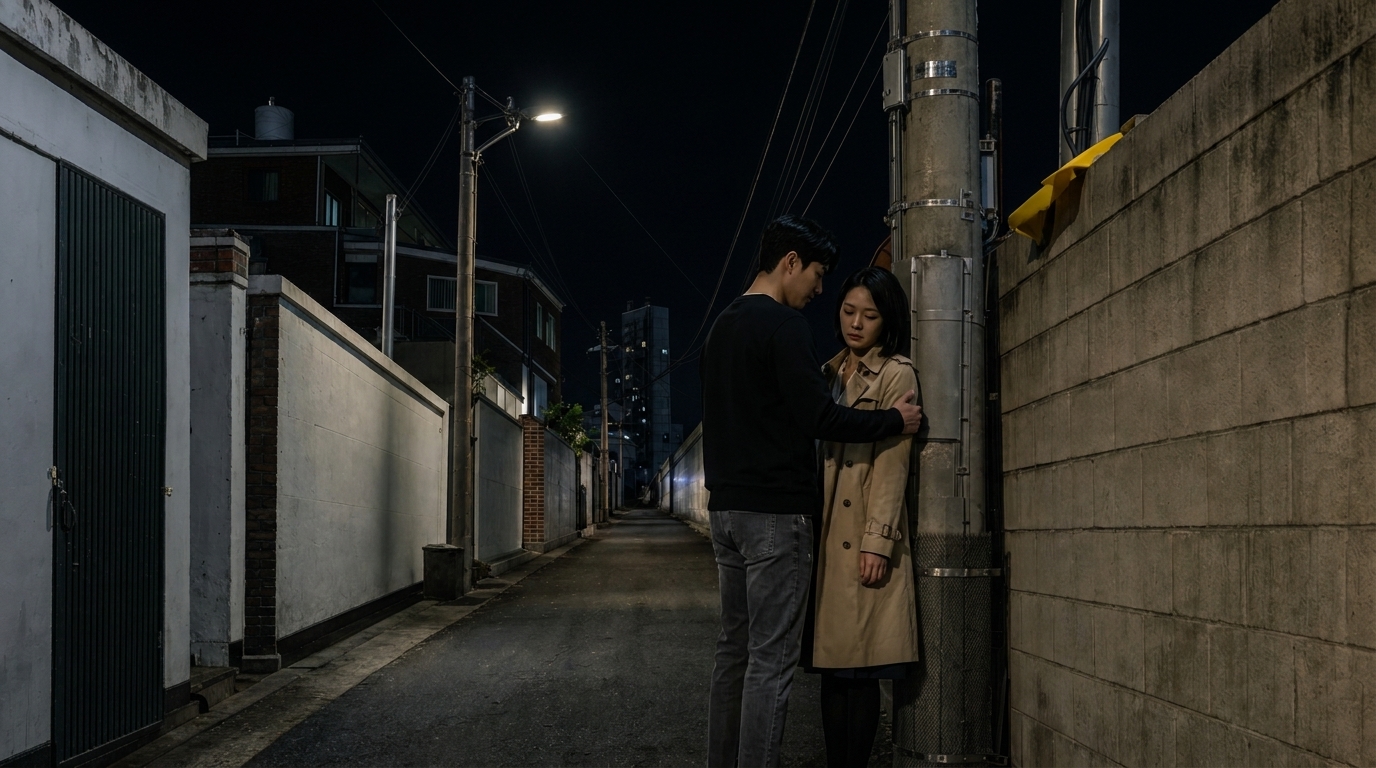
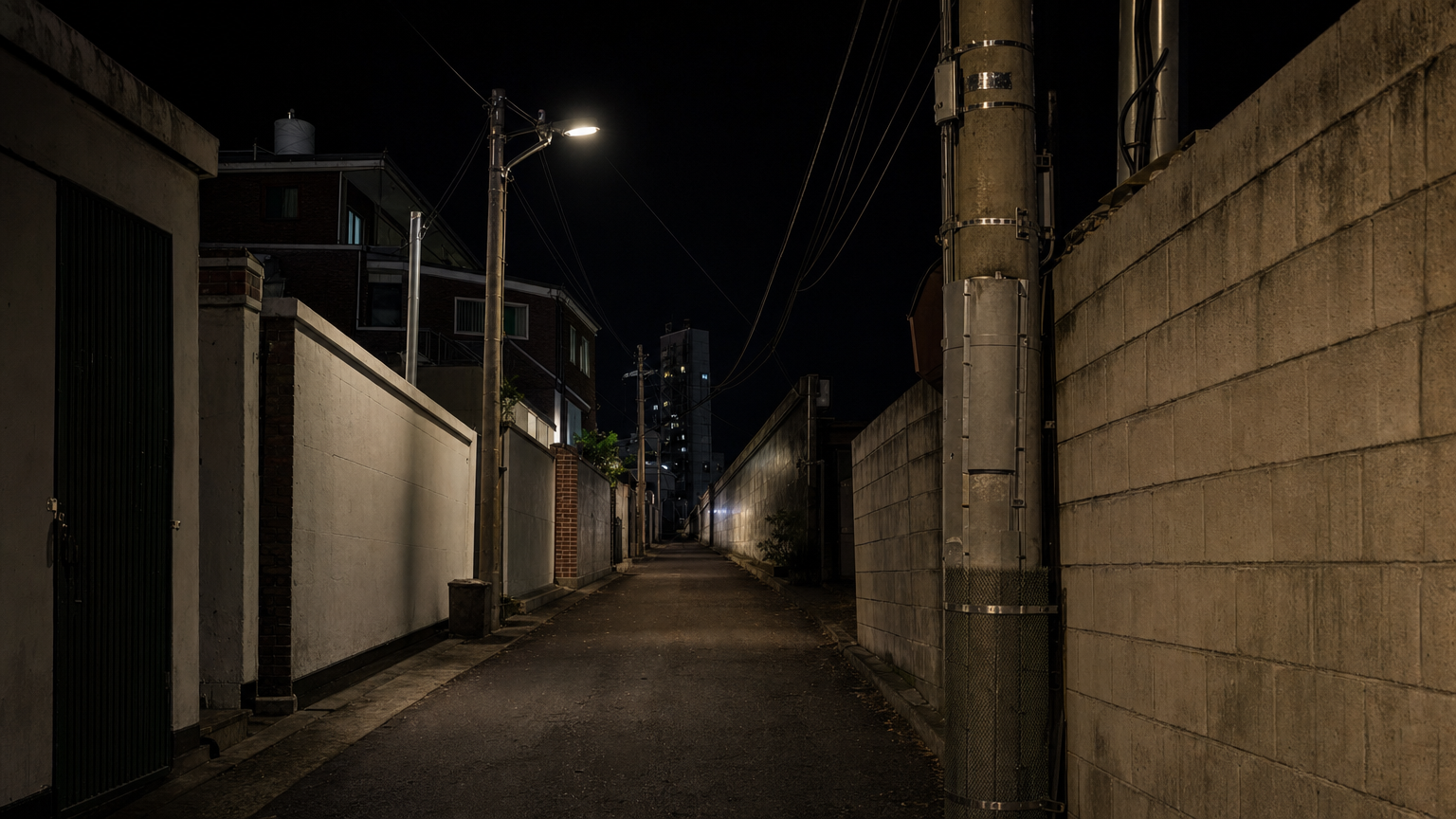
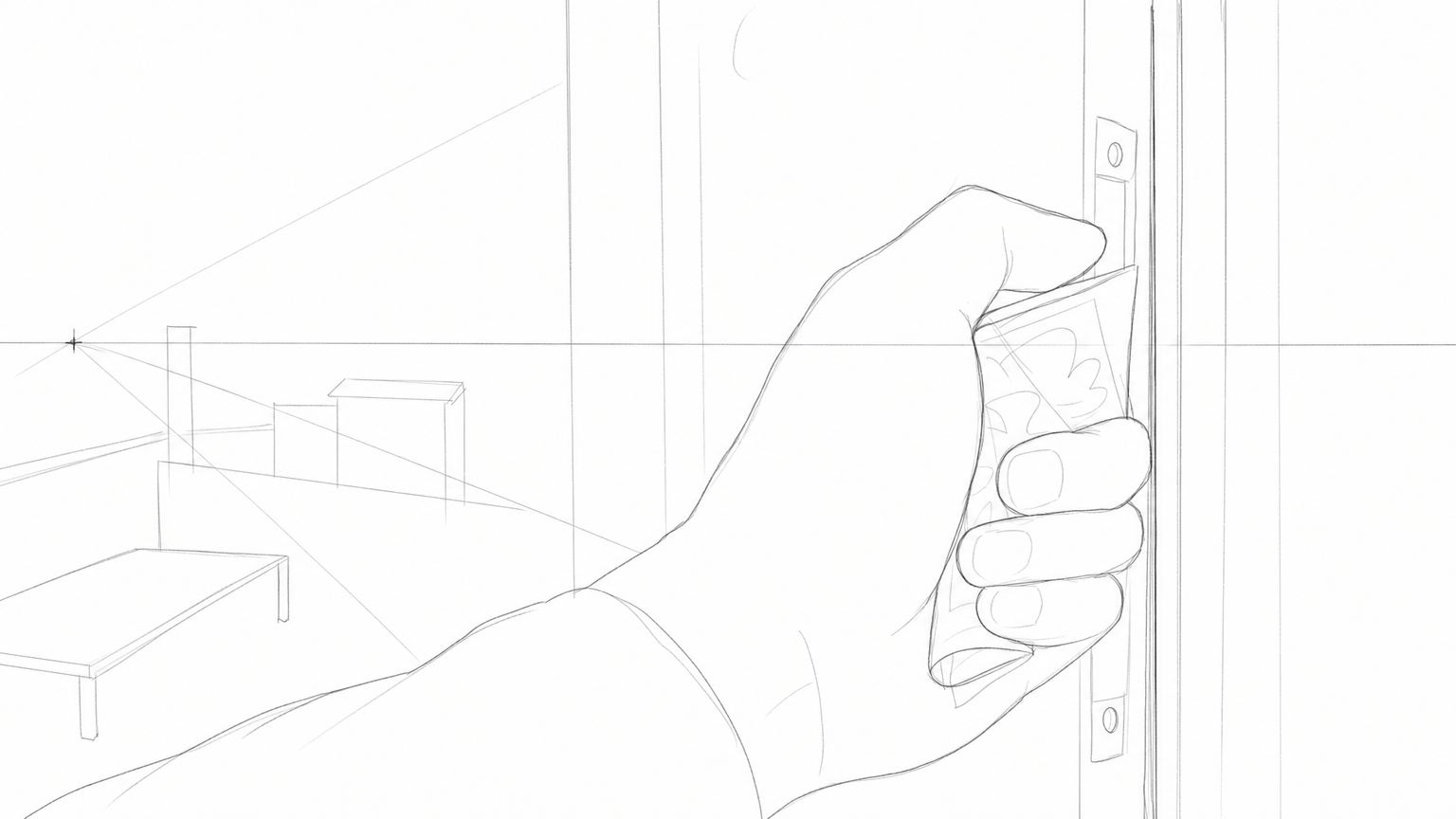
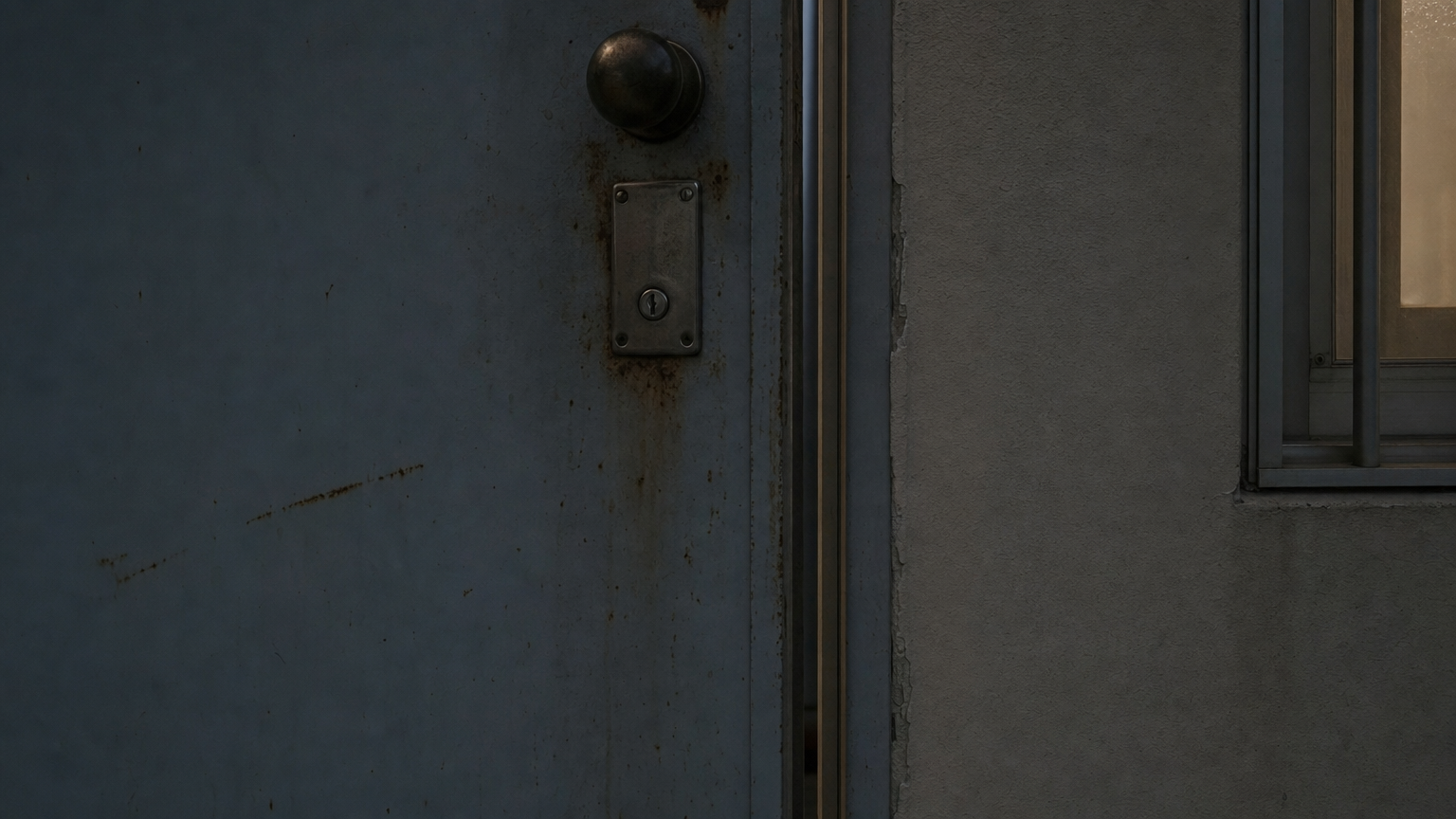
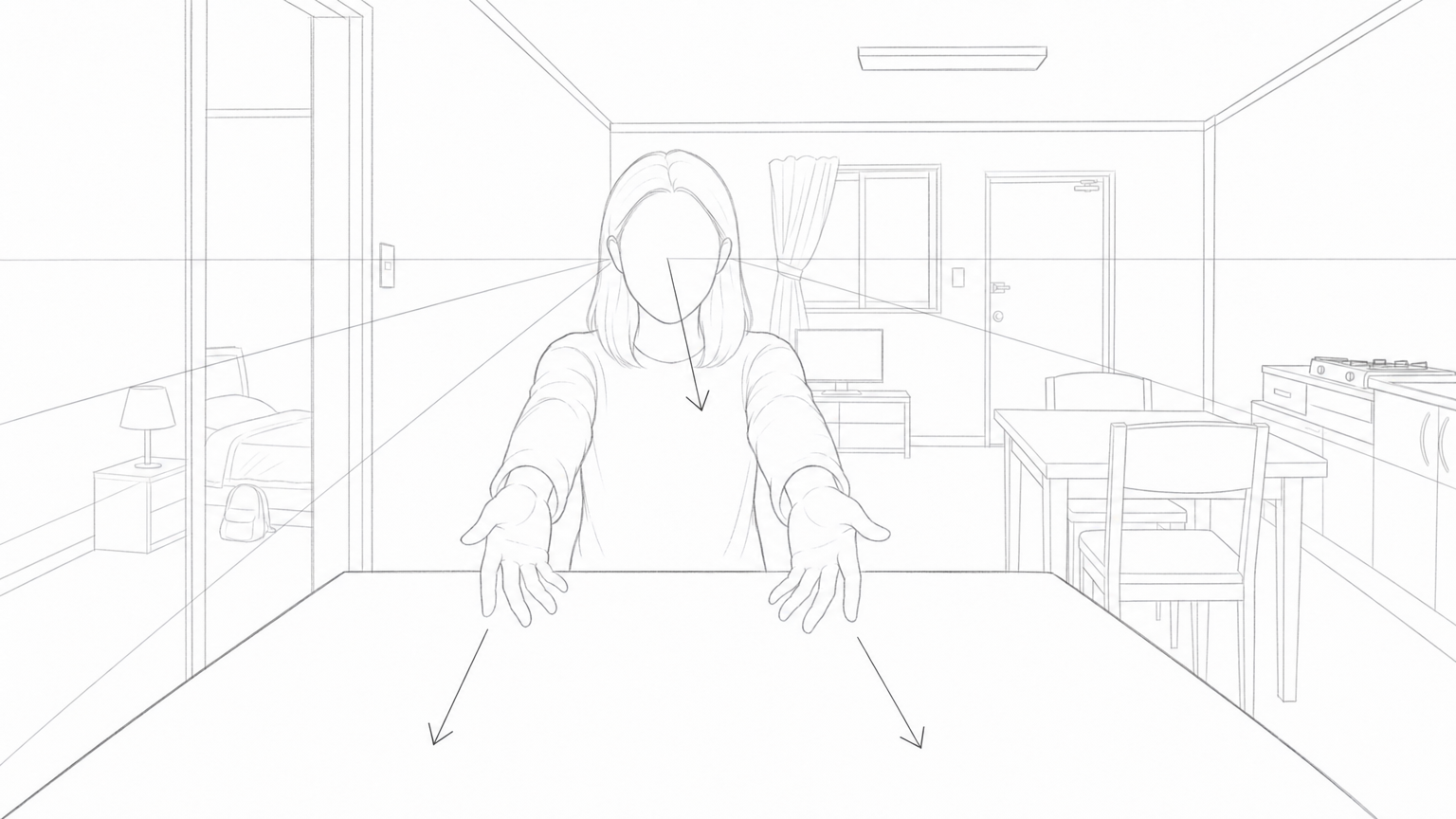
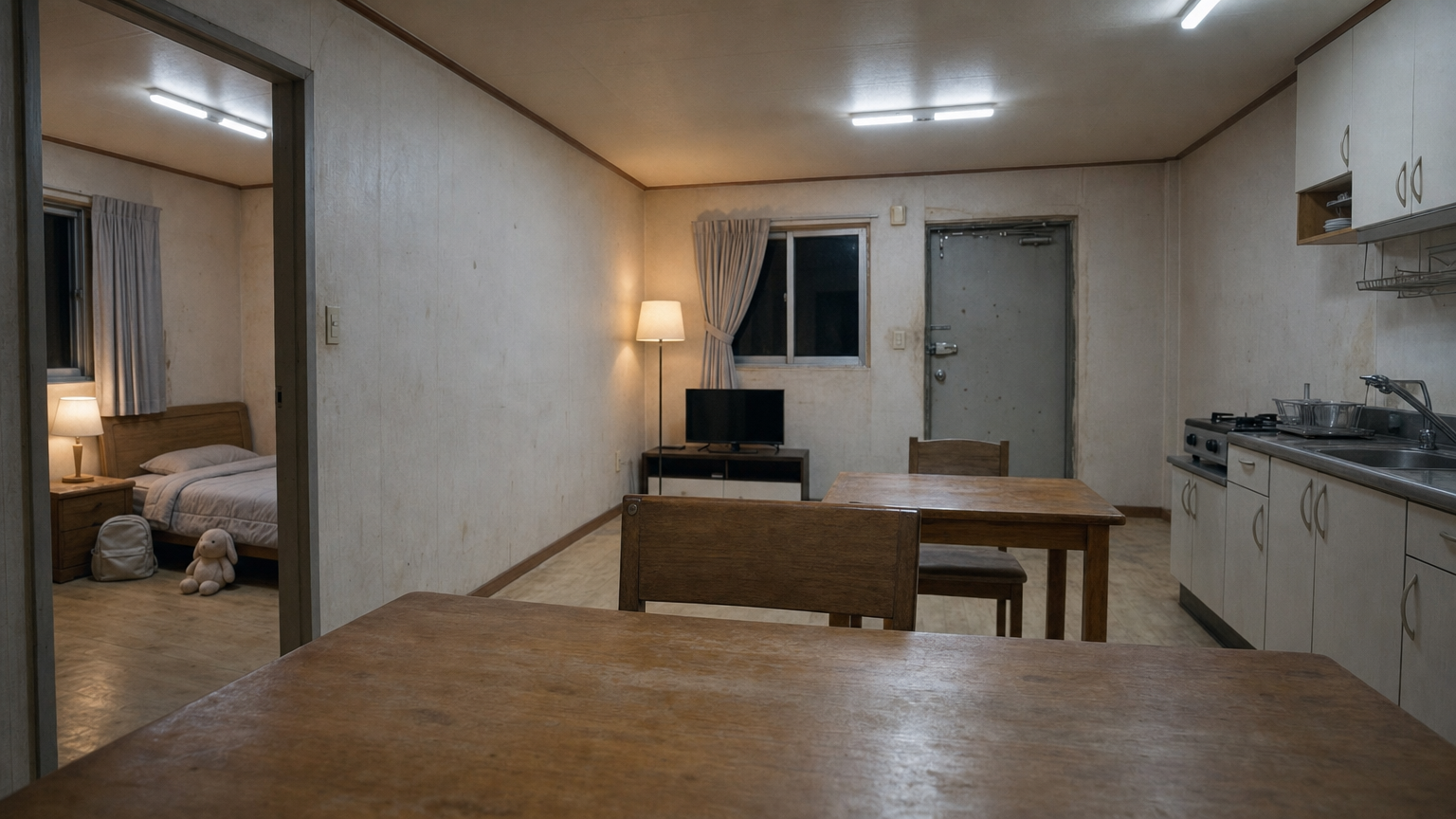
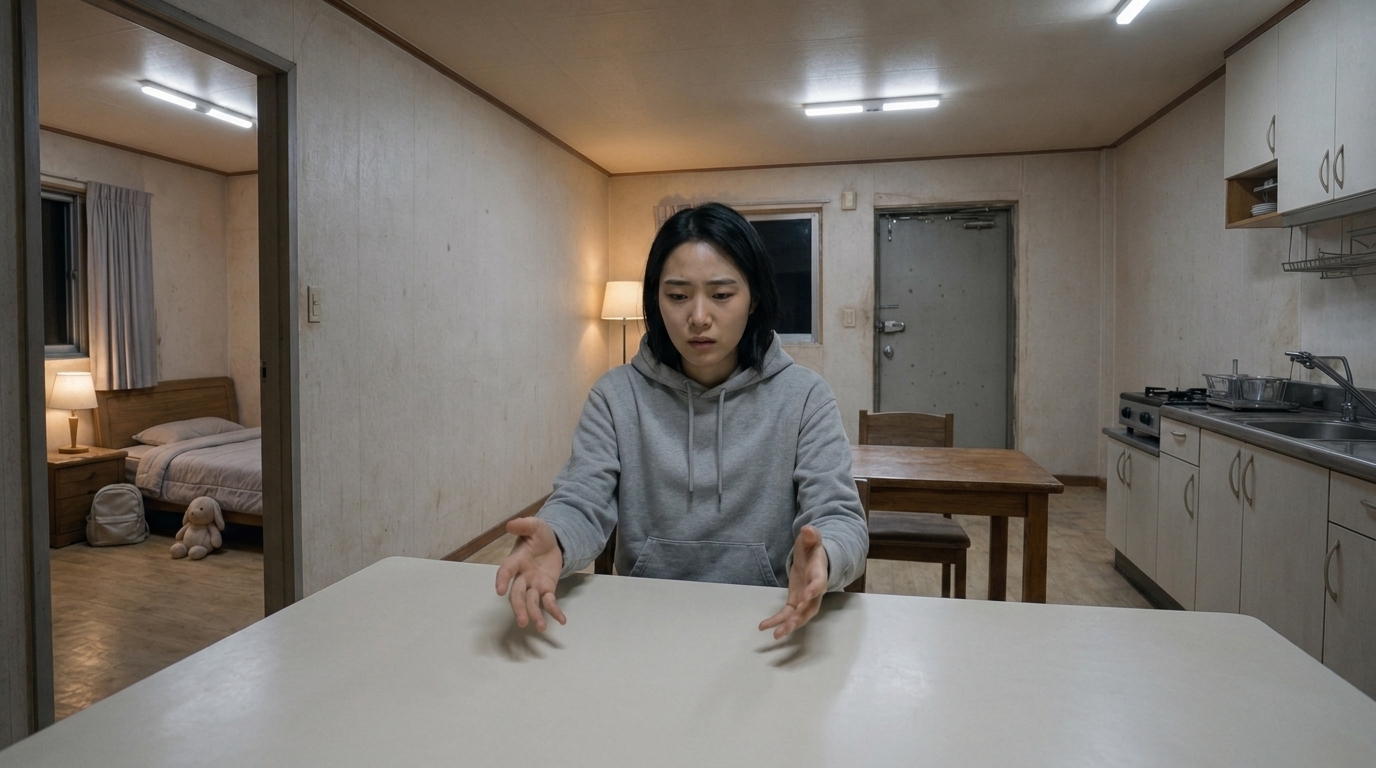
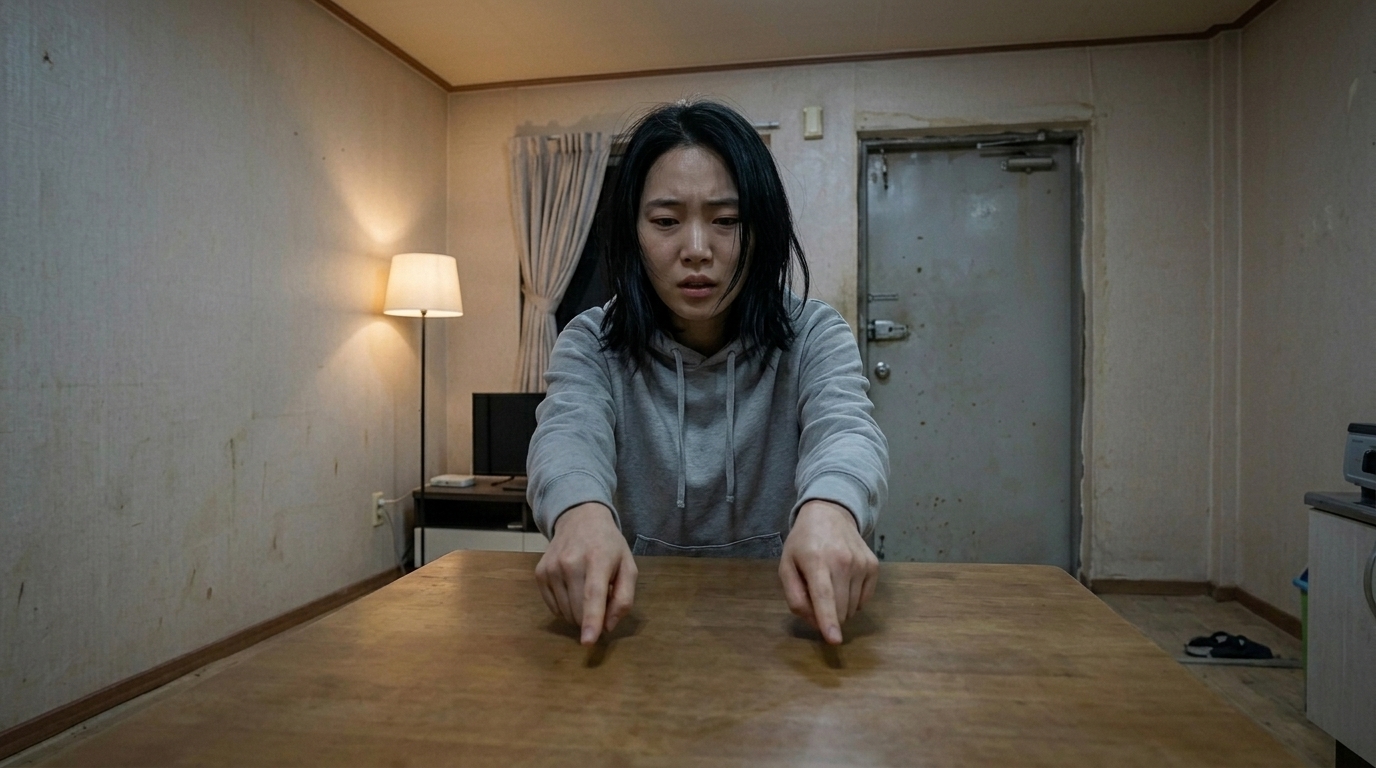
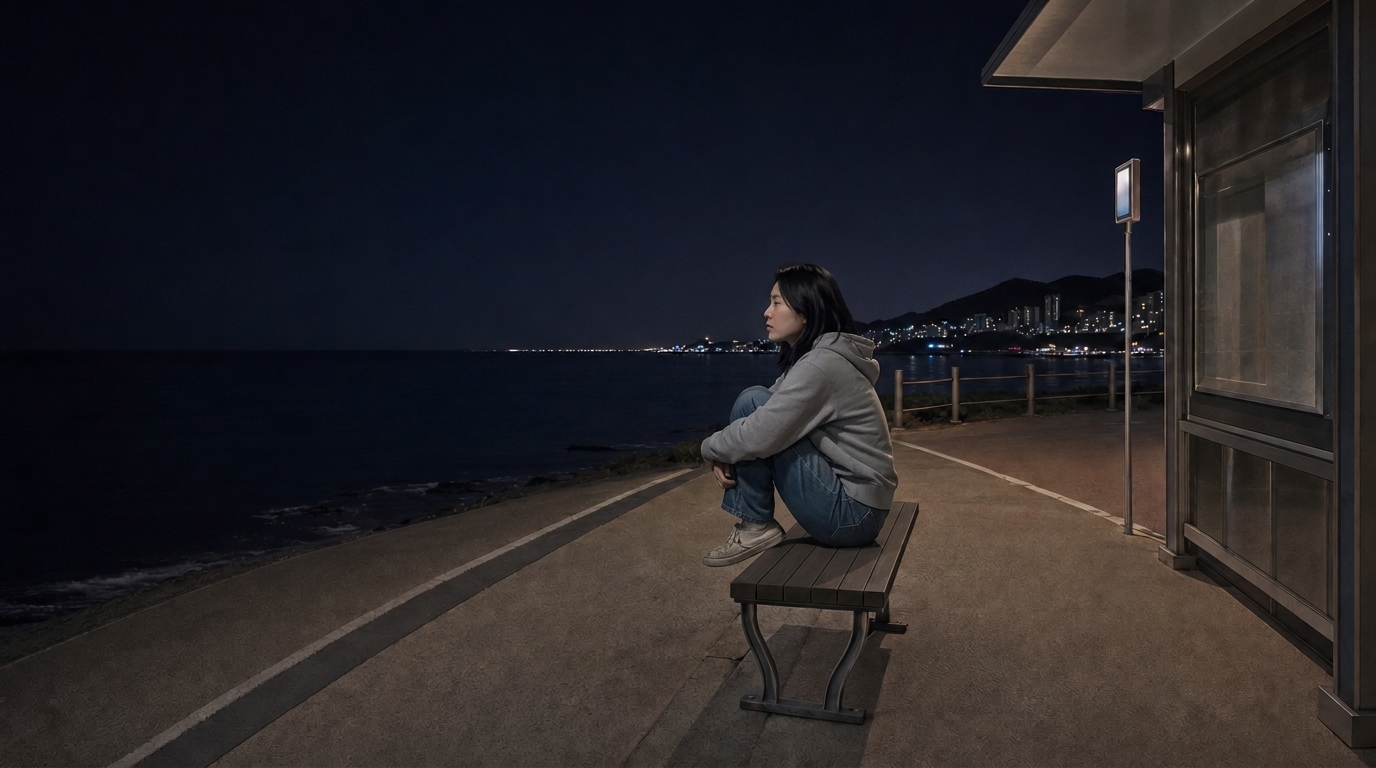
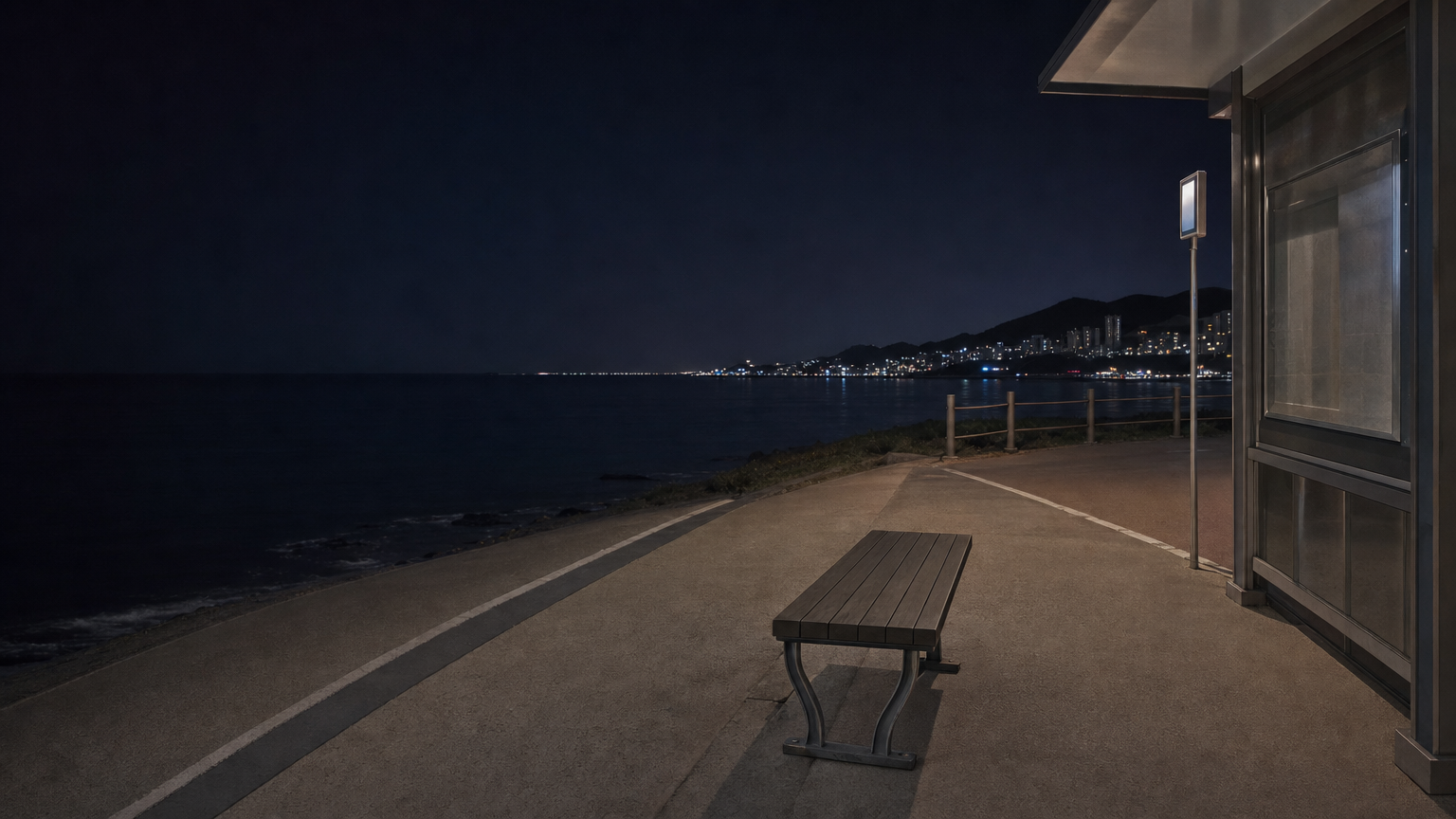
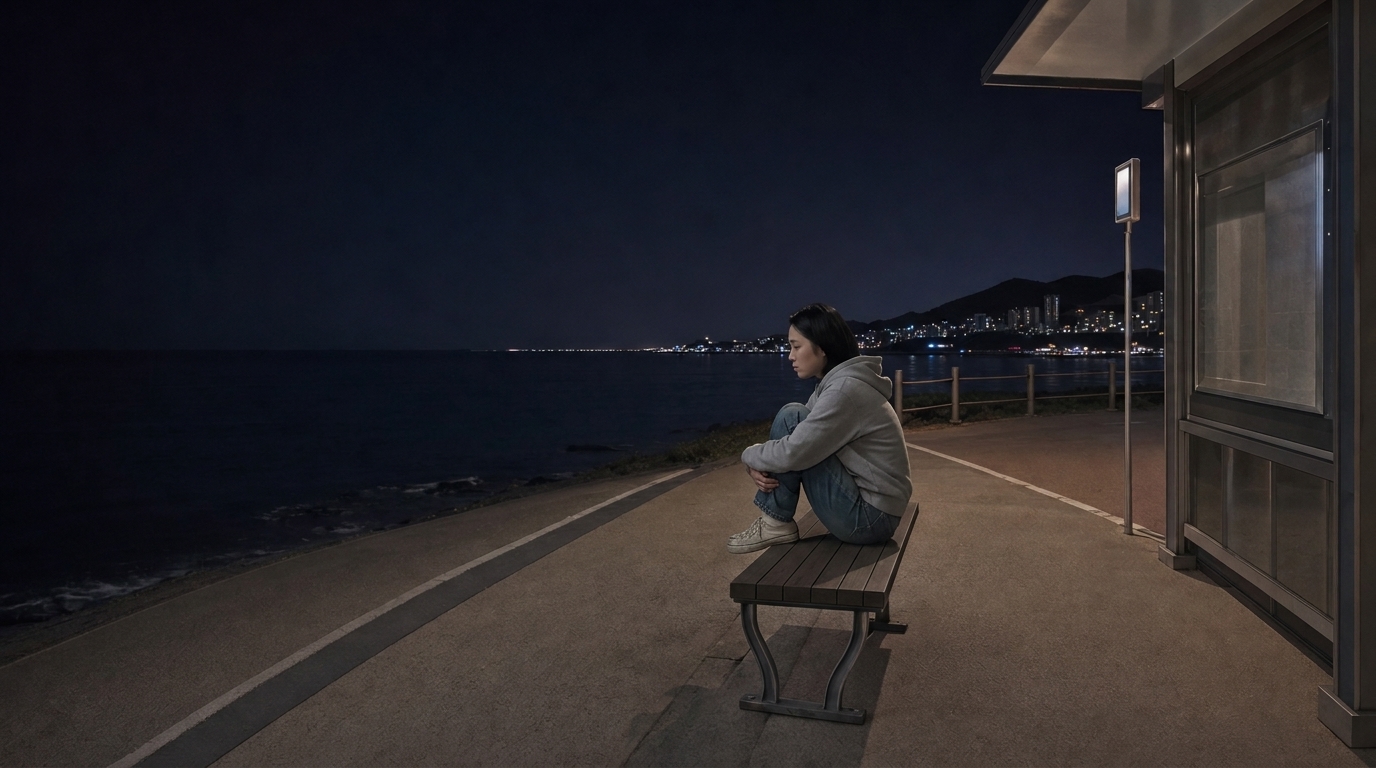
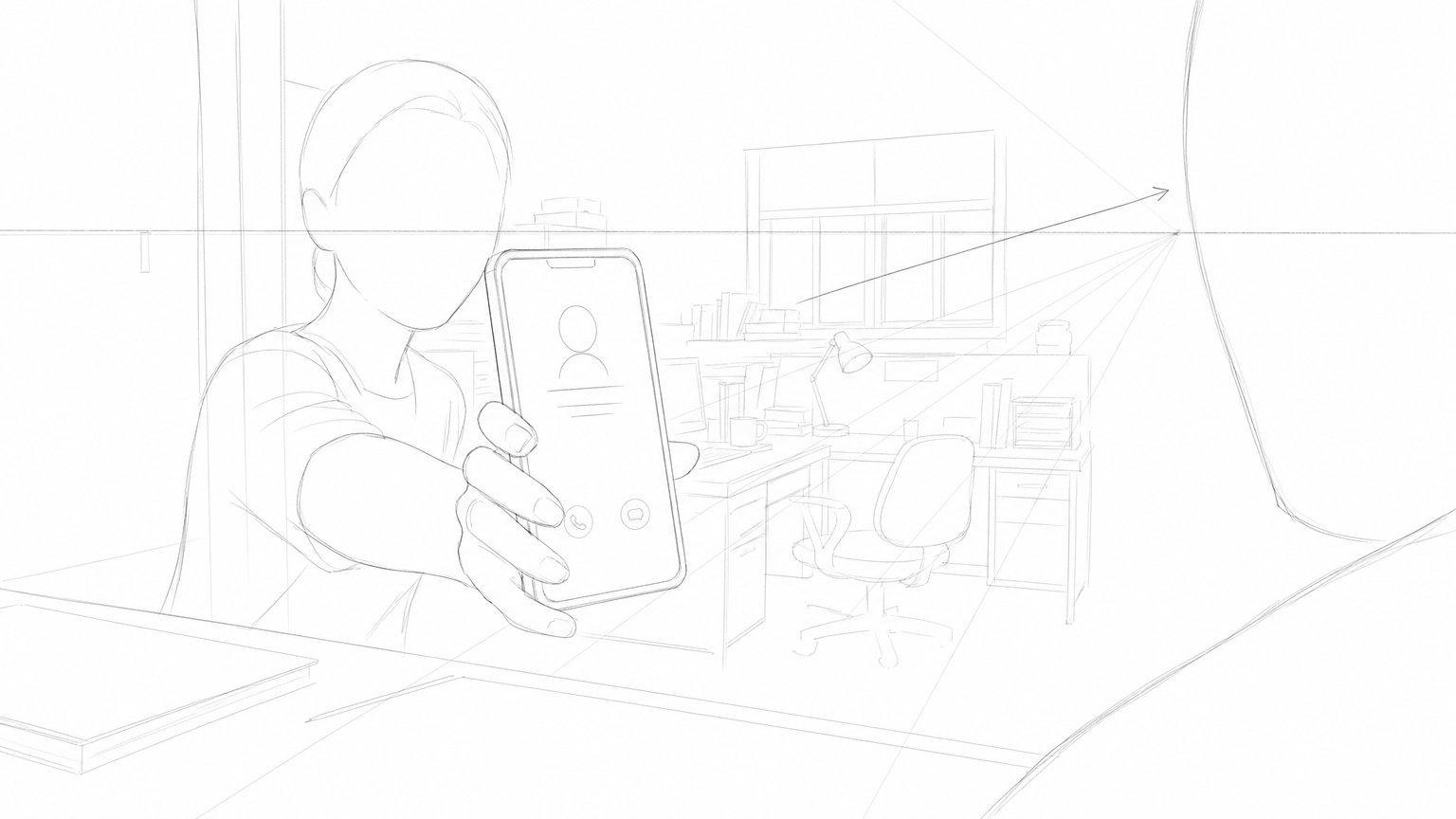
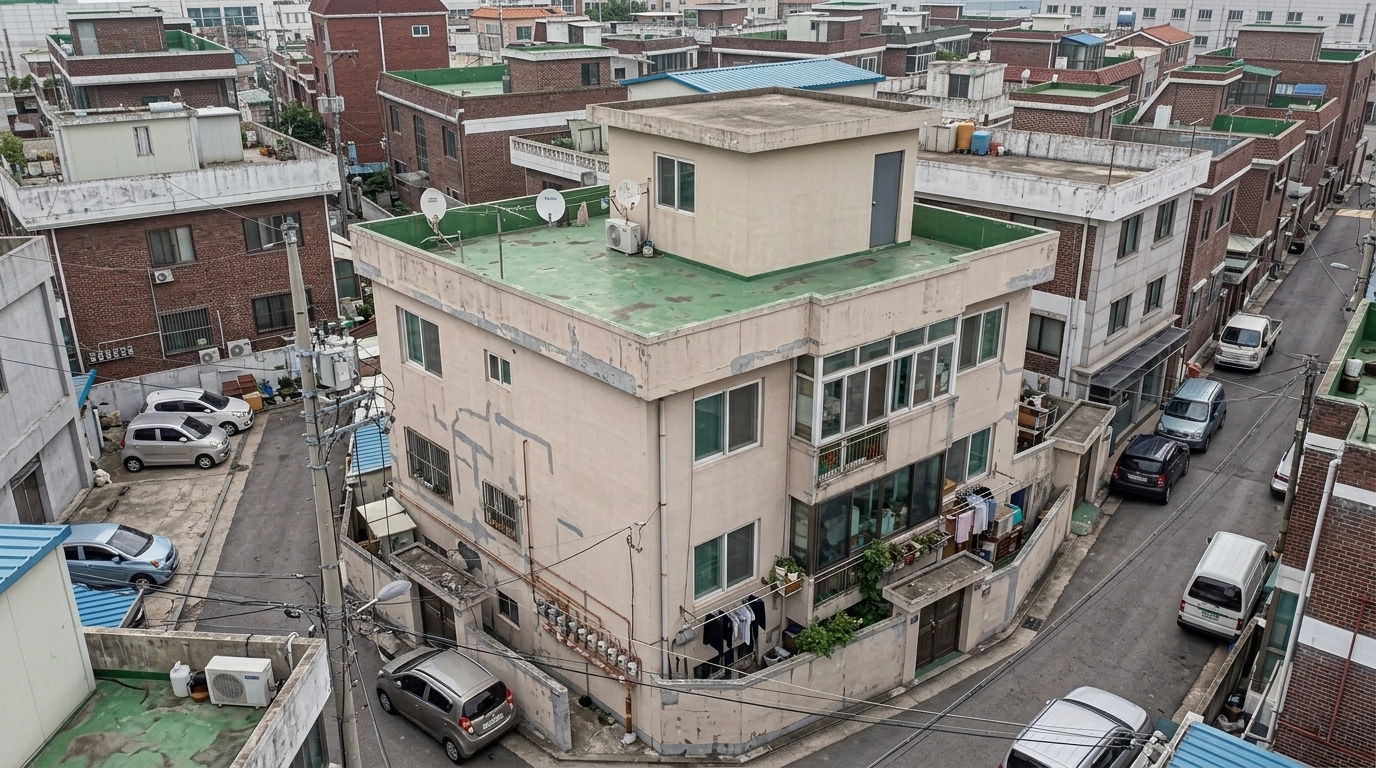
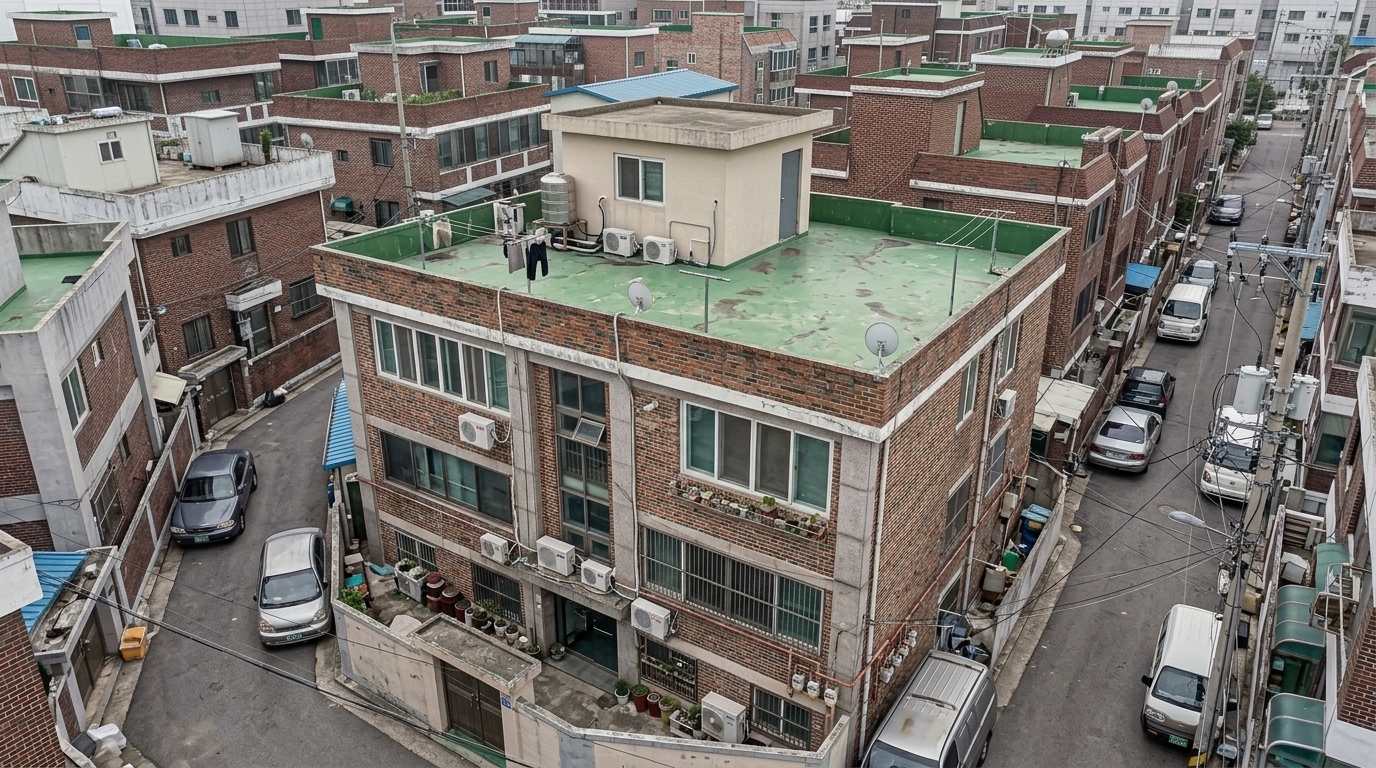
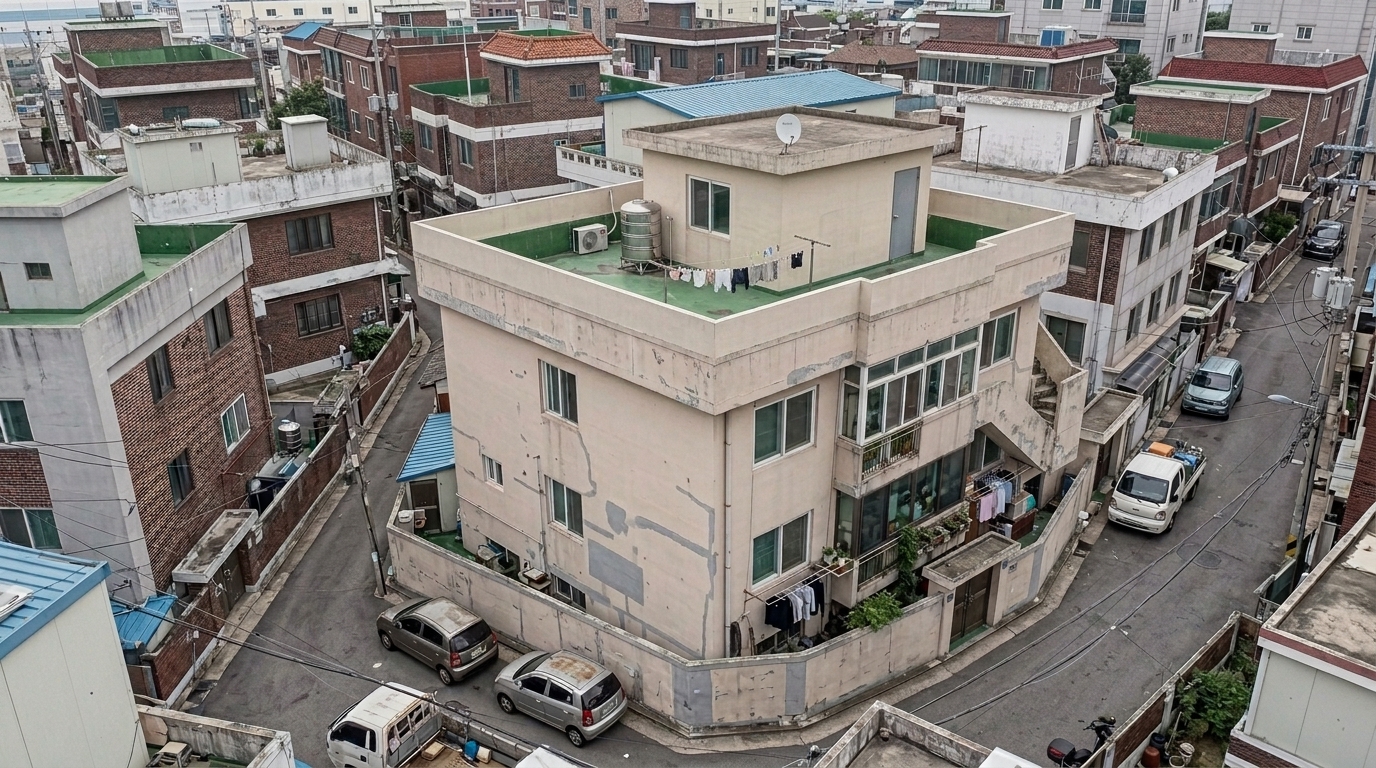
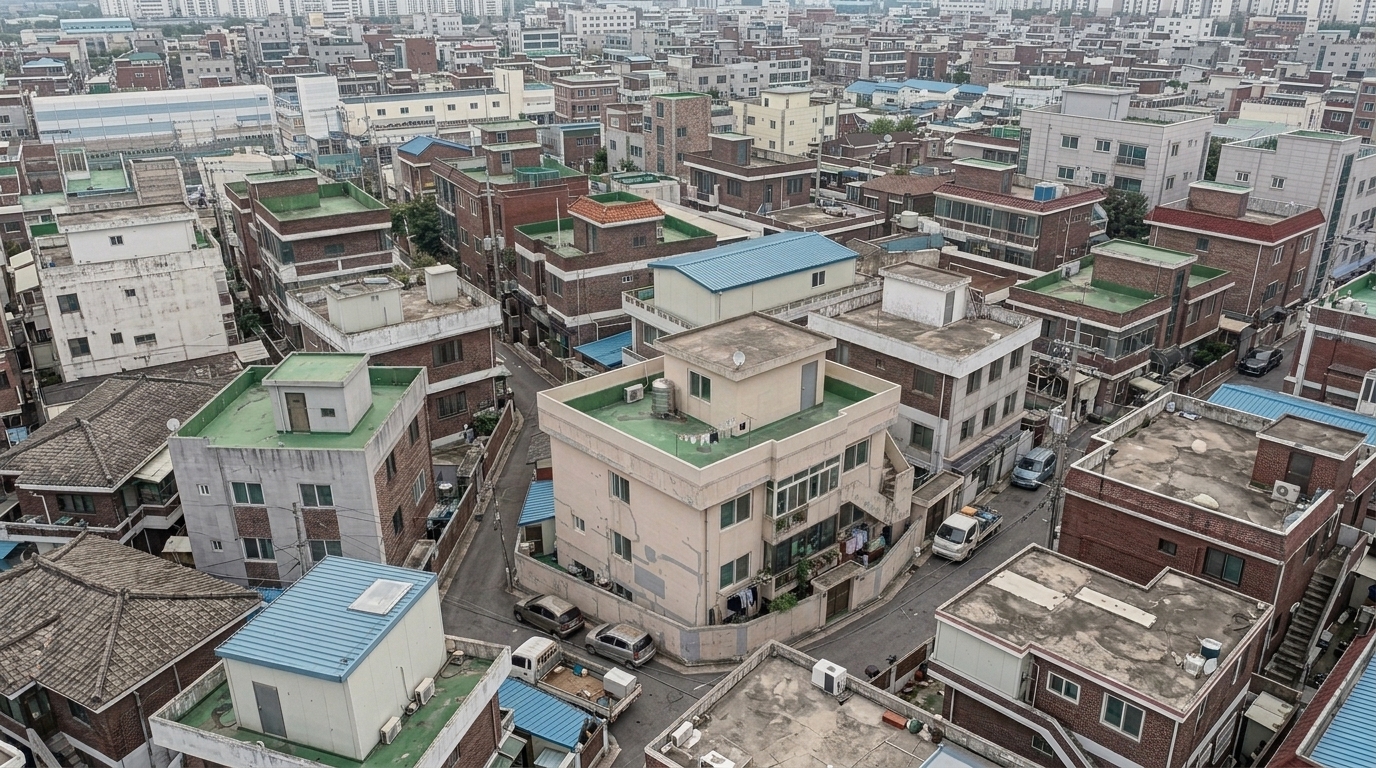
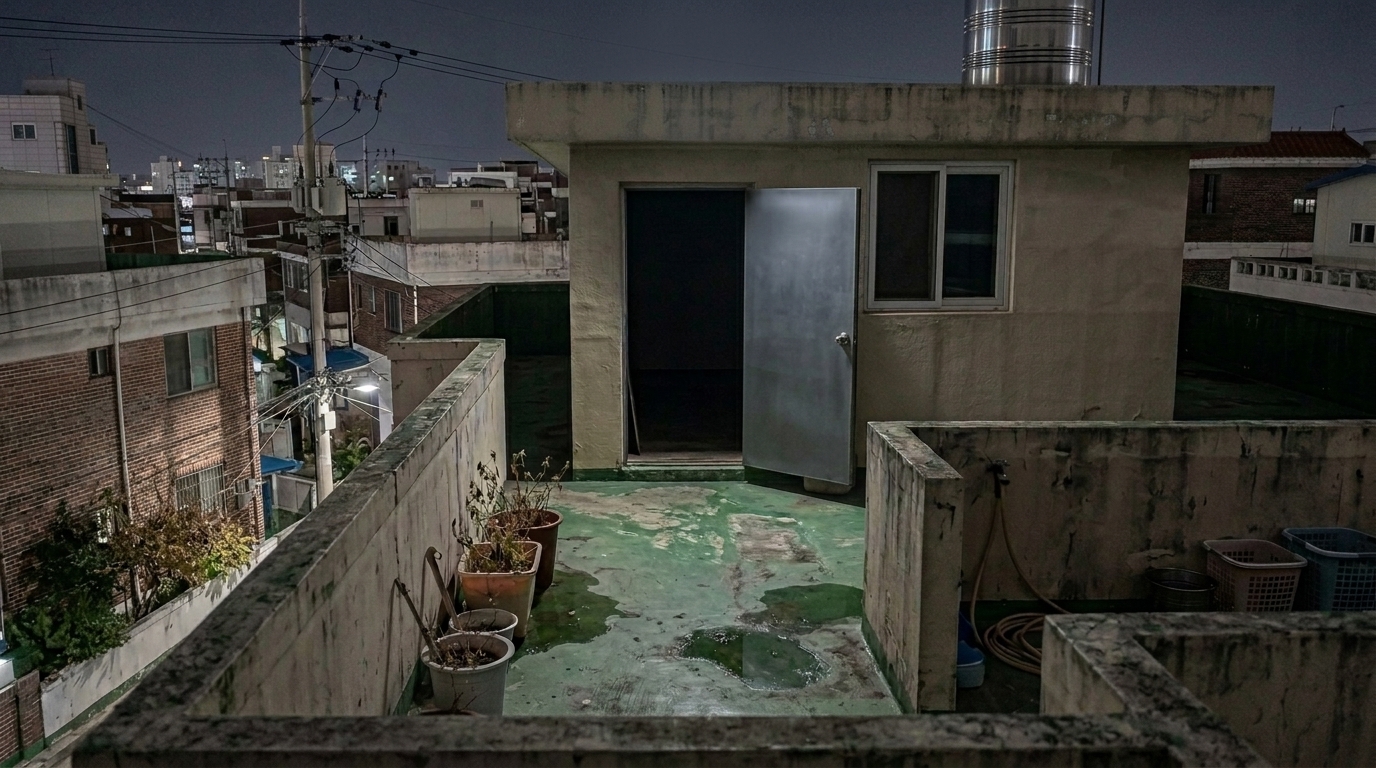
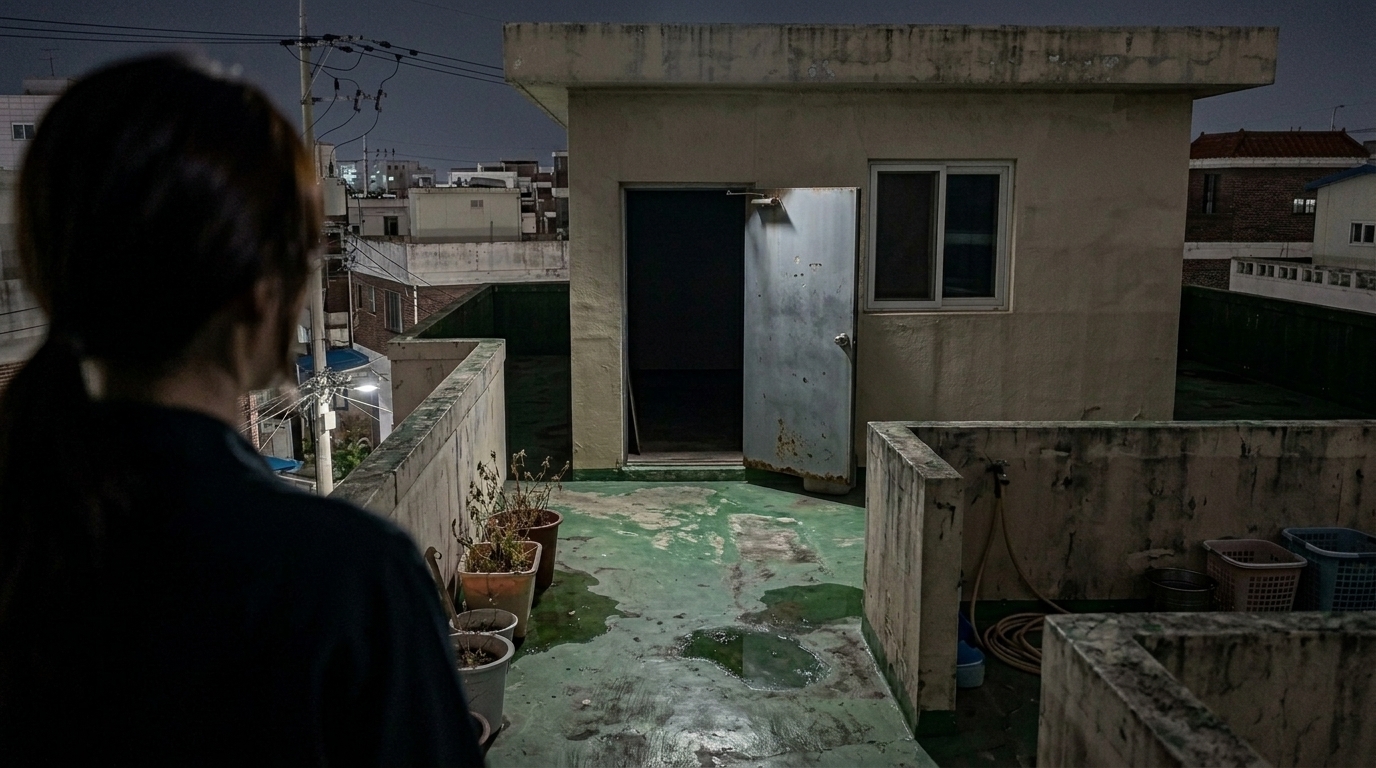
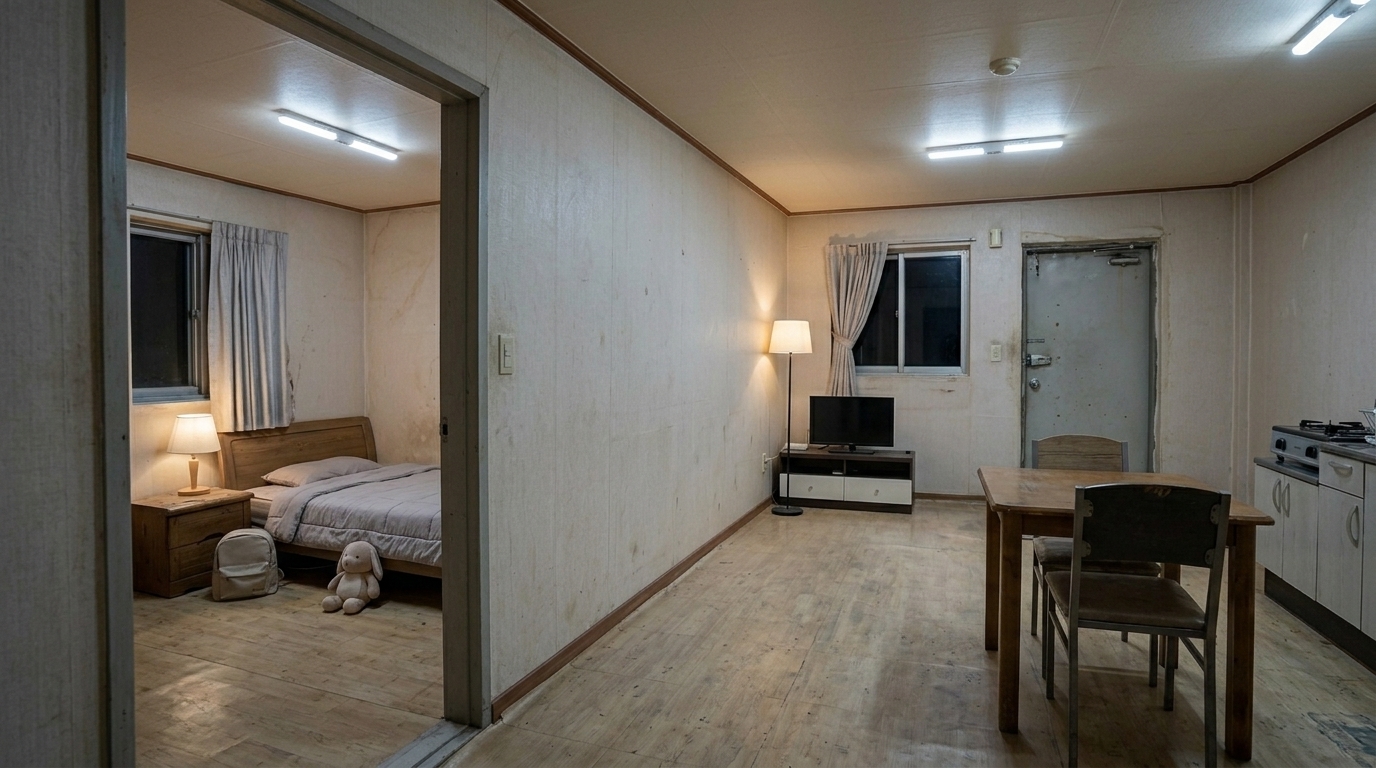
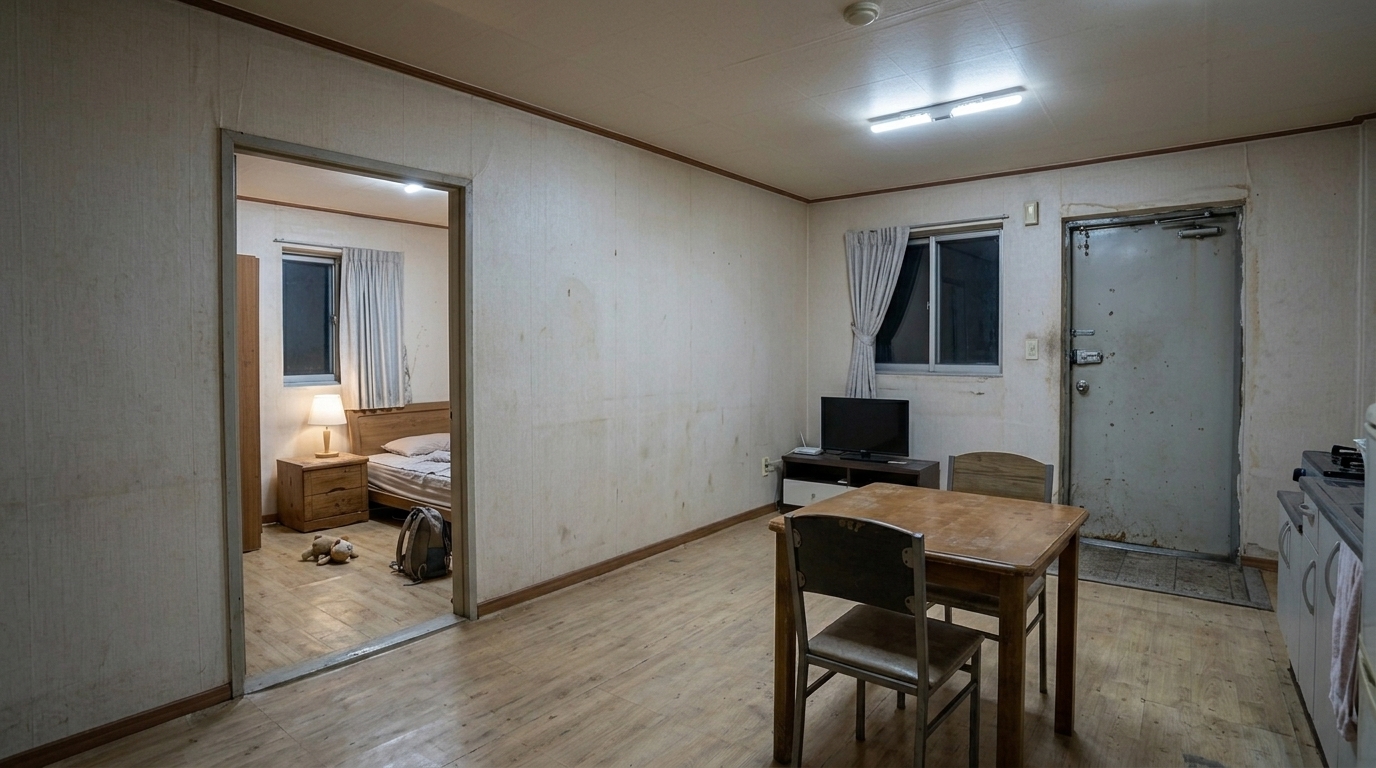
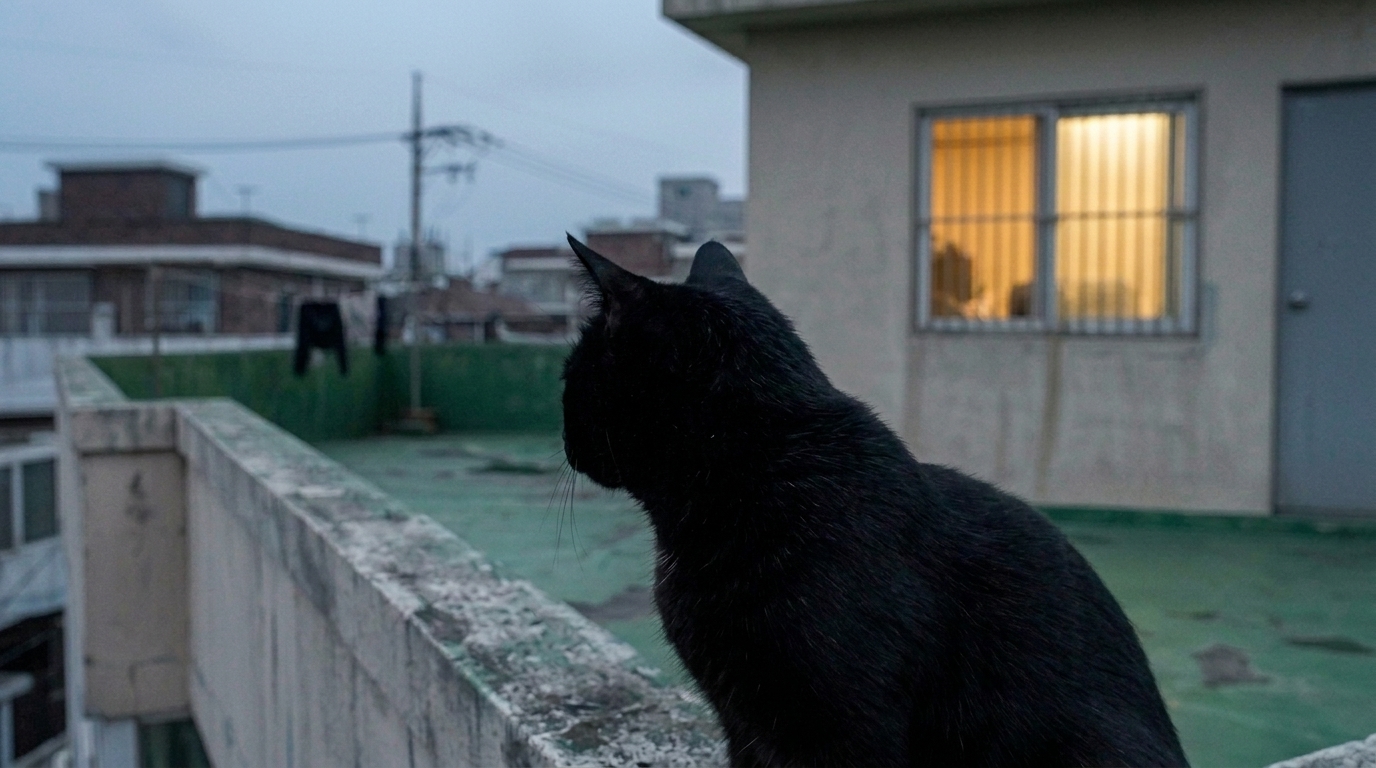
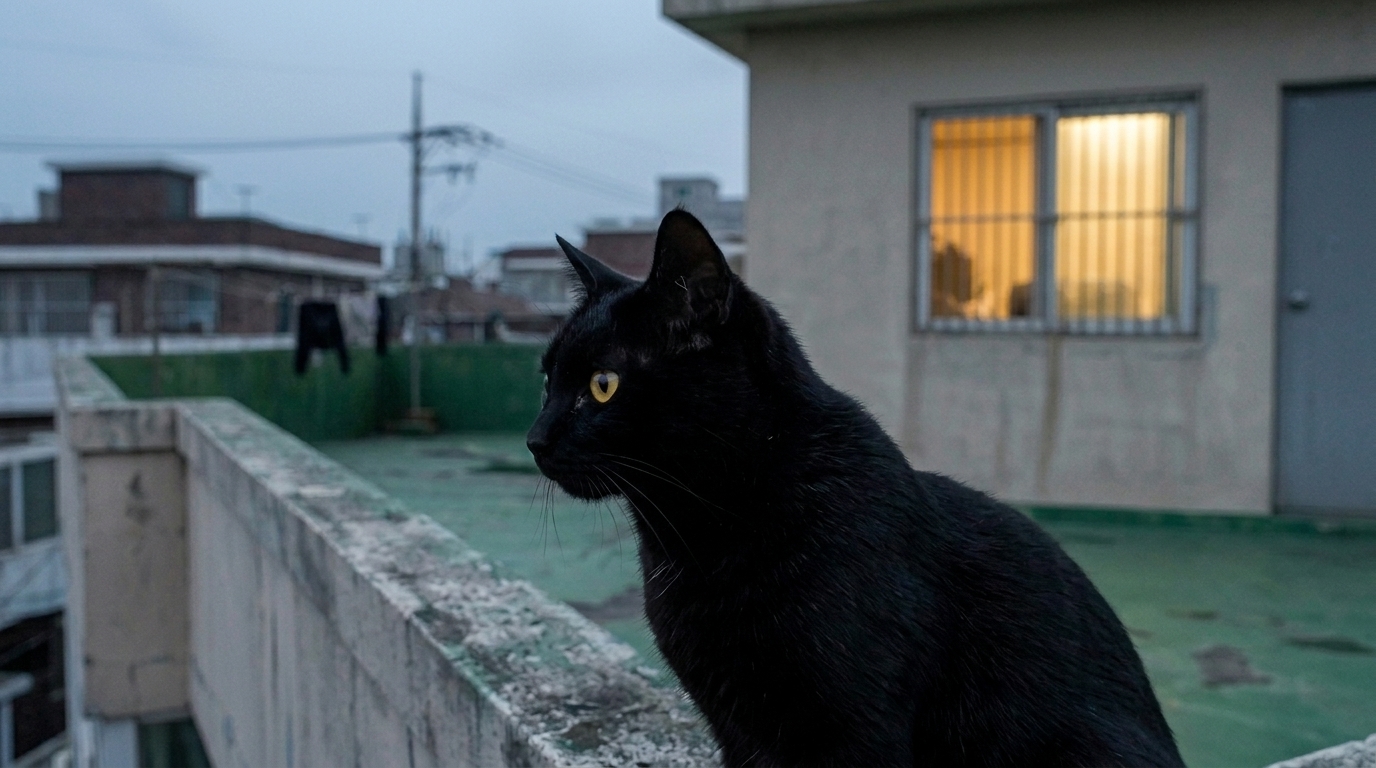
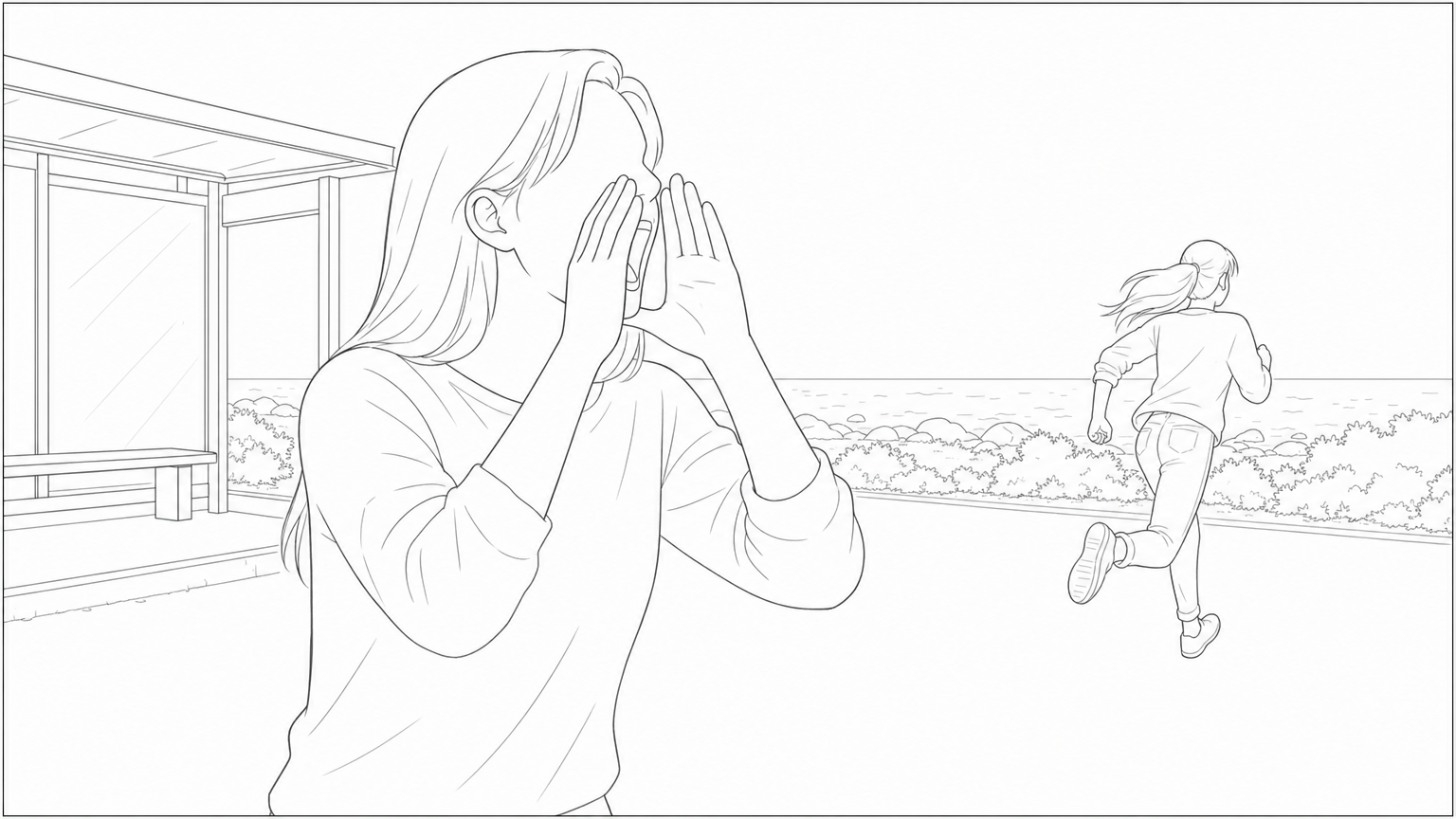
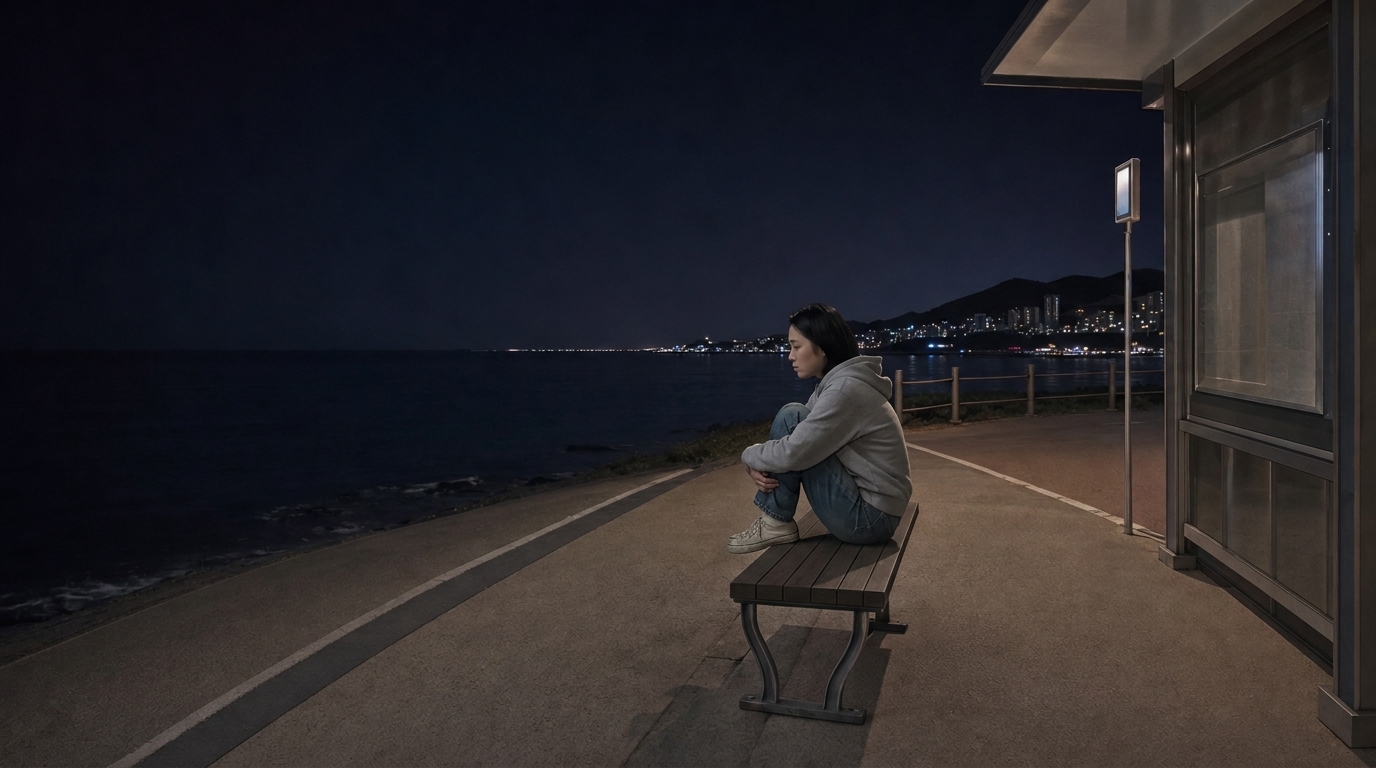
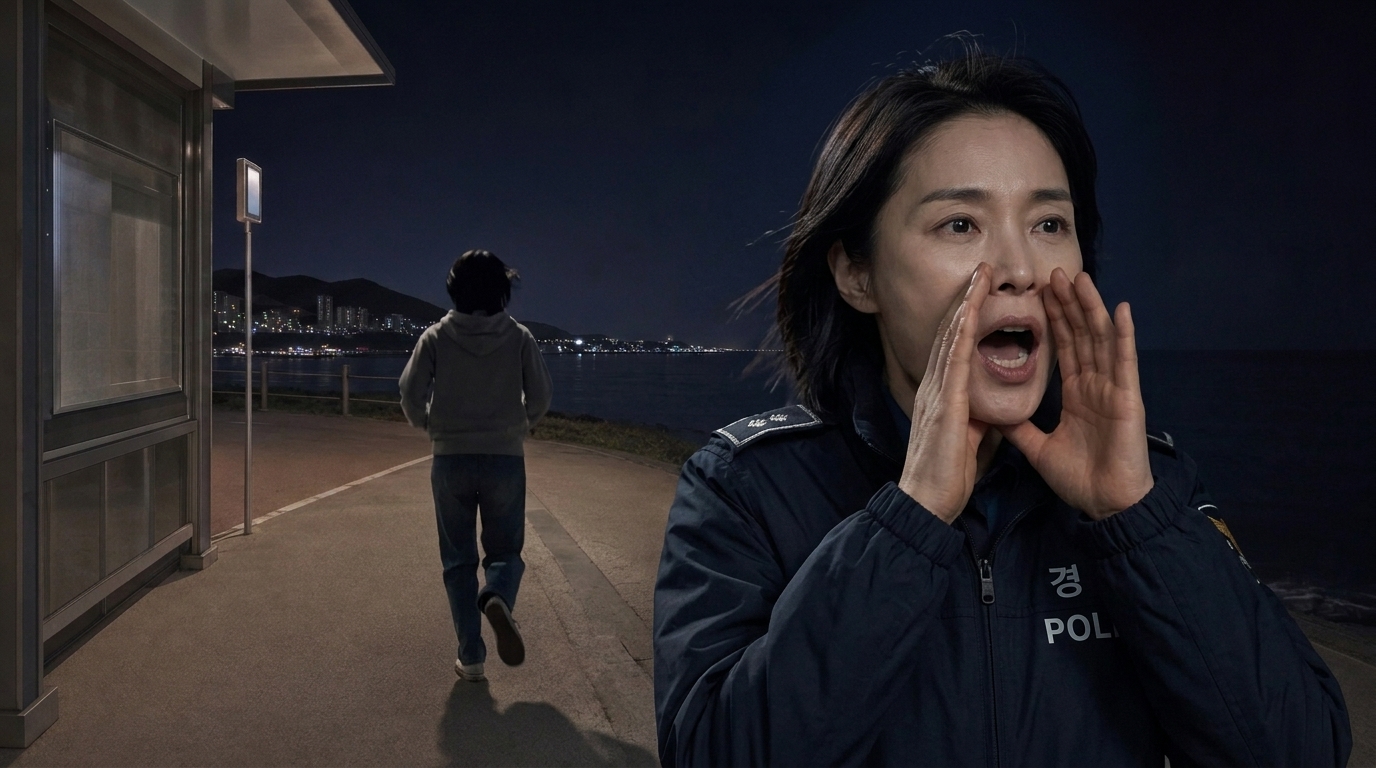
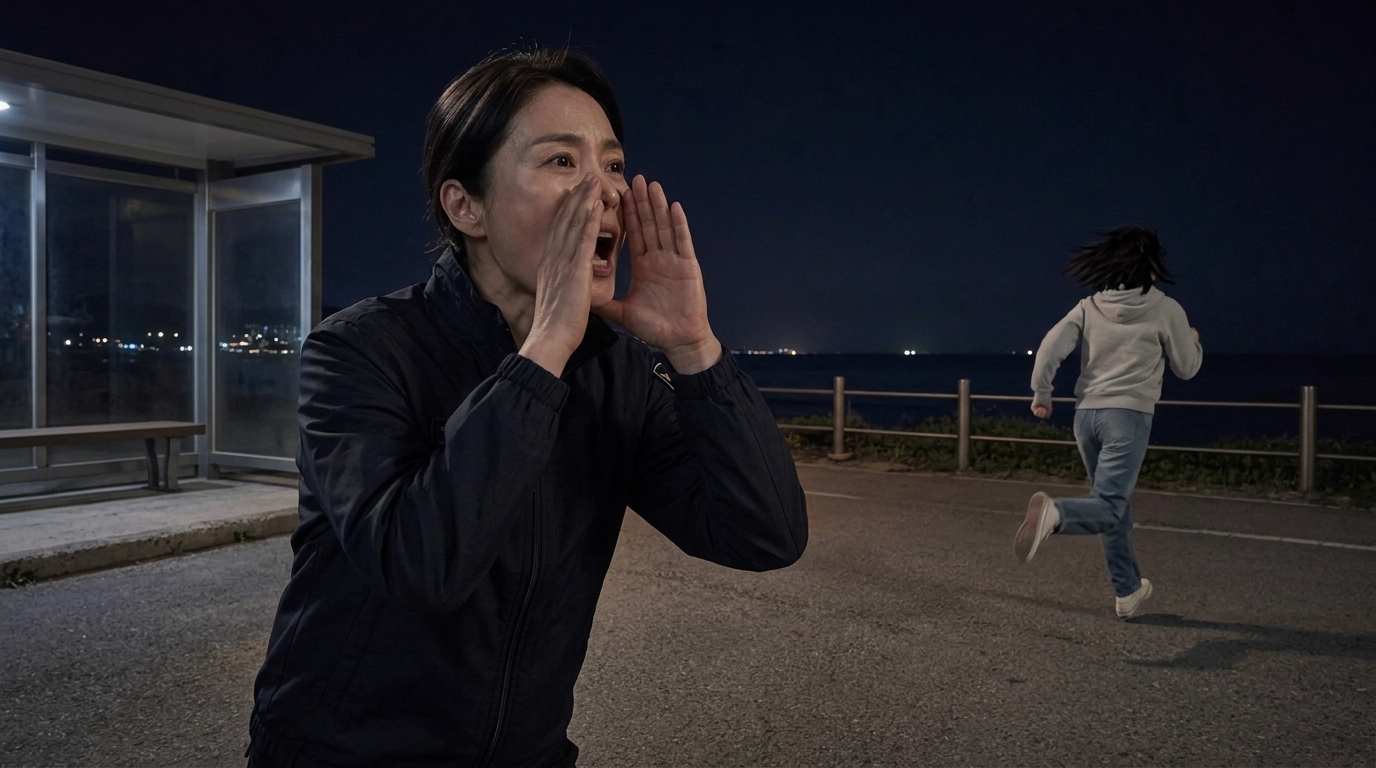
(S15sh5 버스정류장·S13sh2 옥탑 마당 — 클린 맵→i2i 마커 맵→스케치.
E2E14 산출에는 마커 맵이 없음: 본 회차는 해당 단계 구현 이전 실행분,
다음 full E2E 부터 자동 표기)
프로젝트 "금월도 E2E 10회차 bgfirst 20260720" · 스틸 55샷 (재실행 후
실패 0) · 결함 시연 ·
무인 플레이트 · 구조물 씨드
BGFIRST 2택1 25샷(체인 승 13 / 무콘티 승
12) · no_plate legacy 0 · PREV
18 · 배경 전용 12 · 레인 1 ·
기타 0
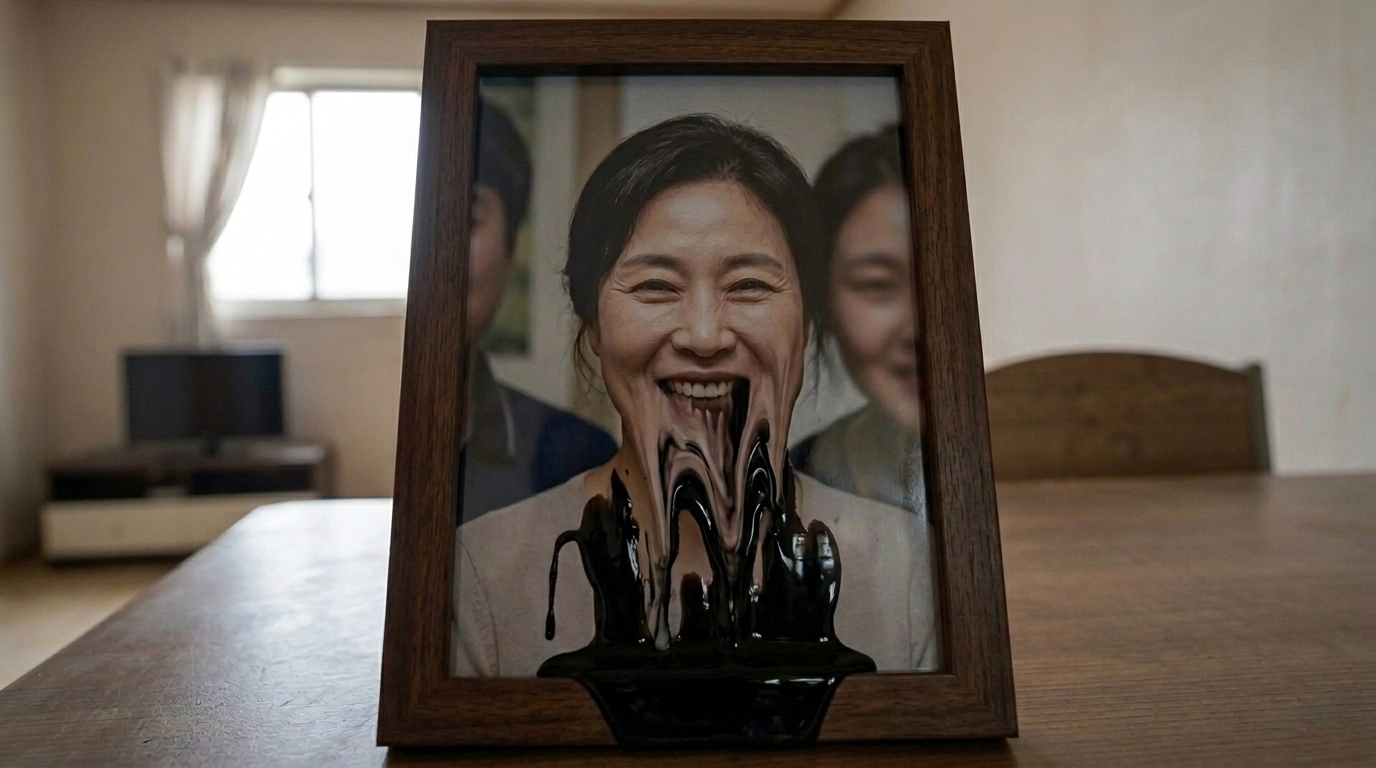
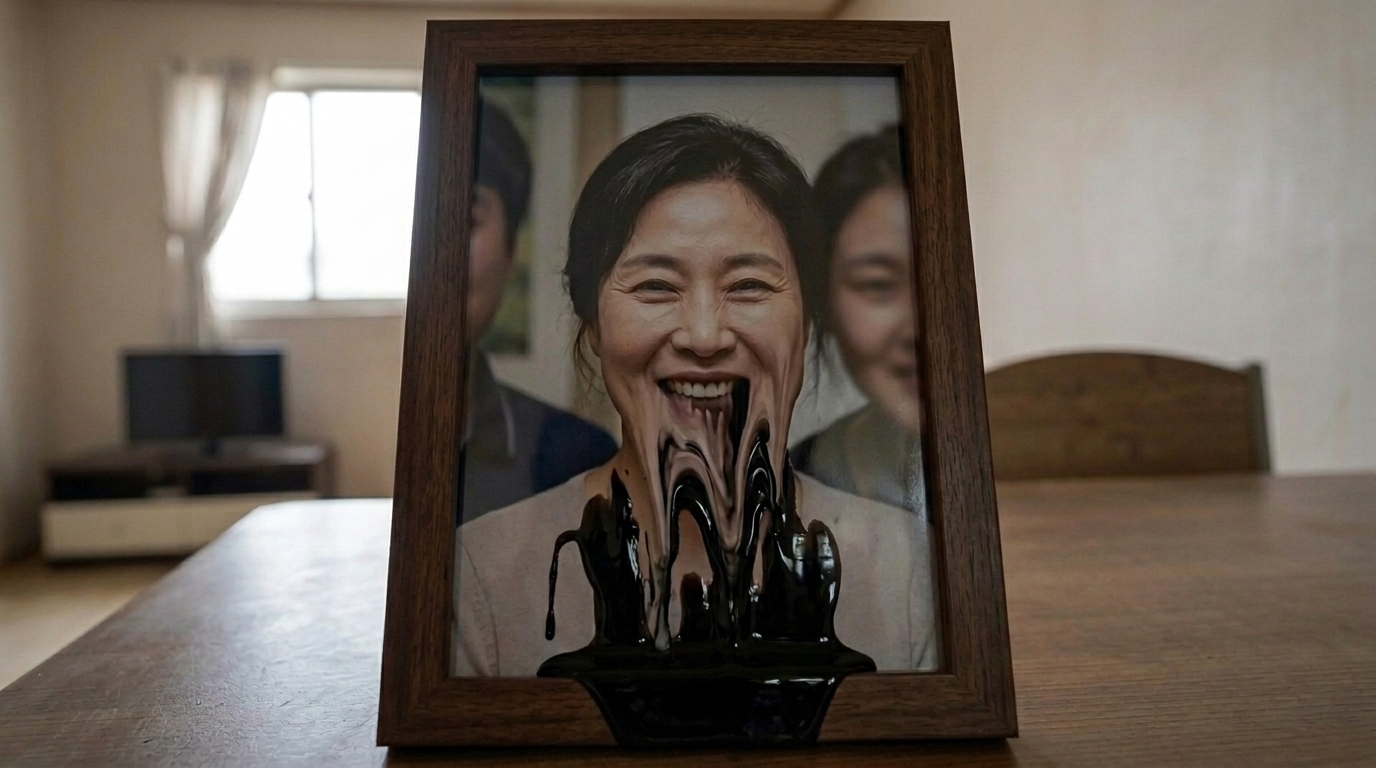
◆ 결함 1호 시연 — 무엇이 문제였나
증상: 1차 실행에서 스틸 55샷 중 15샷이 fail-closed
("BGFIRST2 대상 샷 콘티 결손 — legacy 하강 금지").
원인: 플레이트가 구조적으로 없는 샷(야외 prev_shot_ref 그룹·lane
none — 콘티 스텝이 skipped_reason=no_plate 로 스스로 비대상 선언)을
bgfirst 정책 대상으로 오분류. 콘티 모듈의 기존 계약 "콘티 부재가 스틸을
막지 않는다"를 이식 코드(bgfirst_eligible 의 conti_present=True 하드코딩)가
깬 것. 여기에 앵커 실패가 prev 연쇄 4샷·complex 연쇄 1샷으로 전파.
fix (커밋 2680d7b6, Codex APPROVED): bgfirst_structural_skip —
콘티 스텝이 비대상 선언한 3종(no_plate/prev/bgonly)은 bgfirst 제외 →
기존 legacy 경로 유지. 진짜 생성 실패·파일 결손은 여전히 fail-closed.
contract v2 bump + error 우선 검사. 재실행 결과 55/55 실패 0.
샷
유형
1차 실행 실패 사유
fix 후 산출
S1sh3
no_plate
콘티 미생성(skipped=no_plate)
fix 후 최종 (legacy 경로)
S2sh2
no_plate
콘티 미생성(skipped=no_plate)
파일 없음 fix 후 최종 (legacy 경로)
S3sh2
no_plate
콘티 미생성(skipped=no_plate)
파일 없음 fix 후 최종 (legacy 경로)
S6sh1
no_plate
콘티 미생성(skipped=no_plate)
fix 후 최종 (legacy 경로)
S7sh2
no_plate
콘티 미생성(skipped=no_plate)
fix 후 최종 (legacy 경로)
S9sh1
no_plate
콘티 미생성(skipped=no_plate)
fix 후 최종 (legacy 경로)
S15sh1
no_plate
콘티 미생성(skipped=no_plate)
fix 후 최종 (legacy 경로)
S23sh1
no_plate
콘티 미생성(skipped=no_plate)
fix 후 최종 (legacy 경로)
S24sh3
no_plate
콘티 미생성(skipped=no_plate)
파일 없음 fix 후 최종 (legacy 경로)
S26sh2
no_plate
콘티 미생성(skipped=no_plate)
파일 없음 fix 후 최종 (legacy 경로)
S1sh5
prev 연쇄
prev 앵커(S1sh3) 실패 → skipped=prev 오판정
파일 없음 fix 후 최종 (legacy 경로)
S23sh4
prev 연쇄
prev 앵커(S23sh1) 실패 → skipped=prev 오판정
파일 없음 fix 후 최종 (legacy 경로)
S26sh7
prev 연쇄
prev 앵커(S26sh2) 실패 → skipped=prev 오판정
파일 없음 fix 후 최종 (legacy 경로)
S26sh10
prev 연쇄
prev 앵커(S26sh7) 실패 → skipped=prev 오판정
파일 없음 fix 후 최종 (legacy 경로)
S7sh4
complex 연쇄
complex prev bypass 인데 prev 선정본 결손
파일 없음 fix 후 최종 (legacy 경로)
◆ 무인 플레이트 전수 (18그룹) — 육안: 인물 구워짐 0 확인
무인 계약 절(UNMANNED BACKGROUND CONTRACT)이 렌더 프롬프트 45건에 부착됨(실측). VLM 게이트 위반 재렌더 0건.
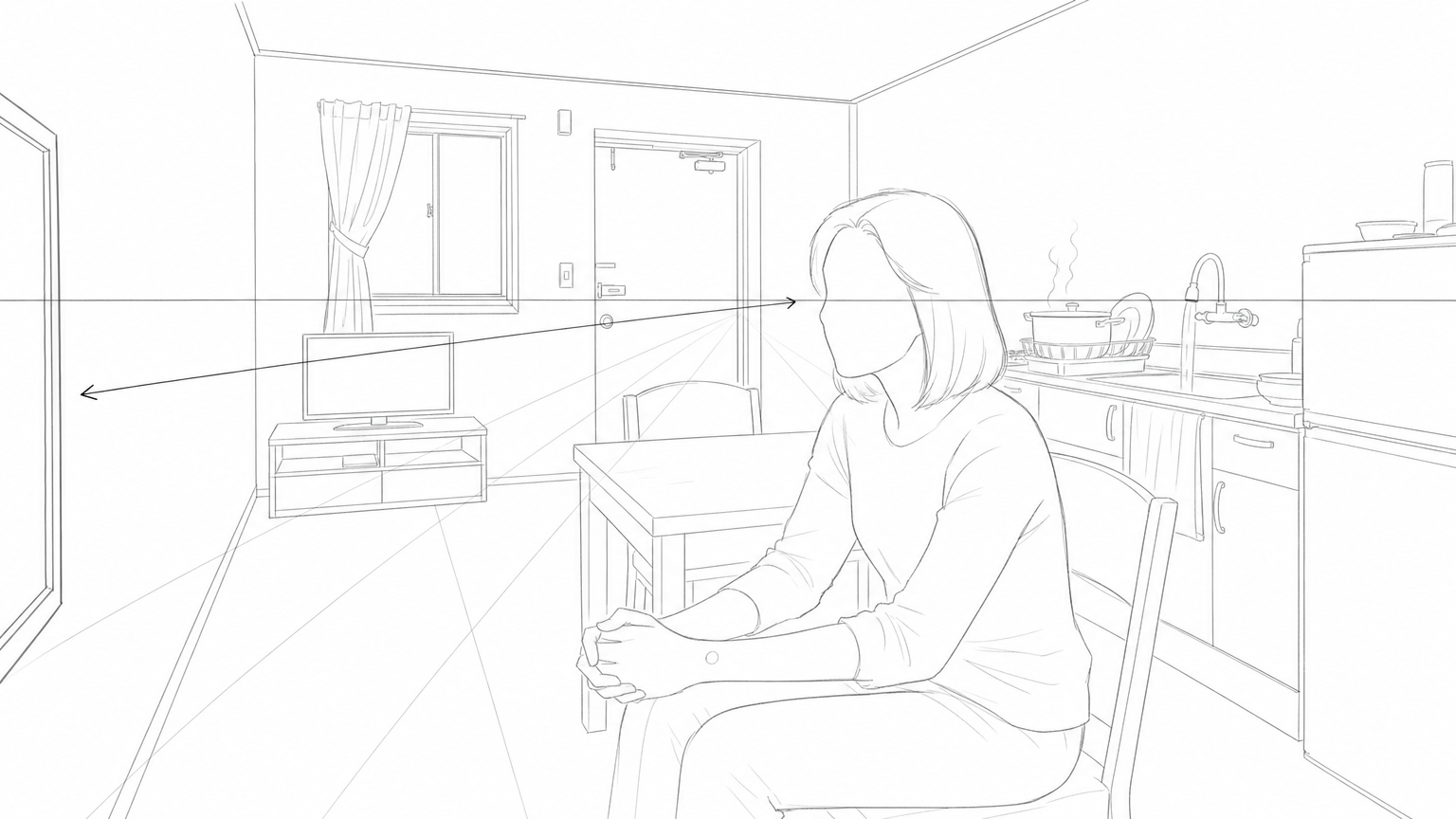
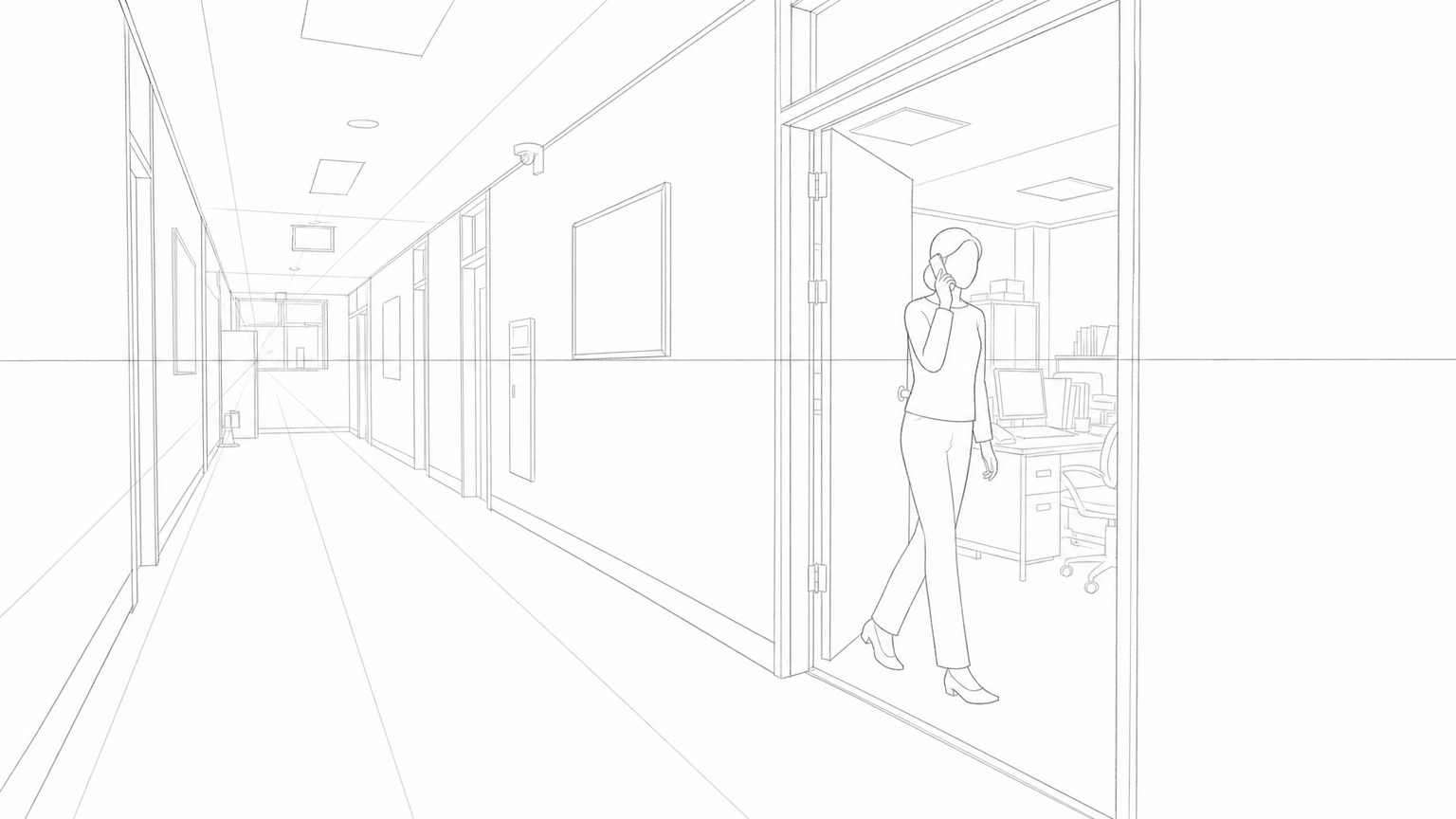
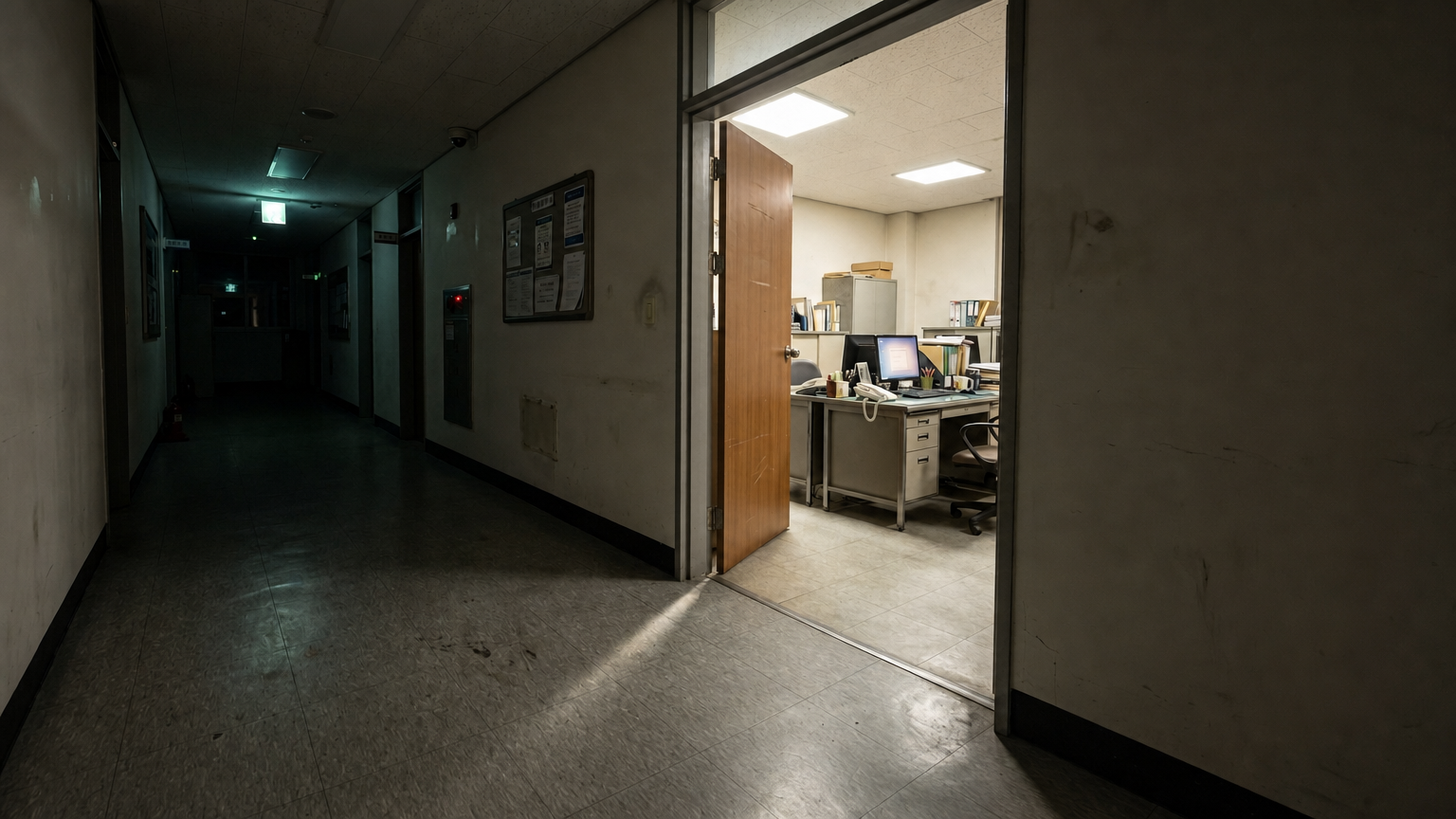
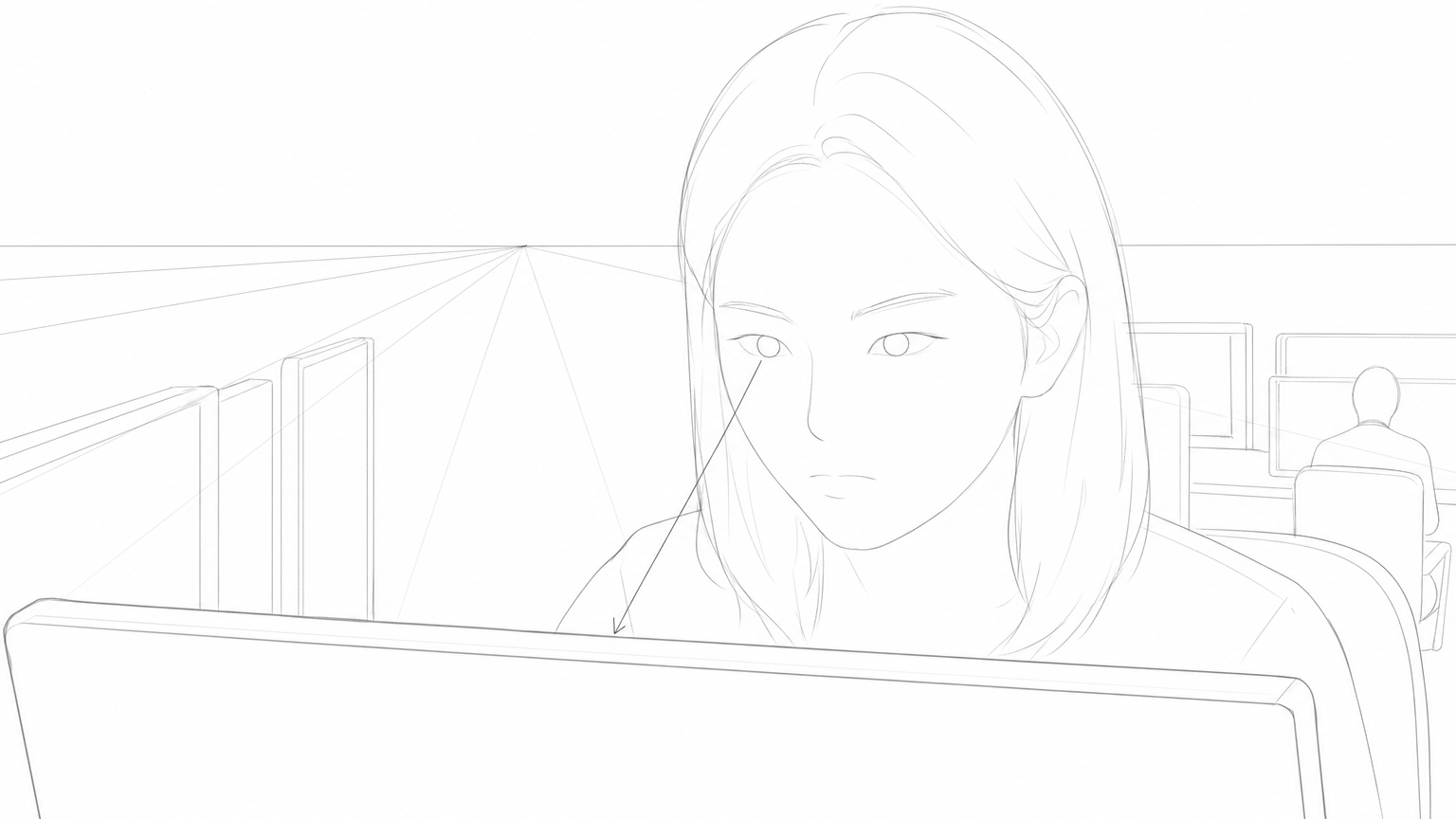
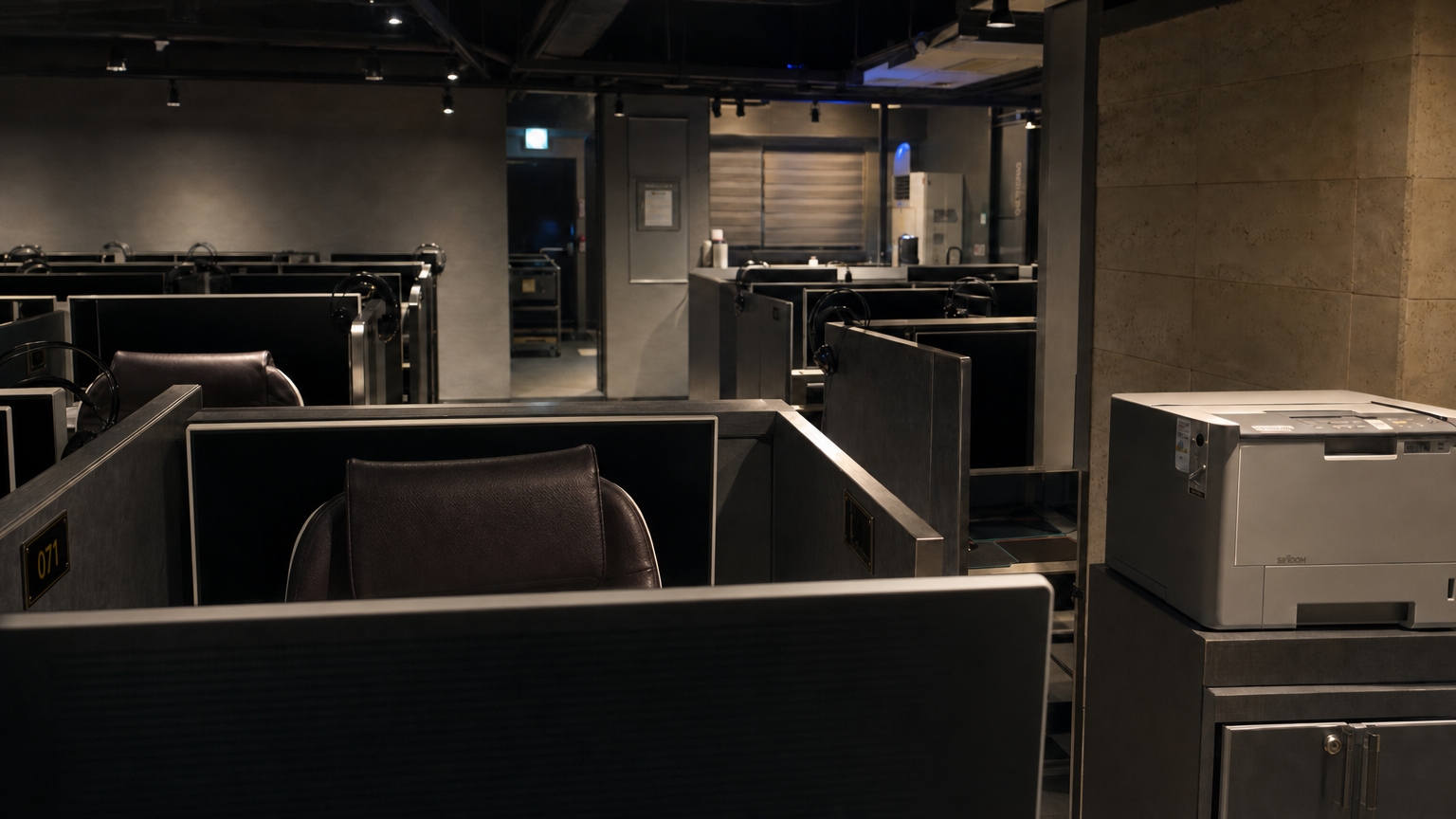
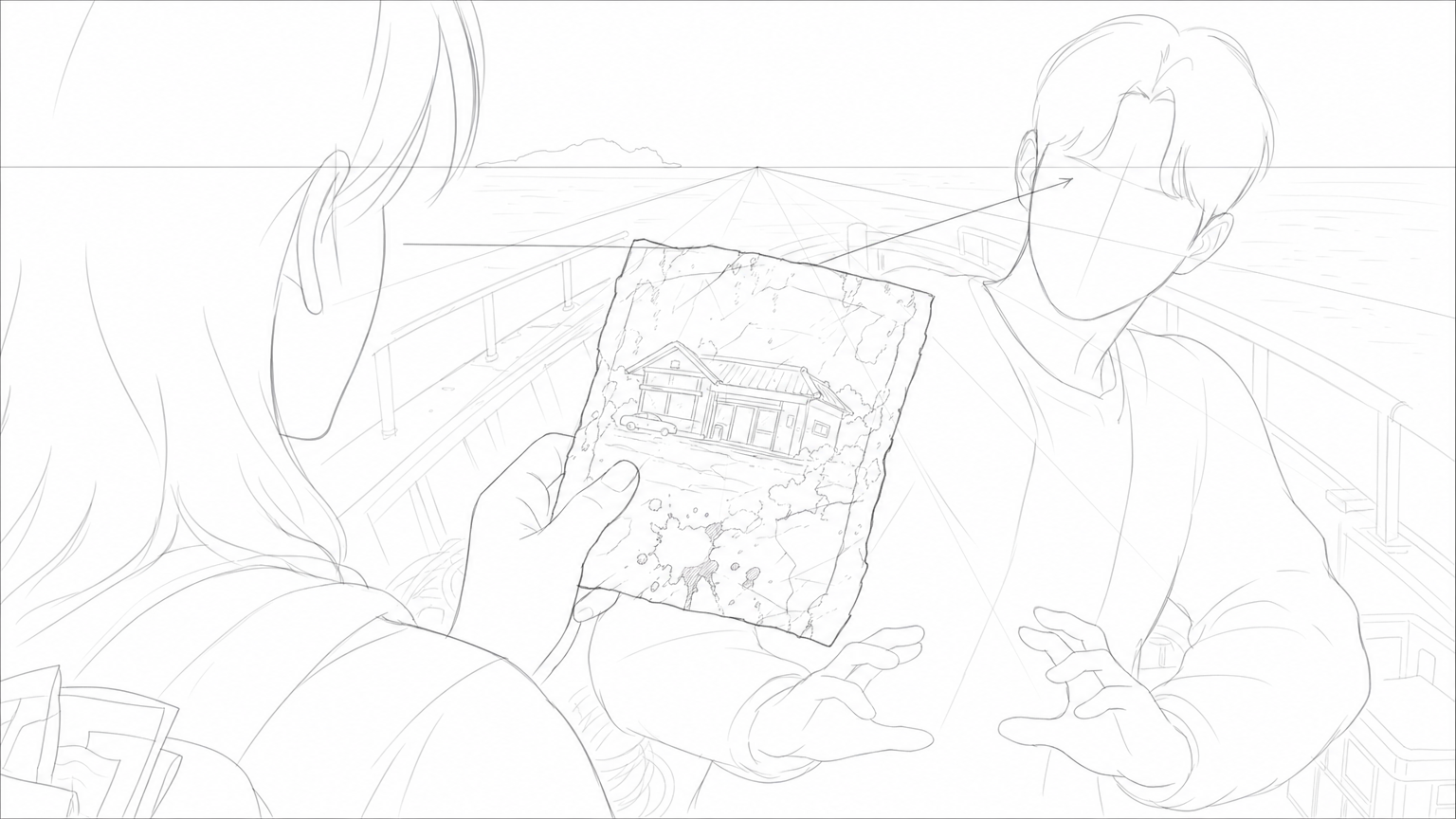
① BGFIRST 2택1 — 체인 승 (13샷): 플레이트 ➜ 원근 콘티 ➜ GPT 재투영 빈 배경 ➜ nb2 인물 삽입
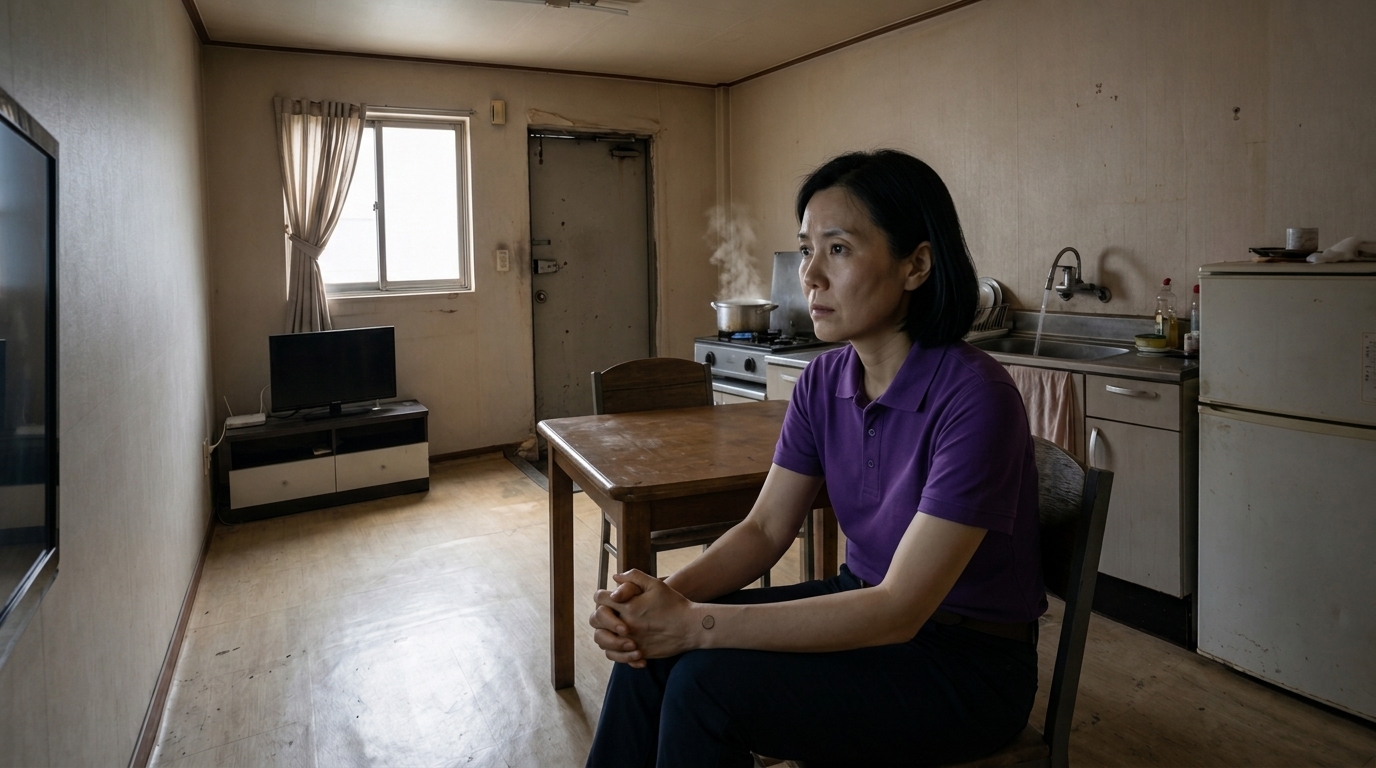
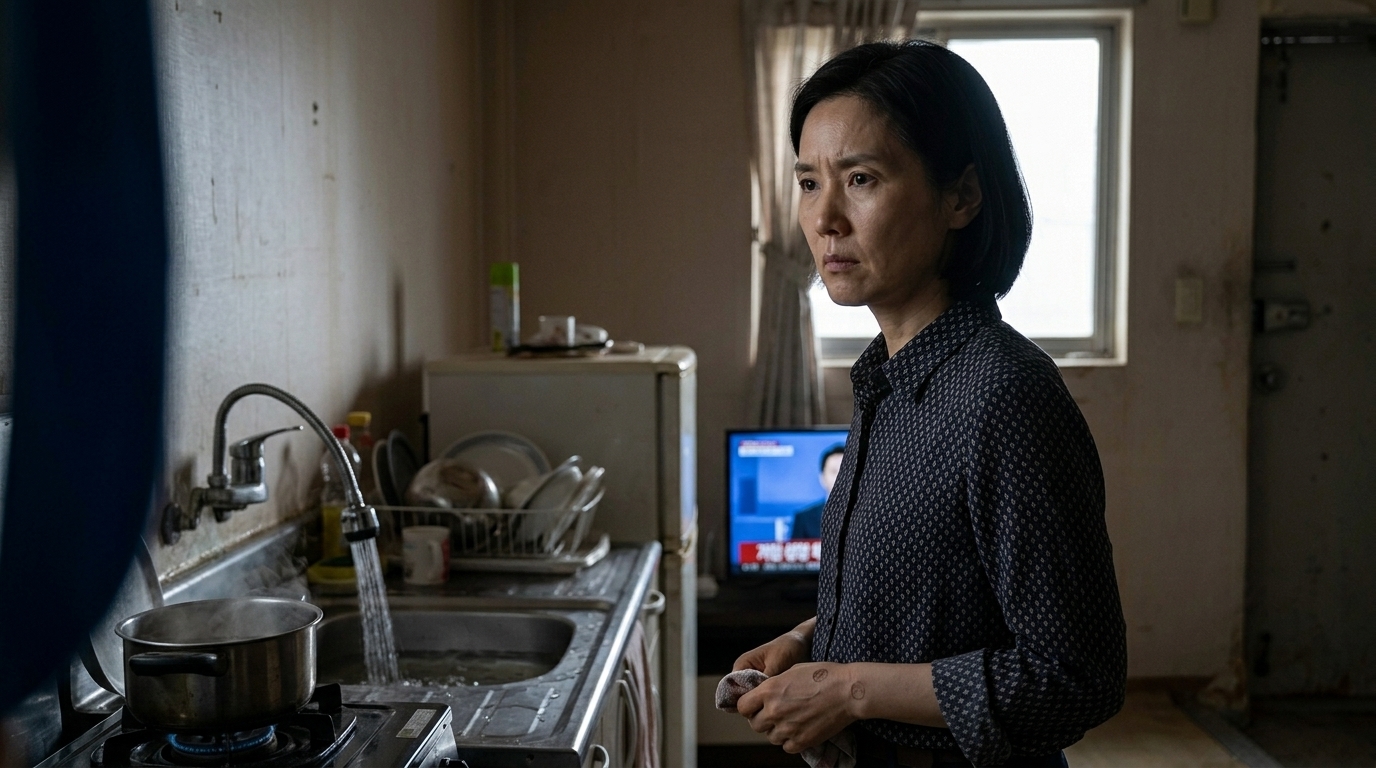
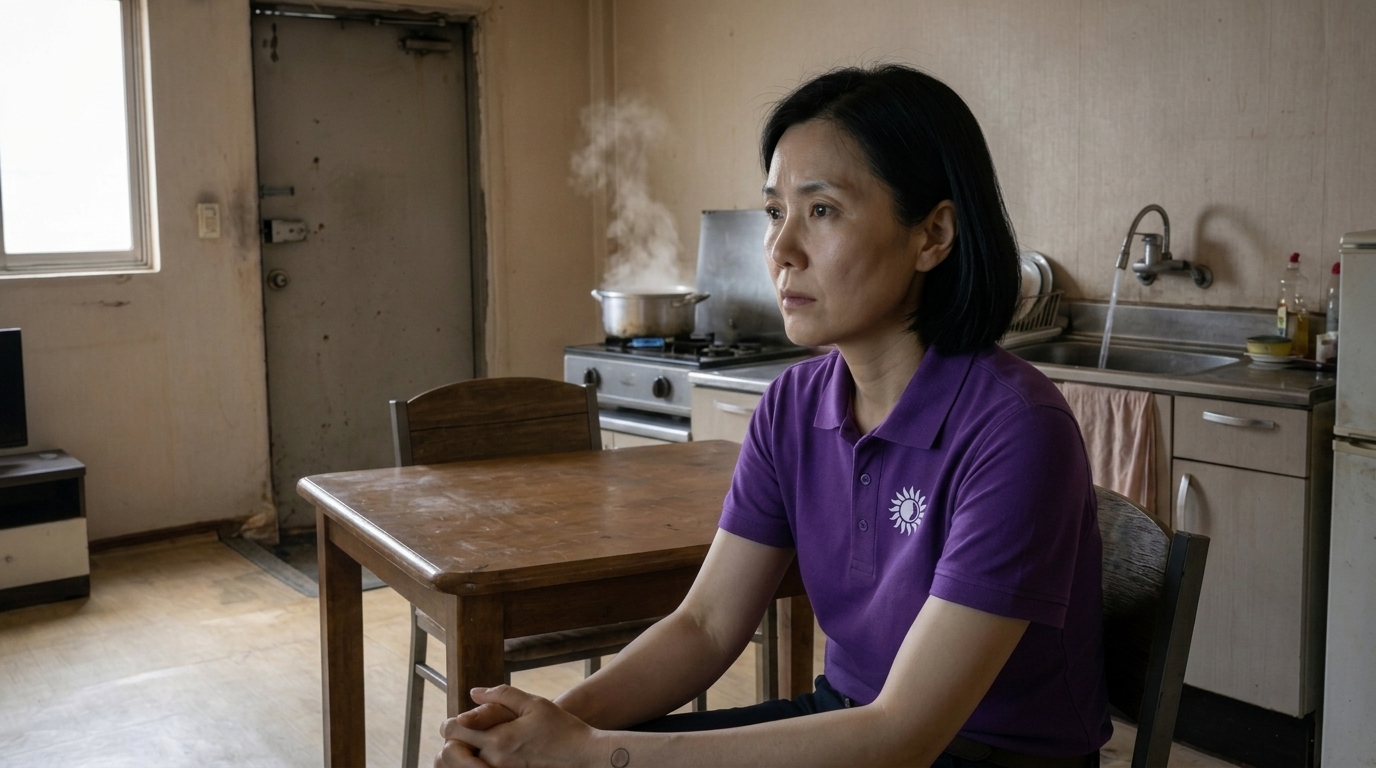
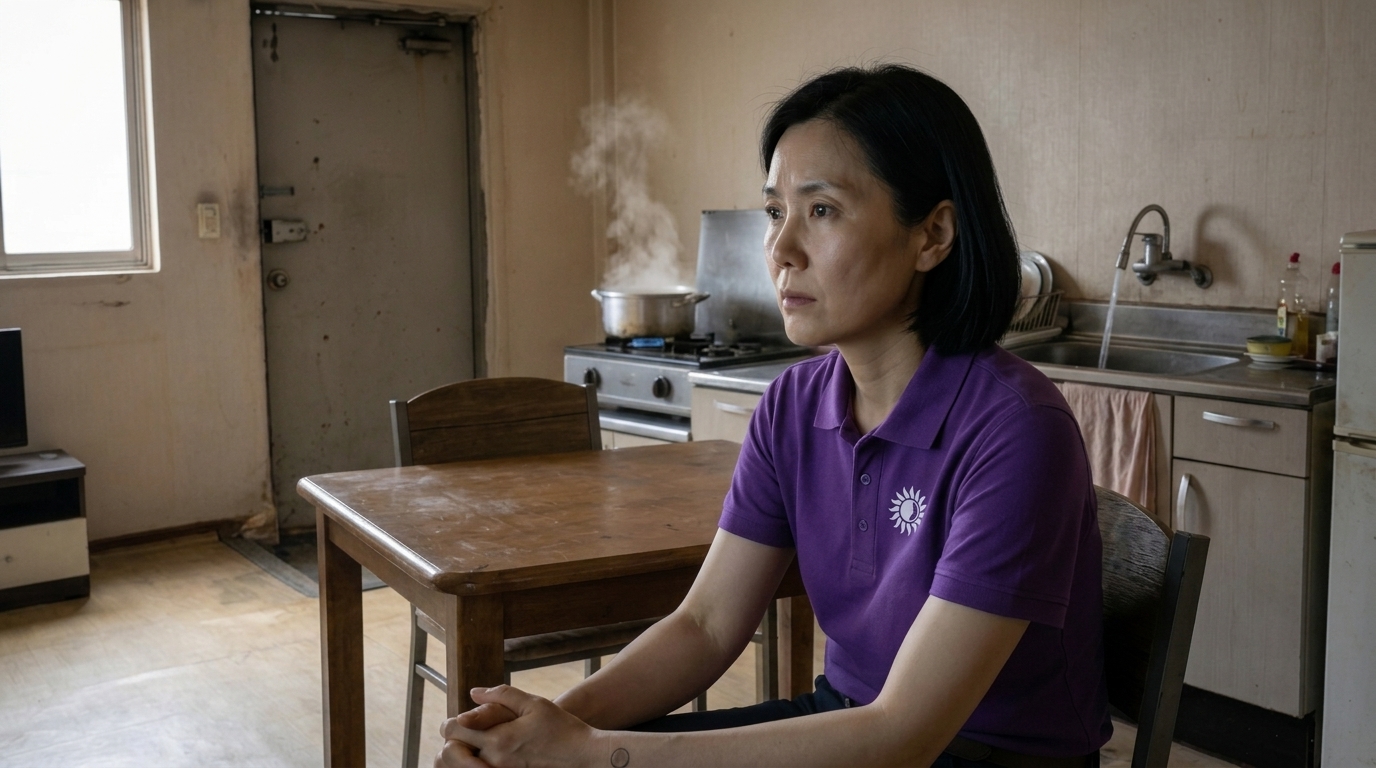
S5sh2 재투영 배경+콘티+엔티티 (2택1: 체인 승)
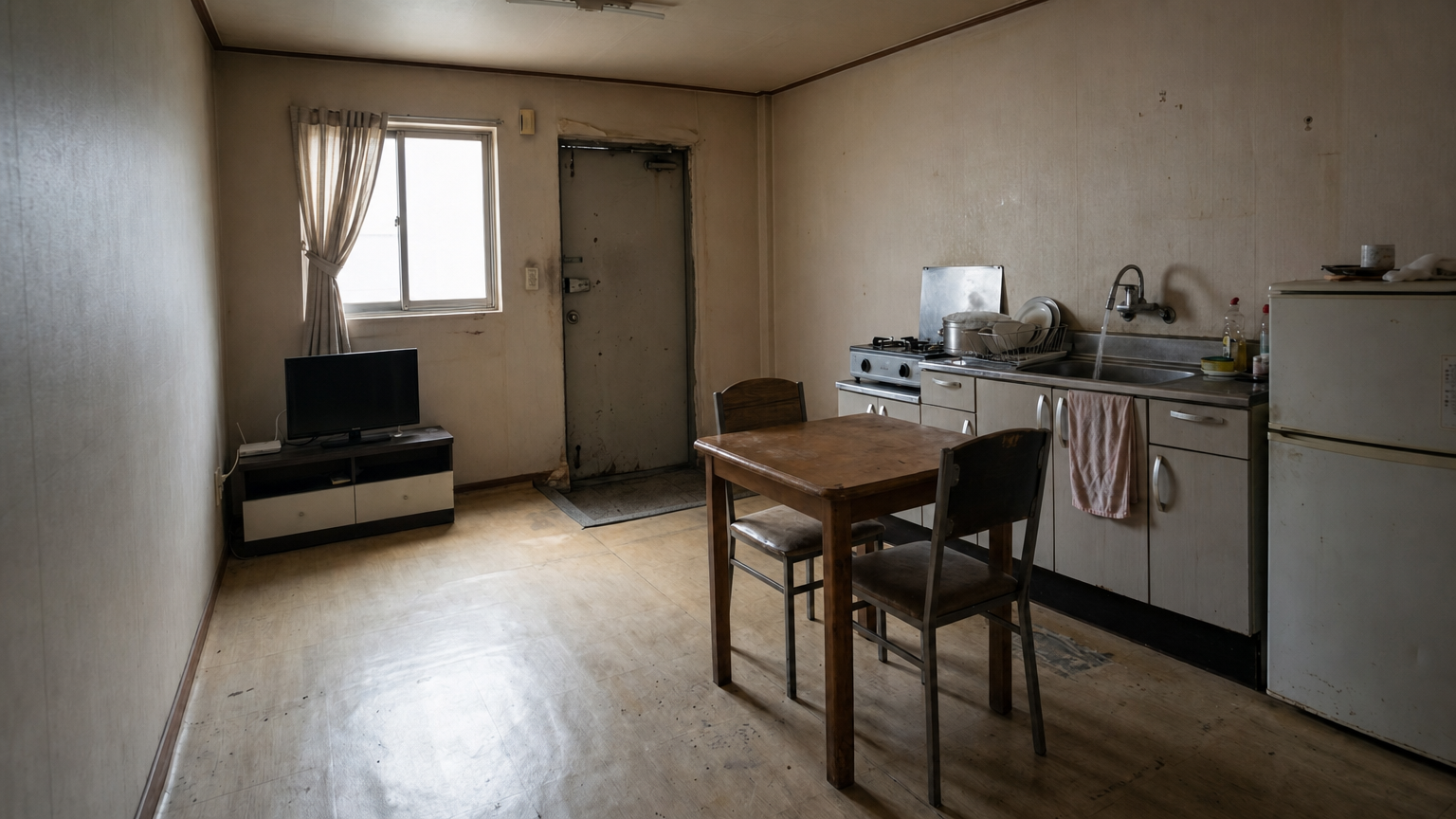
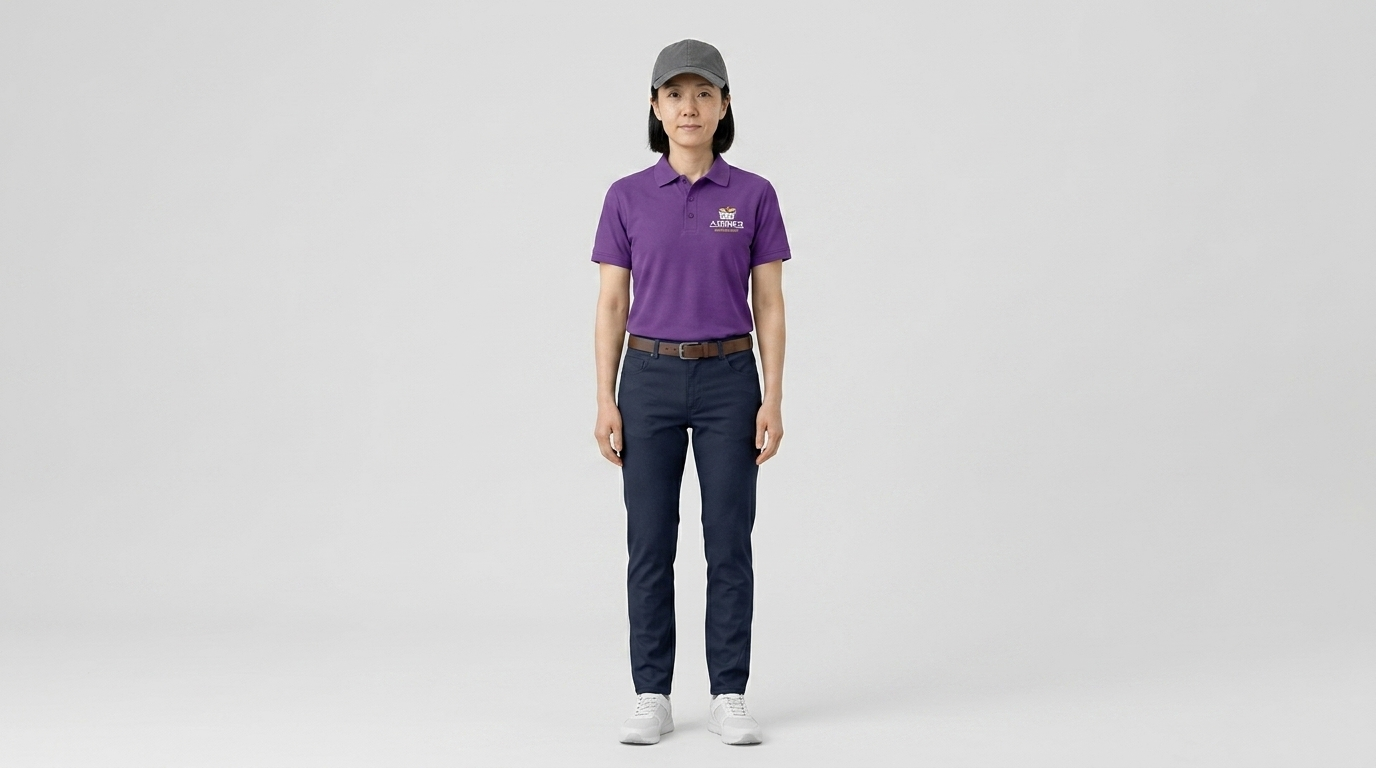
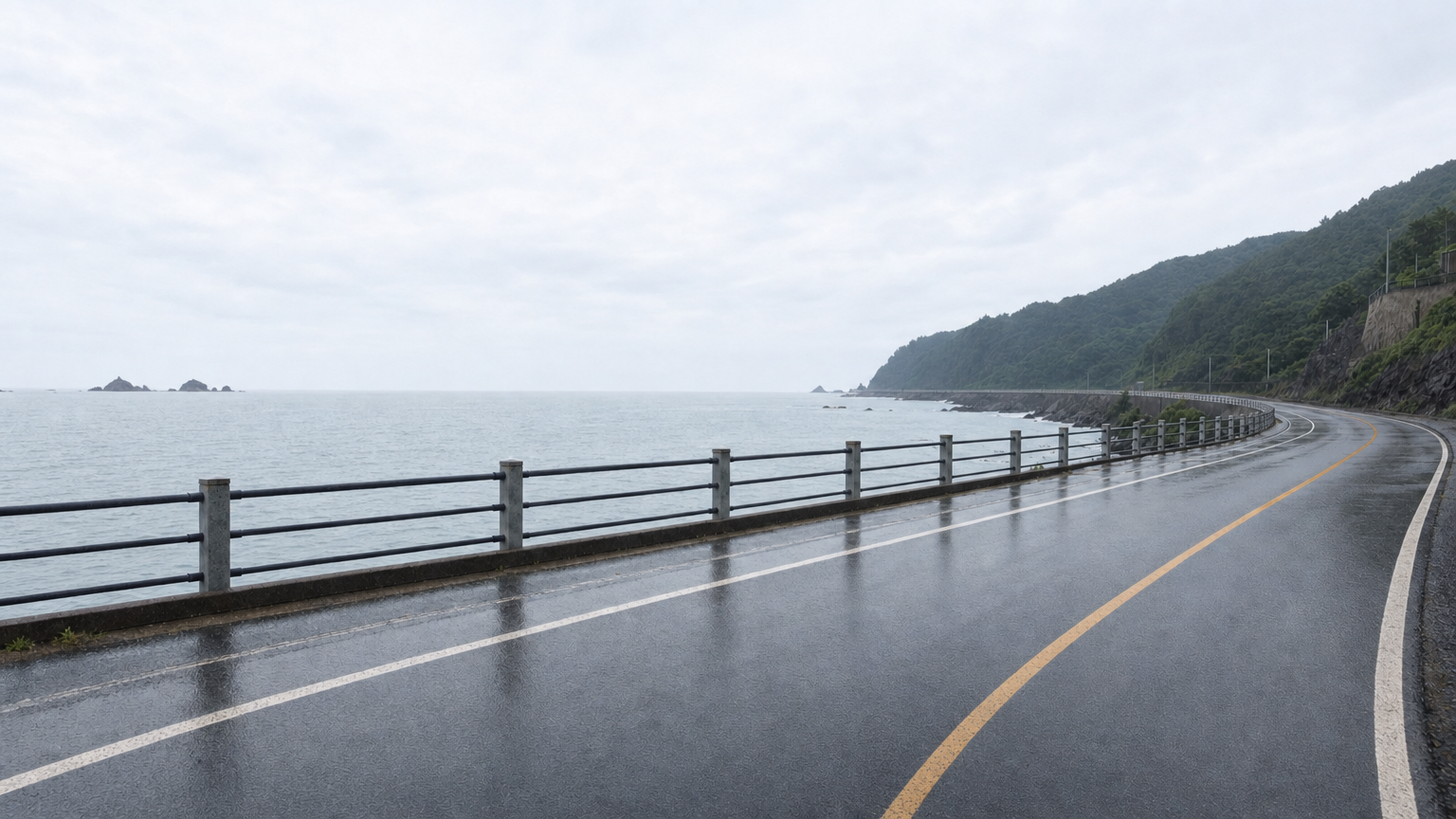
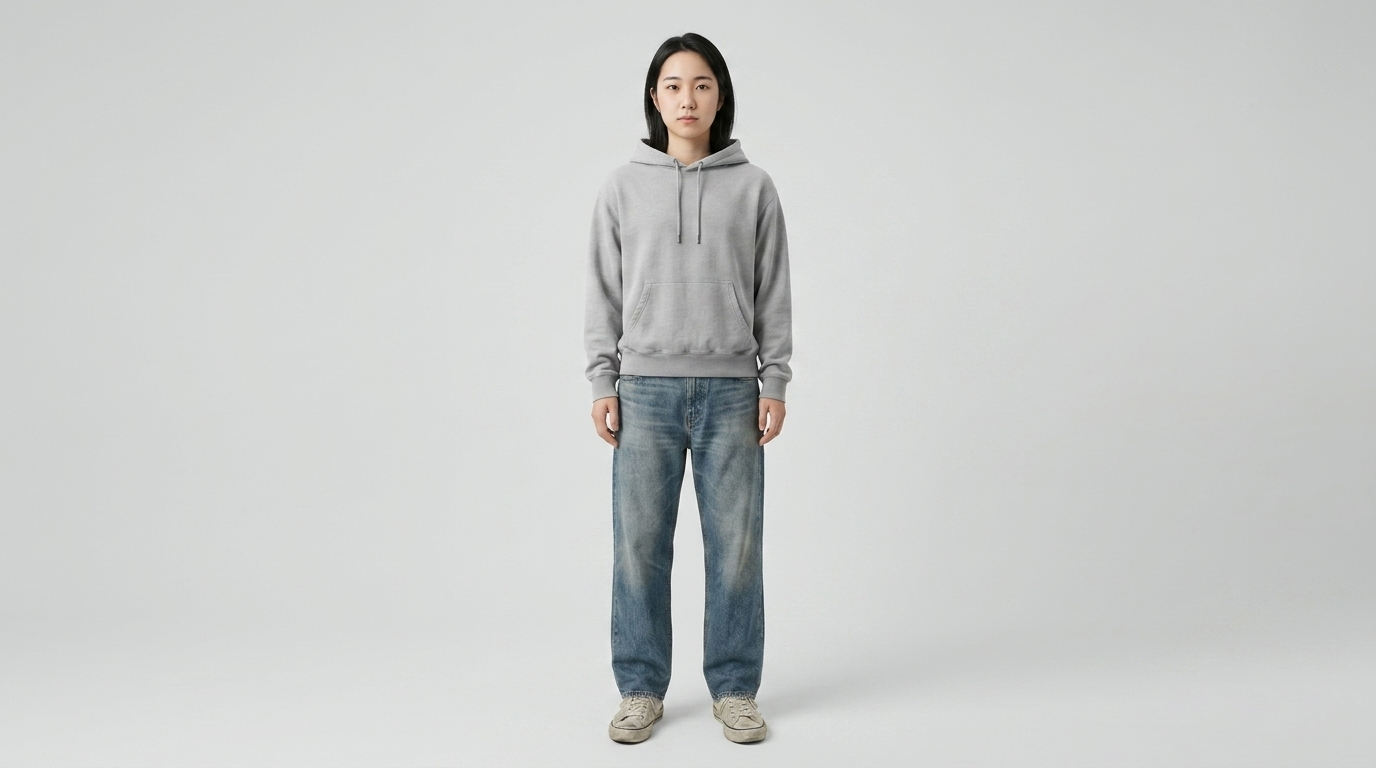
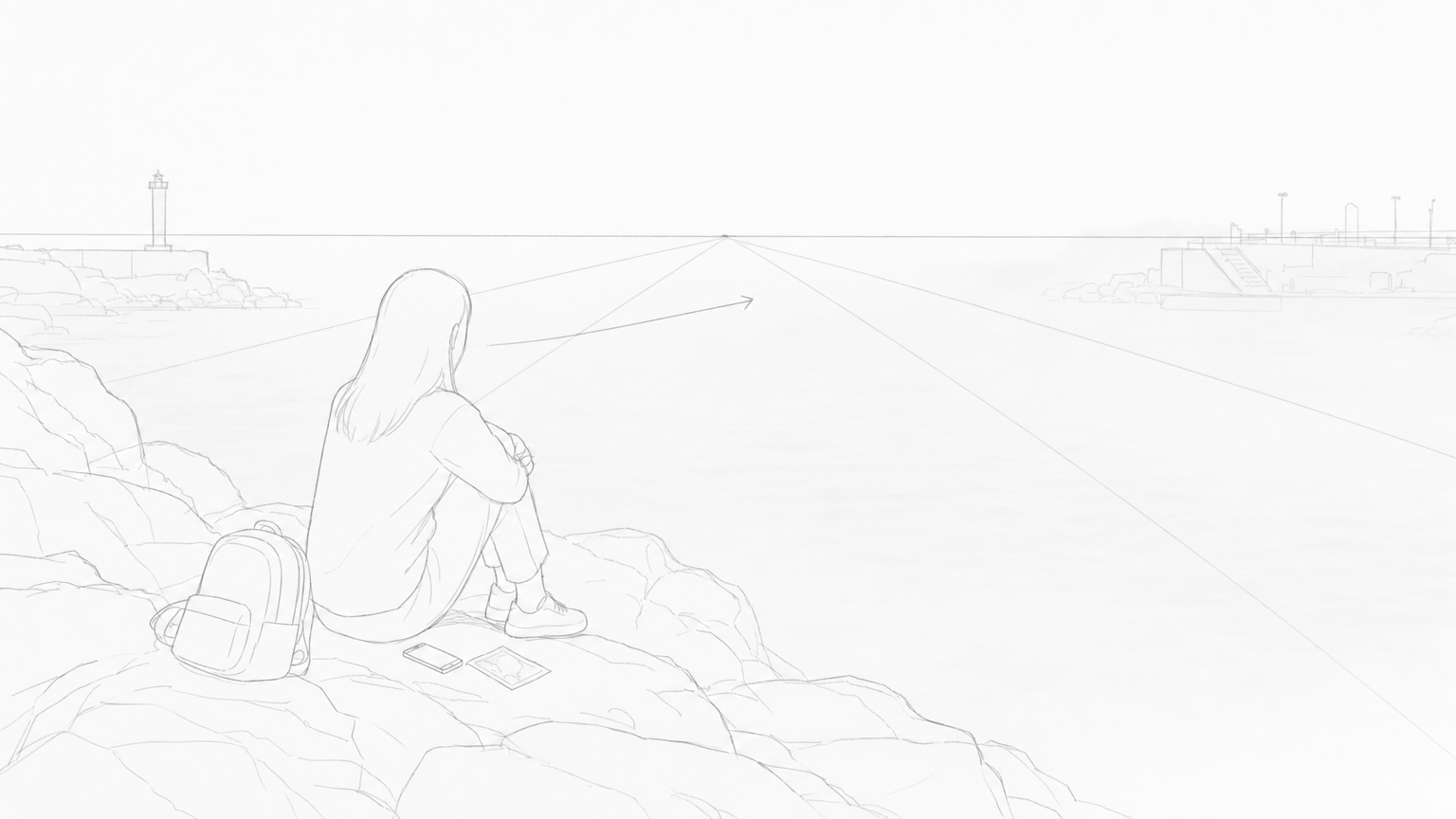
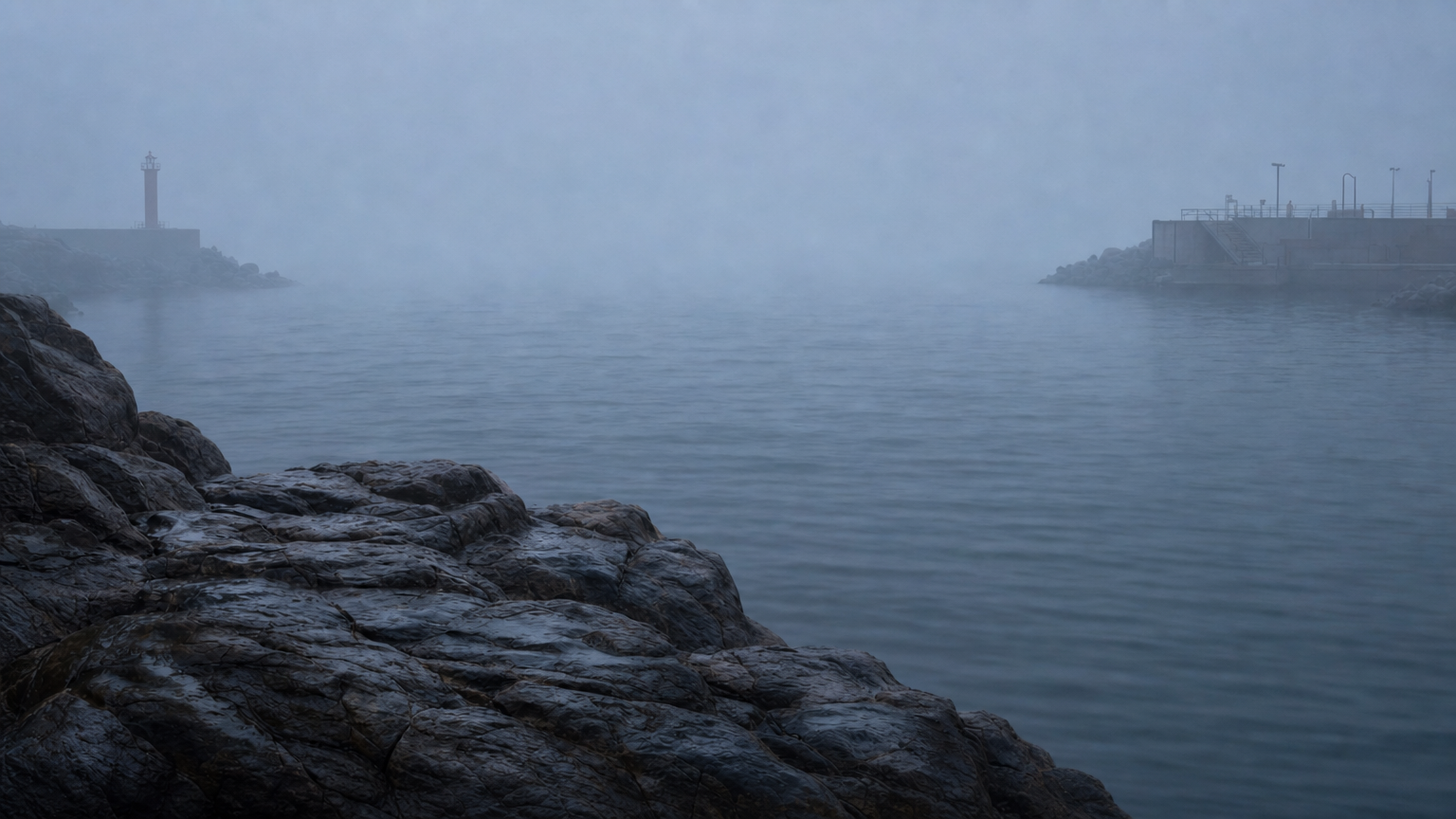
① 배경·밑그림 재료 — 어떻게 만들어졌나
확정 플레이트 (재질·간판 소스)
➜
GPT 원근 콘티 (v2: 소실선·실크기·화살표)
➜
Step1 — GPT 재투영 빈 배경 (인물 0)
콘티 생성 프롬프트 (v2 PERSPECTIVE & SCALE GUIDES)
The FIRST attached image is the LOCATION PHOTOGRAPH (loose spatial reference only). Every following attached image is a CHARACTER REFERENCE for proportion.

Draw ONE storyboard layout frame, 16:9, filling the entire image edge-to-edge.

STYLE — LAYOUT-ONLY THUMBNAIL SKETCH: the lightest possible
director's layout drawing. THIN, CLEAN, UNIFORM PENCIL CONTOUR
LINES ONLY on pure white paper. Absolutely NO shading, NO tone, NO
hatching, NO texture, NO grayscale fill, NO light-and-shadow, NO
facial features beyond a bare head outline, NO clothing detail, NO
material rendering. The frame contains ONLY: the camera framing,
each figure as a simple correct-proportion human contour in its
exact pose and screen position/size, and the few major set masses
as plain outline shapes. It must read as a quick layout guide,
never as a finished drawing.

The attached photograph is the LOCATION where this shot happens.
Use it ONLY as a LOOSE spatial reference — the rough set masses
and where things sit relative to each other. You do NOT need to
follow it exactly: do not copy its camera, its lighting or its
details. Choose the camera and framing the SHOT TEXT needs, and
draw only the few set masses that matter as plain outline shapes.

THE LOCATION: The compact living and kitchen area inside a rooftop home, lit by a thin shaft of sunlight from its small window and the television screen.

SHOT TEXT (authoritative, Korean): 굳은 표정으로 TV 화면을 뚫어지게 응시하는 강민숙의 상반신.

CARRIED STATE (persist exactly): Min-sook already bears the small circular mark on her wrist; it has been present since long before this moment.

PROPS FACE THE RIGHT WAY (also in this sketch): every handheld or used
object must be oriented as its real-world use requires. A person
reading, watching or operating something (a phone, a photograph, a
paper, any device) has its functional side — screen, front, page —
facing THEIR OWN eyes; the camera then sees whatever side the staging
geometry implies (often its back). Show the functional side to the
camera ONLY when the shot text itself stages it toward the viewer.
Never flip, mirror or reverse an object's front and back.

NATURAL PERFORMANCE (default only — every explicit direction above
wins): when no pose contract or shot-text direction says otherwise,
sketched figures read as alive in mid-moment — believable weight
shift, hands engaged, gaze on the target the SHOT TEXT implies; avoid
a stiff attention stance (feet together, arms hanging straight down)
and a blank stare into the lens. If the SHOT TEXT or any POSE contract
above stages stillness, death, sleep, unconsciousness, restraint,
drill or an explicit direct-to-camera look, draw THAT exactly — this
clause never overrides it.

KEYSHOT LAYOUT VALUE: this storyboard frame is a KEY FRAME extracted
from a finished film — its layout alone must convey why this moment
matters in the scene. Compose the frame so the subject's pose, gaze
target and spatial relationships read clearly. Do not fill the frame
with a single face and do not draw a subject standing square to the
camera in a passport-photo composition unless the SHOT TEXT itself
explicitly stages that framing for a narrative reason. Even in an
extreme close-up, keep at least one meaning-bearing element (the gaze
target, the object reacted to, the relevant surroundings) inside or
at the edge of the frame.

ABSOLUTELY NO TEXT anywhere: no captions, no numbers, no labels of any kind.

CAMERA & FRAME (follow exactly — this is the composition authority for this still; the reference images supply identity and place, never the framing):
- CAMERA: At waist height along the kitchen-to-living-room axis, the tracking frame ends at medium distance in front of Minsook and tightens to her upper body without crossing her television-facing eyeline. She occupies the right-center of frame in three-quarter view, with traces of the active kitchen held softly in the left background and the television remaining just beyond the camera-side edge as her fixed visual anchor.
- FRAMING SCALE: medium shot
- KEY BACKGROUND ELEMENTS: TV (뉴스 방송 중) — The active screen faces Minsook but remains just outside the camera-side edge; used as Functions as Minsook's off-screen eyeline anchor and the source of the continuing news report; 싱크대 수도꼭지 (물이 흐르는 중) — Its side profile is visible from the living-room axis; used as Appears in the softened kitchen background as evidence of interrupted preparation; 냄비 (물이 끓는 중이며 김이 피어오름) — Its upper opening is partly visible from the camera position; used as Provides a background cooking action behind Minsook; 거실의 작은 창 (햇살이 가늘게 비침) — Daylight is visible entering through the window into the room; used as Creates a narrow daylight accent within the living room.
Compose the frame exactly as specified above — camera angle, subject scale and screen placement. Keep true physical scale between people and background elements: fixtures and distant objects occupy only the small screen area their real size and distance dictate; never enlarge a background object into a foreground presence.

PERSPECTIVE & SCALE GUIDES (draw these as part of the sketch — they are the whole point of this layout):
- Draw the HORIZON LINE at the camera's eye height, and 2-3 thin PERSPECTIVE GUIDE LINES converging toward the vanishing point, so the depth of the space is explicit.
- TRUE RELATIVE SIZE: draw every person and every set mass at the exact screen size that its real-world size and its distance from the camera dictate. A high wall-mounted device or any distant object stays SMALL against the architecture; people scale with their depth along the guide lines. NEVER enlarge a background object beyond its true perspective size.
- For EVERY person draw one thin EYELINE ARROW from the eyes to the exact thing they look at; if something moves, one thin MOTION ARROW along its path.
- All guides are simple thin pencil lines — layout language only, never objects in the scene, and still NO text, numbers or letters anywhere.
Step1 재투영 프롬프트 (무인+콘티 카메라 권위)
Create the EMPTY BACKGROUND PLATE for one film shot — NO PEOPLE, no figures, no body parts, no sketch lines, no arrows anywhere.
"Empty" means no people only: KEEP the location's inherent occupants and stock that define the place — animals in an animal shelter, pen or farm, goods in a market, moored boats in a harbour — unless the shot text explicitly removes them.
The FIRST attached image is a thin-line storyboard sketch: use ONLY its camera angle, horizon, perspective and the placement/size of buildings and set masses — ignore the sketched people and arrows entirely. The SECOND attached image (LOCATION PHOTOGRAPH) is the real place: take its architecture, materials, signage and fixed features, and RE-PROJECT them into the sketch's camera. If the photograph's camera differs from the sketch's, the sketch's camera wins.
HUMAN-SCALE CALIBRATION: derive every structure's true size from human-scale elements — a door ≈ 2m, a window ≈ 1–1.5m wide, one storey ≈ 2.5–3m; never inflate a small structure or shrink a large one.

SHOT TEXT this background must serve (Korean): 굳은 표정으로 TV 화면을 뚫어지게 응시하는 강민숙의 상반신.

LOCATION (lock): The compact living and kitchen area inside a rooftop home, lit by a thin shaft of sunlight from its small window and the television screen.

TIME OF DAY (lock): day.

CAMERA & FRAME (follow exactly — this is the composition authority for this still; the reference images supply identity and place, never the framing):
- CAMERA: At waist height along the kitchen-to-living-room axis, the tracking frame ends at medium distance in front of Minsook and tightens to her upper body without crossing her television-facing eyeline. She occupies the right-center of frame in three-quarter view, with traces of the active kitchen held softly in the left background and the television remaining just beyond the camera-side edge as her fixed visual anchor.
- FRAMING SCALE: medium shot
- KEY BACKGROUND ELEMENTS: TV (뉴스 방송 중) — The active screen faces Minsook but remains just outside the camera-side edge; used as Functions as Minsook's off-screen eyeline anchor and the source of the continuing news report; 싱크대 수도꼭지 (물이 흐르는 중) — Its side profile is visible from the living-room axis; used as Appears in the softened kitchen background as evidence of interrupted preparation; 냄비 (물이 끓는 중이며 김이 피어오름) — Its upper opening is partly visible from the camera position; used as Provides a background cooking action behind Minsook; 거실의 작은 창 (햇살이 가늘게 비침) — Daylight is visible entering through the window into the room; used as Creates a narrow daylight accent within the living room.
Compose the frame exactly as specified above — camera angle, subject scale and screen placement. Keep true physical scale between people and background elements: fixtures and distant objects occupy only the small screen area their real size and distance dictate; never enlarge a background object into a foreground presence.

LIGHTING & MOOD (these govern light, color and surface rendering):
- LIGHTING & MOOD: Thin sunlight from the small living-room window shapes Minsook's dark expression against restrained interior contrast.
- MATERIAL REALISM: every object and surface must read as a real,
  physical material — correct texture, weight, wear and light response
  (metal reflects, fabric drapes and creases, liquid is glossy and
  pools, painted or drawn marks sit ON a surface and follow its
  curvature and lighting). Nothing may look like a flat sticker, a
  doodle or a graphic overlay pasted onto the frame.

Render ONE photorealistic empty location photograph, 16:9, that this shot can be staged inside later. No text or watermarks.
critique 결함: [{"issue_ko": "배경의 싱크대 수도꼭지에서 물이 흐르고 있지 않습니다 (프롬프트 명시 및 배경 참조 이미지와 불일치).", "fix_en": "Add a stream of water flowing down from the sink faucet in the background.", "unfixable": false}, {"issue_ko": "캐릭터의 보라색 셔츠 왼쪽 가슴에 캐릭터 참조 이미지에 있는 로고가 누락되었
스틸 base 프롬프트(공통 계약 — CAMERA/FRAME 절 포함)
Create ONE FINAL photorealistic live-action film still of the moment below — Incheon, South Korea, 2026; all people are Korean unless stated. TIME OF DAY (lock): day.

SHOT TEXT (authoritative, Korean): 굳은 표정으로 TV 화면을 뚫어지게 응시하는 강민숙의 상반신.

LOCATION (lock): The compact living and kitchen area inside a rooftop home, lit by a thin shaft of sunlight from its small window and the television screen. The shot takes place here — the attached LOCATION PHOTOGRAPH shows the exact spot.

CAMERA & FRAME (follow exactly — this is the composition authority for this still; the reference images supply identity and place, never the framing):
- CAMERA: At waist height along the kitchen-to-living-room axis, the tracking frame ends at medium distance in front of Minsook and tightens to her upper body without crossing her television-facing eyeline. She occupies the right-center of frame in three-quarter view, with traces of the active kitchen held softly in the left background and the television remaining just beyond the camera-side edge as her fixed visual anchor.
- FRAMING SCALE: medium shot
- KEY BACKGROUND ELEMENTS: TV (뉴스 방송 중) — The active screen faces Minsook but remains just outside the camera-side edge; used as Functions as Minsook's off-screen eyeline anchor and the source of the continuing news report; 싱크대 수도꼭지 (물이 흐르는 중) — Its side profile is visible from the living-room axis; used as Appears in the softened kitchen background as evidence of interrupted preparation; 냄비 (물이 끓는 중이며 김이 피어오름) — Its upper opening is partly visible from the camera position; used as Provides a background cooking action behind Minsook; 거실의 작은 창 (햇살이 가늘게 비침) — Daylight is visible entering through the window into the room; used as Creates a narrow daylight accent within the living room.
Compose the frame exactly as specified above — camera angle, subject scale and screen placement. Keep true physical scale between people and background elements: fixtures and distant objects occupy only the small screen area their real size and distance dictate; never enlarge a background object into a foreground presence.

LIGHTING & MOOD (these govern light, color and surface rendering):
- LIGHTING & MOOD: Thin sunlight from the small living-room window shapes Minsook's dark expression against restrained interior contrast.
- MATERIAL REALISM: every object and surface must read as a real,
  physical material — correct texture, weight, wear and light response
  (metal reflects, fabric drapes and creases, liquid is glossy and
  pools, painted or drawn marks sit ON a surface and follow its
  curvature and lighting). Nothing may look like a flat sticker, a
  doodle or a graphic overlay pasted onto the frame.

REALIZE FIGURATIVE LANGUAGE AS A LIVE-ACTION SHOT: the Korean shot
text may describe characters metaphorically, figuratively or with
exaggeration. Photograph what a real movie camera would actually
record on a physical set — exaggerated or figurative impressions
become realistic staging choices (lighting, distance, angle,
wardrobe), not literal fantasy imagery.
EVERY CHARACTER IS A HUMAN BEING: unless the story explicitly
features non-human or virtual beings (as in science fiction or
fantasy), every character — however indirectly, vaguely or
figuratively the text describes them — IS a real human. When the
text gives no direct visual description of a person, IMAGINE one
and still show them as a concrete, fully-formed human being:
always render the human form to the maximum extent — build,
posture, face, hands, clothing — never reduce a person to a shape,
blob, solid silhouette or abstract mass.

EXPRESSIONS ARE ACTED, NEVER ANATOMICAL: when the text describes a
person's eyes, face or presence emotionally or figuratively (vacant,
hollow, dazed, burning, lifeless gaze and the like), it describes an
ACTOR'S PERFORMANCE captured by a real camera — realize it ONLY
through gaze direction, focus, eyelids, facial muscles, stillness
and posture. Every living person's eyes remain anatomically normal
human eyes with a natural iris and pupil, natural sclera and normal
proportions; NEVER whiten, blank out, cloud over, glow, enlarge or
otherwise alter eyeballs, skin or anatomy — unless the story
explicitly declares that being non-human or supernatural in form.

PROPS FACE THE RIGHT WAY: every handheld or used object must be
oriented exactly as its real-world use requires. A person reading,
watching or operating something (a phone, a photograph, a paper,
any device) has its functional side — screen, front, page — facing
THEIR OWN eyes; the camera then sees whatever side the staging
geometry implies (often its back). Show the functional side to the
camera ONLY when the shot text itself stages it toward the viewer.
Never flip, mirror or reverse an object's front and back.

NATURAL PERFORMANCE (default only — every explicit direction above
wins): when no pose contract, immobility contract or shot-text
direction says otherwise, people read as alive in mid-moment —
believable weight shift, hands engaged with something real, gaze on
the target the SHOT TEXT implies; avoid a stiff attention stance (feet
together, arms hanging straight down) and a blank stare into the lens.
If the SHOT TEXT or any POSE/IMMOBILE contract above stages stillness,
death, sleep, unconsciousness, restraint, drill or an explicit
direct-to-camera look, follow THAT exactly — this clause never
overrides it.

DRAWN MARKS KEEP THEIR SHAPE: any mark the text describes as drawn,
painted or traced (a circle, a line, a symbol) is a STROKE sitting on
the surface — an outline whose interior still shows the underlying
surface (wall, skin, paper). Render its stated shape faithfully: a
drawn circle stays an open ring of brush-width, never filled into a
solid disc, unless the text explicitly says it is filled.

CARRIED STATE (persist exactly — must match the neighbouring shots of this scene): Min-sook already bears the small circular mark on her wrist; it has been present since long before this moment.

PEOPLE: the SHOT TEXT alone decides whether any person is visible in this shot. IF a person appears, they must be one of: 강민숙 (한국인 40대 초반 여성, 자연스러운 중년 얼굴선, 짙은 검은색 머리카락, 단정한 헤어스타일) — never anyone else, and never add a person the shot text does not show. IF only part of a person is in frame (a hand, arm, foot, back, silhouette), that body part belongs to the specific person the shot text names — its sex, age, build, skin and grooming must unmistakably match that person's profile above.

No text, captions, watermarks or annotations anywhere.
롤 A 생성 프롬프트
Stage the shot. The FIRST attached image (SHOT BACKGROUND) is the finished empty background of this shot — keep it EXACTLY: its camera, perspective, architecture, lighting and every fixed feature stay untouched. The SECOND attached image (LAYOUT SKETCH) tells you ONLY where the people go: each sketched person's position, screen size, pose and the gaze/motion arrows. Ignore the sketch's background lines. The CHARACTER REFERENCE photographs show the real people.
Place the real people into the background at exactly the sketched positions, sizes and poses, following the arrow directions. No sketch lines or arrows may remain.

Create ONE FINAL photorealistic live-action film still of the moment below — Incheon, South Korea, 2026; all people are Korean unless stated. TIME OF DAY (lock): day.

SHOT TEXT (authoritative, Korean): 굳은 표정으로 TV 화면을 뚫어지게 응시하는 강민숙의 상반신.

LOCATION (lock): The compact living and kitchen area inside a rooftop home, lit by a thin shaft of sunlight from its small window and the television screen. The shot takes place here — the attached LOCATION PHOTOGRAPH shows the exact spot.

CAMERA & FRAME (follow exactly — this is the composition authority for this still; the reference images supply identity and place, never the framing):
- CAMERA: At waist height along the kitchen-to-living-room axis, the tracking frame ends at medium distance in front of Minsook and tightens to her upper body without crossing her television-facing eyeline. She occupies the right-center of frame in three-quarter view, with traces of the active kitchen held softly in the left background and the television remaining just beyond the camera-side edge as her fixed visual anchor.
- FRAMING SCALE: medium shot
- KEY BACKGROUND ELEMENTS: TV (뉴스 방송 중) — The active screen faces Minsook but remains just outside the camera-side edge; used as Functions as Minsook's off-screen eyeline anchor and the source of the continuing news report; 싱크대 수도꼭지 (물이 흐르는 중) — Its side profile is visible from the living-room axis; used as Appears in the softened kitchen background as evidence of interrupted preparation; 냄비 (물이 끓는 중이며 김이 피어오름) — Its upper opening is partly visible from the camera position; used as Provides a background cooking action behind Minsook; 거실의 작은 창 (햇살이 가늘게 비침) — Daylight is visible entering through the window into the room; used as Creates a narrow daylight accent within the living room.
Compose the frame exactly as specified above — camera angle, subject scale and screen placement. Keep true physical scale between people and background elements: fixtures and distant objects occupy only the small screen area their real size and distance dictate; never enlarge a background object into a foreground presence.

LIGHTING & MOOD (these govern light, color and surface rendering):
- LIGHTING & MOOD: Thin sunlight from the small living-room window shapes Minsook's dark expression against restrained interior contrast.
- MATERIAL REALISM: every object and surface must read as a real,
  physical material — correct texture, weight, wear and light response
  (metal reflects, fabric drapes and creases, liquid is glossy and
  pools, painted or drawn marks sit ON a surface and follow its
  curvature and lighting). Nothing may look like a flat sticker, a
  doodle or a graphic overlay pasted onto the frame.

REALIZE FIGURATIVE LANGUAGE AS A LIVE-ACTION SHOT: the Korean shot
text may describe characters metaphorically, figuratively or with
exaggeration. Photograph what a real movie camera would actually
record on a physical set — exaggerated or figurative impressions
become realistic staging choices (lighting, distance, angle,
wardrobe), not literal fantasy imagery.
EVERY CHARACTER IS A HUMAN BEING: unless the story explicitly
features non-human or virtual beings (as in science fiction or
fantasy), every character — however indirectly, vaguely or
figuratively the text describes them — IS a real human. When the
text gives no direct visual description of a person, IMAGINE one
and still show them as a concrete, fully-formed human being:
always render the human form to the maximum extent — build,
posture, face, hands, clothing — never reduce a person to a shape,
blob, solid silhouette or abstract mass.

EXPRESSIONS ARE ACTED, NEVER ANATOMICAL: when the text describes a
person's eyes, face or presence emotionally or figuratively (vacant,
hollow, dazed, burning, lifeless gaze and the like), it describes an
ACTOR'S PERFORMANCE captured by a real camera — realize it ONLY
through gaze direction, focus, eyelids, facial muscles, stillness
and posture. Every living person's eyes remain anatomically normal
human eyes with a natural iris and pupil, natural sclera and normal
proportions; NEVER whiten, blank out, cloud over, glow, enlarge or
otherwise alter eyeballs, skin or anatomy — unless the story
explicitly declares that being non-human or supernatural in form.

PROPS FACE THE RIGHT WAY: every handheld or used object must be
oriented exactly as its real-world use requires. A person reading,
watching or operating something (a phone, a photograph, a paper,
any device) has its functional side — screen, front, page — facing
THEIR OWN eyes; the camera then sees whatever side the staging
geometry implies (often its back). Show the functional side to the
camera ONLY when the shot text itself stages it toward the viewer.
Never flip, mirror or reverse an object's front and back.

NATURAL PERFORMANCE (default only — every explicit direction above
wins): when no pose contract, immobility contract or shot-text
direction says otherwise, people read as alive in mid-moment —
believable weight shift, hands engaged with something real, gaze on
the target the SHOT TEXT implies; avoid a stiff attention stance (feet
together, arms hanging straight down) and a blank stare into the lens.
If the SHOT TEXT or any POSE/IMMOBILE contract above stages stillness,
death, sleep, unconsciousness, restraint, drill or an explicit
direct-to-camera look, follow THAT exactly — this clause never
overrides it.

DRAWN MARKS KEEP THEIR SHAPE: any mark the text describes as drawn,
painted or traced (a circle, a line, a symbol) is a STROKE sitting on
the surface — an outline whose interior still shows the underlying
surface (wall, skin, paper). Render its stated shape faithfully: a
drawn circle stays an open ring of brush-width, never filled into a
solid disc, unless the text explicitly says it is filled.

CARRIED STATE (persist exactly — must match the neighbouring shots of this scene): Min-sook already bears the small circular mark on her wrist; it has been present since long before this moment.

PEOPLE: the SHOT TEXT alone decides whether any person is visible in this shot. IF a person appears, they must be one of: 강민숙 (한국인 40대 초반 여성, 자연스러운 중년 얼굴선, 짙은 검은색 머리카락, 단정한 헤어스타일) — never anyone else, and never add a person the shot text does not show. IF only part of a person is in frame (a hand, arm, foot, back, silhouette), that body part belongs to the specific person the shot text names — its sex, age, build, skin and grooming must unmistakably match that person's profile above.

No text, captions, watermarks or annotations anywhere.
롤 B 생성 프롬프트
Create ONE FINAL photorealistic live-action film still of the moment below — Incheon, South Korea, 2026; all people are Korean unless stated. TIME OF DAY (lock): day.

SHOT TEXT (authoritative, Korean): 굳은 표정으로 TV 화면을 뚫어지게 응시하는 강민숙의 상반신.

LOCATION (lock): The compact living and kitchen area inside a rooftop home, lit by a thin shaft of sunlight from its small window and the television screen. The shot takes place here — the attached LOCATION PHOTOGRAPH shows the exact spot.

CAMERA & FRAME (follow exactly — this is the composition authority for this still; the reference images supply identity and place, never the framing):
- CAMERA: At waist height along the kitchen-to-living-room axis, the tracking frame ends at medium distance in front of Minsook and tightens to her upper body without crossing her television-facing eyeline. She occupies the right-center of frame in three-quarter view, with traces of the active kitchen held softly in the left background and the television remaining just beyond the camera-side edge as her fixed visual anchor.
- FRAMING SCALE: medium shot
- KEY BACKGROUND ELEMENTS: TV (뉴스 방송 중) — The active screen faces Minsook but remains just outside the camera-side edge; used as Functions as Minsook's off-screen eyeline anchor and the source of the continuing news report; 싱크대 수도꼭지 (물이 흐르는 중) — Its side profile is visible from the living-room axis; used as Appears in the softened kitchen background as evidence of interrupted preparation; 냄비 (물이 끓는 중이며 김이 피어오름) — Its upper opening is partly visible from the camera position; used as Provides a background cooking action behind Minsook; 거실의 작은 창 (햇살이 가늘게 비침) — Daylight is visible entering through the window into the room; used as Creates a narrow daylight accent within the living room.
Compose the frame exactly as specified above — camera angle, subject scale and screen placement. Keep true physical scale between people and background elements: fixtures and distant objects occupy only the small screen area their real size and distance dictate; never enlarge a background object into a foreground presence.

LIGHTING & MOOD (these govern light, color and surface rendering):
- LIGHTING & MOOD: Thin sunlight from the small living-room window shapes Minsook's dark expression against restrained interior contrast.
- MATERIAL REALISM: every object and surface must read as a real,
  physical material — correct texture, weight, wear and light response
  (metal reflects, fabric drapes and creases, liquid is glossy and
  pools, painted or drawn marks sit ON a surface and follow its
  curvature and lighting). Nothing may look like a flat sticker, a
  doodle or a graphic overlay pasted onto the frame.

REALIZE FIGURATIVE LANGUAGE AS A LIVE-ACTION SHOT: the Korean shot
text may describe characters metaphorically, figuratively or with
exaggeration. Photograph what a real movie camera would actually
record on a physical set — exaggerated or figurative impressions
become realistic staging choices (lighting, distance, angle,
wardrobe), not literal fantasy imagery.
EVERY CHARACTER IS A HUMAN BEING: unless the story explicitly
features non-human or virtual beings (as in science fiction or
fantasy), every character — however indirectly, vaguely or
figuratively the text describes them — IS a real human. When the
text gives no direct visual description of a person, IMAGINE one
and still show them as a concrete, fully-formed human being:
always render the human form to the maximum extent — build,
posture, face, hands, clothing — never reduce a person to a shape,
blob, solid silhouette or abstract mass.

EXPRESSIONS ARE ACTED, NEVER ANATOMICAL: when the text describes a
person's eyes, face or presence emotionally or figuratively (vacant,
hollow, dazed, burning, lifeless gaze and the like), it describes an
ACTOR'S PERFORMANCE captured by a real camera — realize it ONLY
through gaze direction, focus, eyelids, facial muscles, stillness
and posture. Every living person's eyes remain anatomically normal
human eyes with a natural iris and pupil, natural sclera and normal
proportions; NEVER whiten, blank out, cloud over, glow, enlarge or
otherwise alter eyeballs, skin or anatomy — unless the story
explicitly declares that being non-human or supernatural in form.

PROPS FACE THE RIGHT WAY: every handheld or used object must be
oriented exactly as its real-world use requires. A person reading,
watching or operating something (a phone, a photograph, a paper,
any device) has its functional side — screen, front, page — facing
THEIR OWN eyes; the camera then sees whatever side the staging
geometry implies (often its back). Show the functional side to the
camera ONLY when the shot text itself stages it toward the viewer.
Never flip, mirror or reverse an object's front and back.

NATURAL PERFORMANCE (default only — every explicit direction above
wins): when no pose contract, immobility contract or shot-text
direction says otherwise, people read as alive in mid-moment —
believable weight shift, hands engaged with something real, gaze on
the target the SHOT TEXT implies; avoid a stiff attention stance (feet
together, arms hanging straight down) and a blank stare into the lens.
If the SHOT TEXT or any POSE/IMMOBILE contract above stages stillness,
death, sleep, unconsciousness, restraint, drill or an explicit
direct-to-camera look, follow THAT exactly — this clause never
overrides it.

DRAWN MARKS KEEP THEIR SHAPE: any mark the text describes as drawn,
painted or traced (a circle, a line, a symbol) is a STROKE sitting on
the surface — an outline whose interior still shows the underlying
surface (wall, skin, paper). Render its stated shape faithfully: a
drawn circle stays an open ring of brush-width, never filled into a
solid disc, unless the text explicitly says it is filled.

CARRIED STATE (persist exactly — must match the neighbouring shots of this scene): Min-sook already bears the small circular mark on her wrist; it has been present since long before this moment.

PEOPLE: the SHOT TEXT alone decides whether any person is visible in this shot. IF a person appears, they must be one of: 강민숙 (한국인 40대 초반 여성, 자연스러운 중년 얼굴선, 짙은 검은색 머리카락, 단정한 헤어스타일) — never anyone else, and never add a person the shot text does not show. IF only part of a person is in frame (a hand, arm, foot, back, silhouette), that body part belongs to the specific person the shot text names — its sex, age, build, skin and grooming must unmistakably match that person's profile above.

No text, captions, watermarks or annotations anywhere.
i2i 수정 프롬프트
Edit this photograph. Apply ONLY the corrections listed below,
each in place, changing nothing else:

CORRECTIONS:
- Add a stream of water flowing down from the sink faucet in the background.
- Add the specific logo from the character reference onto the left chest of the purple polo shirt.
- Crop in around Minsook to frame her upper body at medium-shot scale while keeping her in the right-center and preserving her leftward eyeline.

PRESERVE EVERYTHING ELSE EXACTLY as in the original photograph —
every person, pose, face, garment, object, set feature, lighting,
camera and framing stay identical. No text, captions or
watermarks anywhere.
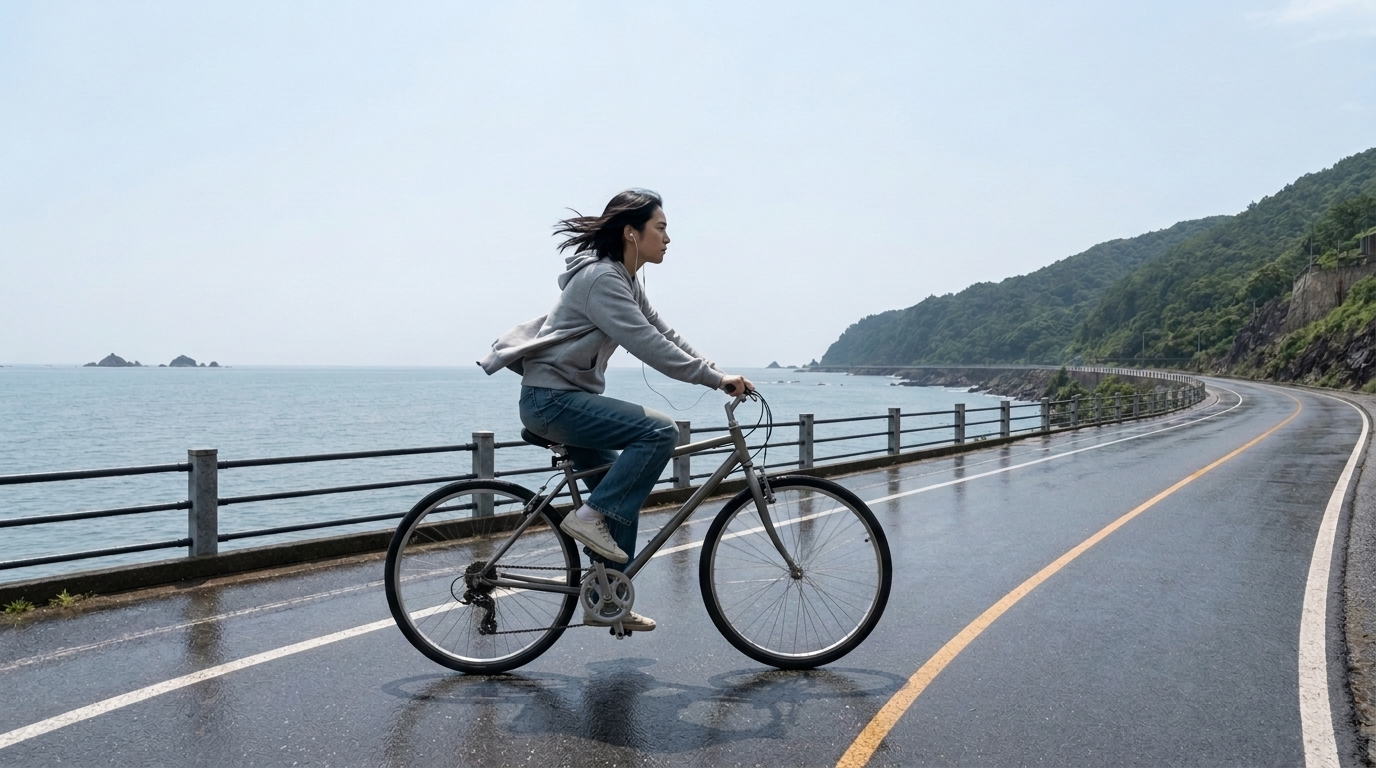
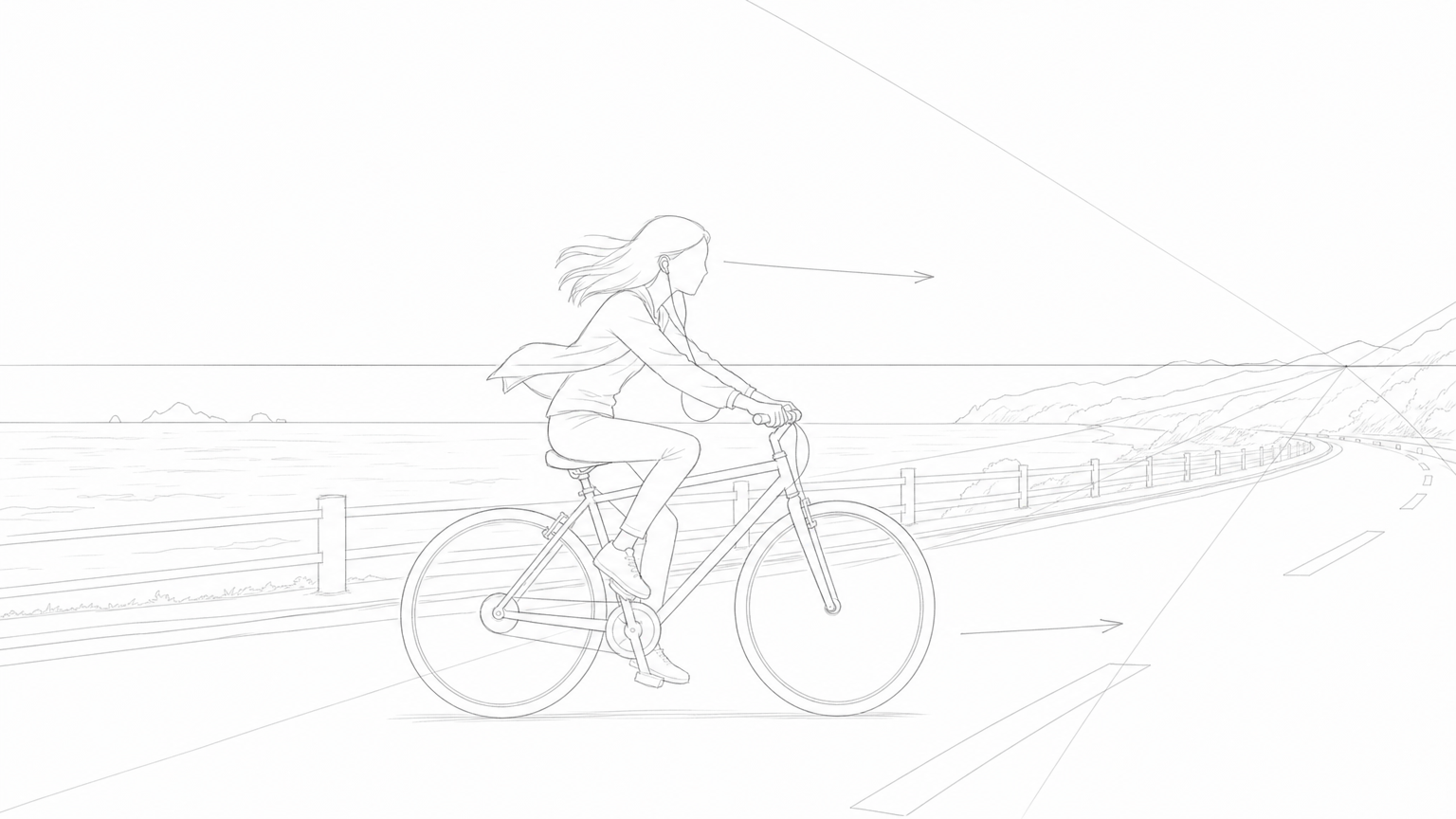
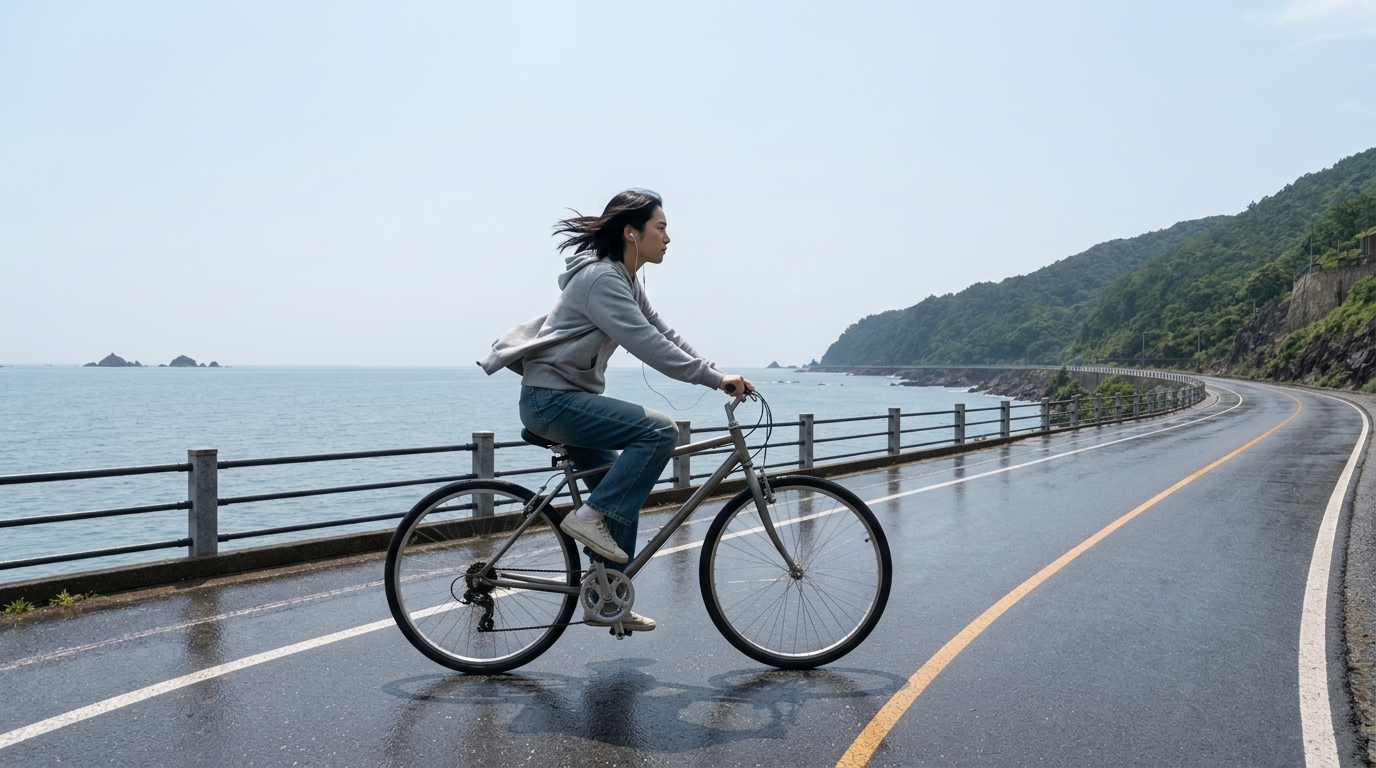
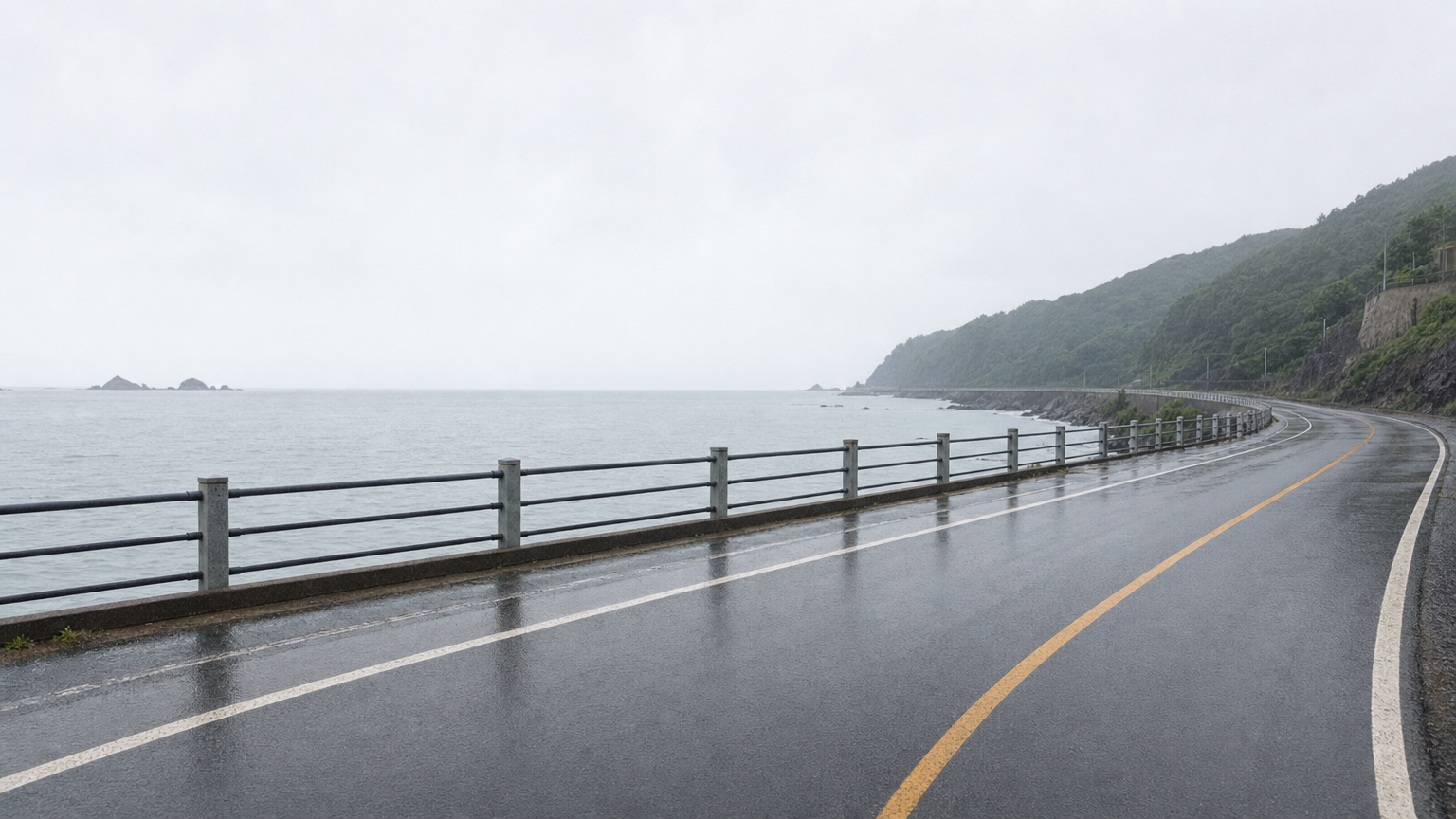
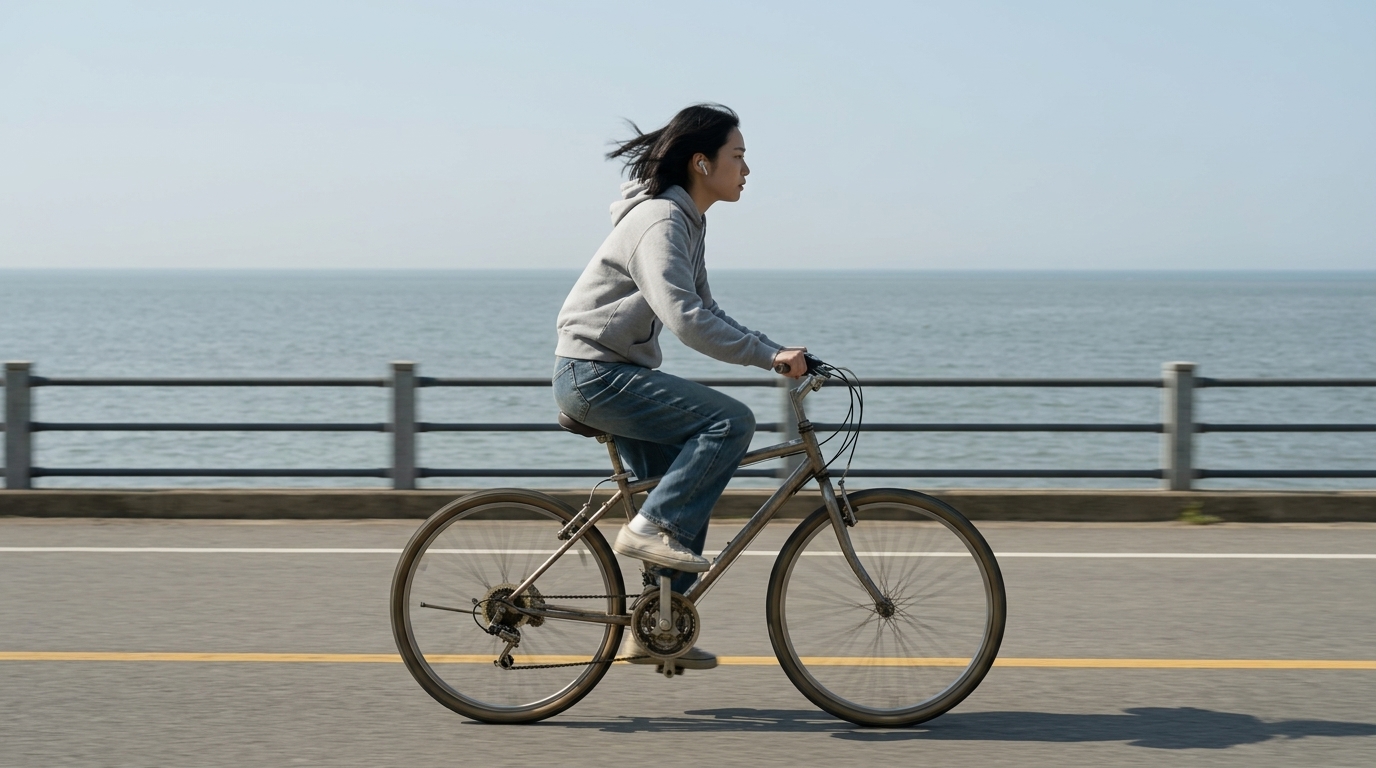
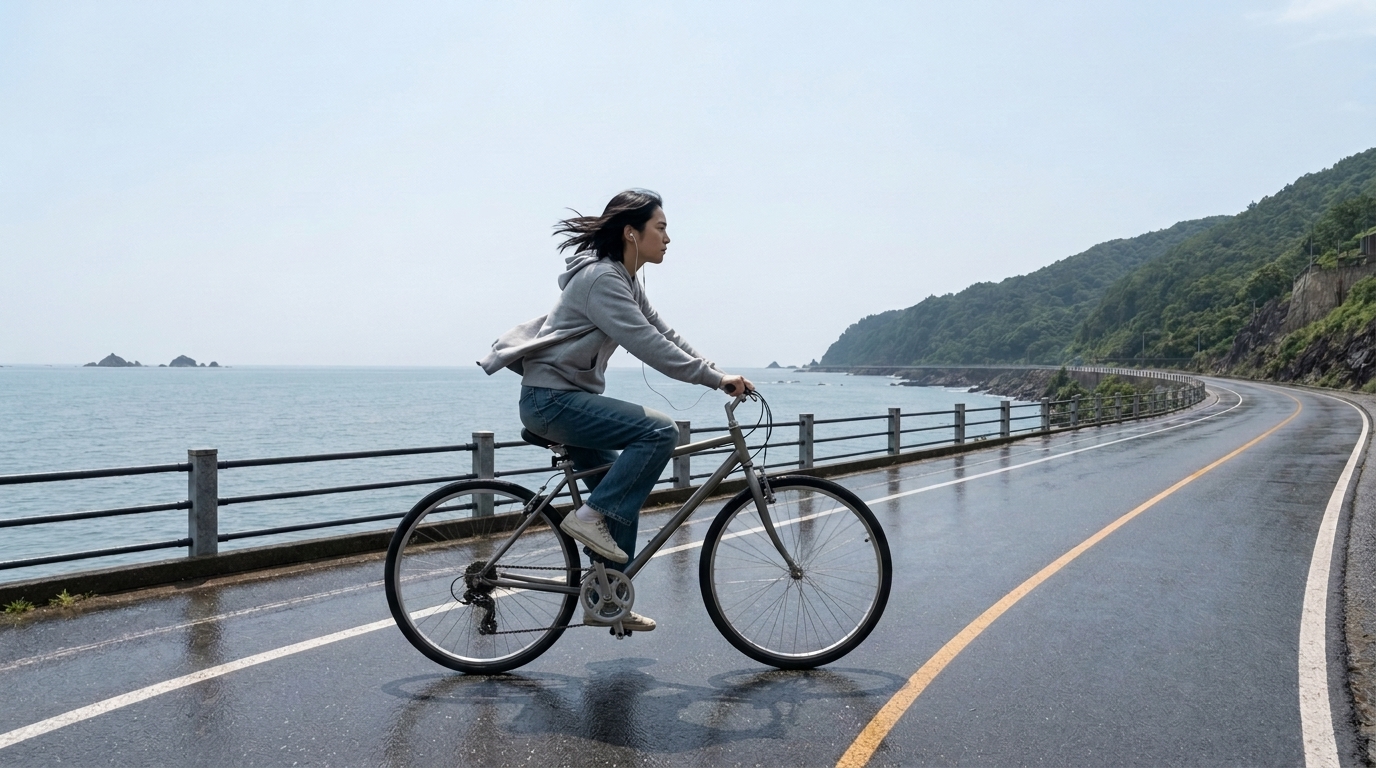
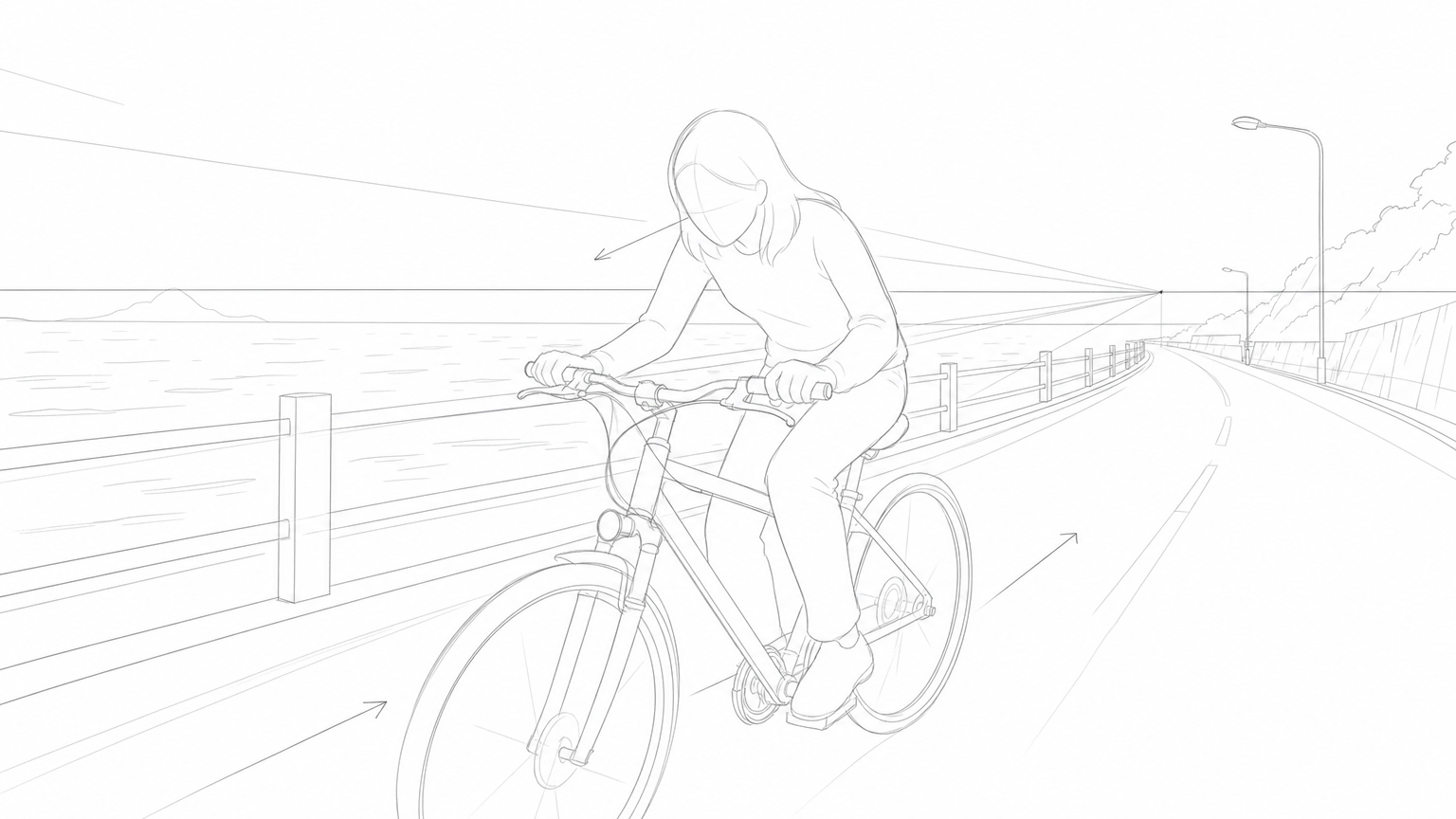
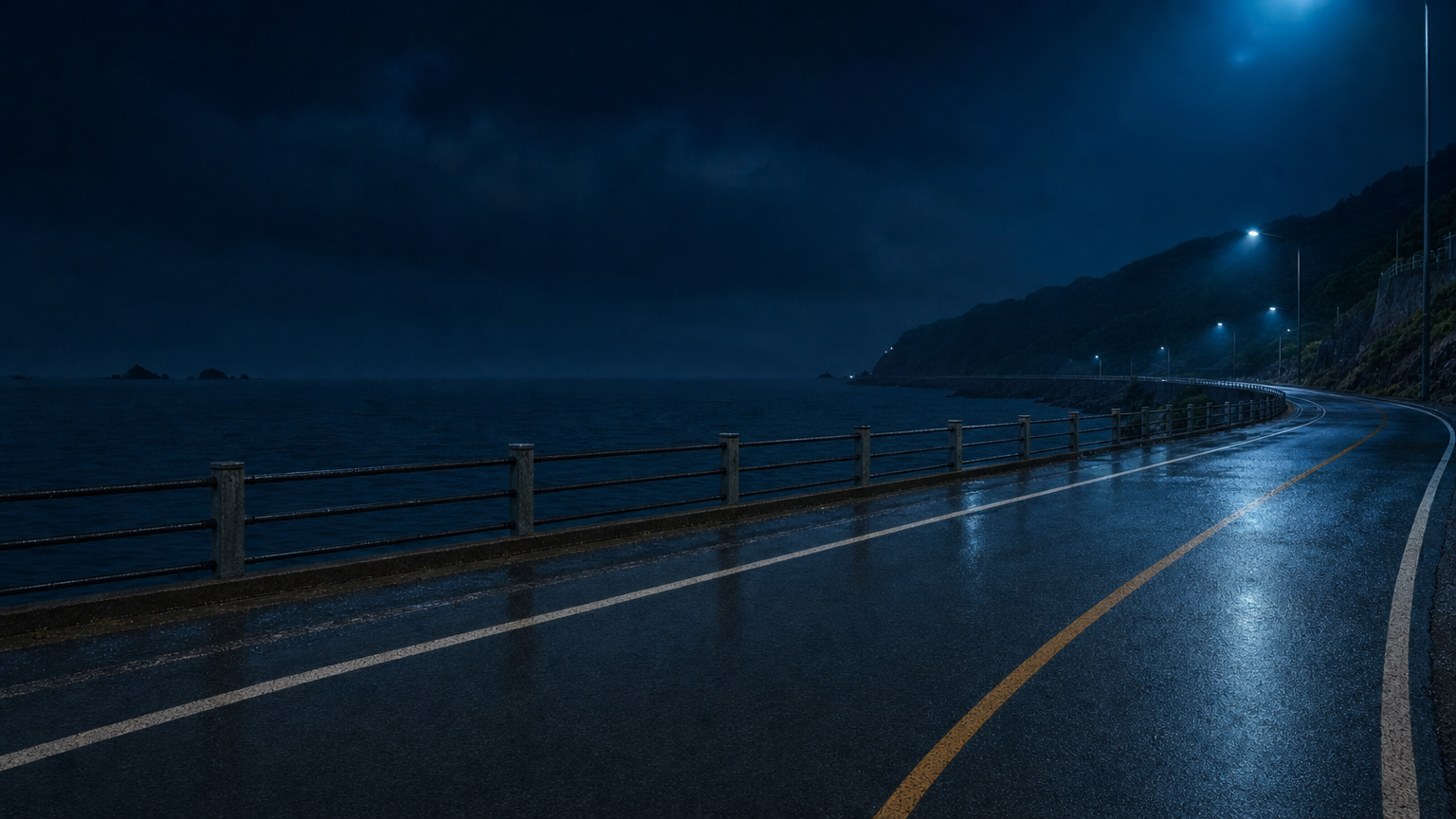
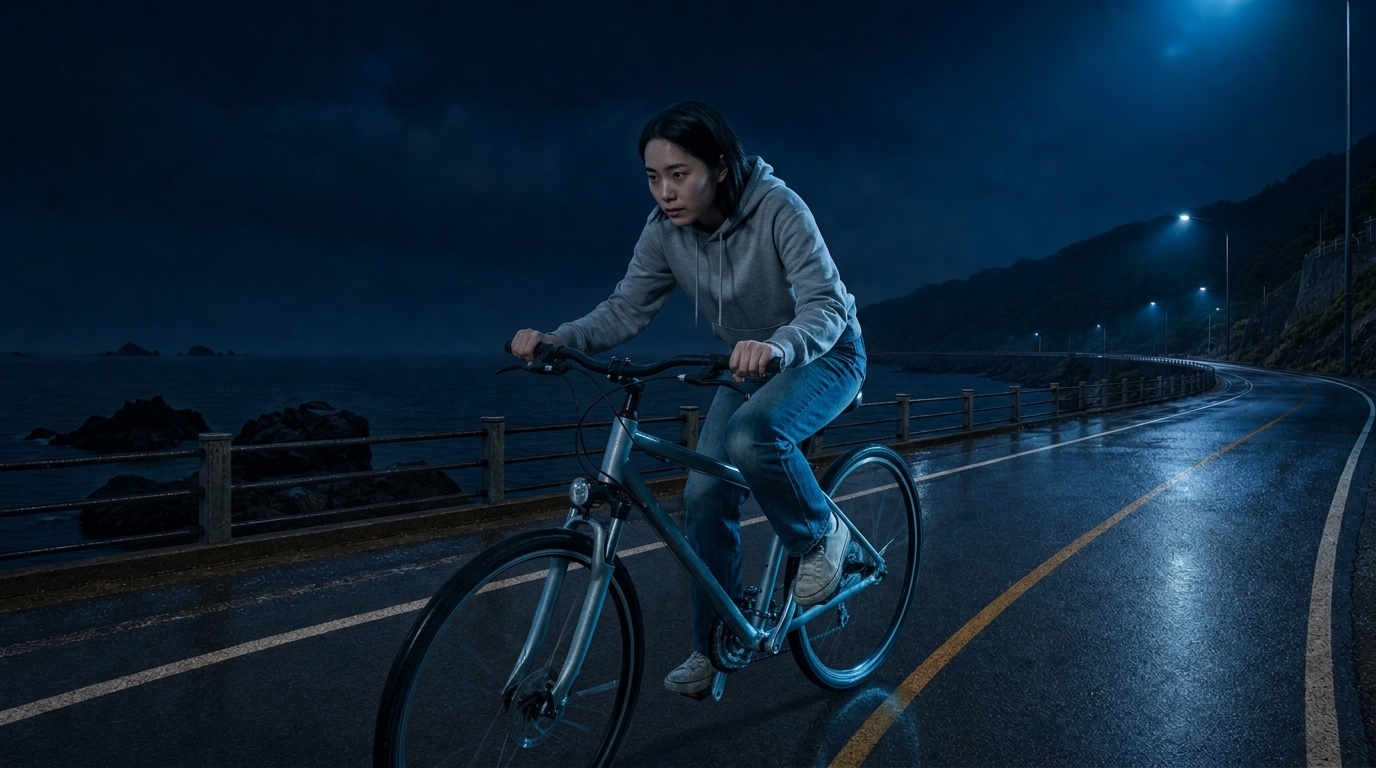
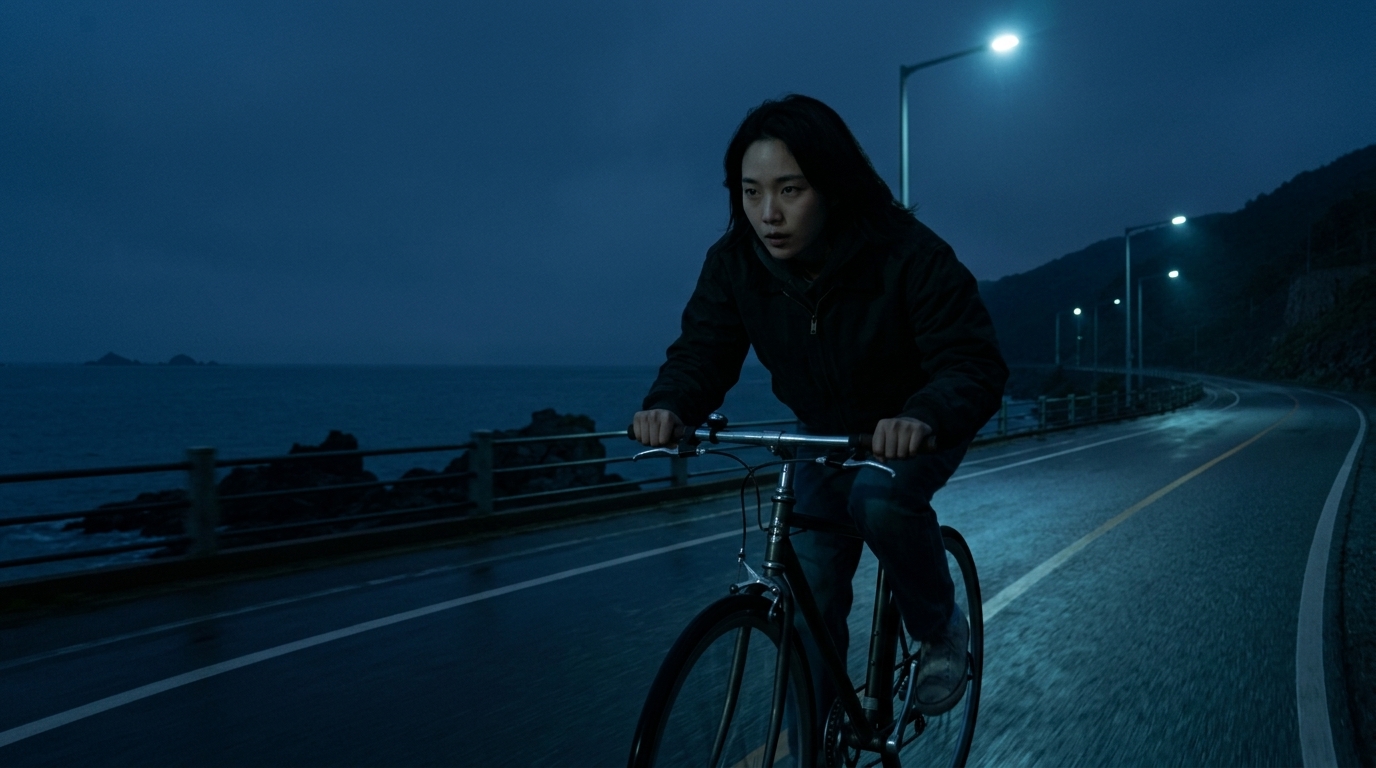
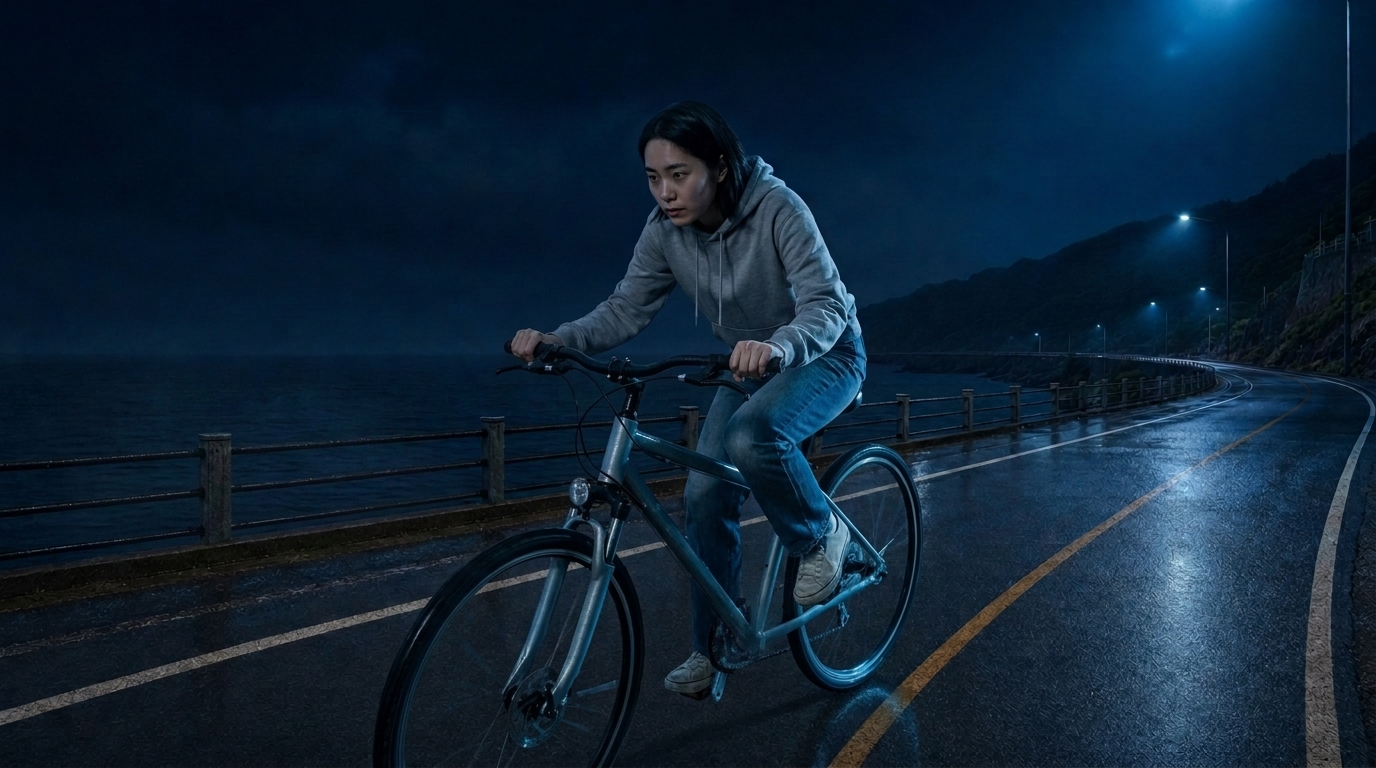
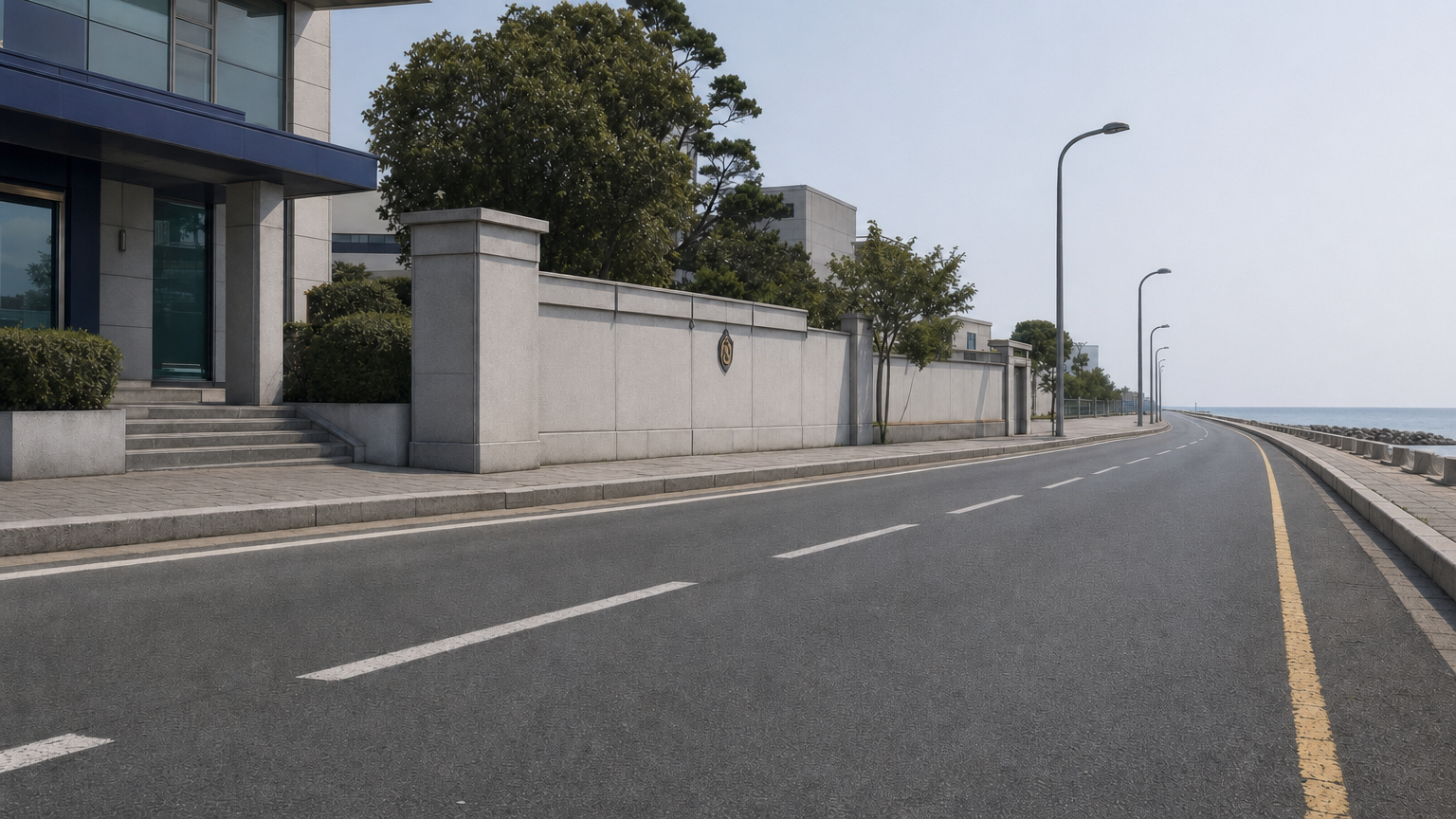
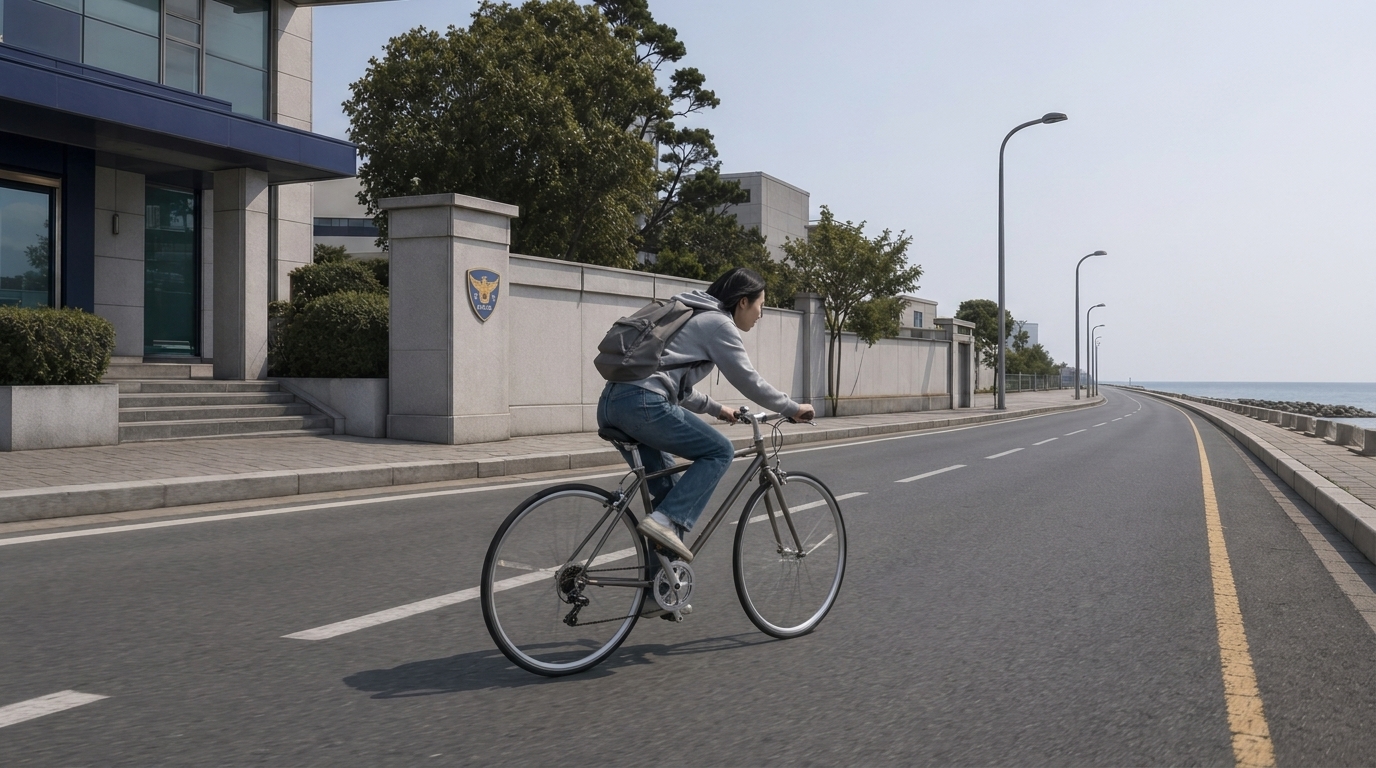
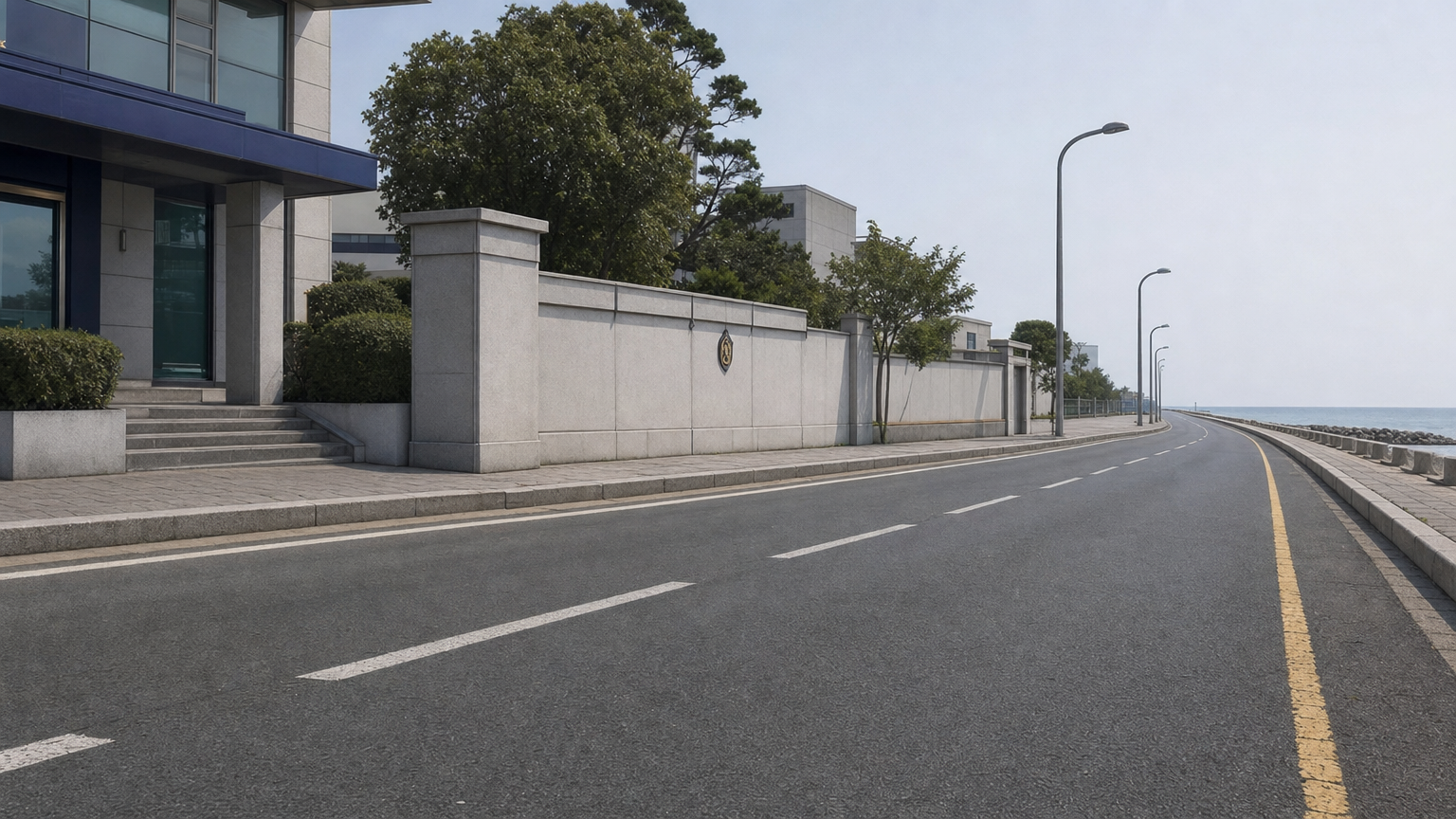
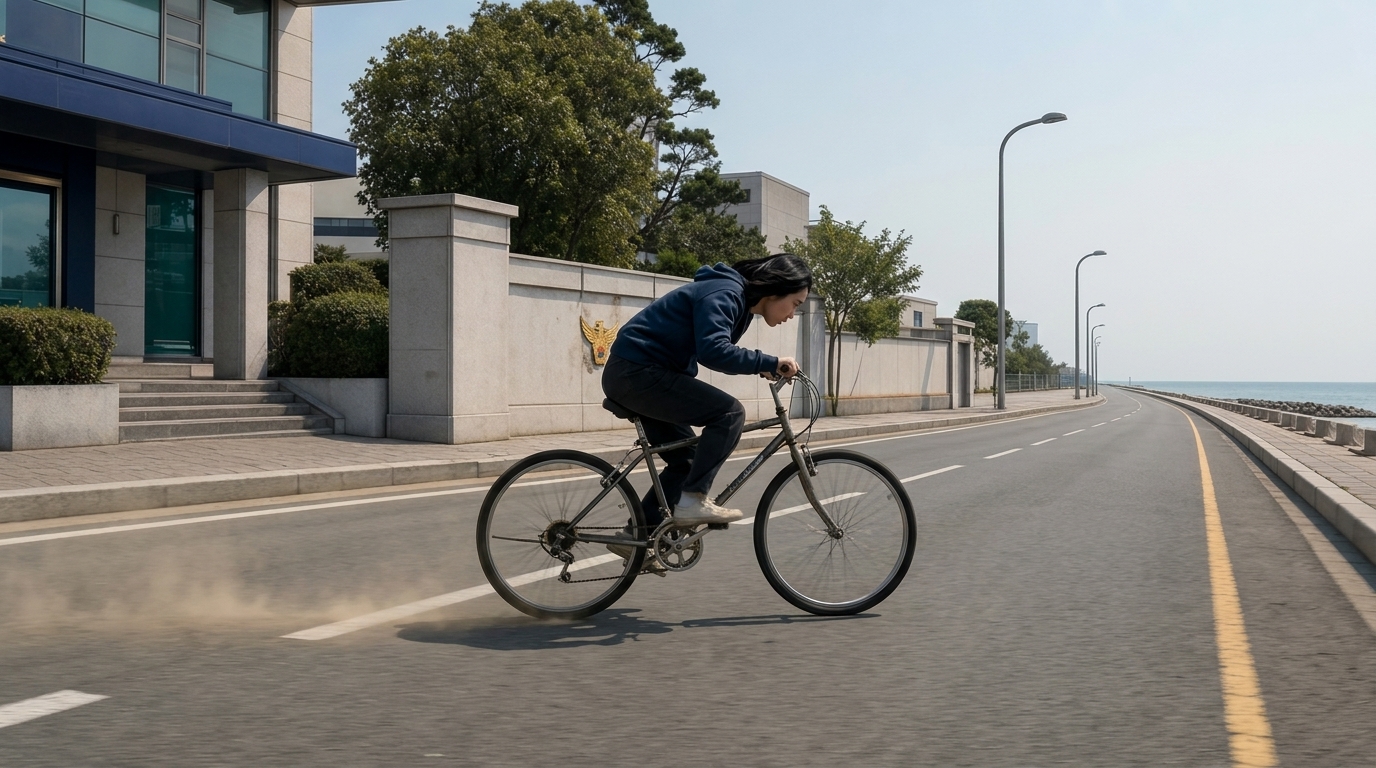
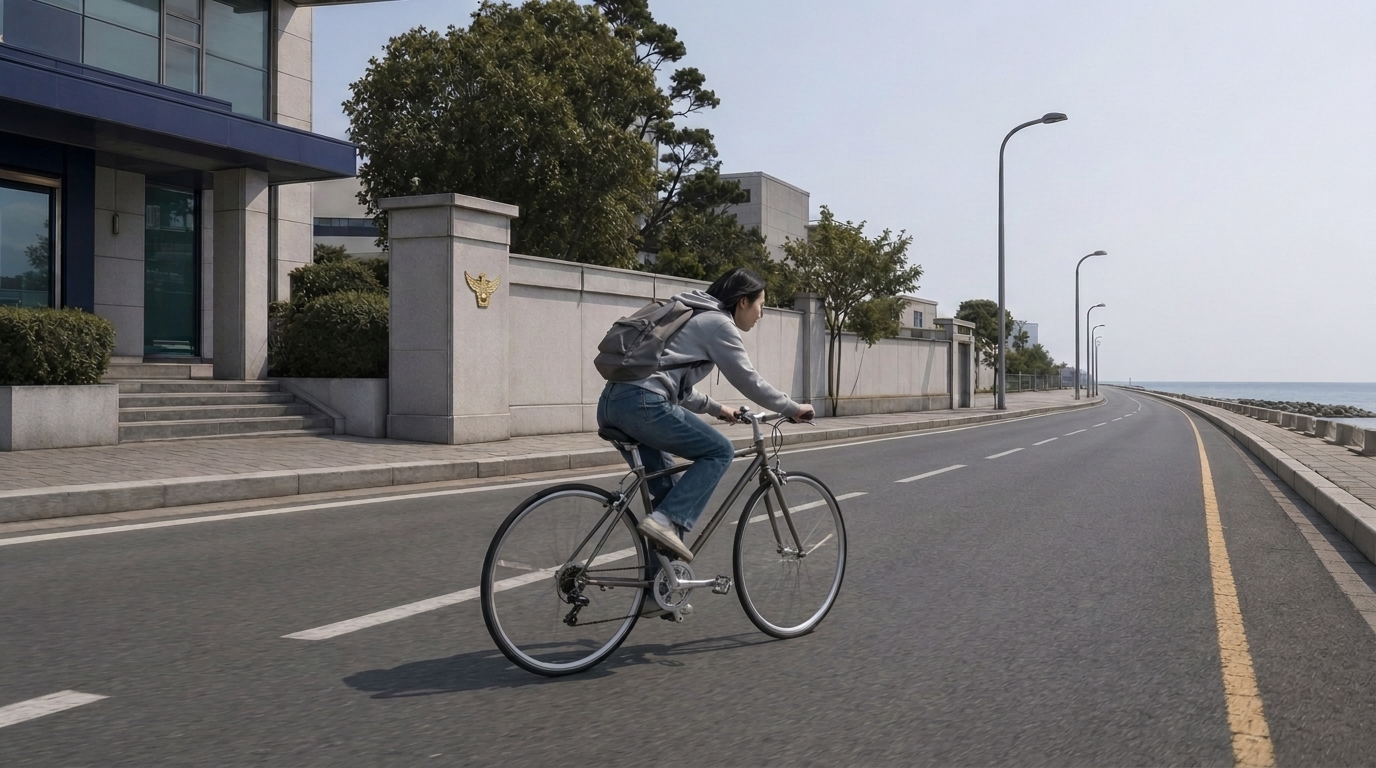
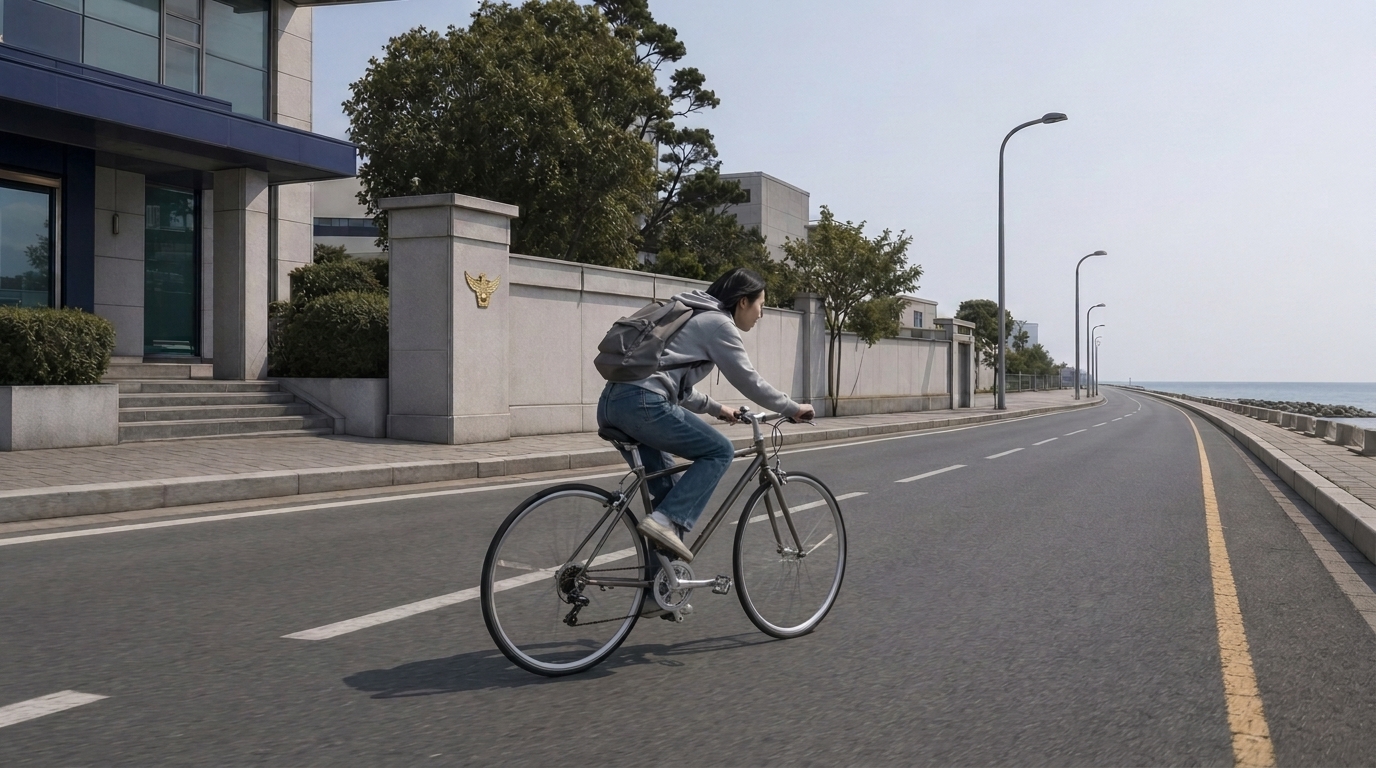
S6sh1 재투영 배경+콘티+엔티티 (2택1: 체인 승) ◆결함1호 대상
① 배경·밑그림 재료 — 어떻게 만들어졌나
➜
GPT 원근 콘티 (v2: 소실선·실크기·화살표)
➜
Step1 — GPT 재투영 빈 배경 (인물 0)
콘티 생성 프롬프트 (v2 PERSPECTIVE & SCALE GUIDES)
Every attached image is a CHARACTER REFERENCE for proportion only. There is no location photograph — stage the location purely from THE LOCATION and SHOT TEXT below.

Draw ONE storyboard layout frame, 16:9, filling the entire image edge-to-edge.

STYLE — LAYOUT-ONLY THUMBNAIL SKETCH: the lightest possible
director's layout drawing. THIN, CLEAN, UNIFORM PENCIL CONTOUR
LINES ONLY on pure white paper. Absolutely NO shading, NO tone, NO
hatching, NO texture, NO grayscale fill, NO light-and-shadow, NO
facial features beyond a bare head outline, NO clothing detail, NO
material rendering. The frame contains ONLY: the camera framing,
each figure as a simple correct-proportion human contour in its
exact pose and screen position/size, and the few major set masses
as plain outline shapes. It must read as a quick layout guide,
never as a finished drawing.

THE LOCATION: An open stretch of coastal road beside the sea, outdoors in bright daylight.

SHOT TEXT (authoritative, Korean): 밝은 낮, 귀에 이어폰을 꽂은 수리영이 탁 트인 해안가 도로에서 자전거 안장에 앉아 한쪽 페달을 힘껏 내리밟는 중간 자세로, 머리카락과 옷깃이 뒤로 흩날리는 측면 전신.

CARRIED STATE (persist exactly): Su-ri-young is riding her bicycle and has earphones fitted in her ears.

PROPS FACE THE RIGHT WAY (also in this sketch): every handheld or used
object must be oriented as its real-world use requires. A person
reading, watching or operating something (a phone, a photograph, a
paper, any device) has its functional side — screen, front, page —
facing THEIR OWN eyes; the camera then sees whatever side the staging
geometry implies (often its back). Show the functional side to the
camera ONLY when the shot text itself stages it toward the viewer.
Never flip, mirror or reverse an object's front and back.

NATURAL PERFORMANCE (default only — every explicit direction above
wins): when no pose contract or shot-text direction says otherwise,
sketched figures read as alive in mid-moment — believable weight
shift, hands engaged, gaze on the target the SHOT TEXT implies; avoid
a stiff attention stance (feet together, arms hanging straight down)
and a blank stare into the lens. If the SHOT TEXT or any POSE contract
above stages stillness, death, sleep, unconsciousness, restraint,
drill or an explicit direct-to-camera look, draw THAT exactly — this
clause never overrides it.

KEYSHOT LAYOUT VALUE: this storyboard frame is a KEY FRAME extracted
from a finished film — its layout alone must convey why this moment
matters in the scene. Compose the frame so the subject's pose, gaze
target and spatial relationships read clearly. Do not fill the frame
with a single face and do not draw a subject standing square to the
camera in a passport-photo composition unless the SHOT TEXT itself
explicitly stages that framing for a narrative reason. Even in an
extreme close-up, keep at least one meaning-bearing element (the gaze
target, the object reacted to, the relevant surroundings) inside or
at the edge of the frame.

ABSOLUTELY NO TEXT anywhere: no captions, no numbers, no labels of any kind.

CAMERA & FRAME (follow exactly — this is the composition authority for this still; the reference images supply identity and place, never the framing):
- CAMERA: At waist height several meters beside Suriyoung, the camera travels parallel with her in a full-body side view as she rides from left to right along the coastal road. Her bicycle and body occupy the middle band of frame, one leg driving the pedal down while the road and open coastal setting remain broad enough to communicate speed and freedom.
- FRAMING SCALE: wide shot
- FRAME LAYOUT: 수리영 in the middle-center of the frame, midground, moves toward right side of the coastal road.
- KEY BACKGROUND ELEMENTS: 해안가 도로 (밝은 낮) — The road extends along Suriyoung's left-to-right travel direction; used as Defines the horizontal travel axis shared by bicycle and tracking camera; 해안가 (낮); used as Provides the open coastal context behind the moving rider; 자전거 (주행 중) — Its full side profile faces the parallel camera; used as Maintains a clear side silhouette and realistic scale beneath the rider.
Compose the frame exactly as specified above — camera angle, subject scale and screen placement. Keep true physical scale between people and background elements: fixtures and distant objects occupy only the small screen area their real size and distance dictate; never enlarge a background object into a foreground presence.

PERSPECTIVE & SCALE GUIDES (draw these as part of the sketch — they are the whole point of this layout):
- Draw the HORIZON LINE at the camera's eye height, and 2-3 thin PERSPECTIVE GUIDE LINES converging toward the vanishing point, so the depth of the space is explicit.
- TRUE RELATIVE SIZE: draw every person and every set mass at the exact screen size that its real-world size and its distance from the camera dictate. A high wall-mounted device or any distant object stays SMALL against the architecture; people scale with their depth along the guide lines. NEVER enlarge a background object beyond its true perspective size.
- For EVERY person draw one thin EYELINE ARROW from the eyes to the exact thing they look at; if something moves, one thin MOTION ARROW along its path.
- All guides are simple thin pencil lines — layout language only, never objects in the scene, and still NO text, numbers or letters anywhere.
Step1 재투영 프롬프트 (무인+콘티 카메라 권위)
Create the EMPTY BACKGROUND PLATE for one film shot — NO PEOPLE, no figures, no body parts, no sketch lines, no arrows anywhere.
"Empty" means no people only: KEEP the location's inherent occupants and stock that define the place — animals in an animal shelter, pen or farm, goods in a market, moored boats in a harbour — unless the shot text explicitly removes them.
The FIRST attached image is a thin-line storyboard sketch: use ONLY its camera angle, horizon, perspective and the placement/size of buildings and set masses — ignore the sketched people and arrows entirely. The SECOND attached image (LOCATION PHOTOGRAPH) is the real place: take its architecture, materials, signage and fixed features, and RE-PROJECT them into the sketch's camera. If the photograph's camera differs from the sketch's, the sketch's camera wins.
HUMAN-SCALE CALIBRATION: derive every structure's true size from human-scale elements — a door ≈ 2m, a window ≈ 1–1.5m wide, one storey ≈ 2.5–3m; never inflate a small structure or shrink a large one.

SHOT TEXT this background must serve (Korean): 밝은 낮, 귀에 이어폰을 꽂은 수리영이 탁 트인 해안가 도로에서 자전거 안장에 앉아 한쪽 페달을 힘껏 내리밟는 중간 자세로, 머리카락과 옷깃이 뒤로 흩날리는 측면 전신.

LOCATION (lock): An open stretch of coastal road beside the sea, outdoors in bright daylight.

TIME OF DAY (lock): day.

CAMERA & FRAME (follow exactly — this is the composition authority for this still; the reference images supply identity and place, never the framing):
- CAMERA: At waist height several meters beside Suriyoung, the camera travels parallel with her in a full-body side view as she rides from left to right along the coastal road. Her bicycle and body occupy the middle band of frame, one leg driving the pedal down while the road and open coastal setting remain broad enough to communicate speed and freedom.
- FRAMING SCALE: wide shot
- FRAME LAYOUT: 수리영 in the middle-center of the frame, midground, moves toward right side of the coastal road.
- KEY BACKGROUND ELEMENTS: 해안가 도로 (밝은 낮) — The road extends along Suriyoung's left-to-right travel direction; used as Defines the horizontal travel axis shared by bicycle and tracking camera; 해안가 (낮); used as Provides the open coastal context behind the moving rider; 자전거 (주행 중) — Its full side profile faces the parallel camera; used as Maintains a clear side silhouette and realistic scale beneath the rider.
Compose the frame exactly as specified above — camera angle, subject scale and screen placement. Keep true physical scale between people and background elements: fixtures and distant objects occupy only the small screen area their real size and distance dictate; never enlarge a background object into a foreground presence.

LIGHTING & MOOD (these govern light, color and surface rendering):
- LIGHTING & MOOD: Bright daylight gives the moving figure clear separation while maintaining a restrained, natural coastal palette.
- MATERIAL REALISM: every object and surface must read as a real,
  physical material — correct texture, weight, wear and light response
  (metal reflects, fabric drapes and creases, liquid is glossy and
  pools, painted or drawn marks sit ON a surface and follow its
  curvature and lighting). Nothing may look like a flat sticker, a
  doodle or a graphic overlay pasted onto the frame.

Render ONE photorealistic empty location photograph, 16:9, that this shot can be staged inside later. No text or watermarks.
critique 결함: [{"issue_ko": "자전거 체인링 부근에 불필요한 흰색 신발 형태의 잔상이 하나 더 생성되어 있습니다.", "fix_en": "Remove the extra floating white shoe artifact near the bicycle's front chainring.", "unfixable": false}, {"issue_ko": "프롬프트의 '페달을 힘껏 내리밟는 중간 자세'와 달리, 오른쪽 다리가 페달 회전의
스틸 base 프롬프트(공통 계약 — CAMERA/FRAME 절 포함)
Create ONE FINAL photorealistic live-action film still of the moment below — Incheon, South Korea, 2026; all people are Korean unless stated. TIME OF DAY (lock): day.

SHOT TEXT (authoritative, Korean): 밝은 낮, 귀에 이어폰을 꽂은 수리영이 탁 트인 해안가 도로에서 자전거 안장에 앉아 한쪽 페달을 힘껏 내리밟는 중간 자세로, 머리카락과 옷깃이 뒤로 흩날리는 측면 전신.

LOCATION (lock): An open stretch of coastal road beside the sea, outdoors in bright daylight. The shot takes place here — the attached LOCATION PHOTOGRAPH shows the exact spot.

CAMERA & FRAME (follow exactly — this is the composition authority for this still; the reference images supply identity and place, never the framing):
- CAMERA: At waist height several meters beside Suriyoung, the camera travels parallel with her in a full-body side view as she rides from left to right along the coastal road. Her bicycle and body occupy the middle band of frame, one leg driving the pedal down while the road and open coastal setting remain broad enough to communicate speed and freedom.
- FRAMING SCALE: wide shot
- FRAME LAYOUT: 수리영 in the middle-center of the frame, midground, moves toward right side of the coastal road.
- KEY BACKGROUND ELEMENTS: 해안가 도로 (밝은 낮) — The road extends along Suriyoung's left-to-right travel direction; used as Defines the horizontal travel axis shared by bicycle and tracking camera; 해안가 (낮); used as Provides the open coastal context behind the moving rider; 자전거 (주행 중) — Its full side profile faces the parallel camera; used as Maintains a clear side silhouette and realistic scale beneath the rider.
Compose the frame exactly as specified above — camera angle, subject scale and screen placement. Keep true physical scale between people and background elements: fixtures and distant objects occupy only the small screen area their real size and distance dictate; never enlarge a background object into a foreground presence.

LIGHTING & MOOD (these govern light, color and surface rendering):
- LIGHTING & MOOD: Bright daylight gives the moving figure clear separation while maintaining a restrained, natural coastal palette.
- MATERIAL REALISM: every object and surface must read as a real,
  physical material — correct texture, weight, wear and light response
  (metal reflects, fabric drapes and creases, liquid is glossy and
  pools, painted or drawn marks sit ON a surface and follow its
  curvature and lighting). Nothing may look like a flat sticker, a
  doodle or a graphic overlay pasted onto the frame.

REALIZE FIGURATIVE LANGUAGE AS A LIVE-ACTION SHOT: the Korean shot
text may describe characters metaphorically, figuratively or with
exaggeration. Photograph what a real movie camera would actually
record on a physical set — exaggerated or figurative impressions
become realistic staging choices (lighting, distance, angle,
wardrobe), not literal fantasy imagery.
EVERY CHARACTER IS A HUMAN BEING: unless the story explicitly
features non-human or virtual beings (as in science fiction or
fantasy), every character — however indirectly, vaguely or
figuratively the text describes them — IS a real human. When the
text gives no direct visual description of a person, IMAGINE one
and still show them as a concrete, fully-formed human being:
always render the human form to the maximum extent — build,
posture, face, hands, clothing — never reduce a person to a shape,
blob, solid silhouette or abstract mass.

EXPRESSIONS ARE ACTED, NEVER ANATOMICAL: when the text describes a
person's eyes, face or presence emotionally or figuratively (vacant,
hollow, dazed, burning, lifeless gaze and the like), it describes an
ACTOR'S PERFORMANCE captured by a real camera — realize it ONLY
through gaze direction, focus, eyelids, facial muscles, stillness
and posture. Every living person's eyes remain anatomically normal
human eyes with a natural iris and pupil, natural sclera and normal
proportions; NEVER whiten, blank out, cloud over, glow, enlarge or
otherwise alter eyeballs, skin or anatomy — unless the story
explicitly declares that being non-human or supernatural in form.

PROPS FACE THE RIGHT WAY: every handheld or used object must be
oriented exactly as its real-world use requires. A person reading,
watching or operating something (a phone, a photograph, a paper,
any device) has its functional side — screen, front, page — facing
THEIR OWN eyes; the camera then sees whatever side the staging
geometry implies (often its back). Show the functional side to the
camera ONLY when the shot text itself stages it toward the viewer.
Never flip, mirror or reverse an object's front and back.

NATURAL PERFORMANCE (default only — every explicit direction above
wins): when no pose contract, immobility contract or shot-text
direction says otherwise, people read as alive in mid-moment —
believable weight shift, hands engaged with something real, gaze on
the target the SHOT TEXT implies; avoid a stiff attention stance (feet
together, arms hanging straight down) and a blank stare into the lens.
If the SHOT TEXT or any POSE/IMMOBILE contract above stages stillness,
death, sleep, unconsciousness, restraint, drill or an explicit
direct-to-camera look, follow THAT exactly — this clause never
overrides it.

DRAWN MARKS KEEP THEIR SHAPE: any mark the text describes as drawn,
painted or traced (a circle, a line, a symbol) is a STROKE sitting on
the surface — an outline whose interior still shows the underlying
surface (wall, skin, paper). Render its stated shape faithfully: a
drawn circle stays an open ring of brush-width, never filled into a
solid disc, unless the text explicitly says it is filled.

CARRIED STATE (persist exactly — must match the neighbouring shots of this scene): Su-ri-young is riding her bicycle and has earphones fitted in her ears.

PEOPLE: the SHOT TEXT alone decides whether any person is visible in this shot. IF a person appears, they must be one of: 수리영 (한국인 20대 초반 여성, 자연스러운 타원형 얼굴, 짙은 검은색 머리카락, 중간 길이 헤어스타일) — never anyone else, and never add a person the shot text does not show. IF only part of a person is in frame (a hand, arm, foot, back, silhouette), that body part belongs to the specific person the shot text names — its sex, age, build, skin and grooming must unmistakably match that person's profile above.

No text, captions, watermarks or annotations anywhere.
롤 A 생성 프롬프트
Stage the shot. The FIRST attached image (SHOT BACKGROUND) is the finished empty background of this shot — keep it EXACTLY: its camera, perspective, architecture, lighting and every fixed feature stay untouched. The SECOND attached image (LAYOUT SKETCH) tells you ONLY where the people go: each sketched person's position, screen size, pose and the gaze/motion arrows. Ignore the sketch's background lines. The CHARACTER REFERENCE photographs show the real people.
Place the real people into the background at exactly the sketched positions, sizes and poses, following the arrow directions. No sketch lines or arrows may remain.

Create ONE FINAL photorealistic live-action film still of the moment below — Incheon, South Korea, 2026; all people are Korean unless stated. TIME OF DAY (lock): day.

SHOT TEXT (authoritative, Korean): 밝은 낮, 귀에 이어폰을 꽂은 수리영이 탁 트인 해안가 도로에서 자전거 안장에 앉아 한쪽 페달을 힘껏 내리밟는 중간 자세로, 머리카락과 옷깃이 뒤로 흩날리는 측면 전신.

LOCATION (lock): An open stretch of coastal road beside the sea, outdoors in bright daylight. The shot takes place here — the attached LOCATION PHOTOGRAPH shows the exact spot.

CAMERA & FRAME (follow exactly — this is the composition authority for this still; the reference images supply identity and place, never the framing):
- CAMERA: At waist height several meters beside Suriyoung, the camera travels parallel with her in a full-body side view as she rides from left to right along the coastal road. Her bicycle and body occupy the middle band of frame, one leg driving the pedal down while the road and open coastal setting remain broad enough to communicate speed and freedom.
- FRAMING SCALE: wide shot
- FRAME LAYOUT: 수리영 in the middle-center of the frame, midground, moves toward right side of the coastal road.
- KEY BACKGROUND ELEMENTS: 해안가 도로 (밝은 낮) — The road extends along Suriyoung's left-to-right travel direction; used as Defines the horizontal travel axis shared by bicycle and tracking camera; 해안가 (낮); used as Provides the open coastal context behind the moving rider; 자전거 (주행 중) — Its full side profile faces the parallel camera; used as Maintains a clear side silhouette and realistic scale beneath the rider.
Compose the frame exactly as specified above — camera angle, subject scale and screen placement. Keep true physical scale between people and background elements: fixtures and distant objects occupy only the small screen area their real size and distance dictate; never enlarge a background object into a foreground presence.

LIGHTING & MOOD (these govern light, color and surface rendering):
- LIGHTING & MOOD: Bright daylight gives the moving figure clear separation while maintaining a restrained, natural coastal palette.
- MATERIAL REALISM: every object and surface must read as a real,
  physical material — correct texture, weight, wear and light response
  (metal reflects, fabric drapes and creases, liquid is glossy and
  pools, painted or drawn marks sit ON a surface and follow its
  curvature and lighting). Nothing may look like a flat sticker, a
  doodle or a graphic overlay pasted onto the frame.

REALIZE FIGURATIVE LANGUAGE AS A LIVE-ACTION SHOT: the Korean shot
text may describe characters metaphorically, figuratively or with
exaggeration. Photograph what a real movie camera would actually
record on a physical set — exaggerated or figurative impressions
become realistic staging choices (lighting, distance, angle,
wardrobe), not literal fantasy imagery.
EVERY CHARACTER IS A HUMAN BEING: unless the story explicitly
features non-human or virtual beings (as in science fiction or
fantasy), every character — however indirectly, vaguely or
figuratively the text describes them — IS a real human. When the
text gives no direct visual description of a person, IMAGINE one
and still show them as a concrete, fully-formed human being:
always render the human form to the maximum extent — build,
posture, face, hands, clothing — never reduce a person to a shape,
blob, solid silhouette or abstract mass.

EXPRESSIONS ARE ACTED, NEVER ANATOMICAL: when the text describes a
person's eyes, face or presence emotionally or figuratively (vacant,
hollow, dazed, burning, lifeless gaze and the like), it describes an
ACTOR'S PERFORMANCE captured by a real camera — realize it ONLY
through gaze direction, focus, eyelids, facial muscles, stillness
and posture. Every living person's eyes remain anatomically normal
human eyes with a natural iris and pupil, natural sclera and normal
proportions; NEVER whiten, blank out, cloud over, glow, enlarge or
otherwise alter eyeballs, skin or anatomy — unless the story
explicitly declares that being non-human or supernatural in form.

PROPS FACE THE RIGHT WAY: every handheld or used object must be
oriented exactly as its real-world use requires. A person reading,
watching or operating something (a phone, a photograph, a paper,
any device) has its functional side — screen, front, page — facing
THEIR OWN eyes; the camera then sees whatever side the staging
geometry implies (often its back). Show the functional side to the
camera ONLY when the shot text itself stages it toward the viewer.
Never flip, mirror or reverse an object's front and back.

NATURAL PERFORMANCE (default only — every explicit direction above
wins): when no pose contract, immobility contract or shot-text
direction says otherwise, people read as alive in mid-moment —
believable weight shift, hands engaged with something real, gaze on
the target the SHOT TEXT implies; avoid a stiff attention stance (feet
together, arms hanging straight down) and a blank stare into the lens.
If the SHOT TEXT or any POSE/IMMOBILE contract above stages stillness,
death, sleep, unconsciousness, restraint, drill or an explicit
direct-to-camera look, follow THAT exactly — this clause never
overrides it.

DRAWN MARKS KEEP THEIR SHAPE: any mark the text describes as drawn,
painted or traced (a circle, a line, a symbol) is a STROKE sitting on
the surface — an outline whose interior still shows the underlying
surface (wall, skin, paper). Render its stated shape faithfully: a
drawn circle stays an open ring of brush-width, never filled into a
solid disc, unless the text explicitly says it is filled.

CARRIED STATE (persist exactly — must match the neighbouring shots of this scene): Su-ri-young is riding her bicycle and has earphones fitted in her ears.

PEOPLE: the SHOT TEXT alone decides whether any person is visible in this shot. IF a person appears, they must be one of: 수리영 (한국인 20대 초반 여성, 자연스러운 타원형 얼굴, 짙은 검은색 머리카락, 중간 길이 헤어스타일) — never anyone else, and never add a person the shot text does not show. IF only part of a person is in frame (a hand, arm, foot, back, silhouette), that body part belongs to the specific person the shot text names — its sex, age, build, skin and grooming must unmistakably match that person's profile above.

No text, captions, watermarks or annotations anywhere.
롤 B 생성 프롬프트
Create ONE FINAL photorealistic live-action film still of the moment below — Incheon, South Korea, 2026; all people are Korean unless stated. TIME OF DAY (lock): day.

SHOT TEXT (authoritative, Korean): 밝은 낮, 귀에 이어폰을 꽂은 수리영이 탁 트인 해안가 도로에서 자전거 안장에 앉아 한쪽 페달을 힘껏 내리밟는 중간 자세로, 머리카락과 옷깃이 뒤로 흩날리는 측면 전신.

LOCATION (lock): An open stretch of coastal road beside the sea, outdoors in bright daylight. The shot takes place here — the attached LOCATION PHOTOGRAPH shows the exact spot.

CAMERA & FRAME (follow exactly — this is the composition authority for this still; the reference images supply identity and place, never the framing):
- CAMERA: At waist height several meters beside Suriyoung, the camera travels parallel with her in a full-body side view as she rides from left to right along the coastal road. Her bicycle and body occupy the middle band of frame, one leg driving the pedal down while the road and open coastal setting remain broad enough to communicate speed and freedom.
- FRAMING SCALE: wide shot
- FRAME LAYOUT: 수리영 in the middle-center of the frame, midground, moves toward right side of the coastal road.
- KEY BACKGROUND ELEMENTS: 해안가 도로 (밝은 낮) — The road extends along Suriyoung's left-to-right travel direction; used as Defines the horizontal travel axis shared by bicycle and tracking camera; 해안가 (낮); used as Provides the open coastal context behind the moving rider; 자전거 (주행 중) — Its full side profile faces the parallel camera; used as Maintains a clear side silhouette and realistic scale beneath the rider.
Compose the frame exactly as specified above — camera angle, subject scale and screen placement. Keep true physical scale between people and background elements: fixtures and distant objects occupy only the small screen area their real size and distance dictate; never enlarge a background object into a foreground presence.

LIGHTING & MOOD (these govern light, color and surface rendering):
- LIGHTING & MOOD: Bright daylight gives the moving figure clear separation while maintaining a restrained, natural coastal palette.
- MATERIAL REALISM: every object and surface must read as a real,
  physical material — correct texture, weight, wear and light response
  (metal reflects, fabric drapes and creases, liquid is glossy and
  pools, painted or drawn marks sit ON a surface and follow its
  curvature and lighting). Nothing may look like a flat sticker, a
  doodle or a graphic overlay pasted onto the frame.

REALIZE FIGURATIVE LANGUAGE AS A LIVE-ACTION SHOT: the Korean shot
text may describe characters metaphorically, figuratively or with
exaggeration. Photograph what a real movie camera would actually
record on a physical set — exaggerated or figurative impressions
become realistic staging choices (lighting, distance, angle,
wardrobe), not literal fantasy imagery.
EVERY CHARACTER IS A HUMAN BEING: unless the story explicitly
features non-human or virtual beings (as in science fiction or
fantasy), every character — however indirectly, vaguely or
figuratively the text describes them — IS a real human. When the
text gives no direct visual description of a person, IMAGINE one
and still show them as a concrete, fully-formed human being:
always render the human form to the maximum extent — build,
posture, face, hands, clothing — never reduce a person to a shape,
blob, solid silhouette or abstract mass.

EXPRESSIONS ARE ACTED, NEVER ANATOMICAL: when the text describes a
person's eyes, face or presence emotionally or figuratively (vacant,
hollow, dazed, burning, lifeless gaze and the like), it describes an
ACTOR'S PERFORMANCE captured by a real camera — realize it ONLY
through gaze direction, focus, eyelids, facial muscles, stillness
and posture. Every living person's eyes remain anatomically normal
human eyes with a natural iris and pupil, natural sclera and normal
proportions; NEVER whiten, blank out, cloud over, glow, enlarge or
otherwise alter eyeballs, skin or anatomy — unless the story
explicitly declares that being non-human or supernatural in form.

PROPS FACE THE RIGHT WAY: every handheld or used object must be
oriented exactly as its real-world use requires. A person reading,
watching or operating something (a phone, a photograph, a paper,
any device) has its functional side — screen, front, page — facing
THEIR OWN eyes; the camera then sees whatever side the staging
geometry implies (often its back). Show the functional side to the
camera ONLY when the shot text itself stages it toward the viewer.
Never flip, mirror or reverse an object's front and back.

NATURAL PERFORMANCE (default only — every explicit direction above
wins): when no pose contract, immobility contract or shot-text
direction says otherwise, people read as alive in mid-moment —
believable weight shift, hands engaged with something real, gaze on
the target the SHOT TEXT implies; avoid a stiff attention stance (feet
together, arms hanging straight down) and a blank stare into the lens.
If the SHOT TEXT or any POSE/IMMOBILE contract above stages stillness,
death, sleep, unconsciousness, restraint, drill or an explicit
direct-to-camera look, follow THAT exactly — this clause never
overrides it.

DRAWN MARKS KEEP THEIR SHAPE: any mark the text describes as drawn,
painted or traced (a circle, a line, a symbol) is a STROKE sitting on
the surface — an outline whose interior still shows the underlying
surface (wall, skin, paper). Render its stated shape faithfully: a
drawn circle stays an open ring of brush-width, never filled into a
solid disc, unless the text explicitly says it is filled.

CARRIED STATE (persist exactly — must match the neighbouring shots of this scene): Su-ri-young is riding her bicycle and has earphones fitted in her ears.

PEOPLE: the SHOT TEXT alone decides whether any person is visible in this shot. IF a person appears, they must be one of: 수리영 (한국인 20대 초반 여성, 자연스러운 타원형 얼굴, 짙은 검은색 머리카락, 중간 길이 헤어스타일) — never anyone else, and never add a person the shot text does not show. IF only part of a person is in frame (a hand, arm, foot, back, silhouette), that body part belongs to the specific person the shot text names — its sex, age, build, skin and grooming must unmistakably match that person's profile above.

No text, captions, watermarks or annotations anywhere.
i2i 수정 프롬프트
Edit this photograph. Apply ONLY the corrections listed below,
each in place, changing nothing else:

CORRECTIONS:
- Remove the extra floating white shoe artifact near the bicycle's front chainring.
- Reposition the right leg, foot, and crank arm to point forward and slightly downward to show a mid-stroke pushing posture.
- Draw the missing upper section of the bicycle chain connecting the top of the rear gear to the top of the front chainring.

PRESERVE EVERYTHING ELSE EXACTLY as in the original photograph —
every person, pose, face, garment, object, set feature, lighting,
camera and framing stay identical. No text, captions or
watermarks anywhere.
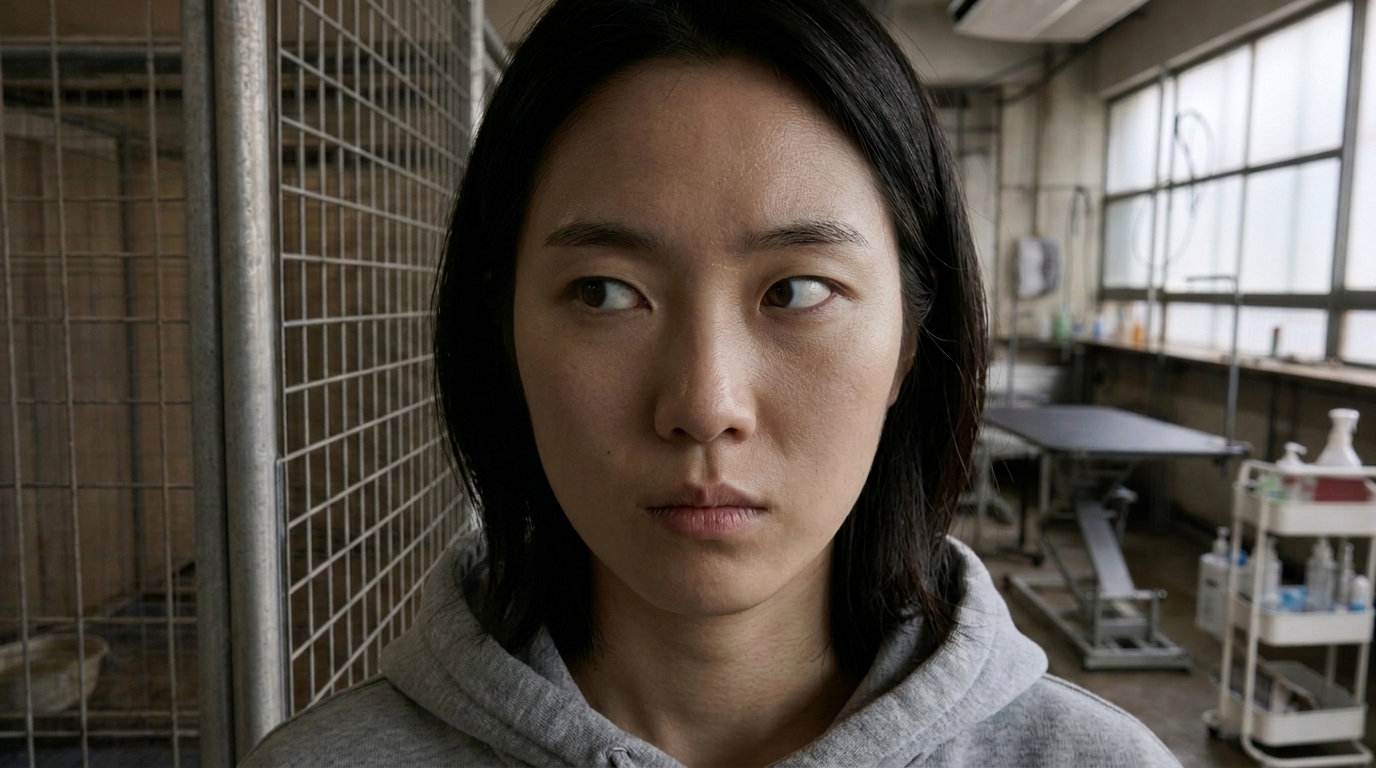
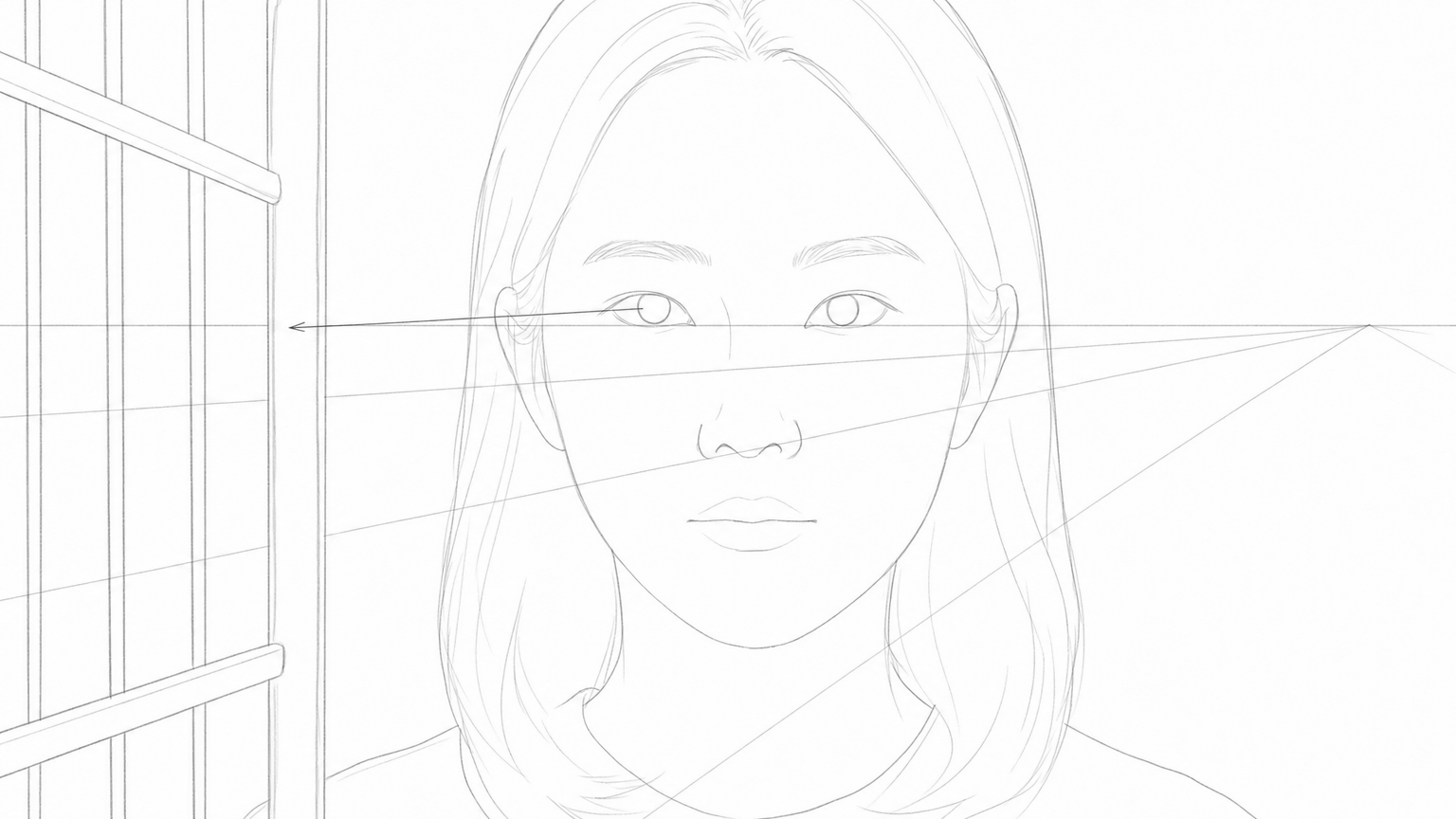
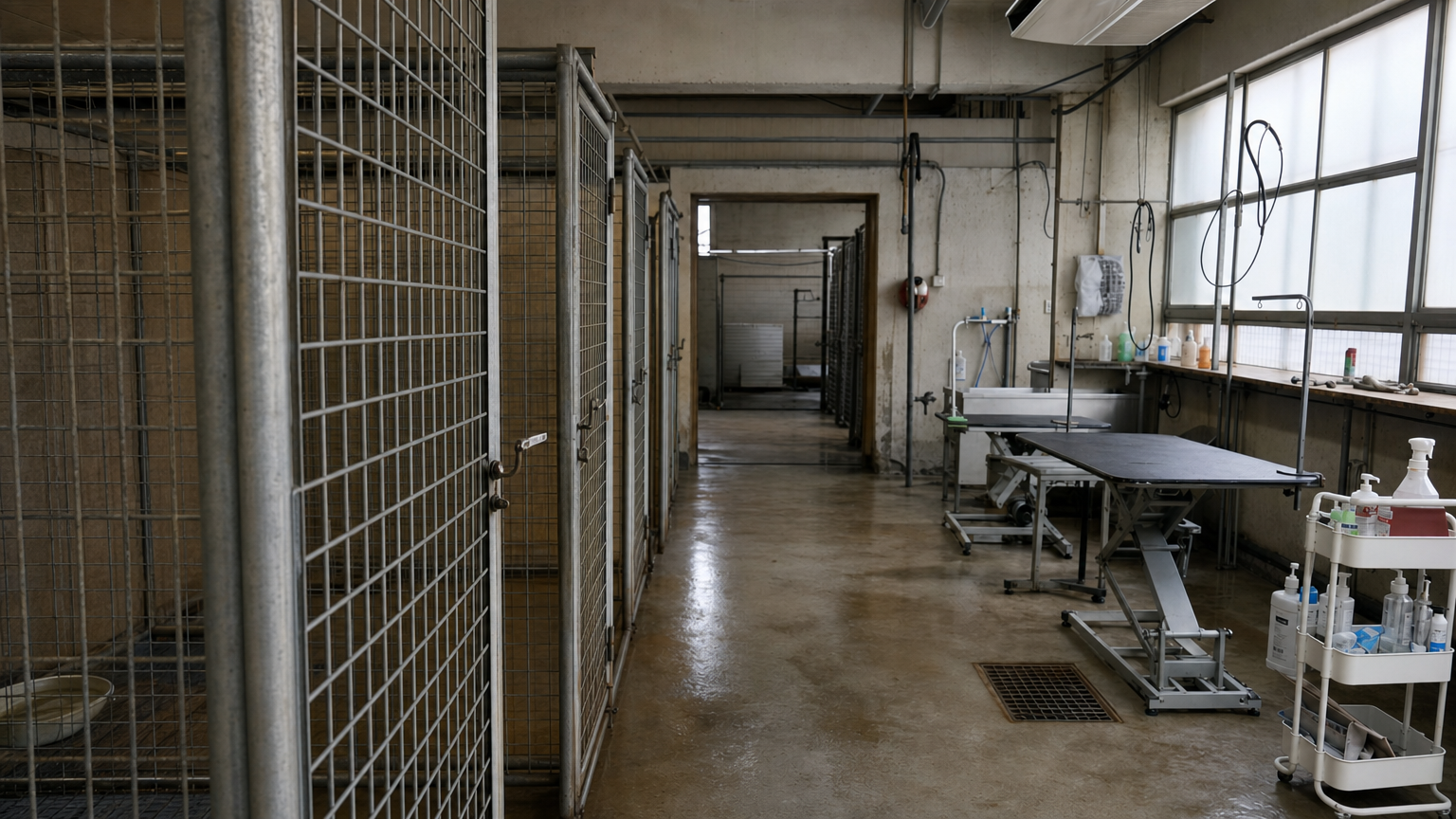
S7sh2 재투영 배경+콘티+엔티티 (2택1: 체인 승) ◆결함1호 대상
① 배경·밑그림 재료 — 어떻게 만들어졌나
➜
GPT 원근 콘티 (v2: 소실선·실크기·화살표)
➜
Step1 — GPT 재투영 빈 배경 (인물 0)
콘티 생성 프롬프트 (v2 PERSPECTIVE & SCALE GUIDES)
Every attached image is a CHARACTER REFERENCE for proportion only. There is no location photograph — stage the location purely from THE LOCATION and SHOT TEXT below.

Draw ONE storyboard layout frame, 16:9, filling the entire image edge-to-edge.

STYLE — LAYOUT-ONLY THUMBNAIL SKETCH: the lightest possible
director's layout drawing. THIN, CLEAN, UNIFORM PENCIL CONTOUR
LINES ONLY on pure white paper. Absolutely NO shading, NO tone, NO
hatching, NO texture, NO grayscale fill, NO light-and-shadow, NO
facial features beyond a bare head outline, NO clothing detail, NO
material rendering. The frame contains ONLY: the camera framing,
each figure as a simple correct-proportion human contour in its
exact pose and screen position/size, and the few major set masses
as plain outline shapes. It must read as a quick layout guide,
never as a finished drawing.

THE LOCATION: At a caged kennel enclosure within an abandoned-dog shelter, directly in front of the confined dog; the source does not establish whether the enclosure is fully indoors or open-air.

SHOT TEXT (authoritative, Korean): 철창 너머로 로트와일러의 눈을 똑바로 노려보는 수리영의 강렬하고 서늘한 눈빛 클로즈업.

PROPS FACE THE RIGHT WAY (also in this sketch): every handheld or used
object must be oriented as its real-world use requires. A person
reading, watching or operating something (a phone, a photograph, a
paper, any device) has its functional side — screen, front, page —
facing THEIR OWN eyes; the camera then sees whatever side the staging
geometry implies (often its back). Show the functional side to the
camera ONLY when the shot text itself stages it toward the viewer.
Never flip, mirror or reverse an object's front and back.

NATURAL PERFORMANCE (default only — every explicit direction above
wins): when no pose contract or shot-text direction says otherwise,
sketched figures read as alive in mid-moment — believable weight
shift, hands engaged, gaze on the target the SHOT TEXT implies; avoid
a stiff attention stance (feet together, arms hanging straight down)
and a blank stare into the lens. If the SHOT TEXT or any POSE contract
above stages stillness, death, sleep, unconsciousness, restraint,
drill or an explicit direct-to-camera look, draw THAT exactly — this
clause never overrides it.

KEYSHOT LAYOUT VALUE: this storyboard frame is a KEY FRAME extracted
from a finished film — its layout alone must convey why this moment
matters in the scene. Compose the frame so the subject's pose, gaze
target and spatial relationships read clearly. Do not fill the frame
with a single face and do not draw a subject standing square to the
camera in a passport-photo composition unless the SHOT TEXT itself
explicitly stages that framing for a narrative reason. Even in an
extreme close-up, keep at least one meaning-bearing element (the gaze
target, the object reacted to, the relevant surroundings) inside or
at the edge of the frame.

ABSOLUTELY NO TEXT anywhere: no captions, no numbers, no labels of any kind.

CAMERA & FRAME (follow exactly — this is the composition authority for this still; the reference images supply identity and place, never the framing):
- CAMERA: From the Rottweiler's side of the enclosure boundary, the camera completes its eye-level track about a meter across from Suriyoung and tightens to the explicitly extreme facial close-up. Her eyes hold the center of frame in a justified confrontational near-frontal angle, while a narrow section of enclosure bars remains at one edge to prove that her stare is directed through the boundary rather than at the audience.
- FRAMING SCALE: close-up
- FRAME LAYOUT: 수리영 in the middle-center of the frame, midground, looks toward Rottweiler across the enclosure boundary; 철창 경계 in the middle-left of the frame, foreground.
- KEY BACKGROUND ELEMENTS: 철창 (수리영과 로트와일러 사이에 위치) — A small portion of the bar faces the camera edge-on between lens and subject; used as Remains as a narrow edge obstruction that physically separates Suriyoung from the animal.
Compose the frame exactly as specified above — camera angle, subject scale and screen placement. Keep true physical scale between people and background elements: fixtures and distant objects occupy only the small screen area their real size and distance dictate; never enlarge a background object into a foreground presence.

PERSPECTIVE & SCALE GUIDES (draw these as part of the sketch — they are the whole point of this layout):
- Draw the HORIZON LINE at the camera's eye height, and 2-3 thin PERSPECTIVE GUIDE LINES converging toward the vanishing point, so the depth of the space is explicit.
- TRUE RELATIVE SIZE: draw every person and every set mass at the exact screen size that its real-world size and its distance from the camera dictate. A high wall-mounted device or any distant object stays SMALL against the architecture; people scale with their depth along the guide lines. NEVER enlarge a background object beyond its true perspective size.
- For EVERY person draw one thin EYELINE ARROW from the eyes to the exact thing they look at; if something moves, one thin MOTION ARROW along its path.
- All guides are simple thin pencil lines — layout language only, never objects in the scene, and still NO text, numbers or letters anywhere.
Step1 재투영 프롬프트 (무인+콘티 카메라 권위)
Create the EMPTY BACKGROUND PLATE for one film shot — NO PEOPLE, no figures, no body parts, no sketch lines, no arrows anywhere.
"Empty" means no people only: KEEP the location's inherent occupants and stock that define the place — animals in an animal shelter, pen or farm, goods in a market, moored boats in a harbour — unless the shot text explicitly removes them.
The FIRST attached image is a thin-line storyboard sketch: use ONLY its camera angle, horizon, perspective and the placement/size of buildings and set masses — ignore the sketched people and arrows entirely. The SECOND attached image (LOCATION PHOTOGRAPH) is the real place: take its architecture, materials, signage and fixed features, and RE-PROJECT them into the sketch's camera. If the photograph's camera differs from the sketch's, the sketch's camera wins.
HUMAN-SCALE CALIBRATION: derive every structure's true size from human-scale elements — a door ≈ 2m, a window ≈ 1–1.5m wide, one storey ≈ 2.5–3m; never inflate a small structure or shrink a large one.

SHOT TEXT this background must serve (Korean): 철창 너머로 로트와일러의 눈을 똑바로 노려보는 수리영의 강렬하고 서늘한 눈빛 클로즈업.

LOCATION (lock): At a caged kennel enclosure within an abandoned-dog shelter, directly in front of the confined dog; the source does not establish whether the enclosure is fully indoors or open-air.

TIME OF DAY (lock): day.

CAMERA & FRAME (follow exactly — this is the composition authority for this still; the reference images supply identity and place, never the framing):
- CAMERA: From the Rottweiler's side of the enclosure boundary, the camera completes its eye-level track about a meter across from Suriyoung and tightens to the explicitly extreme facial close-up. Her eyes hold the center of frame in a justified confrontational near-frontal angle, while a narrow section of enclosure bars remains at one edge to prove that her stare is directed through the boundary rather than at the audience.
- FRAMING SCALE: close-up
- FRAME LAYOUT: 수리영 in the middle-center of the frame, midground, looks toward Rottweiler across the enclosure boundary; 철창 경계 in the middle-left of the frame, foreground.
- KEY BACKGROUND ELEMENTS: 철창 (수리영과 로트와일러 사이에 위치) — A small portion of the bar faces the camera edge-on between lens and subject; used as Remains as a narrow edge obstruction that physically separates Suriyoung from the animal.
Compose the frame exactly as specified above — camera angle, subject scale and screen placement. Keep true physical scale between people and background elements: fixtures and distant objects occupy only the small screen area their real size and distance dictate; never enlarge a background object into a foreground presence.

LIGHTING & MOOD (these govern light, color and surface rendering):
- LIGHTING & MOOD: Daylight is rendered with tight facial contrast and subdued color, concentrating intensity in Suriyoung's unwavering eyes.
- MATERIAL REALISM: every object and surface must read as a real,
  physical material — correct texture, weight, wear and light response
  (metal reflects, fabric drapes and creases, liquid is glossy and
  pools, painted or drawn marks sit ON a surface and follow its
  curvature and lighting). Nothing may look like a flat sticker, a
  doodle or a graphic overlay pasted onto the frame.

Render ONE photorealistic empty location photograph, 16:9, that this shot can be staged inside later. No text or watermarks.
critique 결함: [{"issue_ko": "인물이 카메라 렌즈를 정면으로 응시하고 있습니다. 레이아웃 스케치의 화살표 방향과 샷 텍스트에 따라 화면 왼쪽을 강렬하게 노려보도록 시선을 수정해야 합니다.", "fix_en": "Redirect the character's eyes to look sharply toward the middle-left edge of the frame, matching the arrow in the layout ske
스틸 base 프롬프트(공통 계약 — CAMERA/FRAME 절 포함)
Create ONE FINAL photorealistic live-action film still of the moment below — Incheon, South Korea, 2026; all people are Korean unless stated. TIME OF DAY (lock): day.

SHOT TEXT (authoritative, Korean): 철창 너머로 로트와일러의 눈을 똑바로 노려보는 수리영의 강렬하고 서늘한 눈빛 클로즈업.

LOCATION (lock): At a caged kennel enclosure within an abandoned-dog shelter, directly in front of the confined dog; the source does not establish whether the enclosure is fully indoors or open-air. The shot takes place here — the attached LOCATION PHOTOGRAPH shows the exact spot.

CAMERA & FRAME (follow exactly — this is the composition authority for this still; the reference images supply identity and place, never the framing):
- CAMERA: From the Rottweiler's side of the enclosure boundary, the camera completes its eye-level track about a meter across from Suriyoung and tightens to the explicitly extreme facial close-up. Her eyes hold the center of frame in a justified confrontational near-frontal angle, while a narrow section of enclosure bars remains at one edge to prove that her stare is directed through the boundary rather than at the audience.
- FRAMING SCALE: close-up
- FRAME LAYOUT: 수리영 in the middle-center of the frame, midground, looks toward Rottweiler across the enclosure boundary; 철창 경계 in the middle-left of the frame, foreground.
- KEY BACKGROUND ELEMENTS: 철창 (수리영과 로트와일러 사이에 위치) — A small portion of the bar faces the camera edge-on between lens and subject; used as Remains as a narrow edge obstruction that physically separates Suriyoung from the animal.
Compose the frame exactly as specified above — camera angle, subject scale and screen placement. Keep true physical scale between people and background elements: fixtures and distant objects occupy only the small screen area their real size and distance dictate; never enlarge a background object into a foreground presence.

LIGHTING & MOOD (these govern light, color and surface rendering):
- LIGHTING & MOOD: Daylight is rendered with tight facial contrast and subdued color, concentrating intensity in Suriyoung's unwavering eyes.
- MATERIAL REALISM: every object and surface must read as a real,
  physical material — correct texture, weight, wear and light response
  (metal reflects, fabric drapes and creases, liquid is glossy and
  pools, painted or drawn marks sit ON a surface and follow its
  curvature and lighting). Nothing may look like a flat sticker, a
  doodle or a graphic overlay pasted onto the frame.

REALIZE FIGURATIVE LANGUAGE AS A LIVE-ACTION SHOT: the Korean shot
text may describe characters metaphorically, figuratively or with
exaggeration. Photograph what a real movie camera would actually
record on a physical set — exaggerated or figurative impressions
become realistic staging choices (lighting, distance, angle,
wardrobe), not literal fantasy imagery.
EVERY CHARACTER IS A HUMAN BEING: unless the story explicitly
features non-human or virtual beings (as in science fiction or
fantasy), every character — however indirectly, vaguely or
figuratively the text describes them — IS a real human. When the
text gives no direct visual description of a person, IMAGINE one
and still show them as a concrete, fully-formed human being:
always render the human form to the maximum extent — build,
posture, face, hands, clothing — never reduce a person to a shape,
blob, solid silhouette or abstract mass.

EXPRESSIONS ARE ACTED, NEVER ANATOMICAL: when the text describes a
person's eyes, face or presence emotionally or figuratively (vacant,
hollow, dazed, burning, lifeless gaze and the like), it describes an
ACTOR'S PERFORMANCE captured by a real camera — realize it ONLY
through gaze direction, focus, eyelids, facial muscles, stillness
and posture. Every living person's eyes remain anatomically normal
human eyes with a natural iris and pupil, natural sclera and normal
proportions; NEVER whiten, blank out, cloud over, glow, enlarge or
otherwise alter eyeballs, skin or anatomy — unless the story
explicitly declares that being non-human or supernatural in form.

PROPS FACE THE RIGHT WAY: every handheld or used object must be
oriented exactly as its real-world use requires. A person reading,
watching or operating something (a phone, a photograph, a paper,
any device) has its functional side — screen, front, page — facing
THEIR OWN eyes; the camera then sees whatever side the staging
geometry implies (often its back). Show the functional side to the
camera ONLY when the shot text itself stages it toward the viewer.
Never flip, mirror or reverse an object's front and back.

NATURAL PERFORMANCE (default only — every explicit direction above
wins): when no pose contract, immobility contract or shot-text
direction says otherwise, people read as alive in mid-moment —
believable weight shift, hands engaged with something real, gaze on
the target the SHOT TEXT implies; avoid a stiff attention stance (feet
together, arms hanging straight down) and a blank stare into the lens.
If the SHOT TEXT or any POSE/IMMOBILE contract above stages stillness,
death, sleep, unconsciousness, restraint, drill or an explicit
direct-to-camera look, follow THAT exactly — this clause never
overrides it.

DRAWN MARKS KEEP THEIR SHAPE: any mark the text describes as drawn,
painted or traced (a circle, a line, a symbol) is a STROKE sitting on
the surface — an outline whose interior still shows the underlying
surface (wall, skin, paper). Render its stated shape faithfully: a
drawn circle stays an open ring of brush-width, never filled into a
solid disc, unless the text explicitly says it is filled.

PEOPLE: the SHOT TEXT alone decides whether any person is visible in this shot. IF a person appears, they must be one of: 수리영 (한국인 20대 초반 여성, 자연스러운 타원형 얼굴, 짙은 검은색 머리카락, 중간 길이 헤어스타일) — never anyone else, and never add a person the shot text does not show. IF only part of a person is in frame (a hand, arm, foot, back, silhouette), that body part belongs to the specific person the shot text names — its sex, age, build, skin and grooming must unmistakably match that person's profile above.

No text, captions, watermarks or annotations anywhere.
롤 A 생성 프롬프트
Stage the shot. The FIRST attached image (SHOT BACKGROUND) is the finished empty background of this shot — keep it EXACTLY: its camera, perspective, architecture, lighting and every fixed feature stay untouched. The SECOND attached image (LAYOUT SKETCH) tells you ONLY where the people go: each sketched person's position, screen size, pose and the gaze/motion arrows. Ignore the sketch's background lines. The CHARACTER REFERENCE photographs show the real people.
Place the real people into the background at exactly the sketched positions, sizes and poses, following the arrow directions. No sketch lines or arrows may remain.

Create ONE FINAL photorealistic live-action film still of the moment below — Incheon, South Korea, 2026; all people are Korean unless stated. TIME OF DAY (lock): day.

SHOT TEXT (authoritative, Korean): 철창 너머로 로트와일러의 눈을 똑바로 노려보는 수리영의 강렬하고 서늘한 눈빛 클로즈업.

LOCATION (lock): At a caged kennel enclosure within an abandoned-dog shelter, directly in front of the confined dog; the source does not establish whether the enclosure is fully indoors or open-air. The shot takes place here — the attached LOCATION PHOTOGRAPH shows the exact spot.

CAMERA & FRAME (follow exactly — this is the composition authority for this still; the reference images supply identity and place, never the framing):
- CAMERA: From the Rottweiler's side of the enclosure boundary, the camera completes its eye-level track about a meter across from Suriyoung and tightens to the explicitly extreme facial close-up. Her eyes hold the center of frame in a justified confrontational near-frontal angle, while a narrow section of enclosure bars remains at one edge to prove that her stare is directed through the boundary rather than at the audience.
- FRAMING SCALE: close-up
- FRAME LAYOUT: 수리영 in the middle-center of the frame, midground, looks toward Rottweiler across the enclosure boundary; 철창 경계 in the middle-left of the frame, foreground.
- KEY BACKGROUND ELEMENTS: 철창 (수리영과 로트와일러 사이에 위치) — A small portion of the bar faces the camera edge-on between lens and subject; used as Remains as a narrow edge obstruction that physically separates Suriyoung from the animal.
Compose the frame exactly as specified above — camera angle, subject scale and screen placement. Keep true physical scale between people and background elements: fixtures and distant objects occupy only the small screen area their real size and distance dictate; never enlarge a background object into a foreground presence.

LIGHTING & MOOD (these govern light, color and surface rendering):
- LIGHTING & MOOD: Daylight is rendered with tight facial contrast and subdued color, concentrating intensity in Suriyoung's unwavering eyes.
- MATERIAL REALISM: every object and surface must read as a real,
  physical material — correct texture, weight, wear and light response
  (metal reflects, fabric drapes and creases, liquid is glossy and
  pools, painted or drawn marks sit ON a surface and follow its
  curvature and lighting). Nothing may look like a flat sticker, a
  doodle or a graphic overlay pasted onto the frame.

REALIZE FIGURATIVE LANGUAGE AS A LIVE-ACTION SHOT: the Korean shot
text may describe characters metaphorically, figuratively or with
exaggeration. Photograph what a real movie camera would actually
record on a physical set — exaggerated or figurative impressions
become realistic staging choices (lighting, distance, angle,
wardrobe), not literal fantasy imagery.
EVERY CHARACTER IS A HUMAN BEING: unless the story explicitly
features non-human or virtual beings (as in science fiction or
fantasy), every character — however indirectly, vaguely or
figuratively the text describes them — IS a real human. When the
text gives no direct visual description of a person, IMAGINE one
and still show them as a concrete, fully-formed human being:
always render the human form to the maximum extent — build,
posture, face, hands, clothing — never reduce a person to a shape,
blob, solid silhouette or abstract mass.

EXPRESSIONS ARE ACTED, NEVER ANATOMICAL: when the text describes a
person's eyes, face or presence emotionally or figuratively (vacant,
hollow, dazed, burning, lifeless gaze and the like), it describes an
ACTOR'S PERFORMANCE captured by a real camera — realize it ONLY
through gaze direction, focus, eyelids, facial muscles, stillness
and posture. Every living person's eyes remain anatomically normal
human eyes with a natural iris and pupil, natural sclera and normal
proportions; NEVER whiten, blank out, cloud over, glow, enlarge or
otherwise alter eyeballs, skin or anatomy — unless the story
explicitly declares that being non-human or supernatural in form.

PROPS FACE THE RIGHT WAY: every handheld or used object must be
oriented exactly as its real-world use requires. A person reading,
watching or operating something (a phone, a photograph, a paper,
any device) has its functional side — screen, front, page — facing
THEIR OWN eyes; the camera then sees whatever side the staging
geometry implies (often its back). Show the functional side to the
camera ONLY when the shot text itself stages it toward the viewer.
Never flip, mirror or reverse an object's front and back.

NATURAL PERFORMANCE (default only — every explicit direction above
wins): when no pose contract, immobility contract or shot-text
direction says otherwise, people read as alive in mid-moment —
believable weight shift, hands engaged with something real, gaze on
the target the SHOT TEXT implies; avoid a stiff attention stance (feet
together, arms hanging straight down) and a blank stare into the lens.
If the SHOT TEXT or any POSE/IMMOBILE contract above stages stillness,
death, sleep, unconsciousness, restraint, drill or an explicit
direct-to-camera look, follow THAT exactly — this clause never
overrides it.

DRAWN MARKS KEEP THEIR SHAPE: any mark the text describes as drawn,
painted or traced (a circle, a line, a symbol) is a STROKE sitting on
the surface — an outline whose interior still shows the underlying
surface (wall, skin, paper). Render its stated shape faithfully: a
drawn circle stays an open ring of brush-width, never filled into a
solid disc, unless the text explicitly says it is filled.

PEOPLE: the SHOT TEXT alone decides whether any person is visible in this shot. IF a person appears, they must be one of: 수리영 (한국인 20대 초반 여성, 자연스러운 타원형 얼굴, 짙은 검은색 머리카락, 중간 길이 헤어스타일) — never anyone else, and never add a person the shot text does not show. IF only part of a person is in frame (a hand, arm, foot, back, silhouette), that body part belongs to the specific person the shot text names — its sex, age, build, skin and grooming must unmistakably match that person's profile above.

No text, captions, watermarks or annotations anywhere.
롤 B 생성 프롬프트
Create ONE FINAL photorealistic live-action film still of the moment below — Incheon, South Korea, 2026; all people are Korean unless stated. TIME OF DAY (lock): day.

SHOT TEXT (authoritative, Korean): 철창 너머로 로트와일러의 눈을 똑바로 노려보는 수리영의 강렬하고 서늘한 눈빛 클로즈업.

LOCATION (lock): At a caged kennel enclosure within an abandoned-dog shelter, directly in front of the confined dog; the source does not establish whether the enclosure is fully indoors or open-air. The shot takes place here — the attached LOCATION PHOTOGRAPH shows the exact spot.

CAMERA & FRAME (follow exactly — this is the composition authority for this still; the reference images supply identity and place, never the framing):
- CAMERA: From the Rottweiler's side of the enclosure boundary, the camera completes its eye-level track about a meter across from Suriyoung and tightens to the explicitly extreme facial close-up. Her eyes hold the center of frame in a justified confrontational near-frontal angle, while a narrow section of enclosure bars remains at one edge to prove that her stare is directed through the boundary rather than at the audience.
- FRAMING SCALE: close-up
- FRAME LAYOUT: 수리영 in the middle-center of the frame, midground, looks toward Rottweiler across the enclosure boundary; 철창 경계 in the middle-left of the frame, foreground.
- KEY BACKGROUND ELEMENTS: 철창 (수리영과 로트와일러 사이에 위치) — A small portion of the bar faces the camera edge-on between lens and subject; used as Remains as a narrow edge obstruction that physically separates Suriyoung from the animal.
Compose the frame exactly as specified above — camera angle, subject scale and screen placement. Keep true physical scale between people and background elements: fixtures and distant objects occupy only the small screen area their real size and distance dictate; never enlarge a background object into a foreground presence.

LIGHTING & MOOD (these govern light, color and surface rendering):
- LIGHTING & MOOD: Daylight is rendered with tight facial contrast and subdued color, concentrating intensity in Suriyoung's unwavering eyes.
- MATERIAL REALISM: every object and surface must read as a real,
  physical material — correct texture, weight, wear and light response
  (metal reflects, fabric drapes and creases, liquid is glossy and
  pools, painted or drawn marks sit ON a surface and follow its
  curvature and lighting). Nothing may look like a flat sticker, a
  doodle or a graphic overlay pasted onto the frame.

REALIZE FIGURATIVE LANGUAGE AS A LIVE-ACTION SHOT: the Korean shot
text may describe characters metaphorically, figuratively or with
exaggeration. Photograph what a real movie camera would actually
record on a physical set — exaggerated or figurative impressions
become realistic staging choices (lighting, distance, angle,
wardrobe), not literal fantasy imagery.
EVERY CHARACTER IS A HUMAN BEING: unless the story explicitly
features non-human or virtual beings (as in science fiction or
fantasy), every character — however indirectly, vaguely or
figuratively the text describes them — IS a real human. When the
text gives no direct visual description of a person, IMAGINE one
and still show them as a concrete, fully-formed human being:
always render the human form to the maximum extent — build,
posture, face, hands, clothing — never reduce a person to a shape,
blob, solid silhouette or abstract mass.

EXPRESSIONS ARE ACTED, NEVER ANATOMICAL: when the text describes a
person's eyes, face or presence emotionally or figuratively (vacant,
hollow, dazed, burning, lifeless gaze and the like), it describes an
ACTOR'S PERFORMANCE captured by a real camera — realize it ONLY
through gaze direction, focus, eyelids, facial muscles, stillness
and posture. Every living person's eyes remain anatomically normal
human eyes with a natural iris and pupil, natural sclera and normal
proportions; NEVER whiten, blank out, cloud over, glow, enlarge or
otherwise alter eyeballs, skin or anatomy — unless the story
explicitly declares that being non-human or supernatural in form.

PROPS FACE THE RIGHT WAY: every handheld or used object must be
oriented exactly as its real-world use requires. A person reading,
watching or operating something (a phone, a photograph, a paper,
any device) has its functional side — screen, front, page — facing
THEIR OWN eyes; the camera then sees whatever side the staging
geometry implies (often its back). Show the functional side to the
camera ONLY when the shot text itself stages it toward the viewer.
Never flip, mirror or reverse an object's front and back.

NATURAL PERFORMANCE (default only — every explicit direction above
wins): when no pose contract, immobility contract or shot-text
direction says otherwise, people read as alive in mid-moment —
believable weight shift, hands engaged with something real, gaze on
the target the SHOT TEXT implies; avoid a stiff attention stance (feet
together, arms hanging straight down) and a blank stare into the lens.
If the SHOT TEXT or any POSE/IMMOBILE contract above stages stillness,
death, sleep, unconsciousness, restraint, drill or an explicit
direct-to-camera look, follow THAT exactly — this clause never
overrides it.

DRAWN MARKS KEEP THEIR SHAPE: any mark the text describes as drawn,
painted or traced (a circle, a line, a symbol) is a STROKE sitting on
the surface — an outline whose interior still shows the underlying
surface (wall, skin, paper). Render its stated shape faithfully: a
drawn circle stays an open ring of brush-width, never filled into a
solid disc, unless the text explicitly says it is filled.

PEOPLE: the SHOT TEXT alone decides whether any person is visible in this shot. IF a person appears, they must be one of: 수리영 (한국인 20대 초반 여성, 자연스러운 타원형 얼굴, 짙은 검은색 머리카락, 중간 길이 헤어스타일) — never anyone else, and never add a person the shot text does not show. IF only part of a person is in frame (a hand, arm, foot, back, silhouette), that body part belongs to the specific person the shot text names — its sex, age, build, skin and grooming must unmistakably match that person's profile above.

No text, captions, watermarks or annotations anywhere.
i2i 수정 프롬프트
Edit this photograph. Apply ONLY the corrections listed below,
each in place, changing nothing else:

CORRECTIONS:
- Redirect the character's eyes to look sharply toward the middle-left edge of the frame, matching the arrow in the layout sketch.
- Remove the thick, out-of-focus vertical pole obstructing the character's right eye, keeping only the cage structure on the left side of the frame.
- Limit the visible enclosure boundary to a narrow foreground strip at the left edge, preserving Suriyoung’s position, scale, and the existing viewpoint.

PRESERVE EVERYTHING ELSE EXACTLY as in the original photograph —
every person, pose, face, garment, object, set feature, lighting,
camera and framing stay identical. No text, captions or
watermarks anywhere.
S8sh2 재투영 배경+콘티+엔티티 (2택1: 체인 승)
① 배경·밑그림 재료 — 어떻게 만들어졌나
확정 플레이트 (재질·간판 소스)
➜
GPT 원근 콘티 (v2: 소실선·실크기·화살표)
➜
Step1 — GPT 재투영 빈 배경 (인물 0)
콘티 생성 프롬프트 (v2 PERSPECTIVE & SCALE GUIDES)
The FIRST attached image is the LOCATION PHOTOGRAPH (loose spatial reference only). Every following attached image is a CHARACTER REFERENCE for proportion.

Draw ONE storyboard layout frame, 16:9, filling the entire image edge-to-edge.

STYLE — LAYOUT-ONLY THUMBNAIL SKETCH: the lightest possible
director's layout drawing. THIN, CLEAN, UNIFORM PENCIL CONTOUR
LINES ONLY on pure white paper. Absolutely NO shading, NO tone, NO
hatching, NO texture, NO grayscale fill, NO light-and-shadow, NO
facial features beyond a bare head outline, NO clothing detail, NO
material rendering. The frame contains ONLY: the camera framing,
each figure as a simple correct-proportion human contour in its
exact pose and screen position/size, and the few major set masses
as plain outline shapes. It must read as a quick layout guide,
never as a finished drawing.

The attached photograph is the LOCATION where this shot happens.
Use it ONLY as a LOOSE spatial reference — the rough set masses
and where things sit relative to each other. You do NOT need to
follow it exactly: do not copy its camera, its lighting or its
details. Choose the camera and framing the SHOT TEXT needs, and
draw only the few set masses that matter as plain outline shapes.

THE LOCATION: A merchandise aisle inside the large supermarket, between rows of stocked display shelves under store lighting.

SHOT TEXT (authoritative, Korean): 진열대가 늘어선 마트 내부, 수리영이 한국인 중년 여성 직원을 마주 보고 서 있는 구도.

CARRIED STATE (persist exactly): Su-ri-young’s bicycle remains parked outside the mart while she speaks to the employee inside.

PROPS FACE THE RIGHT WAY (also in this sketch): every handheld or used
object must be oriented as its real-world use requires. A person
reading, watching or operating something (a phone, a photograph, a
paper, any device) has its functional side — screen, front, page —
facing THEIR OWN eyes; the camera then sees whatever side the staging
geometry implies (often its back). Show the functional side to the
camera ONLY when the shot text itself stages it toward the viewer.
Never flip, mirror or reverse an object's front and back.

NATURAL PERFORMANCE (default only — every explicit direction above
wins): when no pose contract or shot-text direction says otherwise,
sketched figures read as alive in mid-moment — believable weight
shift, hands engaged, gaze on the target the SHOT TEXT implies; avoid
a stiff attention stance (feet together, arms hanging straight down)
and a blank stare into the lens. If the SHOT TEXT or any POSE contract
above stages stillness, death, sleep, unconsciousness, restraint,
drill or an explicit direct-to-camera look, draw THAT exactly — this
clause never overrides it.

KEYSHOT LAYOUT VALUE: this storyboard frame is a KEY FRAME extracted
from a finished film — its layout alone must convey why this moment
matters in the scene. Compose the frame so the subject's pose, gaze
target and spatial relationships read clearly. Do not fill the frame
with a single face and do not draw a subject standing square to the
camera in a passport-photo composition unless the SHOT TEXT itself
explicitly stages that framing for a narrative reason. Even in an
extreme close-up, keep at least one meaning-bearing element (the gaze
target, the object reacted to, the relevant surroundings) inside or
at the edge of the frame.

ABSOLUTELY NO TEXT anywhere: no captions, no numbers, no labels of any kind.

CAMERA & FRAME (follow exactly — this is the composition authority for this still; the reference images supply identity and place, never the framing):
- CAMERA: At eye level beside the aisle, hold the stage-entry two-shot across the aisle axis before beginning the planned pan, placing 수리영 in the left midground and 한국인 중년 여성 마트 직원 in the right midground. Shelf edges form parallel boundaries behind them while their opposing three-quarter angles keep the exchange readable without either addressing the lens.
- FRAMING SCALE: wide shot
- KEY BACKGROUND ELEMENTS: 마트 진열대 (Arranged in rows) — The shelf fronts run away from camera on both sides of the aisle, exposing their stocked faces obliquely; used as The rows establish the aisle axis and provide layered depth behind both speakers; 진열대 사이 통로 (Open for passage); used as The clear aisle separates the two figures while preserving their shared conversational space.
Compose the frame exactly as specified above — camera angle, subject scale and screen placement. Keep true physical scale between people and background elements: fixtures and distant objects occupy only the small screen area their real size and distance dictate; never enlarge a background object into a foreground presence.

PERSPECTIVE & SCALE GUIDES (draw these as part of the sketch — they are the whole point of this layout):
- Draw the HORIZON LINE at the camera's eye height, and 2-3 thin PERSPECTIVE GUIDE LINES converging toward the vanishing point, so the depth of the space is explicit.
- TRUE RELATIVE SIZE: draw every person and every set mass at the exact screen size that its real-world size and its distance from the camera dictate. A high wall-mounted device or any distant object stays SMALL against the architecture; people scale with their depth along the guide lines. NEVER enlarge a background object beyond its true perspective size.
- For EVERY person draw one thin EYELINE ARROW from the eyes to the exact thing they look at; if something moves, one thin MOTION ARROW along its path.
- All guides are simple thin pencil lines — layout language only, never objects in the scene, and still NO text, numbers or letters anywhere.
Step1 재투영 프롬프트 (무인+콘티 카메라 권위)
Create the EMPTY BACKGROUND PLATE for one film shot — NO PEOPLE, no figures, no body parts, no sketch lines, no arrows anywhere.
"Empty" means no people only: KEEP the location's inherent occupants and stock that define the place — animals in an animal shelter, pen or farm, goods in a market, moored boats in a harbour — unless the shot text explicitly removes them.
The FIRST attached image is a thin-line storyboard sketch: use ONLY its camera angle, horizon, perspective and the placement/size of buildings and set masses — ignore the sketched people and arrows entirely. The SECOND attached image (LOCATION PHOTOGRAPH) is the real place: take its architecture, materials, signage and fixed features, and RE-PROJECT them into the sketch's camera. If the photograph's camera differs from the sketch's, the sketch's camera wins.
HUMAN-SCALE CALIBRATION: derive every structure's true size from human-scale elements — a door ≈ 2m, a window ≈ 1–1.5m wide, one storey ≈ 2.5–3m; never inflate a small structure or shrink a large one.

SHOT TEXT this background must serve (Korean): 진열대가 늘어선 마트 내부, 수리영이 한국인 중년 여성 직원을 마주 보고 서 있는 구도.

LOCATION (lock): A merchandise aisle inside the large supermarket, between rows of stocked display shelves under store lighting.

TIME OF DAY (lock): dusk.

CAMERA & FRAME (follow exactly — this is the composition authority for this still; the reference images supply identity and place, never the framing):
- CAMERA: At eye level beside the aisle, hold the stage-entry two-shot across the aisle axis before beginning the planned pan, placing 수리영 in the left midground and 한국인 중년 여성 마트 직원 in the right midground. Shelf edges form parallel boundaries behind them while their opposing three-quarter angles keep the exchange readable without either addressing the lens.
- FRAMING SCALE: wide shot
- KEY BACKGROUND ELEMENTS: 마트 진열대 (Arranged in rows) — The shelf fronts run away from camera on both sides of the aisle, exposing their stocked faces obliquely; used as The rows establish the aisle axis and provide layered depth behind both speakers; 진열대 사이 통로 (Open for passage); used as The clear aisle separates the two figures while preserving their shared conversational space.
Compose the frame exactly as specified above — camera angle, subject scale and screen placement. Keep true physical scale between people and background elements: fixtures and distant objects occupy only the small screen area their real size and distance dictate; never enlarge a background object into a foreground presence.

LIGHTING & MOOD (these govern light, color and surface rendering):
- LIGHTING & MOOD: Ambient market lighting at dusk is rendered with restrained contrast and a muted-neutral grade without assigning an unsupported color source.
- MATERIAL REALISM: every object and surface must read as a real,
  physical material — correct texture, weight, wear and light response
  (metal reflects, fabric drapes and creases, liquid is glossy and
  pools, painted or drawn marks sit ON a surface and follow its
  curvature and lighting). Nothing may look like a flat sticker, a
  doodle or a graphic overlay pasted onto the frame.

Render ONE photorealistic empty location photograph, 16:9, that this shot can be staged inside later. No text or watermarks.
Create ONE FINAL photorealistic live-action film still of the moment below — Incheon, South Korea, 2026; all people are Korean unless stated. TIME OF DAY (lock): dusk.

SHOT TEXT (authoritative, Korean): 진열대가 늘어선 마트 내부, 수리영이 한국인 중년 여성 직원을 마주 보고 서 있는 구도.

LOCATION (lock): A merchandise aisle inside the large supermarket, between rows of stocked display shelves under store lighting. The shot takes place here — the attached LOCATION PHOTOGRAPH shows the exact spot.

CAMERA & FRAME (follow exactly — this is the composition authority for this still; the reference images supply identity and place, never the framing):
- CAMERA: At eye level beside the aisle, hold the stage-entry two-shot across the aisle axis before beginning the planned pan, placing 수리영 in the left midground and 한국인 중년 여성 마트 직원 in the right midground. Shelf edges form parallel boundaries behind them while their opposing three-quarter angles keep the exchange readable without either addressing the lens.
- FRAMING SCALE: wide shot
- KEY BACKGROUND ELEMENTS: 마트 진열대 (Arranged in rows) — The shelf fronts run away from camera on both sides of the aisle, exposing their stocked faces obliquely; used as The rows establish the aisle axis and provide layered depth behind both speakers; 진열대 사이 통로 (Open for passage); used as The clear aisle separates the two figures while preserving their shared conversational space.
Compose the frame exactly as specified above — camera angle, subject scale and screen placement. Keep true physical scale between people and background elements: fixtures and distant objects occupy only the small screen area their real size and distance dictate; never enlarge a background object into a foreground presence.

LIGHTING & MOOD (these govern light, color and surface rendering):
- LIGHTING & MOOD: Ambient market lighting at dusk is rendered with restrained contrast and a muted-neutral grade without assigning an unsupported color source.
- MATERIAL REALISM: every object and surface must read as a real,
  physical material — correct texture, weight, wear and light response
  (metal reflects, fabric drapes and creases, liquid is glossy and
  pools, painted or drawn marks sit ON a surface and follow its
  curvature and lighting). Nothing may look like a flat sticker, a
  doodle or a graphic overlay pasted onto the frame.

REALIZE FIGURATIVE LANGUAGE AS A LIVE-ACTION SHOT: the Korean shot
text may describe characters metaphorically, figuratively or with
exaggeration. Photograph what a real movie camera would actually
record on a physical set — exaggerated or figurative impressions
become realistic staging choices (lighting, distance, angle,
wardrobe), not literal fantasy imagery.
EVERY CHARACTER IS A HUMAN BEING: unless the story explicitly
features non-human or virtual beings (as in science fiction or
fantasy), every character — however indirectly, vaguely or
figuratively the text describes them — IS a real human. When the
text gives no direct visual description of a person, IMAGINE one
and still show them as a concrete, fully-formed human being:
always render the human form to the maximum extent — build,
posture, face, hands, clothing — never reduce a person to a shape,
blob, solid silhouette or abstract mass.

EXPRESSIONS ARE ACTED, NEVER ANATOMICAL: when the text describes a
person's eyes, face or presence emotionally or figuratively (vacant,
hollow, dazed, burning, lifeless gaze and the like), it describes an
ACTOR'S PERFORMANCE captured by a real camera — realize it ONLY
through gaze direction, focus, eyelids, facial muscles, stillness
and posture. Every living person's eyes remain anatomically normal
human eyes with a natural iris and pupil, natural sclera and normal
proportions; NEVER whiten, blank out, cloud over, glow, enlarge or
otherwise alter eyeballs, skin or anatomy — unless the story
explicitly declares that being non-human or supernatural in form.

PROPS FACE THE RIGHT WAY: every handheld or used object must be
oriented exactly as its real-world use requires. A person reading,
watching or operating something (a phone, a photograph, a paper,
any device) has its functional side — screen, front, page — facing
THEIR OWN eyes; the camera then sees whatever side the staging
geometry implies (often its back). Show the functional side to the
camera ONLY when the shot text itself stages it toward the viewer.
Never flip, mirror or reverse an object's front and back.

NATURAL PERFORMANCE (default only — every explicit direction above
wins): when no pose contract, immobility contract or shot-text
direction says otherwise, people read as alive in mid-moment —
believable weight shift, hands engaged with something real, gaze on
the target the SHOT TEXT implies; avoid a stiff attention stance (feet
together, arms hanging straight down) and a blank stare into the lens.
If the SHOT TEXT or any POSE/IMMOBILE contract above stages stillness,
death, sleep, unconsciousness, restraint, drill or an explicit
direct-to-camera look, follow THAT exactly — this clause never
overrides it.

DRAWN MARKS KEEP THEIR SHAPE: any mark the text describes as drawn,
painted or traced (a circle, a line, a symbol) is a STROKE sitting on
the surface — an outline whose interior still shows the underlying
surface (wall, skin, paper). Render its stated shape faithfully: a
drawn circle stays an open ring of brush-width, never filled into a
solid disc, unless the text explicitly says it is filled.

CARRIED STATE (persist exactly — must match the neighbouring shots of this scene): Su-ri-young’s bicycle remains parked outside the mart while she speaks to the employee inside.

PEOPLE: the SHOT TEXT alone decides whether any person is visible in this shot. IF a person appears, they must be one of: 수리영 (한국인 20대 초반 여성, 자연스러운 타원형 얼굴, 짙은 검은색 머리카락, 중간 길이 헤어스타일) — never anyone else, and never add a person the shot text does not show. IF only part of a person is in frame (a hand, arm, foot, back, silhouette), that body part belongs to the specific person the shot text names — its sex, age, build, skin and grooming must unmistakably match that person's profile above.

No text, captions, watermarks or annotations anywhere.
롤 A 생성 프롬프트
Stage the shot. The FIRST attached image (SHOT BACKGROUND) is the finished empty background of this shot — keep it EXACTLY: its camera, perspective, architecture, lighting and every fixed feature stay untouched. The SECOND attached image (LAYOUT SKETCH) tells you ONLY where the people go: each sketched person's position, screen size, pose and the gaze/motion arrows. Ignore the sketch's background lines. The CHARACTER REFERENCE photographs show the real people.
Place the real people into the background at exactly the sketched positions, sizes and poses, following the arrow directions. No sketch lines or arrows may remain.

Create ONE FINAL photorealistic live-action film still of the moment below — Incheon, South Korea, 2026; all people are Korean unless stated. TIME OF DAY (lock): dusk.

SHOT TEXT (authoritative, Korean): 진열대가 늘어선 마트 내부, 수리영이 한국인 중년 여성 직원을 마주 보고 서 있는 구도.

LOCATION (lock): A merchandise aisle inside the large supermarket, between rows of stocked display shelves under store lighting. The shot takes place here — the attached LOCATION PHOTOGRAPH shows the exact spot.

CAMERA & FRAME (follow exactly — this is the composition authority for this still; the reference images supply identity and place, never the framing):
- CAMERA: At eye level beside the aisle, hold the stage-entry two-shot across the aisle axis before beginning the planned pan, placing 수리영 in the left midground and 한국인 중년 여성 마트 직원 in the right midground. Shelf edges form parallel boundaries behind them while their opposing three-quarter angles keep the exchange readable without either addressing the lens.
- FRAMING SCALE: wide shot
- KEY BACKGROUND ELEMENTS: 마트 진열대 (Arranged in rows) — The shelf fronts run away from camera on both sides of the aisle, exposing their stocked faces obliquely; used as The rows establish the aisle axis and provide layered depth behind both speakers; 진열대 사이 통로 (Open for passage); used as The clear aisle separates the two figures while preserving their shared conversational space.
Compose the frame exactly as specified above — camera angle, subject scale and screen placement. Keep true physical scale between people and background elements: fixtures and distant objects occupy only the small screen area their real size and distance dictate; never enlarge a background object into a foreground presence.

LIGHTING & MOOD (these govern light, color and surface rendering):
- LIGHTING & MOOD: Ambient market lighting at dusk is rendered with restrained contrast and a muted-neutral grade without assigning an unsupported color source.
- MATERIAL REALISM: every object and surface must read as a real,
  physical material — correct texture, weight, wear and light response
  (metal reflects, fabric drapes and creases, liquid is glossy and
  pools, painted or drawn marks sit ON a surface and follow its
  curvature and lighting). Nothing may look like a flat sticker, a
  doodle or a graphic overlay pasted onto the frame.

REALIZE FIGURATIVE LANGUAGE AS A LIVE-ACTION SHOT: the Korean shot
text may describe characters metaphorically, figuratively or with
exaggeration. Photograph what a real movie camera would actually
record on a physical set — exaggerated or figurative impressions
become realistic staging choices (lighting, distance, angle,
wardrobe), not literal fantasy imagery.
EVERY CHARACTER IS A HUMAN BEING: unless the story explicitly
features non-human or virtual beings (as in science fiction or
fantasy), every character — however indirectly, vaguely or
figuratively the text describes them — IS a real human. When the
text gives no direct visual description of a person, IMAGINE one
and still show them as a concrete, fully-formed human being:
always render the human form to the maximum extent — build,
posture, face, hands, clothing — never reduce a person to a shape,
blob, solid silhouette or abstract mass.

EXPRESSIONS ARE ACTED, NEVER ANATOMICAL: when the text describes a
person's eyes, face or presence emotionally or figuratively (vacant,
hollow, dazed, burning, lifeless gaze and the like), it describes an
ACTOR'S PERFORMANCE captured by a real camera — realize it ONLY
through gaze direction, focus, eyelids, facial muscles, stillness
and posture. Every living person's eyes remain anatomically normal
human eyes with a natural iris and pupil, natural sclera and normal
proportions; NEVER whiten, blank out, cloud over, glow, enlarge or
otherwise alter eyeballs, skin or anatomy — unless the story
explicitly declares that being non-human or supernatural in form.

PROPS FACE THE RIGHT WAY: every handheld or used object must be
oriented exactly as its real-world use requires. A person reading,
watching or operating something (a phone, a photograph, a paper,
any device) has its functional side — screen, front, page — facing
THEIR OWN eyes; the camera then sees whatever side the staging
geometry implies (often its back). Show the functional side to the
camera ONLY when the shot text itself stages it toward the viewer.
Never flip, mirror or reverse an object's front and back.

NATURAL PERFORMANCE (default only — every explicit direction above
wins): when no pose contract, immobility contract or shot-text
direction says otherwise, people read as alive in mid-moment —
believable weight shift, hands engaged with something real, gaze on
the target the SHOT TEXT implies; avoid a stiff attention stance (feet
together, arms hanging straight down) and a blank stare into the lens.
If the SHOT TEXT or any POSE/IMMOBILE contract above stages stillness,
death, sleep, unconsciousness, restraint, drill or an explicit
direct-to-camera look, follow THAT exactly — this clause never
overrides it.

DRAWN MARKS KEEP THEIR SHAPE: any mark the text describes as drawn,
painted or traced (a circle, a line, a symbol) is a STROKE sitting on
the surface — an outline whose interior still shows the underlying
surface (wall, skin, paper). Render its stated shape faithfully: a
drawn circle stays an open ring of brush-width, never filled into a
solid disc, unless the text explicitly says it is filled.

CARRIED STATE (persist exactly — must match the neighbouring shots of this scene): Su-ri-young’s bicycle remains parked outside the mart while she speaks to the employee inside.

PEOPLE: the SHOT TEXT alone decides whether any person is visible in this shot. IF a person appears, they must be one of: 수리영 (한국인 20대 초반 여성, 자연스러운 타원형 얼굴, 짙은 검은색 머리카락, 중간 길이 헤어스타일) — never anyone else, and never add a person the shot text does not show. IF only part of a person is in frame (a hand, arm, foot, back, silhouette), that body part belongs to the specific person the shot text names — its sex, age, build, skin and grooming must unmistakably match that person's profile above.

No text, captions, watermarks or annotations anywhere.
롤 B 생성 프롬프트
Create ONE FINAL photorealistic live-action film still of the moment below — Incheon, South Korea, 2026; all people are Korean unless stated. TIME OF DAY (lock): dusk.

SHOT TEXT (authoritative, Korean): 진열대가 늘어선 마트 내부, 수리영이 한국인 중년 여성 직원을 마주 보고 서 있는 구도.

LOCATION (lock): A merchandise aisle inside the large supermarket, between rows of stocked display shelves under store lighting. The shot takes place here — the attached LOCATION PHOTOGRAPH shows the exact spot.

CAMERA & FRAME (follow exactly — this is the composition authority for this still; the reference images supply identity and place, never the framing):
- CAMERA: At eye level beside the aisle, hold the stage-entry two-shot across the aisle axis before beginning the planned pan, placing 수리영 in the left midground and 한국인 중년 여성 마트 직원 in the right midground. Shelf edges form parallel boundaries behind them while their opposing three-quarter angles keep the exchange readable without either addressing the lens.
- FRAMING SCALE: wide shot
- KEY BACKGROUND ELEMENTS: 마트 진열대 (Arranged in rows) — The shelf fronts run away from camera on both sides of the aisle, exposing their stocked faces obliquely; used as The rows establish the aisle axis and provide layered depth behind both speakers; 진열대 사이 통로 (Open for passage); used as The clear aisle separates the two figures while preserving their shared conversational space.
Compose the frame exactly as specified above — camera angle, subject scale and screen placement. Keep true physical scale between people and background elements: fixtures and distant objects occupy only the small screen area their real size and distance dictate; never enlarge a background object into a foreground presence.

LIGHTING & MOOD (these govern light, color and surface rendering):
- LIGHTING & MOOD: Ambient market lighting at dusk is rendered with restrained contrast and a muted-neutral grade without assigning an unsupported color source.
- MATERIAL REALISM: every object and surface must read as a real,
  physical material — correct texture, weight, wear and light response
  (metal reflects, fabric drapes and creases, liquid is glossy and
  pools, painted or drawn marks sit ON a surface and follow its
  curvature and lighting). Nothing may look like a flat sticker, a
  doodle or a graphic overlay pasted onto the frame.

REALIZE FIGURATIVE LANGUAGE AS A LIVE-ACTION SHOT: the Korean shot
text may describe characters metaphorically, figuratively or with
exaggeration. Photograph what a real movie camera would actually
record on a physical set — exaggerated or figurative impressions
become realistic staging choices (lighting, distance, angle,
wardrobe), not literal fantasy imagery.
EVERY CHARACTER IS A HUMAN BEING: unless the story explicitly
features non-human or virtual beings (as in science fiction or
fantasy), every character — however indirectly, vaguely or
figuratively the text describes them — IS a real human. When the
text gives no direct visual description of a person, IMAGINE one
and still show them as a concrete, fully-formed human being:
always render the human form to the maximum extent — build,
posture, face, hands, clothing — never reduce a person to a shape,
blob, solid silhouette or abstract mass.

EXPRESSIONS ARE ACTED, NEVER ANATOMICAL: when the text describes a
person's eyes, face or presence emotionally or figuratively (vacant,
hollow, dazed, burning, lifeless gaze and the like), it describes an
ACTOR'S PERFORMANCE captured by a real camera — realize it ONLY
through gaze direction, focus, eyelids, facial muscles, stillness
and posture. Every living person's eyes remain anatomically normal
human eyes with a natural iris and pupil, natural sclera and normal
proportions; NEVER whiten, blank out, cloud over, glow, enlarge or
otherwise alter eyeballs, skin or anatomy — unless the story
explicitly declares that being non-human or supernatural in form.

PROPS FACE THE RIGHT WAY: every handheld or used object must be
oriented exactly as its real-world use requires. A person reading,
watching or operating something (a phone, a photograph, a paper,
any device) has its functional side — screen, front, page — facing
THEIR OWN eyes; the camera then sees whatever side the staging
geometry implies (often its back). Show the functional side to the
camera ONLY when the shot text itself stages it toward the viewer.
Never flip, mirror or reverse an object's front and back.

NATURAL PERFORMANCE (default only — every explicit direction above
wins): when no pose contract, immobility contract or shot-text
direction says otherwise, people read as alive in mid-moment —
believable weight shift, hands engaged with something real, gaze on
the target the SHOT TEXT implies; avoid a stiff attention stance (feet
together, arms hanging straight down) and a blank stare into the lens.
If the SHOT TEXT or any POSE/IMMOBILE contract above stages stillness,
death, sleep, unconsciousness, restraint, drill or an explicit
direct-to-camera look, follow THAT exactly — this clause never
overrides it.

DRAWN MARKS KEEP THEIR SHAPE: any mark the text describes as drawn,
painted or traced (a circle, a line, a symbol) is a STROKE sitting on
the surface — an outline whose interior still shows the underlying
surface (wall, skin, paper). Render its stated shape faithfully: a
drawn circle stays an open ring of brush-width, never filled into a
solid disc, unless the text explicitly says it is filled.

CARRIED STATE (persist exactly — must match the neighbouring shots of this scene): Su-ri-young’s bicycle remains parked outside the mart while she speaks to the employee inside.

PEOPLE: the SHOT TEXT alone decides whether any person is visible in this shot. IF a person appears, they must be one of: 수리영 (한국인 20대 초반 여성, 자연스러운 타원형 얼굴, 짙은 검은색 머리카락, 중간 길이 헤어스타일) — never anyone else, and never add a person the shot text does not show. IF only part of a person is in frame (a hand, arm, foot, back, silhouette), that body part belongs to the specific person the shot text names — its sex, age, build, skin and grooming must unmistakably match that person's profile above.

No text, captions, watermarks or annotations anywhere.
i2i 수정 프롬프트
Edit this photograph. Apply ONLY the corrections listed below,
each in place, changing nothing else:

CORRECTIONS:
- Enlarge both figures by about 10% in place, anchoring them downward so their feet reach the bottom frame edge while preserving their depth and spacing.
- Shift Su-ri-young left by about 5% of the frame width while preserving her scale, depth, and gaze toward the employee.
- Turn both figures' torsos and heads slightly toward the camera into opposing three-quarter angles while keeping their eyes directed at each other.

PRESERVE EVERYTHING ELSE EXACTLY as in the original photograph —
every person, pose, face, garment, object, set feature, lighting,
camera and framing stay identical. No text, captions or
watermarks anywhere.
S8sh4 재투영 배경+콘티+엔티티 (2택1: 체인 승)
① 배경·밑그림 재료 — 어떻게 만들어졌나
확정 플레이트 (재질·간판 소스)
➜
GPT 원근 콘티 (v2: 소실선·실크기·화살표)
➜
Step1 — GPT 재투영 빈 배경 (인물 0)
콘티 생성 프롬프트 (v2 PERSPECTIVE & SCALE GUIDES)
The FIRST attached image is the LOCATION PHOTOGRAPH (loose spatial reference only). Every following attached image is a CHARACTER REFERENCE for proportion.

Draw ONE storyboard layout frame, 16:9, filling the entire image edge-to-edge.

STYLE — LAYOUT-ONLY THUMBNAIL SKETCH: the lightest possible
director's layout drawing. THIN, CLEAN, UNIFORM PENCIL CONTOUR
LINES ONLY on pure white paper. Absolutely NO shading, NO tone, NO
hatching, NO texture, NO grayscale fill, NO light-and-shadow, NO
facial features beyond a bare head outline, NO clothing detail, NO
material rendering. The frame contains ONLY: the camera framing,
each figure as a simple correct-proportion human contour in its
exact pose and screen position/size, and the few major set masses
as plain outline shapes. It must read as a quick layout guide,
never as a finished drawing.

The attached photograph is the LOCATION where this shot happens.
Use it ONLY as a LOOSE spatial reference — the rough set masses
and where things sit relative to each other. You do NOT need to
follow it exactly: do not copy its camera, its lighting or its
details. Choose the camera and framing the SHOT TEXT needs, and
draw only the few set masses that matter as plain outline shapes.

THE LOCATION: On the street immediately outside the large supermarket entrance, amid the darkening commercial district at dusk.

SHOT TEXT (authoritative, Korean): 마트 밖으로 나온 수리영이 귀에 휴대폰을 댄 채 어두워진 길거리를 주시하는 모습.

CARRIED STATE (persist exactly): Su-ri-young has her phone at her ear, and her bicycle remains available outside for her trip home.

PROPS FACE THE RIGHT WAY (also in this sketch): every handheld or used
object must be oriented as its real-world use requires. A person
reading, watching or operating something (a phone, a photograph, a
paper, any device) has its functional side — screen, front, page —
facing THEIR OWN eyes; the camera then sees whatever side the staging
geometry implies (often its back). Show the functional side to the
camera ONLY when the shot text itself stages it toward the viewer.
Never flip, mirror or reverse an object's front and back.

NATURAL PERFORMANCE (default only — every explicit direction above
wins): when no pose contract or shot-text direction says otherwise,
sketched figures read as alive in mid-moment — believable weight
shift, hands engaged, gaze on the target the SHOT TEXT implies; avoid
a stiff attention stance (feet together, arms hanging straight down)
and a blank stare into the lens. If the SHOT TEXT or any POSE contract
above stages stillness, death, sleep, unconsciousness, restraint,
drill or an explicit direct-to-camera look, draw THAT exactly — this
clause never overrides it.

KEYSHOT LAYOUT VALUE: this storyboard frame is a KEY FRAME extracted
from a finished film — its layout alone must convey why this moment
matters in the scene. Compose the frame so the subject's pose, gaze
target and spatial relationships read clearly. Do not fill the frame
with a single face and do not draw a subject standing square to the
camera in a passport-photo composition unless the SHOT TEXT itself
explicitly stages that framing for a narrative reason. Even in an
extreme close-up, keep at least one meaning-bearing element (the gaze
target, the object reacted to, the relevant surroundings) inside or
at the edge of the frame.

ABSOLUTELY NO TEXT anywhere: no captions, no numbers, no labels of any kind.

CAMERA & FRAME (follow exactly — this is the composition authority for this still; the reference images supply identity and place, never the framing):
- CAMERA: From eye level in front of and slightly to one side of 수리영, tighten to a medium frame while keeping the darkened street extending through the side of the composition she watches. She occupies the left half with the phone pressed to her ear, leaving the right background open as an uneasy continuation of her sightline.
- FRAMING SCALE: medium shot
- FRAME LAYOUT: 수리영 in the middle-left of the frame, midground, looks toward darkened street; darkened street in the middle-right of the frame, background.
- KEY BACKGROUND ELEMENTS: 어두워진 길거리 (Darkened at dusk); used as Preserved as negative space in 수리영's viewing direction; 마트 외부 (수리영 has exited the market) — The entrance side faces the camera obliquely behind 수리영; used as Provides recognizable exterior context beyond 수리영 without becoming the focal plane.
Compose the frame exactly as specified above — camera angle, subject scale and screen placement. Keep true physical scale between people and background elements: fixtures and distant objects occupy only the small screen area their real size and distance dictate; never enlarge a background object into a foreground presence.

PERSPECTIVE & SCALE GUIDES (draw these as part of the sketch — they are the whole point of this layout):
- Draw the HORIZON LINE at the camera's eye height, and 2-3 thin PERSPECTIVE GUIDE LINES converging toward the vanishing point, so the depth of the space is explicit.
- TRUE RELATIVE SIZE: draw every person and every set mass at the exact screen size that its real-world size and its distance from the camera dictate. A high wall-mounted device or any distant object stays SMALL against the architecture; people scale with their depth along the guide lines. NEVER enlarge a background object beyond its true perspective size.
- For EVERY person draw one thin EYELINE ARROW from the eyes to the exact thing they look at; if something moves, one thin MOTION ARROW along its path.
- All guides are simple thin pencil lines — layout language only, never objects in the scene, and still NO text, numbers or letters anywhere.
Step1 재투영 프롬프트 (무인+콘티 카메라 권위)
Create the EMPTY BACKGROUND PLATE for one film shot — NO PEOPLE, no figures, no body parts, no sketch lines, no arrows anywhere.
"Empty" means no people only: KEEP the location's inherent occupants and stock that define the place — animals in an animal shelter, pen or farm, goods in a market, moored boats in a harbour — unless the shot text explicitly removes them.
The FIRST attached image is a thin-line storyboard sketch: use ONLY its camera angle, horizon, perspective and the placement/size of buildings and set masses — ignore the sketched people and arrows entirely. The SECOND attached image (LOCATION PHOTOGRAPH) is the real place: take its architecture, materials, signage and fixed features, and RE-PROJECT them into the sketch's camera. If the photograph's camera differs from the sketch's, the sketch's camera wins.
HUMAN-SCALE CALIBRATION: derive every structure's true size from human-scale elements — a door ≈ 2m, a window ≈ 1–1.5m wide, one storey ≈ 2.5–3m; never inflate a small structure or shrink a large one.

SHOT TEXT this background must serve (Korean): 마트 밖으로 나온 수리영이 귀에 휴대폰을 댄 채 어두워진 길거리를 주시하는 모습.

LOCATION (lock): On the street immediately outside the large supermarket entrance, amid the darkening commercial district at dusk.

TIME OF DAY (lock): dusk.

CAMERA & FRAME (follow exactly — this is the composition authority for this still; the reference images supply identity and place, never the framing):
- CAMERA: From eye level in front of and slightly to one side of 수리영, tighten to a medium frame while keeping the darkened street extending through the side of the composition she watches. She occupies the left half with the phone pressed to her ear, leaving the right background open as an uneasy continuation of her sightline.
- FRAMING SCALE: medium shot
- FRAME LAYOUT: 수리영 in the middle-left of the frame, midground, looks toward darkened street; darkened street in the middle-right of the frame, background.
- KEY BACKGROUND ELEMENTS: 어두워진 길거리 (Darkened at dusk); used as Preserved as negative space in 수리영's viewing direction; 마트 외부 (수리영 has exited the market) — The entrance side faces the camera obliquely behind 수리영; used as Provides recognizable exterior context beyond 수리영 without becoming the focal plane.
Compose the frame exactly as specified above — camera angle, subject scale and screen placement. Keep true physical scale between people and background elements: fixtures and distant objects occupy only the small screen area their real size and distance dictate; never enlarge a background object into a foreground presence.

LIGHTING & MOOD (these govern light, color and surface rendering):
- LIGHTING & MOOD: Fading dusk ambience and the darkened street are held in low-key contrast with restrained highlights and muted color.
- MATERIAL REALISM: every object and surface must read as a real,
  physical material — correct texture, weight, wear and light response
  (metal reflects, fabric drapes and creases, liquid is glossy and
  pools, painted or drawn marks sit ON a surface and follow its
  curvature and lighting). Nothing may look like a flat sticker, a
  doodle or a graphic overlay pasted onto the frame.

Render ONE photorealistic empty location photograph, 16:9, that this shot can be staged inside later. No text or watermarks.
critique 결함: [{"issue_ko": "배경 원본에 있던 자전거가 사라졌으며, 자전거가 밖에 남아있어야 한다는 지시사항을 위반했습니다.", "fix_en": "Restore the silver bicycle to the parking rack behind the character, matching the background reference image exactly.", "unfixable": false}]
스틸 base 프롬프트(공통 계약 — CAMERA/FRAME 절 포함)
Create ONE FINAL photorealistic live-action film still of the moment below — Incheon, South Korea, 2026; all people are Korean unless stated. TIME OF DAY (lock): dusk.

SHOT TEXT (authoritative, Korean): 마트 밖으로 나온 수리영이 귀에 휴대폰을 댄 채 어두워진 길거리를 주시하는 모습.

LOCATION (lock): On the street immediately outside the large supermarket entrance, amid the darkening commercial district at dusk. The shot takes place here — the attached LOCATION PHOTOGRAPH shows the exact spot.

CAMERA & FRAME (follow exactly — this is the composition authority for this still; the reference images supply identity and place, never the framing):
- CAMERA: From eye level in front of and slightly to one side of 수리영, tighten to a medium frame while keeping the darkened street extending through the side of the composition she watches. She occupies the left half with the phone pressed to her ear, leaving the right background open as an uneasy continuation of her sightline.
- FRAMING SCALE: medium shot
- FRAME LAYOUT: 수리영 in the middle-left of the frame, midground, looks toward darkened street; darkened street in the middle-right of the frame, background.
- KEY BACKGROUND ELEMENTS: 어두워진 길거리 (Darkened at dusk); used as Preserved as negative space in 수리영's viewing direction; 마트 외부 (수리영 has exited the market) — The entrance side faces the camera obliquely behind 수리영; used as Provides recognizable exterior context beyond 수리영 without becoming the focal plane.
Compose the frame exactly as specified above — camera angle, subject scale and screen placement. Keep true physical scale between people and background elements: fixtures and distant objects occupy only the small screen area their real size and distance dictate; never enlarge a background object into a foreground presence.

LIGHTING & MOOD (these govern light, color and surface rendering):
- LIGHTING & MOOD: Fading dusk ambience and the darkened street are held in low-key contrast with restrained highlights and muted color.
- MATERIAL REALISM: every object and surface must read as a real,
  physical material — correct texture, weight, wear and light response
  (metal reflects, fabric drapes and creases, liquid is glossy and
  pools, painted or drawn marks sit ON a surface and follow its
  curvature and lighting). Nothing may look like a flat sticker, a
  doodle or a graphic overlay pasted onto the frame.

REALIZE FIGURATIVE LANGUAGE AS A LIVE-ACTION SHOT: the Korean shot
text may describe characters metaphorically, figuratively or with
exaggeration. Photograph what a real movie camera would actually
record on a physical set — exaggerated or figurative impressions
become realistic staging choices (lighting, distance, angle,
wardrobe), not literal fantasy imagery.
EVERY CHARACTER IS A HUMAN BEING: unless the story explicitly
features non-human or virtual beings (as in science fiction or
fantasy), every character — however indirectly, vaguely or
figuratively the text describes them — IS a real human. When the
text gives no direct visual description of a person, IMAGINE one
and still show them as a concrete, fully-formed human being:
always render the human form to the maximum extent — build,
posture, face, hands, clothing — never reduce a person to a shape,
blob, solid silhouette or abstract mass.

EXPRESSIONS ARE ACTED, NEVER ANATOMICAL: when the text describes a
person's eyes, face or presence emotionally or figuratively (vacant,
hollow, dazed, burning, lifeless gaze and the like), it describes an
ACTOR'S PERFORMANCE captured by a real camera — realize it ONLY
through gaze direction, focus, eyelids, facial muscles, stillness
and posture. Every living person's eyes remain anatomically normal
human eyes with a natural iris and pupil, natural sclera and normal
proportions; NEVER whiten, blank out, cloud over, glow, enlarge or
otherwise alter eyeballs, skin or anatomy — unless the story
explicitly declares that being non-human or supernatural in form.

PROPS FACE THE RIGHT WAY: every handheld or used object must be
oriented exactly as its real-world use requires. A person reading,
watching or operating something (a phone, a photograph, a paper,
any device) has its functional side — screen, front, page — facing
THEIR OWN eyes; the camera then sees whatever side the staging
geometry implies (often its back). Show the functional side to the
camera ONLY when the shot text itself stages it toward the viewer.
Never flip, mirror or reverse an object's front and back.

NATURAL PERFORMANCE (default only — every explicit direction above
wins): when no pose contract, immobility contract or shot-text
direction says otherwise, people read as alive in mid-moment —
believable weight shift, hands engaged with something real, gaze on
the target the SHOT TEXT implies; avoid a stiff attention stance (feet
together, arms hanging straight down) and a blank stare into the lens.
If the SHOT TEXT or any POSE/IMMOBILE contract above stages stillness,
death, sleep, unconsciousness, restraint, drill or an explicit
direct-to-camera look, follow THAT exactly — this clause never
overrides it.

DRAWN MARKS KEEP THEIR SHAPE: any mark the text describes as drawn,
painted or traced (a circle, a line, a symbol) is a STROKE sitting on
the surface — an outline whose interior still shows the underlying
surface (wall, skin, paper). Render its stated shape faithfully: a
drawn circle stays an open ring of brush-width, never filled into a
solid disc, unless the text explicitly says it is filled.

CARRIED STATE (persist exactly — must match the neighbouring shots of this scene): Su-ri-young has her phone at her ear, and her bicycle remains available outside for her trip home.

PEOPLE: the SHOT TEXT alone decides whether any person is visible in this shot. IF a person appears, they must be one of: 수리영 (한국인 20대 초반 여성, 자연스러운 타원형 얼굴, 짙은 검은색 머리카락, 중간 길이 헤어스타일) — never anyone else, and never add a person the shot text does not show. IF only part of a person is in frame (a hand, arm, foot, back, silhouette), that body part belongs to the specific person the shot text names — its sex, age, build, skin and grooming must unmistakably match that person's profile above.

No text, captions, watermarks or annotations anywhere.
롤 A 생성 프롬프트
Stage the shot. The FIRST attached image (SHOT BACKGROUND) is the finished empty background of this shot — keep it EXACTLY: its camera, perspective, architecture, lighting and every fixed feature stay untouched. The SECOND attached image (LAYOUT SKETCH) tells you ONLY where the people go: each sketched person's position, screen size, pose and the gaze/motion arrows. Ignore the sketch's background lines. The CHARACTER REFERENCE photographs show the real people.
Place the real people into the background at exactly the sketched positions, sizes and poses, following the arrow directions. No sketch lines or arrows may remain.

Create ONE FINAL photorealistic live-action film still of the moment below — Incheon, South Korea, 2026; all people are Korean unless stated. TIME OF DAY (lock): dusk.

SHOT TEXT (authoritative, Korean): 마트 밖으로 나온 수리영이 귀에 휴대폰을 댄 채 어두워진 길거리를 주시하는 모습.

LOCATION (lock): On the street immediately outside the large supermarket entrance, amid the darkening commercial district at dusk. The shot takes place here — the attached LOCATION PHOTOGRAPH shows the exact spot.

CAMERA & FRAME (follow exactly — this is the composition authority for this still; the reference images supply identity and place, never the framing):
- CAMERA: From eye level in front of and slightly to one side of 수리영, tighten to a medium frame while keeping the darkened street extending through the side of the composition she watches. She occupies the left half with the phone pressed to her ear, leaving the right background open as an uneasy continuation of her sightline.
- FRAMING SCALE: medium shot
- FRAME LAYOUT: 수리영 in the middle-left of the frame, midground, looks toward darkened street; darkened street in the middle-right of the frame, background.
- KEY BACKGROUND ELEMENTS: 어두워진 길거리 (Darkened at dusk); used as Preserved as negative space in 수리영's viewing direction; 마트 외부 (수리영 has exited the market) — The entrance side faces the camera obliquely behind 수리영; used as Provides recognizable exterior context beyond 수리영 without becoming the focal plane.
Compose the frame exactly as specified above — camera angle, subject scale and screen placement. Keep true physical scale between people and background elements: fixtures and distant objects occupy only the small screen area their real size and distance dictate; never enlarge a background object into a foreground presence.

LIGHTING & MOOD (these govern light, color and surface rendering):
- LIGHTING & MOOD: Fading dusk ambience and the darkened street are held in low-key contrast with restrained highlights and muted color.
- MATERIAL REALISM: every object and surface must read as a real,
  physical material — correct texture, weight, wear and light response
  (metal reflects, fabric drapes and creases, liquid is glossy and
  pools, painted or drawn marks sit ON a surface and follow its
  curvature and lighting). Nothing may look like a flat sticker, a
  doodle or a graphic overlay pasted onto the frame.

REALIZE FIGURATIVE LANGUAGE AS A LIVE-ACTION SHOT: the Korean shot
text may describe characters metaphorically, figuratively or with
exaggeration. Photograph what a real movie camera would actually
record on a physical set — exaggerated or figurative impressions
become realistic staging choices (lighting, distance, angle,
wardrobe), not literal fantasy imagery.
EVERY CHARACTER IS A HUMAN BEING: unless the story explicitly
features non-human or virtual beings (as in science fiction or
fantasy), every character — however indirectly, vaguely or
figuratively the text describes them — IS a real human. When the
text gives no direct visual description of a person, IMAGINE one
and still show them as a concrete, fully-formed human being:
always render the human form to the maximum extent — build,
posture, face, hands, clothing — never reduce a person to a shape,
blob, solid silhouette or abstract mass.

EXPRESSIONS ARE ACTED, NEVER ANATOMICAL: when the text describes a
person's eyes, face or presence emotionally or figuratively (vacant,
hollow, dazed, burning, lifeless gaze and the like), it describes an
ACTOR'S PERFORMANCE captured by a real camera — realize it ONLY
through gaze direction, focus, eyelids, facial muscles, stillness
and posture. Every living person's eyes remain anatomically normal
human eyes with a natural iris and pupil, natural sclera and normal
proportions; NEVER whiten, blank out, cloud over, glow, enlarge or
otherwise alter eyeballs, skin or anatomy — unless the story
explicitly declares that being non-human or supernatural in form.

PROPS FACE THE RIGHT WAY: every handheld or used object must be
oriented exactly as its real-world use requires. A person reading,
watching or operating something (a phone, a photograph, a paper,
any device) has its functional side — screen, front, page — facing
THEIR OWN eyes; the camera then sees whatever side the staging
geometry implies (often its back). Show the functional side to the
camera ONLY when the shot text itself stages it toward the viewer.
Never flip, mirror or reverse an object's front and back.

NATURAL PERFORMANCE (default only — every explicit direction above
wins): when no pose contract, immobility contract or shot-text
direction says otherwise, people read as alive in mid-moment —
believable weight shift, hands engaged with something real, gaze on
the target the SHOT TEXT implies; avoid a stiff attention stance (feet
together, arms hanging straight down) and a blank stare into the lens.
If the SHOT TEXT or any POSE/IMMOBILE contract above stages stillness,
death, sleep, unconsciousness, restraint, drill or an explicit
direct-to-camera look, follow THAT exactly — this clause never
overrides it.

DRAWN MARKS KEEP THEIR SHAPE: any mark the text describes as drawn,
painted or traced (a circle, a line, a symbol) is a STROKE sitting on
the surface — an outline whose interior still shows the underlying
surface (wall, skin, paper). Render its stated shape faithfully: a
drawn circle stays an open ring of brush-width, never filled into a
solid disc, unless the text explicitly says it is filled.

CARRIED STATE (persist exactly — must match the neighbouring shots of this scene): Su-ri-young has her phone at her ear, and her bicycle remains available outside for her trip home.

PEOPLE: the SHOT TEXT alone decides whether any person is visible in this shot. IF a person appears, they must be one of: 수리영 (한국인 20대 초반 여성, 자연스러운 타원형 얼굴, 짙은 검은색 머리카락, 중간 길이 헤어스타일) — never anyone else, and never add a person the shot text does not show. IF only part of a person is in frame (a hand, arm, foot, back, silhouette), that body part belongs to the specific person the shot text names — its sex, age, build, skin and grooming must unmistakably match that person's profile above.

No text, captions, watermarks or annotations anywhere.
롤 B 생성 프롬프트
Create ONE FINAL photorealistic live-action film still of the moment below — Incheon, South Korea, 2026; all people are Korean unless stated. TIME OF DAY (lock): dusk.

SHOT TEXT (authoritative, Korean): 마트 밖으로 나온 수리영이 귀에 휴대폰을 댄 채 어두워진 길거리를 주시하는 모습.

LOCATION (lock): On the street immediately outside the large supermarket entrance, amid the darkening commercial district at dusk. The shot takes place here — the attached LOCATION PHOTOGRAPH shows the exact spot.

CAMERA & FRAME (follow exactly — this is the composition authority for this still; the reference images supply identity and place, never the framing):
- CAMERA: From eye level in front of and slightly to one side of 수리영, tighten to a medium frame while keeping the darkened street extending through the side of the composition she watches. She occupies the left half with the phone pressed to her ear, leaving the right background open as an uneasy continuation of her sightline.
- FRAMING SCALE: medium shot
- FRAME LAYOUT: 수리영 in the middle-left of the frame, midground, looks toward darkened street; darkened street in the middle-right of the frame, background.
- KEY BACKGROUND ELEMENTS: 어두워진 길거리 (Darkened at dusk); used as Preserved as negative space in 수리영's viewing direction; 마트 외부 (수리영 has exited the market) — The entrance side faces the camera obliquely behind 수리영; used as Provides recognizable exterior context beyond 수리영 without becoming the focal plane.
Compose the frame exactly as specified above — camera angle, subject scale and screen placement. Keep true physical scale between people and background elements: fixtures and distant objects occupy only the small screen area their real size and distance dictate; never enlarge a background object into a foreground presence.

LIGHTING & MOOD (these govern light, color and surface rendering):
- LIGHTING & MOOD: Fading dusk ambience and the darkened street are held in low-key contrast with restrained highlights and muted color.
- MATERIAL REALISM: every object and surface must read as a real,
  physical material — correct texture, weight, wear and light response
  (metal reflects, fabric drapes and creases, liquid is glossy and
  pools, painted or drawn marks sit ON a surface and follow its
  curvature and lighting). Nothing may look like a flat sticker, a
  doodle or a graphic overlay pasted onto the frame.

REALIZE FIGURATIVE LANGUAGE AS A LIVE-ACTION SHOT: the Korean shot
text may describe characters metaphorically, figuratively or with
exaggeration. Photograph what a real movie camera would actually
record on a physical set — exaggerated or figurative impressions
become realistic staging choices (lighting, distance, angle,
wardrobe), not literal fantasy imagery.
EVERY CHARACTER IS A HUMAN BEING: unless the story explicitly
features non-human or virtual beings (as in science fiction or
fantasy), every character — however indirectly, vaguely or
figuratively the text describes them — IS a real human. When the
text gives no direct visual description of a person, IMAGINE one
and still show them as a concrete, fully-formed human being:
always render the human form to the maximum extent — build,
posture, face, hands, clothing — never reduce a person to a shape,
blob, solid silhouette or abstract mass.

EXPRESSIONS ARE ACTED, NEVER ANATOMICAL: when the text describes a
person's eyes, face or presence emotionally or figuratively (vacant,
hollow, dazed, burning, lifeless gaze and the like), it describes an
ACTOR'S PERFORMANCE captured by a real camera — realize it ONLY
through gaze direction, focus, eyelids, facial muscles, stillness
and posture. Every living person's eyes remain anatomically normal
human eyes with a natural iris and pupil, natural sclera and normal
proportions; NEVER whiten, blank out, cloud over, glow, enlarge or
otherwise alter eyeballs, skin or anatomy — unless the story
explicitly declares that being non-human or supernatural in form.

PROPS FACE THE RIGHT WAY: every handheld or used object must be
oriented exactly as its real-world use requires. A person reading,
watching or operating something (a phone, a photograph, a paper,
any device) has its functional side — screen, front, page — facing
THEIR OWN eyes; the camera then sees whatever side the staging
geometry implies (often its back). Show the functional side to the
camera ONLY when the shot text itself stages it toward the viewer.
Never flip, mirror or reverse an object's front and back.

NATURAL PERFORMANCE (default only — every explicit direction above
wins): when no pose contract, immobility contract or shot-text
direction says otherwise, people read as alive in mid-moment —
believable weight shift, hands engaged with something real, gaze on
the target the SHOT TEXT implies; avoid a stiff attention stance (feet
together, arms hanging straight down) and a blank stare into the lens.
If the SHOT TEXT or any POSE/IMMOBILE contract above stages stillness,
death, sleep, unconsciousness, restraint, drill or an explicit
direct-to-camera look, follow THAT exactly — this clause never
overrides it.

DRAWN MARKS KEEP THEIR SHAPE: any mark the text describes as drawn,
painted or traced (a circle, a line, a symbol) is a STROKE sitting on
the surface — an outline whose interior still shows the underlying
surface (wall, skin, paper). Render its stated shape faithfully: a
drawn circle stays an open ring of brush-width, never filled into a
solid disc, unless the text explicitly says it is filled.

CARRIED STATE (persist exactly — must match the neighbouring shots of this scene): Su-ri-young has her phone at her ear, and her bicycle remains available outside for her trip home.

PEOPLE: the SHOT TEXT alone decides whether any person is visible in this shot. IF a person appears, they must be one of: 수리영 (한국인 20대 초반 여성, 자연스러운 타원형 얼굴, 짙은 검은색 머리카락, 중간 길이 헤어스타일) — never anyone else, and never add a person the shot text does not show. IF only part of a person is in frame (a hand, arm, foot, back, silhouette), that body part belongs to the specific person the shot text names — its sex, age, build, skin and grooming must unmistakably match that person's profile above.

No text, captions, watermarks or annotations anywhere.
i2i 수정 프롬프트
Edit this photograph. Apply ONLY the corrections listed below,
each in place, changing nothing else:

CORRECTIONS:
- Restore the silver bicycle to the parking rack behind the character, matching the background reference image exactly.

PRESERVE EVERYTHING ELSE EXACTLY as in the original photograph —
every person, pose, face, garment, object, set feature, lighting,
camera and framing stay identical. No text, captions or
watermarks anywhere.
S9sh1 재투영 배경+콘티+엔티티 (2택1: 체인 승) ◆결함1호 대상
① 배경·밑그림 재료 — 어떻게 만들어졌나
➜
GPT 원근 콘티 (v2: 소실선·실크기·화살표)
➜
Step1 — GPT 재투영 빈 배경 (인물 0)
콘티 생성 프롬프트 (v2 PERSPECTIVE & SCALE GUIDES)
Every attached image is a CHARACTER REFERENCE for proportion only. There is no location photograph — stage the location purely from THE LOCATION and SHOT TEXT below.

Draw ONE storyboard layout frame, 16:9, filling the entire image edge-to-edge.

STYLE — LAYOUT-ONLY THUMBNAIL SKETCH: the lightest possible
director's layout drawing. THIN, CLEAN, UNIFORM PENCIL CONTOUR
LINES ONLY on pure white paper. Absolutely NO shading, NO tone, NO
hatching, NO texture, NO grayscale fill, NO light-and-shadow, NO
facial features beyond a bare head outline, NO clothing detail, NO
material rendering. The frame contains ONLY: the camera framing,
each figure as a simple correct-proportion human contour in its
exact pose and screen position/size, and the few major set masses
as plain outline shapes. It must read as a quick layout guide,
never as a finished drawing.

THE LOCATION: A nighttime stretch of coastal road beside the sea, outdoors under sparse bluish streetlights.

SHOT TEXT (authoritative, Korean): 어두운 밤, 푸르스름한 가로등 불빛 아래 해안도로에서 수리영이 상체를 웅크린 채 자전거 페달에 체중을 싣는 찰나.

CARRIED STATE (persist exactly): Su-ri-young is still using the same bicycle as she hurries home along the coastal road.

PROPS FACE THE RIGHT WAY (also in this sketch): every handheld or used
object must be oriented as its real-world use requires. A person
reading, watching or operating something (a phone, a photograph, a
paper, any device) has its functional side — screen, front, page —
facing THEIR OWN eyes; the camera then sees whatever side the staging
geometry implies (often its back). Show the functional side to the
camera ONLY when the shot text itself stages it toward the viewer.
Never flip, mirror or reverse an object's front and back.

NATURAL PERFORMANCE (default only — every explicit direction above
wins): when no pose contract or shot-text direction says otherwise,
sketched figures read as alive in mid-moment — believable weight
shift, hands engaged, gaze on the target the SHOT TEXT implies; avoid
a stiff attention stance (feet together, arms hanging straight down)
and a blank stare into the lens. If the SHOT TEXT or any POSE contract
above stages stillness, death, sleep, unconsciousness, restraint,
drill or an explicit direct-to-camera look, draw THAT exactly — this
clause never overrides it.

KEYSHOT LAYOUT VALUE: this storyboard frame is a KEY FRAME extracted
from a finished film — its layout alone must convey why this moment
matters in the scene. Compose the frame so the subject's pose, gaze
target and spatial relationships read clearly. Do not fill the frame
with a single face and do not draw a subject standing square to the
camera in a passport-photo composition unless the SHOT TEXT itself
explicitly stages that framing for a narrative reason. Even in an
extreme close-up, keep at least one meaning-bearing element (the gaze
target, the object reacted to, the relevant surroundings) inside or
at the edge of the frame.

ABSOLUTELY NO TEXT anywhere: no captions, no numbers, no labels of any kind.

CAMERA & FRAME (follow exactly — this is the composition authority for this still; the reference images supply identity and place, never the framing):
- CAMERA: Track parallel at bicycle-frame height from 수리영's front-left, tightening enough to bind her hunched upper body and the descending pedal stroke into one moving medium composition. Her torso occupies the upper center while the weight-bearing leg and pedal remain visible in the lower right, with the coastal road sliding laterally behind her.
- FRAMING SCALE: medium shot
- FRAME LAYOUT: 수리영 in the middle-center of the frame, midground, moves toward road ahead; road ahead in the middle-right of the frame, background.
- KEY BACKGROUND ELEMENTS: 해안도로 (Dark at night); used as Carries 수리영 through the frame and supplies lateral motion behind the bicycle; 가로등 (On) — The lit streetlamp is positioned above the roadway, outside or near the upper frame boundary; used as Provides the stated blue illumination over the moving rider; 자전거 (In motion) — Its front-left side is presented to camera while traveling parallel to the lens; used as Keeps the pedal mechanism and frame visible as scale and action references.
Compose the frame exactly as specified above — camera angle, subject scale and screen placement. Keep true physical scale between people and background elements: fixtures and distant objects occupy only the small screen area their real size and distance dictate; never enlarge a background object into a foreground presence.

PERSPECTIVE & SCALE GUIDES (draw these as part of the sketch — they are the whole point of this layout):
- Draw the HORIZON LINE at the camera's eye height, and 2-3 thin PERSPECTIVE GUIDE LINES converging toward the vanishing point, so the depth of the space is explicit.
- TRUE RELATIVE SIZE: draw every person and every set mass at the exact screen size that its real-world size and its distance from the camera dictate. A high wall-mounted device or any distant object stays SMALL against the architecture; people scale with their depth along the guide lines. NEVER enlarge a background object beyond its true perspective size.
- For EVERY person draw one thin EYELINE ARROW from the eyes to the exact thing they look at; if something moves, one thin MOTION ARROW along its path.
- All guides are simple thin pencil lines — layout language only, never objects in the scene, and still NO text, numbers or letters anywhere.
Step1 재투영 프롬프트 (무인+콘티 카메라 권위)
Create the EMPTY BACKGROUND PLATE for one film shot — NO PEOPLE, no figures, no body parts, no sketch lines, no arrows anywhere.
"Empty" means no people only: KEEP the location's inherent occupants and stock that define the place — animals in an animal shelter, pen or farm, goods in a market, moored boats in a harbour — unless the shot text explicitly removes them.
The FIRST attached image is a thin-line storyboard sketch: use ONLY its camera angle, horizon, perspective and the placement/size of buildings and set masses — ignore the sketched people and arrows entirely. The SECOND attached image (LOCATION PHOTOGRAPH) is the real place: take its architecture, materials, signage and fixed features, and RE-PROJECT them into the sketch's camera. If the photograph's camera differs from the sketch's, the sketch's camera wins.
HUMAN-SCALE CALIBRATION: derive every structure's true size from human-scale elements — a door ≈ 2m, a window ≈ 1–1.5m wide, one storey ≈ 2.5–3m; never inflate a small structure or shrink a large one.

SHOT TEXT this background must serve (Korean): 어두운 밤, 푸르스름한 가로등 불빛 아래 해안도로에서 수리영이 상체를 웅크린 채 자전거 페달에 체중을 싣는 찰나.

LOCATION (lock): A nighttime stretch of coastal road beside the sea, outdoors under sparse bluish streetlights.

TIME OF DAY (lock): night.

CAMERA & FRAME (follow exactly — this is the composition authority for this still; the reference images supply identity and place, never the framing):
- CAMERA: Track parallel at bicycle-frame height from 수리영's front-left, tightening enough to bind her hunched upper body and the descending pedal stroke into one moving medium composition. Her torso occupies the upper center while the weight-bearing leg and pedal remain visible in the lower right, with the coastal road sliding laterally behind her.
- FRAMING SCALE: medium shot
- FRAME LAYOUT: 수리영 in the middle-center of the frame, midground, moves toward road ahead; road ahead in the middle-right of the frame, background.
- KEY BACKGROUND ELEMENTS: 해안도로 (Dark at night); used as Carries 수리영 through the frame and supplies lateral motion behind the bicycle; 가로등 (On) — The lit streetlamp is positioned above the roadway, outside or near the upper frame boundary; used as Provides the stated blue illumination over the moving rider; 자전거 (In motion) — Its front-left side is presented to camera while traveling parallel to the lens; used as Keeps the pedal mechanism and frame visible as scale and action references.
Compose the frame exactly as specified above — camera angle, subject scale and screen placement. Keep true physical scale between people and background elements: fixtures and distant objects occupy only the small screen area their real size and distance dictate; never enlarge a background object into a foreground presence.

LIGHTING & MOOD (these govern light, color and surface rendering):
- LIGHTING & MOOD: Blue streetlamp light cuts across the night scene in moody low-key contrast, leaving the surrounding palette subdued.
- MATERIAL REALISM: every object and surface must read as a real,
  physical material — correct texture, weight, wear and light response
  (metal reflects, fabric drapes and creases, liquid is glossy and
  pools, painted or drawn marks sit ON a surface and follow its
  curvature and lighting). Nothing may look like a flat sticker, a
  doodle or a graphic overlay pasted onto the frame.

Render ONE photorealistic empty location photograph, 16:9, that this shot can be staged inside later. No text or watermarks.
critique 결함: [{"issue_ko": "카메라가 지정된 것보다 멀리 위치하여, 인물의 상체와 페달 밟는 다리를 타이트하게 잡는 미디엄 샷이 아닌 자전거 전체가 보이는 풀 샷이 되었습니다.", "fix_en": "The shot is framed as a full shot showing the entire bicycle instead of a medium composition bounding the upper body and descendi
스틸 base 프롬프트(공통 계약 — CAMERA/FRAME 절 포함)
Create ONE FINAL photorealistic live-action film still of the moment below — Incheon, South Korea, 2026; all people are Korean unless stated. TIME OF DAY (lock): night.

SHOT TEXT (authoritative, Korean): 어두운 밤, 푸르스름한 가로등 불빛 아래 해안도로에서 수리영이 상체를 웅크린 채 자전거 페달에 체중을 싣는 찰나.

LOCATION (lock): A nighttime stretch of coastal road beside the sea, outdoors under sparse bluish streetlights. The shot takes place here — the attached LOCATION PHOTOGRAPH shows the exact spot.

CAMERA & FRAME (follow exactly — this is the composition authority for this still; the reference images supply identity and place, never the framing):
- CAMERA: Track parallel at bicycle-frame height from 수리영's front-left, tightening enough to bind her hunched upper body and the descending pedal stroke into one moving medium composition. Her torso occupies the upper center while the weight-bearing leg and pedal remain visible in the lower right, with the coastal road sliding laterally behind her.
- FRAMING SCALE: medium shot
- FRAME LAYOUT: 수리영 in the middle-center of the frame, midground, moves toward road ahead; road ahead in the middle-right of the frame, background.
- KEY BACKGROUND ELEMENTS: 해안도로 (Dark at night); used as Carries 수리영 through the frame and supplies lateral motion behind the bicycle; 가로등 (On) — The lit streetlamp is positioned above the roadway, outside or near the upper frame boundary; used as Provides the stated blue illumination over the moving rider; 자전거 (In motion) — Its front-left side is presented to camera while traveling parallel to the lens; used as Keeps the pedal mechanism and frame visible as scale and action references.
Compose the frame exactly as specified above — camera angle, subject scale and screen placement. Keep true physical scale between people and background elements: fixtures and distant objects occupy only the small screen area their real size and distance dictate; never enlarge a background object into a foreground presence.

LIGHTING & MOOD (these govern light, color and surface rendering):
- LIGHTING & MOOD: Blue streetlamp light cuts across the night scene in moody low-key contrast, leaving the surrounding palette subdued.
- MATERIAL REALISM: every object and surface must read as a real,
  physical material — correct texture, weight, wear and light response
  (metal reflects, fabric drapes and creases, liquid is glossy and
  pools, painted or drawn marks sit ON a surface and follow its
  curvature and lighting). Nothing may look like a flat sticker, a
  doodle or a graphic overlay pasted onto the frame.

REALIZE FIGURATIVE LANGUAGE AS A LIVE-ACTION SHOT: the Korean shot
text may describe characters metaphorically, figuratively or with
exaggeration. Photograph what a real movie camera would actually
record on a physical set — exaggerated or figurative impressions
become realistic staging choices (lighting, distance, angle,
wardrobe), not literal fantasy imagery.
EVERY CHARACTER IS A HUMAN BEING: unless the story explicitly
features non-human or virtual beings (as in science fiction or
fantasy), every character — however indirectly, vaguely or
figuratively the text describes them — IS a real human. When the
text gives no direct visual description of a person, IMAGINE one
and still show them as a concrete, fully-formed human being:
always render the human form to the maximum extent — build,
posture, face, hands, clothing — never reduce a person to a shape,
blob, solid silhouette or abstract mass.

EXPRESSIONS ARE ACTED, NEVER ANATOMICAL: when the text describes a
person's eyes, face or presence emotionally or figuratively (vacant,
hollow, dazed, burning, lifeless gaze and the like), it describes an
ACTOR'S PERFORMANCE captured by a real camera — realize it ONLY
through gaze direction, focus, eyelids, facial muscles, stillness
and posture. Every living person's eyes remain anatomically normal
human eyes with a natural iris and pupil, natural sclera and normal
proportions; NEVER whiten, blank out, cloud over, glow, enlarge or
otherwise alter eyeballs, skin or anatomy — unless the story
explicitly declares that being non-human or supernatural in form.

PROPS FACE THE RIGHT WAY: every handheld or used object must be
oriented exactly as its real-world use requires. A person reading,
watching or operating something (a phone, a photograph, a paper,
any device) has its functional side — screen, front, page — facing
THEIR OWN eyes; the camera then sees whatever side the staging
geometry implies (often its back). Show the functional side to the
camera ONLY when the shot text itself stages it toward the viewer.
Never flip, mirror or reverse an object's front and back.

NATURAL PERFORMANCE (default only — every explicit direction above
wins): when no pose contract, immobility contract or shot-text
direction says otherwise, people read as alive in mid-moment —
believable weight shift, hands engaged with something real, gaze on
the target the SHOT TEXT implies; avoid a stiff attention stance (feet
together, arms hanging straight down) and a blank stare into the lens.
If the SHOT TEXT or any POSE/IMMOBILE contract above stages stillness,
death, sleep, unconsciousness, restraint, drill or an explicit
direct-to-camera look, follow THAT exactly — this clause never
overrides it.

DRAWN MARKS KEEP THEIR SHAPE: any mark the text describes as drawn,
painted or traced (a circle, a line, a symbol) is a STROKE sitting on
the surface — an outline whose interior still shows the underlying
surface (wall, skin, paper). Render its stated shape faithfully: a
drawn circle stays an open ring of brush-width, never filled into a
solid disc, unless the text explicitly says it is filled.

CARRIED STATE (persist exactly — must match the neighbouring shots of this scene): Su-ri-young is still using the same bicycle as she hurries home along the coastal road.

PEOPLE: the SHOT TEXT alone decides whether any person is visible in this shot. IF a person appears, they must be one of: 수리영 (한국인 20대 초반 여성, 자연스러운 타원형 얼굴, 짙은 검은색 머리카락, 중간 길이 헤어스타일) — never anyone else, and never add a person the shot text does not show. IF only part of a person is in frame (a hand, arm, foot, back, silhouette), that body part belongs to the specific person the shot text names — its sex, age, build, skin and grooming must unmistakably match that person's profile above.

No text, captions, watermarks or annotations anywhere.
롤 A 생성 프롬프트
Stage the shot. The FIRST attached image (SHOT BACKGROUND) is the finished empty background of this shot — keep it EXACTLY: its camera, perspective, architecture, lighting and every fixed feature stay untouched. The SECOND attached image (LAYOUT SKETCH) tells you ONLY where the people go: each sketched person's position, screen size, pose and the gaze/motion arrows. Ignore the sketch's background lines. The CHARACTER REFERENCE photographs show the real people.
Place the real people into the background at exactly the sketched positions, sizes and poses, following the arrow directions. No sketch lines or arrows may remain.

Create ONE FINAL photorealistic live-action film still of the moment below — Incheon, South Korea, 2026; all people are Korean unless stated. TIME OF DAY (lock): night.

SHOT TEXT (authoritative, Korean): 어두운 밤, 푸르스름한 가로등 불빛 아래 해안도로에서 수리영이 상체를 웅크린 채 자전거 페달에 체중을 싣는 찰나.

LOCATION (lock): A nighttime stretch of coastal road beside the sea, outdoors under sparse bluish streetlights. The shot takes place here — the attached LOCATION PHOTOGRAPH shows the exact spot.

CAMERA & FRAME (follow exactly — this is the composition authority for this still; the reference images supply identity and place, never the framing):
- CAMERA: Track parallel at bicycle-frame height from 수리영's front-left, tightening enough to bind her hunched upper body and the descending pedal stroke into one moving medium composition. Her torso occupies the upper center while the weight-bearing leg and pedal remain visible in the lower right, with the coastal road sliding laterally behind her.
- FRAMING SCALE: medium shot
- FRAME LAYOUT: 수리영 in the middle-center of the frame, midground, moves toward road ahead; road ahead in the middle-right of the frame, background.
- KEY BACKGROUND ELEMENTS: 해안도로 (Dark at night); used as Carries 수리영 through the frame and supplies lateral motion behind the bicycle; 가로등 (On) — The lit streetlamp is positioned above the roadway, outside or near the upper frame boundary; used as Provides the stated blue illumination over the moving rider; 자전거 (In motion) — Its front-left side is presented to camera while traveling parallel to the lens; used as Keeps the pedal mechanism and frame visible as scale and action references.
Compose the frame exactly as specified above — camera angle, subject scale and screen placement. Keep true physical scale between people and background elements: fixtures and distant objects occupy only the small screen area their real size and distance dictate; never enlarge a background object into a foreground presence.

LIGHTING & MOOD (these govern light, color and surface rendering):
- LIGHTING & MOOD: Blue streetlamp light cuts across the night scene in moody low-key contrast, leaving the surrounding palette subdued.
- MATERIAL REALISM: every object and surface must read as a real,
  physical material — correct texture, weight, wear and light response
  (metal reflects, fabric drapes and creases, liquid is glossy and
  pools, painted or drawn marks sit ON a surface and follow its
  curvature and lighting). Nothing may look like a flat sticker, a
  doodle or a graphic overlay pasted onto the frame.

REALIZE FIGURATIVE LANGUAGE AS A LIVE-ACTION SHOT: the Korean shot
text may describe characters metaphorically, figuratively or with
exaggeration. Photograph what a real movie camera would actually
record on a physical set — exaggerated or figurative impressions
become realistic staging choices (lighting, distance, angle,
wardrobe), not literal fantasy imagery.
EVERY CHARACTER IS A HUMAN BEING: unless the story explicitly
features non-human or virtual beings (as in science fiction or
fantasy), every character — however indirectly, vaguely or
figuratively the text describes them — IS a real human. When the
text gives no direct visual description of a person, IMAGINE one
and still show them as a concrete, fully-formed human being:
always render the human form to the maximum extent — build,
posture, face, hands, clothing — never reduce a person to a shape,
blob, solid silhouette or abstract mass.

EXPRESSIONS ARE ACTED, NEVER ANATOMICAL: when the text describes a
person's eyes, face or presence emotionally or figuratively (vacant,
hollow, dazed, burning, lifeless gaze and the like), it describes an
ACTOR'S PERFORMANCE captured by a real camera — realize it ONLY
through gaze direction, focus, eyelids, facial muscles, stillness
and posture. Every living person's eyes remain anatomically normal
human eyes with a natural iris and pupil, natural sclera and normal
proportions; NEVER whiten, blank out, cloud over, glow, enlarge or
otherwise alter eyeballs, skin or anatomy — unless the story
explicitly declares that being non-human or supernatural in form.

PROPS FACE THE RIGHT WAY: every handheld or used object must be
oriented exactly as its real-world use requires. A person reading,
watching or operating something (a phone, a photograph, a paper,
any device) has its functional side — screen, front, page — facing
THEIR OWN eyes; the camera then sees whatever side the staging
geometry implies (often its back). Show the functional side to the
camera ONLY when the shot text itself stages it toward the viewer.
Never flip, mirror or reverse an object's front and back.

NATURAL PERFORMANCE (default only — every explicit direction above
wins): when no pose contract, immobility contract or shot-text
direction says otherwise, people read as alive in mid-moment —
believable weight shift, hands engaged with something real, gaze on
the target the SHOT TEXT implies; avoid a stiff attention stance (feet
together, arms hanging straight down) and a blank stare into the lens.
If the SHOT TEXT or any POSE/IMMOBILE contract above stages stillness,
death, sleep, unconsciousness, restraint, drill or an explicit
direct-to-camera look, follow THAT exactly — this clause never
overrides it.

DRAWN MARKS KEEP THEIR SHAPE: any mark the text describes as drawn,
painted or traced (a circle, a line, a symbol) is a STROKE sitting on
the surface — an outline whose interior still shows the underlying
surface (wall, skin, paper). Render its stated shape faithfully: a
drawn circle stays an open ring of brush-width, never filled into a
solid disc, unless the text explicitly says it is filled.

CARRIED STATE (persist exactly — must match the neighbouring shots of this scene): Su-ri-young is still using the same bicycle as she hurries home along the coastal road.

PEOPLE: the SHOT TEXT alone decides whether any person is visible in this shot. IF a person appears, they must be one of: 수리영 (한국인 20대 초반 여성, 자연스러운 타원형 얼굴, 짙은 검은색 머리카락, 중간 길이 헤어스타일) — never anyone else, and never add a person the shot text does not show. IF only part of a person is in frame (a hand, arm, foot, back, silhouette), that body part belongs to the specific person the shot text names — its sex, age, build, skin and grooming must unmistakably match that person's profile above.

No text, captions, watermarks or annotations anywhere.
롤 B 생성 프롬프트
Create ONE FINAL photorealistic live-action film still of the moment below — Incheon, South Korea, 2026; all people are Korean unless stated. TIME OF DAY (lock): night.

SHOT TEXT (authoritative, Korean): 어두운 밤, 푸르스름한 가로등 불빛 아래 해안도로에서 수리영이 상체를 웅크린 채 자전거 페달에 체중을 싣는 찰나.

LOCATION (lock): A nighttime stretch of coastal road beside the sea, outdoors under sparse bluish streetlights. The shot takes place here — the attached LOCATION PHOTOGRAPH shows the exact spot.

CAMERA & FRAME (follow exactly — this is the composition authority for this still; the reference images supply identity and place, never the framing):
- CAMERA: Track parallel at bicycle-frame height from 수리영's front-left, tightening enough to bind her hunched upper body and the descending pedal stroke into one moving medium composition. Her torso occupies the upper center while the weight-bearing leg and pedal remain visible in the lower right, with the coastal road sliding laterally behind her.
- FRAMING SCALE: medium shot
- FRAME LAYOUT: 수리영 in the middle-center of the frame, midground, moves toward road ahead; road ahead in the middle-right of the frame, background.
- KEY BACKGROUND ELEMENTS: 해안도로 (Dark at night); used as Carries 수리영 through the frame and supplies lateral motion behind the bicycle; 가로등 (On) — The lit streetlamp is positioned above the roadway, outside or near the upper frame boundary; used as Provides the stated blue illumination over the moving rider; 자전거 (In motion) — Its front-left side is presented to camera while traveling parallel to the lens; used as Keeps the pedal mechanism and frame visible as scale and action references.
Compose the frame exactly as specified above — camera angle, subject scale and screen placement. Keep true physical scale between people and background elements: fixtures and distant objects occupy only the small screen area their real size and distance dictate; never enlarge a background object into a foreground presence.

LIGHTING & MOOD (these govern light, color and surface rendering):
- LIGHTING & MOOD: Blue streetlamp light cuts across the night scene in moody low-key contrast, leaving the surrounding palette subdued.
- MATERIAL REALISM: every object and surface must read as a real,
  physical material — correct texture, weight, wear and light response
  (metal reflects, fabric drapes and creases, liquid is glossy and
  pools, painted or drawn marks sit ON a surface and follow its
  curvature and lighting). Nothing may look like a flat sticker, a
  doodle or a graphic overlay pasted onto the frame.

REALIZE FIGURATIVE LANGUAGE AS A LIVE-ACTION SHOT: the Korean shot
text may describe characters metaphorically, figuratively or with
exaggeration. Photograph what a real movie camera would actually
record on a physical set — exaggerated or figurative impressions
become realistic staging choices (lighting, distance, angle,
wardrobe), not literal fantasy imagery.
EVERY CHARACTER IS A HUMAN BEING: unless the story explicitly
features non-human or virtual beings (as in science fiction or
fantasy), every character — however indirectly, vaguely or
figuratively the text describes them — IS a real human. When the
text gives no direct visual description of a person, IMAGINE one
and still show them as a concrete, fully-formed human being:
always render the human form to the maximum extent — build,
posture, face, hands, clothing — never reduce a person to a shape,
blob, solid silhouette or abstract mass.

EXPRESSIONS ARE ACTED, NEVER ANATOMICAL: when the text describes a
person's eyes, face or presence emotionally or figuratively (vacant,
hollow, dazed, burning, lifeless gaze and the like), it describes an
ACTOR'S PERFORMANCE captured by a real camera — realize it ONLY
through gaze direction, focus, eyelids, facial muscles, stillness
and posture. Every living person's eyes remain anatomically normal
human eyes with a natural iris and pupil, natural sclera and normal
proportions; NEVER whiten, blank out, cloud over, glow, enlarge or
otherwise alter eyeballs, skin or anatomy — unless the story
explicitly declares that being non-human or supernatural in form.

PROPS FACE THE RIGHT WAY: every handheld or used object must be
oriented exactly as its real-world use requires. A person reading,
watching or operating something (a phone, a photograph, a paper,
any device) has its functional side — screen, front, page — facing
THEIR OWN eyes; the camera then sees whatever side the staging
geometry implies (often its back). Show the functional side to the
camera ONLY when the shot text itself stages it toward the viewer.
Never flip, mirror or reverse an object's front and back.

NATURAL PERFORMANCE (default only — every explicit direction above
wins): when no pose contract, immobility contract or shot-text
direction says otherwise, people read as alive in mid-moment —
believable weight shift, hands engaged with something real, gaze on
the target the SHOT TEXT implies; avoid a stiff attention stance (feet
together, arms hanging straight down) and a blank stare into the lens.
If the SHOT TEXT or any POSE/IMMOBILE contract above stages stillness,
death, sleep, unconsciousness, restraint, drill or an explicit
direct-to-camera look, follow THAT exactly — this clause never
overrides it.

DRAWN MARKS KEEP THEIR SHAPE: any mark the text describes as drawn,
painted or traced (a circle, a line, a symbol) is a STROKE sitting on
the surface — an outline whose interior still shows the underlying
surface (wall, skin, paper). Render its stated shape faithfully: a
drawn circle stays an open ring of brush-width, never filled into a
solid disc, unless the text explicitly says it is filled.

CARRIED STATE (persist exactly — must match the neighbouring shots of this scene): Su-ri-young is still using the same bicycle as she hurries home along the coastal road.

PEOPLE: the SHOT TEXT alone decides whether any person is visible in this shot. IF a person appears, they must be one of: 수리영 (한국인 20대 초반 여성, 자연스러운 타원형 얼굴, 짙은 검은색 머리카락, 중간 길이 헤어스타일) — never anyone else, and never add a person the shot text does not show. IF only part of a person is in frame (a hand, arm, foot, back, silhouette), that body part belongs to the specific person the shot text names — its sex, age, build, skin and grooming must unmistakably match that person's profile above.

No text, captions, watermarks or annotations anywhere.
i2i 수정 프롬프트
Edit this photograph. Apply ONLY the corrections listed below,
each in place, changing nothing else:

CORRECTIONS:
- Remove the large rocks from the water on the left side, restoring the empty dark sea from the original background reference.
- Remove the extra floating white shoe and foot from behind the front wheel, restoring the dark road surface behind it.
- Remove the extra metal crank arm pointing upwards from the bicycle's center bracket.
- Rotate the crank and restage the weight-bearing leg so the descending foot and pedal appear in the lower-right of the frame while preserving the rider, bicycle, and camera placement.

PRESERVE EVERYTHING ELSE EXACTLY as in the original photograph —
every person, pose, face, garment, object, set feature, lighting,
camera and framing stay identical. No text, captions or
watermarks anywhere.
S16sh1 재투영 배경+콘티+엔티티 (2택1: 체인 승)
① 배경·밑그림 재료 — 어떻게 만들어졌나
확정 플레이트 (재질·간판 소스)
➜
GPT 원근 콘티 (v2: 소실선·실크기·화살표)
➜
Step1 — GPT 재투영 빈 배경 (인물 0)
콘티 생성 프롬프트 (v2 PERSPECTIVE & SCALE GUIDES)
The FIRST attached image is the LOCATION PHOTOGRAPH (loose spatial reference only). Every following attached image is a CHARACTER REFERENCE for proportion.

Draw ONE storyboard layout frame, 16:9, filling the entire image edge-to-edge.

STYLE — LAYOUT-ONLY THUMBNAIL SKETCH: the lightest possible
director's layout drawing. THIN, CLEAN, UNIFORM PENCIL CONTOUR
LINES ONLY on pure white paper. Absolutely NO shading, NO tone, NO
hatching, NO texture, NO grayscale fill, NO light-and-shadow, NO
facial features beyond a bare head outline, NO clothing detail, NO
material rendering. The frame contains ONLY: the camera framing,
each figure as a simple correct-proportion human contour in its
exact pose and screen position/size, and the few major set masses
as plain outline shapes. It must read as a quick layout guide,
never as a finished drawing.

The attached photograph is the LOCATION where this shot happens.
Use it ONLY as a LOOSE spatial reference — the rough set masses
and where things sit relative to each other. You do NOT need to
follow it exactly: do not copy its camera, its lighting or its
details. Choose the camera and framing the SHOT TEXT needs, and
draw only the few set masses that matter as plain outline shapes.

THE LOCATION: In the dark police-station corridor at the threshold of a brightly lit duty office at night.

SHOT TEXT (authoritative, Korean): 불 꺼진 경찰서 복도에서 환한 사무실 문을 반쯤 열고 한 발을 안으로 내디딘 채 귀에 휴대폰을 대고 있는 혜수의 전신.

CARRIED STATE (persist exactly): Hye-soo continues carrying and using her phone to call Min-sook as she enters the office.

PROPS FACE THE RIGHT WAY (also in this sketch): every handheld or used
object must be oriented as its real-world use requires. A person
reading, watching or operating something (a phone, a photograph, a
paper, any device) has its functional side — screen, front, page —
facing THEIR OWN eyes; the camera then sees whatever side the staging
geometry implies (often its back). Show the functional side to the
camera ONLY when the shot text itself stages it toward the viewer.
Never flip, mirror or reverse an object's front and back.

NATURAL PERFORMANCE (default only — every explicit direction above
wins): when no pose contract or shot-text direction says otherwise,
sketched figures read as alive in mid-moment — believable weight
shift, hands engaged, gaze on the target the SHOT TEXT implies; avoid
a stiff attention stance (feet together, arms hanging straight down)
and a blank stare into the lens. If the SHOT TEXT or any POSE contract
above stages stillness, death, sleep, unconsciousness, restraint,
drill or an explicit direct-to-camera look, draw THAT exactly — this
clause never overrides it.

KEYSHOT LAYOUT VALUE: this storyboard frame is a KEY FRAME extracted
from a finished film — its layout alone must convey why this moment
matters in the scene. Compose the frame so the subject's pose, gaze
target and spatial relationships read clearly. Do not fill the frame
with a single face and do not draw a subject standing square to the
camera in a passport-photo composition unless the SHOT TEXT itself
explicitly stages that framing for a narrative reason. Even in an
extreme close-up, keep at least one meaning-bearing element (the gaze
target, the object reacted to, the relevant surroundings) inside or
at the edge of the frame.

ABSOLUTELY NO TEXT anywhere: no captions, no numbers, no labels of any kind.

CAMERA & FRAME (follow exactly — this is the composition authority for this still; the reference images supply identity and place, never the framing):
- CAMERA: From eye level several steps down the unlit corridor, the static camera faces the half-open office door and frames Hyesu’s full body as she crosses the threshold. She is positioned just off-center with one foot already inside, the phone pressed to her ear, and the brighter office visible beyond her as the destination of the next dolly move.
- FRAMING SCALE: wide shot
- FRAME LAYOUT: 혜수 in the middle-center of the frame, midground, moves toward police office interior; police office interior in the upper-center of the frame, background.
- KEY BACKGROUND ELEMENTS: 경찰서 복도 (Lights off) — The corridor recedes directly toward the office doorway; used as Provides the dark foreground approach and outlines Hyesu’s entrance path; 사무실 문 (Half-open) — The corridor-facing side and partial opening are visible; used as Frames Hyesu at the instant she steps into the office; 경찰서 사무실 (Brightly lit) — The interior is visible through the half-open doorway; used as Creates the brighter destination behind Hyesu.
Compose the frame exactly as specified above — camera angle, subject scale and screen placement. Keep true physical scale between people and background elements: fixtures and distant objects occupy only the small screen area their real size and distance dictate; never enlarge a background object into a foreground presence.

PERSPECTIVE & SCALE GUIDES (draw these as part of the sketch — they are the whole point of this layout):
- Draw the HORIZON LINE at the camera's eye height, and 2-3 thin PERSPECTIVE GUIDE LINES converging toward the vanishing point, so the depth of the space is explicit.
- TRUE RELATIVE SIZE: draw every person and every set mass at the exact screen size that its real-world size and its distance from the camera dictate. A high wall-mounted device or any distant object stays SMALL against the architecture; people scale with their depth along the guide lines. NEVER enlarge a background object beyond its true perspective size.
- For EVERY person draw one thin EYELINE ARROW from the eyes to the exact thing they look at; if something moves, one thin MOTION ARROW along its path.
- All guides are simple thin pencil lines — layout language only, never objects in the scene, and still NO text, numbers or letters anywhere.
Step1 재투영 프롬프트 (무인+콘티 카메라 권위)
Create the EMPTY BACKGROUND PLATE for one film shot — NO PEOPLE, no figures, no body parts, no sketch lines, no arrows anywhere.
"Empty" means no people only: KEEP the location's inherent occupants and stock that define the place — animals in an animal shelter, pen or farm, goods in a market, moored boats in a harbour — unless the shot text explicitly removes them.
The FIRST attached image is a thin-line storyboard sketch: use ONLY its camera angle, horizon, perspective and the placement/size of buildings and set masses — ignore the sketched people and arrows entirely. The SECOND attached image (LOCATION PHOTOGRAPH) is the real place: take its architecture, materials, signage and fixed features, and RE-PROJECT them into the sketch's camera. If the photograph's camera differs from the sketch's, the sketch's camera wins.
HUMAN-SCALE CALIBRATION: derive every structure's true size from human-scale elements — a door ≈ 2m, a window ≈ 1–1.5m wide, one storey ≈ 2.5–3m; never inflate a small structure or shrink a large one.

SHOT TEXT this background must serve (Korean): 불 꺼진 경찰서 복도에서 환한 사무실 문을 반쯤 열고 한 발을 안으로 내디딘 채 귀에 휴대폰을 대고 있는 혜수의 전신.

LOCATION (lock): In the dark police-station corridor at the threshold of a brightly lit duty office at night.

TIME OF DAY (lock): night.

CAMERA & FRAME (follow exactly — this is the composition authority for this still; the reference images supply identity and place, never the framing):
- CAMERA: From eye level several steps down the unlit corridor, the static camera faces the half-open office door and frames Hyesu’s full body as she crosses the threshold. She is positioned just off-center with one foot already inside, the phone pressed to her ear, and the brighter office visible beyond her as the destination of the next dolly move.
- FRAMING SCALE: wide shot
- FRAME LAYOUT: 혜수 in the middle-center of the frame, midground, moves toward police office interior; police office interior in the upper-center of the frame, background.
- KEY BACKGROUND ELEMENTS: 경찰서 복도 (Lights off) — The corridor recedes directly toward the office doorway; used as Provides the dark foreground approach and outlines Hyesu’s entrance path; 사무실 문 (Half-open) — The corridor-facing side and partial opening are visible; used as Frames Hyesu at the instant she steps into the office; 경찰서 사무실 (Brightly lit) — The interior is visible through the half-open doorway; used as Creates the brighter destination behind Hyesu.
Compose the frame exactly as specified above — camera angle, subject scale and screen placement. Keep true physical scale between people and background elements: fixtures and distant objects occupy only the small screen area their real size and distance dictate; never enlarge a background object into a foreground presence.

LIGHTING & MOOD (these govern light, color and surface rendering):
- LIGHTING & MOOD: The bright office against the unlit corridor creates stark low-key threshold contrast within a restrained muted-neutral palette.
- MATERIAL REALISM: every object and surface must read as a real,
  physical material — correct texture, weight, wear and light response
  (metal reflects, fabric drapes and creases, liquid is glossy and
  pools, painted or drawn marks sit ON a surface and follow its
  curvature and lighting). Nothing may look like a flat sticker, a
  doodle or a graphic overlay pasted onto the frame.

Render ONE photorealistic empty location photograph, 16:9, that this shot can be staged inside later. No text or watermarks.
critique 결함: [{"issue_ko": "'한 발을 안으로 내디딘 채'라는 지문 및 문지방에 서 있는 레이아웃 스케치와 달리, 혜수의 두 발이 모두 사무실 안쪽에 위치해 있습니다.", "fix_en": "Move Hyesu backward onto the threshold so her left foot is outside in the corridor.", "unfixable": false}]
스틸 base 프롬프트(공통 계약 — CAMERA/FRAME 절 포함)
Create ONE FINAL photorealistic live-action film still of the moment below — Incheon, South Korea, 2026; all people are Korean unless stated. TIME OF DAY (lock): night.

SHOT TEXT (authoritative, Korean): 불 꺼진 경찰서 복도에서 환한 사무실 문을 반쯤 열고 한 발을 안으로 내디딘 채 귀에 휴대폰을 대고 있는 혜수의 전신.

LOCATION (lock): In the dark police-station corridor at the threshold of a brightly lit duty office at night. The shot takes place here — the attached LOCATION PHOTOGRAPH shows the exact spot.

CAMERA & FRAME (follow exactly — this is the composition authority for this still; the reference images supply identity and place, never the framing):
- CAMERA: From eye level several steps down the unlit corridor, the static camera faces the half-open office door and frames Hyesu’s full body as she crosses the threshold. She is positioned just off-center with one foot already inside, the phone pressed to her ear, and the brighter office visible beyond her as the destination of the next dolly move.
- FRAMING SCALE: wide shot
- FRAME LAYOUT: 혜수 in the middle-center of the frame, midground, moves toward police office interior; police office interior in the upper-center of the frame, background.
- KEY BACKGROUND ELEMENTS: 경찰서 복도 (Lights off) — The corridor recedes directly toward the office doorway; used as Provides the dark foreground approach and outlines Hyesu’s entrance path; 사무실 문 (Half-open) — The corridor-facing side and partial opening are visible; used as Frames Hyesu at the instant she steps into the office; 경찰서 사무실 (Brightly lit) — The interior is visible through the half-open doorway; used as Creates the brighter destination behind Hyesu.
Compose the frame exactly as specified above — camera angle, subject scale and screen placement. Keep true physical scale between people and background elements: fixtures and distant objects occupy only the small screen area their real size and distance dictate; never enlarge a background object into a foreground presence.

LIGHTING & MOOD (these govern light, color and surface rendering):
- LIGHTING & MOOD: The bright office against the unlit corridor creates stark low-key threshold contrast within a restrained muted-neutral palette.
- MATERIAL REALISM: every object and surface must read as a real,
  physical material — correct texture, weight, wear and light response
  (metal reflects, fabric drapes and creases, liquid is glossy and
  pools, painted or drawn marks sit ON a surface and follow its
  curvature and lighting). Nothing may look like a flat sticker, a
  doodle or a graphic overlay pasted onto the frame.

REALIZE FIGURATIVE LANGUAGE AS A LIVE-ACTION SHOT: the Korean shot
text may describe characters metaphorically, figuratively or with
exaggeration. Photograph what a real movie camera would actually
record on a physical set — exaggerated or figurative impressions
become realistic staging choices (lighting, distance, angle,
wardrobe), not literal fantasy imagery.
EVERY CHARACTER IS A HUMAN BEING: unless the story explicitly
features non-human or virtual beings (as in science fiction or
fantasy), every character — however indirectly, vaguely or
figuratively the text describes them — IS a real human. When the
text gives no direct visual description of a person, IMAGINE one
and still show them as a concrete, fully-formed human being:
always render the human form to the maximum extent — build,
posture, face, hands, clothing — never reduce a person to a shape,
blob, solid silhouette or abstract mass.

EXPRESSIONS ARE ACTED, NEVER ANATOMICAL: when the text describes a
person's eyes, face or presence emotionally or figuratively (vacant,
hollow, dazed, burning, lifeless gaze and the like), it describes an
ACTOR'S PERFORMANCE captured by a real camera — realize it ONLY
through gaze direction, focus, eyelids, facial muscles, stillness
and posture. Every living person's eyes remain anatomically normal
human eyes with a natural iris and pupil, natural sclera and normal
proportions; NEVER whiten, blank out, cloud over, glow, enlarge or
otherwise alter eyeballs, skin or anatomy — unless the story
explicitly declares that being non-human or supernatural in form.

PROPS FACE THE RIGHT WAY: every handheld or used object must be
oriented exactly as its real-world use requires. A person reading,
watching or operating something (a phone, a photograph, a paper,
any device) has its functional side — screen, front, page — facing
THEIR OWN eyes; the camera then sees whatever side the staging
geometry implies (often its back). Show the functional side to the
camera ONLY when the shot text itself stages it toward the viewer.
Never flip, mirror or reverse an object's front and back.

NATURAL PERFORMANCE (default only — every explicit direction above
wins): when no pose contract, immobility contract or shot-text
direction says otherwise, people read as alive in mid-moment —
believable weight shift, hands engaged with something real, gaze on
the target the SHOT TEXT implies; avoid a stiff attention stance (feet
together, arms hanging straight down) and a blank stare into the lens.
If the SHOT TEXT or any POSE/IMMOBILE contract above stages stillness,
death, sleep, unconsciousness, restraint, drill or an explicit
direct-to-camera look, follow THAT exactly — this clause never
overrides it.

DRAWN MARKS KEEP THEIR SHAPE: any mark the text describes as drawn,
painted or traced (a circle, a line, a symbol) is a STROKE sitting on
the surface — an outline whose interior still shows the underlying
surface (wall, skin, paper). Render its stated shape faithfully: a
drawn circle stays an open ring of brush-width, never filled into a
solid disc, unless the text explicitly says it is filled.

CARRIED STATE (persist exactly — must match the neighbouring shots of this scene): Hye-soo continues carrying and using her phone to call Min-sook as she enters the office.

PEOPLE: the SHOT TEXT alone decides whether any person is visible in this shot. IF a person appears, they must be one of: 혜수 (한국인 40대 중반 여성, 성숙한 얼굴선, 짙은 검은색 머리카락, 단정한 헤어스타일) — never anyone else, and never add a person the shot text does not show. IF only part of a person is in frame (a hand, arm, foot, back, silhouette), that body part belongs to the specific person the shot text names — its sex, age, build, skin and grooming must unmistakably match that person's profile above.

No text, captions, watermarks or annotations anywhere.
롤 A 생성 프롬프트
Stage the shot. The FIRST attached image (SHOT BACKGROUND) is the finished empty background of this shot — keep it EXACTLY: its camera, perspective, architecture, lighting and every fixed feature stay untouched. The SECOND attached image (LAYOUT SKETCH) tells you ONLY where the people go: each sketched person's position, screen size, pose and the gaze/motion arrows. Ignore the sketch's background lines. The CHARACTER REFERENCE photographs show the real people.
Place the real people into the background at exactly the sketched positions, sizes and poses, following the arrow directions. No sketch lines or arrows may remain.

Create ONE FINAL photorealistic live-action film still of the moment below — Incheon, South Korea, 2026; all people are Korean unless stated. TIME OF DAY (lock): night.

SHOT TEXT (authoritative, Korean): 불 꺼진 경찰서 복도에서 환한 사무실 문을 반쯤 열고 한 발을 안으로 내디딘 채 귀에 휴대폰을 대고 있는 혜수의 전신.

LOCATION (lock): In the dark police-station corridor at the threshold of a brightly lit duty office at night. The shot takes place here — the attached LOCATION PHOTOGRAPH shows the exact spot.

CAMERA & FRAME (follow exactly — this is the composition authority for this still; the reference images supply identity and place, never the framing):
- CAMERA: From eye level several steps down the unlit corridor, the static camera faces the half-open office door and frames Hyesu’s full body as she crosses the threshold. She is positioned just off-center with one foot already inside, the phone pressed to her ear, and the brighter office visible beyond her as the destination of the next dolly move.
- FRAMING SCALE: wide shot
- FRAME LAYOUT: 혜수 in the middle-center of the frame, midground, moves toward police office interior; police office interior in the upper-center of the frame, background.
- KEY BACKGROUND ELEMENTS: 경찰서 복도 (Lights off) — The corridor recedes directly toward the office doorway; used as Provides the dark foreground approach and outlines Hyesu’s entrance path; 사무실 문 (Half-open) — The corridor-facing side and partial opening are visible; used as Frames Hyesu at the instant she steps into the office; 경찰서 사무실 (Brightly lit) — The interior is visible through the half-open doorway; used as Creates the brighter destination behind Hyesu.
Compose the frame exactly as specified above — camera angle, subject scale and screen placement. Keep true physical scale between people and background elements: fixtures and distant objects occupy only the small screen area their real size and distance dictate; never enlarge a background object into a foreground presence.

LIGHTING & MOOD (these govern light, color and surface rendering):
- LIGHTING & MOOD: The bright office against the unlit corridor creates stark low-key threshold contrast within a restrained muted-neutral palette.
- MATERIAL REALISM: every object and surface must read as a real,
  physical material — correct texture, weight, wear and light response
  (metal reflects, fabric drapes and creases, liquid is glossy and
  pools, painted or drawn marks sit ON a surface and follow its
  curvature and lighting). Nothing may look like a flat sticker, a
  doodle or a graphic overlay pasted onto the frame.

REALIZE FIGURATIVE LANGUAGE AS A LIVE-ACTION SHOT: the Korean shot
text may describe characters metaphorically, figuratively or with
exaggeration. Photograph what a real movie camera would actually
record on a physical set — exaggerated or figurative impressions
become realistic staging choices (lighting, distance, angle,
wardrobe), not literal fantasy imagery.
EVERY CHARACTER IS A HUMAN BEING: unless the story explicitly
features non-human or virtual beings (as in science fiction or
fantasy), every character — however indirectly, vaguely or
figuratively the text describes them — IS a real human. When the
text gives no direct visual description of a person, IMAGINE one
and still show them as a concrete, fully-formed human being:
always render the human form to the maximum extent — build,
posture, face, hands, clothing — never reduce a person to a shape,
blob, solid silhouette or abstract mass.

EXPRESSIONS ARE ACTED, NEVER ANATOMICAL: when the text describes a
person's eyes, face or presence emotionally or figuratively (vacant,
hollow, dazed, burning, lifeless gaze and the like), it describes an
ACTOR'S PERFORMANCE captured by a real camera — realize it ONLY
through gaze direction, focus, eyelids, facial muscles, stillness
and posture. Every living person's eyes remain anatomically normal
human eyes with a natural iris and pupil, natural sclera and normal
proportions; NEVER whiten, blank out, cloud over, glow, enlarge or
otherwise alter eyeballs, skin or anatomy — unless the story
explicitly declares that being non-human or supernatural in form.

PROPS FACE THE RIGHT WAY: every handheld or used object must be
oriented exactly as its real-world use requires. A person reading,
watching or operating something (a phone, a photograph, a paper,
any device) has its functional side — screen, front, page — facing
THEIR OWN eyes; the camera then sees whatever side the staging
geometry implies (often its back). Show the functional side to the
camera ONLY when the shot text itself stages it toward the viewer.
Never flip, mirror or reverse an object's front and back.

NATURAL PERFORMANCE (default only — every explicit direction above
wins): when no pose contract, immobility contract or shot-text
direction says otherwise, people read as alive in mid-moment —
believable weight shift, hands engaged with something real, gaze on
the target the SHOT TEXT implies; avoid a stiff attention stance (feet
together, arms hanging straight down) and a blank stare into the lens.
If the SHOT TEXT or any POSE/IMMOBILE contract above stages stillness,
death, sleep, unconsciousness, restraint, drill or an explicit
direct-to-camera look, follow THAT exactly — this clause never
overrides it.

DRAWN MARKS KEEP THEIR SHAPE: any mark the text describes as drawn,
painted or traced (a circle, a line, a symbol) is a STROKE sitting on
the surface — an outline whose interior still shows the underlying
surface (wall, skin, paper). Render its stated shape faithfully: a
drawn circle stays an open ring of brush-width, never filled into a
solid disc, unless the text explicitly says it is filled.

CARRIED STATE (persist exactly — must match the neighbouring shots of this scene): Hye-soo continues carrying and using her phone to call Min-sook as she enters the office.

PEOPLE: the SHOT TEXT alone decides whether any person is visible in this shot. IF a person appears, they must be one of: 혜수 (한국인 40대 중반 여성, 성숙한 얼굴선, 짙은 검은색 머리카락, 단정한 헤어스타일) — never anyone else, and never add a person the shot text does not show. IF only part of a person is in frame (a hand, arm, foot, back, silhouette), that body part belongs to the specific person the shot text names — its sex, age, build, skin and grooming must unmistakably match that person's profile above.

No text, captions, watermarks or annotations anywhere.
롤 B 생성 프롬프트
Create ONE FINAL photorealistic live-action film still of the moment below — Incheon, South Korea, 2026; all people are Korean unless stated. TIME OF DAY (lock): night.

SHOT TEXT (authoritative, Korean): 불 꺼진 경찰서 복도에서 환한 사무실 문을 반쯤 열고 한 발을 안으로 내디딘 채 귀에 휴대폰을 대고 있는 혜수의 전신.

LOCATION (lock): In the dark police-station corridor at the threshold of a brightly lit duty office at night. The shot takes place here — the attached LOCATION PHOTOGRAPH shows the exact spot.

CAMERA & FRAME (follow exactly — this is the composition authority for this still; the reference images supply identity and place, never the framing):
- CAMERA: From eye level several steps down the unlit corridor, the static camera faces the half-open office door and frames Hyesu’s full body as she crosses the threshold. She is positioned just off-center with one foot already inside, the phone pressed to her ear, and the brighter office visible beyond her as the destination of the next dolly move.
- FRAMING SCALE: wide shot
- FRAME LAYOUT: 혜수 in the middle-center of the frame, midground, moves toward police office interior; police office interior in the upper-center of the frame, background.
- KEY BACKGROUND ELEMENTS: 경찰서 복도 (Lights off) — The corridor recedes directly toward the office doorway; used as Provides the dark foreground approach and outlines Hyesu’s entrance path; 사무실 문 (Half-open) — The corridor-facing side and partial opening are visible; used as Frames Hyesu at the instant she steps into the office; 경찰서 사무실 (Brightly lit) — The interior is visible through the half-open doorway; used as Creates the brighter destination behind Hyesu.
Compose the frame exactly as specified above — camera angle, subject scale and screen placement. Keep true physical scale between people and background elements: fixtures and distant objects occupy only the small screen area their real size and distance dictate; never enlarge a background object into a foreground presence.

LIGHTING & MOOD (these govern light, color and surface rendering):
- LIGHTING & MOOD: The bright office against the unlit corridor creates stark low-key threshold contrast within a restrained muted-neutral palette.
- MATERIAL REALISM: every object and surface must read as a real,
  physical material — correct texture, weight, wear and light response
  (metal reflects, fabric drapes and creases, liquid is glossy and
  pools, painted or drawn marks sit ON a surface and follow its
  curvature and lighting). Nothing may look like a flat sticker, a
  doodle or a graphic overlay pasted onto the frame.

REALIZE FIGURATIVE LANGUAGE AS A LIVE-ACTION SHOT: the Korean shot
text may describe characters metaphorically, figuratively or with
exaggeration. Photograph what a real movie camera would actually
record on a physical set — exaggerated or figurative impressions
become realistic staging choices (lighting, distance, angle,
wardrobe), not literal fantasy imagery.
EVERY CHARACTER IS A HUMAN BEING: unless the story explicitly
features non-human or virtual beings (as in science fiction or
fantasy), every character — however indirectly, vaguely or
figuratively the text describes them — IS a real human. When the
text gives no direct visual description of a person, IMAGINE one
and still show them as a concrete, fully-formed human being:
always render the human form to the maximum extent — build,
posture, face, hands, clothing — never reduce a person to a shape,
blob, solid silhouette or abstract mass.

EXPRESSIONS ARE ACTED, NEVER ANATOMICAL: when the text describes a
person's eyes, face or presence emotionally or figuratively (vacant,
hollow, dazed, burning, lifeless gaze and the like), it describes an
ACTOR'S PERFORMANCE captured by a real camera — realize it ONLY
through gaze direction, focus, eyelids, facial muscles, stillness
and posture. Every living person's eyes remain anatomically normal
human eyes with a natural iris and pupil, natural sclera and normal
proportions; NEVER whiten, blank out, cloud over, glow, enlarge or
otherwise alter eyeballs, skin or anatomy — unless the story
explicitly declares that being non-human or supernatural in form.

PROPS FACE THE RIGHT WAY: every handheld or used object must be
oriented exactly as its real-world use requires. A person reading,
watching or operating something (a phone, a photograph, a paper,
any device) has its functional side — screen, front, page — facing
THEIR OWN eyes; the camera then sees whatever side the staging
geometry implies (often its back). Show the functional side to the
camera ONLY when the shot text itself stages it toward the viewer.
Never flip, mirror or reverse an object's front and back.

NATURAL PERFORMANCE (default only — every explicit direction above
wins): when no pose contract, immobility contract or shot-text
direction says otherwise, people read as alive in mid-moment —
believable weight shift, hands engaged with something real, gaze on
the target the SHOT TEXT implies; avoid a stiff attention stance (feet
together, arms hanging straight down) and a blank stare into the lens.
If the SHOT TEXT or any POSE/IMMOBILE contract above stages stillness,
death, sleep, unconsciousness, restraint, drill or an explicit
direct-to-camera look, follow THAT exactly — this clause never
overrides it.

DRAWN MARKS KEEP THEIR SHAPE: any mark the text describes as drawn,
painted or traced (a circle, a line, a symbol) is a STROKE sitting on
the surface — an outline whose interior still shows the underlying
surface (wall, skin, paper). Render its stated shape faithfully: a
drawn circle stays an open ring of brush-width, never filled into a
solid disc, unless the text explicitly says it is filled.

CARRIED STATE (persist exactly — must match the neighbouring shots of this scene): Hye-soo continues carrying and using her phone to call Min-sook as she enters the office.

PEOPLE: the SHOT TEXT alone decides whether any person is visible in this shot. IF a person appears, they must be one of: 혜수 (한국인 40대 중반 여성, 성숙한 얼굴선, 짙은 검은색 머리카락, 단정한 헤어스타일) — never anyone else, and never add a person the shot text does not show. IF only part of a person is in frame (a hand, arm, foot, back, silhouette), that body part belongs to the specific person the shot text names — its sex, age, build, skin and grooming must unmistakably match that person's profile above.

No text, captions, watermarks or annotations anywhere.
i2i 수정 프롬프트
Edit this photograph. Apply ONLY the corrections listed below,
each in place, changing nothing else:

CORRECTIONS:
- Move Hyesu backward onto the threshold so her left foot is outside in the corridor.
- Enlarge Hyesu slightly and shift her rightward within the doorway to match the layout sketch’s screen size and position.
- Adjust Hyesu’s stride so her leading foot is inside the office and her body is clearly moving deeper into the office.

PRESERVE EVERYTHING ELSE EXACTLY as in the original photograph —
every person, pose, face, garment, object, set feature, lighting,
camera and framing stay identical. No text, captions or
watermarks anywhere.
S18sh1 재투영 배경+콘티+엔티티 (2택1: 체인 승)
① 배경·밑그림 재료 — 어떻게 만들어졌나
확정 플레이트 (재질·간판 소스)
➜
GPT 원근 콘티 (v2: 소실선·실크기·화살표)
➜
Step1 — GPT 재투영 빈 배경 (인물 0)
콘티 생성 프롬프트 (v2 PERSPECTIVE & SCALE GUIDES)
The FIRST attached image is the LOCATION PHOTOGRAPH (loose spatial reference only). Every following attached image is a CHARACTER REFERENCE for proportion.

Draw ONE storyboard layout frame, 16:9, filling the entire image edge-to-edge.

STYLE — LAYOUT-ONLY THUMBNAIL SKETCH: the lightest possible
director's layout drawing. THIN, CLEAN, UNIFORM PENCIL CONTOUR
LINES ONLY on pure white paper. Absolutely NO shading, NO tone, NO
hatching, NO texture, NO grayscale fill, NO light-and-shadow, NO
facial features beyond a bare head outline, NO clothing detail, NO
material rendering. The frame contains ONLY: the camera framing,
each figure as a simple correct-proportion human contour in its
exact pose and screen position/size, and the few major set masses
as plain outline shapes. It must read as a quick layout guide,
never as a finished drawing.

The attached photograph is the LOCATION where this shot happens.
Use it ONLY as a LOOSE spatial reference — the rough set masses
and where things sit relative to each other. You do NOT need to
follow it exactly: do not copy its camera, its lighting or its
details. Choose the camera and framing the SHOT TEXT needs, and
draw only the few set masses that matter as plain outline shapes.

THE LOCATION: At the edge of the bed in the main bedroom inside the rooftop home, with early morning daylight entering the room.

SHOT TEXT (authoritative, Korean): 아침 햇살이 비치는 침대 모서리에 이마를 댄 채 웅크리고 앉아 있는 수리영의 측면.

CARRIED STATE (persist exactly): Min-sook remains missing, and the rooftop room is still free of the corpse and blood that vanished during the night.

PROPS FACE THE RIGHT WAY (also in this sketch): every handheld or used
object must be oriented as its real-world use requires. A person
reading, watching or operating something (a phone, a photograph, a
paper, any device) has its functional side — screen, front, page —
facing THEIR OWN eyes; the camera then sees whatever side the staging
geometry implies (often its back). Show the functional side to the
camera ONLY when the shot text itself stages it toward the viewer.
Never flip, mirror or reverse an object's front and back.

NATURAL PERFORMANCE (default only — every explicit direction above
wins): when no pose contract or shot-text direction says otherwise,
sketched figures read as alive in mid-moment — believable weight
shift, hands engaged, gaze on the target the SHOT TEXT implies; avoid
a stiff attention stance (feet together, arms hanging straight down)
and a blank stare into the lens. If the SHOT TEXT or any POSE contract
above stages stillness, death, sleep, unconsciousness, restraint,
drill or an explicit direct-to-camera look, draw THAT exactly — this
clause never overrides it.

KEYSHOT LAYOUT VALUE: this storyboard frame is a KEY FRAME extracted
from a finished film — its layout alone must convey why this moment
matters in the scene. Compose the frame so the subject's pose, gaze
target and spatial relationships read clearly. Do not fill the frame
with a single face and do not draw a subject standing square to the
camera in a passport-photo composition unless the SHOT TEXT itself
explicitly stages that framing for a narrative reason. Even in an
extreme close-up, keep at least one meaning-bearing element (the gaze
target, the object reacted to, the relevant surroundings) inside or
at the edge of the frame.

ABSOLUTELY NO TEXT anywhere: no captions, no numbers, no labels of any kind.

CAMERA & FRAME (follow exactly — this is the composition authority for this still; the reference images supply identity and place, never the framing):
- CAMERA: From mattress height at the prescribed lateral bedside position, hold a static wide profile of 수리영 folded beside the bed, her head and shoulders low against the right half of the frame while the bed corner anchors the left foreground. Keep the composition still and weighted downward so her eventual awakening can register as a sudden break in the frame rather than a camera reaction.
- FRAMING SCALE: wide shot
- KEY BACKGROUND ELEMENTS: 침대 (수리영 has her forehead resting against its corner) — The mattress edge and corner face the camera in profile beside 수리영; used as The bed corner provides the physical anchor for her exhausted posture and divides the foreground from the room behind.
Compose the frame exactly as specified above — camera angle, subject scale and screen placement. Keep true physical scale between people and background elements: fixtures and distant objects occupy only the small screen area their real size and distance dictate; never enlarge a background object into a foreground presence.

PERSPECTIVE & SCALE GUIDES (draw these as part of the sketch — they are the whole point of this layout):
- Draw the HORIZON LINE at the camera's eye height, and 2-3 thin PERSPECTIVE GUIDE LINES converging toward the vanishing point, so the depth of the space is explicit.
- TRUE RELATIVE SIZE: draw every person and every set mass at the exact screen size that its real-world size and its distance from the camera dictate. A high wall-mounted device or any distant object stays SMALL against the architecture; people scale with their depth along the guide lines. NEVER enlarge a background object beyond its true perspective size.
- For EVERY person draw one thin EYELINE ARROW from the eyes to the exact thing they look at; if something moves, one thin MOTION ARROW along its path.
- All guides are simple thin pencil lines — layout language only, never objects in the scene, and still NO text, numbers or letters anywhere.
Step1 재투영 프롬프트 (무인+콘티 카메라 권위)
Create the EMPTY BACKGROUND PLATE for one film shot — NO PEOPLE, no figures, no body parts, no sketch lines, no arrows anywhere.
"Empty" means no people only: KEEP the location's inherent occupants and stock that define the place — animals in an animal shelter, pen or farm, goods in a market, moored boats in a harbour — unless the shot text explicitly removes them.
The FIRST attached image is a thin-line storyboard sketch: use ONLY its camera angle, horizon, perspective and the placement/size of buildings and set masses — ignore the sketched people and arrows entirely. The SECOND attached image (LOCATION PHOTOGRAPH) is the real place: take its architecture, materials, signage and fixed features, and RE-PROJECT them into the sketch's camera. If the photograph's camera differs from the sketch's, the sketch's camera wins.
HUMAN-SCALE CALIBRATION: derive every structure's true size from human-scale elements — a door ≈ 2m, a window ≈ 1–1.5m wide, one storey ≈ 2.5–3m; never inflate a small structure or shrink a large one.

SHOT TEXT this background must serve (Korean): 아침 햇살이 비치는 침대 모서리에 이마를 댄 채 웅크리고 앉아 있는 수리영의 측면.

LOCATION (lock): At the edge of the bed in the main bedroom inside the rooftop home, with early morning daylight entering the room.

TIME OF DAY (lock): early morning.

CAMERA & FRAME (follow exactly — this is the composition authority for this still; the reference images supply identity and place, never the framing):
- CAMERA: From mattress height at the prescribed lateral bedside position, hold a static wide profile of 수리영 folded beside the bed, her head and shoulders low against the right half of the frame while the bed corner anchors the left foreground. Keep the composition still and weighted downward so her eventual awakening can register as a sudden break in the frame rather than a camera reaction.
- FRAMING SCALE: wide shot
- KEY BACKGROUND ELEMENTS: 침대 (수리영 has her forehead resting against its corner) — The mattress edge and corner face the camera in profile beside 수리영; used as The bed corner provides the physical anchor for her exhausted posture and divides the foreground from the room behind.
Compose the frame exactly as specified above — camera angle, subject scale and screen placement. Keep true physical scale between people and background elements: fixtures and distant objects occupy only the small screen area their real size and distance dictate; never enlarge a background object into a foreground presence.

LIGHTING & MOOD (these govern light, color and surface rendering):
- LIGHTING & MOOD: Morning sunlight reaches the bed in restrained muted tones, with low-key contrast preserving the exhausted stillness.
- MATERIAL REALISM: every object and surface must read as a real,
  physical material — correct texture, weight, wear and light response
  (metal reflects, fabric drapes and creases, liquid is glossy and
  pools, painted or drawn marks sit ON a surface and follow its
  curvature and lighting). Nothing may look like a flat sticker, a
  doodle or a graphic overlay pasted onto the frame.

Render ONE photorealistic empty location photograph, 16:9, that this shot can be staged inside later. No text or watermarks.
critique 결함: [{"issue_ko": "캐릭터가 발바닥을 바닥에 대고 쪼그려 앉아 있으나, 레이아웃 스케치에서는 무릎을 바닥에 대고 앉아 있습니다.", "fix_en": "Adjust the character's lower body so her knees are resting flat on the floor and her hips sit back on her legs, matching the kneeling pose in the layou
스틸 base 프롬프트(공통 계약 — CAMERA/FRAME 절 포함)
Create ONE FINAL photorealistic live-action film still of the moment below — Incheon, South Korea, 2026; all people are Korean unless stated. TIME OF DAY (lock): early morning.

SHOT TEXT (authoritative, Korean): 아침 햇살이 비치는 침대 모서리에 이마를 댄 채 웅크리고 앉아 있는 수리영의 측면.

LOCATION (lock): At the edge of the bed in the main bedroom inside the rooftop home, with early morning daylight entering the room. The shot takes place here — the attached LOCATION PHOTOGRAPH shows the exact spot.

CAMERA & FRAME (follow exactly — this is the composition authority for this still; the reference images supply identity and place, never the framing):
- CAMERA: From mattress height at the prescribed lateral bedside position, hold a static wide profile of 수리영 folded beside the bed, her head and shoulders low against the right half of the frame while the bed corner anchors the left foreground. Keep the composition still and weighted downward so her eventual awakening can register as a sudden break in the frame rather than a camera reaction.
- FRAMING SCALE: wide shot
- KEY BACKGROUND ELEMENTS: 침대 (수리영 has her forehead resting against its corner) — The mattress edge and corner face the camera in profile beside 수리영; used as The bed corner provides the physical anchor for her exhausted posture and divides the foreground from the room behind.
Compose the frame exactly as specified above — camera angle, subject scale and screen placement. Keep true physical scale between people and background elements: fixtures and distant objects occupy only the small screen area their real size and distance dictate; never enlarge a background object into a foreground presence.

LIGHTING & MOOD (these govern light, color and surface rendering):
- LIGHTING & MOOD: Morning sunlight reaches the bed in restrained muted tones, with low-key contrast preserving the exhausted stillness.
- MATERIAL REALISM: every object and surface must read as a real,
  physical material — correct texture, weight, wear and light response
  (metal reflects, fabric drapes and creases, liquid is glossy and
  pools, painted or drawn marks sit ON a surface and follow its
  curvature and lighting). Nothing may look like a flat sticker, a
  doodle or a graphic overlay pasted onto the frame.

REALIZE FIGURATIVE LANGUAGE AS A LIVE-ACTION SHOT: the Korean shot
text may describe characters metaphorically, figuratively or with
exaggeration. Photograph what a real movie camera would actually
record on a physical set — exaggerated or figurative impressions
become realistic staging choices (lighting, distance, angle,
wardrobe), not literal fantasy imagery.
EVERY CHARACTER IS A HUMAN BEING: unless the story explicitly
features non-human or virtual beings (as in science fiction or
fantasy), every character — however indirectly, vaguely or
figuratively the text describes them — IS a real human. When the
text gives no direct visual description of a person, IMAGINE one
and still show them as a concrete, fully-formed human being:
always render the human form to the maximum extent — build,
posture, face, hands, clothing — never reduce a person to a shape,
blob, solid silhouette or abstract mass.

EXPRESSIONS ARE ACTED, NEVER ANATOMICAL: when the text describes a
person's eyes, face or presence emotionally or figuratively (vacant,
hollow, dazed, burning, lifeless gaze and the like), it describes an
ACTOR'S PERFORMANCE captured by a real camera — realize it ONLY
through gaze direction, focus, eyelids, facial muscles, stillness
and posture. Every living person's eyes remain anatomically normal
human eyes with a natural iris and pupil, natural sclera and normal
proportions; NEVER whiten, blank out, cloud over, glow, enlarge or
otherwise alter eyeballs, skin or anatomy — unless the story
explicitly declares that being non-human or supernatural in form.

PROPS FACE THE RIGHT WAY: every handheld or used object must be
oriented exactly as its real-world use requires. A person reading,
watching or operating something (a phone, a photograph, a paper,
any device) has its functional side — screen, front, page — facing
THEIR OWN eyes; the camera then sees whatever side the staging
geometry implies (often its back). Show the functional side to the
camera ONLY when the shot text itself stages it toward the viewer.
Never flip, mirror or reverse an object's front and back.

NATURAL PERFORMANCE (default only — every explicit direction above
wins): when no pose contract, immobility contract or shot-text
direction says otherwise, people read as alive in mid-moment —
believable weight shift, hands engaged with something real, gaze on
the target the SHOT TEXT implies; avoid a stiff attention stance (feet
together, arms hanging straight down) and a blank stare into the lens.
If the SHOT TEXT or any POSE/IMMOBILE contract above stages stillness,
death, sleep, unconsciousness, restraint, drill or an explicit
direct-to-camera look, follow THAT exactly — this clause never
overrides it.

DRAWN MARKS KEEP THEIR SHAPE: any mark the text describes as drawn,
painted or traced (a circle, a line, a symbol) is a STROKE sitting on
the surface — an outline whose interior still shows the underlying
surface (wall, skin, paper). Render its stated shape faithfully: a
drawn circle stays an open ring of brush-width, never filled into a
solid disc, unless the text explicitly says it is filled.

CARRIED STATE (persist exactly — must match the neighbouring shots of this scene): Min-sook remains missing, and the rooftop room is still free of the corpse and blood that vanished during the night.

PEOPLE: the SHOT TEXT alone decides whether any person is visible in this shot. IF a person appears, they must be one of: 수리영 (한국인 20대 초반 여성, 자연스러운 타원형 얼굴, 짙은 검은색 머리카락, 중간 길이 헤어스타일) — never anyone else, and never add a person the shot text does not show. IF only part of a person is in frame (a hand, arm, foot, back, silhouette), that body part belongs to the specific person the shot text names — its sex, age, build, skin and grooming must unmistakably match that person's profile above.

No text, captions, watermarks or annotations anywhere.
롤 A 생성 프롬프트
Stage the shot. The FIRST attached image (SHOT BACKGROUND) is the finished empty background of this shot — keep it EXACTLY: its camera, perspective, architecture, lighting and every fixed feature stay untouched. The SECOND attached image (LAYOUT SKETCH) tells you ONLY where the people go: each sketched person's position, screen size, pose and the gaze/motion arrows. Ignore the sketch's background lines. The CHARACTER REFERENCE photographs show the real people.
Place the real people into the background at exactly the sketched positions, sizes and poses, following the arrow directions. No sketch lines or arrows may remain.

Create ONE FINAL photorealistic live-action film still of the moment below — Incheon, South Korea, 2026; all people are Korean unless stated. TIME OF DAY (lock): early morning.

SHOT TEXT (authoritative, Korean): 아침 햇살이 비치는 침대 모서리에 이마를 댄 채 웅크리고 앉아 있는 수리영의 측면.

LOCATION (lock): At the edge of the bed in the main bedroom inside the rooftop home, with early morning daylight entering the room. The shot takes place here — the attached LOCATION PHOTOGRAPH shows the exact spot.

CAMERA & FRAME (follow exactly — this is the composition authority for this still; the reference images supply identity and place, never the framing):
- CAMERA: From mattress height at the prescribed lateral bedside position, hold a static wide profile of 수리영 folded beside the bed, her head and shoulders low against the right half of the frame while the bed corner anchors the left foreground. Keep the composition still and weighted downward so her eventual awakening can register as a sudden break in the frame rather than a camera reaction.
- FRAMING SCALE: wide shot
- KEY BACKGROUND ELEMENTS: 침대 (수리영 has her forehead resting against its corner) — The mattress edge and corner face the camera in profile beside 수리영; used as The bed corner provides the physical anchor for her exhausted posture and divides the foreground from the room behind.
Compose the frame exactly as specified above — camera angle, subject scale and screen placement. Keep true physical scale between people and background elements: fixtures and distant objects occupy only the small screen area their real size and distance dictate; never enlarge a background object into a foreground presence.

LIGHTING & MOOD (these govern light, color and surface rendering):
- LIGHTING & MOOD: Morning sunlight reaches the bed in restrained muted tones, with low-key contrast preserving the exhausted stillness.
- MATERIAL REALISM: every object and surface must read as a real,
  physical material — correct texture, weight, wear and light response
  (metal reflects, fabric drapes and creases, liquid is glossy and
  pools, painted or drawn marks sit ON a surface and follow its
  curvature and lighting). Nothing may look like a flat sticker, a
  doodle or a graphic overlay pasted onto the frame.

REALIZE FIGURATIVE LANGUAGE AS A LIVE-ACTION SHOT: the Korean shot
text may describe characters metaphorically, figuratively or with
exaggeration. Photograph what a real movie camera would actually
record on a physical set — exaggerated or figurative impressions
become realistic staging choices (lighting, distance, angle,
wardrobe), not literal fantasy imagery.
EVERY CHARACTER IS A HUMAN BEING: unless the story explicitly
features non-human or virtual beings (as in science fiction or
fantasy), every character — however indirectly, vaguely or
figuratively the text describes them — IS a real human. When the
text gives no direct visual description of a person, IMAGINE one
and still show them as a concrete, fully-formed human being:
always render the human form to the maximum extent — build,
posture, face, hands, clothing — never reduce a person to a shape,
blob, solid silhouette or abstract mass.

EXPRESSIONS ARE ACTED, NEVER ANATOMICAL: when the text describes a
person's eyes, face or presence emotionally or figuratively (vacant,
hollow, dazed, burning, lifeless gaze and the like), it describes an
ACTOR'S PERFORMANCE captured by a real camera — realize it ONLY
through gaze direction, focus, eyelids, facial muscles, stillness
and posture. Every living person's eyes remain anatomically normal
human eyes with a natural iris and pupil, natural sclera and normal
proportions; NEVER whiten, blank out, cloud over, glow, enlarge or
otherwise alter eyeballs, skin or anatomy — unless the story
explicitly declares that being non-human or supernatural in form.

PROPS FACE THE RIGHT WAY: every handheld or used object must be
oriented exactly as its real-world use requires. A person reading,
watching or operating something (a phone, a photograph, a paper,
any device) has its functional side — screen, front, page — facing
THEIR OWN eyes; the camera then sees whatever side the staging
geometry implies (often its back). Show the functional side to the
camera ONLY when the shot text itself stages it toward the viewer.
Never flip, mirror or reverse an object's front and back.

NATURAL PERFORMANCE (default only — every explicit direction above
wins): when no pose contract, immobility contract or shot-text
direction says otherwise, people read as alive in mid-moment —
believable weight shift, hands engaged with something real, gaze on
the target the SHOT TEXT implies; avoid a stiff attention stance (feet
together, arms hanging straight down) and a blank stare into the lens.
If the SHOT TEXT or any POSE/IMMOBILE contract above stages stillness,
death, sleep, unconsciousness, restraint, drill or an explicit
direct-to-camera look, follow THAT exactly — this clause never
overrides it.

DRAWN MARKS KEEP THEIR SHAPE: any mark the text describes as drawn,
painted or traced (a circle, a line, a symbol) is a STROKE sitting on
the surface — an outline whose interior still shows the underlying
surface (wall, skin, paper). Render its stated shape faithfully: a
drawn circle stays an open ring of brush-width, never filled into a
solid disc, unless the text explicitly says it is filled.

CARRIED STATE (persist exactly — must match the neighbouring shots of this scene): Min-sook remains missing, and the rooftop room is still free of the corpse and blood that vanished during the night.

PEOPLE: the SHOT TEXT alone decides whether any person is visible in this shot. IF a person appears, they must be one of: 수리영 (한국인 20대 초반 여성, 자연스러운 타원형 얼굴, 짙은 검은색 머리카락, 중간 길이 헤어스타일) — never anyone else, and never add a person the shot text does not show. IF only part of a person is in frame (a hand, arm, foot, back, silhouette), that body part belongs to the specific person the shot text names — its sex, age, build, skin and grooming must unmistakably match that person's profile above.

No text, captions, watermarks or annotations anywhere.
롤 B 생성 프롬프트
Create ONE FINAL photorealistic live-action film still of the moment below — Incheon, South Korea, 2026; all people are Korean unless stated. TIME OF DAY (lock): early morning.

SHOT TEXT (authoritative, Korean): 아침 햇살이 비치는 침대 모서리에 이마를 댄 채 웅크리고 앉아 있는 수리영의 측면.

LOCATION (lock): At the edge of the bed in the main bedroom inside the rooftop home, with early morning daylight entering the room. The shot takes place here — the attached LOCATION PHOTOGRAPH shows the exact spot.

CAMERA & FRAME (follow exactly — this is the composition authority for this still; the reference images supply identity and place, never the framing):
- CAMERA: From mattress height at the prescribed lateral bedside position, hold a static wide profile of 수리영 folded beside the bed, her head and shoulders low against the right half of the frame while the bed corner anchors the left foreground. Keep the composition still and weighted downward so her eventual awakening can register as a sudden break in the frame rather than a camera reaction.
- FRAMING SCALE: wide shot
- KEY BACKGROUND ELEMENTS: 침대 (수리영 has her forehead resting against its corner) — The mattress edge and corner face the camera in profile beside 수리영; used as The bed corner provides the physical anchor for her exhausted posture and divides the foreground from the room behind.
Compose the frame exactly as specified above — camera angle, subject scale and screen placement. Keep true physical scale between people and background elements: fixtures and distant objects occupy only the small screen area their real size and distance dictate; never enlarge a background object into a foreground presence.

LIGHTING & MOOD (these govern light, color and surface rendering):
- LIGHTING & MOOD: Morning sunlight reaches the bed in restrained muted tones, with low-key contrast preserving the exhausted stillness.
- MATERIAL REALISM: every object and surface must read as a real,
  physical material — correct texture, weight, wear and light response
  (metal reflects, fabric drapes and creases, liquid is glossy and
  pools, painted or drawn marks sit ON a surface and follow its
  curvature and lighting). Nothing may look like a flat sticker, a
  doodle or a graphic overlay pasted onto the frame.

REALIZE FIGURATIVE LANGUAGE AS A LIVE-ACTION SHOT: the Korean shot
text may describe characters metaphorically, figuratively or with
exaggeration. Photograph what a real movie camera would actually
record on a physical set — exaggerated or figurative impressions
become realistic staging choices (lighting, distance, angle,
wardrobe), not literal fantasy imagery.
EVERY CHARACTER IS A HUMAN BEING: unless the story explicitly
features non-human or virtual beings (as in science fiction or
fantasy), every character — however indirectly, vaguely or
figuratively the text describes them — IS a real human. When the
text gives no direct visual description of a person, IMAGINE one
and still show them as a concrete, fully-formed human being:
always render the human form to the maximum extent — build,
posture, face, hands, clothing — never reduce a person to a shape,
blob, solid silhouette or abstract mass.

EXPRESSIONS ARE ACTED, NEVER ANATOMICAL: when the text describes a
person's eyes, face or presence emotionally or figuratively (vacant,
hollow, dazed, burning, lifeless gaze and the like), it describes an
ACTOR'S PERFORMANCE captured by a real camera — realize it ONLY
through gaze direction, focus, eyelids, facial muscles, stillness
and posture. Every living person's eyes remain anatomically normal
human eyes with a natural iris and pupil, natural sclera and normal
proportions; NEVER whiten, blank out, cloud over, glow, enlarge or
otherwise alter eyeballs, skin or anatomy — unless the story
explicitly declares that being non-human or supernatural in form.

PROPS FACE THE RIGHT WAY: every handheld or used object must be
oriented exactly as its real-world use requires. A person reading,
watching or operating something (a phone, a photograph, a paper,
any device) has its functional side — screen, front, page — facing
THEIR OWN eyes; the camera then sees whatever side the staging
geometry implies (often its back). Show the functional side to the
camera ONLY when the shot text itself stages it toward the viewer.
Never flip, mirror or reverse an object's front and back.

NATURAL PERFORMANCE (default only — every explicit direction above
wins): when no pose contract, immobility contract or shot-text
direction says otherwise, people read as alive in mid-moment —
believable weight shift, hands engaged with something real, gaze on
the target the SHOT TEXT implies; avoid a stiff attention stance (feet
together, arms hanging straight down) and a blank stare into the lens.
If the SHOT TEXT or any POSE/IMMOBILE contract above stages stillness,
death, sleep, unconsciousness, restraint, drill or an explicit
direct-to-camera look, follow THAT exactly — this clause never
overrides it.

DRAWN MARKS KEEP THEIR SHAPE: any mark the text describes as drawn,
painted or traced (a circle, a line, a symbol) is a STROKE sitting on
the surface — an outline whose interior still shows the underlying
surface (wall, skin, paper). Render its stated shape faithfully: a
drawn circle stays an open ring of brush-width, never filled into a
solid disc, unless the text explicitly says it is filled.

CARRIED STATE (persist exactly — must match the neighbouring shots of this scene): Min-sook remains missing, and the rooftop room is still free of the corpse and blood that vanished during the night.

PEOPLE: the SHOT TEXT alone decides whether any person is visible in this shot. IF a person appears, they must be one of: 수리영 (한국인 20대 초반 여성, 자연스러운 타원형 얼굴, 짙은 검은색 머리카락, 중간 길이 헤어스타일) — never anyone else, and never add a person the shot text does not show. IF only part of a person is in frame (a hand, arm, foot, back, silhouette), that body part belongs to the specific person the shot text names — its sex, age, build, skin and grooming must unmistakably match that person's profile above.

No text, captions, watermarks or annotations anywhere.
i2i 수정 프롬프트
Edit this photograph. Apply ONLY the corrections listed below,
each in place, changing nothing else:

CORRECTIONS:
- Adjust the character's lower body so her knees are resting flat on the floor and her hips sit back on her legs, matching the kneeling pose in the layout sketch.
- Restore the small wooden nightstand, clock, and cup from the original background reference exactly where they belong, visible behind the character.
- Repose her from a compact foot-supported squat into the sketched low, cross-legged seated curl, extending her folded legs toward screen right while keeping her forehead fixed against the bed corner.
- Move her forearms and hands from her chest to the sketched position beside her lowered face and the bed edge, preserving her head contact and all other staging.

PRESERVE EVERYTHING ELSE EXACTLY as in the original photograph —
every person, pose, face, garment, object, set feature, lighting,
camera and framing stay identical. No text, captions or
watermarks anywhere.
S19sh1 재투영 배경+콘티+엔티티 (2택1: 체인 승)
① 배경·밑그림 재료 — 어떻게 만들어졌나
확정 플레이트 (재질·간판 소스)
➜
GPT 원근 콘티 (v2: 소실선·실크기·화살표)
➜
Step1 — GPT 재투영 빈 배경 (인물 0)
콘티 생성 프롬프트 (v2 PERSPECTIVE & SCALE GUIDES)
The FIRST attached image is the LOCATION PHOTOGRAPH (loose spatial reference only). Every following attached image is a CHARACTER REFERENCE for proportion.

Draw ONE storyboard layout frame, 16:9, filling the entire image edge-to-edge.

STYLE — LAYOUT-ONLY THUMBNAIL SKETCH: the lightest possible
director's layout drawing. THIN, CLEAN, UNIFORM PENCIL CONTOUR
LINES ONLY on pure white paper. Absolutely NO shading, NO tone, NO
hatching, NO texture, NO grayscale fill, NO light-and-shadow, NO
facial features beyond a bare head outline, NO clothing detail, NO
material rendering. The frame contains ONLY: the camera framing,
each figure as a simple correct-proportion human contour in its
exact pose and screen position/size, and the few major set masses
as plain outline shapes. It must read as a quick layout guide,
never as a finished drawing.

The attached photograph is the LOCATION where this shot happens.
Use it ONLY as a LOOSE spatial reference — the rough set masses
and where things sit relative to each other. You do NOT need to
follow it exactly: do not copy its camera, its lighting or its
details. Choose the camera and framing the SHOT TEXT needs, and
draw only the few set masses that matter as plain outline shapes.

THE LOCATION: Directly outside the large supermarket's entrance on a quiet morning, beside the bicycle parking spot.

SHOT TEXT (authoritative, Korean): 한산한 아침의 마트 입구, 세워진 자전거 곁에서 마트 안쪽 한 지점을 바라보는 수리영의 전신.

CARRIED STATE (persist exactly): Su-ri-young’s bicycle remains parked at the mart entrance, and she continues carrying the doll-adorned backpack taken from home.

PROPS FACE THE RIGHT WAY (also in this sketch): every handheld or used
object must be oriented as its real-world use requires. A person
reading, watching or operating something (a phone, a photograph, a
paper, any device) has its functional side — screen, front, page —
facing THEIR OWN eyes; the camera then sees whatever side the staging
geometry implies (often its back). Show the functional side to the
camera ONLY when the shot text itself stages it toward the viewer.
Never flip, mirror or reverse an object's front and back.

NATURAL PERFORMANCE (default only — every explicit direction above
wins): when no pose contract or shot-text direction says otherwise,
sketched figures read as alive in mid-moment — believable weight
shift, hands engaged, gaze on the target the SHOT TEXT implies; avoid
a stiff attention stance (feet together, arms hanging straight down)
and a blank stare into the lens. If the SHOT TEXT or any POSE contract
above stages stillness, death, sleep, unconsciousness, restraint,
drill or an explicit direct-to-camera look, draw THAT exactly — this
clause never overrides it.

KEYSHOT LAYOUT VALUE: this storyboard frame is a KEY FRAME extracted
from a finished film — its layout alone must convey why this moment
matters in the scene. Compose the frame so the subject's pose, gaze
target and spatial relationships read clearly. Do not fill the frame
with a single face and do not draw a subject standing square to the
camera in a passport-photo composition unless the SHOT TEXT itself
explicitly stages that framing for a narrative reason. Even in an
extreme close-up, keep at least one meaning-bearing element (the gaze
target, the object reacted to, the relevant surroundings) inside or
at the edge of the frame.

ABSOLUTELY NO TEXT anywhere: no captions, no numbers, no labels of any kind.

CAMERA & FRAME (follow exactly — this is the composition authority for this still; the reference images supply identity and place, never the framing):
- CAMERA: At eye level several meters before the market entrance, begin with a full-body view of 수리영 beside the parked bicycle, her back and turning shoulder leading toward the store interior behind her. Leave open depth beyond her so the frame is ready to track backward through the entrance when she advances.
- FRAMING SCALE: wide shot
- KEY BACKGROUND ELEMENTS: 마트 입구 (수리영 is about to move inside) — The entrance faces the camera, with the interior receding behind 수리영; used as The entrance creates the deep background route that her body orientation points into; 자전거 (Parked beside the entrance) — Its side is visible next to 수리영's full figure; used as The bicycle remains beside her as a grounded scale reference before she enters.
Compose the frame exactly as specified above — camera angle, subject scale and screen placement. Keep true physical scale between people and background elements: fixtures and distant objects occupy only the small screen area their real size and distance dictate; never enlarge a background object into a foreground presence.

PERSPECTIVE & SCALE GUIDES (draw these as part of the sketch — they are the whole point of this layout):
- Draw the HORIZON LINE at the camera's eye height, and 2-3 thin PERSPECTIVE GUIDE LINES converging toward the vanishing point, so the depth of the space is explicit.
- TRUE RELATIVE SIZE: draw every person and every set mass at the exact screen size that its real-world size and its distance from the camera dictate. A high wall-mounted device or any distant object stays SMALL against the architecture; people scale with their depth along the guide lines. NEVER enlarge a background object beyond its true perspective size.
- For EVERY person draw one thin EYELINE ARROW from the eyes to the exact thing they look at; if something moves, one thin MOTION ARROW along its path.
- All guides are simple thin pencil lines — layout language only, never objects in the scene, and still NO text, numbers or letters anywhere.
Step1 재투영 프롬프트 (무인+콘티 카메라 권위)
Create the EMPTY BACKGROUND PLATE for one film shot — NO PEOPLE, no figures, no body parts, no sketch lines, no arrows anywhere.
"Empty" means no people only: KEEP the location's inherent occupants and stock that define the place — animals in an animal shelter, pen or farm, goods in a market, moored boats in a harbour — unless the shot text explicitly removes them.
The FIRST attached image is a thin-line storyboard sketch: use ONLY its camera angle, horizon, perspective and the placement/size of buildings and set masses — ignore the sketched people and arrows entirely. The SECOND attached image (LOCATION PHOTOGRAPH) is the real place: take its architecture, materials, signage and fixed features, and RE-PROJECT them into the sketch's camera. If the photograph's camera differs from the sketch's, the sketch's camera wins.
HUMAN-SCALE CALIBRATION: derive every structure's true size from human-scale elements — a door ≈ 2m, a window ≈ 1–1.5m wide, one storey ≈ 2.5–3m; never inflate a small structure or shrink a large one.

SHOT TEXT this background must serve (Korean): 한산한 아침의 마트 입구, 세워진 자전거 곁에서 마트 안쪽 한 지점을 바라보는 수리영의 전신.

LOCATION (lock): Directly outside the large supermarket's entrance on a quiet morning, beside the bicycle parking spot.

TIME OF DAY (lock): early morning.

CAMERA & FRAME (follow exactly — this is the composition authority for this still; the reference images supply identity and place, never the framing):
- CAMERA: At eye level several meters before the market entrance, begin with a full-body view of 수리영 beside the parked bicycle, her back and turning shoulder leading toward the store interior behind her. Leave open depth beyond her so the frame is ready to track backward through the entrance when she advances.
- FRAMING SCALE: wide shot
- KEY BACKGROUND ELEMENTS: 마트 입구 (수리영 is about to move inside) — The entrance faces the camera, with the interior receding behind 수리영; used as The entrance creates the deep background route that her body orientation points into; 자전거 (Parked beside the entrance) — Its side is visible next to 수리영's full figure; used as The bicycle remains beside her as a grounded scale reference before she enters.
Compose the frame exactly as specified above — camera angle, subject scale and screen placement. Keep true physical scale between people and background elements: fixtures and distant objects occupy only the small screen area their real size and distance dictate; never enlarge a background object into a foreground presence.

LIGHTING & MOOD (these govern light, color and surface rendering):
- LIGHTING & MOOD: Early-morning ambient light is rendered in muted neutrals with restrained contrast appropriate to the quiet market entrance.
- MATERIAL REALISM: every object and surface must read as a real,
  physical material — correct texture, weight, wear and light response
  (metal reflects, fabric drapes and creases, liquid is glossy and
  pools, painted or drawn marks sit ON a surface and follow its
  curvature and lighting). Nothing may look like a flat sticker, a
  doodle or a graphic overlay pasted onto the frame.

Render ONE photorealistic empty location photograph, 16:9, that this shot can be staged inside later. No text or watermarks.

The THIRD attached image (STRUCTURE LOOK) is the identity source of the fixed structure at this location: its faces, openings, levels, materials and signage are truth. Where it conflicts with the LOCATION PHOTOGRAPH about the structure itself, the STRUCTURE LOOK wins; the photograph still governs the surroundings, time of day and lighting.
critique 결함: [{"issue_ko": "자전거가 원본 배경 및 레이아웃 스케치와 달리 거치대 안에 꽂혀 있지 않고 거치대 뒤쪽에 떠 있는 형태로 배치되어 있습니다.", "fix_en": "Reposition the bicycle so its front wheel is resting inside the metal parking rack, exactly matching its placement in the original background
스틸 base 프롬프트(공통 계약 — CAMERA/FRAME 절 포함)
Create ONE FINAL photorealistic live-action film still of the moment below — Incheon, South Korea, 2026; all people are Korean unless stated. TIME OF DAY (lock): early morning.

SHOT TEXT (authoritative, Korean): 한산한 아침의 마트 입구, 세워진 자전거 곁에서 마트 안쪽 한 지점을 바라보는 수리영의 전신.

LOCATION (lock): Directly outside the large supermarket's entrance on a quiet morning, beside the bicycle parking spot. The shot takes place here — the attached LOCATION PHOTOGRAPH shows the exact spot.

STRUCTURE LOOK AUTHORITY: the attached STRUCTURE LOOK photograph is the identity of the fixed structure at this location — wherever that structure appears in the frame, its shape, proportions, openings, materials and colors are LOCKED to it. The LOCATION PHOTOGRAPH remains the authority for this shot's sub-space, surroundings, time of day and lighting. If the two conflict on the structure itself, the STRUCTURE LOOK photo wins; for everything else, the LOCATION PHOTOGRAPH wins.

CAMERA & FRAME (follow exactly — this is the composition authority for this still; the reference images supply identity and place, never the framing):
- CAMERA: At eye level several meters before the market entrance, begin with a full-body view of 수리영 beside the parked bicycle, her back and turning shoulder leading toward the store interior behind her. Leave open depth beyond her so the frame is ready to track backward through the entrance when she advances.
- FRAMING SCALE: wide shot
- KEY BACKGROUND ELEMENTS: 마트 입구 (수리영 is about to move inside) — The entrance faces the camera, with the interior receding behind 수리영; used as The entrance creates the deep background route that her body orientation points into; 자전거 (Parked beside the entrance) — Its side is visible next to 수리영's full figure; used as The bicycle remains beside her as a grounded scale reference before she enters.
Compose the frame exactly as specified above — camera angle, subject scale and screen placement. Keep true physical scale between people and background elements: fixtures and distant objects occupy only the small screen area their real size and distance dictate; never enlarge a background object into a foreground presence.

LIGHTING & MOOD (these govern light, color and surface rendering):
- LIGHTING & MOOD: Early-morning ambient light is rendered in muted neutrals with restrained contrast appropriate to the quiet market entrance.
- MATERIAL REALISM: every object and surface must read as a real,
  physical material — correct texture, weight, wear and light response
  (metal reflects, fabric drapes and creases, liquid is glossy and
  pools, painted or drawn marks sit ON a surface and follow its
  curvature and lighting). Nothing may look like a flat sticker, a
  doodle or a graphic overlay pasted onto the frame.

REALIZE FIGURATIVE LANGUAGE AS A LIVE-ACTION SHOT: the Korean shot
text may describe characters metaphorically, figuratively or with
exaggeration. Photograph what a real movie camera would actually
record on a physical set — exaggerated or figurative impressions
become realistic staging choices (lighting, distance, angle,
wardrobe), not literal fantasy imagery.
EVERY CHARACTER IS A HUMAN BEING: unless the story explicitly
features non-human or virtual beings (as in science fiction or
fantasy), every character — however indirectly, vaguely or
figuratively the text describes them — IS a real human. When the
text gives no direct visual description of a person, IMAGINE one
and still show them as a concrete, fully-formed human being:
always render the human form to the maximum extent — build,
posture, face, hands, clothing — never reduce a person to a shape,
blob, solid silhouette or abstract mass.

EXPRESSIONS ARE ACTED, NEVER ANATOMICAL: when the text describes a
person's eyes, face or presence emotionally or figuratively (vacant,
hollow, dazed, burning, lifeless gaze and the like), it describes an
ACTOR'S PERFORMANCE captured by a real camera — realize it ONLY
through gaze direction, focus, eyelids, facial muscles, stillness
and posture. Every living person's eyes remain anatomically normal
human eyes with a natural iris and pupil, natural sclera and normal
proportions; NEVER whiten, blank out, cloud over, glow, enlarge or
otherwise alter eyeballs, skin or anatomy — unless the story
explicitly declares that being non-human or supernatural in form.

PROPS FACE THE RIGHT WAY: every handheld or used object must be
oriented exactly as its real-world use requires. A person reading,
watching or operating something (a phone, a photograph, a paper,
any device) has its functional side — screen, front, page — facing
THEIR OWN eyes; the camera then sees whatever side the staging
geometry implies (often its back). Show the functional side to the
camera ONLY when the shot text itself stages it toward the viewer.
Never flip, mirror or reverse an object's front and back.

NATURAL PERFORMANCE (default only — every explicit direction above
wins): when no pose contract, immobility contract or shot-text
direction says otherwise, people read as alive in mid-moment —
believable weight shift, hands engaged with something real, gaze on
the target the SHOT TEXT implies; avoid a stiff attention stance (feet
together, arms hanging straight down) and a blank stare into the lens.
If the SHOT TEXT or any POSE/IMMOBILE contract above stages stillness,
death, sleep, unconsciousness, restraint, drill or an explicit
direct-to-camera look, follow THAT exactly — this clause never
overrides it.

DRAWN MARKS KEEP THEIR SHAPE: any mark the text describes as drawn,
painted or traced (a circle, a line, a symbol) is a STROKE sitting on
the surface — an outline whose interior still shows the underlying
surface (wall, skin, paper). Render its stated shape faithfully: a
drawn circle stays an open ring of brush-width, never filled into a
solid disc, unless the text explicitly says it is filled.

CARRIED STATE (persist exactly — must match the neighbouring shots of this scene): Su-ri-young’s bicycle remains parked at the mart entrance, and she continues carrying the doll-adorned backpack taken from home.

PEOPLE: the SHOT TEXT alone decides whether any person is visible in this shot. IF a person appears, they must be one of: 수리영 (한국인 20대 초반 여성, 자연스러운 타원형 얼굴, 짙은 검은색 머리카락, 중간 길이 헤어스타일) — never anyone else, and never add a person the shot text does not show. IF only part of a person is in frame (a hand, arm, foot, back, silhouette), that body part belongs to the specific person the shot text names — its sex, age, build, skin and grooming must unmistakably match that person's profile above.

No text, captions, watermarks or annotations anywhere.
롤 A 생성 프롬프트
Stage the shot. The FIRST attached image (SHOT BACKGROUND) is the finished empty background of this shot — keep it EXACTLY: its camera, perspective, architecture, lighting and every fixed feature stay untouched. The SECOND attached image (LAYOUT SKETCH) tells you ONLY where the people go: each sketched person's position, screen size, pose and the gaze/motion arrows. Ignore the sketch's background lines. The CHARACTER REFERENCE photographs show the real people.
Place the real people into the background at exactly the sketched positions, sizes and poses, following the arrow directions. No sketch lines or arrows may remain.

Create ONE FINAL photorealistic live-action film still of the moment below — Incheon, South Korea, 2026; all people are Korean unless stated. TIME OF DAY (lock): early morning.

SHOT TEXT (authoritative, Korean): 한산한 아침의 마트 입구, 세워진 자전거 곁에서 마트 안쪽 한 지점을 바라보는 수리영의 전신.

LOCATION (lock): Directly outside the large supermarket's entrance on a quiet morning, beside the bicycle parking spot. The shot takes place here — the attached LOCATION PHOTOGRAPH shows the exact spot.

STRUCTURE LOOK AUTHORITY: the attached STRUCTURE LOOK photograph is the identity of the fixed structure at this location — wherever that structure appears in the frame, its shape, proportions, openings, materials and colors are LOCKED to it. The LOCATION PHOTOGRAPH remains the authority for this shot's sub-space, surroundings, time of day and lighting. If the two conflict on the structure itself, the STRUCTURE LOOK photo wins; for everything else, the LOCATION PHOTOGRAPH wins.

CAMERA & FRAME (follow exactly — this is the composition authority for this still; the reference images supply identity and place, never the framing):
- CAMERA: At eye level several meters before the market entrance, begin with a full-body view of 수리영 beside the parked bicycle, her back and turning shoulder leading toward the store interior behind her. Leave open depth beyond her so the frame is ready to track backward through the entrance when she advances.
- FRAMING SCALE: wide shot
- KEY BACKGROUND ELEMENTS: 마트 입구 (수리영 is about to move inside) — The entrance faces the camera, with the interior receding behind 수리영; used as The entrance creates the deep background route that her body orientation points into; 자전거 (Parked beside the entrance) — Its side is visible next to 수리영's full figure; used as The bicycle remains beside her as a grounded scale reference before she enters.
Compose the frame exactly as specified above — camera angle, subject scale and screen placement. Keep true physical scale between people and background elements: fixtures and distant objects occupy only the small screen area their real size and distance dictate; never enlarge a background object into a foreground presence.

LIGHTING & MOOD (these govern light, color and surface rendering):
- LIGHTING & MOOD: Early-morning ambient light is rendered in muted neutrals with restrained contrast appropriate to the quiet market entrance.
- MATERIAL REALISM: every object and surface must read as a real,
  physical material — correct texture, weight, wear and light response
  (metal reflects, fabric drapes and creases, liquid is glossy and
  pools, painted or drawn marks sit ON a surface and follow its
  curvature and lighting). Nothing may look like a flat sticker, a
  doodle or a graphic overlay pasted onto the frame.

REALIZE FIGURATIVE LANGUAGE AS A LIVE-ACTION SHOT: the Korean shot
text may describe characters metaphorically, figuratively or with
exaggeration. Photograph what a real movie camera would actually
record on a physical set — exaggerated or figurative impressions
become realistic staging choices (lighting, distance, angle,
wardrobe), not literal fantasy imagery.
EVERY CHARACTER IS A HUMAN BEING: unless the story explicitly
features non-human or virtual beings (as in science fiction or
fantasy), every character — however indirectly, vaguely or
figuratively the text describes them — IS a real human. When the
text gives no direct visual description of a person, IMAGINE one
and still show them as a concrete, fully-formed human being:
always render the human form to the maximum extent — build,
posture, face, hands, clothing — never reduce a person to a shape,
blob, solid silhouette or abstract mass.

EXPRESSIONS ARE ACTED, NEVER ANATOMICAL: when the text describes a
person's eyes, face or presence emotionally or figuratively (vacant,
hollow, dazed, burning, lifeless gaze and the like), it describes an
ACTOR'S PERFORMANCE captured by a real camera — realize it ONLY
through gaze direction, focus, eyelids, facial muscles, stillness
and posture. Every living person's eyes remain anatomically normal
human eyes with a natural iris and pupil, natural sclera and normal
proportions; NEVER whiten, blank out, cloud over, glow, enlarge or
otherwise alter eyeballs, skin or anatomy — unless the story
explicitly declares that being non-human or supernatural in form.

PROPS FACE THE RIGHT WAY: every handheld or used object must be
oriented exactly as its real-world use requires. A person reading,
watching or operating something (a phone, a photograph, a paper,
any device) has its functional side — screen, front, page — facing
THEIR OWN eyes; the camera then sees whatever side the staging
geometry implies (often its back). Show the functional side to the
camera ONLY when the shot text itself stages it toward the viewer.
Never flip, mirror or reverse an object's front and back.

NATURAL PERFORMANCE (default only — every explicit direction above
wins): when no pose contract, immobility contract or shot-text
direction says otherwise, people read as alive in mid-moment —
believable weight shift, hands engaged with something real, gaze on
the target the SHOT TEXT implies; avoid a stiff attention stance (feet
together, arms hanging straight down) and a blank stare into the lens.
If the SHOT TEXT or any POSE/IMMOBILE contract above stages stillness,
death, sleep, unconsciousness, restraint, drill or an explicit
direct-to-camera look, follow THAT exactly — this clause never
overrides it.

DRAWN MARKS KEEP THEIR SHAPE: any mark the text describes as drawn,
painted or traced (a circle, a line, a symbol) is a STROKE sitting on
the surface — an outline whose interior still shows the underlying
surface (wall, skin, paper). Render its stated shape faithfully: a
drawn circle stays an open ring of brush-width, never filled into a
solid disc, unless the text explicitly says it is filled.

CARRIED STATE (persist exactly — must match the neighbouring shots of this scene): Su-ri-young’s bicycle remains parked at the mart entrance, and she continues carrying the doll-adorned backpack taken from home.

PEOPLE: the SHOT TEXT alone decides whether any person is visible in this shot. IF a person appears, they must be one of: 수리영 (한국인 20대 초반 여성, 자연스러운 타원형 얼굴, 짙은 검은색 머리카락, 중간 길이 헤어스타일) — never anyone else, and never add a person the shot text does not show. IF only part of a person is in frame (a hand, arm, foot, back, silhouette), that body part belongs to the specific person the shot text names — its sex, age, build, skin and grooming must unmistakably match that person's profile above.

No text, captions, watermarks or annotations anywhere.
롤 B 생성 프롬프트
Create ONE FINAL photorealistic live-action film still of the moment below — Incheon, South Korea, 2026; all people are Korean unless stated. TIME OF DAY (lock): early morning.

SHOT TEXT (authoritative, Korean): 한산한 아침의 마트 입구, 세워진 자전거 곁에서 마트 안쪽 한 지점을 바라보는 수리영의 전신.

LOCATION (lock): Directly outside the large supermarket's entrance on a quiet morning, beside the bicycle parking spot. The shot takes place here — the attached LOCATION PHOTOGRAPH shows the exact spot.

STRUCTURE LOOK AUTHORITY: the attached STRUCTURE LOOK photograph is the identity of the fixed structure at this location — wherever that structure appears in the frame, its shape, proportions, openings, materials and colors are LOCKED to it. The LOCATION PHOTOGRAPH remains the authority for this shot's sub-space, surroundings, time of day and lighting. If the two conflict on the structure itself, the STRUCTURE LOOK photo wins; for everything else, the LOCATION PHOTOGRAPH wins.

CAMERA & FRAME (follow exactly — this is the composition authority for this still; the reference images supply identity and place, never the framing):
- CAMERA: At eye level several meters before the market entrance, begin with a full-body view of 수리영 beside the parked bicycle, her back and turning shoulder leading toward the store interior behind her. Leave open depth beyond her so the frame is ready to track backward through the entrance when she advances.
- FRAMING SCALE: wide shot
- KEY BACKGROUND ELEMENTS: 마트 입구 (수리영 is about to move inside) — The entrance faces the camera, with the interior receding behind 수리영; used as The entrance creates the deep background route that her body orientation points into; 자전거 (Parked beside the entrance) — Its side is visible next to 수리영's full figure; used as The bicycle remains beside her as a grounded scale reference before she enters.
Compose the frame exactly as specified above — camera angle, subject scale and screen placement. Keep true physical scale between people and background elements: fixtures and distant objects occupy only the small screen area their real size and distance dictate; never enlarge a background object into a foreground presence.

LIGHTING & MOOD (these govern light, color and surface rendering):
- LIGHTING & MOOD: Early-morning ambient light is rendered in muted neutrals with restrained contrast appropriate to the quiet market entrance.
- MATERIAL REALISM: every object and surface must read as a real,
  physical material — correct texture, weight, wear and light response
  (metal reflects, fabric drapes and creases, liquid is glossy and
  pools, painted or drawn marks sit ON a surface and follow its
  curvature and lighting). Nothing may look like a flat sticker, a
  doodle or a graphic overlay pasted onto the frame.

REALIZE FIGURATIVE LANGUAGE AS A LIVE-ACTION SHOT: the Korean shot
text may describe characters metaphorically, figuratively or with
exaggeration. Photograph what a real movie camera would actually
record on a physical set — exaggerated or figurative impressions
become realistic staging choices (lighting, distance, angle,
wardrobe), not literal fantasy imagery.
EVERY CHARACTER IS A HUMAN BEING: unless the story explicitly
features non-human or virtual beings (as in science fiction or
fantasy), every character — however indirectly, vaguely or
figuratively the text describes them — IS a real human. When the
text gives no direct visual description of a person, IMAGINE one
and still show them as a concrete, fully-formed human being:
always render the human form to the maximum extent — build,
posture, face, hands, clothing — never reduce a person to a shape,
blob, solid silhouette or abstract mass.

EXPRESSIONS ARE ACTED, NEVER ANATOMICAL: when the text describes a
person's eyes, face or presence emotionally or figuratively (vacant,
hollow, dazed, burning, lifeless gaze and the like), it describes an
ACTOR'S PERFORMANCE captured by a real camera — realize it ONLY
through gaze direction, focus, eyelids, facial muscles, stillness
and posture. Every living person's eyes remain anatomically normal
human eyes with a natural iris and pupil, natural sclera and normal
proportions; NEVER whiten, blank out, cloud over, glow, enlarge or
otherwise alter eyeballs, skin or anatomy — unless the story
explicitly declares that being non-human or supernatural in form.

PROPS FACE THE RIGHT WAY: every handheld or used object must be
oriented exactly as its real-world use requires. A person reading,
watching or operating something (a phone, a photograph, a paper,
any device) has its functional side — screen, front, page — facing
THEIR OWN eyes; the camera then sees whatever side the staging
geometry implies (often its back). Show the functional side to the
camera ONLY when the shot text itself stages it toward the viewer.
Never flip, mirror or reverse an object's front and back.

NATURAL PERFORMANCE (default only — every explicit direction above
wins): when no pose contract, immobility contract or shot-text
direction says otherwise, people read as alive in mid-moment —
believable weight shift, hands engaged with something real, gaze on
the target the SHOT TEXT implies; avoid a stiff attention stance (feet
together, arms hanging straight down) and a blank stare into the lens.
If the SHOT TEXT or any POSE/IMMOBILE contract above stages stillness,
death, sleep, unconsciousness, restraint, drill or an explicit
direct-to-camera look, follow THAT exactly — this clause never
overrides it.

DRAWN MARKS KEEP THEIR SHAPE: any mark the text describes as drawn,
painted or traced (a circle, a line, a symbol) is a STROKE sitting on
the surface — an outline whose interior still shows the underlying
surface (wall, skin, paper). Render its stated shape faithfully: a
drawn circle stays an open ring of brush-width, never filled into a
solid disc, unless the text explicitly says it is filled.

CARRIED STATE (persist exactly — must match the neighbouring shots of this scene): Su-ri-young’s bicycle remains parked at the mart entrance, and she continues carrying the doll-adorned backpack taken from home.

PEOPLE: the SHOT TEXT alone decides whether any person is visible in this shot. IF a person appears, they must be one of: 수리영 (한국인 20대 초반 여성, 자연스러운 타원형 얼굴, 짙은 검은색 머리카락, 중간 길이 헤어스타일) — never anyone else, and never add a person the shot text does not show. IF only part of a person is in frame (a hand, arm, foot, back, silhouette), that body part belongs to the specific person the shot text names — its sex, age, build, skin and grooming must unmistakably match that person's profile above.

No text, captions, watermarks or annotations anywhere.
i2i 수정 프롬프트
Edit this photograph. Apply ONLY the corrections listed below,
each in place, changing nothing else:

CORRECTIONS:
- Reposition the bicycle so its front wheel is resting inside the metal parking rack, exactly matching its placement in the original background reference.
- Restore the bicycle and bicycle rack to their exact screen positions and scales from the shot background, shifting them right and reducing the bicycle’s apparent size while preserving the woman and all other geometry.

PRESERVE EVERYTHING ELSE EXACTLY as in the original photograph —
every person, pose, face, garment, object, set feature, lighting,
camera and framing stay identical. No text, captions or
watermarks anywhere.
S20sh1 재투영 배경+콘티+엔티티 (2택1: 체인 승)
① 배경·밑그림 재료 — 어떻게 만들어졌나
확정 플레이트 (재질·간판 소스)
➜
GPT 원근 콘티 (v2: 소실선·실크기·화살표)
➜
Step1 — GPT 재투영 빈 배경 (인물 0)
콘티 생성 프롬프트 (v2 PERSPECTIVE & SCALE GUIDES)
The FIRST attached image is the LOCATION PHOTOGRAPH (loose spatial reference only). Every following attached image is a CHARACTER REFERENCE for proportion.

Draw ONE storyboard layout frame, 16:9, filling the entire image edge-to-edge.

STYLE — LAYOUT-ONLY THUMBNAIL SKETCH: the lightest possible
director's layout drawing. THIN, CLEAN, UNIFORM PENCIL CONTOUR
LINES ONLY on pure white paper. Absolutely NO shading, NO tone, NO
hatching, NO texture, NO grayscale fill, NO light-and-shadow, NO
facial features beyond a bare head outline, NO clothing detail, NO
material rendering. The frame contains ONLY: the camera framing,
each figure as a simple correct-proportion human contour in its
exact pose and screen position/size, and the few major set masses
as plain outline shapes. It must read as a quick layout guide,
never as a finished drawing.

The attached photograph is the LOCATION where this shot happens.
Use it ONLY as a LOOSE spatial reference — the rough set masses
and where things sit relative to each other. You do NOT need to
follow it exactly: do not copy its camera, its lighting or its
details. Choose the camera and framing the SHOT TEXT needs, and
draw only the few set masses that matter as plain outline shapes.

THE LOCATION: Inside the supermarket's administrative security office, directly in front of the CCTV monitor under office lighting.

SHOT TEXT (authoritative, Korean): 마트 총무과 모니터 앞, 어두운 화면을 뚫어지게 주시하는 수리영의 초조한 얼굴 클로즈업.

CARRIED STATE (persist exactly): Su-ri-young continues carrying her doll-adorned backpack while she watches the obscured CCTV footage.

PROPS FACE THE RIGHT WAY (also in this sketch): every handheld or used
object must be oriented as its real-world use requires. A person
reading, watching or operating something (a phone, a photograph, a
paper, any device) has its functional side — screen, front, page —
facing THEIR OWN eyes; the camera then sees whatever side the staging
geometry implies (often its back). Show the functional side to the
camera ONLY when the shot text itself stages it toward the viewer.
Never flip, mirror or reverse an object's front and back.

NATURAL PERFORMANCE (default only — every explicit direction above
wins): when no pose contract or shot-text direction says otherwise,
sketched figures read as alive in mid-moment — believable weight
shift, hands engaged, gaze on the target the SHOT TEXT implies; avoid
a stiff attention stance (feet together, arms hanging straight down)
and a blank stare into the lens. If the SHOT TEXT or any POSE contract
above stages stillness, death, sleep, unconsciousness, restraint,
drill or an explicit direct-to-camera look, draw THAT exactly — this
clause never overrides it.

KEYSHOT LAYOUT VALUE: this storyboard frame is a KEY FRAME extracted
from a finished film — its layout alone must convey why this moment
matters in the scene. Compose the frame so the subject's pose, gaze
target and spatial relationships read clearly. Do not fill the frame
with a single face and do not draw a subject standing square to the
camera in a passport-photo composition unless the SHOT TEXT itself
explicitly stages that framing for a narrative reason. Even in an
extreme close-up, keep at least one meaning-bearing element (the gaze
target, the object reacted to, the relevant surroundings) inside or
at the edge of the frame.

ABSOLUTELY NO TEXT anywhere: no captions, no numbers, no labels of any kind.

CAMERA & FRAME (follow exactly — this is the composition authority for this still; the reference images supply identity and place, never the framing):
- CAMERA: At seated eye level directly across from 수리영, hold a close three-quarter view that isolates her face while a thin, oblique edge of the monitor remains just outside the central axis. Her eyes track the unseen dark footage past the camera, and the static frame lets anxiety accumulate without a push-in.
- FRAMING SCALE: close-up
- FRAME LAYOUT: 수리영 in the middle-center of the frame, midground.
- KEY BACKGROUND ELEMENTS: CCTV 모니터 (Replaying the section that is too dark to identify) — The display face is turned toward 수리영 and is only partly visible to camera at an oblique edge, showing the unusually dark footage; used as An oblique sliver at the frame edge identifies the source of her fixed attention without displacing her face as the focal point.
Compose the frame exactly as specified above — camera angle, subject scale and screen placement. Keep true physical scale between people and background elements: fixtures and distant objects occupy only the small screen area their real size and distance dictate; never enlarge a background object into a foreground presence.

PERSPECTIVE & SCALE GUIDES (draw these as part of the sketch — they are the whole point of this layout):
- Draw the HORIZON LINE at the camera's eye height, and 2-3 thin PERSPECTIVE GUIDE LINES converging toward the vanishing point, so the depth of the space is explicit.
- TRUE RELATIVE SIZE: draw every person and every set mass at the exact screen size that its real-world size and its distance from the camera dictate. A high wall-mounted device or any distant object stays SMALL against the architecture; people scale with their depth along the guide lines. NEVER enlarge a background object beyond its true perspective size.
- For EVERY person draw one thin EYELINE ARROW from the eyes to the exact thing they look at; if something moves, one thin MOTION ARROW along its path.
- All guides are simple thin pencil lines — layout language only, never objects in the scene, and still NO text, numbers or letters anywhere.
Step1 재투영 프롬프트 (무인+콘티 카메라 권위)
Create the EMPTY BACKGROUND PLATE for one film shot — NO PEOPLE, no figures, no body parts, no sketch lines, no arrows anywhere.
"Empty" means no people only: KEEP the location's inherent occupants and stock that define the place — animals in an animal shelter, pen or farm, goods in a market, moored boats in a harbour — unless the shot text explicitly removes them.
The FIRST attached image is a thin-line storyboard sketch: use ONLY its camera angle, horizon, perspective and the placement/size of buildings and set masses — ignore the sketched people and arrows entirely. The SECOND attached image (LOCATION PHOTOGRAPH) is the real place: take its architecture, materials, signage and fixed features, and RE-PROJECT them into the sketch's camera. If the photograph's camera differs from the sketch's, the sketch's camera wins.
HUMAN-SCALE CALIBRATION: derive every structure's true size from human-scale elements — a door ≈ 2m, a window ≈ 1–1.5m wide, one storey ≈ 2.5–3m; never inflate a small structure or shrink a large one.

SHOT TEXT this background must serve (Korean): 마트 총무과 모니터 앞, 어두운 화면을 뚫어지게 주시하는 수리영의 초조한 얼굴 클로즈업.

LOCATION (lock): Inside the supermarket's administrative security office, directly in front of the CCTV monitor under office lighting.

TIME OF DAY (lock): early morning.

CAMERA & FRAME (follow exactly — this is the composition authority for this still; the reference images supply identity and place, never the framing):
- CAMERA: At seated eye level directly across from 수리영, hold a close three-quarter view that isolates her face while a thin, oblique edge of the monitor remains just outside the central axis. Her eyes track the unseen dark footage past the camera, and the static frame lets anxiety accumulate without a push-in.
- FRAMING SCALE: close-up
- FRAME LAYOUT: 수리영 in the middle-center of the frame, midground.
- KEY BACKGROUND ELEMENTS: CCTV 모니터 (Replaying the section that is too dark to identify) — The display face is turned toward 수리영 and is only partly visible to camera at an oblique edge, showing the unusually dark footage; used as An oblique sliver at the frame edge identifies the source of her fixed attention without displacing her face as the focal point.
Compose the frame exactly as specified above — camera angle, subject scale and screen placement. Keep true physical scale between people and background elements: fixtures and distant objects occupy only the small screen area their real size and distance dictate; never enlarge a background object into a foreground presence.

LIGHTING & MOOD (these govern light, color and surface rendering):
- LIGHTING & MOOD: Interior ambient light is kept low-key and neutral, allowing the monitor-side contrast to deepen the tension without assigning an unsupported screen color.
- MATERIAL REALISM: every object and surface must read as a real,
  physical material — correct texture, weight, wear and light response
  (metal reflects, fabric drapes and creases, liquid is glossy and
  pools, painted or drawn marks sit ON a surface and follow its
  curvature and lighting). Nothing may look like a flat sticker, a
  doodle or a graphic overlay pasted onto the frame.

Render ONE photorealistic empty location photograph, 16:9, that this shot can be staged inside later. No text or watermarks.
critique 결함: [{"issue_ko": "인물이 정면을 보고 있어, 오른쪽 모니터를 주시하는 3/4 측면 포즈를 지시한 레이아웃 스케치와 일치하지 않습니다.", "fix_en": "Rotate the character's body and head into a three-quarter profile facing right, with her eyes tracking the monitor, matching the layout sketch exac
스틸 base 프롬프트(공통 계약 — CAMERA/FRAME 절 포함)
Create ONE FINAL photorealistic live-action film still of the moment below — Incheon, South Korea, 2026; all people are Korean unless stated. TIME OF DAY (lock): early morning.

SHOT TEXT (authoritative, Korean): 마트 총무과 모니터 앞, 어두운 화면을 뚫어지게 주시하는 수리영의 초조한 얼굴 클로즈업.

LOCATION (lock): Inside the supermarket's administrative security office, directly in front of the CCTV monitor under office lighting. The shot takes place here — the attached LOCATION PHOTOGRAPH shows the exact spot.

CAMERA & FRAME (follow exactly — this is the composition authority for this still; the reference images supply identity and place, never the framing):
- CAMERA: At seated eye level directly across from 수리영, hold a close three-quarter view that isolates her face while a thin, oblique edge of the monitor remains just outside the central axis. Her eyes track the unseen dark footage past the camera, and the static frame lets anxiety accumulate without a push-in.
- FRAMING SCALE: close-up
- FRAME LAYOUT: 수리영 in the middle-center of the frame, midground.
- KEY BACKGROUND ELEMENTS: CCTV 모니터 (Replaying the section that is too dark to identify) — The display face is turned toward 수리영 and is only partly visible to camera at an oblique edge, showing the unusually dark footage; used as An oblique sliver at the frame edge identifies the source of her fixed attention without displacing her face as the focal point.
Compose the frame exactly as specified above — camera angle, subject scale and screen placement. Keep true physical scale between people and background elements: fixtures and distant objects occupy only the small screen area their real size and distance dictate; never enlarge a background object into a foreground presence.

LIGHTING & MOOD (these govern light, color and surface rendering):
- LIGHTING & MOOD: Interior ambient light is kept low-key and neutral, allowing the monitor-side contrast to deepen the tension without assigning an unsupported screen color.
- MATERIAL REALISM: every object and surface must read as a real,
  physical material — correct texture, weight, wear and light response
  (metal reflects, fabric drapes and creases, liquid is glossy and
  pools, painted or drawn marks sit ON a surface and follow its
  curvature and lighting). Nothing may look like a flat sticker, a
  doodle or a graphic overlay pasted onto the frame.

REALIZE FIGURATIVE LANGUAGE AS A LIVE-ACTION SHOT: the Korean shot
text may describe characters metaphorically, figuratively or with
exaggeration. Photograph what a real movie camera would actually
record on a physical set — exaggerated or figurative impressions
become realistic staging choices (lighting, distance, angle,
wardrobe), not literal fantasy imagery.
EVERY CHARACTER IS A HUMAN BEING: unless the story explicitly
features non-human or virtual beings (as in science fiction or
fantasy), every character — however indirectly, vaguely or
figuratively the text describes them — IS a real human. When the
text gives no direct visual description of a person, IMAGINE one
and still show them as a concrete, fully-formed human being:
always render the human form to the maximum extent — build,
posture, face, hands, clothing — never reduce a person to a shape,
blob, solid silhouette or abstract mass.

EXPRESSIONS ARE ACTED, NEVER ANATOMICAL: when the text describes a
person's eyes, face or presence emotionally or figuratively (vacant,
hollow, dazed, burning, lifeless gaze and the like), it describes an
ACTOR'S PERFORMANCE captured by a real camera — realize it ONLY
through gaze direction, focus, eyelids, facial muscles, stillness
and posture. Every living person's eyes remain anatomically normal
human eyes with a natural iris and pupil, natural sclera and normal
proportions; NEVER whiten, blank out, cloud over, glow, enlarge or
otherwise alter eyeballs, skin or anatomy — unless the story
explicitly declares that being non-human or supernatural in form.

PROPS FACE THE RIGHT WAY: every handheld or used object must be
oriented exactly as its real-world use requires. A person reading,
watching or operating something (a phone, a photograph, a paper,
any device) has its functional side — screen, front, page — facing
THEIR OWN eyes; the camera then sees whatever side the staging
geometry implies (often its back). Show the functional side to the
camera ONLY when the shot text itself stages it toward the viewer.
Never flip, mirror or reverse an object's front and back.

NATURAL PERFORMANCE (default only — every explicit direction above
wins): when no pose contract, immobility contract or shot-text
direction says otherwise, people read as alive in mid-moment —
believable weight shift, hands engaged with something real, gaze on
the target the SHOT TEXT implies; avoid a stiff attention stance (feet
together, arms hanging straight down) and a blank stare into the lens.
If the SHOT TEXT or any POSE/IMMOBILE contract above stages stillness,
death, sleep, unconsciousness, restraint, drill or an explicit
direct-to-camera look, follow THAT exactly — this clause never
overrides it.

DRAWN MARKS KEEP THEIR SHAPE: any mark the text describes as drawn,
painted or traced (a circle, a line, a symbol) is a STROKE sitting on
the surface — an outline whose interior still shows the underlying
surface (wall, skin, paper). Render its stated shape faithfully: a
drawn circle stays an open ring of brush-width, never filled into a
solid disc, unless the text explicitly says it is filled.

CARRIED STATE (persist exactly — must match the neighbouring shots of this scene): Su-ri-young continues carrying her doll-adorned backpack while she watches the obscured CCTV footage.

PEOPLE: the SHOT TEXT alone decides whether any person is visible in this shot. IF a person appears, they must be one of: 수리영 (한국인 20대 초반 여성, 자연스러운 타원형 얼굴, 짙은 검은색 머리카락, 중간 길이 헤어스타일) — never anyone else, and never add a person the shot text does not show. IF only part of a person is in frame (a hand, arm, foot, back, silhouette), that body part belongs to the specific person the shot text names — its sex, age, build, skin and grooming must unmistakably match that person's profile above.

No text, captions, watermarks or annotations anywhere.
롤 A 생성 프롬프트
Stage the shot. The FIRST attached image (SHOT BACKGROUND) is the finished empty background of this shot — keep it EXACTLY: its camera, perspective, architecture, lighting and every fixed feature stay untouched. The SECOND attached image (LAYOUT SKETCH) tells you ONLY where the people go: each sketched person's position, screen size, pose and the gaze/motion arrows. Ignore the sketch's background lines. The CHARACTER REFERENCE photographs show the real people.
Place the real people into the background at exactly the sketched positions, sizes and poses, following the arrow directions. No sketch lines or arrows may remain.

Create ONE FINAL photorealistic live-action film still of the moment below — Incheon, South Korea, 2026; all people are Korean unless stated. TIME OF DAY (lock): early morning.

SHOT TEXT (authoritative, Korean): 마트 총무과 모니터 앞, 어두운 화면을 뚫어지게 주시하는 수리영의 초조한 얼굴 클로즈업.

LOCATION (lock): Inside the supermarket's administrative security office, directly in front of the CCTV monitor under office lighting. The shot takes place here — the attached LOCATION PHOTOGRAPH shows the exact spot.

CAMERA & FRAME (follow exactly — this is the composition authority for this still; the reference images supply identity and place, never the framing):
- CAMERA: At seated eye level directly across from 수리영, hold a close three-quarter view that isolates her face while a thin, oblique edge of the monitor remains just outside the central axis. Her eyes track the unseen dark footage past the camera, and the static frame lets anxiety accumulate without a push-in.
- FRAMING SCALE: close-up
- FRAME LAYOUT: 수리영 in the middle-center of the frame, midground.
- KEY BACKGROUND ELEMENTS: CCTV 모니터 (Replaying the section that is too dark to identify) — The display face is turned toward 수리영 and is only partly visible to camera at an oblique edge, showing the unusually dark footage; used as An oblique sliver at the frame edge identifies the source of her fixed attention without displacing her face as the focal point.
Compose the frame exactly as specified above — camera angle, subject scale and screen placement. Keep true physical scale between people and background elements: fixtures and distant objects occupy only the small screen area their real size and distance dictate; never enlarge a background object into a foreground presence.

LIGHTING & MOOD (these govern light, color and surface rendering):
- LIGHTING & MOOD: Interior ambient light is kept low-key and neutral, allowing the monitor-side contrast to deepen the tension without assigning an unsupported screen color.
- MATERIAL REALISM: every object and surface must read as a real,
  physical material — correct texture, weight, wear and light response
  (metal reflects, fabric drapes and creases, liquid is glossy and
  pools, painted or drawn marks sit ON a surface and follow its
  curvature and lighting). Nothing may look like a flat sticker, a
  doodle or a graphic overlay pasted onto the frame.

REALIZE FIGURATIVE LANGUAGE AS A LIVE-ACTION SHOT: the Korean shot
text may describe characters metaphorically, figuratively or with
exaggeration. Photograph what a real movie camera would actually
record on a physical set — exaggerated or figurative impressions
become realistic staging choices (lighting, distance, angle,
wardrobe), not literal fantasy imagery.
EVERY CHARACTER IS A HUMAN BEING: unless the story explicitly
features non-human or virtual beings (as in science fiction or
fantasy), every character — however indirectly, vaguely or
figuratively the text describes them — IS a real human. When the
text gives no direct visual description of a person, IMAGINE one
and still show them as a concrete, fully-formed human being:
always render the human form to the maximum extent — build,
posture, face, hands, clothing — never reduce a person to a shape,
blob, solid silhouette or abstract mass.

EXPRESSIONS ARE ACTED, NEVER ANATOMICAL: when the text describes a
person's eyes, face or presence emotionally or figuratively (vacant,
hollow, dazed, burning, lifeless gaze and the like), it describes an
ACTOR'S PERFORMANCE captured by a real camera — realize it ONLY
through gaze direction, focus, eyelids, facial muscles, stillness
and posture. Every living person's eyes remain anatomically normal
human eyes with a natural iris and pupil, natural sclera and normal
proportions; NEVER whiten, blank out, cloud over, glow, enlarge or
otherwise alter eyeballs, skin or anatomy — unless the story
explicitly declares that being non-human or supernatural in form.

PROPS FACE THE RIGHT WAY: every handheld or used object must be
oriented exactly as its real-world use requires. A person reading,
watching or operating something (a phone, a photograph, a paper,
any device) has its functional side — screen, front, page — facing
THEIR OWN eyes; the camera then sees whatever side the staging
geometry implies (often its back). Show the functional side to the
camera ONLY when the shot text itself stages it toward the viewer.
Never flip, mirror or reverse an object's front and back.

NATURAL PERFORMANCE (default only — every explicit direction above
wins): when no pose contract, immobility contract or shot-text
direction says otherwise, people read as alive in mid-moment —
believable weight shift, hands engaged with something real, gaze on
the target the SHOT TEXT implies; avoid a stiff attention stance (feet
together, arms hanging straight down) and a blank stare into the lens.
If the SHOT TEXT or any POSE/IMMOBILE contract above stages stillness,
death, sleep, unconsciousness, restraint, drill or an explicit
direct-to-camera look, follow THAT exactly — this clause never
overrides it.

DRAWN MARKS KEEP THEIR SHAPE: any mark the text describes as drawn,
painted or traced (a circle, a line, a symbol) is a STROKE sitting on
the surface — an outline whose interior still shows the underlying
surface (wall, skin, paper). Render its stated shape faithfully: a
drawn circle stays an open ring of brush-width, never filled into a
solid disc, unless the text explicitly says it is filled.

CARRIED STATE (persist exactly — must match the neighbouring shots of this scene): Su-ri-young continues carrying her doll-adorned backpack while she watches the obscured CCTV footage.

PEOPLE: the SHOT TEXT alone decides whether any person is visible in this shot. IF a person appears, they must be one of: 수리영 (한국인 20대 초반 여성, 자연스러운 타원형 얼굴, 짙은 검은색 머리카락, 중간 길이 헤어스타일) — never anyone else, and never add a person the shot text does not show. IF only part of a person is in frame (a hand, arm, foot, back, silhouette), that body part belongs to the specific person the shot text names — its sex, age, build, skin and grooming must unmistakably match that person's profile above.

No text, captions, watermarks or annotations anywhere.
롤 B 생성 프롬프트
Create ONE FINAL photorealistic live-action film still of the moment below — Incheon, South Korea, 2026; all people are Korean unless stated. TIME OF DAY (lock): early morning.

SHOT TEXT (authoritative, Korean): 마트 총무과 모니터 앞, 어두운 화면을 뚫어지게 주시하는 수리영의 초조한 얼굴 클로즈업.

LOCATION (lock): Inside the supermarket's administrative security office, directly in front of the CCTV monitor under office lighting. The shot takes place here — the attached LOCATION PHOTOGRAPH shows the exact spot.

CAMERA & FRAME (follow exactly — this is the composition authority for this still; the reference images supply identity and place, never the framing):
- CAMERA: At seated eye level directly across from 수리영, hold a close three-quarter view that isolates her face while a thin, oblique edge of the monitor remains just outside the central axis. Her eyes track the unseen dark footage past the camera, and the static frame lets anxiety accumulate without a push-in.
- FRAMING SCALE: close-up
- FRAME LAYOUT: 수리영 in the middle-center of the frame, midground.
- KEY BACKGROUND ELEMENTS: CCTV 모니터 (Replaying the section that is too dark to identify) — The display face is turned toward 수리영 and is only partly visible to camera at an oblique edge, showing the unusually dark footage; used as An oblique sliver at the frame edge identifies the source of her fixed attention without displacing her face as the focal point.
Compose the frame exactly as specified above — camera angle, subject scale and screen placement. Keep true physical scale between people and background elements: fixtures and distant objects occupy only the small screen area their real size and distance dictate; never enlarge a background object into a foreground presence.

LIGHTING & MOOD (these govern light, color and surface rendering):
- LIGHTING & MOOD: Interior ambient light is kept low-key and neutral, allowing the monitor-side contrast to deepen the tension without assigning an unsupported screen color.
- MATERIAL REALISM: every object and surface must read as a real,
  physical material — correct texture, weight, wear and light response
  (metal reflects, fabric drapes and creases, liquid is glossy and
  pools, painted or drawn marks sit ON a surface and follow its
  curvature and lighting). Nothing may look like a flat sticker, a
  doodle or a graphic overlay pasted onto the frame.

REALIZE FIGURATIVE LANGUAGE AS A LIVE-ACTION SHOT: the Korean shot
text may describe characters metaphorically, figuratively or with
exaggeration. Photograph what a real movie camera would actually
record on a physical set — exaggerated or figurative impressions
become realistic staging choices (lighting, distance, angle,
wardrobe), not literal fantasy imagery.
EVERY CHARACTER IS A HUMAN BEING: unless the story explicitly
features non-human or virtual beings (as in science fiction or
fantasy), every character — however indirectly, vaguely or
figuratively the text describes them — IS a real human. When the
text gives no direct visual description of a person, IMAGINE one
and still show them as a concrete, fully-formed human being:
always render the human form to the maximum extent — build,
posture, face, hands, clothing — never reduce a person to a shape,
blob, solid silhouette or abstract mass.

EXPRESSIONS ARE ACTED, NEVER ANATOMICAL: when the text describes a
person's eyes, face or presence emotionally or figuratively (vacant,
hollow, dazed, burning, lifeless gaze and the like), it describes an
ACTOR'S PERFORMANCE captured by a real camera — realize it ONLY
through gaze direction, focus, eyelids, facial muscles, stillness
and posture. Every living person's eyes remain anatomically normal
human eyes with a natural iris and pupil, natural sclera and normal
proportions; NEVER whiten, blank out, cloud over, glow, enlarge or
otherwise alter eyeballs, skin or anatomy — unless the story
explicitly declares that being non-human or supernatural in form.

PROPS FACE THE RIGHT WAY: every handheld or used object must be
oriented exactly as its real-world use requires. A person reading,
watching or operating something (a phone, a photograph, a paper,
any device) has its functional side — screen, front, page — facing
THEIR OWN eyes; the camera then sees whatever side the staging
geometry implies (often its back). Show the functional side to the
camera ONLY when the shot text itself stages it toward the viewer.
Never flip, mirror or reverse an object's front and back.

NATURAL PERFORMANCE (default only — every explicit direction above
wins): when no pose contract, immobility contract or shot-text
direction says otherwise, people read as alive in mid-moment —
believable weight shift, hands engaged with something real, gaze on
the target the SHOT TEXT implies; avoid a stiff attention stance (feet
together, arms hanging straight down) and a blank stare into the lens.
If the SHOT TEXT or any POSE/IMMOBILE contract above stages stillness,
death, sleep, unconsciousness, restraint, drill or an explicit
direct-to-camera look, follow THAT exactly — this clause never
overrides it.

DRAWN MARKS KEEP THEIR SHAPE: any mark the text describes as drawn,
painted or traced (a circle, a line, a symbol) is a STROKE sitting on
the surface — an outline whose interior still shows the underlying
surface (wall, skin, paper). Render its stated shape faithfully: a
drawn circle stays an open ring of brush-width, never filled into a
solid disc, unless the text explicitly says it is filled.

CARRIED STATE (persist exactly — must match the neighbouring shots of this scene): Su-ri-young continues carrying her doll-adorned backpack while she watches the obscured CCTV footage.

PEOPLE: the SHOT TEXT alone decides whether any person is visible in this shot. IF a person appears, they must be one of: 수리영 (한국인 20대 초반 여성, 자연스러운 타원형 얼굴, 짙은 검은색 머리카락, 중간 길이 헤어스타일) — never anyone else, and never add a person the shot text does not show. IF only part of a person is in frame (a hand, arm, foot, back, silhouette), that body part belongs to the specific person the shot text names — its sex, age, build, skin and grooming must unmistakably match that person's profile above.

No text, captions, watermarks or annotations anywhere.
i2i 수정 프롬프트
Edit this photograph. Apply ONLY the corrections listed below,
each in place, changing nothing else:

CORRECTIONS:
- Rotate the character's body and head into a three-quarter profile facing right, with her eyes tracking the monitor, matching the layout sketch exactly.
- Crop tighter around Su-ri-young’s face and shoulders to create a close-up while retaining only a narrow monitor edge at frame right.
- Shift Su-ri-young slightly left so her face is centered in the frame, preserving her scale and gaze direction.
- Reduce the visible width of the foreground monitor to a thin oblique sliver at the right frame edge.

PRESERVE EVERYTHING ELSE EXACTLY as in the original photograph —
every person, pose, face, garment, object, set feature, lighting,
camera and framing stay identical. No text, captions or
watermarks anywhere.
S22sh1 재투영 배경+콘티+엔티티 (2택1: 체인 승)
① 배경·밑그림 재료 — 어떻게 만들어졌나
➜
GPT 원근 콘티 (v2: 소실선·실크기·화살표)
➜
Step1 — GPT 재투영 빈 배경 (인물 0)
콘티 생성 프롬프트 (v2 PERSPECTIVE & SCALE GUIDES)
Every attached image is a CHARACTER REFERENCE for proportion only. There is no location photograph — stage the location purely from THE LOCATION and SHOT TEXT below.

Draw ONE storyboard layout frame, 16:9, filling the entire image edge-to-edge.

STYLE — LAYOUT-ONLY THUMBNAIL SKETCH: the lightest possible
director's layout drawing. THIN, CLEAN, UNIFORM PENCIL CONTOUR
LINES ONLY on pure white paper. Absolutely NO shading, NO tone, NO
hatching, NO texture, NO grayscale fill, NO light-and-shadow, NO
facial features beyond a bare head outline, NO clothing detail, NO
material rendering. The frame contains ONLY: the camera framing,
each figure as a simple correct-proportion human contour in its
exact pose and screen position/size, and the few major set masses
as plain outline shapes. It must read as a quick layout guide,
never as a finished drawing.

THE LOCATION: On the road immediately outside the police station, where the parked bicycle pulls away in daylight.

SHOT TEXT (authoritative, Korean): 경찰서 밖 도로, 상체를 웅크린 채 자전거 페달에 체중을 싣는 수리영의 측면 전신.

CARRIED STATE (persist exactly): Su-ri-young rides away on her bicycle with the folded coordinate note in her pocket and her backpack still with her.

PROPS FACE THE RIGHT WAY (also in this sketch): every handheld or used
object must be oriented as its real-world use requires. A person
reading, watching or operating something (a phone, a photograph, a
paper, any device) has its functional side — screen, front, page —
facing THEIR OWN eyes; the camera then sees whatever side the staging
geometry implies (often its back). Show the functional side to the
camera ONLY when the shot text itself stages it toward the viewer.
Never flip, mirror or reverse an object's front and back.

NATURAL PERFORMANCE (default only — every explicit direction above
wins): when no pose contract or shot-text direction says otherwise,
sketched figures read as alive in mid-moment — believable weight
shift, hands engaged, gaze on the target the SHOT TEXT implies; avoid
a stiff attention stance (feet together, arms hanging straight down)
and a blank stare into the lens. If the SHOT TEXT or any POSE contract
above stages stillness, death, sleep, unconsciousness, restraint,
drill or an explicit direct-to-camera look, draw THAT exactly — this
clause never overrides it.

KEYSHOT LAYOUT VALUE: this storyboard frame is a KEY FRAME extracted
from a finished film — its layout alone must convey why this moment
matters in the scene. Compose the frame so the subject's pose, gaze
target and spatial relationships read clearly. Do not fill the frame
with a single face and do not draw a subject standing square to the
camera in a passport-photo composition unless the SHOT TEXT itself
explicitly stages that framing for a narrative reason. Even in an
extreme close-up, keep at least one meaning-bearing element (the gaze
target, the object reacted to, the relevant surroundings) inside or
at the edge of the frame.

ABSOLUTELY NO TEXT anywhere: no captions, no numbers, no labels of any kind.

CAMERA & FRAME (follow exactly — this is the composition authority for this still; the reference images supply identity and place, never the framing):
- CAMERA: Maintain the prescribed waist-height parallel track at full-body side distance, placing 수리영 and the bicycle across the middle of the frame as they accelerate toward screen right. Hold the profile axis while she folds over the handlebars and transfers her weight into the pedals, leaving forward space in the direction of travel.
- FRAMING SCALE: wide shot
- FRAME LAYOUT: 수리영 in the middle-center of the frame, midground, moves toward screen right along the road.
- KEY BACKGROUND ELEMENTS: 자전거 (In motion under hard pedaling) — Its full side profile faces the tracking camera as it travels toward screen right; used as The bicycle remains fully readable with 수리영 as a single moving silhouette and provides the mechanical line of acceleration; 경찰서 밖 도로 (수리영 rides away along it); used as The road supplies the lateral travel axis beneath the parallel tracking move.
Compose the frame exactly as specified above — camera angle, subject scale and screen placement. Keep true physical scale between people and background elements: fixtures and distant objects occupy only the small screen area their real size and distance dictate; never enlarge a background object into a foreground presence.

PERSPECTIVE & SCALE GUIDES (draw these as part of the sketch — they are the whole point of this layout):
- Draw the HORIZON LINE at the camera's eye height, and 2-3 thin PERSPECTIVE GUIDE LINES converging toward the vanishing point, so the depth of the space is explicit.
- TRUE RELATIVE SIZE: draw every person and every set mass at the exact screen size that its real-world size and its distance from the camera dictate. A high wall-mounted device or any distant object stays SMALL against the architecture; people scale with their depth along the guide lines. NEVER enlarge a background object beyond its true perspective size.
- For EVERY person draw one thin EYELINE ARROW from the eyes to the exact thing they look at; if something moves, one thin MOTION ARROW along its path.
- All guides are simple thin pencil lines — layout language only, never objects in the scene, and still NO text, numbers or letters anywhere.
Step1 재투영 프롬프트 (무인+콘티 카메라 권위)
Create the EMPTY BACKGROUND PLATE for one film shot — NO PEOPLE, no figures, no body parts, no sketch lines, no arrows anywhere.
"Empty" means no people only: KEEP the location's inherent occupants and stock that define the place — animals in an animal shelter, pen or farm, goods in a market, moored boats in a harbour — unless the shot text explicitly removes them.
The FIRST attached image is a thin-line storyboard sketch: use ONLY its camera angle, horizon, perspective and the placement/size of buildings and set masses — ignore the sketched people and arrows entirely. The SECOND attached image (LOCATION PHOTOGRAPH) is the real place: take its architecture, materials, signage and fixed features, and RE-PROJECT them into the sketch's camera. If the photograph's camera differs from the sketch's, the sketch's camera wins.
HUMAN-SCALE CALIBRATION: derive every structure's true size from human-scale elements — a door ≈ 2m, a window ≈ 1–1.5m wide, one storey ≈ 2.5–3m; never inflate a small structure or shrink a large one.

SHOT TEXT this background must serve (Korean): 경찰서 밖 도로, 상체를 웅크린 채 자전거 페달에 체중을 싣는 수리영의 측면 전신.

LOCATION (lock): On the road immediately outside the police station, where the parked bicycle pulls away in daylight.

TIME OF DAY (lock): day.

CAMERA & FRAME (follow exactly — this is the composition authority for this still; the reference images supply identity and place, never the framing):
- CAMERA: Maintain the prescribed waist-height parallel track at full-body side distance, placing 수리영 and the bicycle across the middle of the frame as they accelerate toward screen right. Hold the profile axis while she folds over the handlebars and transfers her weight into the pedals, leaving forward space in the direction of travel.
- FRAMING SCALE: wide shot
- FRAME LAYOUT: 수리영 in the middle-center of the frame, midground, moves toward screen right along the road.
- KEY BACKGROUND ELEMENTS: 자전거 (In motion under hard pedaling) — Its full side profile faces the tracking camera as it travels toward screen right; used as The bicycle remains fully readable with 수리영 as a single moving silhouette and provides the mechanical line of acceleration; 경찰서 밖 도로 (수리영 rides away along it); used as The road supplies the lateral travel axis beneath the parallel tracking move.
Compose the frame exactly as specified above — camera angle, subject scale and screen placement. Keep true physical scale between people and background elements: fixtures and distant objects occupy only the small screen area their real size and distance dictate; never enlarge a background object into a foreground presence.

LIGHTING & MOOD (these govern light, color and surface rendering):
- LIGHTING & MOOD: Daylight appropriate to the exterior is rendered in muted neutrals with firm, low-key contrast to sustain urgency.
- MATERIAL REALISM: every object and surface must read as a real,
  physical material — correct texture, weight, wear and light response
  (metal reflects, fabric drapes and creases, liquid is glossy and
  pools, painted or drawn marks sit ON a surface and follow its
  curvature and lighting). Nothing may look like a flat sticker, a
  doodle or a graphic overlay pasted onto the frame.

Render ONE photorealistic empty location photograph, 16:9, that this shot can be staged inside later. No text or watermarks.
critique 결함: [{"issue_ko": "배경 담벼락의 원래 장식이 텍스트가 포함된 거대한 경찰 마크로 임의 변경되었습니다.", "fix_en": "Restore the wall's original small gold emblem, completely removing the added police shield and its text.", "unfixable": false}, {"issue_ko": "자전거 체인링 뒤편에 있어야 할 왼쪽 크랭
스틸 base 프롬프트(공통 계약 — CAMERA/FRAME 절 포함)
Create ONE FINAL photorealistic live-action film still of the moment below — Incheon, South Korea, 2026; all people are Korean unless stated. TIME OF DAY (lock): day.

SHOT TEXT (authoritative, Korean): 경찰서 밖 도로, 상체를 웅크린 채 자전거 페달에 체중을 싣는 수리영의 측면 전신.

LOCATION (lock): On the road immediately outside the police station, where the parked bicycle pulls away in daylight. The shot takes place here — the attached LOCATION PHOTOGRAPH shows the exact spot.

CAMERA & FRAME (follow exactly — this is the composition authority for this still; the reference images supply identity and place, never the framing):
- CAMERA: Maintain the prescribed waist-height parallel track at full-body side distance, placing 수리영 and the bicycle across the middle of the frame as they accelerate toward screen right. Hold the profile axis while she folds over the handlebars and transfers her weight into the pedals, leaving forward space in the direction of travel.
- FRAMING SCALE: wide shot
- FRAME LAYOUT: 수리영 in the middle-center of the frame, midground, moves toward screen right along the road.
- KEY BACKGROUND ELEMENTS: 자전거 (In motion under hard pedaling) — Its full side profile faces the tracking camera as it travels toward screen right; used as The bicycle remains fully readable with 수리영 as a single moving silhouette and provides the mechanical line of acceleration; 경찰서 밖 도로 (수리영 rides away along it); used as The road supplies the lateral travel axis beneath the parallel tracking move.
Compose the frame exactly as specified above — camera angle, subject scale and screen placement. Keep true physical scale between people and background elements: fixtures and distant objects occupy only the small screen area their real size and distance dictate; never enlarge a background object into a foreground presence.

LIGHTING & MOOD (these govern light, color and surface rendering):
- LIGHTING & MOOD: Daylight appropriate to the exterior is rendered in muted neutrals with firm, low-key contrast to sustain urgency.
- MATERIAL REALISM: every object and surface must read as a real,
  physical material — correct texture, weight, wear and light response
  (metal reflects, fabric drapes and creases, liquid is glossy and
  pools, painted or drawn marks sit ON a surface and follow its
  curvature and lighting). Nothing may look like a flat sticker, a
  doodle or a graphic overlay pasted onto the frame.

REALIZE FIGURATIVE LANGUAGE AS A LIVE-ACTION SHOT: the Korean shot
text may describe characters metaphorically, figuratively or with
exaggeration. Photograph what a real movie camera would actually
record on a physical set — exaggerated or figurative impressions
become realistic staging choices (lighting, distance, angle,
wardrobe), not literal fantasy imagery.
EVERY CHARACTER IS A HUMAN BEING: unless the story explicitly
features non-human or virtual beings (as in science fiction or
fantasy), every character — however indirectly, vaguely or
figuratively the text describes them — IS a real human. When the
text gives no direct visual description of a person, IMAGINE one
and still show them as a concrete, fully-formed human being:
always render the human form to the maximum extent — build,
posture, face, hands, clothing — never reduce a person to a shape,
blob, solid silhouette or abstract mass.

EXPRESSIONS ARE ACTED, NEVER ANATOMICAL: when the text describes a
person's eyes, face or presence emotionally or figuratively (vacant,
hollow, dazed, burning, lifeless gaze and the like), it describes an
ACTOR'S PERFORMANCE captured by a real camera — realize it ONLY
through gaze direction, focus, eyelids, facial muscles, stillness
and posture. Every living person's eyes remain anatomically normal
human eyes with a natural iris and pupil, natural sclera and normal
proportions; NEVER whiten, blank out, cloud over, glow, enlarge or
otherwise alter eyeballs, skin or anatomy — unless the story
explicitly declares that being non-human or supernatural in form.

PROPS FACE THE RIGHT WAY: every handheld or used object must be
oriented exactly as its real-world use requires. A person reading,
watching or operating something (a phone, a photograph, a paper,
any device) has its functional side — screen, front, page — facing
THEIR OWN eyes; the camera then sees whatever side the staging
geometry implies (often its back). Show the functional side to the
camera ONLY when the shot text itself stages it toward the viewer.
Never flip, mirror or reverse an object's front and back.

NATURAL PERFORMANCE (default only — every explicit direction above
wins): when no pose contract, immobility contract or shot-text
direction says otherwise, people read as alive in mid-moment —
believable weight shift, hands engaged with something real, gaze on
the target the SHOT TEXT implies; avoid a stiff attention stance (feet
together, arms hanging straight down) and a blank stare into the lens.
If the SHOT TEXT or any POSE/IMMOBILE contract above stages stillness,
death, sleep, unconsciousness, restraint, drill or an explicit
direct-to-camera look, follow THAT exactly — this clause never
overrides it.

DRAWN MARKS KEEP THEIR SHAPE: any mark the text describes as drawn,
painted or traced (a circle, a line, a symbol) is a STROKE sitting on
the surface — an outline whose interior still shows the underlying
surface (wall, skin, paper). Render its stated shape faithfully: a
drawn circle stays an open ring of brush-width, never filled into a
solid disc, unless the text explicitly says it is filled.

CARRIED STATE (persist exactly — must match the neighbouring shots of this scene): Su-ri-young rides away on her bicycle with the folded coordinate note in her pocket and her backpack still with her.

PEOPLE: the SHOT TEXT alone decides whether any person is visible in this shot. IF a person appears, they must be one of: 수리영 (한국인 20대 초반 여성, 자연스러운 타원형 얼굴, 짙은 검은색 머리카락, 중간 길이 헤어스타일) — never anyone else, and never add a person the shot text does not show. IF only part of a person is in frame (a hand, arm, foot, back, silhouette), that body part belongs to the specific person the shot text names — its sex, age, build, skin and grooming must unmistakably match that person's profile above.

No text, captions, watermarks or annotations anywhere.
롤 A 생성 프롬프트
Stage the shot. The FIRST attached image (SHOT BACKGROUND) is the finished empty background of this shot — keep it EXACTLY: its camera, perspective, architecture, lighting and every fixed feature stay untouched. The SECOND attached image (LAYOUT SKETCH) tells you ONLY where the people go: each sketched person's position, screen size, pose and the gaze/motion arrows. Ignore the sketch's background lines. The CHARACTER REFERENCE photographs show the real people.
Place the real people into the background at exactly the sketched positions, sizes and poses, following the arrow directions. No sketch lines or arrows may remain.

Create ONE FINAL photorealistic live-action film still of the moment below — Incheon, South Korea, 2026; all people are Korean unless stated. TIME OF DAY (lock): day.

SHOT TEXT (authoritative, Korean): 경찰서 밖 도로, 상체를 웅크린 채 자전거 페달에 체중을 싣는 수리영의 측면 전신.

LOCATION (lock): On the road immediately outside the police station, where the parked bicycle pulls away in daylight. The shot takes place here — the attached LOCATION PHOTOGRAPH shows the exact spot.

CAMERA & FRAME (follow exactly — this is the composition authority for this still; the reference images supply identity and place, never the framing):
- CAMERA: Maintain the prescribed waist-height parallel track at full-body side distance, placing 수리영 and the bicycle across the middle of the frame as they accelerate toward screen right. Hold the profile axis while she folds over the handlebars and transfers her weight into the pedals, leaving forward space in the direction of travel.
- FRAMING SCALE: wide shot
- FRAME LAYOUT: 수리영 in the middle-center of the frame, midground, moves toward screen right along the road.
- KEY BACKGROUND ELEMENTS: 자전거 (In motion under hard pedaling) — Its full side profile faces the tracking camera as it travels toward screen right; used as The bicycle remains fully readable with 수리영 as a single moving silhouette and provides the mechanical line of acceleration; 경찰서 밖 도로 (수리영 rides away along it); used as The road supplies the lateral travel axis beneath the parallel tracking move.
Compose the frame exactly as specified above — camera angle, subject scale and screen placement. Keep true physical scale between people and background elements: fixtures and distant objects occupy only the small screen area their real size and distance dictate; never enlarge a background object into a foreground presence.

LIGHTING & MOOD (these govern light, color and surface rendering):
- LIGHTING & MOOD: Daylight appropriate to the exterior is rendered in muted neutrals with firm, low-key contrast to sustain urgency.
- MATERIAL REALISM: every object and surface must read as a real,
  physical material — correct texture, weight, wear and light response
  (metal reflects, fabric drapes and creases, liquid is glossy and
  pools, painted or drawn marks sit ON a surface and follow its
  curvature and lighting). Nothing may look like a flat sticker, a
  doodle or a graphic overlay pasted onto the frame.

REALIZE FIGURATIVE LANGUAGE AS A LIVE-ACTION SHOT: the Korean shot
text may describe characters metaphorically, figuratively or with
exaggeration. Photograph what a real movie camera would actually
record on a physical set — exaggerated or figurative impressions
become realistic staging choices (lighting, distance, angle,
wardrobe), not literal fantasy imagery.
EVERY CHARACTER IS A HUMAN BEING: unless the story explicitly
features non-human or virtual beings (as in science fiction or
fantasy), every character — however indirectly, vaguely or
figuratively the text describes them — IS a real human. When the
text gives no direct visual description of a person, IMAGINE one
and still show them as a concrete, fully-formed human being:
always render the human form to the maximum extent — build,
posture, face, hands, clothing — never reduce a person to a shape,
blob, solid silhouette or abstract mass.

EXPRESSIONS ARE ACTED, NEVER ANATOMICAL: when the text describes a
person's eyes, face or presence emotionally or figuratively (vacant,
hollow, dazed, burning, lifeless gaze and the like), it describes an
ACTOR'S PERFORMANCE captured by a real camera — realize it ONLY
through gaze direction, focus, eyelids, facial muscles, stillness
and posture. Every living person's eyes remain anatomically normal
human eyes with a natural iris and pupil, natural sclera and normal
proportions; NEVER whiten, blank out, cloud over, glow, enlarge or
otherwise alter eyeballs, skin or anatomy — unless the story
explicitly declares that being non-human or supernatural in form.

PROPS FACE THE RIGHT WAY: every handheld or used object must be
oriented exactly as its real-world use requires. A person reading,
watching or operating something (a phone, a photograph, a paper,
any device) has its functional side — screen, front, page — facing
THEIR OWN eyes; the camera then sees whatever side the staging
geometry implies (often its back). Show the functional side to the
camera ONLY when the shot text itself stages it toward the viewer.
Never flip, mirror or reverse an object's front and back.

NATURAL PERFORMANCE (default only — every explicit direction above
wins): when no pose contract, immobility contract or shot-text
direction says otherwise, people read as alive in mid-moment —
believable weight shift, hands engaged with something real, gaze on
the target the SHOT TEXT implies; avoid a stiff attention stance (feet
together, arms hanging straight down) and a blank stare into the lens.
If the SHOT TEXT or any POSE/IMMOBILE contract above stages stillness,
death, sleep, unconsciousness, restraint, drill or an explicit
direct-to-camera look, follow THAT exactly — this clause never
overrides it.

DRAWN MARKS KEEP THEIR SHAPE: any mark the text describes as drawn,
painted or traced (a circle, a line, a symbol) is a STROKE sitting on
the surface — an outline whose interior still shows the underlying
surface (wall, skin, paper). Render its stated shape faithfully: a
drawn circle stays an open ring of brush-width, never filled into a
solid disc, unless the text explicitly says it is filled.

CARRIED STATE (persist exactly — must match the neighbouring shots of this scene): Su-ri-young rides away on her bicycle with the folded coordinate note in her pocket and her backpack still with her.

PEOPLE: the SHOT TEXT alone decides whether any person is visible in this shot. IF a person appears, they must be one of: 수리영 (한국인 20대 초반 여성, 자연스러운 타원형 얼굴, 짙은 검은색 머리카락, 중간 길이 헤어스타일) — never anyone else, and never add a person the shot text does not show. IF only part of a person is in frame (a hand, arm, foot, back, silhouette), that body part belongs to the specific person the shot text names — its sex, age, build, skin and grooming must unmistakably match that person's profile above.

No text, captions, watermarks or annotations anywhere.
롤 B 생성 프롬프트
Create ONE FINAL photorealistic live-action film still of the moment below — Incheon, South Korea, 2026; all people are Korean unless stated. TIME OF DAY (lock): day.

SHOT TEXT (authoritative, Korean): 경찰서 밖 도로, 상체를 웅크린 채 자전거 페달에 체중을 싣는 수리영의 측면 전신.

LOCATION (lock): On the road immediately outside the police station, where the parked bicycle pulls away in daylight. The shot takes place here — the attached LOCATION PHOTOGRAPH shows the exact spot.

CAMERA & FRAME (follow exactly — this is the composition authority for this still; the reference images supply identity and place, never the framing):
- CAMERA: Maintain the prescribed waist-height parallel track at full-body side distance, placing 수리영 and the bicycle across the middle of the frame as they accelerate toward screen right. Hold the profile axis while she folds over the handlebars and transfers her weight into the pedals, leaving forward space in the direction of travel.
- FRAMING SCALE: wide shot
- FRAME LAYOUT: 수리영 in the middle-center of the frame, midground, moves toward screen right along the road.
- KEY BACKGROUND ELEMENTS: 자전거 (In motion under hard pedaling) — Its full side profile faces the tracking camera as it travels toward screen right; used as The bicycle remains fully readable with 수리영 as a single moving silhouette and provides the mechanical line of acceleration; 경찰서 밖 도로 (수리영 rides away along it); used as The road supplies the lateral travel axis beneath the parallel tracking move.
Compose the frame exactly as specified above — camera angle, subject scale and screen placement. Keep true physical scale between people and background elements: fixtures and distant objects occupy only the small screen area their real size and distance dictate; never enlarge a background object into a foreground presence.

LIGHTING & MOOD (these govern light, color and surface rendering):
- LIGHTING & MOOD: Daylight appropriate to the exterior is rendered in muted neutrals with firm, low-key contrast to sustain urgency.
- MATERIAL REALISM: every object and surface must read as a real,
  physical material — correct texture, weight, wear and light response
  (metal reflects, fabric drapes and creases, liquid is glossy and
  pools, painted or drawn marks sit ON a surface and follow its
  curvature and lighting). Nothing may look like a flat sticker, a
  doodle or a graphic overlay pasted onto the frame.

REALIZE FIGURATIVE LANGUAGE AS A LIVE-ACTION SHOT: the Korean shot
text may describe characters metaphorically, figuratively or with
exaggeration. Photograph what a real movie camera would actually
record on a physical set — exaggerated or figurative impressions
become realistic staging choices (lighting, distance, angle,
wardrobe), not literal fantasy imagery.
EVERY CHARACTER IS A HUMAN BEING: unless the story explicitly
features non-human or virtual beings (as in science fiction or
fantasy), every character — however indirectly, vaguely or
figuratively the text describes them — IS a real human. When the
text gives no direct visual description of a person, IMAGINE one
and still show them as a concrete, fully-formed human being:
always render the human form to the maximum extent — build,
posture, face, hands, clothing — never reduce a person to a shape,
blob, solid silhouette or abstract mass.

EXPRESSIONS ARE ACTED, NEVER ANATOMICAL: when the text describes a
person's eyes, face or presence emotionally or figuratively (vacant,
hollow, dazed, burning, lifeless gaze and the like), it describes an
ACTOR'S PERFORMANCE captured by a real camera — realize it ONLY
through gaze direction, focus, eyelids, facial muscles, stillness
and posture. Every living person's eyes remain anatomically normal
human eyes with a natural iris and pupil, natural sclera and normal
proportions; NEVER whiten, blank out, cloud over, glow, enlarge or
otherwise alter eyeballs, skin or anatomy — unless the story
explicitly declares that being non-human or supernatural in form.

PROPS FACE THE RIGHT WAY: every handheld or used object must be
oriented exactly as its real-world use requires. A person reading,
watching or operating something (a phone, a photograph, a paper,
any device) has its functional side — screen, front, page — facing
THEIR OWN eyes; the camera then sees whatever side the staging
geometry implies (often its back). Show the functional side to the
camera ONLY when the shot text itself stages it toward the viewer.
Never flip, mirror or reverse an object's front and back.

NATURAL PERFORMANCE (default only — every explicit direction above
wins): when no pose contract, immobility contract or shot-text
direction says otherwise, people read as alive in mid-moment —
believable weight shift, hands engaged with something real, gaze on
the target the SHOT TEXT implies; avoid a stiff attention stance (feet
together, arms hanging straight down) and a blank stare into the lens.
If the SHOT TEXT or any POSE/IMMOBILE contract above stages stillness,
death, sleep, unconsciousness, restraint, drill or an explicit
direct-to-camera look, follow THAT exactly — this clause never
overrides it.

DRAWN MARKS KEEP THEIR SHAPE: any mark the text describes as drawn,
painted or traced (a circle, a line, a symbol) is a STROKE sitting on
the surface — an outline whose interior still shows the underlying
surface (wall, skin, paper). Render its stated shape faithfully: a
drawn circle stays an open ring of brush-width, never filled into a
solid disc, unless the text explicitly says it is filled.

CARRIED STATE (persist exactly — must match the neighbouring shots of this scene): Su-ri-young rides away on her bicycle with the folded coordinate note in her pocket and her backpack still with her.

PEOPLE: the SHOT TEXT alone decides whether any person is visible in this shot. IF a person appears, they must be one of: 수리영 (한국인 20대 초반 여성, 자연스러운 타원형 얼굴, 짙은 검은색 머리카락, 중간 길이 헤어스타일) — never anyone else, and never add a person the shot text does not show. IF only part of a person is in frame (a hand, arm, foot, back, silhouette), that body part belongs to the specific person the shot text names — its sex, age, build, skin and grooming must unmistakably match that person's profile above.

No text, captions, watermarks or annotations anywhere.
i2i 수정 프롬프트
Edit this photograph. Apply ONLY the corrections listed below,
each in place, changing nothing else:

CORRECTIONS:
- Restore the wall's original small gold emblem, completely removing the added police shield and its text.
- Add the missing left crank arm and pedal extending behind the center of the chainring.

PRESERVE EVERYTHING ELSE EXACTLY as in the original photograph —
every person, pose, face, garment, object, set feature, lighting,
camera and framing stay identical. No text, captions or
watermarks anywhere.
S23sh1 재투영 배경+콘티+엔티티 (2택1: 체인 승) ◆결함1호 대상
① 배경·밑그림 재료 — 어떻게 만들어졌나
➜
GPT 원근 콘티 (v2: 소실선·실크기·화살표)
➜
Step1 — GPT 재투영 빈 배경 (인물 0)
콘티 생성 프롬프트 (v2 PERSPECTIVE & SCALE GUIDES)
Every attached image is a CHARACTER REFERENCE for proportion only. There is no location photograph — stage the location purely from THE LOCATION and SHOT TEXT below.

Draw ONE storyboard layout frame, 16:9, filling the entire image edge-to-edge.

STYLE — LAYOUT-ONLY THUMBNAIL SKETCH: the lightest possible
director's layout drawing. THIN, CLEAN, UNIFORM PENCIL CONTOUR
LINES ONLY on pure white paper. Absolutely NO shading, NO tone, NO
hatching, NO texture, NO grayscale fill, NO light-and-shadow, NO
facial features beyond a bare head outline, NO clothing detail, NO
material rendering. The frame contains ONLY: the camera framing,
each figure as a simple correct-proportion human contour in its
exact pose and screen position/size, and the few major set masses
as plain outline shapes. It must read as a quick layout guide,
never as a finished drawing.

THE LOCATION: At a computer booth inside a dark internet café, illuminated mainly by the monitor screen.

SHOT TEXT (authoritative, Korean): 어두운 PC방 안, 모니터 불빛을 받으며 화면을 뚫어지게 응시하는 수리영의 굳은 얼굴.

CARRIED STATE (persist exactly): The coordinate note remains available for Su-ri-young to enter the location. She folds the newly printed maps and places them inside her doll-adorned backpack.

PROPS FACE THE RIGHT WAY (also in this sketch): every handheld or used
object must be oriented as its real-world use requires. A person
reading, watching or operating something (a phone, a photograph, a
paper, any device) has its functional side — screen, front, page —
facing THEIR OWN eyes; the camera then sees whatever side the staging
geometry implies (often its back). Show the functional side to the
camera ONLY when the shot text itself stages it toward the viewer.
Never flip, mirror or reverse an object's front and back.

NATURAL PERFORMANCE (default only — every explicit direction above
wins): when no pose contract or shot-text direction says otherwise,
sketched figures read as alive in mid-moment — believable weight
shift, hands engaged, gaze on the target the SHOT TEXT implies; avoid
a stiff attention stance (feet together, arms hanging straight down)
and a blank stare into the lens. If the SHOT TEXT or any POSE contract
above stages stillness, death, sleep, unconsciousness, restraint,
drill or an explicit direct-to-camera look, draw THAT exactly — this
clause never overrides it.

KEYSHOT LAYOUT VALUE: this storyboard frame is a KEY FRAME extracted
from a finished film — its layout alone must convey why this moment
matters in the scene. Compose the frame so the subject's pose, gaze
target and spatial relationships read clearly. Do not fill the frame
with a single face and do not draw a subject standing square to the
camera in a passport-photo composition unless the SHOT TEXT itself
explicitly stages that framing for a narrative reason. Even in an
extreme close-up, keep at least one meaning-bearing element (the gaze
target, the object reacted to, the relevant surroundings) inside or
at the edge of the frame.

ABSOLUTELY NO TEXT anywhere: no captions, no numbers, no labels of any kind.

CAMERA & FRAME (follow exactly — this is the composition authority for this still; the reference images supply identity and place, never the framing):
- CAMERA: From seated eye level just beyond and slightly beside the monitor, the camera completes a slow push toward 수리영 until her rigid face occupies most of the frame. The monitor edge remains soft in the lower foreground while her tense eyes and set jaw hold the upper-center focus, preserving the imminent downward transition toward her hands.
- FRAMING SCALE: close-up
- KEY BACKGROUND ELEMENTS: PC monitor (On) — The active screen faces 수리영 and away from the camera; only its near edge and partial rear silhouette are visible; used as Soft foreground obstruction separating the camera from 수리영 and motivating the light on her face; PC stations (Dark and inactive-looking beyond the occupied station) — Their monitor edges and seating lines recede behind 수리영; used as Receding background context kept indistinct behind the close facial composition.
Compose the frame exactly as specified above — camera angle, subject scale and screen placement. Keep true physical scale between people and background elements: fixtures and distant objects occupy only the small screen area their real size and distance dictate; never enlarge a background object into a foreground presence.

PERSPECTIVE & SCALE GUIDES (draw these as part of the sketch — they are the whole point of this layout):
- Draw the HORIZON LINE at the camera's eye height, and 2-3 thin PERSPECTIVE GUIDE LINES converging toward the vanishing point, so the depth of the space is explicit.
- TRUE RELATIVE SIZE: draw every person and every set mass at the exact screen size that its real-world size and its distance from the camera dictate. A high wall-mounted device or any distant object stays SMALL against the architecture; people scale with their depth along the guide lines. NEVER enlarge a background object beyond its true perspective size.
- For EVERY person draw one thin EYELINE ARROW from the eyes to the exact thing they look at; if something moves, one thin MOTION ARROW along its path.
- All guides are simple thin pencil lines — layout language only, never objects in the scene, and still NO text, numbers or letters anywhere.
Step1 재투영 프롬프트 (무인+콘티 카메라 권위)
Create the EMPTY BACKGROUND PLATE for one film shot — NO PEOPLE, no figures, no body parts, no sketch lines, no arrows anywhere.
"Empty" means no people only: KEEP the location's inherent occupants and stock that define the place — animals in an animal shelter, pen or farm, goods in a market, moored boats in a harbour — unless the shot text explicitly removes them.
The FIRST attached image is a thin-line storyboard sketch: use ONLY its camera angle, horizon, perspective and the placement/size of buildings and set masses — ignore the sketched people and arrows entirely. The SECOND attached image (LOCATION PHOTOGRAPH) is the real place: take its architecture, materials, signage and fixed features, and RE-PROJECT them into the sketch's camera. If the photograph's camera differs from the sketch's, the sketch's camera wins.
HUMAN-SCALE CALIBRATION: derive every structure's true size from human-scale elements — a door ≈ 2m, a window ≈ 1–1.5m wide, one storey ≈ 2.5–3m; never inflate a small structure or shrink a large one.

SHOT TEXT this background must serve (Korean): 어두운 PC방 안, 모니터 불빛을 받으며 화면을 뚫어지게 응시하는 수리영의 굳은 얼굴.

LOCATION (lock): At a computer booth inside a dark internet café, illuminated mainly by the monitor screen.

TIME OF DAY (lock): day.

CAMERA & FRAME (follow exactly — this is the composition authority for this still; the reference images supply identity and place, never the framing):
- CAMERA: From seated eye level just beyond and slightly beside the monitor, the camera completes a slow push toward 수리영 until her rigid face occupies most of the frame. The monitor edge remains soft in the lower foreground while her tense eyes and set jaw hold the upper-center focus, preserving the imminent downward transition toward her hands.
- FRAMING SCALE: close-up
- KEY BACKGROUND ELEMENTS: PC monitor (On) — The active screen faces 수리영 and away from the camera; only its near edge and partial rear silhouette are visible; used as Soft foreground obstruction separating the camera from 수리영 and motivating the light on her face; PC stations (Dark and inactive-looking beyond the occupied station) — Their monitor edges and seating lines recede behind 수리영; used as Receding background context kept indistinct behind the close facial composition.
Compose the frame exactly as specified above — camera angle, subject scale and screen placement. Keep true physical scale between people and background elements: fixtures and distant objects occupy only the small screen area their real size and distance dictate; never enlarge a background object into a foreground presence.

LIGHTING & MOOD (these govern light, color and surface rendering):
- LIGHTING & MOOD: The monitor is the stated key source on 수리영’s face, held in moody low-key contrast with a restrained muted-neutral grade.
- MATERIAL REALISM: every object and surface must read as a real,
  physical material — correct texture, weight, wear and light response
  (metal reflects, fabric drapes and creases, liquid is glossy and
  pools, painted or drawn marks sit ON a surface and follow its
  curvature and lighting). Nothing may look like a flat sticker, a
  doodle or a graphic overlay pasted onto the frame.

Render ONE photorealistic empty location photograph, 16:9, that this shot can be staged inside later. No text or watermarks.
critique 결함: [{"issue_ko": "인물이 레이아웃 스케치의 지정된 위치(화면 우측)에 있지 않고 중앙에 배치되어 있으며, 시선 방향 역시 스케치의 좌측 하단이 아닌 정면 아래를 향하고 있습니다.", "fix_en": "Character is incorrectly centered instead of positioned on the right, and her gaze points straight down rather than down-l
스틸 base 프롬프트(공통 계약 — CAMERA/FRAME 절 포함)
Create ONE FINAL photorealistic live-action film still of the moment below — Incheon, South Korea, 2026; all people are Korean unless stated. TIME OF DAY (lock): day.

SHOT TEXT (authoritative, Korean): 어두운 PC방 안, 모니터 불빛을 받으며 화면을 뚫어지게 응시하는 수리영의 굳은 얼굴.

LOCATION (lock): At a computer booth inside a dark internet café, illuminated mainly by the monitor screen. The shot takes place here — the attached LOCATION PHOTOGRAPH shows the exact spot.

CAMERA & FRAME (follow exactly — this is the composition authority for this still; the reference images supply identity and place, never the framing):
- CAMERA: From seated eye level just beyond and slightly beside the monitor, the camera completes a slow push toward 수리영 until her rigid face occupies most of the frame. The monitor edge remains soft in the lower foreground while her tense eyes and set jaw hold the upper-center focus, preserving the imminent downward transition toward her hands.
- FRAMING SCALE: close-up
- KEY BACKGROUND ELEMENTS: PC monitor (On) — The active screen faces 수리영 and away from the camera; only its near edge and partial rear silhouette are visible; used as Soft foreground obstruction separating the camera from 수리영 and motivating the light on her face; PC stations (Dark and inactive-looking beyond the occupied station) — Their monitor edges and seating lines recede behind 수리영; used as Receding background context kept indistinct behind the close facial composition.
Compose the frame exactly as specified above — camera angle, subject scale and screen placement. Keep true physical scale between people and background elements: fixtures and distant objects occupy only the small screen area their real size and distance dictate; never enlarge a background object into a foreground presence.

LIGHTING & MOOD (these govern light, color and surface rendering):
- LIGHTING & MOOD: The monitor is the stated key source on 수리영’s face, held in moody low-key contrast with a restrained muted-neutral grade.
- MATERIAL REALISM: every object and surface must read as a real,
  physical material — correct texture, weight, wear and light response
  (metal reflects, fabric drapes and creases, liquid is glossy and
  pools, painted or drawn marks sit ON a surface and follow its
  curvature and lighting). Nothing may look like a flat sticker, a
  doodle or a graphic overlay pasted onto the frame.

REALIZE FIGURATIVE LANGUAGE AS A LIVE-ACTION SHOT: the Korean shot
text may describe characters metaphorically, figuratively or with
exaggeration. Photograph what a real movie camera would actually
record on a physical set — exaggerated or figurative impressions
become realistic staging choices (lighting, distance, angle,
wardrobe), not literal fantasy imagery.
EVERY CHARACTER IS A HUMAN BEING: unless the story explicitly
features non-human or virtual beings (as in science fiction or
fantasy), every character — however indirectly, vaguely or
figuratively the text describes them — IS a real human. When the
text gives no direct visual description of a person, IMAGINE one
and still show them as a concrete, fully-formed human being:
always render the human form to the maximum extent — build,
posture, face, hands, clothing — never reduce a person to a shape,
blob, solid silhouette or abstract mass.

EXPRESSIONS ARE ACTED, NEVER ANATOMICAL: when the text describes a
person's eyes, face or presence emotionally or figuratively (vacant,
hollow, dazed, burning, lifeless gaze and the like), it describes an
ACTOR'S PERFORMANCE captured by a real camera — realize it ONLY
through gaze direction, focus, eyelids, facial muscles, stillness
and posture. Every living person's eyes remain anatomically normal
human eyes with a natural iris and pupil, natural sclera and normal
proportions; NEVER whiten, blank out, cloud over, glow, enlarge or
otherwise alter eyeballs, skin or anatomy — unless the story
explicitly declares that being non-human or supernatural in form.

PROPS FACE THE RIGHT WAY: every handheld or used object must be
oriented exactly as its real-world use requires. A person reading,
watching or operating something (a phone, a photograph, a paper,
any device) has its functional side — screen, front, page — facing
THEIR OWN eyes; the camera then sees whatever side the staging
geometry implies (often its back). Show the functional side to the
camera ONLY when the shot text itself stages it toward the viewer.
Never flip, mirror or reverse an object's front and back.

NATURAL PERFORMANCE (default only — every explicit direction above
wins): when no pose contract, immobility contract or shot-text
direction says otherwise, people read as alive in mid-moment —
believable weight shift, hands engaged with something real, gaze on
the target the SHOT TEXT implies; avoid a stiff attention stance (feet
together, arms hanging straight down) and a blank stare into the lens.
If the SHOT TEXT or any POSE/IMMOBILE contract above stages stillness,
death, sleep, unconsciousness, restraint, drill or an explicit
direct-to-camera look, follow THAT exactly — this clause never
overrides it.

DRAWN MARKS KEEP THEIR SHAPE: any mark the text describes as drawn,
painted or traced (a circle, a line, a symbol) is a STROKE sitting on
the surface — an outline whose interior still shows the underlying
surface (wall, skin, paper). Render its stated shape faithfully: a
drawn circle stays an open ring of brush-width, never filled into a
solid disc, unless the text explicitly says it is filled.

CARRIED STATE (persist exactly — must match the neighbouring shots of this scene): The coordinate note remains available for Su-ri-young to enter the location. She folds the newly printed maps and places them inside her doll-adorned backpack.

PEOPLE: the SHOT TEXT alone decides whether any person is visible in this shot. IF a person appears, they must be one of: 수리영 (한국인 20대 초반 여성, 자연스러운 타원형 얼굴, 짙은 검은색 머리카락, 중간 길이 헤어스타일) — never anyone else, and never add a person the shot text does not show. IF only part of a person is in frame (a hand, arm, foot, back, silhouette), that body part belongs to the specific person the shot text names — its sex, age, build, skin and grooming must unmistakably match that person's profile above.

No text, captions, watermarks or annotations anywhere.
롤 A 생성 프롬프트
Stage the shot. The FIRST attached image (SHOT BACKGROUND) is the finished empty background of this shot — keep it EXACTLY: its camera, perspective, architecture, lighting and every fixed feature stay untouched. The SECOND attached image (LAYOUT SKETCH) tells you ONLY where the people go: each sketched person's position, screen size, pose and the gaze/motion arrows. Ignore the sketch's background lines. The CHARACTER REFERENCE photographs show the real people.
Place the real people into the background at exactly the sketched positions, sizes and poses, following the arrow directions. No sketch lines or arrows may remain.

Create ONE FINAL photorealistic live-action film still of the moment below — Incheon, South Korea, 2026; all people are Korean unless stated. TIME OF DAY (lock): day.

SHOT TEXT (authoritative, Korean): 어두운 PC방 안, 모니터 불빛을 받으며 화면을 뚫어지게 응시하는 수리영의 굳은 얼굴.

LOCATION (lock): At a computer booth inside a dark internet café, illuminated mainly by the monitor screen. The shot takes place here — the attached LOCATION PHOTOGRAPH shows the exact spot.

CAMERA & FRAME (follow exactly — this is the composition authority for this still; the reference images supply identity and place, never the framing):
- CAMERA: From seated eye level just beyond and slightly beside the monitor, the camera completes a slow push toward 수리영 until her rigid face occupies most of the frame. The monitor edge remains soft in the lower foreground while her tense eyes and set jaw hold the upper-center focus, preserving the imminent downward transition toward her hands.
- FRAMING SCALE: close-up
- KEY BACKGROUND ELEMENTS: PC monitor (On) — The active screen faces 수리영 and away from the camera; only its near edge and partial rear silhouette are visible; used as Soft foreground obstruction separating the camera from 수리영 and motivating the light on her face; PC stations (Dark and inactive-looking beyond the occupied station) — Their monitor edges and seating lines recede behind 수리영; used as Receding background context kept indistinct behind the close facial composition.
Compose the frame exactly as specified above — camera angle, subject scale and screen placement. Keep true physical scale between people and background elements: fixtures and distant objects occupy only the small screen area their real size and distance dictate; never enlarge a background object into a foreground presence.

LIGHTING & MOOD (these govern light, color and surface rendering):
- LIGHTING & MOOD: The monitor is the stated key source on 수리영’s face, held in moody low-key contrast with a restrained muted-neutral grade.
- MATERIAL REALISM: every object and surface must read as a real,
  physical material — correct texture, weight, wear and light response
  (metal reflects, fabric drapes and creases, liquid is glossy and
  pools, painted or drawn marks sit ON a surface and follow its
  curvature and lighting). Nothing may look like a flat sticker, a
  doodle or a graphic overlay pasted onto the frame.

REALIZE FIGURATIVE LANGUAGE AS A LIVE-ACTION SHOT: the Korean shot
text may describe characters metaphorically, figuratively or with
exaggeration. Photograph what a real movie camera would actually
record on a physical set — exaggerated or figurative impressions
become realistic staging choices (lighting, distance, angle,
wardrobe), not literal fantasy imagery.
EVERY CHARACTER IS A HUMAN BEING: unless the story explicitly
features non-human or virtual beings (as in science fiction or
fantasy), every character — however indirectly, vaguely or
figuratively the text describes them — IS a real human. When the
text gives no direct visual description of a person, IMAGINE one
and still show them as a concrete, fully-formed human being:
always render the human form to the maximum extent — build,
posture, face, hands, clothing — never reduce a person to a shape,
blob, solid silhouette or abstract mass.

EXPRESSIONS ARE ACTED, NEVER ANATOMICAL: when the text describes a
person's eyes, face or presence emotionally or figuratively (vacant,
hollow, dazed, burning, lifeless gaze and the like), it describes an
ACTOR'S PERFORMANCE captured by a real camera — realize it ONLY
through gaze direction, focus, eyelids, facial muscles, stillness
and posture. Every living person's eyes remain anatomically normal
human eyes with a natural iris and pupil, natural sclera and normal
proportions; NEVER whiten, blank out, cloud over, glow, enlarge or
otherwise alter eyeballs, skin or anatomy — unless the story
explicitly declares that being non-human or supernatural in form.

PROPS FACE THE RIGHT WAY: every handheld or used object must be
oriented exactly as its real-world use requires. A person reading,
watching or operating something (a phone, a photograph, a paper,
any device) has its functional side — screen, front, page — facing
THEIR OWN eyes; the camera then sees whatever side the staging
geometry implies (often its back). Show the functional side to the
camera ONLY when the shot text itself stages it toward the viewer.
Never flip, mirror or reverse an object's front and back.

NATURAL PERFORMANCE (default only — every explicit direction above
wins): when no pose contract, immobility contract or shot-text
direction says otherwise, people read as alive in mid-moment —
believable weight shift, hands engaged with something real, gaze on
the target the SHOT TEXT implies; avoid a stiff attention stance (feet
together, arms hanging straight down) and a blank stare into the lens.
If the SHOT TEXT or any POSE/IMMOBILE contract above stages stillness,
death, sleep, unconsciousness, restraint, drill or an explicit
direct-to-camera look, follow THAT exactly — this clause never
overrides it.

DRAWN MARKS KEEP THEIR SHAPE: any mark the text describes as drawn,
painted or traced (a circle, a line, a symbol) is a STROKE sitting on
the surface — an outline whose interior still shows the underlying
surface (wall, skin, paper). Render its stated shape faithfully: a
drawn circle stays an open ring of brush-width, never filled into a
solid disc, unless the text explicitly says it is filled.

CARRIED STATE (persist exactly — must match the neighbouring shots of this scene): The coordinate note remains available for Su-ri-young to enter the location. She folds the newly printed maps and places them inside her doll-adorned backpack.

PEOPLE: the SHOT TEXT alone decides whether any person is visible in this shot. IF a person appears, they must be one of: 수리영 (한국인 20대 초반 여성, 자연스러운 타원형 얼굴, 짙은 검은색 머리카락, 중간 길이 헤어스타일) — never anyone else, and never add a person the shot text does not show. IF only part of a person is in frame (a hand, arm, foot, back, silhouette), that body part belongs to the specific person the shot text names — its sex, age, build, skin and grooming must unmistakably match that person's profile above.

No text, captions, watermarks or annotations anywhere.
롤 B 생성 프롬프트
Create ONE FINAL photorealistic live-action film still of the moment below — Incheon, South Korea, 2026; all people are Korean unless stated. TIME OF DAY (lock): day.

SHOT TEXT (authoritative, Korean): 어두운 PC방 안, 모니터 불빛을 받으며 화면을 뚫어지게 응시하는 수리영의 굳은 얼굴.

LOCATION (lock): At a computer booth inside a dark internet café, illuminated mainly by the monitor screen. The shot takes place here — the attached LOCATION PHOTOGRAPH shows the exact spot.

CAMERA & FRAME (follow exactly — this is the composition authority for this still; the reference images supply identity and place, never the framing):
- CAMERA: From seated eye level just beyond and slightly beside the monitor, the camera completes a slow push toward 수리영 until her rigid face occupies most of the frame. The monitor edge remains soft in the lower foreground while her tense eyes and set jaw hold the upper-center focus, preserving the imminent downward transition toward her hands.
- FRAMING SCALE: close-up
- KEY BACKGROUND ELEMENTS: PC monitor (On) — The active screen faces 수리영 and away from the camera; only its near edge and partial rear silhouette are visible; used as Soft foreground obstruction separating the camera from 수리영 and motivating the light on her face; PC stations (Dark and inactive-looking beyond the occupied station) — Their monitor edges and seating lines recede behind 수리영; used as Receding background context kept indistinct behind the close facial composition.
Compose the frame exactly as specified above — camera angle, subject scale and screen placement. Keep true physical scale between people and background elements: fixtures and distant objects occupy only the small screen area their real size and distance dictate; never enlarge a background object into a foreground presence.

LIGHTING & MOOD (these govern light, color and surface rendering):
- LIGHTING & MOOD: The monitor is the stated key source on 수리영’s face, held in moody low-key contrast with a restrained muted-neutral grade.
- MATERIAL REALISM: every object and surface must read as a real,
  physical material — correct texture, weight, wear and light response
  (metal reflects, fabric drapes and creases, liquid is glossy and
  pools, painted or drawn marks sit ON a surface and follow its
  curvature and lighting). Nothing may look like a flat sticker, a
  doodle or a graphic overlay pasted onto the frame.

REALIZE FIGURATIVE LANGUAGE AS A LIVE-ACTION SHOT: the Korean shot
text may describe characters metaphorically, figuratively or with
exaggeration. Photograph what a real movie camera would actually
record on a physical set — exaggerated or figurative impressions
become realistic staging choices (lighting, distance, angle,
wardrobe), not literal fantasy imagery.
EVERY CHARACTER IS A HUMAN BEING: unless the story explicitly
features non-human or virtual beings (as in science fiction or
fantasy), every character — however indirectly, vaguely or
figuratively the text describes them — IS a real human. When the
text gives no direct visual description of a person, IMAGINE one
and still show them as a concrete, fully-formed human being:
always render the human form to the maximum extent — build,
posture, face, hands, clothing — never reduce a person to a shape,
blob, solid silhouette or abstract mass.

EXPRESSIONS ARE ACTED, NEVER ANATOMICAL: when the text describes a
person's eyes, face or presence emotionally or figuratively (vacant,
hollow, dazed, burning, lifeless gaze and the like), it describes an
ACTOR'S PERFORMANCE captured by a real camera — realize it ONLY
through gaze direction, focus, eyelids, facial muscles, stillness
and posture. Every living person's eyes remain anatomically normal
human eyes with a natural iris and pupil, natural sclera and normal
proportions; NEVER whiten, blank out, cloud over, glow, enlarge or
otherwise alter eyeballs, skin or anatomy — unless the story
explicitly declares that being non-human or supernatural in form.

PROPS FACE THE RIGHT WAY: every handheld or used object must be
oriented exactly as its real-world use requires. A person reading,
watching or operating something (a phone, a photograph, a paper,
any device) has its functional side — screen, front, page — facing
THEIR OWN eyes; the camera then sees whatever side the staging
geometry implies (often its back). Show the functional side to the
camera ONLY when the shot text itself stages it toward the viewer.
Never flip, mirror or reverse an object's front and back.

NATURAL PERFORMANCE (default only — every explicit direction above
wins): when no pose contract, immobility contract or shot-text
direction says otherwise, people read as alive in mid-moment —
believable weight shift, hands engaged with something real, gaze on
the target the SHOT TEXT implies; avoid a stiff attention stance (feet
together, arms hanging straight down) and a blank stare into the lens.
If the SHOT TEXT or any POSE/IMMOBILE contract above stages stillness,
death, sleep, unconsciousness, restraint, drill or an explicit
direct-to-camera look, follow THAT exactly — this clause never
overrides it.

DRAWN MARKS KEEP THEIR SHAPE: any mark the text describes as drawn,
painted or traced (a circle, a line, a symbol) is a STROKE sitting on
the surface — an outline whose interior still shows the underlying
surface (wall, skin, paper). Render its stated shape faithfully: a
drawn circle stays an open ring of brush-width, never filled into a
solid disc, unless the text explicitly says it is filled.

CARRIED STATE (persist exactly — must match the neighbouring shots of this scene): The coordinate note remains available for Su-ri-young to enter the location. She folds the newly printed maps and places them inside her doll-adorned backpack.

PEOPLE: the SHOT TEXT alone decides whether any person is visible in this shot. IF a person appears, they must be one of: 수리영 (한국인 20대 초반 여성, 자연스러운 타원형 얼굴, 짙은 검은색 머리카락, 중간 길이 헤어스타일) — never anyone else, and never add a person the shot text does not show. IF only part of a person is in frame (a hand, arm, foot, back, silhouette), that body part belongs to the specific person the shot text names — its sex, age, build, skin and grooming must unmistakably match that person's profile above.

No text, captions, watermarks or annotations anywhere.
i2i 수정 프롬프트
Edit this photograph. Apply ONLY the corrections listed below,
each in place, changing nothing else:

CORRECTIONS:
- Enlarge Su-ri-young within the existing frame so her face dominates the upper center, while minimizing the visible foreground monitor area without changing the viewpoint or background geometry.

PRESERVE EVERYTHING ELSE EXACTLY as in the original photograph —
every person, pose, face, garment, object, set feature, lighting,
camera and framing stay identical. No text, captions or
watermarks anywhere.
S28sh3 재투영 배경+콘티+엔티티 (2택1: 체인 승)
① 배경·밑그림 재료 — 어떻게 만들어졌나
확정 플레이트 (재질·간판 소스)
➜
GPT 원근 콘티 (v2: 소실선·실크기·화살표)
➜
Step1 — GPT 재투영 빈 배경 (인물 0)
콘티 생성 프롬프트 (v2 PERSPECTIVE & SCALE GUIDES)
The FIRST attached image is the LOCATION PHOTOGRAPH (loose spatial reference only). Every following attached image is a CHARACTER REFERENCE for proportion.

Draw ONE storyboard layout frame, 16:9, filling the entire image edge-to-edge.

STYLE — LAYOUT-ONLY THUMBNAIL SKETCH: the lightest possible
director's layout drawing. THIN, CLEAN, UNIFORM PENCIL CONTOUR
LINES ONLY on pure white paper. Absolutely NO shading, NO tone, NO
hatching, NO texture, NO grayscale fill, NO light-and-shadow, NO
facial features beyond a bare head outline, NO clothing detail, NO
material rendering. The frame contains ONLY: the camera framing,
each figure as a simple correct-proportion human contour in its
exact pose and screen position/size, and the few major set masses
as plain outline shapes. It must read as a quick layout guide,
never as a finished drawing.

The attached photograph is the LOCATION where this shot happens.
Use it ONLY as a LOOSE spatial reference — the rough set masses
and where things sit relative to each other. You do NOT need to
follow it exactly: do not copy its camera, its lighting or its
details. Choose the camera and framing the SHOT TEXT needs, and
draw only the few set masses that matter as plain outline shapes.

THE LOCATION: On the exposed deck of a small fishing boat underway at sea in the fading dusk light.

SHOT TEXT (authoritative, Korean): 수리영의 손이 구겨지고 피 묻은 낡은 사진을 인우의 눈앞으로 바짝 들이민 순간의 클로즈업.

CARRIED STATE (persist exactly): Su-ri-young still has the crumpled, bloodied old photograph and holds it up to In-woo; her backpack retains the remaining printed maps.

PROPS FACE THE RIGHT WAY (also in this sketch): every handheld or used
object must be oriented as its real-world use requires. A person
reading, watching or operating something (a phone, a photograph, a
paper, any device) has its functional side — screen, front, page —
facing THEIR OWN eyes; the camera then sees whatever side the staging
geometry implies (often its back). Show the functional side to the
camera ONLY when the shot text itself stages it toward the viewer.
Never flip, mirror or reverse an object's front and back.

NATURAL PERFORMANCE (default only — every explicit direction above
wins): when no pose contract or shot-text direction says otherwise,
sketched figures read as alive in mid-moment — believable weight
shift, hands engaged, gaze on the target the SHOT TEXT implies; avoid
a stiff attention stance (feet together, arms hanging straight down)
and a blank stare into the lens. If the SHOT TEXT or any POSE contract
above stages stillness, death, sleep, unconsciousness, restraint,
drill or an explicit direct-to-camera look, draw THAT exactly — this
clause never overrides it.

KEYSHOT LAYOUT VALUE: this storyboard frame is a KEY FRAME extracted
from a finished film — its layout alone must convey why this moment
matters in the scene. Compose the frame so the subject's pose, gaze
target and spatial relationships read clearly. Do not fill the frame
with a single face and do not draw a subject standing square to the
camera in a passport-photo composition unless the SHOT TEXT itself
explicitly stages that framing for a narrative reason. Even in an
extreme close-up, keep at least one meaning-bearing element (the gaze
target, the object reacted to, the relevant surroundings) inside or
at the edge of the frame.

ABSOLUTELY NO TEXT anywhere: no captions, no numbers, no labels of any kind.

CAMERA & FRAME (follow exactly — this is the composition authority for this still; the reference images supply identity and place, never the framing):
- CAMERA: At hand height between the two characters, the camera completes its push toward 수리영’s extended hand, keeping the crumpled photograph in the central foreground and 인우’s alarmed eyes sharply readable beyond it. The photograph occupies roughly a third of the frame, while a sliver of 수리영’s shoulder and 인우’s recoiling upper body preserve the confrontation’s scale and axis.
- FRAMING SCALE: close-up
- KEY BACKGROUND ELEMENTS: Old photograph (Crumpled, worn, and bloodstained) — Its worn image-bearing front faces both 인우 and the camera, with the rural restaurant image and small 금월 writing visible; used as Central foreground evidence linking 수리영’s accusation to 인우’s reaction; Boat deck (At sea) — The deck lines recede behind 인우 at an oblique angle; used as Soft background context retaining the confrontation’s location; Sea (Surrounding the small fishing boat); used as Distant environmental layer beyond the deck.
Compose the frame exactly as specified above — camera angle, subject scale and screen placement. Keep true physical scale between people and background elements: fixtures and distant objects occupy only the small screen area their real size and distance dictate; never enlarge a background object into a foreground presence.

PERSPECTIVE & SCALE GUIDES (draw these as part of the sketch — they are the whole point of this layout):
- Draw the HORIZON LINE at the camera's eye height, and 2-3 thin PERSPECTIVE GUIDE LINES converging toward the vanishing point, so the depth of the space is explicit.
- TRUE RELATIVE SIZE: draw every person and every set mass at the exact screen size that its real-world size and its distance from the camera dictate. A high wall-mounted device or any distant object stays SMALL against the architecture; people scale with their depth along the guide lines. NEVER enlarge a background object beyond its true perspective size.
- For EVERY person draw one thin EYELINE ARROW from the eyes to the exact thing they look at; if something moves, one thin MOTION ARROW along its path.
- All guides are simple thin pencil lines — layout language only, never objects in the scene, and still NO text, numbers or letters anywhere.
Step1 재투영 프롬프트 (무인+콘티 카메라 권위)
Create the EMPTY BACKGROUND PLATE for one film shot — NO PEOPLE, no figures, no body parts, no sketch lines, no arrows anywhere.
"Empty" means no people only: KEEP the location's inherent occupants and stock that define the place — animals in an animal shelter, pen or farm, goods in a market, moored boats in a harbour — unless the shot text explicitly removes them.
The FIRST attached image is a thin-line storyboard sketch: use ONLY its camera angle, horizon, perspective and the placement/size of buildings and set masses — ignore the sketched people and arrows entirely. The SECOND attached image (LOCATION PHOTOGRAPH) is the real place: take its architecture, materials, signage and fixed features, and RE-PROJECT them into the sketch's camera. If the photograph's camera differs from the sketch's, the sketch's camera wins.
HUMAN-SCALE CALIBRATION: derive every structure's true size from human-scale elements — a door ≈ 2m, a window ≈ 1–1.5m wide, one storey ≈ 2.5–3m; never inflate a small structure or shrink a large one.

SHOT TEXT this background must serve (Korean): 수리영의 손이 구겨지고 피 묻은 낡은 사진을 인우의 눈앞으로 바짝 들이민 순간의 클로즈업.

LOCATION (lock): On the exposed deck of a small fishing boat underway at sea in the fading dusk light.

TIME OF DAY (lock): dusk.

CAMERA & FRAME (follow exactly — this is the composition authority for this still; the reference images supply identity and place, never the framing):
- CAMERA: At hand height between the two characters, the camera completes its push toward 수리영’s extended hand, keeping the crumpled photograph in the central foreground and 인우’s alarmed eyes sharply readable beyond it. The photograph occupies roughly a third of the frame, while a sliver of 수리영’s shoulder and 인우’s recoiling upper body preserve the confrontation’s scale and axis.
- FRAMING SCALE: close-up
- KEY BACKGROUND ELEMENTS: Old photograph (Crumpled, worn, and bloodstained) — Its worn image-bearing front faces both 인우 and the camera, with the rural restaurant image and small 금월 writing visible; used as Central foreground evidence linking 수리영’s accusation to 인우’s reaction; Boat deck (At sea) — The deck lines recede behind 인우 at an oblique angle; used as Soft background context retaining the confrontation’s location; Sea (Surrounding the small fishing boat); used as Distant environmental layer beyond the deck.
Compose the frame exactly as specified above — camera angle, subject scale and screen placement. Keep true physical scale between people and background elements: fixtures and distant objects occupy only the small screen area their real size and distance dictate; never enlarge a background object into a foreground presence.

LIGHTING & MOOD (these govern light, color and surface rendering):
- LIGHTING & MOOD: Subdued dusk ambience keeps the deck confrontation in muted low-key tones, with the photograph’s existing blood as a deep red accent.
- MATERIAL REALISM: every object and surface must read as a real,
  physical material — correct texture, weight, wear and light response
  (metal reflects, fabric drapes and creases, liquid is glossy and
  pools, painted or drawn marks sit ON a surface and follow its
  curvature and lighting). Nothing may look like a flat sticker, a
  doodle or a graphic overlay pasted onto the frame.

Render ONE photorealistic empty location photograph, 16:9, that this shot can be staged inside later. No text or watermarks.
② 인물·소품 재료 (entity reference)
캐릭터: 수리영캐릭터: 인우소품: 피 묻은 낡은 어린아이 사진
③ 스틸 생성 — 첨부 ➜ 롤 ➜ 판정 ➜ 수정 ⇒ 최종
A — 체인 후보: 재투영 빈 배경+콘티(인물 배치)+엔티티로 nb2 인물 삽입
SHOT BACKGROUND경량 콘티캐릭터: 수리영캐릭터: 인우소품: 피 묻은 낡은 어린아이 사진
critique 결함: [{"issue_ko": "화면 우측 상단 하늘에 원본 배경 이미지에 있던 창틀의 잔상이 허공에 비현실적으로 떠 있습니다. 배경을 변형 없이 유지하라는 지침 위반입니다.", "fix_en": "Remove the floating window frame fragment from the top right sky, restoring the clear sky background.", "unfixable": false}, {"issue
스틸 base 프롬프트(공통 계약 — CAMERA/FRAME 절 포함)
Create ONE FINAL photorealistic live-action film still of the moment below — Incheon, South Korea, 2026; all people are Korean unless stated. TIME OF DAY (lock): dusk.

SHOT TEXT (authoritative, Korean): 수리영의 손이 구겨지고 피 묻은 낡은 사진을 인우의 눈앞으로 바짝 들이민 순간의 클로즈업.

LOCATION (lock): On the exposed deck of a small fishing boat underway at sea in the fading dusk light. The shot takes place here — the attached LOCATION PHOTOGRAPH shows the exact spot.

CAMERA & FRAME (follow exactly — this is the composition authority for this still; the reference images supply identity and place, never the framing):
- CAMERA: At hand height between the two characters, the camera completes its push toward 수리영’s extended hand, keeping the crumpled photograph in the central foreground and 인우’s alarmed eyes sharply readable beyond it. The photograph occupies roughly a third of the frame, while a sliver of 수리영’s shoulder and 인우’s recoiling upper body preserve the confrontation’s scale and axis.
- FRAMING SCALE: close-up
- KEY BACKGROUND ELEMENTS: Old photograph (Crumpled, worn, and bloodstained) — Its worn image-bearing front faces both 인우 and the camera, with the rural restaurant image and small 금월 writing visible; used as Central foreground evidence linking 수리영’s accusation to 인우’s reaction; Boat deck (At sea) — The deck lines recede behind 인우 at an oblique angle; used as Soft background context retaining the confrontation’s location; Sea (Surrounding the small fishing boat); used as Distant environmental layer beyond the deck.
Compose the frame exactly as specified above — camera angle, subject scale and screen placement. Keep true physical scale between people and background elements: fixtures and distant objects occupy only the small screen area their real size and distance dictate; never enlarge a background object into a foreground presence.

LIGHTING & MOOD (these govern light, color and surface rendering):
- LIGHTING & MOOD: Subdued dusk ambience keeps the deck confrontation in muted low-key tones, with the photograph’s existing blood as a deep red accent.
- MATERIAL REALISM: every object and surface must read as a real,
  physical material — correct texture, weight, wear and light response
  (metal reflects, fabric drapes and creases, liquid is glossy and
  pools, painted or drawn marks sit ON a surface and follow its
  curvature and lighting). Nothing may look like a flat sticker, a
  doodle or a graphic overlay pasted onto the frame.

REALIZE FIGURATIVE LANGUAGE AS A LIVE-ACTION SHOT: the Korean shot
text may describe characters metaphorically, figuratively or with
exaggeration. Photograph what a real movie camera would actually
record on a physical set — exaggerated or figurative impressions
become realistic staging choices (lighting, distance, angle,
wardrobe), not literal fantasy imagery.
EVERY CHARACTER IS A HUMAN BEING: unless the story explicitly
features non-human or virtual beings (as in science fiction or
fantasy), every character — however indirectly, vaguely or
figuratively the text describes them — IS a real human. When the
text gives no direct visual description of a person, IMAGINE one
and still show them as a concrete, fully-formed human being:
always render the human form to the maximum extent — build,
posture, face, hands, clothing — never reduce a person to a shape,
blob, solid silhouette or abstract mass.

EXPRESSIONS ARE ACTED, NEVER ANATOMICAL: when the text describes a
person's eyes, face or presence emotionally or figuratively (vacant,
hollow, dazed, burning, lifeless gaze and the like), it describes an
ACTOR'S PERFORMANCE captured by a real camera — realize it ONLY
through gaze direction, focus, eyelids, facial muscles, stillness
and posture. Every living person's eyes remain anatomically normal
human eyes with a natural iris and pupil, natural sclera and normal
proportions; NEVER whiten, blank out, cloud over, glow, enlarge or
otherwise alter eyeballs, skin or anatomy — unless the story
explicitly declares that being non-human or supernatural in form.

PROPS FACE THE RIGHT WAY: every handheld or used object must be
oriented exactly as its real-world use requires. A person reading,
watching or operating something (a phone, a photograph, a paper,
any device) has its functional side — screen, front, page — facing
THEIR OWN eyes; the camera then sees whatever side the staging
geometry implies (often its back). Show the functional side to the
camera ONLY when the shot text itself stages it toward the viewer.
Never flip, mirror or reverse an object's front and back.

NATURAL PERFORMANCE (default only — every explicit direction above
wins): when no pose contract, immobility contract or shot-text
direction says otherwise, people read as alive in mid-moment —
believable weight shift, hands engaged with something real, gaze on
the target the SHOT TEXT implies; avoid a stiff attention stance (feet
together, arms hanging straight down) and a blank stare into the lens.
If the SHOT TEXT or any POSE/IMMOBILE contract above stages stillness,
death, sleep, unconsciousness, restraint, drill or an explicit
direct-to-camera look, follow THAT exactly — this clause never
overrides it.

DRAWN MARKS KEEP THEIR SHAPE: any mark the text describes as drawn,
painted or traced (a circle, a line, a symbol) is a STROKE sitting on
the surface — an outline whose interior still shows the underlying
surface (wall, skin, paper). Render its stated shape faithfully: a
drawn circle stays an open ring of brush-width, never filled into a
solid disc, unless the text explicitly says it is filled.

CARRIED STATE (persist exactly — must match the neighbouring shots of this scene): Su-ri-young still has the crumpled, bloodied old photograph and holds it up to In-woo; her backpack retains the remaining printed maps.

PEOPLE: the SHOT TEXT alone decides whether any person is visible in this shot. IF a person appears, they must be one of: 수리영 (한국인 20대 초반 여성, 자연스러운 타원형 얼굴, 짙은 검은색 머리카락, 중간 길이 헤어스타일); 인우 (한국인 20대 중반 남성, 매끈한 얼굴선, 짙은 검은색 머리카락, 수려한 청년 얼굴) — never anyone else, and never add a person the shot text does not show. IF only part of a person is in frame (a hand, arm, foot, back, silhouette), that body part belongs to the specific person the shot text names — its sex, age, build, skin and grooming must unmistakably match that person's profile above.

No text, captions, watermarks or annotations anywhere.
롤 A 생성 프롬프트
Stage the shot. The FIRST attached image (SHOT BACKGROUND) is the finished empty background of this shot — keep it EXACTLY: its camera, perspective, architecture, lighting and every fixed feature stay untouched. The SECOND attached image (LAYOUT SKETCH) tells you ONLY where the people go: each sketched person's position, screen size, pose and the gaze/motion arrows. Ignore the sketch's background lines. The CHARACTER REFERENCE photographs show the real people.
Place the real people into the background at exactly the sketched positions, sizes and poses, following the arrow directions. No sketch lines or arrows may remain.

Create ONE FINAL photorealistic live-action film still of the moment below — Incheon, South Korea, 2026; all people are Korean unless stated. TIME OF DAY (lock): dusk.

SHOT TEXT (authoritative, Korean): 수리영의 손이 구겨지고 피 묻은 낡은 사진을 인우의 눈앞으로 바짝 들이민 순간의 클로즈업.

LOCATION (lock): On the exposed deck of a small fishing boat underway at sea in the fading dusk light. The shot takes place here — the attached LOCATION PHOTOGRAPH shows the exact spot.

CAMERA & FRAME (follow exactly — this is the composition authority for this still; the reference images supply identity and place, never the framing):
- CAMERA: At hand height between the two characters, the camera completes its push toward 수리영’s extended hand, keeping the crumpled photograph in the central foreground and 인우’s alarmed eyes sharply readable beyond it. The photograph occupies roughly a third of the frame, while a sliver of 수리영’s shoulder and 인우’s recoiling upper body preserve the confrontation’s scale and axis.
- FRAMING SCALE: close-up
- KEY BACKGROUND ELEMENTS: Old photograph (Crumpled, worn, and bloodstained) — Its worn image-bearing front faces both 인우 and the camera, with the rural restaurant image and small 금월 writing visible; used as Central foreground evidence linking 수리영’s accusation to 인우’s reaction; Boat deck (At sea) — The deck lines recede behind 인우 at an oblique angle; used as Soft background context retaining the confrontation’s location; Sea (Surrounding the small fishing boat); used as Distant environmental layer beyond the deck.
Compose the frame exactly as specified above — camera angle, subject scale and screen placement. Keep true physical scale between people and background elements: fixtures and distant objects occupy only the small screen area their real size and distance dictate; never enlarge a background object into a foreground presence.

LIGHTING & MOOD (these govern light, color and surface rendering):
- LIGHTING & MOOD: Subdued dusk ambience keeps the deck confrontation in muted low-key tones, with the photograph’s existing blood as a deep red accent.
- MATERIAL REALISM: every object and surface must read as a real,
  physical material — correct texture, weight, wear and light response
  (metal reflects, fabric drapes and creases, liquid is glossy and
  pools, painted or drawn marks sit ON a surface and follow its
  curvature and lighting). Nothing may look like a flat sticker, a
  doodle or a graphic overlay pasted onto the frame.

REALIZE FIGURATIVE LANGUAGE AS A LIVE-ACTION SHOT: the Korean shot
text may describe characters metaphorically, figuratively or with
exaggeration. Photograph what a real movie camera would actually
record on a physical set — exaggerated or figurative impressions
become realistic staging choices (lighting, distance, angle,
wardrobe), not literal fantasy imagery.
EVERY CHARACTER IS A HUMAN BEING: unless the story explicitly
features non-human or virtual beings (as in science fiction or
fantasy), every character — however indirectly, vaguely or
figuratively the text describes them — IS a real human. When the
text gives no direct visual description of a person, IMAGINE one
and still show them as a concrete, fully-formed human being:
always render the human form to the maximum extent — build,
posture, face, hands, clothing — never reduce a person to a shape,
blob, solid silhouette or abstract mass.

EXPRESSIONS ARE ACTED, NEVER ANATOMICAL: when the text describes a
person's eyes, face or presence emotionally or figuratively (vacant,
hollow, dazed, burning, lifeless gaze and the like), it describes an
ACTOR'S PERFORMANCE captured by a real camera — realize it ONLY
through gaze direction, focus, eyelids, facial muscles, stillness
and posture. Every living person's eyes remain anatomically normal
human eyes with a natural iris and pupil, natural sclera and normal
proportions; NEVER whiten, blank out, cloud over, glow, enlarge or
otherwise alter eyeballs, skin or anatomy — unless the story
explicitly declares that being non-human or supernatural in form.

PROPS FACE THE RIGHT WAY: every handheld or used object must be
oriented exactly as its real-world use requires. A person reading,
watching or operating something (a phone, a photograph, a paper,
any device) has its functional side — screen, front, page — facing
THEIR OWN eyes; the camera then sees whatever side the staging
geometry implies (often its back). Show the functional side to the
camera ONLY when the shot text itself stages it toward the viewer.
Never flip, mirror or reverse an object's front and back.

NATURAL PERFORMANCE (default only — every explicit direction above
wins): when no pose contract, immobility contract or shot-text
direction says otherwise, people read as alive in mid-moment —
believable weight shift, hands engaged with something real, gaze on
the target the SHOT TEXT implies; avoid a stiff attention stance (feet
together, arms hanging straight down) and a blank stare into the lens.
If the SHOT TEXT or any POSE/IMMOBILE contract above stages stillness,
death, sleep, unconsciousness, restraint, drill or an explicit
direct-to-camera look, follow THAT exactly — this clause never
overrides it.

DRAWN MARKS KEEP THEIR SHAPE: any mark the text describes as drawn,
painted or traced (a circle, a line, a symbol) is a STROKE sitting on
the surface — an outline whose interior still shows the underlying
surface (wall, skin, paper). Render its stated shape faithfully: a
drawn circle stays an open ring of brush-width, never filled into a
solid disc, unless the text explicitly says it is filled.

CARRIED STATE (persist exactly — must match the neighbouring shots of this scene): Su-ri-young still has the crumpled, bloodied old photograph and holds it up to In-woo; her backpack retains the remaining printed maps.

PEOPLE: the SHOT TEXT alone decides whether any person is visible in this shot. IF a person appears, they must be one of: 수리영 (한국인 20대 초반 여성, 자연스러운 타원형 얼굴, 짙은 검은색 머리카락, 중간 길이 헤어스타일); 인우 (한국인 20대 중반 남성, 매끈한 얼굴선, 짙은 검은색 머리카락, 수려한 청년 얼굴) — never anyone else, and never add a person the shot text does not show. IF only part of a person is in frame (a hand, arm, foot, back, silhouette), that body part belongs to the specific person the shot text names — its sex, age, build, skin and grooming must unmistakably match that person's profile above.

No text, captions, watermarks or annotations anywhere.
롤 B 생성 프롬프트
Create ONE FINAL photorealistic live-action film still of the moment below — Incheon, South Korea, 2026; all people are Korean unless stated. TIME OF DAY (lock): dusk.

SHOT TEXT (authoritative, Korean): 수리영의 손이 구겨지고 피 묻은 낡은 사진을 인우의 눈앞으로 바짝 들이민 순간의 클로즈업.

LOCATION (lock): On the exposed deck of a small fishing boat underway at sea in the fading dusk light. The shot takes place here — the attached LOCATION PHOTOGRAPH shows the exact spot.

CAMERA & FRAME (follow exactly — this is the composition authority for this still; the reference images supply identity and place, never the framing):
- CAMERA: At hand height between the two characters, the camera completes its push toward 수리영’s extended hand, keeping the crumpled photograph in the central foreground and 인우’s alarmed eyes sharply readable beyond it. The photograph occupies roughly a third of the frame, while a sliver of 수리영’s shoulder and 인우’s recoiling upper body preserve the confrontation’s scale and axis.
- FRAMING SCALE: close-up
- KEY BACKGROUND ELEMENTS: Old photograph (Crumpled, worn, and bloodstained) — Its worn image-bearing front faces both 인우 and the camera, with the rural restaurant image and small 금월 writing visible; used as Central foreground evidence linking 수리영’s accusation to 인우’s reaction; Boat deck (At sea) — The deck lines recede behind 인우 at an oblique angle; used as Soft background context retaining the confrontation’s location; Sea (Surrounding the small fishing boat); used as Distant environmental layer beyond the deck.
Compose the frame exactly as specified above — camera angle, subject scale and screen placement. Keep true physical scale between people and background elements: fixtures and distant objects occupy only the small screen area their real size and distance dictate; never enlarge a background object into a foreground presence.

LIGHTING & MOOD (these govern light, color and surface rendering):
- LIGHTING & MOOD: Subdued dusk ambience keeps the deck confrontation in muted low-key tones, with the photograph’s existing blood as a deep red accent.
- MATERIAL REALISM: every object and surface must read as a real,
  physical material — correct texture, weight, wear and light response
  (metal reflects, fabric drapes and creases, liquid is glossy and
  pools, painted or drawn marks sit ON a surface and follow its
  curvature and lighting). Nothing may look like a flat sticker, a
  doodle or a graphic overlay pasted onto the frame.

REALIZE FIGURATIVE LANGUAGE AS A LIVE-ACTION SHOT: the Korean shot
text may describe characters metaphorically, figuratively or with
exaggeration. Photograph what a real movie camera would actually
record on a physical set — exaggerated or figurative impressions
become realistic staging choices (lighting, distance, angle,
wardrobe), not literal fantasy imagery.
EVERY CHARACTER IS A HUMAN BEING: unless the story explicitly
features non-human or virtual beings (as in science fiction or
fantasy), every character — however indirectly, vaguely or
figuratively the text describes them — IS a real human. When the
text gives no direct visual description of a person, IMAGINE one
and still show them as a concrete, fully-formed human being:
always render the human form to the maximum extent — build,
posture, face, hands, clothing — never reduce a person to a shape,
blob, solid silhouette or abstract mass.

EXPRESSIONS ARE ACTED, NEVER ANATOMICAL: when the text describes a
person's eyes, face or presence emotionally or figuratively (vacant,
hollow, dazed, burning, lifeless gaze and the like), it describes an
ACTOR'S PERFORMANCE captured by a real camera — realize it ONLY
through gaze direction, focus, eyelids, facial muscles, stillness
and posture. Every living person's eyes remain anatomically normal
human eyes with a natural iris and pupil, natural sclera and normal
proportions; NEVER whiten, blank out, cloud over, glow, enlarge or
otherwise alter eyeballs, skin or anatomy — unless the story
explicitly declares that being non-human or supernatural in form.

PROPS FACE THE RIGHT WAY: every handheld or used object must be
oriented exactly as its real-world use requires. A person reading,
watching or operating something (a phone, a photograph, a paper,
any device) has its functional side — screen, front, page — facing
THEIR OWN eyes; the camera then sees whatever side the staging
geometry implies (often its back). Show the functional side to the
camera ONLY when the shot text itself stages it toward the viewer.
Never flip, mirror or reverse an object's front and back.

NATURAL PERFORMANCE (default only — every explicit direction above
wins): when no pose contract, immobility contract or shot-text
direction says otherwise, people read as alive in mid-moment —
believable weight shift, hands engaged with something real, gaze on
the target the SHOT TEXT implies; avoid a stiff attention stance (feet
together, arms hanging straight down) and a blank stare into the lens.
If the SHOT TEXT or any POSE/IMMOBILE contract above stages stillness,
death, sleep, unconsciousness, restraint, drill or an explicit
direct-to-camera look, follow THAT exactly — this clause never
overrides it.

DRAWN MARKS KEEP THEIR SHAPE: any mark the text describes as drawn,
painted or traced (a circle, a line, a symbol) is a STROKE sitting on
the surface — an outline whose interior still shows the underlying
surface (wall, skin, paper). Render its stated shape faithfully: a
drawn circle stays an open ring of brush-width, never filled into a
solid disc, unless the text explicitly says it is filled.

CARRIED STATE (persist exactly — must match the neighbouring shots of this scene): Su-ri-young still has the crumpled, bloodied old photograph and holds it up to In-woo; her backpack retains the remaining printed maps.

PEOPLE: the SHOT TEXT alone decides whether any person is visible in this shot. IF a person appears, they must be one of: 수리영 (한국인 20대 초반 여성, 자연스러운 타원형 얼굴, 짙은 검은색 머리카락, 중간 길이 헤어스타일); 인우 (한국인 20대 중반 남성, 매끈한 얼굴선, 짙은 검은색 머리카락, 수려한 청년 얼굴) — never anyone else, and never add a person the shot text does not show. IF only part of a person is in frame (a hand, arm, foot, back, silhouette), that body part belongs to the specific person the shot text names — its sex, age, build, skin and grooming must unmistakably match that person's profile above.

No text, captions, watermarks or annotations anywhere.
i2i 수정 프롬프트
Edit this photograph. Apply ONLY the corrections listed below,
each in place, changing nothing else:

CORRECTIONS:
- Remove the floating window frame fragment from the top right sky, restoring the clear sky background.
- Correct the anatomy of In-woo's hands to show properly proportioned and structured human fingers.
- Add the small text '금월' to the front surface of the old photograph.

PRESERVE EVERYTHING ELSE EXACTLY as in the original photograph —
every person, pose, face, garment, object, set feature, lighting,
camera and framing stay identical. No text, captions or
watermarks anywhere.
② BGFIRST 2택1 — 무콘티 승 (12샷)
S1sh3 그룹 배경+엔티티 (2택1: 무콘티 승) ◆결함1호 대상
① 배경·밑그림 재료 — 어떻게 만들어졌나
➜
GPT 원근 콘티 (v2: 소실선·실크기·화살표)
➜
Step1 — GPT 재투영 빈 배경 (인물 0)
콘티 생성 프롬프트 (v2 PERSPECTIVE & SCALE GUIDES)
Draw ONE storyboard layout frame, 16:9, filling the entire image edge-to-edge.

STYLE — LAYOUT-ONLY THUMBNAIL SKETCH: the lightest possible
director's layout drawing. THIN, CLEAN, UNIFORM PENCIL CONTOUR
LINES ONLY on pure white paper. Absolutely NO shading, NO tone, NO
hatching, NO texture, NO grayscale fill, NO light-and-shadow, NO
facial features beyond a bare head outline, NO clothing detail, NO
material rendering. The frame contains ONLY: the camera framing,
each figure as a simple correct-proportion human contour in its
exact pose and screen position/size, and the few major set masses
as plain outline shapes. It must read as a quick layout guide,
never as a finished drawing.

THE LOCATION: A dense patch of undergrowth within a mountain forest, at the spot where the fleeing victim is attacked outdoors at dusk.

SHOT TEXT (authoritative, Korean): 허공에서 날아든 거무스름한 인영이 금월산 피해 남성의 어깨를 강하게 내리눌러 남자의 몸이 뒤로 크게 꺾이며 무너지는 충돌의 찰나.

CARRIED STATE (persist exactly): The mountain victim is still missing one shoe, with the large bite wound on his thigh continuing to bleed as the dark figure knocks him down.

PROPS FACE THE RIGHT WAY (also in this sketch): every handheld or used
object must be oriented as its real-world use requires. A person
reading, watching or operating something (a phone, a photograph, a
paper, any device) has its functional side — screen, front, page —
facing THEIR OWN eyes; the camera then sees whatever side the staging
geometry implies (often its back). Show the functional side to the
camera ONLY when the shot text itself stages it toward the viewer.
Never flip, mirror or reverse an object's front and back.

NATURAL PERFORMANCE (default only — every explicit direction above
wins): when no pose contract or shot-text direction says otherwise,
sketched figures read as alive in mid-moment — believable weight
shift, hands engaged, gaze on the target the SHOT TEXT implies; avoid
a stiff attention stance (feet together, arms hanging straight down)
and a blank stare into the lens. If the SHOT TEXT or any POSE contract
above stages stillness, death, sleep, unconsciousness, restraint,
drill or an explicit direct-to-camera look, draw THAT exactly — this
clause never overrides it.

KEYSHOT LAYOUT VALUE: this storyboard frame is a KEY FRAME extracted
from a finished film — its layout alone must convey why this moment
matters in the scene. Compose the frame so the subject's pose, gaze
target and spatial relationships read clearly. Do not fill the frame
with a single face and do not draw a subject standing square to the
camera in a passport-photo composition unless the SHOT TEXT itself
explicitly stages that framing for a narrative reason. Even in an
extreme close-up, keep at least one meaning-bearing element (the gaze
target, the object reacted to, the relevant surroundings) inside or
at the edge of the frame.

ABSOLUTELY NO TEXT anywhere: no captions, no numbers, no labels of any kind.

CAMERA & FRAME (follow exactly — this is the composition authority for this still; the reference images supply identity and place, never the framing):
- CAMERA: From upper-body height several steps away, the camera finishes its track on a three-quarter side view, tightening only around the shoulder impact while retaining the victim's torso and backward-breaking line. The dark figure enters across the left midground into the contact point near center, while the victim folds toward the right side of frame against the surrounding undergrowth.
- FRAMING SCALE: medium shot
- FRAME LAYOUT: 거무스름한 인영 in the middle-left of the frame, midground, moves toward fleeing victim's shoulder; 금월산 피해 남성 in the middle-right of the frame, midground.
- KEY BACKGROUND ELEMENTS: 우거진 수풀 (우거진 상태); used as Surrounds the collision and preserves the forest setting behind both figures.
Compose the frame exactly as specified above — camera angle, subject scale and screen placement. Keep true physical scale between people and background elements: fixtures and distant objects occupy only the small screen area their real size and distance dictate; never enlarge a background object into a foreground presence.

PERSPECTIVE & SCALE GUIDES (draw these as part of the sketch — they are the whole point of this layout):
- Draw the HORIZON LINE at the camera's eye height, and 2-3 thin PERSPECTIVE GUIDE LINES converging toward the vanishing point, so the depth of the space is explicit.
- TRUE RELATIVE SIZE: draw every person and every set mass at the exact screen size that its real-world size and its distance from the camera dictate. A high wall-mounted device or any distant object stays SMALL against the architecture; people scale with their depth along the guide lines. NEVER enlarge a background object beyond its true perspective size.
- For EVERY person draw one thin EYELINE ARROW from the eyes to the exact thing they look at; if something moves, one thin MOTION ARROW along its path.
- All guides are simple thin pencil lines — layout language only, never objects in the scene, and still NO text, numbers or letters anywhere.
Step1 재투영 프롬프트 (무인+콘티 카메라 권위)
Create the EMPTY BACKGROUND PLATE for one film shot — NO PEOPLE, no figures, no body parts, no sketch lines, no arrows anywhere.
"Empty" means no people only: KEEP the location's inherent occupants and stock that define the place — animals in an animal shelter, pen or farm, goods in a market, moored boats in a harbour — unless the shot text explicitly removes them.
The FIRST attached image is a thin-line storyboard sketch: use ONLY its camera angle, horizon, perspective and the placement/size of buildings and set masses — ignore the sketched people and arrows entirely. The SECOND attached image (LOCATION PHOTOGRAPH) is the real place: take its architecture, materials, signage and fixed features, and RE-PROJECT them into the sketch's camera. If the photograph's camera differs from the sketch's, the sketch's camera wins.
HUMAN-SCALE CALIBRATION: derive every structure's true size from human-scale elements — a door ≈ 2m, a window ≈ 1–1.5m wide, one storey ≈ 2.5–3m; never inflate a small structure or shrink a large one.

SHOT TEXT this background must serve (Korean): 허공에서 날아든 거무스름한 인영이 금월산 피해 남성의 어깨를 강하게 내리눌러 남자의 몸이 뒤로 크게 꺾이며 무너지는 충돌의 찰나.

LOCATION (lock): A dense patch of undergrowth within a mountain forest, at the spot where the fleeing victim is attacked outdoors at dusk.

TIME OF DAY (lock): dusk.

CAMERA & FRAME (follow exactly — this is the composition authority for this still; the reference images supply identity and place, never the framing):
- CAMERA: From upper-body height several steps away, the camera finishes its track on a three-quarter side view, tightening only around the shoulder impact while retaining the victim's torso and backward-breaking line. The dark figure enters across the left midground into the contact point near center, while the victim folds toward the right side of frame against the surrounding undergrowth.
- FRAMING SCALE: medium shot
- FRAME LAYOUT: 거무스름한 인영 in the middle-left of the frame, midground, moves toward fleeing victim's shoulder; 금월산 피해 남성 in the middle-right of the frame, midground.
- KEY BACKGROUND ELEMENTS: 우거진 수풀 (우거진 상태); used as Surrounds the collision and preserves the forest setting behind both figures.
Compose the frame exactly as specified above — camera angle, subject scale and screen placement. Keep true physical scale between people and background elements: fixtures and distant objects occupy only the small screen area their real size and distance dictate; never enlarge a background object into a foreground presence.

LIGHTING & MOOD (these govern light, color and surface rendering):
- LIGHTING & MOOD: Low-key dusk light appropriate to the forest preserves the figures' separation while keeping the impact tense and tactile.
- MATERIAL REALISM: every object and surface must read as a real,
  physical material — correct texture, weight, wear and light response
  (metal reflects, fabric drapes and creases, liquid is glossy and
  pools, painted or drawn marks sit ON a surface and follow its
  curvature and lighting). Nothing may look like a flat sticker, a
  doodle or a graphic overlay pasted onto the frame.

Render ONE photorealistic empty location photograph, 16:9, that this shot can be staged inside later. No text or watermarks.
critique 결함: [{"issue_ko": "카메라 구도가 지정된 미디엄 샷이 아니라 인물들의 전신이 모두 보이는 풀 샷으로 설정되었습니다.", "fix_en": "Move the camera closer to create a medium shot that focuses on the torsos and the shoulder impact.", "unfixable": true}, {"issue_ko": "거무스름한 인영이 허공에서 날아드는 모습이
스틸 base 프롬프트(공통 계약 — CAMERA/FRAME 절 포함)
Create ONE FINAL photorealistic live-action film still of the moment below — Incheon, South Korea, 2026; all people are Korean unless stated. TIME OF DAY (lock): dusk.

SHOT TEXT (authoritative, Korean): 허공에서 날아든 거무스름한 인영이 금월산 피해 남성의 어깨를 강하게 내리눌러 남자의 몸이 뒤로 크게 꺾이며 무너지는 충돌의 찰나.

LOCATION (lock): A dense patch of undergrowth within a mountain forest, at the spot where the fleeing victim is attacked outdoors at dusk. The shot takes place here — the attached LOCATION PHOTOGRAPH shows the exact spot.

CAMERA & FRAME (follow exactly — this is the composition authority for this still; the reference images supply identity and place, never the framing):
- CAMERA: From upper-body height several steps away, the camera finishes its track on a three-quarter side view, tightening only around the shoulder impact while retaining the victim's torso and backward-breaking line. The dark figure enters across the left midground into the contact point near center, while the victim folds toward the right side of frame against the surrounding undergrowth.
- FRAMING SCALE: medium shot
- FRAME LAYOUT: 거무스름한 인영 in the middle-left of the frame, midground, moves toward fleeing victim's shoulder; 금월산 피해 남성 in the middle-right of the frame, midground.
- KEY BACKGROUND ELEMENTS: 우거진 수풀 (우거진 상태); used as Surrounds the collision and preserves the forest setting behind both figures.
Compose the frame exactly as specified above — camera angle, subject scale and screen placement. Keep true physical scale between people and background elements: fixtures and distant objects occupy only the small screen area their real size and distance dictate; never enlarge a background object into a foreground presence.

LIGHTING & MOOD (these govern light, color and surface rendering):
- LIGHTING & MOOD: Low-key dusk light appropriate to the forest preserves the figures' separation while keeping the impact tense and tactile.
- MATERIAL REALISM: every object and surface must read as a real,
  physical material — correct texture, weight, wear and light response
  (metal reflects, fabric drapes and creases, liquid is glossy and
  pools, painted or drawn marks sit ON a surface and follow its
  curvature and lighting). Nothing may look like a flat sticker, a
  doodle or a graphic overlay pasted onto the frame.

REALIZE FIGURATIVE LANGUAGE AS A LIVE-ACTION SHOT: the Korean shot
text may describe characters metaphorically, figuratively or with
exaggeration. Photograph what a real movie camera would actually
record on a physical set — exaggerated or figurative impressions
become realistic staging choices (lighting, distance, angle,
wardrobe), not literal fantasy imagery.
EVERY CHARACTER IS A HUMAN BEING: unless the story explicitly
features non-human or virtual beings (as in science fiction or
fantasy), every character — however indirectly, vaguely or
figuratively the text describes them — IS a real human. When the
text gives no direct visual description of a person, IMAGINE one
and still show them as a concrete, fully-formed human being:
always render the human form to the maximum extent — build,
posture, face, hands, clothing — never reduce a person to a shape,
blob, solid silhouette or abstract mass.

EXPRESSIONS ARE ACTED, NEVER ANATOMICAL: when the text describes a
person's eyes, face or presence emotionally or figuratively (vacant,
hollow, dazed, burning, lifeless gaze and the like), it describes an
ACTOR'S PERFORMANCE captured by a real camera — realize it ONLY
through gaze direction, focus, eyelids, facial muscles, stillness
and posture. Every living person's eyes remain anatomically normal
human eyes with a natural iris and pupil, natural sclera and normal
proportions; NEVER whiten, blank out, cloud over, glow, enlarge or
otherwise alter eyeballs, skin or anatomy — unless the story
explicitly declares that being non-human or supernatural in form.

PROPS FACE THE RIGHT WAY: every handheld or used object must be
oriented exactly as its real-world use requires. A person reading,
watching or operating something (a phone, a photograph, a paper,
any device) has its functional side — screen, front, page — facing
THEIR OWN eyes; the camera then sees whatever side the staging
geometry implies (often its back). Show the functional side to the
camera ONLY when the shot text itself stages it toward the viewer.
Never flip, mirror or reverse an object's front and back.

NATURAL PERFORMANCE (default only — every explicit direction above
wins): when no pose contract, immobility contract or shot-text
direction says otherwise, people read as alive in mid-moment —
believable weight shift, hands engaged with something real, gaze on
the target the SHOT TEXT implies; avoid a stiff attention stance (feet
together, arms hanging straight down) and a blank stare into the lens.
If the SHOT TEXT or any POSE/IMMOBILE contract above stages stillness,
death, sleep, unconsciousness, restraint, drill or an explicit
direct-to-camera look, follow THAT exactly — this clause never
overrides it.

DRAWN MARKS KEEP THEIR SHAPE: any mark the text describes as drawn,
painted or traced (a circle, a line, a symbol) is a STROKE sitting on
the surface — an outline whose interior still shows the underlying
surface (wall, skin, paper). Render its stated shape faithfully: a
drawn circle stays an open ring of brush-width, never filled into a
solid disc, unless the text explicitly says it is filled.

CARRIED STATE (persist exactly — must match the neighbouring shots of this scene): The mountain victim is still missing one shoe, with the large bite wound on his thigh continuing to bleed as the dark figure knocks him down.

PEOPLE: the SHOT TEXT alone decides whether any person is visible in this shot. IF a person appears, they must be one of: 금월산 피해 남성 (한국인 성인 남성, 평범한 얼굴선, 짙은 검은색 머리카락, 자연스러운 헤어스타일) — never anyone else, and never add a person the shot text does not show. IF only part of a person is in frame (a hand, arm, foot, back, silhouette), that body part belongs to the specific person the shot text names — its sex, age, build, skin and grooming must unmistakably match that person's profile above.

No text, captions, watermarks or annotations anywhere.
롤 A 생성 프롬프트
Stage the shot. The FIRST attached image (SHOT BACKGROUND) is the finished empty background of this shot — keep it EXACTLY: its camera, perspective, architecture, lighting and every fixed feature stay untouched. The SECOND attached image (LAYOUT SKETCH) tells you ONLY where the people go: each sketched person's position, screen size, pose and the gaze/motion arrows. Ignore the sketch's background lines. The CHARACTER REFERENCE photographs show the real people.
Place the real people into the background at exactly the sketched positions, sizes and poses, following the arrow directions. No sketch lines or arrows may remain.

Create ONE FINAL photorealistic live-action film still of the moment below — Incheon, South Korea, 2026; all people are Korean unless stated. TIME OF DAY (lock): dusk.

SHOT TEXT (authoritative, Korean): 허공에서 날아든 거무스름한 인영이 금월산 피해 남성의 어깨를 강하게 내리눌러 남자의 몸이 뒤로 크게 꺾이며 무너지는 충돌의 찰나.

LOCATION (lock): A dense patch of undergrowth within a mountain forest, at the spot where the fleeing victim is attacked outdoors at dusk. The shot takes place here — the attached LOCATION PHOTOGRAPH shows the exact spot.

CAMERA & FRAME (follow exactly — this is the composition authority for this still; the reference images supply identity and place, never the framing):
- CAMERA: From upper-body height several steps away, the camera finishes its track on a three-quarter side view, tightening only around the shoulder impact while retaining the victim's torso and backward-breaking line. The dark figure enters across the left midground into the contact point near center, while the victim folds toward the right side of frame against the surrounding undergrowth.
- FRAMING SCALE: medium shot
- FRAME LAYOUT: 거무스름한 인영 in the middle-left of the frame, midground, moves toward fleeing victim's shoulder; 금월산 피해 남성 in the middle-right of the frame, midground.
- KEY BACKGROUND ELEMENTS: 우거진 수풀 (우거진 상태); used as Surrounds the collision and preserves the forest setting behind both figures.
Compose the frame exactly as specified above — camera angle, subject scale and screen placement. Keep true physical scale between people and background elements: fixtures and distant objects occupy only the small screen area their real size and distance dictate; never enlarge a background object into a foreground presence.

LIGHTING & MOOD (these govern light, color and surface rendering):
- LIGHTING & MOOD: Low-key dusk light appropriate to the forest preserves the figures' separation while keeping the impact tense and tactile.
- MATERIAL REALISM: every object and surface must read as a real,
  physical material — correct texture, weight, wear and light response
  (metal reflects, fabric drapes and creases, liquid is glossy and
  pools, painted or drawn marks sit ON a surface and follow its
  curvature and lighting). Nothing may look like a flat sticker, a
  doodle or a graphic overlay pasted onto the frame.

REALIZE FIGURATIVE LANGUAGE AS A LIVE-ACTION SHOT: the Korean shot
text may describe characters metaphorically, figuratively or with
exaggeration. Photograph what a real movie camera would actually
record on a physical set — exaggerated or figurative impressions
become realistic staging choices (lighting, distance, angle,
wardrobe), not literal fantasy imagery.
EVERY CHARACTER IS A HUMAN BEING: unless the story explicitly
features non-human or virtual beings (as in science fiction or
fantasy), every character — however indirectly, vaguely or
figuratively the text describes them — IS a real human. When the
text gives no direct visual description of a person, IMAGINE one
and still show them as a concrete, fully-formed human being:
always render the human form to the maximum extent — build,
posture, face, hands, clothing — never reduce a person to a shape,
blob, solid silhouette or abstract mass.

EXPRESSIONS ARE ACTED, NEVER ANATOMICAL: when the text describes a
person's eyes, face or presence emotionally or figuratively (vacant,
hollow, dazed, burning, lifeless gaze and the like), it describes an
ACTOR'S PERFORMANCE captured by a real camera — realize it ONLY
through gaze direction, focus, eyelids, facial muscles, stillness
and posture. Every living person's eyes remain anatomically normal
human eyes with a natural iris and pupil, natural sclera and normal
proportions; NEVER whiten, blank out, cloud over, glow, enlarge or
otherwise alter eyeballs, skin or anatomy — unless the story
explicitly declares that being non-human or supernatural in form.

PROPS FACE THE RIGHT WAY: every handheld or used object must be
oriented exactly as its real-world use requires. A person reading,
watching or operating something (a phone, a photograph, a paper,
any device) has its functional side — screen, front, page — facing
THEIR OWN eyes; the camera then sees whatever side the staging
geometry implies (often its back). Show the functional side to the
camera ONLY when the shot text itself stages it toward the viewer.
Never flip, mirror or reverse an object's front and back.

NATURAL PERFORMANCE (default only — every explicit direction above
wins): when no pose contract, immobility contract or shot-text
direction says otherwise, people read as alive in mid-moment —
believable weight shift, hands engaged with something real, gaze on
the target the SHOT TEXT implies; avoid a stiff attention stance (feet
together, arms hanging straight down) and a blank stare into the lens.
If the SHOT TEXT or any POSE/IMMOBILE contract above stages stillness,
death, sleep, unconsciousness, restraint, drill or an explicit
direct-to-camera look, follow THAT exactly — this clause never
overrides it.

DRAWN MARKS KEEP THEIR SHAPE: any mark the text describes as drawn,
painted or traced (a circle, a line, a symbol) is a STROKE sitting on
the surface — an outline whose interior still shows the underlying
surface (wall, skin, paper). Render its stated shape faithfully: a
drawn circle stays an open ring of brush-width, never filled into a
solid disc, unless the text explicitly says it is filled.

CARRIED STATE (persist exactly — must match the neighbouring shots of this scene): The mountain victim is still missing one shoe, with the large bite wound on his thigh continuing to bleed as the dark figure knocks him down.

PEOPLE: the SHOT TEXT alone decides whether any person is visible in this shot. IF a person appears, they must be one of: 금월산 피해 남성 (한국인 성인 남성, 평범한 얼굴선, 짙은 검은색 머리카락, 자연스러운 헤어스타일) — never anyone else, and never add a person the shot text does not show. IF only part of a person is in frame (a hand, arm, foot, back, silhouette), that body part belongs to the specific person the shot text names — its sex, age, build, skin and grooming must unmistakably match that person's profile above.

No text, captions, watermarks or annotations anywhere.
롤 B 생성 프롬프트
Create ONE FINAL photorealistic live-action film still of the moment below — Incheon, South Korea, 2026; all people are Korean unless stated. TIME OF DAY (lock): dusk.

SHOT TEXT (authoritative, Korean): 허공에서 날아든 거무스름한 인영이 금월산 피해 남성의 어깨를 강하게 내리눌러 남자의 몸이 뒤로 크게 꺾이며 무너지는 충돌의 찰나.

LOCATION (lock): A dense patch of undergrowth within a mountain forest, at the spot where the fleeing victim is attacked outdoors at dusk. The shot takes place here — the attached LOCATION PHOTOGRAPH shows the exact spot.

CAMERA & FRAME (follow exactly — this is the composition authority for this still; the reference images supply identity and place, never the framing):
- CAMERA: From upper-body height several steps away, the camera finishes its track on a three-quarter side view, tightening only around the shoulder impact while retaining the victim's torso and backward-breaking line. The dark figure enters across the left midground into the contact point near center, while the victim folds toward the right side of frame against the surrounding undergrowth.
- FRAMING SCALE: medium shot
- FRAME LAYOUT: 거무스름한 인영 in the middle-left of the frame, midground, moves toward fleeing victim's shoulder; 금월산 피해 남성 in the middle-right of the frame, midground.
- KEY BACKGROUND ELEMENTS: 우거진 수풀 (우거진 상태); used as Surrounds the collision and preserves the forest setting behind both figures.
Compose the frame exactly as specified above — camera angle, subject scale and screen placement. Keep true physical scale between people and background elements: fixtures and distant objects occupy only the small screen area their real size and distance dictate; never enlarge a background object into a foreground presence.

LIGHTING & MOOD (these govern light, color and surface rendering):
- LIGHTING & MOOD: Low-key dusk light appropriate to the forest preserves the figures' separation while keeping the impact tense and tactile.
- MATERIAL REALISM: every object and surface must read as a real,
  physical material — correct texture, weight, wear and light response
  (metal reflects, fabric drapes and creases, liquid is glossy and
  pools, painted or drawn marks sit ON a surface and follow its
  curvature and lighting). Nothing may look like a flat sticker, a
  doodle or a graphic overlay pasted onto the frame.

REALIZE FIGURATIVE LANGUAGE AS A LIVE-ACTION SHOT: the Korean shot
text may describe characters metaphorically, figuratively or with
exaggeration. Photograph what a real movie camera would actually
record on a physical set — exaggerated or figurative impressions
become realistic staging choices (lighting, distance, angle,
wardrobe), not literal fantasy imagery.
EVERY CHARACTER IS A HUMAN BEING: unless the story explicitly
features non-human or virtual beings (as in science fiction or
fantasy), every character — however indirectly, vaguely or
figuratively the text describes them — IS a real human. When the
text gives no direct visual description of a person, IMAGINE one
and still show them as a concrete, fully-formed human being:
always render the human form to the maximum extent — build,
posture, face, hands, clothing — never reduce a person to a shape,
blob, solid silhouette or abstract mass.

EXPRESSIONS ARE ACTED, NEVER ANATOMICAL: when the text describes a
person's eyes, face or presence emotionally or figuratively (vacant,
hollow, dazed, burning, lifeless gaze and the like), it describes an
ACTOR'S PERFORMANCE captured by a real camera — realize it ONLY
through gaze direction, focus, eyelids, facial muscles, stillness
and posture. Every living person's eyes remain anatomically normal
human eyes with a natural iris and pupil, natural sclera and normal
proportions; NEVER whiten, blank out, cloud over, glow, enlarge or
otherwise alter eyeballs, skin or anatomy — unless the story
explicitly declares that being non-human or supernatural in form.

PROPS FACE THE RIGHT WAY: every handheld or used object must be
oriented exactly as its real-world use requires. A person reading,
watching or operating something (a phone, a photograph, a paper,
any device) has its functional side — screen, front, page — facing
THEIR OWN eyes; the camera then sees whatever side the staging
geometry implies (often its back). Show the functional side to the
camera ONLY when the shot text itself stages it toward the viewer.
Never flip, mirror or reverse an object's front and back.

NATURAL PERFORMANCE (default only — every explicit direction above
wins): when no pose contract, immobility contract or shot-text
direction says otherwise, people read as alive in mid-moment —
believable weight shift, hands engaged with something real, gaze on
the target the SHOT TEXT implies; avoid a stiff attention stance (feet
together, arms hanging straight down) and a blank stare into the lens.
If the SHOT TEXT or any POSE/IMMOBILE contract above stages stillness,
death, sleep, unconsciousness, restraint, drill or an explicit
direct-to-camera look, follow THAT exactly — this clause never
overrides it.

DRAWN MARKS KEEP THEIR SHAPE: any mark the text describes as drawn,
painted or traced (a circle, a line, a symbol) is a STROKE sitting on
the surface — an outline whose interior still shows the underlying
surface (wall, skin, paper). Render its stated shape faithfully: a
drawn circle stays an open ring of brush-width, never filled into a
solid disc, unless the text explicitly says it is filled.

CARRIED STATE (persist exactly — must match the neighbouring shots of this scene): The mountain victim is still missing one shoe, with the large bite wound on his thigh continuing to bleed as the dark figure knocks him down.

PEOPLE: the SHOT TEXT alone decides whether any person is visible in this shot. IF a person appears, they must be one of: 금월산 피해 남성 (한국인 성인 남성, 평범한 얼굴선, 짙은 검은색 머리카락, 자연스러운 헤어스타일) — never anyone else, and never add a person the shot text does not show. IF only part of a person is in frame (a hand, arm, foot, back, silhouette), that body part belongs to the specific person the shot text names — its sex, age, build, skin and grooming must unmistakably match that person's profile above.

No text, captions, watermarks or annotations anywhere.
i2i 수정 프롬프트
Edit this photograph. Apply ONLY the corrections listed below,
each in place, changing nothing else:

CORRECTIONS:
- Redraw the dark figure so they are suspended in mid-air, leaping downwards toward the victim.
- Reposition the dark figure's right hand to press heavily down on the victim's shoulder instead of grabbing his neck.
- Remove the shoe from the victim's forward foot, replacing it with a bare foot or sock.
- Crop in to a medium shot centered on the shoulder impact, retaining the victim’s torso and backward-breaking body line while reducing the surrounding empty forest area.
- Shift the dark figure’s striking hand from the victim’s neck to the top of his shoulder while preserving both figures’ positions and motion axes.

PRESERVE EVERYTHING ELSE EXACTLY as in the original photograph —
every person, pose, face, garment, object, set feature, lighting,
camera and framing stay identical. No text, captions or
watermarks anywhere.
S2sh1 그룹 배경+엔티티 (2택1: 무콘티 승)
① 배경·밑그림 재료 — 어떻게 만들어졌나
➜
GPT 원근 콘티 (v2: 소실선·실크기·화살표)
➜
Step1 — GPT 재투영 빈 배경 (인물 0)
콘티 생성 프롬프트 (v2 PERSPECTIVE & SCALE GUIDES)
Every attached image is a CHARACTER REFERENCE for proportion only. There is no location photograph — stage the location purely from THE LOCATION and SHOT TEXT below.

Draw ONE storyboard layout frame, 16:9, filling the entire image edge-to-edge.

STYLE — LAYOUT-ONLY THUMBNAIL SKETCH: the lightest possible
director's layout drawing. THIN, CLEAN, UNIFORM PENCIL CONTOUR
LINES ONLY on pure white paper. Absolutely NO shading, NO tone, NO
hatching, NO texture, NO grayscale fill, NO light-and-shadow, NO
facial features beyond a bare head outline, NO clothing detail, NO
material rendering. The frame contains ONLY: the camera framing,
each figure as a simple correct-proportion human contour in its
exact pose and screen position/size, and the few major set masses
as plain outline shapes. It must read as a quick layout guide,
never as a finished drawing.

THE LOCATION: Beside a utility pole in a city back alley, outdoors under a dim streetlight at night.

SHOT TEXT (authoritative, Korean): 도시의 뒷골목 전봇대 옆, 희미한 가로등 불빛 아래 한국인 남성과 효장동 피해 여성이 밀착해 있는 구도.

PROPS FACE THE RIGHT WAY (also in this sketch): every handheld or used
object must be oriented as its real-world use requires. A person
reading, watching or operating something (a phone, a photograph, a
paper, any device) has its functional side — screen, front, page —
facing THEIR OWN eyes; the camera then sees whatever side the staging
geometry implies (often its back). Show the functional side to the
camera ONLY when the shot text itself stages it toward the viewer.
Never flip, mirror or reverse an object's front and back.

NATURAL PERFORMANCE (default only — every explicit direction above
wins): when no pose contract or shot-text direction says otherwise,
sketched figures read as alive in mid-moment — believable weight
shift, hands engaged, gaze on the target the SHOT TEXT implies; avoid
a stiff attention stance (feet together, arms hanging straight down)
and a blank stare into the lens. If the SHOT TEXT or any POSE contract
above stages stillness, death, sleep, unconsciousness, restraint,
drill or an explicit direct-to-camera look, draw THAT exactly — this
clause never overrides it.

KEYSHOT LAYOUT VALUE: this storyboard frame is a KEY FRAME extracted
from a finished film — its layout alone must convey why this moment
matters in the scene. Compose the frame so the subject's pose, gaze
target and spatial relationships read clearly. Do not fill the frame
with a single face and do not draw a subject standing square to the
camera in a passport-photo composition unless the SHOT TEXT itself
explicitly stages that framing for a narrative reason. Even in an
extreme close-up, keep at least one meaning-bearing element (the gaze
target, the object reacted to, the relevant surroundings) inside or
at the edge of the frame.

ABSOLUTELY NO TEXT anywhere: no captions, no numbers, no labels of any kind.

CAMERA & FRAME (follow exactly — this is the composition authority for this still; the reference images supply identity and place, never the framing):
- CAMERA: At chest height on the alley axis, the camera begins a slow dolly toward the pair from the alley interior, holding them together in a wide composition beside the utility pole. The man and woman occupy the center-right midground in a compressed embrace, with the pole forming a rigid vertical behind them and the alley remaining visible around their bodies.
- FRAMING SCALE: wide shot
- FRAME LAYOUT: 효장동 공격 남성 (활성 상태) in the middle-center of the frame, midground; 효장동 피해 여성 in the middle-right of the frame, midground; 전봇대 in the middle-right of the frame, background.
- KEY BACKGROUND ELEMENTS: 전봇대 (두 사람 옆에 위치) — Its alley-facing side is visible directly behind the pair; used as Forms the rigid backing against which the pair are intertwined; 도시 뒷골목 (야간); used as Provides spatial depth along the camera's slow approach; 가로등 (켜짐) — The side facing the alley is visible within the setting; used as Provides the explicitly described faint illumination over the pair.
Compose the frame exactly as specified above — camera angle, subject scale and screen placement. Keep true physical scale between people and background elements: fixtures and distant objects occupy only the small screen area their real size and distance dictate; never enlarge a background object into a foreground presence.

PERSPECTIVE & SCALE GUIDES (draw these as part of the sketch — they are the whole point of this layout):
- Draw the HORIZON LINE at the camera's eye height, and 2-3 thin PERSPECTIVE GUIDE LINES converging toward the vanishing point, so the depth of the space is explicit.
- TRUE RELATIVE SIZE: draw every person and every set mass at the exact screen size that its real-world size and its distance from the camera dictate. A high wall-mounted device or any distant object stays SMALL against the architecture; people scale with their depth along the guide lines. NEVER enlarge a background object beyond its true perspective size.
- For EVERY person draw one thin EYELINE ARROW from the eyes to the exact thing they look at; if something moves, one thin MOTION ARROW along its path.
- All guides are simple thin pencil lines — layout language only, never objects in the scene, and still NO text, numbers or letters anywhere.
Step1 재투영 프롬프트 (무인+콘티 카메라 권위)
Create the EMPTY BACKGROUND PLATE for one film shot — NO PEOPLE, no figures, no body parts, no sketch lines, no arrows anywhere.
"Empty" means no people only: KEEP the location's inherent occupants and stock that define the place — animals in an animal shelter, pen or farm, goods in a market, moored boats in a harbour — unless the shot text explicitly removes them.
The FIRST attached image is a thin-line storyboard sketch: use ONLY its camera angle, horizon, perspective and the placement/size of buildings and set masses — ignore the sketched people and arrows entirely. The SECOND attached image (LOCATION PHOTOGRAPH) is the real place: take its architecture, materials, signage and fixed features, and RE-PROJECT them into the sketch's camera. If the photograph's camera differs from the sketch's, the sketch's camera wins.
HUMAN-SCALE CALIBRATION: derive every structure's true size from human-scale elements — a door ≈ 2m, a window ≈ 1–1.5m wide, one storey ≈ 2.5–3m; never inflate a small structure or shrink a large one.

SHOT TEXT this background must serve (Korean): 도시의 뒷골목 전봇대 옆, 희미한 가로등 불빛 아래 한국인 남성과 효장동 피해 여성이 밀착해 있는 구도.

LOCATION (lock): Beside a utility pole in a city back alley, outdoors under a dim streetlight at night.

TIME OF DAY (lock): night.

CAMERA & FRAME (follow exactly — this is the composition authority for this still; the reference images supply identity and place, never the framing):
- CAMERA: At chest height on the alley axis, the camera begins a slow dolly toward the pair from the alley interior, holding them together in a wide composition beside the utility pole. The man and woman occupy the center-right midground in a compressed embrace, with the pole forming a rigid vertical behind them and the alley remaining visible around their bodies.
- FRAMING SCALE: wide shot
- FRAME LAYOUT: 효장동 공격 남성 (활성 상태) in the middle-center of the frame, midground; 효장동 피해 여성 in the middle-right of the frame, midground; 전봇대 in the middle-right of the frame, background.
- KEY BACKGROUND ELEMENTS: 전봇대 (두 사람 옆에 위치) — Its alley-facing side is visible directly behind the pair; used as Forms the rigid backing against which the pair are intertwined; 도시 뒷골목 (야간); used as Provides spatial depth along the camera's slow approach; 가로등 (켜짐) — The side facing the alley is visible within the setting; used as Provides the explicitly described faint illumination over the pair.
Compose the frame exactly as specified above — camera angle, subject scale and screen placement. Keep true physical scale between people and background elements: fixtures and distant objects occupy only the small screen area their real size and distance dictate; never enlarge a background object into a foreground presence.

LIGHTING & MOOD (these govern light, color and surface rendering):
- LIGHTING & MOOD: Faint streetlight provides restrained nocturnal illumination, leaving the surrounding alley in low-key contrast.
- MATERIAL REALISM: every object and surface must read as a real,
  physical material — correct texture, weight, wear and light response
  (metal reflects, fabric drapes and creases, liquid is glossy and
  pools, painted or drawn marks sit ON a surface and follow its
  curvature and lighting). Nothing may look like a flat sticker, a
  doodle or a graphic overlay pasted onto the frame.

Render ONE photorealistic empty location photograph, 16:9, that this shot can be staged inside later. No text or watermarks.
② 인물·소품 재료 (entity reference)
캐릭터: 효장동 공격 남성 (활성 상태)캐릭터: 효장동 피해 여성
③ 스틸 생성 — 첨부 ➜ 롤 ➜ 판정 ➜ 수정 ⇒ 최종
A — 체인 후보: 재투영 빈 배경+콘티(인물 배치)+엔티티로 nb2 인물 삽입
SHOT BACKGROUND경량 콘티캐릭터: 효장동 공격 남성 (활성 상태)캐릭터: 효장동 피해 여성
critique 결함: [{"issue_ko": "여성의 어깨를 감싸고 있는 남성의 왼손이 해부학적으로 심하게 왜곡되어 있습니다.", "fix_en": "Repair the anatomy of the man's left hand resting on the woman's shoulder.", "unfixable": false}, {"issue_ko": "가방을 들고 있는 여성의 오른손 손가락들이 가방 끈과 뭉개져 기괴하게 융합되어 있습니다.", "fi
스틸 base 프롬프트(공통 계약 — CAMERA/FRAME 절 포함)
Create ONE FINAL photorealistic live-action film still of the moment below — Incheon, South Korea, 2026; all people are Korean unless stated. TIME OF DAY (lock): night.

SHOT TEXT (authoritative, Korean): 도시의 뒷골목 전봇대 옆, 희미한 가로등 불빛 아래 한국인 남성과 효장동 피해 여성이 밀착해 있는 구도.

LOCATION (lock): Beside a utility pole in a city back alley, outdoors under a dim streetlight at night. The shot takes place here — the attached LOCATION PHOTOGRAPH shows the exact spot.

CAMERA & FRAME (follow exactly — this is the composition authority for this still; the reference images supply identity and place, never the framing):
- CAMERA: At chest height on the alley axis, the camera begins a slow dolly toward the pair from the alley interior, holding them together in a wide composition beside the utility pole. The man and woman occupy the center-right midground in a compressed embrace, with the pole forming a rigid vertical behind them and the alley remaining visible around their bodies.
- FRAMING SCALE: wide shot
- FRAME LAYOUT: 효장동 공격 남성 (활성 상태) in the middle-center of the frame, midground; 효장동 피해 여성 in the middle-right of the frame, midground; 전봇대 in the middle-right of the frame, background.
- KEY BACKGROUND ELEMENTS: 전봇대 (두 사람 옆에 위치) — Its alley-facing side is visible directly behind the pair; used as Forms the rigid backing against which the pair are intertwined; 도시 뒷골목 (야간); used as Provides spatial depth along the camera's slow approach; 가로등 (켜짐) — The side facing the alley is visible within the setting; used as Provides the explicitly described faint illumination over the pair.
Compose the frame exactly as specified above — camera angle, subject scale and screen placement. Keep true physical scale between people and background elements: fixtures and distant objects occupy only the small screen area their real size and distance dictate; never enlarge a background object into a foreground presence.

LIGHTING & MOOD (these govern light, color and surface rendering):
- LIGHTING & MOOD: Faint streetlight provides restrained nocturnal illumination, leaving the surrounding alley in low-key contrast.
- MATERIAL REALISM: every object and surface must read as a real,
  physical material — correct texture, weight, wear and light response
  (metal reflects, fabric drapes and creases, liquid is glossy and
  pools, painted or drawn marks sit ON a surface and follow its
  curvature and lighting). Nothing may look like a flat sticker, a
  doodle or a graphic overlay pasted onto the frame.

REALIZE FIGURATIVE LANGUAGE AS A LIVE-ACTION SHOT: the Korean shot
text may describe characters metaphorically, figuratively or with
exaggeration. Photograph what a real movie camera would actually
record on a physical set — exaggerated or figurative impressions
become realistic staging choices (lighting, distance, angle,
wardrobe), not literal fantasy imagery.
EVERY CHARACTER IS A HUMAN BEING: unless the story explicitly
features non-human or virtual beings (as in science fiction or
fantasy), every character — however indirectly, vaguely or
figuratively the text describes them — IS a real human. When the
text gives no direct visual description of a person, IMAGINE one
and still show them as a concrete, fully-formed human being:
always render the human form to the maximum extent — build,
posture, face, hands, clothing — never reduce a person to a shape,
blob, solid silhouette or abstract mass.

EXPRESSIONS ARE ACTED, NEVER ANATOMICAL: when the text describes a
person's eyes, face or presence emotionally or figuratively (vacant,
hollow, dazed, burning, lifeless gaze and the like), it describes an
ACTOR'S PERFORMANCE captured by a real camera — realize it ONLY
through gaze direction, focus, eyelids, facial muscles, stillness
and posture. Every living person's eyes remain anatomically normal
human eyes with a natural iris and pupil, natural sclera and normal
proportions; NEVER whiten, blank out, cloud over, glow, enlarge or
otherwise alter eyeballs, skin or anatomy — unless the story
explicitly declares that being non-human or supernatural in form.

PROPS FACE THE RIGHT WAY: every handheld or used object must be
oriented exactly as its real-world use requires. A person reading,
watching or operating something (a phone, a photograph, a paper,
any device) has its functional side — screen, front, page — facing
THEIR OWN eyes; the camera then sees whatever side the staging
geometry implies (often its back). Show the functional side to the
camera ONLY when the shot text itself stages it toward the viewer.
Never flip, mirror or reverse an object's front and back.

NATURAL PERFORMANCE (default only — every explicit direction above
wins): when no pose contract, immobility contract or shot-text
direction says otherwise, people read as alive in mid-moment —
believable weight shift, hands engaged with something real, gaze on
the target the SHOT TEXT implies; avoid a stiff attention stance (feet
together, arms hanging straight down) and a blank stare into the lens.
If the SHOT TEXT or any POSE/IMMOBILE contract above stages stillness,
death, sleep, unconsciousness, restraint, drill or an explicit
direct-to-camera look, follow THAT exactly — this clause never
overrides it.

DRAWN MARKS KEEP THEIR SHAPE: any mark the text describes as drawn,
painted or traced (a circle, a line, a symbol) is a STROKE sitting on
the surface — an outline whose interior still shows the underlying
surface (wall, skin, paper). Render its stated shape faithfully: a
drawn circle stays an open ring of brush-width, never filled into a
solid disc, unless the text explicitly says it is filled.

PEOPLE: the SHOT TEXT alone decides whether any person is visible in this shot. IF a person appears, they must be one of: 효장동 공격 남성 (활성 상태) (한국인 성인 남성, 평범한 얼굴선, 짙은 검은색 머리카락, 자연스러운 헤어스타일); 효장동 피해 여성 (한국인 성인 여성, 평범한 얼굴선, 짙은 검은색 머리카락, 자연스러운 헤어스타일) — never anyone else, and never add a person the shot text does not show. IF only part of a person is in frame (a hand, arm, foot, back, silhouette), that body part belongs to the specific person the shot text names — its sex, age, build, skin and grooming must unmistakably match that person's profile above.

No text, captions, watermarks or annotations anywhere.
롤 A 생성 프롬프트
Stage the shot. The FIRST attached image (SHOT BACKGROUND) is the finished empty background of this shot — keep it EXACTLY: its camera, perspective, architecture, lighting and every fixed feature stay untouched. The SECOND attached image (LAYOUT SKETCH) tells you ONLY where the people go: each sketched person's position, screen size, pose and the gaze/motion arrows. Ignore the sketch's background lines. The CHARACTER REFERENCE photographs show the real people.
Place the real people into the background at exactly the sketched positions, sizes and poses, following the arrow directions. No sketch lines or arrows may remain.

Create ONE FINAL photorealistic live-action film still of the moment below — Incheon, South Korea, 2026; all people are Korean unless stated. TIME OF DAY (lock): night.

SHOT TEXT (authoritative, Korean): 도시의 뒷골목 전봇대 옆, 희미한 가로등 불빛 아래 한국인 남성과 효장동 피해 여성이 밀착해 있는 구도.

LOCATION (lock): Beside a utility pole in a city back alley, outdoors under a dim streetlight at night. The shot takes place here — the attached LOCATION PHOTOGRAPH shows the exact spot.

CAMERA & FRAME (follow exactly — this is the composition authority for this still; the reference images supply identity and place, never the framing):
- CAMERA: At chest height on the alley axis, the camera begins a slow dolly toward the pair from the alley interior, holding them together in a wide composition beside the utility pole. The man and woman occupy the center-right midground in a compressed embrace, with the pole forming a rigid vertical behind them and the alley remaining visible around their bodies.
- FRAMING SCALE: wide shot
- FRAME LAYOUT: 효장동 공격 남성 (활성 상태) in the middle-center of the frame, midground; 효장동 피해 여성 in the middle-right of the frame, midground; 전봇대 in the middle-right of the frame, background.
- KEY BACKGROUND ELEMENTS: 전봇대 (두 사람 옆에 위치) — Its alley-facing side is visible directly behind the pair; used as Forms the rigid backing against which the pair are intertwined; 도시 뒷골목 (야간); used as Provides spatial depth along the camera's slow approach; 가로등 (켜짐) — The side facing the alley is visible within the setting; used as Provides the explicitly described faint illumination over the pair.
Compose the frame exactly as specified above — camera angle, subject scale and screen placement. Keep true physical scale between people and background elements: fixtures and distant objects occupy only the small screen area their real size and distance dictate; never enlarge a background object into a foreground presence.

LIGHTING & MOOD (these govern light, color and surface rendering):
- LIGHTING & MOOD: Faint streetlight provides restrained nocturnal illumination, leaving the surrounding alley in low-key contrast.
- MATERIAL REALISM: every object and surface must read as a real,
  physical material — correct texture, weight, wear and light response
  (metal reflects, fabric drapes and creases, liquid is glossy and
  pools, painted or drawn marks sit ON a surface and follow its
  curvature and lighting). Nothing may look like a flat sticker, a
  doodle or a graphic overlay pasted onto the frame.

REALIZE FIGURATIVE LANGUAGE AS A LIVE-ACTION SHOT: the Korean shot
text may describe characters metaphorically, figuratively or with
exaggeration. Photograph what a real movie camera would actually
record on a physical set — exaggerated or figurative impressions
become realistic staging choices (lighting, distance, angle,
wardrobe), not literal fantasy imagery.
EVERY CHARACTER IS A HUMAN BEING: unless the story explicitly
features non-human or virtual beings (as in science fiction or
fantasy), every character — however indirectly, vaguely or
figuratively the text describes them — IS a real human. When the
text gives no direct visual description of a person, IMAGINE one
and still show them as a concrete, fully-formed human being:
always render the human form to the maximum extent — build,
posture, face, hands, clothing — never reduce a person to a shape,
blob, solid silhouette or abstract mass.

EXPRESSIONS ARE ACTED, NEVER ANATOMICAL: when the text describes a
person's eyes, face or presence emotionally or figuratively (vacant,
hollow, dazed, burning, lifeless gaze and the like), it describes an
ACTOR'S PERFORMANCE captured by a real camera — realize it ONLY
through gaze direction, focus, eyelids, facial muscles, stillness
and posture. Every living person's eyes remain anatomically normal
human eyes with a natural iris and pupil, natural sclera and normal
proportions; NEVER whiten, blank out, cloud over, glow, enlarge or
otherwise alter eyeballs, skin or anatomy — unless the story
explicitly declares that being non-human or supernatural in form.

PROPS FACE THE RIGHT WAY: every handheld or used object must be
oriented exactly as its real-world use requires. A person reading,
watching or operating something (a phone, a photograph, a paper,
any device) has its functional side — screen, front, page — facing
THEIR OWN eyes; the camera then sees whatever side the staging
geometry implies (often its back). Show the functional side to the
camera ONLY when the shot text itself stages it toward the viewer.
Never flip, mirror or reverse an object's front and back.

NATURAL PERFORMANCE (default only — every explicit direction above
wins): when no pose contract, immobility contract or shot-text
direction says otherwise, people read as alive in mid-moment —
believable weight shift, hands engaged with something real, gaze on
the target the SHOT TEXT implies; avoid a stiff attention stance (feet
together, arms hanging straight down) and a blank stare into the lens.
If the SHOT TEXT or any POSE/IMMOBILE contract above stages stillness,
death, sleep, unconsciousness, restraint, drill or an explicit
direct-to-camera look, follow THAT exactly — this clause never
overrides it.

DRAWN MARKS KEEP THEIR SHAPE: any mark the text describes as drawn,
painted or traced (a circle, a line, a symbol) is a STROKE sitting on
the surface — an outline whose interior still shows the underlying
surface (wall, skin, paper). Render its stated shape faithfully: a
drawn circle stays an open ring of brush-width, never filled into a
solid disc, unless the text explicitly says it is filled.

PEOPLE: the SHOT TEXT alone decides whether any person is visible in this shot. IF a person appears, they must be one of: 효장동 공격 남성 (활성 상태) (한국인 성인 남성, 평범한 얼굴선, 짙은 검은색 머리카락, 자연스러운 헤어스타일); 효장동 피해 여성 (한국인 성인 여성, 평범한 얼굴선, 짙은 검은색 머리카락, 자연스러운 헤어스타일) — never anyone else, and never add a person the shot text does not show. IF only part of a person is in frame (a hand, arm, foot, back, silhouette), that body part belongs to the specific person the shot text names — its sex, age, build, skin and grooming must unmistakably match that person's profile above.

No text, captions, watermarks or annotations anywhere.
롤 B 생성 프롬프트
Create ONE FINAL photorealistic live-action film still of the moment below — Incheon, South Korea, 2026; all people are Korean unless stated. TIME OF DAY (lock): night.

SHOT TEXT (authoritative, Korean): 도시의 뒷골목 전봇대 옆, 희미한 가로등 불빛 아래 한국인 남성과 효장동 피해 여성이 밀착해 있는 구도.

LOCATION (lock): Beside a utility pole in a city back alley, outdoors under a dim streetlight at night. The shot takes place here — the attached LOCATION PHOTOGRAPH shows the exact spot.

CAMERA & FRAME (follow exactly — this is the composition authority for this still; the reference images supply identity and place, never the framing):
- CAMERA: At chest height on the alley axis, the camera begins a slow dolly toward the pair from the alley interior, holding them together in a wide composition beside the utility pole. The man and woman occupy the center-right midground in a compressed embrace, with the pole forming a rigid vertical behind them and the alley remaining visible around their bodies.
- FRAMING SCALE: wide shot
- FRAME LAYOUT: 효장동 공격 남성 (활성 상태) in the middle-center of the frame, midground; 효장동 피해 여성 in the middle-right of the frame, midground; 전봇대 in the middle-right of the frame, background.
- KEY BACKGROUND ELEMENTS: 전봇대 (두 사람 옆에 위치) — Its alley-facing side is visible directly behind the pair; used as Forms the rigid backing against which the pair are intertwined; 도시 뒷골목 (야간); used as Provides spatial depth along the camera's slow approach; 가로등 (켜짐) — The side facing the alley is visible within the setting; used as Provides the explicitly described faint illumination over the pair.
Compose the frame exactly as specified above — camera angle, subject scale and screen placement. Keep true physical scale between people and background elements: fixtures and distant objects occupy only the small screen area their real size and distance dictate; never enlarge a background object into a foreground presence.

LIGHTING & MOOD (these govern light, color and surface rendering):
- LIGHTING & MOOD: Faint streetlight provides restrained nocturnal illumination, leaving the surrounding alley in low-key contrast.
- MATERIAL REALISM: every object and surface must read as a real,
  physical material — correct texture, weight, wear and light response
  (metal reflects, fabric drapes and creases, liquid is glossy and
  pools, painted or drawn marks sit ON a surface and follow its
  curvature and lighting). Nothing may look like a flat sticker, a
  doodle or a graphic overlay pasted onto the frame.

REALIZE FIGURATIVE LANGUAGE AS A LIVE-ACTION SHOT: the Korean shot
text may describe characters metaphorically, figuratively or with
exaggeration. Photograph what a real movie camera would actually
record on a physical set — exaggerated or figurative impressions
become realistic staging choices (lighting, distance, angle,
wardrobe), not literal fantasy imagery.
EVERY CHARACTER IS A HUMAN BEING: unless the story explicitly
features non-human or virtual beings (as in science fiction or
fantasy), every character — however indirectly, vaguely or
figuratively the text describes them — IS a real human. When the
text gives no direct visual description of a person, IMAGINE one
and still show them as a concrete, fully-formed human being:
always render the human form to the maximum extent — build,
posture, face, hands, clothing — never reduce a person to a shape,
blob, solid silhouette or abstract mass.

EXPRESSIONS ARE ACTED, NEVER ANATOMICAL: when the text describes a
person's eyes, face or presence emotionally or figuratively (vacant,
hollow, dazed, burning, lifeless gaze and the like), it describes an
ACTOR'S PERFORMANCE captured by a real camera — realize it ONLY
through gaze direction, focus, eyelids, facial muscles, stillness
and posture. Every living person's eyes remain anatomically normal
human eyes with a natural iris and pupil, natural sclera and normal
proportions; NEVER whiten, blank out, cloud over, glow, enlarge or
otherwise alter eyeballs, skin or anatomy — unless the story
explicitly declares that being non-human or supernatural in form.

PROPS FACE THE RIGHT WAY: every handheld or used object must be
oriented exactly as its real-world use requires. A person reading,
watching or operating something (a phone, a photograph, a paper,
any device) has its functional side — screen, front, page — facing
THEIR OWN eyes; the camera then sees whatever side the staging
geometry implies (often its back). Show the functional side to the
camera ONLY when the shot text itself stages it toward the viewer.
Never flip, mirror or reverse an object's front and back.

NATURAL PERFORMANCE (default only — every explicit direction above
wins): when no pose contract, immobility contract or shot-text
direction says otherwise, people read as alive in mid-moment —
believable weight shift, hands engaged with something real, gaze on
the target the SHOT TEXT implies; avoid a stiff attention stance (feet
together, arms hanging straight down) and a blank stare into the lens.
If the SHOT TEXT or any POSE/IMMOBILE contract above stages stillness,
death, sleep, unconsciousness, restraint, drill or an explicit
direct-to-camera look, follow THAT exactly — this clause never
overrides it.

DRAWN MARKS KEEP THEIR SHAPE: any mark the text describes as drawn,
painted or traced (a circle, a line, a symbol) is a STROKE sitting on
the surface — an outline whose interior still shows the underlying
surface (wall, skin, paper). Render its stated shape faithfully: a
drawn circle stays an open ring of brush-width, never filled into a
solid disc, unless the text explicitly says it is filled.

PEOPLE: the SHOT TEXT alone decides whether any person is visible in this shot. IF a person appears, they must be one of: 효장동 공격 남성 (활성 상태) (한국인 성인 남성, 평범한 얼굴선, 짙은 검은색 머리카락, 자연스러운 헤어스타일); 효장동 피해 여성 (한국인 성인 여성, 평범한 얼굴선, 짙은 검은색 머리카락, 자연스러운 헤어스타일) — never anyone else, and never add a person the shot text does not show. IF only part of a person is in frame (a hand, arm, foot, back, silhouette), that body part belongs to the specific person the shot text names — its sex, age, build, skin and grooming must unmistakably match that person's profile above.

No text, captions, watermarks or annotations anywhere.
i2i 수정 프롬프트
Edit this photograph. Apply ONLY the corrections listed below,
each in place, changing nothing else:

CORRECTIONS:
- Repair the anatomy of the man's left hand resting on the woman's shoulder.
- Redraw the woman's right hand so the fingers clearly and naturally grip the handbag straps.
- Render the black canvas sneakers with white rubber toe caps on the man's visible feet.
- Reduce both figures’ on-screen size together while preserving their embrace and center-right placement, leaving clear space beneath their feet and more visible alley around them.

PRESERVE EVERYTHING ELSE EXACTLY as in the original photograph —
every person, pose, face, garment, object, set feature, lighting,
camera and framing stay identical. No text, captions or
watermarks anywhere.
S3sh1 그룹 배경+엔티티 (2택1: 무콘티 승)
① 배경·밑그림 재료 — 어떻게 만들어졌나
➜
GPT 원근 콘티 (v2: 소실선·실크기·화살표)
➜
Step1 — GPT 재투영 빈 배경 (인물 0)
콘티 생성 프롬프트 (v2 PERSPECTIVE & SCALE GUIDES)
Draw ONE storyboard layout frame, 16:9, filling the entire image edge-to-edge.

STYLE — LAYOUT-ONLY THUMBNAIL SKETCH: the lightest possible
director's layout drawing. THIN, CLEAN, UNIFORM PENCIL CONTOUR
LINES ONLY on pure white paper. Absolutely NO shading, NO tone, NO
hatching, NO texture, NO grayscale fill, NO light-and-shadow, NO
facial features beyond a bare head outline, NO clothing detail, NO
material rendering. The frame contains ONLY: the camera framing,
each figure as a simple correct-proportion human contour in its
exact pose and screen position/size, and the few major set masses
as plain outline shapes. It must read as a quick layout guide,
never as a finished drawing.

THE LOCATION: Inside the police cordon at the wooded mountain crime scene, where officers recover a body outdoors in daylight.

SHOT TEXT (authoritative, Korean): 노란 폴리스 라인이 쳐진 낮의 숲속 현장, 한국인 경찰들이 검은 가방에 담긴 시신을 들것 위로 막 들어 올리는 찰나.

IMMOBILE CHARACTER POSE — CANONICAL (identical wherever this character appears in ANY panel; on any conflict THIS POSE WINS): His motionless body is fully enclosed in a black body bag supported on a stretcher as police lift it.

CARRIED STATE (persist exactly): The mountain victim remains dead and his motionless body is fully enclosed in a black body bag supported on a stretcher as police lift it inside the police line.

PROPS FACE THE RIGHT WAY (also in this sketch): every handheld or used
object must be oriented as its real-world use requires. A person
reading, watching or operating something (a phone, a photograph, a
paper, any device) has its functional side — screen, front, page —
facing THEIR OWN eyes; the camera then sees whatever side the staging
geometry implies (often its back). Show the functional side to the
camera ONLY when the shot text itself stages it toward the viewer.
Never flip, mirror or reverse an object's front and back.

NATURAL PERFORMANCE (default only — every explicit direction above
wins): when no pose contract or shot-text direction says otherwise,
sketched figures read as alive in mid-moment — believable weight
shift, hands engaged, gaze on the target the SHOT TEXT implies; avoid
a stiff attention stance (feet together, arms hanging straight down)
and a blank stare into the lens. If the SHOT TEXT or any POSE contract
above stages stillness, death, sleep, unconsciousness, restraint,
drill or an explicit direct-to-camera look, draw THAT exactly — this
clause never overrides it.

KEYSHOT LAYOUT VALUE: this storyboard frame is a KEY FRAME extracted
from a finished film — its layout alone must convey why this moment
matters in the scene. Compose the frame so the subject's pose, gaze
target and spatial relationships read clearly. Do not fill the frame
with a single face and do not draw a subject standing square to the
camera in a passport-photo composition unless the SHOT TEXT itself
explicitly stages that framing for a narrative reason. Even in an
extreme close-up, keep at least one meaning-bearing element (the gaze
target, the object reacted to, the relevant surroundings) inside or
at the edge of the frame.

ABSOLUTELY NO TEXT anywhere: no captions, no numbers, no labels of any kind.

CAMERA & FRAME (follow exactly — this is the composition authority for this still; the reference images supply identity and place, never the framing):
- CAMERA: Presented as local-news footage, the camera holds at chest height outside the police line on a side angle to the stretcher, pausing its lateral track at the instant the bag is lifted. The officers and raised black body bag occupy the central midground, while the police line cuts across the lower foreground and preserves the restricted distance of the news camera.
- FRAMING SCALE: wide shot
- FRAME LAYOUT: 폴리스 라인 in the lower-center of the frame, foreground; 들것과 시신 가방 in the middle-center of the frame, midground.
- KEY BACKGROUND ELEMENTS: 노란 폴리스 라인 (설치됨) — Its broad side crosses the camera horizontally; used as Creates a foreground barrier between the news camera and recovery activity; 들것 (시신 가방을 받는 중) — Its long side is angled toward the camera; used as Receives the body bag at the center of the recovery action; 검은 시신 가방 (들것 위로 들어 올려지는 중) — Its side profile is visible as officers raise it; used as Acts as the central recovered evidence without exceeding a natural human scale; 숲속 현장 (낮); used as Places the recovery within the daytime forest scene.
Compose the frame exactly as specified above — camera angle, subject scale and screen placement. Keep true physical scale between people and background elements: fixtures and distant objects occupy only the small screen area their real size and distance dictate; never enlarge a background object into a foreground presence.

PERSPECTIVE & SCALE GUIDES (draw these as part of the sketch — they are the whole point of this layout):
- Draw the HORIZON LINE at the camera's eye height, and 2-3 thin PERSPECTIVE GUIDE LINES converging toward the vanishing point, so the depth of the space is explicit.
- TRUE RELATIVE SIZE: draw every person and every set mass at the exact screen size that its real-world size and its distance from the camera dictate. A high wall-mounted device or any distant object stays SMALL against the architecture; people scale with their depth along the guide lines. NEVER enlarge a background object beyond its true perspective size.
- For EVERY person draw one thin EYELINE ARROW from the eyes to the exact thing they look at; if something moves, one thin MOTION ARROW along its path.
- All guides are simple thin pencil lines — layout language only, never objects in the scene, and still NO text, numbers or letters anywhere.
Step1 재투영 프롬프트 (무인+콘티 카메라 권위)
Create the EMPTY BACKGROUND PLATE for one film shot — NO PEOPLE, no figures, no body parts, no sketch lines, no arrows anywhere.
"Empty" means no people only: KEEP the location's inherent occupants and stock that define the place — animals in an animal shelter, pen or farm, goods in a market, moored boats in a harbour — unless the shot text explicitly removes them.
The FIRST attached image is a thin-line storyboard sketch: use ONLY its camera angle, horizon, perspective and the placement/size of buildings and set masses — ignore the sketched people and arrows entirely. The SECOND attached image (LOCATION PHOTOGRAPH) is the real place: take its architecture, materials, signage and fixed features, and RE-PROJECT them into the sketch's camera. If the photograph's camera differs from the sketch's, the sketch's camera wins.
HUMAN-SCALE CALIBRATION: derive every structure's true size from human-scale elements — a door ≈ 2m, a window ≈ 1–1.5m wide, one storey ≈ 2.5–3m; never inflate a small structure or shrink a large one.

SHOT TEXT this background must serve (Korean): 노란 폴리스 라인이 쳐진 낮의 숲속 현장, 한국인 경찰들이 검은 가방에 담긴 시신을 들것 위로 막 들어 올리는 찰나.

LOCATION (lock): Inside the police cordon at the wooded mountain crime scene, where officers recover a body outdoors in daylight.

TIME OF DAY (lock): day.

CAMERA & FRAME (follow exactly — this is the composition authority for this still; the reference images supply identity and place, never the framing):
- CAMERA: Presented as local-news footage, the camera holds at chest height outside the police line on a side angle to the stretcher, pausing its lateral track at the instant the bag is lifted. The officers and raised black body bag occupy the central midground, while the police line cuts across the lower foreground and preserves the restricted distance of the news camera.
- FRAMING SCALE: wide shot
- FRAME LAYOUT: 폴리스 라인 in the lower-center of the frame, foreground; 들것과 시신 가방 in the middle-center of the frame, midground.
- KEY BACKGROUND ELEMENTS: 노란 폴리스 라인 (설치됨) — Its broad side crosses the camera horizontally; used as Creates a foreground barrier between the news camera and recovery activity; 들것 (시신 가방을 받는 중) — Its long side is angled toward the camera; used as Receives the body bag at the center of the recovery action; 검은 시신 가방 (들것 위로 들어 올려지는 중) — Its side profile is visible as officers raise it; used as Acts as the central recovered evidence without exceeding a natural human scale; 숲속 현장 (낮); used as Places the recovery within the daytime forest scene.
Compose the frame exactly as specified above — camera angle, subject scale and screen placement. Keep true physical scale between people and background elements: fixtures and distant objects occupy only the small screen area their real size and distance dictate; never enlarge a background object into a foreground presence.

LIGHTING & MOOD (these govern light, color and surface rendering):
- LIGHTING & MOOD: Daylight recorded with restrained broadcast contrast keeps the police activity legible without softening the grim subject.
- MATERIAL REALISM: every object and surface must read as a real,
  physical material — correct texture, weight, wear and light response
  (metal reflects, fabric drapes and creases, liquid is glossy and
  pools, painted or drawn marks sit ON a surface and follow its
  curvature and lighting). Nothing may look like a flat sticker, a
  doodle or a graphic overlay pasted onto the frame.

Render ONE photorealistic empty location photograph, 16:9, that this shot can be staged inside later. No text or watermarks.
critique 결함: [{"issue_ko": "프롬프트에서 모든 텍스트를 금지했지만, 전경의 폴리스 라인과 경찰관들의 유니폼에 글자가 포함되어 있습니다.", "fix_en": "Remove all text and lettering from the yellow police line and the officers' uniforms, leaving the surfaces plain.", "unfixable": false}, {"issue_ko": "오
스틸 base 프롬프트(공통 계약 — CAMERA/FRAME 절 포함)
Create ONE FINAL photorealistic live-action film still of the moment below — Incheon, South Korea, 2026; all people are Korean unless stated. TIME OF DAY (lock): day.

SHOT TEXT (authoritative, Korean): 노란 폴리스 라인이 쳐진 낮의 숲속 현장, 한국인 경찰들이 검은 가방에 담긴 시신을 들것 위로 막 들어 올리는 찰나.

LOCATION (lock): Inside the police cordon at the wooded mountain crime scene, where officers recover a body outdoors in daylight. The shot takes place here — the attached LOCATION PHOTOGRAPH shows the exact spot.

CAMERA & FRAME (follow exactly — this is the composition authority for this still; the reference images supply identity and place, never the framing):
- CAMERA: Presented as local-news footage, the camera holds at chest height outside the police line on a side angle to the stretcher, pausing its lateral track at the instant the bag is lifted. The officers and raised black body bag occupy the central midground, while the police line cuts across the lower foreground and preserves the restricted distance of the news camera.
- FRAMING SCALE: wide shot
- FRAME LAYOUT: 폴리스 라인 in the lower-center of the frame, foreground; 들것과 시신 가방 in the middle-center of the frame, midground.
- KEY BACKGROUND ELEMENTS: 노란 폴리스 라인 (설치됨) — Its broad side crosses the camera horizontally; used as Creates a foreground barrier between the news camera and recovery activity; 들것 (시신 가방을 받는 중) — Its long side is angled toward the camera; used as Receives the body bag at the center of the recovery action; 검은 시신 가방 (들것 위로 들어 올려지는 중) — Its side profile is visible as officers raise it; used as Acts as the central recovered evidence without exceeding a natural human scale; 숲속 현장 (낮); used as Places the recovery within the daytime forest scene.
Compose the frame exactly as specified above — camera angle, subject scale and screen placement. Keep true physical scale between people and background elements: fixtures and distant objects occupy only the small screen area their real size and distance dictate; never enlarge a background object into a foreground presence.

LIGHTING & MOOD (these govern light, color and surface rendering):
- LIGHTING & MOOD: Daylight recorded with restrained broadcast contrast keeps the police activity legible without softening the grim subject.
- MATERIAL REALISM: every object and surface must read as a real,
  physical material — correct texture, weight, wear and light response
  (metal reflects, fabric drapes and creases, liquid is glossy and
  pools, painted or drawn marks sit ON a surface and follow its
  curvature and lighting). Nothing may look like a flat sticker, a
  doodle or a graphic overlay pasted onto the frame.

IMMOBILE CHARACTER POSE — CANONICAL (identical wherever this character appears in ANY panel; on any conflict THIS POSE WINS): His motionless body is fully enclosed in a black body bag supported on a stretcher as police lift it.

IMMOBILE BODIES OBEY GRAVITY: a person who is dead or unconscious
exerts NO muscular effort. Every part of their body — head, torso,
arms, hands, fingers, legs — rests fully on whatever supports it
(floor, wall, furniture, their own lap) and hangs or slumps with
gravity. NEVER show any part of an immobile person's body lifted,
raised, held up in the air, or posed as if presenting something:
an object in their grip stays clenched in a hand that itself lies
fallen on a support — the hand does not hold the object up. If the
canonical pose leaves a body part unspecified, resolve it as the
most gravity-compliant, fully-supported position.

REALIZE FIGURATIVE LANGUAGE AS A LIVE-ACTION SHOT: the Korean shot
text may describe characters metaphorically, figuratively or with
exaggeration. Photograph what a real movie camera would actually
record on a physical set — exaggerated or figurative impressions
become realistic staging choices (lighting, distance, angle,
wardrobe), not literal fantasy imagery.
EVERY CHARACTER IS A HUMAN BEING: unless the story explicitly
features non-human or virtual beings (as in science fiction or
fantasy), every character — however indirectly, vaguely or
figuratively the text describes them — IS a real human. When the
text gives no direct visual description of a person, IMAGINE one
and still show them as a concrete, fully-formed human being:
always render the human form to the maximum extent — build,
posture, face, hands, clothing — never reduce a person to a shape,
blob, solid silhouette or abstract mass.

EXPRESSIONS ARE ACTED, NEVER ANATOMICAL: when the text describes a
person's eyes, face or presence emotionally or figuratively (vacant,
hollow, dazed, burning, lifeless gaze and the like), it describes an
ACTOR'S PERFORMANCE captured by a real camera — realize it ONLY
through gaze direction, focus, eyelids, facial muscles, stillness
and posture. Every living person's eyes remain anatomically normal
human eyes with a natural iris and pupil, natural sclera and normal
proportions; NEVER whiten, blank out, cloud over, glow, enlarge or
otherwise alter eyeballs, skin or anatomy — unless the story
explicitly declares that being non-human or supernatural in form.

PROPS FACE THE RIGHT WAY: every handheld or used object must be
oriented exactly as its real-world use requires. A person reading,
watching or operating something (a phone, a photograph, a paper,
any device) has its functional side — screen, front, page — facing
THEIR OWN eyes; the camera then sees whatever side the staging
geometry implies (often its back). Show the functional side to the
camera ONLY when the shot text itself stages it toward the viewer.
Never flip, mirror or reverse an object's front and back.

NATURAL PERFORMANCE (default only — every explicit direction above
wins): when no pose contract, immobility contract or shot-text
direction says otherwise, people read as alive in mid-moment —
believable weight shift, hands engaged with something real, gaze on
the target the SHOT TEXT implies; avoid a stiff attention stance (feet
together, arms hanging straight down) and a blank stare into the lens.
If the SHOT TEXT or any POSE/IMMOBILE contract above stages stillness,
death, sleep, unconsciousness, restraint, drill or an explicit
direct-to-camera look, follow THAT exactly — this clause never
overrides it.

DRAWN MARKS KEEP THEIR SHAPE: any mark the text describes as drawn,
painted or traced (a circle, a line, a symbol) is a STROKE sitting on
the surface — an outline whose interior still shows the underlying
surface (wall, skin, paper). Render its stated shape faithfully: a
drawn circle stays an open ring of brush-width, never filled into a
solid disc, unless the text explicitly says it is filled.

CARRIED STATE (persist exactly — must match the neighbouring shots of this scene): The mountain victim remains dead and his motionless body is fully enclosed in a black body bag supported on a stretcher as police lift it inside the police line.

No people appear unless the shot text itself says so.

No text, captions, watermarks or annotations anywhere.
롤 A 생성 프롬프트
Stage the shot. The FIRST attached image (SHOT BACKGROUND) is the finished empty background of this shot — keep it EXACTLY: its camera, perspective, architecture, lighting and every fixed feature stay untouched. The SECOND attached image (LAYOUT SKETCH) tells you ONLY where the people go: each sketched person's position, screen size, pose and the gaze/motion arrows. Ignore the sketch's background lines. The CHARACTER REFERENCE photographs show the real people.
Place the real people into the background at exactly the sketched positions, sizes and poses, following the arrow directions. No sketch lines or arrows may remain.

Create ONE FINAL photorealistic live-action film still of the moment below — Incheon, South Korea, 2026; all people are Korean unless stated. TIME OF DAY (lock): day.

SHOT TEXT (authoritative, Korean): 노란 폴리스 라인이 쳐진 낮의 숲속 현장, 한국인 경찰들이 검은 가방에 담긴 시신을 들것 위로 막 들어 올리는 찰나.

LOCATION (lock): Inside the police cordon at the wooded mountain crime scene, where officers recover a body outdoors in daylight. The shot takes place here — the attached LOCATION PHOTOGRAPH shows the exact spot.

CAMERA & FRAME (follow exactly — this is the composition authority for this still; the reference images supply identity and place, never the framing):
- CAMERA: Presented as local-news footage, the camera holds at chest height outside the police line on a side angle to the stretcher, pausing its lateral track at the instant the bag is lifted. The officers and raised black body bag occupy the central midground, while the police line cuts across the lower foreground and preserves the restricted distance of the news camera.
- FRAMING SCALE: wide shot
- FRAME LAYOUT: 폴리스 라인 in the lower-center of the frame, foreground; 들것과 시신 가방 in the middle-center of the frame, midground.
- KEY BACKGROUND ELEMENTS: 노란 폴리스 라인 (설치됨) — Its broad side crosses the camera horizontally; used as Creates a foreground barrier between the news camera and recovery activity; 들것 (시신 가방을 받는 중) — Its long side is angled toward the camera; used as Receives the body bag at the center of the recovery action; 검은 시신 가방 (들것 위로 들어 올려지는 중) — Its side profile is visible as officers raise it; used as Acts as the central recovered evidence without exceeding a natural human scale; 숲속 현장 (낮); used as Places the recovery within the daytime forest scene.
Compose the frame exactly as specified above — camera angle, subject scale and screen placement. Keep true physical scale between people and background elements: fixtures and distant objects occupy only the small screen area their real size and distance dictate; never enlarge a background object into a foreground presence.

LIGHTING & MOOD (these govern light, color and surface rendering):
- LIGHTING & MOOD: Daylight recorded with restrained broadcast contrast keeps the police activity legible without softening the grim subject.
- MATERIAL REALISM: every object and surface must read as a real,
  physical material — correct texture, weight, wear and light response
  (metal reflects, fabric drapes and creases, liquid is glossy and
  pools, painted or drawn marks sit ON a surface and follow its
  curvature and lighting). Nothing may look like a flat sticker, a
  doodle or a graphic overlay pasted onto the frame.

IMMOBILE CHARACTER POSE — CANONICAL (identical wherever this character appears in ANY panel; on any conflict THIS POSE WINS): His motionless body is fully enclosed in a black body bag supported on a stretcher as police lift it.

IMMOBILE BODIES OBEY GRAVITY: a person who is dead or unconscious
exerts NO muscular effort. Every part of their body — head, torso,
arms, hands, fingers, legs — rests fully on whatever supports it
(floor, wall, furniture, their own lap) and hangs or slumps with
gravity. NEVER show any part of an immobile person's body lifted,
raised, held up in the air, or posed as if presenting something:
an object in their grip stays clenched in a hand that itself lies
fallen on a support — the hand does not hold the object up. If the
canonical pose leaves a body part unspecified, resolve it as the
most gravity-compliant, fully-supported position.

REALIZE FIGURATIVE LANGUAGE AS A LIVE-ACTION SHOT: the Korean shot
text may describe characters metaphorically, figuratively or with
exaggeration. Photograph what a real movie camera would actually
record on a physical set — exaggerated or figurative impressions
become realistic staging choices (lighting, distance, angle,
wardrobe), not literal fantasy imagery.
EVERY CHARACTER IS A HUMAN BEING: unless the story explicitly
features non-human or virtual beings (as in science fiction or
fantasy), every character — however indirectly, vaguely or
figuratively the text describes them — IS a real human. When the
text gives no direct visual description of a person, IMAGINE one
and still show them as a concrete, fully-formed human being:
always render the human form to the maximum extent — build,
posture, face, hands, clothing — never reduce a person to a shape,
blob, solid silhouette or abstract mass.

EXPRESSIONS ARE ACTED, NEVER ANATOMICAL: when the text describes a
person's eyes, face or presence emotionally or figuratively (vacant,
hollow, dazed, burning, lifeless gaze and the like), it describes an
ACTOR'S PERFORMANCE captured by a real camera — realize it ONLY
through gaze direction, focus, eyelids, facial muscles, stillness
and posture. Every living person's eyes remain anatomically normal
human eyes with a natural iris and pupil, natural sclera and normal
proportions; NEVER whiten, blank out, cloud over, glow, enlarge or
otherwise alter eyeballs, skin or anatomy — unless the story
explicitly declares that being non-human or supernatural in form.

PROPS FACE THE RIGHT WAY: every handheld or used object must be
oriented exactly as its real-world use requires. A person reading,
watching or operating something (a phone, a photograph, a paper,
any device) has its functional side — screen, front, page — facing
THEIR OWN eyes; the camera then sees whatever side the staging
geometry implies (often its back). Show the functional side to the
camera ONLY when the shot text itself stages it toward the viewer.
Never flip, mirror or reverse an object's front and back.

NATURAL PERFORMANCE (default only — every explicit direction above
wins): when no pose contract, immobility contract or shot-text
direction says otherwise, people read as alive in mid-moment —
believable weight shift, hands engaged with something real, gaze on
the target the SHOT TEXT implies; avoid a stiff attention stance (feet
together, arms hanging straight down) and a blank stare into the lens.
If the SHOT TEXT or any POSE/IMMOBILE contract above stages stillness,
death, sleep, unconsciousness, restraint, drill or an explicit
direct-to-camera look, follow THAT exactly — this clause never
overrides it.

DRAWN MARKS KEEP THEIR SHAPE: any mark the text describes as drawn,
painted or traced (a circle, a line, a symbol) is a STROKE sitting on
the surface — an outline whose interior still shows the underlying
surface (wall, skin, paper). Render its stated shape faithfully: a
drawn circle stays an open ring of brush-width, never filled into a
solid disc, unless the text explicitly says it is filled.

CARRIED STATE (persist exactly — must match the neighbouring shots of this scene): The mountain victim remains dead and his motionless body is fully enclosed in a black body bag supported on a stretcher as police lift it inside the police line.

No people appear unless the shot text itself says so.

No text, captions, watermarks or annotations anywhere.
롤 B 생성 프롬프트
Create ONE FINAL photorealistic live-action film still of the moment below — Incheon, South Korea, 2026; all people are Korean unless stated. TIME OF DAY (lock): day.

SHOT TEXT (authoritative, Korean): 노란 폴리스 라인이 쳐진 낮의 숲속 현장, 한국인 경찰들이 검은 가방에 담긴 시신을 들것 위로 막 들어 올리는 찰나.

LOCATION (lock): Inside the police cordon at the wooded mountain crime scene, where officers recover a body outdoors in daylight. The shot takes place here — the attached LOCATION PHOTOGRAPH shows the exact spot.

CAMERA & FRAME (follow exactly — this is the composition authority for this still; the reference images supply identity and place, never the framing):
- CAMERA: Presented as local-news footage, the camera holds at chest height outside the police line on a side angle to the stretcher, pausing its lateral track at the instant the bag is lifted. The officers and raised black body bag occupy the central midground, while the police line cuts across the lower foreground and preserves the restricted distance of the news camera.
- FRAMING SCALE: wide shot
- FRAME LAYOUT: 폴리스 라인 in the lower-center of the frame, foreground; 들것과 시신 가방 in the middle-center of the frame, midground.
- KEY BACKGROUND ELEMENTS: 노란 폴리스 라인 (설치됨) — Its broad side crosses the camera horizontally; used as Creates a foreground barrier between the news camera and recovery activity; 들것 (시신 가방을 받는 중) — Its long side is angled toward the camera; used as Receives the body bag at the center of the recovery action; 검은 시신 가방 (들것 위로 들어 올려지는 중) — Its side profile is visible as officers raise it; used as Acts as the central recovered evidence without exceeding a natural human scale; 숲속 현장 (낮); used as Places the recovery within the daytime forest scene.
Compose the frame exactly as specified above — camera angle, subject scale and screen placement. Keep true physical scale between people and background elements: fixtures and distant objects occupy only the small screen area their real size and distance dictate; never enlarge a background object into a foreground presence.

LIGHTING & MOOD (these govern light, color and surface rendering):
- LIGHTING & MOOD: Daylight recorded with restrained broadcast contrast keeps the police activity legible without softening the grim subject.
- MATERIAL REALISM: every object and surface must read as a real,
  physical material — correct texture, weight, wear and light response
  (metal reflects, fabric drapes and creases, liquid is glossy and
  pools, painted or drawn marks sit ON a surface and follow its
  curvature and lighting). Nothing may look like a flat sticker, a
  doodle or a graphic overlay pasted onto the frame.

IMMOBILE CHARACTER POSE — CANONICAL (identical wherever this character appears in ANY panel; on any conflict THIS POSE WINS): His motionless body is fully enclosed in a black body bag supported on a stretcher as police lift it.

IMMOBILE BODIES OBEY GRAVITY: a person who is dead or unconscious
exerts NO muscular effort. Every part of their body — head, torso,
arms, hands, fingers, legs — rests fully on whatever supports it
(floor, wall, furniture, their own lap) and hangs or slumps with
gravity. NEVER show any part of an immobile person's body lifted,
raised, held up in the air, or posed as if presenting something:
an object in their grip stays clenched in a hand that itself lies
fallen on a support — the hand does not hold the object up. If the
canonical pose leaves a body part unspecified, resolve it as the
most gravity-compliant, fully-supported position.

REALIZE FIGURATIVE LANGUAGE AS A LIVE-ACTION SHOT: the Korean shot
text may describe characters metaphorically, figuratively or with
exaggeration. Photograph what a real movie camera would actually
record on a physical set — exaggerated or figurative impressions
become realistic staging choices (lighting, distance, angle,
wardrobe), not literal fantasy imagery.
EVERY CHARACTER IS A HUMAN BEING: unless the story explicitly
features non-human or virtual beings (as in science fiction or
fantasy), every character — however indirectly, vaguely or
figuratively the text describes them — IS a real human. When the
text gives no direct visual description of a person, IMAGINE one
and still show them as a concrete, fully-formed human being:
always render the human form to the maximum extent — build,
posture, face, hands, clothing — never reduce a person to a shape,
blob, solid silhouette or abstract mass.

EXPRESSIONS ARE ACTED, NEVER ANATOMICAL: when the text describes a
person's eyes, face or presence emotionally or figuratively (vacant,
hollow, dazed, burning, lifeless gaze and the like), it describes an
ACTOR'S PERFORMANCE captured by a real camera — realize it ONLY
through gaze direction, focus, eyelids, facial muscles, stillness
and posture. Every living person's eyes remain anatomically normal
human eyes with a natural iris and pupil, natural sclera and normal
proportions; NEVER whiten, blank out, cloud over, glow, enlarge or
otherwise alter eyeballs, skin or anatomy — unless the story
explicitly declares that being non-human or supernatural in form.

PROPS FACE THE RIGHT WAY: every handheld or used object must be
oriented exactly as its real-world use requires. A person reading,
watching or operating something (a phone, a photograph, a paper,
any device) has its functional side — screen, front, page — facing
THEIR OWN eyes; the camera then sees whatever side the staging
geometry implies (often its back). Show the functional side to the
camera ONLY when the shot text itself stages it toward the viewer.
Never flip, mirror or reverse an object's front and back.

NATURAL PERFORMANCE (default only — every explicit direction above
wins): when no pose contract, immobility contract or shot-text
direction says otherwise, people read as alive in mid-moment —
believable weight shift, hands engaged with something real, gaze on
the target the SHOT TEXT implies; avoid a stiff attention stance (feet
together, arms hanging straight down) and a blank stare into the lens.
If the SHOT TEXT or any POSE/IMMOBILE contract above stages stillness,
death, sleep, unconsciousness, restraint, drill or an explicit
direct-to-camera look, follow THAT exactly — this clause never
overrides it.

DRAWN MARKS KEEP THEIR SHAPE: any mark the text describes as drawn,
painted or traced (a circle, a line, a symbol) is a STROKE sitting on
the surface — an outline whose interior still shows the underlying
surface (wall, skin, paper). Render its stated shape faithfully: a
drawn circle stays an open ring of brush-width, never filled into a
solid disc, unless the text explicitly says it is filled.

CARRIED STATE (persist exactly — must match the neighbouring shots of this scene): The mountain victim remains dead and his motionless body is fully enclosed in a black body bag supported on a stretcher as police lift it inside the police line.

No people appear unless the shot text itself says so.

No text, captions, watermarks or annotations anywhere.
i2i 수정 프롬프트
Edit this photograph. Apply ONLY the corrections listed below,
each in place, changing nothing else:

CORRECTIONS:
- Remove all text and lettering from the yellow police line and the officers' uniforms, leaving the surfaces plain.
- Reconstruct the rightmost officer's right hand to have normal human anatomy and correctly proportioned fingers gripping the bag.
- Redraw the left-center officer's hands to show anatomically correct fingers that are clearly distinct from the black bag.
- Restore proper human facial features and bodily anatomy to the background police officer on the far left.

PRESERVE EVERYTHING ELSE EXACTLY as in the original photograph —
every person, pose, face, garment, object, set feature, lighting,
camera and framing stay identical. No text, captions or
watermarks anywhere.
S10sh2 플레이트+엔티티 (2택1: 무콘티 승)
① 배경·밑그림 재료 — 어떻게 만들어졌나
확정 플레이트 (재질·간판 소스)
➜
GPT 원근 콘티 (v2: 소실선·실크기·화살표)
➜
Step1 — GPT 재투영 빈 배경 (인물 0)
콘티 생성 프롬프트 (v2 PERSPECTIVE & SCALE GUIDES)
The FIRST attached image is the LOCATION PHOTOGRAPH (loose spatial reference only). Every following attached image is a CHARACTER REFERENCE for proportion.

Draw ONE storyboard layout frame, 16:9, filling the entire image edge-to-edge.

STYLE — LAYOUT-ONLY THUMBNAIL SKETCH: the lightest possible
director's layout drawing. THIN, CLEAN, UNIFORM PENCIL CONTOUR
LINES ONLY on pure white paper. Absolutely NO shading, NO tone, NO
hatching, NO texture, NO grayscale fill, NO light-and-shadow, NO
facial features beyond a bare head outline, NO clothing detail, NO
material rendering. The frame contains ONLY: the camera framing,
each figure as a simple correct-proportion human contour in its
exact pose and screen position/size, and the few major set masses
as plain outline shapes. It must read as a quick layout guide,
never as a finished drawing.

The attached photograph is the LOCATION where this shot happens.
Use it ONLY as a LOOSE spatial reference — the rough set masses
and where things sit relative to each other. You do NOT need to
follow it exactly: do not copy its camera, its lighting or its
details. Choose the camera and framing the SHOT TEXT needs, and
draw only the few set masses that matter as plain outline shapes.

THE LOCATION: On the rooftop landing directly outside the rooftop home's metal entrance door at night.

SHOT TEXT (authoritative, Korean): 현관 철문 틈새에 끼워져 있던 광고 전단지를 꽉 쥔 남성의 손 클로즈업.

CARRIED STATE (persist exactly): The advertisement flyer has been pulled from the iron door gap and is now held in the stranger’s hand for use on the lock.

PROPS FACE THE RIGHT WAY (also in this sketch): every handheld or used
object must be oriented as its real-world use requires. A person
reading, watching or operating something (a phone, a photograph, a
paper, any device) has its functional side — screen, front, page —
facing THEIR OWN eyes; the camera then sees whatever side the staging
geometry implies (often its back). Show the functional side to the
camera ONLY when the shot text itself stages it toward the viewer.
Never flip, mirror or reverse an object's front and back.

NATURAL PERFORMANCE (default only — every explicit direction above
wins): when no pose contract or shot-text direction says otherwise,
sketched figures read as alive in mid-moment — believable weight
shift, hands engaged, gaze on the target the SHOT TEXT implies; avoid
a stiff attention stance (feet together, arms hanging straight down)
and a blank stare into the lens. If the SHOT TEXT or any POSE contract
above stages stillness, death, sleep, unconsciousness, restraint,
drill or an explicit direct-to-camera look, draw THAT exactly — this
clause never overrides it.

KEYSHOT LAYOUT VALUE: this storyboard frame is a KEY FRAME extracted
from a finished film — its layout alone must convey why this moment
matters in the scene. Compose the frame so the subject's pose, gaze
target and spatial relationships read clearly. Do not fill the frame
with a single face and do not draw a subject standing square to the
camera in a passport-photo composition unless the SHOT TEXT itself
explicitly stages that framing for a narrative reason. Even in an
extreme close-up, keep at least one meaning-bearing element (the gaze
target, the object reacted to, the relevant surroundings) inside or
at the edge of the frame.

ABSOLUTELY NO TEXT anywhere: no captions, no numbers, no labels of any kind.

CAMERA & FRAME (follow exactly — this is the composition authority for this still; the reference images supply identity and place, never the framing):
- CAMERA: Dolly in at hand height beside the doorway until the intruder's gripping hand occupies most of the insert, while the advertising leaflet remains below the nonhuman-object limit and the narrow door gap survives along one edge. Crop out the man's face and body, using the iron door edge as a rigid vertical against the compressed fingers and partly folded leaflet.
- FRAMING SCALE: insert close-up on a detail
- KEY BACKGROUND ELEMENTS: 광고 전단지 (Pulled from the gap and tightly gripped) — Part of its printed advertising face is visible to camera, though the grip and fold obscure the specific content; used as The key manipulated object compressed inside the intruder's fist beside the gap; 현관 철문과 문틈 (Closed and still locked at this instant) — The door edge is nearly side-on to camera, exposing the narrow gap beside the hand; used as A narrow vertical boundary framing the hand and the intended insertion point.
Compose the frame exactly as specified above — camera angle, subject scale and screen placement. Keep true physical scale between people and background elements: fixtures and distant objects occupy only the small screen area their real size and distance dictate; never enlarge a background object into a foreground presence.

PERSPECTIVE & SCALE GUIDES (draw these as part of the sketch — they are the whole point of this layout):
- Draw the HORIZON LINE at the camera's eye height, and 2-3 thin PERSPECTIVE GUIDE LINES converging toward the vanishing point, so the depth of the space is explicit.
- TRUE RELATIVE SIZE: draw every person and every set mass at the exact screen size that its real-world size and its distance from the camera dictate. A high wall-mounted device or any distant object stays SMALL against the architecture; people scale with their depth along the guide lines. NEVER enlarge a background object beyond its true perspective size.
- For EVERY person draw one thin EYELINE ARROW from the eyes to the exact thing they look at; if something moves, one thin MOTION ARROW along its path.
- All guides are simple thin pencil lines — layout language only, never objects in the scene, and still NO text, numbers or letters anywhere.
Step1 재투영 프롬프트 (무인+콘티 카메라 권위)
Create the EMPTY BACKGROUND PLATE for one film shot — NO PEOPLE, no figures, no body parts, no sketch lines, no arrows anywhere.
"Empty" means no people only: KEEP the location's inherent occupants and stock that define the place — animals in an animal shelter, pen or farm, goods in a market, moored boats in a harbour — unless the shot text explicitly removes them.
The FIRST attached image is a thin-line storyboard sketch: use ONLY its camera angle, horizon, perspective and the placement/size of buildings and set masses — ignore the sketched people and arrows entirely. The SECOND attached image (LOCATION PHOTOGRAPH) is the real place: take its architecture, materials, signage and fixed features, and RE-PROJECT them into the sketch's camera. If the photograph's camera differs from the sketch's, the sketch's camera wins.
HUMAN-SCALE CALIBRATION: derive every structure's true size from human-scale elements — a door ≈ 2m, a window ≈ 1–1.5m wide, one storey ≈ 2.5–3m; never inflate a small structure or shrink a large one.

SHOT TEXT this background must serve (Korean): 현관 철문 틈새에 끼워져 있던 광고 전단지를 꽉 쥔 남성의 손 클로즈업.

LOCATION (lock): On the rooftop landing directly outside the rooftop home's metal entrance door at night.

TIME OF DAY (lock): night.

CAMERA & FRAME (follow exactly — this is the composition authority for this still; the reference images supply identity and place, never the framing):
- CAMERA: Dolly in at hand height beside the doorway until the intruder's gripping hand occupies most of the insert, while the advertising leaflet remains below the nonhuman-object limit and the narrow door gap survives along one edge. Crop out the man's face and body, using the iron door edge as a rigid vertical against the compressed fingers and partly folded leaflet.
- FRAMING SCALE: insert close-up on a detail
- KEY BACKGROUND ELEMENTS: 광고 전단지 (Pulled from the gap and tightly gripped) — Part of its printed advertising face is visible to camera, though the grip and fold obscure the specific content; used as The key manipulated object compressed inside the intruder's fist beside the gap; 현관 철문과 문틈 (Closed and still locked at this instant) — The door edge is nearly side-on to camera, exposing the narrow gap beside the hand; used as A narrow vertical boundary framing the hand and the intended insertion point.
Compose the frame exactly as specified above — camera angle, subject scale and screen placement. Keep true physical scale between people and background elements: fixtures and distant objects occupy only the small screen area their real size and distance dictate; never enlarge a background object into a foreground presence.

LIGHTING & MOOD (these govern light, color and surface rendering):
- LIGHTING & MOOD: Nighttime ambient light is kept sparse and low-key, emphasizing the hand, leaflet, and door gap without inventing a specific source.
- MATERIAL REALISM: every object and surface must read as a real,
  physical material — correct texture, weight, wear and light response
  (metal reflects, fabric drapes and creases, liquid is glossy and
  pools, painted or drawn marks sit ON a surface and follow its
  curvature and lighting). Nothing may look like a flat sticker, a
  doodle or a graphic overlay pasted onto the frame.

Render ONE photorealistic empty location photograph, 16:9, that this shot can be staged inside later. No text or watermarks.

The THIRD attached image (STRUCTURE LOOK) is the identity source of the fixed structure at this location: its faces, openings, levels, materials and signage are truth. Where it conflicts with the LOCATION PHOTOGRAPH about the structure itself, the STRUCTURE LOOK wins; the photograph still governs the surroundings, time of day and lighting.
critique 결함: [{"issue_ko": "프롬프트에 '텍스트 없음'이 명시되어 있으나, 전단지에 한글 텍스트('광고 전단지', '열쇠' 등)가 선명하게 생성되었습니다.", "fix_en": "Replace all legible text and letters on the folded leaflet with abstract, illegible colored graphics and shapes that suggest printed advertis
스틸 base 프롬프트(공통 계약 — CAMERA/FRAME 절 포함)
Create ONE FINAL photorealistic live-action film still of the moment below — Incheon, South Korea, 2026; all people are Korean unless stated. TIME OF DAY (lock): night.

SHOT TEXT (authoritative, Korean): 현관 철문 틈새에 끼워져 있던 광고 전단지를 꽉 쥔 남성의 손 클로즈업.

LOCATION (lock): On the rooftop landing directly outside the rooftop home's metal entrance door at night. The shot takes place here — the attached LOCATION PHOTOGRAPH shows the exact spot.

STRUCTURE LOOK AUTHORITY: the attached STRUCTURE LOOK photograph is the identity of the fixed structure at this location — wherever that structure appears in the frame, its shape, proportions, openings, materials and colors are LOCKED to it. The LOCATION PHOTOGRAPH remains the authority for this shot's sub-space, surroundings, time of day and lighting. If the two conflict on the structure itself, the STRUCTURE LOOK photo wins; for everything else, the LOCATION PHOTOGRAPH wins.

CAMERA & FRAME (follow exactly — this is the composition authority for this still; the reference images supply identity and place, never the framing):
- CAMERA: Dolly in at hand height beside the doorway until the intruder's gripping hand occupies most of the insert, while the advertising leaflet remains below the nonhuman-object limit and the narrow door gap survives along one edge. Crop out the man's face and body, using the iron door edge as a rigid vertical against the compressed fingers and partly folded leaflet.
- FRAMING SCALE: insert close-up on a detail
- KEY BACKGROUND ELEMENTS: 광고 전단지 (Pulled from the gap and tightly gripped) — Part of its printed advertising face is visible to camera, though the grip and fold obscure the specific content; used as The key manipulated object compressed inside the intruder's fist beside the gap; 현관 철문과 문틈 (Closed and still locked at this instant) — The door edge is nearly side-on to camera, exposing the narrow gap beside the hand; used as A narrow vertical boundary framing the hand and the intended insertion point.
Compose the frame exactly as specified above — camera angle, subject scale and screen placement. Keep true physical scale between people and background elements: fixtures and distant objects occupy only the small screen area their real size and distance dictate; never enlarge a background object into a foreground presence.

LIGHTING & MOOD (these govern light, color and surface rendering):
- LIGHTING & MOOD: Nighttime ambient light is kept sparse and low-key, emphasizing the hand, leaflet, and door gap without inventing a specific source.
- MATERIAL REALISM: every object and surface must read as a real,
  physical material — correct texture, weight, wear and light response
  (metal reflects, fabric drapes and creases, liquid is glossy and
  pools, painted or drawn marks sit ON a surface and follow its
  curvature and lighting). Nothing may look like a flat sticker, a
  doodle or a graphic overlay pasted onto the frame.

REALIZE FIGURATIVE LANGUAGE AS A LIVE-ACTION SHOT: the Korean shot
text may describe characters metaphorically, figuratively or with
exaggeration. Photograph what a real movie camera would actually
record on a physical set — exaggerated or figurative impressions
become realistic staging choices (lighting, distance, angle,
wardrobe), not literal fantasy imagery.
EVERY CHARACTER IS A HUMAN BEING: unless the story explicitly
features non-human or virtual beings (as in science fiction or
fantasy), every character — however indirectly, vaguely or
figuratively the text describes them — IS a real human. When the
text gives no direct visual description of a person, IMAGINE one
and still show them as a concrete, fully-formed human being:
always render the human form to the maximum extent — build,
posture, face, hands, clothing — never reduce a person to a shape,
blob, solid silhouette or abstract mass.

EXPRESSIONS ARE ACTED, NEVER ANATOMICAL: when the text describes a
person's eyes, face or presence emotionally or figuratively (vacant,
hollow, dazed, burning, lifeless gaze and the like), it describes an
ACTOR'S PERFORMANCE captured by a real camera — realize it ONLY
through gaze direction, focus, eyelids, facial muscles, stillness
and posture. Every living person's eyes remain anatomically normal
human eyes with a natural iris and pupil, natural sclera and normal
proportions; NEVER whiten, blank out, cloud over, glow, enlarge or
otherwise alter eyeballs, skin or anatomy — unless the story
explicitly declares that being non-human or supernatural in form.

PROPS FACE THE RIGHT WAY: every handheld or used object must be
oriented exactly as its real-world use requires. A person reading,
watching or operating something (a phone, a photograph, a paper,
any device) has its functional side — screen, front, page — facing
THEIR OWN eyes; the camera then sees whatever side the staging
geometry implies (often its back). Show the functional side to the
camera ONLY when the shot text itself stages it toward the viewer.
Never flip, mirror or reverse an object's front and back.

NATURAL PERFORMANCE (default only — every explicit direction above
wins): when no pose contract, immobility contract or shot-text
direction says otherwise, people read as alive in mid-moment —
believable weight shift, hands engaged with something real, gaze on
the target the SHOT TEXT implies; avoid a stiff attention stance (feet
together, arms hanging straight down) and a blank stare into the lens.
If the SHOT TEXT or any POSE/IMMOBILE contract above stages stillness,
death, sleep, unconsciousness, restraint, drill or an explicit
direct-to-camera look, follow THAT exactly — this clause never
overrides it.

DRAWN MARKS KEEP THEIR SHAPE: any mark the text describes as drawn,
painted or traced (a circle, a line, a symbol) is a STROKE sitting on
the surface — an outline whose interior still shows the underlying
surface (wall, skin, paper). Render its stated shape faithfully: a
drawn circle stays an open ring of brush-width, never filled into a
solid disc, unless the text explicitly says it is filled.

CARRIED STATE (persist exactly — must match the neighbouring shots of this scene): The advertisement flyer has been pulled from the iron door gap and is now held in the stranger’s hand for use on the lock.

PEOPLE: the SHOT TEXT alone decides whether any person is visible in this shot. IF a person appears, they must be one of: 옥탑방 침입 남성 (한국인 성인 남성, 가려진 얼굴, 짙은색 머리카락, 불분명한 머리 윤곽) — never anyone else, and never add a person the shot text does not show. IF only part of a person is in frame (a hand, arm, foot, back, silhouette), that body part belongs to the specific person the shot text names — its sex, age, build, skin and grooming must unmistakably match that person's profile above.

No text, captions, watermarks or annotations anywhere.
롤 A 생성 프롬프트
Stage the shot. The FIRST attached image (SHOT BACKGROUND) is the finished empty background of this shot — keep it EXACTLY: its camera, perspective, architecture, lighting and every fixed feature stay untouched. The SECOND attached image (LAYOUT SKETCH) tells you ONLY where the people go: each sketched person's position, screen size, pose and the gaze/motion arrows. Ignore the sketch's background lines. The CHARACTER REFERENCE photographs show the real people.
Place the real people into the background at exactly the sketched positions, sizes and poses, following the arrow directions. No sketch lines or arrows may remain.

Create ONE FINAL photorealistic live-action film still of the moment below — Incheon, South Korea, 2026; all people are Korean unless stated. TIME OF DAY (lock): night.

SHOT TEXT (authoritative, Korean): 현관 철문 틈새에 끼워져 있던 광고 전단지를 꽉 쥔 남성의 손 클로즈업.

LOCATION (lock): On the rooftop landing directly outside the rooftop home's metal entrance door at night. The shot takes place here — the attached LOCATION PHOTOGRAPH shows the exact spot.

STRUCTURE LOOK AUTHORITY: the attached STRUCTURE LOOK photograph is the identity of the fixed structure at this location — wherever that structure appears in the frame, its shape, proportions, openings, materials and colors are LOCKED to it. The LOCATION PHOTOGRAPH remains the authority for this shot's sub-space, surroundings, time of day and lighting. If the two conflict on the structure itself, the STRUCTURE LOOK photo wins; for everything else, the LOCATION PHOTOGRAPH wins.

CAMERA & FRAME (follow exactly — this is the composition authority for this still; the reference images supply identity and place, never the framing):
- CAMERA: Dolly in at hand height beside the doorway until the intruder's gripping hand occupies most of the insert, while the advertising leaflet remains below the nonhuman-object limit and the narrow door gap survives along one edge. Crop out the man's face and body, using the iron door edge as a rigid vertical against the compressed fingers and partly folded leaflet.
- FRAMING SCALE: insert close-up on a detail
- KEY BACKGROUND ELEMENTS: 광고 전단지 (Pulled from the gap and tightly gripped) — Part of its printed advertising face is visible to camera, though the grip and fold obscure the specific content; used as The key manipulated object compressed inside the intruder's fist beside the gap; 현관 철문과 문틈 (Closed and still locked at this instant) — The door edge is nearly side-on to camera, exposing the narrow gap beside the hand; used as A narrow vertical boundary framing the hand and the intended insertion point.
Compose the frame exactly as specified above — camera angle, subject scale and screen placement. Keep true physical scale between people and background elements: fixtures and distant objects occupy only the small screen area their real size and distance dictate; never enlarge a background object into a foreground presence.

LIGHTING & MOOD (these govern light, color and surface rendering):
- LIGHTING & MOOD: Nighttime ambient light is kept sparse and low-key, emphasizing the hand, leaflet, and door gap without inventing a specific source.
- MATERIAL REALISM: every object and surface must read as a real,
  physical material — correct texture, weight, wear and light response
  (metal reflects, fabric drapes and creases, liquid is glossy and
  pools, painted or drawn marks sit ON a surface and follow its
  curvature and lighting). Nothing may look like a flat sticker, a
  doodle or a graphic overlay pasted onto the frame.

REALIZE FIGURATIVE LANGUAGE AS A LIVE-ACTION SHOT: the Korean shot
text may describe characters metaphorically, figuratively or with
exaggeration. Photograph what a real movie camera would actually
record on a physical set — exaggerated or figurative impressions
become realistic staging choices (lighting, distance, angle,
wardrobe), not literal fantasy imagery.
EVERY CHARACTER IS A HUMAN BEING: unless the story explicitly
features non-human or virtual beings (as in science fiction or
fantasy), every character — however indirectly, vaguely or
figuratively the text describes them — IS a real human. When the
text gives no direct visual description of a person, IMAGINE one
and still show them as a concrete, fully-formed human being:
always render the human form to the maximum extent — build,
posture, face, hands, clothing — never reduce a person to a shape,
blob, solid silhouette or abstract mass.

EXPRESSIONS ARE ACTED, NEVER ANATOMICAL: when the text describes a
person's eyes, face or presence emotionally or figuratively (vacant,
hollow, dazed, burning, lifeless gaze and the like), it describes an
ACTOR'S PERFORMANCE captured by a real camera — realize it ONLY
through gaze direction, focus, eyelids, facial muscles, stillness
and posture. Every living person's eyes remain anatomically normal
human eyes with a natural iris and pupil, natural sclera and normal
proportions; NEVER whiten, blank out, cloud over, glow, enlarge or
otherwise alter eyeballs, skin or anatomy — unless the story
explicitly declares that being non-human or supernatural in form.

PROPS FACE THE RIGHT WAY: every handheld or used object must be
oriented exactly as its real-world use requires. A person reading,
watching or operating something (a phone, a photograph, a paper,
any device) has its functional side — screen, front, page — facing
THEIR OWN eyes; the camera then sees whatever side the staging
geometry implies (often its back). Show the functional side to the
camera ONLY when the shot text itself stages it toward the viewer.
Never flip, mirror or reverse an object's front and back.

NATURAL PERFORMANCE (default only — every explicit direction above
wins): when no pose contract, immobility contract or shot-text
direction says otherwise, people read as alive in mid-moment —
believable weight shift, hands engaged with something real, gaze on
the target the SHOT TEXT implies; avoid a stiff attention stance (feet
together, arms hanging straight down) and a blank stare into the lens.
If the SHOT TEXT or any POSE/IMMOBILE contract above stages stillness,
death, sleep, unconsciousness, restraint, drill or an explicit
direct-to-camera look, follow THAT exactly — this clause never
overrides it.

DRAWN MARKS KEEP THEIR SHAPE: any mark the text describes as drawn,
painted or traced (a circle, a line, a symbol) is a STROKE sitting on
the surface — an outline whose interior still shows the underlying
surface (wall, skin, paper). Render its stated shape faithfully: a
drawn circle stays an open ring of brush-width, never filled into a
solid disc, unless the text explicitly says it is filled.

CARRIED STATE (persist exactly — must match the neighbouring shots of this scene): The advertisement flyer has been pulled from the iron door gap and is now held in the stranger’s hand for use on the lock.

PEOPLE: the SHOT TEXT alone decides whether any person is visible in this shot. IF a person appears, they must be one of: 옥탑방 침입 남성 (한국인 성인 남성, 가려진 얼굴, 짙은색 머리카락, 불분명한 머리 윤곽) — never anyone else, and never add a person the shot text does not show. IF only part of a person is in frame (a hand, arm, foot, back, silhouette), that body part belongs to the specific person the shot text names — its sex, age, build, skin and grooming must unmistakably match that person's profile above.

No text, captions, watermarks or annotations anywhere.
롤 B 생성 프롬프트
Create ONE FINAL photorealistic live-action film still of the moment below — Incheon, South Korea, 2026; all people are Korean unless stated. TIME OF DAY (lock): night.

SHOT TEXT (authoritative, Korean): 현관 철문 틈새에 끼워져 있던 광고 전단지를 꽉 쥔 남성의 손 클로즈업.

LOCATION (lock): On the rooftop landing directly outside the rooftop home's metal entrance door at night. The shot takes place here — the attached LOCATION PHOTOGRAPH shows the exact spot.

STRUCTURE LOOK AUTHORITY: the attached STRUCTURE LOOK photograph is the identity of the fixed structure at this location — wherever that structure appears in the frame, its shape, proportions, openings, materials and colors are LOCKED to it. The LOCATION PHOTOGRAPH remains the authority for this shot's sub-space, surroundings, time of day and lighting. If the two conflict on the structure itself, the STRUCTURE LOOK photo wins; for everything else, the LOCATION PHOTOGRAPH wins.

CAMERA & FRAME (follow exactly — this is the composition authority for this still; the reference images supply identity and place, never the framing):
- CAMERA: Dolly in at hand height beside the doorway until the intruder's gripping hand occupies most of the insert, while the advertising leaflet remains below the nonhuman-object limit and the narrow door gap survives along one edge. Crop out the man's face and body, using the iron door edge as a rigid vertical against the compressed fingers and partly folded leaflet.
- FRAMING SCALE: insert close-up on a detail
- KEY BACKGROUND ELEMENTS: 광고 전단지 (Pulled from the gap and tightly gripped) — Part of its printed advertising face is visible to camera, though the grip and fold obscure the specific content; used as The key manipulated object compressed inside the intruder's fist beside the gap; 현관 철문과 문틈 (Closed and still locked at this instant) — The door edge is nearly side-on to camera, exposing the narrow gap beside the hand; used as A narrow vertical boundary framing the hand and the intended insertion point.
Compose the frame exactly as specified above — camera angle, subject scale and screen placement. Keep true physical scale between people and background elements: fixtures and distant objects occupy only the small screen area their real size and distance dictate; never enlarge a background object into a foreground presence.

LIGHTING & MOOD (these govern light, color and surface rendering):
- LIGHTING & MOOD: Nighttime ambient light is kept sparse and low-key, emphasizing the hand, leaflet, and door gap without inventing a specific source.
- MATERIAL REALISM: every object and surface must read as a real,
  physical material — correct texture, weight, wear and light response
  (metal reflects, fabric drapes and creases, liquid is glossy and
  pools, painted or drawn marks sit ON a surface and follow its
  curvature and lighting). Nothing may look like a flat sticker, a
  doodle or a graphic overlay pasted onto the frame.

REALIZE FIGURATIVE LANGUAGE AS A LIVE-ACTION SHOT: the Korean shot
text may describe characters metaphorically, figuratively or with
exaggeration. Photograph what a real movie camera would actually
record on a physical set — exaggerated or figurative impressions
become realistic staging choices (lighting, distance, angle,
wardrobe), not literal fantasy imagery.
EVERY CHARACTER IS A HUMAN BEING: unless the story explicitly
features non-human or virtual beings (as in science fiction or
fantasy), every character — however indirectly, vaguely or
figuratively the text describes them — IS a real human. When the
text gives no direct visual description of a person, IMAGINE one
and still show them as a concrete, fully-formed human being:
always render the human form to the maximum extent — build,
posture, face, hands, clothing — never reduce a person to a shape,
blob, solid silhouette or abstract mass.

EXPRESSIONS ARE ACTED, NEVER ANATOMICAL: when the text describes a
person's eyes, face or presence emotionally or figuratively (vacant,
hollow, dazed, burning, lifeless gaze and the like), it describes an
ACTOR'S PERFORMANCE captured by a real camera — realize it ONLY
through gaze direction, focus, eyelids, facial muscles, stillness
and posture. Every living person's eyes remain anatomically normal
human eyes with a natural iris and pupil, natural sclera and normal
proportions; NEVER whiten, blank out, cloud over, glow, enlarge or
otherwise alter eyeballs, skin or anatomy — unless the story
explicitly declares that being non-human or supernatural in form.

PROPS FACE THE RIGHT WAY: every handheld or used object must be
oriented exactly as its real-world use requires. A person reading,
watching or operating something (a phone, a photograph, a paper,
any device) has its functional side — screen, front, page — facing
THEIR OWN eyes; the camera then sees whatever side the staging
geometry implies (often its back). Show the functional side to the
camera ONLY when the shot text itself stages it toward the viewer.
Never flip, mirror or reverse an object's front and back.

NATURAL PERFORMANCE (default only — every explicit direction above
wins): when no pose contract, immobility contract or shot-text
direction says otherwise, people read as alive in mid-moment —
believable weight shift, hands engaged with something real, gaze on
the target the SHOT TEXT implies; avoid a stiff attention stance (feet
together, arms hanging straight down) and a blank stare into the lens.
If the SHOT TEXT or any POSE/IMMOBILE contract above stages stillness,
death, sleep, unconsciousness, restraint, drill or an explicit
direct-to-camera look, follow THAT exactly — this clause never
overrides it.

DRAWN MARKS KEEP THEIR SHAPE: any mark the text describes as drawn,
painted or traced (a circle, a line, a symbol) is a STROKE sitting on
the surface — an outline whose interior still shows the underlying
surface (wall, skin, paper). Render its stated shape faithfully: a
drawn circle stays an open ring of brush-width, never filled into a
solid disc, unless the text explicitly says it is filled.

CARRIED STATE (persist exactly — must match the neighbouring shots of this scene): The advertisement flyer has been pulled from the iron door gap and is now held in the stranger’s hand for use on the lock.

PEOPLE: the SHOT TEXT alone decides whether any person is visible in this shot. IF a person appears, they must be one of: 옥탑방 침입 남성 (한국인 성인 남성, 가려진 얼굴, 짙은색 머리카락, 불분명한 머리 윤곽) — never anyone else, and never add a person the shot text does not show. IF only part of a person is in frame (a hand, arm, foot, back, silhouette), that body part belongs to the specific person the shot text names — its sex, age, build, skin and grooming must unmistakably match that person's profile above.

No text, captions, watermarks or annotations anywhere.
i2i 수정 프롬프트
Edit this photograph. Apply ONLY the corrections listed below,
each in place, changing nothing else:

CORRECTIONS:
- Replace all legible text and letters on the folded leaflet with abstract, illegible colored graphics and shapes that suggest printed advertising without forming actual words.
- Adjust the door and frame so the door is tightly closed and flush against the frame, completely concealing the empty strike plate holes.
- Crop tighter around the gripping fist, folded leaflet, and door edge so the hand dominates the insert and the vertical gap sits near the left frame edge, removing excess door panel and sleeve area.
- Reduce the black opening between the door and jamb to a very thin vertical sliver so the door reads as closed.

PRESERVE EVERYTHING ELSE EXACTLY as in the original photograph —
every person, pose, face, garment, object, set feature, lighting,
camera and framing stay identical. No text, captions or
watermarks anywhere.
S12sh8 플레이트+엔티티 (2택1: 무콘티 승)
① 배경·밑그림 재료 — 어떻게 만들어졌나
확정 플레이트 (재질·간판 소스)
➜
GPT 원근 콘티 (v2: 소실선·실크기·화살표)
➜
Step1 — GPT 재투영 빈 배경 (인물 0)
콘티 생성 프롬프트 (v2 PERSPECTIVE & SCALE GUIDES)
The FIRST attached image is the LOCATION PHOTOGRAPH (loose spatial reference only). Every following attached image is a CHARACTER REFERENCE for proportion.

Draw ONE storyboard layout frame, 16:9, filling the entire image edge-to-edge.

STYLE — LAYOUT-ONLY THUMBNAIL SKETCH: the lightest possible
director's layout drawing. THIN, CLEAN, UNIFORM PENCIL CONTOUR
LINES ONLY on pure white paper. Absolutely NO shading, NO tone, NO
hatching, NO texture, NO grayscale fill, NO light-and-shadow, NO
facial features beyond a bare head outline, NO clothing detail, NO
material rendering. The frame contains ONLY: the camera framing,
each figure as a simple correct-proportion human contour in its
exact pose and screen position/size, and the few major set masses
as plain outline shapes. It must read as a quick layout guide,
never as a finished drawing.

The attached photograph is the LOCATION where this shot happens.
Use it ONLY as a LOOSE spatial reference — the rough set masses
and where things sit relative to each other. You do NOT need to
follow it exactly: do not copy its camera, its lighting or its
details. Choose the camera and framing the SHOT TEXT needs, and
draw only the few set masses that matter as plain outline shapes.

THE LOCATION: Behind the curtain in the young woman's bedroom inside the rooftop home, dimly lit at night by the home's faint lamp light.

SHOT TEXT (authoritative, Korean): 젖혀진 커튼 뒤, 목을 앞으로 꺾은 채 바닥에 주저앉아 있는 강민숙의 피투성이 상반신.

IMMOBILE CHARACTER POSE — CANONICAL (identical wherever this character appears in ANY panel; on any conflict THIS POSE WINS): She is seated motionless on the floor behind the curtain with her torso slumped and her head bent forward; one hand is closed around a crumpled photograph.

CARRIED STATE (persist exactly): Min-sook remains dead, seated motionless on the floor behind the curtain with her torso slumped and her head bent forward amid the blood. Because she cannot grasp it later, one hand is already closed around a crumpled photograph, and the small circular mark remains on her wrist.

PROPS FACE THE RIGHT WAY (also in this sketch): every handheld or used
object must be oriented as its real-world use requires. A person
reading, watching or operating something (a phone, a photograph, a
paper, any device) has its functional side — screen, front, page —
facing THEIR OWN eyes; the camera then sees whatever side the staging
geometry implies (often its back). Show the functional side to the
camera ONLY when the shot text itself stages it toward the viewer.
Never flip, mirror or reverse an object's front and back.

NATURAL PERFORMANCE (default only — every explicit direction above
wins): when no pose contract or shot-text direction says otherwise,
sketched figures read as alive in mid-moment — believable weight
shift, hands engaged, gaze on the target the SHOT TEXT implies; avoid
a stiff attention stance (feet together, arms hanging straight down)
and a blank stare into the lens. If the SHOT TEXT or any POSE contract
above stages stillness, death, sleep, unconsciousness, restraint,
drill or an explicit direct-to-camera look, draw THAT exactly — this
clause never overrides it.

KEYSHOT LAYOUT VALUE: this storyboard frame is a KEY FRAME extracted
from a finished film — its layout alone must convey why this moment
matters in the scene. Compose the frame so the subject's pose, gaze
target and spatial relationships read clearly. Do not fill the frame
with a single face and do not draw a subject standing square to the
camera in a passport-photo composition unless the SHOT TEXT itself
explicitly stages that framing for a narrative reason. Even in an
extreme close-up, keep at least one meaning-bearing element (the gaze
target, the object reacted to, the relevant surroundings) inside or
at the edge of the frame.

ABSOLUTELY NO TEXT anywhere: no captions, no numbers, no labels of any kind.

CAMERA & FRAME (follow exactly — this is the composition authority for this still; the reference images supply identity and place, never the framing):
- CAMERA: From chest height just beyond the pulled curtain line, hold a slightly oblique medium frame on 강민숙's bloodied upper body, placing her collapsed form off-center while the curtain edge remains in the near foreground. Her dropped head and seated posture form a broken vertical, with the torn shoulder and collarbone region visible as the narrative center before the camera later tilts toward her hand.
- FRAMING SCALE: medium shot
- KEY BACKGROUND ELEMENTS: 젖혀진 커튼 (Pulled aside); used as Creates a foreground reveal edge and partially encloses the body; 방 바닥의 혈흔 (Blood pooled on the floor); used as Grounds the body's seated position and carries evidence of the attack beneath it; 피 묻은 발자국 (Leading toward the curtain); used as Extends the discovered trail toward the curtain and the body.
Compose the frame exactly as specified above — camera angle, subject scale and screen placement. Keep true physical scale between people and background elements: fixtures and distant objects occupy only the small screen area their real size and distance dictate; never enlarge a background object into a foreground presence.

PERSPECTIVE & SCALE GUIDES (draw these as part of the sketch — they are the whole point of this layout):
- Draw the HORIZON LINE at the camera's eye height, and 2-3 thin PERSPECTIVE GUIDE LINES converging toward the vanishing point, so the depth of the space is explicit.
- TRUE RELATIVE SIZE: draw every person and every set mass at the exact screen size that its real-world size and its distance from the camera dictate. A high wall-mounted device or any distant object stays SMALL against the architecture; people scale with their depth along the guide lines. NEVER enlarge a background object beyond its true perspective size.
- For EVERY person draw one thin EYELINE ARROW from the eyes to the exact thing they look at; if something moves, one thin MOTION ARROW along its path.
- All guides are simple thin pencil lines — layout language only, never objects in the scene, and still NO text, numbers or letters anywhere.
Step1 재투영 프롬프트 (무인+콘티 카메라 권위)
Create the EMPTY BACKGROUND PLATE for one film shot — NO PEOPLE, no figures, no body parts, no sketch lines, no arrows anywhere.
"Empty" means no people only: KEEP the location's inherent occupants and stock that define the place — animals in an animal shelter, pen or farm, goods in a market, moored boats in a harbour — unless the shot text explicitly removes them.
The FIRST attached image is a thin-line storyboard sketch: use ONLY its camera angle, horizon, perspective and the placement/size of buildings and set masses — ignore the sketched people and arrows entirely. The SECOND attached image (LOCATION PHOTOGRAPH) is the real place: take its architecture, materials, signage and fixed features, and RE-PROJECT them into the sketch's camera. If the photograph's camera differs from the sketch's, the sketch's camera wins.
HUMAN-SCALE CALIBRATION: derive every structure's true size from human-scale elements — a door ≈ 2m, a window ≈ 1–1.5m wide, one storey ≈ 2.5–3m; never inflate a small structure or shrink a large one.

SHOT TEXT this background must serve (Korean): 젖혀진 커튼 뒤, 목을 앞으로 꺾은 채 바닥에 주저앉아 있는 강민숙의 피투성이 상반신.

LOCATION (lock): Behind the curtain in the young woman's bedroom inside the rooftop home, dimly lit at night by the home's faint lamp light.

TIME OF DAY (lock): night.

CAMERA & FRAME (follow exactly — this is the composition authority for this still; the reference images supply identity and place, never the framing):
- CAMERA: From chest height just beyond the pulled curtain line, hold a slightly oblique medium frame on 강민숙's bloodied upper body, placing her collapsed form off-center while the curtain edge remains in the near foreground. Her dropped head and seated posture form a broken vertical, with the torn shoulder and collarbone region visible as the narrative center before the camera later tilts toward her hand.
- FRAMING SCALE: medium shot
- KEY BACKGROUND ELEMENTS: 젖혀진 커튼 (Pulled aside); used as Creates a foreground reveal edge and partially encloses the body; 방 바닥의 혈흔 (Blood pooled on the floor); used as Grounds the body's seated position and carries evidence of the attack beneath it; 피 묻은 발자국 (Leading toward the curtain); used as Extends the discovered trail toward the curtain and the body.
Compose the frame exactly as specified above — camera angle, subject scale and screen placement. Keep true physical scale between people and background elements: fixtures and distant objects occupy only the small screen area their real size and distance dictate; never enlarge a background object into a foreground presence.

LIGHTING & MOOD (these govern light, color and surface rendering):
- LIGHTING & MOOD: Low-key room ambience reveals the bloodied body with muted neutrals and deep red accents, without assigning an unsupported bedroom light source.
- MATERIAL REALISM: every object and surface must read as a real,
  physical material — correct texture, weight, wear and light response
  (metal reflects, fabric drapes and creases, liquid is glossy and
  pools, painted or drawn marks sit ON a surface and follow its
  curvature and lighting). Nothing may look like a flat sticker, a
  doodle or a graphic overlay pasted onto the frame.

Render ONE photorealistic empty location photograph, 16:9, that this shot can be staged inside later. No text or watermarks.
critique 결함: [{"issue_ko": "시신임에도 두 손으로 사진을 들고 있는 등 근육에 긴장이 들어간 능동적인 자세를 취하고 있습니다.", "fix_en": "Drop both hands heavily onto her lap so they show no muscular effort, leaving the photograph crumpled inside only one closed fist.", "unfixable": false}, {"i
스틸 base 프롬프트(공통 계약 — CAMERA/FRAME 절 포함)
Create ONE FINAL photorealistic live-action film still of the moment below — Incheon, South Korea, 2026; all people are Korean unless stated. TIME OF DAY (lock): night.

SHOT TEXT (authoritative, Korean): 젖혀진 커튼 뒤, 목을 앞으로 꺾은 채 바닥에 주저앉아 있는 강민숙의 피투성이 상반신.

LOCATION (lock): Behind the curtain in the young woman's bedroom inside the rooftop home, dimly lit at night by the home's faint lamp light. The shot takes place here — the attached LOCATION PHOTOGRAPH shows the exact spot.

CAMERA & FRAME (follow exactly — this is the composition authority for this still; the reference images supply identity and place, never the framing):
- CAMERA: From chest height just beyond the pulled curtain line, hold a slightly oblique medium frame on 강민숙's bloodied upper body, placing her collapsed form off-center while the curtain edge remains in the near foreground. Her dropped head and seated posture form a broken vertical, with the torn shoulder and collarbone region visible as the narrative center before the camera later tilts toward her hand.
- FRAMING SCALE: medium shot
- KEY BACKGROUND ELEMENTS: 젖혀진 커튼 (Pulled aside); used as Creates a foreground reveal edge and partially encloses the body; 방 바닥의 혈흔 (Blood pooled on the floor); used as Grounds the body's seated position and carries evidence of the attack beneath it; 피 묻은 발자국 (Leading toward the curtain); used as Extends the discovered trail toward the curtain and the body.
Compose the frame exactly as specified above — camera angle, subject scale and screen placement. Keep true physical scale between people and background elements: fixtures and distant objects occupy only the small screen area their real size and distance dictate; never enlarge a background object into a foreground presence.

LIGHTING & MOOD (these govern light, color and surface rendering):
- LIGHTING & MOOD: Low-key room ambience reveals the bloodied body with muted neutrals and deep red accents, without assigning an unsupported bedroom light source.
- MATERIAL REALISM: every object and surface must read as a real,
  physical material — correct texture, weight, wear and light response
  (metal reflects, fabric drapes and creases, liquid is glossy and
  pools, painted or drawn marks sit ON a surface and follow its
  curvature and lighting). Nothing may look like a flat sticker, a
  doodle or a graphic overlay pasted onto the frame.

IMMOBILE CHARACTER POSE — CANONICAL (identical wherever this character appears in ANY panel; on any conflict THIS POSE WINS): She is seated motionless on the floor behind the curtain with her torso slumped and her head bent forward; one hand is closed around a crumpled photograph.

IMMOBILE BODIES OBEY GRAVITY: a person who is dead or unconscious
exerts NO muscular effort. Every part of their body — head, torso,
arms, hands, fingers, legs — rests fully on whatever supports it
(floor, wall, furniture, their own lap) and hangs or slumps with
gravity. NEVER show any part of an immobile person's body lifted,
raised, held up in the air, or posed as if presenting something:
an object in their grip stays clenched in a hand that itself lies
fallen on a support — the hand does not hold the object up. If the
canonical pose leaves a body part unspecified, resolve it as the
most gravity-compliant, fully-supported position.

REALIZE FIGURATIVE LANGUAGE AS A LIVE-ACTION SHOT: the Korean shot
text may describe characters metaphorically, figuratively or with
exaggeration. Photograph what a real movie camera would actually
record on a physical set — exaggerated or figurative impressions
become realistic staging choices (lighting, distance, angle,
wardrobe), not literal fantasy imagery.
EVERY CHARACTER IS A HUMAN BEING: unless the story explicitly
features non-human or virtual beings (as in science fiction or
fantasy), every character — however indirectly, vaguely or
figuratively the text describes them — IS a real human. When the
text gives no direct visual description of a person, IMAGINE one
and still show them as a concrete, fully-formed human being:
always render the human form to the maximum extent — build,
posture, face, hands, clothing — never reduce a person to a shape,
blob, solid silhouette or abstract mass.

EXPRESSIONS ARE ACTED, NEVER ANATOMICAL: when the text describes a
person's eyes, face or presence emotionally or figuratively (vacant,
hollow, dazed, burning, lifeless gaze and the like), it describes an
ACTOR'S PERFORMANCE captured by a real camera — realize it ONLY
through gaze direction, focus, eyelids, facial muscles, stillness
and posture. Every living person's eyes remain anatomically normal
human eyes with a natural iris and pupil, natural sclera and normal
proportions; NEVER whiten, blank out, cloud over, glow, enlarge or
otherwise alter eyeballs, skin or anatomy — unless the story
explicitly declares that being non-human or supernatural in form.

PROPS FACE THE RIGHT WAY: every handheld or used object must be
oriented exactly as its real-world use requires. A person reading,
watching or operating something (a phone, a photograph, a paper,
any device) has its functional side — screen, front, page — facing
THEIR OWN eyes; the camera then sees whatever side the staging
geometry implies (often its back). Show the functional side to the
camera ONLY when the shot text itself stages it toward the viewer.
Never flip, mirror or reverse an object's front and back.

NATURAL PERFORMANCE (default only — every explicit direction above
wins): when no pose contract, immobility contract or shot-text
direction says otherwise, people read as alive in mid-moment —
believable weight shift, hands engaged with something real, gaze on
the target the SHOT TEXT implies; avoid a stiff attention stance (feet
together, arms hanging straight down) and a blank stare into the lens.
If the SHOT TEXT or any POSE/IMMOBILE contract above stages stillness,
death, sleep, unconsciousness, restraint, drill or an explicit
direct-to-camera look, follow THAT exactly — this clause never
overrides it.

DRAWN MARKS KEEP THEIR SHAPE: any mark the text describes as drawn,
painted or traced (a circle, a line, a symbol) is a STROKE sitting on
the surface — an outline whose interior still shows the underlying
surface (wall, skin, paper). Render its stated shape faithfully: a
drawn circle stays an open ring of brush-width, never filled into a
solid disc, unless the text explicitly says it is filled.

CARRIED STATE (persist exactly — must match the neighbouring shots of this scene): Min-sook remains dead, seated motionless on the floor behind the curtain with her torso slumped and her head bent forward amid the blood. Because she cannot grasp it later, one hand is already closed around a crumpled photograph, and the small circular mark remains on her wrist.

PEOPLE: the SHOT TEXT alone decides whether any person is visible in this shot. IF a person appears, they must be one of: 강민숙 (한국인 40대 초반 여성, 자연스러운 중년 얼굴선, 짙은 검은색 머리카락, 단정한 헤어스타일) — never anyone else, and never add a person the shot text does not show. IF only part of a person is in frame (a hand, arm, foot, back, silhouette), that body part belongs to the specific person the shot text names — its sex, age, build, skin and grooming must unmistakably match that person's profile above.

No text, captions, watermarks or annotations anywhere.
롤 A 생성 프롬프트
Stage the shot. The FIRST attached image (SHOT BACKGROUND) is the finished empty background of this shot — keep it EXACTLY: its camera, perspective, architecture, lighting and every fixed feature stay untouched. The SECOND attached image (LAYOUT SKETCH) tells you ONLY where the people go: each sketched person's position, screen size, pose and the gaze/motion arrows. Ignore the sketch's background lines. The CHARACTER REFERENCE photographs show the real people.
Place the real people into the background at exactly the sketched positions, sizes and poses, following the arrow directions. No sketch lines or arrows may remain.

Create ONE FINAL photorealistic live-action film still of the moment below — Incheon, South Korea, 2026; all people are Korean unless stated. TIME OF DAY (lock): night.

SHOT TEXT (authoritative, Korean): 젖혀진 커튼 뒤, 목을 앞으로 꺾은 채 바닥에 주저앉아 있는 강민숙의 피투성이 상반신.

LOCATION (lock): Behind the curtain in the young woman's bedroom inside the rooftop home, dimly lit at night by the home's faint lamp light. The shot takes place here — the attached LOCATION PHOTOGRAPH shows the exact spot.

CAMERA & FRAME (follow exactly — this is the composition authority for this still; the reference images supply identity and place, never the framing):
- CAMERA: From chest height just beyond the pulled curtain line, hold a slightly oblique medium frame on 강민숙's bloodied upper body, placing her collapsed form off-center while the curtain edge remains in the near foreground. Her dropped head and seated posture form a broken vertical, with the torn shoulder and collarbone region visible as the narrative center before the camera later tilts toward her hand.
- FRAMING SCALE: medium shot
- KEY BACKGROUND ELEMENTS: 젖혀진 커튼 (Pulled aside); used as Creates a foreground reveal edge and partially encloses the body; 방 바닥의 혈흔 (Blood pooled on the floor); used as Grounds the body's seated position and carries evidence of the attack beneath it; 피 묻은 발자국 (Leading toward the curtain); used as Extends the discovered trail toward the curtain and the body.
Compose the frame exactly as specified above — camera angle, subject scale and screen placement. Keep true physical scale between people and background elements: fixtures and distant objects occupy only the small screen area their real size and distance dictate; never enlarge a background object into a foreground presence.

LIGHTING & MOOD (these govern light, color and surface rendering):
- LIGHTING & MOOD: Low-key room ambience reveals the bloodied body with muted neutrals and deep red accents, without assigning an unsupported bedroom light source.
- MATERIAL REALISM: every object and surface must read as a real,
  physical material — correct texture, weight, wear and light response
  (metal reflects, fabric drapes and creases, liquid is glossy and
  pools, painted or drawn marks sit ON a surface and follow its
  curvature and lighting). Nothing may look like a flat sticker, a
  doodle or a graphic overlay pasted onto the frame.

IMMOBILE CHARACTER POSE — CANONICAL (identical wherever this character appears in ANY panel; on any conflict THIS POSE WINS): She is seated motionless on the floor behind the curtain with her torso slumped and her head bent forward; one hand is closed around a crumpled photograph.

IMMOBILE BODIES OBEY GRAVITY: a person who is dead or unconscious
exerts NO muscular effort. Every part of their body — head, torso,
arms, hands, fingers, legs — rests fully on whatever supports it
(floor, wall, furniture, their own lap) and hangs or slumps with
gravity. NEVER show any part of an immobile person's body lifted,
raised, held up in the air, or posed as if presenting something:
an object in their grip stays clenched in a hand that itself lies
fallen on a support — the hand does not hold the object up. If the
canonical pose leaves a body part unspecified, resolve it as the
most gravity-compliant, fully-supported position.

REALIZE FIGURATIVE LANGUAGE AS A LIVE-ACTION SHOT: the Korean shot
text may describe characters metaphorically, figuratively or with
exaggeration. Photograph what a real movie camera would actually
record on a physical set — exaggerated or figurative impressions
become realistic staging choices (lighting, distance, angle,
wardrobe), not literal fantasy imagery.
EVERY CHARACTER IS A HUMAN BEING: unless the story explicitly
features non-human or virtual beings (as in science fiction or
fantasy), every character — however indirectly, vaguely or
figuratively the text describes them — IS a real human. When the
text gives no direct visual description of a person, IMAGINE one
and still show them as a concrete, fully-formed human being:
always render the human form to the maximum extent — build,
posture, face, hands, clothing — never reduce a person to a shape,
blob, solid silhouette or abstract mass.

EXPRESSIONS ARE ACTED, NEVER ANATOMICAL: when the text describes a
person's eyes, face or presence emotionally or figuratively (vacant,
hollow, dazed, burning, lifeless gaze and the like), it describes an
ACTOR'S PERFORMANCE captured by a real camera — realize it ONLY
through gaze direction, focus, eyelids, facial muscles, stillness
and posture. Every living person's eyes remain anatomically normal
human eyes with a natural iris and pupil, natural sclera and normal
proportions; NEVER whiten, blank out, cloud over, glow, enlarge or
otherwise alter eyeballs, skin or anatomy — unless the story
explicitly declares that being non-human or supernatural in form.

PROPS FACE THE RIGHT WAY: every handheld or used object must be
oriented exactly as its real-world use requires. A person reading,
watching or operating something (a phone, a photograph, a paper,
any device) has its functional side — screen, front, page — facing
THEIR OWN eyes; the camera then sees whatever side the staging
geometry implies (often its back). Show the functional side to the
camera ONLY when the shot text itself stages it toward the viewer.
Never flip, mirror or reverse an object's front and back.

NATURAL PERFORMANCE (default only — every explicit direction above
wins): when no pose contract, immobility contract or shot-text
direction says otherwise, people read as alive in mid-moment —
believable weight shift, hands engaged with something real, gaze on
the target the SHOT TEXT implies; avoid a stiff attention stance (feet
together, arms hanging straight down) and a blank stare into the lens.
If the SHOT TEXT or any POSE/IMMOBILE contract above stages stillness,
death, sleep, unconsciousness, restraint, drill or an explicit
direct-to-camera look, follow THAT exactly — this clause never
overrides it.

DRAWN MARKS KEEP THEIR SHAPE: any mark the text describes as drawn,
painted or traced (a circle, a line, a symbol) is a STROKE sitting on
the surface — an outline whose interior still shows the underlying
surface (wall, skin, paper). Render its stated shape faithfully: a
drawn circle stays an open ring of brush-width, never filled into a
solid disc, unless the text explicitly says it is filled.

CARRIED STATE (persist exactly — must match the neighbouring shots of this scene): Min-sook remains dead, seated motionless on the floor behind the curtain with her torso slumped and her head bent forward amid the blood. Because she cannot grasp it later, one hand is already closed around a crumpled photograph, and the small circular mark remains on her wrist.

PEOPLE: the SHOT TEXT alone decides whether any person is visible in this shot. IF a person appears, they must be one of: 강민숙 (한국인 40대 초반 여성, 자연스러운 중년 얼굴선, 짙은 검은색 머리카락, 단정한 헤어스타일) — never anyone else, and never add a person the shot text does not show. IF only part of a person is in frame (a hand, arm, foot, back, silhouette), that body part belongs to the specific person the shot text names — its sex, age, build, skin and grooming must unmistakably match that person's profile above.

No text, captions, watermarks or annotations anywhere.
롤 B 생성 프롬프트
Create ONE FINAL photorealistic live-action film still of the moment below — Incheon, South Korea, 2026; all people are Korean unless stated. TIME OF DAY (lock): night.

SHOT TEXT (authoritative, Korean): 젖혀진 커튼 뒤, 목을 앞으로 꺾은 채 바닥에 주저앉아 있는 강민숙의 피투성이 상반신.

LOCATION (lock): Behind the curtain in the young woman's bedroom inside the rooftop home, dimly lit at night by the home's faint lamp light. The shot takes place here — the attached LOCATION PHOTOGRAPH shows the exact spot.

CAMERA & FRAME (follow exactly — this is the composition authority for this still; the reference images supply identity and place, never the framing):
- CAMERA: From chest height just beyond the pulled curtain line, hold a slightly oblique medium frame on 강민숙's bloodied upper body, placing her collapsed form off-center while the curtain edge remains in the near foreground. Her dropped head and seated posture form a broken vertical, with the torn shoulder and collarbone region visible as the narrative center before the camera later tilts toward her hand.
- FRAMING SCALE: medium shot
- KEY BACKGROUND ELEMENTS: 젖혀진 커튼 (Pulled aside); used as Creates a foreground reveal edge and partially encloses the body; 방 바닥의 혈흔 (Blood pooled on the floor); used as Grounds the body's seated position and carries evidence of the attack beneath it; 피 묻은 발자국 (Leading toward the curtain); used as Extends the discovered trail toward the curtain and the body.
Compose the frame exactly as specified above — camera angle, subject scale and screen placement. Keep true physical scale between people and background elements: fixtures and distant objects occupy only the small screen area their real size and distance dictate; never enlarge a background object into a foreground presence.

LIGHTING & MOOD (these govern light, color and surface rendering):
- LIGHTING & MOOD: Low-key room ambience reveals the bloodied body with muted neutrals and deep red accents, without assigning an unsupported bedroom light source.
- MATERIAL REALISM: every object and surface must read as a real,
  physical material — correct texture, weight, wear and light response
  (metal reflects, fabric drapes and creases, liquid is glossy and
  pools, painted or drawn marks sit ON a surface and follow its
  curvature and lighting). Nothing may look like a flat sticker, a
  doodle or a graphic overlay pasted onto the frame.

IMMOBILE CHARACTER POSE — CANONICAL (identical wherever this character appears in ANY panel; on any conflict THIS POSE WINS): She is seated motionless on the floor behind the curtain with her torso slumped and her head bent forward; one hand is closed around a crumpled photograph.

IMMOBILE BODIES OBEY GRAVITY: a person who is dead or unconscious
exerts NO muscular effort. Every part of their body — head, torso,
arms, hands, fingers, legs — rests fully on whatever supports it
(floor, wall, furniture, their own lap) and hangs or slumps with
gravity. NEVER show any part of an immobile person's body lifted,
raised, held up in the air, or posed as if presenting something:
an object in their grip stays clenched in a hand that itself lies
fallen on a support — the hand does not hold the object up. If the
canonical pose leaves a body part unspecified, resolve it as the
most gravity-compliant, fully-supported position.

REALIZE FIGURATIVE LANGUAGE AS A LIVE-ACTION SHOT: the Korean shot
text may describe characters metaphorically, figuratively or with
exaggeration. Photograph what a real movie camera would actually
record on a physical set — exaggerated or figurative impressions
become realistic staging choices (lighting, distance, angle,
wardrobe), not literal fantasy imagery.
EVERY CHARACTER IS A HUMAN BEING: unless the story explicitly
features non-human or virtual beings (as in science fiction or
fantasy), every character — however indirectly, vaguely or
figuratively the text describes them — IS a real human. When the
text gives no direct visual description of a person, IMAGINE one
and still show them as a concrete, fully-formed human being:
always render the human form to the maximum extent — build,
posture, face, hands, clothing — never reduce a person to a shape,
blob, solid silhouette or abstract mass.

EXPRESSIONS ARE ACTED, NEVER ANATOMICAL: when the text describes a
person's eyes, face or presence emotionally or figuratively (vacant,
hollow, dazed, burning, lifeless gaze and the like), it describes an
ACTOR'S PERFORMANCE captured by a real camera — realize it ONLY
through gaze direction, focus, eyelids, facial muscles, stillness
and posture. Every living person's eyes remain anatomically normal
human eyes with a natural iris and pupil, natural sclera and normal
proportions; NEVER whiten, blank out, cloud over, glow, enlarge or
otherwise alter eyeballs, skin or anatomy — unless the story
explicitly declares that being non-human or supernatural in form.

PROPS FACE THE RIGHT WAY: every handheld or used object must be
oriented exactly as its real-world use requires. A person reading,
watching or operating something (a phone, a photograph, a paper,
any device) has its functional side — screen, front, page — facing
THEIR OWN eyes; the camera then sees whatever side the staging
geometry implies (often its back). Show the functional side to the
camera ONLY when the shot text itself stages it toward the viewer.
Never flip, mirror or reverse an object's front and back.

NATURAL PERFORMANCE (default only — every explicit direction above
wins): when no pose contract, immobility contract or shot-text
direction says otherwise, people read as alive in mid-moment —
believable weight shift, hands engaged with something real, gaze on
the target the SHOT TEXT implies; avoid a stiff attention stance (feet
together, arms hanging straight down) and a blank stare into the lens.
If the SHOT TEXT or any POSE/IMMOBILE contract above stages stillness,
death, sleep, unconsciousness, restraint, drill or an explicit
direct-to-camera look, follow THAT exactly — this clause never
overrides it.

DRAWN MARKS KEEP THEIR SHAPE: any mark the text describes as drawn,
painted or traced (a circle, a line, a symbol) is a STROKE sitting on
the surface — an outline whose interior still shows the underlying
surface (wall, skin, paper). Render its stated shape faithfully: a
drawn circle stays an open ring of brush-width, never filled into a
solid disc, unless the text explicitly says it is filled.

CARRIED STATE (persist exactly — must match the neighbouring shots of this scene): Min-sook remains dead, seated motionless on the floor behind the curtain with her torso slumped and her head bent forward amid the blood. Because she cannot grasp it later, one hand is already closed around a crumpled photograph, and the small circular mark remains on her wrist.

PEOPLE: the SHOT TEXT alone decides whether any person is visible in this shot. IF a person appears, they must be one of: 강민숙 (한국인 40대 초반 여성, 자연스러운 중년 얼굴선, 짙은 검은색 머리카락, 단정한 헤어스타일) — never anyone else, and never add a person the shot text does not show. IF only part of a person is in frame (a hand, arm, foot, back, silhouette), that body part belongs to the specific person the shot text names — its sex, age, build, skin and grooming must unmistakably match that person's profile above.

No text, captions, watermarks or annotations anywhere.
i2i 수정 프롬프트
Edit this photograph. Apply ONLY the corrections listed below,
each in place, changing nothing else:

CORRECTIONS:
- Drop both hands heavily onto her lap so they show no muscular effort, leaving the photograph crumpled inside only one closed fist.
- Add the required small circular mark onto her visible wrist.
- Crop tighter around Min-sook’s head, torso, and lap while retaining the near-foreground curtain edge and a small section of the bloodied floor.

PRESERVE EVERYTHING ELSE EXACTLY as in the original photograph —
every person, pose, face, garment, object, set feature, lighting,
camera and framing stay identical. No text, captions or
watermarks anywhere.
S13sh5 플레이트+엔티티 (2택1: 무콘티 승)
① 배경·밑그림 재료 — 어떻게 만들어졌나
확정 플레이트 (재질·간판 소스)
➜
GPT 원근 콘티 (v2: 소실선·실크기·화살표)
➜
Step1 — GPT 재투영 빈 배경 (인물 0)
콘티 생성 프롬프트 (v2 PERSPECTIVE & SCALE GUIDES)
The FIRST attached image is the LOCATION PHOTOGRAPH (loose spatial reference only). Every following attached image is a CHARACTER REFERENCE for proportion.

Draw ONE storyboard layout frame, 16:9, filling the entire image edge-to-edge.

STYLE — LAYOUT-ONLY THUMBNAIL SKETCH: the lightest possible
director's layout drawing. THIN, CLEAN, UNIFORM PENCIL CONTOUR
LINES ONLY on pure white paper. Absolutely NO shading, NO tone, NO
hatching, NO texture, NO grayscale fill, NO light-and-shadow, NO
facial features beyond a bare head outline, NO clothing detail, NO
material rendering. The frame contains ONLY: the camera framing,
each figure as a simple correct-proportion human contour in its
exact pose and screen position/size, and the few major set masses
as plain outline shapes. It must read as a quick layout guide,
never as a finished drawing.

The attached photograph is the LOCATION where this shot happens.
Use it ONLY as a LOOSE spatial reference — the rough set masses
and where things sit relative to each other. You do NOT need to
follow it exactly: do not copy its camera, its lighting or its
details. Choose the camera and framing the SHOT TEXT needs, and
draw only the few set masses that matter as plain outline shapes.

THE LOCATION: In the outdoor yard or alley at the base of the multi-unit villa, near the arriving vehicle and rooftop stairs at night.

SHOT TEXT (authoritative, Korean): 혜수의 가슴팍 부근을 올려다보며 뺨에 눈물이 고여 흐르고 있는 수리영의 얼굴.

CARRIED STATE (persist exactly): Min-sook’s corpse and the bloody room are still presumed to be upstairs at this point, before Hye-soo and Detective Kim enter and discover that everything has vanished.

PROPS FACE THE RIGHT WAY (also in this sketch): every handheld or used
object must be oriented as its real-world use requires. A person
reading, watching or operating something (a phone, a photograph, a
paper, any device) has its functional side — screen, front, page —
facing THEIR OWN eyes; the camera then sees whatever side the staging
geometry implies (often its back). Show the functional side to the
camera ONLY when the shot text itself stages it toward the viewer.
Never flip, mirror or reverse an object's front and back.

NATURAL PERFORMANCE (default only — every explicit direction above
wins): when no pose contract or shot-text direction says otherwise,
sketched figures read as alive in mid-moment — believable weight
shift, hands engaged, gaze on the target the SHOT TEXT implies; avoid
a stiff attention stance (feet together, arms hanging straight down)
and a blank stare into the lens. If the SHOT TEXT or any POSE contract
above stages stillness, death, sleep, unconsciousness, restraint,
drill or an explicit direct-to-camera look, draw THAT exactly — this
clause never overrides it.

KEYSHOT LAYOUT VALUE: this storyboard frame is a KEY FRAME extracted
from a finished film — its layout alone must convey why this moment
matters in the scene. Compose the frame so the subject's pose, gaze
target and spatial relationships read clearly. Do not fill the frame
with a single face and do not draw a subject standing square to the
camera in a passport-photo composition unless the SHOT TEXT itself
explicitly stages that framing for a narrative reason. Even in an
extreme close-up, keep at least one meaning-bearing element (the gaze
target, the object reacted to, the relevant surroundings) inside or
at the edge of the frame.

ABSOLUTELY NO TEXT anywhere: no captions, no numbers, no labels of any kind.

CAMERA & FRAME (follow exactly — this is the composition authority for this still; the reference images supply identity and place, never the framing):
- CAMERA: The dolly-in finishes close to Hyesu’s chest position and just above Suriyeong’s eye line, looking gently downward while preserving Suriyeong’s physically natural upward eyeline. Her tearful face occupies most of the center frame, turned slightly three-quarter rather than square to camera, with only a narrow trace of the exterior setting left at the edge.
- FRAMING SCALE: close-up
- FRAME LAYOUT: 수리영 in the middle-center of the frame, foreground, looks toward Hyesu above her eyeline.
- KEY BACKGROUND ELEMENTS: 계단 방향 (Unobstructed) — Only the side of the stair approach remains near the frame edge; used as A narrow peripheral spatial cue maintains continuity with Suriyeong’s descent and stop.
Compose the frame exactly as specified above — camera angle, subject scale and screen placement. Keep true physical scale between people and background elements: fixtures and distant objects occupy only the small screen area their real size and distance dictate; never enlarge a background object into a foreground presence.

PERSPECTIVE & SCALE GUIDES (draw these as part of the sketch — they are the whole point of this layout):
- Draw the HORIZON LINE at the camera's eye height, and 2-3 thin PERSPECTIVE GUIDE LINES converging toward the vanishing point, so the depth of the space is explicit.
- TRUE RELATIVE SIZE: draw every person and every set mass at the exact screen size that its real-world size and its distance from the camera dictate. A high wall-mounted device or any distant object stays SMALL against the architecture; people scale with their depth along the guide lines. NEVER enlarge a background object beyond its true perspective size.
- For EVERY person draw one thin EYELINE ARROW from the eyes to the exact thing they look at; if something moves, one thin MOTION ARROW along its path.
- All guides are simple thin pencil lines — layout language only, never objects in the scene, and still NO text, numbers or letters anywhere.
Step1 재투영 프롬프트 (무인+콘티 카메라 권위)
Create the EMPTY BACKGROUND PLATE for one film shot — NO PEOPLE, no figures, no body parts, no sketch lines, no arrows anywhere.
"Empty" means no people only: KEEP the location's inherent occupants and stock that define the place — animals in an animal shelter, pen or farm, goods in a market, moored boats in a harbour — unless the shot text explicitly removes them.
The FIRST attached image is a thin-line storyboard sketch: use ONLY its camera angle, horizon, perspective and the placement/size of buildings and set masses — ignore the sketched people and arrows entirely. The SECOND attached image (LOCATION PHOTOGRAPH) is the real place: take its architecture, materials, signage and fixed features, and RE-PROJECT them into the sketch's camera. If the photograph's camera differs from the sketch's, the sketch's camera wins.
HUMAN-SCALE CALIBRATION: derive every structure's true size from human-scale elements — a door ≈ 2m, a window ≈ 1–1.5m wide, one storey ≈ 2.5–3m; never inflate a small structure or shrink a large one.

SHOT TEXT this background must serve (Korean): 혜수의 가슴팍 부근을 올려다보며 뺨에 눈물이 고여 흐르고 있는 수리영의 얼굴.

LOCATION (lock): In the outdoor yard or alley at the base of the multi-unit villa, near the arriving vehicle and rooftop stairs at night.

TIME OF DAY (lock): night.

CAMERA & FRAME (follow exactly — this is the composition authority for this still; the reference images supply identity and place, never the framing):
- CAMERA: The dolly-in finishes close to Hyesu’s chest position and just above Suriyeong’s eye line, looking gently downward while preserving Suriyeong’s physically natural upward eyeline. Her tearful face occupies most of the center frame, turned slightly three-quarter rather than square to camera, with only a narrow trace of the exterior setting left at the edge.
- FRAMING SCALE: close-up
- FRAME LAYOUT: 수리영 in the middle-center of the frame, foreground, looks toward Hyesu above her eyeline.
- KEY BACKGROUND ELEMENTS: 계단 방향 (Unobstructed) — Only the side of the stair approach remains near the frame edge; used as A narrow peripheral spatial cue maintains continuity with Suriyeong’s descent and stop.
Compose the frame exactly as specified above — camera angle, subject scale and screen placement. Keep true physical scale between people and background elements: fixtures and distant objects occupy only the small screen area their real size and distance dictate; never enlarge a background object into a foreground presence.

LIGHTING & MOOD (these govern light, color and surface rendering):
- LIGHTING & MOOD: Low-key night ambience and a muted-neutral grade hold detail in the tears without introducing a new visible light source.
- MATERIAL REALISM: every object and surface must read as a real,
  physical material — correct texture, weight, wear and light response
  (metal reflects, fabric drapes and creases, liquid is glossy and
  pools, painted or drawn marks sit ON a surface and follow its
  curvature and lighting). Nothing may look like a flat sticker, a
  doodle or a graphic overlay pasted onto the frame.

Render ONE photorealistic empty location photograph, 16:9, that this shot can be staged inside later. No text or watermarks.
Create ONE FINAL photorealistic live-action film still of the moment below — Incheon, South Korea, 2026; all people are Korean unless stated. TIME OF DAY (lock): night.

SHOT TEXT (authoritative, Korean): 혜수의 가슴팍 부근을 올려다보며 뺨에 눈물이 고여 흐르고 있는 수리영의 얼굴.

LOCATION (lock): In the outdoor yard or alley at the base of the multi-unit villa, near the arriving vehicle and rooftop stairs at night. The shot takes place here — the attached LOCATION PHOTOGRAPH shows the exact spot.

CAMERA & FRAME (follow exactly — this is the composition authority for this still; the reference images supply identity and place, never the framing):
- CAMERA: The dolly-in finishes close to Hyesu’s chest position and just above Suriyeong’s eye line, looking gently downward while preserving Suriyeong’s physically natural upward eyeline. Her tearful face occupies most of the center frame, turned slightly three-quarter rather than square to camera, with only a narrow trace of the exterior setting left at the edge.
- FRAMING SCALE: close-up
- FRAME LAYOUT: 수리영 in the middle-center of the frame, foreground, looks toward Hyesu above her eyeline.
- KEY BACKGROUND ELEMENTS: 계단 방향 (Unobstructed) — Only the side of the stair approach remains near the frame edge; used as A narrow peripheral spatial cue maintains continuity with Suriyeong’s descent and stop.
Compose the frame exactly as specified above — camera angle, subject scale and screen placement. Keep true physical scale between people and background elements: fixtures and distant objects occupy only the small screen area their real size and distance dictate; never enlarge a background object into a foreground presence.

LIGHTING & MOOD (these govern light, color and surface rendering):
- LIGHTING & MOOD: Low-key night ambience and a muted-neutral grade hold detail in the tears without introducing a new visible light source.
- MATERIAL REALISM: every object and surface must read as a real,
  physical material — correct texture, weight, wear and light response
  (metal reflects, fabric drapes and creases, liquid is glossy and
  pools, painted or drawn marks sit ON a surface and follow its
  curvature and lighting). Nothing may look like a flat sticker, a
  doodle or a graphic overlay pasted onto the frame.

REALIZE FIGURATIVE LANGUAGE AS A LIVE-ACTION SHOT: the Korean shot
text may describe characters metaphorically, figuratively or with
exaggeration. Photograph what a real movie camera would actually
record on a physical set — exaggerated or figurative impressions
become realistic staging choices (lighting, distance, angle,
wardrobe), not literal fantasy imagery.
EVERY CHARACTER IS A HUMAN BEING: unless the story explicitly
features non-human or virtual beings (as in science fiction or
fantasy), every character — however indirectly, vaguely or
figuratively the text describes them — IS a real human. When the
text gives no direct visual description of a person, IMAGINE one
and still show them as a concrete, fully-formed human being:
always render the human form to the maximum extent — build,
posture, face, hands, clothing — never reduce a person to a shape,
blob, solid silhouette or abstract mass.

EXPRESSIONS ARE ACTED, NEVER ANATOMICAL: when the text describes a
person's eyes, face or presence emotionally or figuratively (vacant,
hollow, dazed, burning, lifeless gaze and the like), it describes an
ACTOR'S PERFORMANCE captured by a real camera — realize it ONLY
through gaze direction, focus, eyelids, facial muscles, stillness
and posture. Every living person's eyes remain anatomically normal
human eyes with a natural iris and pupil, natural sclera and normal
proportions; NEVER whiten, blank out, cloud over, glow, enlarge or
otherwise alter eyeballs, skin or anatomy — unless the story
explicitly declares that being non-human or supernatural in form.

PROPS FACE THE RIGHT WAY: every handheld or used object must be
oriented exactly as its real-world use requires. A person reading,
watching or operating something (a phone, a photograph, a paper,
any device) has its functional side — screen, front, page — facing
THEIR OWN eyes; the camera then sees whatever side the staging
geometry implies (often its back). Show the functional side to the
camera ONLY when the shot text itself stages it toward the viewer.
Never flip, mirror or reverse an object's front and back.

NATURAL PERFORMANCE (default only — every explicit direction above
wins): when no pose contract, immobility contract or shot-text
direction says otherwise, people read as alive in mid-moment —
believable weight shift, hands engaged with something real, gaze on
the target the SHOT TEXT implies; avoid a stiff attention stance (feet
together, arms hanging straight down) and a blank stare into the lens.
If the SHOT TEXT or any POSE/IMMOBILE contract above stages stillness,
death, sleep, unconsciousness, restraint, drill or an explicit
direct-to-camera look, follow THAT exactly — this clause never
overrides it.

DRAWN MARKS KEEP THEIR SHAPE: any mark the text describes as drawn,
painted or traced (a circle, a line, a symbol) is a STROKE sitting on
the surface — an outline whose interior still shows the underlying
surface (wall, skin, paper). Render its stated shape faithfully: a
drawn circle stays an open ring of brush-width, never filled into a
solid disc, unless the text explicitly says it is filled.

CARRIED STATE (persist exactly — must match the neighbouring shots of this scene): Min-sook’s corpse and the bloody room are still presumed to be upstairs at this point, before Hye-soo and Detective Kim enter and discover that everything has vanished.

PEOPLE: the SHOT TEXT alone decides whether any person is visible in this shot. IF a person appears, they must be one of: 수리영 (한국인 20대 초반 여성, 자연스러운 타원형 얼굴, 짙은 검은색 머리카락, 중간 길이 헤어스타일) — never anyone else, and never add a person the shot text does not show. IF only part of a person is in frame (a hand, arm, foot, back, silhouette), that body part belongs to the specific person the shot text names — its sex, age, build, skin and grooming must unmistakably match that person's profile above.

No text, captions, watermarks or annotations anywhere.
롤 A 생성 프롬프트
Stage the shot. The FIRST attached image (SHOT BACKGROUND) is the finished empty background of this shot — keep it EXACTLY: its camera, perspective, architecture, lighting and every fixed feature stay untouched. The SECOND attached image (LAYOUT SKETCH) tells you ONLY where the people go: each sketched person's position, screen size, pose and the gaze/motion arrows. Ignore the sketch's background lines. The CHARACTER REFERENCE photographs show the real people.
Place the real people into the background at exactly the sketched positions, sizes and poses, following the arrow directions. No sketch lines or arrows may remain.

Create ONE FINAL photorealistic live-action film still of the moment below — Incheon, South Korea, 2026; all people are Korean unless stated. TIME OF DAY (lock): night.

SHOT TEXT (authoritative, Korean): 혜수의 가슴팍 부근을 올려다보며 뺨에 눈물이 고여 흐르고 있는 수리영의 얼굴.

LOCATION (lock): In the outdoor yard or alley at the base of the multi-unit villa, near the arriving vehicle and rooftop stairs at night. The shot takes place here — the attached LOCATION PHOTOGRAPH shows the exact spot.

CAMERA & FRAME (follow exactly — this is the composition authority for this still; the reference images supply identity and place, never the framing):
- CAMERA: The dolly-in finishes close to Hyesu’s chest position and just above Suriyeong’s eye line, looking gently downward while preserving Suriyeong’s physically natural upward eyeline. Her tearful face occupies most of the center frame, turned slightly three-quarter rather than square to camera, with only a narrow trace of the exterior setting left at the edge.
- FRAMING SCALE: close-up
- FRAME LAYOUT: 수리영 in the middle-center of the frame, foreground, looks toward Hyesu above her eyeline.
- KEY BACKGROUND ELEMENTS: 계단 방향 (Unobstructed) — Only the side of the stair approach remains near the frame edge; used as A narrow peripheral spatial cue maintains continuity with Suriyeong’s descent and stop.
Compose the frame exactly as specified above — camera angle, subject scale and screen placement. Keep true physical scale between people and background elements: fixtures and distant objects occupy only the small screen area their real size and distance dictate; never enlarge a background object into a foreground presence.

LIGHTING & MOOD (these govern light, color and surface rendering):
- LIGHTING & MOOD: Low-key night ambience and a muted-neutral grade hold detail in the tears without introducing a new visible light source.
- MATERIAL REALISM: every object and surface must read as a real,
  physical material — correct texture, weight, wear and light response
  (metal reflects, fabric drapes and creases, liquid is glossy and
  pools, painted or drawn marks sit ON a surface and follow its
  curvature and lighting). Nothing may look like a flat sticker, a
  doodle or a graphic overlay pasted onto the frame.

REALIZE FIGURATIVE LANGUAGE AS A LIVE-ACTION SHOT: the Korean shot
text may describe characters metaphorically, figuratively or with
exaggeration. Photograph what a real movie camera would actually
record on a physical set — exaggerated or figurative impressions
become realistic staging choices (lighting, distance, angle,
wardrobe), not literal fantasy imagery.
EVERY CHARACTER IS A HUMAN BEING: unless the story explicitly
features non-human or virtual beings (as in science fiction or
fantasy), every character — however indirectly, vaguely or
figuratively the text describes them — IS a real human. When the
text gives no direct visual description of a person, IMAGINE one
and still show them as a concrete, fully-formed human being:
always render the human form to the maximum extent — build,
posture, face, hands, clothing — never reduce a person to a shape,
blob, solid silhouette or abstract mass.

EXPRESSIONS ARE ACTED, NEVER ANATOMICAL: when the text describes a
person's eyes, face or presence emotionally or figuratively (vacant,
hollow, dazed, burning, lifeless gaze and the like), it describes an
ACTOR'S PERFORMANCE captured by a real camera — realize it ONLY
through gaze direction, focus, eyelids, facial muscles, stillness
and posture. Every living person's eyes remain anatomically normal
human eyes with a natural iris and pupil, natural sclera and normal
proportions; NEVER whiten, blank out, cloud over, glow, enlarge or
otherwise alter eyeballs, skin or anatomy — unless the story
explicitly declares that being non-human or supernatural in form.

PROPS FACE THE RIGHT WAY: every handheld or used object must be
oriented exactly as its real-world use requires. A person reading,
watching or operating something (a phone, a photograph, a paper,
any device) has its functional side — screen, front, page — facing
THEIR OWN eyes; the camera then sees whatever side the staging
geometry implies (often its back). Show the functional side to the
camera ONLY when the shot text itself stages it toward the viewer.
Never flip, mirror or reverse an object's front and back.

NATURAL PERFORMANCE (default only — every explicit direction above
wins): when no pose contract, immobility contract or shot-text
direction says otherwise, people read as alive in mid-moment —
believable weight shift, hands engaged with something real, gaze on
the target the SHOT TEXT implies; avoid a stiff attention stance (feet
together, arms hanging straight down) and a blank stare into the lens.
If the SHOT TEXT or any POSE/IMMOBILE contract above stages stillness,
death, sleep, unconsciousness, restraint, drill or an explicit
direct-to-camera look, follow THAT exactly — this clause never
overrides it.

DRAWN MARKS KEEP THEIR SHAPE: any mark the text describes as drawn,
painted or traced (a circle, a line, a symbol) is a STROKE sitting on
the surface — an outline whose interior still shows the underlying
surface (wall, skin, paper). Render its stated shape faithfully: a
drawn circle stays an open ring of brush-width, never filled into a
solid disc, unless the text explicitly says it is filled.

CARRIED STATE (persist exactly — must match the neighbouring shots of this scene): Min-sook’s corpse and the bloody room are still presumed to be upstairs at this point, before Hye-soo and Detective Kim enter and discover that everything has vanished.

PEOPLE: the SHOT TEXT alone decides whether any person is visible in this shot. IF a person appears, they must be one of: 수리영 (한국인 20대 초반 여성, 자연스러운 타원형 얼굴, 짙은 검은색 머리카락, 중간 길이 헤어스타일) — never anyone else, and never add a person the shot text does not show. IF only part of a person is in frame (a hand, arm, foot, back, silhouette), that body part belongs to the specific person the shot text names — its sex, age, build, skin and grooming must unmistakably match that person's profile above.

No text, captions, watermarks or annotations anywhere.
롤 B 생성 프롬프트
Create ONE FINAL photorealistic live-action film still of the moment below — Incheon, South Korea, 2026; all people are Korean unless stated. TIME OF DAY (lock): night.

SHOT TEXT (authoritative, Korean): 혜수의 가슴팍 부근을 올려다보며 뺨에 눈물이 고여 흐르고 있는 수리영의 얼굴.

LOCATION (lock): In the outdoor yard or alley at the base of the multi-unit villa, near the arriving vehicle and rooftop stairs at night. The shot takes place here — the attached LOCATION PHOTOGRAPH shows the exact spot.

CAMERA & FRAME (follow exactly — this is the composition authority for this still; the reference images supply identity and place, never the framing):
- CAMERA: The dolly-in finishes close to Hyesu’s chest position and just above Suriyeong’s eye line, looking gently downward while preserving Suriyeong’s physically natural upward eyeline. Her tearful face occupies most of the center frame, turned slightly three-quarter rather than square to camera, with only a narrow trace of the exterior setting left at the edge.
- FRAMING SCALE: close-up
- FRAME LAYOUT: 수리영 in the middle-center of the frame, foreground, looks toward Hyesu above her eyeline.
- KEY BACKGROUND ELEMENTS: 계단 방향 (Unobstructed) — Only the side of the stair approach remains near the frame edge; used as A narrow peripheral spatial cue maintains continuity with Suriyeong’s descent and stop.
Compose the frame exactly as specified above — camera angle, subject scale and screen placement. Keep true physical scale between people and background elements: fixtures and distant objects occupy only the small screen area their real size and distance dictate; never enlarge a background object into a foreground presence.

LIGHTING & MOOD (these govern light, color and surface rendering):
- LIGHTING & MOOD: Low-key night ambience and a muted-neutral grade hold detail in the tears without introducing a new visible light source.
- MATERIAL REALISM: every object and surface must read as a real,
  physical material — correct texture, weight, wear and light response
  (metal reflects, fabric drapes and creases, liquid is glossy and
  pools, painted or drawn marks sit ON a surface and follow its
  curvature and lighting). Nothing may look like a flat sticker, a
  doodle or a graphic overlay pasted onto the frame.

REALIZE FIGURATIVE LANGUAGE AS A LIVE-ACTION SHOT: the Korean shot
text may describe characters metaphorically, figuratively or with
exaggeration. Photograph what a real movie camera would actually
record on a physical set — exaggerated or figurative impressions
become realistic staging choices (lighting, distance, angle,
wardrobe), not literal fantasy imagery.
EVERY CHARACTER IS A HUMAN BEING: unless the story explicitly
features non-human or virtual beings (as in science fiction or
fantasy), every character — however indirectly, vaguely or
figuratively the text describes them — IS a real human. When the
text gives no direct visual description of a person, IMAGINE one
and still show them as a concrete, fully-formed human being:
always render the human form to the maximum extent — build,
posture, face, hands, clothing — never reduce a person to a shape,
blob, solid silhouette or abstract mass.

EXPRESSIONS ARE ACTED, NEVER ANATOMICAL: when the text describes a
person's eyes, face or presence emotionally or figuratively (vacant,
hollow, dazed, burning, lifeless gaze and the like), it describes an
ACTOR'S PERFORMANCE captured by a real camera — realize it ONLY
through gaze direction, focus, eyelids, facial muscles, stillness
and posture. Every living person's eyes remain anatomically normal
human eyes with a natural iris and pupil, natural sclera and normal
proportions; NEVER whiten, blank out, cloud over, glow, enlarge or
otherwise alter eyeballs, skin or anatomy — unless the story
explicitly declares that being non-human or supernatural in form.

PROPS FACE THE RIGHT WAY: every handheld or used object must be
oriented exactly as its real-world use requires. A person reading,
watching or operating something (a phone, a photograph, a paper,
any device) has its functional side — screen, front, page — facing
THEIR OWN eyes; the camera then sees whatever side the staging
geometry implies (often its back). Show the functional side to the
camera ONLY when the shot text itself stages it toward the viewer.
Never flip, mirror or reverse an object's front and back.

NATURAL PERFORMANCE (default only — every explicit direction above
wins): when no pose contract, immobility contract or shot-text
direction says otherwise, people read as alive in mid-moment —
believable weight shift, hands engaged with something real, gaze on
the target the SHOT TEXT implies; avoid a stiff attention stance (feet
together, arms hanging straight down) and a blank stare into the lens.
If the SHOT TEXT or any POSE/IMMOBILE contract above stages stillness,
death, sleep, unconsciousness, restraint, drill or an explicit
direct-to-camera look, follow THAT exactly — this clause never
overrides it.

DRAWN MARKS KEEP THEIR SHAPE: any mark the text describes as drawn,
painted or traced (a circle, a line, a symbol) is a STROKE sitting on
the surface — an outline whose interior still shows the underlying
surface (wall, skin, paper). Render its stated shape faithfully: a
drawn circle stays an open ring of brush-width, never filled into a
solid disc, unless the text explicitly says it is filled.

CARRIED STATE (persist exactly — must match the neighbouring shots of this scene): Min-sook’s corpse and the bloody room are still presumed to be upstairs at this point, before Hye-soo and Detective Kim enter and discover that everything has vanished.

PEOPLE: the SHOT TEXT alone decides whether any person is visible in this shot. IF a person appears, they must be one of: 수리영 (한국인 20대 초반 여성, 자연스러운 타원형 얼굴, 짙은 검은색 머리카락, 중간 길이 헤어스타일) — never anyone else, and never add a person the shot text does not show. IF only part of a person is in frame (a hand, arm, foot, back, silhouette), that body part belongs to the specific person the shot text names — its sex, age, build, skin and grooming must unmistakably match that person's profile above.

No text, captions, watermarks or annotations anywhere.
i2i 수정 프롬프트
Edit this photograph. Apply ONLY the corrections listed below,
each in place, changing nothing else:

CORRECTIONS:
- Remove the large foreground torso from the right side and extend the existing peripheral exterior background into that area, keeping Suriyeong’s face dominant and centered.

PRESERVE EVERYTHING ELSE EXACTLY as in the original photograph —
every person, pose, face, garment, object, set feature, lighting,
camera and framing stay identical. No text, captions or
watermarks anywhere.
S14sh8 플레이트+엔티티 (2택1: 무콘티 승)
① 배경·밑그림 재료 — 어떻게 만들어졌나
확정 플레이트 (재질·간판 소스)
➜
GPT 원근 콘티 (v2: 소실선·실크기·화살표)
➜
Step1 — GPT 재투영 빈 배경 (인물 0)
콘티 생성 프롬프트 (v2 PERSPECTIVE & SCALE GUIDES)
The FIRST attached image is the LOCATION PHOTOGRAPH (loose spatial reference only). Every following attached image is a CHARACTER REFERENCE for proportion.

Draw ONE storyboard layout frame, 16:9, filling the entire image edge-to-edge.

STYLE — LAYOUT-ONLY THUMBNAIL SKETCH: the lightest possible
director's layout drawing. THIN, CLEAN, UNIFORM PENCIL CONTOUR
LINES ONLY on pure white paper. Absolutely NO shading, NO tone, NO
hatching, NO texture, NO grayscale fill, NO light-and-shadow, NO
facial features beyond a bare head outline, NO clothing detail, NO
material rendering. The frame contains ONLY: the camera framing,
each figure as a simple correct-proportion human contour in its
exact pose and screen position/size, and the few major set masses
as plain outline shapes. It must read as a quick layout guide,
never as a finished drawing.

The attached photograph is the LOCATION where this shot happens.
Use it ONLY as a LOOSE spatial reference — the rough set masses
and where things sit relative to each other. You do NOT need to
follow it exactly: do not copy its camera, its lighting or its
details. Choose the camera and framing the SHOT TEXT needs, and
draw only the few set masses that matter as plain outline shapes.

THE LOCATION: The dining area of the rooftop home's living room, centered on the now-clean table under the home's nighttime lighting.

SHOT TEXT (authoritative, Korean): 식탁 위로 두 손을 뻗은 채 허공을 가리키고 있는 수리영의 절박한 표정.

CARRIED STATE (persist exactly): The dining table is now completely clean, with both tea cups—including the overturned one—missing.

PROPS FACE THE RIGHT WAY (also in this sketch): every handheld or used
object must be oriented as its real-world use requires. A person
reading, watching or operating something (a phone, a photograph, a
paper, any device) has its functional side — screen, front, page —
facing THEIR OWN eyes; the camera then sees whatever side the staging
geometry implies (often its back). Show the functional side to the
camera ONLY when the shot text itself stages it toward the viewer.
Never flip, mirror or reverse an object's front and back.

NATURAL PERFORMANCE (default only — every explicit direction above
wins): when no pose contract or shot-text direction says otherwise,
sketched figures read as alive in mid-moment — believable weight
shift, hands engaged, gaze on the target the SHOT TEXT implies; avoid
a stiff attention stance (feet together, arms hanging straight down)
and a blank stare into the lens. If the SHOT TEXT or any POSE contract
above stages stillness, death, sleep, unconsciousness, restraint,
drill or an explicit direct-to-camera look, draw THAT exactly — this
clause never overrides it.

KEYSHOT LAYOUT VALUE: this storyboard frame is a KEY FRAME extracted
from a finished film — its layout alone must convey why this moment
matters in the scene. Compose the frame so the subject's pose, gaze
target and spatial relationships read clearly. Do not fill the frame
with a single face and do not draw a subject standing square to the
camera in a passport-photo composition unless the SHOT TEXT itself
explicitly stages that framing for a narrative reason. Even in an
extreme close-up, keep at least one meaning-bearing element (the gaze
target, the object reacted to, the relevant surroundings) inside or
at the edge of the frame.

ABSOLUTELY NO TEXT anywhere: no captions, no numbers, no labels of any kind.

CAMERA & FRAME (follow exactly — this is the composition authority for this still; the reference images supply identity and place, never the framing):
- CAMERA: Tracking around the near side of the dining table settles at chest height into a close-medium, nearly frontal view justified by Suriyeong’s desperate attempt to prove what she saw. Her face holds the upper center while both extended hands enter the lower foreground above the clean tabletop, indicating two separate empty places before the camera continues laterally.
- FRAMING SCALE: medium shot
- FRAME LAYOUT: empty dining tabletop beneath Suriyeong's hands in the lower-center of the frame, foreground; 수리영 in the middle-center of the frame, midground, points to two empty places on the table.
- KEY BACKGROUND ELEMENTS: 식탁 (Clean; two claimed teacups absent) — The top plane angles toward the camera beneath her hands; used as Supports Suriyeong’s extended hands and exposes the two places where she says cups had been.
Compose the frame exactly as specified above — camera angle, subject scale and screen placement. Keep true physical scale between people and background elements: fixtures and distant objects occupy only the small screen area their real size and distance dictate; never enlarge a background object into a foreground presence.

PERSPECTIVE & SCALE GUIDES (draw these as part of the sketch — they are the whole point of this layout):
- Draw the HORIZON LINE at the camera's eye height, and 2-3 thin PERSPECTIVE GUIDE LINES converging toward the vanishing point, so the depth of the space is explicit.
- TRUE RELATIVE SIZE: draw every person and every set mass at the exact screen size that its real-world size and its distance from the camera dictate. A high wall-mounted device or any distant object stays SMALL against the architecture; people scale with their depth along the guide lines. NEVER enlarge a background object beyond its true perspective size.
- For EVERY person draw one thin EYELINE ARROW from the eyes to the exact thing they look at; if something moves, one thin MOTION ARROW along its path.
- All guides are simple thin pencil lines — layout language only, never objects in the scene, and still NO text, numbers or letters anywhere.
Step1 재투영 프롬프트 (무인+콘티 카메라 권위)
Create the EMPTY BACKGROUND PLATE for one film shot — NO PEOPLE, no figures, no body parts, no sketch lines, no arrows anywhere.
"Empty" means no people only: KEEP the location's inherent occupants and stock that define the place — animals in an animal shelter, pen or farm, goods in a market, moored boats in a harbour — unless the shot text explicitly removes them.
The FIRST attached image is a thin-line storyboard sketch: use ONLY its camera angle, horizon, perspective and the placement/size of buildings and set masses — ignore the sketched people and arrows entirely. The SECOND attached image (LOCATION PHOTOGRAPH) is the real place: take its architecture, materials, signage and fixed features, and RE-PROJECT them into the sketch's camera. If the photograph's camera differs from the sketch's, the sketch's camera wins.
HUMAN-SCALE CALIBRATION: derive every structure's true size from human-scale elements — a door ≈ 2m, a window ≈ 1–1.5m wide, one storey ≈ 2.5–3m; never inflate a small structure or shrink a large one.

SHOT TEXT this background must serve (Korean): 식탁 위로 두 손을 뻗은 채 허공을 가리키고 있는 수리영의 절박한 표정.

LOCATION (lock): The dining area of the rooftop home's living room, centered on the now-clean table under the home's nighttime lighting.

TIME OF DAY (lock): night.

CAMERA & FRAME (follow exactly — this is the composition authority for this still; the reference images supply identity and place, never the framing):
- CAMERA: Tracking around the near side of the dining table settles at chest height into a close-medium, nearly frontal view justified by Suriyeong’s desperate attempt to prove what she saw. Her face holds the upper center while both extended hands enter the lower foreground above the clean tabletop, indicating two separate empty places before the camera continues laterally.
- FRAMING SCALE: medium shot
- FRAME LAYOUT: empty dining tabletop beneath Suriyeong's hands in the lower-center of the frame, foreground; 수리영 in the middle-center of the frame, midground, points to two empty places on the table.
- KEY BACKGROUND ELEMENTS: 식탁 (Clean; two claimed teacups absent) — The top plane angles toward the camera beneath her hands; used as Supports Suriyeong’s extended hands and exposes the two places where she says cups had been.
Compose the frame exactly as specified above — camera angle, subject scale and screen placement. Keep true physical scale between people and background elements: fixtures and distant objects occupy only the small screen area their real size and distance dictate; never enlarge a background object into a foreground presence.

LIGHTING & MOOD (these govern light, color and surface rendering):
- LIGHTING & MOOD: Neutral interior ambience is shaped into moody low-key contrast with a restrained, tactile muted-neutral grade.
- MATERIAL REALISM: every object and surface must read as a real,
  physical material — correct texture, weight, wear and light response
  (metal reflects, fabric drapes and creases, liquid is glossy and
  pools, painted or drawn marks sit ON a surface and follow its
  curvature and lighting). Nothing may look like a flat sticker, a
  doodle or a graphic overlay pasted onto the frame.

Render ONE photorealistic empty location photograph, 16:9, that this shot can be staged inside later. No text or watermarks.
critique 결함: [{"issue_ko": "화면 왼쪽(인물의 오른팔) 손의 엄지손가락이 바깥쪽을 향하고 있어 해부학적으로 잘못된 왼손의 형태를 띠고 있습니다.", "fix_en": "Replace the hand on the viewer's left with an anatomically correct right hand, placing the thumb on the inner side facing the other hand.", "unfixa
스틸 base 프롬프트(공통 계약 — CAMERA/FRAME 절 포함)
Create ONE FINAL photorealistic live-action film still of the moment below — Incheon, South Korea, 2026; all people are Korean unless stated. TIME OF DAY (lock): night.

SHOT TEXT (authoritative, Korean): 식탁 위로 두 손을 뻗은 채 허공을 가리키고 있는 수리영의 절박한 표정.

LOCATION (lock): The dining area of the rooftop home's living room, centered on the now-clean table under the home's nighttime lighting. The shot takes place here — the attached LOCATION PHOTOGRAPH shows the exact spot.

CAMERA & FRAME (follow exactly — this is the composition authority for this still; the reference images supply identity and place, never the framing):
- CAMERA: Tracking around the near side of the dining table settles at chest height into a close-medium, nearly frontal view justified by Suriyeong’s desperate attempt to prove what she saw. Her face holds the upper center while both extended hands enter the lower foreground above the clean tabletop, indicating two separate empty places before the camera continues laterally.
- FRAMING SCALE: medium shot
- FRAME LAYOUT: empty dining tabletop beneath Suriyeong's hands in the lower-center of the frame, foreground; 수리영 in the middle-center of the frame, midground, points to two empty places on the table.
- KEY BACKGROUND ELEMENTS: 식탁 (Clean; two claimed teacups absent) — The top plane angles toward the camera beneath her hands; used as Supports Suriyeong’s extended hands and exposes the two places where she says cups had been.
Compose the frame exactly as specified above — camera angle, subject scale and screen placement. Keep true physical scale between people and background elements: fixtures and distant objects occupy only the small screen area their real size and distance dictate; never enlarge a background object into a foreground presence.

LIGHTING & MOOD (these govern light, color and surface rendering):
- LIGHTING & MOOD: Neutral interior ambience is shaped into moody low-key contrast with a restrained, tactile muted-neutral grade.
- MATERIAL REALISM: every object and surface must read as a real,
  physical material — correct texture, weight, wear and light response
  (metal reflects, fabric drapes and creases, liquid is glossy and
  pools, painted or drawn marks sit ON a surface and follow its
  curvature and lighting). Nothing may look like a flat sticker, a
  doodle or a graphic overlay pasted onto the frame.

REALIZE FIGURATIVE LANGUAGE AS A LIVE-ACTION SHOT: the Korean shot
text may describe characters metaphorically, figuratively or with
exaggeration. Photograph what a real movie camera would actually
record on a physical set — exaggerated or figurative impressions
become realistic staging choices (lighting, distance, angle,
wardrobe), not literal fantasy imagery.
EVERY CHARACTER IS A HUMAN BEING: unless the story explicitly
features non-human or virtual beings (as in science fiction or
fantasy), every character — however indirectly, vaguely or
figuratively the text describes them — IS a real human. When the
text gives no direct visual description of a person, IMAGINE one
and still show them as a concrete, fully-formed human being:
always render the human form to the maximum extent — build,
posture, face, hands, clothing — never reduce a person to a shape,
blob, solid silhouette or abstract mass.

EXPRESSIONS ARE ACTED, NEVER ANATOMICAL: when the text describes a
person's eyes, face or presence emotionally or figuratively (vacant,
hollow, dazed, burning, lifeless gaze and the like), it describes an
ACTOR'S PERFORMANCE captured by a real camera — realize it ONLY
through gaze direction, focus, eyelids, facial muscles, stillness
and posture. Every living person's eyes remain anatomically normal
human eyes with a natural iris and pupil, natural sclera and normal
proportions; NEVER whiten, blank out, cloud over, glow, enlarge or
otherwise alter eyeballs, skin or anatomy — unless the story
explicitly declares that being non-human or supernatural in form.

PROPS FACE THE RIGHT WAY: every handheld or used object must be
oriented exactly as its real-world use requires. A person reading,
watching or operating something (a phone, a photograph, a paper,
any device) has its functional side — screen, front, page — facing
THEIR OWN eyes; the camera then sees whatever side the staging
geometry implies (often its back). Show the functional side to the
camera ONLY when the shot text itself stages it toward the viewer.
Never flip, mirror or reverse an object's front and back.

NATURAL PERFORMANCE (default only — every explicit direction above
wins): when no pose contract, immobility contract or shot-text
direction says otherwise, people read as alive in mid-moment —
believable weight shift, hands engaged with something real, gaze on
the target the SHOT TEXT implies; avoid a stiff attention stance (feet
together, arms hanging straight down) and a blank stare into the lens.
If the SHOT TEXT or any POSE/IMMOBILE contract above stages stillness,
death, sleep, unconsciousness, restraint, drill or an explicit
direct-to-camera look, follow THAT exactly — this clause never
overrides it.

DRAWN MARKS KEEP THEIR SHAPE: any mark the text describes as drawn,
painted or traced (a circle, a line, a symbol) is a STROKE sitting on
the surface — an outline whose interior still shows the underlying
surface (wall, skin, paper). Render its stated shape faithfully: a
drawn circle stays an open ring of brush-width, never filled into a
solid disc, unless the text explicitly says it is filled.

CARRIED STATE (persist exactly — must match the neighbouring shots of this scene): The dining table is now completely clean, with both tea cups—including the overturned one—missing.

PEOPLE: the SHOT TEXT alone decides whether any person is visible in this shot. IF a person appears, they must be one of: 수리영 (한국인 20대 초반 여성, 자연스러운 타원형 얼굴, 짙은 검은색 머리카락, 중간 길이 헤어스타일) — never anyone else, and never add a person the shot text does not show. IF only part of a person is in frame (a hand, arm, foot, back, silhouette), that body part belongs to the specific person the shot text names — its sex, age, build, skin and grooming must unmistakably match that person's profile above.

No text, captions, watermarks or annotations anywhere.
롤 A 생성 프롬프트
Stage the shot. The FIRST attached image (SHOT BACKGROUND) is the finished empty background of this shot — keep it EXACTLY: its camera, perspective, architecture, lighting and every fixed feature stay untouched. The SECOND attached image (LAYOUT SKETCH) tells you ONLY where the people go: each sketched person's position, screen size, pose and the gaze/motion arrows. Ignore the sketch's background lines. The CHARACTER REFERENCE photographs show the real people.
Place the real people into the background at exactly the sketched positions, sizes and poses, following the arrow directions. No sketch lines or arrows may remain.

Create ONE FINAL photorealistic live-action film still of the moment below — Incheon, South Korea, 2026; all people are Korean unless stated. TIME OF DAY (lock): night.

SHOT TEXT (authoritative, Korean): 식탁 위로 두 손을 뻗은 채 허공을 가리키고 있는 수리영의 절박한 표정.

LOCATION (lock): The dining area of the rooftop home's living room, centered on the now-clean table under the home's nighttime lighting. The shot takes place here — the attached LOCATION PHOTOGRAPH shows the exact spot.

CAMERA & FRAME (follow exactly — this is the composition authority for this still; the reference images supply identity and place, never the framing):
- CAMERA: Tracking around the near side of the dining table settles at chest height into a close-medium, nearly frontal view justified by Suriyeong’s desperate attempt to prove what she saw. Her face holds the upper center while both extended hands enter the lower foreground above the clean tabletop, indicating two separate empty places before the camera continues laterally.
- FRAMING SCALE: medium shot
- FRAME LAYOUT: empty dining tabletop beneath Suriyeong's hands in the lower-center of the frame, foreground; 수리영 in the middle-center of the frame, midground, points to two empty places on the table.
- KEY BACKGROUND ELEMENTS: 식탁 (Clean; two claimed teacups absent) — The top plane angles toward the camera beneath her hands; used as Supports Suriyeong’s extended hands and exposes the two places where she says cups had been.
Compose the frame exactly as specified above — camera angle, subject scale and screen placement. Keep true physical scale between people and background elements: fixtures and distant objects occupy only the small screen area their real size and distance dictate; never enlarge a background object into a foreground presence.

LIGHTING & MOOD (these govern light, color and surface rendering):
- LIGHTING & MOOD: Neutral interior ambience is shaped into moody low-key contrast with a restrained, tactile muted-neutral grade.
- MATERIAL REALISM: every object and surface must read as a real,
  physical material — correct texture, weight, wear and light response
  (metal reflects, fabric drapes and creases, liquid is glossy and
  pools, painted or drawn marks sit ON a surface and follow its
  curvature and lighting). Nothing may look like a flat sticker, a
  doodle or a graphic overlay pasted onto the frame.

REALIZE FIGURATIVE LANGUAGE AS A LIVE-ACTION SHOT: the Korean shot
text may describe characters metaphorically, figuratively or with
exaggeration. Photograph what a real movie camera would actually
record on a physical set — exaggerated or figurative impressions
become realistic staging choices (lighting, distance, angle,
wardrobe), not literal fantasy imagery.
EVERY CHARACTER IS A HUMAN BEING: unless the story explicitly
features non-human or virtual beings (as in science fiction or
fantasy), every character — however indirectly, vaguely or
figuratively the text describes them — IS a real human. When the
text gives no direct visual description of a person, IMAGINE one
and still show them as a concrete, fully-formed human being:
always render the human form to the maximum extent — build,
posture, face, hands, clothing — never reduce a person to a shape,
blob, solid silhouette or abstract mass.

EXPRESSIONS ARE ACTED, NEVER ANATOMICAL: when the text describes a
person's eyes, face or presence emotionally or figuratively (vacant,
hollow, dazed, burning, lifeless gaze and the like), it describes an
ACTOR'S PERFORMANCE captured by a real camera — realize it ONLY
through gaze direction, focus, eyelids, facial muscles, stillness
and posture. Every living person's eyes remain anatomically normal
human eyes with a natural iris and pupil, natural sclera and normal
proportions; NEVER whiten, blank out, cloud over, glow, enlarge or
otherwise alter eyeballs, skin or anatomy — unless the story
explicitly declares that being non-human or supernatural in form.

PROPS FACE THE RIGHT WAY: every handheld or used object must be
oriented exactly as its real-world use requires. A person reading,
watching or operating something (a phone, a photograph, a paper,
any device) has its functional side — screen, front, page — facing
THEIR OWN eyes; the camera then sees whatever side the staging
geometry implies (often its back). Show the functional side to the
camera ONLY when the shot text itself stages it toward the viewer.
Never flip, mirror or reverse an object's front and back.

NATURAL PERFORMANCE (default only — every explicit direction above
wins): when no pose contract, immobility contract or shot-text
direction says otherwise, people read as alive in mid-moment —
believable weight shift, hands engaged with something real, gaze on
the target the SHOT TEXT implies; avoid a stiff attention stance (feet
together, arms hanging straight down) and a blank stare into the lens.
If the SHOT TEXT or any POSE/IMMOBILE contract above stages stillness,
death, sleep, unconsciousness, restraint, drill or an explicit
direct-to-camera look, follow THAT exactly — this clause never
overrides it.

DRAWN MARKS KEEP THEIR SHAPE: any mark the text describes as drawn,
painted or traced (a circle, a line, a symbol) is a STROKE sitting on
the surface — an outline whose interior still shows the underlying
surface (wall, skin, paper). Render its stated shape faithfully: a
drawn circle stays an open ring of brush-width, never filled into a
solid disc, unless the text explicitly says it is filled.

CARRIED STATE (persist exactly — must match the neighbouring shots of this scene): The dining table is now completely clean, with both tea cups—including the overturned one—missing.

PEOPLE: the SHOT TEXT alone decides whether any person is visible in this shot. IF a person appears, they must be one of: 수리영 (한국인 20대 초반 여성, 자연스러운 타원형 얼굴, 짙은 검은색 머리카락, 중간 길이 헤어스타일) — never anyone else, and never add a person the shot text does not show. IF only part of a person is in frame (a hand, arm, foot, back, silhouette), that body part belongs to the specific person the shot text names — its sex, age, build, skin and grooming must unmistakably match that person's profile above.

No text, captions, watermarks or annotations anywhere.
롤 B 생성 프롬프트
Create ONE FINAL photorealistic live-action film still of the moment below — Incheon, South Korea, 2026; all people are Korean unless stated. TIME OF DAY (lock): night.

SHOT TEXT (authoritative, Korean): 식탁 위로 두 손을 뻗은 채 허공을 가리키고 있는 수리영의 절박한 표정.

LOCATION (lock): The dining area of the rooftop home's living room, centered on the now-clean table under the home's nighttime lighting. The shot takes place here — the attached LOCATION PHOTOGRAPH shows the exact spot.

CAMERA & FRAME (follow exactly — this is the composition authority for this still; the reference images supply identity and place, never the framing):
- CAMERA: Tracking around the near side of the dining table settles at chest height into a close-medium, nearly frontal view justified by Suriyeong’s desperate attempt to prove what she saw. Her face holds the upper center while both extended hands enter the lower foreground above the clean tabletop, indicating two separate empty places before the camera continues laterally.
- FRAMING SCALE: medium shot
- FRAME LAYOUT: empty dining tabletop beneath Suriyeong's hands in the lower-center of the frame, foreground; 수리영 in the middle-center of the frame, midground, points to two empty places on the table.
- KEY BACKGROUND ELEMENTS: 식탁 (Clean; two claimed teacups absent) — The top plane angles toward the camera beneath her hands; used as Supports Suriyeong’s extended hands and exposes the two places where she says cups had been.
Compose the frame exactly as specified above — camera angle, subject scale and screen placement. Keep true physical scale between people and background elements: fixtures and distant objects occupy only the small screen area their real size and distance dictate; never enlarge a background object into a foreground presence.

LIGHTING & MOOD (these govern light, color and surface rendering):
- LIGHTING & MOOD: Neutral interior ambience is shaped into moody low-key contrast with a restrained, tactile muted-neutral grade.
- MATERIAL REALISM: every object and surface must read as a real,
  physical material — correct texture, weight, wear and light response
  (metal reflects, fabric drapes and creases, liquid is glossy and
  pools, painted or drawn marks sit ON a surface and follow its
  curvature and lighting). Nothing may look like a flat sticker, a
  doodle or a graphic overlay pasted onto the frame.

REALIZE FIGURATIVE LANGUAGE AS A LIVE-ACTION SHOT: the Korean shot
text may describe characters metaphorically, figuratively or with
exaggeration. Photograph what a real movie camera would actually
record on a physical set — exaggerated or figurative impressions
become realistic staging choices (lighting, distance, angle,
wardrobe), not literal fantasy imagery.
EVERY CHARACTER IS A HUMAN BEING: unless the story explicitly
features non-human or virtual beings (as in science fiction or
fantasy), every character — however indirectly, vaguely or
figuratively the text describes them — IS a real human. When the
text gives no direct visual description of a person, IMAGINE one
and still show them as a concrete, fully-formed human being:
always render the human form to the maximum extent — build,
posture, face, hands, clothing — never reduce a person to a shape,
blob, solid silhouette or abstract mass.

EXPRESSIONS ARE ACTED, NEVER ANATOMICAL: when the text describes a
person's eyes, face or presence emotionally or figuratively (vacant,
hollow, dazed, burning, lifeless gaze and the like), it describes an
ACTOR'S PERFORMANCE captured by a real camera — realize it ONLY
through gaze direction, focus, eyelids, facial muscles, stillness
and posture. Every living person's eyes remain anatomically normal
human eyes with a natural iris and pupil, natural sclera and normal
proportions; NEVER whiten, blank out, cloud over, glow, enlarge or
otherwise alter eyeballs, skin or anatomy — unless the story
explicitly declares that being non-human or supernatural in form.

PROPS FACE THE RIGHT WAY: every handheld or used object must be
oriented exactly as its real-world use requires. A person reading,
watching or operating something (a phone, a photograph, a paper,
any device) has its functional side — screen, front, page — facing
THEIR OWN eyes; the camera then sees whatever side the staging
geometry implies (often its back). Show the functional side to the
camera ONLY when the shot text itself stages it toward the viewer.
Never flip, mirror or reverse an object's front and back.

NATURAL PERFORMANCE (default only — every explicit direction above
wins): when no pose contract, immobility contract or shot-text
direction says otherwise, people read as alive in mid-moment —
believable weight shift, hands engaged with something real, gaze on
the target the SHOT TEXT implies; avoid a stiff attention stance (feet
together, arms hanging straight down) and a blank stare into the lens.
If the SHOT TEXT or any POSE/IMMOBILE contract above stages stillness,
death, sleep, unconsciousness, restraint, drill or an explicit
direct-to-camera look, follow THAT exactly — this clause never
overrides it.

DRAWN MARKS KEEP THEIR SHAPE: any mark the text describes as drawn,
painted or traced (a circle, a line, a symbol) is a STROKE sitting on
the surface — an outline whose interior still shows the underlying
surface (wall, skin, paper). Render its stated shape faithfully: a
drawn circle stays an open ring of brush-width, never filled into a
solid disc, unless the text explicitly says it is filled.

CARRIED STATE (persist exactly — must match the neighbouring shots of this scene): The dining table is now completely clean, with both tea cups—including the overturned one—missing.

PEOPLE: the SHOT TEXT alone decides whether any person is visible in this shot. IF a person appears, they must be one of: 수리영 (한국인 20대 초반 여성, 자연스러운 타원형 얼굴, 짙은 검은색 머리카락, 중간 길이 헤어스타일) — never anyone else, and never add a person the shot text does not show. IF only part of a person is in frame (a hand, arm, foot, back, silhouette), that body part belongs to the specific person the shot text names — its sex, age, build, skin and grooming must unmistakably match that person's profile above.

No text, captions, watermarks or annotations anywhere.
i2i 수정 프롬프트
Edit this photograph. Apply ONLY the corrections listed below,
each in place, changing nothing else:

CORRECTIONS:
- Replace the hand on the viewer's left with an anatomically correct right hand, placing the thumb on the inner side facing the other hand.

PRESERVE EVERYTHING ELSE EXACTLY as in the original photograph —
every person, pose, face, garment, object, set feature, lighting,
camera and framing stay identical. No text, captions or
watermarks anywhere.
S15sh1 그룹 배경+엔티티 (2택1: 무콘티 승) ◆결함1호 대상
① 배경·밑그림 재료 — 어떻게 만들어졌나
➜
GPT 원근 콘티 (v2: 소실선·실크기·화살표)
➜
Step1 — GPT 재투영 빈 배경 (인물 0)
콘티 생성 프롬프트 (v2 PERSPECTIVE & SCALE GUIDES)
Every attached image is a CHARACTER REFERENCE for proportion only. There is no location photograph — stage the location purely from THE LOCATION and SHOT TEXT below.

Draw ONE storyboard layout frame, 16:9, filling the entire image edge-to-edge.

STYLE — LAYOUT-ONLY THUMBNAIL SKETCH: the lightest possible
director's layout drawing. THIN, CLEAN, UNIFORM PENCIL CONTOUR
LINES ONLY on pure white paper. Absolutely NO shading, NO tone, NO
hatching, NO texture, NO grayscale fill, NO light-and-shadow, NO
facial features beyond a bare head outline, NO clothing detail, NO
material rendering. The frame contains ONLY: the camera framing,
each figure as a simple correct-proportion human contour in its
exact pose and screen position/size, and the few major set masses
as plain outline shapes. It must read as a quick layout guide,
never as a finished drawing.

THE LOCATION: An outdoor bench at a coastal bus stop, facing the dark sea at night.

SHOT TEXT (authoritative, Korean): 밤바다를 배경으로 버스정류장 벤치에 웅크리고 앉아 있는 수리영의 측면.

PROPS FACE THE RIGHT WAY (also in this sketch): every handheld or used
object must be oriented as its real-world use requires. A person
reading, watching or operating something (a phone, a photograph, a
paper, any device) has its functional side — screen, front, page —
facing THEIR OWN eyes; the camera then sees whatever side the staging
geometry implies (often its back). Show the functional side to the
camera ONLY when the shot text itself stages it toward the viewer.
Never flip, mirror or reverse an object's front and back.

NATURAL PERFORMANCE (default only — every explicit direction above
wins): when no pose contract or shot-text direction says otherwise,
sketched figures read as alive in mid-moment — believable weight
shift, hands engaged, gaze on the target the SHOT TEXT implies; avoid
a stiff attention stance (feet together, arms hanging straight down)
and a blank stare into the lens. If the SHOT TEXT or any POSE contract
above stages stillness, death, sleep, unconsciousness, restraint,
drill or an explicit direct-to-camera look, draw THAT exactly — this
clause never overrides it.

KEYSHOT LAYOUT VALUE: this storyboard frame is a KEY FRAME extracted
from a finished film — its layout alone must convey why this moment
matters in the scene. Compose the frame so the subject's pose, gaze
target and spatial relationships read clearly. Do not fill the frame
with a single face and do not draw a subject standing square to the
camera in a passport-photo composition unless the SHOT TEXT itself
explicitly stages that framing for a narrative reason. Even in an
extreme close-up, keep at least one meaning-bearing element (the gaze
target, the object reacted to, the relevant surroundings) inside or
at the edge of the frame.

ABSOLUTELY NO TEXT anywhere: no captions, no numbers, no labels of any kind.

CAMERA & FRAME (follow exactly — this is the composition authority for this still; the reference images supply identity and place, never the framing):
- CAMERA: At Suriyeong’s seated eye level and roughly two and a half meters from the side of the bus-stop bench, the static camera looks across the bench toward the night sea. Suriyeong’s curled profile sits off-center with surrounding bench space and the sea left visible, emphasizing her isolation before the later approach.
- FRAMING SCALE: wide shot
- KEY BACKGROUND ELEMENTS: 버스정류장 벤치 (Occupied by Suriyeong) — Its long side crosses the frame toward the sea; used as Supports Suriyeong and extends empty space around her body; 밤바다 (Visible at night); used as Forms the distant background along Suriyeong’s outward gaze; 버스정류장 구조 (Visible) — A partial side faces the camera beside the bench; used as Locates the bench within the coastal bus-stop area.
Compose the frame exactly as specified above — camera angle, subject scale and screen placement. Keep true physical scale between people and background elements: fixtures and distant objects occupy only the small screen area their real size and distance dictate; never enlarge a background object into a foreground presence.

PERSPECTIVE & SCALE GUIDES (draw these as part of the sketch — they are the whole point of this layout):
- Draw the HORIZON LINE at the camera's eye height, and 2-3 thin PERSPECTIVE GUIDE LINES converging toward the vanishing point, so the depth of the space is explicit.
- TRUE RELATIVE SIZE: draw every person and every set mass at the exact screen size that its real-world size and its distance from the camera dictate. A high wall-mounted device or any distant object stays SMALL against the architecture; people scale with their depth along the guide lines. NEVER enlarge a background object beyond its true perspective size.
- For EVERY person draw one thin EYELINE ARROW from the eyes to the exact thing they look at; if something moves, one thin MOTION ARROW along its path.
- All guides are simple thin pencil lines — layout language only, never objects in the scene, and still NO text, numbers or letters anywhere.
Step1 재투영 프롬프트 (무인+콘티 카메라 권위)
Create the EMPTY BACKGROUND PLATE for one film shot — NO PEOPLE, no figures, no body parts, no sketch lines, no arrows anywhere.
"Empty" means no people only: KEEP the location's inherent occupants and stock that define the place — animals in an animal shelter, pen or farm, goods in a market, moored boats in a harbour — unless the shot text explicitly removes them.
The FIRST attached image is a thin-line storyboard sketch: use ONLY its camera angle, horizon, perspective and the placement/size of buildings and set masses — ignore the sketched people and arrows entirely. The SECOND attached image (LOCATION PHOTOGRAPH) is the real place: take its architecture, materials, signage and fixed features, and RE-PROJECT them into the sketch's camera. If the photograph's camera differs from the sketch's, the sketch's camera wins.
HUMAN-SCALE CALIBRATION: derive every structure's true size from human-scale elements — a door ≈ 2m, a window ≈ 1–1.5m wide, one storey ≈ 2.5–3m; never inflate a small structure or shrink a large one.

SHOT TEXT this background must serve (Korean): 밤바다를 배경으로 버스정류장 벤치에 웅크리고 앉아 있는 수리영의 측면.

LOCATION (lock): An outdoor bench at a coastal bus stop, facing the dark sea at night.

TIME OF DAY (lock): night.

CAMERA & FRAME (follow exactly — this is the composition authority for this still; the reference images supply identity and place, never the framing):
- CAMERA: At Suriyeong’s seated eye level and roughly two and a half meters from the side of the bus-stop bench, the static camera looks across the bench toward the night sea. Suriyeong’s curled profile sits off-center with surrounding bench space and the sea left visible, emphasizing her isolation before the later approach.
- FRAMING SCALE: wide shot
- KEY BACKGROUND ELEMENTS: 버스정류장 벤치 (Occupied by Suriyeong) — Its long side crosses the frame toward the sea; used as Supports Suriyeong and extends empty space around her body; 밤바다 (Visible at night); used as Forms the distant background along Suriyeong’s outward gaze; 버스정류장 구조 (Visible) — A partial side faces the camera beside the bench; used as Locates the bench within the coastal bus-stop area.
Compose the frame exactly as specified above — camera angle, subject scale and screen placement. Keep true physical scale between people and background elements: fixtures and distant objects occupy only the small screen area their real size and distance dictate; never enlarge a background object into a foreground presence.

LIGHTING & MOOD (these govern light, color and surface rendering):
- LIGHTING & MOOD: Natural ambient light appropriate to the coastal night is graded in muted neutrals with low-key contrast and subtly rough texture.
- MATERIAL REALISM: every object and surface must read as a real,
  physical material — correct texture, weight, wear and light response
  (metal reflects, fabric drapes and creases, liquid is glossy and
  pools, painted or drawn marks sit ON a surface and follow its
  curvature and lighting). Nothing may look like a flat sticker, a
  doodle or a graphic overlay pasted onto the frame.

Render ONE photorealistic empty location photograph, 16:9, that this shot can be staged inside later. No text or watermarks.
Create ONE FINAL photorealistic live-action film still of the moment below — Incheon, South Korea, 2026; all people are Korean unless stated. TIME OF DAY (lock): night.

SHOT TEXT (authoritative, Korean): 밤바다를 배경으로 버스정류장 벤치에 웅크리고 앉아 있는 수리영의 측면.

LOCATION (lock): An outdoor bench at a coastal bus stop, facing the dark sea at night. The shot takes place here — the attached LOCATION PHOTOGRAPH shows the exact spot.

CAMERA & FRAME (follow exactly — this is the composition authority for this still; the reference images supply identity and place, never the framing):
- CAMERA: At Suriyeong’s seated eye level and roughly two and a half meters from the side of the bus-stop bench, the static camera looks across the bench toward the night sea. Suriyeong’s curled profile sits off-center with surrounding bench space and the sea left visible, emphasizing her isolation before the later approach.
- FRAMING SCALE: wide shot
- KEY BACKGROUND ELEMENTS: 버스정류장 벤치 (Occupied by Suriyeong) — Its long side crosses the frame toward the sea; used as Supports Suriyeong and extends empty space around her body; 밤바다 (Visible at night); used as Forms the distant background along Suriyeong’s outward gaze; 버스정류장 구조 (Visible) — A partial side faces the camera beside the bench; used as Locates the bench within the coastal bus-stop area.
Compose the frame exactly as specified above — camera angle, subject scale and screen placement. Keep true physical scale between people and background elements: fixtures and distant objects occupy only the small screen area their real size and distance dictate; never enlarge a background object into a foreground presence.

LIGHTING & MOOD (these govern light, color and surface rendering):
- LIGHTING & MOOD: Natural ambient light appropriate to the coastal night is graded in muted neutrals with low-key contrast and subtly rough texture.
- MATERIAL REALISM: every object and surface must read as a real,
  physical material — correct texture, weight, wear and light response
  (metal reflects, fabric drapes and creases, liquid is glossy and
  pools, painted or drawn marks sit ON a surface and follow its
  curvature and lighting). Nothing may look like a flat sticker, a
  doodle or a graphic overlay pasted onto the frame.

REALIZE FIGURATIVE LANGUAGE AS A LIVE-ACTION SHOT: the Korean shot
text may describe characters metaphorically, figuratively or with
exaggeration. Photograph what a real movie camera would actually
record on a physical set — exaggerated or figurative impressions
become realistic staging choices (lighting, distance, angle,
wardrobe), not literal fantasy imagery.
EVERY CHARACTER IS A HUMAN BEING: unless the story explicitly
features non-human or virtual beings (as in science fiction or
fantasy), every character — however indirectly, vaguely or
figuratively the text describes them — IS a real human. When the
text gives no direct visual description of a person, IMAGINE one
and still show them as a concrete, fully-formed human being:
always render the human form to the maximum extent — build,
posture, face, hands, clothing — never reduce a person to a shape,
blob, solid silhouette or abstract mass.

EXPRESSIONS ARE ACTED, NEVER ANATOMICAL: when the text describes a
person's eyes, face or presence emotionally or figuratively (vacant,
hollow, dazed, burning, lifeless gaze and the like), it describes an
ACTOR'S PERFORMANCE captured by a real camera — realize it ONLY
through gaze direction, focus, eyelids, facial muscles, stillness
and posture. Every living person's eyes remain anatomically normal
human eyes with a natural iris and pupil, natural sclera and normal
proportions; NEVER whiten, blank out, cloud over, glow, enlarge or
otherwise alter eyeballs, skin or anatomy — unless the story
explicitly declares that being non-human or supernatural in form.

PROPS FACE THE RIGHT WAY: every handheld or used object must be
oriented exactly as its real-world use requires. A person reading,
watching or operating something (a phone, a photograph, a paper,
any device) has its functional side — screen, front, page — facing
THEIR OWN eyes; the camera then sees whatever side the staging
geometry implies (often its back). Show the functional side to the
camera ONLY when the shot text itself stages it toward the viewer.
Never flip, mirror or reverse an object's front and back.

NATURAL PERFORMANCE (default only — every explicit direction above
wins): when no pose contract, immobility contract or shot-text
direction says otherwise, people read as alive in mid-moment —
believable weight shift, hands engaged with something real, gaze on
the target the SHOT TEXT implies; avoid a stiff attention stance (feet
together, arms hanging straight down) and a blank stare into the lens.
If the SHOT TEXT or any POSE/IMMOBILE contract above stages stillness,
death, sleep, unconsciousness, restraint, drill or an explicit
direct-to-camera look, follow THAT exactly — this clause never
overrides it.

DRAWN MARKS KEEP THEIR SHAPE: any mark the text describes as drawn,
painted or traced (a circle, a line, a symbol) is a STROKE sitting on
the surface — an outline whose interior still shows the underlying
surface (wall, skin, paper). Render its stated shape faithfully: a
drawn circle stays an open ring of brush-width, never filled into a
solid disc, unless the text explicitly says it is filled.

PEOPLE: the SHOT TEXT alone decides whether any person is visible in this shot. IF a person appears, they must be one of: 수리영 (한국인 20대 초반 여성, 자연스러운 타원형 얼굴, 짙은 검은색 머리카락, 중간 길이 헤어스타일) — never anyone else, and never add a person the shot text does not show. IF only part of a person is in frame (a hand, arm, foot, back, silhouette), that body part belongs to the specific person the shot text names — its sex, age, build, skin and grooming must unmistakably match that person's profile above.

No text, captions, watermarks or annotations anywhere.
롤 A 생성 프롬프트
Stage the shot. The FIRST attached image (SHOT BACKGROUND) is the finished empty background of this shot — keep it EXACTLY: its camera, perspective, architecture, lighting and every fixed feature stay untouched. The SECOND attached image (LAYOUT SKETCH) tells you ONLY where the people go: each sketched person's position, screen size, pose and the gaze/motion arrows. Ignore the sketch's background lines. The CHARACTER REFERENCE photographs show the real people.
Place the real people into the background at exactly the sketched positions, sizes and poses, following the arrow directions. No sketch lines or arrows may remain.

Create ONE FINAL photorealistic live-action film still of the moment below — Incheon, South Korea, 2026; all people are Korean unless stated. TIME OF DAY (lock): night.

SHOT TEXT (authoritative, Korean): 밤바다를 배경으로 버스정류장 벤치에 웅크리고 앉아 있는 수리영의 측면.

LOCATION (lock): An outdoor bench at a coastal bus stop, facing the dark sea at night. The shot takes place here — the attached LOCATION PHOTOGRAPH shows the exact spot.

CAMERA & FRAME (follow exactly — this is the composition authority for this still; the reference images supply identity and place, never the framing):
- CAMERA: At Suriyeong’s seated eye level and roughly two and a half meters from the side of the bus-stop bench, the static camera looks across the bench toward the night sea. Suriyeong’s curled profile sits off-center with surrounding bench space and the sea left visible, emphasizing her isolation before the later approach.
- FRAMING SCALE: wide shot
- KEY BACKGROUND ELEMENTS: 버스정류장 벤치 (Occupied by Suriyeong) — Its long side crosses the frame toward the sea; used as Supports Suriyeong and extends empty space around her body; 밤바다 (Visible at night); used as Forms the distant background along Suriyeong’s outward gaze; 버스정류장 구조 (Visible) — A partial side faces the camera beside the bench; used as Locates the bench within the coastal bus-stop area.
Compose the frame exactly as specified above — camera angle, subject scale and screen placement. Keep true physical scale between people and background elements: fixtures and distant objects occupy only the small screen area their real size and distance dictate; never enlarge a background object into a foreground presence.

LIGHTING & MOOD (these govern light, color and surface rendering):
- LIGHTING & MOOD: Natural ambient light appropriate to the coastal night is graded in muted neutrals with low-key contrast and subtly rough texture.
- MATERIAL REALISM: every object and surface must read as a real,
  physical material — correct texture, weight, wear and light response
  (metal reflects, fabric drapes and creases, liquid is glossy and
  pools, painted or drawn marks sit ON a surface and follow its
  curvature and lighting). Nothing may look like a flat sticker, a
  doodle or a graphic overlay pasted onto the frame.

REALIZE FIGURATIVE LANGUAGE AS A LIVE-ACTION SHOT: the Korean shot
text may describe characters metaphorically, figuratively or with
exaggeration. Photograph what a real movie camera would actually
record on a physical set — exaggerated or figurative impressions
become realistic staging choices (lighting, distance, angle,
wardrobe), not literal fantasy imagery.
EVERY CHARACTER IS A HUMAN BEING: unless the story explicitly
features non-human or virtual beings (as in science fiction or
fantasy), every character — however indirectly, vaguely or
figuratively the text describes them — IS a real human. When the
text gives no direct visual description of a person, IMAGINE one
and still show them as a concrete, fully-formed human being:
always render the human form to the maximum extent — build,
posture, face, hands, clothing — never reduce a person to a shape,
blob, solid silhouette or abstract mass.

EXPRESSIONS ARE ACTED, NEVER ANATOMICAL: when the text describes a
person's eyes, face or presence emotionally or figuratively (vacant,
hollow, dazed, burning, lifeless gaze and the like), it describes an
ACTOR'S PERFORMANCE captured by a real camera — realize it ONLY
through gaze direction, focus, eyelids, facial muscles, stillness
and posture. Every living person's eyes remain anatomically normal
human eyes with a natural iris and pupil, natural sclera and normal
proportions; NEVER whiten, blank out, cloud over, glow, enlarge or
otherwise alter eyeballs, skin or anatomy — unless the story
explicitly declares that being non-human or supernatural in form.

PROPS FACE THE RIGHT WAY: every handheld or used object must be
oriented exactly as its real-world use requires. A person reading,
watching or operating something (a phone, a photograph, a paper,
any device) has its functional side — screen, front, page — facing
THEIR OWN eyes; the camera then sees whatever side the staging
geometry implies (often its back). Show the functional side to the
camera ONLY when the shot text itself stages it toward the viewer.
Never flip, mirror or reverse an object's front and back.

NATURAL PERFORMANCE (default only — every explicit direction above
wins): when no pose contract, immobility contract or shot-text
direction says otherwise, people read as alive in mid-moment —
believable weight shift, hands engaged with something real, gaze on
the target the SHOT TEXT implies; avoid a stiff attention stance (feet
together, arms hanging straight down) and a blank stare into the lens.
If the SHOT TEXT or any POSE/IMMOBILE contract above stages stillness,
death, sleep, unconsciousness, restraint, drill or an explicit
direct-to-camera look, follow THAT exactly — this clause never
overrides it.

DRAWN MARKS KEEP THEIR SHAPE: any mark the text describes as drawn,
painted or traced (a circle, a line, a symbol) is a STROKE sitting on
the surface — an outline whose interior still shows the underlying
surface (wall, skin, paper). Render its stated shape faithfully: a
drawn circle stays an open ring of brush-width, never filled into a
solid disc, unless the text explicitly says it is filled.

PEOPLE: the SHOT TEXT alone decides whether any person is visible in this shot. IF a person appears, they must be one of: 수리영 (한국인 20대 초반 여성, 자연스러운 타원형 얼굴, 짙은 검은색 머리카락, 중간 길이 헤어스타일) — never anyone else, and never add a person the shot text does not show. IF only part of a person is in frame (a hand, arm, foot, back, silhouette), that body part belongs to the specific person the shot text names — its sex, age, build, skin and grooming must unmistakably match that person's profile above.

No text, captions, watermarks or annotations anywhere.
롤 B 생성 프롬프트
Create ONE FINAL photorealistic live-action film still of the moment below — Incheon, South Korea, 2026; all people are Korean unless stated. TIME OF DAY (lock): night.

SHOT TEXT (authoritative, Korean): 밤바다를 배경으로 버스정류장 벤치에 웅크리고 앉아 있는 수리영의 측면.

LOCATION (lock): An outdoor bench at a coastal bus stop, facing the dark sea at night. The shot takes place here — the attached LOCATION PHOTOGRAPH shows the exact spot.

CAMERA & FRAME (follow exactly — this is the composition authority for this still; the reference images supply identity and place, never the framing):
- CAMERA: At Suriyeong’s seated eye level and roughly two and a half meters from the side of the bus-stop bench, the static camera looks across the bench toward the night sea. Suriyeong’s curled profile sits off-center with surrounding bench space and the sea left visible, emphasizing her isolation before the later approach.
- FRAMING SCALE: wide shot
- KEY BACKGROUND ELEMENTS: 버스정류장 벤치 (Occupied by Suriyeong) — Its long side crosses the frame toward the sea; used as Supports Suriyeong and extends empty space around her body; 밤바다 (Visible at night); used as Forms the distant background along Suriyeong’s outward gaze; 버스정류장 구조 (Visible) — A partial side faces the camera beside the bench; used as Locates the bench within the coastal bus-stop area.
Compose the frame exactly as specified above — camera angle, subject scale and screen placement. Keep true physical scale between people and background elements: fixtures and distant objects occupy only the small screen area their real size and distance dictate; never enlarge a background object into a foreground presence.

LIGHTING & MOOD (these govern light, color and surface rendering):
- LIGHTING & MOOD: Natural ambient light appropriate to the coastal night is graded in muted neutrals with low-key contrast and subtly rough texture.
- MATERIAL REALISM: every object and surface must read as a real,
  physical material — correct texture, weight, wear and light response
  (metal reflects, fabric drapes and creases, liquid is glossy and
  pools, painted or drawn marks sit ON a surface and follow its
  curvature and lighting). Nothing may look like a flat sticker, a
  doodle or a graphic overlay pasted onto the frame.

REALIZE FIGURATIVE LANGUAGE AS A LIVE-ACTION SHOT: the Korean shot
text may describe characters metaphorically, figuratively or with
exaggeration. Photograph what a real movie camera would actually
record on a physical set — exaggerated or figurative impressions
become realistic staging choices (lighting, distance, angle,
wardrobe), not literal fantasy imagery.
EVERY CHARACTER IS A HUMAN BEING: unless the story explicitly
features non-human or virtual beings (as in science fiction or
fantasy), every character — however indirectly, vaguely or
figuratively the text describes them — IS a real human. When the
text gives no direct visual description of a person, IMAGINE one
and still show them as a concrete, fully-formed human being:
always render the human form to the maximum extent — build,
posture, face, hands, clothing — never reduce a person to a shape,
blob, solid silhouette or abstract mass.

EXPRESSIONS ARE ACTED, NEVER ANATOMICAL: when the text describes a
person's eyes, face or presence emotionally or figuratively (vacant,
hollow, dazed, burning, lifeless gaze and the like), it describes an
ACTOR'S PERFORMANCE captured by a real camera — realize it ONLY
through gaze direction, focus, eyelids, facial muscles, stillness
and posture. Every living person's eyes remain anatomically normal
human eyes with a natural iris and pupil, natural sclera and normal
proportions; NEVER whiten, blank out, cloud over, glow, enlarge or
otherwise alter eyeballs, skin or anatomy — unless the story
explicitly declares that being non-human or supernatural in form.

PROPS FACE THE RIGHT WAY: every handheld or used object must be
oriented exactly as its real-world use requires. A person reading,
watching or operating something (a phone, a photograph, a paper,
any device) has its functional side — screen, front, page — facing
THEIR OWN eyes; the camera then sees whatever side the staging
geometry implies (often its back). Show the functional side to the
camera ONLY when the shot text itself stages it toward the viewer.
Never flip, mirror or reverse an object's front and back.

NATURAL PERFORMANCE (default only — every explicit direction above
wins): when no pose contract, immobility contract or shot-text
direction says otherwise, people read as alive in mid-moment —
believable weight shift, hands engaged with something real, gaze on
the target the SHOT TEXT implies; avoid a stiff attention stance (feet
together, arms hanging straight down) and a blank stare into the lens.
If the SHOT TEXT or any POSE/IMMOBILE contract above stages stillness,
death, sleep, unconsciousness, restraint, drill or an explicit
direct-to-camera look, follow THAT exactly — this clause never
overrides it.

DRAWN MARKS KEEP THEIR SHAPE: any mark the text describes as drawn,
painted or traced (a circle, a line, a symbol) is a STROKE sitting on
the surface — an outline whose interior still shows the underlying
surface (wall, skin, paper). Render its stated shape faithfully: a
drawn circle stays an open ring of brush-width, never filled into a
solid disc, unless the text explicitly says it is filled.

PEOPLE: the SHOT TEXT alone decides whether any person is visible in this shot. IF a person appears, they must be one of: 수리영 (한국인 20대 초반 여성, 자연스러운 타원형 얼굴, 짙은 검은색 머리카락, 중간 길이 헤어스타일) — never anyone else, and never add a person the shot text does not show. IF only part of a person is in frame (a hand, arm, foot, back, silhouette), that body part belongs to the specific person the shot text names — its sex, age, build, skin and grooming must unmistakably match that person's profile above.

No text, captions, watermarks or annotations anywhere.
S16sh3 플레이트+엔티티 (2택1: 무콘티 승)
① 배경·밑그림 재료 — 어떻게 만들어졌나
확정 플레이트 (재질·간판 소스)
➜
GPT 원근 콘티 (v2: 소실선·실크기·화살표)
➜
Step1 — GPT 재투영 빈 배경 (인물 0)
콘티 생성 프롬프트 (v2 PERSPECTIVE & SCALE GUIDES)
The FIRST attached image is the LOCATION PHOTOGRAPH (loose spatial reference only). Every following attached image is a CHARACTER REFERENCE for proportion.

Draw ONE storyboard layout frame, 16:9, filling the entire image edge-to-edge.

STYLE — LAYOUT-ONLY THUMBNAIL SKETCH: the lightest possible
director's layout drawing. THIN, CLEAN, UNIFORM PENCIL CONTOUR
LINES ONLY on pure white paper. Absolutely NO shading, NO tone, NO
hatching, NO texture, NO grayscale fill, NO light-and-shadow, NO
facial features beyond a bare head outline, NO clothing detail, NO
material rendering. The frame contains ONLY: the camera framing,
each figure as a simple correct-proportion human contour in its
exact pose and screen position/size, and the few major set masses
as plain outline shapes. It must read as a quick layout guide,
never as a finished drawing.

The attached photograph is the LOCATION where this shot happens.
Use it ONLY as a LOOSE spatial reference — the rough set masses
and where things sit relative to each other. You do NOT need to
follow it exactly: do not copy its camera, its lighting or its
details. Choose the camera and framing the SHOT TEXT needs, and
draw only the few set masses that matter as plain outline shapes.

THE LOCATION: Inside the lit police duty office, beside the detective's workstation at night.

SHOT TEXT (authoritative, Korean): 휴대폰 화면을 켠 채 김 형사 눈앞으로 들이민 혜수의 굳은 손 클로즈업.

CARRIED STATE (persist exactly): Hye-soo’s phone remains in her hand with Min-sook’s saved number displayed for Detective Kim.

PROPS FACE THE RIGHT WAY (also in this sketch): every handheld or used
object must be oriented as its real-world use requires. A person
reading, watching or operating something (a phone, a photograph, a
paper, any device) has its functional side — screen, front, page —
facing THEIR OWN eyes; the camera then sees whatever side the staging
geometry implies (often its back). Show the functional side to the
camera ONLY when the shot text itself stages it toward the viewer.
Never flip, mirror or reverse an object's front and back.

NATURAL PERFORMANCE (default only — every explicit direction above
wins): when no pose contract or shot-text direction says otherwise,
sketched figures read as alive in mid-moment — believable weight
shift, hands engaged, gaze on the target the SHOT TEXT implies; avoid
a stiff attention stance (feet together, arms hanging straight down)
and a blank stare into the lens. If the SHOT TEXT or any POSE contract
above stages stillness, death, sleep, unconsciousness, restraint,
drill or an explicit direct-to-camera look, draw THAT exactly — this
clause never overrides it.

KEYSHOT LAYOUT VALUE: this storyboard frame is a KEY FRAME extracted
from a finished film — its layout alone must convey why this moment
matters in the scene. Compose the frame so the subject's pose, gaze
target and spatial relationships read clearly. Do not fill the frame
with a single face and do not draw a subject standing square to the
camera in a passport-photo composition unless the SHOT TEXT itself
explicitly stages that framing for a narrative reason. Even in an
extreme close-up, keep at least one meaning-bearing element (the gaze
target, the object reacted to, the relevant surroundings) inside or
at the edge of the frame.

ABSOLUTELY NO TEXT anywhere: no captions, no numbers, no labels of any kind.

CAMERA & FRAME (follow exactly — this is the composition authority for this still; the reference images supply identity and place, never the framing):
- CAMERA: At the near edge of the desk and hand height, the dolly-in ends on Hyesu’s rigid hand extending the active phone toward Kim’s off-frame position. The phone is angled so its displayed saved number is readable but occupies less than a third of the frame, while Hyesu’s hand and forearm provide scale and her face remains excluded.
- FRAMING SCALE: insert close-up on a detail
- KEY BACKGROUND ELEMENTS: 혜수의 휴대폰 화면 (On) — The active front screen faces both the camera and Kim’s position, displaying 민숙의 저장된 번호; used as Primary focal object held in front of Kim’s off-frame position; 책상 (In use) — The near edge crosses beneath the hand, with the top plane partially visible; used as Provides a grounded lower edge beneath Hyesu’s extended forearm.
Compose the frame exactly as specified above — camera angle, subject scale and screen placement. Keep true physical scale between people and background elements: fixtures and distant objects occupy only the small screen area their real size and distance dictate; never enlarge a background object into a foreground presence.

PERSPECTIVE & SCALE GUIDES (draw these as part of the sketch — they are the whole point of this layout):
- Draw the HORIZON LINE at the camera's eye height, and 2-3 thin PERSPECTIVE GUIDE LINES converging toward the vanishing point, so the depth of the space is explicit.
- TRUE RELATIVE SIZE: draw every person and every set mass at the exact screen size that its real-world size and its distance from the camera dictate. A high wall-mounted device or any distant object stays SMALL against the architecture; people scale with their depth along the guide lines. NEVER enlarge a background object beyond its true perspective size.
- For EVERY person draw one thin EYELINE ARROW from the eyes to the exact thing they look at; if something moves, one thin MOTION ARROW along its path.
- All guides are simple thin pencil lines — layout language only, never objects in the scene, and still NO text, numbers or letters anywhere.
Step1 재투영 프롬프트 (무인+콘티 카메라 권위)
Create the EMPTY BACKGROUND PLATE for one film shot — NO PEOPLE, no figures, no body parts, no sketch lines, no arrows anywhere.
"Empty" means no people only: KEEP the location's inherent occupants and stock that define the place — animals in an animal shelter, pen or farm, goods in a market, moored boats in a harbour — unless the shot text explicitly removes them.
The FIRST attached image is a thin-line storyboard sketch: use ONLY its camera angle, horizon, perspective and the placement/size of buildings and set masses — ignore the sketched people and arrows entirely. The SECOND attached image (LOCATION PHOTOGRAPH) is the real place: take its architecture, materials, signage and fixed features, and RE-PROJECT them into the sketch's camera. If the photograph's camera differs from the sketch's, the sketch's camera wins.
HUMAN-SCALE CALIBRATION: derive every structure's true size from human-scale elements — a door ≈ 2m, a window ≈ 1–1.5m wide, one storey ≈ 2.5–3m; never inflate a small structure or shrink a large one.

SHOT TEXT this background must serve (Korean): 휴대폰 화면을 켠 채 김 형사 눈앞으로 들이민 혜수의 굳은 손 클로즈업.

LOCATION (lock): Inside the lit police duty office, beside the detective's workstation at night.

TIME OF DAY (lock): night.

CAMERA & FRAME (follow exactly — this is the composition authority for this still; the reference images supply identity and place, never the framing):
- CAMERA: At the near edge of the desk and hand height, the dolly-in ends on Hyesu’s rigid hand extending the active phone toward Kim’s off-frame position. The phone is angled so its displayed saved number is readable but occupies less than a third of the frame, while Hyesu’s hand and forearm provide scale and her face remains excluded.
- FRAMING SCALE: insert close-up on a detail
- KEY BACKGROUND ELEMENTS: 혜수의 휴대폰 화면 (On) — The active front screen faces both the camera and Kim’s position, displaying 민숙의 저장된 번호; used as Primary focal object held in front of Kim’s off-frame position; 책상 (In use) — The near edge crosses beneath the hand, with the top plane partially visible; used as Provides a grounded lower edge beneath Hyesu’s extended forearm.
Compose the frame exactly as specified above — camera angle, subject scale and screen placement. Keep true physical scale between people and background elements: fixtures and distant objects occupy only the small screen area their real size and distance dictate; never enlarge a background object into a foreground presence.

LIGHTING & MOOD (these govern light, color and surface rendering):
- LIGHTING & MOOD: Existing office illumination is controlled into subdued contrast, keeping the active screen readable without allowing it to become the scene’s sole light source.
- MATERIAL REALISM: every object and surface must read as a real,
  physical material — correct texture, weight, wear and light response
  (metal reflects, fabric drapes and creases, liquid is glossy and
  pools, painted or drawn marks sit ON a surface and follow its
  curvature and lighting). Nothing may look like a flat sticker, a
  doodle or a graphic overlay pasted onto the frame.

Render ONE photorealistic empty location photograph, 16:9, that this shot can be staged inside later. No text or watermarks.
critique 결함: [{"issue_ko": "화면에 보이는 혜수의 상의가 참고 이미지의 경찰 제복과 달리 견장, 가슴 마크, 'POLICE' 문구가 없는 평범한 남색 점퍼로 묘사되었습니다.", "fix_en": "Modify the visible dark blue jacket to match the police uniform from the reference image by adding the epaulets, chest badge, and '
스틸 base 프롬프트(공통 계약 — CAMERA/FRAME 절 포함)
Create ONE FINAL photorealistic live-action film still of the moment below — Incheon, South Korea, 2026; all people are Korean unless stated. TIME OF DAY (lock): night.

SHOT TEXT (authoritative, Korean): 휴대폰 화면을 켠 채 김 형사 눈앞으로 들이민 혜수의 굳은 손 클로즈업.

LOCATION (lock): Inside the lit police duty office, beside the detective's workstation at night. The shot takes place here — the attached LOCATION PHOTOGRAPH shows the exact spot.

CAMERA & FRAME (follow exactly — this is the composition authority for this still; the reference images supply identity and place, never the framing):
- CAMERA: At the near edge of the desk and hand height, the dolly-in ends on Hyesu’s rigid hand extending the active phone toward Kim’s off-frame position. The phone is angled so its displayed saved number is readable but occupies less than a third of the frame, while Hyesu’s hand and forearm provide scale and her face remains excluded.
- FRAMING SCALE: insert close-up on a detail
- KEY BACKGROUND ELEMENTS: 혜수의 휴대폰 화면 (On) — The active front screen faces both the camera and Kim’s position, displaying 민숙의 저장된 번호; used as Primary focal object held in front of Kim’s off-frame position; 책상 (In use) — The near edge crosses beneath the hand, with the top plane partially visible; used as Provides a grounded lower edge beneath Hyesu’s extended forearm.
Compose the frame exactly as specified above — camera angle, subject scale and screen placement. Keep true physical scale between people and background elements: fixtures and distant objects occupy only the small screen area their real size and distance dictate; never enlarge a background object into a foreground presence.

LIGHTING & MOOD (these govern light, color and surface rendering):
- LIGHTING & MOOD: Existing office illumination is controlled into subdued contrast, keeping the active screen readable without allowing it to become the scene’s sole light source.
- MATERIAL REALISM: every object and surface must read as a real,
  physical material — correct texture, weight, wear and light response
  (metal reflects, fabric drapes and creases, liquid is glossy and
  pools, painted or drawn marks sit ON a surface and follow its
  curvature and lighting). Nothing may look like a flat sticker, a
  doodle or a graphic overlay pasted onto the frame.

REALIZE FIGURATIVE LANGUAGE AS A LIVE-ACTION SHOT: the Korean shot
text may describe characters metaphorically, figuratively or with
exaggeration. Photograph what a real movie camera would actually
record on a physical set — exaggerated or figurative impressions
become realistic staging choices (lighting, distance, angle,
wardrobe), not literal fantasy imagery.
EVERY CHARACTER IS A HUMAN BEING: unless the story explicitly
features non-human or virtual beings (as in science fiction or
fantasy), every character — however indirectly, vaguely or
figuratively the text describes them — IS a real human. When the
text gives no direct visual description of a person, IMAGINE one
and still show them as a concrete, fully-formed human being:
always render the human form to the maximum extent — build,
posture, face, hands, clothing — never reduce a person to a shape,
blob, solid silhouette or abstract mass.

EXPRESSIONS ARE ACTED, NEVER ANATOMICAL: when the text describes a
person's eyes, face or presence emotionally or figuratively (vacant,
hollow, dazed, burning, lifeless gaze and the like), it describes an
ACTOR'S PERFORMANCE captured by a real camera — realize it ONLY
through gaze direction, focus, eyelids, facial muscles, stillness
and posture. Every living person's eyes remain anatomically normal
human eyes with a natural iris and pupil, natural sclera and normal
proportions; NEVER whiten, blank out, cloud over, glow, enlarge or
otherwise alter eyeballs, skin or anatomy — unless the story
explicitly declares that being non-human or supernatural in form.

PROPS FACE THE RIGHT WAY: every handheld or used object must be
oriented exactly as its real-world use requires. A person reading,
watching or operating something (a phone, a photograph, a paper,
any device) has its functional side — screen, front, page — facing
THEIR OWN eyes; the camera then sees whatever side the staging
geometry implies (often its back). Show the functional side to the
camera ONLY when the shot text itself stages it toward the viewer.
Never flip, mirror or reverse an object's front and back.

NATURAL PERFORMANCE (default only — every explicit direction above
wins): when no pose contract, immobility contract or shot-text
direction says otherwise, people read as alive in mid-moment —
believable weight shift, hands engaged with something real, gaze on
the target the SHOT TEXT implies; avoid a stiff attention stance (feet
together, arms hanging straight down) and a blank stare into the lens.
If the SHOT TEXT or any POSE/IMMOBILE contract above stages stillness,
death, sleep, unconsciousness, restraint, drill or an explicit
direct-to-camera look, follow THAT exactly — this clause never
overrides it.

DRAWN MARKS KEEP THEIR SHAPE: any mark the text describes as drawn,
painted or traced (a circle, a line, a symbol) is a STROKE sitting on
the surface — an outline whose interior still shows the underlying
surface (wall, skin, paper). Render its stated shape faithfully: a
drawn circle stays an open ring of brush-width, never filled into a
solid disc, unless the text explicitly says it is filled.

CARRIED STATE (persist exactly — must match the neighbouring shots of this scene): Hye-soo’s phone remains in her hand with Min-sook’s saved number displayed for Detective Kim.

PEOPLE: the SHOT TEXT alone decides whether any person is visible in this shot. IF a person appears, they must be one of: 혜수 (한국인 40대 중반 여성, 성숙한 얼굴선, 짙은 검은색 머리카락, 단정한 헤어스타일); 김 형사 (한국인 30대 남성, 평범한 성인 얼굴, 짙은 검은색 머리카락, 짧고 단정한 헤어스타일) — never anyone else, and never add a person the shot text does not show. IF only part of a person is in frame (a hand, arm, foot, back, silhouette), that body part belongs to the specific person the shot text names — its sex, age, build, skin and grooming must unmistakably match that person's profile above.

No text, captions, watermarks or annotations anywhere.
롤 A 생성 프롬프트
Stage the shot. The FIRST attached image (SHOT BACKGROUND) is the finished empty background of this shot — keep it EXACTLY: its camera, perspective, architecture, lighting and every fixed feature stay untouched. The SECOND attached image (LAYOUT SKETCH) tells you ONLY where the people go: each sketched person's position, screen size, pose and the gaze/motion arrows. Ignore the sketch's background lines. The CHARACTER REFERENCE photographs show the real people.
Place the real people into the background at exactly the sketched positions, sizes and poses, following the arrow directions. No sketch lines or arrows may remain.

Create ONE FINAL photorealistic live-action film still of the moment below — Incheon, South Korea, 2026; all people are Korean unless stated. TIME OF DAY (lock): night.

SHOT TEXT (authoritative, Korean): 휴대폰 화면을 켠 채 김 형사 눈앞으로 들이민 혜수의 굳은 손 클로즈업.

LOCATION (lock): Inside the lit police duty office, beside the detective's workstation at night. The shot takes place here — the attached LOCATION PHOTOGRAPH shows the exact spot.

CAMERA & FRAME (follow exactly — this is the composition authority for this still; the reference images supply identity and place, never the framing):
- CAMERA: At the near edge of the desk and hand height, the dolly-in ends on Hyesu’s rigid hand extending the active phone toward Kim’s off-frame position. The phone is angled so its displayed saved number is readable but occupies less than a third of the frame, while Hyesu’s hand and forearm provide scale and her face remains excluded.
- FRAMING SCALE: insert close-up on a detail
- KEY BACKGROUND ELEMENTS: 혜수의 휴대폰 화면 (On) — The active front screen faces both the camera and Kim’s position, displaying 민숙의 저장된 번호; used as Primary focal object held in front of Kim’s off-frame position; 책상 (In use) — The near edge crosses beneath the hand, with the top plane partially visible; used as Provides a grounded lower edge beneath Hyesu’s extended forearm.
Compose the frame exactly as specified above — camera angle, subject scale and screen placement. Keep true physical scale between people and background elements: fixtures and distant objects occupy only the small screen area their real size and distance dictate; never enlarge a background object into a foreground presence.

LIGHTING & MOOD (these govern light, color and surface rendering):
- LIGHTING & MOOD: Existing office illumination is controlled into subdued contrast, keeping the active screen readable without allowing it to become the scene’s sole light source.
- MATERIAL REALISM: every object and surface must read as a real,
  physical material — correct texture, weight, wear and light response
  (metal reflects, fabric drapes and creases, liquid is glossy and
  pools, painted or drawn marks sit ON a surface and follow its
  curvature and lighting). Nothing may look like a flat sticker, a
  doodle or a graphic overlay pasted onto the frame.

REALIZE FIGURATIVE LANGUAGE AS A LIVE-ACTION SHOT: the Korean shot
text may describe characters metaphorically, figuratively or with
exaggeration. Photograph what a real movie camera would actually
record on a physical set — exaggerated or figurative impressions
become realistic staging choices (lighting, distance, angle,
wardrobe), not literal fantasy imagery.
EVERY CHARACTER IS A HUMAN BEING: unless the story explicitly
features non-human or virtual beings (as in science fiction or
fantasy), every character — however indirectly, vaguely or
figuratively the text describes them — IS a real human. When the
text gives no direct visual description of a person, IMAGINE one
and still show them as a concrete, fully-formed human being:
always render the human form to the maximum extent — build,
posture, face, hands, clothing — never reduce a person to a shape,
blob, solid silhouette or abstract mass.

EXPRESSIONS ARE ACTED, NEVER ANATOMICAL: when the text describes a
person's eyes, face or presence emotionally or figuratively (vacant,
hollow, dazed, burning, lifeless gaze and the like), it describes an
ACTOR'S PERFORMANCE captured by a real camera — realize it ONLY
through gaze direction, focus, eyelids, facial muscles, stillness
and posture. Every living person's eyes remain anatomically normal
human eyes with a natural iris and pupil, natural sclera and normal
proportions; NEVER whiten, blank out, cloud over, glow, enlarge or
otherwise alter eyeballs, skin or anatomy — unless the story
explicitly declares that being non-human or supernatural in form.

PROPS FACE THE RIGHT WAY: every handheld or used object must be
oriented exactly as its real-world use requires. A person reading,
watching or operating something (a phone, a photograph, a paper,
any device) has its functional side — screen, front, page — facing
THEIR OWN eyes; the camera then sees whatever side the staging
geometry implies (often its back). Show the functional side to the
camera ONLY when the shot text itself stages it toward the viewer.
Never flip, mirror or reverse an object's front and back.

NATURAL PERFORMANCE (default only — every explicit direction above
wins): when no pose contract, immobility contract or shot-text
direction says otherwise, people read as alive in mid-moment —
believable weight shift, hands engaged with something real, gaze on
the target the SHOT TEXT implies; avoid a stiff attention stance (feet
together, arms hanging straight down) and a blank stare into the lens.
If the SHOT TEXT or any POSE/IMMOBILE contract above stages stillness,
death, sleep, unconsciousness, restraint, drill or an explicit
direct-to-camera look, follow THAT exactly — this clause never
overrides it.

DRAWN MARKS KEEP THEIR SHAPE: any mark the text describes as drawn,
painted or traced (a circle, a line, a symbol) is a STROKE sitting on
the surface — an outline whose interior still shows the underlying
surface (wall, skin, paper). Render its stated shape faithfully: a
drawn circle stays an open ring of brush-width, never filled into a
solid disc, unless the text explicitly says it is filled.

CARRIED STATE (persist exactly — must match the neighbouring shots of this scene): Hye-soo’s phone remains in her hand with Min-sook’s saved number displayed for Detective Kim.

PEOPLE: the SHOT TEXT alone decides whether any person is visible in this shot. IF a person appears, they must be one of: 혜수 (한국인 40대 중반 여성, 성숙한 얼굴선, 짙은 검은색 머리카락, 단정한 헤어스타일); 김 형사 (한국인 30대 남성, 평범한 성인 얼굴, 짙은 검은색 머리카락, 짧고 단정한 헤어스타일) — never anyone else, and never add a person the shot text does not show. IF only part of a person is in frame (a hand, arm, foot, back, silhouette), that body part belongs to the specific person the shot text names — its sex, age, build, skin and grooming must unmistakably match that person's profile above.

No text, captions, watermarks or annotations anywhere.
롤 B 생성 프롬프트
Create ONE FINAL photorealistic live-action film still of the moment below — Incheon, South Korea, 2026; all people are Korean unless stated. TIME OF DAY (lock): night.

SHOT TEXT (authoritative, Korean): 휴대폰 화면을 켠 채 김 형사 눈앞으로 들이민 혜수의 굳은 손 클로즈업.

LOCATION (lock): Inside the lit police duty office, beside the detective's workstation at night. The shot takes place here — the attached LOCATION PHOTOGRAPH shows the exact spot.

CAMERA & FRAME (follow exactly — this is the composition authority for this still; the reference images supply identity and place, never the framing):
- CAMERA: At the near edge of the desk and hand height, the dolly-in ends on Hyesu’s rigid hand extending the active phone toward Kim’s off-frame position. The phone is angled so its displayed saved number is readable but occupies less than a third of the frame, while Hyesu’s hand and forearm provide scale and her face remains excluded.
- FRAMING SCALE: insert close-up on a detail
- KEY BACKGROUND ELEMENTS: 혜수의 휴대폰 화면 (On) — The active front screen faces both the camera and Kim’s position, displaying 민숙의 저장된 번호; used as Primary focal object held in front of Kim’s off-frame position; 책상 (In use) — The near edge crosses beneath the hand, with the top plane partially visible; used as Provides a grounded lower edge beneath Hyesu’s extended forearm.
Compose the frame exactly as specified above — camera angle, subject scale and screen placement. Keep true physical scale between people and background elements: fixtures and distant objects occupy only the small screen area their real size and distance dictate; never enlarge a background object into a foreground presence.

LIGHTING & MOOD (these govern light, color and surface rendering):
- LIGHTING & MOOD: Existing office illumination is controlled into subdued contrast, keeping the active screen readable without allowing it to become the scene’s sole light source.
- MATERIAL REALISM: every object and surface must read as a real,
  physical material — correct texture, weight, wear and light response
  (metal reflects, fabric drapes and creases, liquid is glossy and
  pools, painted or drawn marks sit ON a surface and follow its
  curvature and lighting). Nothing may look like a flat sticker, a
  doodle or a graphic overlay pasted onto the frame.

REALIZE FIGURATIVE LANGUAGE AS A LIVE-ACTION SHOT: the Korean shot
text may describe characters metaphorically, figuratively or with
exaggeration. Photograph what a real movie camera would actually
record on a physical set — exaggerated or figurative impressions
become realistic staging choices (lighting, distance, angle,
wardrobe), not literal fantasy imagery.
EVERY CHARACTER IS A HUMAN BEING: unless the story explicitly
features non-human or virtual beings (as in science fiction or
fantasy), every character — however indirectly, vaguely or
figuratively the text describes them — IS a real human. When the
text gives no direct visual description of a person, IMAGINE one
and still show them as a concrete, fully-formed human being:
always render the human form to the maximum extent — build,
posture, face, hands, clothing — never reduce a person to a shape,
blob, solid silhouette or abstract mass.

EXPRESSIONS ARE ACTED, NEVER ANATOMICAL: when the text describes a
person's eyes, face or presence emotionally or figuratively (vacant,
hollow, dazed, burning, lifeless gaze and the like), it describes an
ACTOR'S PERFORMANCE captured by a real camera — realize it ONLY
through gaze direction, focus, eyelids, facial muscles, stillness
and posture. Every living person's eyes remain anatomically normal
human eyes with a natural iris and pupil, natural sclera and normal
proportions; NEVER whiten, blank out, cloud over, glow, enlarge or
otherwise alter eyeballs, skin or anatomy — unless the story
explicitly declares that being non-human or supernatural in form.

PROPS FACE THE RIGHT WAY: every handheld or used object must be
oriented exactly as its real-world use requires. A person reading,
watching or operating something (a phone, a photograph, a paper,
any device) has its functional side — screen, front, page — facing
THEIR OWN eyes; the camera then sees whatever side the staging
geometry implies (often its back). Show the functional side to the
camera ONLY when the shot text itself stages it toward the viewer.
Never flip, mirror or reverse an object's front and back.

NATURAL PERFORMANCE (default only — every explicit direction above
wins): when no pose contract, immobility contract or shot-text
direction says otherwise, people read as alive in mid-moment —
believable weight shift, hands engaged with something real, gaze on
the target the SHOT TEXT implies; avoid a stiff attention stance (feet
together, arms hanging straight down) and a blank stare into the lens.
If the SHOT TEXT or any POSE/IMMOBILE contract above stages stillness,
death, sleep, unconsciousness, restraint, drill or an explicit
direct-to-camera look, follow THAT exactly — this clause never
overrides it.

DRAWN MARKS KEEP THEIR SHAPE: any mark the text describes as drawn,
painted or traced (a circle, a line, a symbol) is a STROKE sitting on
the surface — an outline whose interior still shows the underlying
surface (wall, skin, paper). Render its stated shape faithfully: a
drawn circle stays an open ring of brush-width, never filled into a
solid disc, unless the text explicitly says it is filled.

CARRIED STATE (persist exactly — must match the neighbouring shots of this scene): Hye-soo’s phone remains in her hand with Min-sook’s saved number displayed for Detective Kim.

PEOPLE: the SHOT TEXT alone decides whether any person is visible in this shot. IF a person appears, they must be one of: 혜수 (한국인 40대 중반 여성, 성숙한 얼굴선, 짙은 검은색 머리카락, 단정한 헤어스타일); 김 형사 (한국인 30대 남성, 평범한 성인 얼굴, 짙은 검은색 머리카락, 짧고 단정한 헤어스타일) — never anyone else, and never add a person the shot text does not show. IF only part of a person is in frame (a hand, arm, foot, back, silhouette), that body part belongs to the specific person the shot text names — its sex, age, build, skin and grooming must unmistakably match that person's profile above.

No text, captions, watermarks or annotations anywhere.
i2i 수정 프롬프트
Edit this photograph. Apply ONLY the corrections listed below,
each in place, changing nothing else:

CORRECTIONS:
- Modify the visible dark blue jacket to match the police uniform from the reference image by adding the epaulets, chest badge, and 'POLICE' text.

PRESERVE EVERYTHING ELSE EXACTLY as in the original photograph —
every person, pose, face, garment, object, set feature, lighting,
camera and framing stay identical. No text, captions or
watermarks anywhere.
S24sh2 그룹 배경+엔티티 (2택1: 무콘티 승)
① 배경·밑그림 재료 — 어떻게 만들어졌나
➜
GPT 원근 콘티 (v2: 소실선·실크기·화살표)
➜
Step1 — GPT 재투영 빈 배경 (인물 0)
콘티 생성 프롬프트 (v2 PERSPECTIVE & SCALE GUIDES)
Every attached image is a CHARACTER REFERENCE for proportion only. There is no location photograph — stage the location purely from THE LOCATION and SHOT TEXT below.

Draw ONE storyboard layout frame, 16:9, filling the entire image edge-to-edge.

STYLE — LAYOUT-ONLY THUMBNAIL SKETCH: the lightest possible
director's layout drawing. THIN, CLEAN, UNIFORM PENCIL CONTOUR
LINES ONLY on pure white paper. Absolutely NO shading, NO tone, NO
hatching, NO texture, NO grayscale fill, NO light-and-shadow, NO
facial features beyond a bare head outline, NO clothing detail, NO
material rendering. The frame contains ONLY: the camera framing,
each figure as a simple correct-proportion human contour in its
exact pose and screen position/size, and the few major set masses
as plain outline shapes. It must read as a quick layout guide,
never as a finished drawing.

THE LOCATION: An exposed coastal roadway in a heavy thunderstorm, with driving rain and dark clouds overhead.

SHOT TEXT (authoritative, Korean): 비에 흠뻑 젖은 채 앞을 직시하는 수리영의 결연한 눈빛 클로즈업.

CARRIED STATE (persist exactly): Su-ri-young continues on her bicycle with the printed maps secured inside her backpack, which remains with her in the rain.

PROPS FACE THE RIGHT WAY (also in this sketch): every handheld or used
object must be oriented as its real-world use requires. A person
reading, watching or operating something (a phone, a photograph, a
paper, any device) has its functional side — screen, front, page —
facing THEIR OWN eyes; the camera then sees whatever side the staging
geometry implies (often its back). Show the functional side to the
camera ONLY when the shot text itself stages it toward the viewer.
Never flip, mirror or reverse an object's front and back.

NATURAL PERFORMANCE (default only — every explicit direction above
wins): when no pose contract or shot-text direction says otherwise,
sketched figures read as alive in mid-moment — believable weight
shift, hands engaged, gaze on the target the SHOT TEXT implies; avoid
a stiff attention stance (feet together, arms hanging straight down)
and a blank stare into the lens. If the SHOT TEXT or any POSE contract
above stages stillness, death, sleep, unconsciousness, restraint,
drill or an explicit direct-to-camera look, draw THAT exactly — this
clause never overrides it.

KEYSHOT LAYOUT VALUE: this storyboard frame is a KEY FRAME extracted
from a finished film — its layout alone must convey why this moment
matters in the scene. Compose the frame so the subject's pose, gaze
target and spatial relationships read clearly. Do not fill the frame
with a single face and do not draw a subject standing square to the
camera in a passport-photo composition unless the SHOT TEXT itself
explicitly stages that framing for a narrative reason. Even in an
extreme close-up, keep at least one meaning-bearing element (the gaze
target, the object reacted to, the relevant surroundings) inside or
at the edge of the frame.

ABSOLUTELY NO TEXT anywhere: no captions, no numbers, no labels of any kind.

CAMERA & FRAME (follow exactly — this is the composition authority for this still; the reference images supply identity and place, never the framing):
- CAMERA: At 수리영’s eye level directly ahead of the bicycle, the camera tracks backward at matching speed, holding her rain-soaked face tightly while the moving surroundings register only at the frame edges. Her forward gaze runs just past the lens, making the near-frontal angle read as determination rather than direct address.
- FRAMING SCALE: close-up
- KEY BACKGROUND ELEMENTS: Coastal route (Under heavy rain); used as Peripheral motion context behind and beside the tightly framed rider; Heavy rainfall (Falling forcefully); used as Visible streaks and impacts across 수리영 and the surrounding frame; Clouded sky (Heavily overcast with thunder and lightning); used as Storm background establishing the severe weather around the rider.
Compose the frame exactly as specified above — camera angle, subject scale and screen placement. Keep true physical scale between people and background elements: fixtures and distant objects occupy only the small screen area their real size and distance dictate; never enlarge a background object into a foreground presence.

PERSPECTIVE & SCALE GUIDES (draw these as part of the sketch — they are the whole point of this layout):
- Draw the HORIZON LINE at the camera's eye height, and 2-3 thin PERSPECTIVE GUIDE LINES converging toward the vanishing point, so the depth of the space is explicit.
- TRUE RELATIVE SIZE: draw every person and every set mass at the exact screen size that its real-world size and its distance from the camera dictate. A high wall-mounted device or any distant object stays SMALL against the architecture; people scale with their depth along the guide lines. NEVER enlarge a background object beyond its true perspective size.
- For EVERY person draw one thin EYELINE ARROW from the eyes to the exact thing they look at; if something moves, one thin MOTION ARROW along its path.
- All guides are simple thin pencil lines — layout language only, never objects in the scene, and still NO text, numbers or letters anywhere.
Step1 재투영 프롬프트 (무인+콘티 카메라 권위)
Create the EMPTY BACKGROUND PLATE for one film shot — NO PEOPLE, no figures, no body parts, no sketch lines, no arrows anywhere.
"Empty" means no people only: KEEP the location's inherent occupants and stock that define the place — animals in an animal shelter, pen or farm, goods in a market, moored boats in a harbour — unless the shot text explicitly removes them.
The FIRST attached image is a thin-line storyboard sketch: use ONLY its camera angle, horizon, perspective and the placement/size of buildings and set masses — ignore the sketched people and arrows entirely. The SECOND attached image (LOCATION PHOTOGRAPH) is the real place: take its architecture, materials, signage and fixed features, and RE-PROJECT them into the sketch's camera. If the photograph's camera differs from the sketch's, the sketch's camera wins.
HUMAN-SCALE CALIBRATION: derive every structure's true size from human-scale elements — a door ≈ 2m, a window ≈ 1–1.5m wide, one storey ≈ 2.5–3m; never inflate a small structure or shrink a large one.

SHOT TEXT this background must serve (Korean): 비에 흠뻑 젖은 채 앞을 직시하는 수리영의 결연한 눈빛 클로즈업.

LOCATION (lock): An exposed coastal roadway in a heavy thunderstorm, with driving rain and dark clouds overhead.

TIME OF DAY (lock): day, stormy.

CAMERA & FRAME (follow exactly — this is the composition authority for this still; the reference images supply identity and place, never the framing):
- CAMERA: At 수리영’s eye level directly ahead of the bicycle, the camera tracks backward at matching speed, holding her rain-soaked face tightly while the moving surroundings register only at the frame edges. Her forward gaze runs just past the lens, making the near-frontal angle read as determination rather than direct address.
- FRAMING SCALE: close-up
- KEY BACKGROUND ELEMENTS: Coastal route (Under heavy rain); used as Peripheral motion context behind and beside the tightly framed rider; Heavy rainfall (Falling forcefully); used as Visible streaks and impacts across 수리영 and the surrounding frame; Clouded sky (Heavily overcast with thunder and lightning); used as Storm background establishing the severe weather around the rider.
Compose the frame exactly as specified above — camera angle, subject scale and screen placement. Keep true physical scale between people and background elements: fixtures and distant objects occupy only the small screen area their real size and distance dictate; never enlarge a background object into a foreground presence.

LIGHTING & MOOD (these govern light, color and surface rendering):
- LIGHTING & MOOD: Storm-dark ambient light and the explicitly present lightning create hard intermittent contrast across the rain-soaked face, with otherwise muted neutral color.
- MATERIAL REALISM: every object and surface must read as a real,
  physical material — correct texture, weight, wear and light response
  (metal reflects, fabric drapes and creases, liquid is glossy and
  pools, painted or drawn marks sit ON a surface and follow its
  curvature and lighting). Nothing may look like a flat sticker, a
  doodle or a graphic overlay pasted onto the frame.

Render ONE photorealistic empty location photograph, 16:9, that this shot can be staged inside later. No text or watermarks.
critique 결함: [{"issue_ko": "시선이 렌즈를 살짝 비껴가야 한다는 지시와 달리 카메라를 정면으로 응시하고 있습니다.", "fix_en": "Shift her pupils slightly to the left or right so her gaze runs just past the lens instead of making direct eye contact.", "unfixable": false}, {"issue_ko": "번개로 인해
스틸 base 프롬프트(공통 계약 — CAMERA/FRAME 절 포함)
Create ONE FINAL photorealistic live-action film still of the moment below — Incheon, South Korea, 2026; all people are Korean unless stated. TIME OF DAY (lock): day, stormy.

SHOT TEXT (authoritative, Korean): 비에 흠뻑 젖은 채 앞을 직시하는 수리영의 결연한 눈빛 클로즈업.

LOCATION (lock): An exposed coastal roadway in a heavy thunderstorm, with driving rain and dark clouds overhead. The shot takes place here — the attached LOCATION PHOTOGRAPH shows the exact spot.

CAMERA & FRAME (follow exactly — this is the composition authority for this still; the reference images supply identity and place, never the framing):
- CAMERA: At 수리영’s eye level directly ahead of the bicycle, the camera tracks backward at matching speed, holding her rain-soaked face tightly while the moving surroundings register only at the frame edges. Her forward gaze runs just past the lens, making the near-frontal angle read as determination rather than direct address.
- FRAMING SCALE: close-up
- KEY BACKGROUND ELEMENTS: Coastal route (Under heavy rain); used as Peripheral motion context behind and beside the tightly framed rider; Heavy rainfall (Falling forcefully); used as Visible streaks and impacts across 수리영 and the surrounding frame; Clouded sky (Heavily overcast with thunder and lightning); used as Storm background establishing the severe weather around the rider.
Compose the frame exactly as specified above — camera angle, subject scale and screen placement. Keep true physical scale between people and background elements: fixtures and distant objects occupy only the small screen area their real size and distance dictate; never enlarge a background object into a foreground presence.

LIGHTING & MOOD (these govern light, color and surface rendering):
- LIGHTING & MOOD: Storm-dark ambient light and the explicitly present lightning create hard intermittent contrast across the rain-soaked face, with otherwise muted neutral color.
- MATERIAL REALISM: every object and surface must read as a real,
  physical material — correct texture, weight, wear and light response
  (metal reflects, fabric drapes and creases, liquid is glossy and
  pools, painted or drawn marks sit ON a surface and follow its
  curvature and lighting). Nothing may look like a flat sticker, a
  doodle or a graphic overlay pasted onto the frame.

REALIZE FIGURATIVE LANGUAGE AS A LIVE-ACTION SHOT: the Korean shot
text may describe characters metaphorically, figuratively or with
exaggeration. Photograph what a real movie camera would actually
record on a physical set — exaggerated or figurative impressions
become realistic staging choices (lighting, distance, angle,
wardrobe), not literal fantasy imagery.
EVERY CHARACTER IS A HUMAN BEING: unless the story explicitly
features non-human or virtual beings (as in science fiction or
fantasy), every character — however indirectly, vaguely or
figuratively the text describes them — IS a real human. When the
text gives no direct visual description of a person, IMAGINE one
and still show them as a concrete, fully-formed human being:
always render the human form to the maximum extent — build,
posture, face, hands, clothing — never reduce a person to a shape,
blob, solid silhouette or abstract mass.

EXPRESSIONS ARE ACTED, NEVER ANATOMICAL: when the text describes a
person's eyes, face or presence emotionally or figuratively (vacant,
hollow, dazed, burning, lifeless gaze and the like), it describes an
ACTOR'S PERFORMANCE captured by a real camera — realize it ONLY
through gaze direction, focus, eyelids, facial muscles, stillness
and posture. Every living person's eyes remain anatomically normal
human eyes with a natural iris and pupil, natural sclera and normal
proportions; NEVER whiten, blank out, cloud over, glow, enlarge or
otherwise alter eyeballs, skin or anatomy — unless the story
explicitly declares that being non-human or supernatural in form.

PROPS FACE THE RIGHT WAY: every handheld or used object must be
oriented exactly as its real-world use requires. A person reading,
watching or operating something (a phone, a photograph, a paper,
any device) has its functional side — screen, front, page — facing
THEIR OWN eyes; the camera then sees whatever side the staging
geometry implies (often its back). Show the functional side to the
camera ONLY when the shot text itself stages it toward the viewer.
Never flip, mirror or reverse an object's front and back.

NATURAL PERFORMANCE (default only — every explicit direction above
wins): when no pose contract, immobility contract or shot-text
direction says otherwise, people read as alive in mid-moment —
believable weight shift, hands engaged with something real, gaze on
the target the SHOT TEXT implies; avoid a stiff attention stance (feet
together, arms hanging straight down) and a blank stare into the lens.
If the SHOT TEXT or any POSE/IMMOBILE contract above stages stillness,
death, sleep, unconsciousness, restraint, drill or an explicit
direct-to-camera look, follow THAT exactly — this clause never
overrides it.

DRAWN MARKS KEEP THEIR SHAPE: any mark the text describes as drawn,
painted or traced (a circle, a line, a symbol) is a STROKE sitting on
the surface — an outline whose interior still shows the underlying
surface (wall, skin, paper). Render its stated shape faithfully: a
drawn circle stays an open ring of brush-width, never filled into a
solid disc, unless the text explicitly says it is filled.

CARRIED STATE (persist exactly — must match the neighbouring shots of this scene): Su-ri-young continues on her bicycle with the printed maps secured inside her backpack, which remains with her in the rain.

PEOPLE: the SHOT TEXT alone decides whether any person is visible in this shot. IF a person appears, they must be one of: 수리영 (한국인 20대 초반 여성, 자연스러운 타원형 얼굴, 짙은 검은색 머리카락, 중간 길이 헤어스타일) — never anyone else, and never add a person the shot text does not show. IF only part of a person is in frame (a hand, arm, foot, back, silhouette), that body part belongs to the specific person the shot text names — its sex, age, build, skin and grooming must unmistakably match that person's profile above.

No text, captions, watermarks or annotations anywhere.
롤 A 생성 프롬프트
Stage the shot. The FIRST attached image (SHOT BACKGROUND) is the finished empty background of this shot — keep it EXACTLY: its camera, perspective, architecture, lighting and every fixed feature stay untouched. The SECOND attached image (LAYOUT SKETCH) tells you ONLY where the people go: each sketched person's position, screen size, pose and the gaze/motion arrows. Ignore the sketch's background lines. The CHARACTER REFERENCE photographs show the real people.
Place the real people into the background at exactly the sketched positions, sizes and poses, following the arrow directions. No sketch lines or arrows may remain.

Create ONE FINAL photorealistic live-action film still of the moment below — Incheon, South Korea, 2026; all people are Korean unless stated. TIME OF DAY (lock): day, stormy.

SHOT TEXT (authoritative, Korean): 비에 흠뻑 젖은 채 앞을 직시하는 수리영의 결연한 눈빛 클로즈업.

LOCATION (lock): An exposed coastal roadway in a heavy thunderstorm, with driving rain and dark clouds overhead. The shot takes place here — the attached LOCATION PHOTOGRAPH shows the exact spot.

CAMERA & FRAME (follow exactly — this is the composition authority for this still; the reference images supply identity and place, never the framing):
- CAMERA: At 수리영’s eye level directly ahead of the bicycle, the camera tracks backward at matching speed, holding her rain-soaked face tightly while the moving surroundings register only at the frame edges. Her forward gaze runs just past the lens, making the near-frontal angle read as determination rather than direct address.
- FRAMING SCALE: close-up
- KEY BACKGROUND ELEMENTS: Coastal route (Under heavy rain); used as Peripheral motion context behind and beside the tightly framed rider; Heavy rainfall (Falling forcefully); used as Visible streaks and impacts across 수리영 and the surrounding frame; Clouded sky (Heavily overcast with thunder and lightning); used as Storm background establishing the severe weather around the rider.
Compose the frame exactly as specified above — camera angle, subject scale and screen placement. Keep true physical scale between people and background elements: fixtures and distant objects occupy only the small screen area their real size and distance dictate; never enlarge a background object into a foreground presence.

LIGHTING & MOOD (these govern light, color and surface rendering):
- LIGHTING & MOOD: Storm-dark ambient light and the explicitly present lightning create hard intermittent contrast across the rain-soaked face, with otherwise muted neutral color.
- MATERIAL REALISM: every object and surface must read as a real,
  physical material — correct texture, weight, wear and light response
  (metal reflects, fabric drapes and creases, liquid is glossy and
  pools, painted or drawn marks sit ON a surface and follow its
  curvature and lighting). Nothing may look like a flat sticker, a
  doodle or a graphic overlay pasted onto the frame.

REALIZE FIGURATIVE LANGUAGE AS A LIVE-ACTION SHOT: the Korean shot
text may describe characters metaphorically, figuratively or with
exaggeration. Photograph what a real movie camera would actually
record on a physical set — exaggerated or figurative impressions
become realistic staging choices (lighting, distance, angle,
wardrobe), not literal fantasy imagery.
EVERY CHARACTER IS A HUMAN BEING: unless the story explicitly
features non-human or virtual beings (as in science fiction or
fantasy), every character — however indirectly, vaguely or
figuratively the text describes them — IS a real human. When the
text gives no direct visual description of a person, IMAGINE one
and still show them as a concrete, fully-formed human being:
always render the human form to the maximum extent — build,
posture, face, hands, clothing — never reduce a person to a shape,
blob, solid silhouette or abstract mass.

EXPRESSIONS ARE ACTED, NEVER ANATOMICAL: when the text describes a
person's eyes, face or presence emotionally or figuratively (vacant,
hollow, dazed, burning, lifeless gaze and the like), it describes an
ACTOR'S PERFORMANCE captured by a real camera — realize it ONLY
through gaze direction, focus, eyelids, facial muscles, stillness
and posture. Every living person's eyes remain anatomically normal
human eyes with a natural iris and pupil, natural sclera and normal
proportions; NEVER whiten, blank out, cloud over, glow, enlarge or
otherwise alter eyeballs, skin or anatomy — unless the story
explicitly declares that being non-human or supernatural in form.

PROPS FACE THE RIGHT WAY: every handheld or used object must be
oriented exactly as its real-world use requires. A person reading,
watching or operating something (a phone, a photograph, a paper,
any device) has its functional side — screen, front, page — facing
THEIR OWN eyes; the camera then sees whatever side the staging
geometry implies (often its back). Show the functional side to the
camera ONLY when the shot text itself stages it toward the viewer.
Never flip, mirror or reverse an object's front and back.

NATURAL PERFORMANCE (default only — every explicit direction above
wins): when no pose contract, immobility contract or shot-text
direction says otherwise, people read as alive in mid-moment —
believable weight shift, hands engaged with something real, gaze on
the target the SHOT TEXT implies; avoid a stiff attention stance (feet
together, arms hanging straight down) and a blank stare into the lens.
If the SHOT TEXT or any POSE/IMMOBILE contract above stages stillness,
death, sleep, unconsciousness, restraint, drill or an explicit
direct-to-camera look, follow THAT exactly — this clause never
overrides it.

DRAWN MARKS KEEP THEIR SHAPE: any mark the text describes as drawn,
painted or traced (a circle, a line, a symbol) is a STROKE sitting on
the surface — an outline whose interior still shows the underlying
surface (wall, skin, paper). Render its stated shape faithfully: a
drawn circle stays an open ring of brush-width, never filled into a
solid disc, unless the text explicitly says it is filled.

CARRIED STATE (persist exactly — must match the neighbouring shots of this scene): Su-ri-young continues on her bicycle with the printed maps secured inside her backpack, which remains with her in the rain.

PEOPLE: the SHOT TEXT alone decides whether any person is visible in this shot. IF a person appears, they must be one of: 수리영 (한국인 20대 초반 여성, 자연스러운 타원형 얼굴, 짙은 검은색 머리카락, 중간 길이 헤어스타일) — never anyone else, and never add a person the shot text does not show. IF only part of a person is in frame (a hand, arm, foot, back, silhouette), that body part belongs to the specific person the shot text names — its sex, age, build, skin and grooming must unmistakably match that person's profile above.

No text, captions, watermarks or annotations anywhere.
롤 B 생성 프롬프트
Create ONE FINAL photorealistic live-action film still of the moment below — Incheon, South Korea, 2026; all people are Korean unless stated. TIME OF DAY (lock): day, stormy.

SHOT TEXT (authoritative, Korean): 비에 흠뻑 젖은 채 앞을 직시하는 수리영의 결연한 눈빛 클로즈업.

LOCATION (lock): An exposed coastal roadway in a heavy thunderstorm, with driving rain and dark clouds overhead. The shot takes place here — the attached LOCATION PHOTOGRAPH shows the exact spot.

CAMERA & FRAME (follow exactly — this is the composition authority for this still; the reference images supply identity and place, never the framing):
- CAMERA: At 수리영’s eye level directly ahead of the bicycle, the camera tracks backward at matching speed, holding her rain-soaked face tightly while the moving surroundings register only at the frame edges. Her forward gaze runs just past the lens, making the near-frontal angle read as determination rather than direct address.
- FRAMING SCALE: close-up
- KEY BACKGROUND ELEMENTS: Coastal route (Under heavy rain); used as Peripheral motion context behind and beside the tightly framed rider; Heavy rainfall (Falling forcefully); used as Visible streaks and impacts across 수리영 and the surrounding frame; Clouded sky (Heavily overcast with thunder and lightning); used as Storm background establishing the severe weather around the rider.
Compose the frame exactly as specified above — camera angle, subject scale and screen placement. Keep true physical scale between people and background elements: fixtures and distant objects occupy only the small screen area their real size and distance dictate; never enlarge a background object into a foreground presence.

LIGHTING & MOOD (these govern light, color and surface rendering):
- LIGHTING & MOOD: Storm-dark ambient light and the explicitly present lightning create hard intermittent contrast across the rain-soaked face, with otherwise muted neutral color.
- MATERIAL REALISM: every object and surface must read as a real,
  physical material — correct texture, weight, wear and light response
  (metal reflects, fabric drapes and creases, liquid is glossy and
  pools, painted or drawn marks sit ON a surface and follow its
  curvature and lighting). Nothing may look like a flat sticker, a
  doodle or a graphic overlay pasted onto the frame.

REALIZE FIGURATIVE LANGUAGE AS A LIVE-ACTION SHOT: the Korean shot
text may describe characters metaphorically, figuratively or with
exaggeration. Photograph what a real movie camera would actually
record on a physical set — exaggerated or figurative impressions
become realistic staging choices (lighting, distance, angle,
wardrobe), not literal fantasy imagery.
EVERY CHARACTER IS A HUMAN BEING: unless the story explicitly
features non-human or virtual beings (as in science fiction or
fantasy), every character — however indirectly, vaguely or
figuratively the text describes them — IS a real human. When the
text gives no direct visual description of a person, IMAGINE one
and still show them as a concrete, fully-formed human being:
always render the human form to the maximum extent — build,
posture, face, hands, clothing — never reduce a person to a shape,
blob, solid silhouette or abstract mass.

EXPRESSIONS ARE ACTED, NEVER ANATOMICAL: when the text describes a
person's eyes, face or presence emotionally or figuratively (vacant,
hollow, dazed, burning, lifeless gaze and the like), it describes an
ACTOR'S PERFORMANCE captured by a real camera — realize it ONLY
through gaze direction, focus, eyelids, facial muscles, stillness
and posture. Every living person's eyes remain anatomically normal
human eyes with a natural iris and pupil, natural sclera and normal
proportions; NEVER whiten, blank out, cloud over, glow, enlarge or
otherwise alter eyeballs, skin or anatomy — unless the story
explicitly declares that being non-human or supernatural in form.

PROPS FACE THE RIGHT WAY: every handheld or used object must be
oriented exactly as its real-world use requires. A person reading,
watching or operating something (a phone, a photograph, a paper,
any device) has its functional side — screen, front, page — facing
THEIR OWN eyes; the camera then sees whatever side the staging
geometry implies (often its back). Show the functional side to the
camera ONLY when the shot text itself stages it toward the viewer.
Never flip, mirror or reverse an object's front and back.

NATURAL PERFORMANCE (default only — every explicit direction above
wins): when no pose contract, immobility contract or shot-text
direction says otherwise, people read as alive in mid-moment —
believable weight shift, hands engaged with something real, gaze on
the target the SHOT TEXT implies; avoid a stiff attention stance (feet
together, arms hanging straight down) and a blank stare into the lens.
If the SHOT TEXT or any POSE/IMMOBILE contract above stages stillness,
death, sleep, unconsciousness, restraint, drill or an explicit
direct-to-camera look, follow THAT exactly — this clause never
overrides it.

DRAWN MARKS KEEP THEIR SHAPE: any mark the text describes as drawn,
painted or traced (a circle, a line, a symbol) is a STROKE sitting on
the surface — an outline whose interior still shows the underlying
surface (wall, skin, paper). Render its stated shape faithfully: a
drawn circle stays an open ring of brush-width, never filled into a
solid disc, unless the text explicitly says it is filled.

CARRIED STATE (persist exactly — must match the neighbouring shots of this scene): Su-ri-young continues on her bicycle with the printed maps secured inside her backpack, which remains with her in the rain.

PEOPLE: the SHOT TEXT alone decides whether any person is visible in this shot. IF a person appears, they must be one of: 수리영 (한국인 20대 초반 여성, 자연스러운 타원형 얼굴, 짙은 검은색 머리카락, 중간 길이 헤어스타일) — never anyone else, and never add a person the shot text does not show. IF only part of a person is in frame (a hand, arm, foot, back, silhouette), that body part belongs to the specific person the shot text names — its sex, age, build, skin and grooming must unmistakably match that person's profile above.

No text, captions, watermarks or annotations anywhere.
i2i 수정 프롬프트
Edit this photograph. Apply ONLY the corrections listed below,
each in place, changing nothing else:

CORRECTIONS:
- Shift her pupils slightly to the left or right so her gaze runs just past the lens instead of making direct eye contact.
- Add a hard, bright highlight to one side of her face to simulate the intermittent, high-contrast flash of lightning.
- Add wet, dark backpack straps running down over the front of both her shoulders.
- Shift her gaze subtly just past the lens while preserving the near-frontal head angle and all other composition.

PRESERVE EVERYTHING ELSE EXACTLY as in the original photograph —
every person, pose, face, garment, object, set feature, lighting,
camera and framing stay identical. No text, captions or
watermarks anywhere.
S26sh1 그룹 배경+엔티티 (2택1: 무콘티 승)
① 배경·밑그림 재료 — 어떻게 만들어졌나
➜
GPT 원근 콘티 (v2: 소실선·실크기·화살표)
➜
Step1 — GPT 재투영 빈 배경 (인물 0)
콘티 생성 프롬프트 (v2 PERSPECTIVE & SCALE GUIDES)
Every attached image is a CHARACTER REFERENCE for proportion only. There is no location photograph — stage the location purely from THE LOCATION and SHOT TEXT below.

Draw ONE storyboard layout frame, 16:9, filling the entire image edge-to-edge.

STYLE — LAYOUT-ONLY THUMBNAIL SKETCH: the lightest possible
director's layout drawing. THIN, CLEAN, UNIFORM PENCIL CONTOUR
LINES ONLY on pure white paper. Absolutely NO shading, NO tone, NO
hatching, NO texture, NO grayscale fill, NO light-and-shadow, NO
facial features beyond a bare head outline, NO clothing detail, NO
material rendering. The frame contains ONLY: the camera framing,
each figure as a simple correct-proportion human contour in its
exact pose and screen position/size, and the few major set masses
as plain outline shapes. It must read as a quick layout guide,
never as a finished drawing.

THE LOCATION: On shoreline rocks at the edge of an empty harbor, surrounded by dense sea fog at dusk.

SHOT TEXT (authoritative, Korean): 짙은 안개가 깔린 포구의 갯바위 위, 무릎을 감싸 안은 채 바다를 주시하는 수리영의 전신.

CARRIED STATE (persist exactly): Su-ri-young still has her phone, the bloodied old photograph, and her backpack containing the printed maps while she waits at the harbor.

PROPS FACE THE RIGHT WAY (also in this sketch): every handheld or used
object must be oriented as its real-world use requires. A person
reading, watching or operating something (a phone, a photograph, a
paper, any device) has its functional side — screen, front, page —
facing THEIR OWN eyes; the camera then sees whatever side the staging
geometry implies (often its back). Show the functional side to the
camera ONLY when the shot text itself stages it toward the viewer.
Never flip, mirror or reverse an object's front and back.

NATURAL PERFORMANCE (default only — every explicit direction above
wins): when no pose contract or shot-text direction says otherwise,
sketched figures read as alive in mid-moment — believable weight
shift, hands engaged, gaze on the target the SHOT TEXT implies; avoid
a stiff attention stance (feet together, arms hanging straight down)
and a blank stare into the lens. If the SHOT TEXT or any POSE contract
above stages stillness, death, sleep, unconsciousness, restraint,
drill or an explicit direct-to-camera look, draw THAT exactly — this
clause never overrides it.

KEYSHOT LAYOUT VALUE: this storyboard frame is a KEY FRAME extracted
from a finished film — its layout alone must convey why this moment
matters in the scene. Compose the frame so the subject's pose, gaze
target and spatial relationships read clearly. Do not fill the frame
with a single face and do not draw a subject standing square to the
camera in a passport-photo composition unless the SHOT TEXT itself
explicitly stages that framing for a narrative reason. Even in an
extreme close-up, keep at least one meaning-bearing element (the gaze
target, the object reacted to, the relevant surroundings) inside or
at the edge of the frame.

ABSOLUTELY NO TEXT anywhere: no captions, no numbers, no labels of any kind.

CAMERA & FRAME (follow exactly — this is the composition authority for this still; the reference images supply identity and place, never the framing):
- CAMERA: From waist height behind and slightly to one side, a static wide frame places 수리영’s full seated figure off-center against the fog-covered sea. Her compact posture anchors the foreground rocks while the empty port and obscured water create open negative space along her fixed line of sight.
- FRAMING SCALE: wide shot
- KEY BACKGROUND ELEMENTS: Sea (Covered by dense fog); used as Broad negative space receiving 수리영’s distant gaze; Fog (Dense and moving in from the sea); used as Atmospheric layer obscuring vessels and reducing spatial depth; Shore rocks (Occupied by 수리영); used as Foreground support and scale reference beneath 수리영; Port (Empty; the rain has stopped); used as Environmental context emphasizing isolation.
Compose the frame exactly as specified above — camera angle, subject scale and screen placement. Keep true physical scale between people and background elements: fixtures and distant objects occupy only the small screen area their real size and distance dictate; never enlarge a background object into a foreground presence.

PERSPECTIVE & SCALE GUIDES (draw these as part of the sketch — they are the whole point of this layout):
- Draw the HORIZON LINE at the camera's eye height, and 2-3 thin PERSPECTIVE GUIDE LINES converging toward the vanishing point, so the depth of the space is explicit.
- TRUE RELATIVE SIZE: draw every person and every set mass at the exact screen size that its real-world size and its distance from the camera dictate. A high wall-mounted device or any distant object stays SMALL against the architecture; people scale with their depth along the guide lines. NEVER enlarge a background object beyond its true perspective size.
- For EVERY person draw one thin EYELINE ARROW from the eyes to the exact thing they look at; if something moves, one thin MOTION ARROW along its path.
- All guides are simple thin pencil lines — layout language only, never objects in the scene, and still NO text, numbers or letters anywhere.
Step1 재투영 프롬프트 (무인+콘티 카메라 권위)
Create the EMPTY BACKGROUND PLATE for one film shot — NO PEOPLE, no figures, no body parts, no sketch lines, no arrows anywhere.
"Empty" means no people only: KEEP the location's inherent occupants and stock that define the place — animals in an animal shelter, pen or farm, goods in a market, moored boats in a harbour — unless the shot text explicitly removes them.
The FIRST attached image is a thin-line storyboard sketch: use ONLY its camera angle, horizon, perspective and the placement/size of buildings and set masses — ignore the sketched people and arrows entirely. The SECOND attached image (LOCATION PHOTOGRAPH) is the real place: take its architecture, materials, signage and fixed features, and RE-PROJECT them into the sketch's camera. If the photograph's camera differs from the sketch's, the sketch's camera wins.
HUMAN-SCALE CALIBRATION: derive every structure's true size from human-scale elements — a door ≈ 2m, a window ≈ 1–1.5m wide, one storey ≈ 2.5–3m; never inflate a small structure or shrink a large one.

SHOT TEXT this background must serve (Korean): 짙은 안개가 깔린 포구의 갯바위 위, 무릎을 감싸 안은 채 바다를 주시하는 수리영의 전신.

LOCATION (lock): On shoreline rocks at the edge of an empty harbor, surrounded by dense sea fog at dusk.

TIME OF DAY (lock): dusk, foggy after rain.

CAMERA & FRAME (follow exactly — this is the composition authority for this still; the reference images supply identity and place, never the framing):
- CAMERA: From waist height behind and slightly to one side, a static wide frame places 수리영’s full seated figure off-center against the fog-covered sea. Her compact posture anchors the foreground rocks while the empty port and obscured water create open negative space along her fixed line of sight.
- FRAMING SCALE: wide shot
- KEY BACKGROUND ELEMENTS: Sea (Covered by dense fog); used as Broad negative space receiving 수리영’s distant gaze; Fog (Dense and moving in from the sea); used as Atmospheric layer obscuring vessels and reducing spatial depth; Shore rocks (Occupied by 수리영); used as Foreground support and scale reference beneath 수리영; Port (Empty; the rain has stopped); used as Environmental context emphasizing isolation.
Compose the frame exactly as specified above — camera angle, subject scale and screen placement. Keep true physical scale between people and background elements: fixtures and distant objects occupy only the small screen area their real size and distance dictate; never enlarge a background object into a foreground presence.

LIGHTING & MOOD (these govern light, color and surface rendering):
- LIGHTING & MOOD: Soft dusk ambience is diffused by the stated dense fog, producing restrained contrast and a muted-neutral palette.
- MATERIAL REALISM: every object and surface must read as a real,
  physical material — correct texture, weight, wear and light response
  (metal reflects, fabric drapes and creases, liquid is glossy and
  pools, painted or drawn marks sit ON a surface and follow its
  curvature and lighting). Nothing may look like a flat sticker, a
  doodle or a graphic overlay pasted onto the frame.

Render ONE photorealistic empty location photograph, 16:9, that this shot can be staged inside later. No text or watermarks.
critique 결함: [{"issue_ko": "인물이 무릎을 감싸 안는 자세(무릎을 감싸 안은 채)를 취하지 않고 단순히 팔을 무릎 위에 얹고 있습니다.", "fix_en": "Wrap both of her arms securely around her raised knees so she is actively hugging them to her chest.", "unfixable": false}, {"issue_ko": "지시문에 명시된 '피 묻은
스틸 base 프롬프트(공통 계약 — CAMERA/FRAME 절 포함)
Create ONE FINAL photorealistic live-action film still of the moment below — Incheon, South Korea, 2026; all people are Korean unless stated. TIME OF DAY (lock): dusk, foggy after rain.

SHOT TEXT (authoritative, Korean): 짙은 안개가 깔린 포구의 갯바위 위, 무릎을 감싸 안은 채 바다를 주시하는 수리영의 전신.

LOCATION (lock): On shoreline rocks at the edge of an empty harbor, surrounded by dense sea fog at dusk. The shot takes place here — the attached LOCATION PHOTOGRAPH shows the exact spot.

CAMERA & FRAME (follow exactly — this is the composition authority for this still; the reference images supply identity and place, never the framing):
- CAMERA: From waist height behind and slightly to one side, a static wide frame places 수리영’s full seated figure off-center against the fog-covered sea. Her compact posture anchors the foreground rocks while the empty port and obscured water create open negative space along her fixed line of sight.
- FRAMING SCALE: wide shot
- KEY BACKGROUND ELEMENTS: Sea (Covered by dense fog); used as Broad negative space receiving 수리영’s distant gaze; Fog (Dense and moving in from the sea); used as Atmospheric layer obscuring vessels and reducing spatial depth; Shore rocks (Occupied by 수리영); used as Foreground support and scale reference beneath 수리영; Port (Empty; the rain has stopped); used as Environmental context emphasizing isolation.
Compose the frame exactly as specified above — camera angle, subject scale and screen placement. Keep true physical scale between people and background elements: fixtures and distant objects occupy only the small screen area their real size and distance dictate; never enlarge a background object into a foreground presence.

LIGHTING & MOOD (these govern light, color and surface rendering):
- LIGHTING & MOOD: Soft dusk ambience is diffused by the stated dense fog, producing restrained contrast and a muted-neutral palette.
- MATERIAL REALISM: every object and surface must read as a real,
  physical material — correct texture, weight, wear and light response
  (metal reflects, fabric drapes and creases, liquid is glossy and
  pools, painted or drawn marks sit ON a surface and follow its
  curvature and lighting). Nothing may look like a flat sticker, a
  doodle or a graphic overlay pasted onto the frame.

REALIZE FIGURATIVE LANGUAGE AS A LIVE-ACTION SHOT: the Korean shot
text may describe characters metaphorically, figuratively or with
exaggeration. Photograph what a real movie camera would actually
record on a physical set — exaggerated or figurative impressions
become realistic staging choices (lighting, distance, angle,
wardrobe), not literal fantasy imagery.
EVERY CHARACTER IS A HUMAN BEING: unless the story explicitly
features non-human or virtual beings (as in science fiction or
fantasy), every character — however indirectly, vaguely or
figuratively the text describes them — IS a real human. When the
text gives no direct visual description of a person, IMAGINE one
and still show them as a concrete, fully-formed human being:
always render the human form to the maximum extent — build,
posture, face, hands, clothing — never reduce a person to a shape,
blob, solid silhouette or abstract mass.

EXPRESSIONS ARE ACTED, NEVER ANATOMICAL: when the text describes a
person's eyes, face or presence emotionally or figuratively (vacant,
hollow, dazed, burning, lifeless gaze and the like), it describes an
ACTOR'S PERFORMANCE captured by a real camera — realize it ONLY
through gaze direction, focus, eyelids, facial muscles, stillness
and posture. Every living person's eyes remain anatomically normal
human eyes with a natural iris and pupil, natural sclera and normal
proportions; NEVER whiten, blank out, cloud over, glow, enlarge or
otherwise alter eyeballs, skin or anatomy — unless the story
explicitly declares that being non-human or supernatural in form.

PROPS FACE THE RIGHT WAY: every handheld or used object must be
oriented exactly as its real-world use requires. A person reading,
watching or operating something (a phone, a photograph, a paper,
any device) has its functional side — screen, front, page — facing
THEIR OWN eyes; the camera then sees whatever side the staging
geometry implies (often its back). Show the functional side to the
camera ONLY when the shot text itself stages it toward the viewer.
Never flip, mirror or reverse an object's front and back.

NATURAL PERFORMANCE (default only — every explicit direction above
wins): when no pose contract, immobility contract or shot-text
direction says otherwise, people read as alive in mid-moment —
believable weight shift, hands engaged with something real, gaze on
the target the SHOT TEXT implies; avoid a stiff attention stance (feet
together, arms hanging straight down) and a blank stare into the lens.
If the SHOT TEXT or any POSE/IMMOBILE contract above stages stillness,
death, sleep, unconsciousness, restraint, drill or an explicit
direct-to-camera look, follow THAT exactly — this clause never
overrides it.

DRAWN MARKS KEEP THEIR SHAPE: any mark the text describes as drawn,
painted or traced (a circle, a line, a symbol) is a STROKE sitting on
the surface — an outline whose interior still shows the underlying
surface (wall, skin, paper). Render its stated shape faithfully: a
drawn circle stays an open ring of brush-width, never filled into a
solid disc, unless the text explicitly says it is filled.

CARRIED STATE (persist exactly — must match the neighbouring shots of this scene): Su-ri-young still has her phone, the bloodied old photograph, and her backpack containing the printed maps while she waits at the harbor.

PEOPLE: the SHOT TEXT alone decides whether any person is visible in this shot. IF a person appears, they must be one of: 수리영 (한국인 20대 초반 여성, 자연스러운 타원형 얼굴, 짙은 검은색 머리카락, 중간 길이 헤어스타일) — never anyone else, and never add a person the shot text does not show. IF only part of a person is in frame (a hand, arm, foot, back, silhouette), that body part belongs to the specific person the shot text names — its sex, age, build, skin and grooming must unmistakably match that person's profile above.

No text, captions, watermarks or annotations anywhere.
롤 A 생성 프롬프트
Stage the shot. The FIRST attached image (SHOT BACKGROUND) is the finished empty background of this shot — keep it EXACTLY: its camera, perspective, architecture, lighting and every fixed feature stay untouched. The SECOND attached image (LAYOUT SKETCH) tells you ONLY where the people go: each sketched person's position, screen size, pose and the gaze/motion arrows. Ignore the sketch's background lines. The CHARACTER REFERENCE photographs show the real people.
Place the real people into the background at exactly the sketched positions, sizes and poses, following the arrow directions. No sketch lines or arrows may remain.

Create ONE FINAL photorealistic live-action film still of the moment below — Incheon, South Korea, 2026; all people are Korean unless stated. TIME OF DAY (lock): dusk, foggy after rain.

SHOT TEXT (authoritative, Korean): 짙은 안개가 깔린 포구의 갯바위 위, 무릎을 감싸 안은 채 바다를 주시하는 수리영의 전신.

LOCATION (lock): On shoreline rocks at the edge of an empty harbor, surrounded by dense sea fog at dusk. The shot takes place here — the attached LOCATION PHOTOGRAPH shows the exact spot.

CAMERA & FRAME (follow exactly — this is the composition authority for this still; the reference images supply identity and place, never the framing):
- CAMERA: From waist height behind and slightly to one side, a static wide frame places 수리영’s full seated figure off-center against the fog-covered sea. Her compact posture anchors the foreground rocks while the empty port and obscured water create open negative space along her fixed line of sight.
- FRAMING SCALE: wide shot
- KEY BACKGROUND ELEMENTS: Sea (Covered by dense fog); used as Broad negative space receiving 수리영’s distant gaze; Fog (Dense and moving in from the sea); used as Atmospheric layer obscuring vessels and reducing spatial depth; Shore rocks (Occupied by 수리영); used as Foreground support and scale reference beneath 수리영; Port (Empty; the rain has stopped); used as Environmental context emphasizing isolation.
Compose the frame exactly as specified above — camera angle, subject scale and screen placement. Keep true physical scale between people and background elements: fixtures and distant objects occupy only the small screen area their real size and distance dictate; never enlarge a background object into a foreground presence.

LIGHTING & MOOD (these govern light, color and surface rendering):
- LIGHTING & MOOD: Soft dusk ambience is diffused by the stated dense fog, producing restrained contrast and a muted-neutral palette.
- MATERIAL REALISM: every object and surface must read as a real,
  physical material — correct texture, weight, wear and light response
  (metal reflects, fabric drapes and creases, liquid is glossy and
  pools, painted or drawn marks sit ON a surface and follow its
  curvature and lighting). Nothing may look like a flat sticker, a
  doodle or a graphic overlay pasted onto the frame.

REALIZE FIGURATIVE LANGUAGE AS A LIVE-ACTION SHOT: the Korean shot
text may describe characters metaphorically, figuratively or with
exaggeration. Photograph what a real movie camera would actually
record on a physical set — exaggerated or figurative impressions
become realistic staging choices (lighting, distance, angle,
wardrobe), not literal fantasy imagery.
EVERY CHARACTER IS A HUMAN BEING: unless the story explicitly
features non-human or virtual beings (as in science fiction or
fantasy), every character — however indirectly, vaguely or
figuratively the text describes them — IS a real human. When the
text gives no direct visual description of a person, IMAGINE one
and still show them as a concrete, fully-formed human being:
always render the human form to the maximum extent — build,
posture, face, hands, clothing — never reduce a person to a shape,
blob, solid silhouette or abstract mass.

EXPRESSIONS ARE ACTED, NEVER ANATOMICAL: when the text describes a
person's eyes, face or presence emotionally or figuratively (vacant,
hollow, dazed, burning, lifeless gaze and the like), it describes an
ACTOR'S PERFORMANCE captured by a real camera — realize it ONLY
through gaze direction, focus, eyelids, facial muscles, stillness
and posture. Every living person's eyes remain anatomically normal
human eyes with a natural iris and pupil, natural sclera and normal
proportions; NEVER whiten, blank out, cloud over, glow, enlarge or
otherwise alter eyeballs, skin or anatomy — unless the story
explicitly declares that being non-human or supernatural in form.

PROPS FACE THE RIGHT WAY: every handheld or used object must be
oriented exactly as its real-world use requires. A person reading,
watching or operating something (a phone, a photograph, a paper,
any device) has its functional side — screen, front, page — facing
THEIR OWN eyes; the camera then sees whatever side the staging
geometry implies (often its back). Show the functional side to the
camera ONLY when the shot text itself stages it toward the viewer.
Never flip, mirror or reverse an object's front and back.

NATURAL PERFORMANCE (default only — every explicit direction above
wins): when no pose contract, immobility contract or shot-text
direction says otherwise, people read as alive in mid-moment —
believable weight shift, hands engaged with something real, gaze on
the target the SHOT TEXT implies; avoid a stiff attention stance (feet
together, arms hanging straight down) and a blank stare into the lens.
If the SHOT TEXT or any POSE/IMMOBILE contract above stages stillness,
death, sleep, unconsciousness, restraint, drill or an explicit
direct-to-camera look, follow THAT exactly — this clause never
overrides it.

DRAWN MARKS KEEP THEIR SHAPE: any mark the text describes as drawn,
painted or traced (a circle, a line, a symbol) is a STROKE sitting on
the surface — an outline whose interior still shows the underlying
surface (wall, skin, paper). Render its stated shape faithfully: a
drawn circle stays an open ring of brush-width, never filled into a
solid disc, unless the text explicitly says it is filled.

CARRIED STATE (persist exactly — must match the neighbouring shots of this scene): Su-ri-young still has her phone, the bloodied old photograph, and her backpack containing the printed maps while she waits at the harbor.

PEOPLE: the SHOT TEXT alone decides whether any person is visible in this shot. IF a person appears, they must be one of: 수리영 (한국인 20대 초반 여성, 자연스러운 타원형 얼굴, 짙은 검은색 머리카락, 중간 길이 헤어스타일) — never anyone else, and never add a person the shot text does not show. IF only part of a person is in frame (a hand, arm, foot, back, silhouette), that body part belongs to the specific person the shot text names — its sex, age, build, skin and grooming must unmistakably match that person's profile above.

No text, captions, watermarks or annotations anywhere.
롤 B 생성 프롬프트
Create ONE FINAL photorealistic live-action film still of the moment below — Incheon, South Korea, 2026; all people are Korean unless stated. TIME OF DAY (lock): dusk, foggy after rain.

SHOT TEXT (authoritative, Korean): 짙은 안개가 깔린 포구의 갯바위 위, 무릎을 감싸 안은 채 바다를 주시하는 수리영의 전신.

LOCATION (lock): On shoreline rocks at the edge of an empty harbor, surrounded by dense sea fog at dusk. The shot takes place here — the attached LOCATION PHOTOGRAPH shows the exact spot.

CAMERA & FRAME (follow exactly — this is the composition authority for this still; the reference images supply identity and place, never the framing):
- CAMERA: From waist height behind and slightly to one side, a static wide frame places 수리영’s full seated figure off-center against the fog-covered sea. Her compact posture anchors the foreground rocks while the empty port and obscured water create open negative space along her fixed line of sight.
- FRAMING SCALE: wide shot
- KEY BACKGROUND ELEMENTS: Sea (Covered by dense fog); used as Broad negative space receiving 수리영’s distant gaze; Fog (Dense and moving in from the sea); used as Atmospheric layer obscuring vessels and reducing spatial depth; Shore rocks (Occupied by 수리영); used as Foreground support and scale reference beneath 수리영; Port (Empty; the rain has stopped); used as Environmental context emphasizing isolation.
Compose the frame exactly as specified above — camera angle, subject scale and screen placement. Keep true physical scale between people and background elements: fixtures and distant objects occupy only the small screen area their real size and distance dictate; never enlarge a background object into a foreground presence.

LIGHTING & MOOD (these govern light, color and surface rendering):
- LIGHTING & MOOD: Soft dusk ambience is diffused by the stated dense fog, producing restrained contrast and a muted-neutral palette.
- MATERIAL REALISM: every object and surface must read as a real,
  physical material — correct texture, weight, wear and light response
  (metal reflects, fabric drapes and creases, liquid is glossy and
  pools, painted or drawn marks sit ON a surface and follow its
  curvature and lighting). Nothing may look like a flat sticker, a
  doodle or a graphic overlay pasted onto the frame.

REALIZE FIGURATIVE LANGUAGE AS A LIVE-ACTION SHOT: the Korean shot
text may describe characters metaphorically, figuratively or with
exaggeration. Photograph what a real movie camera would actually
record on a physical set — exaggerated or figurative impressions
become realistic staging choices (lighting, distance, angle,
wardrobe), not literal fantasy imagery.
EVERY CHARACTER IS A HUMAN BEING: unless the story explicitly
features non-human or virtual beings (as in science fiction or
fantasy), every character — however indirectly, vaguely or
figuratively the text describes them — IS a real human. When the
text gives no direct visual description of a person, IMAGINE one
and still show them as a concrete, fully-formed human being:
always render the human form to the maximum extent — build,
posture, face, hands, clothing — never reduce a person to a shape,
blob, solid silhouette or abstract mass.

EXPRESSIONS ARE ACTED, NEVER ANATOMICAL: when the text describes a
person's eyes, face or presence emotionally or figuratively (vacant,
hollow, dazed, burning, lifeless gaze and the like), it describes an
ACTOR'S PERFORMANCE captured by a real camera — realize it ONLY
through gaze direction, focus, eyelids, facial muscles, stillness
and posture. Every living person's eyes remain anatomically normal
human eyes with a natural iris and pupil, natural sclera and normal
proportions; NEVER whiten, blank out, cloud over, glow, enlarge or
otherwise alter eyeballs, skin or anatomy — unless the story
explicitly declares that being non-human or supernatural in form.

PROPS FACE THE RIGHT WAY: every handheld or used object must be
oriented exactly as its real-world use requires. A person reading,
watching or operating something (a phone, a photograph, a paper,
any device) has its functional side — screen, front, page — facing
THEIR OWN eyes; the camera then sees whatever side the staging
geometry implies (often its back). Show the functional side to the
camera ONLY when the shot text itself stages it toward the viewer.
Never flip, mirror or reverse an object's front and back.

NATURAL PERFORMANCE (default only — every explicit direction above
wins): when no pose contract, immobility contract or shot-text
direction says otherwise, people read as alive in mid-moment —
believable weight shift, hands engaged with something real, gaze on
the target the SHOT TEXT implies; avoid a stiff attention stance (feet
together, arms hanging straight down) and a blank stare into the lens.
If the SHOT TEXT or any POSE/IMMOBILE contract above stages stillness,
death, sleep, unconsciousness, restraint, drill or an explicit
direct-to-camera look, follow THAT exactly — this clause never
overrides it.

DRAWN MARKS KEEP THEIR SHAPE: any mark the text describes as drawn,
painted or traced (a circle, a line, a symbol) is a STROKE sitting on
the surface — an outline whose interior still shows the underlying
surface (wall, skin, paper). Render its stated shape faithfully: a
drawn circle stays an open ring of brush-width, never filled into a
solid disc, unless the text explicitly says it is filled.

CARRIED STATE (persist exactly — must match the neighbouring shots of this scene): Su-ri-young still has her phone, the bloodied old photograph, and her backpack containing the printed maps while she waits at the harbor.

PEOPLE: the SHOT TEXT alone decides whether any person is visible in this shot. IF a person appears, they must be one of: 수리영 (한국인 20대 초반 여성, 자연스러운 타원형 얼굴, 짙은 검은색 머리카락, 중간 길이 헤어스타일) — never anyone else, and never add a person the shot text does not show. IF only part of a person is in frame (a hand, arm, foot, back, silhouette), that body part belongs to the specific person the shot text names — its sex, age, build, skin and grooming must unmistakably match that person's profile above.

No text, captions, watermarks or annotations anywhere.
i2i 수정 프롬프트
Edit this photograph. Apply ONLY the corrections listed below,
each in place, changing nothing else:

CORRECTIONS:
- Wrap both of her arms securely around her raised knees so she is actively hugging them to her chest.
- Add a small, old, blood-stained photograph either held in her hands or visibly tucked into the backpack's outer pocket alongside the phone and map.

PRESERVE EVERYTHING ELSE EXACTLY as in the original photograph —
every person, pose, face, garment, object, set feature, lighting,
camera and framing stay identical. No text, captions or
watermarks anywhere.
S28sh9 플레이트+엔티티 (2택1: 무콘티 승)
① 배경·밑그림 재료 — 어떻게 만들어졌나
확정 플레이트 (재질·간판 소스)
➜
GPT 원근 콘티 (v2: 소실선·실크기·화살표)
➜
Step1 — GPT 재투영 빈 배경 (인물 0)
콘티 생성 프롬프트 (v2 PERSPECTIVE & SCALE GUIDES)
The FIRST attached image is the LOCATION PHOTOGRAPH (loose spatial reference only). Every following attached image is a CHARACTER REFERENCE for proportion.

Draw ONE storyboard layout frame, 16:9, filling the entire image edge-to-edge.

STYLE — LAYOUT-ONLY THUMBNAIL SKETCH: the lightest possible
director's layout drawing. THIN, CLEAN, UNIFORM PENCIL CONTOUR
LINES ONLY on pure white paper. Absolutely NO shading, NO tone, NO
hatching, NO texture, NO grayscale fill, NO light-and-shadow, NO
facial features beyond a bare head outline, NO clothing detail, NO
material rendering. The frame contains ONLY: the camera framing,
each figure as a simple correct-proportion human contour in its
exact pose and screen position/size, and the few major set masses
as plain outline shapes. It must read as a quick layout guide,
never as a finished drawing.

The attached photograph is the LOCATION where this shot happens.
Use it ONLY as a LOOSE spatial reference — the rough set masses
and where things sit relative to each other. You do NOT need to
follow it exactly: do not copy its camera, its lighting or its
details. Choose the camera and framing the SHOT TEXT needs, and
draw only the few set masses that matter as plain outline shapes.

THE LOCATION: Just inside the small fishing boat's wheelhouse, at the helm where the two struggle over control at dusk.

SHOT TEXT (authoritative, Korean): 조타실 안, 방향타를 쥔 인우의 팔목을 수리영이 양손으로 강하게 꽉 쥐어 제어하며 두 사람의 힘이 팽팽하게 부딪히는 찰나.

CARRIED STATE (persist exactly): The wheelhouse already contains numerous circular markings, including the red circle that will shortly become visible to Su-ri-young. Her backpack and the old photograph remain with her during the struggle.

PROPS FACE THE RIGHT WAY (also in this sketch): every handheld or used
object must be oriented as its real-world use requires. A person
reading, watching or operating something (a phone, a photograph, a
paper, any device) has its functional side — screen, front, page —
facing THEIR OWN eyes; the camera then sees whatever side the staging
geometry implies (often its back). Show the functional side to the
camera ONLY when the shot text itself stages it toward the viewer.
Never flip, mirror or reverse an object's front and back.

NATURAL PERFORMANCE (default only — every explicit direction above
wins): when no pose contract or shot-text direction says otherwise,
sketched figures read as alive in mid-moment — believable weight
shift, hands engaged, gaze on the target the SHOT TEXT implies; avoid
a stiff attention stance (feet together, arms hanging straight down)
and a blank stare into the lens. If the SHOT TEXT or any POSE contract
above stages stillness, death, sleep, unconsciousness, restraint,
drill or an explicit direct-to-camera look, draw THAT exactly — this
clause never overrides it.

KEYSHOT LAYOUT VALUE: this storyboard frame is a KEY FRAME extracted
from a finished film — its layout alone must convey why this moment
matters in the scene. Compose the frame so the subject's pose, gaze
target and spatial relationships read clearly. Do not fill the frame
with a single face and do not draw a subject standing square to the
camera in a passport-photo composition unless the SHOT TEXT itself
explicitly stages that framing for a narrative reason. Even in an
extreme close-up, keep at least one meaning-bearing element (the gaze
target, the object reacted to, the relevant surroundings) inside or
at the edge of the frame.

ABSOLUTELY NO TEXT anywhere: no captions, no numbers, no labels of any kind.

CAMERA & FRAME (follow exactly — this is the composition authority for this still; the reference images supply identity and place, never the framing):
- CAMERA: Inside the wheelhouse beside the helm at waist height, the camera completes a forceful push to within close range of the joined arms, using a restrained Dutch tilt to sharpen the imbalance. 수리영’s two hands clamp around 인우’s wrist in the center while his other arm and both torsos pull in opposing diagonals around the helm, preserving the physical cause of the struggle.
- FRAMING SCALE: close-up
- KEY BACKGROUND ELEMENTS: Helm (Held by 인우 during the struggle) — Its gripping side faces 인우, with its rim angled toward the waist-height camera; used as Central mechanical anchor around which both characters exert opposing force; Wheelhouse interior (Occupied by both struggling characters) — Its enclosing sides converge behind the two torsos and helm; used as Tight architectural context enclosing the physical clash.
Compose the frame exactly as specified above — camera angle, subject scale and screen placement. Keep true physical scale between people and background elements: fixtures and distant objects occupy only the small screen area their real size and distance dictate; never enlarge a background object into a foreground presence.

PERSPECTIVE & SCALE GUIDES (draw these as part of the sketch — they are the whole point of this layout):
- Draw the HORIZON LINE at the camera's eye height, and 2-3 thin PERSPECTIVE GUIDE LINES converging toward the vanishing point, so the depth of the space is explicit.
- TRUE RELATIVE SIZE: draw every person and every set mass at the exact screen size that its real-world size and its distance from the camera dictate. A high wall-mounted device or any distant object stays SMALL against the architecture; people scale with their depth along the guide lines. NEVER enlarge a background object beyond its true perspective size.
- For EVERY person draw one thin EYELINE ARROW from the eyes to the exact thing they look at; if something moves, one thin MOTION ARROW along its path.
- All guides are simple thin pencil lines — layout language only, never objects in the scene, and still NO text, numbers or letters anywhere.
Step1 재투영 프롬프트 (무인+콘티 카메라 권위)
Create the EMPTY BACKGROUND PLATE for one film shot — NO PEOPLE, no figures, no body parts, no sketch lines, no arrows anywhere.
"Empty" means no people only: KEEP the location's inherent occupants and stock that define the place — animals in an animal shelter, pen or farm, goods in a market, moored boats in a harbour — unless the shot text explicitly removes them.
The FIRST attached image is a thin-line storyboard sketch: use ONLY its camera angle, horizon, perspective and the placement/size of buildings and set masses — ignore the sketched people and arrows entirely. The SECOND attached image (LOCATION PHOTOGRAPH) is the real place: take its architecture, materials, signage and fixed features, and RE-PROJECT them into the sketch's camera. If the photograph's camera differs from the sketch's, the sketch's camera wins.
HUMAN-SCALE CALIBRATION: derive every structure's true size from human-scale elements — a door ≈ 2m, a window ≈ 1–1.5m wide, one storey ≈ 2.5–3m; never inflate a small structure or shrink a large one.

SHOT TEXT this background must serve (Korean): 조타실 안, 방향타를 쥔 인우의 팔목을 수리영이 양손으로 강하게 꽉 쥐어 제어하며 두 사람의 힘이 팽팽하게 부딪히는 찰나.

LOCATION (lock): Just inside the small fishing boat's wheelhouse, at the helm where the two struggle over control at dusk.

TIME OF DAY (lock): dusk.

CAMERA & FRAME (follow exactly — this is the composition authority for this still; the reference images supply identity and place, never the framing):
- CAMERA: Inside the wheelhouse beside the helm at waist height, the camera completes a forceful push to within close range of the joined arms, using a restrained Dutch tilt to sharpen the imbalance. 수리영’s two hands clamp around 인우’s wrist in the center while his other arm and both torsos pull in opposing diagonals around the helm, preserving the physical cause of the struggle.
- FRAMING SCALE: close-up
- KEY BACKGROUND ELEMENTS: Helm (Held by 인우 during the struggle) — Its gripping side faces 인우, with its rim angled toward the waist-height camera; used as Central mechanical anchor around which both characters exert opposing force; Wheelhouse interior (Occupied by both struggling characters) — Its enclosing sides converge behind the two torsos and helm; used as Tight architectural context enclosing the physical clash.
Compose the frame exactly as specified above — camera angle, subject scale and screen placement. Keep true physical scale between people and background elements: fixtures and distant objects occupy only the small screen area their real size and distance dictate; never enlarge a background object into a foreground presence.

LIGHTING & MOOD (these govern light, color and surface rendering):
- LIGHTING & MOOD: Natural dusk ambience appropriate to the wheelhouse is held in tense low-key contrast with a restrained muted-neutral grade.
- MATERIAL REALISM: every object and surface must read as a real,
  physical material — correct texture, weight, wear and light response
  (metal reflects, fabric drapes and creases, liquid is glossy and
  pools, painted or drawn marks sit ON a surface and follow its
  curvature and lighting). Nothing may look like a flat sticker, a
  doodle or a graphic overlay pasted onto the frame.

Render ONE photorealistic empty location photograph, 16:9, that this shot can be staged inside later. No text or watermarks.

The THIRD attached image (STRUCTURE LOOK) is the identity source of the fixed structure at this location: its faces, openings, levels, materials and signage are truth. Where it conflicts with the LOCATION PHOTOGRAPH about the structure itself, the STRUCTURE LOOK wins; the photograph still governs the surroundings, time of day and lighting.
critique 결함: [{"issue_ko": "수리영이 양손으로 인우의 팔목을 쥐어야 한다는 지시와 달리, 정체불명의 여분 팔(회색 소매)을 잡고 있으며 팔의 해부학적 구조가 엉켜 있습니다.", "fix_en": "Redraw Su-ri-young's arms and hands so that both of her hands directly and tightly clamp around In-woo's wrist, entirely removing t
스틸 base 프롬프트(공통 계약 — CAMERA/FRAME 절 포함)
Create ONE FINAL photorealistic live-action film still of the moment below — Incheon, South Korea, 2026; all people are Korean unless stated. TIME OF DAY (lock): dusk.

SHOT TEXT (authoritative, Korean): 조타실 안, 방향타를 쥔 인우의 팔목을 수리영이 양손으로 강하게 꽉 쥐어 제어하며 두 사람의 힘이 팽팽하게 부딪히는 찰나.

LOCATION (lock): Just inside the small fishing boat's wheelhouse, at the helm where the two struggle over control at dusk. The shot takes place here — the attached LOCATION PHOTOGRAPH shows the exact spot.

STRUCTURE LOOK AUTHORITY: the attached STRUCTURE LOOK photograph is the identity of the fixed structure at this location — wherever that structure appears in the frame, its shape, proportions, openings, materials and colors are LOCKED to it. The LOCATION PHOTOGRAPH remains the authority for this shot's sub-space, surroundings, time of day and lighting. If the two conflict on the structure itself, the STRUCTURE LOOK photo wins; for everything else, the LOCATION PHOTOGRAPH wins.

CAMERA & FRAME (follow exactly — this is the composition authority for this still; the reference images supply identity and place, never the framing):
- CAMERA: Inside the wheelhouse beside the helm at waist height, the camera completes a forceful push to within close range of the joined arms, using a restrained Dutch tilt to sharpen the imbalance. 수리영’s two hands clamp around 인우’s wrist in the center while his other arm and both torsos pull in opposing diagonals around the helm, preserving the physical cause of the struggle.
- FRAMING SCALE: close-up
- KEY BACKGROUND ELEMENTS: Helm (Held by 인우 during the struggle) — Its gripping side faces 인우, with its rim angled toward the waist-height camera; used as Central mechanical anchor around which both characters exert opposing force; Wheelhouse interior (Occupied by both struggling characters) — Its enclosing sides converge behind the two torsos and helm; used as Tight architectural context enclosing the physical clash.
Compose the frame exactly as specified above — camera angle, subject scale and screen placement. Keep true physical scale between people and background elements: fixtures and distant objects occupy only the small screen area their real size and distance dictate; never enlarge a background object into a foreground presence.

LIGHTING & MOOD (these govern light, color and surface rendering):
- LIGHTING & MOOD: Natural dusk ambience appropriate to the wheelhouse is held in tense low-key contrast with a restrained muted-neutral grade.
- MATERIAL REALISM: every object and surface must read as a real,
  physical material — correct texture, weight, wear and light response
  (metal reflects, fabric drapes and creases, liquid is glossy and
  pools, painted or drawn marks sit ON a surface and follow its
  curvature and lighting). Nothing may look like a flat sticker, a
  doodle or a graphic overlay pasted onto the frame.

REALIZE FIGURATIVE LANGUAGE AS A LIVE-ACTION SHOT: the Korean shot
text may describe characters metaphorically, figuratively or with
exaggeration. Photograph what a real movie camera would actually
record on a physical set — exaggerated or figurative impressions
become realistic staging choices (lighting, distance, angle,
wardrobe), not literal fantasy imagery.
EVERY CHARACTER IS A HUMAN BEING: unless the story explicitly
features non-human or virtual beings (as in science fiction or
fantasy), every character — however indirectly, vaguely or
figuratively the text describes them — IS a real human. When the
text gives no direct visual description of a person, IMAGINE one
and still show them as a concrete, fully-formed human being:
always render the human form to the maximum extent — build,
posture, face, hands, clothing — never reduce a person to a shape,
blob, solid silhouette or abstract mass.

EXPRESSIONS ARE ACTED, NEVER ANATOMICAL: when the text describes a
person's eyes, face or presence emotionally or figuratively (vacant,
hollow, dazed, burning, lifeless gaze and the like), it describes an
ACTOR'S PERFORMANCE captured by a real camera — realize it ONLY
through gaze direction, focus, eyelids, facial muscles, stillness
and posture. Every living person's eyes remain anatomically normal
human eyes with a natural iris and pupil, natural sclera and normal
proportions; NEVER whiten, blank out, cloud over, glow, enlarge or
otherwise alter eyeballs, skin or anatomy — unless the story
explicitly declares that being non-human or supernatural in form.

PROPS FACE THE RIGHT WAY: every handheld or used object must be
oriented exactly as its real-world use requires. A person reading,
watching or operating something (a phone, a photograph, a paper,
any device) has its functional side — screen, front, page — facing
THEIR OWN eyes; the camera then sees whatever side the staging
geometry implies (often its back). Show the functional side to the
camera ONLY when the shot text itself stages it toward the viewer.
Never flip, mirror or reverse an object's front and back.

NATURAL PERFORMANCE (default only — every explicit direction above
wins): when no pose contract, immobility contract or shot-text
direction says otherwise, people read as alive in mid-moment —
believable weight shift, hands engaged with something real, gaze on
the target the SHOT TEXT implies; avoid a stiff attention stance (feet
together, arms hanging straight down) and a blank stare into the lens.
If the SHOT TEXT or any POSE/IMMOBILE contract above stages stillness,
death, sleep, unconsciousness, restraint, drill or an explicit
direct-to-camera look, follow THAT exactly — this clause never
overrides it.

DRAWN MARKS KEEP THEIR SHAPE: any mark the text describes as drawn,
painted or traced (a circle, a line, a symbol) is a STROKE sitting on
the surface — an outline whose interior still shows the underlying
surface (wall, skin, paper). Render its stated shape faithfully: a
drawn circle stays an open ring of brush-width, never filled into a
solid disc, unless the text explicitly says it is filled.

CARRIED STATE (persist exactly — must match the neighbouring shots of this scene): The wheelhouse already contains numerous circular markings, including the red circle that will shortly become visible to Su-ri-young. Her backpack and the old photograph remain with her during the struggle.

PEOPLE: the SHOT TEXT alone decides whether any person is visible in this shot. IF a person appears, they must be one of: 수리영 (한국인 20대 초반 여성, 자연스러운 타원형 얼굴, 짙은 검은색 머리카락, 중간 길이 헤어스타일); 인우 (한국인 20대 중반 남성, 매끈한 얼굴선, 짙은 검은색 머리카락, 수려한 청년 얼굴) — never anyone else, and never add a person the shot text does not show. IF only part of a person is in frame (a hand, arm, foot, back, silhouette), that body part belongs to the specific person the shot text names — its sex, age, build, skin and grooming must unmistakably match that person's profile above.

No text, captions, watermarks or annotations anywhere.
롤 A 생성 프롬프트
Stage the shot. The FIRST attached image (SHOT BACKGROUND) is the finished empty background of this shot — keep it EXACTLY: its camera, perspective, architecture, lighting and every fixed feature stay untouched. The SECOND attached image (LAYOUT SKETCH) tells you ONLY where the people go: each sketched person's position, screen size, pose and the gaze/motion arrows. Ignore the sketch's background lines. The CHARACTER REFERENCE photographs show the real people.
Place the real people into the background at exactly the sketched positions, sizes and poses, following the arrow directions. No sketch lines or arrows may remain.

Create ONE FINAL photorealistic live-action film still of the moment below — Incheon, South Korea, 2026; all people are Korean unless stated. TIME OF DAY (lock): dusk.

SHOT TEXT (authoritative, Korean): 조타실 안, 방향타를 쥔 인우의 팔목을 수리영이 양손으로 강하게 꽉 쥐어 제어하며 두 사람의 힘이 팽팽하게 부딪히는 찰나.

LOCATION (lock): Just inside the small fishing boat's wheelhouse, at the helm where the two struggle over control at dusk. The shot takes place here — the attached LOCATION PHOTOGRAPH shows the exact spot.

STRUCTURE LOOK AUTHORITY: the attached STRUCTURE LOOK photograph is the identity of the fixed structure at this location — wherever that structure appears in the frame, its shape, proportions, openings, materials and colors are LOCKED to it. The LOCATION PHOTOGRAPH remains the authority for this shot's sub-space, surroundings, time of day and lighting. If the two conflict on the structure itself, the STRUCTURE LOOK photo wins; for everything else, the LOCATION PHOTOGRAPH wins.

CAMERA & FRAME (follow exactly — this is the composition authority for this still; the reference images supply identity and place, never the framing):
- CAMERA: Inside the wheelhouse beside the helm at waist height, the camera completes a forceful push to within close range of the joined arms, using a restrained Dutch tilt to sharpen the imbalance. 수리영’s two hands clamp around 인우’s wrist in the center while his other arm and both torsos pull in opposing diagonals around the helm, preserving the physical cause of the struggle.
- FRAMING SCALE: close-up
- KEY BACKGROUND ELEMENTS: Helm (Held by 인우 during the struggle) — Its gripping side faces 인우, with its rim angled toward the waist-height camera; used as Central mechanical anchor around which both characters exert opposing force; Wheelhouse interior (Occupied by both struggling characters) — Its enclosing sides converge behind the two torsos and helm; used as Tight architectural context enclosing the physical clash.
Compose the frame exactly as specified above — camera angle, subject scale and screen placement. Keep true physical scale between people and background elements: fixtures and distant objects occupy only the small screen area their real size and distance dictate; never enlarge a background object into a foreground presence.

LIGHTING & MOOD (these govern light, color and surface rendering):
- LIGHTING & MOOD: Natural dusk ambience appropriate to the wheelhouse is held in tense low-key contrast with a restrained muted-neutral grade.
- MATERIAL REALISM: every object and surface must read as a real,
  physical material — correct texture, weight, wear and light response
  (metal reflects, fabric drapes and creases, liquid is glossy and
  pools, painted or drawn marks sit ON a surface and follow its
  curvature and lighting). Nothing may look like a flat sticker, a
  doodle or a graphic overlay pasted onto the frame.

REALIZE FIGURATIVE LANGUAGE AS A LIVE-ACTION SHOT: the Korean shot
text may describe characters metaphorically, figuratively or with
exaggeration. Photograph what a real movie camera would actually
record on a physical set — exaggerated or figurative impressions
become realistic staging choices (lighting, distance, angle,
wardrobe), not literal fantasy imagery.
EVERY CHARACTER IS A HUMAN BEING: unless the story explicitly
features non-human or virtual beings (as in science fiction or
fantasy), every character — however indirectly, vaguely or
figuratively the text describes them — IS a real human. When the
text gives no direct visual description of a person, IMAGINE one
and still show them as a concrete, fully-formed human being:
always render the human form to the maximum extent — build,
posture, face, hands, clothing — never reduce a person to a shape,
blob, solid silhouette or abstract mass.

EXPRESSIONS ARE ACTED, NEVER ANATOMICAL: when the text describes a
person's eyes, face or presence emotionally or figuratively (vacant,
hollow, dazed, burning, lifeless gaze and the like), it describes an
ACTOR'S PERFORMANCE captured by a real camera — realize it ONLY
through gaze direction, focus, eyelids, facial muscles, stillness
and posture. Every living person's eyes remain anatomically normal
human eyes with a natural iris and pupil, natural sclera and normal
proportions; NEVER whiten, blank out, cloud over, glow, enlarge or
otherwise alter eyeballs, skin or anatomy — unless the story
explicitly declares that being non-human or supernatural in form.

PROPS FACE THE RIGHT WAY: every handheld or used object must be
oriented exactly as its real-world use requires. A person reading,
watching or operating something (a phone, a photograph, a paper,
any device) has its functional side — screen, front, page — facing
THEIR OWN eyes; the camera then sees whatever side the staging
geometry implies (often its back). Show the functional side to the
camera ONLY when the shot text itself stages it toward the viewer.
Never flip, mirror or reverse an object's front and back.

NATURAL PERFORMANCE (default only — every explicit direction above
wins): when no pose contract, immobility contract or shot-text
direction says otherwise, people read as alive in mid-moment —
believable weight shift, hands engaged with something real, gaze on
the target the SHOT TEXT implies; avoid a stiff attention stance (feet
together, arms hanging straight down) and a blank stare into the lens.
If the SHOT TEXT or any POSE/IMMOBILE contract above stages stillness,
death, sleep, unconsciousness, restraint, drill or an explicit
direct-to-camera look, follow THAT exactly — this clause never
overrides it.

DRAWN MARKS KEEP THEIR SHAPE: any mark the text describes as drawn,
painted or traced (a circle, a line, a symbol) is a STROKE sitting on
the surface — an outline whose interior still shows the underlying
surface (wall, skin, paper). Render its stated shape faithfully: a
drawn circle stays an open ring of brush-width, never filled into a
solid disc, unless the text explicitly says it is filled.

CARRIED STATE (persist exactly — must match the neighbouring shots of this scene): The wheelhouse already contains numerous circular markings, including the red circle that will shortly become visible to Su-ri-young. Her backpack and the old photograph remain with her during the struggle.

PEOPLE: the SHOT TEXT alone decides whether any person is visible in this shot. IF a person appears, they must be one of: 수리영 (한국인 20대 초반 여성, 자연스러운 타원형 얼굴, 짙은 검은색 머리카락, 중간 길이 헤어스타일); 인우 (한국인 20대 중반 남성, 매끈한 얼굴선, 짙은 검은색 머리카락, 수려한 청년 얼굴) — never anyone else, and never add a person the shot text does not show. IF only part of a person is in frame (a hand, arm, foot, back, silhouette), that body part belongs to the specific person the shot text names — its sex, age, build, skin and grooming must unmistakably match that person's profile above.

No text, captions, watermarks or annotations anywhere.
롤 B 생성 프롬프트
Create ONE FINAL photorealistic live-action film still of the moment below — Incheon, South Korea, 2026; all people are Korean unless stated. TIME OF DAY (lock): dusk.

SHOT TEXT (authoritative, Korean): 조타실 안, 방향타를 쥔 인우의 팔목을 수리영이 양손으로 강하게 꽉 쥐어 제어하며 두 사람의 힘이 팽팽하게 부딪히는 찰나.

LOCATION (lock): Just inside the small fishing boat's wheelhouse, at the helm where the two struggle over control at dusk. The shot takes place here — the attached LOCATION PHOTOGRAPH shows the exact spot.

STRUCTURE LOOK AUTHORITY: the attached STRUCTURE LOOK photograph is the identity of the fixed structure at this location — wherever that structure appears in the frame, its shape, proportions, openings, materials and colors are LOCKED to it. The LOCATION PHOTOGRAPH remains the authority for this shot's sub-space, surroundings, time of day and lighting. If the two conflict on the structure itself, the STRUCTURE LOOK photo wins; for everything else, the LOCATION PHOTOGRAPH wins.

CAMERA & FRAME (follow exactly — this is the composition authority for this still; the reference images supply identity and place, never the framing):
- CAMERA: Inside the wheelhouse beside the helm at waist height, the camera completes a forceful push to within close range of the joined arms, using a restrained Dutch tilt to sharpen the imbalance. 수리영’s two hands clamp around 인우’s wrist in the center while his other arm and both torsos pull in opposing diagonals around the helm, preserving the physical cause of the struggle.
- FRAMING SCALE: close-up
- KEY BACKGROUND ELEMENTS: Helm (Held by 인우 during the struggle) — Its gripping side faces 인우, with its rim angled toward the waist-height camera; used as Central mechanical anchor around which both characters exert opposing force; Wheelhouse interior (Occupied by both struggling characters) — Its enclosing sides converge behind the two torsos and helm; used as Tight architectural context enclosing the physical clash.
Compose the frame exactly as specified above — camera angle, subject scale and screen placement. Keep true physical scale between people and background elements: fixtures and distant objects occupy only the small screen area their real size and distance dictate; never enlarge a background object into a foreground presence.

LIGHTING & MOOD (these govern light, color and surface rendering):
- LIGHTING & MOOD: Natural dusk ambience appropriate to the wheelhouse is held in tense low-key contrast with a restrained muted-neutral grade.
- MATERIAL REALISM: every object and surface must read as a real,
  physical material — correct texture, weight, wear and light response
  (metal reflects, fabric drapes and creases, liquid is glossy and
  pools, painted or drawn marks sit ON a surface and follow its
  curvature and lighting). Nothing may look like a flat sticker, a
  doodle or a graphic overlay pasted onto the frame.

REALIZE FIGURATIVE LANGUAGE AS A LIVE-ACTION SHOT: the Korean shot
text may describe characters metaphorically, figuratively or with
exaggeration. Photograph what a real movie camera would actually
record on a physical set — exaggerated or figurative impressions
become realistic staging choices (lighting, distance, angle,
wardrobe), not literal fantasy imagery.
EVERY CHARACTER IS A HUMAN BEING: unless the story explicitly
features non-human or virtual beings (as in science fiction or
fantasy), every character — however indirectly, vaguely or
figuratively the text describes them — IS a real human. When the
text gives no direct visual description of a person, IMAGINE one
and still show them as a concrete, fully-formed human being:
always render the human form to the maximum extent — build,
posture, face, hands, clothing — never reduce a person to a shape,
blob, solid silhouette or abstract mass.

EXPRESSIONS ARE ACTED, NEVER ANATOMICAL: when the text describes a
person's eyes, face or presence emotionally or figuratively (vacant,
hollow, dazed, burning, lifeless gaze and the like), it describes an
ACTOR'S PERFORMANCE captured by a real camera — realize it ONLY
through gaze direction, focus, eyelids, facial muscles, stillness
and posture. Every living person's eyes remain anatomically normal
human eyes with a natural iris and pupil, natural sclera and normal
proportions; NEVER whiten, blank out, cloud over, glow, enlarge or
otherwise alter eyeballs, skin or anatomy — unless the story
explicitly declares that being non-human or supernatural in form.

PROPS FACE THE RIGHT WAY: every handheld or used object must be
oriented exactly as its real-world use requires. A person reading,
watching or operating something (a phone, a photograph, a paper,
any device) has its functional side — screen, front, page — facing
THEIR OWN eyes; the camera then sees whatever side the staging
geometry implies (often its back). Show the functional side to the
camera ONLY when the shot text itself stages it toward the viewer.
Never flip, mirror or reverse an object's front and back.

NATURAL PERFORMANCE (default only — every explicit direction above
wins): when no pose contract, immobility contract or shot-text
direction says otherwise, people read as alive in mid-moment —
believable weight shift, hands engaged with something real, gaze on
the target the SHOT TEXT implies; avoid a stiff attention stance (feet
together, arms hanging straight down) and a blank stare into the lens.
If the SHOT TEXT or any POSE/IMMOBILE contract above stages stillness,
death, sleep, unconsciousness, restraint, drill or an explicit
direct-to-camera look, follow THAT exactly — this clause never
overrides it.

DRAWN MARKS KEEP THEIR SHAPE: any mark the text describes as drawn,
painted or traced (a circle, a line, a symbol) is a STROKE sitting on
the surface — an outline whose interior still shows the underlying
surface (wall, skin, paper). Render its stated shape faithfully: a
drawn circle stays an open ring of brush-width, never filled into a
solid disc, unless the text explicitly says it is filled.

CARRIED STATE (persist exactly — must match the neighbouring shots of this scene): The wheelhouse already contains numerous circular markings, including the red circle that will shortly become visible to Su-ri-young. Her backpack and the old photograph remain with her during the struggle.

PEOPLE: the SHOT TEXT alone decides whether any person is visible in this shot. IF a person appears, they must be one of: 수리영 (한국인 20대 초반 여성, 자연스러운 타원형 얼굴, 짙은 검은색 머리카락, 중간 길이 헤어스타일); 인우 (한국인 20대 중반 남성, 매끈한 얼굴선, 짙은 검은색 머리카락, 수려한 청년 얼굴) — never anyone else, and never add a person the shot text does not show. IF only part of a person is in frame (a hand, arm, foot, back, silhouette), that body part belongs to the specific person the shot text names — its sex, age, build, skin and grooming must unmistakably match that person's profile above.

No text, captions, watermarks or annotations anywhere.
i2i 수정 프롬프트
Edit this photograph. Apply ONLY the corrections listed below,
each in place, changing nothing else:

CORRECTIONS:
- Redraw Su-ri-young's arms and hands so that both of her hands directly and tightly clamp around In-woo's wrist, entirely removing the disconnected third arm.
- Remove the heavy outer jacket from Su-ri-young so she is wearing only the grey hoodie from her character reference.
- Crop tighter around Su-ri-young’s two hands clamping In-woo’s wrist and the helm, making the joined arms the central dominant subject while retaining portions of both opposing torsos.
- Apply a subtle Dutch rotation to the existing frame and trim the exposed corners, preserving the current subjects and geometry.

PRESERVE EVERYTHING ELSE EXACTLY as in the original photograph —
every person, pose, face, garment, object, set feature, lighting,
camera and framing stay identical. No text, captions or
watermarks anywhere.
③ no_plate 구조적 비대상 — fix 후 legacy 2롤 (0샷)
④ PREV 참조 (18샷)
S2sh4 prev+엔티티
① 배경·밑그림 재료 — 어떻게 만들어졌나
앞 샷 확정본
⇒
배경이 같은 샷 — 앞 샷 최종본이 곧 배경 기준. 플레이트·콘티 미사용.
② 인물·소품 재료 (entity reference)
캐릭터: 효장동 피해 여성
③ 스틸 생성 — 첨부 ➜ 롤 ➜ 판정 ➜ 수정 ⇒ 최종
PREV — 앞 샷 확정본캐릭터: 효장동 피해 여성
➜
A 변형1 아스팔트 표면을 스치듯 바라보는 얕은 6점 ★승자B 변형2 조금 더 객관적인 깊은 초점과 절제된 4점
VLM 판정 ★ A 선정
➜
i2i 수정본
⇒
최종 확정
critique 결함: [{"issue_ko": "프롬프트에 명시된 목 부위의 상처와 피 흘리는 모습(바닥의 핏자국 등)이 전혀 묘사되지 않았습니다.", "fix_en": "Add a visible, bleeding wound to her neck and paint wet blood pooling on the asphalt around her upper body.", "unfixable": false}, {"issue_ko": "트렌치코트 안에 입은
스틸 base 프롬프트(공통 계약 — CAMERA/FRAME 절 포함)
Create ONE FINAL photorealistic live-action film still of the moment below — Incheon, South Korea, 2026; all people are Korean unless stated. TIME OF DAY (lock): night.

SHOT TEXT (authoritative, Korean): 피를 흘리며 아스팔트 바닥에 축 늘어진 효장동 피해 여성의 상반신.

LOCATION (lock): The asphalt ground of a city back alley near the utility pole, outdoors beneath faint street lighting. The shot takes place here — the attached PREVIOUS SHOT STILL shows this exact place.

CAMERA & FRAME (follow exactly — this is the composition authority for this still; the reference images supply identity and place, never the framing):
- CAMERA: The descending move settles near the asphalt at the end of its arc, about a body-length from the woman, and tightens around her bloodied upper body. She lies diagonally from the lower-left foreground toward the center, while a narrow margin of asphalt remains around her to preserve the physical aftermath.
- FRAMING SCALE: close-up
- FRAME LAYOUT: 효장동 피해 여성 in the lower-center of the frame, foreground.
- KEY BACKGROUND ELEMENTS: 아스팔트 바닥 (여성이 쓰러져 있음); used as Provides the immediate ground plane around the collapsed upper body.
Compose the frame exactly as specified above — camera angle, subject scale and screen placement. Keep true physical scale between people and background elements: fixtures and distant objects occupy only the small screen area their real size and distance dictate; never enlarge a background object into a foreground presence.

LIGHTING & MOOD (these govern light, color and surface rendering):
- LIGHTING & MOOD: The same faint streetlight falls across the collapsed body with severe low-key contrast and subdued color.
- MATERIAL REALISM: every object and surface must read as a real,
  physical material — correct texture, weight, wear and light response
  (metal reflects, fabric drapes and creases, liquid is glossy and
  pools, painted or drawn marks sit ON a surface and follow its
  curvature and lighting). Nothing may look like a flat sticker, a
  doodle or a graphic overlay pasted onto the frame.

THIS SHOT CONTINUES THE PREVIOUS SHOT: everything the attached still established — the place, its fixed features and wear, each person's clothing and state — persists. Any person in it who cannot move stays PRECISELY as photographed (body, pose, contact points, held objects); only the camera changes.

PREVIOUS STILL USAGE (follow exactly — what to take from the attached still and what to exclude): Take the dim streetlamp, utility pole, asphalt texture, and nocturnal alley atmosphere from the reference. Preserve the fallen woman's clothing, but exclude the standing man, the embrace, and the earlier upright pose.

IMMOBILE CHARACTER POSE — CANONICAL (identical wherever this character appears in ANY panel; on any conflict THIS POSE WINS): Her body is collapsed limply on the asphalt, with her bleeding upper body fully slack against the road.

IMMOBILE BODIES OBEY GRAVITY: a person who is dead or unconscious
exerts NO muscular effort. Every part of their body — head, torso,
arms, hands, fingers, legs — rests fully on whatever supports it
(floor, wall, furniture, their own lap) and hangs or slumps with
gravity. NEVER show any part of an immobile person's body lifted,
raised, held up in the air, or posed as if presenting something:
an object in their grip stays clenched in a hand that itself lies
fallen on a support — the hand does not hold the object up. If the
canonical pose leaves a body part unspecified, resolve it as the
most gravity-compliant, fully-supported position.

REALIZE FIGURATIVE LANGUAGE AS A LIVE-ACTION SHOT: the Korean shot
text may describe characters metaphorically, figuratively or with
exaggeration. Photograph what a real movie camera would actually
record on a physical set — exaggerated or figurative impressions
become realistic staging choices (lighting, distance, angle,
wardrobe), not literal fantasy imagery.
EVERY CHARACTER IS A HUMAN BEING: unless the story explicitly
features non-human or virtual beings (as in science fiction or
fantasy), every character — however indirectly, vaguely or
figuratively the text describes them — IS a real human. When the
text gives no direct visual description of a person, IMAGINE one
and still show them as a concrete, fully-formed human being:
always render the human form to the maximum extent — build,
posture, face, hands, clothing — never reduce a person to a shape,
blob, solid silhouette or abstract mass.

EXPRESSIONS ARE ACTED, NEVER ANATOMICAL: when the text describes a
person's eyes, face or presence emotionally or figuratively (vacant,
hollow, dazed, burning, lifeless gaze and the like), it describes an
ACTOR'S PERFORMANCE captured by a real camera — realize it ONLY
through gaze direction, focus, eyelids, facial muscles, stillness
and posture. Every living person's eyes remain anatomically normal
human eyes with a natural iris and pupil, natural sclera and normal
proportions; NEVER whiten, blank out, cloud over, glow, enlarge or
otherwise alter eyeballs, skin or anatomy — unless the story
explicitly declares that being non-human or supernatural in form.

PROPS FACE THE RIGHT WAY: every handheld or used object must be
oriented exactly as its real-world use requires. A person reading,
watching or operating something (a phone, a photograph, a paper,
any device) has its functional side — screen, front, page — facing
THEIR OWN eyes; the camera then sees whatever side the staging
geometry implies (often its back). Show the functional side to the
camera ONLY when the shot text itself stages it toward the viewer.
Never flip, mirror or reverse an object's front and back.

NATURAL PERFORMANCE (default only — every explicit direction above
wins): when no pose contract, immobility contract or shot-text
direction says otherwise, people read as alive in mid-moment —
believable weight shift, hands engaged with something real, gaze on
the target the SHOT TEXT implies; avoid a stiff attention stance (feet
together, arms hanging straight down) and a blank stare into the lens.
If the SHOT TEXT or any POSE/IMMOBILE contract above stages stillness,
death, sleep, unconsciousness, restraint, drill or an explicit
direct-to-camera look, follow THAT exactly — this clause never
overrides it.

DRAWN MARKS KEEP THEIR SHAPE: any mark the text describes as drawn,
painted or traced (a circle, a line, a symbol) is a STROKE sitting on
the surface — an outline whose interior still shows the underlying
surface (wall, skin, paper). Render its stated shape faithfully: a
drawn circle stays an open ring of brush-width, never filled into a
solid disc, unless the text explicitly says it is filled.

CARRIED STATE (persist exactly — must match the neighbouring shots of this scene): The Hyojang-dong victim's body is collapsed limply on the asphalt, with her bleeding upper body fully slack against the road and the neck wound left by the attack still bleeding.

PEOPLE: the SHOT TEXT alone decides whether any person is visible in this shot. IF a person appears, they must be one of: 효장동 피해 여성 (한국인 성인 여성, 평범한 얼굴선, 짙은 검은색 머리카락, 자연스러운 헤어스타일) — never anyone else, and never add a person the shot text does not show. IF only part of a person is in frame (a hand, arm, foot, back, silhouette), that body part belongs to the specific person the shot text names — its sex, age, build, skin and grooming must unmistakably match that person's profile above.

No text, captions, watermarks or annotations anywhere.
롤 A 생성 프롬프트
Create ONE FINAL photorealistic live-action film still of the moment below — Incheon, South Korea, 2026; all people are Korean unless stated. TIME OF DAY (lock): night.

SHOT TEXT (authoritative, Korean): 피를 흘리며 아스팔트 바닥에 축 늘어진 효장동 피해 여성의 상반신.

LOCATION (lock): The asphalt ground of a city back alley near the utility pole, outdoors beneath faint street lighting. The shot takes place here — the attached PREVIOUS SHOT STILL shows this exact place.

CAMERA & FRAME (follow exactly — this is the composition authority for this still; the reference images supply identity and place, never the framing):
- CAMERA: The descending move settles near the asphalt at the end of its arc, about a body-length from the woman, and tightens around her bloodied upper body. She lies diagonally from the lower-left foreground toward the center, while a narrow margin of asphalt remains around her to preserve the physical aftermath.
- FRAMING SCALE: close-up
- FRAME LAYOUT: 효장동 피해 여성 in the lower-center of the frame, foreground.
- KEY BACKGROUND ELEMENTS: 아스팔트 바닥 (여성이 쓰러져 있음); used as Provides the immediate ground plane around the collapsed upper body.
Compose the frame exactly as specified above — camera angle, subject scale and screen placement. Keep true physical scale between people and background elements: fixtures and distant objects occupy only the small screen area their real size and distance dictate; never enlarge a background object into a foreground presence.

LIGHTING & MOOD (these govern light, color and surface rendering):
- LIGHTING & MOOD: The same faint streetlight falls across the collapsed body with severe low-key contrast and subdued color.
- MATERIAL REALISM: every object and surface must read as a real,
  physical material — correct texture, weight, wear and light response
  (metal reflects, fabric drapes and creases, liquid is glossy and
  pools, painted or drawn marks sit ON a surface and follow its
  curvature and lighting). Nothing may look like a flat sticker, a
  doodle or a graphic overlay pasted onto the frame.

THIS SHOT CONTINUES THE PREVIOUS SHOT: everything the attached still established — the place, its fixed features and wear, each person's clothing and state — persists. Any person in it who cannot move stays PRECISELY as photographed (body, pose, contact points, held objects); only the camera changes.

PREVIOUS STILL USAGE (follow exactly — what to take from the attached still and what to exclude): Take the dim streetlamp, utility pole, asphalt texture, and nocturnal alley atmosphere from the reference. Preserve the fallen woman's clothing, but exclude the standing man, the embrace, and the earlier upright pose.

IMMOBILE CHARACTER POSE — CANONICAL (identical wherever this character appears in ANY panel; on any conflict THIS POSE WINS): Her body is collapsed limply on the asphalt, with her bleeding upper body fully slack against the road.

IMMOBILE BODIES OBEY GRAVITY: a person who is dead or unconscious
exerts NO muscular effort. Every part of their body — head, torso,
arms, hands, fingers, legs — rests fully on whatever supports it
(floor, wall, furniture, their own lap) and hangs or slumps with
gravity. NEVER show any part of an immobile person's body lifted,
raised, held up in the air, or posed as if presenting something:
an object in their grip stays clenched in a hand that itself lies
fallen on a support — the hand does not hold the object up. If the
canonical pose leaves a body part unspecified, resolve it as the
most gravity-compliant, fully-supported position.

REALIZE FIGURATIVE LANGUAGE AS A LIVE-ACTION SHOT: the Korean shot
text may describe characters metaphorically, figuratively or with
exaggeration. Photograph what a real movie camera would actually
record on a physical set — exaggerated or figurative impressions
become realistic staging choices (lighting, distance, angle,
wardrobe), not literal fantasy imagery.
EVERY CHARACTER IS A HUMAN BEING: unless the story explicitly
features non-human or virtual beings (as in science fiction or
fantasy), every character — however indirectly, vaguely or
figuratively the text describes them — IS a real human. When the
text gives no direct visual description of a person, IMAGINE one
and still show them as a concrete, fully-formed human being:
always render the human form to the maximum extent — build,
posture, face, hands, clothing — never reduce a person to a shape,
blob, solid silhouette or abstract mass.

EXPRESSIONS ARE ACTED, NEVER ANATOMICAL: when the text describes a
person's eyes, face or presence emotionally or figuratively (vacant,
hollow, dazed, burning, lifeless gaze and the like), it describes an
ACTOR'S PERFORMANCE captured by a real camera — realize it ONLY
through gaze direction, focus, eyelids, facial muscles, stillness
and posture. Every living person's eyes remain anatomically normal
human eyes with a natural iris and pupil, natural sclera and normal
proportions; NEVER whiten, blank out, cloud over, glow, enlarge or
otherwise alter eyeballs, skin or anatomy — unless the story
explicitly declares that being non-human or supernatural in form.

PROPS FACE THE RIGHT WAY: every handheld or used object must be
oriented exactly as its real-world use requires. A person reading,
watching or operating something (a phone, a photograph, a paper,
any device) has its functional side — screen, front, page — facing
THEIR OWN eyes; the camera then sees whatever side the staging
geometry implies (often its back). Show the functional side to the
camera ONLY when the shot text itself stages it toward the viewer.
Never flip, mirror or reverse an object's front and back.

NATURAL PERFORMANCE (default only — every explicit direction above
wins): when no pose contract, immobility contract or shot-text
direction says otherwise, people read as alive in mid-moment —
believable weight shift, hands engaged with something real, gaze on
the target the SHOT TEXT implies; avoid a stiff attention stance (feet
together, arms hanging straight down) and a blank stare into the lens.
If the SHOT TEXT or any POSE/IMMOBILE contract above stages stillness,
death, sleep, unconsciousness, restraint, drill or an explicit
direct-to-camera look, follow THAT exactly — this clause never
overrides it.

DRAWN MARKS KEEP THEIR SHAPE: any mark the text describes as drawn,
painted or traced (a circle, a line, a symbol) is a STROKE sitting on
the surface — an outline whose interior still shows the underlying
surface (wall, skin, paper). Render its stated shape faithfully: a
drawn circle stays an open ring of brush-width, never filled into a
solid disc, unless the text explicitly says it is filled.

CARRIED STATE (persist exactly — must match the neighbouring shots of this scene): The Hyojang-dong victim's body is collapsed limply on the asphalt, with her bleeding upper body fully slack against the road and the neck wound left by the attack still bleeding.

PEOPLE: the SHOT TEXT alone decides whether any person is visible in this shot. IF a person appears, they must be one of: 효장동 피해 여성 (한국인 성인 여성, 평범한 얼굴선, 짙은 검은색 머리카락, 자연스러운 헤어스타일) — never anyone else, and never add a person the shot text does not show. IF only part of a person is in frame (a hand, arm, foot, back, silhouette), that body part belongs to the specific person the shot text names — its sex, age, build, skin and grooming must unmistakably match that person's profile above.

No text, captions, watermarks or annotations anywhere.

VISUAL APPROACH — this take (camera, framing, composition):
Photograph from an asphalt-skimming, body-length viewpoint with an intimate, compressed close-up feel. Keep her diagonally fallen upper body dominant in the lower center, with the nearest road grit sharply tactile while focus settles on her slack face, clothing, and bleeding neck wound; let the surrounding asphalt and distant alley details fall rapidly into soft darkness. Use the faint streetlight as a narrow grazing source that catches wet blood, fabric folds, strands of dark hair, and the rough aggregate of the road, leaving the rest in severe low-key shadow.

PRIORITY OF INSTRUCTIONS: the VISUAL APPROACH above governs camera,
framing and composition ONLY. Every other instruction in this prompt —
location, time of day, people and their identity, poses, props,
carried state, physical rules, and the no-text rule — is binding
exactly as written earlier. If the VISUAL APPROACH appears to conflict
with any of them, the earlier instruction wins.
롤 B 생성 프롬프트
Create ONE FINAL photorealistic live-action film still of the moment below — Incheon, South Korea, 2026; all people are Korean unless stated. TIME OF DAY (lock): night.

SHOT TEXT (authoritative, Korean): 피를 흘리며 아스팔트 바닥에 축 늘어진 효장동 피해 여성의 상반신.

LOCATION (lock): The asphalt ground of a city back alley near the utility pole, outdoors beneath faint street lighting. The shot takes place here — the attached PREVIOUS SHOT STILL shows this exact place.

CAMERA & FRAME (follow exactly — this is the composition authority for this still; the reference images supply identity and place, never the framing):
- CAMERA: The descending move settles near the asphalt at the end of its arc, about a body-length from the woman, and tightens around her bloodied upper body. She lies diagonally from the lower-left foreground toward the center, while a narrow margin of asphalt remains around her to preserve the physical aftermath.
- FRAMING SCALE: close-up
- FRAME LAYOUT: 효장동 피해 여성 in the lower-center of the frame, foreground.
- KEY BACKGROUND ELEMENTS: 아스팔트 바닥 (여성이 쓰러져 있음); used as Provides the immediate ground plane around the collapsed upper body.
Compose the frame exactly as specified above — camera angle, subject scale and screen placement. Keep true physical scale between people and background elements: fixtures and distant objects occupy only the small screen area their real size and distance dictate; never enlarge a background object into a foreground presence.

LIGHTING & MOOD (these govern light, color and surface rendering):
- LIGHTING & MOOD: The same faint streetlight falls across the collapsed body with severe low-key contrast and subdued color.
- MATERIAL REALISM: every object and surface must read as a real,
  physical material — correct texture, weight, wear and light response
  (metal reflects, fabric drapes and creases, liquid is glossy and
  pools, painted or drawn marks sit ON a surface and follow its
  curvature and lighting). Nothing may look like a flat sticker, a
  doodle or a graphic overlay pasted onto the frame.

THIS SHOT CONTINUES THE PREVIOUS SHOT: everything the attached still established — the place, its fixed features and wear, each person's clothing and state — persists. Any person in it who cannot move stays PRECISELY as photographed (body, pose, contact points, held objects); only the camera changes.

PREVIOUS STILL USAGE (follow exactly — what to take from the attached still and what to exclude): Take the dim streetlamp, utility pole, asphalt texture, and nocturnal alley atmosphere from the reference. Preserve the fallen woman's clothing, but exclude the standing man, the embrace, and the earlier upright pose.

IMMOBILE CHARACTER POSE — CANONICAL (identical wherever this character appears in ANY panel; on any conflict THIS POSE WINS): Her body is collapsed limply on the asphalt, with her bleeding upper body fully slack against the road.

IMMOBILE BODIES OBEY GRAVITY: a person who is dead or unconscious
exerts NO muscular effort. Every part of their body — head, torso,
arms, hands, fingers, legs — rests fully on whatever supports it
(floor, wall, furniture, their own lap) and hangs or slumps with
gravity. NEVER show any part of an immobile person's body lifted,
raised, held up in the air, or posed as if presenting something:
an object in their grip stays clenched in a hand that itself lies
fallen on a support — the hand does not hold the object up. If the
canonical pose leaves a body part unspecified, resolve it as the
most gravity-compliant, fully-supported position.

REALIZE FIGURATIVE LANGUAGE AS A LIVE-ACTION SHOT: the Korean shot
text may describe characters metaphorically, figuratively or with
exaggeration. Photograph what a real movie camera would actually
record on a physical set — exaggerated or figurative impressions
become realistic staging choices (lighting, distance, angle,
wardrobe), not literal fantasy imagery.
EVERY CHARACTER IS A HUMAN BEING: unless the story explicitly
features non-human or virtual beings (as in science fiction or
fantasy), every character — however indirectly, vaguely or
figuratively the text describes them — IS a real human. When the
text gives no direct visual description of a person, IMAGINE one
and still show them as a concrete, fully-formed human being:
always render the human form to the maximum extent — build,
posture, face, hands, clothing — never reduce a person to a shape,
blob, solid silhouette or abstract mass.

EXPRESSIONS ARE ACTED, NEVER ANATOMICAL: when the text describes a
person's eyes, face or presence emotionally or figuratively (vacant,
hollow, dazed, burning, lifeless gaze and the like), it describes an
ACTOR'S PERFORMANCE captured by a real camera — realize it ONLY
through gaze direction, focus, eyelids, facial muscles, stillness
and posture. Every living person's eyes remain anatomically normal
human eyes with a natural iris and pupil, natural sclera and normal
proportions; NEVER whiten, blank out, cloud over, glow, enlarge or
otherwise alter eyeballs, skin or anatomy — unless the story
explicitly declares that being non-human or supernatural in form.

PROPS FACE THE RIGHT WAY: every handheld or used object must be
oriented exactly as its real-world use requires. A person reading,
watching or operating something (a phone, a photograph, a paper,
any device) has its functional side — screen, front, page — facing
THEIR OWN eyes; the camera then sees whatever side the staging
geometry implies (often its back). Show the functional side to the
camera ONLY when the shot text itself stages it toward the viewer.
Never flip, mirror or reverse an object's front and back.

NATURAL PERFORMANCE (default only — every explicit direction above
wins): when no pose contract, immobility contract or shot-text
direction says otherwise, people read as alive in mid-moment —
believable weight shift, hands engaged with something real, gaze on
the target the SHOT TEXT implies; avoid a stiff attention stance (feet
together, arms hanging straight down) and a blank stare into the lens.
If the SHOT TEXT or any POSE/IMMOBILE contract above stages stillness,
death, sleep, unconsciousness, restraint, drill or an explicit
direct-to-camera look, follow THAT exactly — this clause never
overrides it.

DRAWN MARKS KEEP THEIR SHAPE: any mark the text describes as drawn,
painted or traced (a circle, a line, a symbol) is a STROKE sitting on
the surface — an outline whose interior still shows the underlying
surface (wall, skin, paper). Render its stated shape faithfully: a
drawn circle stays an open ring of brush-width, never filled into a
solid disc, unless the text explicitly says it is filled.

CARRIED STATE (persist exactly — must match the neighbouring shots of this scene): The Hyojang-dong victim's body is collapsed limply on the asphalt, with her bleeding upper body fully slack against the road and the neck wound left by the attack still bleeding.

PEOPLE: the SHOT TEXT alone decides whether any person is visible in this shot. IF a person appears, they must be one of: 효장동 피해 여성 (한국인 성인 여성, 평범한 얼굴선, 짙은 검은색 머리카락, 자연스러운 헤어스타일) — never anyone else, and never add a person the shot text does not show. IF only part of a person is in frame (a hand, arm, foot, back, silhouette), that body part belongs to the specific person the shot text names — its sex, age, build, skin and grooming must unmistakably match that person's profile above.

No text, captions, watermarks or annotations anywhere.

VISUAL APPROACH — this take (camera, framing, composition):
Use a restrained, observational close-up from the settled low camera position, with a more neutral lens feel and enough depth to hold both her fully supported upper body and the narrow perimeter of asphalt in clear physical relation. Preserve the lower-center diagonal composition and allow the empty road surface around her to carry visual weight, emphasizing absolute stillness rather than visual distortion. Shape the faint streetlight as a broad, subdued falloff across her body and the ground, retaining detail in the asphalt wear, clothing texture, natural hair, and glossy pooling blood while the alley recedes into controlled black.

PRIORITY OF INSTRUCTIONS: the VISUAL APPROACH above governs camera,
framing and composition ONLY. Every other instruction in this prompt —
location, time of day, people and their identity, poses, props,
carried state, physical rules, and the no-text rule — is binding
exactly as written earlier. If the VISUAL APPROACH appears to conflict
with any of them, the earlier instruction wins.
i2i 수정 프롬프트
Edit this photograph. Apply ONLY the corrections listed below,
each in place, changing nothing else:

CORRECTIONS:
- Add a visible, bleeding wound to her neck and paint wet blood pooling on the asphalt around her upper body.
- Change the dark shirt visible under the trench coat to a white v-neck blouse matching the reference.
- Crop tightly around the woman's upper body so it dominates the lower center as a close-up, leaving only a narrow margin of asphalt around her.

PRESERVE EVERYTHING ELSE EXACTLY as in the original photograph —
every person, pose, face, garment, object, set feature, lighting,
camera and framing stay identical. No text, captions or
watermarks anywhere.
S5sh8 prev+엔티티
① 배경·밑그림 재료 — 어떻게 만들어졌나
앞 샷 확정본
⇒
배경이 같은 샷 — 앞 샷 최종본이 곧 배경 기준. 플레이트·콘티 미사용.
② 인물·소품 재료 (entity reference)
캐릭터: 강민숙캐릭터: 수리영
③ 스틸 생성 — 첨부 ➜ 롤 ➜ 판정 ➜ 수정 ⇒ 최종
PREV — 앞 샷 확정본캐릭터: 강민숙캐릭터: 수리영
➜
A 변형1 얕은 심도로 수리영의 가까운 미소를 7점 ★승자B 변형2 두 사람의 겹친 얼굴과 어깨를 함께 4점
VLM 판정 ★ A 선정
➜
i2i 수정본
⇒
최종 확정
critique 결함: [{"issue_ko": "기준 이미지(Previous Shot Still)의 현관문 우측 벽에는 아무것도 없으나, 생성된 이미지에는 어두운 겉옷이 걸려 있습니다.", "fix_en": "Remove the dark garment hanging on the wall to the right of the background door.", "unfixable": false}, {"issue_ko": "강민숙의 보라색 셔츠 로고 내부
스틸 base 프롬프트(공통 계약 — CAMERA/FRAME 절 포함)
Create ONE FINAL photorealistic live-action film still of the moment below — Incheon, South Korea, 2026; all people are Korean unless stated. TIME OF DAY (lock): day.

SHOT TEXT (authoritative, Korean): 수리영이 강민숙의 어깨 부근에 얼굴을 바짝 대고 미소 짓는 순간.

LOCATION (lock): The interior entry area of the rooftop home, where shoes are put on beside the front door. The shot takes place here — the attached PREVIOUS SHOT STILL shows this exact place.

CAMERA & FRAME (follow exactly — this is the composition authority for this still; the reference images supply identity and place, never the framing):
- CAMERA: At shoulder height beside Suriyoung, the lateral track settles at its closest point in an intimate two-shot as her face reaches Minsook's shoulder. Suriyoung occupies the left foreground in partial profile while Minsook remains on the right midground, their overlapping faces and shoulders forming a compact diagonal that preserves the affectionate physical contact.
- FRAMING SCALE: close-up
- FRAME LAYOUT: 수리영 in the middle-left of the frame, foreground, moves toward Minsook's shoulder; 강민숙 in the middle-right of the frame, midground.
- KEY BACKGROUND ELEMENTS: 현관 (수리영이 외출 준비 중) — The interior-facing side remains softly visible behind the pair; used as Keeps the affectionate moment anchored near the apartment entrance without competing with the faces.
Compose the frame exactly as specified above — camera angle, subject scale and screen placement. Keep true physical scale between people and background elements: fixtures and distant objects occupy only the small screen area their real size and distance dictate; never enlarge a background object into a foreground presence.

LIGHTING & MOOD (these govern light, color and surface rendering):
- LIGHTING & MOOD: Interior daylight supports a gentle facial softness while the restrained palette keeps an undercurrent of unease.
- MATERIAL REALISM: every object and surface must read as a real,
  physical material — correct texture, weight, wear and light response
  (metal reflects, fabric drapes and creases, liquid is glossy and
  pools, painted or drawn marks sit ON a surface and follow its
  curvature and lighting). Nothing may look like a flat sticker, a
  doodle or a graphic overlay pasted onto the frame.

THIS SHOT CONTINUES THE PREVIOUS SHOT: everything the attached still established — the place, its fixed features and wear, each person's clothing and state — persists. Any person in it who cannot move stays PRECISELY as photographed (body, pose, contact points, held objects); only the camera changes.

REALIZE FIGURATIVE LANGUAGE AS A LIVE-ACTION SHOT: the Korean shot
text may describe characters metaphorically, figuratively or with
exaggeration. Photograph what a real movie camera would actually
record on a physical set — exaggerated or figurative impressions
become realistic staging choices (lighting, distance, angle,
wardrobe), not literal fantasy imagery.
EVERY CHARACTER IS A HUMAN BEING: unless the story explicitly
features non-human or virtual beings (as in science fiction or
fantasy), every character — however indirectly, vaguely or
figuratively the text describes them — IS a real human. When the
text gives no direct visual description of a person, IMAGINE one
and still show them as a concrete, fully-formed human being:
always render the human form to the maximum extent — build,
posture, face, hands, clothing — never reduce a person to a shape,
blob, solid silhouette or abstract mass.

EXPRESSIONS ARE ACTED, NEVER ANATOMICAL: when the text describes a
person's eyes, face or presence emotionally or figuratively (vacant,
hollow, dazed, burning, lifeless gaze and the like), it describes an
ACTOR'S PERFORMANCE captured by a real camera — realize it ONLY
through gaze direction, focus, eyelids, facial muscles, stillness
and posture. Every living person's eyes remain anatomically normal
human eyes with a natural iris and pupil, natural sclera and normal
proportions; NEVER whiten, blank out, cloud over, glow, enlarge or
otherwise alter eyeballs, skin or anatomy — unless the story
explicitly declares that being non-human or supernatural in form.

PROPS FACE THE RIGHT WAY: every handheld or used object must be
oriented exactly as its real-world use requires. A person reading,
watching or operating something (a phone, a photograph, a paper,
any device) has its functional side — screen, front, page — facing
THEIR OWN eyes; the camera then sees whatever side the staging
geometry implies (often its back). Show the functional side to the
camera ONLY when the shot text itself stages it toward the viewer.
Never flip, mirror or reverse an object's front and back.

NATURAL PERFORMANCE (default only — every explicit direction above
wins): when no pose contract, immobility contract or shot-text
direction says otherwise, people read as alive in mid-moment —
believable weight shift, hands engaged with something real, gaze on
the target the SHOT TEXT implies; avoid a stiff attention stance (feet
together, arms hanging straight down) and a blank stare into the lens.
If the SHOT TEXT or any POSE/IMMOBILE contract above stages stillness,
death, sleep, unconsciousness, restraint, drill or an explicit
direct-to-camera look, follow THAT exactly — this clause never
overrides it.

DRAWN MARKS KEEP THEIR SHAPE: any mark the text describes as drawn,
painted or traced (a circle, a line, a symbol) is a STROKE sitting on
the surface — an outline whose interior still shows the underlying
surface (wall, skin, paper). Render its stated shape faithfully: a
drawn circle stays an open ring of brush-width, never filled into a
solid disc, unless the text explicitly says it is filled.

CARRIED STATE (persist exactly — must match the neighbouring shots of this scene): The small circular mark remains on Min-sook’s wrist as Su-ri-young leans close to her.

PEOPLE: the SHOT TEXT alone decides whether any person is visible in this shot. IF a person appears, they must be one of: 강민숙 (한국인 40대 초반 여성, 자연스러운 중년 얼굴선, 짙은 검은색 머리카락, 단정한 헤어스타일); 수리영 (한국인 20대 초반 여성, 자연스러운 타원형 얼굴, 짙은 검은색 머리카락, 중간 길이 헤어스타일) — never anyone else, and never add a person the shot text does not show. IF only part of a person is in frame (a hand, arm, foot, back, silhouette), that body part belongs to the specific person the shot text names — its sex, age, build, skin and grooming must unmistakably match that person's profile above.

No text, captions, watermarks or annotations anywhere.
롤 A 생성 프롬프트
Create ONE FINAL photorealistic live-action film still of the moment below — Incheon, South Korea, 2026; all people are Korean unless stated. TIME OF DAY (lock): day.

SHOT TEXT (authoritative, Korean): 수리영이 강민숙의 어깨 부근에 얼굴을 바짝 대고 미소 짓는 순간.

LOCATION (lock): The interior entry area of the rooftop home, where shoes are put on beside the front door. The shot takes place here — the attached PREVIOUS SHOT STILL shows this exact place.

CAMERA & FRAME (follow exactly — this is the composition authority for this still; the reference images supply identity and place, never the framing):
- CAMERA: At shoulder height beside Suriyoung, the lateral track settles at its closest point in an intimate two-shot as her face reaches Minsook's shoulder. Suriyoung occupies the left foreground in partial profile while Minsook remains on the right midground, their overlapping faces and shoulders forming a compact diagonal that preserves the affectionate physical contact.
- FRAMING SCALE: close-up
- FRAME LAYOUT: 수리영 in the middle-left of the frame, foreground, moves toward Minsook's shoulder; 강민숙 in the middle-right of the frame, midground.
- KEY BACKGROUND ELEMENTS: 현관 (수리영이 외출 준비 중) — The interior-facing side remains softly visible behind the pair; used as Keeps the affectionate moment anchored near the apartment entrance without competing with the faces.
Compose the frame exactly as specified above — camera angle, subject scale and screen placement. Keep true physical scale between people and background elements: fixtures and distant objects occupy only the small screen area their real size and distance dictate; never enlarge a background object into a foreground presence.

LIGHTING & MOOD (these govern light, color and surface rendering):
- LIGHTING & MOOD: Interior daylight supports a gentle facial softness while the restrained palette keeps an undercurrent of unease.
- MATERIAL REALISM: every object and surface must read as a real,
  physical material — correct texture, weight, wear and light response
  (metal reflects, fabric drapes and creases, liquid is glossy and
  pools, painted or drawn marks sit ON a surface and follow its
  curvature and lighting). Nothing may look like a flat sticker, a
  doodle or a graphic overlay pasted onto the frame.

THIS SHOT CONTINUES THE PREVIOUS SHOT: everything the attached still established — the place, its fixed features and wear, each person's clothing and state — persists. Any person in it who cannot move stays PRECISELY as photographed (body, pose, contact points, held objects); only the camera changes.

REALIZE FIGURATIVE LANGUAGE AS A LIVE-ACTION SHOT: the Korean shot
text may describe characters metaphorically, figuratively or with
exaggeration. Photograph what a real movie camera would actually
record on a physical set — exaggerated or figurative impressions
become realistic staging choices (lighting, distance, angle,
wardrobe), not literal fantasy imagery.
EVERY CHARACTER IS A HUMAN BEING: unless the story explicitly
features non-human or virtual beings (as in science fiction or
fantasy), every character — however indirectly, vaguely or
figuratively the text describes them — IS a real human. When the
text gives no direct visual description of a person, IMAGINE one
and still show them as a concrete, fully-formed human being:
always render the human form to the maximum extent — build,
posture, face, hands, clothing — never reduce a person to a shape,
blob, solid silhouette or abstract mass.

EXPRESSIONS ARE ACTED, NEVER ANATOMICAL: when the text describes a
person's eyes, face or presence emotionally or figuratively (vacant,
hollow, dazed, burning, lifeless gaze and the like), it describes an
ACTOR'S PERFORMANCE captured by a real camera — realize it ONLY
through gaze direction, focus, eyelids, facial muscles, stillness
and posture. Every living person's eyes remain anatomically normal
human eyes with a natural iris and pupil, natural sclera and normal
proportions; NEVER whiten, blank out, cloud over, glow, enlarge or
otherwise alter eyeballs, skin or anatomy — unless the story
explicitly declares that being non-human or supernatural in form.

PROPS FACE THE RIGHT WAY: every handheld or used object must be
oriented exactly as its real-world use requires. A person reading,
watching or operating something (a phone, a photograph, a paper,
any device) has its functional side — screen, front, page — facing
THEIR OWN eyes; the camera then sees whatever side the staging
geometry implies (often its back). Show the functional side to the
camera ONLY when the shot text itself stages it toward the viewer.
Never flip, mirror or reverse an object's front and back.

NATURAL PERFORMANCE (default only — every explicit direction above
wins): when no pose contract, immobility contract or shot-text
direction says otherwise, people read as alive in mid-moment —
believable weight shift, hands engaged with something real, gaze on
the target the SHOT TEXT implies; avoid a stiff attention stance (feet
together, arms hanging straight down) and a blank stare into the lens.
If the SHOT TEXT or any POSE/IMMOBILE contract above stages stillness,
death, sleep, unconsciousness, restraint, drill or an explicit
direct-to-camera look, follow THAT exactly — this clause never
overrides it.

DRAWN MARKS KEEP THEIR SHAPE: any mark the text describes as drawn,
painted or traced (a circle, a line, a symbol) is a STROKE sitting on
the surface — an outline whose interior still shows the underlying
surface (wall, skin, paper). Render its stated shape faithfully: a
drawn circle stays an open ring of brush-width, never filled into a
solid disc, unless the text explicitly says it is filled.

CARRIED STATE (persist exactly — must match the neighbouring shots of this scene): The small circular mark remains on Min-sook’s wrist as Su-ri-young leans close to her.

PEOPLE: the SHOT TEXT alone decides whether any person is visible in this shot. IF a person appears, they must be one of: 강민숙 (한국인 40대 초반 여성, 자연스러운 중년 얼굴선, 짙은 검은색 머리카락, 단정한 헤어스타일); 수리영 (한국인 20대 초반 여성, 자연스러운 타원형 얼굴, 짙은 검은색 머리카락, 중간 길이 헤어스타일) — never anyone else, and never add a person the shot text does not show. IF only part of a person is in frame (a hand, arm, foot, back, silhouette), that body part belongs to the specific person the shot text names — its sex, age, build, skin and grooming must unmistakably match that person's profile above.

No text, captions, watermarks or annotations anywhere.

VISUAL APPROACH — this take (camera, framing, composition):
Use a gently shallow depth of field that locks onto Suriyoung’s smile at the end of the lateral move, allowing Minsook’s overlapping face and shoulder to fall just slightly softer and the entrance interior to dissolve behind them. Favor soft, diffused interior daylight across the skin, with restrained contrast and natural fabric texture, making the closeness feel tender at first glance while the compressed overlap carries a faint unease.

PRIORITY OF INSTRUCTIONS: the VISUAL APPROACH above governs camera,
framing and composition ONLY. Every other instruction in this prompt —
location, time of day, people and their identity, poses, props,
carried state, physical rules, and the no-text rule — is binding
exactly as written earlier. If the VISUAL APPROACH appears to conflict
with any of them, the earlier instruction wins.
롤 B 생성 프롬프트
Create ONE FINAL photorealistic live-action film still of the moment below — Incheon, South Korea, 2026; all people are Korean unless stated. TIME OF DAY (lock): day.

SHOT TEXT (authoritative, Korean): 수리영이 강민숙의 어깨 부근에 얼굴을 바짝 대고 미소 짓는 순간.

LOCATION (lock): The interior entry area of the rooftop home, where shoes are put on beside the front door. The shot takes place here — the attached PREVIOUS SHOT STILL shows this exact place.

CAMERA & FRAME (follow exactly — this is the composition authority for this still; the reference images supply identity and place, never the framing):
- CAMERA: At shoulder height beside Suriyoung, the lateral track settles at its closest point in an intimate two-shot as her face reaches Minsook's shoulder. Suriyoung occupies the left foreground in partial profile while Minsook remains on the right midground, their overlapping faces and shoulders forming a compact diagonal that preserves the affectionate physical contact.
- FRAMING SCALE: close-up
- FRAME LAYOUT: 수리영 in the middle-left of the frame, foreground, moves toward Minsook's shoulder; 강민숙 in the middle-right of the frame, midground.
- KEY BACKGROUND ELEMENTS: 현관 (수리영이 외출 준비 중) — The interior-facing side remains softly visible behind the pair; used as Keeps the affectionate moment anchored near the apartment entrance without competing with the faces.
Compose the frame exactly as specified above — camera angle, subject scale and screen placement. Keep true physical scale between people and background elements: fixtures and distant objects occupy only the small screen area their real size and distance dictate; never enlarge a background object into a foreground presence.

LIGHTING & MOOD (these govern light, color and surface rendering):
- LIGHTING & MOOD: Interior daylight supports a gentle facial softness while the restrained palette keeps an undercurrent of unease.
- MATERIAL REALISM: every object and surface must read as a real,
  physical material — correct texture, weight, wear and light response
  (metal reflects, fabric drapes and creases, liquid is glossy and
  pools, painted or drawn marks sit ON a surface and follow its
  curvature and lighting). Nothing may look like a flat sticker, a
  doodle or a graphic overlay pasted onto the frame.

THIS SHOT CONTINUES THE PREVIOUS SHOT: everything the attached still established — the place, its fixed features and wear, each person's clothing and state — persists. Any person in it who cannot move stays PRECISELY as photographed (body, pose, contact points, held objects); only the camera changes.

REALIZE FIGURATIVE LANGUAGE AS A LIVE-ACTION SHOT: the Korean shot
text may describe characters metaphorically, figuratively or with
exaggeration. Photograph what a real movie camera would actually
record on a physical set — exaggerated or figurative impressions
become realistic staging choices (lighting, distance, angle,
wardrobe), not literal fantasy imagery.
EVERY CHARACTER IS A HUMAN BEING: unless the story explicitly
features non-human or virtual beings (as in science fiction or
fantasy), every character — however indirectly, vaguely or
figuratively the text describes them — IS a real human. When the
text gives no direct visual description of a person, IMAGINE one
and still show them as a concrete, fully-formed human being:
always render the human form to the maximum extent — build,
posture, face, hands, clothing — never reduce a person to a shape,
blob, solid silhouette or abstract mass.

EXPRESSIONS ARE ACTED, NEVER ANATOMICAL: when the text describes a
person's eyes, face or presence emotionally or figuratively (vacant,
hollow, dazed, burning, lifeless gaze and the like), it describes an
ACTOR'S PERFORMANCE captured by a real camera — realize it ONLY
through gaze direction, focus, eyelids, facial muscles, stillness
and posture. Every living person's eyes remain anatomically normal
human eyes with a natural iris and pupil, natural sclera and normal
proportions; NEVER whiten, blank out, cloud over, glow, enlarge or
otherwise alter eyeballs, skin or anatomy — unless the story
explicitly declares that being non-human or supernatural in form.

PROPS FACE THE RIGHT WAY: every handheld or used object must be
oriented exactly as its real-world use requires. A person reading,
watching or operating something (a phone, a photograph, a paper,
any device) has its functional side — screen, front, page — facing
THEIR OWN eyes; the camera then sees whatever side the staging
geometry implies (often its back). Show the functional side to the
camera ONLY when the shot text itself stages it toward the viewer.
Never flip, mirror or reverse an object's front and back.

NATURAL PERFORMANCE (default only — every explicit direction above
wins): when no pose contract, immobility contract or shot-text
direction says otherwise, people read as alive in mid-moment —
believable weight shift, hands engaged with something real, gaze on
the target the SHOT TEXT implies; avoid a stiff attention stance (feet
together, arms hanging straight down) and a blank stare into the lens.
If the SHOT TEXT or any POSE/IMMOBILE contract above stages stillness,
death, sleep, unconsciousness, restraint, drill or an explicit
direct-to-camera look, follow THAT exactly — this clause never
overrides it.

DRAWN MARKS KEEP THEIR SHAPE: any mark the text describes as drawn,
painted or traced (a circle, a line, a symbol) is a STROKE sitting on
the surface — an outline whose interior still shows the underlying
surface (wall, skin, paper). Render its stated shape faithfully: a
drawn circle stays an open ring of brush-width, never filled into a
solid disc, unless the text explicitly says it is filled.

CARRIED STATE (persist exactly — must match the neighbouring shots of this scene): The small circular mark remains on Min-sook’s wrist as Su-ri-young leans close to her.

PEOPLE: the SHOT TEXT alone decides whether any person is visible in this shot. IF a person appears, they must be one of: 강민숙 (한국인 40대 초반 여성, 자연스러운 중년 얼굴선, 짙은 검은색 머리카락, 단정한 헤어스타일); 수리영 (한국인 20대 초반 여성, 자연스러운 타원형 얼굴, 짙은 검은색 머리카락, 중간 길이 헤어스타일) — never anyone else, and never add a person the shot text does not show. IF only part of a person is in frame (a hand, arm, foot, back, silhouette), that body part belongs to the specific person the shot text names — its sex, age, build, skin and grooming must unmistakably match that person's profile above.

No text, captions, watermarks or annotations anywhere.

VISUAL APPROACH — this take (camera, framing, composition):
Hold both women’s overlapping faces and shoulders in clear focus, using the compact diagonal as a firm graphic line within the close-up while the entrance remains softly legible at the rear. Let directional interior daylight skim laterally across their features, creating delicate tonal separation between foreground and midground; keep the palette cool-neutral and the contrast controlled so Suriyoung’s smile reads clearly against a subtly tense, observational stillness.

PRIORITY OF INSTRUCTIONS: the VISUAL APPROACH above governs camera,
framing and composition ONLY. Every other instruction in this prompt —
location, time of day, people and their identity, poses, props,
carried state, physical rules, and the no-text rule — is binding
exactly as written earlier. If the VISUAL APPROACH appears to conflict
with any of them, the earlier instruction wins.
i2i 수정 프롬프트
Edit this photograph. Apply ONLY the corrections listed below,
each in place, changing nothing else:

CORRECTIONS:
- Remove the dark garment hanging on the wall to the right of the background door.
- Fill the inner circle behind the crescent inside the sunburst logo on the purple shirt with a dark color to match the previous shot still.
- Enlarge Suriyoung slightly and reduce Minsook slightly so Suriyoung reads as the left foreground figure and Minsook as the right midground figure, while preserving their current shoulder contact and screen positions.

PRESERVE EVERYTHING ELSE EXACTLY as in the original photograph —
every person, pose, face, garment, object, set feature, lighting,
camera and framing stay identical. No text, captions or
watermarks anywhere.
S5sh9 prev+엔티티
① 배경·밑그림 재료 — 어떻게 만들어졌나
앞 샷 확정본
⇒
배경이 같은 샷 — 앞 샷 최종본이 곧 배경 기준. 플레이트·콘티 미사용.
② 인물·소품 재료 (entity reference)
캐릭터: 강민숙
③ 스틸 생성 — 첨부 ➜ 롤 ➜ 판정 ➜ 수정 ⇒ 최종
PREV — 앞 샷 확정본캐릭터: 강민숙
➜
A 변형1 손목을 비스듬히 가로지르는 얕은 심도 7점 ★승자B 변형2 손목 표면을 정면에 가깝게 바라보는 4점
VLM 판정 ★ A 선정
➜
i2i 수정본
⇒
최종 확정
critique 결함: [{"issue_ko": "화면 상단에 보이는 손가락 형태가 뭉개져 기형적으로 렌더링되었습니다.", "fix_en": "Repair the severely deformed fingers at the top of the frame into normal human digits.", "unfixable": false}]
스틸 base 프롬프트(공통 계약 — CAMERA/FRAME 절 포함)
Create ONE FINAL photorealistic live-action film still of the moment below — Incheon, South Korea, 2026; all people are Korean unless stated. TIME OF DAY (lock): day.

SHOT TEXT (authoritative, Korean): 가볍게 웃는 강민숙의 손목 위로 작고 둥근 흉터 같은 표식이 햇빛에 도드라져 보이는 클로즈업.

LOCATION (lock): The entry area just inside the rooftop home, with soft daytime illumination reaching in from the adjoining living space. The shot takes place here — the attached PREVIOUS SHOT STILL shows this exact place.

CAMERA & FRAME (follow exactly — this is the composition authority for this still; the reference images supply identity and place, never the framing):
- CAMERA: The viewing axis lowers from the previous shoulder-level embrace to wrist height and completes the push into an isolated detail of Minsook's forearm. The small round mark sits near frame center and occupies the primary focus, while the surrounding wrist and a narrow edge of her lightly smiling lower face preserve bodily context without allowing the mark to exceed a plausible scale.
- FRAMING SCALE: insert close-up on a detail
- KEY BACKGROUND ELEMENTS: 강민숙의 손목 (작고 둥근 흉터 같은 표식이 또렷하게 보임); used as Provides the body surface carrying the revealed mark and the only necessary scale reference; 거실의 작은 창 (햇살이 비침) — Sunlight entering through the window reaches Minsook's wrist; used as Creates the explicit highlight that makes the mark more conspicuous.
Compose the frame exactly as specified above — camera angle, subject scale and screen placement. Keep true physical scale between people and background elements: fixtures and distant objects occupy only the small screen area their real size and distance dictate; never enlarge a background object into a foreground presence.

LIGHTING & MOOD (these govern light, color and surface rendering):
- LIGHTING & MOOD: A narrow touch of sunlight catches the round mark while the surrounding skin falls into restrained, low-key separation.
- MATERIAL REALISM: every object and surface must read as a real,
  physical material — correct texture, weight, wear and light response
  (metal reflects, fabric drapes and creases, liquid is glossy and
  pools, painted or drawn marks sit ON a surface and follow its
  curvature and lighting). Nothing may look like a flat sticker, a
  doodle or a graphic overlay pasted onto the frame.

THIS SHOT CONTINUES THE PREVIOUS SHOT: everything the attached still established — the place, its fixed features and wear, each person's clothing and state — persists. Any person in it who cannot move stays PRECISELY as photographed (body, pose, contact points, held objects); only the camera changes.

PREVIOUS STILL USAGE (follow exactly — what to take from the attached still and what to exclude): Take the warm indoor daylight, nearby entry-area materials, and the older woman's unchanged clothing and sleeve from the reference. Preserve the small circular wrist mark, but exclude the younger woman's face and the preceding shoulder-sniffing pose from this wrist close-up.

REALIZE FIGURATIVE LANGUAGE AS A LIVE-ACTION SHOT: the Korean shot
text may describe characters metaphorically, figuratively or with
exaggeration. Photograph what a real movie camera would actually
record on a physical set — exaggerated or figurative impressions
become realistic staging choices (lighting, distance, angle,
wardrobe), not literal fantasy imagery.
EVERY CHARACTER IS A HUMAN BEING: unless the story explicitly
features non-human or virtual beings (as in science fiction or
fantasy), every character — however indirectly, vaguely or
figuratively the text describes them — IS a real human. When the
text gives no direct visual description of a person, IMAGINE one
and still show them as a concrete, fully-formed human being:
always render the human form to the maximum extent — build,
posture, face, hands, clothing — never reduce a person to a shape,
blob, solid silhouette or abstract mass.

EXPRESSIONS ARE ACTED, NEVER ANATOMICAL: when the text describes a
person's eyes, face or presence emotionally or figuratively (vacant,
hollow, dazed, burning, lifeless gaze and the like), it describes an
ACTOR'S PERFORMANCE captured by a real camera — realize it ONLY
through gaze direction, focus, eyelids, facial muscles, stillness
and posture. Every living person's eyes remain anatomically normal
human eyes with a natural iris and pupil, natural sclera and normal
proportions; NEVER whiten, blank out, cloud over, glow, enlarge or
otherwise alter eyeballs, skin or anatomy — unless the story
explicitly declares that being non-human or supernatural in form.

PROPS FACE THE RIGHT WAY: every handheld or used object must be
oriented exactly as its real-world use requires. A person reading,
watching or operating something (a phone, a photograph, a paper,
any device) has its functional side — screen, front, page — facing
THEIR OWN eyes; the camera then sees whatever side the staging
geometry implies (often its back). Show the functional side to the
camera ONLY when the shot text itself stages it toward the viewer.
Never flip, mirror or reverse an object's front and back.

NATURAL PERFORMANCE (default only — every explicit direction above
wins): when no pose contract, immobility contract or shot-text
direction says otherwise, people read as alive in mid-moment —
believable weight shift, hands engaged with something real, gaze on
the target the SHOT TEXT implies; avoid a stiff attention stance (feet
together, arms hanging straight down) and a blank stare into the lens.
If the SHOT TEXT or any POSE/IMMOBILE contract above stages stillness,
death, sleep, unconsciousness, restraint, drill or an explicit
direct-to-camera look, follow THAT exactly — this clause never
overrides it.

DRAWN MARKS KEEP THEIR SHAPE: any mark the text describes as drawn,
painted or traced (a circle, a line, a symbol) is a STROKE sitting on
the surface — an outline whose interior still shows the underlying
surface (wall, skin, paper). Render its stated shape faithfully: a
drawn circle stays an open ring of brush-width, never filled into a
solid disc, unless the text explicitly says it is filled.

CARRIED STATE (persist exactly — must match the neighbouring shots of this scene): The same long-standing small circular mark remains clearly visible on Min-sook’s wrist.

PEOPLE: the SHOT TEXT alone decides whether any person is visible in this shot. IF a person appears, they must be one of: 강민숙 (한국인 40대 초반 여성, 자연스러운 중년 얼굴선, 짙은 검은색 머리카락, 단정한 헤어스타일) — never anyone else, and never add a person the shot text does not show. IF only part of a person is in frame (a hand, arm, foot, back, silhouette), that body part belongs to the specific person the shot text names — its sex, age, build, skin and grooming must unmistakably match that person's profile above.

No text, captions, watermarks or annotations anywhere.
롤 A 생성 프롬프트
Create ONE FINAL photorealistic live-action film still of the moment below — Incheon, South Korea, 2026; all people are Korean unless stated. TIME OF DAY (lock): day.

SHOT TEXT (authoritative, Korean): 가볍게 웃는 강민숙의 손목 위로 작고 둥근 흉터 같은 표식이 햇빛에 도드라져 보이는 클로즈업.

LOCATION (lock): The entry area just inside the rooftop home, with soft daytime illumination reaching in from the adjoining living space. The shot takes place here — the attached PREVIOUS SHOT STILL shows this exact place.

CAMERA & FRAME (follow exactly — this is the composition authority for this still; the reference images supply identity and place, never the framing):
- CAMERA: The viewing axis lowers from the previous shoulder-level embrace to wrist height and completes the push into an isolated detail of Minsook's forearm. The small round mark sits near frame center and occupies the primary focus, while the surrounding wrist and a narrow edge of her lightly smiling lower face preserve bodily context without allowing the mark to exceed a plausible scale.
- FRAMING SCALE: insert close-up on a detail
- KEY BACKGROUND ELEMENTS: 강민숙의 손목 (작고 둥근 흉터 같은 표식이 또렷하게 보임); used as Provides the body surface carrying the revealed mark and the only necessary scale reference; 거실의 작은 창 (햇살이 비침) — Sunlight entering through the window reaches Minsook's wrist; used as Creates the explicit highlight that makes the mark more conspicuous.
Compose the frame exactly as specified above — camera angle, subject scale and screen placement. Keep true physical scale between people and background elements: fixtures and distant objects occupy only the small screen area their real size and distance dictate; never enlarge a background object into a foreground presence.

LIGHTING & MOOD (these govern light, color and surface rendering):
- LIGHTING & MOOD: A narrow touch of sunlight catches the round mark while the surrounding skin falls into restrained, low-key separation.
- MATERIAL REALISM: every object and surface must read as a real,
  physical material — correct texture, weight, wear and light response
  (metal reflects, fabric drapes and creases, liquid is glossy and
  pools, painted or drawn marks sit ON a surface and follow its
  curvature and lighting). Nothing may look like a flat sticker, a
  doodle or a graphic overlay pasted onto the frame.

THIS SHOT CONTINUES THE PREVIOUS SHOT: everything the attached still established — the place, its fixed features and wear, each person's clothing and state — persists. Any person in it who cannot move stays PRECISELY as photographed (body, pose, contact points, held objects); only the camera changes.

PREVIOUS STILL USAGE (follow exactly — what to take from the attached still and what to exclude): Take the warm indoor daylight, nearby entry-area materials, and the older woman's unchanged clothing and sleeve from the reference. Preserve the small circular wrist mark, but exclude the younger woman's face and the preceding shoulder-sniffing pose from this wrist close-up.

REALIZE FIGURATIVE LANGUAGE AS A LIVE-ACTION SHOT: the Korean shot
text may describe characters metaphorically, figuratively or with
exaggeration. Photograph what a real movie camera would actually
record on a physical set — exaggerated or figurative impressions
become realistic staging choices (lighting, distance, angle,
wardrobe), not literal fantasy imagery.
EVERY CHARACTER IS A HUMAN BEING: unless the story explicitly
features non-human or virtual beings (as in science fiction or
fantasy), every character — however indirectly, vaguely or
figuratively the text describes them — IS a real human. When the
text gives no direct visual description of a person, IMAGINE one
and still show them as a concrete, fully-formed human being:
always render the human form to the maximum extent — build,
posture, face, hands, clothing — never reduce a person to a shape,
blob, solid silhouette or abstract mass.

EXPRESSIONS ARE ACTED, NEVER ANATOMICAL: when the text describes a
person's eyes, face or presence emotionally or figuratively (vacant,
hollow, dazed, burning, lifeless gaze and the like), it describes an
ACTOR'S PERFORMANCE captured by a real camera — realize it ONLY
through gaze direction, focus, eyelids, facial muscles, stillness
and posture. Every living person's eyes remain anatomically normal
human eyes with a natural iris and pupil, natural sclera and normal
proportions; NEVER whiten, blank out, cloud over, glow, enlarge or
otherwise alter eyeballs, skin or anatomy — unless the story
explicitly declares that being non-human or supernatural in form.

PROPS FACE THE RIGHT WAY: every handheld or used object must be
oriented exactly as its real-world use requires. A person reading,
watching or operating something (a phone, a photograph, a paper,
any device) has its functional side — screen, front, page — facing
THEIR OWN eyes; the camera then sees whatever side the staging
geometry implies (often its back). Show the functional side to the
camera ONLY when the shot text itself stages it toward the viewer.
Never flip, mirror or reverse an object's front and back.

NATURAL PERFORMANCE (default only — every explicit direction above
wins): when no pose contract, immobility contract or shot-text
direction says otherwise, people read as alive in mid-moment —
believable weight shift, hands engaged with something real, gaze on
the target the SHOT TEXT implies; avoid a stiff attention stance (feet
together, arms hanging straight down) and a blank stare into the lens.
If the SHOT TEXT or any POSE/IMMOBILE contract above stages stillness,
death, sleep, unconsciousness, restraint, drill or an explicit
direct-to-camera look, follow THAT exactly — this clause never
overrides it.

DRAWN MARKS KEEP THEIR SHAPE: any mark the text describes as drawn,
painted or traced (a circle, a line, a symbol) is a STROKE sitting on
the surface — an outline whose interior still shows the underlying
surface (wall, skin, paper). Render its stated shape faithfully: a
drawn circle stays an open ring of brush-width, never filled into a
solid disc, unless the text explicitly says it is filled.

CARRIED STATE (persist exactly — must match the neighbouring shots of this scene): The same long-standing small circular mark remains clearly visible on Min-sook’s wrist.

PEOPLE: the SHOT TEXT alone decides whether any person is visible in this shot. IF a person appears, they must be one of: 강민숙 (한국인 40대 초반 여성, 자연스러운 중년 얼굴선, 짙은 검은색 머리카락, 단정한 헤어스타일) — never anyone else, and never add a person the shot text does not show. IF only part of a person is in frame (a hand, arm, foot, back, silhouette), that body part belongs to the specific person the shot text names — its sex, age, build, skin and grooming must unmistakably match that person's profile above.

No text, captions, watermarks or annotations anywhere.

VISUAL APPROACH — this take (camera, framing, composition):
Photograph from wrist height on a close, slightly oblique axis along the forearm, letting the wrist cross the frame on a gentle diagonal with the small round mark held near center. Use very shallow, tactile focus so the mark and the narrow sunlit plane of skin resolve crisply while the surrounding wrist, the slim edge of her lightly smiling lower face, and the entry-area depth fall away softly. Let the incoming daylight graze the skin, producing a restrained highlight on the mark and quiet low-key falloff around it.

PRIORITY OF INSTRUCTIONS: the VISUAL APPROACH above governs camera,
framing and composition ONLY. Every other instruction in this prompt —
location, time of day, people and their identity, poses, props,
carried state, physical rules, and the no-text rule — is binding
exactly as written earlier. If the VISUAL APPROACH appears to conflict
with any of them, the earlier instruction wins.
롤 B 생성 프롬프트
Create ONE FINAL photorealistic live-action film still of the moment below — Incheon, South Korea, 2026; all people are Korean unless stated. TIME OF DAY (lock): day.

SHOT TEXT (authoritative, Korean): 가볍게 웃는 강민숙의 손목 위로 작고 둥근 흉터 같은 표식이 햇빛에 도드라져 보이는 클로즈업.

LOCATION (lock): The entry area just inside the rooftop home, with soft daytime illumination reaching in from the adjoining living space. The shot takes place here — the attached PREVIOUS SHOT STILL shows this exact place.

CAMERA & FRAME (follow exactly — this is the composition authority for this still; the reference images supply identity and place, never the framing):
- CAMERA: The viewing axis lowers from the previous shoulder-level embrace to wrist height and completes the push into an isolated detail of Minsook's forearm. The small round mark sits near frame center and occupies the primary focus, while the surrounding wrist and a narrow edge of her lightly smiling lower face preserve bodily context without allowing the mark to exceed a plausible scale.
- FRAMING SCALE: insert close-up on a detail
- KEY BACKGROUND ELEMENTS: 강민숙의 손목 (작고 둥근 흉터 같은 표식이 또렷하게 보임); used as Provides the body surface carrying the revealed mark and the only necessary scale reference; 거실의 작은 창 (햇살이 비침) — Sunlight entering through the window reaches Minsook's wrist; used as Creates the explicit highlight that makes the mark more conspicuous.
Compose the frame exactly as specified above — camera angle, subject scale and screen placement. Keep true physical scale between people and background elements: fixtures and distant objects occupy only the small screen area their real size and distance dictate; never enlarge a background object into a foreground presence.

LIGHTING & MOOD (these govern light, color and surface rendering):
- LIGHTING & MOOD: A narrow touch of sunlight catches the round mark while the surrounding skin falls into restrained, low-key separation.
- MATERIAL REALISM: every object and surface must read as a real,
  physical material — correct texture, weight, wear and light response
  (metal reflects, fabric drapes and creases, liquid is glossy and
  pools, painted or drawn marks sit ON a surface and follow its
  curvature and lighting). Nothing may look like a flat sticker, a
  doodle or a graphic overlay pasted onto the frame.

THIS SHOT CONTINUES THE PREVIOUS SHOT: everything the attached still established — the place, its fixed features and wear, each person's clothing and state — persists. Any person in it who cannot move stays PRECISELY as photographed (body, pose, contact points, held objects); only the camera changes.

PREVIOUS STILL USAGE (follow exactly — what to take from the attached still and what to exclude): Take the warm indoor daylight, nearby entry-area materials, and the older woman's unchanged clothing and sleeve from the reference. Preserve the small circular wrist mark, but exclude the younger woman's face and the preceding shoulder-sniffing pose from this wrist close-up.

REALIZE FIGURATIVE LANGUAGE AS A LIVE-ACTION SHOT: the Korean shot
text may describe characters metaphorically, figuratively or with
exaggeration. Photograph what a real movie camera would actually
record on a physical set — exaggerated or figurative impressions
become realistic staging choices (lighting, distance, angle,
wardrobe), not literal fantasy imagery.
EVERY CHARACTER IS A HUMAN BEING: unless the story explicitly
features non-human or virtual beings (as in science fiction or
fantasy), every character — however indirectly, vaguely or
figuratively the text describes them — IS a real human. When the
text gives no direct visual description of a person, IMAGINE one
and still show them as a concrete, fully-formed human being:
always render the human form to the maximum extent — build,
posture, face, hands, clothing — never reduce a person to a shape,
blob, solid silhouette or abstract mass.

EXPRESSIONS ARE ACTED, NEVER ANATOMICAL: when the text describes a
person's eyes, face or presence emotionally or figuratively (vacant,
hollow, dazed, burning, lifeless gaze and the like), it describes an
ACTOR'S PERFORMANCE captured by a real camera — realize it ONLY
through gaze direction, focus, eyelids, facial muscles, stillness
and posture. Every living person's eyes remain anatomically normal
human eyes with a natural iris and pupil, natural sclera and normal
proportions; NEVER whiten, blank out, cloud over, glow, enlarge or
otherwise alter eyeballs, skin or anatomy — unless the story
explicitly declares that being non-human or supernatural in form.

PROPS FACE THE RIGHT WAY: every handheld or used object must be
oriented exactly as its real-world use requires. A person reading,
watching or operating something (a phone, a photograph, a paper,
any device) has its functional side — screen, front, page — facing
THEIR OWN eyes; the camera then sees whatever side the staging
geometry implies (often its back). Show the functional side to the
camera ONLY when the shot text itself stages it toward the viewer.
Never flip, mirror or reverse an object's front and back.

NATURAL PERFORMANCE (default only — every explicit direction above
wins): when no pose contract, immobility contract or shot-text
direction says otherwise, people read as alive in mid-moment —
believable weight shift, hands engaged with something real, gaze on
the target the SHOT TEXT implies; avoid a stiff attention stance (feet
together, arms hanging straight down) and a blank stare into the lens.
If the SHOT TEXT or any POSE/IMMOBILE contract above stages stillness,
death, sleep, unconsciousness, restraint, drill or an explicit
direct-to-camera look, follow THAT exactly — this clause never
overrides it.

DRAWN MARKS KEEP THEIR SHAPE: any mark the text describes as drawn,
painted or traced (a circle, a line, a symbol) is a STROKE sitting on
the surface — an outline whose interior still shows the underlying
surface (wall, skin, paper). Render its stated shape faithfully: a
drawn circle stays an open ring of brush-width, never filled into a
solid disc, unless the text explicitly says it is filled.

CARRIED STATE (persist exactly — must match the neighbouring shots of this scene): The same long-standing small circular mark remains clearly visible on Min-sook’s wrist.

PEOPLE: the SHOT TEXT alone decides whether any person is visible in this shot. IF a person appears, they must be one of: 강민숙 (한국인 40대 초반 여성, 자연스러운 중년 얼굴선, 짙은 검은색 머리카락, 단정한 헤어스타일) — never anyone else, and never add a person the shot text does not show. IF only part of a person is in frame (a hand, arm, foot, back, silhouette), that body part belongs to the specific person the shot text names — its sex, age, build, skin and grooming must unmistakably match that person's profile above.

No text, captions, watermarks or annotations anywhere.

VISUAL APPROACH — this take (camera, framing, composition):
Frame the insert from wrist height with a near-perpendicular view onto the skin, creating a steady, observational composition with the forearm reading more horizontally and the small round mark near the optical center. Keep enough depth definition for the wrist curvature and the narrow edge of her lightly smiling lower face to remain legible without competing for attention; allow the adjoining living-space window to register only as subdued spatial illumination. Shape the daylight as a narrow clean accent across the mark, with controlled shadow separation that makes its scar-like texture physically convincing rather than graphic.

PRIORITY OF INSTRUCTIONS: the VISUAL APPROACH above governs camera,
framing and composition ONLY. Every other instruction in this prompt —
location, time of day, people and their identity, poses, props,
carried state, physical rules, and the no-text rule — is binding
exactly as written earlier. If the VISUAL APPROACH appears to conflict
with any of them, the earlier instruction wins.
i2i 수정 프롬프트
Edit this photograph. Apply ONLY the corrections listed below,
each in place, changing nothing else:

CORRECTIONS:
- Repair the severely deformed fingers at the top of the frame into normal human digits.
- Angle the visible forearm into a gentle diagonal across the frame while keeping the round mark near the center and preserving the existing camera and background.

PRESERVE EVERYTHING ELSE EXACTLY as in the original photograph —
every person, pose, face, garment, object, set feature, lighting,
camera and framing stay identical. No text, captions or
watermarks anywhere.
S7sh5 prev+엔티티
① 배경·밑그림 재료 — 어떻게 만들어졌나
앞 샷 확정본
⇒
배경이 같은 샷 — 앞 샷 최종본이 곧 배경 기준. 플레이트·콘티 미사용.
② 인물·소품 재료 (entity reference)
캐릭터: 수리영
③ 스틸 생성 — 첨부 ➜ 롤 ➜ 판정 ➜ 수정 ⇒ 최종
PREV — 앞 샷 확정본캐릭터: 수리영
➜
A 변형1 대각선 금속 날과 양손의 긴장을 또렷 3점B 변형2 털의 촉감과 고정한 손의 압력에 초점 7점 ★승자
VLM 판정 ★ B 선정
➜
i2i 수정본
⇒
최종 확정
critique 결함: [{"issue_ko": "화면 하단 무릎 부분의 바지가 검은색으로 렌더링되었습니다. 캐릭터 레퍼런스의 파란색 청바지와 일치해야 합니다.", "fix_en": "Change the color and texture of the pants on the lap from black to faded blue denim.", "unfixable": false}, {"issue_ko": "양손에 핏줄과 주름이 지나치게 두드러져 20대 초반
스틸 base 프롬프트(공통 계약 — CAMERA/FRAME 절 포함)
Create ONE FINAL photorealistic live-action film still of the moment below — Incheon, South Korea, 2026; all people are Korean unless stated. TIME OF DAY (lock): day.

SHOT TEXT (authoritative, Korean): 작은 강아지를 무릎에 고정한 채 강아지 털을 향해 가위 날을 반쯤 벌리고 있는 수리영의 양손.

LOCATION (lock): An indoor grooming work area within the dog shelter, set up for trimming and treating the sheltered dogs. The shot takes place here — the attached PREVIOUS SHOT STILL shows this exact place.

CAMERA & FRAME (follow exactly — this is the composition authority for this still; the reference images supply identity and place, never the framing):
- CAMERA: Settle the downward tilt slightly above lap height into an insert that crops 수리영 above the torso, with both hands bracketing the small dog across the lower and middle frame. The half-open scissors cross the dog's fur diagonally without obscuring the restraining hand, while a narrow strip of lap remains as scale context.
- FRAMING SCALE: insert close-up on a detail
- KEY BACKGROUND ELEMENTS: 작은 강아지의 털 (Held steady for grooming); used as The fur provides the immediate working surface beneath the open blades; 가위 (Blades partly open) — The blade sides are visible at a diagonal to camera, aimed toward the fur; used as The diagonal focal object between 수리영's hands and the dog's fur; 수리영의 무릎 (Supporting and fixing the dog in place); used as A thin lower-frame scale reference supporting the dog.
Compose the frame exactly as specified above — camera angle, subject scale and screen placement. Keep true physical scale between people and background elements: fixtures and distant objects occupy only the small screen area their real size and distance dictate; never enlarge a background object into a foreground presence.

LIGHTING & MOOD (these govern light, color and surface rendering):
- LIGHTING & MOOD: Daytime ambient light is shaped into restrained low-key contrast with muted neutrals and tactile texture.
- MATERIAL REALISM: every object and surface must read as a real,
  physical material — correct texture, weight, wear and light response
  (metal reflects, fabric drapes and creases, liquid is glossy and
  pools, painted or drawn marks sit ON a surface and follow its
  curvature and lighting). Nothing may look like a flat sticker, a
  doodle or a graphic overlay pasted onto the frame.

THIS SHOT CONTINUES THE PREVIOUS SHOT: everything the attached still established — the place, its fixed features and wear, each person's clothing and state — persists. Any person in it who cannot move stays PRECISELY as photographed (body, pose, contact points, held objects); only the camera changes.

REALIZE FIGURATIVE LANGUAGE AS A LIVE-ACTION SHOT: the Korean shot
text may describe characters metaphorically, figuratively or with
exaggeration. Photograph what a real movie camera would actually
record on a physical set — exaggerated or figurative impressions
become realistic staging choices (lighting, distance, angle,
wardrobe), not literal fantasy imagery.
EVERY CHARACTER IS A HUMAN BEING: unless the story explicitly
features non-human or virtual beings (as in science fiction or
fantasy), every character — however indirectly, vaguely or
figuratively the text describes them — IS a real human. When the
text gives no direct visual description of a person, IMAGINE one
and still show them as a concrete, fully-formed human being:
always render the human form to the maximum extent — build,
posture, face, hands, clothing — never reduce a person to a shape,
blob, solid silhouette or abstract mass.

EXPRESSIONS ARE ACTED, NEVER ANATOMICAL: when the text describes a
person's eyes, face or presence emotionally or figuratively (vacant,
hollow, dazed, burning, lifeless gaze and the like), it describes an
ACTOR'S PERFORMANCE captured by a real camera — realize it ONLY
through gaze direction, focus, eyelids, facial muscles, stillness
and posture. Every living person's eyes remain anatomically normal
human eyes with a natural iris and pupil, natural sclera and normal
proportions; NEVER whiten, blank out, cloud over, glow, enlarge or
otherwise alter eyeballs, skin or anatomy — unless the story
explicitly declares that being non-human or supernatural in form.

PROPS FACE THE RIGHT WAY: every handheld or used object must be
oriented exactly as its real-world use requires. A person reading,
watching or operating something (a phone, a photograph, a paper,
any device) has its functional side — screen, front, page — facing
THEIR OWN eyes; the camera then sees whatever side the staging
geometry implies (often its back). Show the functional side to the
camera ONLY when the shot text itself stages it toward the viewer.
Never flip, mirror or reverse an object's front and back.

NATURAL PERFORMANCE (default only — every explicit direction above
wins): when no pose contract, immobility contract or shot-text
direction says otherwise, people read as alive in mid-moment —
believable weight shift, hands engaged with something real, gaze on
the target the SHOT TEXT implies; avoid a stiff attention stance (feet
together, arms hanging straight down) and a blank stare into the lens.
If the SHOT TEXT or any POSE/IMMOBILE contract above stages stillness,
death, sleep, unconsciousness, restraint, drill or an explicit
direct-to-camera look, follow THAT exactly — this clause never
overrides it.

DRAWN MARKS KEEP THEIR SHAPE: any mark the text describes as drawn,
painted or traced (a circle, a line, a symbol) is a STROKE sitting on
the surface — an outline whose interior still shows the underlying
surface (wall, skin, paper). Render its stated shape faithfully: a
drawn circle stays an open ring of brush-width, never filled into a
solid disc, unless the text explicitly says it is filled.

PEOPLE: the SHOT TEXT alone decides whether any person is visible in this shot. IF a person appears, they must be one of: 수리영 (한국인 20대 초반 여성, 자연스러운 타원형 얼굴, 짙은 검은색 머리카락, 중간 길이 헤어스타일) — never anyone else, and never add a person the shot text does not show. IF only part of a person is in frame (a hand, arm, foot, back, silhouette), that body part belongs to the specific person the shot text names — its sex, age, build, skin and grooming must unmistakably match that person's profile above.

No text, captions, watermarks or annotations anywhere.
롤 A 생성 프롬프트
Create ONE FINAL photorealistic live-action film still of the moment below — Incheon, South Korea, 2026; all people are Korean unless stated. TIME OF DAY (lock): day.

SHOT TEXT (authoritative, Korean): 작은 강아지를 무릎에 고정한 채 강아지 털을 향해 가위 날을 반쯤 벌리고 있는 수리영의 양손.

LOCATION (lock): An indoor grooming work area within the dog shelter, set up for trimming and treating the sheltered dogs. The shot takes place here — the attached PREVIOUS SHOT STILL shows this exact place.

CAMERA & FRAME (follow exactly — this is the composition authority for this still; the reference images supply identity and place, never the framing):
- CAMERA: Settle the downward tilt slightly above lap height into an insert that crops 수리영 above the torso, with both hands bracketing the small dog across the lower and middle frame. The half-open scissors cross the dog's fur diagonally without obscuring the restraining hand, while a narrow strip of lap remains as scale context.
- FRAMING SCALE: insert close-up on a detail
- KEY BACKGROUND ELEMENTS: 작은 강아지의 털 (Held steady for grooming); used as The fur provides the immediate working surface beneath the open blades; 가위 (Blades partly open) — The blade sides are visible at a diagonal to camera, aimed toward the fur; used as The diagonal focal object between 수리영's hands and the dog's fur; 수리영의 무릎 (Supporting and fixing the dog in place); used as A thin lower-frame scale reference supporting the dog.
Compose the frame exactly as specified above — camera angle, subject scale and screen placement. Keep true physical scale between people and background elements: fixtures and distant objects occupy only the small screen area their real size and distance dictate; never enlarge a background object into a foreground presence.

LIGHTING & MOOD (these govern light, color and surface rendering):
- LIGHTING & MOOD: Daytime ambient light is shaped into restrained low-key contrast with muted neutrals and tactile texture.
- MATERIAL REALISM: every object and surface must read as a real,
  physical material — correct texture, weight, wear and light response
  (metal reflects, fabric drapes and creases, liquid is glossy and
  pools, painted or drawn marks sit ON a surface and follow its
  curvature and lighting). Nothing may look like a flat sticker, a
  doodle or a graphic overlay pasted onto the frame.

THIS SHOT CONTINUES THE PREVIOUS SHOT: everything the attached still established — the place, its fixed features and wear, each person's clothing and state — persists. Any person in it who cannot move stays PRECISELY as photographed (body, pose, contact points, held objects); only the camera changes.

REALIZE FIGURATIVE LANGUAGE AS A LIVE-ACTION SHOT: the Korean shot
text may describe characters metaphorically, figuratively or with
exaggeration. Photograph what a real movie camera would actually
record on a physical set — exaggerated or figurative impressions
become realistic staging choices (lighting, distance, angle,
wardrobe), not literal fantasy imagery.
EVERY CHARACTER IS A HUMAN BEING: unless the story explicitly
features non-human or virtual beings (as in science fiction or
fantasy), every character — however indirectly, vaguely or
figuratively the text describes them — IS a real human. When the
text gives no direct visual description of a person, IMAGINE one
and still show them as a concrete, fully-formed human being:
always render the human form to the maximum extent — build,
posture, face, hands, clothing — never reduce a person to a shape,
blob, solid silhouette or abstract mass.

EXPRESSIONS ARE ACTED, NEVER ANATOMICAL: when the text describes a
person's eyes, face or presence emotionally or figuratively (vacant,
hollow, dazed, burning, lifeless gaze and the like), it describes an
ACTOR'S PERFORMANCE captured by a real camera — realize it ONLY
through gaze direction, focus, eyelids, facial muscles, stillness
and posture. Every living person's eyes remain anatomically normal
human eyes with a natural iris and pupil, natural sclera and normal
proportions; NEVER whiten, blank out, cloud over, glow, enlarge or
otherwise alter eyeballs, skin or anatomy — unless the story
explicitly declares that being non-human or supernatural in form.

PROPS FACE THE RIGHT WAY: every handheld or used object must be
oriented exactly as its real-world use requires. A person reading,
watching or operating something (a phone, a photograph, a paper,
any device) has its functional side — screen, front, page — facing
THEIR OWN eyes; the camera then sees whatever side the staging
geometry implies (often its back). Show the functional side to the
camera ONLY when the shot text itself stages it toward the viewer.
Never flip, mirror or reverse an object's front and back.

NATURAL PERFORMANCE (default only — every explicit direction above
wins): when no pose contract, immobility contract or shot-text
direction says otherwise, people read as alive in mid-moment —
believable weight shift, hands engaged with something real, gaze on
the target the SHOT TEXT implies; avoid a stiff attention stance (feet
together, arms hanging straight down) and a blank stare into the lens.
If the SHOT TEXT or any POSE/IMMOBILE contract above stages stillness,
death, sleep, unconsciousness, restraint, drill or an explicit
direct-to-camera look, follow THAT exactly — this clause never
overrides it.

DRAWN MARKS KEEP THEIR SHAPE: any mark the text describes as drawn,
painted or traced (a circle, a line, a symbol) is a STROKE sitting on
the surface — an outline whose interior still shows the underlying
surface (wall, skin, paper). Render its stated shape faithfully: a
drawn circle stays an open ring of brush-width, never filled into a
solid disc, unless the text explicitly says it is filled.

PEOPLE: the SHOT TEXT alone decides whether any person is visible in this shot. IF a person appears, they must be one of: 수리영 (한국인 20대 초반 여성, 자연스러운 타원형 얼굴, 짙은 검은색 머리카락, 중간 길이 헤어스타일) — never anyone else, and never add a person the shot text does not show. IF only part of a person is in frame (a hand, arm, foot, back, silhouette), that body part belongs to the specific person the shot text names — its sex, age, build, skin and grooming must unmistakably match that person's profile above.

No text, captions, watermarks or annotations anywhere.

VISUAL APPROACH — this take (camera, framing, composition):
Photograph the insert with a restrained, observational precision, keeping the diagonal metal edges, working fingertips, and compressed fur crisply resolved across a compact depth plane. Shape the daytime ambient light from one side so the scissors catch a narrow controlled highlight while the hands and fur retain muted, tactile shadow detail. Use firm geometric balance and subdued contrast to make the suspended instant before the cut feel exacting and tense.

PRIORITY OF INSTRUCTIONS: the VISUAL APPROACH above governs camera,
framing and composition ONLY. Every other instruction in this prompt —
location, time of day, people and their identity, poses, props,
carried state, physical rules, and the no-text rule — is binding
exactly as written earlier. If the VISUAL APPROACH appears to conflict
with any of them, the earlier instruction wins.
롤 B 생성 프롬프트
Create ONE FINAL photorealistic live-action film still of the moment below — Incheon, South Korea, 2026; all people are Korean unless stated. TIME OF DAY (lock): day.

SHOT TEXT (authoritative, Korean): 작은 강아지를 무릎에 고정한 채 강아지 털을 향해 가위 날을 반쯤 벌리고 있는 수리영의 양손.

LOCATION (lock): An indoor grooming work area within the dog shelter, set up for trimming and treating the sheltered dogs. The shot takes place here — the attached PREVIOUS SHOT STILL shows this exact place.

CAMERA & FRAME (follow exactly — this is the composition authority for this still; the reference images supply identity and place, never the framing):
- CAMERA: Settle the downward tilt slightly above lap height into an insert that crops 수리영 above the torso, with both hands bracketing the small dog across the lower and middle frame. The half-open scissors cross the dog's fur diagonally without obscuring the restraining hand, while a narrow strip of lap remains as scale context.
- FRAMING SCALE: insert close-up on a detail
- KEY BACKGROUND ELEMENTS: 작은 강아지의 털 (Held steady for grooming); used as The fur provides the immediate working surface beneath the open blades; 가위 (Blades partly open) — The blade sides are visible at a diagonal to camera, aimed toward the fur; used as The diagonal focal object between 수리영's hands and the dog's fur; 수리영의 무릎 (Supporting and fixing the dog in place); used as A thin lower-frame scale reference supporting the dog.
Compose the frame exactly as specified above — camera angle, subject scale and screen placement. Keep true physical scale between people and background elements: fixtures and distant objects occupy only the small screen area their real size and distance dictate; never enlarge a background object into a foreground presence.

LIGHTING & MOOD (these govern light, color and surface rendering):
- LIGHTING & MOOD: Daytime ambient light is shaped into restrained low-key contrast with muted neutrals and tactile texture.
- MATERIAL REALISM: every object and surface must read as a real,
  physical material — correct texture, weight, wear and light response
  (metal reflects, fabric drapes and creases, liquid is glossy and
  pools, painted or drawn marks sit ON a surface and follow its
  curvature and lighting). Nothing may look like a flat sticker, a
  doodle or a graphic overlay pasted onto the frame.

THIS SHOT CONTINUES THE PREVIOUS SHOT: everything the attached still established — the place, its fixed features and wear, each person's clothing and state — persists. Any person in it who cannot move stays PRECISELY as photographed (body, pose, contact points, held objects); only the camera changes.

REALIZE FIGURATIVE LANGUAGE AS A LIVE-ACTION SHOT: the Korean shot
text may describe characters metaphorically, figuratively or with
exaggeration. Photograph what a real movie camera would actually
record on a physical set — exaggerated or figurative impressions
become realistic staging choices (lighting, distance, angle,
wardrobe), not literal fantasy imagery.
EVERY CHARACTER IS A HUMAN BEING: unless the story explicitly
features non-human or virtual beings (as in science fiction or
fantasy), every character — however indirectly, vaguely or
figuratively the text describes them — IS a real human. When the
text gives no direct visual description of a person, IMAGINE one
and still show them as a concrete, fully-formed human being:
always render the human form to the maximum extent — build,
posture, face, hands, clothing — never reduce a person to a shape,
blob, solid silhouette or abstract mass.

EXPRESSIONS ARE ACTED, NEVER ANATOMICAL: when the text describes a
person's eyes, face or presence emotionally or figuratively (vacant,
hollow, dazed, burning, lifeless gaze and the like), it describes an
ACTOR'S PERFORMANCE captured by a real camera — realize it ONLY
through gaze direction, focus, eyelids, facial muscles, stillness
and posture. Every living person's eyes remain anatomically normal
human eyes with a natural iris and pupil, natural sclera and normal
proportions; NEVER whiten, blank out, cloud over, glow, enlarge or
otherwise alter eyeballs, skin or anatomy — unless the story
explicitly declares that being non-human or supernatural in form.

PROPS FACE THE RIGHT WAY: every handheld or used object must be
oriented exactly as its real-world use requires. A person reading,
watching or operating something (a phone, a photograph, a paper,
any device) has its functional side — screen, front, page — facing
THEIR OWN eyes; the camera then sees whatever side the staging
geometry implies (often its back). Show the functional side to the
camera ONLY when the shot text itself stages it toward the viewer.
Never flip, mirror or reverse an object's front and back.

NATURAL PERFORMANCE (default only — every explicit direction above
wins): when no pose contract, immobility contract or shot-text
direction says otherwise, people read as alive in mid-moment —
believable weight shift, hands engaged with something real, gaze on
the target the SHOT TEXT implies; avoid a stiff attention stance (feet
together, arms hanging straight down) and a blank stare into the lens.
If the SHOT TEXT or any POSE/IMMOBILE contract above stages stillness,
death, sleep, unconsciousness, restraint, drill or an explicit
direct-to-camera look, follow THAT exactly — this clause never
overrides it.

DRAWN MARKS KEEP THEIR SHAPE: any mark the text describes as drawn,
painted or traced (a circle, a line, a symbol) is a STROKE sitting on
the surface — an outline whose interior still shows the underlying
surface (wall, skin, paper). Render its stated shape faithfully: a
drawn circle stays an open ring of brush-width, never filled into a
solid disc, unless the text explicitly says it is filled.

PEOPLE: the SHOT TEXT alone decides whether any person is visible in this shot. IF a person appears, they must be one of: 수리영 (한국인 20대 초반 여성, 자연스러운 타원형 얼굴, 짙은 검은색 머리카락, 중간 길이 헤어스타일) — never anyone else, and never add a person the shot text does not show. IF only part of a person is in frame (a hand, arm, foot, back, silhouette), that body part belongs to the specific person the shot text names — its sex, age, build, skin and grooming must unmistakably match that person's profile above.

No text, captions, watermarks or annotations anywhere.

VISUAL APPROACH — this take (camera, framing, composition):
Treat the insert as an intimate tactile close-up with very shallow, natural focus concentrated where the half-open blades approach the fur; let the nearer knuckles and the narrow lap edge fall gently softer without losing their readable form. Keep the camera presence close and quiet, using softly wrapped daytime ambience with minimal metallic flare and delicate tonal separation in the dark neutrals. Emphasize the physical pressure of the steadying hand and the vulnerable softness of the coat, creating hushed apprehension rather than clinical detachment.

PRIORITY OF INSTRUCTIONS: the VISUAL APPROACH above governs camera,
framing and composition ONLY. Every other instruction in this prompt —
location, time of day, people and their identity, poses, props,
carried state, physical rules, and the no-text rule — is binding
exactly as written earlier. If the VISUAL APPROACH appears to conflict
with any of them, the earlier instruction wins.
i2i 수정 프롬프트
Edit this photograph. Apply ONLY the corrections listed below,
each in place, changing nothing else:

CORRECTIONS:
- Change the color and texture of the pants on the lap from black to faded blue denim.
- Smooth the skin texture and reduce the prominent veins on both hands to match a young woman in her early twenties.

PRESERVE EVERYTHING ELSE EXACTLY as in the original photograph —
every person, pose, face, garment, object, set feature, lighting,
camera and framing stay identical. No text, captions or
watermarks anywhere.
S10sh4 prev만 (배경 전용·공유 계획)
① 배경·밑그림 재료 — 어떻게 만들어졌나
앞 샷 확정본
⇒
배경이 같은 샷 — 앞 샷 최종본이 곧 배경 기준. 플레이트·콘티 미사용.
③ 스틸 생성 — 첨부 ➜ 롤 ➜ 판정 ➜ 수정 ⇒ 최종
PREV — 앞 샷 확정본
➜
A 변형1 창문을 정면의 엄격한 틀로 삼아 두 9점 ★승자B 변형2 가까운 광각의 미세한 원근감과 거친 3점
VLM 판정 ★ A 선정
➜
i2i 수정본
⇒
최종 확정
critique 결함: [{"issue_ko": "왼쪽에 보이는 철문이 너무 활짝 열려 있습니다. 지시문(carried state)에 따라 아주 살짝만 틈이 벌어진(slightly open) 상태여야 합니다.", "fix_en": "Close the door on the far left so it is only slightly ajar, leaving just a narrow crack instead of being swung wide open.",
스틸 base 프롬프트(공통 계약 — CAMERA/FRAME 절 포함)
Create ONE FINAL photorealistic live-action film still of the moment below — Incheon, South Korea, 2026; all people are Korean unless stated. TIME OF DAY (lock): night.

SHOT TEXT (authoritative, Korean): 옥탑방의 닫힌 창문 불빛 위로, 누군가 다른 사람의 어깨 쪽을 향해 입을 벌려 덮치는 듯한 거대한 형상이 그림자로만 비친 모습.

LOCATION (lock): On the rooftop outside the illuminated window of the rooftop home, looking at the attack only as shadows reflected in the glass. The shot takes place here — the attached PREVIOUS SHOT STILL shows this exact place.

CAMERA & FRAME (follow exactly — this is the composition authority for this still; the reference images supply identity and place, never the framing):
- CAMERA: Hold static at chest height directly before the closed window, framing its lit area as a contained medium tableau rather than entering the room. The 그림자 속 공격자 overlaps the upper center in profile with mouth open toward the 그림자 속 피해자's shoulder, while the victim's recoiling silhouette remains lower and slightly to the side so the attack reads only through shadow geometry.
- FRAMING SCALE: medium shot
- FRAME LAYOUT: 그림자 속 공격자 silhouette in the upper-center of the frame, background, moves toward victim's shoulder; 그림자 속 피해자 silhouette in the middle-right of the frame, background; closed illuminated window in the middle-center of the frame, background.
- KEY BACKGROUND ELEMENTS: 닫힌 창문 (Closed and illuminated) — The camera faces the closed pane nearly straight on; illumination from inside reveals only the two overlapping shadows, not clear room detail; used as Contains both overlapping silhouettes and withholds direct sight of the assault; 창문틀 (Fixed around the closed window) — Its front side faces the camera nearly squarely around the lit pane; used as Forms the outer boundary that traps the attack within the visible window area.
Compose the frame exactly as specified above — camera angle, subject scale and screen placement. Keep true physical scale between people and background elements: fixtures and distant objects occupy only the small screen area their real size and distance dictate; never enlarge a background object into a foreground presence.

LIGHTING & MOOD (these govern light, color and surface rendering):
- LIGHTING & MOOD: Interior illumination behind the closed window renders the assault as stark dark silhouettes with tense low-key contrast.
- MATERIAL REALISM: every object and surface must read as a real,
  physical material — correct texture, weight, wear and light response
  (metal reflects, fabric drapes and creases, liquid is glossy and
  pools, painted or drawn marks sit ON a surface and follow its
  curvature and lighting). Nothing may look like a flat sticker, a
  doodle or a graphic overlay pasted onto the frame.

THIS SHOT CONTINUES THE PREVIOUS SHOT: everything the attached still established — the place, its fixed features and wear, each person's clothing and state — persists. Any person in it who cannot move stays PRECISELY as photographed (body, pose, contact points, held objects); only the camera changes.

REALIZE FIGURATIVE LANGUAGE AS A LIVE-ACTION SHOT: the Korean shot
text may describe characters metaphorically, figuratively or with
exaggeration. Photograph what a real movie camera would actually
record on a physical set — exaggerated or figurative impressions
become realistic staging choices (lighting, distance, angle,
wardrobe), not literal fantasy imagery.
EVERY CHARACTER IS A HUMAN BEING: unless the story explicitly
features non-human or virtual beings (as in science fiction or
fantasy), every character — however indirectly, vaguely or
figuratively the text describes them — IS a real human. When the
text gives no direct visual description of a person, IMAGINE one
and still show them as a concrete, fully-formed human being:
always render the human form to the maximum extent — build,
posture, face, hands, clothing — never reduce a person to a shape,
blob, solid silhouette or abstract mass.

EXPRESSIONS ARE ACTED, NEVER ANATOMICAL: when the text describes a
person's eyes, face or presence emotionally or figuratively (vacant,
hollow, dazed, burning, lifeless gaze and the like), it describes an
ACTOR'S PERFORMANCE captured by a real camera — realize it ONLY
through gaze direction, focus, eyelids, facial muscles, stillness
and posture. Every living person's eyes remain anatomically normal
human eyes with a natural iris and pupil, natural sclera and normal
proportions; NEVER whiten, blank out, cloud over, glow, enlarge or
otherwise alter eyeballs, skin or anatomy — unless the story
explicitly declares that being non-human or supernatural in form.

PROPS FACE THE RIGHT WAY: every handheld or used object must be
oriented exactly as its real-world use requires. A person reading,
watching or operating something (a phone, a photograph, a paper,
any device) has its functional side — screen, front, page — facing
THEIR OWN eyes; the camera then sees whatever side the staging
geometry implies (often its back). Show the functional side to the
camera ONLY when the shot text itself stages it toward the viewer.
Never flip, mirror or reverse an object's front and back.

DRAWN MARKS KEEP THEIR SHAPE: any mark the text describes as drawn,
painted or traced (a circle, a line, a symbol) is a STROKE sitting on
the surface — an outline whose interior still shows the underlying
surface (wall, skin, paper). Render its stated shape faithfully: a
drawn circle stays an open ring of brush-width, never filled into a
solid disc, unless the text explicitly says it is filled.

CARRIED STATE (persist exactly — must match the neighbouring shots of this scene): The rooftop room’s iron entrance door has been unlocked and left slightly open by the intruder as he attacks Min-sook inside.

NO PEOPLE IN THIS SHOT: the shot text shows only the place and its state — no living person or any body part appears in frame, unless the shot text itself explicitly says so.

No text, captions, watermarks or annotations anywhere.
롤 A 생성 프롬프트
Create ONE FINAL photorealistic live-action film still of the moment below — Incheon, South Korea, 2026; all people are Korean unless stated. TIME OF DAY (lock): night.

SHOT TEXT (authoritative, Korean): 옥탑방의 닫힌 창문 불빛 위로, 누군가 다른 사람의 어깨 쪽을 향해 입을 벌려 덮치는 듯한 거대한 형상이 그림자로만 비친 모습.

LOCATION (lock): On the rooftop outside the illuminated window of the rooftop home, looking at the attack only as shadows reflected in the glass. The shot takes place here — the attached PREVIOUS SHOT STILL shows this exact place.

CAMERA & FRAME (follow exactly — this is the composition authority for this still; the reference images supply identity and place, never the framing):
- CAMERA: Hold static at chest height directly before the closed window, framing its lit area as a contained medium tableau rather than entering the room. The 그림자 속 공격자 overlaps the upper center in profile with mouth open toward the 그림자 속 피해자's shoulder, while the victim's recoiling silhouette remains lower and slightly to the side so the attack reads only through shadow geometry.
- FRAMING SCALE: medium shot
- FRAME LAYOUT: 그림자 속 공격자 silhouette in the upper-center of the frame, background, moves toward victim's shoulder; 그림자 속 피해자 silhouette in the middle-right of the frame, background; closed illuminated window in the middle-center of the frame, background.
- KEY BACKGROUND ELEMENTS: 닫힌 창문 (Closed and illuminated) — The camera faces the closed pane nearly straight on; illumination from inside reveals only the two overlapping shadows, not clear room detail; used as Contains both overlapping silhouettes and withholds direct sight of the assault; 창문틀 (Fixed around the closed window) — Its front side faces the camera nearly squarely around the lit pane; used as Forms the outer boundary that traps the attack within the visible window area.
Compose the frame exactly as specified above — camera angle, subject scale and screen placement. Keep true physical scale between people and background elements: fixtures and distant objects occupy only the small screen area their real size and distance dictate; never enlarge a background object into a foreground presence.

LIGHTING & MOOD (these govern light, color and surface rendering):
- LIGHTING & MOOD: Interior illumination behind the closed window renders the assault as stark dark silhouettes with tense low-key contrast.
- MATERIAL REALISM: every object and surface must read as a real,
  physical material — correct texture, weight, wear and light response
  (metal reflects, fabric drapes and creases, liquid is glossy and
  pools, painted or drawn marks sit ON a surface and follow its
  curvature and lighting). Nothing may look like a flat sticker, a
  doodle or a graphic overlay pasted onto the frame.

THIS SHOT CONTINUES THE PREVIOUS SHOT: everything the attached still established — the place, its fixed features and wear, each person's clothing and state — persists. Any person in it who cannot move stays PRECISELY as photographed (body, pose, contact points, held objects); only the camera changes.

REALIZE FIGURATIVE LANGUAGE AS A LIVE-ACTION SHOT: the Korean shot
text may describe characters metaphorically, figuratively or with
exaggeration. Photograph what a real movie camera would actually
record on a physical set — exaggerated or figurative impressions
become realistic staging choices (lighting, distance, angle,
wardrobe), not literal fantasy imagery.
EVERY CHARACTER IS A HUMAN BEING: unless the story explicitly
features non-human or virtual beings (as in science fiction or
fantasy), every character — however indirectly, vaguely or
figuratively the text describes them — IS a real human. When the
text gives no direct visual description of a person, IMAGINE one
and still show them as a concrete, fully-formed human being:
always render the human form to the maximum extent — build,
posture, face, hands, clothing — never reduce a person to a shape,
blob, solid silhouette or abstract mass.

EXPRESSIONS ARE ACTED, NEVER ANATOMICAL: when the text describes a
person's eyes, face or presence emotionally or figuratively (vacant,
hollow, dazed, burning, lifeless gaze and the like), it describes an
ACTOR'S PERFORMANCE captured by a real camera — realize it ONLY
through gaze direction, focus, eyelids, facial muscles, stillness
and posture. Every living person's eyes remain anatomically normal
human eyes with a natural iris and pupil, natural sclera and normal
proportions; NEVER whiten, blank out, cloud over, glow, enlarge or
otherwise alter eyeballs, skin or anatomy — unless the story
explicitly declares that being non-human or supernatural in form.

PROPS FACE THE RIGHT WAY: every handheld or used object must be
oriented exactly as its real-world use requires. A person reading,
watching or operating something (a phone, a photograph, a paper,
any device) has its functional side — screen, front, page — facing
THEIR OWN eyes; the camera then sees whatever side the staging
geometry implies (often its back). Show the functional side to the
camera ONLY when the shot text itself stages it toward the viewer.
Never flip, mirror or reverse an object's front and back.

DRAWN MARKS KEEP THEIR SHAPE: any mark the text describes as drawn,
painted or traced (a circle, a line, a symbol) is a STROKE sitting on
the surface — an outline whose interior still shows the underlying
surface (wall, skin, paper). Render its stated shape faithfully: a
drawn circle stays an open ring of brush-width, never filled into a
solid disc, unless the text explicitly says it is filled.

CARRIED STATE (persist exactly — must match the neighbouring shots of this scene): The rooftop room’s iron entrance door has been unlocked and left slightly open by the intruder as he attacks Min-sook inside.

NO PEOPLE IN THIS SHOT: the shot text shows only the place and its state — no living person or any body part appears in frame, unless the shot text itself explicitly says so.

No text, captions, watermarks or annotations anywhere.

VISUAL APPROACH — this take (camera, framing, composition):
Use a restrained, near-normal perspective and square-on architectural composition, keeping the entire illuminated pane and its fixed frame visually disciplined. Expose for the interior light so the overlapping human shadows become crisp, opaque contours: the attacker’s open-mouthed profile dominates above while the victim’s lower recoil remains clearly legible. Keep exterior surfaces subdued and the glass physically present, making the window feel like a hard boundary that withholds the assault.

PRIORITY OF INSTRUCTIONS: the VISUAL APPROACH above governs camera,
framing and composition ONLY. Every other instruction in this prompt —
location, time of day, people and their identity, poses, props,
carried state, physical rules, and the no-text rule — is binding
exactly as written earlier. If the VISUAL APPROACH appears to conflict
with any of them, the earlier instruction wins.
롤 B 생성 프롬프트
Create ONE FINAL photorealistic live-action film still of the moment below — Incheon, South Korea, 2026; all people are Korean unless stated. TIME OF DAY (lock): night.

SHOT TEXT (authoritative, Korean): 옥탑방의 닫힌 창문 불빛 위로, 누군가 다른 사람의 어깨 쪽을 향해 입을 벌려 덮치는 듯한 거대한 형상이 그림자로만 비친 모습.

LOCATION (lock): On the rooftop outside the illuminated window of the rooftop home, looking at the attack only as shadows reflected in the glass. The shot takes place here — the attached PREVIOUS SHOT STILL shows this exact place.

CAMERA & FRAME (follow exactly — this is the composition authority for this still; the reference images supply identity and place, never the framing):
- CAMERA: Hold static at chest height directly before the closed window, framing its lit area as a contained medium tableau rather than entering the room. The 그림자 속 공격자 overlaps the upper center in profile with mouth open toward the 그림자 속 피해자's shoulder, while the victim's recoiling silhouette remains lower and slightly to the side so the attack reads only through shadow geometry.
- FRAMING SCALE: medium shot
- FRAME LAYOUT: 그림자 속 공격자 silhouette in the upper-center of the frame, background, moves toward victim's shoulder; 그림자 속 피해자 silhouette in the middle-right of the frame, background; closed illuminated window in the middle-center of the frame, background.
- KEY BACKGROUND ELEMENTS: 닫힌 창문 (Closed and illuminated) — The camera faces the closed pane nearly straight on; illumination from inside reveals only the two overlapping shadows, not clear room detail; used as Contains both overlapping silhouettes and withholds direct sight of the assault; 창문틀 (Fixed around the closed window) — Its front side faces the camera nearly squarely around the lit pane; used as Forms the outer boundary that traps the attack within the visible window area.
Compose the frame exactly as specified above — camera angle, subject scale and screen placement. Keep true physical scale between people and background elements: fixtures and distant objects occupy only the small screen area their real size and distance dictate; never enlarge a background object into a foreground presence.

LIGHTING & MOOD (these govern light, color and surface rendering):
- LIGHTING & MOOD: Interior illumination behind the closed window renders the assault as stark dark silhouettes with tense low-key contrast.
- MATERIAL REALISM: every object and surface must read as a real,
  physical material — correct texture, weight, wear and light response
  (metal reflects, fabric drapes and creases, liquid is glossy and
  pools, painted or drawn marks sit ON a surface and follow its
  curvature and lighting). Nothing may look like a flat sticker, a
  doodle or a graphic overlay pasted onto the frame.

THIS SHOT CONTINUES THE PREVIOUS SHOT: everything the attached still established — the place, its fixed features and wear, each person's clothing and state — persists. Any person in it who cannot move stays PRECISELY as photographed (body, pose, contact points, held objects); only the camera changes.

REALIZE FIGURATIVE LANGUAGE AS A LIVE-ACTION SHOT: the Korean shot
text may describe characters metaphorically, figuratively or with
exaggeration. Photograph what a real movie camera would actually
record on a physical set — exaggerated or figurative impressions
become realistic staging choices (lighting, distance, angle,
wardrobe), not literal fantasy imagery.
EVERY CHARACTER IS A HUMAN BEING: unless the story explicitly
features non-human or virtual beings (as in science fiction or
fantasy), every character — however indirectly, vaguely or
figuratively the text describes them — IS a real human. When the
text gives no direct visual description of a person, IMAGINE one
and still show them as a concrete, fully-formed human being:
always render the human form to the maximum extent — build,
posture, face, hands, clothing — never reduce a person to a shape,
blob, solid silhouette or abstract mass.

EXPRESSIONS ARE ACTED, NEVER ANATOMICAL: when the text describes a
person's eyes, face or presence emotionally or figuratively (vacant,
hollow, dazed, burning, lifeless gaze and the like), it describes an
ACTOR'S PERFORMANCE captured by a real camera — realize it ONLY
through gaze direction, focus, eyelids, facial muscles, stillness
and posture. Every living person's eyes remain anatomically normal
human eyes with a natural iris and pupil, natural sclera and normal
proportions; NEVER whiten, blank out, cloud over, glow, enlarge or
otherwise alter eyeballs, skin or anatomy — unless the story
explicitly declares that being non-human or supernatural in form.

PROPS FACE THE RIGHT WAY: every handheld or used object must be
oriented exactly as its real-world use requires. A person reading,
watching or operating something (a phone, a photograph, a paper,
any device) has its functional side — screen, front, page — facing
THEIR OWN eyes; the camera then sees whatever side the staging
geometry implies (often its back). Show the functional side to the
camera ONLY when the shot text itself stages it toward the viewer.
Never flip, mirror or reverse an object's front and back.

DRAWN MARKS KEEP THEIR SHAPE: any mark the text describes as drawn,
painted or traced (a circle, a line, a symbol) is a STROKE sitting on
the surface — an outline whose interior still shows the underlying
surface (wall, skin, paper). Render its stated shape faithfully: a
drawn circle stays an open ring of brush-width, never filled into a
solid disc, unless the text explicitly says it is filled.

CARRIED STATE (persist exactly — must match the neighbouring shots of this scene): The rooftop room’s iron entrance door has been unlocked and left slightly open by the intruder as he attacks Min-sook inside.

NO PEOPLE IN THIS SHOT: the shot text shows only the place and its state — no living person or any body part appears in frame, unless the shot text itself explicitly says so.

No text, captions, watermarks or annotations anywhere.

VISUAL APPROACH — this take (camera, framing, composition):
Photograph from close to the window with a moderately wide perspective while preserving the locked medium framing and nearly straight-on view. Let the window frame carry stronger edge presence and subtle perspective tension around the luminous pane, while focus remains on the shadow geometry across the glass. Hold the interior source stark but allow a narrow, natural penumbra along the moving silhouettes, making the attacker’s enlarged upper form feel urgently close to the victim’s shoulder without revealing either person directly.

PRIORITY OF INSTRUCTIONS: the VISUAL APPROACH above governs camera,
framing and composition ONLY. Every other instruction in this prompt —
location, time of day, people and their identity, poses, props,
carried state, physical rules, and the no-text rule — is binding
exactly as written earlier. If the VISUAL APPROACH appears to conflict
with any of them, the earlier instruction wins.
i2i 수정 프롬프트
Edit this photograph. Apply ONLY the corrections listed below,
each in place, changing nothing else:

CORRECTIONS:
- Close the door on the far left so it is only slightly ajar, leaving just a narrow crack instead of being swung wide open.
- Restore the center vertical window frame so it is physically in front of the shadows, confining the dark silhouettes strictly to the glass panes.

PRESERVE EVERYTHING ELSE EXACTLY as in the original photograph —
every person, pose, face, garment, object, set feature, lighting,
camera and framing stay identical. No text, captions or
watermarks anywhere.
S12sh13 prev+엔티티
① 배경·밑그림 재료 — 어떻게 만들어졌나
앞 샷 확정본
⇒
배경이 같은 샷 — 앞 샷 최종본이 곧 배경 기준. 플레이트·콘티 미사용.
② 인물·소품 재료 (entity reference)
소품: 피 묻은 낡은 어린아이 사진
③ 스틸 생성 — 첨부 ➜ 롤 ➜ 판정 ➜ 수정 ⇒ 최종
PREV — 앞 샷 확정본소품: 피 묻은 낡은 어린아이 사진
➜
A 변형1 바닥과 거의 평행한 압축된 시선과 극 3점B 변형2 낮은 사선 원근과 더 깊은 초점으로 7점 ★승자
VLM 판정 ★ B 선정
➜
i2i 수정본
⇒
최종 확정
critique 결함: [{"issue_ko": "죽은 사람의 손가락과 손바닥이 중력을 거슬러 위로 구부러진 채 사진을 허공에 들고 있어, 근육에 힘이 들어간 것처럼 보입니다.", "fix_en": "Flatten the palm and fingers so they rest completely limply against the floor under the weight of gravity, with the photograph lying directly
스틸 base 프롬프트(공통 계약 — CAMERA/FRAME 절 포함)
Create ONE FINAL photorealistic live-action film still of the moment below — Incheon, South Korea, 2026; all people are Korean unless stated. TIME OF DAY (lock): night.

SHOT TEXT (authoritative, Korean): 피 묻은 강민숙의 굳은 손아귀 안에 구겨진 사진 한 장이 쥐어져 있는 클로즈업.

LOCATION (lock): On the floor behind the bedroom curtain inside the rooftop home, beside the victim's body in the dim nighttime room. The shot takes place here — the attached PREVIOUS SHOT STILL shows this exact place.

CAMERA & FRAME (follow exactly — this is the composition authority for this still; the reference images supply identity and place, never the framing):
- CAMERA: Complete the floor-level dolly-in beside 강민숙 with a close frame on her rigid, bloodied hand, allowing the hand and part of the forearm to provide human scale around the crumpled photograph. The photograph sits within the clenched fingers near the center but remains under forty percent of the image, while a narrow area of blood-marked floor preserves the crime-scene context.
- FRAMING SCALE: close-up
- KEY BACKGROUND ELEMENTS: 구겨진 사진 (Crumpled and held tightly) — A creased portion of the photographic face is visible between the fingers, but the depicted content is largely obscured by the clenched grip; used as The central evidentiary object trapped inside the dead woman's grip; 피 묻은 바닥 (Marked with blood); used as Provides a narrow contextual plane beneath the hand and photograph; 강민숙의 팔 (Rigid and bloodied) — The forearm enters diagonally from the frame edge toward the clenched hand; used as Connects the close detail to 강민숙's body outside the frame.
Compose the frame exactly as specified above — camera angle, subject scale and screen placement. Keep true physical scale between people and background elements: fixtures and distant objects occupy only the small screen area their real size and distance dictate; never enlarge a background object into a foreground presence.

LIGHTING & MOOD (these govern light, color and surface rendering):
- LIGHTING & MOOD: Restrained low-key ambient illumination isolates the bloodied hand and crumpled photograph with a deep red accent against muted surroundings.
- MATERIAL REALISM: every object and surface must read as a real,
  physical material — correct texture, weight, wear and light response
  (metal reflects, fabric drapes and creases, liquid is glossy and
  pools, painted or drawn marks sit ON a surface and follow its
  curvature and lighting). Nothing may look like a flat sticker, a
  doodle or a graphic overlay pasted onto the frame.

THIS SHOT CONTINUES THE PREVIOUS SHOT: everything the attached still established — the place, its fixed features and wear, each person's clothing and state — persists. Any person in it who cannot move stays PRECISELY as photographed (body, pose, contact points, held objects); only the camera changes.

PREVIOUS STILL USAGE (follow exactly — what to take from the attached still and what to exclude): Take the same dark bedroom lighting, curtain-side setting, blood state, and the dead woman's clothing and fixed seated position from the reference. Exclude the wider view of her face and torso, showing only the rigid hand and the crumpled photograph.

IMMOBILE CHARACTER POSE — CANONICAL (identical wherever this character appears in ANY panel; on any conflict THIS POSE WINS): She is seated motionless on the floor behind the curtain with her torso slumped and her head bent forward; one hand is closed around a crumpled photograph.

IMMOBILE BODIES OBEY GRAVITY: a person who is dead or unconscious
exerts NO muscular effort. Every part of their body — head, torso,
arms, hands, fingers, legs — rests fully on whatever supports it
(floor, wall, furniture, their own lap) and hangs or slumps with
gravity. NEVER show any part of an immobile person's body lifted,
raised, held up in the air, or posed as if presenting something:
an object in their grip stays clenched in a hand that itself lies
fallen on a support — the hand does not hold the object up. If the
canonical pose leaves a body part unspecified, resolve it as the
most gravity-compliant, fully-supported position.

REALIZE FIGURATIVE LANGUAGE AS A LIVE-ACTION SHOT: the Korean shot
text may describe characters metaphorically, figuratively or with
exaggeration. Photograph what a real movie camera would actually
record on a physical set — exaggerated or figurative impressions
become realistic staging choices (lighting, distance, angle,
wardrobe), not literal fantasy imagery.
EVERY CHARACTER IS A HUMAN BEING: unless the story explicitly
features non-human or virtual beings (as in science fiction or
fantasy), every character — however indirectly, vaguely or
figuratively the text describes them — IS a real human. When the
text gives no direct visual description of a person, IMAGINE one
and still show them as a concrete, fully-formed human being:
always render the human form to the maximum extent — build,
posture, face, hands, clothing — never reduce a person to a shape,
blob, solid silhouette or abstract mass.

EXPRESSIONS ARE ACTED, NEVER ANATOMICAL: when the text describes a
person's eyes, face or presence emotionally or figuratively (vacant,
hollow, dazed, burning, lifeless gaze and the like), it describes an
ACTOR'S PERFORMANCE captured by a real camera — realize it ONLY
through gaze direction, focus, eyelids, facial muscles, stillness
and posture. Every living person's eyes remain anatomically normal
human eyes with a natural iris and pupil, natural sclera and normal
proportions; NEVER whiten, blank out, cloud over, glow, enlarge or
otherwise alter eyeballs, skin or anatomy — unless the story
explicitly declares that being non-human or supernatural in form.

PROPS FACE THE RIGHT WAY: every handheld or used object must be
oriented exactly as its real-world use requires. A person reading,
watching or operating something (a phone, a photograph, a paper,
any device) has its functional side — screen, front, page — facing
THEIR OWN eyes; the camera then sees whatever side the staging
geometry implies (often its back). Show the functional side to the
camera ONLY when the shot text itself stages it toward the viewer.
Never flip, mirror or reverse an object's front and back.

NATURAL PERFORMANCE (default only — every explicit direction above
wins): when no pose contract, immobility contract or shot-text
direction says otherwise, people read as alive in mid-moment —
believable weight shift, hands engaged with something real, gaze on
the target the SHOT TEXT implies; avoid a stiff attention stance (feet
together, arms hanging straight down) and a blank stare into the lens.
If the SHOT TEXT or any POSE/IMMOBILE contract above stages stillness,
death, sleep, unconsciousness, restraint, drill or an explicit
direct-to-camera look, follow THAT exactly — this clause never
overrides it.

DRAWN MARKS KEEP THEIR SHAPE: any mark the text describes as drawn,
painted or traced (a circle, a line, a symbol) is a STROKE sitting on
the surface — an outline whose interior still shows the underlying
surface (wall, skin, paper). Render its stated shape faithfully: a
drawn circle stays an open ring of brush-width, never filled into a
solid disc, unless the text explicitly says it is filled.

CARRIED STATE (persist exactly — must match the neighbouring shots of this scene): The crumpled photograph remains clenched in dead Min-sook’s bloodied, rigid hand until Su-ri-young removes it; she is seated motionless on the floor behind the curtain with her torso slumped and her head bent forward; one hand is closed around a crumpled photograph.

PEOPLE: the SHOT TEXT alone decides whether any person is visible in this shot. IF a person appears, they must be one of: 강민숙 (한국인 40대 초반 여성, 자연스러운 중년 얼굴선, 짙은 검은색 머리카락, 단정한 헤어스타일) — never anyone else, and never add a person the shot text does not show. IF only part of a person is in frame (a hand, arm, foot, back, silhouette), that body part belongs to the specific person the shot text names — its sex, age, build, skin and grooming must unmistakably match that person's profile above.

No text, captions, watermarks or annotations anywhere.
롤 A 생성 프롬프트
Create ONE FINAL photorealistic live-action film still of the moment below — Incheon, South Korea, 2026; all people are Korean unless stated. TIME OF DAY (lock): night.

SHOT TEXT (authoritative, Korean): 피 묻은 강민숙의 굳은 손아귀 안에 구겨진 사진 한 장이 쥐어져 있는 클로즈업.

LOCATION (lock): On the floor behind the bedroom curtain inside the rooftop home, beside the victim's body in the dim nighttime room. The shot takes place here — the attached PREVIOUS SHOT STILL shows this exact place.

CAMERA & FRAME (follow exactly — this is the composition authority for this still; the reference images supply identity and place, never the framing):
- CAMERA: Complete the floor-level dolly-in beside 강민숙 with a close frame on her rigid, bloodied hand, allowing the hand and part of the forearm to provide human scale around the crumpled photograph. The photograph sits within the clenched fingers near the center but remains under forty percent of the image, while a narrow area of blood-marked floor preserves the crime-scene context.
- FRAMING SCALE: close-up
- KEY BACKGROUND ELEMENTS: 구겨진 사진 (Crumpled and held tightly) — A creased portion of the photographic face is visible between the fingers, but the depicted content is largely obscured by the clenched grip; used as The central evidentiary object trapped inside the dead woman's grip; 피 묻은 바닥 (Marked with blood); used as Provides a narrow contextual plane beneath the hand and photograph; 강민숙의 팔 (Rigid and bloodied) — The forearm enters diagonally from the frame edge toward the clenched hand; used as Connects the close detail to 강민숙's body outside the frame.
Compose the frame exactly as specified above — camera angle, subject scale and screen placement. Keep true physical scale between people and background elements: fixtures and distant objects occupy only the small screen area their real size and distance dictate; never enlarge a background object into a foreground presence.

LIGHTING & MOOD (these govern light, color and surface rendering):
- LIGHTING & MOOD: Restrained low-key ambient illumination isolates the bloodied hand and crumpled photograph with a deep red accent against muted surroundings.
- MATERIAL REALISM: every object and surface must read as a real,
  physical material — correct texture, weight, wear and light response
  (metal reflects, fabric drapes and creases, liquid is glossy and
  pools, painted or drawn marks sit ON a surface and follow its
  curvature and lighting). Nothing may look like a flat sticker, a
  doodle or a graphic overlay pasted onto the frame.

THIS SHOT CONTINUES THE PREVIOUS SHOT: everything the attached still established — the place, its fixed features and wear, each person's clothing and state — persists. Any person in it who cannot move stays PRECISELY as photographed (body, pose, contact points, held objects); only the camera changes.

PREVIOUS STILL USAGE (follow exactly — what to take from the attached still and what to exclude): Take the same dark bedroom lighting, curtain-side setting, blood state, and the dead woman's clothing and fixed seated position from the reference. Exclude the wider view of her face and torso, showing only the rigid hand and the crumpled photograph.

IMMOBILE CHARACTER POSE — CANONICAL (identical wherever this character appears in ANY panel; on any conflict THIS POSE WINS): She is seated motionless on the floor behind the curtain with her torso slumped and her head bent forward; one hand is closed around a crumpled photograph.

IMMOBILE BODIES OBEY GRAVITY: a person who is dead or unconscious
exerts NO muscular effort. Every part of their body — head, torso,
arms, hands, fingers, legs — rests fully on whatever supports it
(floor, wall, furniture, their own lap) and hangs or slumps with
gravity. NEVER show any part of an immobile person's body lifted,
raised, held up in the air, or posed as if presenting something:
an object in their grip stays clenched in a hand that itself lies
fallen on a support — the hand does not hold the object up. If the
canonical pose leaves a body part unspecified, resolve it as the
most gravity-compliant, fully-supported position.

REALIZE FIGURATIVE LANGUAGE AS A LIVE-ACTION SHOT: the Korean shot
text may describe characters metaphorically, figuratively or with
exaggeration. Photograph what a real movie camera would actually
record on a physical set — exaggerated or figurative impressions
become realistic staging choices (lighting, distance, angle,
wardrobe), not literal fantasy imagery.
EVERY CHARACTER IS A HUMAN BEING: unless the story explicitly
features non-human or virtual beings (as in science fiction or
fantasy), every character — however indirectly, vaguely or
figuratively the text describes them — IS a real human. When the
text gives no direct visual description of a person, IMAGINE one
and still show them as a concrete, fully-formed human being:
always render the human form to the maximum extent — build,
posture, face, hands, clothing — never reduce a person to a shape,
blob, solid silhouette or abstract mass.

EXPRESSIONS ARE ACTED, NEVER ANATOMICAL: when the text describes a
person's eyes, face or presence emotionally or figuratively (vacant,
hollow, dazed, burning, lifeless gaze and the like), it describes an
ACTOR'S PERFORMANCE captured by a real camera — realize it ONLY
through gaze direction, focus, eyelids, facial muscles, stillness
and posture. Every living person's eyes remain anatomically normal
human eyes with a natural iris and pupil, natural sclera and normal
proportions; NEVER whiten, blank out, cloud over, glow, enlarge or
otherwise alter eyeballs, skin or anatomy — unless the story
explicitly declares that being non-human or supernatural in form.

PROPS FACE THE RIGHT WAY: every handheld or used object must be
oriented exactly as its real-world use requires. A person reading,
watching or operating something (a phone, a photograph, a paper,
any device) has its functional side — screen, front, page — facing
THEIR OWN eyes; the camera then sees whatever side the staging
geometry implies (often its back). Show the functional side to the
camera ONLY when the shot text itself stages it toward the viewer.
Never flip, mirror or reverse an object's front and back.

NATURAL PERFORMANCE (default only — every explicit direction above
wins): when no pose contract, immobility contract or shot-text
direction says otherwise, people read as alive in mid-moment —
believable weight shift, hands engaged with something real, gaze on
the target the SHOT TEXT implies; avoid a stiff attention stance (feet
together, arms hanging straight down) and a blank stare into the lens.
If the SHOT TEXT or any POSE/IMMOBILE contract above stages stillness,
death, sleep, unconsciousness, restraint, drill or an explicit
direct-to-camera look, follow THAT exactly — this clause never
overrides it.

DRAWN MARKS KEEP THEIR SHAPE: any mark the text describes as drawn,
painted or traced (a circle, a line, a symbol) is a STROKE sitting on
the surface — an outline whose interior still shows the underlying
surface (wall, skin, paper). Render its stated shape faithfully: a
drawn circle stays an open ring of brush-width, never filled into a
solid disc, unless the text explicitly says it is filled.

CARRIED STATE (persist exactly — must match the neighbouring shots of this scene): The crumpled photograph remains clenched in dead Min-sook’s bloodied, rigid hand until Su-ri-young removes it; she is seated motionless on the floor behind the curtain with her torso slumped and her head bent forward; one hand is closed around a crumpled photograph.

PEOPLE: the SHOT TEXT alone decides whether any person is visible in this shot. IF a person appears, they must be one of: 강민숙 (한국인 40대 초반 여성, 자연스러운 중년 얼굴선, 짙은 검은색 머리카락, 단정한 헤어스타일) — never anyone else, and never add a person the shot text does not show. IF only part of a person is in frame (a hand, arm, foot, back, silhouette), that body part belongs to the specific person the shot text names — its sex, age, build, skin and grooming must unmistakably match that person's profile above.

No text, captions, watermarks or annotations anywhere.

VISUAL APPROACH — this take (camera, framing, composition):
Use a floor-skimming, tightly compressed close-up, with the fallen hand fully supported by the floor and the diagonal forearm receding softly toward the frame edge. Place critical focus on the locked, bloodied fingers and the small visible crease of the photographic face between them, letting the remaining hand and narrow floor plane fall into a very shallow, tactile blur. Restrained ambient light grazes the knuckles, dried and glossy blood, and crushed paper ridges, isolating the evidence with a controlled deep-red accent against muted darkness.

PRIORITY OF INSTRUCTIONS: the VISUAL APPROACH above governs camera,
framing and composition ONLY. Every other instruction in this prompt —
location, time of day, people and their identity, poses, props,
carried state, physical rules, and the no-text rule — is binding
exactly as written earlier. If the VISUAL APPROACH appears to conflict
with any of them, the earlier instruction wins.
롤 B 생성 프롬프트
Create ONE FINAL photorealistic live-action film still of the moment below — Incheon, South Korea, 2026; all people are Korean unless stated. TIME OF DAY (lock): night.

SHOT TEXT (authoritative, Korean): 피 묻은 강민숙의 굳은 손아귀 안에 구겨진 사진 한 장이 쥐어져 있는 클로즈업.

LOCATION (lock): On the floor behind the bedroom curtain inside the rooftop home, beside the victim's body in the dim nighttime room. The shot takes place here — the attached PREVIOUS SHOT STILL shows this exact place.

CAMERA & FRAME (follow exactly — this is the composition authority for this still; the reference images supply identity and place, never the framing):
- CAMERA: Complete the floor-level dolly-in beside 강민숙 with a close frame on her rigid, bloodied hand, allowing the hand and part of the forearm to provide human scale around the crumpled photograph. The photograph sits within the clenched fingers near the center but remains under forty percent of the image, while a narrow area of blood-marked floor preserves the crime-scene context.
- FRAMING SCALE: close-up
- KEY BACKGROUND ELEMENTS: 구겨진 사진 (Crumpled and held tightly) — A creased portion of the photographic face is visible between the fingers, but the depicted content is largely obscured by the clenched grip; used as The central evidentiary object trapped inside the dead woman's grip; 피 묻은 바닥 (Marked with blood); used as Provides a narrow contextual plane beneath the hand and photograph; 강민숙의 팔 (Rigid and bloodied) — The forearm enters diagonally from the frame edge toward the clenched hand; used as Connects the close detail to 강민숙's body outside the frame.
Compose the frame exactly as specified above — camera angle, subject scale and screen placement. Keep true physical scale between people and background elements: fixtures and distant objects occupy only the small screen area their real size and distance dictate; never enlarge a background object into a foreground presence.

LIGHTING & MOOD (these govern light, color and surface rendering):
- LIGHTING & MOOD: Restrained low-key ambient illumination isolates the bloodied hand and crumpled photograph with a deep red accent against muted surroundings.
- MATERIAL REALISM: every object and surface must read as a real,
  physical material — correct texture, weight, wear and light response
  (metal reflects, fabric drapes and creases, liquid is glossy and
  pools, painted or drawn marks sit ON a surface and follow its
  curvature and lighting). Nothing may look like a flat sticker, a
  doodle or a graphic overlay pasted onto the frame.

THIS SHOT CONTINUES THE PREVIOUS SHOT: everything the attached still established — the place, its fixed features and wear, each person's clothing and state — persists. Any person in it who cannot move stays PRECISELY as photographed (body, pose, contact points, held objects); only the camera changes.

PREVIOUS STILL USAGE (follow exactly — what to take from the attached still and what to exclude): Take the same dark bedroom lighting, curtain-side setting, blood state, and the dead woman's clothing and fixed seated position from the reference. Exclude the wider view of her face and torso, showing only the rigid hand and the crumpled photograph.

IMMOBILE CHARACTER POSE — CANONICAL (identical wherever this character appears in ANY panel; on any conflict THIS POSE WINS): She is seated motionless on the floor behind the curtain with her torso slumped and her head bent forward; one hand is closed around a crumpled photograph.

IMMOBILE BODIES OBEY GRAVITY: a person who is dead or unconscious
exerts NO muscular effort. Every part of their body — head, torso,
arms, hands, fingers, legs — rests fully on whatever supports it
(floor, wall, furniture, their own lap) and hangs or slumps with
gravity. NEVER show any part of an immobile person's body lifted,
raised, held up in the air, or posed as if presenting something:
an object in their grip stays clenched in a hand that itself lies
fallen on a support — the hand does not hold the object up. If the
canonical pose leaves a body part unspecified, resolve it as the
most gravity-compliant, fully-supported position.

REALIZE FIGURATIVE LANGUAGE AS A LIVE-ACTION SHOT: the Korean shot
text may describe characters metaphorically, figuratively or with
exaggeration. Photograph what a real movie camera would actually
record on a physical set — exaggerated or figurative impressions
become realistic staging choices (lighting, distance, angle,
wardrobe), not literal fantasy imagery.
EVERY CHARACTER IS A HUMAN BEING: unless the story explicitly
features non-human or virtual beings (as in science fiction or
fantasy), every character — however indirectly, vaguely or
figuratively the text describes them — IS a real human. When the
text gives no direct visual description of a person, IMAGINE one
and still show them as a concrete, fully-formed human being:
always render the human form to the maximum extent — build,
posture, face, hands, clothing — never reduce a person to a shape,
blob, solid silhouette or abstract mass.

EXPRESSIONS ARE ACTED, NEVER ANATOMICAL: when the text describes a
person's eyes, face or presence emotionally or figuratively (vacant,
hollow, dazed, burning, lifeless gaze and the like), it describes an
ACTOR'S PERFORMANCE captured by a real camera — realize it ONLY
through gaze direction, focus, eyelids, facial muscles, stillness
and posture. Every living person's eyes remain anatomically normal
human eyes with a natural iris and pupil, natural sclera and normal
proportions; NEVER whiten, blank out, cloud over, glow, enlarge or
otherwise alter eyeballs, skin or anatomy — unless the story
explicitly declares that being non-human or supernatural in form.

PROPS FACE THE RIGHT WAY: every handheld or used object must be
oriented exactly as its real-world use requires. A person reading,
watching or operating something (a phone, a photograph, a paper,
any device) has its functional side — screen, front, page — facing
THEIR OWN eyes; the camera then sees whatever side the staging
geometry implies (often its back). Show the functional side to the
camera ONLY when the shot text itself stages it toward the viewer.
Never flip, mirror or reverse an object's front and back.

NATURAL PERFORMANCE (default only — every explicit direction above
wins): when no pose contract, immobility contract or shot-text
direction says otherwise, people read as alive in mid-moment —
believable weight shift, hands engaged with something real, gaze on
the target the SHOT TEXT implies; avoid a stiff attention stance (feet
together, arms hanging straight down) and a blank stare into the lens.
If the SHOT TEXT or any POSE/IMMOBILE contract above stages stillness,
death, sleep, unconsciousness, restraint, drill or an explicit
direct-to-camera look, follow THAT exactly — this clause never
overrides it.

DRAWN MARKS KEEP THEIR SHAPE: any mark the text describes as drawn,
painted or traced (a circle, a line, a symbol) is a STROKE sitting on
the surface — an outline whose interior still shows the underlying
surface (wall, skin, paper). Render its stated shape faithfully: a
drawn circle stays an open ring of brush-width, never filled into a
solid disc, unless the text explicitly says it is filled.

CARRIED STATE (persist exactly — must match the neighbouring shots of this scene): The crumpled photograph remains clenched in dead Min-sook’s bloodied, rigid hand until Su-ri-young removes it; she is seated motionless on the floor behind the curtain with her torso slumped and her head bent forward; one hand is closed around a crumpled photograph.

PEOPLE: the SHOT TEXT alone decides whether any person is visible in this shot. IF a person appears, they must be one of: 강민숙 (한국인 40대 초반 여성, 자연스러운 중년 얼굴선, 짙은 검은색 머리카락, 단정한 헤어스타일) — never anyone else, and never add a person the shot text does not show. IF only part of a person is in frame (a hand, arm, foot, back, silhouette), that body part belongs to the specific person the shot text names — its sex, age, build, skin and grooming must unmistakably match that person's profile above.

No text, captions, watermarks or annotations anywhere.

VISUAL APPROACH — this take (camera, framing, composition):
Photograph the close-up from a low oblique angle with a more immediate perspective and broader depth clarity, using the forearm’s diagonal as a strong visual path into the centered clenched hand and partly hidden photograph. Keep the hand visibly fallen and weight-bearing on the blood-marked floor, with the narrow surrounding plane rendered sharply enough to establish the crime-scene texture without competing with the evidence. Shape the dim ambient illumination across the floor and hand in restrained tonal layers, allowing the blood to carry the deepest red while the photograph’s creases catch a faint, crisp edge of light.

PRIORITY OF INSTRUCTIONS: the VISUAL APPROACH above governs camera,
framing and composition ONLY. Every other instruction in this prompt —
location, time of day, people and their identity, poses, props,
carried state, physical rules, and the no-text rule — is binding
exactly as written earlier. If the VISUAL APPROACH appears to conflict
with any of them, the earlier instruction wins.
i2i 수정 프롬프트
Edit this photograph. Apply ONLY the corrections listed below,
each in place, changing nothing else:

CORRECTIONS:
- Flatten the palm and fingers so they rest completely limply against the floor under the weight of gravity, with the photograph lying directly on the ground within the fallen grip.

PRESERVE EVERYTHING ELSE EXACTLY as in the original photograph —
every person, pose, face, garment, object, set feature, lighting,
camera and framing stay identical. No text, captions or
watermarks anywhere.
S12sh17 prev만 (배경 전용·공유 계획)
① 배경·밑그림 재료 — 어떻게 만들어졌나
앞 샷 확정본
⇒
배경이 같은 샷 — 앞 샷 최종본이 곧 배경 기준. 플레이트·콘티 미사용.
③ 스틸 생성 — 첨부 ➜ 롤 ➜ 판정 ➜ 수정 ⇒ 최종
PREV — 앞 샷 확정본
➜
A 변형1 정면성과 깊은 초점으로 빈 벽과 붉은 7점B 변형2 침대 가장자리를 부드럽게 흐리고 벽면 9점 ★승자
VLM 판정 ★ B 선정
➜
i2i 수정본
⇒
최종 확정
critique 결함: [{"issue_ko": "벽에 그려진 붉은색 원이 거의 다 이어져 있습니다. 제시문은 '반쯤 끊긴' 형태를 요구했습니다.", "fix_en": "Erase approximately half of the red circle's circumference so it forms a distinctly half-broken, incomplete ring.", "unfixable": false}]
스틸 base 프롬프트(공통 계약 — CAMERA/FRAME 절 포함)
Create ONE FINAL photorealistic live-action film still of the moment below — Incheon, South Korea, 2026; all people are Korean unless stated. TIME OF DAY (lock): night.

SHOT TEXT (authoritative, Korean): 침대 위 빈 벽면, 붉은색 선이 반쯤 끊긴 미완성의 원형을 이루며 고정되어 있는 모습.

LOCATION (lock): The bare wall directly above the bed in the young woman's bedroom inside the rooftop home, seen under faint nighttime interior light. The shot takes place here — the attached PREVIOUS SHOT STILL shows this exact place.

CAMERA & FRAME (follow exactly — this is the composition authority for this still; the reference images supply identity and place, never the framing):
- CAMERA: Hold static at eye level near the side of the bed, facing the wall above it almost straight on in a medium environmental frame. Place the incomplete red circle in the upper-middle area and retain the bed edge along the lower frame as scale, leaving empty wall around the broken line so its interrupted shape reads immediately.
- FRAMING SCALE: medium shot
- FRAME LAYOUT: incomplete red circle on wall in the upper-center of the frame, background; bed edge in the lower-center of the frame, midground.
- KEY BACKGROUND ELEMENTS: 침대 위 벽면 (Marked by a half-broken red circle) — The wall's room-facing side is shown nearly straight on, bearing a fixed red line that forms an incomplete circle; used as The supernatural focal surface carrying the interrupted circular mark; 침대 (Positioned below the marked wall) — Only its upper edge is visible from the side along the lower frame; used as Provides lower-frame spatial reference for the mark's position above it.
Compose the frame exactly as specified above — camera angle, subject scale and screen placement. Keep true physical scale between people and background elements: fixtures and distant objects occupy only the small screen area their real size and distance dictate; never enlarge a background object into a foreground presence.

LIGHTING & MOOD (these govern light, color and surface rendering):
- LIGHTING & MOOD: Low-key ambient illumination holds the wall in muted tones while the explicitly red incomplete circle provides the sole strong color accent.
- MATERIAL REALISM: every object and surface must read as a real,
  physical material — correct texture, weight, wear and light response
  (metal reflects, fabric drapes and creases, liquid is glossy and
  pools, painted or drawn marks sit ON a surface and follow its
  curvature and lighting). Nothing may look like a flat sticker, a
  doodle or a graphic overlay pasted onto the frame.

THIS SHOT CONTINUES THE PREVIOUS SHOT: everything the attached still established — the place, its fixed features and wear, each person's clothing and state — persists. Any person in it who cannot move stays PRECISELY as photographed (body, pose, contact points, held objects); only the camera changes.

REALIZE FIGURATIVE LANGUAGE AS A LIVE-ACTION SHOT: the Korean shot
text may describe characters metaphorically, figuratively or with
exaggeration. Photograph what a real movie camera would actually
record on a physical set — exaggerated or figurative impressions
become realistic staging choices (lighting, distance, angle,
wardrobe), not literal fantasy imagery.
EVERY CHARACTER IS A HUMAN BEING: unless the story explicitly
features non-human or virtual beings (as in science fiction or
fantasy), every character — however indirectly, vaguely or
figuratively the text describes them — IS a real human. When the
text gives no direct visual description of a person, IMAGINE one
and still show them as a concrete, fully-formed human being:
always render the human form to the maximum extent — build,
posture, face, hands, clothing — never reduce a person to a shape,
blob, solid silhouette or abstract mass.

EXPRESSIONS ARE ACTED, NEVER ANATOMICAL: when the text describes a
person's eyes, face or presence emotionally or figuratively (vacant,
hollow, dazed, burning, lifeless gaze and the like), it describes an
ACTOR'S PERFORMANCE captured by a real camera — realize it ONLY
through gaze direction, focus, eyelids, facial muscles, stillness
and posture. Every living person's eyes remain anatomically normal
human eyes with a natural iris and pupil, natural sclera and normal
proportions; NEVER whiten, blank out, cloud over, glow, enlarge or
otherwise alter eyeballs, skin or anatomy — unless the story
explicitly declares that being non-human or supernatural in form.

PROPS FACE THE RIGHT WAY: every handheld or used object must be
oriented exactly as its real-world use requires. A person reading,
watching or operating something (a phone, a photograph, a paper,
any device) has its functional side — screen, front, page — facing
THEIR OWN eyes; the camera then sees whatever side the staging
geometry implies (often its back). Show the functional side to the
camera ONLY when the shot text itself stages it toward the viewer.
Never flip, mirror or reverse an object's front and back.

DRAWN MARKS KEEP THEIR SHAPE: any mark the text describes as drawn,
painted or traced (a circle, a line, a symbol) is a STROKE sitting on
the surface — an outline whose interior still shows the underlying
surface (wall, skin, paper). Render its stated shape faithfully: a
drawn circle stays an open ring of brush-width, never filled into a
solid disc, unless the text explicitly says it is filled.

CARRIED STATE (persist exactly — must match the neighbouring shots of this scene): The photograph has been removed from Min-sook’s hand, while her wrist mark has turned red. Her seated corpse, the blood, and the newly forming red circle on the wall remain in the room.

NO PEOPLE IN THIS SHOT: the shot text shows only the place and its state — no living person or any body part appears in frame, unless the shot text itself explicitly says so.

No text, captions, watermarks or annotations anywhere.
롤 A 생성 프롬프트
Create ONE FINAL photorealistic live-action film still of the moment below — Incheon, South Korea, 2026; all people are Korean unless stated. TIME OF DAY (lock): night.

SHOT TEXT (authoritative, Korean): 침대 위 빈 벽면, 붉은색 선이 반쯤 끊긴 미완성의 원형을 이루며 고정되어 있는 모습.

LOCATION (lock): The bare wall directly above the bed in the young woman's bedroom inside the rooftop home, seen under faint nighttime interior light. The shot takes place here — the attached PREVIOUS SHOT STILL shows this exact place.

CAMERA & FRAME (follow exactly — this is the composition authority for this still; the reference images supply identity and place, never the framing):
- CAMERA: Hold static at eye level near the side of the bed, facing the wall above it almost straight on in a medium environmental frame. Place the incomplete red circle in the upper-middle area and retain the bed edge along the lower frame as scale, leaving empty wall around the broken line so its interrupted shape reads immediately.
- FRAMING SCALE: medium shot
- FRAME LAYOUT: incomplete red circle on wall in the upper-center of the frame, background; bed edge in the lower-center of the frame, midground.
- KEY BACKGROUND ELEMENTS: 침대 위 벽면 (Marked by a half-broken red circle) — The wall's room-facing side is shown nearly straight on, bearing a fixed red line that forms an incomplete circle; used as The supernatural focal surface carrying the interrupted circular mark; 침대 (Positioned below the marked wall) — Only its upper edge is visible from the side along the lower frame; used as Provides lower-frame spatial reference for the mark's position above it.
Compose the frame exactly as specified above — camera angle, subject scale and screen placement. Keep true physical scale between people and background elements: fixtures and distant objects occupy only the small screen area their real size and distance dictate; never enlarge a background object into a foreground presence.

LIGHTING & MOOD (these govern light, color and surface rendering):
- LIGHTING & MOOD: Low-key ambient illumination holds the wall in muted tones while the explicitly red incomplete circle provides the sole strong color accent.
- MATERIAL REALISM: every object and surface must read as a real,
  physical material — correct texture, weight, wear and light response
  (metal reflects, fabric drapes and creases, liquid is glossy and
  pools, painted or drawn marks sit ON a surface and follow its
  curvature and lighting). Nothing may look like a flat sticker, a
  doodle or a graphic overlay pasted onto the frame.

THIS SHOT CONTINUES THE PREVIOUS SHOT: everything the attached still established — the place, its fixed features and wear, each person's clothing and state — persists. Any person in it who cannot move stays PRECISELY as photographed (body, pose, contact points, held objects); only the camera changes.

REALIZE FIGURATIVE LANGUAGE AS A LIVE-ACTION SHOT: the Korean shot
text may describe characters metaphorically, figuratively or with
exaggeration. Photograph what a real movie camera would actually
record on a physical set — exaggerated or figurative impressions
become realistic staging choices (lighting, distance, angle,
wardrobe), not literal fantasy imagery.
EVERY CHARACTER IS A HUMAN BEING: unless the story explicitly
features non-human or virtual beings (as in science fiction or
fantasy), every character — however indirectly, vaguely or
figuratively the text describes them — IS a real human. When the
text gives no direct visual description of a person, IMAGINE one
and still show them as a concrete, fully-formed human being:
always render the human form to the maximum extent — build,
posture, face, hands, clothing — never reduce a person to a shape,
blob, solid silhouette or abstract mass.

EXPRESSIONS ARE ACTED, NEVER ANATOMICAL: when the text describes a
person's eyes, face or presence emotionally or figuratively (vacant,
hollow, dazed, burning, lifeless gaze and the like), it describes an
ACTOR'S PERFORMANCE captured by a real camera — realize it ONLY
through gaze direction, focus, eyelids, facial muscles, stillness
and posture. Every living person's eyes remain anatomically normal
human eyes with a natural iris and pupil, natural sclera and normal
proportions; NEVER whiten, blank out, cloud over, glow, enlarge or
otherwise alter eyeballs, skin or anatomy — unless the story
explicitly declares that being non-human or supernatural in form.

PROPS FACE THE RIGHT WAY: every handheld or used object must be
oriented exactly as its real-world use requires. A person reading,
watching or operating something (a phone, a photograph, a paper,
any device) has its functional side — screen, front, page — facing
THEIR OWN eyes; the camera then sees whatever side the staging
geometry implies (often its back). Show the functional side to the
camera ONLY when the shot text itself stages it toward the viewer.
Never flip, mirror or reverse an object's front and back.

DRAWN MARKS KEEP THEIR SHAPE: any mark the text describes as drawn,
painted or traced (a circle, a line, a symbol) is a STROKE sitting on
the surface — an outline whose interior still shows the underlying
surface (wall, skin, paper). Render its stated shape faithfully: a
drawn circle stays an open ring of brush-width, never filled into a
solid disc, unless the text explicitly says it is filled.

CARRIED STATE (persist exactly — must match the neighbouring shots of this scene): The photograph has been removed from Min-sook’s hand, while her wrist mark has turned red. Her seated corpse, the blood, and the newly forming red circle on the wall remain in the room.

NO PEOPLE IN THIS SHOT: the shot text shows only the place and its state — no living person or any body part appears in frame, unless the shot text itself explicitly says so.

No text, captions, watermarks or annotations anywhere.

VISUAL APPROACH — this take (camera, framing, composition):
Use a restrained, observational lens feel with minimal perspective distortion and near-total depth of field. Keep the geometry quiet and frontal, rendering the wall texture, physical stroke edges, and lower bed edge with sober clarity; let the dim illumination fall evenly enough that the red mark reads as an unsettling piece of evidence within the surrounding negative space.

PRIORITY OF INSTRUCTIONS: the VISUAL APPROACH above governs camera,
framing and composition ONLY. Every other instruction in this prompt —
location, time of day, people and their identity, poses, props,
carried state, physical rules, and the no-text rule — is binding
exactly as written earlier. If the VISUAL APPROACH appears to conflict
with any of them, the earlier instruction wins.
롤 B 생성 프롬프트
Create ONE FINAL photorealistic live-action film still of the moment below — Incheon, South Korea, 2026; all people are Korean unless stated. TIME OF DAY (lock): night.

SHOT TEXT (authoritative, Korean): 침대 위 빈 벽면, 붉은색 선이 반쯤 끊긴 미완성의 원형을 이루며 고정되어 있는 모습.

LOCATION (lock): The bare wall directly above the bed in the young woman's bedroom inside the rooftop home, seen under faint nighttime interior light. The shot takes place here — the attached PREVIOUS SHOT STILL shows this exact place.

CAMERA & FRAME (follow exactly — this is the composition authority for this still; the reference images supply identity and place, never the framing):
- CAMERA: Hold static at eye level near the side of the bed, facing the wall above it almost straight on in a medium environmental frame. Place the incomplete red circle in the upper-middle area and retain the bed edge along the lower frame as scale, leaving empty wall around the broken line so its interrupted shape reads immediately.
- FRAMING SCALE: medium shot
- FRAME LAYOUT: incomplete red circle on wall in the upper-center of the frame, background; bed edge in the lower-center of the frame, midground.
- KEY BACKGROUND ELEMENTS: 침대 위 벽면 (Marked by a half-broken red circle) — The wall's room-facing side is shown nearly straight on, bearing a fixed red line that forms an incomplete circle; used as The supernatural focal surface carrying the interrupted circular mark; 침대 (Positioned below the marked wall) — Only its upper edge is visible from the side along the lower frame; used as Provides lower-frame spatial reference for the mark's position above it.
Compose the frame exactly as specified above — camera angle, subject scale and screen placement. Keep true physical scale between people and background elements: fixtures and distant objects occupy only the small screen area their real size and distance dictate; never enlarge a background object into a foreground presence.

LIGHTING & MOOD (these govern light, color and surface rendering):
- LIGHTING & MOOD: Low-key ambient illumination holds the wall in muted tones while the explicitly red incomplete circle provides the sole strong color accent.
- MATERIAL REALISM: every object and surface must read as a real,
  physical material — correct texture, weight, wear and light response
  (metal reflects, fabric drapes and creases, liquid is glossy and
  pools, painted or drawn marks sit ON a surface and follow its
  curvature and lighting). Nothing may look like a flat sticker, a
  doodle or a graphic overlay pasted onto the frame.

THIS SHOT CONTINUES THE PREVIOUS SHOT: everything the attached still established — the place, its fixed features and wear, each person's clothing and state — persists. Any person in it who cannot move stays PRECISELY as photographed (body, pose, contact points, held objects); only the camera changes.

REALIZE FIGURATIVE LANGUAGE AS A LIVE-ACTION SHOT: the Korean shot
text may describe characters metaphorically, figuratively or with
exaggeration. Photograph what a real movie camera would actually
record on a physical set — exaggerated or figurative impressions
become realistic staging choices (lighting, distance, angle,
wardrobe), not literal fantasy imagery.
EVERY CHARACTER IS A HUMAN BEING: unless the story explicitly
features non-human or virtual beings (as in science fiction or
fantasy), every character — however indirectly, vaguely or
figuratively the text describes them — IS a real human. When the
text gives no direct visual description of a person, IMAGINE one
and still show them as a concrete, fully-formed human being:
always render the human form to the maximum extent — build,
posture, face, hands, clothing — never reduce a person to a shape,
blob, solid silhouette or abstract mass.

EXPRESSIONS ARE ACTED, NEVER ANATOMICAL: when the text describes a
person's eyes, face or presence emotionally or figuratively (vacant,
hollow, dazed, burning, lifeless gaze and the like), it describes an
ACTOR'S PERFORMANCE captured by a real camera — realize it ONLY
through gaze direction, focus, eyelids, facial muscles, stillness
and posture. Every living person's eyes remain anatomically normal
human eyes with a natural iris and pupil, natural sclera and normal
proportions; NEVER whiten, blank out, cloud over, glow, enlarge or
otherwise alter eyeballs, skin or anatomy — unless the story
explicitly declares that being non-human or supernatural in form.

PROPS FACE THE RIGHT WAY: every handheld or used object must be
oriented exactly as its real-world use requires. A person reading,
watching or operating something (a phone, a photograph, a paper,
any device) has its functional side — screen, front, page — facing
THEIR OWN eyes; the camera then sees whatever side the staging
geometry implies (often its back). Show the functional side to the
camera ONLY when the shot text itself stages it toward the viewer.
Never flip, mirror or reverse an object's front and back.

DRAWN MARKS KEEP THEIR SHAPE: any mark the text describes as drawn,
painted or traced (a circle, a line, a symbol) is a STROKE sitting on
the surface — an outline whose interior still shows the underlying
surface (wall, skin, paper). Render its stated shape faithfully: a
drawn circle stays an open ring of brush-width, never filled into a
solid disc, unless the text explicitly says it is filled.

CARRIED STATE (persist exactly — must match the neighbouring shots of this scene): The photograph has been removed from Min-sook’s hand, while her wrist mark has turned red. Her seated corpse, the blood, and the newly forming red circle on the wall remain in the room.

NO PEOPLE IN THIS SHOT: the shot text shows only the place and its state — no living person or any body part appears in frame, unless the shot text itself explicitly says so.

No text, captions, watermarks or annotations anywhere.

VISUAL APPROACH — this take (camera, framing, composition):
Use a subtly compressed lens feel and selective focus, allowing the bed edge to fall gently soft while the wall surface and interrupted stroke remain sharply tactile. Shape the faint interior light with a slight raking quality across the wall so tiny surface irregularities and the stroke’s physical contact with the paint become ominously present, while the empty surrounding wall recedes into muted shadow.

PRIORITY OF INSTRUCTIONS: the VISUAL APPROACH above governs camera,
framing and composition ONLY. Every other instruction in this prompt —
location, time of day, people and their identity, poses, props,
carried state, physical rules, and the no-text rule — is binding
exactly as written earlier. If the VISUAL APPROACH appears to conflict
with any of them, the earlier instruction wins.
i2i 수정 프롬프트
Edit this photograph. Apply ONLY the corrections listed below,
each in place, changing nothing else:

CORRECTIONS:
- Erase approximately half of the red circle's circumference so it forms a distinctly half-broken, incomplete ring.
- Reduce the bed’s visible height to a narrow upper edge along the bottom of the frame, replacing the excess mattress and frame area with a continuation of the wall while preserving the circle and all other geometry.

PRESERVE EVERYTHING ELSE EXACTLY as in the original photograph —
every person, pose, face, garment, object, set feature, lighting,
camera and framing stay identical. No text, captions or
watermarks anywhere.
S13sh1 prev+엔티티
① 배경·밑그림 재료 — 어떻게 만들어졌나
앞 샷 확정본
⇒
배경이 같은 샷 — 앞 샷 최종본이 곧 배경 기준. 플레이트·콘티 미사용.
② 인물·소품 재료 (entity reference)
캐릭터: 수리영
③ 스틸 생성 — 첨부 ➜ 롤 ➜ 판정 ➜ 수정 ⇒ 최종
PREV — 앞 샷 확정본캐릭터: 수리영
➜
A 변형1 얼굴은 선명하게 붙잡고 팔다리와 옷자 7점 ★승자B 변형2 계단의 가파른 하강선과 현관의 어두운 3점
VLM 판정 ★ A 선정
➜
i2i 수정본
⇒
최종 확정
critique 결함: [{"issue_ko": "프롬프트는 수리영의 상반신을 중심으로 한 미디엄 샷을 지시했으나, 머리부터 발끝까지 전신이 모두 프레임에 들어오는 롱 샷(풀 샷)으로 렌더링되었습니다.", "fix_en": "Change the camera scale to a medium shot focusing on Suriyeong's upper torso.", "unfixable": true}, {"issue_ko": "의상, 뻗은 다리, 공중
스틸 base 프롬프트(공통 계약 — CAMERA/FRAME 절 포함)
Create ONE FINAL photorealistic live-action film still of the moment below — Incheon, South Korea, 2026; all people are Korean unless stated. TIME OF DAY (lock): night.

SHOT TEXT (authoritative, Korean): 어두운 옥탑방 현관 밖, 눈물이 범벅된 얼굴로 가파른 계단을 향해 한쪽 발을 허공에 뻗은 채 뛰어내리는 역동적 자세의 수리영의 상반신.

LOCATION (lock): On the steep exterior stairway immediately outside the rooftop home's entrance at night. The shot takes place here — the attached PREVIOUS SHOT STILL shows this exact place.

CAMERA & FRAME (follow exactly — this is the composition authority for this still; the reference images supply identity and place, never the framing):
- CAMERA: From just outside the rooftop-room entrance at Suriyeong’s upper-torso height, the camera holds close beside the top of the steep stairs as she bursts through in a three-quarter view. Her torso occupies the center-left while her extended leg and suspended foot remain visible in the lower-right, clearly committing her movement down the stairs as the camera begins to track beside her.
- FRAMING SCALE: medium shot
- FRAME LAYOUT: 수리영 in the middle-left of the frame, midground, moves toward descending staircase; descending staircase in the lower-right of the frame, background.
- KEY BACKGROUND ELEMENTS: 옥탑방 입구 (In use as her escape route) — The exterior-facing side and passage are visible behind Suriyeong; used as The entrance frames the point from which Suriyeong has just escaped; 가파른 계단 (Unobstructed) — The descending run angles from the middle of the frame toward the lower-right; used as Provides the strong downward line beneath her suspended foot.
Compose the frame exactly as specified above — camera angle, subject scale and screen placement. Keep true physical scale between people and background elements: fixtures and distant objects occupy only the small screen area their real size and distance dictate; never enlarge a background object into a foreground presence.

LIGHTING & MOOD (these govern light, color and surface rendering):
- LIGHTING & MOOD: Dark night ambience is rendered with low-key contrast, a restrained muted-neutral grade, and tactile detail retained on Suriyeong’s tear-covered face.
- MATERIAL REALISM: every object and surface must read as a real,
  physical material — correct texture, weight, wear and light response
  (metal reflects, fabric drapes and creases, liquid is glossy and
  pools, painted or drawn marks sit ON a surface and follow its
  curvature and lighting). Nothing may look like a flat sticker, a
  doodle or a graphic overlay pasted onto the frame.

THIS SHOT CONTINUES THE PREVIOUS SHOT: everything the attached still established — the place, its fixed features and wear, each person's clothing and state — persists. Any person in it who cannot move stays PRECISELY as photographed (body, pose, contact points, held objects); only the camera changes.

PREVIOUS STILL USAGE (follow exactly — what to take from the attached still and what to exclude): Take the steep rooftop stair access, metal entrance door, deep night lighting, and the door's half-open state from the reference. Exclude the earlier empty doorway composition and any courtyard, bicycle, or police vehicle not visible from this upper stair position.

REALIZE FIGURATIVE LANGUAGE AS A LIVE-ACTION SHOT: the Korean shot
text may describe characters metaphorically, figuratively or with
exaggeration. Photograph what a real movie camera would actually
record on a physical set — exaggerated or figurative impressions
become realistic staging choices (lighting, distance, angle,
wardrobe), not literal fantasy imagery.
EVERY CHARACTER IS A HUMAN BEING: unless the story explicitly
features non-human or virtual beings (as in science fiction or
fantasy), every character — however indirectly, vaguely or
figuratively the text describes them — IS a real human. When the
text gives no direct visual description of a person, IMAGINE one
and still show them as a concrete, fully-formed human being:
always render the human form to the maximum extent — build,
posture, face, hands, clothing — never reduce a person to a shape,
blob, solid silhouette or abstract mass.

EXPRESSIONS ARE ACTED, NEVER ANATOMICAL: when the text describes a
person's eyes, face or presence emotionally or figuratively (vacant,
hollow, dazed, burning, lifeless gaze and the like), it describes an
ACTOR'S PERFORMANCE captured by a real camera — realize it ONLY
through gaze direction, focus, eyelids, facial muscles, stillness
and posture. Every living person's eyes remain anatomically normal
human eyes with a natural iris and pupil, natural sclera and normal
proportions; NEVER whiten, blank out, cloud over, glow, enlarge or
otherwise alter eyeballs, skin or anatomy — unless the story
explicitly declares that being non-human or supernatural in form.

PROPS FACE THE RIGHT WAY: every handheld or used object must be
oriented exactly as its real-world use requires. A person reading,
watching or operating something (a phone, a photograph, a paper,
any device) has its functional side — screen, front, page — facing
THEIR OWN eyes; the camera then sees whatever side the staging
geometry implies (often its back). Show the functional side to the
camera ONLY when the shot text itself stages it toward the viewer.
Never flip, mirror or reverse an object's front and back.

NATURAL PERFORMANCE (default only — every explicit direction above
wins): when no pose contract, immobility contract or shot-text
direction says otherwise, people read as alive in mid-moment —
believable weight shift, hands engaged with something real, gaze on
the target the SHOT TEXT implies; avoid a stiff attention stance (feet
together, arms hanging straight down) and a blank stare into the lens.
If the SHOT TEXT or any POSE/IMMOBILE contract above stages stillness,
death, sleep, unconsciousness, restraint, drill or an explicit
direct-to-camera look, follow THAT exactly — this clause never
overrides it.

DRAWN MARKS KEEP THEIR SHAPE: any mark the text describes as drawn,
painted or traced (a circle, a line, a symbol) is a STROKE sitting on
the surface — an outline whose interior still shows the underlying
surface (wall, skin, paper). Render its stated shape faithfully: a
drawn circle stays an open ring of brush-width, never filled into a
solid disc, unless the text explicitly says it is filled.

CARRIED STATE (persist exactly — must match the neighbouring shots of this scene): As Su-ri-young flees, Min-sook’s seated corpse, the bloodstains, and the red wall circle remain inside the rooftop room until their later unexplained removal.

PEOPLE: the SHOT TEXT alone decides whether any person is visible in this shot. IF a person appears, they must be one of: 수리영 (한국인 20대 초반 여성, 자연스러운 타원형 얼굴, 짙은 검은색 머리카락, 중간 길이 헤어스타일) — never anyone else, and never add a person the shot text does not show. IF only part of a person is in frame (a hand, arm, foot, back, silhouette), that body part belongs to the specific person the shot text names — its sex, age, build, skin and grooming must unmistakably match that person's profile above.

No text, captions, watermarks or annotations anywhere.
롤 A 생성 프롬프트
Create ONE FINAL photorealistic live-action film still of the moment below — Incheon, South Korea, 2026; all people are Korean unless stated. TIME OF DAY (lock): night.

SHOT TEXT (authoritative, Korean): 어두운 옥탑방 현관 밖, 눈물이 범벅된 얼굴로 가파른 계단을 향해 한쪽 발을 허공에 뻗은 채 뛰어내리는 역동적 자세의 수리영의 상반신.

LOCATION (lock): On the steep exterior stairway immediately outside the rooftop home's entrance at night. The shot takes place here — the attached PREVIOUS SHOT STILL shows this exact place.

CAMERA & FRAME (follow exactly — this is the composition authority for this still; the reference images supply identity and place, never the framing):
- CAMERA: From just outside the rooftop-room entrance at Suriyeong’s upper-torso height, the camera holds close beside the top of the steep stairs as she bursts through in a three-quarter view. Her torso occupies the center-left while her extended leg and suspended foot remain visible in the lower-right, clearly committing her movement down the stairs as the camera begins to track beside her.
- FRAMING SCALE: medium shot
- FRAME LAYOUT: 수리영 in the middle-left of the frame, midground, moves toward descending staircase; descending staircase in the lower-right of the frame, background.
- KEY BACKGROUND ELEMENTS: 옥탑방 입구 (In use as her escape route) — The exterior-facing side and passage are visible behind Suriyeong; used as The entrance frames the point from which Suriyeong has just escaped; 가파른 계단 (Unobstructed) — The descending run angles from the middle of the frame toward the lower-right; used as Provides the strong downward line beneath her suspended foot.
Compose the frame exactly as specified above — camera angle, subject scale and screen placement. Keep true physical scale between people and background elements: fixtures and distant objects occupy only the small screen area their real size and distance dictate; never enlarge a background object into a foreground presence.

LIGHTING & MOOD (these govern light, color and surface rendering):
- LIGHTING & MOOD: Dark night ambience is rendered with low-key contrast, a restrained muted-neutral grade, and tactile detail retained on Suriyeong’s tear-covered face.
- MATERIAL REALISM: every object and surface must read as a real,
  physical material — correct texture, weight, wear and light response
  (metal reflects, fabric drapes and creases, liquid is glossy and
  pools, painted or drawn marks sit ON a surface and follow its
  curvature and lighting). Nothing may look like a flat sticker, a
  doodle or a graphic overlay pasted onto the frame.

THIS SHOT CONTINUES THE PREVIOUS SHOT: everything the attached still established — the place, its fixed features and wear, each person's clothing and state — persists. Any person in it who cannot move stays PRECISELY as photographed (body, pose, contact points, held objects); only the camera changes.

PREVIOUS STILL USAGE (follow exactly — what to take from the attached still and what to exclude): Take the steep rooftop stair access, metal entrance door, deep night lighting, and the door's half-open state from the reference. Exclude the earlier empty doorway composition and any courtyard, bicycle, or police vehicle not visible from this upper stair position.

REALIZE FIGURATIVE LANGUAGE AS A LIVE-ACTION SHOT: the Korean shot
text may describe characters metaphorically, figuratively or with
exaggeration. Photograph what a real movie camera would actually
record on a physical set — exaggerated or figurative impressions
become realistic staging choices (lighting, distance, angle,
wardrobe), not literal fantasy imagery.
EVERY CHARACTER IS A HUMAN BEING: unless the story explicitly
features non-human or virtual beings (as in science fiction or
fantasy), every character — however indirectly, vaguely or
figuratively the text describes them — IS a real human. When the
text gives no direct visual description of a person, IMAGINE one
and still show them as a concrete, fully-formed human being:
always render the human form to the maximum extent — build,
posture, face, hands, clothing — never reduce a person to a shape,
blob, solid silhouette or abstract mass.

EXPRESSIONS ARE ACTED, NEVER ANATOMICAL: when the text describes a
person's eyes, face or presence emotionally or figuratively (vacant,
hollow, dazed, burning, lifeless gaze and the like), it describes an
ACTOR'S PERFORMANCE captured by a real camera — realize it ONLY
through gaze direction, focus, eyelids, facial muscles, stillness
and posture. Every living person's eyes remain anatomically normal
human eyes with a natural iris and pupil, natural sclera and normal
proportions; NEVER whiten, blank out, cloud over, glow, enlarge or
otherwise alter eyeballs, skin or anatomy — unless the story
explicitly declares that being non-human or supernatural in form.

PROPS FACE THE RIGHT WAY: every handheld or used object must be
oriented exactly as its real-world use requires. A person reading,
watching or operating something (a phone, a photograph, a paper,
any device) has its functional side — screen, front, page — facing
THEIR OWN eyes; the camera then sees whatever side the staging
geometry implies (often its back). Show the functional side to the
camera ONLY when the shot text itself stages it toward the viewer.
Never flip, mirror or reverse an object's front and back.

NATURAL PERFORMANCE (default only — every explicit direction above
wins): when no pose contract, immobility contract or shot-text
direction says otherwise, people read as alive in mid-moment —
believable weight shift, hands engaged with something real, gaze on
the target the SHOT TEXT implies; avoid a stiff attention stance (feet
together, arms hanging straight down) and a blank stare into the lens.
If the SHOT TEXT or any POSE/IMMOBILE contract above stages stillness,
death, sleep, unconsciousness, restraint, drill or an explicit
direct-to-camera look, follow THAT exactly — this clause never
overrides it.

DRAWN MARKS KEEP THEIR SHAPE: any mark the text describes as drawn,
painted or traced (a circle, a line, a symbol) is a STROKE sitting on
the surface — an outline whose interior still shows the underlying
surface (wall, skin, paper). Render its stated shape faithfully: a
drawn circle stays an open ring of brush-width, never filled into a
solid disc, unless the text explicitly says it is filled.

CARRIED STATE (persist exactly — must match the neighbouring shots of this scene): As Su-ri-young flees, Min-sook’s seated corpse, the bloodstains, and the red wall circle remain inside the rooftop room until their later unexplained removal.

PEOPLE: the SHOT TEXT alone decides whether any person is visible in this shot. IF a person appears, they must be one of: 수리영 (한국인 20대 초반 여성, 자연스러운 타원형 얼굴, 짙은 검은색 머리카락, 중간 길이 헤어스타일) — never anyone else, and never add a person the shot text does not show. IF only part of a person is in frame (a hand, arm, foot, back, silhouette), that body part belongs to the specific person the shot text names — its sex, age, build, skin and grooming must unmistakably match that person's profile above.

No text, captions, watermarks or annotations anywhere.

VISUAL APPROACH — this take (camera, framing, composition):
Photograph this as a visceral close-tracking medium shot, keeping Suriyeong’s tear-soaked face and straining upper torso crisply legible while allowing restrained directional motion blur along her clothing, extended leg, and suspended foot. Use shallow depth separation so the entrance recedes into darkness and the steep stair line remains readable without competing with her expression. Shape the low-key night light across the wet tear tracks with a narrow, soft glint, preserving natural skin texture and a breathless sense of forward momentum.

PRIORITY OF INSTRUCTIONS: the VISUAL APPROACH above governs camera,
framing and composition ONLY. Every other instruction in this prompt —
location, time of day, people and their identity, poses, props,
carried state, physical rules, and the no-text rule — is binding
exactly as written earlier. If the VISUAL APPROACH appears to conflict
with any of them, the earlier instruction wins.
롤 B 생성 프롬프트
Create ONE FINAL photorealistic live-action film still of the moment below — Incheon, South Korea, 2026; all people are Korean unless stated. TIME OF DAY (lock): night.

SHOT TEXT (authoritative, Korean): 어두운 옥탑방 현관 밖, 눈물이 범벅된 얼굴로 가파른 계단을 향해 한쪽 발을 허공에 뻗은 채 뛰어내리는 역동적 자세의 수리영의 상반신.

LOCATION (lock): On the steep exterior stairway immediately outside the rooftop home's entrance at night. The shot takes place here — the attached PREVIOUS SHOT STILL shows this exact place.

CAMERA & FRAME (follow exactly — this is the composition authority for this still; the reference images supply identity and place, never the framing):
- CAMERA: From just outside the rooftop-room entrance at Suriyeong’s upper-torso height, the camera holds close beside the top of the steep stairs as she bursts through in a three-quarter view. Her torso occupies the center-left while her extended leg and suspended foot remain visible in the lower-right, clearly committing her movement down the stairs as the camera begins to track beside her.
- FRAMING SCALE: medium shot
- FRAME LAYOUT: 수리영 in the middle-left of the frame, midground, moves toward descending staircase; descending staircase in the lower-right of the frame, background.
- KEY BACKGROUND ELEMENTS: 옥탑방 입구 (In use as her escape route) — The exterior-facing side and passage are visible behind Suriyeong; used as The entrance frames the point from which Suriyeong has just escaped; 가파른 계단 (Unobstructed) — The descending run angles from the middle of the frame toward the lower-right; used as Provides the strong downward line beneath her suspended foot.
Compose the frame exactly as specified above — camera angle, subject scale and screen placement. Keep true physical scale between people and background elements: fixtures and distant objects occupy only the small screen area their real size and distance dictate; never enlarge a background object into a foreground presence.

LIGHTING & MOOD (these govern light, color and surface rendering):
- LIGHTING & MOOD: Dark night ambience is rendered with low-key contrast, a restrained muted-neutral grade, and tactile detail retained on Suriyeong’s tear-covered face.
- MATERIAL REALISM: every object and surface must read as a real,
  physical material — correct texture, weight, wear and light response
  (metal reflects, fabric drapes and creases, liquid is glossy and
  pools, painted or drawn marks sit ON a surface and follow its
  curvature and lighting). Nothing may look like a flat sticker, a
  doodle or a graphic overlay pasted onto the frame.

THIS SHOT CONTINUES THE PREVIOUS SHOT: everything the attached still established — the place, its fixed features and wear, each person's clothing and state — persists. Any person in it who cannot move stays PRECISELY as photographed (body, pose, contact points, held objects); only the camera changes.

PREVIOUS STILL USAGE (follow exactly — what to take from the attached still and what to exclude): Take the steep rooftop stair access, metal entrance door, deep night lighting, and the door's half-open state from the reference. Exclude the earlier empty doorway composition and any courtyard, bicycle, or police vehicle not visible from this upper stair position.

REALIZE FIGURATIVE LANGUAGE AS A LIVE-ACTION SHOT: the Korean shot
text may describe characters metaphorically, figuratively or with
exaggeration. Photograph what a real movie camera would actually
record on a physical set — exaggerated or figurative impressions
become realistic staging choices (lighting, distance, angle,
wardrobe), not literal fantasy imagery.
EVERY CHARACTER IS A HUMAN BEING: unless the story explicitly
features non-human or virtual beings (as in science fiction or
fantasy), every character — however indirectly, vaguely or
figuratively the text describes them — IS a real human. When the
text gives no direct visual description of a person, IMAGINE one
and still show them as a concrete, fully-formed human being:
always render the human form to the maximum extent — build,
posture, face, hands, clothing — never reduce a person to a shape,
blob, solid silhouette or abstract mass.

EXPRESSIONS ARE ACTED, NEVER ANATOMICAL: when the text describes a
person's eyes, face or presence emotionally or figuratively (vacant,
hollow, dazed, burning, lifeless gaze and the like), it describes an
ACTOR'S PERFORMANCE captured by a real camera — realize it ONLY
through gaze direction, focus, eyelids, facial muscles, stillness
and posture. Every living person's eyes remain anatomically normal
human eyes with a natural iris and pupil, natural sclera and normal
proportions; NEVER whiten, blank out, cloud over, glow, enlarge or
otherwise alter eyeballs, skin or anatomy — unless the story
explicitly declares that being non-human or supernatural in form.

PROPS FACE THE RIGHT WAY: every handheld or used object must be
oriented exactly as its real-world use requires. A person reading,
watching or operating something (a phone, a photograph, a paper,
any device) has its functional side — screen, front, page — facing
THEIR OWN eyes; the camera then sees whatever side the staging
geometry implies (often its back). Show the functional side to the
camera ONLY when the shot text itself stages it toward the viewer.
Never flip, mirror or reverse an object's front and back.

NATURAL PERFORMANCE (default only — every explicit direction above
wins): when no pose contract, immobility contract or shot-text
direction says otherwise, people read as alive in mid-moment —
believable weight shift, hands engaged with something real, gaze on
the target the SHOT TEXT implies; avoid a stiff attention stance (feet
together, arms hanging straight down) and a blank stare into the lens.
If the SHOT TEXT or any POSE/IMMOBILE contract above stages stillness,
death, sleep, unconsciousness, restraint, drill or an explicit
direct-to-camera look, follow THAT exactly — this clause never
overrides it.

DRAWN MARKS KEEP THEIR SHAPE: any mark the text describes as drawn,
painted or traced (a circle, a line, a symbol) is a STROKE sitting on
the surface — an outline whose interior still shows the underlying
surface (wall, skin, paper). Render its stated shape faithfully: a
drawn circle stays an open ring of brush-width, never filled into a
solid disc, unless the text explicitly says it is filled.

CARRIED STATE (persist exactly — must match the neighbouring shots of this scene): As Su-ri-young flees, Min-sook’s seated corpse, the bloodstains, and the red wall circle remain inside the rooftop room until their later unexplained removal.

PEOPLE: the SHOT TEXT alone decides whether any person is visible in this shot. IF a person appears, they must be one of: 수리영 (한국인 20대 초반 여성, 자연스러운 타원형 얼굴, 짙은 검은색 머리카락, 중간 길이 헤어스타일) — never anyone else, and never add a person the shot text does not show. IF only part of a person is in frame (a hand, arm, foot, back, silhouette), that body part belongs to the specific person the shot text names — its sex, age, build, skin and grooming must unmistakably match that person's profile above.

No text, captions, watermarks or annotations anywhere.

VISUAL APPROACH — this take (camera, framing, composition):
Photograph this as a tense architectural medium shot with greater depth clarity, holding Suriyeong, the half-open entrance behind her, and the descending stair geometry in sharp spatial relation. Emphasize the strong diagonal beneath her airborne foot and use the doorway as a dark enclosing frame around the route she has just fled, making her dynamic posture feel exposed against the rigid structure. Keep motion nearly frozen and render the muted night contrast with firm shadow edges and controlled highlights on tears, metal, and worn surfaces.

PRIORITY OF INSTRUCTIONS: the VISUAL APPROACH above governs camera,
framing and composition ONLY. Every other instruction in this prompt —
location, time of day, people and their identity, poses, props,
carried state, physical rules, and the no-text rule — is binding
exactly as written earlier. If the VISUAL APPROACH appears to conflict
with any of them, the earlier instruction wins.
i2i 수정 프롬프트
Edit this photograph. Apply ONLY the corrections listed below,
each in place, changing nothing else:

CORRECTIONS:
- Apply directional motion blur along her clothing, extended right leg, and suspended foot to convey rapid forward movement.
- Reconstruct the right hand to feature clearly defined, anatomically correct fingers cleanly separated from the door's edge.
- Shift Suriyeong slightly left within the frame while preserving her pose, scale, and the suspended foot in the lower-right.

PRESERVE EVERYTHING ELSE EXACTLY as in the original photograph —
every person, pose, face, garment, object, set feature, lighting,
camera and framing stay identical. No text, captions or
watermarks anywhere.
S14sh11 prev+엔티티
① 배경·밑그림 재료 — 어떻게 만들어졌나
앞 샷 확정본
⇒
배경이 같은 샷 — 앞 샷 최종본이 곧 배경 기준. 플레이트·콘티 미사용.
② 인물·소품 재료 (entity reference)
캐릭터: 수리영캐릭터: 혜수
③ 스틸 생성 — 첨부 ➜ 롤 ➜ 판정 ➜ 수정 ⇒ 최종
PREV — 앞 샷 확정본캐릭터: 수리영캐릭터: 혜수
➜
A 변형1 얕은 심도로 두 여성의 맞물린 시선과 5점B 변형2 더 깊은 초점과 열린 공간감을 사용해 7점 ★승자
VLM 판정 ★ B 선정
➜
i2i 수정본
⇒
최종 확정
critique 결함: [{"issue_ko": "혜수의 양손이 수리영의 어깨를 모두 감싸 쥐고 완전히 보여야 한다는 지시와 달리 한 손만 보입니다.", "fix_en": "Add Hyesu's right hand visibly grasping Suriyeong's right shoulder.", "unfixable": false}, {"issue_ko": "두 인물이 3/4 각도(three-quarter angles)로 마주보아야 한다는 지시와 달
스틸 base 프롬프트(공통 계약 — CAMERA/FRAME 절 포함)
Create ONE FINAL photorealistic live-action film still of the moment below — Incheon, South Korea, 2026; all people are Korean unless stated. TIME OF DAY (lock): night.

SHOT TEXT (authoritative, Korean): 수리영의 어깨를 양손으로 감싸 쥔 채 눈을 맞추고 있는 혜수의 상반신.

LOCATION (lock): Inside the rooftop home's living area near the bedroom and dining table, with the dim nighttime interior lights on. The shot takes place here — the attached PREVIOUS SHOT STILL shows this exact place.

CAMERA & FRAME (follow exactly — this is the composition authority for this still; the reference images supply identity and place, never the framing):
- CAMERA: The forward dolly resolves at chest height into an upper-body two-shot, placing Hyesu slightly left and Suriyeong slightly right on a shared plane. Hyesu’s hands remain fully visible around Suriyeong’s shoulders, and their opposing three-quarter angles lock the eyeline without either woman addressing the camera.
- FRAMING SCALE: medium shot
- KEY BACKGROUND ELEMENTS: 식탁 (Clean; claimed teacups absent) — Only the near corner and top edge remain at the frame boundary; used as A partial edge maintains continuity with the preceding search without competing with the two women; 수리영 방 안쪽 (Belongings remain inside) — The room opening recedes behind the pair; used as Provides the direction toward which the camera will pan after Hyesu steadies Suriyeong.
Compose the frame exactly as specified above — camera angle, subject scale and screen placement. Keep true physical scale between people and background elements: fixtures and distant objects occupy only the small screen area their real size and distance dictate; never enlarge a background object into a foreground presence.

LIGHTING & MOOD (these govern light, color and surface rendering):
- LIGHTING & MOOD: Ambient interior light is kept subdued and low-contrast on the background while restrained highlights preserve Hyesu’s hands and the women’s locked gaze.
- MATERIAL REALISM: every object and surface must read as a real,
  physical material — correct texture, weight, wear and light response
  (metal reflects, fabric drapes and creases, liquid is glossy and
  pools, painted or drawn marks sit ON a surface and follow its
  curvature and lighting). Nothing may look like a flat sticker, a
  doodle or a graphic overlay pasted onto the frame.

THIS SHOT CONTINUES THE PREVIOUS SHOT: everything the attached still established — the place, its fixed features and wear, each person's clothing and state — persists. Any person in it who cannot move stays PRECISELY as photographed (body, pose, contact points, held objects); only the camera changes.

PREVIOUS STILL USAGE (follow exactly — what to take from the attached still and what to exclude): Take the same dining-area background, clean tabletop state, night lighting, and the younger woman's clothing and position near the table. Exclude her earlier pointing gesture and any absent cups, while adding only the older detective holding her shoulders.

REALIZE FIGURATIVE LANGUAGE AS A LIVE-ACTION SHOT: the Korean shot
text may describe characters metaphorically, figuratively or with
exaggeration. Photograph what a real movie camera would actually
record on a physical set — exaggerated or figurative impressions
become realistic staging choices (lighting, distance, angle,
wardrobe), not literal fantasy imagery.
EVERY CHARACTER IS A HUMAN BEING: unless the story explicitly
features non-human or virtual beings (as in science fiction or
fantasy), every character — however indirectly, vaguely or
figuratively the text describes them — IS a real human. When the
text gives no direct visual description of a person, IMAGINE one
and still show them as a concrete, fully-formed human being:
always render the human form to the maximum extent — build,
posture, face, hands, clothing — never reduce a person to a shape,
blob, solid silhouette or abstract mass.

EXPRESSIONS ARE ACTED, NEVER ANATOMICAL: when the text describes a
person's eyes, face or presence emotionally or figuratively (vacant,
hollow, dazed, burning, lifeless gaze and the like), it describes an
ACTOR'S PERFORMANCE captured by a real camera — realize it ONLY
through gaze direction, focus, eyelids, facial muscles, stillness
and posture. Every living person's eyes remain anatomically normal
human eyes with a natural iris and pupil, natural sclera and normal
proportions; NEVER whiten, blank out, cloud over, glow, enlarge or
otherwise alter eyeballs, skin or anatomy — unless the story
explicitly declares that being non-human or supernatural in form.

PROPS FACE THE RIGHT WAY: every handheld or used object must be
oriented exactly as its real-world use requires. A person reading,
watching or operating something (a phone, a photograph, a paper,
any device) has its functional side — screen, front, page — facing
THEIR OWN eyes; the camera then sees whatever side the staging
geometry implies (often its back). Show the functional side to the
camera ONLY when the shot text itself stages it toward the viewer.
Never flip, mirror or reverse an object's front and back.

NATURAL PERFORMANCE (default only — every explicit direction above
wins): when no pose contract, immobility contract or shot-text
direction says otherwise, people read as alive in mid-moment —
believable weight shift, hands engaged with something real, gaze on
the target the SHOT TEXT implies; avoid a stiff attention stance (feet
together, arms hanging straight down) and a blank stare into the lens.
If the SHOT TEXT or any POSE/IMMOBILE contract above stages stillness,
death, sleep, unconsciousness, restraint, drill or an explicit
direct-to-camera look, follow THAT exactly — this clause never
overrides it.

DRAWN MARKS KEEP THEIR SHAPE: any mark the text describes as drawn,
painted or traced (a circle, a line, a symbol) is a STROKE sitting on
the surface — an outline whose interior still shows the underlying
surface (wall, skin, paper). Render its stated shape faithfully: a
drawn circle stays an open ring of brush-width, never filled into a
solid disc, unless the text explicitly says it is filled.

CARRIED STATE (persist exactly — must match the neighbouring shots of this scene): The corpse, blood, red circle, and tea cups remain absent. Su-ri-young’s backpack and doll are present in her room but have been left in slightly altered positions.

PEOPLE: the SHOT TEXT alone decides whether any person is visible in this shot. IF a person appears, they must be one of: 수리영 (한국인 20대 초반 여성, 자연스러운 타원형 얼굴, 짙은 검은색 머리카락, 중간 길이 헤어스타일); 혜수 (한국인 40대 중반 여성, 성숙한 얼굴선, 짙은 검은색 머리카락, 단정한 헤어스타일) — never anyone else, and never add a person the shot text does not show. IF only part of a person is in frame (a hand, arm, foot, back, silhouette), that body part belongs to the specific person the shot text names — its sex, age, build, skin and grooming must unmistakably match that person's profile above.

No text, captions, watermarks or annotations anywhere.
롤 A 생성 프롬프트
Create ONE FINAL photorealistic live-action film still of the moment below — Incheon, South Korea, 2026; all people are Korean unless stated. TIME OF DAY (lock): night.

SHOT TEXT (authoritative, Korean): 수리영의 어깨를 양손으로 감싸 쥔 채 눈을 맞추고 있는 혜수의 상반신.

LOCATION (lock): Inside the rooftop home's living area near the bedroom and dining table, with the dim nighttime interior lights on. The shot takes place here — the attached PREVIOUS SHOT STILL shows this exact place.

CAMERA & FRAME (follow exactly — this is the composition authority for this still; the reference images supply identity and place, never the framing):
- CAMERA: The forward dolly resolves at chest height into an upper-body two-shot, placing Hyesu slightly left and Suriyeong slightly right on a shared plane. Hyesu’s hands remain fully visible around Suriyeong’s shoulders, and their opposing three-quarter angles lock the eyeline without either woman addressing the camera.
- FRAMING SCALE: medium shot
- KEY BACKGROUND ELEMENTS: 식탁 (Clean; claimed teacups absent) — Only the near corner and top edge remain at the frame boundary; used as A partial edge maintains continuity with the preceding search without competing with the two women; 수리영 방 안쪽 (Belongings remain inside) — The room opening recedes behind the pair; used as Provides the direction toward which the camera will pan after Hyesu steadies Suriyeong.
Compose the frame exactly as specified above — camera angle, subject scale and screen placement. Keep true physical scale between people and background elements: fixtures and distant objects occupy only the small screen area their real size and distance dictate; never enlarge a background object into a foreground presence.

LIGHTING & MOOD (these govern light, color and surface rendering):
- LIGHTING & MOOD: Ambient interior light is kept subdued and low-contrast on the background while restrained highlights preserve Hyesu’s hands and the women’s locked gaze.
- MATERIAL REALISM: every object and surface must read as a real,
  physical material — correct texture, weight, wear and light response
  (metal reflects, fabric drapes and creases, liquid is glossy and
  pools, painted or drawn marks sit ON a surface and follow its
  curvature and lighting). Nothing may look like a flat sticker, a
  doodle or a graphic overlay pasted onto the frame.

THIS SHOT CONTINUES THE PREVIOUS SHOT: everything the attached still established — the place, its fixed features and wear, each person's clothing and state — persists. Any person in it who cannot move stays PRECISELY as photographed (body, pose, contact points, held objects); only the camera changes.

PREVIOUS STILL USAGE (follow exactly — what to take from the attached still and what to exclude): Take the same dining-area background, clean tabletop state, night lighting, and the younger woman's clothing and position near the table. Exclude her earlier pointing gesture and any absent cups, while adding only the older detective holding her shoulders.

REALIZE FIGURATIVE LANGUAGE AS A LIVE-ACTION SHOT: the Korean shot
text may describe characters metaphorically, figuratively or with
exaggeration. Photograph what a real movie camera would actually
record on a physical set — exaggerated or figurative impressions
become realistic staging choices (lighting, distance, angle,
wardrobe), not literal fantasy imagery.
EVERY CHARACTER IS A HUMAN BEING: unless the story explicitly
features non-human or virtual beings (as in science fiction or
fantasy), every character — however indirectly, vaguely or
figuratively the text describes them — IS a real human. When the
text gives no direct visual description of a person, IMAGINE one
and still show them as a concrete, fully-formed human being:
always render the human form to the maximum extent — build,
posture, face, hands, clothing — never reduce a person to a shape,
blob, solid silhouette or abstract mass.

EXPRESSIONS ARE ACTED, NEVER ANATOMICAL: when the text describes a
person's eyes, face or presence emotionally or figuratively (vacant,
hollow, dazed, burning, lifeless gaze and the like), it describes an
ACTOR'S PERFORMANCE captured by a real camera — realize it ONLY
through gaze direction, focus, eyelids, facial muscles, stillness
and posture. Every living person's eyes remain anatomically normal
human eyes with a natural iris and pupil, natural sclera and normal
proportions; NEVER whiten, blank out, cloud over, glow, enlarge or
otherwise alter eyeballs, skin or anatomy — unless the story
explicitly declares that being non-human or supernatural in form.

PROPS FACE THE RIGHT WAY: every handheld or used object must be
oriented exactly as its real-world use requires. A person reading,
watching or operating something (a phone, a photograph, a paper,
any device) has its functional side — screen, front, page — facing
THEIR OWN eyes; the camera then sees whatever side the staging
geometry implies (often its back). Show the functional side to the
camera ONLY when the shot text itself stages it toward the viewer.
Never flip, mirror or reverse an object's front and back.

NATURAL PERFORMANCE (default only — every explicit direction above
wins): when no pose contract, immobility contract or shot-text
direction says otherwise, people read as alive in mid-moment —
believable weight shift, hands engaged with something real, gaze on
the target the SHOT TEXT implies; avoid a stiff attention stance (feet
together, arms hanging straight down) and a blank stare into the lens.
If the SHOT TEXT or any POSE/IMMOBILE contract above stages stillness,
death, sleep, unconsciousness, restraint, drill or an explicit
direct-to-camera look, follow THAT exactly — this clause never
overrides it.

DRAWN MARKS KEEP THEIR SHAPE: any mark the text describes as drawn,
painted or traced (a circle, a line, a symbol) is a STROKE sitting on
the surface — an outline whose interior still shows the underlying
surface (wall, skin, paper). Render its stated shape faithfully: a
drawn circle stays an open ring of brush-width, never filled into a
solid disc, unless the text explicitly says it is filled.

CARRIED STATE (persist exactly — must match the neighbouring shots of this scene): The corpse, blood, red circle, and tea cups remain absent. Su-ri-young’s backpack and doll are present in her room but have been left in slightly altered positions.

PEOPLE: the SHOT TEXT alone decides whether any person is visible in this shot. IF a person appears, they must be one of: 수리영 (한국인 20대 초반 여성, 자연스러운 타원형 얼굴, 짙은 검은색 머리카락, 중간 길이 헤어스타일); 혜수 (한국인 40대 중반 여성, 성숙한 얼굴선, 짙은 검은색 머리카락, 단정한 헤어스타일) — never anyone else, and never add a person the shot text does not show. IF only part of a person is in frame (a hand, arm, foot, back, silhouette), that body part belongs to the specific person the shot text names — its sex, age, build, skin and grooming must unmistakably match that person's profile above.

No text, captions, watermarks or annotations anywhere.

VISUAL APPROACH — this take (camera, framing, composition):
Use a gently compressed, intimate medium-shot perspective with very shallow depth, holding both faces and Hyesu’s hands in the same narrow plane of sharp focus while the room opening and table edge fall into soft, subdued separation. Shape the existing dim interior light into restrained facial modeling, with delicate highlights on eyes, fingertips, and fabric creases; keep contrast soft and the background visually quiet. Emphasize the locked eyeline and the physical reassurance of the grip as the emotional center.

PRIORITY OF INSTRUCTIONS: the VISUAL APPROACH above governs camera,
framing and composition ONLY. Every other instruction in this prompt —
location, time of day, people and their identity, poses, props,
carried state, physical rules, and the no-text rule — is binding
exactly as written earlier. If the VISUAL APPROACH appears to conflict
with any of them, the earlier instruction wins.
롤 B 생성 프롬프트
Create ONE FINAL photorealistic live-action film still of the moment below — Incheon, South Korea, 2026; all people are Korean unless stated. TIME OF DAY (lock): night.

SHOT TEXT (authoritative, Korean): 수리영의 어깨를 양손으로 감싸 쥔 채 눈을 맞추고 있는 혜수의 상반신.

LOCATION (lock): Inside the rooftop home's living area near the bedroom and dining table, with the dim nighttime interior lights on. The shot takes place here — the attached PREVIOUS SHOT STILL shows this exact place.

CAMERA & FRAME (follow exactly — this is the composition authority for this still; the reference images supply identity and place, never the framing):
- CAMERA: The forward dolly resolves at chest height into an upper-body two-shot, placing Hyesu slightly left and Suriyeong slightly right on a shared plane. Hyesu’s hands remain fully visible around Suriyeong’s shoulders, and their opposing three-quarter angles lock the eyeline without either woman addressing the camera.
- FRAMING SCALE: medium shot
- KEY BACKGROUND ELEMENTS: 식탁 (Clean; claimed teacups absent) — Only the near corner and top edge remain at the frame boundary; used as A partial edge maintains continuity with the preceding search without competing with the two women; 수리영 방 안쪽 (Belongings remain inside) — The room opening recedes behind the pair; used as Provides the direction toward which the camera will pan after Hyesu steadies Suriyeong.
Compose the frame exactly as specified above — camera angle, subject scale and screen placement. Keep true physical scale between people and background elements: fixtures and distant objects occupy only the small screen area their real size and distance dictate; never enlarge a background object into a foreground presence.

LIGHTING & MOOD (these govern light, color and surface rendering):
- LIGHTING & MOOD: Ambient interior light is kept subdued and low-contrast on the background while restrained highlights preserve Hyesu’s hands and the women’s locked gaze.
- MATERIAL REALISM: every object and surface must read as a real,
  physical material — correct texture, weight, wear and light response
  (metal reflects, fabric drapes and creases, liquid is glossy and
  pools, painted or drawn marks sit ON a surface and follow its
  curvature and lighting). Nothing may look like a flat sticker, a
  doodle or a graphic overlay pasted onto the frame.

THIS SHOT CONTINUES THE PREVIOUS SHOT: everything the attached still established — the place, its fixed features and wear, each person's clothing and state — persists. Any person in it who cannot move stays PRECISELY as photographed (body, pose, contact points, held objects); only the camera changes.

PREVIOUS STILL USAGE (follow exactly — what to take from the attached still and what to exclude): Take the same dining-area background, clean tabletop state, night lighting, and the younger woman's clothing and position near the table. Exclude her earlier pointing gesture and any absent cups, while adding only the older detective holding her shoulders.

REALIZE FIGURATIVE LANGUAGE AS A LIVE-ACTION SHOT: the Korean shot
text may describe characters metaphorically, figuratively or with
exaggeration. Photograph what a real movie camera would actually
record on a physical set — exaggerated or figurative impressions
become realistic staging choices (lighting, distance, angle,
wardrobe), not literal fantasy imagery.
EVERY CHARACTER IS A HUMAN BEING: unless the story explicitly
features non-human or virtual beings (as in science fiction or
fantasy), every character — however indirectly, vaguely or
figuratively the text describes them — IS a real human. When the
text gives no direct visual description of a person, IMAGINE one
and still show them as a concrete, fully-formed human being:
always render the human form to the maximum extent — build,
posture, face, hands, clothing — never reduce a person to a shape,
blob, solid silhouette or abstract mass.

EXPRESSIONS ARE ACTED, NEVER ANATOMICAL: when the text describes a
person's eyes, face or presence emotionally or figuratively (vacant,
hollow, dazed, burning, lifeless gaze and the like), it describes an
ACTOR'S PERFORMANCE captured by a real camera — realize it ONLY
through gaze direction, focus, eyelids, facial muscles, stillness
and posture. Every living person's eyes remain anatomically normal
human eyes with a natural iris and pupil, natural sclera and normal
proportions; NEVER whiten, blank out, cloud over, glow, enlarge or
otherwise alter eyeballs, skin or anatomy — unless the story
explicitly declares that being non-human or supernatural in form.

PROPS FACE THE RIGHT WAY: every handheld or used object must be
oriented exactly as its real-world use requires. A person reading,
watching or operating something (a phone, a photograph, a paper,
any device) has its functional side — screen, front, page — facing
THEIR OWN eyes; the camera then sees whatever side the staging
geometry implies (often its back). Show the functional side to the
camera ONLY when the shot text itself stages it toward the viewer.
Never flip, mirror or reverse an object's front and back.

NATURAL PERFORMANCE (default only — every explicit direction above
wins): when no pose contract, immobility contract or shot-text
direction says otherwise, people read as alive in mid-moment —
believable weight shift, hands engaged with something real, gaze on
the target the SHOT TEXT implies; avoid a stiff attention stance (feet
together, arms hanging straight down) and a blank stare into the lens.
If the SHOT TEXT or any POSE/IMMOBILE contract above stages stillness,
death, sleep, unconsciousness, restraint, drill or an explicit
direct-to-camera look, follow THAT exactly — this clause never
overrides it.

DRAWN MARKS KEEP THEIR SHAPE: any mark the text describes as drawn,
painted or traced (a circle, a line, a symbol) is a STROKE sitting on
the surface — an outline whose interior still shows the underlying
surface (wall, skin, paper). Render its stated shape faithfully: a
drawn circle stays an open ring of brush-width, never filled into a
solid disc, unless the text explicitly says it is filled.

CARRIED STATE (persist exactly — must match the neighbouring shots of this scene): The corpse, blood, red circle, and tea cups remain absent. Su-ri-young’s backpack and doll are present in her room but have been left in slightly altered positions.

PEOPLE: the SHOT TEXT alone decides whether any person is visible in this shot. IF a person appears, they must be one of: 수리영 (한국인 20대 초반 여성, 자연스러운 타원형 얼굴, 짙은 검은색 머리카락, 중간 길이 헤어스타일); 혜수 (한국인 40대 중반 여성, 성숙한 얼굴선, 짙은 검은색 머리카락, 단정한 헤어스타일) — never anyone else, and never add a person the shot text does not show. IF only part of a person is in frame (a hand, arm, foot, back, silhouette), that body part belongs to the specific person the shot text names — its sex, age, build, skin and grooming must unmistakably match that person's profile above.

No text, captions, watermarks or annotations anywhere.

VISUAL APPROACH — this take (camera, framing, composition):
Photograph the prescribed medium two-shot with a more open, spatial lens feel and moderately deep focus, preserving clear depth from the women to the receding room opening while keeping the partial table edge peripheral and unobtrusive. Let the composition breathe toward the room behind them, using layered planes and restrained negative space to suggest the next visual direction. Keep the dim ambient illumination broad and low-contrast, with natural falloff across faces, hands, clothing, and the surrounding interior rather than isolating the pair with a pronounced focus effect.

PRIORITY OF INSTRUCTIONS: the VISUAL APPROACH above governs camera,
framing and composition ONLY. Every other instruction in this prompt —
location, time of day, people and their identity, poses, props,
carried state, physical rules, and the no-text rule — is binding
exactly as written earlier. If the VISUAL APPROACH appears to conflict
with any of them, the earlier instruction wins.
i2i 수정 프롬프트
Edit this photograph. Apply ONLY the corrections listed below,
each in place, changing nothing else:

CORRECTIONS:
- Add Hyesu's right hand visibly grasping Suriyeong's right shoulder.
- Add the navy police cap to Hyesu's head and remove the ponytail to match the character reference.
- Erase all white text and symbols from Hyesu's jacket.
- Reduce the dining table to only a narrow near-corner and top-edge sliver at the left frame boundary, filling the removed area with the existing surrounding interior while preserving both women unchanged.

PRESERVE EVERYTHING ELSE EXACTLY as in the original photograph —
every person, pose, face, garment, object, set feature, lighting,
camera and framing stay identical. No text, captions or
watermarks anywhere.
S19sh3 prev+엔티티
① 배경·밑그림 재료 — 어떻게 만들어졌나
앞 샷 확정본
⇒
배경이 같은 샷 — 앞 샷 최종본이 곧 배경 기준. 플레이트·콘티 미사용.
② 인물·소품 재료 (entity reference)
캐릭터: 수리영
③ 스틸 생성 — 첨부 ➜ 롤 ➜ 판정 ➜ 수정 ⇒ 최종
PREV — 앞 샷 확정본캐릭터: 수리영
➜
A 변형1 깊은 초점과 외벽의 수직 구조로 수리 4점B 변형2 얕은 심도와 친밀한 측면 관찰로 수리 7점 ★승자
VLM 판정 ★ B 선정
➜
i2i 수정본
⇒
최종 확정
critique 결함: [{"issue_ko": "텍스트 생성을 금지하는 지시와 달리 좌측 상단 간판과 유리문에 글자가 포함되어 있습니다.", "fix_en": "Remove all text from the top-left blue sign and the glass doors, leaving the surfaces blank.", "unfixable": false}, {"issue_ko": "캐릭터 레퍼런스와 이전 장면에서는 머리카락이 귀 뒤로 넘겨
스틸 base 프롬프트(공통 계약 — CAMERA/FRAME 절 포함)
Create ONE FINAL photorealistic live-action film still of the moment below — Incheon, South Korea, 2026; all people are Korean unless stated. TIME OF DAY (lock): early morning.

SHOT TEXT (authoritative, Korean): 마트 밖, 건물 외벽에 매달린 CCTV 카메라를 올려다보는 수리영의 측면.

LOCATION (lock): Outside the supermarket, beneath a CCTV camera mounted high on the building's exterior wall. The shot takes place here — the attached PREVIOUS SHOT STILL shows this exact place.

CAMERA & FRAME (follow exactly — this is the composition authority for this still; the reference images supply identity and place, never the framing):
- CAMERA: From the prescribed chest-height side axis, hold a medium profile of 수리영 in the lower-left portion while the wall-mounted CCTV camera sits above and across her eyeline in the upper-right. Freeze the tilt at its upper extent so the diagonal between her raised gaze and the camera is physically clear before the next downward move.
- FRAMING SCALE: medium shot
- FRAME LAYOUT: 수리영 in the lower-left of the frame, midground, looks toward wall-mounted CCTV camera; wall-mounted CCTV camera in the upper-right of the frame, background.
- KEY BACKGROUND ELEMENTS: 외벽 CCTV 카메라 (Mounted on the market exterior wall) — Its camera-facing housing and lens direction are visible above 수리영's sightline; used as The surveillance camera forms the upper endpoint of 수리영's eyeline and the evidentiary focus of the shot; 마트 외벽 (Supports the CCTV camera); used as The wall provides the vertical plane connecting 수리영 and the elevated camera.
Compose the frame exactly as specified above — camera angle, subject scale and screen placement. Keep true physical scale between people and background elements: fixtures and distant objects occupy only the small screen area their real size and distance dictate; never enlarge a background object into a foreground presence.

LIGHTING & MOOD (these govern light, color and surface rendering):
- LIGHTING & MOOD: Early-morning exterior light remains neutral and subdued, with controlled contrast linking the figure to the surveillance camera.
- MATERIAL REALISM: every object and surface must read as a real,
  physical material — correct texture, weight, wear and light response
  (metal reflects, fabric drapes and creases, liquid is glossy and
  pools, painted or drawn marks sit ON a surface and follow its
  curvature and lighting). Nothing may look like a flat sticker, a
  doodle or a graphic overlay pasted onto the frame.

THIS SHOT CONTINUES THE PREVIOUS SHOT: everything the attached still established — the place, its fixed features and wear, each person's clothing and state — persists. Any person in it who cannot move stays PRECISELY as photographed (body, pose, contact points, held objects); only the camera changes.

PREVIOUS STILL USAGE (follow exactly — what to take from the attached still and what to exclude): Take the same morning light, exterior wall materials, entrance facade, and quiet storefront atmosphere from the reference. Exclude the parked bicycle and the interior aisles if they fall outside this upward view, and show only the woman and the wall-mounted security camera.

REALIZE FIGURATIVE LANGUAGE AS A LIVE-ACTION SHOT: the Korean shot
text may describe characters metaphorically, figuratively or with
exaggeration. Photograph what a real movie camera would actually
record on a physical set — exaggerated or figurative impressions
become realistic staging choices (lighting, distance, angle,
wardrobe), not literal fantasy imagery.
EVERY CHARACTER IS A HUMAN BEING: unless the story explicitly
features non-human or virtual beings (as in science fiction or
fantasy), every character — however indirectly, vaguely or
figuratively the text describes them — IS a real human. When the
text gives no direct visual description of a person, IMAGINE one
and still show them as a concrete, fully-formed human being:
always render the human form to the maximum extent — build,
posture, face, hands, clothing — never reduce a person to a shape,
blob, solid silhouette or abstract mass.

EXPRESSIONS ARE ACTED, NEVER ANATOMICAL: when the text describes a
person's eyes, face or presence emotionally or figuratively (vacant,
hollow, dazed, burning, lifeless gaze and the like), it describes an
ACTOR'S PERFORMANCE captured by a real camera — realize it ONLY
through gaze direction, focus, eyelids, facial muscles, stillness
and posture. Every living person's eyes remain anatomically normal
human eyes with a natural iris and pupil, natural sclera and normal
proportions; NEVER whiten, blank out, cloud over, glow, enlarge or
otherwise alter eyeballs, skin or anatomy — unless the story
explicitly declares that being non-human or supernatural in form.

PROPS FACE THE RIGHT WAY: every handheld or used object must be
oriented exactly as its real-world use requires. A person reading,
watching or operating something (a phone, a photograph, a paper,
any device) has its functional side — screen, front, page — facing
THEIR OWN eyes; the camera then sees whatever side the staging
geometry implies (often its back). Show the functional side to the
camera ONLY when the shot text itself stages it toward the viewer.
Never flip, mirror or reverse an object's front and back.

NATURAL PERFORMANCE (default only — every explicit direction above
wins): when no pose contract, immobility contract or shot-text
direction says otherwise, people read as alive in mid-moment —
believable weight shift, hands engaged with something real, gaze on
the target the SHOT TEXT implies; avoid a stiff attention stance (feet
together, arms hanging straight down) and a blank stare into the lens.
If the SHOT TEXT or any POSE/IMMOBILE contract above stages stillness,
death, sleep, unconsciousness, restraint, drill or an explicit
direct-to-camera look, follow THAT exactly — this clause never
overrides it.

DRAWN MARKS KEEP THEIR SHAPE: any mark the text describes as drawn,
painted or traced (a circle, a line, a symbol) is a STROKE sitting on
the surface — an outline whose interior still shows the underlying
surface (wall, skin, paper). Render its stated shape faithfully: a
drawn circle stays an open ring of brush-width, never filled into a
solid disc, unless the text explicitly says it is filled.

CARRIED STATE (persist exactly — must match the neighbouring shots of this scene): Su-ri-young’s bicycle remains parked outside the mart while she checks the exterior CCTV position, and her backpack stays with her.

PEOPLE: the SHOT TEXT alone decides whether any person is visible in this shot. IF a person appears, they must be one of: 수리영 (한국인 20대 초반 여성, 자연스러운 타원형 얼굴, 짙은 검은색 머리카락, 중간 길이 헤어스타일) — never anyone else, and never add a person the shot text does not show. IF only part of a person is in frame (a hand, arm, foot, back, silhouette), that body part belongs to the specific person the shot text names — its sex, age, build, skin and grooming must unmistakably match that person's profile above.

No text, captions, watermarks or annotations anywhere.
롤 A 생성 프롬프트
Create ONE FINAL photorealistic live-action film still of the moment below — Incheon, South Korea, 2026; all people are Korean unless stated. TIME OF DAY (lock): early morning.

SHOT TEXT (authoritative, Korean): 마트 밖, 건물 외벽에 매달린 CCTV 카메라를 올려다보는 수리영의 측면.

LOCATION (lock): Outside the supermarket, beneath a CCTV camera mounted high on the building's exterior wall. The shot takes place here — the attached PREVIOUS SHOT STILL shows this exact place.

CAMERA & FRAME (follow exactly — this is the composition authority for this still; the reference images supply identity and place, never the framing):
- CAMERA: From the prescribed chest-height side axis, hold a medium profile of 수리영 in the lower-left portion while the wall-mounted CCTV camera sits above and across her eyeline in the upper-right. Freeze the tilt at its upper extent so the diagonal between her raised gaze and the camera is physically clear before the next downward move.
- FRAMING SCALE: medium shot
- FRAME LAYOUT: 수리영 in the lower-left of the frame, midground, looks toward wall-mounted CCTV camera; wall-mounted CCTV camera in the upper-right of the frame, background.
- KEY BACKGROUND ELEMENTS: 외벽 CCTV 카메라 (Mounted on the market exterior wall) — Its camera-facing housing and lens direction are visible above 수리영's sightline; used as The surveillance camera forms the upper endpoint of 수리영's eyeline and the evidentiary focus of the shot; 마트 외벽 (Supports the CCTV camera); used as The wall provides the vertical plane connecting 수리영 and the elevated camera.
Compose the frame exactly as specified above — camera angle, subject scale and screen placement. Keep true physical scale between people and background elements: fixtures and distant objects occupy only the small screen area their real size and distance dictate; never enlarge a background object into a foreground presence.

LIGHTING & MOOD (these govern light, color and surface rendering):
- LIGHTING & MOOD: Early-morning exterior light remains neutral and subdued, with controlled contrast linking the figure to the surveillance camera.
- MATERIAL REALISM: every object and surface must read as a real,
  physical material — correct texture, weight, wear and light response
  (metal reflects, fabric drapes and creases, liquid is glossy and
  pools, painted or drawn marks sit ON a surface and follow its
  curvature and lighting). Nothing may look like a flat sticker, a
  doodle or a graphic overlay pasted onto the frame.

THIS SHOT CONTINUES THE PREVIOUS SHOT: everything the attached still established — the place, its fixed features and wear, each person's clothing and state — persists. Any person in it who cannot move stays PRECISELY as photographed (body, pose, contact points, held objects); only the camera changes.

PREVIOUS STILL USAGE (follow exactly — what to take from the attached still and what to exclude): Take the same morning light, exterior wall materials, entrance facade, and quiet storefront atmosphere from the reference. Exclude the parked bicycle and the interior aisles if they fall outside this upward view, and show only the woman and the wall-mounted security camera.

REALIZE FIGURATIVE LANGUAGE AS A LIVE-ACTION SHOT: the Korean shot
text may describe characters metaphorically, figuratively or with
exaggeration. Photograph what a real movie camera would actually
record on a physical set — exaggerated or figurative impressions
become realistic staging choices (lighting, distance, angle,
wardrobe), not literal fantasy imagery.
EVERY CHARACTER IS A HUMAN BEING: unless the story explicitly
features non-human or virtual beings (as in science fiction or
fantasy), every character — however indirectly, vaguely or
figuratively the text describes them — IS a real human. When the
text gives no direct visual description of a person, IMAGINE one
and still show them as a concrete, fully-formed human being:
always render the human form to the maximum extent — build,
posture, face, hands, clothing — never reduce a person to a shape,
blob, solid silhouette or abstract mass.

EXPRESSIONS ARE ACTED, NEVER ANATOMICAL: when the text describes a
person's eyes, face or presence emotionally or figuratively (vacant,
hollow, dazed, burning, lifeless gaze and the like), it describes an
ACTOR'S PERFORMANCE captured by a real camera — realize it ONLY
through gaze direction, focus, eyelids, facial muscles, stillness
and posture. Every living person's eyes remain anatomically normal
human eyes with a natural iris and pupil, natural sclera and normal
proportions; NEVER whiten, blank out, cloud over, glow, enlarge or
otherwise alter eyeballs, skin or anatomy — unless the story
explicitly declares that being non-human or supernatural in form.

PROPS FACE THE RIGHT WAY: every handheld or used object must be
oriented exactly as its real-world use requires. A person reading,
watching or operating something (a phone, a photograph, a paper,
any device) has its functional side — screen, front, page — facing
THEIR OWN eyes; the camera then sees whatever side the staging
geometry implies (often its back). Show the functional side to the
camera ONLY when the shot text itself stages it toward the viewer.
Never flip, mirror or reverse an object's front and back.

NATURAL PERFORMANCE (default only — every explicit direction above
wins): when no pose contract, immobility contract or shot-text
direction says otherwise, people read as alive in mid-moment —
believable weight shift, hands engaged with something real, gaze on
the target the SHOT TEXT implies; avoid a stiff attention stance (feet
together, arms hanging straight down) and a blank stare into the lens.
If the SHOT TEXT or any POSE/IMMOBILE contract above stages stillness,
death, sleep, unconsciousness, restraint, drill or an explicit
direct-to-camera look, follow THAT exactly — this clause never
overrides it.

DRAWN MARKS KEEP THEIR SHAPE: any mark the text describes as drawn,
painted or traced (a circle, a line, a symbol) is a STROKE sitting on
the surface — an outline whose interior still shows the underlying
surface (wall, skin, paper). Render its stated shape faithfully: a
drawn circle stays an open ring of brush-width, never filled into a
solid disc, unless the text explicitly says it is filled.

CARRIED STATE (persist exactly — must match the neighbouring shots of this scene): Su-ri-young’s bicycle remains parked outside the mart while she checks the exterior CCTV position, and her backpack stays with her.

PEOPLE: the SHOT TEXT alone decides whether any person is visible in this shot. IF a person appears, they must be one of: 수리영 (한국인 20대 초반 여성, 자연스러운 타원형 얼굴, 짙은 검은색 머리카락, 중간 길이 헤어스타일) — never anyone else, and never add a person the shot text does not show. IF only part of a person is in frame (a hand, arm, foot, back, silhouette), that body part belongs to the specific person the shot text names — its sex, age, build, skin and grooming must unmistakably match that person's profile above.

No text, captions, watermarks or annotations anywhere.

VISUAL APPROACH — this take (camera, framing, composition):
Use a restrained, observational medium profile with a natural lens feel and generous depth of field, keeping both Su-ri-young’s raised profile and the elevated CCTV housing clearly resolved. Let the exterior wall’s vertical plane dominate the composition, while its lines and the open negative space make the lower-left-to-upper-right eyeline diagonal unmistakable. Neutral early-morning light falls evenly across her face, clothing, backpack, wall texture, and camera housing, with subdued contrast and precise material detail.

PRIORITY OF INSTRUCTIONS: the VISUAL APPROACH above governs camera,
framing and composition ONLY. Every other instruction in this prompt —
location, time of day, people and their identity, poses, props,
carried state, physical rules, and the no-text rule — is binding
exactly as written earlier. If the VISUAL APPROACH appears to conflict
with any of them, the earlier instruction wins.
롤 B 생성 프롬프트
Create ONE FINAL photorealistic live-action film still of the moment below — Incheon, South Korea, 2026; all people are Korean unless stated. TIME OF DAY (lock): early morning.

SHOT TEXT (authoritative, Korean): 마트 밖, 건물 외벽에 매달린 CCTV 카메라를 올려다보는 수리영의 측면.

LOCATION (lock): Outside the supermarket, beneath a CCTV camera mounted high on the building's exterior wall. The shot takes place here — the attached PREVIOUS SHOT STILL shows this exact place.

CAMERA & FRAME (follow exactly — this is the composition authority for this still; the reference images supply identity and place, never the framing):
- CAMERA: From the prescribed chest-height side axis, hold a medium profile of 수리영 in the lower-left portion while the wall-mounted CCTV camera sits above and across her eyeline in the upper-right. Freeze the tilt at its upper extent so the diagonal between her raised gaze and the camera is physically clear before the next downward move.
- FRAMING SCALE: medium shot
- FRAME LAYOUT: 수리영 in the lower-left of the frame, midground, looks toward wall-mounted CCTV camera; wall-mounted CCTV camera in the upper-right of the frame, background.
- KEY BACKGROUND ELEMENTS: 외벽 CCTV 카메라 (Mounted on the market exterior wall) — Its camera-facing housing and lens direction are visible above 수리영's sightline; used as The surveillance camera forms the upper endpoint of 수리영's eyeline and the evidentiary focus of the shot; 마트 외벽 (Supports the CCTV camera); used as The wall provides the vertical plane connecting 수리영 and the elevated camera.
Compose the frame exactly as specified above — camera angle, subject scale and screen placement. Keep true physical scale between people and background elements: fixtures and distant objects occupy only the small screen area their real size and distance dictate; never enlarge a background object into a foreground presence.

LIGHTING & MOOD (these govern light, color and surface rendering):
- LIGHTING & MOOD: Early-morning exterior light remains neutral and subdued, with controlled contrast linking the figure to the surveillance camera.
- MATERIAL REALISM: every object and surface must read as a real,
  physical material — correct texture, weight, wear and light response
  (metal reflects, fabric drapes and creases, liquid is glossy and
  pools, painted or drawn marks sit ON a surface and follow its
  curvature and lighting). Nothing may look like a flat sticker, a
  doodle or a graphic overlay pasted onto the frame.

THIS SHOT CONTINUES THE PREVIOUS SHOT: everything the attached still established — the place, its fixed features and wear, each person's clothing and state — persists. Any person in it who cannot move stays PRECISELY as photographed (body, pose, contact points, held objects); only the camera changes.

PREVIOUS STILL USAGE (follow exactly — what to take from the attached still and what to exclude): Take the same morning light, exterior wall materials, entrance facade, and quiet storefront atmosphere from the reference. Exclude the parked bicycle and the interior aisles if they fall outside this upward view, and show only the woman and the wall-mounted security camera.

REALIZE FIGURATIVE LANGUAGE AS A LIVE-ACTION SHOT: the Korean shot
text may describe characters metaphorically, figuratively or with
exaggeration. Photograph what a real movie camera would actually
record on a physical set — exaggerated or figurative impressions
become realistic staging choices (lighting, distance, angle,
wardrobe), not literal fantasy imagery.
EVERY CHARACTER IS A HUMAN BEING: unless the story explicitly
features non-human or virtual beings (as in science fiction or
fantasy), every character — however indirectly, vaguely or
figuratively the text describes them — IS a real human. When the
text gives no direct visual description of a person, IMAGINE one
and still show them as a concrete, fully-formed human being:
always render the human form to the maximum extent — build,
posture, face, hands, clothing — never reduce a person to a shape,
blob, solid silhouette or abstract mass.

EXPRESSIONS ARE ACTED, NEVER ANATOMICAL: when the text describes a
person's eyes, face or presence emotionally or figuratively (vacant,
hollow, dazed, burning, lifeless gaze and the like), it describes an
ACTOR'S PERFORMANCE captured by a real camera — realize it ONLY
through gaze direction, focus, eyelids, facial muscles, stillness
and posture. Every living person's eyes remain anatomically normal
human eyes with a natural iris and pupil, natural sclera and normal
proportions; NEVER whiten, blank out, cloud over, glow, enlarge or
otherwise alter eyeballs, skin or anatomy — unless the story
explicitly declares that being non-human or supernatural in form.

PROPS FACE THE RIGHT WAY: every handheld or used object must be
oriented exactly as its real-world use requires. A person reading,
watching or operating something (a phone, a photograph, a paper,
any device) has its functional side — screen, front, page — facing
THEIR OWN eyes; the camera then sees whatever side the staging
geometry implies (often its back). Show the functional side to the
camera ONLY when the shot text itself stages it toward the viewer.
Never flip, mirror or reverse an object's front and back.

NATURAL PERFORMANCE (default only — every explicit direction above
wins): when no pose contract, immobility contract or shot-text
direction says otherwise, people read as alive in mid-moment —
believable weight shift, hands engaged with something real, gaze on
the target the SHOT TEXT implies; avoid a stiff attention stance (feet
together, arms hanging straight down) and a blank stare into the lens.
If the SHOT TEXT or any POSE/IMMOBILE contract above stages stillness,
death, sleep, unconsciousness, restraint, drill or an explicit
direct-to-camera look, follow THAT exactly — this clause never
overrides it.

DRAWN MARKS KEEP THEIR SHAPE: any mark the text describes as drawn,
painted or traced (a circle, a line, a symbol) is a STROKE sitting on
the surface — an outline whose interior still shows the underlying
surface (wall, skin, paper). Render its stated shape faithfully: a
drawn circle stays an open ring of brush-width, never filled into a
solid disc, unless the text explicitly says it is filled.

CARRIED STATE (persist exactly — must match the neighbouring shots of this scene): Su-ri-young’s bicycle remains parked outside the mart while she checks the exterior CCTV position, and her backpack stays with her.

PEOPLE: the SHOT TEXT alone decides whether any person is visible in this shot. IF a person appears, they must be one of: 수리영 (한국인 20대 초반 여성, 자연스러운 타원형 얼굴, 짙은 검은색 머리카락, 중간 길이 헤어스타일) — never anyone else, and never add a person the shot text does not show. IF only part of a person is in frame (a hand, arm, foot, back, silhouette), that body part belongs to the specific person the shot text names — its sex, age, build, skin and grooming must unmistakably match that person's profile above.

No text, captions, watermarks or annotations anywhere.

VISUAL APPROACH — this take (camera, framing, composition):
Photograph the prescribed medium profile with a subtly compressed lens feel and selective depth, holding crisp attention on Su-ri-young’s eye, cheek, and upward-tilted posture while the upper-right CCTV remains distinctly recognizable just beyond the primary focus plane. Use the wall as a quiet, minimally textured field so the visual tension travels directly along her gaze to the surveillance camera. Shape the subdued early-morning light softly across her profile, with gentle falloff toward the elevated fixture and controlled, natural contrast.

PRIORITY OF INSTRUCTIONS: the VISUAL APPROACH above governs camera,
framing and composition ONLY. Every other instruction in this prompt —
location, time of day, people and their identity, poses, props,
carried state, physical rules, and the no-text rule — is binding
exactly as written earlier. If the VISUAL APPROACH appears to conflict
with any of them, the earlier instruction wins.
i2i 수정 프롬프트
Edit this photograph. Apply ONLY the corrections listed below,
each in place, changing nothing else:

CORRECTIONS:
- Remove all text from the top-left blue sign and the glass doors, leaving the surfaces blank.
- Tuck the hair on the side of her head behind her ear to match the reference.

PRESERVE EVERYTHING ELSE EXACTLY as in the original photograph —
every person, pose, face, garment, object, set feature, lighting,
camera and framing stay identical. No text, captions or
watermarks anywhere.
S20sh4 prev+엔티티
① 배경·밑그림 재료 — 어떻게 만들어졌나
앞 샷 확정본
⇒
배경이 같은 샷 — 앞 샷 최종본이 곧 배경 기준. 플레이트·콘티 미사용.
② 인물·소품 재료 (entity reference)
캐릭터: 혜수
③ 스틸 생성 — 첨부 ➜ 롤 ➜ 판정 ➜ 수정 ⇒ 최종
PREV — 앞 샷 확정본캐릭터: 혜수
➜
A 변형1 얕은 심도와 완만한 망원 압축으로 혜 8점 ★승자B 변형2 더 넓은 공간감과 깊은 초점층으로 인 3점
VLM 판정 ★ A 선정
➜
i2i 수정본
⇒
최종 확정
critique 결함: [{"issue_ko": "이전 샷과의 연속성을 유지해야 한다는 지시와 달리, 혜수가 이전 샷의 회색 후드티가 아닌 경찰 제복을 입고 있습니다.", "fix_en": "Replace Hye-su's dark navy police jacket with the light grey hooded sweatshirt she wears in the previous shot still.", "unfixable": false}, {"issu
스틸 base 프롬프트(공통 계약 — CAMERA/FRAME 절 포함)
Create ONE FINAL photorealistic live-action film still of the moment below — Incheon, South Korea, 2026; all people are Korean unless stated. TIME OF DAY (lock): early morning.

SHOT TEXT (authoritative, Korean): 한국인 남성 보안 직원을 향해 단호한 눈빛을 띠는 혜수의 얼굴.

LOCATION (lock): Inside the supermarket's administrative security office, beside the CCTV workstation and security employee. The shot takes place here — the attached PREVIOUS SHOT STILL shows this exact place.

CAMERA & FRAME (follow exactly — this is the composition authority for this still; the reference images supply identity and place, never the framing):
- CAMERA: End the lateral flow at 혜수's eye level in a close three-quarter composition, placing her firm face near center-left and the 한국인 남성 보안 직원's shoulder and partial profile at the lower-right foreground. Keep their shared eyeline unobstructed so her request to take the CCTV recording reads as a decision directed at him, not as a frontal address to the audience.
- FRAMING SCALE: close-up
- FRAME LAYOUT: 혜수 in the middle-left of the frame, midground, looks toward security employee; 한국인 남성 보안 직원 in the lower-right of the frame, foreground, looks toward 혜수.
- KEY BACKGROUND ELEMENTS: CCTV 모니터 (Showing the unusually dark CCTV section) — Its display face is seen obliquely behind the eyeline pair, with the dark reviewed segment still present; used as The monitor edge behind the pair preserves continuity from the CCTV review while remaining subordinate to 혜수's expression.
Compose the frame exactly as specified above — camera angle, subject scale and screen placement. Keep true physical scale between people and background elements: fixtures and distant objects occupy only the small screen area their real size and distance dictate; never enlarge a background object into a foreground presence.

LIGHTING & MOOD (these govern light, color and surface rendering):
- LIGHTING & MOOD: Neutral interior ambience and restrained low-key contrast sharpen 혜수's resolve while keeping the palette muted.
- MATERIAL REALISM: every object and surface must read as a real,
  physical material — correct texture, weight, wear and light response
  (metal reflects, fabric drapes and creases, liquid is glossy and
  pools, painted or drawn marks sit ON a surface and follow its
  curvature and lighting). Nothing may look like a flat sticker, a
  doodle or a graphic overlay pasted onto the frame.

THIS SHOT CONTINUES THE PREVIOUS SHOT: everything the attached still established — the place, its fixed features and wear, each person's clothing and state — persists. Any person in it who cannot move stays PRECISELY as photographed (body, pose, contact points, held objects); only the camera changes.

REALIZE FIGURATIVE LANGUAGE AS A LIVE-ACTION SHOT: the Korean shot
text may describe characters metaphorically, figuratively or with
exaggeration. Photograph what a real movie camera would actually
record on a physical set — exaggerated or figurative impressions
become realistic staging choices (lighting, distance, angle,
wardrobe), not literal fantasy imagery.
EVERY CHARACTER IS A HUMAN BEING: unless the story explicitly
features non-human or virtual beings (as in science fiction or
fantasy), every character — however indirectly, vaguely or
figuratively the text describes them — IS a real human. When the
text gives no direct visual description of a person, IMAGINE one
and still show them as a concrete, fully-formed human being:
always render the human form to the maximum extent — build,
posture, face, hands, clothing — never reduce a person to a shape,
blob, solid silhouette or abstract mass.

EXPRESSIONS ARE ACTED, NEVER ANATOMICAL: when the text describes a
person's eyes, face or presence emotionally or figuratively (vacant,
hollow, dazed, burning, lifeless gaze and the like), it describes an
ACTOR'S PERFORMANCE captured by a real camera — realize it ONLY
through gaze direction, focus, eyelids, facial muscles, stillness
and posture. Every living person's eyes remain anatomically normal
human eyes with a natural iris and pupil, natural sclera and normal
proportions; NEVER whiten, blank out, cloud over, glow, enlarge or
otherwise alter eyeballs, skin or anatomy — unless the story
explicitly declares that being non-human or supernatural in form.

PROPS FACE THE RIGHT WAY: every handheld or used object must be
oriented exactly as its real-world use requires. A person reading,
watching or operating something (a phone, a photograph, a paper,
any device) has its functional side — screen, front, page — facing
THEIR OWN eyes; the camera then sees whatever side the staging
geometry implies (often its back). Show the functional side to the
camera ONLY when the shot text itself stages it toward the viewer.
Never flip, mirror or reverse an object's front and back.

NATURAL PERFORMANCE (default only — every explicit direction above
wins): when no pose contract, immobility contract or shot-text
direction says otherwise, people read as alive in mid-moment —
believable weight shift, hands engaged with something real, gaze on
the target the SHOT TEXT implies; avoid a stiff attention stance (feet
together, arms hanging straight down) and a blank stare into the lens.
If the SHOT TEXT or any POSE/IMMOBILE contract above stages stillness,
death, sleep, unconsciousness, restraint, drill or an explicit
direct-to-camera look, follow THAT exactly — this clause never
overrides it.

DRAWN MARKS KEEP THEIR SHAPE: any mark the text describes as drawn,
painted or traced (a circle, a line, a symbol) is a STROKE sitting on
the surface — an outline whose interior still shows the underlying
surface (wall, skin, paper). Render its stated shape faithfully: a
drawn circle stays an open ring of brush-width, never filled into a
solid disc, unless the text explicitly says it is filled.

PEOPLE: the SHOT TEXT alone decides whether any person is visible in this shot. IF a person appears, they must be one of: 혜수 (한국인 40대 중반 여성, 성숙한 얼굴선, 짙은 검은색 머리카락, 단정한 헤어스타일) — never anyone else, and never add a person the shot text does not show. IF only part of a person is in frame (a hand, arm, foot, back, silhouette), that body part belongs to the specific person the shot text names — its sex, age, build, skin and grooming must unmistakably match that person's profile above.

No text, captions, watermarks or annotations anywhere.
롤 A 생성 프롬프트
Create ONE FINAL photorealistic live-action film still of the moment below — Incheon, South Korea, 2026; all people are Korean unless stated. TIME OF DAY (lock): early morning.

SHOT TEXT (authoritative, Korean): 한국인 남성 보안 직원을 향해 단호한 눈빛을 띠는 혜수의 얼굴.

LOCATION (lock): Inside the supermarket's administrative security office, beside the CCTV workstation and security employee. The shot takes place here — the attached PREVIOUS SHOT STILL shows this exact place.

CAMERA & FRAME (follow exactly — this is the composition authority for this still; the reference images supply identity and place, never the framing):
- CAMERA: End the lateral flow at 혜수's eye level in a close three-quarter composition, placing her firm face near center-left and the 한국인 남성 보안 직원's shoulder and partial profile at the lower-right foreground. Keep their shared eyeline unobstructed so her request to take the CCTV recording reads as a decision directed at him, not as a frontal address to the audience.
- FRAMING SCALE: close-up
- FRAME LAYOUT: 혜수 in the middle-left of the frame, midground, looks toward security employee; 한국인 남성 보안 직원 in the lower-right of the frame, foreground, looks toward 혜수.
- KEY BACKGROUND ELEMENTS: CCTV 모니터 (Showing the unusually dark CCTV section) — Its display face is seen obliquely behind the eyeline pair, with the dark reviewed segment still present; used as The monitor edge behind the pair preserves continuity from the CCTV review while remaining subordinate to 혜수's expression.
Compose the frame exactly as specified above — camera angle, subject scale and screen placement. Keep true physical scale between people and background elements: fixtures and distant objects occupy only the small screen area their real size and distance dictate; never enlarge a background object into a foreground presence.

LIGHTING & MOOD (these govern light, color and surface rendering):
- LIGHTING & MOOD: Neutral interior ambience and restrained low-key contrast sharpen 혜수's resolve while keeping the palette muted.
- MATERIAL REALISM: every object and surface must read as a real,
  physical material — correct texture, weight, wear and light response
  (metal reflects, fabric drapes and creases, liquid is glossy and
  pools, painted or drawn marks sit ON a surface and follow its
  curvature and lighting). Nothing may look like a flat sticker, a
  doodle or a graphic overlay pasted onto the frame.

THIS SHOT CONTINUES THE PREVIOUS SHOT: everything the attached still established — the place, its fixed features and wear, each person's clothing and state — persists. Any person in it who cannot move stays PRECISELY as photographed (body, pose, contact points, held objects); only the camera changes.

REALIZE FIGURATIVE LANGUAGE AS A LIVE-ACTION SHOT: the Korean shot
text may describe characters metaphorically, figuratively or with
exaggeration. Photograph what a real movie camera would actually
record on a physical set — exaggerated or figurative impressions
become realistic staging choices (lighting, distance, angle,
wardrobe), not literal fantasy imagery.
EVERY CHARACTER IS A HUMAN BEING: unless the story explicitly
features non-human or virtual beings (as in science fiction or
fantasy), every character — however indirectly, vaguely or
figuratively the text describes them — IS a real human. When the
text gives no direct visual description of a person, IMAGINE one
and still show them as a concrete, fully-formed human being:
always render the human form to the maximum extent — build,
posture, face, hands, clothing — never reduce a person to a shape,
blob, solid silhouette or abstract mass.

EXPRESSIONS ARE ACTED, NEVER ANATOMICAL: when the text describes a
person's eyes, face or presence emotionally or figuratively (vacant,
hollow, dazed, burning, lifeless gaze and the like), it describes an
ACTOR'S PERFORMANCE captured by a real camera — realize it ONLY
through gaze direction, focus, eyelids, facial muscles, stillness
and posture. Every living person's eyes remain anatomically normal
human eyes with a natural iris and pupil, natural sclera and normal
proportions; NEVER whiten, blank out, cloud over, glow, enlarge or
otherwise alter eyeballs, skin or anatomy — unless the story
explicitly declares that being non-human or supernatural in form.

PROPS FACE THE RIGHT WAY: every handheld or used object must be
oriented exactly as its real-world use requires. A person reading,
watching or operating something (a phone, a photograph, a paper,
any device) has its functional side — screen, front, page — facing
THEIR OWN eyes; the camera then sees whatever side the staging
geometry implies (often its back). Show the functional side to the
camera ONLY when the shot text itself stages it toward the viewer.
Never flip, mirror or reverse an object's front and back.

NATURAL PERFORMANCE (default only — every explicit direction above
wins): when no pose contract, immobility contract or shot-text
direction says otherwise, people read as alive in mid-moment —
believable weight shift, hands engaged with something real, gaze on
the target the SHOT TEXT implies; avoid a stiff attention stance (feet
together, arms hanging straight down) and a blank stare into the lens.
If the SHOT TEXT or any POSE/IMMOBILE contract above stages stillness,
death, sleep, unconsciousness, restraint, drill or an explicit
direct-to-camera look, follow THAT exactly — this clause never
overrides it.

DRAWN MARKS KEEP THEIR SHAPE: any mark the text describes as drawn,
painted or traced (a circle, a line, a symbol) is a STROKE sitting on
the surface — an outline whose interior still shows the underlying
surface (wall, skin, paper). Render its stated shape faithfully: a
drawn circle stays an open ring of brush-width, never filled into a
solid disc, unless the text explicitly says it is filled.

PEOPLE: the SHOT TEXT alone decides whether any person is visible in this shot. IF a person appears, they must be one of: 혜수 (한국인 40대 중반 여성, 성숙한 얼굴선, 짙은 검은색 머리카락, 단정한 헤어스타일) — never anyone else, and never add a person the shot text does not show. IF only part of a person is in frame (a hand, arm, foot, back, silhouette), that body part belongs to the specific person the shot text names — its sex, age, build, skin and grooming must unmistakably match that person's profile above.

No text, captions, watermarks or annotations anywhere.

VISUAL APPROACH — this take (camera, framing, composition):
Use a restrained telephoto feel with shallow depth, gently compressing the eyeline pair and isolating 혜수’s face in crisp focus. Let the foreground shoulder and partial profile fall softly out of focus, while the oblique monitor edge and its dark display remain dimly legible behind them. Shape the neutral office ambience with subtle side modeling across her mature features, preserving controlled shadow detail and a muted, low-key finish.

PRIORITY OF INSTRUCTIONS: the VISUAL APPROACH above governs camera,
framing and composition ONLY. Every other instruction in this prompt —
location, time of day, people and their identity, poses, props,
carried state, physical rules, and the no-text rule — is binding
exactly as written earlier. If the VISUAL APPROACH appears to conflict
with any of them, the earlier instruction wins.
롤 B 생성 프롬프트
Create ONE FINAL photorealistic live-action film still of the moment below — Incheon, South Korea, 2026; all people are Korean unless stated. TIME OF DAY (lock): early morning.

SHOT TEXT (authoritative, Korean): 한국인 남성 보안 직원을 향해 단호한 눈빛을 띠는 혜수의 얼굴.

LOCATION (lock): Inside the supermarket's administrative security office, beside the CCTV workstation and security employee. The shot takes place here — the attached PREVIOUS SHOT STILL shows this exact place.

CAMERA & FRAME (follow exactly — this is the composition authority for this still; the reference images supply identity and place, never the framing):
- CAMERA: End the lateral flow at 혜수's eye level in a close three-quarter composition, placing her firm face near center-left and the 한국인 남성 보안 직원's shoulder and partial profile at the lower-right foreground. Keep their shared eyeline unobstructed so her request to take the CCTV recording reads as a decision directed at him, not as a frontal address to the audience.
- FRAMING SCALE: close-up
- FRAME LAYOUT: 혜수 in the middle-left of the frame, midground, looks toward security employee; 한국인 남성 보안 직원 in the lower-right of the frame, foreground, looks toward 혜수.
- KEY BACKGROUND ELEMENTS: CCTV 모니터 (Showing the unusually dark CCTV section) — Its display face is seen obliquely behind the eyeline pair, with the dark reviewed segment still present; used as The monitor edge behind the pair preserves continuity from the CCTV review while remaining subordinate to 혜수's expression.
Compose the frame exactly as specified above — camera angle, subject scale and screen placement. Keep true physical scale between people and background elements: fixtures and distant objects occupy only the small screen area their real size and distance dictate; never enlarge a background object into a foreground presence.

LIGHTING & MOOD (these govern light, color and surface rendering):
- LIGHTING & MOOD: Neutral interior ambience and restrained low-key contrast sharpen 혜수's resolve while keeping the palette muted.
- MATERIAL REALISM: every object and surface must read as a real,
  physical material — correct texture, weight, wear and light response
  (metal reflects, fabric drapes and creases, liquid is glossy and
  pools, painted or drawn marks sit ON a surface and follow its
  curvature and lighting). Nothing may look like a flat sticker, a
  doodle or a graphic overlay pasted onto the frame.

THIS SHOT CONTINUES THE PREVIOUS SHOT: everything the attached still established — the place, its fixed features and wear, each person's clothing and state — persists. Any person in it who cannot move stays PRECISELY as photographed (body, pose, contact points, held objects); only the camera changes.

REALIZE FIGURATIVE LANGUAGE AS A LIVE-ACTION SHOT: the Korean shot
text may describe characters metaphorically, figuratively or with
exaggeration. Photograph what a real movie camera would actually
record on a physical set — exaggerated or figurative impressions
become realistic staging choices (lighting, distance, angle,
wardrobe), not literal fantasy imagery.
EVERY CHARACTER IS A HUMAN BEING: unless the story explicitly
features non-human or virtual beings (as in science fiction or
fantasy), every character — however indirectly, vaguely or
figuratively the text describes them — IS a real human. When the
text gives no direct visual description of a person, IMAGINE one
and still show them as a concrete, fully-formed human being:
always render the human form to the maximum extent — build,
posture, face, hands, clothing — never reduce a person to a shape,
blob, solid silhouette or abstract mass.

EXPRESSIONS ARE ACTED, NEVER ANATOMICAL: when the text describes a
person's eyes, face or presence emotionally or figuratively (vacant,
hollow, dazed, burning, lifeless gaze and the like), it describes an
ACTOR'S PERFORMANCE captured by a real camera — realize it ONLY
through gaze direction, focus, eyelids, facial muscles, stillness
and posture. Every living person's eyes remain anatomically normal
human eyes with a natural iris and pupil, natural sclera and normal
proportions; NEVER whiten, blank out, cloud over, glow, enlarge or
otherwise alter eyeballs, skin or anatomy — unless the story
explicitly declares that being non-human or supernatural in form.

PROPS FACE THE RIGHT WAY: every handheld or used object must be
oriented exactly as its real-world use requires. A person reading,
watching or operating something (a phone, a photograph, a paper,
any device) has its functional side — screen, front, page — facing
THEIR OWN eyes; the camera then sees whatever side the staging
geometry implies (often its back). Show the functional side to the
camera ONLY when the shot text itself stages it toward the viewer.
Never flip, mirror or reverse an object's front and back.

NATURAL PERFORMANCE (default only — every explicit direction above
wins): when no pose contract, immobility contract or shot-text
direction says otherwise, people read as alive in mid-moment —
believable weight shift, hands engaged with something real, gaze on
the target the SHOT TEXT implies; avoid a stiff attention stance (feet
together, arms hanging straight down) and a blank stare into the lens.
If the SHOT TEXT or any POSE/IMMOBILE contract above stages stillness,
death, sleep, unconsciousness, restraint, drill or an explicit
direct-to-camera look, follow THAT exactly — this clause never
overrides it.

DRAWN MARKS KEEP THEIR SHAPE: any mark the text describes as drawn,
painted or traced (a circle, a line, a symbol) is a STROKE sitting on
the surface — an outline whose interior still shows the underlying
surface (wall, skin, paper). Render its stated shape faithfully: a
drawn circle stays an open ring of brush-width, never filled into a
solid disc, unless the text explicitly says it is filled.

PEOPLE: the SHOT TEXT alone decides whether any person is visible in this shot. IF a person appears, they must be one of: 혜수 (한국인 40대 중반 여성, 성숙한 얼굴선, 짙은 검은색 머리카락, 단정한 헤어스타일) — never anyone else, and never add a person the shot text does not show. IF only part of a person is in frame (a hand, arm, foot, back, silhouette), that body part belongs to the specific person the shot text names — its sex, age, build, skin and grooming must unmistakably match that person's profile above.

No text, captions, watermarks or annotations anywhere.

VISUAL APPROACH — this take (camera, framing, composition):
Use a close, natural perspective with stronger depth separation through layered blocking rather than heavy optical blur. Keep 혜수’s firm gaze and the foreground partial profile clearly readable across the shared eyeline, while allowing the oblique CCTV monitor to retain recognizable texture and the unusually dark reviewed segment without competing for attention. Favor even early-morning office ambience with restrained contrast, subtle practical falloff, and an observational sense of immediate confrontation.

PRIORITY OF INSTRUCTIONS: the VISUAL APPROACH above governs camera,
framing and composition ONLY. Every other instruction in this prompt —
location, time of day, people and their identity, poses, props,
carried state, physical rules, and the no-text rule — is binding
exactly as written earlier. If the VISUAL APPROACH appears to conflict
with any of them, the earlier instruction wins.
i2i 수정 프롬프트
Edit this photograph. Apply ONLY the corrections listed below,
each in place, changing nothing else:

CORRECTIONS:
- Replace Hye-su's dark navy police jacket with the light grey hooded sweatshirt she wears in the previous shot still.
- Remove the white illegible text and symbols from the shoulder epaulettes of both characters, leaving them as plain dark fabric.

PRESERVE EVERYTHING ELSE EXACTLY as in the original photograph —
every person, pose, face, garment, object, set feature, lighting,
camera and framing stay identical. No text, captions or
watermarks anywhere.
S21sh9 prev+엔티티
① 배경·밑그림 재료 — 어떻게 만들어졌나
앞 샷 확정본
⇒
배경이 같은 샷 — 앞 샷 최종본이 곧 배경 기준. 플레이트·콘티 미사용.
② 인물·소품 재료 (entity reference)
캐릭터: 수리영
③ 스틸 생성 — 첨부 ➜ 롤 ➜ 판정 ➜ 수정 ⇒ 최종
PREV — 앞 샷 확정본캐릭터: 수리영
➜
A 변형1 얕은 심도로 몸의 비틀림과 손의 긴장 8점 ★승자B 변형2 깊은 심도와 문틀의 기하학으로 비밀스 3점
VLM 판정 ★ A 선정
➜
i2i 수정본
⇒
최종 확정
critique 결함: [{"issue_ko": "문이 열린 틈 사이, 문 가장자리 우측에 불필요한 두 번째 은색 문손잡이가 허공에 떠 있습니다.", "fix_en": "Remove the extra silver doorknob floating in the gap to the right of the door edge.", "unfixable": false}, {"issue_ko": "배경의 정수기 위 파란색 안내판에 흰색 문자가 적혀 있어 텍스트 금
스틸 base 프롬프트(공통 계약 — CAMERA/FRAME 절 포함)
Create ONE FINAL photorealistic live-action film still of the moment below — Incheon, South Korea, 2026; all people are Korean unless stated. TIME OF DAY (lock): day.

SHOT TEXT (authoritative, Korean): 구겨진 메모지를 움켜쥔 채 문손잡이를 잡고 어깨 너머로 뒤를 돌아보는 수리영의 뒷모습.

LOCATION (lock): At the police office doorway leading into the station corridor, with the occupied workroom behind her in daylight hours. The shot takes place here — the attached PREVIOUS SHOT STILL shows this exact place.

CAMERA & FRAME (follow exactly — this is the composition authority for this still; the reference images supply identity and place, never the framing):
- CAMERA: Track directly behind 수리영 at shoulder height until she reaches the office door, keeping her back in the central midground and the hand holding the crumpled note visible near her side. As her other hand grips the handle, catch the torso twist and over-shoulder glance back into the emptied office, with the doorway forming the exit boundary ahead.
- FRAMING SCALE: medium shot
- FRAME LAYOUT: 수리영 in the middle-center of the frame, midground, looks toward empty police office behind her; empty police office behind her in the upper-left of the frame, background.
- KEY BACKGROUND ELEMENTS: 사무실 문 (수리영 grips the handle as she begins to leave) — The interior-facing side and handle are visible ahead of the camera behind 수리영; used as The door and handle provide the exit anchor for both hands and define the threshold of her secret departure; 경찰서 사무실 내부 (Empty after the detectives have left) — The desks and work area recede behind her turning shoulder; used as The rear office space receives her backward glance and confirms that no one remains to observe her.
Compose the frame exactly as specified above — camera angle, subject scale and screen placement. Keep true physical scale between people and background elements: fixtures and distant objects occupy only the small screen area their real size and distance dictate; never enlarge a background object into a foreground presence.

LIGHTING & MOOD (these govern light, color and surface rendering):
- LIGHTING & MOOD: Neutral daytime office ambience is held in moody contrast, separating 수리영 from the unoccupied room behind her.
- MATERIAL REALISM: every object and surface must read as a real,
  physical material — correct texture, weight, wear and light response
  (metal reflects, fabric drapes and creases, liquid is glossy and
  pools, painted or drawn marks sit ON a surface and follow its
  curvature and lighting). Nothing may look like a flat sticker, a
  doodle or a graphic overlay pasted onto the frame.

THIS SHOT CONTINUES THE PREVIOUS SHOT: everything the attached still established — the place, its fixed features and wear, each person's clothing and state — persists. Any person in it who cannot move stays PRECISELY as photographed (body, pose, contact points, held objects); only the camera changes.

REALIZE FIGURATIVE LANGUAGE AS A LIVE-ACTION SHOT: the Korean shot
text may describe characters metaphorically, figuratively or with
exaggeration. Photograph what a real movie camera would actually
record on a physical set — exaggerated or figurative impressions
become realistic staging choices (lighting, distance, angle,
wardrobe), not literal fantasy imagery.
EVERY CHARACTER IS A HUMAN BEING: unless the story explicitly
features non-human or virtual beings (as in science fiction or
fantasy), every character — however indirectly, vaguely or
figuratively the text describes them — IS a real human. When the
text gives no direct visual description of a person, IMAGINE one
and still show them as a concrete, fully-formed human being:
always render the human form to the maximum extent — build,
posture, face, hands, clothing — never reduce a person to a shape,
blob, solid silhouette or abstract mass.

EXPRESSIONS ARE ACTED, NEVER ANATOMICAL: when the text describes a
person's eyes, face or presence emotionally or figuratively (vacant,
hollow, dazed, burning, lifeless gaze and the like), it describes an
ACTOR'S PERFORMANCE captured by a real camera — realize it ONLY
through gaze direction, focus, eyelids, facial muscles, stillness
and posture. Every living person's eyes remain anatomically normal
human eyes with a natural iris and pupil, natural sclera and normal
proportions; NEVER whiten, blank out, cloud over, glow, enlarge or
otherwise alter eyeballs, skin or anatomy — unless the story
explicitly declares that being non-human or supernatural in form.

PROPS FACE THE RIGHT WAY: every handheld or used object must be
oriented exactly as its real-world use requires. A person reading,
watching or operating something (a phone, a photograph, a paper,
any device) has its functional side — screen, front, page — facing
THEIR OWN eyes; the camera then sees whatever side the staging
geometry implies (often its back). Show the functional side to the
camera ONLY when the shot text itself stages it toward the viewer.
Never flip, mirror or reverse an object's front and back.

NATURAL PERFORMANCE (default only — every explicit direction above
wins): when no pose contract, immobility contract or shot-text
direction says otherwise, people read as alive in mid-moment —
believable weight shift, hands engaged with something real, gaze on
the target the SHOT TEXT implies; avoid a stiff attention stance (feet
together, arms hanging straight down) and a blank stare into the lens.
If the SHOT TEXT or any POSE/IMMOBILE contract above stages stillness,
death, sleep, unconsciousness, restraint, drill or an explicit
direct-to-camera look, follow THAT exactly — this clause never
overrides it.

DRAWN MARKS KEEP THEIR SHAPE: any mark the text describes as drawn,
painted or traced (a circle, a line, a symbol) is a STROKE sitting on
the surface — an outline whose interior still shows the underlying
surface (wall, skin, paper). Render its stated shape faithfully: a
drawn circle stays an open ring of brush-width, never filled into a
solid disc, unless the text explicitly says it is filled.

CARRIED STATE (persist exactly — must match the neighbouring shots of this scene): Su-ri-young has copied the offshore coordinates onto a note, folded it, and put it in her pocket; her backpack remains with her as she leaves.

PEOPLE: the SHOT TEXT alone decides whether any person is visible in this shot. IF a person appears, they must be one of: 수리영 (한국인 20대 초반 여성, 자연스러운 타원형 얼굴, 짙은 검은색 머리카락, 중간 길이 헤어스타일) — never anyone else, and never add a person the shot text does not show. IF only part of a person is in frame (a hand, arm, foot, back, silhouette), that body part belongs to the specific person the shot text names — its sex, age, build, skin and grooming must unmistakably match that person's profile above.

No text, captions, watermarks or annotations anywhere.
롤 A 생성 프롬프트
Create ONE FINAL photorealistic live-action film still of the moment below — Incheon, South Korea, 2026; all people are Korean unless stated. TIME OF DAY (lock): day.

SHOT TEXT (authoritative, Korean): 구겨진 메모지를 움켜쥔 채 문손잡이를 잡고 어깨 너머로 뒤를 돌아보는 수리영의 뒷모습.

LOCATION (lock): At the police office doorway leading into the station corridor, with the occupied workroom behind her in daylight hours. The shot takes place here — the attached PREVIOUS SHOT STILL shows this exact place.

CAMERA & FRAME (follow exactly — this is the composition authority for this still; the reference images supply identity and place, never the framing):
- CAMERA: Track directly behind 수리영 at shoulder height until she reaches the office door, keeping her back in the central midground and the hand holding the crumpled note visible near her side. As her other hand grips the handle, catch the torso twist and over-shoulder glance back into the emptied office, with the doorway forming the exit boundary ahead.
- FRAMING SCALE: medium shot
- FRAME LAYOUT: 수리영 in the middle-center of the frame, midground, looks toward empty police office behind her; empty police office behind her in the upper-left of the frame, background.
- KEY BACKGROUND ELEMENTS: 사무실 문 (수리영 grips the handle as she begins to leave) — The interior-facing side and handle are visible ahead of the camera behind 수리영; used as The door and handle provide the exit anchor for both hands and define the threshold of her secret departure; 경찰서 사무실 내부 (Empty after the detectives have left) — The desks and work area recede behind her turning shoulder; used as The rear office space receives her backward glance and confirms that no one remains to observe her.
Compose the frame exactly as specified above — camera angle, subject scale and screen placement. Keep true physical scale between people and background elements: fixtures and distant objects occupy only the small screen area their real size and distance dictate; never enlarge a background object into a foreground presence.

LIGHTING & MOOD (these govern light, color and surface rendering):
- LIGHTING & MOOD: Neutral daytime office ambience is held in moody contrast, separating 수리영 from the unoccupied room behind her.
- MATERIAL REALISM: every object and surface must read as a real,
  physical material — correct texture, weight, wear and light response
  (metal reflects, fabric drapes and creases, liquid is glossy and
  pools, painted or drawn marks sit ON a surface and follow its
  curvature and lighting). Nothing may look like a flat sticker, a
  doodle or a graphic overlay pasted onto the frame.

THIS SHOT CONTINUES THE PREVIOUS SHOT: everything the attached still established — the place, its fixed features and wear, each person's clothing and state — persists. Any person in it who cannot move stays PRECISELY as photographed (body, pose, contact points, held objects); only the camera changes.

REALIZE FIGURATIVE LANGUAGE AS A LIVE-ACTION SHOT: the Korean shot
text may describe characters metaphorically, figuratively or with
exaggeration. Photograph what a real movie camera would actually
record on a physical set — exaggerated or figurative impressions
become realistic staging choices (lighting, distance, angle,
wardrobe), not literal fantasy imagery.
EVERY CHARACTER IS A HUMAN BEING: unless the story explicitly
features non-human or virtual beings (as in science fiction or
fantasy), every character — however indirectly, vaguely or
figuratively the text describes them — IS a real human. When the
text gives no direct visual description of a person, IMAGINE one
and still show them as a concrete, fully-formed human being:
always render the human form to the maximum extent — build,
posture, face, hands, clothing — never reduce a person to a shape,
blob, solid silhouette or abstract mass.

EXPRESSIONS ARE ACTED, NEVER ANATOMICAL: when the text describes a
person's eyes, face or presence emotionally or figuratively (vacant,
hollow, dazed, burning, lifeless gaze and the like), it describes an
ACTOR'S PERFORMANCE captured by a real camera — realize it ONLY
through gaze direction, focus, eyelids, facial muscles, stillness
and posture. Every living person's eyes remain anatomically normal
human eyes with a natural iris and pupil, natural sclera and normal
proportions; NEVER whiten, blank out, cloud over, glow, enlarge or
otherwise alter eyeballs, skin or anatomy — unless the story
explicitly declares that being non-human or supernatural in form.

PROPS FACE THE RIGHT WAY: every handheld or used object must be
oriented exactly as its real-world use requires. A person reading,
watching or operating something (a phone, a photograph, a paper,
any device) has its functional side — screen, front, page — facing
THEIR OWN eyes; the camera then sees whatever side the staging
geometry implies (often its back). Show the functional side to the
camera ONLY when the shot text itself stages it toward the viewer.
Never flip, mirror or reverse an object's front and back.

NATURAL PERFORMANCE (default only — every explicit direction above
wins): when no pose contract, immobility contract or shot-text
direction says otherwise, people read as alive in mid-moment —
believable weight shift, hands engaged with something real, gaze on
the target the SHOT TEXT implies; avoid a stiff attention stance (feet
together, arms hanging straight down) and a blank stare into the lens.
If the SHOT TEXT or any POSE/IMMOBILE contract above stages stillness,
death, sleep, unconsciousness, restraint, drill or an explicit
direct-to-camera look, follow THAT exactly — this clause never
overrides it.

DRAWN MARKS KEEP THEIR SHAPE: any mark the text describes as drawn,
painted or traced (a circle, a line, a symbol) is a STROKE sitting on
the surface — an outline whose interior still shows the underlying
surface (wall, skin, paper). Render its stated shape faithfully: a
drawn circle stays an open ring of brush-width, never filled into a
solid disc, unless the text explicitly says it is filled.

CARRIED STATE (persist exactly — must match the neighbouring shots of this scene): Su-ri-young has copied the offshore coordinates onto a note, folded it, and put it in her pocket; her backpack remains with her as she leaves.

PEOPLE: the SHOT TEXT alone decides whether any person is visible in this shot. IF a person appears, they must be one of: 수리영 (한국인 20대 초반 여성, 자연스러운 타원형 얼굴, 짙은 검은색 머리카락, 중간 길이 헤어스타일) — never anyone else, and never add a person the shot text does not show. IF only part of a person is in frame (a hand, arm, foot, back, silhouette), that body part belongs to the specific person the shot text names — its sex, age, build, skin and grooming must unmistakably match that person's profile above.

No text, captions, watermarks or annotations anywhere.

VISUAL APPROACH — this take (camera, framing, composition):
Use a restrained, slightly compressed lens feel and shallow depth of field, making the twisted shoulder line, backward glance, and tense hands the immediate visual emphasis. Hold the background just soft enough to feel unobserved yet unmistakably vacant, with subdued daytime illumination shaping her against the darker room. Preserve natural fabric creases, skin texture, worn paper, and the cool metallic response of the handle.

PRIORITY OF INSTRUCTIONS: the VISUAL APPROACH above governs camera,
framing and composition ONLY. Every other instruction in this prompt —
location, time of day, people and their identity, poses, props,
carried state, physical rules, and the no-text rule — is binding
exactly as written earlier. If the VISUAL APPROACH appears to conflict
with any of them, the earlier instruction wins.
롤 B 생성 프롬프트
Create ONE FINAL photorealistic live-action film still of the moment below — Incheon, South Korea, 2026; all people are Korean unless stated. TIME OF DAY (lock): day.

SHOT TEXT (authoritative, Korean): 구겨진 메모지를 움켜쥔 채 문손잡이를 잡고 어깨 너머로 뒤를 돌아보는 수리영의 뒷모습.

LOCATION (lock): At the police office doorway leading into the station corridor, with the occupied workroom behind her in daylight hours. The shot takes place here — the attached PREVIOUS SHOT STILL shows this exact place.

CAMERA & FRAME (follow exactly — this is the composition authority for this still; the reference images supply identity and place, never the framing):
- CAMERA: Track directly behind 수리영 at shoulder height until she reaches the office door, keeping her back in the central midground and the hand holding the crumpled note visible near her side. As her other hand grips the handle, catch the torso twist and over-shoulder glance back into the emptied office, with the doorway forming the exit boundary ahead.
- FRAMING SCALE: medium shot
- FRAME LAYOUT: 수리영 in the middle-center of the frame, midground, looks toward empty police office behind her; empty police office behind her in the upper-left of the frame, background.
- KEY BACKGROUND ELEMENTS: 사무실 문 (수리영 grips the handle as she begins to leave) — The interior-facing side and handle are visible ahead of the camera behind 수리영; used as The door and handle provide the exit anchor for both hands and define the threshold of her secret departure; 경찰서 사무실 내부 (Empty after the detectives have left) — The desks and work area recede behind her turning shoulder; used as The rear office space receives her backward glance and confirms that no one remains to observe her.
Compose the frame exactly as specified above — camera angle, subject scale and screen placement. Keep true physical scale between people and background elements: fixtures and distant objects occupy only the small screen area their real size and distance dictate; never enlarge a background object into a foreground presence.

LIGHTING & MOOD (these govern light, color and surface rendering):
- LIGHTING & MOOD: Neutral daytime office ambience is held in moody contrast, separating 수리영 from the unoccupied room behind her.
- MATERIAL REALISM: every object and surface must read as a real,
  physical material — correct texture, weight, wear and light response
  (metal reflects, fabric drapes and creases, liquid is glossy and
  pools, painted or drawn marks sit ON a surface and follow its
  curvature and lighting). Nothing may look like a flat sticker, a
  doodle or a graphic overlay pasted onto the frame.

THIS SHOT CONTINUES THE PREVIOUS SHOT: everything the attached still established — the place, its fixed features and wear, each person's clothing and state — persists. Any person in it who cannot move stays PRECISELY as photographed (body, pose, contact points, held objects); only the camera changes.

REALIZE FIGURATIVE LANGUAGE AS A LIVE-ACTION SHOT: the Korean shot
text may describe characters metaphorically, figuratively or with
exaggeration. Photograph what a real movie camera would actually
record on a physical set — exaggerated or figurative impressions
become realistic staging choices (lighting, distance, angle,
wardrobe), not literal fantasy imagery.
EVERY CHARACTER IS A HUMAN BEING: unless the story explicitly
features non-human or virtual beings (as in science fiction or
fantasy), every character — however indirectly, vaguely or
figuratively the text describes them — IS a real human. When the
text gives no direct visual description of a person, IMAGINE one
and still show them as a concrete, fully-formed human being:
always render the human form to the maximum extent — build,
posture, face, hands, clothing — never reduce a person to a shape,
blob, solid silhouette or abstract mass.

EXPRESSIONS ARE ACTED, NEVER ANATOMICAL: when the text describes a
person's eyes, face or presence emotionally or figuratively (vacant,
hollow, dazed, burning, lifeless gaze and the like), it describes an
ACTOR'S PERFORMANCE captured by a real camera — realize it ONLY
through gaze direction, focus, eyelids, facial muscles, stillness
and posture. Every living person's eyes remain anatomically normal
human eyes with a natural iris and pupil, natural sclera and normal
proportions; NEVER whiten, blank out, cloud over, glow, enlarge or
otherwise alter eyeballs, skin or anatomy — unless the story
explicitly declares that being non-human or supernatural in form.

PROPS FACE THE RIGHT WAY: every handheld or used object must be
oriented exactly as its real-world use requires. A person reading,
watching or operating something (a phone, a photograph, a paper,
any device) has its functional side — screen, front, page — facing
THEIR OWN eyes; the camera then sees whatever side the staging
geometry implies (often its back). Show the functional side to the
camera ONLY when the shot text itself stages it toward the viewer.
Never flip, mirror or reverse an object's front and back.

NATURAL PERFORMANCE (default only — every explicit direction above
wins): when no pose contract, immobility contract or shot-text
direction says otherwise, people read as alive in mid-moment —
believable weight shift, hands engaged with something real, gaze on
the target the SHOT TEXT implies; avoid a stiff attention stance (feet
together, arms hanging straight down) and a blank stare into the lens.
If the SHOT TEXT or any POSE/IMMOBILE contract above stages stillness,
death, sleep, unconsciousness, restraint, drill or an explicit
direct-to-camera look, follow THAT exactly — this clause never
overrides it.

DRAWN MARKS KEEP THEIR SHAPE: any mark the text describes as drawn,
painted or traced (a circle, a line, a symbol) is a STROKE sitting on
the surface — an outline whose interior still shows the underlying
surface (wall, skin, paper). Render its stated shape faithfully: a
drawn circle stays an open ring of brush-width, never filled into a
solid disc, unless the text explicitly says it is filled.

CARRIED STATE (persist exactly — must match the neighbouring shots of this scene): Su-ri-young has copied the offshore coordinates onto a note, folded it, and put it in her pocket; her backpack remains with her as she leaves.

PEOPLE: the SHOT TEXT alone decides whether any person is visible in this shot. IF a person appears, they must be one of: 수리영 (한국인 20대 초반 여성, 자연스러운 타원형 얼굴, 짙은 검은색 머리카락, 중간 길이 헤어스타일) — never anyone else, and never add a person the shot text does not show. IF only part of a person is in frame (a hand, arm, foot, back, silhouette), that body part belongs to the specific person the shot text names — its sex, age, build, skin and grooming must unmistakably match that person's profile above.

No text, captions, watermarks or annotations anywhere.

VISUAL APPROACH — this take (camera, framing, composition):
Use a wider, rectilinear lens feel while retaining the prescribed medium scale, with deep focus carrying clearly from her back and hands into the receding work area. Let the doorway geometry create a firm visual boundary and use the upper-left emptiness as deliberate negative space, making her departure feel exposed and irreversible. Keep the neutral daylight controlled and contrasty, with crisp spatial separation and realistic surface wear throughout.

PRIORITY OF INSTRUCTIONS: the VISUAL APPROACH above governs camera,
framing and composition ONLY. Every other instruction in this prompt —
location, time of day, people and their identity, poses, props,
carried state, physical rules, and the no-text rule — is binding
exactly as written earlier. If the VISUAL APPROACH appears to conflict
with any of them, the earlier instruction wins.
i2i 수정 프롬프트
Edit this photograph. Apply ONLY the corrections listed below,
each in place, changing nothing else:

CORRECTIONS:
- Remove the extra silver doorknob floating in the gap to the right of the door edge.
- Remove all text from the blue sign on the background wall, leaving it blank.

PRESERVE EVERYTHING ELSE EXACTLY as in the original photograph —
every person, pose, face, garment, object, set feature, lighting,
camera and framing stay identical. No text, captions or
watermarks anywhere.
S25sh7 prev+엔티티
① 배경·밑그림 재료 — 어떻게 만들어졌나
앞 샷 확정본
⇒
배경이 같은 샷 — 앞 샷 최종본이 곧 배경 기준. 플레이트·콘티 미사용.
② 인물·소품 재료 (entity reference)
캐릭터: 수리영소품: 피 묻은 낡은 어린아이 사진
③ 스틸 생성 — 첨부 ➜ 롤 ➜ 판정 ➜ 수정 ⇒ 최종
PREV — 앞 샷 확정본캐릭터: 수리영소품: 피 묻은 낡은 어린아이 사진
➜
A 변형1 깊은 초점과 정면의 출구 프레임으로 4점 ★승자B 변형2 얕은 초점과 압축된 깊이감으로 움켜쥔 2점
VLM 판정 ★ A 선정
➜
i2i 수정본
⇒
최종 확정
critique 결함: [{"issue_ko": "거실에서 현관 밖으로 나가는 프롬프트 설정과 달리, 현관 밖에서 집 안 거실 쪽을 향해 들어가는 방향으로 잘못 연출되었습니다.", "fix_en": "The camera position and character direction are reversed (entering instead of exiting), which requires completely rebuilding the scene from a
스틸 base 프롬프트(공통 계약 — CAMERA/FRAME 절 포함)
Create ONE FINAL photorealistic live-action film still of the moment below — Incheon, South Korea, 2026; all people are Korean unless stated. TIME OF DAY (lock): dusk.

SHOT TEXT (authoritative, Korean): 백팩을 멘 채 한 손에 구겨진 사진을 쥐고 열린 현관 밖으로 발을 내디딘 수리영의 뒷모습.

LOCATION (lock): At the rooftop home's interior entryway, crossing through the open front door from the ransacked home at dusk. The shot takes place here — the attached PREVIOUS SHOT STILL shows this exact place.

CAMERA & FRAME (follow exactly — this is the composition authority for this still; the reference images supply identity and place, never the framing):
- CAMERA: At upper-back height one step behind 수리영, the camera completes its following move through the living room as she crosses the open entrance. Her backpack and hunched shoulders occupy the central midground, while the hand gripping the crumpled photograph hangs clearly along one side and the disturbed room recedes behind her.
- FRAMING SCALE: wide shot
- KEY BACKGROUND ELEMENTS: Entrance door (Open) — Its open inner face and doorway edges lead away from the camera; used as Exit frame directly ahead of 수리영 and endpoint of the tracking path; Ransacked living-room furnishings (Disordered) — Displaced sides and overturned forms face the following camera at irregular angles; used as Background evidence left behind as 수리영 exits; Old photograph (Crumpled, bloodstained, and removed from the wall) — The crumpled image-bearing face is only partly visible between her clenched fingers; used as Small but readable object held beside 수리영’s body; Backpack (Worn on 수리영’s back) — Its rear face is presented directly toward the following camera; used as Silhouette and load defining 수리영’s departure.
Compose the frame exactly as specified above — camera angle, subject scale and screen placement. Keep true physical scale between people and background elements: fixtures and distant objects occupy only the small screen area their real size and distance dictate; never enlarge a background object into a foreground presence.

LIGHTING & MOOD (these govern light, color and surface rendering):
- LIGHTING & MOOD: Subdued dusk ambience holds the interior in muted low-key contrast as 수리영 moves through the open entrance.
- MATERIAL REALISM: every object and surface must read as a real,
  physical material — correct texture, weight, wear and light response
  (metal reflects, fabric drapes and creases, liquid is glossy and
  pools, painted or drawn marks sit ON a surface and follow its
  curvature and lighting). Nothing may look like a flat sticker, a
  doodle or a graphic overlay pasted onto the frame.

THIS SHOT CONTINUES THE PREVIOUS SHOT: everything the attached still established — the place, its fixed features and wear, each person's clothing and state — persists. Any person in it who cannot move stays PRECISELY as photographed (body, pose, contact points, held objects); only the camera changes.

PREVIOUS STILL USAGE (follow exactly — what to take from the attached still and what to exclude): Take the sunset interior light, open window, muddy footprints, overturned chairs, and ransacked living-room state from the reference. Preserve the young woman's clothing, backpack, and crumpled photograph, but exclude the bedroom's red circle and wall-mounted photograph from the exit framing.

REALIZE FIGURATIVE LANGUAGE AS A LIVE-ACTION SHOT: the Korean shot
text may describe characters metaphorically, figuratively or with
exaggeration. Photograph what a real movie camera would actually
record on a physical set — exaggerated or figurative impressions
become realistic staging choices (lighting, distance, angle,
wardrobe), not literal fantasy imagery.
EVERY CHARACTER IS A HUMAN BEING: unless the story explicitly
features non-human or virtual beings (as in science fiction or
fantasy), every character — however indirectly, vaguely or
figuratively the text describes them — IS a real human. When the
text gives no direct visual description of a person, IMAGINE one
and still show them as a concrete, fully-formed human being:
always render the human form to the maximum extent — build,
posture, face, hands, clothing — never reduce a person to a shape,
blob, solid silhouette or abstract mass.

EXPRESSIONS ARE ACTED, NEVER ANATOMICAL: when the text describes a
person's eyes, face or presence emotionally or figuratively (vacant,
hollow, dazed, burning, lifeless gaze and the like), it describes an
ACTOR'S PERFORMANCE captured by a real camera — realize it ONLY
through gaze direction, focus, eyelids, facial muscles, stillness
and posture. Every living person's eyes remain anatomically normal
human eyes with a natural iris and pupil, natural sclera and normal
proportions; NEVER whiten, blank out, cloud over, glow, enlarge or
otherwise alter eyeballs, skin or anatomy — unless the story
explicitly declares that being non-human or supernatural in form.

PROPS FACE THE RIGHT WAY: every handheld or used object must be
oriented exactly as its real-world use requires. A person reading,
watching or operating something (a phone, a photograph, a paper,
any device) has its functional side — screen, front, page — facing
THEIR OWN eyes; the camera then sees whatever side the staging
geometry implies (often its back). Show the functional side to the
camera ONLY when the shot text itself stages it toward the viewer.
Never flip, mirror or reverse an object's front and back.

NATURAL PERFORMANCE (default only — every explicit direction above
wins): when no pose contract, immobility contract or shot-text
direction says otherwise, people read as alive in mid-moment —
believable weight shift, hands engaged with something real, gaze on
the target the SHOT TEXT implies; avoid a stiff attention stance (feet
together, arms hanging straight down) and a blank stare into the lens.
If the SHOT TEXT or any POSE/IMMOBILE contract above stages stillness,
death, sleep, unconsciousness, restraint, drill or an explicit
direct-to-camera look, follow THAT exactly — this clause never
overrides it.

DRAWN MARKS KEEP THEIR SHAPE: any mark the text describes as drawn,
painted or traced (a circle, a line, a symbol) is a STROKE sitting on
the surface — an outline whose interior still shows the underlying
surface (wall, skin, paper). Render its stated shape faithfully: a
drawn circle stays an open ring of brush-width, never filled into a
solid disc, unless the text explicitly says it is filled.

CARRIED STATE (persist exactly — must match the neighbouring shots of this scene): The bloodied photograph has been removed from the wall and is tightly held in Su-ri-young’s hand, while the red wall circle and the ransacked room remain behind. She leaves wearing the backpack that contains her printed maps.

PEOPLE: the SHOT TEXT alone decides whether any person is visible in this shot. IF a person appears, they must be one of: 수리영 (한국인 20대 초반 여성, 자연스러운 타원형 얼굴, 짙은 검은색 머리카락, 중간 길이 헤어스타일) — never anyone else, and never add a person the shot text does not show. IF only part of a person is in frame (a hand, arm, foot, back, silhouette), that body part belongs to the specific person the shot text names — its sex, age, build, skin and grooming must unmistakably match that person's profile above.

No text, captions, watermarks or annotations anywhere.
롤 A 생성 프롬프트
Create ONE FINAL photorealistic live-action film still of the moment below — Incheon, South Korea, 2026; all people are Korean unless stated. TIME OF DAY (lock): dusk.

SHOT TEXT (authoritative, Korean): 백팩을 멘 채 한 손에 구겨진 사진을 쥐고 열린 현관 밖으로 발을 내디딘 수리영의 뒷모습.

LOCATION (lock): At the rooftop home's interior entryway, crossing through the open front door from the ransacked home at dusk. The shot takes place here — the attached PREVIOUS SHOT STILL shows this exact place.

CAMERA & FRAME (follow exactly — this is the composition authority for this still; the reference images supply identity and place, never the framing):
- CAMERA: At upper-back height one step behind 수리영, the camera completes its following move through the living room as she crosses the open entrance. Her backpack and hunched shoulders occupy the central midground, while the hand gripping the crumpled photograph hangs clearly along one side and the disturbed room recedes behind her.
- FRAMING SCALE: wide shot
- KEY BACKGROUND ELEMENTS: Entrance door (Open) — Its open inner face and doorway edges lead away from the camera; used as Exit frame directly ahead of 수리영 and endpoint of the tracking path; Ransacked living-room furnishings (Disordered) — Displaced sides and overturned forms face the following camera at irregular angles; used as Background evidence left behind as 수리영 exits; Old photograph (Crumpled, bloodstained, and removed from the wall) — The crumpled image-bearing face is only partly visible between her clenched fingers; used as Small but readable object held beside 수리영’s body; Backpack (Worn on 수리영’s back) — Its rear face is presented directly toward the following camera; used as Silhouette and load defining 수리영’s departure.
Compose the frame exactly as specified above — camera angle, subject scale and screen placement. Keep true physical scale between people and background elements: fixtures and distant objects occupy only the small screen area their real size and distance dictate; never enlarge a background object into a foreground presence.

LIGHTING & MOOD (these govern light, color and surface rendering):
- LIGHTING & MOOD: Subdued dusk ambience holds the interior in muted low-key contrast as 수리영 moves through the open entrance.
- MATERIAL REALISM: every object and surface must read as a real,
  physical material — correct texture, weight, wear and light response
  (metal reflects, fabric drapes and creases, liquid is glossy and
  pools, painted or drawn marks sit ON a surface and follow its
  curvature and lighting). Nothing may look like a flat sticker, a
  doodle or a graphic overlay pasted onto the frame.

THIS SHOT CONTINUES THE PREVIOUS SHOT: everything the attached still established — the place, its fixed features and wear, each person's clothing and state — persists. Any person in it who cannot move stays PRECISELY as photographed (body, pose, contact points, held objects); only the camera changes.

PREVIOUS STILL USAGE (follow exactly — what to take from the attached still and what to exclude): Take the sunset interior light, open window, muddy footprints, overturned chairs, and ransacked living-room state from the reference. Preserve the young woman's clothing, backpack, and crumpled photograph, but exclude the bedroom's red circle and wall-mounted photograph from the exit framing.

REALIZE FIGURATIVE LANGUAGE AS A LIVE-ACTION SHOT: the Korean shot
text may describe characters metaphorically, figuratively or with
exaggeration. Photograph what a real movie camera would actually
record on a physical set — exaggerated or figurative impressions
become realistic staging choices (lighting, distance, angle,
wardrobe), not literal fantasy imagery.
EVERY CHARACTER IS A HUMAN BEING: unless the story explicitly
features non-human or virtual beings (as in science fiction or
fantasy), every character — however indirectly, vaguely or
figuratively the text describes them — IS a real human. When the
text gives no direct visual description of a person, IMAGINE one
and still show them as a concrete, fully-formed human being:
always render the human form to the maximum extent — build,
posture, face, hands, clothing — never reduce a person to a shape,
blob, solid silhouette or abstract mass.

EXPRESSIONS ARE ACTED, NEVER ANATOMICAL: when the text describes a
person's eyes, face or presence emotionally or figuratively (vacant,
hollow, dazed, burning, lifeless gaze and the like), it describes an
ACTOR'S PERFORMANCE captured by a real camera — realize it ONLY
through gaze direction, focus, eyelids, facial muscles, stillness
and posture. Every living person's eyes remain anatomically normal
human eyes with a natural iris and pupil, natural sclera and normal
proportions; NEVER whiten, blank out, cloud over, glow, enlarge or
otherwise alter eyeballs, skin or anatomy — unless the story
explicitly declares that being non-human or supernatural in form.

PROPS FACE THE RIGHT WAY: every handheld or used object must be
oriented exactly as its real-world use requires. A person reading,
watching or operating something (a phone, a photograph, a paper,
any device) has its functional side — screen, front, page — facing
THEIR OWN eyes; the camera then sees whatever side the staging
geometry implies (often its back). Show the functional side to the
camera ONLY when the shot text itself stages it toward the viewer.
Never flip, mirror or reverse an object's front and back.

NATURAL PERFORMANCE (default only — every explicit direction above
wins): when no pose contract, immobility contract or shot-text
direction says otherwise, people read as alive in mid-moment —
believable weight shift, hands engaged with something real, gaze on
the target the SHOT TEXT implies; avoid a stiff attention stance (feet
together, arms hanging straight down) and a blank stare into the lens.
If the SHOT TEXT or any POSE/IMMOBILE contract above stages stillness,
death, sleep, unconsciousness, restraint, drill or an explicit
direct-to-camera look, follow THAT exactly — this clause never
overrides it.

DRAWN MARKS KEEP THEIR SHAPE: any mark the text describes as drawn,
painted or traced (a circle, a line, a symbol) is a STROKE sitting on
the surface — an outline whose interior still shows the underlying
surface (wall, skin, paper). Render its stated shape faithfully: a
drawn circle stays an open ring of brush-width, never filled into a
solid disc, unless the text explicitly says it is filled.

CARRIED STATE (persist exactly — must match the neighbouring shots of this scene): The bloodied photograph has been removed from the wall and is tightly held in Su-ri-young’s hand, while the red wall circle and the ransacked room remain behind. She leaves wearing the backpack that contains her printed maps.

PEOPLE: the SHOT TEXT alone decides whether any person is visible in this shot. IF a person appears, they must be one of: 수리영 (한국인 20대 초반 여성, 자연스러운 타원형 얼굴, 짙은 검은색 머리카락, 중간 길이 헤어스타일) — never anyone else, and never add a person the shot text does not show. IF only part of a person is in frame (a hand, arm, foot, back, silhouette), that body part belongs to the specific person the shot text names — its sex, age, build, skin and grooming must unmistakably match that person's profile above.

No text, captions, watermarks or annotations anywhere.

VISUAL APPROACH — this take (camera, framing, composition):
Use a restrained, straight-ahead wide composition with a natural wide-lens feel, holding her backpack and hunched shoulders firmly at center as the doorway forms a severe frame around her departure. Keep generous depth of field so the crumpled photograph at her side, the entrance edges, and the irregularly angled disorder receding behind her remain materially legible. Let the subdued dusk from ahead and the existing window ambience separate her darkened back from the exit without turning her into a featureless silhouette.

PRIORITY OF INSTRUCTIONS: the VISUAL APPROACH above governs camera,
framing and composition ONLY. Every other instruction in this prompt —
location, time of day, people and their identity, poses, props,
carried state, physical rules, and the no-text rule — is binding
exactly as written earlier. If the VISUAL APPROACH appears to conflict
with any of them, the earlier instruction wins.
롤 B 생성 프롬프트
Create ONE FINAL photorealistic live-action film still of the moment below — Incheon, South Korea, 2026; all people are Korean unless stated. TIME OF DAY (lock): dusk.

SHOT TEXT (authoritative, Korean): 백팩을 멘 채 한 손에 구겨진 사진을 쥐고 열린 현관 밖으로 발을 내디딘 수리영의 뒷모습.

LOCATION (lock): At the rooftop home's interior entryway, crossing through the open front door from the ransacked home at dusk. The shot takes place here — the attached PREVIOUS SHOT STILL shows this exact place.

CAMERA & FRAME (follow exactly — this is the composition authority for this still; the reference images supply identity and place, never the framing):
- CAMERA: At upper-back height one step behind 수리영, the camera completes its following move through the living room as she crosses the open entrance. Her backpack and hunched shoulders occupy the central midground, while the hand gripping the crumpled photograph hangs clearly along one side and the disturbed room recedes behind her.
- FRAMING SCALE: wide shot
- KEY BACKGROUND ELEMENTS: Entrance door (Open) — Its open inner face and doorway edges lead away from the camera; used as Exit frame directly ahead of 수리영 and endpoint of the tracking path; Ransacked living-room furnishings (Disordered) — Displaced sides and overturned forms face the following camera at irregular angles; used as Background evidence left behind as 수리영 exits; Old photograph (Crumpled, bloodstained, and removed from the wall) — The crumpled image-bearing face is only partly visible between her clenched fingers; used as Small but readable object held beside 수리영’s body; Backpack (Worn on 수리영’s back) — Its rear face is presented directly toward the following camera; used as Silhouette and load defining 수리영’s departure.
Compose the frame exactly as specified above — camera angle, subject scale and screen placement. Keep true physical scale between people and background elements: fixtures and distant objects occupy only the small screen area their real size and distance dictate; never enlarge a background object into a foreground presence.

LIGHTING & MOOD (these govern light, color and surface rendering):
- LIGHTING & MOOD: Subdued dusk ambience holds the interior in muted low-key contrast as 수리영 moves through the open entrance.
- MATERIAL REALISM: every object and surface must read as a real,
  physical material — correct texture, weight, wear and light response
  (metal reflects, fabric drapes and creases, liquid is glossy and
  pools, painted or drawn marks sit ON a surface and follow its
  curvature and lighting). Nothing may look like a flat sticker, a
  doodle or a graphic overlay pasted onto the frame.

THIS SHOT CONTINUES THE PREVIOUS SHOT: everything the attached still established — the place, its fixed features and wear, each person's clothing and state — persists. Any person in it who cannot move stays PRECISELY as photographed (body, pose, contact points, held objects); only the camera changes.

PREVIOUS STILL USAGE (follow exactly — what to take from the attached still and what to exclude): Take the sunset interior light, open window, muddy footprints, overturned chairs, and ransacked living-room state from the reference. Preserve the young woman's clothing, backpack, and crumpled photograph, but exclude the bedroom's red circle and wall-mounted photograph from the exit framing.

REALIZE FIGURATIVE LANGUAGE AS A LIVE-ACTION SHOT: the Korean shot
text may describe characters metaphorically, figuratively or with
exaggeration. Photograph what a real movie camera would actually
record on a physical set — exaggerated or figurative impressions
become realistic staging choices (lighting, distance, angle,
wardrobe), not literal fantasy imagery.
EVERY CHARACTER IS A HUMAN BEING: unless the story explicitly
features non-human or virtual beings (as in science fiction or
fantasy), every character — however indirectly, vaguely or
figuratively the text describes them — IS a real human. When the
text gives no direct visual description of a person, IMAGINE one
and still show them as a concrete, fully-formed human being:
always render the human form to the maximum extent — build,
posture, face, hands, clothing — never reduce a person to a shape,
blob, solid silhouette or abstract mass.

EXPRESSIONS ARE ACTED, NEVER ANATOMICAL: when the text describes a
person's eyes, face or presence emotionally or figuratively (vacant,
hollow, dazed, burning, lifeless gaze and the like), it describes an
ACTOR'S PERFORMANCE captured by a real camera — realize it ONLY
through gaze direction, focus, eyelids, facial muscles, stillness
and posture. Every living person's eyes remain anatomically normal
human eyes with a natural iris and pupil, natural sclera and normal
proportions; NEVER whiten, blank out, cloud over, glow, enlarge or
otherwise alter eyeballs, skin or anatomy — unless the story
explicitly declares that being non-human or supernatural in form.

PROPS FACE THE RIGHT WAY: every handheld or used object must be
oriented exactly as its real-world use requires. A person reading,
watching or operating something (a phone, a photograph, a paper,
any device) has its functional side — screen, front, page — facing
THEIR OWN eyes; the camera then sees whatever side the staging
geometry implies (often its back). Show the functional side to the
camera ONLY when the shot text itself stages it toward the viewer.
Never flip, mirror or reverse an object's front and back.

NATURAL PERFORMANCE (default only — every explicit direction above
wins): when no pose contract, immobility contract or shot-text
direction says otherwise, people read as alive in mid-moment —
believable weight shift, hands engaged with something real, gaze on
the target the SHOT TEXT implies; avoid a stiff attention stance (feet
together, arms hanging straight down) and a blank stare into the lens.
If the SHOT TEXT or any POSE/IMMOBILE contract above stages stillness,
death, sleep, unconsciousness, restraint, drill or an explicit
direct-to-camera look, follow THAT exactly — this clause never
overrides it.

DRAWN MARKS KEEP THEIR SHAPE: any mark the text describes as drawn,
painted or traced (a circle, a line, a symbol) is a STROKE sitting on
the surface — an outline whose interior still shows the underlying
surface (wall, skin, paper). Render its stated shape faithfully: a
drawn circle stays an open ring of brush-width, never filled into a
solid disc, unless the text explicitly says it is filled.

CARRIED STATE (persist exactly — must match the neighbouring shots of this scene): The bloodied photograph has been removed from the wall and is tightly held in Su-ri-young’s hand, while the red wall circle and the ransacked room remain behind. She leaves wearing the backpack that contains her printed maps.

PEOPLE: the SHOT TEXT alone decides whether any person is visible in this shot. IF a person appears, they must be one of: 수리영 (한국인 20대 초반 여성, 자연스러운 타원형 얼굴, 짙은 검은색 머리카락, 중간 길이 헤어스타일) — never anyone else, and never add a person the shot text does not show. IF only part of a person is in frame (a hand, arm, foot, back, silhouette), that body part belongs to the specific person the shot text names — its sex, age, build, skin and grooming must unmistakably match that person's profile above.

No text, captions, watermarks or annotations anywhere.

VISUAL APPROACH — this take (camera, framing, composition):
Photograph the wide shot with a gently compressed lens feel and selective focus concentrated across her upper back, backpack, clenched hand, and the partly exposed face of the crumpled photograph. Allow the ransacked interior to fall away in softer, overlapping layers while its overturned and displaced forms remain unmistakable around the route to the open door. Shape the low dusk ambience with delicate edge separation on fabric, fingers, and wrinkled paper, emphasizing the weight and finality of the step outward.

PRIORITY OF INSTRUCTIONS: the VISUAL APPROACH above governs camera,
framing and composition ONLY. Every other instruction in this prompt —
location, time of day, people and their identity, poses, props,
carried state, physical rules, and the no-text rule — is binding
exactly as written earlier. If the VISUAL APPROACH appears to conflict
with any of them, the earlier instruction wins.
i2i 수정 프롬프트
Edit this photograph. Apply ONLY the corrections listed below,
each in place, changing nothing else:
CORRECTIONS:
- Modify the hand to a clenched fist and replace the flat photograph with a crumpled, bloodstained version.
- Expand the frame around the existing image into a wider composition that includes her full stepping figure while keeping her centered.
- Lower and round her shoulders slightly and add a subtle forward hunch while preserving her position and movement axis.
PRESERVE EVERYTHING ELSE EXACTLY as in the original photograph —
every person, pose, face, garment, object, set feature, lighting,
camera and framing stay identical. No text, captions or
watermarks anywhere.
S26sh3 prev+엔티티
① 배경·밑그림 재료 — 어떻게 만들어졌나
앞 샷 확정본
⇒
배경이 같은 샷 — 앞 샷 최종본이 곧 배경 기준. 플레이트·콘티 미사용.
② 인물·소품 재료 (entity reference)
캐릭터: 인우
③ 스틸 생성 — 첨부 ➜ 롤 ➜ 판정 ➜ 수정 ⇒ 최종
PREV — 앞 샷 확정본캐릭터: 인우
➜
A 변형1 얕은 심도로 인우의 긴장된 상반신과 7점 ★승자B 변형2 넓은 공간감과 깊은 초점으로 인우와 4점
VLM 판정 ★ A 선정
➜
i2i 수정본
⇒
최종 확정
critique 결함: [{"issue_ko": "밧줄을 쥐고 있는 인우의 왼쪽 손(화면 앞쪽)의 손가락 구조가 심하게 뭉개져 밧줄과 융합되어 있습니다.", "fix_en": "Redraw the extended left hand to have a clear, anatomically correct thumb and fingers naturally wrapping around the rope.", "unfixable": false}]
스틸 base 프롬프트(공통 계약 — CAMERA/FRAME 절 포함)
Create ONE FINAL photorealistic live-action film still of the moment below — Incheon, South Korea, 2026; all people are Korean unless stated. TIME OF DAY (lock): dusk, foggy after rain.
SHOT TEXT (authoritative, Korean): 짙은 안개를 가르고 다가온 작은 배 위에서 굵은 닻줄을 꽉 쥔 인우의 상반신.
LOCATION (lock): At the fogbound harbor mooring, on the deck edge of a newly arrived small boat beside the dock. The shot takes place here — the attached PREVIOUS SHOT STILL shows this exact place.
CAMERA & FRAME (follow exactly — this is the composition authority for this still; the reference images supply identity and place, never the framing):
- CAMERA: At chest height beside the docking point, the camera finishes tracking toward 인우 at a front-quarter angle as he braces over the mooring line on the small boat. His upper body occupies one side of the medium frame, leaving the fogged harbor and the boat’s docking edge visible along his working arm.
- FRAMING SCALE: medium shot
- KEY BACKGROUND ELEMENTS: Mooring line (Gripped and being secured) — The line runs diagonally away from 인우 toward the dock; used as Physical action line running from 인우’s hands toward the docking point; Small boat (Arrived at the docking point) — Its docking side faces the camera at an oblique angle; used as Midground platform placing 인우 above the docking edge; Fog (Dense over the harbor); used as Background depth layer isolating the arriving boat; Docking point (Empty except for the arriving boat) — Its boat-facing edge angles across the lower background; used as Spatial anchor beside the boat.
Compose the frame exactly as specified above — camera angle, subject scale and screen placement. Keep true physical scale between people and background elements: fixtures and distant objects occupy only the small screen area their real size and distance dictate; never enlarge a background object into a foreground presence.
LIGHTING & MOOD (these govern light, color and surface rendering):
- LIGHTING & MOOD: Fog-diffused dusk ambience keeps 인우 and the boat in subdued, low-key neutral tones.
- MATERIAL REALISM: every object and surface must read as a real,
physical material — correct texture, weight, wear and light response
(metal reflects, fabric drapes and creases, liquid is glossy and
pools, painted or drawn marks sit ON a surface and follow its
curvature and lighting). Nothing may look like a flat sticker, a
doodle or a graphic overlay pasted onto the frame.
THIS SHOT CONTINUES THE PREVIOUS SHOT: everything the attached still established — the place, its fixed features and wear, each person's clothing and state — persists. Any person in it who cannot move stays PRECISELY as photographed (body, pose, contact points, held objects); only the camera changes.
REALIZE FIGURATIVE LANGUAGE AS A LIVE-ACTION SHOT: the Korean shot
text may describe characters metaphorically, figuratively or with
exaggeration. Photograph what a real movie camera would actually
record on a physical set — exaggerated or figurative impressions
become realistic staging choices (lighting, distance, angle,
wardrobe), not literal fantasy imagery.
EVERY CHARACTER IS A HUMAN BEING: unless the story explicitly
features non-human or virtual beings (as in science fiction or
fantasy), every character — however indirectly, vaguely or
figuratively the text describes them — IS a real human. When the
text gives no direct visual description of a person, IMAGINE one
and still show them as a concrete, fully-formed human being:
always render the human form to the maximum extent — build,
posture, face, hands, clothing — never reduce a person to a shape,
blob, solid silhouette or abstract mass.
EXPRESSIONS ARE ACTED, NEVER ANATOMICAL: when the text describes a
person's eyes, face or presence emotionally or figuratively (vacant,
hollow, dazed, burning, lifeless gaze and the like), it describes an
ACTOR'S PERFORMANCE captured by a real camera — realize it ONLY
through gaze direction, focus, eyelids, facial muscles, stillness
and posture. Every living person's eyes remain anatomically normal
human eyes with a natural iris and pupil, natural sclera and normal
proportions; NEVER whiten, blank out, cloud over, glow, enlarge or
otherwise alter eyeballs, skin or anatomy — unless the story
explicitly declares that being non-human or supernatural in form.
PROPS FACE THE RIGHT WAY: every handheld or used object must be
oriented exactly as its real-world use requires. A person reading,
watching or operating something (a phone, a photograph, a paper,
any device) has its functional side — screen, front, page — facing
THEIR OWN eyes; the camera then sees whatever side the staging
geometry implies (often its back). Show the functional side to the
camera ONLY when the shot text itself stages it toward the viewer.
Never flip, mirror or reverse an object's front and back.
NATURAL PERFORMANCE (default only — every explicit direction above
wins): when no pose contract, immobility contract or shot-text
direction says otherwise, people read as alive in mid-moment —
believable weight shift, hands engaged with something real, gaze on
the target the SHOT TEXT implies; avoid a stiff attention stance (feet
together, arms hanging straight down) and a blank stare into the lens.
If the SHOT TEXT or any POSE/IMMOBILE contract above stages stillness,
death, sleep, unconsciousness, restraint, drill or an explicit
direct-to-camera look, follow THAT exactly — this clause never
overrides it.
DRAWN MARKS KEEP THEIR SHAPE: any mark the text describes as drawn,
painted or traced (a circle, a line, a symbol) is a STROKE sitting on
the surface — an outline whose interior still shows the underlying
surface (wall, skin, paper). Render its stated shape faithfully: a
drawn circle stays an open ring of brush-width, never filled into a
solid disc, unless the text explicitly says it is filled.
CARRIED STATE (persist exactly — must match the neighbouring shots of this scene): The bloodied photograph remains in Su-ri-young’s possession, and her backpack still contains the printed maps as In-woo secures his boat.
PEOPLE: the SHOT TEXT alone decides whether any person is visible in this shot. IF a person appears, they must be one of: 인우 (한국인 20대 중반 남성, 매끈한 얼굴선, 짙은 검은색 머리카락, 수려한 청년 얼굴) — never anyone else, and never add a person the shot text does not show. IF only part of a person is in frame (a hand, arm, foot, back, silhouette), that body part belongs to the specific person the shot text names — its sex, age, build, skin and grooming must unmistakably match that person's profile above.
No text, captions, watermarks or annotations anywhere.
롤 A 생성 프롬프트
Create ONE FINAL photorealistic live-action film still of the moment below — Incheon, South Korea, 2026; all people are Korean unless stated. TIME OF DAY (lock): dusk, foggy after rain.
SHOT TEXT (authoritative, Korean): 짙은 안개를 가르고 다가온 작은 배 위에서 굵은 닻줄을 꽉 쥔 인우의 상반신.
LOCATION (lock): At the fogbound harbor mooring, on the deck edge of a newly arrived small boat beside the dock. The shot takes place here — the attached PREVIOUS SHOT STILL shows this exact place.
CAMERA & FRAME (follow exactly — this is the composition authority for this still; the reference images supply identity and place, never the framing):
- CAMERA: At chest height beside the docking point, the camera finishes tracking toward 인우 at a front-quarter angle as he braces over the mooring line on the small boat. His upper body occupies one side of the medium frame, leaving the fogged harbor and the boat’s docking edge visible along his working arm.
- FRAMING SCALE: medium shot
- KEY BACKGROUND ELEMENTS: Mooring line (Gripped and being secured) — The line runs diagonally away from 인우 toward the dock; used as Physical action line running from 인우’s hands toward the docking point; Small boat (Arrived at the docking point) — Its docking side faces the camera at an oblique angle; used as Midground platform placing 인우 above the docking edge; Fog (Dense over the harbor); used as Background depth layer isolating the arriving boat; Docking point (Empty except for the arriving boat) — Its boat-facing edge angles across the lower background; used as Spatial anchor beside the boat.
Compose the frame exactly as specified above — camera angle, subject scale and screen placement. Keep true physical scale between people and background elements: fixtures and distant objects occupy only the small screen area their real size and distance dictate; never enlarge a background object into a foreground presence.
LIGHTING & MOOD (these govern light, color and surface rendering):
- LIGHTING & MOOD: Fog-diffused dusk ambience keeps 인우 and the boat in subdued, low-key neutral tones.
- MATERIAL REALISM: every object and surface must read as a real,
physical material — correct texture, weight, wear and light response
(metal reflects, fabric drapes and creases, liquid is glossy and
pools, painted or drawn marks sit ON a surface and follow its
curvature and lighting). Nothing may look like a flat sticker, a
doodle or a graphic overlay pasted onto the frame.
THIS SHOT CONTINUES THE PREVIOUS SHOT: everything the attached still established — the place, its fixed features and wear, each person's clothing and state — persists. Any person in it who cannot move stays PRECISELY as photographed (body, pose, contact points, held objects); only the camera changes.
REALIZE FIGURATIVE LANGUAGE AS A LIVE-ACTION SHOT: the Korean shot
text may describe characters metaphorically, figuratively or with
exaggeration. Photograph what a real movie camera would actually
record on a physical set — exaggerated or figurative impressions
become realistic staging choices (lighting, distance, angle,
wardrobe), not literal fantasy imagery.
EVERY CHARACTER IS A HUMAN BEING: unless the story explicitly
features non-human or virtual beings (as in science fiction or
fantasy), every character — however indirectly, vaguely or
figuratively the text describes them — IS a real human. When the
text gives no direct visual description of a person, IMAGINE one
and still show them as a concrete, fully-formed human being:
always render the human form to the maximum extent — build,
posture, face, hands, clothing — never reduce a person to a shape,
blob, solid silhouette or abstract mass.
EXPRESSIONS ARE ACTED, NEVER ANATOMICAL: when the text describes a
person's eyes, face or presence emotionally or figuratively (vacant,
hollow, dazed, burning, lifeless gaze and the like), it describes an
ACTOR'S PERFORMANCE captured by a real camera — realize it ONLY
through gaze direction, focus, eyelids, facial muscles, stillness
and posture. Every living person's eyes remain anatomically normal
human eyes with a natural iris and pupil, natural sclera and normal
proportions; NEVER whiten, blank out, cloud over, glow, enlarge or
otherwise alter eyeballs, skin or anatomy — unless the story
explicitly declares that being non-human or supernatural in form.
PROPS FACE THE RIGHT WAY: every handheld or used object must be
oriented exactly as its real-world use requires. A person reading,
watching or operating something (a phone, a photograph, a paper,
any device) has its functional side — screen, front, page — facing
THEIR OWN eyes; the camera then sees whatever side the staging
geometry implies (often its back). Show the functional side to the
camera ONLY when the shot text itself stages it toward the viewer.
Never flip, mirror or reverse an object's front and back.
NATURAL PERFORMANCE (default only — every explicit direction above
wins): when no pose contract, immobility contract or shot-text
direction says otherwise, people read as alive in mid-moment —
believable weight shift, hands engaged with something real, gaze on
the target the SHOT TEXT implies; avoid a stiff attention stance (feet
together, arms hanging straight down) and a blank stare into the lens.
If the SHOT TEXT or any POSE/IMMOBILE contract above stages stillness,
death, sleep, unconsciousness, restraint, drill or an explicit
direct-to-camera look, follow THAT exactly — this clause never
overrides it.
DRAWN MARKS KEEP THEIR SHAPE: any mark the text describes as drawn,
painted or traced (a circle, a line, a symbol) is a STROKE sitting on
the surface — an outline whose interior still shows the underlying
surface (wall, skin, paper). Render its stated shape faithfully: a
drawn circle stays an open ring of brush-width, never filled into a
solid disc, unless the text explicitly says it is filled.
CARRIED STATE (persist exactly — must match the neighbouring shots of this scene): The bloodied photograph remains in Su-ri-young’s possession, and her backpack still contains the printed maps as In-woo secures his boat.
PEOPLE: the SHOT TEXT alone decides whether any person is visible in this shot. IF a person appears, they must be one of: 인우 (한국인 20대 중반 남성, 매끈한 얼굴선, 짙은 검은색 머리카락, 수려한 청년 얼굴) — never anyone else, and never add a person the shot text does not show. IF only part of a person is in frame (a hand, arm, foot, back, silhouette), that body part belongs to the specific person the shot text names — its sex, age, build, skin and grooming must unmistakably match that person's profile above.
No text, captions, watermarks or annotations anywhere.
VISUAL APPROACH — this take (camera, framing, composition):
Use a restrained, intimate medium-shot treatment with a gently compressed lens feel and shallow depth of field. Hold crisp focus across In-woo’s face, braced upper body, and tightly engaged hands, emphasizing the rope’s coarse wet fibers and the strain carried through his arms; let the diagonal line and docking edge recede softly into dense fog. Shape the diffused dusk light subtly from the open-harbor side, with quiet wet highlights on skin, fabric, rope, and the boat’s worn surfaces.
PRIORITY OF INSTRUCTIONS: the VISUAL APPROACH above governs camera,
framing and composition ONLY. Every other instruction in this prompt —
location, time of day, people and their identity, poses, props,
carried state, physical rules, and the no-text rule — is binding
exactly as written earlier. If the VISUAL APPROACH appears to conflict
with any of them, the earlier instruction wins.
롤 B 생성 프롬프트
Create ONE FINAL photorealistic live-action film still of the moment below — Incheon, South Korea, 2026; all people are Korean unless stated. TIME OF DAY (lock): dusk, foggy after rain.
SHOT TEXT (authoritative, Korean): 짙은 안개를 가르고 다가온 작은 배 위에서 굵은 닻줄을 꽉 쥔 인우의 상반신.
LOCATION (lock): At the fogbound harbor mooring, on the deck edge of a newly arrived small boat beside the dock. The shot takes place here — the attached PREVIOUS SHOT STILL shows this exact place.
CAMERA & FRAME (follow exactly — this is the composition authority for this still; the reference images supply identity and place, never the framing):
- CAMERA: At chest height beside the docking point, the camera finishes tracking toward 인우 at a front-quarter angle as he braces over the mooring line on the small boat. His upper body occupies one side of the medium frame, leaving the fogged harbor and the boat’s docking edge visible along his working arm.
- FRAMING SCALE: medium shot
- KEY BACKGROUND ELEMENTS: Mooring line (Gripped and being secured) — The line runs diagonally away from 인우 toward the dock; used as Physical action line running from 인우’s hands toward the docking point; Small boat (Arrived at the docking point) — Its docking side faces the camera at an oblique angle; used as Midground platform placing 인우 above the docking edge; Fog (Dense over the harbor); used as Background depth layer isolating the arriving boat; Docking point (Empty except for the arriving boat) — Its boat-facing edge angles across the lower background; used as Spatial anchor beside the boat.
Compose the frame exactly as specified above — camera angle, subject scale and screen placement. Keep true physical scale between people and background elements: fixtures and distant objects occupy only the small screen area their real size and distance dictate; never enlarge a background object into a foreground presence.
LIGHTING & MOOD (these govern light, color and surface rendering):
- LIGHTING & MOOD: Fog-diffused dusk ambience keeps 인우 and the boat in subdued, low-key neutral tones.
- MATERIAL REALISM: every object and surface must read as a real,
physical material — correct texture, weight, wear and light response
(metal reflects, fabric drapes and creases, liquid is glossy and
pools, painted or drawn marks sit ON a surface and follow its
curvature and lighting). Nothing may look like a flat sticker, a
doodle or a graphic overlay pasted onto the frame.
THIS SHOT CONTINUES THE PREVIOUS SHOT: everything the attached still established — the place, its fixed features and wear, each person's clothing and state — persists. Any person in it who cannot move stays PRECISELY as photographed (body, pose, contact points, held objects); only the camera changes.
REALIZE FIGURATIVE LANGUAGE AS A LIVE-ACTION SHOT: the Korean shot
text may describe characters metaphorically, figuratively or with
exaggeration. Photograph what a real movie camera would actually
record on a physical set — exaggerated or figurative impressions
become realistic staging choices (lighting, distance, angle,
wardrobe), not literal fantasy imagery.
EVERY CHARACTER IS A HUMAN BEING: unless the story explicitly
features non-human or virtual beings (as in science fiction or
fantasy), every character — however indirectly, vaguely or
figuratively the text describes them — IS a real human. When the
text gives no direct visual description of a person, IMAGINE one
and still show them as a concrete, fully-formed human being:
always render the human form to the maximum extent — build,
posture, face, hands, clothing — never reduce a person to a shape,
blob, solid silhouette or abstract mass.
EXPRESSIONS ARE ACTED, NEVER ANATOMICAL: when the text describes a
person's eyes, face or presence emotionally or figuratively (vacant,
hollow, dazed, burning, lifeless gaze and the like), it describes an
ACTOR'S PERFORMANCE captured by a real camera — realize it ONLY
through gaze direction, focus, eyelids, facial muscles, stillness
and posture. Every living person's eyes remain anatomically normal
human eyes with a natural iris and pupil, natural sclera and normal
proportions; NEVER whiten, blank out, cloud over, glow, enlarge or
otherwise alter eyeballs, skin or anatomy — unless the story
explicitly declares that being non-human or supernatural in form.
PROPS FACE THE RIGHT WAY: every handheld or used object must be
oriented exactly as its real-world use requires. A person reading,
watching or operating something (a phone, a photograph, a paper,
any device) has its functional side — screen, front, page — facing
THEIR OWN eyes; the camera then sees whatever side the staging
geometry implies (often its back). Show the functional side to the
camera ONLY when the shot text itself stages it toward the viewer.
Never flip, mirror or reverse an object's front and back.
NATURAL PERFORMANCE (default only — every explicit direction above
wins): when no pose contract, immobility contract or shot-text
direction says otherwise, people read as alive in mid-moment —
believable weight shift, hands engaged with something real, gaze on
the target the SHOT TEXT implies; avoid a stiff attention stance (feet
together, arms hanging straight down) and a blank stare into the lens.
If the SHOT TEXT or any POSE/IMMOBILE contract above stages stillness,
death, sleep, unconsciousness, restraint, drill or an explicit
direct-to-camera look, follow THAT exactly — this clause never
overrides it.
DRAWN MARKS KEEP THEIR SHAPE: any mark the text describes as drawn,
painted or traced (a circle, a line, a symbol) is a STROKE sitting on
the surface — an outline whose interior still shows the underlying
surface (wall, skin, paper). Render its stated shape faithfully: a
drawn circle stays an open ring of brush-width, never filled into a
solid disc, unless the text explicitly says it is filled.
CARRIED STATE (persist exactly — must match the neighbouring shots of this scene): The bloodied photograph remains in Su-ri-young’s possession, and her backpack still contains the printed maps as In-woo secures his boat.
PEOPLE: the SHOT TEXT alone decides whether any person is visible in this shot. IF a person appears, they must be one of: 인우 (한국인 20대 중반 남성, 매끈한 얼굴선, 짙은 검은색 머리카락, 수려한 청년 얼굴) — never anyone else, and never add a person the shot text does not show. IF only part of a person is in frame (a hand, arm, foot, back, silhouette), that body part belongs to the specific person the shot text names — its sex, age, build, skin and grooming must unmistakably match that person's profile above.
No text, captions, watermarks or annotations anywhere.
VISUAL APPROACH — this take (camera, framing, composition):
Photograph the medium frame with a broader, more spatial lens feel and comparatively deep focus, making the physical geometry of the docking maneuver immediately legible. Use In-woo’s off-center upper body as the near visual anchor while the taut diagonal rope, oblique boat side, and angled dock edge form layered lines into the fogbound harbor. Keep the fog-diffused dusk illumination broad and low-key, allowing subdued reflections from rain-darkened surfaces to separate each depth plane without dramatized highlights.
PRIORITY OF INSTRUCTIONS: the VISUAL APPROACH above governs camera,
framing and composition ONLY. Every other instruction in this prompt —
location, time of day, people and their identity, poses, props,
carried state, physical rules, and the no-text rule — is binding
exactly as written earlier. If the VISUAL APPROACH appears to conflict
with any of them, the earlier instruction wins.
i2i 수정 프롬프트
Edit this photograph. Apply ONLY the corrections listed below,
each in place, changing nothing else:
CORRECTIONS:
- Redraw the extended left hand to have a clear, anatomically correct thumb and fingers naturally wrapping around the rope.
PRESERVE EVERYTHING ELSE EXACTLY as in the original photograph —
every person, pose, face, garment, object, set feature, lighting,
camera and framing stay identical. No text, captions or
watermarks anywhere.
S27sh1 prev+엔티티
① 배경·밑그림 재료 — 어떻게 만들어졌나
앞 샷 확정본
⇒
배경이 같은 샷 — 앞 샷 최종본이 곧 배경 기준. 플레이트·콘티 미사용.
② 인물·소품 재료 (entity reference)
캐릭터: 혜수소품: 스마트폰
③ 스틸 생성 — 첨부 ➜ 롤 ➜ 판정 ➜ 수정 ⇒ 최종
PREV — 앞 샷 확정본캐릭터: 혜수소품: 스마트폰
➜
A 변형1 얕은 심도로 혜수의 충격받은 표정을 7점 ★승자B 변형2 깊은 초점의 환경적 미디엄 숏으로 혜 6점
VLM 판정 ★ A 선정
➜
i2i 수정본
⇒
최종 확정
critique 결함: [{"issue_ko": "기준 이미지와 달리 뒤쪽 벽의 열린 현관문이 닫힌 일반 문으로 바뀌었으며, 원래의 철제 현관문은 우측 전경에 잘못 배치되어 공간 구조가 일치하지 않습니다.", "fix_en": "Remove the heavy metal door on the right edge and replace the closed door on the back wall with the open heavy entrance door
스틸 base 프롬프트(공통 계약 — CAMERA/FRAME 절 포함)
Create ONE FINAL photorealistic live-action film still of the moment below — Incheon, South Korea, 2026; all people are Korean unless stated. TIME OF DAY (lock): dusk.
SHOT TEXT (authoritative, Korean): 어둑하고 난장판이 된 옥탑방 거실, 휴대폰을 귀에 댄 채 두 눈을 크게 뜬 혜수의 상반신.
LOCATION (lock): The dark, ransacked living room inside the rooftop home at dusk, near the rattling entrance door. The shot takes place here — the attached PREVIOUS SHOT STILL shows this exact place.
CAMERA & FRAME (follow exactly — this is the composition authority for this still; the reference images supply identity and place, never the framing):
- CAMERA: At chest height in front of 혜수, a static medium-close composition holds her widened eyes and the phone pressed to her ear, with her body turned slightly toward the unseen 김 형사. The ransacked living room stays legible behind her, while the entrance area remains at the far edge in preparation for the later lateral move.
- FRAMING SCALE: medium shot
- KEY BACKGROUND ELEMENTS: Mobile phone (Playing or displaying 수리영’s recorded message) — Its screen face is turned toward 혜수 and away from the camera; used as Handheld story prop held against 혜수’s face while she checks the recorded message; Living-room furnishings (Ransacked) — Displaced and overturned sides face the camera behind her; used as Background evidence surrounding 혜수’s anxious reaction; Entrance door (Moving audibly in the wind) — Its interior-facing side is visible near the edge of frame; used as Peripheral background endpoint for the scene’s later turn toward the sound.
Compose the frame exactly as specified above — camera angle, subject scale and screen placement. Keep true physical scale between people and background elements: fixtures and distant objects occupy only the small screen area their real size and distance dictate; never enlarge a background object into a foreground presence.
LIGHTING & MOOD (these govern light, color and surface rendering):
- LIGHTING & MOOD: The dim dusk interior is rendered with restrained low-key contrast and muted neutral color.
- MATERIAL REALISM: every object and surface must read as a real,
physical material — correct texture, weight, wear and light response
(metal reflects, fabric drapes and creases, liquid is glossy and
pools, painted or drawn marks sit ON a surface and follow its
curvature and lighting). Nothing may look like a flat sticker, a
doodle or a graphic overlay pasted onto the frame.
THIS SHOT CONTINUES THE PREVIOUS SHOT: everything the attached still established — the place, its fixed features and wear, each person's clothing and state — persists. Any person in it who cannot move stays PRECISELY as photographed (body, pose, contact points, held objects); only the camera changes.
PREVIOUS STILL USAGE (follow exactly — what to take from the attached still and what to exclude): Take the same dim sunset light, muddy footprints, overturned furniture, open window, and ransacked living-room materials from the reference. Exclude the younger woman, her backpack, and the removed photograph, and do not import the separate bedroom's red-circle imagery.
REALIZE FIGURATIVE LANGUAGE AS A LIVE-ACTION SHOT: the Korean shot
text may describe characters metaphorically, figuratively or with
exaggeration. Photograph what a real movie camera would actually
record on a physical set — exaggerated or figurative impressions
become realistic staging choices (lighting, distance, angle,
wardrobe), not literal fantasy imagery.
EVERY CHARACTER IS A HUMAN BEING: unless the story explicitly
features non-human or virtual beings (as in science fiction or
fantasy), every character — however indirectly, vaguely or
figuratively the text describes them — IS a real human. When the
text gives no direct visual description of a person, IMAGINE one
and still show them as a concrete, fully-formed human being:
always render the human form to the maximum extent — build,
posture, face, hands, clothing — never reduce a person to a shape,
blob, solid silhouette or abstract mass.
EXPRESSIONS ARE ACTED, NEVER ANATOMICAL: when the text describes a
person's eyes, face or presence emotionally or figuratively (vacant,
hollow, dazed, burning, lifeless gaze and the like), it describes an
ACTOR'S PERFORMANCE captured by a real camera — realize it ONLY
through gaze direction, focus, eyelids, facial muscles, stillness
and posture. Every living person's eyes remain anatomically normal
human eyes with a natural iris and pupil, natural sclera and normal
proportions; NEVER whiten, blank out, cloud over, glow, enlarge or
otherwise alter eyeballs, skin or anatomy — unless the story
explicitly declares that being non-human or supernatural in form.
PROPS FACE THE RIGHT WAY: every handheld or used object must be
oriented exactly as its real-world use requires. A person reading,
watching or operating something (a phone, a photograph, a paper,
any device) has its functional side — screen, front, page — facing
THEIR OWN eyes; the camera then sees whatever side the staging
geometry implies (often its back). Show the functional side to the
camera ONLY when the shot text itself stages it toward the viewer.
Never flip, mirror or reverse an object's front and back.
NATURAL PERFORMANCE (default only — every explicit direction above
wins): when no pose contract, immobility contract or shot-text
direction says otherwise, people read as alive in mid-moment —
believable weight shift, hands engaged with something real, gaze on
the target the SHOT TEXT implies; avoid a stiff attention stance (feet
together, arms hanging straight down) and a blank stare into the lens.
If the SHOT TEXT or any POSE/IMMOBILE contract above stages stillness,
death, sleep, unconsciousness, restraint, drill or an explicit
direct-to-camera look, follow THAT exactly — this clause never
overrides it.
DRAWN MARKS KEEP THEIR SHAPE: any mark the text describes as drawn,
painted or traced (a circle, a line, a symbol) is a STROKE sitting on
the surface — an outline whose interior still shows the underlying
surface (wall, skin, paper). Render its stated shape faithfully: a
drawn circle stays an open ring of brush-width, never filled into a
solid disc, unless the text explicitly says it is filled.
CARRIED STATE (persist exactly — must match the neighbouring shots of this scene): The rooftop room remains ransacked, with the muddy footprints, open living-room window, and overturned chairs left in place. The bedroom’s red circle remains, but its bloodied photograph has been taken by Su-ri-young.
PEOPLE: the SHOT TEXT alone decides whether any person is visible in this shot. IF a person appears, they must be one of: 혜수 (한국인 40대 중반 여성, 성숙한 얼굴선, 짙은 검은색 머리카락, 단정한 헤어스타일) — never anyone else, and never add a person the shot text does not show. IF only part of a person is in frame (a hand, arm, foot, back, silhouette), that body part belongs to the specific person the shot text names — its sex, age, build, skin and grooming must unmistakably match that person's profile above.
No text, captions, watermarks or annotations anywhere.
롤 A 생성 프롬프트
Create ONE FINAL photorealistic live-action film still of the moment below — Incheon, South Korea, 2026; all people are Korean unless stated. TIME OF DAY (lock): dusk.
SHOT TEXT (authoritative, Korean): 어둑하고 난장판이 된 옥탑방 거실, 휴대폰을 귀에 댄 채 두 눈을 크게 뜬 혜수의 상반신.
LOCATION (lock): The dark, ransacked living room inside the rooftop home at dusk, near the rattling entrance door. The shot takes place here — the attached PREVIOUS SHOT STILL shows this exact place.
CAMERA & FRAME (follow exactly — this is the composition authority for this still; the reference images supply identity and place, never the framing):
- CAMERA: At chest height in front of 혜수, a static medium-close composition holds her widened eyes and the phone pressed to her ear, with her body turned slightly toward the unseen 김 형사. The ransacked living room stays legible behind her, while the entrance area remains at the far edge in preparation for the later lateral move.
- FRAMING SCALE: medium shot
- KEY BACKGROUND ELEMENTS: Mobile phone (Playing or displaying 수리영’s recorded message) — Its screen face is turned toward 혜수 and away from the camera; used as Handheld story prop held against 혜수’s face while she checks the recorded message; Living-room furnishings (Ransacked) — Displaced and overturned sides face the camera behind her; used as Background evidence surrounding 혜수’s anxious reaction; Entrance door (Moving audibly in the wind) — Its interior-facing side is visible near the edge of frame; used as Peripheral background endpoint for the scene’s later turn toward the sound.
Compose the frame exactly as specified above — camera angle, subject scale and screen placement. Keep true physical scale between people and background elements: fixtures and distant objects occupy only the small screen area their real size and distance dictate; never enlarge a background object into a foreground presence.
LIGHTING & MOOD (these govern light, color and surface rendering):
- LIGHTING & MOOD: The dim dusk interior is rendered with restrained low-key contrast and muted neutral color.
- MATERIAL REALISM: every object and surface must read as a real,
physical material — correct texture, weight, wear and light response
(metal reflects, fabric drapes and creases, liquid is glossy and
pools, painted or drawn marks sit ON a surface and follow its
curvature and lighting). Nothing may look like a flat sticker, a
doodle or a graphic overlay pasted onto the frame.
THIS SHOT CONTINUES THE PREVIOUS SHOT: everything the attached still established — the place, its fixed features and wear, each person's clothing and state — persists. Any person in it who cannot move stays PRECISELY as photographed (body, pose, contact points, held objects); only the camera changes.
PREVIOUS STILL USAGE (follow exactly — what to take from the attached still and what to exclude): Take the same dim sunset light, muddy footprints, overturned furniture, open window, and ransacked living-room materials from the reference. Exclude the younger woman, her backpack, and the removed photograph, and do not import the separate bedroom's red-circle imagery.
REALIZE FIGURATIVE LANGUAGE AS A LIVE-ACTION SHOT: the Korean shot
text may describe characters metaphorically, figuratively or with
exaggeration. Photograph what a real movie camera would actually
record on a physical set — exaggerated or figurative impressions
become realistic staging choices (lighting, distance, angle,
wardrobe), not literal fantasy imagery.
EVERY CHARACTER IS A HUMAN BEING: unless the story explicitly
features non-human or virtual beings (as in science fiction or
fantasy), every character — however indirectly, vaguely or
figuratively the text describes them — IS a real human. When the
text gives no direct visual description of a person, IMAGINE one
and still show them as a concrete, fully-formed human being:
always render the human form to the maximum extent — build,
posture, face, hands, clothing — never reduce a person to a shape,
blob, solid silhouette or abstract mass.
EXPRESSIONS ARE ACTED, NEVER ANATOMICAL: when the text describes a
person's eyes, face or presence emotionally or figuratively (vacant,
hollow, dazed, burning, lifeless gaze and the like), it describes an
ACTOR'S PERFORMANCE captured by a real camera — realize it ONLY
through gaze direction, focus, eyelids, facial muscles, stillness
and posture. Every living person's eyes remain anatomically normal
human eyes with a natural iris and pupil, natural sclera and normal
proportions; NEVER whiten, blank out, cloud over, glow, enlarge or
otherwise alter eyeballs, skin or anatomy — unless the story
explicitly declares that being non-human or supernatural in form.
PROPS FACE THE RIGHT WAY: every handheld or used object must be
oriented exactly as its real-world use requires. A person reading,
watching or operating something (a phone, a photograph, a paper,
any device) has its functional side — screen, front, page — facing
THEIR OWN eyes; the camera then sees whatever side the staging
geometry implies (often its back). Show the functional side to the
camera ONLY when the shot text itself stages it toward the viewer.
Never flip, mirror or reverse an object's front and back.
NATURAL PERFORMANCE (default only — every explicit direction above
wins): when no pose contract, immobility contract or shot-text
direction says otherwise, people read as alive in mid-moment —
believable weight shift, hands engaged with something real, gaze on
the target the SHOT TEXT implies; avoid a stiff attention stance (feet
together, arms hanging straight down) and a blank stare into the lens.
If the SHOT TEXT or any POSE/IMMOBILE contract above stages stillness,
death, sleep, unconsciousness, restraint, drill or an explicit
direct-to-camera look, follow THAT exactly — this clause never
overrides it.
DRAWN MARKS KEEP THEIR SHAPE: any mark the text describes as drawn,
painted or traced (a circle, a line, a symbol) is a STROKE sitting on
the surface — an outline whose interior still shows the underlying
surface (wall, skin, paper). Render its stated shape faithfully: a
drawn circle stays an open ring of brush-width, never filled into a
solid disc, unless the text explicitly says it is filled.
CARRIED STATE (persist exactly — must match the neighbouring shots of this scene): The rooftop room remains ransacked, with the muddy footprints, open living-room window, and overturned chairs left in place. The bedroom’s red circle remains, but its bloodied photograph has been taken by Su-ri-young.
PEOPLE: the SHOT TEXT alone decides whether any person is visible in this shot. IF a person appears, they must be one of: 혜수 (한국인 40대 중반 여성, 성숙한 얼굴선, 짙은 검은색 머리카락, 단정한 헤어스타일) — never anyone else, and never add a person the shot text does not show. IF only part of a person is in frame (a hand, arm, foot, back, silhouette), that body part belongs to the specific person the shot text names — its sex, age, build, skin and grooming must unmistakably match that person's profile above.
No text, captions, watermarks or annotations anywhere.
VISUAL APPROACH — this take (camera, framing, composition):
Use an intimate, gently compressed medium-shot lens feel, holding Hye-su’s widened eyes and the phone-hand contact in crisp focus while the wrecked room recedes into restrained, legible softness. Place her slightly off-center toward the unseen detective, leaving the entrance area compressed against the far edge; let soft dusk illumination graze one side of her mature face while the opposite side falls into controlled low-key shadow. Keep the performance tense and arrested, with minute facial strain rather than exaggerated expression.
PRIORITY OF INSTRUCTIONS: the VISUAL APPROACH above governs camera,
framing and composition ONLY. Every other instruction in this prompt —
location, time of day, people and their identity, poses, props,
carried state, physical rules, and the no-text rule — is binding
exactly as written earlier. If the VISUAL APPROACH appears to conflict
with any of them, the earlier instruction wins.
롤 B 생성 프롬프트
Create ONE FINAL photorealistic live-action film still of the moment below — Incheon, South Korea, 2026; all people are Korean unless stated. TIME OF DAY (lock): dusk.
SHOT TEXT (authoritative, Korean): 어둑하고 난장판이 된 옥탑방 거실, 휴대폰을 귀에 댄 채 두 눈을 크게 뜬 혜수의 상반신.
LOCATION (lock): The dark, ransacked living room inside the rooftop home at dusk, near the rattling entrance door. The shot takes place here — the attached PREVIOUS SHOT STILL shows this exact place.
CAMERA & FRAME (follow exactly — this is the composition authority for this still; the reference images supply identity and place, never the framing):
- CAMERA: At chest height in front of 혜수, a static medium-close composition holds her widened eyes and the phone pressed to her ear, with her body turned slightly toward the unseen 김 형사. The ransacked living room stays legible behind her, while the entrance area remains at the far edge in preparation for the later lateral move.
- FRAMING SCALE: medium shot
- KEY BACKGROUND ELEMENTS: Mobile phone (Playing or displaying 수리영’s recorded message) — Its screen face is turned toward 혜수 and away from the camera; used as Handheld story prop held against 혜수’s face while she checks the recorded message; Living-room furnishings (Ransacked) — Displaced and overturned sides face the camera behind her; used as Background evidence surrounding 혜수’s anxious reaction; Entrance door (Moving audibly in the wind) — Its interior-facing side is visible near the edge of frame; used as Peripheral background endpoint for the scene’s later turn toward the sound.
Compose the frame exactly as specified above — camera angle, subject scale and screen placement. Keep true physical scale between people and background elements: fixtures and distant objects occupy only the small screen area their real size and distance dictate; never enlarge a background object into a foreground presence.
LIGHTING & MOOD (these govern light, color and surface rendering):
- LIGHTING & MOOD: The dim dusk interior is rendered with restrained low-key contrast and muted neutral color.
- MATERIAL REALISM: every object and surface must read as a real,
physical material — correct texture, weight, wear and light response
(metal reflects, fabric drapes and creases, liquid is glossy and
pools, painted or drawn marks sit ON a surface and follow its
curvature and lighting). Nothing may look like a flat sticker, a
doodle or a graphic overlay pasted onto the frame.
THIS SHOT CONTINUES THE PREVIOUS SHOT: everything the attached still established — the place, its fixed features and wear, each person's clothing and state — persists. Any person in it who cannot move stays PRECISELY as photographed (body, pose, contact points, held objects); only the camera changes.
PREVIOUS STILL USAGE (follow exactly — what to take from the attached still and what to exclude): Take the same dim sunset light, muddy footprints, overturned furniture, open window, and ransacked living-room materials from the reference. Exclude the younger woman, her backpack, and the removed photograph, and do not import the separate bedroom's red-circle imagery.
REALIZE FIGURATIVE LANGUAGE AS A LIVE-ACTION SHOT: the Korean shot
text may describe characters metaphorically, figuratively or with
exaggeration. Photograph what a real movie camera would actually
record on a physical set — exaggerated or figurative impressions
become realistic staging choices (lighting, distance, angle,
wardrobe), not literal fantasy imagery.
EVERY CHARACTER IS A HUMAN BEING: unless the story explicitly
features non-human or virtual beings (as in science fiction or
fantasy), every character — however indirectly, vaguely or
figuratively the text describes them — IS a real human. When the
text gives no direct visual description of a person, IMAGINE one
and still show them as a concrete, fully-formed human being:
always render the human form to the maximum extent — build,
posture, face, hands, clothing — never reduce a person to a shape,
blob, solid silhouette or abstract mass.
EXPRESSIONS ARE ACTED, NEVER ANATOMICAL: when the text describes a
person's eyes, face or presence emotionally or figuratively (vacant,
hollow, dazed, burning, lifeless gaze and the like), it describes an
ACTOR'S PERFORMANCE captured by a real camera — realize it ONLY
through gaze direction, focus, eyelids, facial muscles, stillness
and posture. Every living person's eyes remain anatomically normal
human eyes with a natural iris and pupil, natural sclera and normal
proportions; NEVER whiten, blank out, cloud over, glow, enlarge or
otherwise alter eyeballs, skin or anatomy — unless the story
explicitly declares that being non-human or supernatural in form.
PROPS FACE THE RIGHT WAY: every handheld or used object must be
oriented exactly as its real-world use requires. A person reading,
watching or operating something (a phone, a photograph, a paper,
any device) has its functional side — screen, front, page — facing
THEIR OWN eyes; the camera then sees whatever side the staging
geometry implies (often its back). Show the functional side to the
camera ONLY when the shot text itself stages it toward the viewer.
Never flip, mirror or reverse an object's front and back.
NATURAL PERFORMANCE (default only — every explicit direction above
wins): when no pose contract, immobility contract or shot-text
direction says otherwise, people read as alive in mid-moment —
believable weight shift, hands engaged with something real, gaze on
the target the SHOT TEXT implies; avoid a stiff attention stance (feet
together, arms hanging straight down) and a blank stare into the lens.
If the SHOT TEXT or any POSE/IMMOBILE contract above stages stillness,
death, sleep, unconsciousness, restraint, drill or an explicit
direct-to-camera look, follow THAT exactly — this clause never
overrides it.
DRAWN MARKS KEEP THEIR SHAPE: any mark the text describes as drawn,
painted or traced (a circle, a line, a symbol) is a STROKE sitting on
the surface — an outline whose interior still shows the underlying
surface (wall, skin, paper). Render its stated shape faithfully: a
drawn circle stays an open ring of brush-width, never filled into a
solid disc, unless the text explicitly says it is filled.
CARRIED STATE (persist exactly — must match the neighbouring shots of this scene): The rooftop room remains ransacked, with the muddy footprints, open living-room window, and overturned chairs left in place. The bedroom’s red circle remains, but its bloodied photograph has been taken by Su-ri-young.
PEOPLE: the SHOT TEXT alone decides whether any person is visible in this shot. IF a person appears, they must be one of: 혜수 (한국인 40대 중반 여성, 성숙한 얼굴선, 짙은 검은색 머리카락, 단정한 헤어스타일) — never anyone else, and never add a person the shot text does not show. IF only part of a person is in frame (a hand, arm, foot, back, silhouette), that body part belongs to the specific person the shot text names — its sex, age, build, skin and grooming must unmistakably match that person's profile above.
No text, captions, watermarks or annotations anywhere.
VISUAL APPROACH — this take (camera, framing, composition):
Use a more spatial, deep-focus medium-shot treatment, keeping Hye-su dominant while the overturned furnishings, muddy traces, and peripheral entrance remain clearly readable at their true distance and scale. Build an uneasy layered composition with her upper body anchoring the foreground, diagonal disorder crossing the background, and the entrance held at the extreme edge as a subtle visual pull. Render the dusk interior with broad, subdued tonal separation and muted neutral color, favoring environmental tension over facial isolation.
PRIORITY OF INSTRUCTIONS: the VISUAL APPROACH above governs camera,
framing and composition ONLY. Every other instruction in this prompt —
location, time of day, people and their identity, poses, props,
carried state, physical rules, and the no-text rule — is binding
exactly as written earlier. If the VISUAL APPROACH appears to conflict
with any of them, the earlier instruction wins.
i2i 수정 프롬프트
Edit this photograph. Apply ONLY the corrections listed below,
each in place, changing nothing else:
CORRECTIONS:
- Redraw the muddy footprints on the floor so they point away from the camera toward the back wall.
PRESERVE EVERYTHING ELSE EXACTLY as in the original photograph —
every person, pose, face, garment, object, set feature, lighting,
camera and framing stay identical. No text, captions or
watermarks anywhere.
S29sh1 prev+엔티티
① 배경·밑그림 재료 — 어떻게 만들어졌나
앞 샷 확정본
⇒
배경이 같은 샷 — 앞 샷 최종본이 곧 배경 기준. 플레이트·콘티 미사용.
② 인물·소품 재료 (entity reference)
캐릭터: 수리영캐릭터: 인우
③ 스틸 생성 — 첨부 ➜ 롤 ➜ 판정 ➜ 수정 ⇒ 최종
PREV — 앞 샷 확정본캐릭터: 수리영캐릭터: 인우
➜
A 변형1 깊은 초점과 엄격한 측면 구도로 방향 7점 ★승자B 변형2 압축된 원근감과 얕은 초점, 미세한 3점
VLM 판정 ★ A 선정
➜
i2i 수정본
⇒
최종 확정
critique 결함: [{"issue_ko": "방향타(스티어링 휠)의 측면이 카메라를 향해야 한다는 프롬프트 지시와 달리, 방향타가 정면을 향해 벽에 평면적으로 배치되어 있습니다.", "fix_en": "Rotate the steering wheel and its mounting structure 90 degrees so its edge and side profile face the camera.", "unfixable": true}, {"iss
스틸 base 프롬프트(공통 계약 — CAMERA/FRAME 절 포함)
Create ONE FINAL photorealistic live-action film still of the moment below — Incheon, South Korea, 2026; all people are Korean unless stated. TIME OF DAY (lock): dusk.
SHOT TEXT (authoritative, Korean): 어둑한 조타실 내부, 방향타를 사이에 두고 인우의 팔을 팽팽하게 잡아당기고 있는 수리영의 측면 전신.
LOCATION (lock): Inside the dim wheelhouse of the small fishing boat, directly beside the helm at dusk. The shot takes place here — the attached PREVIOUS SHOT STILL shows this exact place.
CAMERA & FRAME (follow exactly — this is the composition authority for this still; the reference images supply identity and place, never the framing):
- CAMERA: From waist height beside the confrontation, hold a static wide profile composition with 수리영 on the left and 인우 on the right, their full bodies divided by the steering wheel at frame center. 수리영 leans backward as she pulls his taut arm across the wheel, while 인우 counters the force with his weight set away from her; the shared lateral axis makes the wheel read as both obstacle and point of struggle.
- FRAMING SCALE: wide shot
- FRAME LAYOUT: 수리영 in the middle-left of the frame, midground, reaches for 인우's arm across the steering wheel; 인우 in the middle-right of the frame, midground; steering wheel separating them in the middle-center of the frame, midground.
- KEY BACKGROUND ELEMENTS: steering wheel (Positioned between 수리영 and 인우 during the struggle) — Its edge and side profile face the camera, with the two figures pulling across opposite sides; used as Central compositional divider and physical fulcrum for the struggle; wheelhouse interior (Darkened at dusk); used as Encloses the figures while leaving their opposing silhouettes legible.
Compose the frame exactly as specified above — camera angle, subject scale and screen placement. Keep true physical scale between people and background elements: fixtures and distant objects occupy only the small screen area their real size and distance dictate; never enlarge a background object into a foreground presence.
LIGHTING & MOOD (these govern light, color and surface rendering):
- LIGHTING & MOOD: Dim dusk ambience holds the wheelhouse in low-key contrast, with muted neutrals and restrained deep red and gold accents.
- MATERIAL REALISM: every object and surface must read as a real,
physical material — correct texture, weight, wear and light response
(metal reflects, fabric drapes and creases, liquid is glossy and
pools, painted or drawn marks sit ON a surface and follow its
curvature and lighting). Nothing may look like a flat sticker, a
doodle or a graphic overlay pasted onto the frame.
THIS SHOT CONTINUES THE PREVIOUS SHOT: everything the attached still established — the place, its fixed features and wear, each person's clothing and state — persists. Any person in it who cannot move stays PRECISELY as photographed (body, pose, contact points, held objects); only the camera changes.
REALIZE FIGURATIVE LANGUAGE AS A LIVE-ACTION SHOT: the Korean shot
text may describe characters metaphorically, figuratively or with
exaggeration. Photograph what a real movie camera would actually
record on a physical set — exaggerated or figurative impressions
become realistic staging choices (lighting, distance, angle,
wardrobe), not literal fantasy imagery.
EVERY CHARACTER IS A HUMAN BEING: unless the story explicitly
features non-human or virtual beings (as in science fiction or
fantasy), every character — however indirectly, vaguely or
figuratively the text describes them — IS a real human. When the
text gives no direct visual description of a person, IMAGINE one
and still show them as a concrete, fully-formed human being:
always render the human form to the maximum extent — build,
posture, face, hands, clothing — never reduce a person to a shape,
blob, solid silhouette or abstract mass.
EXPRESSIONS ARE ACTED, NEVER ANATOMICAL: when the text describes a
person's eyes, face or presence emotionally or figuratively (vacant,
hollow, dazed, burning, lifeless gaze and the like), it describes an
ACTOR'S PERFORMANCE captured by a real camera — realize it ONLY
through gaze direction, focus, eyelids, facial muscles, stillness
and posture. Every living person's eyes remain anatomically normal
human eyes with a natural iris and pupil, natural sclera and normal
proportions; NEVER whiten, blank out, cloud over, glow, enlarge or
otherwise alter eyeballs, skin or anatomy — unless the story
explicitly declares that being non-human or supernatural in form.
PROPS FACE THE RIGHT WAY: every handheld or used object must be
oriented exactly as its real-world use requires. A person reading,
watching or operating something (a phone, a photograph, a paper,
any device) has its functional side — screen, front, page — facing
THEIR OWN eyes; the camera then sees whatever side the staging
geometry implies (often its back). Show the functional side to the
camera ONLY when the shot text itself stages it toward the viewer.
Never flip, mirror or reverse an object's front and back.
NATURAL PERFORMANCE (default only — every explicit direction above
wins): when no pose contract, immobility contract or shot-text
direction says otherwise, people read as alive in mid-moment —
believable weight shift, hands engaged with something real, gaze on
the target the SHOT TEXT implies; avoid a stiff attention stance (feet
together, arms hanging straight down) and a blank stare into the lens.
If the SHOT TEXT or any POSE/IMMOBILE contract above stages stillness,
death, sleep, unconsciousness, restraint, drill or an explicit
direct-to-camera look, follow THAT exactly — this clause never
overrides it.
DRAWN MARKS KEEP THEIR SHAPE: any mark the text describes as drawn,
painted or traced (a circle, a line, a symbol) is a STROKE sitting on
the surface — an outline whose interior still shows the underlying
surface (wall, skin, paper). Render its stated shape faithfully: a
drawn circle stays an open ring of brush-width, never filled into a
solid disc, unless the text explicitly says it is filled.
CARRIED STATE (persist exactly — must match the neighbouring shots of this scene): The numerous circular markings, including the red circle, remain fixed throughout the wheelhouse. Su-ri-young still has her backpack and the old photograph as she restrains In-woo.
PEOPLE: the SHOT TEXT alone decides whether any person is visible in this shot. IF a person appears, they must be one of: 수리영 (한국인 20대 초반 여성, 자연스러운 타원형 얼굴, 짙은 검은색 머리카락, 중간 길이 헤어스타일); 인우 (한국인 20대 중반 남성, 매끈한 얼굴선, 짙은 검은색 머리카락, 수려한 청년 얼굴) — never anyone else, and never add a person the shot text does not show. IF only part of a person is in frame (a hand, arm, foot, back, silhouette), that body part belongs to the specific person the shot text names — its sex, age, build, skin and grooming must unmistakably match that person's profile above.
No text, captions, watermarks or annotations anywhere.
롤 A 생성 프롬프트
Create ONE FINAL photorealistic live-action film still of the moment below — Incheon, South Korea, 2026; all people are Korean unless stated. TIME OF DAY (lock): dusk.
SHOT TEXT (authoritative, Korean): 어둑한 조타실 내부, 방향타를 사이에 두고 인우의 팔을 팽팽하게 잡아당기고 있는 수리영의 측면 전신.
LOCATION (lock): Inside the dim wheelhouse of the small fishing boat, directly beside the helm at dusk. The shot takes place here — the attached PREVIOUS SHOT STILL shows this exact place.
CAMERA & FRAME (follow exactly — this is the composition authority for this still; the reference images supply identity and place, never the framing):
- CAMERA: From waist height beside the confrontation, hold a static wide profile composition with 수리영 on the left and 인우 on the right, their full bodies divided by the steering wheel at frame center. 수리영 leans backward as she pulls his taut arm across the wheel, while 인우 counters the force with his weight set away from her; the shared lateral axis makes the wheel read as both obstacle and point of struggle.
- FRAMING SCALE: wide shot
- FRAME LAYOUT: 수리영 in the middle-left of the frame, midground, reaches for 인우's arm across the steering wheel; 인우 in the middle-right of the frame, midground; steering wheel separating them in the middle-center of the frame, midground.
- KEY BACKGROUND ELEMENTS: steering wheel (Positioned between 수리영 and 인우 during the struggle) — Its edge and side profile face the camera, with the two figures pulling across opposite sides; used as Central compositional divider and physical fulcrum for the struggle; wheelhouse interior (Darkened at dusk); used as Encloses the figures while leaving their opposing silhouettes legible.
Compose the frame exactly as specified above — camera angle, subject scale and screen placement. Keep true physical scale between people and background elements: fixtures and distant objects occupy only the small screen area their real size and distance dictate; never enlarge a background object into a foreground presence.
LIGHTING & MOOD (these govern light, color and surface rendering):
- LIGHTING & MOOD: Dim dusk ambience holds the wheelhouse in low-key contrast, with muted neutrals and restrained deep red and gold accents.
- MATERIAL REALISM: every object and surface must read as a real,
physical material — correct texture, weight, wear and light response
(metal reflects, fabric drapes and creases, liquid is glossy and
pools, painted or drawn marks sit ON a surface and follow its
curvature and lighting). Nothing may look like a flat sticker, a
doodle or a graphic overlay pasted onto the frame.
THIS SHOT CONTINUES THE PREVIOUS SHOT: everything the attached still established — the place, its fixed features and wear, each person's clothing and state — persists. Any person in it who cannot move stays PRECISELY as photographed (body, pose, contact points, held objects); only the camera changes.
REALIZE FIGURATIVE LANGUAGE AS A LIVE-ACTION SHOT: the Korean shot
text may describe characters metaphorically, figuratively or with
exaggeration. Photograph what a real movie camera would actually
record on a physical set — exaggerated or figurative impressions
become realistic staging choices (lighting, distance, angle,
wardrobe), not literal fantasy imagery.
EVERY CHARACTER IS A HUMAN BEING: unless the story explicitly
features non-human or virtual beings (as in science fiction or
fantasy), every character — however indirectly, vaguely or
figuratively the text describes them — IS a real human. When the
text gives no direct visual description of a person, IMAGINE one
and still show them as a concrete, fully-formed human being:
always render the human form to the maximum extent — build,
posture, face, hands, clothing — never reduce a person to a shape,
blob, solid silhouette or abstract mass.
EXPRESSIONS ARE ACTED, NEVER ANATOMICAL: when the text describes a
person's eyes, face or presence emotionally or figuratively (vacant,
hollow, dazed, burning, lifeless gaze and the like), it describes an
ACTOR'S PERFORMANCE captured by a real camera — realize it ONLY
through gaze direction, focus, eyelids, facial muscles, stillness
and posture. Every living person's eyes remain anatomically normal
human eyes with a natural iris and pupil, natural sclera and normal
proportions; NEVER whiten, blank out, cloud over, glow, enlarge or
otherwise alter eyeballs, skin or anatomy — unless the story
explicitly declares that being non-human or supernatural in form.
PROPS FACE THE RIGHT WAY: every handheld or used object must be
oriented exactly as its real-world use requires. A person reading,
watching or operating something (a phone, a photograph, a paper,
any device) has its functional side — screen, front, page — facing
THEIR OWN eyes; the camera then sees whatever side the staging
geometry implies (often its back). Show the functional side to the
camera ONLY when the shot text itself stages it toward the viewer.
Never flip, mirror or reverse an object's front and back.
NATURAL PERFORMANCE (default only — every explicit direction above
wins): when no pose contract, immobility contract or shot-text
direction says otherwise, people read as alive in mid-moment —
believable weight shift, hands engaged with something real, gaze on
the target the SHOT TEXT implies; avoid a stiff attention stance (feet
together, arms hanging straight down) and a blank stare into the lens.
If the SHOT TEXT or any POSE/IMMOBILE contract above stages stillness,
death, sleep, unconsciousness, restraint, drill or an explicit
direct-to-camera look, follow THAT exactly — this clause never
overrides it.
DRAWN MARKS KEEP THEIR SHAPE: any mark the text describes as drawn,
painted or traced (a circle, a line, a symbol) is a STROKE sitting on
the surface — an outline whose interior still shows the underlying
surface (wall, skin, paper). Render its stated shape faithfully: a
drawn circle stays an open ring of brush-width, never filled into a
solid disc, unless the text explicitly says it is filled.
CARRIED STATE (persist exactly — must match the neighbouring shots of this scene): The numerous circular markings, including the red circle, remain fixed throughout the wheelhouse. Su-ri-young still has her backpack and the old photograph as she restrains In-woo.
PEOPLE: the SHOT TEXT alone decides whether any person is visible in this shot. IF a person appears, they must be one of: 수리영 (한국인 20대 초반 여성, 자연스러운 타원형 얼굴, 짙은 검은색 머리카락, 중간 길이 헤어스타일); 인우 (한국인 20대 중반 남성, 매끈한 얼굴선, 짙은 검은색 머리카락, 수려한 청년 얼굴) — never anyone else, and never add a person the shot text does not show. IF only part of a person is in frame (a hand, arm, foot, back, silhouette), that body part belongs to the specific person the shot text names — its sex, age, build, skin and grooming must unmistakably match that person's profile above.
No text, captions, watermarks or annotations anywhere.
VISUAL APPROACH — this take (camera, framing, composition):
Use a restrained, rectilinear wide-lens feel with deep focus, preserving the strict lateral tableau and clean separation of both full-body profiles around the helm. Let dim dusk light skim their faces, clothing folds, and the wheel’s worn surfaces from the side, creating crisp opposing contours against the dark wheelhouse while muted red and gold details remain subdued. Freeze the physical strain sharply so the taut arm, braced feet, backward lean, and central wheel read as one precise line of force.
PRIORITY OF INSTRUCTIONS: the VISUAL APPROACH above governs camera,
framing and composition ONLY. Every other instruction in this prompt —
location, time of day, people and their identity, poses, props,
carried state, physical rules, and the no-text rule — is binding
exactly as written earlier. If the VISUAL APPROACH appears to conflict
with any of them, the earlier instruction wins.
롤 B 생성 프롬프트
Create ONE FINAL photorealistic live-action film still of the moment below — Incheon, South Korea, 2026; all people are Korean unless stated. TIME OF DAY (lock): dusk.
SHOT TEXT (authoritative, Korean): 어둑한 조타실 내부, 방향타를 사이에 두고 인우의 팔을 팽팽하게 잡아당기고 있는 수리영의 측면 전신.
LOCATION (lock): Inside the dim wheelhouse of the small fishing boat, directly beside the helm at dusk. The shot takes place here — the attached PREVIOUS SHOT STILL shows this exact place.
CAMERA & FRAME (follow exactly — this is the composition authority for this still; the reference images supply identity and place, never the framing):
- CAMERA: From waist height beside the confrontation, hold a static wide profile composition with 수리영 on the left and 인우 on the right, their full bodies divided by the steering wheel at frame center. 수리영 leans backward as she pulls his taut arm across the wheel, while 인우 counters the force with his weight set away from her; the shared lateral axis makes the wheel read as both obstacle and point of struggle.
- FRAMING SCALE: wide shot
- FRAME LAYOUT: 수리영 in the middle-left of the frame, midground, reaches for 인우's arm across the steering wheel; 인우 in the middle-right of the frame, midground; steering wheel separating them in the middle-center of the frame, midground.
- KEY BACKGROUND ELEMENTS: steering wheel (Positioned between 수리영 and 인우 during the struggle) — Its edge and side profile face the camera, with the two figures pulling across opposite sides; used as Central compositional divider and physical fulcrum for the struggle; wheelhouse interior (Darkened at dusk); used as Encloses the figures while leaving their opposing silhouettes legible.
Compose the frame exactly as specified above — camera angle, subject scale and screen placement. Keep true physical scale between people and background elements: fixtures and distant objects occupy only the small screen area their real size and distance dictate; never enlarge a background object into a foreground presence.
LIGHTING & MOOD (these govern light, color and surface rendering):
- LIGHTING & MOOD: Dim dusk ambience holds the wheelhouse in low-key contrast, with muted neutrals and restrained deep red and gold accents.
- MATERIAL REALISM: every object and surface must read as a real,
physical material — correct texture, weight, wear and light response
(metal reflects, fabric drapes and creases, liquid is glossy and
pools, painted or drawn marks sit ON a surface and follow its
curvature and lighting). Nothing may look like a flat sticker, a
doodle or a graphic overlay pasted onto the frame.
THIS SHOT CONTINUES THE PREVIOUS SHOT: everything the attached still established — the place, its fixed features and wear, each person's clothing and state — persists. Any person in it who cannot move stays PRECISELY as photographed (body, pose, contact points, held objects); only the camera changes.
REALIZE FIGURATIVE LANGUAGE AS A LIVE-ACTION SHOT: the Korean shot
text may describe characters metaphorically, figuratively or with
exaggeration. Photograph what a real movie camera would actually
record on a physical set — exaggerated or figurative impressions
become realistic staging choices (lighting, distance, angle,
wardrobe), not literal fantasy imagery.
EVERY CHARACTER IS A HUMAN BEING: unless the story explicitly
features non-human or virtual beings (as in science fiction or
fantasy), every character — however indirectly, vaguely or
figuratively the text describes them — IS a real human. When the
text gives no direct visual description of a person, IMAGINE one
and still show them as a concrete, fully-formed human being:
always render the human form to the maximum extent — build,
posture, face, hands, clothing — never reduce a person to a shape,
blob, solid silhouette or abstract mass.
EXPRESSIONS ARE ACTED, NEVER ANATOMICAL: when the text describes a
person's eyes, face or presence emotionally or figuratively (vacant,
hollow, dazed, burning, lifeless gaze and the like), it describes an
ACTOR'S PERFORMANCE captured by a real camera — realize it ONLY
through gaze direction, focus, eyelids, facial muscles, stillness
and posture. Every living person's eyes remain anatomically normal
human eyes with a natural iris and pupil, natural sclera and normal
proportions; NEVER whiten, blank out, cloud over, glow, enlarge or
otherwise alter eyeballs, skin or anatomy — unless the story
explicitly declares that being non-human or supernatural in form.
PROPS FACE THE RIGHT WAY: every handheld or used object must be
oriented exactly as its real-world use requires. A person reading,
watching or operating something (a phone, a photograph, a paper,
any device) has its functional side — screen, front, page — facing
THEIR OWN eyes; the camera then sees whatever side the staging
geometry implies (often its back). Show the functional side to the
camera ONLY when the shot text itself stages it toward the viewer.
Never flip, mirror or reverse an object's front and back.
NATURAL PERFORMANCE (default only — every explicit direction above
wins): when no pose contract, immobility contract or shot-text
direction says otherwise, people read as alive in mid-moment —
believable weight shift, hands engaged with something real, gaze on
the target the SHOT TEXT implies; avoid a stiff attention stance (feet
together, arms hanging straight down) and a blank stare into the lens.
If the SHOT TEXT or any POSE/IMMOBILE contract above stages stillness,
death, sleep, unconsciousness, restraint, drill or an explicit
direct-to-camera look, follow THAT exactly — this clause never
overrides it.
DRAWN MARKS KEEP THEIR SHAPE: any mark the text describes as drawn,
painted or traced (a circle, a line, a symbol) is a STROKE sitting on
the surface — an outline whose interior still shows the underlying
surface (wall, skin, paper). Render its stated shape faithfully: a
drawn circle stays an open ring of brush-width, never filled into a
solid disc, unless the text explicitly says it is filled.
CARRIED STATE (persist exactly — must match the neighbouring shots of this scene): The numerous circular markings, including the red circle, remain fixed throughout the wheelhouse. Su-ri-young still has her backpack and the old photograph as she restrains In-woo.
PEOPLE: the SHOT TEXT alone decides whether any person is visible in this shot. IF a person appears, they must be one of: 수리영 (한국인 20대 초반 여성, 자연스러운 타원형 얼굴, 짙은 검은색 머리카락, 중간 길이 헤어스타일); 인우 (한국인 20대 중반 남성, 매끈한 얼굴선, 짙은 검은색 머리카락, 수려한 청년 얼굴) — never anyone else, and never add a person the shot text does not show. IF only part of a person is in frame (a hand, arm, foot, back, silhouette), that body part belongs to the specific person the shot text names — its sex, age, build, skin and grooming must unmistakably match that person's profile above.
No text, captions, watermarks or annotations anywhere.
VISUAL APPROACH — this take (camera, framing, composition):
Give the wide profile frame a subtly compressed lens feel, visually tightening the space between the opposing bodies and the wheel without changing their placement. Keep both figures and the helm legible on their shared midground plane while allowing the enclosing wheelhouse to fall into soft, low-key dusk shadow. Preserve crisp faces and planted body weight, but permit a trace of natural motion softness along the pulling hands and taut arm, making the struggle feel caught at its most unstable instant.
PRIORITY OF INSTRUCTIONS: the VISUAL APPROACH above governs camera,
framing and composition ONLY. Every other instruction in this prompt —
location, time of day, people and their identity, poses, props,
carried state, physical rules, and the no-text rule — is binding
exactly as written earlier. If the VISUAL APPROACH appears to conflict
with any of them, the earlier instruction wins.
i2i 수정 프롬프트
Edit this photograph. Apply ONLY the corrections listed below,
each in place, changing nothing else:
CORRECTIONS:
- Redraw the point of contact to clearly define Su-ri-young's anatomically correct fingers gripping In-woo's wrist/arm.
- Erase all gibberish text and pseudo-lettering from the paper on the left wall and the console above the steering wheel.
- Open the front of In-woo's blue jacket to reveal the plain navy blue t-shirt he is wearing underneath.
- Extend the frame downward to include both figures’ complete feet while preserving their current scale, positions, and the existing camera geometry.
PRESERVE EVERYTHING ELSE EXACTLY as in the original photograph —
every person, pose, face, garment, object, set feature, lighting,
camera and framing stay identical. No text, captions or
watermarks anywhere.
S29sh5 prev+엔티티
① 배경·밑그림 재료 — 어떻게 만들어졌나
앞 샷 확정본
⇒
배경이 같은 샷 — 앞 샷 최종본이 곧 배경 기준. 플레이트·콘티 미사용.
② 인물·소품 재료 (entity reference)
캐릭터: 수리영소품: 피 묻은 낡은 어린아이 사진
③ 스틸 생성 — 첨부 ➜ 롤 ➜ 판정 ➜ 수정 ⇒ 최종
PREV — 앞 샷 확정본캐릭터: 수리영소품: 피 묻은 낡은 어린아이 사진
➜
A 변형1 증거를 확인하듯 절제된 관찰 시점으로 3점B 변형2 주관적이고 긴장된 초근접 시선으로, 9점 ★승자
VLM 판정 ★ B 선정
⇒
최종 확정
critique 결함: [{"issue_ko": "검지손가락과 손등이 20대 초반 여성(수리영)의 것이 아닌, 털이 있고 주름진 거친 남성의 손으로 묘사되었습니다.", "fix_en": "Change the hand and finger to be smooth and youthful, matching a woman in her early 20s, and remove the knuckle hair.", "unfixable": false}, {"issue
스틸 base 프롬프트(공통 계약 — CAMERA/FRAME 절 포함)
Create ONE FINAL photorealistic live-action film still of the moment below — Incheon, South Korea, 2026; all people are Korean unless stated. TIME OF DAY (lock): dusk.
SHOT TEXT (authoritative, Korean): 수리영의 검지손가락이 낡은 사진 속 어린아이의 얼굴 부분을 꾹 내리누른 찰나의 클로즈업.
LOCATION (lock): At the helm area inside the boat's dim wheelhouse, focused on the old photograph held between the two people. The shot takes place here — the attached PREVIOUS SHOT STILL shows this exact place.
CAMERA & FRAME (follow exactly — this is the composition authority for this still; the reference images supply identity and place, never the framing):
- CAMERA: Place the camera immediately above and slightly beside the photograph, isolating the pressed fingertip and the child's face while keeping the photograph within the lower third rather than letting it overwhelm the frame. 수리영's index finger enters diagonally from the upper edge and compresses the pictured face at the instant of identification, with the surrounding image falling softly out of focus.
- FRAMING SCALE: insert close-up on a detail
- FRAME LAYOUT: worn photograph with the child's face under 수리영's fingertip in the lower-center of the frame, foreground.
- KEY BACKGROUND ELEMENTS: 낡은 사진 (Worn and being pressed by 수리영's index finger) — The image-bearing front face is visible to camera, with one 어린 여자아이의 face directly beneath 수리영's fingertip; used as Primary content surface beneath the pressing fingertip.
Compose the frame exactly as specified above — camera angle, subject scale and screen placement. Keep true physical scale between people and background elements: fixtures and distant objects occupy only the small screen area their real size and distance dictate; never enlarge a background object into a foreground presence.
LIGHTING & MOOD (these govern light, color and surface rendering):
- LIGHTING & MOOD: Low-key dusk ambience preserves the photograph's legibility without introducing a separate visible light source.
- MATERIAL REALISM: every object and surface must read as a real,
physical material — correct texture, weight, wear and light response
(metal reflects, fabric drapes and creases, liquid is glossy and
pools, painted or drawn marks sit ON a surface and follow its
curvature and lighting). Nothing may look like a flat sticker, a
doodle or a graphic overlay pasted onto the frame.
THIS SHOT CONTINUES THE PREVIOUS SHOT: everything the attached still established — the place, its fixed features and wear, each person's clothing and state — persists. Any person in it who cannot move stays PRECISELY as photographed (body, pose, contact points, held objects); only the camera changes.
PREVIOUS STILL USAGE (follow exactly — what to take from the attached still and what to exclude): Take the dim wheelhouse lighting, nearby control materials, and both occupants' unchanged clothing from the reference. Exclude the wide steering-wheel struggle and their full bodies, framing only the finger pressing the child's face in the old photograph.
REALIZE FIGURATIVE LANGUAGE AS A LIVE-ACTION SHOT: the Korean shot
text may describe characters metaphorically, figuratively or with
exaggeration. Photograph what a real movie camera would actually
record on a physical set — exaggerated or figurative impressions
become realistic staging choices (lighting, distance, angle,
wardrobe), not literal fantasy imagery.
EVERY CHARACTER IS A HUMAN BEING: unless the story explicitly
features non-human or virtual beings (as in science fiction or
fantasy), every character — however indirectly, vaguely or
figuratively the text describes them — IS a real human. When the
text gives no direct visual description of a person, IMAGINE one
and still show them as a concrete, fully-formed human being:
always render the human form to the maximum extent — build,
posture, face, hands, clothing — never reduce a person to a shape,
blob, solid silhouette or abstract mass.
EXPRESSIONS ARE ACTED, NEVER ANATOMICAL: when the text describes a
person's eyes, face or presence emotionally or figuratively (vacant,
hollow, dazed, burning, lifeless gaze and the like), it describes an
ACTOR'S PERFORMANCE captured by a real camera — realize it ONLY
through gaze direction, focus, eyelids, facial muscles, stillness
and posture. Every living person's eyes remain anatomically normal
human eyes with a natural iris and pupil, natural sclera and normal
proportions; NEVER whiten, blank out, cloud over, glow, enlarge or
otherwise alter eyeballs, skin or anatomy — unless the story
explicitly declares that being non-human or supernatural in form.
PROPS FACE THE RIGHT WAY: every handheld or used object must be
oriented exactly as its real-world use requires. A person reading,
watching or operating something (a phone, a photograph, a paper,
any device) has its functional side — screen, front, page — facing
THEIR OWN eyes; the camera then sees whatever side the staging
geometry implies (often its back). Show the functional side to the
camera ONLY when the shot text itself stages it toward the viewer.
Never flip, mirror or reverse an object's front and back.
NATURAL PERFORMANCE (default only — every explicit direction above
wins): when no pose contract, immobility contract or shot-text
direction says otherwise, people read as alive in mid-moment —
believable weight shift, hands engaged with something real, gaze on
the target the SHOT TEXT implies; avoid a stiff attention stance (feet
together, arms hanging straight down) and a blank stare into the lens.
If the SHOT TEXT or any POSE/IMMOBILE contract above stages stillness,
death, sleep, unconsciousness, restraint, drill or an explicit
direct-to-camera look, follow THAT exactly — this clause never
overrides it.
DRAWN MARKS KEEP THEIR SHAPE: any mark the text describes as drawn,
painted or traced (a circle, a line, a symbol) is a STROKE sitting on
the surface — an outline whose interior still shows the underlying
surface (wall, skin, paper). Render its stated shape faithfully: a
drawn circle stays an open ring of brush-width, never filled into a
solid disc, unless the text explicitly says it is filled.
CARRIED STATE (persist exactly — must match the neighbouring shots of this scene): The old photograph remains in Su-ri-young’s hand as she points to the child she identifies as Min-sook; the wheelhouse’s many circles remain in place around them.
PEOPLE: the SHOT TEXT alone decides whether any person is visible in this shot. IF a person appears, they must be one of: 수리영 (한국인 20대 초반 여성, 자연스러운 타원형 얼굴, 짙은 검은색 머리카락, 중간 길이 헤어스타일) — never anyone else, and never add a person the shot text does not show. IF only part of a person is in frame (a hand, arm, foot, back, silhouette), that body part belongs to the specific person the shot text names — its sex, age, build, skin and grooming must unmistakably match that person's profile above.
No text, captions, watermarks or annotations anywhere.
롤 A 생성 프롬프트
Create ONE FINAL photorealistic live-action film still of the moment below — Incheon, South Korea, 2026; all people are Korean unless stated. TIME OF DAY (lock): dusk.
SHOT TEXT (authoritative, Korean): 수리영의 검지손가락이 낡은 사진 속 어린아이의 얼굴 부분을 꾹 내리누른 찰나의 클로즈업.
LOCATION (lock): At the helm area inside the boat's dim wheelhouse, focused on the old photograph held between the two people. The shot takes place here — the attached PREVIOUS SHOT STILL shows this exact place.
CAMERA & FRAME (follow exactly — this is the composition authority for this still; the reference images supply identity and place, never the framing):
- CAMERA: Place the camera immediately above and slightly beside the photograph, isolating the pressed fingertip and the child's face while keeping the photograph within the lower third rather than letting it overwhelm the frame. 수리영's index finger enters diagonally from the upper edge and compresses the pictured face at the instant of identification, with the surrounding image falling softly out of focus.
- FRAMING SCALE: insert close-up on a detail
- FRAME LAYOUT: worn photograph with the child's face under 수리영's fingertip in the lower-center of the frame, foreground.
- KEY BACKGROUND ELEMENTS: 낡은 사진 (Worn and being pressed by 수리영's index finger) — The image-bearing front face is visible to camera, with one 어린 여자아이의 face directly beneath 수리영's fingertip; used as Primary content surface beneath the pressing fingertip.
Compose the frame exactly as specified above — camera angle, subject scale and screen placement. Keep true physical scale between people and background elements: fixtures and distant objects occupy only the small screen area their real size and distance dictate; never enlarge a background object into a foreground presence.
LIGHTING & MOOD (these govern light, color and surface rendering):
- LIGHTING & MOOD: Low-key dusk ambience preserves the photograph's legibility without introducing a separate visible light source.
- MATERIAL REALISM: every object and surface must read as a real,
physical material — correct texture, weight, wear and light response
(metal reflects, fabric drapes and creases, liquid is glossy and
pools, painted or drawn marks sit ON a surface and follow its
curvature and lighting). Nothing may look like a flat sticker, a
doodle or a graphic overlay pasted onto the frame.
THIS SHOT CONTINUES THE PREVIOUS SHOT: everything the attached still established — the place, its fixed features and wear, each person's clothing and state — persists. Any person in it who cannot move stays PRECISELY as photographed (body, pose, contact points, held objects); only the camera changes.
PREVIOUS STILL USAGE (follow exactly — what to take from the attached still and what to exclude): Take the dim wheelhouse lighting, nearby control materials, and both occupants' unchanged clothing from the reference. Exclude the wide steering-wheel struggle and their full bodies, framing only the finger pressing the child's face in the old photograph.
REALIZE FIGURATIVE LANGUAGE AS A LIVE-ACTION SHOT: the Korean shot
text may describe characters metaphorically, figuratively or with
exaggeration. Photograph what a real movie camera would actually
record on a physical set — exaggerated or figurative impressions
become realistic staging choices (lighting, distance, angle,
wardrobe), not literal fantasy imagery.
EVERY CHARACTER IS A HUMAN BEING: unless the story explicitly
features non-human or virtual beings (as in science fiction or
fantasy), every character — however indirectly, vaguely or
figuratively the text describes them — IS a real human. When the
text gives no direct visual description of a person, IMAGINE one
and still show them as a concrete, fully-formed human being:
always render the human form to the maximum extent — build,
posture, face, hands, clothing — never reduce a person to a shape,
blob, solid silhouette or abstract mass.
EXPRESSIONS ARE ACTED, NEVER ANATOMICAL: when the text describes a
person's eyes, face or presence emotionally or figuratively (vacant,
hollow, dazed, burning, lifeless gaze and the like), it describes an
ACTOR'S PERFORMANCE captured by a real camera — realize it ONLY
through gaze direction, focus, eyelids, facial muscles, stillness
and posture. Every living person's eyes remain anatomically normal
human eyes with a natural iris and pupil, natural sclera and normal
proportions; NEVER whiten, blank out, cloud over, glow, enlarge or
otherwise alter eyeballs, skin or anatomy — unless the story
explicitly declares that being non-human or supernatural in form.
PROPS FACE THE RIGHT WAY: every handheld or used object must be
oriented exactly as its real-world use requires. A person reading,
watching or operating something (a phone, a photograph, a paper,
any device) has its functional side — screen, front, page — facing
THEIR OWN eyes; the camera then sees whatever side the staging
geometry implies (often its back). Show the functional side to the
camera ONLY when the shot text itself stages it toward the viewer.
Never flip, mirror or reverse an object's front and back.
NATURAL PERFORMANCE (default only — every explicit direction above
wins): when no pose contract, immobility contract or shot-text
direction says otherwise, people read as alive in mid-moment —
believable weight shift, hands engaged with something real, gaze on
the target the SHOT TEXT implies; avoid a stiff attention stance (feet
together, arms hanging straight down) and a blank stare into the lens.
If the SHOT TEXT or any POSE/IMMOBILE contract above stages stillness,
death, sleep, unconsciousness, restraint, drill or an explicit
direct-to-camera look, follow THAT exactly — this clause never
overrides it.
DRAWN MARKS KEEP THEIR SHAPE: any mark the text describes as drawn,
painted or traced (a circle, a line, a symbol) is a STROKE sitting on
the surface — an outline whose interior still shows the underlying
surface (wall, skin, paper). Render its stated shape faithfully: a
drawn circle stays an open ring of brush-width, never filled into a
solid disc, unless the text explicitly says it is filled.
CARRIED STATE (persist exactly — must match the neighbouring shots of this scene): The old photograph remains in Su-ri-young’s hand as she points to the child she identifies as Min-sook; the wheelhouse’s many circles remain in place around them.
PEOPLE: the SHOT TEXT alone decides whether any person is visible in this shot. IF a person appears, they must be one of: 수리영 (한국인 20대 초반 여성, 자연스러운 타원형 얼굴, 짙은 검은색 머리카락, 중간 길이 헤어스타일) — never anyone else, and never add a person the shot text does not show. IF only part of a person is in frame (a hand, arm, foot, back, silhouette), that body part belongs to the specific person the shot text names — its sex, age, build, skin and grooming must unmistakably match that person's profile above.
No text, captions, watermarks or annotations anywhere.
VISUAL APPROACH — this take (camera, framing, composition):
Use a restrained, evidentiary insert with a natural close-focus lens feel and minimal perspective distortion. Hold the focus plane across the fingertip’s point of compression and the still-visible contours of the child’s face, resolving skin pressure, paper fibers, creases, and worn emulsion while the rest of the photograph and wheelhouse recede into soft dusk blur. Let the existing dim ambience rake gently across the contact point, emphasizing physical pressure without theatrical highlights.
PRIORITY OF INSTRUCTIONS: the VISUAL APPROACH above governs camera,
framing and composition ONLY. Every other instruction in this prompt —
location, time of day, people and their identity, poses, props,
carried state, physical rules, and the no-text rule — is binding
exactly as written earlier. If the VISUAL APPROACH appears to conflict
with any of them, the earlier instruction wins.
롤 B 생성 프롬프트
Create ONE FINAL photorealistic live-action film still of the moment below — Incheon, South Korea, 2026; all people are Korean unless stated. TIME OF DAY (lock): dusk.
SHOT TEXT (authoritative, Korean): 수리영의 검지손가락이 낡은 사진 속 어린아이의 얼굴 부분을 꾹 내리누른 찰나의 클로즈업.
LOCATION (lock): At the helm area inside the boat's dim wheelhouse, focused on the old photograph held between the two people. The shot takes place here — the attached PREVIOUS SHOT STILL shows this exact place.
CAMERA & FRAME (follow exactly — this is the composition authority for this still; the reference images supply identity and place, never the framing):
- CAMERA: Place the camera immediately above and slightly beside the photograph, isolating the pressed fingertip and the child's face while keeping the photograph within the lower third rather than letting it overwhelm the frame. 수리영's index finger enters diagonally from the upper edge and compresses the pictured face at the instant of identification, with the surrounding image falling softly out of focus.
- FRAMING SCALE: insert close-up on a detail
- FRAME LAYOUT: worn photograph with the child's face under 수리영's fingertip in the lower-center of the frame, foreground.
- KEY BACKGROUND ELEMENTS: 낡은 사진 (Worn and being pressed by 수리영's index finger) — The image-bearing front face is visible to camera, with one 어린 여자아이의 face directly beneath 수리영's fingertip; used as Primary content surface beneath the pressing fingertip.
Compose the frame exactly as specified above — camera angle, subject scale and screen placement. Keep true physical scale between people and background elements: fixtures and distant objects occupy only the small screen area their real size and distance dictate; never enlarge a background object into a foreground presence.
LIGHTING & MOOD (these govern light, color and surface rendering):
- LIGHTING & MOOD: Low-key dusk ambience preserves the photograph's legibility without introducing a separate visible light source.
- MATERIAL REALISM: every object and surface must read as a real,
physical material — correct texture, weight, wear and light response
(metal reflects, fabric drapes and creases, liquid is glossy and
pools, painted or drawn marks sit ON a surface and follow its
curvature and lighting). Nothing may look like a flat sticker, a
doodle or a graphic overlay pasted onto the frame.
THIS SHOT CONTINUES THE PREVIOUS SHOT: everything the attached still established — the place, its fixed features and wear, each person's clothing and state — persists. Any person in it who cannot move stays PRECISELY as photographed (body, pose, contact points, held objects); only the camera changes.
PREVIOUS STILL USAGE (follow exactly — what to take from the attached still and what to exclude): Take the dim wheelhouse lighting, nearby control materials, and both occupants' unchanged clothing from the reference. Exclude the wide steering-wheel struggle and their full bodies, framing only the finger pressing the child's face in the old photograph.
REALIZE FIGURATIVE LANGUAGE AS A LIVE-ACTION SHOT: the Korean shot
text may describe characters metaphorically, figuratively or with
exaggeration. Photograph what a real movie camera would actually
record on a physical set — exaggerated or figurative impressions
become realistic staging choices (lighting, distance, angle,
wardrobe), not literal fantasy imagery.
EVERY CHARACTER IS A HUMAN BEING: unless the story explicitly
features non-human or virtual beings (as in science fiction or
fantasy), every character — however indirectly, vaguely or
figuratively the text describes them — IS a real human. When the
text gives no direct visual description of a person, IMAGINE one
and still show them as a concrete, fully-formed human being:
always render the human form to the maximum extent — build,
posture, face, hands, clothing — never reduce a person to a shape,
blob, solid silhouette or abstract mass.
EXPRESSIONS ARE ACTED, NEVER ANATOMICAL: when the text describes a
person's eyes, face or presence emotionally or figuratively (vacant,
hollow, dazed, burning, lifeless gaze and the like), it describes an
ACTOR'S PERFORMANCE captured by a real camera — realize it ONLY
through gaze direction, focus, eyelids, facial muscles, stillness
and posture. Every living person's eyes remain anatomically normal
human eyes with a natural iris and pupil, natural sclera and normal
proportions; NEVER whiten, blank out, cloud over, glow, enlarge or
otherwise alter eyeballs, skin or anatomy — unless the story
explicitly declares that being non-human or supernatural in form.
PROPS FACE THE RIGHT WAY: every handheld or used object must be
oriented exactly as its real-world use requires. A person reading,
watching or operating something (a phone, a photograph, a paper,
any device) has its functional side — screen, front, page — facing
THEIR OWN eyes; the camera then sees whatever side the staging
geometry implies (often its back). Show the functional side to the
camera ONLY when the shot text itself stages it toward the viewer.
Never flip, mirror or reverse an object's front and back.
NATURAL PERFORMANCE (default only — every explicit direction above
wins): when no pose contract, immobility contract or shot-text
direction says otherwise, people read as alive in mid-moment —
believable weight shift, hands engaged with something real, gaze on
the target the SHOT TEXT implies; avoid a stiff attention stance (feet
together, arms hanging straight down) and a blank stare into the lens.
If the SHOT TEXT or any POSE/IMMOBILE contract above stages stillness,
death, sleep, unconsciousness, restraint, drill or an explicit
direct-to-camera look, follow THAT exactly — this clause never
overrides it.
DRAWN MARKS KEEP THEIR SHAPE: any mark the text describes as drawn,
painted or traced (a circle, a line, a symbol) is a STROKE sitting on
the surface — an outline whose interior still shows the underlying
surface (wall, skin, paper). Render its stated shape faithfully: a
drawn circle stays an open ring of brush-width, never filled into a
solid disc, unless the text explicitly says it is filled.
CARRIED STATE (persist exactly — must match the neighbouring shots of this scene): The old photograph remains in Su-ri-young’s hand as she points to the child she identifies as Min-sook; the wheelhouse’s many circles remain in place around them.
PEOPLE: the SHOT TEXT alone decides whether any person is visible in this shot. IF a person appears, they must be one of: 수리영 (한국인 20대 초반 여성, 자연스러운 타원형 얼굴, 짙은 검은색 머리카락, 중간 길이 헤어스타일) — never anyone else, and never add a person the shot text does not show. IF only part of a person is in frame (a hand, arm, foot, back, silhouette), that body part belongs to the specific person the shot text names — its sex, age, build, skin and grooming must unmistakably match that person's profile above.
No text, captions, watermarks or annotations anywhere.
VISUAL APPROACH — this take (camera, framing, composition):
Make the insert feel subjective and tense through an extremely shallow, intimate focus falloff. Use the diagonal finger as a strong visual lead into the lower-center contact point, with only the compressed patch of the pictured face and the fingertip edge reaching crisp focus; allow the surrounding print and nearby controls to dissolve rapidly into muted dusk softness. Preserve dense shadows and restrained color so the identification lands as a sudden, private realization.
PRIORITY OF INSTRUCTIONS: the VISUAL APPROACH above governs camera,
framing and composition ONLY. Every other instruction in this prompt —
location, time of day, people and their identity, poses, props,
carried state, physical rules, and the no-text rule — is binding
exactly as written earlier. If the VISUAL APPROACH appears to conflict
with any of them, the earlier instruction wins.
S29sh12 prev+엔티티
① 배경·밑그림 재료 — 어떻게 만들어졌나
앞 샷 확정본
⇒
배경이 같은 샷 — 앞 샷 최종본이 곧 배경 기준. 플레이트·콘티 미사용.
② 인물·소품 재료 (entity reference)
캐릭터: 수리영캐릭터: 인우
③ 스틸 생성 — 첨부 ➜ 롤 ➜ 판정 ➜ 수정 ⇒ 최종
PREV — 앞 샷 확정본캐릭터: 수리영캐릭터: 인우
➜
A 변형1 압축된 망원 질감과 매우 얕은 심도로 5점 ★승자B 변형2 근거리의 완만한 광각과 층이 살아 있 3점
VLM 판정 ★ A 선정
➜
i2i 수정본
⇒
최종 확정
critique 결함: [{"issue_ko": "수리영이 인우의 어깨에 기대지 않고 조종판 위에 엎드려 있습니다.", "fix_en": "Redraw Su-ri-young's head and upper torso so that her unconscious body hangs completely limp against Inwoo's left shoulder, removing her from the control panel.", "unfixable":
스틸 base 프롬프트(공통 계약 — CAMERA/FRAME 절 포함)
Create ONE FINAL photorealistic live-action film still of the moment below — Incheon, South Korea, 2026; all people are Korean unless stated. TIME OF DAY (lock): dusk.
SHOT TEXT (authoritative, Korean): 어깨에 축 늘어진 수리영을 그대로 둔 채 서늘한 눈빛으로 앞을 노려보는 인우의 측면 얼굴.
LOCATION (lock): Inside the dim wheelhouse beside the helm, where the unconscious passenger collapses onto the boatman's shoulder. The shot takes place here — the attached PREVIOUS SHOT STILL shows this exact place.
CAMERA & FRAME (follow exactly — this is the composition authority for this still; the reference images supply identity and place, never the framing):
- CAMERA: At face height beside 인우, tighten into a static close profile so his face occupies the right half while 수리영's collapsed head and upper torso remain draped across his near shoulder on the left. Keep his cold forward stare sharp and allow the circular forms deeper in the wheelhouse to remain secondary, preserving the ominous visual connection without pulling focus from his reaction.
- FRAMING SCALE: close-up
- KEY BACKGROUND ELEMENTS: 수많은 원형과 붉은 원 (Visible deeper inside the wheelhouse, including the newly discovered red circle); used as Soft secondary shapes beyond 인우's profile, carrying the visual motif from the preceding push into the wheelhouse; wheelhouse interior (Darkened at dusk); used as Confined background around the two overlapping figures.
Compose the frame exactly as specified above — camera angle, subject scale and screen placement. Keep true physical scale between people and background elements: fixtures and distant objects occupy only the small screen area their real size and distance dictate; never enlarge a background object into a foreground presence.
LIGHTING & MOOD (these govern light, color and surface rendering):
- LIGHTING & MOOD: Dim dusk ambience and low-key contrast hold 인우's expression in cool restraint while muted neutrals and a restrained red accent sustain the occult tension.
- MATERIAL REALISM: every object and surface must read as a real,
physical material — correct texture, weight, wear and light response
(metal reflects, fabric drapes and creases, liquid is glossy and
pools, painted or drawn marks sit ON a surface and follow its
curvature and lighting). Nothing may look like a flat sticker, a
doodle or a graphic overlay pasted onto the frame.
THIS SHOT CONTINUES THE PREVIOUS SHOT: everything the attached still established — the place, its fixed features and wear, each person's clothing and state — persists. Any person in it who cannot move stays PRECISELY as photographed (body, pose, contact points, held objects); only the camera changes.
PREVIOUS STILL USAGE (follow exactly — what to take from the attached still and what to exclude): Take the same cramped wheelhouse, controls, dim sunset lighting, and both occupants' unchanged clothing from the reference. Exclude the earlier arm-pulling struggle, the prominently displayed photograph, and the woman's standing pose; she must now hang limp against the man's shoulder.
IMMOBILE CHARACTER POSE — CANONICAL (identical wherever this character appears in ANY panel; on any conflict THIS POSE WINS): Her unconscious body hangs completely limp against Inwoo’s shoulder, with her upper body collapsed onto him and her head and limbs slack.
IMMOBILE BODIES OBEY GRAVITY: a person who is dead or unconscious
exerts NO muscular effort. Every part of their body — head, torso,
arms, hands, fingers, legs — rests fully on whatever supports it
(floor, wall, furniture, their own lap) and hangs or slumps with
gravity. NEVER show any part of an immobile person's body lifted,
raised, held up in the air, or posed as if presenting something:
an object in their grip stays clenched in a hand that itself lies
fallen on a support — the hand does not hold the object up. If the
canonical pose leaves a body part unspecified, resolve it as the
most gravity-compliant, fully-supported position.
REALIZE FIGURATIVE LANGUAGE AS A LIVE-ACTION SHOT: the Korean shot
text may describe characters metaphorically, figuratively or with
exaggeration. Photograph what a real movie camera would actually
record on a physical set — exaggerated or figurative impressions
become realistic staging choices (lighting, distance, angle,
wardrobe), not literal fantasy imagery.
EVERY CHARACTER IS A HUMAN BEING: unless the story explicitly
features non-human or virtual beings (as in science fiction or
fantasy), every character — however indirectly, vaguely or
figuratively the text describes them — IS a real human. When the
text gives no direct visual description of a person, IMAGINE one
and still show them as a concrete, fully-formed human being:
always render the human form to the maximum extent — build,
posture, face, hands, clothing — never reduce a person to a shape,
blob, solid silhouette or abstract mass.
EXPRESSIONS ARE ACTED, NEVER ANATOMICAL: when the text describes a
person's eyes, face or presence emotionally or figuratively (vacant,
hollow, dazed, burning, lifeless gaze and the like), it describes an
ACTOR'S PERFORMANCE captured by a real camera — realize it ONLY
through gaze direction, focus, eyelids, facial muscles, stillness
and posture. Every living person's eyes remain anatomically normal
human eyes with a natural iris and pupil, natural sclera and normal
proportions; NEVER whiten, blank out, cloud over, glow, enlarge or
otherwise alter eyeballs, skin or anatomy — unless the story
explicitly declares that being non-human or supernatural in form.
PROPS FACE THE RIGHT WAY: every handheld or used object must be
oriented exactly as its real-world use requires. A person reading,
watching or operating something (a phone, a photograph, a paper,
any device) has its functional side — screen, front, page — facing
THEIR OWN eyes; the camera then sees whatever side the staging
geometry implies (often its back). Show the functional side to the
camera ONLY when the shot text itself stages it toward the viewer.
Never flip, mirror or reverse an object's front and back.
NATURAL PERFORMANCE (default only — every explicit direction above
wins): when no pose contract, immobility contract or shot-text
direction says otherwise, people read as alive in mid-moment —
believable weight shift, hands engaged with something real, gaze on
the target the SHOT TEXT implies; avoid a stiff attention stance (feet
together, arms hanging straight down) and a blank stare into the lens.
If the SHOT TEXT or any POSE/IMMOBILE contract above stages stillness,
death, sleep, unconsciousness, restraint, drill or an explicit
direct-to-camera look, follow THAT exactly — this clause never
overrides it.
DRAWN MARKS KEEP THEIR SHAPE: any mark the text describes as drawn,
painted or traced (a circle, a line, a symbol) is a STROKE sitting on
the surface — an outline whose interior still shows the underlying
surface (wall, skin, paper). Render its stated shape faithfully: a
drawn circle stays an open ring of brush-width, never filled into a
solid disc, unless the text explicitly says it is filled.
CARRIED STATE (persist exactly — must match the neighbouring shots of this scene): Su-ri-young’s unconscious body hangs completely limp against Inwoo’s shoulder, with her upper body collapsed onto him and her head and limbs slack; her backpack remains with her aboard the boat. The numerous wheelhouse circles, including the red one, remain fixed in place.
PEOPLE: the SHOT TEXT alone decides whether any person is visible in this shot. IF a person appears, they must be one of: 수리영 (한국인 20대 초반 여성, 자연스러운 타원형 얼굴, 짙은 검은색 머리카락, 중간 길이 헤어스타일); 인우 (한국인 20대 중반 남성, 매끈한 얼굴선, 짙은 검은색 머리카락, 수려한 청년 얼굴) — never anyone else, and never add a person the shot text does not show. IF only part of a person is in frame (a hand, arm, foot, back, silhouette), that body part belongs to the specific person the shot text names — its sex, age, build, skin and grooming must unmistakably match that person's profile above.
No text, captions, watermarks or annotations anywhere.
롤 A 생성 프롬프트
Create ONE FINAL photorealistic live-action film still of the moment below — Incheon, South Korea, 2026; all people are Korean unless stated. TIME OF DAY (lock): dusk.
SHOT TEXT (authoritative, Korean): 어깨에 축 늘어진 수리영을 그대로 둔 채 서늘한 눈빛으로 앞을 노려보는 인우의 측면 얼굴.
LOCATION (lock): Inside the dim wheelhouse beside the helm, where the unconscious passenger collapses onto the boatman's shoulder. The shot takes place here — the attached PREVIOUS SHOT STILL shows this exact place.
CAMERA & FRAME (follow exactly — this is the composition authority for this still; the reference images supply identity and place, never the framing):
- CAMERA: At face height beside 인우, tighten into a static close profile so his face occupies the right half while 수리영's collapsed head and upper torso remain draped across his near shoulder on the left. Keep his cold forward stare sharp and allow the circular forms deeper in the wheelhouse to remain secondary, preserving the ominous visual connection without pulling focus from his reaction.
- FRAMING SCALE: close-up
- KEY BACKGROUND ELEMENTS: 수많은 원형과 붉은 원 (Visible deeper inside the wheelhouse, including the newly discovered red circle); used as Soft secondary shapes beyond 인우's profile, carrying the visual motif from the preceding push into the wheelhouse; wheelhouse interior (Darkened at dusk); used as Confined background around the two overlapping figures.
Compose the frame exactly as specified above — camera angle, subject scale and screen placement. Keep true physical scale between people and background elements: fixtures and distant objects occupy only the small screen area their real size and distance dictate; never enlarge a background object into a foreground presence.
LIGHTING & MOOD (these govern light, color and surface rendering):
- LIGHTING & MOOD: Dim dusk ambience and low-key contrast hold 인우's expression in cool restraint while muted neutrals and a restrained red accent sustain the occult tension.
- MATERIAL REALISM: every object and surface must read as a real,
physical material — correct texture, weight, wear and light response
(metal reflects, fabric drapes and creases, liquid is glossy and
pools, painted or drawn marks sit ON a surface and follow its
curvature and lighting). Nothing may look like a flat sticker, a
doodle or a graphic overlay pasted onto the frame.
THIS SHOT CONTINUES THE PREVIOUS SHOT: everything the attached still established — the place, its fixed features and wear, each person's clothing and state — persists. Any person in it who cannot move stays PRECISELY as photographed (body, pose, contact points, held objects); only the camera changes.
PREVIOUS STILL USAGE (follow exactly — what to take from the attached still and what to exclude): Take the same cramped wheelhouse, controls, dim sunset lighting, and both occupants' unchanged clothing from the reference. Exclude the earlier arm-pulling struggle, the prominently displayed photograph, and the woman's standing pose; she must now hang limp against the man's shoulder.
IMMOBILE CHARACTER POSE — CANONICAL (identical wherever this character appears in ANY panel; on any conflict THIS POSE WINS): Her unconscious body hangs completely limp against Inwoo’s shoulder, with her upper body collapsed onto him and her head and limbs slack.
IMMOBILE BODIES OBEY GRAVITY: a person who is dead or unconscious
exerts NO muscular effort. Every part of their body — head, torso,
arms, hands, fingers, legs — rests fully on whatever supports it
(floor, wall, furniture, their own lap) and hangs or slumps with
gravity. NEVER show any part of an immobile person's body lifted,
raised, held up in the air, or posed as if presenting something:
an object in their grip stays clenched in a hand that itself lies
fallen on a support — the hand does not hold the object up. If the
canonical pose leaves a body part unspecified, resolve it as the
most gravity-compliant, fully-supported position.
REALIZE FIGURATIVE LANGUAGE AS A LIVE-ACTION SHOT: the Korean shot
text may describe characters metaphorically, figuratively or with
exaggeration. Photograph what a real movie camera would actually
record on a physical set — exaggerated or figurative impressions
become realistic staging choices (lighting, distance, angle,
wardrobe), not literal fantasy imagery.
EVERY CHARACTER IS A HUMAN BEING: unless the story explicitly
features non-human or virtual beings (as in science fiction or
fantasy), every character — however indirectly, vaguely or
figuratively the text describes them — IS a real human. When the
text gives no direct visual description of a person, IMAGINE one
and still show them as a concrete, fully-formed human being:
always render the human form to the maximum extent — build,
posture, face, hands, clothing — never reduce a person to a shape,
blob, solid silhouette or abstract mass.
EXPRESSIONS ARE ACTED, NEVER ANATOMICAL: when the text describes a
person's eyes, face or presence emotionally or figuratively (vacant,
hollow, dazed, burning, lifeless gaze and the like), it describes an
ACTOR'S PERFORMANCE captured by a real camera — realize it ONLY
through gaze direction, focus, eyelids, facial muscles, stillness
and posture. Every living person's eyes remain anatomically normal
human eyes with a natural iris and pupil, natural sclera and normal
proportions; NEVER whiten, blank out, cloud over, glow, enlarge or
otherwise alter eyeballs, skin or anatomy — unless the story
explicitly declares that being non-human or supernatural in form.
PROPS FACE THE RIGHT WAY: every handheld or used object must be
oriented exactly as its real-world use requires. A person reading,
watching or operating something (a phone, a photograph, a paper,
any device) has its functional side — screen, front, page — facing
THEIR OWN eyes; the camera then sees whatever side the staging
geometry implies (often its back). Show the functional side to the
camera ONLY when the shot text itself stages it toward the viewer.
Never flip, mirror or reverse an object's front and back.
NATURAL PERFORMANCE (default only — every explicit direction above
wins): when no pose contract, immobility contract or shot-text
direction says otherwise, people read as alive in mid-moment —
believable weight shift, hands engaged with something real, gaze on
the target the SHOT TEXT implies; avoid a stiff attention stance (feet
together, arms hanging straight down) and a blank stare into the lens.
If the SHOT TEXT or any POSE/IMMOBILE contract above stages stillness,
death, sleep, unconsciousness, restraint, drill or an explicit
direct-to-camera look, follow THAT exactly — this clause never
overrides it.
DRAWN MARKS KEEP THEIR SHAPE: any mark the text describes as drawn,
painted or traced (a circle, a line, a symbol) is a STROKE sitting on
the surface — an outline whose interior still shows the underlying
surface (wall, skin, paper). Render its stated shape faithfully: a
drawn circle stays an open ring of brush-width, never filled into a
solid disc, unless the text explicitly says it is filled.
CARRIED STATE (persist exactly — must match the neighbouring shots of this scene): Su-ri-young’s unconscious body hangs completely limp against Inwoo’s shoulder, with her upper body collapsed onto him and her head and limbs slack; her backpack remains with her aboard the boat. The numerous wheelhouse circles, including the red one, remain fixed in place.
PEOPLE: the SHOT TEXT alone decides whether any person is visible in this shot. IF a person appears, they must be one of: 수리영 (한국인 20대 초반 여성, 자연스러운 타원형 얼굴, 짙은 검은색 머리카락, 중간 길이 헤어스타일); 인우 (한국인 20대 중반 남성, 매끈한 얼굴선, 짙은 검은색 머리카락, 수려한 청년 얼굴) — never anyone else, and never add a person the shot text does not show. IF only part of a person is in frame (a hand, arm, foot, back, silhouette), that body part belongs to the specific person the shot text names — its sex, age, build, skin and grooming must unmistakably match that person's profile above.
No text, captions, watermarks or annotations anywhere.
VISUAL APPROACH — this take (camera, framing, composition):
Use a compressed, intimate lens feel with very shallow depth of field, holding the profile and forward-looking eye in crisp focus while the overlapping figure falls gently softer toward the left. Let the distant circular forms dissolve into muted, ominous bokeh, with cool dusk grazing the facial plane and a restrained red accent barely registering behind him. Keep the image still, dense, and claustrophobic.
PRIORITY OF INSTRUCTIONS: the VISUAL APPROACH above governs camera,
framing and composition ONLY. Every other instruction in this prompt —
location, time of day, people and their identity, poses, props,
carried state, physical rules, and the no-text rule — is binding
exactly as written earlier. If the VISUAL APPROACH appears to conflict
with any of them, the earlier instruction wins.
롤 B 생성 프롬프트
Create ONE FINAL photorealistic live-action film still of the moment below — Incheon, South Korea, 2026; all people are Korean unless stated. TIME OF DAY (lock): dusk.
SHOT TEXT (authoritative, Korean): 어깨에 축 늘어진 수리영을 그대로 둔 채 서늘한 눈빛으로 앞을 노려보는 인우의 측면 얼굴.
LOCATION (lock): Inside the dim wheelhouse beside the helm, where the unconscious passenger collapses onto the boatman's shoulder. The shot takes place here — the attached PREVIOUS SHOT STILL shows this exact place.
CAMERA & FRAME (follow exactly — this is the composition authority for this still; the reference images supply identity and place, never the framing):
- CAMERA: At face height beside 인우, tighten into a static close profile so his face occupies the right half while 수리영's collapsed head and upper torso remain draped across his near shoulder on the left. Keep his cold forward stare sharp and allow the circular forms deeper in the wheelhouse to remain secondary, preserving the ominous visual connection without pulling focus from his reaction.
- FRAMING SCALE: close-up
- KEY BACKGROUND ELEMENTS: 수많은 원형과 붉은 원 (Visible deeper inside the wheelhouse, including the newly discovered red circle); used as Soft secondary shapes beyond 인우's profile, carrying the visual motif from the preceding push into the wheelhouse; wheelhouse interior (Darkened at dusk); used as Confined background around the two overlapping figures.
Compose the frame exactly as specified above — camera angle, subject scale and screen placement. Keep true physical scale between people and background elements: fixtures and distant objects occupy only the small screen area their real size and distance dictate; never enlarge a background object into a foreground presence.
LIGHTING & MOOD (these govern light, color and surface rendering):
- LIGHTING & MOOD: Dim dusk ambience and low-key contrast hold 인우's expression in cool restraint while muted neutrals and a restrained red accent sustain the occult tension.
- MATERIAL REALISM: every object and surface must read as a real,
physical material — correct texture, weight, wear and light response
(metal reflects, fabric drapes and creases, liquid is glossy and
pools, painted or drawn marks sit ON a surface and follow its
curvature and lighting). Nothing may look like a flat sticker, a
doodle or a graphic overlay pasted onto the frame.
THIS SHOT CONTINUES THE PREVIOUS SHOT: everything the attached still established — the place, its fixed features and wear, each person's clothing and state — persists. Any person in it who cannot move stays PRECISELY as photographed (body, pose, contact points, held objects); only the camera changes.
PREVIOUS STILL USAGE (follow exactly — what to take from the attached still and what to exclude): Take the same cramped wheelhouse, controls, dim sunset lighting, and both occupants' unchanged clothing from the reference. Exclude the earlier arm-pulling struggle, the prominently displayed photograph, and the woman's standing pose; she must now hang limp against the man's shoulder.
IMMOBILE CHARACTER POSE — CANONICAL (identical wherever this character appears in ANY panel; on any conflict THIS POSE WINS): Her unconscious body hangs completely limp against Inwoo’s shoulder, with her upper body collapsed onto him and her head and limbs slack.
IMMOBILE BODIES OBEY GRAVITY: a person who is dead or unconscious
exerts NO muscular effort. Every part of their body — head, torso,
arms, hands, fingers, legs — rests fully on whatever supports it
(floor, wall, furniture, their own lap) and hangs or slumps with
gravity. NEVER show any part of an immobile person's body lifted,
raised, held up in the air, or posed as if presenting something:
an object in their grip stays clenched in a hand that itself lies
fallen on a support — the hand does not hold the object up. If the
canonical pose leaves a body part unspecified, resolve it as the
most gravity-compliant, fully-supported position.
REALIZE FIGURATIVE LANGUAGE AS A LIVE-ACTION SHOT: the Korean shot
text may describe characters metaphorically, figuratively or with
exaggeration. Photograph what a real movie camera would actually
record on a physical set — exaggerated or figurative impressions
become realistic staging choices (lighting, distance, angle,
wardrobe), not literal fantasy imagery.
EVERY CHARACTER IS A HUMAN BEING: unless the story explicitly
features non-human or virtual beings (as in science fiction or
fantasy), every character — however indirectly, vaguely or
figuratively the text describes them — IS a real human. When the
text gives no direct visual description of a person, IMAGINE one
and still show them as a concrete, fully-formed human being:
always render the human form to the maximum extent — build,
posture, face, hands, clothing — never reduce a person to a shape,
blob, solid silhouette or abstract mass.
EXPRESSIONS ARE ACTED, NEVER ANATOMICAL: when the text describes a
person's eyes, face or presence emotionally or figuratively (vacant,
hollow, dazed, burning, lifeless gaze and the like), it describes an
ACTOR'S PERFORMANCE captured by a real camera — realize it ONLY
through gaze direction, focus, eyelids, facial muscles, stillness
and posture. Every living person's eyes remain anatomically normal
human eyes with a natural iris and pupil, natural sclera and normal
proportions; NEVER whiten, blank out, cloud over, glow, enlarge or
otherwise alter eyeballs, skin or anatomy — unless the story
explicitly declares that being non-human or supernatural in form.
PROPS FACE THE RIGHT WAY: every handheld or used object must be
oriented exactly as its real-world use requires. A person reading,
watching or operating something (a phone, a photograph, a paper,
any device) has its functional side — screen, front, page — facing
THEIR OWN eyes; the camera then sees whatever side the staging
geometry implies (often its back). Show the functional side to the
camera ONLY when the shot text itself stages it toward the viewer.
Never flip, mirror or reverse an object's front and back.
NATURAL PERFORMANCE (default only — every explicit direction above
wins): when no pose contract, immobility contract or shot-text
direction says otherwise, people read as alive in mid-moment —
believable weight shift, hands engaged with something real, gaze on
the target the SHOT TEXT implies; avoid a stiff attention stance (feet
together, arms hanging straight down) and a blank stare into the lens.
If the SHOT TEXT or any POSE/IMMOBILE contract above stages stillness,
death, sleep, unconsciousness, restraint, drill or an explicit
direct-to-camera look, follow THAT exactly — this clause never
overrides it.
DRAWN MARKS KEEP THEIR SHAPE: any mark the text describes as drawn,
painted or traced (a circle, a line, a symbol) is a STROKE sitting on
the surface — an outline whose interior still shows the underlying
surface (wall, skin, paper). Render its stated shape faithfully: a
drawn circle stays an open ring of brush-width, never filled into a
solid disc, unless the text explicitly says it is filled.
CARRIED STATE (persist exactly — must match the neighbouring shots of this scene): Su-ri-young’s unconscious body hangs completely limp against Inwoo’s shoulder, with her upper body collapsed onto him and her head and limbs slack; her backpack remains with her aboard the boat. The numerous wheelhouse circles, including the red one, remain fixed in place.
PEOPLE: the SHOT TEXT alone decides whether any person is visible in this shot. IF a person appears, they must be one of: 수리영 (한국인 20대 초반 여성, 자연스러운 타원형 얼굴, 짙은 검은색 머리카락, 중간 길이 헤어스타일); 인우 (한국인 20대 중반 남성, 매끈한 얼굴선, 짙은 검은색 머리카락, 수려한 청년 얼굴) — never anyone else, and never add a person the shot text does not show. IF only part of a person is in frame (a hand, arm, foot, back, silhouette), that body part belongs to the specific person the shot text names — its sex, age, build, skin and grooming must unmistakably match that person's profile above.
No text, captions, watermarks or annotations anywhere.
VISUAL APPROACH — this take (camera, framing, composition):
Use a close, subtly wider lens feel that preserves the fixed profile framing while giving the cramped interior stronger spatial depth. Maintain clear facial detail and believable weight in the collapsed overlap, allowing the deeper circular forms to remain softly recognizable rather than fully blurred; guide attention through layered planes from the left foreground to the stare on the right and then into the dim background. Shape the dusk illumination with restrained low-key falloff, cool neutral surfaces, and a small controlled red presence.
PRIORITY OF INSTRUCTIONS: the VISUAL APPROACH above governs camera,
framing and composition ONLY. Every other instruction in this prompt —
location, time of day, people and their identity, poses, props,
carried state, physical rules, and the no-text rule — is binding
exactly as written earlier. If the VISUAL APPROACH appears to conflict
with any of them, the earlier instruction wins.
i2i 수정 프롬프트
Edit this photograph. Apply ONLY the corrections listed below,
each in place, changing nothing else:
CORRECTIONS:
- Redraw Su-ri-young's head and upper torso so that her unconscious body hangs completely limp against Inwoo's left shoulder, removing her from the control panel.
PRESERVE EVERYTHING ELSE EXACTLY as in the original photograph —
every person, pose, face, garment, object, set feature, lighting,
camera and framing stay identical. No text, captions or
watermarks anywhere.
⑤ 배경 전용 (12샷)
S4sh1 플레이트+seed만 (배경 전용)
① 배경·밑그림 재료 — 어떻게 만들어졌나
플레이트(무인 계약 절 부착 렌더)
공간 참조
➜
롤 A ★선정롤 B롤 C
➜
i2i 수정
⇒
확정 플레이트 L11B01
플레이트 L11B01 생성 프롬프트
2020년대 중반 대한민국 인천 변두리의 오래된 다세대 빌라와 주변 저층 주거 밀집지를 낮 시간에 촬영한 실제 카메라 다큐멘터리 풍 사진. 남동쪽의 좁은 골목 상공 약 40~70m에서 드론에 장착한 풀프레임 미러리스 카메라와 24mm 광각 렌즈로 북서 방향을 비스듬히 내려다본 사선 항공 시점이다. 완전한 수직 부감, 평면도, 건축 도면이 아니며, 빌라의 입면과 옥상 면이 동시에 보이는 자연스러운 원근이다. 골목에서 작은 앞마당을 지나 빌라 본체, 옥상의 작은 방 하나 규모인 옥탑방, 그 뒤와 양옆으로 빽빽하게 이어지는 주거 블록의 관계를 명확히 보여준다. 빌라와 옥탑방이 시각적 중심이지만 주변 동네가 잘리지 않게 넓게 담는다.
대상 빌라는 인천의 오래된 저층 다세대 주택에서 흔히 보이는 붉고 갈색이 섞인 점토 벽돌 외벽과 일부 화강석 타일 마감, 빛바랜 회색 시멘트 보수 자국, 알루미늄 새시 창문, 일부 창의 금속 방범창, 소박한 공동 출입문을 갖는다. 외벽에는 에어컨 실외기와 현실적인 배관, 노출된 도시가스 배관과 계량기, 빗물관이 층마다 이어지고, 창가와 좁은 앞마당에는 플라스틱 화분과 생활 잡동사니가 조금씩 놓여 있다. 건물은 주변과 단절된 민무늬 콘크리트 덩어리나 요새처럼 보이지 않고, 실제 사람이 계속 거주해 온 평범한 노후 빌라로 보인다.
평평한 옥상 바닥은 한국 저층 주택에서 흔한 녹색 우레탄 방수 도장으로 마감되어 있으며 햇빛과 비에 바랜 부분, 균열 보수, 겹쳐 칠한 흔적, 배수구 주변 물때가 보인다. 옥상에는 물탱크, 에어컨 실외기, 배관, 작은 위성 안테나, 빨래줄과 소량의 빨래, 금속 난간 등 실제 생활 설비가 무질서하지 않게 축적되어 있다. 옥탑방은 창문 하나와 출입문 하나가 있는 작은 방 한 칸 크기이며 과도하게 큰 별동 건물처럼 부풀리지 않는다. 문 높이는 약 2m, 일반 창문 폭은 약 1~1.5m, 한 층 높이는 약 2.5~3m, 옥상 난간 높이는 약 1.1m로 서로 일관되게 표현한다. 옥탑방과 모든 설비, 차량, 골목 폭도 이 사람 크기 기준에 맞아야 한다.
주변에는 비슷한 연식의 붉은 벽돌 빌라, 회색 시멘트 외벽 주택, 석재 타일을 두른 소규모 다세대 건물이 촘촘히 붙어 있다. 건물 사이로 좁고 굽은 아스팔트 골목과 콘크리트 담장, 전신주, 느슨하게 늘어진 전선 다발, 주차된 소형 승용차와 생활형 승합차가 보인다. 차량과 건물은 최신 홍보용 신축 단지처럼 깨끗하지 않고, 먼지와 빗물 자국, 부분 보수, 변색, 작은 녹과 일상적인 사용감이 자연스럽다. 사람이나 얼굴은 전혀 없다.
맑거나 옅게 흐린 평범한 낮의 자연광, 서해안 도시 특유의 약간 탁한 대기 원근, 과장되지 않은 회백색 하늘과 절제된 중성 색조. 실제 벽돌의 거친 표면, 콘크리트 균열, 금속의 산화와 페인트 벗겨짐, 유리 반사, 방수 도막의 질감, 천의 직조가 사진처럼 정확해야 한다. 실제 장소 기록용으로 촬영한 담담한 사진, 자연스러운 심도와 광학적 원근, 과도한 대비나 인위적 색보정 없이 사실적인 노출. 깨끗한 스톡 사진, CGI, 일러스트, 건축 시각화가 아니라 실제 위치 참고 사진과 구별되지 않는 결과. 16:9 가로 비율, 실제 카메라 촬영본
SITE LOOK REFERENCE: the attached photograph shows this exact place — the confirmed look of its structure and surroundings. Keep the structure's massing, storey count, materials, wear and the character of the surroundings consistent with that photograph while composing the viewpoint this plate needs. Do not copy its camera angle or framing.
UNMANNED BACKGROUND CONTRACT — this image is an EMPTY BACKGROUND
PLATE: absolutely NO people anywhere. No figures, no faces, no body
parts, no hands, no silhouettes, no human shadows, no reflections of
people, no mannequins or statues that read as people, no crowds in
the distance. If any person or their action is mentioned above,
render the place AS IF that person is not there — keep only the
environment they would occupy. On any conflict, THIS CONTRACT WINS.
플레이트 L11B01 수정 프롬프트
Edit this photograph. Apply ONLY the corrections listed below,
each in place, changing nothing else:
CORRECTIONS:
- Inpaint the missing external concrete staircase leading up to the roof on the side facade of the main building.
- Raise the height of the outer parapet wall surrounding the green roof to approximately 1.1 meters.
- Add an AC outdoor unit, a small satellite dish, and a clothesline with hanging laundry to the empty areas of the green roof.
- Extend the bottom of the grey door on the rooftop room so it touches the green floor, and add a door handle.
- Reduce the rooftop room’s footprint and visible mass to the scale of one small single room while keeping the roof, camera view, and surrounding geometry unchanged.
PRESERVE EVERYTHING ELSE EXACTLY as in the original photograph —
every person, pose, face, garment, object, set feature, lighting,
camera and framing stay identical. No text, captions or
watermarks anywhere.
구조물 seed (외형 권위)
③ 스틸 생성 — 첨부 ➜ 롤 ➜ 판정 ➜ 수정 ⇒ 최종
플레이트(배경)구조물 seed
➜
A 변형1 깊은 초점과 절제된 대칭감으로 동네의 7점 ★승자B 변형2 망원 압축감과 겹겹이 포개진 지붕으로 4점
VLM 판정 ★ A 선정
⇒
최종 확정
critique 결함: [{"issue_ko": "중앙 빌라 우측면의 외부 계단이 반대 방향(앞에서 뒤로)으로 올라가며, 옥탑방의 문과 창문 위치 등 전반적인 구조가 지정된 레퍼런스와 다릅니다.", "fix_en": "Rebuild the central villa's right-side external staircase to ascend from back to front, and reposition the rooftop room's door and
스틸 base 프롬프트(공통 계약 — CAMERA/FRAME 절 포함)
Create ONE FINAL photorealistic live-action film still of the moment below — Incheon, South Korea, 2026; all people are Korean unless stated. TIME OF DAY (lock): day.
SHOT TEXT (authoritative, Korean): 낡은 빌라의 옥탑방과 주변 인천 변두리의 조밀한 건물들이 햇살 아래 넓게 내려다보이는 부감 전경.
LOCATION (lock): An elevated exterior view over an old rooftop room and the tightly packed low-rise buildings of the surrounding suburban neighborhood in daylight. The shot takes place here — the attached LOCATION PHOTOGRAPH shows the exact spot.
STRUCTURE LOOK AUTHORITY: the attached STRUCTURE LOOK photograph is the identity of the fixed structure at this location — wherever that structure appears in the frame, its shape, proportions, openings, materials and colors are LOCKED to it. The LOCATION PHOTOGRAPH remains the authority for this shot's sub-space, surroundings, time of day and lighting. If the two conflict on the structure itself, the STRUCTURE LOOK photo wins; for everything else, the LOCATION PHOTOGRAPH wins.
CAMERA & FRAME (follow exactly — this is the composition authority for this still; the reference images supply identity and place, never the framing):
- CAMERA: From a high aerial position, the camera looks steeply downward across the dense outskirts in a broad establishing composition, beginning a gradual descent without changing its viewing axis. The old villa and rooftop room sit near the center but remain modest within the larger pattern of neighboring buildings, clearly establishing their location rather than isolating them too early.
- FRAMING SCALE: wide shot
- FRAME LAYOUT: 오래된 빌라 옥탑방 in the middle-center of the frame, midground.
- KEY BACKGROUND ELEMENTS: 오래된 빌라 옥탑방 (주변 건물 사이에 위치) — Its roof and outward-facing sides are visible from the steep overhead angle; used as Serves as the central destination of the descending aerial move; 인천 변두리의 조밀한 건물들 (조밀하게 배치됨) — Their roofs and upper sides form the surrounding aerial layout; used as Provides the wide urban context surrounding the villa.
Compose the frame exactly as specified above — camera angle, subject scale and screen placement. Keep true physical scale between people and background elements: fixtures and distant objects occupy only the small screen area their real size and distance dictate; never enlarge a background object into a foreground presence.
LIGHTING & MOOD (these govern light, color and surface rendering):
- LIGHTING & MOOD: Daylight and restrained neutral color keep the aerial geography clear while lending the old rooftop room a subtly uneasy emphasis.
- MATERIAL REALISM: every object and surface must read as a real,
physical material — correct texture, weight, wear and light response
(metal reflects, fabric drapes and creases, liquid is glossy and
pools, painted or drawn marks sit ON a surface and follow its
curvature and lighting). Nothing may look like a flat sticker, a
doodle or a graphic overlay pasted onto the frame.
REALIZE FIGURATIVE LANGUAGE AS A LIVE-ACTION SHOT: the Korean shot
text may describe characters metaphorically, figuratively or with
exaggeration. Photograph what a real movie camera would actually
record on a physical set — exaggerated or figurative impressions
become realistic staging choices (lighting, distance, angle,
wardrobe), not literal fantasy imagery.
EVERY CHARACTER IS A HUMAN BEING: unless the story explicitly
features non-human or virtual beings (as in science fiction or
fantasy), every character — however indirectly, vaguely or
figuratively the text describes them — IS a real human. When the
text gives no direct visual description of a person, IMAGINE one
and still show them as a concrete, fully-formed human being:
always render the human form to the maximum extent — build,
posture, face, hands, clothing — never reduce a person to a shape,
blob, solid silhouette or abstract mass.
EXPRESSIONS ARE ACTED, NEVER ANATOMICAL: when the text describes a
person's eyes, face or presence emotionally or figuratively (vacant,
hollow, dazed, burning, lifeless gaze and the like), it describes an
ACTOR'S PERFORMANCE captured by a real camera — realize it ONLY
through gaze direction, focus, eyelids, facial muscles, stillness
and posture. Every living person's eyes remain anatomically normal
human eyes with a natural iris and pupil, natural sclera and normal
proportions; NEVER whiten, blank out, cloud over, glow, enlarge or
otherwise alter eyeballs, skin or anatomy — unless the story
explicitly declares that being non-human or supernatural in form.
PROPS FACE THE RIGHT WAY: every handheld or used object must be
oriented exactly as its real-world use requires. A person reading,
watching or operating something (a phone, a photograph, a paper,
any device) has its functional side — screen, front, page — facing
THEIR OWN eyes; the camera then sees whatever side the staging
geometry implies (often its back). Show the functional side to the
camera ONLY when the shot text itself stages it toward the viewer.
Never flip, mirror or reverse an object's front and back.
DRAWN MARKS KEEP THEIR SHAPE: any mark the text describes as drawn,
painted or traced (a circle, a line, a symbol) is a STROKE sitting on
the surface — an outline whose interior still shows the underlying
surface (wall, skin, paper). Render its stated shape faithfully: a
drawn circle stays an open ring of brush-width, never filled into a
solid disc, unless the text explicitly says it is filled.
NO PEOPLE IN THIS SHOT: the shot text shows only the place and its state — no living person or any body part appears in frame, unless the shot text itself explicitly says so.
No text, captions, watermarks or annotations anywhere.
롤 A 생성 프롬프트
Create ONE FINAL photorealistic live-action film still of the moment below — Incheon, South Korea, 2026; all people are Korean unless stated. TIME OF DAY (lock): day.
SHOT TEXT (authoritative, Korean): 낡은 빌라의 옥탑방과 주변 인천 변두리의 조밀한 건물들이 햇살 아래 넓게 내려다보이는 부감 전경.
LOCATION (lock): An elevated exterior view over an old rooftop room and the tightly packed low-rise buildings of the surrounding suburban neighborhood in daylight. The shot takes place here — the attached LOCATION PHOTOGRAPH shows the exact spot.
STRUCTURE LOOK AUTHORITY: the attached STRUCTURE LOOK photograph is the identity of the fixed structure at this location — wherever that structure appears in the frame, its shape, proportions, openings, materials and colors are LOCKED to it. The LOCATION PHOTOGRAPH remains the authority for this shot's sub-space, surroundings, time of day and lighting. If the two conflict on the structure itself, the STRUCTURE LOOK photo wins; for everything else, the LOCATION PHOTOGRAPH wins.
CAMERA & FRAME (follow exactly — this is the composition authority for this still; the reference images supply identity and place, never the framing):
- CAMERA: From a high aerial position, the camera looks steeply downward across the dense outskirts in a broad establishing composition, beginning a gradual descent without changing its viewing axis. The old villa and rooftop room sit near the center but remain modest within the larger pattern of neighboring buildings, clearly establishing their location rather than isolating them too early.
- FRAMING SCALE: wide shot
- FRAME LAYOUT: 오래된 빌라 옥탑방 in the middle-center of the frame, midground.
- KEY BACKGROUND ELEMENTS: 오래된 빌라 옥탑방 (주변 건물 사이에 위치) — Its roof and outward-facing sides are visible from the steep overhead angle; used as Serves as the central destination of the descending aerial move; 인천 변두리의 조밀한 건물들 (조밀하게 배치됨) — Their roofs and upper sides form the surrounding aerial layout; used as Provides the wide urban context surrounding the villa.
Compose the frame exactly as specified above — camera angle, subject scale and screen placement. Keep true physical scale between people and background elements: fixtures and distant objects occupy only the small screen area their real size and distance dictate; never enlarge a background object into a foreground presence.
LIGHTING & MOOD (these govern light, color and surface rendering):
- LIGHTING & MOOD: Daylight and restrained neutral color keep the aerial geography clear while lending the old rooftop room a subtly uneasy emphasis.
- MATERIAL REALISM: every object and surface must read as a real,
physical material — correct texture, weight, wear and light response
(metal reflects, fabric drapes and creases, liquid is glossy and
pools, painted or drawn marks sit ON a surface and follow its
curvature and lighting). Nothing may look like a flat sticker, a
doodle or a graphic overlay pasted onto the frame.
REALIZE FIGURATIVE LANGUAGE AS A LIVE-ACTION SHOT: the Korean shot
text may describe characters metaphorically, figuratively or with
exaggeration. Photograph what a real movie camera would actually
record on a physical set — exaggerated or figurative impressions
become realistic staging choices (lighting, distance, angle,
wardrobe), not literal fantasy imagery.
EVERY CHARACTER IS A HUMAN BEING: unless the story explicitly
features non-human or virtual beings (as in science fiction or
fantasy), every character — however indirectly, vaguely or
figuratively the text describes them — IS a real human. When the
text gives no direct visual description of a person, IMAGINE one
and still show them as a concrete, fully-formed human being:
always render the human form to the maximum extent — build,
posture, face, hands, clothing — never reduce a person to a shape,
blob, solid silhouette or abstract mass.
EXPRESSIONS ARE ACTED, NEVER ANATOMICAL: when the text describes a
person's eyes, face or presence emotionally or figuratively (vacant,
hollow, dazed, burning, lifeless gaze and the like), it describes an
ACTOR'S PERFORMANCE captured by a real camera — realize it ONLY
through gaze direction, focus, eyelids, facial muscles, stillness
and posture. Every living person's eyes remain anatomically normal
human eyes with a natural iris and pupil, natural sclera and normal
proportions; NEVER whiten, blank out, cloud over, glow, enlarge or
otherwise alter eyeballs, skin or anatomy — unless the story
explicitly declares that being non-human or supernatural in form.
PROPS FACE THE RIGHT WAY: every handheld or used object must be
oriented exactly as its real-world use requires. A person reading,
watching or operating something (a phone, a photograph, a paper,
any device) has its functional side — screen, front, page — facing
THEIR OWN eyes; the camera then sees whatever side the staging
geometry implies (often its back). Show the functional side to the
camera ONLY when the shot text itself stages it toward the viewer.
Never flip, mirror or reverse an object's front and back.
DRAWN MARKS KEEP THEIR SHAPE: any mark the text describes as drawn,
painted or traced (a circle, a line, a symbol) is a STROKE sitting on
the surface — an outline whose interior still shows the underlying
surface (wall, skin, paper). Render its stated shape faithfully: a
drawn circle stays an open ring of brush-width, never filled into a
solid disc, unless the text explicitly says it is filled.
NO PEOPLE IN THIS SHOT: the shot text shows only the place and its state — no living person or any body part appears in frame, unless the shot text itself explicitly says so.
No text, captions, watermarks or annotations anywhere.
VISUAL APPROACH — this take (camera, framing, composition):
Use a clean, expansive aerial perspective with deep focus from edge to edge, making the dense roofscape read almost like a physical map. Organize the surrounding blocks as a restrained web of lines and planes leading inward toward the middle-center, while keeping the destination modest in scale. Crisp directional daylight reveals aged masonry, patched roofing, pipes, and weathered surfaces without romanticizing them; neutral contrast and a slight central visual tension create quiet unease.
PRIORITY OF INSTRUCTIONS: the VISUAL APPROACH above governs camera,
framing and composition ONLY. Every other instruction in this prompt —
location, time of day, people and their identity, poses, props,
carried state, physical rules, and the no-text rule — is binding
exactly as written earlier. If the VISUAL APPROACH appears to conflict
with any of them, the earlier instruction wins.
롤 B 생성 프롬프트
Create ONE FINAL photorealistic live-action film still of the moment below — Incheon, South Korea, 2026; all people are Korean unless stated. TIME OF DAY (lock): day.
SHOT TEXT (authoritative, Korean): 낡은 빌라의 옥탑방과 주변 인천 변두리의 조밀한 건물들이 햇살 아래 넓게 내려다보이는 부감 전경.
LOCATION (lock): An elevated exterior view over an old rooftop room and the tightly packed low-rise buildings of the surrounding suburban neighborhood in daylight. The shot takes place here — the attached LOCATION PHOTOGRAPH shows the exact spot.
STRUCTURE LOOK AUTHORITY: the attached STRUCTURE LOOK photograph is the identity of the fixed structure at this location — wherever that structure appears in the frame, its shape, proportions, openings, materials and colors are LOCKED to it. The LOCATION PHOTOGRAPH remains the authority for this shot's sub-space, surroundings, time of day and lighting. If the two conflict on the structure itself, the STRUCTURE LOOK photo wins; for everything else, the LOCATION PHOTOGRAPH wins.
CAMERA & FRAME (follow exactly — this is the composition authority for this still; the reference images supply identity and place, never the framing):
- CAMERA: From a high aerial position, the camera looks steeply downward across the dense outskirts in a broad establishing composition, beginning a gradual descent without changing its viewing axis. The old villa and rooftop room sit near the center but remain modest within the larger pattern of neighboring buildings, clearly establishing their location rather than isolating them too early.
- FRAMING SCALE: wide shot
- FRAME LAYOUT: 오래된 빌라 옥탑방 in the middle-center of the frame, midground.
- KEY BACKGROUND ELEMENTS: 오래된 빌라 옥탑방 (주변 건물 사이에 위치) — Its roof and outward-facing sides are visible from the steep overhead angle; used as Serves as the central destination of the descending aerial move; 인천 변두리의 조밀한 건물들 (조밀하게 배치됨) — Their roofs and upper sides form the surrounding aerial layout; used as Provides the wide urban context surrounding the villa.
Compose the frame exactly as specified above — camera angle, subject scale and screen placement. Keep true physical scale between people and background elements: fixtures and distant objects occupy only the small screen area their real size and distance dictate; never enlarge a background object into a foreground presence.
LIGHTING & MOOD (these govern light, color and surface rendering):
- LIGHTING & MOOD: Daylight and restrained neutral color keep the aerial geography clear while lending the old rooftop room a subtly uneasy emphasis.
- MATERIAL REALISM: every object and surface must read as a real,
physical material — correct texture, weight, wear and light response
(metal reflects, fabric drapes and creases, liquid is glossy and
pools, painted or drawn marks sit ON a surface and follow its
curvature and lighting). Nothing may look like a flat sticker, a
doodle or a graphic overlay pasted onto the frame.
REALIZE FIGURATIVE LANGUAGE AS A LIVE-ACTION SHOT: the Korean shot
text may describe characters metaphorically, figuratively or with
exaggeration. Photograph what a real movie camera would actually
record on a physical set — exaggerated or figurative impressions
become realistic staging choices (lighting, distance, angle,
wardrobe), not literal fantasy imagery.
EVERY CHARACTER IS A HUMAN BEING: unless the story explicitly
features non-human or virtual beings (as in science fiction or
fantasy), every character — however indirectly, vaguely or
figuratively the text describes them — IS a real human. When the
text gives no direct visual description of a person, IMAGINE one
and still show them as a concrete, fully-formed human being:
always render the human form to the maximum extent — build,
posture, face, hands, clothing — never reduce a person to a shape,
blob, solid silhouette or abstract mass.
EXPRESSIONS ARE ACTED, NEVER ANATOMICAL: when the text describes a
person's eyes, face or presence emotionally or figuratively (vacant,
hollow, dazed, burning, lifeless gaze and the like), it describes an
ACTOR'S PERFORMANCE captured by a real camera — realize it ONLY
through gaze direction, focus, eyelids, facial muscles, stillness
and posture. Every living person's eyes remain anatomically normal
human eyes with a natural iris and pupil, natural sclera and normal
proportions; NEVER whiten, blank out, cloud over, glow, enlarge or
otherwise alter eyeballs, skin or anatomy — unless the story
explicitly declares that being non-human or supernatural in form.
PROPS FACE THE RIGHT WAY: every handheld or used object must be
oriented exactly as its real-world use requires. A person reading,
watching or operating something (a phone, a photograph, a paper,
any device) has its functional side — screen, front, page — facing
THEIR OWN eyes; the camera then sees whatever side the staging
geometry implies (often its back). Show the functional side to the
camera ONLY when the shot text itself stages it toward the viewer.
Never flip, mirror or reverse an object's front and back.
DRAWN MARKS KEEP THEIR SHAPE: any mark the text describes as drawn,
painted or traced (a circle, a line, a symbol) is a STROKE sitting on
the surface — an outline whose interior still shows the underlying
surface (wall, skin, paper). Render its stated shape faithfully: a
drawn circle stays an open ring of brush-width, never filled into a
solid disc, unless the text explicitly says it is filled.
NO PEOPLE IN THIS SHOT: the shot text shows only the place and its state — no living person or any body part appears in frame, unless the shot text itself explicitly says so.
No text, captions, watermarks or annotations anywhere.
VISUAL APPROACH — this take (camera, framing, composition):
Photograph the steep overhead view with a compressed lens feel, stacking roofs and upper walls into dense overlapping layers so the central destination appears hemmed in by its surroundings. Keep the broad establishing scale, but let selective atmospheric softness increase toward the far edges while the middle-center retains firm material detail. Harder sunlit planes alternate with compact pockets of shadow, producing a subdued, watchful mood and emphasizing the neighborhood’s constriction rather than its graphic order.
PRIORITY OF INSTRUCTIONS: the VISUAL APPROACH above governs camera,
framing and composition ONLY. Every other instruction in this prompt —
location, time of day, people and their identity, poses, props,
carried state, physical rules, and the no-text rule — is binding
exactly as written earlier. If the VISUAL APPROACH appears to conflict
with any of them, the earlier instruction wins.
S10sh4 prev만 (배경 전용·공유 계획)
① 배경·밑그림 재료 — 어떻게 만들어졌나
앞 샷 확정본
⇒
배경이 같은 샷 — 앞 샷 최종본이 곧 배경 기준. 플레이트·콘티 미사용.
③ 스틸 생성 — 첨부 ➜ 롤 ➜ 판정 ➜ 수정 ⇒ 최종
PREV — 앞 샷 확정본
➜
A 변형1 창문을 정면의 엄격한 틀로 삼아 두 9점 ★승자B 변형2 가까운 광각의 미세한 원근감과 거친 3점
VLM 판정 ★ A 선정
➜
i2i 수정본
⇒
최종 확정
critique 결함: [{"issue_ko": "왼쪽에 보이는 철문이 너무 활짝 열려 있습니다. 지시문(carried state)에 따라 아주 살짝만 틈이 벌어진(slightly open) 상태여야 합니다.", "fix_en": "Close the door on the far left so it is only slightly ajar, leaving just a narrow crack instead of being swung wide open.",
스틸 base 프롬프트(공통 계약 — CAMERA/FRAME 절 포함)
Create ONE FINAL photorealistic live-action film still of the moment below — Incheon, South Korea, 2026; all people are Korean unless stated. TIME OF DAY (lock): night.
SHOT TEXT (authoritative, Korean): 옥탑방의 닫힌 창문 불빛 위로, 누군가 다른 사람의 어깨 쪽을 향해 입을 벌려 덮치는 듯한 거대한 형상이 그림자로만 비친 모습.
LOCATION (lock): On the rooftop outside the illuminated window of the rooftop home, looking at the attack only as shadows reflected in the glass. The shot takes place here — the attached PREVIOUS SHOT STILL shows this exact place.
CAMERA & FRAME (follow exactly — this is the composition authority for this still; the reference images supply identity and place, never the framing):
- CAMERA: Hold static at chest height directly before the closed window, framing its lit area as a contained medium tableau rather than entering the room. The 그림자 속 공격자 overlaps the upper center in profile with mouth open toward the 그림자 속 피해자's shoulder, while the victim's recoiling silhouette remains lower and slightly to the side so the attack reads only through shadow geometry.
- FRAMING SCALE: medium shot
- FRAME LAYOUT: 그림자 속 공격자 silhouette in the upper-center of the frame, background, moves toward victim's shoulder; 그림자 속 피해자 silhouette in the middle-right of the frame, background; closed illuminated window in the middle-center of the frame, background.
- KEY BACKGROUND ELEMENTS: 닫힌 창문 (Closed and illuminated) — The camera faces the closed pane nearly straight on; illumination from inside reveals only the two overlapping shadows, not clear room detail; used as Contains both overlapping silhouettes and withholds direct sight of the assault; 창문틀 (Fixed around the closed window) — Its front side faces the camera nearly squarely around the lit pane; used as Forms the outer boundary that traps the attack within the visible window area.
Compose the frame exactly as specified above — camera angle, subject scale and screen placement. Keep true physical scale between people and background elements: fixtures and distant objects occupy only the small screen area their real size and distance dictate; never enlarge a background object into a foreground presence.
LIGHTING & MOOD (these govern light, color and surface rendering):
- LIGHTING & MOOD: Interior illumination behind the closed window renders the assault as stark dark silhouettes with tense low-key contrast.
- MATERIAL REALISM: every object and surface must read as a real,
physical material — correct texture, weight, wear and light response
(metal reflects, fabric drapes and creases, liquid is glossy and
pools, painted or drawn marks sit ON a surface and follow its
curvature and lighting). Nothing may look like a flat sticker, a
doodle or a graphic overlay pasted onto the frame.
THIS SHOT CONTINUES THE PREVIOUS SHOT: everything the attached still established — the place, its fixed features and wear, each person's clothing and state — persists. Any person in it who cannot move stays PRECISELY as photographed (body, pose, contact points, held objects); only the camera changes.
REALIZE FIGURATIVE LANGUAGE AS A LIVE-ACTION SHOT: the Korean shot
text may describe characters metaphorically, figuratively or with
exaggeration. Photograph what a real movie camera would actually
record on a physical set — exaggerated or figurative impressions
become realistic staging choices (lighting, distance, angle,
wardrobe), not literal fantasy imagery.
EVERY CHARACTER IS A HUMAN BEING: unless the story explicitly
features non-human or virtual beings (as in science fiction or
fantasy), every character — however indirectly, vaguely or
figuratively the text describes them — IS a real human. When the
text gives no direct visual description of a person, IMAGINE one
and still show them as a concrete, fully-formed human being:
always render the human form to the maximum extent — build,
posture, face, hands, clothing — never reduce a person to a shape,
blob, solid silhouette or abstract mass.
EXPRESSIONS ARE ACTED, NEVER ANATOMICAL: when the text describes a
person's eyes, face or presence emotionally or figuratively (vacant,
hollow, dazed, burning, lifeless gaze and the like), it describes an
ACTOR'S PERFORMANCE captured by a real camera — realize it ONLY
through gaze direction, focus, eyelids, facial muscles, stillness
and posture. Every living person's eyes remain anatomically normal
human eyes with a natural iris and pupil, natural sclera and normal
proportions; NEVER whiten, blank out, cloud over, glow, enlarge or
otherwise alter eyeballs, skin or anatomy — unless the story
explicitly declares that being non-human or supernatural in form.
PROPS FACE THE RIGHT WAY: every handheld or used object must be
oriented exactly as its real-world use requires. A person reading,
watching or operating something (a phone, a photograph, a paper,
any device) has its functional side — screen, front, page — facing
THEIR OWN eyes; the camera then sees whatever side the staging
geometry implies (often its back). Show the functional side to the
camera ONLY when the shot text itself stages it toward the viewer.
Never flip, mirror or reverse an object's front and back.
DRAWN MARKS KEEP THEIR SHAPE: any mark the text describes as drawn,
painted or traced (a circle, a line, a symbol) is a STROKE sitting on
the surface — an outline whose interior still shows the underlying
surface (wall, skin, paper). Render its stated shape faithfully: a
drawn circle stays an open ring of brush-width, never filled into a
solid disc, unless the text explicitly says it is filled.
CARRIED STATE (persist exactly — must match the neighbouring shots of this scene): The rooftop room’s iron entrance door has been unlocked and left slightly open by the intruder as he attacks Min-sook inside.
NO PEOPLE IN THIS SHOT: the shot text shows only the place and its state — no living person or any body part appears in frame, unless the shot text itself explicitly says so.
No text, captions, watermarks or annotations anywhere.
롤 A 생성 프롬프트
Create ONE FINAL photorealistic live-action film still of the moment below — Incheon, South Korea, 2026; all people are Korean unless stated. TIME OF DAY (lock): night.
SHOT TEXT (authoritative, Korean): 옥탑방의 닫힌 창문 불빛 위로, 누군가 다른 사람의 어깨 쪽을 향해 입을 벌려 덮치는 듯한 거대한 형상이 그림자로만 비친 모습.
LOCATION (lock): On the rooftop outside the illuminated window of the rooftop home, looking at the attack only as shadows reflected in the glass. The shot takes place here — the attached PREVIOUS SHOT STILL shows this exact place.
CAMERA & FRAME (follow exactly — this is the composition authority for this still; the reference images supply identity and place, never the framing):
- CAMERA: Hold static at chest height directly before the closed window, framing its lit area as a contained medium tableau rather than entering the room. The 그림자 속 공격자 overlaps the upper center in profile with mouth open toward the 그림자 속 피해자's shoulder, while the victim's recoiling silhouette remains lower and slightly to the side so the attack reads only through shadow geometry.
- FRAMING SCALE: medium shot
- FRAME LAYOUT: 그림자 속 공격자 silhouette in the upper-center of the frame, background, moves toward victim's shoulder; 그림자 속 피해자 silhouette in the middle-right of the frame, background; closed illuminated window in the middle-center of the frame, background.
- KEY BACKGROUND ELEMENTS: 닫힌 창문 (Closed and illuminated) — The camera faces the closed pane nearly straight on; illumination from inside reveals only the two overlapping shadows, not clear room detail; used as Contains both overlapping silhouettes and withholds direct sight of the assault; 창문틀 (Fixed around the closed window) — Its front side faces the camera nearly squarely around the lit pane; used as Forms the outer boundary that traps the attack within the visible window area.
Compose the frame exactly as specified above — camera angle, subject scale and screen placement. Keep true physical scale between people and background elements: fixtures and distant objects occupy only the small screen area their real size and distance dictate; never enlarge a background object into a foreground presence.
LIGHTING & MOOD (these govern light, color and surface rendering):
- LIGHTING & MOOD: Interior illumination behind the closed window renders the assault as stark dark silhouettes with tense low-key contrast.
- MATERIAL REALISM: every object and surface must read as a real,
physical material — correct texture, weight, wear and light response
(metal reflects, fabric drapes and creases, liquid is glossy and
pools, painted or drawn marks sit ON a surface and follow its
curvature and lighting). Nothing may look like a flat sticker, a
doodle or a graphic overlay pasted onto the frame.
THIS SHOT CONTINUES THE PREVIOUS SHOT: everything the attached still established — the place, its fixed features and wear, each person's clothing and state — persists. Any person in it who cannot move stays PRECISELY as photographed (body, pose, contact points, held objects); only the camera changes.
REALIZE FIGURATIVE LANGUAGE AS A LIVE-ACTION SHOT: the Korean shot
text may describe characters metaphorically, figuratively or with
exaggeration. Photograph what a real movie camera would actually
record on a physical set — exaggerated or figurative impressions
become realistic staging choices (lighting, distance, angle,
wardrobe), not literal fantasy imagery.
EVERY CHARACTER IS A HUMAN BEING: unless the story explicitly
features non-human or virtual beings (as in science fiction or
fantasy), every character — however indirectly, vaguely or
figuratively the text describes them — IS a real human. When the
text gives no direct visual description of a person, IMAGINE one
and still show them as a concrete, fully-formed human being:
always render the human form to the maximum extent — build,
posture, face, hands, clothing — never reduce a person to a shape,
blob, solid silhouette or abstract mass.
EXPRESSIONS ARE ACTED, NEVER ANATOMICAL: when the text describes a
person's eyes, face or presence emotionally or figuratively (vacant,
hollow, dazed, burning, lifeless gaze and the like), it describes an
ACTOR'S PERFORMANCE captured by a real camera — realize it ONLY
through gaze direction, focus, eyelids, facial muscles, stillness
and posture. Every living person's eyes remain anatomically normal
human eyes with a natural iris and pupil, natural sclera and normal
proportions; NEVER whiten, blank out, cloud over, glow, enlarge or
otherwise alter eyeballs, skin or anatomy — unless the story
explicitly declares that being non-human or supernatural in form.
PROPS FACE THE RIGHT WAY: every handheld or used object must be
oriented exactly as its real-world use requires. A person reading,
watching or operating something (a phone, a photograph, a paper,
any device) has its functional side — screen, front, page — facing
THEIR OWN eyes; the camera then sees whatever side the staging
geometry implies (often its back). Show the functional side to the
camera ONLY when the shot text itself stages it toward the viewer.
Never flip, mirror or reverse an object's front and back.
DRAWN MARKS KEEP THEIR SHAPE: any mark the text describes as drawn,
painted or traced (a circle, a line, a symbol) is a STROKE sitting on
the surface — an outline whose interior still shows the underlying
surface (wall, skin, paper). Render its stated shape faithfully: a
drawn circle stays an open ring of brush-width, never filled into a
solid disc, unless the text explicitly says it is filled.
CARRIED STATE (persist exactly — must match the neighbouring shots of this scene): The rooftop room’s iron entrance door has been unlocked and left slightly open by the intruder as he attacks Min-sook inside.
NO PEOPLE IN THIS SHOT: the shot text shows only the place and its state — no living person or any body part appears in frame, unless the shot text itself explicitly says so.
No text, captions, watermarks or annotations anywhere.
VISUAL APPROACH — this take (camera, framing, composition):
Use a restrained, near-normal perspective and square-on architectural composition, keeping the entire illuminated pane and its fixed frame visually disciplined. Expose for the interior light so the overlapping human shadows become crisp, opaque contours: the attacker’s open-mouthed profile dominates above while the victim’s lower recoil remains clearly legible. Keep exterior surfaces subdued and the glass physically present, making the window feel like a hard boundary that withholds the assault.
PRIORITY OF INSTRUCTIONS: the VISUAL APPROACH above governs camera,
framing and composition ONLY. Every other instruction in this prompt —
location, time of day, people and their identity, poses, props,
carried state, physical rules, and the no-text rule — is binding
exactly as written earlier. If the VISUAL APPROACH appears to conflict
with any of them, the earlier instruction wins.
롤 B 생성 프롬프트
Create ONE FINAL photorealistic live-action film still of the moment below — Incheon, South Korea, 2026; all people are Korean unless stated. TIME OF DAY (lock): night.
SHOT TEXT (authoritative, Korean): 옥탑방의 닫힌 창문 불빛 위로, 누군가 다른 사람의 어깨 쪽을 향해 입을 벌려 덮치는 듯한 거대한 형상이 그림자로만 비친 모습.
LOCATION (lock): On the rooftop outside the illuminated window of the rooftop home, looking at the attack only as shadows reflected in the glass. The shot takes place here — the attached PREVIOUS SHOT STILL shows this exact place.
CAMERA & FRAME (follow exactly — this is the composition authority for this still; the reference images supply identity and place, never the framing):
- CAMERA: Hold static at chest height directly before the closed window, framing its lit area as a contained medium tableau rather than entering the room. The 그림자 속 공격자 overlaps the upper center in profile with mouth open toward the 그림자 속 피해자's shoulder, while the victim's recoiling silhouette remains lower and slightly to the side so the attack reads only through shadow geometry.
- FRAMING SCALE: medium shot
- FRAME LAYOUT: 그림자 속 공격자 silhouette in the upper-center of the frame, background, moves toward victim's shoulder; 그림자 속 피해자 silhouette in the middle-right of the frame, background; closed illuminated window in the middle-center of the frame, background.
- KEY BACKGROUND ELEMENTS: 닫힌 창문 (Closed and illuminated) — The camera faces the closed pane nearly straight on; illumination from inside reveals only the two overlapping shadows, not clear room detail; used as Contains both overlapping silhouettes and withholds direct sight of the assault; 창문틀 (Fixed around the closed window) — Its front side faces the camera nearly squarely around the lit pane; used as Forms the outer boundary that traps the attack within the visible window area.
Compose the frame exactly as specified above — camera angle, subject scale and screen placement. Keep true physical scale between people and background elements: fixtures and distant objects occupy only the small screen area their real size and distance dictate; never enlarge a background object into a foreground presence.
LIGHTING & MOOD (these govern light, color and surface rendering):
- LIGHTING & MOOD: Interior illumination behind the closed window renders the assault as stark dark silhouettes with tense low-key contrast.
- MATERIAL REALISM: every object and surface must read as a real,
physical material — correct texture, weight, wear and light response
(metal reflects, fabric drapes and creases, liquid is glossy and
pools, painted or drawn marks sit ON a surface and follow its
curvature and lighting). Nothing may look like a flat sticker, a
doodle or a graphic overlay pasted onto the frame.
THIS SHOT CONTINUES THE PREVIOUS SHOT: everything the attached still established — the place, its fixed features and wear, each person's clothing and state — persists. Any person in it who cannot move stays PRECISELY as photographed (body, pose, contact points, held objects); only the camera changes.
REALIZE FIGURATIVE LANGUAGE AS A LIVE-ACTION SHOT: the Korean shot
text may describe characters metaphorically, figuratively or with
exaggeration. Photograph what a real movie camera would actually
record on a physical set — exaggerated or figurative impressions
become realistic staging choices (lighting, distance, angle,
wardrobe), not literal fantasy imagery.
EVERY CHARACTER IS A HUMAN BEING: unless the story explicitly
features non-human or virtual beings (as in science fiction or
fantasy), every character — however indirectly, vaguely or
figuratively the text describes them — IS a real human. When the
text gives no direct visual description of a person, IMAGINE one
and still show them as a concrete, fully-formed human being:
always render the human form to the maximum extent — build,
posture, face, hands, clothing — never reduce a person to a shape,
blob, solid silhouette or abstract mass.
EXPRESSIONS ARE ACTED, NEVER ANATOMICAL: when the text describes a
person's eyes, face or presence emotionally or figuratively (vacant,
hollow, dazed, burning, lifeless gaze and the like), it describes an
ACTOR'S PERFORMANCE captured by a real camera — realize it ONLY
through gaze direction, focus, eyelids, facial muscles, stillness
and posture. Every living person's eyes remain anatomically normal
human eyes with a natural iris and pupil, natural sclera and normal
proportions; NEVER whiten, blank out, cloud over, glow, enlarge or
otherwise alter eyeballs, skin or anatomy — unless the story
explicitly declares that being non-human or supernatural in form.
PROPS FACE THE RIGHT WAY: every handheld or used object must be
oriented exactly as its real-world use requires. A person reading,
watching or operating something (a phone, a photograph, a paper,
any device) has its functional side — screen, front, page — facing
THEIR OWN eyes; the camera then sees whatever side the staging
geometry implies (often its back). Show the functional side to the
camera ONLY when the shot text itself stages it toward the viewer.
Never flip, mirror or reverse an object's front and back.
DRAWN MARKS KEEP THEIR SHAPE: any mark the text describes as drawn,
painted or traced (a circle, a line, a symbol) is a STROKE sitting on
the surface — an outline whose interior still shows the underlying
surface (wall, skin, paper). Render its stated shape faithfully: a
drawn circle stays an open ring of brush-width, never filled into a
solid disc, unless the text explicitly says it is filled.
CARRIED STATE (persist exactly — must match the neighbouring shots of this scene): The rooftop room’s iron entrance door has been unlocked and left slightly open by the intruder as he attacks Min-sook inside.
NO PEOPLE IN THIS SHOT: the shot text shows only the place and its state — no living person or any body part appears in frame, unless the shot text itself explicitly says so.
No text, captions, watermarks or annotations anywhere.
VISUAL APPROACH — this take (camera, framing, composition):
Photograph from close to the window with a moderately wide perspective while preserving the locked medium framing and nearly straight-on view. Let the window frame carry stronger edge presence and subtle perspective tension around the luminous pane, while focus remains on the shadow geometry across the glass. Hold the interior source stark but allow a narrow, natural penumbra along the moving silhouettes, making the attacker’s enlarged upper form feel urgently close to the victim’s shoulder without revealing either person directly.
PRIORITY OF INSTRUCTIONS: the VISUAL APPROACH above governs camera,
framing and composition ONLY. Every other instruction in this prompt —
location, time of day, people and their identity, poses, props,
carried state, physical rules, and the no-text rule — is binding
exactly as written earlier. If the VISUAL APPROACH appears to conflict
with any of them, the earlier instruction wins.
i2i 수정 프롬프트
Edit this photograph. Apply ONLY the corrections listed below,
each in place, changing nothing else:
CORRECTIONS:
- Close the door on the far left so it is only slightly ajar, leaving just a narrow crack instead of being swung wide open.
- Restore the center vertical window frame so it is physically in front of the shadows, confining the dark silhouettes strictly to the glass panes.
PRESERVE EVERYTHING ELSE EXACTLY as in the original photograph —
every person, pose, face, garment, object, set feature, lighting,
camera and framing stay identical. No text, captions or
watermarks anywhere.
S11sh3 플레이트+seed만 (배경 전용)
① 배경·밑그림 재료 — 어떻게 만들어졌나
플레이트(무인 계약 절 부착 렌더)
공간 참조공간 참조
➜
롤 A ★선정롤 B롤 C
➜
i2i 수정
⇒
확정 플레이트 L11B04
플레이트 L11B04 생성 프롬프트
STYLE CONTRACT — an ordinary, modest, real place, exactly as the supplied plan, reference images and prose establish it. Treat the result as an actual reference photograph of that real place: everyday materials, believable wear, plain practical furnishings appropriate to the place's established type and use, natural daylight or simple ceiling lighting. Strictly avoid luxury, showroom, hotel-suite, boutique-design, high-end-retail, or magazine-staging styling. No marble surfaces, no chandeliers, no designer furniture, no polished decor displays, no curated styling props, no glossy magazine finish. When the supplied inputs establish a currently occupied dwelling, its rooms carry the ordinary, unstaged traces of the residents' daily life, accumulated naturally on surfaces and in corners — never a bare, just-moved-in or showroom-empty room — and which particular belongings show this is the image's own choice. Whenever the supplied inputs establish a different place type, occupancy state, age or condition, that established fact wins over every default in this entire style contract.
Use the supplied base floor plan as the only visual reference. Render a fresh photoreal interior under the modest style contract. The base plan's numbered markers, labels, arrows and diagram graphics are planning aids ONLY — the rendered photograph must contain NONE of them: no numerals, no letters, no circles or arrows, no diagram lines of any kind anywhere in the image. Treat the markers purely as invisible spatial guidance.
REFERENCE PLAN: mode='fp_seeded_anchor'
- reference: base floor plan (anchor)
CAMERA DECISION (exact, from validated plan):
- camera_unit: 1
- camera_cell: [7, 1]
- look_at_unit: 3
- look_at_cell: [3, 6]
- lens_enum: 'normal'
- fov_deg: 50
- framing_notes: 'Use neutral medium-scale coverage from unit 1 toward unit 3, centering the committed endpoint at opening marker 4 while retaining sufficient surrounding threshold context.'
RENDER GUIDANCE (from validated plan):
- visible_space_directive: Show camera unit 1 in the foreground looking toward unit 3, with opening marker 4 as the focal endpoint. Retain geometry-supported surrounding portions of target units 2 and 7 only where they fall within the 50-degree view, and use base markers 1, 2, 3, 4, 5, and 7 to maintain the committed structural context.
- camera_framing_directive: Frame from camera unit 1 at cell [7,1] toward look-at unit 3 at cell [3,6] with a normal lens at 50 degrees. Use neutral medium-scale coverage, place marker 4 near the middle-center endpoint, and preserve enough foreground and threshold context for the staged lower-left over-shoulder composition.
- subject_position_directive: Place the committed subject cue in the lower-left foreground at the arrival threshold, halted and seen over the shoulder, with the shoulder allowed to remain softly blurred while the sightline leads toward marker 4 in the middle-center background. Do not introduce any additional subject.
- state_cue_directive: Carry transient marker 9 in its committed half-open state and retain the surfaced shot's subdued low-key night contrast with only enough ambient visibility to define the foreground subject cue and marker 4. Do not add state cues beyond marker 9 and the committed lighting facts.
- negative_continuity_directive: There are no committed ignored markers for this BG. Keep elements outside the geometry-supported view cone out of the composition, preserve the floor-plan positions of base markers 1, 2, 3, 4, 5, and 7, and do not invent additional subjects, numbered elements, fixed-layout changes, or uncommitted state cues.
STRUCTURE FACTS (floor-plan truth for this location): every element listed below whose stated position falls inside the committed view MUST appear, with its position, connections and vertical (up/down) direction exactly as stated — never mirror, reverse or omit it. Elements the RENDER GUIDANCE excludes from this view may be left out.
- 1. [area] rooftop approach terrace — central and southern circulation area between the stair landing and rooftop-room entrance
- 2. [area] upper stair landing — southwest corner beside the stairwell opening
- 3. [area] rooftop room enclosure — north side of the plan, forming the enclosed destination of the approach
- 4. [opening] iron entrance door — south-facing wall of the rooftop room, aligned with the upper stair landing
- 5. [opening] small exterior window — south-facing rooftop-room wall, east of the iron entrance door
- 7. [area] west parapet segment — west edge of the rooftop approach beside the stair landing
VIEW AUTHORITY: the CAMERA DECISION and RENDER GUIDANCE above are the sole authority for camera position, camera height and view direction. If any prose below implies a different vantage point or an opposite view direction, keep this committed view and restage that prose's content inside it — never blend the two views into one impossible geometry.
2020년대 중반 대한민국 서해안권의 외딴 폐쇄 섬, 사람이 실제 거주하는 낡은 저층 주택 옥상에서 옥탑방 현관으로 접근하는 어두운 밤의 모습. 계단 상부참 가까이에 카메라를 두고 서 있는 사람의 눈높이 약 1.6m에서, 28mm 광각 렌즈를 장착한 실제 미러리스 또는 DSLR 카메라로 좁은 옥상 통행로를 대각선 방향으로 촬영한다. 계단에서 올라온 동선과 낮은 옥상 난간이 화면 가장자리까지 이어지고, 시선은 옥탑방 외벽에 설치된 철제 현관문으로 곧바로 향한다. 철문은 닫히지 않고 불길하게 반쯤 열려 있으며, 문틈 너머에는 조명이 거의 없는 실제 실내의 짙은 어둠만 보인다. 문이나 실내에 사람, 얼굴, 실루엣은 없다.
옥탑방은 작은 방 하나 규모이며 문 높이 약 2m, 인접한 새시 창 폭 약 1~1.5m, 옥탑 층고 약 2.5~3m, 옥상 난간 높이 약 1.1m로 서로 일관된 실제 인체 기준 비례를 유지한다. 작은 옥탑 구조를 큰 독립 건물처럼 부풀리지 않는다. 외벽은 한국의 오래된 저층 주택에서 흔한 붉은 벽돌과 부분적인 시멘트 미장 보수 흔적, 빗물과 바닷바람에 생긴 백화와 얼룩을 지닌다. 옥상 바닥은 낡아 바랜 녹색 우레탄 방수 도장으로, 균열을 메운 덧칠 자국과 고인 빗물 흔적, 먼지와 염분 자국이 자연스럽다. 철문에는 실제 금속의 무광 도장, 모서리의 녹과 긁힘, 손때 묻은 손잡이와 경첩이 보인다.
주변에는 오래된 알루미늄 새시 창과 방범창, 외벽을 따라 노출된 가스관과 배수관, 벽에 고정된 에어컨 실외기와 현실적인 배관, 느슨한 빨래줄, 몇 개의 플라스틱 화분처럼 소박한 생활 흔적이 층층이 남아 있다. 이 요소들은 철문을 가리지 않도록 주변부에만 배치한다. 난간 너머에는 비슷한 붉은 벽돌과 미장 마감의 낮은 주택들이 좁게 밀집하고, 전신주와 처진 전선이 희미하게 겹쳐 보여 실제 한국 섬마을 주거지의 연속성을 만든다. 대상 옥탑방이 민무늬 콘크리트 요새나 감옥처럼 보이지 않게 한다.
밤의 약한 주변광과 현관 위 낡은 소형 방수등의 희미하고 불균일한 실용 조명만 사용한다. 반쯤 열린 문과 문틀, 가까운 통행로의 재질은 식별 가능하지만 내부는 과도하게 밝히지 않는다. 절제된 회색과 갈색, 바랜 녹색 계열의 현실적인 색을 유지하고 과장된 붉은 빛, 초자연적 발광, 원형 표식이나 의례 문양을 임의로 추가하지 않는다. 실제 콘크리트, 금속 녹과 도장, 직물 빨래줄, 벽돌, 목재 문턱의 정확한 물성과 일상적인 마모 및 얼룩을 표현한다. 자연스러운 심도와 실제 저조도 노출을 지닌 실제 카메라로 촬영한 다큐멘터리 풍 사진, 현장 기록 사진처럼 담담하고 사실적이며 후보정 효과 없음. 깨끗한 광고 사진이 아니고, 삽화나 건축 시각화가 아니며, 위에서 내려다본 평면도나 건축 도식이 아니다. 계단 도착부와 좁은 옥상 동선은 보이게 하되 먼 거리의 물탱크나 대형 설비는 주 프레임에서 제외한다. 16:9 가로 비율, 실제 카메라 촬영본
SITE LOOK REFERENCE: the attached photograph shows this exact place — the confirmed look of its structure and surroundings. Keep the structure's massing, storey count, materials, wear and the character of the surroundings consistent with that photograph while composing the viewpoint this plate needs. Do not copy its camera angle or framing.
One attached image is a PHOTOREAL RENDER of this SAME place — the same physical location, possibly seen from a different angle or at a different moment. Treat it as the PLACE IDENTITY reference. Keep this render consistent with it: the same spatial layout and architecture, the same surface materials and colors, and the same permanently installed fixtures, furniture and signage. Signage follows the place's nature: a commercial or public facility keeps its signage present and legible; a residential or private place has none unless the prompt says so. Reproduce any signage visible in the reference EXACTLY — same lettering, same design, same position; never invent different sign text from render to render. Camera angle, framing, lighting, time of day and weather follow THIS prompt — do NOT copy the reference's composition or mood; only the place's physical identity carries over.
UNMANNED BACKGROUND CONTRACT — this image is an EMPTY BACKGROUND
PLATE: absolutely NO people anywhere. No figures, no faces, no body
parts, no hands, no silhouettes, no human shadows, no reflections of
people, no mannequins or statues that read as people, no crowds in
the distance. If any person or their action is mentioned above,
render the place AS IF that person is not there — keep only the
environment they would occupy. On any conflict, THIS CONTRACT WINS.
플레이트 L11B04 수정 프롬프트
Edit this photograph. Apply ONLY the corrections listed below,
each in place, changing nothing else:
CORRECTIONS:
- Shift the iron door to the left so its hinges attach to the right side of the doorframe, and connect the floating door closer to the top frame.
- Extend the frame downward and slightly left to reveal the upper stair arrival threshold while preserving the existing camera position, view direction, and door placement.
PRESERVE EVERYTHING ELSE EXACTLY as in the original photograph —
every person, pose, face, garment, object, set feature, lighting,
camera and framing stay identical. No text, captions or
watermarks anywhere.
구조물 seed (외형 권위)
③ 스틸 생성 — 첨부 ➜ 롤 ➜ 판정 ➜ 수정 ⇒ 최종
플레이트(배경)구조물 seed
➜
A 변형1 얕은 심도와 절제된 압축감으로 어둠 4점B 변형2 문턱에서 철문까지의 거리와 빈 옥상 7점 ★승자
VLM 판정 ★ B 선정
➜
i2i 수정본
⇒
최종 확정
critique 결함: [{"issue_ko": "문의 형태와 재질이 구조물 레퍼런스(매끄러운 진회색)가 아닌 장소 레퍼런스(녹슬고 도어 클로저가 부착됨)를 따르고 있습니다.", "fix_en": "Change the door's surface to a smooth, plain dark-grey metal and remove the door closer mechanism at the top, matching the structure look refe
스틸 base 프롬프트(공통 계약 — CAMERA/FRAME 절 포함)
Create ONE FINAL photorealistic live-action film still of the moment below — Incheon, South Korea, 2026; all people are Korean unless stated. TIME OF DAY (lock): night.
SHOT TEXT (authoritative, Korean): 옥상에 다다른 수리영의 시선 끝, 짙은 어둠 속에서 문틈이 반쯤 열린 채 방치된 옥탑방 현관 철문의 모습.
LOCATION (lock): At the top of the exterior rooftop stairs, facing the rooftop home's half-open metal entrance door in the darkness. The shot takes place here — the attached LOCATION PHOTOGRAPH shows the exact spot.
STRUCTURE LOOK AUTHORITY: the attached STRUCTURE LOOK photograph is the identity of the fixed structure at this location — wherever that structure appears in the frame, its shape, proportions, openings, materials and colors are LOCKED to it. The LOCATION PHOTOGRAPH remains the authority for this shot's sub-space, surroundings, time of day and lighting. If the two conflict on the structure itself, the STRUCTURE LOOK photo wins; for everything else, the LOCATION PHOTOGRAPH wins.
CAMERA & FRAME (follow exactly — this is the composition authority for this still; the reference images supply identity and place, never the framing):
- CAMERA: Continue the dolly-in from 수리영's eye height just behind her shoulder, tightening past her blurred shoulder so the half-open iron entrance door becomes the endpoint across the rooftop. Keep the door below excessive object occupancy and retain enough surrounding threshold space to make its abandoned opening physically legible.
- FRAMING SCALE: medium shot
- FRAME LAYOUT: 수리영 in the lower-left of the frame, foreground, looks toward half-open entrance door; half-open entrance door in the middle-center of the frame, background.
- KEY BACKGROUND ELEMENTS: 옥탑방 현관 철문 (Half-open) — The door is seen obliquely with its front face and the opening behind its edge both visible; used as The focal endpoint of 수리영's sightline across the rooftop; 옥상 문턱 (Open passage onto the rooftop) — Its inner edge crosses the lower foreground before the rooftop opens toward the entrance; used as Foreground boundary that locates 수리영 at the point of arrival.
Compose the frame exactly as specified above — camera angle, subject scale and screen placement. Keep true physical scale between people and background elements: fixtures and distant objects occupy only the small screen area their real size and distance dictate; never enlarge a background object into a foreground presence.
LIGHTING & MOOD (these govern light, color and surface rendering):
- LIGHTING & MOOD: Night darkness is preserved in subdued low-key contrast, with only enough ambient visibility to define 수리영's shoulder and the half-open door.
- MATERIAL REALISM: every object and surface must read as a real,
physical material — correct texture, weight, wear and light response
(metal reflects, fabric drapes and creases, liquid is glossy and
pools, painted or drawn marks sit ON a surface and follow its
curvature and lighting). Nothing may look like a flat sticker, a
doodle or a graphic overlay pasted onto the frame.
REALIZE FIGURATIVE LANGUAGE AS A LIVE-ACTION SHOT: the Korean shot
text may describe characters metaphorically, figuratively or with
exaggeration. Photograph what a real movie camera would actually
record on a physical set — exaggerated or figurative impressions
become realistic staging choices (lighting, distance, angle,
wardrobe), not literal fantasy imagery.
EVERY CHARACTER IS A HUMAN BEING: unless the story explicitly
features non-human or virtual beings (as in science fiction or
fantasy), every character — however indirectly, vaguely or
figuratively the text describes them — IS a real human. When the
text gives no direct visual description of a person, IMAGINE one
and still show them as a concrete, fully-formed human being:
always render the human form to the maximum extent — build,
posture, face, hands, clothing — never reduce a person to a shape,
blob, solid silhouette or abstract mass.
EXPRESSIONS ARE ACTED, NEVER ANATOMICAL: when the text describes a
person's eyes, face or presence emotionally or figuratively (vacant,
hollow, dazed, burning, lifeless gaze and the like), it describes an
ACTOR'S PERFORMANCE captured by a real camera — realize it ONLY
through gaze direction, focus, eyelids, facial muscles, stillness
and posture. Every living person's eyes remain anatomically normal
human eyes with a natural iris and pupil, natural sclera and normal
proportions; NEVER whiten, blank out, cloud over, glow, enlarge or
otherwise alter eyeballs, skin or anatomy — unless the story
explicitly declares that being non-human or supernatural in form.
PROPS FACE THE RIGHT WAY: every handheld or used object must be
oriented exactly as its real-world use requires. A person reading,
watching or operating something (a phone, a photograph, a paper,
any device) has its functional side — screen, front, page — facing
THEIR OWN eyes; the camera then sees whatever side the staging
geometry implies (often its back). Show the functional side to the
camera ONLY when the shot text itself stages it toward the viewer.
Never flip, mirror or reverse an object's front and back.
DRAWN MARKS KEEP THEIR SHAPE: any mark the text describes as drawn,
painted or traced (a circle, a line, a symbol) is a STROKE sitting on
the surface — an outline whose interior still shows the underlying
surface (wall, skin, paper). Render its stated shape faithfully: a
drawn circle stays an open ring of brush-width, never filled into a
solid disc, unless the text explicitly says it is filled.
CARRIED STATE (persist exactly — must match the neighbouring shots of this scene): The iron entrance door remains unsecured and half open after the stranger’s forced entry.
NO PEOPLE IN THIS SHOT: the shot text shows only the place and its state — no living person or any body part appears in frame, unless the shot text itself explicitly says so.
No text, captions, watermarks or annotations anywhere.
롤 A 생성 프롬프트
Create ONE FINAL photorealistic live-action film still of the moment below — Incheon, South Korea, 2026; all people are Korean unless stated. TIME OF DAY (lock): night.
SHOT TEXT (authoritative, Korean): 옥상에 다다른 수리영의 시선 끝, 짙은 어둠 속에서 문틈이 반쯤 열린 채 방치된 옥탑방 현관 철문의 모습.
LOCATION (lock): At the top of the exterior rooftop stairs, facing the rooftop home's half-open metal entrance door in the darkness. The shot takes place here — the attached LOCATION PHOTOGRAPH shows the exact spot.
STRUCTURE LOOK AUTHORITY: the attached STRUCTURE LOOK photograph is the identity of the fixed structure at this location — wherever that structure appears in the frame, its shape, proportions, openings, materials and colors are LOCKED to it. The LOCATION PHOTOGRAPH remains the authority for this shot's sub-space, surroundings, time of day and lighting. If the two conflict on the structure itself, the STRUCTURE LOOK photo wins; for everything else, the LOCATION PHOTOGRAPH wins.
CAMERA & FRAME (follow exactly — this is the composition authority for this still; the reference images supply identity and place, never the framing):
- CAMERA: Continue the dolly-in from 수리영's eye height just behind her shoulder, tightening past her blurred shoulder so the half-open iron entrance door becomes the endpoint across the rooftop. Keep the door below excessive object occupancy and retain enough surrounding threshold space to make its abandoned opening physically legible.
- FRAMING SCALE: medium shot
- FRAME LAYOUT: 수리영 in the lower-left of the frame, foreground, looks toward half-open entrance door; half-open entrance door in the middle-center of the frame, background.
- KEY BACKGROUND ELEMENTS: 옥탑방 현관 철문 (Half-open) — The door is seen obliquely with its front face and the opening behind its edge both visible; used as The focal endpoint of 수리영's sightline across the rooftop; 옥상 문턱 (Open passage onto the rooftop) — Its inner edge crosses the lower foreground before the rooftop opens toward the entrance; used as Foreground boundary that locates 수리영 at the point of arrival.
Compose the frame exactly as specified above — camera angle, subject scale and screen placement. Keep true physical scale between people and background elements: fixtures and distant objects occupy only the small screen area their real size and distance dictate; never enlarge a background object into a foreground presence.
LIGHTING & MOOD (these govern light, color and surface rendering):
- LIGHTING & MOOD: Night darkness is preserved in subdued low-key contrast, with only enough ambient visibility to define 수리영's shoulder and the half-open door.
- MATERIAL REALISM: every object and surface must read as a real,
physical material — correct texture, weight, wear and light response
(metal reflects, fabric drapes and creases, liquid is glossy and
pools, painted or drawn marks sit ON a surface and follow its
curvature and lighting). Nothing may look like a flat sticker, a
doodle or a graphic overlay pasted onto the frame.
REALIZE FIGURATIVE LANGUAGE AS A LIVE-ACTION SHOT: the Korean shot
text may describe characters metaphorically, figuratively or with
exaggeration. Photograph what a real movie camera would actually
record on a physical set — exaggerated or figurative impressions
become realistic staging choices (lighting, distance, angle,
wardrobe), not literal fantasy imagery.
EVERY CHARACTER IS A HUMAN BEING: unless the story explicitly
features non-human or virtual beings (as in science fiction or
fantasy), every character — however indirectly, vaguely or
figuratively the text describes them — IS a real human. When the
text gives no direct visual description of a person, IMAGINE one
and still show them as a concrete, fully-formed human being:
always render the human form to the maximum extent — build,
posture, face, hands, clothing — never reduce a person to a shape,
blob, solid silhouette or abstract mass.
EXPRESSIONS ARE ACTED, NEVER ANATOMICAL: when the text describes a
person's eyes, face or presence emotionally or figuratively (vacant,
hollow, dazed, burning, lifeless gaze and the like), it describes an
ACTOR'S PERFORMANCE captured by a real camera — realize it ONLY
through gaze direction, focus, eyelids, facial muscles, stillness
and posture. Every living person's eyes remain anatomically normal
human eyes with a natural iris and pupil, natural sclera and normal
proportions; NEVER whiten, blank out, cloud over, glow, enlarge or
otherwise alter eyeballs, skin or anatomy — unless the story
explicitly declares that being non-human or supernatural in form.
PROPS FACE THE RIGHT WAY: every handheld or used object must be
oriented exactly as its real-world use requires. A person reading,
watching or operating something (a phone, a photograph, a paper,
any device) has its functional side — screen, front, page — facing
THEIR OWN eyes; the camera then sees whatever side the staging
geometry implies (often its back). Show the functional side to the
camera ONLY when the shot text itself stages it toward the viewer.
Never flip, mirror or reverse an object's front and back.
DRAWN MARKS KEEP THEIR SHAPE: any mark the text describes as drawn,
painted or traced (a circle, a line, a symbol) is a STROKE sitting on
the surface — an outline whose interior still shows the underlying
surface (wall, skin, paper). Render its stated shape faithfully: a
drawn circle stays an open ring of brush-width, never filled into a
solid disc, unless the text explicitly says it is filled.
CARRIED STATE (persist exactly — must match the neighbouring shots of this scene): The iron entrance door remains unsecured and half open after the stranger’s forced entry.
NO PEOPLE IN THIS SHOT: the shot text shows only the place and its state — no living person or any body part appears in frame, unless the shot text itself explicitly says so.
No text, captions, watermarks or annotations anywhere.
VISUAL APPROACH — this take (camera, framing, composition):
Use a restrained, slightly compressed lens feel with shallow depth, letting the lower-left foreground and near threshold fall softly out of focus while the half-open metal door resolves as the sharp visual endpoint. Hold the camera at arriving eye height and preserve a measured field of darkness around the doorway; faint ambient light should skim the worn metal face and barely separate the narrow opening behind its edge, creating quiet, watchful tension.
PRIORITY OF INSTRUCTIONS: the VISUAL APPROACH above governs camera,
framing and composition ONLY. Every other instruction in this prompt —
location, time of day, people and their identity, poses, props,
carried state, physical rules, and the no-text rule — is binding
exactly as written earlier. If the VISUAL APPROACH appears to conflict
with any of them, the earlier instruction wins.
롤 B 생성 프롬프트
Create ONE FINAL photorealistic live-action film still of the moment below — Incheon, South Korea, 2026; all people are Korean unless stated. TIME OF DAY (lock): night.
SHOT TEXT (authoritative, Korean): 옥상에 다다른 수리영의 시선 끝, 짙은 어둠 속에서 문틈이 반쯤 열린 채 방치된 옥탑방 현관 철문의 모습.
LOCATION (lock): At the top of the exterior rooftop stairs, facing the rooftop home's half-open metal entrance door in the darkness. The shot takes place here — the attached LOCATION PHOTOGRAPH shows the exact spot.
STRUCTURE LOOK AUTHORITY: the attached STRUCTURE LOOK photograph is the identity of the fixed structure at this location — wherever that structure appears in the frame, its shape, proportions, openings, materials and colors are LOCKED to it. The LOCATION PHOTOGRAPH remains the authority for this shot's sub-space, surroundings, time of day and lighting. If the two conflict on the structure itself, the STRUCTURE LOOK photo wins; for everything else, the LOCATION PHOTOGRAPH wins.
CAMERA & FRAME (follow exactly — this is the composition authority for this still; the reference images supply identity and place, never the framing):
- CAMERA: Continue the dolly-in from 수리영's eye height just behind her shoulder, tightening past her blurred shoulder so the half-open iron entrance door becomes the endpoint across the rooftop. Keep the door below excessive object occupancy and retain enough surrounding threshold space to make its abandoned opening physically legible.
- FRAMING SCALE: medium shot
- FRAME LAYOUT: 수리영 in the lower-left of the frame, foreground, looks toward half-open entrance door; half-open entrance door in the middle-center of the frame, background.
- KEY BACKGROUND ELEMENTS: 옥탑방 현관 철문 (Half-open) — The door is seen obliquely with its front face and the opening behind its edge both visible; used as The focal endpoint of 수리영's sightline across the rooftop; 옥상 문턱 (Open passage onto the rooftop) — Its inner edge crosses the lower foreground before the rooftop opens toward the entrance; used as Foreground boundary that locates 수리영 at the point of arrival.
Compose the frame exactly as specified above — camera angle, subject scale and screen placement. Keep true physical scale between people and background elements: fixtures and distant objects occupy only the small screen area their real size and distance dictate; never enlarge a background object into a foreground presence.
LIGHTING & MOOD (these govern light, color and surface rendering):
- LIGHTING & MOOD: Night darkness is preserved in subdued low-key contrast, with only enough ambient visibility to define 수리영's shoulder and the half-open door.
- MATERIAL REALISM: every object and surface must read as a real,
physical material — correct texture, weight, wear and light response
(metal reflects, fabric drapes and creases, liquid is glossy and
pools, painted or drawn marks sit ON a surface and follow its
curvature and lighting). Nothing may look like a flat sticker, a
doodle or a graphic overlay pasted onto the frame.
REALIZE FIGURATIVE LANGUAGE AS A LIVE-ACTION SHOT: the Korean shot
text may describe characters metaphorically, figuratively or with
exaggeration. Photograph what a real movie camera would actually
record on a physical set — exaggerated or figurative impressions
become realistic staging choices (lighting, distance, angle,
wardrobe), not literal fantasy imagery.
EVERY CHARACTER IS A HUMAN BEING: unless the story explicitly
features non-human or virtual beings (as in science fiction or
fantasy), every character — however indirectly, vaguely or
figuratively the text describes them — IS a real human. When the
text gives no direct visual description of a person, IMAGINE one
and still show them as a concrete, fully-formed human being:
always render the human form to the maximum extent — build,
posture, face, hands, clothing — never reduce a person to a shape,
blob, solid silhouette or abstract mass.
EXPRESSIONS ARE ACTED, NEVER ANATOMICAL: when the text describes a
person's eyes, face or presence emotionally or figuratively (vacant,
hollow, dazed, burning, lifeless gaze and the like), it describes an
ACTOR'S PERFORMANCE captured by a real camera — realize it ONLY
through gaze direction, focus, eyelids, facial muscles, stillness
and posture. Every living person's eyes remain anatomically normal
human eyes with a natural iris and pupil, natural sclera and normal
proportions; NEVER whiten, blank out, cloud over, glow, enlarge or
otherwise alter eyeballs, skin or anatomy — unless the story
explicitly declares that being non-human or supernatural in form.
PROPS FACE THE RIGHT WAY: every handheld or used object must be
oriented exactly as its real-world use requires. A person reading,
watching or operating something (a phone, a photograph, a paper,
any device) has its functional side — screen, front, page — facing
THEIR OWN eyes; the camera then sees whatever side the staging
geometry implies (often its back). Show the functional side to the
camera ONLY when the shot text itself stages it toward the viewer.
Never flip, mirror or reverse an object's front and back.
DRAWN MARKS KEEP THEIR SHAPE: any mark the text describes as drawn,
painted or traced (a circle, a line, a symbol) is a STROKE sitting on
the surface — an outline whose interior still shows the underlying
surface (wall, skin, paper). Render its stated shape faithfully: a
drawn circle stays an open ring of brush-width, never filled into a
solid disc, unless the text explicitly says it is filled.
CARRIED STATE (persist exactly — must match the neighbouring shots of this scene): The iron entrance door remains unsecured and half open after the stranger’s forced entry.
NO PEOPLE IN THIS SHOT: the shot text shows only the place and its state — no living person or any body part appears in frame, unless the shot text itself explicitly says so.
No text, captions, watermarks or annotations anywhere.
VISUAL APPROACH — this take (camera, framing, composition):
Favor a more spatial, deep-focus treatment that makes the foreground threshold a firm compositional boundary and clearly carries the eye across the empty rooftop depth to the half-open metal door. Keep the oblique door face and the darkness beyond its edge simultaneously legible, using subdued ambient falloff and minimal surface glints rather than a spotlight; emphasize physical distance, stillness, and the unsettling vacancy surrounding the unsecured entrance.
PRIORITY OF INSTRUCTIONS: the VISUAL APPROACH above governs camera,
framing and composition ONLY. Every other instruction in this prompt —
location, time of day, people and their identity, poses, props,
carried state, physical rules, and the no-text rule — is binding
exactly as written earlier. If the VISUAL APPROACH appears to conflict
with any of them, the earlier instruction wins.
i2i 수정 프롬프트
Edit this photograph. Apply ONLY the corrections listed below,
each in place, changing nothing else:
CORRECTIONS:
- Change the door's surface to a smooth, plain dark-grey metal and remove the door closer mechanism at the top, matching the structure look reference.
- Add the large, cylindrical silver water tank to the right side of the rooftop structure's flat roof, matching the structure look reference.
- Darken the brightly lit area on the door and surrounding wall to remove the spotlight effect, creating a uniform, subdued ambient darkness.
- Add a horizontal concrete step edge across the very bottom of the frame, right below and behind the character, to represent the entry threshold to the rooftop.
- Remove the entire foreground person and reconstruct the occluded rooftop view while preserving the existing camera position and perspective.
- Reveal the existing rooftop-arrival threshold edge across the lower foreground without changing the camera position or rooftop perspective.
PRESERVE EVERYTHING ELSE EXACTLY as in the original photograph —
every person, pose, face, garment, object, set feature, lighting,
camera and framing stay identical. No text, captions or
watermarks anywhere.
S12sh17 prev만 (배경 전용·공유 계획)
① 배경·밑그림 재료 — 어떻게 만들어졌나
앞 샷 확정본
⇒
배경이 같은 샷 — 앞 샷 최종본이 곧 배경 기준. 플레이트·콘티 미사용.
③ 스틸 생성 — 첨부 ➜ 롤 ➜ 판정 ➜ 수정 ⇒ 최종
PREV — 앞 샷 확정본
➜
A 변형1 정면성과 깊은 초점으로 빈 벽과 붉은 7점B 변형2 침대 가장자리를 부드럽게 흐리고 벽면 9점 ★승자
VLM 판정 ★ B 선정
➜
i2i 수정본
⇒
최종 확정
critique 결함: [{"issue_ko": "벽에 그려진 붉은색 원이 거의 다 이어져 있습니다. 제시문은 '반쯤 끊긴' 형태를 요구했습니다.", "fix_en": "Erase approximately half of the red circle's circumference so it forms a distinctly half-broken, incomplete ring.", "unfixable": false}]
스틸 base 프롬프트(공통 계약 — CAMERA/FRAME 절 포함)
Create ONE FINAL photorealistic live-action film still of the moment below — Incheon, South Korea, 2026; all people are Korean unless stated. TIME OF DAY (lock): night.
SHOT TEXT (authoritative, Korean): 침대 위 빈 벽면, 붉은색 선이 반쯤 끊긴 미완성의 원형을 이루며 고정되어 있는 모습.
LOCATION (lock): The bare wall directly above the bed in the young woman's bedroom inside the rooftop home, seen under faint nighttime interior light. The shot takes place here — the attached PREVIOUS SHOT STILL shows this exact place.
CAMERA & FRAME (follow exactly — this is the composition authority for this still; the reference images supply identity and place, never the framing):
- CAMERA: Hold static at eye level near the side of the bed, facing the wall above it almost straight on in a medium environmental frame. Place the incomplete red circle in the upper-middle area and retain the bed edge along the lower frame as scale, leaving empty wall around the broken line so its interrupted shape reads immediately.
- FRAMING SCALE: medium shot
- FRAME LAYOUT: incomplete red circle on wall in the upper-center of the frame, background; bed edge in the lower-center of the frame, midground.
- KEY BACKGROUND ELEMENTS: 침대 위 벽면 (Marked by a half-broken red circle) — The wall's room-facing side is shown nearly straight on, bearing a fixed red line that forms an incomplete circle; used as The supernatural focal surface carrying the interrupted circular mark; 침대 (Positioned below the marked wall) — Only its upper edge is visible from the side along the lower frame; used as Provides lower-frame spatial reference for the mark's position above it.
Compose the frame exactly as specified above — camera angle, subject scale and screen placement. Keep true physical scale between people and background elements: fixtures and distant objects occupy only the small screen area their real size and distance dictate; never enlarge a background object into a foreground presence.
LIGHTING & MOOD (these govern light, color and surface rendering):
- LIGHTING & MOOD: Low-key ambient illumination holds the wall in muted tones while the explicitly red incomplete circle provides the sole strong color accent.
- MATERIAL REALISM: every object and surface must read as a real,
physical material — correct texture, weight, wear and light response
(metal reflects, fabric drapes and creases, liquid is glossy and
pools, painted or drawn marks sit ON a surface and follow its
curvature and lighting). Nothing may look like a flat sticker, a
doodle or a graphic overlay pasted onto the frame.
THIS SHOT CONTINUES THE PREVIOUS SHOT: everything the attached still established — the place, its fixed features and wear, each person's clothing and state — persists. Any person in it who cannot move stays PRECISELY as photographed (body, pose, contact points, held objects); only the camera changes.
REALIZE FIGURATIVE LANGUAGE AS A LIVE-ACTION SHOT: the Korean shot
text may describe characters metaphorically, figuratively or with
exaggeration. Photograph what a real movie camera would actually
record on a physical set — exaggerated or figurative impressions
become realistic staging choices (lighting, distance, angle,
wardrobe), not literal fantasy imagery.
EVERY CHARACTER IS A HUMAN BEING: unless the story explicitly
features non-human or virtual beings (as in science fiction or
fantasy), every character — however indirectly, vaguely or
figuratively the text describes them — IS a real human. When the
text gives no direct visual description of a person, IMAGINE one
and still show them as a concrete, fully-formed human being:
always render the human form to the maximum extent — build,
posture, face, hands, clothing — never reduce a person to a shape,
blob, solid silhouette or abstract mass.
EXPRESSIONS ARE ACTED, NEVER ANATOMICAL: when the text describes a
person's eyes, face or presence emotionally or figuratively (vacant,
hollow, dazed, burning, lifeless gaze and the like), it describes an
ACTOR'S PERFORMANCE captured by a real camera — realize it ONLY
through gaze direction, focus, eyelids, facial muscles, stillness
and posture. Every living person's eyes remain anatomically normal
human eyes with a natural iris and pupil, natural sclera and normal
proportions; NEVER whiten, blank out, cloud over, glow, enlarge or
otherwise alter eyeballs, skin or anatomy — unless the story
explicitly declares that being non-human or supernatural in form.
PROPS FACE THE RIGHT WAY: every handheld or used object must be
oriented exactly as its real-world use requires. A person reading,
watching or operating something (a phone, a photograph, a paper,
any device) has its functional side — screen, front, page — facing
THEIR OWN eyes; the camera then sees whatever side the staging
geometry implies (often its back). Show the functional side to the
camera ONLY when the shot text itself stages it toward the viewer.
Never flip, mirror or reverse an object's front and back.
DRAWN MARKS KEEP THEIR SHAPE: any mark the text describes as drawn,
painted or traced (a circle, a line, a symbol) is a STROKE sitting on
the surface — an outline whose interior still shows the underlying
surface (wall, skin, paper). Render its stated shape faithfully: a
drawn circle stays an open ring of brush-width, never filled into a
solid disc, unless the text explicitly says it is filled.
CARRIED STATE (persist exactly — must match the neighbouring shots of this scene): The photograph has been removed from Min-sook’s hand, while her wrist mark has turned red. Her seated corpse, the blood, and the newly forming red circle on the wall remain in the room.
NO PEOPLE IN THIS SHOT: the shot text shows only the place and its state — no living person or any body part appears in frame, unless the shot text itself explicitly says so.
No text, captions, watermarks or annotations anywhere.
롤 A 생성 프롬프트
Create ONE FINAL photorealistic live-action film still of the moment below — Incheon, South Korea, 2026; all people are Korean unless stated. TIME OF DAY (lock): night.
SHOT TEXT (authoritative, Korean): 침대 위 빈 벽면, 붉은색 선이 반쯤 끊긴 미완성의 원형을 이루며 고정되어 있는 모습.
LOCATION (lock): The bare wall directly above the bed in the young woman's bedroom inside the rooftop home, seen under faint nighttime interior light. The shot takes place here — the attached PREVIOUS SHOT STILL shows this exact place.
CAMERA & FRAME (follow exactly — this is the composition authority for this still; the reference images supply identity and place, never the framing):
- CAMERA: Hold static at eye level near the side of the bed, facing the wall above it almost straight on in a medium environmental frame. Place the incomplete red circle in the upper-middle area and retain the bed edge along the lower frame as scale, leaving empty wall around the broken line so its interrupted shape reads immediately.
- FRAMING SCALE: medium shot
- FRAME LAYOUT: incomplete red circle on wall in the upper-center of the frame, background; bed edge in the lower-center of the frame, midground.
- KEY BACKGROUND ELEMENTS: 침대 위 벽면 (Marked by a half-broken red circle) — The wall's room-facing side is shown nearly straight on, bearing a fixed red line that forms an incomplete circle; used as The supernatural focal surface carrying the interrupted circular mark; 침대 (Positioned below the marked wall) — Only its upper edge is visible from the side along the lower frame; used as Provides lower-frame spatial reference for the mark's position above it.
Compose the frame exactly as specified above — camera angle, subject scale and screen placement. Keep true physical scale between people and background elements: fixtures and distant objects occupy only the small screen area their real size and distance dictate; never enlarge a background object into a foreground presence.
LIGHTING & MOOD (these govern light, color and surface rendering):
- LIGHTING & MOOD: Low-key ambient illumination holds the wall in muted tones while the explicitly red incomplete circle provides the sole strong color accent.
- MATERIAL REALISM: every object and surface must read as a real,
physical material — correct texture, weight, wear and light response
(metal reflects, fabric drapes and creases, liquid is glossy and
pools, painted or drawn marks sit ON a surface and follow its
curvature and lighting). Nothing may look like a flat sticker, a
doodle or a graphic overlay pasted onto the frame.
THIS SHOT CONTINUES THE PREVIOUS SHOT: everything the attached still established — the place, its fixed features and wear, each person's clothing and state — persists. Any person in it who cannot move stays PRECISELY as photographed (body, pose, contact points, held objects); only the camera changes.
REALIZE FIGURATIVE LANGUAGE AS A LIVE-ACTION SHOT: the Korean shot
text may describe characters metaphorically, figuratively or with
exaggeration. Photograph what a real movie camera would actually
record on a physical set — exaggerated or figurative impressions
become realistic staging choices (lighting, distance, angle,
wardrobe), not literal fantasy imagery.
EVERY CHARACTER IS A HUMAN BEING: unless the story explicitly
features non-human or virtual beings (as in science fiction or
fantasy), every character — however indirectly, vaguely or
figuratively the text describes them — IS a real human. When the
text gives no direct visual description of a person, IMAGINE one
and still show them as a concrete, fully-formed human being:
always render the human form to the maximum extent — build,
posture, face, hands, clothing — never reduce a person to a shape,
blob, solid silhouette or abstract mass.
EXPRESSIONS ARE ACTED, NEVER ANATOMICAL: when the text describes a
person's eyes, face or presence emotionally or figuratively (vacant,
hollow, dazed, burning, lifeless gaze and the like), it describes an
ACTOR'S PERFORMANCE captured by a real camera — realize it ONLY
through gaze direction, focus, eyelids, facial muscles, stillness
and posture. Every living person's eyes remain anatomically normal
human eyes with a natural iris and pupil, natural sclera and normal
proportions; NEVER whiten, blank out, cloud over, glow, enlarge or
otherwise alter eyeballs, skin or anatomy — unless the story
explicitly declares that being non-human or supernatural in form.
PROPS FACE THE RIGHT WAY: every handheld or used object must be
oriented exactly as its real-world use requires. A person reading,
watching or operating something (a phone, a photograph, a paper,
any device) has its functional side — screen, front, page — facing
THEIR OWN eyes; the camera then sees whatever side the staging
geometry implies (often its back). Show the functional side to the
camera ONLY when the shot text itself stages it toward the viewer.
Never flip, mirror or reverse an object's front and back.
DRAWN MARKS KEEP THEIR SHAPE: any mark the text describes as drawn,
painted or traced (a circle, a line, a symbol) is a STROKE sitting on
the surface — an outline whose interior still shows the underlying
surface (wall, skin, paper). Render its stated shape faithfully: a
drawn circle stays an open ring of brush-width, never filled into a
solid disc, unless the text explicitly says it is filled.
CARRIED STATE (persist exactly — must match the neighbouring shots of this scene): The photograph has been removed from Min-sook’s hand, while her wrist mark has turned red. Her seated corpse, the blood, and the newly forming red circle on the wall remain in the room.
NO PEOPLE IN THIS SHOT: the shot text shows only the place and its state — no living person or any body part appears in frame, unless the shot text itself explicitly says so.
No text, captions, watermarks or annotations anywhere.
VISUAL APPROACH — this take (camera, framing, composition):
Use a restrained, observational lens feel with minimal perspective distortion and near-total depth of field. Keep the geometry quiet and frontal, rendering the wall texture, physical stroke edges, and lower bed edge with sober clarity; let the dim illumination fall evenly enough that the red mark reads as an unsettling piece of evidence within the surrounding negative space.
PRIORITY OF INSTRUCTIONS: the VISUAL APPROACH above governs camera,
framing and composition ONLY. Every other instruction in this prompt —
location, time of day, people and their identity, poses, props,
carried state, physical rules, and the no-text rule — is binding
exactly as written earlier. If the VISUAL APPROACH appears to conflict
with any of them, the earlier instruction wins.
롤 B 생성 프롬프트
Create ONE FINAL photorealistic live-action film still of the moment below — Incheon, South Korea, 2026; all people are Korean unless stated. TIME OF DAY (lock): night.
SHOT TEXT (authoritative, Korean): 침대 위 빈 벽면, 붉은색 선이 반쯤 끊긴 미완성의 원형을 이루며 고정되어 있는 모습.
LOCATION (lock): The bare wall directly above the bed in the young woman's bedroom inside the rooftop home, seen under faint nighttime interior light. The shot takes place here — the attached PREVIOUS SHOT STILL shows this exact place.
CAMERA & FRAME (follow exactly — this is the composition authority for this still; the reference images supply identity and place, never the framing):
- CAMERA: Hold static at eye level near the side of the bed, facing the wall above it almost straight on in a medium environmental frame. Place the incomplete red circle in the upper-middle area and retain the bed edge along the lower frame as scale, leaving empty wall around the broken line so its interrupted shape reads immediately.
- FRAMING SCALE: medium shot
- FRAME LAYOUT: incomplete red circle on wall in the upper-center of the frame, background; bed edge in the lower-center of the frame, midground.
- KEY BACKGROUND ELEMENTS: 침대 위 벽면 (Marked by a half-broken red circle) — The wall's room-facing side is shown nearly straight on, bearing a fixed red line that forms an incomplete circle; used as The supernatural focal surface carrying the interrupted circular mark; 침대 (Positioned below the marked wall) — Only its upper edge is visible from the side along the lower frame; used as Provides lower-frame spatial reference for the mark's position above it.
Compose the frame exactly as specified above — camera angle, subject scale and screen placement. Keep true physical scale between people and background elements: fixtures and distant objects occupy only the small screen area their real size and distance dictate; never enlarge a background object into a foreground presence.
LIGHTING & MOOD (these govern light, color and surface rendering):
- LIGHTING & MOOD: Low-key ambient illumination holds the wall in muted tones while the explicitly red incomplete circle provides the sole strong color accent.
- MATERIAL REALISM: every object and surface must read as a real,
physical material — correct texture, weight, wear and light response
(metal reflects, fabric drapes and creases, liquid is glossy and
pools, painted or drawn marks sit ON a surface and follow its
curvature and lighting). Nothing may look like a flat sticker, a
doodle or a graphic overlay pasted onto the frame.
THIS SHOT CONTINUES THE PREVIOUS SHOT: everything the attached still established — the place, its fixed features and wear, each person's clothing and state — persists. Any person in it who cannot move stays PRECISELY as photographed (body, pose, contact points, held objects); only the camera changes.
REALIZE FIGURATIVE LANGUAGE AS A LIVE-ACTION SHOT: the Korean shot
text may describe characters metaphorically, figuratively or with
exaggeration. Photograph what a real movie camera would actually
record on a physical set — exaggerated or figurative impressions
become realistic staging choices (lighting, distance, angle,
wardrobe), not literal fantasy imagery.
EVERY CHARACTER IS A HUMAN BEING: unless the story explicitly
features non-human or virtual beings (as in science fiction or
fantasy), every character — however indirectly, vaguely or
figuratively the text describes them — IS a real human. When the
text gives no direct visual description of a person, IMAGINE one
and still show them as a concrete, fully-formed human being:
always render the human form to the maximum extent — build,
posture, face, hands, clothing — never reduce a person to a shape,
blob, solid silhouette or abstract mass.
EXPRESSIONS ARE ACTED, NEVER ANATOMICAL: when the text describes a
person's eyes, face or presence emotionally or figuratively (vacant,
hollow, dazed, burning, lifeless gaze and the like), it describes an
ACTOR'S PERFORMANCE captured by a real camera — realize it ONLY
through gaze direction, focus, eyelids, facial muscles, stillness
and posture. Every living person's eyes remain anatomically normal
human eyes with a natural iris and pupil, natural sclera and normal
proportions; NEVER whiten, blank out, cloud over, glow, enlarge or
otherwise alter eyeballs, skin or anatomy — unless the story
explicitly declares that being non-human or supernatural in form.
PROPS FACE THE RIGHT WAY: every handheld or used object must be
oriented exactly as its real-world use requires. A person reading,
watching or operating something (a phone, a photograph, a paper,
any device) has its functional side — screen, front, page — facing
THEIR OWN eyes; the camera then sees whatever side the staging
geometry implies (often its back). Show the functional side to the
camera ONLY when the shot text itself stages it toward the viewer.
Never flip, mirror or reverse an object's front and back.
DRAWN MARKS KEEP THEIR SHAPE: any mark the text describes as drawn,
painted or traced (a circle, a line, a symbol) is a STROKE sitting on
the surface — an outline whose interior still shows the underlying
surface (wall, skin, paper). Render its stated shape faithfully: a
drawn circle stays an open ring of brush-width, never filled into a
solid disc, unless the text explicitly says it is filled.
CARRIED STATE (persist exactly — must match the neighbouring shots of this scene): The photograph has been removed from Min-sook’s hand, while her wrist mark has turned red. Her seated corpse, the blood, and the newly forming red circle on the wall remain in the room.
NO PEOPLE IN THIS SHOT: the shot text shows only the place and its state — no living person or any body part appears in frame, unless the shot text itself explicitly says so.
No text, captions, watermarks or annotations anywhere.
VISUAL APPROACH — this take (camera, framing, composition):
Use a subtly compressed lens feel and selective focus, allowing the bed edge to fall gently soft while the wall surface and interrupted stroke remain sharply tactile. Shape the faint interior light with a slight raking quality across the wall so tiny surface irregularities and the stroke’s physical contact with the paint become ominously present, while the empty surrounding wall recedes into muted shadow.
PRIORITY OF INSTRUCTIONS: the VISUAL APPROACH above governs camera,
framing and composition ONLY. Every other instruction in this prompt —
location, time of day, people and their identity, poses, props,
carried state, physical rules, and the no-text rule — is binding
exactly as written earlier. If the VISUAL APPROACH appears to conflict
with any of them, the earlier instruction wins.
i2i 수정 프롬프트
Edit this photograph. Apply ONLY the corrections listed below,
each in place, changing nothing else:
CORRECTIONS:
- Erase approximately half of the red circle's circumference so it forms a distinctly half-broken, incomplete ring.
- Reduce the bed’s visible height to a narrow upper edge along the bottom of the frame, replacing the excess mattress and frame area with a continuation of the wall while preserving the circle and all other geometry.
PRESERVE EVERYTHING ELSE EXACTLY as in the original photograph —
every person, pose, face, garment, object, set feature, lighting,
camera and framing stay identical. No text, captions or
watermarks anywhere.
S14sh4 플레이트만 (배경 전용)
① 배경·밑그림 재료 — 어떻게 만들어졌나
플레이트(무인 계약 절 부착 렌더)
공간 참조공간 참조
➜
롤 A ★선정롤 B롤 C
➜
i2i 수정
⇒
확정 플레이트 L04B07
플레이트 L04B07 생성 프롬프트
STYLE CONTRACT — an ordinary, modest, real place, exactly as the supplied plan, reference images and prose establish it. Treat the result as an actual reference photograph of that real place: everyday materials, believable wear, plain practical furnishings appropriate to the place's established type and use, natural daylight or simple ceiling lighting. Strictly avoid luxury, showroom, hotel-suite, boutique-design, high-end-retail, or magazine-staging styling. No marble surfaces, no chandeliers, no designer furniture, no polished decor displays, no curated styling props, no glossy magazine finish. When the supplied inputs establish a currently occupied dwelling, its rooms carry the ordinary, unstaged traces of the residents' daily life, accumulated naturally on surfaces and in corners — never a bare, just-moved-in or showroom-empty room — and which particular belongings show this is the image's own choice. Whenever the supplied inputs establish a different place type, occupancy state, age or condition, that established fact wins over every default in this entire style contract.
The two supplied references depict different visible spaces within the same dwelling that are co-visible from the planned camera. Inherit the dwelling's shared material and lighting identity from both, but keep each room's architecture distinct as the references show.
REFERENCE PLAN: mode='two_refs_distinct_spaces'
- selected_refs[0]: ref_bg_id='L04B01' physical_space_id='ps_units_1_2_6'
- selected_refs[1]: ref_bg_id='L04B02' physical_space_id='ps_unit_4'
CAMERA DECISION (exact, from validated plan):
- camera_unit: 1
- camera_cell: [6, 4]
- look_at_unit: 4
- look_at_cell: [5, 1]
- lens_enum: 'wide'
- fov_deg: 90
- framing_notes: 'Broad coverage from unit 1 toward the unit-4 opening combines the two distinct fixed spaces required across the doorway reveal, tabletop framing, and two-subject framing.'
RENDER GUIDANCE (from validated plan):
- visible_space_directive: Show distinct portions of units 1 and 4 in one broad view, with marker 9 connecting them. Keep unit-1 markers 21, 22, 23, 24, and 28 and unit-4 markers 13, 26, and 27 in the positions established by L04B01 and L04B02.
- camera_framing_directive: Use broad 90-degree coverage from camera unit 1 at [6,4] toward unit 4 at look-at cell [5,1]. Retain the unit-1 fixed foreground and marker-9 transition to unit 4 while allowing the wide S14_Shot4 view and the medium S14_Shot8 and S14_Shot11 crops.
- subject_position_directive: S14_Shot4 commits no subject and requires an unobstructed view through marker 9. For S14_Shot8 reserve upper-center subject space with hands over marker 22. For S14_Shot11 reserve two subjects on a shared chest-height plane, with the unit-4 opening receding behind them.
- state_cue_directive: Apply only transient markers 29 and 30 where required. Follow the committed clean-surface and absent-trace cues in S14_Shot4, S14_Shot8, and S14_Shot11 without introducing any ignored overlay marker.
- negative_continuity_directive: Exclude markers 31 through 45. Preserve L04B01's positions for markers 21, 22, 23, 24, and 28 and L04B02's positions for markers 9, 13, 26, and 27; do not merge the two physical-space layouts or copy transient cues from either reference.
STRUCTURE FACTS (floor-plan truth for this location): every element listed below whose stated position falls inside the committed view MUST appear, with its position, connections and vertical (up/down) direction exactly as stated — never mirror, reverse or omit it. Elements the RENDER GUIDANCE excludes from this view may be left out.
- 1. [area] shared living and dining zone — central and south-central portion of the home
- 4. [area] daughter bedroom — northwest private room
- 9. [opening] daughter bedroom door — north side of shared zone, western doorway
- 13. [opening] daughter bedroom window — north exterior wall of daughter bedroom
- 21. [furniture] television and low stand — east wall of shared living zone
- 22. [furniture] dining table — center of shared zone between kitchenette and television
- 23. [furniture] west dining chair — west side of dining table
- 24. [furniture] east dining chair — east side of dining table
- 26. [furniture] daughter bed — east side of daughter bedroom with headboard against east wall
- 27. [prop] daughter window curtain — single curtain run across daughter bedroom window
- 28. [furniture] living floor lamp — northeast corner of shared zone near bedroom doors
VIEW AUTHORITY: the CAMERA DECISION and RENDER GUIDANCE above are the sole authority for camera position, camera height and view direction. If any prose below implies a different vantage point or an opposite view direction, keep this committed view and restage that prose's content inside it — never blend the two views into one impossible geometry.
2020년대 중반 대한민국 서해안 외딴섬의 소박한 주거 내부, 깨끗해진 작은 방과 거실이 연결된 현실적인 생활 공간. 평면도에 표시된 가구와 출입구, 창문 및 방과 거실의 상대적 배치만 참고한다. 카메라는 거실 안쪽의 한 지점에서 방을 향해 대각선으로 바라보며, 출입구를 지나 빈 탁자와 방바닥, 배낭과 인형까지 시선이 자연스럽게 이어진다. 성인 눈높이 약 1.6미터에 실제 풀프레임 미러리스 카메라를 두고 28밀리미터 중간 광각 렌즈로 촬영한 수평 구도이며, 내려다본 평면도 시점이 아니다.
밤의 실내. 천장의 평범한 발광다이오드 조명이 차갑고 균일한 빛을 내고, 창밖은 섬마을의 빛이 거의 없는 짙은 어둠이다. 한국의 오래된 저층 주택에서 흔한 도배 벽, 합성목 무늬 바닥이나 장판, 금속 새시 창, 평범한 실내문과 문틀을 현실적으로 표현한다. 문 높이는 약 2미터, 창문 폭은 약 1~1.5미터, 천장 높이는 약 2.4~2.6미터로 맞추어 작은 방과 거실이 실제 사람 크기에 정확히 부합하도록 한다. 벽지 이음매, 문틀의 미세한 마모, 실제 천과 합성목 표면의 질감 등 오래 사용한 집의 물성은 남아 있지만, 모든 노출 면은 방금 닦아낸 것처럼 이상할 정도로 말끔하다.
탁자 상판은 얼룩과 물자국이 전혀 없이 완전히 비어 있고 깨끗하다. 방바닥 역시 먼지, 쓰레기, 끌린 자국 없이 지나치게 완벽하게 청소되어 있다. 배낭과 인형은 공간 안에 남아 있으나 이전 위치에서 아주 조금 옮겨진 듯 어색할 정도로 반듯하게 놓여 있다. 공간 전체는 누군가 급히 치운 흔적조차 남기지 않고 생활의 혼란만 삭제한 듯 비정상적으로 정돈되어야 한다. 사람과 얼굴은 없으며, 시신, 핏자국, 찻잔, 붉은 원형 표식, 의례 문양도 전혀 없다. 초자연적인 빛이나 발광 효과 없이 객관적으로 확인되는 깨끗한 현재 상태만 보여준다.
실제 카메라로 촬영한 다큐멘터리 풍 사진, 실제 장소 기록 사진처럼 담담하고 사실적인 결과. 진짜 벽지 섬유, 금속의 잔잔한 사용감, 플라스틱과 직물의 정확한 질감, 현실적인 조명 반사와 자연스러운 원근감 및 피사계 심도. 과도하게 반짝이는 새집이나 정돈된 광고 사진처럼 만들지 말고, 오래된 생활 공간이 갑자기 비정상적으로 깨끗해진 상태로 보이게 한다. 별도의 색 보정이나 인공적인 시각 효과 없이 촬영된 사진이며, 삽화, 컴퓨터 그래픽, 건축 시각화가 아니다. 16:9 가로 비율, 실제 카메라 촬영본
This interior belongs to the same single real building/place as this location group's other spaces. Keep its construction era, age and state of repair, material quality and window/door frame styles consistent with ONE ordinary real building of the kind this prompt describes, and anything visible through its windows, doorways or passages must plausibly belong to that same building and its immediate surroundings.
UNMANNED BACKGROUND CONTRACT — this image is an EMPTY BACKGROUND
PLATE: absolutely NO people anywhere. No figures, no faces, no body
parts, no hands, no silhouettes, no human shadows, no reflections of
people, no mannequins or statues that read as people, no crowds in
the distance. If any person or their action is mentioned above,
render the place AS IF that person is not there — keep only the
environment they would occupy. On any conflict, THIS CONTRACT WINS.
플레이트 L04B07 수정 프롬프트
Edit this photograph. Apply ONLY the corrections listed below,
each in place, changing nothing else:
CORRECTIONS:
- Remove all brown stains, watermarks, and dirt from the walls in both rooms to make the surfaces appear perfectly clean and wiped.
- Move the television and low stand from beneath the window to the shared living zone's east wall, preserving their scale and all other geometry.
- Move the living floor lamp to the northeast corner of the shared zone near the bedroom doors.
- Shift the dining table and both chairs leftward into the center of the shared zone while keeping the chairs on the table's west and east sides.
- Rotate and reposition the daughter bed so its headboard rests against the bedroom's east wall while leaving the window on the north wall unobstructed.
PRESERVE EVERYTHING ELSE EXACTLY as in the original photograph —
every person, pose, face, garment, object, set feature, lighting,
camera and framing stay identical. No text, captions or
watermarks anywhere.
③ 스틸 생성 — 첨부 ➜ 롤 ➜ 판정 ➜ 수정 ⇒ 최종
플레이트(배경)
➜
A 변형1 정중앙의 원근과 깊은 초점으로 방 전 4점B 변형2 어두운 문틀 전경과 압축된 공간 층위 8점 ★승자
VLM 판정 ★ B 선정
➜
i2i 수정본
⇒
최종 확정
critique 결함: [{"issue_ko": "전경 왼쪽의 문이 레퍼런스 이미지의 평평한 미닫이문 틀 구조와 다르게 손잡이가 달린 패널형 여닫이문으로 묘사되었습니다.", "fix_en": "Remove the doorknob, panels, and grooved details from the dark door on the left foreground, turning it into a flat, plain vertical wall edge matc
스틸 base 프롬프트(공통 계약 — CAMERA/FRAME 절 포함)
Create ONE FINAL photorealistic live-action film still of the moment below — Incheon, South Korea, 2026; all people are Korean unless stated. TIME OF DAY (lock): night.
SHOT TEXT (authoritative, Korean): 열린 방문 너머, 핏자국 하나 없이 깨끗하게 정돈된 침대와 바닥의 전경.
LOCATION (lock): The young woman's bedroom inside the rooftop home, now unnaturally clean and orderly under nighttime interior light. The shot takes place here — the attached LOCATION PHOTOGRAPH shows the exact spot.
CAMERA & FRAME (follow exactly — this is the composition authority for this still; the reference images supply identity and place, never the framing):
- CAMERA: The camera pauses at eye level in the open doorway, far enough back to present the bed and visible floor together in an unobstructed wide composition. The doorway edges contain the empty room while the clean bed, bare floor, and curtain area remain equally readable, making the complete absence of blood, the red mark, and the body the visual event.
- FRAMING SCALE: wide shot
- KEY BACKGROUND ELEMENTS: 열린 방문 (Open) — The doorway opening faces the camera and exposes the room beyond; used as Creates a fixed architectural frame around the room reveal; 침대 (Clean and excessively tidy; no red mark visible) — The top and camera-facing side are both visible from the doorway; used as Primary evidence area held clearly in the middle distance; 바닥 (Clean; no bloodstain visible); used as Keeps the absence of any trace legible across the lower half of the room; 커튼과 그 뒤 공간 (No body present); used as Marks the area where the body had been expected.
Compose the frame exactly as specified above — camera angle, subject scale and screen placement. Keep true physical scale between people and background elements: fixtures and distant objects occupy only the small screen area their real size and distance dictate; never enlarge a background object into a foreground presence.
LIGHTING & MOOD (these govern light, color and surface rendering):
- LIGHTING & MOOD: Ambient interior illumination appropriate to the night setting is treated with restrained low-key contrast and muted neutrals, without assigning an unshown source.
- MATERIAL REALISM: every object and surface must read as a real,
physical material — correct texture, weight, wear and light response
(metal reflects, fabric drapes and creases, liquid is glossy and
pools, painted or drawn marks sit ON a surface and follow its
curvature and lighting). Nothing may look like a flat sticker, a
doodle or a graphic overlay pasted onto the frame.
REALIZE FIGURATIVE LANGUAGE AS A LIVE-ACTION SHOT: the Korean shot
text may describe characters metaphorically, figuratively or with
exaggeration. Photograph what a real movie camera would actually
record on a physical set — exaggerated or figurative impressions
become realistic staging choices (lighting, distance, angle,
wardrobe), not literal fantasy imagery.
EVERY CHARACTER IS A HUMAN BEING: unless the story explicitly
features non-human or virtual beings (as in science fiction or
fantasy), every character — however indirectly, vaguely or
figuratively the text describes them — IS a real human. When the
text gives no direct visual description of a person, IMAGINE one
and still show them as a concrete, fully-formed human being:
always render the human form to the maximum extent — build,
posture, face, hands, clothing — never reduce a person to a shape,
blob, solid silhouette or abstract mass.
EXPRESSIONS ARE ACTED, NEVER ANATOMICAL: when the text describes a
person's eyes, face or presence emotionally or figuratively (vacant,
hollow, dazed, burning, lifeless gaze and the like), it describes an
ACTOR'S PERFORMANCE captured by a real camera — realize it ONLY
through gaze direction, focus, eyelids, facial muscles, stillness
and posture. Every living person's eyes remain anatomically normal
human eyes with a natural iris and pupil, natural sclera and normal
proportions; NEVER whiten, blank out, cloud over, glow, enlarge or
otherwise alter eyeballs, skin or anatomy — unless the story
explicitly declares that being non-human or supernatural in form.
PROPS FACE THE RIGHT WAY: every handheld or used object must be
oriented exactly as its real-world use requires. A person reading,
watching or operating something (a phone, a photograph, a paper,
any device) has its functional side — screen, front, page — facing
THEIR OWN eyes; the camera then sees whatever side the staging
geometry implies (often its back). Show the functional side to the
camera ONLY when the shot text itself stages it toward the viewer.
Never flip, mirror or reverse an object's front and back.
DRAWN MARKS KEEP THEIR SHAPE: any mark the text describes as drawn,
painted or traced (a circle, a line, a symbol) is a STROKE sitting on
the surface — an outline whose interior still shows the underlying
surface (wall, skin, paper). Render its stated shape faithfully: a
drawn circle stays an open ring of brush-width, never filled into a
solid disc, unless the text explicitly says it is filled.
CARRIED STATE (persist exactly — must match the neighbouring shots of this scene): The bedroom has been reset to an excessively clean state: Min-sook’s corpse, all blood, and the red wall circle are gone.
NO PEOPLE IN THIS SHOT: the shot text shows only the place and its state — no living person or any body part appears in frame, unless the shot text itself explicitly says so.
No text, captions, watermarks or annotations anywhere.
롤 A 생성 프롬프트
Create ONE FINAL photorealistic live-action film still of the moment below — Incheon, South Korea, 2026; all people are Korean unless stated. TIME OF DAY (lock): night.
SHOT TEXT (authoritative, Korean): 열린 방문 너머, 핏자국 하나 없이 깨끗하게 정돈된 침대와 바닥의 전경.
LOCATION (lock): The young woman's bedroom inside the rooftop home, now unnaturally clean and orderly under nighttime interior light. The shot takes place here — the attached LOCATION PHOTOGRAPH shows the exact spot.
CAMERA & FRAME (follow exactly — this is the composition authority for this still; the reference images supply identity and place, never the framing):
- CAMERA: The camera pauses at eye level in the open doorway, far enough back to present the bed and visible floor together in an unobstructed wide composition. The doorway edges contain the empty room while the clean bed, bare floor, and curtain area remain equally readable, making the complete absence of blood, the red mark, and the body the visual event.
- FRAMING SCALE: wide shot
- KEY BACKGROUND ELEMENTS: 열린 방문 (Open) — The doorway opening faces the camera and exposes the room beyond; used as Creates a fixed architectural frame around the room reveal; 침대 (Clean and excessively tidy; no red mark visible) — The top and camera-facing side are both visible from the doorway; used as Primary evidence area held clearly in the middle distance; 바닥 (Clean; no bloodstain visible); used as Keeps the absence of any trace legible across the lower half of the room; 커튼과 그 뒤 공간 (No body present); used as Marks the area where the body had been expected.
Compose the frame exactly as specified above — camera angle, subject scale and screen placement. Keep true physical scale between people and background elements: fixtures and distant objects occupy only the small screen area their real size and distance dictate; never enlarge a background object into a foreground presence.
LIGHTING & MOOD (these govern light, color and surface rendering):
- LIGHTING & MOOD: Ambient interior illumination appropriate to the night setting is treated with restrained low-key contrast and muted neutrals, without assigning an unshown source.
- MATERIAL REALISM: every object and surface must read as a real,
physical material — correct texture, weight, wear and light response
(metal reflects, fabric drapes and creases, liquid is glossy and
pools, painted or drawn marks sit ON a surface and follow its
curvature and lighting). Nothing may look like a flat sticker, a
doodle or a graphic overlay pasted onto the frame.
REALIZE FIGURATIVE LANGUAGE AS A LIVE-ACTION SHOT: the Korean shot
text may describe characters metaphorically, figuratively or with
exaggeration. Photograph what a real movie camera would actually
record on a physical set — exaggerated or figurative impressions
become realistic staging choices (lighting, distance, angle,
wardrobe), not literal fantasy imagery.
EVERY CHARACTER IS A HUMAN BEING: unless the story explicitly
features non-human or virtual beings (as in science fiction or
fantasy), every character — however indirectly, vaguely or
figuratively the text describes them — IS a real human. When the
text gives no direct visual description of a person, IMAGINE one
and still show them as a concrete, fully-formed human being:
always render the human form to the maximum extent — build,
posture, face, hands, clothing — never reduce a person to a shape,
blob, solid silhouette or abstract mass.
EXPRESSIONS ARE ACTED, NEVER ANATOMICAL: when the text describes a
person's eyes, face or presence emotionally or figuratively (vacant,
hollow, dazed, burning, lifeless gaze and the like), it describes an
ACTOR'S PERFORMANCE captured by a real camera — realize it ONLY
through gaze direction, focus, eyelids, facial muscles, stillness
and posture. Every living person's eyes remain anatomically normal
human eyes with a natural iris and pupil, natural sclera and normal
proportions; NEVER whiten, blank out, cloud over, glow, enlarge or
otherwise alter eyeballs, skin or anatomy — unless the story
explicitly declares that being non-human or supernatural in form.
PROPS FACE THE RIGHT WAY: every handheld or used object must be
oriented exactly as its real-world use requires. A person reading,
watching or operating something (a phone, a photograph, a paper,
any device) has its functional side — screen, front, page — facing
THEIR OWN eyes; the camera then sees whatever side the staging
geometry implies (often its back). Show the functional side to the
camera ONLY when the shot text itself stages it toward the viewer.
Never flip, mirror or reverse an object's front and back.
DRAWN MARKS KEEP THEIR SHAPE: any mark the text describes as drawn,
painted or traced (a circle, a line, a symbol) is a STROKE sitting on
the surface — an outline whose interior still shows the underlying
surface (wall, skin, paper). Render its stated shape faithfully: a
drawn circle stays an open ring of brush-width, never filled into a
solid disc, unless the text explicitly says it is filled.
CARRIED STATE (persist exactly — must match the neighbouring shots of this scene): The bedroom has been reset to an excessively clean state: Min-sook’s corpse, all blood, and the red wall circle are gone.
NO PEOPLE IN THIS SHOT: the shot text shows only the place and its state — no living person or any body part appears in frame, unless the shot text itself explicitly says so.
No text, captions, watermarks or annotations anywhere.
VISUAL APPROACH — this take (camera, framing, composition):
Use a formal, centered one-point composition with a restrained broad-angle lens feel and clean rectilinear geometry. Hold the doorway, middle distance, and rear plane in deep focus, giving every surface equal evidentiary clarity. Keep the ambient night interior light soft and clinically even within restrained low-key contrast, emphasizing unnerving order through symmetry, stillness, and muted neutral texture.
PRIORITY OF INSTRUCTIONS: the VISUAL APPROACH above governs camera,
framing and composition ONLY. Every other instruction in this prompt —
location, time of day, people and their identity, poses, props,
carried state, physical rules, and the no-text rule — is binding
exactly as written earlier. If the VISUAL APPROACH appears to conflict
with any of them, the earlier instruction wins.
롤 B 생성 프롬프트
Create ONE FINAL photorealistic live-action film still of the moment below — Incheon, South Korea, 2026; all people are Korean unless stated. TIME OF DAY (lock): night.
SHOT TEXT (authoritative, Korean): 열린 방문 너머, 핏자국 하나 없이 깨끗하게 정돈된 침대와 바닥의 전경.
LOCATION (lock): The young woman's bedroom inside the rooftop home, now unnaturally clean and orderly under nighttime interior light. The shot takes place here — the attached LOCATION PHOTOGRAPH shows the exact spot.
CAMERA & FRAME (follow exactly — this is the composition authority for this still; the reference images supply identity and place, never the framing):
- CAMERA: The camera pauses at eye level in the open doorway, far enough back to present the bed and visible floor together in an unobstructed wide composition. The doorway edges contain the empty room while the clean bed, bare floor, and curtain area remain equally readable, making the complete absence of blood, the red mark, and the body the visual event.
- FRAMING SCALE: wide shot
- KEY BACKGROUND ELEMENTS: 열린 방문 (Open) — The doorway opening faces the camera and exposes the room beyond; used as Creates a fixed architectural frame around the room reveal; 침대 (Clean and excessively tidy; no red mark visible) — The top and camera-facing side are both visible from the doorway; used as Primary evidence area held clearly in the middle distance; 바닥 (Clean; no bloodstain visible); used as Keeps the absence of any trace legible across the lower half of the room; 커튼과 그 뒤 공간 (No body present); used as Marks the area where the body had been expected.
Compose the frame exactly as specified above — camera angle, subject scale and screen placement. Keep true physical scale between people and background elements: fixtures and distant objects occupy only the small screen area their real size and distance dictate; never enlarge a background object into a foreground presence.
LIGHTING & MOOD (these govern light, color and surface rendering):
- LIGHTING & MOOD: Ambient interior illumination appropriate to the night setting is treated with restrained low-key contrast and muted neutrals, without assigning an unshown source.
- MATERIAL REALISM: every object and surface must read as a real,
physical material — correct texture, weight, wear and light response
(metal reflects, fabric drapes and creases, liquid is glossy and
pools, painted or drawn marks sit ON a surface and follow its
curvature and lighting). Nothing may look like a flat sticker, a
doodle or a graphic overlay pasted onto the frame.
REALIZE FIGURATIVE LANGUAGE AS A LIVE-ACTION SHOT: the Korean shot
text may describe characters metaphorically, figuratively or with
exaggeration. Photograph what a real movie camera would actually
record on a physical set — exaggerated or figurative impressions
become realistic staging choices (lighting, distance, angle,
wardrobe), not literal fantasy imagery.
EVERY CHARACTER IS A HUMAN BEING: unless the story explicitly
features non-human or virtual beings (as in science fiction or
fantasy), every character — however indirectly, vaguely or
figuratively the text describes them — IS a real human. When the
text gives no direct visual description of a person, IMAGINE one
and still show them as a concrete, fully-formed human being:
always render the human form to the maximum extent — build,
posture, face, hands, clothing — never reduce a person to a shape,
blob, solid silhouette or abstract mass.
EXPRESSIONS ARE ACTED, NEVER ANATOMICAL: when the text describes a
person's eyes, face or presence emotionally or figuratively (vacant,
hollow, dazed, burning, lifeless gaze and the like), it describes an
ACTOR'S PERFORMANCE captured by a real camera — realize it ONLY
through gaze direction, focus, eyelids, facial muscles, stillness
and posture. Every living person's eyes remain anatomically normal
human eyes with a natural iris and pupil, natural sclera and normal
proportions; NEVER whiten, blank out, cloud over, glow, enlarge or
otherwise alter eyeballs, skin or anatomy — unless the story
explicitly declares that being non-human or supernatural in form.
PROPS FACE THE RIGHT WAY: every handheld or used object must be
oriented exactly as its real-world use requires. A person reading,
watching or operating something (a phone, a photograph, a paper,
any device) has its functional side — screen, front, page — facing
THEIR OWN eyes; the camera then sees whatever side the staging
geometry implies (often its back). Show the functional side to the
camera ONLY when the shot text itself stages it toward the viewer.
Never flip, mirror or reverse an object's front and back.
DRAWN MARKS KEEP THEIR SHAPE: any mark the text describes as drawn,
painted or traced (a circle, a line, a symbol) is a STROKE sitting on
the surface — an outline whose interior still shows the underlying
surface (wall, skin, paper). Render its stated shape faithfully: a
drawn circle stays an open ring of brush-width, never filled into a
solid disc, unless the text explicitly says it is filled.
CARRIED STATE (persist exactly — must match the neighbouring shots of this scene): The bedroom has been reset to an excessively clean state: Min-sook’s corpse, all blood, and the red wall circle are gone.
NO PEOPLE IN THIS SHOT: the shot text shows only the place and its state — no living person or any body part appears in frame, unless the shot text itself explicitly says so.
No text, captions, watermarks or annotations anywhere.
VISUAL APPROACH — this take (camera, framing, composition):
Use a gently compressed lens feel, letting the near doorway edges read as dark foreground occlusion around the illuminated room. Arrange the bed, floor, and curtain area as tightly stacked depth planes, with subtle focus falloff that preserves clear readability throughout. Shape the ambient night illumination with a delicate lateral tonal gradient and deeper corner shadows, creating a tense, watchful reveal rather than clinical symmetry.
PRIORITY OF INSTRUCTIONS: the VISUAL APPROACH above governs camera,
framing and composition ONLY. Every other instruction in this prompt —
location, time of day, people and their identity, poses, props,
carried state, physical rules, and the no-text rule — is binding
exactly as written earlier. If the VISUAL APPROACH appears to conflict
with any of them, the earlier instruction wins.
i2i 수정 프롬프트
Edit this photograph. Apply ONLY the corrections listed below,
each in place, changing nothing else:
CORRECTIONS:
- Remove the doorknob, panels, and grooved details from the dark door on the left foreground, turning it into a flat, plain vertical wall edge matching the sliding doorway architecture in the reference image.
- Swing the door fully open out of the frame so the doorway edges frame an unobstructed wide view of the room, preserving the existing camera position and room geometry.
PRESERVE EVERYTHING ELSE EXACTLY as in the original photograph —
every person, pose, face, garment, object, set feature, lighting,
camera and framing stay identical. No text, captions or
watermarks anywhere.
S17sh2 플레이트+seed만 (배경 전용)
① 배경·밑그림 재료 — 어떻게 만들어졌나
플레이트(무인 계약 절 부착 렌더)
공간 참조공간 참조
➜
롤 A ★선정롤 B롤 C
➜
i2i 수정
⇒
확정 플레이트 L03B01
플레이트 L03B01 생성 프롬프트
STYLE CONTRACT — an ordinary, modest, real place, exactly as the supplied plan, reference images and prose establish it. Treat the result as an actual reference photograph of that real place: everyday materials, believable wear, plain practical furnishings appropriate to the place's established type and use, natural daylight or simple ceiling lighting. Strictly avoid luxury, showroom, hotel-suite, boutique-design, high-end-retail, or magazine-staging styling. No marble surfaces, no chandeliers, no designer furniture, no polished decor displays, no curated styling props, no glossy magazine finish. When the supplied inputs establish a currently occupied dwelling, its rooms carry the ordinary, unstaged traces of the residents' daily life, accumulated naturally on surfaces and in corners — never a bare, just-moved-in or showroom-empty room — and which particular belongings show this is the image's own choice. Whenever the supplied inputs establish a different place type, occupancy state, age or condition, that established fact wins over every default in this entire style contract.
Use the supplied base floor plan as the only visual reference. Render a fresh photoreal interior under the modest style contract. The base plan's numbered markers, labels, arrows and diagram graphics are planning aids ONLY — the rendered photograph must contain NONE of them: no numerals, no letters, no circles or arrows, no diagram lines of any kind anywhere in the image. Treat the markers purely as invisible spatial guidance.
REFERENCE PLAN: mode='fp_seeded_anchor'
- reference: base floor plan (anchor)
CAMERA DECISION (exact, from validated plan):
- camera_unit: 3
- camera_cell: [6, 5]
- look_at_unit: 2
- look_at_cell: [1, 6]
- lens_enum: 'normal'
- fov_deg: 50
- framing_notes: 'Use neutral coverage from unit marker 3 toward unit marker 2 and opening marker 7, supporting the close subject placement against a smaller background opening while retaining markers 1, 2, 3, 5, 8, and 9 where the cone permits.'
RENDER GUIDANCE (from validated plan):
- visible_space_directive: From unit marker 3, show the committed portions of unit markers 1, 2, and 3 while looking toward unit marker 2 and opening marker 7. Include base markers 5, 7, 8, and 9 only where visible within the normal cone, preserving their floor-plan positions.
- camera_framing_directive: Frame from camera unit 3 at cell [6,5] toward look-at unit 2 at cell [1,6] with a normal 50-degree lens, giving neutral coverage while allowing the committed close foreground placement and keeping opening marker 7 smaller in the upper-right background.
- subject_position_directive: For S17_Shot2, place the committed subject in profile across the lower-center and middle-left at the boundary-height foreground position, with its attention directed toward opening marker 7 in the upper-right background; preserve the close scale and believable foreground-to-background separation.
- state_cue_directive: Carry transient marker 14 as committed by this BG. Preserve the S17_Shot2 subdued dawn ambience, the light-on state associated with opening marker 7, and the restrained bright-eye cue specified by staging; do not add state overlays beyond the listed markers and shot facts.
- negative_continuity_directive: Exclude ignored overlay markers 10, 11, 12, 13, and 15. Do not introduce unit marker 4, opening marker 6, or other spaces and elements outside this BG's committed marker set, and do not invent additional scenario-specific objects or structural changes.
STRUCTURE FACTS (floor-plan truth for this location): every element listed below whose stated position falls inside the committed view MUST appear, with its position, connections and vertical (up/down) direction exactly as stated — never mirror, reverse or omit it. Elements the RENDER GUIDANCE excludes from this view may be left out.
- 1. [area] open rooftop deck — central and southern portion of the roof around the rooftop dwelling
- 2. [area] rooftop dwelling footprint — northeast portion of the roof, with its main exterior facade facing south onto the deck
- 3. [area] perimeter parapet — single marker on the southwest segment of the continuous roof-edge parapet
- 5. [prop] rooftop water tank — northwest service corner, separated from the dwelling facade
- 7. [opening] exterior room window — eastern half of the rooftop dwelling's south-facing facade, beside the entrance door
- 8. [prop] drying line — west side of the open deck, stretched as one contiguous line between two fixed posts
- 9. [furniture] low drying platform — center-left portion of the open deck beneath and near the drying line
VIEW AUTHORITY: the CAMERA DECISION and RENDER GUIDANCE above are the sole authority for camera position, camera height and view direction. If any prose below implies a different vantage point or an opposite view direction, keep this committed view and restage that prose's content inside it — never blend the two views into one impossible geometry.
2020년대 중반 대한민국 서해안권의 외딴 섬에 있는 오래된 저층 주택 옥상, 고요한 새벽의 실제 장소를 실제 DSLR 또는 미러리스 카메라로 촬영한 다큐멘터리 풍 사진. 남서쪽 옥상 가장자리 부근에서 북동쪽의 작은 옥탑방 창문을 바라보며, 카메라는 약 1.2m의 낮은 사람 눈높이, 35mm 중간 광각 렌즈를 사용한다. 남쪽 콘크리트 난간이 가까운 전경을 가로지르고, 난간 위에는 검은 고양이 한 마리가 선명한 옆모습으로 조용히 앉아 따뜻한 실내등이 켜진 옥탑방 창문을 응시한다. 고양이의 시선과 창문 사이에 막힘 없는 시각적 선을 유지한다. 창문 너머에는 희미한 일상 가구의 실루엣만 있고 사람이나 얼굴은 전혀 보이지 않는다.
옥탑방은 창문 하나가 달린 작은 방 한 칸 규모이며 과장된 별도 건물처럼 크게 만들지 않는다. 옥탑방 높이는 약 2.5~3m, 일반 출입문 높이는 약 2m, 알루미늄 새시 창문 폭은 약 1~1.5m, 옥상 난간 높이는 약 1.1m로 서로 일관된 실제 인체 기준 비례를 지킨다. 창문에는 한국 저층 주택에서 흔한 금속 방범창과 낡은 알루미늄 새시, 실제 유리의 약한 반사와 결로 자국이 있다. 외벽은 오래된 붉은 벽돌과 일부 보수된 회색 시멘트 미장 마감이며, 옥상 바닥은 바닷바람과 비에 바랜 녹색 우레탄 방수 도장으로 갈라짐, 얼룩, 덧칠 경계와 고인 물 자국이 자연스럽게 남아 있다. 난간의 콘크리트에는 잔금과 빗물 때가 보인다.
옥상에는 현실적인 생활 설비가 과밀하지 않게 놓여 있다. 외벽을 따라 에어컨 실외기와 노출 배관, 가스 배관, 작은 물탱크, 느슨한 빨랫줄과 소량의 생활 빨래, 바닷바람에 시든 화분 몇 개가 보인다. 배경에는 같은 시대의 붉은 벽돌·석재 타일·시멘트 외벽을 가진 2~3층 저층 주택들이 좁은 골목을 따라 밀집해 있고, 알루미늄 새시 창문, 방범창, 실외기, 외벽 배관이 층층이 붙어 있다. 전신주와 느슨하게 늘어진 전선, 골목에 세워진 평범한 생활 차량이 일부 보이며, 대상 옥탑방이 주변 동네와 단절된 요새나 민무늬 콘크리트 덩어리처럼 보이지 않게 한다. 한 층 높이는 모두 약 2.5~3m로 통일한다.
동이 트기 직전의 차갑고 흐린 청회색 자연광이 옥상과 주변 건물을 부드럽게 밝히고, 옥탑방 창문에서는 약한 황금빛 생활 조명이 새어 나와 새벽빛과 현실적으로 대비된다. 과장된 공포 조명이나 초현실적 표식은 없고, 깨진 창문, 침입 흔적, 흩어진 잔해, 혈흔도 없다. 실제 콘크리트 입자, 녹슨 금속의 산화 흔적, 유리 반사, 직물 짜임, 벽돌 줄눈, 고양이 털의 세부를 사실적으로 표현한다. 자연스러운 원근과 피사계 심도, 절제된 노출, 후처리 없는 담담한 실제 장소 기록 사진. 깨끗한 스톡 사진, CGI, 삽화, 건축 시각화, 평면도, 하향식 시점이 아닌 실제 카메라 촬영본. 16:9 가로 비율, 실제 카메라 촬영본
SITE LOOK REFERENCE: the attached photograph shows this exact place — the confirmed look of its structure and surroundings. Keep the structure's massing, storey count, materials, wear and the character of the surroundings consistent with that photograph while composing the viewpoint this plate needs. Do not copy its camera angle or framing.
One attached image is a PHOTOREAL RENDER of the SAME building/site this scene belongs to — it may show the outside while this scene is inside, or another part of the same place. Treat it as the BUILDING IDENTITY reference. Keep this render consistent with it: the same era, age and state of repair, the same palette and material quality, the same window and door frame styles, and anything visible through openings (windows, doorways, passages) must belong to that same building and its surroundings. Signage follows the place's nature: a commercial or public facility keeps its signage present and legible; a residential or private place has none unless the prompt says so. Reproduce any signage visible in the reference EXACTLY — same lettering, same design, same position; never invent different sign text from render to render. Lighting and time of day follow THIS prompt. Do NOT copy the reference's composition, framing or camera angle; only the building's physical identity carries over.
UNMANNED BACKGROUND CONTRACT — this image is an EMPTY BACKGROUND
PLATE: absolutely NO people anywhere. No figures, no faces, no body
parts, no hands, no silhouettes, no human shadows, no reflections of
people, no mannequins or statues that read as people, no crowds in
the distance. If any person or their action is mentioned above,
render the place AS IF that person is not there — keep only the
environment they would occupy. On any conflict, THIS CONTRACT WINS.
플레이트 L03B01 수정 프롬프트
Edit this photograph. Apply ONLY the corrections listed below,
each in place, changing nothing else:
CORRECTIONS:
- Turn the cat's head and body into a clear profile facing left, ensuring it stares directly at the lit window.
- Add a plain gray entrance door on the blank wall to the left of the window, consistent with the reference building.
- Extend the metal security bars across the entire width of the window so both sides are covered uniformly.
- Move the cat in place to the lower-center/middle-left section of the foreground parapet and orient its profile and gaze toward the upper-right window, preserving all other geometry.
PRESERVE EVERYTHING ELSE EXACTLY as in the original photograph —
every person, pose, face, garment, object, set feature, lighting,
camera and framing stay identical. No text, captions or
watermarks anywhere.
구조물 seed (외형 권위)
③ 스틸 생성 — 첨부 ➜ 롤 ➜ 판정 ➜ 수정 ⇒ 최종
플레이트(배경)구조물 seed
➜
A 변형1 얕은 심도로 고양이의 노란 눈과 옆얼 7점 ★승자B 변형2 더 깊은 초점과 압축된 공간감으로 고 4점
VLM 판정 ★ A 선정
➜
i2i 수정본
⇒
최종 확정
critique 결함: [{"issue_ko": "고양이가 배경의 불 켜진 창문(오른쪽)을 향하지 않고 반대 방향(왼쪽)을 바라보고 있습니다.", "fix_en": "Turn the cat's head to the right so it is looking backward toward the illuminated window in the background.", "unfixable": false}]
스틸 base 프롬프트(공통 계약 — CAMERA/FRAME 절 포함)
Create ONE FINAL photorealistic live-action film still of the moment below — Incheon, South Korea, 2026; all people are Korean unless stated. TIME OF DAY (lock): dawn.
SHOT TEXT (authoritative, Korean): 옥상 난간 위, 불 켜진 옥탑방 창문을 향해 노란 눈을 번뜩이는 검은 고양이의 클로즈업.
LOCATION (lock): On the rooftop parapet outside the rooftop home at dawn, facing its illuminated window. The shot takes place here — the attached LOCATION PHOTOGRAPH shows the exact spot.
STRUCTURE LOOK AUTHORITY: the attached STRUCTURE LOOK photograph is the identity of the fixed structure at this location — wherever that structure appears in the frame, its shape, proportions, openings, materials and colors are LOCKED to it. The LOCATION PHOTOGRAPH remains the authority for this shot's sub-space, surroundings, time of day and lighting. If the two conflict on the structure itself, the STRUCTURE LOOK photo wins; for everything else, the LOCATION PHOTOGRAPH wins.
CAMERA & FRAME (follow exactly — this is the composition authority for this still; the reference images supply identity and place, never the framing):
- CAMERA: At the black cat’s eye height beside the rooftop boundary, the static close camera holds the cat in profile with its bright yellow eyes as the sharpest point. The cat occupies the lower-center and middle-left while the lit rooftop-room window remains smaller in the background along the direction of its turned head, preserving believable scale before the lateral track begins.
- FRAMING SCALE: close-up
- FRAME LAYOUT: lit rooftop-room window in the upper-right of the frame, background.
- KEY BACKGROUND ELEMENTS: 옥상 담 (Unobstructed) — The top edge runs laterally beneath the cat, with one side facing the camera; used as Provides the narrow perch beneath the cat and establishes the direction it will cross next; 불 켜진 옥탑방 창문 (Light on) — The exterior-facing side is visible behind and to the right of the cat; used as Creates the background endpoint of the cat’s attention.
Compose the frame exactly as specified above — camera angle, subject scale and screen placement. Keep true physical scale between people and background elements: fixtures and distant objects occupy only the small screen area their real size and distance dictate; never enlarge a background object into a foreground presence.
LIGHTING & MOOD (these govern light, color and surface rendering):
- LIGHTING & MOOD: Dawn ambience remains subdued while the lit window and the cat’s explicitly yellow eyes provide restrained points of brightness within the low-key frame.
- MATERIAL REALISM: every object and surface must read as a real,
physical material — correct texture, weight, wear and light response
(metal reflects, fabric drapes and creases, liquid is glossy and
pools, painted or drawn marks sit ON a surface and follow its
curvature and lighting). Nothing may look like a flat sticker, a
doodle or a graphic overlay pasted onto the frame.
REALIZE FIGURATIVE LANGUAGE AS A LIVE-ACTION SHOT: the Korean shot
text may describe characters metaphorically, figuratively or with
exaggeration. Photograph what a real movie camera would actually
record on a physical set — exaggerated or figurative impressions
become realistic staging choices (lighting, distance, angle,
wardrobe), not literal fantasy imagery.
EVERY CHARACTER IS A HUMAN BEING: unless the story explicitly
features non-human or virtual beings (as in science fiction or
fantasy), every character — however indirectly, vaguely or
figuratively the text describes them — IS a real human. When the
text gives no direct visual description of a person, IMAGINE one
and still show them as a concrete, fully-formed human being:
always render the human form to the maximum extent — build,
posture, face, hands, clothing — never reduce a person to a shape,
blob, solid silhouette or abstract mass.
EXPRESSIONS ARE ACTED, NEVER ANATOMICAL: when the text describes a
person's eyes, face or presence emotionally or figuratively (vacant,
hollow, dazed, burning, lifeless gaze and the like), it describes an
ACTOR'S PERFORMANCE captured by a real camera — realize it ONLY
through gaze direction, focus, eyelids, facial muscles, stillness
and posture. Every living person's eyes remain anatomically normal
human eyes with a natural iris and pupil, natural sclera and normal
proportions; NEVER whiten, blank out, cloud over, glow, enlarge or
otherwise alter eyeballs, skin or anatomy — unless the story
explicitly declares that being non-human or supernatural in form.
PROPS FACE THE RIGHT WAY: every handheld or used object must be
oriented exactly as its real-world use requires. A person reading,
watching or operating something (a phone, a photograph, a paper,
any device) has its functional side — screen, front, page — facing
THEIR OWN eyes; the camera then sees whatever side the staging
geometry implies (often its back). Show the functional side to the
camera ONLY when the shot text itself stages it toward the viewer.
Never flip, mirror or reverse an object's front and back.
DRAWN MARKS KEEP THEIR SHAPE: any mark the text describes as drawn,
painted or traced (a circle, a line, a symbol) is a STROKE sitting on
the surface — an outline whose interior still shows the underlying
surface (wall, skin, paper). Render its stated shape faithfully: a
drawn circle stays an open ring of brush-width, never filled into a
solid disc, unless the text explicitly says it is filled.
CARRIED STATE (persist exactly — must match the neighbouring shots of this scene): The rooftop room remains lit through dawn while Min-sook is still absent and the previously erased interior remains undisturbed.
NO PEOPLE IN THIS SHOT: the shot text shows only the place and its state — no living person or any body part appears in frame, unless the shot text itself explicitly says so.
No text, captions, watermarks or annotations anywhere.
롤 A 생성 프롬프트
Create ONE FINAL photorealistic live-action film still of the moment below — Incheon, South Korea, 2026; all people are Korean unless stated. TIME OF DAY (lock): dawn.
SHOT TEXT (authoritative, Korean): 옥상 난간 위, 불 켜진 옥탑방 창문을 향해 노란 눈을 번뜩이는 검은 고양이의 클로즈업.
LOCATION (lock): On the rooftop parapet outside the rooftop home at dawn, facing its illuminated window. The shot takes place here — the attached LOCATION PHOTOGRAPH shows the exact spot.
STRUCTURE LOOK AUTHORITY: the attached STRUCTURE LOOK photograph is the identity of the fixed structure at this location — wherever that structure appears in the frame, its shape, proportions, openings, materials and colors are LOCKED to it. The LOCATION PHOTOGRAPH remains the authority for this shot's sub-space, surroundings, time of day and lighting. If the two conflict on the structure itself, the STRUCTURE LOOK photo wins; for everything else, the LOCATION PHOTOGRAPH wins.
CAMERA & FRAME (follow exactly — this is the composition authority for this still; the reference images supply identity and place, never the framing):
- CAMERA: At the black cat’s eye height beside the rooftop boundary, the static close camera holds the cat in profile with its bright yellow eyes as the sharpest point. The cat occupies the lower-center and middle-left while the lit rooftop-room window remains smaller in the background along the direction of its turned head, preserving believable scale before the lateral track begins.
- FRAMING SCALE: close-up
- FRAME LAYOUT: lit rooftop-room window in the upper-right of the frame, background.
- KEY BACKGROUND ELEMENTS: 옥상 담 (Unobstructed) — The top edge runs laterally beneath the cat, with one side facing the camera; used as Provides the narrow perch beneath the cat and establishes the direction it will cross next; 불 켜진 옥탑방 창문 (Light on) — The exterior-facing side is visible behind and to the right of the cat; used as Creates the background endpoint of the cat’s attention.
Compose the frame exactly as specified above — camera angle, subject scale and screen placement. Keep true physical scale between people and background elements: fixtures and distant objects occupy only the small screen area their real size and distance dictate; never enlarge a background object into a foreground presence.
LIGHTING & MOOD (these govern light, color and surface rendering):
- LIGHTING & MOOD: Dawn ambience remains subdued while the lit window and the cat’s explicitly yellow eyes provide restrained points of brightness within the low-key frame.
- MATERIAL REALISM: every object and surface must read as a real,
physical material — correct texture, weight, wear and light response
(metal reflects, fabric drapes and creases, liquid is glossy and
pools, painted or drawn marks sit ON a surface and follow its
curvature and lighting). Nothing may look like a flat sticker, a
doodle or a graphic overlay pasted onto the frame.
REALIZE FIGURATIVE LANGUAGE AS A LIVE-ACTION SHOT: the Korean shot
text may describe characters metaphorically, figuratively or with
exaggeration. Photograph what a real movie camera would actually
record on a physical set — exaggerated or figurative impressions
become realistic staging choices (lighting, distance, angle,
wardrobe), not literal fantasy imagery.
EVERY CHARACTER IS A HUMAN BEING: unless the story explicitly
features non-human or virtual beings (as in science fiction or
fantasy), every character — however indirectly, vaguely or
figuratively the text describes them — IS a real human. When the
text gives no direct visual description of a person, IMAGINE one
and still show them as a concrete, fully-formed human being:
always render the human form to the maximum extent — build,
posture, face, hands, clothing — never reduce a person to a shape,
blob, solid silhouette or abstract mass.
EXPRESSIONS ARE ACTED, NEVER ANATOMICAL: when the text describes a
person's eyes, face or presence emotionally or figuratively (vacant,
hollow, dazed, burning, lifeless gaze and the like), it describes an
ACTOR'S PERFORMANCE captured by a real camera — realize it ONLY
through gaze direction, focus, eyelids, facial muscles, stillness
and posture. Every living person's eyes remain anatomically normal
human eyes with a natural iris and pupil, natural sclera and normal
proportions; NEVER whiten, blank out, cloud over, glow, enlarge or
otherwise alter eyeballs, skin or anatomy — unless the story
explicitly declares that being non-human or supernatural in form.
PROPS FACE THE RIGHT WAY: every handheld or used object must be
oriented exactly as its real-world use requires. A person reading,
watching or operating something (a phone, a photograph, a paper,
any device) has its functional side — screen, front, page — facing
THEIR OWN eyes; the camera then sees whatever side the staging
geometry implies (often its back). Show the functional side to the
camera ONLY when the shot text itself stages it toward the viewer.
Never flip, mirror or reverse an object's front and back.
DRAWN MARKS KEEP THEIR SHAPE: any mark the text describes as drawn,
painted or traced (a circle, a line, a symbol) is a STROKE sitting on
the surface — an outline whose interior still shows the underlying
surface (wall, skin, paper). Render its stated shape faithfully: a
drawn circle stays an open ring of brush-width, never filled into a
solid disc, unless the text explicitly says it is filled.
CARRIED STATE (persist exactly — must match the neighbouring shots of this scene): The rooftop room remains lit through dawn while Min-sook is still absent and the previously erased interior remains undisturbed.
NO PEOPLE IN THIS SHOT: the shot text shows only the place and its state — no living person or any body part appears in frame, unless the shot text itself explicitly says so.
No text, captions, watermarks or annotations anywhere.
VISUAL APPROACH — this take (camera, framing, composition):
Use an intimate, shallow-focus close-up with the parapet forming a firm lateral base beneath the cat. Render the profile and bright yellow eyes with crisp tactile detail, the eyes carrying a restrained natural glint, while the smaller illuminated window in the upper-right falls softly out of focus but remains clearly recognizable as the endpoint of its gaze. Let subdued dawn ambience skim the black fur and parapet edge, with gentle warm-cool separation from the window light.
PRIORITY OF INSTRUCTIONS: the VISUAL APPROACH above governs camera,
framing and composition ONLY. Every other instruction in this prompt —
location, time of day, people and their identity, poses, props,
carried state, physical rules, and the no-text rule — is binding
exactly as written earlier. If the VISUAL APPROACH appears to conflict
with any of them, the earlier instruction wins.
롤 B 생성 프롬프트
Create ONE FINAL photorealistic live-action film still of the moment below — Incheon, South Korea, 2026; all people are Korean unless stated. TIME OF DAY (lock): dawn.
SHOT TEXT (authoritative, Korean): 옥상 난간 위, 불 켜진 옥탑방 창문을 향해 노란 눈을 번뜩이는 검은 고양이의 클로즈업.
LOCATION (lock): On the rooftop parapet outside the rooftop home at dawn, facing its illuminated window. The shot takes place here — the attached LOCATION PHOTOGRAPH shows the exact spot.
STRUCTURE LOOK AUTHORITY: the attached STRUCTURE LOOK photograph is the identity of the fixed structure at this location — wherever that structure appears in the frame, its shape, proportions, openings, materials and colors are LOCKED to it. The LOCATION PHOTOGRAPH remains the authority for this shot's sub-space, surroundings, time of day and lighting. If the two conflict on the structure itself, the STRUCTURE LOOK photo wins; for everything else, the LOCATION PHOTOGRAPH wins.
CAMERA & FRAME (follow exactly — this is the composition authority for this still; the reference images supply identity and place, never the framing):
- CAMERA: At the black cat’s eye height beside the rooftop boundary, the static close camera holds the cat in profile with its bright yellow eyes as the sharpest point. The cat occupies the lower-center and middle-left while the lit rooftop-room window remains smaller in the background along the direction of its turned head, preserving believable scale before the lateral track begins.
- FRAMING SCALE: close-up
- FRAME LAYOUT: lit rooftop-room window in the upper-right of the frame, background.
- KEY BACKGROUND ELEMENTS: 옥상 담 (Unobstructed) — The top edge runs laterally beneath the cat, with one side facing the camera; used as Provides the narrow perch beneath the cat and establishes the direction it will cross next; 불 켜진 옥탑방 창문 (Light on) — The exterior-facing side is visible behind and to the right of the cat; used as Creates the background endpoint of the cat’s attention.
Compose the frame exactly as specified above — camera angle, subject scale and screen placement. Keep true physical scale between people and background elements: fixtures and distant objects occupy only the small screen area their real size and distance dictate; never enlarge a background object into a foreground presence.
LIGHTING & MOOD (these govern light, color and surface rendering):
- LIGHTING & MOOD: Dawn ambience remains subdued while the lit window and the cat’s explicitly yellow eyes provide restrained points of brightness within the low-key frame.
- MATERIAL REALISM: every object and surface must read as a real,
physical material — correct texture, weight, wear and light response
(metal reflects, fabric drapes and creases, liquid is glossy and
pools, painted or drawn marks sit ON a surface and follow its
curvature and lighting). Nothing may look like a flat sticker, a
doodle or a graphic overlay pasted onto the frame.
REALIZE FIGURATIVE LANGUAGE AS A LIVE-ACTION SHOT: the Korean shot
text may describe characters metaphorically, figuratively or with
exaggeration. Photograph what a real movie camera would actually
record on a physical set — exaggerated or figurative impressions
become realistic staging choices (lighting, distance, angle,
wardrobe), not literal fantasy imagery.
EVERY CHARACTER IS A HUMAN BEING: unless the story explicitly
features non-human or virtual beings (as in science fiction or
fantasy), every character — however indirectly, vaguely or
figuratively the text describes them — IS a real human. When the
text gives no direct visual description of a person, IMAGINE one
and still show them as a concrete, fully-formed human being:
always render the human form to the maximum extent — build,
posture, face, hands, clothing — never reduce a person to a shape,
blob, solid silhouette or abstract mass.
EXPRESSIONS ARE ACTED, NEVER ANATOMICAL: when the text describes a
person's eyes, face or presence emotionally or figuratively (vacant,
hollow, dazed, burning, lifeless gaze and the like), it describes an
ACTOR'S PERFORMANCE captured by a real camera — realize it ONLY
through gaze direction, focus, eyelids, facial muscles, stillness
and posture. Every living person's eyes remain anatomically normal
human eyes with a natural iris and pupil, natural sclera and normal
proportions; NEVER whiten, blank out, cloud over, glow, enlarge or
otherwise alter eyeballs, skin or anatomy — unless the story
explicitly declares that being non-human or supernatural in form.
PROPS FACE THE RIGHT WAY: every handheld or used object must be
oriented exactly as its real-world use requires. A person reading,
watching or operating something (a phone, a photograph, a paper,
any device) has its functional side — screen, front, page — facing
THEIR OWN eyes; the camera then sees whatever side the staging
geometry implies (often its back). Show the functional side to the
camera ONLY when the shot text itself stages it toward the viewer.
Never flip, mirror or reverse an object's front and back.
DRAWN MARKS KEEP THEIR SHAPE: any mark the text describes as drawn,
painted or traced (a circle, a line, a symbol) is a STROKE sitting on
the surface — an outline whose interior still shows the underlying
surface (wall, skin, paper). Render its stated shape faithfully: a
drawn circle stays an open ring of brush-width, never filled into a
solid disc, unless the text explicitly says it is filled.
CARRIED STATE (persist exactly — must match the neighbouring shots of this scene): The rooftop room remains lit through dawn while Min-sook is still absent and the previously erased interior remains undisturbed.
NO PEOPLE IN THIS SHOT: the shot text shows only the place and its state — no living person or any body part appears in frame, unless the shot text itself explicitly says so.
No text, captions, watermarks or annotations anywhere.
VISUAL APPROACH — this take (camera, framing, composition):
Photograph the close-up with a more compressed, layered sense of depth and enough focus to keep the parapet’s lateral run and the smaller upper-right window legible behind the cat, while the yellow eyes remain unequivocally the sharpest point. Emphasize the rigid diagonal of the cat’s turned profile toward the window and the narrowness of its perch, creating a taut visual path across the frame. Keep the dawn light low and cool, allowing the illuminated window to register as a contained warm rectangle without overpowering the cat.
PRIORITY OF INSTRUCTIONS: the VISUAL APPROACH above governs camera,
framing and composition ONLY. Every other instruction in this prompt —
location, time of day, people and their identity, poses, props,
carried state, physical rules, and the no-text rule — is binding
exactly as written earlier. If the VISUAL APPROACH appears to conflict
with any of them, the earlier instruction wins.
i2i 수정 프롬프트
Edit this photograph. Apply ONLY the corrections listed below,
each in place, changing nothing else:
CORRECTIONS:
- Turn the cat's head to the right so it is looking backward toward the illuminated window in the background.
- Turn the cat’s head and gaze to screen-right toward the illuminated window while preserving its profile and body position.
- Shift the cat slightly left and lower so its body occupies the lower-center and middle-left, keeping the window unobstructed in the upper-right.
PRESERVE EVERYTHING ELSE EXACTLY as in the original photograph —
every person, pose, face, garment, object, set feature, lighting,
camera and framing stay identical. No text, captions or
watermarks anywhere.
S18sh10 플레이트만 (배경 전용)
① 배경·밑그림 재료 — 어떻게 만들어졌나
플레이트(무인 계약 절 부착 렌더)
공간 참조
➜
롤 A롤 B롤 C ★선정
➜
i2i 수정
⇒
확정 플레이트 L04B04
플레이트 L04B04 생성 프롬프트
STYLE CONTRACT — an ordinary, modest, real place, exactly as the supplied plan, reference images and prose establish it. Treat the result as an actual reference photograph of that real place: everyday materials, believable wear, plain practical furnishings appropriate to the place's established type and use, natural daylight or simple ceiling lighting. Strictly avoid luxury, showroom, hotel-suite, boutique-design, high-end-retail, or magazine-staging styling. No marble surfaces, no chandeliers, no designer furniture, no polished decor displays, no curated styling props, no glossy magazine finish. When the supplied inputs establish a currently occupied dwelling, its rooms carry the ordinary, unstaged traces of the residents' daily life, accumulated naturally on surfaces and in corners — never a bare, just-moved-in or showroom-empty room — and which particular belongings show this is the image's own choice. Whenever the supplied inputs establish a different place type, occupancy state, age or condition, that established fact wins over every default in this entire style contract.
The supplied reference image shows the SAME physical room as this background, from a different camera angle or framing. Inherit the exact architecture, floor, walls, windows, fixed furniture and lighting of that room — this is literally the same space, only the viewpoint changes.
REFERENCE PLAN: mode='same_physical_space_view'
- selected_refs[0]: ref_bg_id='L04B01' physical_space_id='ps_units_1_2_6'
CAMERA DECISION (exact, from validated plan):
- camera_unit: 1
- camera_cell: [6, 4]
- look_at_unit: 5
- look_at_cell: [6, 7]
- lens_enum: 'normal'
- fov_deg: 50
- framing_notes: 'Neutral coverage from unit 1 toward unit 5 reveals a different structural slice from the anchor and supports both the unit-5 insert and the unit-1 close surface framing.'
RENDER GUIDANCE (from validated plan):
- visible_space_directive: Show the unit-1 to unit-5 axis with markers 1, 5, 10, 17, 18, 19, 20, and 22. Keep marker 22 continuous with L04B01 while the normal view establishes the fixed unit-5 markers and their relation through marker 10.
- camera_framing_directive: Use neutral 50-degree coverage from camera unit 1 at [6,4] toward unit 5 at [6,7]. Preserve sufficient scale context for the S18_Shot10 insert and S18_Shot13 close framing without altering fixed marker positions.
- subject_position_directive: S18_Shot10 commits no subject and isolates marker 38 on a fixed surface. S18_Shot13 commits only an image-surface depiction associated with marker 39 rather than a live subject in the space; do not invent additional subjects.
- state_cue_directive: Carry only transient markers 38 and 39, each in the shot-specific surface context committed by S18_Shot10 and S18_Shot13. Keep ambient illumination restrained and do not invent any additional state cue.
- negative_continuity_directive: Exclude markers 29 through 37 and 40 through 45. Preserve L04B01's fixed position for marker 22 and establish markers 10, 17, 18, 19, and 20 without importing transient cues from the reference or adding spaces outside units 1 and 5.
STRUCTURE FACTS (floor-plan truth for this location): every element listed below whose stated position falls inside the committed view MUST appear, with its position, connections and vertical (up/down) direction exactly as stated — never mirror, reverse or omit it. Elements the RENDER GUIDANCE excludes from this view may be left out.
- 1. [area] shared living and dining zone — central and south-central portion of the home
- 5. [area] bathroom — southeast service room beside entry
- 10. [opening] bathroom door — east side of shared zone near entry
- 17. [furniture] bathroom sink — north wall of bathroom
- 18. [prop] bathroom mirror — north bathroom wall directly above sink
- 19. [furniture] toilet — east side of bathroom
- 20. [furniture] shower floor drain — southwest corner of bathroom
- 22. [furniture] dining table — center of shared zone between kitchenette and television
VIEW AUTHORITY: the CAMERA DECISION and RENDER GUIDANCE above are the sole authority for camera position, camera height and view direction. If any prose below implies a different vantage point or an opposite view direction, keep this committed view and restage that prose's content inside it — never blend the two views into one impossible geometry.
2020년대 중반 대한민국 서해안 섬의 평범한 소형 주택 내부, 아침의 욕실과 열린 문 너머 거실 겸 식사 공간을 한 프레임에 담은 실제 카메라 다큐멘터리 풍 사진. 욕실 안쪽 문턱 가까이에 선 높이 약 1.6미터의 사람 눈높이에서, 35밀리미터 풀프레임 미러리스 카메라와 28밀리미터 보통 광각 렌즈로 거울이 달린 세면대 벽을 정면에 가깝게 바라본다. 욕실 거울과 벽이 주된 화면틀을 이루고, 열린 문 너머로 생활감 있는 작은 식탁과 그 위에 놓인 한 장의 인화사진이 함께 보인다.
욕실은 실제 한국 소형 주택에서 흔한 밝은 회백색 도기질 벽 타일, 미끄럼 방지 바닥 타일, 크롬 수전, 수납형 세면대와 실용적인 천장 조명을 갖춘 공간이다. 타일 줄눈의 옅은 변색, 모서리 실리콘의 미세한 곰팡이 흔적, 물때가 완전히 닦이지 않은 거울 가장자리, 수납장 표면의 작은 긁힘처럼 과장되지 않은 일상적 사용 흔적을 보여준다. 문 너머 공간에는 차분한 중성색 벽지와 현실적인 바닥 마감, 소박한 현대식 식탁이 있으며 지나치게 정돈된 전시장이나 광고 사진처럼 보이지 않는다. 문 높이는 약 2미터, 실내 천장 높이는 약 2.4~2.6미터, 거울 폭은 약 0.7~0.9미터, 식탁 높이는 약 0.75미터로 모든 구조와 가구의 비례를 사람 크기에 맞춘다.
욕실 거울과 인접한 벽에는 손으로 한 번에 그은 듯 획의 굵기와 농도가 불균일한 짙은 붉은 원이 관찰 순간에만 겹쳐 보인다. 원의 일부는 이미 투명해지고 끊어져 사라지는 중이며, 가장자리에는 짧은 초점 불안정과 미세한 공간 인식 흔들림만 있다. 물리적으로 굳은 페인트, 선명한 발광 그래픽, 정교한 서양식 마법진, 홀로그램처럼 표현하지 않는다. 열린 문 너머 식탁의 인화사진에서는 얼굴이 있었을 법한 영역만 인화 유제가 아래로 번지고 녹는 듯 일시적으로 왜곡되어 있다. 눈, 코, 입, 표정이나 인물의 신원은 전혀 식별되지 않고 사람이나 온전한 얼굴도 보이지 않는다. 사진 자체가 실제로 녹거나 훼손되었다고 단정하지 말고, 평면 매체 표면 안에서 잠깐 나타나는 주관적 시각 이상으로 처리한다.
프레임 밖 거실 쪽에서 들어오는 부드러운 아침 자연광이 문을 통과해 욕실 안으로 퍼지고, 욕실 깊은 곳에는 자연스럽고 약한 그림자가 남는다. 짙은 붉은 원 외에는 절제된 회색, 베이지색, 바랜 목재색을 사용하고 작은 금속 부품의 따뜻한 반사만 미세하게 보인다. 실제 콘크리트와 타일, 금속의 산화와 물때, 거울 유리, 인화지, 벽지, 목재 무늬의 재질을 정확히 표현한다. 현실적인 노출과 자연스러운 피사계 심도, 과도한 후보정 없이 촬영한 실제 장소 기록 사진. 사람, 신체, 얼굴, 반사 속 인물은 없으며, 위에서 내려다본 시점이나 평면도, 건축 도면, 삽화, 컴퓨터 그래픽, 건축 시각화가 아니다. 16:9 가로 비율, 실제 카메라 촬영본.
This interior belongs to the same single real building/place as this location group's other spaces. Keep its construction era, age and state of repair, material quality and window/door frame styles consistent with ONE ordinary real building of the kind this prompt describes, and anything visible through its windows, doorways or passages must plausibly belong to that same building and its immediate surroundings.
UNMANNED BACKGROUND CONTRACT — this image is an EMPTY BACKGROUND
PLATE: absolutely NO people anywhere. No figures, no faces, no body
parts, no hands, no silhouettes, no human shadows, no reflections of
people, no mannequins or statues that read as people, no crowds in
the distance. If any person or their action is mentioned above,
render the place AS IF that person is not there — keep only the
environment they would occupy. On any conflict, THIS CONTRACT WINS.
플레이트 L04B04 수정 프롬프트
Edit this photograph. Apply ONLY the corrections listed below,
each in place, changing nothing else:
CORRECTIONS:
- Expand the red circle to overlap both the mirror and the adjacent tiled wall, and apply a fading, partially transparent effect to remove the solid paint appearance.
- Apply a downward melting and smudging distortion effect to the surface of the printed photo on the dining table.
PRESERVE EVERYTHING ELSE EXACTLY as in the original photograph —
every person, pose, face, garment, object, set feature, lighting,
camera and framing stay identical. No text, captions or
watermarks anywhere.
③ 스틸 생성 — 첨부 ➜ 롤 ➜ 판정 ➜ 수정 ⇒ 최종
플레이트(배경)
➜
A 변형1 정면 대칭과 깊은 초점으로 붉은 원을 7점B 변형2 비스듬히 스치는 빛과 얕은 질감 강조 9점 ★승자
VLM 판정 ★ B 선정
➜
i2i 수정본
⇒
최종 확정
critique 결함: [{"issue_ko": "붉은 원이 타일 줄눈 부분에서 끊어져 네 조각으로 나뉘어 있습니다; 끊어짐 없이 연속된 하나의 둥근 선으로 이어져야 합니다.", "fix_en": "Connect the four disconnected red arcs across the tile grout lines to form a single, continuous circular brushstroke.", "unfixable": false}]
스틸 base 프롬프트(공통 계약 — CAMERA/FRAME 절 포함)
Create ONE FINAL photorealistic live-action film still of the moment below — Incheon, South Korea, 2026; all people are Korean unless stated. TIME OF DAY (lock): early morning.
SHOT TEXT (authoritative, Korean): 거울 뒤 타일 벽면, 불길한 붉은 원 형상이 뚜렷하게 떠오른 모습.
LOCATION (lock): The tiled wall behind the mirror inside the rooftop home's bathroom, lit for morning washing. The shot takes place here — the attached LOCATION PHOTOGRAPH shows the exact spot.
CAMERA & FRAME (follow exactly — this is the composition authority for this still; the reference images supply identity and place, never the framing):
- CAMERA: At the terminal point of the inherited eye-level dolly, press into an insert of the bathroom tile wall and crop away nearly all of 수리영 and the mirror. Hold the fully formed red circle near the middle of the frame with enough surrounding tile to establish that the mark occupies the wall rather than the lens.
- FRAMING SCALE: insert close-up on a detail
- FRAME LAYOUT: red circle on bathroom tile wall in the middle-center of the frame, midground.
- KEY BACKGROUND ELEMENTS: 욕실 타일 벽면 (A distinct red circle has appeared on it) — The camera faces the marked side squarely, with the complete red circle visible on that surface; used as The wall becomes the isolated focal plane at the end of the dolly.
Compose the frame exactly as specified above — camera angle, subject scale and screen placement. Keep true physical scale between people and background elements: fixtures and distant objects occupy only the small screen area their real size and distance dictate; never enlarge a background object into a foreground presence.
LIGHTING & MOOD (these govern light, color and surface rendering):
- LIGHTING & MOOD: Subdued bathroom illumination keeps the palette muted while the manifested red circle supplies the sole deep-red accent.
- MATERIAL REALISM: every object and surface must read as a real,
physical material — correct texture, weight, wear and light response
(metal reflects, fabric drapes and creases, liquid is glossy and
pools, painted or drawn marks sit ON a surface and follow its
curvature and lighting). Nothing may look like a flat sticker, a
doodle or a graphic overlay pasted onto the frame.
REALIZE FIGURATIVE LANGUAGE AS A LIVE-ACTION SHOT: the Korean shot
text may describe characters metaphorically, figuratively or with
exaggeration. Photograph what a real movie camera would actually
record on a physical set — exaggerated or figurative impressions
become realistic staging choices (lighting, distance, angle,
wardrobe), not literal fantasy imagery.
EVERY CHARACTER IS A HUMAN BEING: unless the story explicitly
features non-human or virtual beings (as in science fiction or
fantasy), every character — however indirectly, vaguely or
figuratively the text describes them — IS a real human. When the
text gives no direct visual description of a person, IMAGINE one
and still show them as a concrete, fully-formed human being:
always render the human form to the maximum extent — build,
posture, face, hands, clothing — never reduce a person to a shape,
blob, solid silhouette or abstract mass.
EXPRESSIONS ARE ACTED, NEVER ANATOMICAL: when the text describes a
person's eyes, face or presence emotionally or figuratively (vacant,
hollow, dazed, burning, lifeless gaze and the like), it describes an
ACTOR'S PERFORMANCE captured by a real camera — realize it ONLY
through gaze direction, focus, eyelids, facial muscles, stillness
and posture. Every living person's eyes remain anatomically normal
human eyes with a natural iris and pupil, natural sclera and normal
proportions; NEVER whiten, blank out, cloud over, glow, enlarge or
otherwise alter eyeballs, skin or anatomy — unless the story
explicitly declares that being non-human or supernatural in form.
PROPS FACE THE RIGHT WAY: every handheld or used object must be
oriented exactly as its real-world use requires. A person reading,
watching or operating something (a phone, a photograph, a paper,
any device) has its functional side — screen, front, page — facing
THEIR OWN eyes; the camera then sees whatever side the staging
geometry implies (often its back). Show the functional side to the
camera ONLY when the shot text itself stages it toward the viewer.
Never flip, mirror or reverse an object's front and back.
DRAWN MARKS KEEP THEIR SHAPE: any mark the text describes as drawn,
painted or traced (a circle, a line, a symbol) is a STROKE sitting on
the surface — an outline whose interior still shows the underlying
surface (wall, skin, paper). Render its stated shape faithfully: a
drawn circle stays an open ring of brush-width, never filled into a
solid disc, unless the text explicitly says it is filled.
CARRIED STATE (persist exactly — must match the neighbouring shots of this scene): The home remains unnaturally clean and corpse-free, and Su-ri-young has taken out her doll-adorned backpack. The red circle on the bathroom wall is only a momentary apparition and leaves no lasting mark.
NO PEOPLE IN THIS SHOT: the shot text shows only the place and its state — no living person or any body part appears in frame, unless the shot text itself explicitly says so.
No text, captions, watermarks or annotations anywhere.
롤 A 생성 프롬프트
Create ONE FINAL photorealistic live-action film still of the moment below — Incheon, South Korea, 2026; all people are Korean unless stated. TIME OF DAY (lock): early morning.
SHOT TEXT (authoritative, Korean): 거울 뒤 타일 벽면, 불길한 붉은 원 형상이 뚜렷하게 떠오른 모습.
LOCATION (lock): The tiled wall behind the mirror inside the rooftop home's bathroom, lit for morning washing. The shot takes place here — the attached LOCATION PHOTOGRAPH shows the exact spot.
CAMERA & FRAME (follow exactly — this is the composition authority for this still; the reference images supply identity and place, never the framing):
- CAMERA: At the terminal point of the inherited eye-level dolly, press into an insert of the bathroom tile wall and crop away nearly all of 수리영 and the mirror. Hold the fully formed red circle near the middle of the frame with enough surrounding tile to establish that the mark occupies the wall rather than the lens.
- FRAMING SCALE: insert close-up on a detail
- FRAME LAYOUT: red circle on bathroom tile wall in the middle-center of the frame, midground.
- KEY BACKGROUND ELEMENTS: 욕실 타일 벽면 (A distinct red circle has appeared on it) — The camera faces the marked side squarely, with the complete red circle visible on that surface; used as The wall becomes the isolated focal plane at the end of the dolly.
Compose the frame exactly as specified above — camera angle, subject scale and screen placement. Keep true physical scale between people and background elements: fixtures and distant objects occupy only the small screen area their real size and distance dictate; never enlarge a background object into a foreground presence.
LIGHTING & MOOD (these govern light, color and surface rendering):
- LIGHTING & MOOD: Subdued bathroom illumination keeps the palette muted while the manifested red circle supplies the sole deep-red accent.
- MATERIAL REALISM: every object and surface must read as a real,
physical material — correct texture, weight, wear and light response
(metal reflects, fabric drapes and creases, liquid is glossy and
pools, painted or drawn marks sit ON a surface and follow its
curvature and lighting). Nothing may look like a flat sticker, a
doodle or a graphic overlay pasted onto the frame.
REALIZE FIGURATIVE LANGUAGE AS A LIVE-ACTION SHOT: the Korean shot
text may describe characters metaphorically, figuratively or with
exaggeration. Photograph what a real movie camera would actually
record on a physical set — exaggerated or figurative impressions
become realistic staging choices (lighting, distance, angle,
wardrobe), not literal fantasy imagery.
EVERY CHARACTER IS A HUMAN BEING: unless the story explicitly
features non-human or virtual beings (as in science fiction or
fantasy), every character — however indirectly, vaguely or
figuratively the text describes them — IS a real human. When the
text gives no direct visual description of a person, IMAGINE one
and still show them as a concrete, fully-formed human being:
always render the human form to the maximum extent — build,
posture, face, hands, clothing — never reduce a person to a shape,
blob, solid silhouette or abstract mass.
EXPRESSIONS ARE ACTED, NEVER ANATOMICAL: when the text describes a
person's eyes, face or presence emotionally or figuratively (vacant,
hollow, dazed, burning, lifeless gaze and the like), it describes an
ACTOR'S PERFORMANCE captured by a real camera — realize it ONLY
through gaze direction, focus, eyelids, facial muscles, stillness
and posture. Every living person's eyes remain anatomically normal
human eyes with a natural iris and pupil, natural sclera and normal
proportions; NEVER whiten, blank out, cloud over, glow, enlarge or
otherwise alter eyeballs, skin or anatomy — unless the story
explicitly declares that being non-human or supernatural in form.
PROPS FACE THE RIGHT WAY: every handheld or used object must be
oriented exactly as its real-world use requires. A person reading,
watching or operating something (a phone, a photograph, a paper,
any device) has its functional side — screen, front, page — facing
THEIR OWN eyes; the camera then sees whatever side the staging
geometry implies (often its back). Show the functional side to the
camera ONLY when the shot text itself stages it toward the viewer.
Never flip, mirror or reverse an object's front and back.
DRAWN MARKS KEEP THEIR SHAPE: any mark the text describes as drawn,
painted or traced (a circle, a line, a symbol) is a STROKE sitting on
the surface — an outline whose interior still shows the underlying
surface (wall, skin, paper). Render its stated shape faithfully: a
drawn circle stays an open ring of brush-width, never filled into a
solid disc, unless the text explicitly says it is filled.
CARRIED STATE (persist exactly — must match the neighbouring shots of this scene): The home remains unnaturally clean and corpse-free, and Su-ri-young has taken out her doll-adorned backpack. The red circle on the bathroom wall is only a momentary apparition and leaves no lasting mark.
NO PEOPLE IN THIS SHOT: the shot text shows only the place and its state — no living person or any body part appears in frame, unless the shot text itself explicitly says so.
No text, captions, watermarks or annotations anywhere.
VISUAL APPROACH — this take (camera, framing, composition):
Photograph the wall with a restrained, nearly orthographic lens feel, strict frontal symmetry, and deep focus across the circle, tile faces, grout lines, and surrounding surface. Use soft, subdued morning bathroom light with minimal shadow, letting the physically present red stroke stand in stark, ominous isolation against the muted tile.
PRIORITY OF INSTRUCTIONS: the VISUAL APPROACH above governs camera,
framing and composition ONLY. Every other instruction in this prompt —
location, time of day, people and their identity, poses, props,
carried state, physical rules, and the no-text rule — is binding
exactly as written earlier. If the VISUAL APPROACH appears to conflict
with any of them, the earlier instruction wins.
롤 B 생성 프롬프트
Create ONE FINAL photorealistic live-action film still of the moment below — Incheon, South Korea, 2026; all people are Korean unless stated. TIME OF DAY (lock): early morning.
SHOT TEXT (authoritative, Korean): 거울 뒤 타일 벽면, 불길한 붉은 원 형상이 뚜렷하게 떠오른 모습.
LOCATION (lock): The tiled wall behind the mirror inside the rooftop home's bathroom, lit for morning washing. The shot takes place here — the attached LOCATION PHOTOGRAPH shows the exact spot.
CAMERA & FRAME (follow exactly — this is the composition authority for this still; the reference images supply identity and place, never the framing):
- CAMERA: At the terminal point of the inherited eye-level dolly, press into an insert of the bathroom tile wall and crop away nearly all of 수리영 and the mirror. Hold the fully formed red circle near the middle of the frame with enough surrounding tile to establish that the mark occupies the wall rather than the lens.
- FRAMING SCALE: insert close-up on a detail
- FRAME LAYOUT: red circle on bathroom tile wall in the middle-center of the frame, midground.
- KEY BACKGROUND ELEMENTS: 욕실 타일 벽면 (A distinct red circle has appeared on it) — The camera faces the marked side squarely, with the complete red circle visible on that surface; used as The wall becomes the isolated focal plane at the end of the dolly.
Compose the frame exactly as specified above — camera angle, subject scale and screen placement. Keep true physical scale between people and background elements: fixtures and distant objects occupy only the small screen area their real size and distance dictate; never enlarge a background object into a foreground presence.
LIGHTING & MOOD (these govern light, color and surface rendering):
- LIGHTING & MOOD: Subdued bathroom illumination keeps the palette muted while the manifested red circle supplies the sole deep-red accent.
- MATERIAL REALISM: every object and surface must read as a real,
physical material — correct texture, weight, wear and light response
(metal reflects, fabric drapes and creases, liquid is glossy and
pools, painted or drawn marks sit ON a surface and follow its
curvature and lighting). Nothing may look like a flat sticker, a
doodle or a graphic overlay pasted onto the frame.
REALIZE FIGURATIVE LANGUAGE AS A LIVE-ACTION SHOT: the Korean shot
text may describe characters metaphorically, figuratively or with
exaggeration. Photograph what a real movie camera would actually
record on a physical set — exaggerated or figurative impressions
become realistic staging choices (lighting, distance, angle,
wardrobe), not literal fantasy imagery.
EVERY CHARACTER IS A HUMAN BEING: unless the story explicitly
features non-human or virtual beings (as in science fiction or
fantasy), every character — however indirectly, vaguely or
figuratively the text describes them — IS a real human. When the
text gives no direct visual description of a person, IMAGINE one
and still show them as a concrete, fully-formed human being:
always render the human form to the maximum extent — build,
posture, face, hands, clothing — never reduce a person to a shape,
blob, solid silhouette or abstract mass.
EXPRESSIONS ARE ACTED, NEVER ANATOMICAL: when the text describes a
person's eyes, face or presence emotionally or figuratively (vacant,
hollow, dazed, burning, lifeless gaze and the like), it describes an
ACTOR'S PERFORMANCE captured by a real camera — realize it ONLY
through gaze direction, focus, eyelids, facial muscles, stillness
and posture. Every living person's eyes remain anatomically normal
human eyes with a natural iris and pupil, natural sclera and normal
proportions; NEVER whiten, blank out, cloud over, glow, enlarge or
otherwise alter eyeballs, skin or anatomy — unless the story
explicitly declares that being non-human or supernatural in form.
PROPS FACE THE RIGHT WAY: every handheld or used object must be
oriented exactly as its real-world use requires. A person reading,
watching or operating something (a phone, a photograph, a paper,
any device) has its functional side — screen, front, page — facing
THEIR OWN eyes; the camera then sees whatever side the staging
geometry implies (often its back). Show the functional side to the
camera ONLY when the shot text itself stages it toward the viewer.
Never flip, mirror or reverse an object's front and back.
DRAWN MARKS KEEP THEIR SHAPE: any mark the text describes as drawn,
painted or traced (a circle, a line, a symbol) is a STROKE sitting on
the surface — an outline whose interior still shows the underlying
surface (wall, skin, paper). Render its stated shape faithfully: a
drawn circle stays an open ring of brush-width, never filled into a
solid disc, unless the text explicitly says it is filled.
CARRIED STATE (persist exactly — must match the neighbouring shots of this scene): The home remains unnaturally clean and corpse-free, and Su-ri-young has taken out her doll-adorned backpack. The red circle on the bathroom wall is only a momentary apparition and leaves no lasting mark.
NO PEOPLE IN THIS SHOT: the shot text shows only the place and its state — no living person or any body part appears in frame, unless the shot text itself explicitly says so.
No text, captions, watermarks or annotations anywhere.
VISUAL APPROACH — this take (camera, framing, composition):
Keep the square-on insert composition but give it a more intimate, tactile lens rendering, with the complete red ring crisply resolved while the surrounding tiles fall away gently toward the frame edges. Let subdued morning illumination rake softly across the wall, revealing grout relief, tile sheen, and the red stroke sitting physically on the surface, with controlled peripheral dimness concentrating unease at the center.
PRIORITY OF INSTRUCTIONS: the VISUAL APPROACH above governs camera,
framing and composition ONLY. Every other instruction in this prompt —
location, time of day, people and their identity, poses, props,
carried state, physical rules, and the no-text rule — is binding
exactly as written earlier. If the VISUAL APPROACH appears to conflict
with any of them, the earlier instruction wins.
i2i 수정 프롬프트
Edit this photograph. Apply ONLY the corrections listed below,
each in place, changing nothing else:
CORRECTIONS:
- Connect the four disconnected red arcs across the tile grout lines to form a single, continuous circular brushstroke.
PRESERVE EVERYTHING ELSE EXACTLY as in the original photograph —
every person, pose, face, garment, object, set feature, lighting,
camera and framing stay identical. No text, captions or
watermarks anywhere.
S18sh13 플레이트만 (배경 전용)
① 배경·밑그림 재료 — 어떻게 만들어졌나
플레이트(무인 계약 절 부착 렌더)
공간 참조
➜
롤 A롤 B롤 C ★선정
➜
i2i 수정
⇒
확정 플레이트 L04B04
플레이트 L04B04 생성 프롬프트
STYLE CONTRACT — an ordinary, modest, real place, exactly as the supplied plan, reference images and prose establish it. Treat the result as an actual reference photograph of that real place: everyday materials, believable wear, plain practical furnishings appropriate to the place's established type and use, natural daylight or simple ceiling lighting. Strictly avoid luxury, showroom, hotel-suite, boutique-design, high-end-retail, or magazine-staging styling. No marble surfaces, no chandeliers, no designer furniture, no polished decor displays, no curated styling props, no glossy magazine finish. When the supplied inputs establish a currently occupied dwelling, its rooms carry the ordinary, unstaged traces of the residents' daily life, accumulated naturally on surfaces and in corners — never a bare, just-moved-in or showroom-empty room — and which particular belongings show this is the image's own choice. Whenever the supplied inputs establish a different place type, occupancy state, age or condition, that established fact wins over every default in this entire style contract.
The supplied reference image shows the SAME physical room as this background, from a different camera angle or framing. Inherit the exact architecture, floor, walls, windows, fixed furniture and lighting of that room — this is literally the same space, only the viewpoint changes.
REFERENCE PLAN: mode='same_physical_space_view'
- selected_refs[0]: ref_bg_id='L04B01' physical_space_id='ps_units_1_2_6'
CAMERA DECISION (exact, from validated plan):
- camera_unit: 1
- camera_cell: [6, 4]
- look_at_unit: 5
- look_at_cell: [6, 7]
- lens_enum: 'normal'
- fov_deg: 50
- framing_notes: 'Neutral coverage from unit 1 toward unit 5 reveals a different structural slice from the anchor and supports both the unit-5 insert and the unit-1 close surface framing.'
RENDER GUIDANCE (from validated plan):
- visible_space_directive: Show the unit-1 to unit-5 axis with markers 1, 5, 10, 17, 18, 19, 20, and 22. Keep marker 22 continuous with L04B01 while the normal view establishes the fixed unit-5 markers and their relation through marker 10.
- camera_framing_directive: Use neutral 50-degree coverage from camera unit 1 at [6,4] toward unit 5 at [6,7]. Preserve sufficient scale context for the S18_Shot10 insert and S18_Shot13 close framing without altering fixed marker positions.
- subject_position_directive: S18_Shot10 commits no subject and isolates marker 38 on a fixed surface. S18_Shot13 commits only an image-surface depiction associated with marker 39 rather than a live subject in the space; do not invent additional subjects.
- state_cue_directive: Carry only transient markers 38 and 39, each in the shot-specific surface context committed by S18_Shot10 and S18_Shot13. Keep ambient illumination restrained and do not invent any additional state cue.
- negative_continuity_directive: Exclude markers 29 through 37 and 40 through 45. Preserve L04B01's fixed position for marker 22 and establish markers 10, 17, 18, 19, and 20 without importing transient cues from the reference or adding spaces outside units 1 and 5.
STRUCTURE FACTS (floor-plan truth for this location): every element listed below whose stated position falls inside the committed view MUST appear, with its position, connections and vertical (up/down) direction exactly as stated — never mirror, reverse or omit it. Elements the RENDER GUIDANCE excludes from this view may be left out.
- 1. [area] shared living and dining zone — central and south-central portion of the home
- 5. [area] bathroom — southeast service room beside entry
- 10. [opening] bathroom door — east side of shared zone near entry
- 17. [furniture] bathroom sink — north wall of bathroom
- 18. [prop] bathroom mirror — north bathroom wall directly above sink
- 19. [furniture] toilet — east side of bathroom
- 20. [furniture] shower floor drain — southwest corner of bathroom
- 22. [furniture] dining table — center of shared zone between kitchenette and television
VIEW AUTHORITY: the CAMERA DECISION and RENDER GUIDANCE above are the sole authority for camera position, camera height and view direction. If any prose below implies a different vantage point or an opposite view direction, keep this committed view and restage that prose's content inside it — never blend the two views into one impossible geometry.
2020년대 중반 대한민국 서해안 섬의 평범한 소형 주택 내부, 아침의 욕실과 열린 문 너머 거실 겸 식사 공간을 한 프레임에 담은 실제 카메라 다큐멘터리 풍 사진. 욕실 안쪽 문턱 가까이에 선 높이 약 1.6미터의 사람 눈높이에서, 35밀리미터 풀프레임 미러리스 카메라와 28밀리미터 보통 광각 렌즈로 거울이 달린 세면대 벽을 정면에 가깝게 바라본다. 욕실 거울과 벽이 주된 화면틀을 이루고, 열린 문 너머로 생활감 있는 작은 식탁과 그 위에 놓인 한 장의 인화사진이 함께 보인다.
욕실은 실제 한국 소형 주택에서 흔한 밝은 회백색 도기질 벽 타일, 미끄럼 방지 바닥 타일, 크롬 수전, 수납형 세면대와 실용적인 천장 조명을 갖춘 공간이다. 타일 줄눈의 옅은 변색, 모서리 실리콘의 미세한 곰팡이 흔적, 물때가 완전히 닦이지 않은 거울 가장자리, 수납장 표면의 작은 긁힘처럼 과장되지 않은 일상적 사용 흔적을 보여준다. 문 너머 공간에는 차분한 중성색 벽지와 현실적인 바닥 마감, 소박한 현대식 식탁이 있으며 지나치게 정돈된 전시장이나 광고 사진처럼 보이지 않는다. 문 높이는 약 2미터, 실내 천장 높이는 약 2.4~2.6미터, 거울 폭은 약 0.7~0.9미터, 식탁 높이는 약 0.75미터로 모든 구조와 가구의 비례를 사람 크기에 맞춘다.
욕실 거울과 인접한 벽에는 손으로 한 번에 그은 듯 획의 굵기와 농도가 불균일한 짙은 붉은 원이 관찰 순간에만 겹쳐 보인다. 원의 일부는 이미 투명해지고 끊어져 사라지는 중이며, 가장자리에는 짧은 초점 불안정과 미세한 공간 인식 흔들림만 있다. 물리적으로 굳은 페인트, 선명한 발광 그래픽, 정교한 서양식 마법진, 홀로그램처럼 표현하지 않는다. 열린 문 너머 식탁의 인화사진에서는 얼굴이 있었을 법한 영역만 인화 유제가 아래로 번지고 녹는 듯 일시적으로 왜곡되어 있다. 눈, 코, 입, 표정이나 인물의 신원은 전혀 식별되지 않고 사람이나 온전한 얼굴도 보이지 않는다. 사진 자체가 실제로 녹거나 훼손되었다고 단정하지 말고, 평면 매체 표면 안에서 잠깐 나타나는 주관적 시각 이상으로 처리한다.
프레임 밖 거실 쪽에서 들어오는 부드러운 아침 자연광이 문을 통과해 욕실 안으로 퍼지고, 욕실 깊은 곳에는 자연스럽고 약한 그림자가 남는다. 짙은 붉은 원 외에는 절제된 회색, 베이지색, 바랜 목재색을 사용하고 작은 금속 부품의 따뜻한 반사만 미세하게 보인다. 실제 콘크리트와 타일, 금속의 산화와 물때, 거울 유리, 인화지, 벽지, 목재 무늬의 재질을 정확히 표현한다. 현실적인 노출과 자연스러운 피사계 심도, 과도한 후보정 없이 촬영한 실제 장소 기록 사진. 사람, 신체, 얼굴, 반사 속 인물은 없으며, 위에서 내려다본 시점이나 평면도, 건축 도면, 삽화, 컴퓨터 그래픽, 건축 시각화가 아니다. 16:9 가로 비율, 실제 카메라 촬영본.
This interior belongs to the same single real building/place as this location group's other spaces. Keep its construction era, age and state of repair, material quality and window/door frame styles consistent with ONE ordinary real building of the kind this prompt describes, and anything visible through its windows, doorways or passages must plausibly belong to that same building and its immediate surroundings.
UNMANNED BACKGROUND CONTRACT — this image is an EMPTY BACKGROUND
PLATE: absolutely NO people anywhere. No figures, no faces, no body
parts, no hands, no silhouettes, no human shadows, no reflections of
people, no mannequins or statues that read as people, no crowds in
the distance. If any person or their action is mentioned above,
render the place AS IF that person is not there — keep only the
environment they would occupy. On any conflict, THIS CONTRACT WINS.
플레이트 L04B04 수정 프롬프트
Edit this photograph. Apply ONLY the corrections listed below,
each in place, changing nothing else:
CORRECTIONS:
- Expand the red circle to overlap both the mirror and the adjacent tiled wall, and apply a fading, partially transparent effect to remove the solid paint appearance.
- Apply a downward melting and smudging distortion effect to the surface of the printed photo on the dining table.
PRESERVE EVERYTHING ELSE EXACTLY as in the original photograph —
every person, pose, face, garment, object, set feature, lighting,
camera and framing stay identical. No text, captions or
watermarks anywhere.
③ 스틸 생성 — 첨부 ➜ 롤 ➜ 판정 ➜ 수정 ⇒ 최종
플레이트(배경)
➜
A 변형1 정면 대칭과 절제된 깊은 초점으로 평 6점 ★승자B 변형2 얕은 초점과 표면 질감 중심의 촬영으 4점
VLM 판정 ★ A 선정
➜
i2i 수정본
⇒
최종 확정
critique 결함: [{"issue_ko": "흘러내리는 검은 먹물 효과가 사진 속 평면 이미지에 머물지 않고, 실제 3D 액체처럼 액자 틀을 넘어 식탁 위까지 물리적으로 흘러넘치고 있습니다.", "fix_en": "Confine the black melting effect strictly to the 2D surface of the photograph, removing the 3D liquid that spills over the wooden
스틸 base 프롬프트(공통 계약 — CAMERA/FRAME 절 포함)
Create ONE FINAL photorealistic live-action film still of the moment below — Incheon, South Korea, 2026; all people are Korean unless stated. TIME OF DAY (lock): early morning.
SHOT TEXT (authoritative, Korean): 사진 속 활짝 웃는 강민숙의 얼굴 부분이 기괴하게 일그러지며 먹물처럼 흘러내리는 찰나.
LOCATION (lock): At the dining table in the rooftop home's living area, illuminated by morning daylight. The shot takes place here — the attached LOCATION PHOTOGRAPH shows the exact spot.
CAMERA & FRAME (follow exactly — this is the composition authority for this still; the reference images supply identity and place, never the framing):
- CAMERA: Complete the chest-height dolly directly before the framed photograph, tightening to a close view of 강민숙's smiling face while retaining a narrow portion of the picture around her as context. Center the facial deformation as it pulls downward within the photographic image, without enlarging the frame or table beyond realistic scale.
- FRAMING SCALE: close-up
- KEY BACKGROUND ELEMENTS: 강민숙과 수리영의 액자 사진 (강민숙's face appears distorted and flowing downward) — Its image-bearing front faces the camera, tightened around 강민숙's smiling face and the surrounding family-photo context; used as The photograph is the focal surface through which the impossible facial change is perceived; 식탁 (The framed photograph rests on it) — Only the upper edge beneath the photograph is visible to camera; used as A narrow lower-frame reference establishes the photograph's real placement in the living room.
Compose the frame exactly as specified above — camera angle, subject scale and screen placement. Keep true physical scale between people and background elements: fixtures and distant objects occupy only the small screen area their real size and distance dictate; never enlarge a background object into a foreground presence.
LIGHTING & MOOD (these govern light, color and surface rendering):
- LIGHTING & MOOD: Ambient living-room light remains restrained and natural to the interior, emphasizing the dark downward distortion without introducing a new light source.
- MATERIAL REALISM: every object and surface must read as a real,
physical material — correct texture, weight, wear and light response
(metal reflects, fabric drapes and creases, liquid is glossy and
pools, painted or drawn marks sit ON a surface and follow its
curvature and lighting). Nothing may look like a flat sticker, a
doodle or a graphic overlay pasted onto the frame.
REALIZE FIGURATIVE LANGUAGE AS A LIVE-ACTION SHOT: the Korean shot
text may describe characters metaphorically, figuratively or with
exaggeration. Photograph what a real movie camera would actually
record on a physical set — exaggerated or figurative impressions
become realistic staging choices (lighting, distance, angle,
wardrobe), not literal fantasy imagery.
EVERY CHARACTER IS A HUMAN BEING: unless the story explicitly
features non-human or virtual beings (as in science fiction or
fantasy), every character — however indirectly, vaguely or
figuratively the text describes them — IS a real human. When the
text gives no direct visual description of a person, IMAGINE one
and still show them as a concrete, fully-formed human being:
always render the human form to the maximum extent — build,
posture, face, hands, clothing — never reduce a person to a shape,
blob, solid silhouette or abstract mass.
EXPRESSIONS ARE ACTED, NEVER ANATOMICAL: when the text describes a
person's eyes, face or presence emotionally or figuratively (vacant,
hollow, dazed, burning, lifeless gaze and the like), it describes an
ACTOR'S PERFORMANCE captured by a real camera — realize it ONLY
through gaze direction, focus, eyelids, facial muscles, stillness
and posture. Every living person's eyes remain anatomically normal
human eyes with a natural iris and pupil, natural sclera and normal
proportions; NEVER whiten, blank out, cloud over, glow, enlarge or
otherwise alter eyeballs, skin or anatomy — unless the story
explicitly declares that being non-human or supernatural in form.
PROPS FACE THE RIGHT WAY: every handheld or used object must be
oriented exactly as its real-world use requires. A person reading,
watching or operating something (a phone, a photograph, a paper,
any device) has its functional side — screen, front, page — facing
THEIR OWN eyes; the camera then sees whatever side the staging
geometry implies (often its back). Show the functional side to the
camera ONLY when the shot text itself stages it toward the viewer.
Never flip, mirror or reverse an object's front and back.
DRAWN MARKS KEEP THEIR SHAPE: any mark the text describes as drawn,
painted or traced (a circle, a line, a symbol) is a STROKE sitting on
the surface — an outline whose interior still shows the underlying
surface (wall, skin, paper). Render its stated shape faithfully: a
drawn circle stays an open ring of brush-width, never filled into a
solid disc, unless the text explicitly says it is filled.
CARRIED STATE (persist exactly — must match the neighbouring shots of this scene): The family photograph remains on the table and returns to normal after the brief distortion; Su-ri-young still has her doll-adorned backpack with her.
NO PEOPLE IN THIS SHOT: the shot text shows only the place and its state — no living person or any body part appears in frame, unless the shot text itself explicitly says so.
No text, captions, watermarks or annotations anywhere.
롤 A 생성 프롬프트
Create ONE FINAL photorealistic live-action film still of the moment below — Incheon, South Korea, 2026; all people are Korean unless stated. TIME OF DAY (lock): early morning.
SHOT TEXT (authoritative, Korean): 사진 속 활짝 웃는 강민숙의 얼굴 부분이 기괴하게 일그러지며 먹물처럼 흘러내리는 찰나.
LOCATION (lock): At the dining table in the rooftop home's living area, illuminated by morning daylight. The shot takes place here — the attached LOCATION PHOTOGRAPH shows the exact spot.
CAMERA & FRAME (follow exactly — this is the composition authority for this still; the reference images supply identity and place, never the framing):
- CAMERA: Complete the chest-height dolly directly before the framed photograph, tightening to a close view of 강민숙's smiling face while retaining a narrow portion of the picture around her as context. Center the facial deformation as it pulls downward within the photographic image, without enlarging the frame or table beyond realistic scale.
- FRAMING SCALE: close-up
- KEY BACKGROUND ELEMENTS: 강민숙과 수리영의 액자 사진 (강민숙's face appears distorted and flowing downward) — Its image-bearing front faces the camera, tightened around 강민숙's smiling face and the surrounding family-photo context; used as The photograph is the focal surface through which the impossible facial change is perceived; 식탁 (The framed photograph rests on it) — Only the upper edge beneath the photograph is visible to camera; used as A narrow lower-frame reference establishes the photograph's real placement in the living room.
Compose the frame exactly as specified above — camera angle, subject scale and screen placement. Keep true physical scale between people and background elements: fixtures and distant objects occupy only the small screen area their real size and distance dictate; never enlarge a background object into a foreground presence.
LIGHTING & MOOD (these govern light, color and surface rendering):
- LIGHTING & MOOD: Ambient living-room light remains restrained and natural to the interior, emphasizing the dark downward distortion without introducing a new light source.
- MATERIAL REALISM: every object and surface must read as a real,
physical material — correct texture, weight, wear and light response
(metal reflects, fabric drapes and creases, liquid is glossy and
pools, painted or drawn marks sit ON a surface and follow its
curvature and lighting). Nothing may look like a flat sticker, a
doodle or a graphic overlay pasted onto the frame.
REALIZE FIGURATIVE LANGUAGE AS A LIVE-ACTION SHOT: the Korean shot
text may describe characters metaphorically, figuratively or with
exaggeration. Photograph what a real movie camera would actually
record on a physical set — exaggerated or figurative impressions
become realistic staging choices (lighting, distance, angle,
wardrobe), not literal fantasy imagery.
EVERY CHARACTER IS A HUMAN BEING: unless the story explicitly
features non-human or virtual beings (as in science fiction or
fantasy), every character — however indirectly, vaguely or
figuratively the text describes them — IS a real human. When the
text gives no direct visual description of a person, IMAGINE one
and still show them as a concrete, fully-formed human being:
always render the human form to the maximum extent — build,
posture, face, hands, clothing — never reduce a person to a shape,
blob, solid silhouette or abstract mass.
EXPRESSIONS ARE ACTED, NEVER ANATOMICAL: when the text describes a
person's eyes, face or presence emotionally or figuratively (vacant,
hollow, dazed, burning, lifeless gaze and the like), it describes an
ACTOR'S PERFORMANCE captured by a real camera — realize it ONLY
through gaze direction, focus, eyelids, facial muscles, stillness
and posture. Every living person's eyes remain anatomically normal
human eyes with a natural iris and pupil, natural sclera and normal
proportions; NEVER whiten, blank out, cloud over, glow, enlarge or
otherwise alter eyeballs, skin or anatomy — unless the story
explicitly declares that being non-human or supernatural in form.
PROPS FACE THE RIGHT WAY: every handheld or used object must be
oriented exactly as its real-world use requires. A person reading,
watching or operating something (a phone, a photograph, a paper,
any device) has its functional side — screen, front, page — facing
THEIR OWN eyes; the camera then sees whatever side the staging
geometry implies (often its back). Show the functional side to the
camera ONLY when the shot text itself stages it toward the viewer.
Never flip, mirror or reverse an object's front and back.
DRAWN MARKS KEEP THEIR SHAPE: any mark the text describes as drawn,
painted or traced (a circle, a line, a symbol) is a STROKE sitting on
the surface — an outline whose interior still shows the underlying
surface (wall, skin, paper). Render its stated shape faithfully: a
drawn circle stays an open ring of brush-width, never filled into a
solid disc, unless the text explicitly says it is filled.
CARRIED STATE (persist exactly — must match the neighbouring shots of this scene): The family photograph remains on the table and returns to normal after the brief distortion; Su-ri-young still has her doll-adorned backpack with her.
NO PEOPLE IN THIS SHOT: the shot text shows only the place and its state — no living person or any body part appears in frame, unless the shot text itself explicitly says so.
No text, captions, watermarks or annotations anywhere.
VISUAL APPROACH — this take (camera, framing, composition):
Use a rigid, dead-on composition with restrained normal-lens perspective, holding the smiling face precisely at the visual center. Keep the nearby family-photo context legible in moderately deep focus while the narrow table edge remains a quiet spatial anchor. Soft morning ambience falls evenly across the photographic surface, making the dark downward deformation feel stark and inexplicable within an otherwise ordinary image.
PRIORITY OF INSTRUCTIONS: the VISUAL APPROACH above governs camera,
framing and composition ONLY. Every other instruction in this prompt —
location, time of day, people and their identity, poses, props,
carried state, physical rules, and the no-text rule — is binding
exactly as written earlier. If the VISUAL APPROACH appears to conflict
with any of them, the earlier instruction wins.
롤 B 생성 프롬프트
Create ONE FINAL photorealistic live-action film still of the moment below — Incheon, South Korea, 2026; all people are Korean unless stated. TIME OF DAY (lock): early morning.
SHOT TEXT (authoritative, Korean): 사진 속 활짝 웃는 강민숙의 얼굴 부분이 기괴하게 일그러지며 먹물처럼 흘러내리는 찰나.
LOCATION (lock): At the dining table in the rooftop home's living area, illuminated by morning daylight. The shot takes place here — the attached LOCATION PHOTOGRAPH shows the exact spot.
CAMERA & FRAME (follow exactly — this is the composition authority for this still; the reference images supply identity and place, never the framing):
- CAMERA: Complete the chest-height dolly directly before the framed photograph, tightening to a close view of 강민숙's smiling face while retaining a narrow portion of the picture around her as context. Center the facial deformation as it pulls downward within the photographic image, without enlarging the frame or table beyond realistic scale.
- FRAMING SCALE: close-up
- KEY BACKGROUND ELEMENTS: 강민숙과 수리영의 액자 사진 (강민숙's face appears distorted and flowing downward) — Its image-bearing front faces the camera, tightened around 강민숙's smiling face and the surrounding family-photo context; used as The photograph is the focal surface through which the impossible facial change is perceived; 식탁 (The framed photograph rests on it) — Only the upper edge beneath the photograph is visible to camera; used as A narrow lower-frame reference establishes the photograph's real placement in the living room.
Compose the frame exactly as specified above — camera angle, subject scale and screen placement. Keep true physical scale between people and background elements: fixtures and distant objects occupy only the small screen area their real size and distance dictate; never enlarge a background object into a foreground presence.
LIGHTING & MOOD (these govern light, color and surface rendering):
- LIGHTING & MOOD: Ambient living-room light remains restrained and natural to the interior, emphasizing the dark downward distortion without introducing a new light source.
- MATERIAL REALISM: every object and surface must read as a real,
physical material — correct texture, weight, wear and light response
(metal reflects, fabric drapes and creases, liquid is glossy and
pools, painted or drawn marks sit ON a surface and follow its
curvature and lighting). Nothing may look like a flat sticker, a
doodle or a graphic overlay pasted onto the frame.
REALIZE FIGURATIVE LANGUAGE AS A LIVE-ACTION SHOT: the Korean shot
text may describe characters metaphorically, figuratively or with
exaggeration. Photograph what a real movie camera would actually
record on a physical set — exaggerated or figurative impressions
become realistic staging choices (lighting, distance, angle,
wardrobe), not literal fantasy imagery.
EVERY CHARACTER IS A HUMAN BEING: unless the story explicitly
features non-human or virtual beings (as in science fiction or
fantasy), every character — however indirectly, vaguely or
figuratively the text describes them — IS a real human. When the
text gives no direct visual description of a person, IMAGINE one
and still show them as a concrete, fully-formed human being:
always render the human form to the maximum extent — build,
posture, face, hands, clothing — never reduce a person to a shape,
blob, solid silhouette or abstract mass.
EXPRESSIONS ARE ACTED, NEVER ANATOMICAL: when the text describes a
person's eyes, face or presence emotionally or figuratively (vacant,
hollow, dazed, burning, lifeless gaze and the like), it describes an
ACTOR'S PERFORMANCE captured by a real camera — realize it ONLY
through gaze direction, focus, eyelids, facial muscles, stillness
and posture. Every living person's eyes remain anatomically normal
human eyes with a natural iris and pupil, natural sclera and normal
proportions; NEVER whiten, blank out, cloud over, glow, enlarge or
otherwise alter eyeballs, skin or anatomy — unless the story
explicitly declares that being non-human or supernatural in form.
PROPS FACE THE RIGHT WAY: every handheld or used object must be
oriented exactly as its real-world use requires. A person reading,
watching or operating something (a phone, a photograph, a paper,
any device) has its functional side — screen, front, page — facing
THEIR OWN eyes; the camera then sees whatever side the staging
geometry implies (often its back). Show the functional side to the
camera ONLY when the shot text itself stages it toward the viewer.
Never flip, mirror or reverse an object's front and back.
DRAWN MARKS KEEP THEIR SHAPE: any mark the text describes as drawn,
painted or traced (a circle, a line, a symbol) is a STROKE sitting on
the surface — an outline whose interior still shows the underlying
surface (wall, skin, paper). Render its stated shape faithfully: a
drawn circle stays an open ring of brush-width, never filled into a
solid disc, unless the text explicitly says it is filled.
CARRIED STATE (persist exactly — must match the neighbouring shots of this scene): The family photograph remains on the table and returns to normal after the brief distortion; Su-ri-young still has her doll-adorned backpack with her.
NO PEOPLE IN THIS SHOT: the shot text shows only the place and its state — no living person or any body part appears in frame, unless the shot text itself explicitly says so.
No text, captions, watermarks or annotations anywhere.
VISUAL APPROACH — this take (camera, framing, composition):
Photograph the image surface with a compressed, intimate lens feel and very shallow depth of field, placing critical focus on the boundary where the smile deforms into descending ink-like trails. Let the surrounding portion of the photograph and the table edge recede gently out of focus without losing their contextual shapes. Use the existing morning daylight at a subtle grazing angle to reveal paper sheen, frame reflections, and the viscous-looking darkness of the transformation.
PRIORITY OF INSTRUCTIONS: the VISUAL APPROACH above governs camera,
framing and composition ONLY. Every other instruction in this prompt —
location, time of day, people and their identity, poses, props,
carried state, physical rules, and the no-text rule — is binding
exactly as written earlier. If the VISUAL APPROACH appears to conflict
with any of them, the earlier instruction wins.
i2i 수정 프롬프트
Edit this photograph. Apply ONLY the corrections listed below,
each in place, changing nothing else:
CORRECTIONS:
- Confine the black melting effect strictly to the 2D surface of the photograph, removing the 3D liquid that spills over the wooden frame and pools on the table.
- Crop tightly into the photograph around Kang Min-sook’s smiling face, place her face at the exact visual center, retain only a narrow band of surrounding family-photo context, and leave only a thin table edge beneath it.
PRESERVE EVERYTHING ELSE EXACTLY as in the original photograph —
every person, pose, face, garment, object, set feature, lighting,
camera and framing stay identical. No text, captions or
watermarks anywhere.
S21sh6 플레이트만 (배경 전용)
① 배경·밑그림 재료 — 어떻게 만들어졌나
플레이트(무인 계약 절 부착 렌더)
공간 참조공간 참조
➜
롤 A롤 B롤 C ★선정
➜
i2i 수정
⇒
확정 플레이트 L13B01
플레이트 L13B01 생성 프롬프트
STYLE CONTRACT — an ordinary, modest, real place, exactly as the supplied plan, reference images and prose establish it. Treat the result as an actual reference photograph of that real place: everyday materials, believable wear, plain practical furnishings appropriate to the place's established type and use, natural daylight or simple ceiling lighting. Strictly avoid luxury, showroom, hotel-suite, boutique-design, high-end-retail, or magazine-staging styling. No marble surfaces, no chandeliers, no designer furniture, no polished decor displays, no curated styling props, no glossy magazine finish. When the supplied inputs establish a currently occupied dwelling, its rooms carry the ordinary, unstaged traces of the residents' daily life, accumulated naturally on surfaces and in corners — never a bare, just-moved-in or showroom-empty room — and which particular belongings show this is the image's own choice. Whenever the supplied inputs establish a different place type, occupancy state, age or condition, that established fact wins over every default in this entire style contract.
The supplied reference image shows the SAME physical room as this background, from a different camera angle or framing. Inherit the exact architecture, floor, walls, windows, fixed furniture and lighting of that room — this is literally the same space, only the viewpoint changes.
REFERENCE PLAN: mode='same_physical_space_view'
- selected_refs[0]: ref_bg_id='L13B04' physical_space_id='fp_l13_office_space_1'
CAMERA DECISION (exact, from validated plan):
- camera_unit: 2
- camera_cell: [3, 4]
- look_at_unit: 1
- look_at_cell: [4, 6]
- lens_enum: 'telephoto'
- fov_deg: 25
- framing_notes: 'Use compressed close coverage from unit 2 toward fixed marker 11 at [4,6], preserving a small lower-edge cue from the vacant position while making overlay marker 13 legible.'
RENDER GUIDANCE (from validated plan):
- visible_space_directive: Show a narrow view from unit 2 into unit 1 centered on fixed marker 11 and its placement on marker 7; retain only those portions of markers 1, 2, 6, 8, 9, and 10 that fall naturally within the telephoto cone.
- camera_framing_directive: Frame from camera unit 2 at cell [3,4] toward look-at cell [4,6] in unit 1 with a telephoto 25-degree lens, using compressed narrow coverage centered on marker 11 while retaining only the staged small lower-frame vacancy cue.
- subject_position_directive: S21_Shot6 commits no visible person: preserve the vacant position as a small lower-edge context cue and keep the background free of invented subjects.
- state_cue_directive: Carry committed transient markers 13 and 14 together with the listed fixed elements; expose marker 13 clearly at marker 11 and retain marker 14 only where compatible with the close framing, without inventing additional state cues.
- negative_continuity_directive: Keep fixed markers 7 and 11 in the positions committed by L13B04, avoid introducing unlisted state overlays or scenario-specific objects, and omit units, openings, and fixed elements that fall outside the narrow 25-degree view.
STRUCTURE FACTS (floor-plan truth for this location): every element listed below whose stated position falls inside the committed view MUST appear, with its position, connections and vertical (up/down) direction exactly as stated — never mirror, reverse or omit it. Elements the RENDER GUIDANCE excludes from this view may be left out.
- 1. [area] shared work zone — center of the main rectangular office, surrounding the desk bays
- 2. [area] central circulation aisle — clear north-south aisle through the middle of the office
- 6. [opening] north window bank — single contiguous run centered in the north exterior wall
- 7. [furniture] tracked-data workstation desk — east side of the central aisle, facing west
- 8. [furniture] primary investigator desk — west side of the central aisle, facing east toward number 7
- 9. [furniture] team desk A — northwest desk bay below the window bank
- 10. [furniture] team desk B — northeast desk bay below the window bank
- 11. [prop] desktop monitor — rear edge of number 7, screen facing west into the central aisle
VIEW AUTHORITY: the CAMERA DECISION and RENDER GUIDANCE above are the sole authority for camera position, camera height and view direction. If any prose below implies a different vantage point or an opposite view direction, keep this committed view and restage that prose's content inside it — never blend the two views into one impossible geometry.
2020년대 중반 대한민국 서해안권의 현실적인 경찰 수사 사무실 내부. 형사들이 낮 근무 중 잠시 모두 자리를 비운 직후의 텅 빈 공동 사무실이며, 김 형사의 사용감 있는 책상과 켜진 데스크톱 모니터가 화면의 핵심이다. 모니터에는 현대적인 한국형 컴퓨터 지도 위에 위성 위치 추적 결과가 명확히 표시되어 있다. 실제 지도 인터페이스 안에 이동 경로선, 여러 위치 표식, 좌표와 시각 기록이 정돈된 패널 형태로 보이되, 미래형 홀로그램이나 과장된 사이버펑크 화면이 아니라 현실적인 수사 업무용 소프트웨어여야 한다. 특정 상호나 작품 고유명사는 표시하지 않는다.
카메라는 사무실 통로 가까운 지점에서 빈 책상 구역을 대각선으로 바라보며, 앞쪽 책상과 모니터 너머로 인접 책상 및 공동 사무실의 깊이가 이어지는 구도다. 카메라 높이는 앉은 사람과 선 사람의 시선 사이인 약 1.4미터, 실제 40밀리미터 표준 광각 렌즈. 모니터 화면이 정면에 가깝게 읽히면서도 인접한 책상 표면 전체가 함께 보이게 한다. 책상 위에는 키보드, 마우스, 유선 사무용 전화기, 분류함, 얇은 사건 서류철, 펼친 업무 수첩, 펜꽂이, 식어버린 머그잔과 작은 책상 조명이 자연스럽게 놓여 있다. 의자는 누군가 막 일어난 듯 조금 뒤로 빠져 있고, 다른 빈 좌석과 책상도 불규칙한 실제 업무 배치로 이어진다. 사람, 얼굴, 신체 일부는 전혀 없다.
회백색 도장 벽, 낡은 합판 무늬 사무용 책상, 검은 플라스틱과 금속 프레임 의자, 철제 서류 캐비닛, 프린터, 게시판, 휴지통이 있는 소박한 한국 관공서형 실내. 종이 모서리의 구김, 책상 가장자리의 마모, 손때 묻은 전화기 버튼, 케이블의 처짐, 먼지와 옅은 커피 자국 등 실제로 오래 사용한 생활 흔적을 담는다. 표준 실내문은 약 2미터 높이, 창문은 폭 약 1~1.5미터인 현실적인 사람 기준 규모로 맞추며 모든 가구와 개구부의 크기가 서로 일관되어야 한다. 창밖의 맑지만 부드러운 낮빛과 천장의 평범한 사무실 조명이 섞여 들어오고, 모니터 빛은 주변을 비현실적으로 물들이지 않는다. 전체 색은 절제된 회색과 베이지색 중심이며 서류철 표지의 짙은 적색과 낡은 황동색 문구류 정도만 작은 강조색으로 사용한다.
실제 디지털 미러리스 또는 디지털 일안 반사식 카메라로 촬영한 다큐멘터리 풍 사진, 실제 장소 기록 사진처럼 사실적이고 담담한 표현. 진짜 콘크리트와 도장면, 금속의 미세한 산화와 흠집, 종이 섬유, 플라스틱의 반사, 목재 무늬와 직물 조직을 정확히 표현한다. 자연스러운 원근과 깊이감, 과하지 않은 실제 렌즈 심도, 현실적인 주간 노출, 인위적인 후처리 없음. 깨끗한 광고 사진, 삽화, 건축 시각화, 삼차원 그래픽, 평면도, 하향 시점이 아니다. 16:9 가로 비율, 실제 카메라 촬영본
One attached image is a PHOTOREAL RENDER of this SAME place — the same physical location, possibly seen from a different angle or at a different moment. Treat it as the PLACE IDENTITY reference. Keep this render consistent with it: the same spatial layout and architecture, the same surface materials and colors, and the same permanently installed fixtures, furniture and signage. Signage follows the place's nature: a commercial or public facility keeps its signage present and legible; a residential or private place has none unless the prompt says so. Reproduce any signage visible in the reference EXACTLY — same lettering, same design, same position; never invent different sign text from render to render. Camera angle, framing, lighting, time of day and weather follow THIS prompt — do NOT copy the reference's composition or mood; only the place's physical identity carries over.
This interior belongs to the same single real building/place as this location group's other spaces. Keep its construction era, age and state of repair, material quality and window/door frame styles consistent with ONE ordinary real building of the kind this prompt describes, and anything visible through its windows, doorways or passages must plausibly belong to that same building and its immediate surroundings.
UNMANNED BACKGROUND CONTRACT — this image is an EMPTY BACKGROUND
PLATE: absolutely NO people anywhere. No figures, no faces, no body
parts, no hands, no silhouettes, no human shadows, no reflections of
people, no mannequins or statues that read as people, no crowds in
the distance. If any person or their action is mentioned above,
render the place AS IF that person is not there — keep only the
environment they would occupy. On any conflict, THIS CONTRACT WINS.
플레이트 L13B01 수정 프롬프트
Edit this photograph. Apply ONLY the corrections listed below,
each in place, changing nothing else:
CORRECTIONS:
- Add a small desk lamp on the desk surface next to the monitor.
- Add a computer mouse on the desk next to the keyboard.
PRESERVE EVERYTHING ELSE EXACTLY as in the original photograph —
every person, pose, face, garment, object, set feature, lighting,
camera and framing stay identical. No text, captions or
watermarks anywhere.
③ 스틸 생성 — 첨부 ➜ 롤 ➜ 판정 ➜ 수정 ⇒ 최종
플레이트(배경)
➜
A 변형1 빈 의자를 흐릿한 전경 앵커로 두고 8점 ★승자B 변형2 빈 자리와 모니터를 함께 또렷하게 유 5점
VLM 판정 ★ A 선정
➜
i2i 수정본
⇒
최종 확정
critique 결함: [{"issue_ko": "데스크 램프의 금속 기둥이 테이프 디스펜서 위로 직접 연결되어 두 사물이 비현실적으로 융합되어 있습니다.", "fix_en": "Redraw the base of the desk lamp as a standard round stand, separating it completely from the tape dispenser.", "unfixable": false}, {"issue_ko": "모니터 화면
스틸 base 프롬프트(공통 계약 — CAMERA/FRAME 절 포함)
Create ONE FINAL photorealistic live-action film still of the moment below — Incheon, South Korea, 2026; all people are Korean unless stated. TIME OF DAY (lock): day.
SHOT TEXT (authoritative, Korean): 김 형사의 빈 자리, 모니터 화면 한가운데 위치 추적 결과창이 선명하게 떠오른 찰나.
LOCATION (lock): At an unattended detective's desk inside the police office, focused on the lit computer monitor displaying a location result. The shot takes place here — the attached LOCATION PHOTOGRAPH shows the exact spot.
CAMERA & FRAME (follow exactly — this is the composition authority for this still; the reference images supply identity and place, never the framing):
- CAMERA: Begin behind and slightly beside 김 형사's vacant position at monitor height, with the empty seat forming a partial lower-edge anchor and the location-tracking result centered on the display. Start the prescribed dolly inward without yet losing the monitor frame, making the newly appeared result unmistakable while preserving the unattended workstation context.
- FRAMING SCALE: close-up
- FRAME LAYOUT: location-tracking result on monitor in the middle-center of the frame, midground.
- KEY BACKGROUND ELEMENTS: 김 형사의 모니터 (Showing 강민숙's phone location-tracking result) — The display face is square enough to camera for the location result, sea map, coordinates, timestamp, and offline status to be legible at center; used as The display is the focal surface carrying the newly received tracking information; 김 형사의 빈 자리 (Vacant) — The rear and side of the empty seat occupy a small lower-frame area in front of the monitor; used as The vacant position confirms that the information has appeared while 김 형사 is away.
Compose the frame exactly as specified above — camera angle, subject scale and screen placement. Keep true physical scale between people and background elements: fixtures and distant objects occupy only the small screen area their real size and distance dictate; never enlarge a background object into a foreground presence.
LIGHTING & MOOD (these govern light, color and surface rendering):
- LIGHTING & MOOD: Daytime office ambience remains neutral and restrained, with the monitor content receiving clear exposure for legibility.
- MATERIAL REALISM: every object and surface must read as a real,
physical material — correct texture, weight, wear and light response
(metal reflects, fabric drapes and creases, liquid is glossy and
pools, painted or drawn marks sit ON a surface and follow its
curvature and lighting). Nothing may look like a flat sticker, a
doodle or a graphic overlay pasted onto the frame.
REALIZE FIGURATIVE LANGUAGE AS A LIVE-ACTION SHOT: the Korean shot
text may describe characters metaphorically, figuratively or with
exaggeration. Photograph what a real movie camera would actually
record on a physical set — exaggerated or figurative impressions
become realistic staging choices (lighting, distance, angle,
wardrobe), not literal fantasy imagery.
EVERY CHARACTER IS A HUMAN BEING: unless the story explicitly
features non-human or virtual beings (as in science fiction or
fantasy), every character — however indirectly, vaguely or
figuratively the text describes them — IS a real human. When the
text gives no direct visual description of a person, IMAGINE one
and still show them as a concrete, fully-formed human being:
always render the human form to the maximum extent — build,
posture, face, hands, clothing — never reduce a person to a shape,
blob, solid silhouette or abstract mass.
EXPRESSIONS ARE ACTED, NEVER ANATOMICAL: when the text describes a
person's eyes, face or presence emotionally or figuratively (vacant,
hollow, dazed, burning, lifeless gaze and the like), it describes an
ACTOR'S PERFORMANCE captured by a real camera — realize it ONLY
through gaze direction, focus, eyelids, facial muscles, stillness
and posture. Every living person's eyes remain anatomically normal
human eyes with a natural iris and pupil, natural sclera and normal
proportions; NEVER whiten, blank out, cloud over, glow, enlarge or
otherwise alter eyeballs, skin or anatomy — unless the story
explicitly declares that being non-human or supernatural in form.
PROPS FACE THE RIGHT WAY: every handheld or used object must be
oriented exactly as its real-world use requires. A person reading,
watching or operating something (a phone, a photograph, a paper,
any device) has its functional side — screen, front, page — facing
THEIR OWN eyes; the camera then sees whatever side the staging
geometry implies (often its back). Show the functional side to the
camera ONLY when the shot text itself stages it toward the viewer.
Never flip, mirror or reverse an object's front and back.
DRAWN MARKS KEEP THEIR SHAPE: any mark the text describes as drawn,
painted or traced (a circle, a line, a symbol) is a STROKE sitting on
the surface — an outline whose interior still shows the underlying
surface (wall, skin, paper). Render its stated shape faithfully: a
drawn circle stays an open ring of brush-width, never filled into a
solid disc, unless the text explicitly says it is filled.
CARRIED STATE (persist exactly — must match the neighbouring shots of this scene): Min-sook’s phone-location result remains displayed on Detective Kim’s monitor, showing an offshore coordinate and an offline status. Su-ri-young still has her backpack with her.
NO PEOPLE IN THIS SHOT: the shot text shows only the place and its state — no living person or any body part appears in frame, unless the shot text itself explicitly says so.
No text, captions, watermarks or annotations anywhere.
롤 A 생성 프롬프트
Create ONE FINAL photorealistic live-action film still of the moment below — Incheon, South Korea, 2026; all people are Korean unless stated. TIME OF DAY (lock): day.
SHOT TEXT (authoritative, Korean): 김 형사의 빈 자리, 모니터 화면 한가운데 위치 추적 결과창이 선명하게 떠오른 찰나.
LOCATION (lock): At an unattended detective's desk inside the police office, focused on the lit computer monitor displaying a location result. The shot takes place here — the attached LOCATION PHOTOGRAPH shows the exact spot.
CAMERA & FRAME (follow exactly — this is the composition authority for this still; the reference images supply identity and place, never the framing):
- CAMERA: Begin behind and slightly beside 김 형사's vacant position at monitor height, with the empty seat forming a partial lower-edge anchor and the location-tracking result centered on the display. Start the prescribed dolly inward without yet losing the monitor frame, making the newly appeared result unmistakable while preserving the unattended workstation context.
- FRAMING SCALE: close-up
- FRAME LAYOUT: location-tracking result on monitor in the middle-center of the frame, midground.
- KEY BACKGROUND ELEMENTS: 김 형사의 모니터 (Showing 강민숙's phone location-tracking result) — The display face is square enough to camera for the location result, sea map, coordinates, timestamp, and offline status to be legible at center; used as The display is the focal surface carrying the newly received tracking information; 김 형사의 빈 자리 (Vacant) — The rear and side of the empty seat occupy a small lower-frame area in front of the monitor; used as The vacant position confirms that the information has appeared while 김 형사 is away.
Compose the frame exactly as specified above — camera angle, subject scale and screen placement. Keep true physical scale between people and background elements: fixtures and distant objects occupy only the small screen area their real size and distance dictate; never enlarge a background object into a foreground presence.
LIGHTING & MOOD (these govern light, color and surface rendering):
- LIGHTING & MOOD: Daytime office ambience remains neutral and restrained, with the monitor content receiving clear exposure for legibility.
- MATERIAL REALISM: every object and surface must read as a real,
physical material — correct texture, weight, wear and light response
(metal reflects, fabric drapes and creases, liquid is glossy and
pools, painted or drawn marks sit ON a surface and follow its
curvature and lighting). Nothing may look like a flat sticker, a
doodle or a graphic overlay pasted onto the frame.
REALIZE FIGURATIVE LANGUAGE AS A LIVE-ACTION SHOT: the Korean shot
text may describe characters metaphorically, figuratively or with
exaggeration. Photograph what a real movie camera would actually
record on a physical set — exaggerated or figurative impressions
become realistic staging choices (lighting, distance, angle,
wardrobe), not literal fantasy imagery.
EVERY CHARACTER IS A HUMAN BEING: unless the story explicitly
features non-human or virtual beings (as in science fiction or
fantasy), every character — however indirectly, vaguely or
figuratively the text describes them — IS a real human. When the
text gives no direct visual description of a person, IMAGINE one
and still show them as a concrete, fully-formed human being:
always render the human form to the maximum extent — build,
posture, face, hands, clothing — never reduce a person to a shape,
blob, solid silhouette or abstract mass.
EXPRESSIONS ARE ACTED, NEVER ANATOMICAL: when the text describes a
person's eyes, face or presence emotionally or figuratively (vacant,
hollow, dazed, burning, lifeless gaze and the like), it describes an
ACTOR'S PERFORMANCE captured by a real camera — realize it ONLY
through gaze direction, focus, eyelids, facial muscles, stillness
and posture. Every living person's eyes remain anatomically normal
human eyes with a natural iris and pupil, natural sclera and normal
proportions; NEVER whiten, blank out, cloud over, glow, enlarge or
otherwise alter eyeballs, skin or anatomy — unless the story
explicitly declares that being non-human or supernatural in form.
PROPS FACE THE RIGHT WAY: every handheld or used object must be
oriented exactly as its real-world use requires. A person reading,
watching or operating something (a phone, a photograph, a paper,
any device) has its functional side — screen, front, page — facing
THEIR OWN eyes; the camera then sees whatever side the staging
geometry implies (often its back). Show the functional side to the
camera ONLY when the shot text itself stages it toward the viewer.
Never flip, mirror or reverse an object's front and back.
DRAWN MARKS KEEP THEIR SHAPE: any mark the text describes as drawn,
painted or traced (a circle, a line, a symbol) is a STROKE sitting on
the surface — an outline whose interior still shows the underlying
surface (wall, skin, paper). Render its stated shape faithfully: a
drawn circle stays an open ring of brush-width, never filled into a
solid disc, unless the text explicitly says it is filled.
CARRIED STATE (persist exactly — must match the neighbouring shots of this scene): Min-sook’s phone-location result remains displayed on Detective Kim’s monitor, showing an offshore coordinate and an offline status. Su-ri-young still has her backpack with her.
NO PEOPLE IN THIS SHOT: the shot text shows only the place and its state — no living person or any body part appears in frame, unless the shot text itself explicitly says so.
No text, captions, watermarks or annotations anywhere.
VISUAL APPROACH — this take (camera, framing, composition):
Use a compressed, intimate close-up from monitor height, letting the small lower-edge portion of the vacant seat fall softly out of focus while the monitor frame and its central result remain crisply resolved. Keep the display nearly square to camera and hold the surrounding workstation in restrained midtone shadow, with neutral daytime ambience and precise screen exposure creating a quiet, urgent point of attention.
PRIORITY OF INSTRUCTIONS: the VISUAL APPROACH above governs camera,
framing and composition ONLY. Every other instruction in this prompt —
location, time of day, people and their identity, poses, props,
carried state, physical rules, and the no-text rule — is binding
exactly as written earlier. If the VISUAL APPROACH appears to conflict
with any of them, the earlier instruction wins.
롤 B 생성 프롬프트
Create ONE FINAL photorealistic live-action film still of the moment below — Incheon, South Korea, 2026; all people are Korean unless stated. TIME OF DAY (lock): day.
SHOT TEXT (authoritative, Korean): 김 형사의 빈 자리, 모니터 화면 한가운데 위치 추적 결과창이 선명하게 떠오른 찰나.
LOCATION (lock): At an unattended detective's desk inside the police office, focused on the lit computer monitor displaying a location result. The shot takes place here — the attached LOCATION PHOTOGRAPH shows the exact spot.
CAMERA & FRAME (follow exactly — this is the composition authority for this still; the reference images supply identity and place, never the framing):
- CAMERA: Begin behind and slightly beside 김 형사's vacant position at monitor height, with the empty seat forming a partial lower-edge anchor and the location-tracking result centered on the display. Start the prescribed dolly inward without yet losing the monitor frame, making the newly appeared result unmistakable while preserving the unattended workstation context.
- FRAMING SCALE: close-up
- FRAME LAYOUT: location-tracking result on monitor in the middle-center of the frame, midground.
- KEY BACKGROUND ELEMENTS: 김 형사의 모니터 (Showing 강민숙's phone location-tracking result) — The display face is square enough to camera for the location result, sea map, coordinates, timestamp, and offline status to be legible at center; used as The display is the focal surface carrying the newly received tracking information; 김 형사의 빈 자리 (Vacant) — The rear and side of the empty seat occupy a small lower-frame area in front of the monitor; used as The vacant position confirms that the information has appeared while 김 형사 is away.
Compose the frame exactly as specified above — camera angle, subject scale and screen placement. Keep true physical scale between people and background elements: fixtures and distant objects occupy only the small screen area their real size and distance dictate; never enlarge a background object into a foreground presence.
LIGHTING & MOOD (these govern light, color and surface rendering):
- LIGHTING & MOOD: Daytime office ambience remains neutral and restrained, with the monitor content receiving clear exposure for legibility.
- MATERIAL REALISM: every object and surface must read as a real,
physical material — correct texture, weight, wear and light response
(metal reflects, fabric drapes and creases, liquid is glossy and
pools, painted or drawn marks sit ON a surface and follow its
curvature and lighting). Nothing may look like a flat sticker, a
doodle or a graphic overlay pasted onto the frame.
REALIZE FIGURATIVE LANGUAGE AS A LIVE-ACTION SHOT: the Korean shot
text may describe characters metaphorically, figuratively or with
exaggeration. Photograph what a real movie camera would actually
record on a physical set — exaggerated or figurative impressions
become realistic staging choices (lighting, distance, angle,
wardrobe), not literal fantasy imagery.
EVERY CHARACTER IS A HUMAN BEING: unless the story explicitly
features non-human or virtual beings (as in science fiction or
fantasy), every character — however indirectly, vaguely or
figuratively the text describes them — IS a real human. When the
text gives no direct visual description of a person, IMAGINE one
and still show them as a concrete, fully-formed human being:
always render the human form to the maximum extent — build,
posture, face, hands, clothing — never reduce a person to a shape,
blob, solid silhouette or abstract mass.
EXPRESSIONS ARE ACTED, NEVER ANATOMICAL: when the text describes a
person's eyes, face or presence emotionally or figuratively (vacant,
hollow, dazed, burning, lifeless gaze and the like), it describes an
ACTOR'S PERFORMANCE captured by a real camera — realize it ONLY
through gaze direction, focus, eyelids, facial muscles, stillness
and posture. Every living person's eyes remain anatomically normal
human eyes with a natural iris and pupil, natural sclera and normal
proportions; NEVER whiten, blank out, cloud over, glow, enlarge or
otherwise alter eyeballs, skin or anatomy — unless the story
explicitly declares that being non-human or supernatural in form.
PROPS FACE THE RIGHT WAY: every handheld or used object must be
oriented exactly as its real-world use requires. A person reading,
watching or operating something (a phone, a photograph, a paper,
any device) has its functional side — screen, front, page — facing
THEIR OWN eyes; the camera then sees whatever side the staging
geometry implies (often its back). Show the functional side to the
camera ONLY when the shot text itself stages it toward the viewer.
Never flip, mirror or reverse an object's front and back.
DRAWN MARKS KEEP THEIR SHAPE: any mark the text describes as drawn,
painted or traced (a circle, a line, a symbol) is a STROKE sitting on
the surface — an outline whose interior still shows the underlying
surface (wall, skin, paper). Render its stated shape faithfully: a
drawn circle stays an open ring of brush-width, never filled into a
solid disc, unless the text explicitly says it is filled.
CARRIED STATE (persist exactly — must match the neighbouring shots of this scene): Min-sook’s phone-location result remains displayed on Detective Kim’s monitor, showing an offshore coordinate and an offline status. Su-ri-young still has her backpack with her.
NO PEOPLE IN THIS SHOT: the shot text shows only the place and its state — no living person or any body part appears in frame, unless the shot text itself explicitly says so.
No text, captions, watermarks or annotations anywhere.
VISUAL APPROACH — this take (camera, framing, composition):
Photograph the close-up with greater depth and a firmer spatial relationship between the vacant seat edge and the full monitor frame, preserving both as clearly physical parts of the unattended workstation. Use the slight off-axis position behind the chair to create subtle converging depth toward the centered display, with even, restrained daytime office light and a clinical tonal balance that makes the sudden result feel stark rather than sensational.
PRIORITY OF INSTRUCTIONS: the VISUAL APPROACH above governs camera,
framing and composition ONLY. Every other instruction in this prompt —
location, time of day, people and their identity, poses, props,
carried state, physical rules, and the no-text rule — is binding
exactly as written earlier. If the VISUAL APPROACH appears to conflict
with any of them, the earlier instruction wins.
i2i 수정 프롬프트
Edit this photograph. Apply ONLY the corrections listed below,
each in place, changing nothing else:
CORRECTIONS:
- Redraw the base of the desk lamp as a standard round stand, separating it completely from the tape dispenser.
- Redesign the central text box to look like a natural diegetic UI panel integrated into the map software, removing the artificial pasted-on overlay appearance.
- Crop tightly around the monitor while retaining its full frame and keeping the tracking result centered.
- Trim the lower frame so only a small, softly blurred upper edge of the vacant seat remains visible.
PRESERVE EVERYTHING ELSE EXACTLY as in the original photograph —
every person, pose, face, garment, object, set feature, lighting,
camera and framing stay identical. No text, captions or
watermarks anywhere.
S25sh1 플레이트만 (배경 전용)
① 배경·밑그림 재료 — 어떻게 만들어졌나
플레이트(무인 계약 절 부착 렌더)
공간 참조
➜
롤 A롤 B롤 C ★선정
➜
i2i 수정
⇒
확정 플레이트 L04B01
플레이트 L04B01 생성 프롬프트
STYLE CONTRACT — an ordinary, modest, real place, exactly as the supplied plan, reference images and prose establish it. Treat the result as an actual reference photograph of that real place: everyday materials, believable wear, plain practical furnishings appropriate to the place's established type and use, natural daylight or simple ceiling lighting. Strictly avoid luxury, showroom, hotel-suite, boutique-design, high-end-retail, or magazine-staging styling. No marble surfaces, no chandeliers, no designer furniture, no polished decor displays, no curated styling props, no glossy magazine finish. When the supplied inputs establish a currently occupied dwelling, its rooms carry the ordinary, unstaged traces of the residents' daily life, accumulated naturally on surfaces and in corners — never a bare, just-moved-in or showroom-empty room — and which particular belongings show this is the image's own choice. Whenever the supplied inputs establish a different place type, occupancy state, age or condition, that established fact wins over every default in this entire style contract.
Use the supplied base floor plan as the only visual reference. Render a fresh photoreal interior under the modest style contract. The base plan's numbered markers, labels, arrows and diagram graphics are planning aids ONLY — the rendered photograph must contain NONE of them: no numerals, no letters, no circles or arrows, no diagram lines of any kind anywhere in the image. Treat the markers purely as invisible spatial guidance.
REFERENCE PLAN: mode='fp_seeded_anchor'
- reference: base floor plan (anchor)
CAMERA DECISION (exact, from validated plan):
- camera_unit: 1
- camera_cell: [6, 4]
- look_at_unit: 2
- look_at_cell: [7, 4]
- lens_enum: 'wide'
- fov_deg: 90
- framing_notes: 'Broad coverage from unit 1 toward unit 2 supports the spatial context required across S5_Shot2, S5_Shot8, and S5_Shot9 while allowing their committed medium, close, and insert crops.'
RENDER GUIDANCE (from validated plan):
- visible_space_directive: Show the committed portions of units 1, 2, and 6 from unit 1 toward unit 2, retaining markers 7 and 11 and fixed markers 14, 15, 16, 21, 22, 23, and 24 where the 90-degree view includes them.
- camera_framing_directive: Use broad 90-degree coverage from camera unit 1 at cell [6,4], directed toward unit 2 at look-at cell [7,4]. Preserve enough fixed context for markers 1, 2, 6, 7, 11, 14, 15, 16, 21, 22, 23, and 24 while permitting the shot-specific medium, close, and insert crops.
- subject_position_directive: For S5_Shot2, reserve right-center mid-distance subject space with unit-2 activity soft at left. For S5_Shot8, reserve left foreground and right midground positions near unit 6. S5_Shot9 is an insert crop; keep the underlying plate free of invented subjects.
- state_cue_directive: No committed state cue beyond a clean residential space applies because clean_background_expected is true and no transient markers are listed; refrain from inventing additional cues.
- negative_continuity_directive: Exclude overlay markers 29 through 45 from this clean plate. Do not add spaces outside the committed units 1, 2, and 6 or replace the fixed positions of markers 7, 11, 14, 15, 16, 21, 22, 23, and 24 with invented arrangements.
STRUCTURE FACTS (floor-plan truth for this location): every element listed below whose stated position falls inside the committed view MUST appear, with its position, connections and vertical (up/down) direction exactly as stated — never mirror, reverse or omit it. Elements the RENDER GUIDANCE excludes from this view may be left out.
- 1. [area] shared living and dining zone — central and south-central portion of the home
- 2. [area] kitchenette service zone — west side of shared zone
- 6. [area] entry threshold — south edge outside and immediately inside the iron entry door
- 7. [opening] iron entry door — south wall of shared zone beside bathroom
- 11. [opening] living room window — west exterior wall of shared zone
- 14. [furniture] kitchen sink counter — west wall of kitchenette
- 15. [furniture] stovetop — west kitchenette run immediately north of sink counter
- 16. [furniture] refrigerator — south end of kitchenette service zone
- 21. [furniture] television and low stand — east wall of shared living zone
- 22. [furniture] dining table — center of shared zone between kitchenette and television
- 23. [furniture] west dining chair — west side of dining table
- 24. [furniture] east dining chair — east side of dining table
VIEW AUTHORITY: the CAMERA DECISION and RENDER GUIDANCE above are the sole authority for camera position, camera height and view direction. If any prose below implies a different vantage point or an opposite view direction, keep this committed view and restage that prose's content inside it — never blend the two views into one impossible geometry.
2020년대 중반 대한민국 서해안권의 폐쇄적인 작은 섬마을에 있는 소박한 옥탑방 거실 중심 생활 공간. 실제 35mm 풀프레임급 DSLR 또는 미러리스 카메라와 28mm 중간 광각 렌즈로 촬영한 다큐멘터리 풍 사진이며, 카메라는 사적 방 쪽 공용 공간 경계 근처에 서서 바닥에서 약 1.6m 높이로 거실 반대편을 대각선으로 바라본다. 내려다보는 평면도나 건축 도면이 아니라 사람이 실제로 방 안에 서서 보는 자연스러운 원근이다.
작고 비좁지만 정상적으로 사용 중인 한 칸 규모의 옥탑 주거 내부를 한 프레임에 담는다. 낮은 편의 평평한 천장 아래에 오래 사용한 밝은 중성색 벽지, 군데군데 미세한 때와 눌린 자국이 남은 장판 바닥, 단순한 천장등이 있다. 한쪽에는 소형 평면 TV와 낮은 TV 받침대가 놓이고, 가까운 중경에는 두세 명이 사용할 수 있는 작은 식탁과 서로 완전히 맞지 않는 생활용 의자가 있다. 그 너머 벽에는 스테인리스 싱크볼이 달린 짧은 간이 주방 조리대와 하부장, 소박한 식기 건조대, 현실적인 가정용 냉장고가 이어진다. 주방과 식사 공간에는 소량의 그릇과 컵, 행주처럼 매일 쓰는 물건만 자연스럽게 남아 있으며 과도하게 정돈된 전시장처럼 보이지 않는다.
작은 거실 창문과 철제 현관문도 같은 구도 안에서 분명히 보인다. 창문은 폭 약 1~1.2m의 현실적인 소형 알루미늄 새시 창으로, 얇은 생활용 커튼이 한쪽으로 느슨하게 걷혀 있다. 햇빛이 창을 통해 비스듬히 들어와 식탁 모서리와 장판 위에 부드러운 밝은 면을 만들고, 창틀에는 먼지와 오래된 실리콘 마감 흔적이 보인다. 현관문은 높이 약 2m의 평범한 도장 철제문이며 실제 손잡이와 잠금장치, 문턱의 마모가 있다. 실내 천장 높이는 약 2.3~2.5m로 유지하여 가구와 문, 창문이 모두 작은 옥탑방 한 칸의 사람 크기 기준에 정확히 맞게 보이도록 한다. 구조물을 실제보다 크게 부풀리지 않는다.
색감은 햇빛을 받은 회백색과 바랜 목재색, 스테인리스와 철제의 중성색을 중심으로 하고, 생활용 직물이나 작은 식기에서만 짙은 적색과 누런 금색 계열이 아주 절제되어 섞인다. 실제 벽지의 이음선, 금속의 미세한 흠집과 산화, 천의 직조, 목재 무늬, 장판의 눌림과 얼룩을 정확하게 표현한다. 자연광과 실내 반사광이 만드는 사실적인 노출, 자연스러운 심도, 광각 왜곡이 과하지 않은 수직선과 거리감을 유지한다. 사람, 얼굴, 신체, 피, 시체, 의례 표식, 붉은 원, 초현실적 왜곡은 없다. 깨끗한 광고 사진이 아니라 실제 거주 흔적이 있는 장소 기록 사진이며, 후처리된 연출 이미지, 삽화, CGI, 3D 렌더링, 건축 시각화처럼 보이지 않게 한다. 16:9 가로 비율, 실제 카메라 촬영본
This interior belongs to the same single real building/place as this location group's other spaces. Keep its construction era, age and state of repair, material quality and window/door frame styles consistent with ONE ordinary real building of the kind this prompt describes, and anything visible through its windows, doorways or passages must plausibly belong to that same building and its immediate surroundings.
UNMANNED BACKGROUND CONTRACT — this image is an EMPTY BACKGROUND
PLATE: absolutely NO people anywhere. No figures, no faces, no body
parts, no hands, no silhouettes, no human shadows, no reflections of
people, no mannequins or statues that read as people, no crowds in
the distance. If any person or their action is mentioned above,
render the place AS IF that person is not there — keep only the
environment they would occupy. On any conflict, THIS CONTRACT WINS.
플레이트 L04B01 수정 프롬프트
Edit this photograph. Apply ONLY the corrections listed below,
each in place, changing nothing else:
CORRECTIONS:
- Remove all the white numerals (1, 2, 7, 11, 14, 15, 16, 21, 22, 23, 24) completely from the walls, door, window, furniture, and appliances.
- Reorder the existing kitchenette run in place so the stovetop is immediately north of the sink and the refrigerator occupies the south end, preserving all other geometry.
PRESERVE EVERYTHING ELSE EXACTLY as in the original photograph —
every person, pose, face, garment, object, set feature, lighting,
camera and framing stay identical. No text, captions or
watermarks anywhere.
③ 스틸 생성 — 첨부 ➜ 롤 ➜ 판정 ➜ 수정 ⇒ 최종
플레이트(배경)
➜
A 변형1 바닥과 수평을 맞춘 깊은 초점의 광각 6점 ★승자B 변형2 불안하게 기운 저각도와 겹치는 의자 3점
VLM 판정 ★ A 선정
➜
i2i 수정본
⇒
최종 확정
critique 결함: [{"issue_ko": "열린 창문 너머로 밝은 대낮의 하늘이 보여, 프롬프트가 지정한 '해 질 무렵(dusk)' 시간대와 일치하지 않습니다.", "fix_en": "Change the bright daytime sky visible through the open window to a darker, subdued dusk sky.", "unfixable": false}, {"issue_ko": "바닥에 넘어진 식탁 의자들의
스틸 base 프롬프트(공통 계약 — CAMERA/FRAME 절 포함)
Create ONE FINAL photorealistic live-action film still of the moment below — Incheon, South Korea, 2026; all people are Korean unless stated. TIME OF DAY (lock): dusk.
SHOT TEXT (authoritative, Korean): 해 질 무렵의 옥탑방 거실, 바닥에 찍힌 흙 묻은 발자국과 쓰러진 의자들이 널브러진 난장판 구도.
LOCATION (lock): The ransacked living and dining area inside the rooftop home at dusk, with an open window, muddy footprints, and overturned chairs. The shot takes place here — the attached LOCATION PHOTOGRAPH shows the exact spot.
CAMERA & FRAME (follow exactly — this is the composition authority for this still; the reference images supply identity and place, never the framing):
- CAMERA: From just above the living-room floor near a corner, a low wide composition begins to track along the muddy footprints toward the open window and overturned dining chairs. The footprint trail crosses the lower frame as the room’s disordered layout remains fully legible, preparing the later rise toward 수리영’s room.
- FRAMING SCALE: wide shot
- KEY BACKGROUND ELEMENTS: Muddy footprints (Crossing the living-room floor); used as Primary leading line carrying the camera through the disordered room; Dining chairs (Overturned) — Their seats and legs are exposed at irregular sideways angles toward the camera; used as Midground evidence of the search and intrusion; Living-room window (Open) — The window is open, with the exterior beyond visible through the opening; used as Background endpoint of the initial low tracking line; Household furnishings (Ransacked) — Different displaced sides and openings face the low camera; used as Environmental evidence surrounding the footprint path.
Compose the frame exactly as specified above — camera angle, subject scale and screen placement. Keep true physical scale between people and background elements: fixtures and distant objects occupy only the small screen area their real size and distance dictate; never enlarge a background object into a foreground presence.
LIGHTING & MOOD (these govern light, color and surface rendering):
- LIGHTING & MOOD: Subdued dusk ambience renders the ransacked interior in low-key, muted-neutral contrast.
- MATERIAL REALISM: every object and surface must read as a real,
physical material — correct texture, weight, wear and light response
(metal reflects, fabric drapes and creases, liquid is glossy and
pools, painted or drawn marks sit ON a surface and follow its
curvature and lighting). Nothing may look like a flat sticker, a
doodle or a graphic overlay pasted onto the frame.
REALIZE FIGURATIVE LANGUAGE AS A LIVE-ACTION SHOT: the Korean shot
text may describe characters metaphorically, figuratively or with
exaggeration. Photograph what a real movie camera would actually
record on a physical set — exaggerated or figurative impressions
become realistic staging choices (lighting, distance, angle,
wardrobe), not literal fantasy imagery.
EVERY CHARACTER IS A HUMAN BEING: unless the story explicitly
features non-human or virtual beings (as in science fiction or
fantasy), every character — however indirectly, vaguely or
figuratively the text describes them — IS a real human. When the
text gives no direct visual description of a person, IMAGINE one
and still show them as a concrete, fully-formed human being:
always render the human form to the maximum extent — build,
posture, face, hands, clothing — never reduce a person to a shape,
blob, solid silhouette or abstract mass.
EXPRESSIONS ARE ACTED, NEVER ANATOMICAL: when the text describes a
person's eyes, face or presence emotionally or figuratively (vacant,
hollow, dazed, burning, lifeless gaze and the like), it describes an
ACTOR'S PERFORMANCE captured by a real camera — realize it ONLY
through gaze direction, focus, eyelids, facial muscles, stillness
and posture. Every living person's eyes remain anatomically normal
human eyes with a natural iris and pupil, natural sclera and normal
proportions; NEVER whiten, blank out, cloud over, glow, enlarge or
otherwise alter eyeballs, skin or anatomy — unless the story
explicitly declares that being non-human or supernatural in form.
PROPS FACE THE RIGHT WAY: every handheld or used object must be
oriented exactly as its real-world use requires. A person reading,
watching or operating something (a phone, a photograph, a paper,
any device) has its functional side — screen, front, page — facing
THEIR OWN eyes; the camera then sees whatever side the staging
geometry implies (often its back). Show the functional side to the
camera ONLY when the shot text itself stages it toward the viewer.
Never flip, mirror or reverse an object's front and back.
DRAWN MARKS KEEP THEIR SHAPE: any mark the text describes as drawn,
painted or traced (a circle, a line, a symbol) is a STROKE sitting on
the surface — an outline whose interior still shows the underlying
surface (wall, skin, paper). Render its stated shape faithfully: a
drawn circle stays an open ring of brush-width, never filled into a
solid disc, unless the text explicitly says it is filled.
CARRIED STATE (persist exactly — must match the neighbouring shots of this scene): The rooftop room has been ransacked: muddy footprints remain on the floor, the living-room window is open, and the dining chairs are overturned. The red circle and bloodied photograph are already fixed to the bedroom wall before Su-ri-young discovers them.
NO PEOPLE IN THIS SHOT: the shot text shows only the place and its state — no living person or any body part appears in frame, unless the shot text itself explicitly says so.
No text, captions, watermarks or annotations anywhere.
롤 A 생성 프롬프트
Create ONE FINAL photorealistic live-action film still of the moment below — Incheon, South Korea, 2026; all people are Korean unless stated. TIME OF DAY (lock): dusk.
SHOT TEXT (authoritative, Korean): 해 질 무렵의 옥탑방 거실, 바닥에 찍힌 흙 묻은 발자국과 쓰러진 의자들이 널브러진 난장판 구도.
LOCATION (lock): The ransacked living and dining area inside the rooftop home at dusk, with an open window, muddy footprints, and overturned chairs. The shot takes place here — the attached LOCATION PHOTOGRAPH shows the exact spot.
CAMERA & FRAME (follow exactly — this is the composition authority for this still; the reference images supply identity and place, never the framing):
- CAMERA: From just above the living-room floor near a corner, a low wide composition begins to track along the muddy footprints toward the open window and overturned dining chairs. The footprint trail crosses the lower frame as the room’s disordered layout remains fully legible, preparing the later rise toward 수리영’s room.
- FRAMING SCALE: wide shot
- KEY BACKGROUND ELEMENTS: Muddy footprints (Crossing the living-room floor); used as Primary leading line carrying the camera through the disordered room; Dining chairs (Overturned) — Their seats and legs are exposed at irregular sideways angles toward the camera; used as Midground evidence of the search and intrusion; Living-room window (Open) — The window is open, with the exterior beyond visible through the opening; used as Background endpoint of the initial low tracking line; Household furnishings (Ransacked) — Different displaced sides and openings face the low camera; used as Environmental evidence surrounding the footprint path.
Compose the frame exactly as specified above — camera angle, subject scale and screen placement. Keep true physical scale between people and background elements: fixtures and distant objects occupy only the small screen area their real size and distance dictate; never enlarge a background object into a foreground presence.
LIGHTING & MOOD (these govern light, color and surface rendering):
- LIGHTING & MOOD: Subdued dusk ambience renders the ransacked interior in low-key, muted-neutral contrast.
- MATERIAL REALISM: every object and surface must read as a real,
physical material — correct texture, weight, wear and light response
(metal reflects, fabric drapes and creases, liquid is glossy and
pools, painted or drawn marks sit ON a surface and follow its
curvature and lighting). Nothing may look like a flat sticker, a
doodle or a graphic overlay pasted onto the frame.
REALIZE FIGURATIVE LANGUAGE AS A LIVE-ACTION SHOT: the Korean shot
text may describe characters metaphorically, figuratively or with
exaggeration. Photograph what a real movie camera would actually
record on a physical set — exaggerated or figurative impressions
become realistic staging choices (lighting, distance, angle,
wardrobe), not literal fantasy imagery.
EVERY CHARACTER IS A HUMAN BEING: unless the story explicitly
features non-human or virtual beings (as in science fiction or
fantasy), every character — however indirectly, vaguely or
figuratively the text describes them — IS a real human. When the
text gives no direct visual description of a person, IMAGINE one
and still show them as a concrete, fully-formed human being:
always render the human form to the maximum extent — build,
posture, face, hands, clothing — never reduce a person to a shape,
blob, solid silhouette or abstract mass.
EXPRESSIONS ARE ACTED, NEVER ANATOMICAL: when the text describes a
person's eyes, face or presence emotionally or figuratively (vacant,
hollow, dazed, burning, lifeless gaze and the like), it describes an
ACTOR'S PERFORMANCE captured by a real camera — realize it ONLY
through gaze direction, focus, eyelids, facial muscles, stillness
and posture. Every living person's eyes remain anatomically normal
human eyes with a natural iris and pupil, natural sclera and normal
proportions; NEVER whiten, blank out, cloud over, glow, enlarge or
otherwise alter eyeballs, skin or anatomy — unless the story
explicitly declares that being non-human or supernatural in form.
PROPS FACE THE RIGHT WAY: every handheld or used object must be
oriented exactly as its real-world use requires. A person reading,
watching or operating something (a phone, a photograph, a paper,
any device) has its functional side — screen, front, page — facing
THEIR OWN eyes; the camera then sees whatever side the staging
geometry implies (often its back). Show the functional side to the
camera ONLY when the shot text itself stages it toward the viewer.
Never flip, mirror or reverse an object's front and back.
DRAWN MARKS KEEP THEIR SHAPE: any mark the text describes as drawn,
painted or traced (a circle, a line, a symbol) is a STROKE sitting on
the surface — an outline whose interior still shows the underlying
surface (wall, skin, paper). Render its stated shape faithfully: a
drawn circle stays an open ring of brush-width, never filled into a
solid disc, unless the text explicitly says it is filled.
CARRIED STATE (persist exactly — must match the neighbouring shots of this scene): The rooftop room has been ransacked: muddy footprints remain on the floor, the living-room window is open, and the dining chairs are overturned. The red circle and bloodied photograph are already fixed to the bedroom wall before Su-ri-young discovers them.
NO PEOPLE IN THIS SHOT: the shot text shows only the place and its state — no living person or any body part appears in frame, unless the shot text itself explicitly says so.
No text, captions, watermarks or annotations anywhere.
VISUAL APPROACH — this take (camera, framing, composition):
Use a floor-skimming, level wide-angle perspective with strong rectilinear depth, keeping the footprint trail crisp as it pulls the eye through the overturned chairs to the open window. Hold generous depth of field so the room’s disturbed geometry remains fully legible, with subdued dusk light falling off naturally into muted, low-key interior shadow.
PRIORITY OF INSTRUCTIONS: the VISUAL APPROACH above governs camera,
framing and composition ONLY. Every other instruction in this prompt —
location, time of day, people and their identity, poses, props,
carried state, physical rules, and the no-text rule — is binding
exactly as written earlier. If the VISUAL APPROACH appears to conflict
with any of them, the earlier instruction wins.
롤 B 생성 프롬프트
Create ONE FINAL photorealistic live-action film still of the moment below — Incheon, South Korea, 2026; all people are Korean unless stated. TIME OF DAY (lock): dusk.
SHOT TEXT (authoritative, Korean): 해 질 무렵의 옥탑방 거실, 바닥에 찍힌 흙 묻은 발자국과 쓰러진 의자들이 널브러진 난장판 구도.
LOCATION (lock): The ransacked living and dining area inside the rooftop home at dusk, with an open window, muddy footprints, and overturned chairs. The shot takes place here — the attached LOCATION PHOTOGRAPH shows the exact spot.
CAMERA & FRAME (follow exactly — this is the composition authority for this still; the reference images supply identity and place, never the framing):
- CAMERA: From just above the living-room floor near a corner, a low wide composition begins to track along the muddy footprints toward the open window and overturned dining chairs. The footprint trail crosses the lower frame as the room’s disordered layout remains fully legible, preparing the later rise toward 수리영’s room.
- FRAMING SCALE: wide shot
- KEY BACKGROUND ELEMENTS: Muddy footprints (Crossing the living-room floor); used as Primary leading line carrying the camera through the disordered room; Dining chairs (Overturned) — Their seats and legs are exposed at irregular sideways angles toward the camera; used as Midground evidence of the search and intrusion; Living-room window (Open) — The window is open, with the exterior beyond visible through the opening; used as Background endpoint of the initial low tracking line; Household furnishings (Ransacked) — Different displaced sides and openings face the low camera; used as Environmental evidence surrounding the footprint path.
Compose the frame exactly as specified above — camera angle, subject scale and screen placement. Keep true physical scale between people and background elements: fixtures and distant objects occupy only the small screen area their real size and distance dictate; never enlarge a background object into a foreground presence.
LIGHTING & MOOD (these govern light, color and surface rendering):
- LIGHTING & MOOD: Subdued dusk ambience renders the ransacked interior in low-key, muted-neutral contrast.
- MATERIAL REALISM: every object and surface must read as a real,
physical material — correct texture, weight, wear and light response
(metal reflects, fabric drapes and creases, liquid is glossy and
pools, painted or drawn marks sit ON a surface and follow its
curvature and lighting). Nothing may look like a flat sticker, a
doodle or a graphic overlay pasted onto the frame.
REALIZE FIGURATIVE LANGUAGE AS A LIVE-ACTION SHOT: the Korean shot
text may describe characters metaphorically, figuratively or with
exaggeration. Photograph what a real movie camera would actually
record on a physical set — exaggerated or figurative impressions
become realistic staging choices (lighting, distance, angle,
wardrobe), not literal fantasy imagery.
EVERY CHARACTER IS A HUMAN BEING: unless the story explicitly
features non-human or virtual beings (as in science fiction or
fantasy), every character — however indirectly, vaguely or
figuratively the text describes them — IS a real human. When the
text gives no direct visual description of a person, IMAGINE one
and still show them as a concrete, fully-formed human being:
always render the human form to the maximum extent — build,
posture, face, hands, clothing — never reduce a person to a shape,
blob, solid silhouette or abstract mass.
EXPRESSIONS ARE ACTED, NEVER ANATOMICAL: when the text describes a
person's eyes, face or presence emotionally or figuratively (vacant,
hollow, dazed, burning, lifeless gaze and the like), it describes an
ACTOR'S PERFORMANCE captured by a real camera — realize it ONLY
through gaze direction, focus, eyelids, facial muscles, stillness
and posture. Every living person's eyes remain anatomically normal
human eyes with a natural iris and pupil, natural sclera and normal
proportions; NEVER whiten, blank out, cloud over, glow, enlarge or
otherwise alter eyeballs, skin or anatomy — unless the story
explicitly declares that being non-human or supernatural in form.
PROPS FACE THE RIGHT WAY: every handheld or used object must be
oriented exactly as its real-world use requires. A person reading,
watching or operating something (a phone, a photograph, a paper,
any device) has its functional side — screen, front, page — facing
THEIR OWN eyes; the camera then sees whatever side the staging
geometry implies (often its back). Show the functional side to the
camera ONLY when the shot text itself stages it toward the viewer.
Never flip, mirror or reverse an object's front and back.
DRAWN MARKS KEEP THEIR SHAPE: any mark the text describes as drawn,
painted or traced (a circle, a line, a symbol) is a STROKE sitting on
the surface — an outline whose interior still shows the underlying
surface (wall, skin, paper). Render its stated shape faithfully: a
drawn circle stays an open ring of brush-width, never filled into a
solid disc, unless the text explicitly says it is filled.
CARRIED STATE (persist exactly — must match the neighbouring shots of this scene): The rooftop room has been ransacked: muddy footprints remain on the floor, the living-room window is open, and the dining chairs are overturned. The red circle and bloodied photograph are already fixed to the bedroom wall before Su-ri-young discovers them.
NO PEOPLE IN THIS SHOT: the shot text shows only the place and its state — no living person or any body part appears in frame, unless the shot text itself explicitly says so.
No text, captions, watermarks or annotations anywhere.
VISUAL APPROACH — this take (camera, framing, composition):
Give the low wide frame a restrained off-level tilt, using the irregular chair seats and legs as sharp midground diagonals that interrupt but never conceal the footprint trail toward the open window. Build pronounced near-to-far layering and let the dim dusk opening provide a soft background lift against the heavier interior, creating a tense, unsettled sense of intrusion while preserving clear spatial readability.
PRIORITY OF INSTRUCTIONS: the VISUAL APPROACH above governs camera,
framing and composition ONLY. Every other instruction in this prompt —
location, time of day, people and their identity, poses, props,
carried state, physical rules, and the no-text rule — is binding
exactly as written earlier. If the VISUAL APPROACH appears to conflict
with any of them, the earlier instruction wins.
i2i 수정 프롬프트
Edit this photograph. Apply ONLY the corrections listed below,
each in place, changing nothing else:
CORRECTIONS:
- Change the bright daytime sky visible through the open window to a darker, subdued dusk sky.
- Redraw the overturned dining chairs with physically correct geometry, ensuring the metal legs and frames attach naturally to the undersides of the seats without passing through solid materials.
PRESERVE EVERYTHING ELSE EXACTLY as in the original photograph —
every person, pose, face, garment, object, set feature, lighting,
camera and framing stay identical. No text, captions or
watermarks anywhere.
S25sh3 플레이트만 (배경 전용)
① 배경·밑그림 재료 — 어떻게 만들어졌나
플레이트(무인 계약 절 부착 렌더)
공간 참조
➜
롤 A롤 B롤 C ★선정
➜
i2i 수정
⇒
확정 플레이트 L04B02
플레이트 L04B02 생성 프롬프트
STYLE CONTRACT — an ordinary, modest, real place, exactly as the supplied plan, reference images and prose establish it. Treat the result as an actual reference photograph of that real place: everyday materials, believable wear, plain practical furnishings appropriate to the place's established type and use, natural daylight or simple ceiling lighting. Strictly avoid luxury, showroom, hotel-suite, boutique-design, high-end-retail, or magazine-staging styling. No marble surfaces, no chandeliers, no designer furniture, no polished decor displays, no curated styling props, no glossy magazine finish. When the supplied inputs establish a currently occupied dwelling, its rooms carry the ordinary, unstaged traces of the residents' daily life, accumulated naturally on surfaces and in corners — never a bare, just-moved-in or showroom-empty room — and which particular belongings show this is the image's own choice. Whenever the supplied inputs establish a different place type, occupancy state, age or condition, that established fact wins over every default in this entire style contract.
The supplied reference image shows a related part of the same dwelling, not the current room. Inherit the overall material and lighting identity only; the new space is its own architectural room and must read as the same home.
REFERENCE PLAN: mode='related_style_new_space'
- selected_refs[0]: ref_bg_id='L04B01' physical_space_id='ps_units_1_2_6'
CAMERA DECISION (exact, from validated plan):
- camera_unit: 4
- camera_cell: [1, 5]
- look_at_unit: 1
- look_at_cell: [5, 1]
- lens_enum: 'telephoto'
- fov_deg: 25
- framing_notes: 'Compressed coverage from unit 4 toward opening marker 9 supports the committed close push to markers 44 and 45 while retaining a narrow architectural scale cue.'
RENDER GUIDANCE (from validated plan):
- visible_space_directive: Show a narrow view within unit 4 using base markers 4, 9, 13, 26, and 27, with marker 9 providing the architectural direction toward unit 1 and markers 44 and 45 centered as the transient focal layer.
- camera_framing_directive: Use compressed 25-degree coverage from camera unit 4 at [1,5] toward look-at cell [5,1] and unit 1. Frame markers 44 and 45 closely while retaining enough of marker 9 and the surrounding fixed unit-4 context to establish scale.
- subject_position_directive: S25_Shot3 commits no subject in frame. Keep the background free of invented subjects and reserve the center for markers 44 and 45.
- state_cue_directive: Carry transient markers 44 and 45 exactly as the committed state cues, together with the subdued dusk cue from S25_Shot3. Do not add any other overlay marker or uncommitted state.
- negative_continuity_directive: Exclude markers 29 through 43. Do not transfer the anchor's fixed furniture arrangement into unit 4, and do not invent subjects or spaces outside the narrow unit-4 view and marker-9 architectural frame.
STRUCTURE FACTS (floor-plan truth for this location): every element listed below whose stated position falls inside the committed view MUST appear, with its position, connections and vertical (up/down) direction exactly as stated — never mirror, reverse or omit it. Elements the RENDER GUIDANCE excludes from this view may be left out.
- 4. [area] daughter bedroom — northwest private room
- 9. [opening] daughter bedroom door — north side of shared zone, western doorway
- 13. [opening] daughter bedroom window — north exterior wall of daughter bedroom
- 26. [furniture] daughter bed — east side of daughter bedroom with headboard against east wall
- 27. [prop] daughter window curtain — single curtain run across daughter bedroom window
VIEW AUTHORITY: the CAMERA DECISION and RENDER GUIDANCE above are the sole authority for camera position, camera height and view direction. If any prose below implies a different vantage point or an opposite view direction, keep this committed view and restage that prose's content inside it — never blend the two views into one impossible geometry.
2020년대 중반 대한민국 서해안의 폐쇄적인 섬마을에 있는 소박하고 실제 사람이 생활해 온 작은 침실. 실제 미러리스 또는 DSLR 카메라와 35mm급 자연스러운 광각 렌즈로 촬영한 다큐멘터리 풍 사진이며, 카메라는 방 출입구 안쪽 부근의 서 있는 사람 눈높이 약 1.6m에서 침대와 그 위 또는 옆의 벽면을 바라본다. 하향식 평면도나 건축 도면이 아니라 실제 실내 위치 기록 사진의 수평 시점이다.
방의 핵심은 침대에 인접한 낡은 벽지 위에 손으로 거칠게 칠한 깊은 붉은색 원이다. 원은 완벽한 기하학 도형이 아니며 붓의 압력 차이, 끊긴 획, 겹쳐 칠한 자국과 가장자리의 번짐이 남은 불균일한 원형 표식이다. 서구식 연금술 문양, 문자, 발광 효과, 홀로그램은 없다. 원의 정중앙에는 작은 압정으로 오래된 종이 사진 한 장이 고정되어 있다. 사진은 모서리가 닳고 약간 휘었으며 오래된 인화지의 바랜 색과 거친 입자가 드러난다. 표면 일부에 말라붙은 검붉은 갈색 얼룩과 손자국 같은 번짐이 있으나 시신이나 신체는 전혀 보이지 않는다. 사진 속 내용은 얼룩, 낮은 해상도와 어두운 노출 때문에 식별할 수 없고 사람이나 얼굴도 드러나지 않는다. 붉은 원과 그 안의 사진이 침대보다 먼저 시선을 끄는 가장 중요한 벽면 세부여야 한다.
침실에는 생활감 있는 낮은 침대, 구겨진 무채색 침구, 작은 협탁과 평범한 가정용 램프가 있다. 벽지는 오래된 합지 벽지로 이음선, 미세한 들뜸, 손때와 습기 자국이 자연스럽게 남아 있고, 합판 또는 무늬목 가구에는 실제 나뭇결과 잔흠집이 보인다. 금속 압정에는 미세한 산화와 사용 흔적이 있다. 폭 약 1~1.5m의 현실적인 한국형 알루미늄 새시 창과 생활용 천 커튼이 있고, 높이 약 2m의 일반적인 방문과 약 2.4~2.6m 높이의 낮은 주거용 천장을 유지해 작은 방 하나의 실제 규모가 과장되지 않게 한다. 침대, 문, 창문과 벽면 표식의 크기가 모두 사람 크기 기준에 맞아야 한다.
해 질 무렵의 상태로, 창밖에서 들어오는 흐리고 푸른 회색 잔광이 방 안에 약하게 퍼지고 작은 램프의 탁한 따뜻한 빛이 벽지와 침구 일부에만 닿는다. 깊은 붉은색 표식은 어둠 속에서도 실제 안료의 무광택과 붓 자국으로 보이며 스스로 빛나지 않는다. 절제된 회색과 갈색 계열의 생활 공간에 붉은 원이 강한 대비를 만들되 과도한 연출 조명은 사용하지 않는다. 실제 벽지 섬유, 천의 직조, 목재 무늬, 금속의 산화, 먼지와 일상적인 얼룩을 정확하게 표현한다. 자연스러운 피사계 심도와 현실적인 저조도 노출, 과도한 보정 없는 실제 장소 참고 사진. 사람 없음, 얼굴 없음, 신체 없음, 시신 없음. 깨끗한 스톡 사진, CGI, 삽화, 건축 시각화가 아닌 실제 카메라 촬영본. 16:9 가로 비율, 실제 카메라 촬영본
This interior belongs to the same single real building/place as this location group's other spaces. Keep its construction era, age and state of repair, material quality and window/door frame styles consistent with ONE ordinary real building of the kind this prompt describes, and anything visible through its windows, doorways or passages must plausibly belong to that same building and its immediate surroundings.
UNMANNED BACKGROUND CONTRACT — this image is an EMPTY BACKGROUND
PLATE: absolutely NO people anywhere. No figures, no faces, no body
parts, no hands, no silhouettes, no human shadows, no reflections of
people, no mannequins or statues that read as people, no crowds in
the distance. If any person or their action is mentioned above,
render the place AS IF that person is not there — keep only the
environment they would occupy. On any conflict, THIS CONTRACT WINS.
플레이트 L04B02 수정 프롬프트
Edit this photograph. Apply ONLY the corrections listed below,
each in place, changing nothing else:
CORRECTIONS:
- Scale down the large rectangular picture and its top-center metal fastener to the realistic size of a single 4x6 paper photograph held by a tiny pushpin.
- Crop tightly around markers 44 and 45, place them at the frame center, and retain only a narrow strip of the doorway and bed/window context as scale cues.
PRESERVE EVERYTHING ELSE EXACTLY as in the original photograph —
every person, pose, face, garment, object, set feature, lighting,
camera and framing stay identical. No text, captions or
watermarks anywhere.
③ 스틸 생성 — 첨부 ➜ 롤 ➜ 판정 ➜ 수정 ⇒ 최종
플레이트(배경)
➜
A 변형1 정면 대칭과 깊은 초점으로 방문·붉은 2점B 변형2 얕은 초점과 압축된 원근으로 흐릿한 9점 ★승자
VLM 판정 ★ B 선정
➜
i2i 수정본
⇒
최종 확정
critique 결함: [{"issue_ko": "붉은 원이 사진 뒤쪽까지 완전히 칠해진 형태입니다. 프롬프트의 지시대로 속이 빈 고리 모양의 선을 유지해야 합니다.", "fix_en": "Remove the solid red paint behind and immediately around the photograph, replacing it with the bare wall texture so the red mark forms an open ring
스틸 base 프롬프트(공통 계약 — CAMERA/FRAME 절 포함)
Create ONE FINAL photorealistic live-action film still of the moment below — Incheon, South Korea, 2026; all people are Korean unless stated. TIME OF DAY (lock): dusk.
SHOT TEXT (authoritative, Korean): 수리영의 방문 너머, 벽면에 그려진 붉은 원 한가운데 피 묻은 사진이 꽂혀 있는 모습.
LOCATION (lock): Inside the young woman's bedroom, focused on the wall bearing a red circle and a bloodstained photograph in the fading dusk light. The shot takes place here — the attached LOCATION PHOTOGRAPH shows the exact spot.
CAMERA & FRAME (follow exactly — this is the composition authority for this still; the reference images supply identity and place, never the framing):
- CAMERA: At eye level within the bedroom doorway, the camera advances straight toward the wall while narrowing from the room context to the red circle and its pinned photograph. The photograph remains below forty percent of the frame, centered within the larger red mark so that the wall and doorway still anchor its physical scale.
- FRAMING SCALE: close-up
- KEY BACKGROUND ELEMENTS: Bloodstained old photograph (Bloodstained and pinned to the wall) — Its image-bearing front faces the camera, showing an old rural restaurant, two seated girls, and the small written detail associated with 금월; used as Central focal evidence framed by the surrounding wall mark; Red circle on the wall (Drawn around the pinned photograph); used as Graphic frame surrounding and isolating the photograph; Open bedroom doorway (Open) — The doorway’s inner edges face the camera and bracket the target wall; used as Outer architectural frame that channels the push toward the wall.
Compose the frame exactly as specified above — camera angle, subject scale and screen placement. Keep true physical scale between people and background elements: fixtures and distant objects occupy only the small screen area their real size and distance dictate; never enlarge a background object into a foreground presence.
LIGHTING & MOOD (these govern light, color and surface rendering):
- LIGHTING & MOOD: Dusk ambience remains subdued and low-key, with the existing red circle and blood providing the only pronounced color accents.
- MATERIAL REALISM: every object and surface must read as a real,
physical material — correct texture, weight, wear and light response
(metal reflects, fabric drapes and creases, liquid is glossy and
pools, painted or drawn marks sit ON a surface and follow its
curvature and lighting). Nothing may look like a flat sticker, a
doodle or a graphic overlay pasted onto the frame.
REALIZE FIGURATIVE LANGUAGE AS A LIVE-ACTION SHOT: the Korean shot
text may describe characters metaphorically, figuratively or with
exaggeration. Photograph what a real movie camera would actually
record on a physical set — exaggerated or figurative impressions
become realistic staging choices (lighting, distance, angle,
wardrobe), not literal fantasy imagery.
EVERY CHARACTER IS A HUMAN BEING: unless the story explicitly
features non-human or virtual beings (as in science fiction or
fantasy), every character — however indirectly, vaguely or
figuratively the text describes them — IS a real human. When the
text gives no direct visual description of a person, IMAGINE one
and still show them as a concrete, fully-formed human being:
always render the human form to the maximum extent — build,
posture, face, hands, clothing — never reduce a person to a shape,
blob, solid silhouette or abstract mass.
EXPRESSIONS ARE ACTED, NEVER ANATOMICAL: when the text describes a
person's eyes, face or presence emotionally or figuratively (vacant,
hollow, dazed, burning, lifeless gaze and the like), it describes an
ACTOR'S PERFORMANCE captured by a real camera — realize it ONLY
through gaze direction, focus, eyelids, facial muscles, stillness
and posture. Every living person's eyes remain anatomically normal
human eyes with a natural iris and pupil, natural sclera and normal
proportions; NEVER whiten, blank out, cloud over, glow, enlarge or
otherwise alter eyeballs, skin or anatomy — unless the story
explicitly declares that being non-human or supernatural in form.
PROPS FACE THE RIGHT WAY: every handheld or used object must be
oriented exactly as its real-world use requires. A person reading,
watching or operating something (a phone, a photograph, a paper,
any device) has its functional side — screen, front, page — facing
THEIR OWN eyes; the camera then sees whatever side the staging
geometry implies (often its back). Show the functional side to the
camera ONLY when the shot text itself stages it toward the viewer.
Never flip, mirror or reverse an object's front and back.
DRAWN MARKS KEEP THEIR SHAPE: any mark the text describes as drawn,
painted or traced (a circle, a line, a symbol) is a STROKE sitting on
the surface — an outline whose interior still shows the underlying
surface (wall, skin, paper). Render its stated shape faithfully: a
drawn circle stays an open ring of brush-width, never filled into a
solid disc, unless the text explicitly says it is filled.
CARRIED STATE (persist exactly — must match the neighbouring shots of this scene): The ransacked condition, muddy footprints, open window, and fallen chairs remain. A bloodied old photograph is pinned at the center of the red circle on Su-ri-young’s bedroom wall.
NO PEOPLE IN THIS SHOT: the shot text shows only the place and its state — no living person or any body part appears in frame, unless the shot text itself explicitly says so.
No text, captions, watermarks or annotations anywhere.
롤 A 생성 프롬프트
Create ONE FINAL photorealistic live-action film still of the moment below — Incheon, South Korea, 2026; all people are Korean unless stated. TIME OF DAY (lock): dusk.
SHOT TEXT (authoritative, Korean): 수리영의 방문 너머, 벽면에 그려진 붉은 원 한가운데 피 묻은 사진이 꽂혀 있는 모습.
LOCATION (lock): Inside the young woman's bedroom, focused on the wall bearing a red circle and a bloodstained photograph in the fading dusk light. The shot takes place here — the attached LOCATION PHOTOGRAPH shows the exact spot.
CAMERA & FRAME (follow exactly — this is the composition authority for this still; the reference images supply identity and place, never the framing):
- CAMERA: At eye level within the bedroom doorway, the camera advances straight toward the wall while narrowing from the room context to the red circle and its pinned photograph. The photograph remains below forty percent of the frame, centered within the larger red mark so that the wall and doorway still anchor its physical scale.
- FRAMING SCALE: close-up
- KEY BACKGROUND ELEMENTS: Bloodstained old photograph (Bloodstained and pinned to the wall) — Its image-bearing front faces the camera, showing an old rural restaurant, two seated girls, and the small written detail associated with 금월; used as Central focal evidence framed by the surrounding wall mark; Red circle on the wall (Drawn around the pinned photograph); used as Graphic frame surrounding and isolating the photograph; Open bedroom doorway (Open) — The doorway’s inner edges face the camera and bracket the target wall; used as Outer architectural frame that channels the push toward the wall.
Compose the frame exactly as specified above — camera angle, subject scale and screen placement. Keep true physical scale between people and background elements: fixtures and distant objects occupy only the small screen area their real size and distance dictate; never enlarge a background object into a foreground presence.
LIGHTING & MOOD (these govern light, color and surface rendering):
- LIGHTING & MOOD: Dusk ambience remains subdued and low-key, with the existing red circle and blood providing the only pronounced color accents.
- MATERIAL REALISM: every object and surface must read as a real,
physical material — correct texture, weight, wear and light response
(metal reflects, fabric drapes and creases, liquid is glossy and
pools, painted or drawn marks sit ON a surface and follow its
curvature and lighting). Nothing may look like a flat sticker, a
doodle or a graphic overlay pasted onto the frame.
REALIZE FIGURATIVE LANGUAGE AS A LIVE-ACTION SHOT: the Korean shot
text may describe characters metaphorically, figuratively or with
exaggeration. Photograph what a real movie camera would actually
record on a physical set — exaggerated or figurative impressions
become realistic staging choices (lighting, distance, angle,
wardrobe), not literal fantasy imagery.
EVERY CHARACTER IS A HUMAN BEING: unless the story explicitly
features non-human or virtual beings (as in science fiction or
fantasy), every character — however indirectly, vaguely or
figuratively the text describes them — IS a real human. When the
text gives no direct visual description of a person, IMAGINE one
and still show them as a concrete, fully-formed human being:
always render the human form to the maximum extent — build,
posture, face, hands, clothing — never reduce a person to a shape,
blob, solid silhouette or abstract mass.
EXPRESSIONS ARE ACTED, NEVER ANATOMICAL: when the text describes a
person's eyes, face or presence emotionally or figuratively (vacant,
hollow, dazed, burning, lifeless gaze and the like), it describes an
ACTOR'S PERFORMANCE captured by a real camera — realize it ONLY
through gaze direction, focus, eyelids, facial muscles, stillness
and posture. Every living person's eyes remain anatomically normal
human eyes with a natural iris and pupil, natural sclera and normal
proportions; NEVER whiten, blank out, cloud over, glow, enlarge or
otherwise alter eyeballs, skin or anatomy — unless the story
explicitly declares that being non-human or supernatural in form.
PROPS FACE THE RIGHT WAY: every handheld or used object must be
oriented exactly as its real-world use requires. A person reading,
watching or operating something (a phone, a photograph, a paper,
any device) has its functional side — screen, front, page — facing
THEIR OWN eyes; the camera then sees whatever side the staging
geometry implies (often its back). Show the functional side to the
camera ONLY when the shot text itself stages it toward the viewer.
Never flip, mirror or reverse an object's front and back.
DRAWN MARKS KEEP THEIR SHAPE: any mark the text describes as drawn,
painted or traced (a circle, a line, a symbol) is a STROKE sitting on
the surface — an outline whose interior still shows the underlying
surface (wall, skin, paper). Render its stated shape faithfully: a
drawn circle stays an open ring of brush-width, never filled into a
solid disc, unless the text explicitly says it is filled.
CARRIED STATE (persist exactly — must match the neighbouring shots of this scene): The ransacked condition, muddy footprints, open window, and fallen chairs remain. A bloodied old photograph is pinned at the center of the red circle on Su-ri-young’s bedroom wall.
NO PEOPLE IN THIS SHOT: the shot text shows only the place and its state — no living person or any body part appears in frame, unless the shot text itself explicitly says so.
No text, captions, watermarks or annotations anywhere.
VISUAL APPROACH — this take (camera, framing, composition):
Use a restrained, dead-on architectural composition with the doorway edges forming a balanced outer bracket around the wall. Keep the photograph, red circle, wall texture, and inner doorway surfaces clearly resolved in deep focus, creating a clinical evidentiary stillness. Let the subdued dusk illumination fall softly across the wall, preserving muted neutral tones while the red mark and blood remain the only strong color accents.
PRIORITY OF INSTRUCTIONS: the VISUAL APPROACH above governs camera,
framing and composition ONLY. Every other instruction in this prompt —
location, time of day, people and their identity, poses, props,
carried state, physical rules, and the no-text rule — is binding
exactly as written earlier. If the VISUAL APPROACH appears to conflict
with any of them, the earlier instruction wins.
롤 B 생성 프롬프트
Create ONE FINAL photorealistic live-action film still of the moment below — Incheon, South Korea, 2026; all people are Korean unless stated. TIME OF DAY (lock): dusk.
SHOT TEXT (authoritative, Korean): 수리영의 방문 너머, 벽면에 그려진 붉은 원 한가운데 피 묻은 사진이 꽂혀 있는 모습.
LOCATION (lock): Inside the young woman's bedroom, focused on the wall bearing a red circle and a bloodstained photograph in the fading dusk light. The shot takes place here — the attached LOCATION PHOTOGRAPH shows the exact spot.
CAMERA & FRAME (follow exactly — this is the composition authority for this still; the reference images supply identity and place, never the framing):
- CAMERA: At eye level within the bedroom doorway, the camera advances straight toward the wall while narrowing from the room context to the red circle and its pinned photograph. The photograph remains below forty percent of the frame, centered within the larger red mark so that the wall and doorway still anchor its physical scale.
- FRAMING SCALE: close-up
- KEY BACKGROUND ELEMENTS: Bloodstained old photograph (Bloodstained and pinned to the wall) — Its image-bearing front faces the camera, showing an old rural restaurant, two seated girls, and the small written detail associated with 금월; used as Central focal evidence framed by the surrounding wall mark; Red circle on the wall (Drawn around the pinned photograph); used as Graphic frame surrounding and isolating the photograph; Open bedroom doorway (Open) — The doorway’s inner edges face the camera and bracket the target wall; used as Outer architectural frame that channels the push toward the wall.
Compose the frame exactly as specified above — camera angle, subject scale and screen placement. Keep true physical scale between people and background elements: fixtures and distant objects occupy only the small screen area their real size and distance dictate; never enlarge a background object into a foreground presence.
LIGHTING & MOOD (these govern light, color and surface rendering):
- LIGHTING & MOOD: Dusk ambience remains subdued and low-key, with the existing red circle and blood providing the only pronounced color accents.
- MATERIAL REALISM: every object and surface must read as a real,
physical material — correct texture, weight, wear and light response
(metal reflects, fabric drapes and creases, liquid is glossy and
pools, painted or drawn marks sit ON a surface and follow its
curvature and lighting). Nothing may look like a flat sticker, a
doodle or a graphic overlay pasted onto the frame.
REALIZE FIGURATIVE LANGUAGE AS A LIVE-ACTION SHOT: the Korean shot
text may describe characters metaphorically, figuratively or with
exaggeration. Photograph what a real movie camera would actually
record on a physical set — exaggerated or figurative impressions
become realistic staging choices (lighting, distance, angle,
wardrobe), not literal fantasy imagery.
EVERY CHARACTER IS A HUMAN BEING: unless the story explicitly
features non-human or virtual beings (as in science fiction or
fantasy), every character — however indirectly, vaguely or
figuratively the text describes them — IS a real human. When the
text gives no direct visual description of a person, IMAGINE one
and still show them as a concrete, fully-formed human being:
always render the human form to the maximum extent — build,
posture, face, hands, clothing — never reduce a person to a shape,
blob, solid silhouette or abstract mass.
EXPRESSIONS ARE ACTED, NEVER ANATOMICAL: when the text describes a
person's eyes, face or presence emotionally or figuratively (vacant,
hollow, dazed, burning, lifeless gaze and the like), it describes an
ACTOR'S PERFORMANCE captured by a real camera — realize it ONLY
through gaze direction, focus, eyelids, facial muscles, stillness
and posture. Every living person's eyes remain anatomically normal
human eyes with a natural iris and pupil, natural sclera and normal
proportions; NEVER whiten, blank out, cloud over, glow, enlarge or
otherwise alter eyeballs, skin or anatomy — unless the story
explicitly declares that being non-human or supernatural in form.
PROPS FACE THE RIGHT WAY: every handheld or used object must be
oriented exactly as its real-world use requires. A person reading,
watching or operating something (a phone, a photograph, a paper,
any device) has its functional side — screen, front, page — facing
THEIR OWN eyes; the camera then sees whatever side the staging
geometry implies (often its back). Show the functional side to the
camera ONLY when the shot text itself stages it toward the viewer.
Never flip, mirror or reverse an object's front and back.
DRAWN MARKS KEEP THEIR SHAPE: any mark the text describes as drawn,
painted or traced (a circle, a line, a symbol) is a STROKE sitting on
the surface — an outline whose interior still shows the underlying
surface (wall, skin, paper). Render its stated shape faithfully: a
drawn circle stays an open ring of brush-width, never filled into a
solid disc, unless the text explicitly says it is filled.
CARRIED STATE (persist exactly — must match the neighbouring shots of this scene): The ransacked condition, muddy footprints, open window, and fallen chairs remain. A bloodied old photograph is pinned at the center of the red circle on Su-ri-young’s bedroom wall.
NO PEOPLE IN THIS SHOT: the shot text shows only the place and its state — no living person or any body part appears in frame, unless the shot text itself explicitly says so.
No text, captions, watermarks or annotations anywhere.
VISUAL APPROACH — this take (camera, framing, composition):
Photograph the same axial close-up with a compressed, claustrophobic lens feel and very selective focus locked on the bloodstained photograph and the red strokes immediately around it. Allow the doorway edges in the near foreground and the surrounding wall plane to soften gradually, visually tunneling attention toward the evidence while retaining their framing presence. Use faint raking dusk light to reveal the photograph’s worn surface, pinning, blood gloss, and the physical stroke texture of the circle against deep, subdued falloff.
PRIORITY OF INSTRUCTIONS: the VISUAL APPROACH above governs camera,
framing and composition ONLY. Every other instruction in this prompt —
location, time of day, people and their identity, poses, props,
carried state, physical rules, and the no-text rule — is binding
exactly as written earlier. If the VISUAL APPROACH appears to conflict
with any of them, the earlier instruction wins.
i2i 수정 프롬프트
Edit this photograph. Apply ONLY the corrections listed below,
each in place, changing nothing else:
CORRECTIONS:
- Remove the solid red paint behind and immediately around the photograph, replacing it with the bare wall texture so the red mark forms an open ring of brush-width.
PRESERVE EVERYTHING ELSE EXACTLY as in the original photograph —
every person, pose, face, garment, object, set feature, lighting,
camera and framing stay identical. No text, captions or
watermarks anywhere.
S30sh3 플레이트만 (배경 전용)
① 배경·밑그림 재료 — 어떻게 만들어졌나
배경 참조 없음 — no_plate 구조적 비대상(야외 prev_shot_ref 그룹): 엔티티+텍스트 legacy 2롤
③ 스틸 생성 — 첨부 ➜ 롤 ➜ 판정 ➜ 수정 ⇒ 최종
➜
A 변형1 망원 압축감으로 어선과 안개 장벽의 4점B 변형2 넓고 깊은 원근감으로 전경의 긴 항적 7점 ★승자
VLM 판정 ★ B 선정
➜
i2i 수정본
⇒
최종 확정
critique 결함: [{"issue_ko": "프롬프트는 뱃머리가 안개 띠 속으로 반쯤 가려져야 한다고 명시했으나, 어선 전체가 안개 밖에 선명하게 노출되어 있습니다.", "fix_en": "Add dense fog overlapping the front half of the fishing boat so that the bow is half-hidden and swallowed by the fog bank.", "unfixable": false}
스틸 base 프롬프트(공통 계약 — CAMERA/FRAME 절 포함)
Create ONE FINAL photorealistic live-action film still of the moment below — Incheon, South Korea, 2026; all people are Korean unless stated. TIME OF DAY (lock): sunset, foggy.
SHOT TEXT (authoritative, Korean): 뱃머리가 짙고 거대한 안개 띠의 경계선 속으로 반쯤 가려진 채, 선미 뒤로 하얀 항적을 길게 남기며 물살을 가르고 있는 소형 어선의 뒷모습.
LOCATION (lock): On the open sea at dusk, at the boundary of a vast dense fog bank swallowing the small fishing boat. The shot takes place here — the attached LOCATION PHOTOGRAPH shows the exact spot.
CAMERA & FRAME (follow exactly — this is the composition authority for this still; the reference images supply identity and place, never the framing):
- CAMERA: Track directly behind the fishing boat from a moderately elevated position, keeping the stern in the lower center, the long white wake receding toward the bottom edge, and the bow advancing into the fog boundary above. The boat remains under a third of the frame so the erased horizon and massive fog band carry equal narrative weight, while its forward axis runs from lower center toward upper center.
- FRAMING SCALE: wide shot
- FRAME LAYOUT: fishing boat and its forward travel axis in the middle-center of the frame, midground, moves toward dense fog bank; dense fog bank boundary in the upper-center of the frame, background; long white wake in the lower-center of the frame, foreground.
- KEY BACKGROUND ELEMENTS: 소형 어선 (Moving forward into the fog) — Its stern faces the camera while its bow points away and is partly concealed by the fog bank; used as Tracked primary vessel and scale reference against the fog bank; 하얀 항적 (Extending behind the stern across the sea); used as Linear foreground trace of the boat's movement; 짙고 거대한 안개 띠 (Dense, with the fishing boat entering its boundary); used as Upper-frame boundary that progressively conceals the bow and obscures the horizon; 바다 (Being cut by the moving fishing boat) — The sea reflects the setting sun as a golden shadow around the boat's path; used as Broad environmental field beneath the boat and carrier of the sunset reflection; 지는 해 (Low and gradually setting); used as Distant contextual element establishing the late-day setting.
Compose the frame exactly as specified above — camera angle, subject scale and screen placement. Keep true physical scale between people and background elements: fixtures and distant objects occupy only the small screen area their real size and distance dictate; never enlarge a background object into a foreground presence.
LIGHTING & MOOD (these govern light, color and surface rendering):
- LIGHTING & MOOD: The setting sun casts a grounded golden reflection across the sea while the dense fog and restrained neutral palette deepen the boundary's ominous weight.
- MATERIAL REALISM: every object and surface must read as a real,
physical material — correct texture, weight, wear and light response
(metal reflects, fabric drapes and creases, liquid is glossy and
pools, painted or drawn marks sit ON a surface and follow its
curvature and lighting). Nothing may look like a flat sticker, a
doodle or a graphic overlay pasted onto the frame.
REALIZE FIGURATIVE LANGUAGE AS A LIVE-ACTION SHOT: the Korean shot
text may describe characters metaphorically, figuratively or with
exaggeration. Photograph what a real movie camera would actually
record on a physical set — exaggerated or figurative impressions
become realistic staging choices (lighting, distance, angle,
wardrobe), not literal fantasy imagery.
EVERY CHARACTER IS A HUMAN BEING: unless the story explicitly
features non-human or virtual beings (as in science fiction or
fantasy), every character — however indirectly, vaguely or
figuratively the text describes them — IS a real human. When the
text gives no direct visual description of a person, IMAGINE one
and still show them as a concrete, fully-formed human being:
always render the human form to the maximum extent — build,
posture, face, hands, clothing — never reduce a person to a shape,
blob, solid silhouette or abstract mass.
EXPRESSIONS ARE ACTED, NEVER ANATOMICAL: when the text describes a
person's eyes, face or presence emotionally or figuratively (vacant,
hollow, dazed, burning, lifeless gaze and the like), it describes an
ACTOR'S PERFORMANCE captured by a real camera — realize it ONLY
through gaze direction, focus, eyelids, facial muscles, stillness
and posture. Every living person's eyes remain anatomically normal
human eyes with a natural iris and pupil, natural sclera and normal
proportions; NEVER whiten, blank out, cloud over, glow, enlarge or
otherwise alter eyeballs, skin or anatomy — unless the story
explicitly declares that being non-human or supernatural in form.
PROPS FACE THE RIGHT WAY: every handheld or used object must be
oriented exactly as its real-world use requires. A person reading,
watching or operating something (a phone, a photograph, a paper,
any device) has its functional side — screen, front, page — facing
THEIR OWN eyes; the camera then sees whatever side the staging
geometry implies (often its back). Show the functional side to the
camera ONLY when the shot text itself stages it toward the viewer.
Never flip, mirror or reverse an object's front and back.
DRAWN MARKS KEEP THEIR SHAPE: any mark the text describes as drawn,
painted or traced (a circle, a line, a symbol) is a STROKE sitting on
the surface — an outline whose interior still shows the underlying
surface (wall, skin, paper). Render its stated shape faithfully: a
drawn circle stays an open ring of brush-width, never filled into a
solid disc, unless the text explicitly says it is filled.
CARRIED STATE (persist exactly — must match the neighbouring shots of this scene): The unconscious Su-ri-young remains aboard In-woo’s boat as it enters the fog, with her backpack and printed maps still with her. The wheelhouse’s circular markings remain on the vessel.
NO PEOPLE IN THIS SHOT: the shot text shows only the place and its state — no living person or any body part appears in frame, unless the shot text itself explicitly says so.
No text, captions, watermarks or annotations anywhere.
롤 A 생성 프롬프트
Create ONE FINAL photorealistic live-action film still of the moment below — Incheon, South Korea, 2026; all people are Korean unless stated. TIME OF DAY (lock): sunset, foggy.
SHOT TEXT (authoritative, Korean): 뱃머리가 짙고 거대한 안개 띠의 경계선 속으로 반쯤 가려진 채, 선미 뒤로 하얀 항적을 길게 남기며 물살을 가르고 있는 소형 어선의 뒷모습.
LOCATION (lock): On the open sea at dusk, at the boundary of a vast dense fog bank swallowing the small fishing boat. The shot takes place here — the attached LOCATION PHOTOGRAPH shows the exact spot.
CAMERA & FRAME (follow exactly — this is the composition authority for this still; the reference images supply identity and place, never the framing):
- CAMERA: Track directly behind the fishing boat from a moderately elevated position, keeping the stern in the lower center, the long white wake receding toward the bottom edge, and the bow advancing into the fog boundary above. The boat remains under a third of the frame so the erased horizon and massive fog band carry equal narrative weight, while its forward axis runs from lower center toward upper center.
- FRAMING SCALE: wide shot
- FRAME LAYOUT: fishing boat and its forward travel axis in the middle-center of the frame, midground, moves toward dense fog bank; dense fog bank boundary in the upper-center of the frame, background; long white wake in the lower-center of the frame, foreground.
- KEY BACKGROUND ELEMENTS: 소형 어선 (Moving forward into the fog) — Its stern faces the camera while its bow points away and is partly concealed by the fog bank; used as Tracked primary vessel and scale reference against the fog bank; 하얀 항적 (Extending behind the stern across the sea); used as Linear foreground trace of the boat's movement; 짙고 거대한 안개 띠 (Dense, with the fishing boat entering its boundary); used as Upper-frame boundary that progressively conceals the bow and obscures the horizon; 바다 (Being cut by the moving fishing boat) — The sea reflects the setting sun as a golden shadow around the boat's path; used as Broad environmental field beneath the boat and carrier of the sunset reflection; 지는 해 (Low and gradually setting); used as Distant contextual element establishing the late-day setting.
Compose the frame exactly as specified above — camera angle, subject scale and screen placement. Keep true physical scale between people and background elements: fixtures and distant objects occupy only the small screen area their real size and distance dictate; never enlarge a background object into a foreground presence.
LIGHTING & MOOD (these govern light, color and surface rendering):
- LIGHTING & MOOD: The setting sun casts a grounded golden reflection across the sea while the dense fog and restrained neutral palette deepen the boundary's ominous weight.
- MATERIAL REALISM: every object and surface must read as a real,
physical material — correct texture, weight, wear and light response
(metal reflects, fabric drapes and creases, liquid is glossy and
pools, painted or drawn marks sit ON a surface and follow its
curvature and lighting). Nothing may look like a flat sticker, a
doodle or a graphic overlay pasted onto the frame.
REALIZE FIGURATIVE LANGUAGE AS A LIVE-ACTION SHOT: the Korean shot
text may describe characters metaphorically, figuratively or with
exaggeration. Photograph what a real movie camera would actually
record on a physical set — exaggerated or figurative impressions
become realistic staging choices (lighting, distance, angle,
wardrobe), not literal fantasy imagery.
EVERY CHARACTER IS A HUMAN BEING: unless the story explicitly
features non-human or virtual beings (as in science fiction or
fantasy), every character — however indirectly, vaguely or
figuratively the text describes them — IS a real human. When the
text gives no direct visual description of a person, IMAGINE one
and still show them as a concrete, fully-formed human being:
always render the human form to the maximum extent — build,
posture, face, hands, clothing — never reduce a person to a shape,
blob, solid silhouette or abstract mass.
EXPRESSIONS ARE ACTED, NEVER ANATOMICAL: when the text describes a
person's eyes, face or presence emotionally or figuratively (vacant,
hollow, dazed, burning, lifeless gaze and the like), it describes an
ACTOR'S PERFORMANCE captured by a real camera — realize it ONLY
through gaze direction, focus, eyelids, facial muscles, stillness
and posture. Every living person's eyes remain anatomically normal
human eyes with a natural iris and pupil, natural sclera and normal
proportions; NEVER whiten, blank out, cloud over, glow, enlarge or
otherwise alter eyeballs, skin or anatomy — unless the story
explicitly declares that being non-human or supernatural in form.
PROPS FACE THE RIGHT WAY: every handheld or used object must be
oriented exactly as its real-world use requires. A person reading,
watching or operating something (a phone, a photograph, a paper,
any device) has its functional side — screen, front, page — facing
THEIR OWN eyes; the camera then sees whatever side the staging
geometry implies (often its back). Show the functional side to the
camera ONLY when the shot text itself stages it toward the viewer.
Never flip, mirror or reverse an object's front and back.
DRAWN MARKS KEEP THEIR SHAPE: any mark the text describes as drawn,
painted or traced (a circle, a line, a symbol) is a STROKE sitting on
the surface — an outline whose interior still shows the underlying
surface (wall, skin, paper). Render its stated shape faithfully: a
drawn circle stays an open ring of brush-width, never filled into a
solid disc, unless the text explicitly says it is filled.
CARRIED STATE (persist exactly — must match the neighbouring shots of this scene): The unconscious Su-ri-young remains aboard In-woo’s boat as it enters the fog, with her backpack and printed maps still with her. The wheelhouse’s circular markings remain on the vessel.
NO PEOPLE IN THIS SHOT: the shot text shows only the place and its state — no living person or any body part appears in frame, unless the shot text itself explicitly says so.
No text, captions, watermarks or annotations anywhere.
VISUAL APPROACH — this take (camera, framing, composition):
Use a restrained telephoto feel to compress the boat against the immense fog boundary, making the fog read as a heavy, nearly solid wall while preserving the locked wide composition. Keep the sea visually flattened and subdued, with the stern crisp against the softer obscured bow; let the low sunset reflection form a muted golden path through the otherwise cool neutral field. Render the wake as a long, clean directional scar leading straight into the vessel and the ominous fog.
PRIORITY OF INSTRUCTIONS: the VISUAL APPROACH above governs camera,
framing and composition ONLY. Every other instruction in this prompt —
location, time of day, people and their identity, poses, props,
carried state, physical rules, and the no-text rule — is binding
exactly as written earlier. If the VISUAL APPROACH appears to conflict
with any of them, the earlier instruction wins.
롤 B 생성 프롬프트
Create ONE FINAL photorealistic live-action film still of the moment below — Incheon, South Korea, 2026; all people are Korean unless stated. TIME OF DAY (lock): sunset, foggy.
SHOT TEXT (authoritative, Korean): 뱃머리가 짙고 거대한 안개 띠의 경계선 속으로 반쯤 가려진 채, 선미 뒤로 하얀 항적을 길게 남기며 물살을 가르고 있는 소형 어선의 뒷모습.
LOCATION (lock): On the open sea at dusk, at the boundary of a vast dense fog bank swallowing the small fishing boat. The shot takes place here — the attached LOCATION PHOTOGRAPH shows the exact spot.
CAMERA & FRAME (follow exactly — this is the composition authority for this still; the reference images supply identity and place, never the framing):
- CAMERA: Track directly behind the fishing boat from a moderately elevated position, keeping the stern in the lower center, the long white wake receding toward the bottom edge, and the bow advancing into the fog boundary above. The boat remains under a third of the frame so the erased horizon and massive fog band carry equal narrative weight, while its forward axis runs from lower center toward upper center.
- FRAMING SCALE: wide shot
- FRAME LAYOUT: fishing boat and its forward travel axis in the middle-center of the frame, midground, moves toward dense fog bank; dense fog bank boundary in the upper-center of the frame, background; long white wake in the lower-center of the frame, foreground.
- KEY BACKGROUND ELEMENTS: 소형 어선 (Moving forward into the fog) — Its stern faces the camera while its bow points away and is partly concealed by the fog bank; used as Tracked primary vessel and scale reference against the fog bank; 하얀 항적 (Extending behind the stern across the sea); used as Linear foreground trace of the boat's movement; 짙고 거대한 안개 띠 (Dense, with the fishing boat entering its boundary); used as Upper-frame boundary that progressively conceals the bow and obscures the horizon; 바다 (Being cut by the moving fishing boat) — The sea reflects the setting sun as a golden shadow around the boat's path; used as Broad environmental field beneath the boat and carrier of the sunset reflection; 지는 해 (Low and gradually setting); used as Distant contextual element establishing the late-day setting.
Compose the frame exactly as specified above — camera angle, subject scale and screen placement. Keep true physical scale between people and background elements: fixtures and distant objects occupy only the small screen area their real size and distance dictate; never enlarge a background object into a foreground presence.
LIGHTING & MOOD (these govern light, color and surface rendering):
- LIGHTING & MOOD: The setting sun casts a grounded golden reflection across the sea while the dense fog and restrained neutral palette deepen the boundary's ominous weight.
- MATERIAL REALISM: every object and surface must read as a real,
physical material — correct texture, weight, wear and light response
(metal reflects, fabric drapes and creases, liquid is glossy and
pools, painted or drawn marks sit ON a surface and follow its
curvature and lighting). Nothing may look like a flat sticker, a
doodle or a graphic overlay pasted onto the frame.
REALIZE FIGURATIVE LANGUAGE AS A LIVE-ACTION SHOT: the Korean shot
text may describe characters metaphorically, figuratively or with
exaggeration. Photograph what a real movie camera would actually
record on a physical set — exaggerated or figurative impressions
become realistic staging choices (lighting, distance, angle,
wardrobe), not literal fantasy imagery.
EVERY CHARACTER IS A HUMAN BEING: unless the story explicitly
features non-human or virtual beings (as in science fiction or
fantasy), every character — however indirectly, vaguely or
figuratively the text describes them — IS a real human. When the
text gives no direct visual description of a person, IMAGINE one
and still show them as a concrete, fully-formed human being:
always render the human form to the maximum extent — build,
posture, face, hands, clothing — never reduce a person to a shape,
blob, solid silhouette or abstract mass.
EXPRESSIONS ARE ACTED, NEVER ANATOMICAL: when the text describes a
person's eyes, face or presence emotionally or figuratively (vacant,
hollow, dazed, burning, lifeless gaze and the like), it describes an
ACTOR'S PERFORMANCE captured by a real camera — realize it ONLY
through gaze direction, focus, eyelids, facial muscles, stillness
and posture. Every living person's eyes remain anatomically normal
human eyes with a natural iris and pupil, natural sclera and normal
proportions; NEVER whiten, blank out, cloud over, glow, enlarge or
otherwise alter eyeballs, skin or anatomy — unless the story
explicitly declares that being non-human or supernatural in form.
PROPS FACE THE RIGHT WAY: every handheld or used object must be
oriented exactly as its real-world use requires. A person reading,
watching or operating something (a phone, a photograph, a paper,
any device) has its functional side — screen, front, page — facing
THEIR OWN eyes; the camera then sees whatever side the staging
geometry implies (often its back). Show the functional side to the
camera ONLY when the shot text itself stages it toward the viewer.
Never flip, mirror or reverse an object's front and back.
DRAWN MARKS KEEP THEIR SHAPE: any mark the text describes as drawn,
painted or traced (a circle, a line, a symbol) is a STROKE sitting on
the surface — an outline whose interior still shows the underlying
surface (wall, skin, paper). Render its stated shape faithfully: a
drawn circle stays an open ring of brush-width, never filled into a
solid disc, unless the text explicitly says it is filled.
CARRIED STATE (persist exactly — must match the neighbouring shots of this scene): The unconscious Su-ri-young remains aboard In-woo’s boat as it enters the fog, with her backpack and printed maps still with her. The wheelhouse’s circular markings remain on the vessel.
NO PEOPLE IN THIS SHOT: the shot text shows only the place and its state — no living person or any body part appears in frame, unless the shot text itself explicitly says so.
No text, captions, watermarks or annotations anywhere.
VISUAL APPROACH — this take (camera, framing, composition):
Use a broad, deep-perspective lens feel that gives the foreground wake strong visual reach, pulling the eye from the bottom edge along the boat’s exact forward axis and into the fog. Maintain clear depth separation between the textured foreground water, the small midground stern, and the horizon-erasing fog bank, with natural atmospheric falloff progressively softening the bow. Allow the sunset’s grounded gold to shimmer selectively on the disturbed water while the fog remains dense, restrained, and ominously diffuse.
PRIORITY OF INSTRUCTIONS: the VISUAL APPROACH above governs camera,
framing and composition ONLY. Every other instruction in this prompt —
location, time of day, people and their identity, poses, props,
carried state, physical rules, and the no-text rule — is binding
exactly as written earlier. If the VISUAL APPROACH appears to conflict
with any of them, the earlier instruction wins.
i2i 수정 프롬프트
Edit this photograph. Apply ONLY the corrections listed below,
each in place, changing nothing else:
CORRECTIONS:
- Add dense fog overlapping the front half of the fishing boat so that the bow is half-hidden and swallowed by the fog bank.
- Remove the letter 'Y' from inside the circular marking on the wheelhouse and the small letter on the structure above it, leaving only plain painted circles.
- Extend the fog boundary forward over the boat’s upper/front section so the bow area is progressively concealed while preserving the stern and wake.
- Densify the fog across the distant waterline to fully erase the visible horizon while preserving the existing boat, wake, and viewpoint.
PRESERVE EVERYTHING ELSE EXACTLY as in the original photograph —
every person, pose, face, garment, object, set feature, lighting,
camera and framing stay identical. No text, captions or
watermarks anywhere.
⑥ 레인 — 야외 맵 기반 스케치 (1샷)
S15sh5 lane(map_marker): 스케치+prev+엔티티
① 배경·밑그림 재료 — 어떻게 만들어졌나
야외 base 맵 (canon)
➜
레인 스케치
➜
PREV — 앞 샷 확정본
스케치 생성 프롬프트
Draw a single CAMERA-VIEW storyboard frame (16:9) of the scene staged
on the attached TOP-DOWN SITE PLAN, seen from the camera position
given in the STAGING GEOMETRY data below.
Jurisdiction of sources — follow all three, they do not conflict:
- The attached SITE PLAN is the SOT for what exists on the site and
how its zones and landmarks are arranged relative to each other.
- The STAGING GEOMETRY data below is the SOT for XY POSITIONS and
horizontal heading ONLY: where each subject stands on that plan,
where the camera stands, and which way it looks. Distances,
directions and relative depths between subjects come from these
coordinates. Subjects outside the camera's horizontal field of
view are out of frame.
- The CAMERA DIRECTION text below (when present) is the SOT for the
VERTICAL angle, elevation, tilt and framing (eye-level, high angle,
overhead crane, low angle, ...). If it asks for a high or overhead
angle, draw that angle — the site plan being top-down does NOT mean
the frame must be eye-level.
STYLE — LIGHT STORYBOARD FRAME: thin uniform dark outlines on plain
paper. No shading, no hatching, no texture, no facial features beyond
a minimal head shape, no costume detail. Human figures are correctly
proportioned full-body outlines in their canonical poses. Environment
is reduced to a few placement lines (ground line, key landmark
silhouettes) — just enough to read positions and depth.
STAGING GEOMETRY — PLANNING DATA ONLY, NEVER RENDER IT: the lines
below are normalized map coordinates on the attached site plan
(x runs left→right 0..1, y runs top→bottom 0..1). Use them solely to
place the camera and subjects. Do NOT draw any of this data in the
image — no numbers, no coordinates, no labels, no arrows, no cones,
no dots, no diagram symbols of any kind.
- the camera stands at (x=0.44, y=0.65) and looks toward (x=0.53, y=0.61); subjects outside the camera's horizontal field of view are out of frame
- shouting adult woman stands at (x=0.45, y=0.58)
- running young woman stands at (x=0.66, y=0.67)
CAMERA DIRECTION (vertical angle / elevation / framing SOT): The pan settles at Hyesu’s chest height from slightly in front and to one side, tightening on her upper body as she cups both hands around her open mouth. Hyesu occupies the foreground left while Suriyeong remains smaller in the background right, caught with one foot airborne as she runs away along the departure path.
THE LOCATION: 해안가 버스정류장
SHOT TEXT (authoritative, Korean): 한쪽 발이 공중에 뜬 달리기 자세인 수리영의 뒷모습을 배경으로, 두 손을 입가에 모으고 입을 크게 벌린 혜수의 상반신.
CRITICAL — THE SITE PLAN IS A STAGING REFERENCE, NOT CONTENT: do NOT
draw the plan itself, and do NOT draw any diagram elements in the
frame — no circles, dots, wedges, cones, arrows, callouts, codes or
any other overlay symbols. The output is a clean storyboard drawing
of the scene as seen by the camera only.
No text, no letters, no numbers, no captions anywhere in the image.
② 인물·소품 재료 (entity reference)
캐릭터: 수리영캐릭터: 혜수
③ 스틸 생성 — 첨부 ➜ 롤 ➜ 판정 ➜ 수정 ⇒ 최종
레인 스케치PREV — 앞 샷 확정본캐릭터: 수리영캐릭터: 혜수
➜
A 변형1 혜수를 전경의 타이트한 상반신 클로즈 3점B 변형2 낮고 약간 비껴선 넓은 시점에서 두 7점 ★승자
VLM 판정 ★ B 선정
➜
i2i 수정본
⇒
최종 확정
critique 결함: [{"issue_ko": "혜수(앞쪽 인물)가 레퍼런스 이미지에 있는 경찰 모자를 쓰고 있지 않습니다.", "fix_en": "Add the dark navy police cap with the front emblem to Hyesu's head.", "unfixable": false}, {"issue_ko": "혜수의 재킷이 레퍼런스의 경찰 제복이 아닌 일반 남색 점퍼로 묘사되어 견장과 소매 패치 등의 디테일이 누락되었습니다
스틸 base 프롬프트(공통 계약 — CAMERA/FRAME 절 포함)
Create ONE FINAL photorealistic live-action film still of the moment below — Incheon, South Korea, 2026; all people are Korean unless stated. TIME OF DAY (lock): night.
SHOT TEXT (authoritative, Korean): 한쪽 발이 공중에 뜬 달리기 자세인 수리영의 뒷모습을 배경으로, 두 손을 입가에 모으고 입을 크게 벌린 혜수의 상반신.
LOCATION (lock): Beside the outdoor coastal bus stop, with the departing path and night sea behind it. The shot takes place here — the attached PREVIOUS SHOT STILL shows this exact place.
LIGHTING & MOOD (these govern light, color and surface rendering):
- LIGHTING & MOOD: Natural coastal night ambience remains low-key and muted, with enough separation to preserve Suriyeong’s running silhouette behind Hyesu.
- MATERIAL REALISM: every object and surface must read as a real,
physical material — correct texture, weight, wear and light response
(metal reflects, fabric drapes and creases, liquid is glossy and
pools, painted or drawn marks sit ON a surface and follow its
curvature and lighting). Nothing may look like a flat sticker, a
doodle or a graphic overlay pasted onto the frame.
THIS SHOT CONTINUES THE PREVIOUS SHOT: everything the attached still established — the place, its fixed features and wear, each person's clothing and state — persists. Any person in it who cannot move stays PRECISELY as photographed (body, pose, contact points, held objects); only the camera changes.
PREVIOUS STILL USAGE (follow exactly — what to take from the attached still and what to exclude): Take the night sea, bus-stop structure, bench, and cool coastal lighting from the reference. Preserve both women's clothing, but exclude the younger woman's seated pose and frame her running away while the older woman calls after her.
REALIZE FIGURATIVE LANGUAGE AS A LIVE-ACTION SHOT: the Korean shot
text may describe characters metaphorically, figuratively or with
exaggeration. Photograph what a real movie camera would actually
record on a physical set — exaggerated or figurative impressions
become realistic staging choices (lighting, distance, angle,
wardrobe), not literal fantasy imagery.
EVERY CHARACTER IS A HUMAN BEING: unless the story explicitly
features non-human or virtual beings (as in science fiction or
fantasy), every character — however indirectly, vaguely or
figuratively the text describes them — IS a real human. When the
text gives no direct visual description of a person, IMAGINE one
and still show them as a concrete, fully-formed human being:
always render the human form to the maximum extent — build,
posture, face, hands, clothing — never reduce a person to a shape,
blob, solid silhouette or abstract mass.
EXPRESSIONS ARE ACTED, NEVER ANATOMICAL: when the text describes a
person's eyes, face or presence emotionally or figuratively (vacant,
hollow, dazed, burning, lifeless gaze and the like), it describes an
ACTOR'S PERFORMANCE captured by a real camera — realize it ONLY
through gaze direction, focus, eyelids, facial muscles, stillness
and posture. Every living person's eyes remain anatomically normal
human eyes with a natural iris and pupil, natural sclera and normal
proportions; NEVER whiten, blank out, cloud over, glow, enlarge or
otherwise alter eyeballs, skin or anatomy — unless the story
explicitly declares that being non-human or supernatural in form.
PROPS FACE THE RIGHT WAY: every handheld or used object must be
oriented exactly as its real-world use requires. A person reading,
watching or operating something (a phone, a photograph, a paper,
any device) has its functional side — screen, front, page — facing
THEIR OWN eyes; the camera then sees whatever side the staging
geometry implies (often its back). Show the functional side to the
camera ONLY when the shot text itself stages it toward the viewer.
Never flip, mirror or reverse an object's front and back.
NATURAL PERFORMANCE (default only — every explicit direction above
wins): when no pose contract, immobility contract or shot-text
direction says otherwise, people read as alive in mid-moment —
believable weight shift, hands engaged with something real, gaze on
the target the SHOT TEXT implies; avoid a stiff attention stance (feet
together, arms hanging straight down) and a blank stare into the lens.
If the SHOT TEXT or any POSE/IMMOBILE contract above stages stillness,
death, sleep, unconsciousness, restraint, drill or an explicit
direct-to-camera look, follow THAT exactly — this clause never
overrides it.
DRAWN MARKS KEEP THEIR SHAPE: any mark the text describes as drawn,
painted or traced (a circle, a line, a symbol) is a STROKE sitting on
the surface — an outline whose interior still shows the underlying
surface (wall, skin, paper). Render its stated shape faithfully: a
drawn circle stays an open ring of brush-width, never filled into a
solid disc, unless the text explicitly says it is filled.
PEOPLE: the SHOT TEXT alone decides whether any person is visible in this shot. IF a person appears, they must be one of: 수리영 (한국인 20대 초반 여성, 자연스러운 타원형 얼굴, 짙은 검은색 머리카락, 중간 길이 헤어스타일); 혜수 (한국인 40대 중반 여성, 성숙한 얼굴선, 짙은 검은색 머리카락, 단정한 헤어스타일) — never anyone else, and never add a person the shot text does not show. IF only part of a person is in frame (a hand, arm, foot, back, silhouette), that body part belongs to the specific person the shot text names — its sex, age, build, skin and grooming must unmistakably match that person's profile above.
No text, captions, watermarks or annotations anywhere.
롤 A 생성 프롬프트
Create ONE FINAL photorealistic live-action film still of the moment below — Incheon, South Korea, 2026; all people are Korean unless stated. TIME OF DAY (lock): night.
SHOT TEXT (authoritative, Korean): 한쪽 발이 공중에 뜬 달리기 자세인 수리영의 뒷모습을 배경으로, 두 손을 입가에 모으고 입을 크게 벌린 혜수의 상반신.
LOCATION (lock): Beside the outdoor coastal bus stop, with the departing path and night sea behind it. The shot takes place here — the attached PREVIOUS SHOT STILL shows this exact place.
LIGHTING & MOOD (these govern light, color and surface rendering):
- LIGHTING & MOOD: Natural coastal night ambience remains low-key and muted, with enough separation to preserve Suriyeong’s running silhouette behind Hyesu.
- MATERIAL REALISM: every object and surface must read as a real,
physical material — correct texture, weight, wear and light response
(metal reflects, fabric drapes and creases, liquid is glossy and
pools, painted or drawn marks sit ON a surface and follow its
curvature and lighting). Nothing may look like a flat sticker, a
doodle or a graphic overlay pasted onto the frame.
THIS SHOT CONTINUES THE PREVIOUS SHOT: everything the attached still established — the place, its fixed features and wear, each person's clothing and state — persists. Any person in it who cannot move stays PRECISELY as photographed (body, pose, contact points, held objects); only the camera changes.
PREVIOUS STILL USAGE (follow exactly — what to take from the attached still and what to exclude): Take the night sea, bus-stop structure, bench, and cool coastal lighting from the reference. Preserve both women's clothing, but exclude the younger woman's seated pose and frame her running away while the older woman calls after her.
REALIZE FIGURATIVE LANGUAGE AS A LIVE-ACTION SHOT: the Korean shot
text may describe characters metaphorically, figuratively or with
exaggeration. Photograph what a real movie camera would actually
record on a physical set — exaggerated or figurative impressions
become realistic staging choices (lighting, distance, angle,
wardrobe), not literal fantasy imagery.
EVERY CHARACTER IS A HUMAN BEING: unless the story explicitly
features non-human or virtual beings (as in science fiction or
fantasy), every character — however indirectly, vaguely or
figuratively the text describes them — IS a real human. When the
text gives no direct visual description of a person, IMAGINE one
and still show them as a concrete, fully-formed human being:
always render the human form to the maximum extent — build,
posture, face, hands, clothing — never reduce a person to a shape,
blob, solid silhouette or abstract mass.
EXPRESSIONS ARE ACTED, NEVER ANATOMICAL: when the text describes a
person's eyes, face or presence emotionally or figuratively (vacant,
hollow, dazed, burning, lifeless gaze and the like), it describes an
ACTOR'S PERFORMANCE captured by a real camera — realize it ONLY
through gaze direction, focus, eyelids, facial muscles, stillness
and posture. Every living person's eyes remain anatomically normal
human eyes with a natural iris and pupil, natural sclera and normal
proportions; NEVER whiten, blank out, cloud over, glow, enlarge or
otherwise alter eyeballs, skin or anatomy — unless the story
explicitly declares that being non-human or supernatural in form.
PROPS FACE THE RIGHT WAY: every handheld or used object must be
oriented exactly as its real-world use requires. A person reading,
watching or operating something (a phone, a photograph, a paper,
any device) has its functional side — screen, front, page — facing
THEIR OWN eyes; the camera then sees whatever side the staging
geometry implies (often its back). Show the functional side to the
camera ONLY when the shot text itself stages it toward the viewer.
Never flip, mirror or reverse an object's front and back.
NATURAL PERFORMANCE (default only — every explicit direction above
wins): when no pose contract, immobility contract or shot-text
direction says otherwise, people read as alive in mid-moment —
believable weight shift, hands engaged with something real, gaze on
the target the SHOT TEXT implies; avoid a stiff attention stance (feet
together, arms hanging straight down) and a blank stare into the lens.
If the SHOT TEXT or any POSE/IMMOBILE contract above stages stillness,
death, sleep, unconsciousness, restraint, drill or an explicit
direct-to-camera look, follow THAT exactly — this clause never
overrides it.
DRAWN MARKS KEEP THEIR SHAPE: any mark the text describes as drawn,
painted or traced (a circle, a line, a symbol) is a STROKE sitting on
the surface — an outline whose interior still shows the underlying
surface (wall, skin, paper). Render its stated shape faithfully: a
drawn circle stays an open ring of brush-width, never filled into a
solid disc, unless the text explicitly says it is filled.
PEOPLE: the SHOT TEXT alone decides whether any person is visible in this shot. IF a person appears, they must be one of: 수리영 (한국인 20대 초반 여성, 자연스러운 타원형 얼굴, 짙은 검은색 머리카락, 중간 길이 헤어스타일); 혜수 (한국인 40대 중반 여성, 성숙한 얼굴선, 짙은 검은색 머리카락, 단정한 헤어스타일) — never anyone else, and never add a person the shot text does not show. IF only part of a person is in frame (a hand, arm, foot, back, silhouette), that body part belongs to the specific person the shot text names — its sex, age, build, skin and grooming must unmistakably match that person's profile above.
No text, captions, watermarks or annotations anywhere.
VISUAL APPROACH — this take (camera, framing, composition):
Frame a tight upper-body close-up from near eye level, placing Hyesu prominently in the foreground while Suriyeong recedes behind her along the frame’s depth. Use a compressed lens feel and shallow focus: Hyesu’s cupped hands, open mouth, and urgent facial performance are crisp, while Suriyeong’s raised-foot running stride remains clearly readable but softly separated against the dim coast. Let cool coastal night light skim faces and fabric with restrained contrast and natural falloff.
PRIORITY OF INSTRUCTIONS: the VISUAL APPROACH above governs camera,
framing and composition ONLY. Every other instruction in this prompt —
location, time of day, people and their identity, poses, props,
carried state, physical rules, and the no-text rule — is binding
exactly as written earlier. If the VISUAL APPROACH appears to conflict
with any of them, the earlier instruction wins.
롤 B 생성 프롬프트
Create ONE FINAL photorealistic live-action film still of the moment below — Incheon, South Korea, 2026; all people are Korean unless stated. TIME OF DAY (lock): night.
SHOT TEXT (authoritative, Korean): 한쪽 발이 공중에 뜬 달리기 자세인 수리영의 뒷모습을 배경으로, 두 손을 입가에 모으고 입을 크게 벌린 혜수의 상반신.
LOCATION (lock): Beside the outdoor coastal bus stop, with the departing path and night sea behind it. The shot takes place here — the attached PREVIOUS SHOT STILL shows this exact place.
LIGHTING & MOOD (these govern light, color and surface rendering):
- LIGHTING & MOOD: Natural coastal night ambience remains low-key and muted, with enough separation to preserve Suriyeong’s running silhouette behind Hyesu.
- MATERIAL REALISM: every object and surface must read as a real,
physical material — correct texture, weight, wear and light response
(metal reflects, fabric drapes and creases, liquid is glossy and
pools, painted or drawn marks sit ON a surface and follow its
curvature and lighting). Nothing may look like a flat sticker, a
doodle or a graphic overlay pasted onto the frame.
THIS SHOT CONTINUES THE PREVIOUS SHOT: everything the attached still established — the place, its fixed features and wear, each person's clothing and state — persists. Any person in it who cannot move stays PRECISELY as photographed (body, pose, contact points, held objects); only the camera changes.
PREVIOUS STILL USAGE (follow exactly — what to take from the attached still and what to exclude): Take the night sea, bus-stop structure, bench, and cool coastal lighting from the reference. Preserve both women's clothing, but exclude the younger woman's seated pose and frame her running away while the older woman calls after her.
REALIZE FIGURATIVE LANGUAGE AS A LIVE-ACTION SHOT: the Korean shot
text may describe characters metaphorically, figuratively or with
exaggeration. Photograph what a real movie camera would actually
record on a physical set — exaggerated or figurative impressions
become realistic staging choices (lighting, distance, angle,
wardrobe), not literal fantasy imagery.
EVERY CHARACTER IS A HUMAN BEING: unless the story explicitly
features non-human or virtual beings (as in science fiction or
fantasy), every character — however indirectly, vaguely or
figuratively the text describes them — IS a real human. When the
text gives no direct visual description of a person, IMAGINE one
and still show them as a concrete, fully-formed human being:
always render the human form to the maximum extent — build,
posture, face, hands, clothing — never reduce a person to a shape,
blob, solid silhouette or abstract mass.
EXPRESSIONS ARE ACTED, NEVER ANATOMICAL: when the text describes a
person's eyes, face or presence emotionally or figuratively (vacant,
hollow, dazed, burning, lifeless gaze and the like), it describes an
ACTOR'S PERFORMANCE captured by a real camera — realize it ONLY
through gaze direction, focus, eyelids, facial muscles, stillness
and posture. Every living person's eyes remain anatomically normal
human eyes with a natural iris and pupil, natural sclera and normal
proportions; NEVER whiten, blank out, cloud over, glow, enlarge or
otherwise alter eyeballs, skin or anatomy — unless the story
explicitly declares that being non-human or supernatural in form.
PROPS FACE THE RIGHT WAY: every handheld or used object must be
oriented exactly as its real-world use requires. A person reading,
watching or operating something (a phone, a photograph, a paper,
any device) has its functional side — screen, front, page — facing
THEIR OWN eyes; the camera then sees whatever side the staging
geometry implies (often its back). Show the functional side to the
camera ONLY when the shot text itself stages it toward the viewer.
Never flip, mirror or reverse an object's front and back.
NATURAL PERFORMANCE (default only — every explicit direction above
wins): when no pose contract, immobility contract or shot-text
direction says otherwise, people read as alive in mid-moment —
believable weight shift, hands engaged with something real, gaze on
the target the SHOT TEXT implies; avoid a stiff attention stance (feet
together, arms hanging straight down) and a blank stare into the lens.
If the SHOT TEXT or any POSE/IMMOBILE contract above stages stillness,
death, sleep, unconsciousness, restraint, drill or an explicit
direct-to-camera look, follow THAT exactly — this clause never
overrides it.
DRAWN MARKS KEEP THEIR SHAPE: any mark the text describes as drawn,
painted or traced (a circle, a line, a symbol) is a STROKE sitting on
the surface — an outline whose interior still shows the underlying
surface (wall, skin, paper). Render its stated shape faithfully: a
drawn circle stays an open ring of brush-width, never filled into a
solid disc, unless the text explicitly says it is filled.
PEOPLE: the SHOT TEXT alone decides whether any person is visible in this shot. IF a person appears, they must be one of: 수리영 (한국인 20대 초반 여성, 자연스러운 타원형 얼굴, 짙은 검은색 머리카락, 중간 길이 헤어스타일); 혜수 (한국인 40대 중반 여성, 성숙한 얼굴선, 짙은 검은색 머리카락, 단정한 헤어스타일) — never anyone else, and never add a person the shot text does not show. IF only part of a person is in frame (a hand, arm, foot, back, silhouette), that body part belongs to the specific person the shot text names — its sex, age, build, skin and grooming must unmistakably match that person's profile above.
No text, captions, watermarks or annotations anywhere.
VISUAL APPROACH — this take (camera, framing, composition):
Photograph from a slightly low, oblique viewpoint with a broader lens feel, keeping Hyesu’s upper body large near one side of the frame and directing the composition diagonally toward Suriyeong in the background. Hold deeper focus so the calling gesture and the airborne-foot running pose register together as one continuous moment, with the bus-stop structure and coastal space providing layered depth. Shape the muted night ambience into gentle edge separation rather than dramatic illumination, preserving realistic darkness and physical surface detail.
PRIORITY OF INSTRUCTIONS: the VISUAL APPROACH above governs camera,
framing and composition ONLY. Every other instruction in this prompt —
location, time of day, people and their identity, poses, props,
carried state, physical rules, and the no-text rule — is binding
exactly as written earlier. If the VISUAL APPROACH appears to conflict
with any of them, the earlier instruction wins.
i2i 수정 프롬프트
Edit this photograph. Apply ONLY the corrections listed below,
each in place, changing nothing else:
CORRECTIONS:
- Add the dark navy police cap with the front emblem to Hyesu's head.
- Modify Hyesu's jacket to match the police uniform reference by adding shoulder epaulettes and sleeve patches.
PRESERVE EVERYTHING ELSE EXACTLY as in the original photograph —
every person, pose, face, garment, object, set feature, lighting,
camera and framing stay identical. No text, captions or
watermarks anywhere.